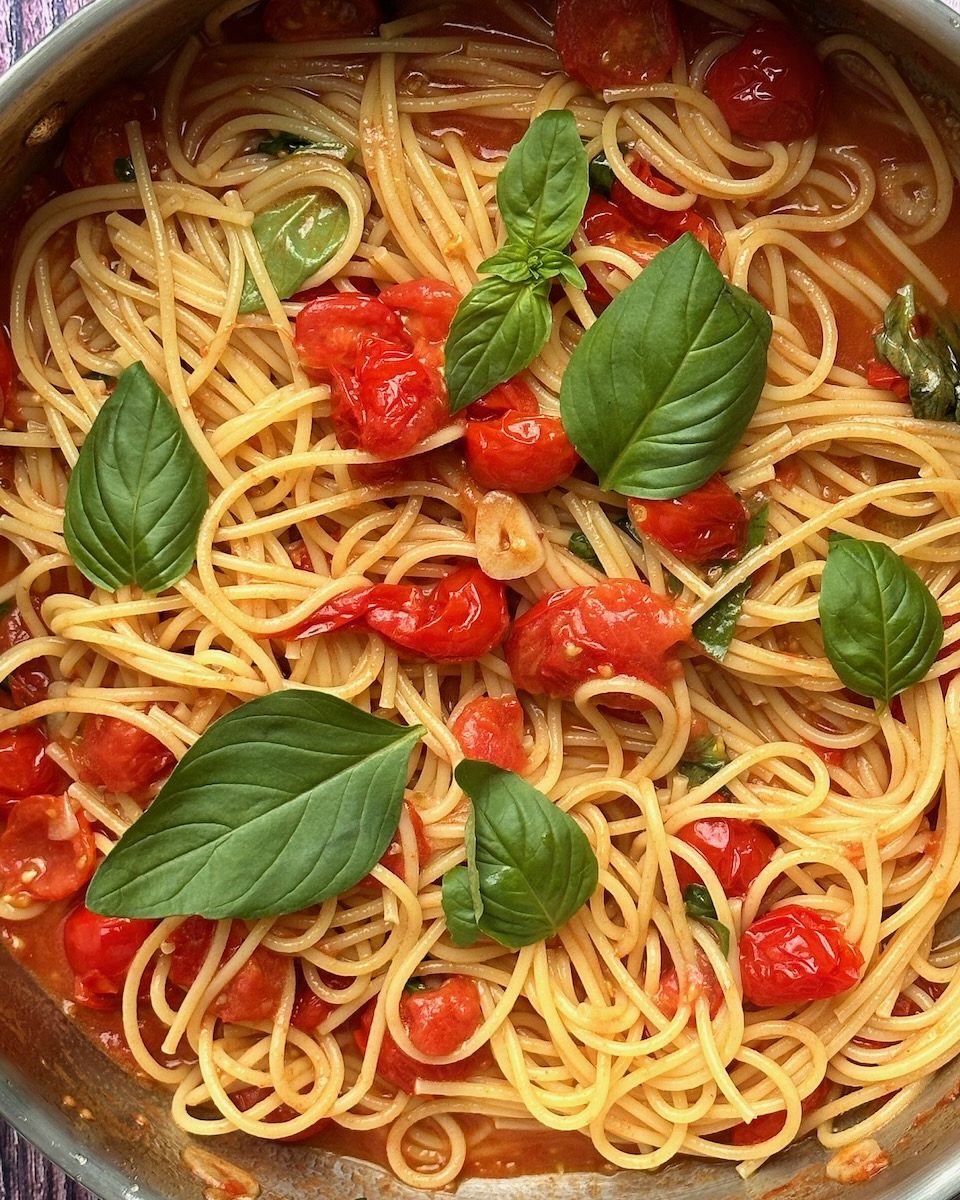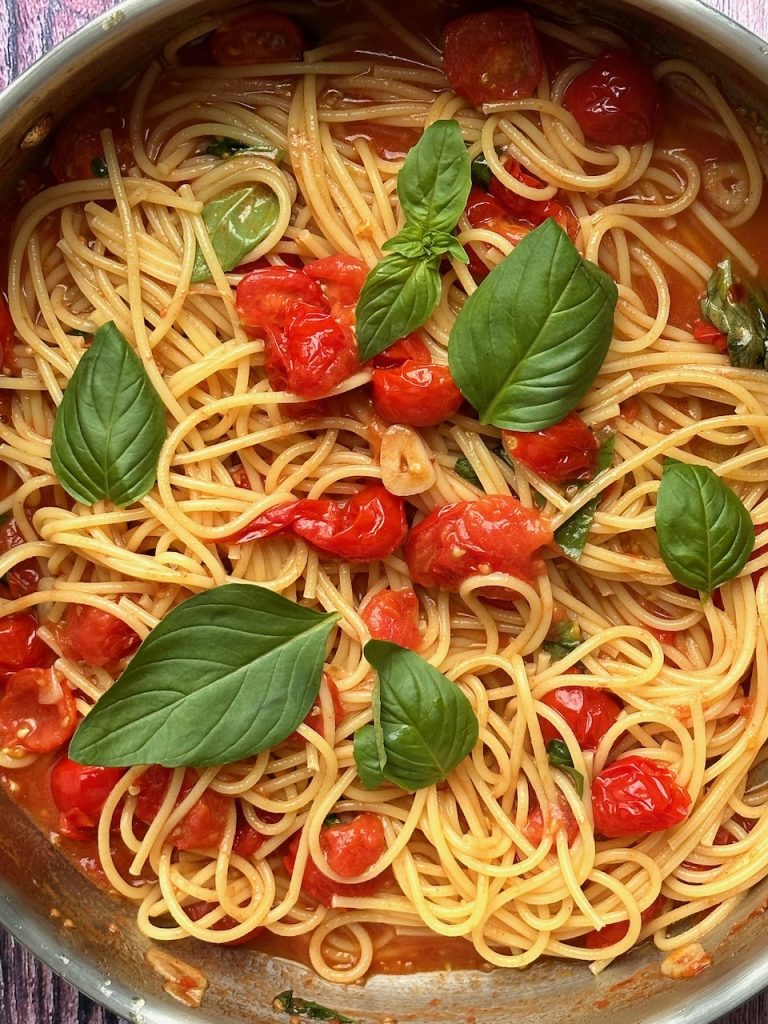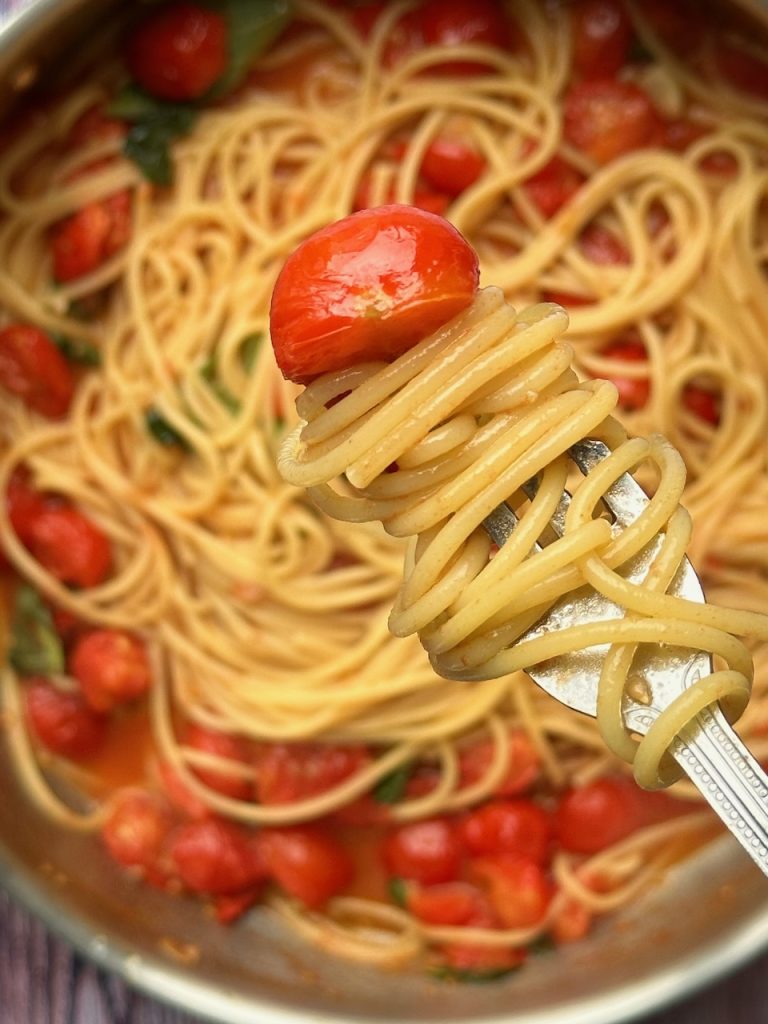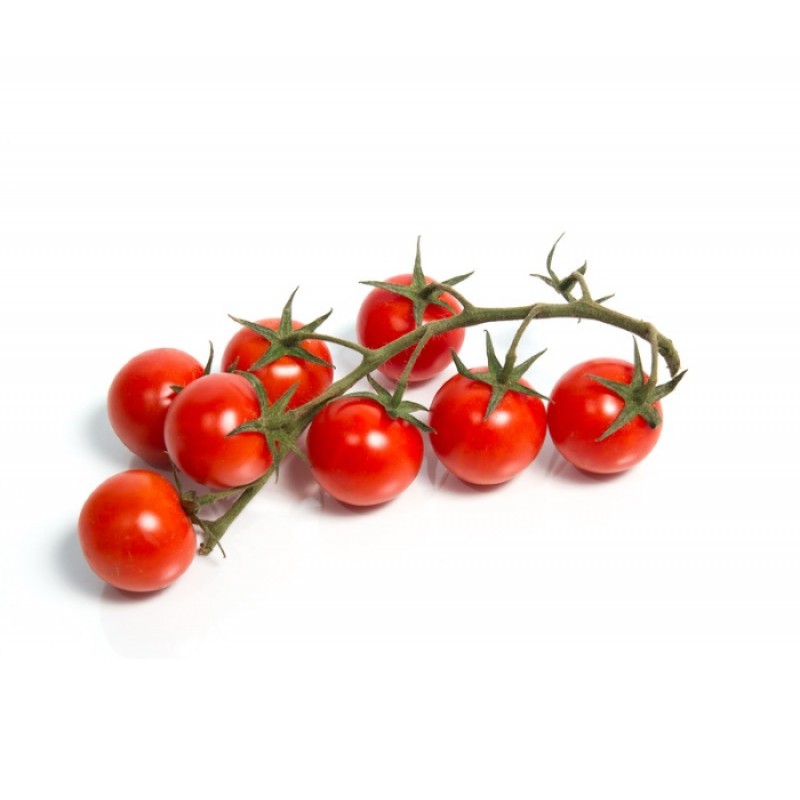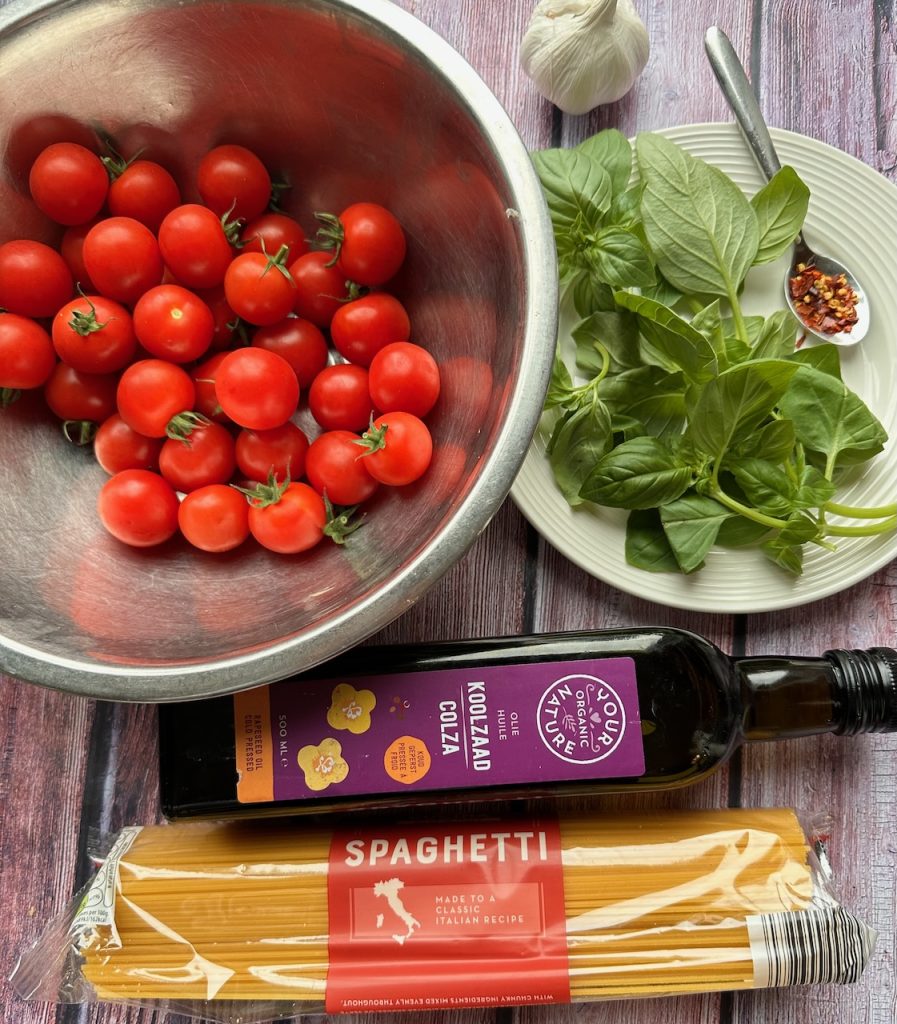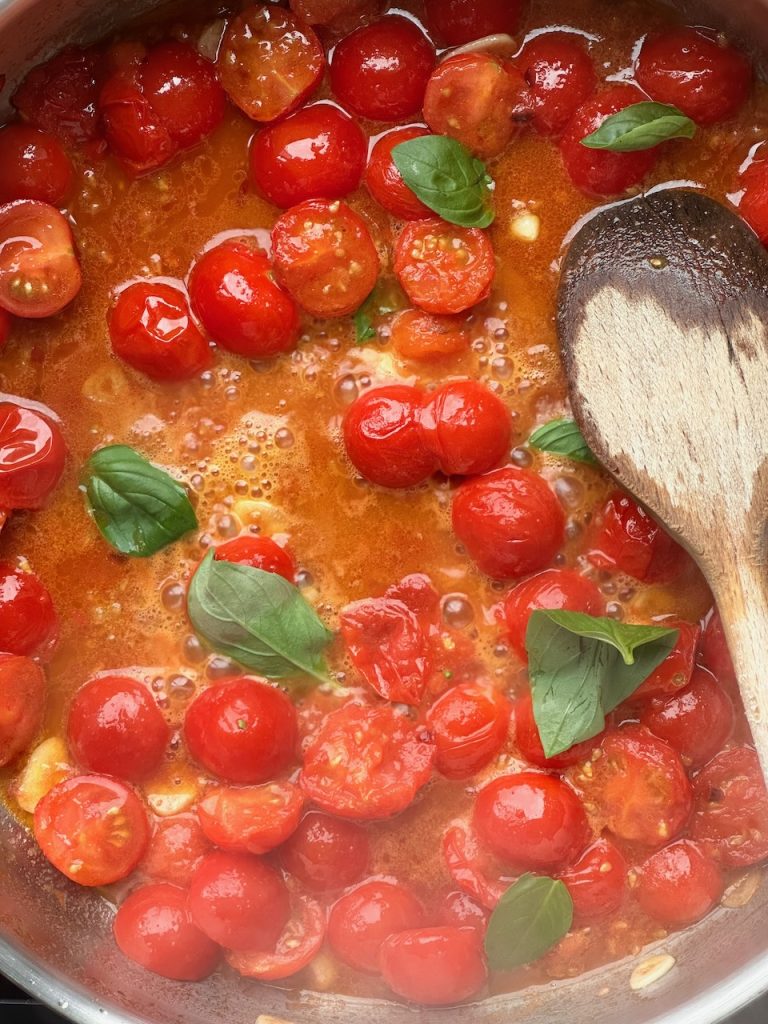
It is July and there are ripe red cherry tomatoes being harvested on the farm, they are then packed and delivered across the country to your doorstep. My kids and I saw them growing first hand, in the tunnels, at the farm walk last Saturday and it truly made me appreciate how special they really are.
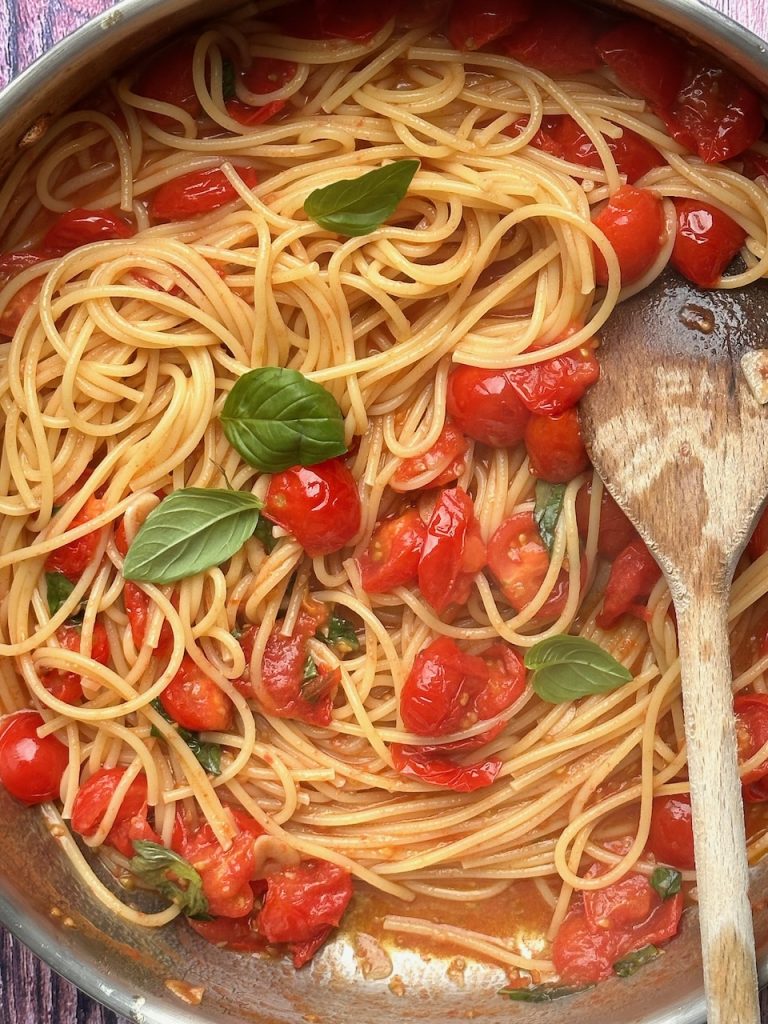
A simple dish like this really celebrates the cherry tomato. This recipe was shared by an Italian Nonna (granny) she said using the best ingredients is what matters most. I think she’s right. Like her I added some bicarbonate of soda to the sauce this balances the acidity in the tomatoes and really elavates the sweetness. Try it and tell us what you think!
Step 1: Rinse the cherry tomatoes and cut them in half. Finely slice the garlic cloves.
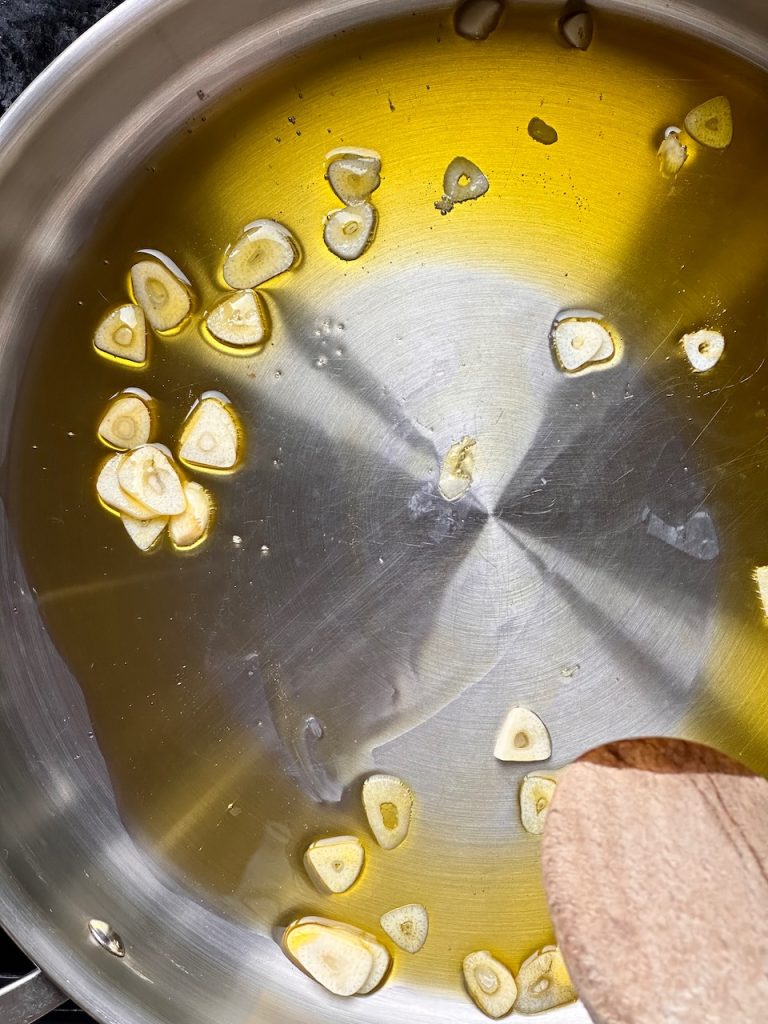
Step 2: Warm a wide pan on a medium heat. Add a good glug of oil to the pan along with the sliced garlic, cook for a minute.
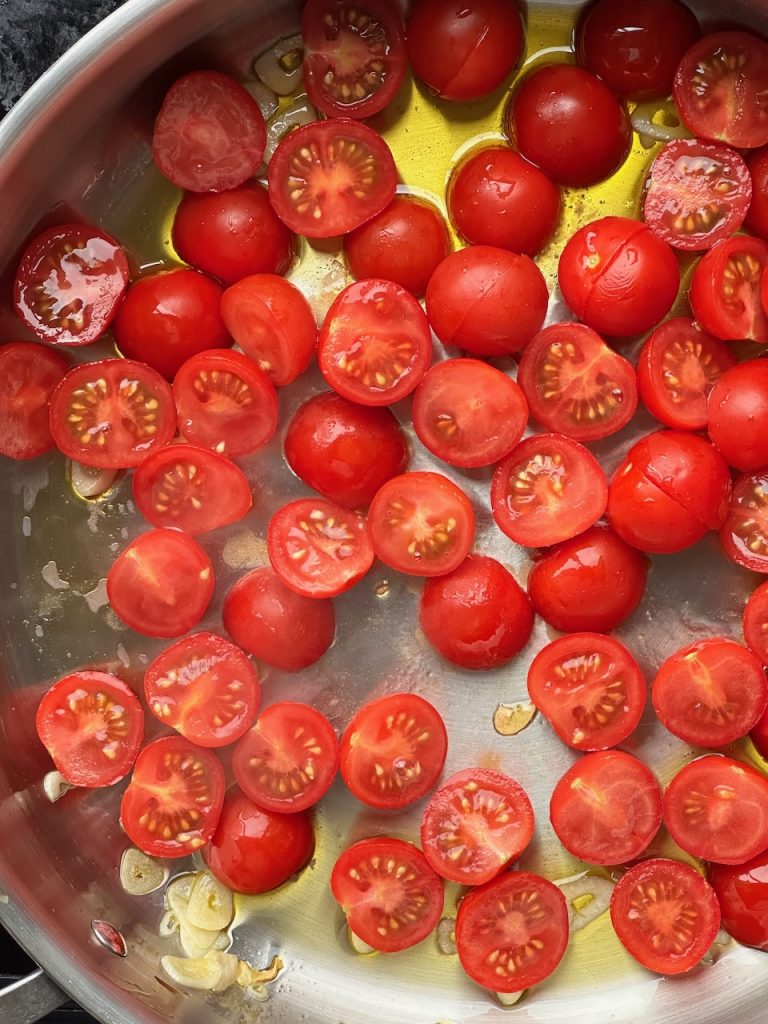
Step 3: Pour in the cherry tomatoes cook for a few minutes. Then add the bicarbonate of soda, chilli flakes, sugar and salt. Simmer for 5-10 minutes, until the tomatoes start to soften.
Step 4: Meanwhile, cook the pasta in boiling salty water. Then add straight to the cooked tomatoes, stir to coat, add the fresh basil leaves and serve up. Bellissimo!
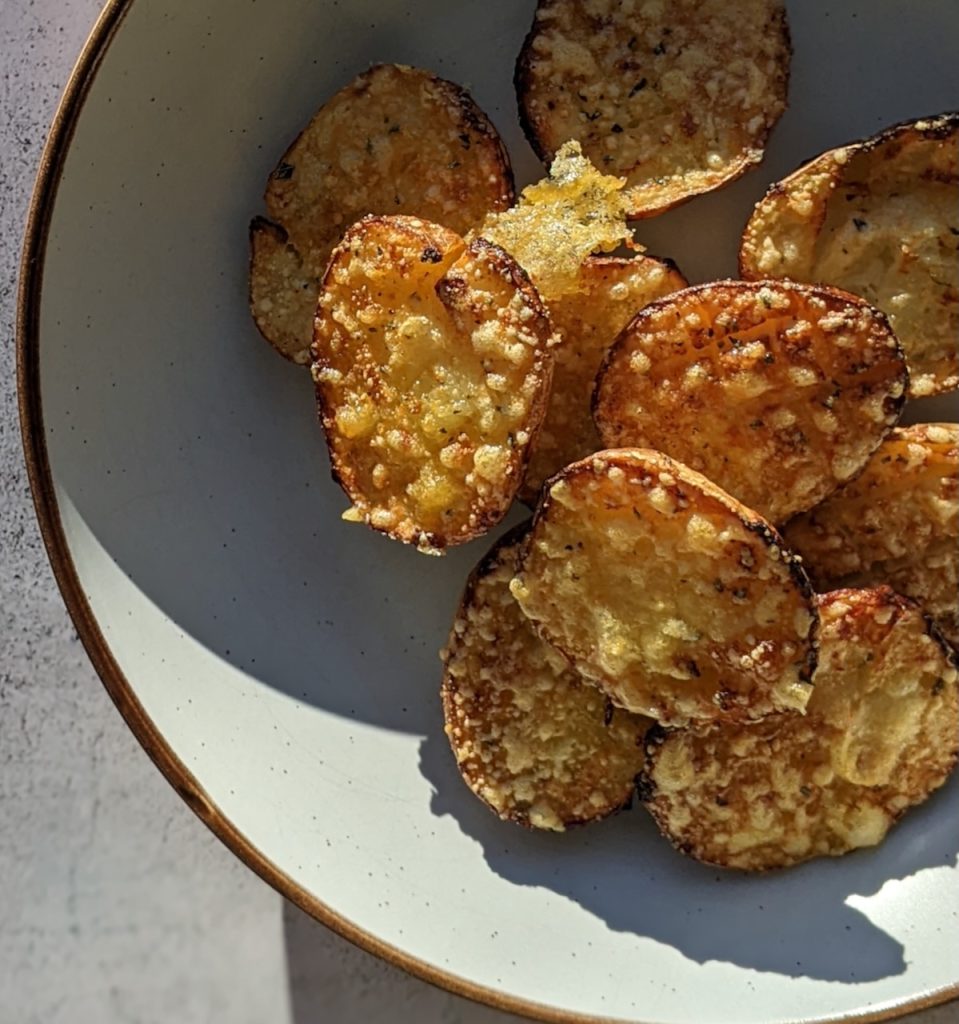
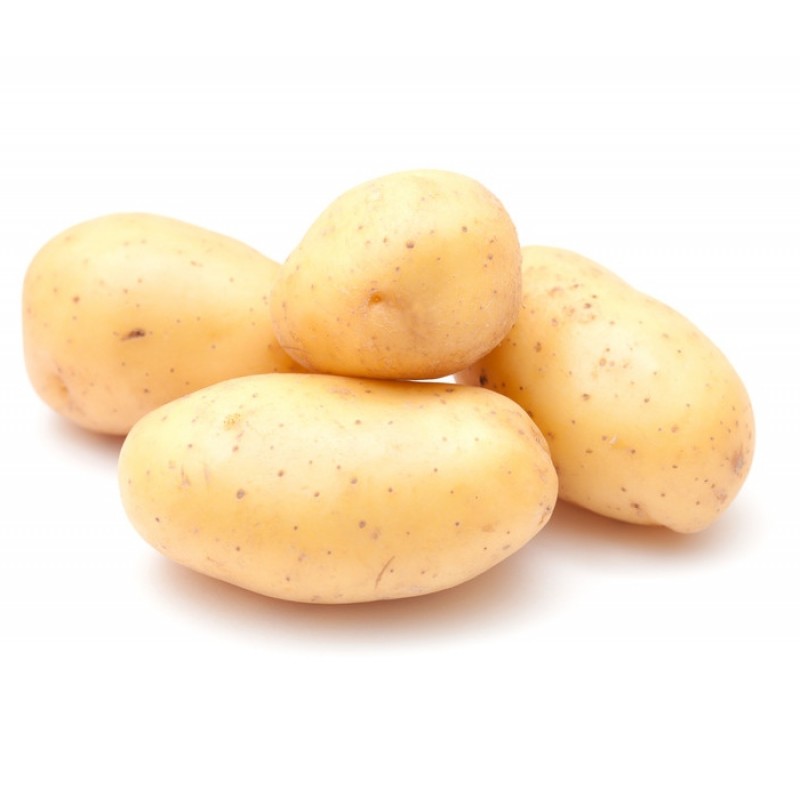
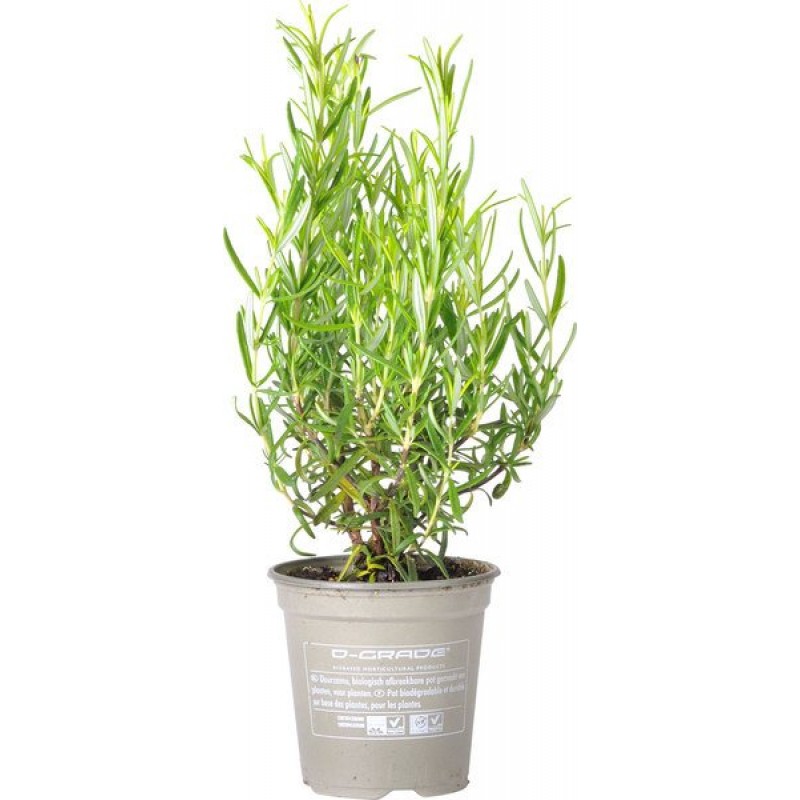
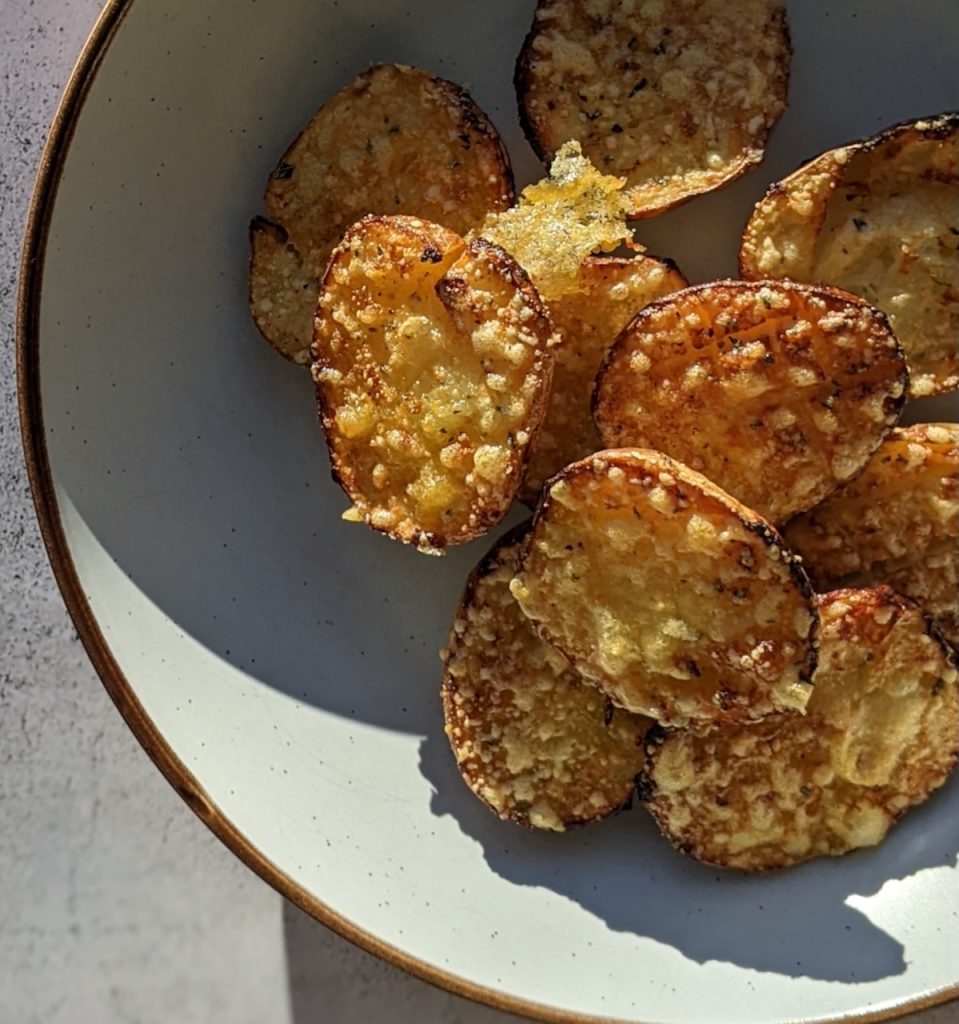
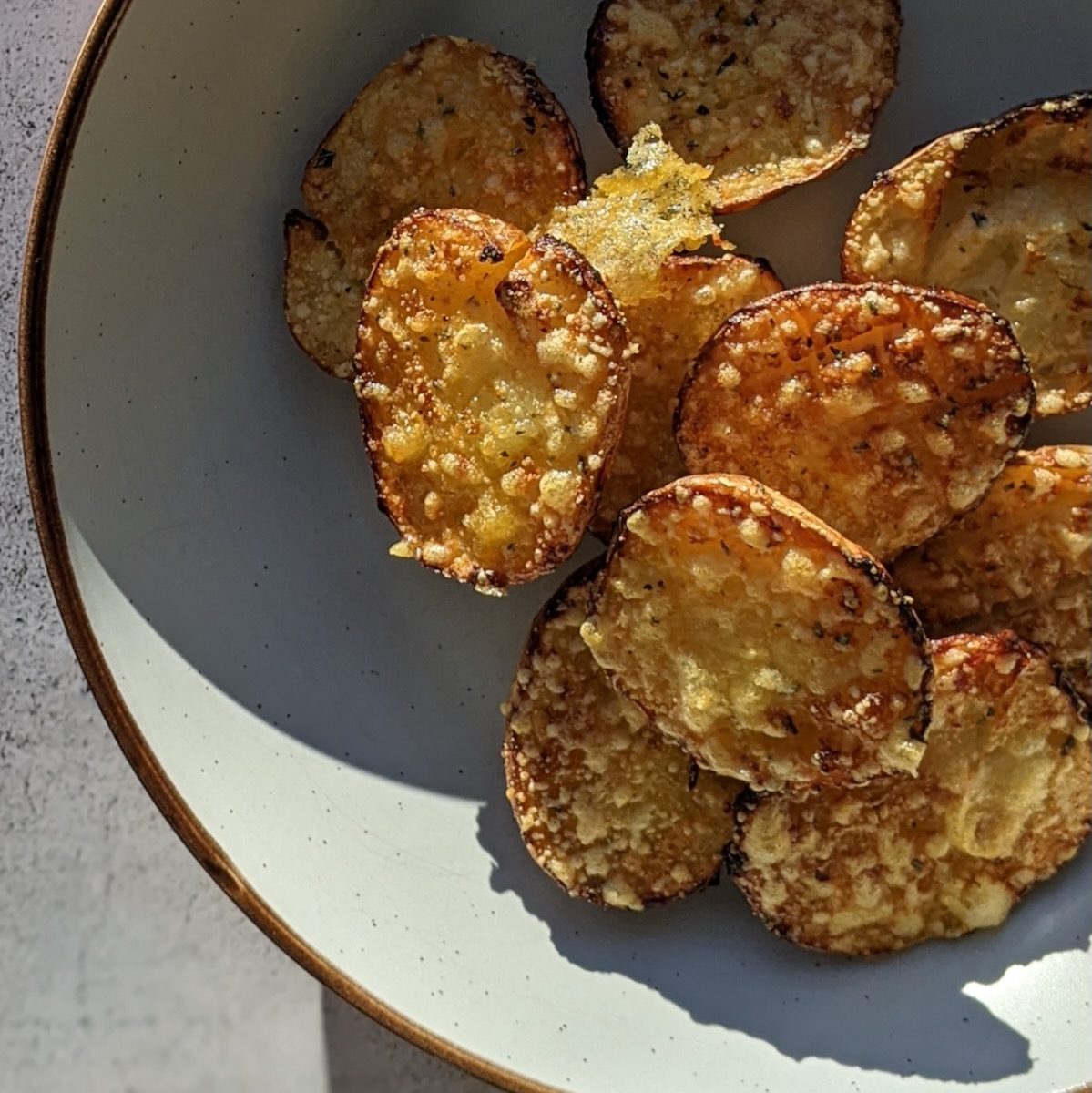
Boy do we love our potatoes. Nothing excites us more than finding new ways to cook them. This recipe is a must try before you die…lol!! Buttery, cheesy, big flavour from the garlic and aromatic from the hints of fresh rosemary. They are pretty special.
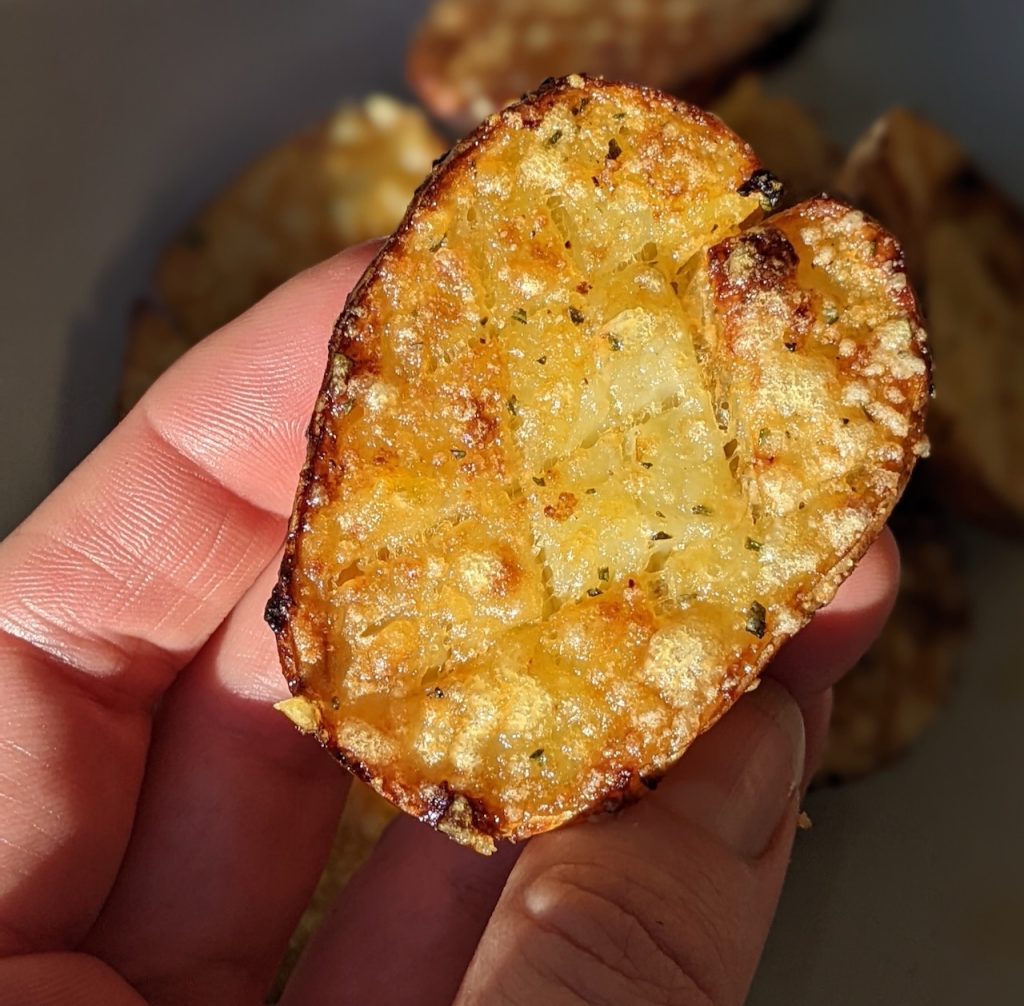
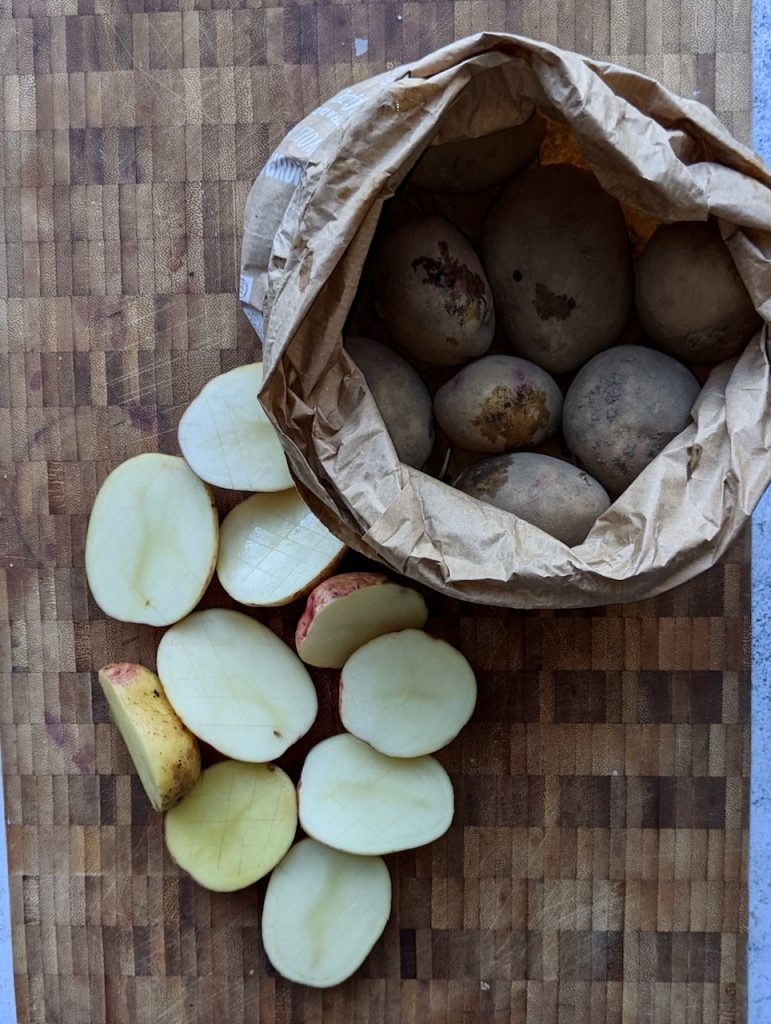
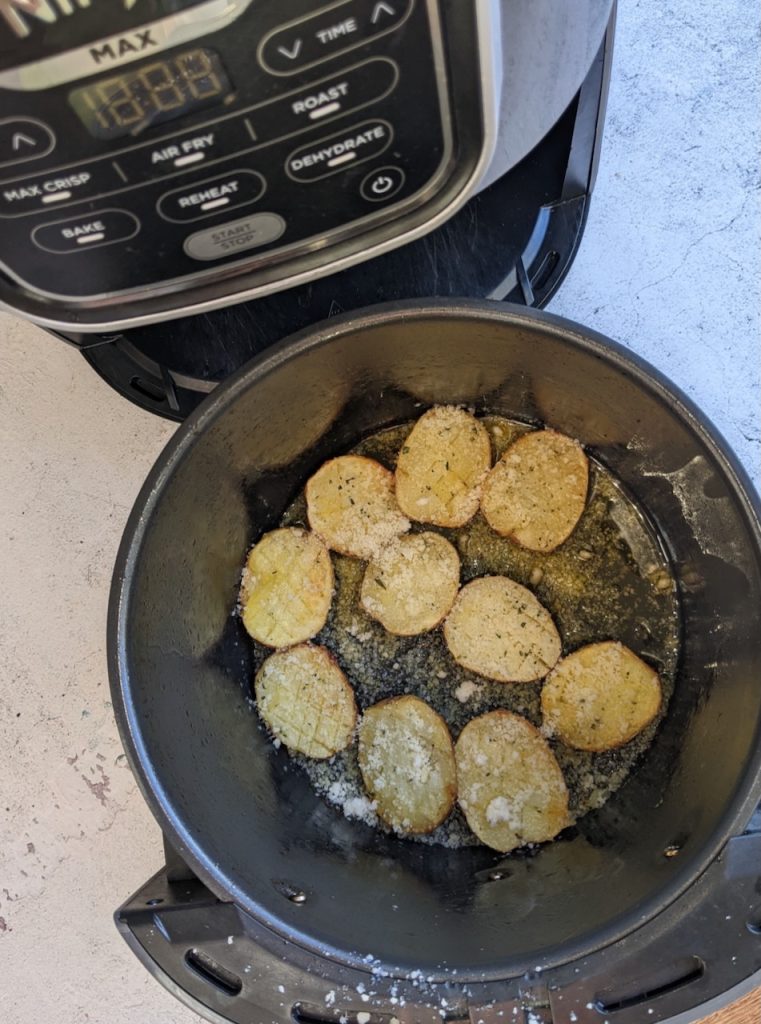
To get the flavour right to the centre score the potato with a crisscross this makes all the difference.
Our Irish grown Elland potatoes work great for these. We’ve made ours in the air fryer for speed and convenience but you could cook them in the oven too, they might take a bit longer.
Step 1: Air fryer method: Begin by washing and cutting the potatoes in half. Then with a small sharp knife score a crisscross on each half of the potato.
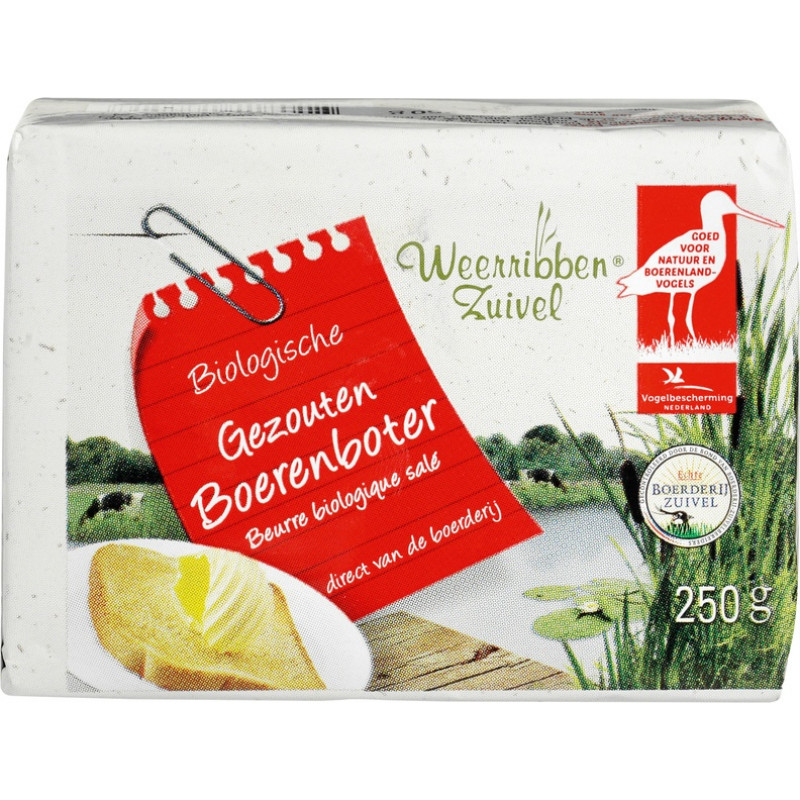
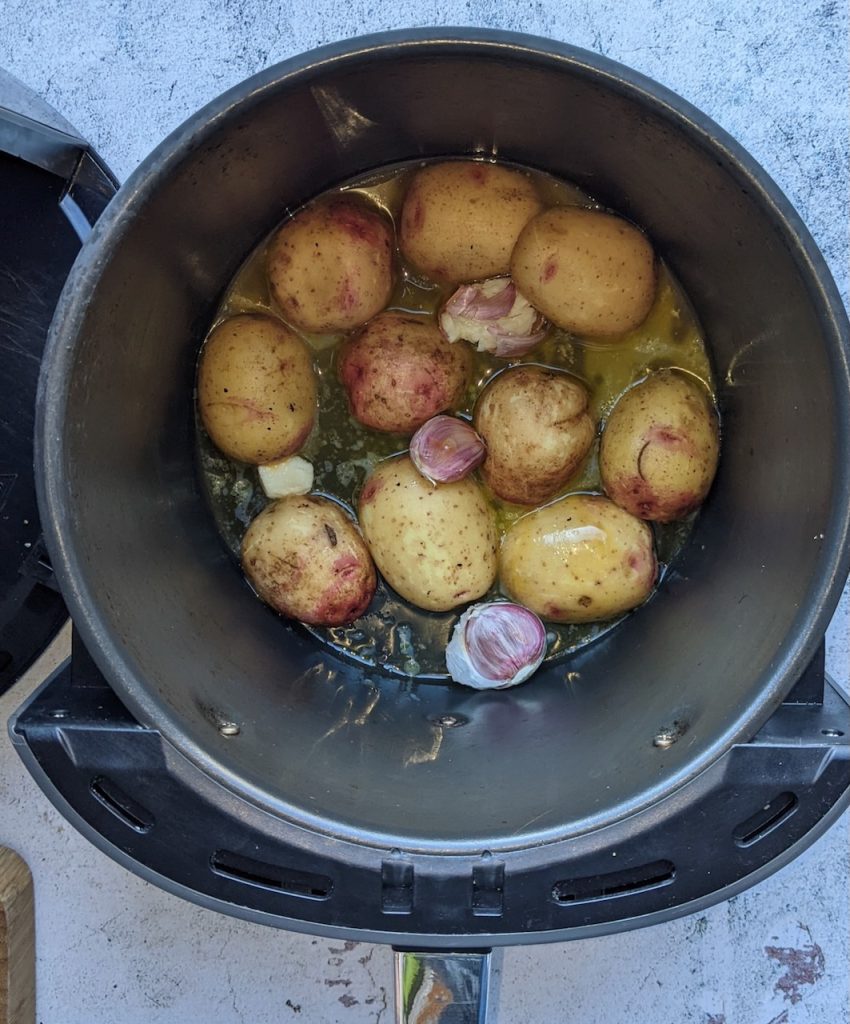
Step 2: Melt the butter in the microwave or small pot. Pour it into the air fryer basket toss in the crushed garlic cloves, add 1/2 of the grated parmesan and give it a stir. Place the potatoes cut side now on into the basket. Air fry at 200ºC for 20 minutes.
Step 3: Take out the garlic cloves and discard. using a spoon carefully turn the potatoes and season with salt and pepper, add the remaining parmesan and sprinkle over the chopped rosemary. Air fry for a further 10 minutes.
Oven method: Cook in a preheated oven at 200ºC but use a deep roasting tin. Follow the steps above, if the potatoes are still hard after the cooking time, leave them in the oven for a further 5-10 minutes.
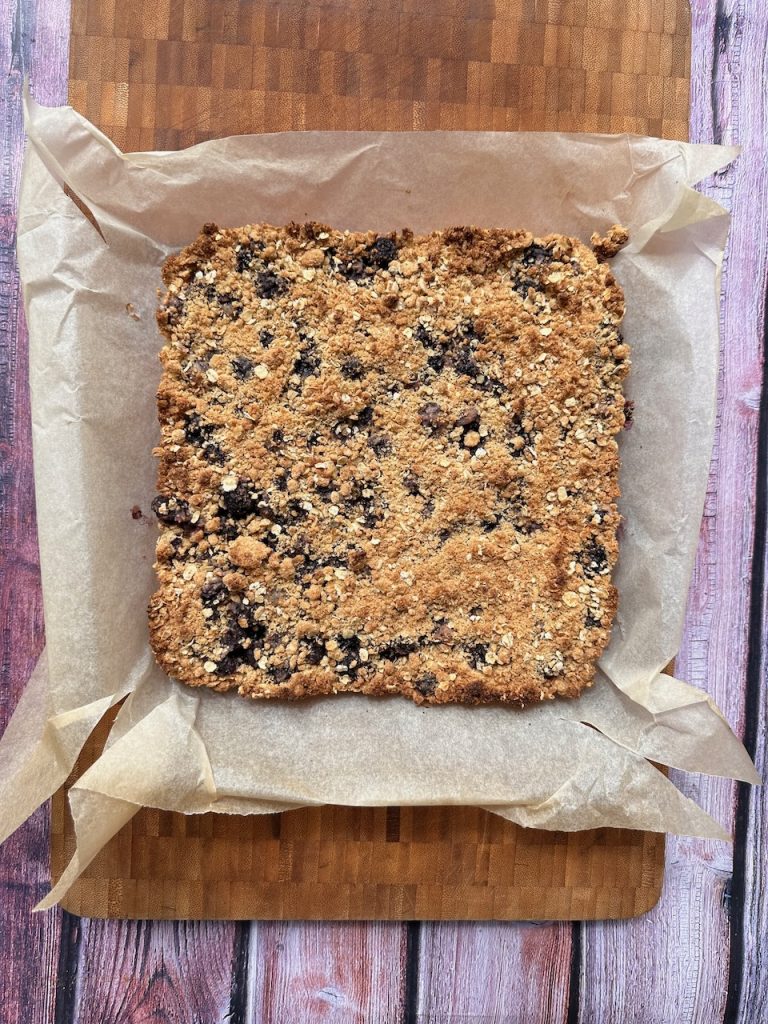
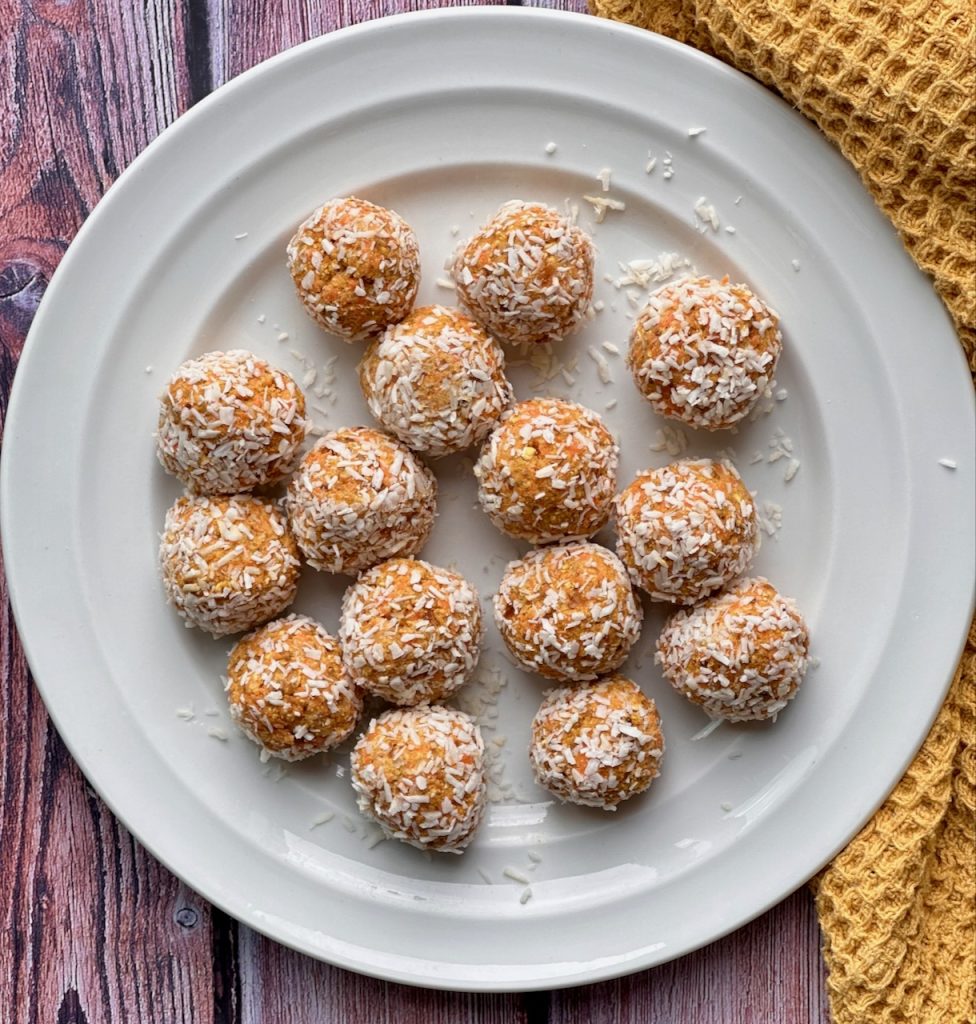
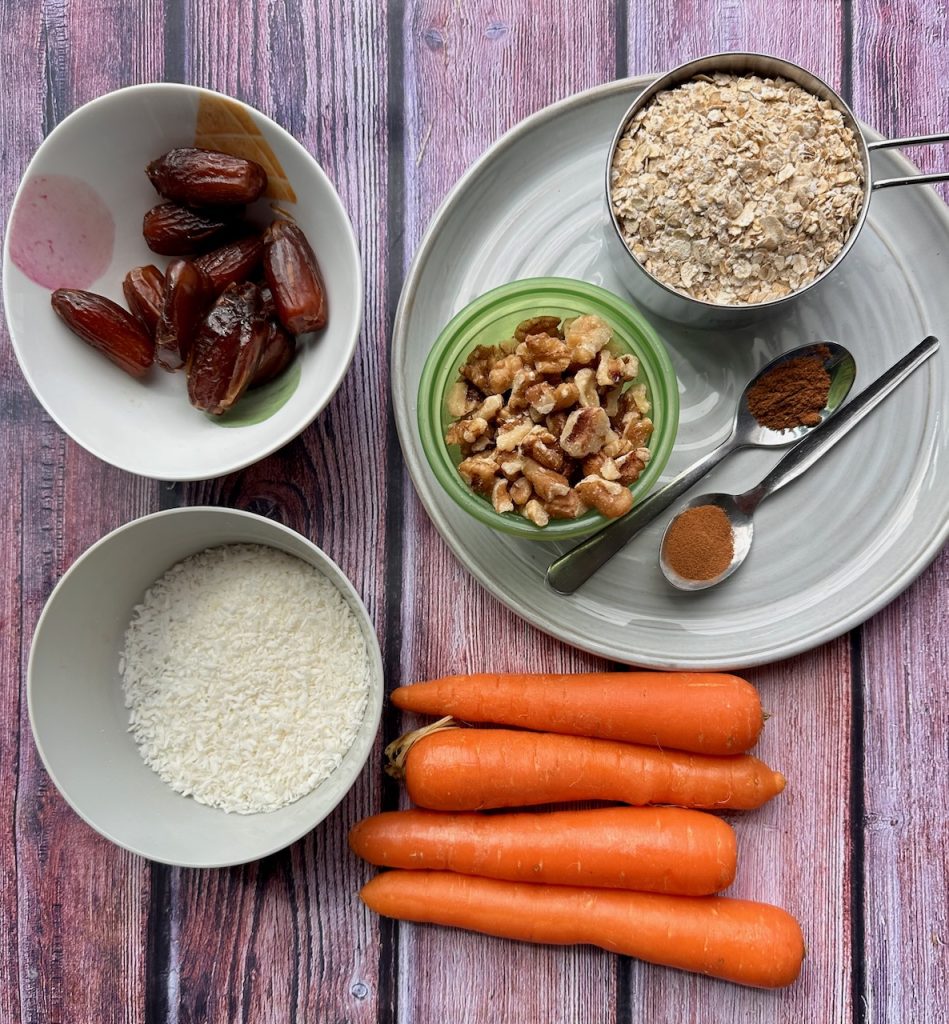
Healthy wholesome sweet and tasty!! Indulge in these easy snacks over the summer holidays.
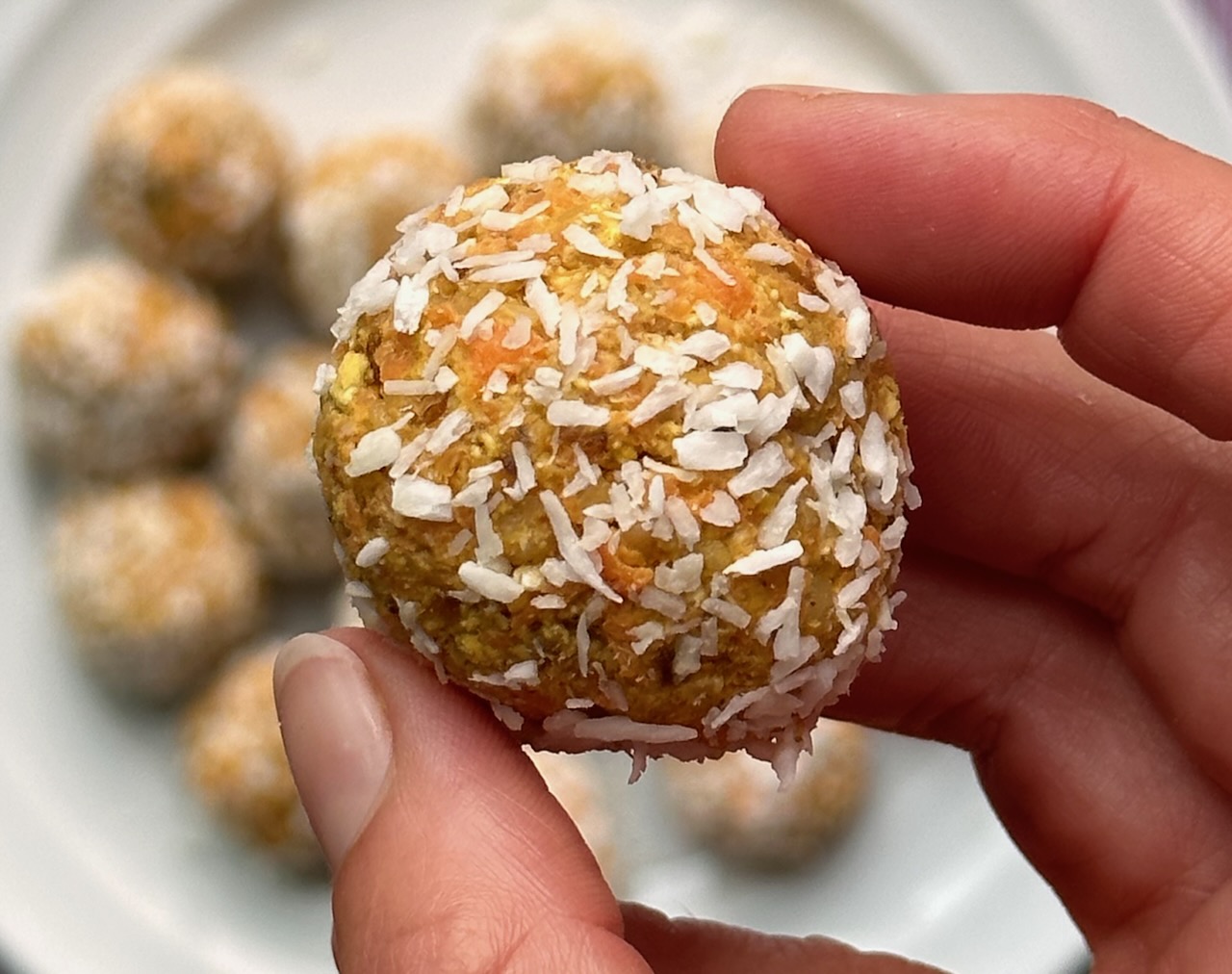
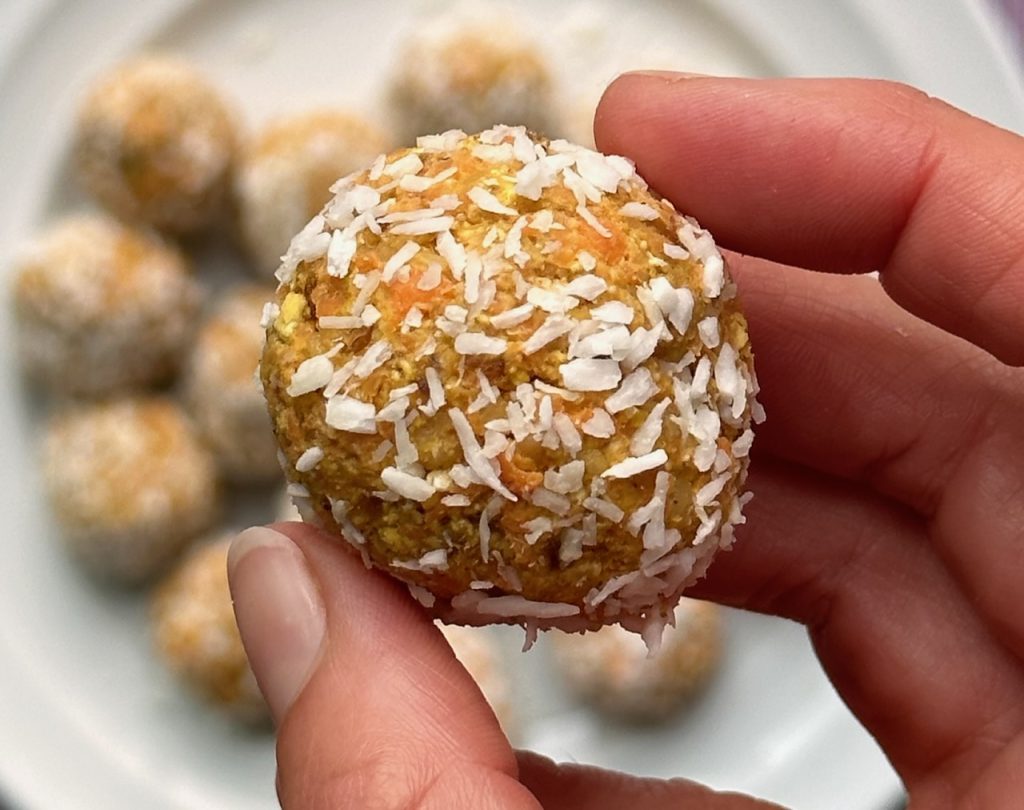
We were invited to an outdoor picnic last week and I was wracking my head thinking what to bring as a sweet treat. I made these and they went down really well. They are pre portioned, easy to box up and transport, bite sized, no messy fingers and taste top!
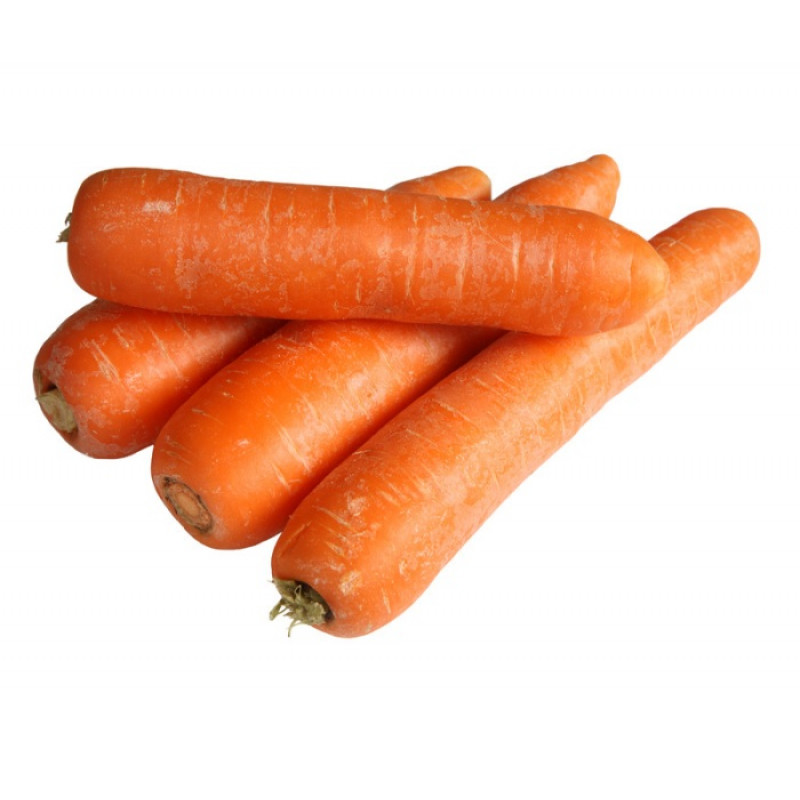
We have Irish organic carrots galore and all the ingredients for these tasty balls in stock.
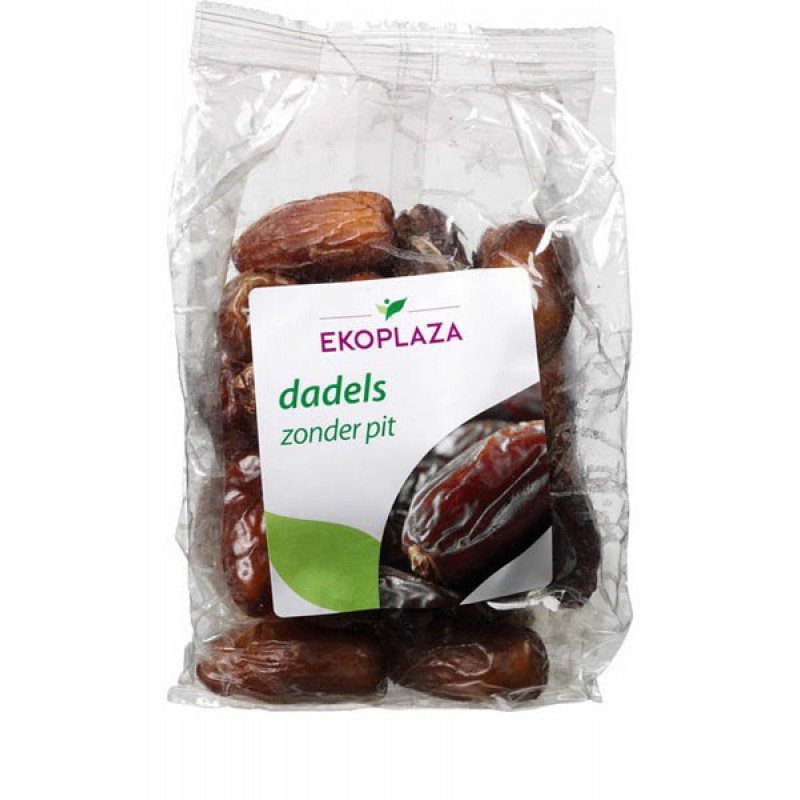
10 pitted dates chopped (soaked in hot water for 10 minutes help blend)
½ tsp cinnamon
½ tsp mixed spice (or nutmeg/ginger)
2-4 tbsp hot water to blend- use 2 tbsp to start, you may need more depending on the liquid from the carrots
To roll: 25g desiccated coconut or ground almonds as a substitute
Method:
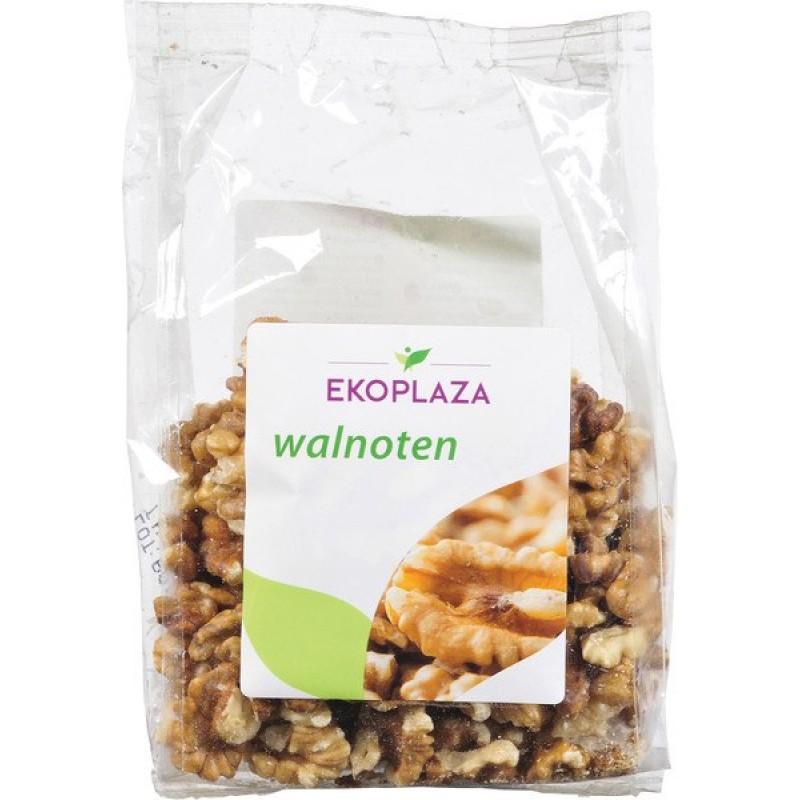
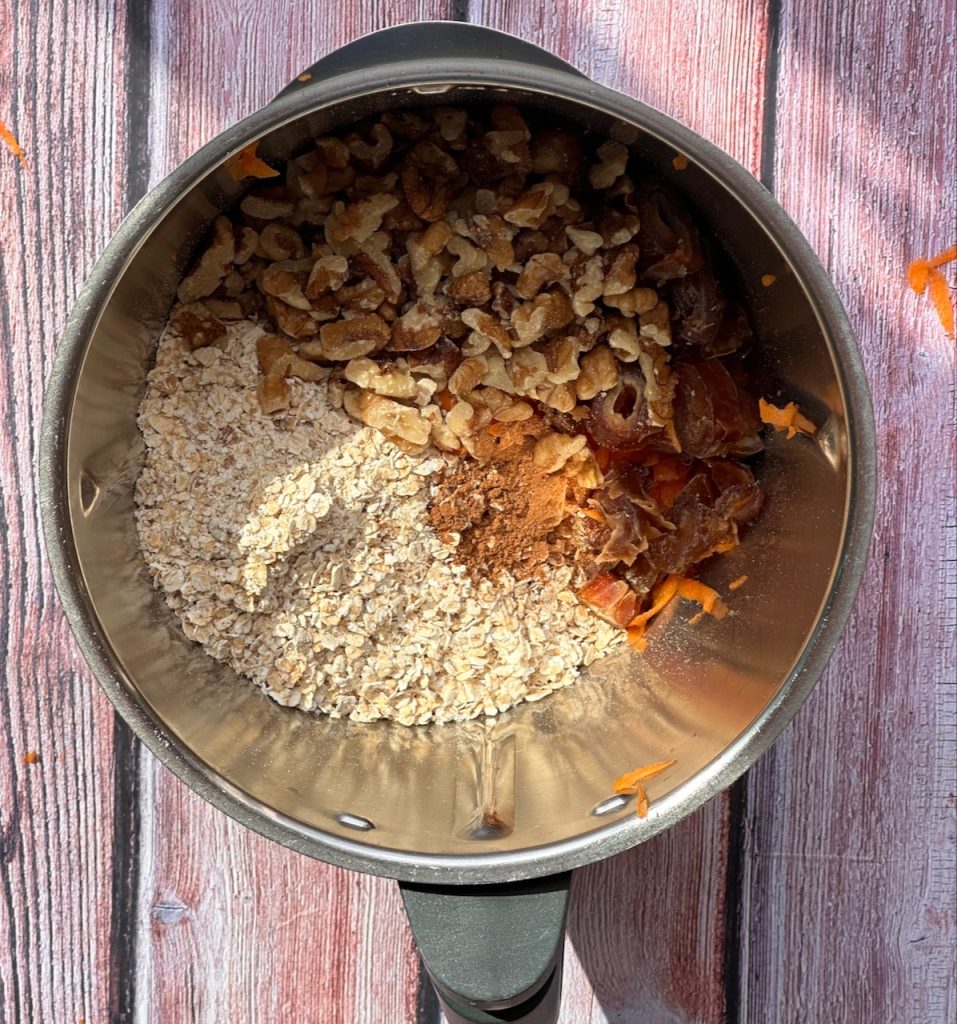
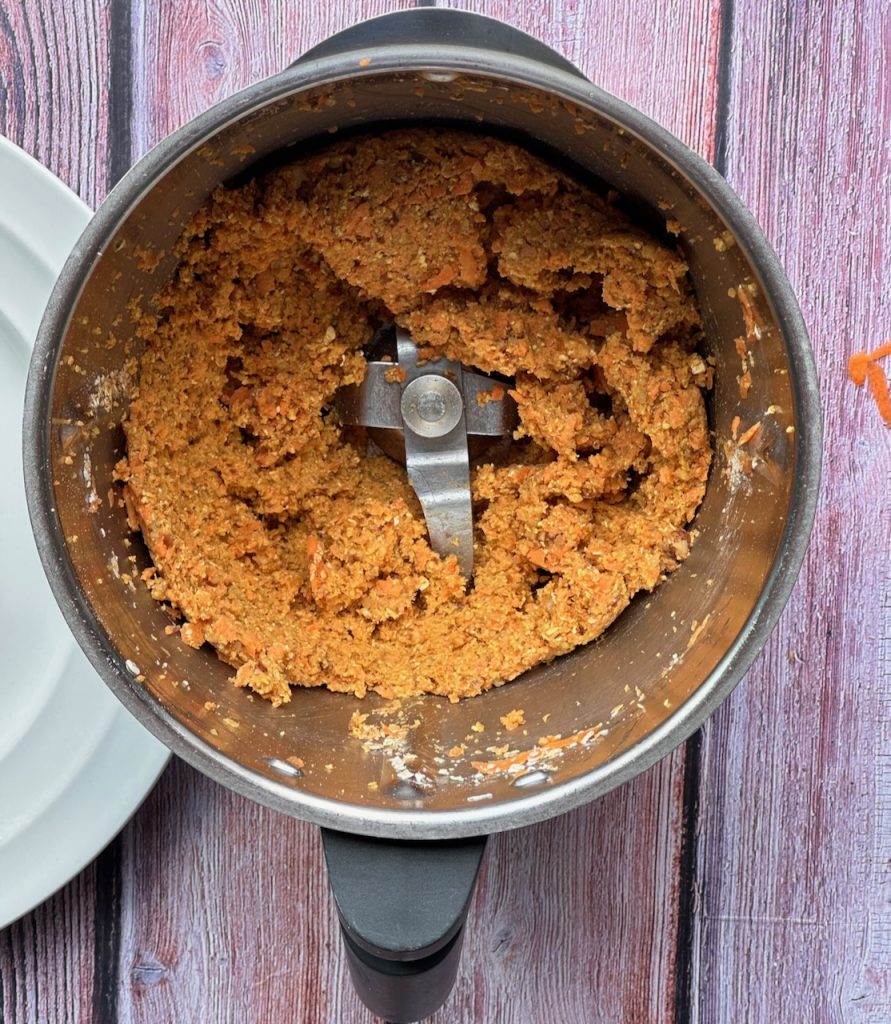
Step 1: To a blender add the grated carrots, walnuts, oats, chopped dates, cinnamon, mixed spice and 2 tbsp of hot water. The mix should be sticky, if its a bit dry add a small bit of water and blend again.
Step 2: Blend until you reach they desired consistency, plus for chunky or blend on high for smoother. Test it to see if it will roll into balls.
Step 3: Roll the balls in the coconut and put them on a tray or plate. Let them set in the fridge for 1 hour, then enjoy. They will keep in the fridge in a closed container for 3 days or in the freezer for longer.
Over the last couple of months, I had forgotten how grounding growing food is. On a sunny day walking through the crops, you feel alive. It’s the vibrancy of nature that recharges us, don’t we have a duty to protect this fragile system of life?
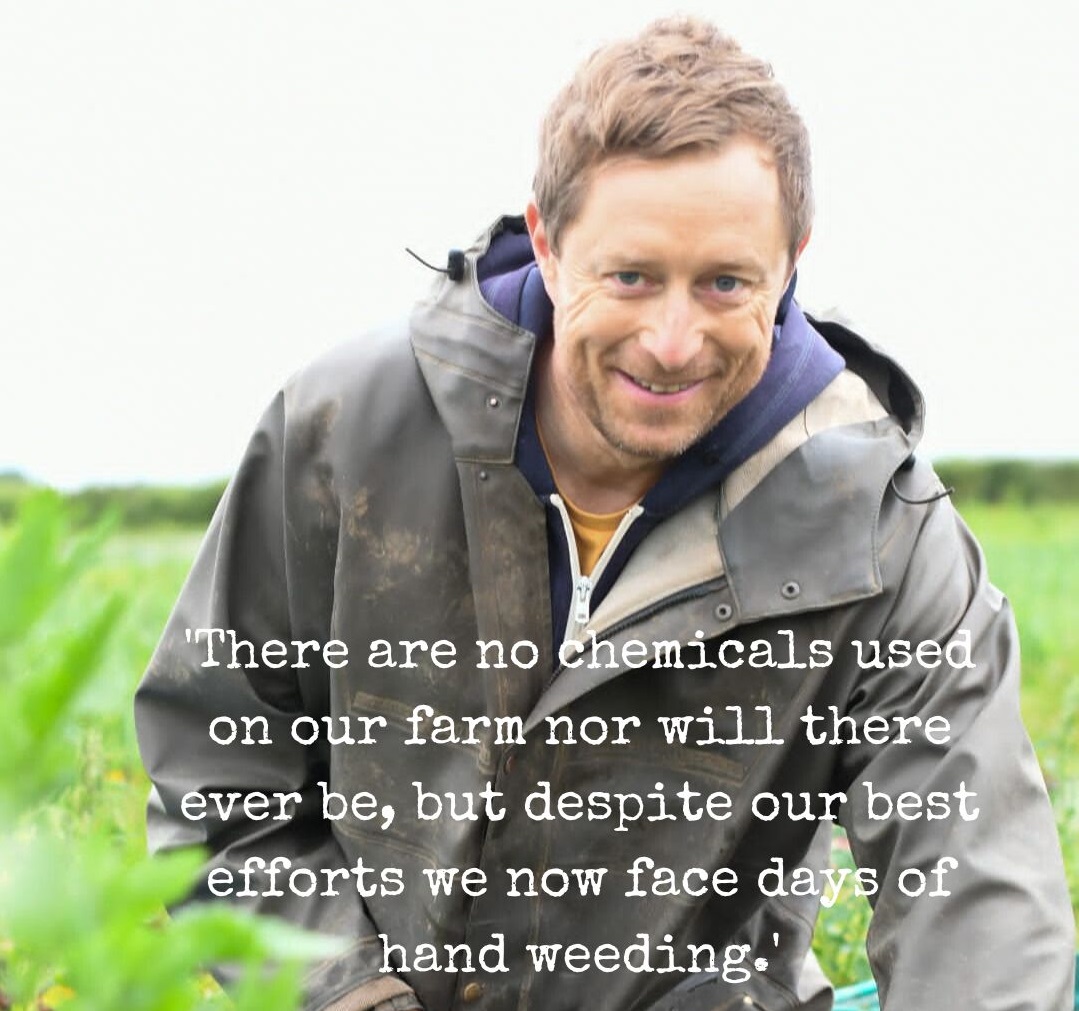
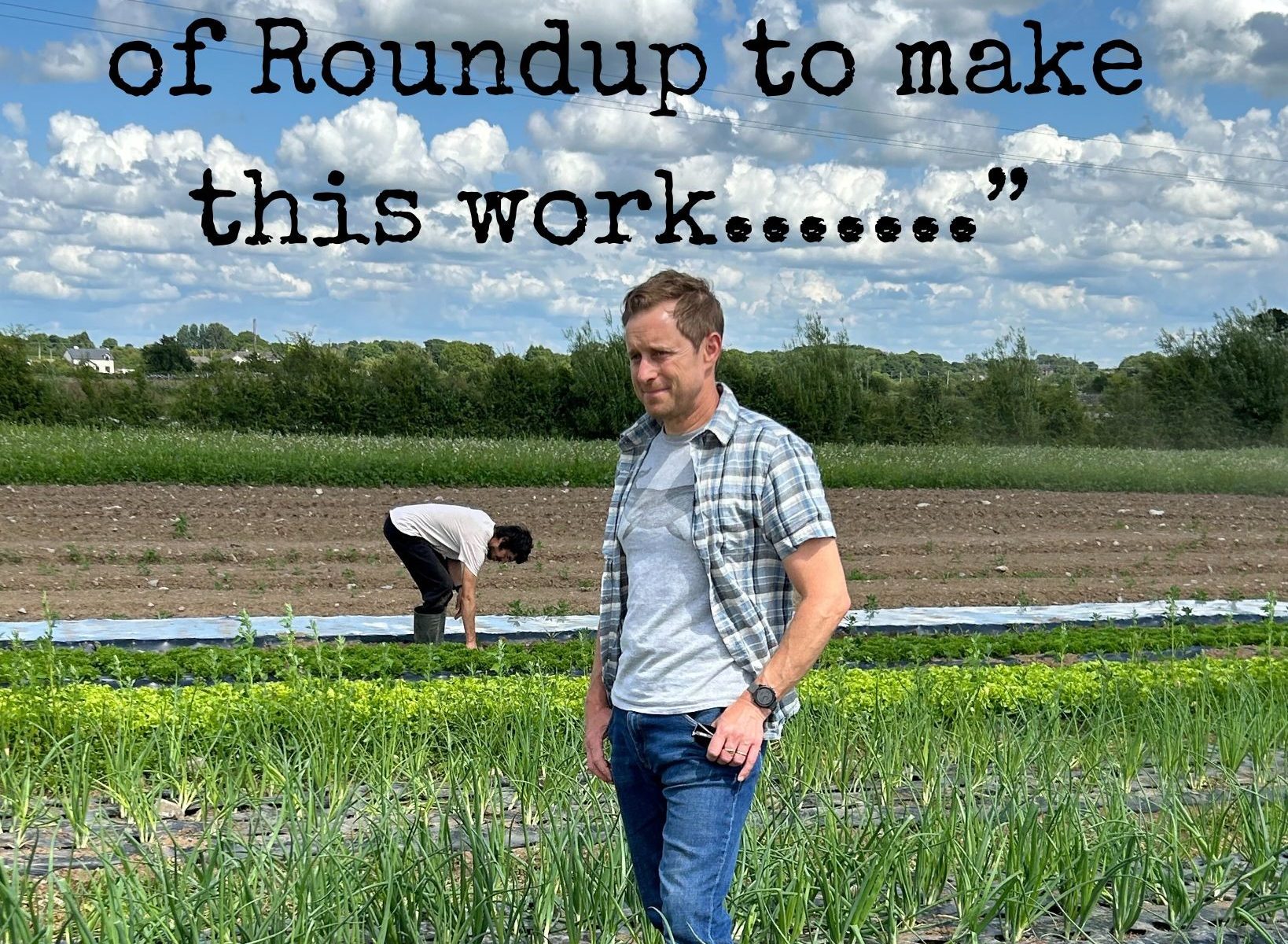
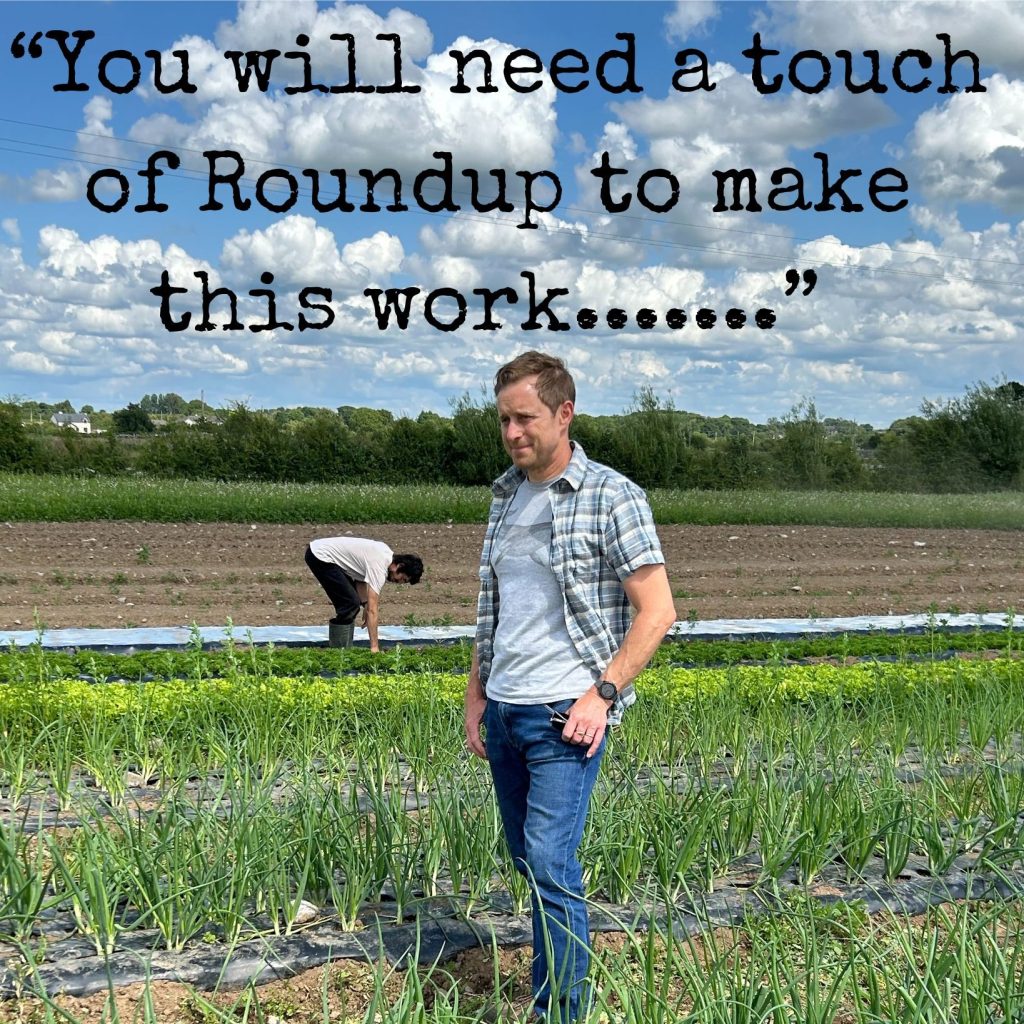
“You will need a touch of Roundup to make this work” some friendly advice 18 years ago imparted to us on our vegetable growing journey. Needless to say, we did not take it!
Using chemicals to fight nature will never work. In the short term it may give a temporary reprieve from a certain disease or pest, but that pest will come back stronger and more resistant next time. It is in a way a self-perpetuating industry.
I spent a good percentage of my early life studying and working with chemistry and I am thankful for the many benefits modern science makes possible, but synthetic toxic chemicals have no place in our food chain, end of story.
Our organic farm is situated in rural Ireland and it is beautiful in its own way it’s vibrancy is defined by a myriad of greens, and flowers and it overflowing with life.
Once upon a time, flowers and mushrooms were commonplace in fields of grass around our lovely country, not so anymore. I don’t know about you, but the sight of a cowslip flower transports me back in time, to a time when the fields next to our family home were full of these beautiful flowers.
Sadly, today, these flowers are not to be found in most farm grasslands, they have all but disappeared (as have the button mushrooms that also used to be commonly found in meadows).
The reason sadly: the common use of artificial fertiliser and herbicides. Many of these grass tracks are sprayed to remove anything that is not grass, depriving the land of variety, variety being the cornerstone of all life. Such is the way of much of our production systems these days, large monocultures, engineered to produce at all costs.
The one common theme that can be found in all of these food systems generally starts with a application of the chemical glyphosate which as a molecule looks benign enough, but is far from benign.
The active ingredient in Roundup: glyphosate is the most widely used herbicide in human history, nearly 10 billion kg have been used globally. It is a probable-carcinogen and it now contaminates most non-organic food stuffs. It is systemic in nature which means if it is sprayed on a crop then it gets absorbed and sits inside it. It destroys all life, and leaves fields barren and dead.
Surely the production of food in a way that contributes to our health and the health of the planet, a way that enhances and protects biodiversity, a way that encourages working with nature rather than against it must be the best way to grow food?
The funny thing is that usually this type of approach produces food that tastes great, is better for us and is also better for our land. Your support makes it possible, and during the summer we need it more than ever, thank you.
What a week, the gruelling physical draining farm work starts at 6am every day. The intense heat and sunshine have taken its toll on the farm team, but they have weathered it with their familiar good nature and cheer and have done exceptional work. I had the sense this week of things coming together of the work being caught up, of shape starting to be put on the fields.
The little plants are starting to show their heads and with the help of some monsoon type downpours and intense heat there has been an explosion of growth. The shift in the climate is so clear to see, yes of course we have had warm weather in years gone by, but every year since 2018 now we have had consistent weeks of heat and near if not full drought conditions. It is the regularity of change and the extremes of the change, that are so noticeable, climate change rages on.
We are teetering on the cusp now, the real start of the Irish vegetable season is nearly upon us. This week we have caught a glimpse of what it will look like by early July, a literal explosion of amazing Irish produce.
There is so much going on right now, planting, thousands of plants went into the ground this week, broccoli, kale, cabbage, celeriac, lettuce and celery. Weeding, sowing, side shooting, watering, surviving, thriving, planting, and yes more weeding!
We are harvesting loads of lettuce and salad. We are receiving fresh Irish scallions from Enda in Galway, Spinach and Kale from Padraigh and Una in Beechlawn organic farm, herbs and kale from Joe Kelly in Mayo, Salad and herbs from Audrey and Mick in Millhouse organic farm, very excited about the first Irish organic strawberries from Niall Whelan in Thrive farm in Wicklow. In a couple of weeks, we will be overflowing with the most amazing produce from our farm, including our own tomatoes and amazing cucumbers and other farms across Ireland. Can’t wait for the first new potatoes second week of July, from Donald and Cameron Tracy in Kildare.
It was with much trepidation that we planned our cropping schedule for this summer, after the last four years it has been a game of Russian roulette not knowing what to expect especially at this time of seasonal plenty.
So it is that we are also on the cusp of the full-on holiday season and it is a source of eternal concern that the produce we and others have worked so hard for all year will not have a market.
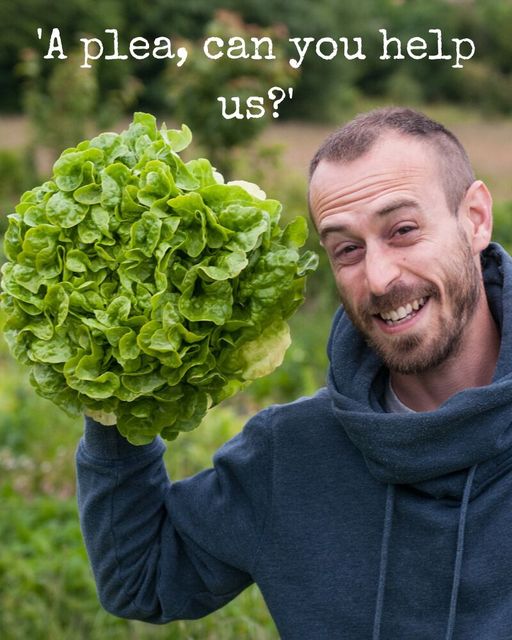
Usually, these Friday posts are personal views, or stories that demonstrate the values we hold dear here, but this week it is a call out.
So it is that we are launching an official “Save Our Summer” campaign to help keep our farm and all the other farms we source produce from flowing over the tough summer months. So please support us, we have put in place a couple of things to help you to do that.
For new customers there is a 20% discount on your first order, visit our homepage for details.
For all our loyal weekly customers we have doubled reward points on all once off purchases. If you set up a repeat order (which you can modify or pause or stop at any time) we are giving you five times the points on every purchase. The “carrot” or reward points can be redeemed for money off on an ongoing basis and we will keep this in place until the end of August.
We also offer Free delivery for over €100 and of course we deliver to every county in Ireland with our sustainable boxes and packaging, mostly plastic free.
So, if you can order or tell a friend or spread the word it will make a massive difference to us. The supermarkets don’t care and won’t miss you, but we certainly will.
As always thank you from all here for your support and as always we would love to hear your thoughts and comments.
Kenneth
P.S. To place your order, click here – every single order makes a big difference to us, and our network of organic farms around Ireland. THANK YOU for your support.
The summer is a busy time juggling work, child care, holidays and making the most of the long sunny days. It’s great to have a few super quick salad recipes that take minutes to make but are top on taste!
This is my mothers signature salad. She gets requests for it when we have family get togethers. Its perfect for lunch with soda bread or for supper with some boiled eggs.
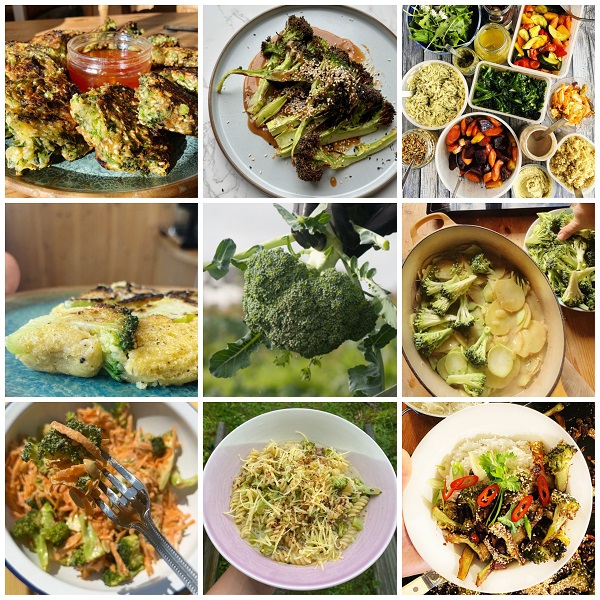
Next time you have some Irish organic carrots and broccoli in your veg box give this a go.
What’s your favourite raw vegetable in a salad? Let us know if the comments.
Step 1: Chop the broccoli florets into bite sized pieces, add them to a mixing bowl. You can chop or grate the stalk too, or keep it to chop for a stir fry.
Step 2: Grate the carrots, add them to the broccoli.
Step 3: Season with a pinch of salt and pepper then mix in the peanuts and mayo. Taste it and then transfer into a serving bowl.
Are we promised rain? I went to that place this week, I said the unsayable, “We need rain”. There is always the fear here, that once the rain comes it will never leave, and to be fair we have had plenty of experiences with rain never leaving.
We have been out with our water tanker this week as many of our crops are stunted. Broccoli, kale, celery, cabbage and more are stunted they need water. It is not close to the major drought of 2018 when we had to dig down 18 inches to find moisture, but it is starting to be a problem.
These extended periods of dry weather are amazing the blue sky does us all a world of good, but 3-4 weeks without rain, that is unusual, or is it? It seems to me that these extended dry spells followed or proceeded by intense rain are not so unusual anymore. Since 2018 we have had more and more weeks of intense dry or drought conditions than I remember in the prior ten years.
Right now, our farm more resembles a farm in southern France or Spain, dusty dry and stunted.
The climate is warming, it is undeniable, man-made greenhouse gases are responsible. Weather patterns are changing rapidly.
It’s hard to grasp the magnitude of climate change, we don’t see the glaciers or the ice caps melting, the wild-fires in Europe last year or those in Canada right not are removed from our comfortable corner of the world.
Our direct experience of climate change is relatively benign, but that too is changing. Earlier this year the lack of tomatoes and peppers due to extreme weather, affected us, but it was more of a minor irritation that a real problem. But what happens when these climate stresses increase, and they start to affect our food production?
We have such potential for diversification in our food production here and yet the market is undermining our horticultural industry at a time when it couldn’t be more important to support it.
It may be selfish, but we need to be able to grow our food and we need to support local food growers. One critical way to reduce our burden on this planet is to think mindfully about what we eat, and where and how it was grown. Eat more plants, locally and organically grown.
We can only do what we can do. We can only do what we have the time energy and money to do. But how we spend that time, energy and money makes a huge difference for the better. Our business was started to guarantee that what comes to your door in one of our boxes has as far as we can control, been grown or produced, ethically, sustainably, and organically. We don’t always get it right, but those principles are one thing WE WILL NEVER COMPROMISE ON.
Thank you to everybody who responded to our post and e-mail last week. The number of responses and the level of support was amazing, uplifting and encouraging and made a difference so thank you, I read them all and if you have any thoughts on the above again we would love to hear them.
This is one of my all time favourite dressings. It is so vibrant and punchy and creamy from the cashews. I ordered a head of Irish red lettuce last week and have been living off it for the last 5 days (it was massive and gorgeous). And I remembered this dressing, I shared a version of it with you last summer. Its just the best and makes enough to last a few days.
Couscous is so quick and handy here but you could add leftover rice, pasta, tinned lentils or beans instead. As well as adding grated carrot, shaved red onion or any leftover cooked veggies that need using up.
Let us know if you try it,
Team GREEN yay!
Lou 🙂
Note: If you love garlic add extra cloves- I usually do.
Step 1: Begin by making the cous cous. Add the dried cous cous to bowl, add a pinch of salt and top with boiling water. Cover the bowl with a plate and leave it for 15 minutes.
Step 2: Put the cashews into a bowl and cover with boiling water, leave to soften for 15 minutes. if your blender is not very powerful, soak for a full hour.
Step 3: Toast a handful of almonds on a dry frying pan on a low heat, toss ever minute until toasted. Once cooled, roughly chop them.
Step 3: Make the dressing, to a blender add the basil, spinach, the softened cashews plus the water, lemon juice, oil, grated garlic and a good pinch salt, pepper. blend until nice and smooth.
Step 4: Dice the tomatoes and cucumber. Fluff up the cous cous with a fork.
Step 5: Build the salad add the cous cous to a plate, top with lettuce, tomato and cucumber, pour over the dressing and scatter the almonds on top.
With the lovely warm weather we’re currently having, it most definitely is salad season. Quick, easy and healthy, as a side or as a main course – you’ll definitely want to try these!
Click on the bold part to go straight to the recipe.
We’ve got lots of gorgeous deep purple aubergines at the moment, so why not try this warm aubergine salad!
There was an interesting piece on Countrywide last week documenting the demise of our indigenous vegetable growing industry. All the interviewed vegetable growers told the same story, loss leading and chasing the cheapest possible produce by supermarkets is destroying our industry. In some cases, refusing a very basic increase of a few cents to ensure survival of some of Ireland’s vegetable farms.
We have been led to believe that carrots at €.49 or broccoli at €.79 is the norm, or Brussel sprouts for €.05! This is loss leading as it is impossible to produce crops for these prices. The market will always chase the cheapest option, always, using cheap import pricing as a barometer to value locally grown food.
Not only are our food growers closing doors, so too are smaller independent retailers who haven’t the scale and cannot compete with supermarket pricing.
What happens when this short-term approach to food supply eventually leads to the last vegetable farms and independent retailers closing their doors. Where then will our food come from when there is a climate shock, as there was in Spain earlier this year. Where then will supermarkets look to supply our food? Where is the long-term vision and the commitment to sustainability in this food sourcing strategy?
Here’s another interesting fact about retailing in Ireland: ‘the restrictive practices order 1987 prohibits the sale of grocery products at below net invoice price’ but this law does not include fresh produce! It is deemed permissible to allow loss leading on all things fresh, and that includes you may be surprised to learn not only fruit and vegetables, but also milk, meat, and fish.
Setting a basic requirement to sell fresh food at fair prices would level the playing field would allow a more measured amount of the sale price to go to the farmer and give independent retailers a fighting chance.
An IFA commissioned economics report published last March, stated that retail prices compression threatens the viability of Irish horticulture which could lead to even more reliance on imports to feed our nation.
The most recent national field vegetable census showed that the number of field vegetable growers fell from 377 in 1999 to 165 in 2014. That is a contraction of 56% These skills are lost for ever, and once they are gone are difficult to replace.
I for one am grateful for our own farm and the farmers that supply us, we aim to pay fairly for the food we produce and buy, we price our produce as competitively as we can, and we feel by removing the middleman we are able to reasonably compete with the big supermarkets. But not if they continue to sell produce for below the cost of production.
We are lucky and thankful to have our own farm and also to have a network of great Irish organic farmers that we source our food from. We can’t wait to be harvesting more of our own produce and receiving the amazing produce from our other Irish suppliers and you can see all the IRISH produce we currently have here.
Please remember your purchase with us makes a massive difference, thank you for your continued support.