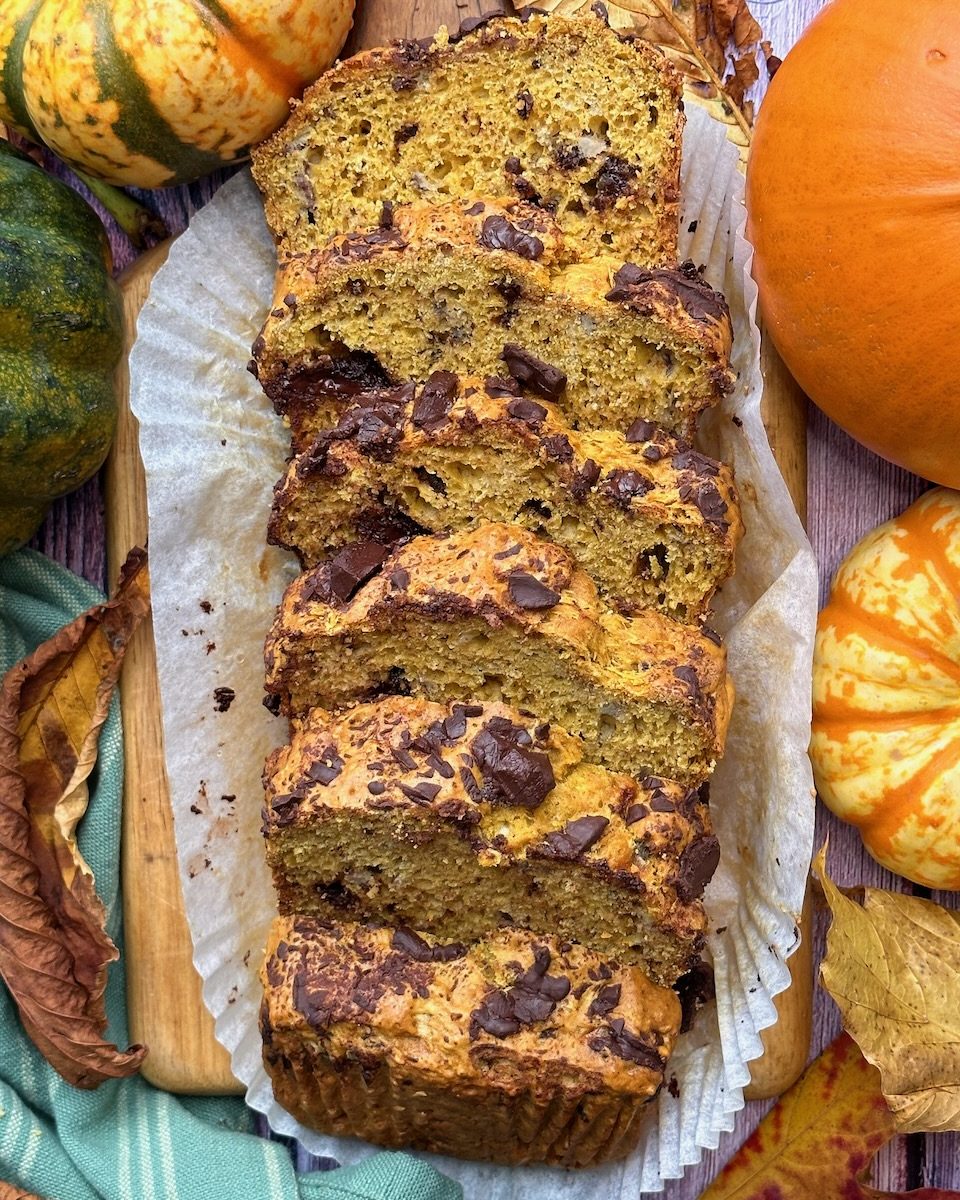
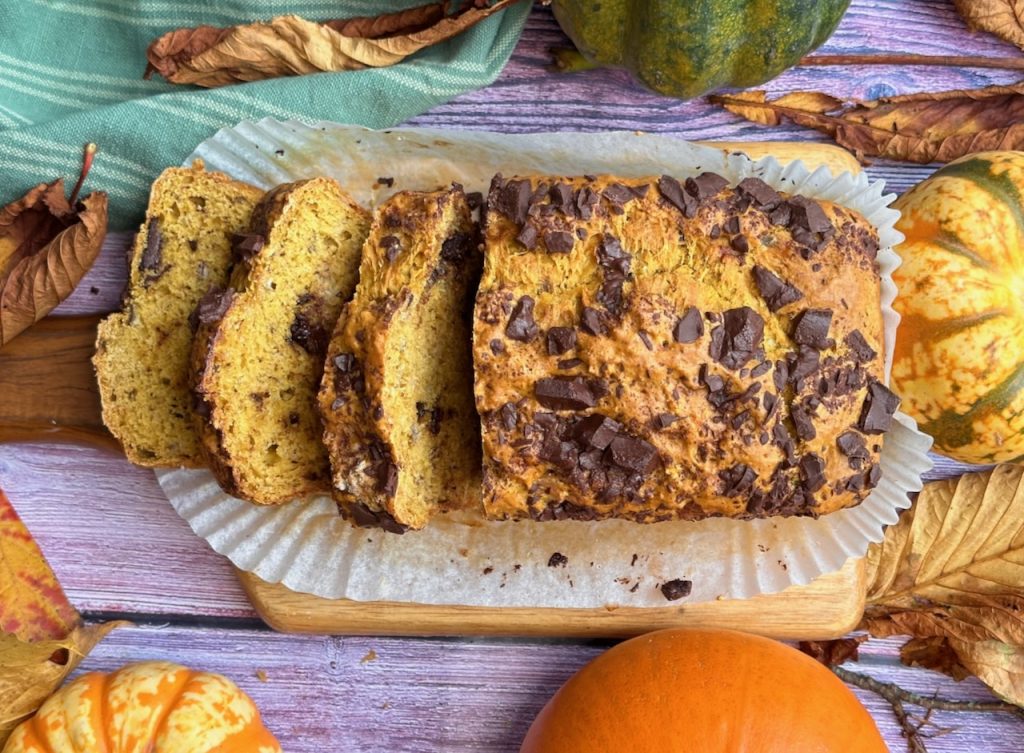
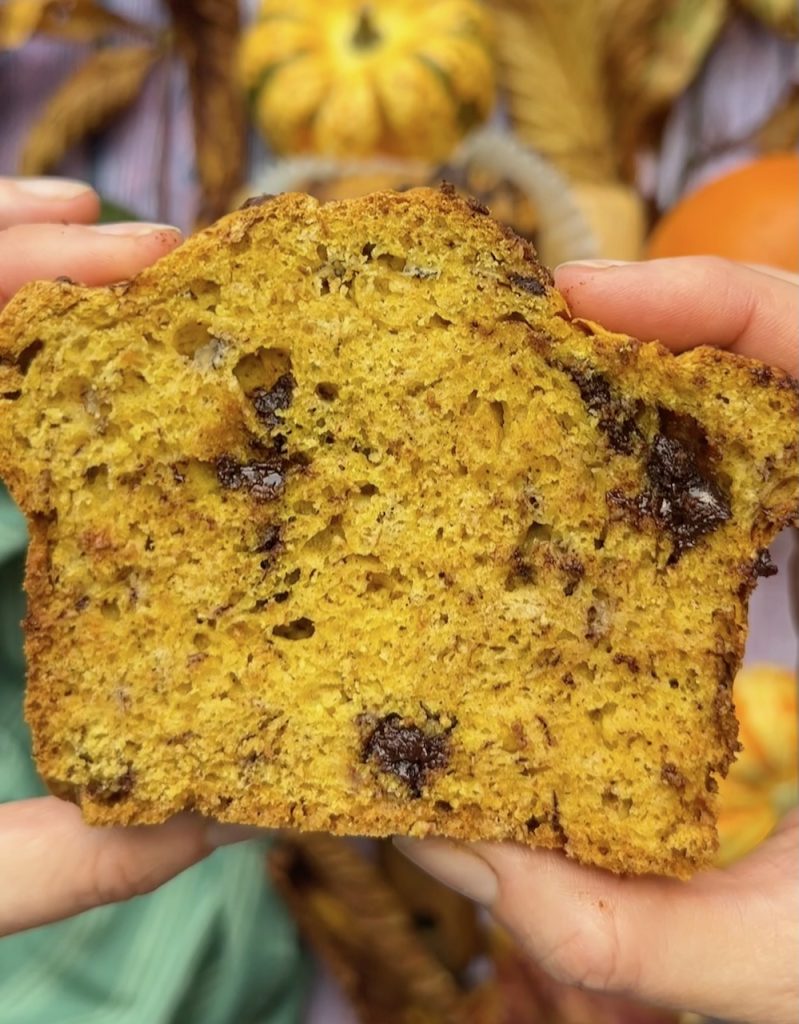
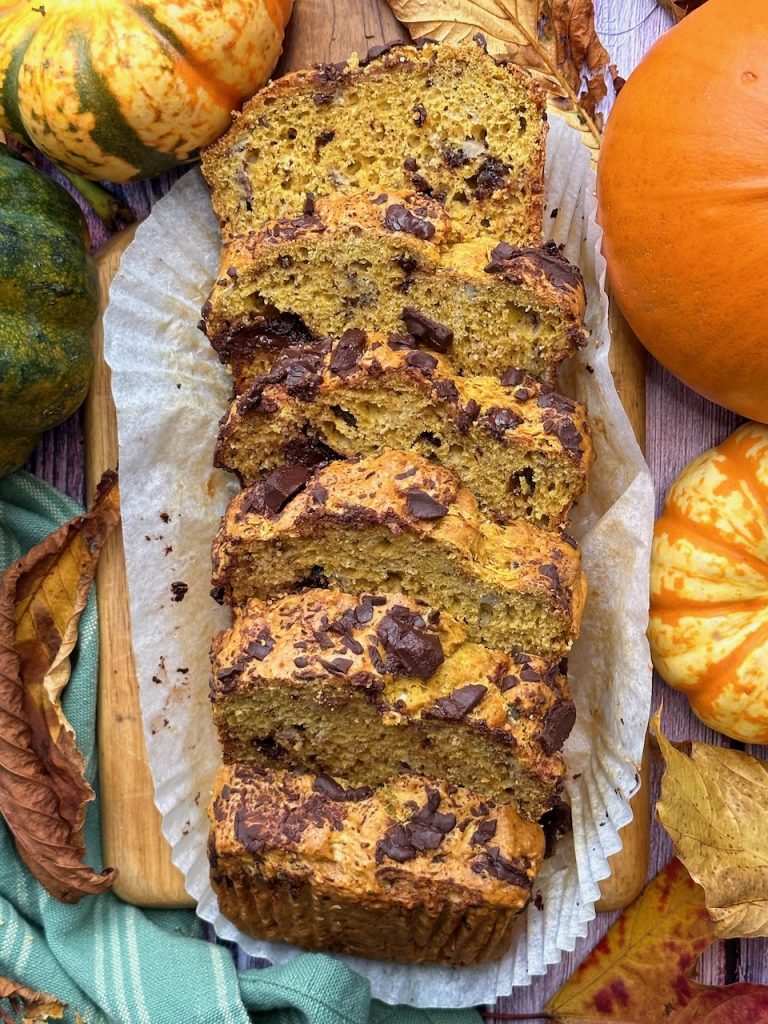
Organic orange pumpkins are sweet and delicious and marry perfectly with banana, spices and chocolate! While the supermarkets are jammed with ornamental pumpkins, in October, that will be carved and go to waste we think its much better for the planet that we roast them and cook and bake with them as nature intended.
This recipe will give you a delicious bread that isn’t too sweet or spicy its just right. Add butter if you like and tea or pumpkin spiced latte!
Keep cosy with this one.
Lou 🙂
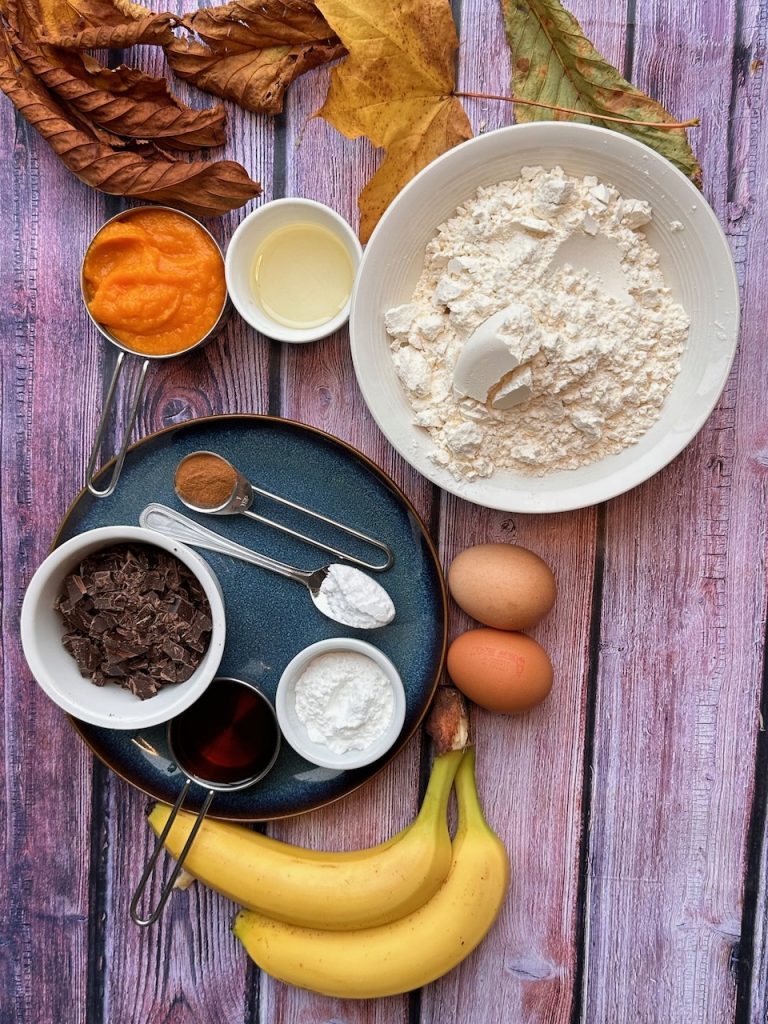
Ingredients: ▪️100g pumpkin puree (*homemade see below) ▪️2 large ripe banana ▪️4 tablespoons neutral oil ▪️2 medium eggs ▪️70ml maple syrup ▪️300g plain flour ▪️2 tsp baking powder ▪️1/2 tsp bicarbonate of soda ▪️2 tsp mixed pumpkin spice or ground cinnamon ▪️80g chopped dark chocolate
Method:
*Follow the link to make your own pumpkin puree and pumpkin spice mix-Click here
Step 1: Preheat the oven 160ºc and line a loaf tin with a liner or parchment paper.
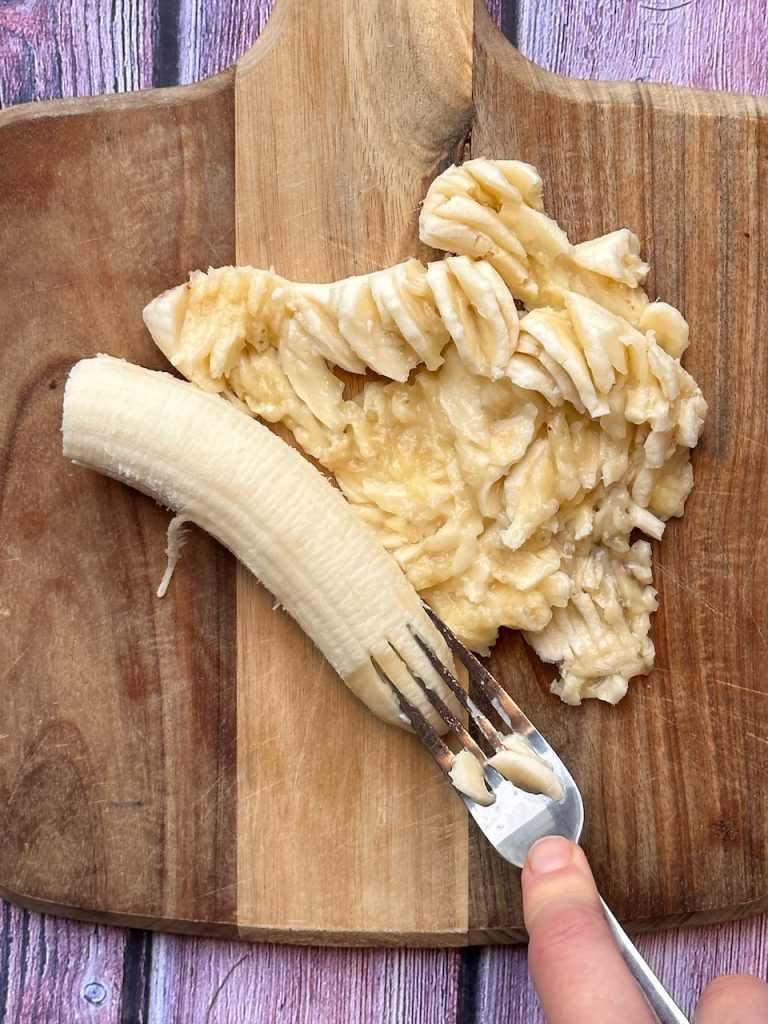
Step 2: Mash the bananas well and add them to a mixing bowl along with the pumpkin puree, oil, eggs, maple syrup, mix well.
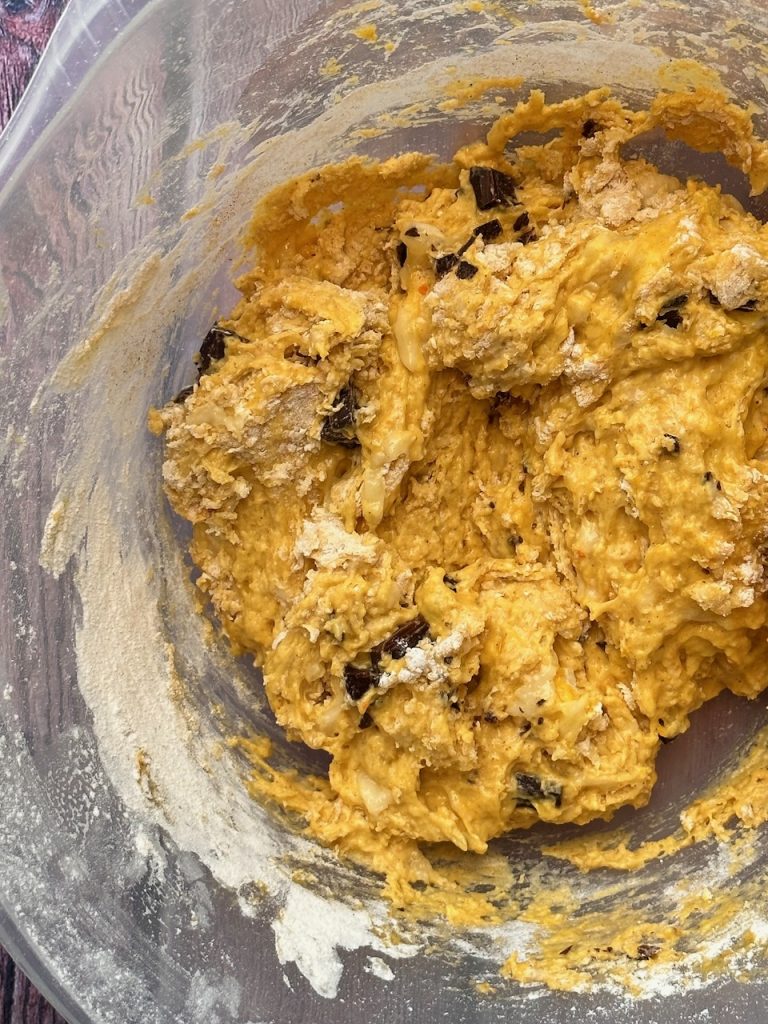
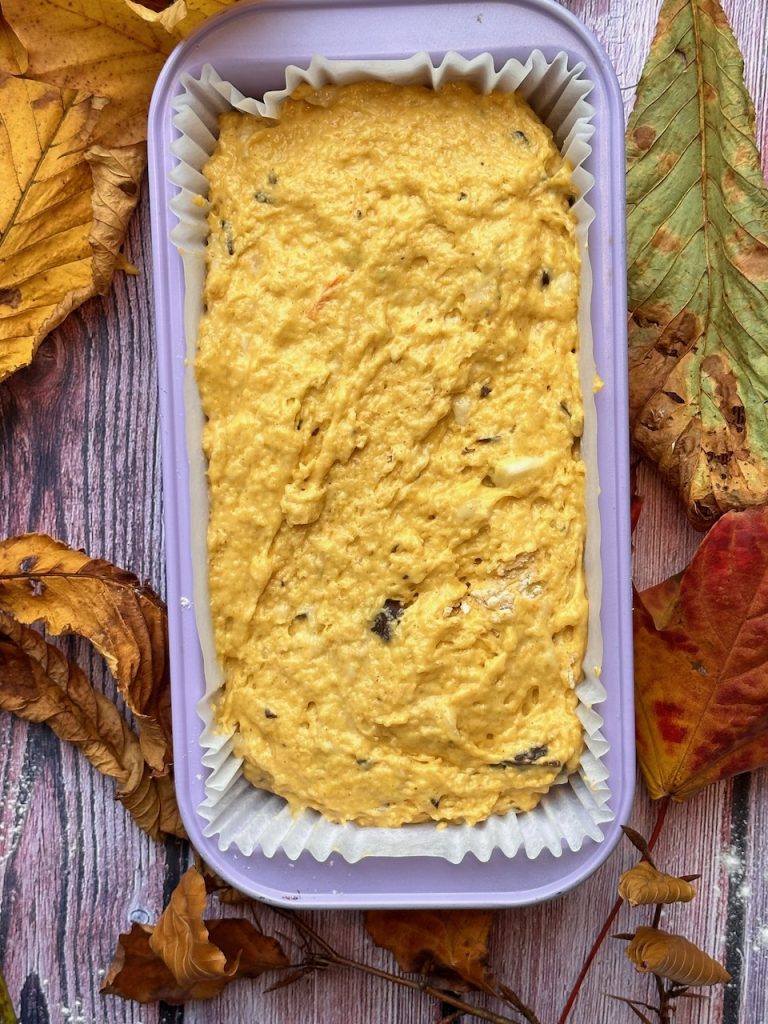
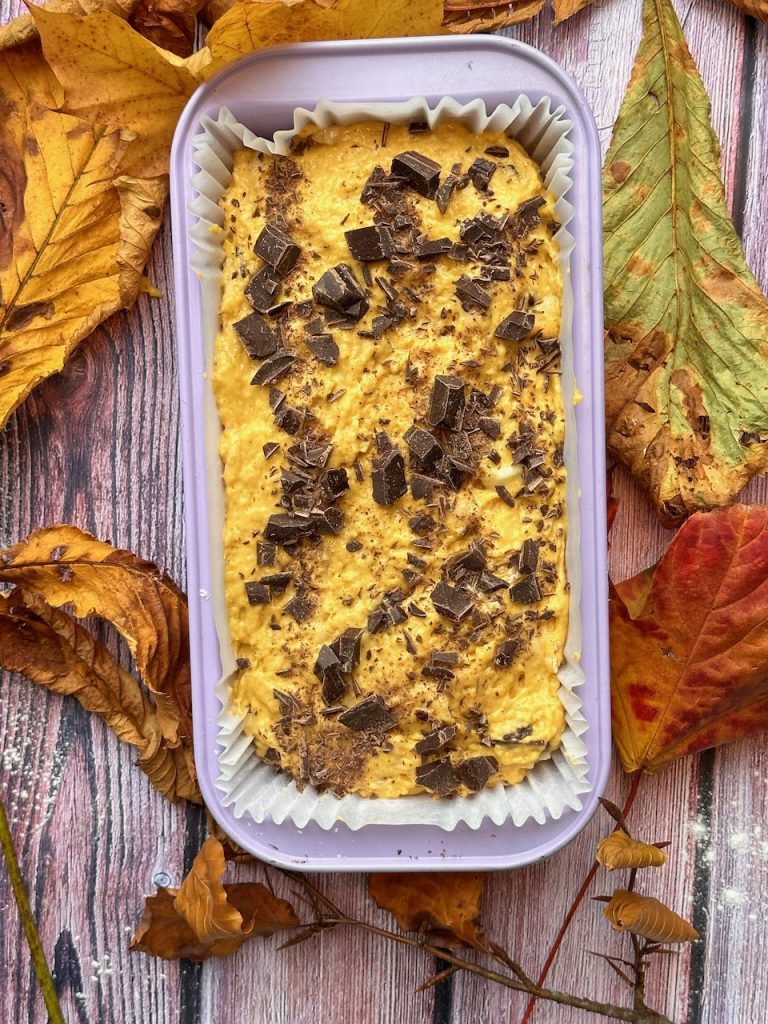
Step 3: Sieve in the flour, baking powder, bicarbonate of soda, mixed spice. Stir gently, then add 3/4 of the chopped chocolate. Spoon into the loaf tin. Smooth the batter and sprinkle with the remaining chopped chocolate.
Bake for 35-45 minutes until cooked through. Test with a skewer. Cool and slice.
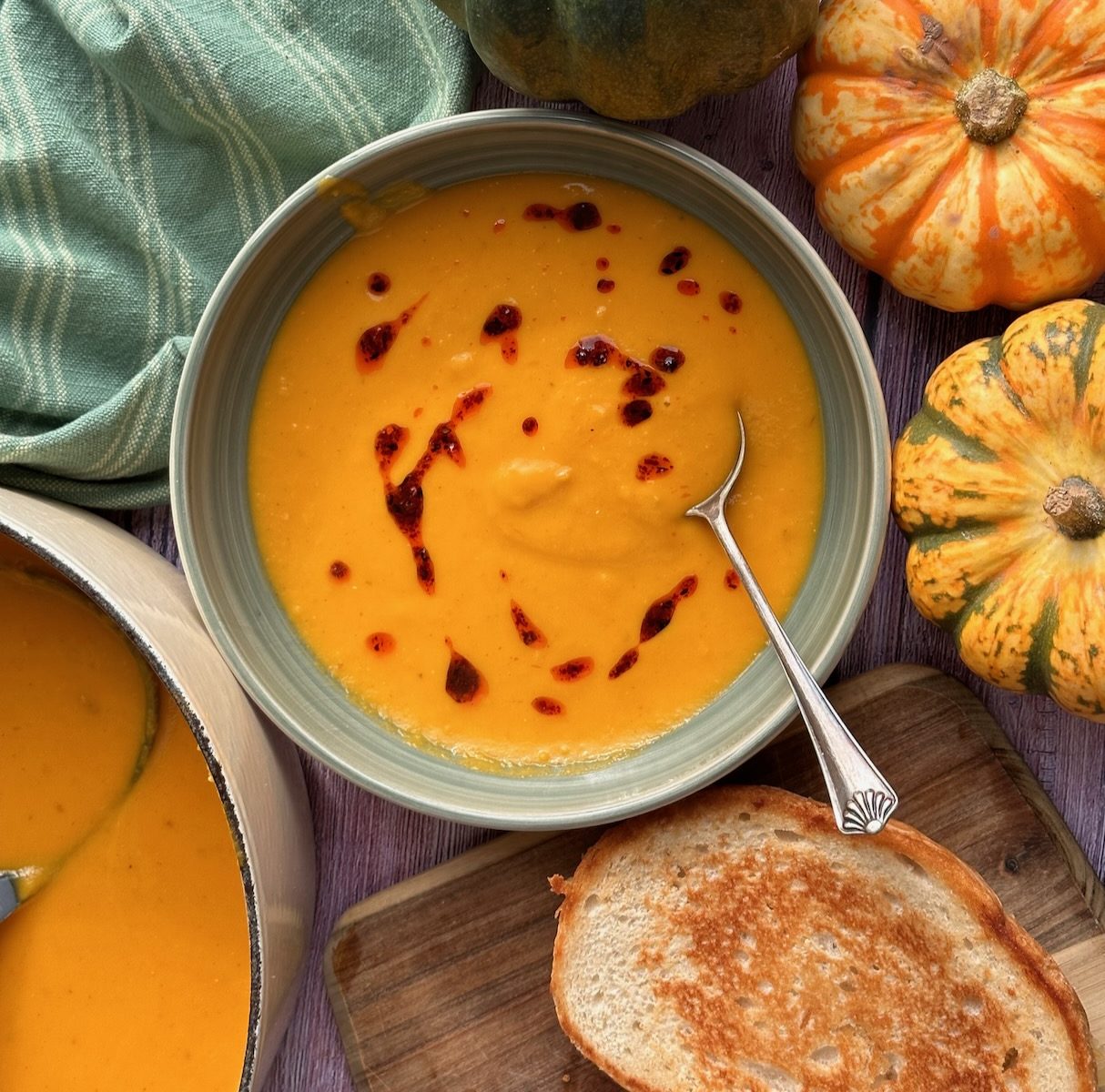
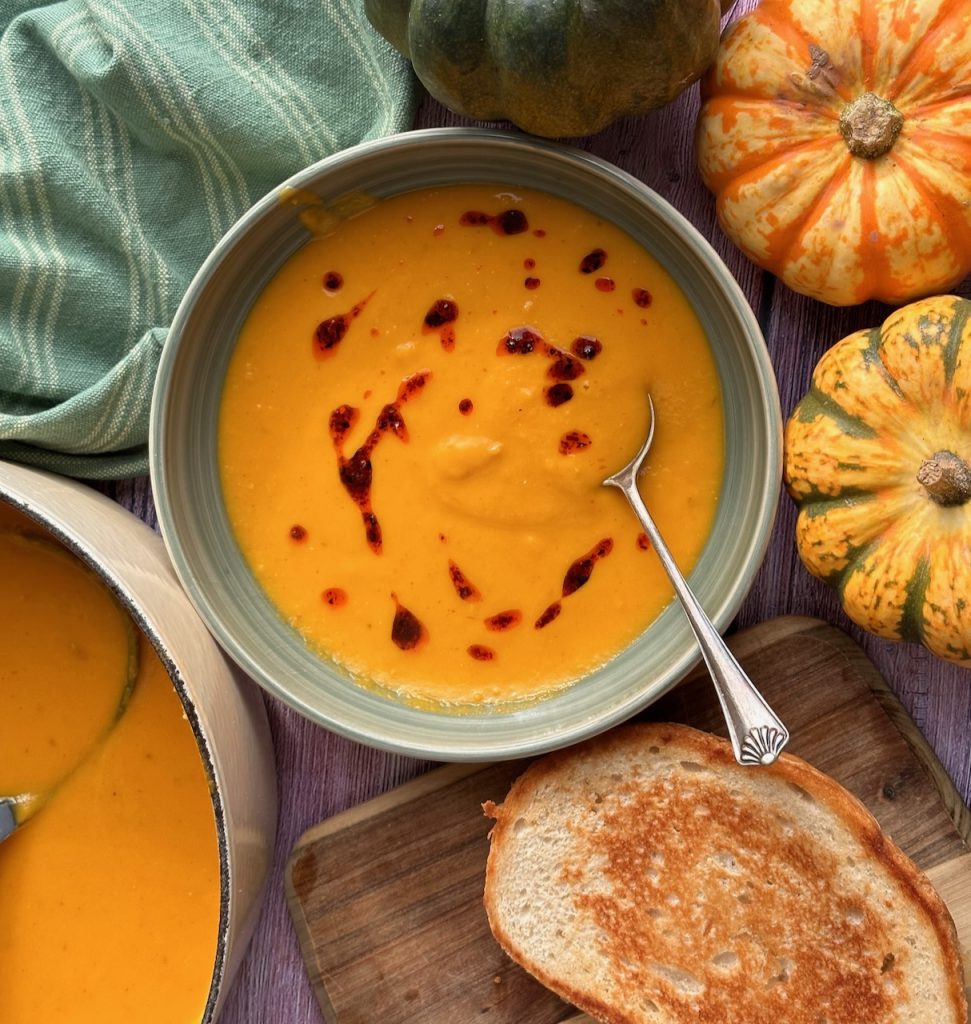
Autumn squash soup with lots of roast garlic and warming spices. This is a hug in a bowl and we’ve even added a cheese toastie for extra comfort. You can easily swap the butternut squash for Kuri (pumpkin) squash to make an equally delicious bowl of soup.
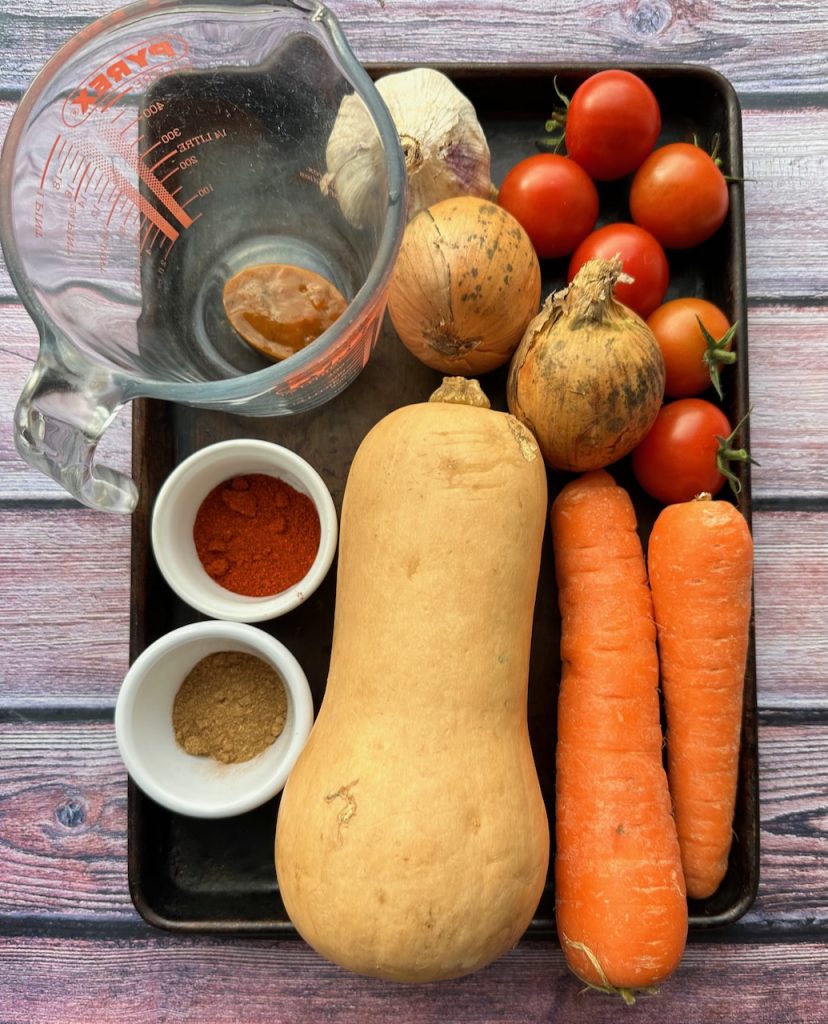
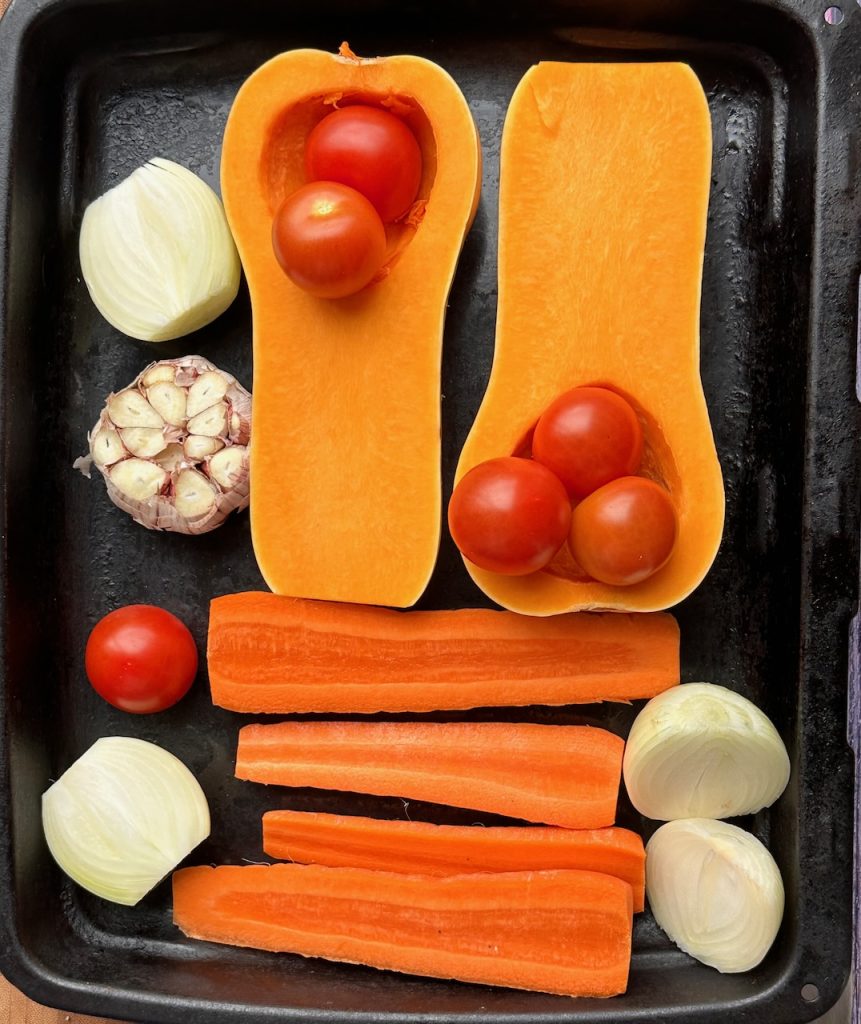
Roasting the veg first is key to getting in those extra sweet and caramelised notes and we’ve made the prep part easy by just chopping everything in half and loading it on to the roasting tin. We’ve added some lovely sweet Irish carrots, cherry tomatoes from our tunnels and the best of Irish organic onions.
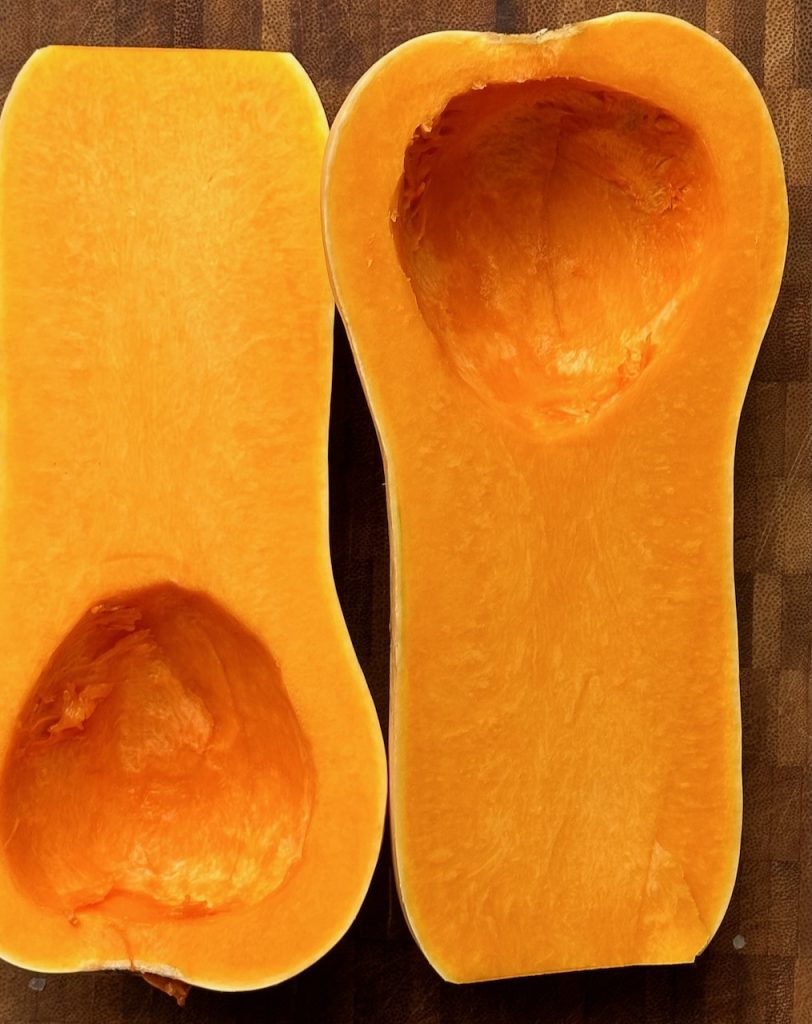
Step 1: Prepare the veg: Chop the squash in half and scoop out the seeds. Wash and chop the carrots in half, slice the top off the bulb of garlic, peel and half the onions. Wash the tomatoes. Put all the veg on a baking tray.
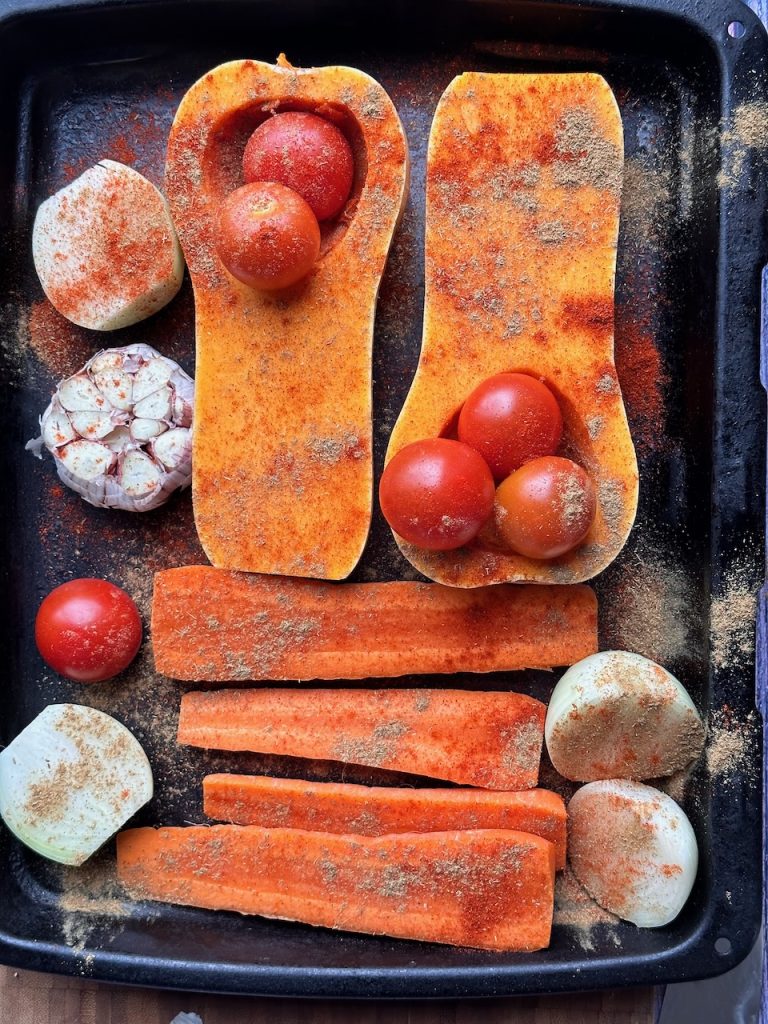
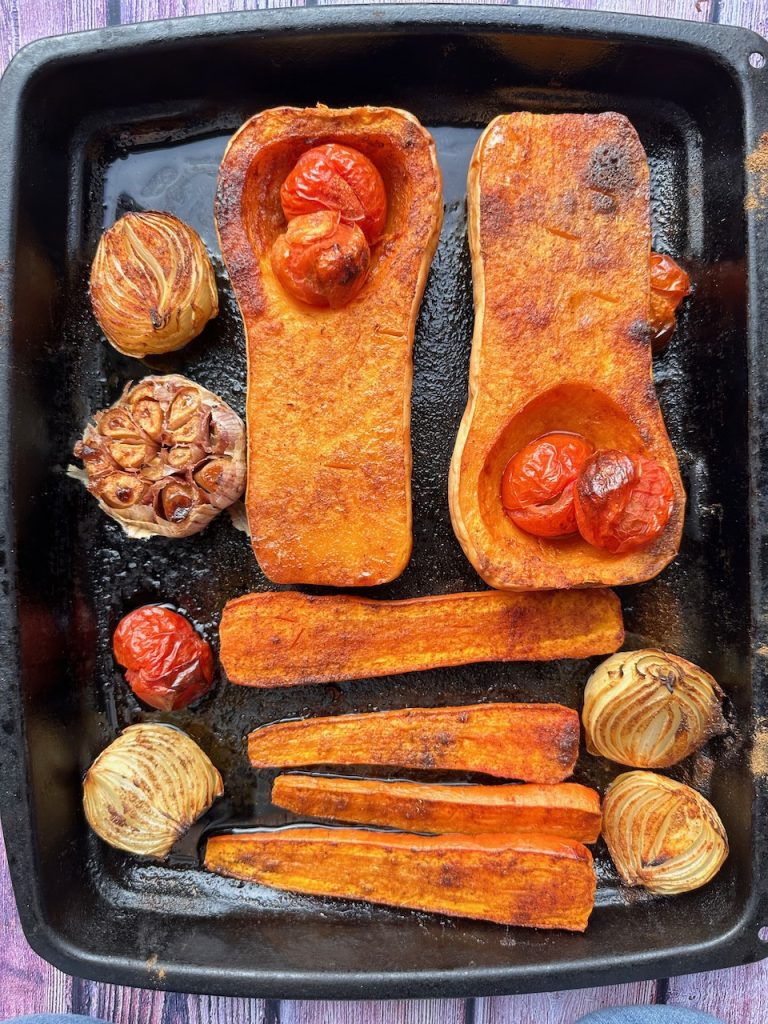
Step 2: Sprinkle with paprika, cumin, salt and drizzle in oil. Roast in the oven for 40 -50 minutes, test everything is cooked by piercing with a sharp knife.
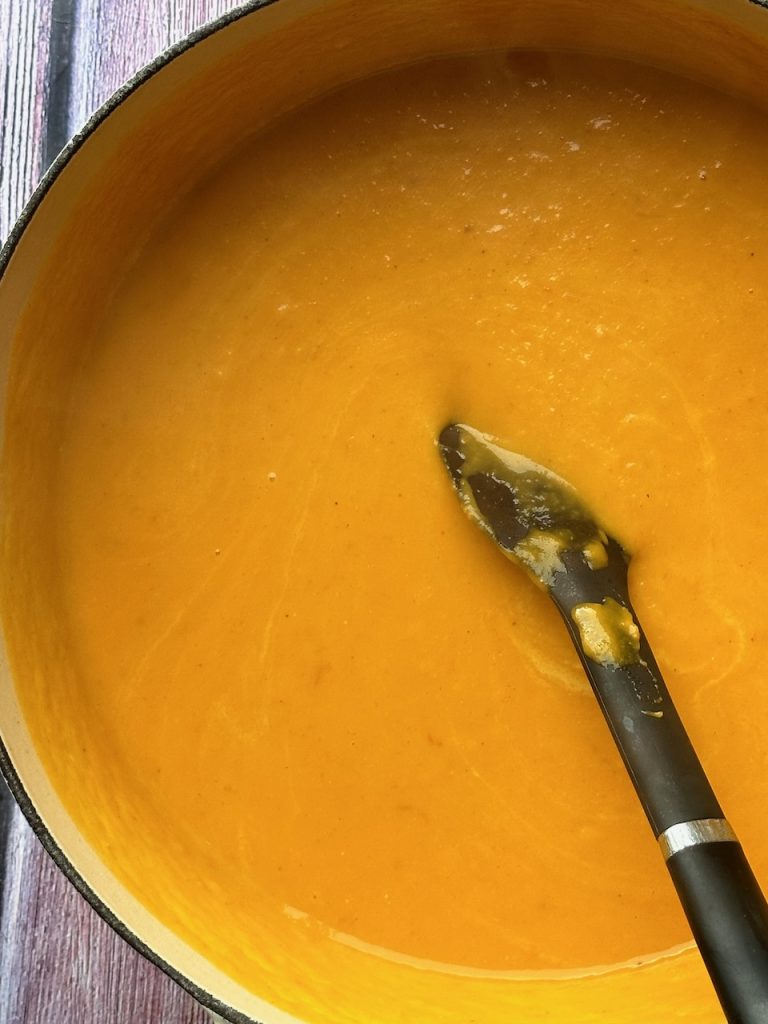
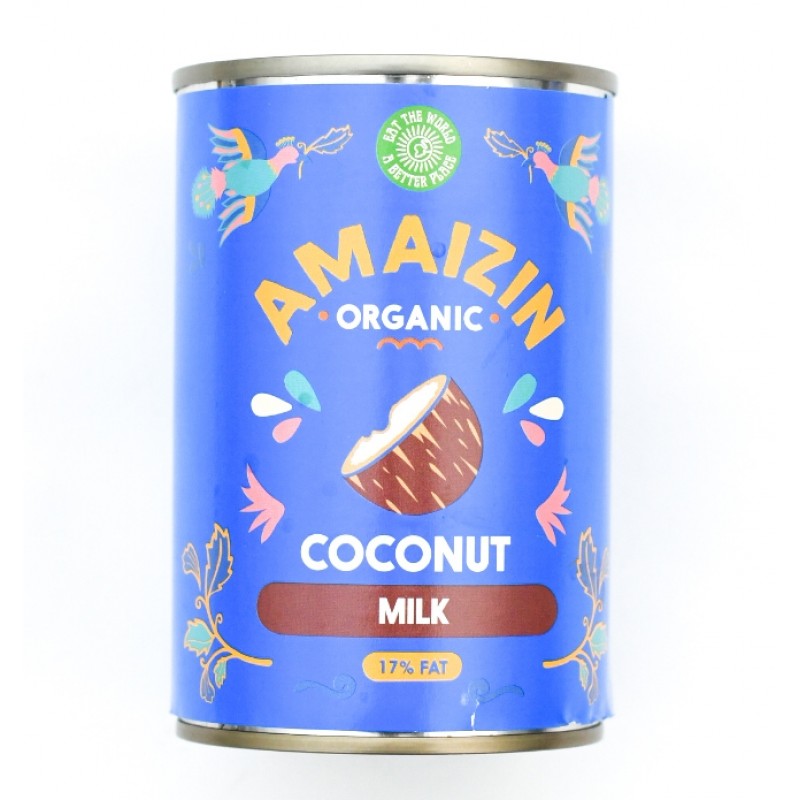
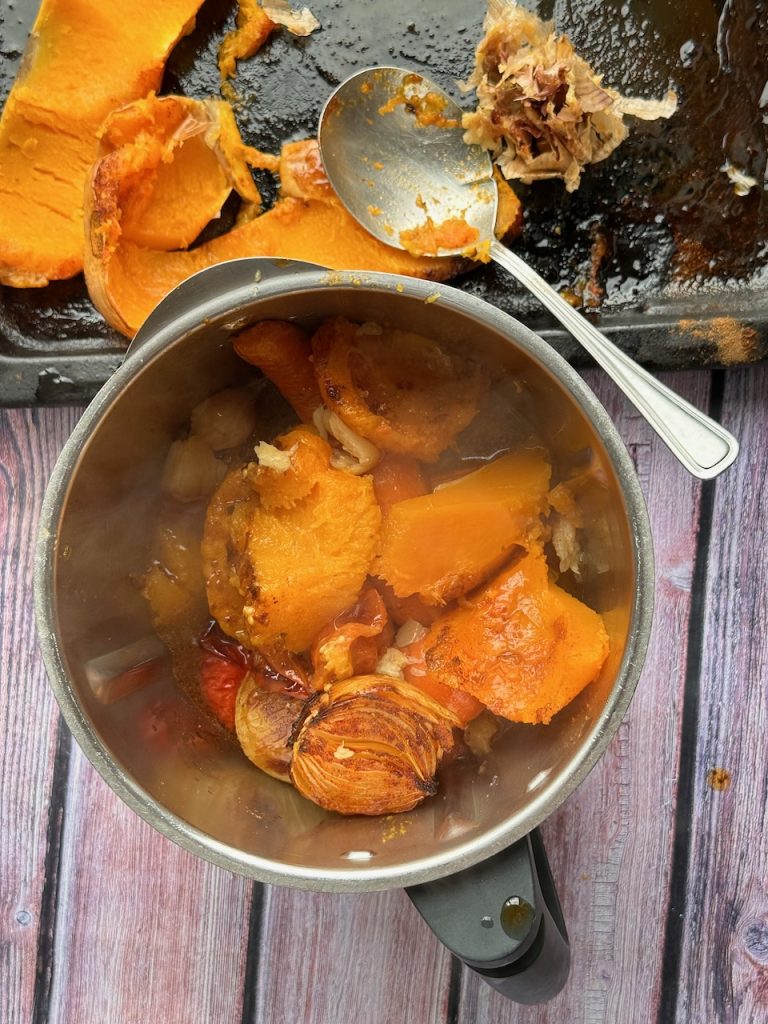
Step 3: Put all the cooked veg into a powerful blender along with hot stock. Blend and then add to a pot with the coconut milk, gently heat through on the hob and serve.
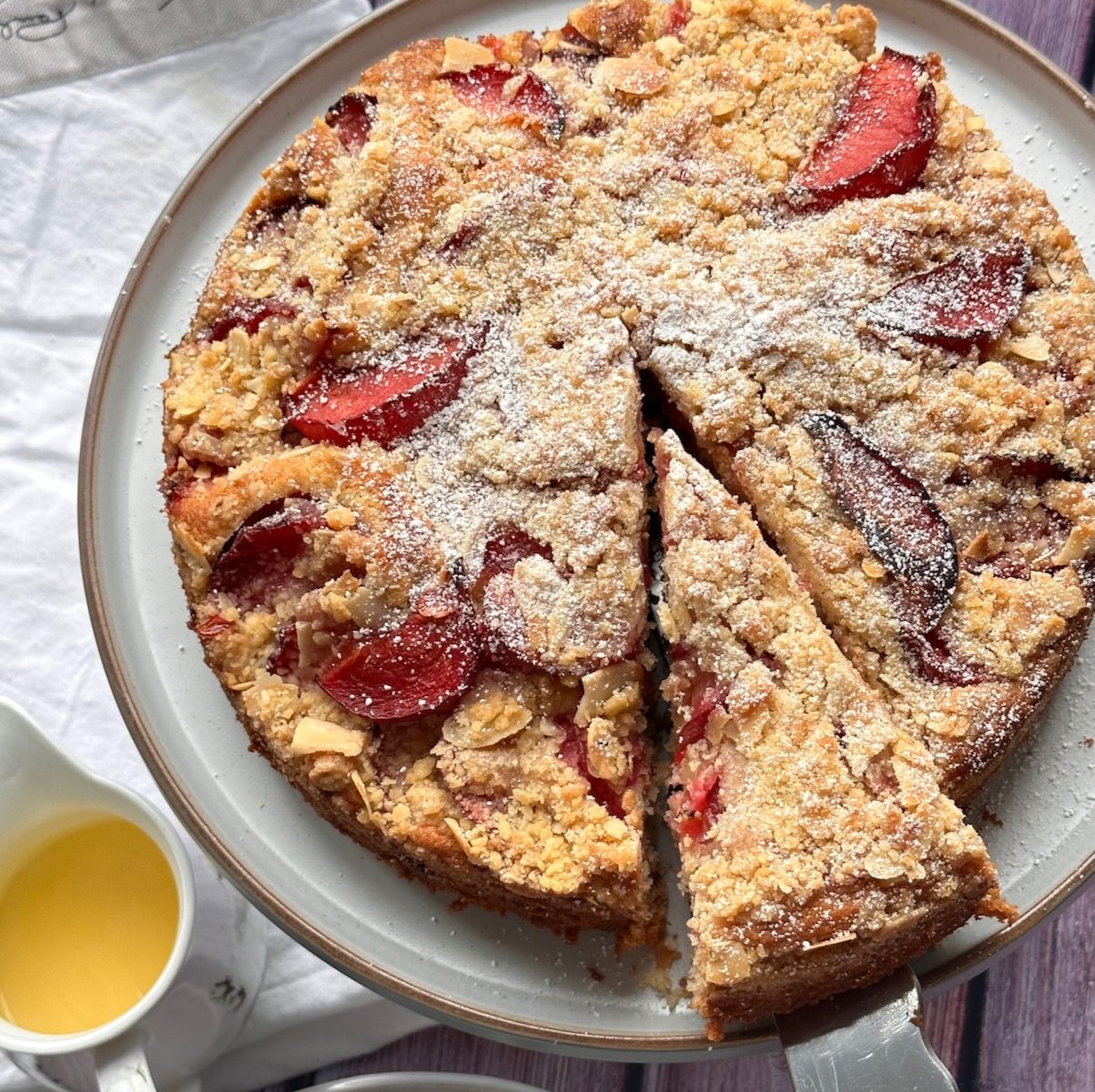
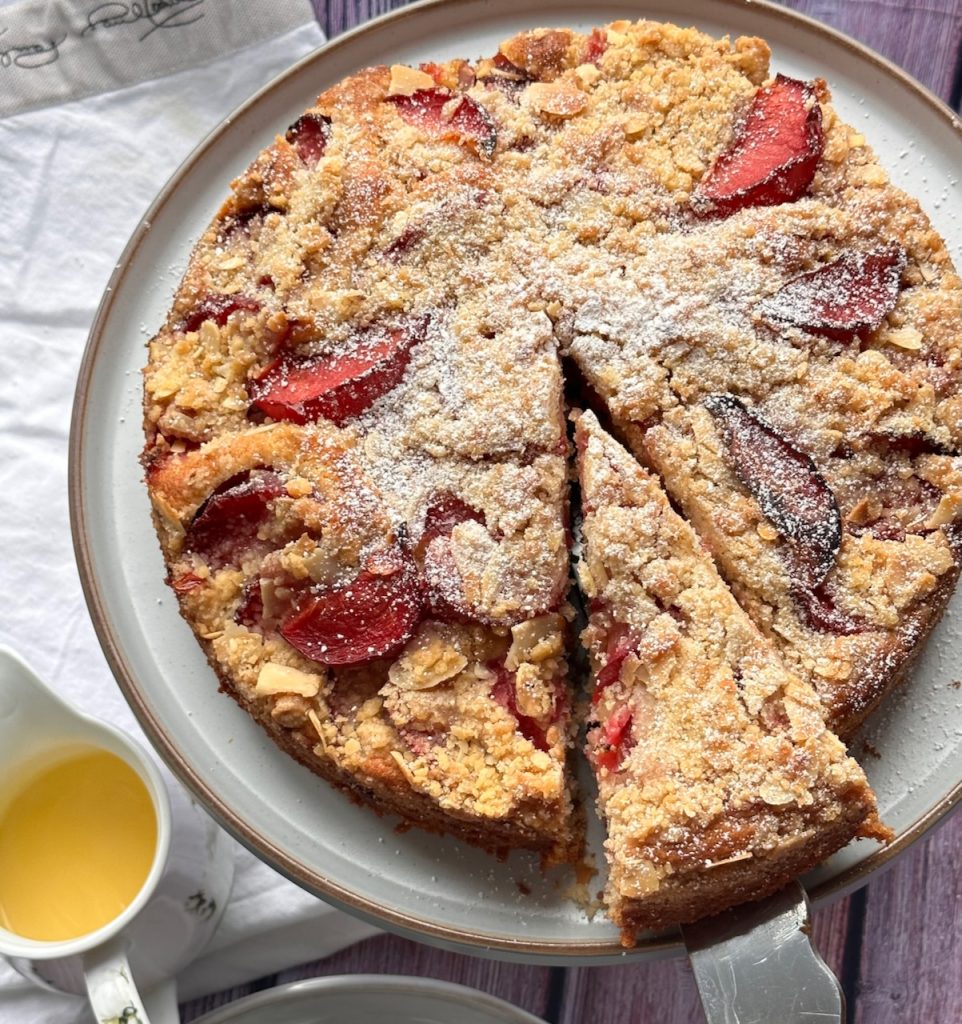
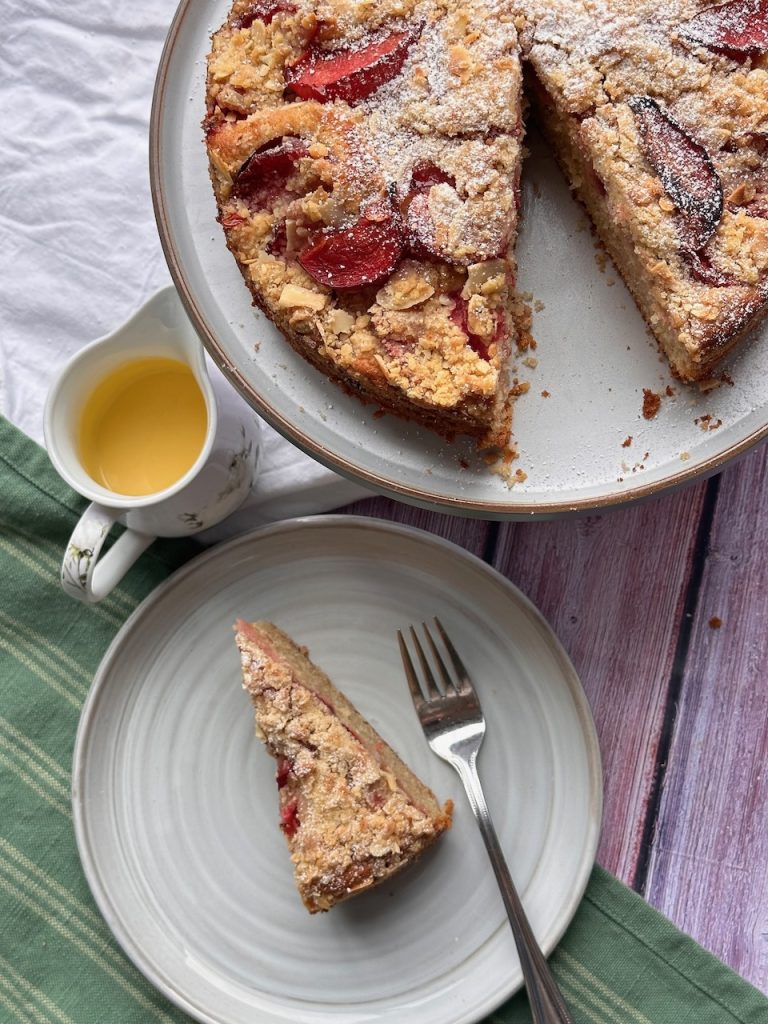
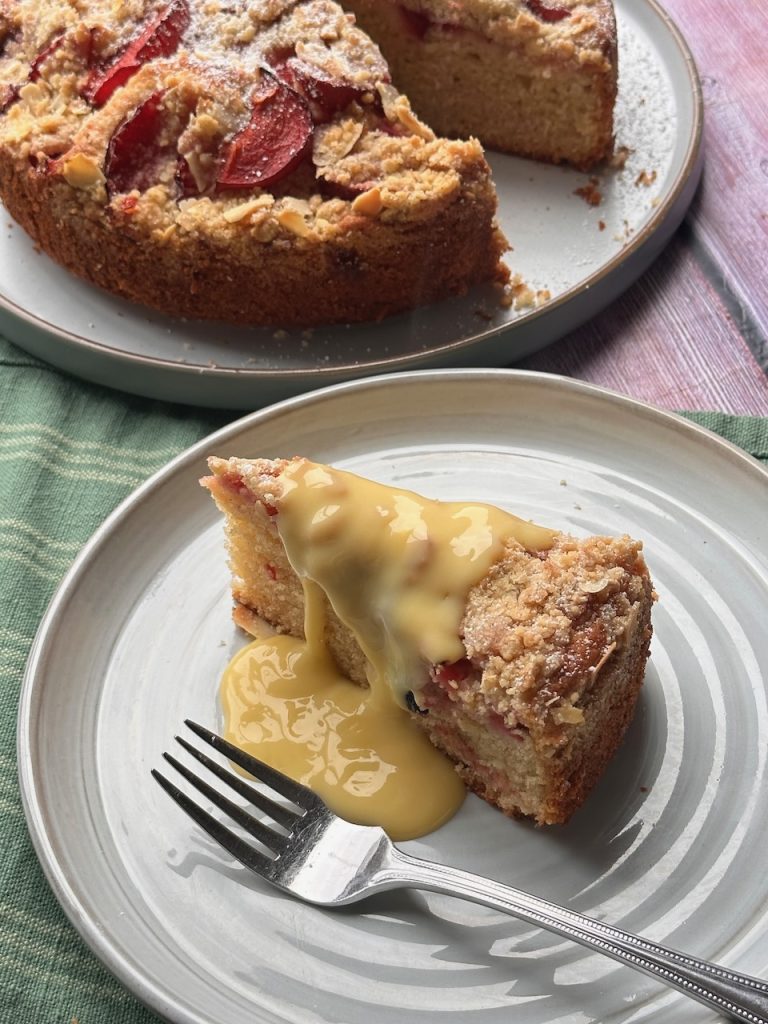
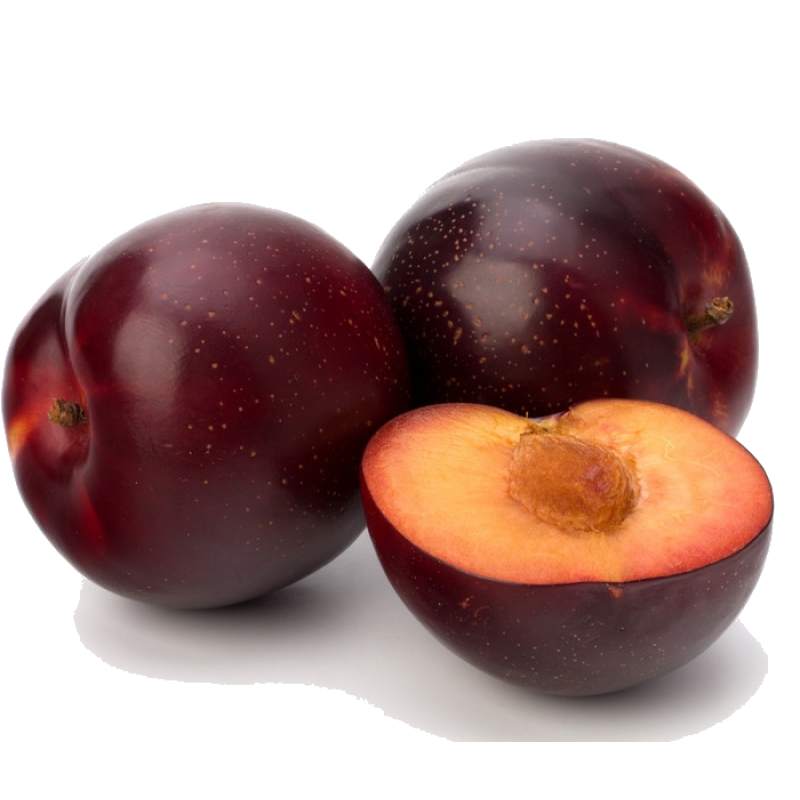
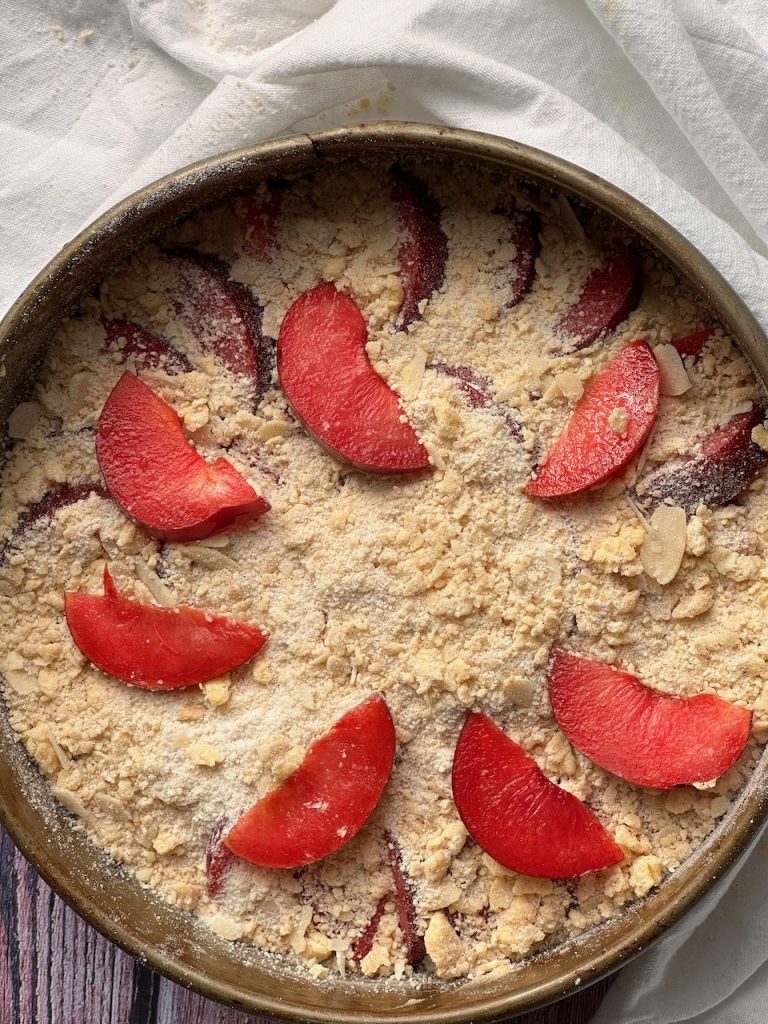
A delicious way to bake with ripe sweet plums. But please make this with Irish apples too, it would work perfectly! The smell of warm autumn spices in the house is very inviting. My granny would make huge trays of apple and cinnamon crumble for special family occasions and serve them up with stewed plums and jugs of custard, I can still remember the smell from her busy kitchen.
There is real comfort in the food we eat and share. And when the nights draw in its the kitchen table that pulls us together. Its good to remember the hands that sowed the seeds, that watered the soil, picked and harvested the fruit and the hands that made the food.
Good food will always be remembered.
Lou 🙂
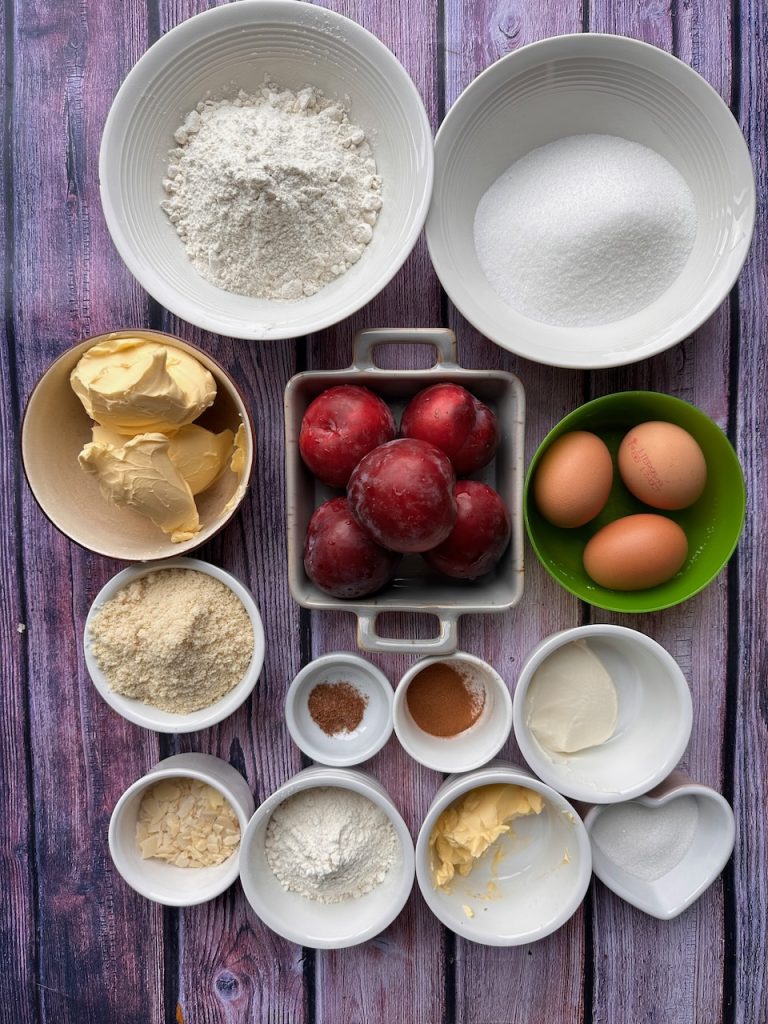
Ingredients:
For the crumble topping 50g plain flour 40g soft butter 30g sugar 20g flaked almonds
Preheat the oven 160ºC fan. Line an 8inch cake tin (with loose bottom preferably) and grease with butter.
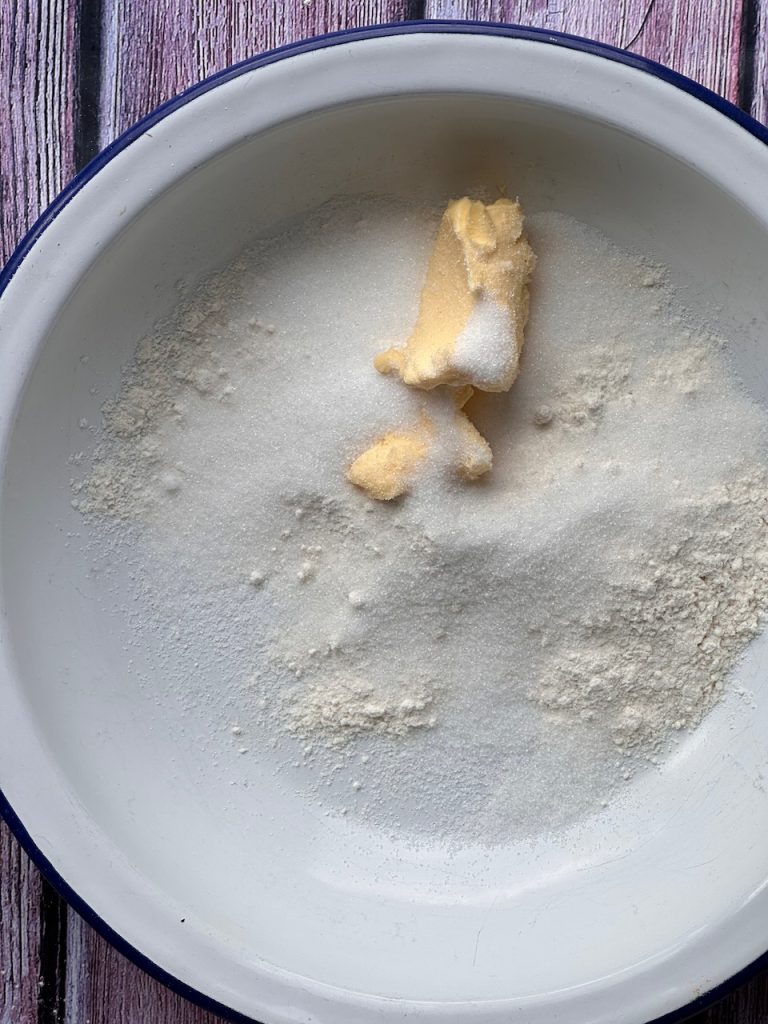
Step 1: Make the crumble topping. Add the flour, sugar, cinnamon and butter to a small bowl. Rub the butter into the dry ingredients with your fingers until it resembles sand, mix through the flaked almonds, set aside.
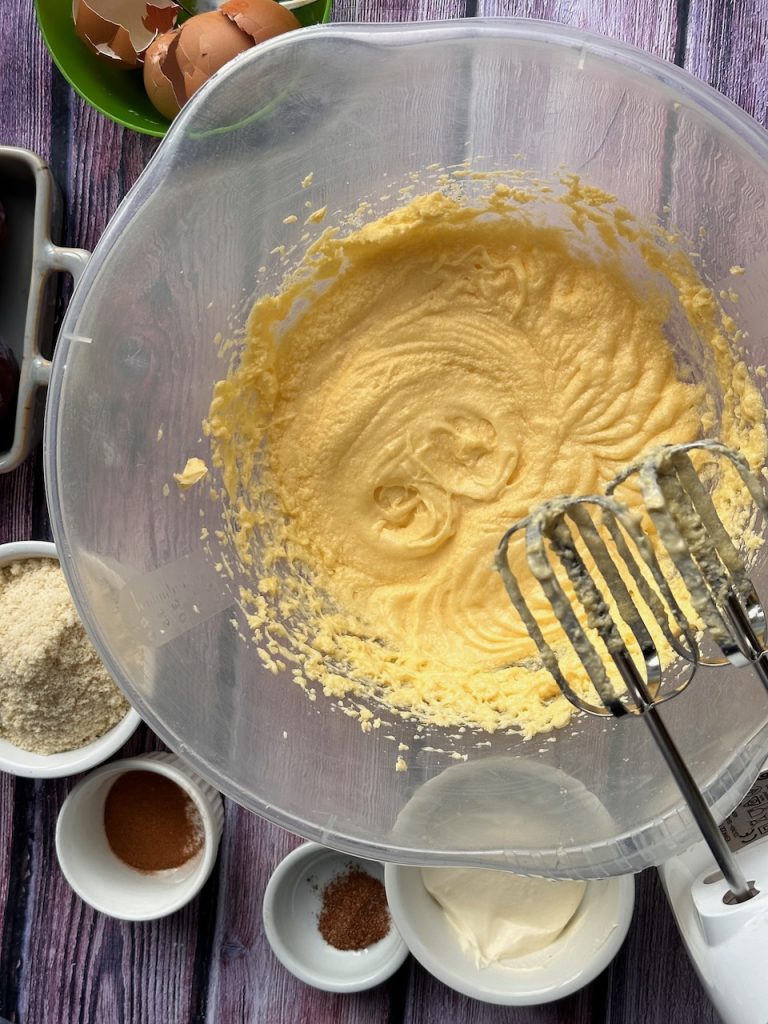
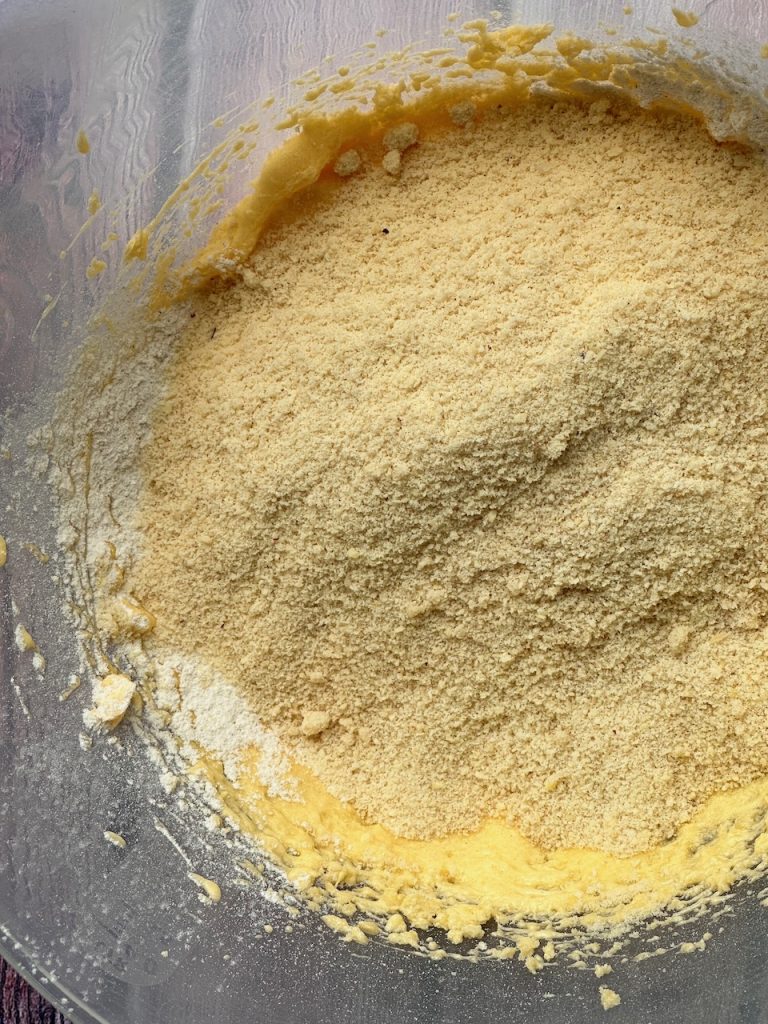
Step 2: For the sponge. Put the sugar and butter in a mixing bowl and whisk until smooth, use an electric mixer or regular whisk. Next beat in the eggs one at a time then stir in the sour cream. Sieve in the flour along with the mixed spice and cinnamon. Fold in the ground almonds.
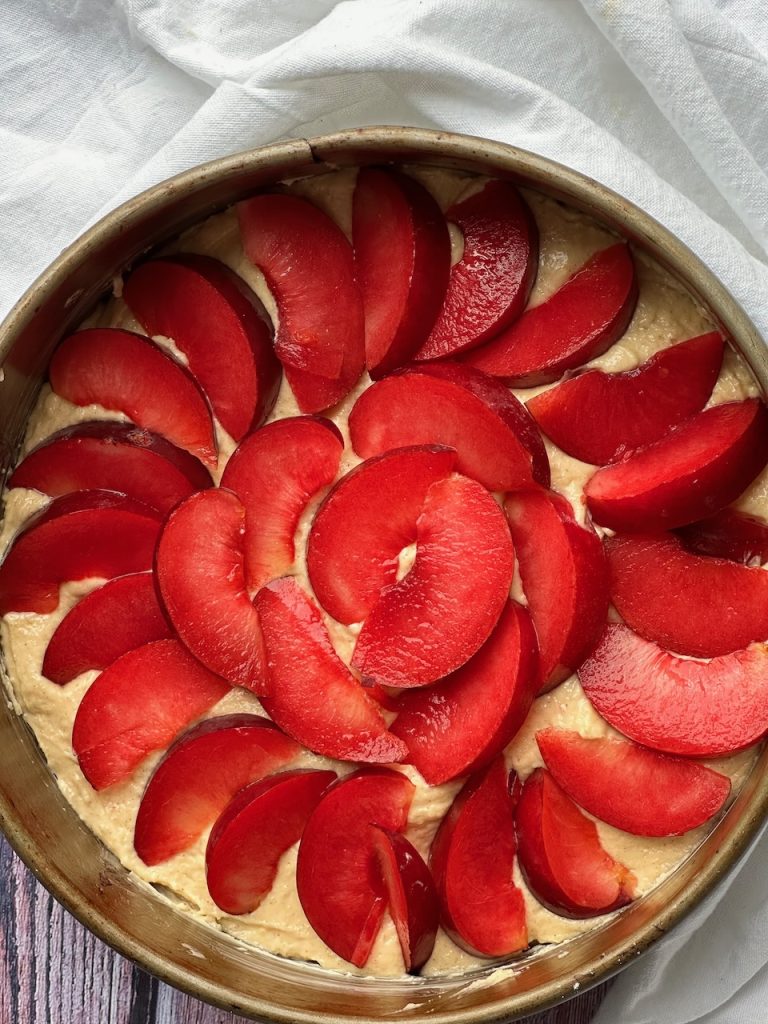
Step 3: Transfer the sponge mix into the cake tin. Top with an even layer of most of the plum slices, keep a few back. Then sprinkle the crumble mix evenly over the plums. Top with the remaining plum slices.
Step 4: Bake for 50 minutes to 1 hour. Until a skewer comes out clean.
First, I want to show you something: Darragh Wynne from the charity Goal Ireland was here a few weeks back and invited me to talk for a video, if you want to learn a little bit more about and see some cool drone footage of our farm (and even catch a glimpse of George and Florence check this video out.
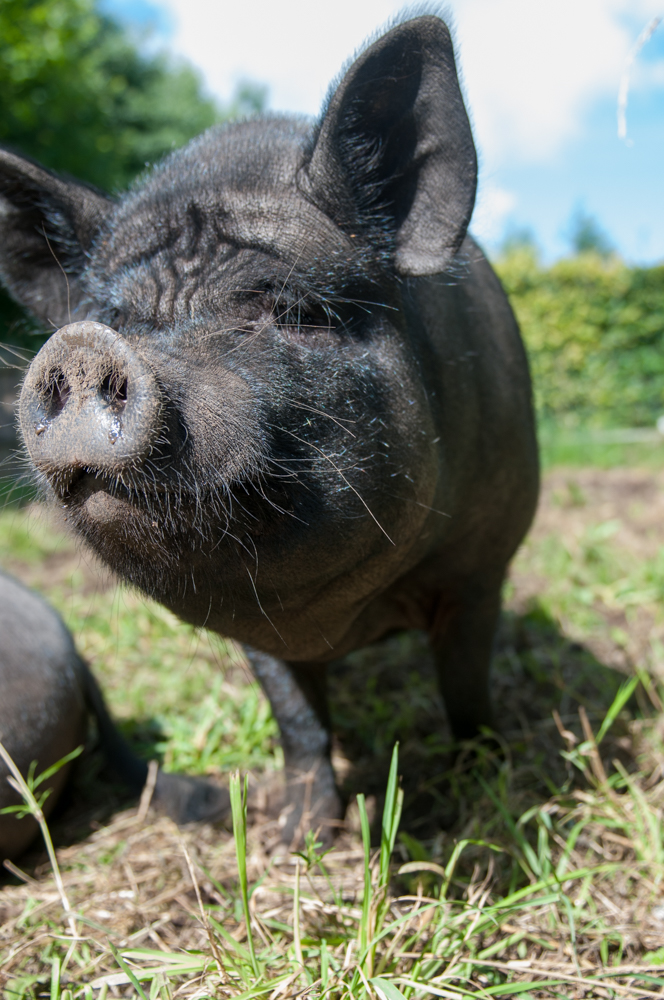
George and Florence are happy pigs, they couldn’t actually have a better life, I really don’t think they could. Not only do they get to roam around nearly 2 acres of old and newly established forests, they have a dry straw lined shed to sleep in and probably best of all they get fed waste organic veg once a day. They are as happy as two pigs in muck could be.
But they fit into this story very well, as they are the last step in our grandly termed food waste reduction strategy, we don’t have a formal document or anything like that, but we do have a belief system around food waste.
So here is a crazy fact, one third of all food produced on the planet is wasted. The area required to produce that food is 16 million km2, which is roughly an area the same size as Russia, which is a very big place.
We all know we need to take urgent steps to reduce our impact on the planet, no surprise there, and as we pass yet another mind boggling climate record with September being the warmest month ever by a long way, that action is critical.
So wouldn’t it be an amazing if we could cut the land used for agriculture by 16 million square kilometers and instead grow forestry? Of course, it would.
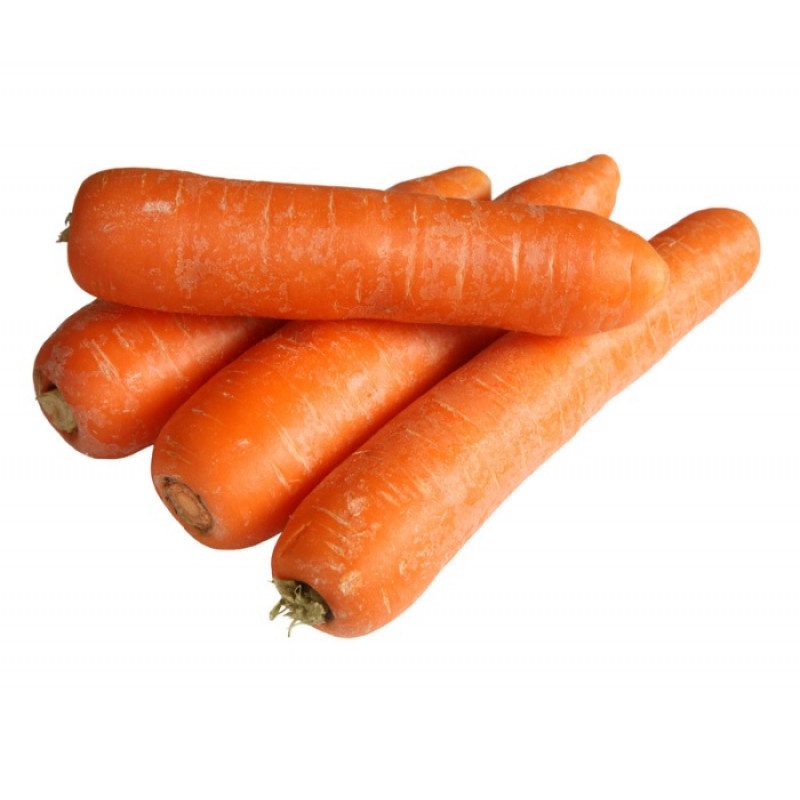
But where is all this wasted food coming from? Well, that is where I will tell you the second part of my story, last week we took a delivery of carrots, we weren’t very pleased with these carrots, they were Irish, they were organic, but they were massive, and I mean they were big but we got our heads together and figured out how we could prevent them ending up in the bin.
So, we set about trying to use them to sell them, to make sure we wasted as little as possible. There is one thing I can absolutely guarantee had these carrots landed at the door of a supermarket they would have been rejected, sent back, or wasted.
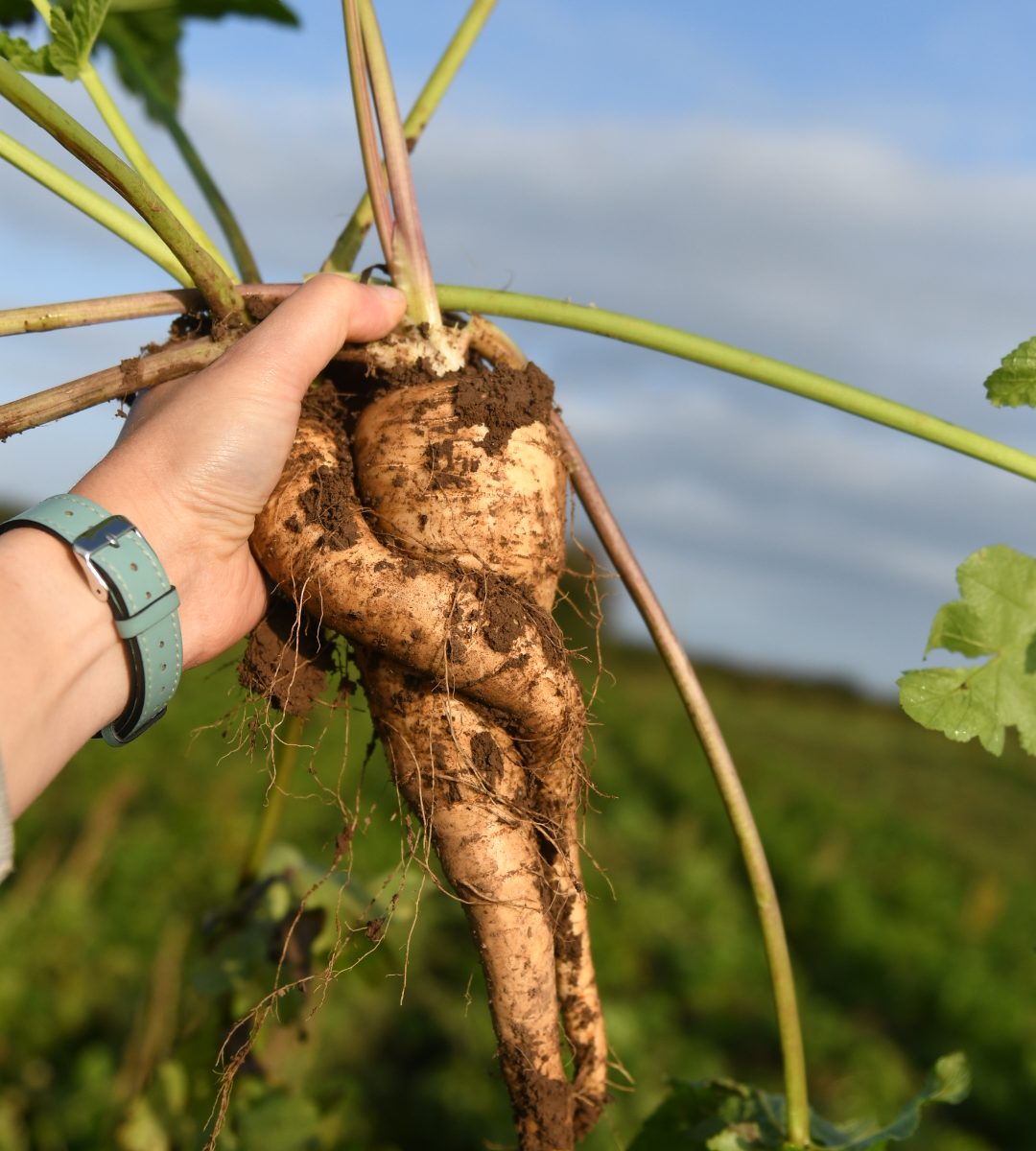
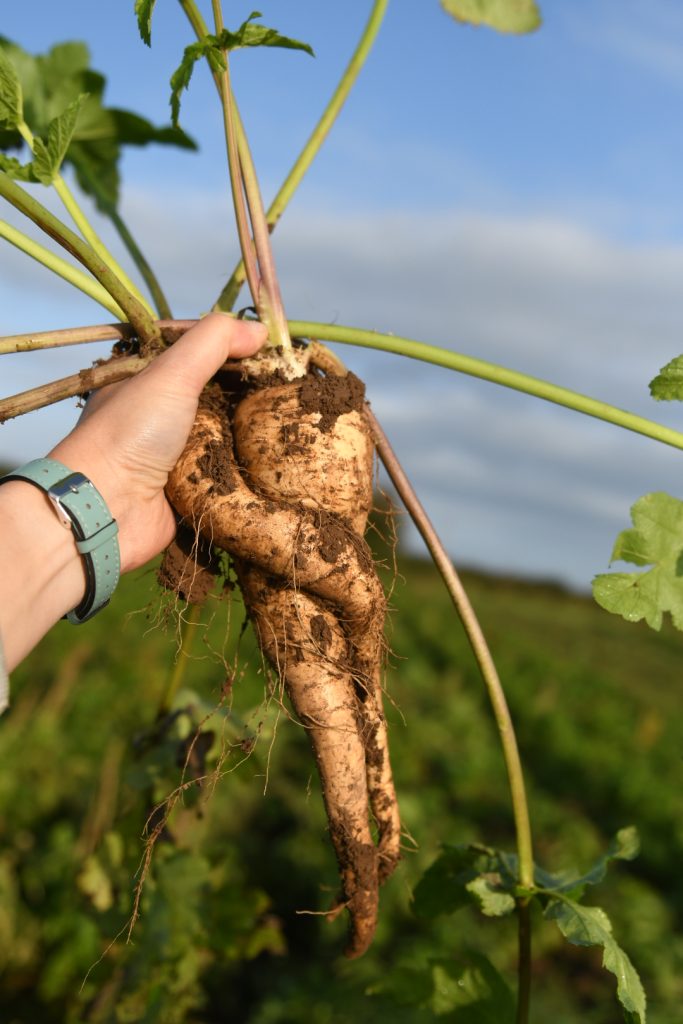
Herein lies one of our bugbears, supermarkets insisting without remorse on unforgiving specifications and when produce does not meet them refusing to sell it or accept it. We have been there many moons ago, once upon a time having supplied supermarkets. In the growing season we have had this year, produce may come out maybe a little smaller or bigger or twisted or forked and that in our view is the beauty of nature. We wont grade out twisted parsnips, or forked carrots.
Of course, there is still the possibility that produce will not meet our quality requirements, and this is where we do have a very well-defined system and we put a fair amount of effort into it to make it work.
Maciek our quality manager has done amazing work creating his “Rescue boxes” each week these boxes are filled with “Class II” produce. If we can’t use the produce in the rescue boxes our team get it, and if it is unusable it ends up in one of two places, actually one of three places!
It either A. Goes to one of our three compost bays, or B. go to George’s belly or C. goes to Florence’s belly!
(Interesting fact: We have to make two separate piles of food when feeding the pigs because Florence always bullies George and tries to keep all the food for herself!)
So that is the end of the story for this week, just know you are supporting a little business that manages in our own way to keep the food waste mountain from growing at least on our watch and continues to step by small step help build a better food system.
You are making it possible, thank you.
Kenneth
PS Darragh Wynne from the charity Goal Ireland was here a few weeks back and invited me to talk for a video, if you want to learn a little bit more about and see some cool drone footage of our farm (and even catch a glimpse of George and Florence check this video out.
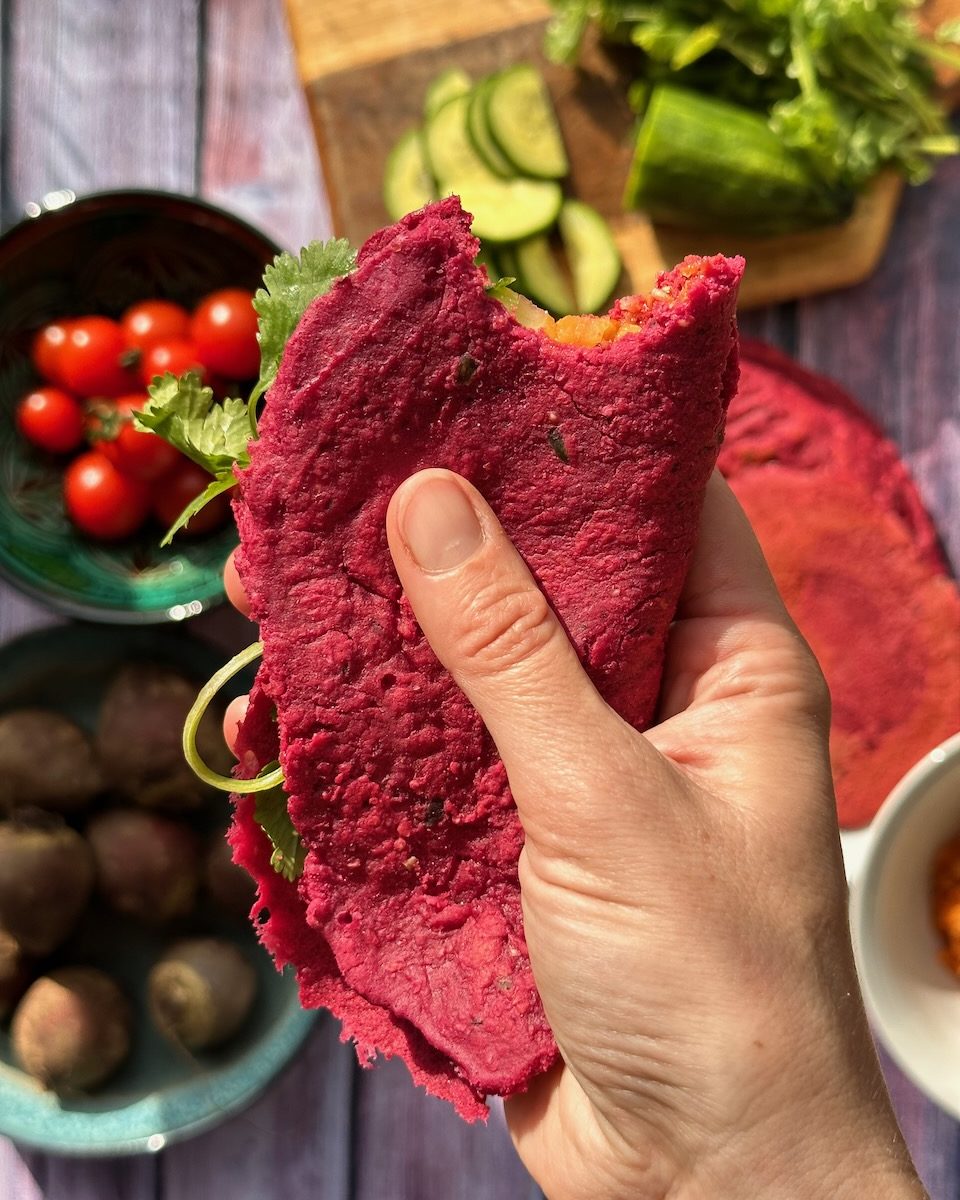
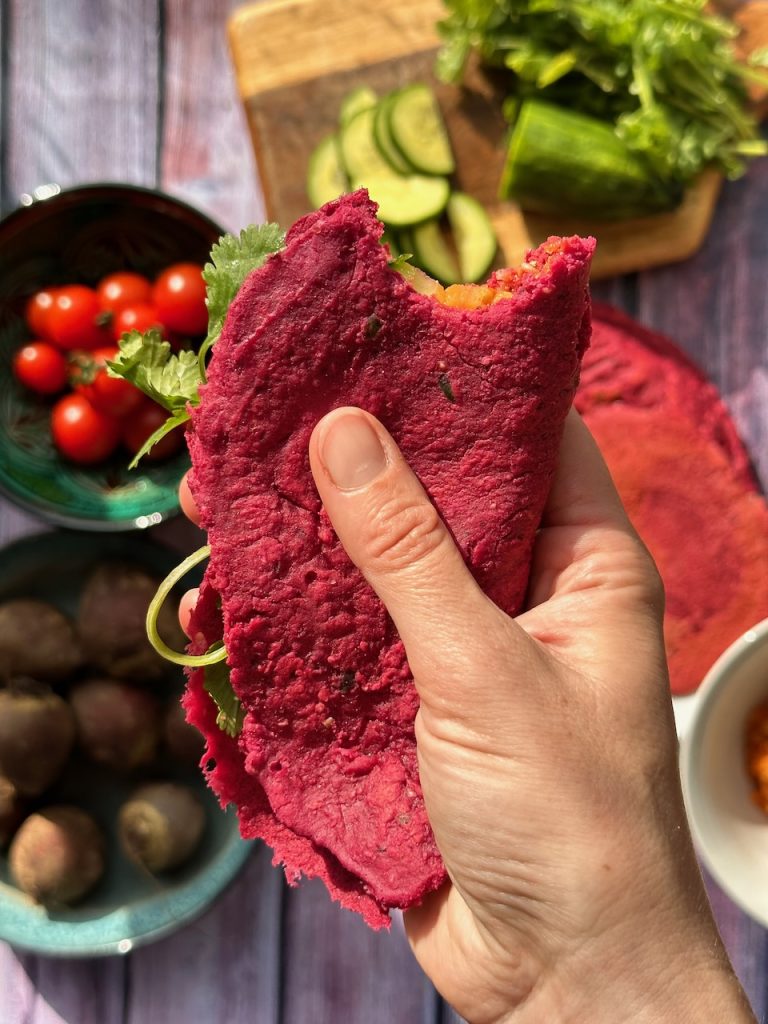
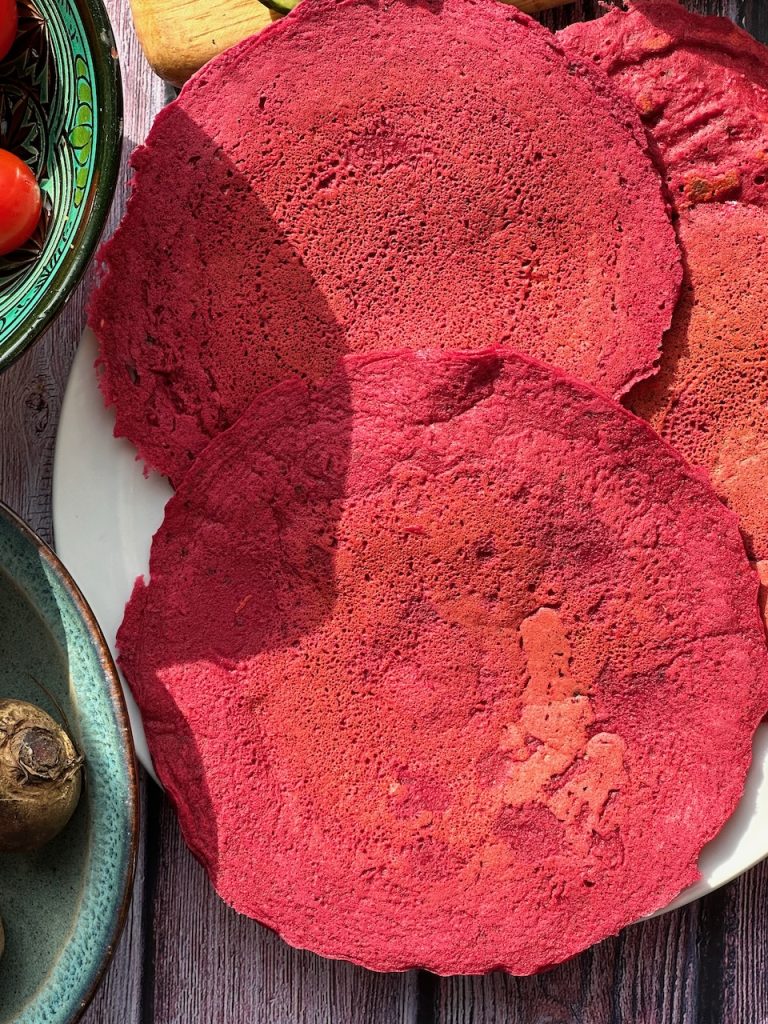
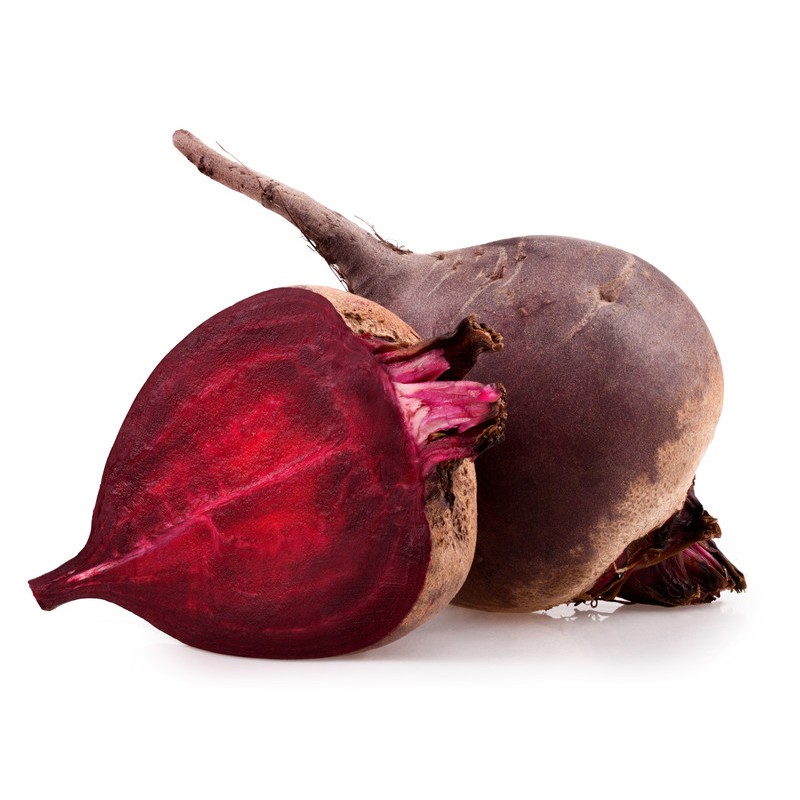
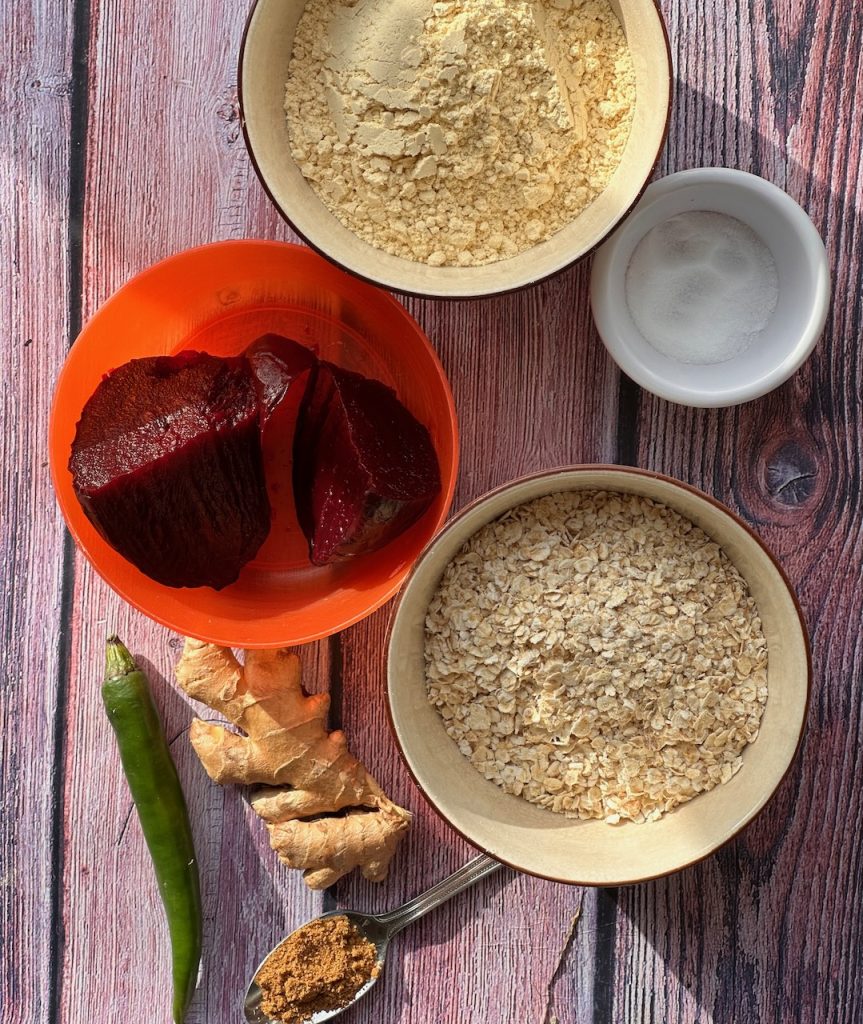
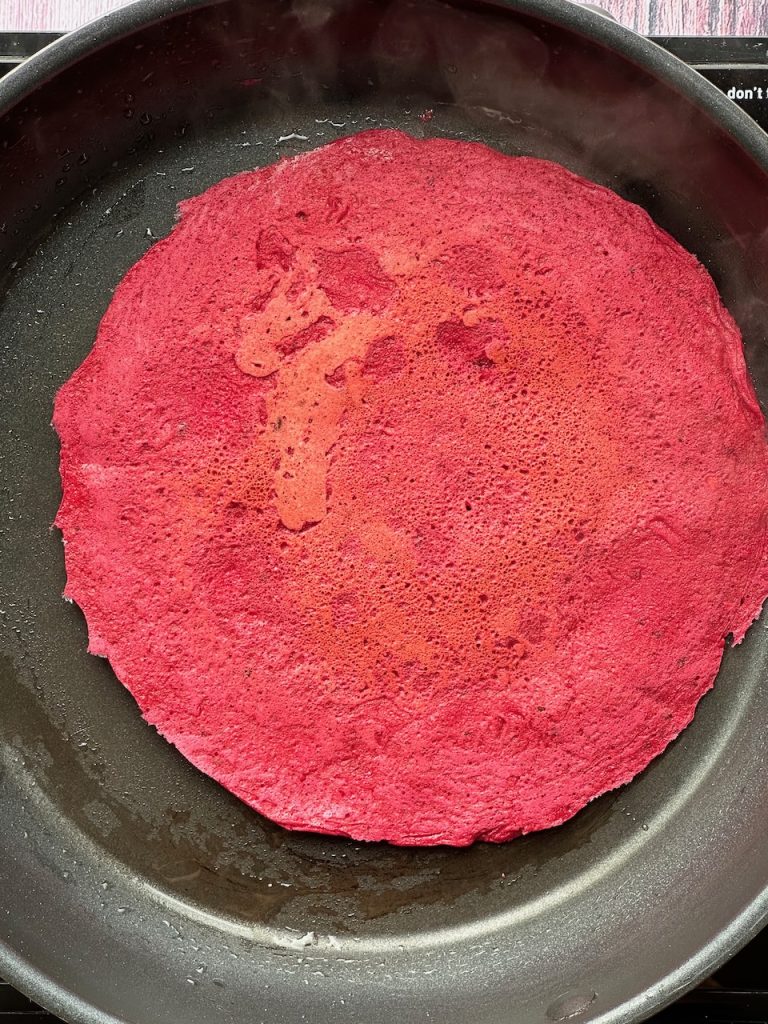
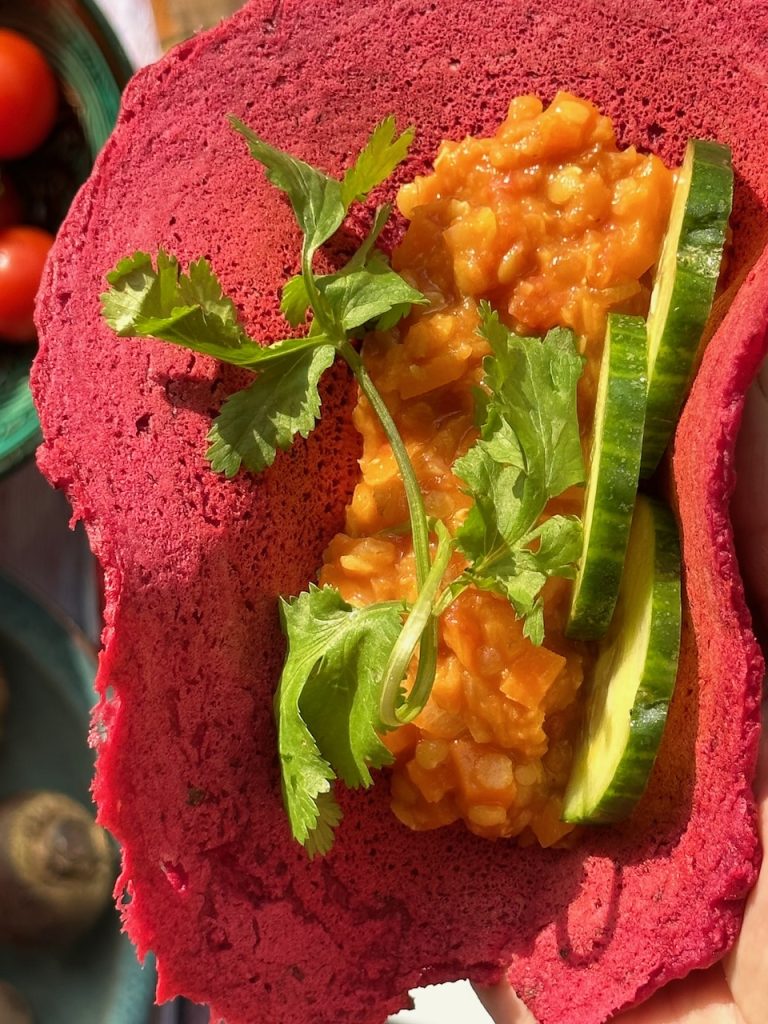
Blushing beautiful beetroot so vibrant and sweet. They are a nutritional powerhouse, good for your heart and blood and gut. We’ve increased the nutrient value by adding some wholesome ingredients to make these delicious dosas. Eat them as they are, add a sandwich filling with roast veggies or eat along side a spiced dahl. My kids called them pink wraps and thats a good description too.
I love to steam all my beets and then use them in various ways like roasting with balmasic vinegar for a salad, slicing to eat in a sandwich, grated to add to chocolate muffins etc.
How do you like to cook with beetroot?
Lou 🙂
PS – it may not be an authentic dosa recipe but it is really tasty all the same.
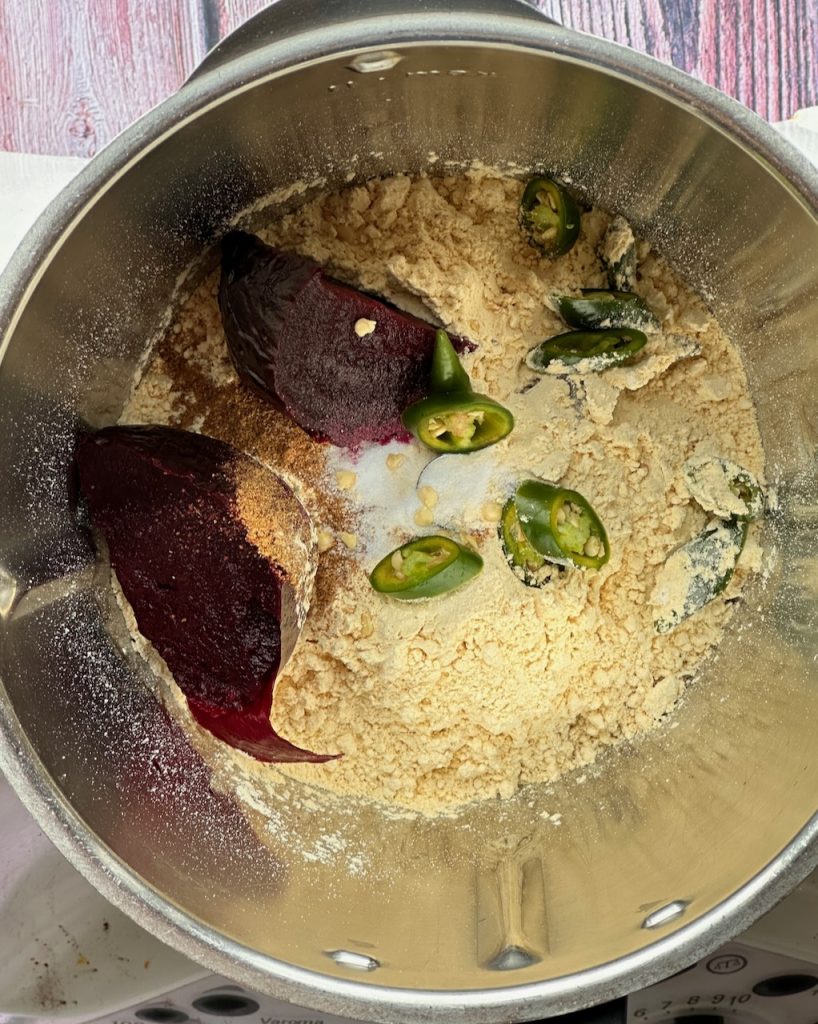
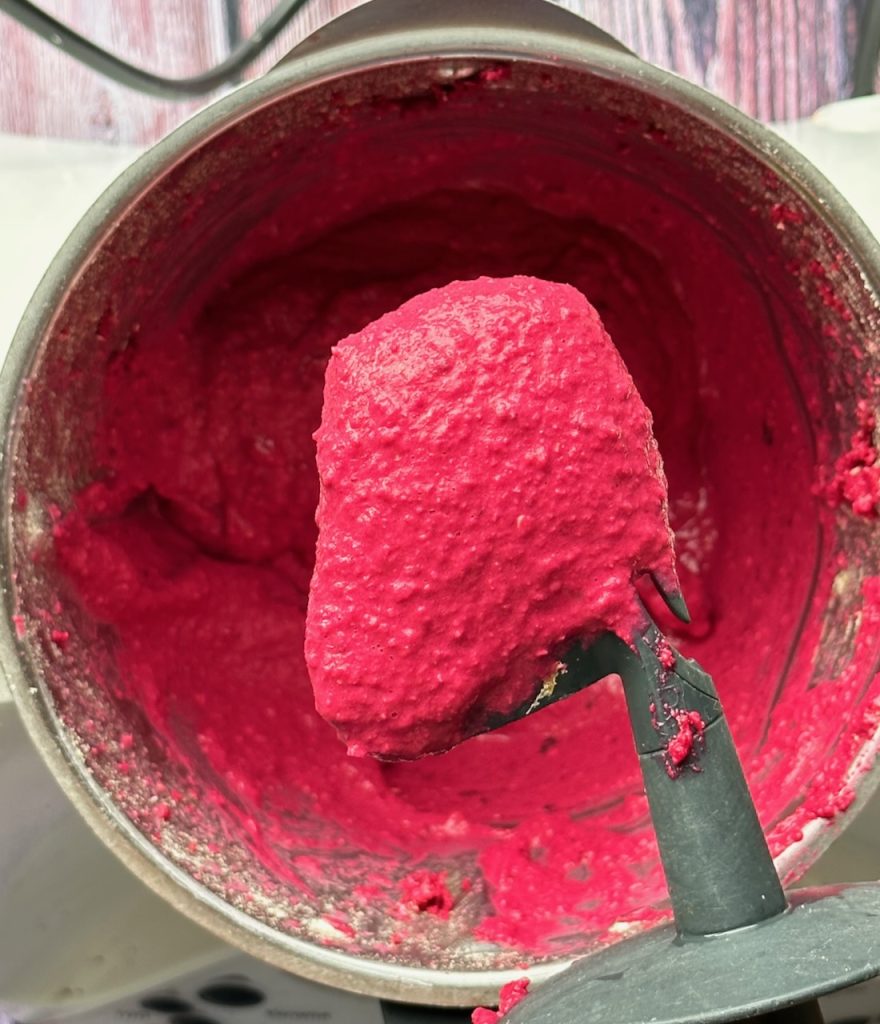
Step 1: To a powerful blender add all the ingredients apart from the water. Blend the ingredients and add the water a little at a time to make a batter. The consistency of the batter is really important it should be pourable like crepe batter.
Step 2: Heat a frying pan on a medium heat. Drizzle with oil and carefully wipe with kitchen paper to coat the pan.
Step 3: Add a ladle of the batter to the pan, use the back of the ladle to thin out the batter and form a round shape. Cook on a low heat for a few minutes then use a spatula to carefully flip over and cook for a further minute. Repeat.
This week has seen another reasonably dry week on the farm which has made life that little bit easier, our harvesting machine for parsnips has worked well, and we are pulling them out of the ground fresh and clean, the kale is vibrant and amazing and we are harvesting lovely sized heads of broccoli. The tomatoes, cucumbers and courgettes have nearly run their course, our weekly harvest of courgettes is down from a near high of 500kg a week to just over 100kg now, soon they will be finished for the year.
It is at this time of the year I often reflect on our food system as a whole and whilst there is plenty of good I find myself wondering that there must be a better way to grow our food, there needs to be a better way. The planet simply cannot sustain business as usual. Amongst other things, our food system as run by giant food corporations is crippling out planet, not only that it is destroying biodiversity. Loss leading of fresh food by supermarkets, simply does not leave enough on the table to allow farmers to protect the land, to work with nature, it is a road to nowhere.
What will we do when we have exhausted the soil, when we have polluted the rivers and lakes, when we have pumped enough greenhouse gases into our atmosphere to cause the planet to warm up beyond critical tipping points. We will not be able to sustain ecosystems never mind a healthy balanced food system.
What then? All that profit and greed, and short termism will mean little. Where do we look then for fresh water, for healthy food, how will we feed 8 billion or more people? How will all the other life we share this planet with be sustained?
Can we continue to consume resources and food as we do now? Do we not need to consider what we are eating (and how it is produced) now. The animal industry consumes a disproportionate amount of our land mass and contributes relatively little relative to grains and plants to our calorie and protein intake:
Of our habitable land, 46% is used for agriculture, of that land area 77% is used for animals, and this only produces 18% of our global calorie supply and astoundingly only 37% of our protein consumption. (Source: UN Food and Agriculture association)
And that is without even beginning to talk about animal welfare in the large factory farms that produce the cheap meat? When did chicken literally become cheaper than chips?
Clearly this is not just unsustainable, you can imagine that future generations may look back and wonder at our insanity. Using land to grow more vegetables and eating more plants allows us to reduce the land mass required to produce our food. This is not an argument for not eating meat or dairy it is simply a fact that we need to use our land wisely and cut down on the consumption of foods that have a high land high carbon footprint, low calorie output.
Would it help to approach our living world with a little more empathy, for the land, for the creatures we share the planet, for the environment? Things could and would be so much different if we were all to be a little more mindful and showed a little more respect for our one home.
We all can make a difference; we can all take steps that will help. Of course, bigger stuff needs to happen, governments need to act, net carbon zero needs to occur, policy and infrastructure and systems needs to change, and they are changing but the speed of change needs to increase.
Can our mindset around food change? Embracing the idea of eating more plants, understanding that cheap does not always mean good value, these are the things that will help save our health and that of the planet.
We here on our farm find ourselves struggling to standstill, it is always a tough battle to compete in this supermarket dominated landscape. It is difficult to continue to support local organic Irish farmers including our own farm, it costs more, but that is the course we have taken, and one we will never deviate from.
Your support is making a difference. You are making a difference.
Thanks for your support.
Kenneth
PS The autumnal winter crops are definitely creeping in now, with the harvest of swede and parsnip truly beginning, we are also delighted to have the first delivery or Irish organic carrots next week. It has been a tough year for root crop growing, but finally we are getting there.
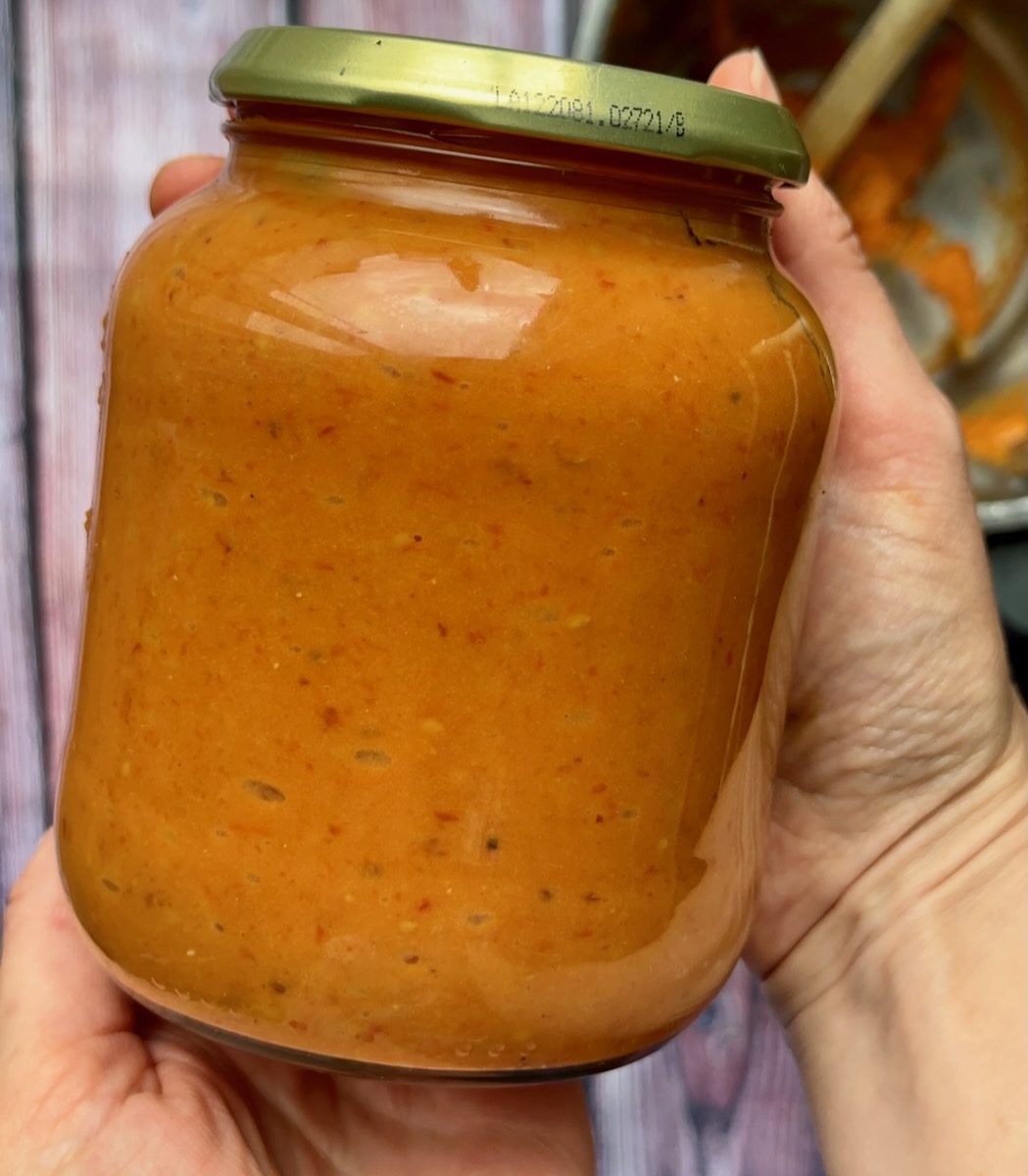
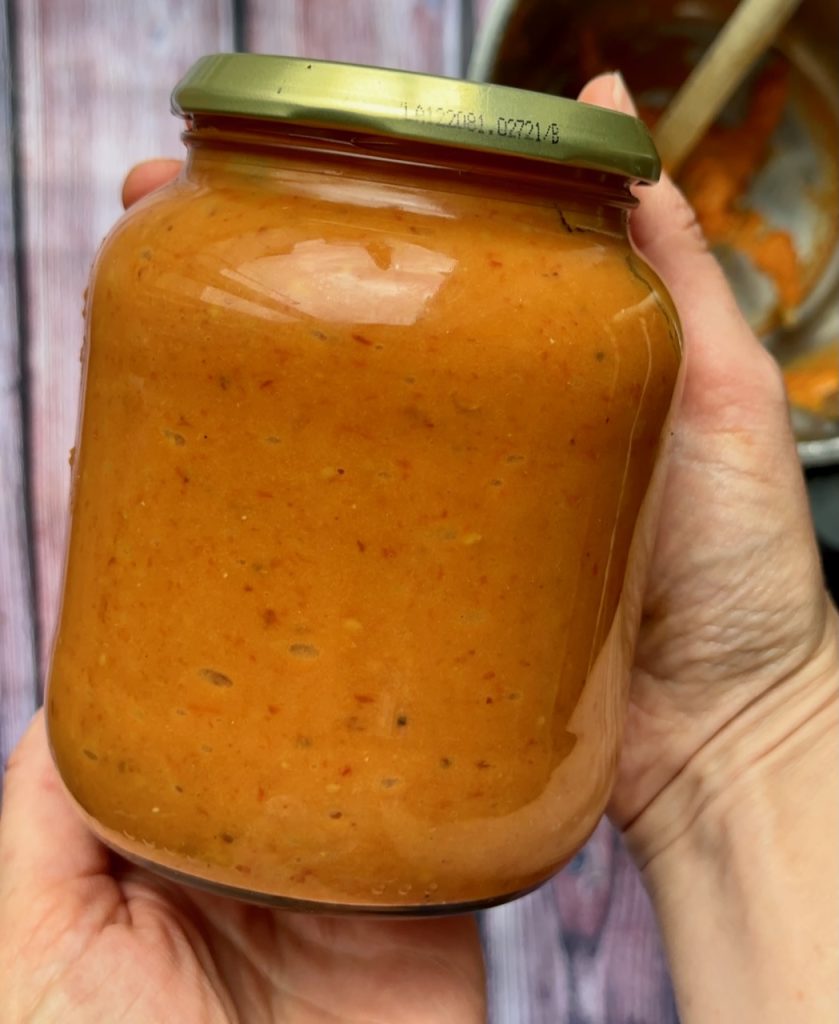
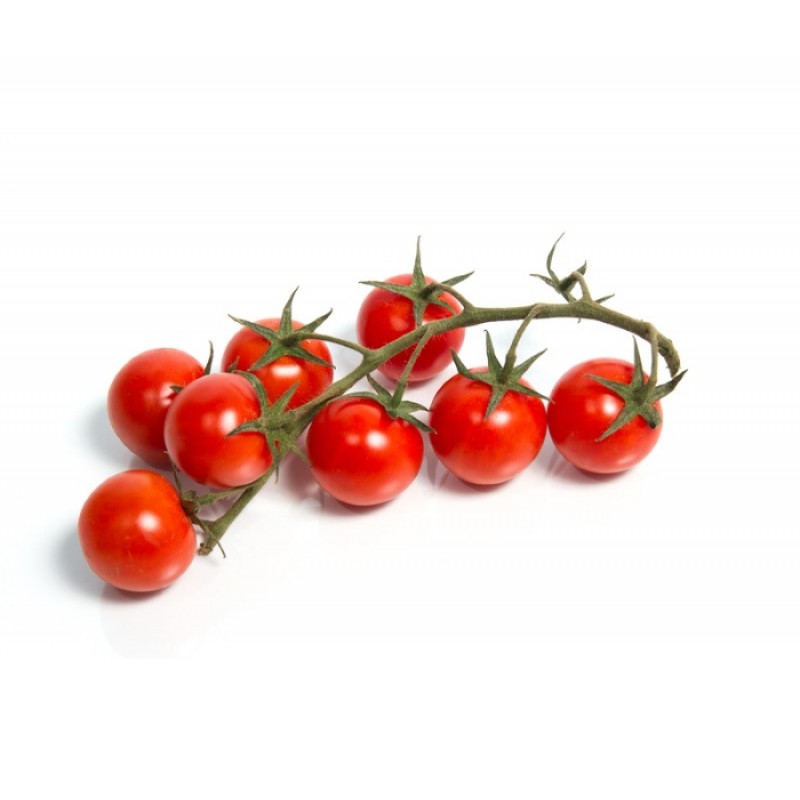
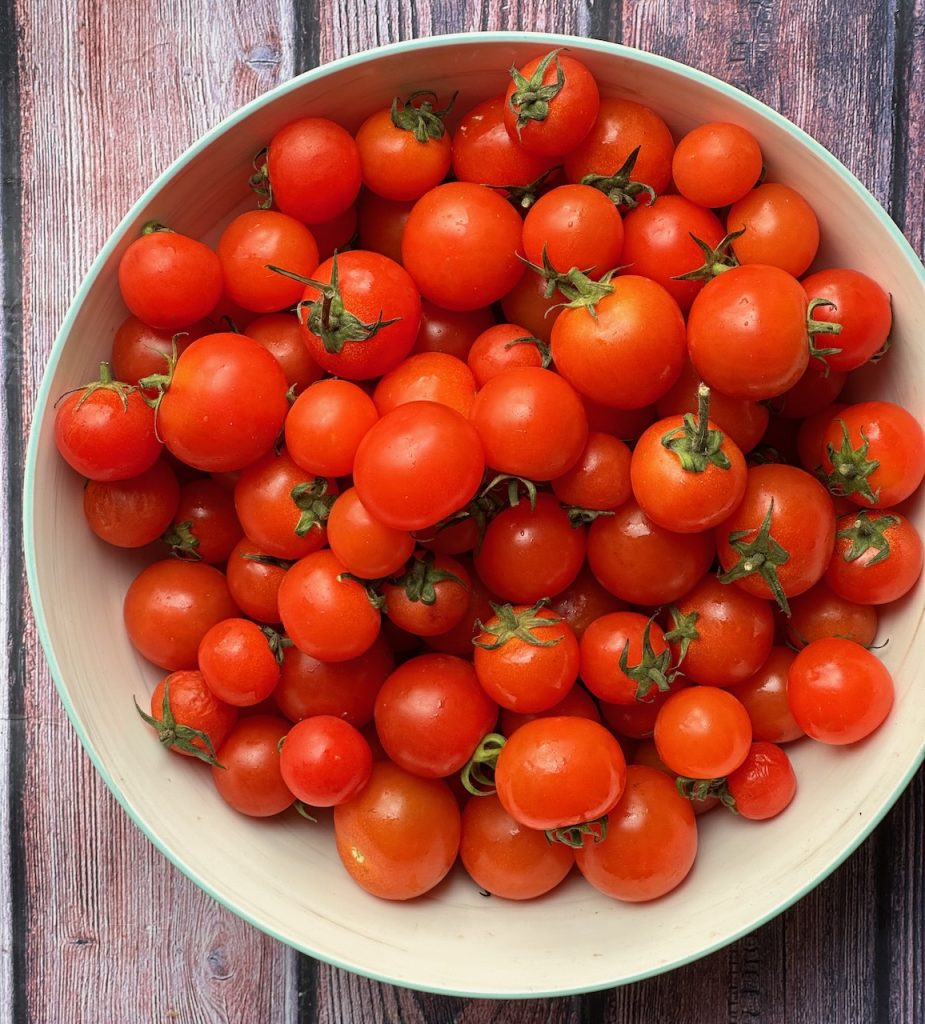
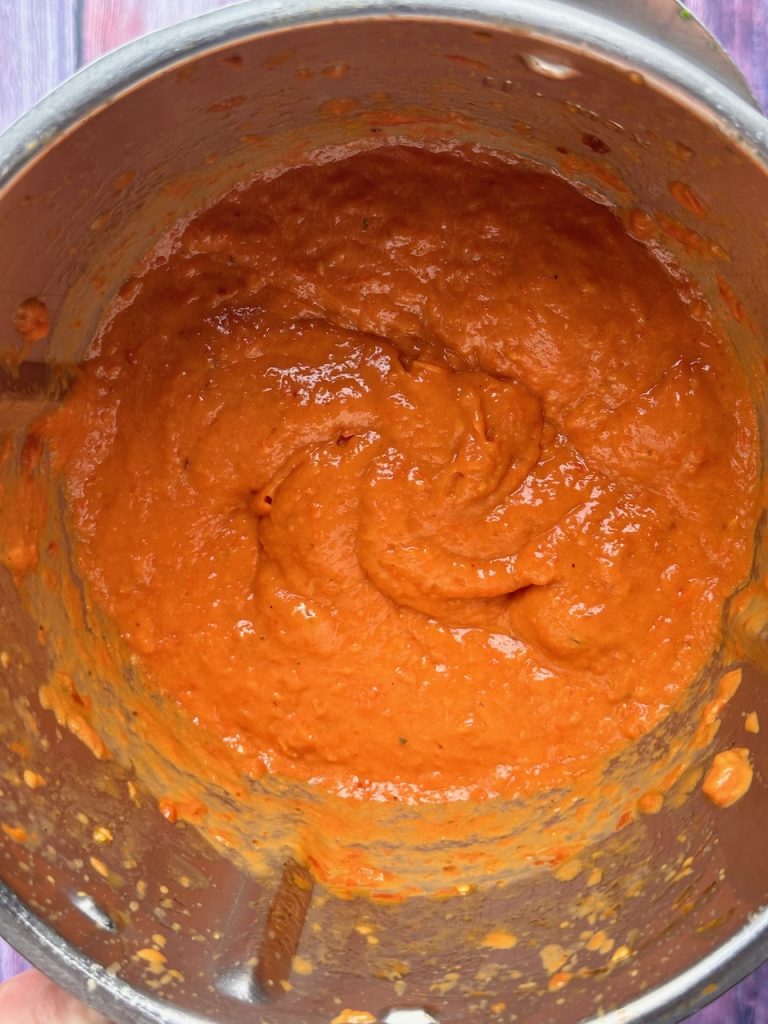
Need an incredible tomato sauce? Just 4 ingredients needed for this deep, sweet, intense sauce. We grow the sweetest cherry tomatoes in the summertime. During peak season the vines are heaving with juicy fruit just waiting to be picked, packed and delivered to homes all over Ireland. And while we can’t grow them in the colder Irish months we can find ways to preserve them just like this simple recipe that only requires a few ingredients.
The joy of pulling your own organic tomato sauce from the freezer is truly satisfying. And the sweetness remains to add to your stews, soups and sauces all through the winter.
This recipe could not be easier, we hope you try it.
Lou 🙂
Ingredients: makes 1kg of sauce (1 big jar or 4 small jars)
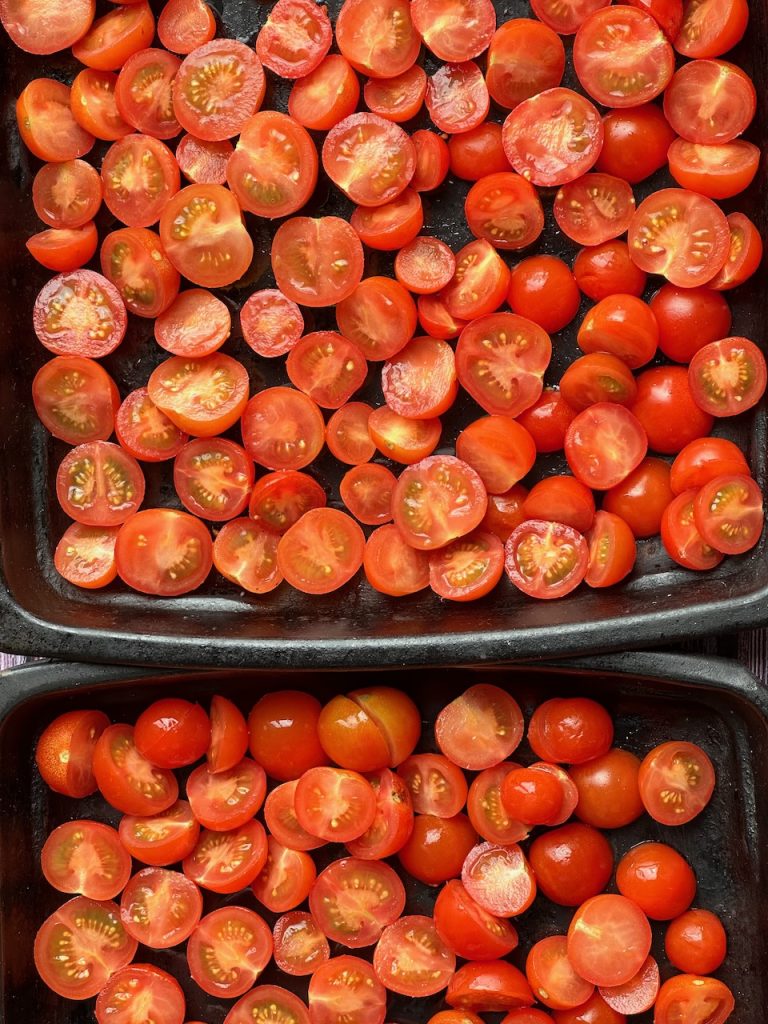
Step 1: Preheat the oven 200ºC. Have 2 large baking trays ready to go.
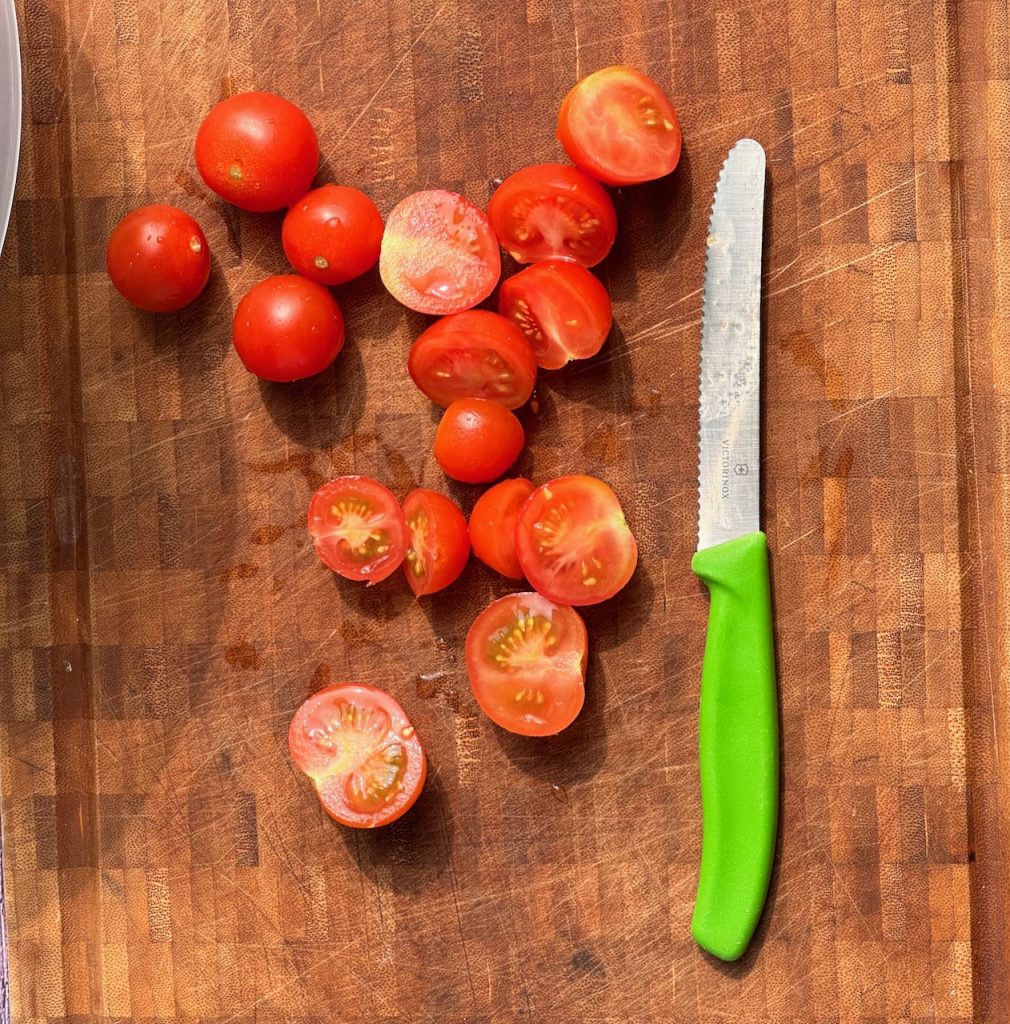
Step 2: Wash the cherry tomatoes and discard the green stems. cut in half, place them on the trays cut side up.
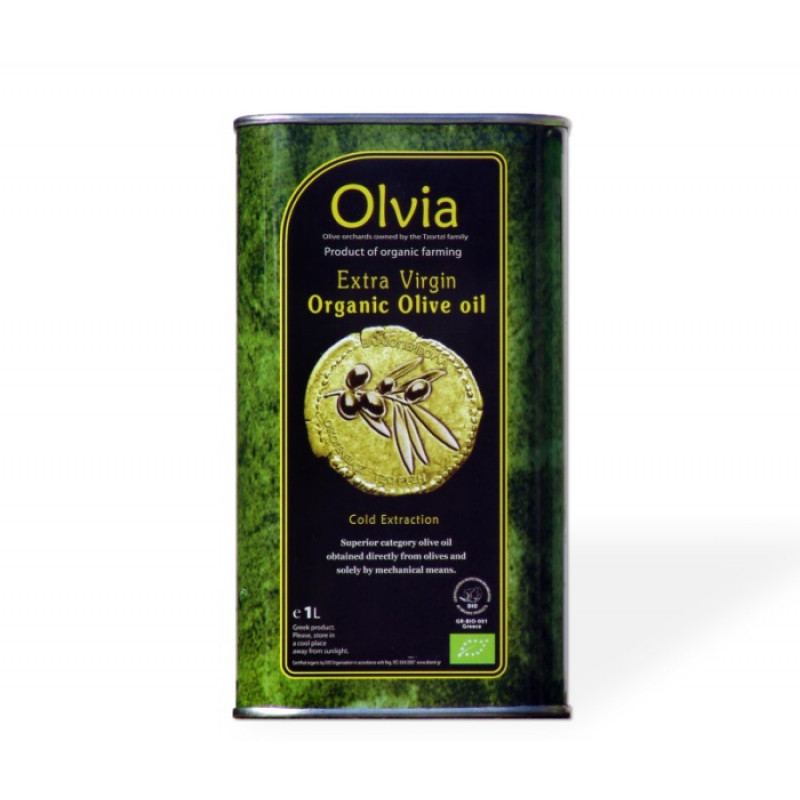
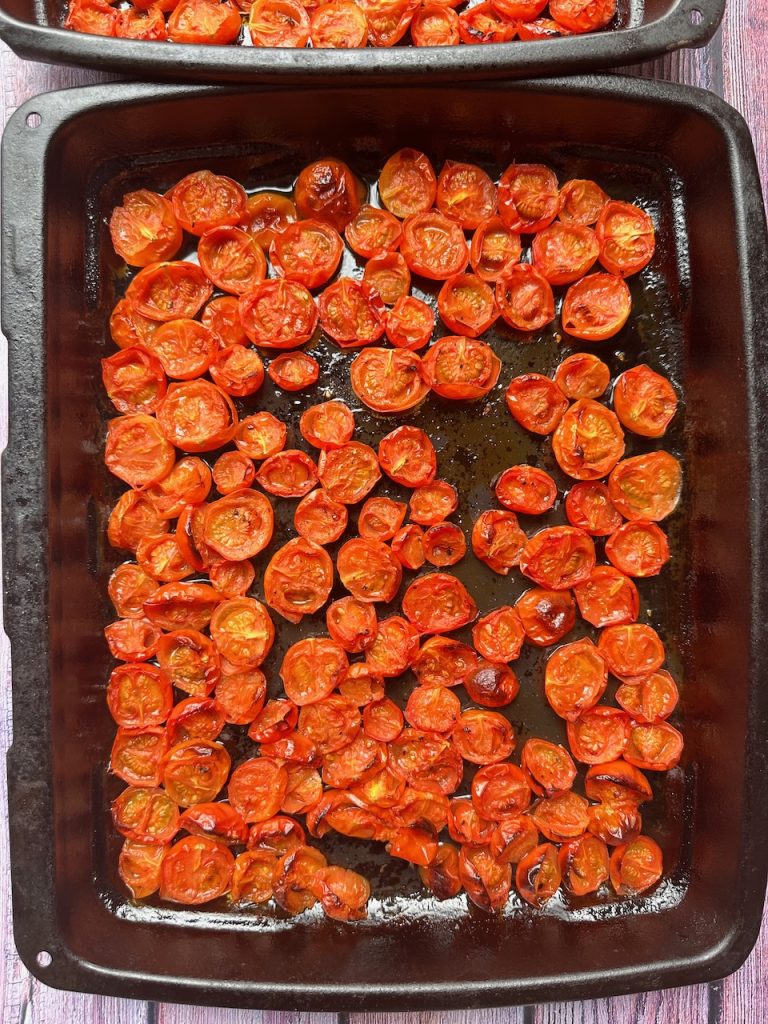
Step 3: Drizzle with a small bit of oil, and season lightly with salt and pepper. Roast in the oven for about 45 minutes, until they are soft and char around the edges.
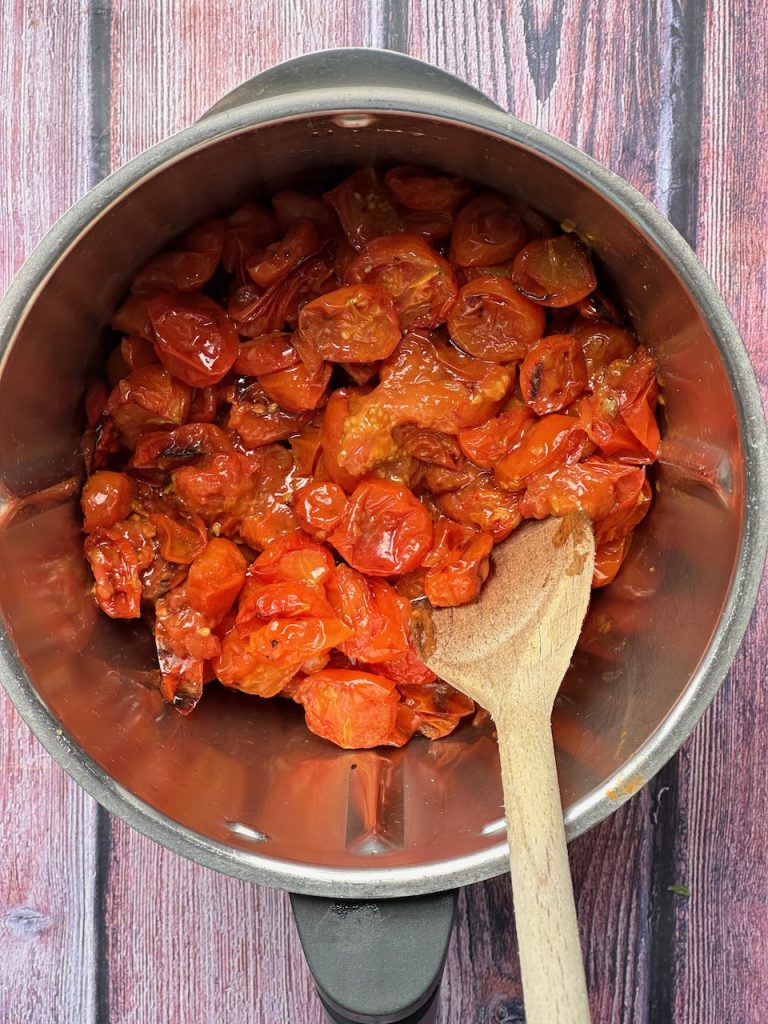
Step 4: Scoop into a blender and blend until the desired consistency. Keep it chunky or smooth if you prefer.
Step 5: While warm pour into freezer safe jars or containers. Date and label for the freezer.
Defrost your preserved homemade organic roast tomato sauce in the winter months, when fresh ones are not available. Use it for soups, sauces, stews and more.
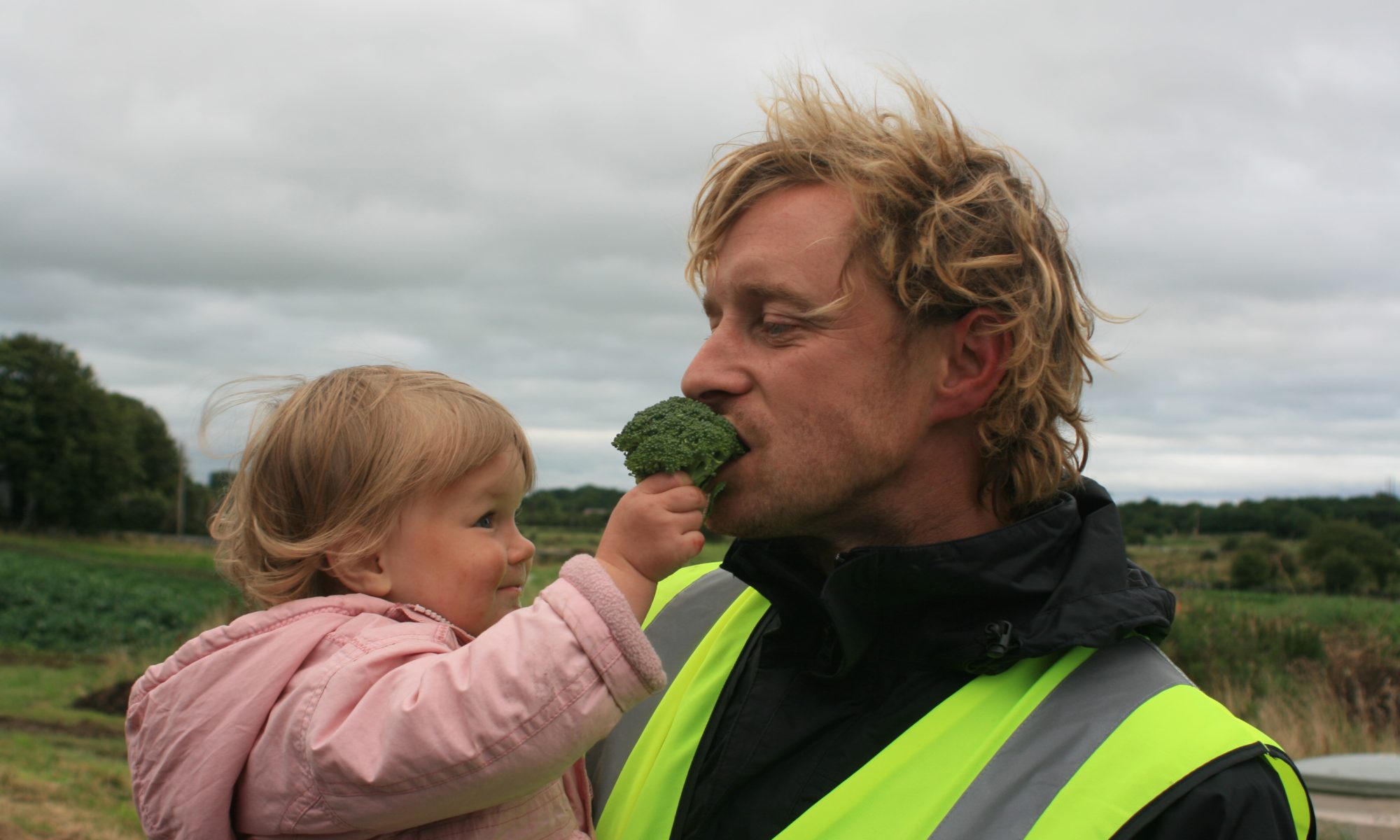
I remember as a child picking peas in my grandad’s garden. He had apple trees, he grew his own veg. I remember sitting on his lap drinking a mug of turnip juice, (I can’t imagine trying to get my kids to do that today!) most of the food was grown on his farm. (Photo: backfired, me trying to feed my daughter broccoli many moons ago!)
Things have changed so much in a generation.
When was the last time you tasted a freshly harvested carrot, can you remember what it should taste like? There can be such pleasure in the simple foods, and there are of course remarkable ways to cook these amazing seasonal gems.
September is a month of local seasonal plenty. The tomato season is still in full swing still, and there is a myriad of great Irish vegetables available, courgettes, leeks, swedes, cabbage, scallions, kales, beetroot, broccoli and so much more.
As an organic farmer, the arrival of September allows a sigh of relief. The relentless pressure of the summer is finally winding down and we are settling into a routine of harvest.
The trees are starting to turn, the wild-flowers have gone to seed, the hedgerows are full of berries, the bees are slowing down too, even the birds are relaxing a little, everything seems to slow down. Something we could all do a little bit more of.
September too can be a time for reflection. As a farmer the simple things like tree planting, growing hedgerows and leaving wild patches can give immense pleasure. This is easy stuff that pays the most amazing dividends for the person and the planet, but in modern food systems it is often dismissed as non sensical and left to one side in favour of production. The irony of course is that food production is facilitated and improved by all these positive things.
Cheap food has a price and a story. The real stories are hidden behind the glitzy shiny wrappers, there is always a story, a story of environmental or human exploitation.
The truth ironically can be hard to swallow, but it doesn’t have to be like this.
There are amazing and positive alternatives. Our parents chose well, they ate seasonally and locally, they ate less meat. Who doesn’t remember cabbage and turnip and the endless ways to cook potatoes!
We have more power than we realise.
We choose our phones, our clothes, our cars, our jobs, and yet our food and our planet can be relegated to the bottom of the decision pile if they are thought about at all. Time is short we are all busy but maybe just maybe they deserve a little more consideration because our choices matter a lot and when it comes to our food positive choices will improve our health and the health of our planet.
What we eat and how our food is produced can literally change the world.
Back to school and back to busy schedules for the whole house! September can be a great time to reset your eating habits, its a bit like new year. We love to pull out the recipe books and plan some wholesome hearty meals, using lots of vegetables from the farm, to make September run smoothly and enjoy the cosy autumn evenings.
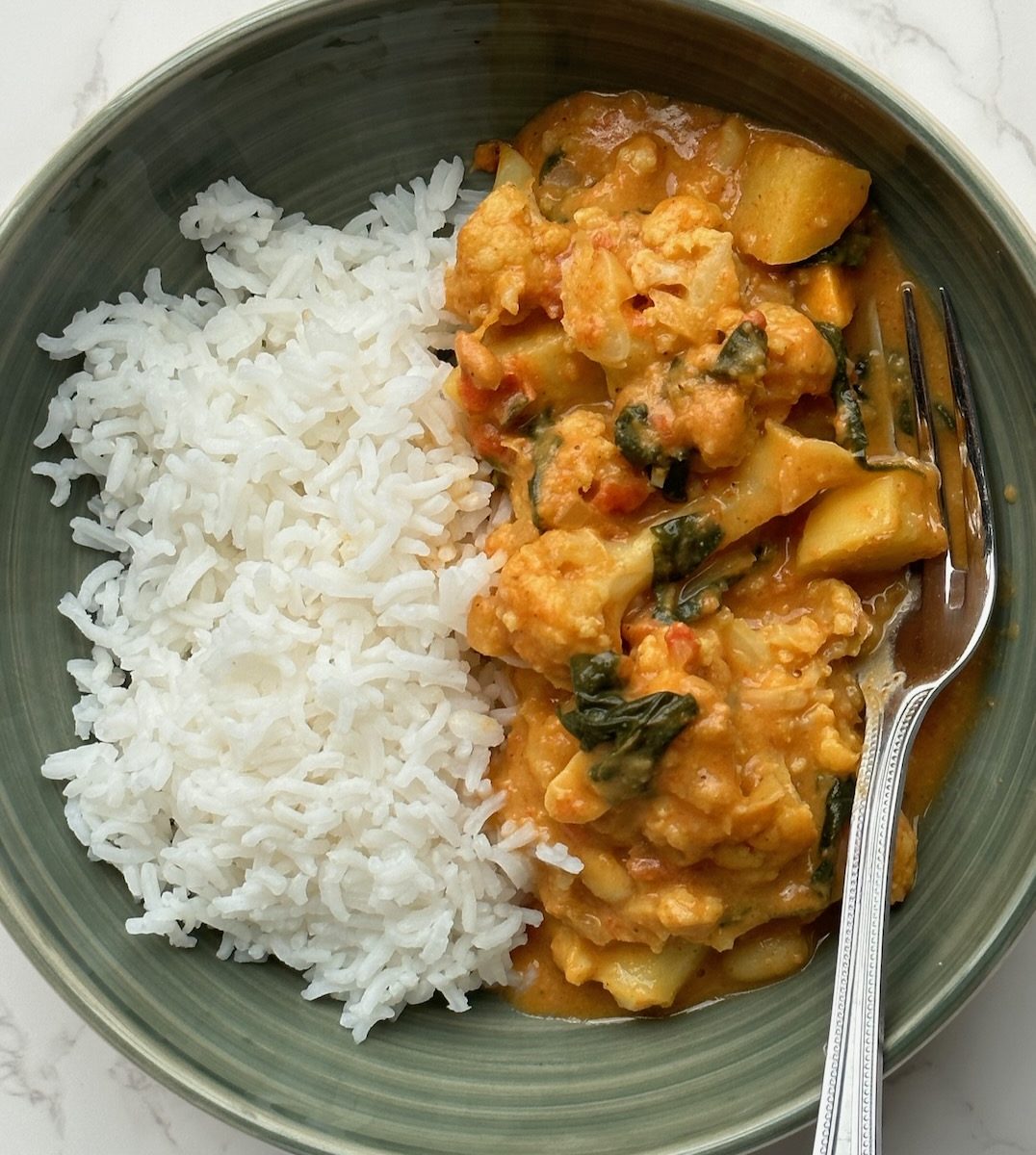
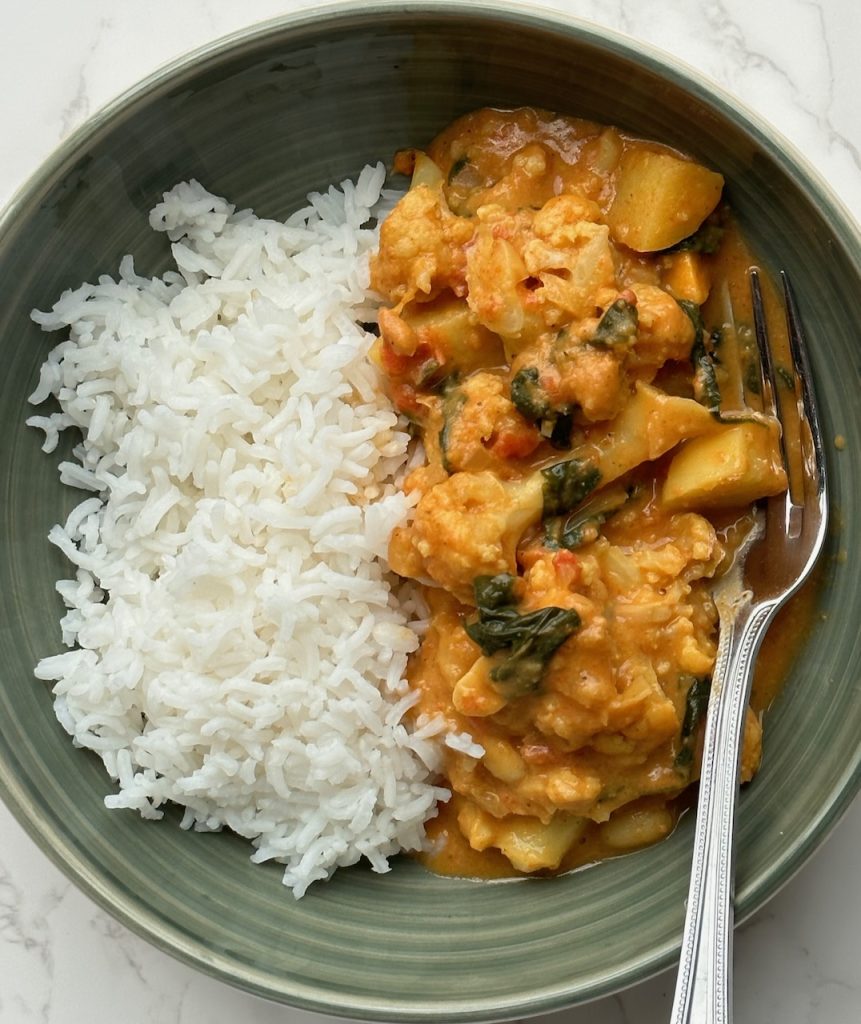
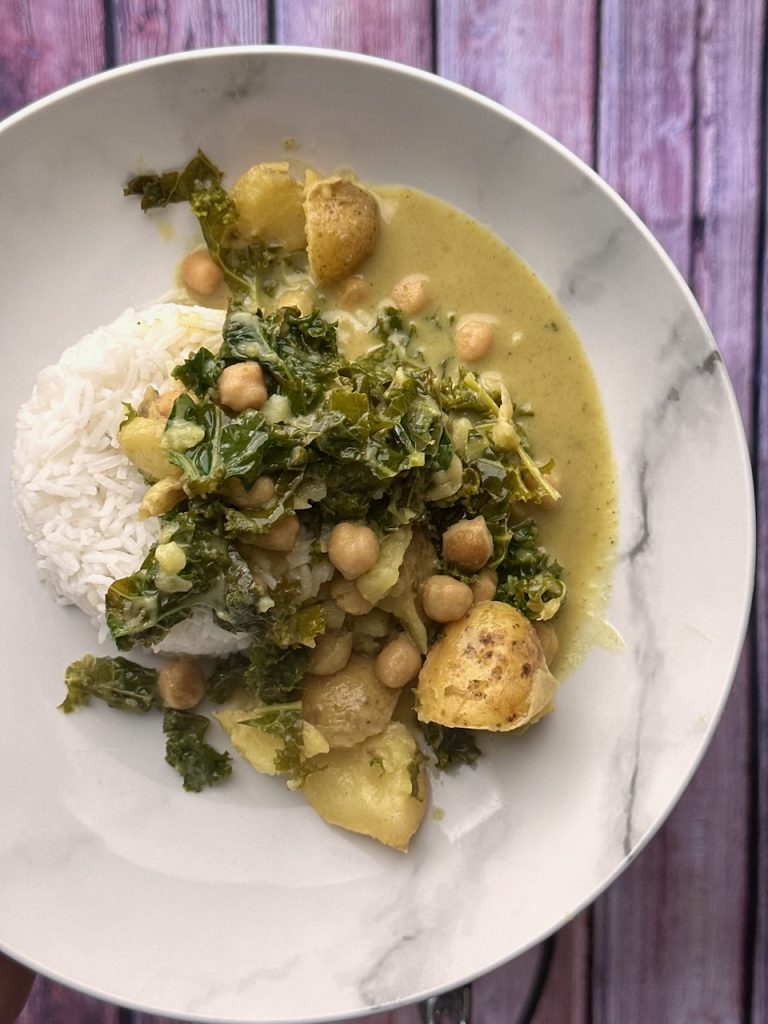
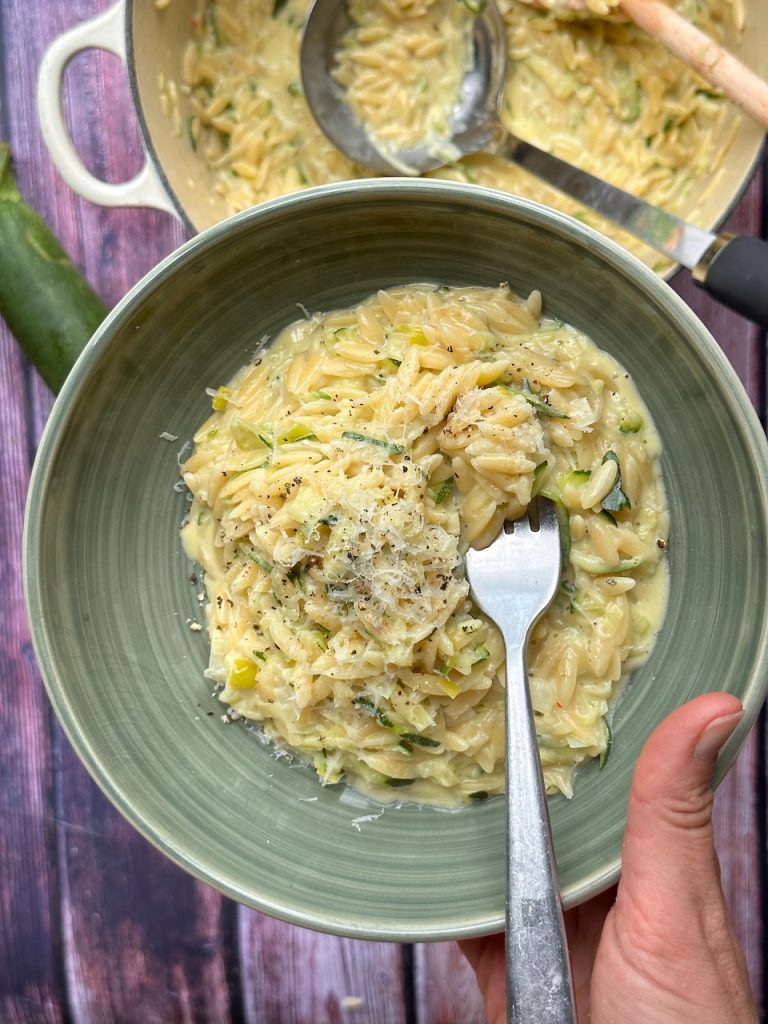
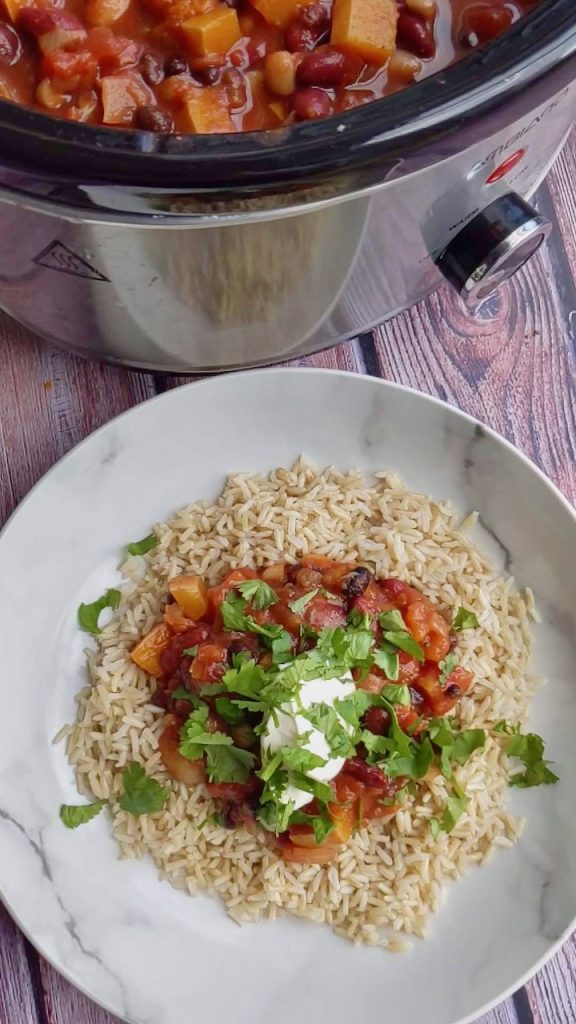
We’ve put 5 of our favourite recipes together for you. Most of them just need one pot and some need an extra one for the rice or pasta, so minimal fuss. The vegetables from the farm make each dish sing, cauliflower, courgettes, cherry tomatoes, squash, spuds and kale. Theres something for everyone.
We like to get back to having family meals together in the evening, talking about the school day, new friends, new subjects and all the time taking enjoyment in the food we eat.
We hope you enjoy these recipes, please let us know if you try them in the comments below.
Lou 🙂
Click on the recipe below to bring you to each recipe:
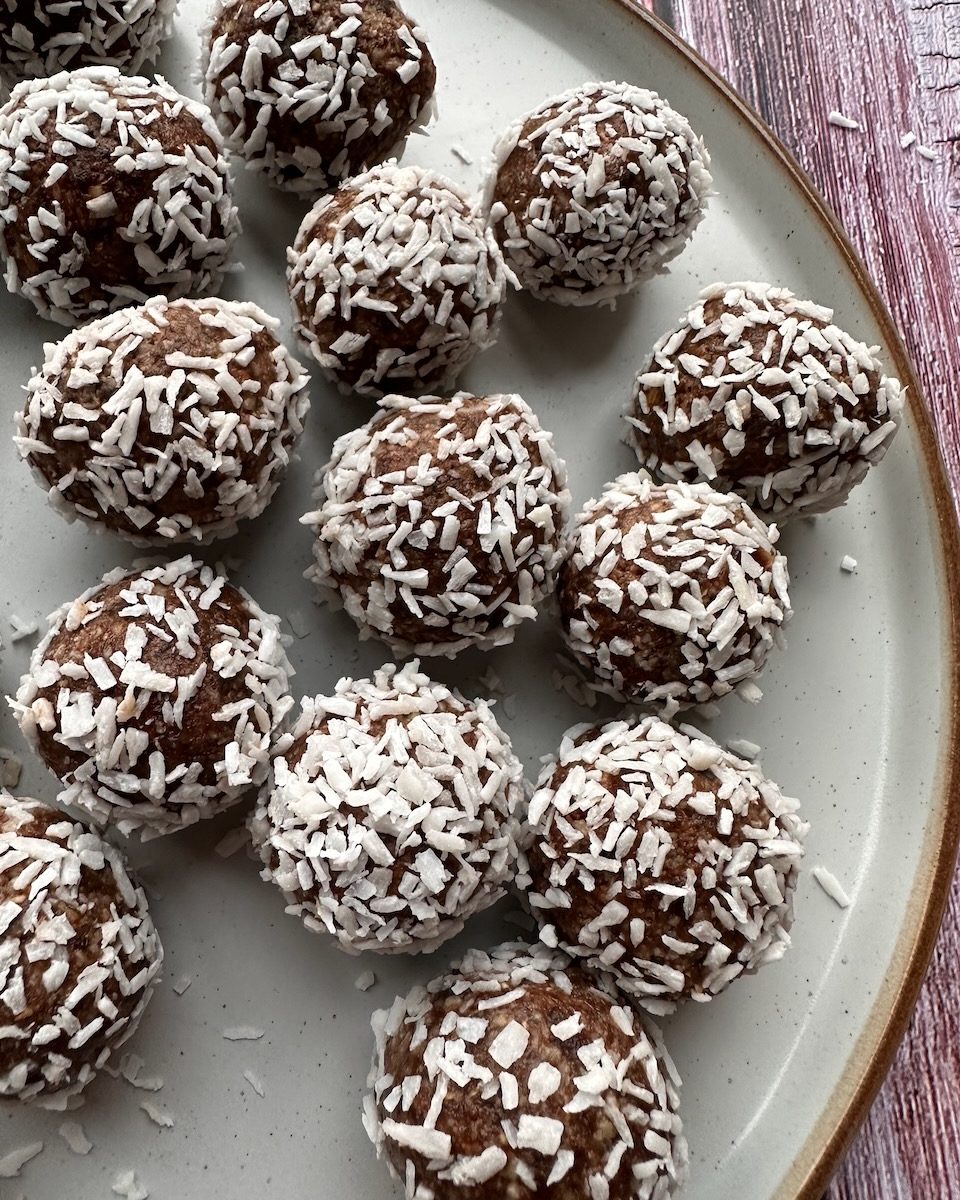
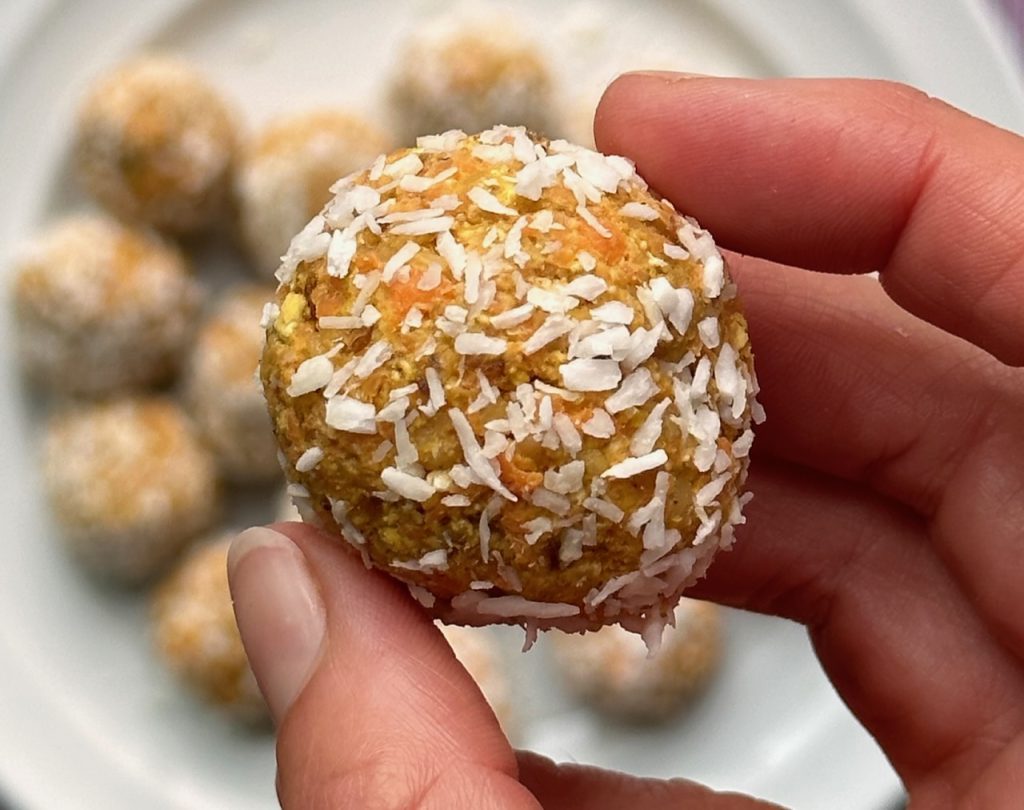
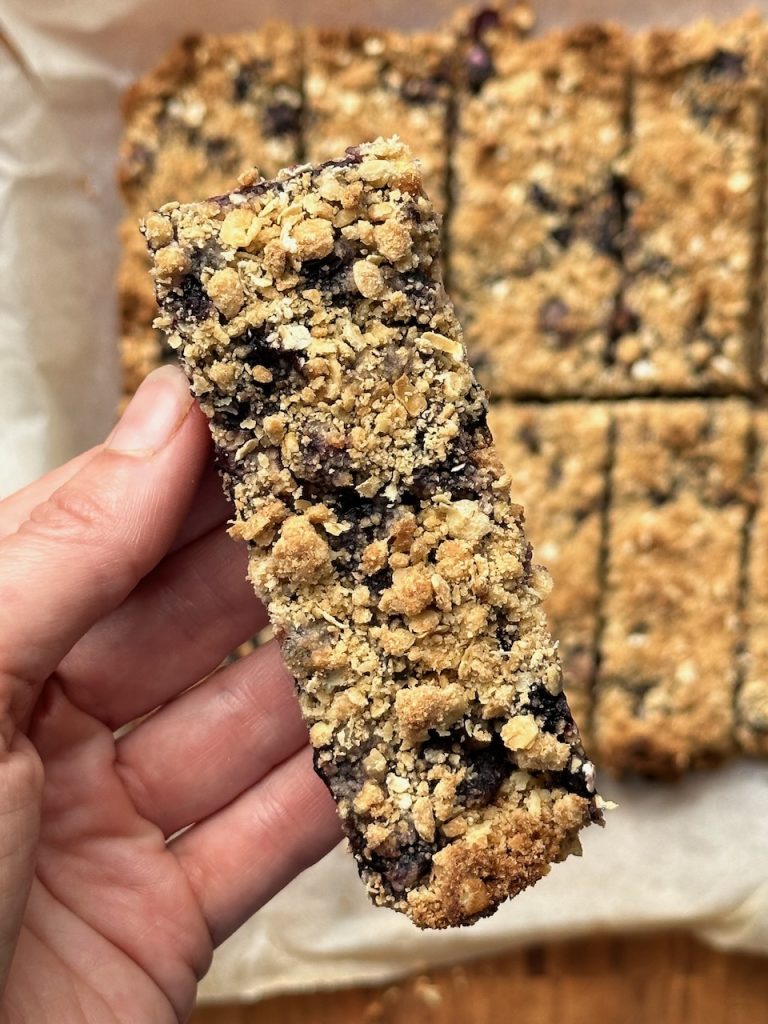
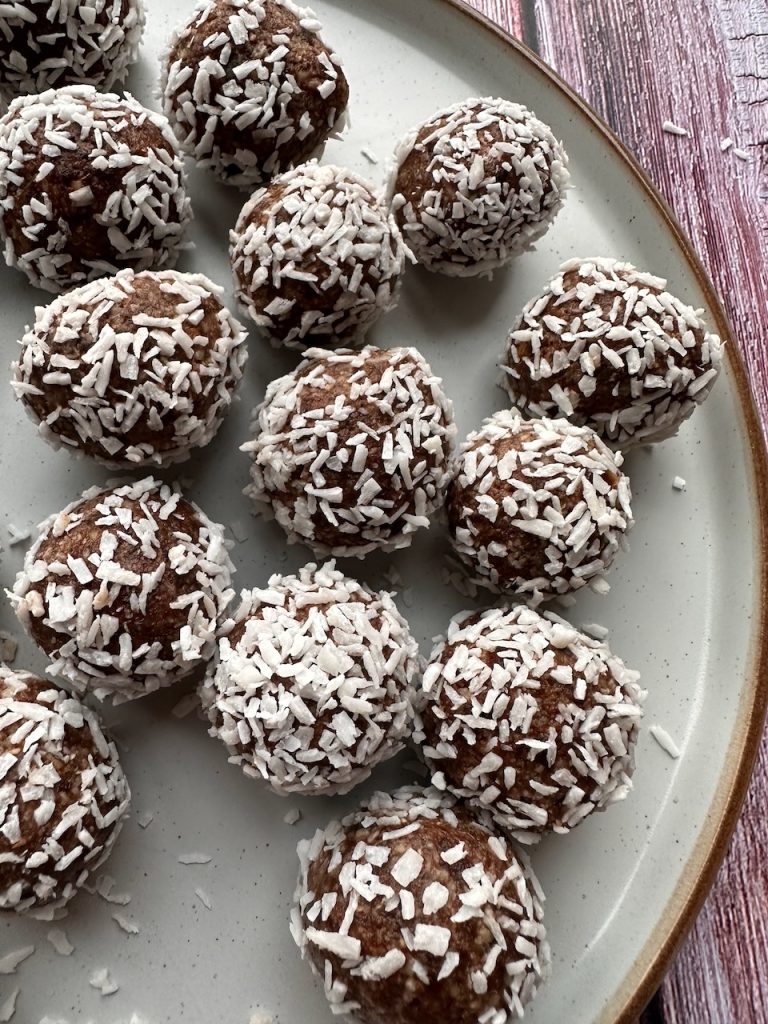
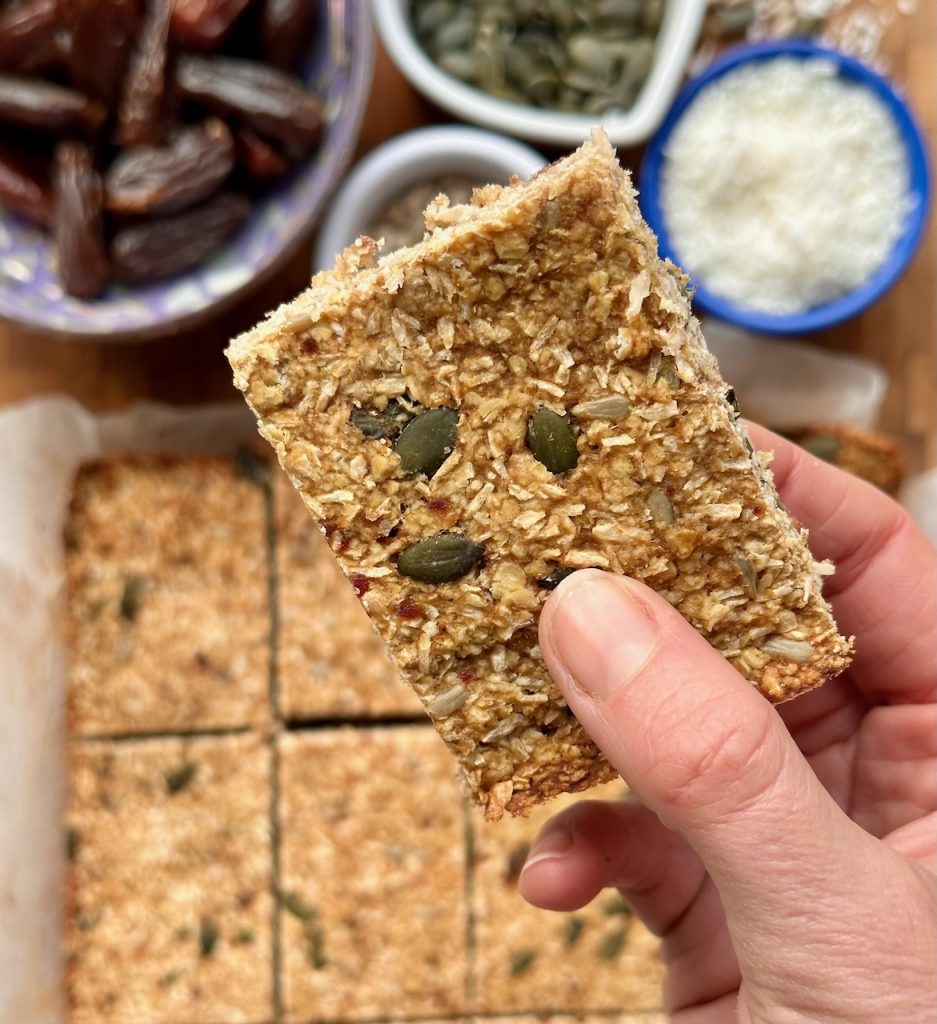
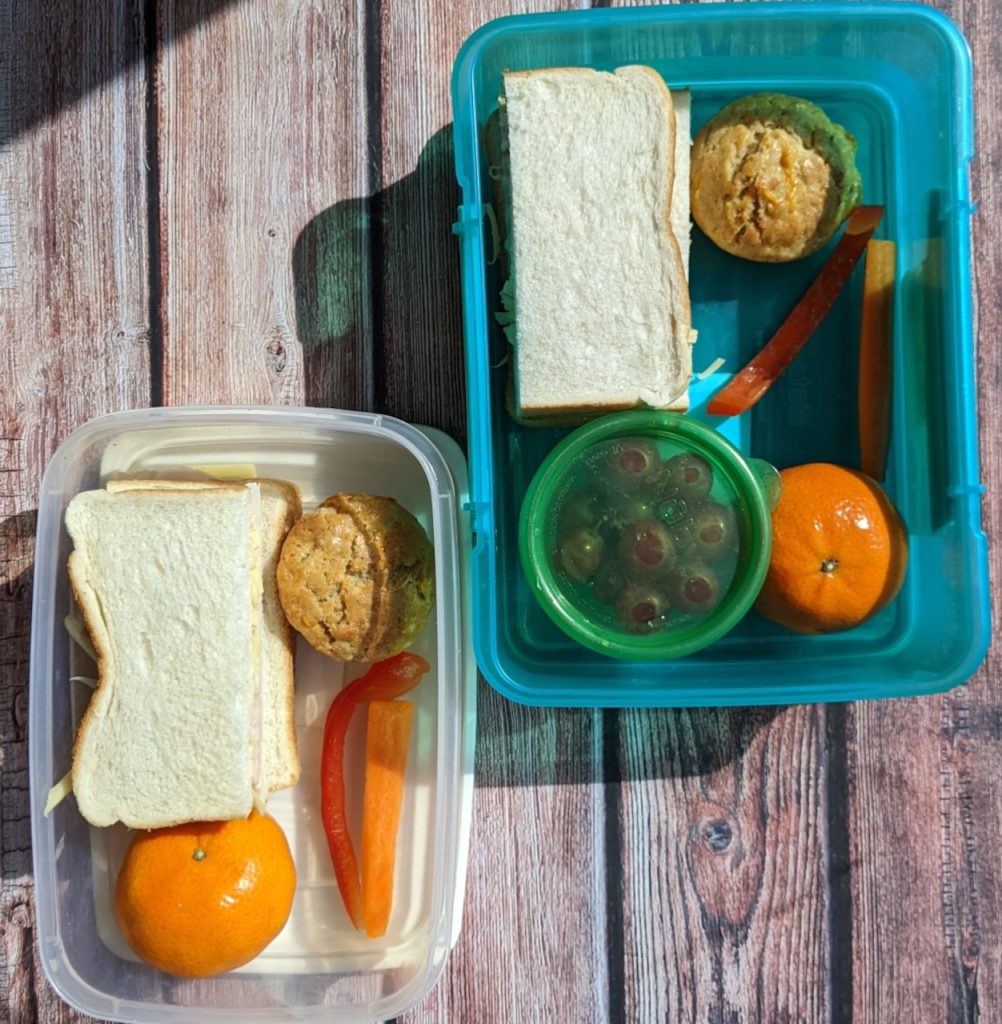
The summer months seem to fly by in a flash! The kids will be back to school really soon and that means the return of the lunch boxes too! We will be making lots of yummy homemade snacks to help fill them. We love using wholesome organic ingredients to keep little tummies fuller for longer and help add some much needed nutrition for their growing bodies and minds.
Theres a few reasons why love to make homemade snacks for the lunchbox. They are cheaper to make than buying pre-made shop bought snacks. We know exactly whats gone into them, we can make them mostly organic and they are not individually wrapped in plastic. We can get our kids to help make them and thats pretty special too!
Here’s 5 recipes for you to save and try. They include healthy oats, dates, seeds, fruit and veggies, our online shop stocks most of the ingredients you need. We hope you give them a go, please let us know if you do, we love to hear from you.
Lou 🙂
Just click on the link below to bring you to each recipe: