Where have all the vegetable growers gone?

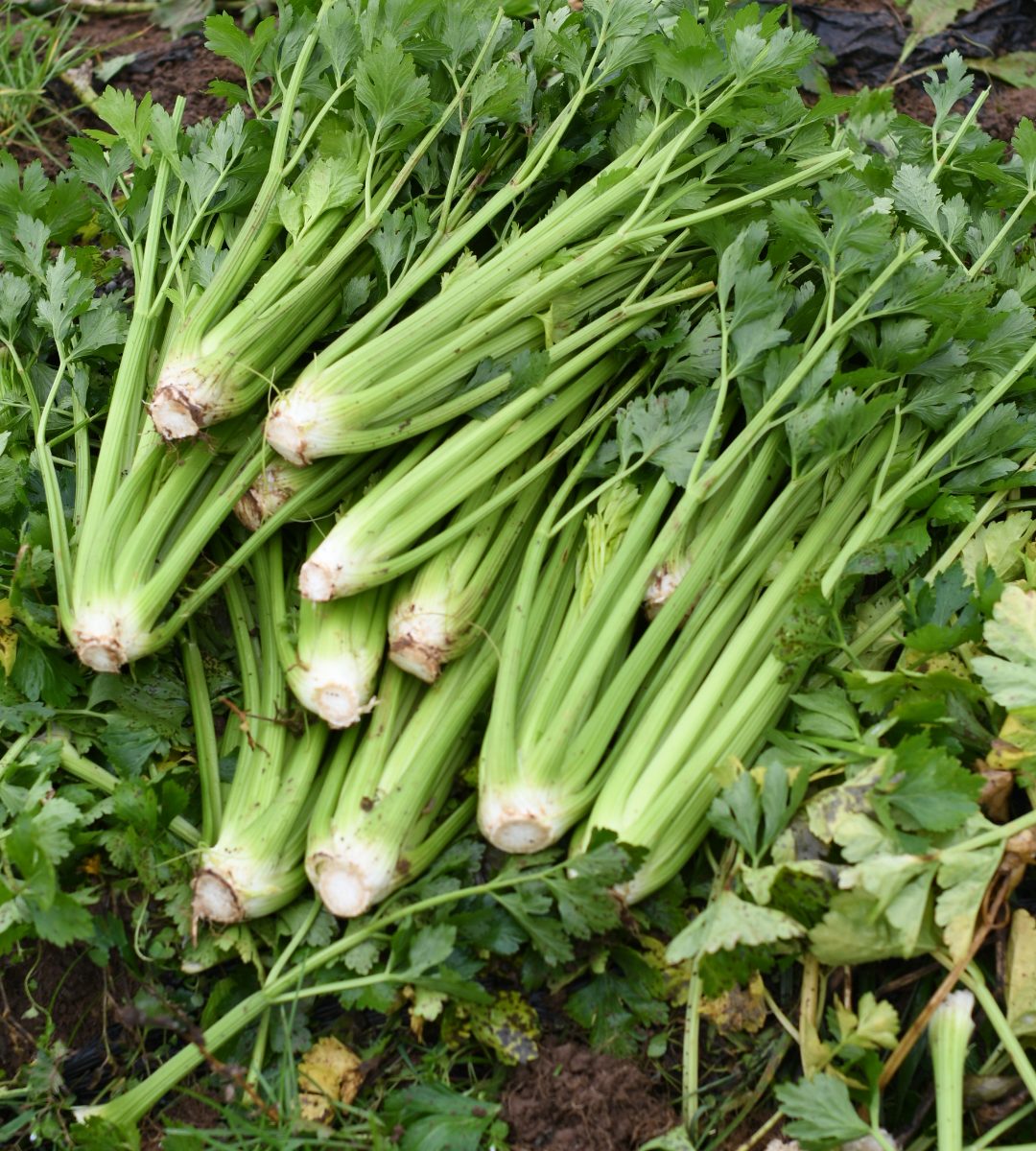
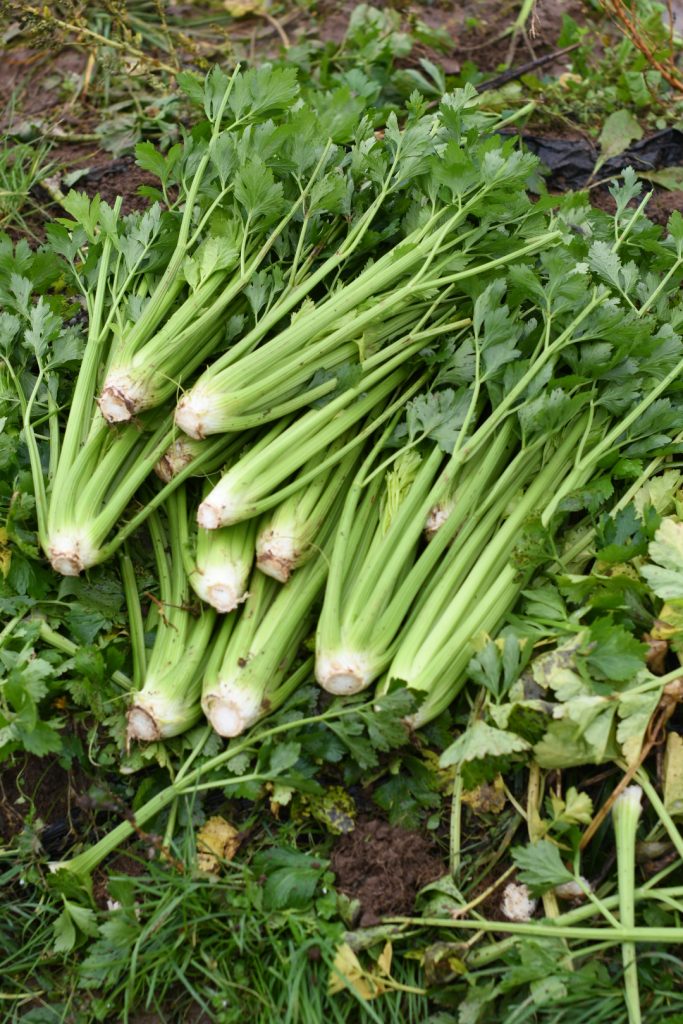
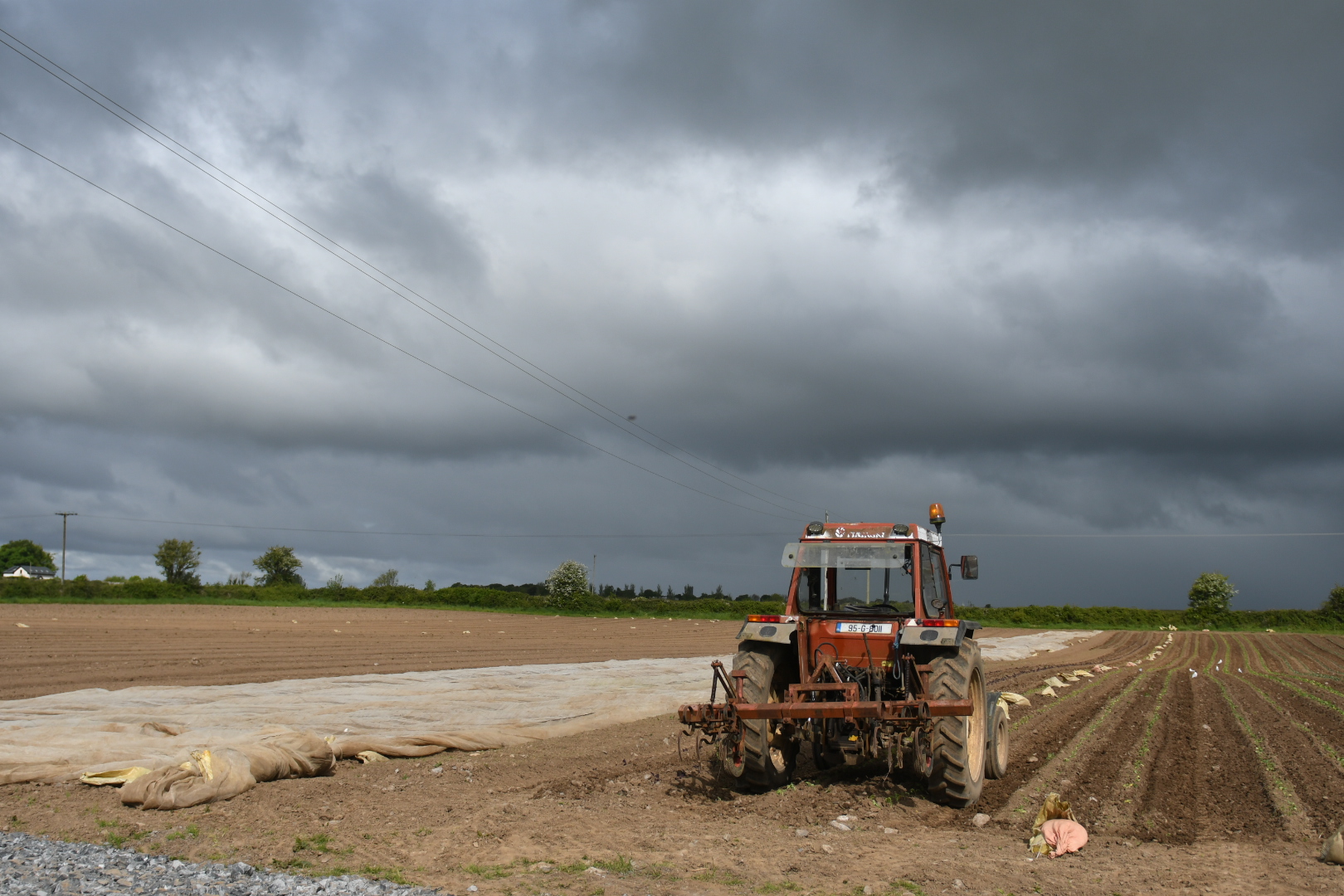
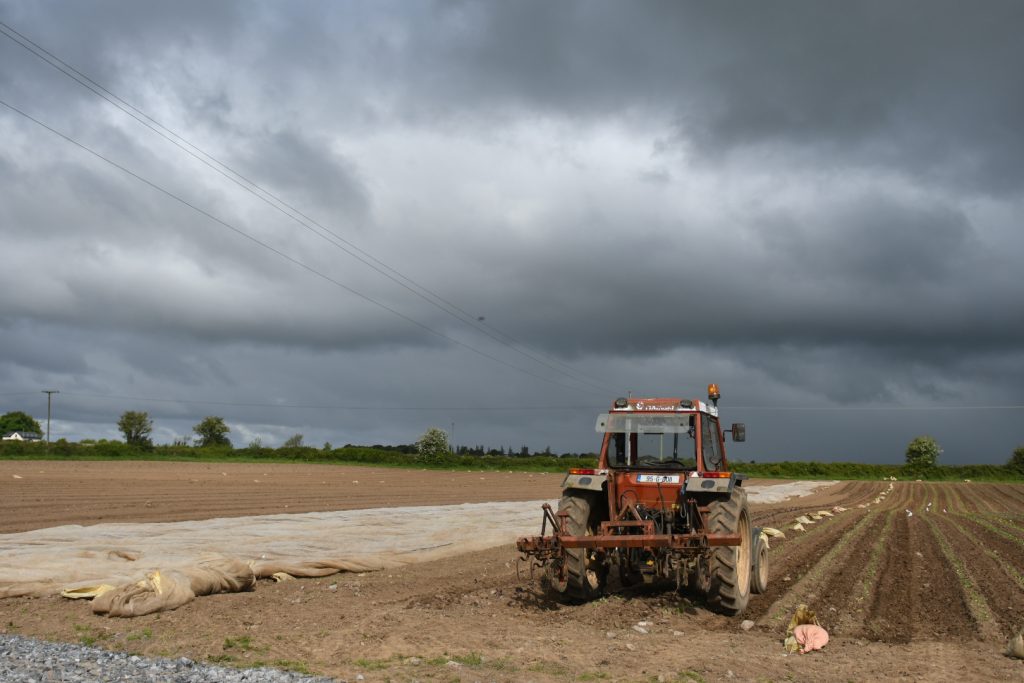
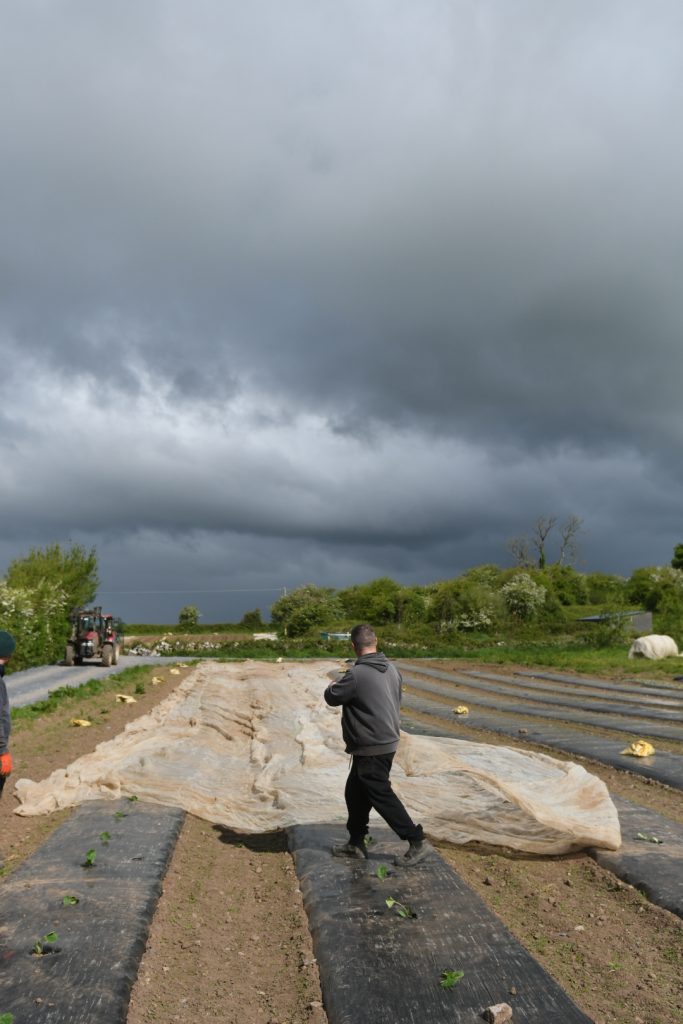
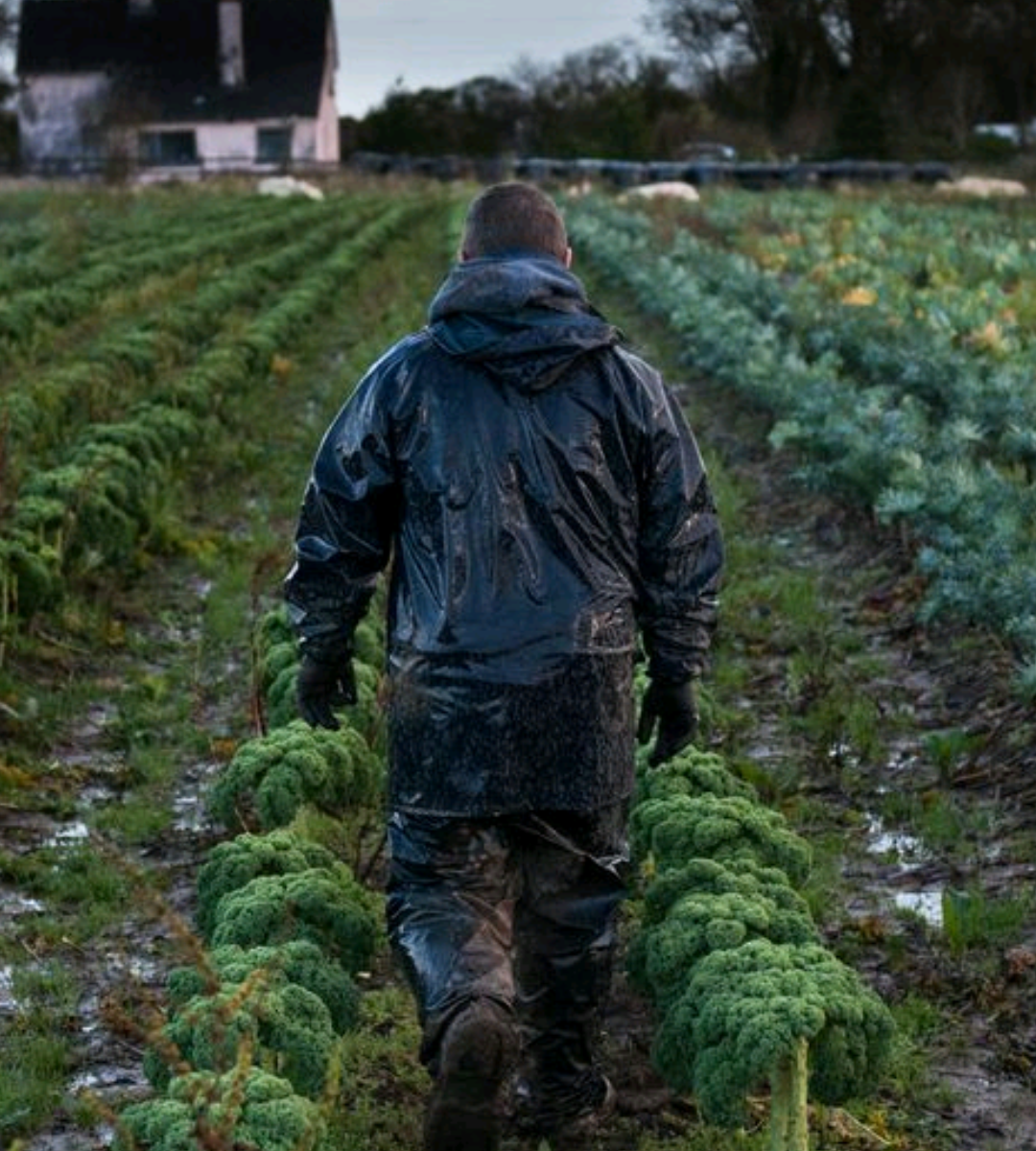
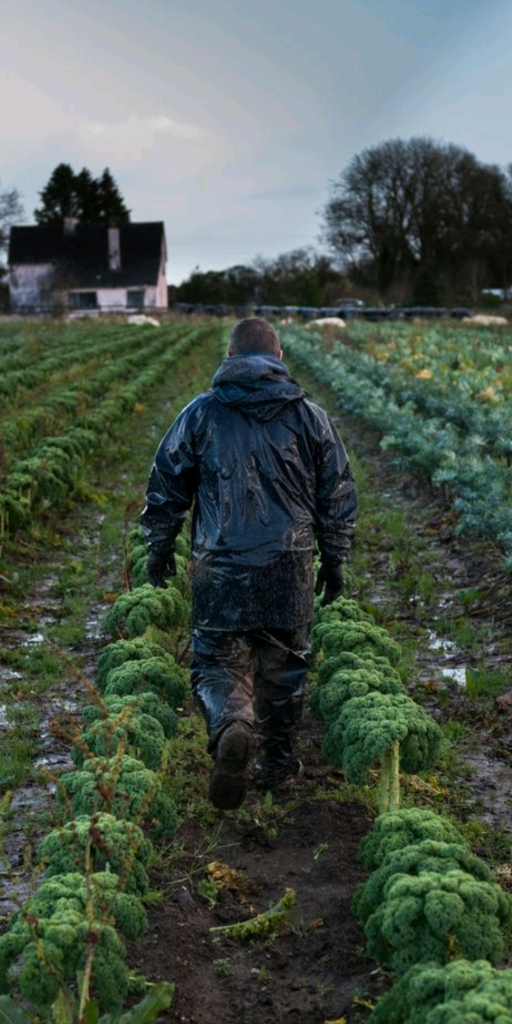
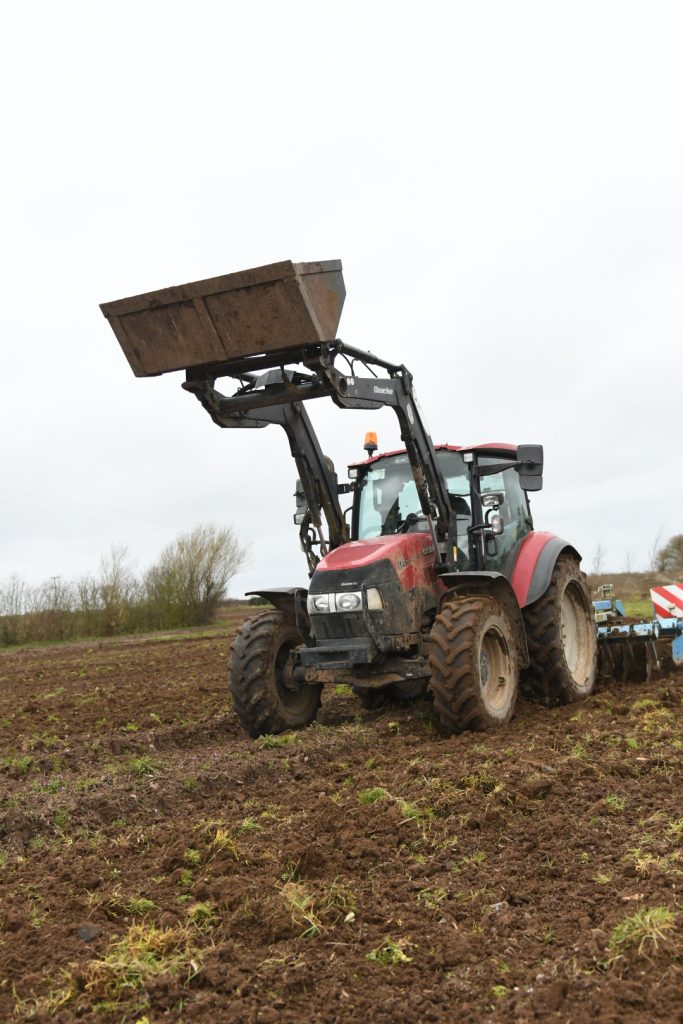
Bordering our farm on all sides are fields of grass, there are no crops, no vegetables, but there are cows and there is grass. But where have all the vegetable growers gone? It used to be part of our culture and our heritage and more important than that we used to produce our own food, today over 70% of our fruit and veg is imported and some reports put it as high as 83%. There are approximately 60 commercial field scale vegetable producers left in Ireland

That means the majority of the fruit and veg we eat here in Ireland is now grown abroad. What happened to cause this? 

There are many reasons most probably. But one reason stands out above all others, the constant race to the bottom to give the cheapest possible price to the consumer by supermarkets has had a big part to play. Loss leading of fresh Irish produce over the years has not been kind to the vegetable farmer and you can’t really blame farmers for getting out of the business. 

It is a labour intensive business and it is difficult to attract people into a job that typically cannot compete with wages that other industries offer, and yet we must but the sad fact is that the end product, the fresh carrot or parsnip, does not pay the bills. 

This is something we have seen on our farm for many years. Our farm loses money and if it was not for you our customers and our retail business we would not survive as an independent entity. 

I still figure we need to keep going, need to keep growing, need to persist, it may well be the definition of madness and certainly doing the same thing and expecting different results is definitely that. 

It is a fraught endeavour to be involved in, and these days there is also the added uncertainty of climate change, which is bearing down hard and fast on all of us. But when you are out in the fields and your product is at the mercy of the weather you have much less control. 

All in all, it doesn’t paint a very positive picture, and yet, I love growing organic food, growing local food, and supporting other local organic farmers. There are certain glimmers of hope all round, your support for us, is one massive beacon. Younger people 

So, we will keep banging the drum and keep marching on, to what end I am not sure, but as we embark on our 20th growing season, I am hopeful for the future of local organic produce. 

As always thank you for your support it makes every difference. 

Kenneth

A cocktail of chemicals on your conventional supermarket apples

Did you know we have the most amazing Irish organic apples, they have been grown in country Waterford by Richard Galvin and they have been sprayed with nothing. 

A recent study by PAN UK (pesticide action network UK) found that nearly all the samples of conventional apples they tested had at least one pesticide residue and over 85% had a cocktail of up to seven pesticide residues. In some countries every single apple they tested recorded pesticide residues. 

Many of these chemicals are systemic in nature and get absorbed into the flesh of the apple. 

In a 2022 study carried out by the Irish Department of Agriculture 79% of sampled apples were found to have detectable pesticide residues. Conventional apples are among the most heavily sprayed fruits, often treated with fungicides to prevent scab. 

To maintain freshness and improve appearance, many supermarket apples also are coated with artificial food-grade waxes, such as shellac or carnauba wax, to replace natural waxes stripped away during cleaning. 

Apples are sprayed on average 30 times in a year with a host of pesticides, these toxic chemicals can include neurotoxins which were in this study was found on over 30% of samples. 

The apples we receive from Richard Galvin are amazing, they are Irish and organic, the season is sadly ending soon, but we will continue to have the most delicious organic apples from a Fairtrade organic co-op from the South of France. 

When I was a young lad I used to help my Grandad pick the apples at the end of the summer, he had maybe 10 large old apple trees and it was my job to climb the trees to put up the jars with the water and jam to trap the wasps, and stop them from eating the sweet apples. It was also my job to pick the apples. We used to then store the apples on galvanise sheets in one of the old cow sheds. We would have apples until Christmas, after that they wouldn’t be great. They certainly were never sprayed with chemicals. 

These days with cold storage and special bins that exclude air the apples last until February and much longer and you can be the judge of the quality of our Irish apples yourself. They may not be quite as fresh and crisp as they were back in October, but they are still bursting with flavour. 

As always it is only through your support that we continue to be able to grow food without chemicals and support other Irish organic farmers that share our values, which helps protect nature and our health. 

Thank you

Kenneth

PS Nearly 95% of the apples sold in Ireland are imported.

I can’t believe it has been 20 years…

This time 20 years ago I had just quit my job in the pharma industry and had started Green Earth Organics. My grandad’s farm was sitting here, my dad was unsure what to do with it, it is a small farm, and it was very hard to conceive how anybody could make a living off 25 acres. 

I passionately believed we should be growing our food without chemicals, and I wanted our food and the food for our family to be free from toxic pesticides. I cannot convey how strongly I believed that farming without chemicals was the right thing to do. I was coming at this with a Ph.D in Chemistry from Cambridge University and nearly 10 years’ experience working in the pharma industry, chemicals do belong in a lab, but definitely do not belong on our food. 

This was at a time before it was fashionable or trendy to grow local organic food. I believed wholeheartedly that our food and our land should be free from chemicals. We believed that our land deserved to be treated with respect, that trees should be planted and wild areas left, that biodiversity should be protected, and that all the other living creatures we share this earth with should be protected and not exploited. Nothing about this belief has changed in 20 years. 

The idea of growing vegetables without Roundup, and in the west of Ireland, without having a clue was deemed in a word “Madness”. Maybe an element of madness was necessary, and it was this madness and the eternal optimism of youth that got us off the ground. So yes, we were mad, totally mad, everybody was leaving agriculture, not getting into it. 

It was the maddest and best thing Jenny and I ever did, we sold our house in the UK, moved back to Ireland, scraped together as much funds as possible, with loans from our parents, credit card debt and the bit of cash we had ourselves, we ploughed it all into the farm. We were broke and didn’t/couldn’t take an income from the farm for the first five years. We lived off Jenny’s wages. 20 years of madness have passed now. 

The founding principles of the business never changed and have never been compromised. Creating a fairer chemical free food system and making this food accessible to all has been our charter and continues to be. We continue to farm, to grow good wholesome chemical free food but priorities changed at least for me from growing food to managing a business. 

At the beginning we had nothing and that was hard, now we have a team of people, we have, loans, tractors, sheds, machinery and a small smattering of experience and knowledge, it is still hard, but the challenges have changed. Since its very modest beginnings in 2006 GEO has grown into the biggest home delivery business of organic 

food in the country with our own farm and a network of other Irish organic farms that we support and buy from each week. 

It has kept on growing (which is positively amazing) and after 20 years I have come to realise that there are no quick fixes to a broken food system. But there is hope, and a growing desire by you our loyal supporters to see a better food system take shape. You are helping turn that into a reality, so thank you for sticking by our side, we hope we can continue on this path for many years to come. 

Kenneth.

Maybe we are not as smart as we think we are…

Honestly my grandad walked these fields, he farmed here with two farm horses one called Snowball, and he did not use chemicals. The idea struck me just before Christmas that we are the only species on the planet that will actively go out and cover our food with toxic chemicals to stop other living creatures from eating it and then eat it ourselves. That is an amazing forward jump for civilisation, don’t you think?

Using chemicals to ward off disease is as old as organised agriculture, and up until recently bluestone and washing soda, that is Cupper Sulphate and washing soda was used to help prevent blight on potatoes here in Ireland. This is now restricted under organic rules. My Grandad may have used it in the 1950s, and had it been available in the mid-1800s it may have saved millions of people from starvation during the great potato famine, using it would have been the right thing to do.

The key difference today is the scale, the toxicity and the ubiquity of pesticide use. Yes, the EU have been restricting the use of certain pesticides, but it very much looks like their ambition to clean up chemicals in our food will be put on hold for now.

There is also the argument that the dose makes the poison and for something like copper of course if you consume too much of it is toxic, in fact it is more toxic than Glyphosate, this may seem surprising.

But here are two key differences.

1. The use of Glyphosate worldwide is estimated to be 800,000 tonnes annually. For Copper sulphate reliable date does not exist but use is probably around the 10,000-50,000 tonnes mark. (note it is now severely restricted under EU organic standards). Glyphosate is everywhere.

2. Glyphosate is systemic, Cupper is not. Glyphosate gets into the plant and stays there; Copper sits as a barrier on the outside and is easily washed off.

Things are never as black and white as we may want them to be, the famine and the use of copper to protect the potato crop is a good example, if the option was there at the time it would have been the right thing to do to use it.

But today there are clear alternatives to chemical use in vegetable production. For weeding, mechanical and flame weeding are clear chemical free ways to control weeds. Using crops that are more disease resistant is a no brainer, and new varieties are constantly being bred (not GMO, but using natural techniques), take the potato “Connect” which has exceptional blight resistance and tastes great (the earlier Sarpo varieties had great blight resistance, but nobody wanted to eat them!).

For pests, well some crops will succumb that is the nature of nature!

We are often asked how we deal with slugs on our farm, and whilst at times we do use an organic approved slug pellet it is rare and we have virtually no problems. The ecosystem on our farm may be in balance and provides natural protection, as with any balanced system it just works.

So as always without your support we would not be able to continue to fight the good fight, so thank you for standing by us, and Happy New Year.

Kenneth

Feeling a little disillusioned today…

You know I discovered something this week, you can be very happy or at least have
a reasonably amount of happiness (whatever that is) doing what you do, but when
you enter financial considerations into the mix, it can change very rapidly.


A lady here at work said to me ‘retail destroys your soul’, and there is a point in that,
it is so hard to compete in the marketplace, especially when it comes to food. If the
truth be told I would be much happier down in an isolated corner of our farm doing
my own thing. That unfortunately will not pay the bills, the fact is farming does not
pay the bills.


This is exactly the truth we seem to have uncovered again this year, after what has
been without doubt the most rewarding growing season of our nearly 20 years of
growing vegetables. Rain when you want it, the best farm team you could hope for,
the best machinery, heat and light when you needed it, the right fertility, it has just
been 85% perfect, we have realised another loss on our farm.
Now let me explain, our farm is like an independent business it needs to be able to


“wash its own face” as it were, and it sells the produce we produce to our retail
business that then sells it on to you, our customers. We pay our farm fairly; it would
certainly be like shooting ourselves in the foot if we didn’t (and then trying to dig our
own parsnips with one foot). We don’t pay silly prices; we keep it in line with what we
would pay to other Irish suppliers. The reality is this though, that even with this
special treatment we lose money.


I am not highlighting this to be a ‘Moaning Michael’ but to outline what I see as a
bigger problem in our industry. We must at least try to compete with supermarkets,
and supermarkets have made it their model to devalue fresh food to entice
customers into their giant stores by making fresh produce dirt (no pun intended)
cheap. Just the other day I saw Irish carrots in a supermarket for 69c.
So how in the name of all that is Holy is this possible, there is an equation hidden in
there, and it goes a little like this. Either the farmer loses or the supermarket loses
and guess what? The supermarket never loses.


So, I have been racking my brains and a solution to our farming loss might look a
little like.
A. We specialise in one or two crops and sell wholesale.
B. We increase our farm prices beyond what the market allows and then end up
with our retail business losing.
C. We stop growing altogether.
D. We continue as we are and subsidise our farm with our retail business.
The only valid solution in my mind is a combination of B and D, it is sad that this is
the state of affairs, shouldn’t sustainable farming be profitable in its own right? We

are not alone, many farms over the years have closed up shop, there are only 60
field scale vegetable growers left in Ireland, we are one of them.
So, we will keep going, and we look to the next year with hope (Farming can have
this strange hold on you, that you always think things are going to be better next
year…).


Thanks for supporting us
Kenneth

PS The irony of all of this is we feel we need to reduce our prices on key staples to
bring better value to you our customers, because we value you and without you our
farm would not survive. Check out specials here.
PPS Your support this Christmas will make all the difference so please support us if
you can. The supermarkets I guarantee won’t miss you, but if you order with us it
will make all the difference, you can order one of our boxes or and get all your
groceries with us too, we have nearly 800 in stock that you can order for Christmas.

Oaty Apple Crumble

A crumble is by far one of the easiest desserts to make, and this recipe is incredibly versatile too, as any fruit of choice can be used as the base. I’m using a wholemeal fine ground flour, but plain flour can be used in its place. While I’m also adding oats to the topping, but finely chopped nuts can be easily substituted. I find a crumble is best enjoyed warm from the oven, with a good serving of hot custard, but ice-cream or softly whipped cream also make for delicious accompaniments. 

Enjoy!

Nessa x

Oaty Apple Crumble

Ingredients

Crumble

Base

Method

  1. Preheat the oven to 200°C/fan 180°C/Gas 6.
  2. To prepare the crumble, place the flour in a bowl. Add the butter and rub it into the mixture, followed by the oats, almonds, and sugar. Rub the mixture together until it resembles fine breadcrumbs. 
  3. Place the apple pieces in a large ovenproof dish. Add the orange zest and juice, sugar, and cinnamon. Stir to combine.
  4. Sprinkle over the crumble mixture and place the dish on a baking tray. Bake in the pre-heated oven for about 30 minutes, until the crumble topping is golden brown. Take from the oven, cover with some foil and bake for another 10 minutes. Serve with ice cream, softly whipped cream or custard.

I know I bang on about this a lot but…

I know I bang on about Glyphosate a lot, in fact I get a bit tired of talking about it. But it just keeps raising its ugly head everywhere I look, and I mean that quite literally.

Thankfully after a year of not being out cycling I am back cycling again, and I see a lot of the local countryside. I don’t know if it is in the budget or something, like the local councils using up their financial budgets before the end of the year, so it is not cut for the next year, of if there are just loads of half empty Roundup cans lying around the place and people feel they need to use them, but there seems to be a proliferation in the use of Roundup on the side of the roads here in Galway. Is it the same where you are? Is this an Irish tradition (one we need to drop may I add) or does it happen in your country too?

Anyway, recently on a relatively long cycle I came across a patch of roadway, up until this point I was really enjoying the countryside, the boreen I was on was beautiful, wild green and just all round lovely, but then all of a sudden, bang, everything was dead, everything. Iridescent horrible yellow, dead grass, trees, bushes, flowers all dead or dying and this wasn’t just a patch in a gate this was I would reckon a good kilometre of roadway maybe more on both sides. It was nothing short of devastating.

So, I ask you why in the name of God, would you do this? I could maybe half understand the logic of trying to increase visibility around a dangerous bend (but surely strimming would be a much more effective method, certainly would be much more environmentally sustainable, and you are much less likely to get cancer) but why on a straight road? Why?

There is no reason on the planet that I can think of to do this, it is just something I cannot get my head round. This is public property so what right does anybody have to go out and spread a probable carcinogenic chemical on our land?

Glyphosate is toxic to land, it is still being pushed by its manufacturers (it is worth billions), it is still being used as standard in tillage and non-organic horticulture, it clears the land prior to planting. This is not ok.

Did you know up until 2023 this systemic (this means it gets absorbed into the plant and stays in the plant) probable carcinogen was sprayed on wheat prior to harvest, prior to milling wheat into flour, prior to using flour in our bread. Thankfully this desiccation of wheat crops has been banned by the EU, thank the EU for that one. This practice is still commonplace in the UK, thank Brexit for that one.

Roundup or Glyphosate is sprayed on Soya, in fact 82% of the worlds soya crop is GMO, and get this, and this is mind blowing, it is genetically engineered to be more resistant to roundup, so more and more glyphosate is sprayed on soya, and guess where all this soya ends up, and no the answer is not vegans!

No, it ends up as animal feed mainly to feed cows, and Irish cows are not immune to munching on GMO, glyphosate drenched soya pellets either. Unbelievably all the packs of nuts for cow’s state if the product is GMO or not, as they say it pays to always read the label, it’s a pity the cows can’t read I guess.

Anyway, on that note if it wasn’t getting too dark (the evening not the blog that is) I would be off for another cycle, but maybe it would be better in the dark, and I wouldn’t see any of those Roundup destroyed verges, and my mind could find peace! 😊

As always thank you supporting our organic family farm and others like us.

Kenneth

A serious question, and a great bunch of people…


It’s been an interesting week. On Sunday I went with a group of Irish organic farmers to the UK to see a bunch of British organic farmers, it was a great trip some truly lovely people so open and willing to share. The highlight was a visit to Riverford farm and packing facility, an inspiring operation centred on sustainable food and fairness.


The reality of this fair equitable and sustainable approach to business, one we also have embedded in our own farm and operation here in Galway is the struggle to be profitable. Profitability is an essential facet of any business that wants to survive and reinvest.


I spoke to one farmer who farms over 100 acres of potatoes and carrots, he is lucky he is a Riverford supplier and so has protection from the outside forces of supermarket buyers, but even in this relatively protected environment he struggles.


So how if a farmer like that or like our own farm which gets preferential treatment and pricing and is using all the latest equipment and mechanisation but is trying to farm sustainably cannot make ends meet, what chance does a supermarket farmer supplier have?


This is a serious question, and as long as I have been banging on about it here, there is little real progress being made. The fundamental problem is that fresh food is classed as valueless, it is used as loss leader fodder, something that is used as a ploy to get consumers in the door, and once in, the supermarket machine gets us to spend on ultra processed rubbish that has higher margins. It is wrong.
If we want a fair world, a world where we can eat well, a world where veg producers can continue in business, a world where farmers are rewarded for protecting the environment, paying fairly, and growing chemical free food, then we need to vote with our wallets, it is plain and simple I am afraid.


We have been doing all of the above for 20 years, and this may be the first year where we will not have ended the year further in debt. Ironically it looks very much like our farm again this year will not be profitable, or at the very best at a stretch we may break even. This after the very best growing season we have ever had.
The reality is wages have gone up and up, costs of production have gone up and up, delivery, packaging, all the other stuff Whilst veg prices have not. Sure food inflation is absolutely real and yes the supermarket shop has gone up, but not fresh food, no this has remained relatively static, it’s all the other processed products that have increased in price, hence the decimation of the Irish horticultural industry over the last 20 years.


And here is the other bugbear of mine, we from next week will only have Irish apples on sale, from Richard Galvin in County Waterford, we pay much more than imported for these but will support him over imported, the same as we do for Irish onions from Beechlawn organic farm. (See how many Irish onions and apples you see on supermarket shelves).

I went into a supermarket yesterday and all I saw was imported apples on the shelf. The reason: they are cheaper to buy, we know as we import produce also, we know the pricing and how it works. (We will always grow/buy or support Irish over imported when Irish is available)
So, I would like to say the outlook is hopeful, the future is bright, and God knows we need hope and a positive outlook now more than ever with all the issues in the world.


There was a definite sense of positivity on our trip to the UK earlier this week, hopefully the positive energy will keep flowing.


As always thank you for your support, without it we would definitely have gone by the wayside a long time ago.
Kenneth

Chocolate Orange Pumpkin Brownie

These Chocolate Orange Pumpkin Brownies make for the ultimate autumn treat. They are rich, fudgy, and bursting with flavour. Made with wholesome ingredients, they’re gluten-free, vegan, and come together in minutes. This seasonal snack is packed with flavours of deep chocolate, zesty orange, and velvety pumpkin in every bite. 

Enjoy!

Nessa x

Chocolate Orange Pumpkin Brownie

Ingredients

  • 175g peanut butter
  • 100g pumpkin purée (see below)
  • 100ml maple syrup
  • 50g ground almonds
  • Zest of 1 orange 
  • Juice of ½ orange
  • 25g cacao powder
  • 1tsp baking powder

Topping

  • 50g chocolate, of choice, roughly chopped

Method

  1. Preheat the oven to 200°C/fan 180°C /Gas Mark 6. Line a 2lb loaf tin with greaseproof paper.
  2. Add all the ingredients, apart from approx. 1 tablespoon of the pumpkin purée to a large bowl. Mix to combine. Add to the lined tin. Dot the saved purée on top and using a skewer combine with the chocolate mixture.
  3. Place in the preheated oven for 25 minutes.
  4. When hot from the oven, scatter over the chopped chocolate. Leave to cool fully before cutting. Store in an airtight container for up to 3 days. 

Pumpkin Purée

Method

Preheat the oven to 200°C/fan 180°C/Gas 6. Cut one small pumpkin into half. Place the pumpkin pieces on a large baking tray, skin side up, and place in the hot oven for about 40 minutes. Take from the oven and once it has cooled a little, scoop out the seeds, peel away all the skin, and any bits that may have charred, and pop the pumpkin pieces in a food processor. Blend until smooth. Transfer to a bowl and allow to cool before using. The pumpkin purée will keep well for 3 days when covered in the fridge. 

Protein-Rich Veggie-Loaded Pizza

This delicious pizza is packed full of flavour and nutrients. The base is simply some self raising flour with yogurt and a little salt, which comes together with ease, and pairs so perfectly with the veggie-loaded topping. I’m using mushrooms, pepper, and courgette, but any soft vegetables could be used in their place. 

These pizzas are best enjoyed straight from the oven but can be saved in an airtight container in the fridge to enjoy the next day, either cold or heated through.

Enjoy!

Nessa x 

Protein-Rich Veggie-Loaded Pizza

Serves 2

Ingredients

  • 150g mushrooms, roughly chopped
  • 1 pepper, deseeded and diced
  • 1 courgette, diced
  • 1tbsp olive oil
  • Salt & freshly ground pepper
  • 350g self raising flour, sieved
  • ½ tsp salt 
  • 350ml full fat Greek yogurt
  • 4tbsp pizza sauce or passata
  • 1 ball Mozzarella

To serve

  • Hot honey
  • Basil leaves 

Method

  1. Preheat the oven to to 220°C/fan 200°C/gas 7.
  2. To a medium-sized ovenproof dish, add the mushrooms, pepper and courgette. Drizzle over the olive oil and season with salt and pepper. Toss to combine. Bake in the preheated oven for 15 minutes.
  3. In a large bowl, combine the flour with the salt and add the yogurt. With your hand or a fork, bring the mixture together to form a ball of dough. Cut into two halves.
  4. Transfer to a floured board and roll each ball out to make the pizza bases.
  5. Gently make a border for each pizza by gently folding the edges over. Divide the pizza sauce between the two pizzas. Top with the roasted vegetables and dot over the mozzarella. 
  6. Place in the preheated oven for 25-30 minutes, until it is cooked through, golden and bubbling. 
  7. Serve straightaway with a drizzle of honey and a scattering of basil leaves.