

Butter Tofu – Curry

This is one of our favourite twists on an Indian takeaway. The traditional North Indian dish is ‘butter chicken’ and it’s all about that rich, creamy and buttery tomato gravy. It’s mildly spicy and savoury, popular with the whole family. This is the perfect store-cupboard supper too, just the thing for those days when you’re running low on fresh ingredients.

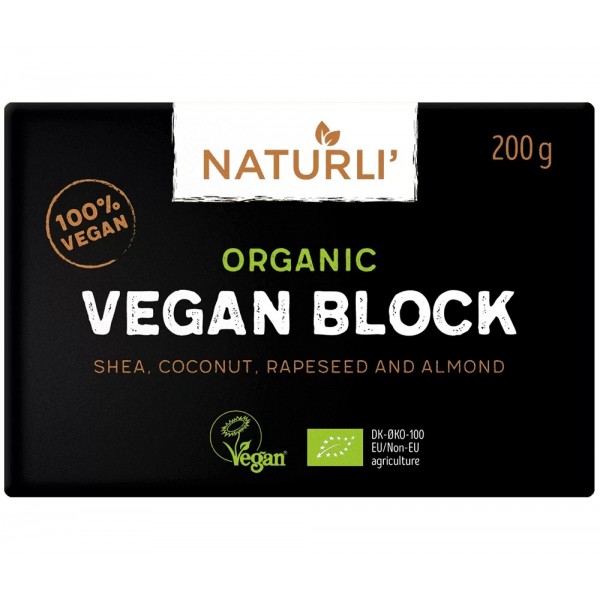
We have replaced the dairy in the traditional recipe with Naturli butter and creamy coconut milk. And in place of chicken, our extra firm blocks of organic tofu. We also love this recipe with cauliflower, chickpeas or chunks of aubergine or mushrooms in place of the tofu. Whatever you decide to cook and fold through this mouthwatering sauce, you are guaranteed to lick your plate clean. It’s that good!

Liz x
Ingredients (serves 4-6)

Sauce

Tofu

  • 6 heaped tbsp cornstarch
  • 1 tbsp turmeric
  • 1 tsp salt
  • 1/2 tsp black pepper
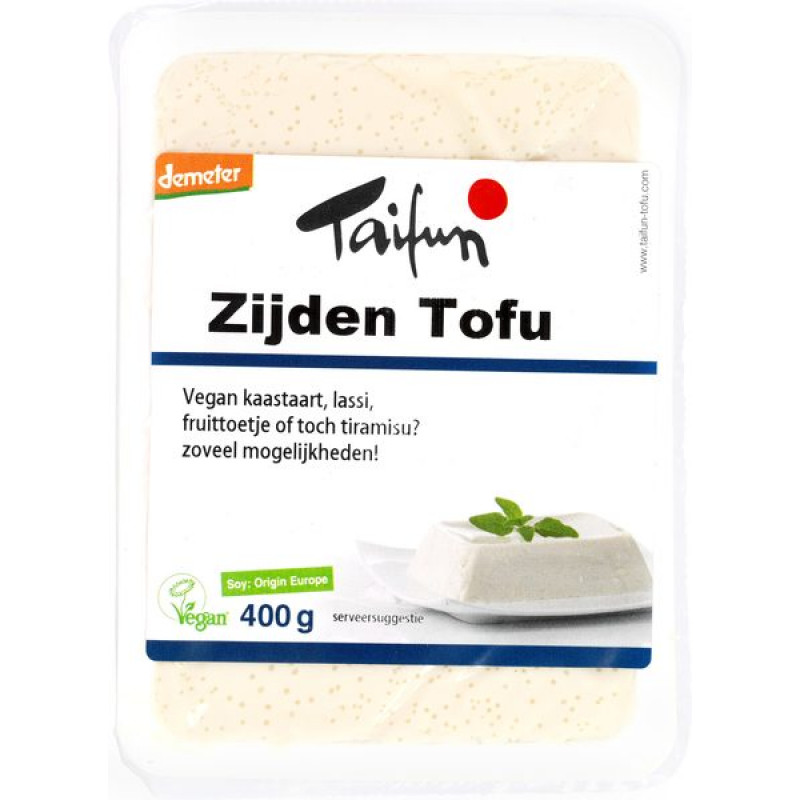
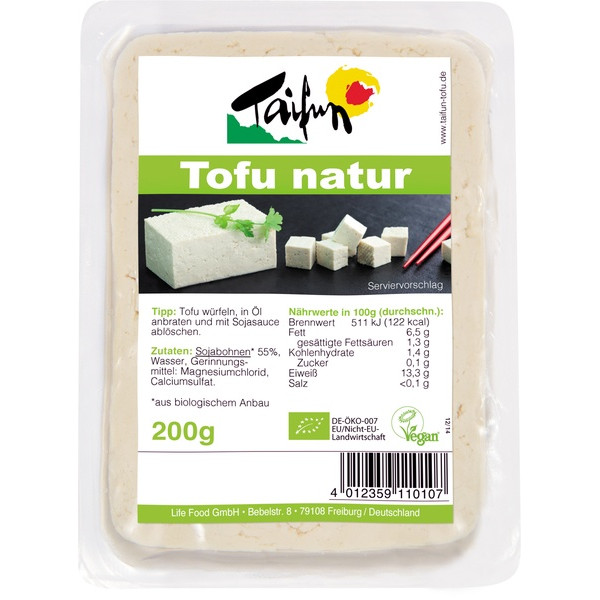
  • 600g extra firm tofu, drained and cubed (or sub with cooked chickpeas, cauliflower florets or cubed aubergine or mushrooms)
  • 50g butter

Method

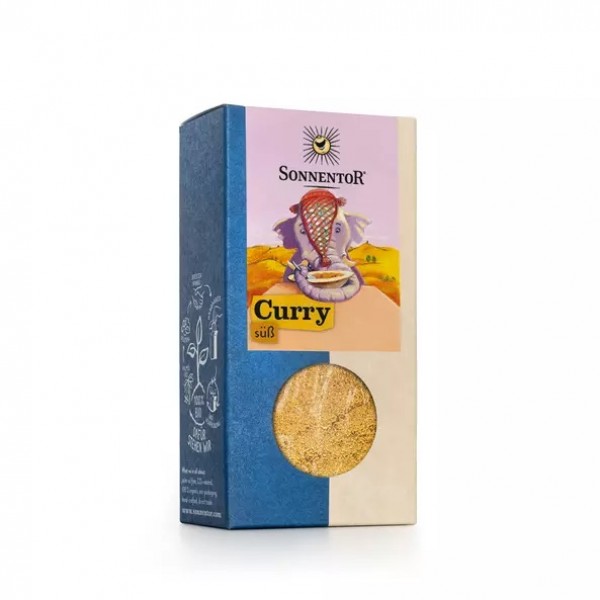
  1. Start with the sauce. Put the onion, garlic, spices and seasoning into a blender and blend into a thick paste. Fry the paste in a heavy bottomed, deep saucepan with the butter for 10 minutes or until dark brown and very fragrant.
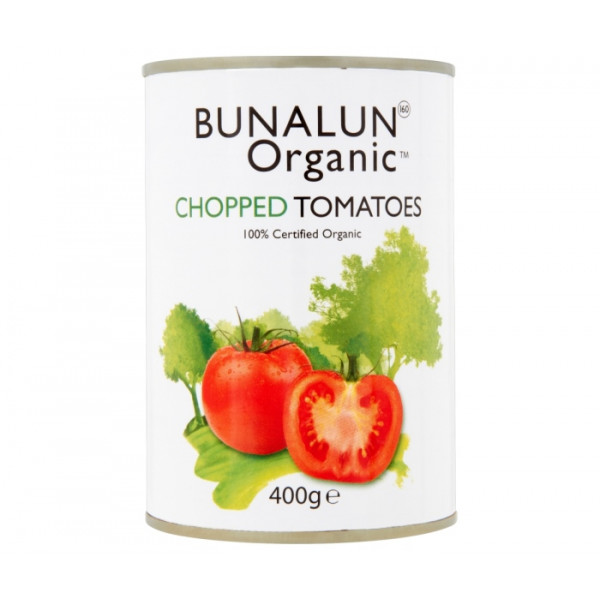
  2. Empty the two tins of tomatoes into the blender and blend them until smooth too. Add to the curry paste and simmer and stir for a further 10 minutes until the sauce is rich and slightly reduced.
  3. Add the tin of coconut milk, stir and taste for seasoning. Keep the sauce warm while you cook the rice and tofu.
  4. Drain your blocks of extra firm tofu and cut into bite sized cubes. If you are subbing with vegetables, cut into bite sized pieces and dunk in milk. In a wide bowl, mix the cornstarch, turmeric, salt and pepper. Tumble the tofu into the bowl and use your hands to mix well and ensure each piece is coated in the seasoning. (If you are using vegetables, dunk the veg in the milk first then roll in the seasoned cornstarch).
  5. Heat up a large frying pan (or two) and add the butter. When it starts to melt, add the coated tofu (or vegetables) and cook on a medium-high heat until crispy and golden on the bottom. Then carefully turn the pieces to cook on the other side. Keep turning and cooking until the tofu (or vegetables) is golden brown, hot and crispy.
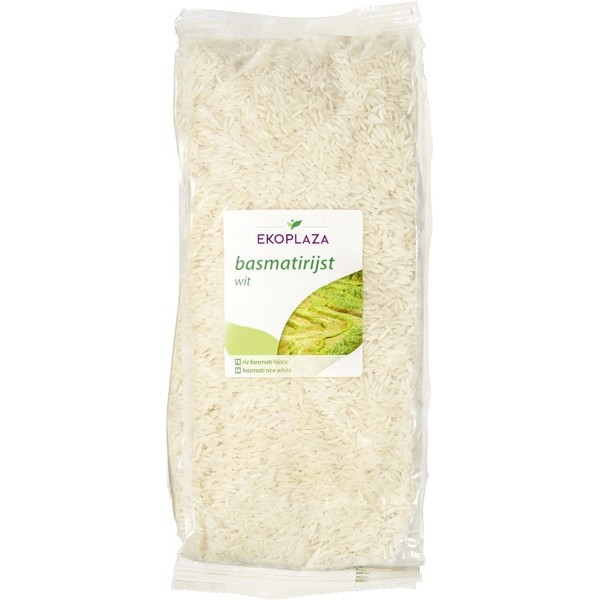
  6. Fold the cooked tofu (or vegetables) through the warm curry sauce and serve with basmati rice and chopped coriander.


Easy, Low Waste, Apple Cake

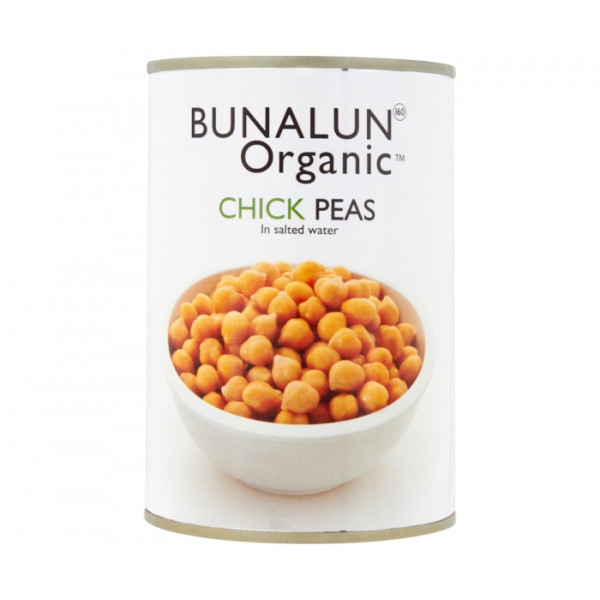
We know this recipe off by heart. It turns out perfectly every time with a sweet and tangy fruity bottom and a soft and tender sponge top. It’s the perfect pudding served warm with custard, cream or ice cream or served cold in slices with a cup of tea. This is our favourite low waste cake recipe because it’s the easiest and most delicious way to use up both the aquafaba from a tin of chickpeas (which is usually discarded) and apples, or any excess fruit really! We just often end up with too many apples in our fruit bowl, and so, before they go bad, I like to chop them up and put them in boxes or jars in the freezer, so useful for quick cakes and crumbles. We do the same thing with berries, pears and bananas (for smoothies and banana bread). Let me know if you give this simple cake a try.

Liz x

Ingredients

  • 1 tsp butter (for greasing the flan dish, I use Naturli)
  • 3 tsp sugar
  • enough chopped apples to cover the base of your dish (or any fruit you like eg berries, chopped pears, pineapple, plums, apricots…)
  • aquafaba (the liquid from a tin of chickpeas) around 150ml
  • 100g sugar
  • 200g flour
  • 2 tsp baking powder
  • 2 tsp cinnamon (or vanilla or other flavourings of your choice)
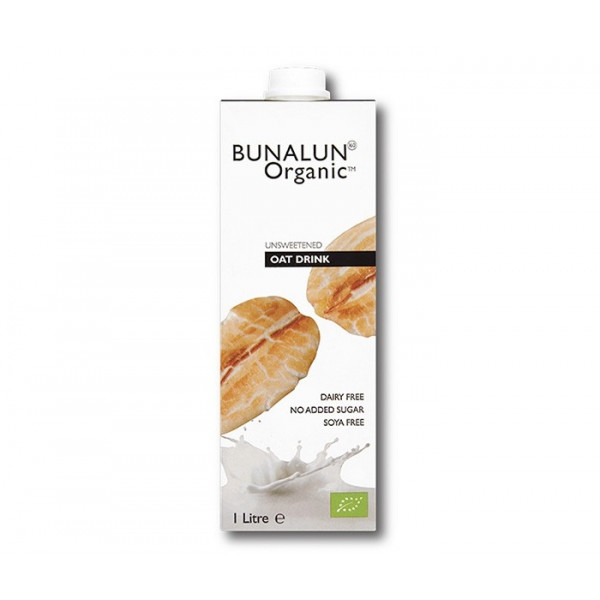
  • 3 tbsp milk (I use oat milk)
  • 4 tbsp good oil (I use olive)
  • 1 tsp icing sugar to dust at the end, optional

Method

  1. Preheat your oven to 175C and find a large flan dish or cake tin. You can even use a small roasting dish if you like, there’s no law to say your cake has to be round.
  2. Grease your dish by rubbing butter all over the base and up the sides. Then sprinkle over 3 tsp of sugar.
  3. Arrange your fruit over the butter and sugar as neatly or rustically as you like.
  4. In a mixing bowl, whisk the aquafaba until frothy, then add the sugar and whisk until creamy.
  5. Add the flour, baking powder and cinnamon and stir to combine. Careful not to over-mix here! Don’t worry if the batter looks a bit lumpy.
  6. Now add the milk and oil and mix again, briefly, to just combine into a thick batter.
  7. Spread the batter over the fruit, don’t worry if it looks a little thin and doesn’t quite reach the sides, it is supposed to be quite rustic and pudding like rather than a neat cake, and besides, it will spread and rise a lot in the oven.
  8. Now bake until the cake is risen and golden and springs back when you lightly press on the top. This should take between 30 and 40 minutes but ovens, fruit and dish sizes vary so just keep an eye on it.
  9. Drench with icing sugar and serve it warm in puddingy scoops with dollops of cream, custard or ice cream. Or let it chill and serve in neat slices with a cup of tea.

Back to Basics – Vegan Swaps

These days it is easier than ever to make plant based swaps. Here’s a quick summary of simple switches to help you on your Veganuary journey. We stock the best organic groceries in our vegan section to make it easy for you.

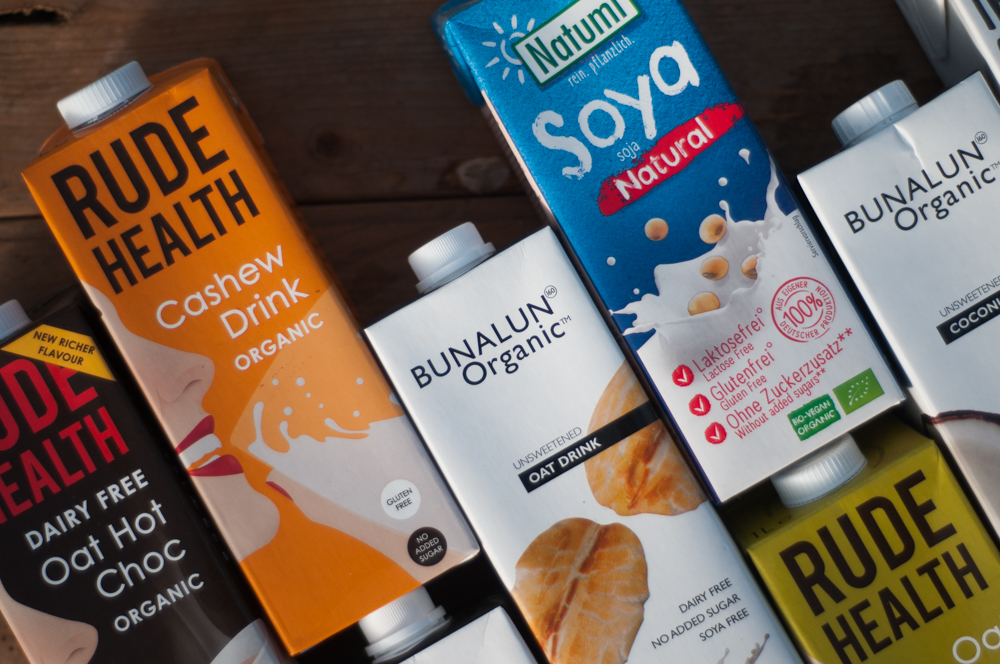
MILK is one of the easiest switches to make. There are lots of delicious options out there. Our favourite is oat milk as it has a fairly neutral but gorgeously creamy flavour and texture. It also happens to be the most environmentally friendly option.

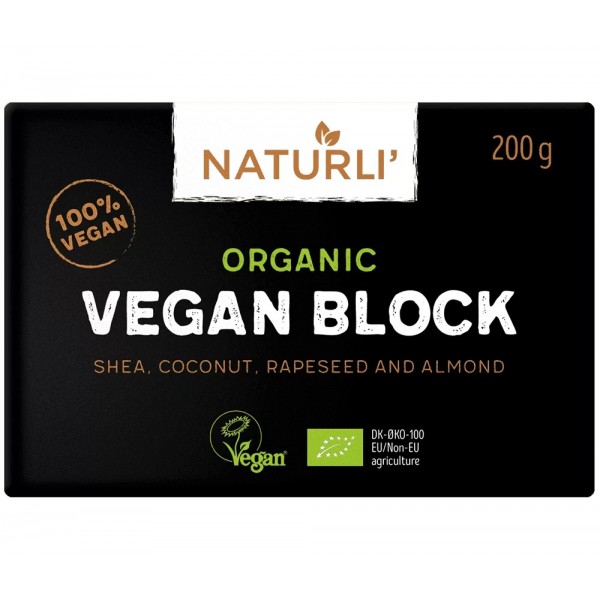
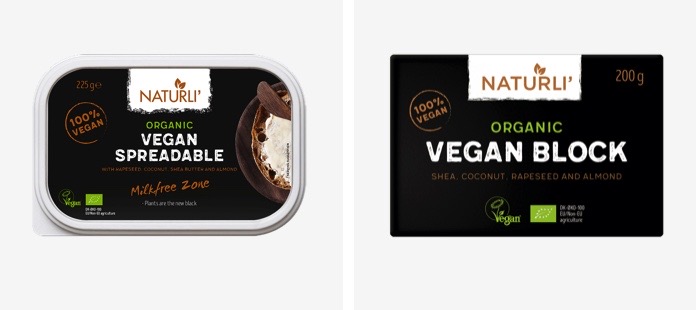
BUTTER is easy to switch too. We have a few organic options which (unlike most dairy free spreads) do not contain palm oil. A couple of soft, spreadable ones, Cocovit and Natruli, and the most amazing Naturli Butter Blocks.

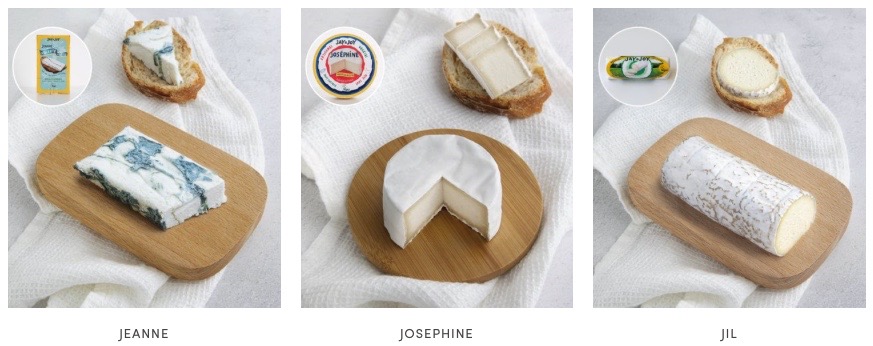
CHEESE is a little trickier but not impossible. Dairy cheeses contain casein, an addictive property which makes cheese very hard to give up. But there are more and more delicious vegan cheeses on the market and we are proud to stock some of the best in the world. Have a look at our range here. We also stock nutritional yeast flakes which are tangy, salty and delicious! sprinkle them over pasta like parmesan or over popcorn, or stir into a vegan béchamel sauce for that essential cheesy favour.
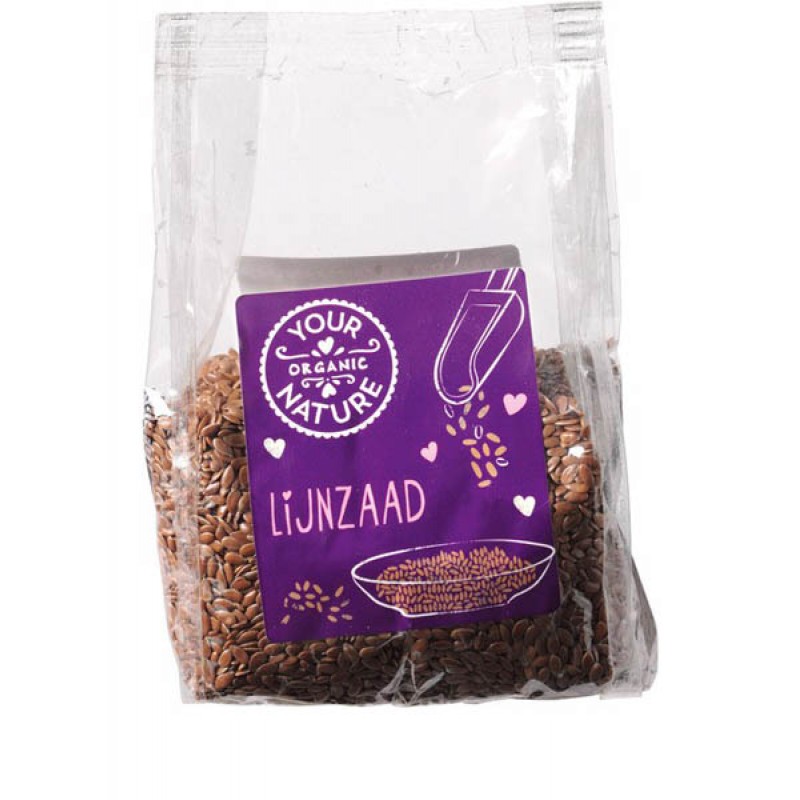
EGGS are tricky, but not altogether impossible, to replace if you want them boiled, poached or fried. But scrambled silken tofu is surprisingly similar to soft scrambled eggs. It’s all in the seasoning. Replacing eggs in baking is easy. Follow tried and tested vegan cake and pancake recipes on our blog. Sometimes eggs are simply replaced with raising agents and plant milks, sometimes they are replaced with mashed bananas, apple sauce, milled chia or linseeds. Egg whites can be replaced with aquafaba, the liquid from a tin of chickpeas.
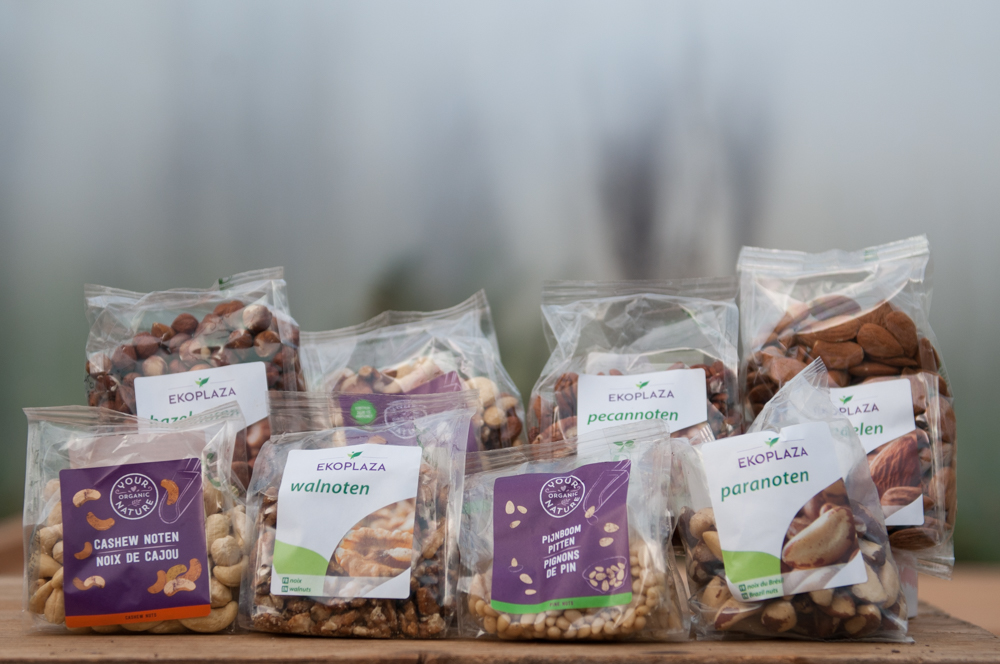
MEATS won’t be missed if you make sure your meals are well balanced with proteins and fats from beans, lentils, nuts and seeds. Meat isn’t missed at all if you cook traditional meat free recipes of course, but we all crave the food we have grown up eating. So replace mince with green or brown lentils and crumbled walnuts to make your bolognese saucesshepherds pieschillies etc – it’s all in the seasoning. Replace diced meat in stews and curries with beans and chickpeas or diced tofu. For pulled pork try replicate the texture with jackfruit, pulled mushrooms or aubergines. If you’re craving a steak, try a juicy vegetable steak made from a thick slice of cauliflower or celeriac or a couple of big, roasted, meaty portobello mushrooms. For roasts, burgers and sausages try making nut loaf or beetloaf and shaping it to your needs. For fish try firm tofu, score it thinly and marinade in lemon juice and seasoning, wrap with some nori seaweed, dip in batter or breadcrumbs and fry or bake. 

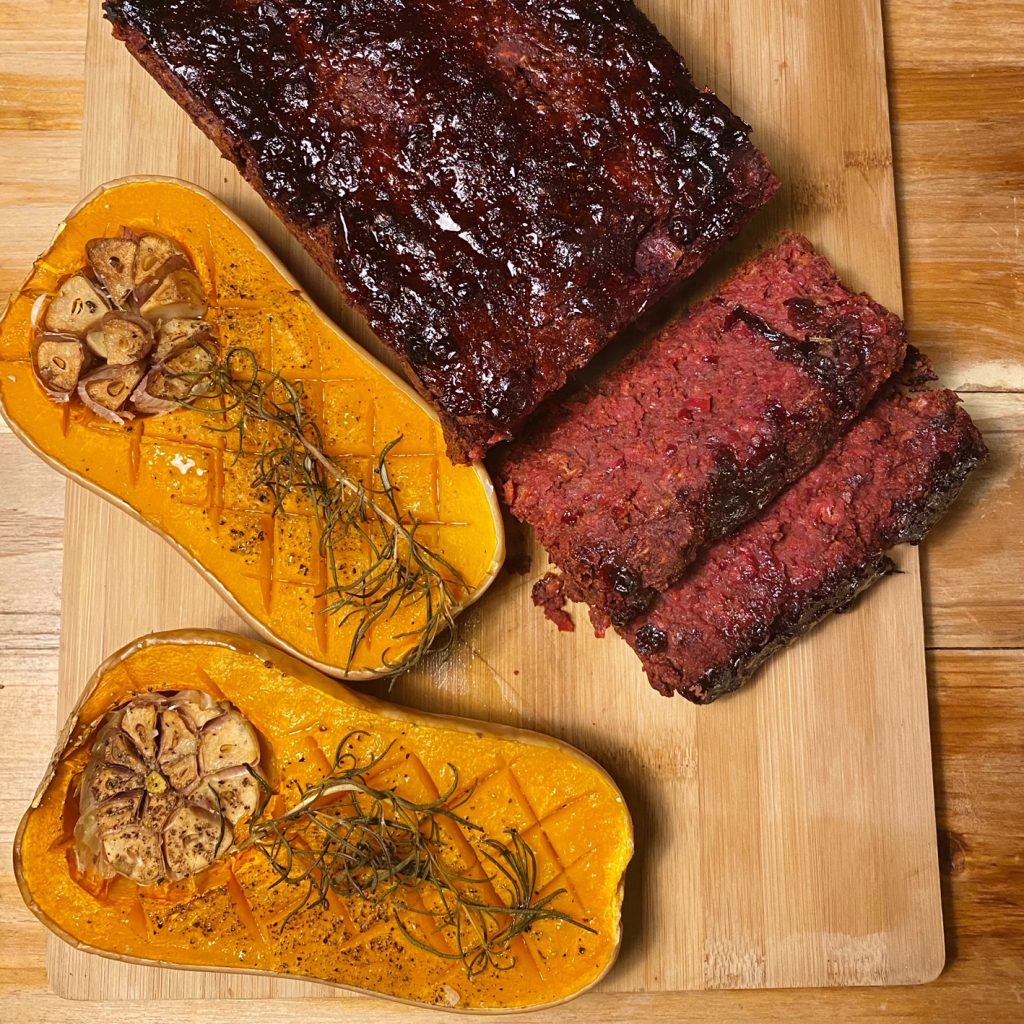
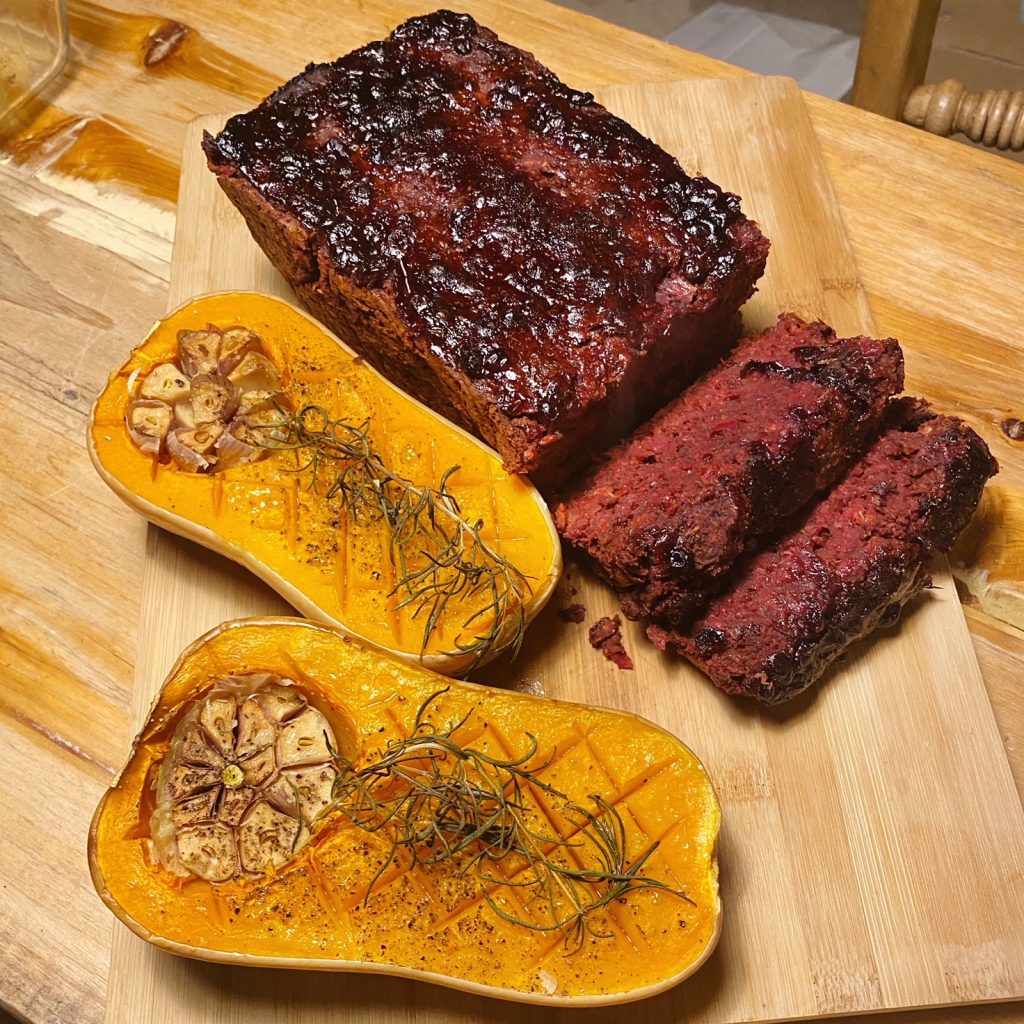
Beetloaf

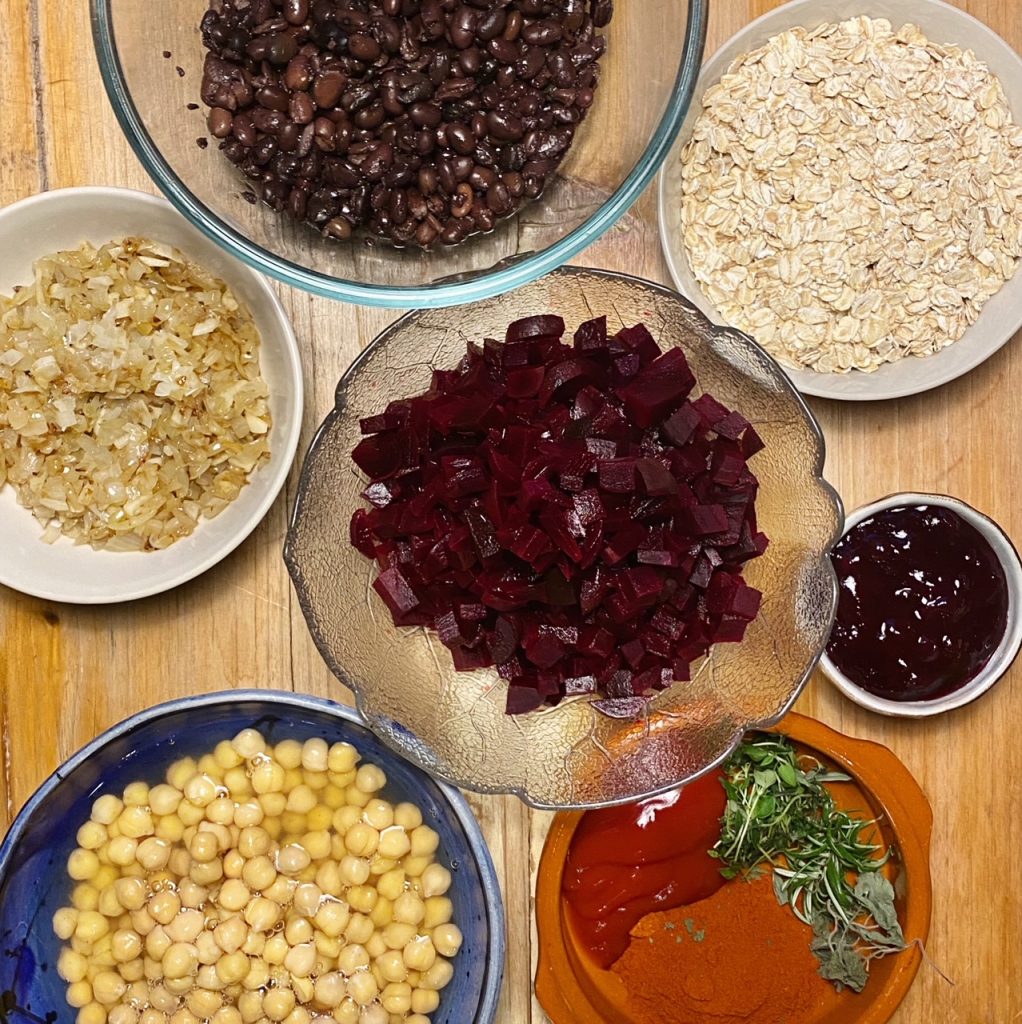
This is a really delicious and hearty veggie main for your festive feast, made with ingredients you probably already have in your kitchen. A great option if you need an alternative to a nut roast, this beetloaf is nut free, can easily be gluten free if you use gluten free oats, and is full of healthy fibre and protein from beans, chickpeas and oats. Make is Christmassy as I’ve done here with a cranberry sauce glaze, or use it for another occasion and switch the cranberry sauce for barbecue sauce, apple chutney or a mustard and maple glaze. Make it your own with your favourite herbs and spices. Happy Christmas!

Liz x

Ingredients

  • 400g cooked beetroot
  • 1 tin of chickpeas plus the liquid in the tin
  • 2 tins black beans, drained
  • 1 tbsp each: smoked paprika, sage, rosemary and thyme
  • 2 tbsp tomato purée or ketchup
  • 2 diced onions and 4 diced garlic cloves cooked in olive oil
  • 150-200g porridge oats
  • salt and pepper to taste
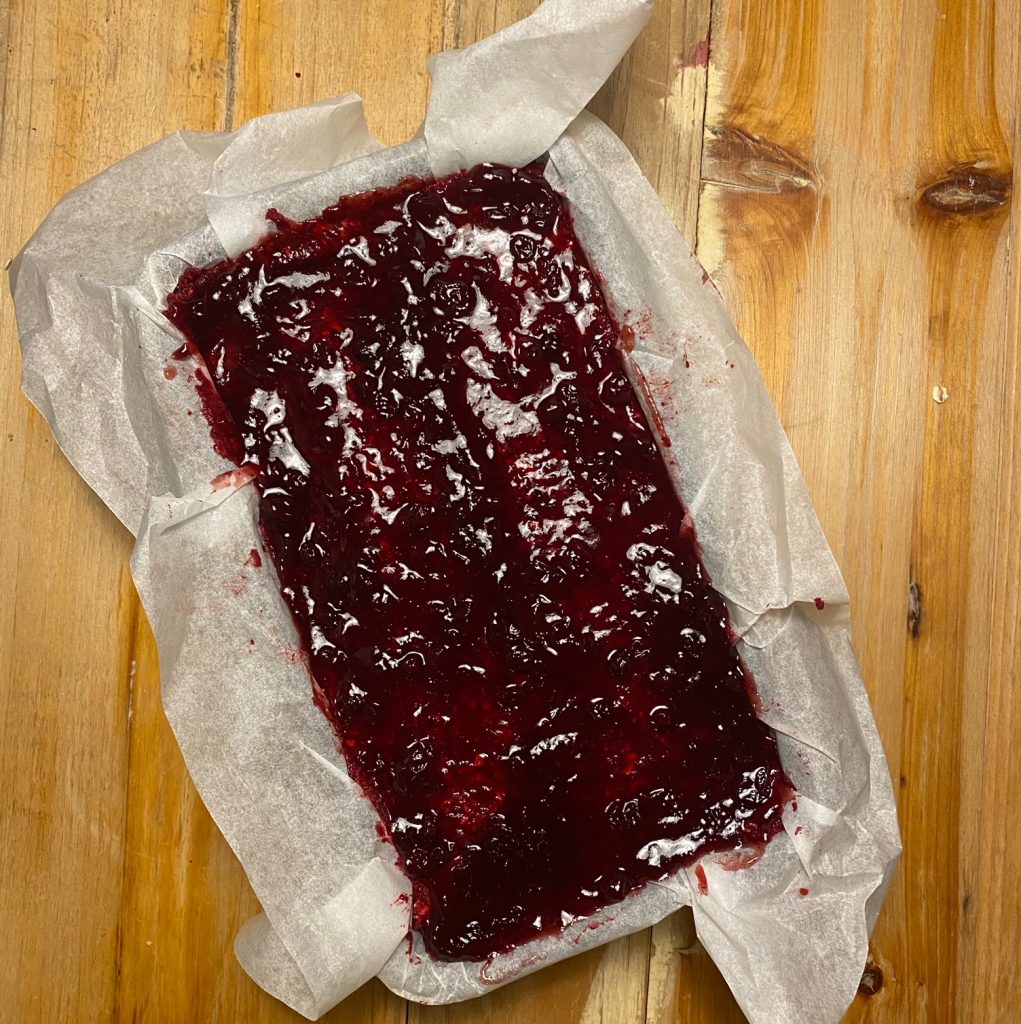
  • cranberry sauce to glaze (around 6 tbsp)

Method

  1. Pre-heat your oven to 200C and line a loaf tin with baking parchment.
  2. In a food processor, blend the beetroot, chickpeas and their liquid, herbs and spices, seasoning and half the black beans into a thick purée.
  3. Add the onion/garlic mix, 150g of oats and remaining black beans and pulse together to retain some texture.
  4. Scrape the mixture into a bowl, taste and adjust the seasoning if needed and add more oats if a little wet.
  5. Scrape into the lined loaf tin, cover with cranberry sauce (or any glaze you prefer eg barbecue sauce, mustard and maple…) and bake for around an hour or until cooked through.
  6. Serve in slices with all the trimmings. Gravy, roast potatoes, greens…

Mustard & Maple Swede Roast

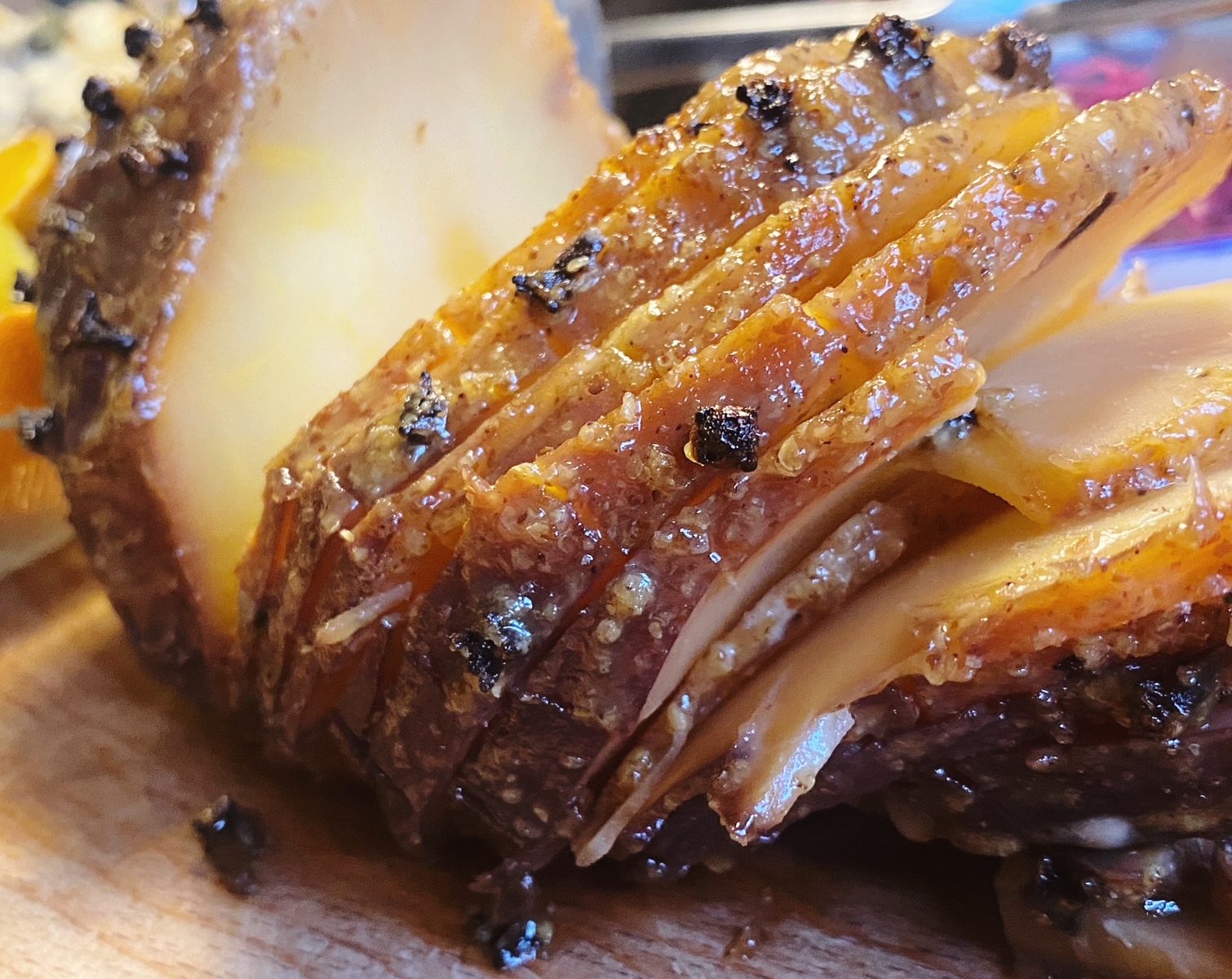
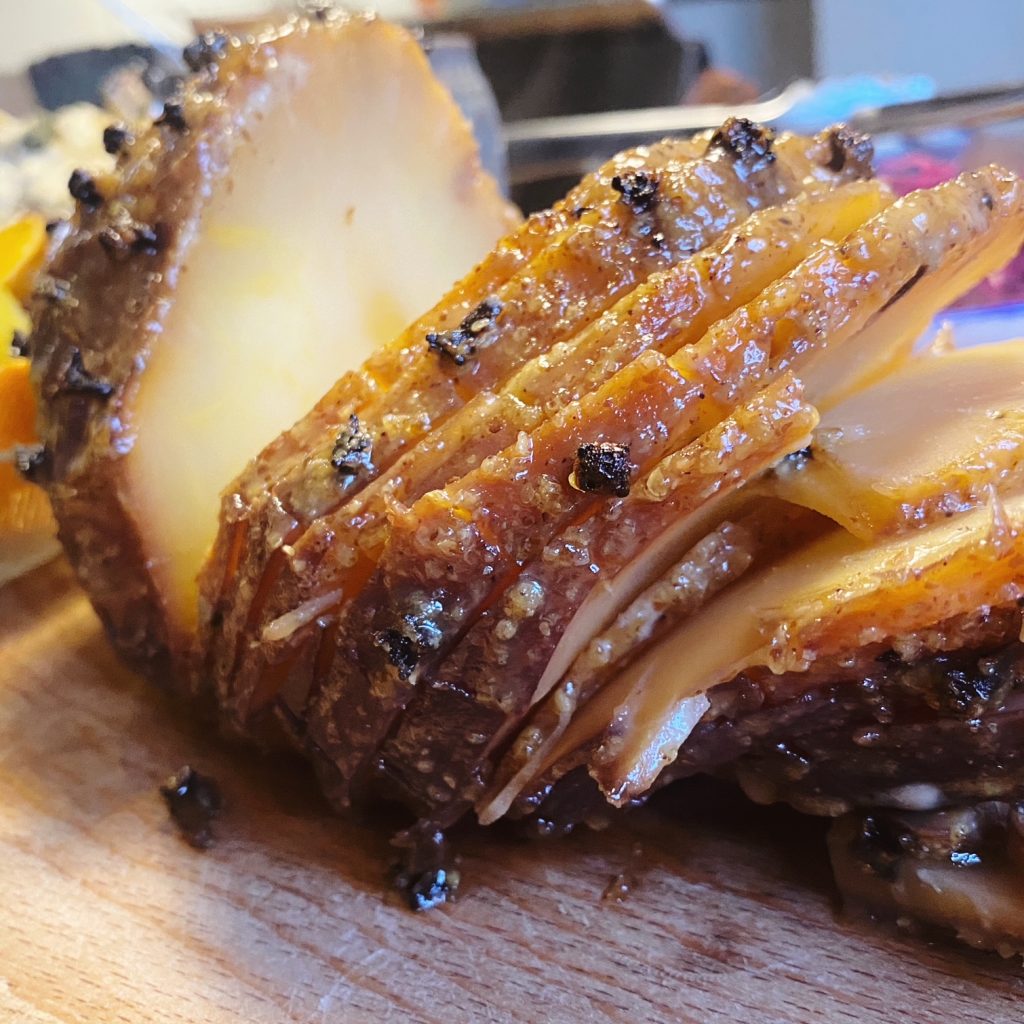
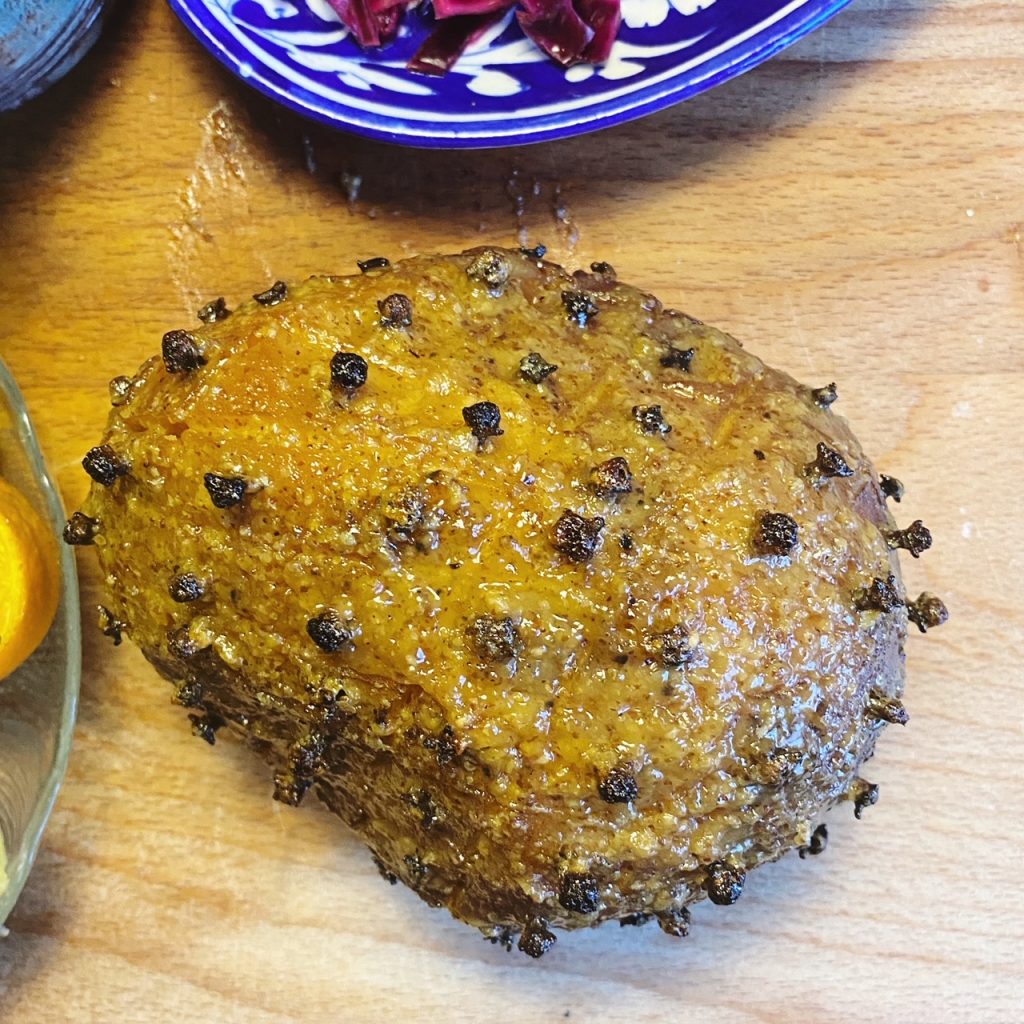
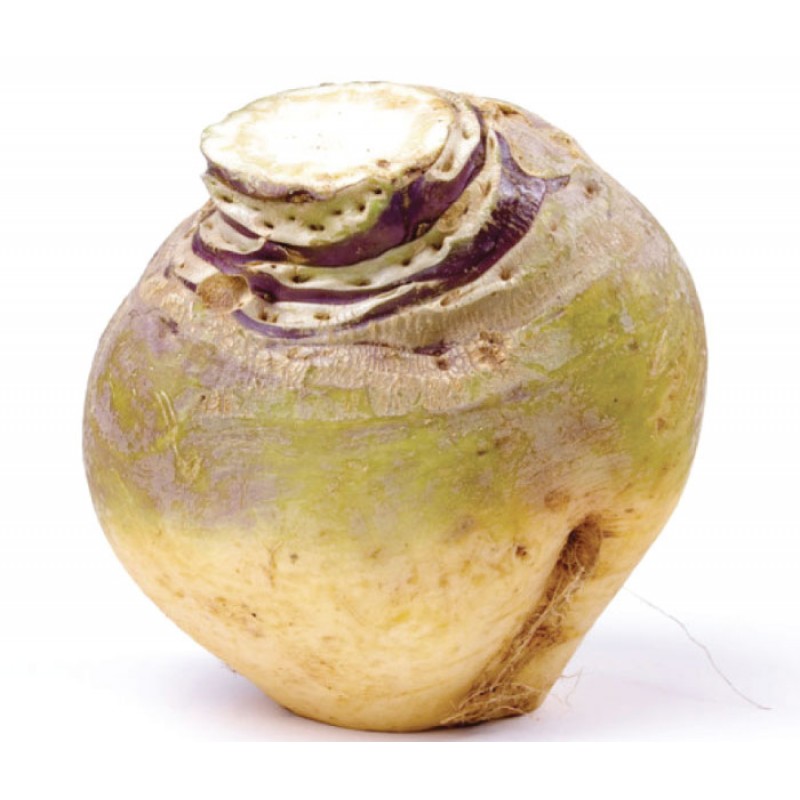
Whole roasted vegetables are one of my favourite things. The long roast means there’s always a sweet, juicy centre and interesting textures and flavours on the edges. This recipe for whole roast swede (pretending to be ham) is inspired by eco-chef Tom Hunt. It makes a fun festive centrepiece and it’s delicious too! Not ham flavoured of course, but a celebration of the humble-but-hearty swede. These bulbous roots are a real Irish staple and they are well overdue their time in the limelight. Swede is slightly peppery and sweet and the mustard-maple glaze works wonderfully. Delicious served in slices alongside pickled red cabbage, roasted potatoes and winter greens. The vegetable and red wine bed makes a brilliant base for a veggie gravy too.

What are you serving for Christmas dinner?

Liz x

Ingredients

  • 2 onions
  • 1 bulb of garlic
  • 2 carrots
  • 4 bay leaves
  • 2 stock cubes
  • a large glass of red wine
  • a large glass of hot water
  • 1 swede
  • whole cloves (approximately 50?)
  • 4 tbsp olive oil
  • 2 tsp salt
  • 2 tsp ground black pepper
  • 6 tbsp wholegrain mustard
  • 6 tbsp maple syrup

Method

  1. Turn the oven on to 200C. Find a casserole dish with a lid that your swede will fit comfortably in (alternatively use a deep roasting dish and a sheet of foil or a baking sheet as a lid).
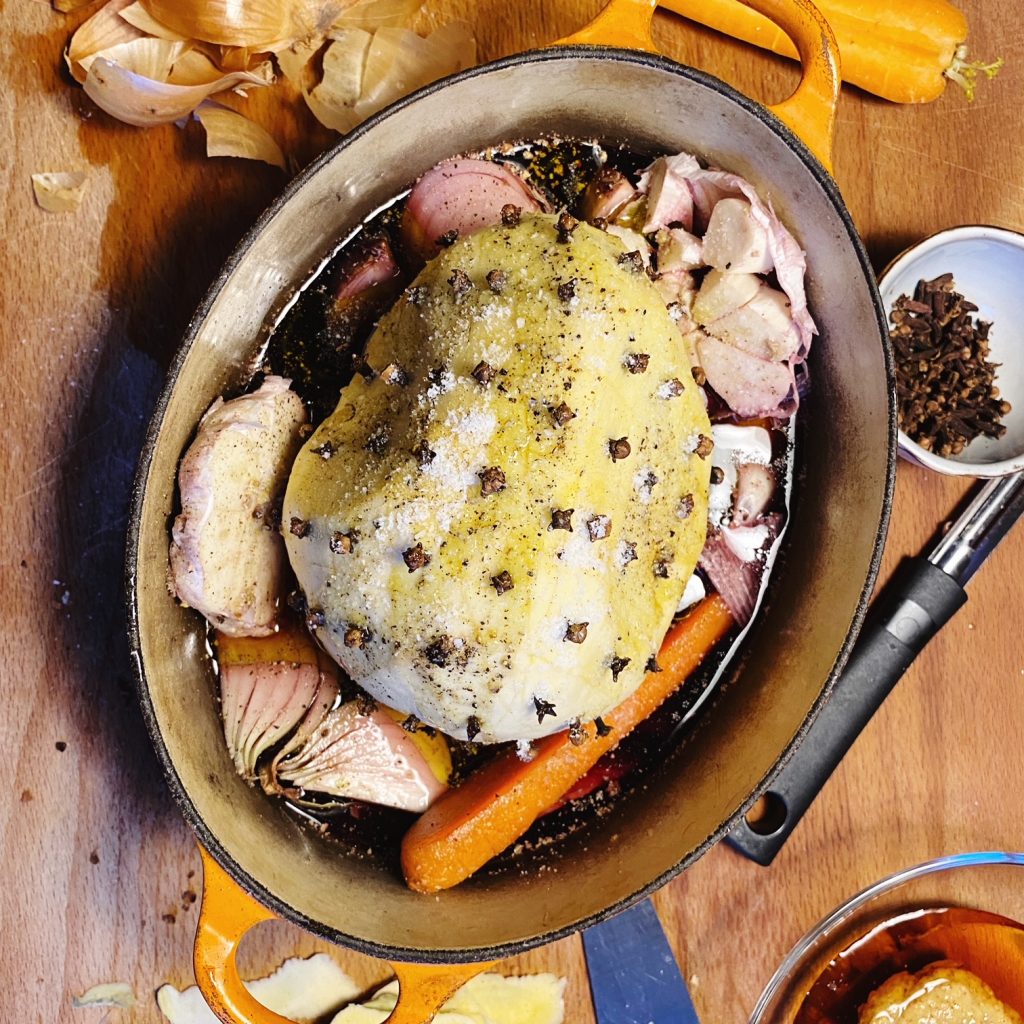
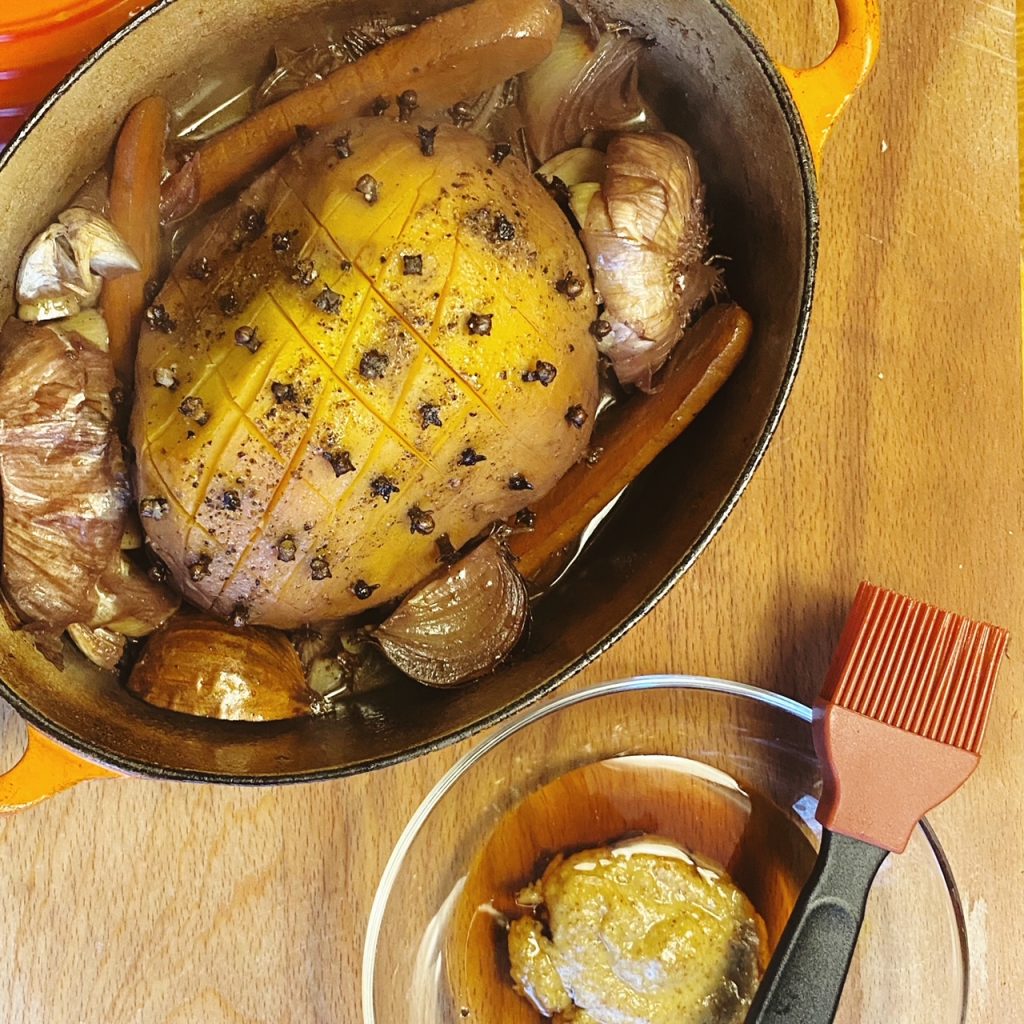
  2. Start preparing your swede. Peel it with a potato peeler and trim off any unwanted bits with a large, sharp knife. Score it with shallow cuts, criss-crossing to make lots of diamond shapes. Using a toothpick or a skewer, push a hole into the centre of each diamond. Then push a whole clove into each hole to stud the surface of the swede.
  3. Cut the bulb of garlic in half along its equator. Quarter the onions (leave the skin on) and the carrots. Put the vegetables in the casserole dish, these will impart lots of flavour to the juices in the bottom of the dish. Pour in the wine and hot water and crumble in the stock cubes. Add the bay leaves. Now place the prepared swede on top.
  4. Drizzle the swede with the olive oil and season it with salt and pepper. Put the lid on and place the pot in the oven to steam-bake the swede for at least 1.5 hours (depending on the size of the swede) or until the swede is cooked through. You can test this with a skewer.
  5. Remove the swede onto a clean baking dish. Mix the mustard and maple syrup together and brush half of it over the top and sides of the swede. Return it to the oven for 10 minutes. Then brush the remaining mustard and maple glaze over the swede and put it back in the oven for a final ten minutes. Then it’s ready to carve and enjoy!

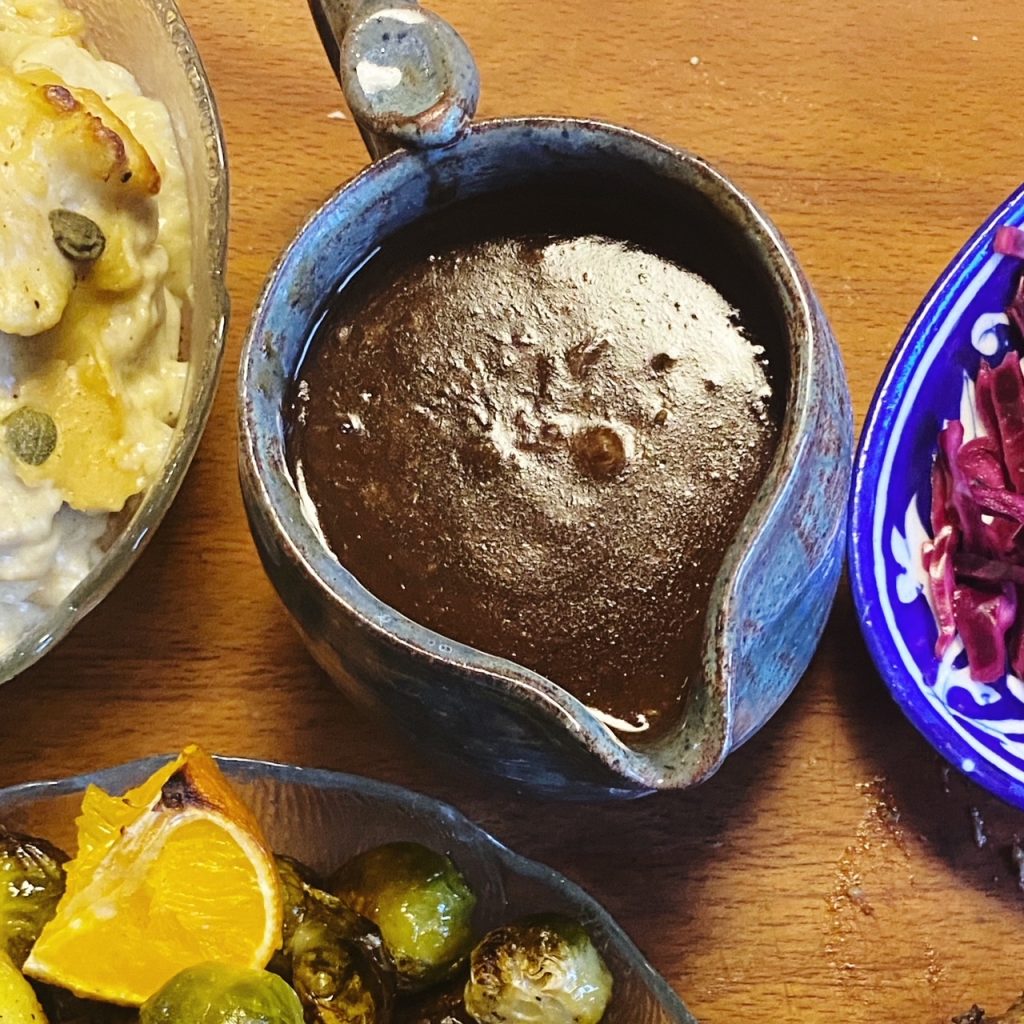
Roasted Garlic & Red Wine, Onion Gravy

  1. You can make a gorgeous gravy from the juices left in the casserole dish. Remove the carrots, bay leaves and onions skins. Squeeze out the garlic and remove the skins from the pot. Then use a whisk to blend the roasted garlic into the sauce.
  2. Add 2 tbsp of cornstarch that has been mixed with 3 tbsp of cold water. Whisk it into the gravy and simmer and stir until the gravy is a good consistency. You may wish to add more water.
  3. Add a generous knob of butter and taste the gravy for seasoning. Adjust the seasoning with salt and pepper if needed. I usually add a splash of soy sauce to enrich and darken the gravy too.

Crumbly, Melt-In-The-Mouth Fudge

I have a childhood memory of the best homemade fudge. Every shop-bought fudge I’ve ever purchased has never lived up to that memory. It’s usually too close to caramel or toffee, too chewy or sticky. To me, fudge should hold together in blocks, but when you bite into it, it should have a buttery, sweet flavour and a slightly grainy, melt-in-the-mouth texture. It should crumble and be short and snappy rather than chewy and stretchy. I’ve been experimenting in the kitchen and I’m really happy with this recipe.

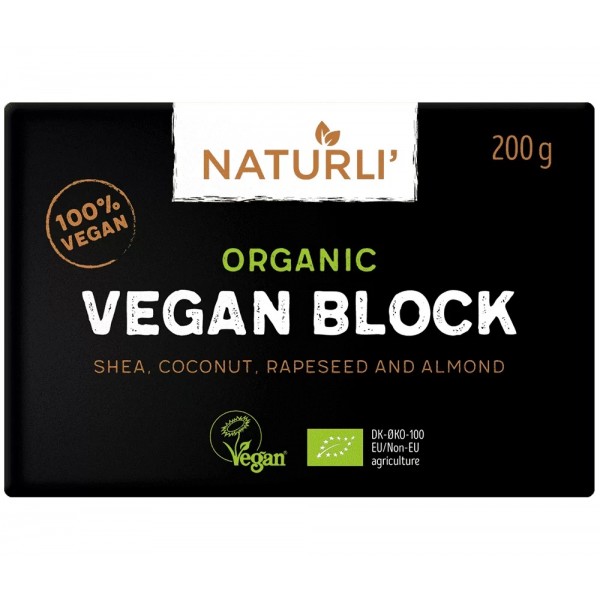
Our new Natruli butter blocks make it easy to recreate a dairy free version. This recipe works just as well with dairy/dairy-free ingredients so you do you. A jar of fudge is definitely going in all my homemade Christmas hampers to friends this year. Do you make homemade Christmas gifts? I’d love to hear about them in the comments.

Liz x

Ingredients

  • 150g butter
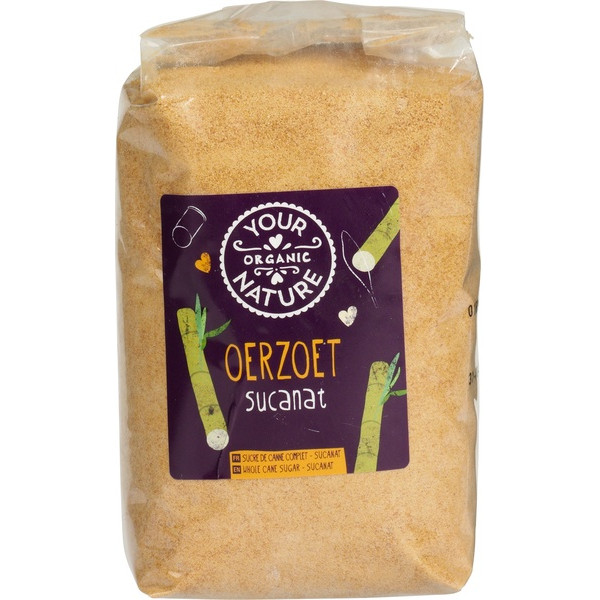
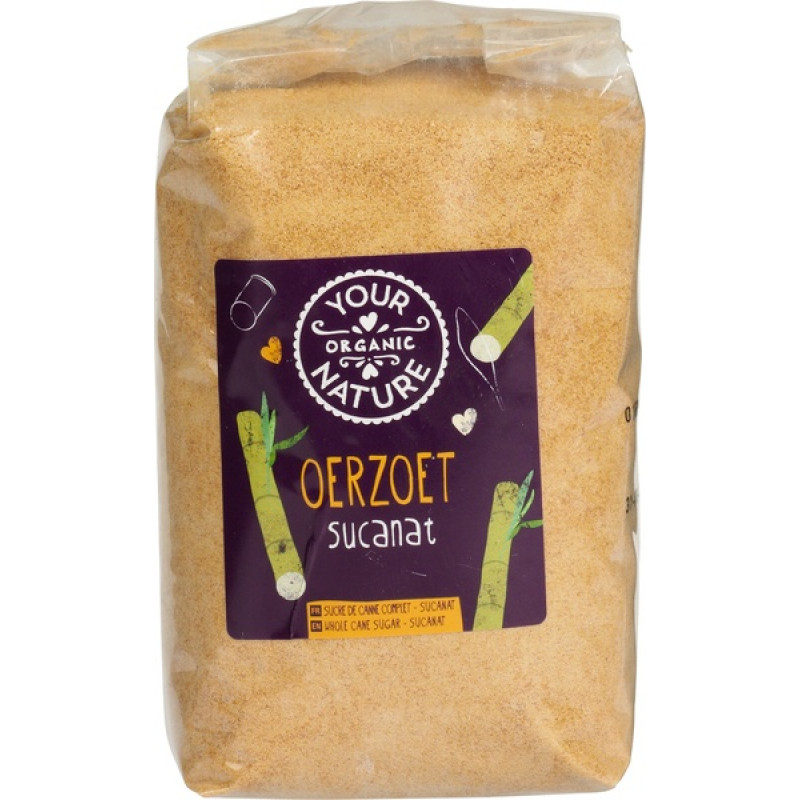
  • 300g sugar (our whole cane sugar is perfect for this recipe, otherwise use an even mix of soft brown and white sugar)
  • 250ml milk (I use oat milk but any milk will work)
  • a large pinch of Achill Island sea salt flakes
  • 1 tsp vanilla essence

Method

  1. Put all the ingredients except the vanilla into a heavy bottomed pot.
  2. Melt them together over a medium-high heat, stirring regularly with a wooden spoon.
  3. Bring the mixture up to a bubbling boil. Stir frequently and let it bubble and thicken for 20 minutes or until it reaches 115C.
  4. Take the pot off the heat, add the vanilla then beat with a whisk for around 8 minutes or until the sugars start to crystallise. You should notice the mixture change from glossy and smooth to thick and grainy.
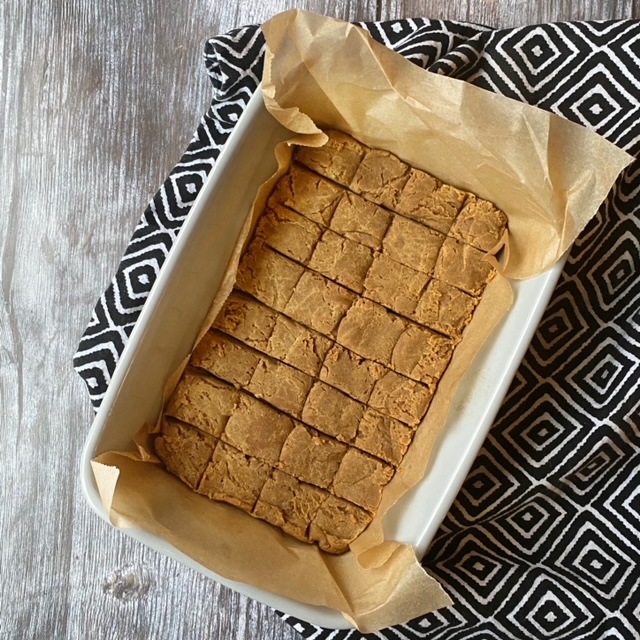
  5. Scrape the mixture into a small baking tray lined with baking parchment (did you know we sell compostable baking paper?), level it out and score/cut it into 32 squares using a blunt knife or the edge of a spatula.
  6. Cover the tray with a clean tea towel and let it set at room temperature for a few hours.
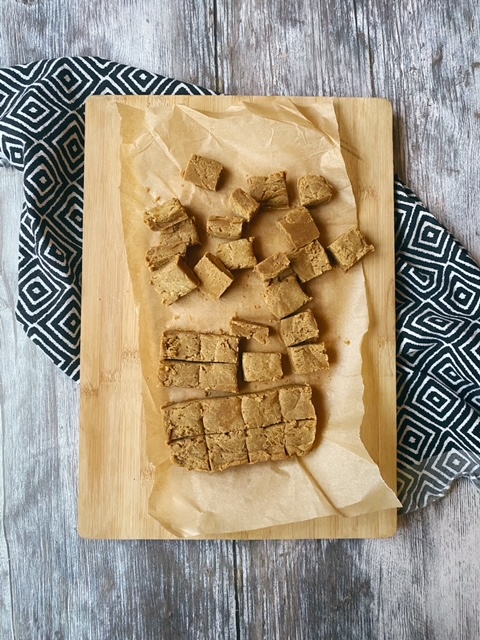
  7. Once it’s completely cool you can pull it out and snap it into squares. Pack the fudge into an airtight container and enjoy within 2 weeks! It will store well at room temperature in an airtight container. It is prone to dry out in the fridge so it’s best to keep it at room temperature.

Sprout Spaghetti

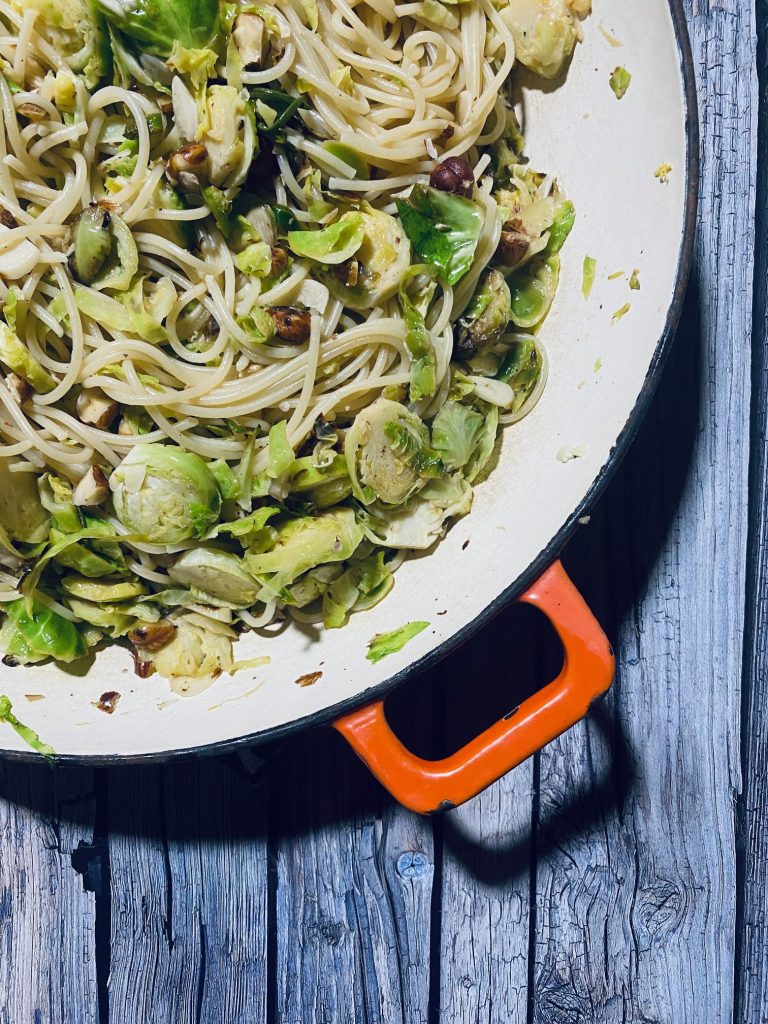
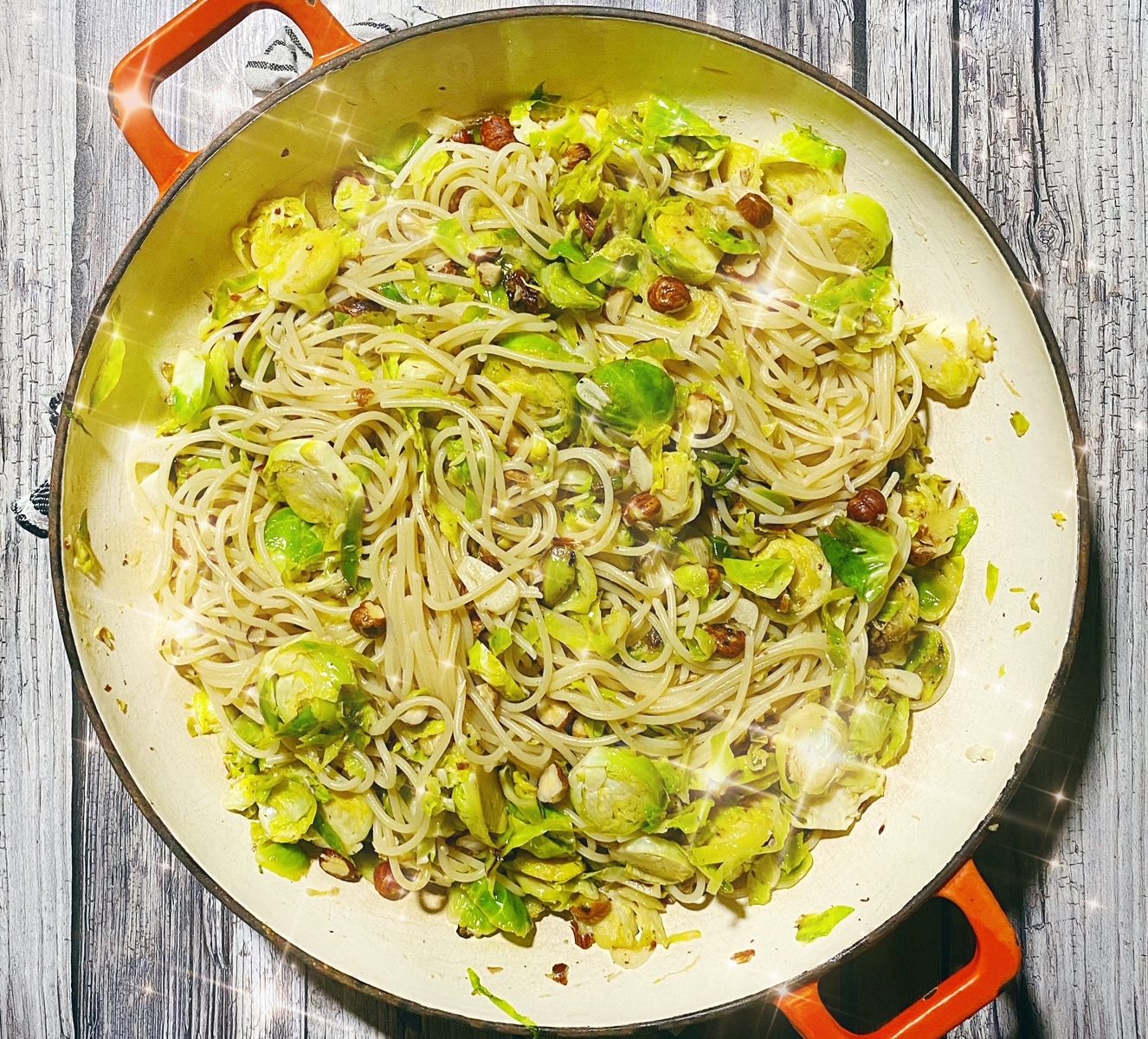
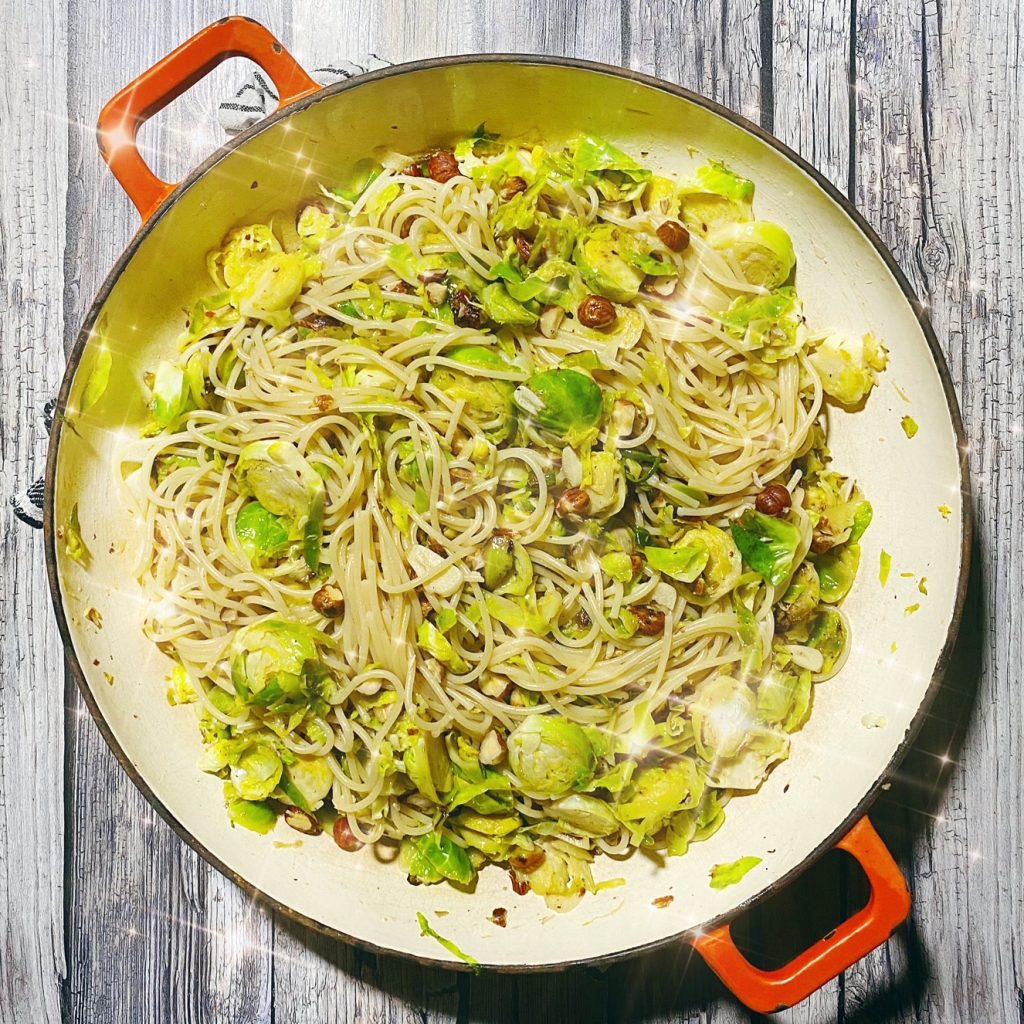
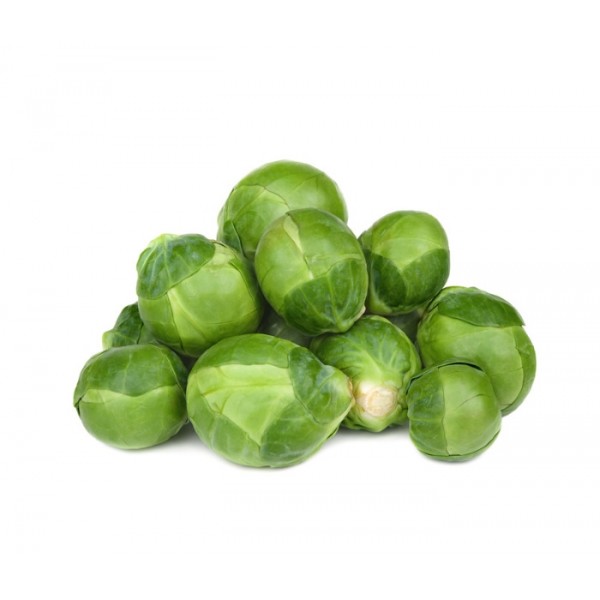
Brussels sprouts are in season and are certainly not just for Christmas Day. Have you been adding them to your boxes? What’s your favourite sprout recipe? I love sautéing them like this with garlic, herbs, nuts and citrus, then folding them through pasta. They’re also brilliant stirred through rice or another cooked grain like barley, quinoa, buckwheat etc for a gorgeous warm salad. Here’s my sprout spaghetti recipe, it makes a stunning mid-week meal and will only take as long as the time to boil your pasta. Quick, festive and delicious!

Liz x

Ingredients (per person)

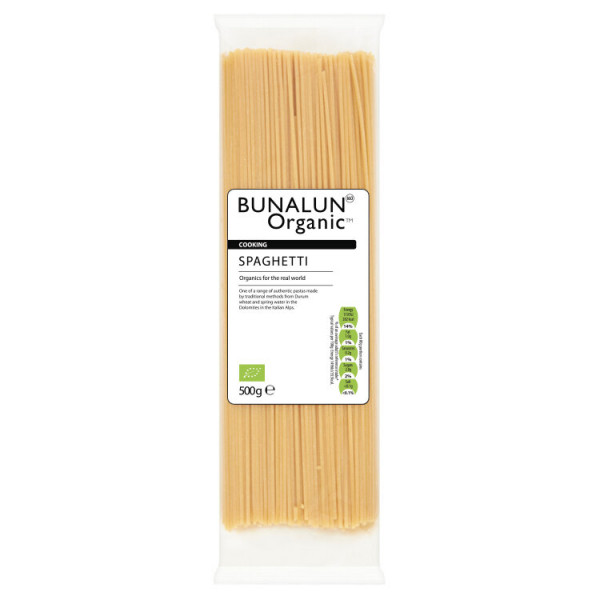
  • 70-100g dry spaghetti (depending on appetite) or other grain/pulse of your choice eg quinoa, rice…
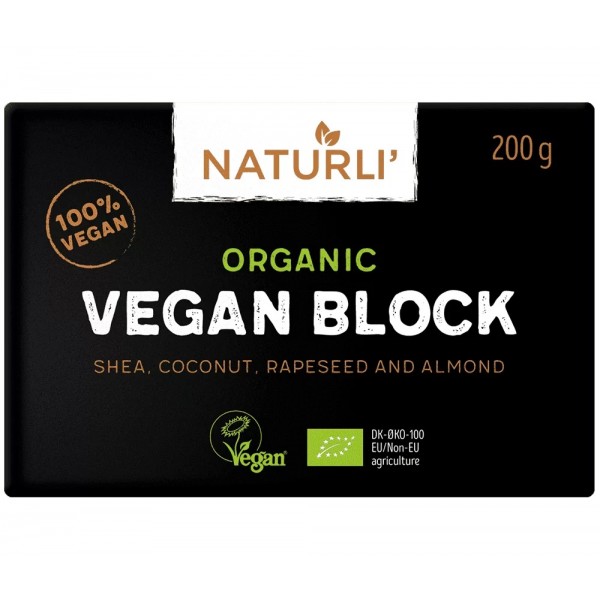
  • 1 heaped tbsp butter (I use our new dairy free Natruli blocks)
  • 2 tbsp extra virgin olive oil
  • 1 clove of garlic
  • 7 Brussels sprouts, thinly sliced
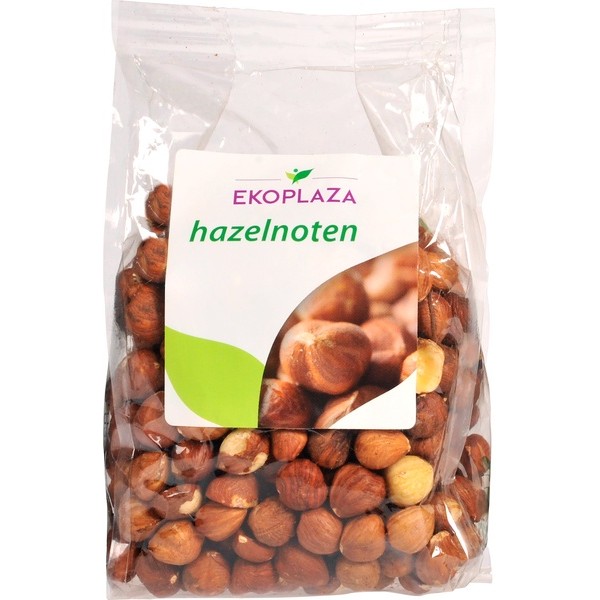
  • a small handful of hazelnuts, roughly chopped
  • 3 sprigs of rosemary
  • 1/2 tsp lemon zest
  • 2 tbsp lemon juice
  • salt and pepper to taste (it’s extra good with lots of black pepper!)

Method

  1. Bring a large pot of water to the boil, meanwhile chop your sprouts, garlic and hazelnuts.
  2. Generously salt the boiling water and drop in the pasta. Give it an occasional stir to prevent it from clumping or sticking to the bottom. While the pasta cooks, prepare the rest of the dish.
  3. In a wide pan, melt the butter, add the oil and sprouts, hazelnuts, garlic and rosemary. Stir fry for a few minutes then season well with salt and pepper.
  4. Add the zest and juice of the lemon when the sprouts turn bright green and are mostly cooked through. Stir well, taste and adjust the seasoning if need with more salt, pepper or lemon. Turn off the heat for now.
  5. Drain the pasta but reserve a mug or so of the starchy cooking water. Add the pasta to the sprouts and turn the heat back on. Add a few splashes of the cooking water and mix the pasta and buttery sprouts together. The pasta water and butter should create a delicious, light, lemony sauce. Taste again and you’ll probably want to add more black pepper.
  6. Serve in bowls and top with grated cheese or nutritional yeast flakes if you like. Enjoy!

Celeriac Steaks

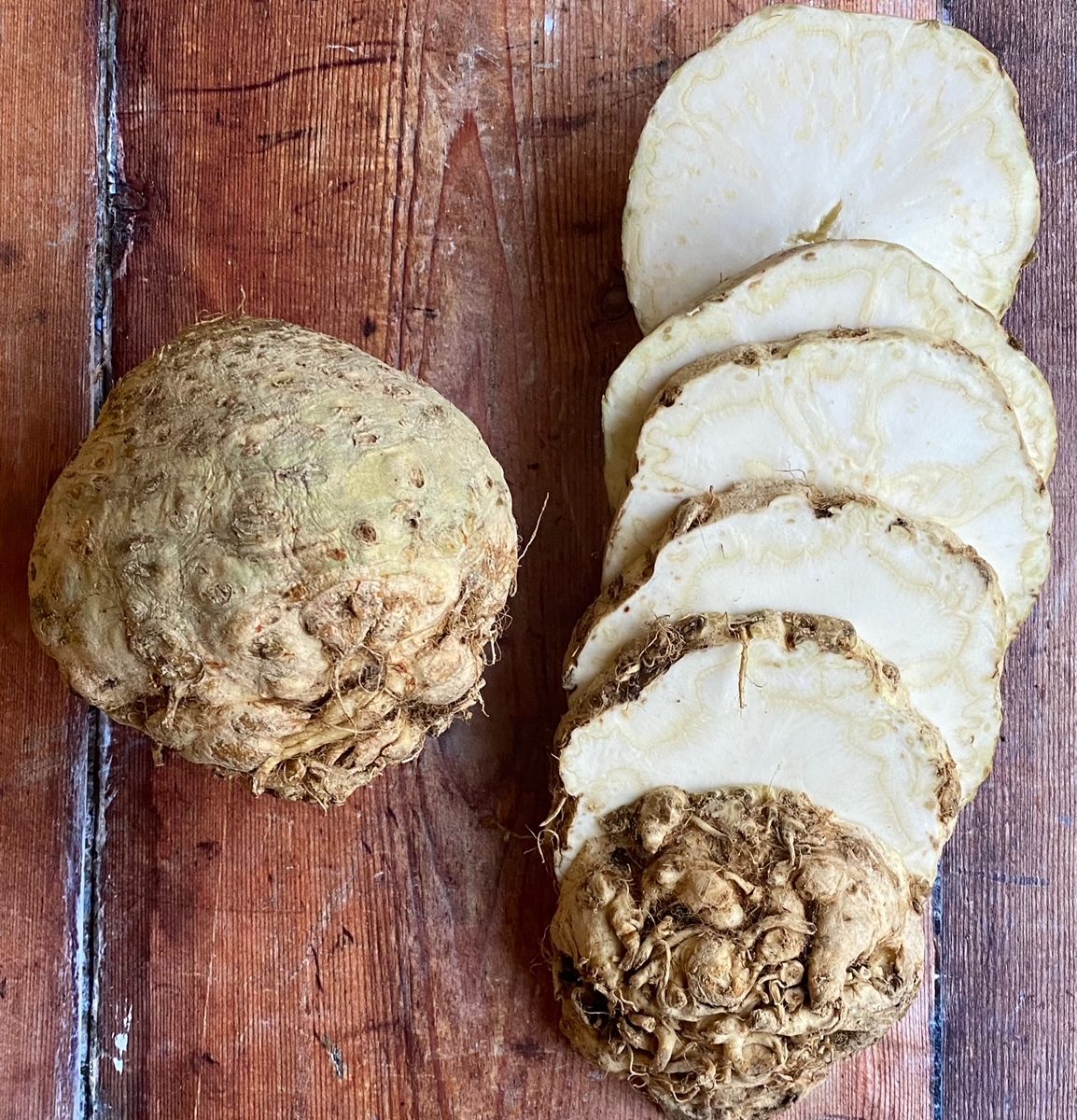
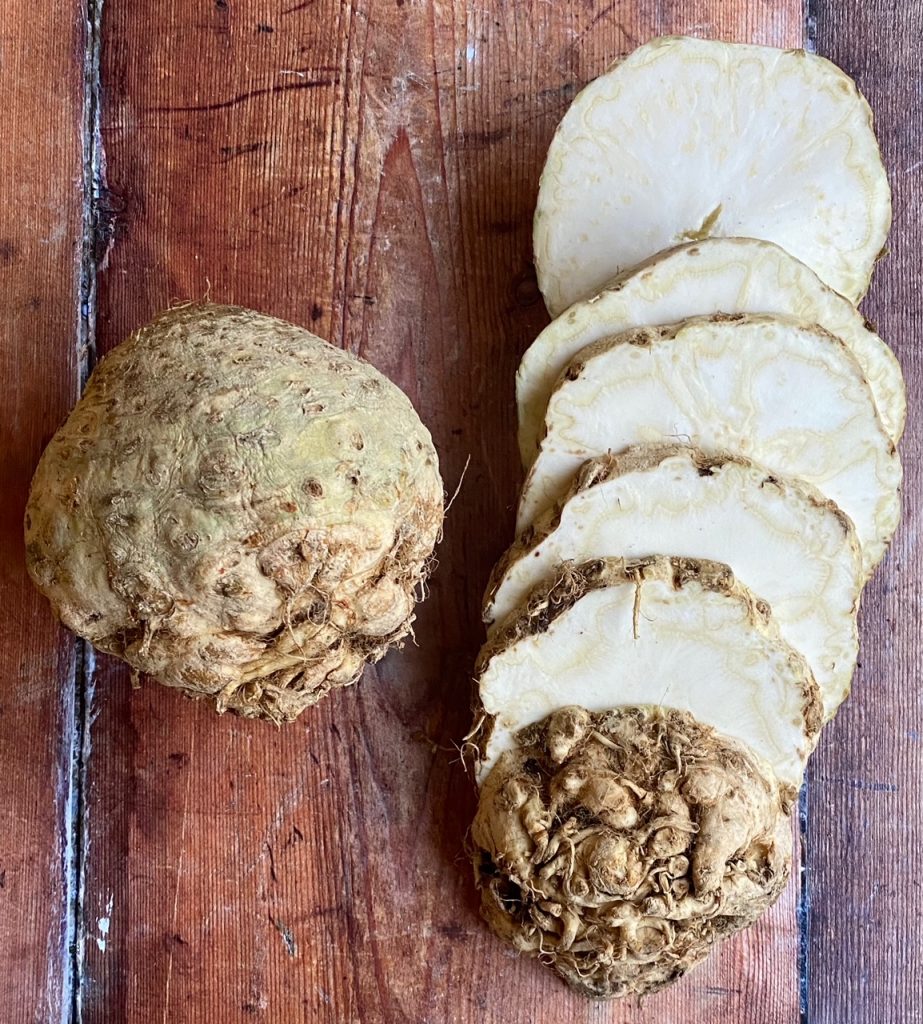
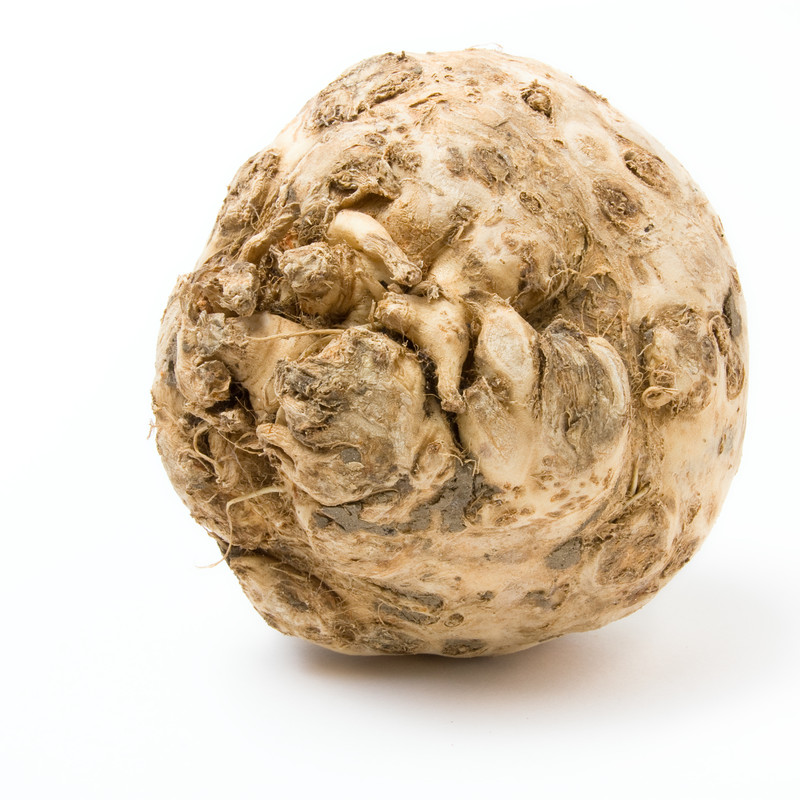
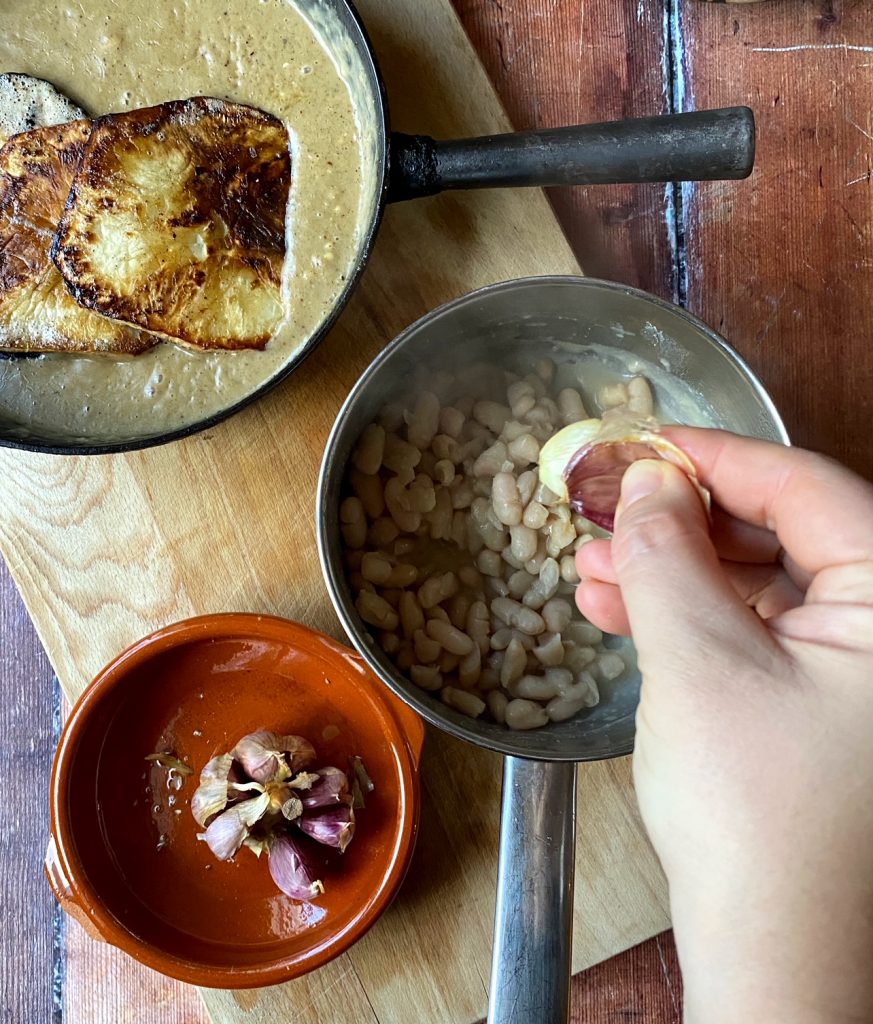
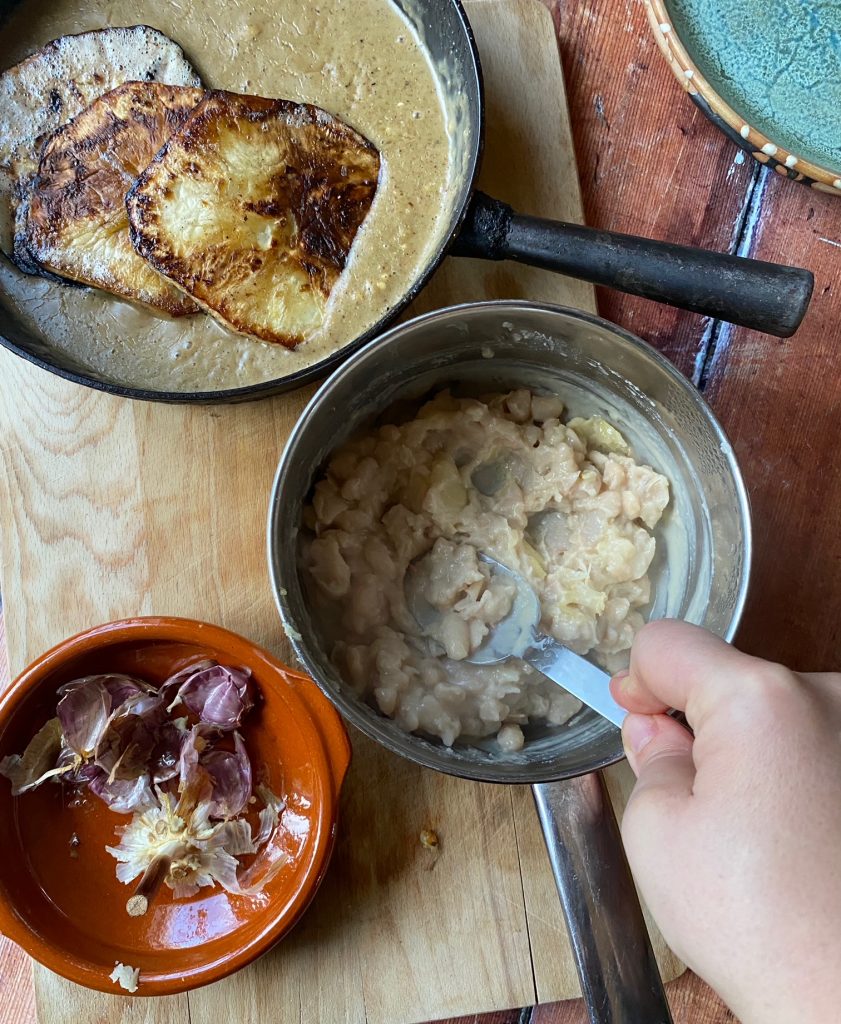
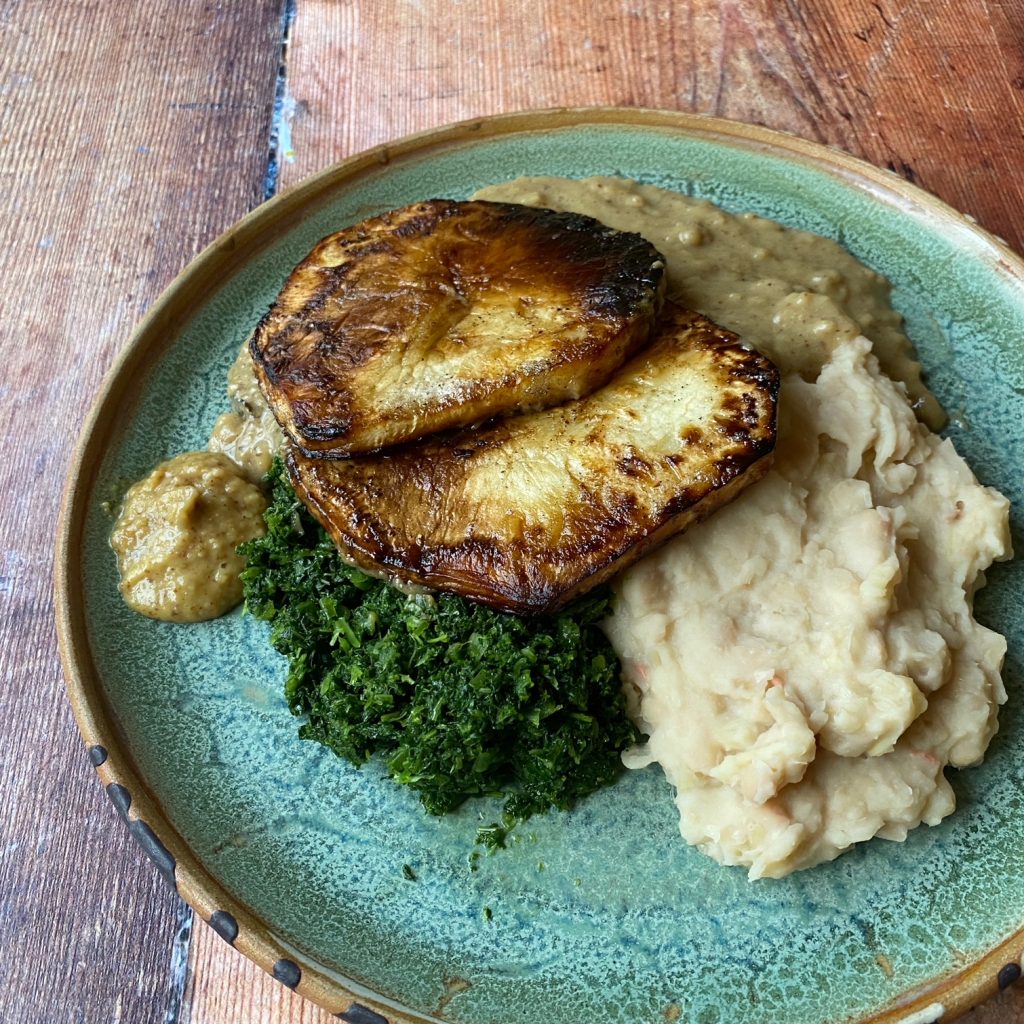
We haven’t grown them for quite a few years so we are delighted to let you know that our celeriac are back! Have you tried one? They’re a gorgeous winter root vegetable. Big and bulbous and full of flavour. Think a hybrid between a potato and a parsnip with a delicate celery flavour. These beasts are stunning in soups and stews, but they also lend themselves nicely to coleslaw, in fact raw, grated celeriac is really gorgeous tossed with a mustardy mayonnaise. I’ll tell you about that another day. But today I am eating celeriac in thick slices, fried like a steak in lots of butter. I LOVE a vegetable steak (cauliflower, portobello, butternut…), it’s a great way to really highlight a vegetable and focus on the flavour. Serve with mashed beans and roasted garlic for lip-smackingly delicious, filling, protein, some wintery greens like kale or cabbage and a creamy wholegrain mustard sauce. Quite a special dish, fit for a date night, but really not very complex to make as you’ll see below. Enjoy!

Liz x

Ingredients (serves 2)

  • 1 celeriac – peel with a small, sharp knife, then cut 4 thick slices out of the middle and save the ends for a soup
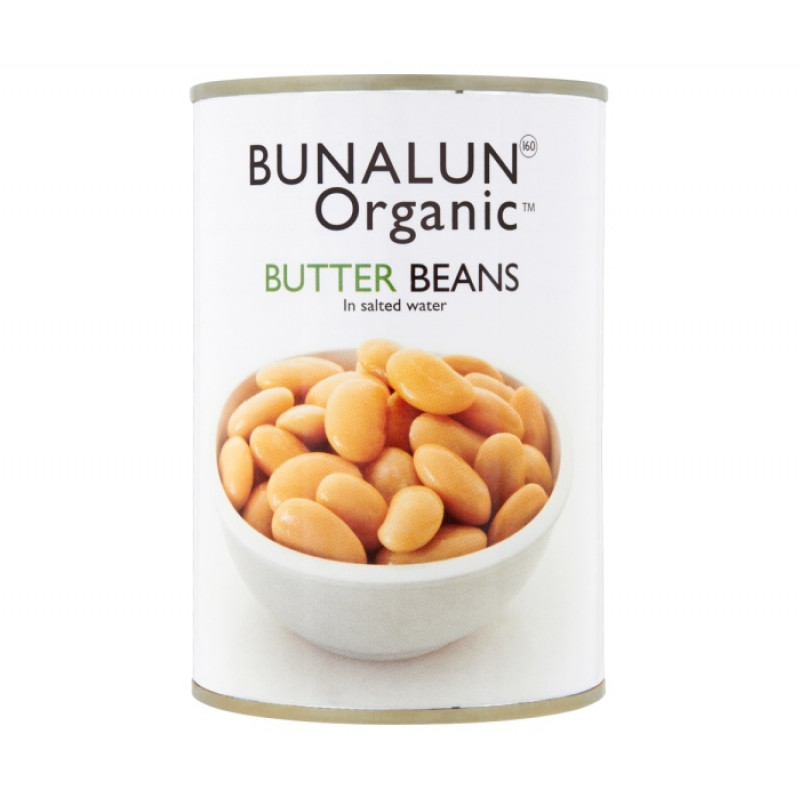
  • 1 tin of butterbeans or cannellini beans, any white beans will work
  • 1 whole bulb of garlic
  • kale or cabbage, as much as you like
  • 1 heaped tbsp wholegrain mustard
  • 1 tbsp corn starch or plain flour
  • oat milk – enough to loosen the pan juices into a thick sauce
  • butter, olive oil, salt and pepper to taste

Method

  1. Pre-heat your oven to 200C. Pop a whole bulb of garlic (that’s right, the whole bulb, not just a clove) into a small, oven-proof dish with a drizzle of olive oil. Put it in the oven to bake until soft – around 15-20 minutes.
  2. Meanwhile prepare the celeriac as above, chop and rinse some greens (kale or cabbage go well here) and put them in a pot with a lid, some seasoning and some butter/oil on the hob. Drain some of the liquid from your tin of butterbeans and pop them into another small pan.
  3. Get your widest frying pan (or use two) on to a medium heat and melt a generous knob of butter with a couple of tbsp of olive oil. Add the celeriac steaks and season well with salt and pepper. Cook, turning occasionally until they are softening and turning a gorgeous caramel colour. They should smell amazing!
  4. When the celeriac are nearly cooked through, take the garlic out of the oven to cool slightly, turn the heat on under the pot of beans and the pot of greens. Cook both, stirring often, until piping hot. Then turn off the heat.
  5. Put the celeriac steaks in a small dish in the oven to keep warm (turn the oven down to 150C so they don’t burn) whilst you make the mash and the sauce.
  6. Pull apart the roasted garlic and squeeze the soft, fragrant flesh into the pan with the beans. Season well with salt and pepper, add a drizzle of olive oil or a knob of butter and mash the beans and garlic into a puree. Or use a stick blender if you’d like your mash extra smooth. Taste and adjust the seasoning if needed.
  7. To the frying pan in which the celeriac steaks were cooked, add a tbsp of flour and a tbsp of wholegrain mustard. Whisk into the buttery, caramelised, celeriac juices that are left in the pan and add a splash of oat milk. Turn the heat up and keep whisking and adding milk until you have a silky, creamy sauce. Taste and season with salt and pepper and now you are ready to serve.
  8. Divide the greens and garlicky mash between two plates, add on the steaks then drizzle with the sauce. Have extra wholegrain mustard on the table and enjoy with a glass of wine or a cold beer.

Cauliflower & Mushroom Biryani

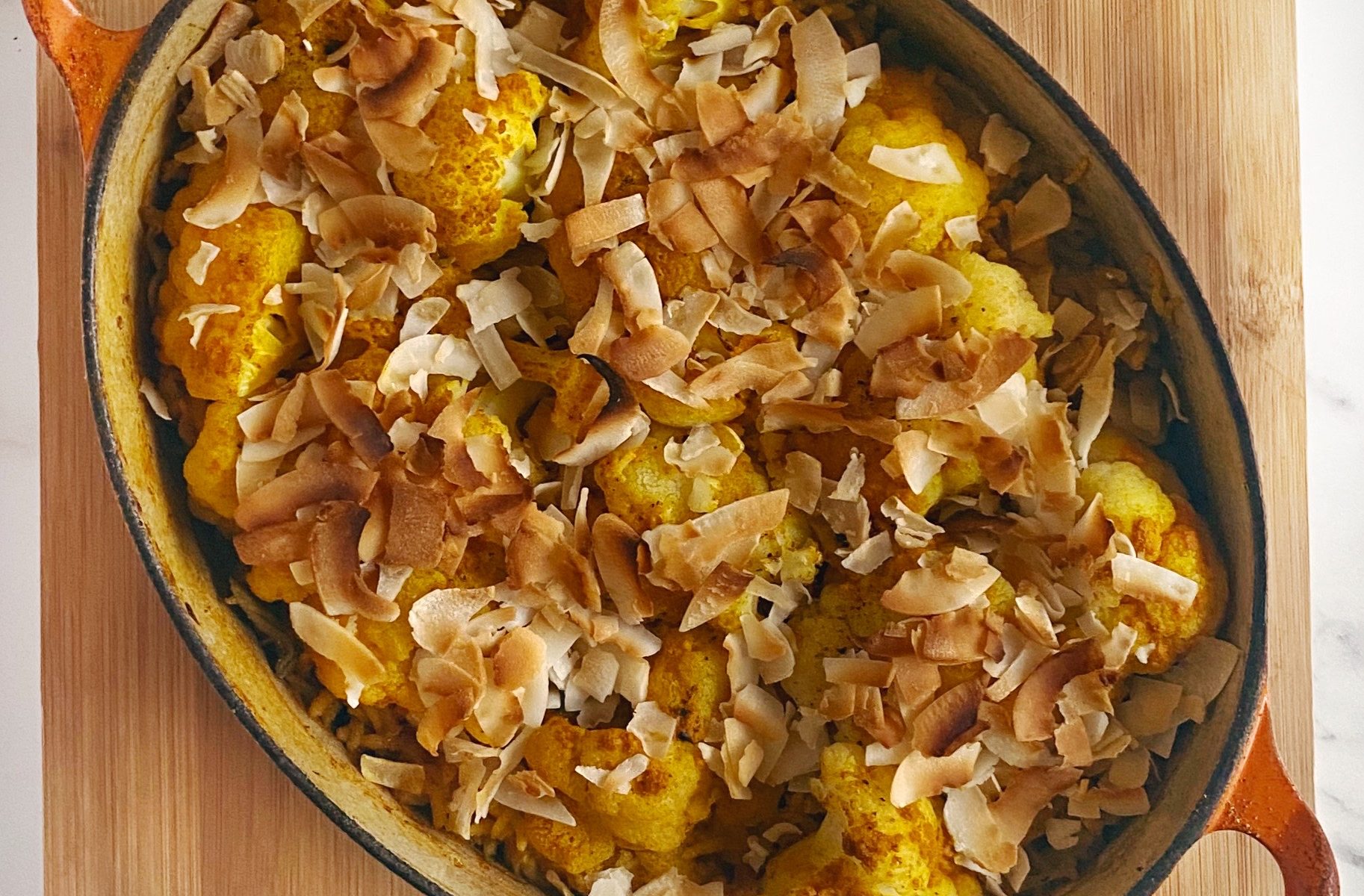
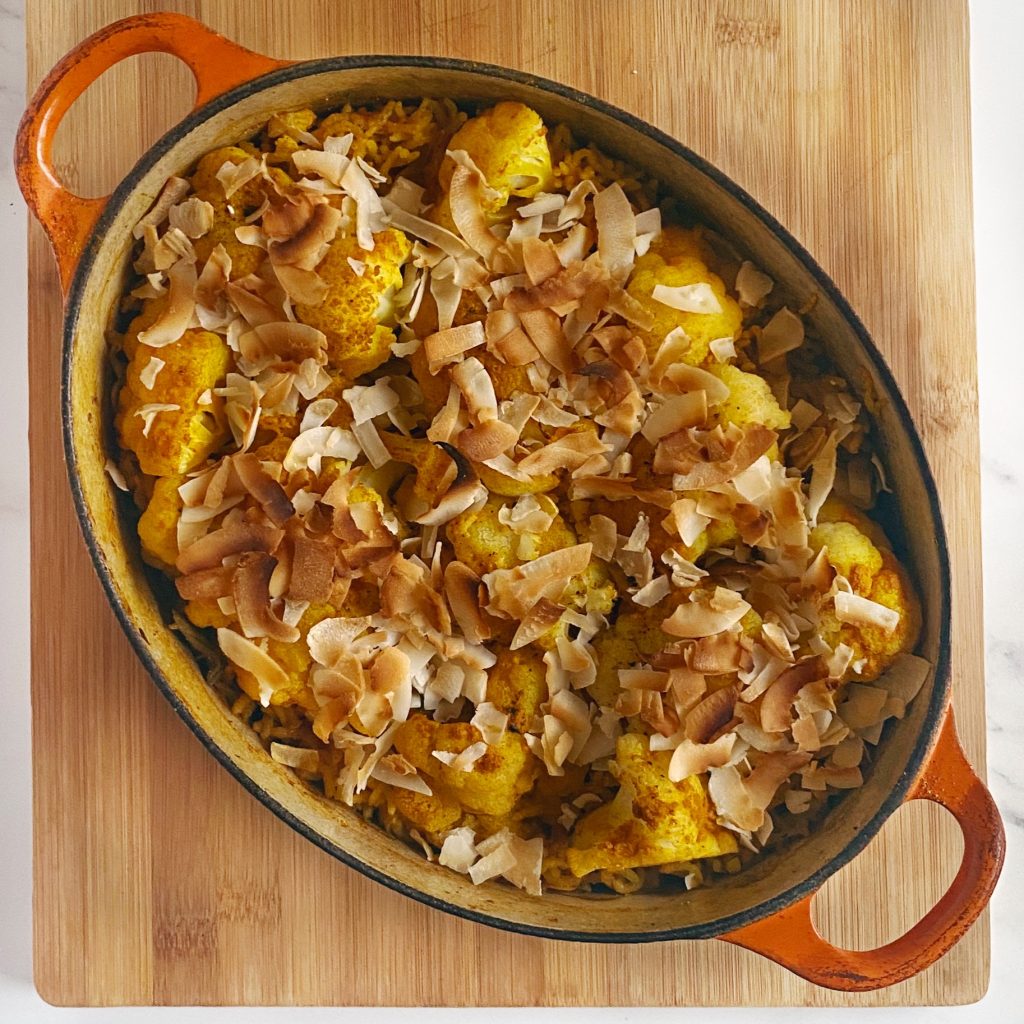
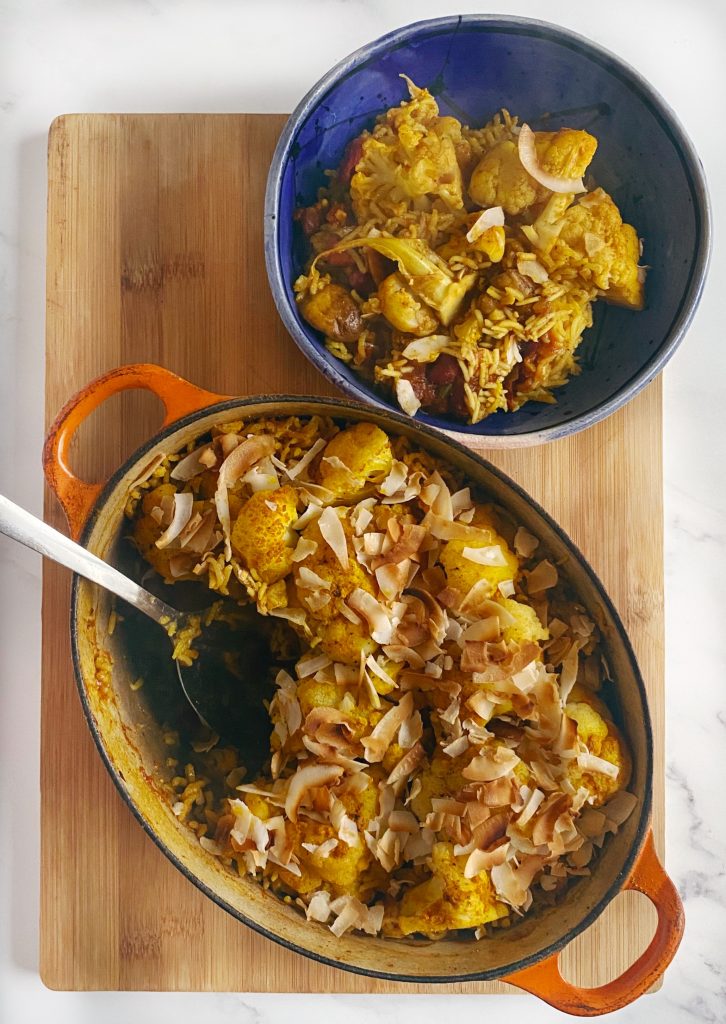
One of our family favourites, this layered, one-pot curry is so so good. A rich layer of mushroom and red bean curry on the bottom, a fragrant layer of perfectly cooked rice in the middle and a succulent layer of cauliflower on top. Sounds complicated but it’s actually very easy. We make this one-pot meal regularly as a mid-week supper. It doesn’t take long to put together, then you just pop it in the oven to bake and you’ve got time to clear up the kitchen and help with homework or whatever else needs doing while it cooks. Then bring the pot to the table and dig in!

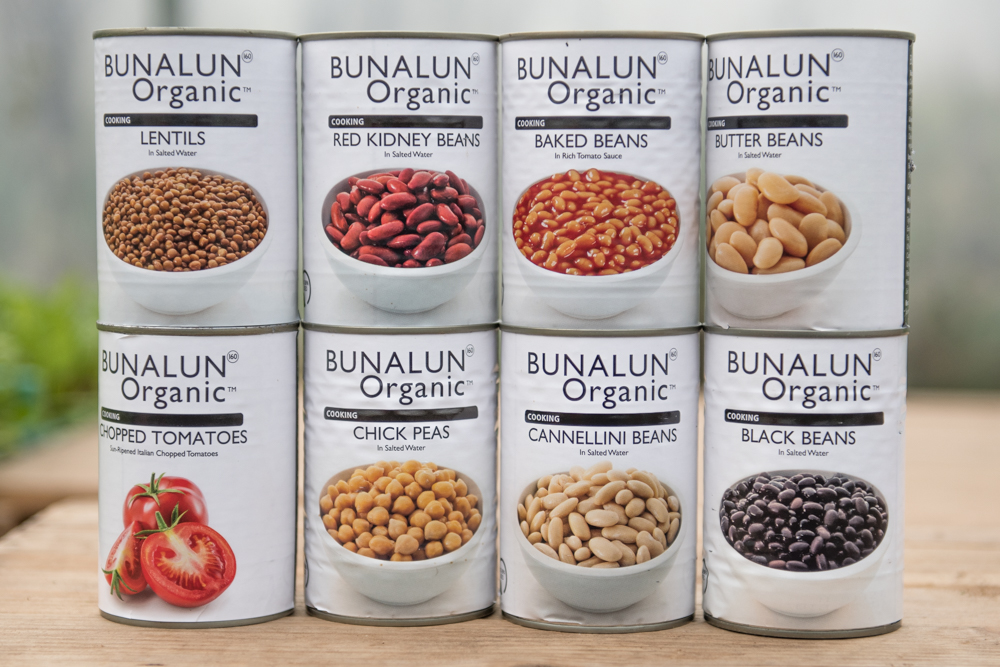
We stock organic rice in compostable bags, have you tried the range yet? White basmati is best for this dish as it cooks quickly, but we also have brown basmati and my personal favourite, short grain brown rice. We also have organic tins of tomatoes, beans and more. We do so much more than just fruit and veg. Add some groceries to your next order and save yourself a trip to the supermarket.

Liz x

Ingredients (serves 4)

  • 3 tbsp vegetable oil
  • 1 onion, peeled and diced
  • 4 cloves of garlic, peeled and diced
  • 1 heaped tbsp curry powder
  • around 10 chestnut mushrooms, halved
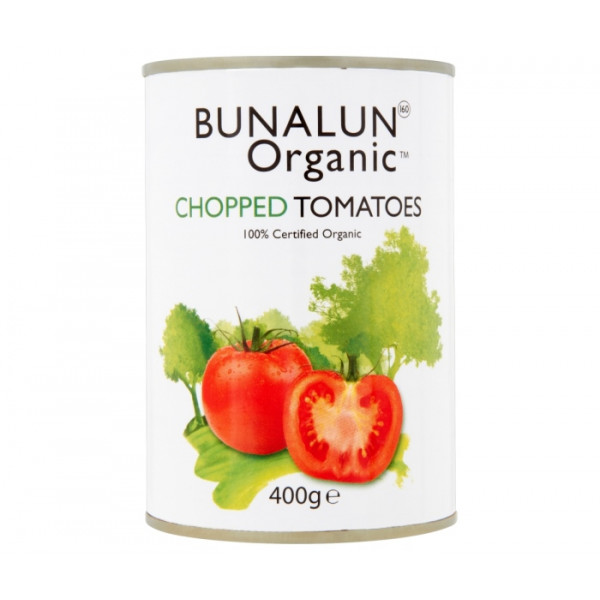
  • 1 tin chopped tomatoes
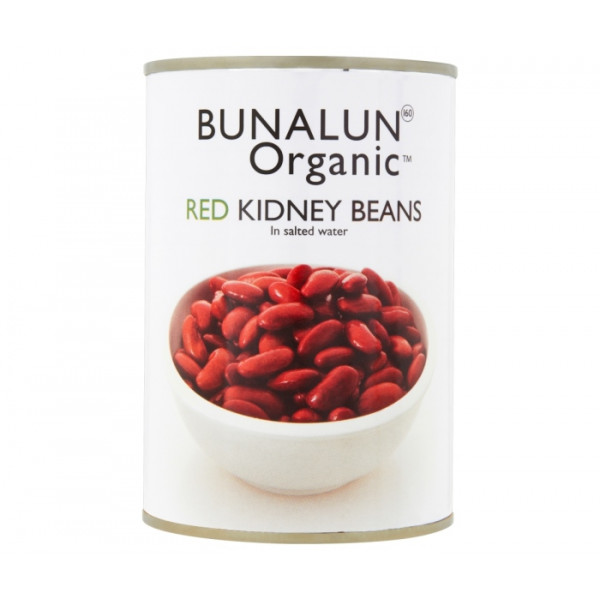
  • 1 tin kidney beans, drained
  • salt and pepper to taste
  • 1 small mug of basmati rice (225g)
  • 2 small mugs of water
  • 1/4 tsp each: ground cardamom and star anise
  • 1 tsp rose petals (optional)
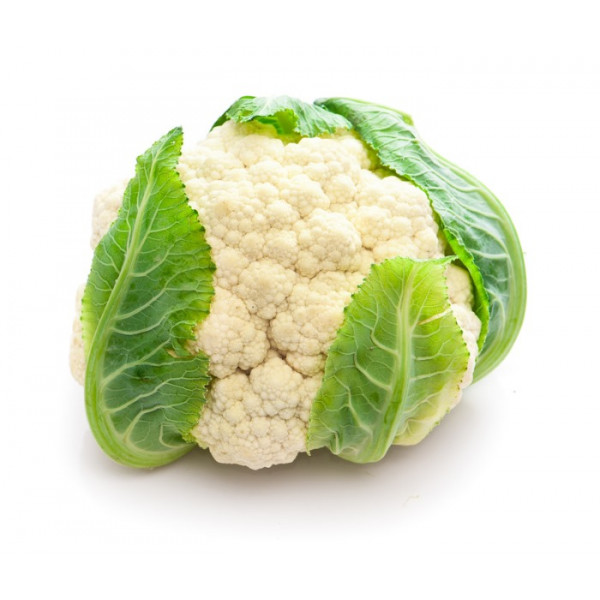
  • 1/2 a large cauliflower, cut into florets
  • 1/2 tsp turmeric
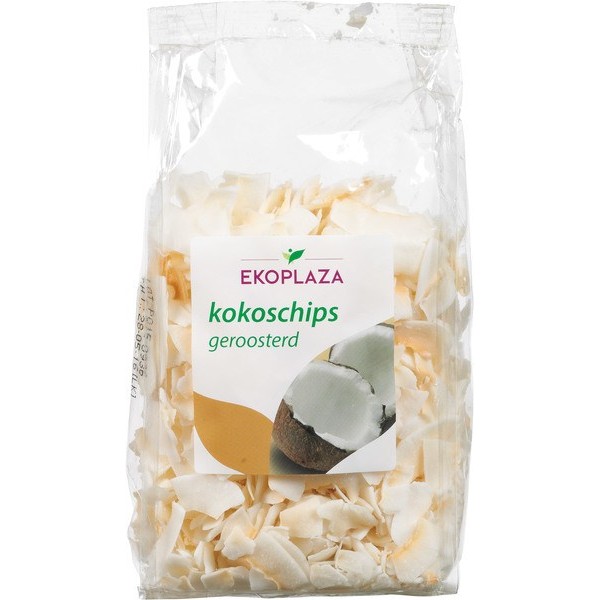
  • coconut flakes

Method

  1. Turn your oven to 200C and find a deep pot or casserole dish with a lid that is safe both on the hob and in the oven.
  2. Start by sautéing the diced onion with the oil on a medium-high heat. Stir frequently with a wooden spoon. After 5 minutes the onion should start to soften and turn golden.
  3. Then add the mushrooms, garlic, curry powder and season well with plenty of salt (about a tsp) and pepper. Stir for a few minutes to coat the mushrooms in the seasoning and allow the spices to toast and get very fragrant.
  4. Empty the tin of chopped tomatoes into the pot along with the drained beans. Stir well, taste and adjust the seasoning if needed, then put the lid on and let the curry simmer for a few minutes while you rinse you rice in a fine sieve.
  5. Turn off the heat then carefully add the rinsed mug of rice to the curry. Don’t stir it in, add it in a careful layer on top of the curry and smooth it out with the back of the wooden spoon. Then slowly pour two mugs of water over the back of the spoon over the rice so that it doesn’t disturb the layer.
  6. Add some aromatics to the rice if you like eg cinnamon sticks, cardamom pods, star anise, rose petals, saffron… I usually use a mix of ground anise and cardamom and a few rose petals.
  7. Then place the cauliflower florets carefully into the rice and water, sprinkle them with turmeric, salt and pepper. Put the lid on the pot and put the pot in the oven to bake.
  8. After 30 minutes, check on the rice. It should be bubbling hot and have absorbed most of the liquid. Taste a grain, if it needs longer put the lid back on and return it to the oven.
  9. If the rice is cooked through then remove the lid, sprinkle the top of the dish with flaked coconut (or flaked almonds) and return it to the oven to toast. Just 3-5 minutes should be enough. Then it’s ready to serve. Scoop out portions ensuring each bowl gets a bit of each layer and enjoy!

Chilli Non-Carne

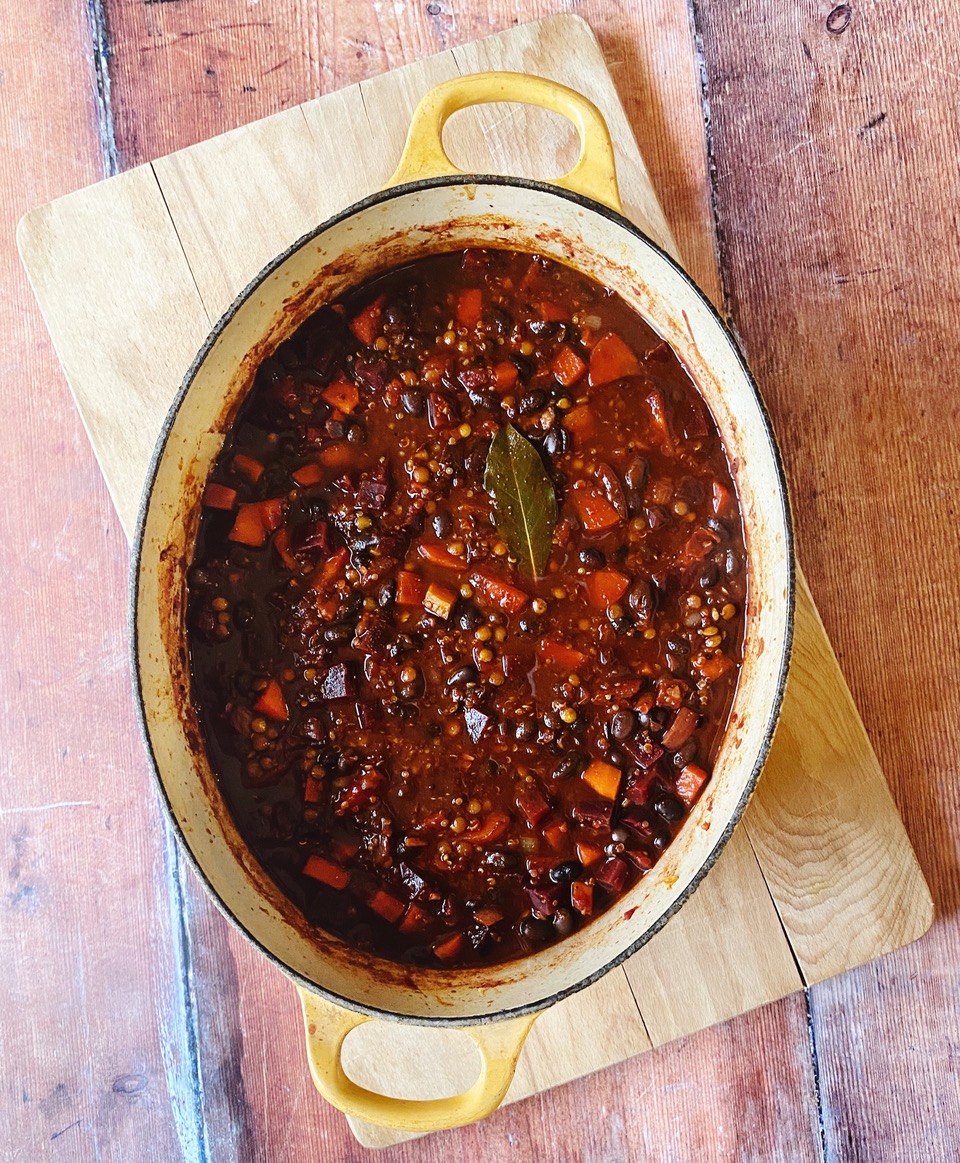
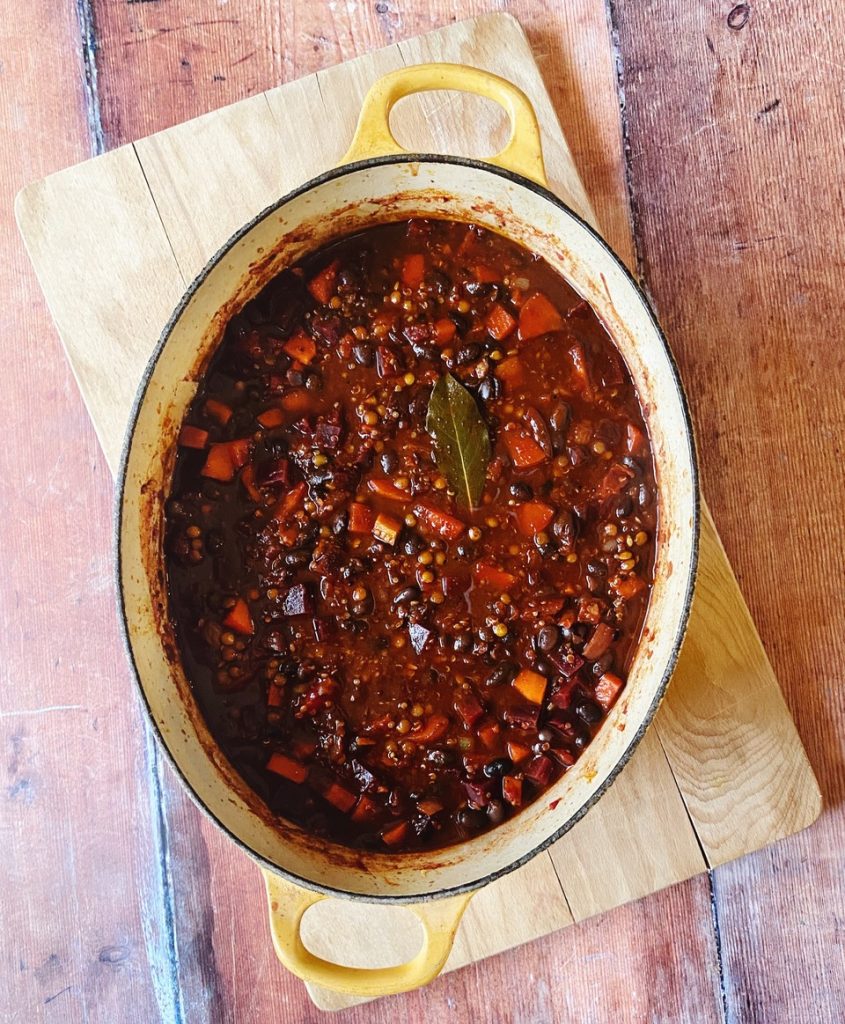
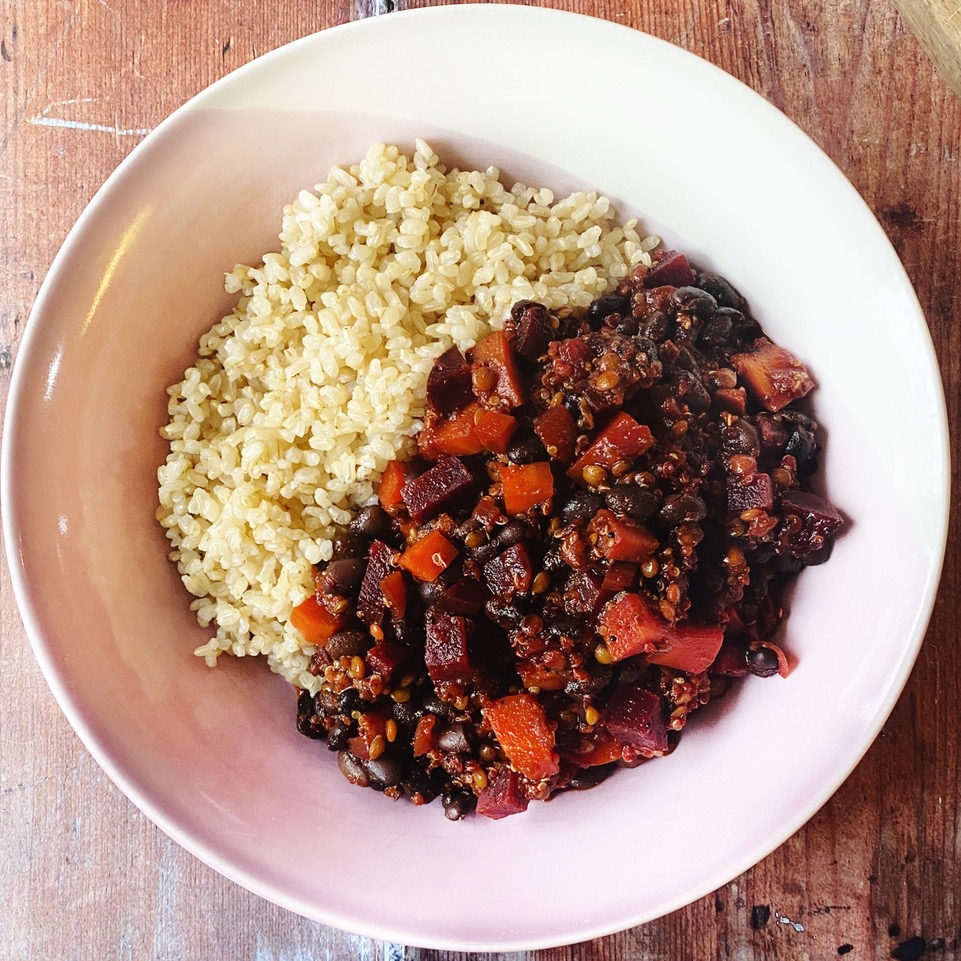
You’ll find countless iterations of this recipe on repeat in our house this time of year. Always hearty and wholesome, stuffed full of gorgeous autumnal vegetables and various pulses and grains. A pot of chilli is so versatile. Stick it in a bowl with rice or roasted potato wedges, scoop up with nachos, serve in wraps burrito style or make a batch for a messy-fun taco night. How do you serve your chilli non-carne?

Liz x

Ingredients (serves 8)

  • 4 tbsp olive oil
  • 1 large or 2 small onions, peeled and diced
  • 5 cloves of garlic, peeled and diced
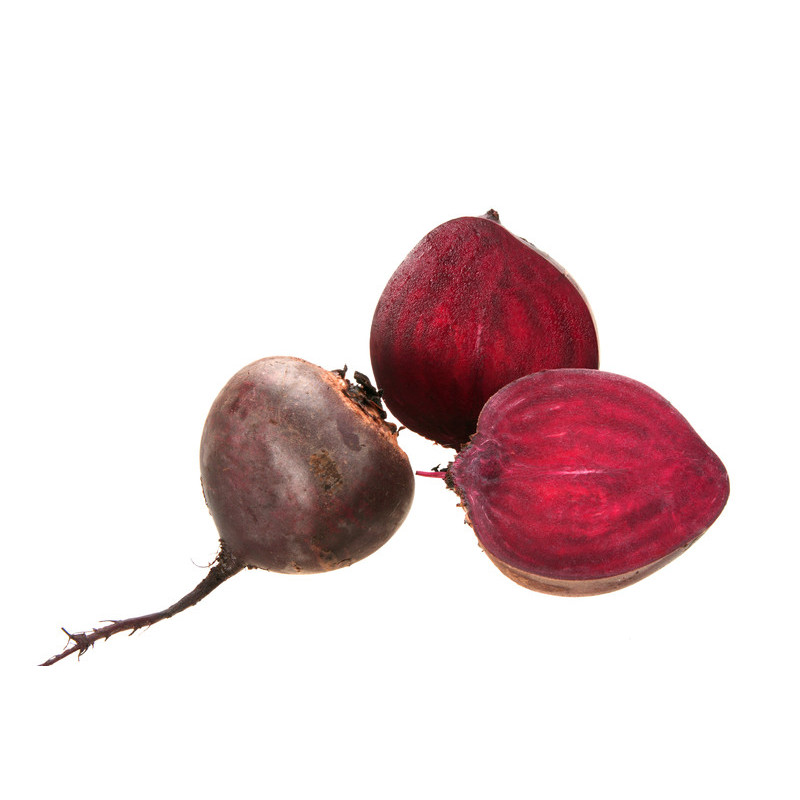
  • 750g diced root veg (I used swede, carrot and beetroot this time)
  • 1 tsp chilli flakes (or to taste)
  • 2 tbsp smoked paprika
  • 1 tbsp each, ground cumin and coriander
  • 3 bay leaves
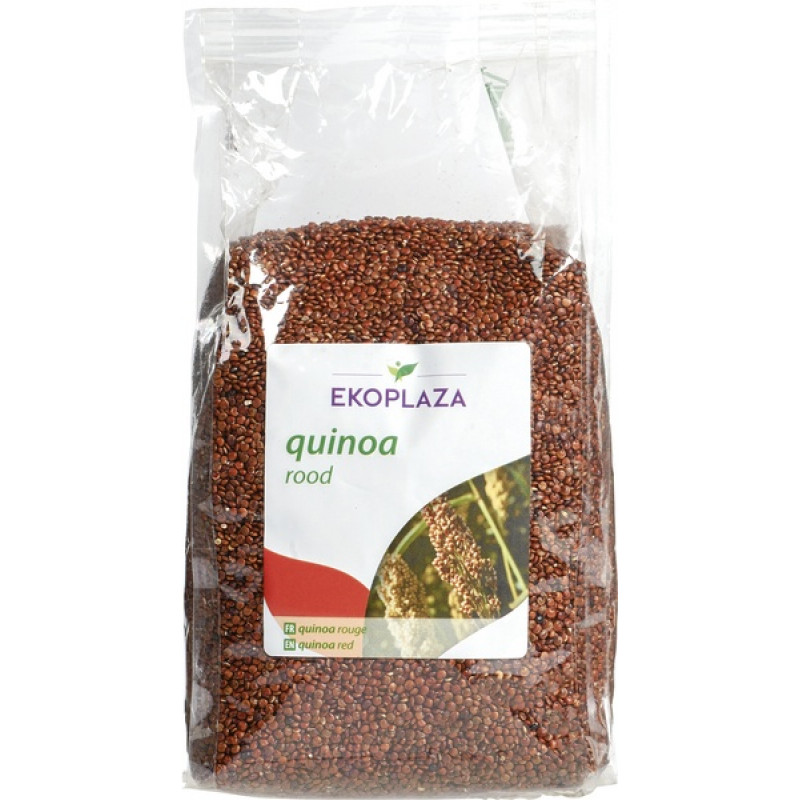
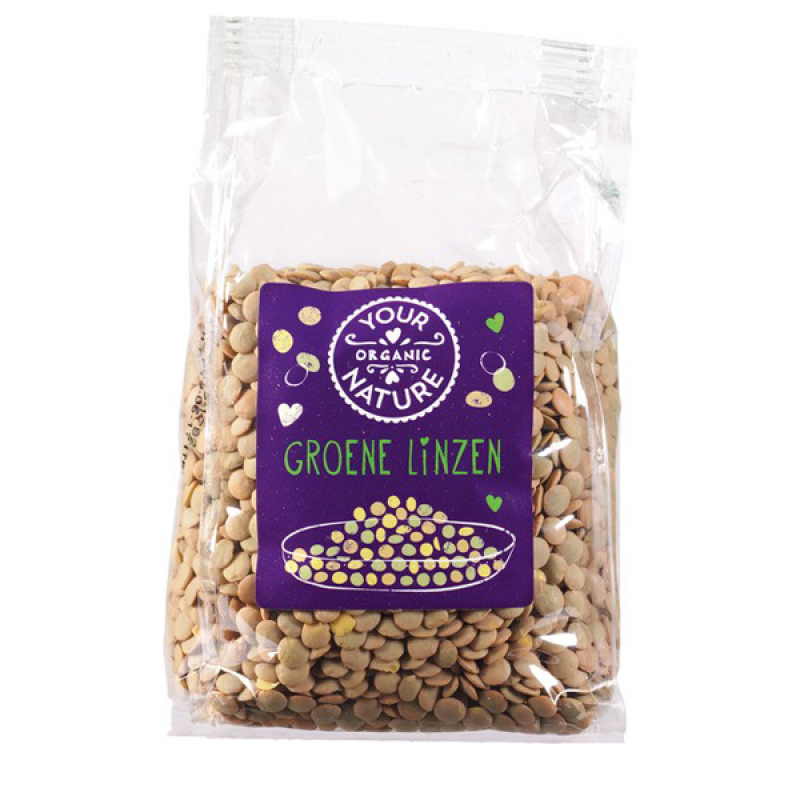
  • 100g each, dried lentils and quinoa
  • 2 tins of black/kidney beans, drained
  • 1 tin of chopped tomatoes
  • 500ml water or veg stock
  • salt and pepper to taste
  • *optional extra few tbsps of a ‘flavour bomb’ eg: soy sauce/coffee/cocoa

Method

  1. In a large, heavy bottomed pot, sauté the onions and garlic in the oil until soft and starting to colour.
  2. Then add the root vegetables and spices. Stir for a few minutes to release the flavours.
  3. Add the lentils, quinoa, tin of tomatoes and water/stock. Season well with salt and pepper then simmer until the lentils are soft. This should take around 30 minutes. Stir occasionally to ensure nothing is sticking and burning on the base of the pot.
  4. Then add the beans, taste and adjust the seasoning as needed. I usually add about 3 tbsp of soy sauce or a tbsp or two of cocoa powder to enrich the chilli.
  5. Serve with rice or wedges, in tacos or burritos or however you like! It’s even better the next day so make a big batch and get some in the freezer for a rainy day?