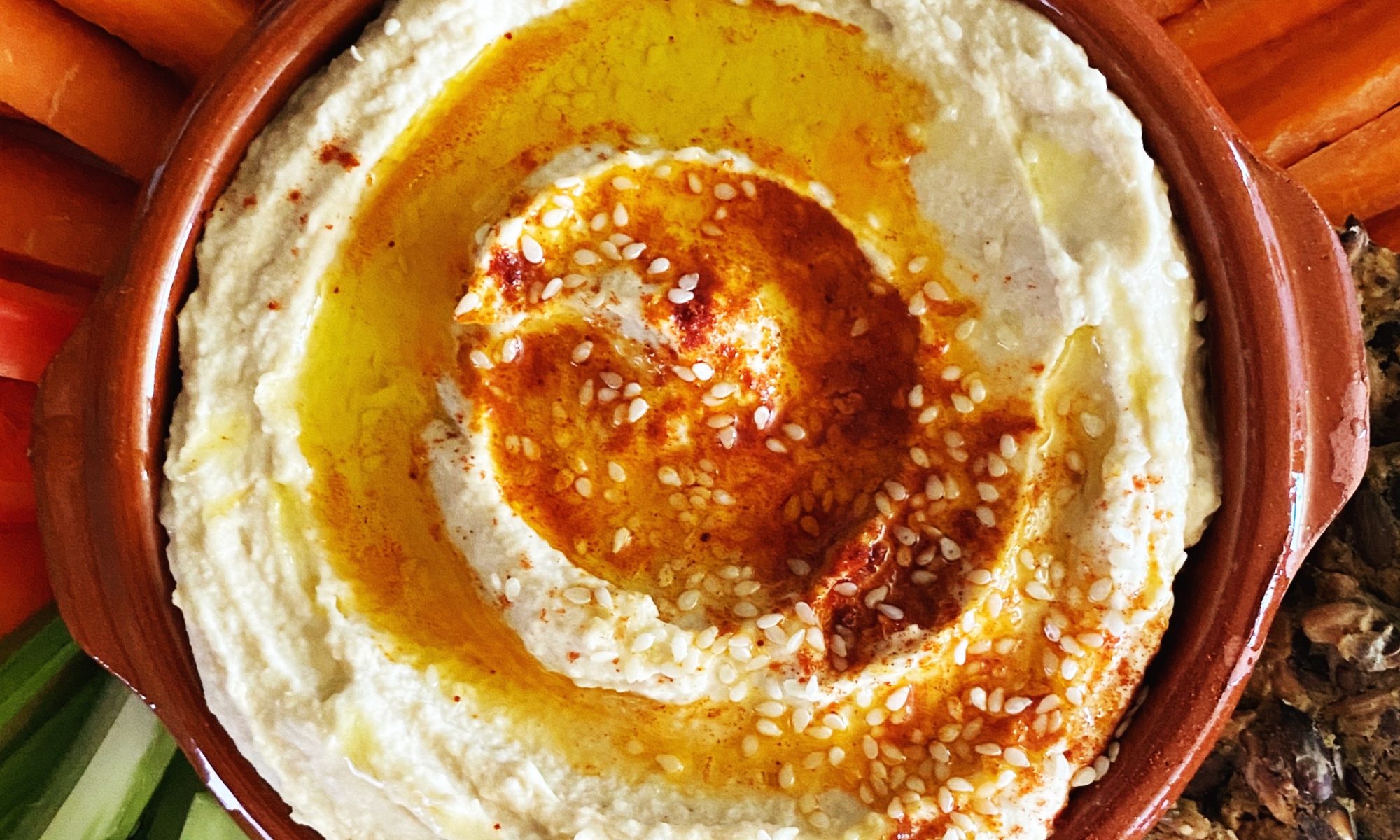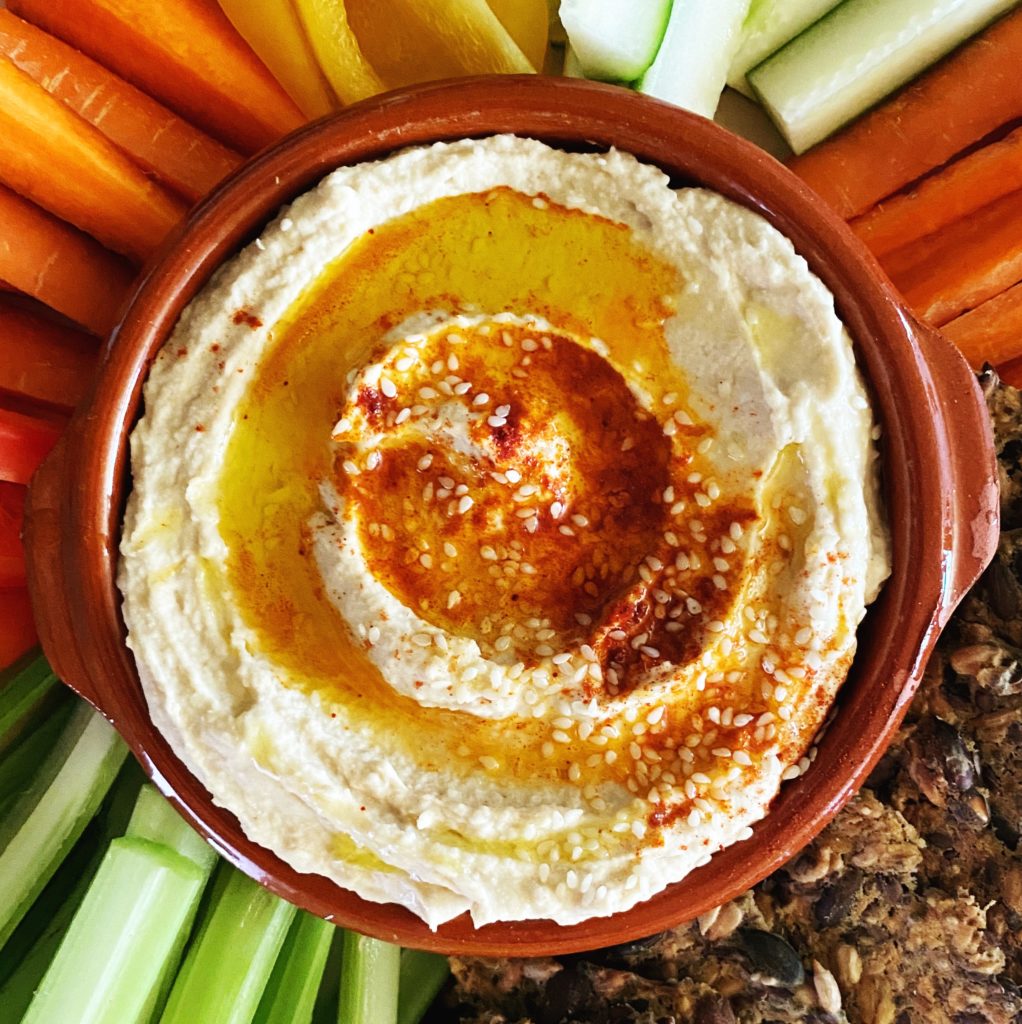
Hummus

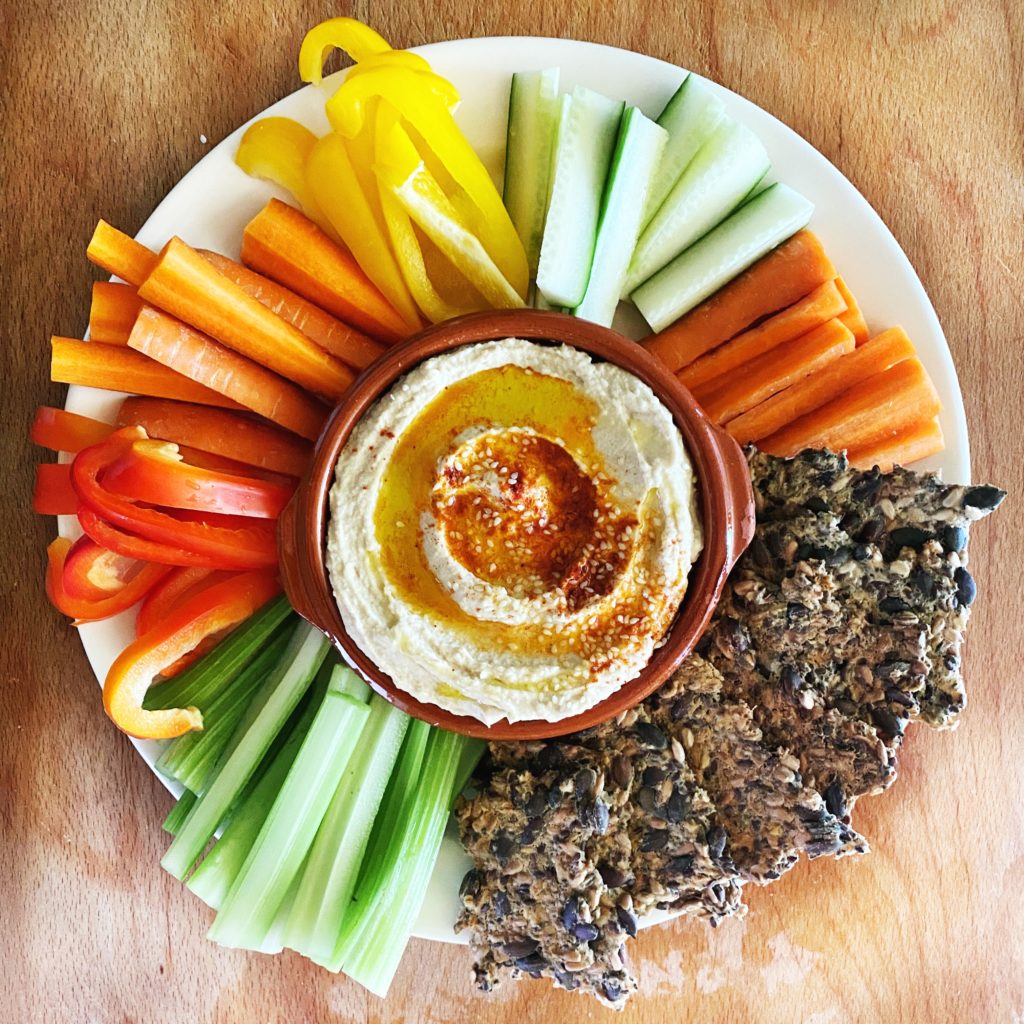
A lunchbox essential! Spread into a wrap or a sandwich, or packed in a little tub with some sweet, crunchy carrot sticks, everyone loves hummus! Hummus is not only delicious but incredibly nutritious too! Who knew this humble spread contains all of the following:

👉Chickpeas provide fibre, protein and essential, energy-giving carbohydrates.
👉Tahini is rich in healthy fats and minerals including copper, selenium, calcium, iron, zinc and phosphorus.
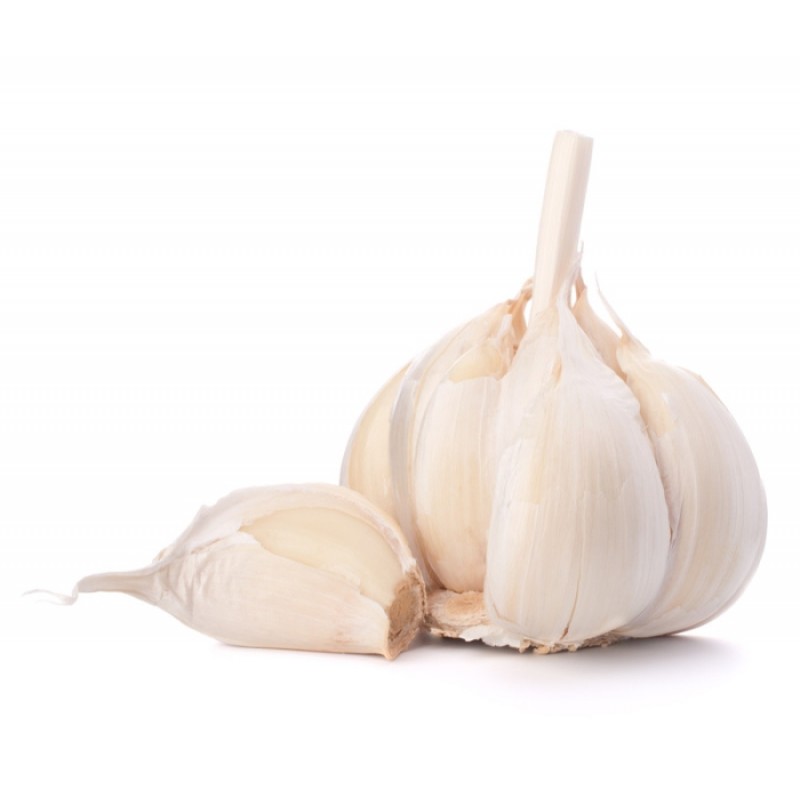
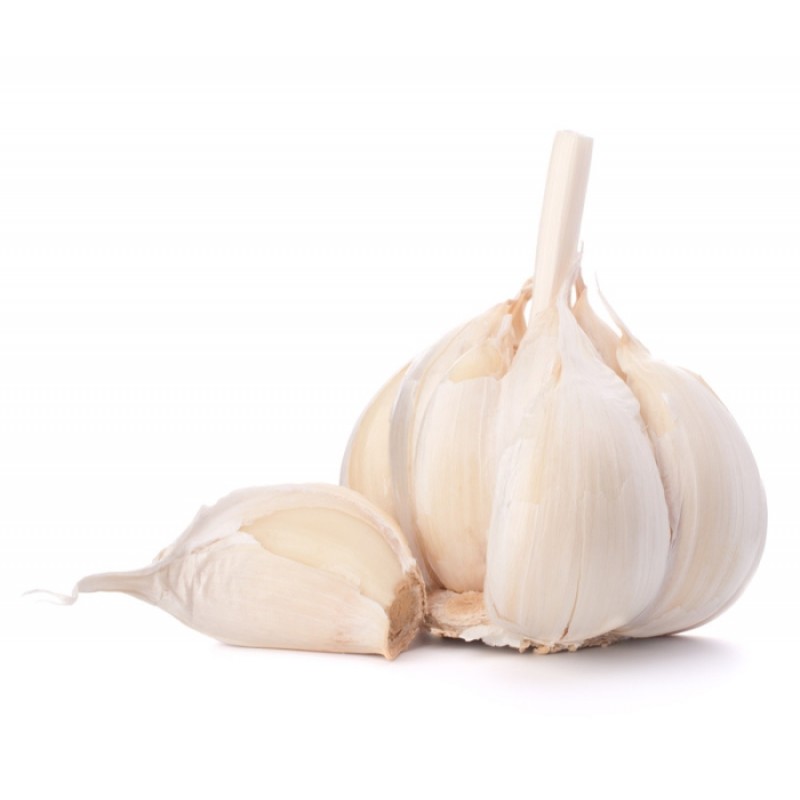
👉Raw garlic retains more beneficial compounds (like allicin) than cooked garlic.
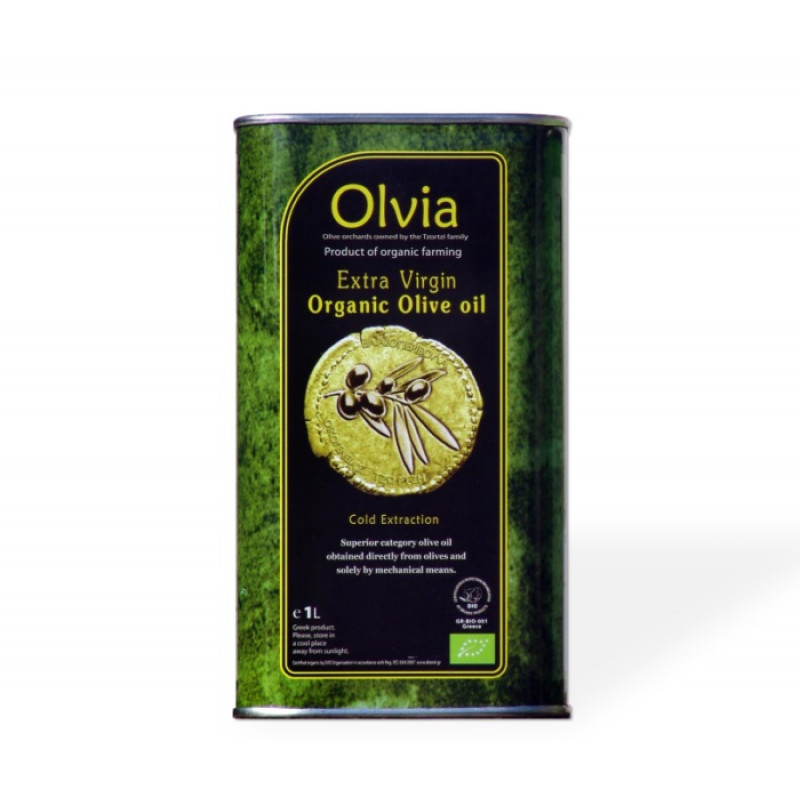
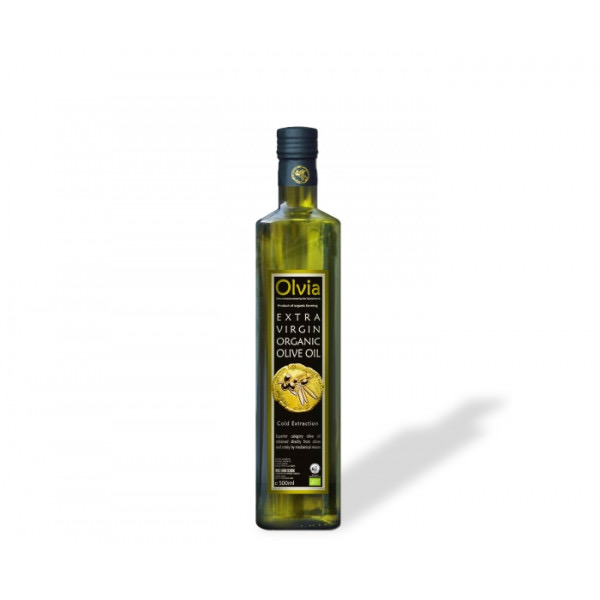
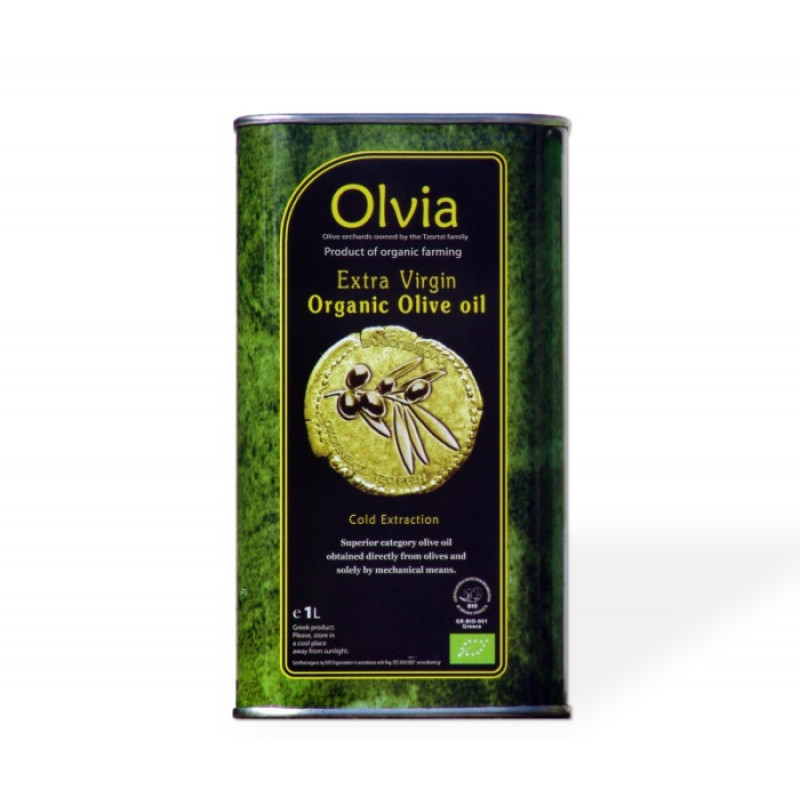
👉Olive oil is a healthy fat and contains vitamins E and K and is rich in antioxidants.
👉Lemon is a great source of vitamin C.

It’s so easy to make your own hummus from scratch. Especially using our organic tins of cooked chickpeas. We also sell organic tahini, garlic, lemons and olive oil! Add some of our organic pantry essentials to your next veg order here.

Liz x

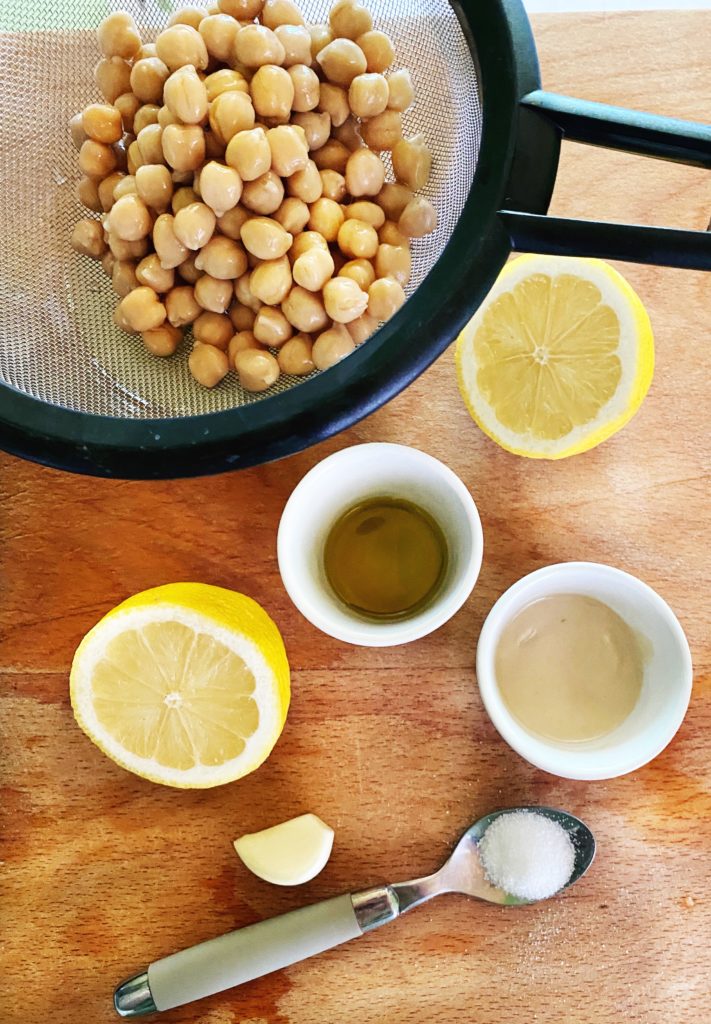
Ingredients

  • 1 tin of chickpeas
  • 1 clove of garlic, peeled
  • the juice from 1/2 a lemon
  • 2 tbsp tahini
  • 1 tbsp extra virgin olive oil
  • 1/2 tsp salt
  • optional extras like more olive oil, smoked paprika and sesame seeds to top the hummus

Method

  1. Drain your tin of chickpeas over a bowl to reserve the aquafaba. (You can use some of it in this recipe and the rest to make vegan meringues, mayonnaise or cakes. Use the search bar above to find our aquafaba recipes.)
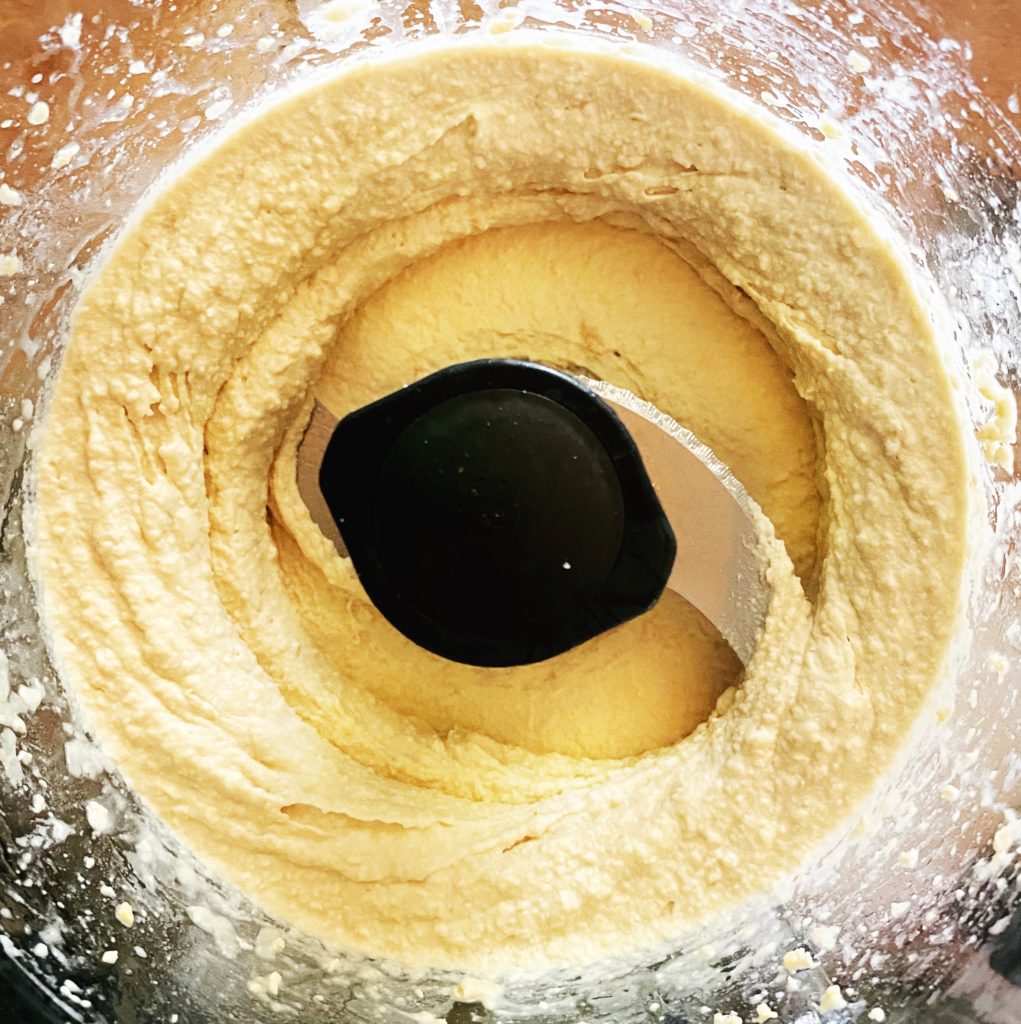
  2. Put the drained chickpeas into a food processor with the S blade attachment. Add the garlic, salt, tahini, lemon juice and olive oil then pulse into a thick, rough paste.
  3. Taste the paste and decide if you’d like to adjust the seasoning. Perhaps more lemon juice or salt?
  4. Then loosen the paste into a creamy hummus by blending again with a couple of spoons of the reserved aquafaba or a couple of ice cubes. Ice cubes make a really fluffy, creamy hummus.
  5. Spoon into a jar, tub or bowl and either enjoy immediately or refrigerate and eat later. Homemade hummus should be eaten within 3 days.

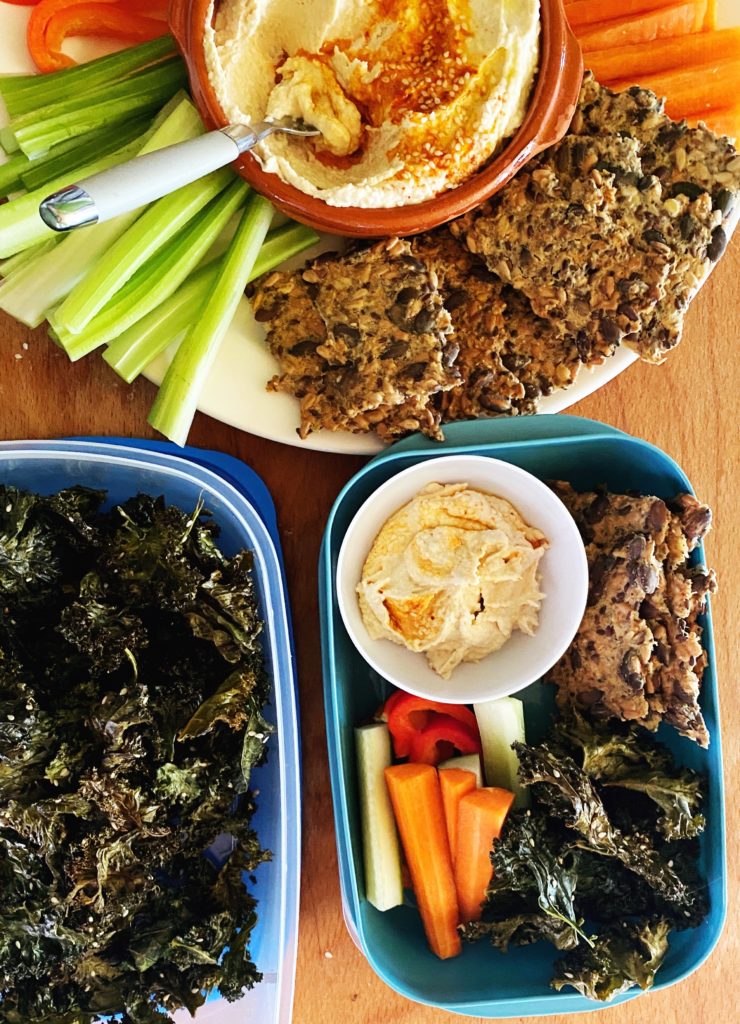
Kale Crisps

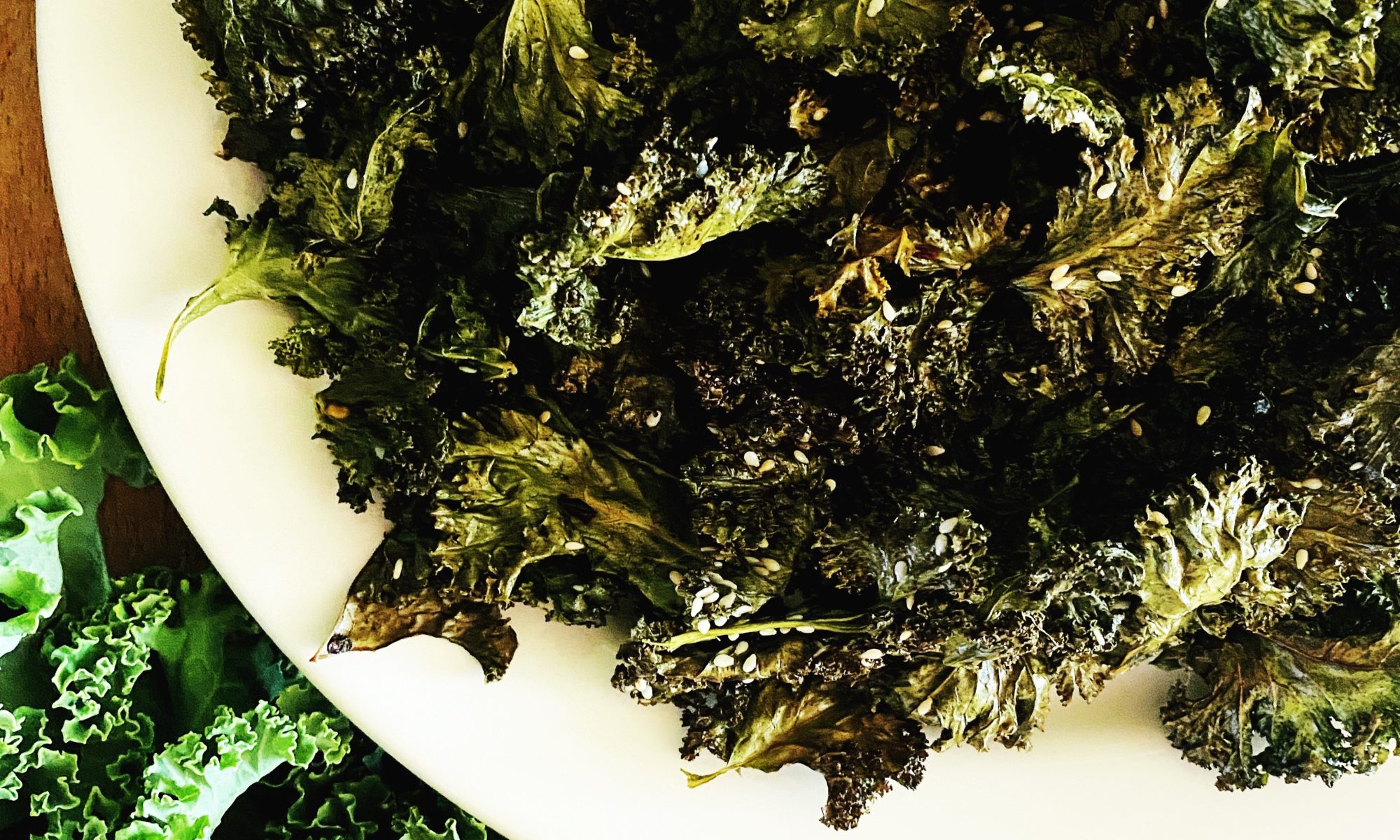
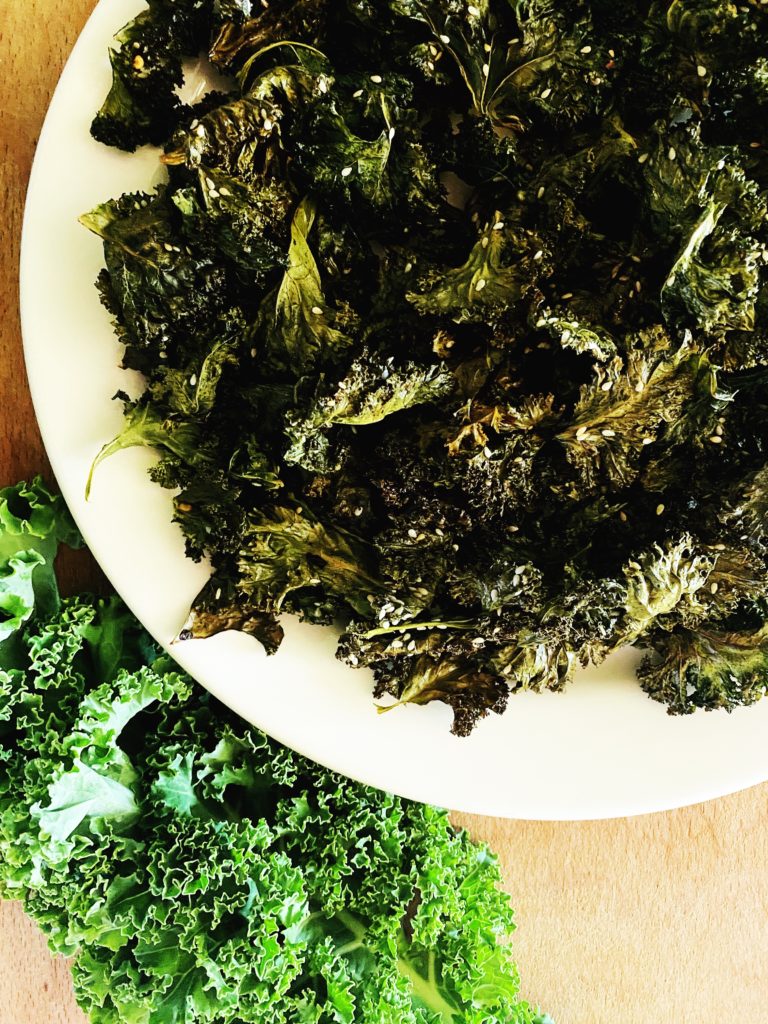
Kale crisps are easy to make and surprisingly delicious. If you’re looking for a healthy, savoury snack, you’ve come to the right place. Kale crisps remind me of crispy seaweed so as well as snacking on them whilst watching a film, I also crumble them over rice or noodle bowls. I’ve seasoned this batch with toasted sesame oil and chilli flakes to enhance that Asian, seaweedy flavour, but you can flavour your crisps exactly how you like them. Some other family favourites: nutritional yeast and garlic/onion powder (cheese & onion), smoked paprika and maple syrup (smokey bacon), or just plain old salt and pepper! Share your favourite flavour combos in the comments.

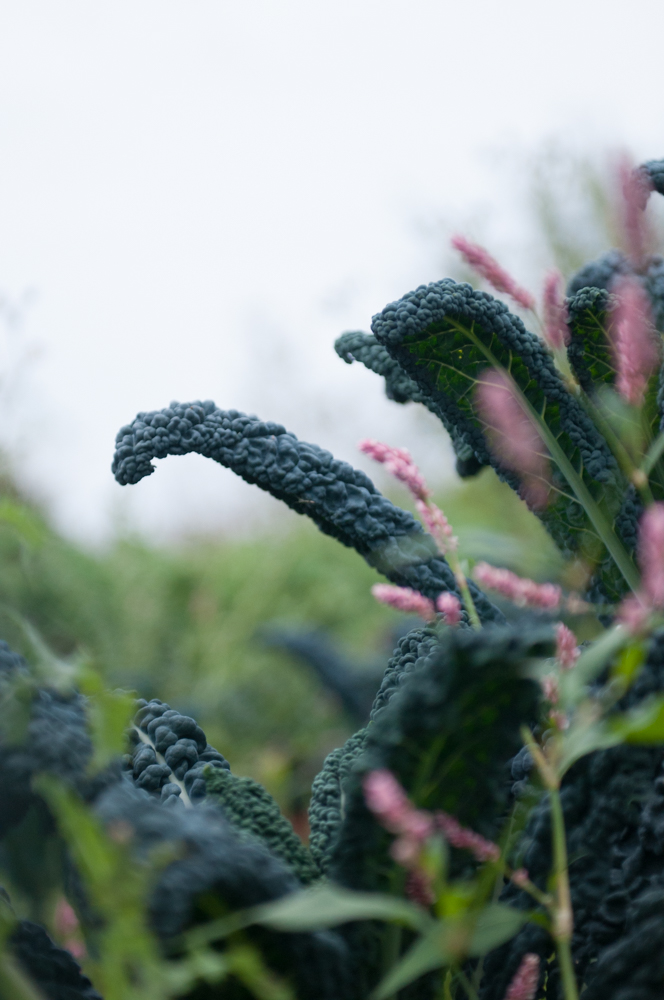
Kale is a real Irish superfood, full of fibre and vitamins, most notably vitamin C, calcium, magnesium and vitamin B-6. Kale crisps are a fun way to get all that goodness in.

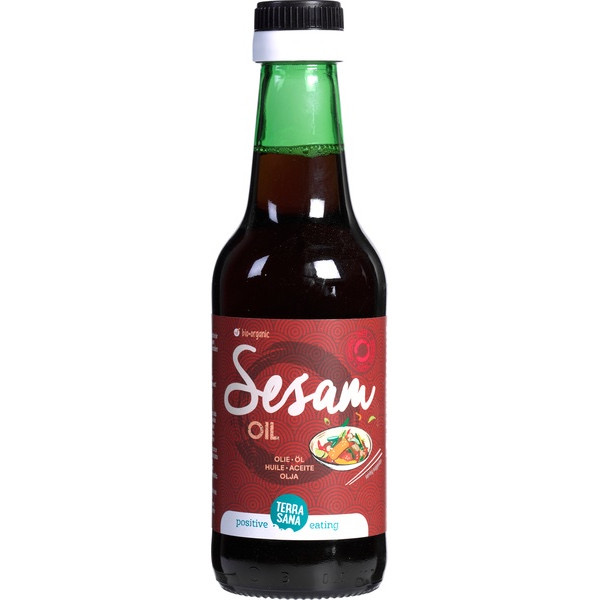
*All the ingredients pictured below can be added to your organic veg order and delivered to your door. We deliver to every address in Ireland and Northern Ireland.

Liz x

Ingredients

  • approx 14 curly kale leaves (any type of kale works)
  • 1 tbsp toasted sesame oil (or any oil you like)
  • chilli flakes to taste (or other flavours you like, see above for ideas)
  • 1/2 tsp salt (or to taste)
  • 1 tbsp sesame seeds (optional)

Method

  1. Turn the oven on to 150C (130C fan) and find your largest baking trays. Line the trays with baking parchment – we sell a 100% compostable one.
  2. Rinse the kale and dry it thoroughly. I place the rinsed leaves onto a clean tea towel then use a second tea towel to blot the leaves dry.
  3. Tear the kale leaves from their stems and place in a large mixing bowl. Do not throw the stems away, they are delicious finely sliced and sautéed. Use in stir fries or add to risottos or stews…
  4. Add the oil, salt, chilli flakes and sesame seeds to the bowl and mix and massage the seasoning into the leaves. Break up any large pieces as you go.
  5. Spread the leaves out onto the lined baking trays, it’s best if they are in an even layer and not overlapping.
  6. Bake in the oven for 20-30 minutes or until completely dried out and crispy. You will need to stir them half way through.
  7. Allow them to cool completely before storing in an airtight container. They are prone to loose their crispness so eat the same day or you can try adding a few grains of rice to the bottom of the container to act like silica gel packs in bought kale crisp packets. Just be careful not to eat them accidentally.

Carrot Top Chimichurri

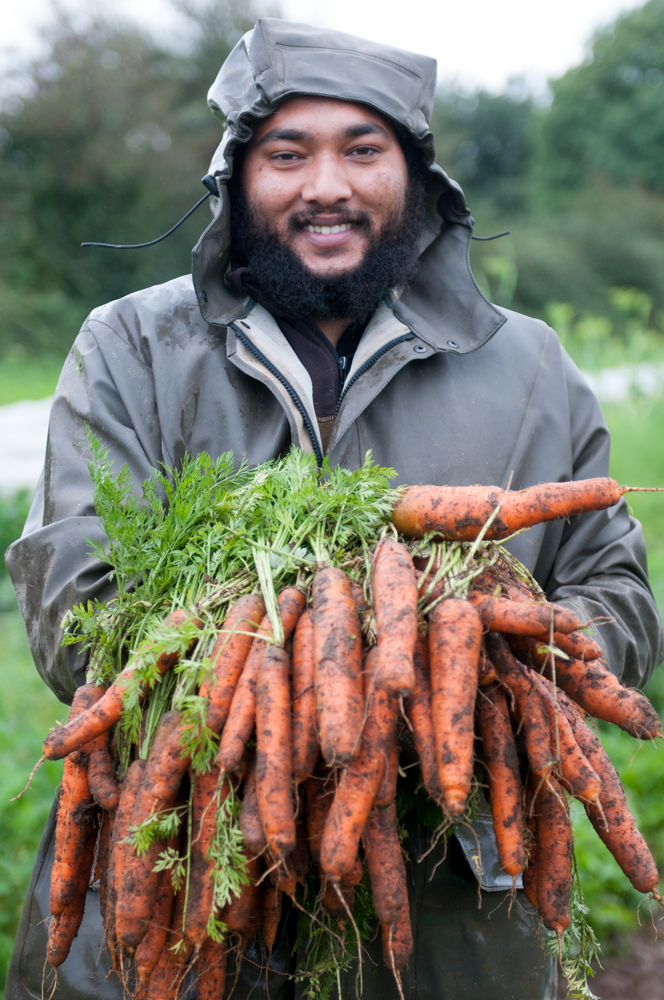
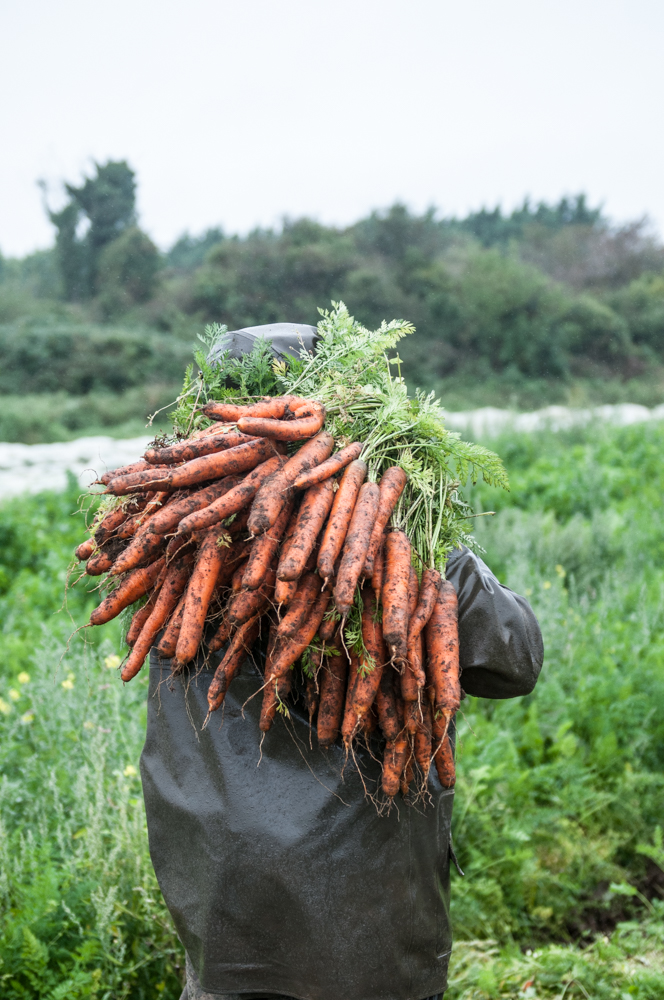
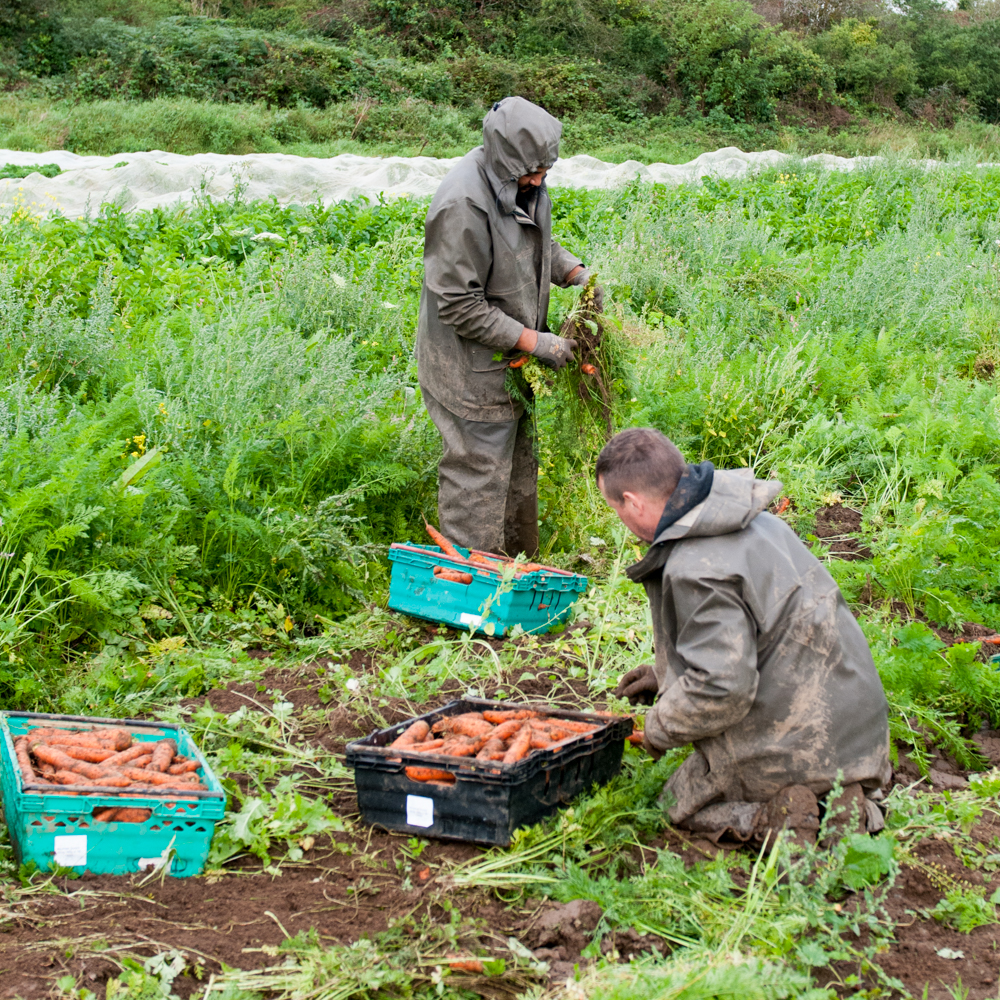
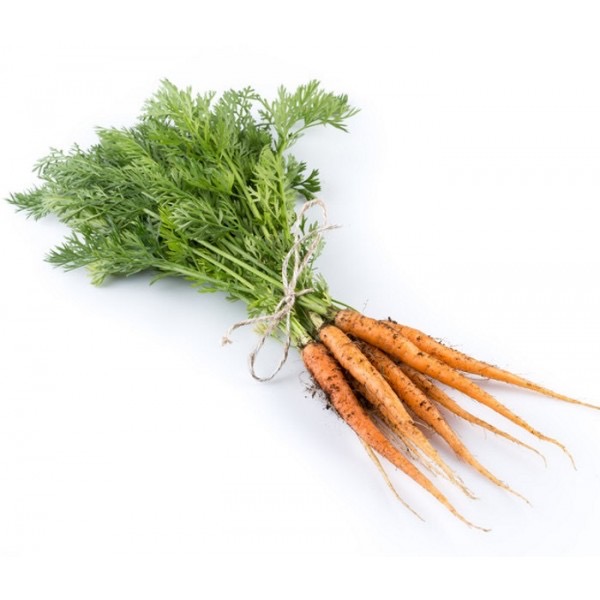
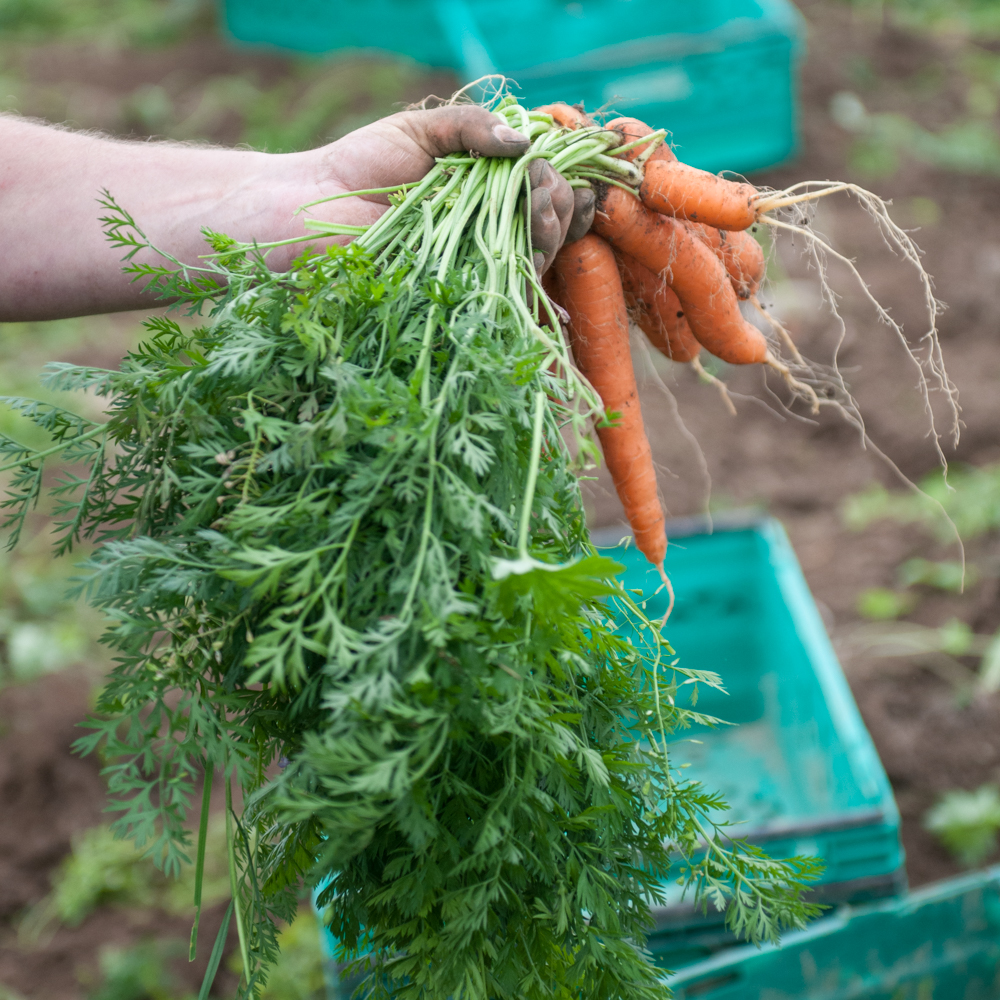
It’s new carrot season and we are really pleased with our crop again this year. They are the sweetest, most fragrant carrots ever! While they are being harvested fresh for the boxes (before we do a big harvest and store them for winter) we hope you really enjoy the greens too! They are perfectly edible and incredibly delicious and nutritious. Think of them like a fibrous herb. They have a strong parsley/carrot flavour and are best whizzed up into a pesto or other green sauce like this chimichurri. Or you can slice them finely and add them to soups or stews. Whatever you do, don’t throw the greens away, you’ll be missing out on some amazing dietary fibre, vitamins and minerals.

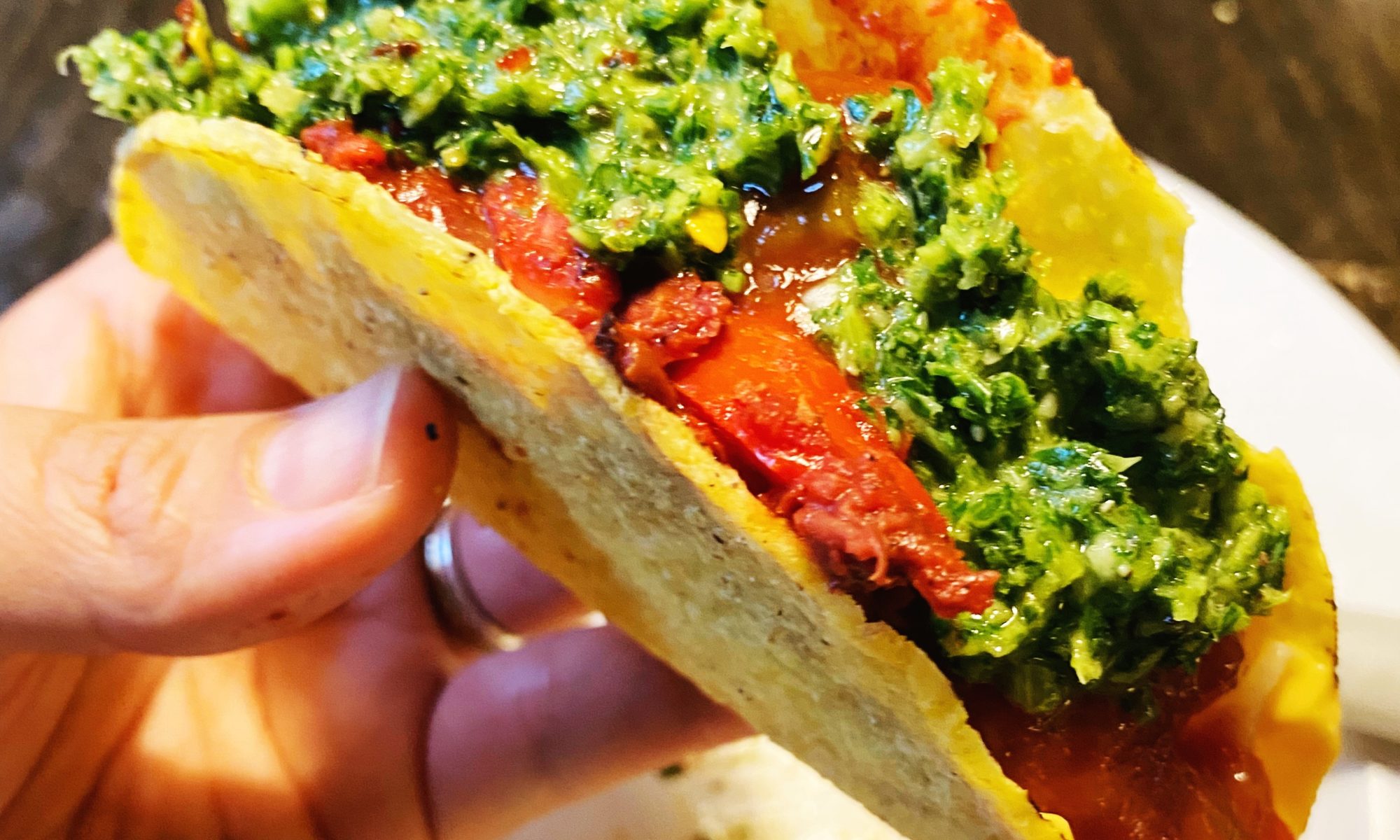
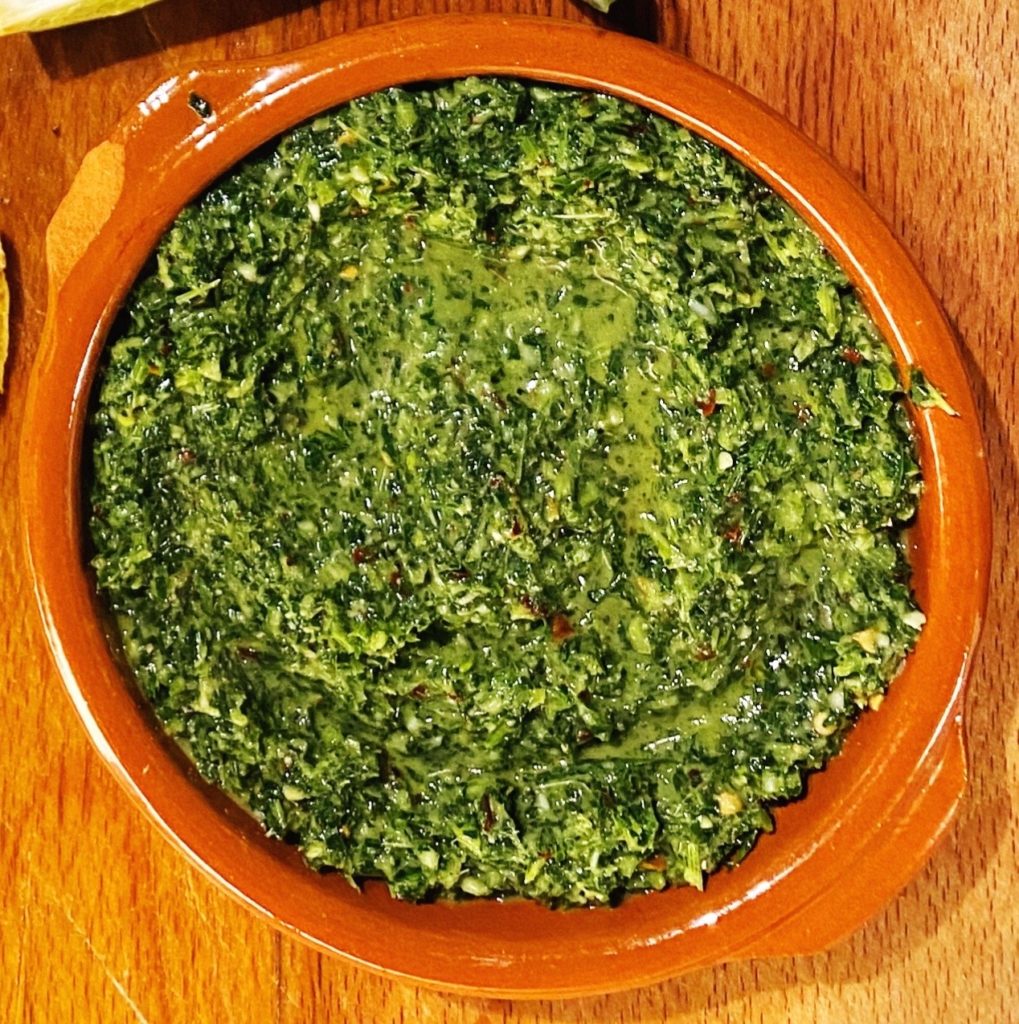
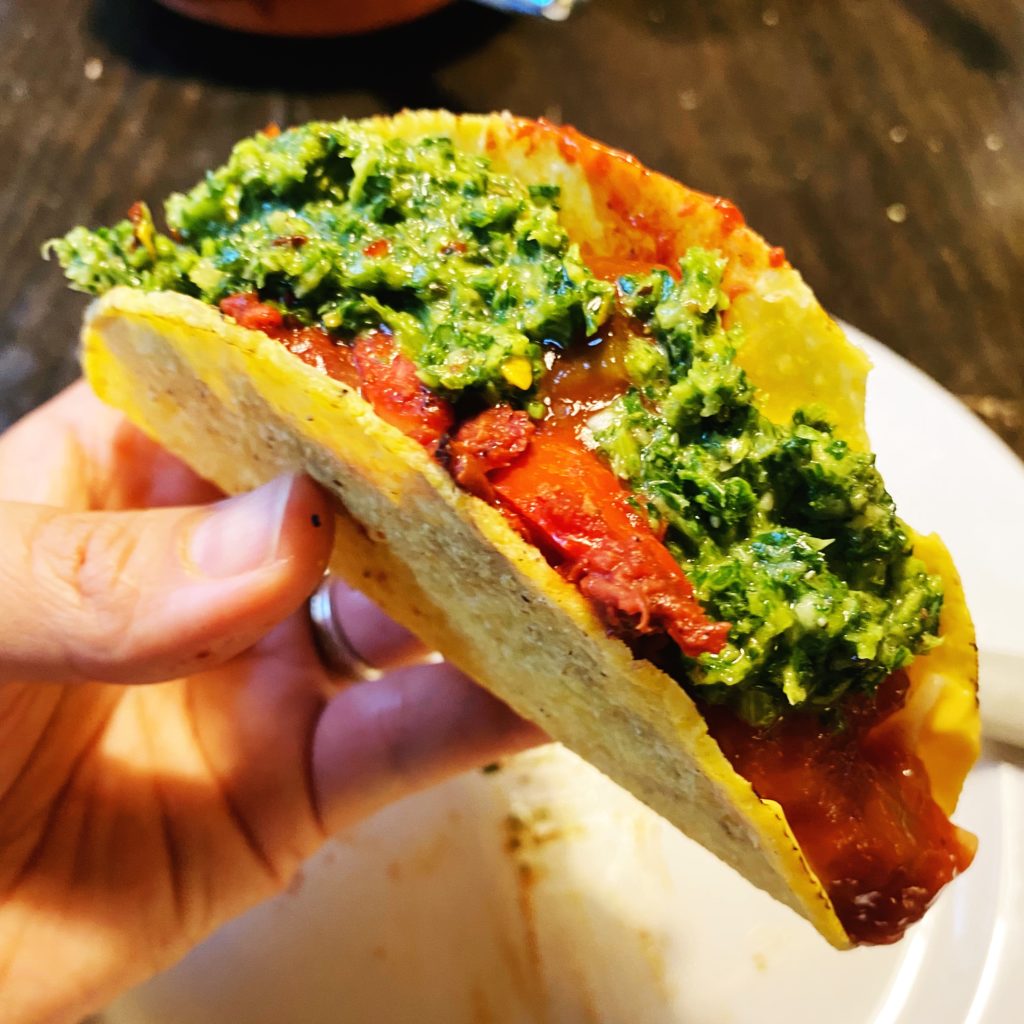
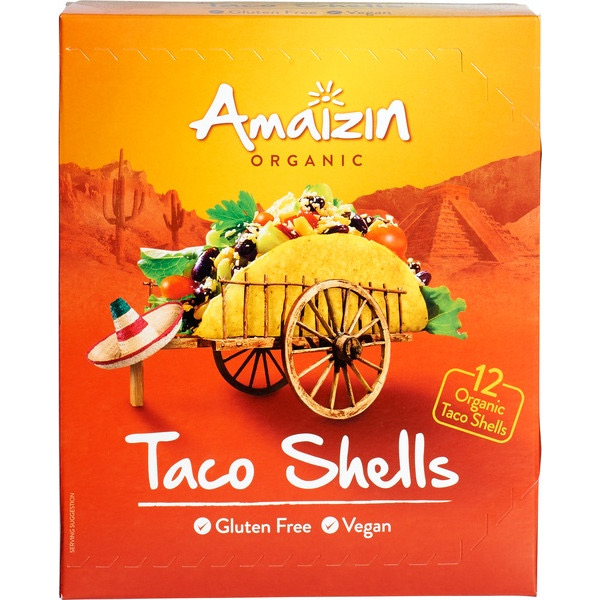
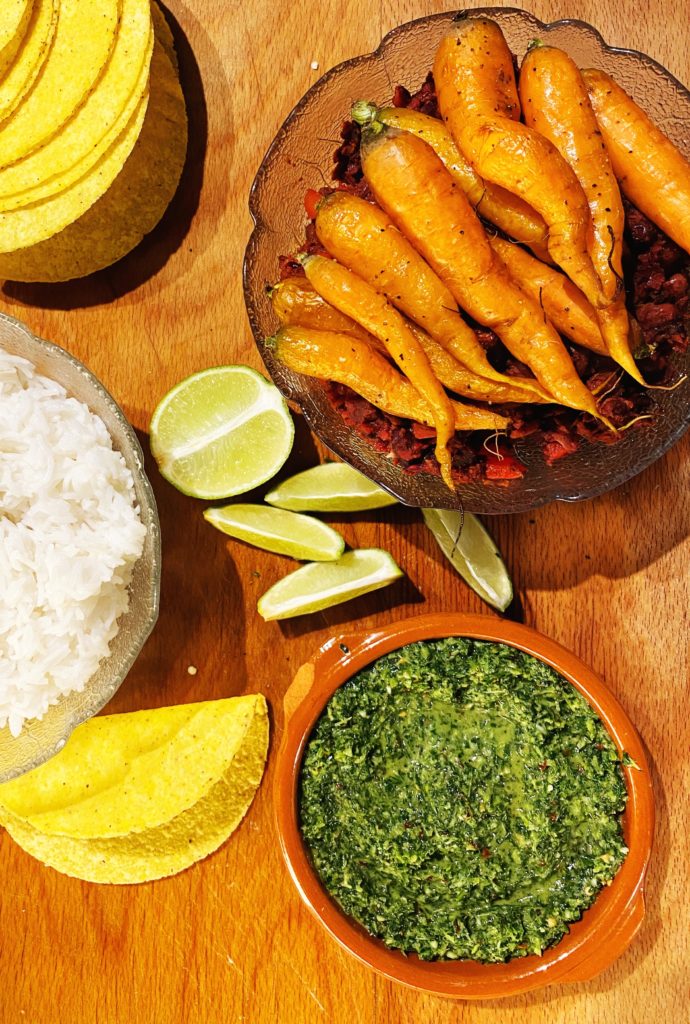
The main ingredient for a traditional chimichurri is parsley so carrot tops work really well as a replacement here. Simply whizz the ingredients up together in a food processor, allow the flavours to sit and mingle for a little while and you have a delicious herby drizzle to make your tacos (or barbecue, burritos, roast veg…) pop!

How do you use carrot tops? Liz x


Ingredients

  • Carrot tops (I used tops from 8 carrots)
  • 1 tsp chilli flakes (or use fresh red chilli to taste)
  • 1 tsp dried oregano
  • salt and pepper to taste (I use about a tsp of each)
  • 8 tbsp extra virgin olive oil (or more!)
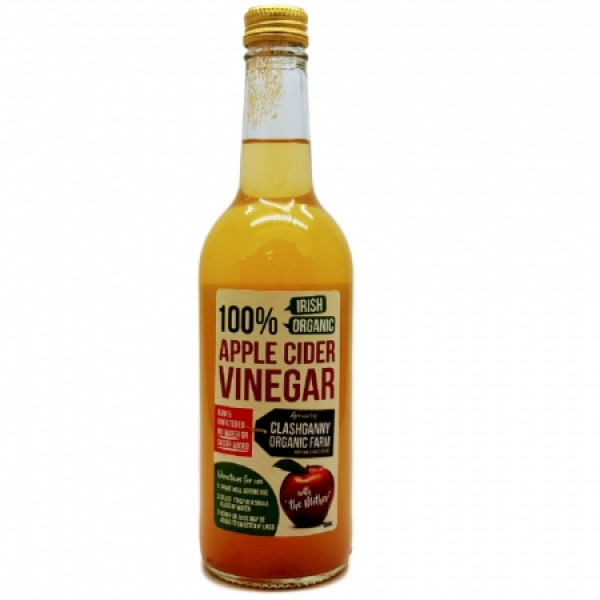
  • 4 tbsp vinegar (red wine vinegar is traditional but local apple cider vinegar works well for this recipe too)
  • 3 cloves of garlic

Method

  1. Rinse your carrot tops well, then roughly chop them and add them to a food processor.
  2. Add the rest of the ingredients and pulse until they come together into a rough, loose sauce. You may need to stop the machine a few times and scrape down the sides.
  3. Taste and adjust the seasoning if needed. You may also need to add more oil or vinegar to loosen the sauce. Blend again briefly to combine.
  4. Spoon the sauce into a small bowl, cover and allow the flavours to mingle and marinade while you prepare the meal you’ll be eating the chimichurri with. We drizzled ours over hard shell tacos this time and they were absolutely delicious! Enjoy.
Carrot top chimichurri, roasted carrots and bean chilli about to be stuffed into tacos!

Simple, Real Food

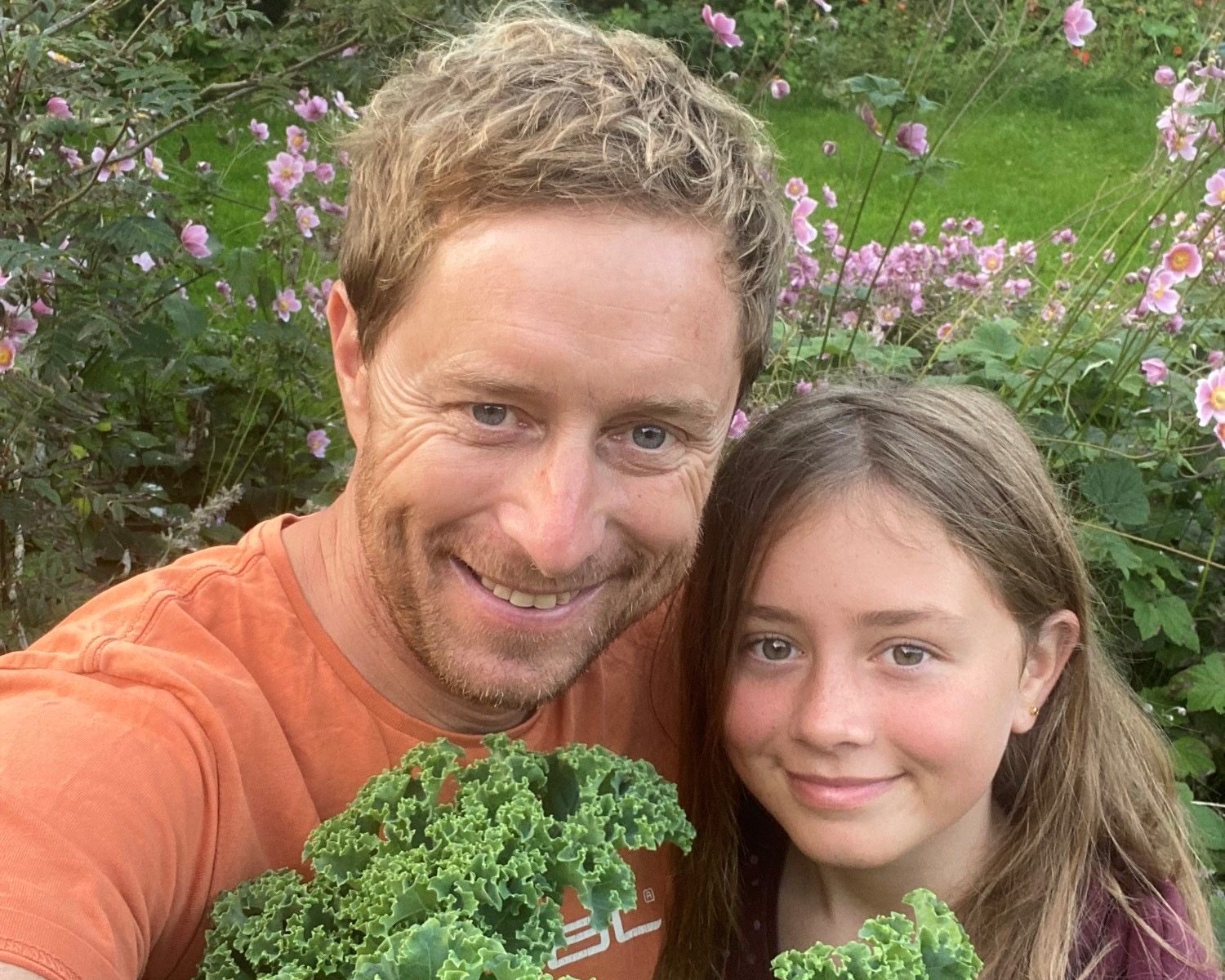
Yesterday my daughter Ella went down the fields and harvested a big bunch of kale she wanted to make kale crisps. I was impressed, who am I to stand in the way of a child who wants to voluntarily eat kale, I thought to myself!

Mostly though it is the other way around, often getting our kids to eat more vegetables can be a struggle, why is this? Why isn’t eating an apple, (or indeed kale crisps) instead of a chocolate bar easier? Why is doing the right thing sometimes so difficult? 

Why is our food system not better, healthier, kinder to us and our planet. How did we get ourselves into this crazy retail race to the bottom and how come it is so hard to value and want to eat real food? 

Both questions are linked. I did a stent in a major pharmaceutical company in the US as a research scientist. A friend of mine at the time worked in the food division, occasionally she would bring cookies to lunch for us to try that had been engineered in her lab to within an inch of their lives. Texture, flavour, taste, and crumbliness had all been optimised in the lab to allow just the right amount of sugar fat and salt to hit our taste buds in the right way at the right time to make them irresistible.  

Many of the processed foods including health bars and vitamin drinks that line supermarket shelves are about as healthy as eating spoonful’s of sugar, generally they contain high amounts of processed apple juice or conventional cereal and sugar substitutes. They rely on wonderfully creative science and marketing to make us believe how good for us they are, and of course they taste amazing.

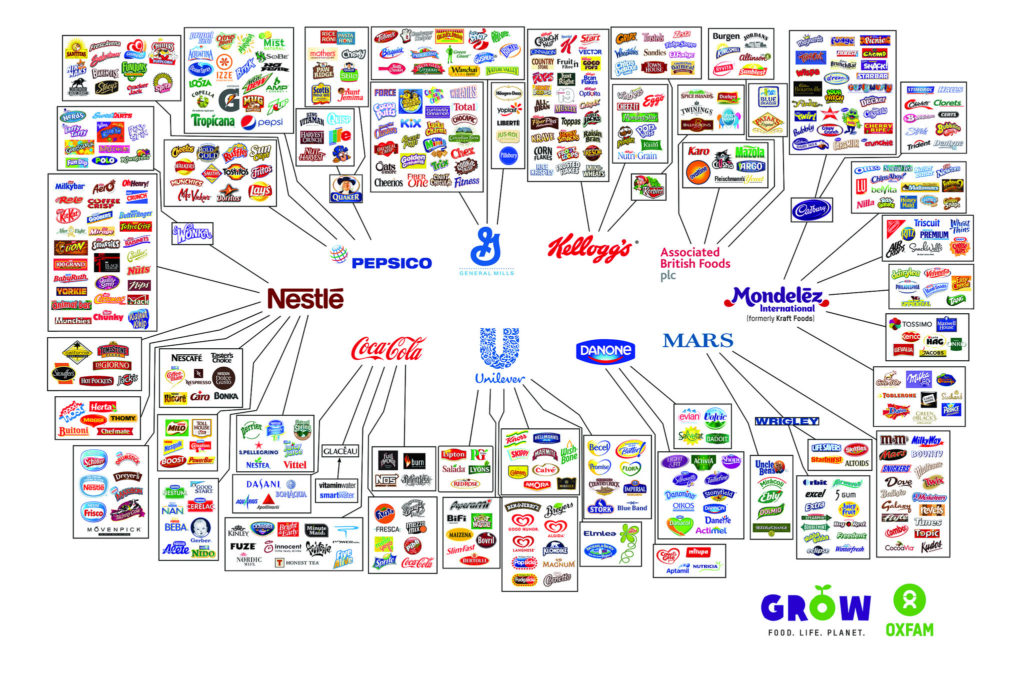
We are sold the idea of free choice, but the reality is that nearly all of the big brands on our shelves are made by 10 giant multinational conglomerates. An industry built on cheap commodity products wrapped and packaged and sold as healthy, driven by profit, derived from a complex unsustainable food chain produces most of our food and it is damaging our health and destroying the planet.

So how is this system fair? How is it that these processed products have taken centre stage and are often seen by us the consumer as a prized food that can be sold for maximum profit? This is the carefully constructed reality we have been fed, it is not our fault it is just the way it.

It is simple, cheap commodity ingredients are processed and packaged to be sold as healthy alternatives to real food, that achieve maximum profit for manufactures and retailers. 

Deciphering what is good for our health and the planet is next to impossible these days. But it doesn’t have to be so complicated. 

There is one extremely straightforward step any one of us can take right now to revolutionise our food choices, the principle is simple: 

“EAT MORE FRESH ORGANIC PRODUCE”

We cannot eat too many vegetables and vegetables in all their guises are good for us. That’s pretty simple right?

So, choosing fresh organic locally grown food and working more fruit and veg into our daily routine is a magnificent way to improve how we feel and our long-term health, not to mention the benefits for the planet. 

So, Ella, go for it, all the kale in the world is yours!

Kenneth

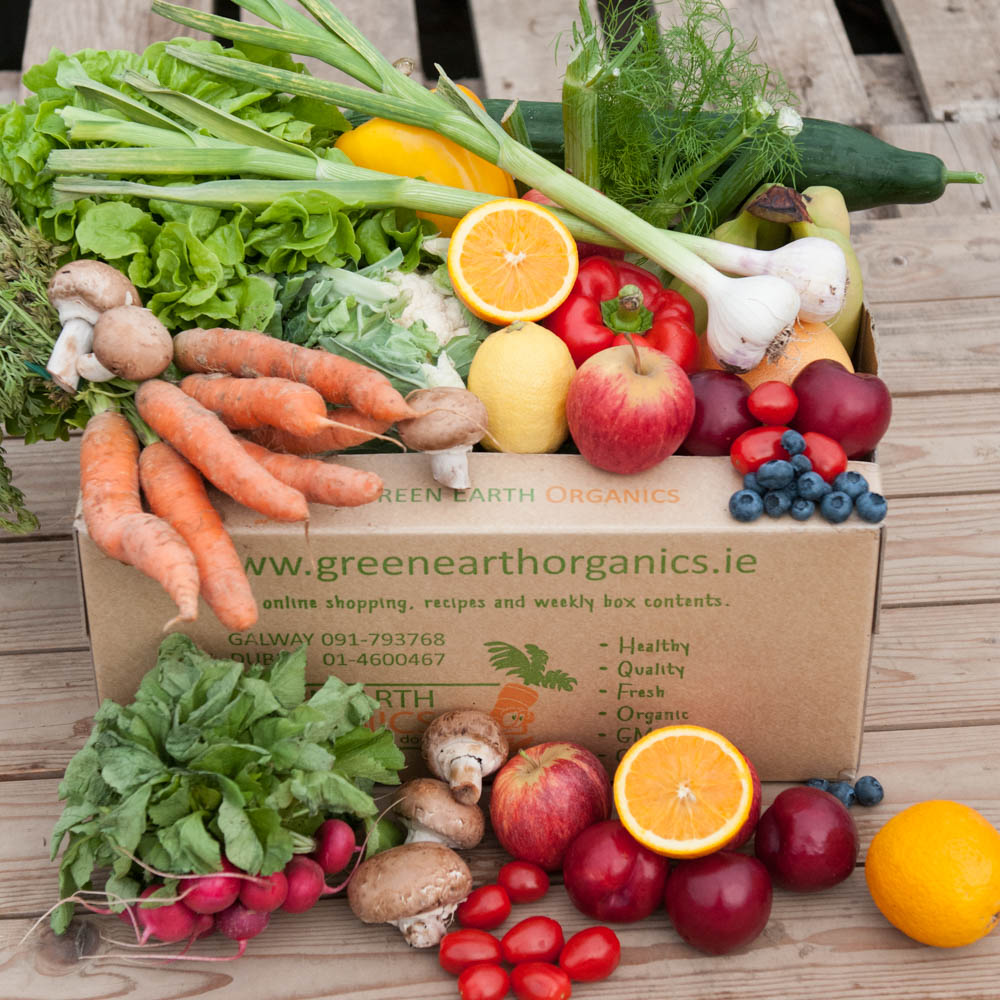
Get a box of real, simple organic food delivered to your door anywhere in Ireland or Northern Ireland here.

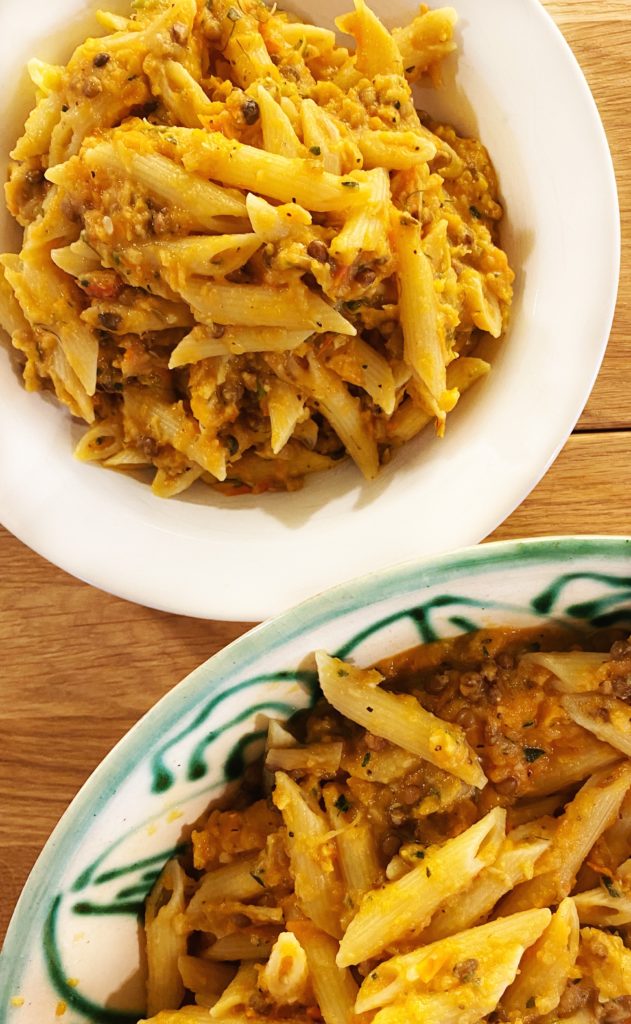
Roasted Fennel & Tomato Pasta Sauce

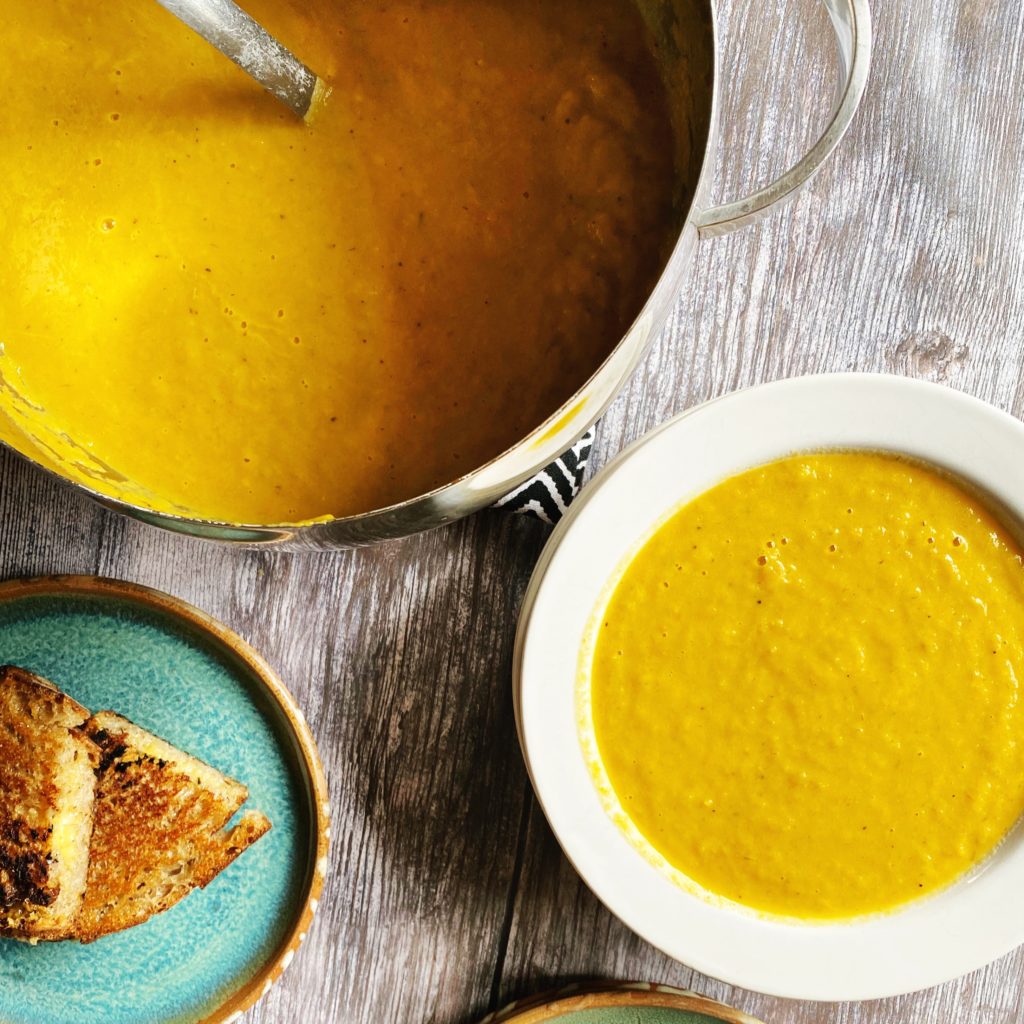
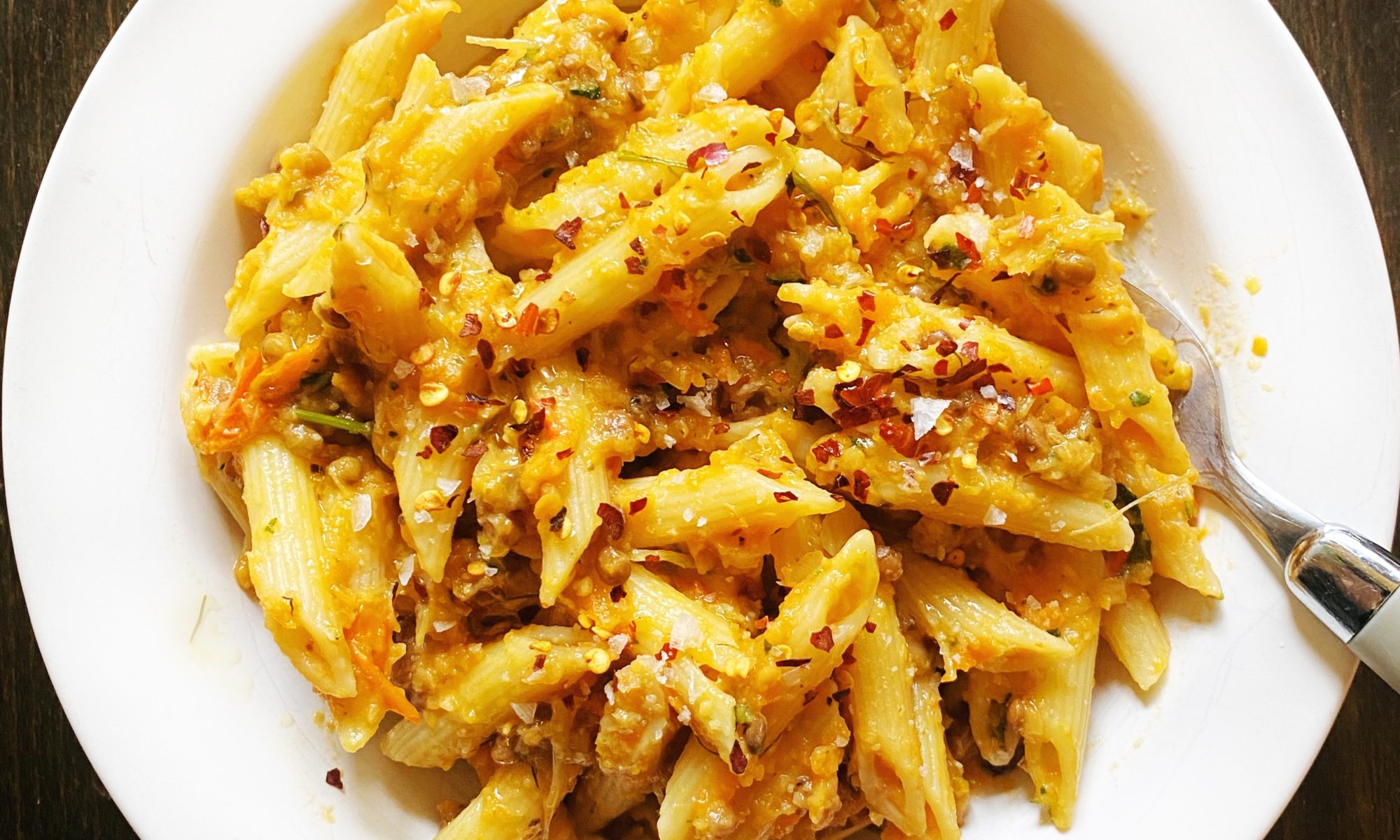
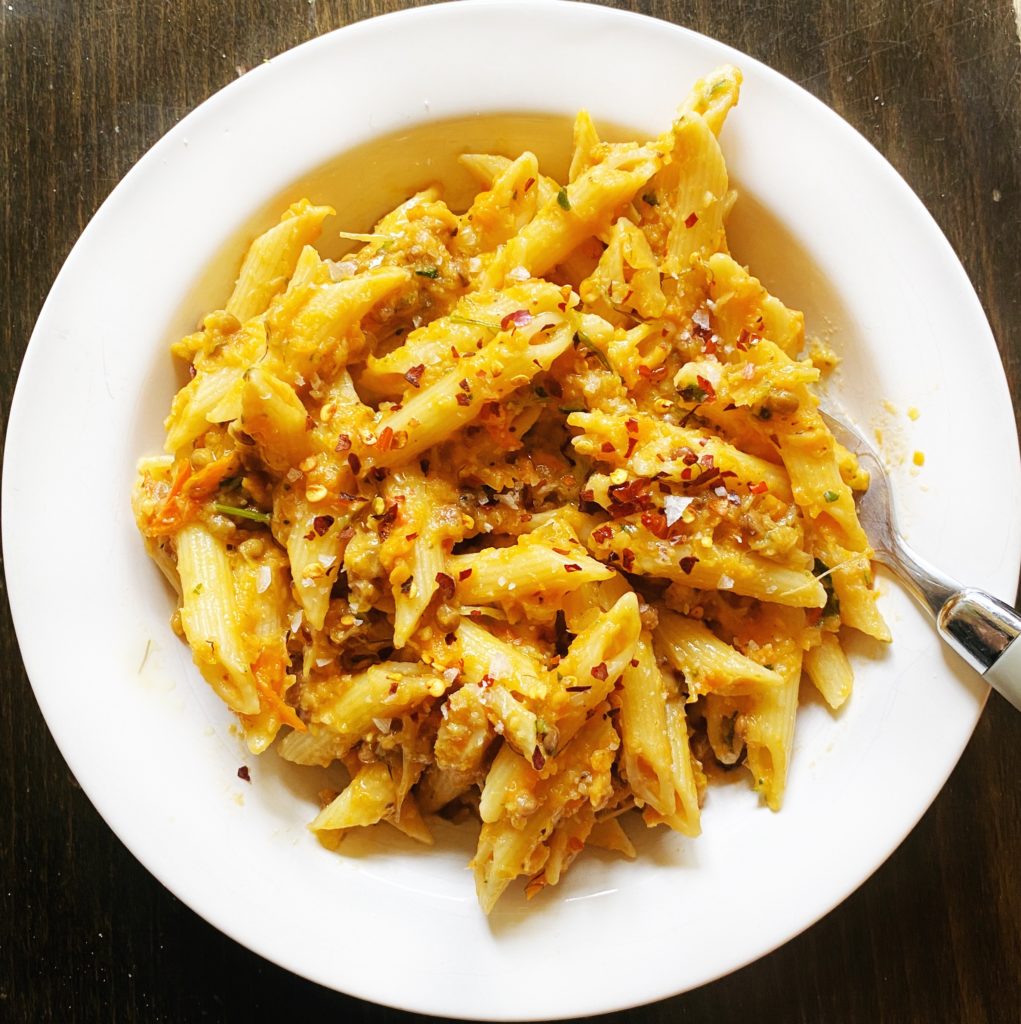
One of my go-to weekday dinner solutions, for those hectic days when the juggle between work-life and family-life has left you reeling, is to roast a big tray of vegetables and then while that’s cooking decide what to do with it. I usually turn it into pasta sauce or soup with the help of my handy stick blender and add some extra protein with a drained tin of beans or lentils. There is always the option to stir the roasted veggies through rice or add them to tacos or a make a warm salad by tossing them through a drained tin of cooked pulses (our organic range from Bunalun is so handy). Roasting vegetables makes them sweeter and more delicious and our farm grown fennel and tomatoes are just *made* for pasta.

Like most of my recipes, this is a flexible affair. Make it smooth or chunky, don’t worry too much about the ratios of the different vegetables. Make do with what you have and if in doubt, add a tin of chopped tomatoes. Liz x

Ingredients (serves 4 generously)

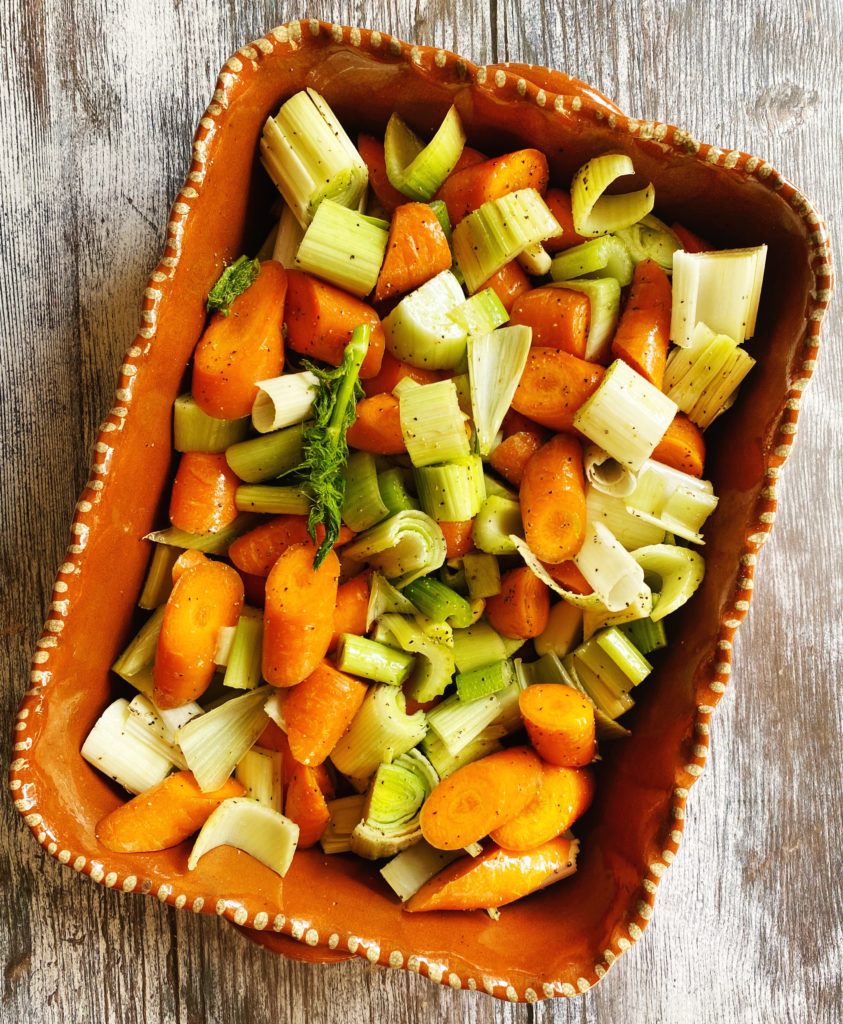
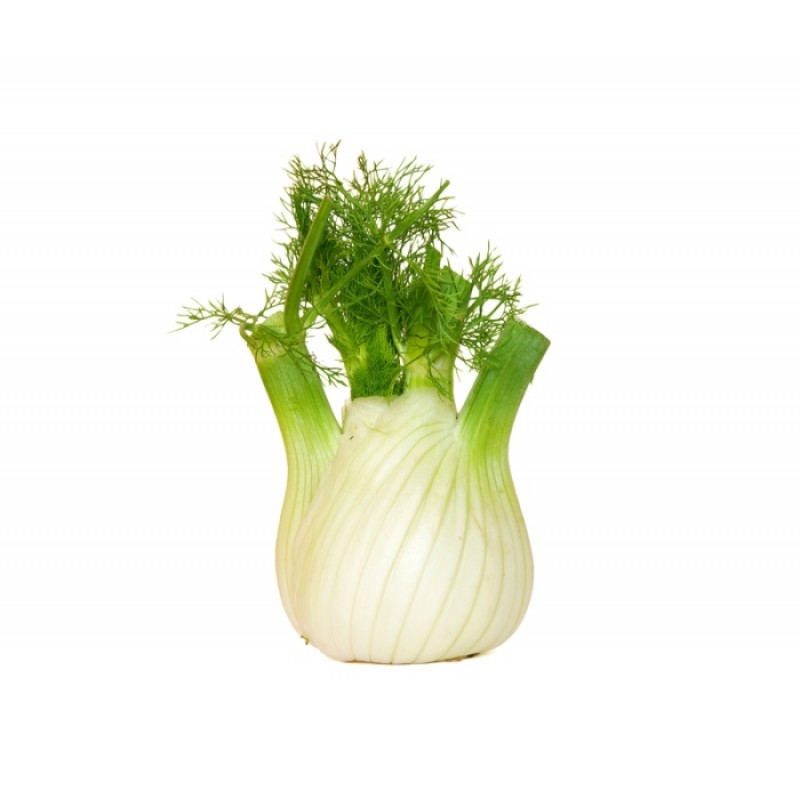
  • 2 fennel bulbs (roughly chopped, fronds kept to one side to use fresh as a herb)
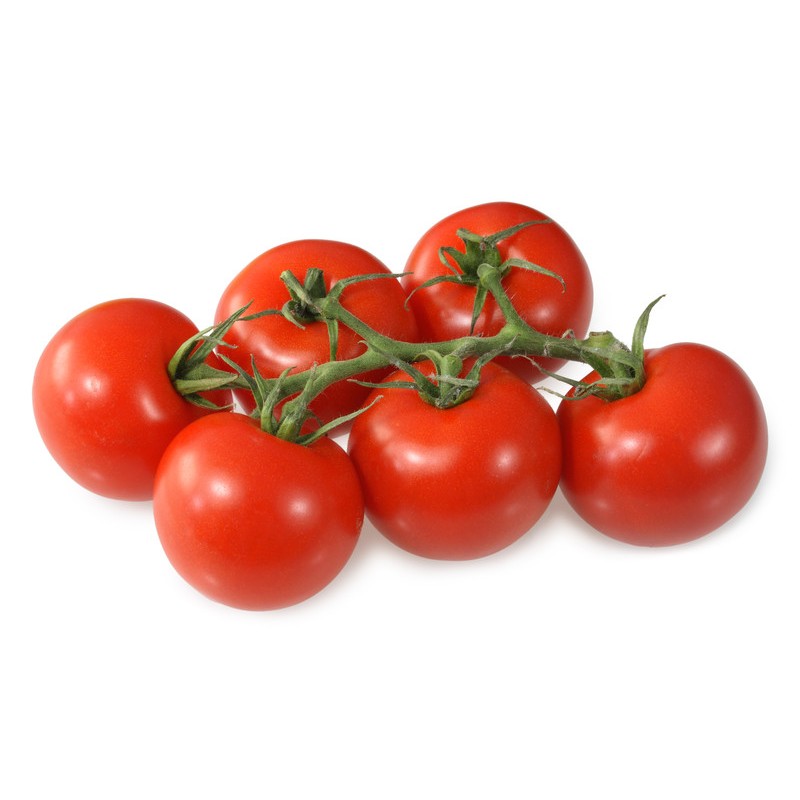
  • 250g tomatoes (roughly chopped)
  • 1/2 a bulb of garlic (peeled and chopped)
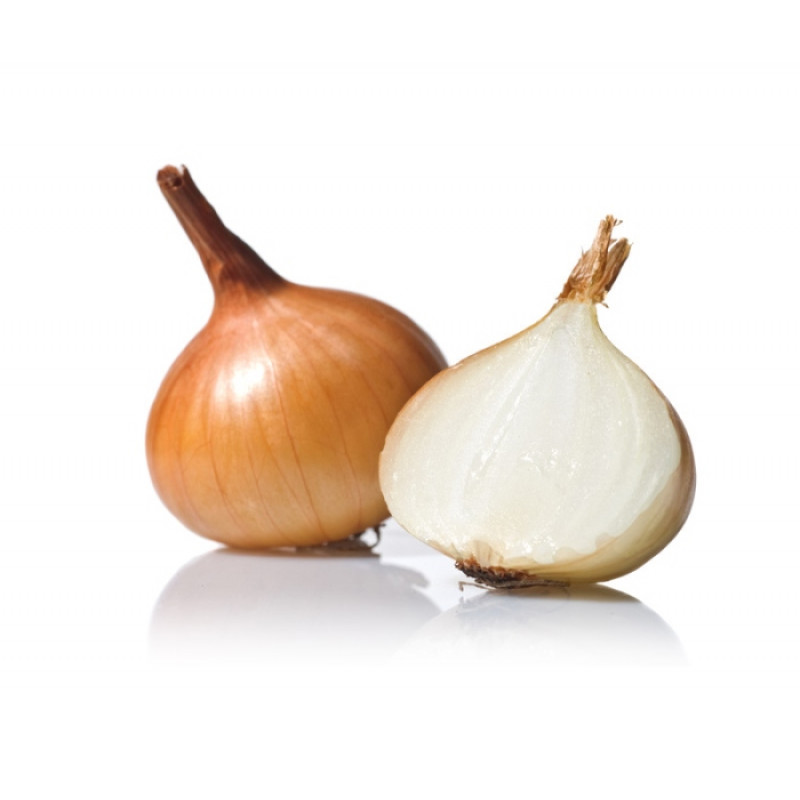
  • 1 onion (peeled and chopped)
  • optional extra vegetables like courgette, peppers, carrots…(roughly chopped)
  • olive oil for roasting – about 4 tbsp
  • salt and pepper to taste
  • 1 tbsp fennel seeds
  • optional drained tin of green lentils
  • pasta to serve
  • optional chilli flakes and extra virgin olive oil to serve

Method

  1. Turn your oven on to 200C and find your largest oven tray.
  2. Roughly chop all the vegetables and scatter them onto the tray.
  3. Drizzle generously with good olive oil and season with salt, pepper and fennel seeds.
  4. Use your hands to mix the vegetables, oil and seasoning well, then pop the tray into the oven to roast the vegetables while you cook some pasta (we stock a range of brilliant organic pastas, including gluten free varieties, which you can add to your veg order).
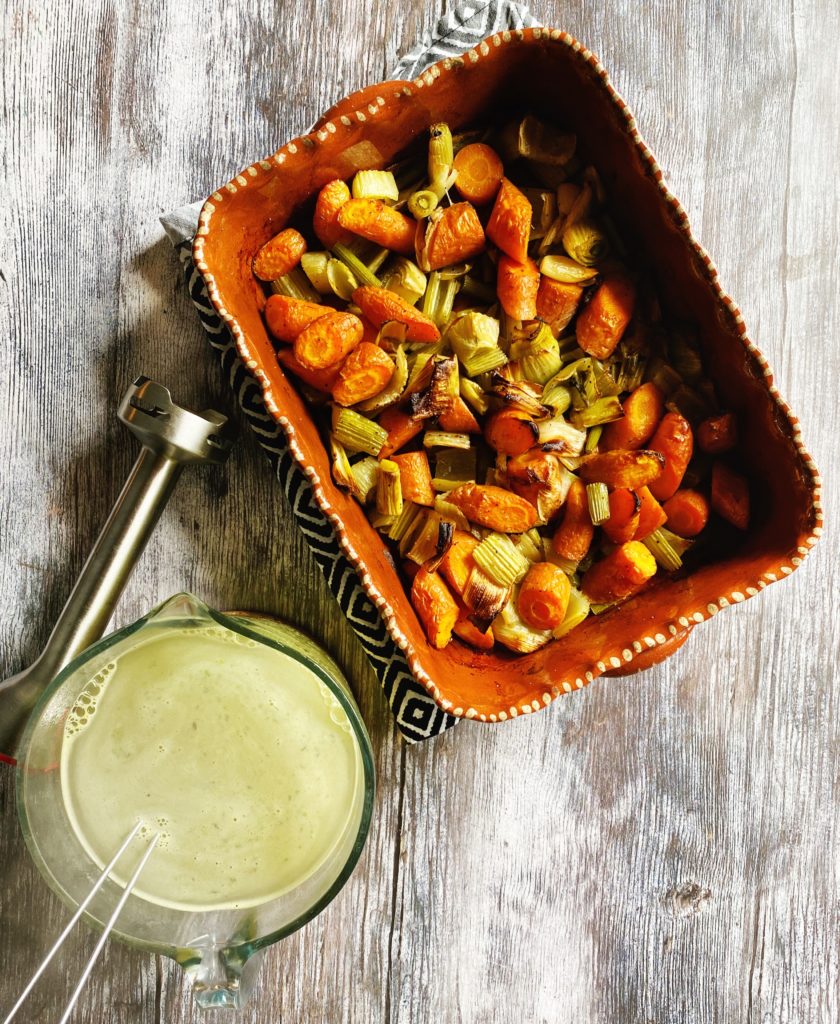
  5. After 20 minutes, the vegetables should be soft and starting to caramelise. If you used a smaller tray then it will take longer and you should stir them occasionally to ensure they all catch some direct heat.
  6. Carefully tip and scrape the roasted vegetables into a deep container. I like to use a sauce pot so that I can easily re-heat the sauce if needed. Then using a stick blender, blend the vegetables into a sauce. You can make it perfectly smooth or leave some texture and chunks, however you prefer it is fine! Or add some vegetable stock to loosen the sauce into a soup?
  7. Add the chopped reserved fennel fronds if you like that fresh, aniseed flavour. For extra protein and fibre, add a drained tin of lentils or white beans to the sauce.
  8. Stir through freshly cooked pasta and serve. I always put extra virgin olive oil, flakey salt and chilli flakes on the table too with this dish. Enjoy!

Courgette & Lemon Loaf

Here’s a sweet way to use up your courgette glut. Grated courgette keeps a cake wonderfully moist and the little flecks of green are so pretty. But be careful, when creating this recipe I had a fair few flops before getting it right, don’t be tempted to add more courgette than the recipe states. The extra moisture can put the balance out of whack and make the cake sink after it comes out of the oven.

I made this in a loaf tin so it took about an hour to bake, but if you bake it in a round cake tin it will cook much quicker as there is more surface area and a shallower batter, just keep an eye on it. Why not double the recipe and bake two round cakes to sandwich together? Make a simple lemon buttercream and decorate with raspberries and pistachios for a real summery treat.

Liz x

Ingredients

  • 250g grated courgette
  • 300g plain flour
  • 200g caster sugar
  • 1 tsp bicarbonate of soda
  • a pinch of salt
  • 100ml oat milk
  • 100ml olive oil
  • zest and juice of 1/2 a lemon (reserve the other half of the lemon juice and zest for the icing)

Lemon Drizzle Icing

  • the juice of half a lemon
  • enough icing sugar to bring it into a consistency you like
  • the zest of half the lemon to decorate

Method

  1. Pre-heat your oven to 175C and line a loaf tin.
  2. Mix the dry ingredients (flour, sugar, salt, bicarb) together in a large mixing bowl so that they are evenly dispersed.
  3. Add the wet ingredients (oat milk, oil, lemon juice) and stir to just combine. Do not over-mix. This batter should be fairly dry and thick to compensate for the water content of the courgette.
  4. Add the grated courgette and lemon zest to the bowl and use a wooden spoon to fold the mixture together into a thick batter.
  5. Scrape the batter into the lined loaf tin and level it out.
  6. Bake in the centre of the oven for 1 hour or until it’s cooked through. If your oven is fan assisted it may cook faster. Test for ‘doneness’ by inserting a skewer into the centre of the loaf. When pulled out it should be fairly clean.
  7. Allow the cake to cool for 5 minutes or so in the tin before carefully pulling it out onto a cooling rack. Let it cool completely before icing.
  8. To make the icing, squeeze the juice of the other half of the lemon into a bowl and whisk in spoons of icing sugar until you reach your desired consistency. I like it quite runny so it just creates a delicate glaze over the cake but if you prefer a whiter, thicker icing, keep adding sugar until the mixture is fairly thick.
  9. Spoon the icing over the cooled cake and, while it is still wet, sprinkle over the reserved lemon zest. Allow the icing to set then serve in thick slices with mugs of Earl Grey tea.

Weed Control & Roundup

Over the last couple of months, I had forgotten how grounding growing food is. On a sunny day or sometimes even better on a wet and windy day walking through the crops, or sampling the fresh harvest, leaves you feelingconnected to the land and alive.  It is easy to forget all of this.  
 
These days it’s very difficult to know how the food we eat is actually produced. How could we be expected to know?  Life is so busy, and supermarkets give us a shiny happy reality that is often disconnected from the real food production processeshidden behind the scenes. 

The end of the growing season is a mad rush it always is and just when you think you are finished you discover you are not. We have finished planting, but the weeds have marched on relentlessly. This warm humid weather is ideal for cropgrowth but also for weed growth. 

This year our work apart from one or two mishaps has kept pace with the weeds. But our approach to weed control is notone of total dominance, quite frequently once you get the crops to a certain size the weeds are no longer a problem. 

In fact, they can provide a basis for a wide variety of life: flowering weeds that bees come to, the lush green undergrowth, a haven for a myriad of tiny creatures that would not be there otherwise. 

Thus, in turn providing food for the birds, and at times, the necessary predators such as ladybirds and hoverflies that feed on aphids. A natural ecosystem living below the giant shading leaves of the broccoli plants or cabbages develop. Each plant brings something different to the fray and generally none are unwelcome.

Now please do not misunderstand me, if we did not take a pragmatic approach to weed control and utilise all the tools at our disposal there would be no crops, no food, and no farm. We have worked extremely hard to ensure the crops are healthy and weed control is part of the process. No, our approach is just different, less harsh and embraces the idea that yes, we can work with these other plants, and they too have a place on our farm. 

Conversely conventional farming relies on the iron fist of chemicals to control weeds, there is no room for negotiation here, the chemicals are designed to disrupt metabolic pathways in plants, they are generally systemic in nature (get absorbed into the plant and reside there after application, all the way up the food chain onto our plates), the weeds are removed, and the residues of the chemicals remain in and on the food. Just look at the side of any road sprayed with roundup, it is ugly and yellow and dead. 
 
Using chemicals to fight nature will never work. In the short term it may give a temporary reprieve from a certain disease or pest, but that pest will come back stronger and more resistant next time. It is in a way a self-perpetuating industry.It is not the way and IT IS CERTAINLY NOT OUR WAY.

Organic agriculture is much more than saying no to the use of chemicals, it represents a holistic approach to working with nature, to our land and to our food. It means no chemicals, but it also means no artificial fertiliser, it means tree planting, it means hedge planting, it means allowing nature its place to thrive while also producing food. It means taking care of the soil and it means producing food that tastes fresh and good and crucially is good for us and for the environment.

Here’s to fresh organic food!

Kenneth

PS: It is a strange time, normality is creeping back into our lives, kids are going back to school as are ours, routines if there are ones will be re-established. It has been a strange year, some things are certainly outside of our control, but we can control what we eat. Keeping good healthy fresh food in our fridge, means we are more likely to use it, and this means we will eat healthier and feel better, as we head into autumnaldays this is one sure positive step we can take.

Bang Bang Broccoli & Black Beans

We are harvesting so much broccoli from our fields at the moment! Expect lots in your set boxes or add some to the ‘build your own’ box for a special reduced price. Broccoli is brilliant! Broccoli is a good source of fibre and protein, and contains iron, potassium, calcium, selenium and magnesium as well as the vitamins A, C, E, K and a good array of B vitamins including folic acid. A real Irish super-food! I’ll be steaming some batches to put in boxes in the freezer to add to loads of different meals. Here’s one of our favourite family meals that uses a lot of broccoli.

Bang bang chicken is a traditional Sichuan dish of poached chicken which is then ‘banged’ to shred it and dressed in a spicy sauce. It’s a refreshing dish served with julienned cucumber. This is my plant-based nod to that classic. Definitely not authentic, but delicious none-the-less. It’s really simple. Nutritious broccoli and black beans are drenched in a spicy sauce, sprinkled with sesame seeds and then roasted. You can serve it with rice or noodles, or it’s delicious as a warm salad with spiralized courgette.

Liz x

Ingredients (serves 4)

  • 2 heads of broccoli
  • 2 tins of black beans
  • 4 tbsp maple syrup
  • 4 tbsp lime juice (or vinegar)
  • 4 tbsp vegetable or toasted sesame oil
  • 4 tbsp soy sauce (or tamari if you need gluten free)
  • 6 garlic cloves
  • a big thumb of ginger
  • fresh red chillies to taste
  • 6 tbsp sesame seeds
  • scallions, fresh coriander and extra chillies to serve
  • rice or noodles to serve

Method

  1. Preheat your oven to 200C and find a large roasting tray, or two trays if you don’t have a very large one. You want to be able to spread the ingredients into a single layer.
  2. Trim as little as possible off the stalks of the broccoli. Just a sliver off the end is usually enough – those bits can go in the compost bin. Then cut the whole stalk away from the florets, slice it in half lengthways and then slice each half into long, thin strips. Put them in the roasting dish. Then cut the heads of the broccoli into bites sized florets and add them to the roasting tray too.
  3. Drain the tins of black beans and add them to the tray. Then make the dressing.
  4. Mix the soy sauce, oil, lime juice/vinegar and maple syrup in a bowl. Finely dice the chilli, garlic and ginger and add them to the bowl. Mix well and then pour the dressing over the broccoli and black beans.
  5. Use your hands to mix the sauce into the broccoli and beans, then spread the ingredients out into a single layer. Sprinkle with the sesame seeds and put the tray into the oven to roast for just 20 minutes or until the broccoli is tender.
  6. Meanwhile cook your rice or noodles and prepare the toppings. Slice scallions, coriander and extra red chillies.
  7. Serve in bowls and enjoy hot or cold. We like to make an extra batch of the dressing with toasted sesame oil but without the raw garlic and ginger to drizzle over the finished dish too to make it extra juicy and spicy.

Bounty of the Land

For the bounty of the land, we need to be thankful. My mam used to insist on us all saying a thank you for the food before we ate any meals, especially the special meals at Christmas and Easter. She had the right idea; to stop and think and appreciate our food is something that we rarely do in these busy times but taking stock can be a very good thing to do. 

Our food decisions have such massive implications for our health and our planet, there probably isn’t anything more fundamental we can do that is within our control than make good food choices. I guess you could argue that “good food choices” are subjective. I would argue that maybe they arenot, we all know the difference between eating processed junkfood and a healthy apple, that is not subjective, but it goes so much further.

The questions around food choices are many. Do we reduce our meat intake, or do we choose not to eat meat at all? Will we choose local or imported? Organic or conventional?Fairtrade or not? I guess at this stage we know a thing or two about food, we have been growing it for 15 years commercially, and this is my grandad’s farm and he also used to grow his vegetables organically.

We choose, plants, organic, sustainable, Fairtrade and local (where possible), we choose life (To paraphrase a very famous film!) 

My take is simple, and it is the cornerstone of our farm and business: do what is right, don’t use chemicals, work with nature, plant trees, keep bees, grow only vegetables, use natural fertiliser and green manures, rest the land and grow and harvest healthy sustainable food.

It is ultimately a no brainer, fresh organic food, is more nutrient dense, is tastier and you only get what you see, no hidden chemicals. People often ask why some conventional vegetables keep for so long? Well, if you take citrus fruit for example, they are coated in a chemical wax to preserve them they can last for ages, you will not find any hidden unseen chemicals in or on our food. 

Right now, we are slap bang in the middle of the best local IRISH harvest season, it is the time of local vegetable plenty.This is the culmination of our year’s work, and we are rolling in produce so much so that we don’t have enough homes for all our broccoli and courgettes. But we have come up with some great ways to move it on and to say thank you too for supporting us, next week all set boxes will get a free extra portion of courgettes, so enjoy!
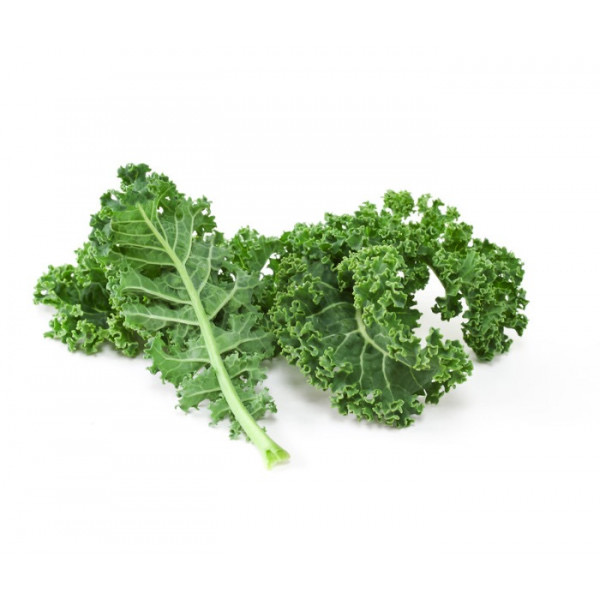
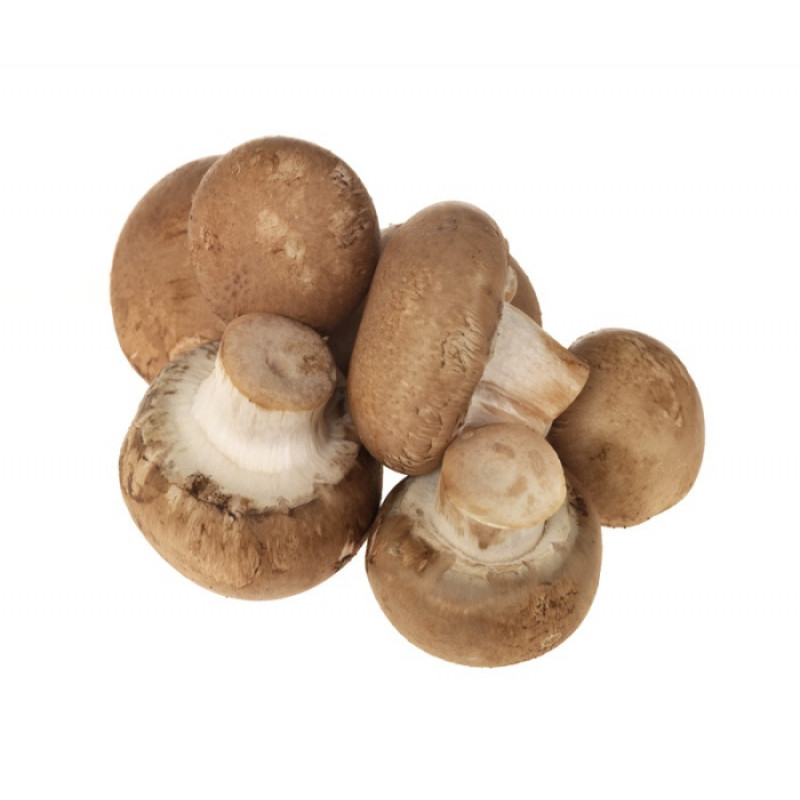
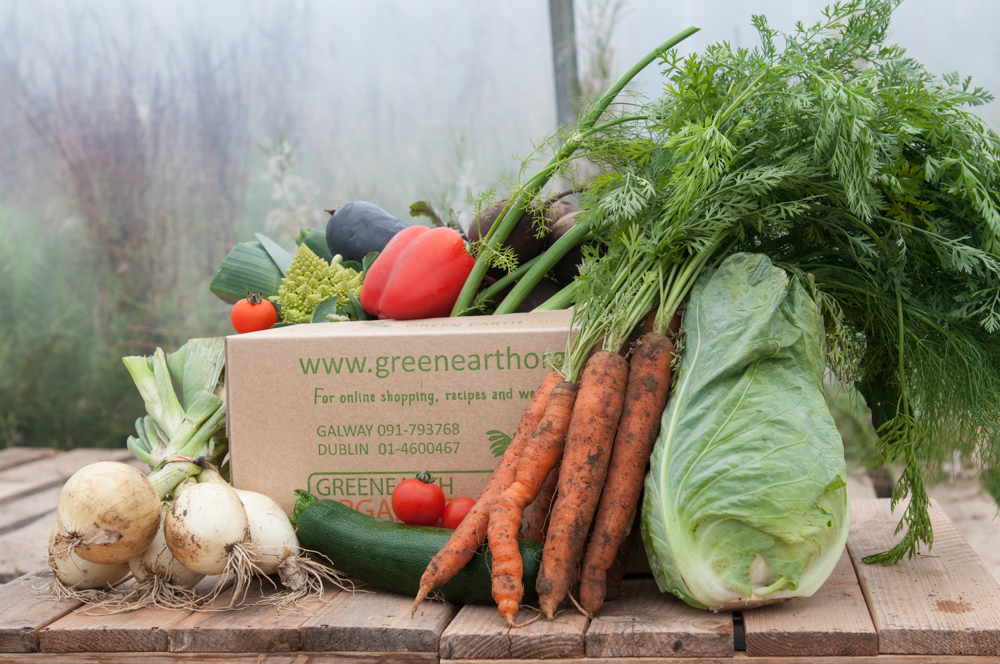
Right now, we are harvesting: Kale green, Cavelo nero,cabbage, broccoli, Romanesco, tomatoes, cucumbers, courgettes, lettuce, salad, carrots, fennel, beetroot, spinach, radish. We also have IRISH scallions, onions, new potatoes, mushrooms, garlic, leeks, yellow courgettes, it’s a long list. 

My absolute favourite thing to do right now is to go to our polytunnels and pick my own tomatoes for lunch, they taste amazing, they are grown right here in Galway, and you will not get better. They are in all the boxes next week, and a little trick to bring out the flavour is to eat them at room temperature not straight from the fridge.

So yes, we are thankful for the bounty, and we are also thankful for your support to make a real sustainable commercial organic vegetable growing enterprise a reality right here in Sunny Galway.

Kenneth

Have a look at our range here.

Ratatouille

Ratatouille is a classic one pot celebration of summer vegetables. Although it’s a simple recipe, with humble ingredients, it’s all about timings and getting the vegetables cooked just right. Spongey, undercooked aubergine is the reason many people don’t like it. Aubergine should be silky and soft, and almost melt in the mouth and then it’s absolutely stunning! Serve with some good bread and a glass of red. We often add a drained tin or two of white beans or lentils to this summer stew to boost the protein and make it an even heartier meal.
Why not make a double or triple batch and get some in the freezer for a busy day? You could even blend some for a quick summery soup or a flavoursome pasta sauce.

Liz x

Ingredients (serves 4-6)

  • 4 tbsp olive oil
  • 2 aubergine
  • 2 courgette
  • 2 red pepper
  • 4-6 tomatoes (or 12 cherry tomatoes, or a couple of tins of chopped tomatoes)
  • 6 cloves of garlic – peeled and diced
  • 3 tbsp red wine vinegar
  • salt and pepper to taste
  • basil to taste

Method

  1. Pre-heat your oven to 200C.
  2. Chop the aubergine and peppers into bite sized pieces. Put them in a deep roasting dish and drizzle with the olive oil.
  3. Season well with salt and pepper, mix with your hands to evenly coat the vegetables in the seasoning. Then put the dish in the oven to roast for 20 minutes.
  4. After 20 minutes, remove the dish from the oven and add the courgettes and tomatoes, also cut into bite sized pieces.
  5. Add the garlic, red wine vinegar and a little more salt and pepper. Mix well and return to the oven for another 20 minutes or until everything is well cooked.
  6. Stir through lots of freshly torn basil and serve in bowls with fresh bread. Or it’s lovely with pasta or potatoes. Bulk it out and add protein with a drained tin of white beans or green lentils.