There is little question that an organic diet cuts pesticides levels in our bodies. It has to, there is no synthetic pesticides sprayed on organic food. A study in 2020 of 4 families that were put on an organic diet for 6 days, had a marked decrease in pesticides in their urine including levels of Glyphosate which decreased by 70.93% while AMPA (a chemical added to make glyphosate more effective) levels decreased by 76.71%. The authors concluded that diet is a primary source of glyphosate exposure.
The same families showed decreases in levels of 40 of the most commonly used agricultural pesticides.
Although there is safe levels set for all pesticide exposure in our food called MRLs (maximum residue limits), the two things that have not and would be very difficult to assess is the cumulative effect over time if we are consistently consuming small amounts of these chemicals, and the second thing is the cocktail effect of having a number of these different chemicals in our body at the same time.
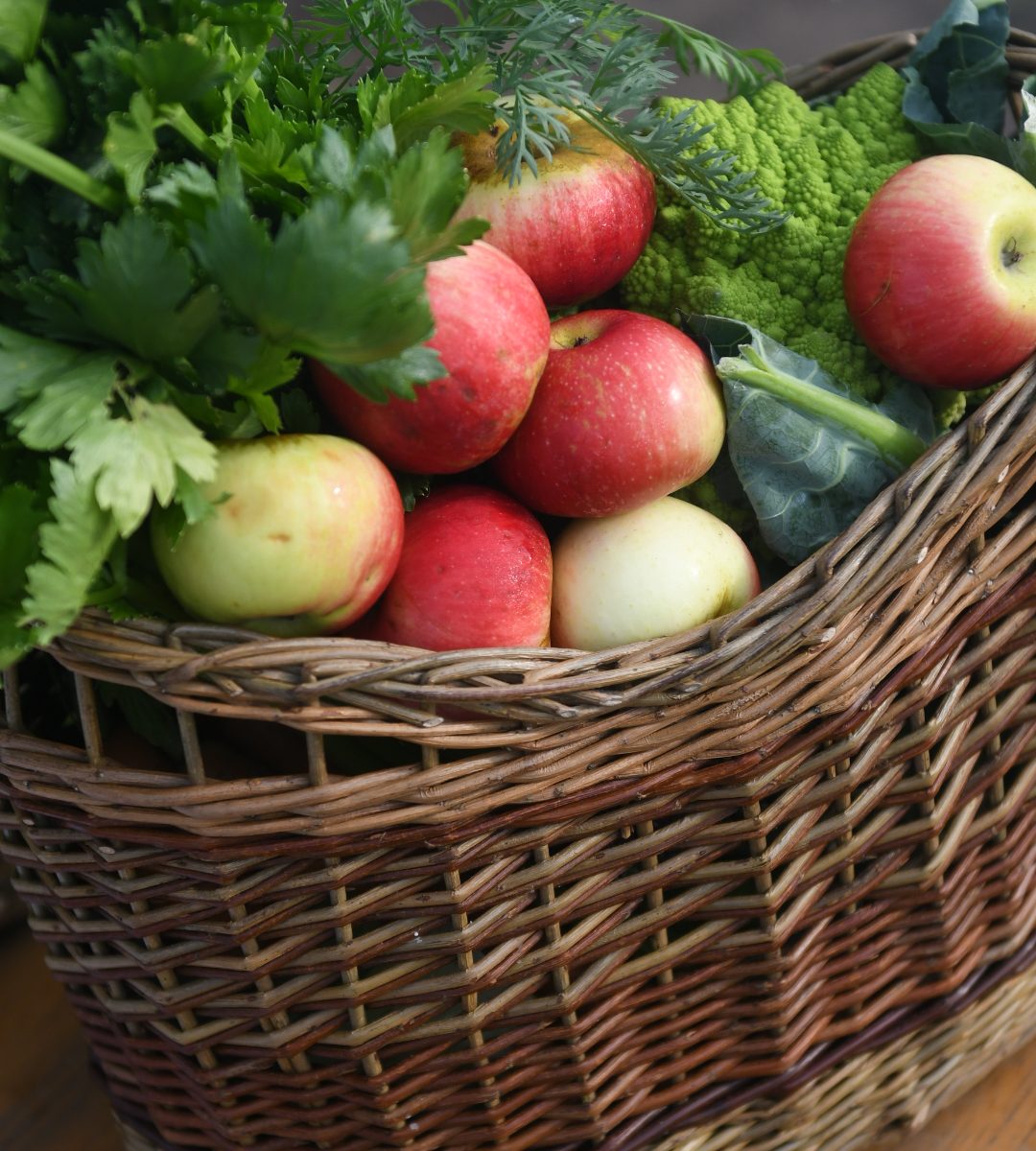
Take apples for instance. It is Irish apple season right now, and apples are one of the most sprayed fruits on supermarket shelves, the average apple gets sprayed on average 30 TIMES in a season. In a recent EU study, the most toxic pesticides contaminated 71% of the samples, while 64% of the samples contained at least one PFAS pesticide. Neurotoxic pesticides were found on 36% of the samples. Link to source here.
We are very lucky to not only have amazing organic apples from a Fairtrade Coop in France, but also fantastic Irish organic apples from Richard Galvin in Waterford.
This brings me to our humble spinach and the little holes we find on it. It may not be the mostly slightly, but once you cook, blend or freeze it who would know, and more importantly it is a clear indication that the spinach in question has never seen a pesticide. Spinach frequently features on the dirty dozen list (US based info) but it is also sprayed here in the EU.
The EU samples spinach at random every three years under its coordinated control programme. The most recent published round is 2022 and here is what they found:
51.4% of samples had no quantifiable residues, 47% had residues within legal limits, and 1.6% exceeded the maximum residue level (MRL). So bottom line, half had pesticides and half did not.
We are at the height of harvest at the moment, and we have loads of our own produce and produce from other organic farmers right now. Can you support us next week? I asked last week what we can do to make things easier and many of you responded with some brilliant ideas so thank you for that, we will look at them all and see what we can put in place. Please remember us in your weekly shop next week if you can.
As always thank you so much for your support, it means so much.
Kenneth
PS thank you to everybody who came to our festival and supported our celebration of 20 years a couple of weeks ago, it was so nice to meet so many of you. The fact you took the time and made the effort to travel to our farm was truly amazing, thank you