Trick AND Treat Brownies

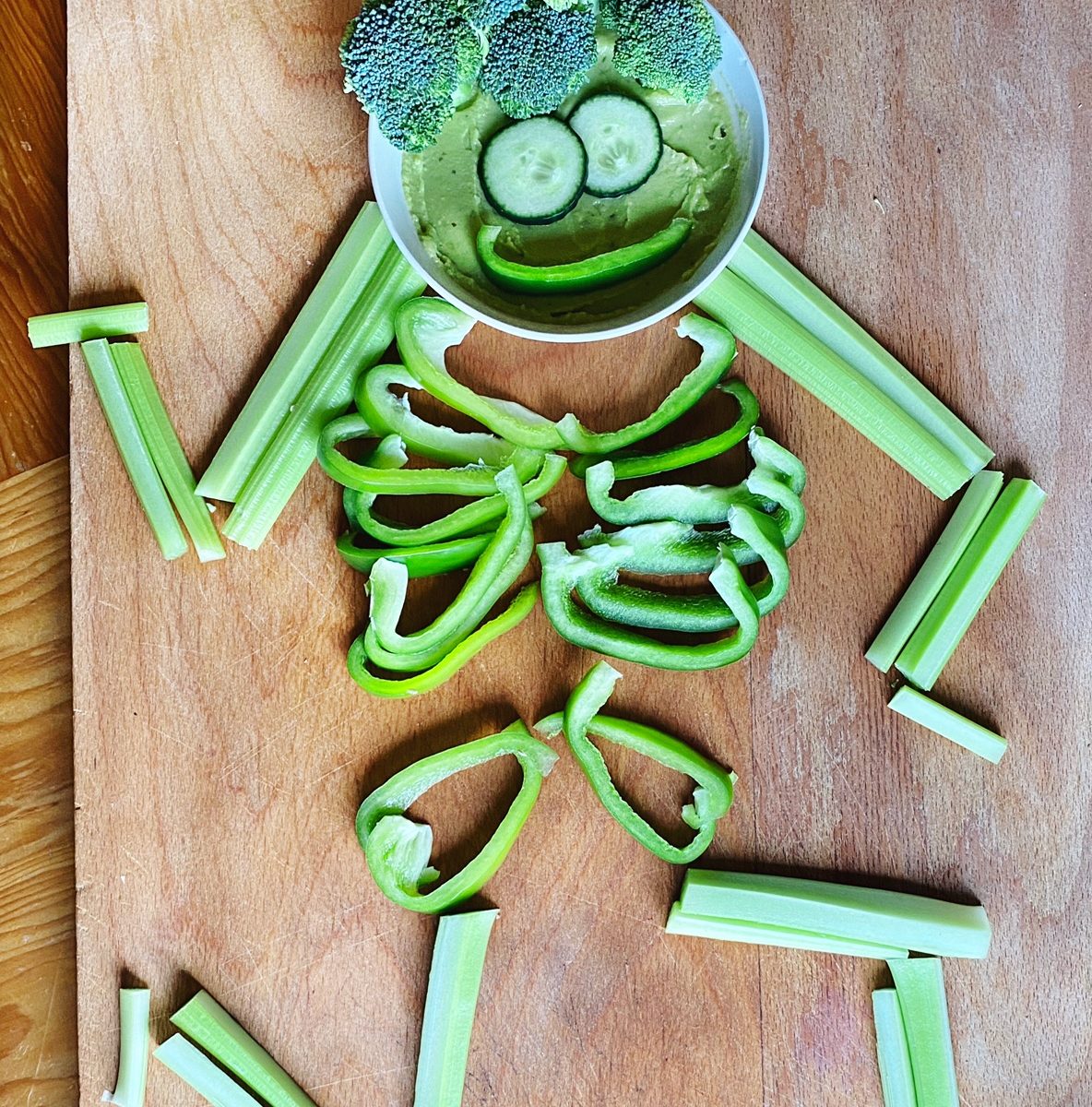
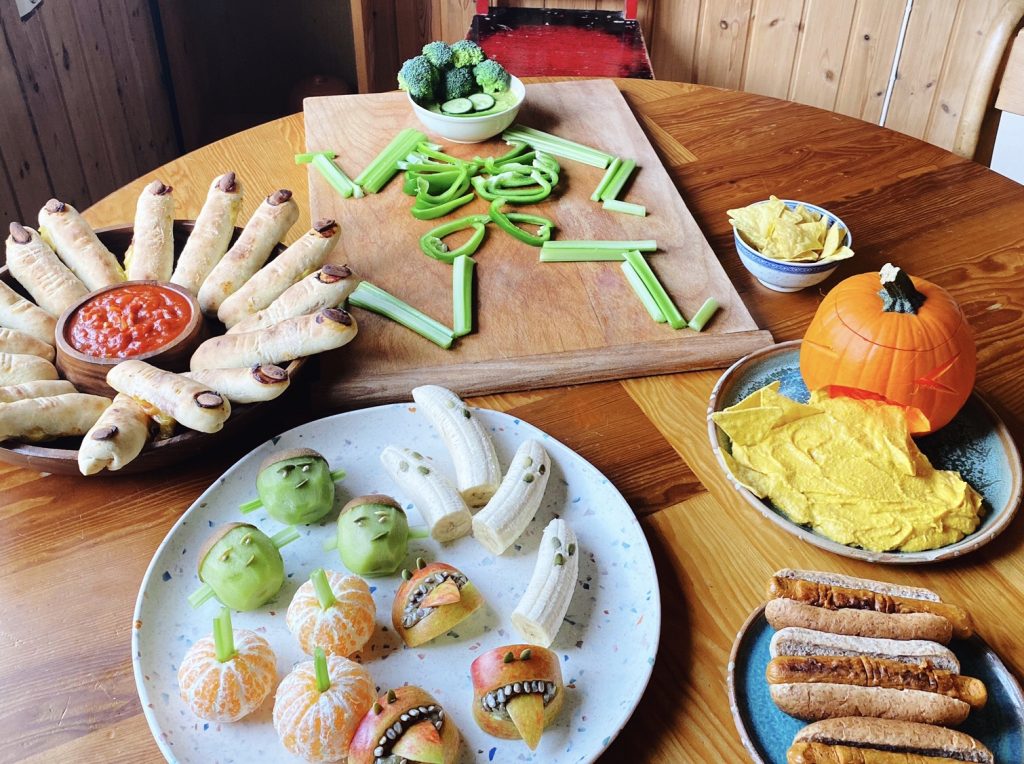
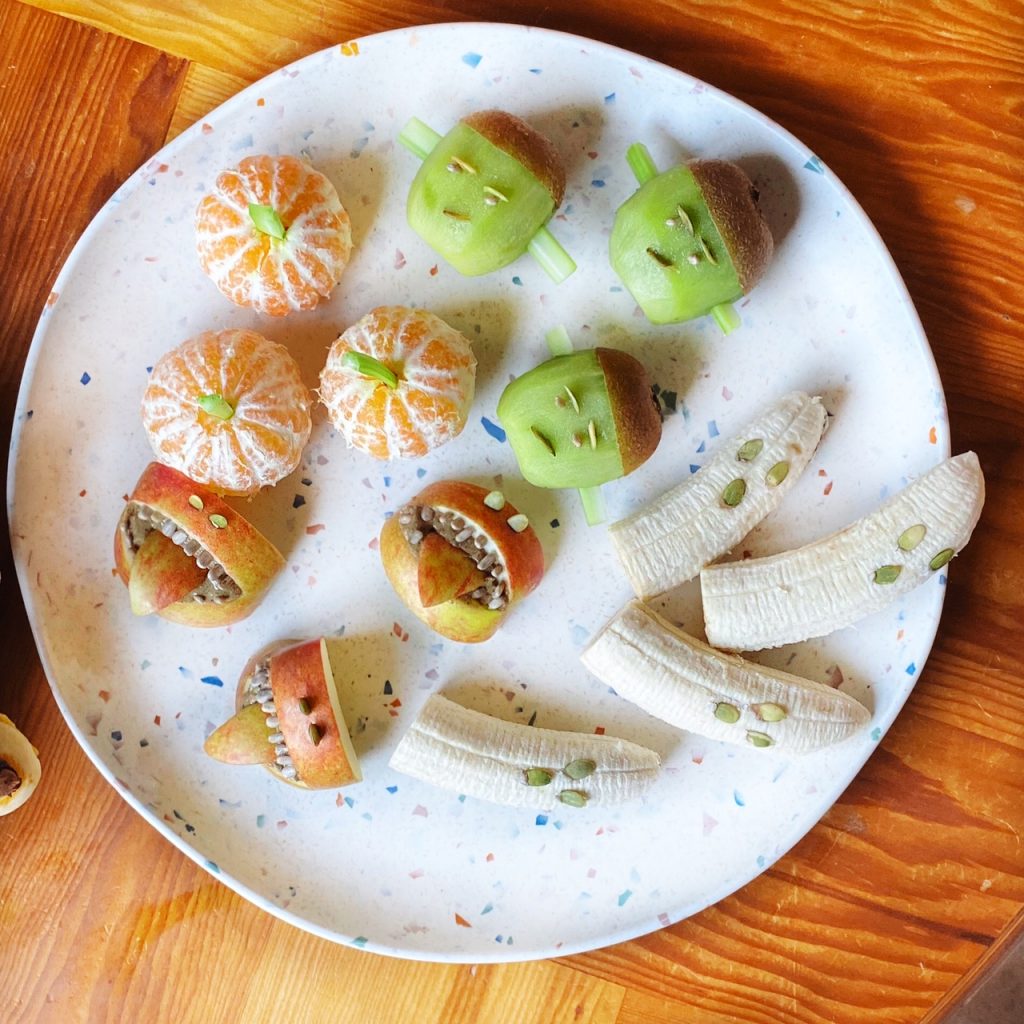
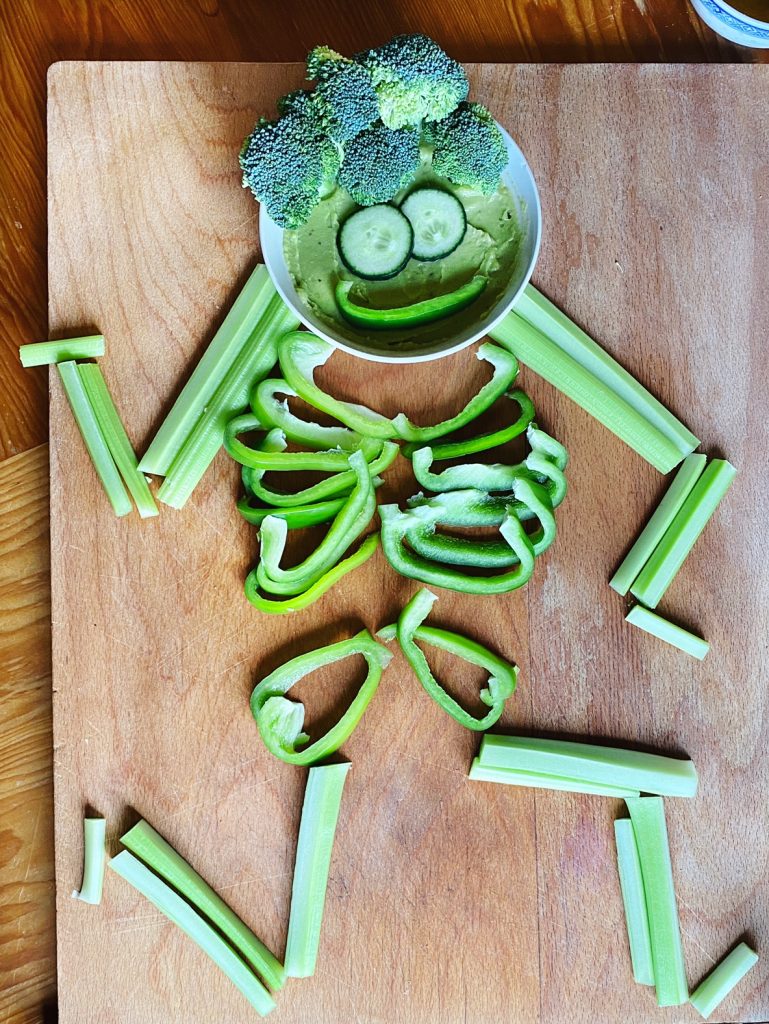
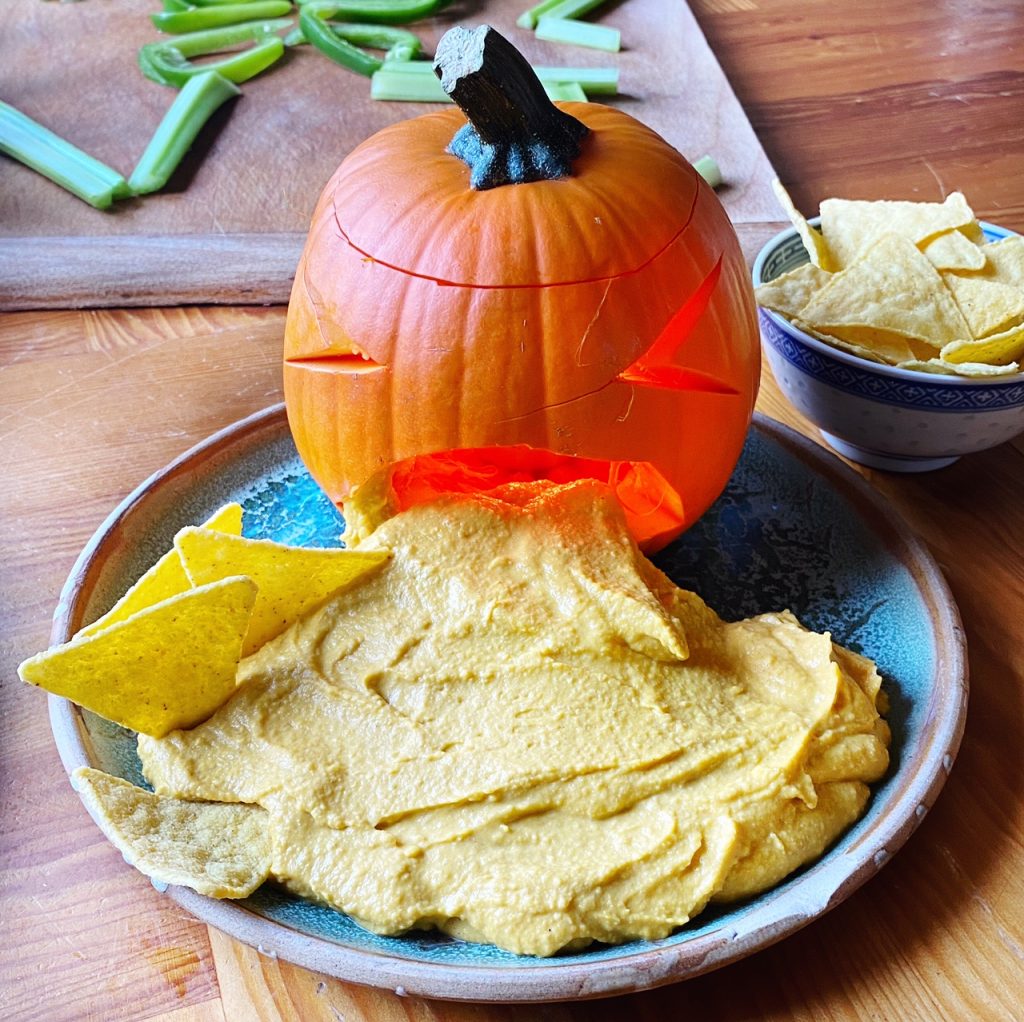
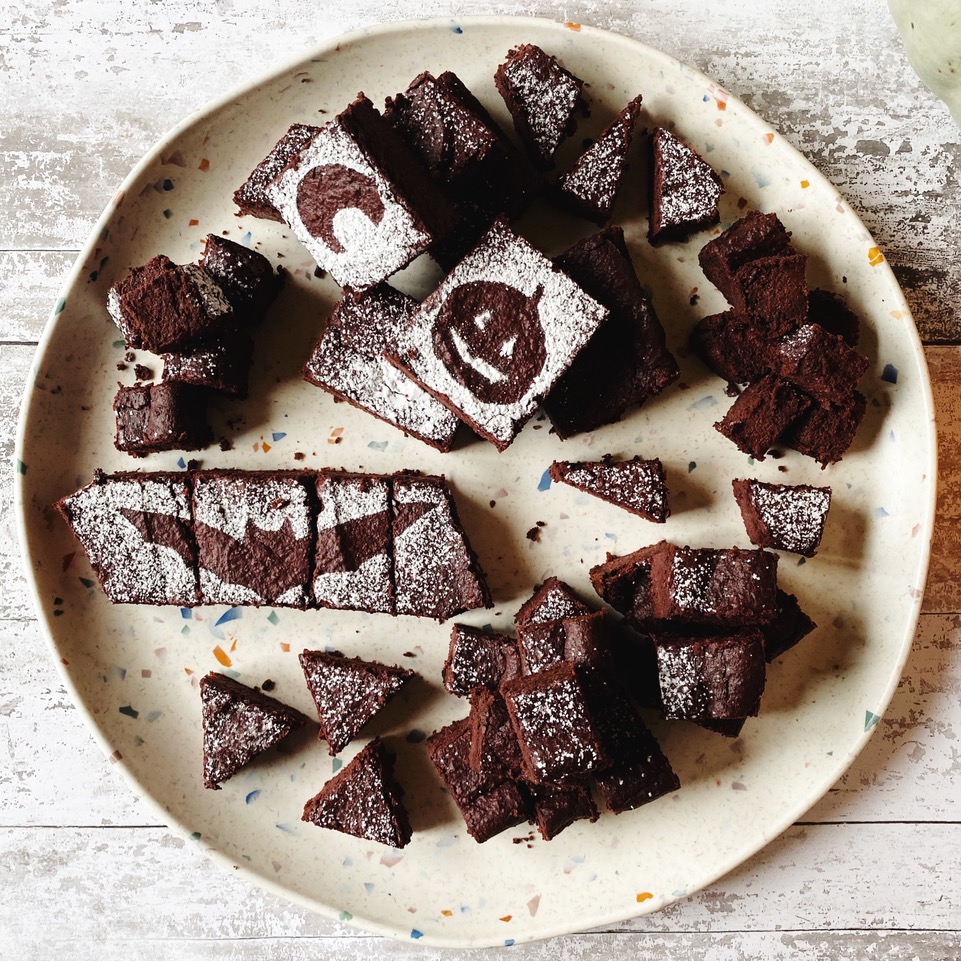
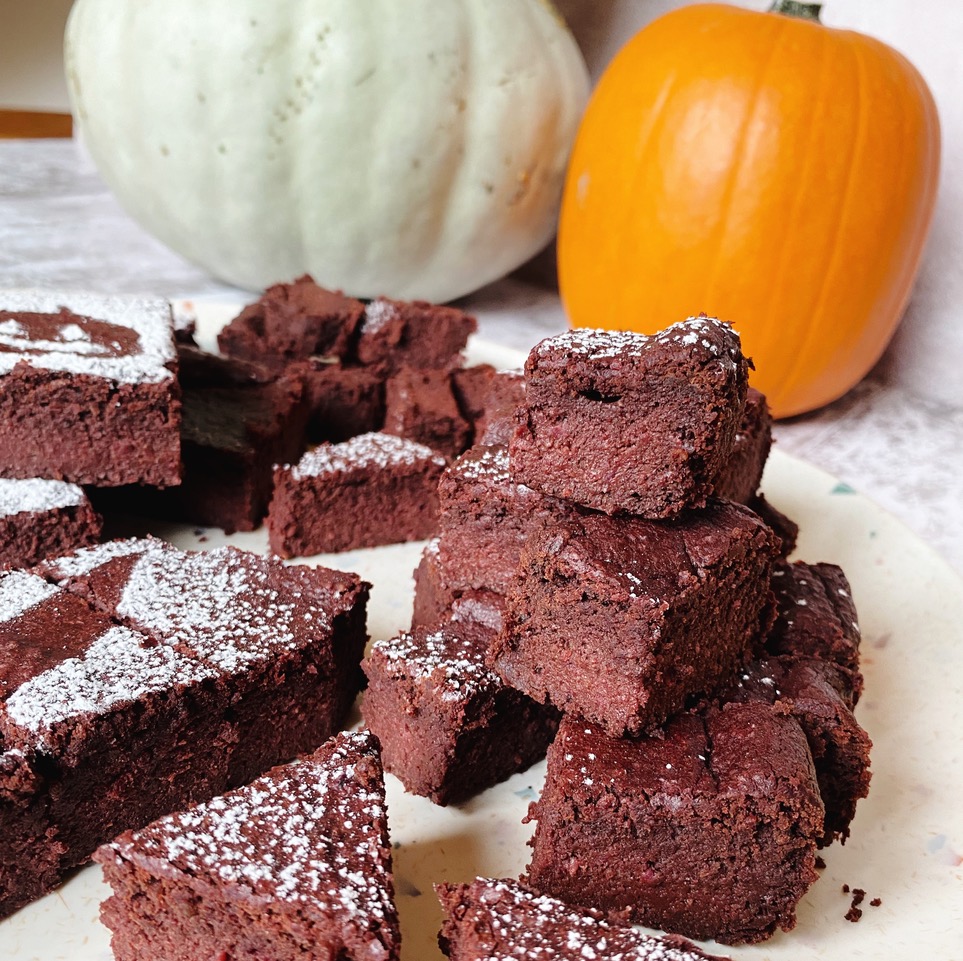
These deliciously dark, squidgy brownies are an absolute treat (and shhh! contain a few tricks too). Make these for the little monsters in your life and trick them into eating beetroot, sunflower seeds and black beans. Hahahahahaaaaaaa! *evil laugh*

This tricky treat is packed full of plant protein and fibre. It is gluten, nut, dairy and egg free, but most definitely not flavour free! So it’s perfect for everyone to enjoy at your Halloween party. These are seriously good, let us know if you make them. All the ingredients can be added to your next order. Did you know we have compostable bags of nuts, seeds, oats etc in the grocery section of our shop? We deliver to every address in Ireland. Happy Halloween!

Liz x

Ingredients

  • 100g sunflower or pumpkin seeds
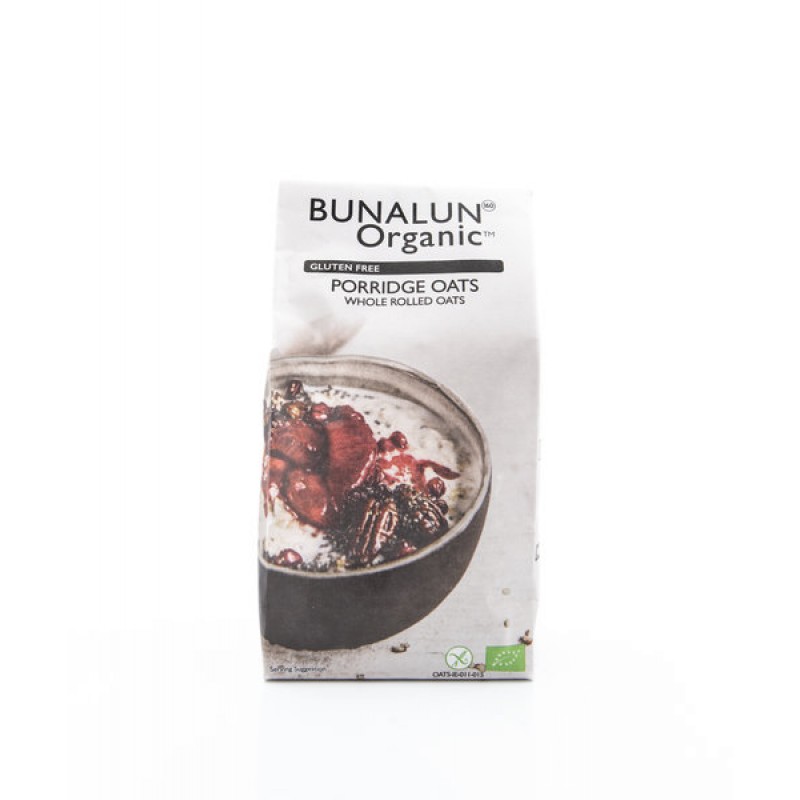
  • 100g porridge oats (gluten free if needed)
  • 100g sugar (or your choice of sweetener)
  • 100ml oat milk (or any dairy free milk)
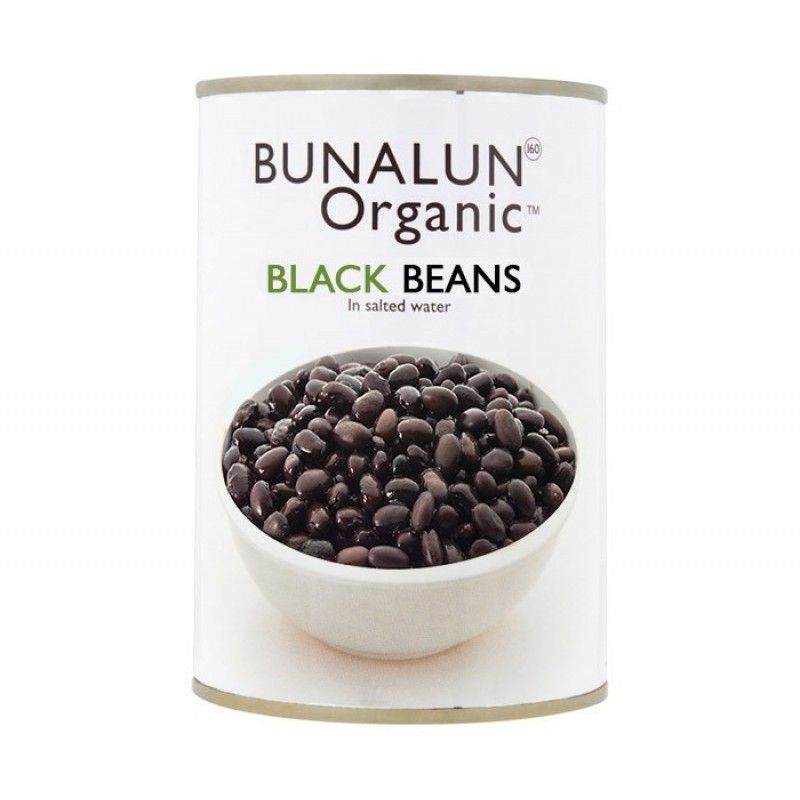
  • 1 tin of black beans (including the liquid)
  • 5 tbsp oil or butter
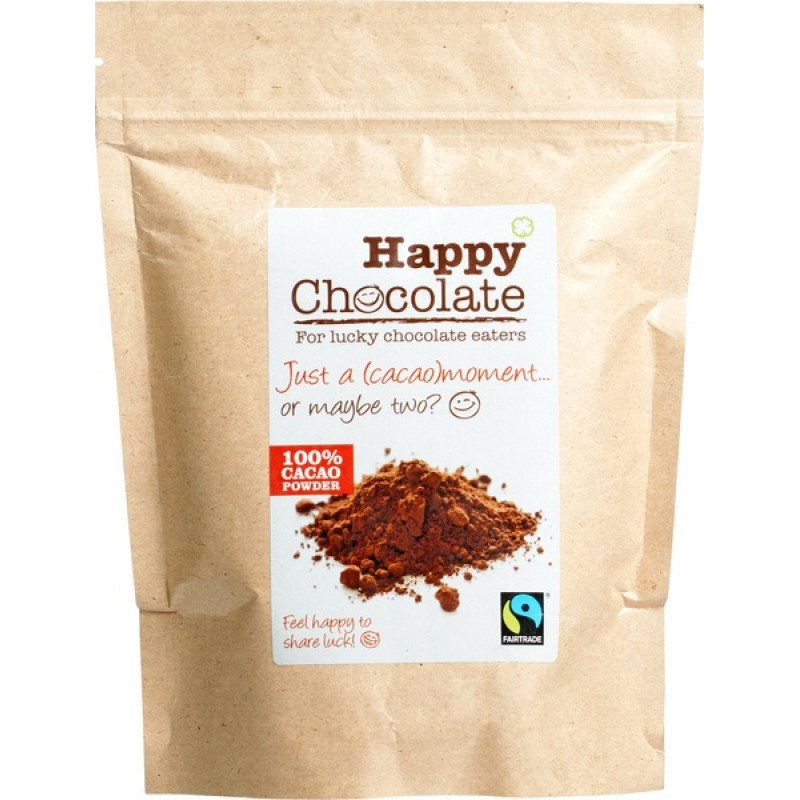
  • 6 tbsp cacao powder
  • 2 tsp baking powder
  • a pinch of salt
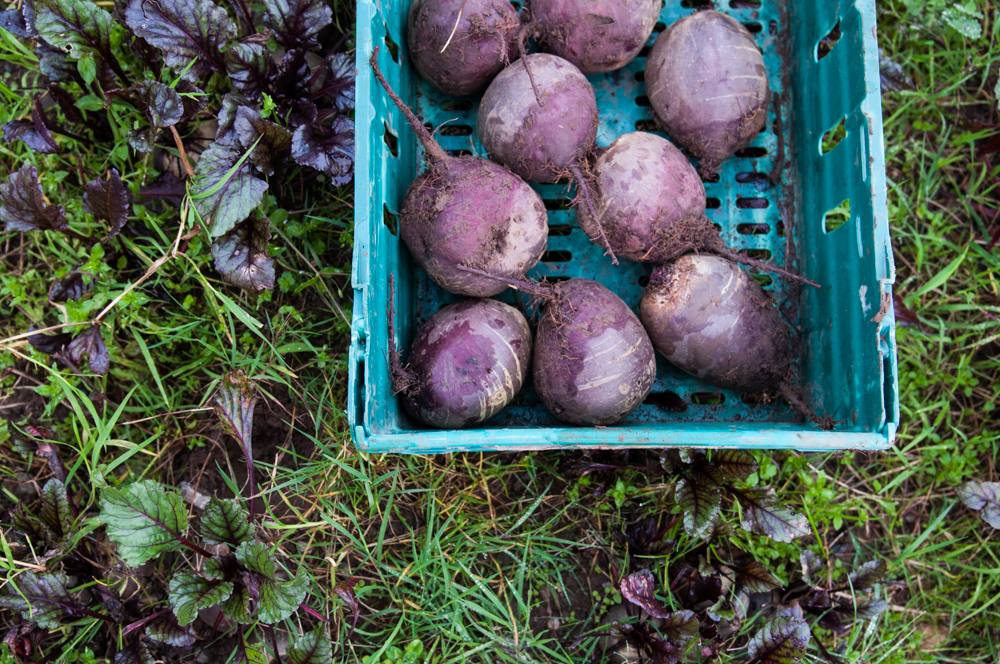
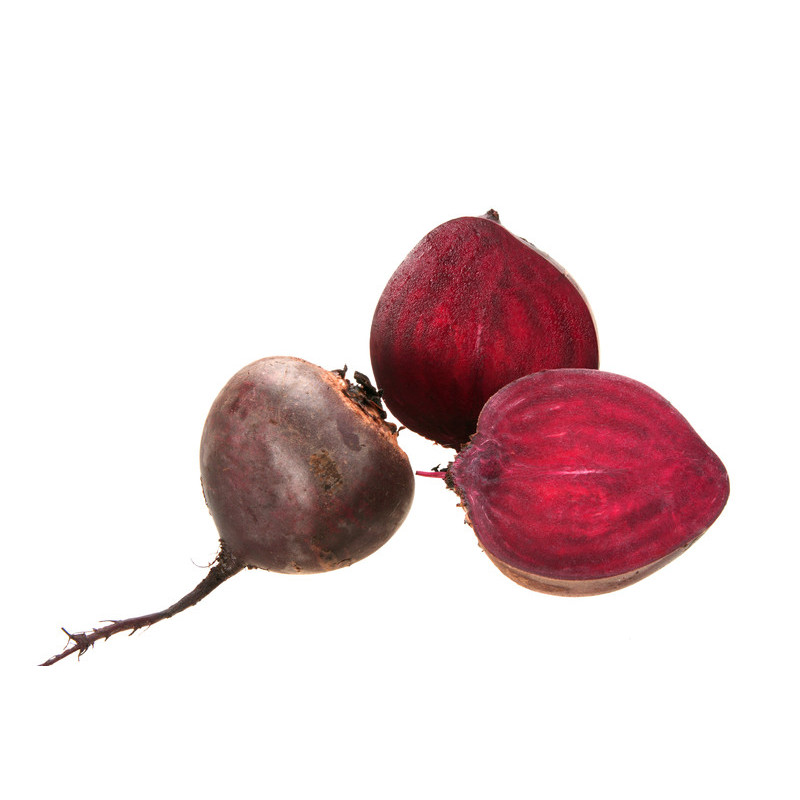
  • 250g cooked beetroot
  • 250g melted dark chocolate

Method

  1. Preheat your oven to 180C and line a baking dish (I used a 20x28cm one) with baking parchment.
  2. In a food processor, blend the sunflower seeds and oats into flour.
  3. Then add the rest of the ingredients except the melted chocolate. Blend until smooth.
  4. Mix in the melted chocolate then pour the batter into the dish. Even it out, getting into the corners, then bake for 40 minutes or until cracked on top and still a little wobbly.
  5. Allow the brownie to completely cool in the dish. Then remove onto a chopping board to decorate and slice as you like.

I Am Angry

Have you ever felt you just do not fit in, you seem to be going against the grain, that you are different?

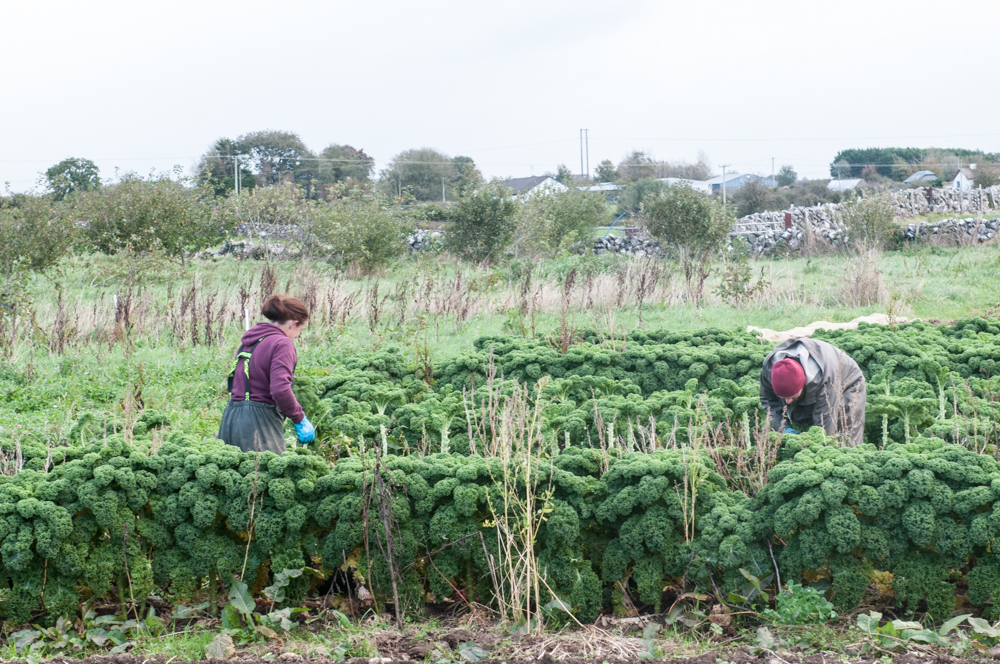
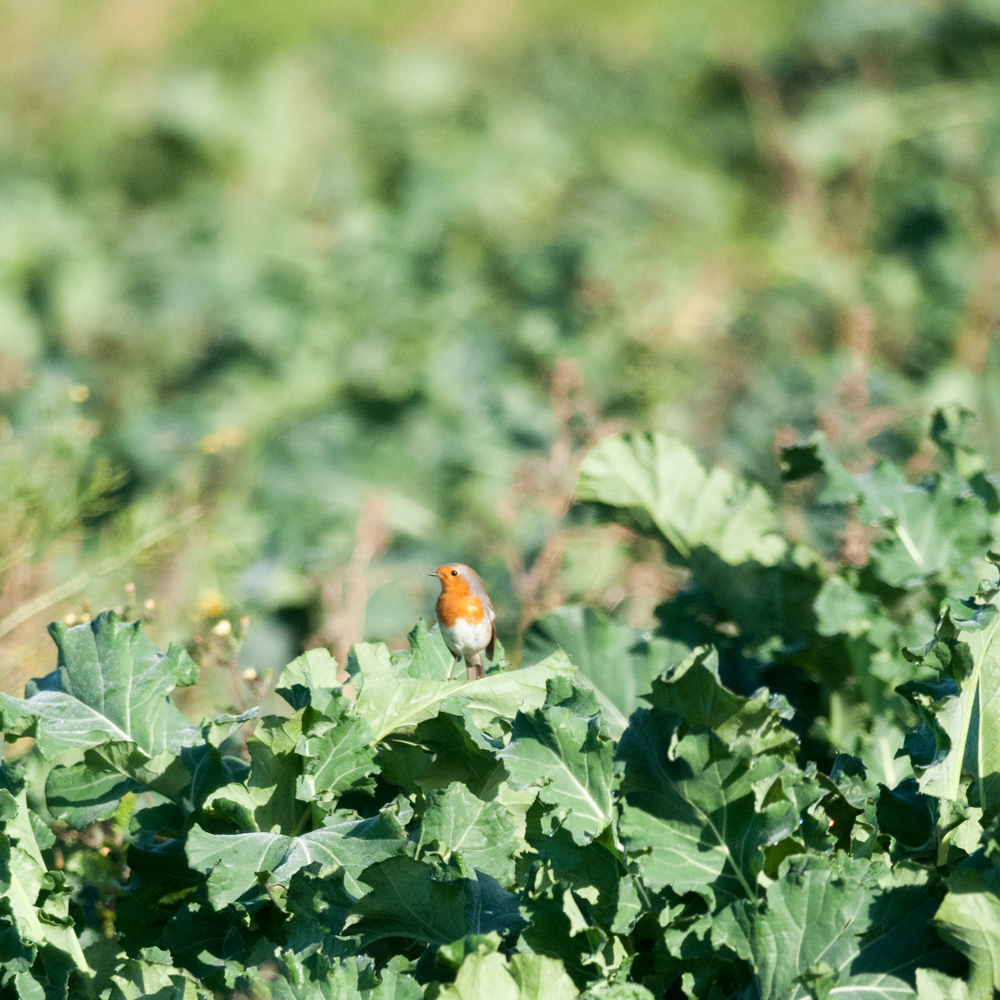
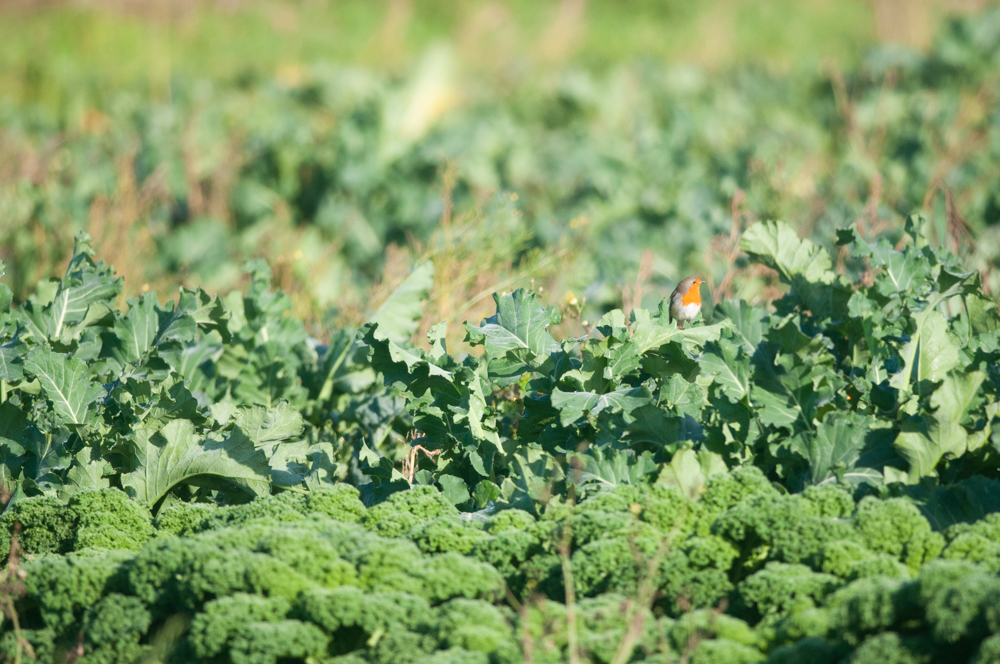
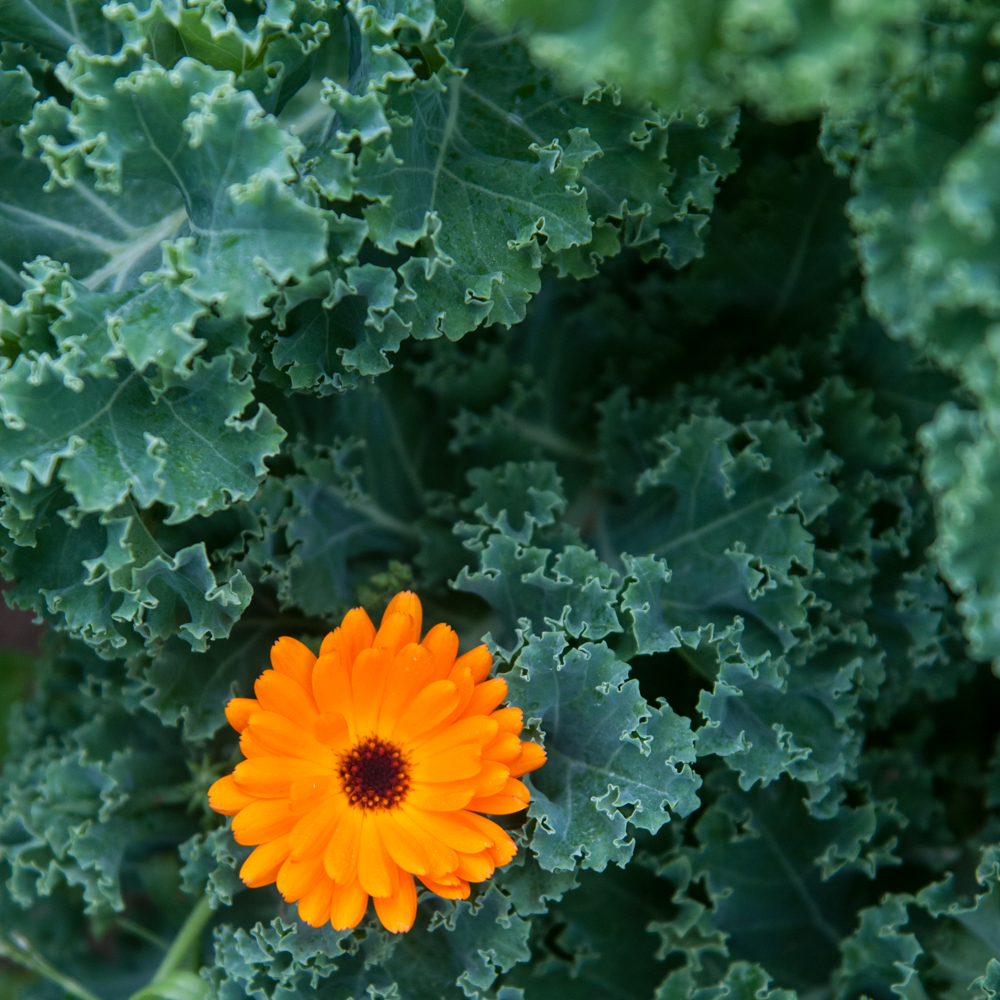
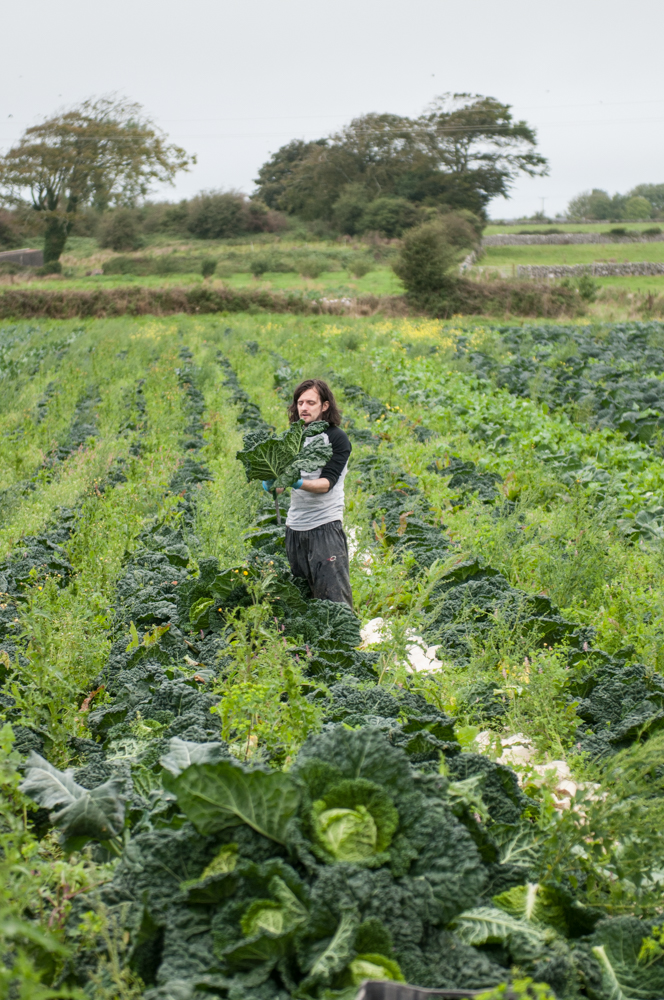
This thought struck me as I spotted a lonely white cabbage amidst a sea of black kale today.  Not too dissimilar to ourselves I thought, an outsider, not quite in the right place, definitely not fitting in, being different and not really caring what others think.

Of course, the cabbage is just being a cabbage (and probably not thinking a whole lot about anything, it would be wrong of me to suggest otherwise!), but it started me thinking.  

I continued on my crop walk through the fields and I spotted the most amazing intricate display of spider’s webs on one of our kale plants, it seemed that nature was vibrating and shouting look, look at me I’m doing my thing and I am beautiful.

Nature just works. And we have so little idea of how this amazing and complex interwoven web of life works.  All of the natural world links together and works, it just does, and it is truly amazing. Nothing is forced, it all flows, a natural cycle of life and death, always moving always flowing.

Who are we to impose our will and ideas on this beautiful planet without due consideration for all that we share it with? Who are we to extract all that we can by processes that are clearly exploitive, driven by profit? The price is simply too great and is not acceptable.

When will we realise that our habit of constant and increasing consumption are doing irrevocable damage? That our actions are taking away something beautiful, something we all need to be sane in an increasing insane world and only when it is gone will we notice and then sadly it will be too late.

Some days I get so angry, and I am past caring what people think (I guess age brings certain benefits.) But I am angry, and you too have a right to be angry too with the way we as human beings exploit this gentle and strong and beautiful energy that is our Earth.

We cannot compromise in our decisions, and to an extent this is why, even though I am inextricably linked to the world of business, I don’t have to like it.  Practising mindful, conscious, ethical business in a world that is driven by excessive consumption and low prices is difficult, but it is possible, and we do it. 

We have always committed to growing food in the most sustainable manner possible and only sourcing food from the most sustainable suppliers and paying them fairly.  We have always maintained that this is the only way to farm and to do business.

Like the cabbage in the field of kale we are most definitely outsiders, most definitely the underdog. We have a long way to go, we don’t always get it right, we struggle with the challenges but every day we try a little harder and face the challenges and pain head on.

So, for the sake of our planet let’s get a little angry together and make some changes.

Thanks for joining our movement, let us be the channel for your energy.

Kenneth

Let us deliver sustainably grown and sourced fruits, vegetables and groceries to your door if you feel angry too.

Autumn Minestrone

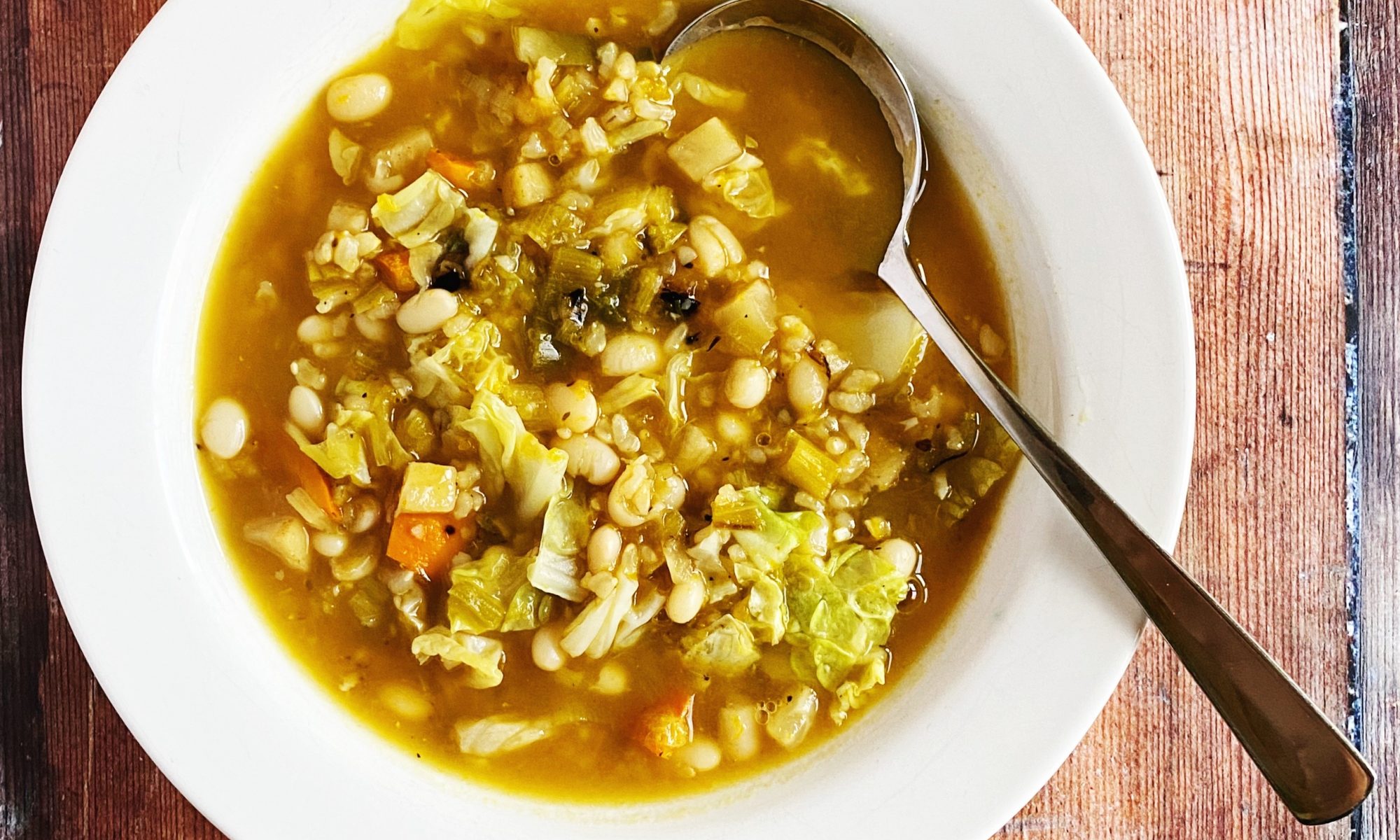
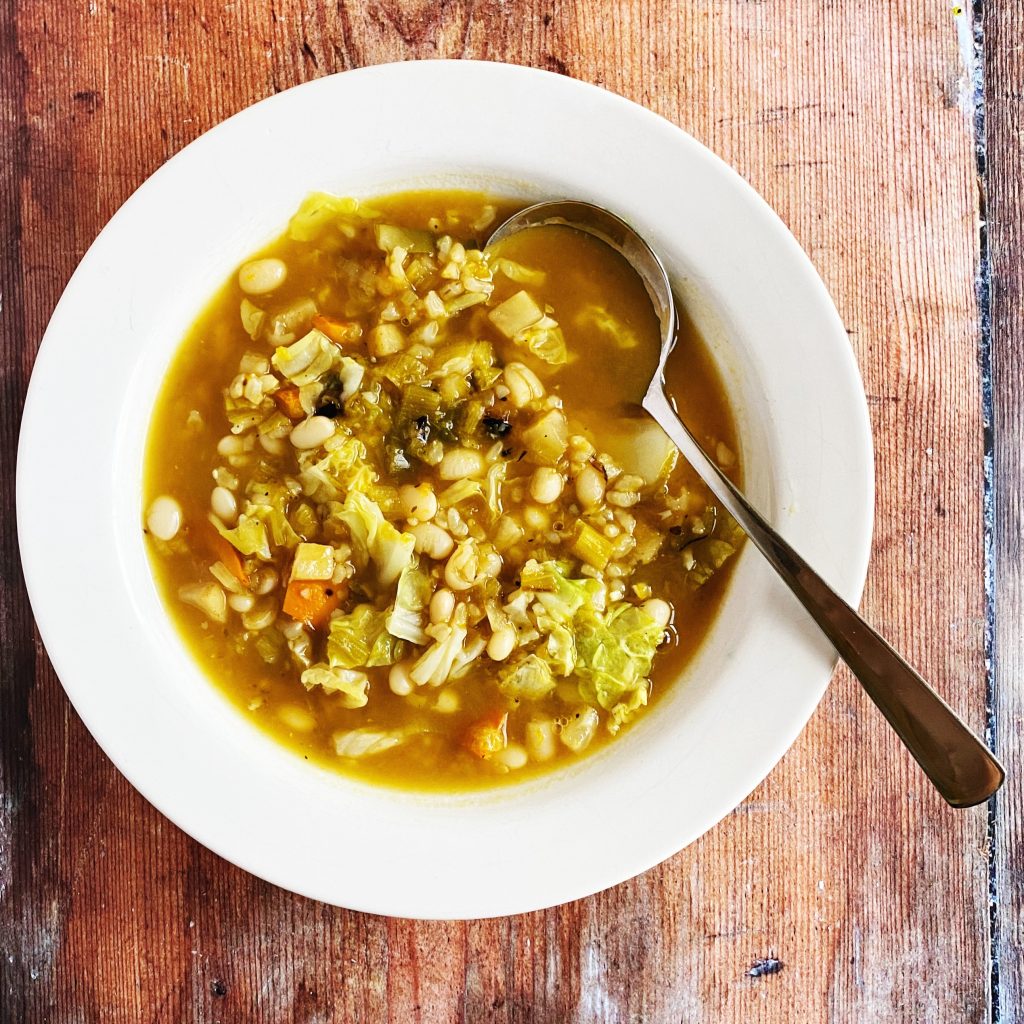
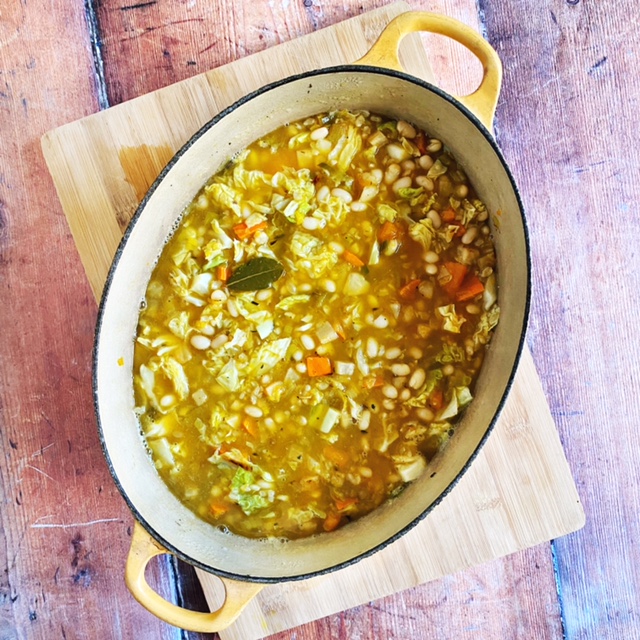
This humble half-soup, half-stew (stoup?) is so delicious. One of those perfect easy, one pot, mid-week meals that soothes and satisfies. Smooth, blended soups are great but this Autumnal twist on a minestrone is all about the combination of textures. Crunchy, delicate cabbage, floury, hearty beans, nutty, sticky brown rice (or swap with pasta) and melt-in-the-mouth pumpkin, all suspended in a silky broth.

All the ingredients can be delivered by us to your door. We have an abundance of autumn vegetables coming out of our fields at the moment. Why not cook up a few batches of this soup and freeze for a rainy day?

Liz x

Ingredients (serves 4)

  • 4 tbsp extra virgin olive oil
  • 1 small leek, rinsed & chopped
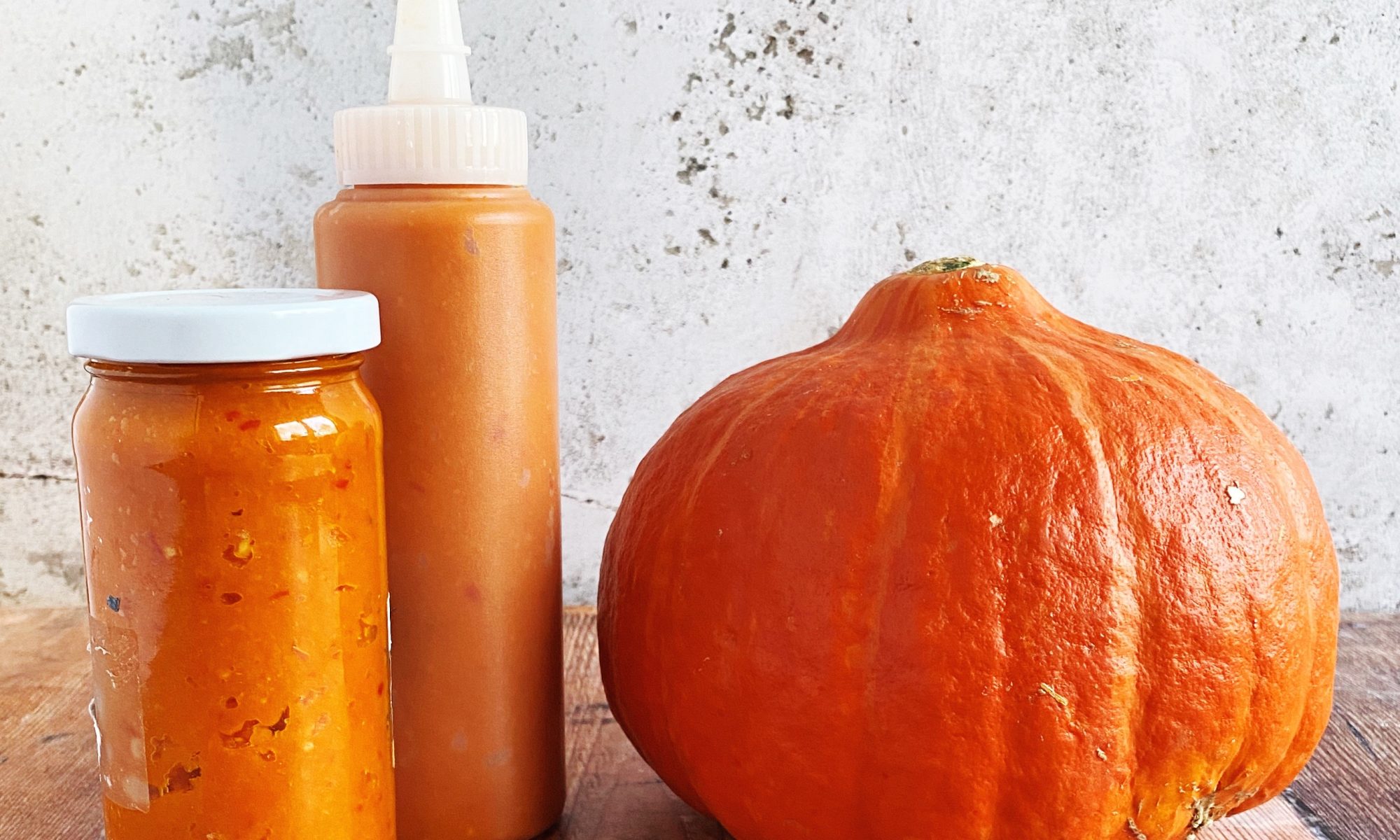
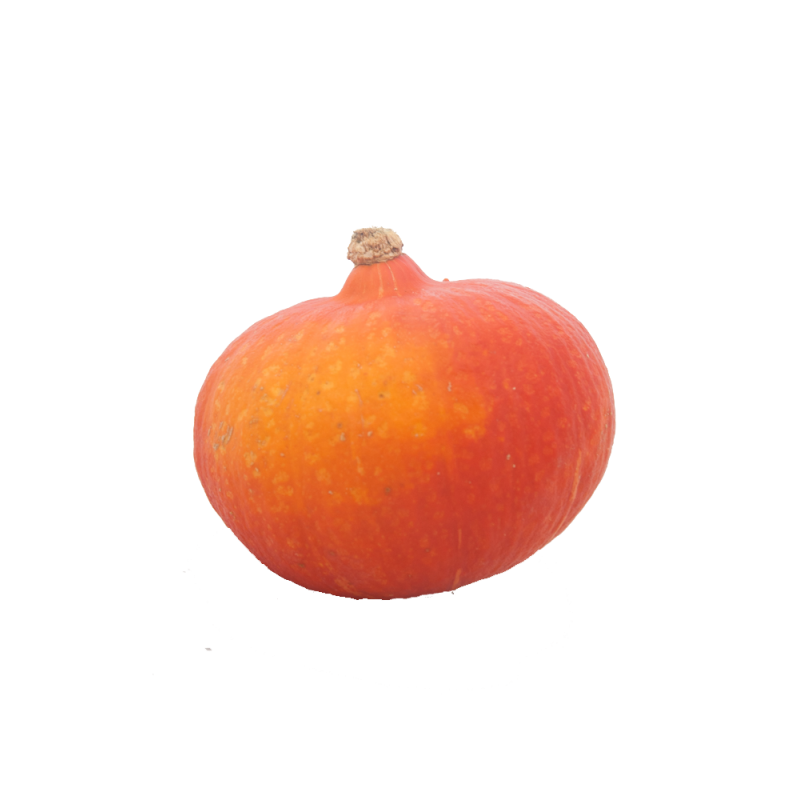
  • 250g kuri squash pumpkin, diced
  • 250g celeriac (or celery), diced
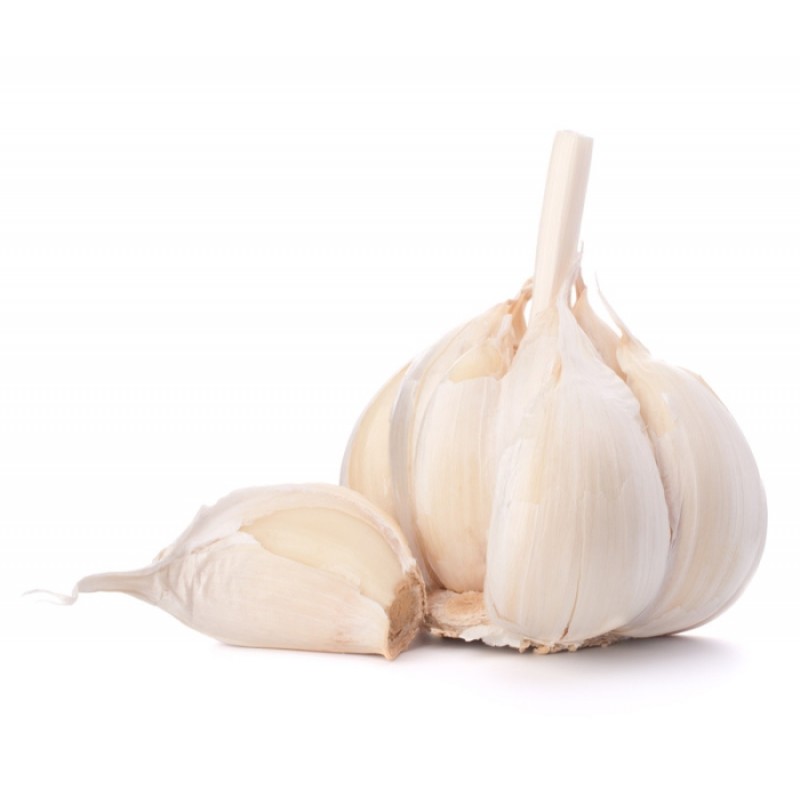
  • 4 cloves of garlic, peeled & chopped
  • 2 bay leaves
  • 1 tsp dried thyme (or herbs of your choice)
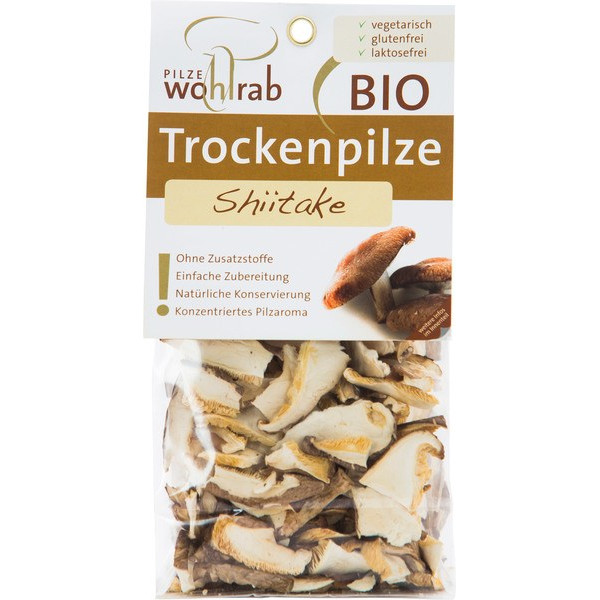
  • 1 tbsp dried mushrooms, chopped
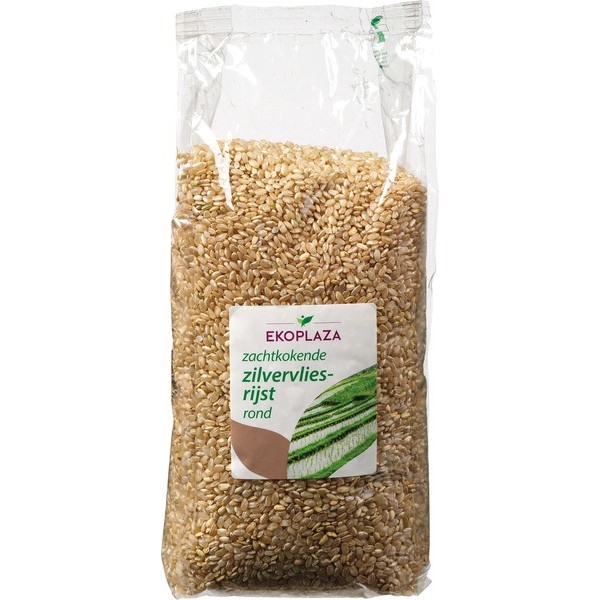
  • 100g short grain brown rice (or 200g pasta)
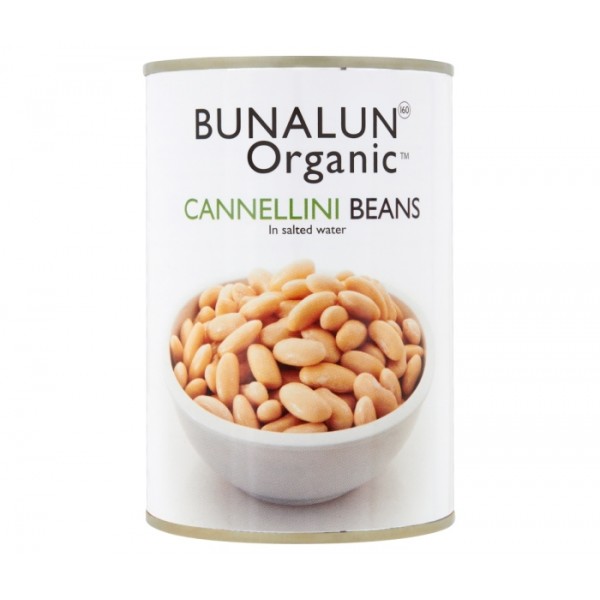
  • 2 x 400g tins of white beans
  • 1/2 a Savoy cabbage, rinsed & sliced
  • 1/2 a lemon, juiced (or 1 tbsp vinegar)
  • salt & black pepper to taste
  • pesto/cheese/olive oil/pepper to serve

Method

  1. In a large pot, sauté the leek, pumpkin and celeriac/celery with the olive oil until the vegetables start to soften.
  2. Add the garlic, thyme and bay leaves, season generously with salt and pepper and stir for 2 minutes.
  3. Then add the dried mushrooms, rice (or pasta) and cover with a litre and a half of water. Stir briefly then put the lid on and simmer until the rice (or pasta) is cooked through.
  4. Add the beans along with their starchy cooking liquid, and the chopped savoy. Brighten with the lemon juice (or vinegar) and add another litre or so of water so you reach the consistency you prefer.
  5. Taste and adjust the seasoning with more salt if needed. Reheat to wilt the cabbage and serve.
  6. This is delicious as it is or give it a little lift with a drizzle of good olive oil or pesto over each bowl. For added richness and flavour add grated cheese (or a sprinkle of cheesy nutritional yeast flakes if you want to keep it dairy free).

Quick Cabbage & Potato Curry

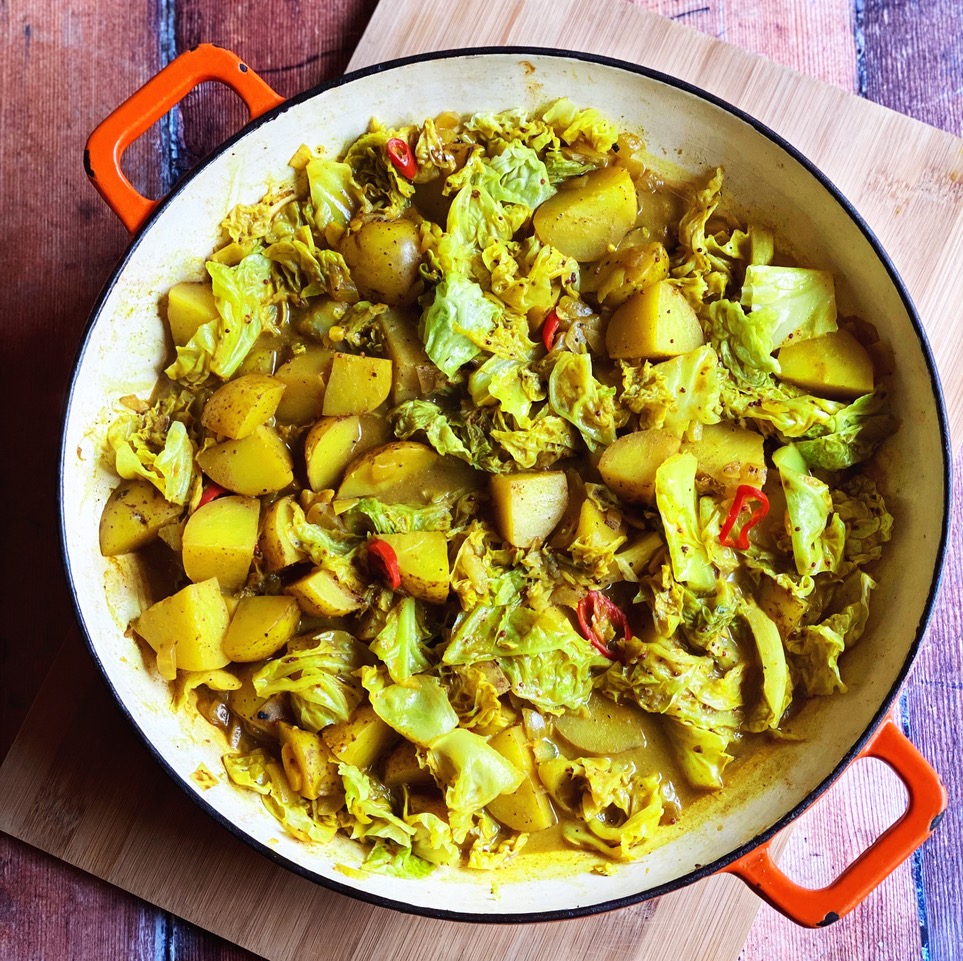
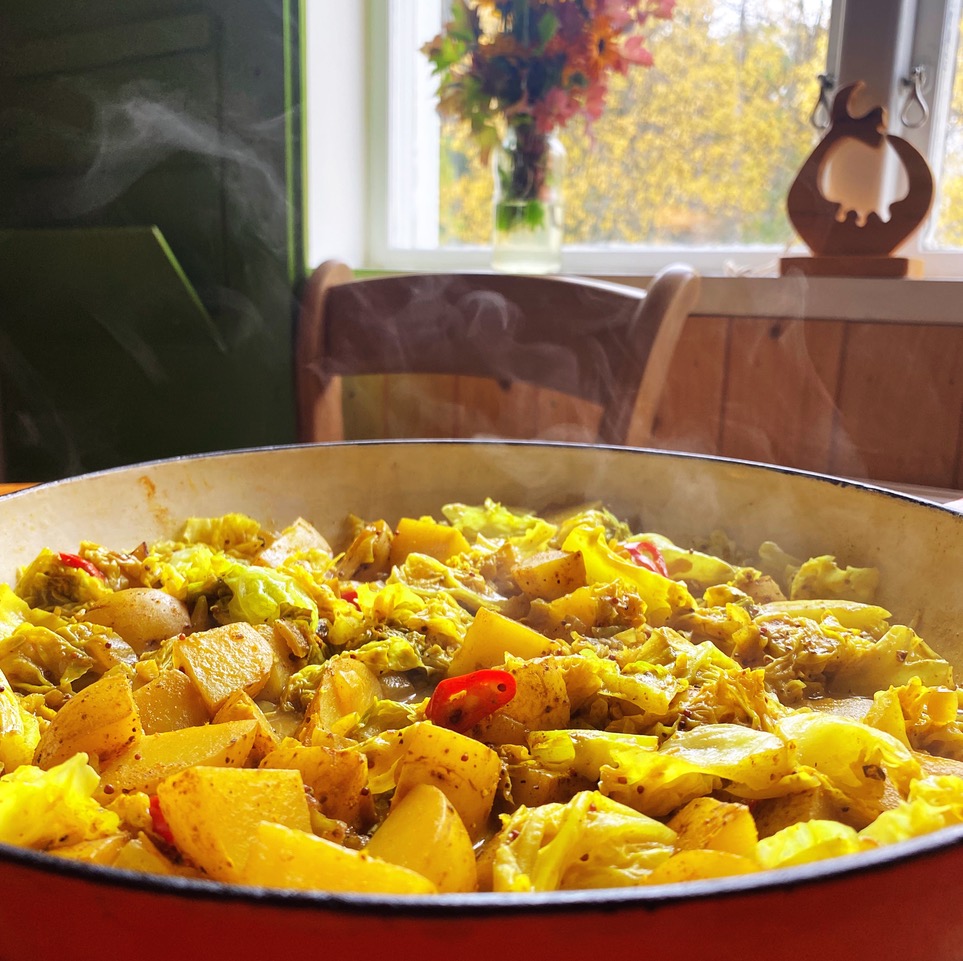
For a warming bowl of hearty food in a hurry, try this quick curry. Cabbage and potato are made for each other aren’t they? With the addition of some warming curry spices and creamy coconut milk, these humble ingredients can really sing! Of course you can tweak the recipe as you like with the addition of cooked chickpeas and some cauliflower/romanesco florets etc. Let us know if you tried it in the comments or over on our community facebook group.

Liz x

Ingredients (serves 4-6)

  • 2 tbsp vegetable oil
  • 1 white onion, diced
  • 4 cloves of garlic, sliced
  • 8 small/medium potatoes, chopped
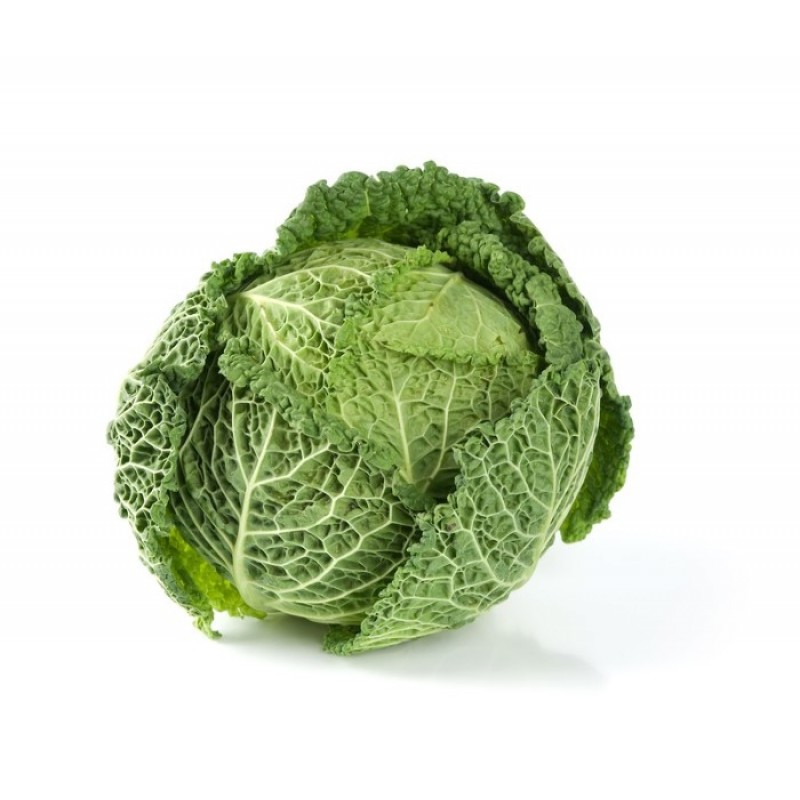
  • 1/2 a savoy cabbage, sliced
  • fresh chilli to taste, sliced
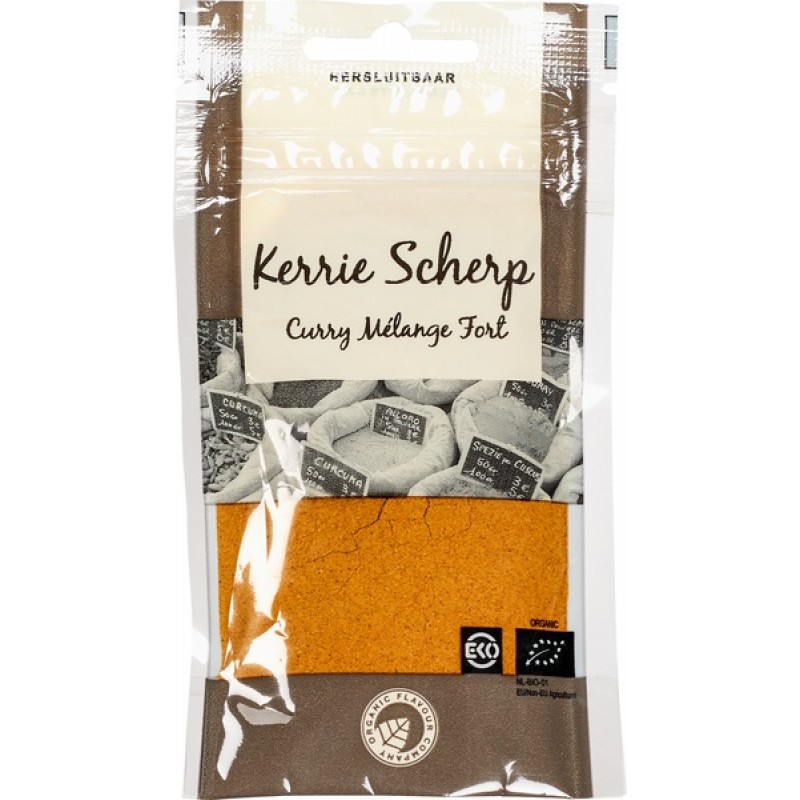
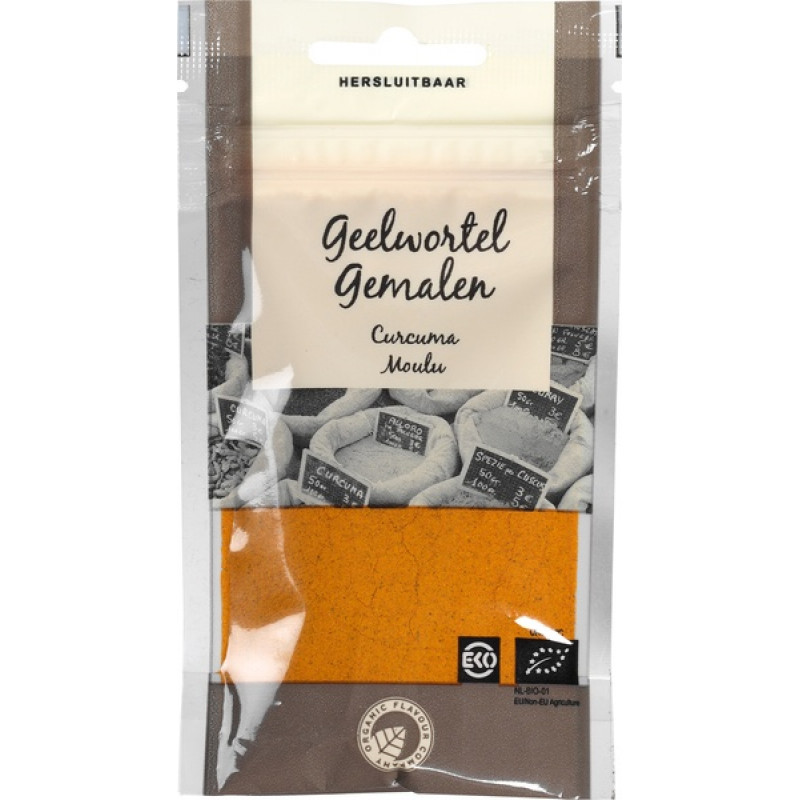
  • 1 heaped tsp each: brown mustard seeds, turmeric, curry powder, salt and black pepper
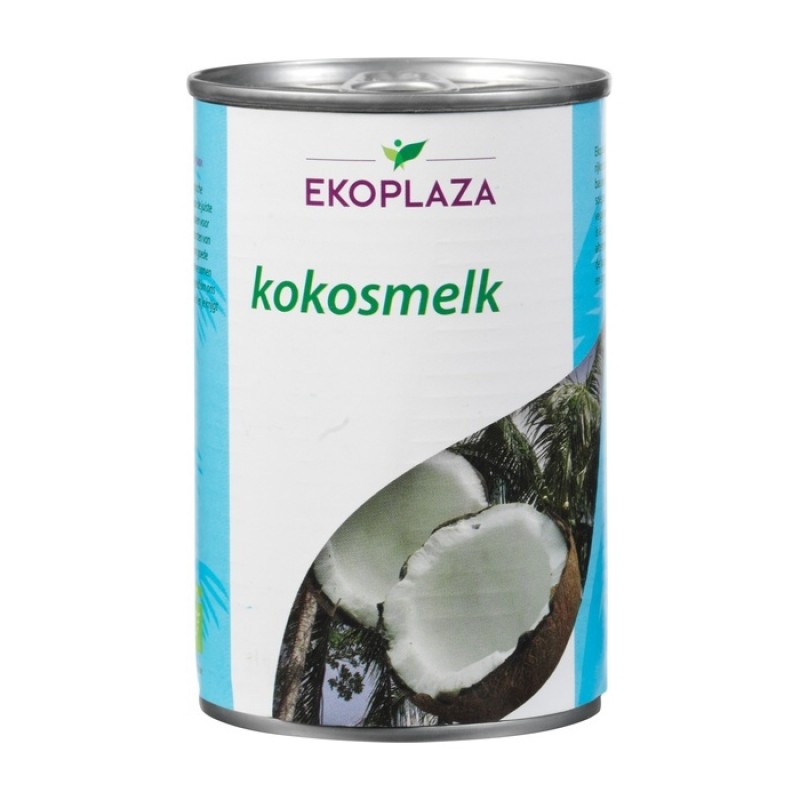
  • 1 400g tin coconut milk
  • *optional extras* – cooked chickpeas, cauliflower/romanesco florets…
  • Indian chutneys and natural yoghurt to serve

Method

  1. In a large, heavy bottomed pan (which has a lid), fry the onion and garlic with the vegetable oil until golden and soft.
  2. Add the potatoes, spices and seasoning and sauté until fragrant. Add a small glass of water then put the lid on and allow the potatoes to steam cook for 8 minutes or until tender. Test with a knife.
  3. Then add the cabbage, coconut milk and chilli to the pan, return the lid and let the cabbage wilt for 3 minutes. (Here’s where you can add the cooked chickpeas if using.)
  4. Then stir the vegetables together, taste and adjust the seasoning if needed with more salt/pepper, return the lid one last time for a further 3 minutes and your curry is done!
  5. Serve in warm bowls with Indian chutneys and natural yoghurt. Enjoy!

Can We Afford Cheap Food?

During the week I had the privilege of speaking at a food waste event organised by Concern Ireland.

As children my mum instilled in us an ethos of never wasting food (or anything else for that matter), we were rightly or wrongly always encouraged to finish our dinner.  

To this day she finds it very difficult to stay away from our “waste shelf” in the packing shed. This shelf is where all the worthwhile graded out produce is made available to the packing team to take home.

Up until recently and for many, many years, my mum could be found in there sifting through all the waste produce and salvaging anything that was good enough, then filling her car boot and bringing it all over Galway to people who needed it.

Like my dad’s work ethic, my mum’s need to save the food must have been programmed in her genes!  Their generation was not one that could afford to waste food. Food took up a more sizeable percentage of their disposable income and so had a higher value. In our society today the idea that food is valuable has changed, and unfortunately not for the better. 

Food waste is a major global issue. If it was a country, it would be the third biggest contributor to greenhouse gas emissions!  Food produced on nearly one third of all agricultural land is thrown straight in the bin! 

Here in Ireland, we dump 50% of all the salads we buy and an amazing 25% of all fresh fruit and veg! 

1.3 billion tonnes of food are wasted every year! This is an unimaginable amount, here in Ireland the figure is nearly 1 million tonnes, which contributes 3.6 million tonnes of CO2 to the atmosphere. 

These figures are staggering and bewildering but unfortunately not at all surprising. The cheap food culture engineered over the last five decades and evangelised by supermarkets has meant that we do not as consumers see value in fresh food. We expect it to be cheap. 

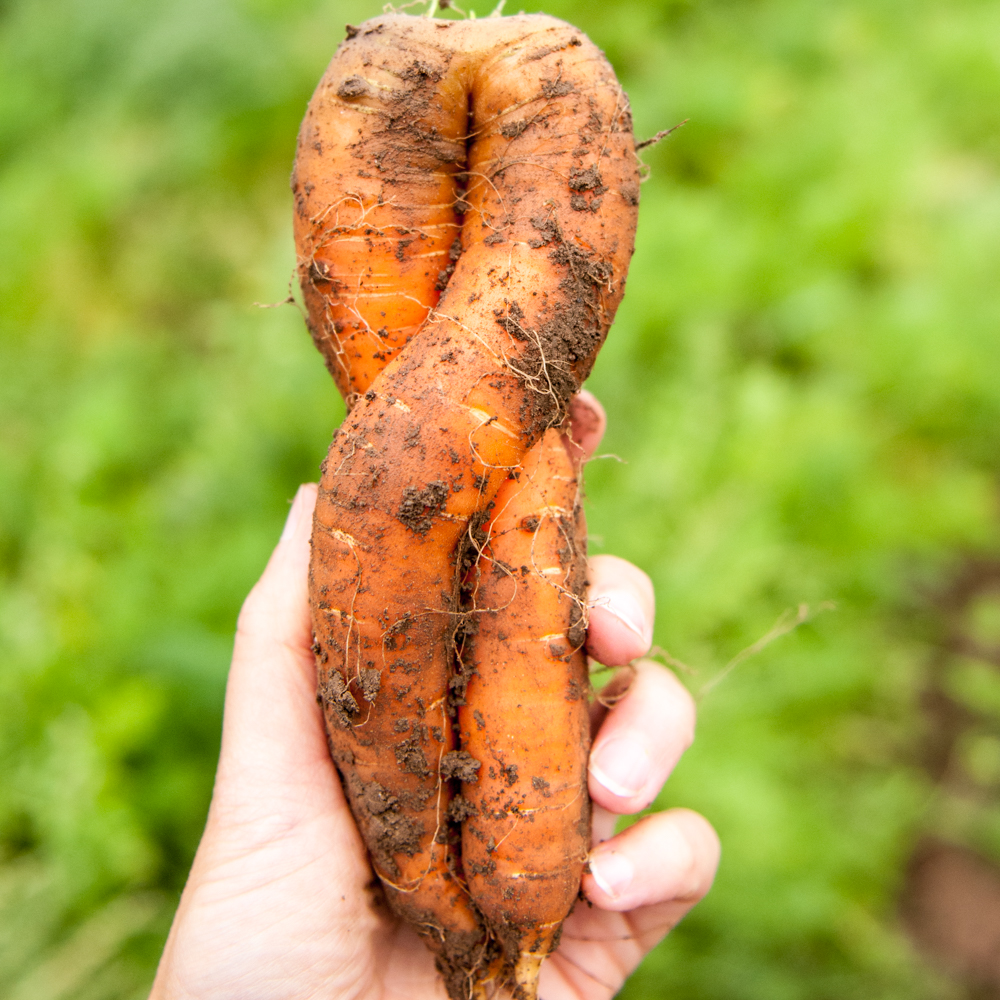
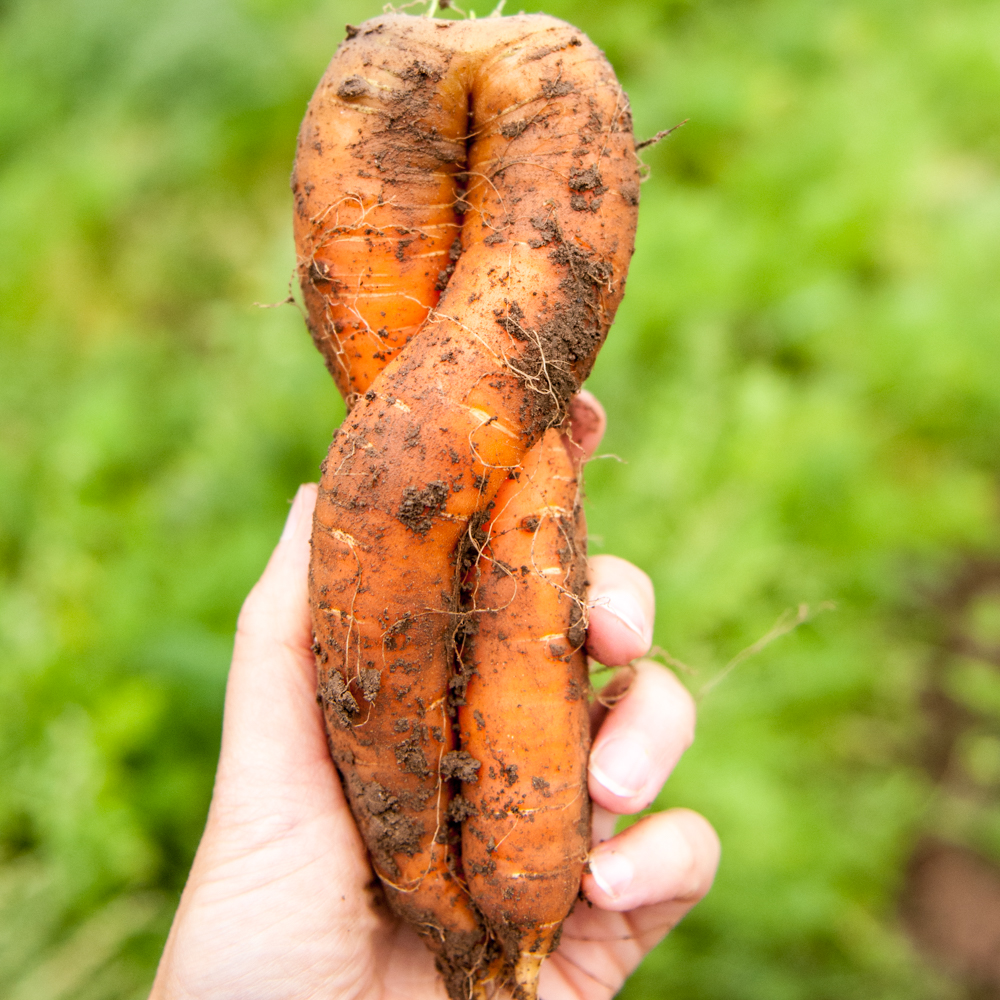
We expect it also to be shiny and picture perfect and uniform. Supermarkets actively discriminate against oddly shaped produce, or vegetables that are under or over spec. Our cabbage, the cabbage that you are getting in your boxes this week in a supermarket system would be graded out because they are too big!  

When I think of the land, and the planning and the work and the energy that is involved in bringing a crop to harvest it makes me feel angry and sad that somebody somewhere might consider that because of what a crop looks like it should be wasted. This is a system that has lost its way. 

Our food system is meandering dangerously close to it’s own undoing and as we stare into an uncertain future where climate change is playing a larger and larger part in our ability to grow food, eliminating food waste needs to be a priority. 

My mum’s relentless energy in making sure we as a business kept food waste to a minimum was one small part in a much bigger chain, but she played and continues to play an important part in at least keeping me on the straight and narrow and she never lets me forget that food is just too valuable to waste.

Needless to say, and as always (and I never get tired of saying it) your support for our business means that the issue of food waste will always be at the top of our agenda.

Thanks

Kenneth 

Savoy Cabbage Rolls

Cabbage rolls are so delicious! The simmered cabbage wrappers turn tender and sweet and are the perfect vessel to hold together a tasty filling. I lean towards herby brown rice, mushrooms and beans as in the recipe below, but of course you can fill them with whatever you like. Traditional minced meat and seasonings, a spiced mashed potato and chickpea curry, or make a twist on an enchilada and stuff your leaves with a tasty chilli? Bake in a rich tomato sauce, a curried coconut broth or simmer in a simple stock. Cabbage rolls can roll with whatever you are in the mood for. How do you make yours?

Liz x

Ingredients (for 8 rolls)

  • 2 tbsp olive oil
  • 1 white onion, peeled and diced
  • 6 garlic cloves, peeled and diced
  • 1 400g tin of chopped tomatoes
  • 2 bay leaves
  • 10 chestnut mushrooms, sliced
  • 1 400g tin of black beans, drained
  • 200g short grain brown rice, rinsed
  • 400ml water
  • 1 tbsp dried dill
  • salt and pepper to taste
  • 8 savoy cabbage leaves, rinsed
  • natural yoghurt to serve

Method

  1. Start with the filling. In a small pot which has a lid, fry the mushrooms and 2 cloves of garlic with 1 tbsp of olive oil. Season with salt and pepper and when the mushrooms start to take on some colour, add the rice, drained black beans, dill and water. Put the lid on the pot. As soon as it starts to boil, turn the heat down to the lowest setting. The rice should absorb all the water and be perfectly cooked after around 20-30 minutes.
  2. Meanwhile make the tomato sauce. In a wide, heavy bottomed pan which has a lid, fry the onions and 4 cloves of garlic with 1 tbsp of olive oil until golden and soft. Add the bay leaves and the tin of tomatoes. Swirl the juices from the tin into the pot too with half a tin of water. Season with salt and pepper and let the sauce gently simmer while you wait for the rice to cook.
  3. Once the rice is cooked through, taste it and adjust the seasoning if needed with more salt, pepper or dill. Then you can assemble the rolls.
  4. Use a rolling pin or the heel of your hand to flatten the tough stalk of each leaf. This will make it easier to roll. Then divide the rice between the 8 leaves and wrap them up. I find it easiest to have the stalk end closest to me, place the rice in the centre of the leaf, then roll the end of the stalk away from me, over the rice, tuck the sides of the leaf in, then roll on to the top of the leaf.
  5. Place the parcels, seam side down into the tomato sauce. Tuck them in snuggly so that they don’t unravel as they cook. Then put the lid on, turn the heat to medium and simmer for 10-15 minutes or until the leaves are tender. Alternatively you can place the pot in a hot oven.
  6. Serve with tangy natural yoghurt and enjoy!
Seasonal Eating

A while back somebody asked me, jokingly (at least I hope it was a joke, looking back now maybe it wasn’t, in which case I led them astray by my answer) ‘What corner of the farm did we grow pineapples and bananas in?’ My answer: ‘The far corner!’

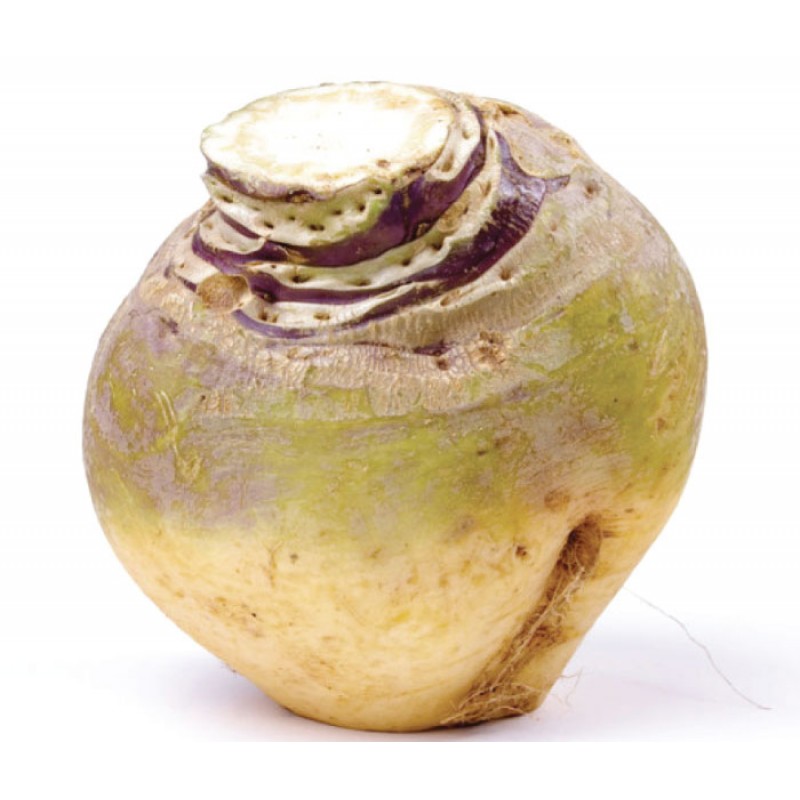
Eating seasonal, eating Irish, eating local, all admirable aspirations and absolutely possible-ish. ‘Ish’ because it can be tough, and it can require a great deal of thought and understanding and commitment if you want to stick to these ideals all year round and not end up eating turnip at every meal from Nov-March!

Eating seasonally is much easier at certain times of the years than others and this is the best time to start. This year is turning out to be one of the best years ever for harvest. However it is not all good news and while we have always been committed to sourcing local and organic where possible. Sometimes it is difficult to meet everybody’s expectations. 

I have just come off the phone with Richard Galvin our regular IRISH, seasonal apple grower and he has just told me the news that much of his crop was devastated with a late frost back in June and he will have few if any organic apples for us. 

There is nothing we can do about this, similarly in a few weeks the IRISH organic tomato season will finish, and we will then rely on imported organic tomatoes. While growing tomatoes out of season is possible it is energy intensive.

That being said, eating seasonal food can be remarkably rewarding.  The harvest on our farm is now moving towards the more earthy IRISH crops that thrive in our climate and tucked in there are some real seasonal stars. It is maybe the taste of the first freshly harvested carrot, or the start of the purple sprouting broccoli season that really make me appreciate the ebb and flow of the seasons and its effect on our local food supply. 

Following a strictly seasonal diet can be nearly impossible,but maybe using the old 80/20 rule might be a good idea here? Eating what is in season 80% of the time and eating what you want the other 20%.

But does taking a seasonal approach to food matter? Yes, it matters a lot, it matters for our planet and for our health. Seasonal organic food is usually fresher and therefore contains more nutrients, has been grown sustainably and has a smaller carbon footprint.

Even so, accepting that somethings just don’t grow in our country and some things only grow well in our country at certain times of the year is part of understanding our food landscape. We grow what we can here on our farm, but we still need to source bananas from the other side of the world.

Where we need to import, we will always make sure our produce is organic, Fairtrade where possible and never airfreighted.

One of our 5 pledges for the planet.

We have never had such a large range of local IRISH organic produce both from our own farm and from a host of other small organic farms across Ireland. Without any doubt right now is the perfect time to give seasonal eating a go. 

I am also looking for to the start of the proper Italian Clementine and Lemon season, and my favourite is the blood orange season later in the year. 

As always thanks for your support. 

Kenneth

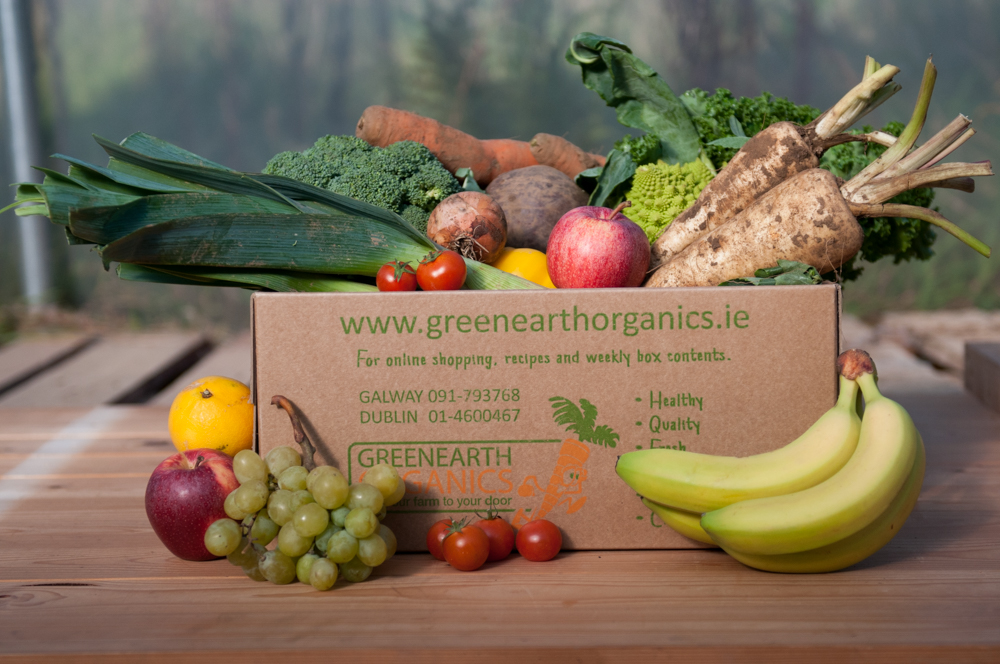
Get a box of locally grown veg (with some more exotic fruit thrown in for variety) here.

Steam-Fried Cabbage

Have we mentioned? Perhaps just once or twice? We have a LOT of cabbages coming out of our fields right now! Although we love cabbages – they are sweet and juicy, delicious raw or cooked, super-duper healthy (they are packed full of vitamins C and K and have loads of fibre and other amazing properties) – we know that it can be a bit hard to get inspired by them in the kitchen. I’ve done a ‘4 Ways With…Cabbages’ blog already which you can read here (it was written for January King cabbages but the same recipes can apply to pointed, savoy etc) and sauerkraut recipes here and here. But this recipe is the one I actually use the most at home. It’s so easy and so delicious! Who would have thought that cabbage would be the star of the plate?

Steam-frying involves caramelising a side or two of the cabbage first before adding stock and a lid to steam the cabbages until cooked through. The result? Sweet and smokey, juicy and tender, succulent wedges of cabbage with a stunning broth. I love it served over a simple grain/pulse – this time I went for some nutritious quinoa – and topped with something really ‘punchy’ like the capers used here. Some other ideas using the same steam-fry technique:

  • Serve it over rice (make the stock miso or soy-sauce infused) and top with a drizzle of sriracha and some toasted sesame seeds?
  • Serve over mashed potatoes and top with a dollop of mustard and a side of sausages?
  • Serve over warmed butterbeans or chickpeas (put chopped tomatoes and garlic in the stock) and top with smoked paprika, chilli flakes and toasted almonds?
  • Serve over pasta (put lemon juice and garlic in the stock) and top with cheese or pesto?
  • Serve alongside a Sunday roast?

Have you got any good ideas on how to serve steam-fried cabbage? Share them in the comments below or over on our community facebook group here.

Liz x

Ingredients (serves 4)

  • 1 pointed cabbage
  • 3 tbsp olive oil
  • 1 tsp salt
  • 1/2 tsp black pepper
  • 1 stock cube
  • quinoa and capers to serve (or see above for alternative serving suggestions)

Method

  1. Prepare your quinoa (or other base eg rice, potatoes, beans, chickpeas, pasta). For 4 people, I rinse a mug of quinoa through a fine sieve then pop it into a pot with a mug and 1/2 of water. Bring to the boil with the lid on, then turn to the lowest setting and simmer until the quinoa has absorbed all the water (about 10-15 minutes) and released it’s little tails. Take the pot off the heat but leave the lid on and let the quinoa rest.
  2. Meanwhile grab your largest pan that has a lid. A wide, shallow casserole dish is perfect. In fact, if you don’t have one of these, I highly recommend investing in an oven and hob safe one as they are so useful!
  3. Rinse the cabbage, remove any unwanted outer leaves and pop them in the compost bin. Use a large knife to carefully cut the cabbage into quarters, lengthways. You need to keep the core intact.
  4. Drizzle the quarters with the olive oil and season with the salt and pepper. Then place, cut side own, into the pan. Put the pan onto a medium high heat.
  5. Fry the cut sides of the cabbage wedges until they are beautifully coloured and caramelised. Meanwhile crumble the stock cube into 500ml of just-boiled water.
  6. Once you are happy that all the wedges are nicely caramelise, add the stock to the pan and pop the lid on. Keep an eye on the cabbage now, you may need to turn the heat down a bit to stop the stock boiling over. After around 8-10 minutes, the cabbages should be tender. Test with a sharp knife. If your cabbage is very large it may take longer of course.
  7. Serve over the quinoa (or other chosen base) and spoon over the stock. Top with capers (or other chosen topping) and eat whilst still warm.

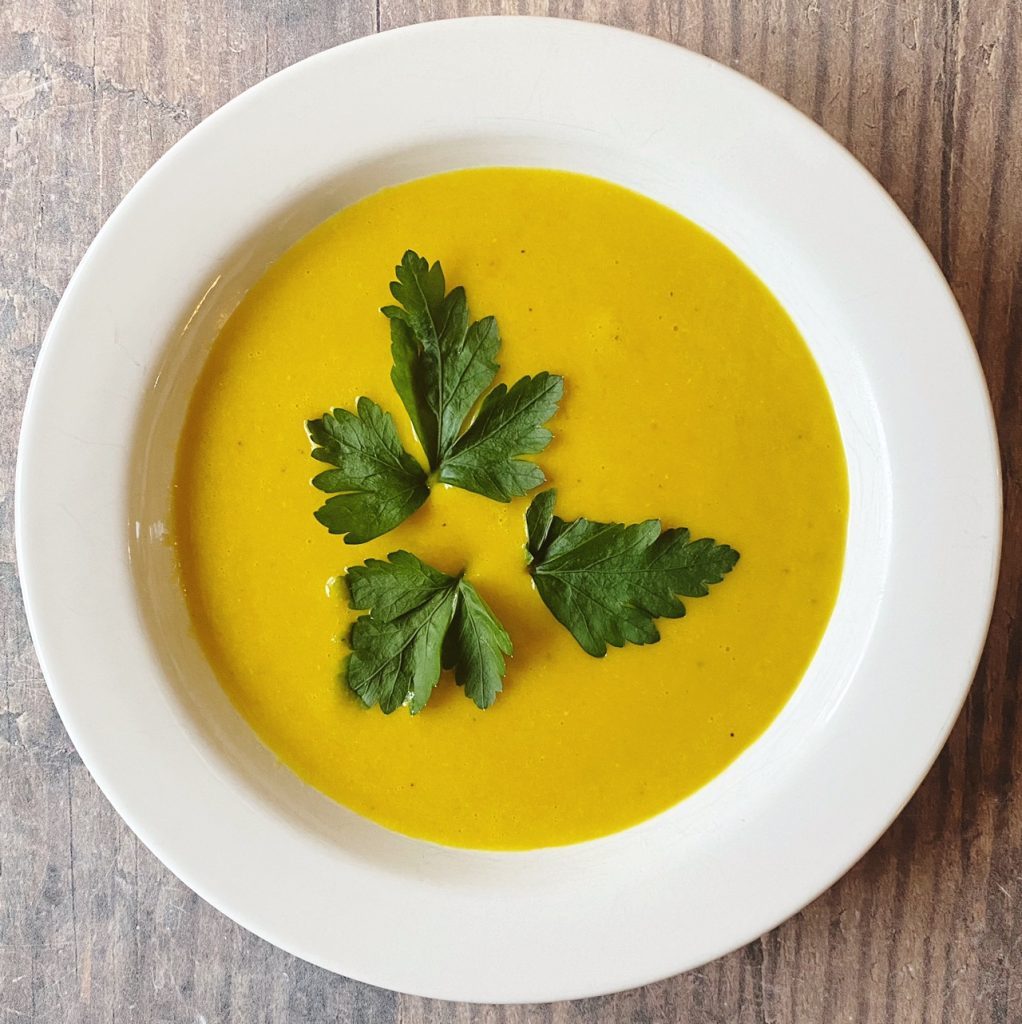
Roasted Carrot & Fennel Soup with Cheese Toasties

Soup weather is officially back and I’m not complaining! Soups are a fantastic way to get a whole lot of goodness into one simple meal. Probably at least once a week we have a soup and cheese toastie night. The simplest way to make a soup… whilst juggling the housework, homework, giving the dog a walk, firing off a few last emails etc… is to grab a tray, roughly chop up a good combination of veg, oil and season it well, and whack it in the oven. Then your surfaces are clear, all you have to do when it’s done is tip it into a big pot and blend it with some stock.

The carrots and fennel coming out of the farm at the moment are just stunning! So fresh and so full of flavour. And so often, what grows together, goes together! So here’s one of our seasonal favourites right now, a simple but super-tasty, carrot and fennel soup! Enjoy!

Liz x

Ingredients (serves 6)

  • 2 bulbs of fennel
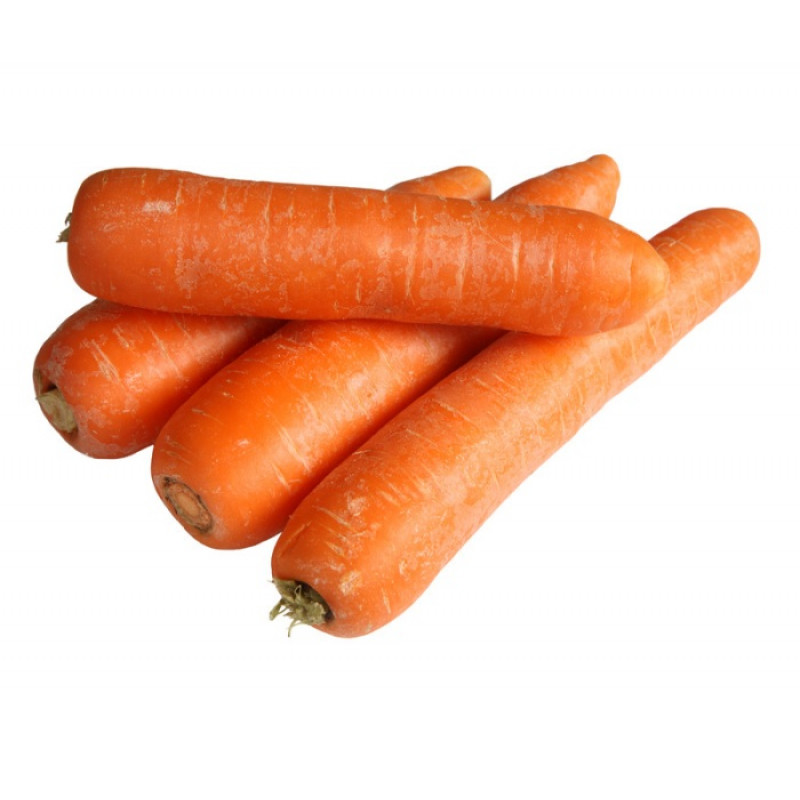
  • 6 carrots
  • 6 cloves of garlic
  • 1 leek (or 1 onion)
  • 3 sticks of celery
  • 4 tbsp olive oil
  • salt and pepper to taste
  • 2 vegetable stock cubes
  • 1 litre of water (in the kettle, ready to boil)
  • cheese sandwiches to serve (I like to butter the outside and grill them when the soup is ready)

Method

  1. Turn your oven on to 200C and find a deep roasting dish.
  2. Wash the vegetables, roughly chop them and place them in the roasting dish.
  3. Peel the garlic cloves and pop them into the dish whole.
  4. Drizzle with olive oil and season with a good couple of pinches of salt and a grind of black pepper. Mix well and then get the dish into the oven to roast. It should take about 30 minutes but keep an eye on it as ovens vary.
  5. Meanwhile make cheese sandwiches to grill (we have a lovely range of organic cheeses including a new Irish organic Mossfield cheese and vegan cheeses) and get a big pot and your stick blender ready.
  6. Crumble two veg stock cubes into a large jug and then add a litre of freshly boiled water. Stir to combine. Test the roasted veg for ‘done-ness’ with a knife. They should be soft and starting to take on some colour.
  7. Scrape the roasted veg to a large pot, pour over the veg stock and blend until smooth with your stick blender. You may wish to add a splash more water to thin the soup out to your liking. Taste and adjust the seasoning if necessary with more salt or pepper.
  8. Then grill the cheese sandwiches and reheat the soup on the hob. Serve and enjoy!
Don’t Look the Other Way

How often do we look the other way? How often do businesses and governments look the other way? Which is worse? Not knowing, or knowing and doing nothing?  As they say ignorance is bliss.

But what about re-framing that idea? What if we know something is good for our health our soul and the planet and we choose that path? What if that means we do the right thing because of the knowledge we have, then we are travelling down a very bright road indeed.

Ella went foraging for blackberries yesterday evening. She felt great for being outside in nature, she felt great for the satisfaction and the pure pleasure of finding and harvesting them and her health will certainly thank her for eating them. She did the right thing, she may not have thought about it much, but she felt it.

On our organic farm we have left the brambles, they provide wonderful homes for all sorts of life and their blossom is an early source of food for the bees, the best advice given to many conventional farmers is to spray burn and clear them! Why I say?!
We as farmers can do the right thing too, mostly we have the knowledge (although the food system and many professional advisers lead farmers down a factory farming and chemical laden approach to food which is unnecessary and inhumane) so hiding in ignorance will not wash.

At the other end of the scale, we have the conscious deception by multinational agribusinesses and large food corporations with billions at stake. They certainly have the knowledge and the resources to do the right thing, and yet they actively engage in measures to create a food system that involves not only looking the other way but one that damages our planet and our health while intentionally misleading consumers about their food choices.

Martin Luther King’s famous quote was most probably not targeting these corporations, but it is fitting in this context.

Never, never be afraid to do what’s right, especially if the week-being of a person or animal is at stake. Society’s punishments are small compared to the wounds we inflict on our soul when we look the other way.

Martin Luther King Jr.

There is so much we can do to reengage with a positive food culture. Building a positive healthy eating routine is the first step.  Taking a closer look at what we eat and where we source our food can transform our diet and collectively help transform our world.

There is little doubt that eating more organic vegetables and fruits sourced locally is the very best thing we can do for our planet and our health.

So, step out into nature, and if you do get the chance, blackberry season is upon us, it is short, so grab a bowl or two and get picking. They freeze amazingly well and are a fantastic addition to smoothies.

Kenneth

Explore our range of sustainably grown and sourced fruit, vegetables and groceries here. We deliver to every address in Ireland and Northern Ireland.