
A funny story about a lorry and a field

Four Guinness Barrels and some scaffolding planks, that was our first makeshift packing table. My dad myself and Jenny used to pack all the boxes and then load them into the back of our small Peugeot partner van. I would head out do the deliveries and the packing week would end with a bottle of wine at about 12am on a Wednesday night, all deliveries done.

Life seemed Simpler then, but our mind often plays tricks on us, remembering the sunshine and forgetting the rain: who remembers summers that were hotter drier and longer when we were kids? (Or were they?).  There was little money for anything, we made do with whatever we had. Jenny was working full time and that was our income.

Our packing week may have finished on Wednesday, but the working week never actually finished. We didn’t have the luxury of somebody to look after quality or packing or the farm, it was all done by us. Now we have great people doing amazing work, the care that goes into the packing each one of your orders certainly puts my early days of packing to shame.

I remember those days of not having a cold room to store our produce and of going out to the local pub carpark to meet the trucks to hand ball and unload some of our bought in produce.

There was one very funny, (well funny now, not funny then) incident where an artic truck came onto our farm, despite insistent communication that there was no way to turn a truck of that size. As I was eating my dinner one evening there was this giant truck parked right outside our house and the delivery driver waving in at me!

The driver decided on his own initiative to turn in our front field, needless to say this monstrous truck got stuck in the muck. Luckily through the kindness and help of two neighbours with very big tractors did we manage to get the truck out of that field.

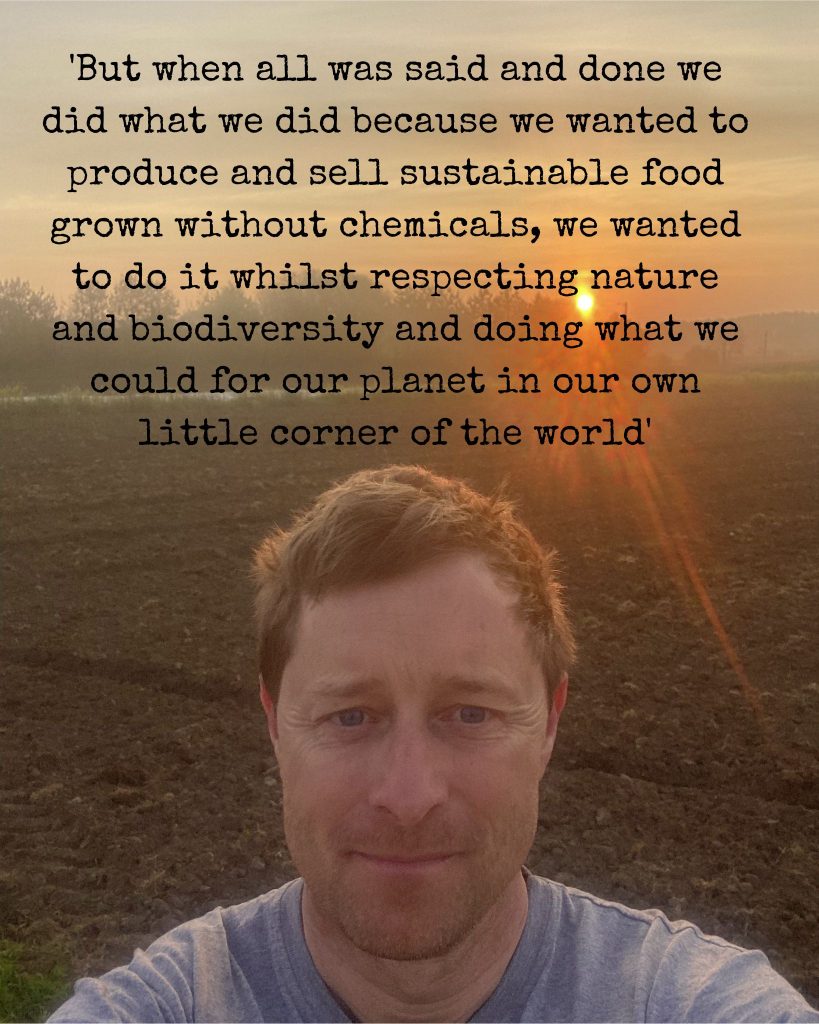
These were the trials and tribulations of starting out in farming and business and making it up as we went along. But when all was said and done, we did what we did because we wanted to produce and sell sustainable food grown without chemicals, we wanted to do it whilst respecting nature and biodiversity and doing what we could for our planet in our own little corner of the world.

We did that and planted trees and hedgerows and food and got through those first few tough years. It struck me as the bean counters were totting up the figures for last year that although we are bigger now, we are back to the point of having to make difficult decisions to ensure we keep the farm and business afloat.

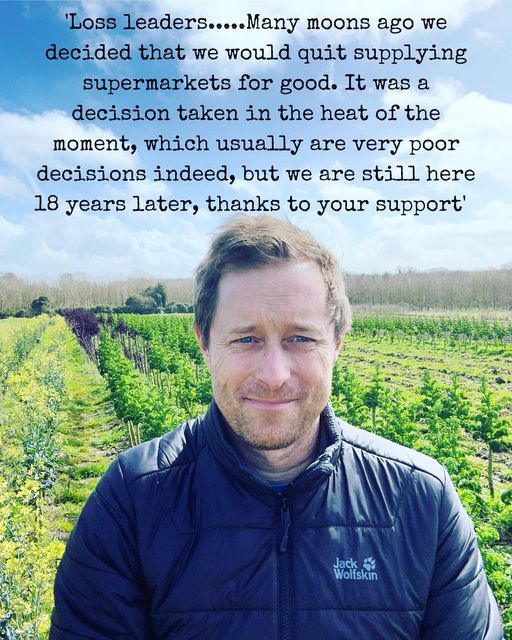
As Teagasc published another report detailing the pressures facing primary vegetable producers this week, with some farms closing their doors for good, and the amount of land area being farmed for vegetables decreasing due to the financial strain, it makes me wonder when will the value in good healthy fresh food be realised. When will the devaluation of fresh food by supermarkets end, when will they see the “value” rather than the “cost” in healthy fresh food.

As we look to the year ahead there is uncertainty. We are not sure what is to come, nobody is. This is our first ‘normal’ year in three years and for a business and farm it is hard to know what will be thrown at us, but whatever happens we will never compromise on our values.

Thank you for your support.

Kenneth

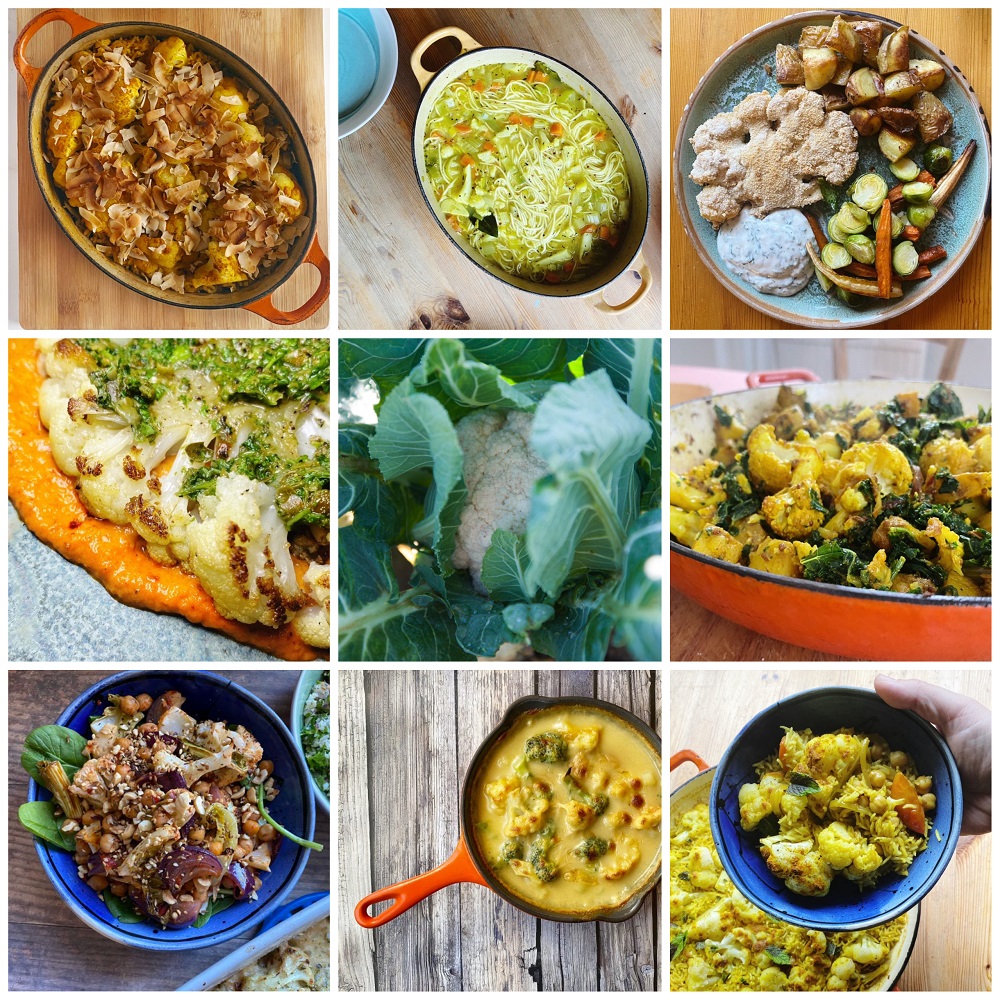
Cauliflower recipe roundup

Cauliflower doesn’t just taste great, it’s also really good for you. It’s high in vitamins C and K, and is also a good source of folate, which supports cell growth and is essential during pregnancy. On top of that, it’s high in fiber, calcium and potassium.

Here are a few ideas if you’re unsure what to cook with cauliflower. Click on the bold part to go straight to the recipe.

enjoy x

Cauliflower Fritters

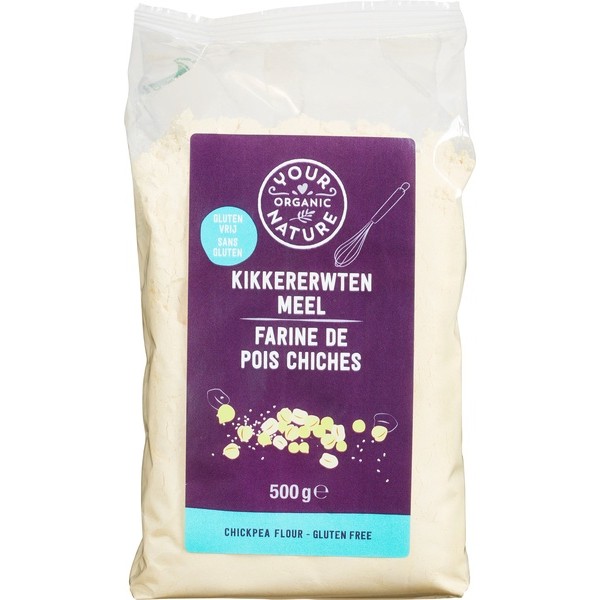
These curried cauliflower fritters are simple to make but taste absolutely incredible! We love them with a lime, coriander and yoghurt dip for lunch, or they make a spectacular side to a homemade curry. The batter is made with chickpea flour, so nutritious and with a gorgeous savoury crunch, it’s the perfect way to elevate the humble cauliflower. Give these a try and let us know how you get on.

Liz x

Ingredients

  • 1 mug chickpea flour
  • 1 tbsp curry powder
  • 1/2 tsp salt
  • black pepper to taste
  • 3/4 mug water
  • 1/2 a cauliflower, finely chopped
  • vegetable oil for frying
  • 1/2 pot natural yoghurt
  • salt and pepper to taste
  • 1 lime, zested and halved
  • a large handful of fresh coriander
  • flakey salt to serve

Method

  1. In a large mixing bowl, whisk the chickpea flour, curry powder, salt and pepper with the water. You should be left with a smooth, fairly thick batter. You can add more water if it needs.
  2. Chop up the cauliflower (include any leaves) and stir through the batter to evenly coat the pieces.
  3. Heat up a couple of cm of vegetable oil in a deep frying pan to shallow fry the fritters in. While it is heating, get a plate ready with a piece of kitchen paper to drain the fritters on after frying. You can also make the dip now too. Zest the lime into the yoghurt and squeeze in half the juice. Cut the other half of the lime into wedges to squeeze over the fritters later. Chop up the coriander and stir through the yoghurt with a little salt and pepper.
  4. Now the oil should be hot and you can fry the fritters in batches. Use a serving spoon to dollop the batter into the hot oil. After a few minutes, when golden brown, carefully turn the fritters and fry the other side. Careful not to splash hot oil on yourself us you turn the fritters. Use a spatular and a spoon to turn and lower the fritters without splashing.
  5. Remove the fritters when they are cooked and place on the kitchen paper to drain. Then keep frying in small batches until all the mixture is used up.
  6. Serve sprinkled with flakey sea salt and lime wedges. Dunk in the yoghurt and enjoy!

Lazy Lasagne

Craving lasagne but can’t be bothered with the faff? Make this speedy version all in one pan. It’s honestly so so delicious, and really hits the spot. We switch mince for nutritious, affordable, planet-friendly lentils and if we have a courgette in the fridge, it goes in in long thin slices to play along with the pasta sheets. We kinda like how organic and messy these bowls turn out. Want more creamy, béchamel-type sauce? Add swirls of cream cheese or creme fraiche just before serving.

Liz x

Ingredients (serves 4)

  • 3 tbsp olive oil
  • 1 diced onion
  • 4 cloves of garlic, chopped
  • 2 tbsp Italian seasoning (or a mix of herbs you like)
  • 1 tin chopped tomatoes
  • 1 tin lentils, drained
  • 8 lasagne sheets, snapped
  • 1 courgette, thinly sliced
  • salt & pepper to taste
  • cheese & pesto to serve

Method

  1. In a sturdy pan, sauté the onion with the olive oil and a pinch of salt for 5-8 minutes or until it starts to soften.
  2. Add the Italian seasoning, garlic and a generous grind of black pepper. Cook for another minute or two until very fragrant.
  3. Pour in the tomatoes and lentils along with a tin of water. Then break in the lasagne sheets and stir in the courgette slices. Simmer, stirring regularly, for around 10 minutes. If needed, add a splash more water.
  4. Taste and adjust the seasoning with more salt or pepper as you like, then when the pasta sheets are soft, sprinkle cheese and dollop pesto. Serve in bowls and dig in!

Solidarity

We all like to feel that we belong to something. At the very least we are all members of the human race, we have a nationality, we are from this county or that. There is of course much more to it than that, and on this day of all days, it seems relevant and right to speak about it.

The great Irish green wave can be seen far and wide on St Patrick’s day, a day when we celebrate being Irish and there are many things to celebrate, and food is certainly one of them.

Ireland is a nation of food producers; you would be forgiven then for asking the question why is it we import more than 70% of our vegetables. There are some pragmatic reasons for this. Next week we will come to the end of our Irish carrots, and we must import to fill the gap, the season is over. Seasonality is a major factor in supply. But when in season there should be no reason not to source Irish vegetables.

The Irish organic vegetable sector is a small niche within the overall Irish vegetable sector, which in itself is small. But there is something that makes the Irish organic sector special.

In my experience the Irish organic vegetable growers that I know are doing what they are doing because they believe in a better food system. They have no interest in putting chemicals on our food, they are interested and actively looking to improve conditions that help biodiversity thrive.  They plant trees, they manage and look after their soil, they are interested in protecting our planet and ensuring that they are doing what they can to mitigate climate change and finally they all want to produce healthy happy food. This I think is a shared and common belief.

Because when it comes down to it, why on earth would anybody start growing vegetables on a small scale in Ireland? Why, when it is impossible to compete with supermarket prices, when it is hard work for little return, there must be a bigger guiding principle.

These growers are opting to take the path less travelled because they believe it is the right thing to do.

The same could be said for you, you may be sitting at home or in your car or wherever you are reading this, you too are choosing a different path. We know it is more convenient to pick up your produce in the supermarket, we know you take the time and make the effort to read our little posts and order from us, some weeks, every week or once in a while.  This makes you part of a community of people that are taking action and making positive changes for our planet, because you value biodiversity and you value eating healthy food.

Earlier this year we planned out our farm, and I wrote about how we have cut back on growing certain crops.  We have passed on the responsibility for producing these crops to others organic growers here in Ireland, we know too that they share our values. At the time this was a difficult decision but now as I look at this in a new light I realise that in essence we are stronger together and that hopefully this small step will lead to a better stronger more resilient Irish organic vegetable sector.

So for the day that is in it, I would like to raise a glass to you for your continued and appreciated support, and to all the other Irish organic vegetables farmers out there, grappling with exactly the same challenges as us, we are all in it together!

Here’s to a greener future!

Kenneth

Chickpea Omelette

A simple mixture of chickpea flour, water and seasoning makes a really delicious batter that can be used to make egg free omelettes. Have you tried it yet? Delicious and so nutritious! Chickpea flour is high in protein, fibre and lots of vitamins and minerals. Stuff it with sautéed veggies and fresh herbs and you’ll be in brunch-heaven. Really you can make this recipe by eye and stuff it with whatever veg you like, but as a guide, here’s what I did to make two.

Liz x

Ingredients (makes 2)

  • 70g chickpea flour
  • 100ml water
  • 2 tbsp olive oil
  • a handful of chopped dill
  • 1 chopped scallion
  • salt and pepper to taste
  • 6 chestnut mushrooms, sliced
  • 1/2 tsp garlic powder
  • 1/2 a courgette, sliced into ribbons with a peeler
  • 2 large handfuls of spinach
  • 1 tomato, sliced
  • 2 tsp butter for cooking the omelette

Method

  1. Start by whisking the chickpea flour with the water into a smooth batter. Season with a pinch of salt, a grind of pepper and a handful of chopped herbs and half the chopped scallion. Stir in 1 tbsp of good olive oil to enrich the batter. Set to one side while you prepare the filling.
  2. In a non-stick pancake pan, sauté the mushrooms with the other tbsp of oil and a pinch of salt and pepper. Add the garlic powder to the pan once the mushrooms start to sweat. Add the courgette strips and spinach and stir fry for a couple of minutes until the spinach has wilted. Move the filling off the pan into a bowl and put the pan back over a medium heat.
  3. Now melt a tsp of butter in the pan and pour in half the batter. Swirl and cook the omelette slowly until it is set. Then put half the filling on half the omelette and arrange half the tomato slices on top. Fold the omelette and serve with a sprinkle of scallions.
  4. Repeat with the other half of the batter and fillings and enjoy!

Veggie Irish Stew Pie

This is ultimate comfort food, and the perfect dish for a family feast. Our veggie version of the classic Irish stew is hearty with beans and lentils. Chunks of sweet root veg and meaty mushrooms simmer in a broth of bouillon, dried mushrooms and bay leaves. We’ve taken the potatoes out of the stew and put them on top in the form of colcannon. This pie is so so delicious, packed with healthy veg and heaps of flavour, you’ll be coming back to this again and again and again.

Liz x

Ingredients (serves 6)

For the stew:

  • 2 tbsp vegetable bouillon powder
  • 1 tsp dried mushrooms 
  • 3 bay leaves
  • 1 liter just-boiled water 
  • a little oil or butter for sautéing 
  • 2 onions, roughly diced
  • 3 carrots, cut into chunks
  • 3 celery sticks, sliced
  • a couple of parsnips or a 1/4 of a celeriac, cut into bite sized chunks
  • 200g chestnut mushrooms, halved
  • salt & pepper to taste
  • 1 tin cooked lentils, drained
  • 1 tin cooked beans, drained
  • 3 tbsp cornstarch, mixed with enough cold water to make a slurry

For the colcannon:

  • 10 or so potatoes, boiled
  • 150g kale, thinly sliced
  • 3 scallions, thinly sliced
  • butter, salt & pepper to taste 

Method

  1. Gather and prepare the vegetables, get the potatoes into salted water to boil and turn the oven on to 200C to warm up. Pop the kettle on.
  2. Pour a liter of boiling water into a jug with the bouillon powder, dried mushrooms and bay leaves. Stir well, this is your broth.
  3. Then, in an oven and hob safe pot, sauté the chopped onion, carrot, celery, mushrooms and parsnips/celeriac with the oil and a little salt and pepper. Stir over a medium-high heat for around 7 minutes or until the vegetables take on some colour and start to soften and reduce. Now add the broth, beans and lentils to the pot and simmer the stew for around 10 minutes.
  4. Meanwhile make the colcannon. Once the potatoes are boiled, tip the sliced kale into the pot and let it boil for just a minute. Drain and mash the potatoes and kale together with plenty of butter. Stir in the scallions and season to taste with salt and pepper.
  5. The stew should be ready, now it will just need thickening. Pour the cornstarch slurry into the stew and stir over the heat until the stew has thickened up. Then top with the colcannon and run a fork over the top to even it out and rough it up.
  6. Bake it a hot oven until the top has browned and crisped up a little and the stew is bubbling. This should take around 15-20 minutes if you get it in the oven whilst still hot. Enjoy!

Spinach and Banana Pancakes

St Patricks day is around the corner and we are very excited to cook and bake with all things green to celebrate! Spinach is a super food in so many ways. Great for fibre, vitamins K, C, A, iron and lots lots more. The flavour of baby spinach is subtle enough that it can be used in sweet recipes too and its perfect partner is the dominant flavour of a banana!

Tip: Use a powerful blender to mix the spinach along with the wet ingredients and you’ll get this lovely vibrant green colour through the pancakes.

We stock all the fresh and dry ingredients you need to make these fun green pancakes!

Lou 🙂

Ingredients:

Method:

  1. Tip the cup of spinach into a blender along with the banana, egg, plain yoghurt, milk and blend until really smooth and bright green.
  2. Sieve the plain flour, baking powder, bicarbonate of soda and sugar into a mixing bowl. Mix really well with a spoon.
  3. Pour in the green liquid mix and gently stir the batter until no flour remains.
  4. Warm a frying pan on a medium heat and lightly oil.
  5. Add 2 dessert spoons of batter per pancake to the frying pan and use the back of the spoon to make them round. Cook 3-4 pancakes at a time if they fit on the pan.
  6. Cook until little bubbles appear then flip and cook for a further minute or two until cooked through.
  7. Serve warm with your favourite toppings .

Children and our connection to our food

Back in March 2019, it seems like an age ago now, just before the world went a bit sideways we had a visit from a local national school of 60 or so excited children.   It was a wet windy and extremely mucky day. The kids were here to learn about food and how it’s inextricably linked to sustainability, healthy eating, climate change, and crucially the health of our land and soil.

That is me trying to share my food vision with my daughter by getting her to eat broccoli 13 years ago and failing!

They had such fun. I think my favourite moment of the tour as I was digging carrots was watching all the small hands grabbing and grappling in the mucky soil to pull out those lovely little carrots.  At one stage, in a field completely saturated with muck and water there were sixty children running and jumping all over the place, loving nature and being outside. I did extend a little compassion to the teachers who would have to round them all up at the end of the day!

They were very enlightened little people; they knew about the bees and about pesticides and climate change.

It’s funny that whilst us adults will do all we can to avoid the muck and the puddles, children embrace the messiness of it all. They are instinctively happier outside and seem to have an innate appreciation of the beauty of nature and just get on and have fun whatever the weather, and after harvesting those carrots they were adamant they were going to eat them all for their tea, and I bet they did.

What we as adults do now and the vision of the earth our children learn to see will shape the future of our planet. We are the guardians of that vision, and it would be wise to remember they do as we do; not as we say.

A little example and a little nurturing are all it takes to open our children’s eyes to the value of food. Some of the kids I spoke to thought carrots came from a supermarket shelf not from a field! You should have seen their excitement when they pulled their first carrot ever.

This disconnection from the land and the growing of food is the product of our modern food system. For most of us we are only 2 generations removed from having grown our own carrots.  How easy to change this and re-educate both ourselves and our children about the value of food, about the origin of food, and about the value of the land that we tread upon beneath our feet.

“Despite all our accomplishments we owe our existence to a six-inch layer of topsoil and the fact that it rains” Paul Harvey

We are not all blessed with a little patch of ground… I get that, but we all can manage a little flowerpot on the windowsill planted with some seeds, and how exciting to see the plants flourish. 


Maybe we owe it to ourselves and to our children to find out a little more about how our food is produced?

Kenneth
Chocolate Guinness Cupcakes

These are just like a pint of the dark stuff. Bittersweet, rich and fudgy chocolate cupcakes with a sweet, creamy frosting. If you are a fan of dark chocolate, you’ll love these. The Guinness in the recipe reacts with the baking soda to make the cake rise, as well as adding dark, delicious, malty flavours. So good! The perfect treat for St Patrick’s Day.
Liz x

Ingredients (makes 12)

Cake:

  • 150g flour
  • 50g cocoa powder
  • 1 tsp baking soda
  • 100g sugar
  • pinch of salt
  • 50ml oil
  • 250ml Guinness

Icing:

  • 50g butter (room temperature)
  • 100g cream cheese
  • 100g icing sugar (sieved)

Method

  1. Pre-heat the oven to 175C and line a muffin tin with 12 cases.
  2. Mix the dry cake ingredients together in a bowl to evenly disperse the baking soda, then stir in the oil and the Guinness. Stir into a smooth batter, but do not over-mix.
  3. Divide the batter between the 12 cupcake cases and bake for 12-15 minutes until risen. An inserted skewer should come out clean. After a few minutes, carefully move the cupcakes to a cooling rack.
  4. To make the icing, whisk the softened butter with the cream cheese until smooth. Then add the sieved icing sugar, one tablespoon at a time. Whisk the first tablespoon in until creamy and smooth before adding another tablespoon and whisking in again. Repeat until all the sugar is incorporated and the icing is fluffy and creamy.
  5. Allow the cupcakes to completely cool before icing. Enjoy!