Fake Farms and Farm News

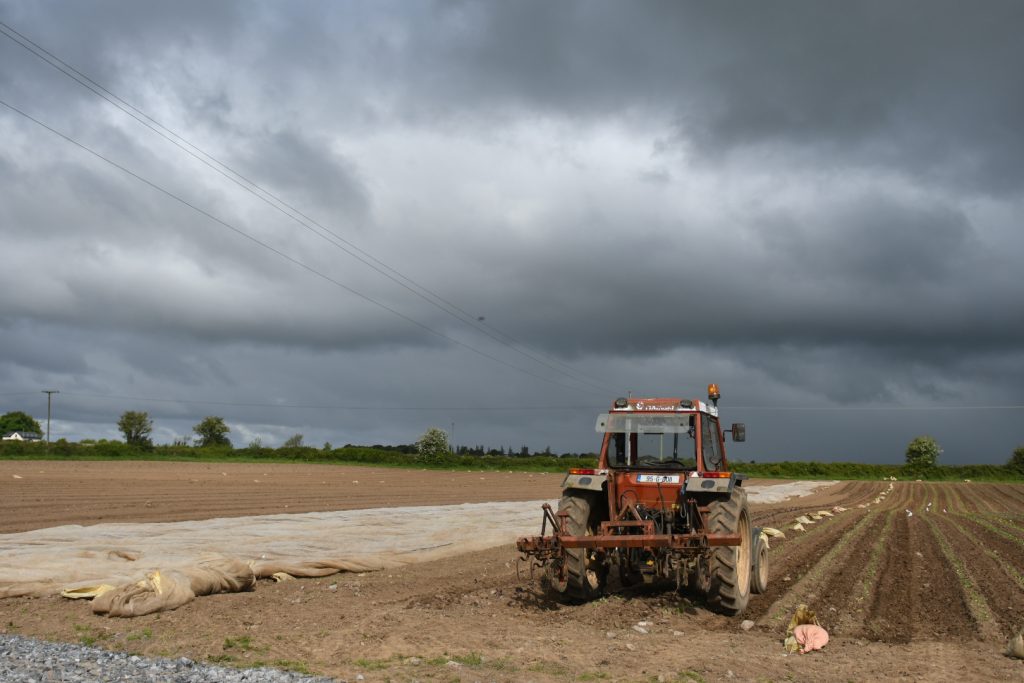
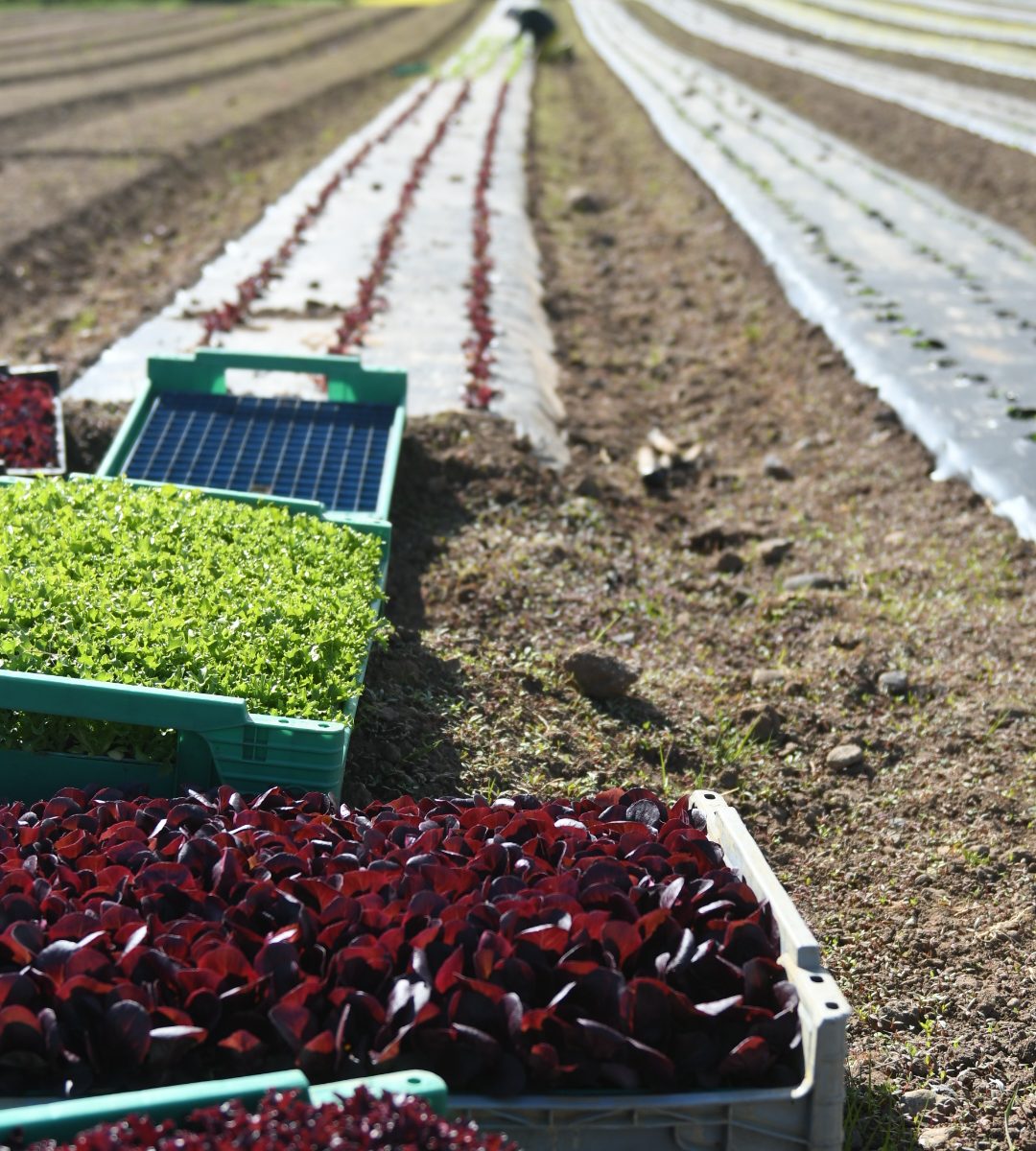
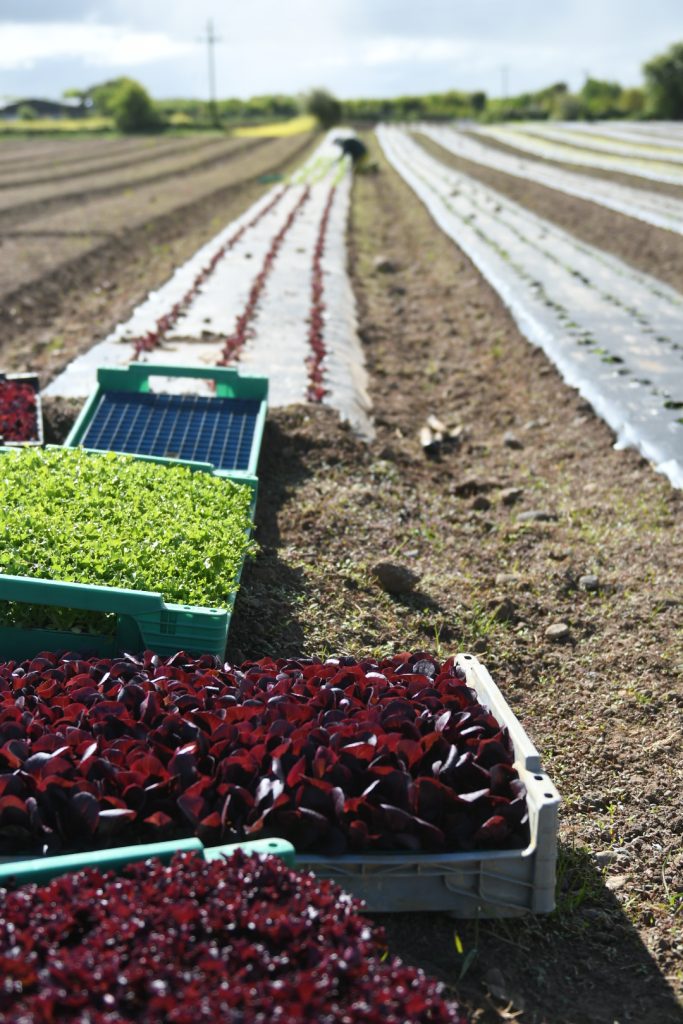
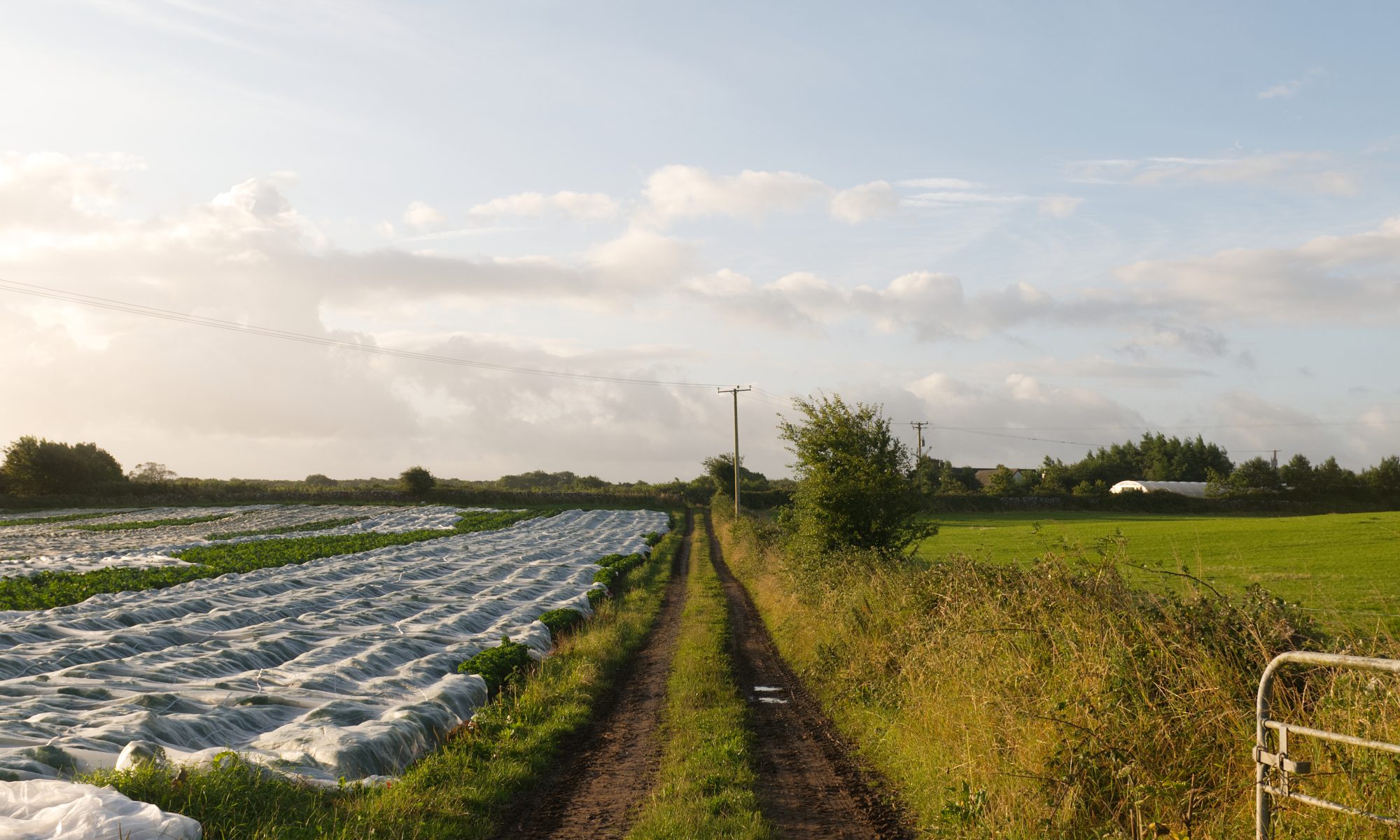
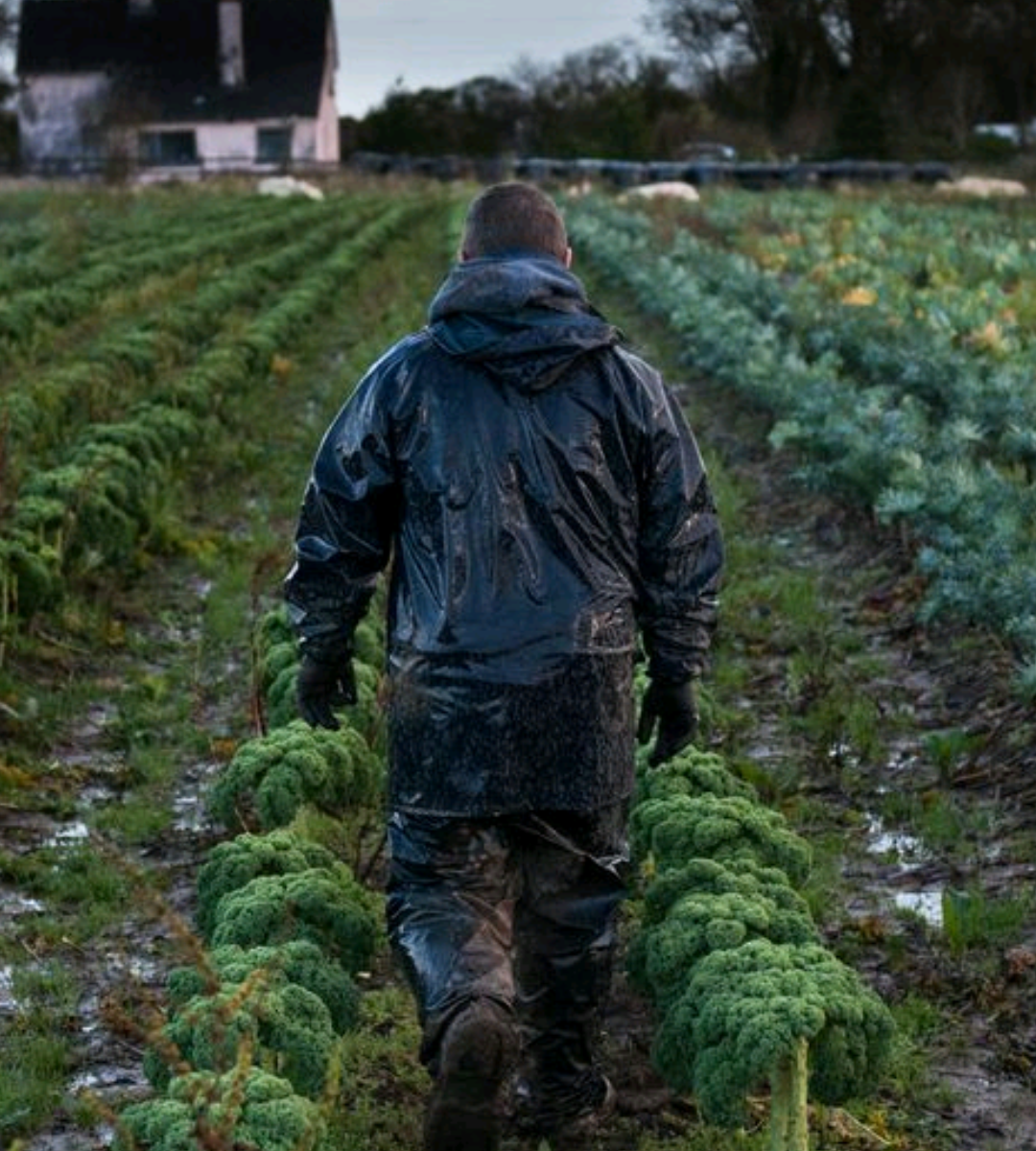
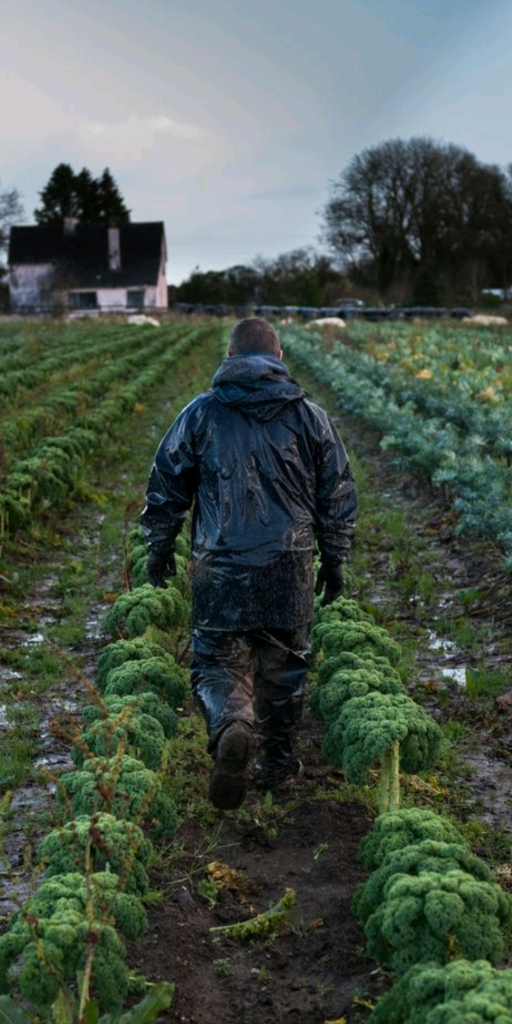
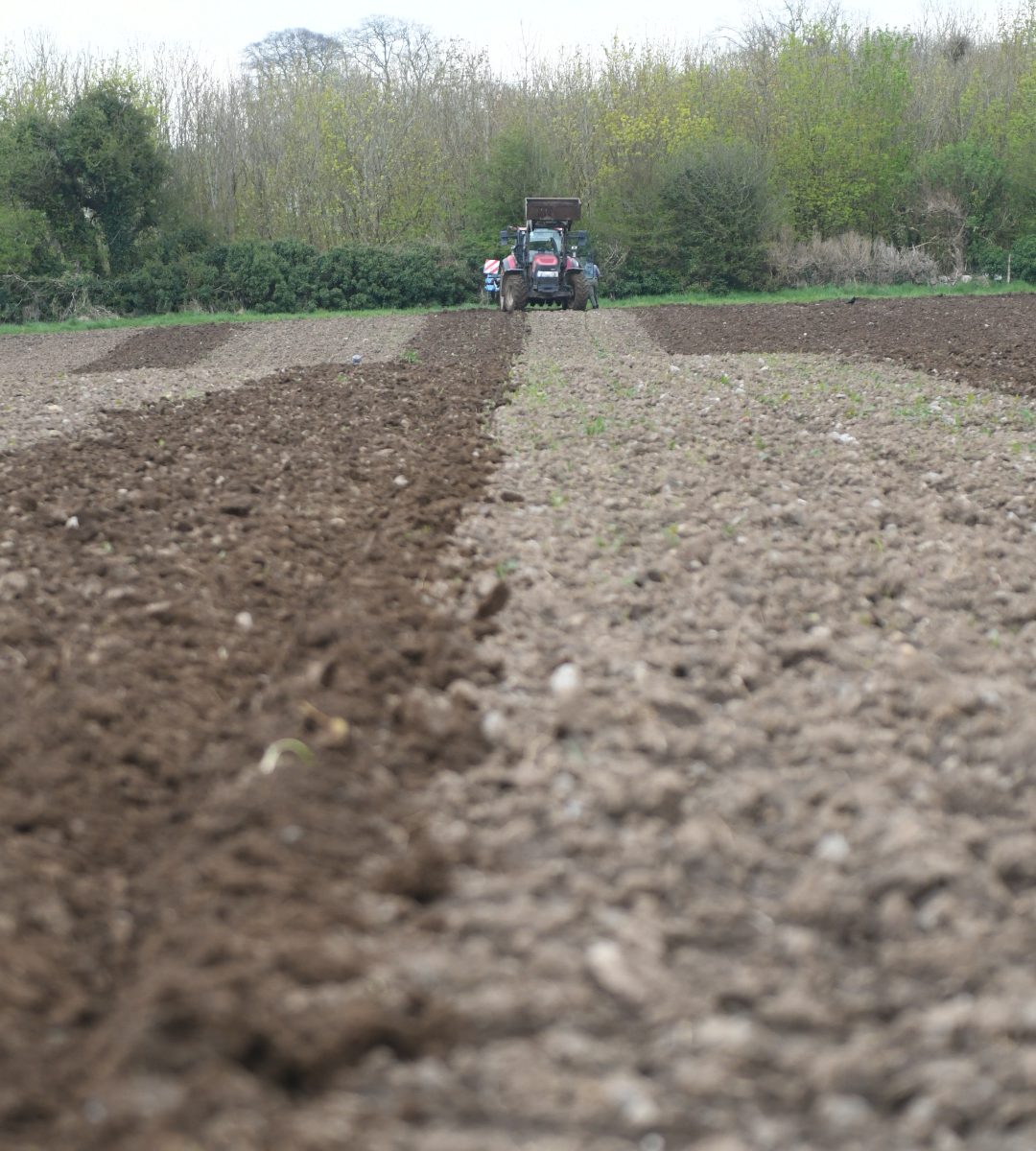
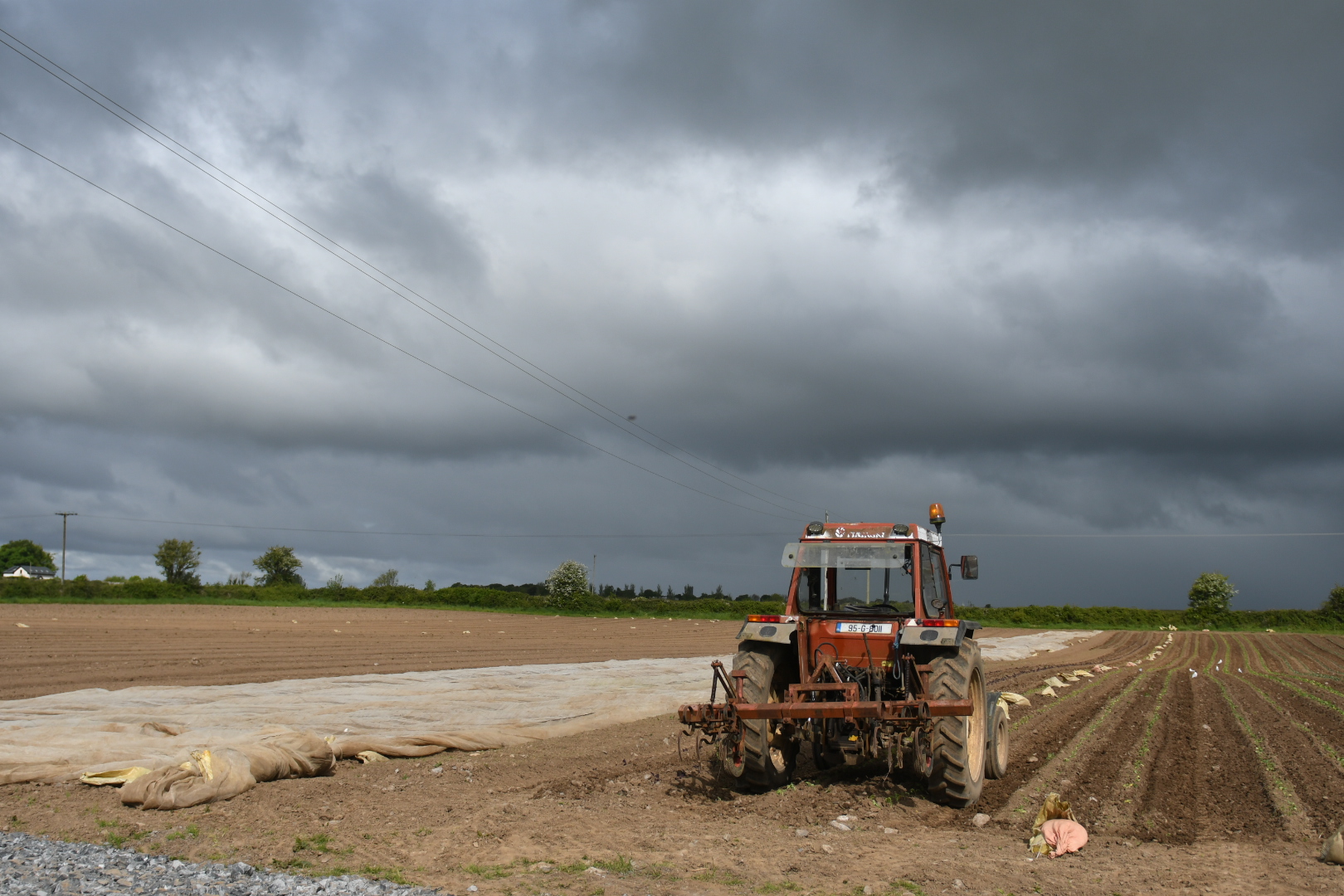
It’s been a wonderful week on the farm; the soil is dry and that makes planning and getting things done so much easier. Planning around the weather makes growing 20 crops on a commercial scale tricky.

So, to get the last few weeks of dry weather has been a Godsend. Now mind you it has been cold, the wind has been biting, but I am informed that this may be changing towards the end of next week.

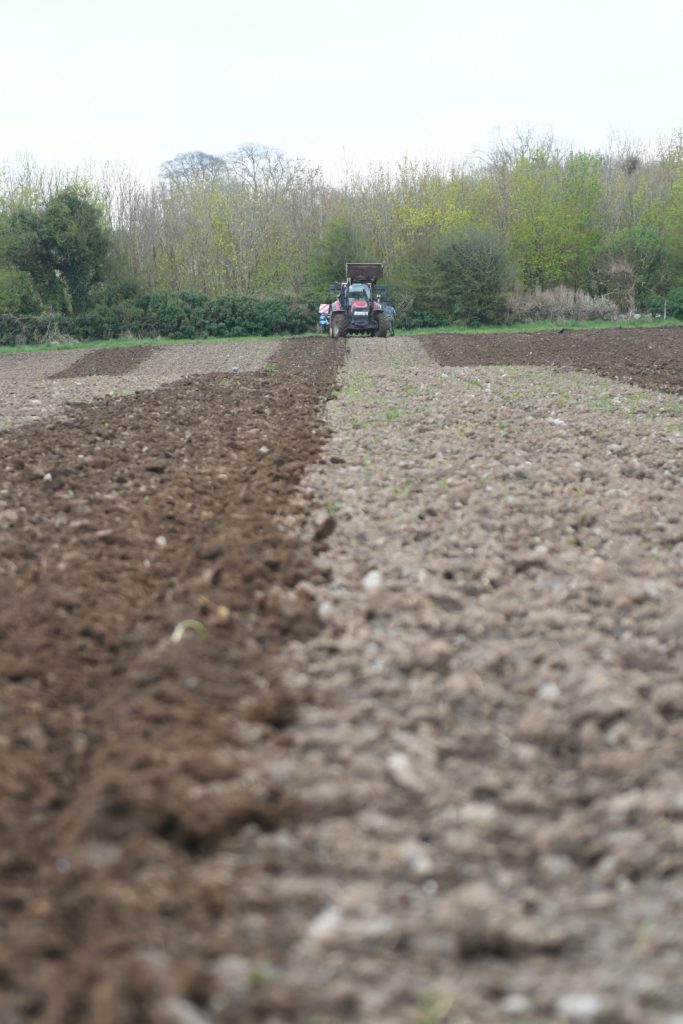
Either way we have been making the very most of the conditions. We have planted and sown loads of crops and although growth has been slow, the plants are at least in the ground. We are a little behind, but I feel more confident now that I did two weeks ago for the season ahead.

Cameron our potato grower has informed us we will be coming to the end of his Irish potatoes in the next couple of weeks, he grows all our Irish potatoes, and we have had a great relationship with him for a number of years now.

Richard from Clashganny organic farm has also sent us his last pallet of Irish organic apples, we have buying Irish apples off Richard for maybe nearly 10 years now.

Joe Kelly has cucumbers planted for us, and we are getting salad, and spinach and chard from him most weeks, we will take most of what he has for us throughout the season.

Beechlawn Organic Farm have been supplying us organic produce since we started nearly 20 years ago, and it is amazing to have a resource such as them down the road, they have been true leaders in the Irish organic production over the last 25 years.

Millhouse Farm produce the very best rocket, salad and parsley, and we have been getting produce from them too for a number of years. This is a just a sample of some of our real Irish farmer partners. There will always be discussion around quality and a bit of back and forth, it is fresh produce after all, but we will always make it work.

These are real farms with real names as is our farm. Of course, we import and buy in produce and deal with other amazing suppliers and growers and co-ops in Europe too.

But what we do not do, is create marketing brands that have names that give the impression that they are actual farms. Names that give customers the impression that the produce comes from a real family farm that does not exist, for example the name “Farrells” from one well known discount supermarket. This is NOT a real farm!

The facts are clear, the number of veg growers in Ireland has contracted from over 600 to just over 60 in the last 20 years, the pricing power of supermarkets has had a heavy hand in this.  Primary produce is always the first in the firing line when it comes to discounts and has often and is still used today as a loss leader to lure consumers into large supermarket stores.

You cannot argue with making food more affordable and cheaper, but I would argue there are few industries that are forced to accept a price less than the cost of production, it is not right.

This too is a story of the powerful and the powerless. When any large retail organisation has massive market share it can put undue pressure on small suppliers who in truth have little option but to comply. Thankfully the scales are moving at least a little in the right direction, and it seems the crisis in the Irish veg growing sector maybe the last straw that is at last offering a little protection to Irish producers.

As always, your support is helping move us towards a fairer food system.

Thank you.

Kenneth

PS We may need to get a bigger marquee it seems, the tickets for our sustainability festival on the 12th of Sept are selling out fast, and as the first press releases are going out now we would very much like to make sure you our customers get first refusal, so please have a think if this is something you would like to attend and get your tickets soon. 

A huge Announcement

Even after 20 years in business, no two days are ever the same and we keep on experiencing new things for the first time, new challenges, but also new opportunities. 

I have been bursting at the seems trying to contain my excitement at this announcement, which truly is a first for us. Something we have been working very hard on over the last 2 months and finally we can tell you about it, and the scale of this event is a first for us.

We are having our very first sustainability festival on the 12th Sept this year.  

We have an amazing selection of speakers, demos, suppliers, tastings, farmers, growers, beekeepers, music, speakers, speciality food trucks, artisan ice creams, and sustainable coffee, and of course farm tours planned, it will be a day to celebrate the diversity of Irish local food (from a vegetable perspective!) and the importance now more than ever of using the power of our food choices to drive change that impacts our health and the health of this planet in a positive way.

You can get your tickets here, there are a limited number of early bird tickets available, and then the full price tickets are €40, and these will be strictly limited too.

Generally, we have never charged (or charged a nominal fee) for our annual events on the farm, but we soon discovered that just to attempt to cover the costs of an event of this magnitude we needed to charge €40 per ticket just to aim to break even. If there is anything left over from the sales after costs are deducted the proceeds will be donated to our two chosen charities “Hometree” and “Friends of the Earth Ireland” both of whom will be speaking at the event. 

We are also charging for children’s tickets, this is something we would not normally ever do, but we have limited capacity in our speakers tent and so we feel we had to limit the numbers somehow. The entirety of children’s ticket fees will also be donated to our two charity partners.

We have always felt strongly that educating and inspiring children through connecting them with nature (and our two pet rescue pigs, George and Florence of course) is a very important part of our journey and we thought very hard about how we could make up to you as parents for having to charge. So, we have decided to put on an extra annual farm walk/tour this year, we will be running this on the 18th of July and there will only be a nominal charge (€10/car) to reserve your place. Tickets for this event will go on sale soon too so keep your eyes peeled, and we will let you our customers know first.

I always need to pinch myself to make sure it is real; that in fact we have made it to this pivotal milestone. It is hard to think that when myself my dad and my wife Jenny started packing our first veg boxes on pallets and empty Guiness kegs 20 years ago that we would be still here 20 years later. 

I think we are here too against all the odds, and there were plenty of times when I seriously considered throwing in the towel, it has been and continues to be a tough journey. I know some of you our customers have been with us right from the start, and that is something that makes me feel very emotional you are the reason that we are still here, and the reason when times were tough, we didn’t quit.

Now more than ever it is vital that businesses such as ours exist and thrive and grow. Our world is crying out for compassion, fairness, support, inclusion, sustainability, healthy food and somebody to standup for the health of our planet. You are that person, and you are facilitating us in helping deliver that message. 

So, from the bottom of my heart, thank you for keeping us growing (in every way).

Kenneth

PS In another first we have just launched a brand-new delivery day, we can now deliver to you on Mondays. This delivery day is much more difficult to achieve operationally, and the cost of delivery will be at the higher charge of €8/delivery. This is here to facilitate times when you need an additional delivery or an early delivery, we would ask that you stick to your normal delivery day and only use this facility if you really need to. In order to be offered this choice you will need to place your order as a guest rather than using your registered account.  

When people are fighting for survival, something must give…

A couple of weeks ago Micheál Martin was in the news for all the wrong reasons and ironically it may have been this time 20 years that he sowed the seeds of the discontent that was so visible last week and the beginning of the demise of the horticultural sector here in Ireland.

When I see a bag of carrots on a supermarket shelf for 29 cent, or a head of cabbage for 49 cent, something inside me tightens. If you are a grower, a farmer, or someone who has spent time working the land and growing food, you feel it deeply — it is demoralising.  

But where did all this start? How did we arrive at a place where fresh, Irish produce — some of the finest in the world — became a loss-leader, a price-war pawn, a way for billion-euro corporations to lure us through their doors at the expense of the primary producers? 

The answer traces back to one decision, made in 2006, by one minister: Micheál Martin.

He repealed the grocery order, imperfect as it was, it held a competitive norm in place across the entire market. When it went, the supermarkets turned to fresh produce as a loss-leader to drive footfall. It was perishable, visible, universally purchased, and — crucially — completely unprotected. Growers had no floor, no alternative buyers, and no leverage. The race to the bottom had found its favourite category.

“It would be cheaper to plough the vegetables back into the ground than to accept the prices supermarkets were offering.”— A carrot grower, recounted in the Oireachtas, 2026

This has left our horticultural sector in a critical condition. We import 83% of the fruit and veg we eat, and we export over 90% of the food we produce (dairy and meat), we are about as food secure as a barren rock in the middle of the Atlantic! The real threat to our food supply two weeks ago during the blockade had nothing to do with local food production and everything to do with the disruption to imports. 

But things could be better, we could grow more here. But to do that it cannot be a business with no margin, no fat in the system, nothing left on the table. When that is the model, all it takes is a fuel shock such as what we have seen last week to bring the house of cards crashing down. 

When costs rocket and you can’t get anymore for what you produce the end result is self-destruction. 

Of course we need to move beyond fossil fuel use, this is an absolute no brainer, and we now have a chance to transition to a clean green future (we have 30KW of solar energy on our packing shed and it is amazing). 

But in the meantime, for farmers and hauliers there really is very little alternative and when people are fighting for their survival something must be done. The irony of course is: if a fair price was paid for the food in the first place, then there would be enough leeway to absorb at least to some extent the price rises that have come over the last 20 years. 

As always only through your support can we continue to farm and support others that farm like we do.

Thank you

Kenneth

Hope springs eternal

I was hopeful this week that we would get our first vegetable beds made, but the soil is saturated, and more rain has arrived and more is forecast, it does not bode well for spring planting, this year crops will be delayed. Field conditions at least in the West of Ireland are poor and the soil is still cold and there is a distinct absence of life, I guess the earthworms and little bugs feel the same as we do about cold, wet damp weather. 

The excitement of a couple of weeks ago has waned a little, when we were making some good progress with our field work, it looks like for now patience is the order of the day. At least we have the tunnels to work in, and we will be planting our first new season crops (fingers crossed) at the end of next week, exciting! 

Tomatoes should follow the week after that and tomato planting usually symbolises the first proper start of the season with some brighter sunnier and dare I say it, warmer weather, we will wait and see.

In a rare absence from the farm a couple of weeks ago I had the pleasure of giving a talk to a growers’ network in Louth, a lovely bunch of people growing some of their own food and it was an uplifting and enjoyable experience. 

On the road up from Galway though we passed several bright yellow fields. If you are out and about this bank holiday weekend, keep an eye out for these fields, they will have an iridescent yellow tinge. 

They shine so brightly because they have been sprayed with an herbicide that has destroyed all plant life. The chemical, glyphosate, more commonly known under the brand name Roundup will have been applied to the land prior to ploughing. 

The EU had an opportunity in 2023 to ban glyphosate for good, instead it was licensed for use for a further ten years. Here’s a couple of interesting observations: prior to 1990 there were genuinely more toxic herbicides in use, there is no doubt about that, and nobody would advocate for going back there (these highly toxic chemicals are still in use in some countries) but we have traded a smaller use of genuinely horrible chemicals for an enormous use of a probable carcinogen and glyphosate is now everywhere. 

Are we any better off? No. 

Should the use of glyphosate be curtailed? Definitely. 

Is this happening? Partially. 

The ban on using it has a preharvest desiccant (it was and still is used in some countries to dry out crops prior to harvest, a genuinely terrible idea) was a positive step in the EU.

BUT there is a loophole, the use of glyphosate can still be used to treat weeds in the crop if it is 2 weeks prior to harvest. So essentially it still can be used as a desiccant, (even it this is not the stated reason). The impact will be the same, and this chemical which is systemic, will still end up in our flour, and in our bread and in our oats. 

I for one will take my porridge glyphosate free, thank you very much.

As always thank you for your support, and happy easter.

Kenneth

Another Irish Veg farm has closed. Who’s next?

Another vegetable grower has gone out of business. This time it’s one of the largest carrot producers in the country, supplying nearly 12% of the island’s carrots.

Hughes Farming and Agriculture, a major operator employing 45 staff, has closed its doors overnight and declared bankruptcy. Watch this week’s Instagram video on the topic here. 

How can this be? And where will we be if we continue down this road?

In the early 1990s there were over 600 commercial vegetable growers in Ireland.

As of last week there were 74. Now there are 73.

The sector is in serious trouble. Why?

There are many factors, but the biggest is simple: the price paid for produce by supermarkets versus the cost of producing it.

Since 2010, inflation and wage costs have increased dramatically. Vegetable production is hugely labour-intensive. The reality is that the price paid for vegetables has actually decreased since 2003, while the cost of producing them has soared.

In 2003 the minimum wage in Ireland was €6.35. Since then it has increased by 123%.

Yet the price paid to farmers for their produce has fallen. That is not sustainable Supermarket pricing and buying practices have played a major role in bringing us to this point.

So we need to ask ourselves an honest question:

Are we comfortable seeing all our vegetable growers disappear?

Ireland today imports over 84% of its fruit and vegetables. Are we happy for that to reach 100%? Because if we continue as we are, that is exactly where we are heading.

And it’s not just pricing.

Vegetable growers now face the increasing risks of climate instability. This year we have not ploughed a single field yet because of relentless and unprecedented rain.

Why would anyone choose to take on that risk, for returns that often don’t even cover the cost of production? I see it on our own farm every year.

Growing vegetables can be a loss-making enterprise. The only reason we can continue is because we have our own retail arm, which gives us some control over where the small profits in the business are allocated. 

Without that, we simply could not keep the farm going.

But it should not be like this.

Supermarket price wars, loss-leading vegetables, deregulation, and consumer buying habits all play their part.

The work is hard, physical and relentless. The thanks are few. Yet what we do is fundamental. It is about food security.

There will be very little we can do with iPhones if we run out of food.

And perhaps the saddest thing is that we have reduced food to something it was never meant to be: a plastic-wrapped commodity, sold as cheaply as possible, offered up on the altar of unrestrained capitalism.

Food should be a celebration of who we are.

So what happens now?

What happens to the 45 employees who worked there?
What happens to the supply of local food?
What happens to the skill and expertise built up over decades?

We can still take action.

We can choose to support Irish growers — not just when their produce is on discount, but when it reflects the true cost of producing real food.
We can support local farmers, farm shops, markets, and box schemes.
We can visit farms, go on farm walks, and learn what is involved in producing food.

There is a lot we can do.

I just hope it is not too late.

This year we begin our 20th growing season, and I find myself wondering what it will bring.

As always, thank you for your support.

It truly makes all the difference.

Kenneth

Are we looking in the wrong places?

When faced with a health crisis, a serious health crisis, we will pay whatever is within
our means to find a way out, there is no price too great. As health services around
the globe strain under the burden of populations afflicted by unprecedented levels of
chronic illness, we look to pharmaceuticals to ease the pain. Mostly though these
drugs treat symptoms and not the root causes.


Science is amazing and some of these drugs are breathtaking in their power and
completely necessary. But it is certainly easier to reach for a pill to solve a problem
than maybe making the systemic changes necessary to effect real long-term change.
Our food: clean healthy food eaten most of the time can help carry us into old age
without the unnecessary baggage of chronic illness, and a big bunch of daily
pharmaceuticals.


So, the question needs to be asked are we looking in the wrong places for ways to
stay healthy for as long as we can?
Stress and our food choices play a large role in the incidence of modern illnesses.


There is little question that the chemicals added to our food and the chemicals found
sprayed on our fresh food are not contributing in a positive way to our health. These
chemicals at low doses we are told are thought to be safe, but many are toxic,
irritants, hormone disruptors and some are carcinogenic or at least probably
carcinogenic. The best way to avoid these chemicals is to grow your own or source
certified organic produce.


Two weeks ago, we went to visit the largest organic trade show in the world in
Nuremberg in Germany. It was eye opening and inspiring and we found some
amazing new suppliers.


There were over 2200 companies there and we came home buzzing. (Caveat, if
there is an Irish supplier we will absolutely stock them first, but the organic industry
in Ireland is small) we found amazing fresh cakes, (plant based, but you wouldn’t
ever know it, with clean ingredients) a fantastic ready meal provider from Germany
making gorgeous plant based, healthy meals. I mean convenience and healthy and
tasty this I think is a rare enough occurrence. All organic of course.


We have developed a relationship with one Italian supplier that produces the best
Italian pastas and sauces, and we cannot wait to get them onto our shelves.
It’s funny, with fresh food it is easy to make the connection between possible
pesticide contamination and our health, it seems very real, like the chemicals can still
be on the broccoli leaves.


But when it comes to grocery items it is more difficult, and somewhere at least in my
brain, I think oh it is processed so it is fine. But say when it comes to grains, like
wheat or oats, it is probably even more important to choose organic, as these are some of the most heavily sprayed items on supermarket shelves. That is why we
were so excited last year when we partnered with Carraig Rua and their amazing
bread, and why we are excited to develop relationships with more truly amazing
organic producers that can supply the very best quality organic fare.


As always thanks for your support it makes all the difference.


Kenneth

Maybe we are not as smart as we think we are…

Honestly my grandad walked these fields, he farmed here with two farm horses one called Snowball, and he did not use chemicals. The idea struck me just before Christmas that we are the only species on the planet that will actively go out and cover our food with toxic chemicals to stop other living creatures from eating it and then eat it ourselves. That is an amazing forward jump for civilisation, don’t you think?

Using chemicals to ward off disease is as old as organised agriculture, and up until recently bluestone and washing soda, that is Cupper Sulphate and washing soda was used to help prevent blight on potatoes here in Ireland. This is now restricted under organic rules. My Grandad may have used it in the 1950s, and had it been available in the mid-1800s it may have saved millions of people from starvation during the great potato famine, using it would have been the right thing to do.

The key difference today is the scale, the toxicity and the ubiquity of pesticide use. Yes, the EU have been restricting the use of certain pesticides, but it very much looks like their ambition to clean up chemicals in our food will be put on hold for now.

There is also the argument that the dose makes the poison and for something like copper of course if you consume too much of it is toxic, in fact it is more toxic than Glyphosate, this may seem surprising.

But here are two key differences.

1. The use of Glyphosate worldwide is estimated to be 800,000 tonnes annually. For Copper sulphate reliable date does not exist but use is probably around the 10,000-50,000 tonnes mark. (note it is now severely restricted under EU organic standards). Glyphosate is everywhere.

2. Glyphosate is systemic, Cupper is not. Glyphosate gets into the plant and stays there; Copper sits as a barrier on the outside and is easily washed off.

Things are never as black and white as we may want them to be, the famine and the use of copper to protect the potato crop is a good example, if the option was there at the time it would have been the right thing to do to use it.

But today there are clear alternatives to chemical use in vegetable production. For weeding, mechanical and flame weeding are clear chemical free ways to control weeds. Using crops that are more disease resistant is a no brainer, and new varieties are constantly being bred (not GMO, but using natural techniques), take the potato “Connect” which has exceptional blight resistance and tastes great (the earlier Sarpo varieties had great blight resistance, but nobody wanted to eat them!).

For pests, well some crops will succumb that is the nature of nature!

We are often asked how we deal with slugs on our farm, and whilst at times we do use an organic approved slug pellet it is rare and we have virtually no problems. The ecosystem on our farm may be in balance and provides natural protection, as with any balanced system it just works.

So as always without your support we would not be able to continue to fight the good fight, so thank you for standing by us, and Happy New Year.

Kenneth

Chemicals in OUR kale, no chance…and a chemical free Christmas

So, we had our usual annual organic farm inspection again this year, and our produce was once again spot-checked. A sample of our kale was taken away and tested for…., now I must preface this with even I was shocked this time.

The last time our produce was tested it was tested for 870 chemicals. This time it was tested for 1200 different chemicals.

Now to be fair, some of these chemicals are banned in the EU, some are banned in the EU and are still used in other parts of the world and are still found on conventional imported food, many that are banned in the EU are still used in the US.

Whatever way you look at it, it is a lot of chemicals.

In total the most recent estimate puts the sales of these toxic chemicals at between 60-€80 billion per annum.

All of this brings me back to the idea, that we as organic farmers and producers must prove our chemical free nature! We must demonstrate that we are following the rules, that we are complying with the organic regulations, that we are not using synthetic pesticides, not using artificial fertilisers, amongst other things. This in our current food environment is fair as it protects us the consumer, and certified organic produce is a crucial way to ensure these chemicals are kept out of our food chain and for us as consumers to know we are getting chemical free food.

But, what if the shoe was on the other foot so to speak, what if we still demonstrated that we were pesticide free, but conventional produce had to list all the chemicals used in its production.

If you go into any supermarket now and check any pack of oranges, or grapefruit, lemons or limes, in fact any citrus fruit you will see the list of chemicals that have been coated onto the skin of the produce. It is clear for everybody who looks to see, one of the most common chemicals applied is one called “Imazalil” this is a probable human carcinogen, and it is applied to nearly every single piece of conventional citrus fruit you will find in a supermarket that is not certified organic.

Now this is not to cause alarm, and there is a justified argument that these compounds reduce food waste by preventing food from rotting. But here is the thing, is it worth it? Would you choose it?

Now at least in the case of citrus fruit it is clear, it is labelled and there to see, but what if all those other pesticides, we have been tested for 1200 different chemicals, what if all of the compounds that were used in the growing of our food was labelled, what then?

It may cause us to at least stop and think, and maybe consider the implications for our health and the health of the planet.

As always thank you for your support, without which we would not be here.

Kenneth

PS As Christmas draws closer, we have had challenges this week getting parsnips harvested as it has been so wet, planning our harvest and harvest from other Irish organic farms can be tricky at this time of year. If you can get your order in now it helps us plan and understand how much produce we will need, remember the deadline for Christmas is less than 2 weeks away now, and we have a finite number of products and produce, so please if you can support us this Christmas, even if you get one or two extra organic groceries from us as well as your fresh produce, it will make a huge difference, the supermarkets wont miss you but we will. Support us to help support you in making it a chemical free Christmas. The little red hat on our products indicates which products you can order for Christmas

Celeriac & Sage Soup with Ciabatta Croutons

Delicious and comforting, this celeriac soup with golden ciabatta croutons is the perfect way to warm up on a chilly day. The subtle sweetness of the celeriac pairs perfectly with the crunchy croutons. The soup can be stored in an airtight container in the fridge for up to three days, but the croutons are best enjoyed soon after cooking.

Enjoy!

Nessa x

Celeriac & Sage Soup with Ciabatta Croutons

Serves 6

Ingredients

  • 50g butter
  • 600g celeriac, peeled and diced
  • 1 onion, roughly chopped
  • Salt and freshly ground pepper
  • Handful of sage, about 10 leaves, chopped
  • 750ml vegetable stock
  • 75ml milk
  • 75ml cream, plus 50ml extra for serving

Croutons

To serve

  • 1tsp olive oil
  • 10 sage leaves

Method

  1. Melt the butter in a large saucepan over a low heat. When it begins to foam add the celeriac and onion stir to combine with the butter.
  2. Sprinkle with a little salt, a few grinds of pepper. Place a butter wrapper or a piece of greaseproof paper over the vegetables, to help them sweat. Cover with the lid of the saucepan. Sweat over a low heat for about 10 minutes, making sure the vegetables don’t stick to the bottom of the saucepan.
  3. When the vegetables are soft but not coloured, and the chopped sage and stock, and continue to cook for another 15 minutes or until the vegetables are soft.
  4. While the soup is simmering, make the croutons by heating the olive oil on a large pan, when hot add the diced ciabatta and fry each side until golden. Remove and leave to cool.
  5. Using a hand blender or a food processor purée the soup until it is smooth. Taste and season, if necessary. Pour in the milk and cream and stir well to combine.
  6. Add a teaspoon of oil to a small frying pan. Once hot, add the sage leaves and fry gently on each side for a few seconds. Place the leaves on some kitchen paper, to drain off the excess oil.
  7. Pour the soup into serving bowls and garnish each with two sage leaves, a little drizzle of cream, and a few golden croutons. 

Maple Glazed Root Veg

Irish root vegetables are now in an abundance and there are so many ways to cook and enjoy these nutrient-rich vegetables. Carrots, parsnips, and beetroot bring a unique texture and depth of flavour when roasted. This Maple Glazed Root Vegetable recipe brings out their natural goodness with a touch of maple syrup and butter, making them caramelized and golden. They pair perfectly alongside any meal from a midweek dinner to a Sunday roast.

Enjoy!

Nessa x 

Maple Glazed Root Veg

Serves 4

Ingredients

  • 3-4 raw beetroots, peeled and quartered
  • 3 carrots, peeled and quarters lengthways
  • 2 parsnips, peeled and quarters lengthways
  • 4 sprigs fresh thyme
  • 1 sprig rosemary
  • 2tbsp olive oil
  • Salt and freshly ground pepper
  • 4tbsp maple syrup
  • 50g butter
  • To serve – fresh thyme

Method

  1. Pre-heat the oven to 180°C/ fan 160°C/gas mark 4.
  2. Place the prepared vegetable on a large baking tray. Add the thyme and rosemary. Drizzle over the oil. Season with salt and pepper. Toss to combine.
  3. Roast for 30 minutes, taking from the oven a couple of times during cooking to give everything a stir.
  4. Add the maple syrup and butter, and stir well to coat all the vegetables. Return to the oven for another 20-25 minutes. Serve hot from the oven with a sprinkling of fresh thyme.