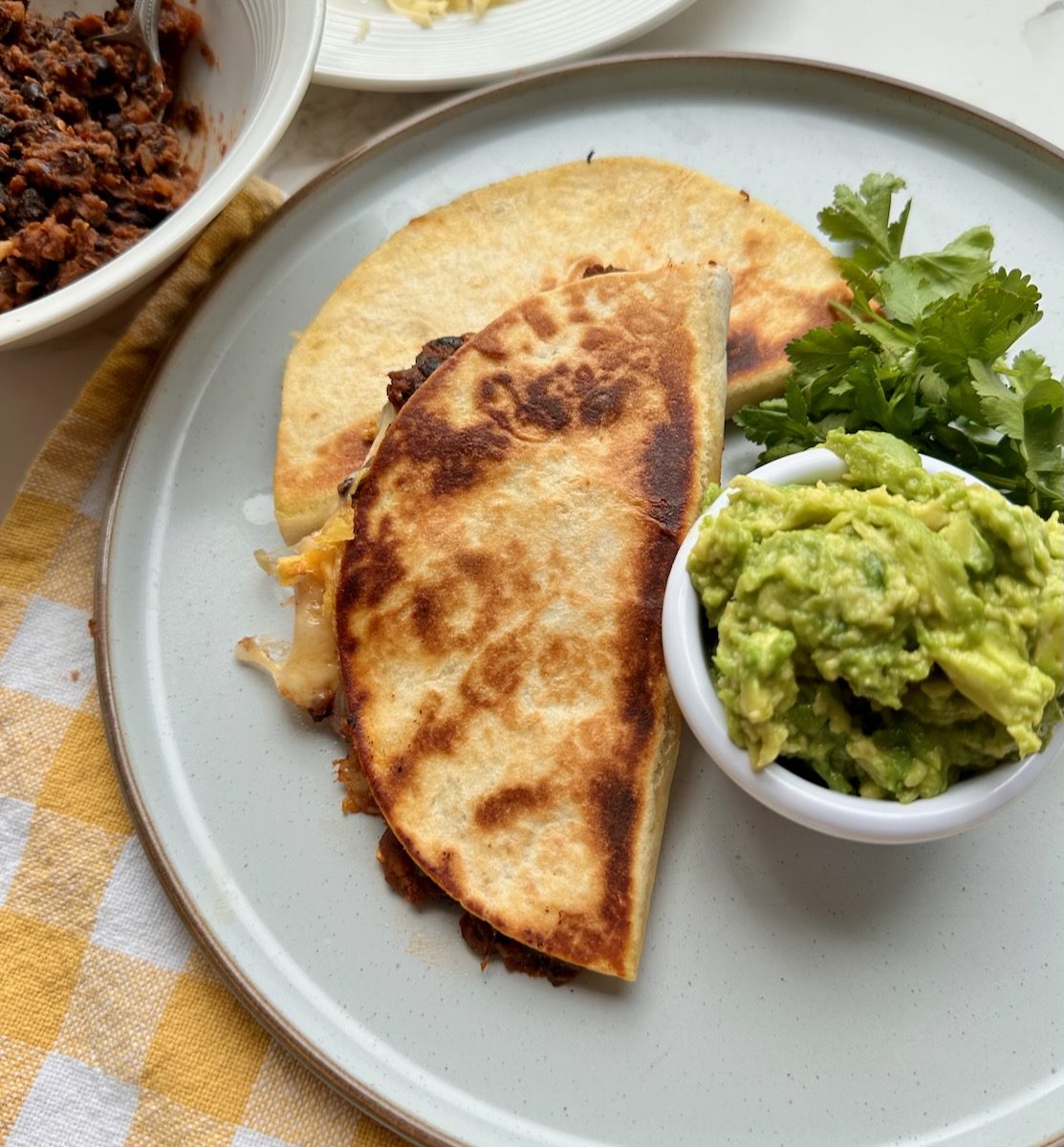
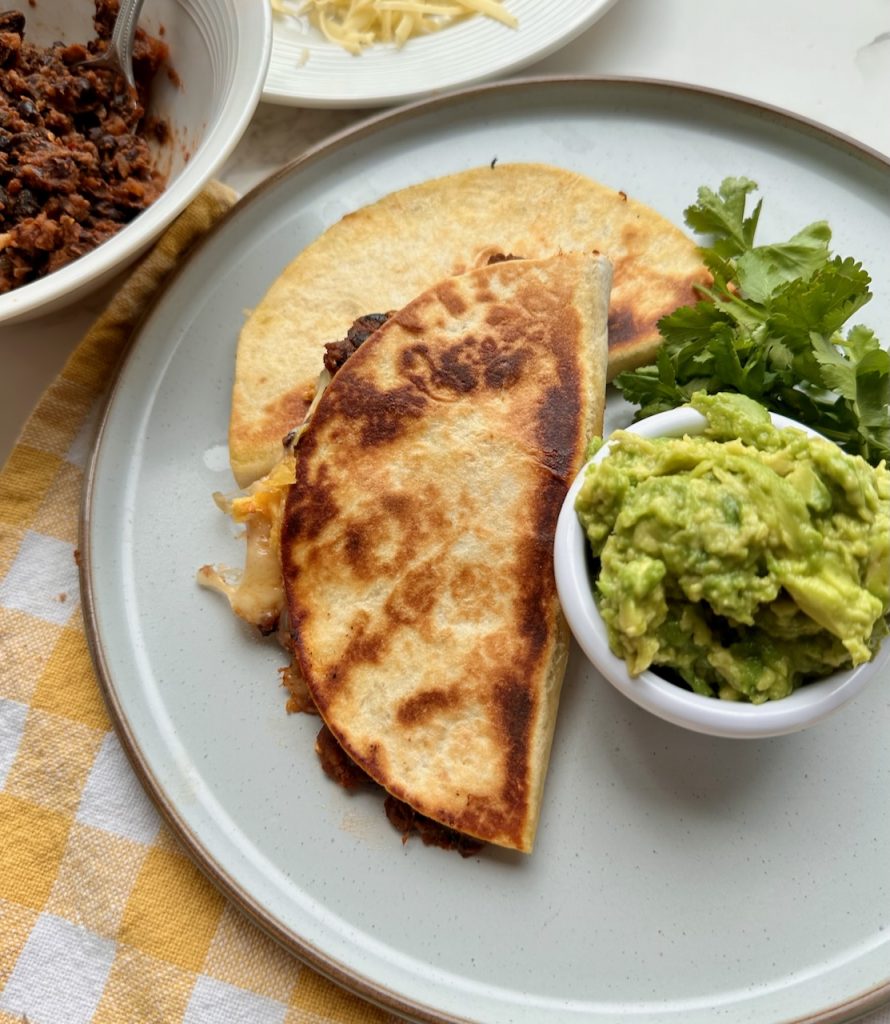
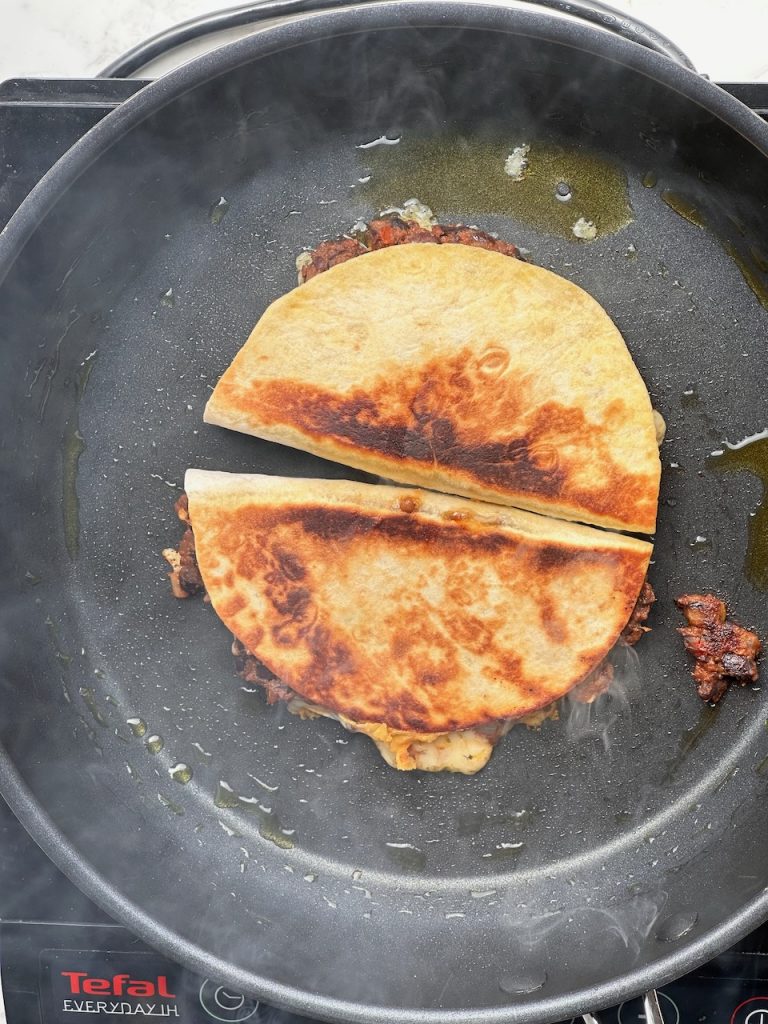
Tacos are on trend at the moment, you can add just about anything in there but its hard to beat spicy smashed black beans. They’ve got to be crispy so give them a good fry and serve up with your favourite taco sides.
We are big fans of Mexican style food in our house its great family food to share and dip and mix and match. Add fresh salsa, guacamole, cheese and jalapeños.
Find all the orgainc beans and spices you need in our groceries.
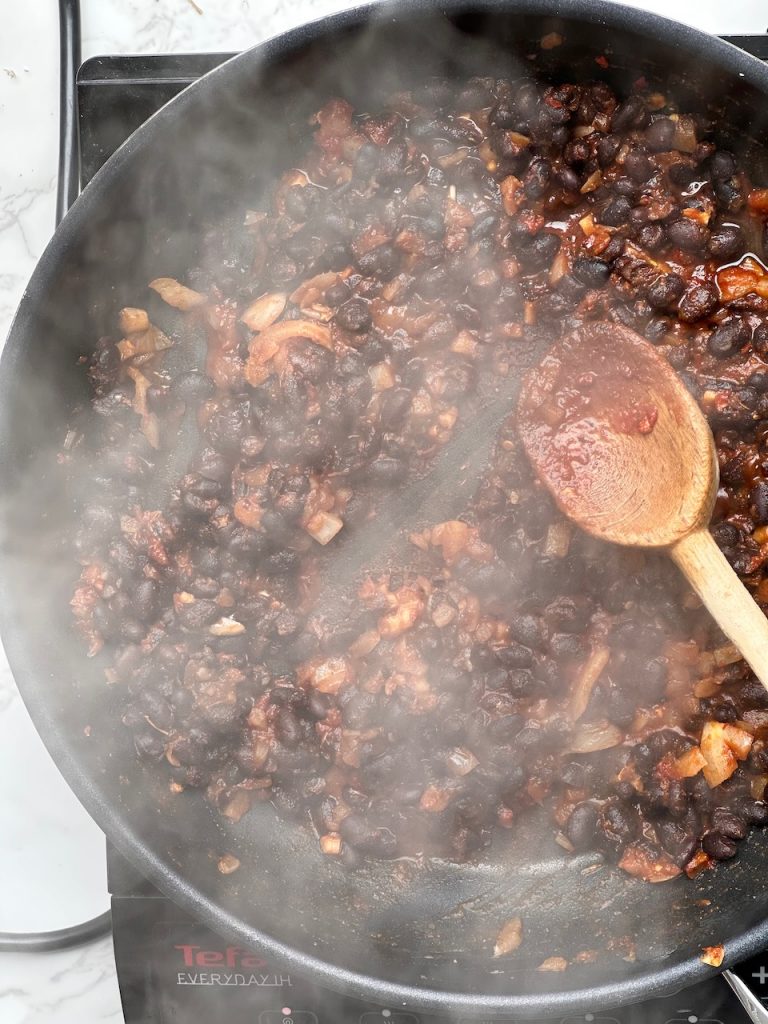
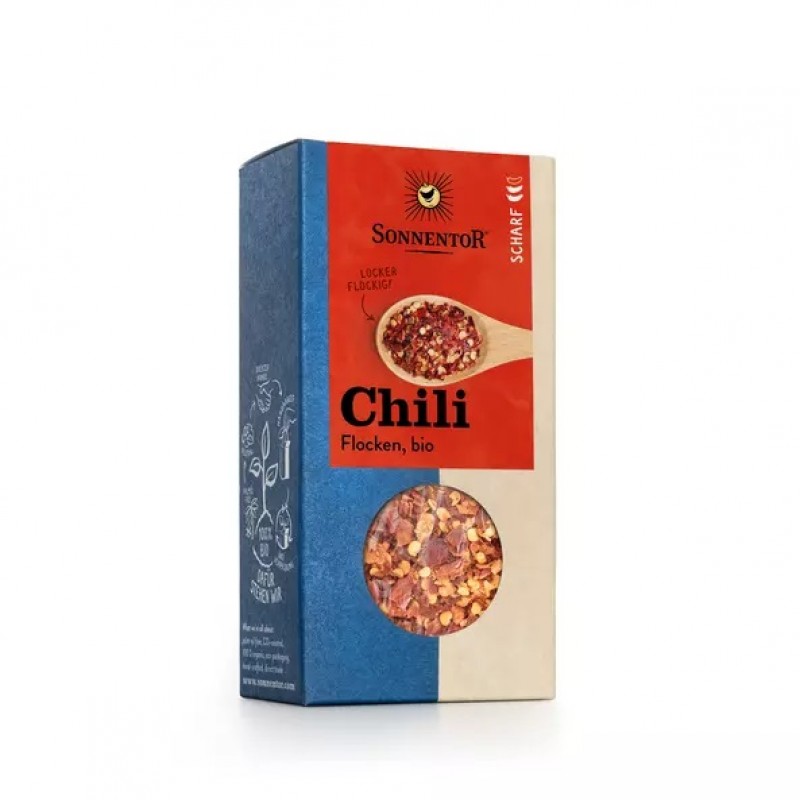
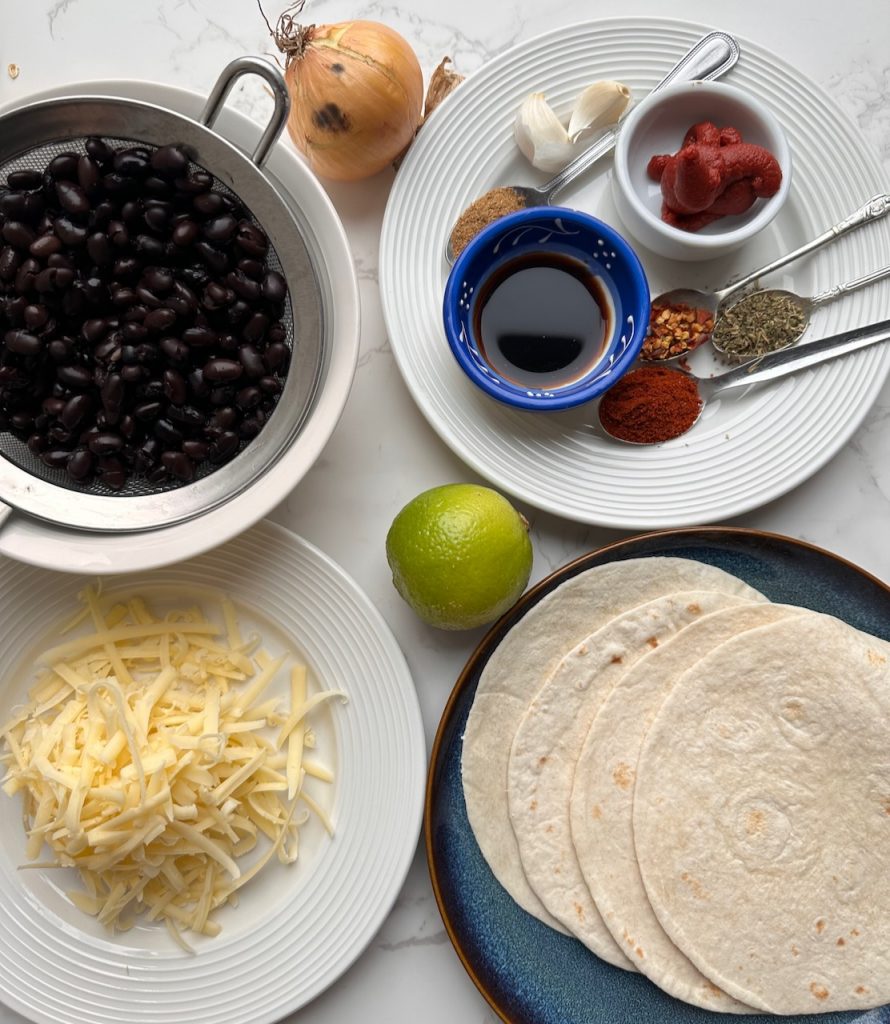
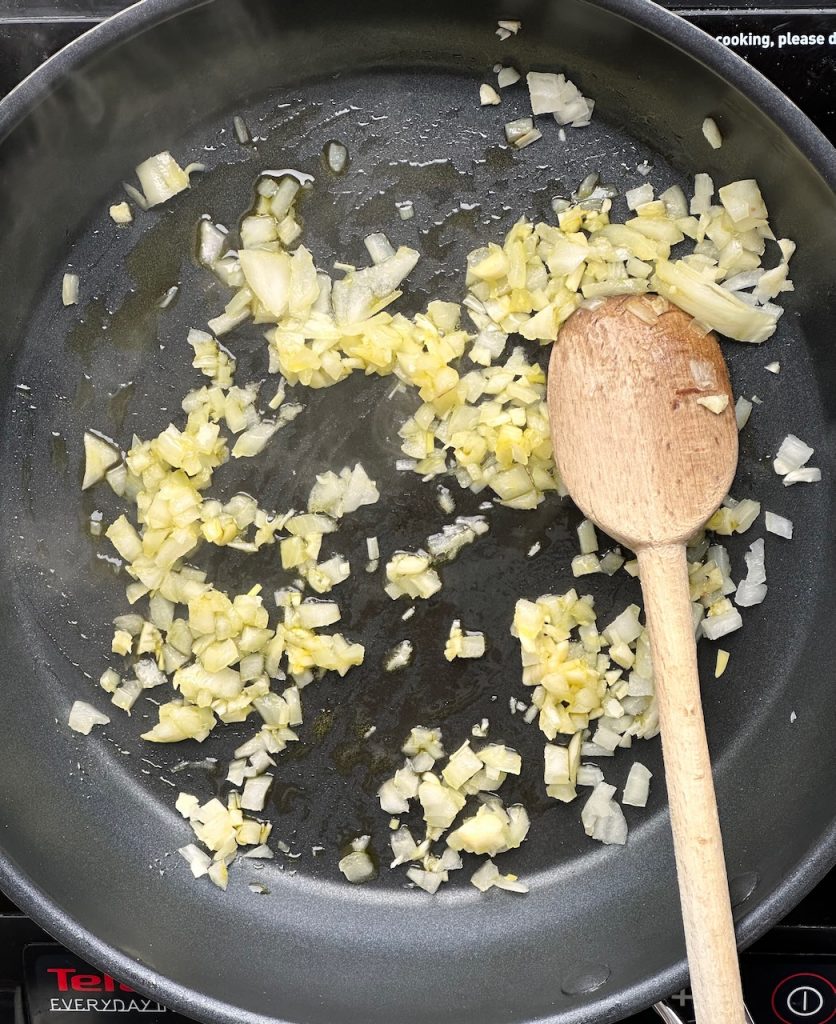
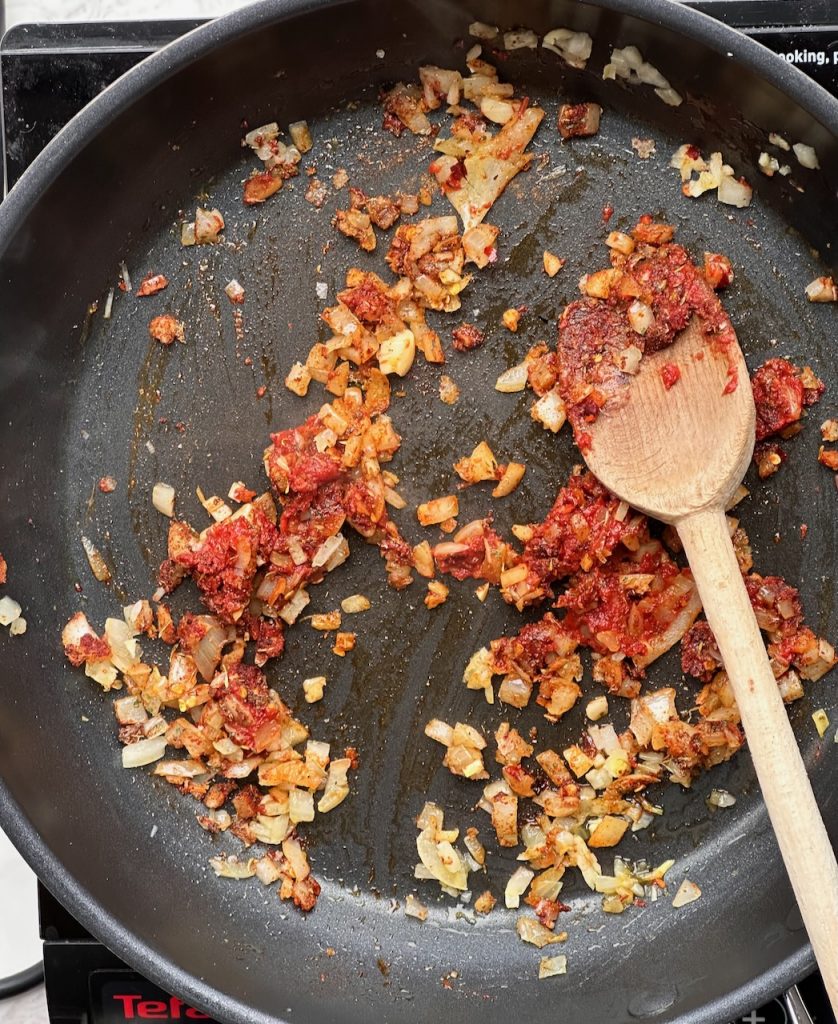
Step 1: Make the spicy smashed beans. Add the oil to a warm frying pan along with the onions and garlic. Gently cook to soften. Add the chilli, cumin, paprika, dried herbs, a pinch of salt and tomato puree. Cook for 3-5 minutes.
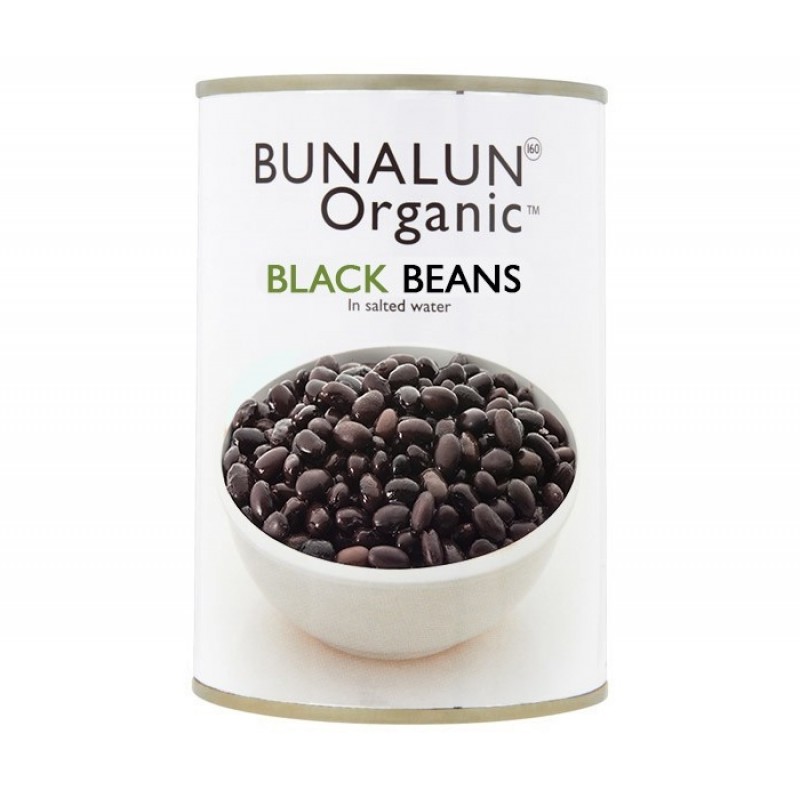
Step 2: Tip in the beans, stir to coat in the spices pour in the water and simmer for 5-10 minutes until the beans cook down, add a squeeze of lime. Mash with a fork or a potato masher, transfer to a bowl and clean the frying pan.
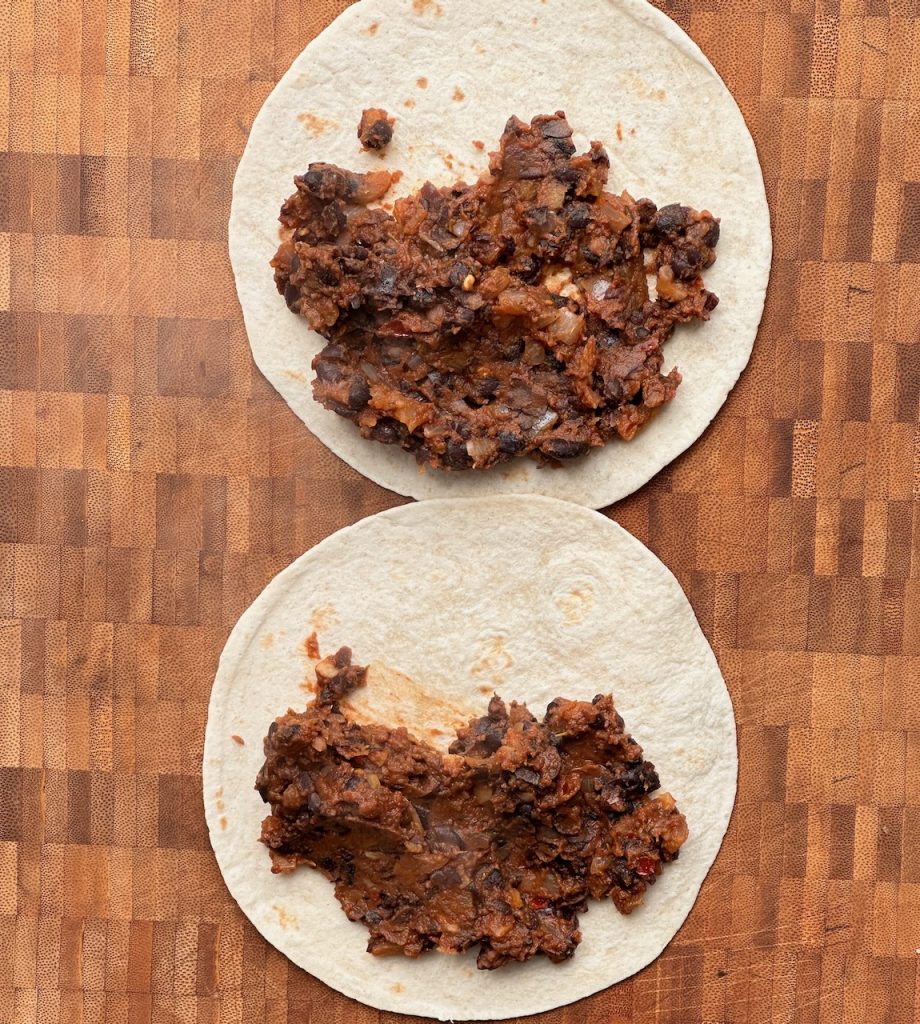
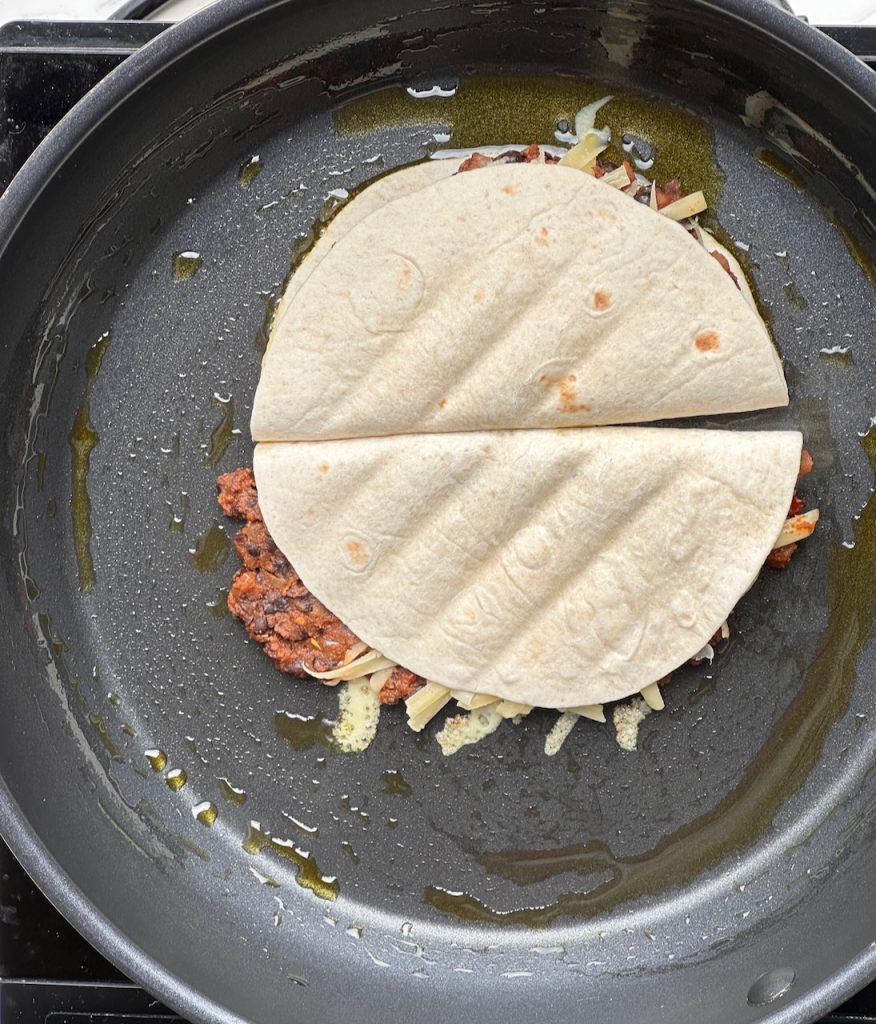
Step 3: Spoon the mashed beans onto the tortilla wrap, add cheese and fold over. Heat the frying pan, add oil and fry the taco on both sides until golden and crispy. Push down with a weight or small pot to get better contact with the pan, flip and fry on the other side until crispy. Repeat.
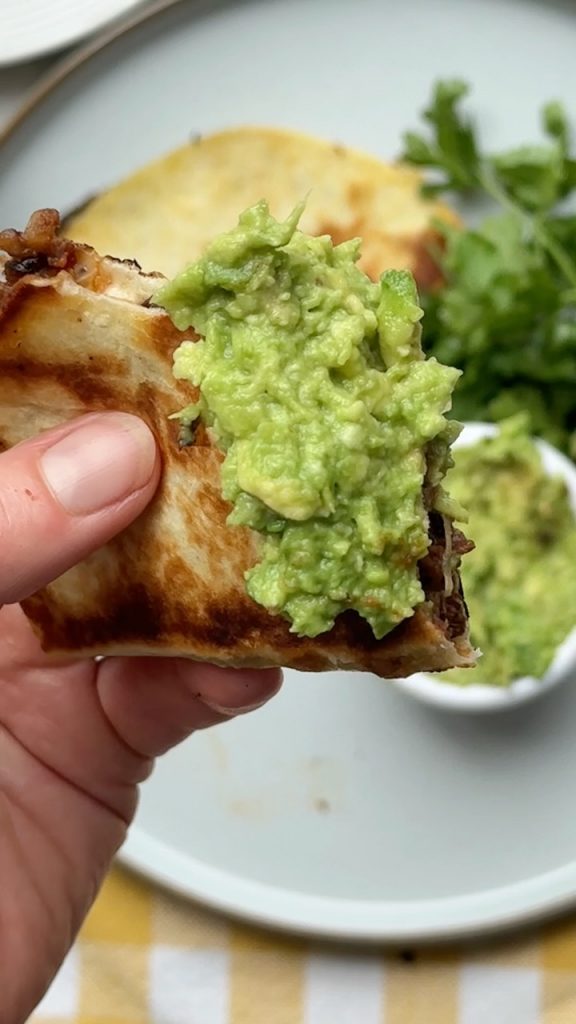
Step 4: Serve hot with smashed avocado, fresh coriander and lime.
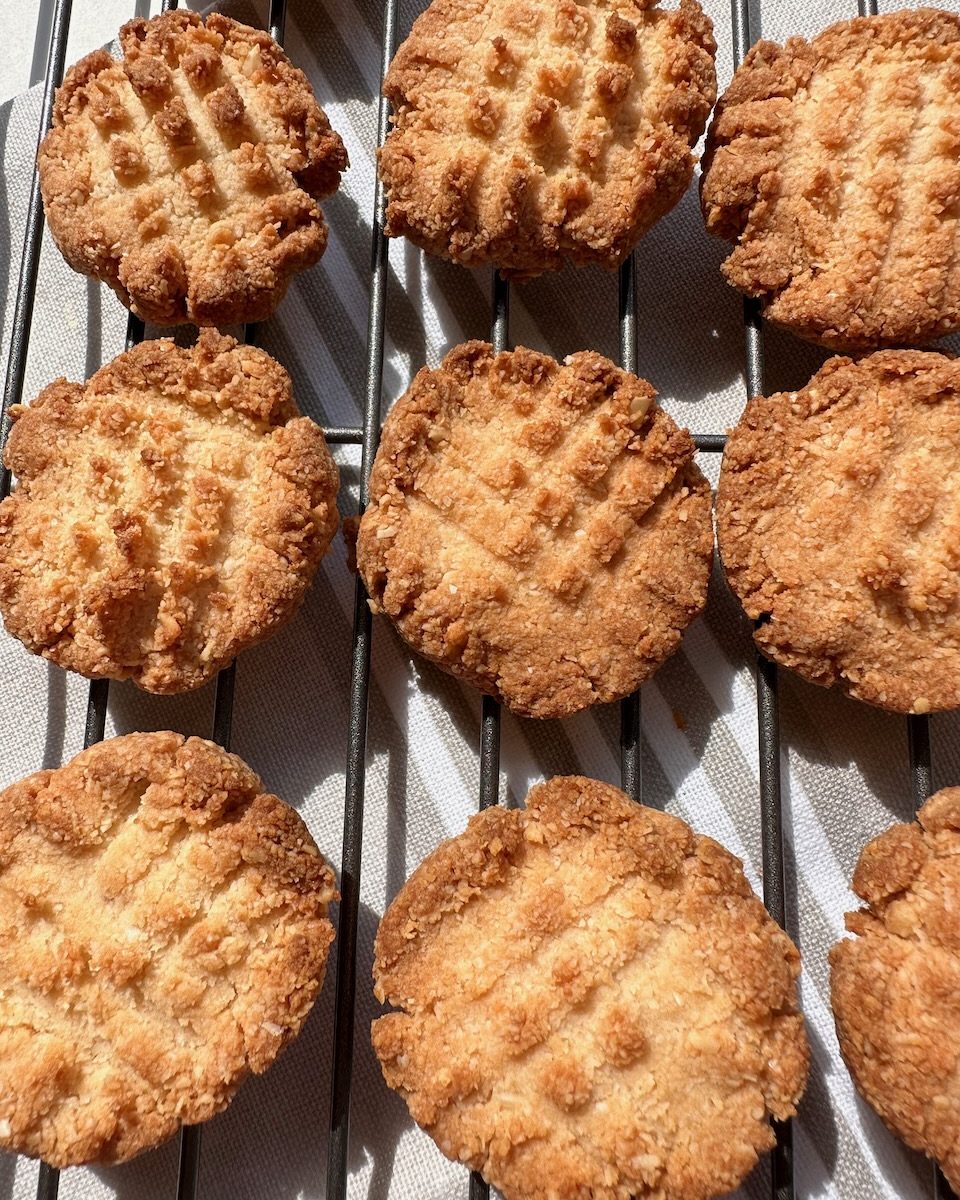
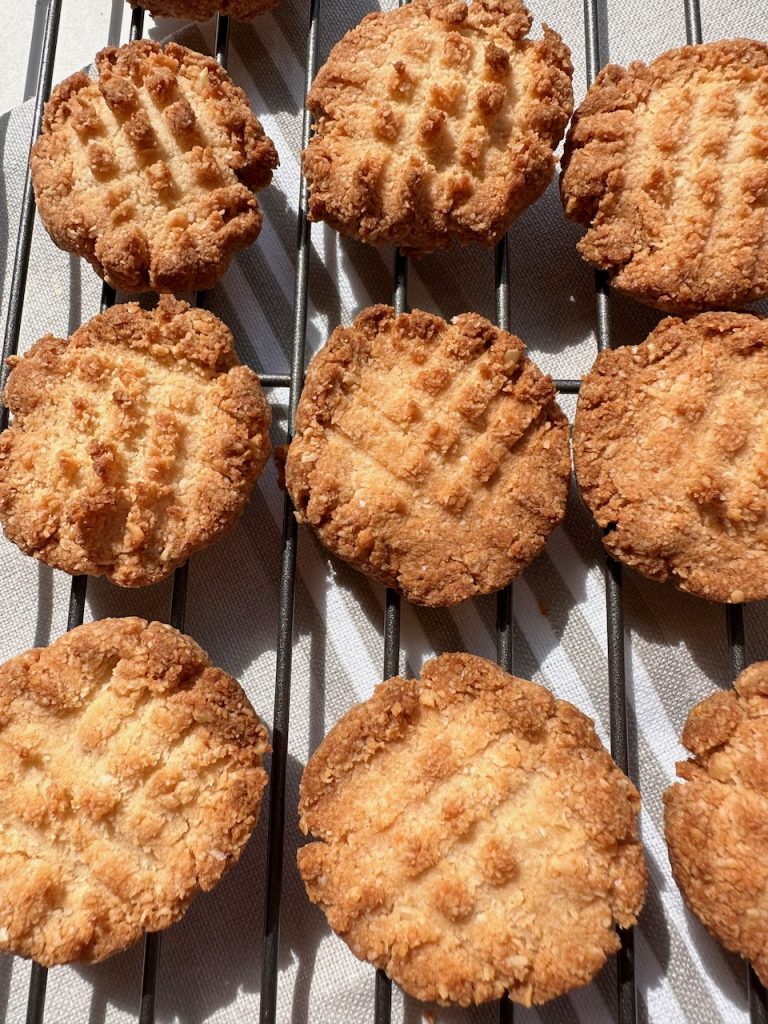
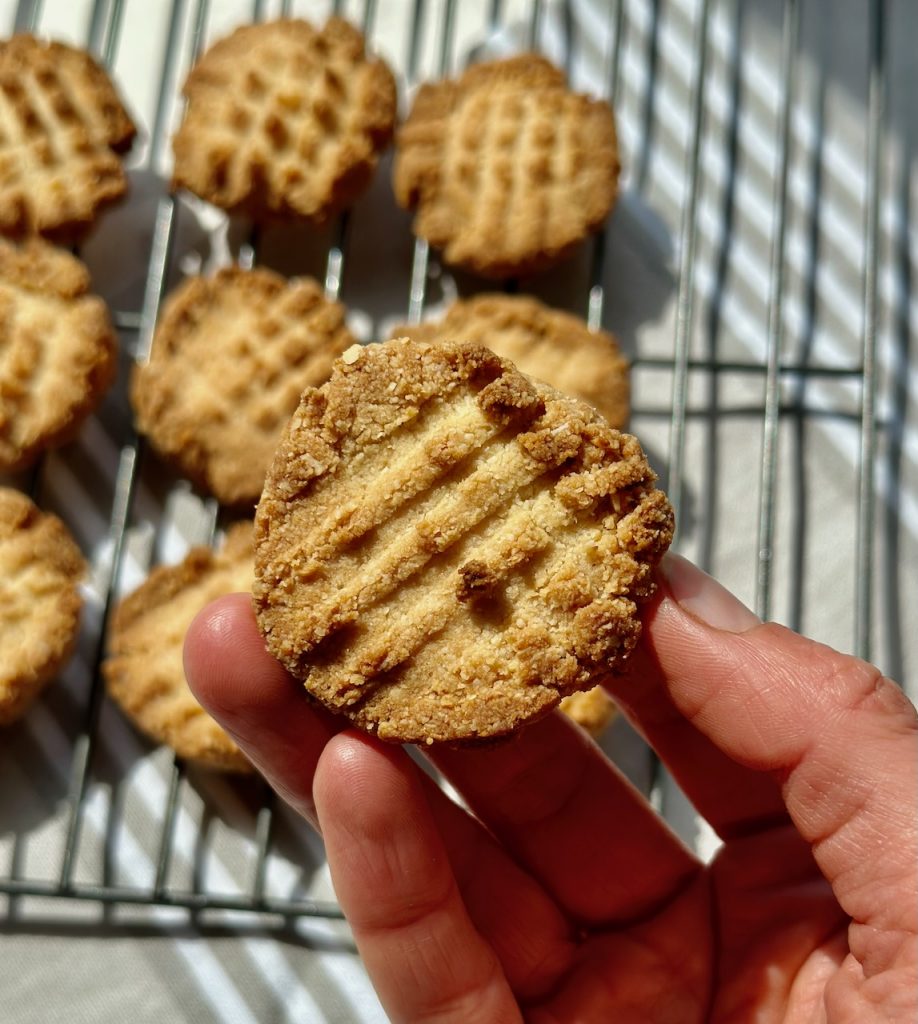
Quick, dairy free, vegan, gluten free, refined sugar free, kid approved, only 3 ingredients and very tasty! You need to try these cookies.
My kids are alway hungry and I like to have snacks on hand that have a bit of goodness in them. Almonds are a superfood and while my kids wont eat whole almonds they will happy munch on these cookies instead.
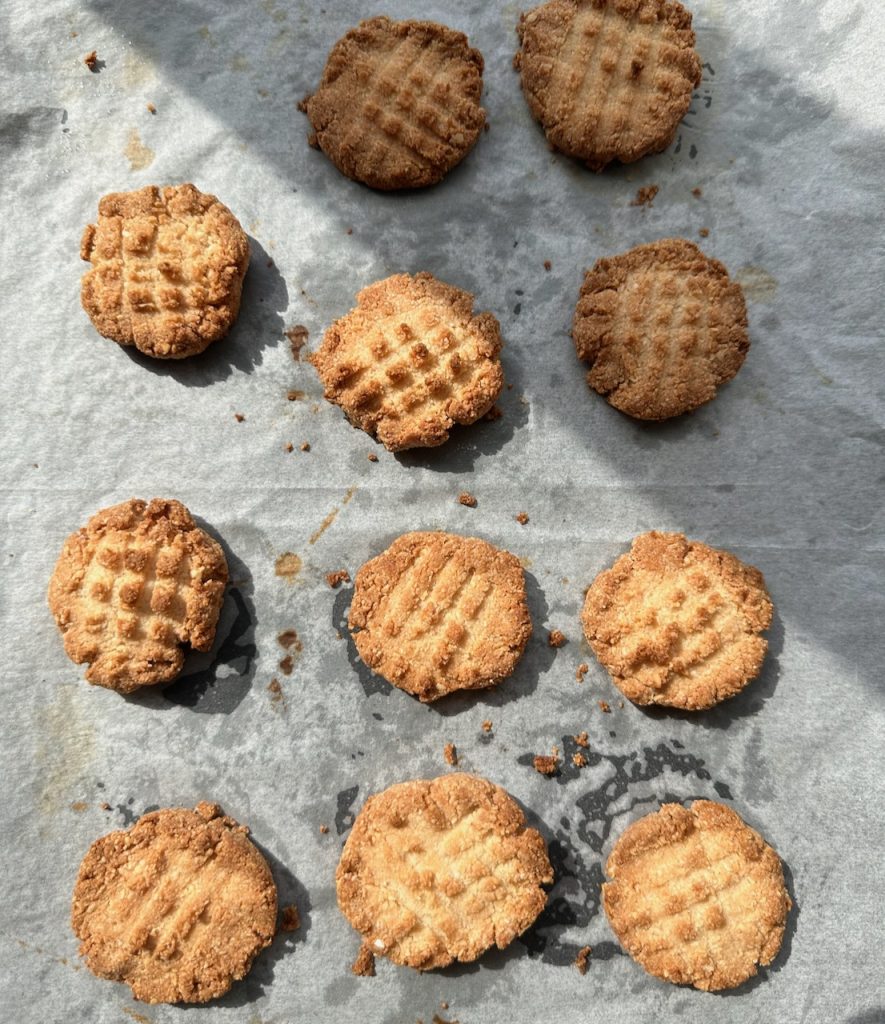
They may not look perfect but for a quick bake they hit the spot. They are crispy on the outside soft in the middle. If you’re feeling extra fancy drizzle some melted chocolate on top.
Step 1: Preheat the oven 170ºC. Line a baking tray with parchment paper.
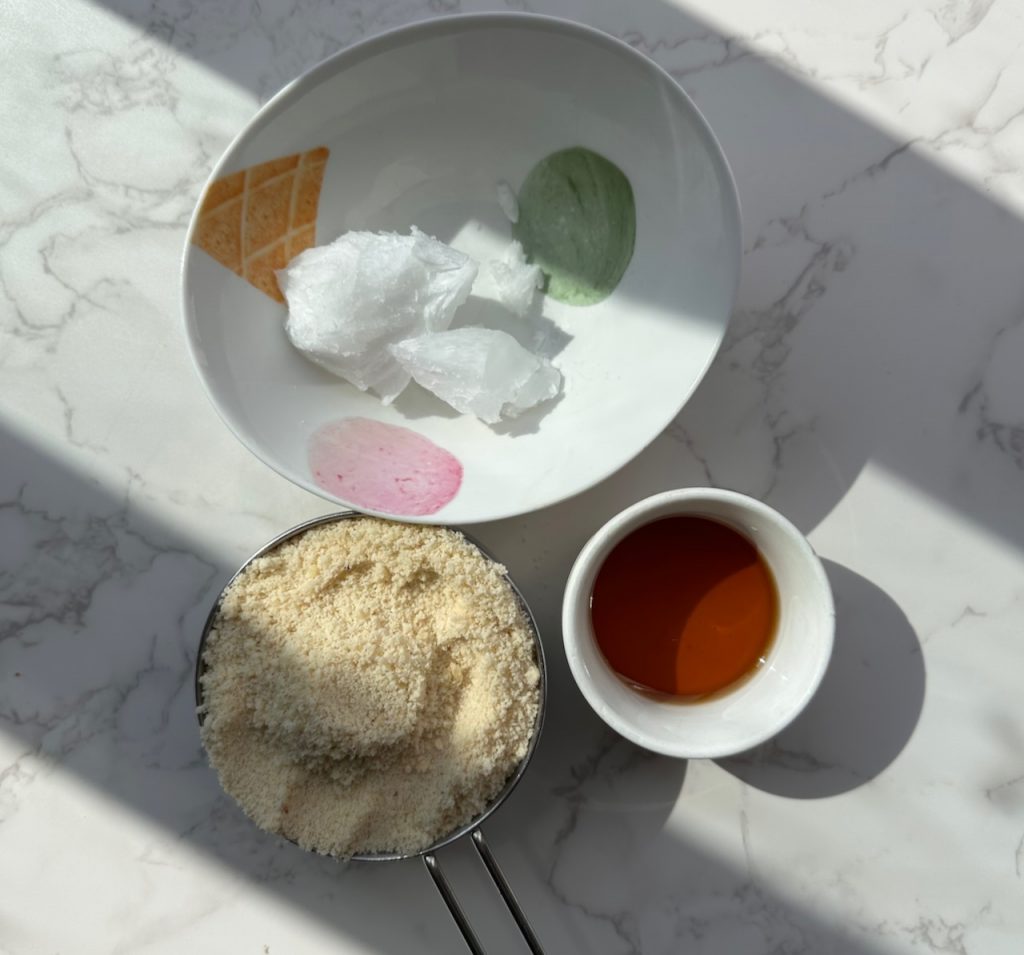
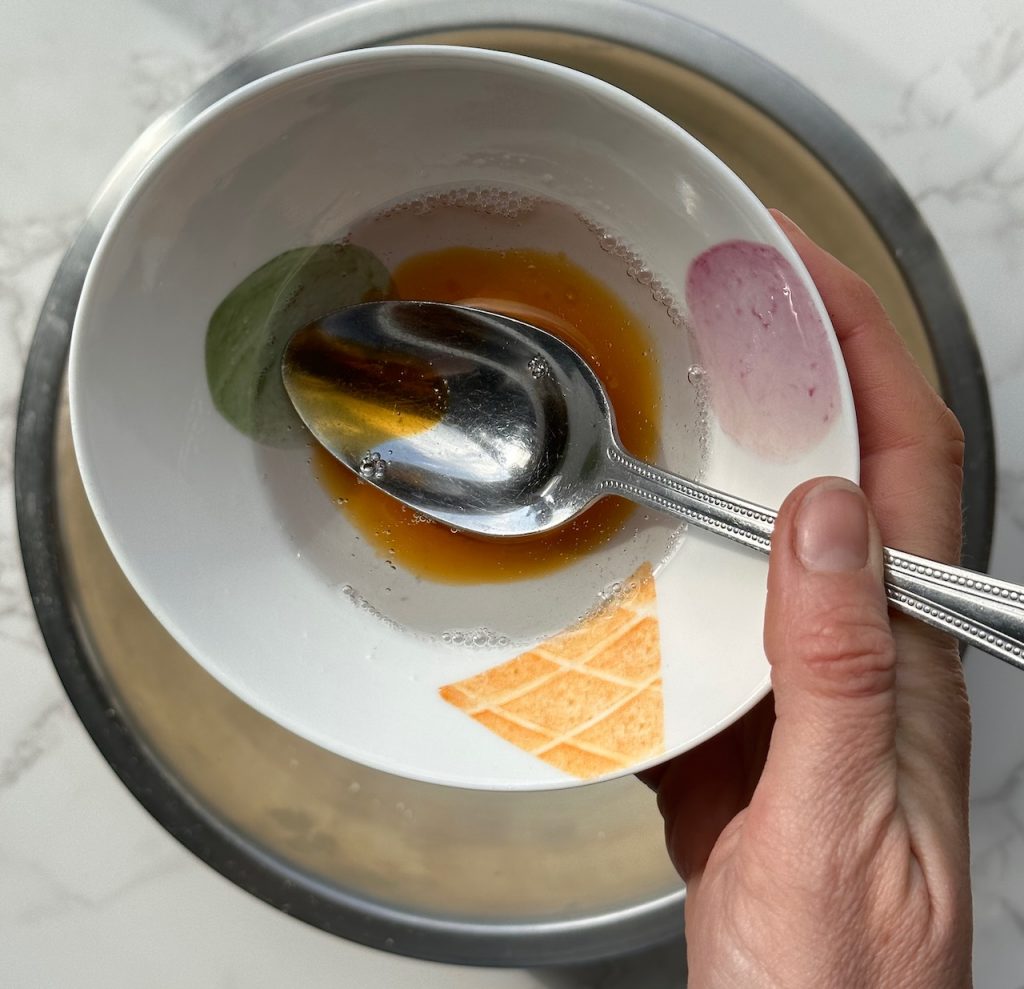
Step 2: Melt the coconut oil in the microwave or in a small pot and stir in the maple syrup.
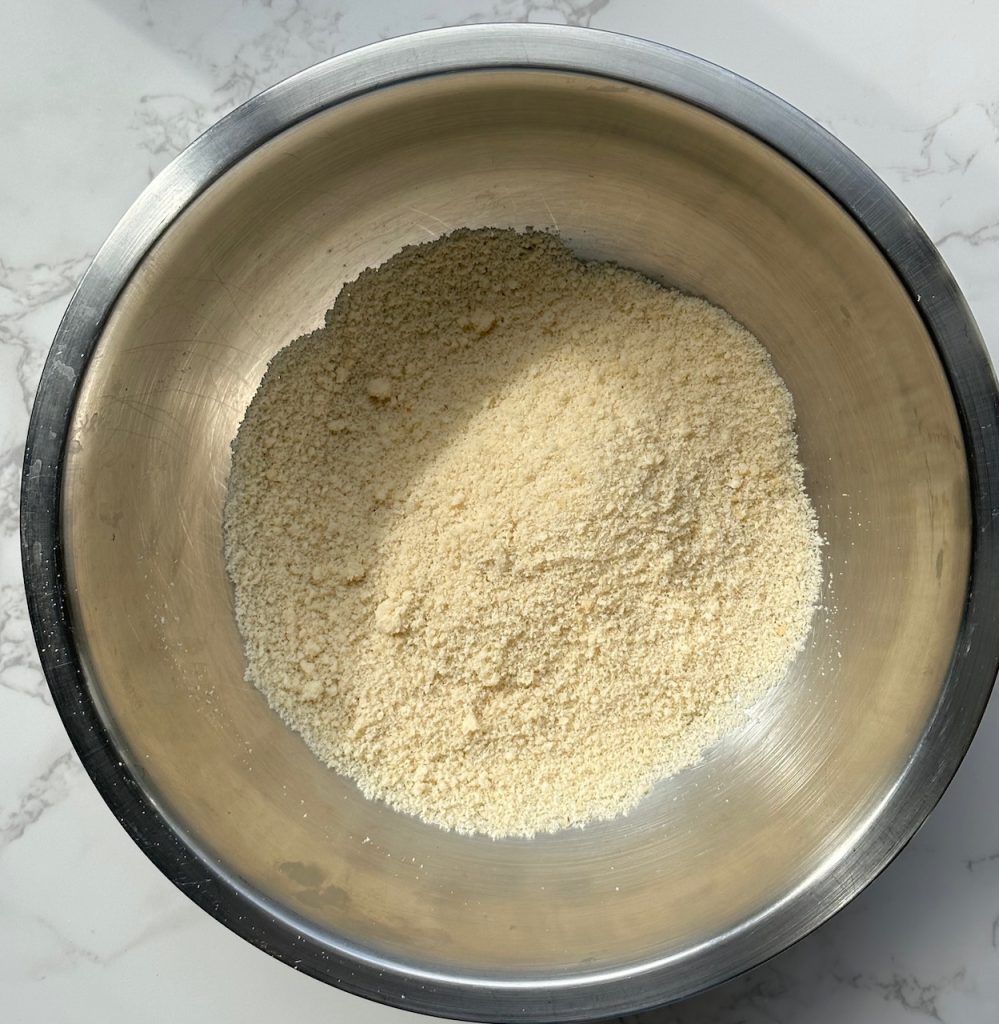
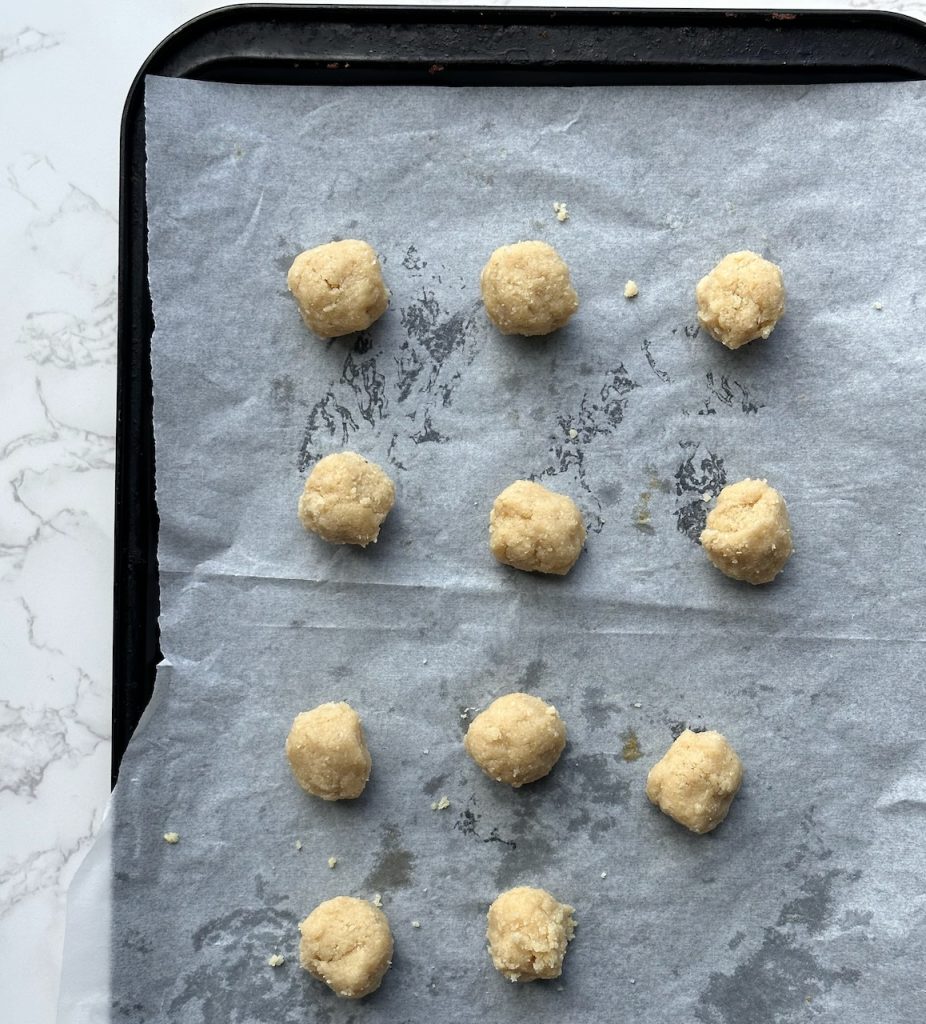
Step 3: Mix the coconut and maple into the ground almonds and work into a dough. Use your hands to form 10 small balls put them on the baking tray 1.5 inch apart.
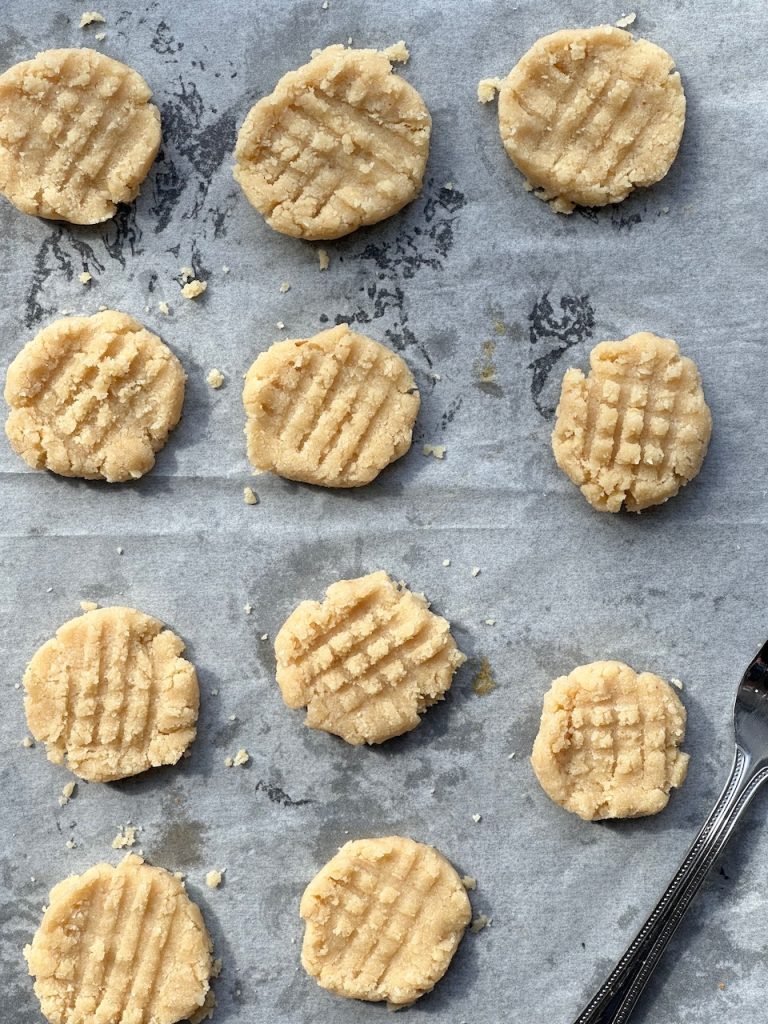
Step 4: Use a fork to push the balls down and make a crisscross on the top of each cookie.
Step 5: Bake in the oven for 8-10 minutes until golden. Cool on a wire rack.
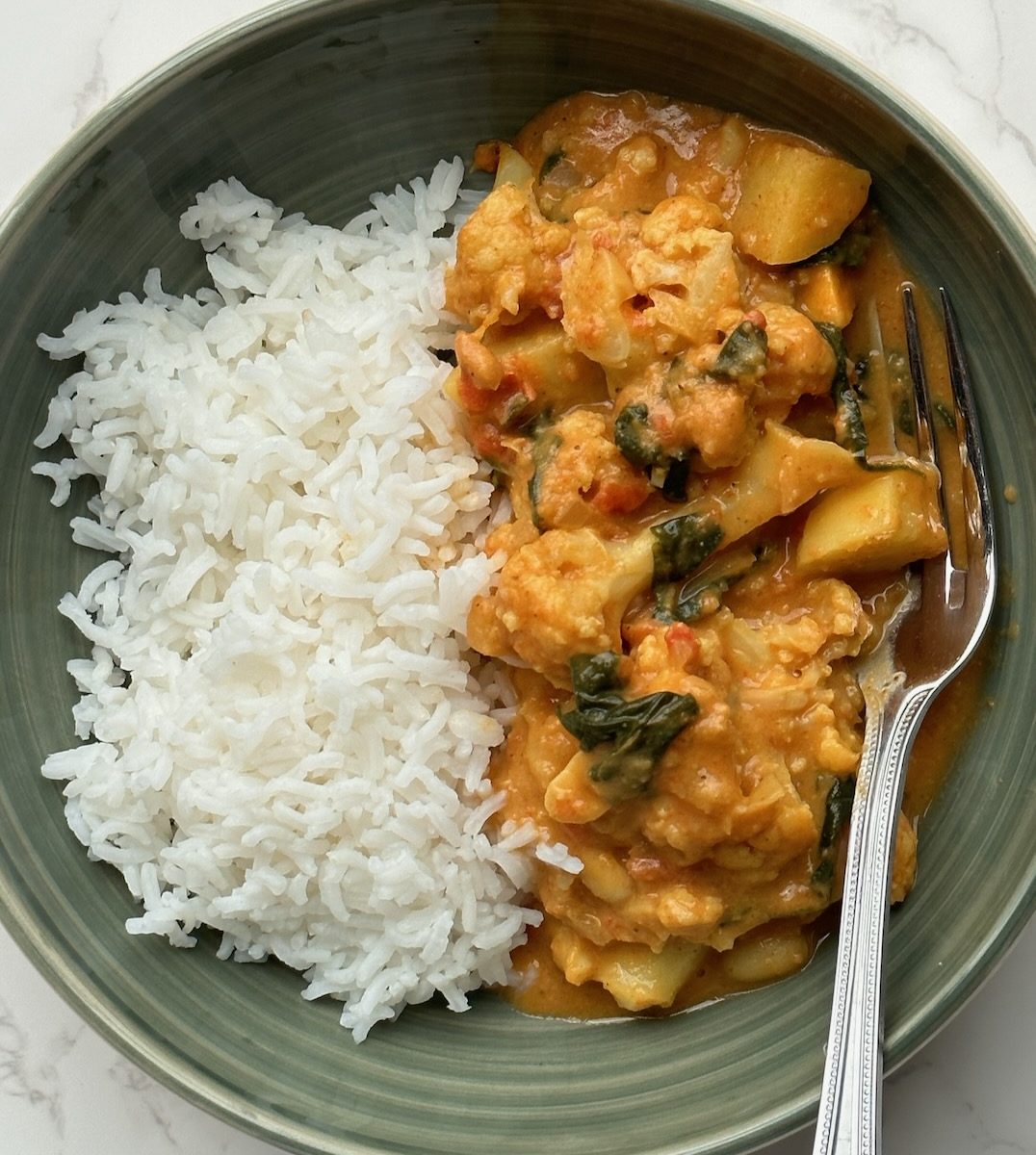
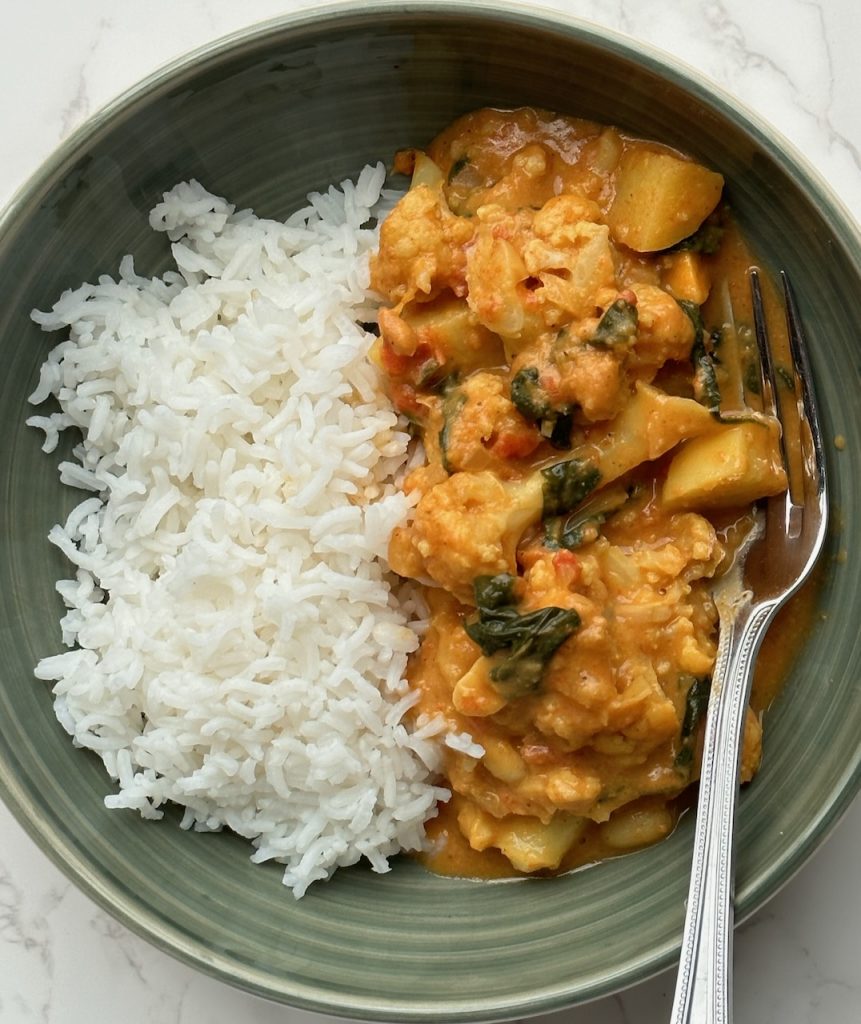
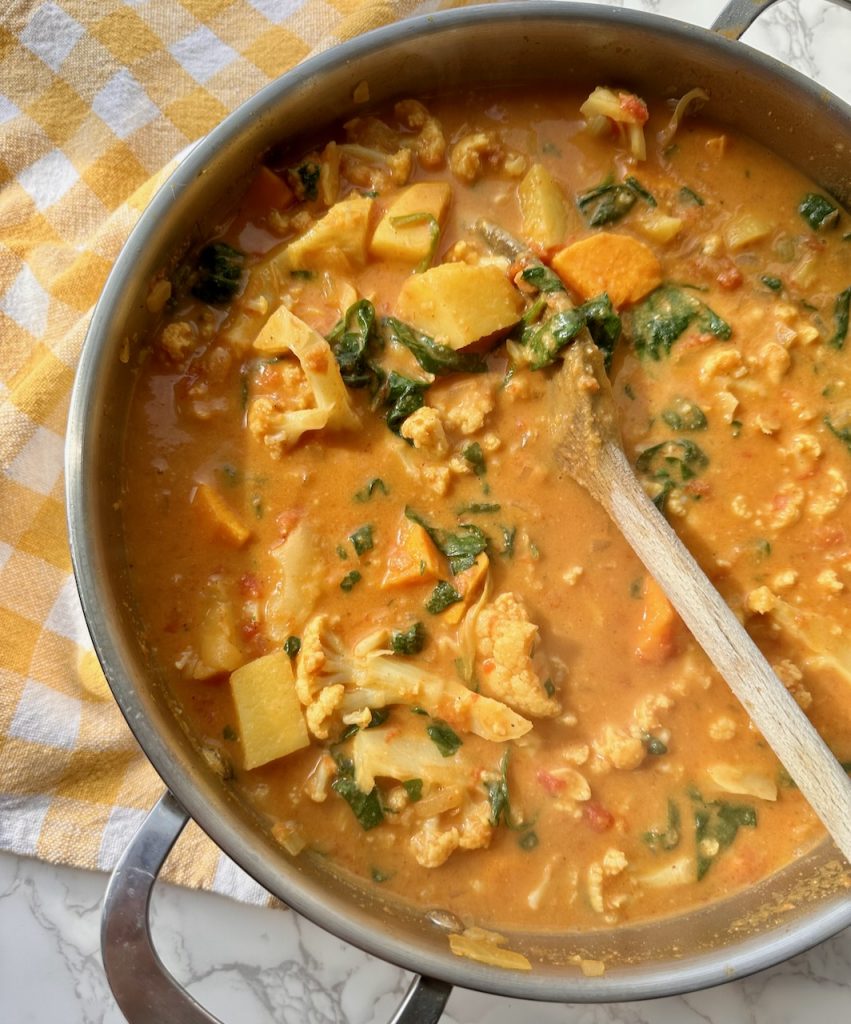
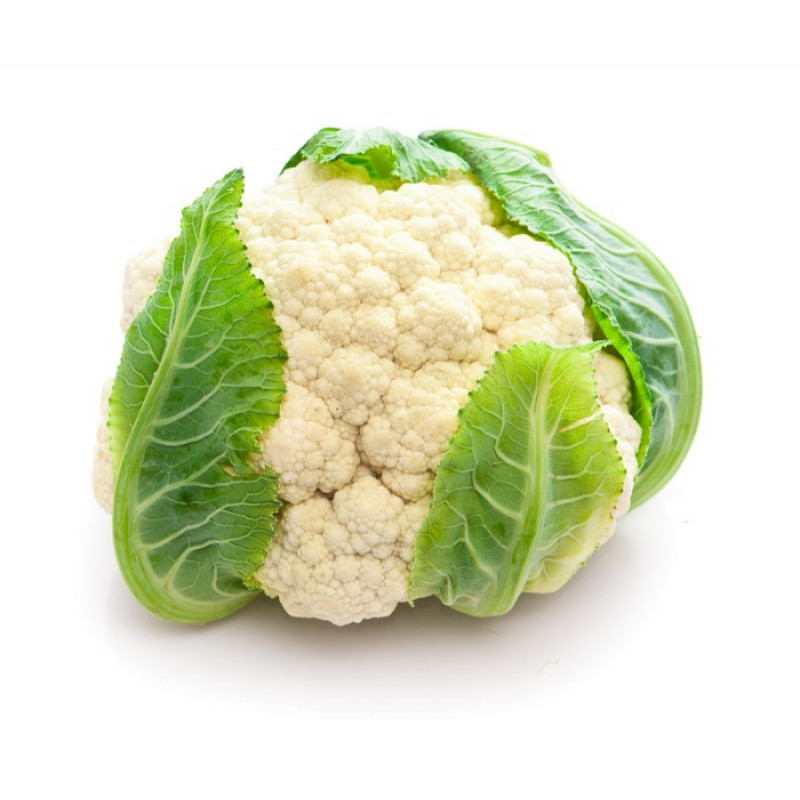
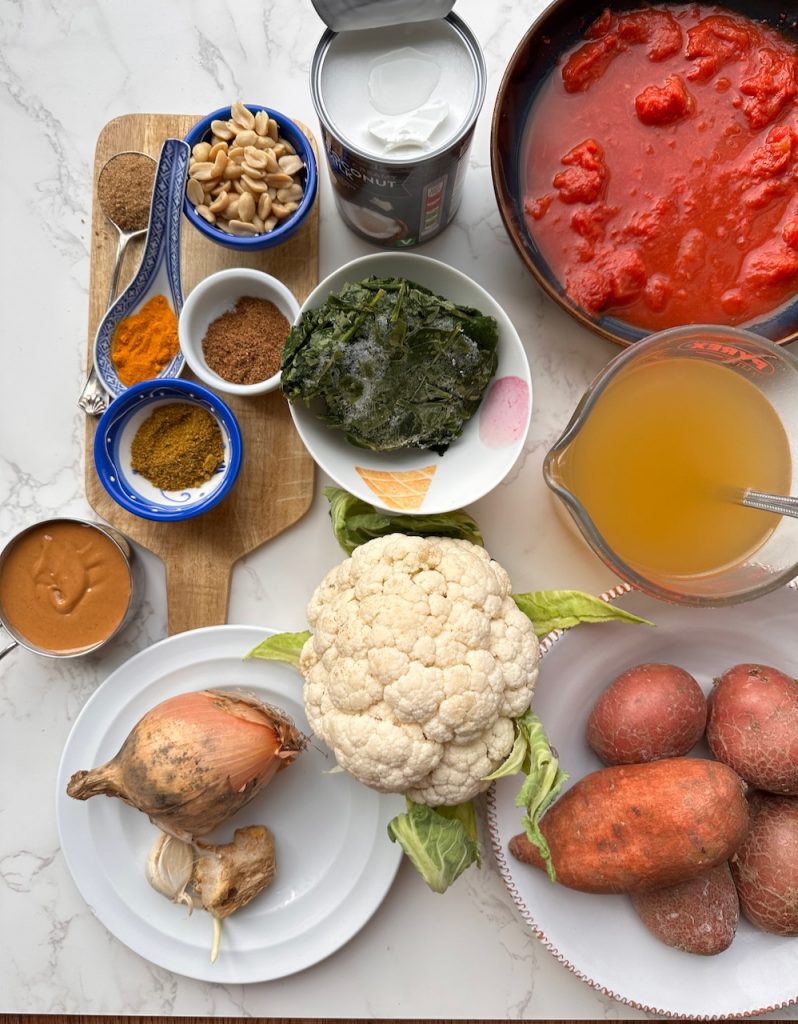
This is a very tasty satay curry. I was on a quest to use up a head of organic cauliflower that was looking a bit sad and neglected and I have to say it was delicious in this dish. I hoked and poked in the cupboards, fridge and freezer and managed to find all I needed for this curry without having to buy anything else. Using what you have at home is a great way to prevent food waste and it’s very satisfying using up odds and ends.
This curry needs the potato but add whatever veg you have that needs to be used up like peppers, carrots, courgettes, aubergine, greens. Most veg will work in here whether its fresh or frozen.
I’m a sucker for peanut butter and it helps to thicken the sauce and add that needed protein to keep you fuller for longer.
Will you give it a try? let us know in the comments below.
Lou 🙂
Ingredients:
2 tablespoons cooking oil
1 onion, finely diced
2 cloves garlic, grated
1 tablespoon fresh ginger, grated
3 teaspoons curry powder
1 teaspoon turmeric
1 teaspoon garam masala
1/2 teaspoon chilli flakes
1 heaped teaspoon brown sugar
1 head of cauliflower, torn into florets
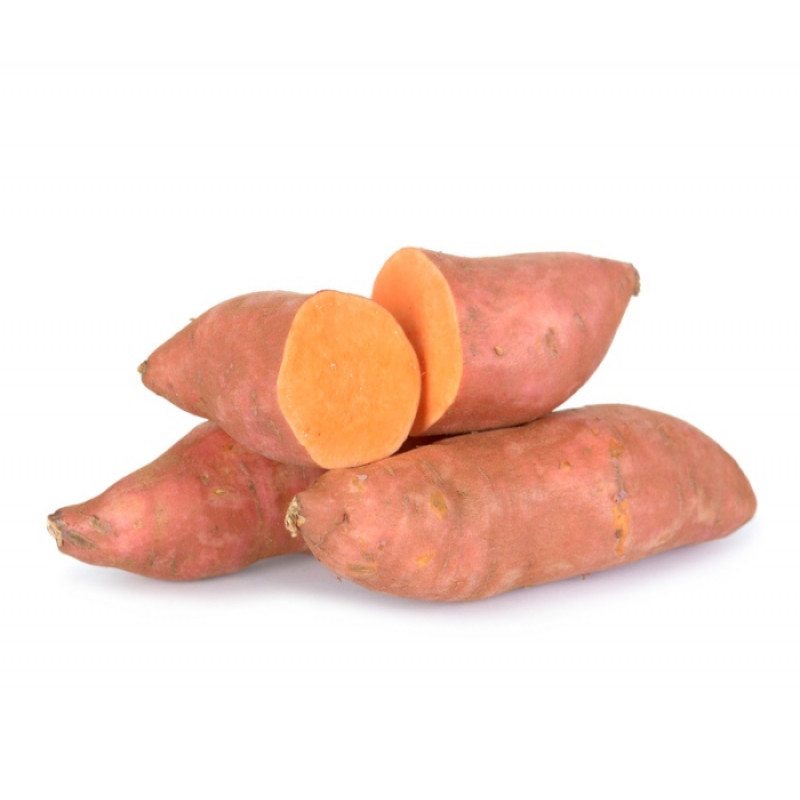
1 sweet potato and 4 regular potatoes about 700g altogether, peeled and cubed
Step 1: Warm a wide pot on a medium heat. Add a glug of cooking oil along with the onions, cook for a couple of minutes then add the garlic and ginger. Cook for a further 5 minutes to soften.
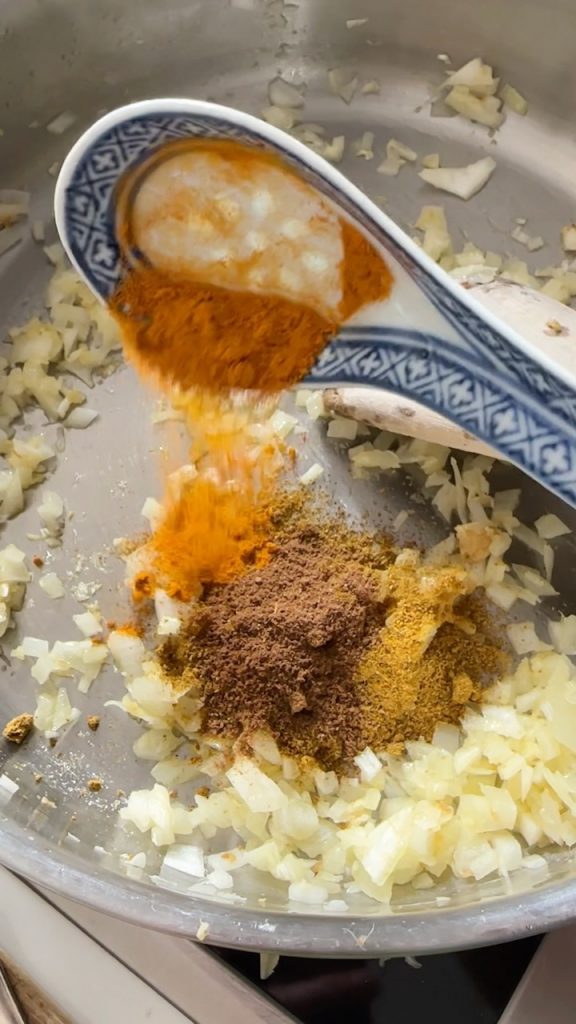
Step 2: Add in the spices the curry powder, turmeric, garam masala, chilli, brown sugar and a good pinch of salt and pepper. Toast for a minute or two.
Step 3: Toss in the cubed sweet and regular potato along with the cauliflower and coat in the spices.
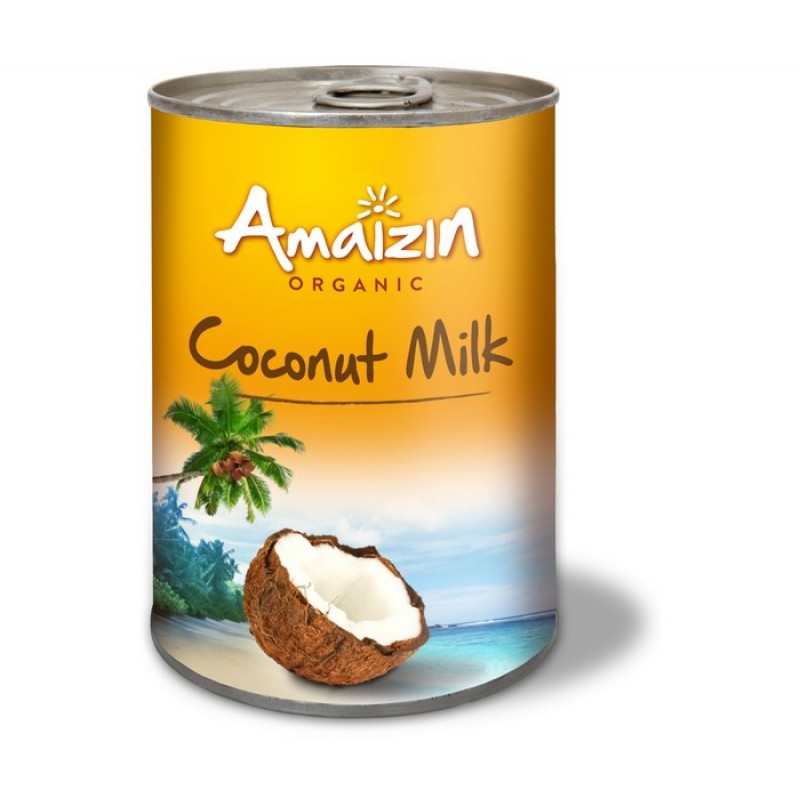
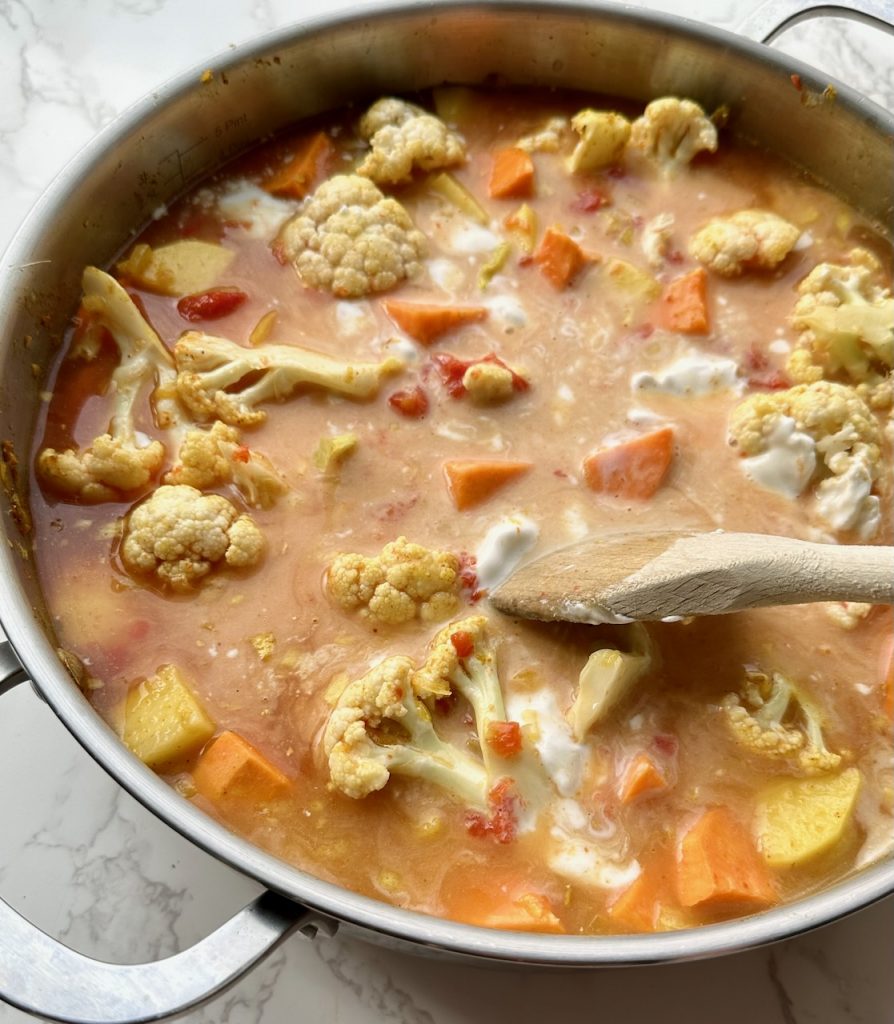
Step 4: Pour in the tinned tomatoes, veg stock and coconut milk, stir and simmer for 15-20 minutes.
Step 5: When the potatoes are cooked through stir in the peanut butter, peanuts and spinach. Taste the sauce and adjust if needed. Serve with rice and flatbreads.
I got a few rare days this week to spend time out on the farm and in the tractor, it has been a pleasure. We have been sowing many direct seeded crops, such as carrots, parsnips, beetroot, swede and of course our wildflowers.
It’s been a week to the day that we sowed the first buckwheat, wildflower, and clover seeds and today they have started to germinate. I cannot wait to see the field in full bloom in 2 months’ time. It will be a haven for creatures great and small, a little oasis to fund our biodiversity bank.
We are completely dependent on this web of interconnectivity for our survival, it is that simple, without a healthy ecosystem we (humans) will not survive. The richness of biodiversity mirrors the health of our planet, locally and globally and the news unfortunately is not good. The use of chemicals in agriculture and the large crop monocultures are directly responsible for the destruction of habitats and the biodiversity that relies on these habitats for survival. We need nature plain and simple.
Here are some key facts:
Do you remember all the insects you used to see on the car windscreens when you were younger? Where have they all gone? Flying insect numbers have plunged by 60% since 2014 a British survey has shown, by measuring insect splats on cars. By 2015 each hectare of land in the UK received 3.9 kg of pesticides in 17.4 applications and eighty-seven percent of the total toxicity being applied to fields in 2015 was due to neonicotinoids. A six-fold increase in potential toxicity to insects in the period 1990–2015 corresponds closely with the timing of the 76% decline in flying insect biomass recorded in Germany in the period 1989–2014.
This very large increase in toxicity was mainly due to the introduction and widespread adoption of neonicotinoid insecticides from 1994 onwards. On the 27th of April 2018, this class of pesticides was banned from all outdoor use in the EU and will give our bees and insects a fighting chance at survival, at least you would think. However, in the years since, “emergency authorisations” for the use of these chemicals has been granted. In many cases these authorisations were granted repeatedly, or without any apparent evidence of an unusual or ‘emergency’ situation as justification.
Banning the use of these chemicals was a fantastic and positive step.
Next week is national Biodiversity week and there are so many other positive steps that we as farmers and gardeners can take now to improve biodiversity and help the bees and insects.
We have beehives on our farm, and they give us so much, bumper crops of courgettes for one. It is only right that we sow wildflowers and leave our kale to flower to feed them. We purposely leave brambles along all our walls, their flowers are an early food source for the bees (as are dandelion flowers), we leave wild areas where plants can go to flower.
But it was when we started planting wildflower strips that we noticed an astounding level of bee life. There were honeybees and several different types of bumble bee, and all sorts of other flying insects. We had created a farm reef for bees! On a sunny evening there are thousands of bees and insects humming away, and it is not until you look closely that you notice.
These steps have meant that we have an abundance of insect life on our farm, and I think it may be working in our favour. It seems that if we look after biodiversity, it will look after us and a more integrated approach to food production does work very well indeed.
Here’s to sustainable food and to the bees and to hopefully a return to the insects on our windscreens.
Kenneth
PS So don’t forget to place your order, and if there is two things you can do to support National Biodiversity week they are: “DO NOT spray your road verges with Roundup! and DO let an area of your garden go wild! Thank you” Also remember delivery is still FREE when you spend over €100.
It struck me today as I took the chance to get out of the office for a while, that there is a very real tangible benefit to doing business and farming in the way we and other organic farms do it.
There is pressure too as we don’t have the reliance on an armory of chemicals to cut the work to the minimum and to ease the pressure when there is a risk of disease.
But the pluses definitely outweigh the negatives, It is definitely worth it, 100%. It is worth it when you take a walk around and you absorb the diversity we have here in abundance, and not just biodiversity we have diversity of people and plants, and animals and insects and even in you our customers that we have the privilege of being able to connect with directly we have diversity. Often marketers ask us who our customer is, and it is so difficult to define because people from all walks of life choose to support us.
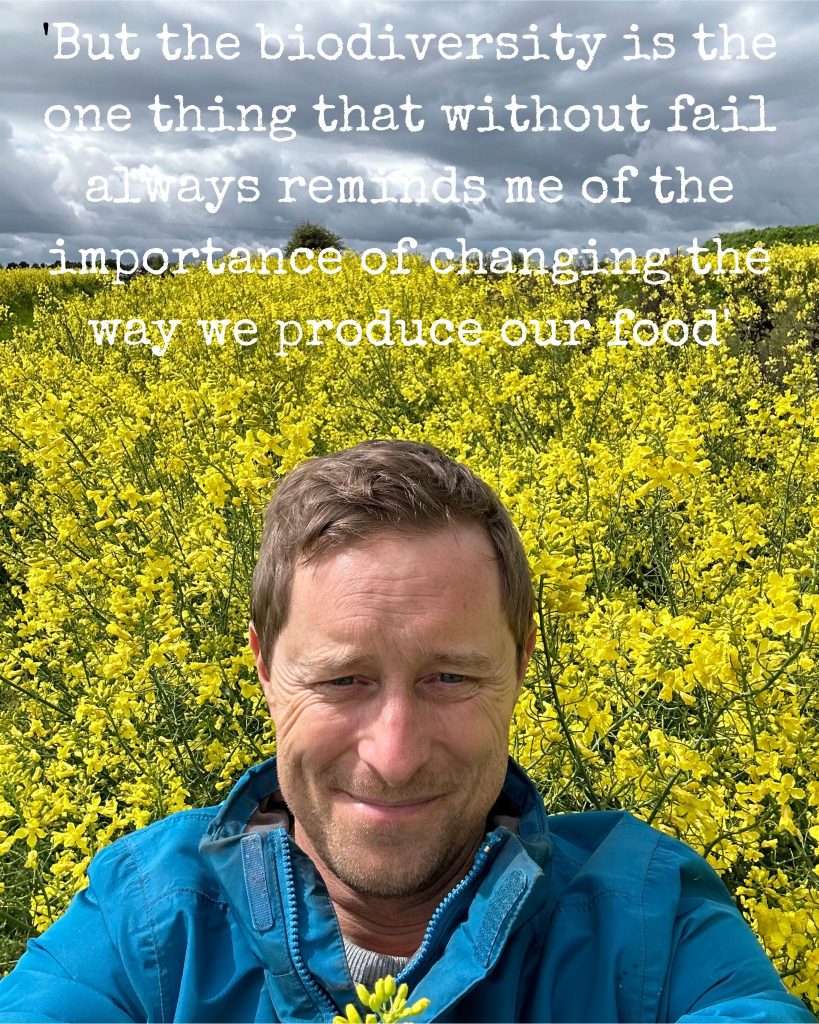
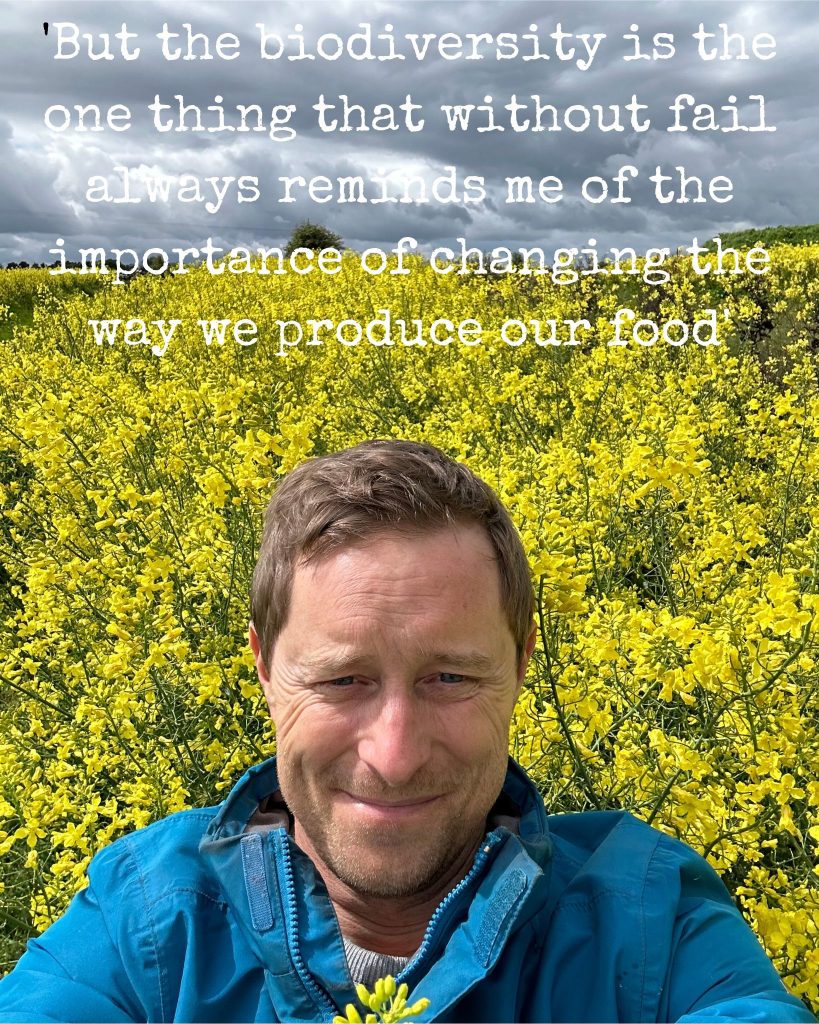
But the biodiversity is the one thing that without fail always reminds me of the importance of changing the way we produce our food, and I guess the poster child for biodiversity is the bee. I don’t think I can count the number of different bumble bees I have seen in the last week. They seem to come in all shapes and sizes and they just make me feel happy! But not only that they of course have a very real role as pollinators and without the bee we would be lacking for so much.
So, and it seems like deja vu, as we do this every year, so here we go again! I hope if everything goes according to plan by the time you have read this then we will have planted nearly 3 acres of wild flowers and clover. We do this to enhance the structure of the soil and to add nutrients too. But the most amazing benefit will be felt later on in the year when the color and the flowers and bees come in their thousands and for that I cant wait. A real gift of nature, but as with many things it is fleeting, but to be enjoyed while it lasts.
I also hope by the time you read this that we will have successfully sown our first parsnip, carrots and beetroot crops, that of course is by no means guaranteed as the weather the machinery tend to take on a life of their own. But what will be, will be, they do say you need to cultivate (and that was definitely not an intentional pun!) patience to do this job, and they are right.
I will of course keep you posted of our progress, and in that respect the farm team are making loads. The tomato plants look amazing, and there are flowers blooming on all the plants (over 1100) we also have fantastic harvesting going on for you over the coming days. The spinach, chard, lettuce and salad, coming from our own farm. We are also receiving gorgeous rocket from Millhouse organic farm, and fresh herbs from Joe Kelly, amongst all the other usual Irish staples.
We have this year put in place formal agreements with a number of small and not so small Irish organic growers as we came to two realisations.
We simply cannot do it all ourselves, we have tried.
This allows the creation of an amazing network of support for other small Irish organic farms. As this season rolls on watch this space for all the amazing Irish produce we will be growing receiving and delivering.
So, thank you, without you and you need to really understand that we really mean ‘without you’, we would not be here, the bees would not be here. You are making this possible, and you are getting the very best cleanest freshest organic food on the planet delivered to your door to boot!
So, thank you from all of us here.
Kenneth
PS Watch out for the signed note of who packed your order in all your boxes, you may not meet the guys who walk around our warehouse carefully putting your orders together but now at least you get to put a name to the person who does.
PPS So don’t forget to place your order, and if you are a courier customer, watch out for our amazing new FSC (Forest Stewardship approved) courier boxes, only ever packed with shredded waste cardboard! Also remember delivery is still FREE when you spend over €100.
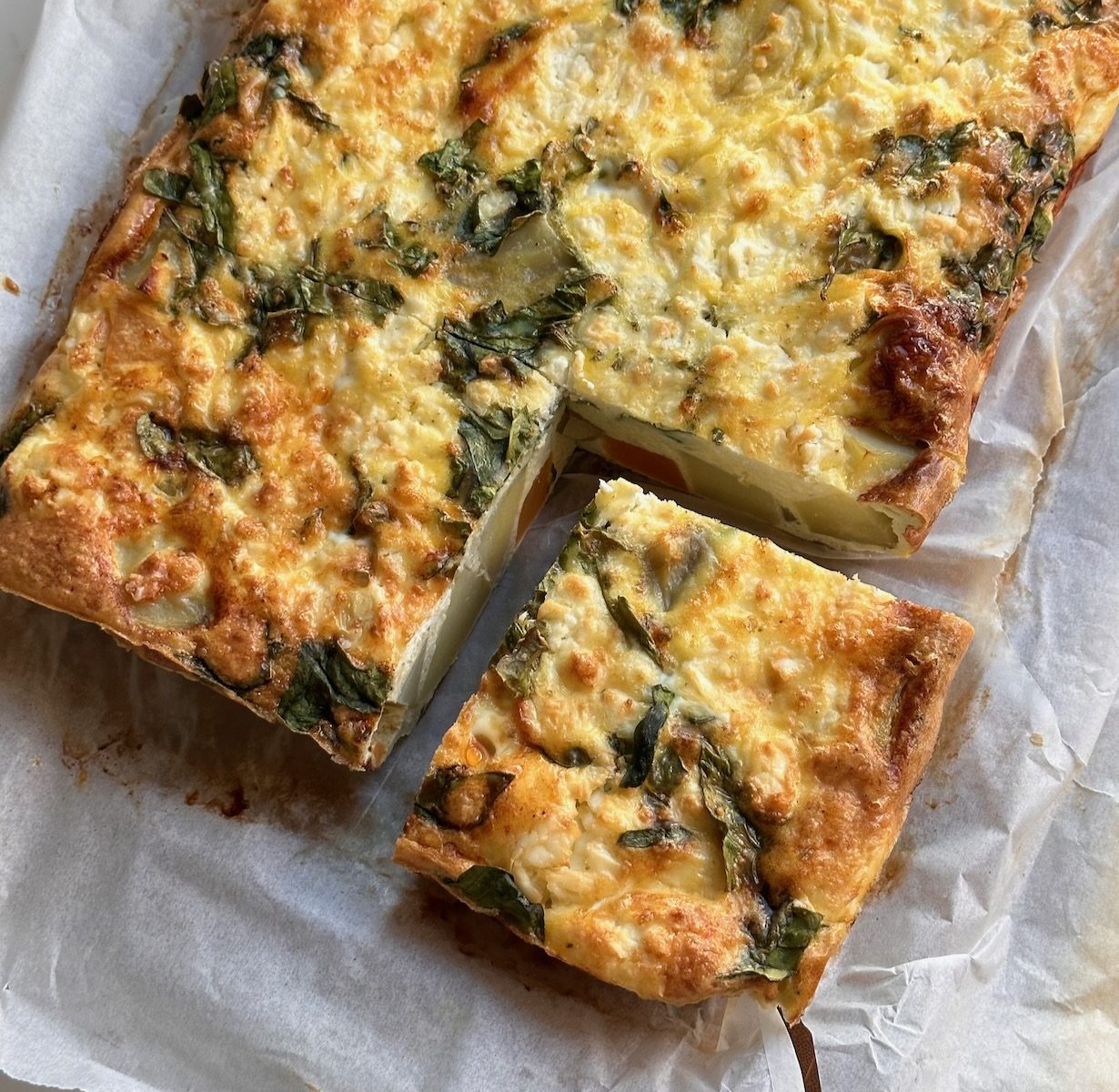
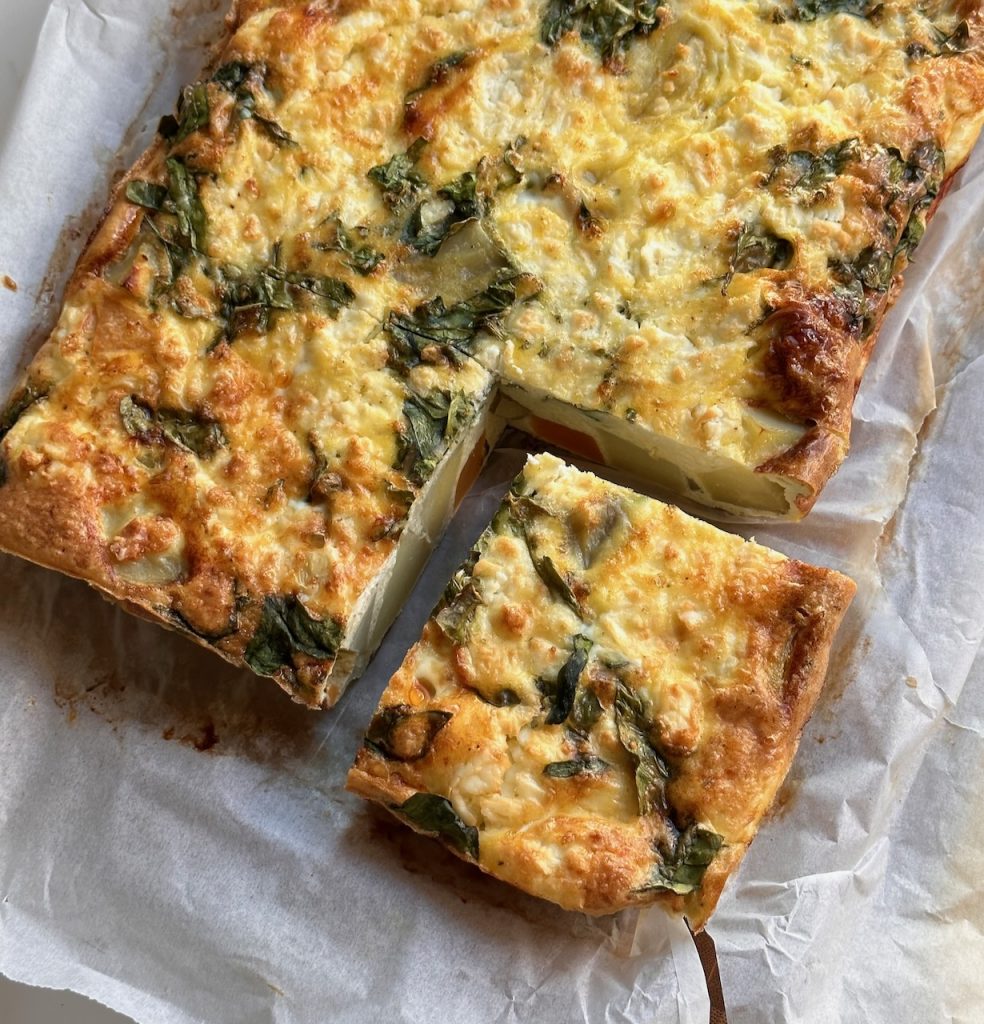
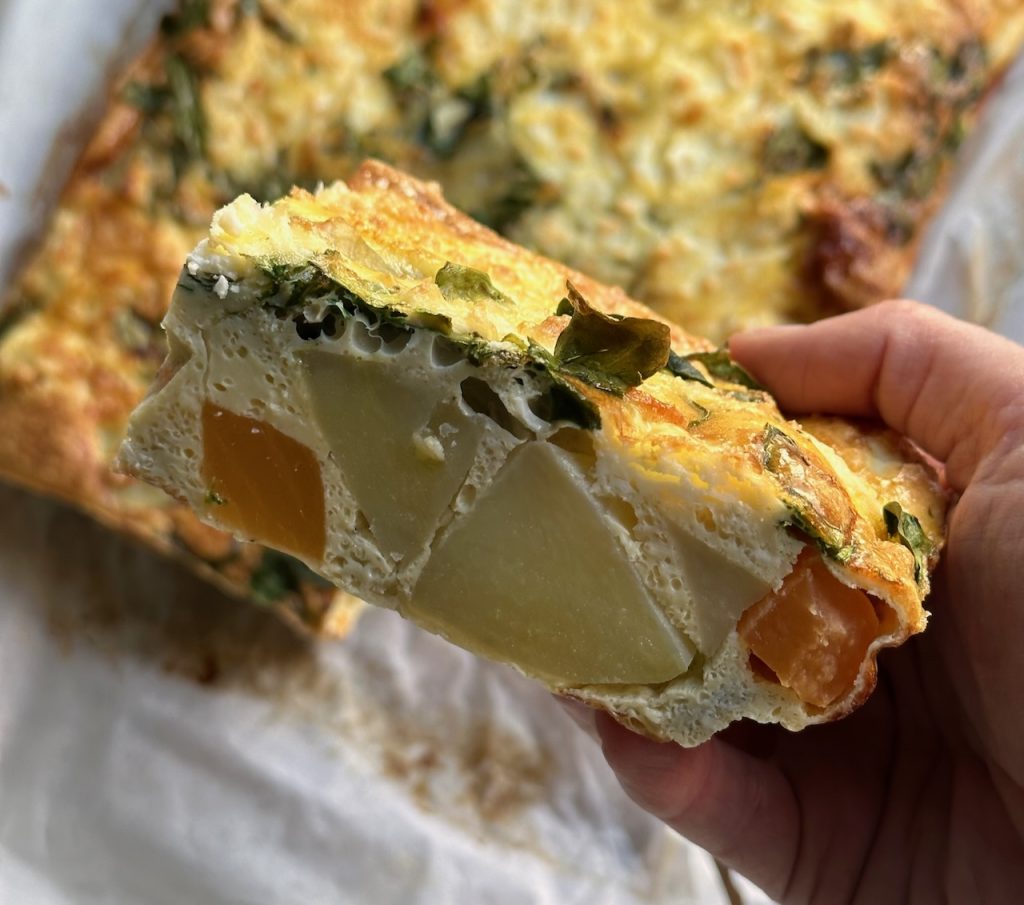
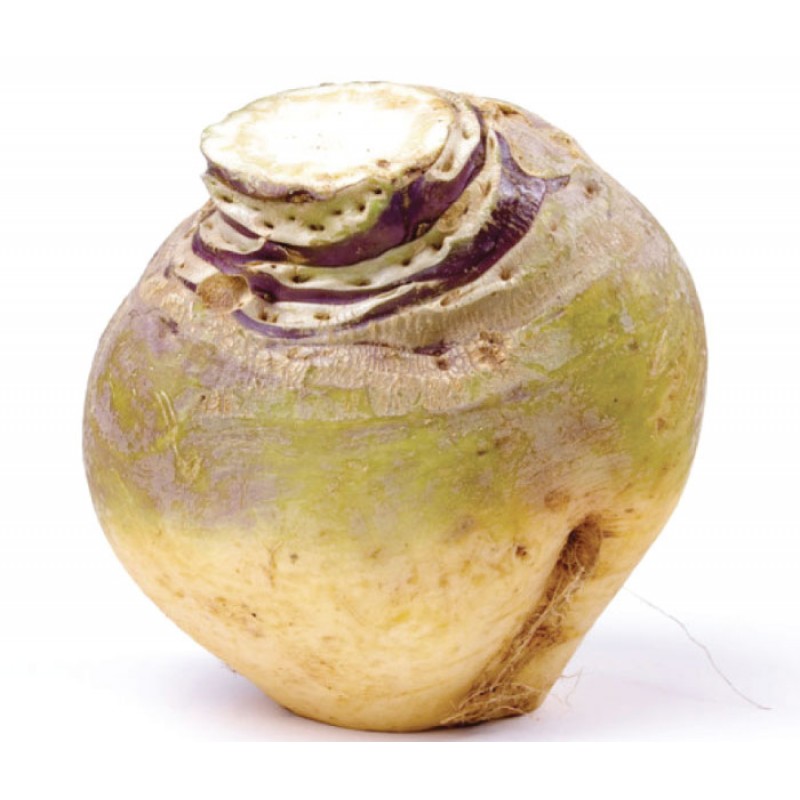
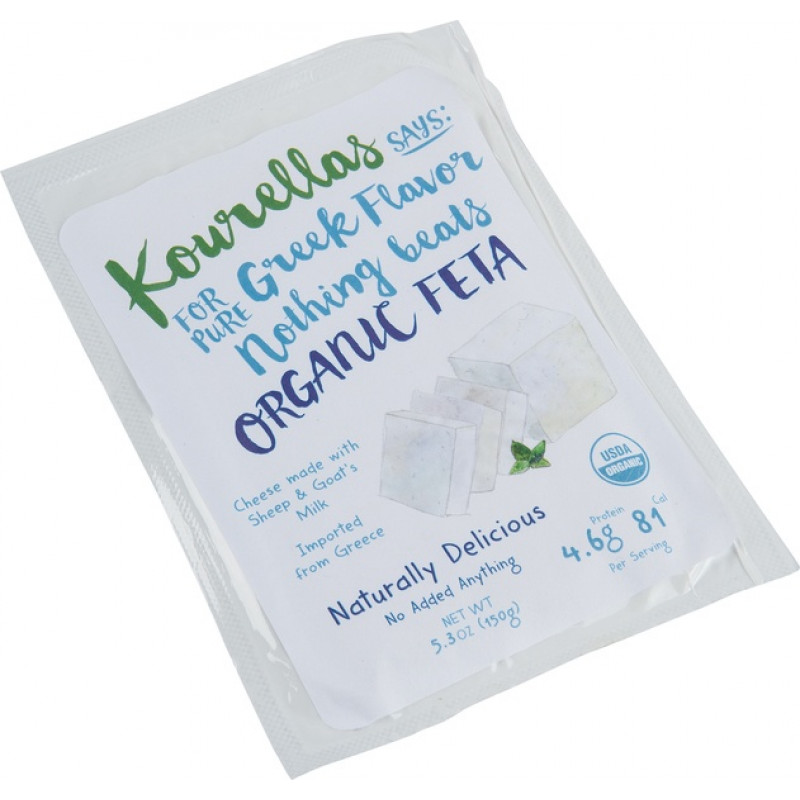
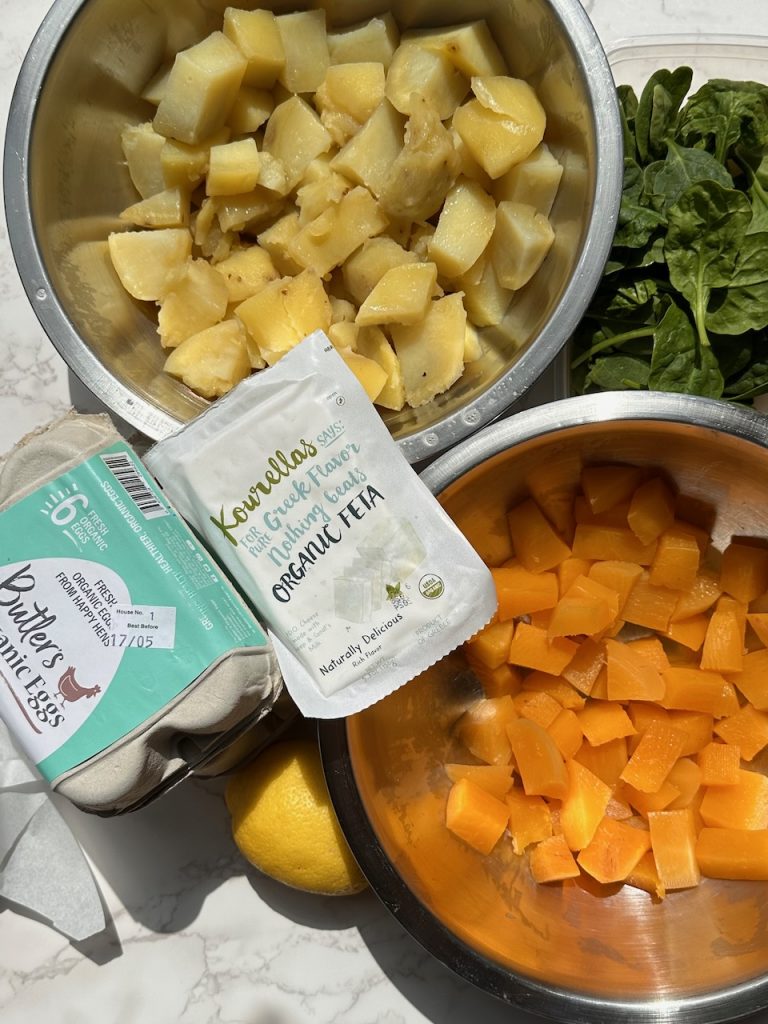
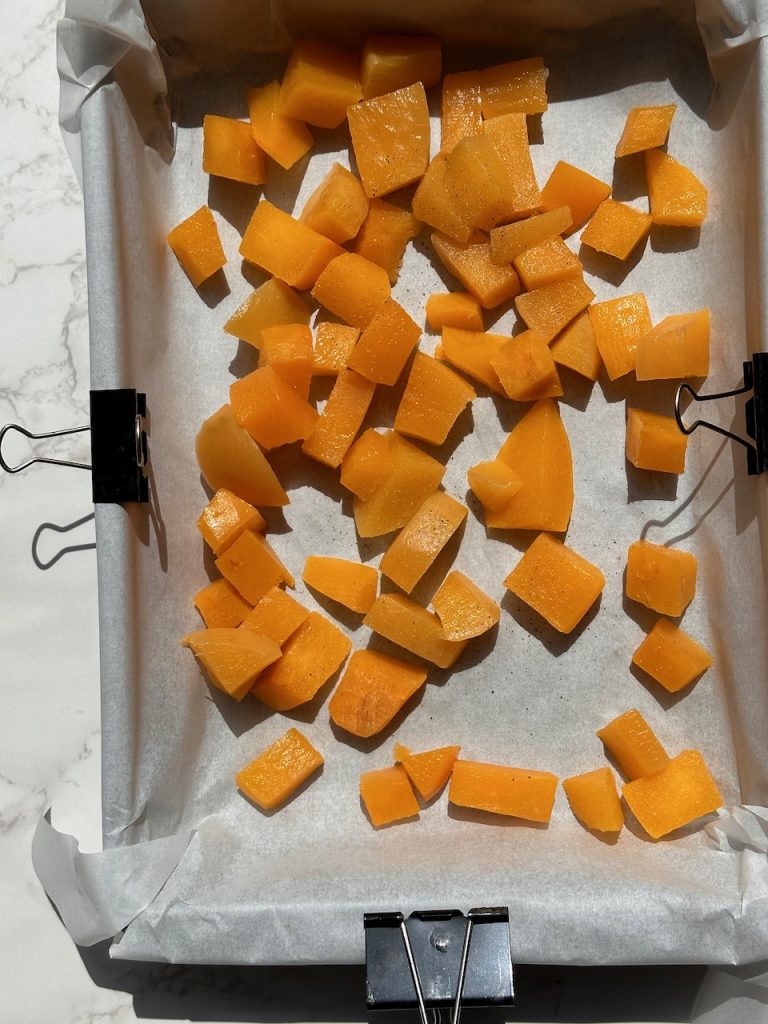
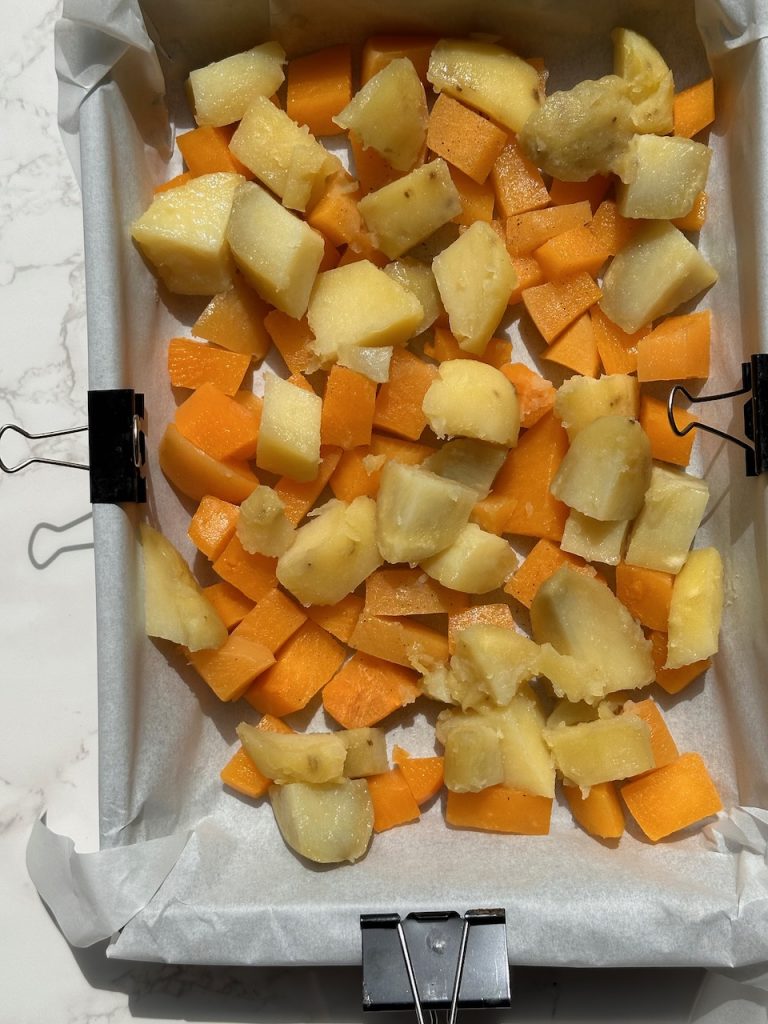
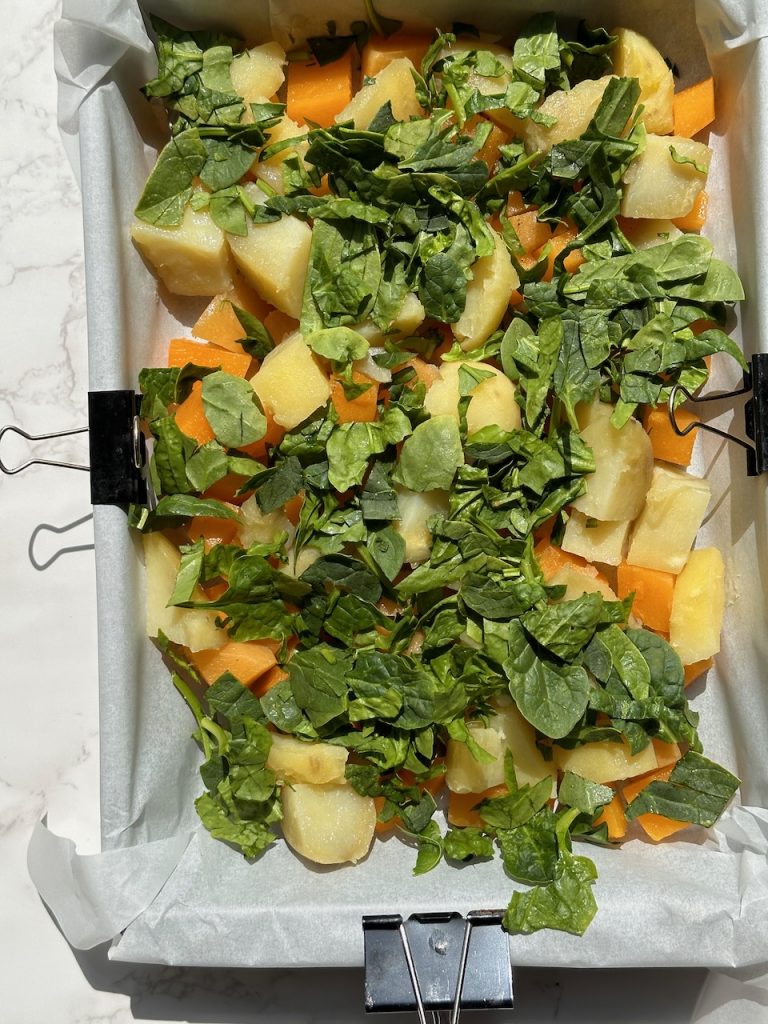
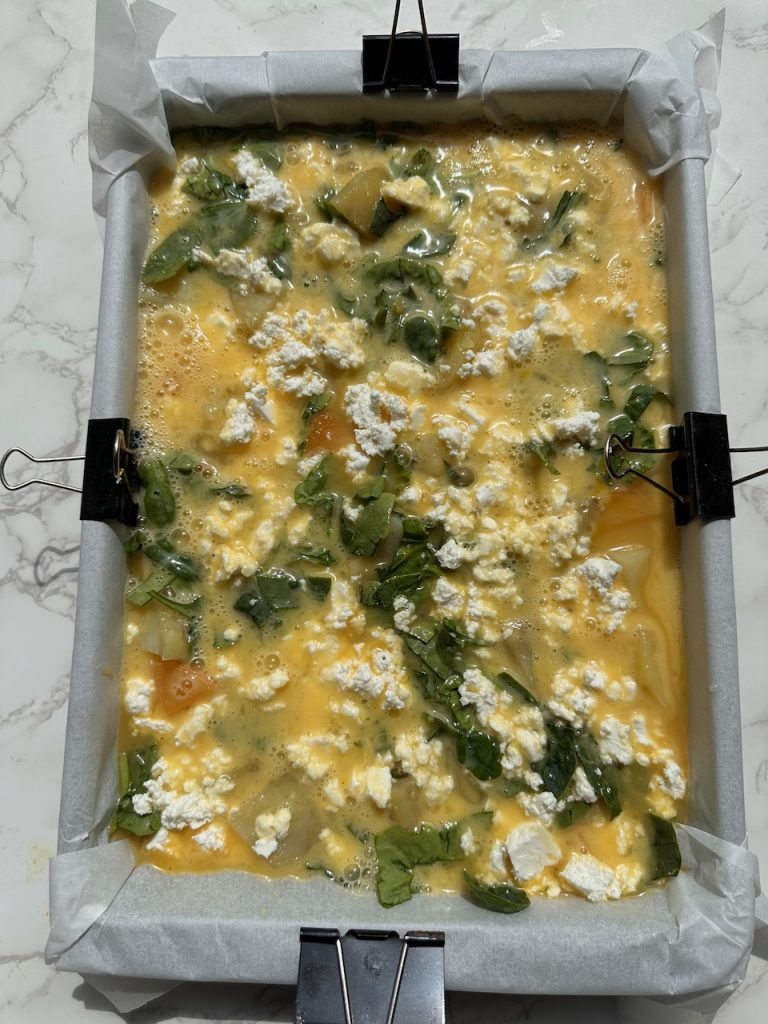
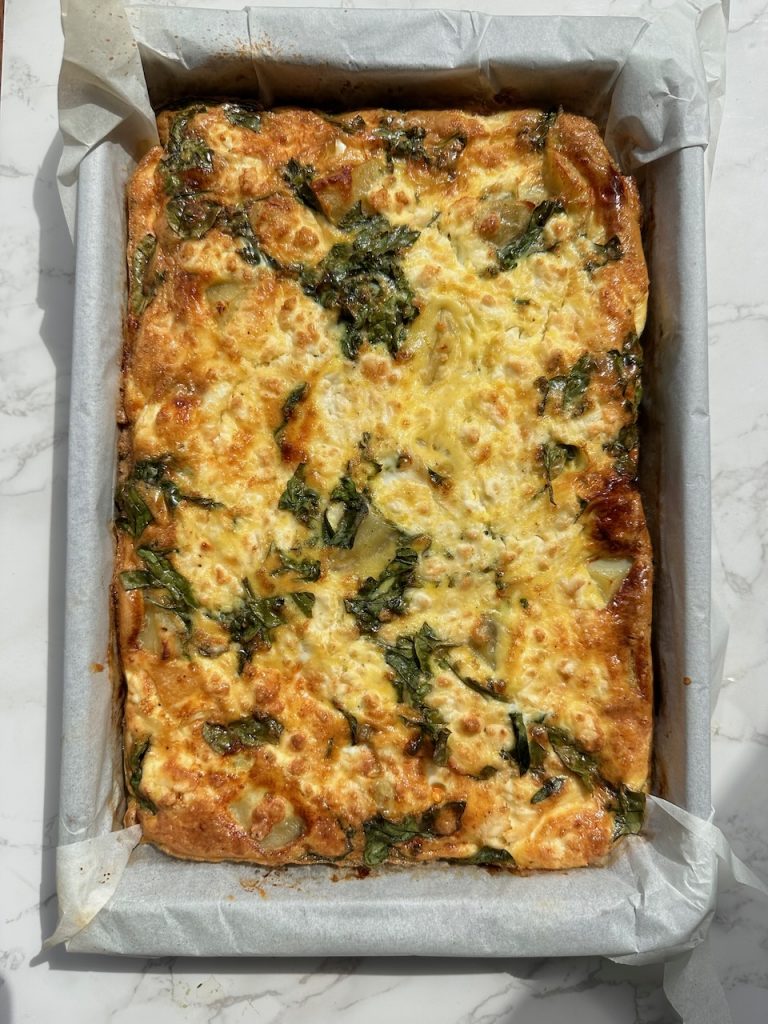
This frittata is so handy to make and works perfectly with gorgeous Irish root veg! You can add just about any cooked veg to your frittata, here we are using delicious turnip and potato thats delicious with spinach and feta. Any left over cooked veg can be used think beetroot, peppers, courgette, carrots, parsnips, broccoli or peas it’s a real #zerowaste hero recipe.
This recipe makes a large frittata that is great for feeding a crowd for lunch, dinner or picnic. The best part is you can have it hot or cold.
Fancy an exciting zingy extra tasty salad this summer? This is it!
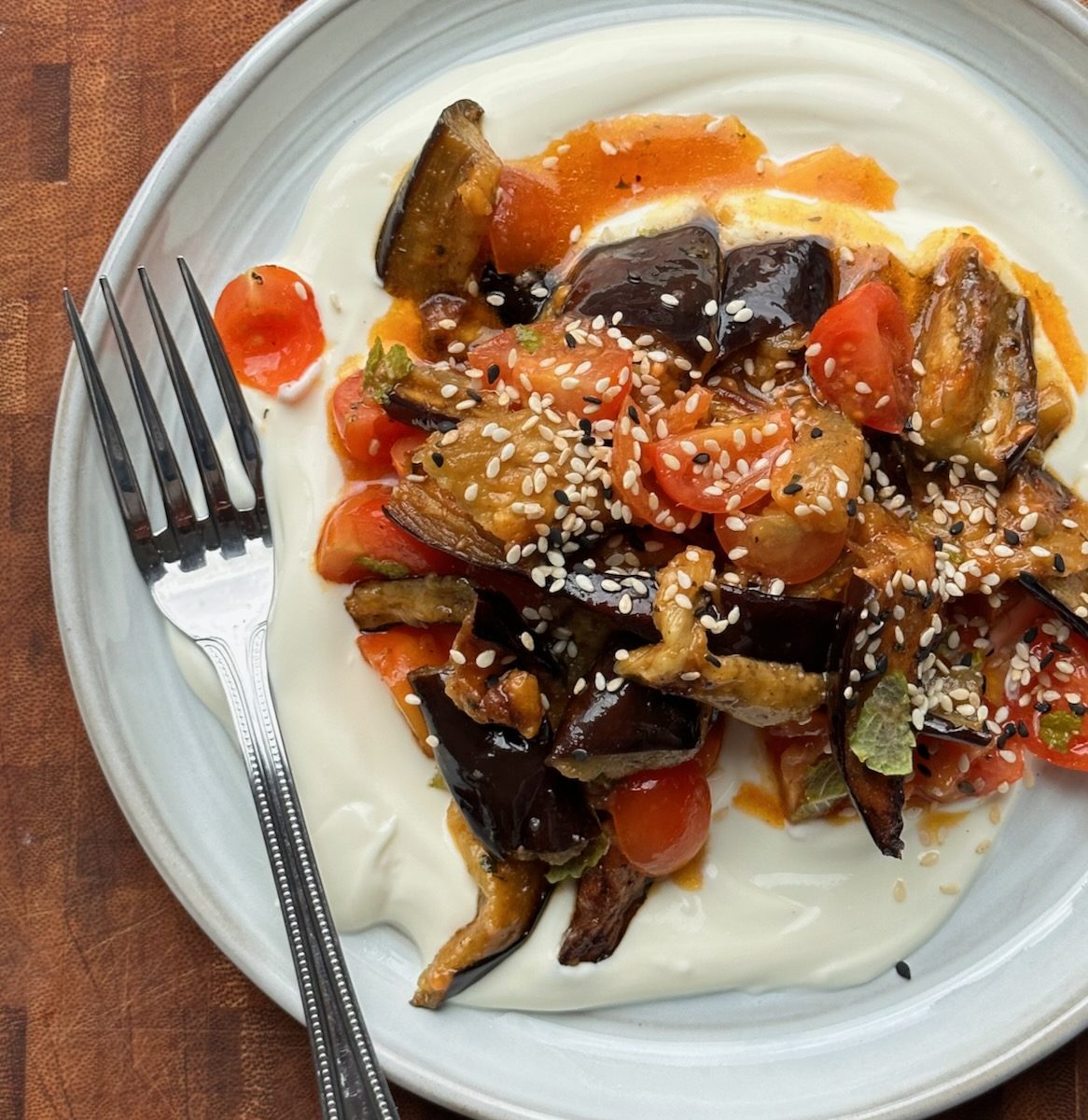
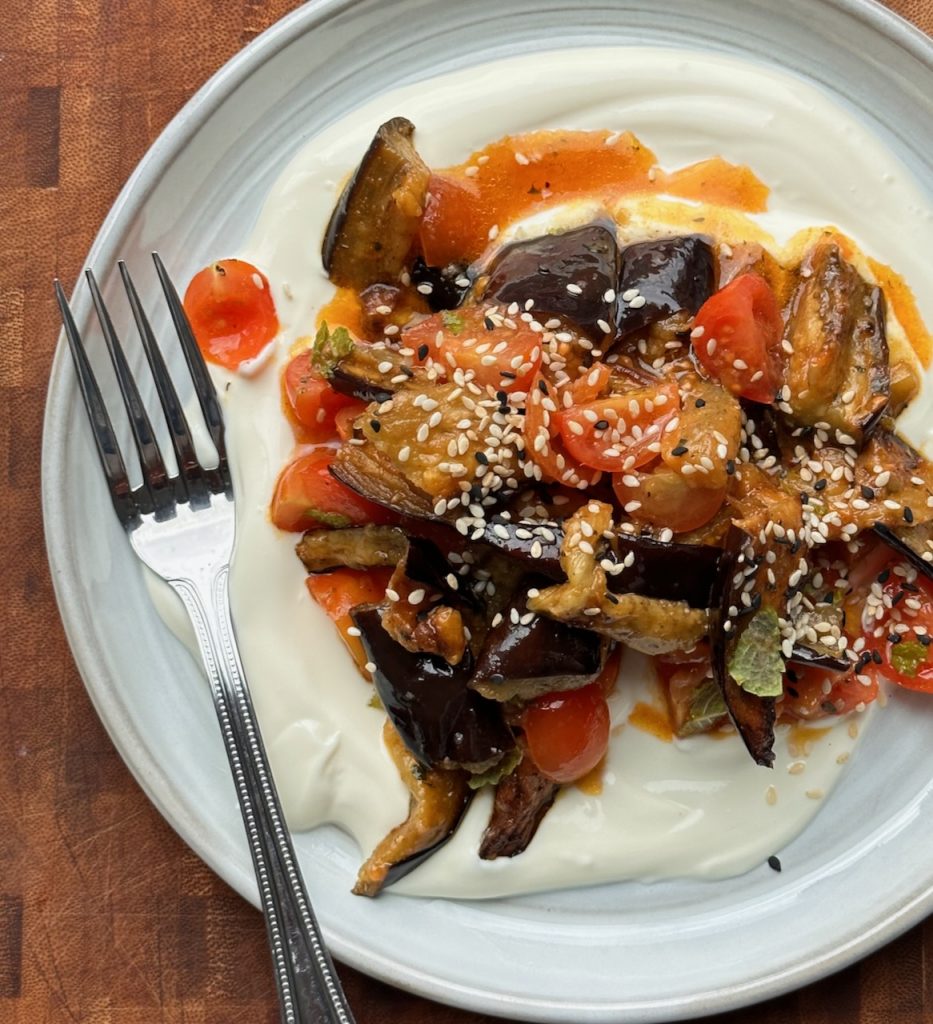
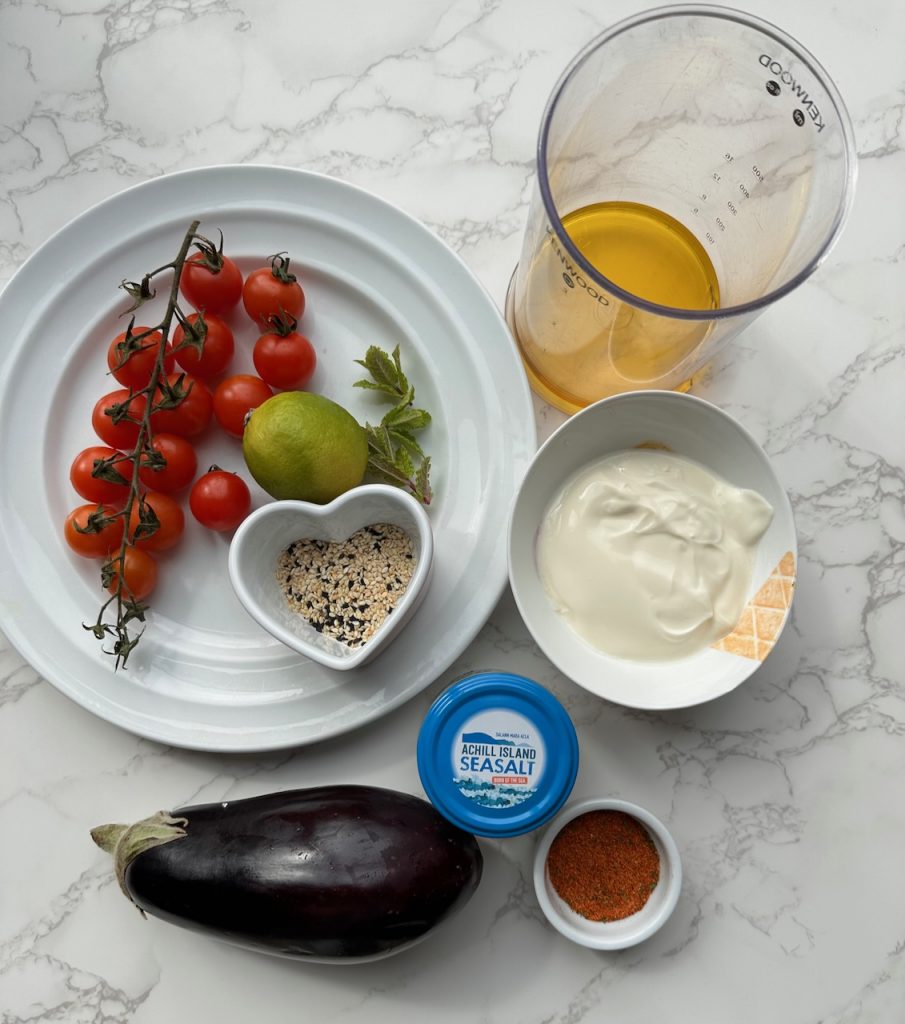
Spongy aubergines love to be bathed in spice and charred until soft and caramelised. Chopped warm and added to the fresh cherry tomatoes and garlic they liven up to give a delicious tongue tingling flavour.
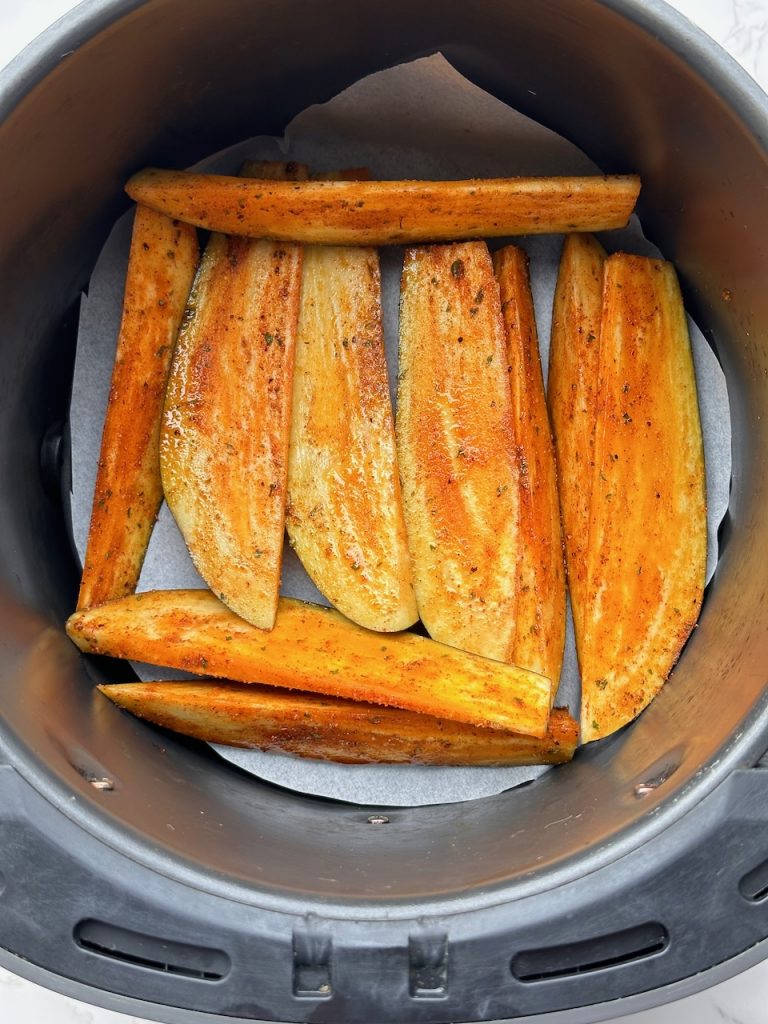
We used the air fryer to cook the aubergine quickly, but you can roast it in the oven at 180ºC for 30 mins or even char it on the BBQ.
Save this recipe and enjoy it on the warm summer evenings with great company. Head to our groceries for most of the ingredients.
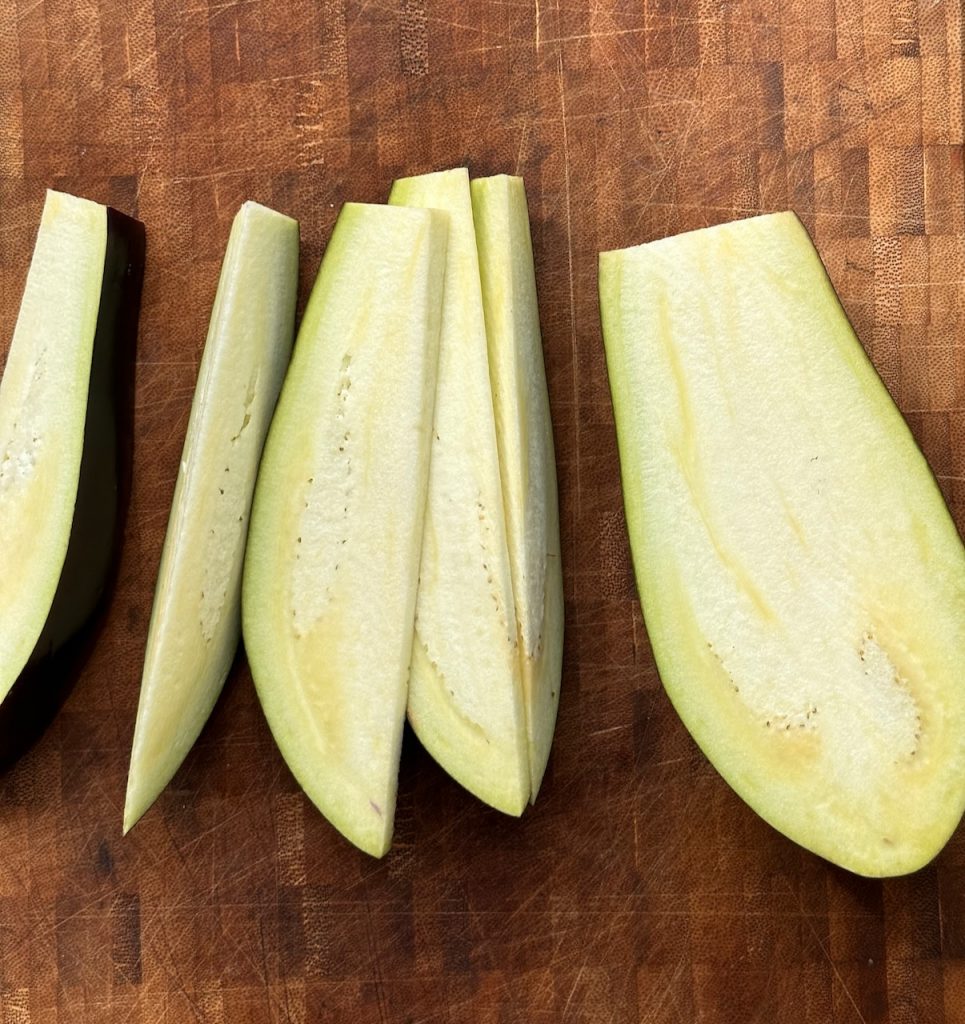
Step 1: Slice the green top off the aubergine, then cut in half and chop into long pieces, about 8.
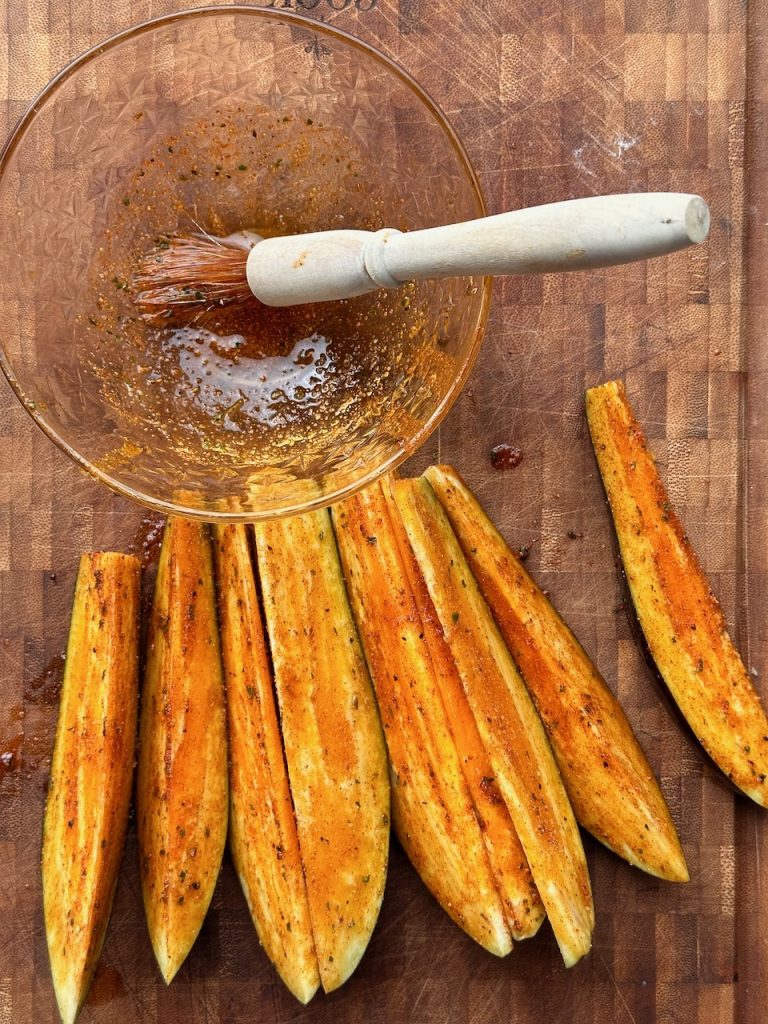
Step 2: Mix together 2 tablespoons of oil and 2 teaspoons of cajun spice, season with a pinch of salt and pepper. Brush this onto the aubergine pieces.
Step 3: Line the basket with parchment paper and air fry for 18 minutes at 180ºC and check and turn half way through. (If using the oven it may take 30 minutes)
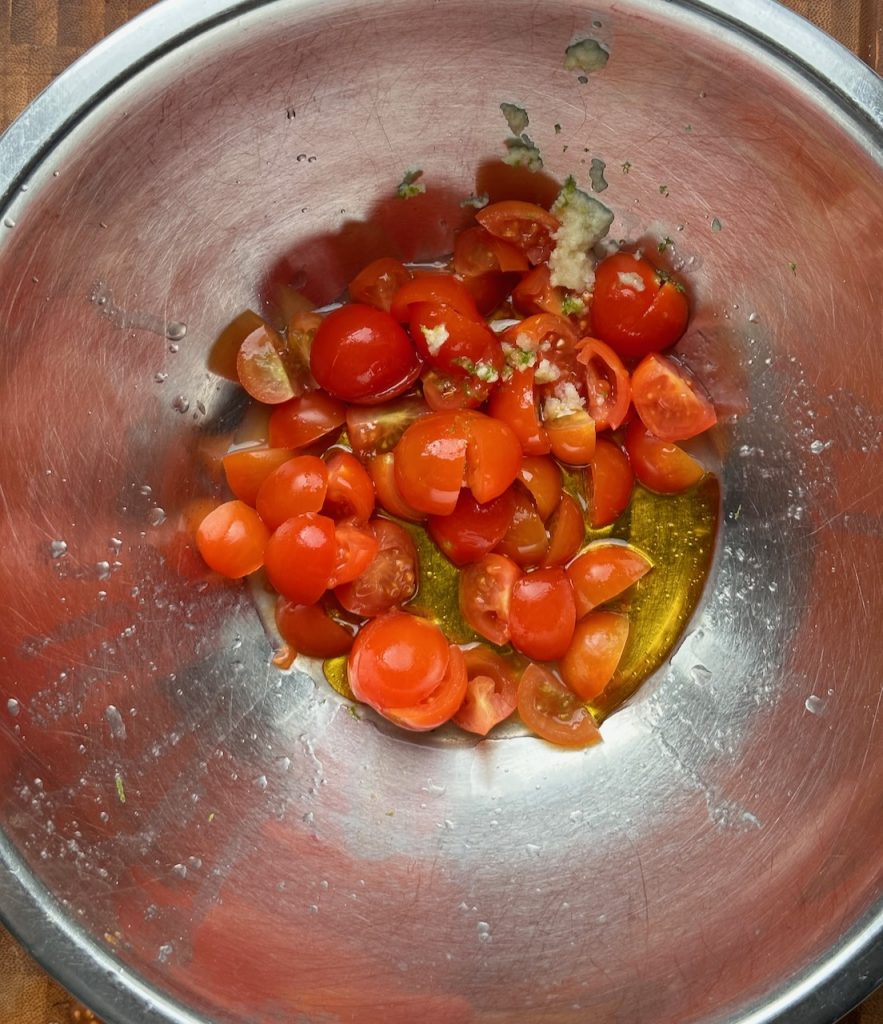
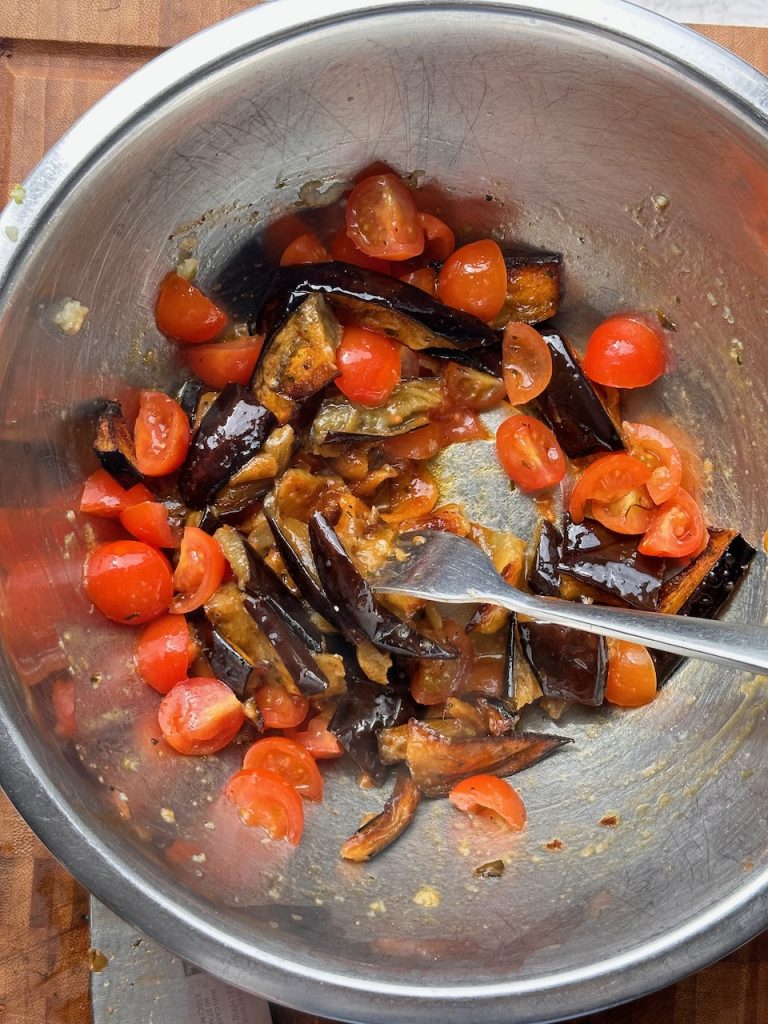
Step 4: Chop the cherry tomatoes into quarters and add them to a mixing bowl. Finely grate the garlic clove and add this to the bowl, add the zest and juice of half a lime, 2 tablespoons of olive oil a small pinch of salt and pepper. Tear in the mint leaves. Chop the warm aubergine into 1 inch pieces and add this to the bowl, mix.
Step 5: Spoon half the greek yoghurt onto each plate and top with the warm aubergine salad sprinkle with toasted sesame seeds.
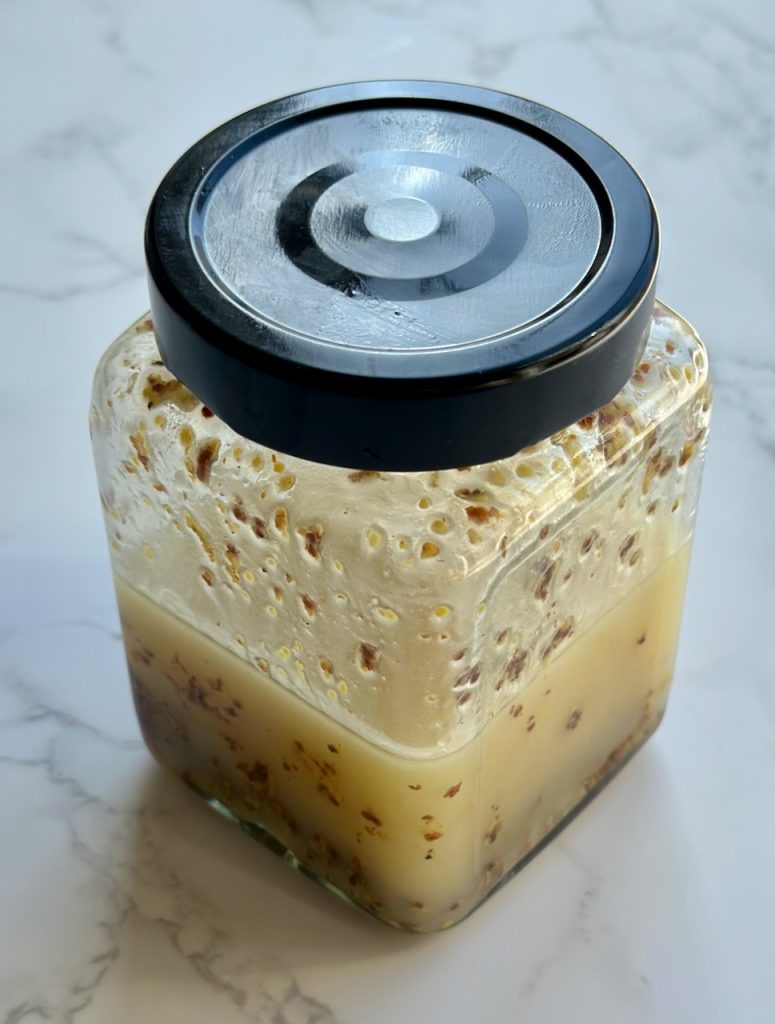
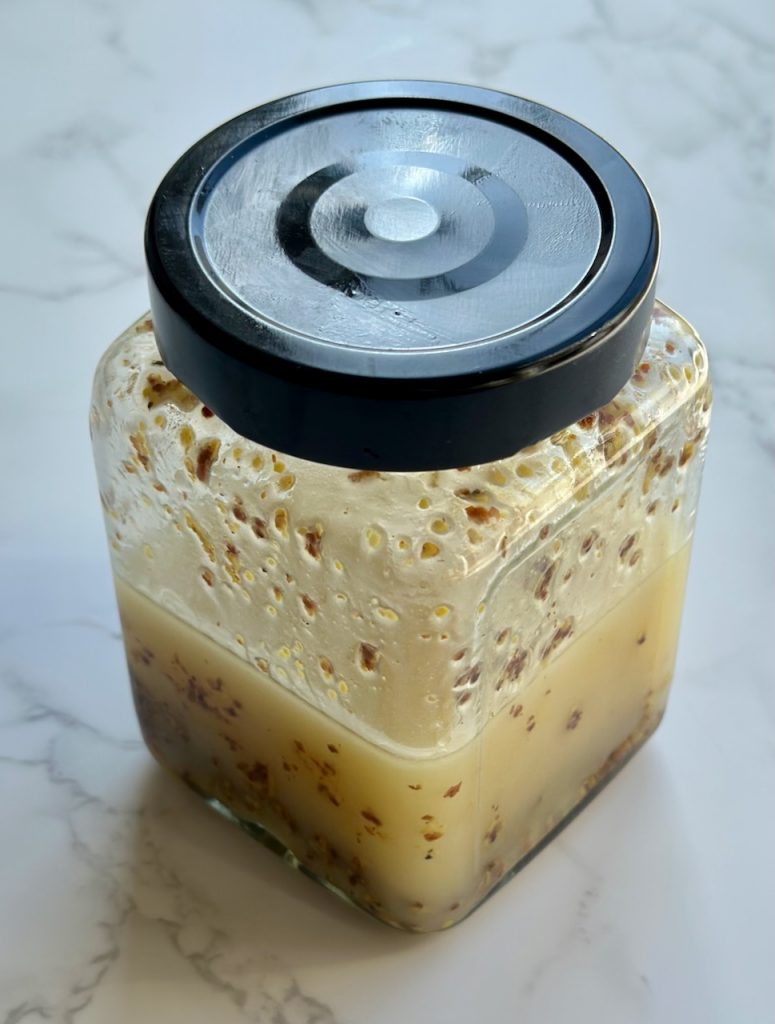
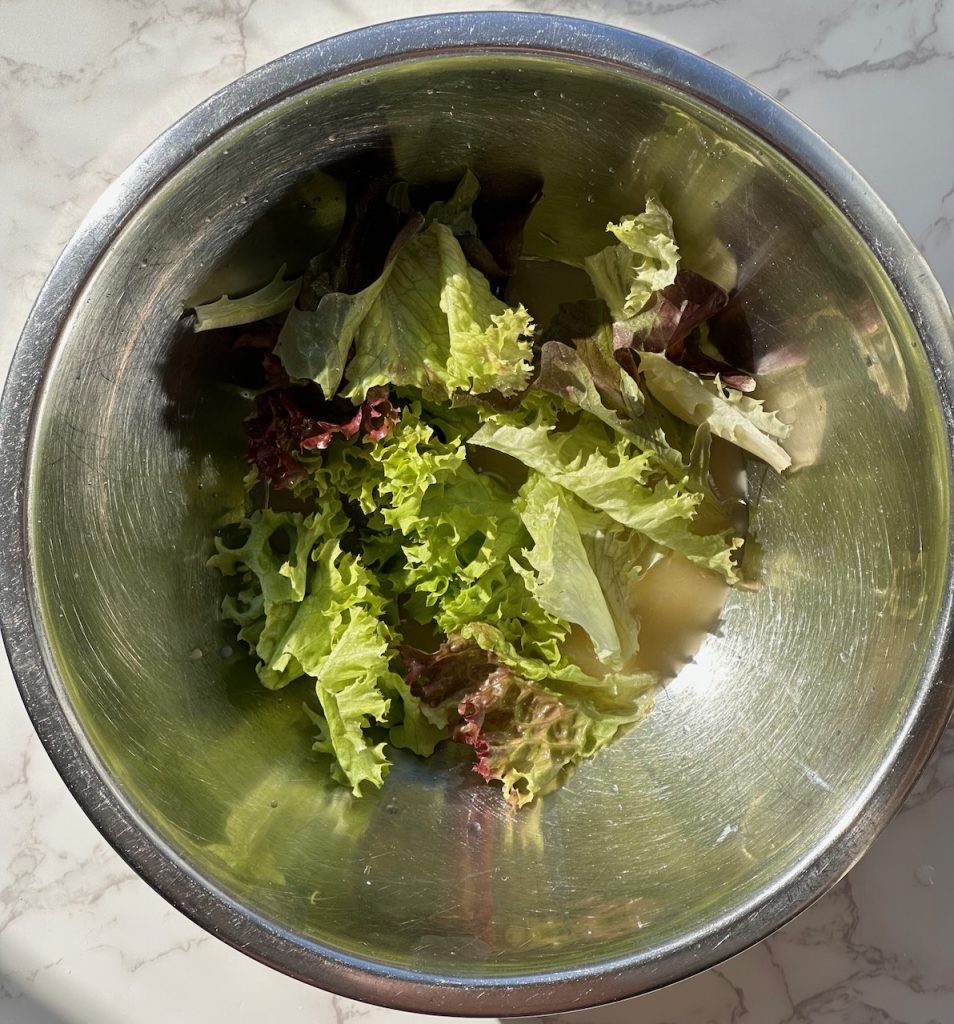
Lighter, brighter days love lighter brighter dishes and we welcome all the delicious colourful organic salads. Make sure to arm yourself with some handy jam jar dressings like this one, make extra and store it in the fridge!
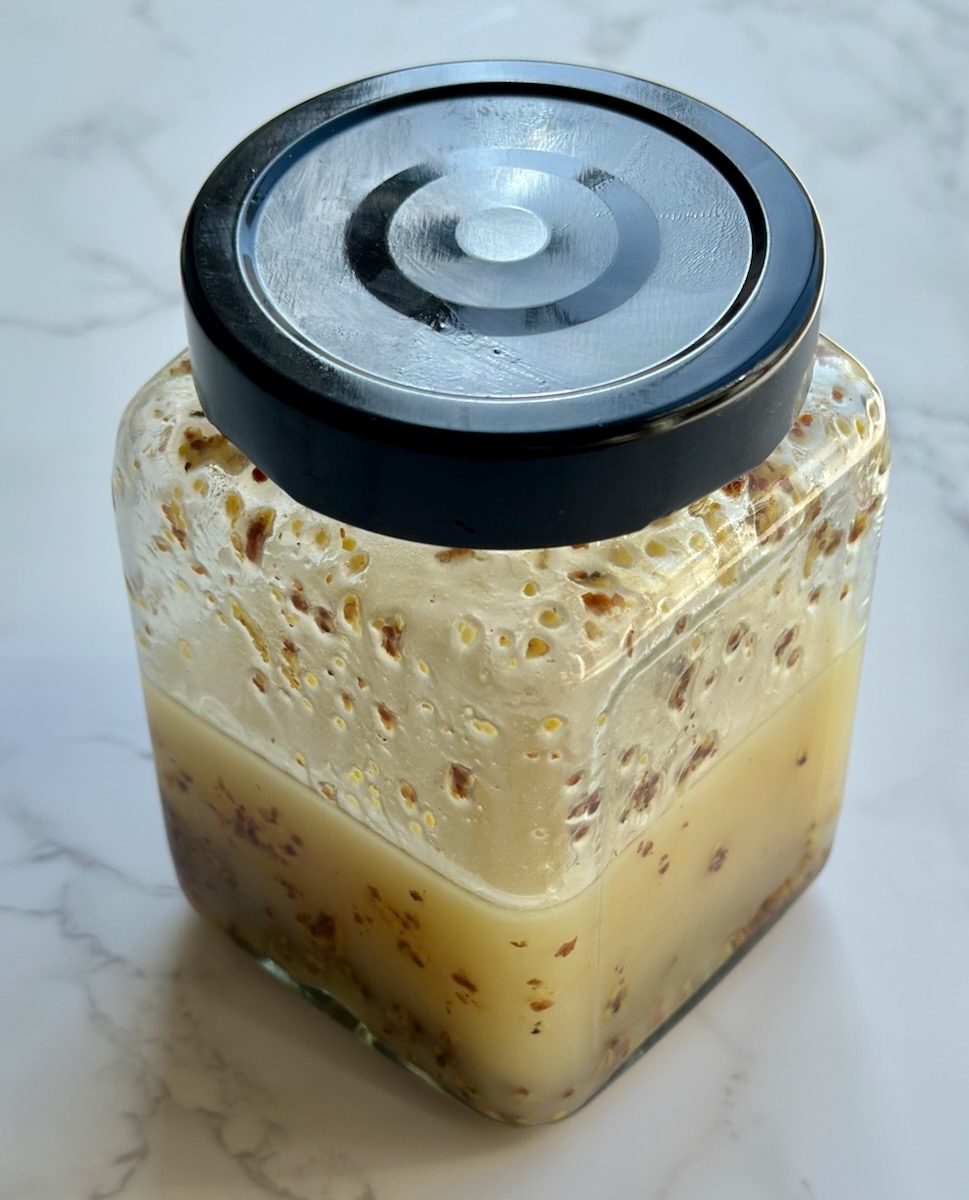
A jam jar dressing is very satisfying to make especially when you get to shake it up like a cocktail! Feel free to adjust and change up the flavours, you could add some dried herbs, chilli flakes, fresh grated garlic, lemon juice, pesto, or what ever you like.
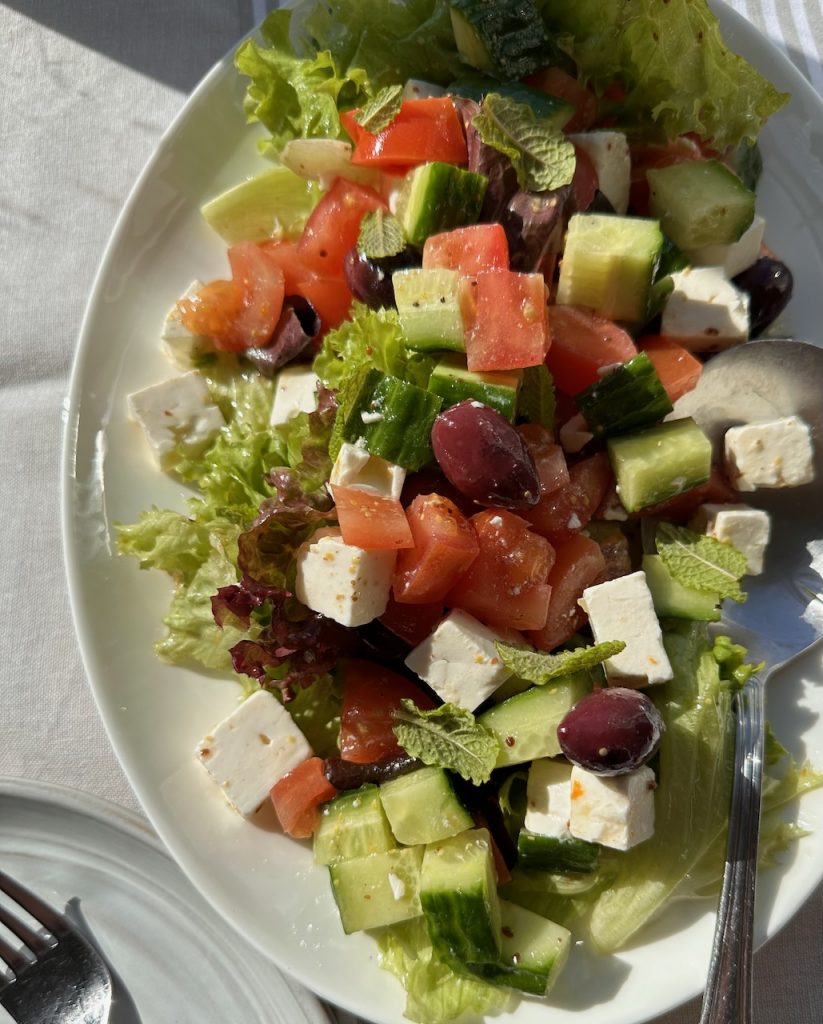
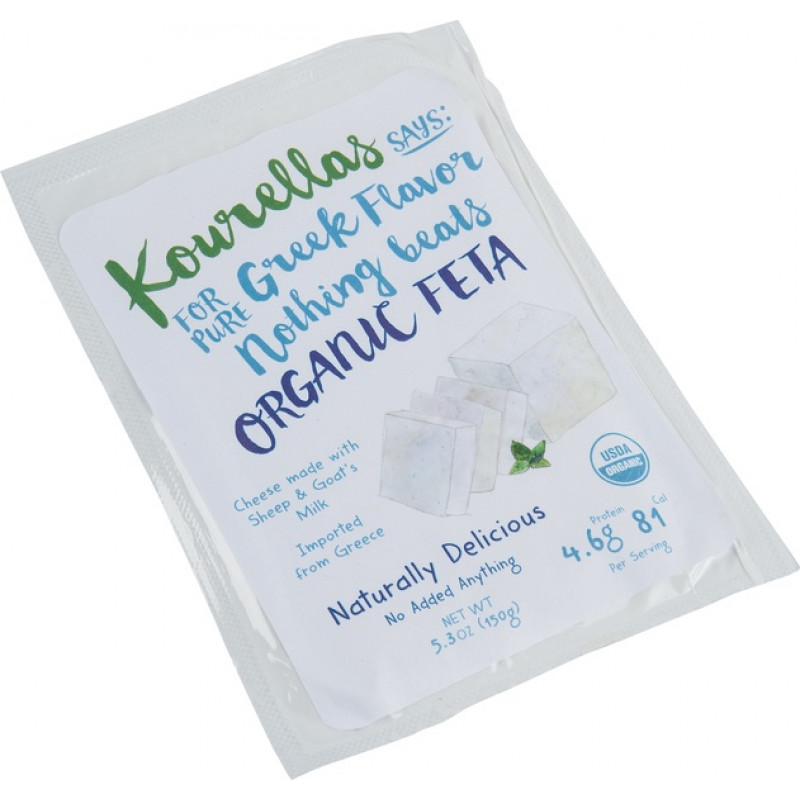
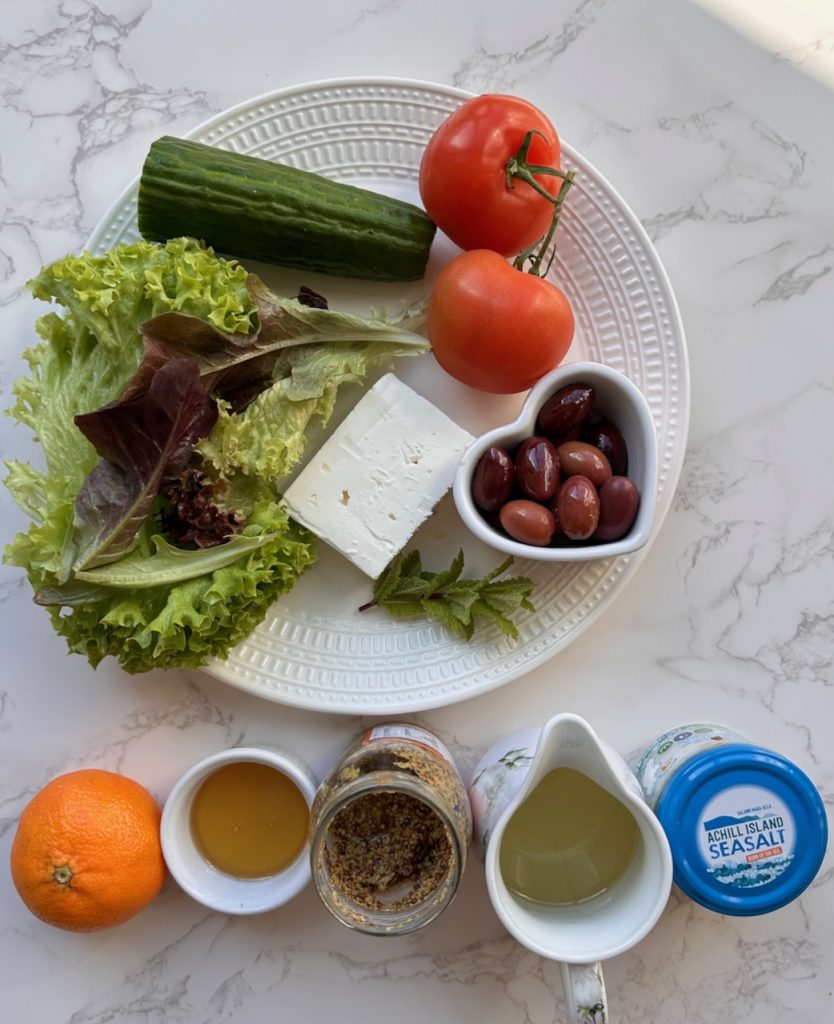
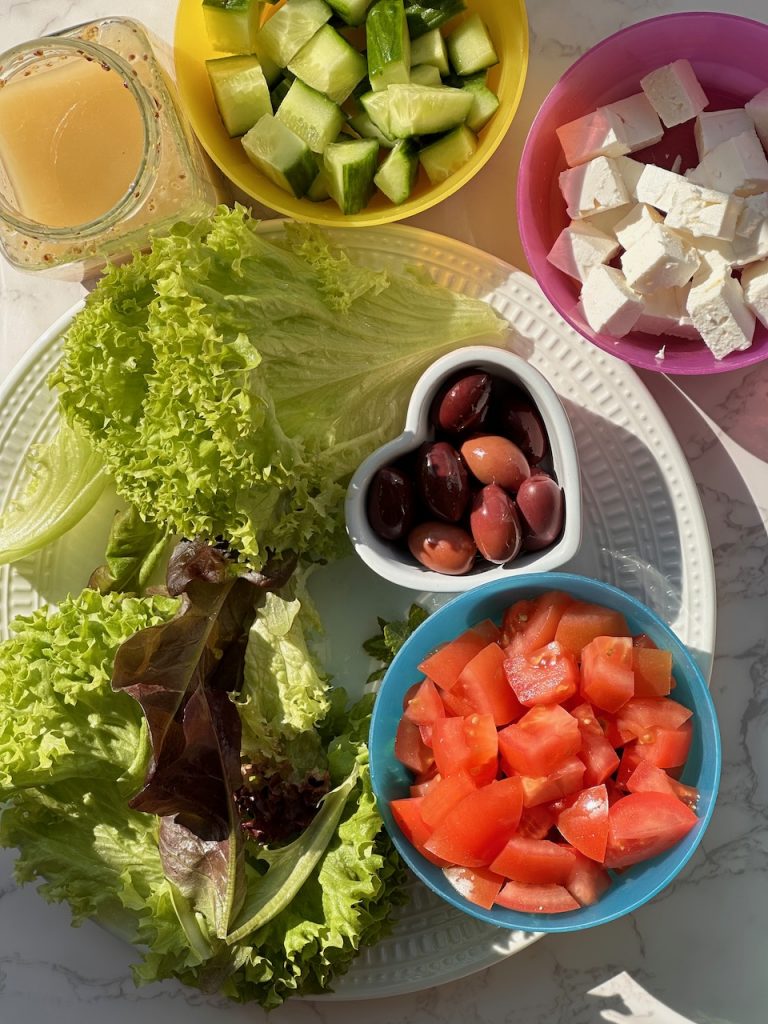
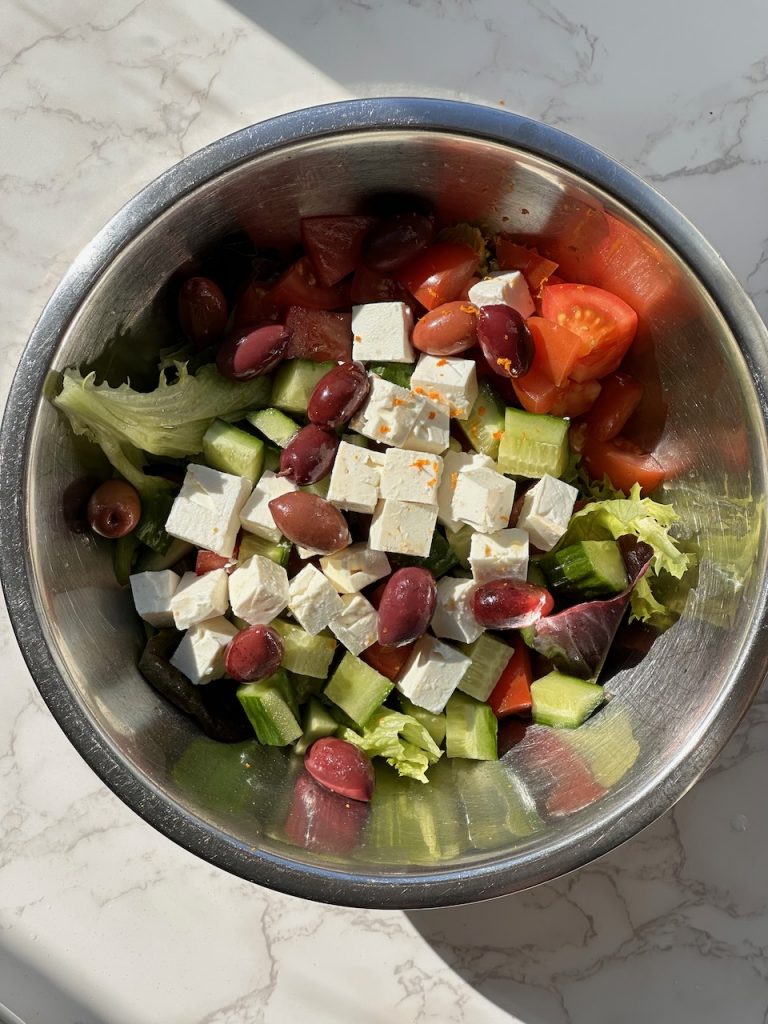
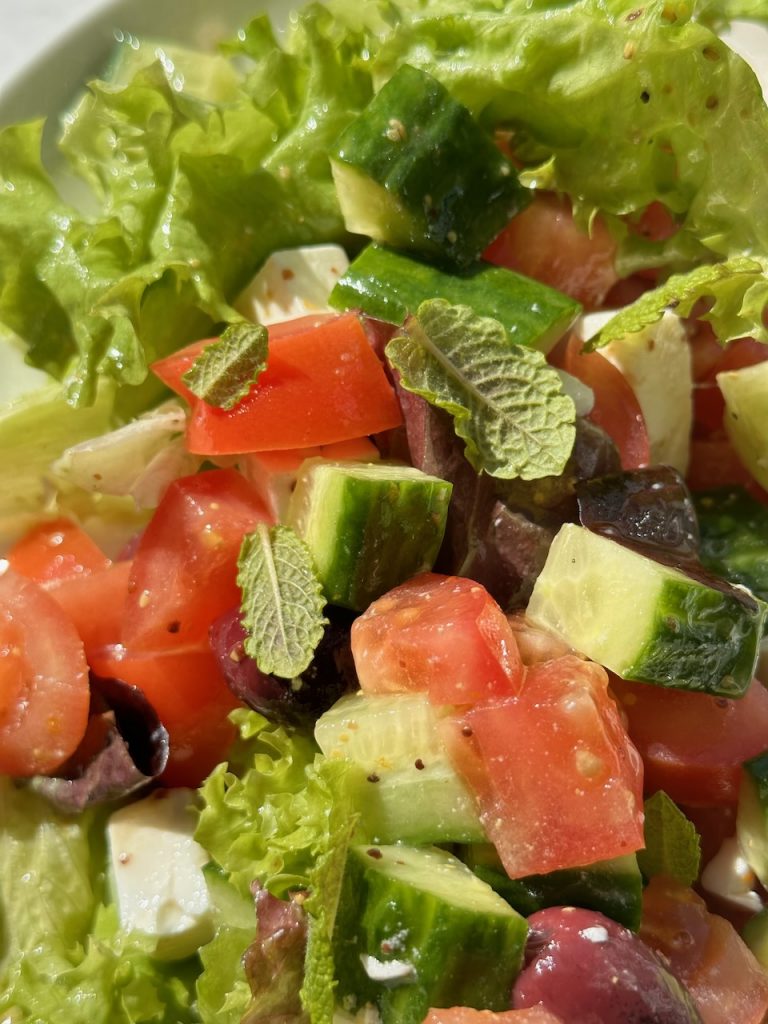
Now you have your dressing sorted order some incredible organic produce for your salad www.greenearthorganics.ie Keep it simple like this feta salad full ingredients below.
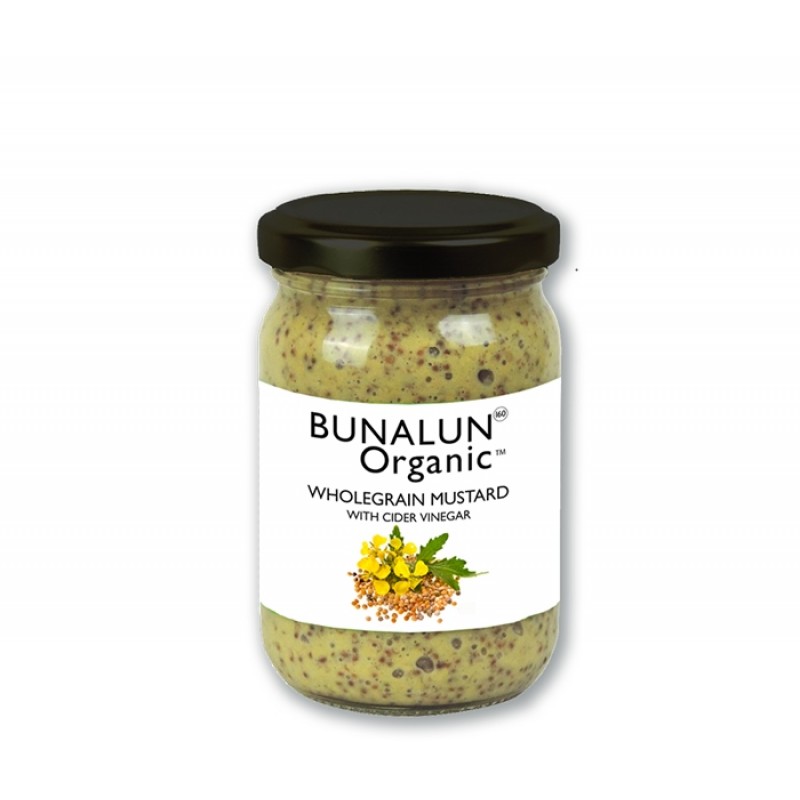
To make the dressing: Add all the dressing ingredients to a clean jam jar, put the lid on and shake well. Taste the dressing and adjust the seasoning if needed, it may need more salt, honey or vinegar, keep tasting and adjusting until you are happy with it.
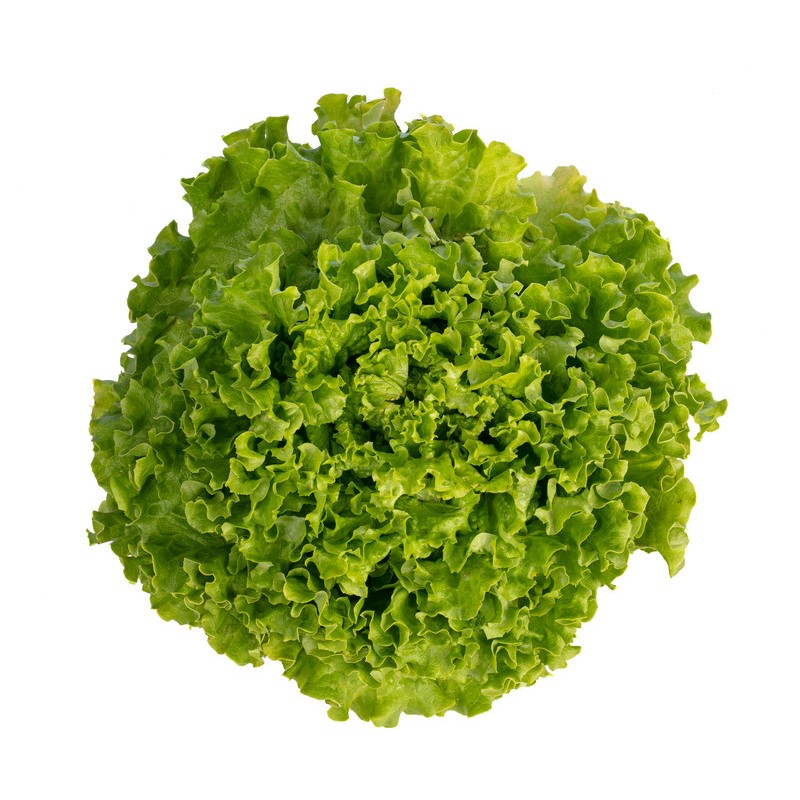
To make the salad pour half the dressing into a mixing bowl. Tear in the lettuce leaves, add the diced tomatoes, cucumber, feta cubes, zest the orange, and scatter in the olives. Gently toss through and pour onto a serving plate, top with mint leaves and serve.
Keep the other half of the dressing, in the fridge, for or another day.
The art of producing food is marvellous and tough and on sunny days it is a privilege.
We talk about food all the time here, we grow it, we sow the seeds, we watch the plants grow, we fertilise the soil, we control the weeds and hope we have the right mix to ensure the plants grow healthy and pest free.
We spend the time in between managing the crops, maintaining the land, planting trees, growing hedging, sowing wildflowers for the bees, harnessing the power of the sun, these are all things we do.
We see first-hand the connection between the fresh produce and the cooked food on our plate. We can see how the process of growing healthy food from healthy soil creates local employment and impacts on our locality positively. Sustainable agriculture is good for all and it benefits the environment immeasurably.
We see more bees, and flies, and insects on our farm and we feel there is a balance as we rarely see an out-of-control pest issue. We see more birds, and wildlife, we see the land thrive, just this morning I saw a giant hare saunter past one of our polytunnels.
Not only that, but organic food is so much better for us, of course it hasn’t been sprayed and so is free of harmful chemicals, but it is also just better nutritionally.
A comprehensive study carried out by David Thomas has demonstrated a remarkable decrease in mineral content in fresh produce over 50 years, comparing food grown in 1941 to food grown in 1991. To the extent that today you would need to eat 6 apples to get the same nutritional value you got in 1941 from eating 5 apples. In some cases, mineral levels have dropped by as much as 70%.
The use of highly soluble fertilisers, pesticides and herbicides and the intensive production of food has led to land that is lifeless and food that is less healthy and less nutritionally dense, this reflects the remarkable connection between our food and the health of our soil.
There is no way we could know this, as a population we are in danger of losing our connection with the land and our food. This is not our fault, the food system that is championed by supermarkets and giant food producers has made it this way.
Imagine though if we could see the impact of our positive choices, if we could somehow rekindle that connection with our food? Over the past year it seems we have been remaking that connection.
We are reconnecting with our food by cooking and touching and smelling and seeing how our food is grown. We are redeveloping that connection with nature, and this is something we can pass onto our children, we can show them that there is a great, fun and fantastically positive way to live and eat.
Although from what I have seen recently it is the children who are teaching us!
It’s the season for Irish grown greens, and rainbow chard is such a stunning looking crop, and so healthy. It’s high in vitamins A and K, and a great source of vitamin C and magnesium.
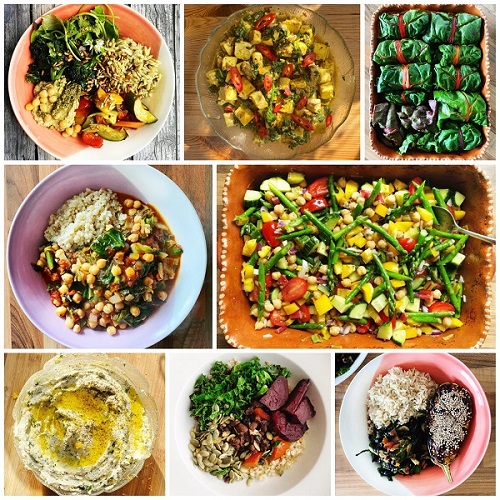
Click on the text in bold to get directly to the recipe page.