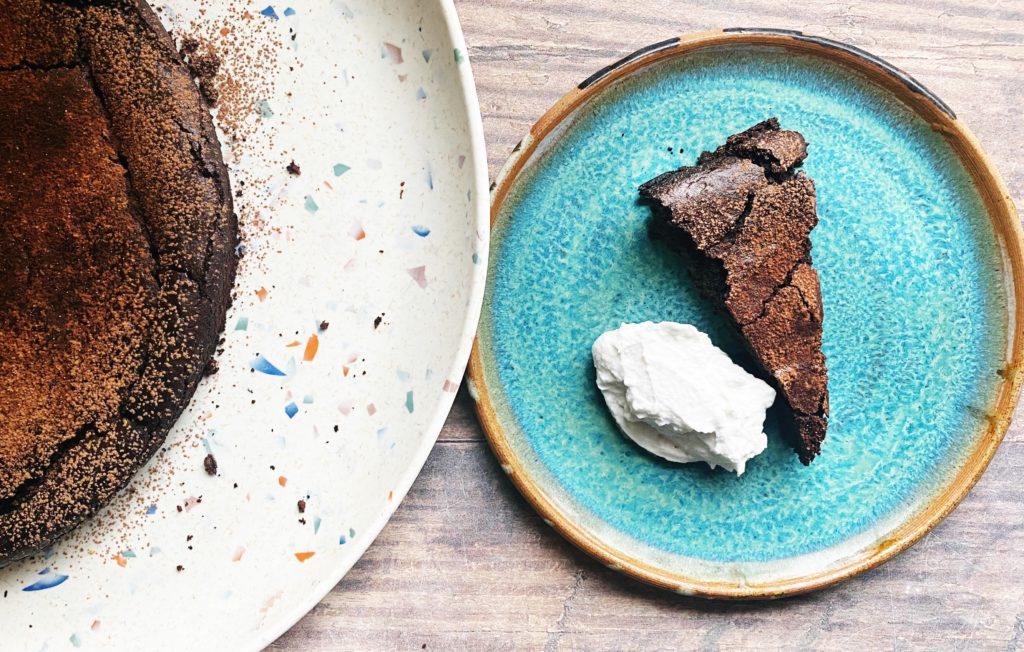
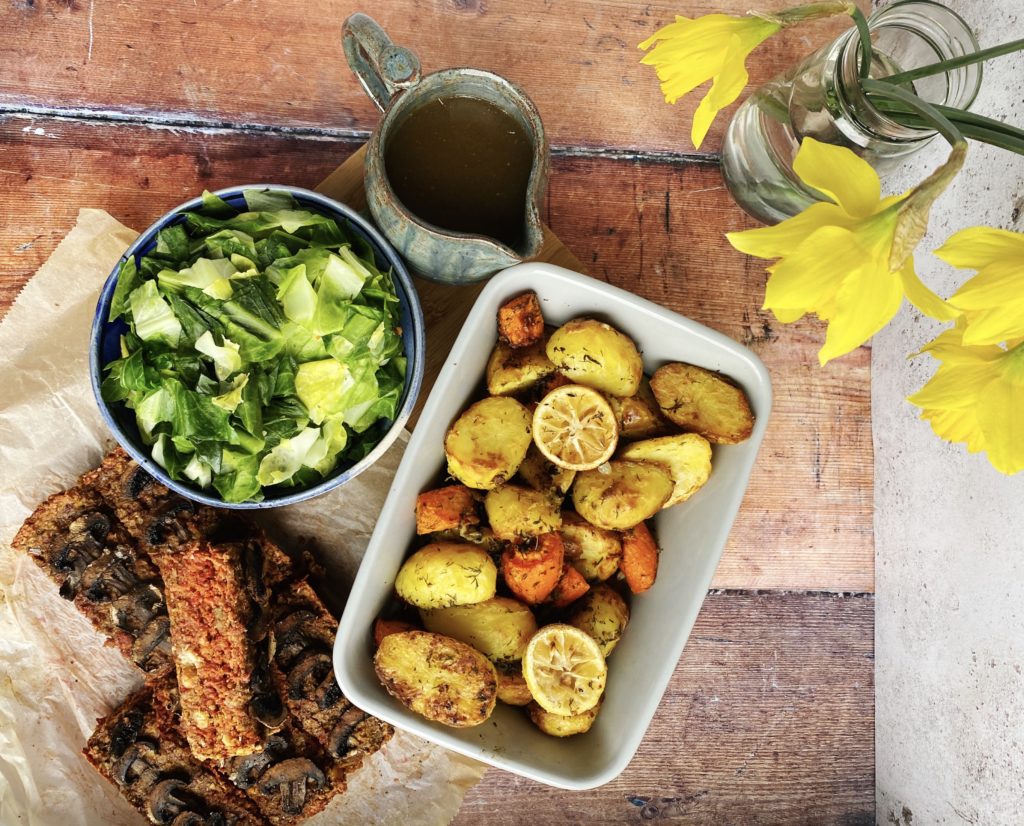
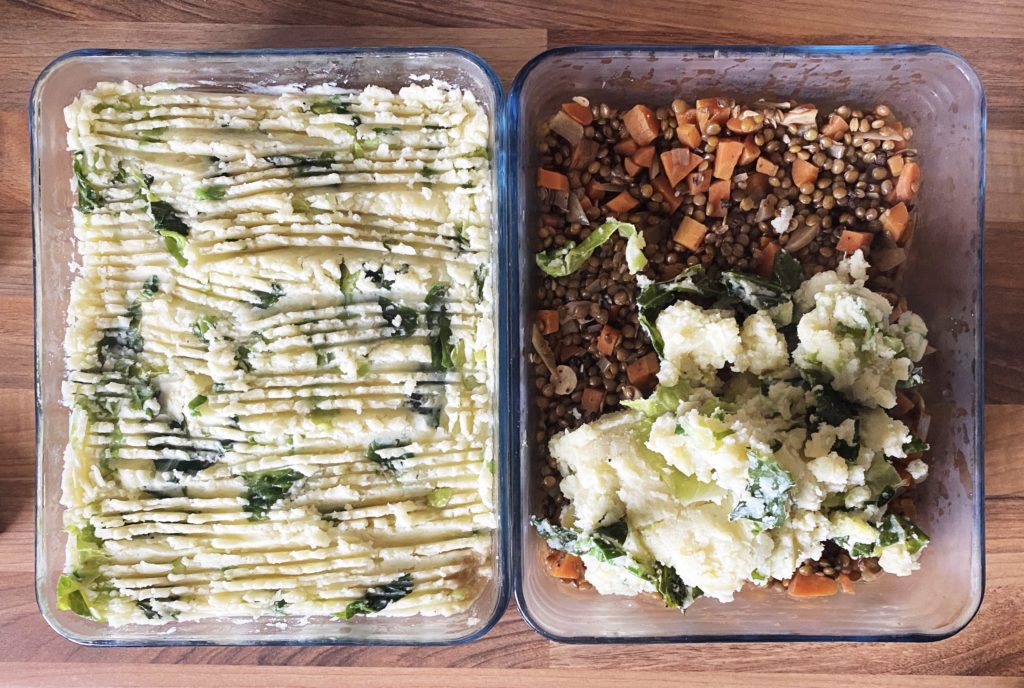
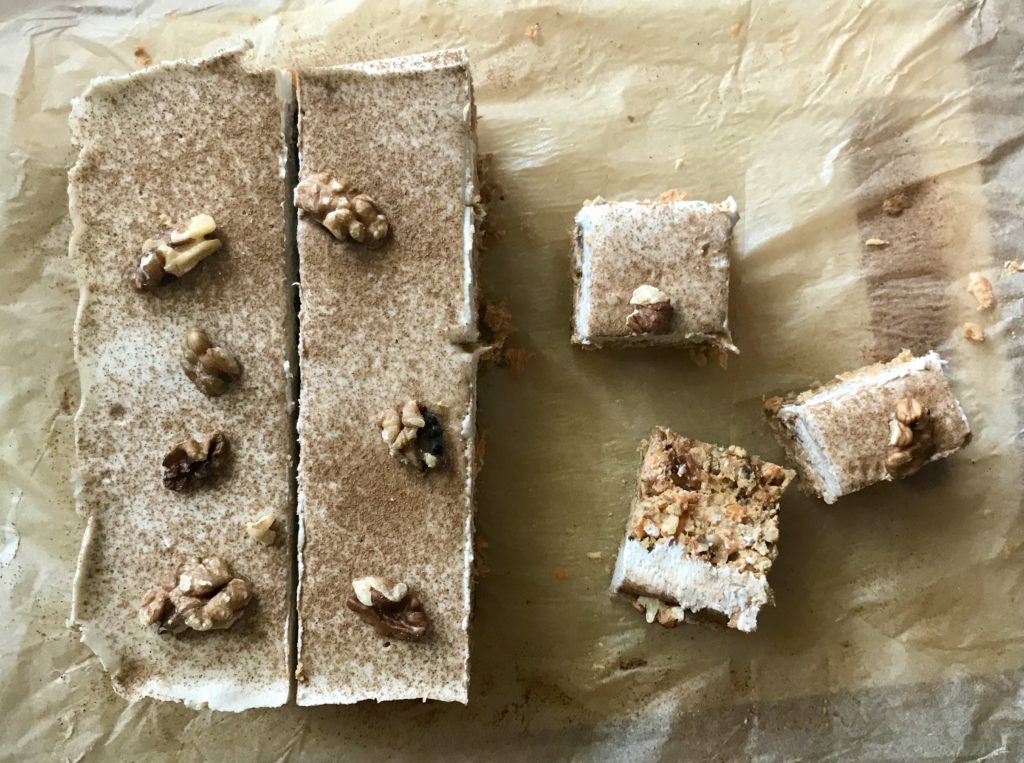
Celebrate spring with some bright fresh flavours, have an Easter feast and bake some treats with the kids. There are loads of ideas up on the blog now. Let me point you in the direction of some delicious dishes which will work perfectly this Easter. Liz x
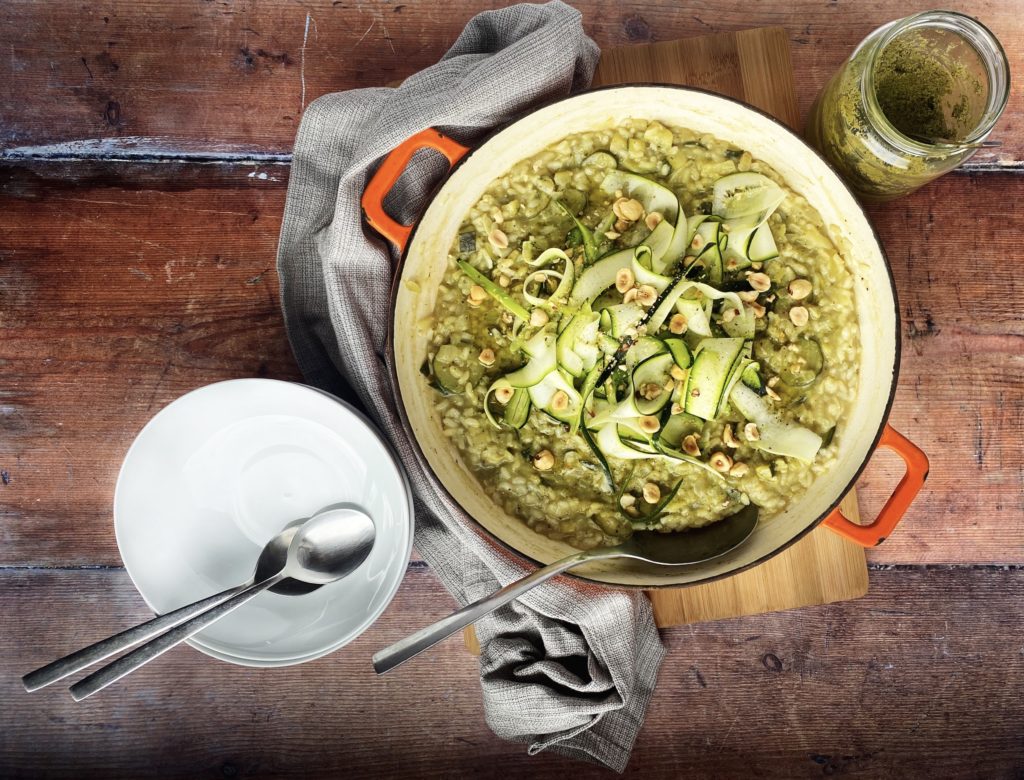
My courgette risotto is a celebration of this delicate green vegetable – there are silky soft, slowly simmered pieces and fresh raw ribbons to tantalise your tastebuds. Swirl through some of my low waste salad bag pesto and scatter over some crunchy toasted hazelnuts…heaven!
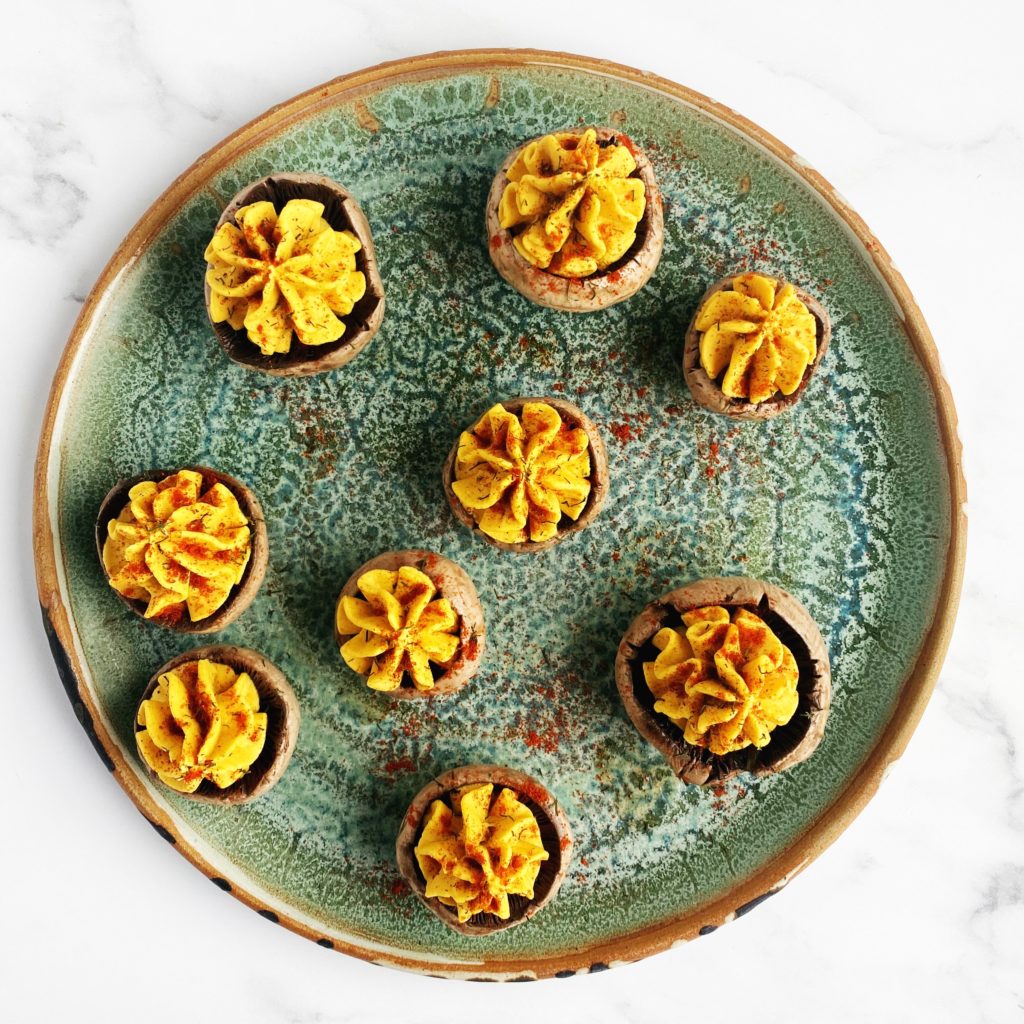
After something Easter eggy with out the egg? Try these fun little devilled ‘eggs’ made with quick picked mushrooms and a vibrant yolky chickpea mixture.
Make an egg shaped batch of my easy as 1,2,3 shortbread and have fun decorating. I added the zest of a lemon to the dough and used the juice for icing. Just stir in enough icing sugar to make a thick paste, then split the icing into two bowls and add turmeric to one for a natural food colouring – make chicks, eggs, daffodils, daisies… Allow the icing to harden and set before storing in a biscuit tin.
Forgo the sacrificial lamb and make this hearty lentil pie instead? It’s packed full of flavour and veggies and is a satisfying family friendly meal. Serve with seasonal greens. I always make a big batch and pop one in the freezer for a rainy day.
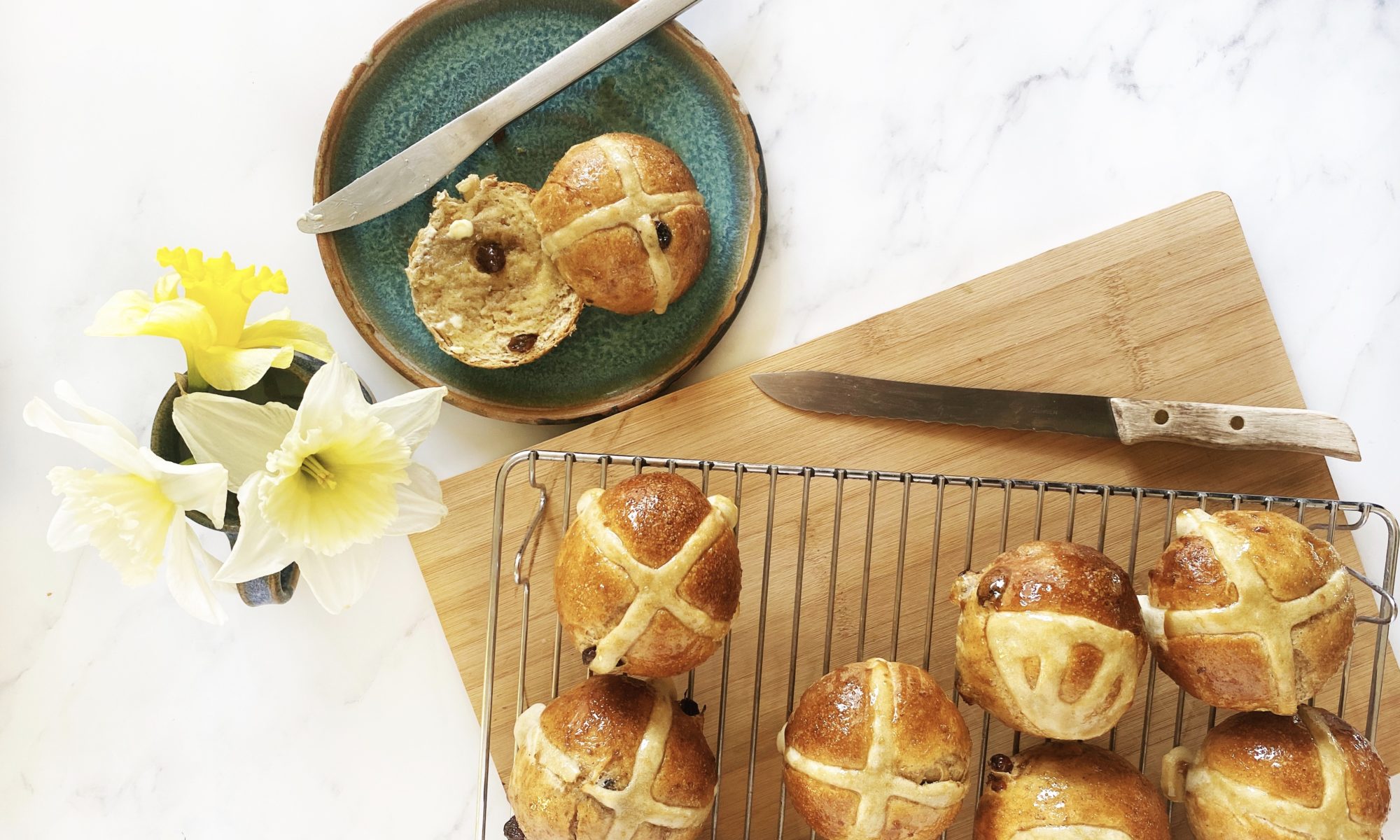
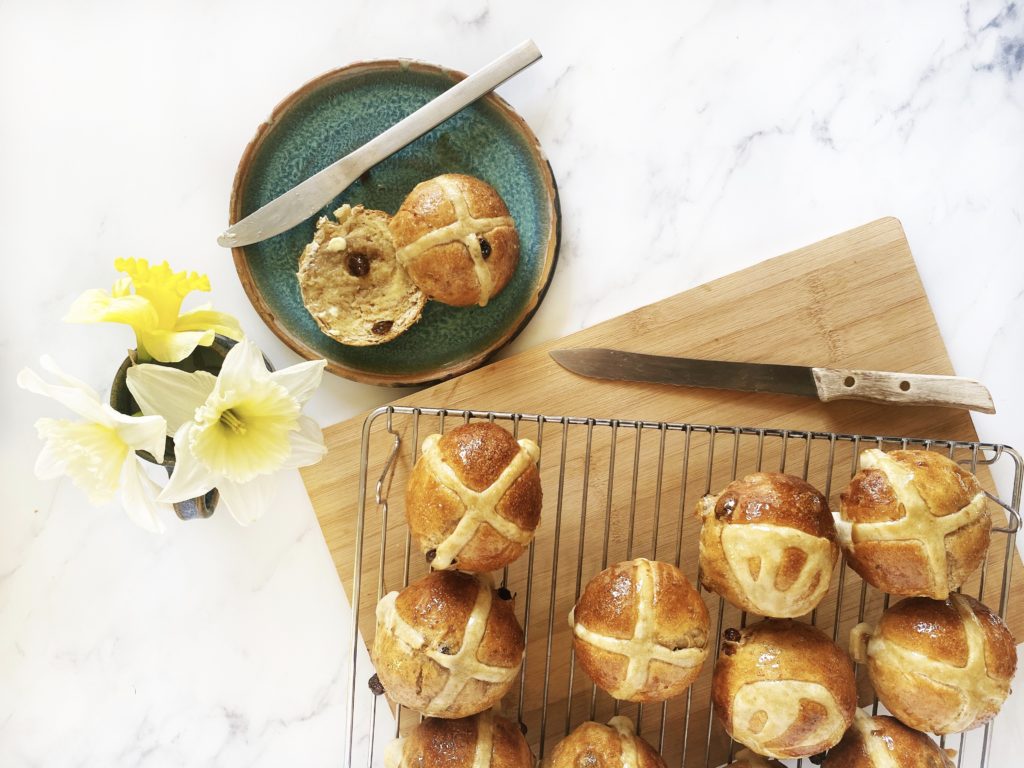
How is it the Easter holidays already? The kids have only just been back at school for a few moments! Well here we are and what is Easter without toasted sticky, spiced, fruity buns slathered in lots of butter? Here’s my plant based recipe. Sure it takes a while to make, but most of that time is just waiting for the dough to rise. These will keep you and the kids busy for a least one day over the Easter holidays anyway. Liz x
Ingredients (makes 12 buns)
120g sultanas
1 orange
2 tsp mixed spice
2 tsp cinnamon
300ml milk (I use oat milk)
50g butter (I use a dairy free butter)
500g strong white bread flour (plus about 60g extra for making the paste for the crosses)
70g caster sugar
7g yeast
1/2 tsp salt
2 tbsp brown sugar mixed into a syrup with a little water (or maple syrup) for glazing
Method
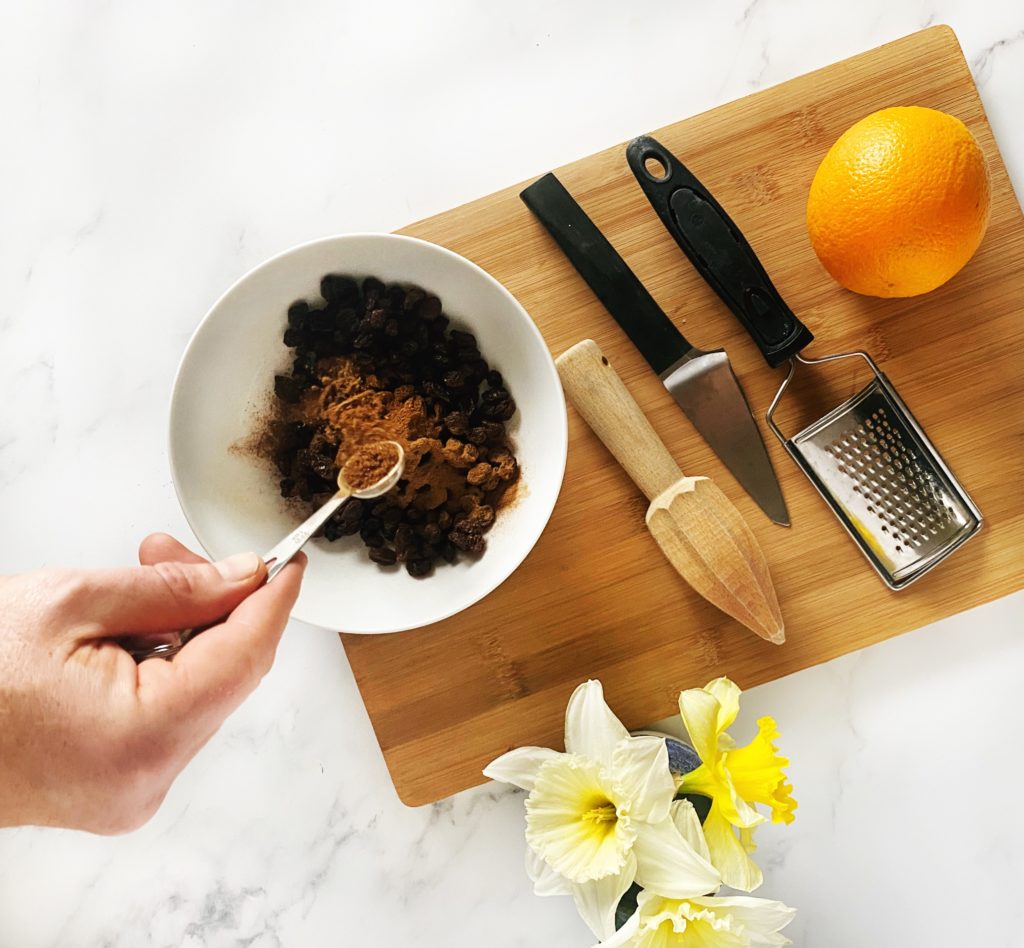
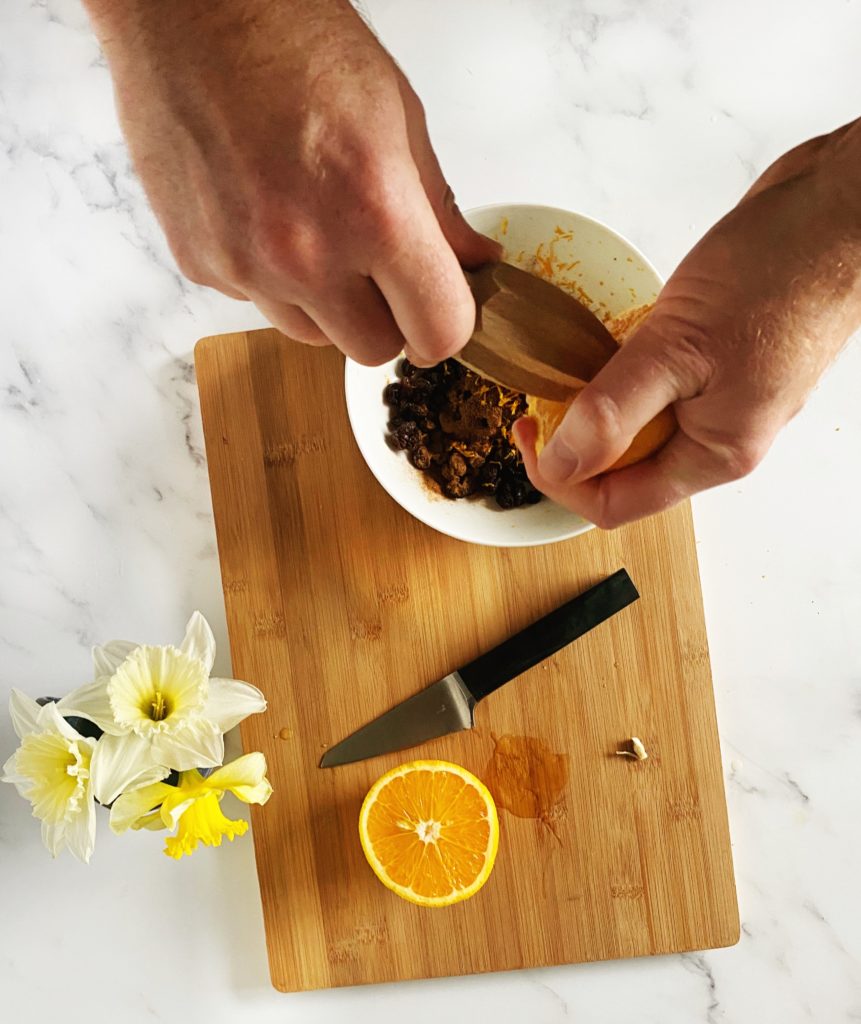
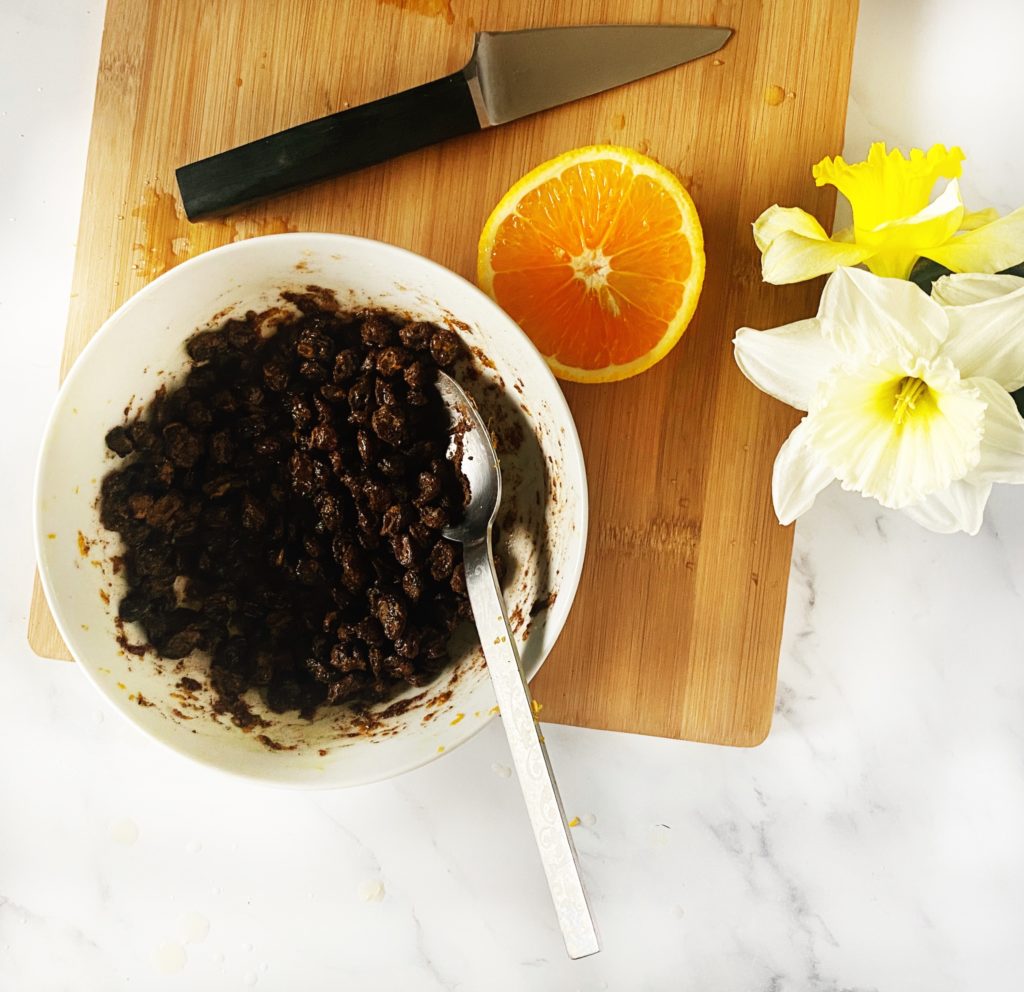
Measure out the sultanas and spices into a small bowl. Add the zest and juice of the orange. If your orange is very large, just use half the juice. Mix well and allow the sultanas to soak up the orange juice and spices.
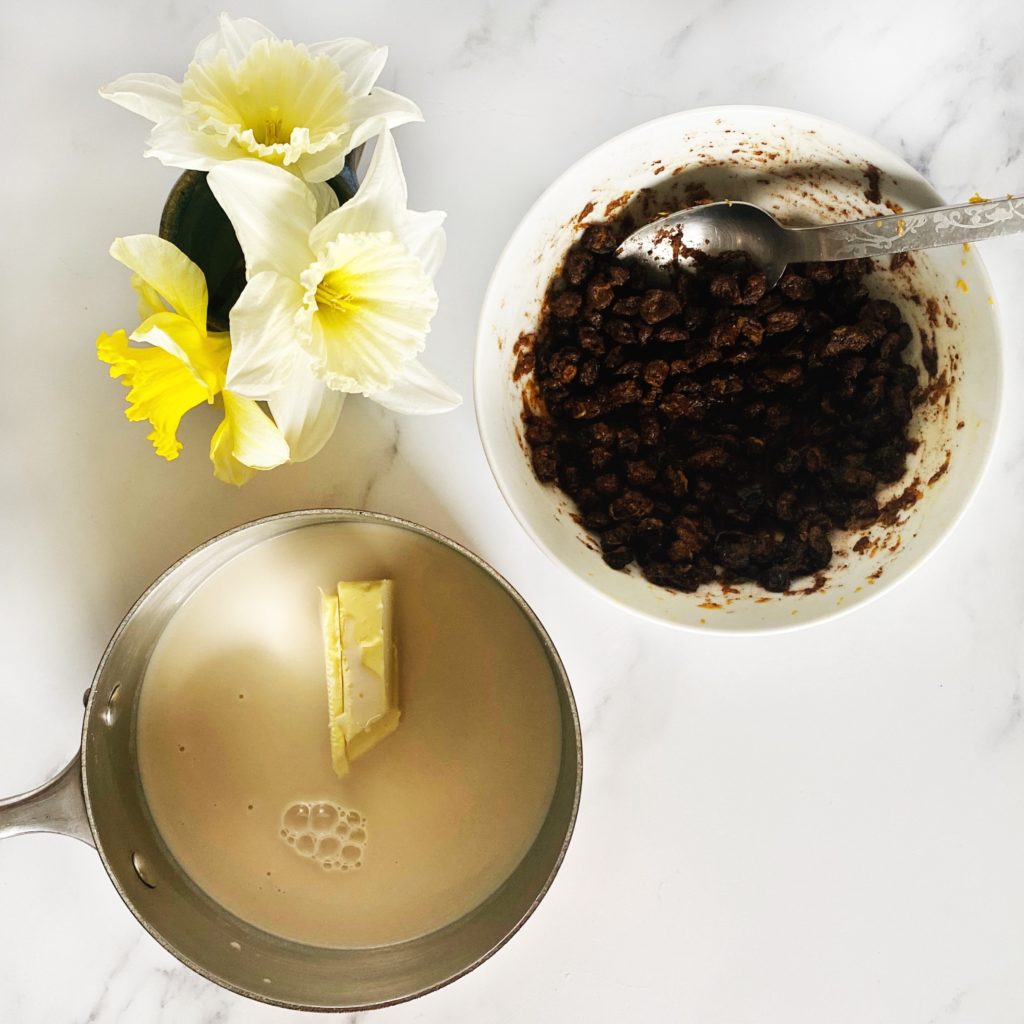
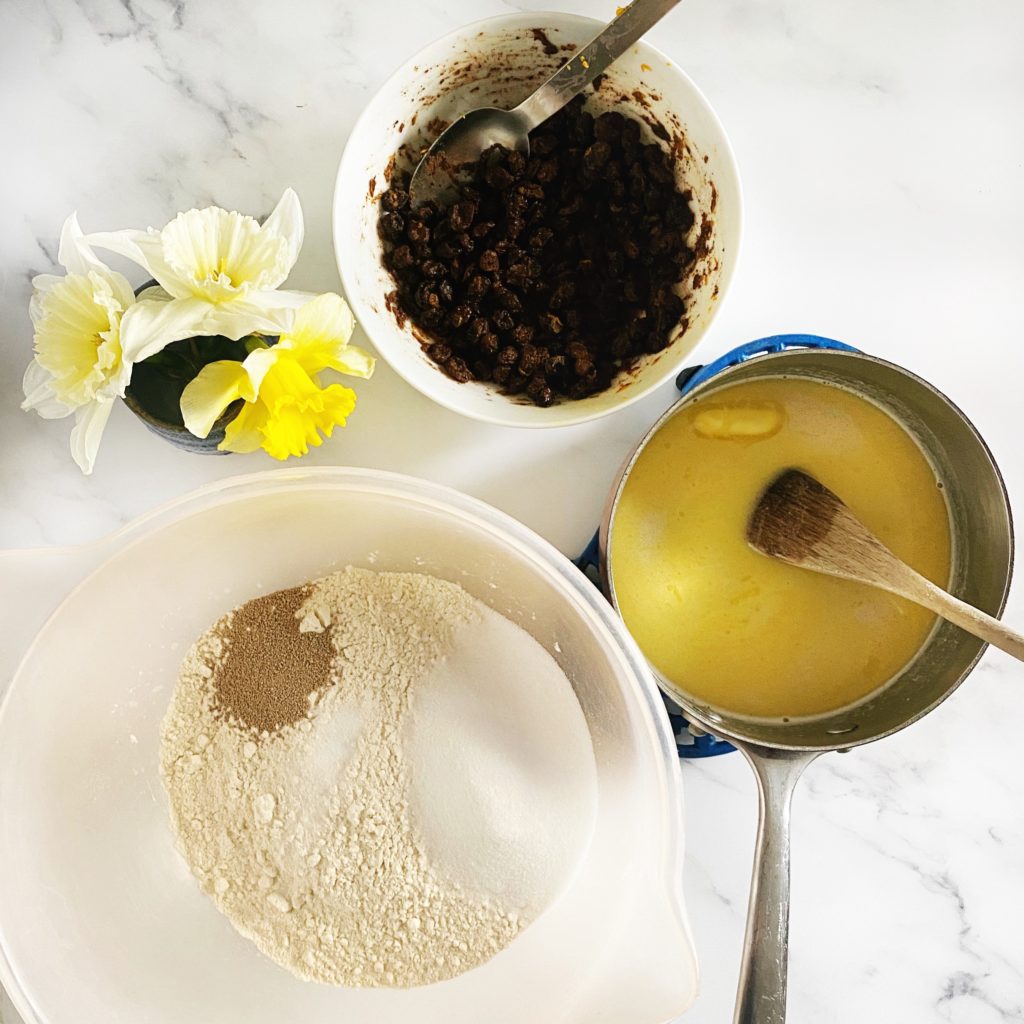
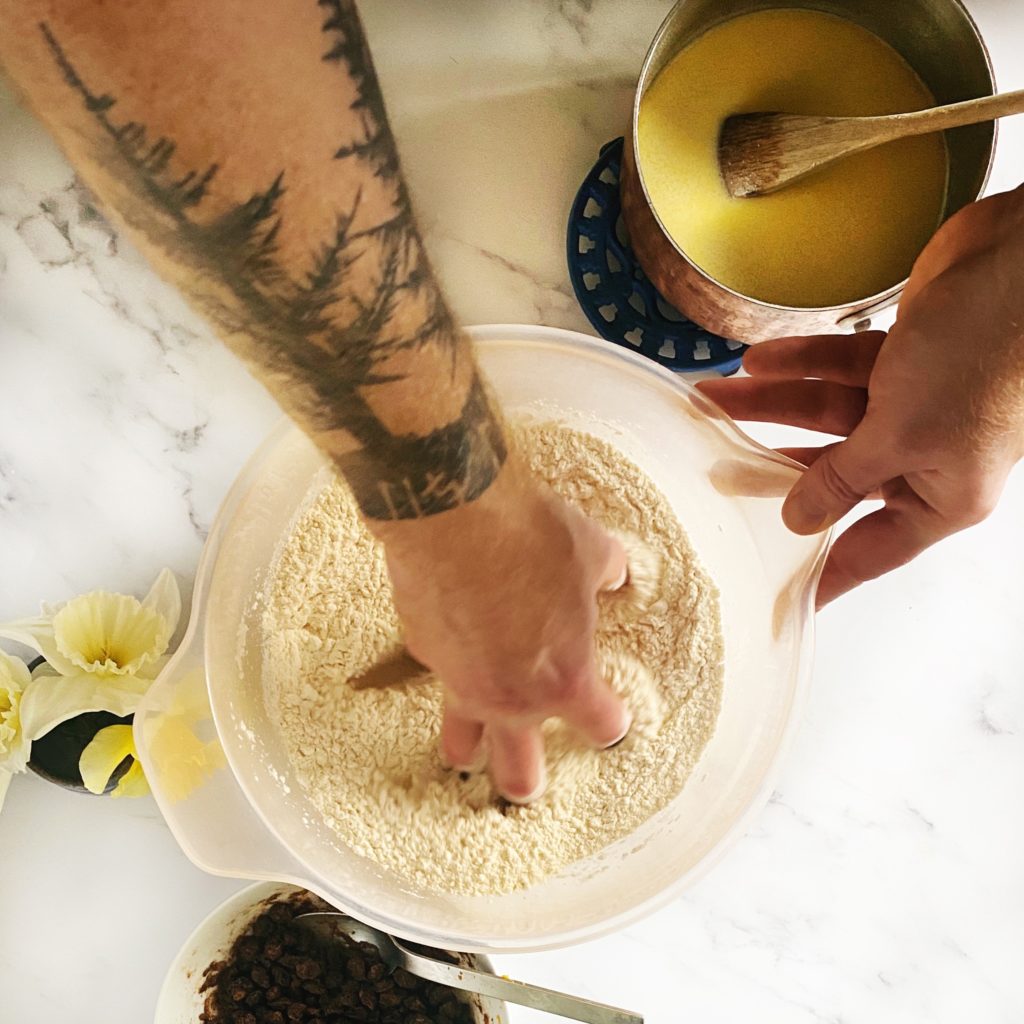
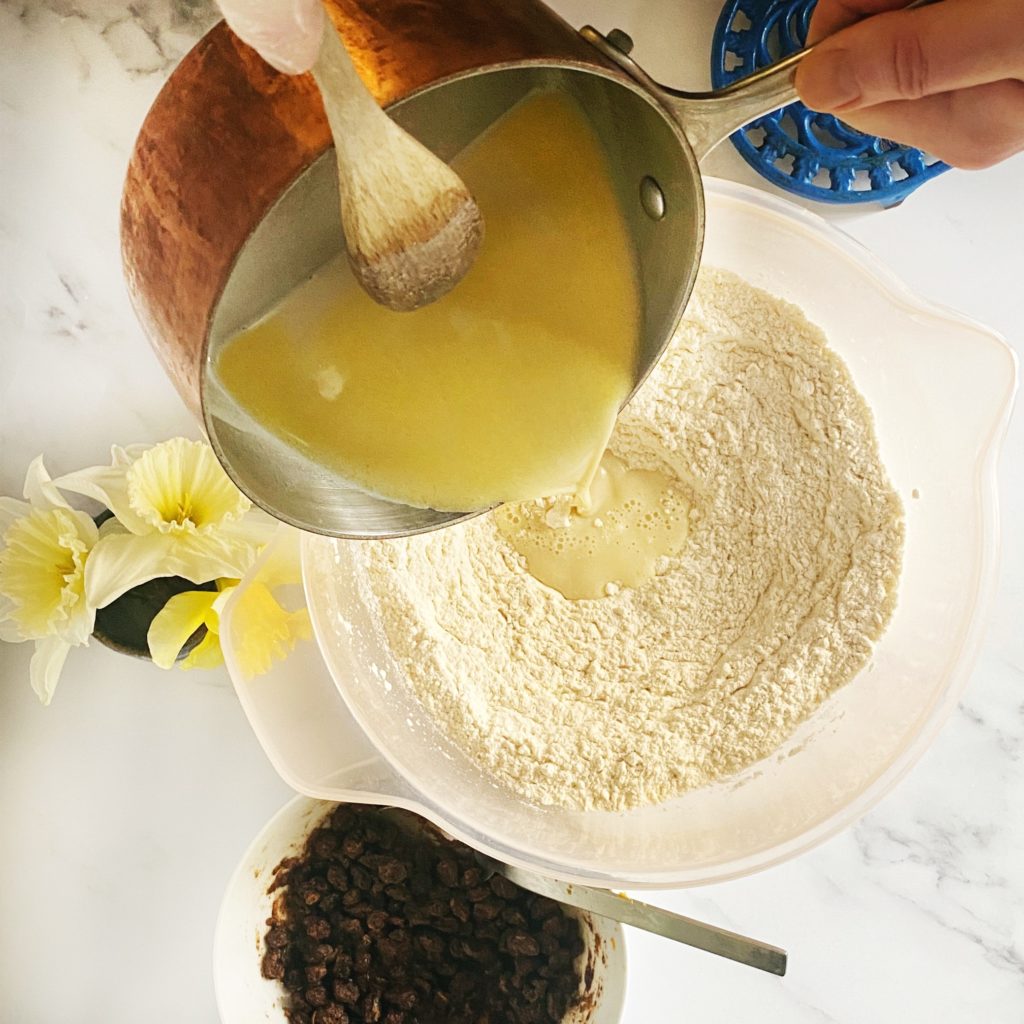
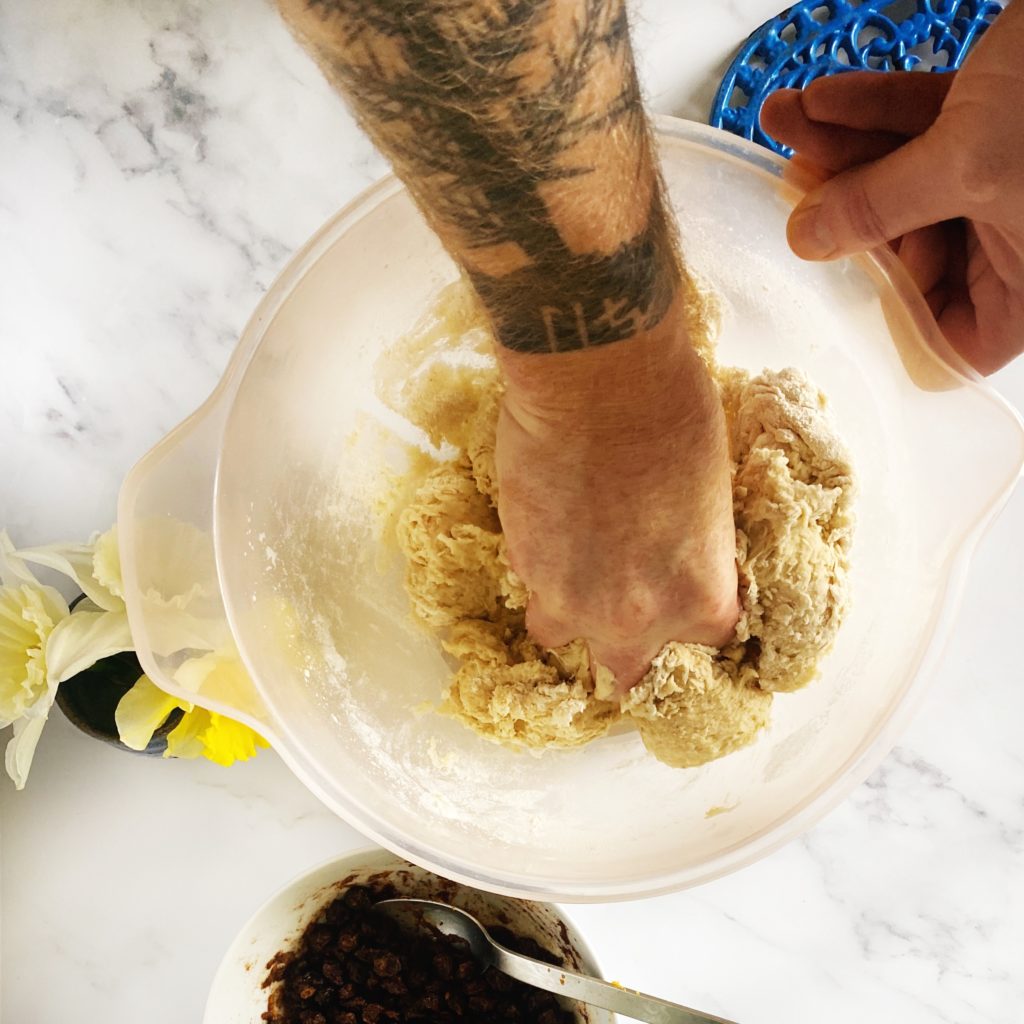
Measure the milk and butter into a small pan and gently heat it to melt the butter. Allow it to cool to a touchable temperature while you measure out the flour, sugar, salt and yeast into a large mixing bowl. Mix the dry ingredients well then pour in the warm milk and butter and mix with your hand into a rough, sticky dough.
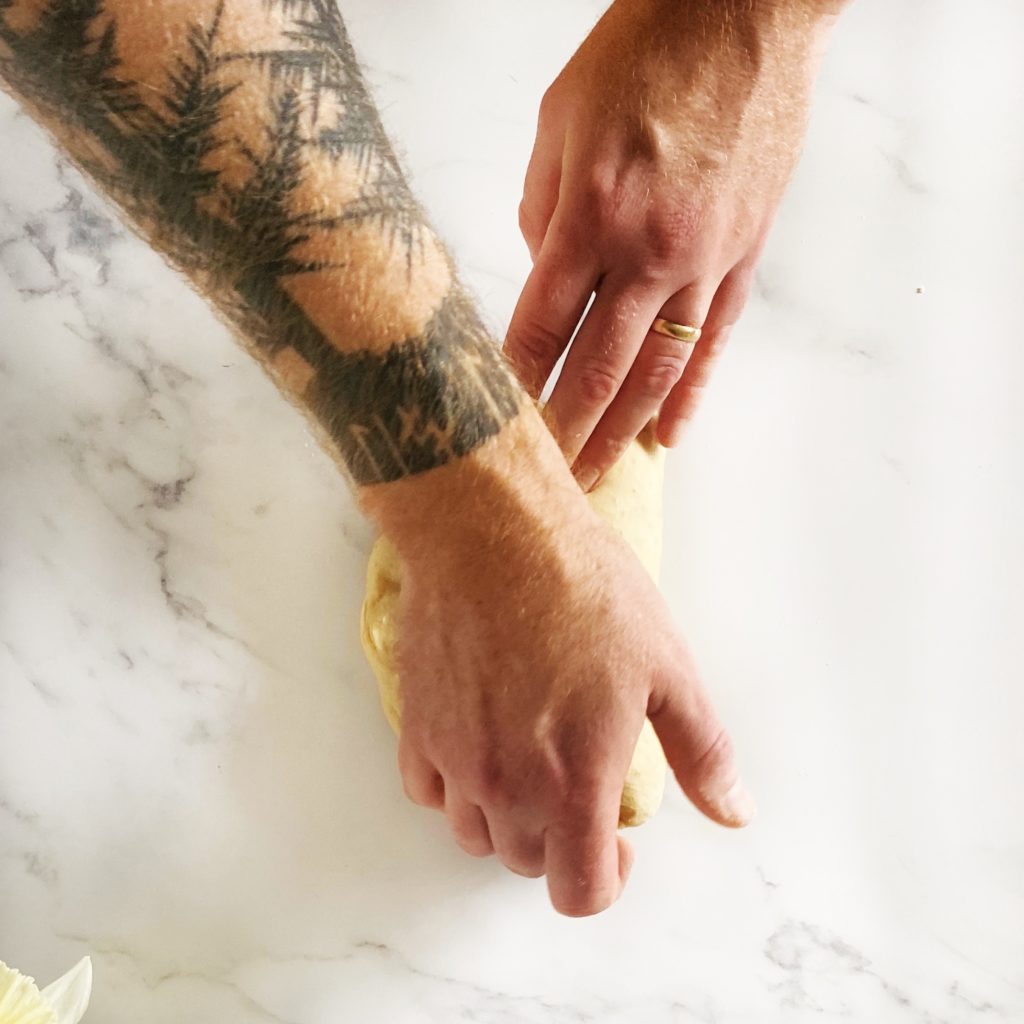
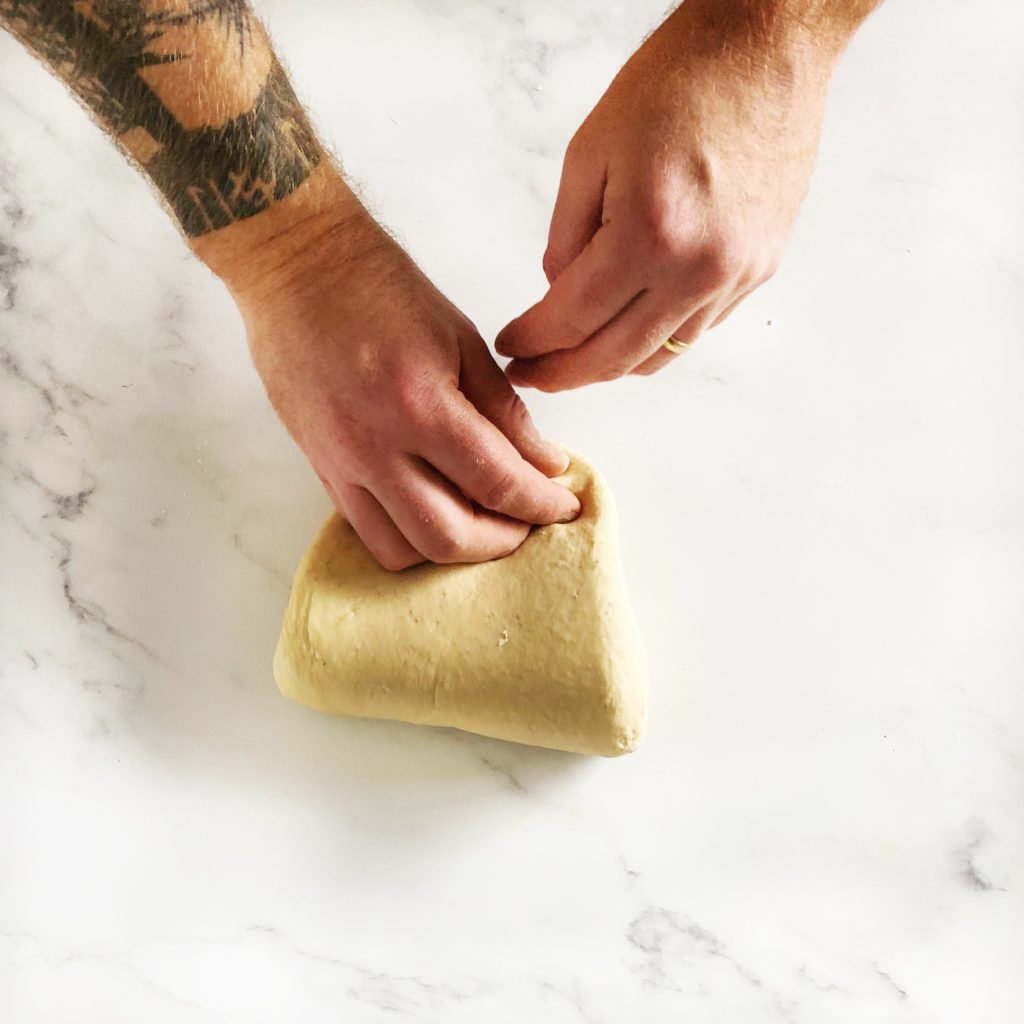
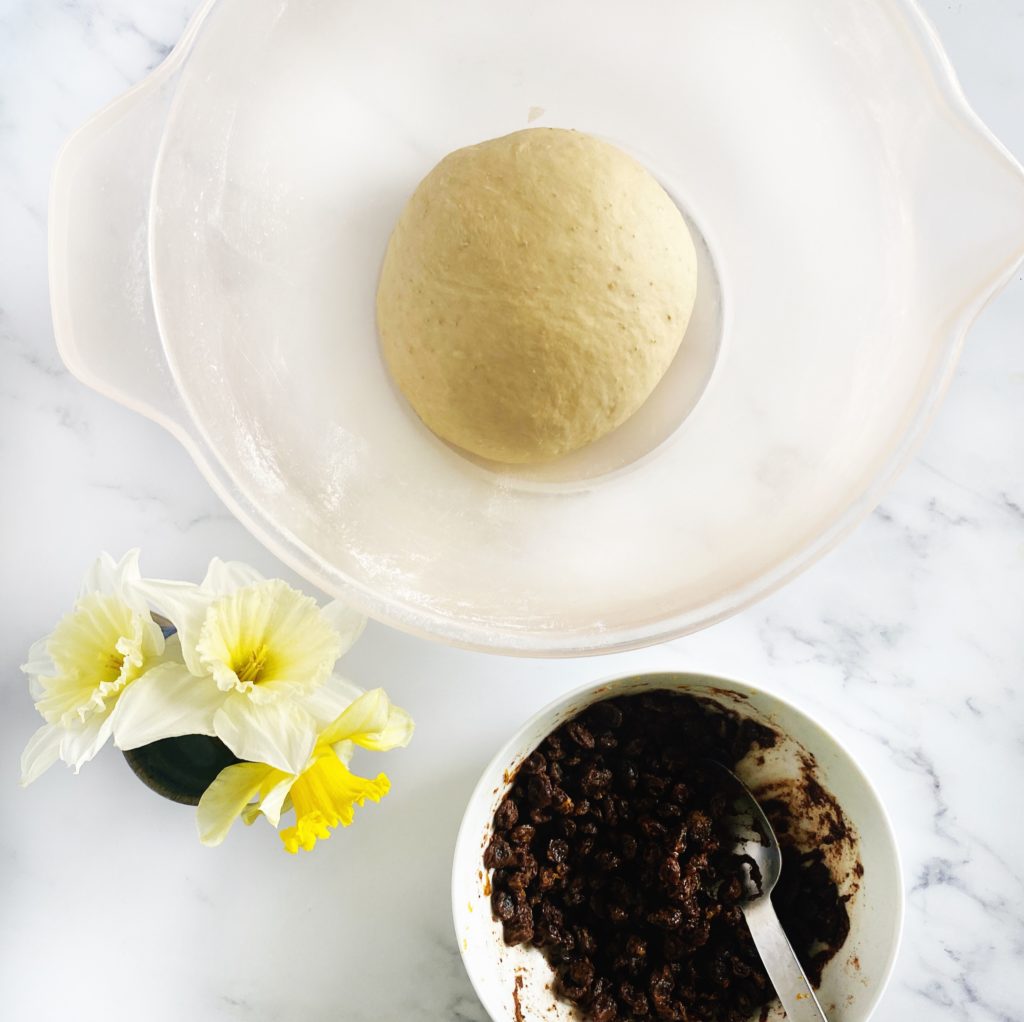
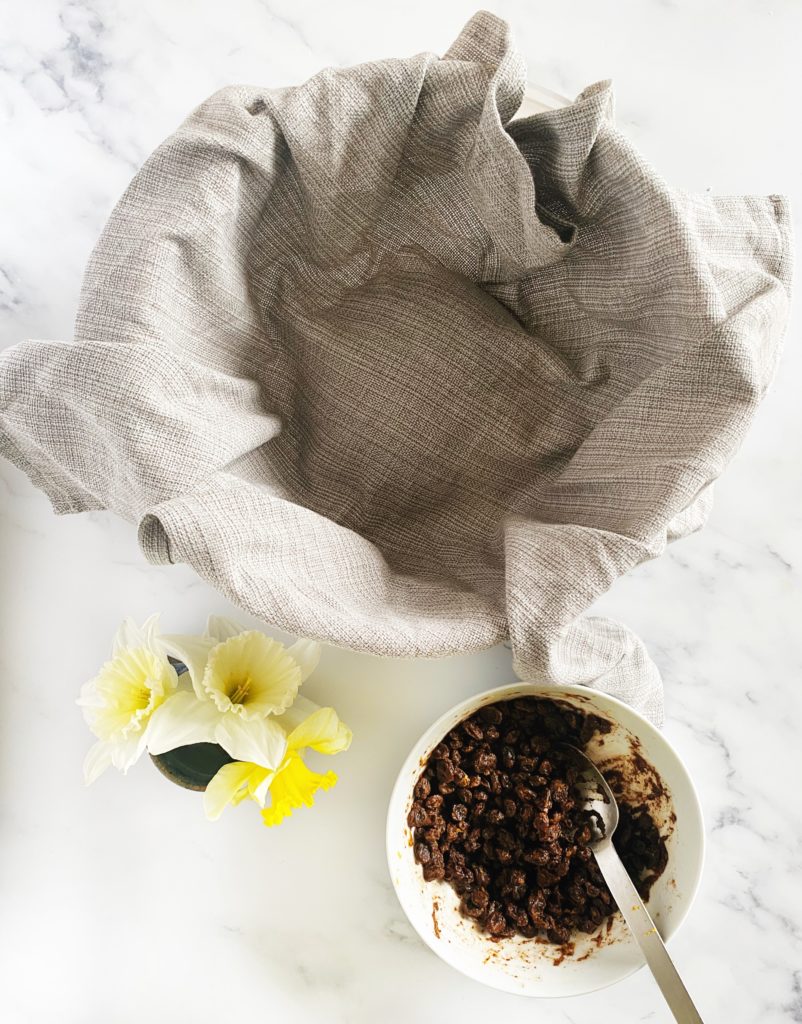
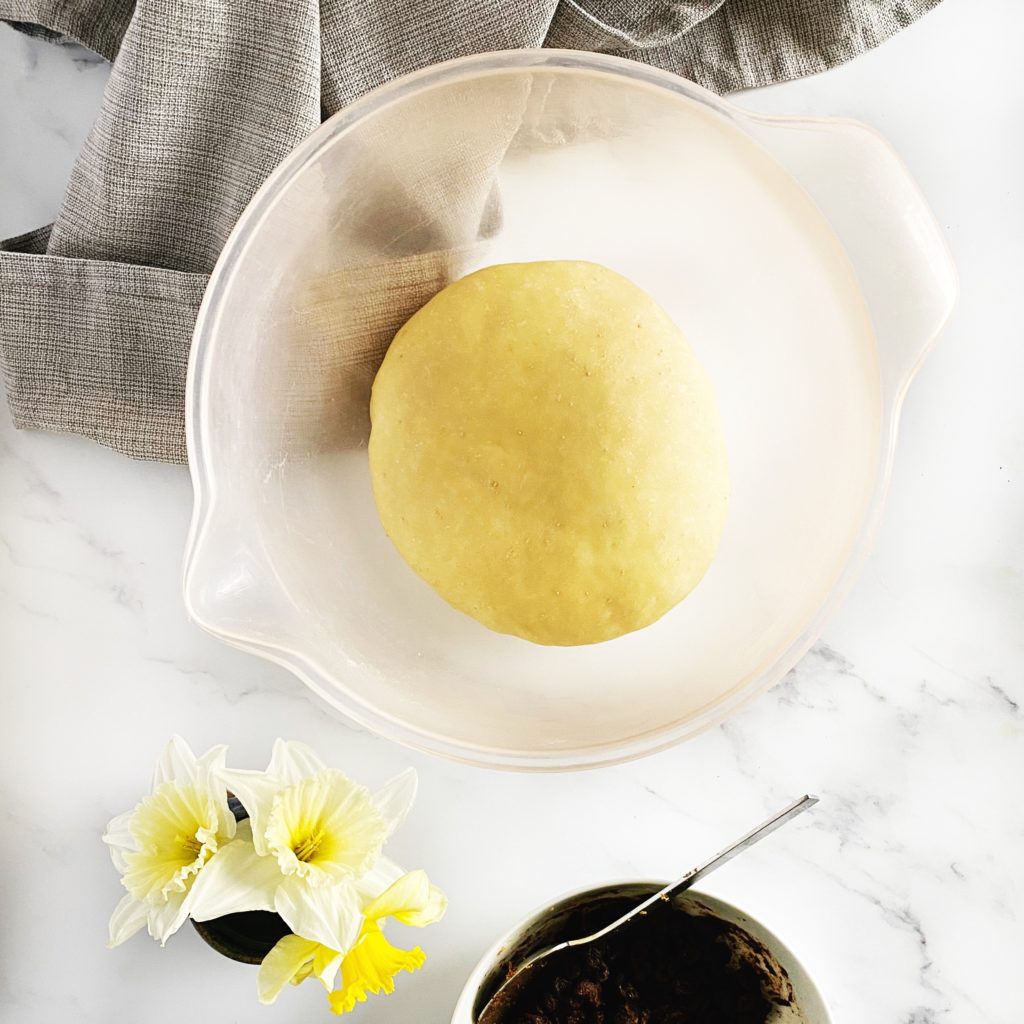
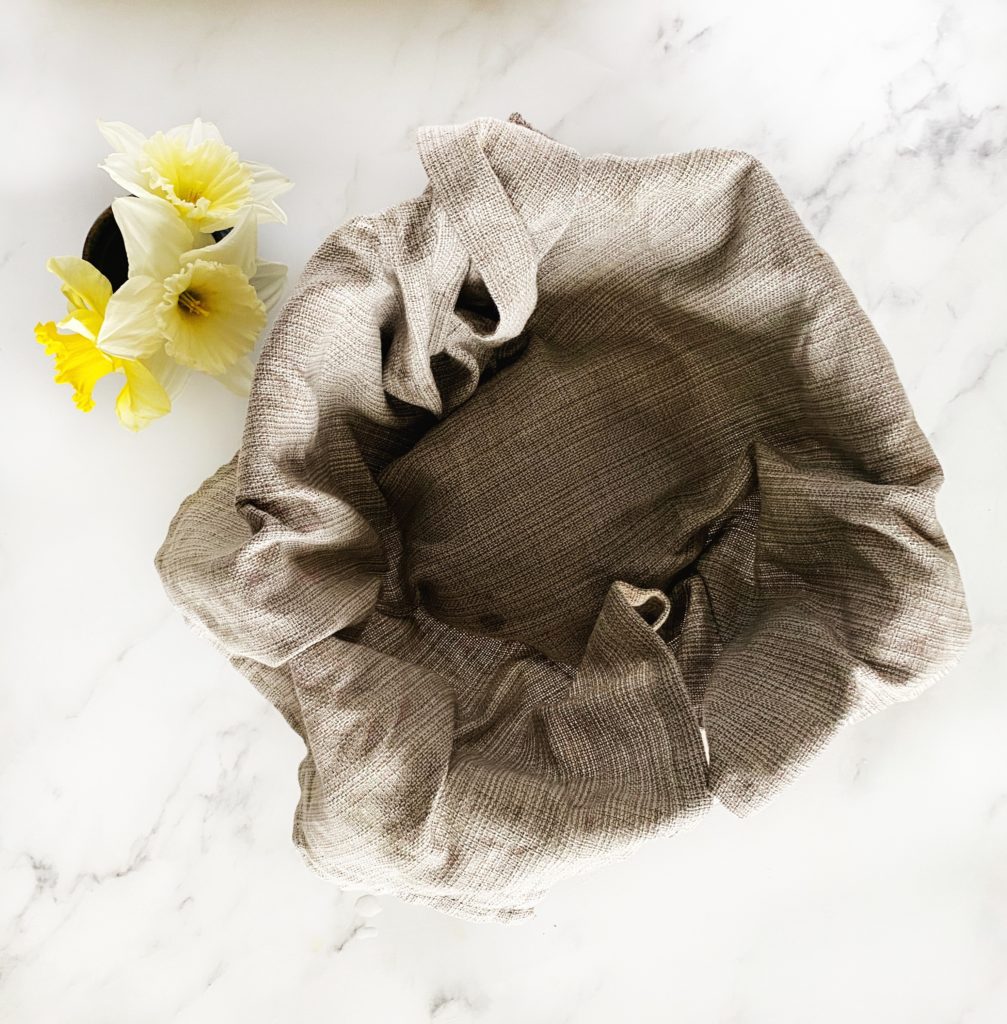
Tip the dough onto a clean work surface then knead well for about 5 minutes until you have a smooth, stretchy ball of dough. Don’t be tempted to add more flour, just keep kneading until it all comes together. Then pop the dough back in the mixing bowl, cover it with a clean tea towel and allow it to rise and double in size. This should take about an hour in a warm place.
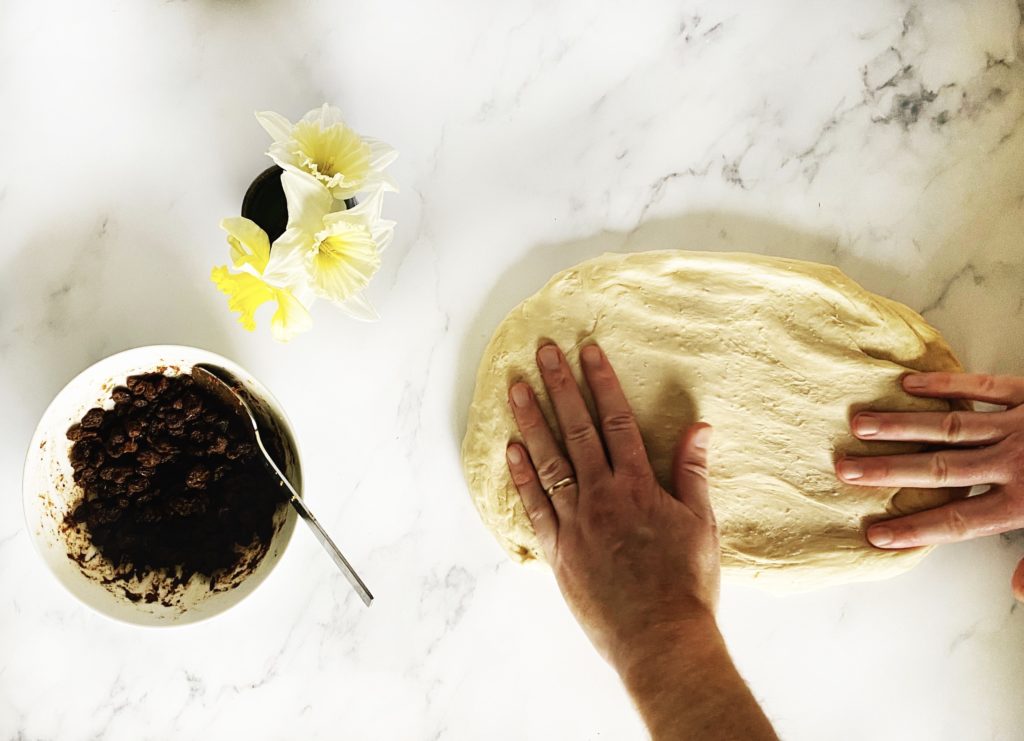
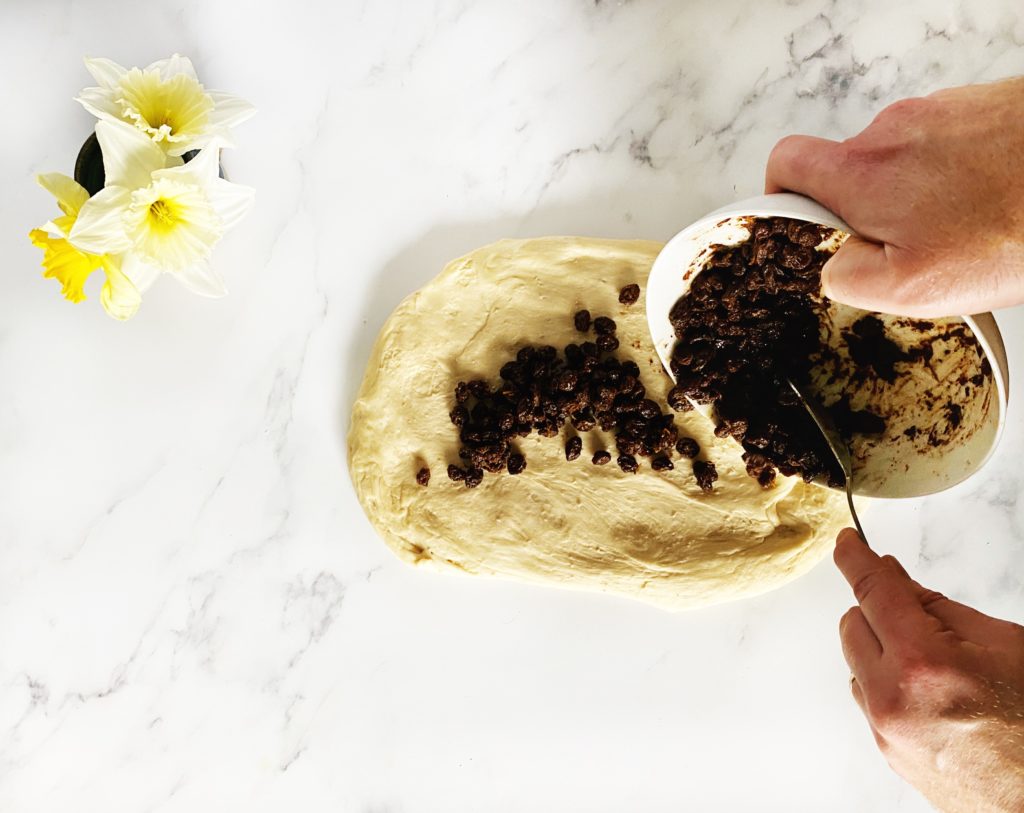
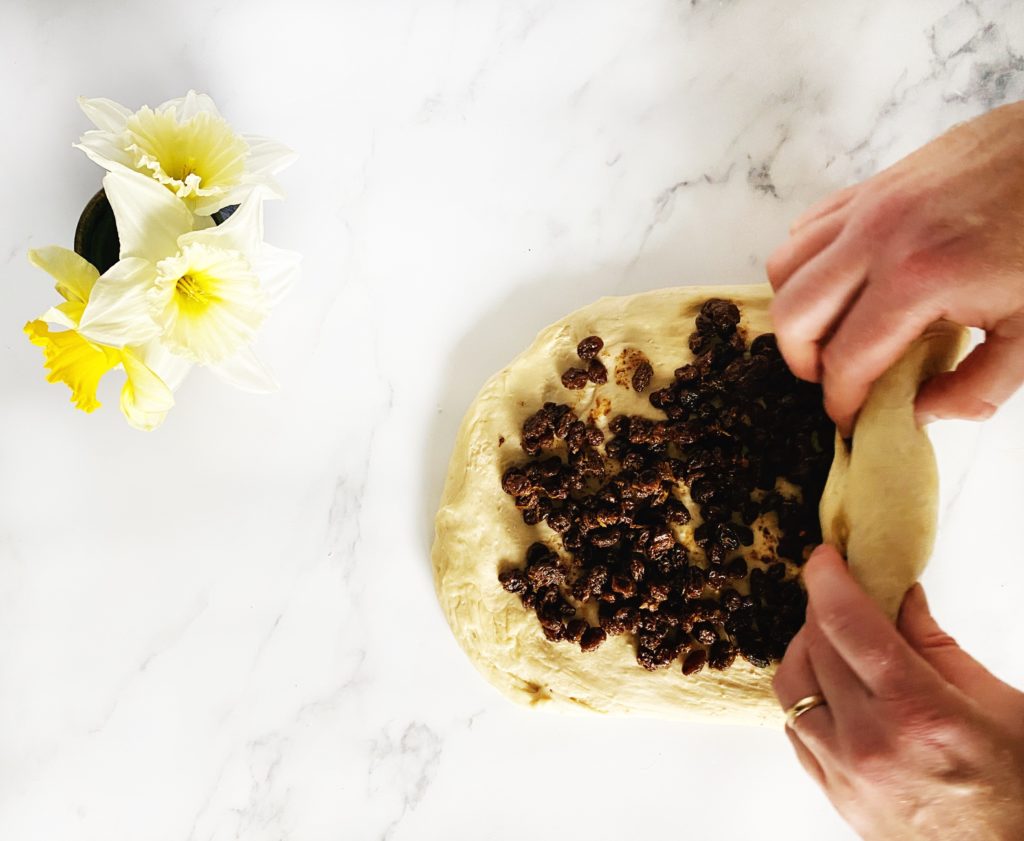
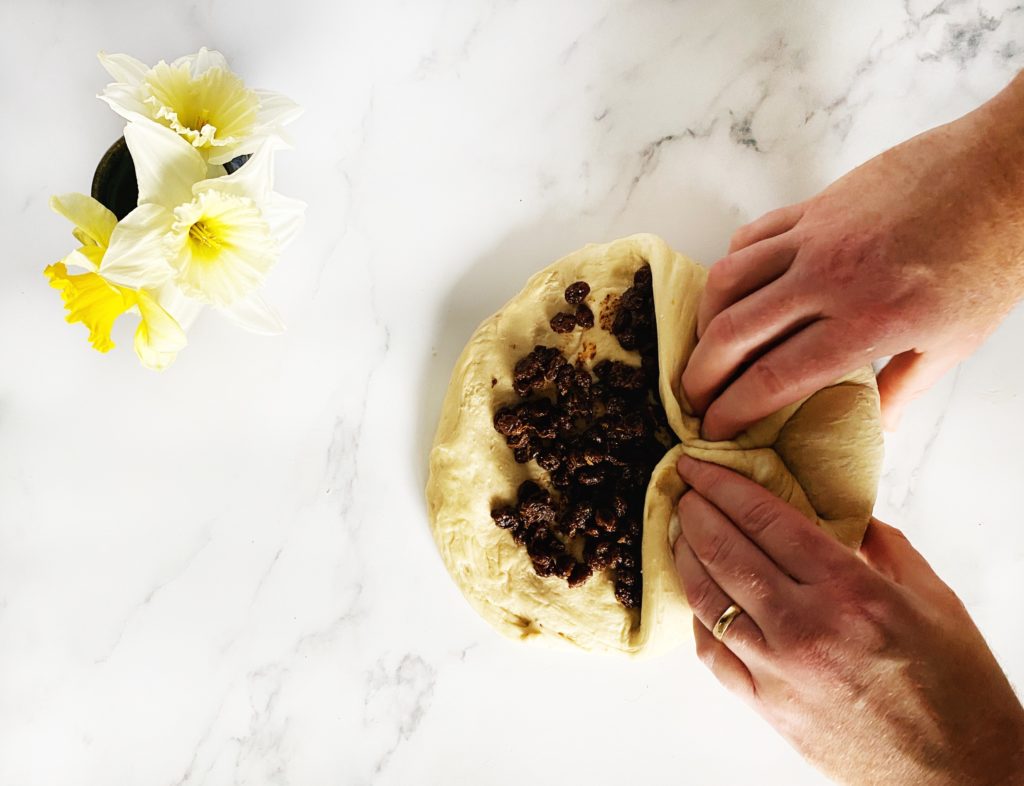
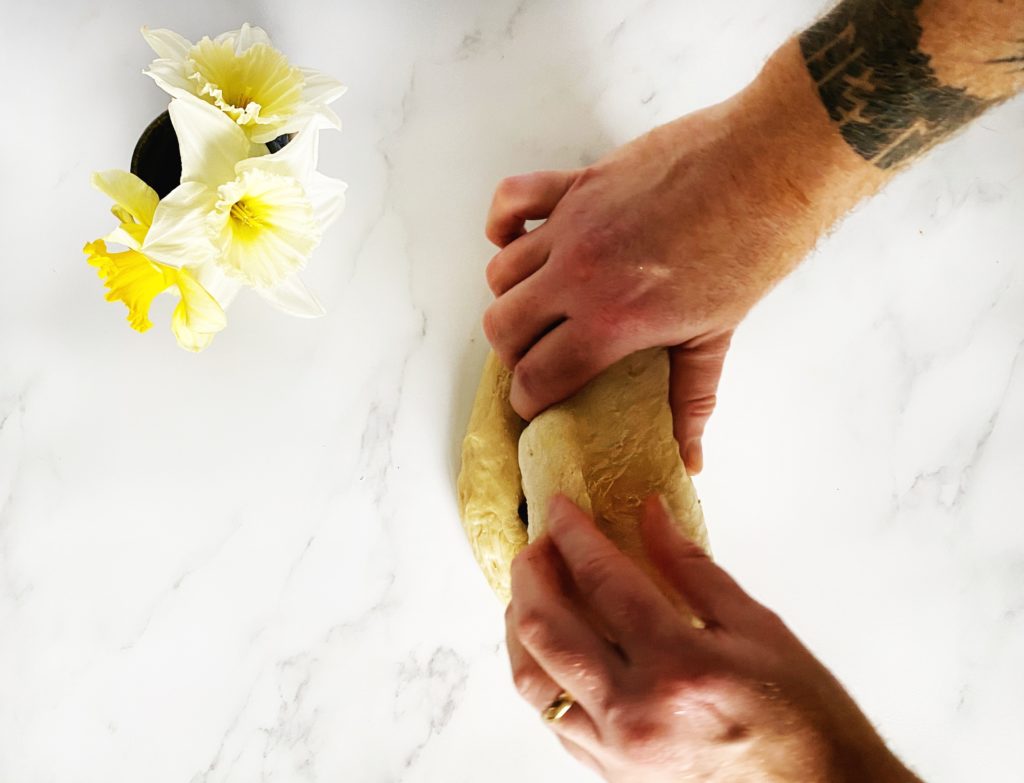
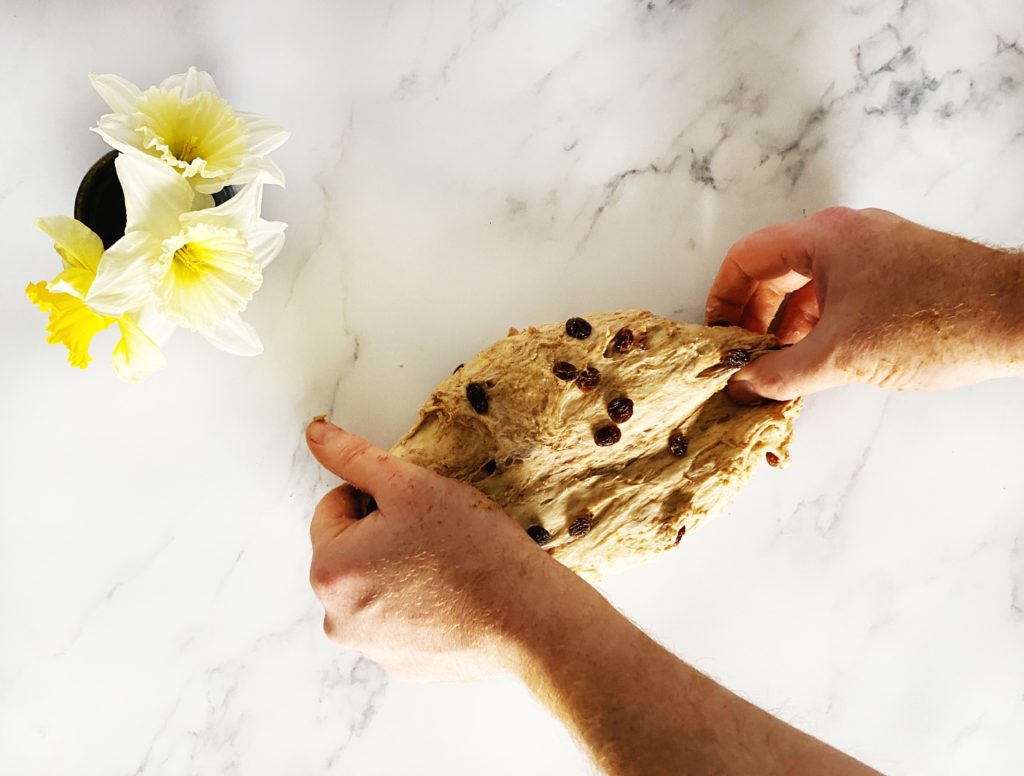
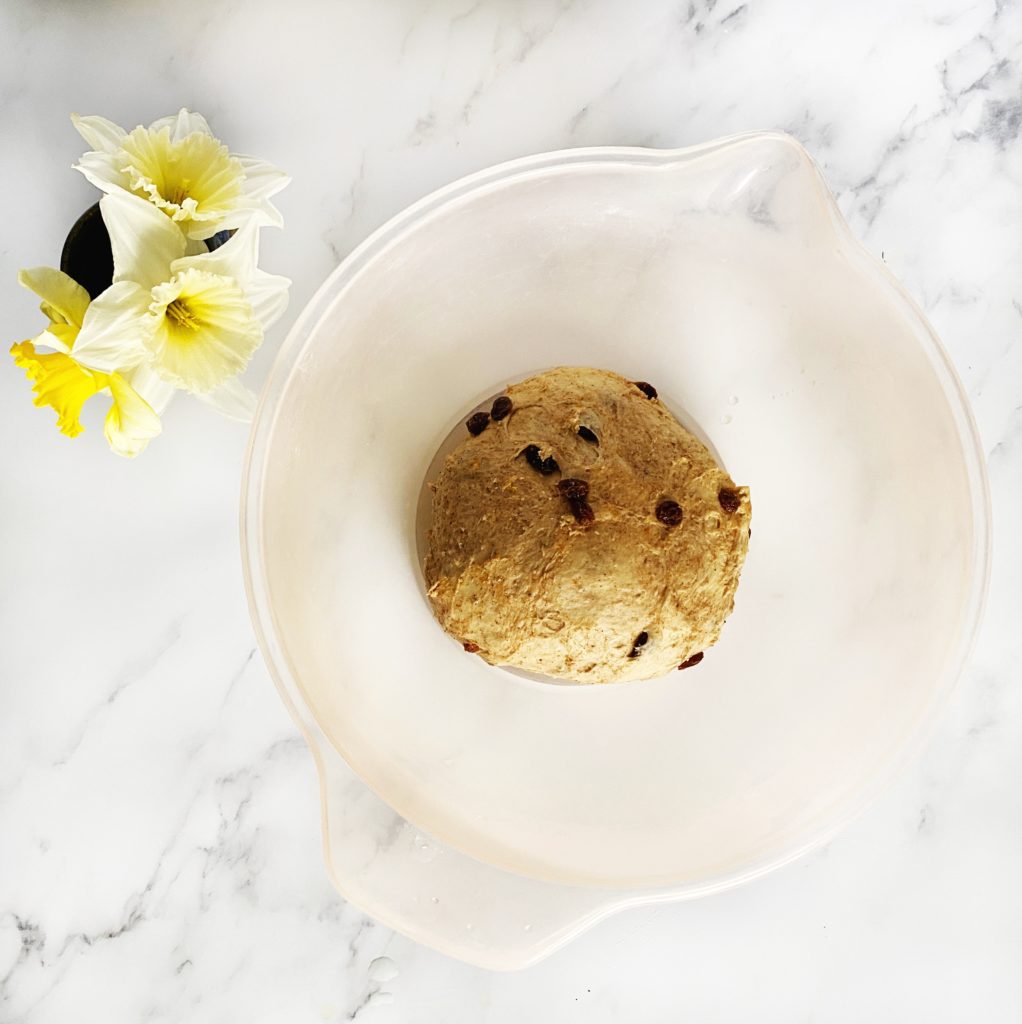
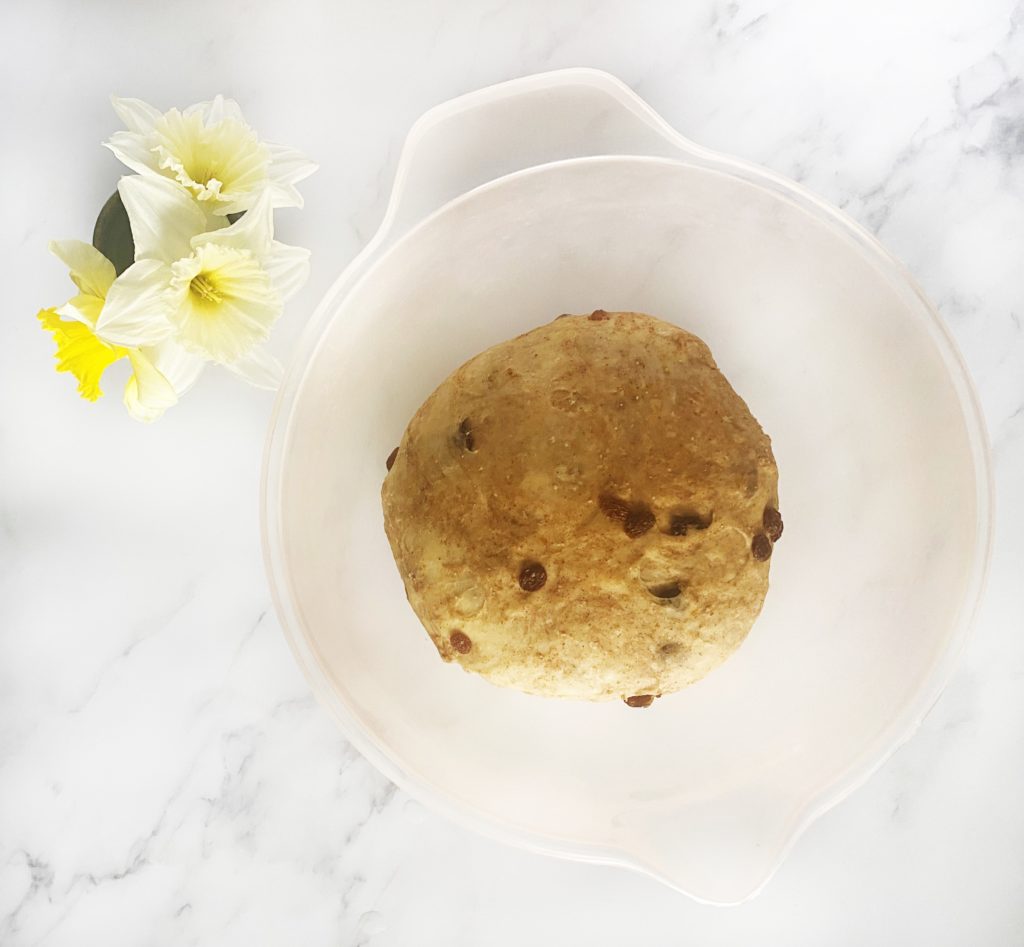
When the dough has doubled in size, stretch it out onto a clean work surface and spread over all of the juicy, spicy sultana mixture. Then roll it up and give the dough an extra knead to incorporate the ingredients. Put the dough back in the bowl to rise again for another hour or so in a warm spot.
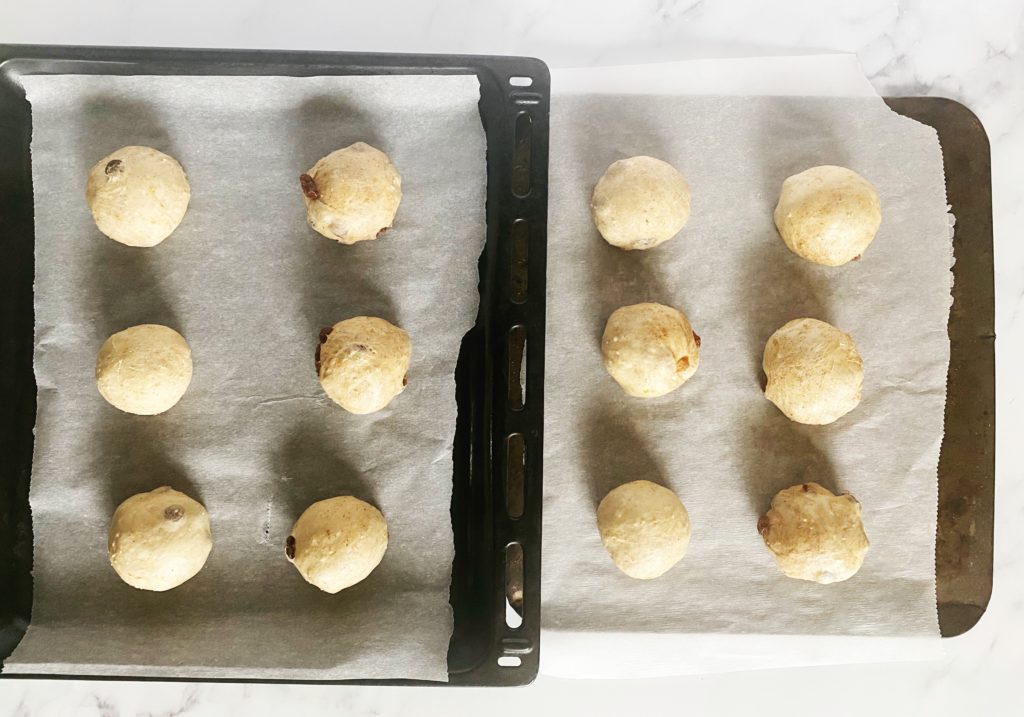
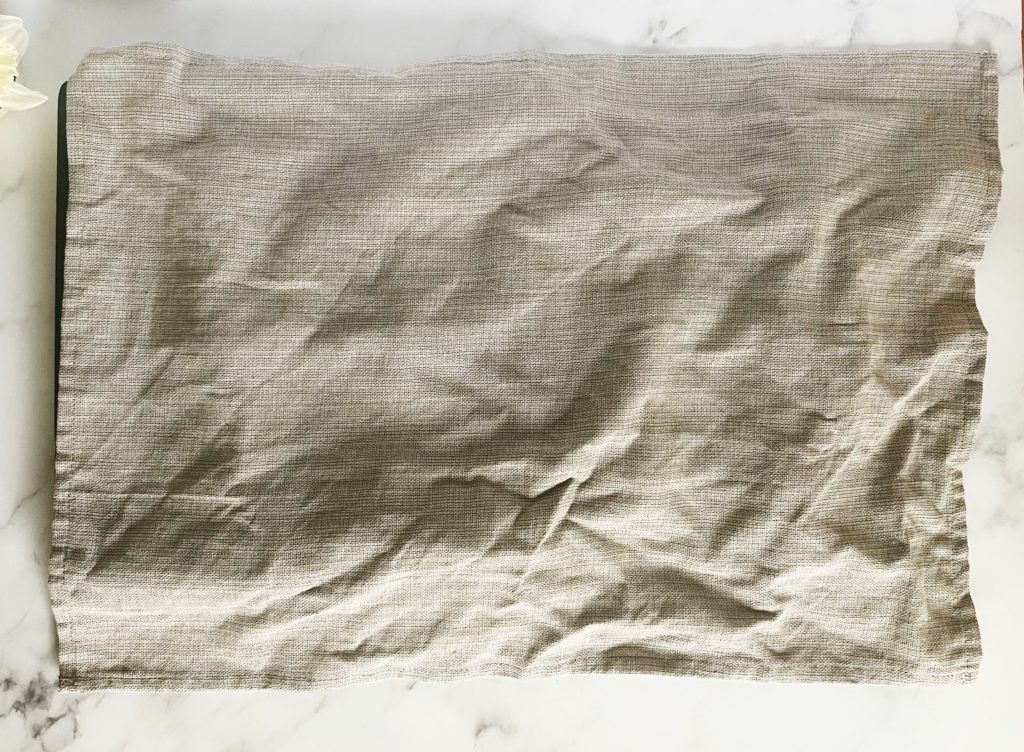
Once the dough has doubled in size again, take it out and divide it in 12 equal pieces. Roll the pieces into neat balls and put them on a lined baking sheets. I space mine out onto two sheets because my oven doesn’t bake evenly so I like to give them room for the hot air to circulate. If your oven is good you can place them together on one large baking sheet, just leave a couple of cm between each one to allow them space to rise. Cover them with the tea towel and allow them to rise for about 45 minutes.
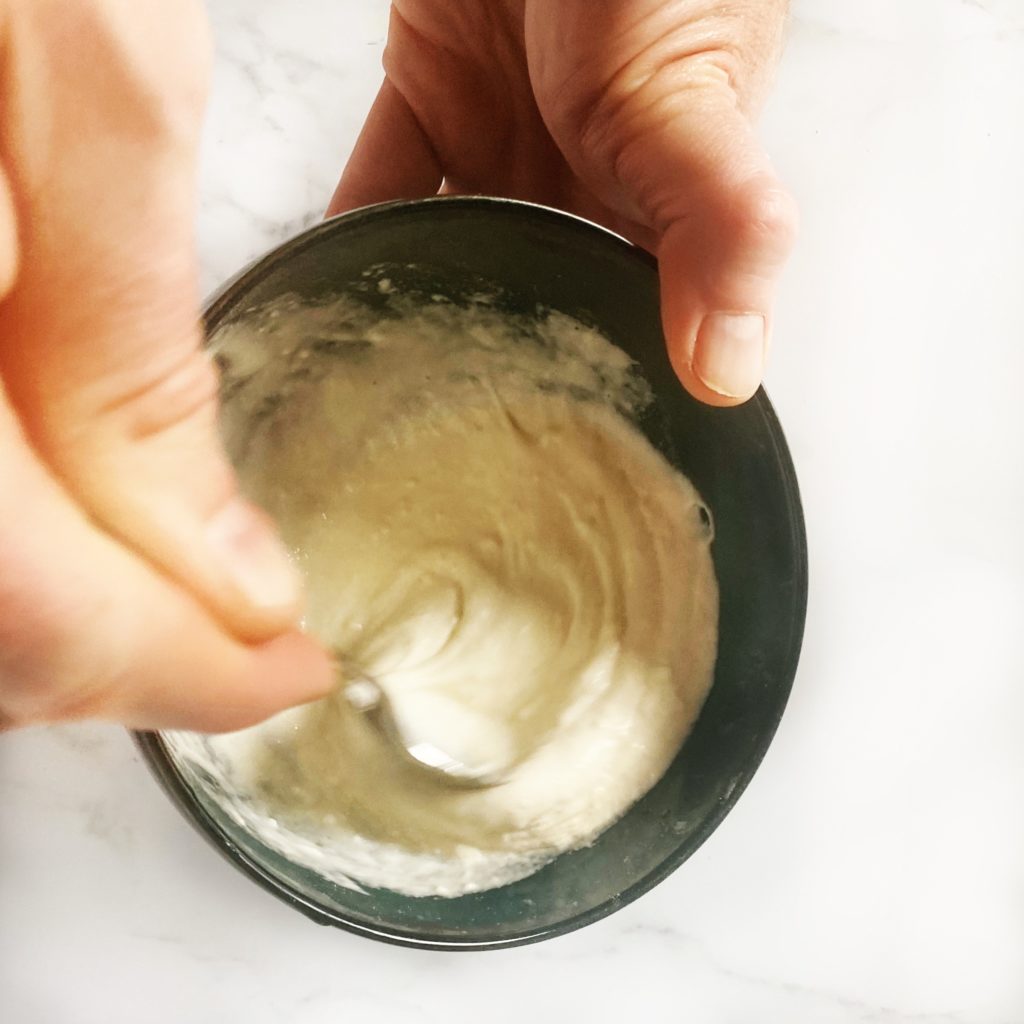
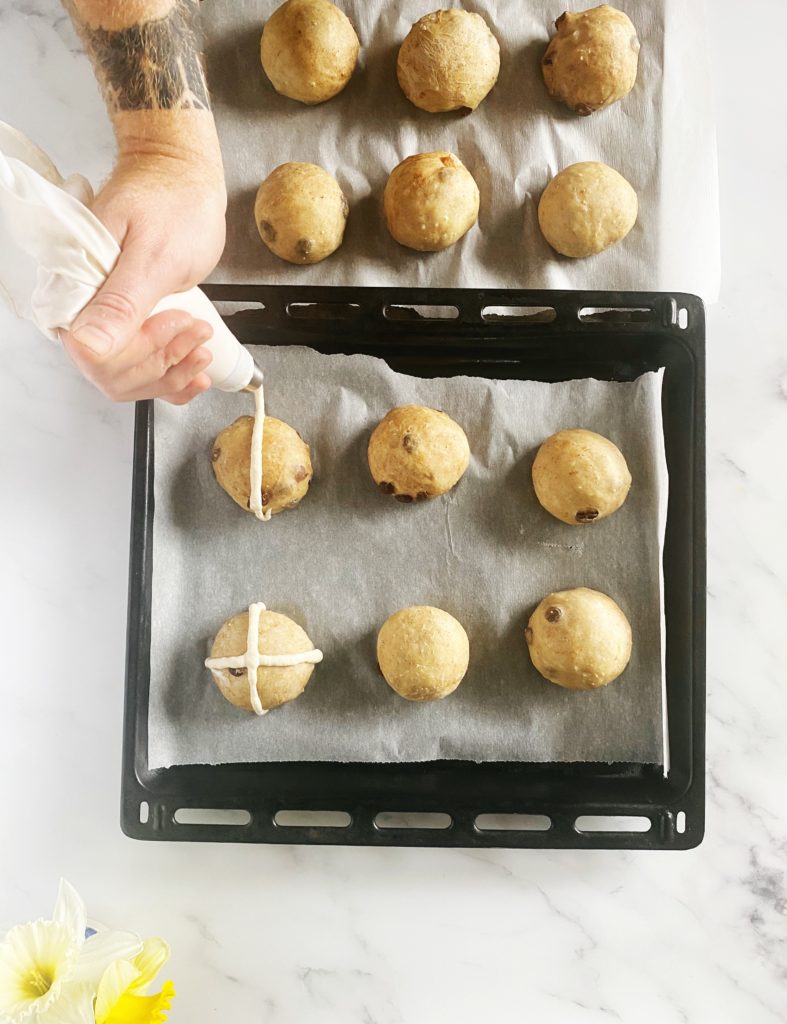
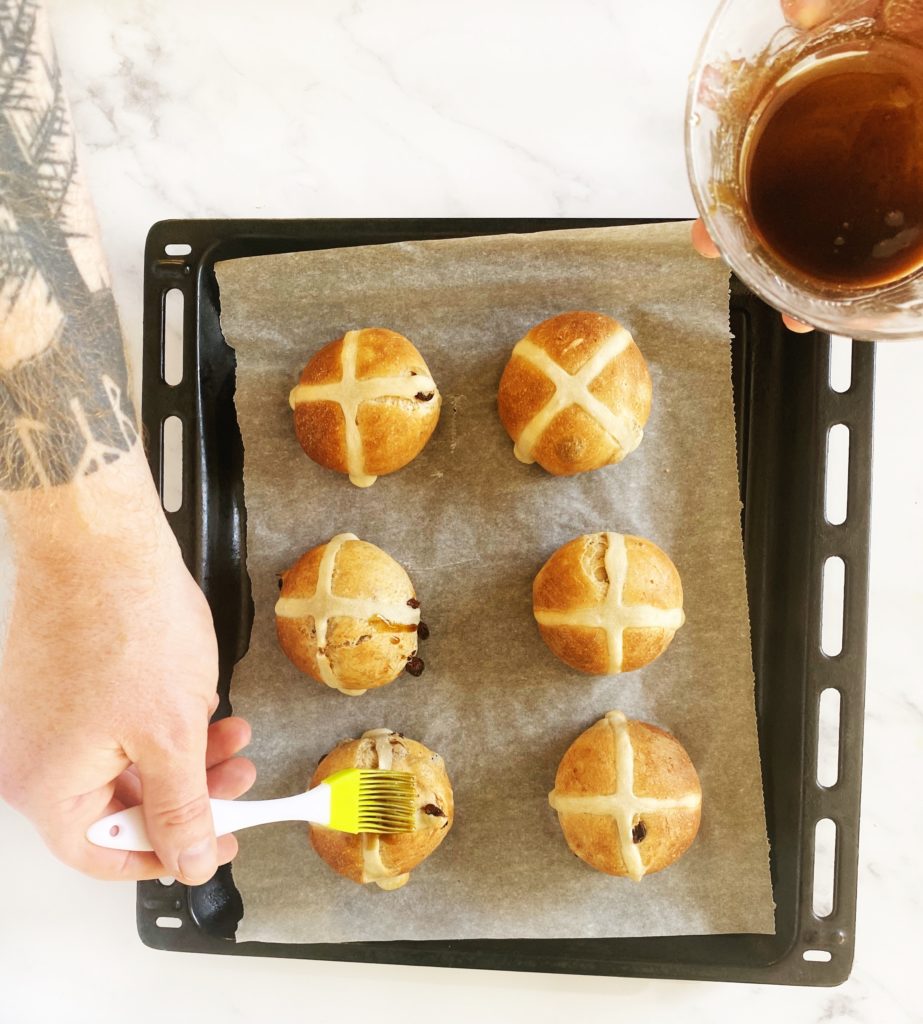
Once the buns have risen, mix about 60g of flour with just enough water to make a paste (aim for the texture of toothpaste). Then spoon the paste into a piping bag and pipe crosses over the buns. You could do other designs too if you like? Signs of spring like eggs, flowers, bunnies or lambs… Then put the buns into a preheated oven at 200C (fan) for 15 to 20 minutes until the buns are golden brown.
*If the buns are looking a bit dry, spray them with a little water just before they go in the oven. Most of the rise will happen in the oven now so you don’t want them to form a crust before having a chance to rise and get fluffy inside.
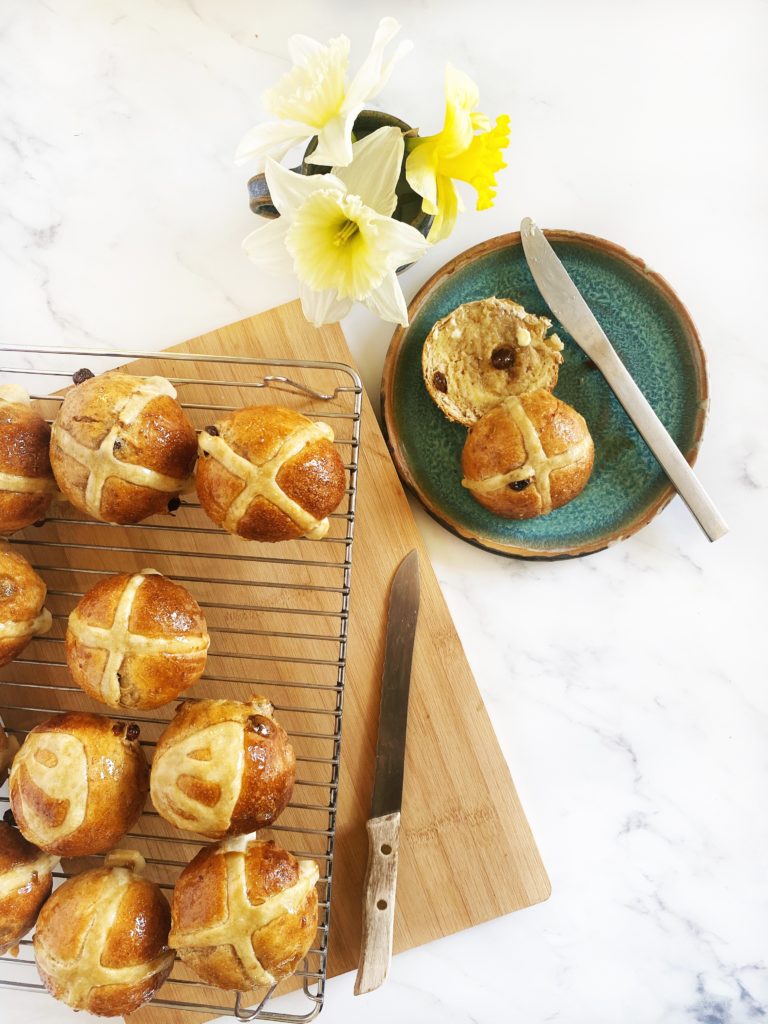
When the buns are cooked, removed them from the oven and brush them with syrup while they are still hot. I simply mix a couple of tbsps of brown sugar with enough boiling water to make a syrup. You could use maple syrup or warmed, sieved apricot jam instead. Then allow them to cool before eating. They are fantastic still warm and fresh from the oven or if you are eating them the next day they are great toasted. Happy Easter!
In 2018, we said goodbye to plastic for good in our boxes – we were the first company to do that in Ireland. We sourced compostable plant based bags, we launched our ‘Plastic Free’ shopping aisle and we made a commitment to never include any plastic wrapped produce in any of our set boxes ever again. Over the past three years, we have expanded this range, adding lots more sustainable ‘plastic free’ groceries and we introduced a new BULK section of plastic free groceries – even better value.
Supermarkets can’t have it both ways. They maintain their single use plastic packaging; they argue that it prolongs shelf life and therefore it is necessary to reduce food waste, and at the same time they reject perfectly good food on aesthetics leading directly to large amounts of food waste!
The pressure that below cost selling and rejecting produce based on how food looks places on growers can mean that farmers struggle to sustain their livelihoods. There is always a price to pay.
Ironically, the argument for food waste reduction has been used for the continued use of plastic in our food chain, at the very same time that produce not looking the part is dumped! Maybe It is the food system and how we produce and sell food that needs to change?
We used to supply supermarkets and we were told that we had to pay for any produce on their shelves that they did not sell. They also demanded that we lower our prices and stopped ordering until we complied. We pulled the plug ourselves and focused 100% on our home delivery business.
The plastic problem and food waste are issues of our time and as with climate change, they can only be solved by changing our behaviour and by making these issues the very centre of all decisions taken. Our pledge is to do just that.
I will never forget our very first season of growing veg here in the West of Ireland on my grand-dad’s farm. We were told we were mad it could not be done. Others told us that the only way to grow veg was to use a “touch of Roundup” our neighbour wanted to buy the family farm and pretty much laughed at our attempts to learn to grow veg. The local garda called up to see if we were growing strange things! That was 15 years ago.
We have shown it is possible and viable to rekindle a sustainable food production industry in the West of Ireland, to relearn the lost skills of generations and apply them to growing food, but also to innovate and to do it in a truly sustainable way.
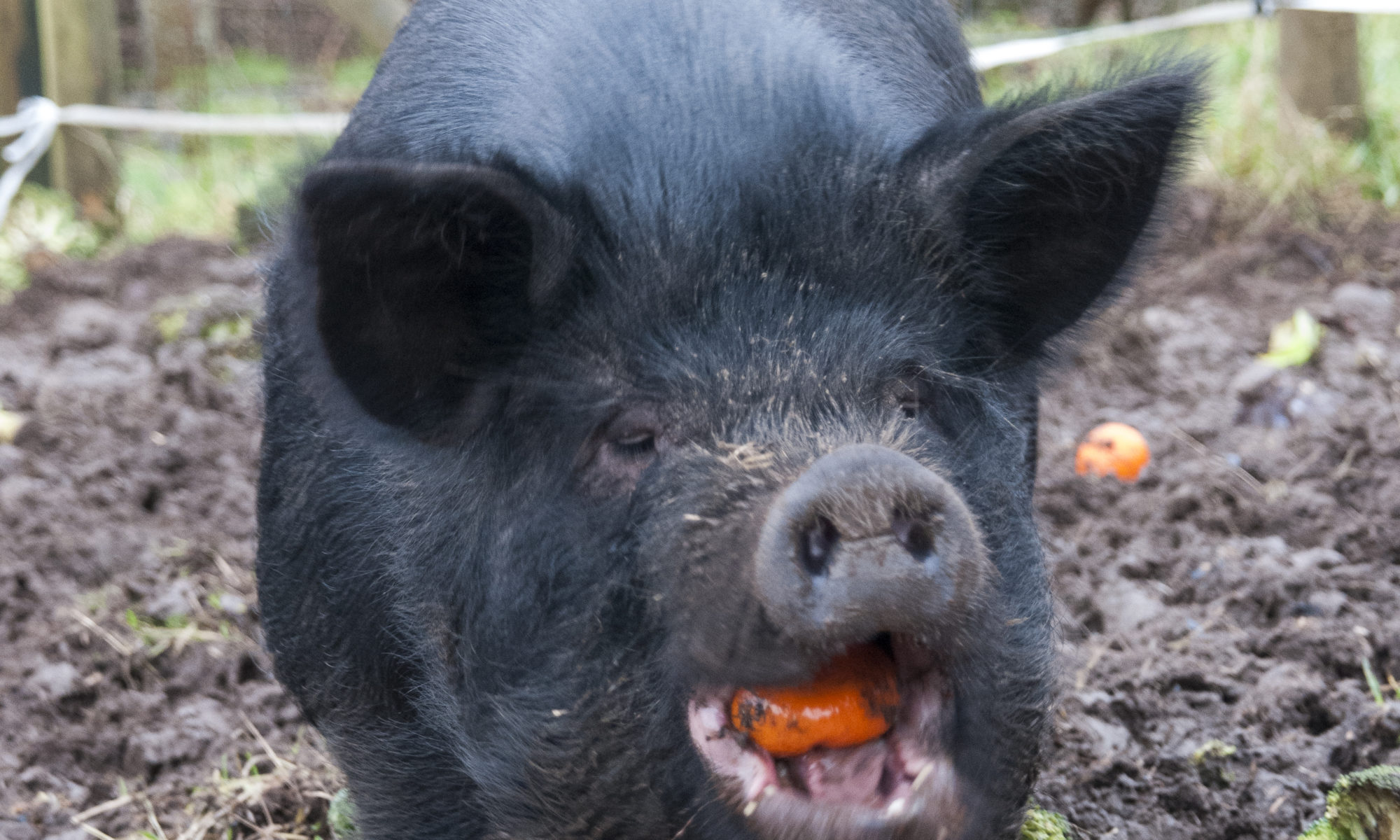
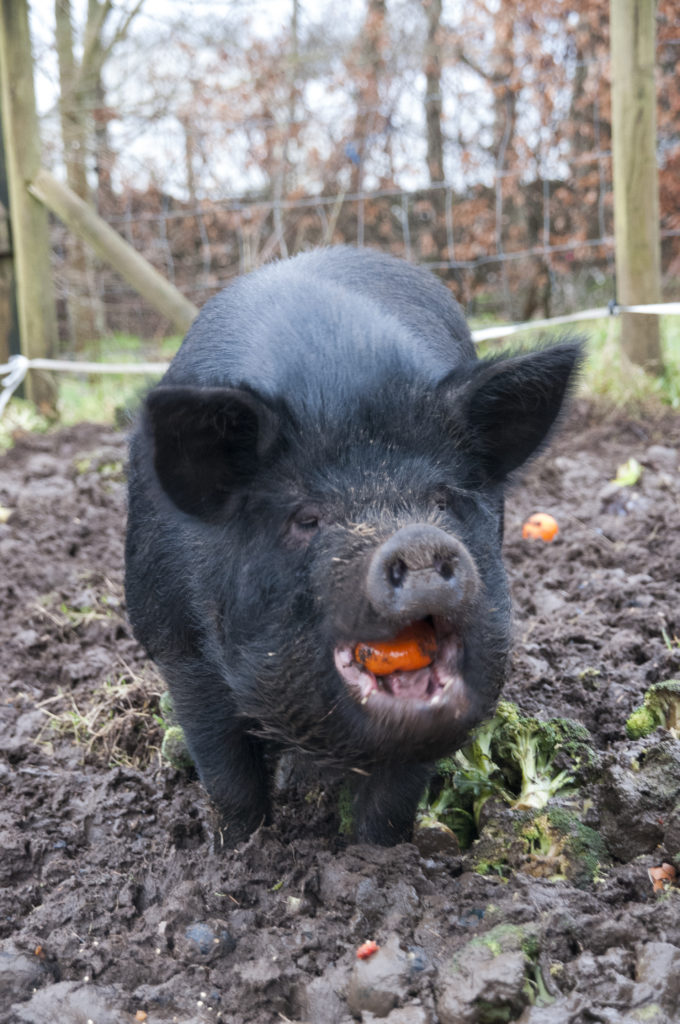
Maybe there is hope after all that the bigger issues will be addressed and we can live a cleaner greener future.On food waste there is one thing is for sure: our two pet rescue pigs never complain when they see us coming, they get the truly unusable food and recycle it back into nutrients for the land!
Thanks as always for your support.
Kenneth
PS Reuse is so much better than anything else and we have always championed this, our boxes are the ultimate reusable container. We collect them and reuse them every week.
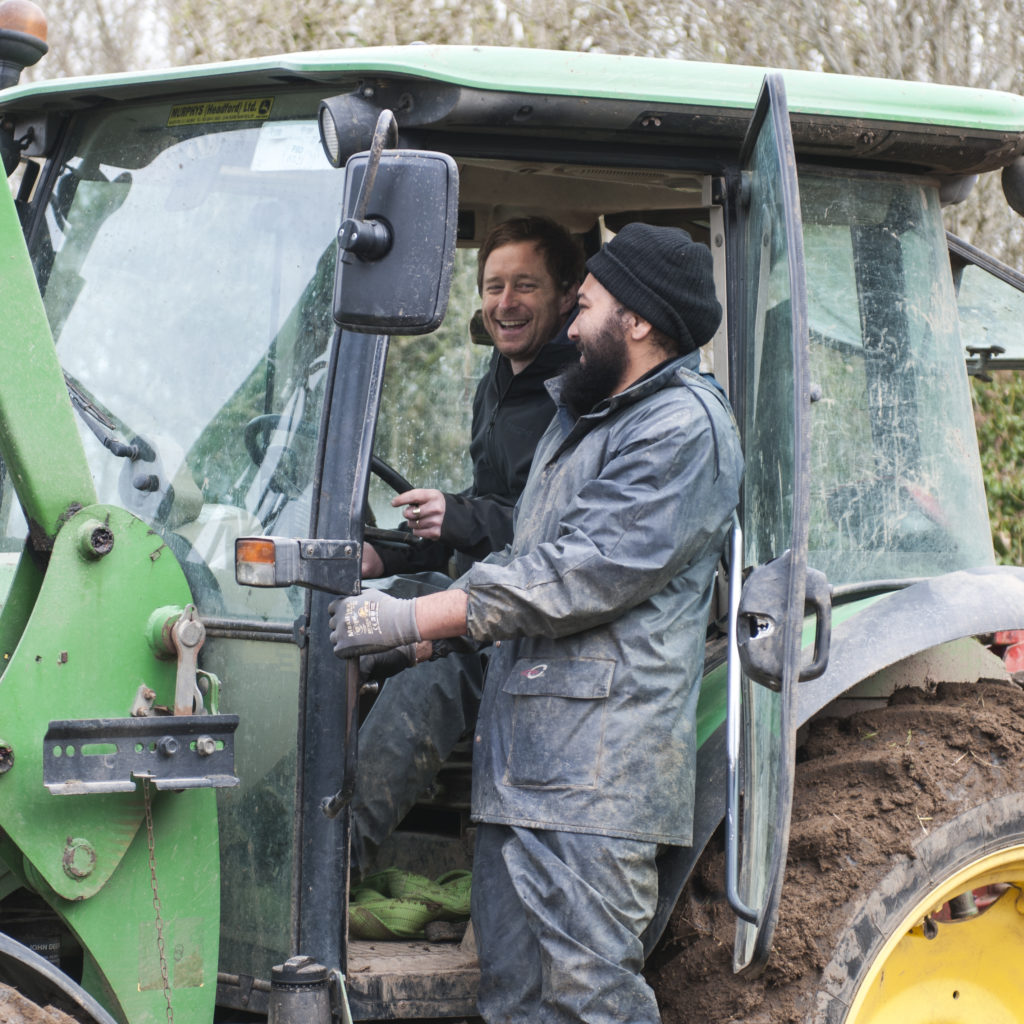
One of the guys in the packing shed said to me yesterday, “you look cold and wet”. I was dressed in appropriate farm attire: dirty wet gear, but I responded that I was neither because I had about 12 layers of clothes on!
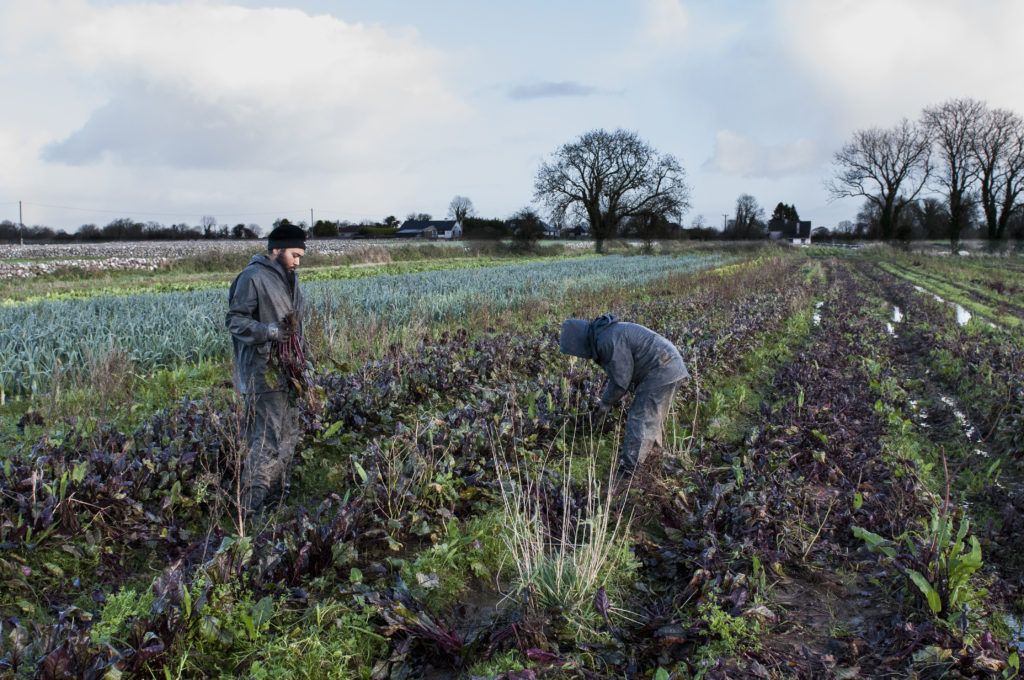
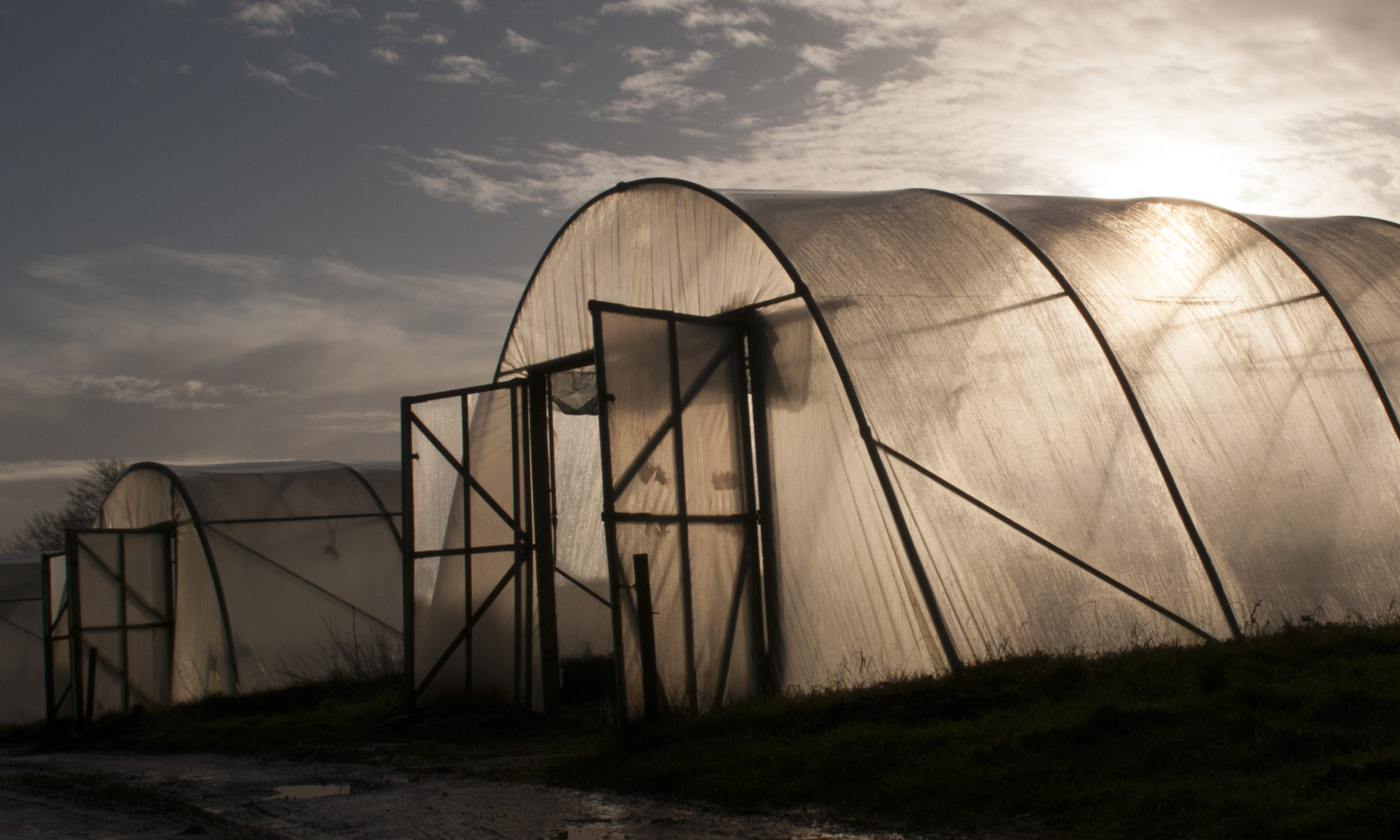
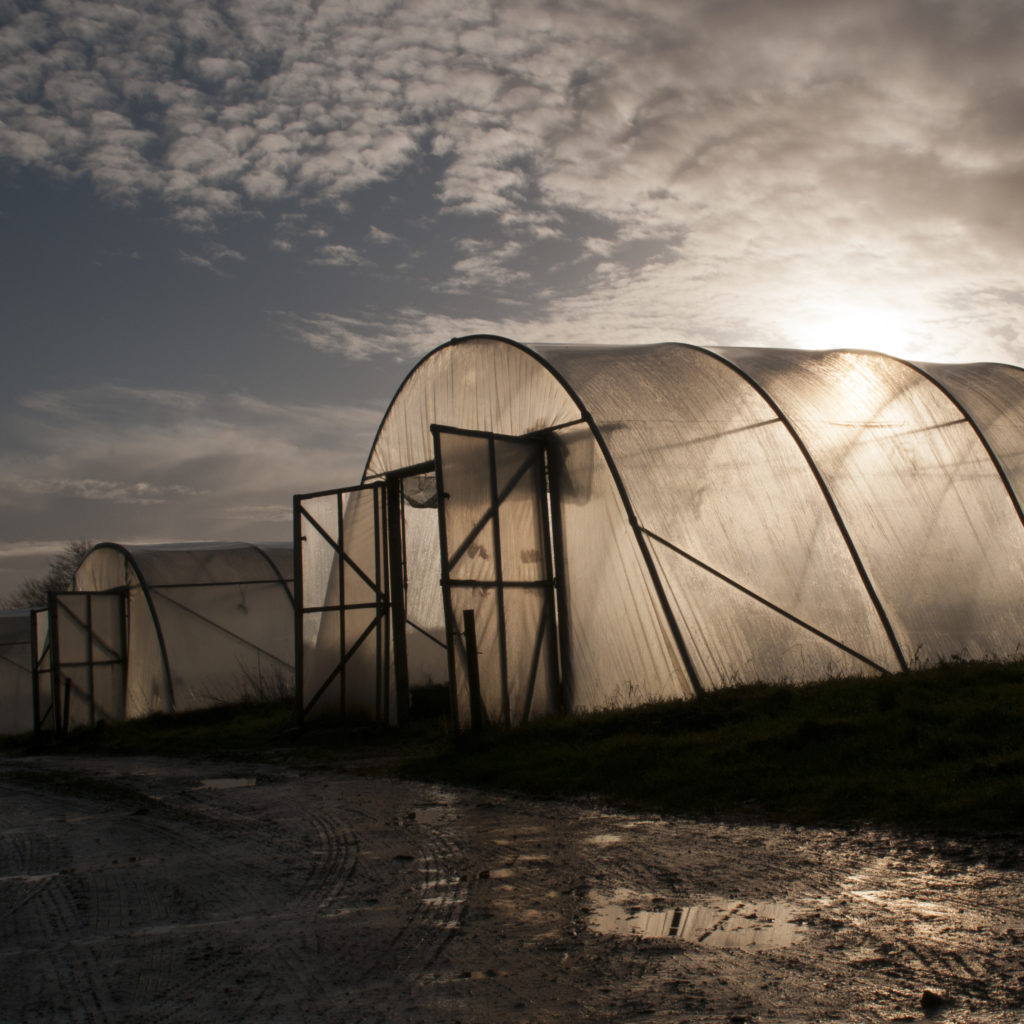
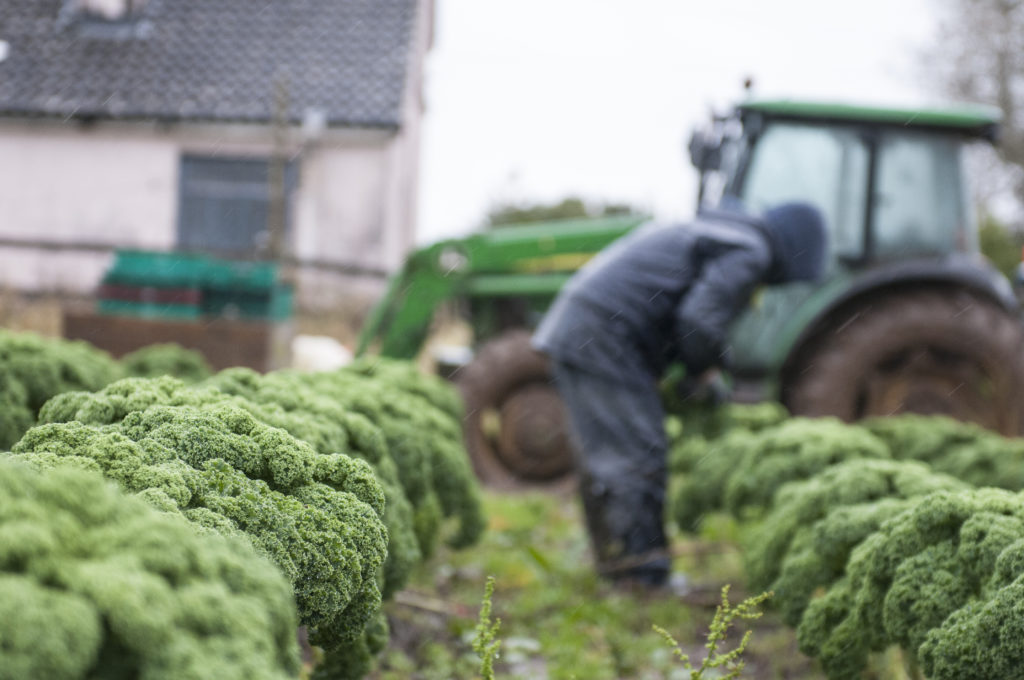
It has been dry and bright but biting cold over the last week. It takes resilience and strength of character to spend eight or more hours out in the fields in those conditions. The guys on the farm have been harvesting all week and it takes its toll not that they would ever say.
Even so our preference will always be for dry bright weather. It’s the rain and the muck of the west of Ireland that eventually grinds you down! We just get so much of it.
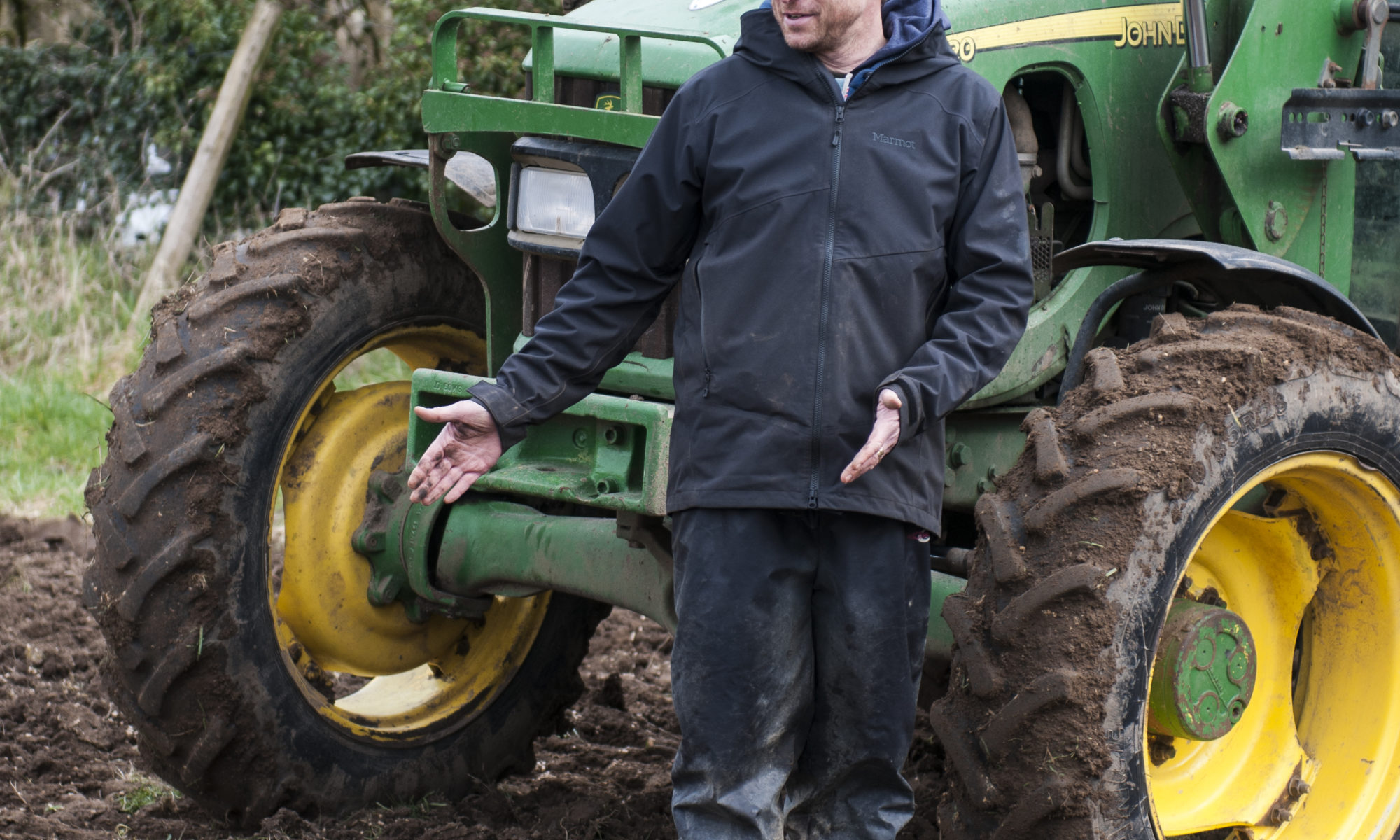
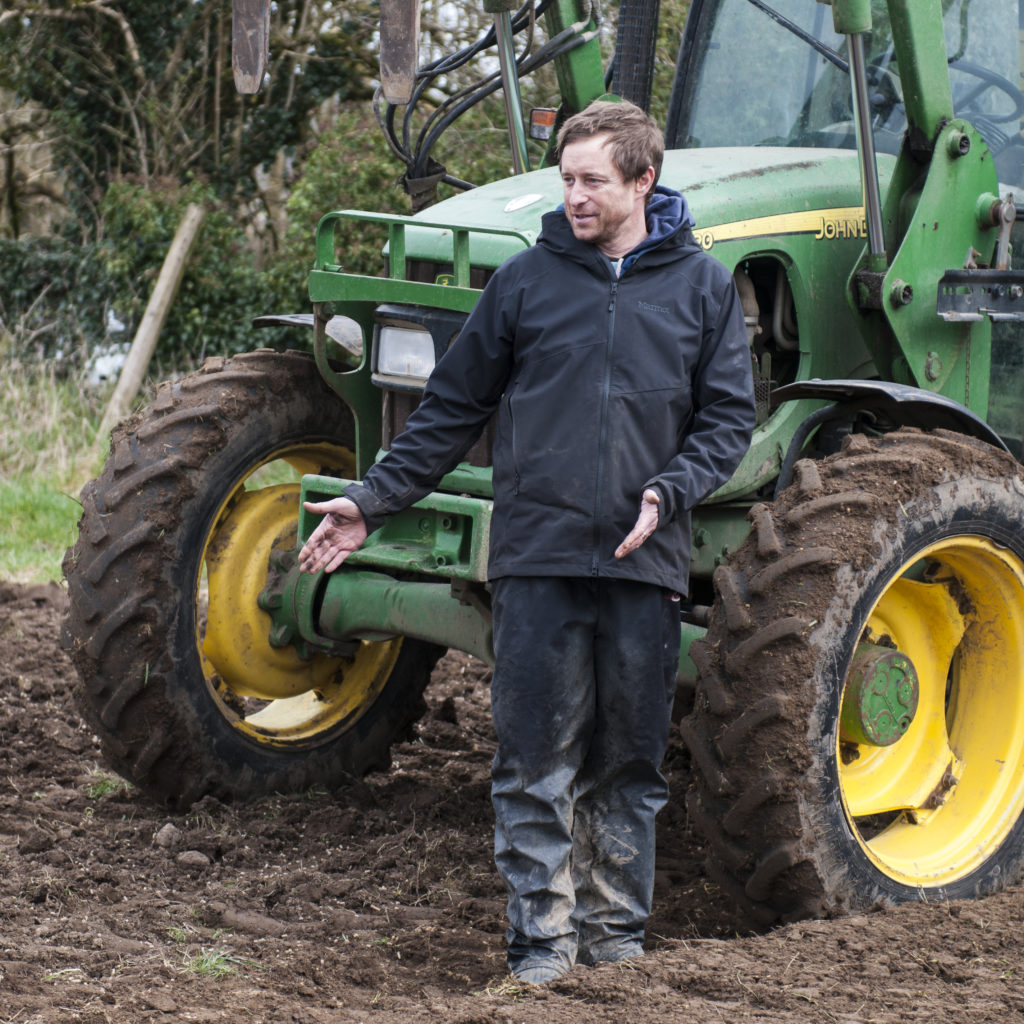
Chatting with Our tractor mechanic yesterday he commented how he never sees farm machines like we have on our farm here in the West of Ireland. The reason is pretty simple very few other farmers grow veg in this part of the world.
The weather and the stony ground contribute in equal parts to this fact. After all Cromwell did say “To hell or to Connaught” for a reason. But probably the biggest reason for the decline in local Irish food production lies with the supermarkets. The centralisation of our food supply and the constant obsession with the bottom line have decimated what was once a vibrant local food growing sector.
The breakdown of a key machine mid use is always a pain, but coupled with the added pressure the weather here in this part of the world puts on you it is doubly frustrating. Having a fantastic local tractor mechanic is nothing short of a miracle and I am constantly in awe of his skills and how he can make an untenable situation tenable again!
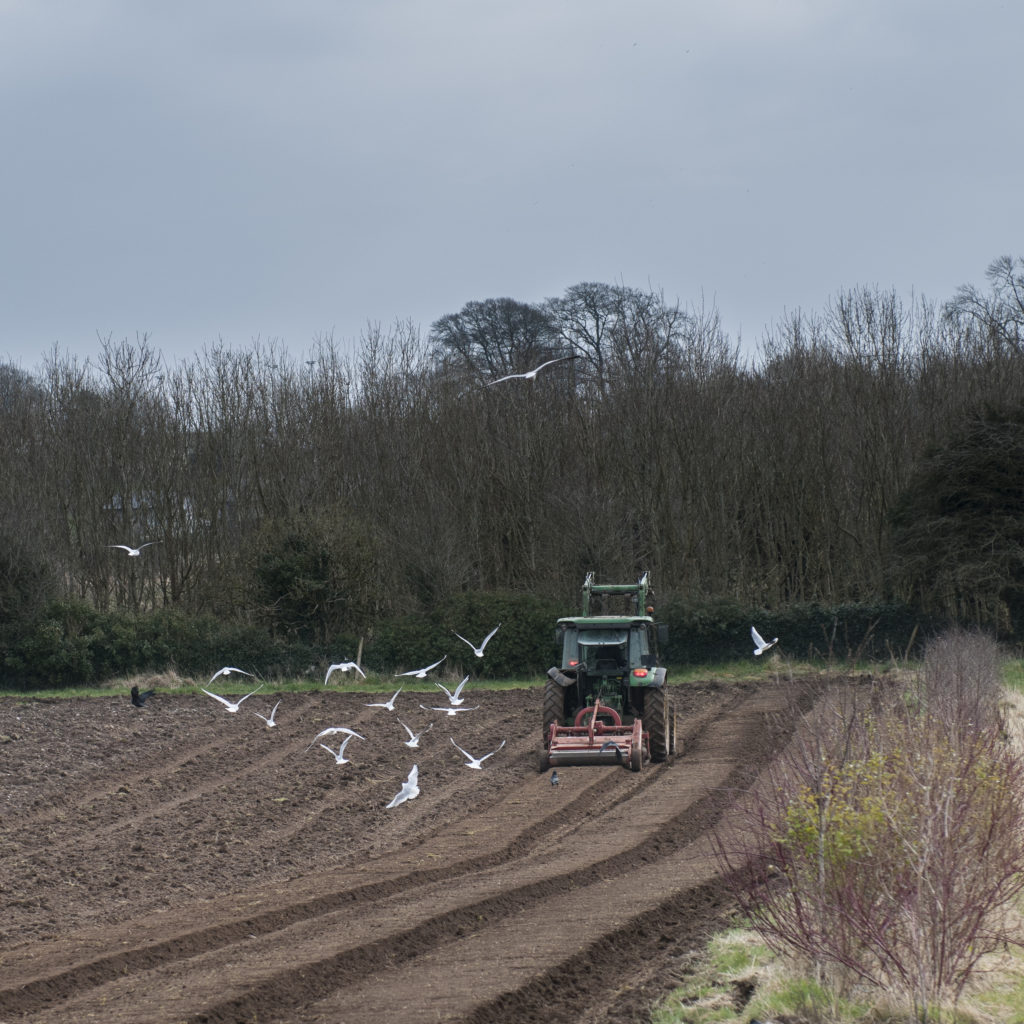
You have to grab the good weather, you have to make the most of it because you never know how long you will get here in the West and that is exactly what we did this week. We tilled the fields we prepared the ground and as I write this we have just finished preparing the beds for the new plants which are going in the week after next. Not only that but we have been so busy with harvest.
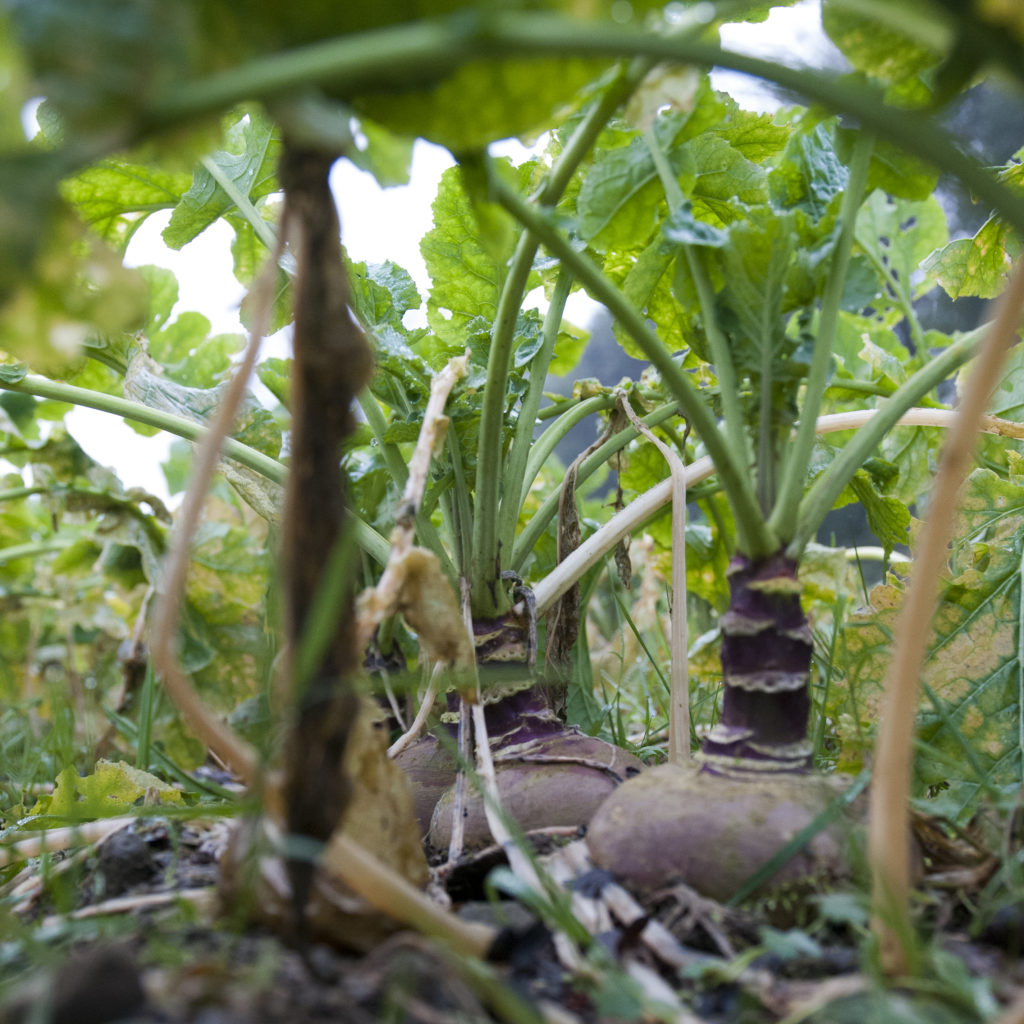
We have been clearing our swedes 1000’s of them to put them into cold store before they start regrowing and going to seed. Same with the lovely dirty parsnips you are getting in the boxes. The leeks and kale and cabbage and salad are all coming off our own fields too. So it has been a super busy week.
That’s the thing, that is the big difference between us and a supermarket: we actually grow your food, supermarkets don’t and they don’t care about the planet, they only care about price and uniformity. We know the woes and the highs of food production. We know that sustainable food production counts more than price, why? Because if we don’t produce our food sustainably, if it is always about the cheapest option, then in the end these choices will undermine the very system we rely on to feed ourselves.
Your choice to support us shows you too think differently and that you value knowing how your food is produced (sustainably) and where it comes from (local).
Thank you!
Kenneth
PS Our Build your own box is super-flexible, choose 13 items from a selection of more than 20 all for thirty euro.
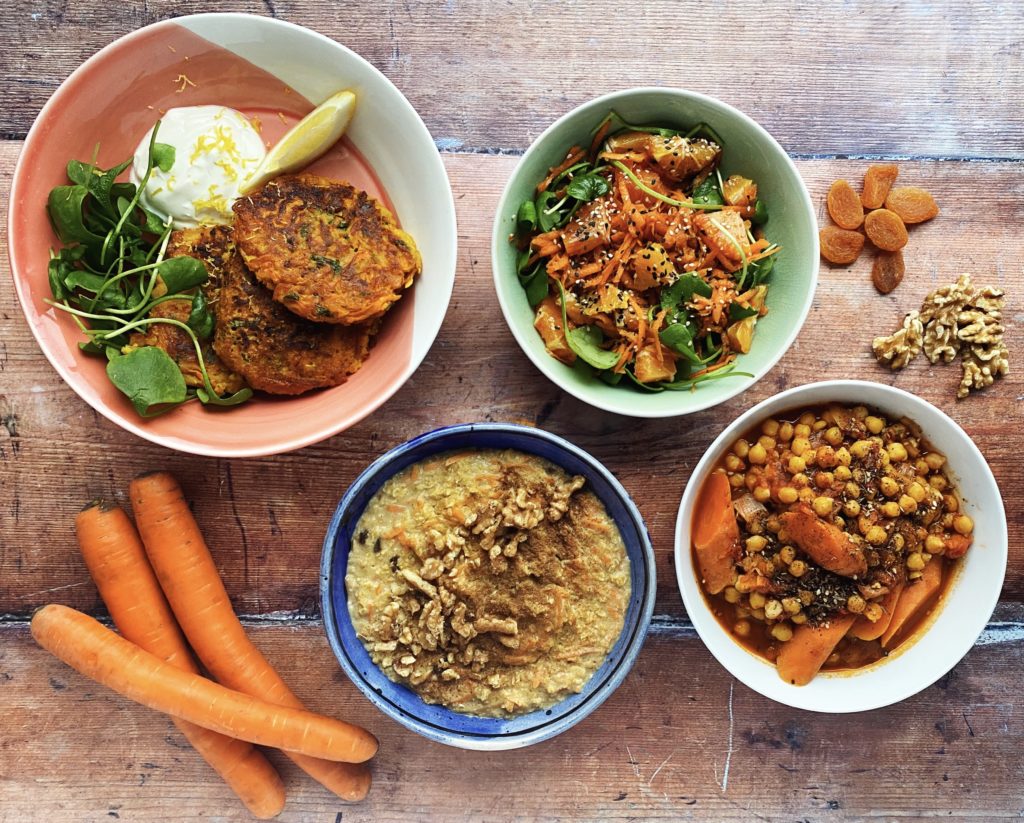
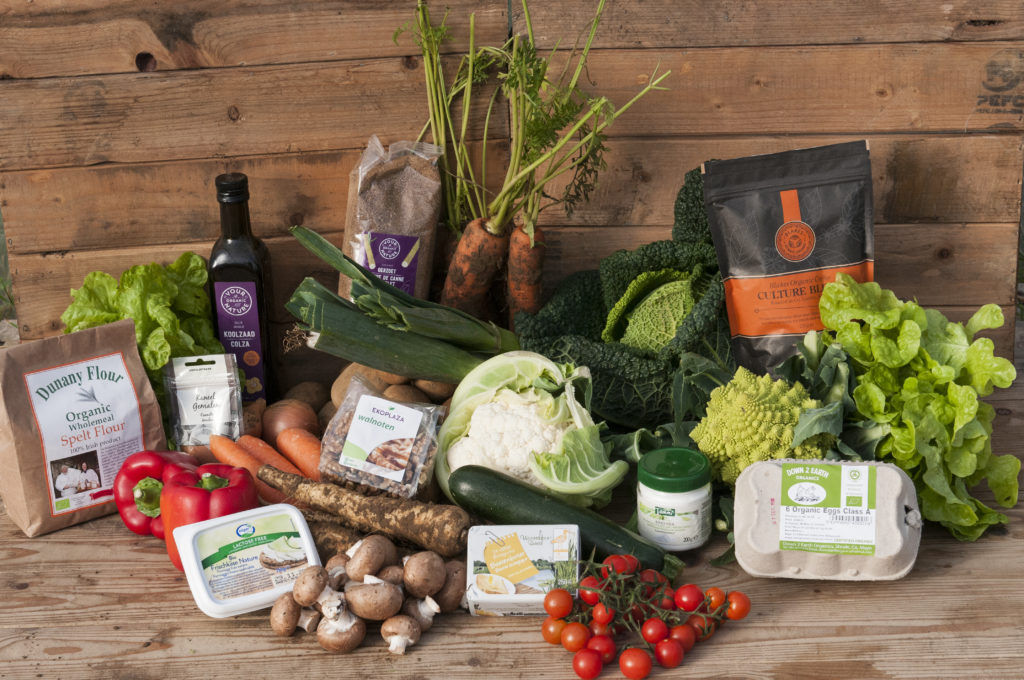
Carrots are such a staple you’d be forgiven if you’d never thought of them as the main event of a meal or barely even given carrots a second thought. But we love carrots over at Green Earth Organics and you’ll always find them in our subscription boxes. Covered in mud and fresh from the field here in Galway, I can honestly say these are the best carrots I’ve ever tasted. The scrubbed, plastic wrapped supermarket carrots just don’t compare. Muddy carrots seem to stay fresh longer and taste sweeter so if you get scrubbed ones, keep them in the fridge and use them in a week or so, the muddy ones are ok in a dark, cool kitchen cupboard or pantry for much longer.
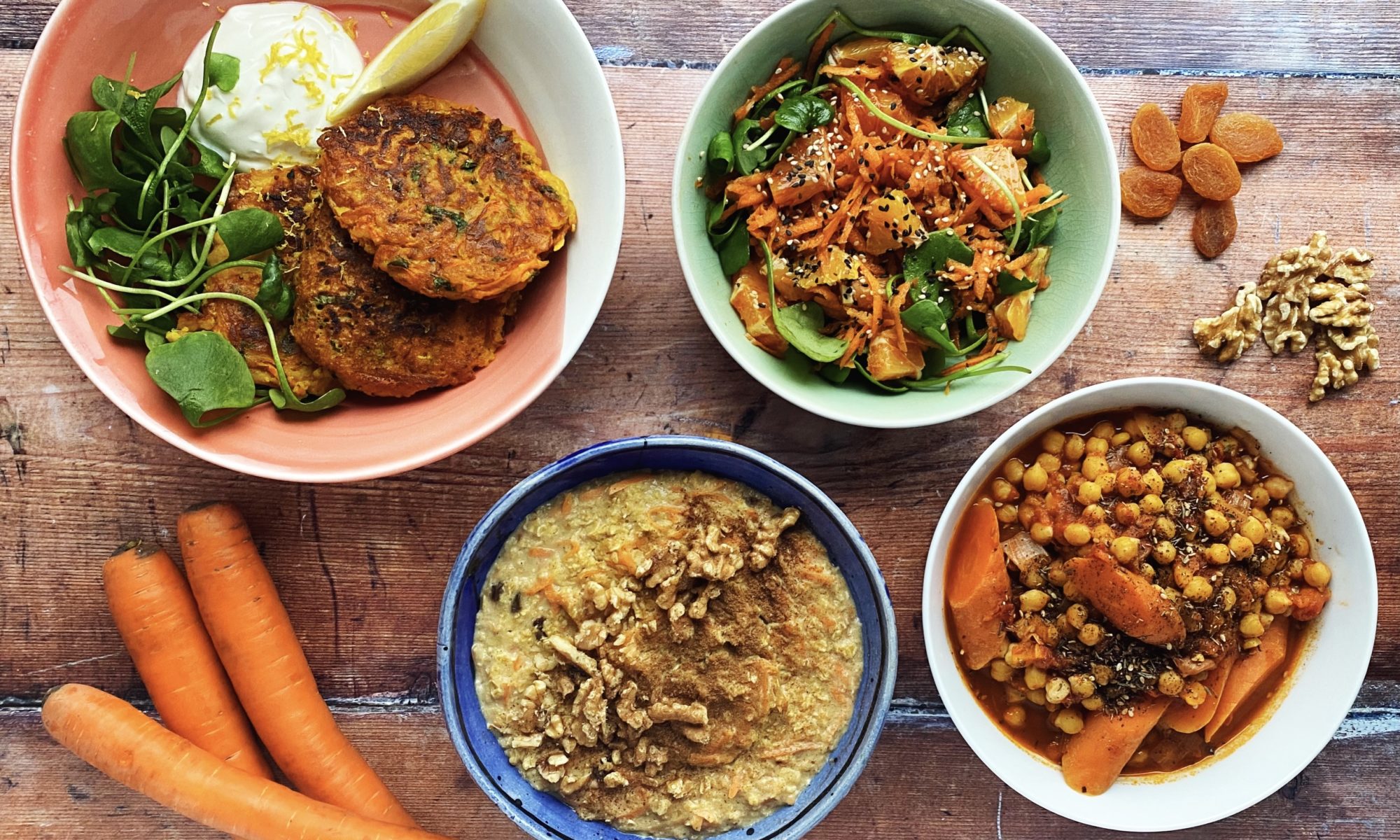
I’ve had quite a few requests for carrot recipes as that’s what most people seem to end up with as their next box is arriving – so here are four ways I cook carrots regularly. You can also click on my raw carrot cake recipe which uses a whopping 600g of carrot, my smoked carrot strips which are fabulous for breakfast with wobbly scrambled tofu or on a toasted bagel with cream cheese or my butterbean barleyotto topped with roasted carrots and carrot top pesto if you’d like further carroty inspiration. Please do share your favourite carrot recipes with us too – in the comments or over on our friendly facebook group. Liz x
Watch this ‘4 Ways With Carrots’ video (you can skip to the recipe you are looking for) or the recipes are below.
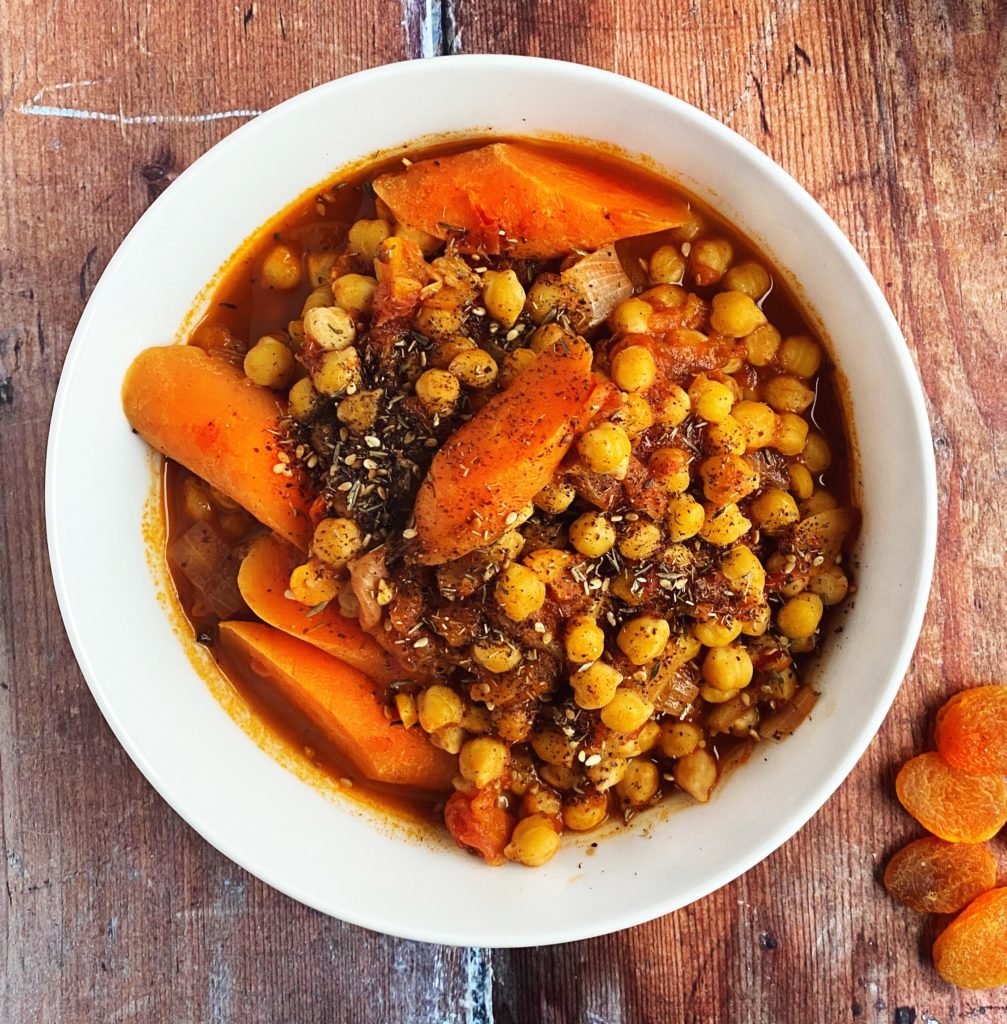
Carrot, Chickpea & Apricot Tagine
A warming Middle Eastern stew, simple to put together with punchy flavours from the chermoula paste.
Dice the onion and sauté it over a medium-high heat in a large pot. While it is cooking make the chermoula paste.
Crush the cumin and coriander seeds with a pestle and mortar until roughly broken up. Add the peeled cloves of garlic and crush some more. Then add the chilli flakes and smoked paprika and stir in 2 tbsp of olive oil. Finely dice the preserved lemon and stir it into the spices. Instead of using a pestle and mortar you could use a small blender and pulse the ingredients together into a rough paste.
Add the chermoula paste to the onions and stir for a few minutes to toast the cumin and coriander seeds. Once they are very fragrant, drain the tins of chickpeas and add them to the pot.
Chop the carrots into chunky slices and add them to the pot along with the two tins of chopped tomatoes and the tsp of ground cinnamon. Half fill the tomato tins with water and swirl out any remaining tomatoey juices into the pot.
Slice up the apricots and add them to the stew, season it really well with salt and pepper then put the lid on and simmer for an hour or so until the carrots are cooked through and the stew is rich and flavoursome.
Taste and adjust the seasoning as needed and serve with cous cous or rice or breads or even on it’s own. It’s fantastic with some freshly chopped parsley or coriander mixed through right before serving too. I’ve topped mine in the photo above with some homemade z’atar which is simply an even mix of toasted sesame seeds, dried thyme and ground sumac.
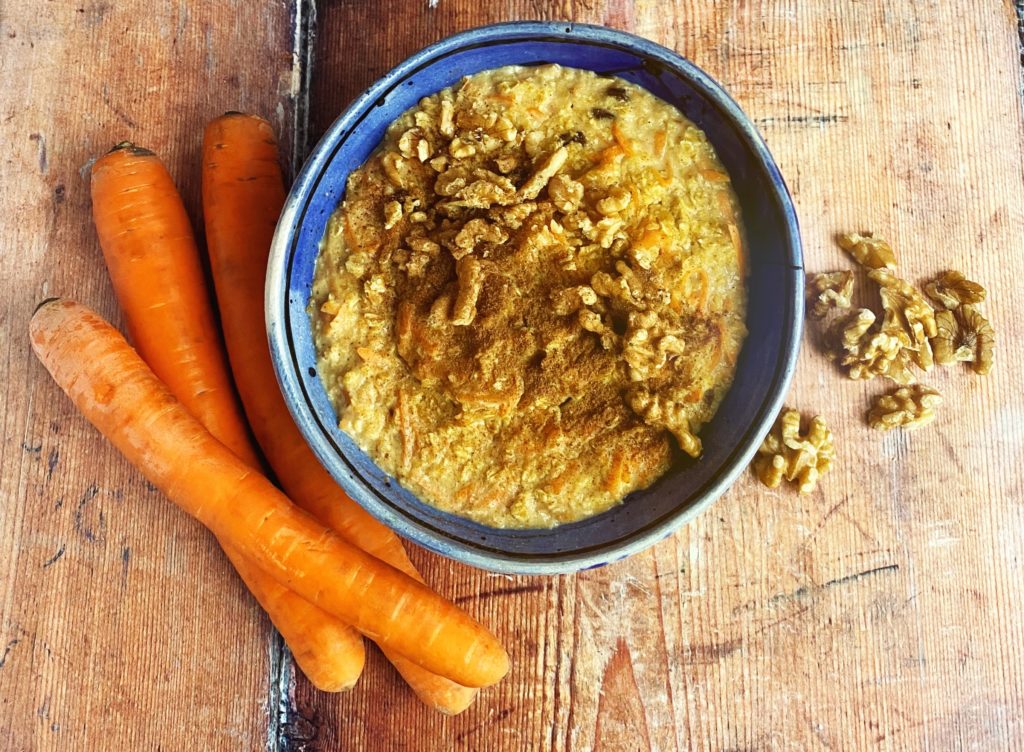
Carrot Cake Porridge
Sweet spices, grated carrot, creamy oats…delicious topped with walnuts on a cold morning.
walnuts and extra cinnamon/maple syrup to top the porridge
Method
Grate a carrot and put it in a small pot with the oat milk, oats, spices, raisins, oats and maple syrup.
Simmer and stir until hot and creamy, then serve topped with walnuts and a dusting of cinnamon. Add an extra drizzle of maple syrup if you like too!
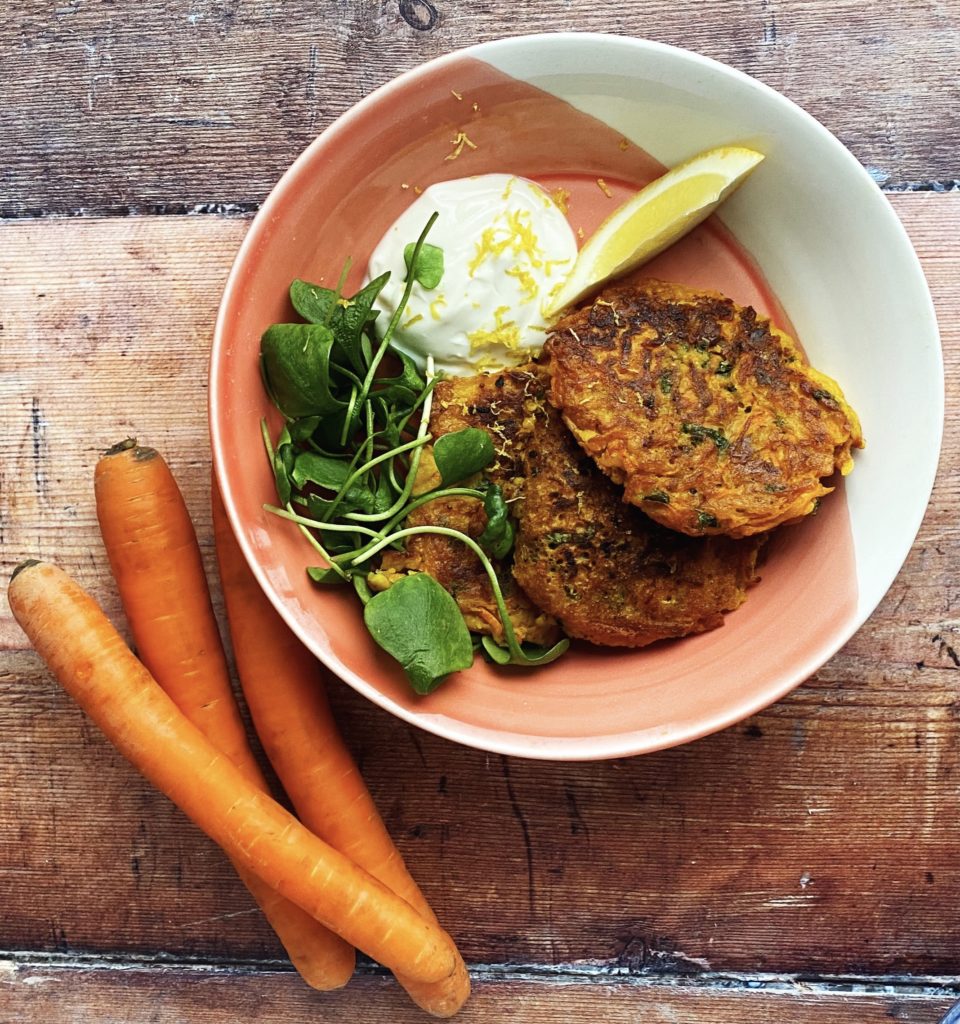
Carrot & Mint Fritters with Yogurt, Leaves & Lemon
Fritters are a fantastic light lunch with salad leaves and a simple dip. Or have them as a sandwich filler? Very versatile, use whatever herbs, spices and veg you fancy. This combination is especially delicious though. Tastes like Spring is around the corner!
Whisk the gram flour and water together into a smooth batter, then season it well with a big pinch of salt and pepper.
Stir in the grated carrot and chopped mint and then fry well spaced dollops of the mixture in a pre-heated to medium-high, well oiled frying pan. Fry on both sides for about 3-5 minutes per side or until golden brown and crispy and cooked through.
Serve hot with a couple of spoons of natural yogurt with a little lemon zested over it (lemon and mint work so well together), a few salad leaves and a wedge of fresh lemon to squeeze over the leaves and the fritters.
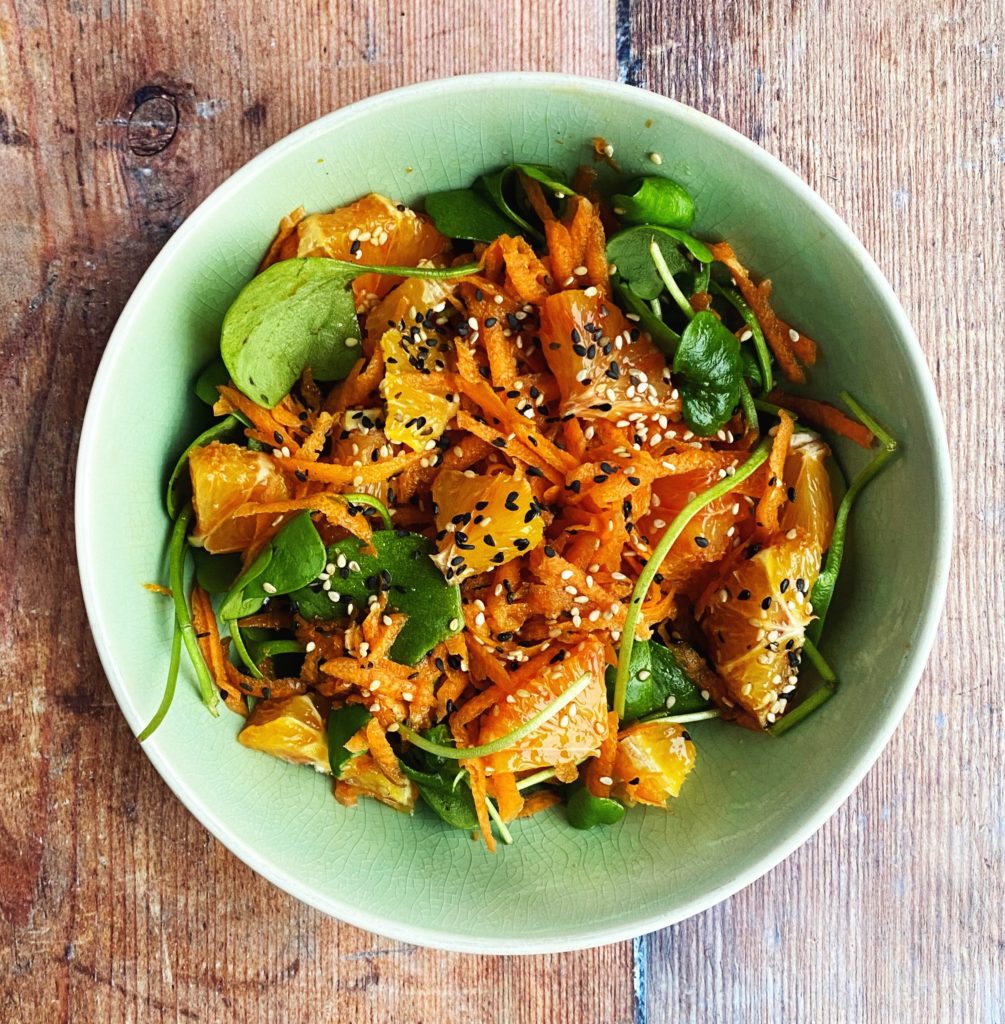
Carrot, Blood Orange & Sesame Salad
Toasty, salty, sweet, fresh and tangy – just the perfect combinations. This simple salad takes very little time to put together but has all the big time flavours!
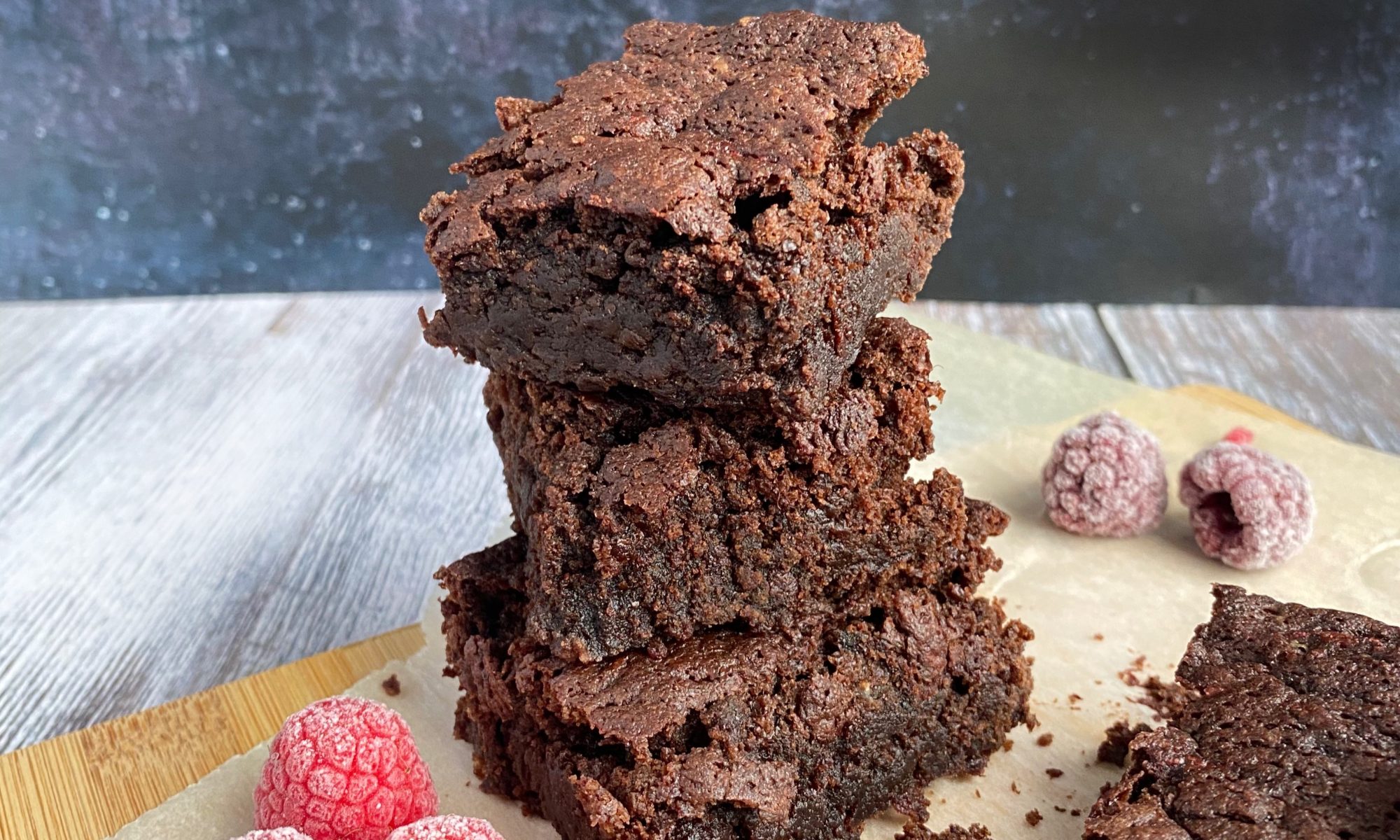
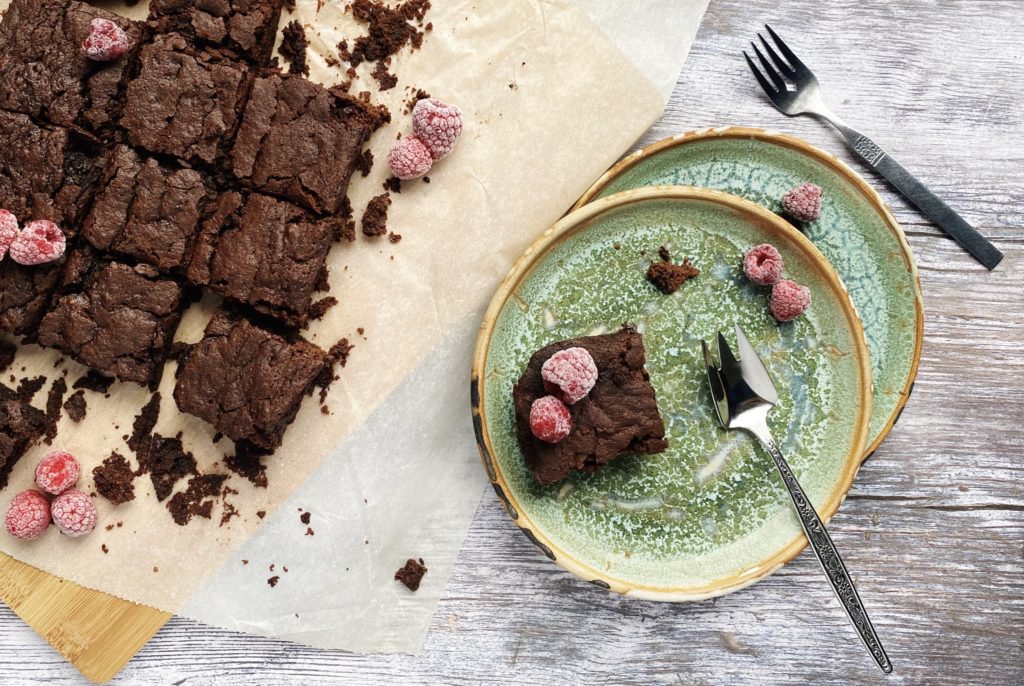
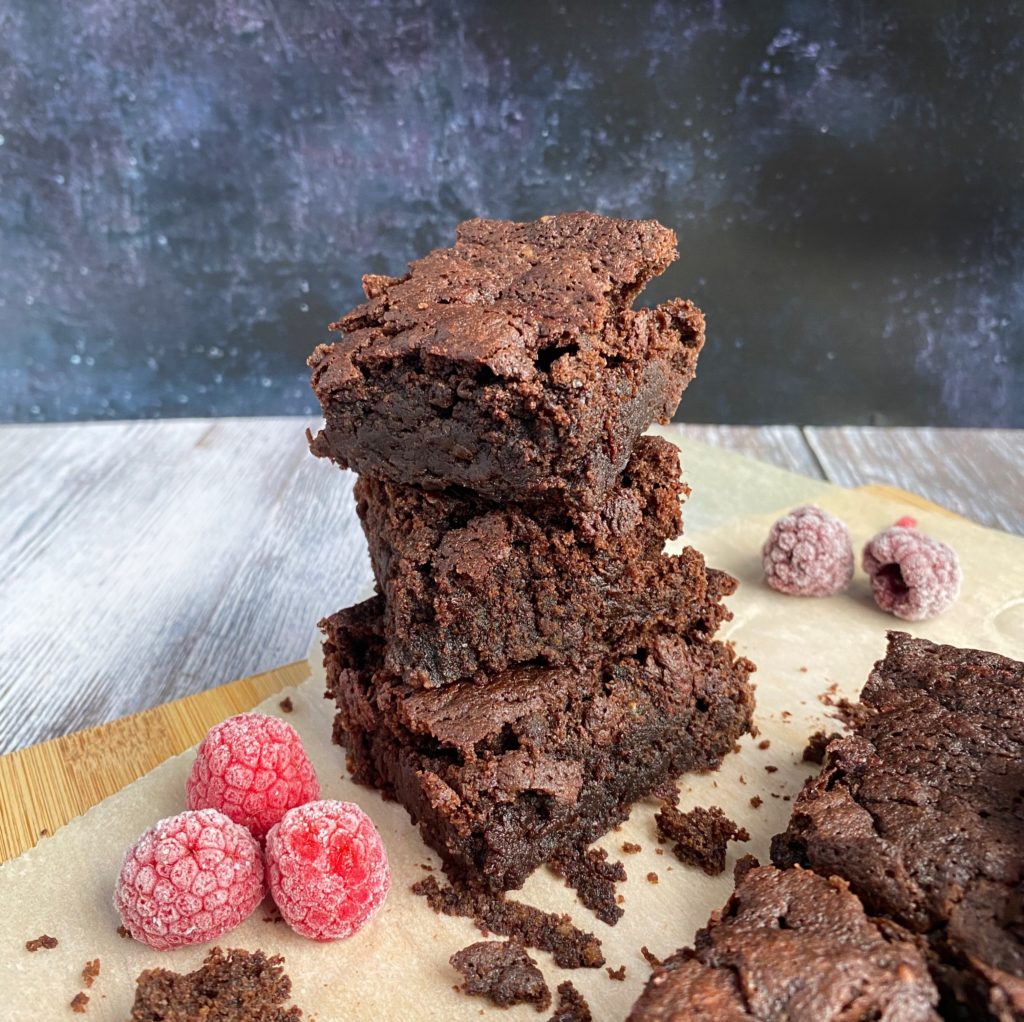
Beetroot in a brownie is nothing new, but it’s still a delicious way to use up those beets in your box – especially if you live in a house of beetrootphobes. Beetroot keeps the brownies extra moist and although you can’t taste them, their earthy sweetness brings an extra quality to the overall flavour that just works really well. My recipe is egg and dairy free and totally adaptable. Leave out the beetroot if you like or replace it with something else. How about some raspberries or cherries? Or some walnuts or hazelnuts? A swirl of peanut butter and some raspberry jam? Let us know over on our community facebook group if you come up with a brownie addition that you’d like to share. Liz x
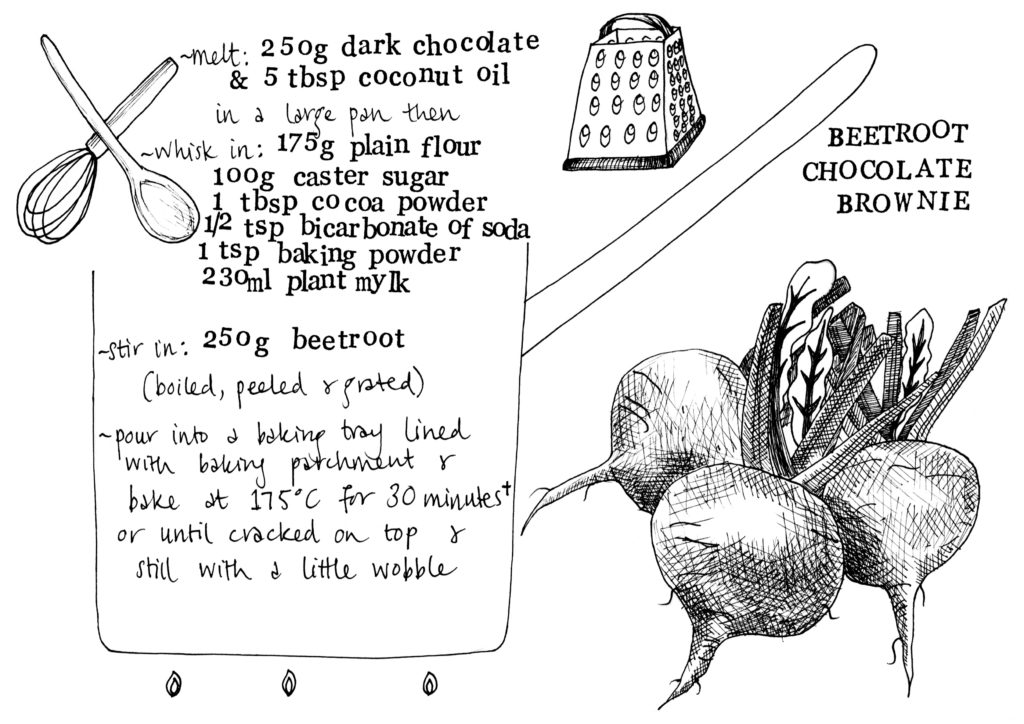
The recipe illustration from my book which is available to add to your fruit, veg and grocery order here.
Boil about 270g of beetroot (usually around 3 medium sized ones) in plenty of water until cooked through. Then allow the beetroots to cool and slip off their skins using your hands or a small, sharp knife. You should be left with around 250g of cooked beetroot.
Pre-heat your oven to 175C and line a baking dish with baking paper (I use a 25x16cm dish).
Weigh out the dark chocolate and coconut oil into a large pan.
Gently melt the chocolate and oil together on a low heat.
Whisk your favourite milk (I love creamy oat milk) into the pan and all the dry ingredients – the flour, sugar, cocoa, bicarb and baking powder.
Grate the cooked, peeled beetroot straight into the pan and stir well with a wooden spoon/spatular.
Scrape the batter into the lined baking dish, level it out ensuring you get into the corners of the dish, then bake it for 30 minutes or so until it is cracked on top but still has a slight wobble.
Allow the brownie to cool & firm up in the dish to make it easier to slice, you can even chill it in the fridge overnight.
Then carefully move it onto a chopping board, slice it into portions and enjoy!
Here’s a video of the process if you’d like to watch how I do it.
One of the best parts of being an ethical, transparent business is having a good relationship with our suppliers. Green Earth Organics are proud of the people and ethical businesses we support, so in this ‘About Us’ section of the blog we want to introduce you to them too, and get to know them a little better ourselves. Passionate people behind the products are a force for good in this world and we want to shine a light on them.
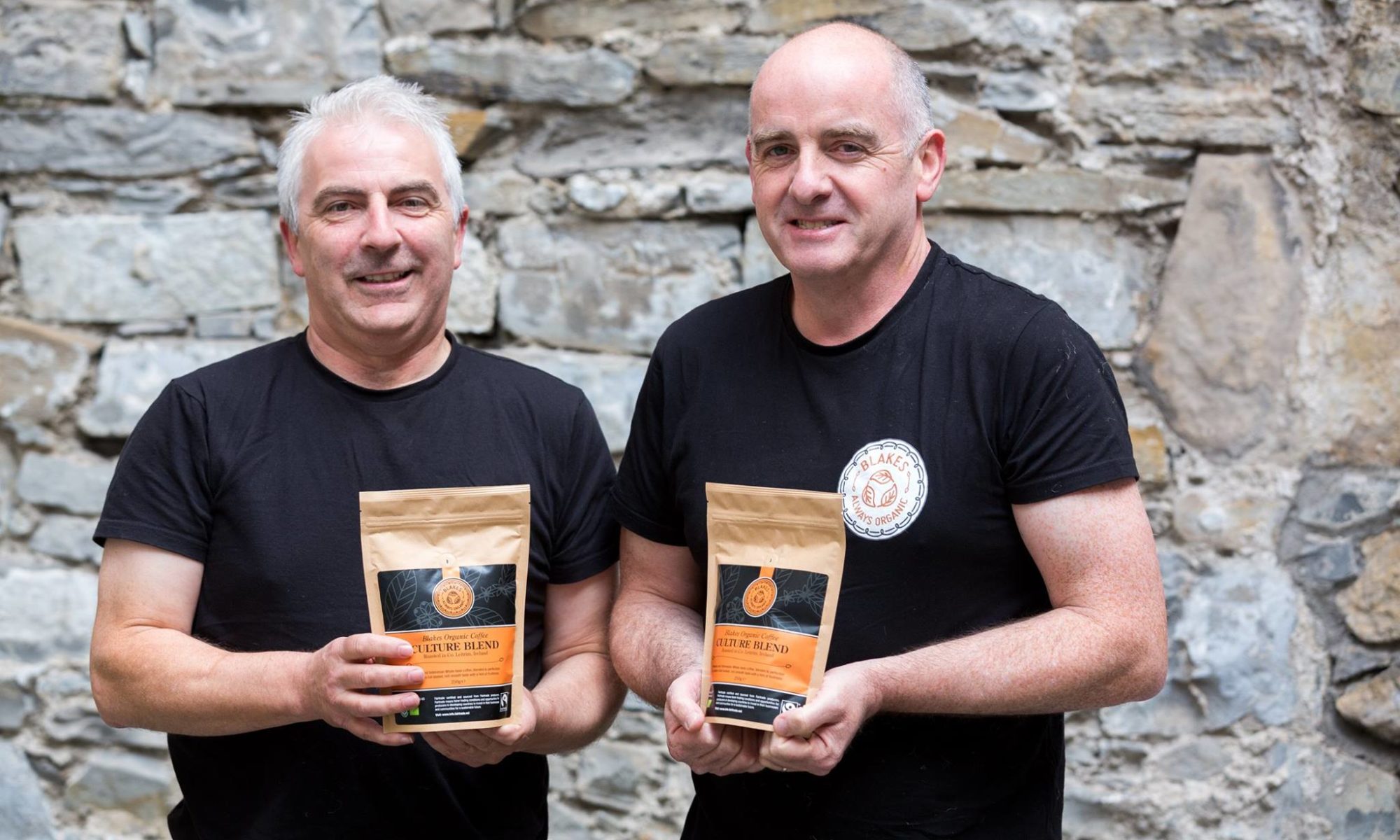
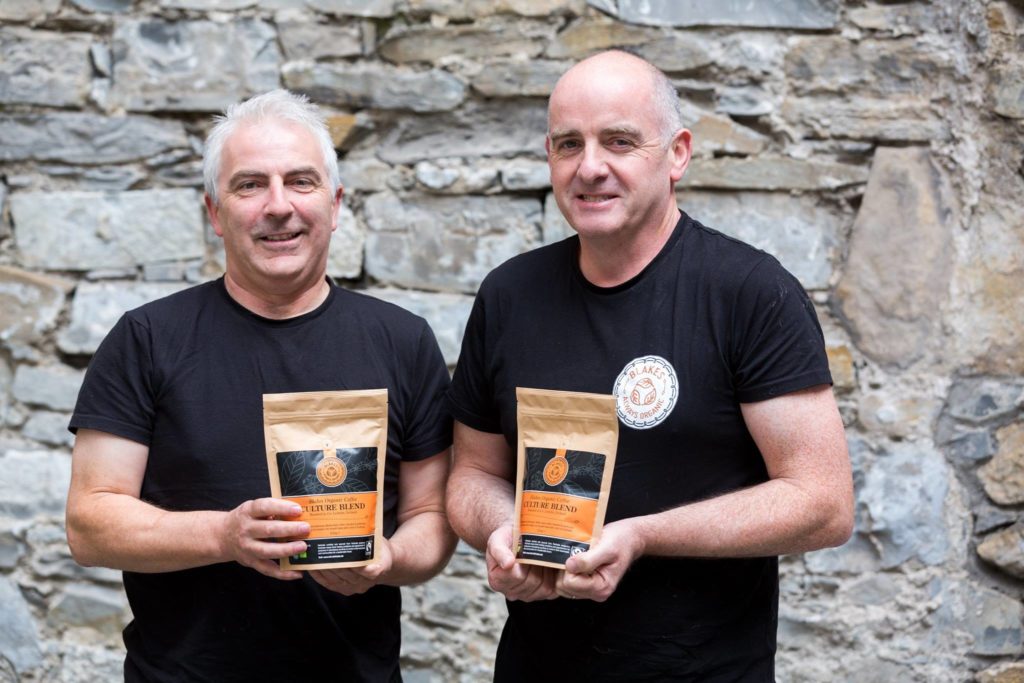
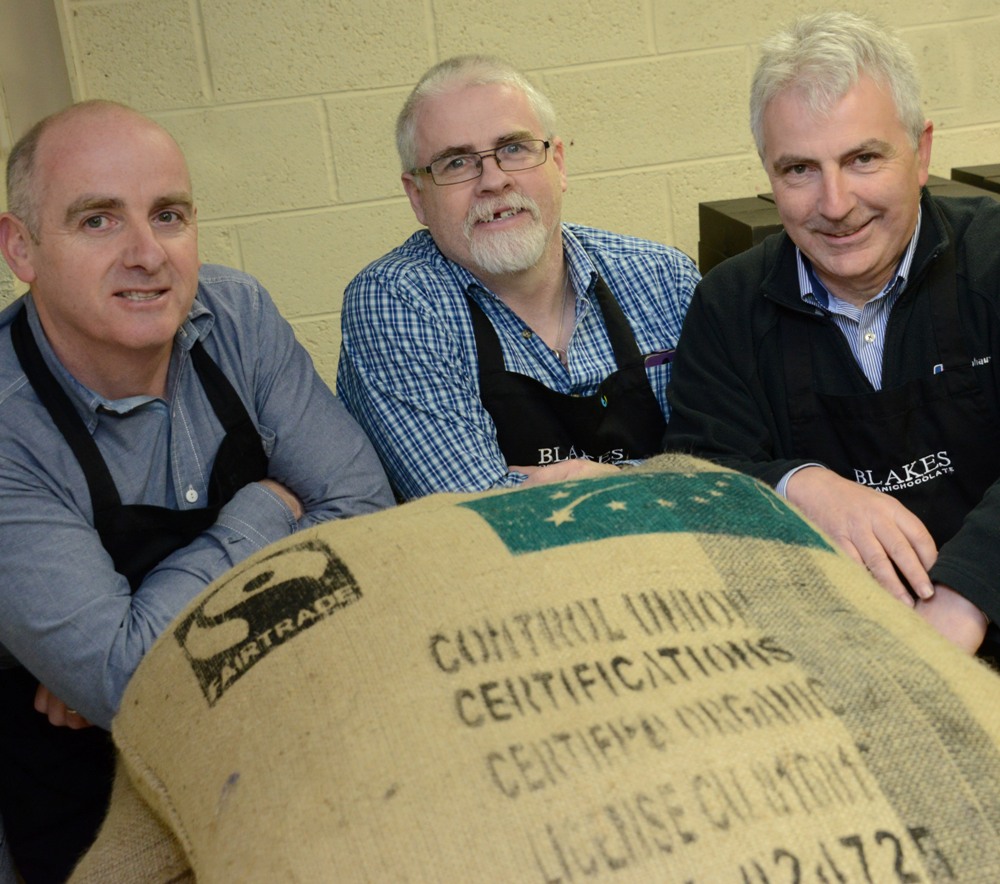
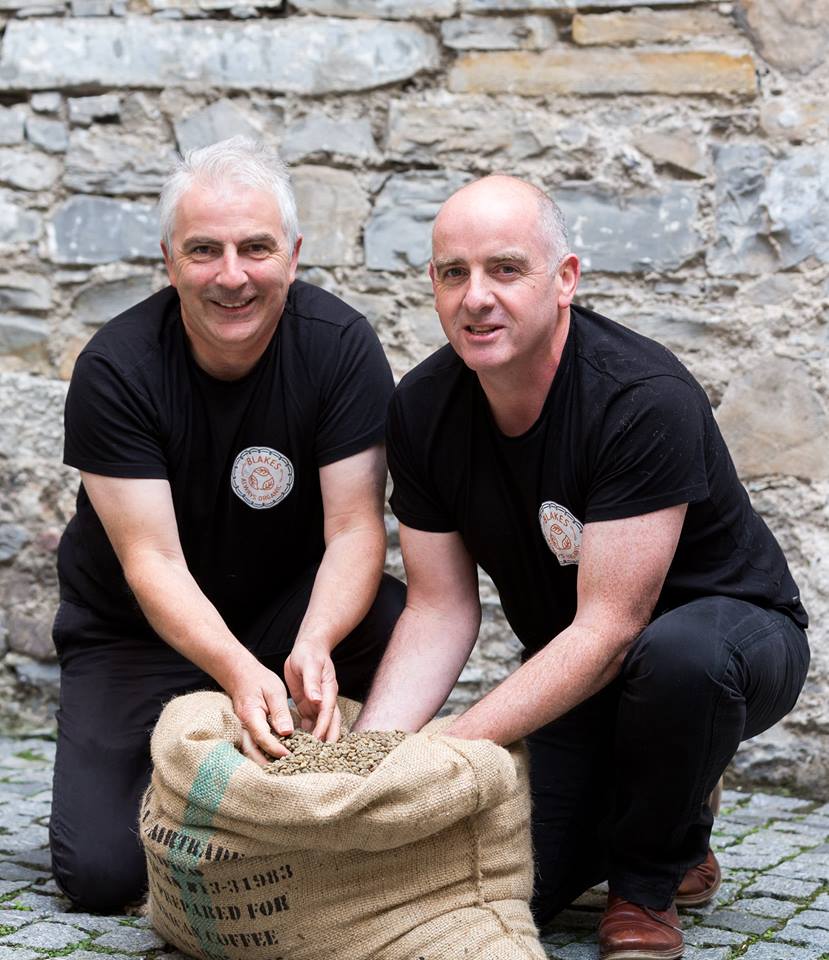
I spoke to the lovely people over at Blakes Always Organic to find out more about their business and their wonderful, locally roasted coffee which has been getting me through these long lockdown days.
Tell us about yourselves. How did you get into roasting and selling coffee?
Our company, Blakes Always Organic Ltd, started out as Blakes Organic Chocolate Ltd and the original owner of the start-up company wanted to create healthy, organic and Fairtrade chocolate. We bought the company as a going concern, but wanted to create Irish Organic products – the chocolate was imported from Switzerland rather than made in Ireland.
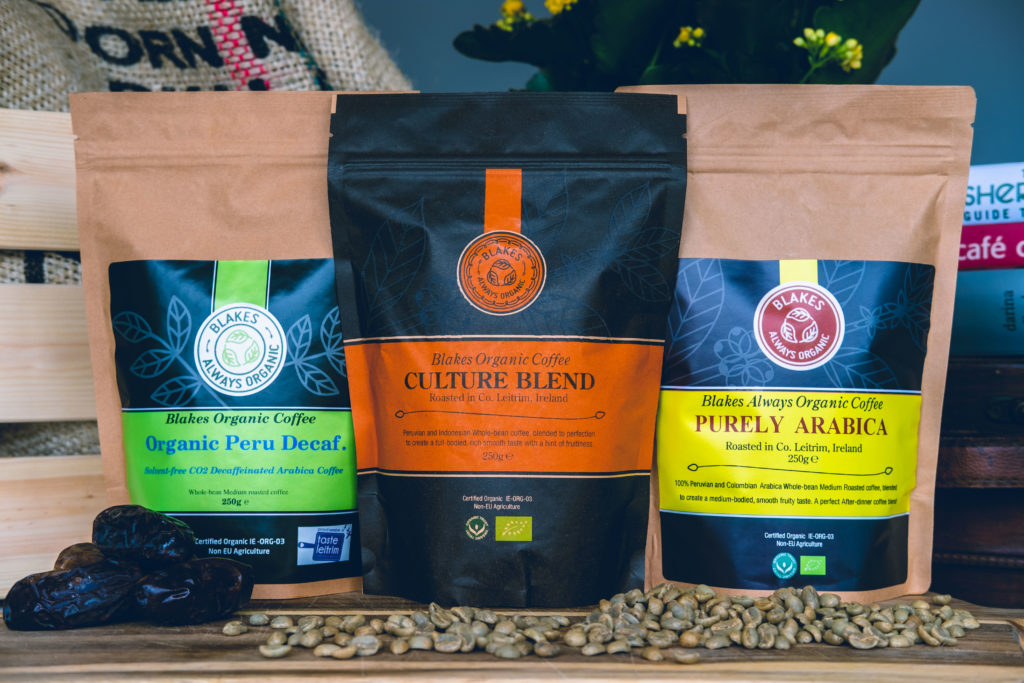
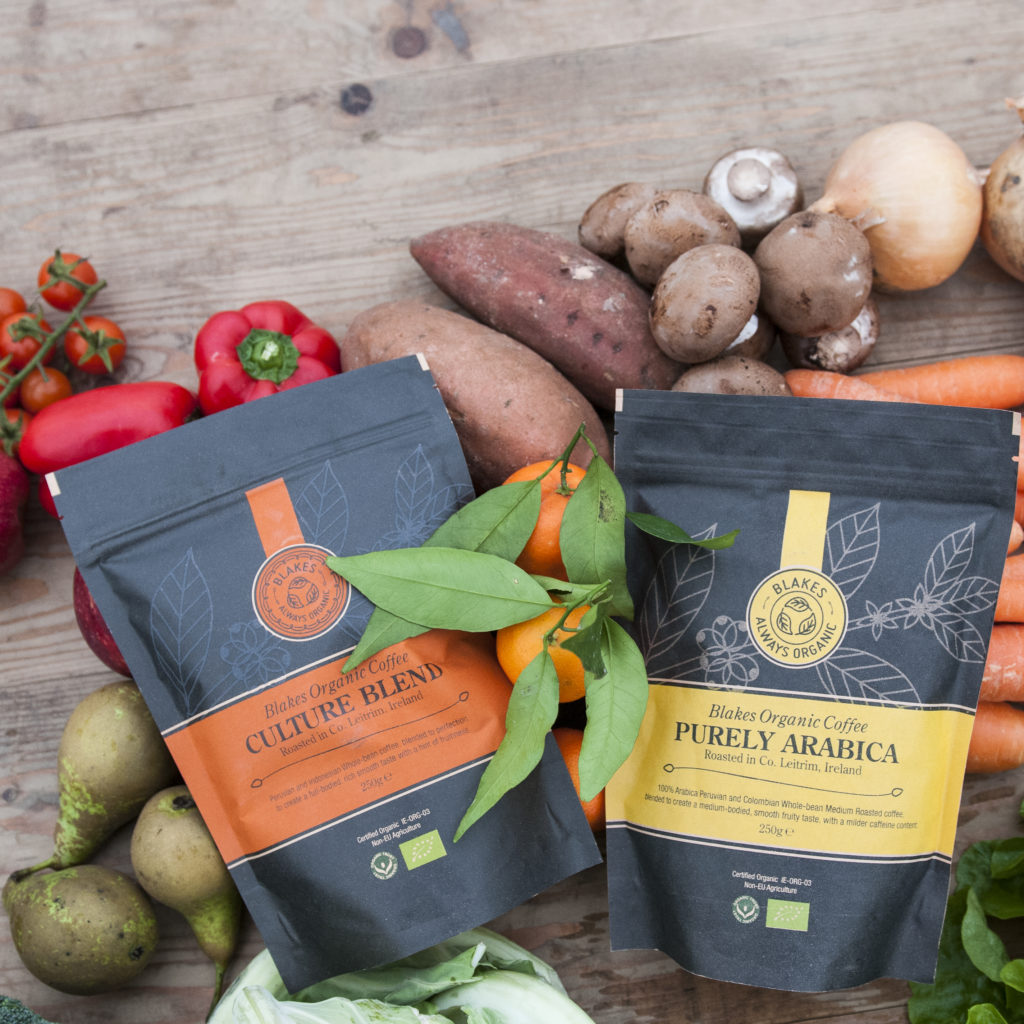
At around this time, one of our owners/directors, John Brennan, was working with Colombian coffee and cocoa producers to help them set up a Farmers Cooperative, to get better value for the products. He travelled to Colombia and saw first-hand the conditions that farmers worked in. Therefore, Organic coffee was an obvious product choice for us. With the help of a local coffee expert in Carrick-On Shannon, in 2016, we launched our first blend of whole bean coffee: Blakes Always Organic ‘Culture Blend’ Coffee. This blend won the Bord Bia Organic award in 2017 for the Best Prepared Product category, despite stiff competition. In the Summer of 2018, we were proud to add a second blend of coffee to our products: Purely Arabica Blend, and recently launched a third Organic coffee: a Peruvian Arabica, decaffeinated using the CO2 method rather than solvents for a coffee with all the flavour but little or no caffeine.
We also started producing Organic Kefir, hear in Drumshanbo, County Leitrim, made from locally sourced Organic milk. With the successful launch and ever-growing demand for these products: our Organic Coffee range and our Organic Kefir, we decided to close down the chocolate side of our business and focus our energies on locally produced Irish products instead. With this decision came the need for a new Company name Blakes Always Organic Ltd.
Where do you source your beans? What is special about that area?
We source our Organic Coffee beans from various different regions of the world, through a reliable distributor in the Netherlands, Initially, we considered single origin coffee, and there were few worthy candidates, but by blending different beans from different areas, we found that we got better results. We spent a lot of time mixing and blending beans, and changing the proportions of different beans within the mix, to find the unique flavour that we wanted for our ‘Culture Blend’.
Choosing an Old World bean, such as the Indonesian Raja Gayo Arabica, that is at the heart of our Culture Blend, we found a coffee bean that was rich in flavour, but that also gives plenty of body to the blend. Added to this, we brought some ‘New World’ beans from Peru in South America, well-known for their fruity light, delicate flavours. To this we added a small amount of high quality, Indian Cherry Robusta to our Culture Blend, to give it a stronger Caffeine kick and extra body.
Some of our loyal customers asked about a lighter blend of coffee, and from this inspirational feedback started to process of creating a second blend, the Purely Arabica blend. Initially, we considered blending the lighter bodied, full flavoured beans of South America with some decaffeinated coffee, but the practicalities of blending the different beans made that impossible.
The New World South American coffees have excellent flavour, but lack the body of the Old World beans, so by focusing on just New World Arabica beans of Peru and Colombia, and blending these without the addition of a Robusta, we created a full flavoured, the lighter bodied coffee, lower in caffeine but not decaffeinated, that was perfect for an after-dinner coffee, when you don’t want to full caffeine kick of the Culture Blend.
However, there was some of our customers still sought high quality Organic decaffeinated coffee, and there was a niche in the market for this. Most decaffeinated coffees are extracted using solvents, which means a lack flavour. Even with Organic coffees, most use the Swiss water extraction method, which although far better than the solvent extraction, still extracts all the flavour out of the beans, before putting it back in. It is only with the more expensive CO2 extraction process, that the caffeine is extracted from the beans, without extracting the beans unique flavours too. It is for this reason, that we chose the Peru HB Grade One Arabica bean, extracted using this method, for our own brand of Decaffeinated coffee.
Why organic? What makes you passionate about organic farming? Why is it so important in regards to coffee growing?
Organic Farming and food production is at the heart of our business, and we are passionate about Organic and sustainable farming. During John’s visit to Colombia, he saw just how much pesticides, herbicides and artificial fertilisers were being used in the conventional coffee and cocoa production in South America. It is vital to encourage sustainable farming practices and support FairTrade practices that see the farmers in South America, Indonesia etc, get a fair price for their produce, see schools, education and infrastructure being put in place, and to stop the exploitation of these farmers for short term gain by Multinational companies, so that they, their children, and their children’s children, can continue to grow their produce and make a living from the land, as much as it is for Irish farmers to embrace sustainable greener practices and look to the future, rather than the next cheque from the EU for some headage scheme. By buying Organic produce, can we force a change in the Multinationals, and make change to a more sustainable future, and in order for this to happen, companies like Blakes Always Organic, need to make such products available to the consumer, to give them a choice.
Tell us about the blending and roasting process. Is it more of an art or a science? What is the difference between the blended coffee and the pure Arabica?
Coffee blending and production is both an art and a science, and full credit must go to our Coffee Guru, Georgia, in The Art of Coffee, who does our roasting for us in Carrick on Shannon. Her state of the art coffee roastery relies on both the computers that are plugged into the roaster, recording fluctuations in the temperatures, etc, but also, to her own senses of hearing, listening to the sounds of the beans crackling as they roast, smell, and sight, checking the colour of the beans to get the roast just right, and comparing it to previous batches colour.
As for the blending, again Georgia was a great font of knowledge, helping to guide us in bean selection. After that, it came down to trial and error, mixing different beans, and combinations, to find what I liked in my coffee, and hoping that what I liked, was also what other people would like. Once I was happy with the bean selection, we tested the proposed blends out with other people, and using a variety of coffee types, to be sure that the blends worked well in an Espresso, Latte, Americano etc.
Any top tips for brewing coffee at home? How do you like yours?
Personally, I like my coffee as a rich Americano, black and with a spoonful of Stevia to bring out the rich fruity flavours of our blends. At home, I now have a relatively inexpensive Morphy Richards Brewer that grinds the beans and makes my coffee in the morning. It’ll even do it on a timer. Nothing fancy, but still produces a decent cuppa. Before that, it was a grinder and coffee press, but the results were the same. Grinding fresh beans in the morning is part of my breakfast ritual, and the smell of freshly roasted coffee is a small bit of heaven. I like both the Culture Blend and the Purely Arabica, but as I usually drink coffee early in the day, I would opt for Culture Blend at a push, to get that extra boost to start my day.
It is fascinating to hear about all the work that goes behind a simple cup of coffee isn’t it? We agree that it is so important to source global ingredients from farmers who respect nature, biodiversity, sustainability and their land-workers rights. By buying organic, you can be reassured that you are supporting farmers to do the right thing.
I remember growing potatoes, and funnily enough onions, with my dad when I was a young lad of nine or ten or so. Back then it was what you did, we used to have a big timber box in the shed, we would harvest the potatoes after the skin had “set” and fill the box for the winter.
If we knew there was a few days of sun coming, it was my job to climb up on to the top of the shed and lay out the onions to dry, I liked that. I guess I must have learned something back then.
When we moved back to Ireland 17 years ago, I started growing vegetables again. The first carrots I grew were amazing, and I was proud of producing our food right there in our garden. It seemed the most sensible thing in the world to produce food locally and naturally without chemicals. My time working in the chemical industry had taught me chemicals belong in a lab and not on our food.
There were many lessons learned (and many we continue to learn) going from a few beds in the garden to a 40 acre farm, but the over-riding principle of producing food sustainably has never changed.
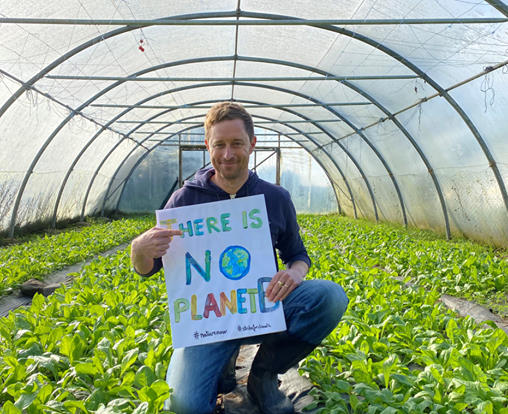
It seems to me that it is increasingly difficult, and downright irresponsible to justify taking decisions that do not put not the welfare of the planet at their core. We can no longer justify growing 80% of our crops to feed animals and growing them with excessive use of chemicals and artificial fertiliser.
For some it is easier to pretend that nothing is happening, and everything is going to be ok, that the people in charge know what they are doing and that they will make the right decisions. Thankfully some do, some businesses are embracing change, some leaders are showing that there is a different way, but there is still so much to be done.
Time is running out. Sugar coating the inevitable is not going to make climate breakdown go away, but how easy it would be to change our behaviour. We are on the precipice of rapid change. A new era of sustainable agriculture, renewable energy, a reduction in consumption and a new outlook is upon us, business as usual will be relegated to the back of the closet where it belongs.
We (you and I) have such an opportunity to lead the way, to be at the heart of a food and carbon revolution and it can start with the simple step of changing what we put on our plates. The most amazing thing about sustainable food of course, is that not only is it better for you and I and the planet, but it tastes so much better too.
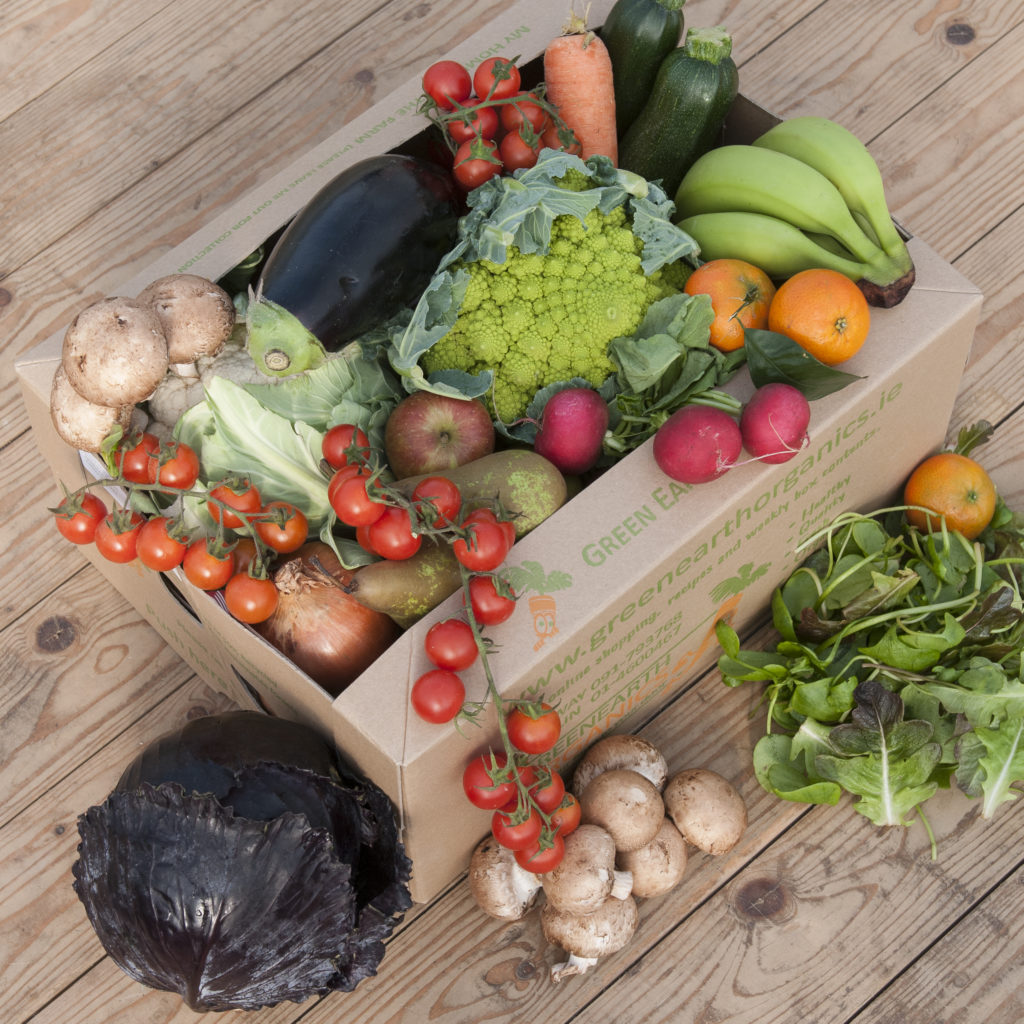
As always thanks for your support. You can sign up to a veg box subscription by emailing us or order direct from our website here. Not only do we delivery the best organic fruit and veg, but a wide range of organic groceries too!
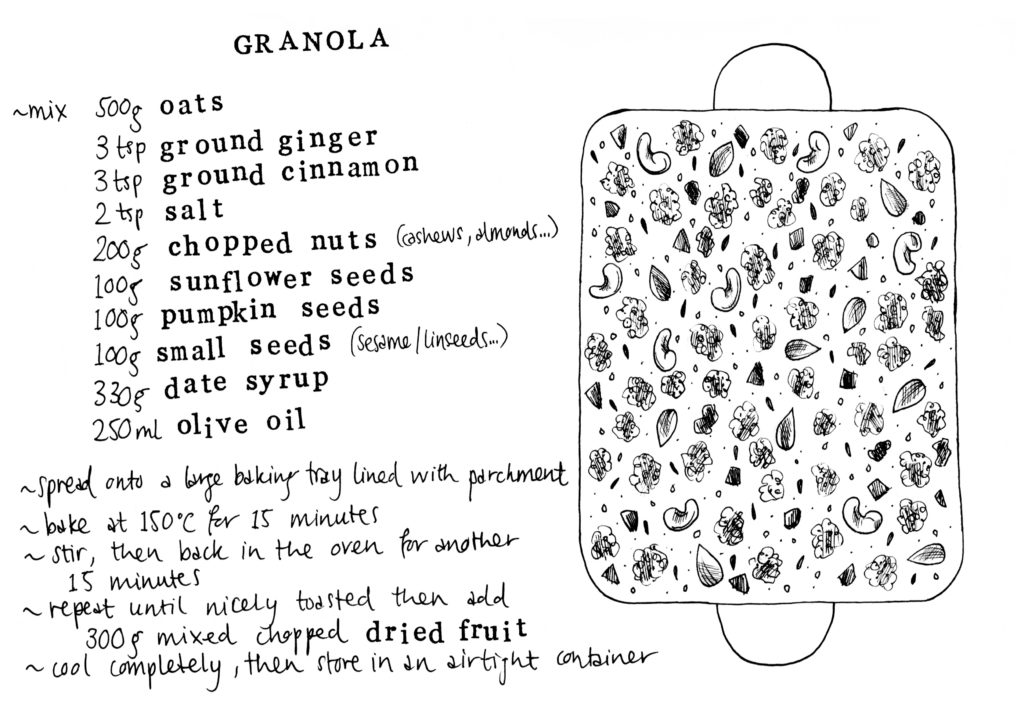
Granola recipe illustration from my book, available to add to your fruit, veg and groceries order here.
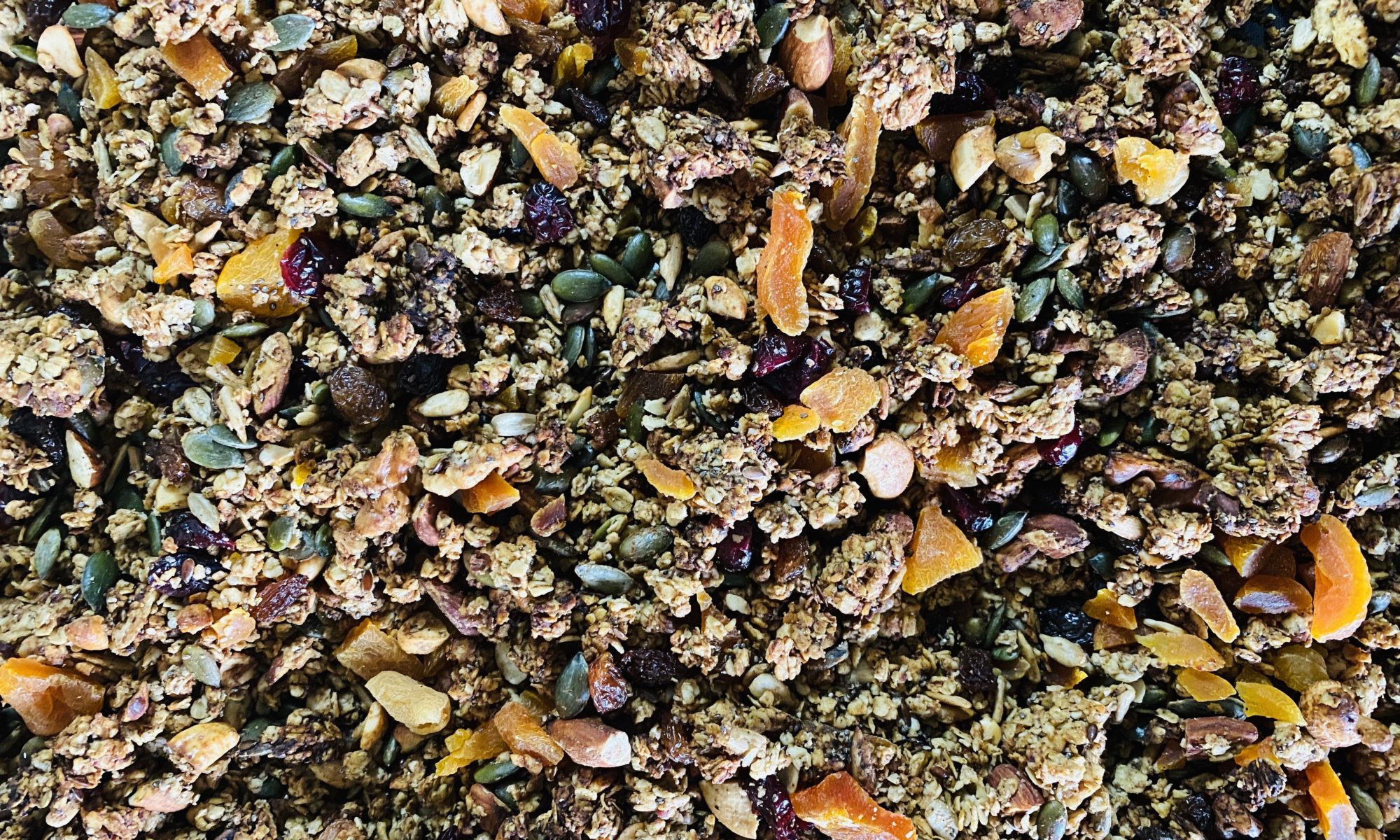
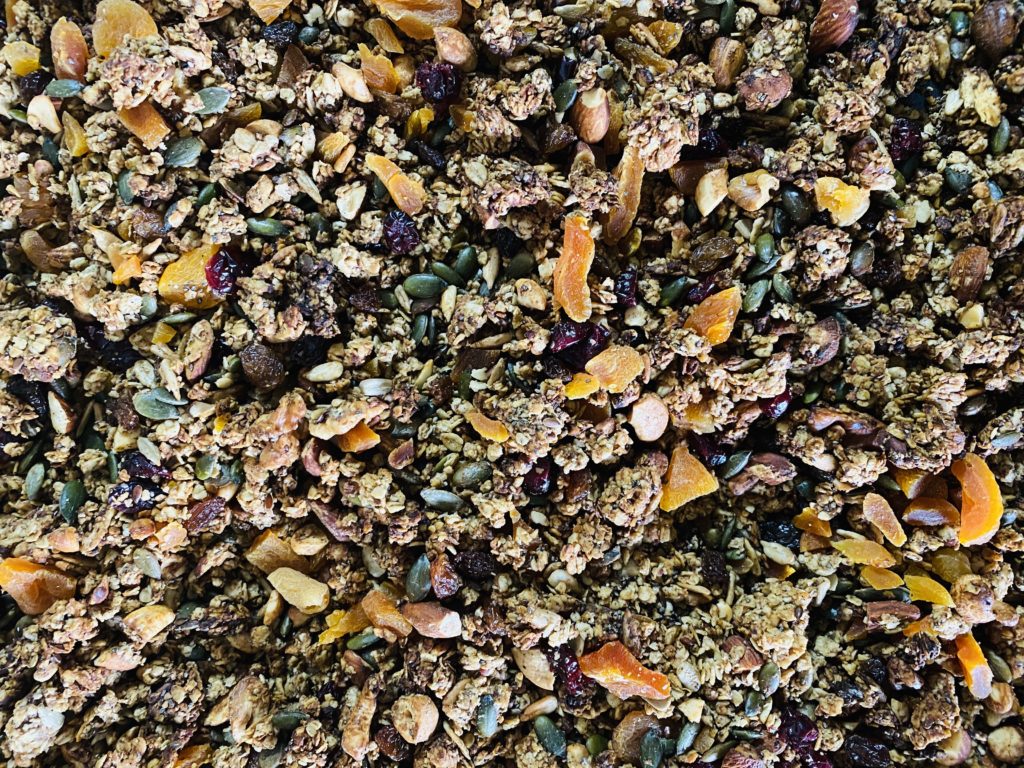
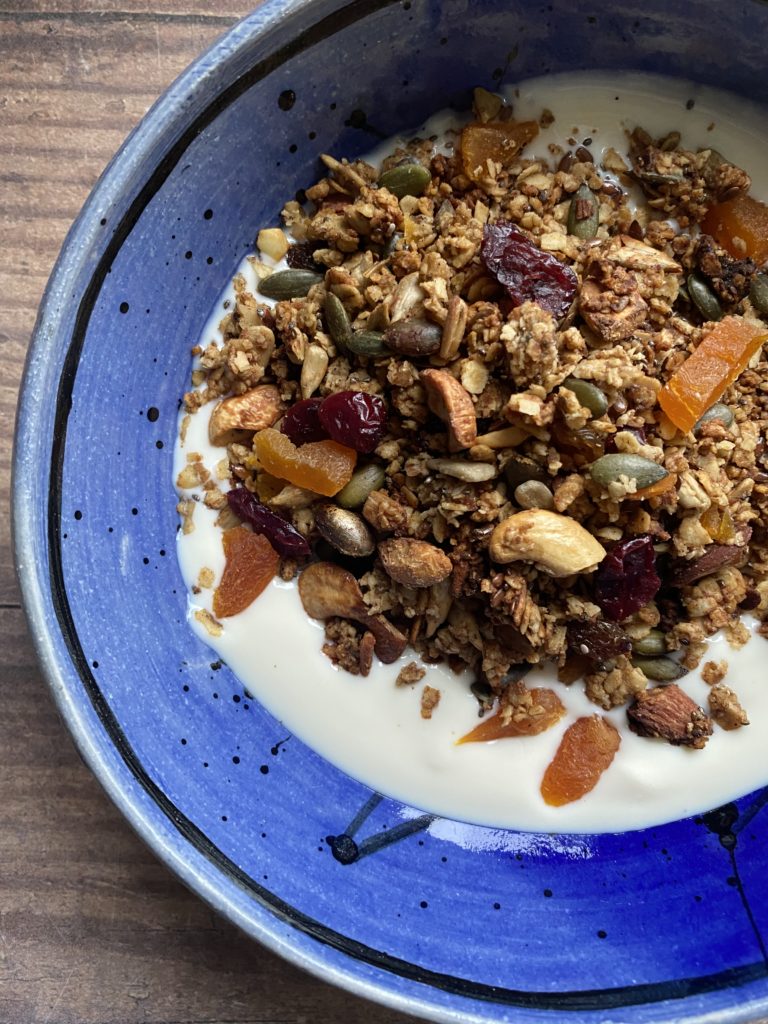
Shop bought granola is delicious, but usually quite expensive and stored in a plastic wrapper. So if you are wanting to save money and avoid plastic packaging, making your own is the solution. Often shop bought granola is surprisingly high in sugar too! My recipe is sweetened with just date syrup (or if I can’t find date syrup I just blend dates and water into a smooth sauce and use that – in fact it’s better this way as you keep all the good fibre of the dates in the granola too). We sell oats, nuts, seeds and dried fruit in plastic free or compostable packaging and this recipe blows any shop bought one I’ve tried out of the water. Store it in an airtight container like a large glass jar and it should stay fresh and crunchy for at least 1 month…that’s if you don’t eat it all up before then! Liz x
100g small seeds(linseeds, sesame seeds, chia seeds…)
330g date syrup (or 200g chopped dates soaked with 130g water then blend into a smooth sauce)
250ml olive oil (or any good quality oil you prefer)
300g chopped dried fruit (apricots, raisins, figs, mulberries…)
Method
Pre-heat your oven to 150C and prepare a couple of large baking dishes or the bottom of your grill tray. Line them with re-usable or compostable baking parchment.
In a large bowl, measure out your oats, spices, salt, nuts and seeds. Do not add the dried fruit yet! Give the dry mixture a good stir to evenly disperse the spices and salt before adding the oil and date syrup.
Add the oil and date syrup/sauce and stir well to coat all the dry ingredients.
Spread the granola out onto your lined trays into a thin 1-2cm layer.
Bake the granola in the oven. Take it out every 10-15 minutes and stir to ensure the granola gets evenly baked.
Once it’s nice and crunchy and tastes perfectly toasted, remove the granola from the oven and stir through all the dried fruit.
Allow the granola to completely cool down in the trays before storing it in an airtight container.
Enjoy with your favourite milk or yoghurt or sprinkle it on top of ice cream or smoothie bowls, or just eat it dry as a snack!
The planning and preparation must begin now for the year ahead. We are still harvesting many of the root crops from last years planting which is providing us with good healthy Winter sustenance. January is the time of year that calls for hearty warm food, food that feeds both body and soul. Eating with the seasons fulfils something more primal than just hunger, innately it feels like the right thing to do.
‘Seasonal eating’, ‘carbon footprint’ and ‘climate breakdown’ – these buzz words are all linked. What we choose to eat has a massive impact on the environment. In these dark days, is it possible to choose seasonal sustainable food that will improve our wellbeing and maybe make these dark days seems that little bit brighter?
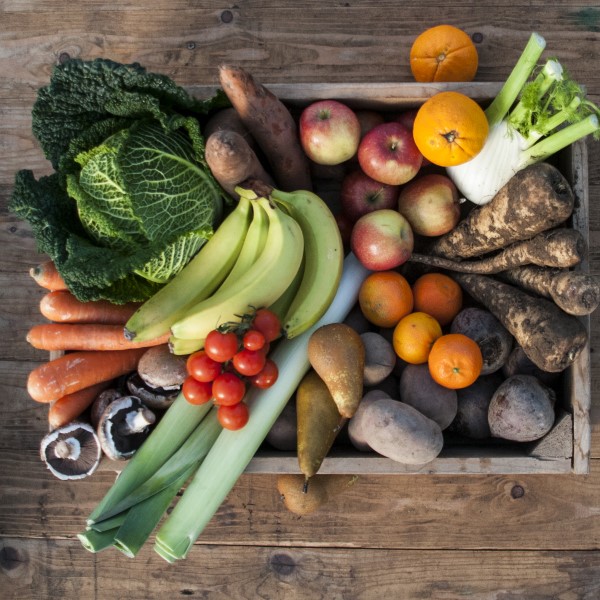
Whether you love sprouts or hate them they are the king of Winter vegetables and, like many of their Winter cousins, their taste is enhanced by cold. Carrots, parsnips, potatoes, leeks, cabbage green and red, Brussels sprouts, cauliflower and swede are all amazing seasonal stars and our parents and grandparents would have enjoyed them all long before a red pepper ever graced our tables. The Irish climate has always favoured these crops, they thrive in low light and cold conditions and we seem to naturally gravitate to these foods in the colder months. This is all very good news for both us and the planet.
Although there is no arguing that food is a personal choice, is it possible that our individual freedom is coming into conflict with a personal and environmental health crisis? Our freedom to choose is limitless. But as we head into the new year, could we make a change and choose to be more mindful of where our food comes from? How it is produced? What is it packaged in? Breaking routines of convenience can be hard, we are all busy and it takes persistence, courage and discipline to maintain a new course, but if this year gone by has shown us anything, it is that routines can change overnight and new, better habits can replace them. Here are 5 achievable guidelines to help you tread a more mindful path with your food choices.
Eat Local, Seasonal, Organic Food – in supermarkets look at the country of origin, choose Irish. Visit farmers markets that sell local and if possible organic food. Get a box of seasonal organic food delivered by us.
Eat Less Meat – enjoy planet healthy whole-foods like vegetables, fruits, beans, lentils, nuts, seeds and grains. We have a great organic range of dried and tinned whole-foods in our grocery section.
Avoid Plastic Clad Produce – buy loose in the supermarket if possible. Leave the packaging behind in the supermarket. Did you know that all our set boxes are plastic free?
Cook From Scratch – this gives you more control over the source of your ingredients, and it can be very satisfying! Cook in batches which saves enormous amounts of time. We provide recipes in all our boxes and Liz over on our new blog provides easy to follow instructions to make great dishes.
Grow Your Own – Spring will be upon us soon, and this satisfying act can rekindle a very basic respect for our food.
Here’s to a brighter and more mindful new year!
Kenneth
As always, our online shop is ready for your orders. Subscribe to a weekly fruit and veg box for ease, or build your own box. All the details on our website here. Thank you for your support.