When It’s Gone It’s Gone

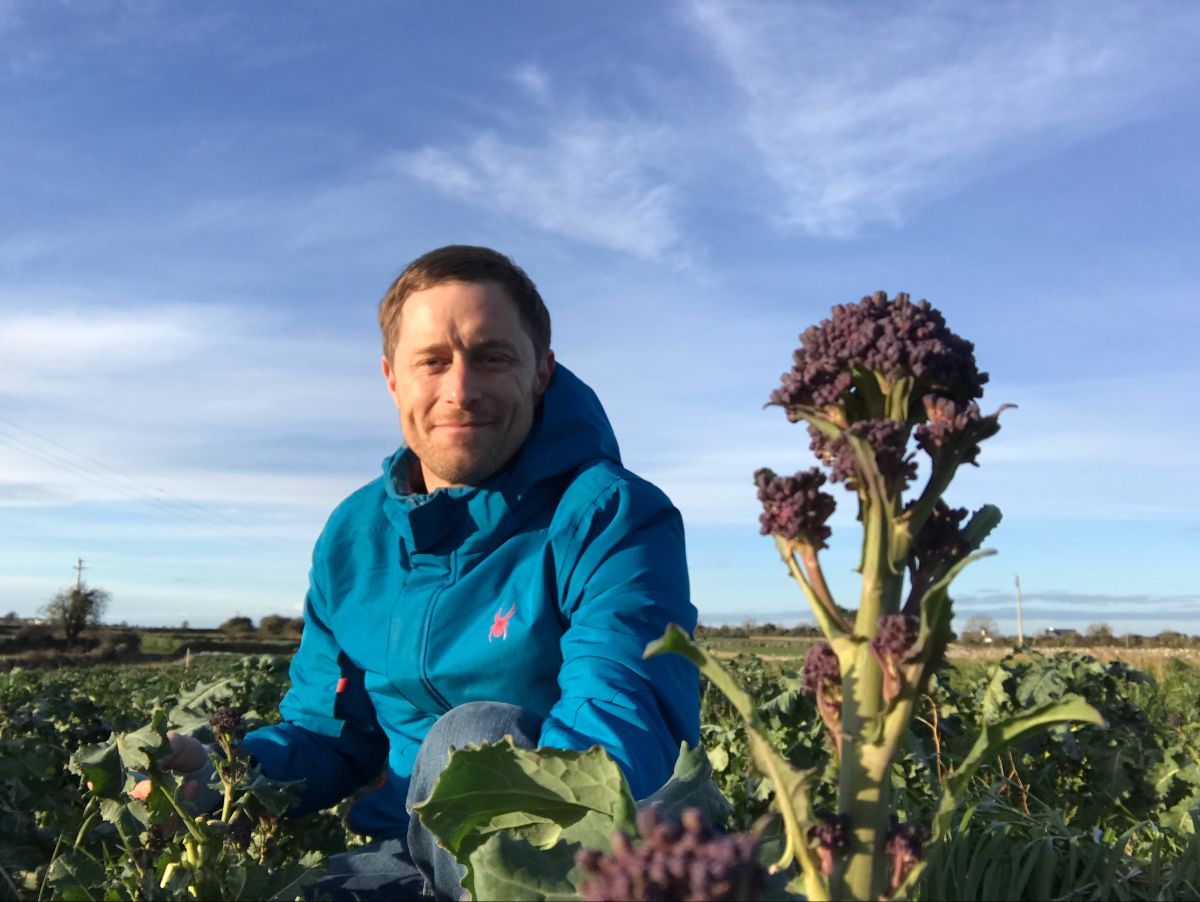
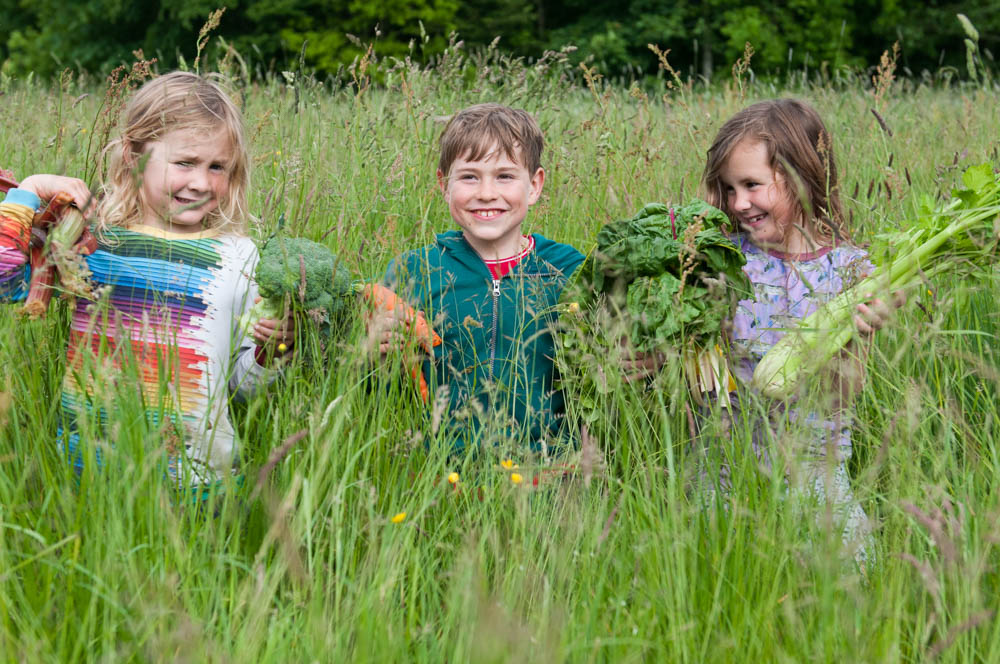
If Joe, or Ella or Hannah take on the vegetable growing gene, that will make us 5th generation vegetable growers here in the West of Ireland. We are lucky, our model of growing and distributing food protects us, to an extent at least.

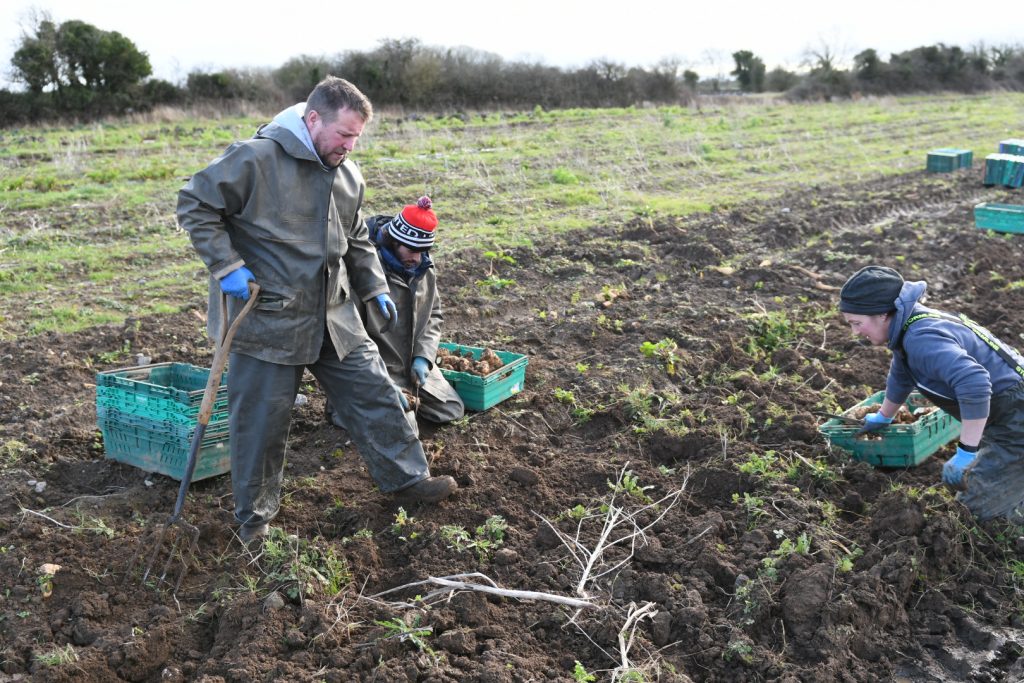
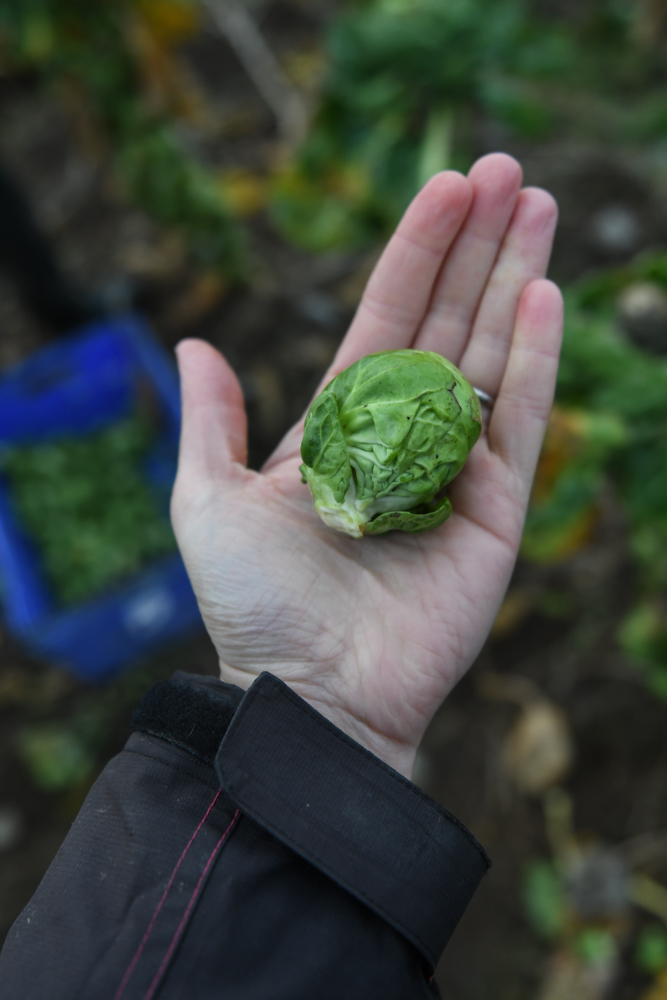
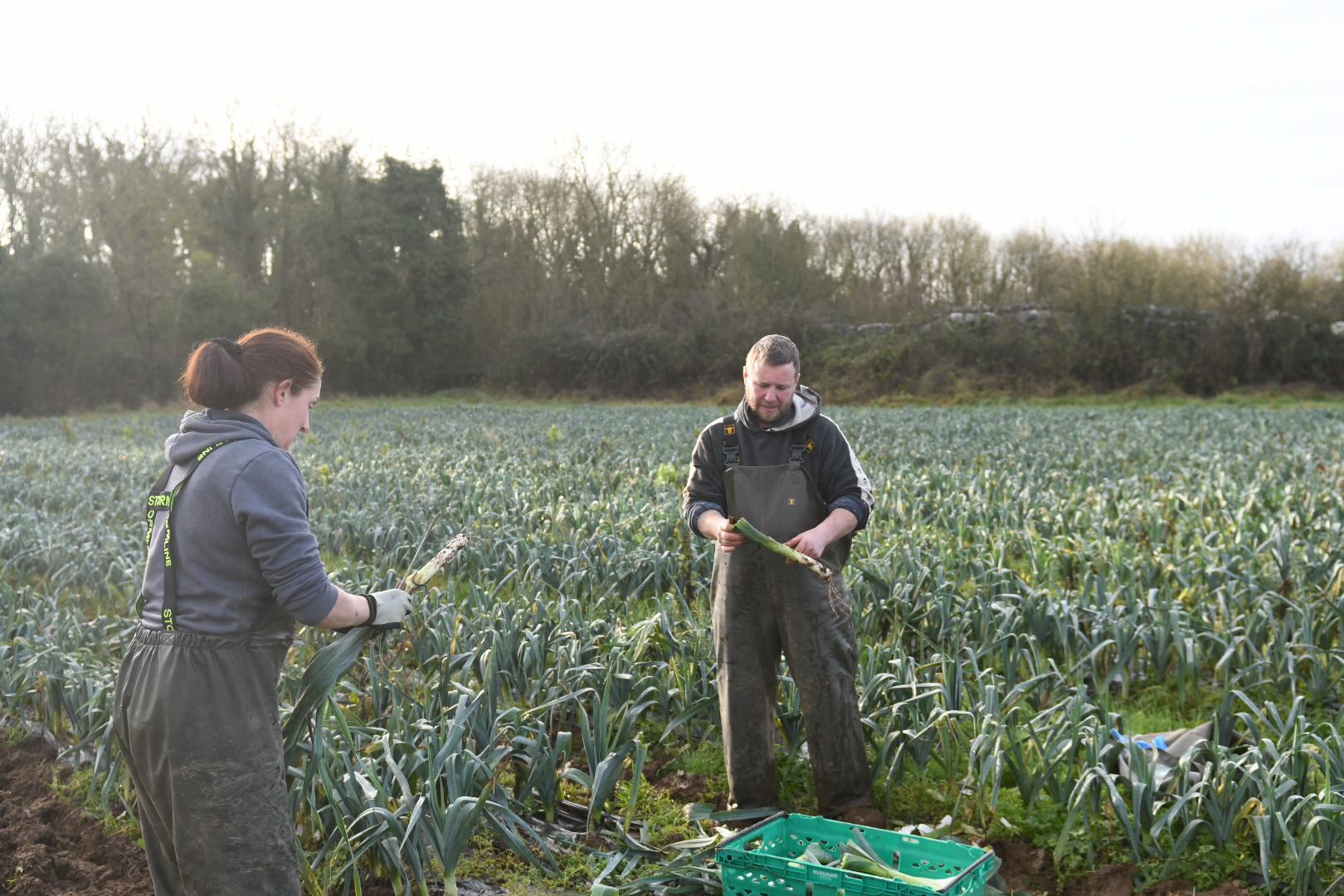
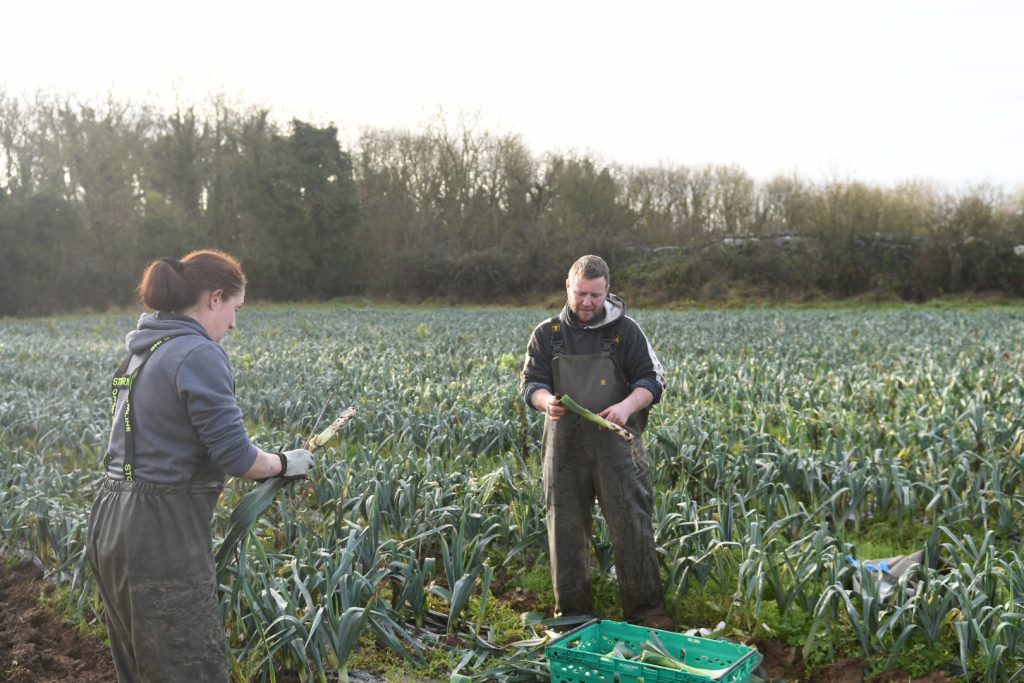
“When it’s gone it’s gone” the words of Cathal Lenehan the second biggest brussel sprout grower in the country as he calls a halt to his farming career for good this week. As prices in supermarkets continue to erode any chance of vegetable farmers in this country surviving, Cathal has put a call out, a plea for them to recognise that farmers just can’t survive on what they are receiving from supermarket buyers.

In 2006 the last of the sugar beet farms closed in Ireland. A whole industry disappeared overnight, the skills, the experience, the infrastructure disappeared, lost forever. As we face down the inevitable pressure of producing more food for more people from the same land area, it seems extremely short sighted that there are not adequate supports put in place now to ensure farmers such as Cathal are protected.

Cheap imports undercut the market. Supermarkets devalue our fresh food, they use them as loss leaders. It is all about the bottom line. Supermarkets are in the food supply industry, they have a responsibility to mind their suppliers, pushing them to the edge in the short term, in the long term will not yield stability, resilience or loyalty. Ultimately this will lead as with the sugar beet industry to devastation for the fresh vegetable industry in this country, farms that have been growing vegetables for generations will suddenly disappear.

How sad would that be? Losing the art of being able to produce our own food, the art and skill of taking care of the land, of being able to produce viable healthy food on a commercial scale. That is not something you can just make happen overnight, it is learned over time and passed down from generation to generation.

I have never had any time for the supermarket model of procurement (buying). In 2016 we said good-bye to supermarket supplying for good. We were told one Monday out of the blue we needed to decrease our prices, and collect any unsold produce from the supermarket and reimburse the supermarket for it. We were told there would be no order that week until we complied, they were our single biggest customer, they had all the power. Well so they thought.

We were one of the lucky ones we had our home delivery business to fall back on, and although it was a major financial hit and in the short-term things were very shaky it was the best decision we ever made.

The good news is you made that decision possible. Your support means more than you know. It means we can breathe a little, it means we can plant trees, it means we can rest the ground and allow it to recover between crops, it means we can support biodiversity on our farm. It means we can give the attention to producing healthy happy food for you.

Thank you.

Kenneth

Who We Are

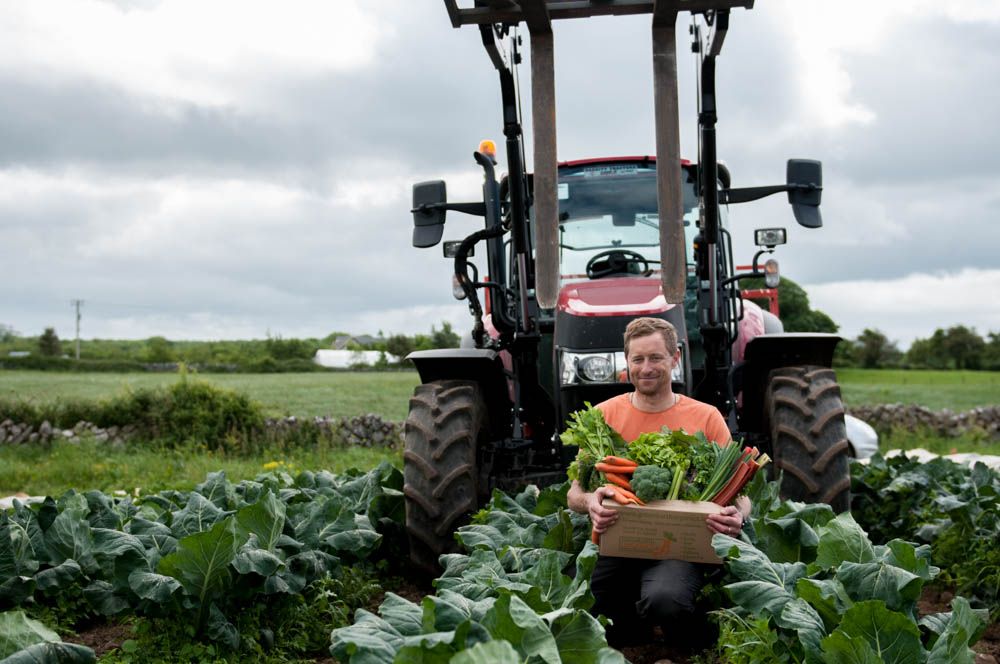
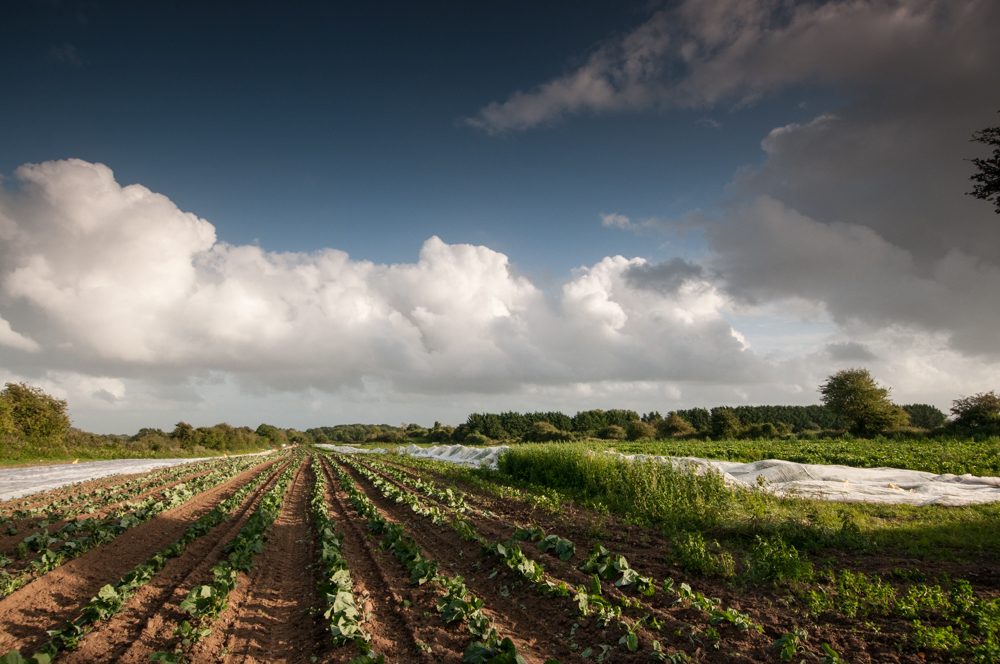
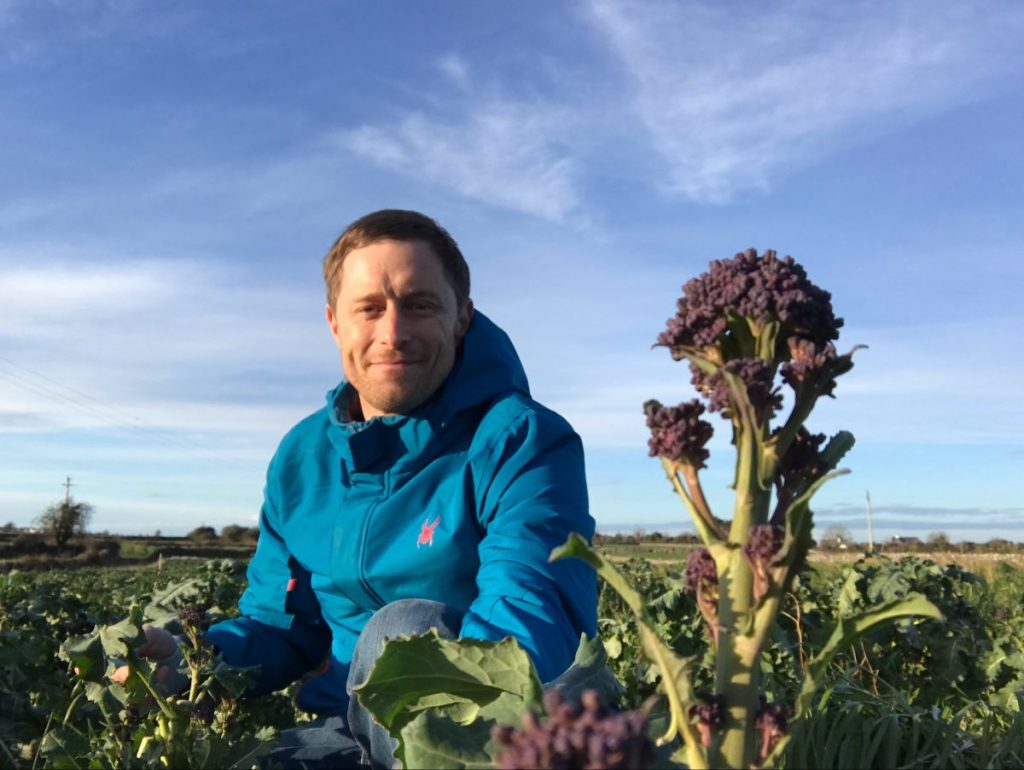
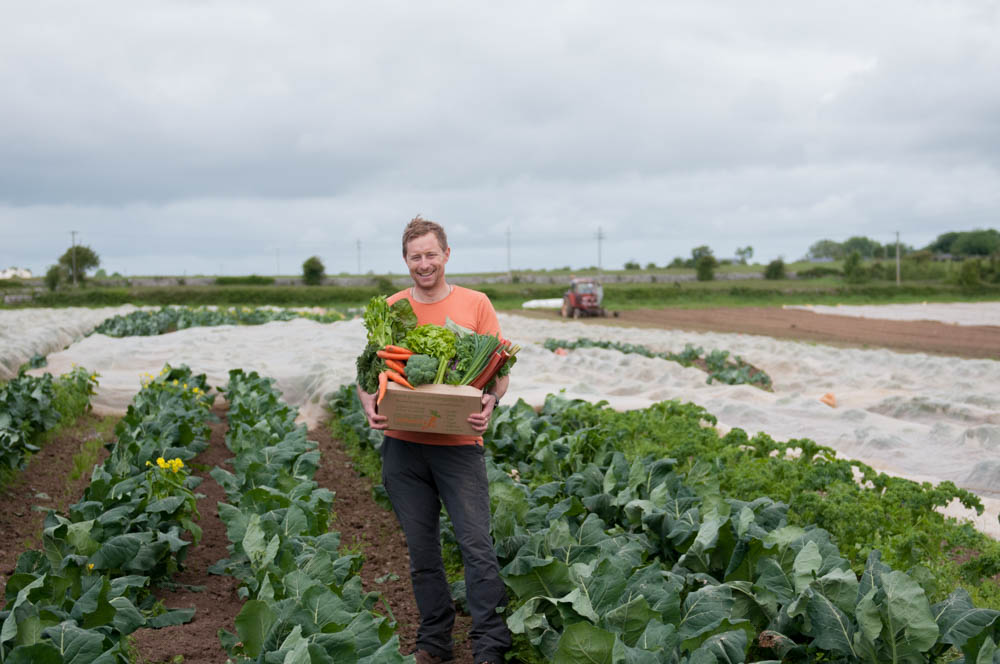
We (Jenny & Kenneth Keavey) started Green Earth Organics in 2006. Our organic farm is situated 8 miles from Galway City. Originally the land was Kenneth’s grand-father’s and then his father’s and finally we took over the farm 14 years ago. We put the farm into conversion for organic status in 2004.

Currently we are farming on 40 acres of organically certified land. Another 10 acres is split between a wild life biodiversity area, native woodland forestry (7000 trees) and red clover/grassland. We are certified organic by the IOA (Irish Organic Association) – please note that EVERYTHING we sell is organic.


You can order online direct from us. We deliver to every county in Ireland – click here for more details about the ordering deadline and delivery days. 

Our Commitment to Sustainability 

Our aim at Green Earth Organics is to minimize the impact of our farm on the environment. We do this by growing our produce in an organic and sustainable way, by generating our own electricity using solar panels, and by harvesting the West of Ireland rainwater to wash the freshly picked veg and to water the plants in our tunnels.

As a business, we are striving to be carbon neutral and we’re actively looking for ways to reduce and eliminate the small amount of plastic packaging remaining in some of our boxes (this is mostly from grocery items – we are always looking to expand our plastic free grocery options so keep checking back on those).

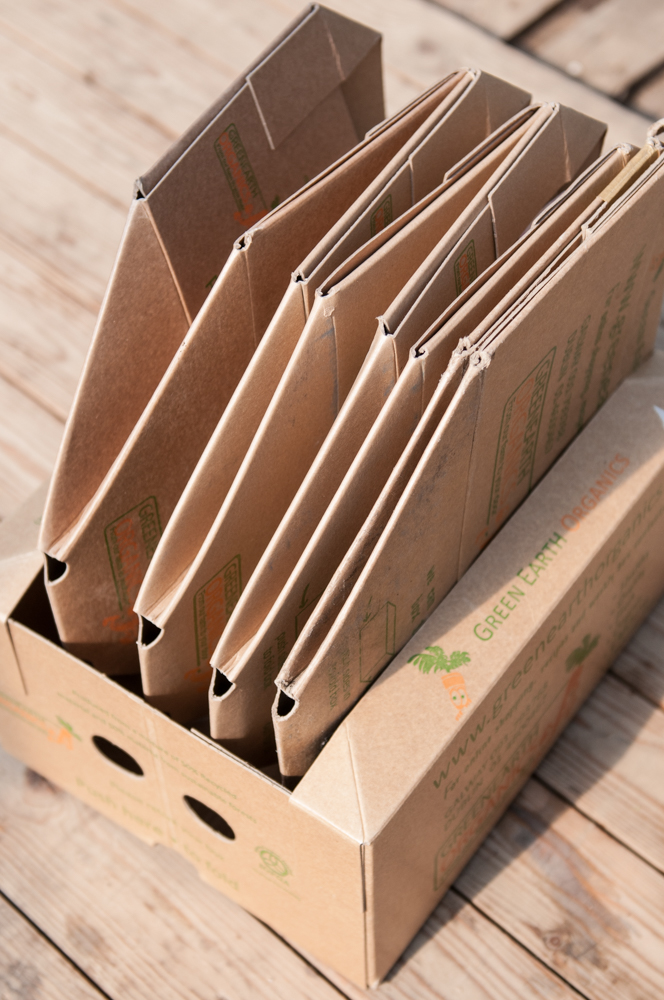
All our set boxes are PLASTIC FREE, we use compostable bags for salads and greens.
All of our other fresh produce is packed either loose or in brown paper bags which we take back and re-use every week. 

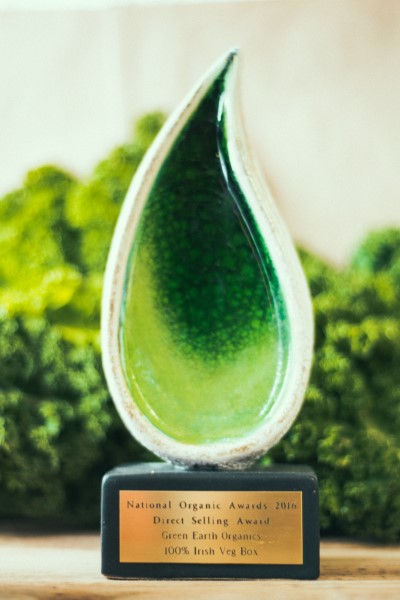
We also have a box that contains 100% Irish Veg which you can order here. Thank you for your support – we really appreciate it. 

Currently there are 45 employees in total across the farm, packing team and administration team. We also take on students and interns and employ seasonal workers at certain times of the year. You can check out our vacancies here.


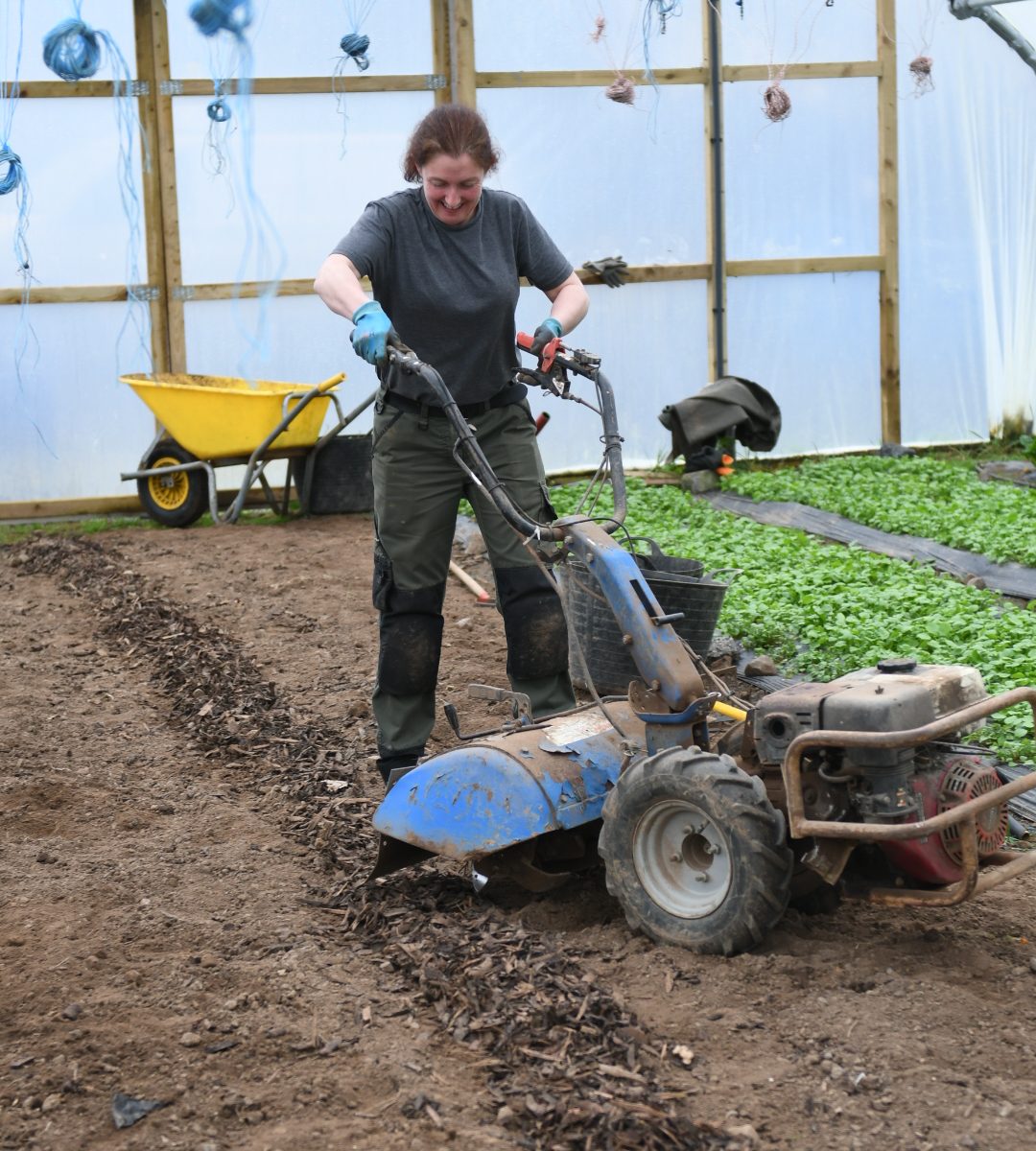
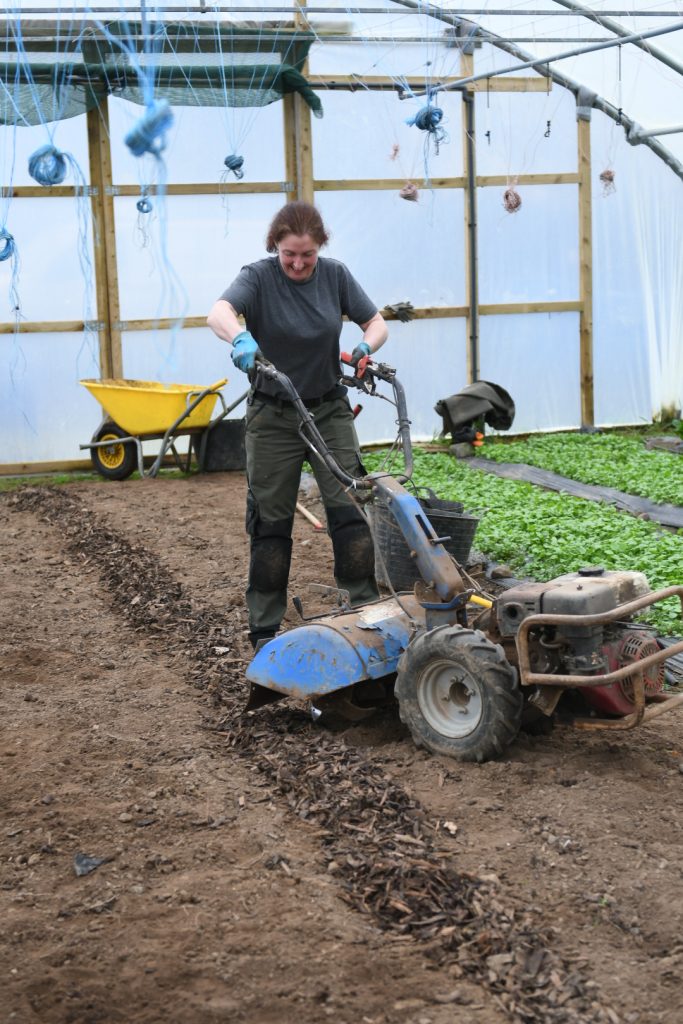
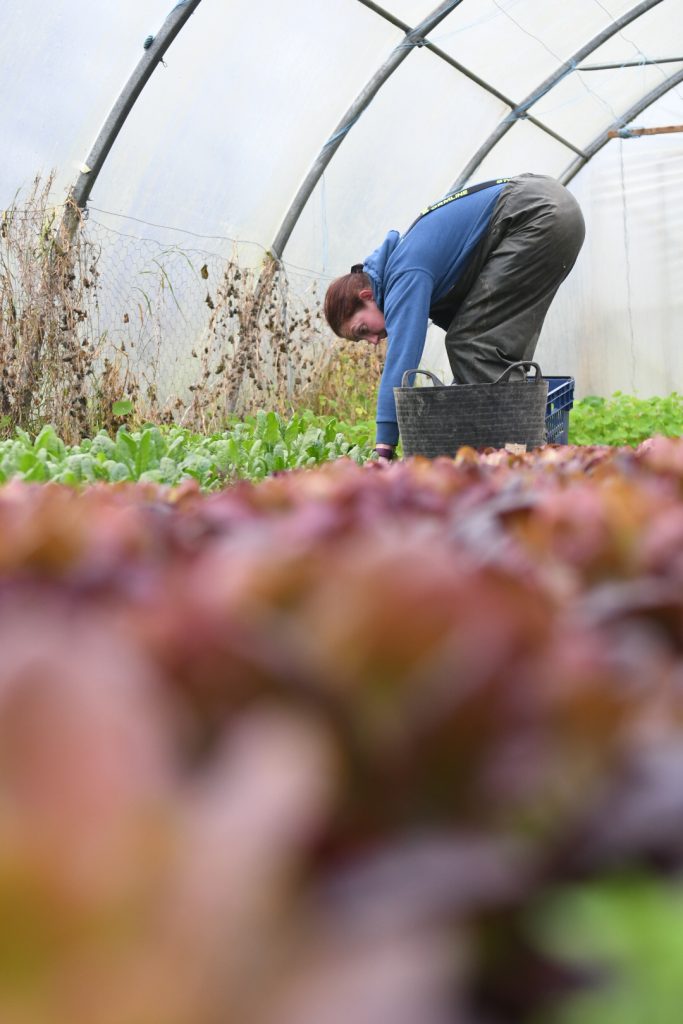
We have 6 polytunnels and grow a wide range of crops both indoors and in the field. Over the course of a year, a typical seasonal box will contain 80% local, organic produce.
We buy produce from other Irish suppliers and we also import organically certified veg and fruit in order to be able to offer a full selection of produce year round. We never use airfreight!

At Green Earth Organics, we care deeply about the environment and believe that people should be able to choose foods that are grown as nature intended, taste fantastic and add to their wellbeing.

Sustainability and health is at the centre of all business decisions we take.

Do Small Changes Make a Difference?

When I was younger, I believed that by convincing my parents to recycle glass bottles and joining Green Peace that we would make a difference, I was utterly convinced, I never doubted it for a second, I knew the planet was precious and that our changes made a difference.

All young children have a connection with nature and they believe they can do anything, what happens as we grow up? Why do we lose that sense of value for the natural world that we had as children? 

When we started the farm, I believed growing sustainable food would change the planet, and that all we needed was a tractor, some seeds and we would have a successful farm. 

At times on this journey, there has been disillusionment, pressure and stress, the fighting to do the right thing when it seemed it was all going against us. But ultimately, we stayed the course and stuck to our principles. 

I am not sure how long it normally takes, but it took (and continues to take) a long time to realise that no one change in isolation changes anything. Real change and success is built on lots and lots of little things done consistently over time.

This is as true for building a new habit as it is for fixing the planet.

So maybe one by one and little by little all our changes taken together can effect real change. Maybe your choice to plant a tree, to avoid weed killer, or to tell your kids about biodiversity and educate them in the beauty and preciousness of nature contribute to real positive change.

By buying from us you are effecting real change, you are choosing a different way to eat and are supporting serious changes behind the scenes. You are supporting your health, and the planet, sustainable food production and a new system of growing and selling food.

Your choice to support us means you are one of a community that are choosing a new and better way to eat, you are supporting farming and food for a better planet.

Does it matter? Does it matter that you support a zero-waste circular economy, a sustainable means of growing food and a better food future, does that matter?

Well in my book that does matter it matters a lot.

“Never doubt that a small group of thoughtful, committed, citizens can change the world. Indeed, it is the only thing that ever has.”
― Margaret Mead 

Thank you for your support.

Kenneth

PS We deliver nationwide, explore our range here.

Small Sustainable Swaps – Plastic Packaging

Did you make any sustainable new years resolutions?

Resolutions are a nice idea but often it’s impossible to stick to a big, drastic change. So we suggest making a series of small sustainable swaps, they all add up. Here’s how we can help with one area – plastic packaging. Choosing to buy products without petrochemical based plastics sends a clear message to big companies and producers, there is a better way!
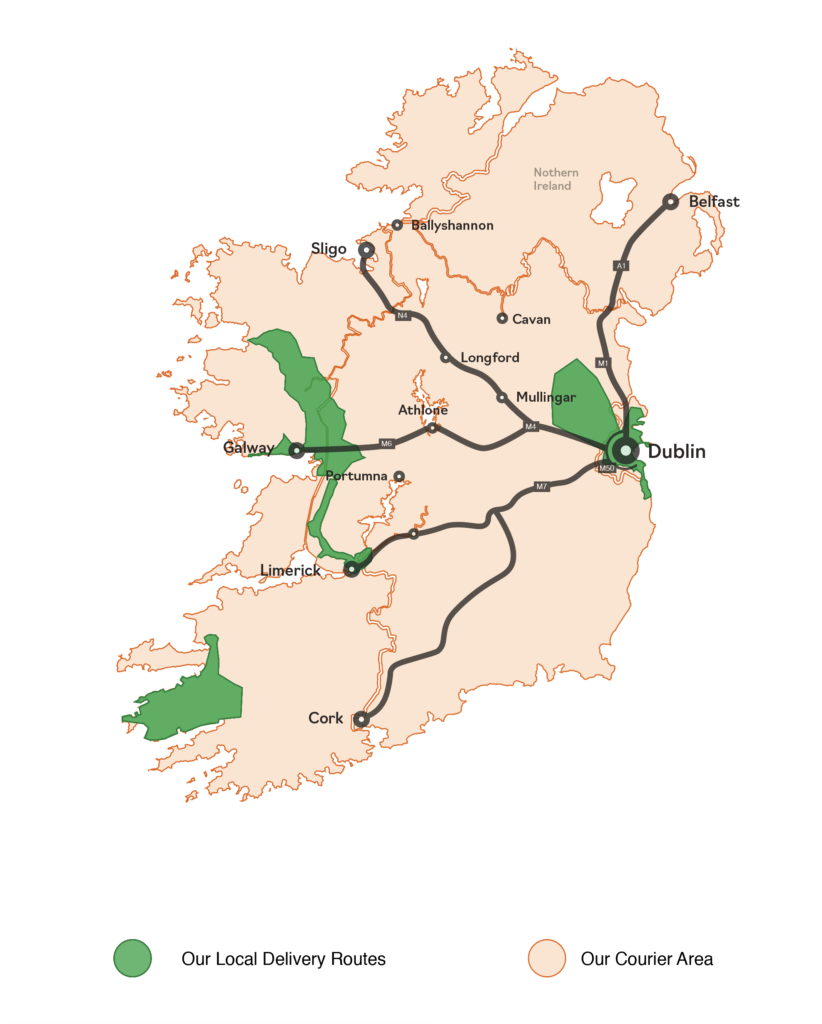
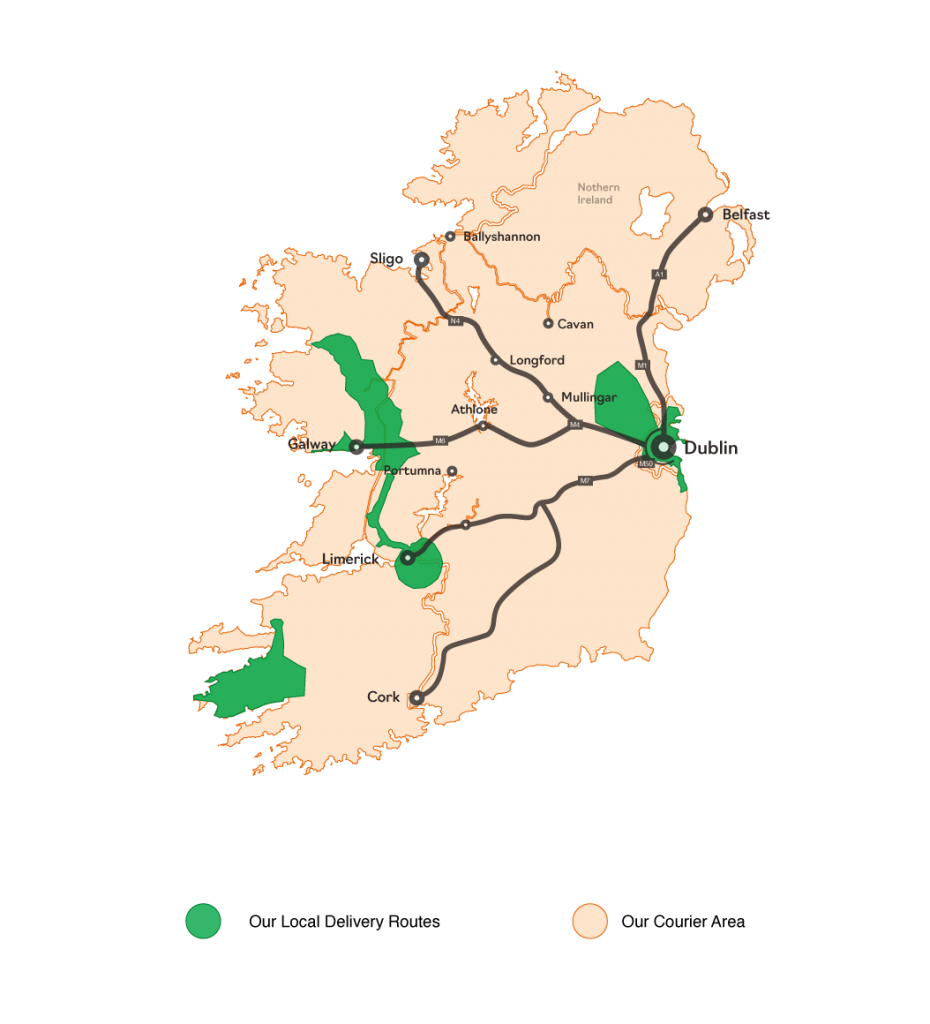
Our fruits and vegetables are delivered plastic free, nationwide to every address in Ireland and Northern Ireland, and we use compostable bags for things like salad and spinach leaves that need that extra protection. If you are on one of our local routes (in green on the map below) then we collect and re-use the cardboard boxes too! Some of our deliveries are with a courier company (in orange on the map below) so we can’t collect those boxes yet unfortunately, but they are compostable or recyclable so please dispose of them responsibly.
As well as our fresh produce, we deliver organic groceries and we are always looking at the most sustainable options. We have a growing plastic free aisle and here are a few of our favourites from the plastic free swaps we’ve been making recently.

Herbs and Spices – Plastic Free Refills

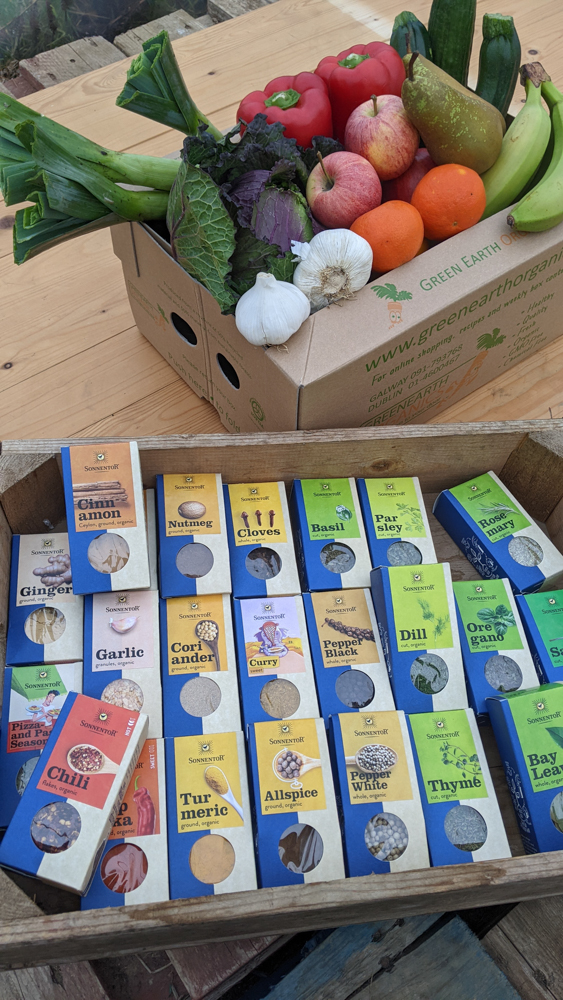
Sonnentor are our new herb and spice supplier. We love the organic contents of course, they are high quality and full of amazing flavour to make our dishes sing. But we are also really impressed with the packaging. The contents are protected in clever, compostable bags and then packaged in lovely sustainably sourced cardboard boxes. Read more about Sonnentor here. Add some of our selection to your next order here.

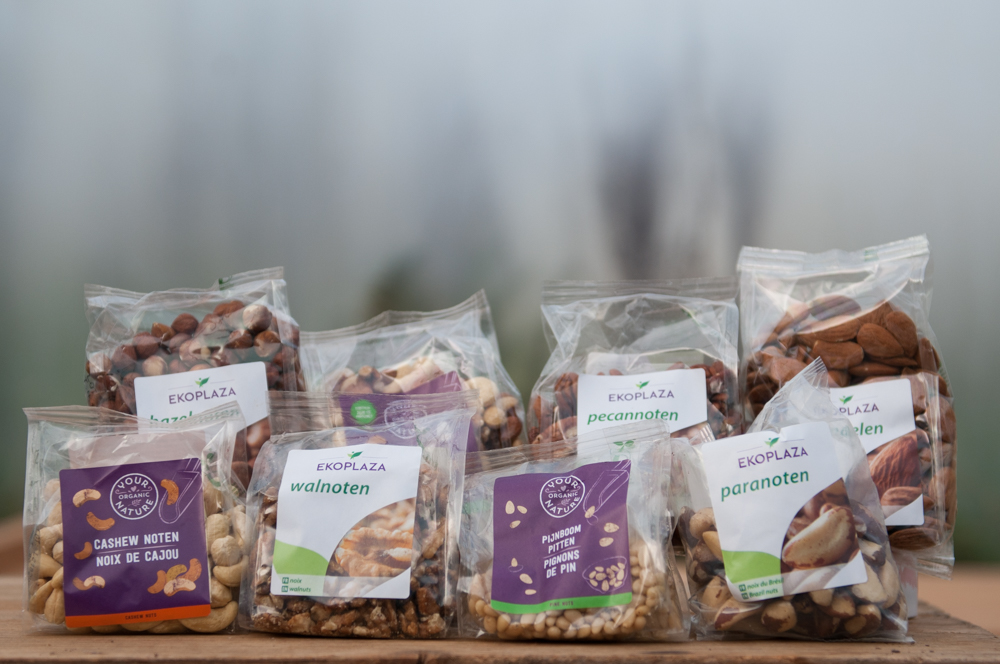
Grains, Pulses, Dried Fruit, Nuts and Seeds – Refills (in compostable bags)

We now have a really useful range of nuts, seeds, dried fruit and grains in compostable bags. Perfect for refilling jars in your kitchen. We love having big jars of ingredients like these visible in our kitchen, they remind us to cook from scratch and have healthy snack bowls. The clear visibility makes writing a shopping list of what we are running low on easy! Check out our range here and here.

Plastic Free Teas

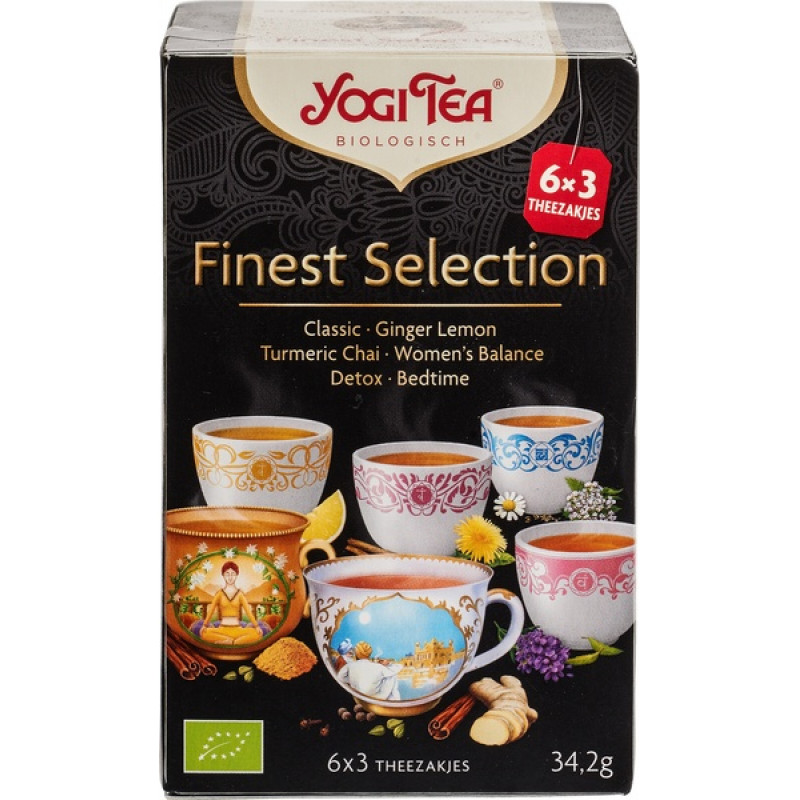
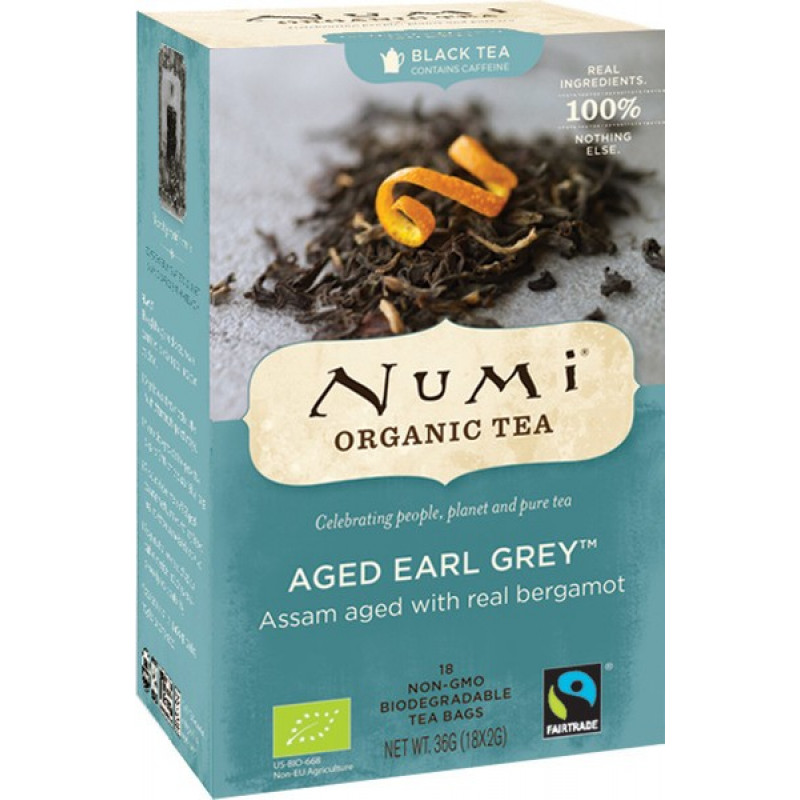
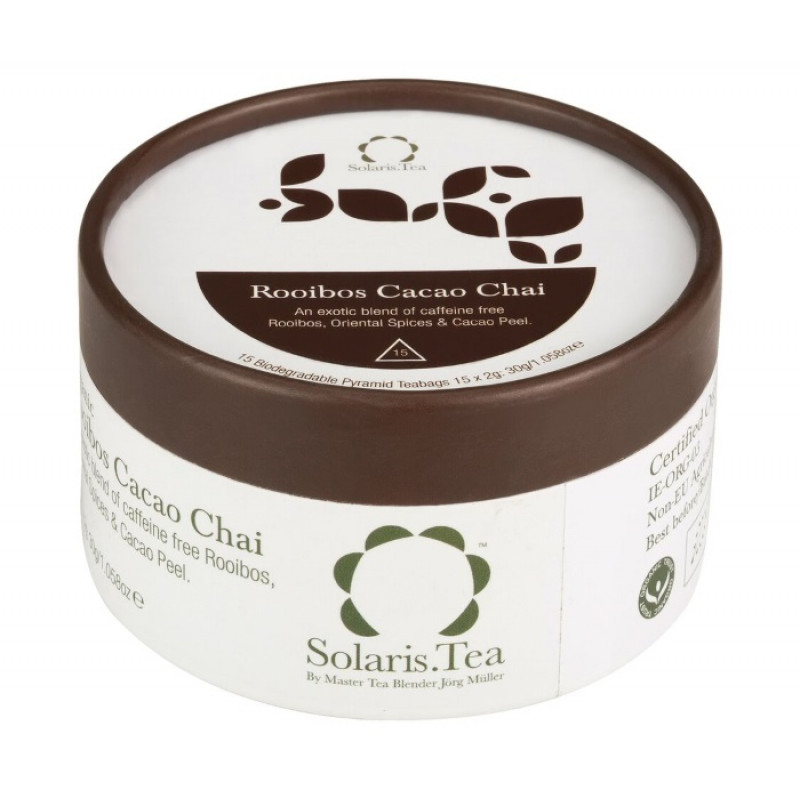
Did you know that most tea bags contain plastic? Not good for us and certainly not good for our compost bins! We stock a lovely selection of plastic free, organic teas here.

Chocolate!

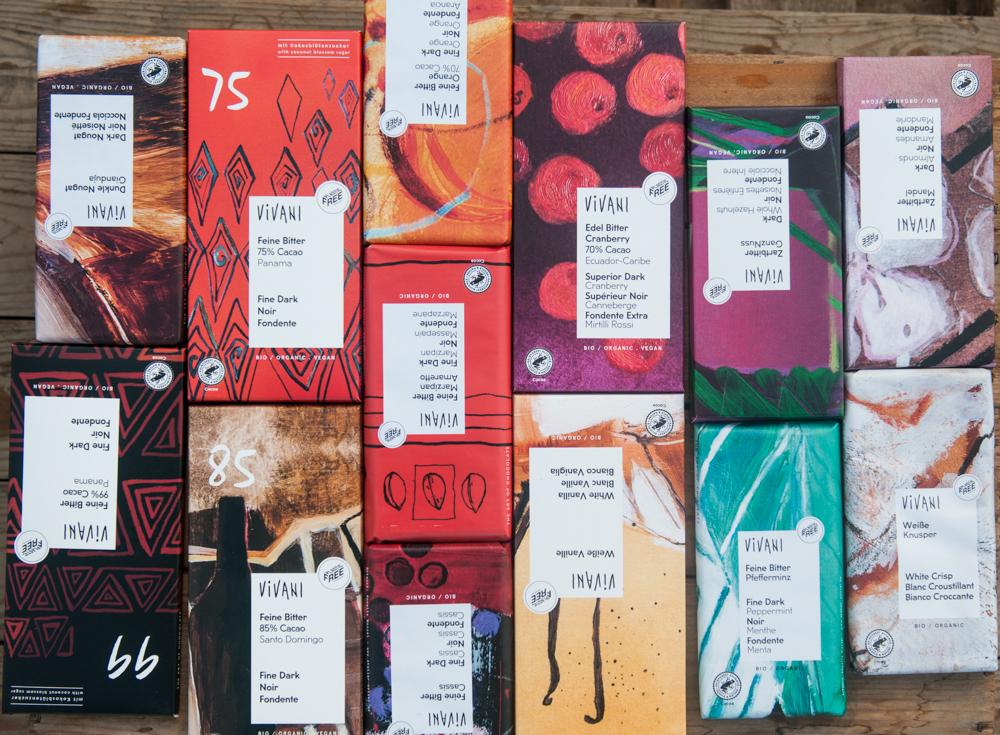
Chocolate is a bit of a sustainability minefield. Cocoa production is linked to child labour, slavery, deforestation, and low wages. So how can concerned chocolate lovers make the most sustainable and ethical purchases? As well as researching different brands on their cocoa sourcing, choose bars with biodegradable packaging. For example, our Vivani bars are wrapped in a protective, compostable film which performs like regular plastic. It is made from sustainably sourced wood fibres. The paper and cardboard packaging is also FSC® certified and printed using mineral oil-free inks. Check out our sustainable chocolates here.

Eco Toiletries

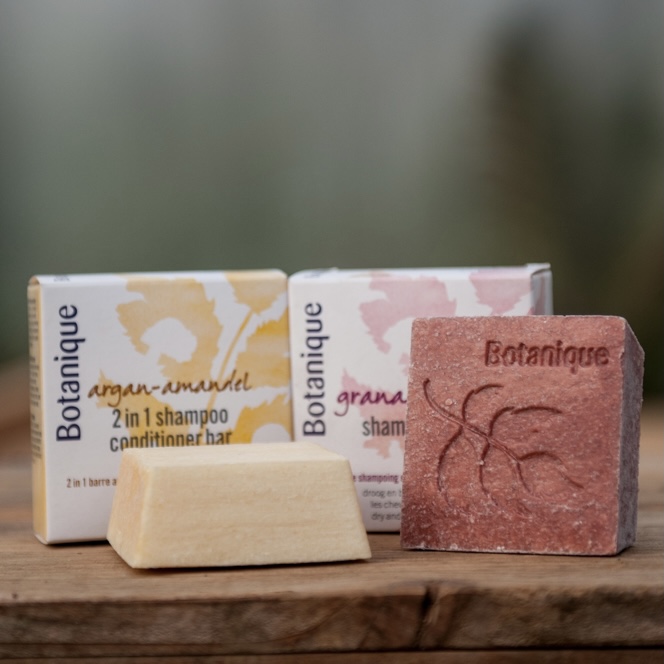
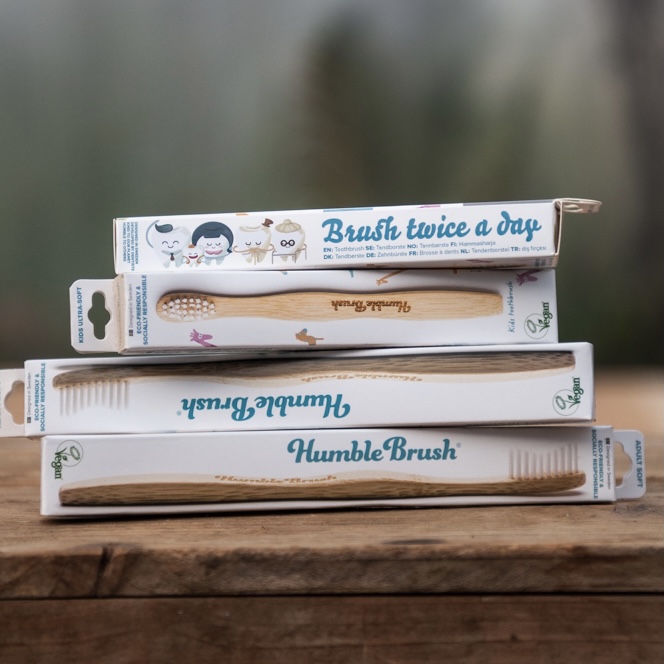
Switching to bamboo toothbrushes and shampoo bars is an easy way to massively cut down your plastic consumption in the bathroom. We are really impressed with our shampoo bars, they smell incredible and really work! Check out our eco toiletries here.

One of Those Weeks

Last week was a terrible week. Have you ever had one of those? Where everything that can go wrong, does go wrong. We are a small family business, we are based on our own family farm in county Galway and small things can have a big impact. 

Have you ever faced into a time when you really can’t figure out which way is up? Everything is going against you? Things are unravelling before your eyes? Well if you have then we can certainly empathise. 

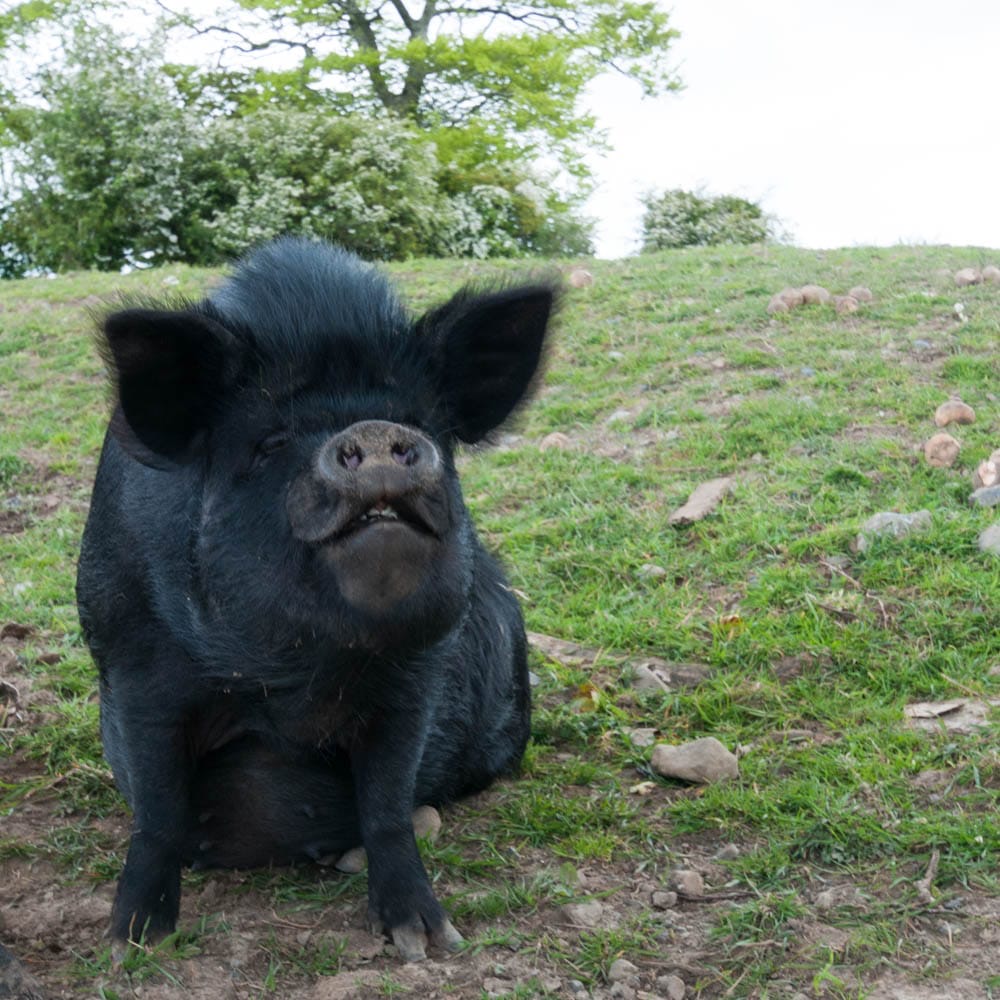
Last week was the week, we have had quite a few of “those weeks” over the last two years, and we know we have been the lucky ones, many businesses have not been so lucky, we have managed to stay open and stay going. I think maybe even Florence and George our pet rescue pigs knew there was something amiss last week.

Most of you our customers will hopefully have been none the wiser that there was anything amiss.

The week started with several staff not being able to come in to work due to close contact related stuff, we were down people and were on the back foot from the start. But we got busy, the guys and girls working put in amazing effort.

Then there were delays to deliveries, disruptions to our transport partners that meant we were left with significant stock shortages. Again, everybody got pretty busy both harvesting extra on the farm and changing contents in boxes to make sure everybody got as close to what they wanted as possible.

Then in the middle of it all more of the team were out,  so we had to put a stop on most of the harvest temporarily and drafted the farm team into the packing shed to help with packing. We were working flat out. 

By Wednesday we were stretched, stressed and there was just too many plates spinning.

But on Thursday the ultimate disaster struck our whole website and all the software we rely on to keep the wheels turning crashed and was not back online again properly until Friday afternoon. That left us with a backlog of nearly 300 orders to pack in one day, as close to an impossible task as there is. 

Not only that but an already stretched customer service team were trying their very best to get back to the many queries that were coming in as a result of the outage.

It was intense, busy, stressful, and at times energised, fuelled by pizza and loud music, but the team came through in the end. 

The final icing on the cake was not having our orders ready for our usual transport link to Dublin and we had to hire our own truck, which arrived and was not big enough, so we had to make two runs though the night to get the orders to Dublin for Saturday morning delivery, 4.45 am the last boxes were loaded onto the truck on our farm on Saturday morning.

Not only that but the team were back in on Saturday again to try and mop up the missed pieces and Darragh our Limerick Agent was even packing his own orders by hand on Saturday and Sunday to ensure they were done for delivery on Monday.

It was close to the most difficult week we have had. But you know what we got through it. The team here were remarkable and did an astounding job, and I am grateful for all their hardwork. 

Thank you guys.

Kenneth

Eat The Rainbow

I’m not talking about eating skittles here, all plants contain phytonutrients (phyto means ‘plant’) which make them the colour they are. The different colours in plants indicate the presence of different nutrients, so it makes sense to ‘eat the rainbow’ and ensure you are getting your weekly dose of all the different vitamins and minerals that plants have to offer. Scroll down for a brief summary on what the different colours contain.

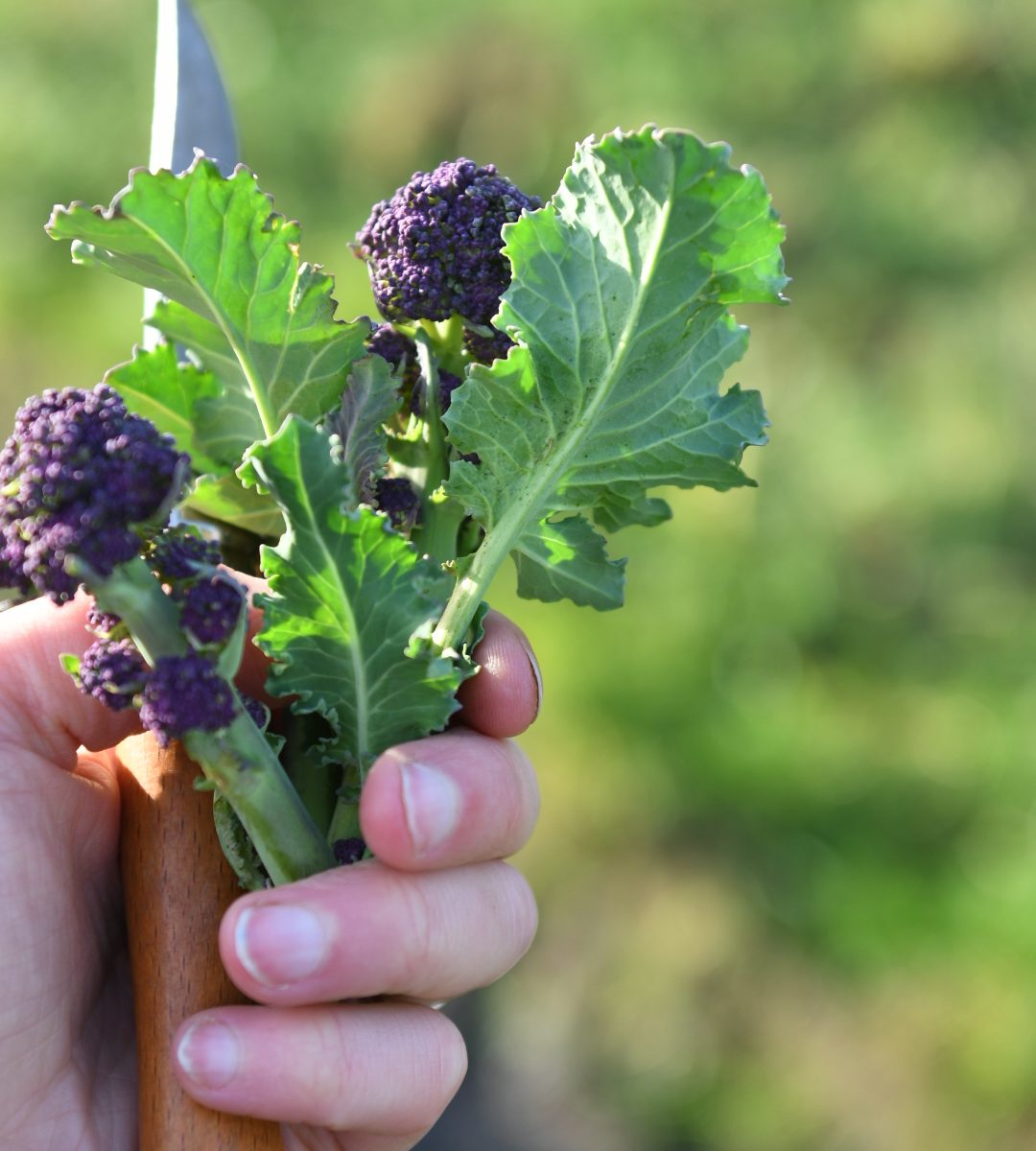
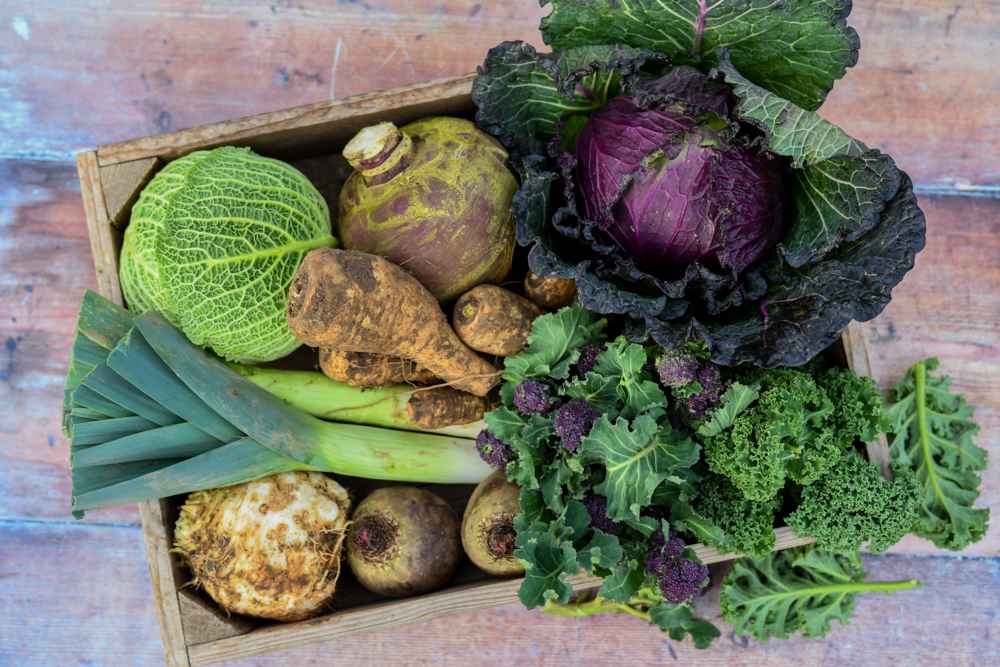
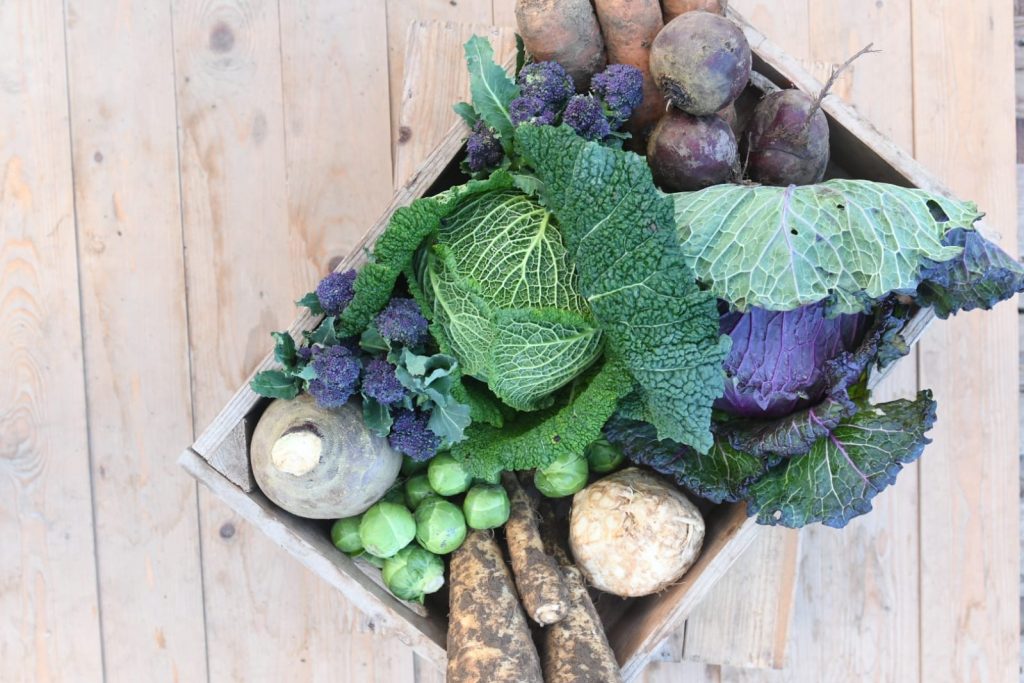
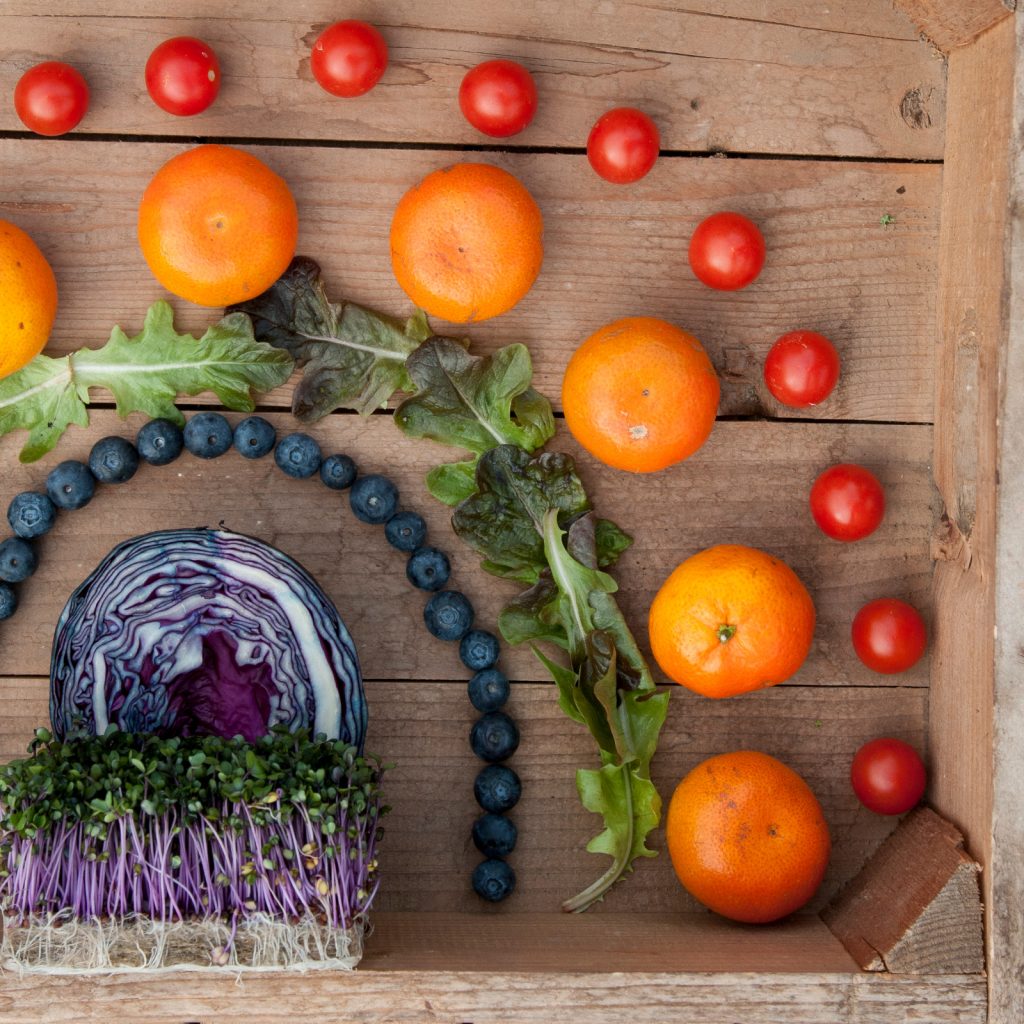
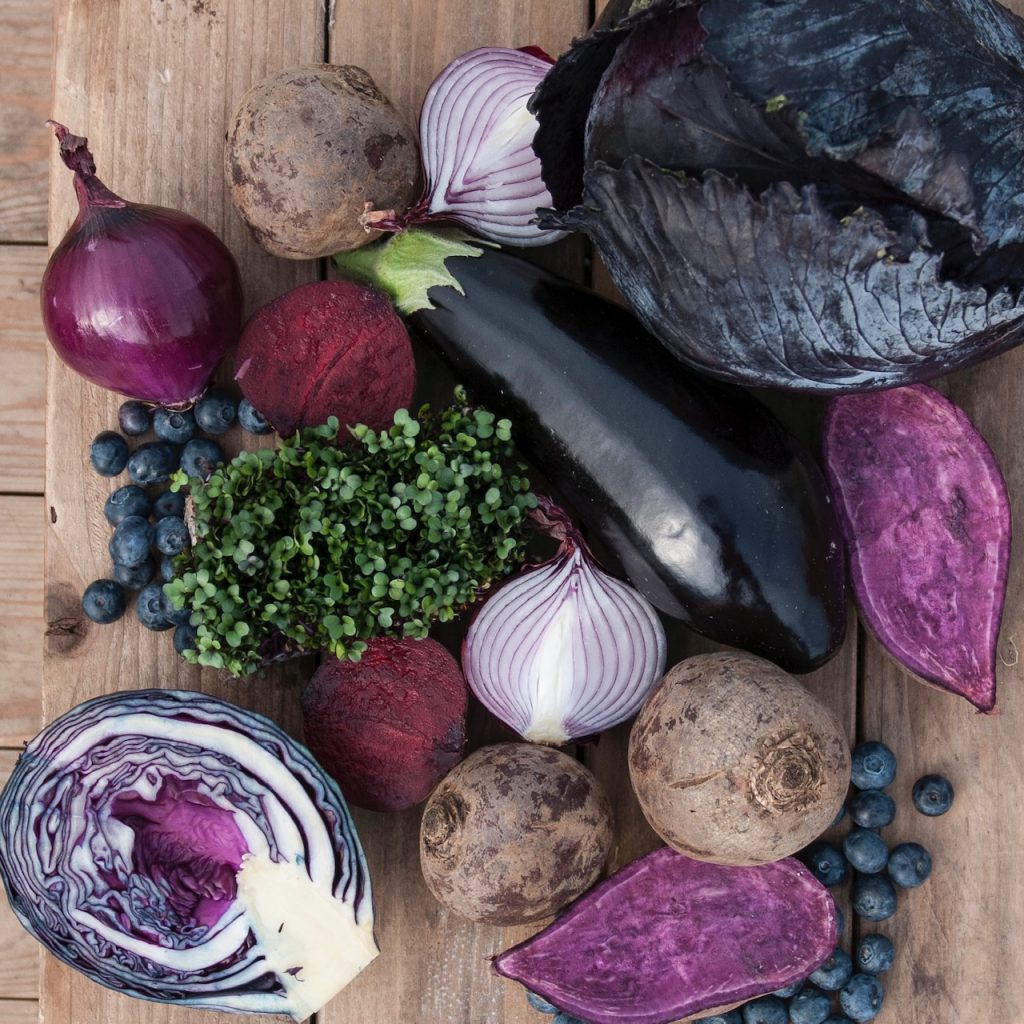
It’s easy to fall into a routine of eating the same fruits, vegetables and even the same meals each week, but it’s important for our health to eat a wide variety. Getting a set fruit and veg box delivered to your home each week is an easy way to make sure you’re switching things up regularly and getting some diversity into your diet. We always make sure to add some blues or purples to our order too as that’s one that often gets missed. So red cabbage, aubergine, blueberries, red onion, beetroot, purple sprouting broccoli etc, whatever is in season. Explore our organic veg boxes here, we deliver nationwide.

Liz x

RED

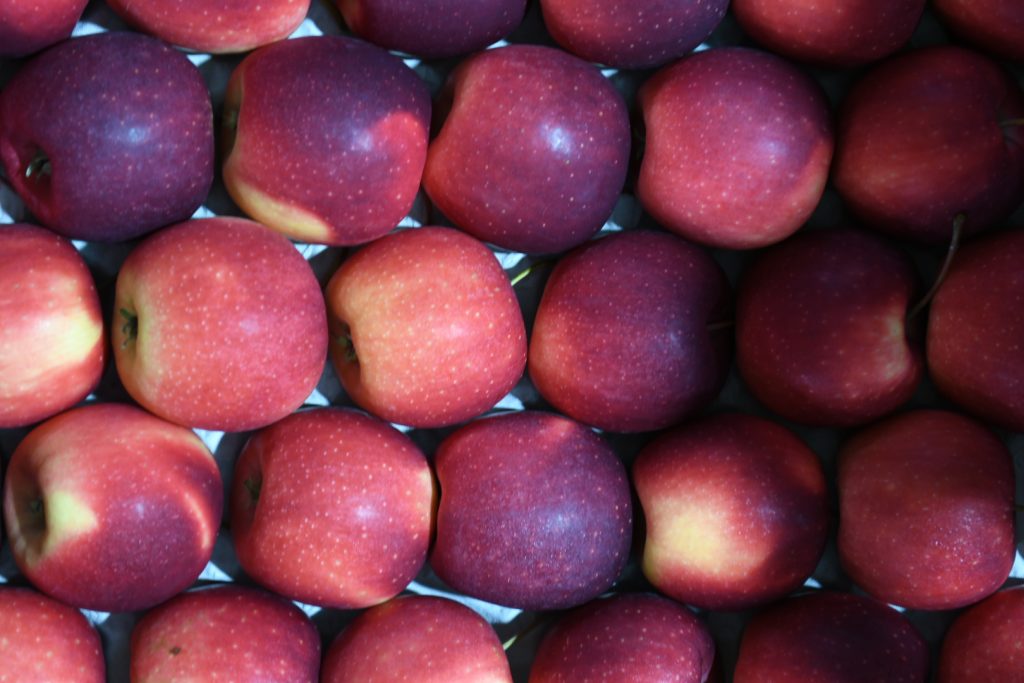
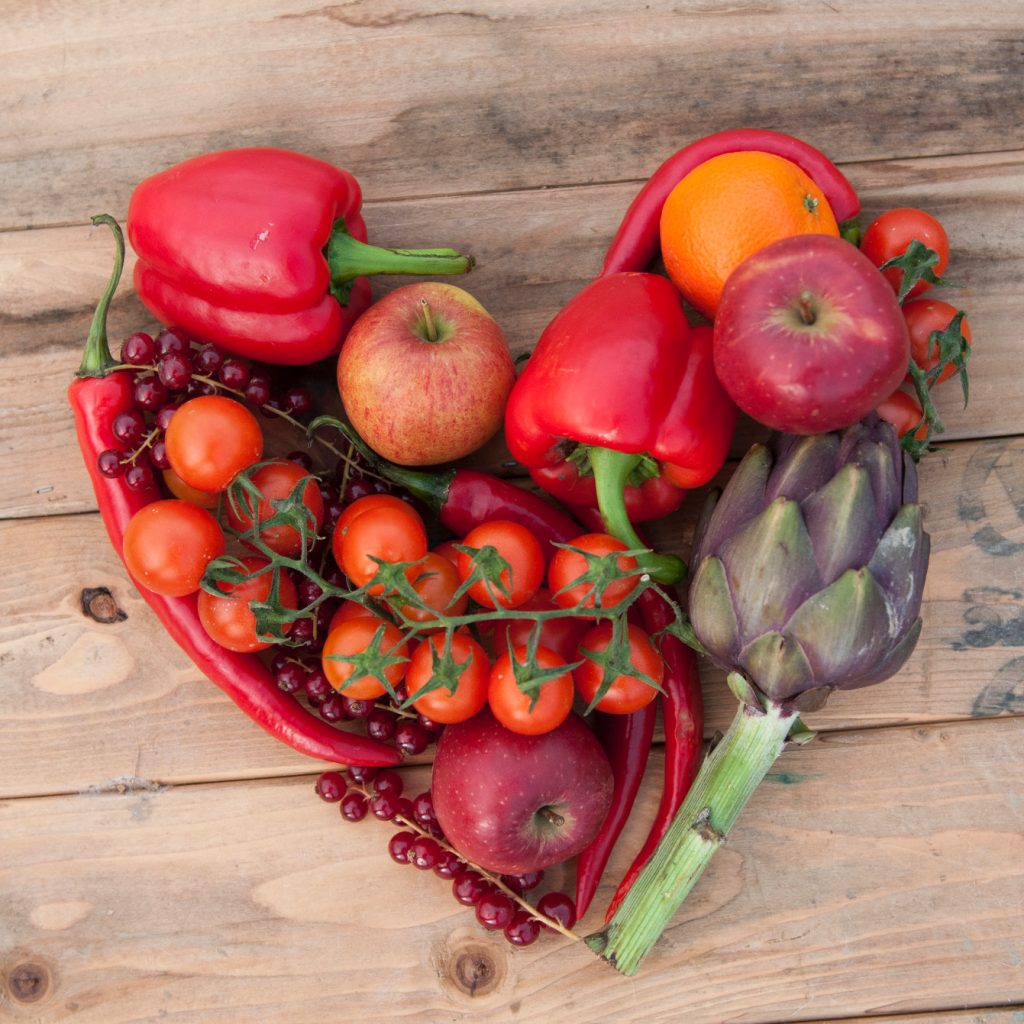
RED fruits and vegetables are high in Vitamins A and C, Potassium and powerful antioxidants. Red food are especially good for your guts, they support your immune system and prevent inflamation. Add tomatoes, strawberries, peppers, red currants, cherries, apples, chillies, watermelon, pomegranates, radishes, rhubarb and more to your diet!

ORANGE/YELLOW

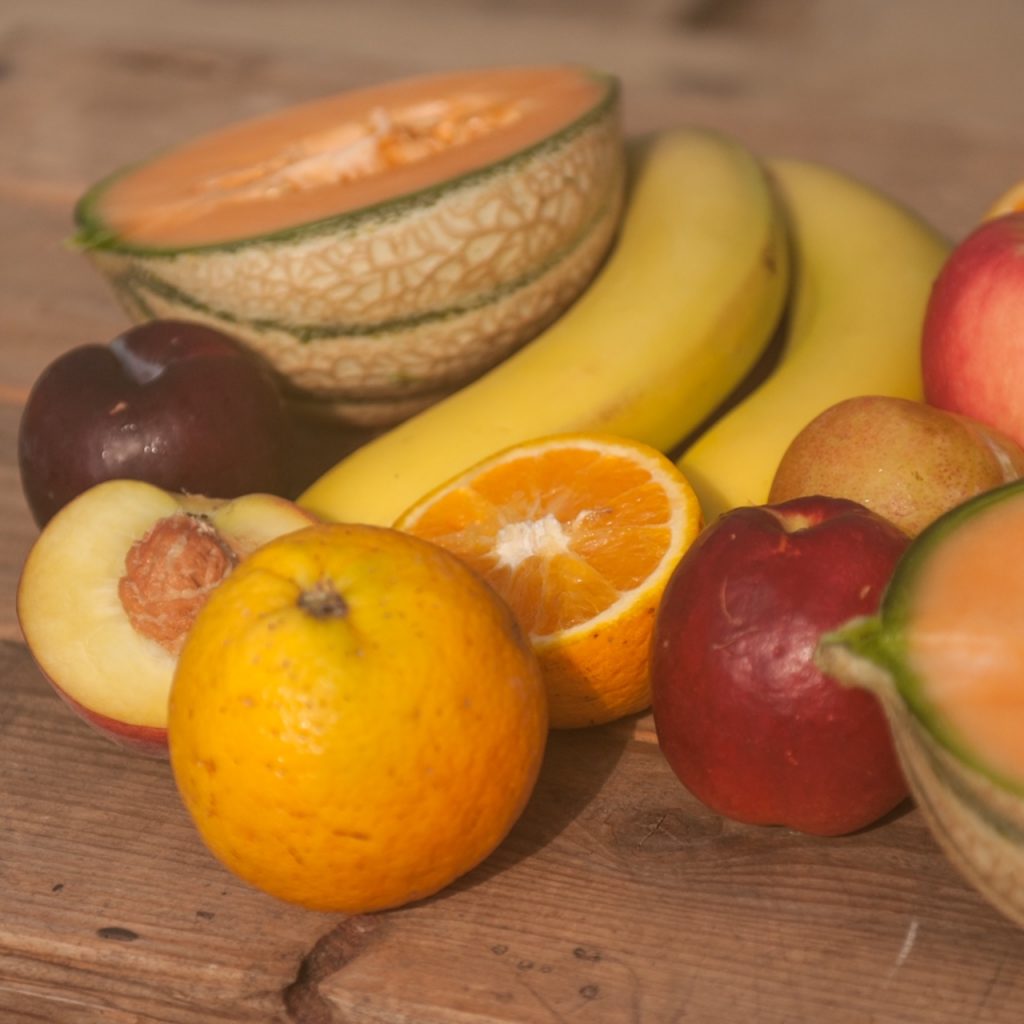
ORANGE & YELLOW fruits and vegetables are high in antioxidants Vitamin C and Beta-carotene. All great for your eyes, your skin and your immune system. Add citrus fruits, carrots, pumpkins, sweet potatoes, peppers, yellow tomatoes, melons, stone fruit and more to your diet!

GREEN

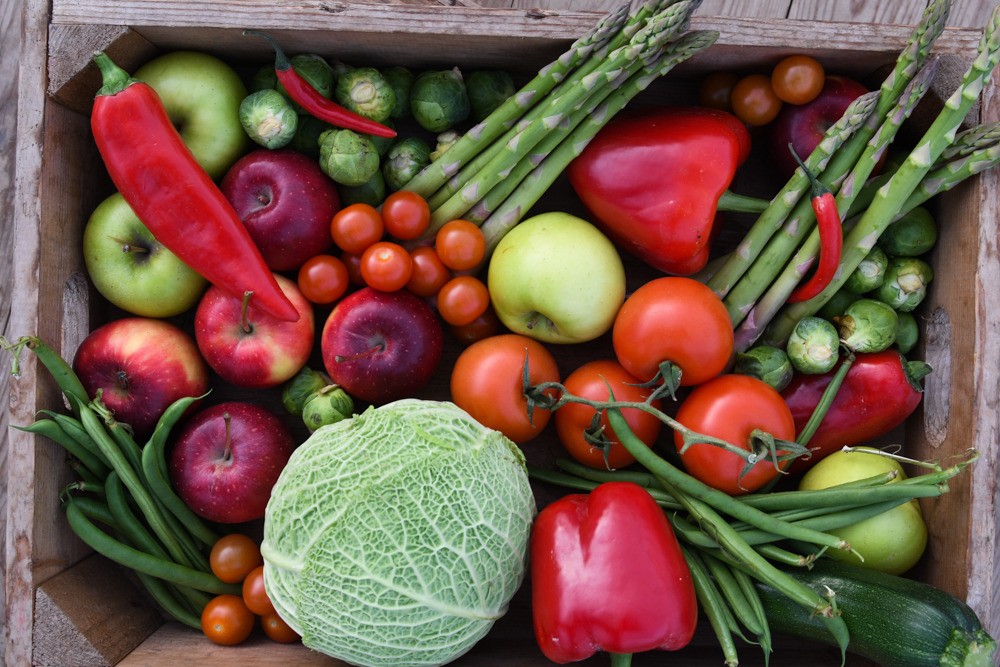
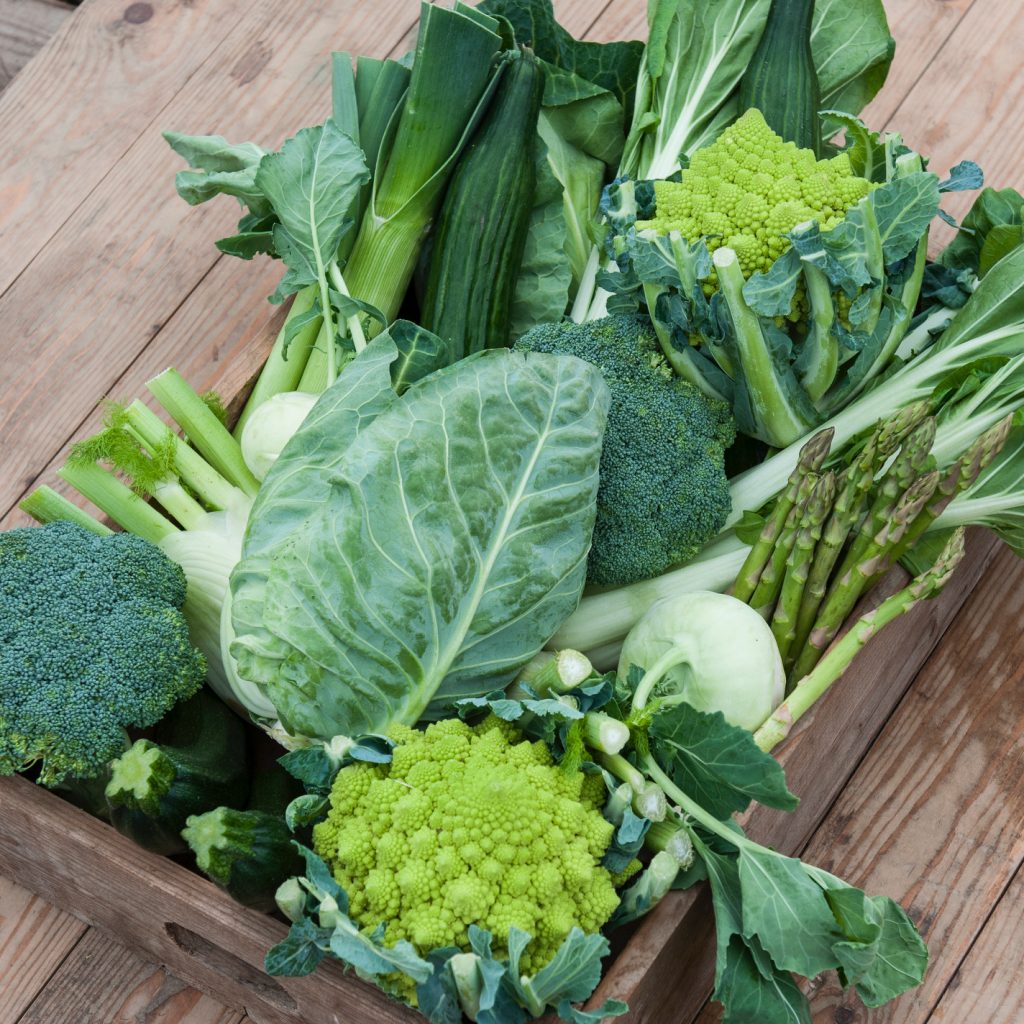
GREEN fruits and vegetables are especially good for your heart and blood pressure. Eat your greens for lots of Vitamin K, magnesium, nitrates, folates and antioxidant high polyphenols. Add cabbages, kale, sprouts, beans, asparagus, broccoli, peas, courgettes and more to your diet!

BLUE/PURPLE

BLUE/PURPLE fruits and vegetables are especially high in anthocyanin. This special antioxidant can cross the blood-brain barrier to apply their benefits on brain cells. If you want to improve your memory, mood and cognition, eat more purple foods. Add red cabbage, beetroot, blueberries, red onions, purple sprouting broccoli, aubergines and more to your diet!

WHITE/BROWN

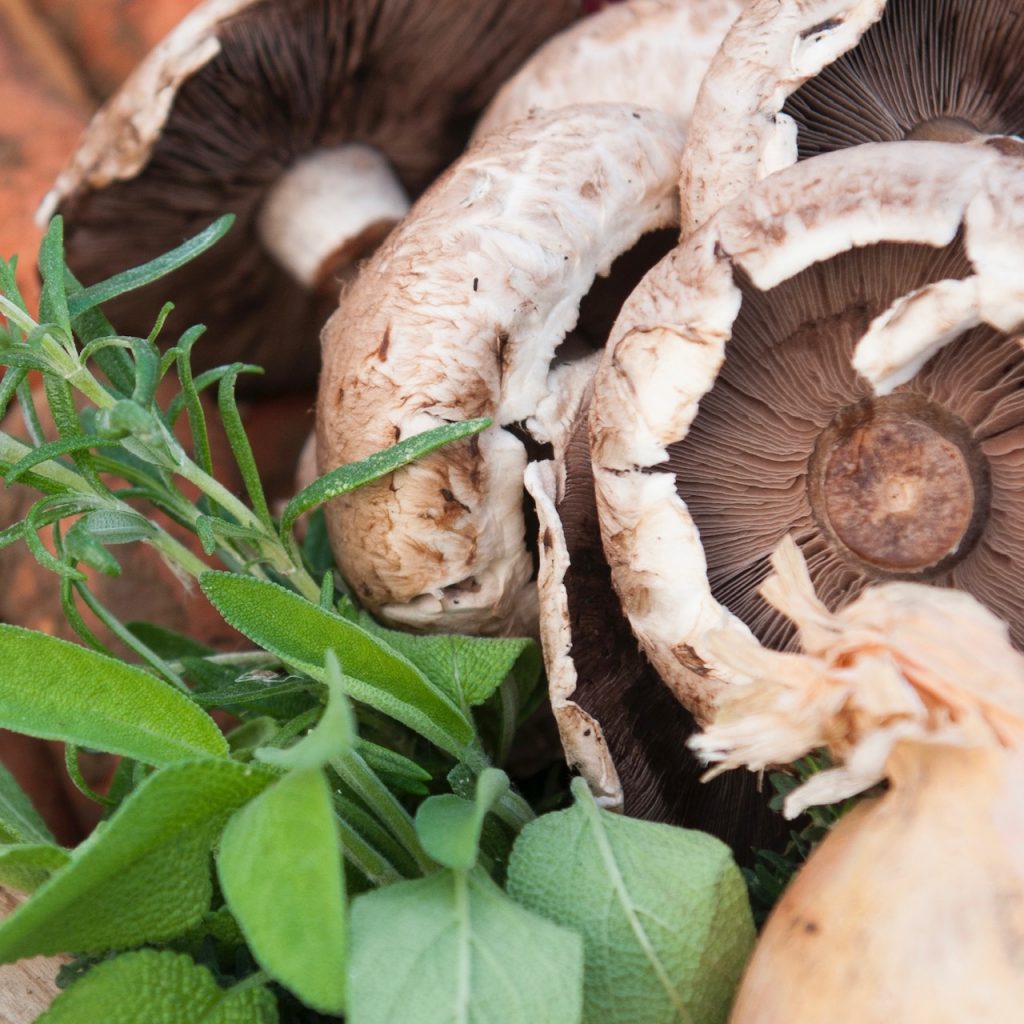
WHITE/BROWN fruits and vegetables, although not as brightly coloured, also contain important vitamins and minerals. They protect against certain cancers and keep bones strong. Add mushrooms, garlic, onions, potatoes, rice, wheat, beans, cauliflower, parsnips, celeriac and more to your diet!

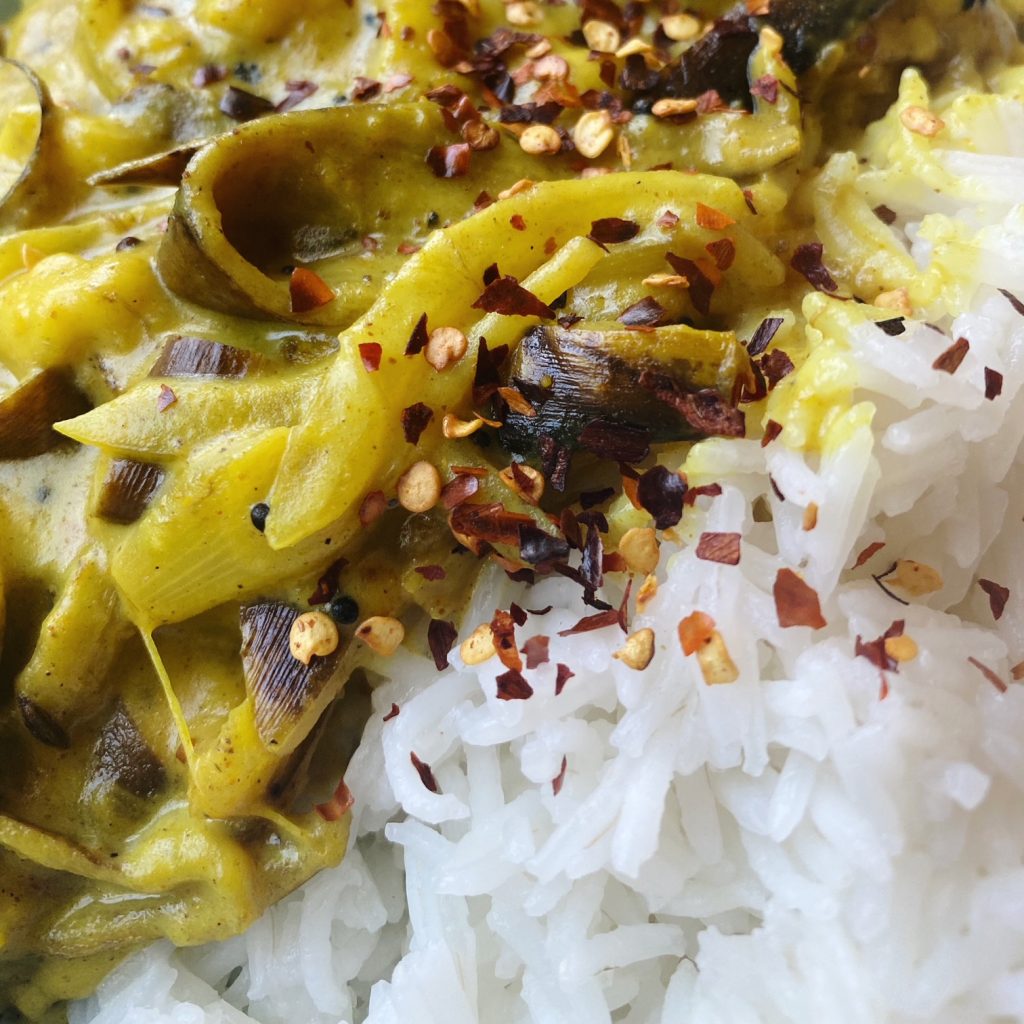
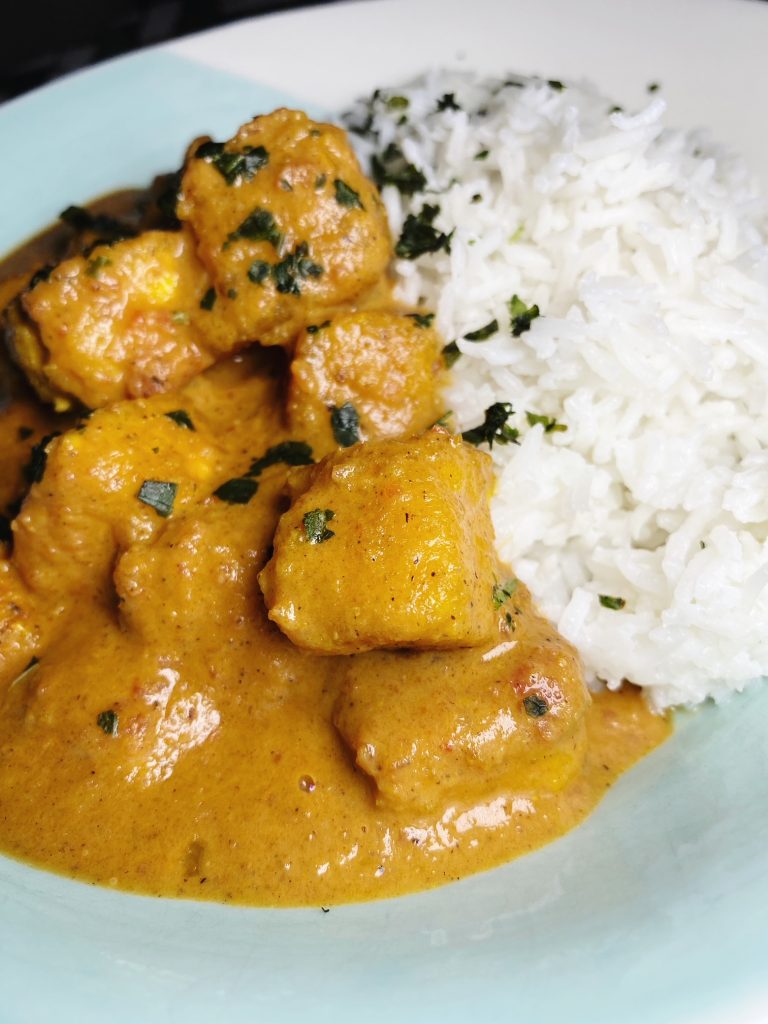
Butter Tofu – Curry

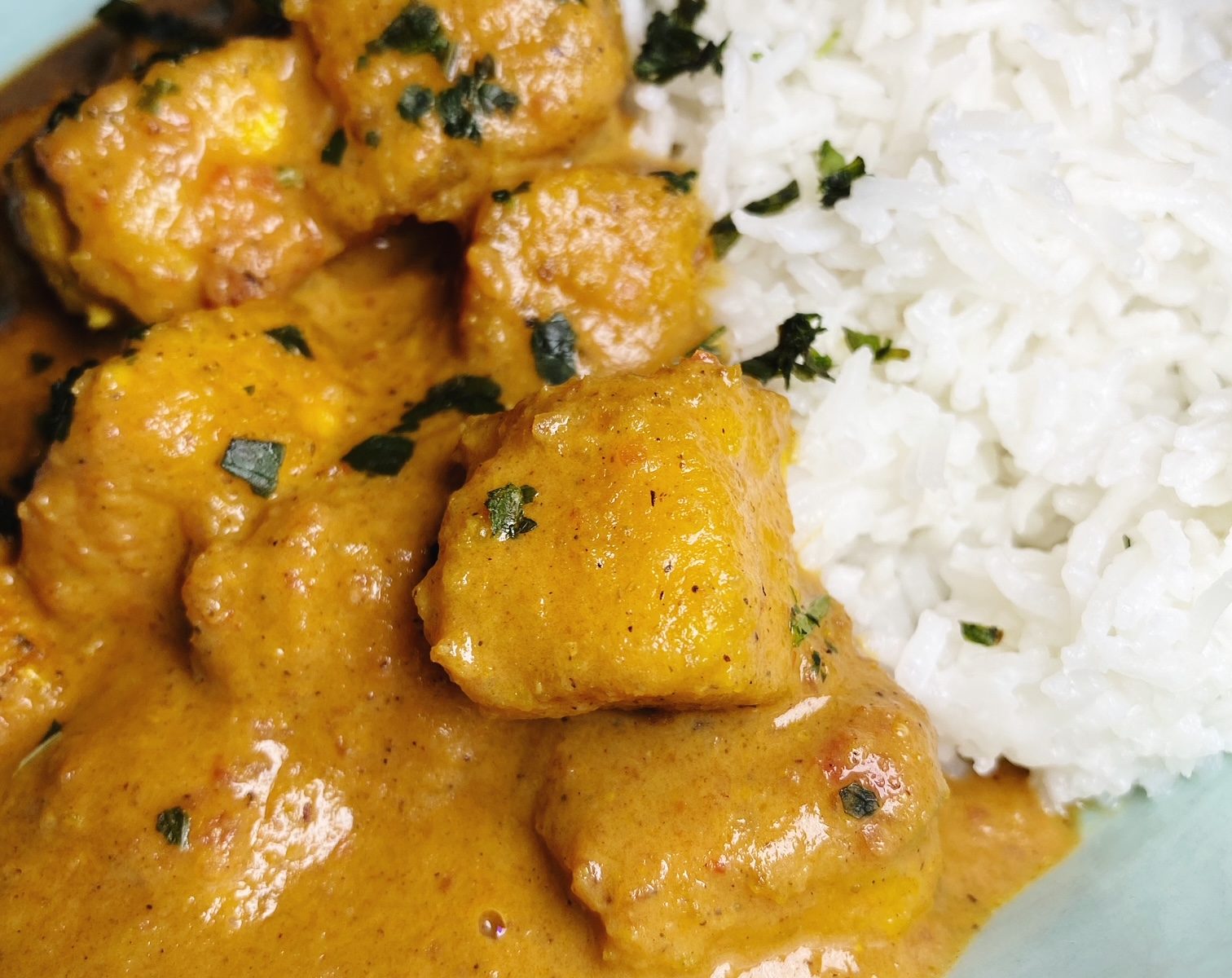
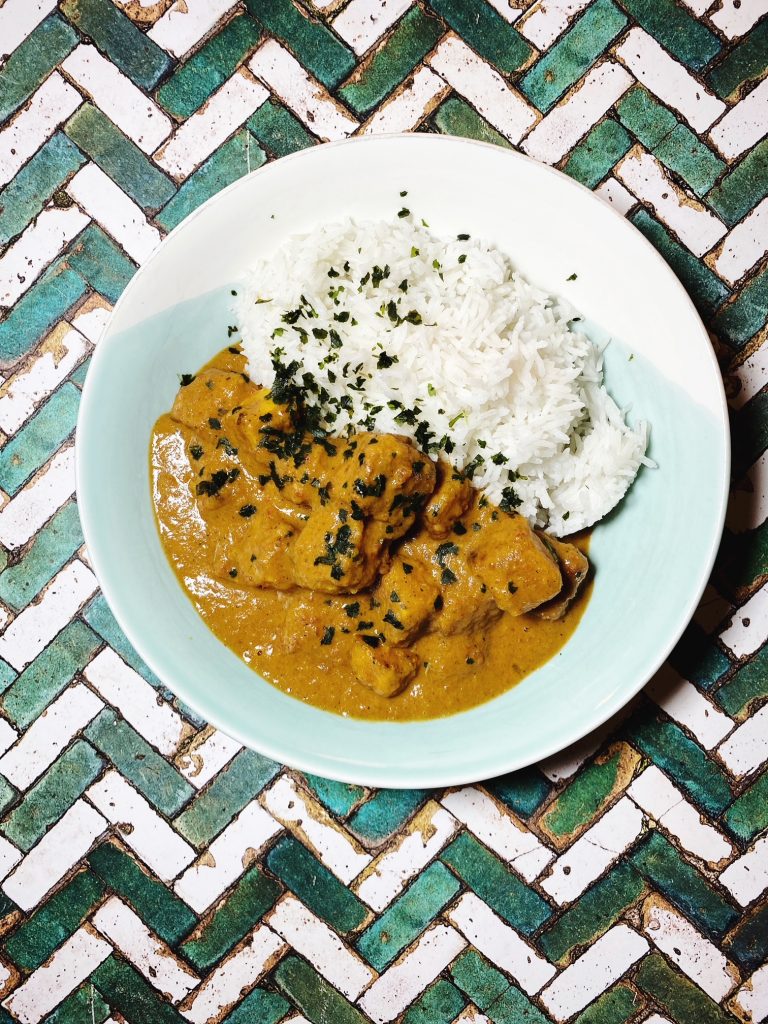
This is one of our favourite twists on an Indian takeaway. The traditional North Indian dish is ‘butter chicken’ and it’s all about that rich, creamy and buttery tomato gravy. It’s mildly spicy and savoury, popular with the whole family. This is the perfect store-cupboard supper too, just the thing for those days when you’re running low on fresh ingredients.

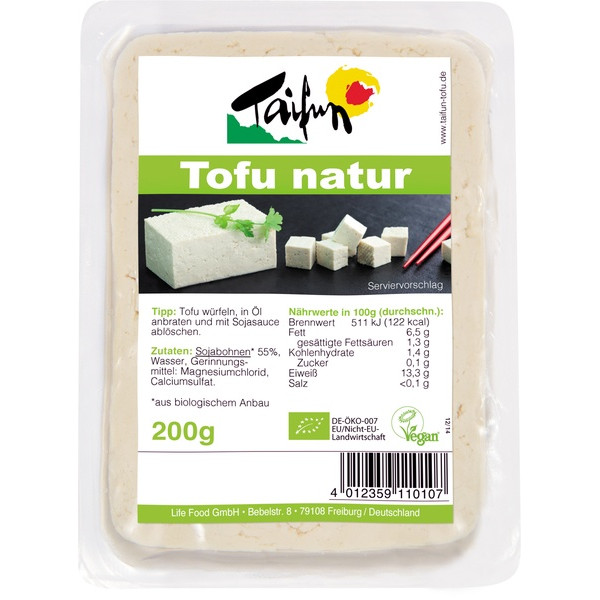
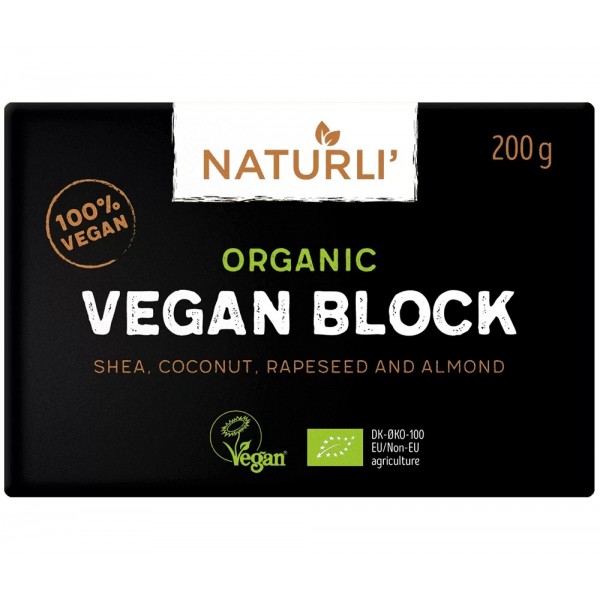
We have replaced the dairy in the traditional recipe with Naturli butter and creamy coconut milk. And in place of chicken, our extra firm blocks of organic tofu. We also love this recipe with cauliflower, chickpeas or chunks of aubergine or mushrooms in place of the tofu. Whatever you decide to cook and fold through this mouthwatering sauce, you are guaranteed to lick your plate clean. It’s that good!

Liz x

Ingredients (serves 4-6)

Sauce

Tofu

  • 6 heaped tbsp cornstarch
  • 1 tbsp turmeric
  • 1 tsp salt
  • 1/2 tsp black pepper
  • 600g extra firm tofu, drained and cubed (or sub with cooked chickpeas, cauliflower florets or cubed aubergine or mushrooms)
  • 50g butter

Method

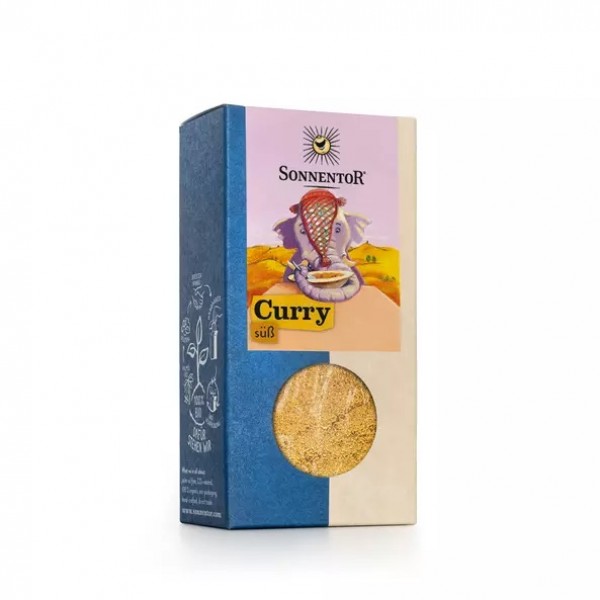
  1. Start with the sauce. Put the onion, garlic, spices and seasoning into a blender and blend into a thick paste. Fry the paste in a heavy bottomed, deep saucepan with the butter for 10 minutes or until dark brown and very fragrant.
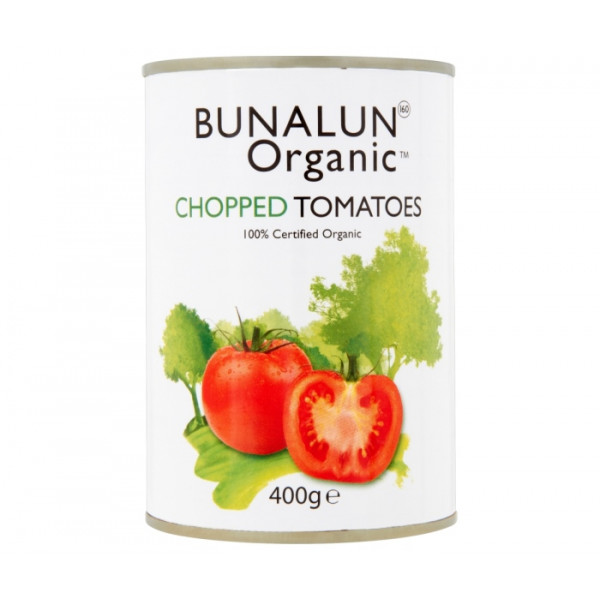
  2. Empty the two tins of tomatoes into the blender and blend them until smooth too. Add to the curry paste and simmer and stir for a further 10 minutes until the sauce is rich and slightly reduced.
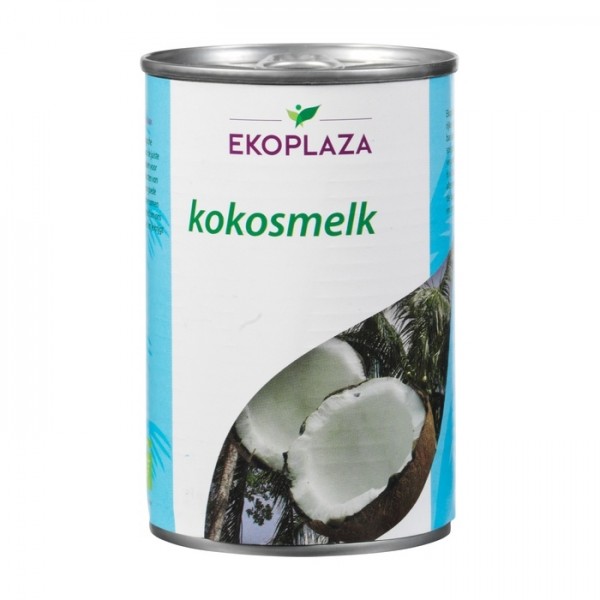
  3. Add the tin of coconut milk, stir and taste for seasoning. Keep the sauce warm while you cook the rice and tofu.
  4. Drain your blocks of extra firm tofu and cut into bite sized cubes. If you are subbing with vegetables, cut into bite sized pieces and dunk in milk. In a wide bowl, mix the cornstarch, turmeric, salt and pepper. Tumble the tofu into the bowl and use your hands to mix well and ensure each piece is coated in the seasoning. (If you are using vegetables, dunk the veg in the milk first then roll in the seasoned cornstarch).
  5. Heat up a large frying pan (or two) and add the butter. When it starts to melt, add the coated tofu (or vegetables) and cook on a medium-high heat until crispy and golden on the bottom. Then carefully turn the pieces to cook on the other side. Keep turning and cooking until the tofu (or vegetables) is golden brown, hot and crispy.
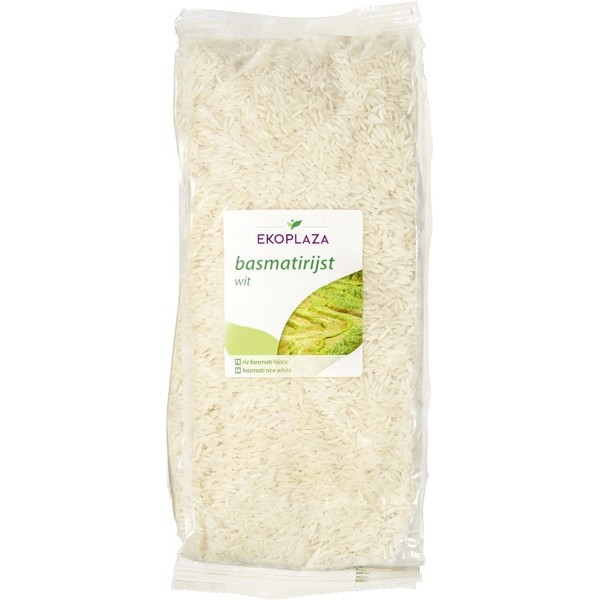
  6. Fold the cooked tofu (or vegetables) through the warm curry sauce and serve with basmati rice and chopped coriander.

Going Gluten Free?

It is Gluten Free day on the 13th of January. Check out our gluten free section here.

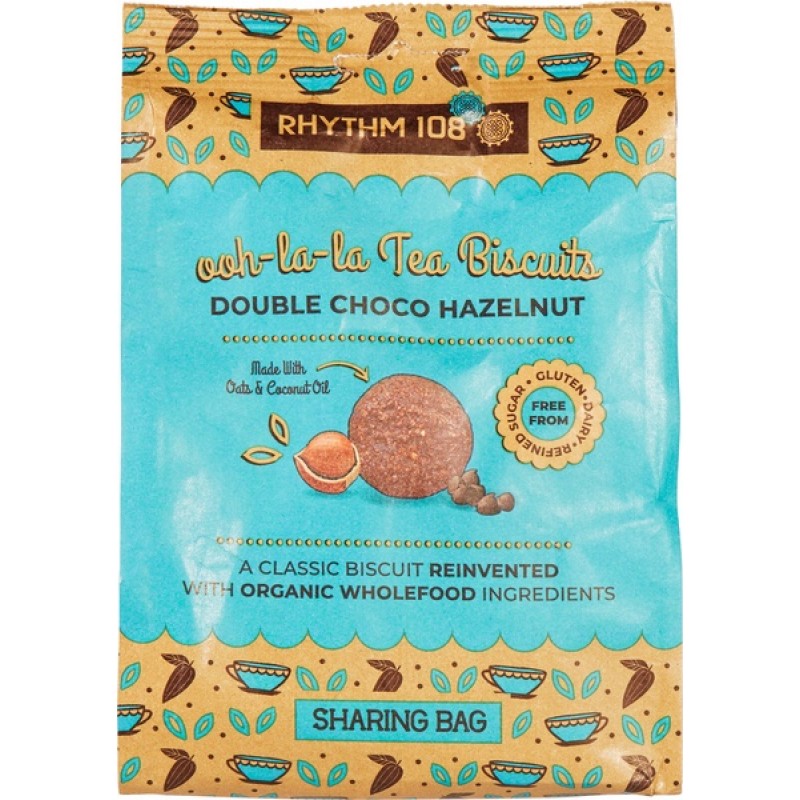
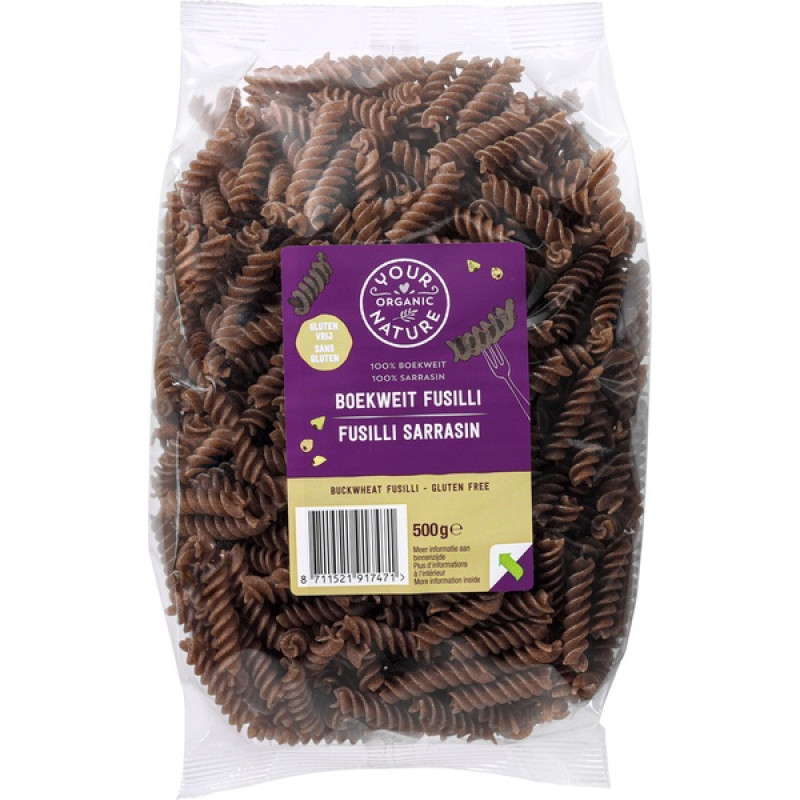
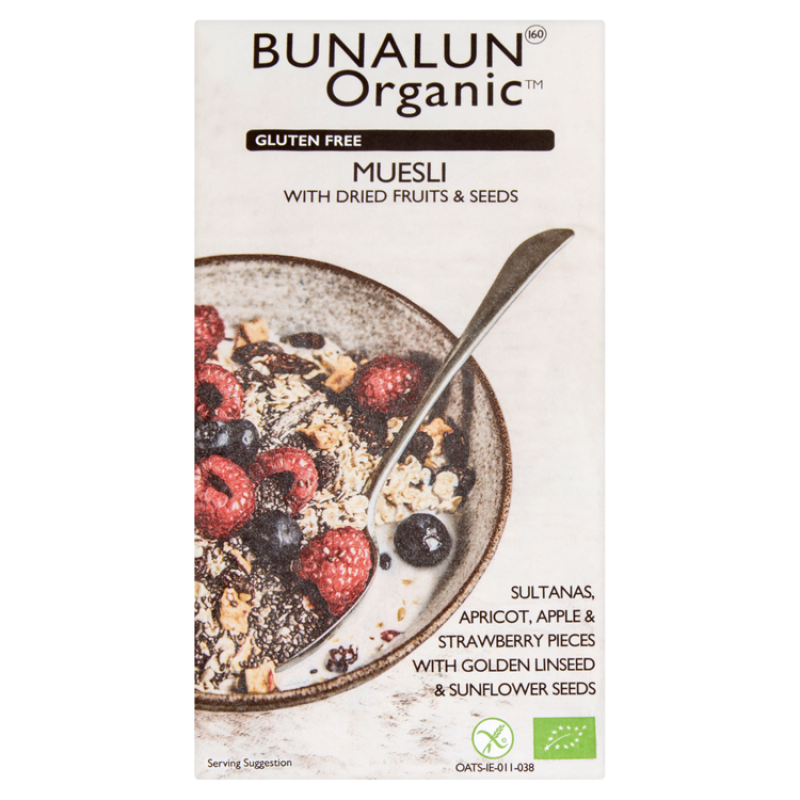
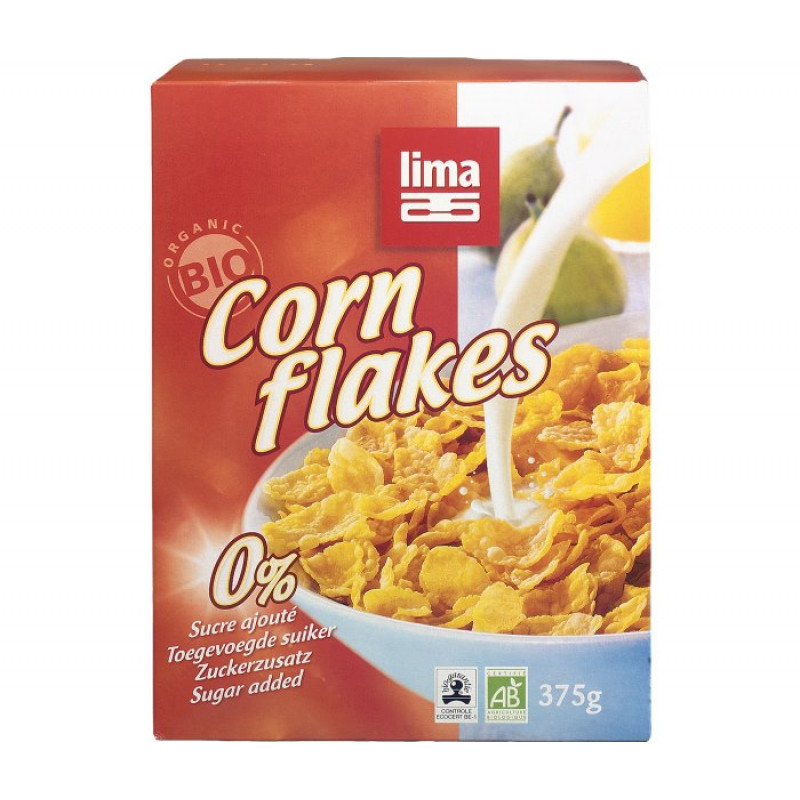
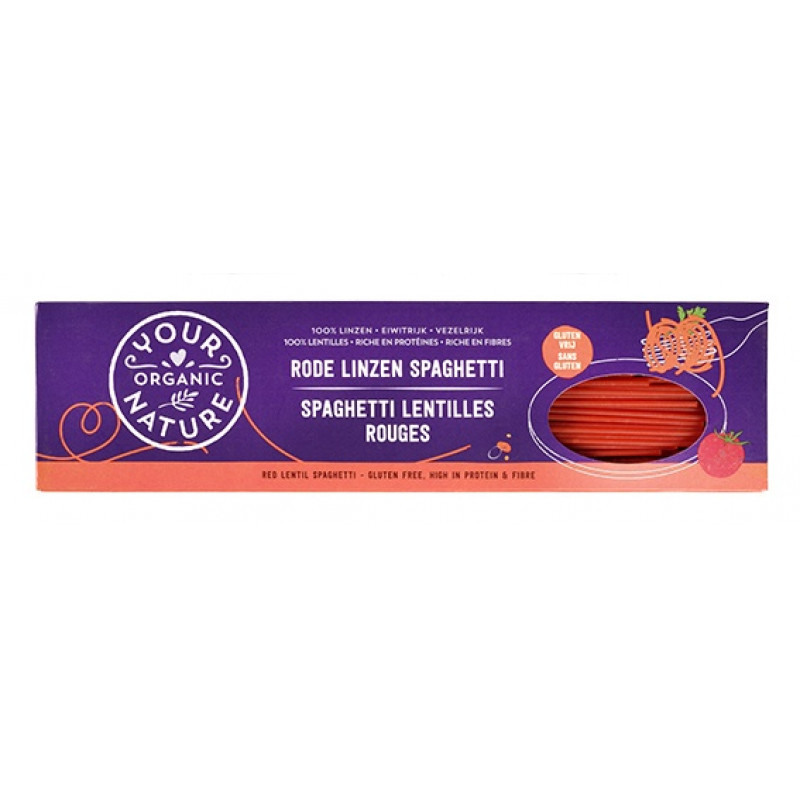
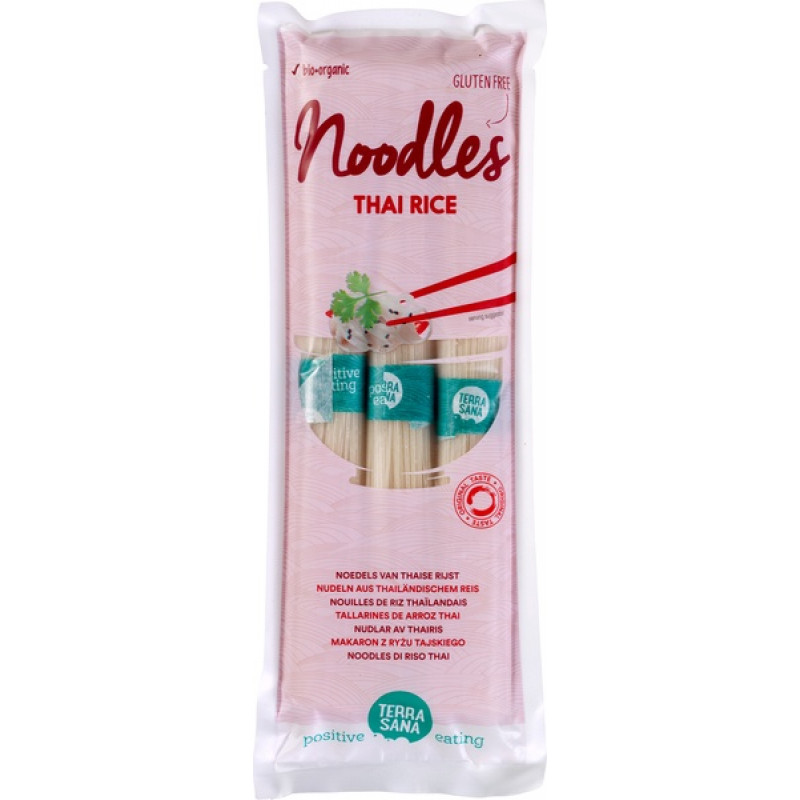
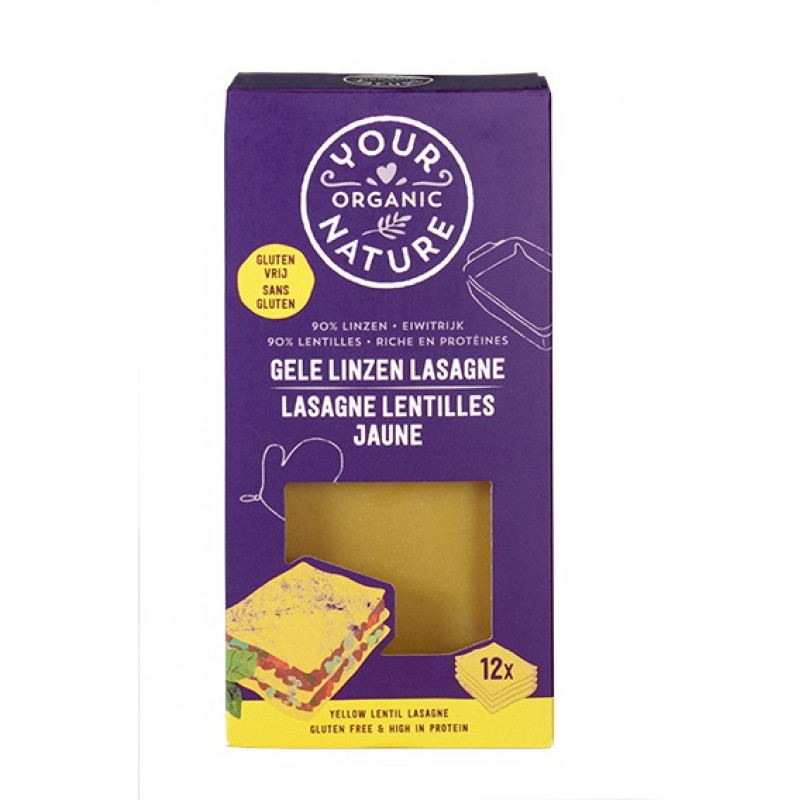
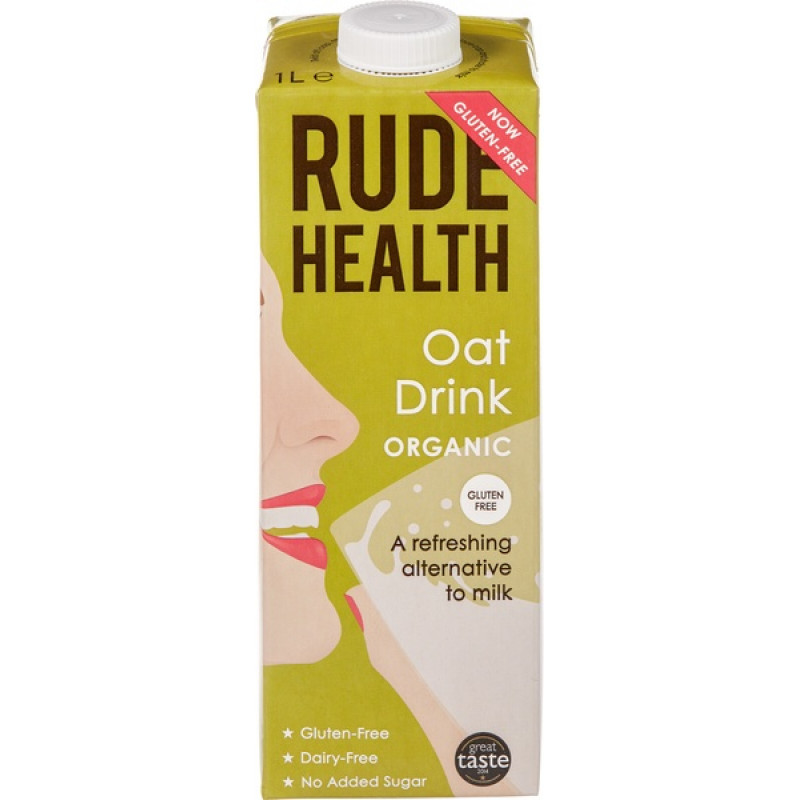
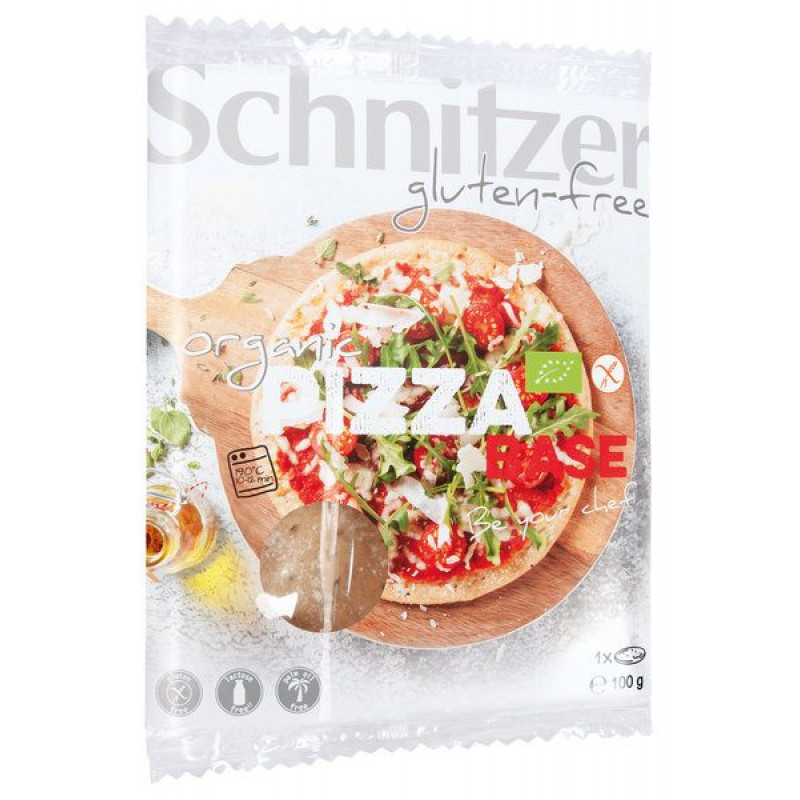
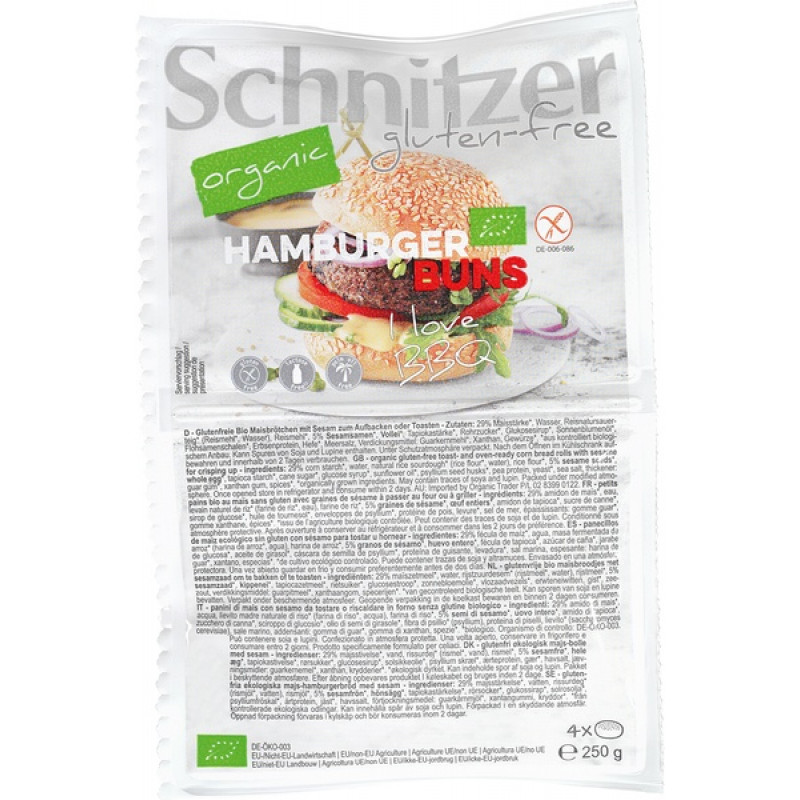
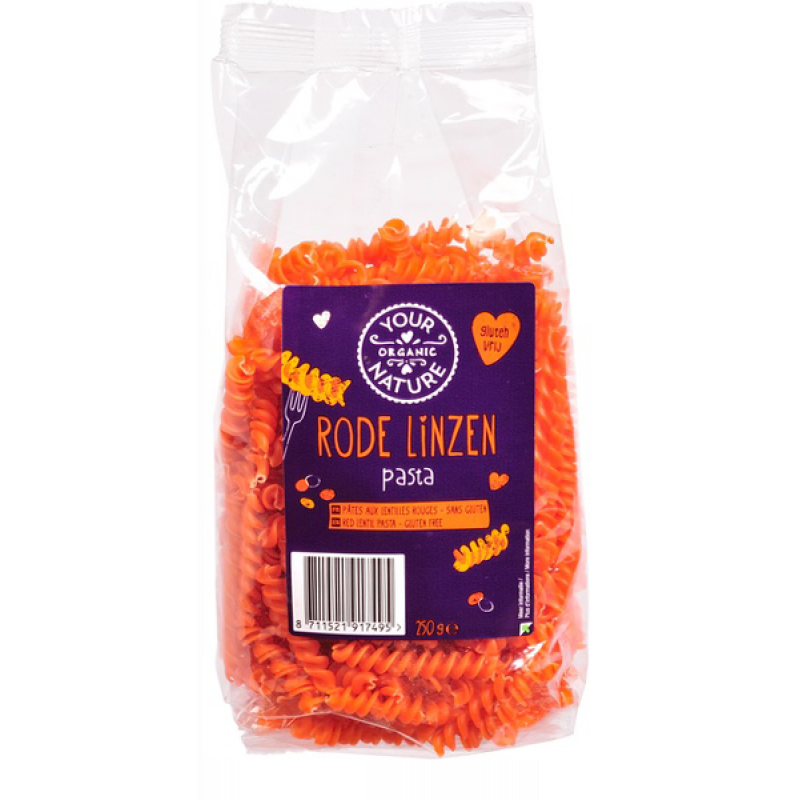
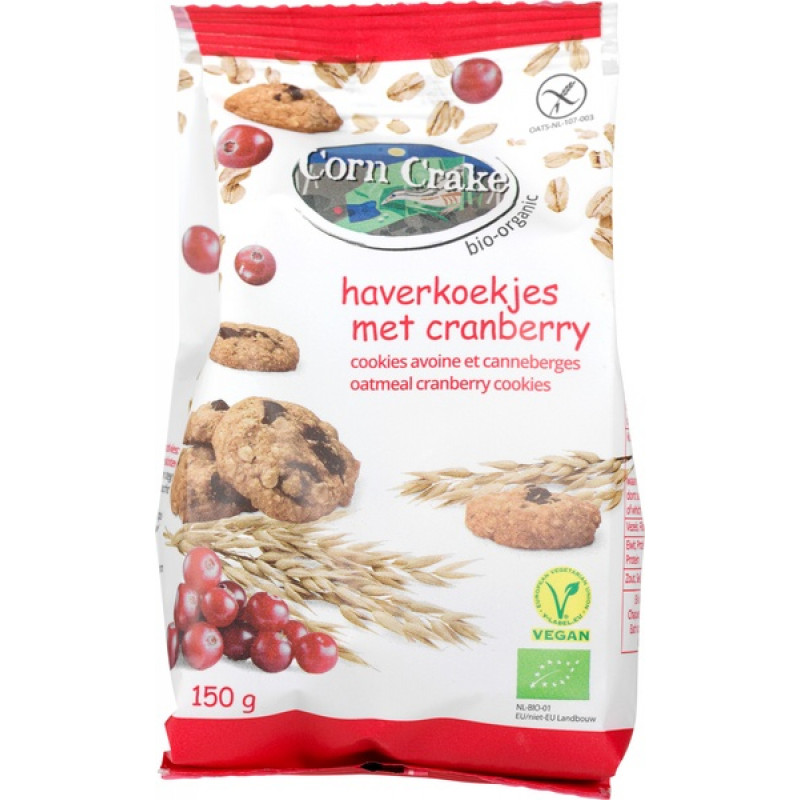
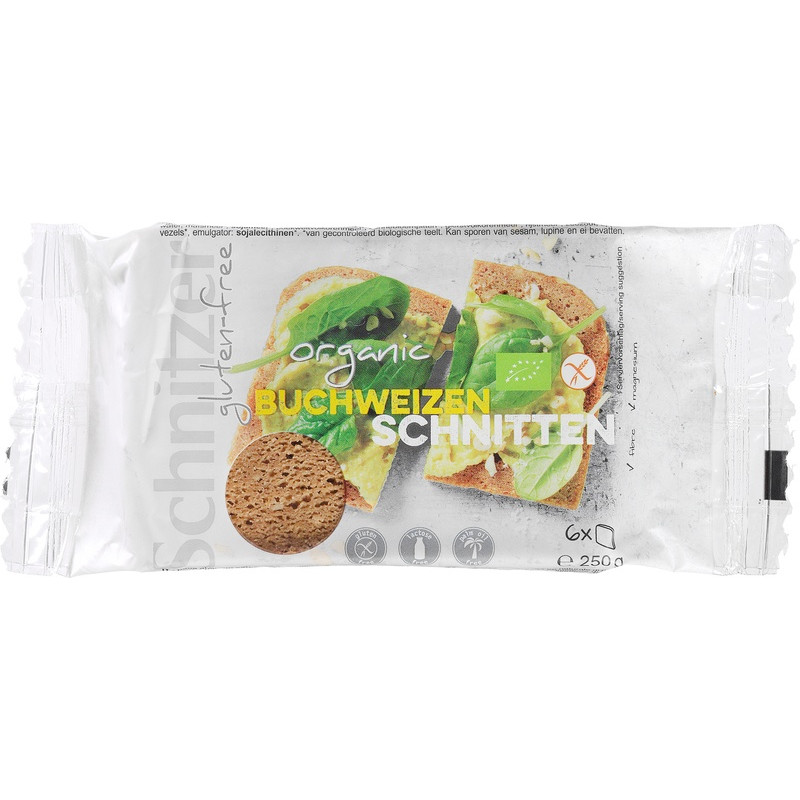
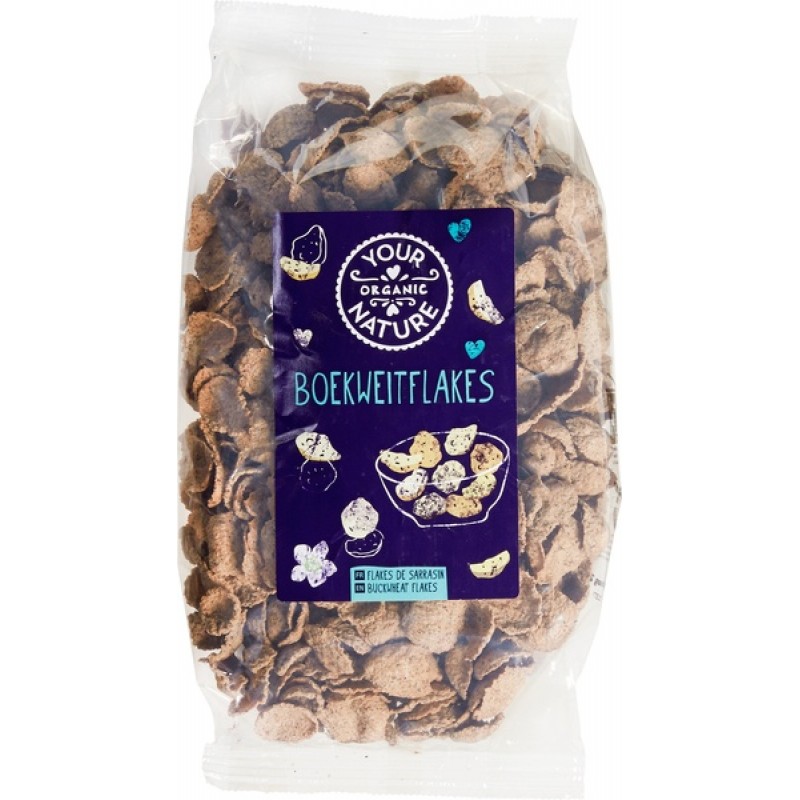
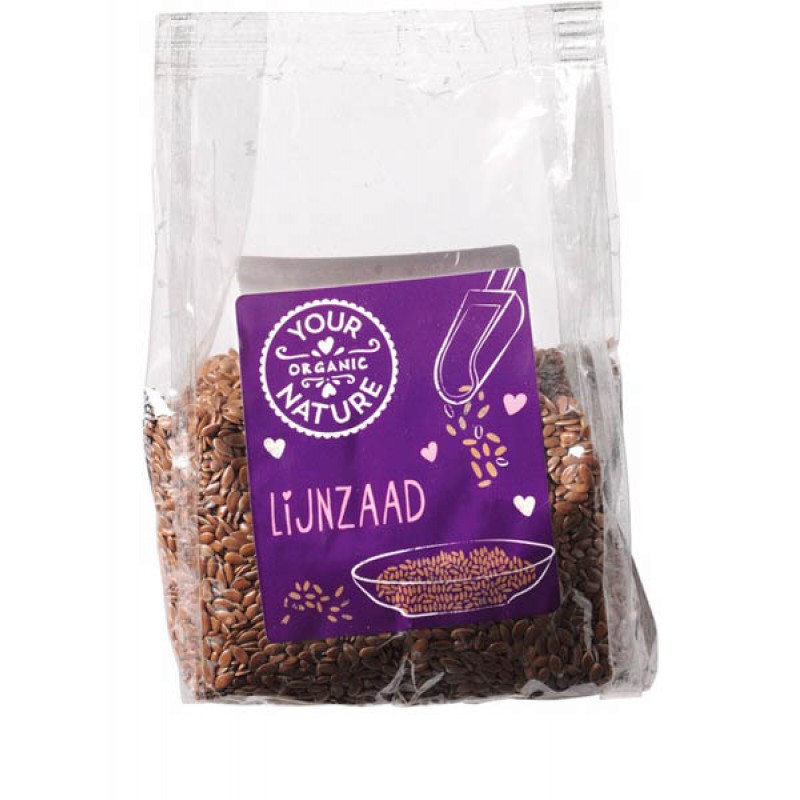
Coeliac disease affects 1% of the population, however it is estimated that only around 30% of those people are diagnosed. There’s a big difference between people with coeliac disease and people who are gluten intolerant. When a person with coeliac disease ingests gluten, even just a small amount from accidental cross contamination, their immune system will attack its own body’s digestive tissue causing pain and serious problems including the inability to properly absorb nutrients. Whereas, if a person is gluten intolerant, the consumption of gluten will cause short-term bloating and belly pain. Unlike coeliac disease, gluten intolerance doesn’t usually cause long-term harm to the body. Either way, if you are avoiding gluten, perhaps just to try and improve your gut health, here’s a quick summary of what to look out for and some tips. All the images in this post are gluten free, organic products that we stock alongside our fresh produce to make your gluten free journey a little easier.

What is Gluten?

Gluten is a general name for the proteins found in wheat, rye and barley. It acts as a glue and helps foods hold their shape. It’s what makes bread and pasta dough stretchy and bouncy. Luckily there are other natural ingredients which can be used as binding agents in place of gluten. Of course it is not quite the same but yes, you can still eat biscuits, cakes, pasta and breads with a little know-how.

What to Avoid

If you are avoiding gluten, it should be clearly labelled on packaging. But you should know this list of gluten containing ingredients to make sure you know exactly what to avoid.

  • Wheat (including spelt, durum, semolina, emmer, farina, farro, graham, einkorn, wheatberries, KAMUT® khorasan wheat)
  • Rye
  • Barley
  • Triticale
  • Malt in various forms including: malted barley flour, malted milk or milkshakes, malt extract, malt syrup, malt flavoring, malt vinegar
  • Brewer’s Yeast
  • Regular Oats (although oats are technically gluten free, they are usually cross contaminated in fields and factories with wheat so look for gluten free oats!)

What To Eat

The good news is that if you are avoiding gluten there are loads of things you CAN eat! So let’s focus on those.

  • Fruits
  • Vegetables
  • Nuts and Seeds
  • Beans and Lentils
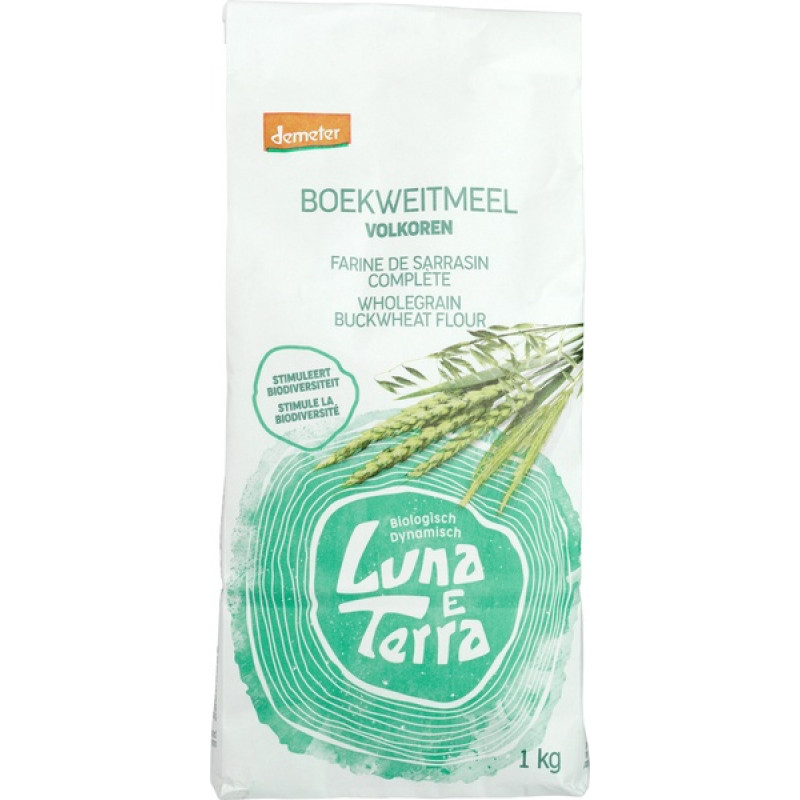
  • Certain Grains and Flours (including buckwheat and buckwheat flour, corn and it’s flours eg cornstarch and polenta, potato and it’s flour, rice and rice flour, amaranth, quinoa, millet, tapioca…oats, when labelled gluten free are fine too…)

You just need to avoid gluten which is found in certain grains and flours. Generic oats usually have been cross contaminated with wheat in the fields, whereas gluten free oats are grown carefully to avoid cross contamination and processed away from gluten containing products. This explains why gluten free oats are a little more expensive than regular oats.

Easy Alternatives

Ready made gluten free products are getting better and better. We stock a range of gluten free pastas, bread and even pizza dough in our shop. We also have gluten free oats available. Unfortunately a lot of ready made gluten free products contain lots of strange ingredients to help bind things together and imitate wheat gluten, so we recommend always reading the label, or looking into ways to make your own alternatives. We try to source the best, organic and natural products to make your choices easy. If you are avoiding eggs, be extra careful to read the labels as a lot of ready made gluten free products contain eggs to help things bind together.

Make your own

We stock many of the raw ingredients necessary to create your own gluten free alternatives. Research tried and tested gluten free recipes online and please do share your successes (and failures) with our supportive community facebook group here. There are loads of gluten free recipes, or recipes which can be tweaked to be made gluten free on our recipe blog here. In fact most of the recipes are naturally gluten free! Do you have any top tips on being gluten free? Do share them in the comments.

Happy New Year!

I am not one for new year resolutions, it’s not that I am against them or for them I just don’t make them. But there certainly is something about the new year that seems to encourage change. Maybe it’s having passed the shortest day and being on the trajectory to better weather and longer days gives a feeling of hope. Maybe it’s the over indulgence and excess of the Christmas period. Maybe a little niggling feeling that’s been there all along just bubbles closer to the surface.

For the farm it marks at least on paper the start of a new season, the planning begins and the seeds must be selected and the rotation planned. I am always a little bemused at how long ago the start of the last growing season was and at the same time how fast time passes. It is one of those mysteries of getting older, I guess. It’s very difficult to make plans anymore. For the farm last year we were a little too ambitious with our planning, we planned and grew too many crops. This year we are taking a more sensible approach and scaling back a little of certain crops and a growing a little more of others. That being said, the winter has been benign, mild and not too wet and the crops remaining in the fields are in good order and we have plenty to harvest over the coming months.

Whilst there has been plenty of good hearty vegetables consumed here over Christmas we have also had our fair share of chocolate. I am guessing that there will have been few houses or few people in the country who did not encounter a box of ‘Milk Tray’ during this festive Season. Growing up they were the main stay of our family evening, and my mother for some reason never trusted me with them, I can still hear, “only one Kenneth” every time I see a box. That instruction was always reserved for me and never aimed at my siblings strangely enough. These sweets today seem to be a far cry from the sweets I remember as a child.

If you happen to have a box lying around take a look at the ingredients. I didn’t recognise most of them. Apart from sugar I couldn’t say yeah that’s in our cupboard. The result of course is not good, the food itself is now a synthetic engineered product from ultra-cheap and highly processed ingredients. Sugar is the first ingredient, followed by palm oil as the second, for those that don’t know, ingredients are listed in the order of quantity. Then there is the cheap waste by products from the milk industry and more. The intention it seems has been to make the product as cheap as possible and to sell as much as possible for maximum profit, with scant regard for taste or quality. This unfortunately is a common approach to many foods today.

Compromising on taste and quality never leads anywhere good. This race to the bottom can end up costing us our health and the planet too pays a high price for these unsustainable cheap ingredients. So, while I do not embrace the idea of new year resolutions, the one that I come back to every single year without fail is to “Eat more fresh fruit and veg”. I know too that I won’t have to worry about my mum’s mantra of “only take one”! as I reach for another apple.

Have a great new year, thank you for all you have done for us. We are back with our normal deliveries next week. Take care.

Kenneth

A Very Irish Christmas

Against all my best inclinations I have decided I am not going to launch into a rant about the damage the supermarket food culture has wrought on our land. I have decided to instead embrace the positive this week, to celebrate the little wins and the amazing things our people, suppliers, and you our customers are doing.

We have the most amazing suppliers, the best in the world, and they are local, Irish and sustainable. Just today I met Titta from Lilly’s eco clean, she exudes positivity and is dedicated to the sustainable cause. Yesterday I had reason to speak to Franck, our local native Galwegian French man who supplies us with his amazing organic wine, he is always in good form.

We have had to give the harvest of our own leeks a little break until after Christmas and therefore I was on the phone to Roy Lyttle one of our amazing potato and leek suppliers. Cameron from Battlemount organic farm supplied us just a couple of weeks ago with his own freshly pressed organic apple juice from apples in his own orchard and the most amazing potatoes on this island.

Ralph Haslam and I go back along way and he supplies the gorgeous organic cheese, yogurt and if milk (I believe the best milk in Ireland) you may know his products better as “Mossfield Organic farm”. There is of course the cultured food company and Synerchi kombucha, and the Little Milk Company and Bunalun Organic, all great IRISH companies. Yorg from Solaris teas makes his tea right here in Galway and Blakes Organic roast their coffee in Leitrim, the fantastic McCabes coffee roast their organic coffee beans in county Wicklow.

Then there is all the other Irish organic growers that supply us at times during the year such as Audrey and Mick from Millhouse organic farm. Joe Kelly in Westport, Padraigh Fahy in Beechlawn organic farm. Philip Dreaper in Coolnagrower organic farm and many more.

But the best supplier of all is our own farm and the amazing hard-working team of individuals that work tirelessly on our farm. They grow the best tasting, healthiest food you can buy anywhere. Our farm is the centre of our business, it is the heart, it is our cornerstone, it keeps us grounded and it keeps us deeply connected with our food, it never lets us stray from the right path.

That is not to say that we do not have the most amazing teams of packers and drivers and customer service people because we do, the very, very best. So we really understand and appreciate the hardwork and effort of all our other suppliers, they are all amazing, struggling with the ups and downs of running and owning a small business and working extremely hard to produce great IRISH products and make their business work especially during the last two years.

This brings me to our last stars, the real hero’s of our story and I guess you may know who that is? That is, you. Your support, your purchases, your positive (and constructive negative feedback) keeps us going, it puts money in our bank account to pay for all of the above. But and this is the big one, it keeps a strong growing sustainable system of food production going. So aside from the very best healthy and (we have no shame in saying) the most amazing tasting produce you are supporting an idea for a better food future.

Thank you and have a very merry, Irish Christmas!

Kenneth