It’s pancake Tuesday tomorrow! What’s your favourite way to eat pancakes? Jam, chocolate spread, or the classic butter/sugar/lemon combo?
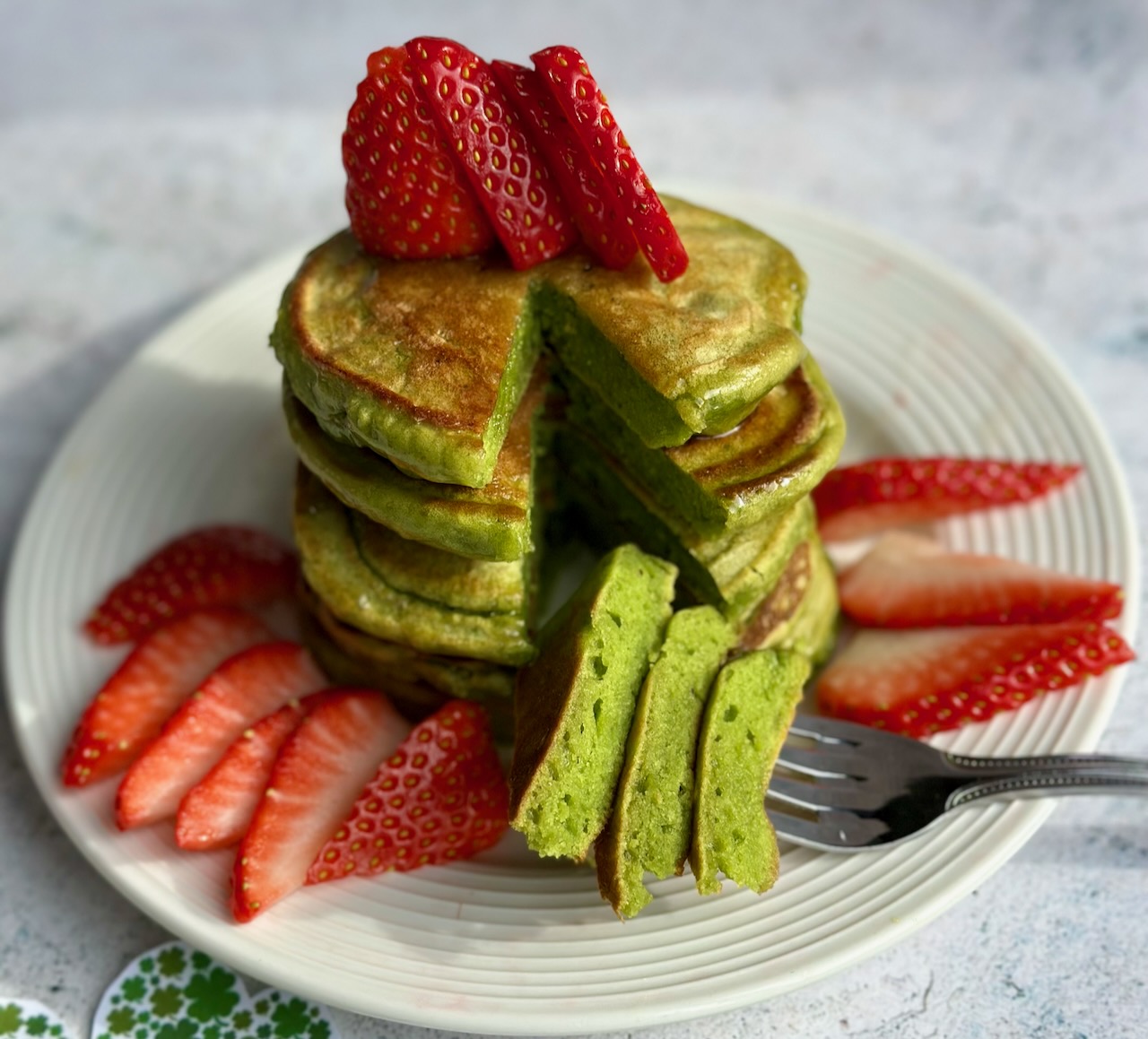
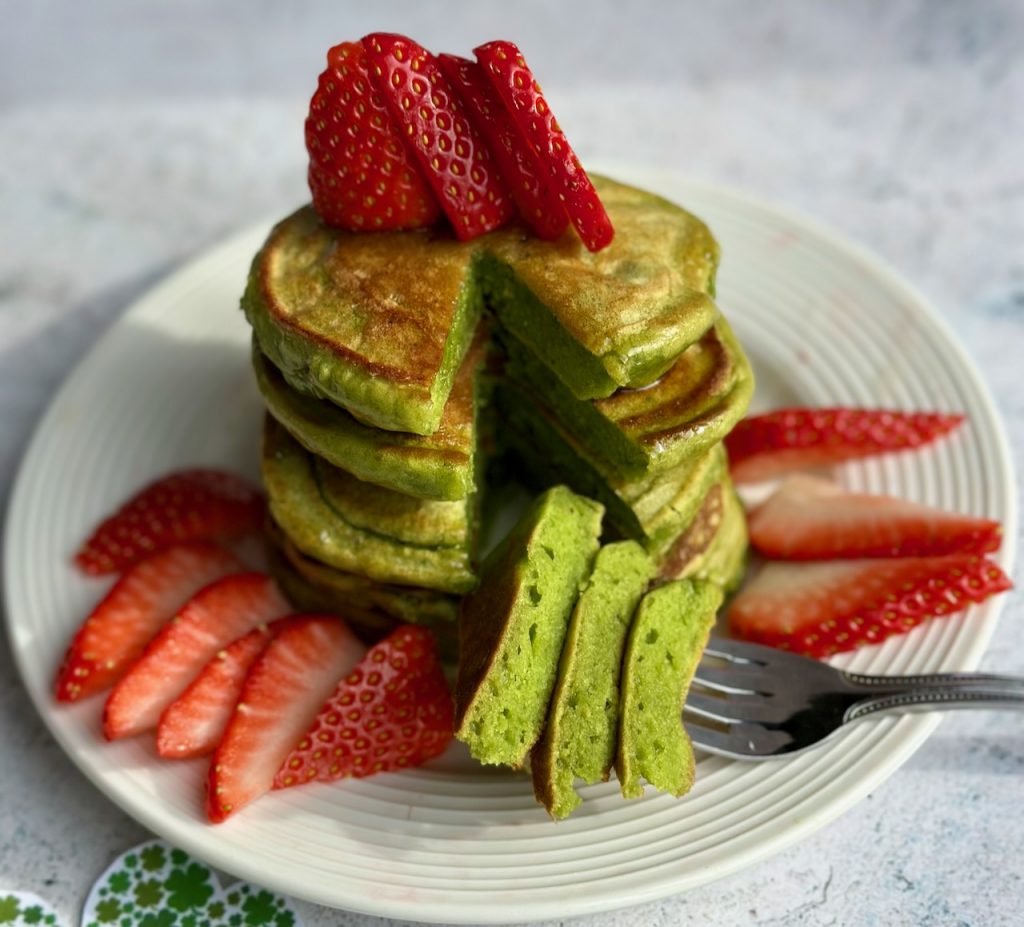
Are you team flat or fluffy? Thin beautiful crepes, or thick fluffy style pancakes stacked high on the plate?
Team sweet, or team savoury? We’ve got recipes for every palate.
If you’re looking for inspiration and want to try something different, here’s our pancake recipe roundup. Click on the links in bold to get straight to the recipe!
The basic recipe, but make it vegan! Here’s our vegan pancakes.
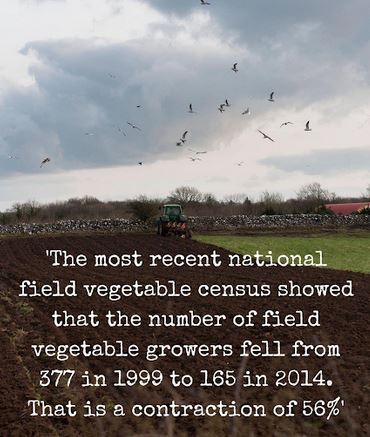
What is going on with our food? When did it get hijacked and hidden from us, what do any of us really know about the origin of the food we eat?
The short answer is probably very little, and we can all be excused from this responsibility. How are we expected to know? You would need a degree in detection and a lot of free time to really understand what exactly it is we are eating most of the time. The ultra-processed food industry has made it their business to impact our eating habits with all the tools of modern science, and in so doing, have clouded the trail to the truth about our food.
Not only that but we are promised so much, fat free, sugar free, gluten free, fortified with vitamins etc and yet somewhere along the way this food has had its true goodness removed. Why is our food system not better, healthier,and kinder to us and our planet? At what point did food stop being about the food and start being about profit?
Because when it is all about the bottom line, our health and the environment become mere after thoughts. The very building blocks of our health and an industry that covers so much of our planet seems to have lost its way. We are sold the idea of free choice, but the reality is that nearly all of the big brands on our shelves are made by 10 giant multinational conglomerates. An industry built on cheap commodity products wrapped and packaged and sold as healthy, driven by profit, derived from a complex unsustainable food chain, produces most of our food and it is damaging our health and destroying our planet.
How did we get ourselves into this crazy retail race to the bottom and how come it is so hard to value and even want to eat real food? Why is it so hard to do the right thing? Why when we know that diet can reduce the risk of so many diseases, type II diabetes or chronic inflammation or heart disease or the growing level of obesity does the healthy option just feel like an endeavour we will tackle tomorrow? All these questions are linked.
I did a stint in a major pharmaceutical company in the US as a research scientist. A friend of mine at the time worked in the food division, occasionally she would bring cookies to lunch for us to try that had been engineered in her lab to within an inch of their lives. Texture, flavour, taste, and crumbliness had all been optimised in the lab to allow just the right amount of sugar fat and salt to hit our tastebuds in the right way at the right time to make them irresistible. Thesefoods change our culinary habits and desires. But amazing fresh food, rich in taste and texture can quite quickly change our habits back, we can reset the dial so to speak and become accustomed to what real food tastes like again, it has a goodness and a wholesomeness and that cannot be mimicked by processed products.
Hippocrates was the one who said,‘let food be thy medicine’. Sure, not all our aliments can be eliminated by decent eating habits but there is one thing I know for sure it will certainly help. Show me the doctor that has ever prescribed a reduction in eating fresh real food, for there I believe lies our ability to heal our selves and our planet.
Irish apples are the all year round “fruit” hero! Delicious to eat as they are and fantastic to bake with too. We are all familiar with the apple tart but believe me when I tell you this traybake is much easier and quicker to make and equally delicious!
The walnuts not only compliment the tasty sweet organic apples they also add texture and nutty goodness.
We really hope you try this one soon, remember to serve large slices with giant mugs of tea and chats.
Preheat the oven 170c and line a rectangle baking tray (12 x 8 inc) with parchment paper.
Peel and grate the apples. (eat the apple peels with peanut butter as a snack)
Measure the sugar and butter into a mixing bowl and beat together using an electric beater or a hand held whisk.
Next beat in the eggs.
Sieve in the flour, baking powder and cinnamon, mix until combined.
Fold in the grated apple and chopped walnuts.
Add the mixture to the prepared baking tray and bake for 30-40 minutes. Check that the cake if cooked by inserting a cocktail stick when it comes out clean its ready.
Set aside to cool.
To decorate add the icing sugar to a small bowl, add a teaspoon boiling water and mix to a paste, it should be thick like glue. Drizzle over the cake and top with the extra chopped walnuts.
These chocolate raspberry chia seed hearts have been trending on the social channels and are the perfect Valentines sweet treat!
We love berry chia seed jam and these chocolate centres have something similar. The chia seeds swell up and give this jammy consistency that works perfectly with raspberries.
Raspberries and chocolate (milk or dark) work so well together. Make these for the one you love, your kids or treat yourself. #selflove
Pop the fresh raspberries into a bowl and mash with a fork, add in the chia seeds, mix well and set aside for 30 minutes to let the seeds swell.
Line a baking tray with parchment paper. To make the heart shapes, use a teaspoon to scoop a small amount of the raspberry mix and put it on the tray in the shape of a ball, flatten with the back of the spoon to make one side of the heart. Put another ball right beside the first one and smooth to make the other side of the heart and make a point for the bottom of the heart. Repeat with all the mix.
Put the tray in the freezer for 2 hours.
Melt the chocolate and butter together in a bowl over a pot of boiling water or in the microwave.
Place one of the frozen hearts in the chocolate and spoon over more chocolate, put it on a tray to set.
Melt the white chocolate and drizzle over – this is optional.
These chocolate hearts will keep in the fridge for 3 days.
This is up there with one of our top 5 breakfasts. It is so delicious and incredibly nutritious, I urge you to give this recipe a go. We replaced the eggs in this classic Indian breakfast with a chickpea flour batter here to keep it plant based. Chickpea flour has been used in Asian cuisine for hundreds of years, it is also full of fibre, protein and many vitamins and minerals. Such a useful ingredient, we also use it to make fritters, socca bread and to bind falafel and bean burgers – have you tried cooking with it yet? We stock an organic bag which you can add to your next fruit and veg order.
Liz x
Ingredients (per omelette)
60g chickpea flour
150ml water
large pinch of salt
chilli flakes to taste (or even better, use chopped fresh green chilli)
1/4 tsp ground turmeric
1/2 tsp garam masala (or any Indian spice blend you like)
1 salad tomato, finely chopped
2 tbsp finely chopped red onion or scallion
2 tbsp finely chopped fresh coriander
1 tsp good oil for frying (we use rapeseed)
1 flatbread (we used tortilla bread here)
1 tbsp mango chutney (or any Indian chutney you like, or natural yoghurt)
Method
Whisk the chickpea flour and water together into a smooth batter. Then add the salt, chilli, turmeric and garam masala and whisk again.
Stir in the tomato, onion and coriander. Meanwhile, heat up a pancake pan over a medium heat.
Warm the flatbread on both sides in the dry pan, place on a plate. Then pour in the oil, swirl to coat the pan evenly. Pour the masala omelette mixture into the pan and swirl or spread in out with a spoon into a thin layer.
Be patient and let the omelette cook slowly until it is set and golden on the bottom and almost dried out on top. You should notice small bubbles forming and popping. Carefully loosen the omelette from the pan and flip with a spatular.
The second side should only take a minute. Spread the bread with the chutney then flip the omelette out on top. Roll up and enjoy whilst hot!
We don’t eat enough boxty in Ireland. These potato pancakes are so easy to make and so tasty. Boxty is a thrifty and clever way to use up left over mash, stretched further by adding grated raw potato! The secret to really tasty boxty is adding a small knob of butter to finish frying them on the pan.
Eat them as they are or serve with eggs, mushrooms and beans for a delicious weekend brunch.
Peel and grate the raw potato. Place in a clean tea towel, wrap it and squeeze out the starch.
Finely slice the spring onions and keep some of the green tops for garnish.
Add the mash potato to a mixing bowl along with the grated potato, sliced spring onion, bicarbonate of soda, buttermilk, flour and a good pinch of salt and pepper. Give the batter a good mix.
Heat a frying pan on a medium heat.
Lightly coat the pan with oil.
Spoon on 3 – 4 generous mounds of the potato batter.
Cook gently and just like pancakes, wait for little bubbles to form.
Carefully flip and cook for a further few minutes.
Cook all of the boxty and then return to the pan and drop in a couple knobs of butter, let the butter melt and coat the potato pancakes. Serve straight away.
The days of 3 square meals has gone out the window for most. Snacking seems to be habitual to many and it definitely isn’t a bad thing so long as the snacks are packed full of energy boasting ingredients like these yummy sugar free flapjacks.
Feel free to snack on these morning, noon or night they taste so good. We favour these over individually wrapped packets from the supermarket too! #lessplasticpackaging
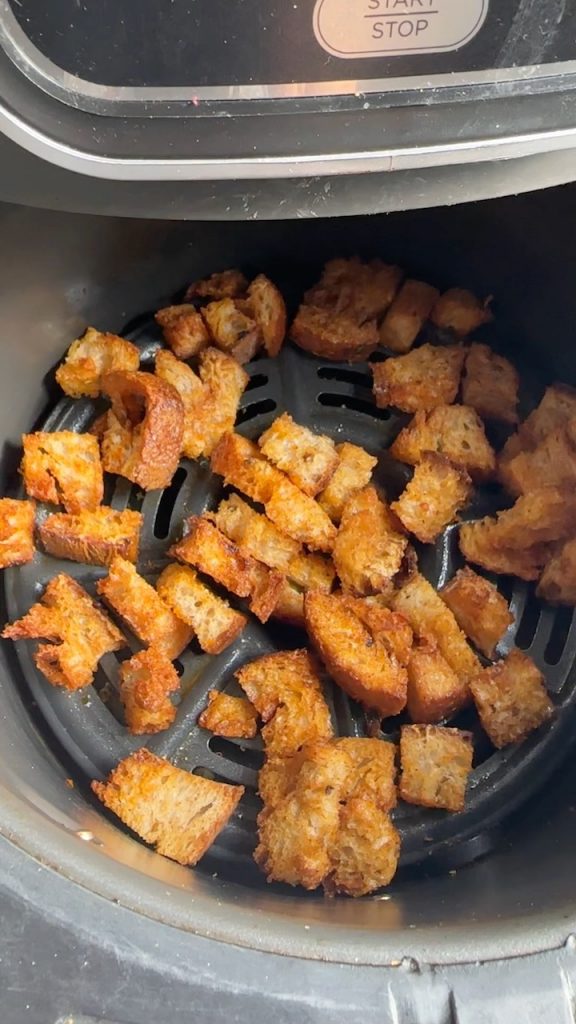
Tip: These flapjacks work best with really ripe black bananas. You can ripen yellow bananas by baking them in the oven for 30-40 mins at 180c or in the air fryer at 180c for 13 minutes.
This fresh, sweet salad is the perfect vehicle for my favourite crunchy condiment, dukka. Dukka is an Egyptian dip/sprinkle made with toasted nuts, sesame seeds and spices. It is absolutely stunning – earthy, nutty, warmly spiced with the most intoxicating fragrance. Use it the traditional way as a dry dip (dunk bread in olive oil then into the dukka and devour) or as a crunchy topping for endless salads, soups, stews… you’ll find any excuse to use it once you have a jar in your pantry. Beetroots are in season now and perhaps eating them raw is the most delicious way? Let me know your favourite beetroot recipes in the comments.
Liz x
Ingredients
For the dukka:
250g mixed nuts (or use just the traditional hazelnuts)
4 tbsp sesame seeds
2 tbsp fennel seeds
2 tbsp cumin seeds
2 tbsp coriander seeds
optional tsp of salt
For the salad:
3 carrots, julienned
3 beetroot, julienned
a large handful of chopped parsley
the juice of half a lemon
3 tbsp extra virgin olive oil
a very small clove of garlic, crushed or finely grated
salt and pepper to taste
Method
To make the dukka, toast the nuts in a dry, hot frying pan until they start to take on some colour. Stir often whilst toasting to avoid burning any. Allow the nuts to cool a little before tipping them into a food processor. Pulse to roughly chop the nuts before adding the other smaller ingredients.
Toast the sesame seeds, fennel, coriander and cumin in the dry, hot frying pan next. They will start to pop and smell incredible. Tip them in with the nuts and pulse the processor again until you have a fairly uniform, crumbly mixture. Careful not to over-process, you want crunch and texture, not powder. You can add salt at this stage if you like too.
Allow the dukka to completely cool before storing in a clean jar. Use within one month for optimum freshness and flavour.
To make the salad, add the julienned carrots and beetroot to a salad bowl along with the chopped parsley. Mix the lemon juice, olive oil, garlic and seasoning and pour over the salad. Toss well and just before serving, sprinkle over the dukka. We ate it alongside a parsnip pilaf (next recipe) and some natural yoghurt.
This plant based ragu is delicious, nutritious and has a gorgeous texture. The earthy sweet beetroots, wholesome lentils and crunchy, nutty walnuts all mingle perfectly to make a really delicious, vibrant pasta sauce. It is wonderful in layers in a lasagne too. If you are not a fan of beetroot, simply swap it for mushrooms and carrots. We do have a lot of brilliant beetroots coming out of our own fields now though, so this recipe is a great way to enjoy this locally grown, seasonal vegetable. Beetroots are brimming with goodness – iron, potassium, antioxidants and more!
Liz x
Ingredients (serves 6)
2 tbsp olive oil
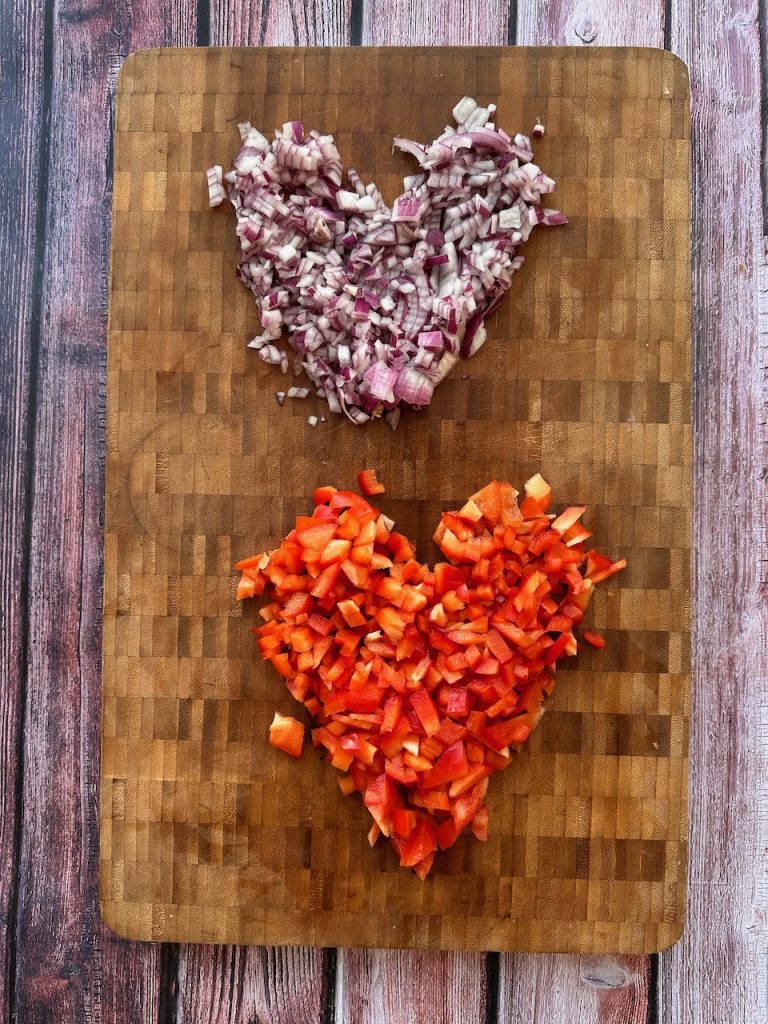
1 onion, finely diced
3 sticks of celery, finely diced
250g beetroot, finely diced
150g raw green/brown lentils, rinsed (or use two tins of cooked lentils)
100g walnuts, crushed/crumbled into lentil sized pieces
2 bay leaves
4 cloves of garlic, crushed
1 tsp fennel seeds
1 tsp dried thyme
1/2 tsp chilli flakes
1/2 tsp oregano
2 tbsp capers, finely chopped
1 glass of red wine
1 tin of chopped tomatoes
2 tbsp tomato puree
salt and pepper to taste
500ml vegetable stock
Method
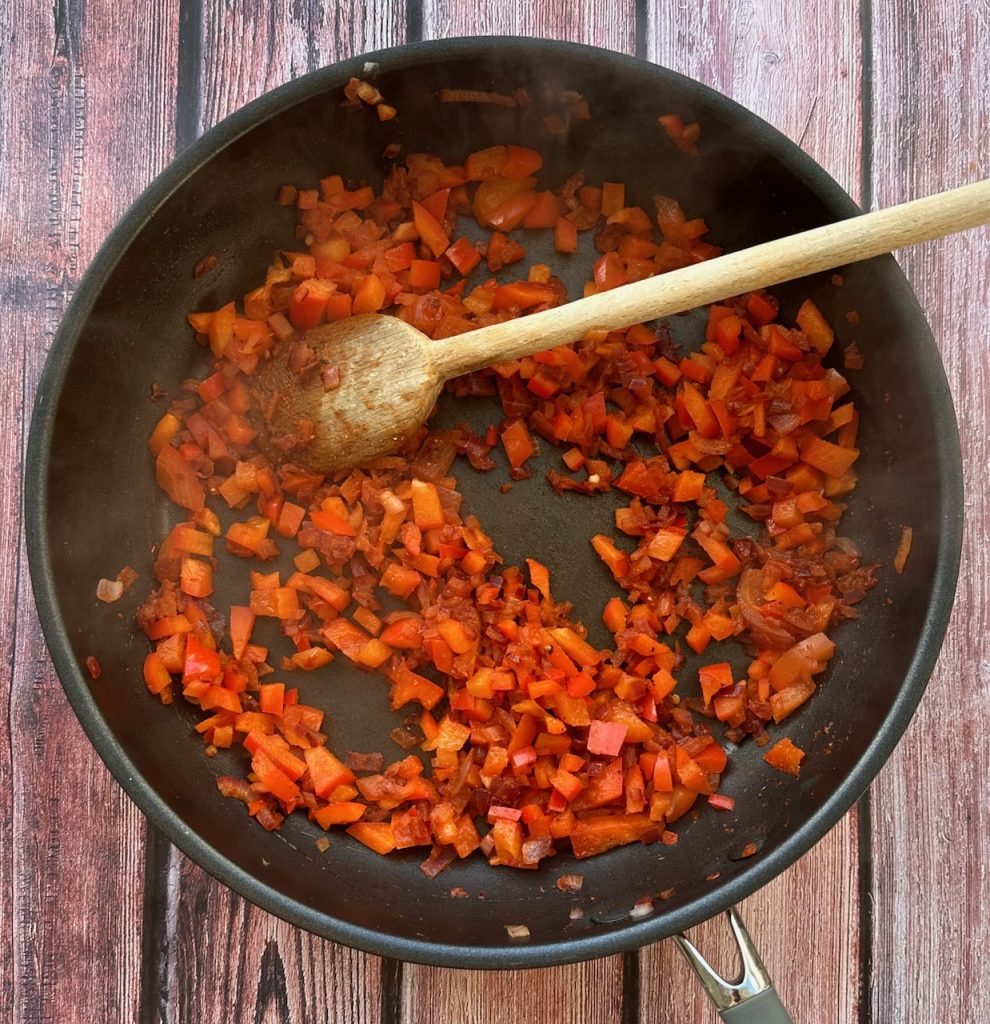
In a wide, heavy bottomed pan, on a medium heat, cook the onion, celery and beetroot with the olive oil and a sprinkle of salt and pepper. Stir often and after around 8 minutes, the vegetables should be softened.
Then add the lentils, walnuts and flavourings (the garlic, capers, fennel seeds, bay leaves, oregano, chilli and thyme). Stir and cook for a couple of minutes to wake up the flavours in the seasoning. Then add the glass of wine and let it bubble until it is nearly evaporated.
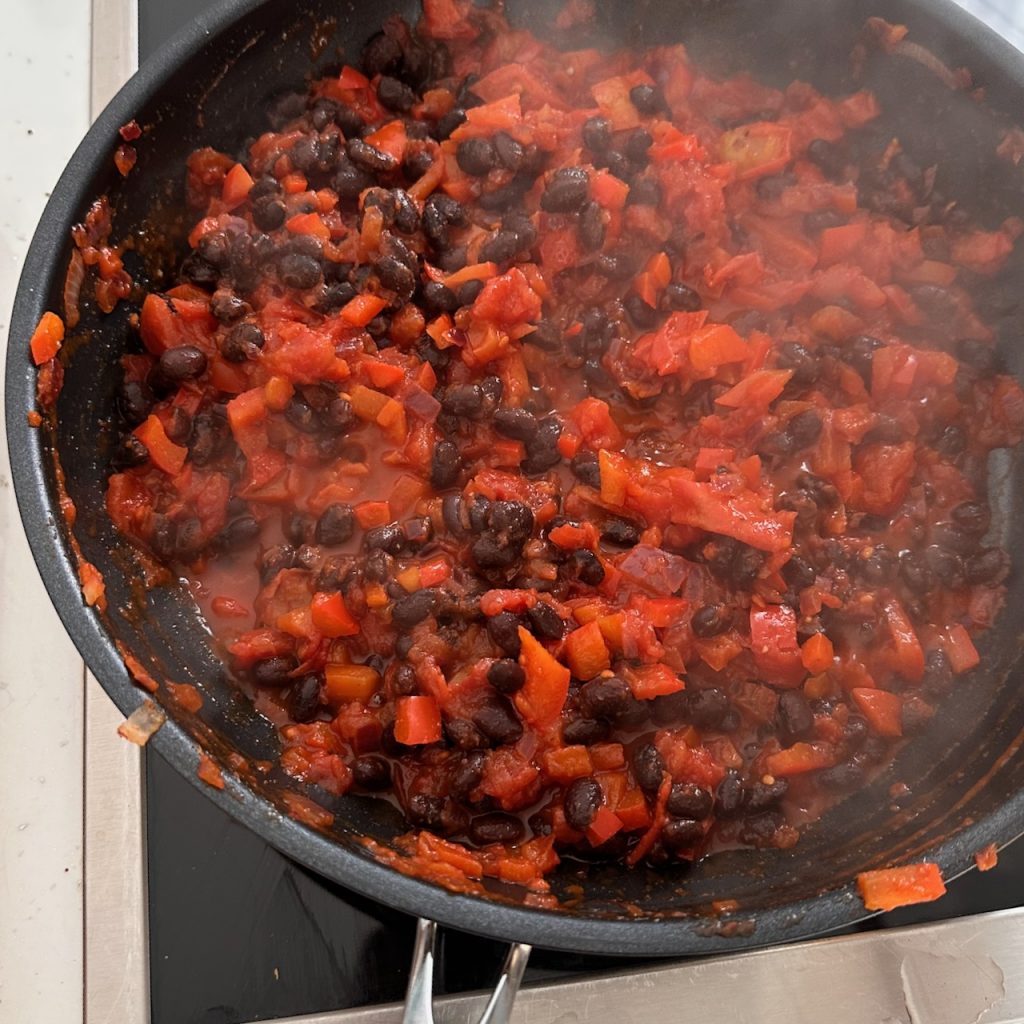
Pour in the tin of tomatoes, the tomato puree and the vegetable stock and pop the lid on the pot. Simmer for 30 minutes or until the lentils are soft and the sauce is rich. Stir occasionally to prevent sticking and keep an eye on the liquid levels, you may need to add a splash of water if it starts to look dry.
Taste and adjust the seasoning if needed with more salt or pepper and serve over freshly cooked pasta. Enjoy!
Bibimbap means mixed rice and we are totally in love with the concept and flavours of these colourful Korean bowls. We eat versions of this so often, it’s our go-to dinner when we are stuck for inspiration. They’re a great way to use up leftovers or odds and ends from your veg drawer too. Eat with hot sauce and kimchi – a spicy, sour fermented cabbage full of flavour and so much goodness for your guts – we stock a really good one or search here in the blog to make your own. Traditionally topped with a raw or fried egg, we prefer some scrambled tofu. Here’s the very loose and flexible recipe which you should totally make your own. Enjoy!
Cook rice or use leftover rice and make a cold bowl.
Rinse your kale and strip out the tough stems. Finely slice the stems and place in a pan with a little oil and some sliced garlic. Sauté gently until they start to soften, then add the wet leaves and a sprinkle of salt. Stir fry to wilt the leaves, you may want to add a little splash of water to help them wilt.
Slice the mushrooms and sauté with a little oil until they start to colour. Then add a splash of soy sauce and let the mushrooms cook for a few minutes until they are dark and delicious.
Grate or julienne carrots. Mix them in a bowl with a splash of soy sauce, a drizzle of toasted sesame oil and a squeeze of lime. Sprinkle with sesame seeds.
Scramble tofu by stirring silken tofu in a hot pan with some butter, salt, pepper and a pinch of turmeric. Break it up into lumps and sauté until it’s hot through.
Slice your scallions and assemble your bowls. Start with rice then top with a portion of all the other sides. Stir and dig in!