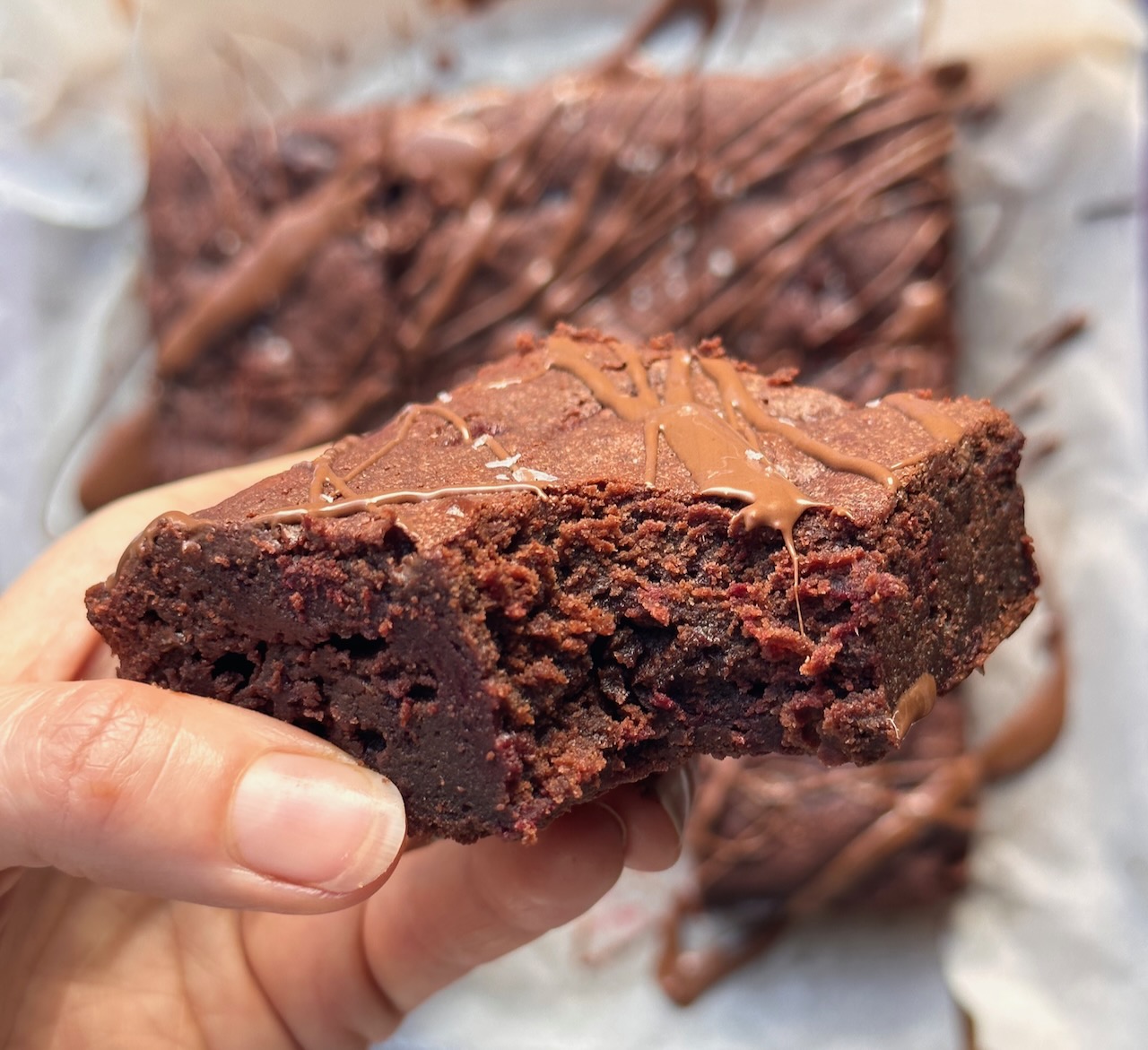
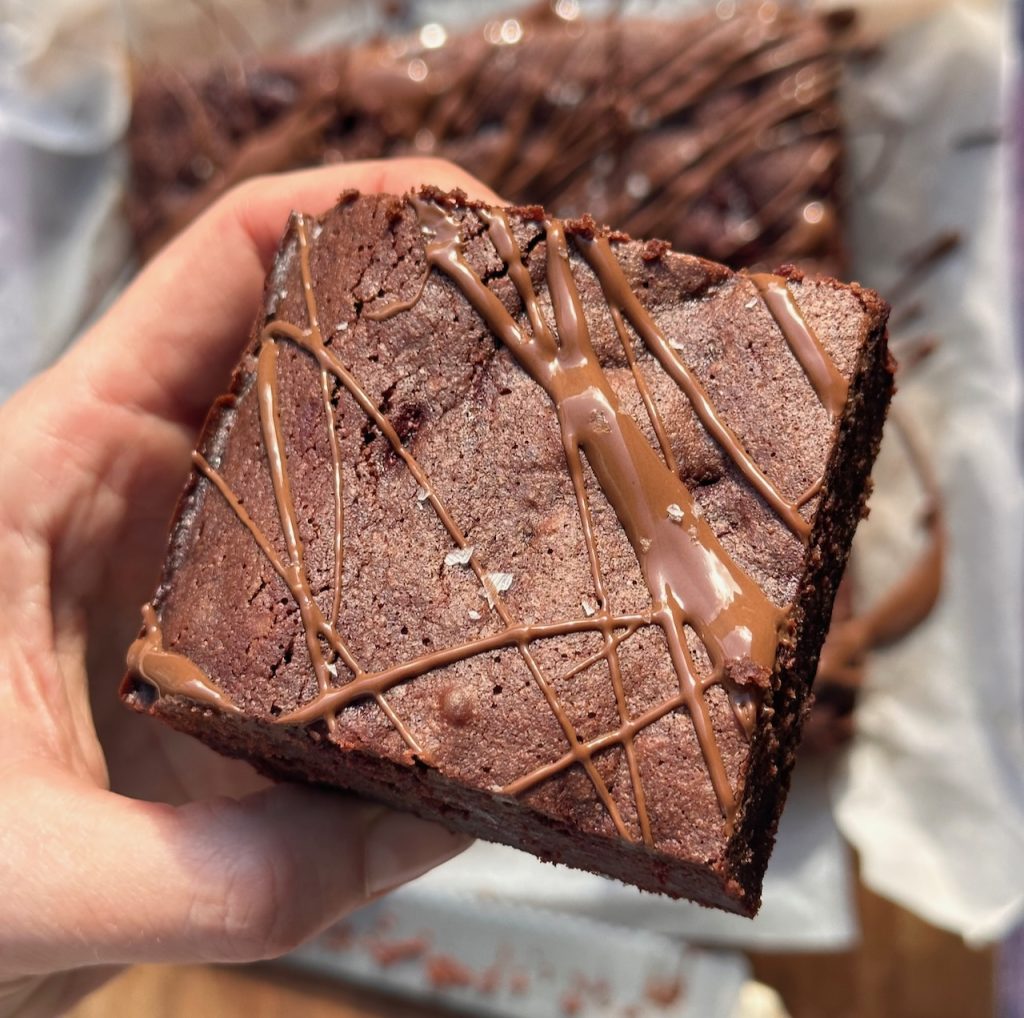
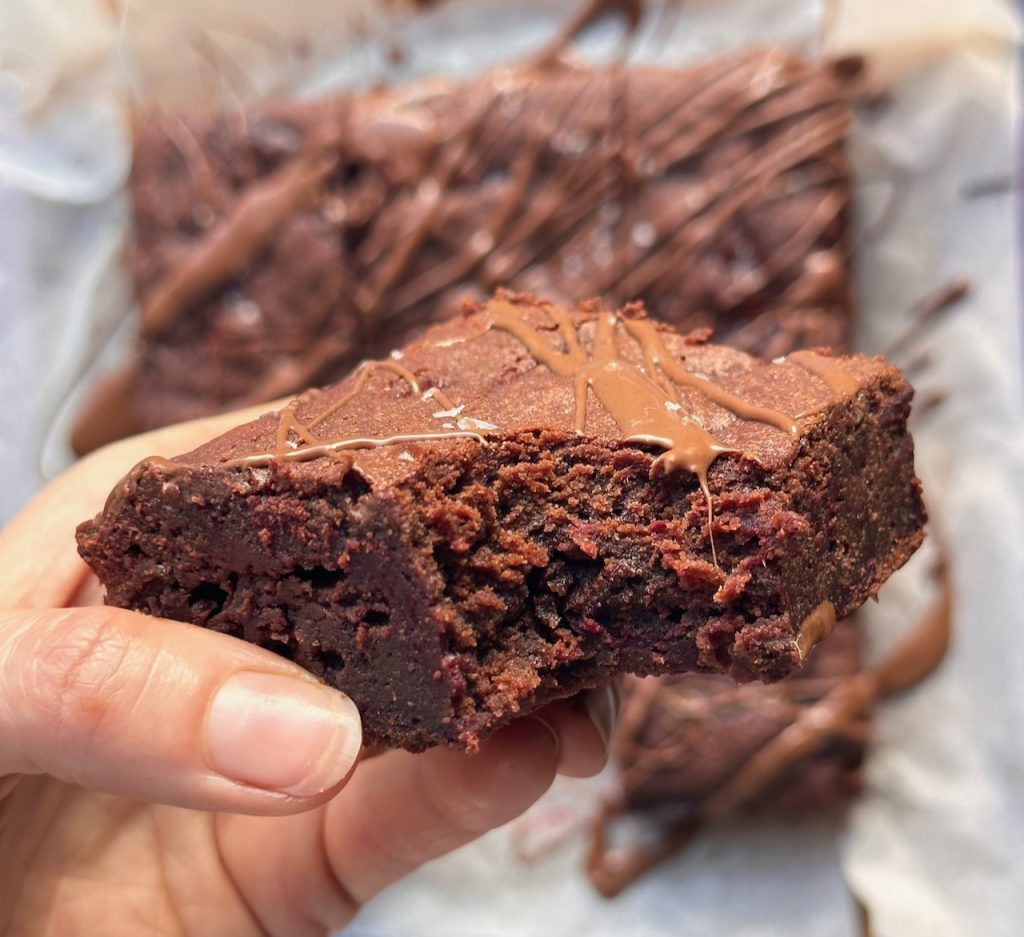
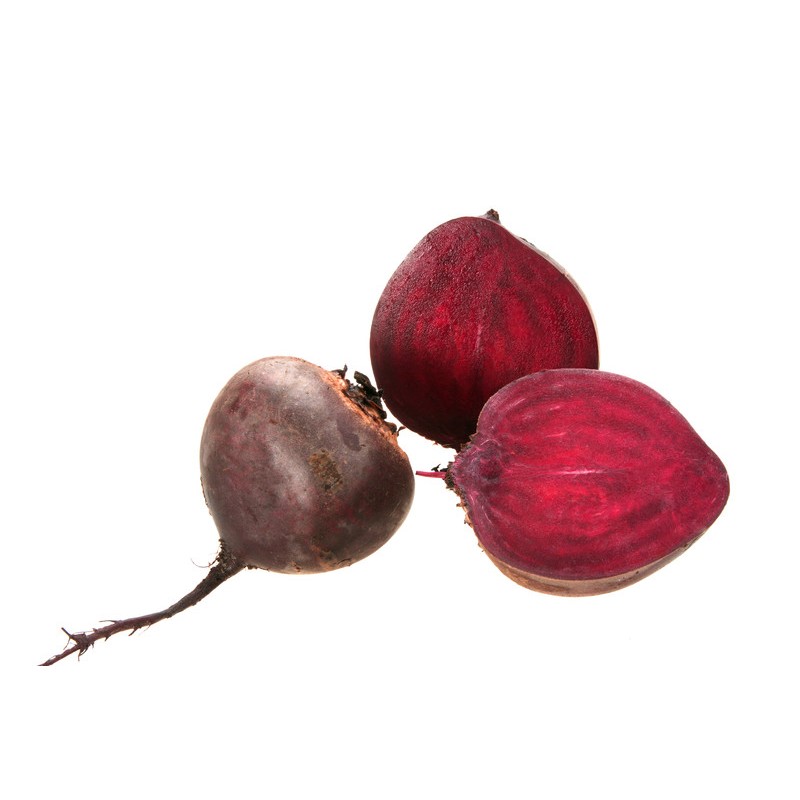
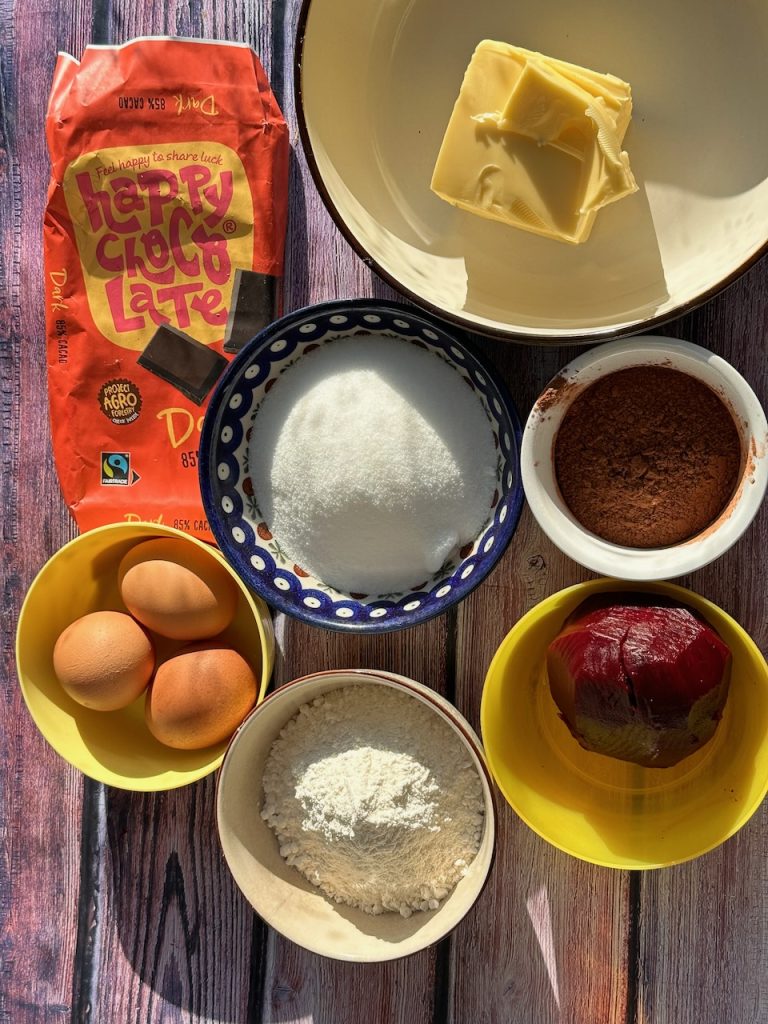
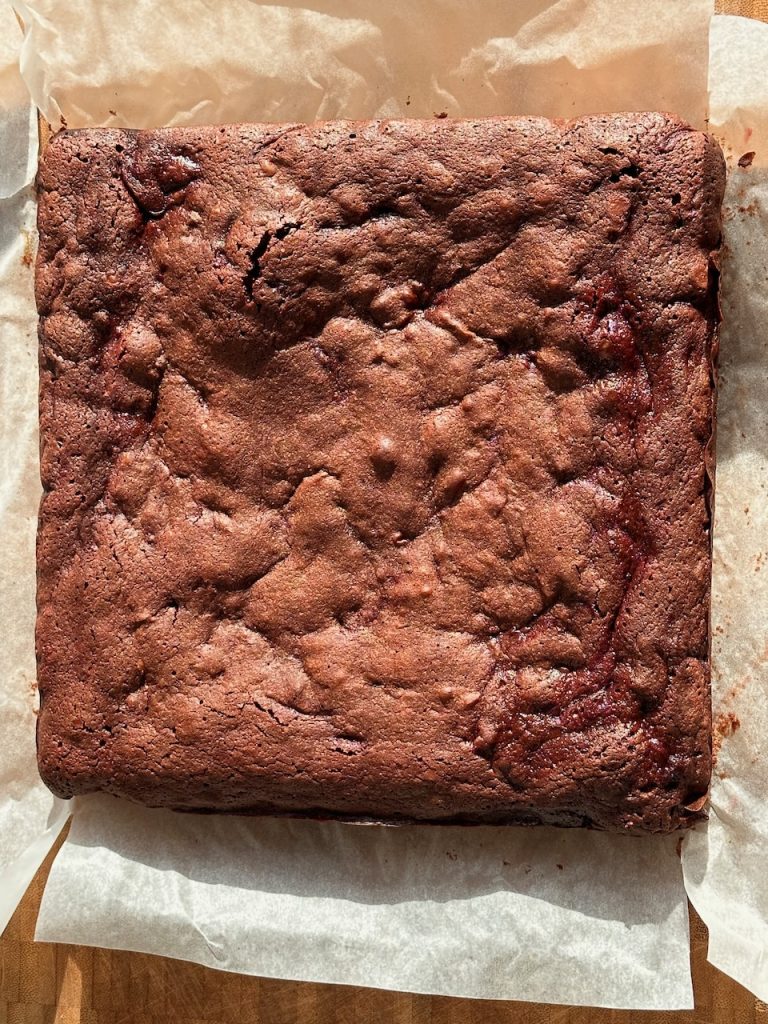
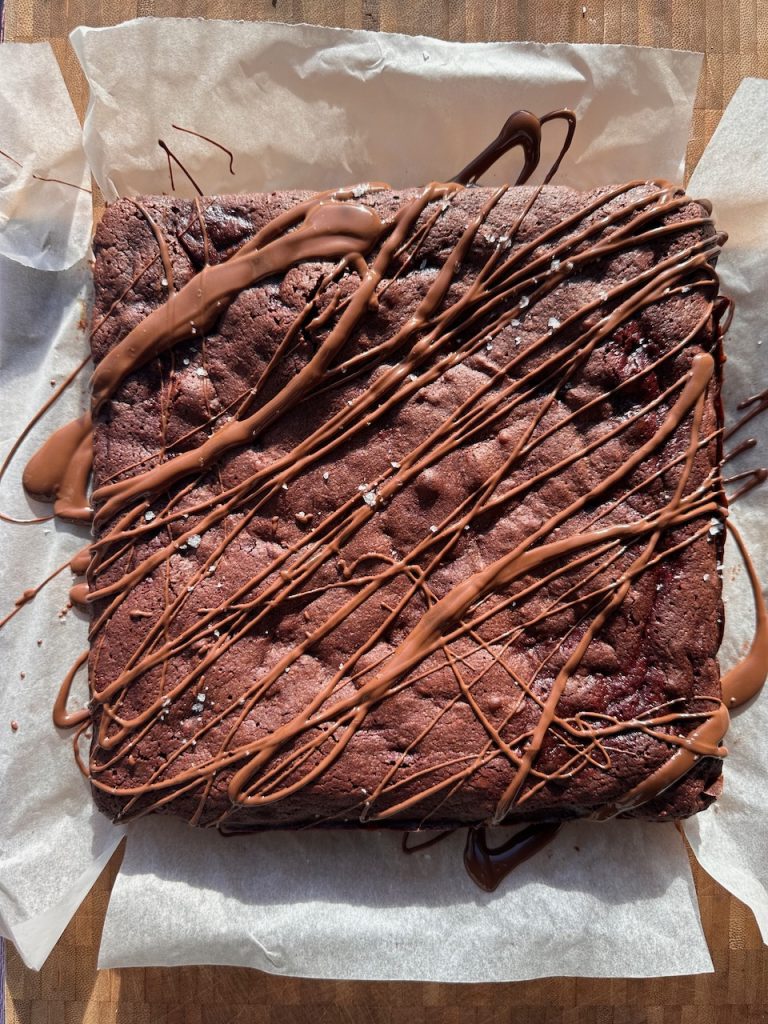
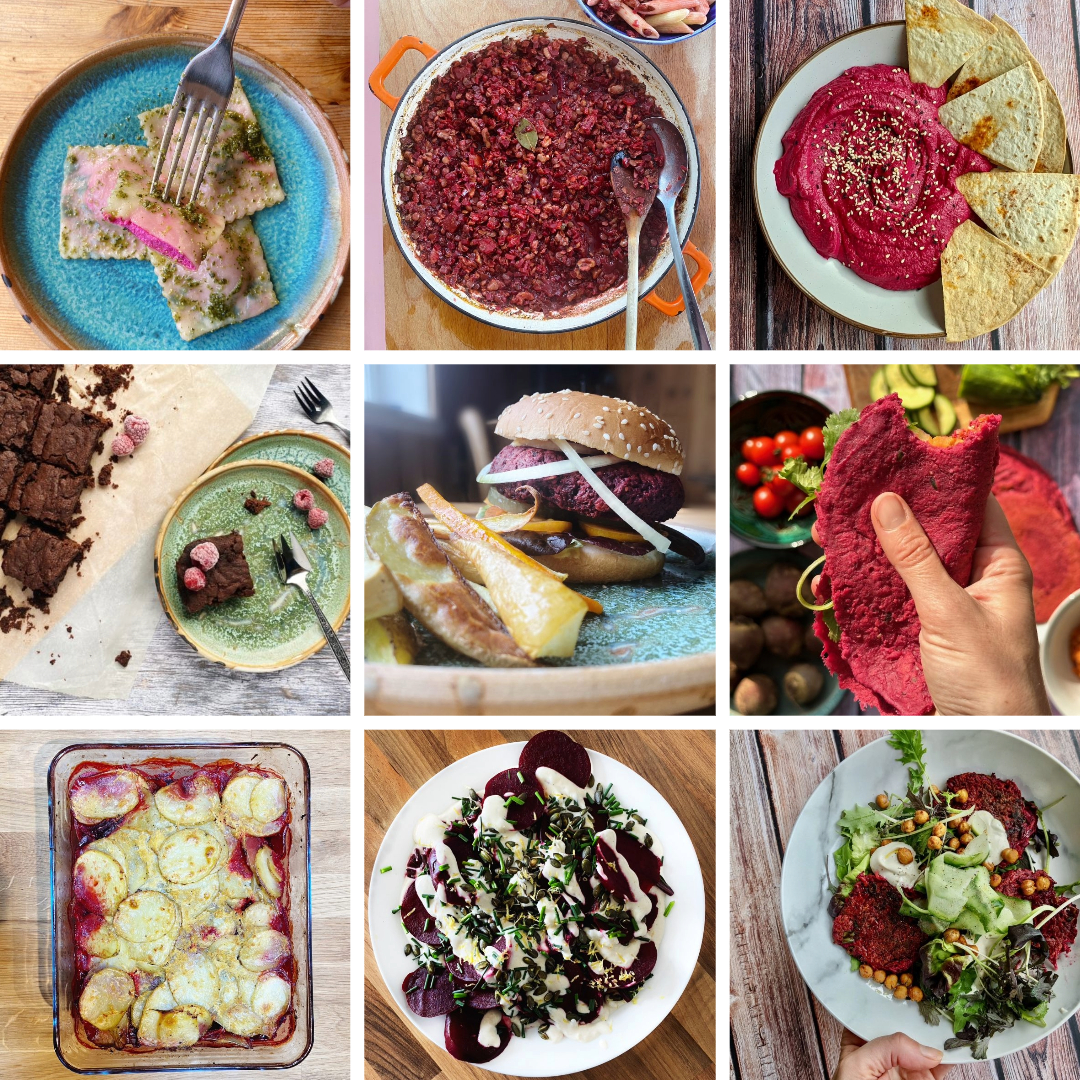
Cooked beetroot is so versatile, delicious panfried with garlic or roasted with onions and a dash of balsamic vinegar. It is really good in sweet bakes and a firm favourite in my house is beetroot chocolate brownies!! This is a wonderful treat, chocolate and beetroot work so well together. Its a great way to celebrate our homegrown IRISH beetroots. Our beetroot season is coming to an end, but you’ll continue to get Irish beetroot from grower Philip Dreaper.
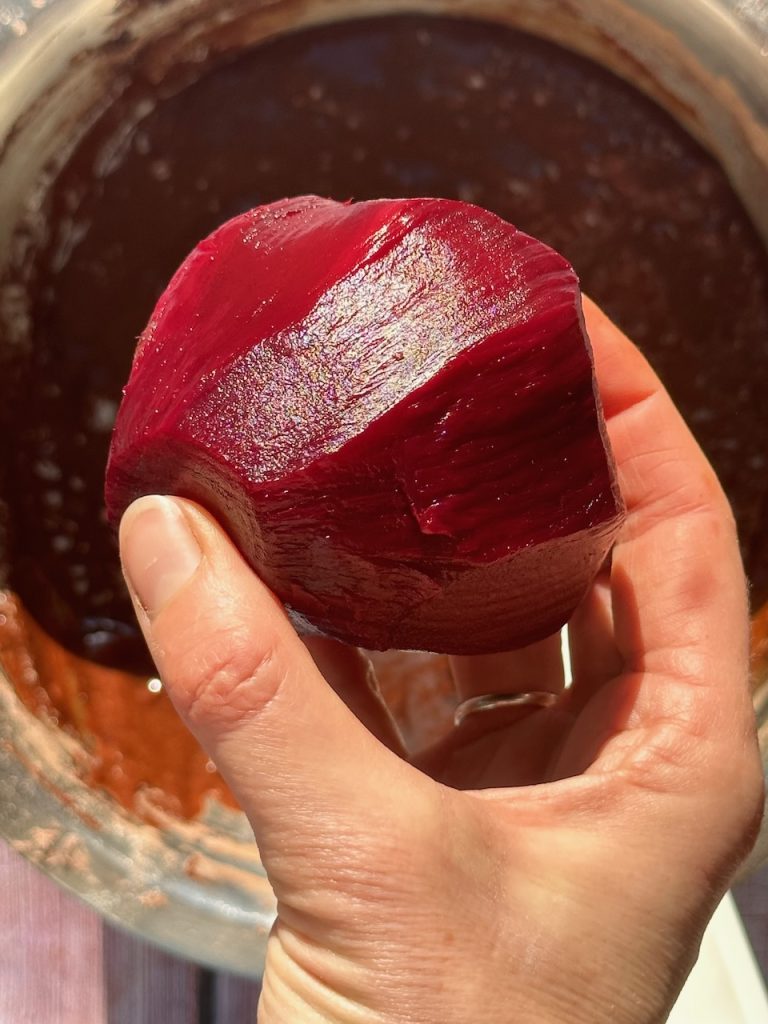
Tip: Steam, boil or roast raw beetroot with the skin on until cooked through. Peel and cool.
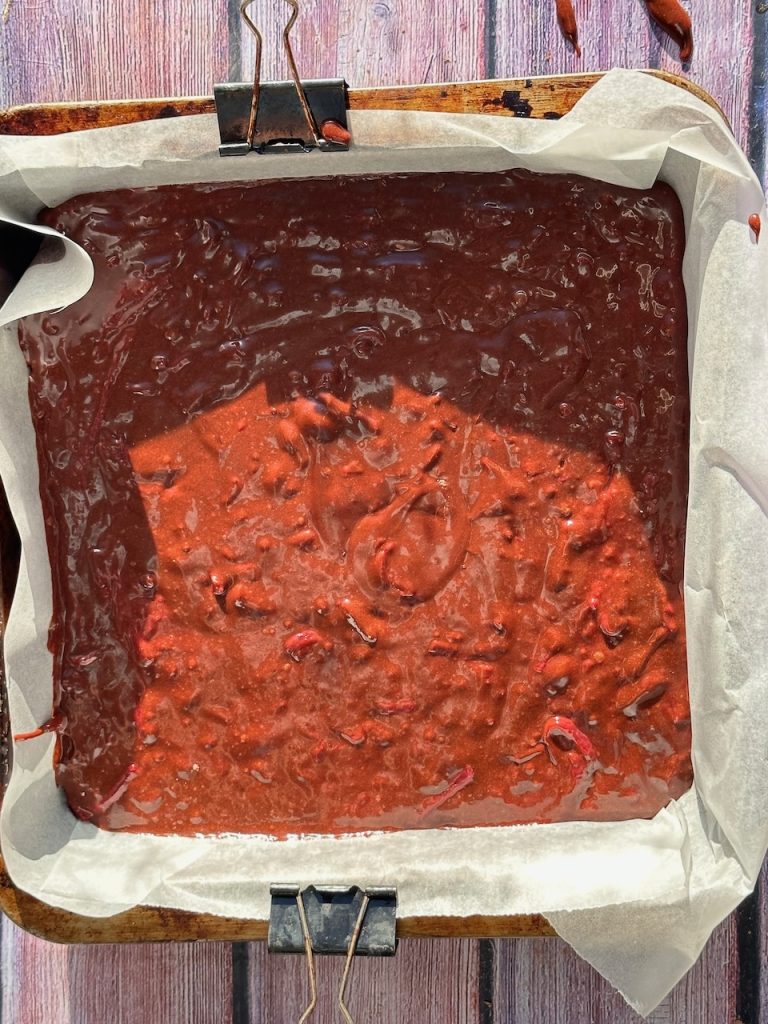
Step 1: Preheat the oven 170ºC. Line a 9in square baking tin with parchment paper.
Step 2: Melt the butter and chocolate together in the microwave or in a bowl over a pot of simmering water.
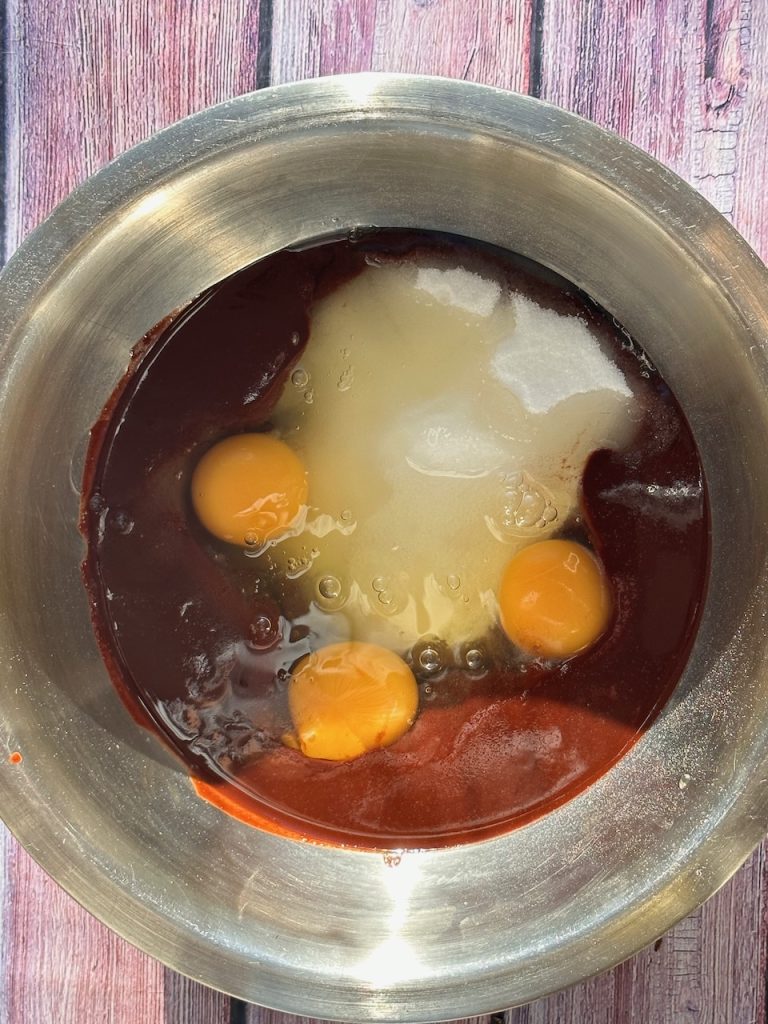
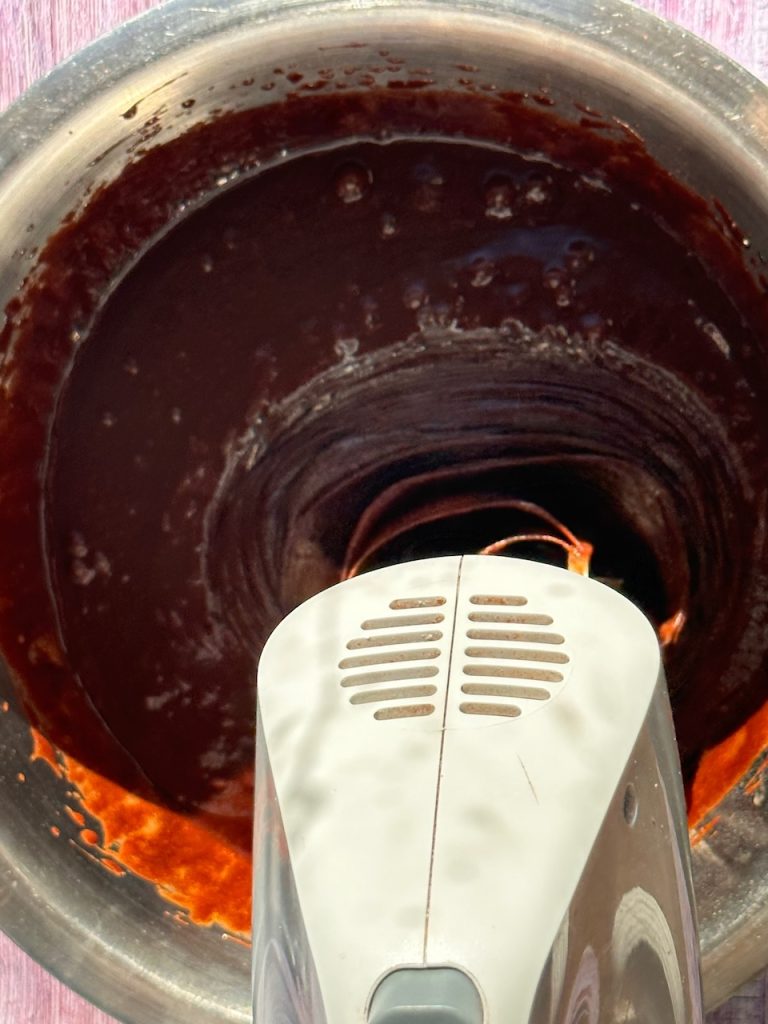
Step 3: Whisk in the sugar and eggs until thick and smooth. An electric hand mixer works best or a hand whisk wil do too.
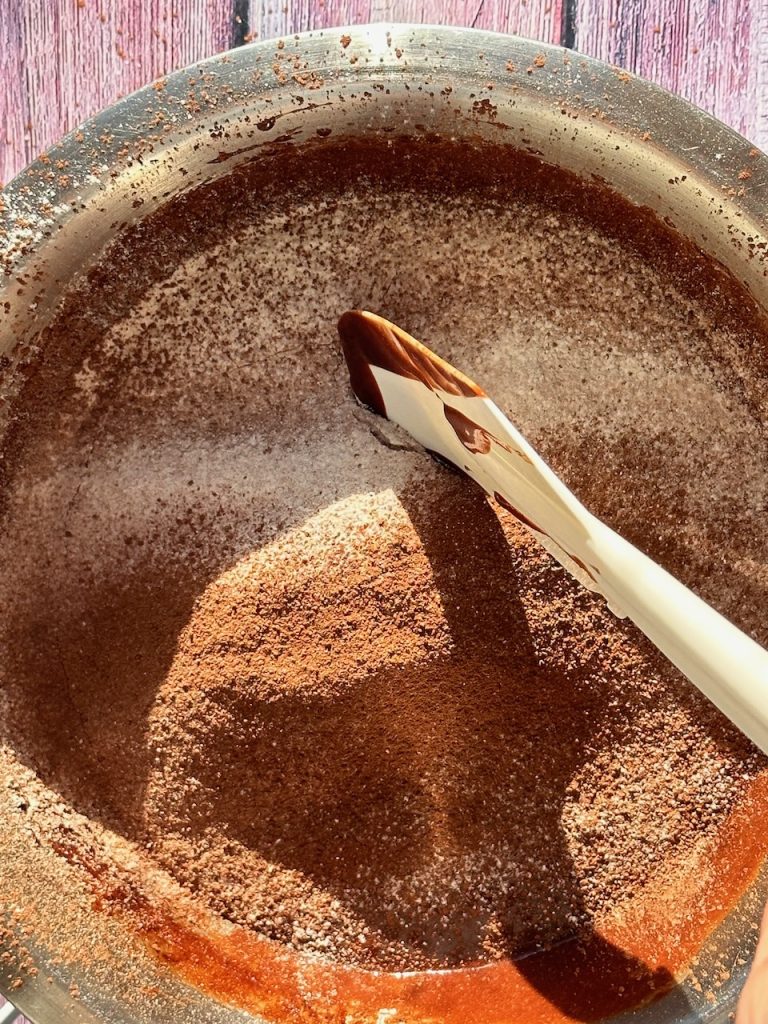
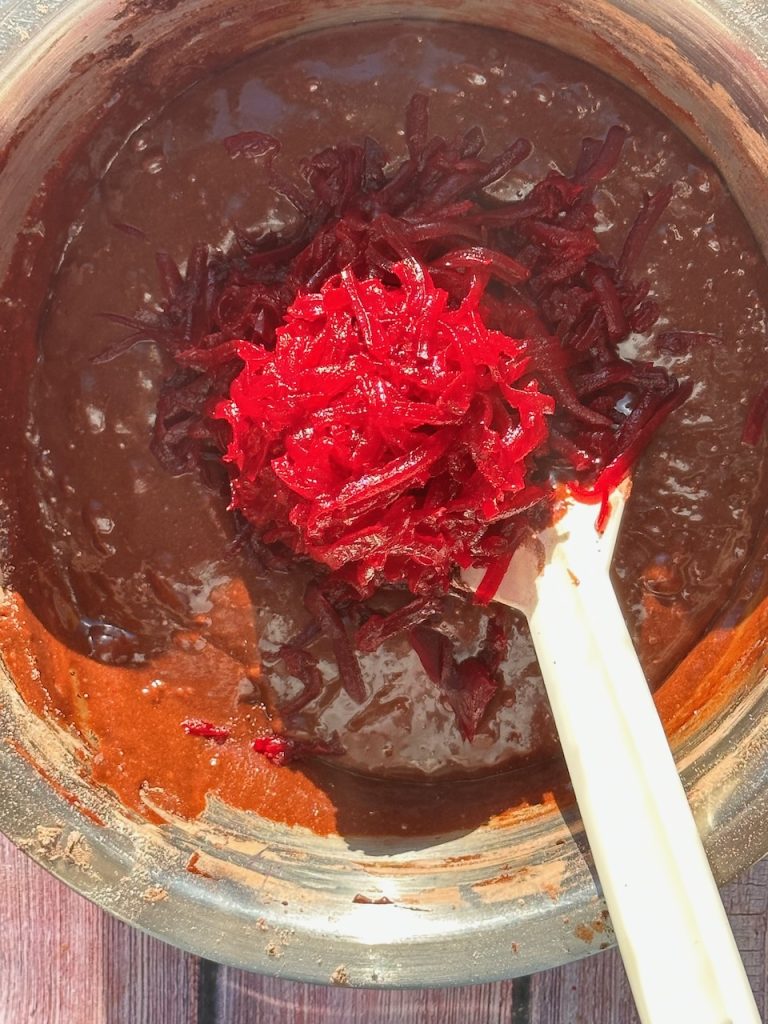
Step 4: Sieve in the plain flour and cacao powder and whisk again to combine. Grate the cooked beetroot straight into the bowl, stir into the chocolate mix. Then pour into the baking tin. Bake for 22-25 minutes. The brownie should be slightly gooey in the middle. Leave to set and cool then slice and serve. Vanilla ice cream is aways a good paring!
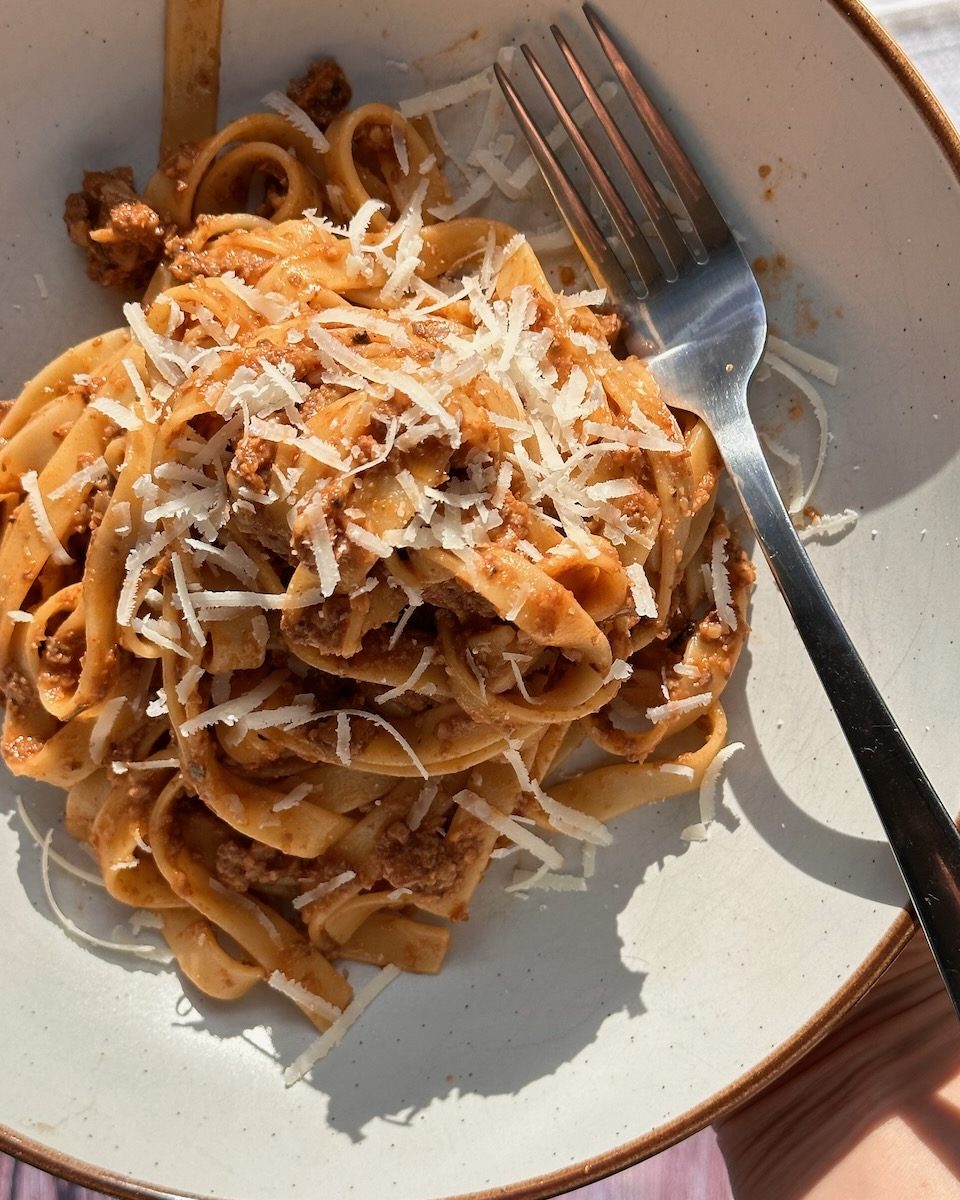
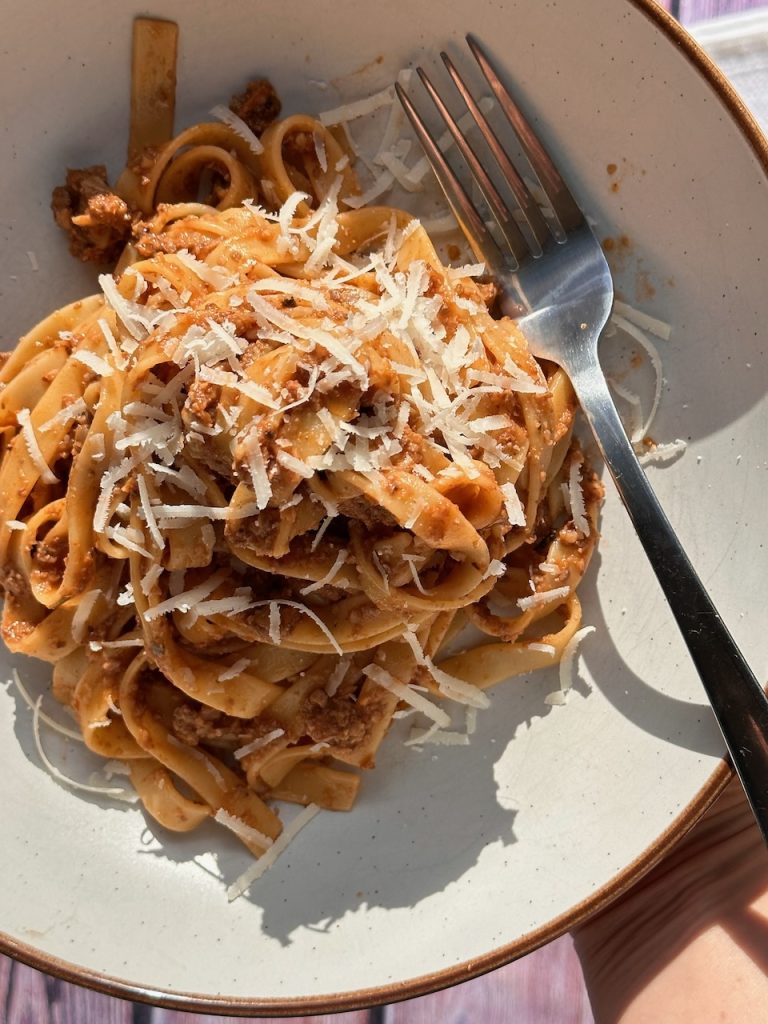
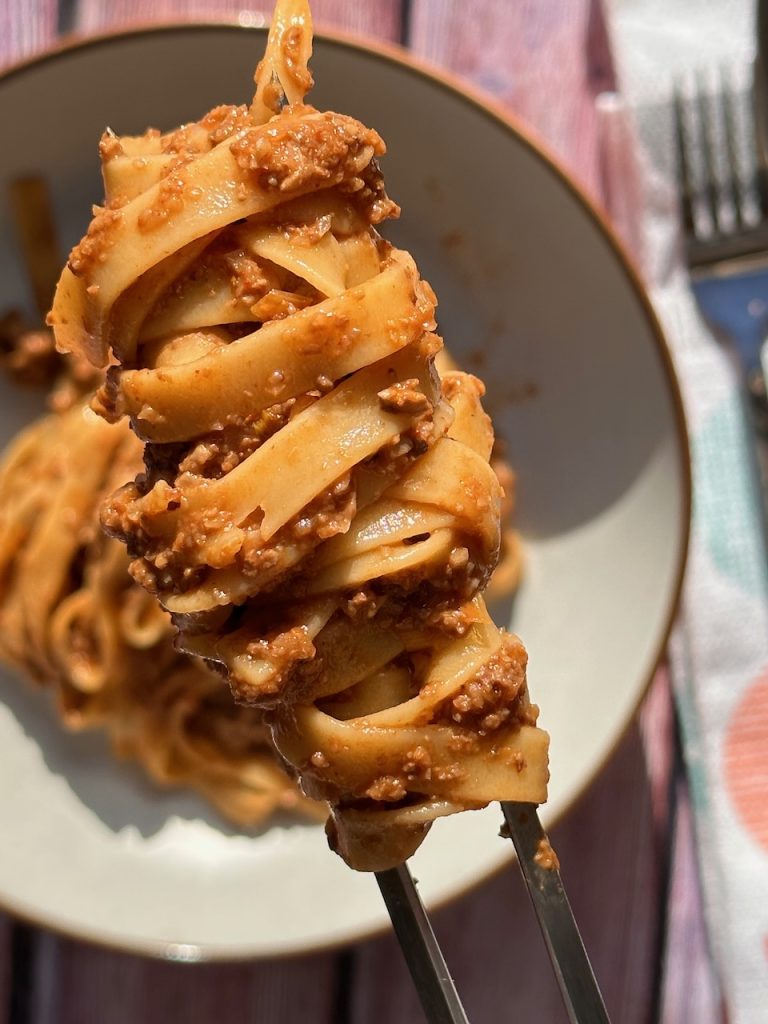
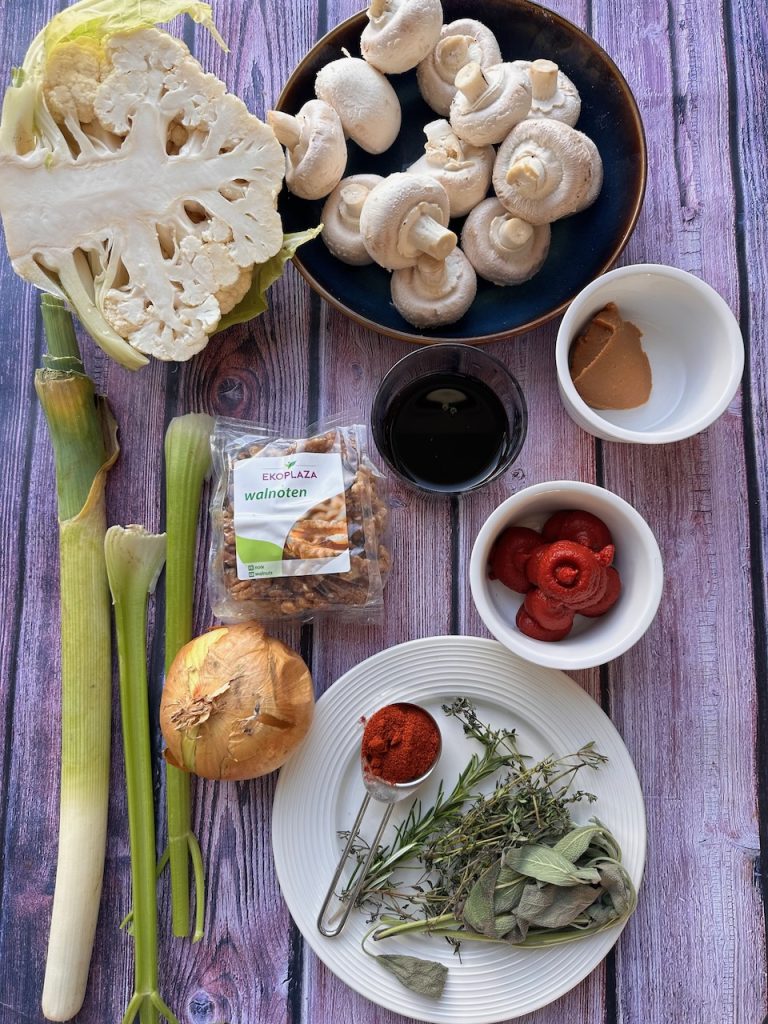
Deep, rich, nutty and full of flavour this vegan ragu ticks all the boxes! Half the vegetables are roasted and toasted and the other half is sautéed, until soft and sweet in a sauce. When it comes together it makes the perfect combination. My top tip is to add a few spoons of the pasta water to the ragu to make it silky enough to cling to the pasta.
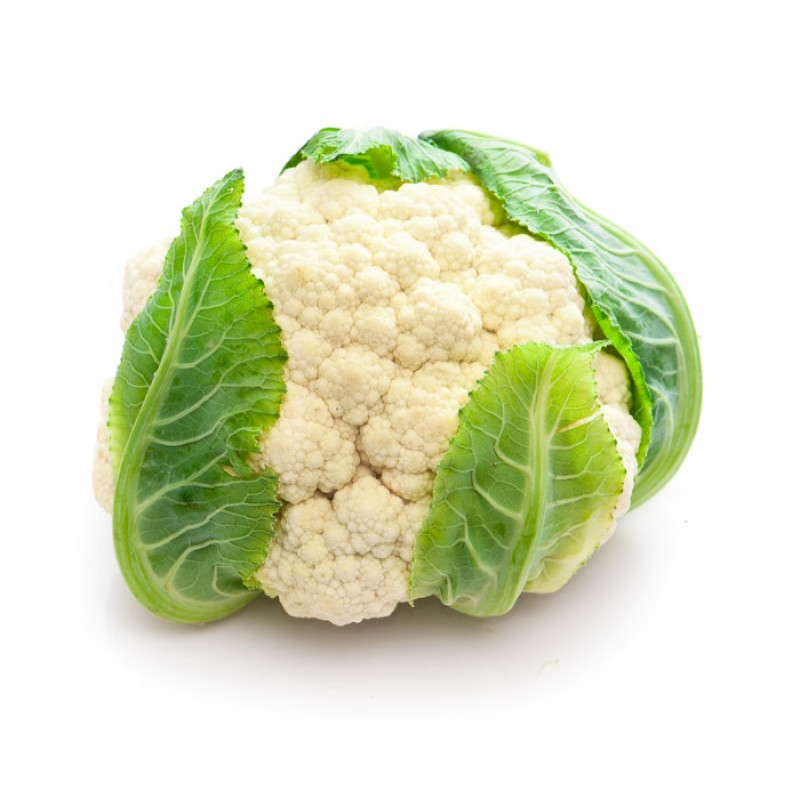
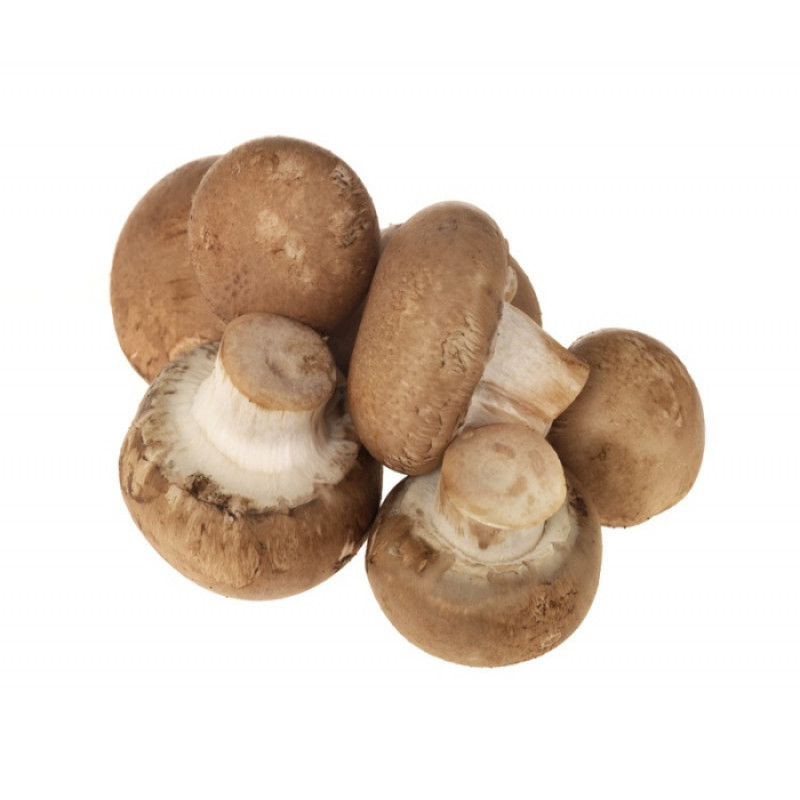
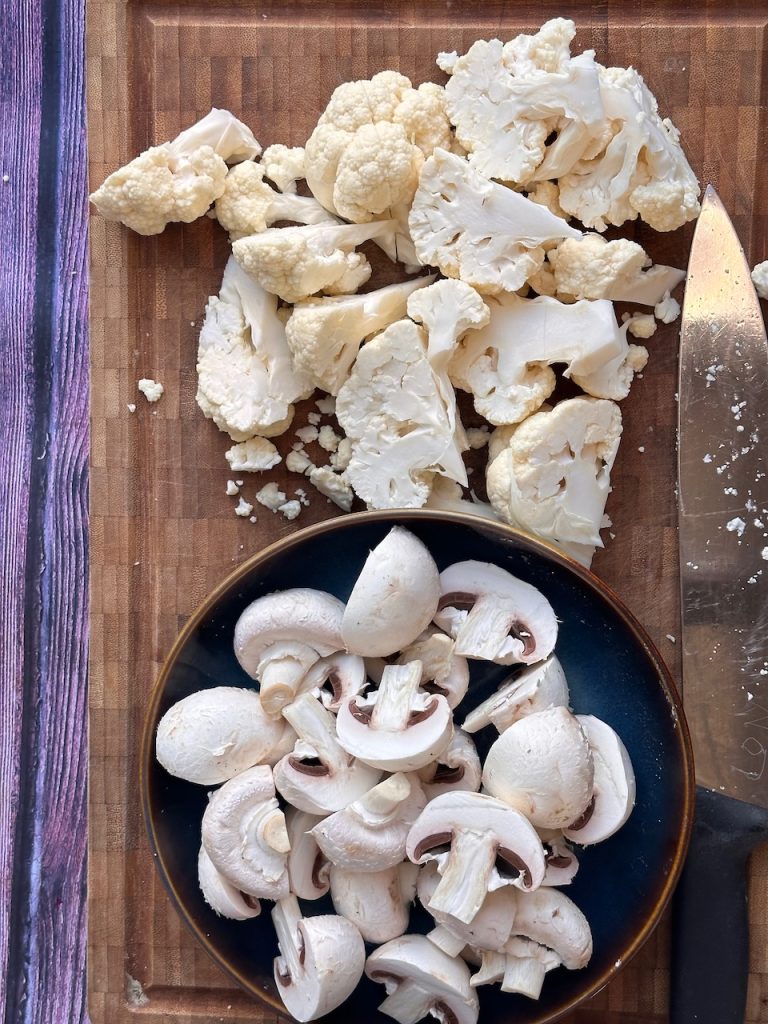
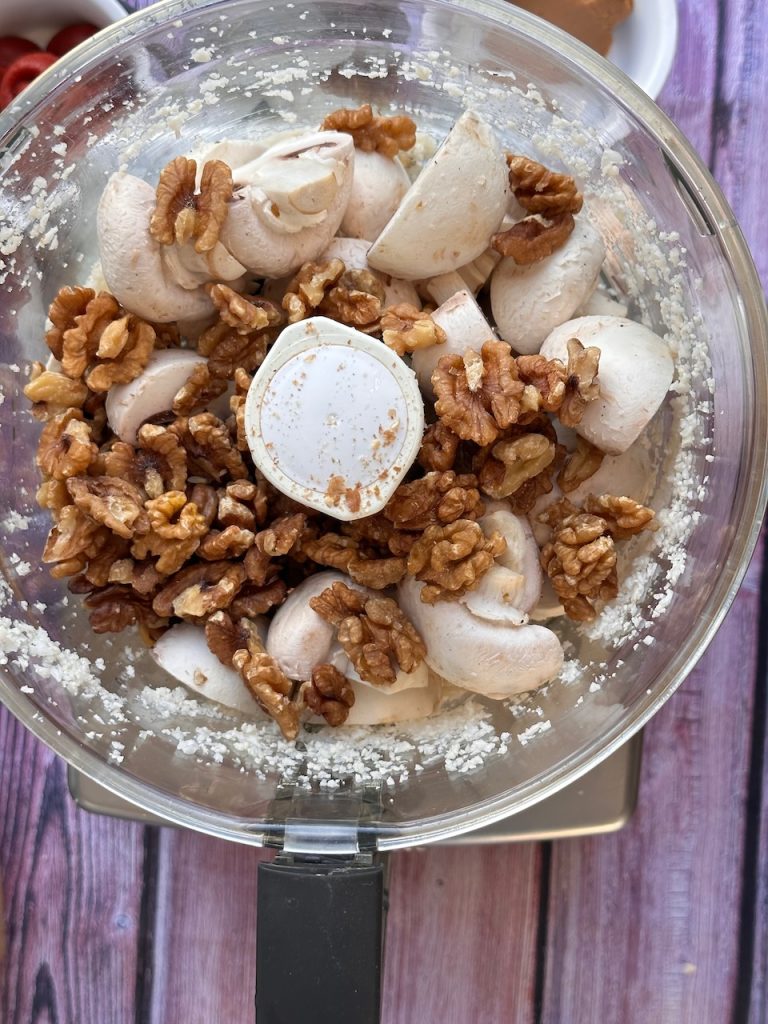
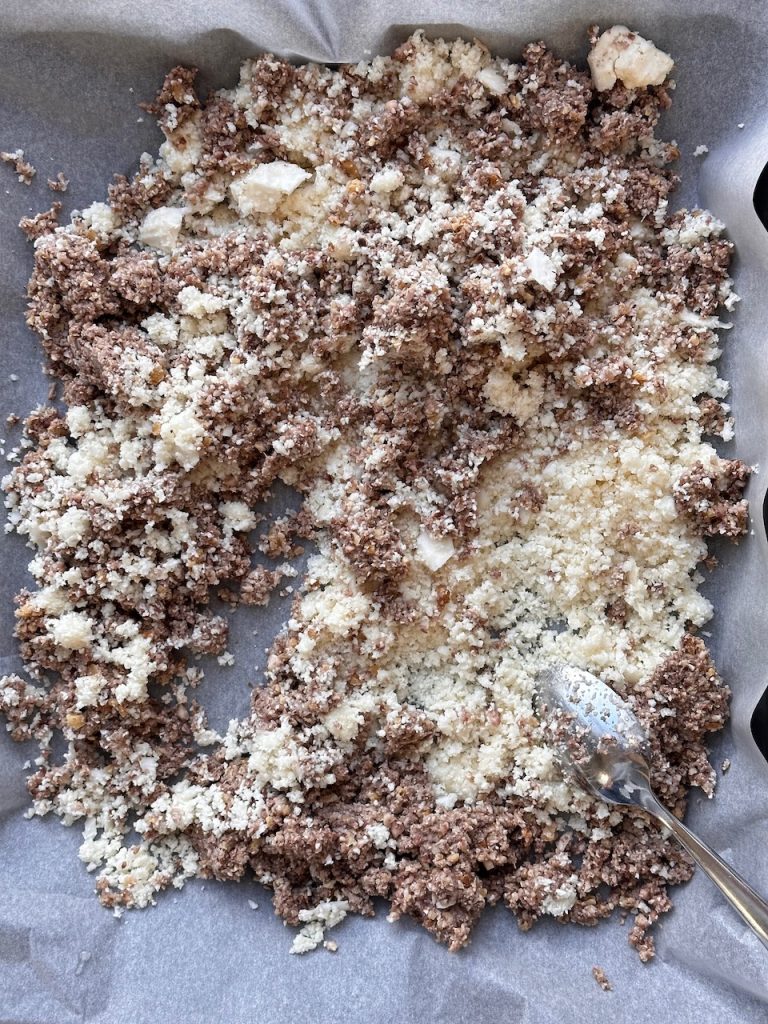
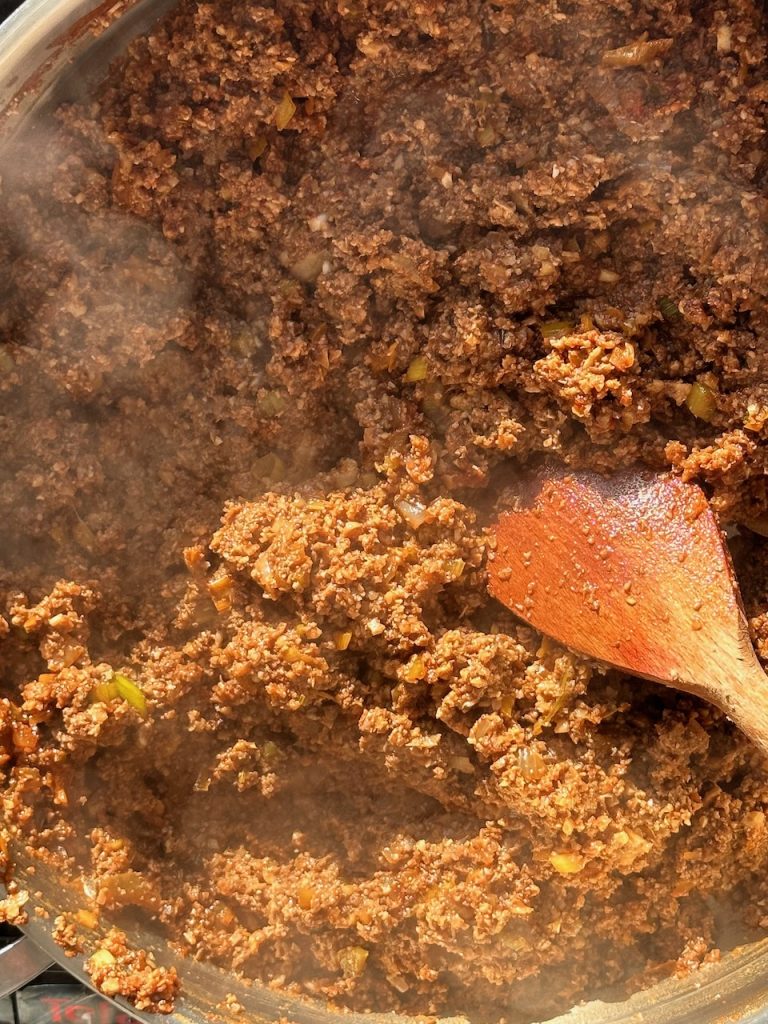
Step 1: Preheat the oven 200ºC, line a large baking tray with parchment paper. Chop the cauliflower into small florets, half the mushrooms. Blitz the cauliflower in a food processor first tip onto a baking tray, next add the mushrooms and then the walnuts. Pour all three onto a large baking tray, season with salt and drizzle with oil. Bake for 30 to 40 minutes until toasted, checking every 10 minutes.
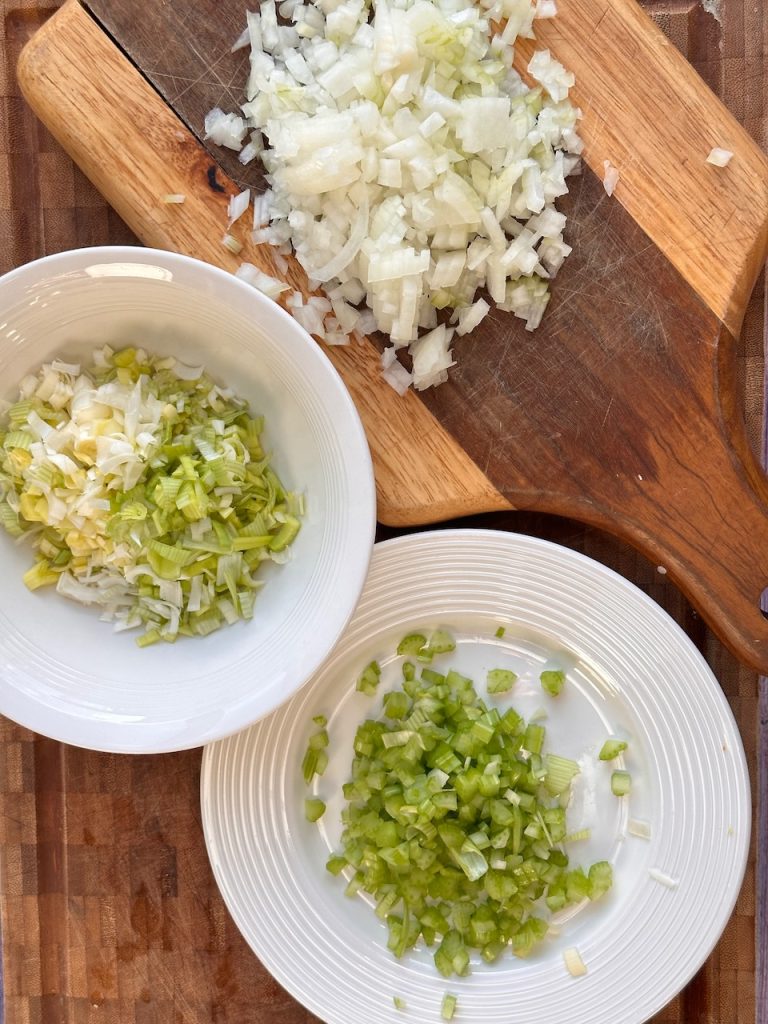
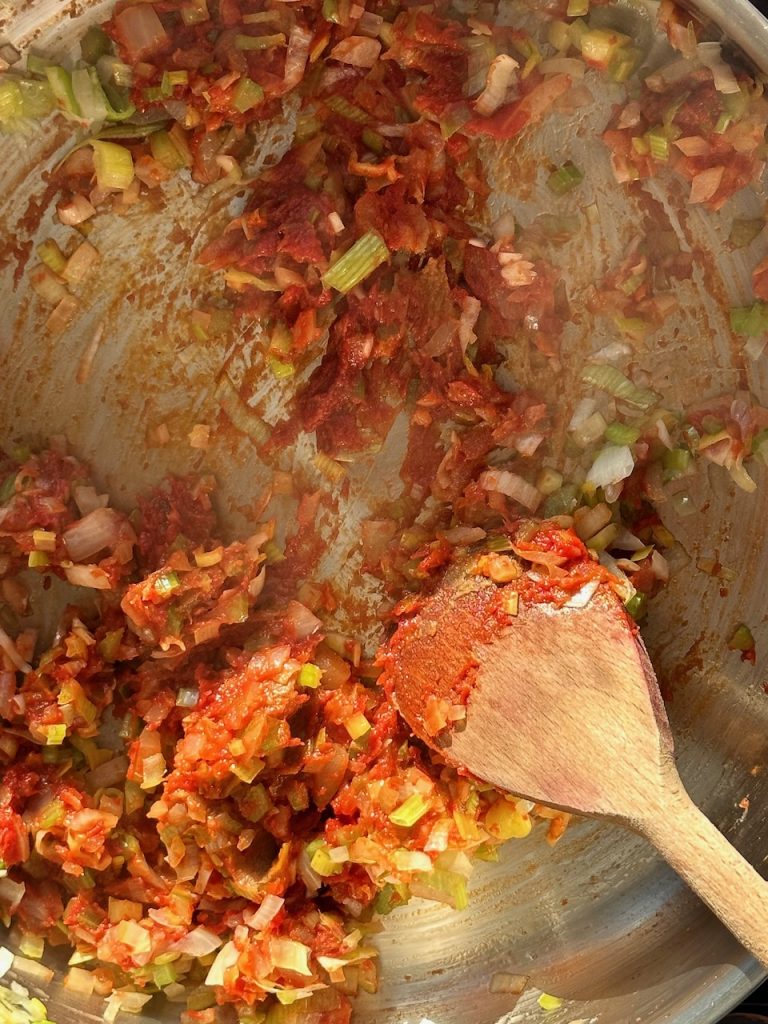
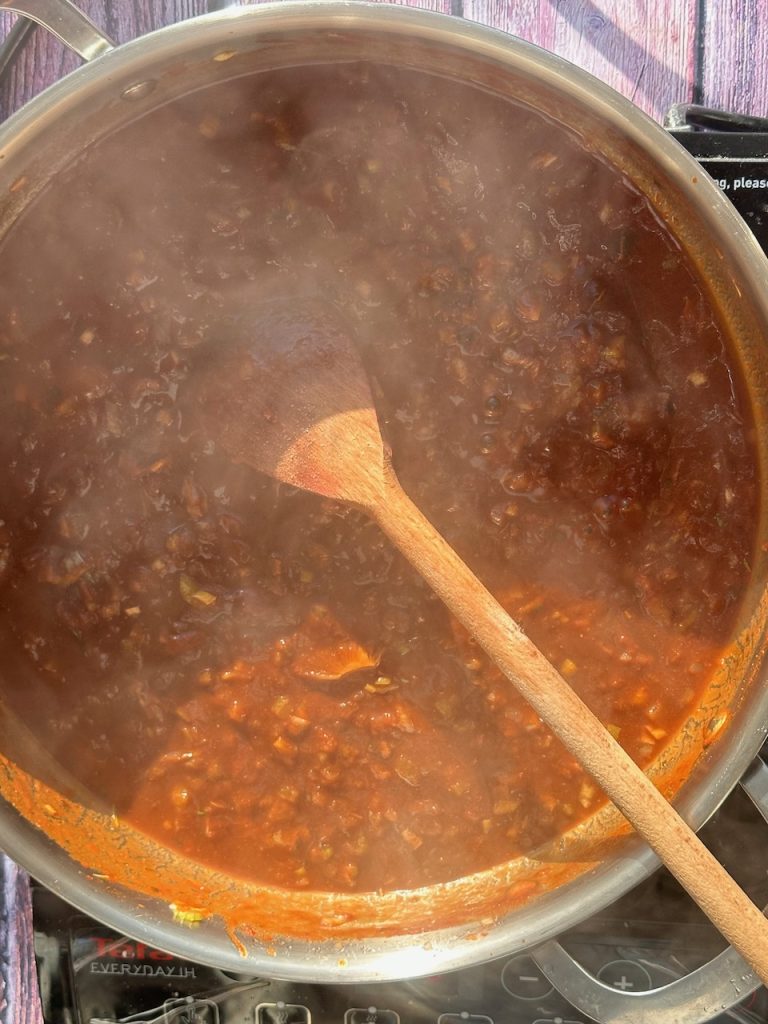
Step 2: Warm a wide frying pan on a medium heat, add the oil, finely diced onion, celery and leek if using. Sauté for 5-10 minutes until soft. Add the tomato puree, miso paste, paprika, chopped herbs, stir to coat and cook for a minute or two season with salt and pepper. Pour in the balsamic vinegar and deglaze the pan. Add the ragu veg mix and stir, then pour in the veg stock or water. If the mix seems dry add a bit more water. Season with salt and pepper. Simmer for 20 minutes.
Step 3: Cook the pasta as per packet- keep the pasta water. If the sauce is a bit dry still add a couple of spoons of pasta water to loosen then toss through the pasta and serve with you favourite finely grated hard cheese.
870 possible chemicals. This is the number of potential, pesticides, herbicides, insecticides, fungicides and bactericides a recent sample of our kale was tested for.
We had our organic inspection a few weeks back and this is a routine test that is carried out on a random crop grown on our farm by our organic certifying body every year. The kale came back perfect, no chemicals present as expected. But I can only surmise that they test for 870 different types of chemical products because these are the chemicals that could be used at varying points in the conventional food system.
Many moons ago I use to listen to a song by a band called “Alice in Chains” called “Junkhead”, (not a song for the faint hearted!). It popped into my head again when we got these test results back, there are some striking similarities between the song’s lyrics “What’s your drug of choice?” when it comes to the repertoire of chemicals a conventional producer can choose from: “what’s your chemical of choice?”. There is a chemical for every problem and even for problems that have not yet occurred.
Here in Ireland, there is relatively high accountability for our conventional food producers. There has over the last 10 years been some good news as the overall pesticide usage has declined by 16% which is heading in the right direction. But a word of caution here this still equates to over 3 million kg of chemicals applied to our food and land.
But with much of our food in this country being imported and as we don’t have the same visibility on what controls are implements in foreign parts, (over 85% of all fruit and vegetables are imported) then choosing organic becomes even more important.
Organic systems are not perfect, but they do offer an alternative, one that keeps chemicals off our food, and in doing so also helps protect biodiversity. It does sometimes feel ironic that it is the organic producer that must prove their credentials, go through the extra paperwork, and submit samples to prove that we are not doing anything underhand.
The authorities set limits on the levels of chemicals allowed on our food, they are supposedly designed to help protect you and I as consumers. These limits are referred to as MRLs or maximum residue limits. But as I have talked about before and particularly in relation to Glyphosate; sometimes these limits can vary erratically from one crop to another or from country to country. The MRL for glyphosate increased 300-fold between 1993 and 2015 in the US (Is it safer to consume more of this chemical today than it was 20 years ago? I don’t think so!) to allow it would seem for the increased application of this herbicide on GMO soya and corn. This not strike me as having the best interests of the consumer at heart.
Chemicals are critical to our very survival on this planet, and when I talk about “chemicals” here I mean synthetic or man-made chemicals. They help us treat disease; they make possible all the amazing technologies we rely on for our modern-day way of life. But, and this is a big one, I do not believe they belong in or on our food.
Maybe “our drug of choice” should be fresh healthy clean food!
You are the lifeblood of our organic farm and business.
Thank you.
Kenneth
PS last week we opened our Christmas shop, we will be delivering as normal in the week before Christmas and now you can book your delivery and place your order for delivery for Christmas week. Check it out now here.
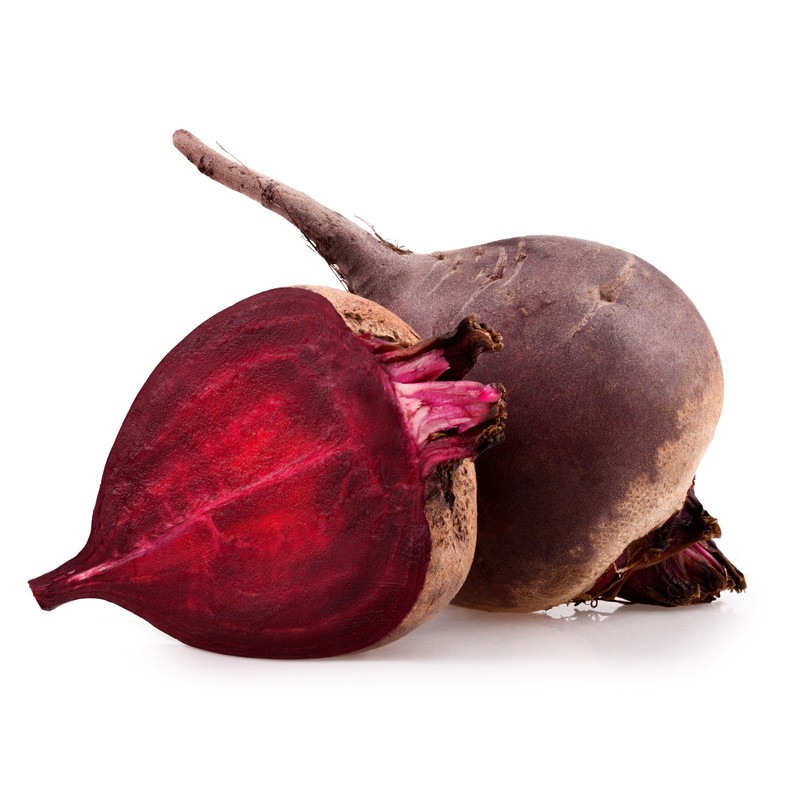
BEETROOT a powerhouse of nutrients it is so good for us. It aids muscle growth and repair, is rich in folate (B9 vitamin) and has antioxidant properties that fight free radicles in our bodies, just to name a few. A superfood indeed.
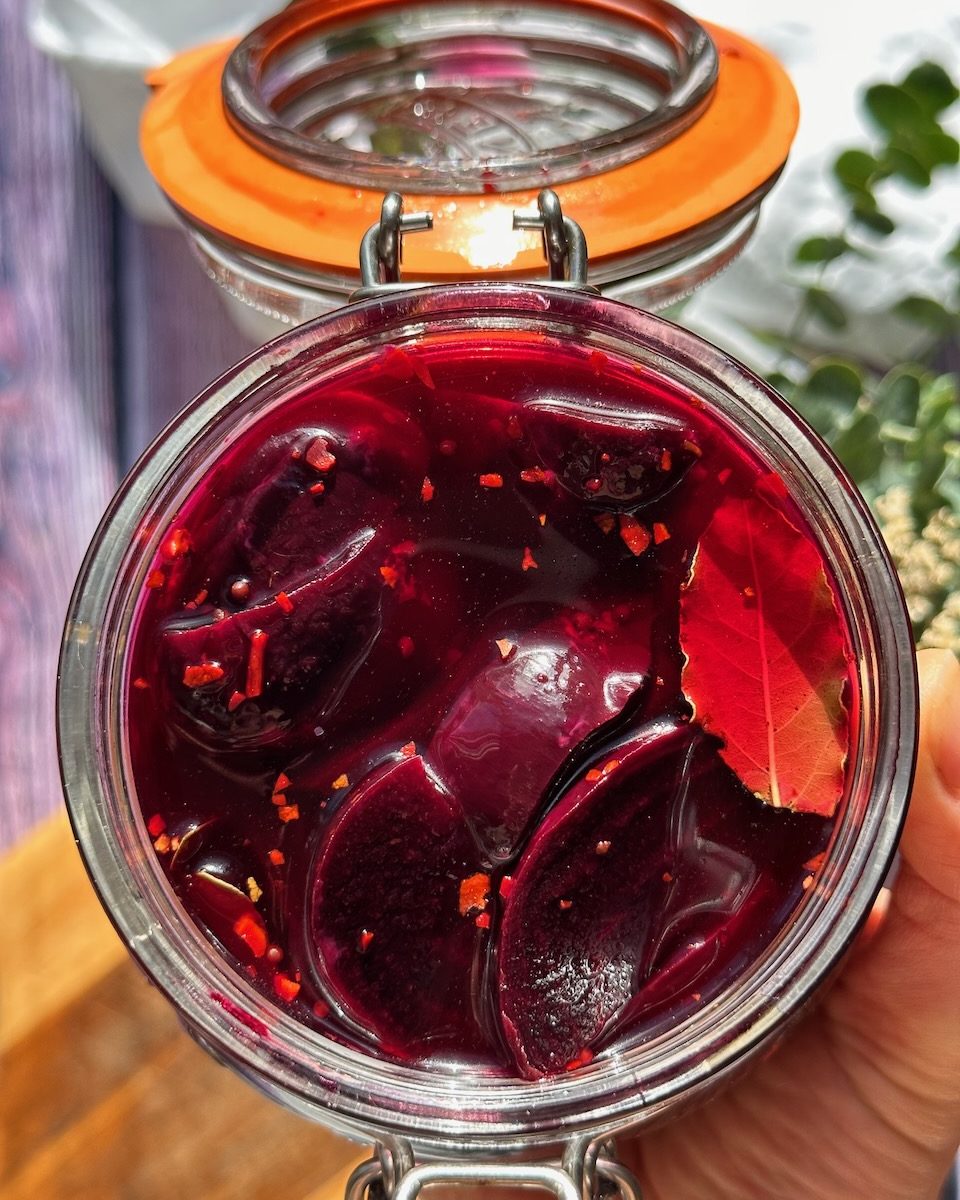
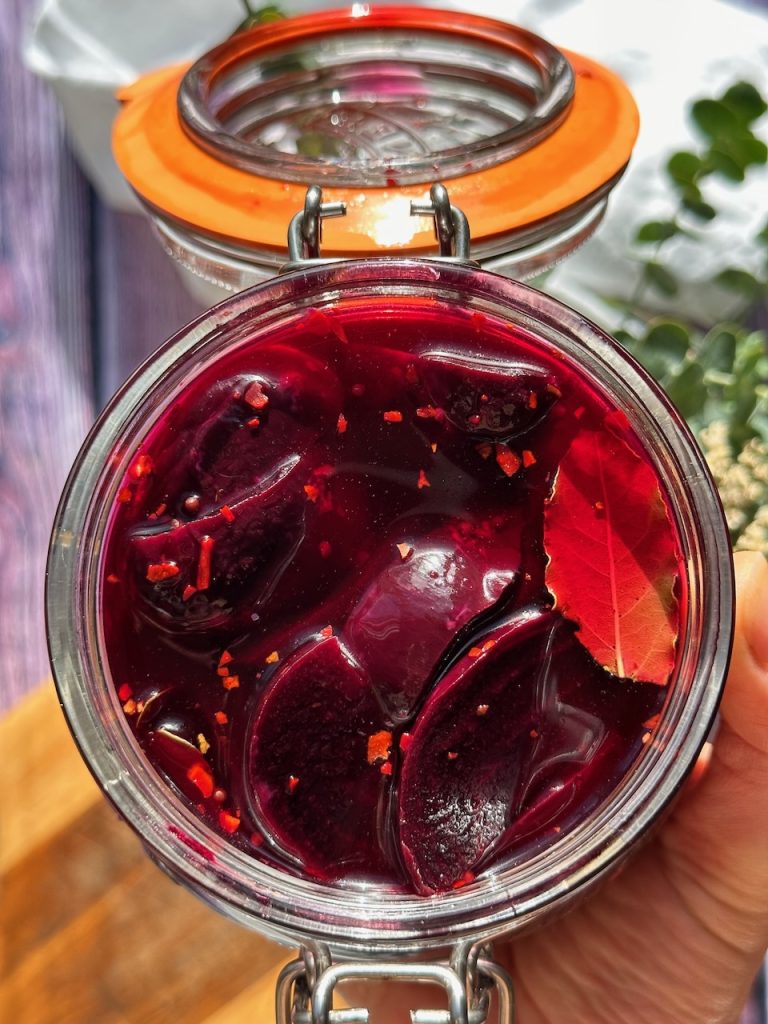
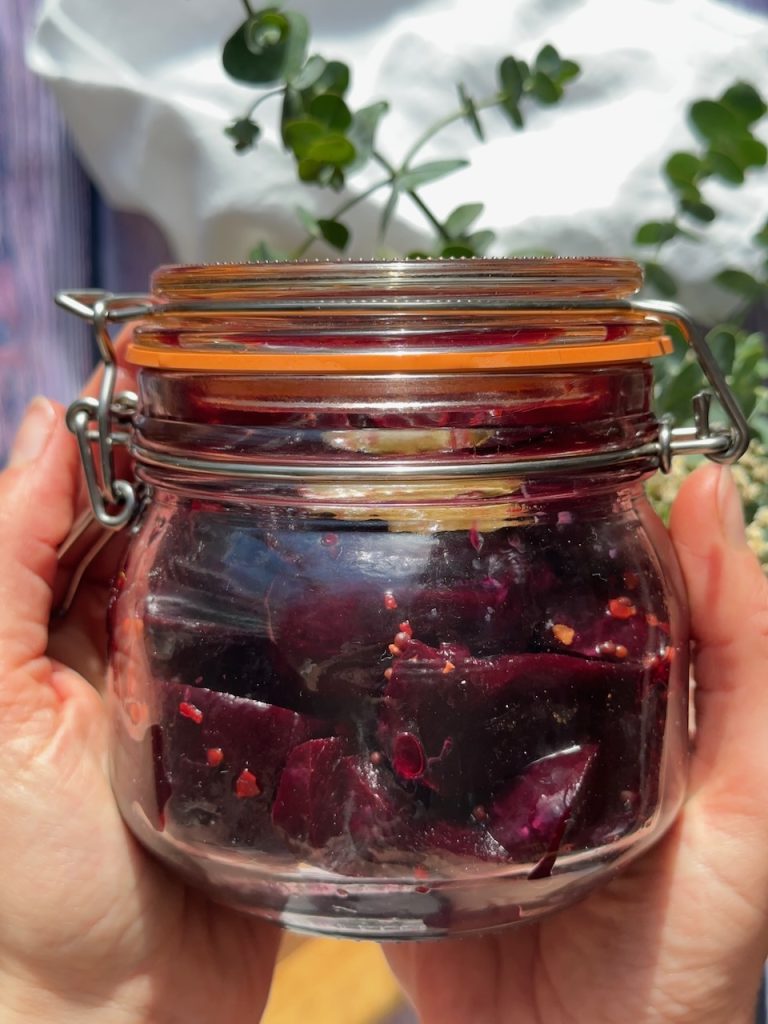
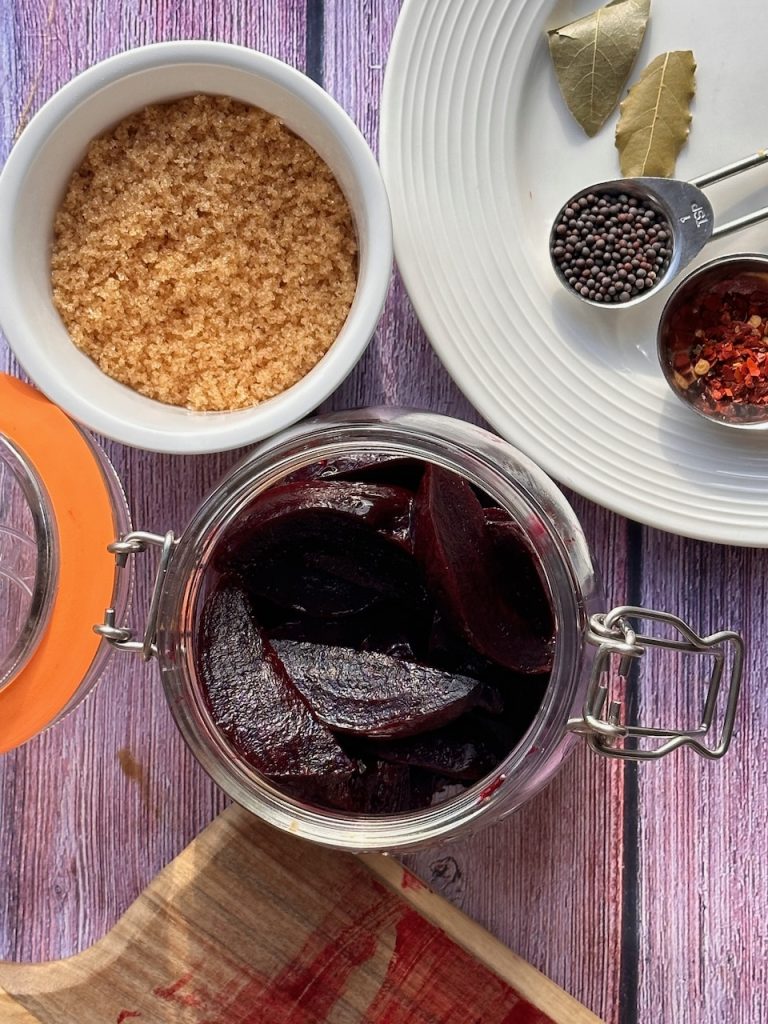
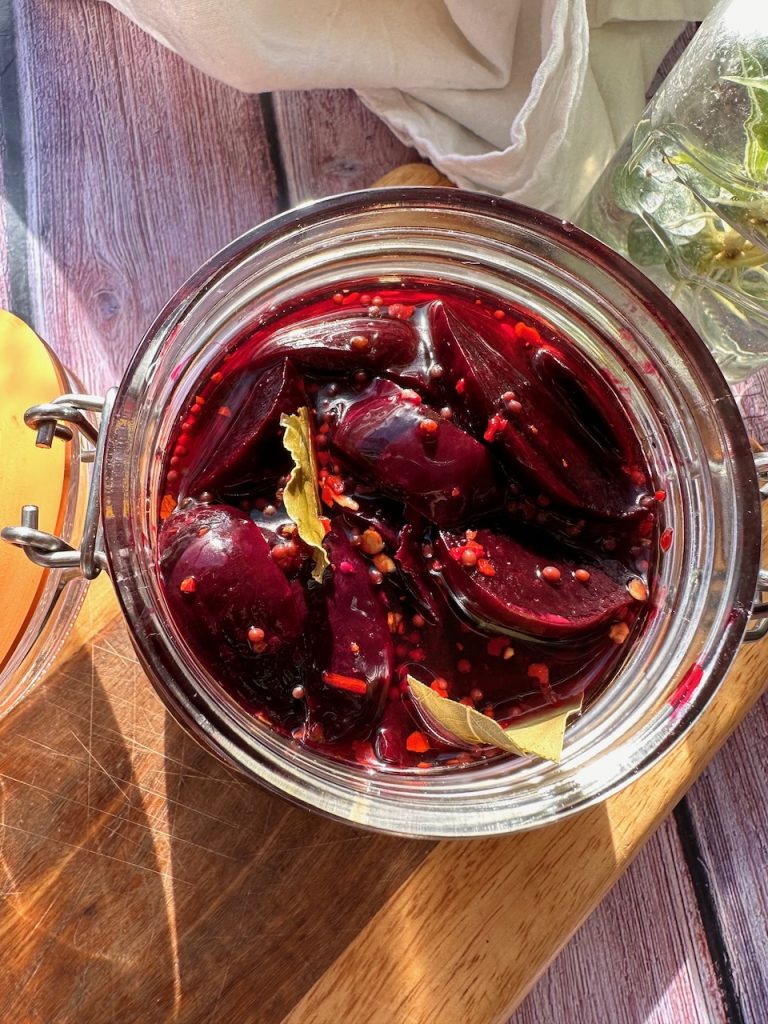
If you order some in your veg box a nice way to make them last is to pickle them. You can use them after one day, they will keep in a jar in the fridge for 1 month. Tuck in and add your homemade organic pickled beetroot to sandwiches, salads, have with a veggie curry or eat from the jar if you fancy, we wont judge you 🙂
Please let us know if you try making this, we love to hear from you.
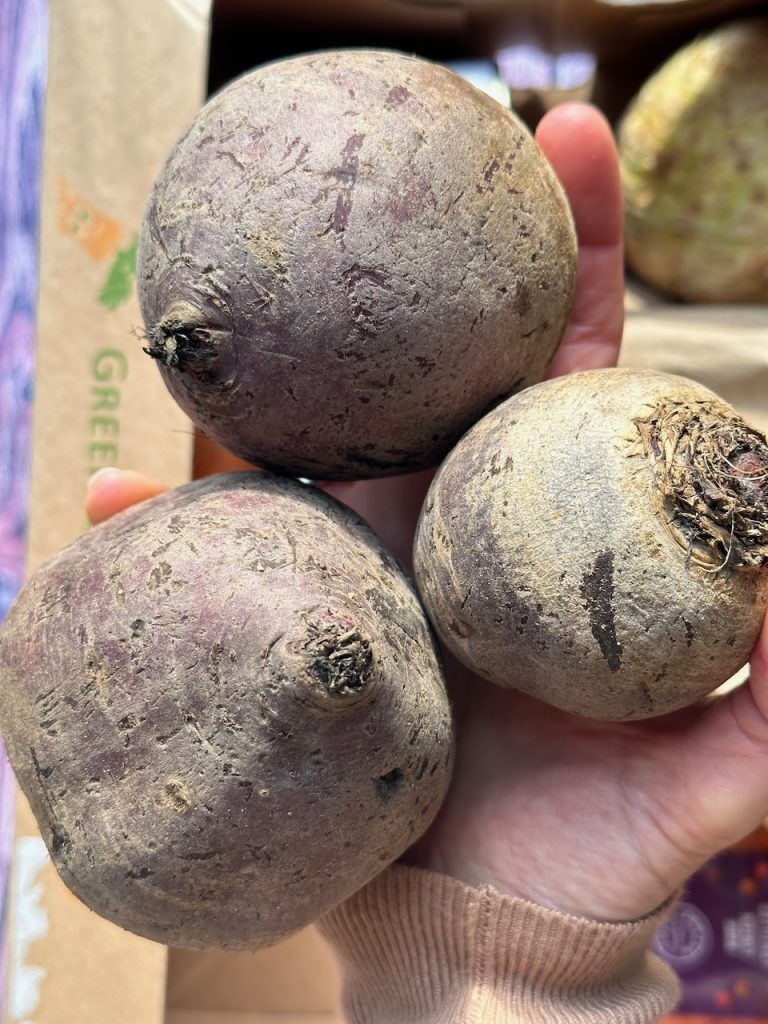
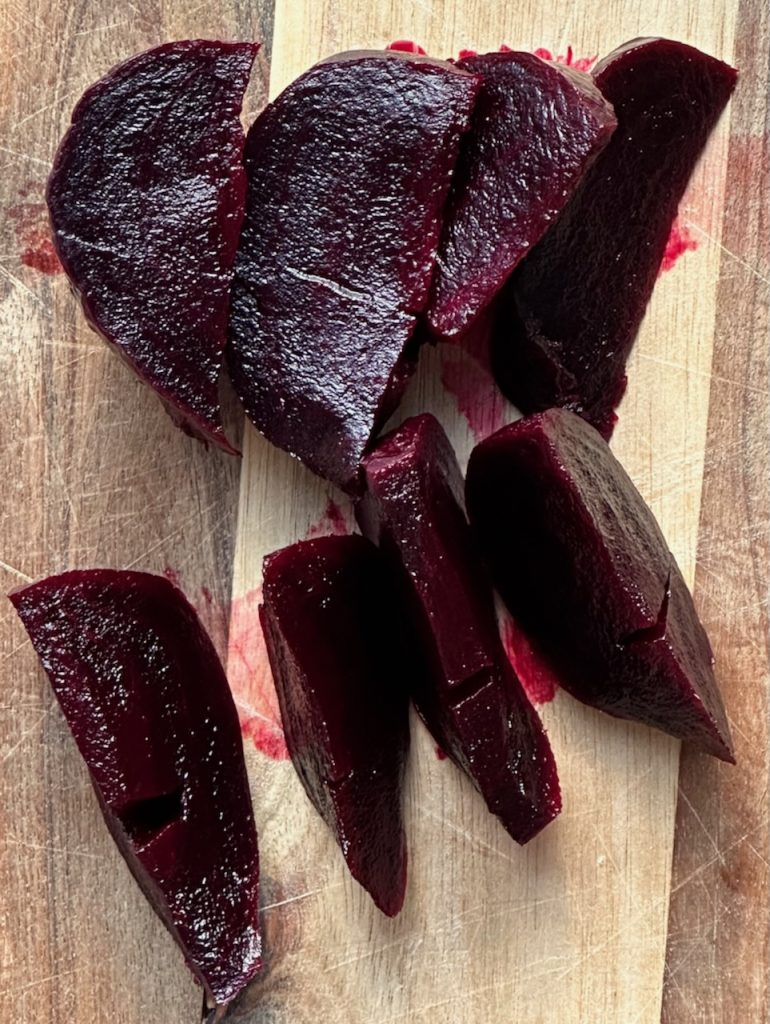
Step 1: Steam or boil the beetroot, keep the top and tails on. Depending on the size it will take 30-60 minutes. Pearse with a small sharp knife to check if they are done. Put the beets in a bowl and cover with cold water, rub the skins off with your fingers.
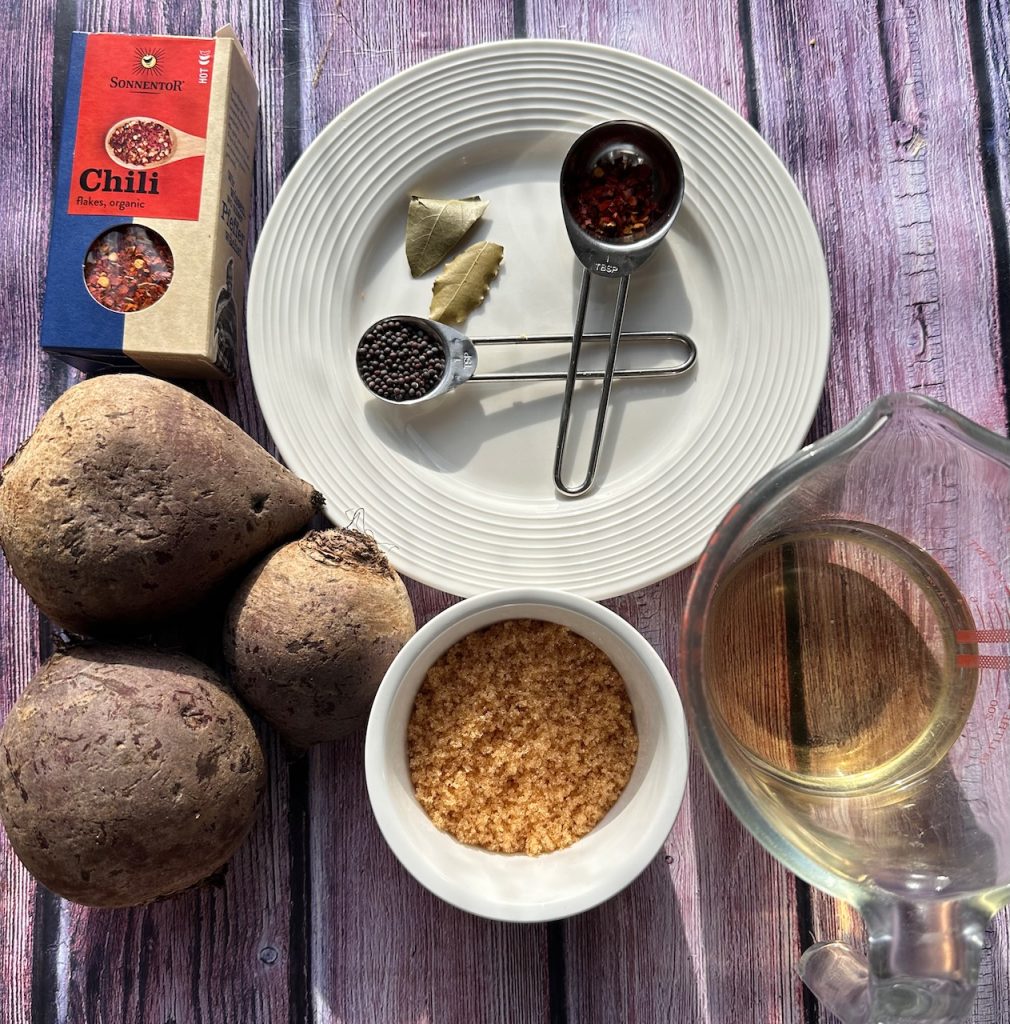
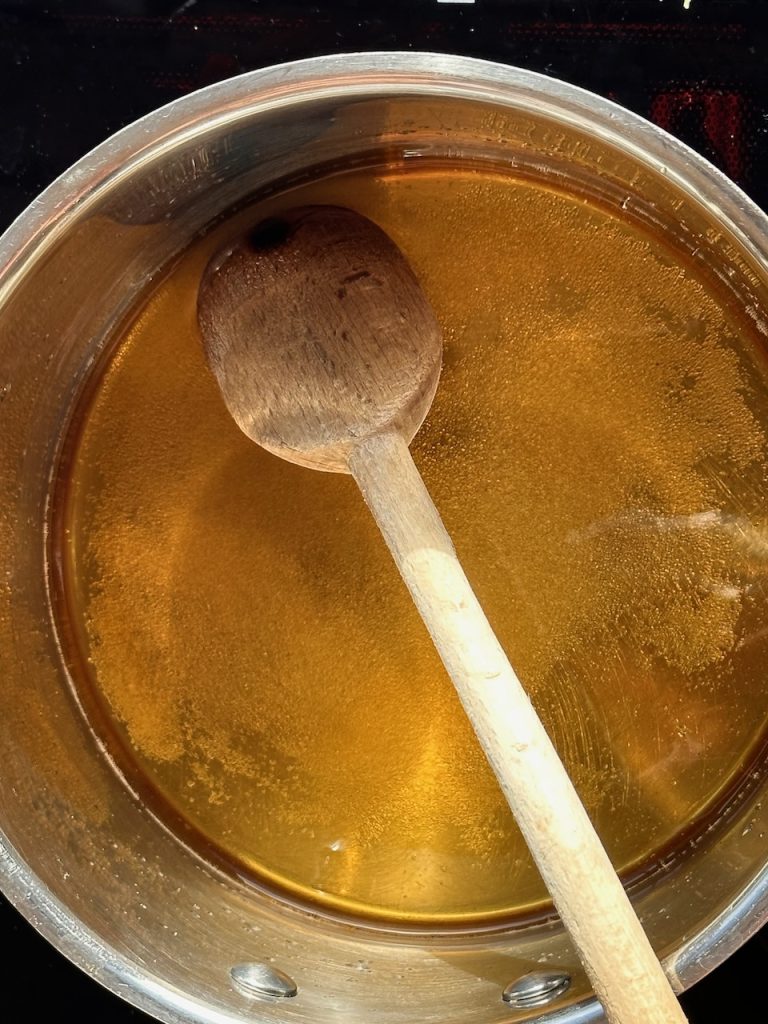
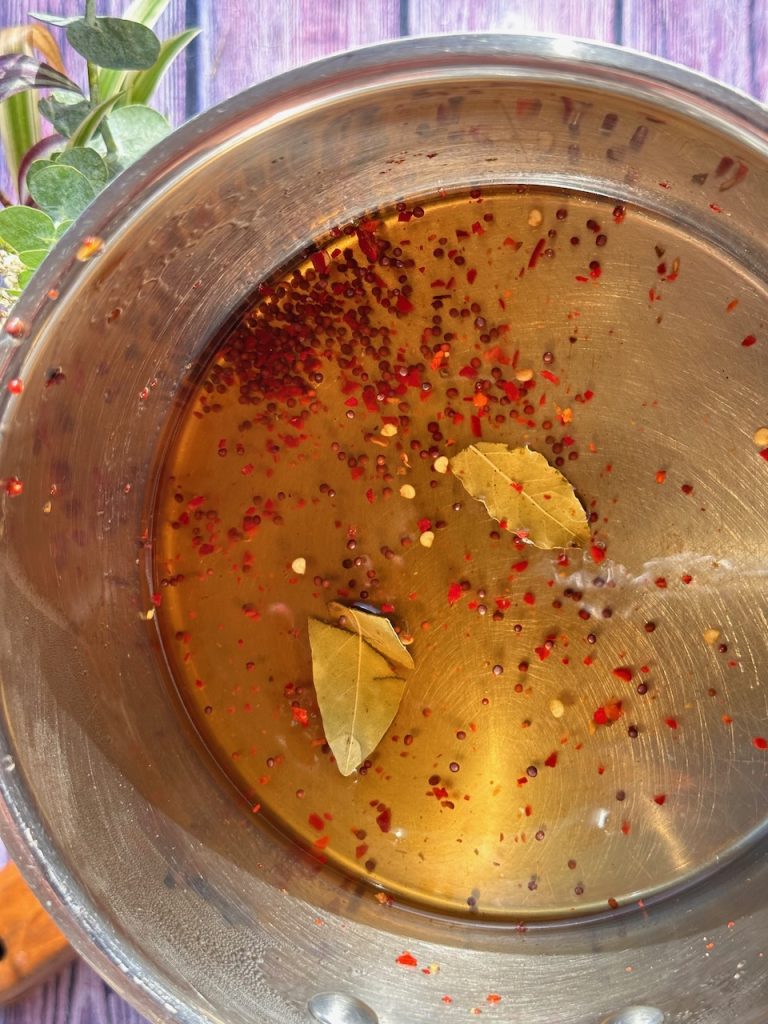
Step 2: Cut the beets into small wedges and put them in a sterilised jar. In a small pot heat the vinegar, brown sugar, mustard seeds, chilli flakes and bay leaves in a small pot until the sugar dissolves. Take off the heat an cool completely. Pour over the beetroot and seal the jar. (If the liquid doesn’t fully cover the beetroot top up with cold water)
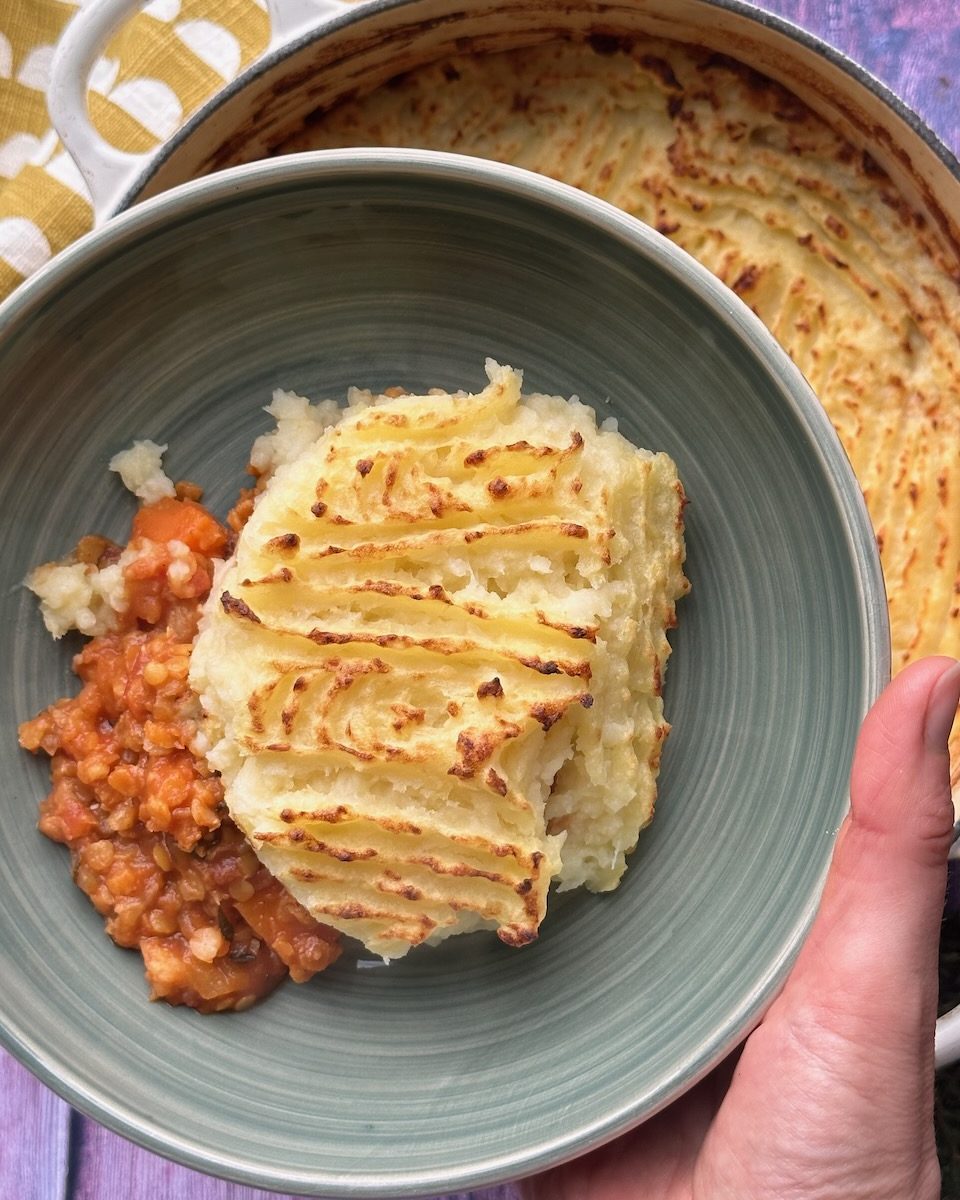
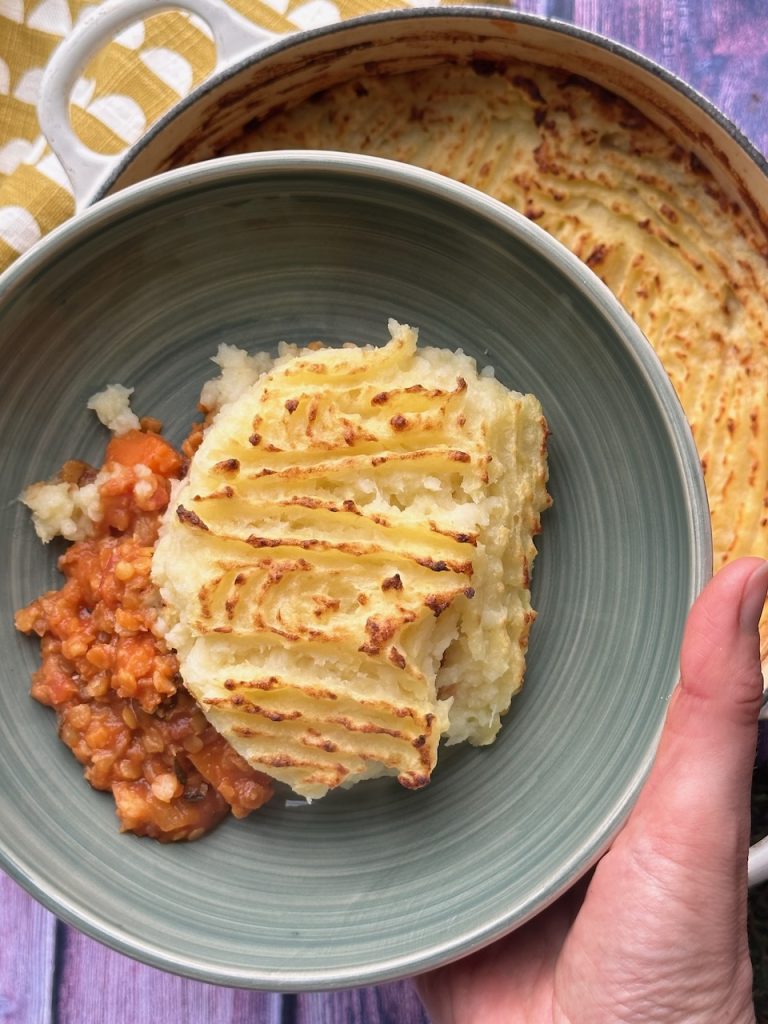
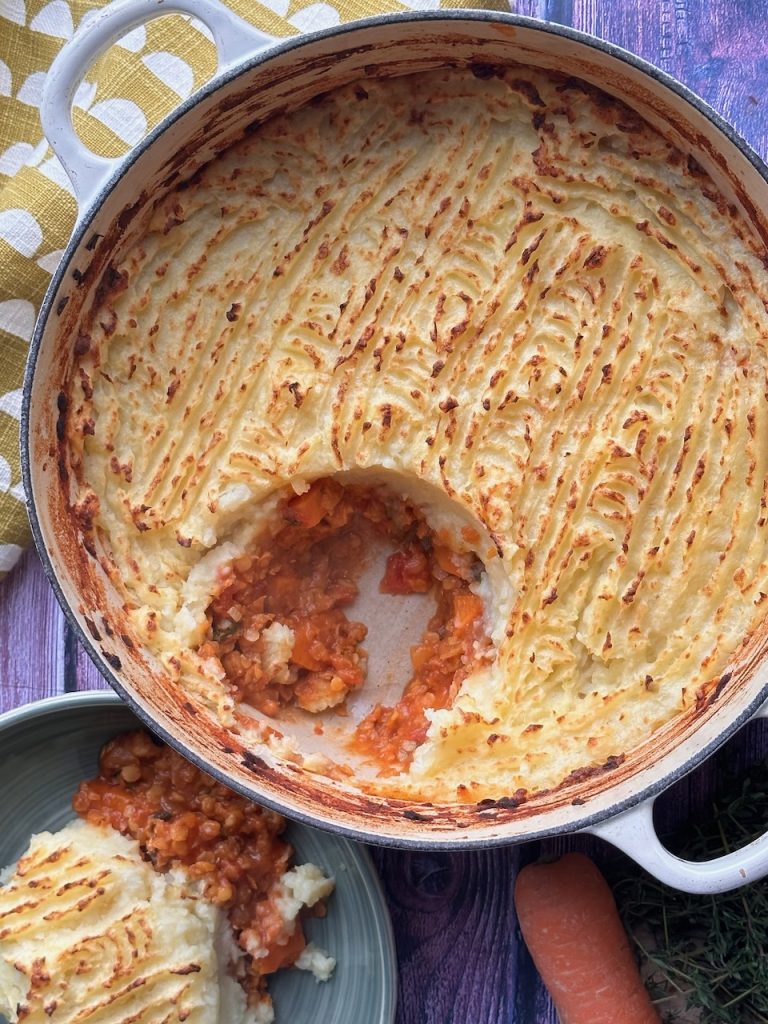
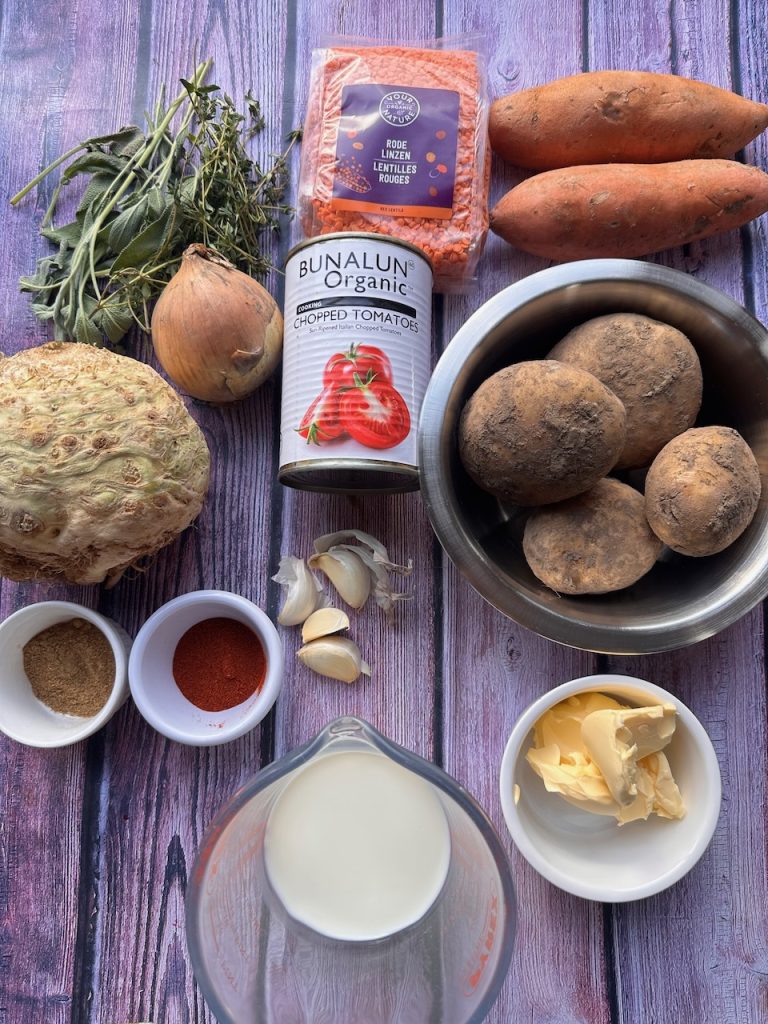
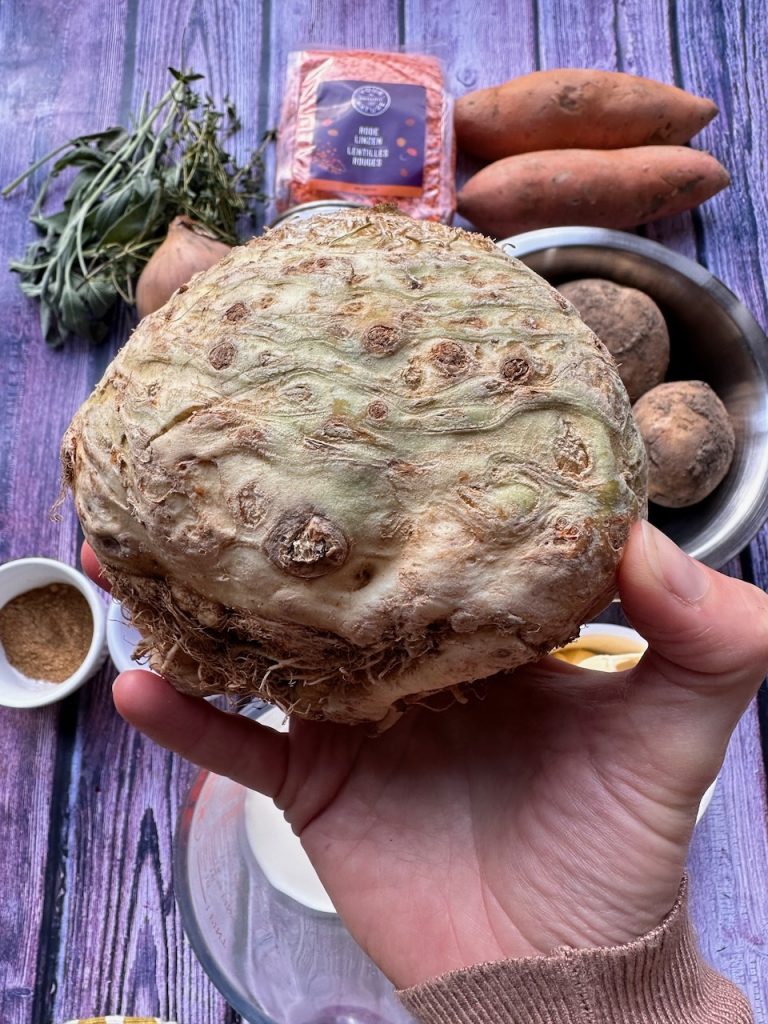
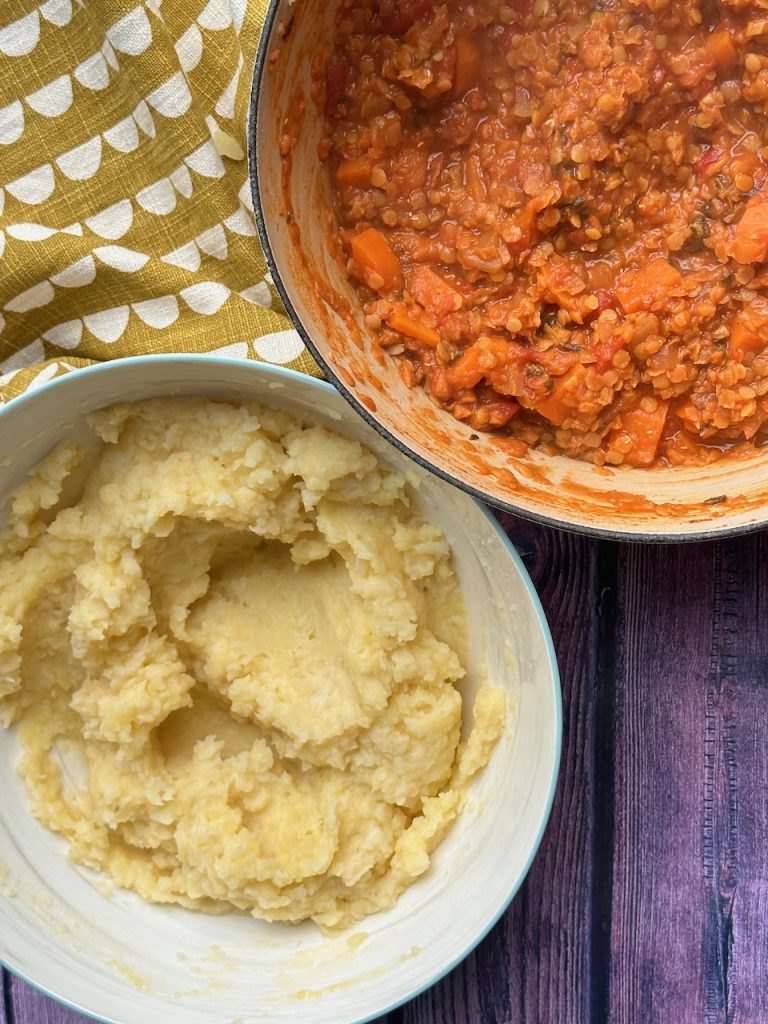
The clocks have gone back, the nights are drawing in and the air is crisp and cold, its time to amp up the comfort food. Warm spicy lentils topped with buttery celeriac and potato mash, just what you need to comfort the soul. Celeriac isn’t always an obvious root veg choice, you wont always find it in the supermarket, but we proudly grow it and it tastes delicious served this way. Plus it is great for you too, high in vitamin C and K!
What’s more this dish cooks in under 1 hour, will feed a crowd, it freezes and reheats really well.
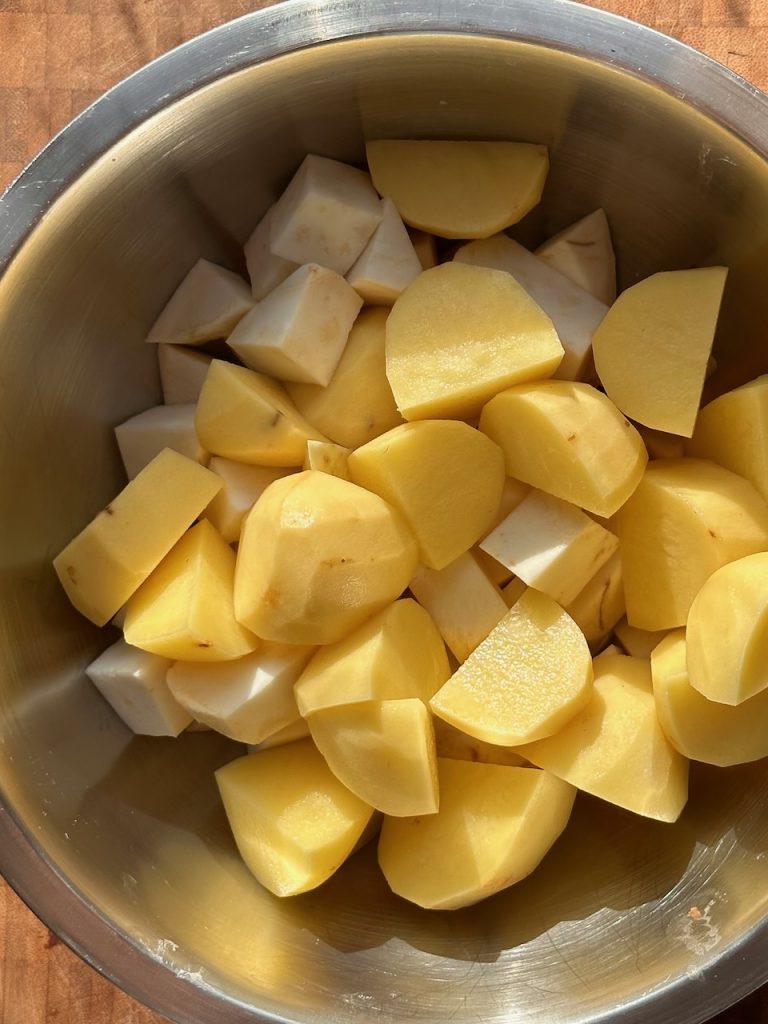
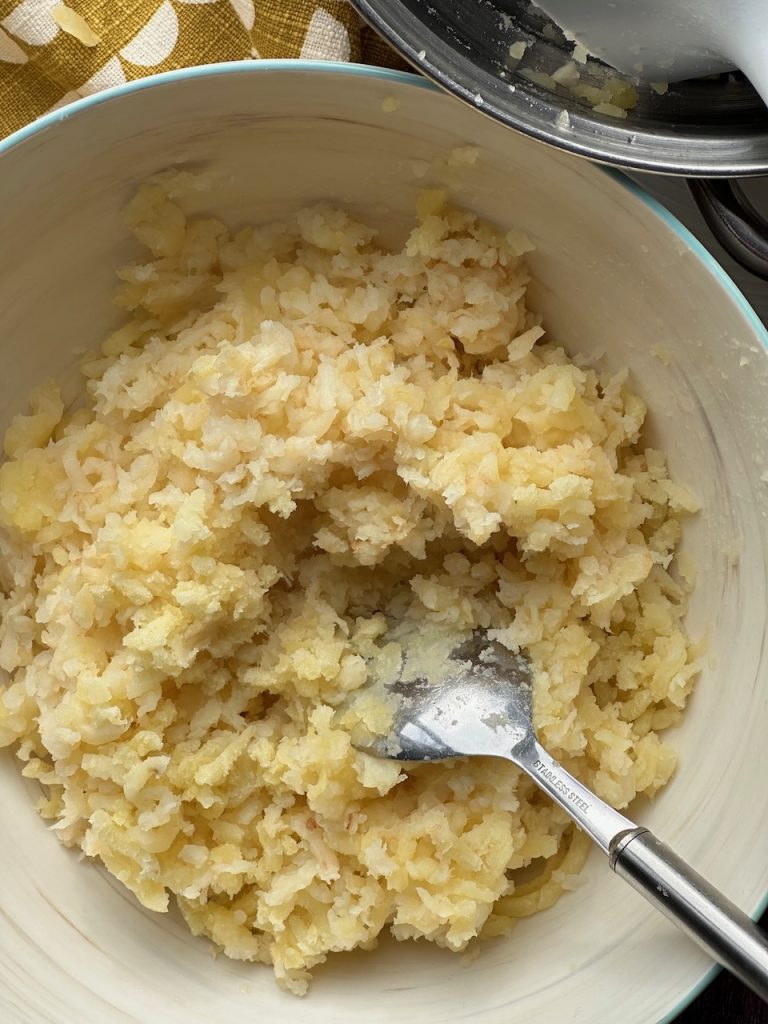
Step 1: Being with the mash. Peel and dice the celeriac and potato and steam until tender. Then mash with butter, milk, salt and pepper.
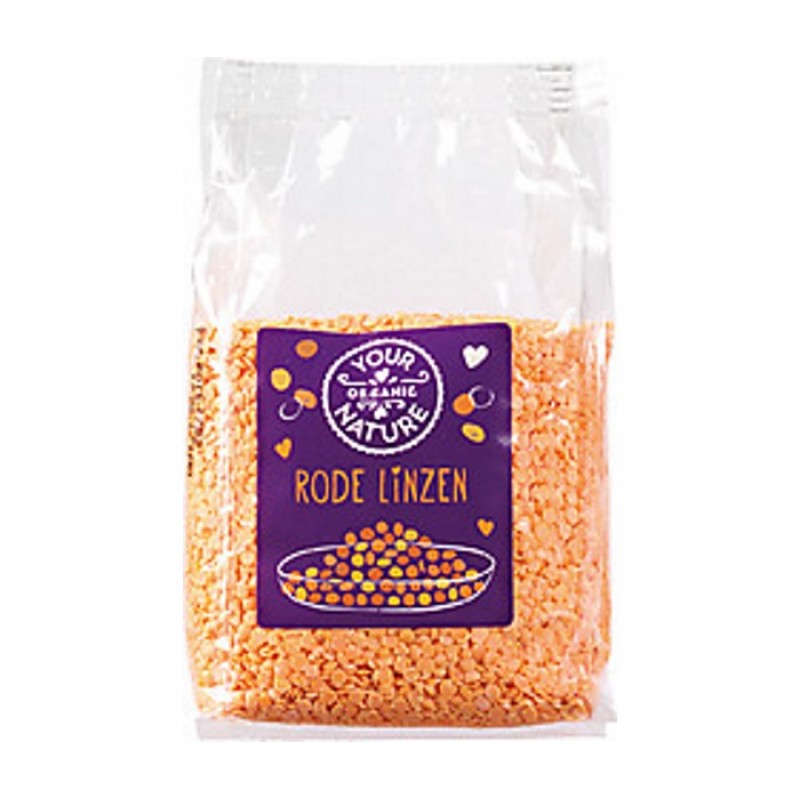
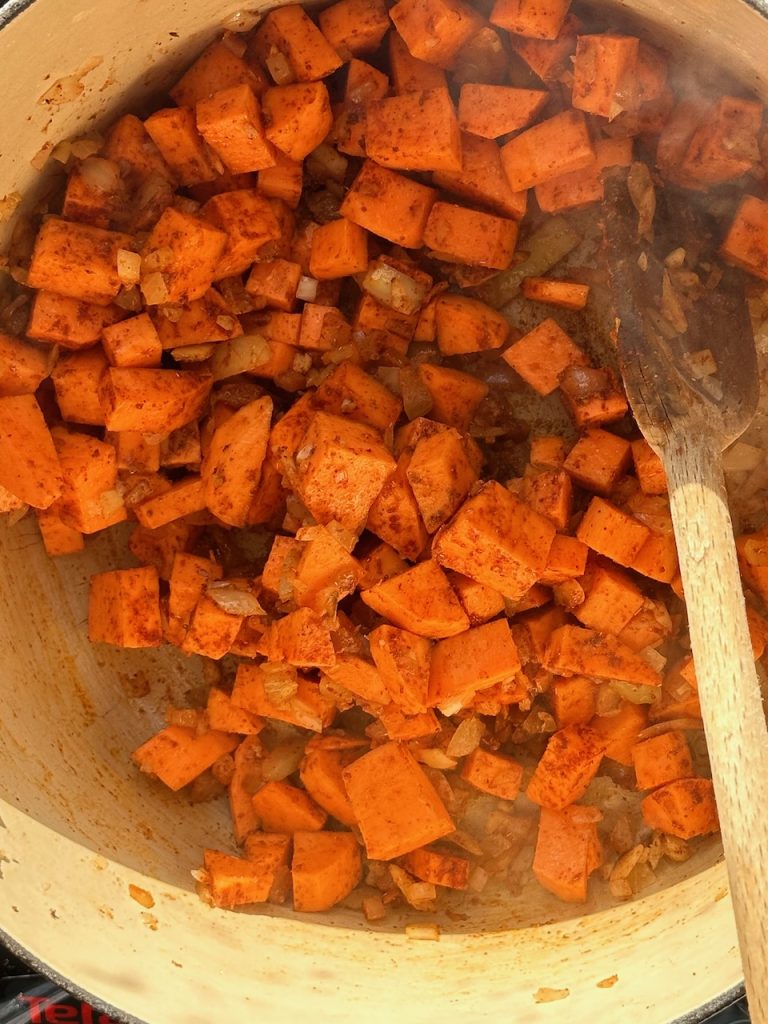
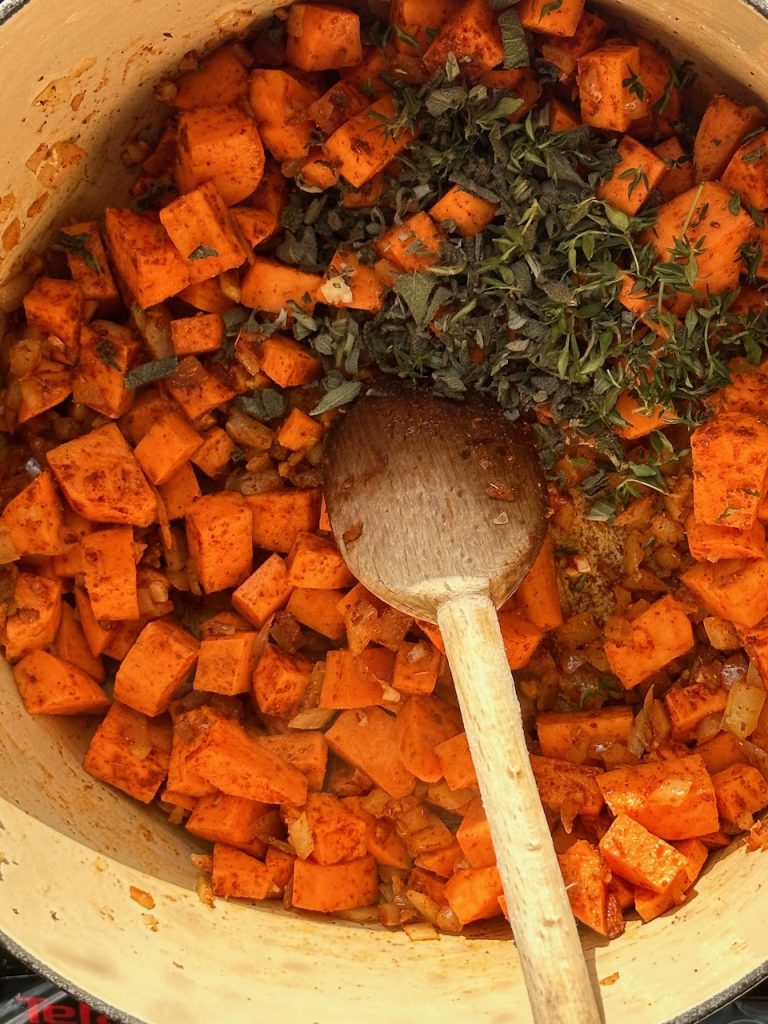
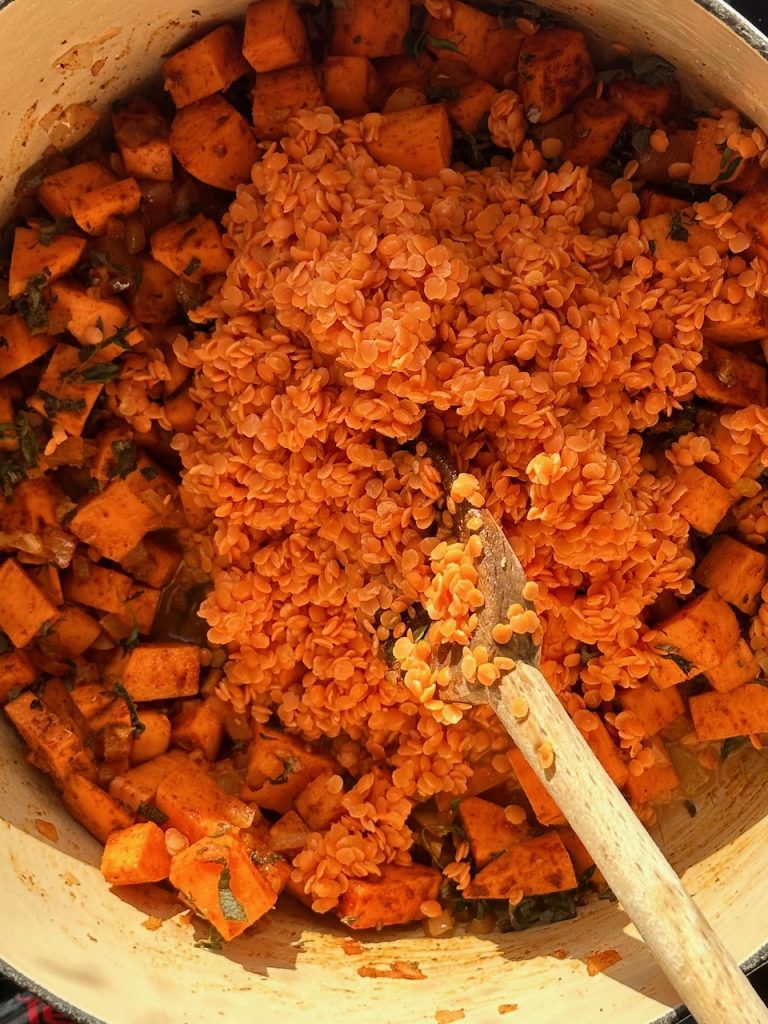
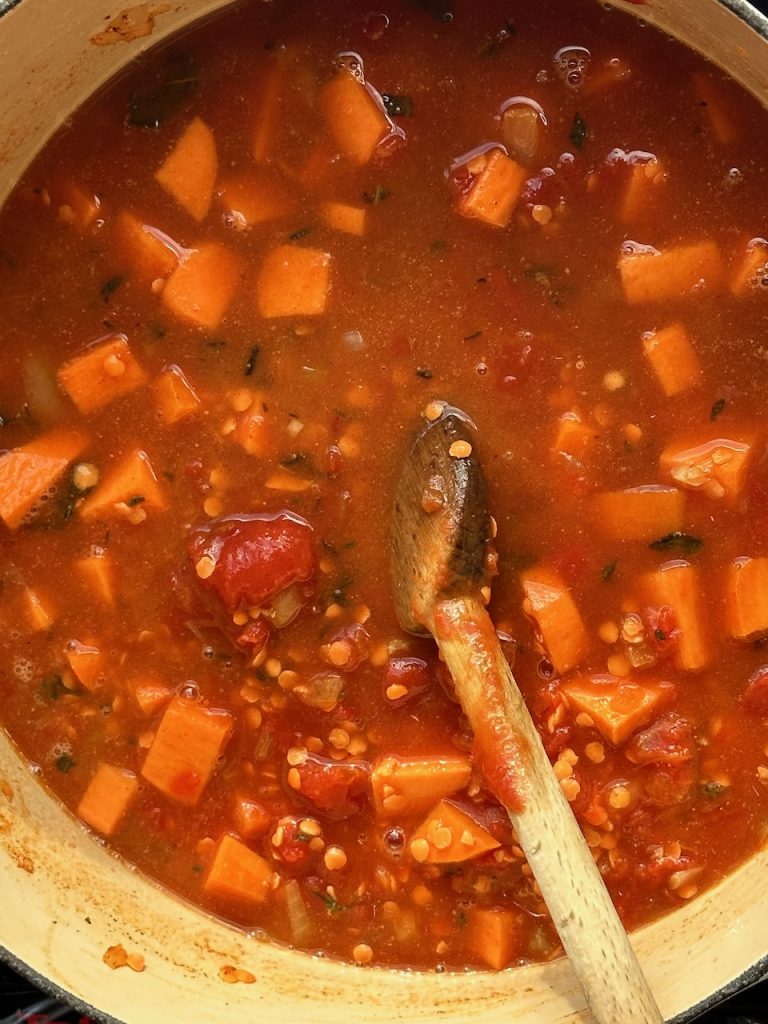
Step 2: While the celeriac and potatoes steam start the lentils. Warm a wide pot on a medium heat, add the onions and cook slowly to soften, 5-10 minutes, add the garlic, chilli, cumin, paprika, salt and pepper and cook for a further few minutes to toast the spices. Next add the diced sweet potato, stir to coat in the spices. Then add the thyme leaves, chopped sage, red lentils, chopped tomatoes and hot stock. Simmer on a low heat for about 30-40 minutes until the sweet potato is cooked through, stir occasionally to stop the lentils catching on the bottom of the pot. . Taste and stir in the worcestershire sauce. Keep the lentils in the same pot or transfer to a wide baking dish 25cm x 25cm approx.
Step 3: Turn on the grill. Top the cooked lentils with mash and use a fork to make a nice design. Grill the pie until the top is golden and crispy, then serve.
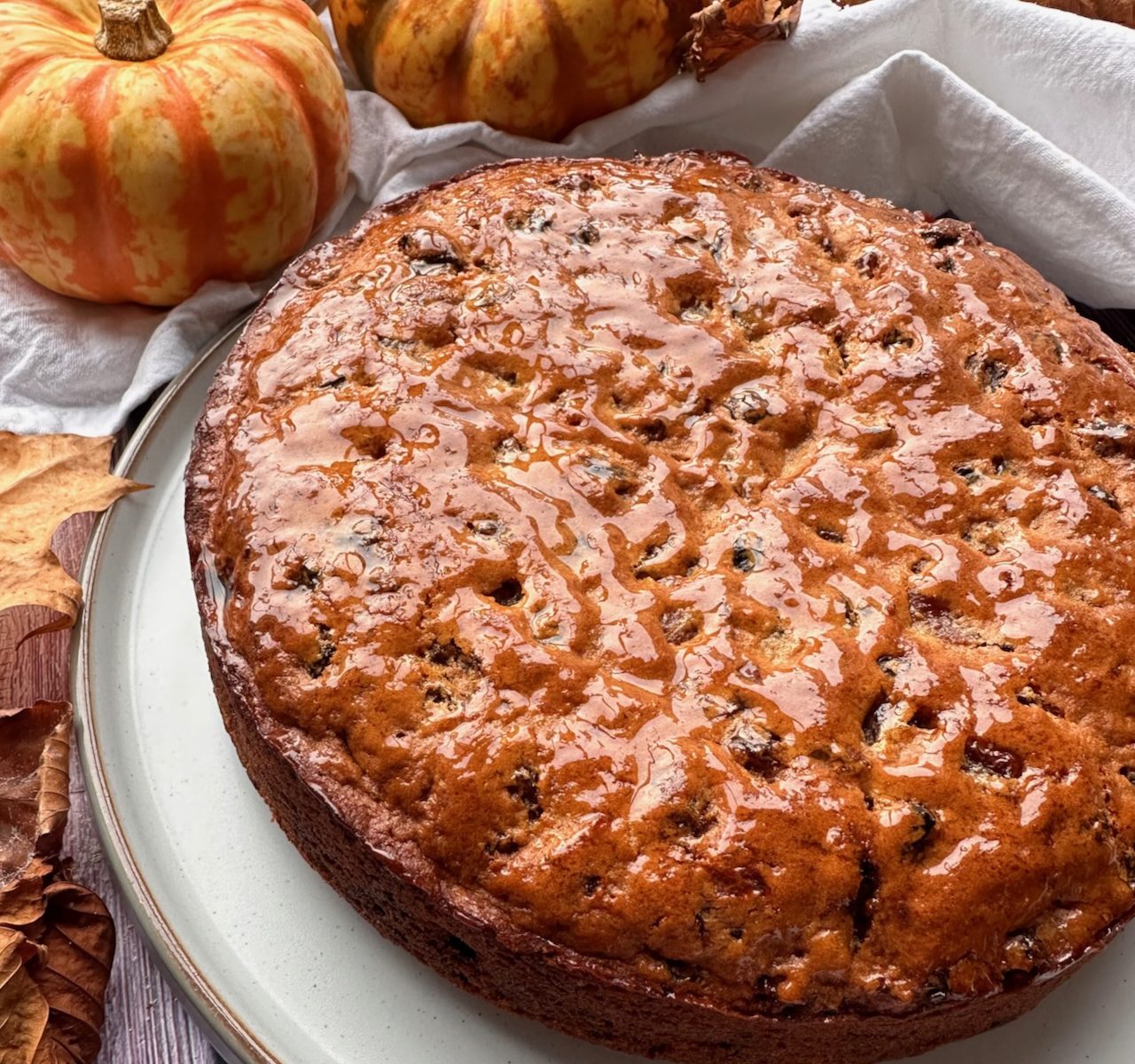
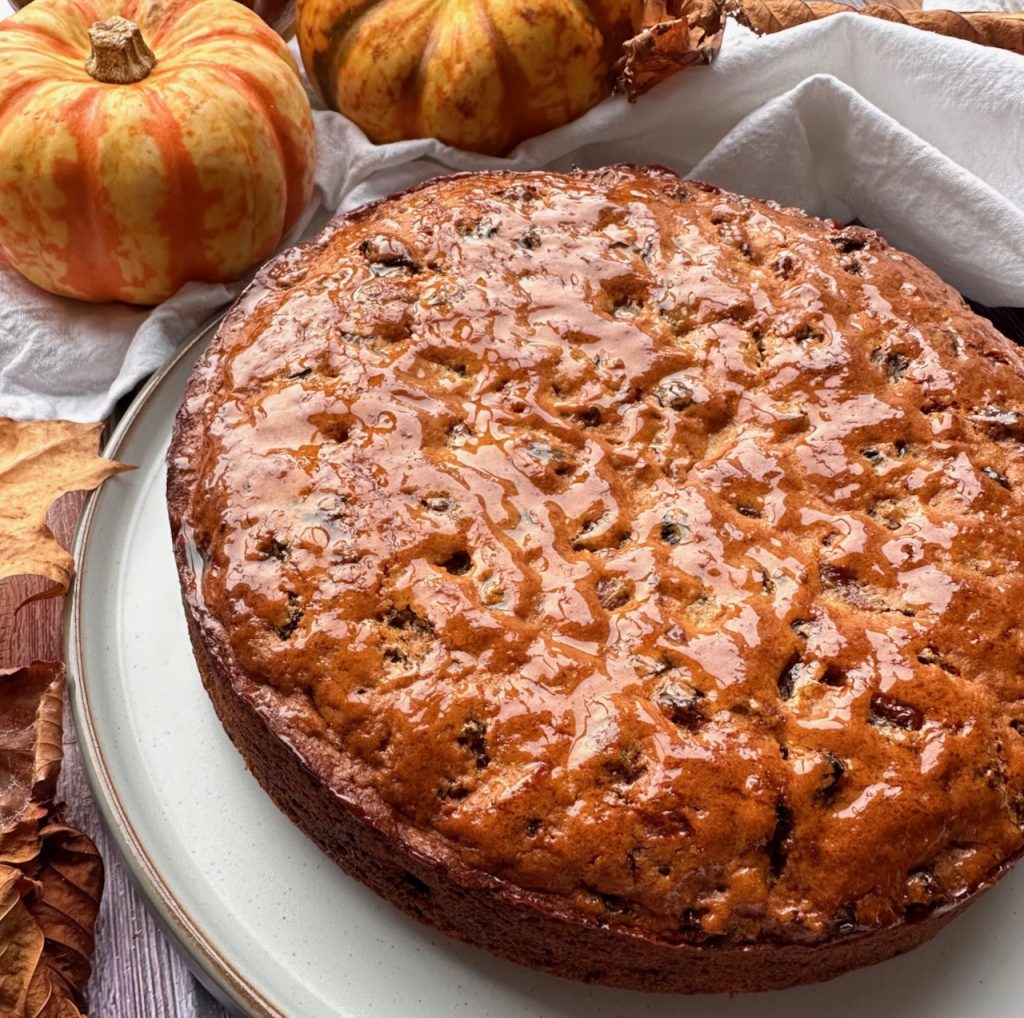
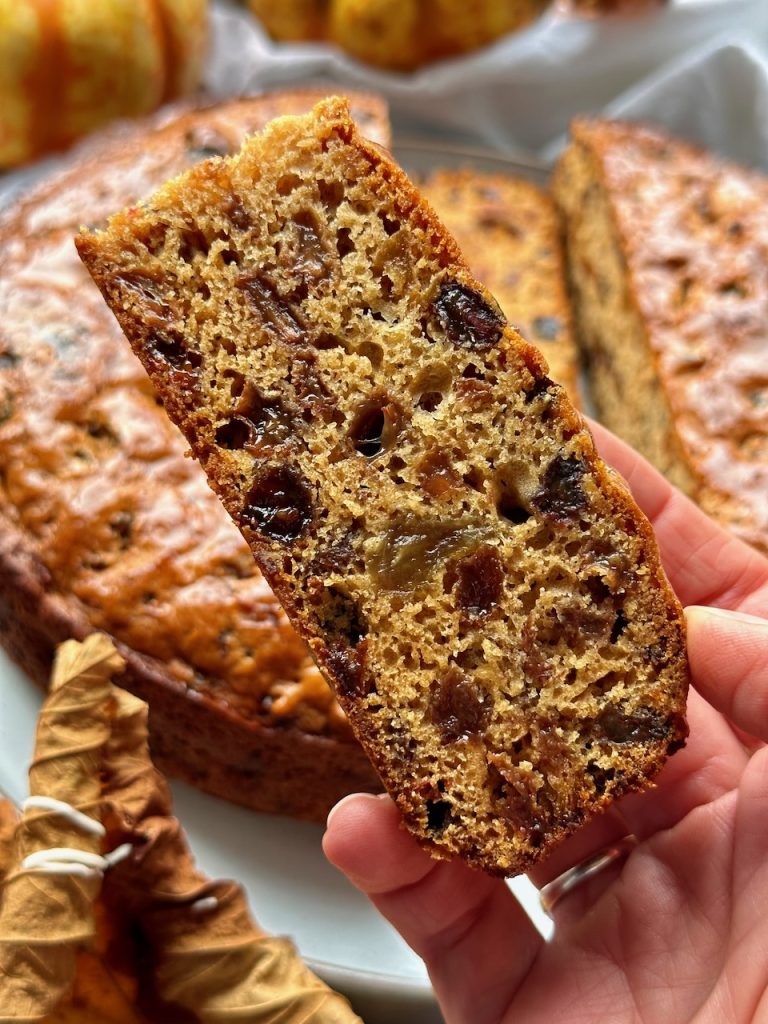
Barmbrack is a traditional Irish bread eaten at Halloween. Celts would celebrate Samhain, the beginning of winter with this fortune telling tea brack. A ring, a coin, a piece of cloth and a small stick were baked in the bread and would tell the fortune of those who found them. The ring is the most common symbol still today, it means marriage for the lucky finder!
We are proud to farm in the fields of our ancestors and celebrate their Samhain traditions. We would encourage you to make your own barmbarck this Halloween and talk about all who baked this delicious bread over hot coals.
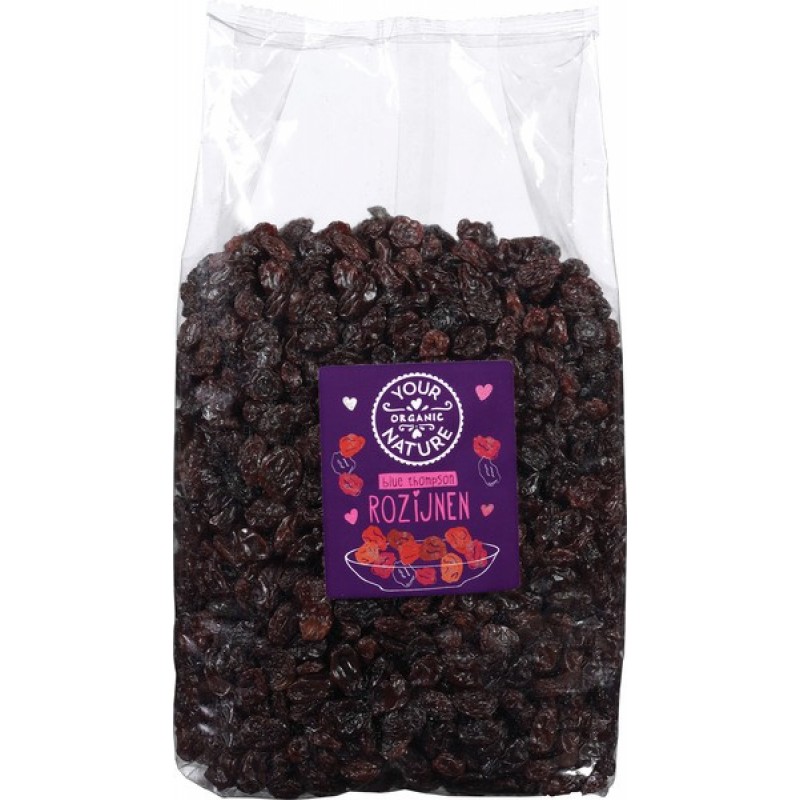
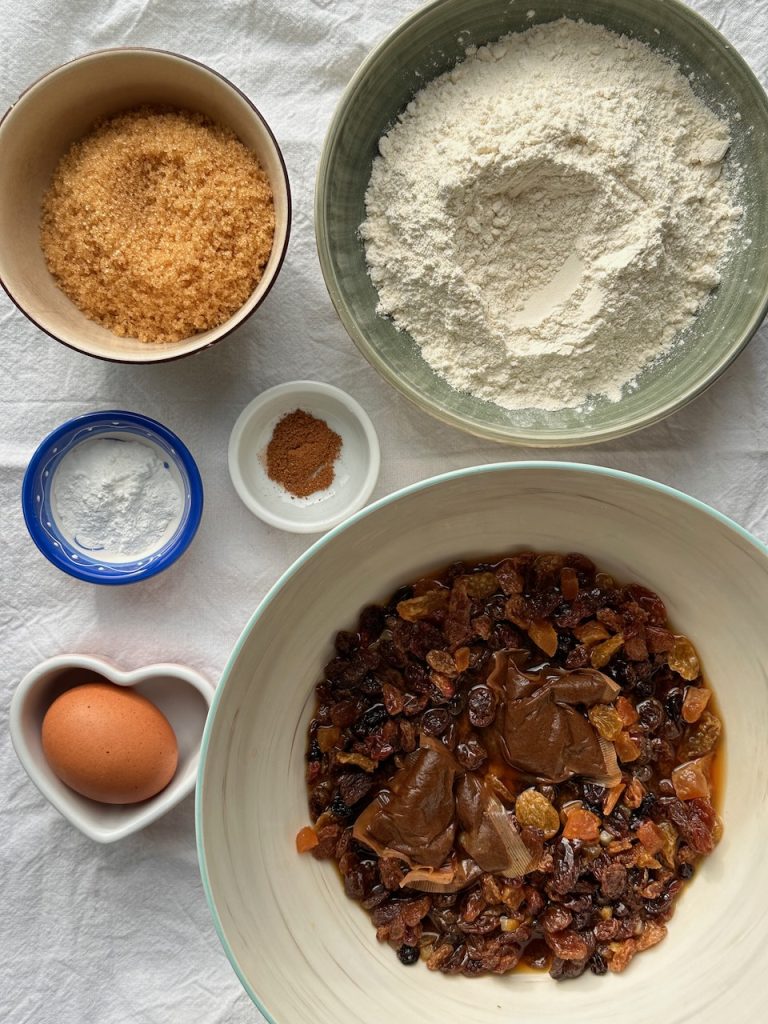
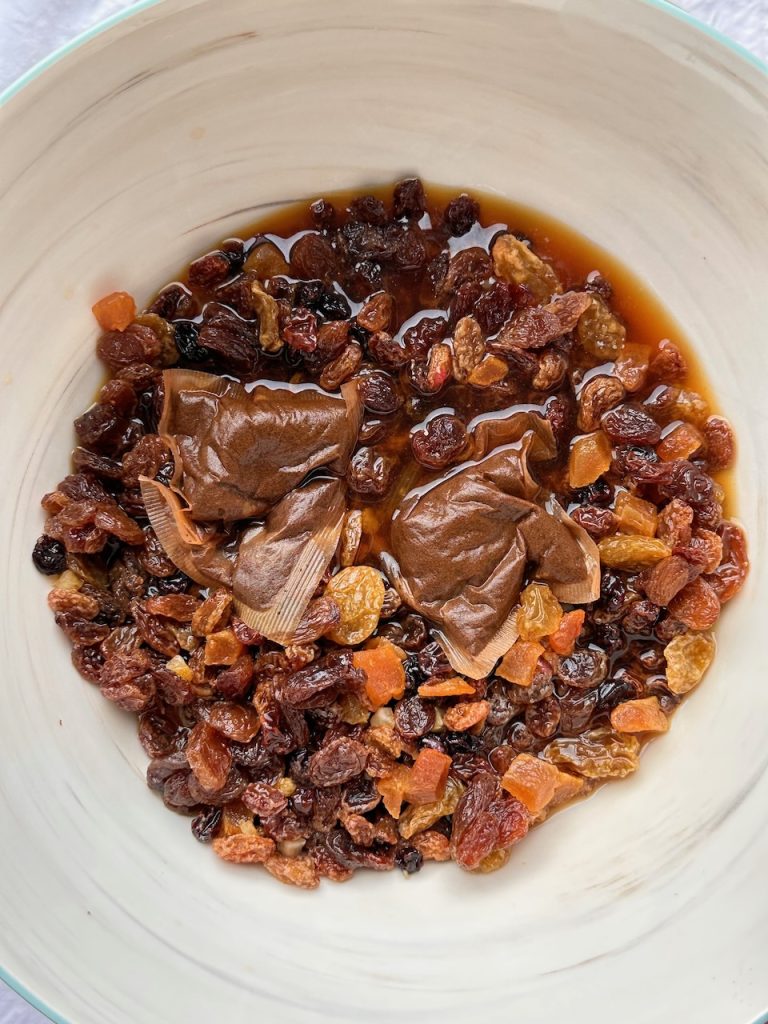
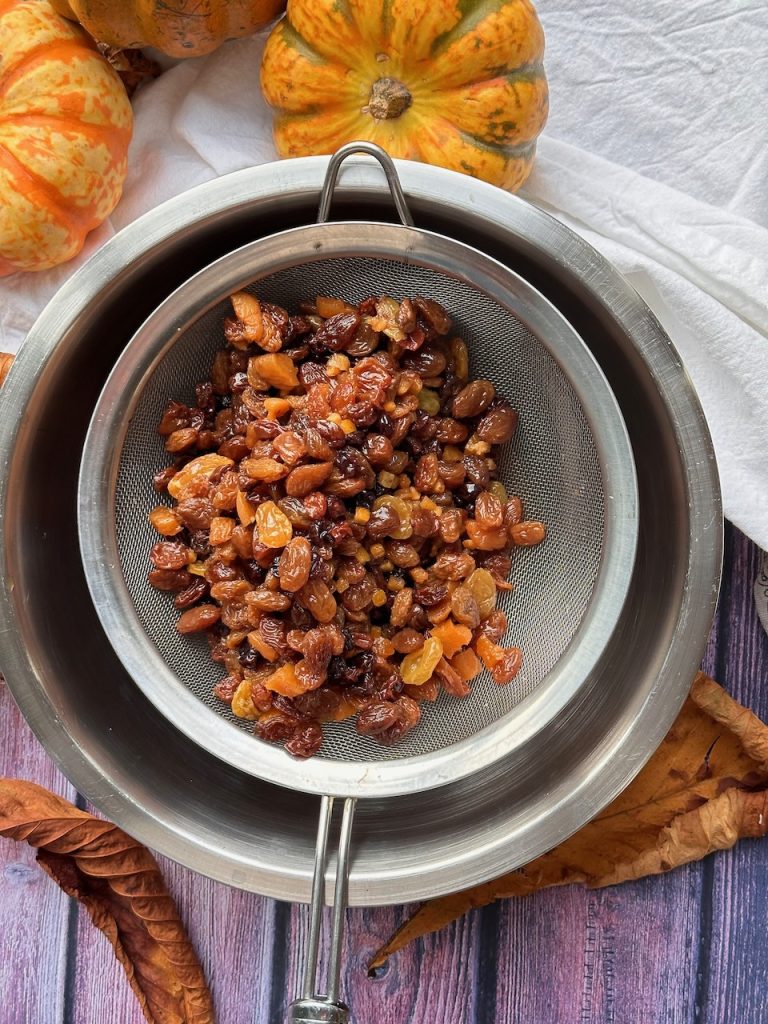
Step 1: Place the fruit mix in a bowl and pour over the hot tea, discard the teabags. Allow to soak up the liquid overnight. The next day strain the fruit, but keep the liquid.
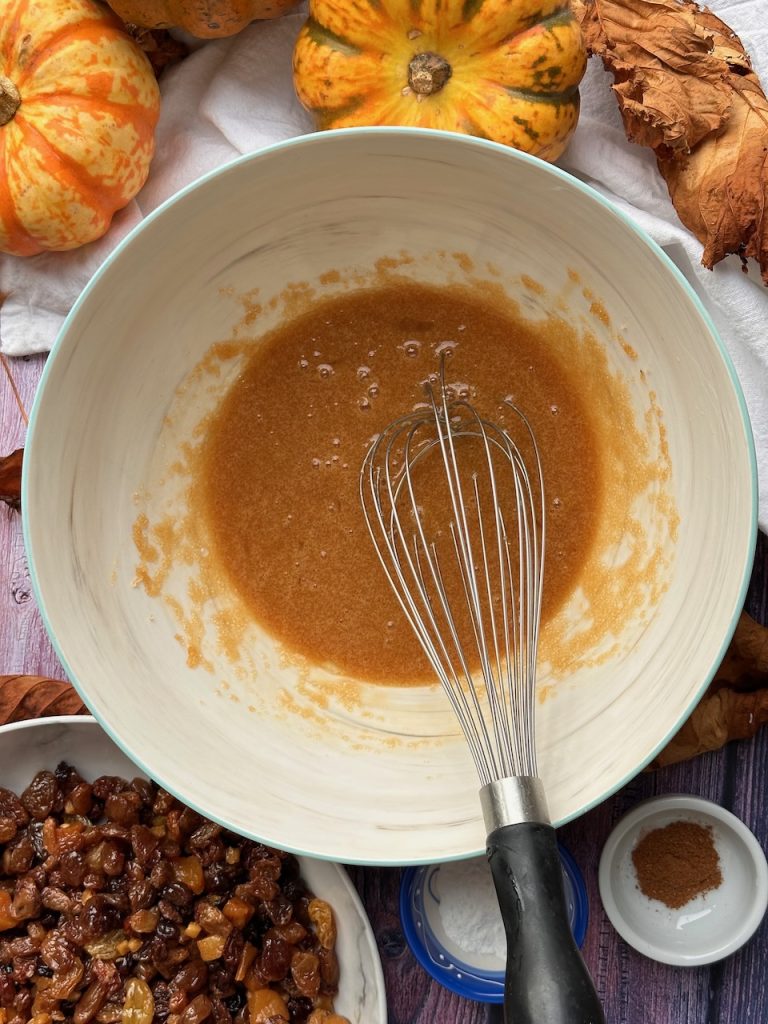
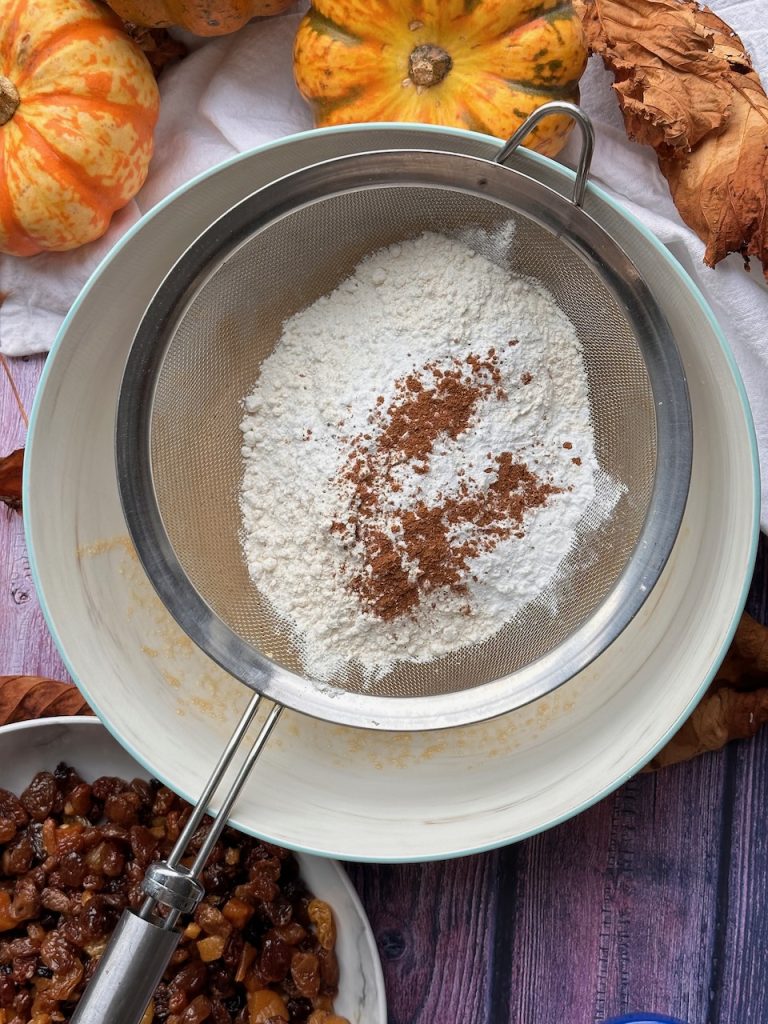
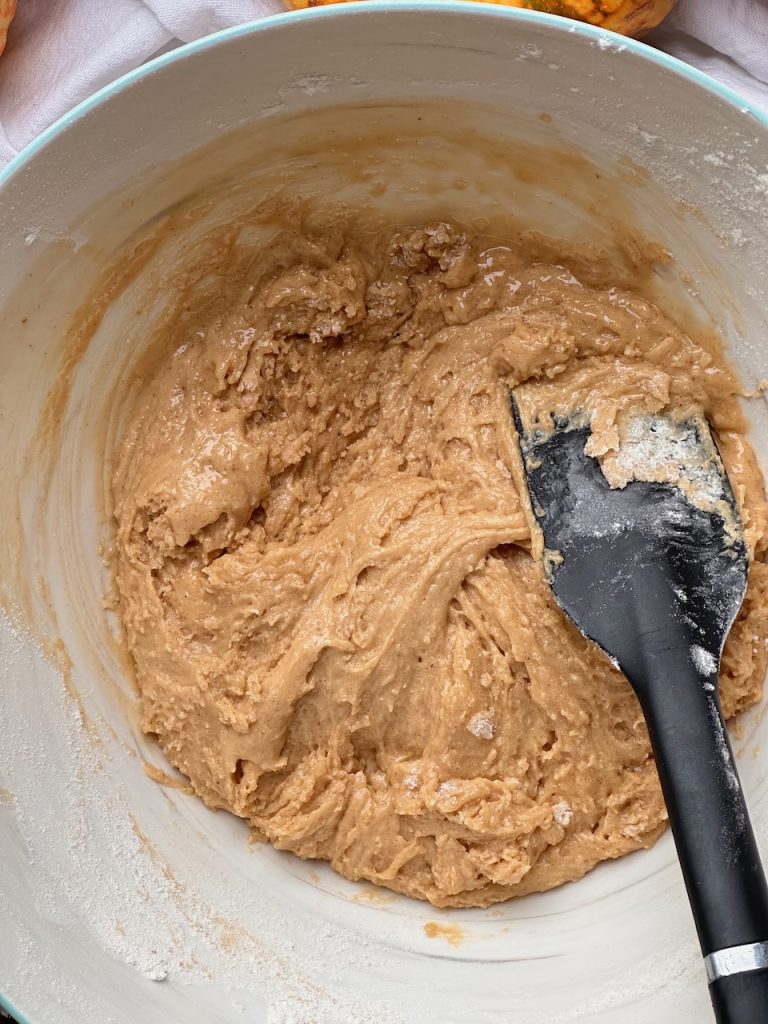
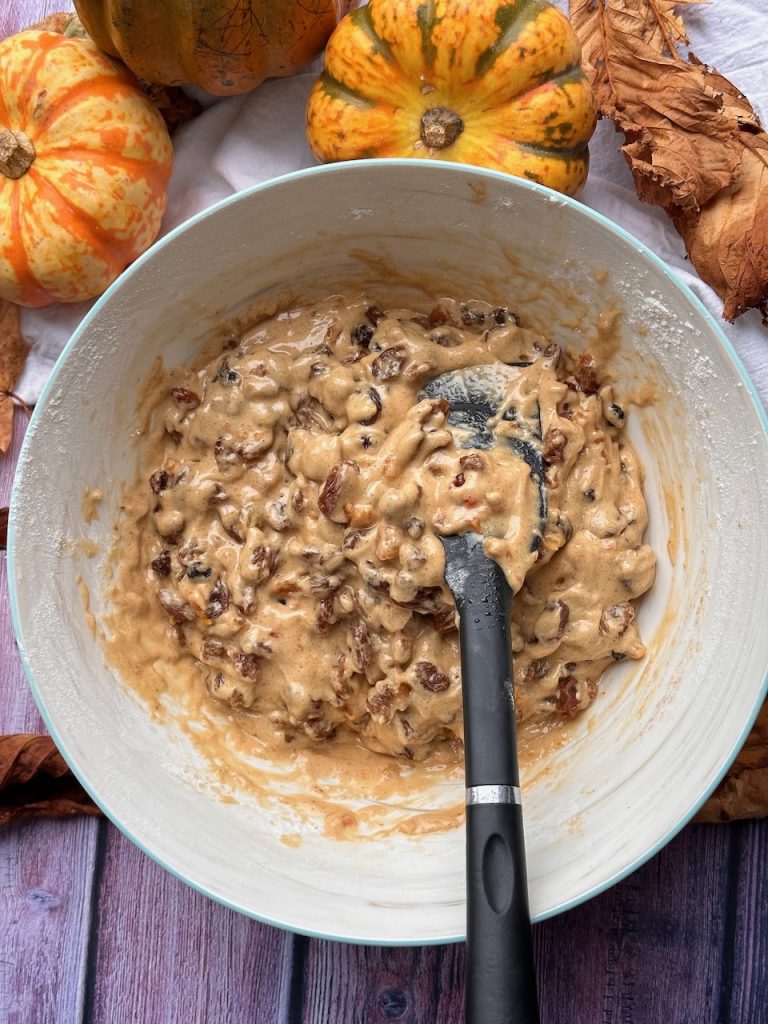
Step 2: Preheat the oven to 170ºC, and grease and line 8inc round cake tin. Put the brown sugar in a mixing bowl with the egg, whisk well, add the liquid from the fruit and whisk again. Sift in the flour, baking powder and mixed spice. Gently fold in to make a smooth batter. Then stir through the fruit mix until everything is thoroughly combined.
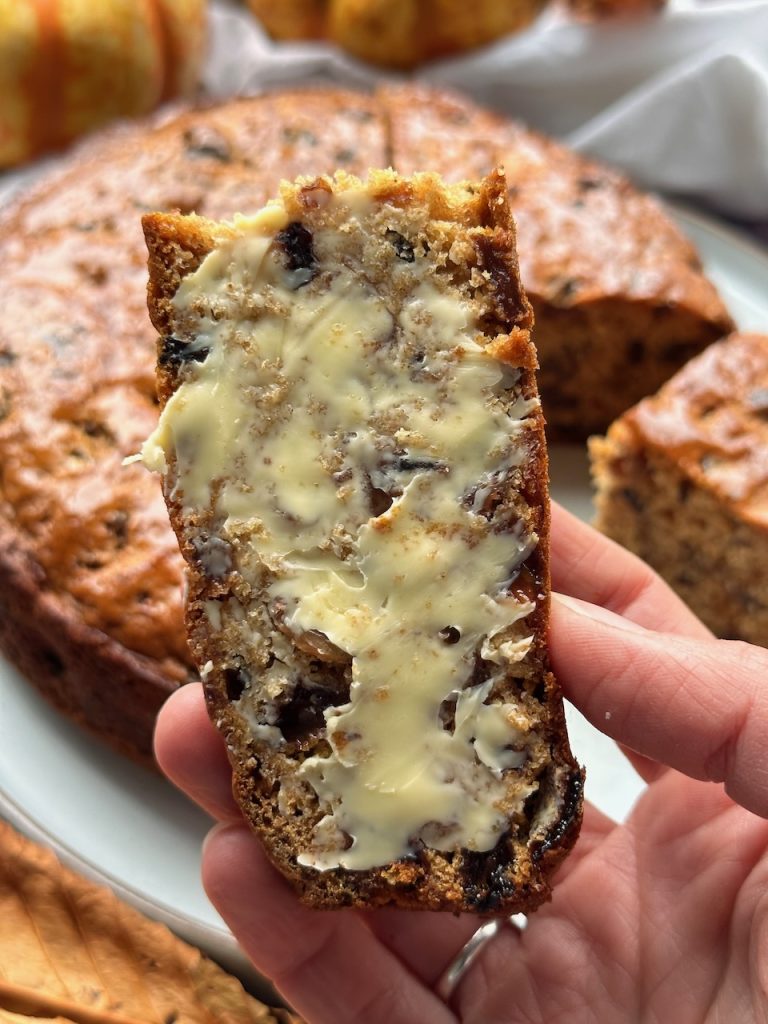
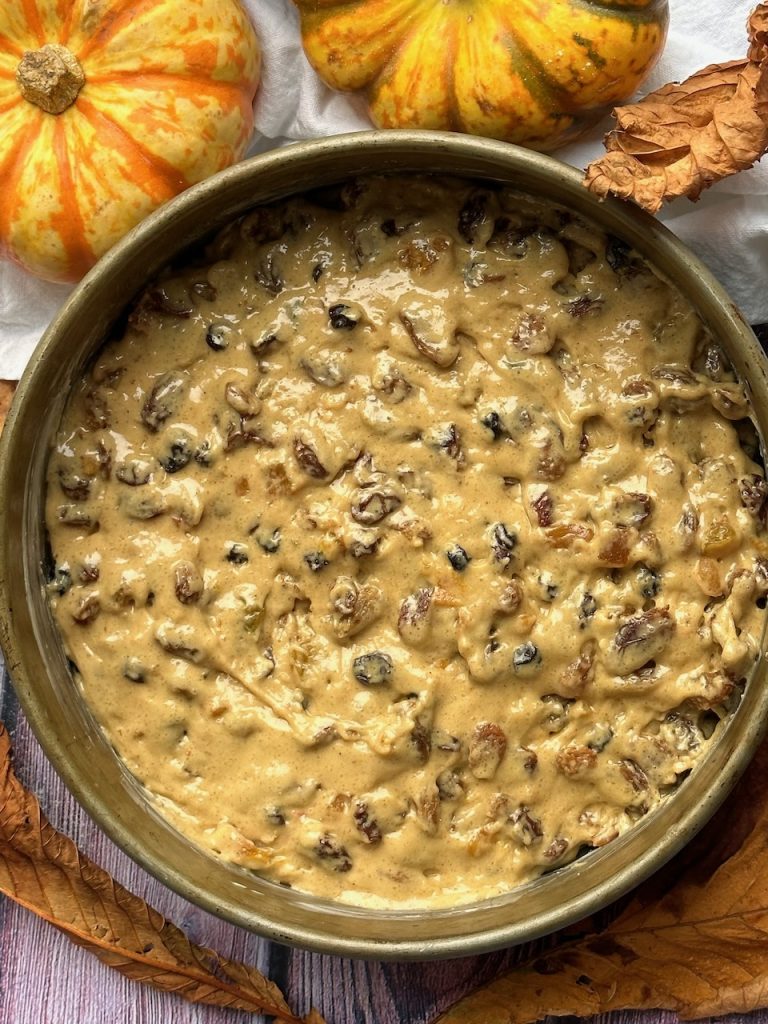
Step 3: Spoon the wet dough into the lined tin, poke a hole and add in the ring, smooth the top and place in the oven on the middle shelf and bake for 50 minutes – 1 hour. Remove from the oven and allow to cool slightly before removing from the loaf tin and placing on a wire rack. Serve in slices spread as it is or with some butter.
Optional: To make the sugar syrup, mix 1 tablespoon icing sugar with 2 teaspoons boiling water until smooth, then brush over the cooled barmbrack to give a nice glaze.
As I was walking the crops the other evening and the sun was setting on our fields, so early now compared to even a month ago, it struck me as it always does how beautiful and bountiful our natural world is.
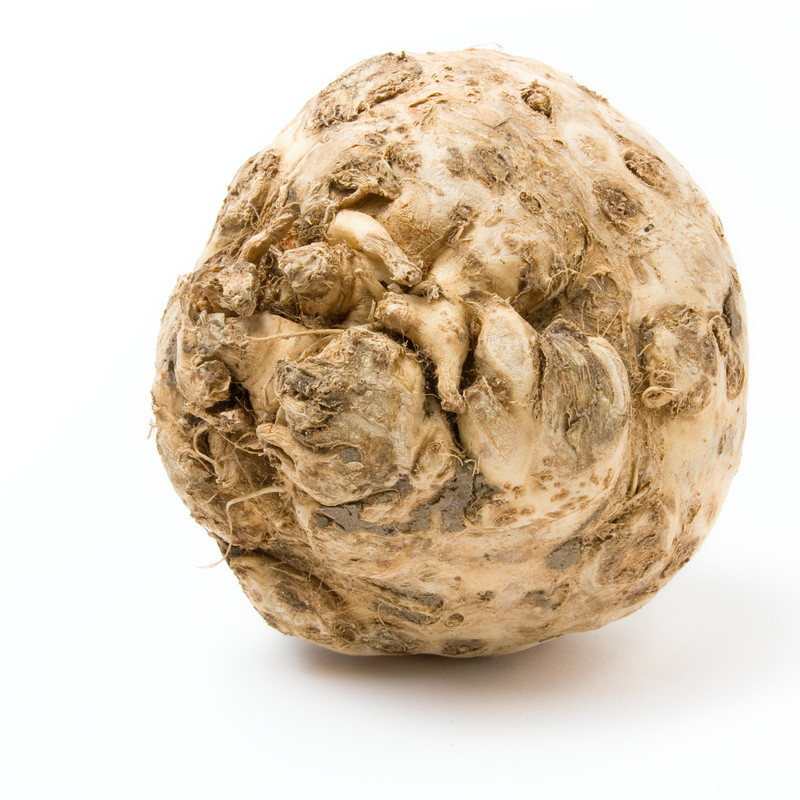
The rain of the last week or so has left the land sodden and mucky. Thankfully we had harvested a decent haul of parsnips before the land became unmanageable, parsnips can be very difficult to get out of the ground when you are knee deep in water. We are harvesting the last of the outdoor celery this week and not a moment too soon, as the mild wet conditions have led to the start of a fungal infection in the plants which is common at this time of year (in the absence of chemicals). We will move into the polytunnels which should give us another 2-3 weeks supply of IRISH organic celery. Our first harvest of celeriac is starting this week, a very underrated and sometimes labelled “UGLY” vegetable. I would heartily disagree on that one, after all its often what is on the inside that counts, and its beauty is definitely on the inside: the smell and the flavour of fresh celeriac is something that is quite amazing!
Our own freshy harvested carrots are still in season but not for much longer, thankfully we have a great supply of fresh Irish carrots for some time to come yet. We are delighted to be getting the first harvest of Irish organic brussel sprouts from Padraigh Fahy of Beechlawn organic farm this week. They are easily one of my favourite vegetables of the year, and his sprouts are definitely worth the wait. Emmanuel and Brenda have been very busy harvesting our own leeks every week and they are spectacularly fresh, so rich in flavour and taste, and there is nothing like smelling the crates of leeks as they come out of the field. There are all the other usual Irish organic staples, kales, mushrooms, herbs, winter cabbage, potatoes and more. We are grateful for the food we can produce here and feel lucky to have deep fertile soil and plenty of water to allow the plants to thrive. (Too much water by a long way in some parts this week). Some areas of the world are not so lucky.
A new report from the UN University (UNU) in Germany has set out a series of risk tipping points that are approaching. The groundwater risk tipping point has already been passed in some countries, such as Saudi Arabia, and is close in India, the report said. Saudi Arabia was a major wheat exporter in the 1990s but now imports the cereal after the groundwater wells were exhausted. It is undeniable that we are deep into our planetary overdraft with the limit looming, the natural equilibrium that leaves earths ecosystems in balance has been dangerously tipped towards the unsustainable, and we now find ourselves in unchartered territory. The floods, the fires and the droughts that are now occurring with a ferocious intensity and a frequency that was unthinkable only a decade ago. The highest monthly surface temperature ever recorded was in July and was probably the hottest the planet has been in 100,000 years. We have accomplished all of this is in the last 200 years.
But there is much to be hopeful about too: the speed of adoption of renewable energy, the electrification of our transport system, the shift to local more plant-based diets, and an overwhelming desire for change and demand for sustainable practices from businesses and government by you and I. This is the world we advocate for a new world where nature is respected as a resource to be protected. After all, it provides everything we now have: our food, homes, and clothes and even the peace of mind that a walk in nature brings.
This is the future that we vote for, this is the future that we fight every day for. We know that we don’t always get it right, that we have a long way to go, that we are not perfect, but we aspire to doing better every single day.
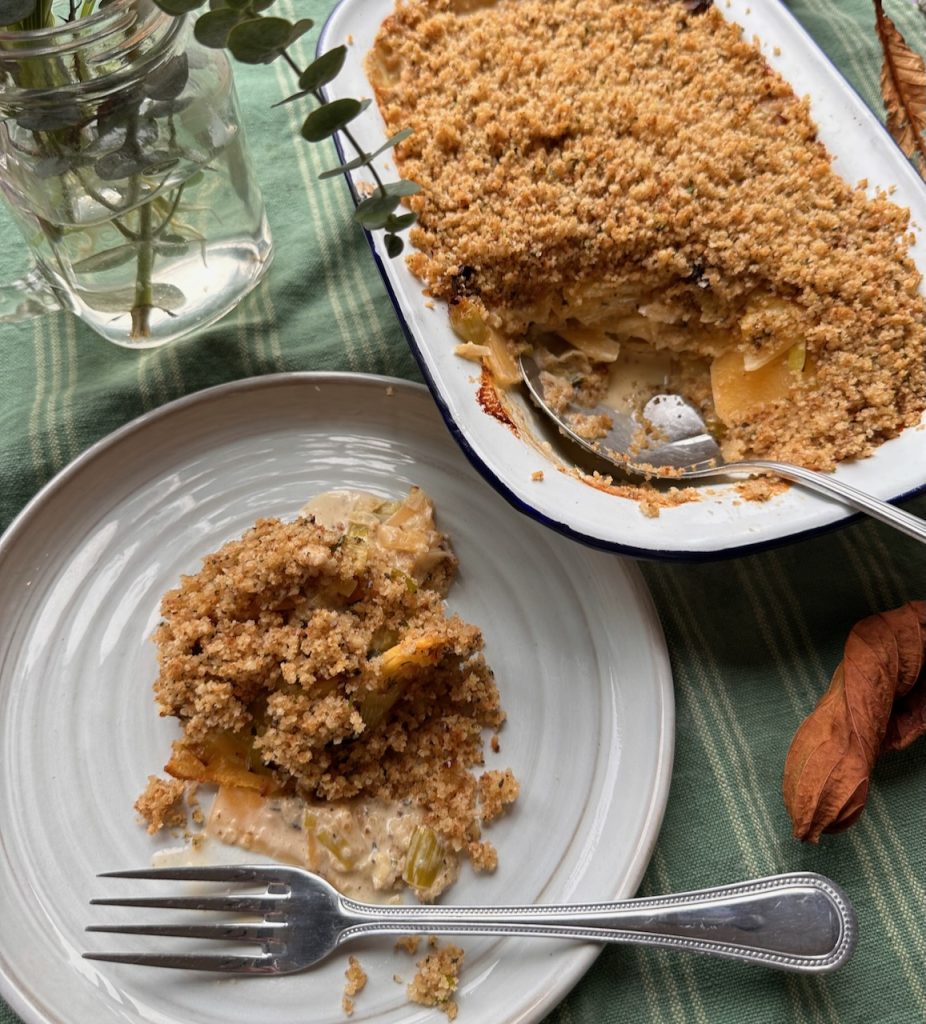
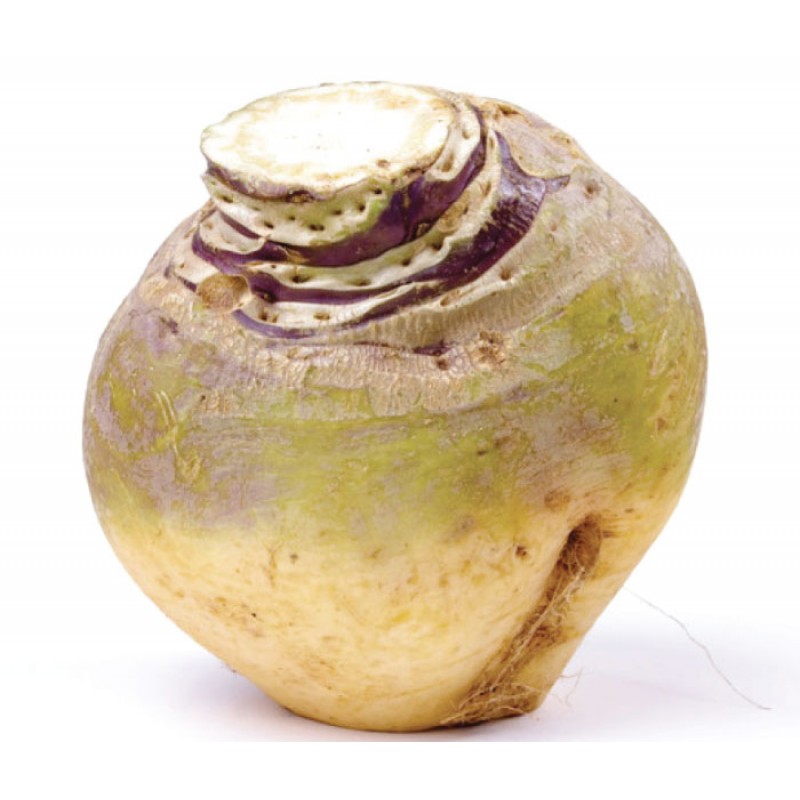
Turnips or swedes are a superb reliable Irish winter root vegetable and they grow happily here on the farm. They are sweet and slightly peppery, crisp when raw and buttery when cooked. They are often overlooked but given a bit of thought and attention turnip can be totally delicious.
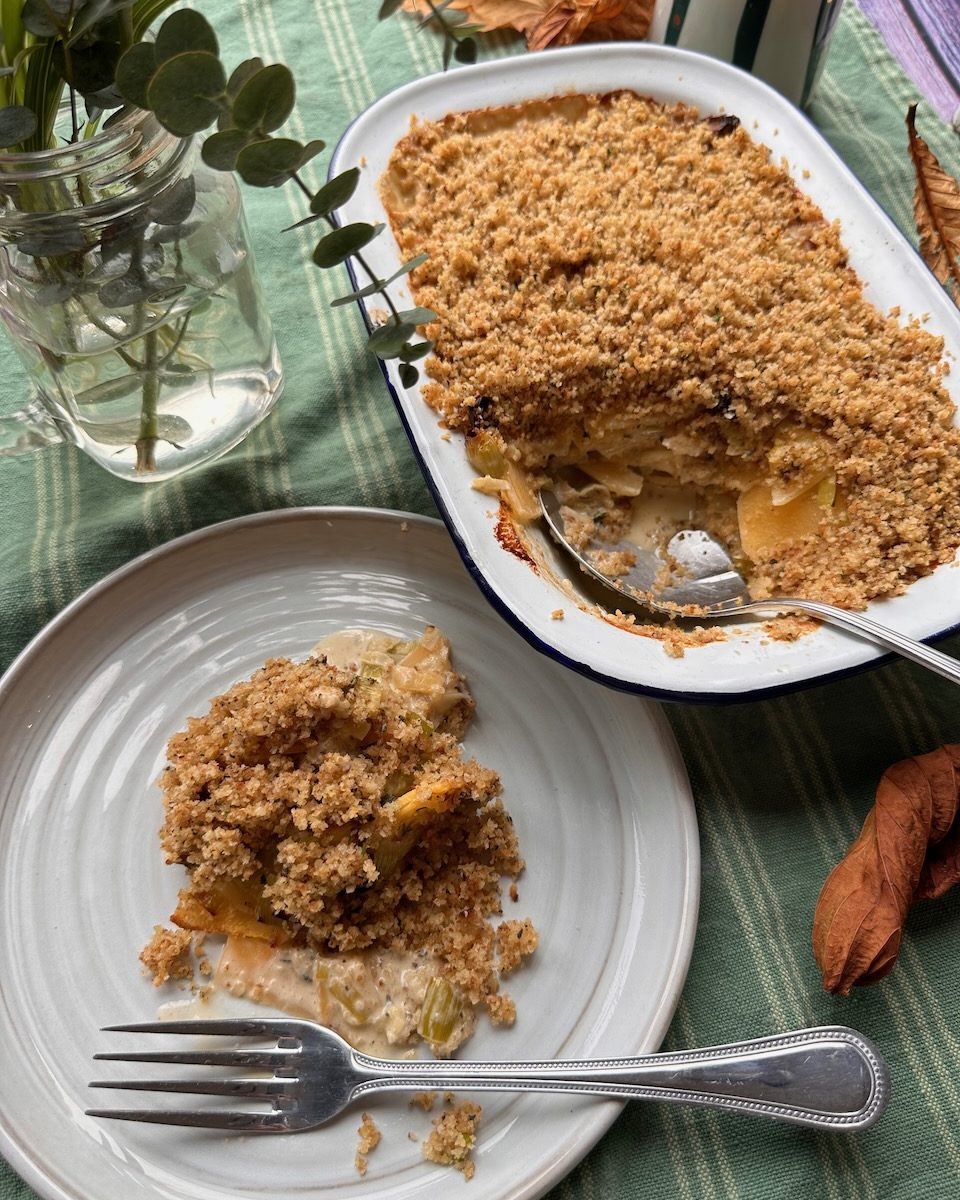
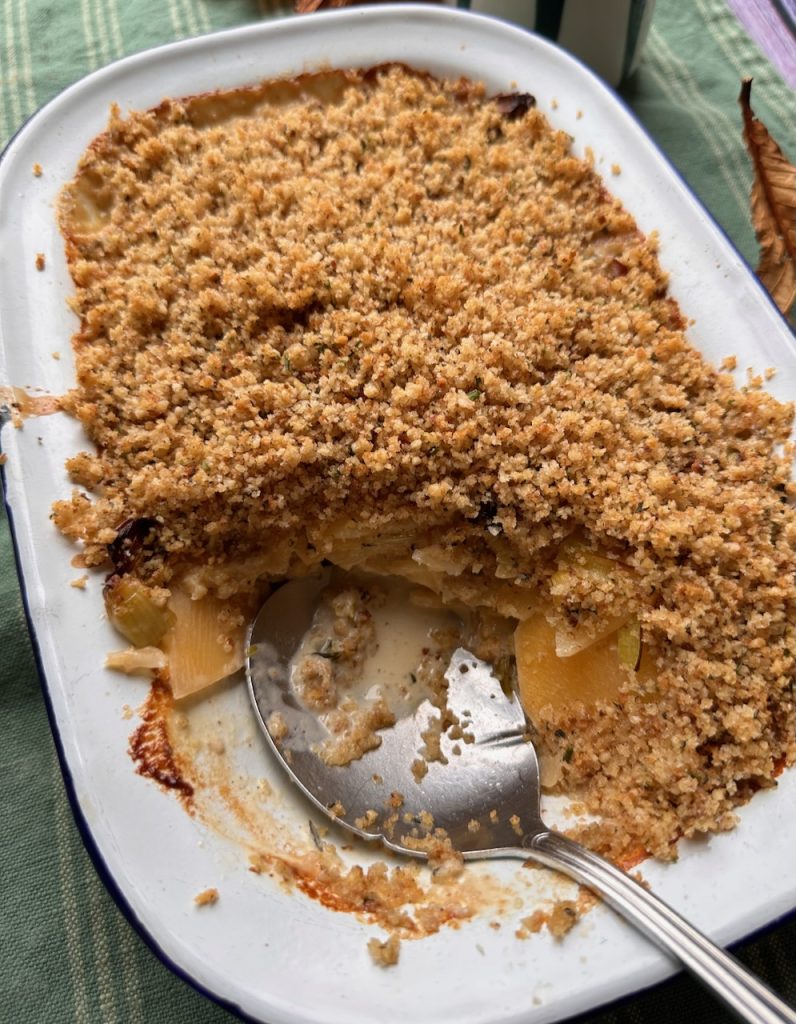
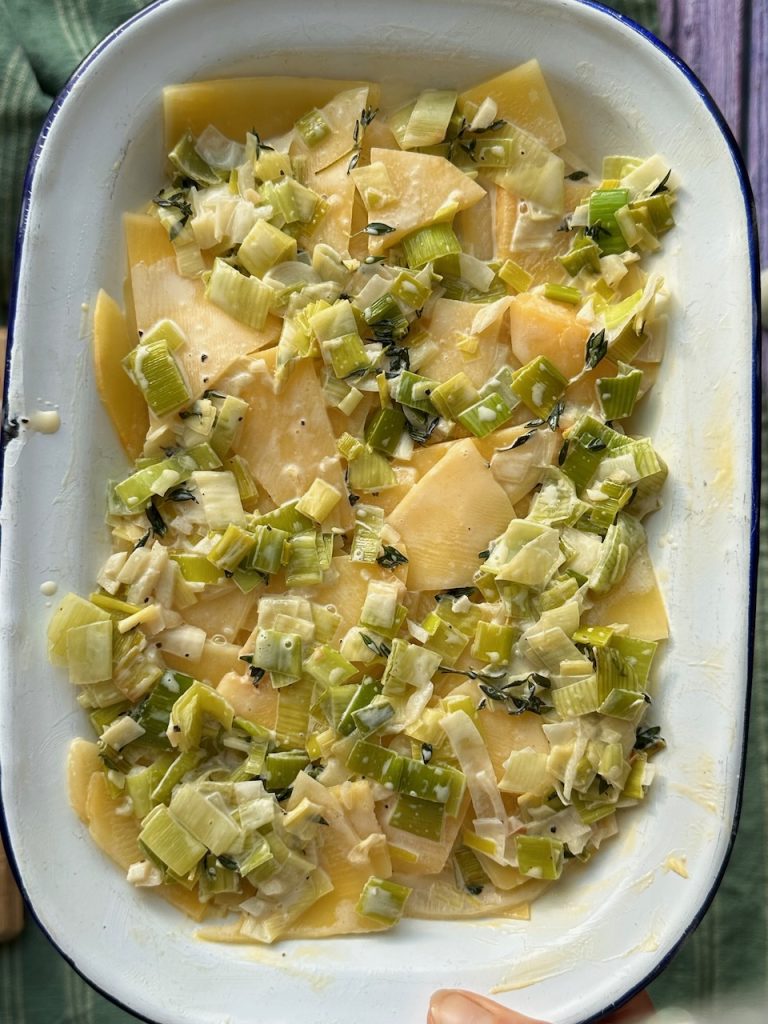
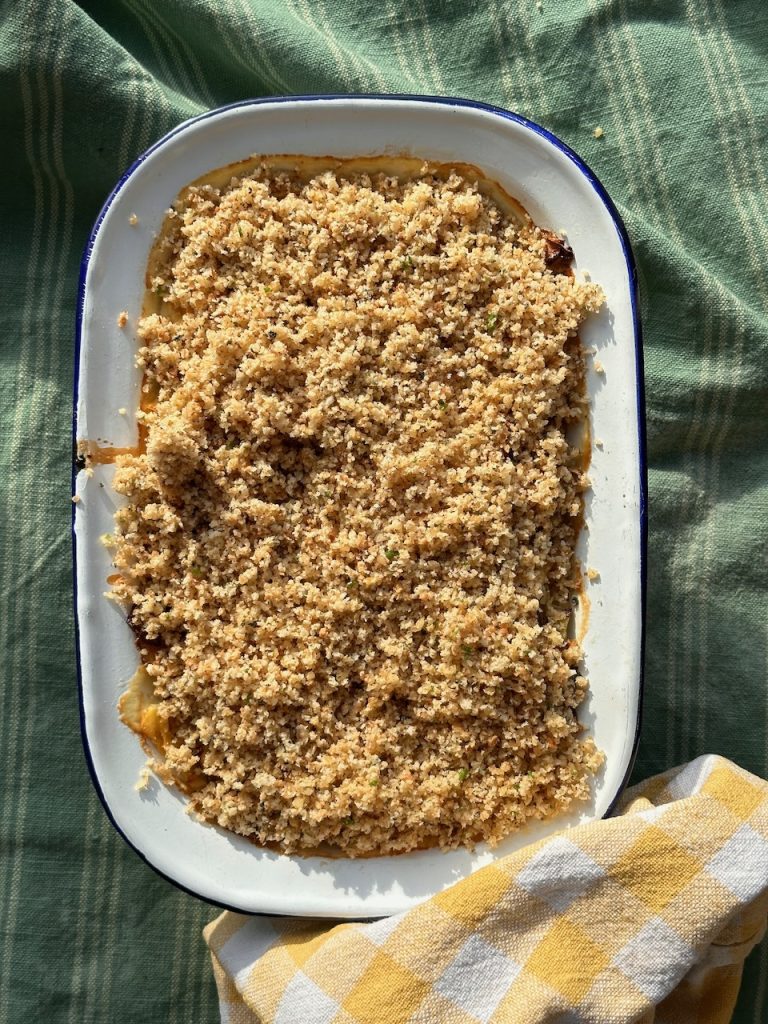
This dish is closely based on a recipe by Denis Cotter, chef and owner of the well known Cork restaurant Cafe Paradiso. Cotter has added sweetness with the slow cooked leeks, maple syrup, toasty notes from the walnuts and breadcrumbs and lots of flavour from the herbs. We couldn’t wait to dive into this delicious gratin and neither will you!
100ml dry white wine or vegetable stock with a dash of cider vinegar
250ml double cream
3 tbsp maple syrup
For the crust:
8 fresh sage leaves, chopped
1 tbsp chopped chives
50g white bread
50g walnuts
30g butter
Method:
Step 1: Preheat the oven 170ºc fan. Butter an oven dish, approx 9inc x 6inc.
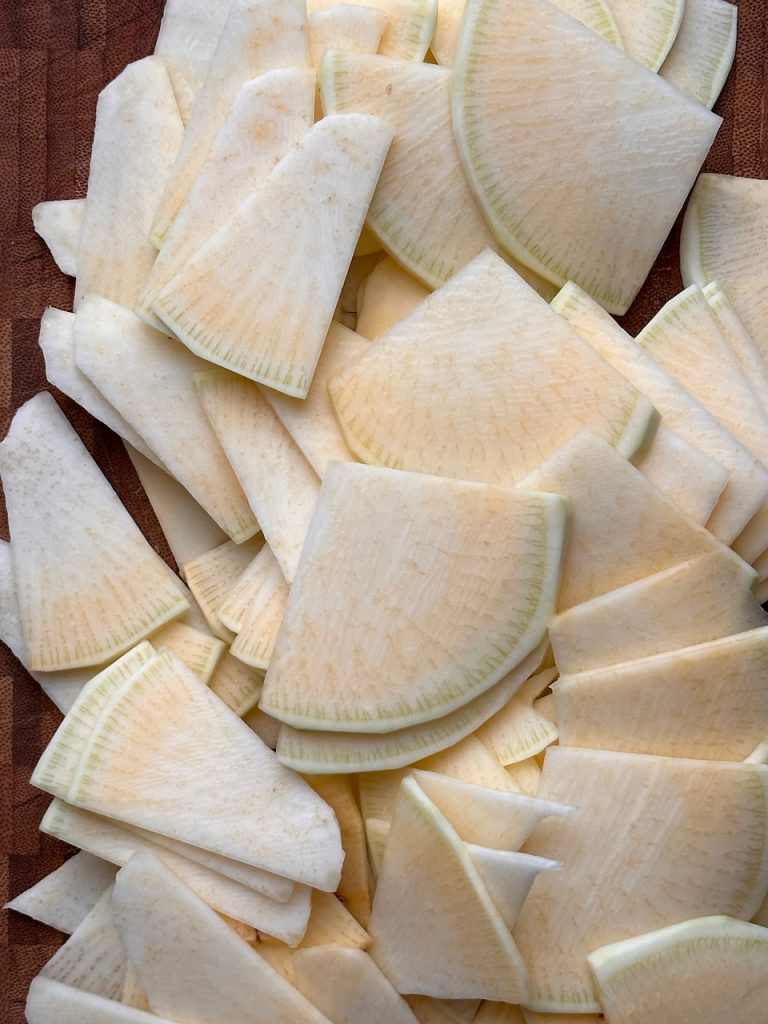
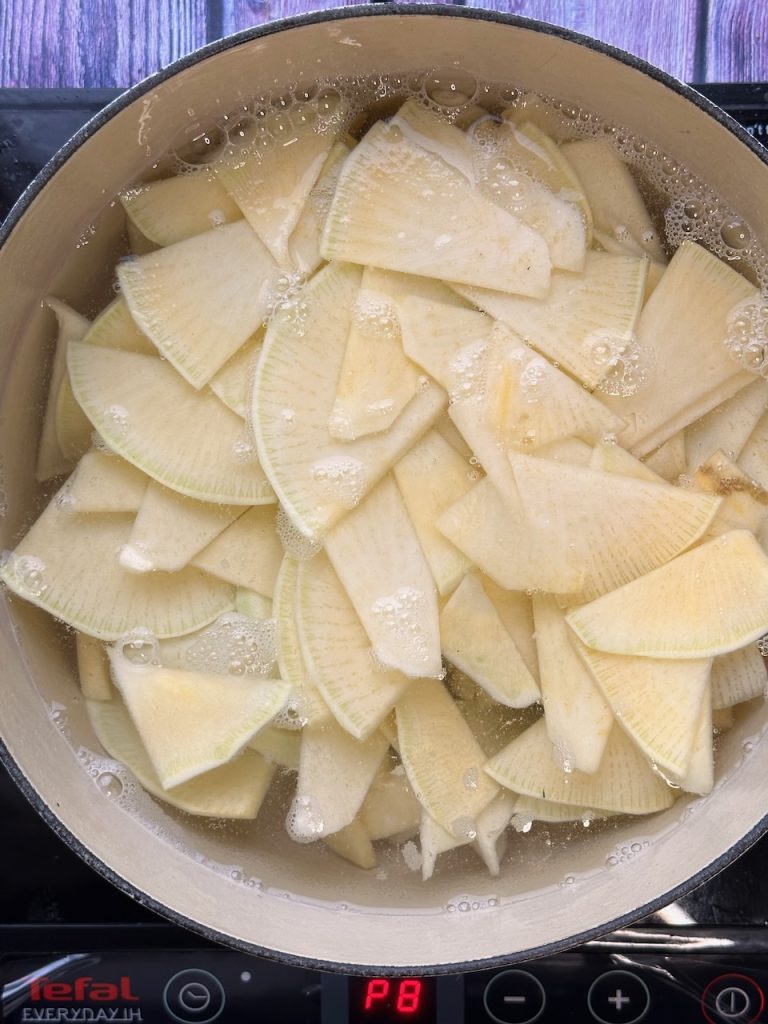
Step 2: Wash and peel the turnip and chop into quarters. Slice the quarters thinly 5mm with a mandolin or sharp knife. Heat a pot of salted water until simmering, add all the sliced turnip and cook for 10 – 15 minutes until soft. Strain and set to one side.
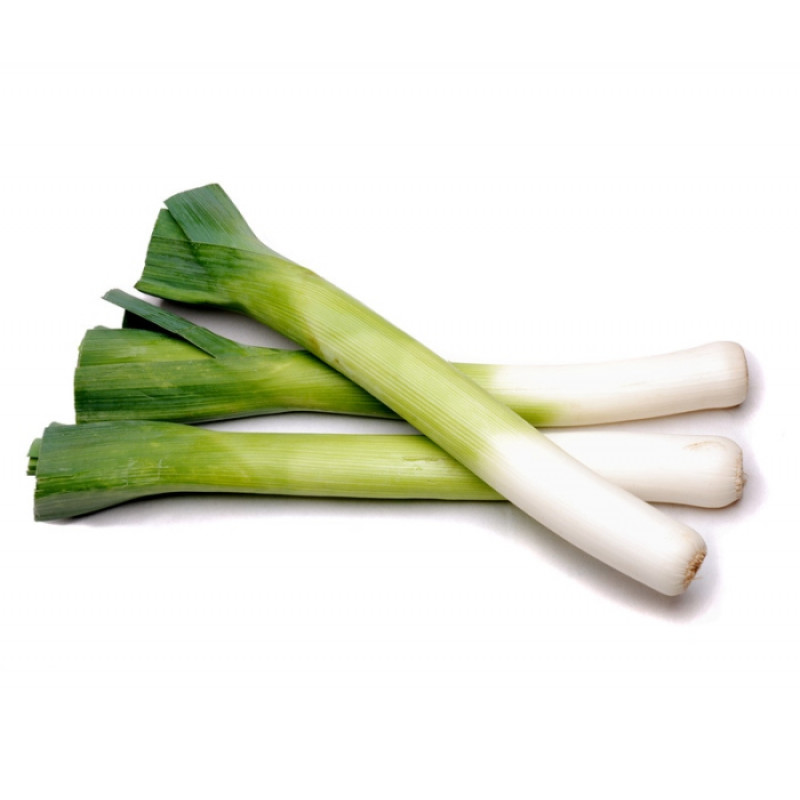
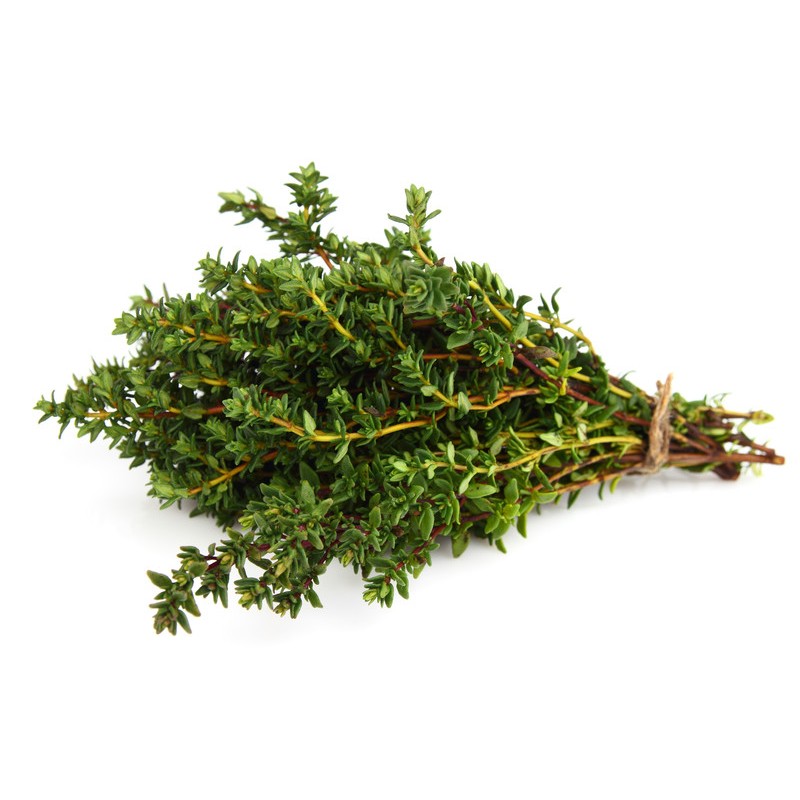
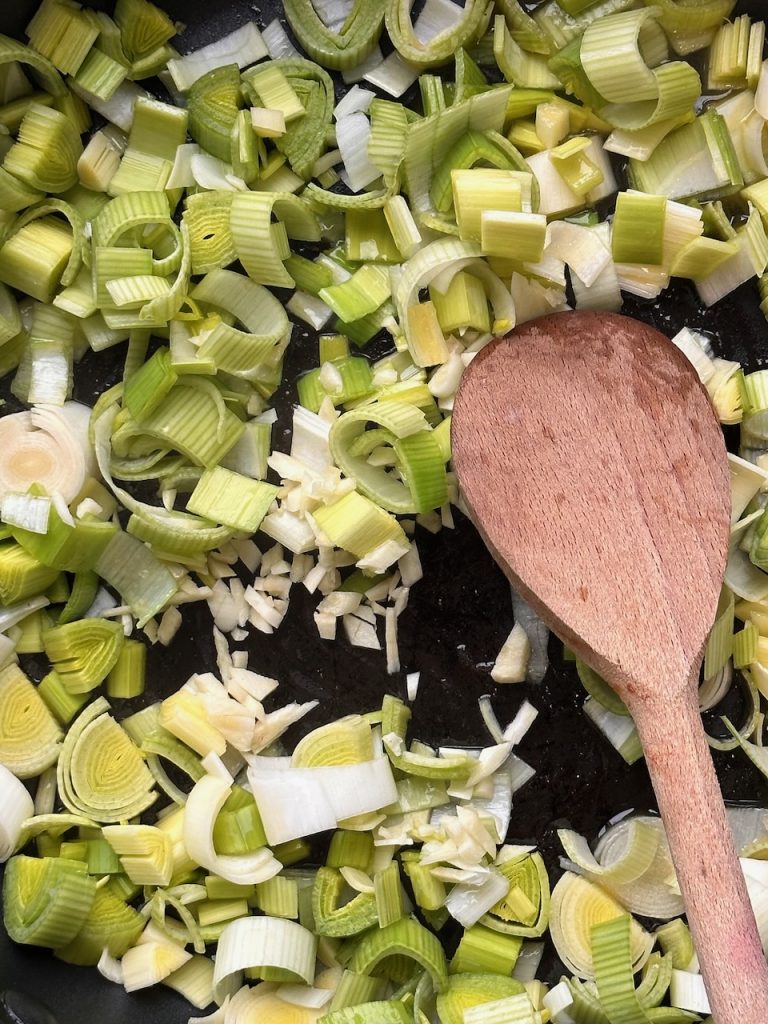
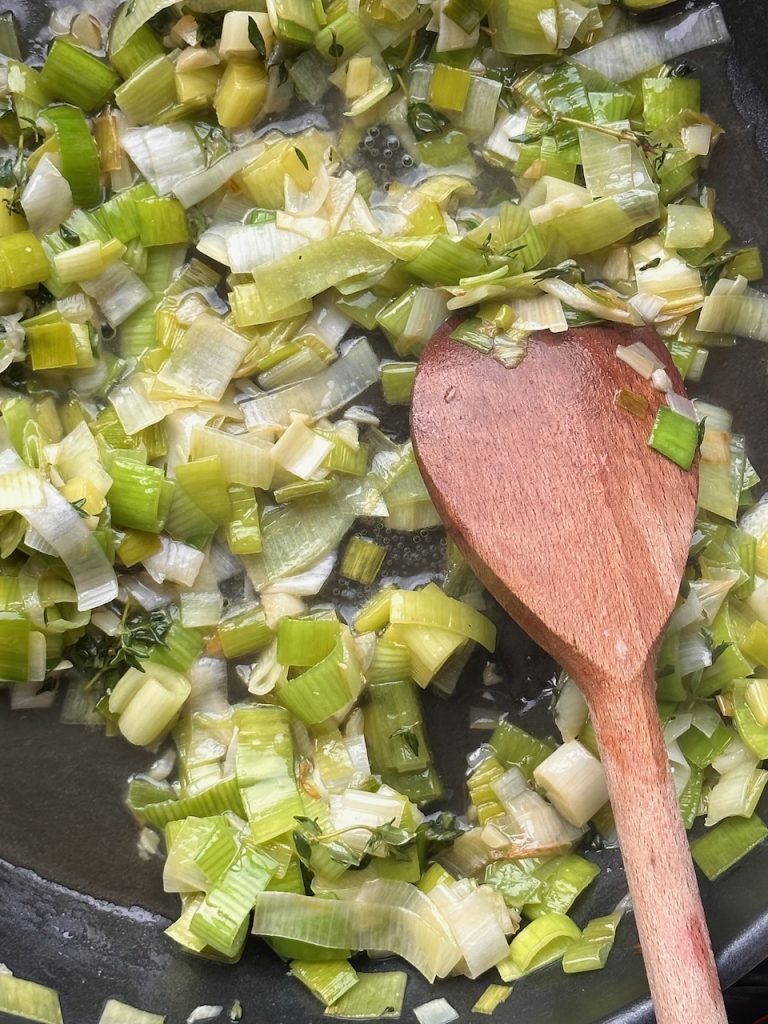
Step 3: Meanwhile, chop the leeks in to 2 cm slices. Melt the butter on a pan and sauté the leeks and chopped garlic until soft then stir through the thyme leaves, wine or stock with vinegar, cream, salt and pepper. Simmer for a further few minutes.
Step 4: To the buttered dish, add a layer of turnip, a layer of creamy leeks and repeat 3 times. Push down and bake in the oven for 30 minutes.
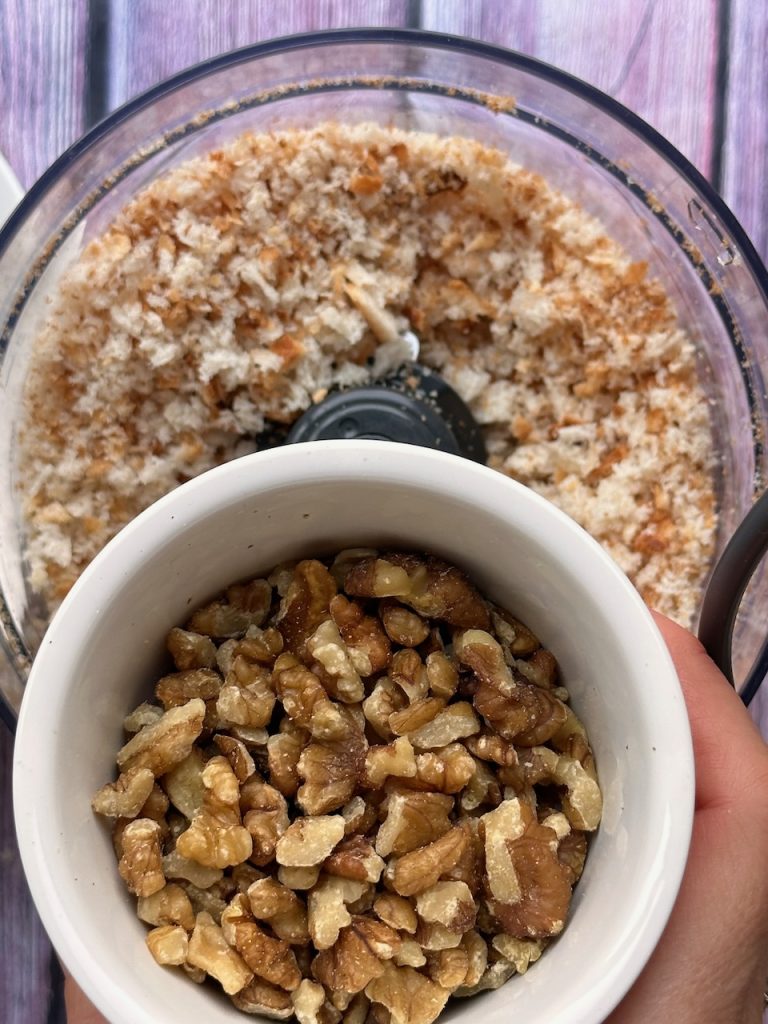
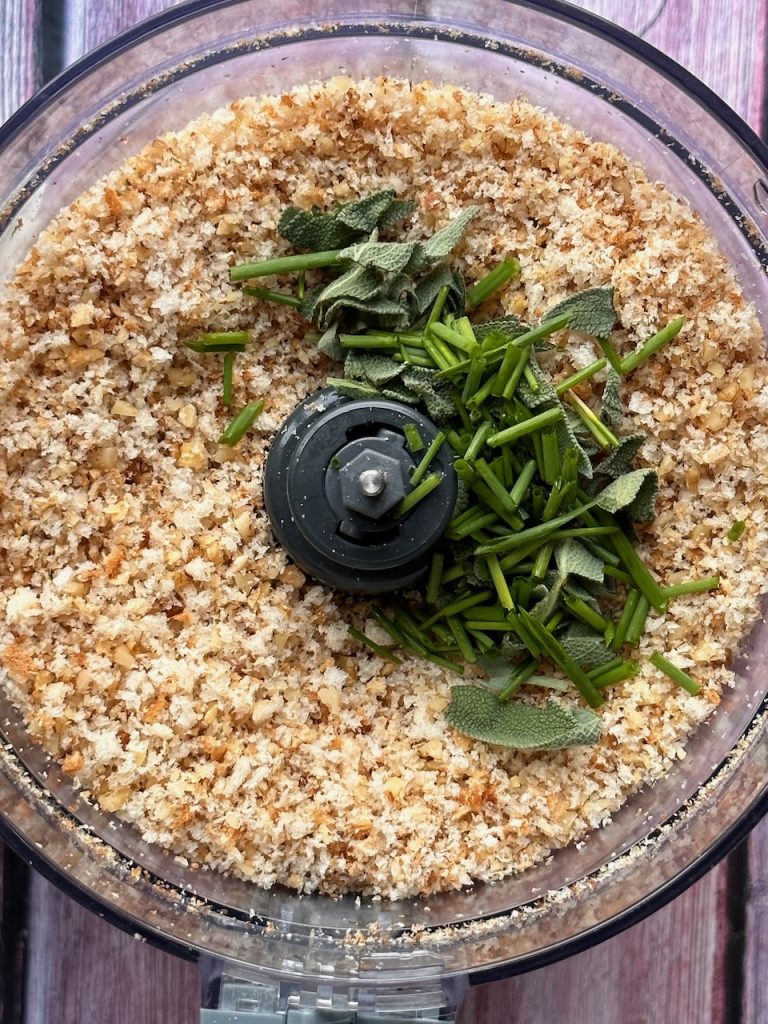
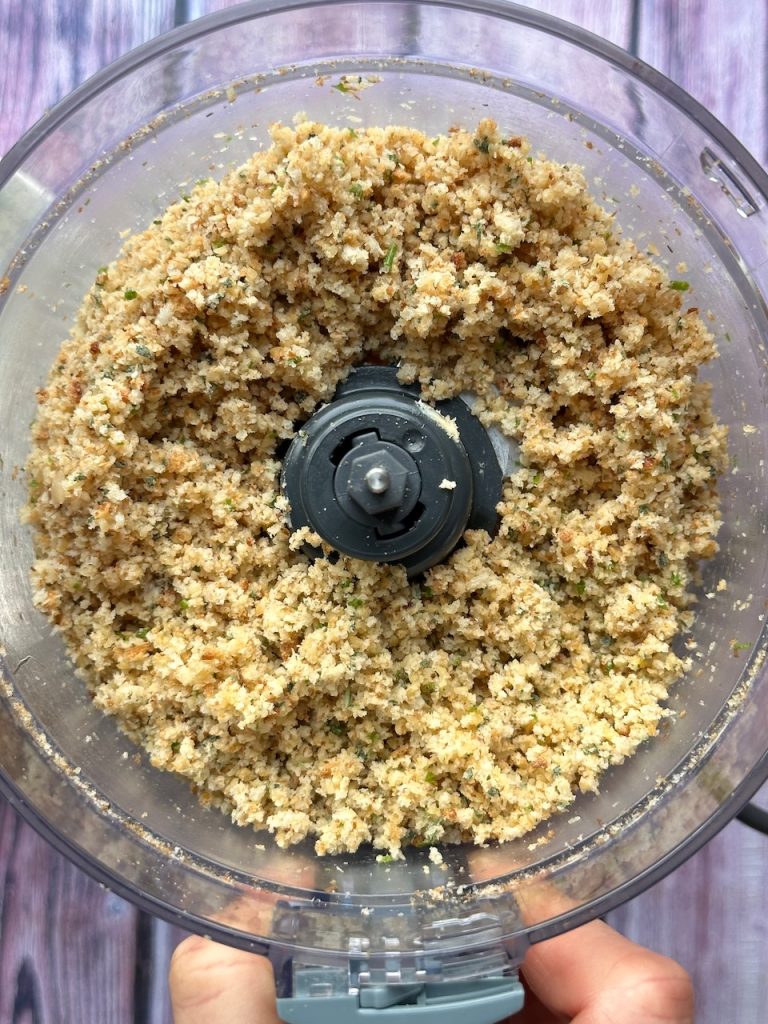
Step 5: To make the crust, blend the bread first, then add the walnuts, sage, chives, salt and pepper blend again, finally add the butter blend again. Scatter the herby breadcrumb on top and bake for a further 10 minutes. Allow to cool for 10 minutes then serve.
This would work as a main dish with some greens and mushy pulses or as a side dish too.