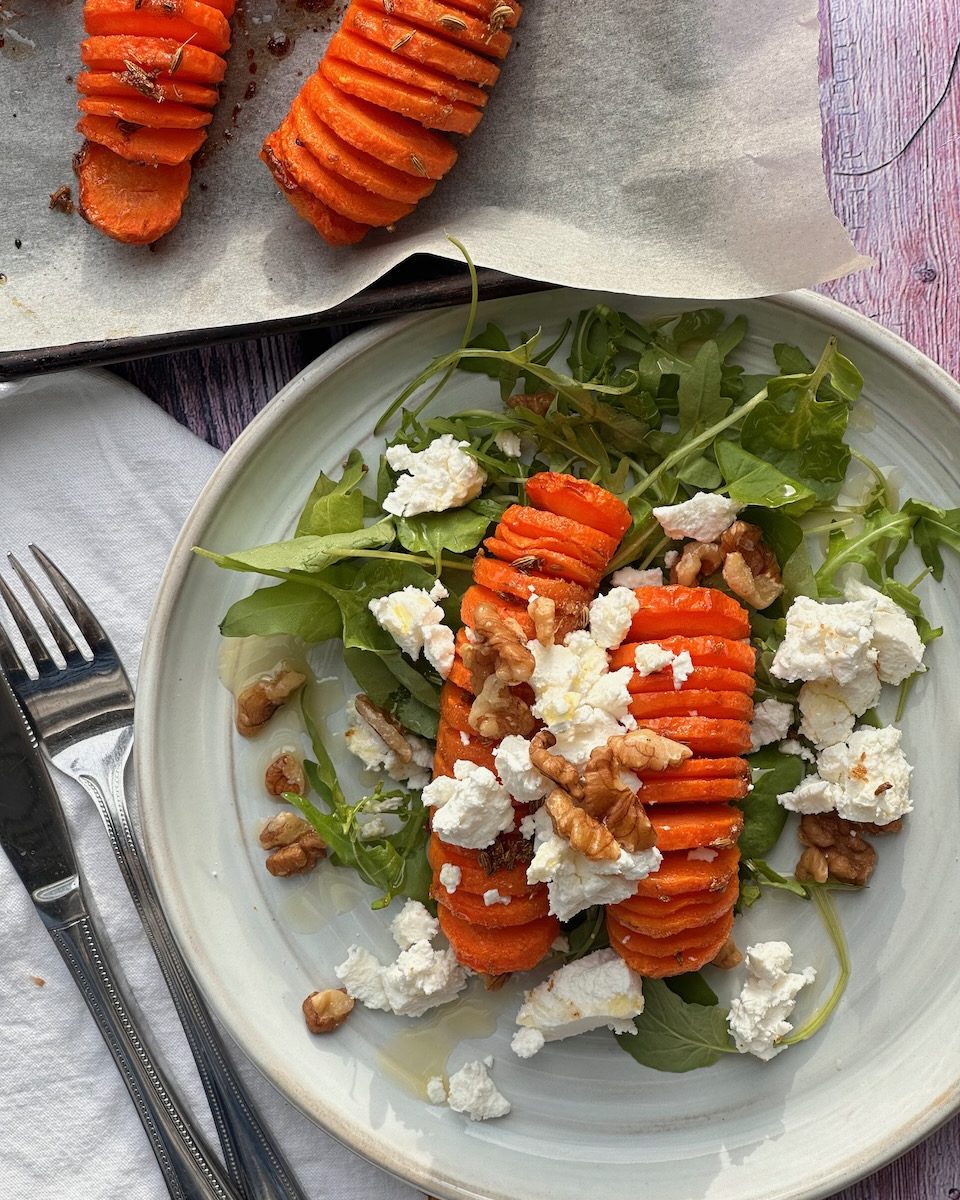
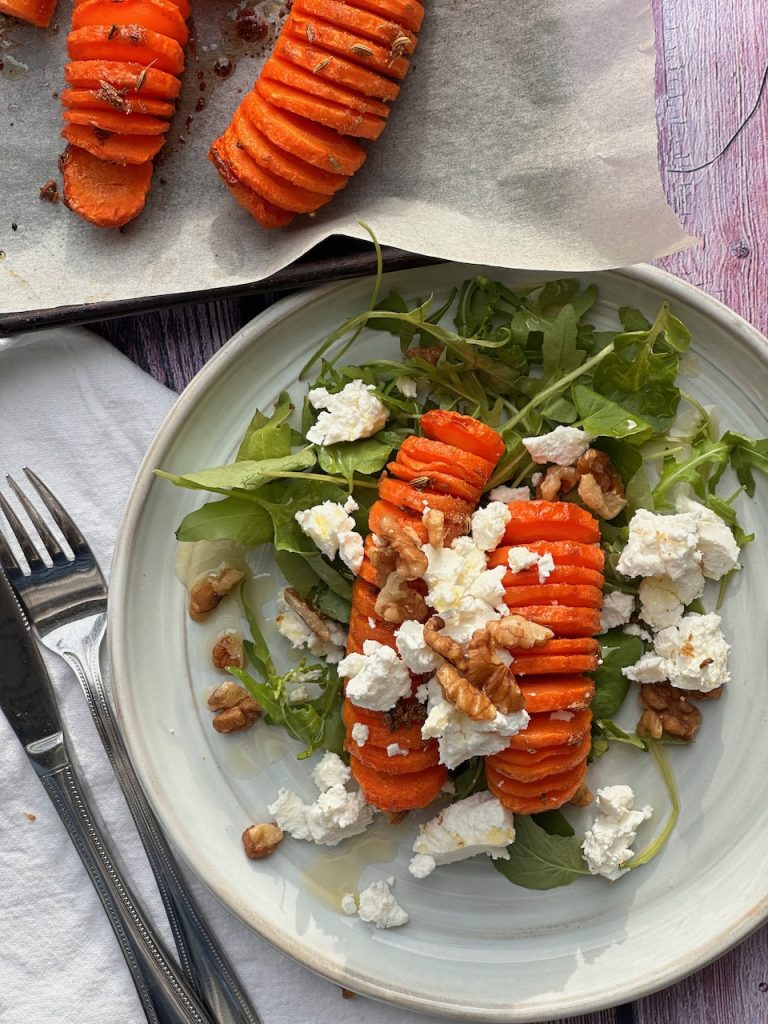
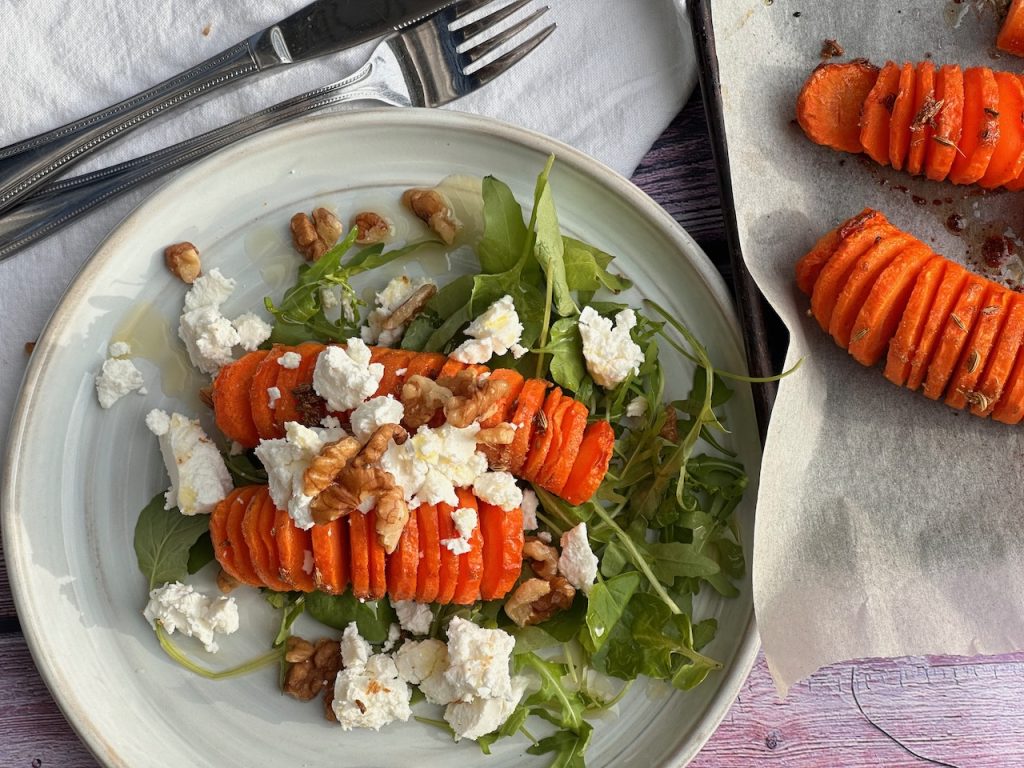
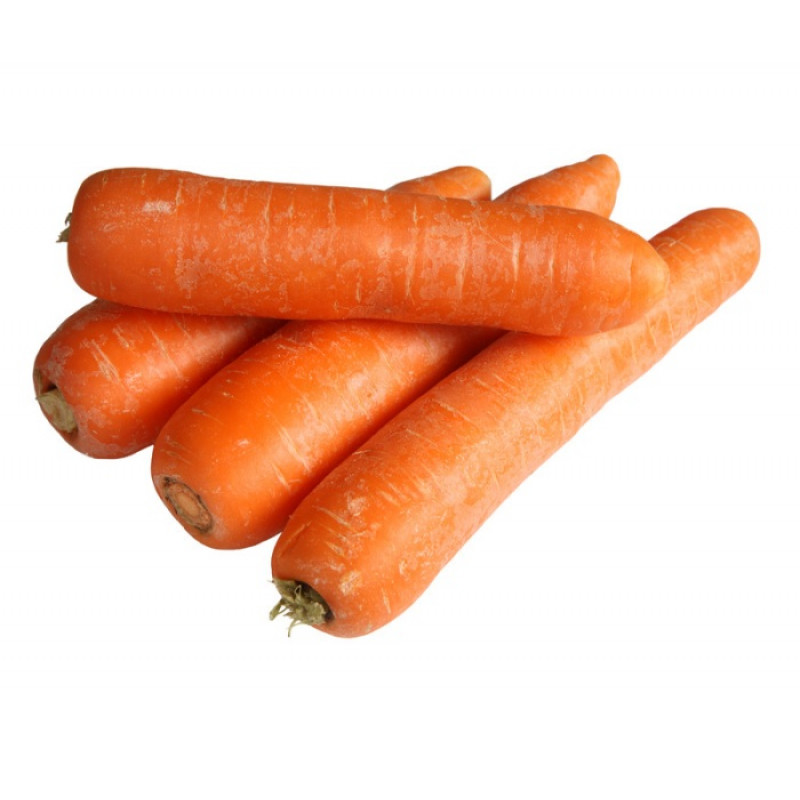
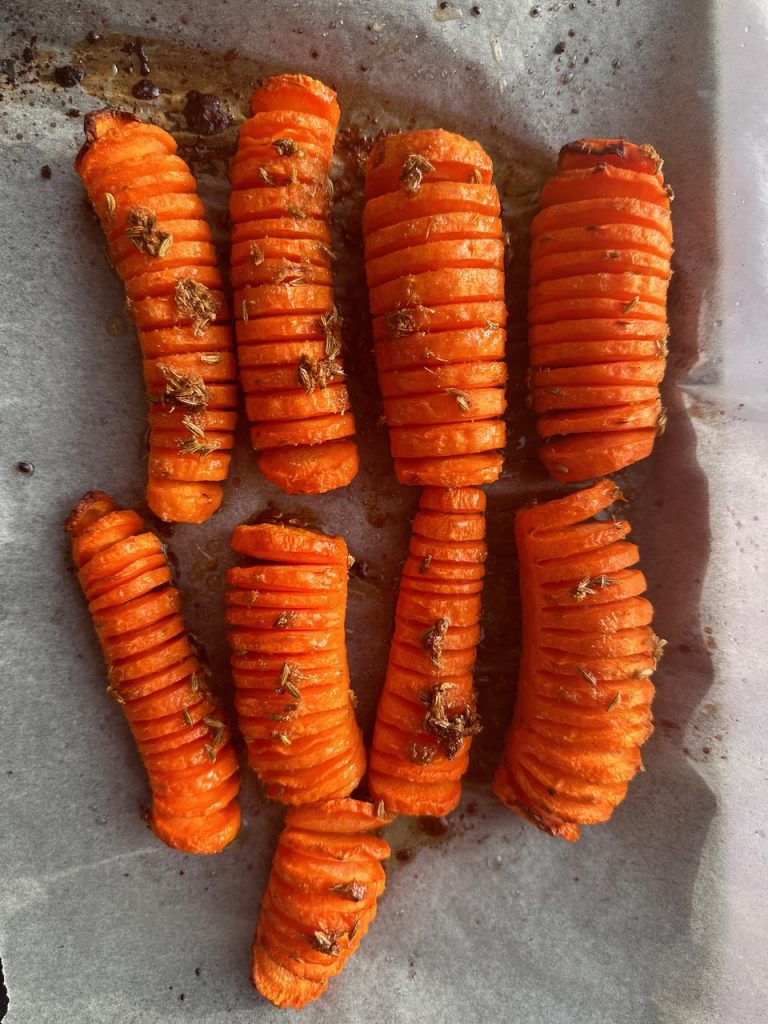
The old reliable carrot is an annual hero on the vegetable charts! You’ll find it in soups and stews in the colder months but is given a jazz up in this tasty recipe.
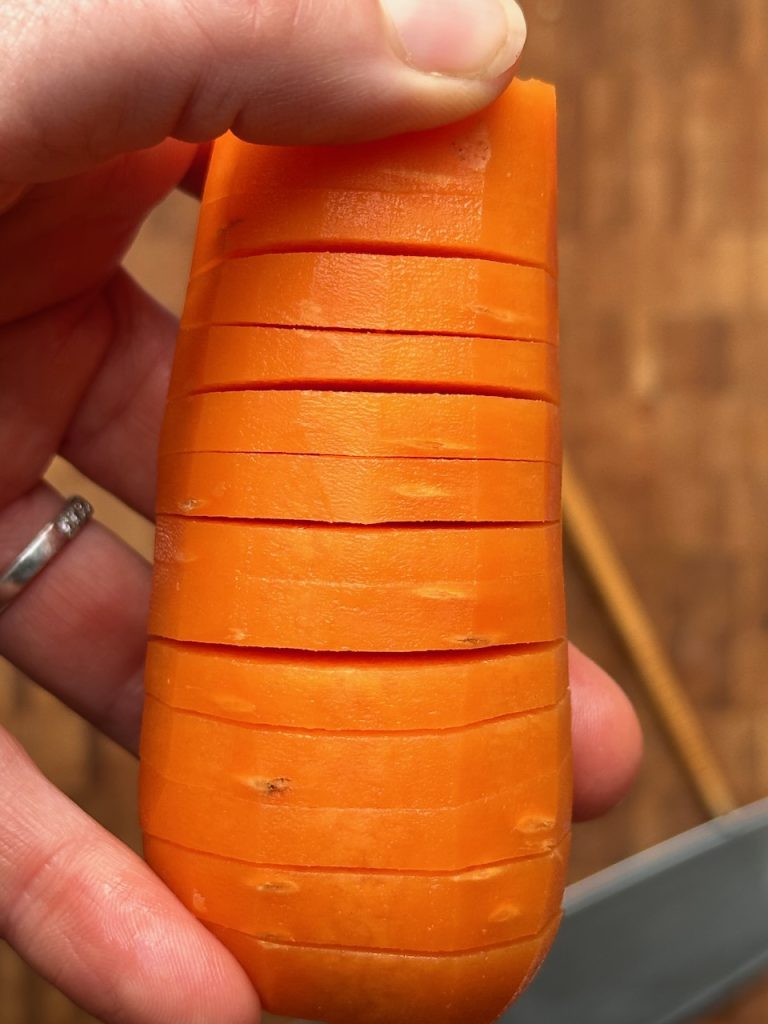
Hasselback originated in a restaurant in Sweden where a potato was sliced multiple times but kept intact then seasoned, oiled and roasted. We’ve added some spice to our Irish organic carrot version and slowly roasted them and they are sweet and soft and flavoursome.
Serve as a starter with crumbled cheese and nuts or on the side with your veggie main course.
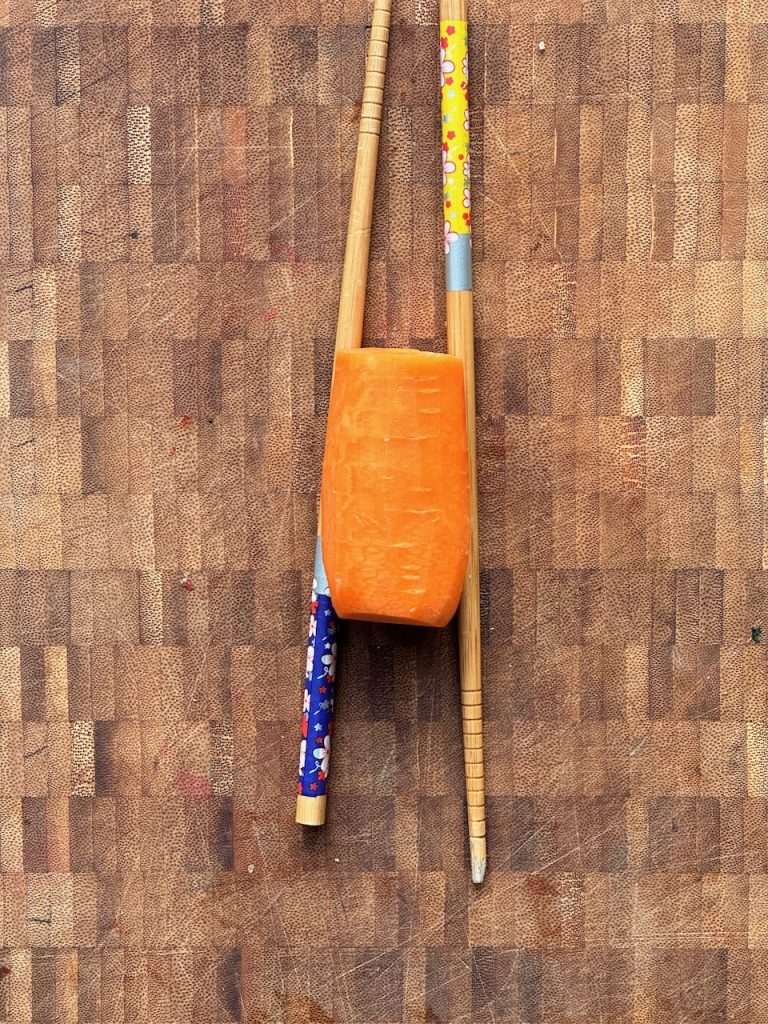
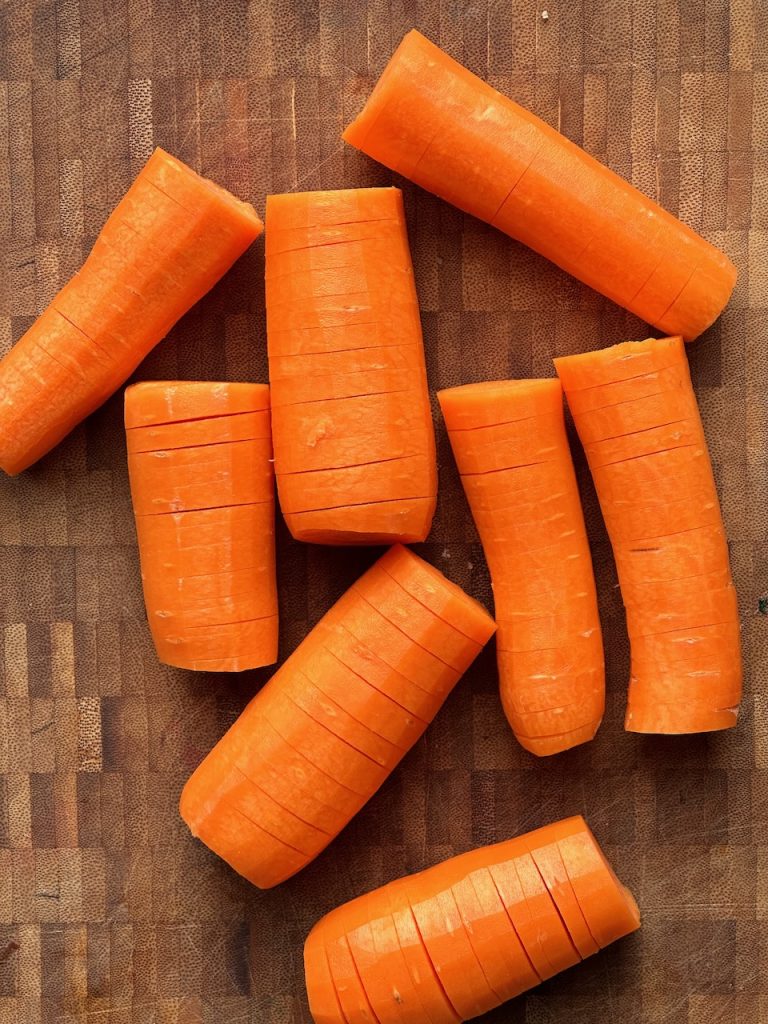
Step 1: Preheat the oven to 180°C. Peel the carrots and cut into 10cm lengths. Carefully cut small widthways slits into each carrot length, stopping three-quarters of the way down. Continue along the length of the carrot to achieve a hasselback effect. Tip: if you have chop sticks put them on either side of the carrot to help prevent cutting through.
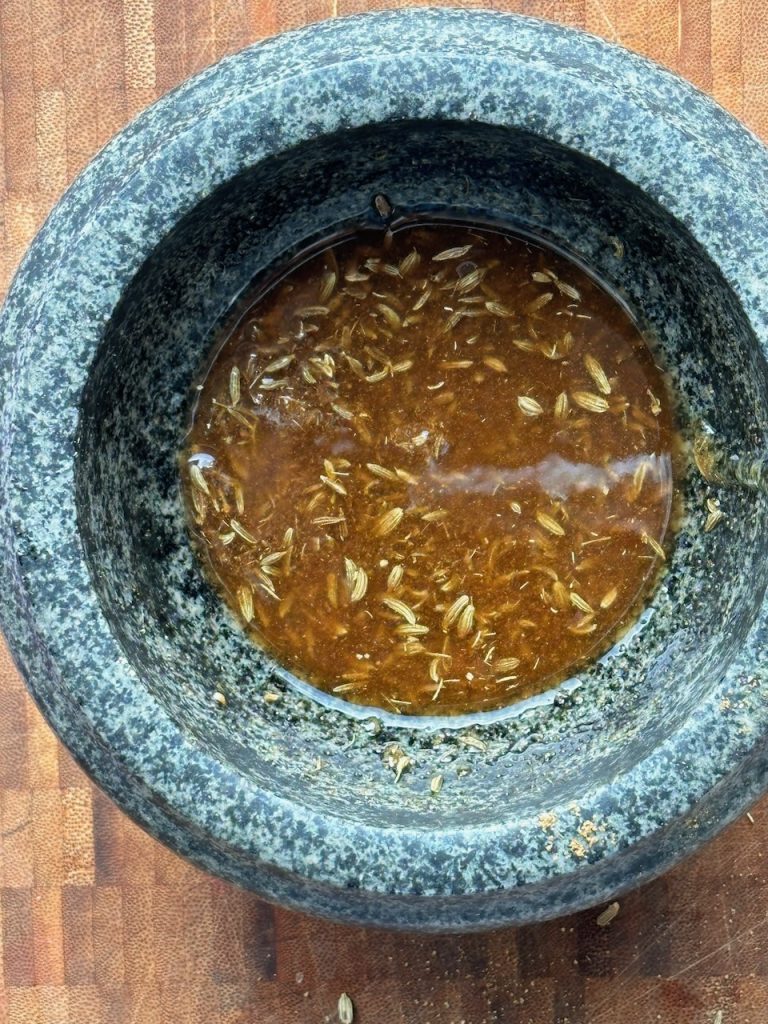
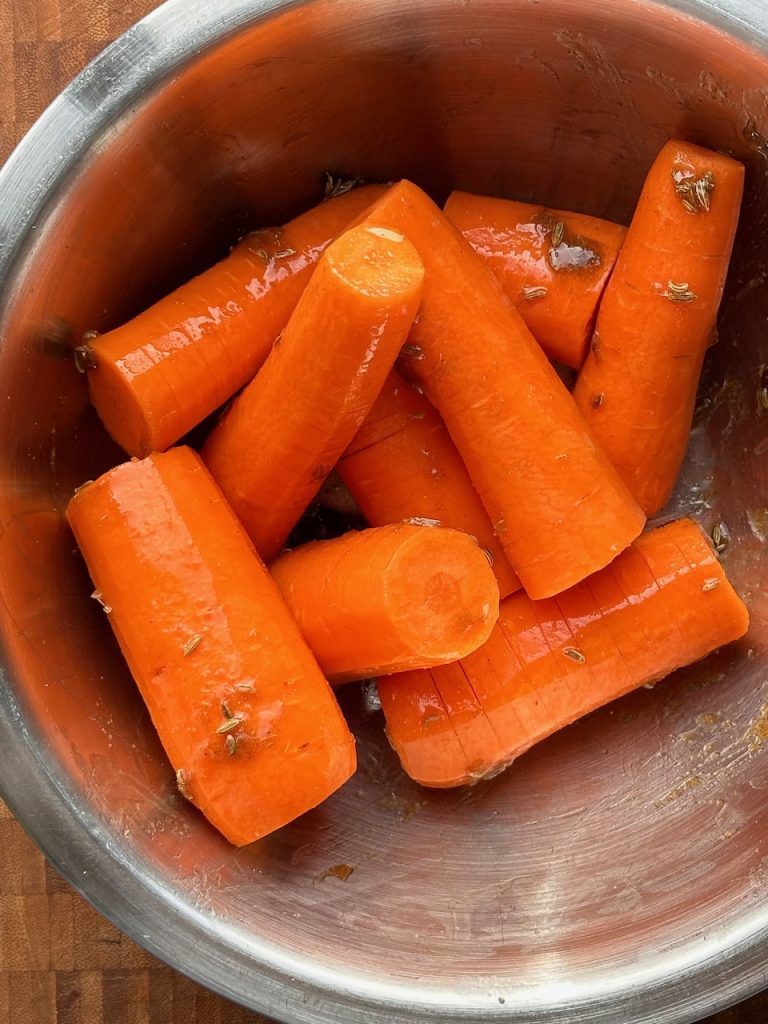
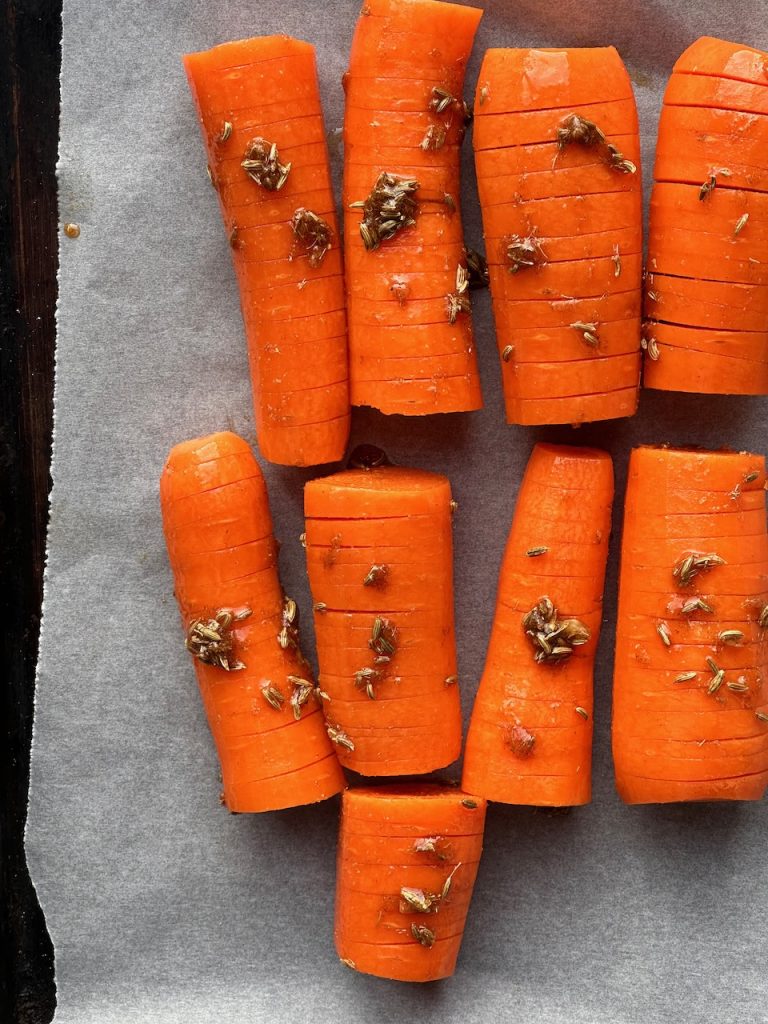
Step 2: Put the fennel in a pestle and mortar if you have one and gently crush. Add the ground cumin, honey, oil, salt and stir. Pour the spiced mix over the carrots and coat each piece. Place on a baking tray and cook in the oven for30-40 minutes, until cooked through and golden.
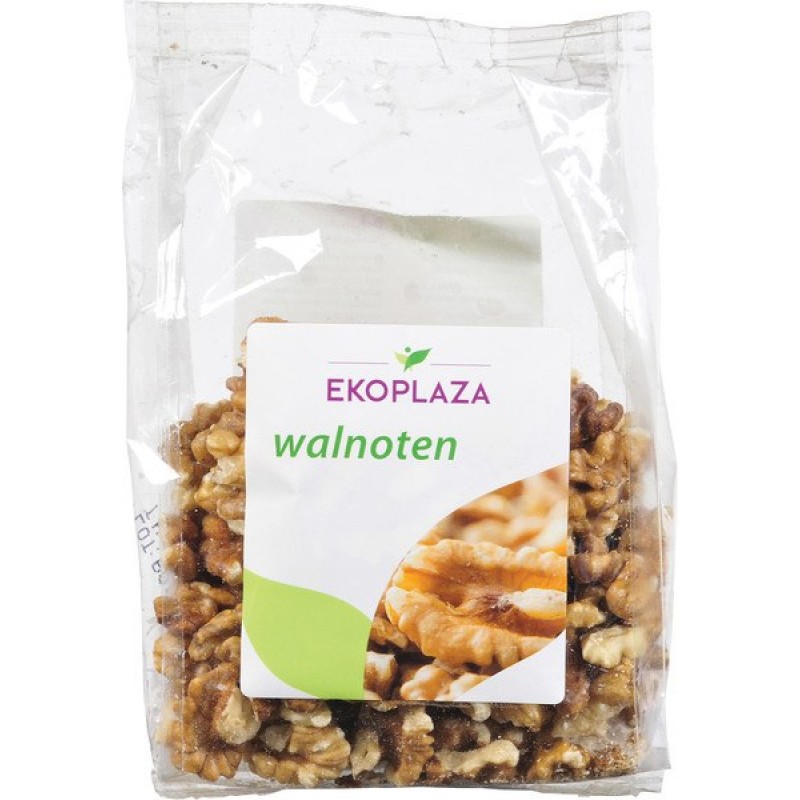
Step 3: Serve warm with crumbled feta and chopped walnuts.
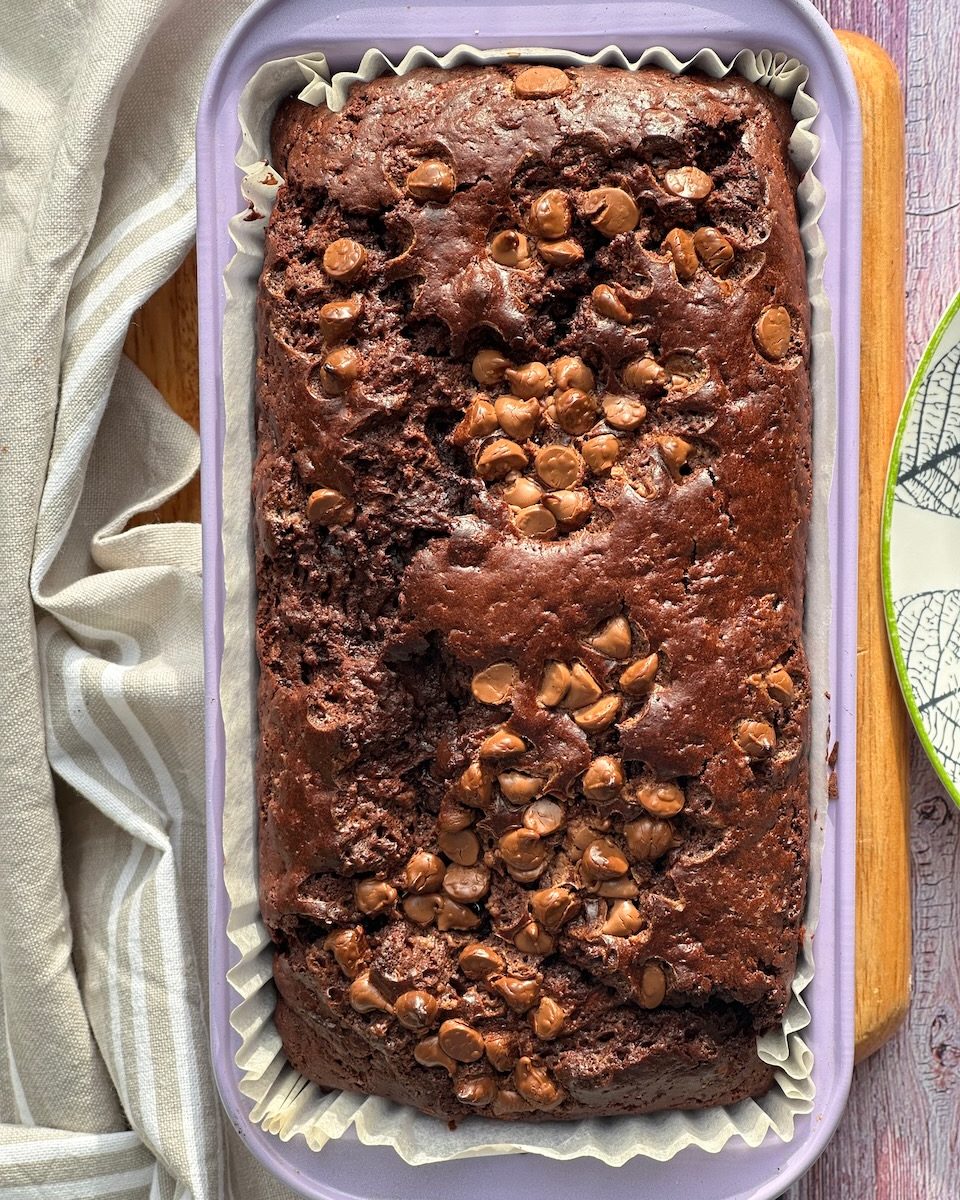
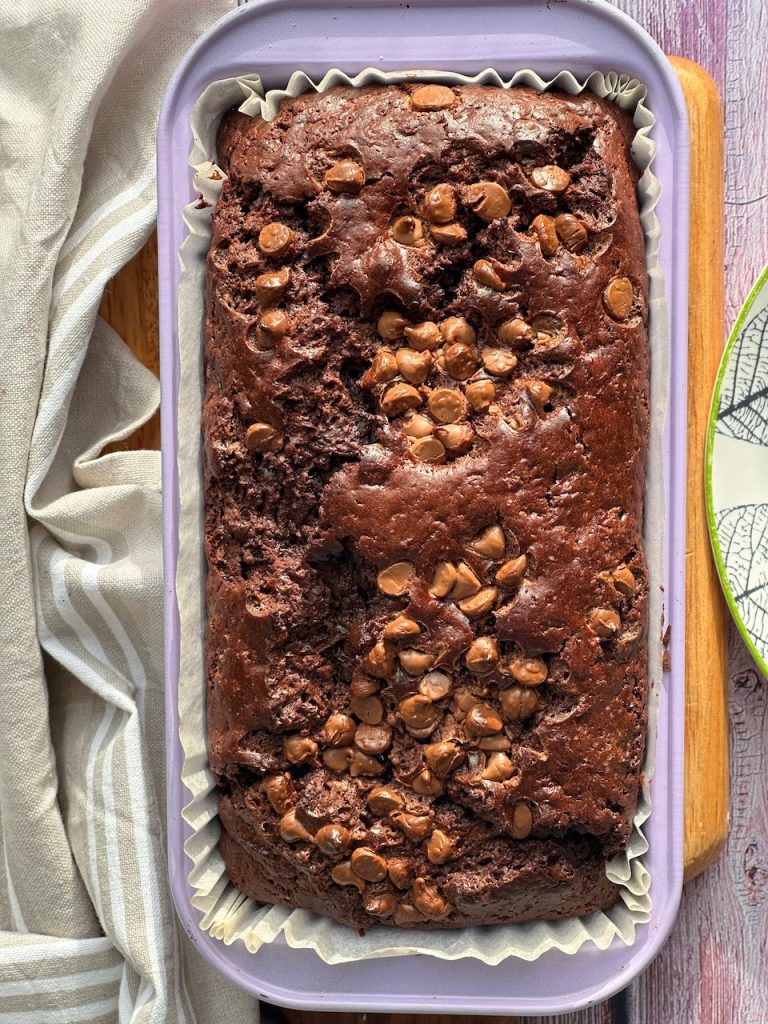
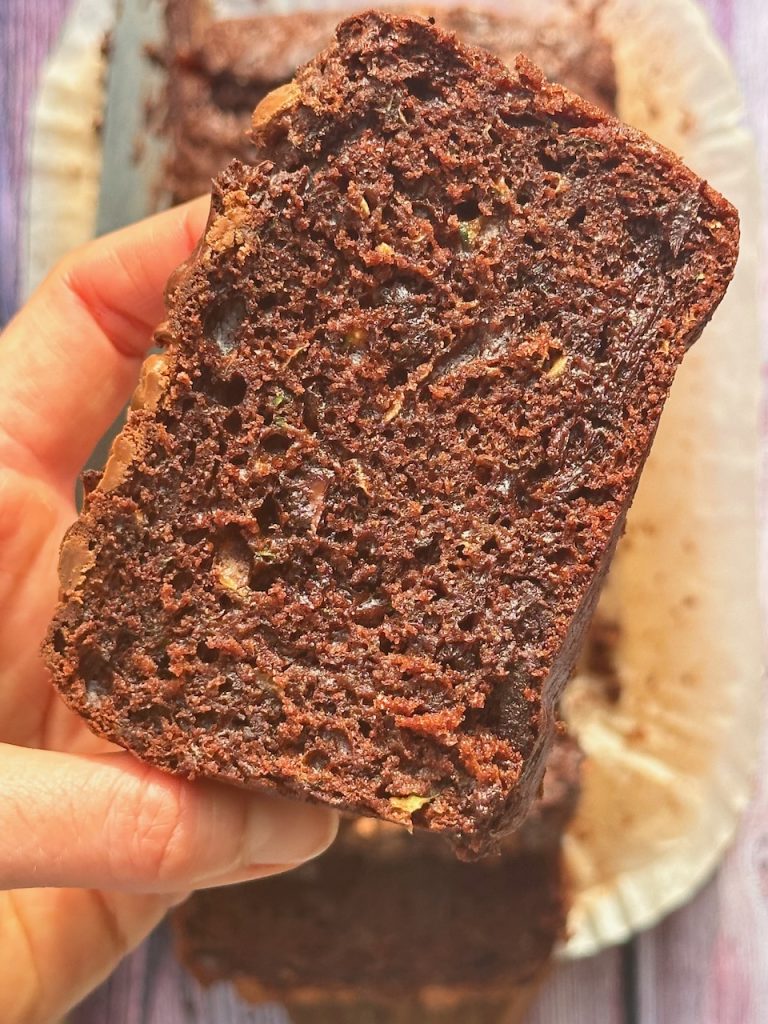
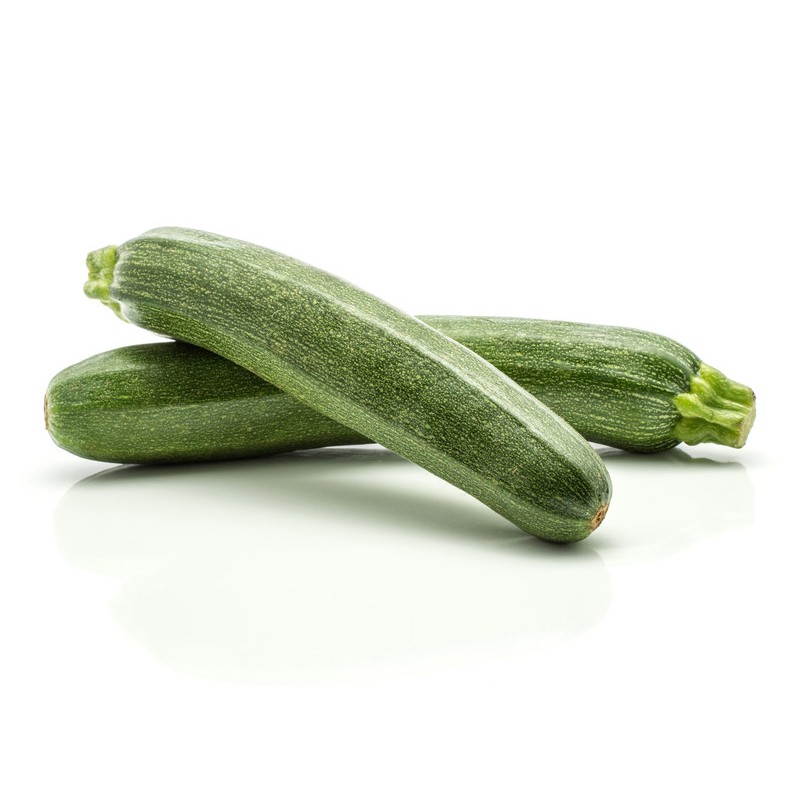
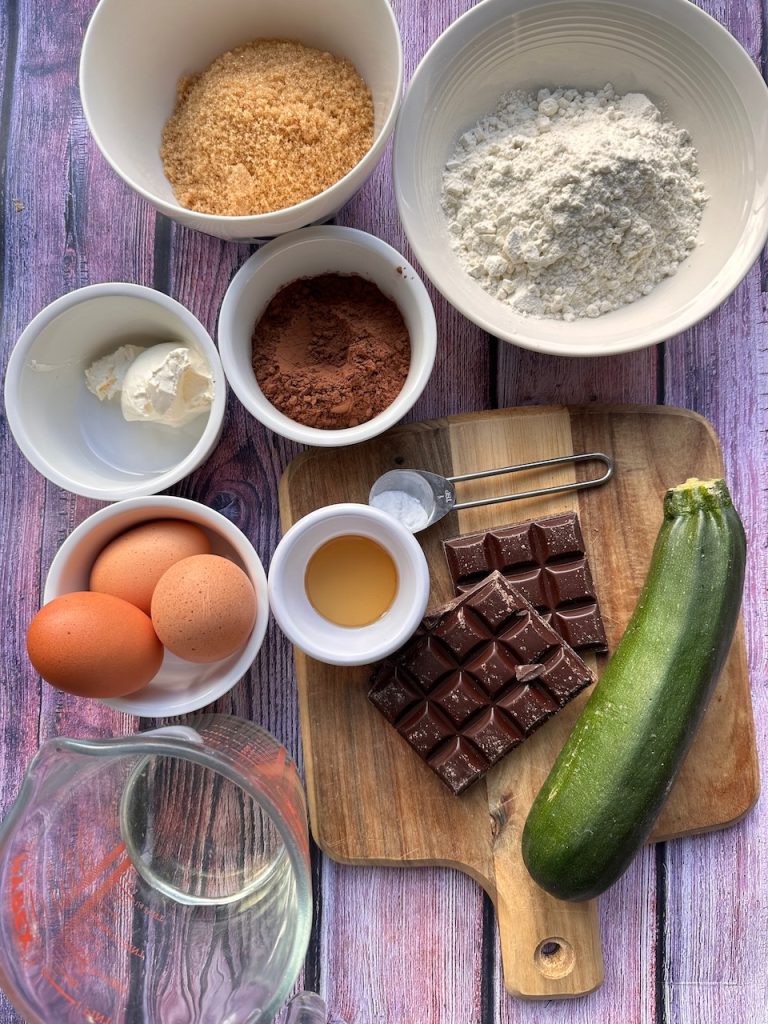
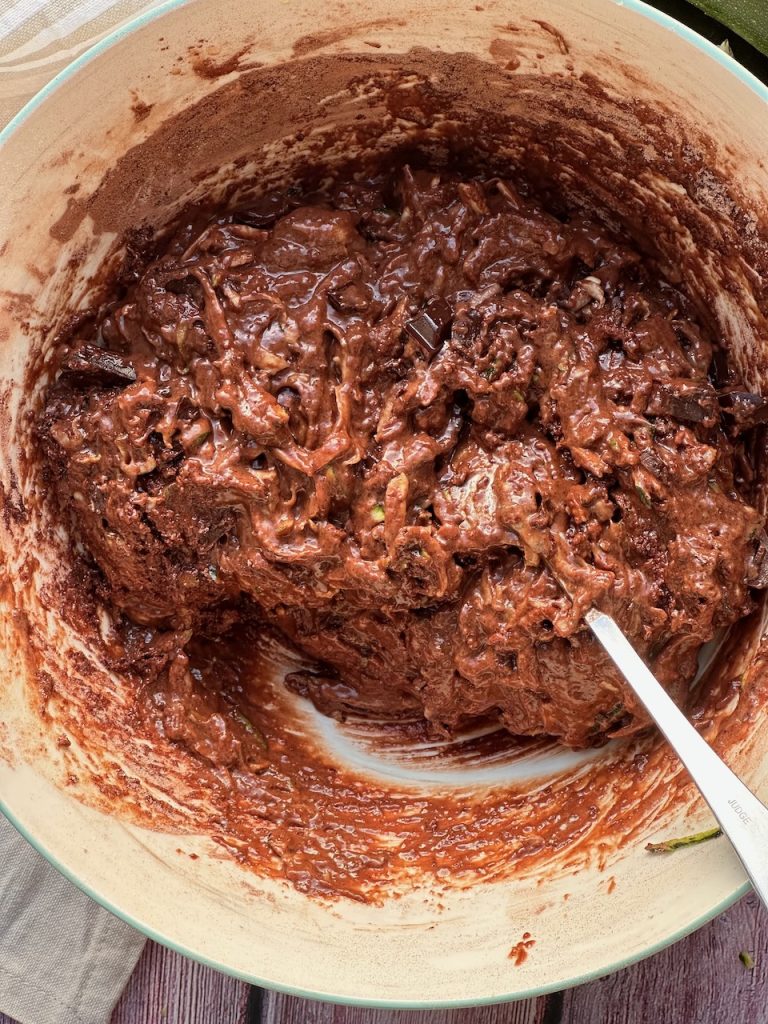
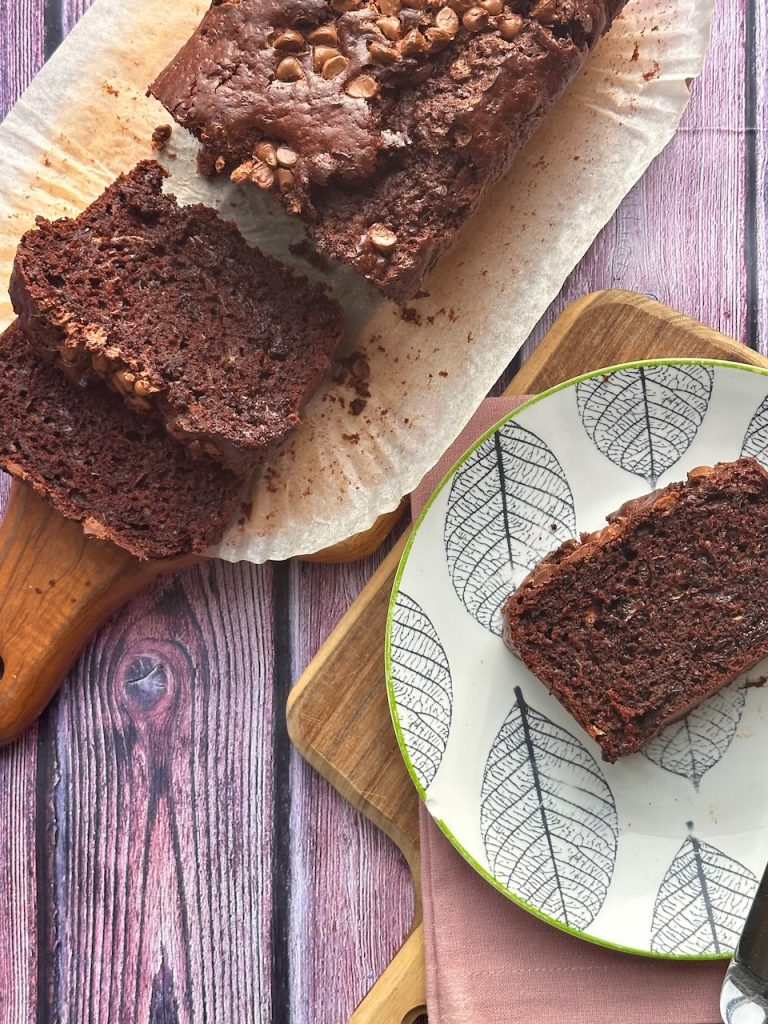
Baking with vegetables fills us with joy. Courgette is a great vegetable to bake with and paired with chocolate it works very well. My kids ate big slices and didn’t notice the green vegetable….I said nothing just incase.
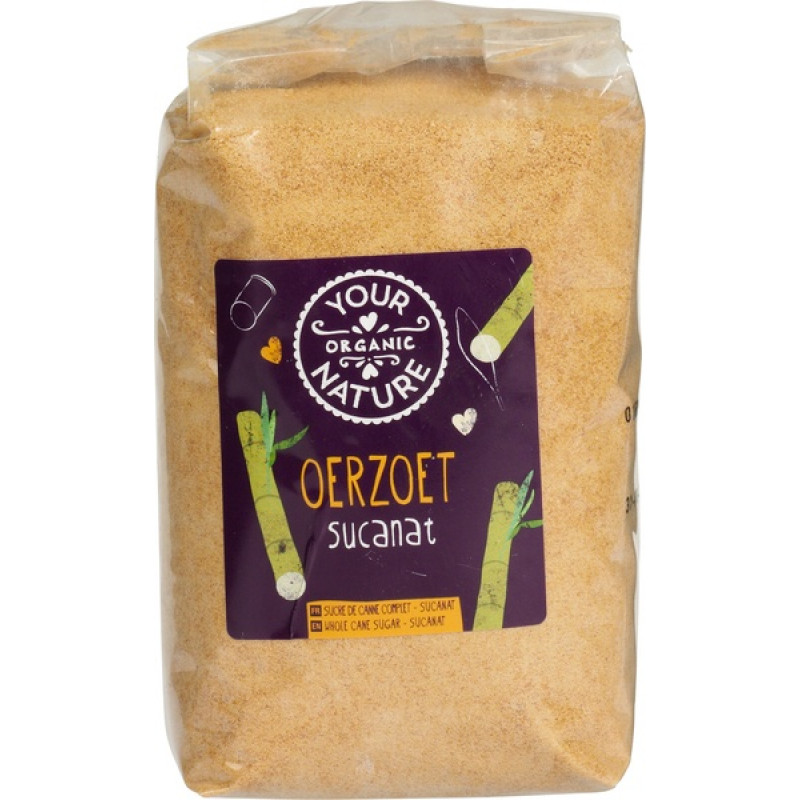
We added cane sugar that is a healthier option over refined white sugar, or you could add coconut sugar too if you like. Our courgette season has come to an end but you can still get the best courgettes from our organic grower in Spain.
This is a delicious chocolatey moist cake we hope you try it.
Step 1: Pre-heat the oven to 180C and grease and line a loaf tin. I use a liner.
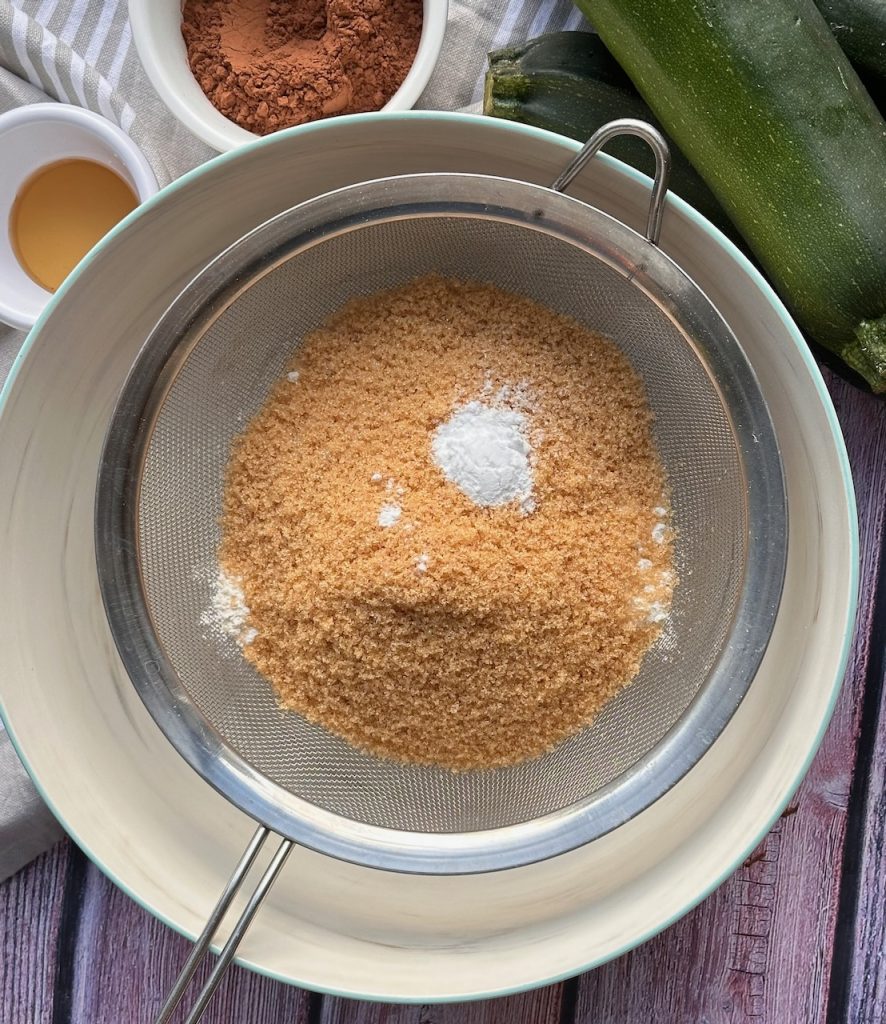
Step 2: In a large mixing bowl, stir together the self raising flour, baking powder, bicarbonate of soda, cocoa powder and sugar until well combined
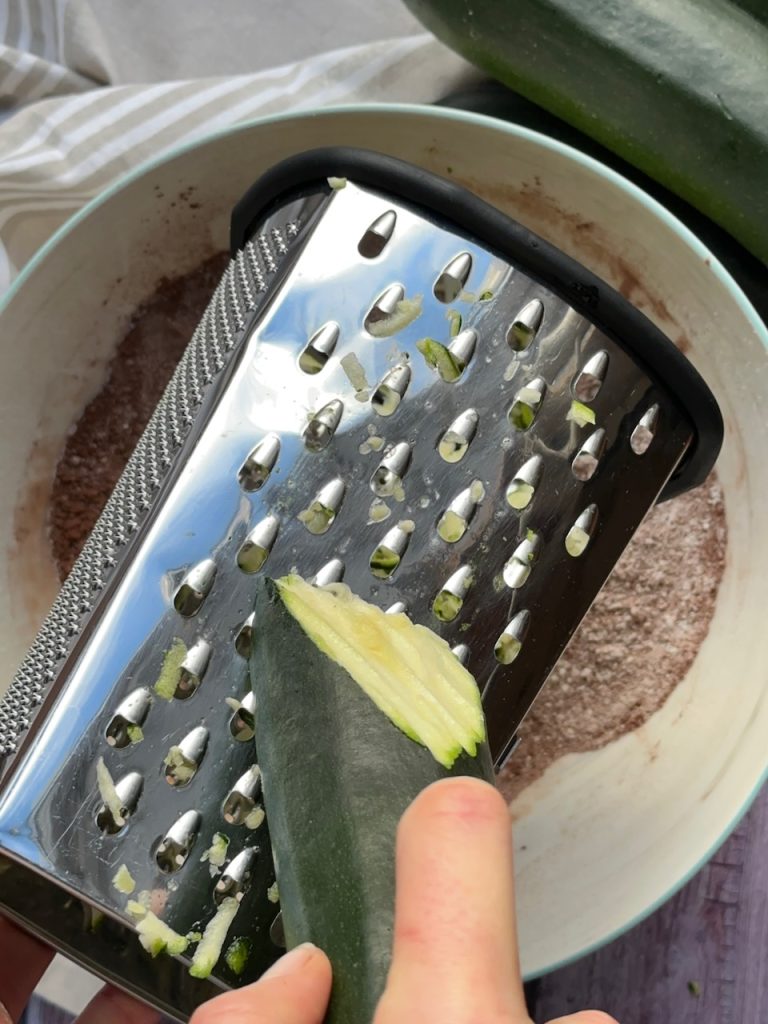
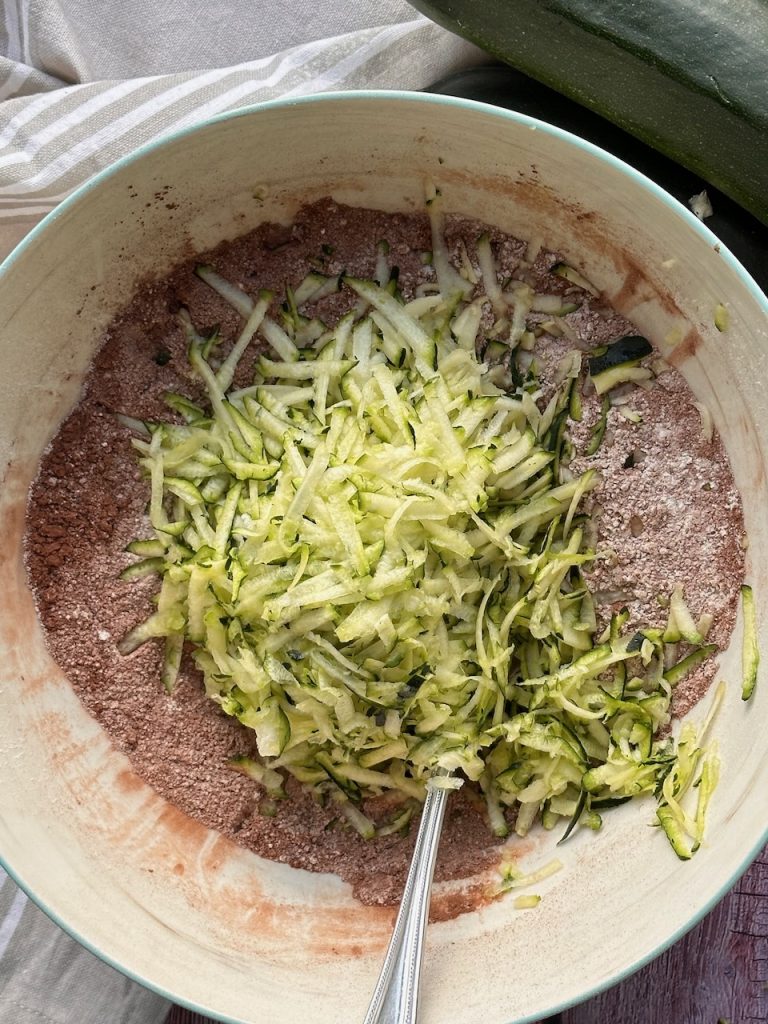
Step 3: Grate the courgette into the bowl along with the dark chocolate chips, stir everything together
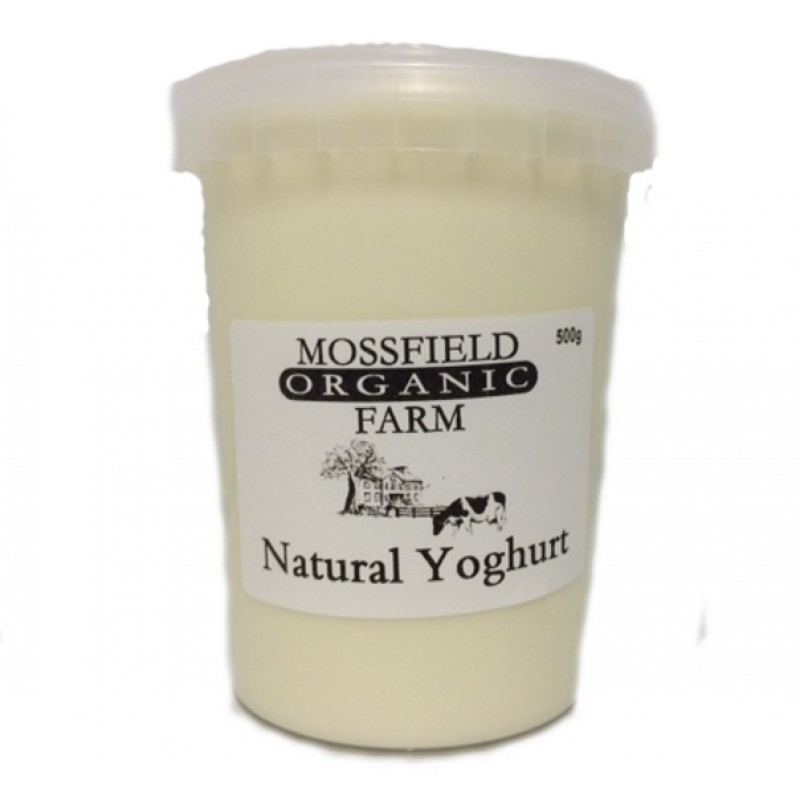
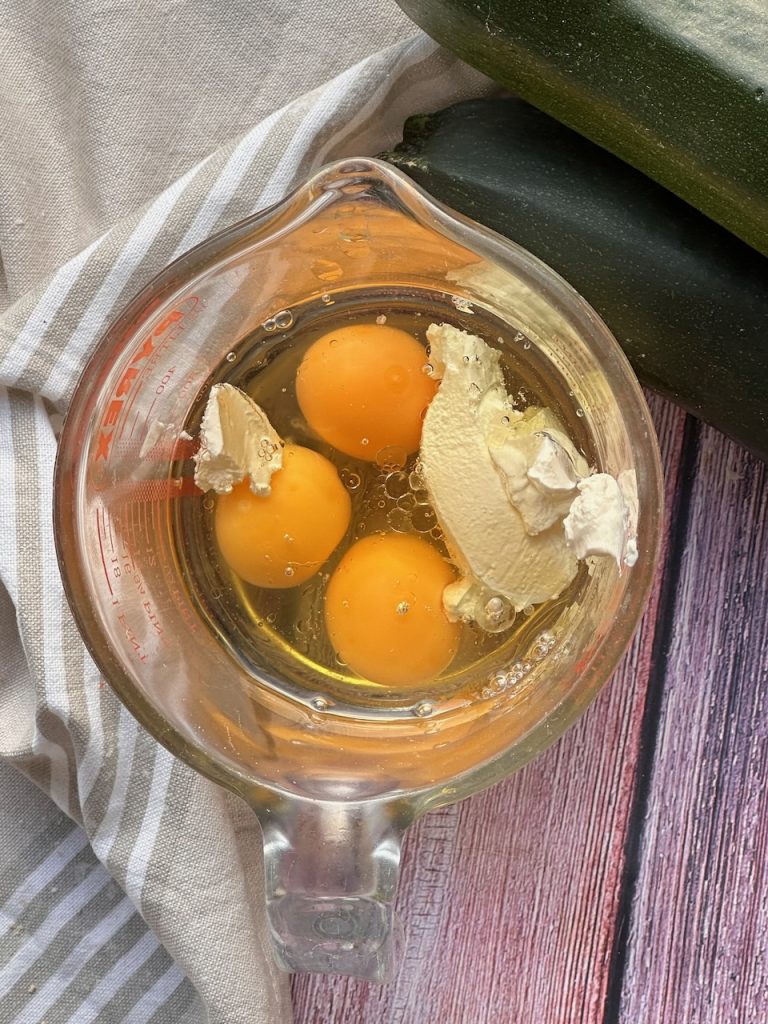
Step 4: In another bowl or large jug, whisk together the eggs, vegetable oil, vanilla extract and yoghurt. Pour the egg mixture into the bowl of flour/courgette etc and stir everything together until well combined.
Step 5: Pour the mixture into the loaf tin, top with chocolate chips and bake for 1 hour, or until a skewer inserted in the centre comes out clean. Leave to cool fully
Store leftovers in an airtight container in a cool place and eat within 3 days
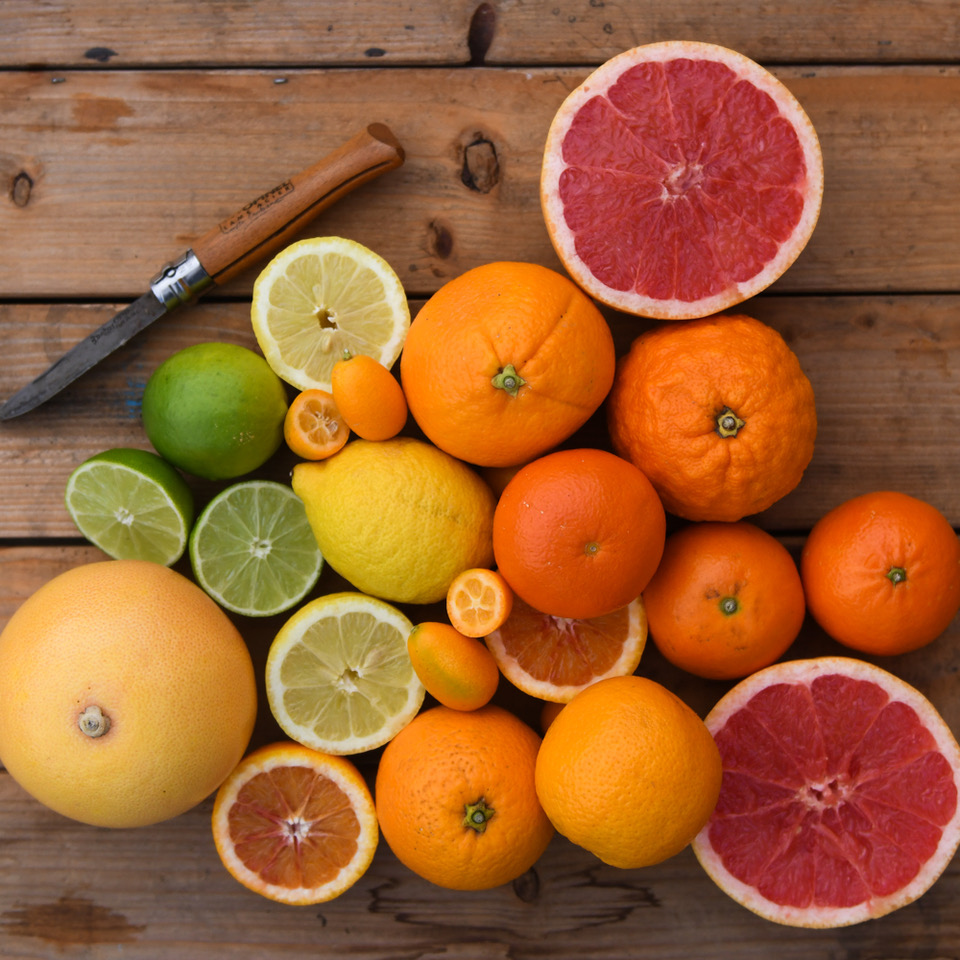
I wasn’t sure whether to laugh or cry when I discovered earlier this year, that one major supermarket is now, at least, at times, highlighting the chemicals on or in some of its citrus fruit.
I guess it is not a laughing matter, the issue of chemicals in our food chain is serious, it is important as it has a knock-on effect for our health and biodiversity.
It is my belief that agriculture can be a force for good in our world, an endeavour that can produce safe wholesome food whilst enhancing our locality and planet. But that will require a change of mindset and policy when it comes to the fair pricing of food.
All the things that are good about agriculture are slowly being sucked dry by the loss leading of fresh produce by supermarkets and the race for intensification and the lowest possible price. Like any business if there is not enough money in the pot you cannot invest for the future, you cannot survive, it is no different for farmers, getting a fair price for our crops is not too much to ask, and if we don’t then how can we invest back into the land.
Anyway, I digress, back to the case at hand, chemicals on our food. The last few weeks we have been talking here about the test for the 870 chemicals on our kale that came back clean (This test was part of our organic certification spot check) and how maybe conventional foods should be labelled with what they include, rather than the organic farmer having to prove that his/her food is clean and good.
I wonder though as this large supermarket chain has marked the inclusion of chemical products in two of its citrus fruit did it forget about all the other fruit and veg it sells? I can only assume that they too have offending chemicals present.
One of the products on sale, a conventional lime, is labelled “not suitable for vegans!” (Without, the exclamation mark obviously, I just added that in for effect) the offending lime in question contained a mixture or some of the following…… wait for it…
Another product and one that is in season right now: ‘Naturally Sweet Leafy Clementines’ Contained: E904, E914 and Imazalil.
(Incidentally E904 is shellac. Shellac is a resin secreted by female lac bugs, and this is what makes the limes non vegan. You may also be interested to know that imazalil and thiabendazole are two hormone-disrupting fungicides, one of which is also a likely carcinogen.)
Do your own research, check it out. Having mulled this over for some time I think it is a good thing that this information is displayed. Do you think it should also be printed on the pack in the supermarket aisle? Then you and I could make an informed decision or at the very least we would know what we are getting for our money.
Of course, these chemicals are labelled as safe once used below the MRL (the maximum residue limit). These limits are set to protect you and I from ingesting too much of these chemicals. However, as I have spoken about in the past the setting of these limits can be questionable and, in some cases, seems to have been set in relation to the level of application required rather than in relation to whether the product is safe. I refer to the research on the increased MRLs for glyphosate that have been increased 300-fold between 1993 and 2015 in the US. Is it safer now to eat 300 times the dose? I think probably not.
I will finish on this note: farmers are doing the best they can, we all are, we are working to survive in a system that is fundamentally flawed, but for all its issues, it is the system we have, and it provides our food, we cannot do without it, not when there are so many of us on this planet. But there is no question that step by step we must and can introduce more positive ways of producing food and we can support this transition by deciding with who and on what we spend our money.
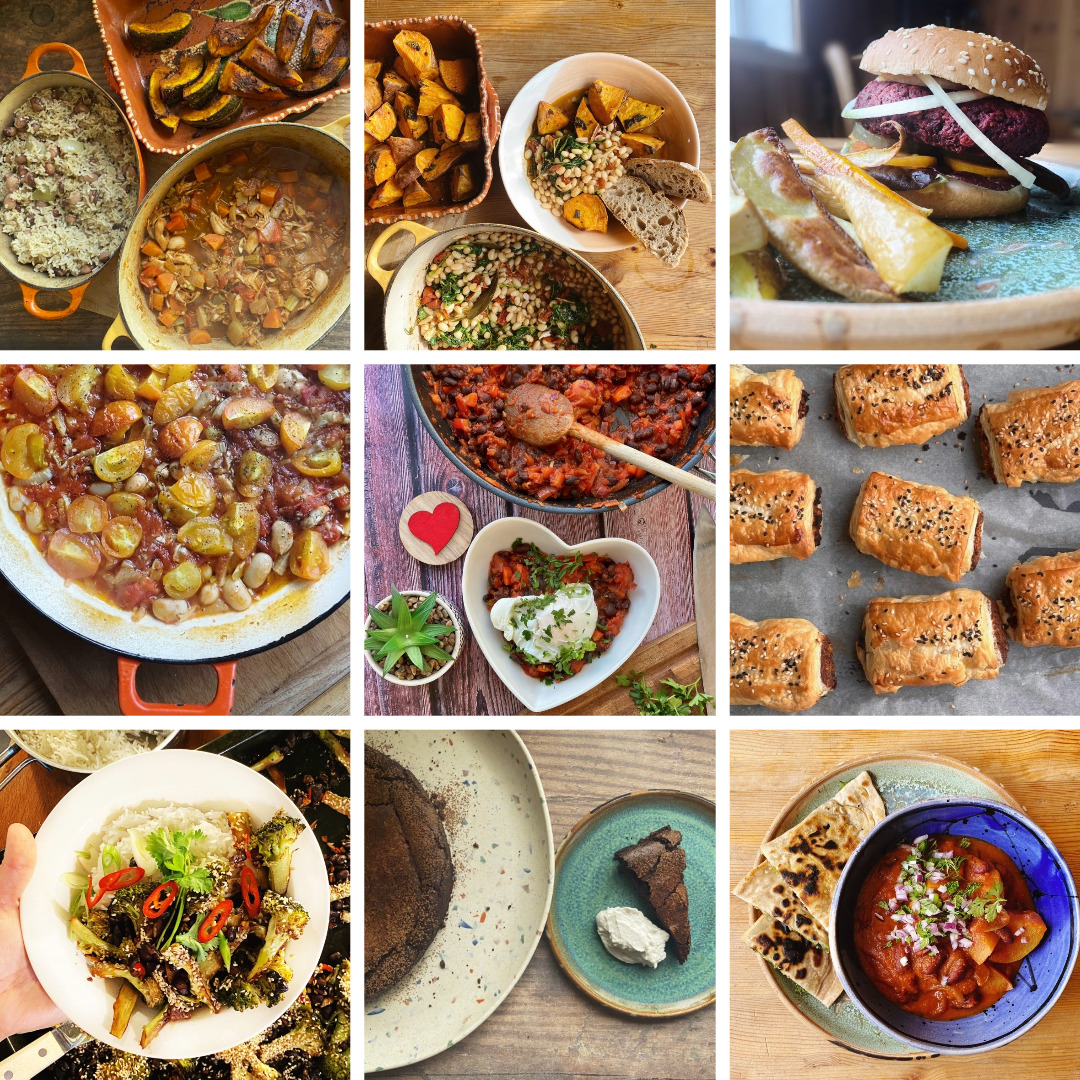
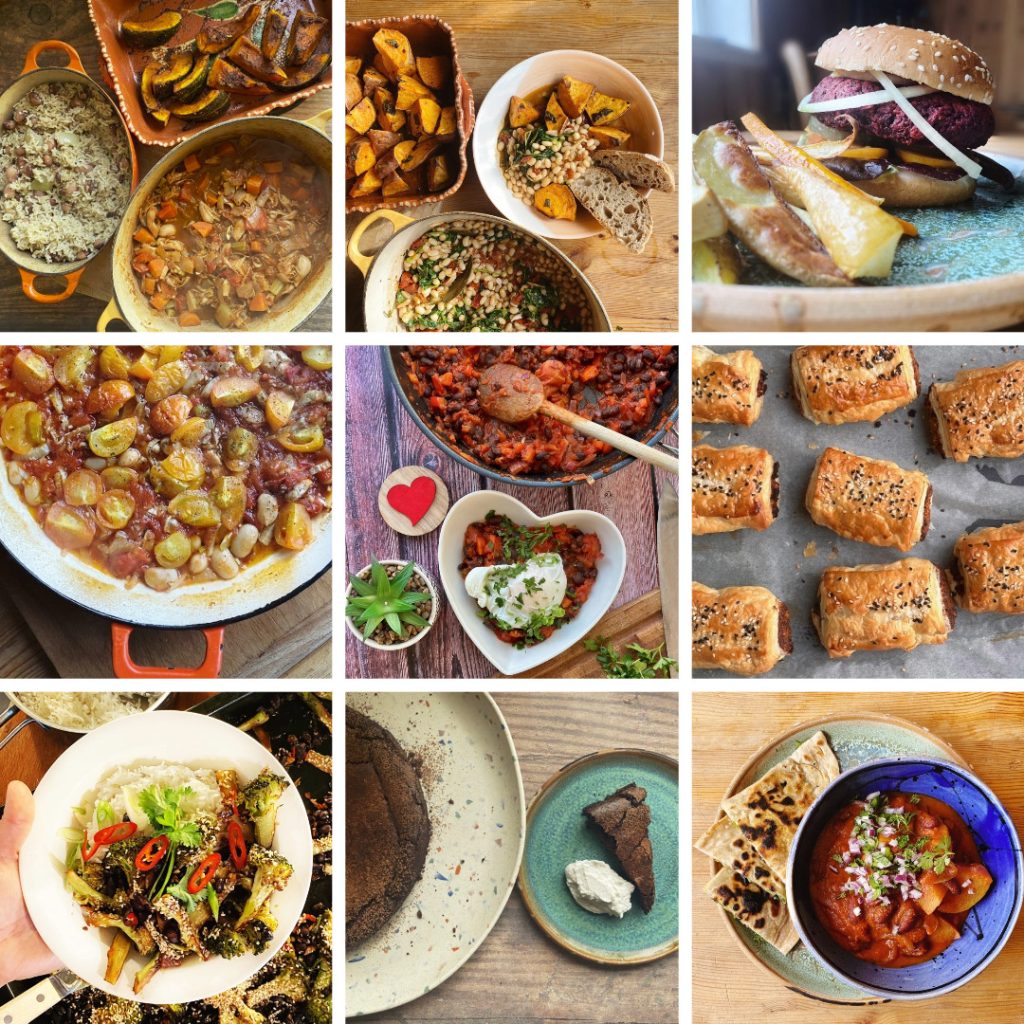
A cupboard staple that’s just so handy to cook with, for a quick satisfying meal or even, yes, cake… we’ve got them all, great recipes for beans of different sorts coming up below!
On Thursday 16th of November, The EU commission decided to extend the licence for the use of Glyphosate for a further 10 years.
Using chemicals to fight nature will never work. In the short term it may give a temporary reprieve from a certain disease or pest, but that pest will come back stronger and more resistant next time. It is in a way a self-perpetuating industry. It is not the way to produce food and IT IS CERTAINLY NOT OUR WAY.
I imagine that lobbying bodies and Bayer will be rubbing their hands together in glee at the thought of another ten years of sales.
In the meantime, you and I must be content with ingesting glyphosate in the food we eat. A recent study showed that more than 80% of urine samples drawn from children and adults in a US contained glyphosate, a finding scientists have called “disturbing” and “concerning”.
Right here in Galway another analysis showed glyphosate was detectable in 26% of samples, AMPA the byproduct when glyphosate is broken down was detectable in 59% of samples.
The Agri industry will stipulate that the chemical is safe and provide evidence to corroborate this, of course they design and pay for these studies, so the results generally will cast their products in a favourable light.
Aside from the obvious health related issues of continuously consuming a chemical we do not want in our food and the destruction of habitats and all the associated biodiversity, there is the key question of why, why use this stuff, we didn’t always need it so why now? There is the argument by the agroindustry that banning glyphosate would introduce a whole host of food production problems, including further increases in prices of food.
There is no denying that as with any major change a transition period would be necessary but as organic farmers have demonstrated the world over there are alternatives to the use of chemicals in our food system and these alternatives are better for our health and for biodiversity.
This year our work apart from one or two mishaps has kept pace with the weeds. But our approach to weed control is not one of total dominance, quite frequently once you get the crops to a certain size the weeds are no longer a problem.
In fact, they can provide a basis for a wide variety of life: flowering weeds that bees come to, the lush green undergrowth, a haven for a myriad of tiny creatures that would not be there otherwise.
Thus, in turn providing food for the birds, and at times, the necessary predators such as ladybirds and hoverflies that feed on aphids. A natural ecosystem living below the giant shading leaves of the broccoli plants or cabbages develop. Each plant brings something different to the fray and generally none are unwelcome.
Now please do not misunderstand me, if we did not take a pragmatic approach to weed control and utilise all the tools at our disposal there would be no crops, no food, and no farm. We have worked extremely hard to ensure the crops are healthy and weed control is part of the process. No, our approach is just different, less harsh and embraces the idea that yes, we can work with these other plants, and they too have a place on our farm.
Organic agriculture is much more than saying no to the use of chemicals, it represents a holistic approach to working with nature, to our land and to our food. It means no chemicals, but it also means no artificial fertiliser, it means tree planting, it means hedge planting, it means allowing nature its place to thrive while also producing food. It means taking care of the soil and it means producing food that tastes fresh and good and crucially is good for us and for the environment.
Here’s to fresh organic chemical and glyphosate free food.
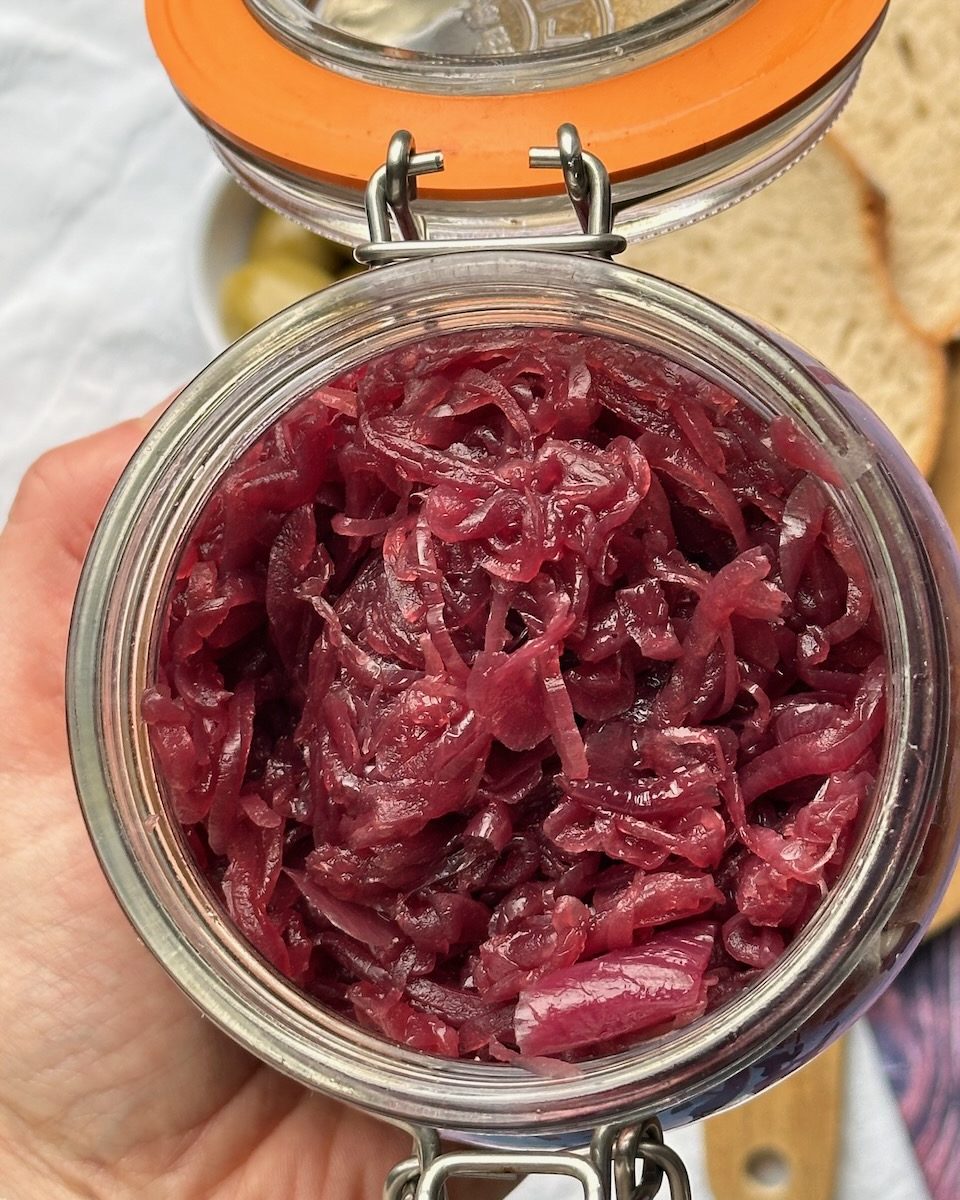
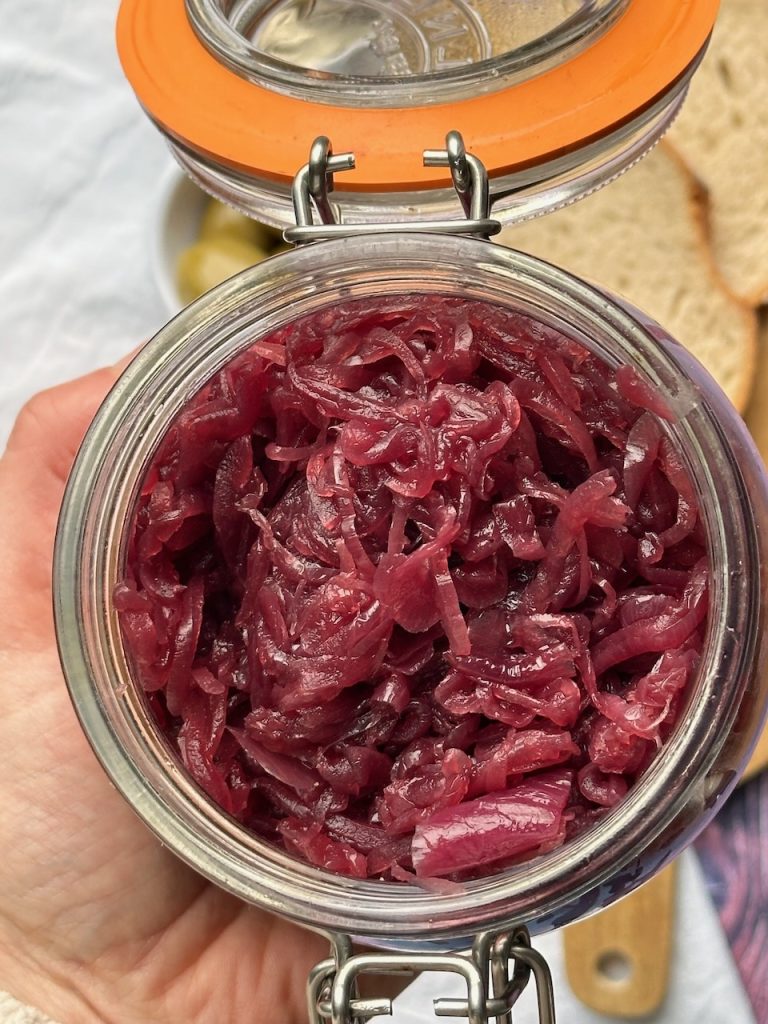
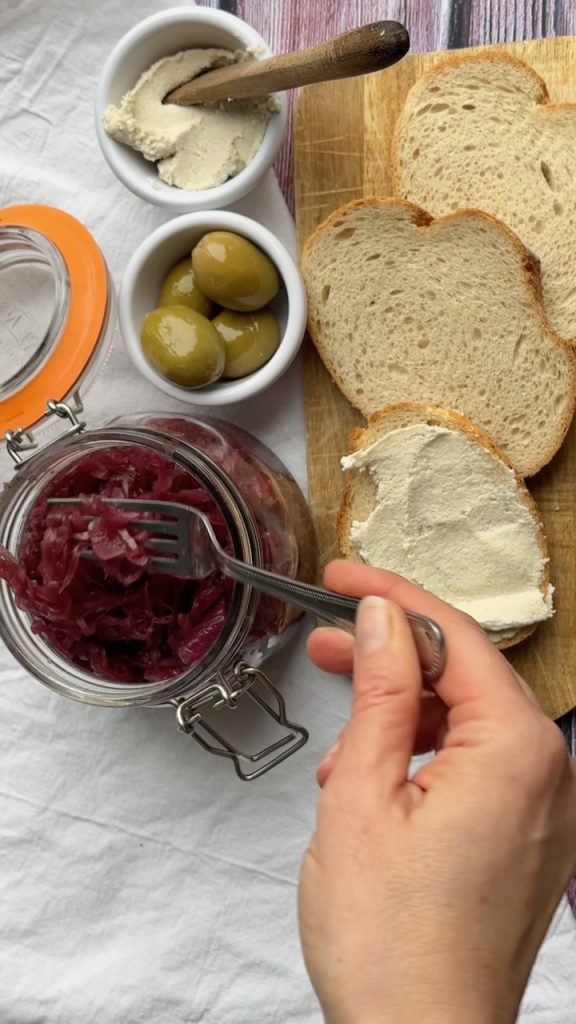
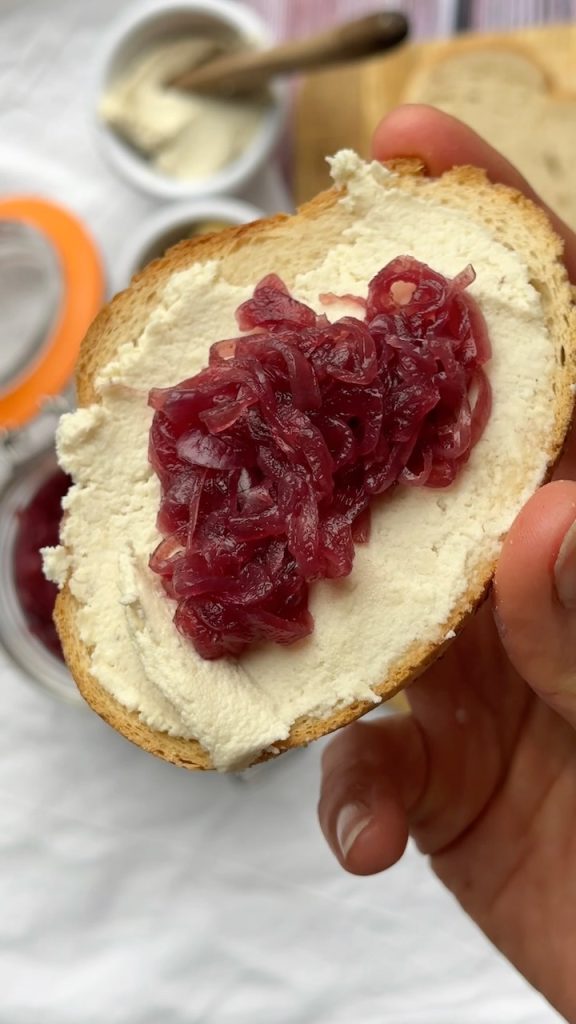
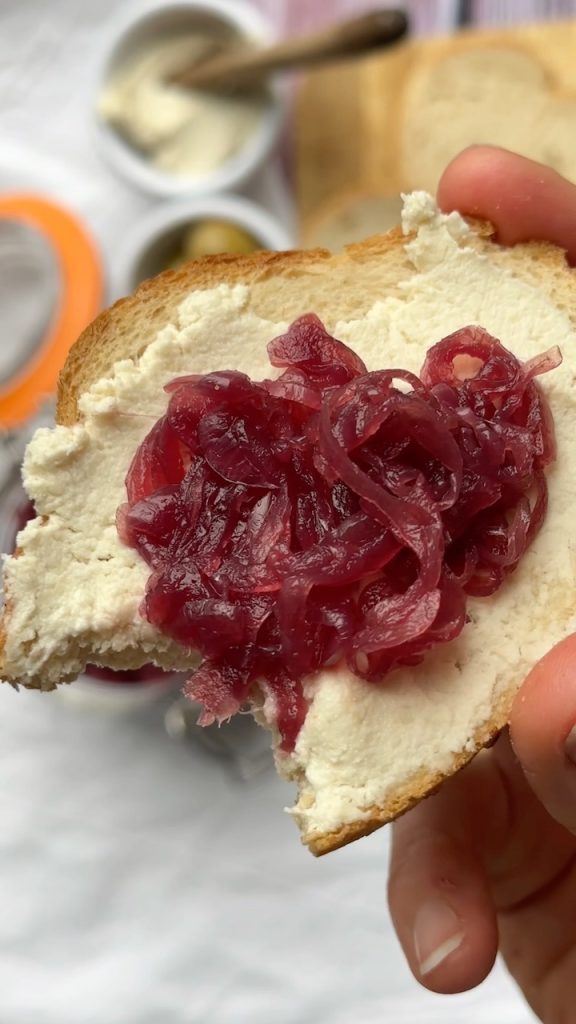
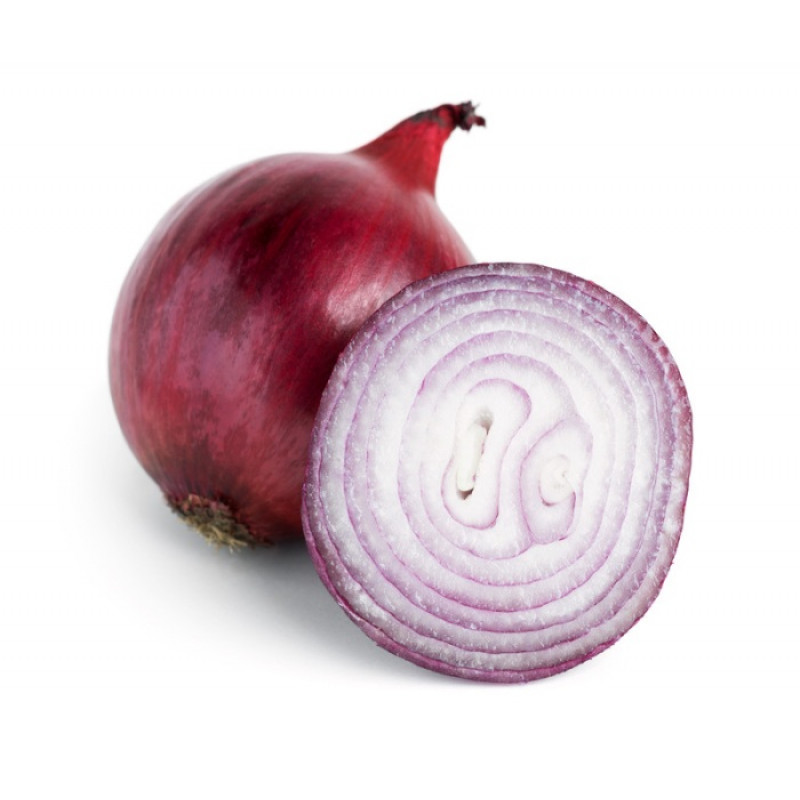
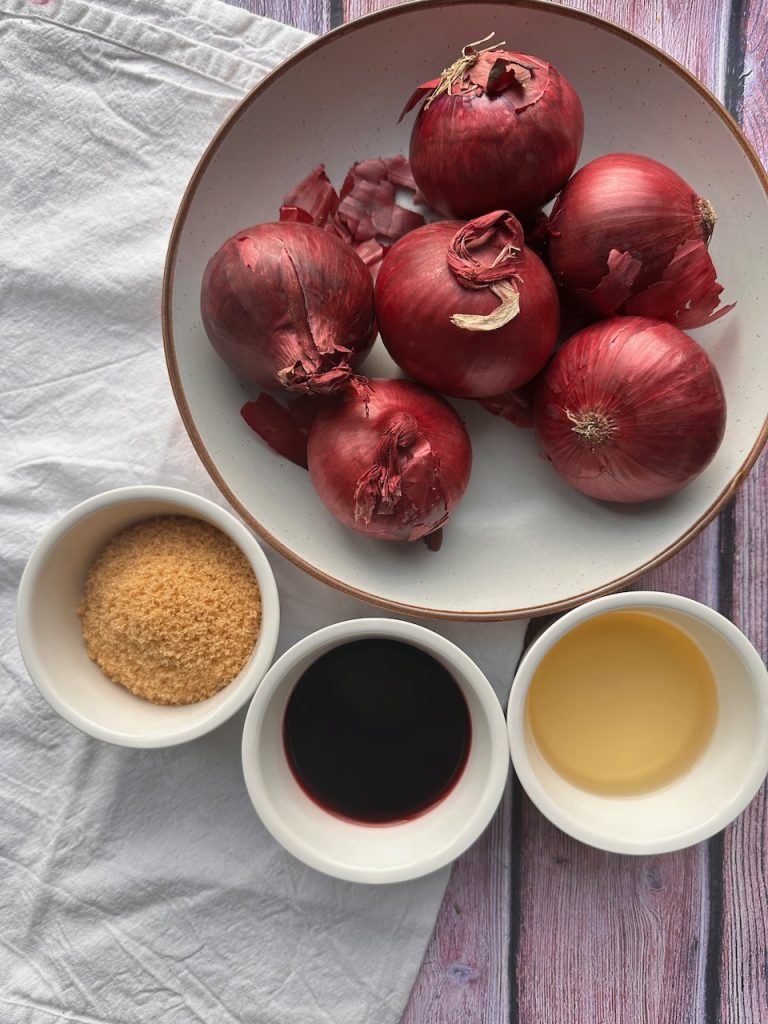
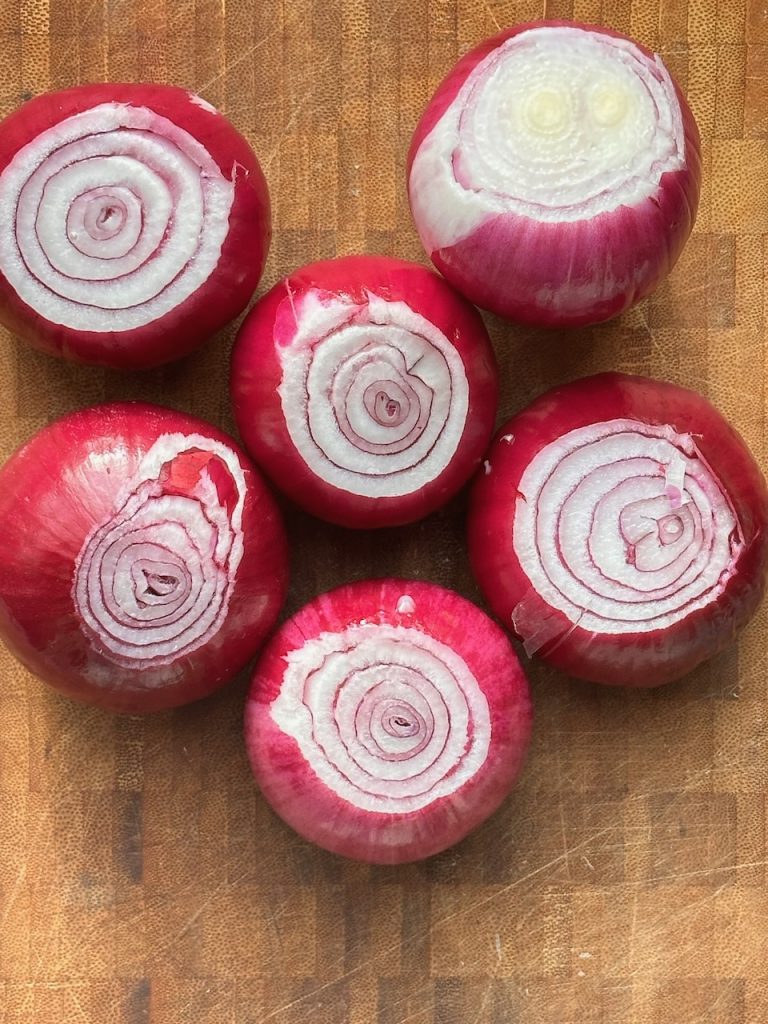
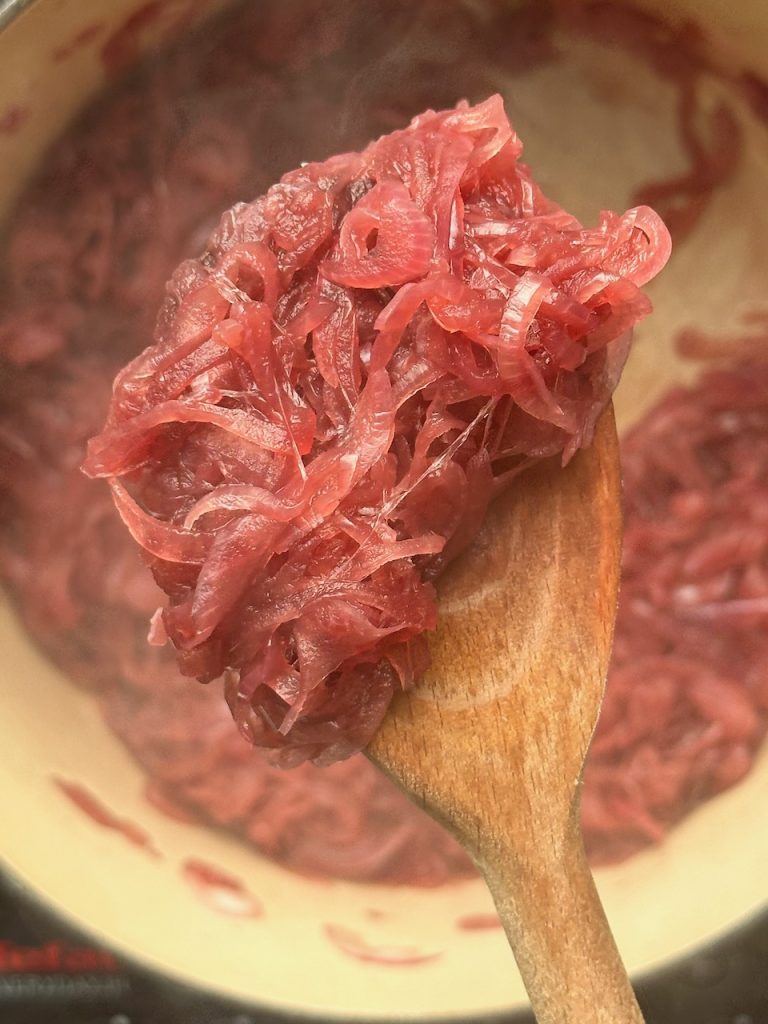
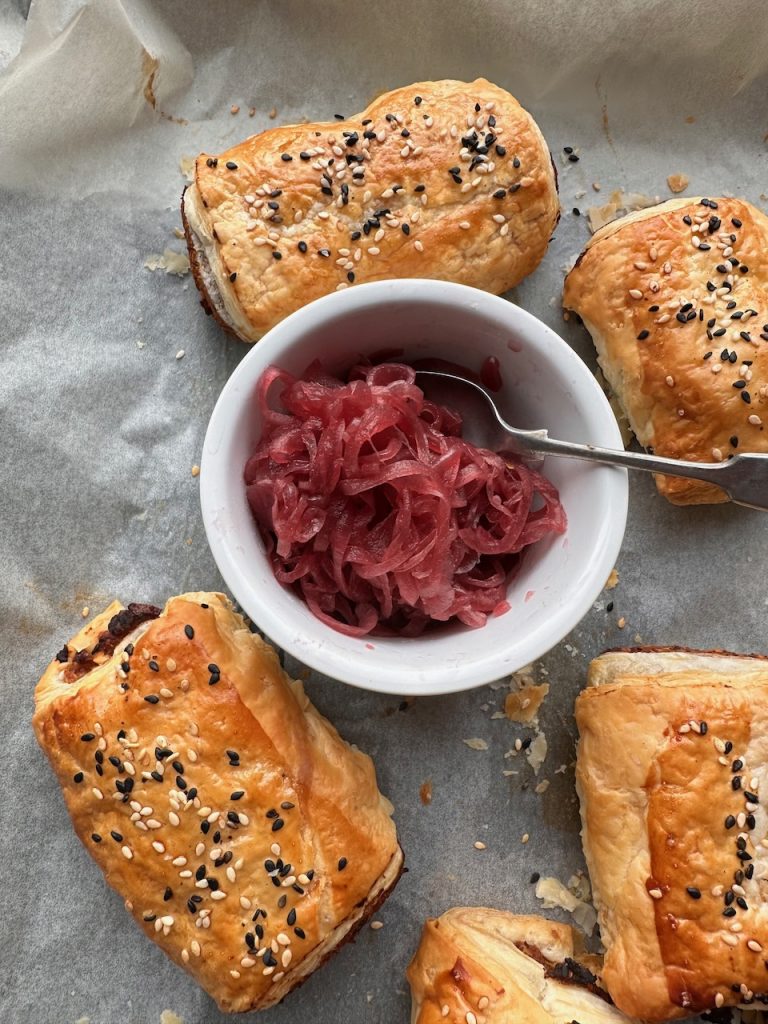
Beautiful red onions high in antioxidants, great for your heart and liver. This recipe couldn’t be easier, just 4 ingredients and its so versatile. Serve it with cheese, put on a pizza, have it with savoury pastries it gives lovely sweet and sour notes to your food.
We’re coming up to Christmas and it would also make a lovely gift. Jar it up and put a nice ribbon on it, it makes a really thoughtful edible gift.
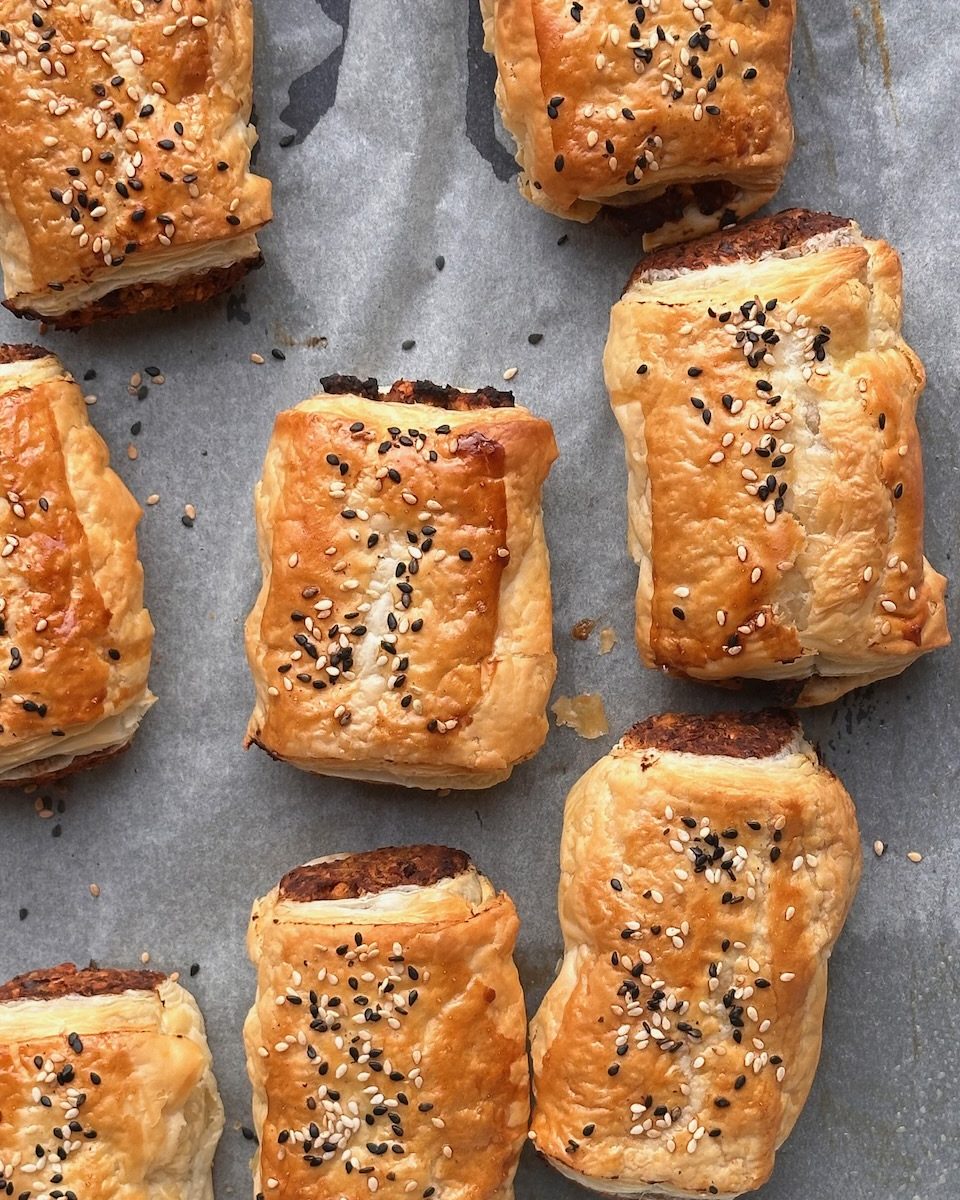
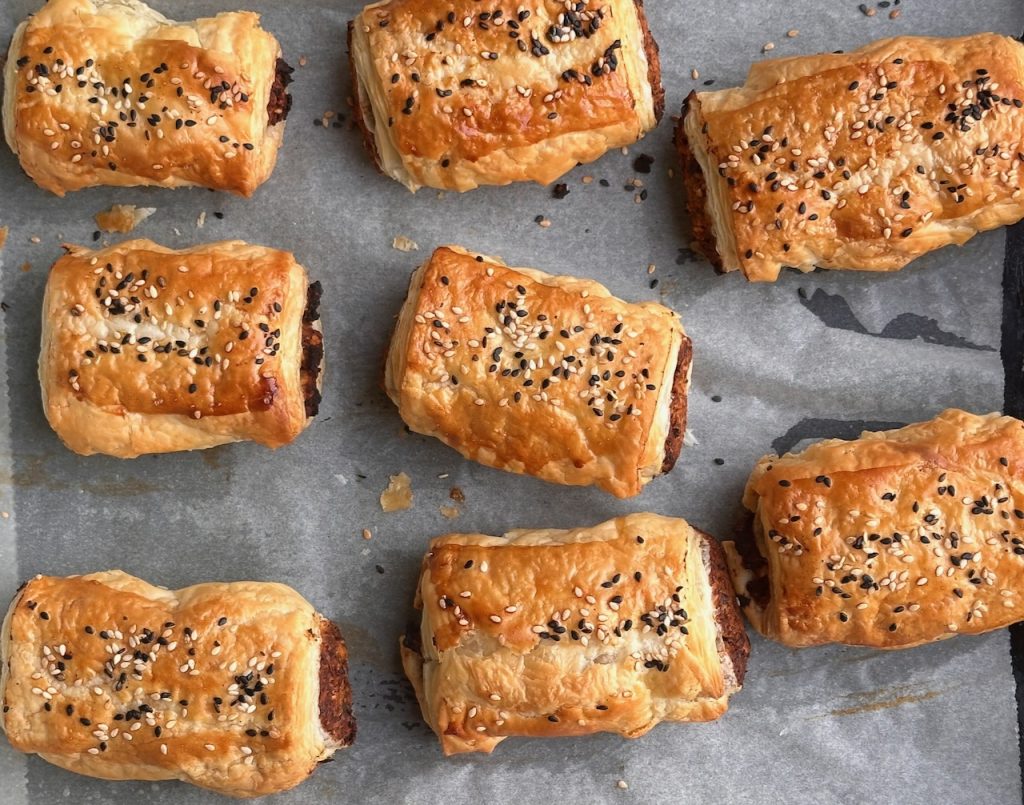
We enjoyed it this week with our Amazing Leek and Bean Rolls! Yum.
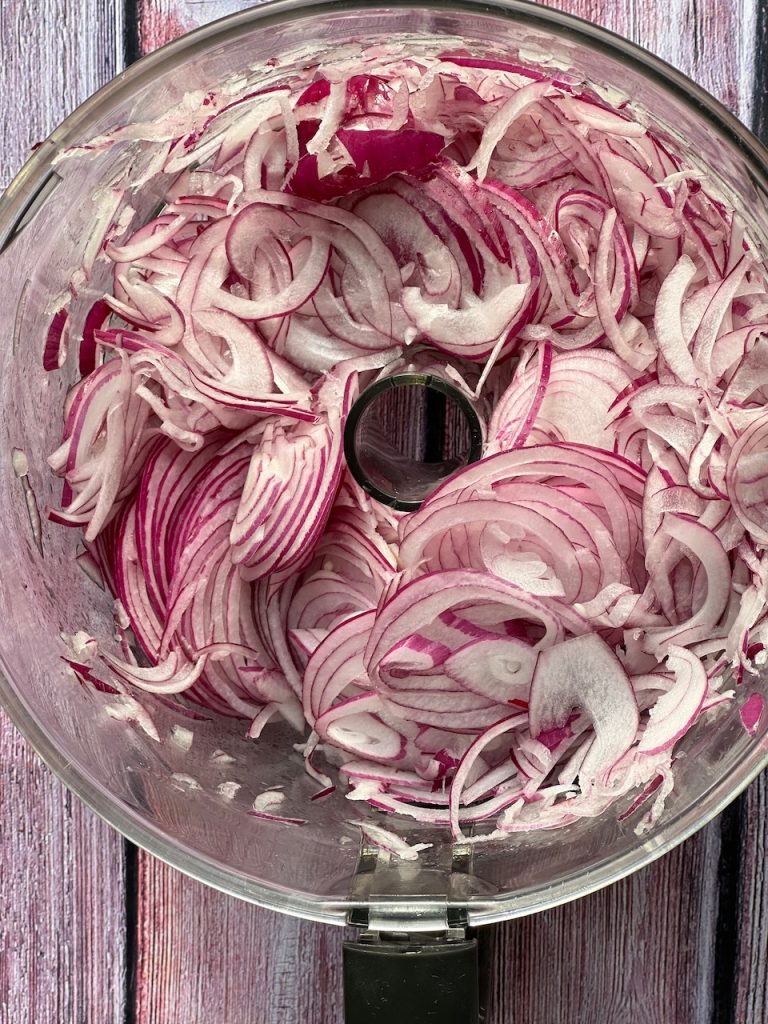
Step 1: Chop off the top and root and peel the red onions. They need to be finely sliced so use a food processor with a fine blade or do it by hand with a sharp knife.
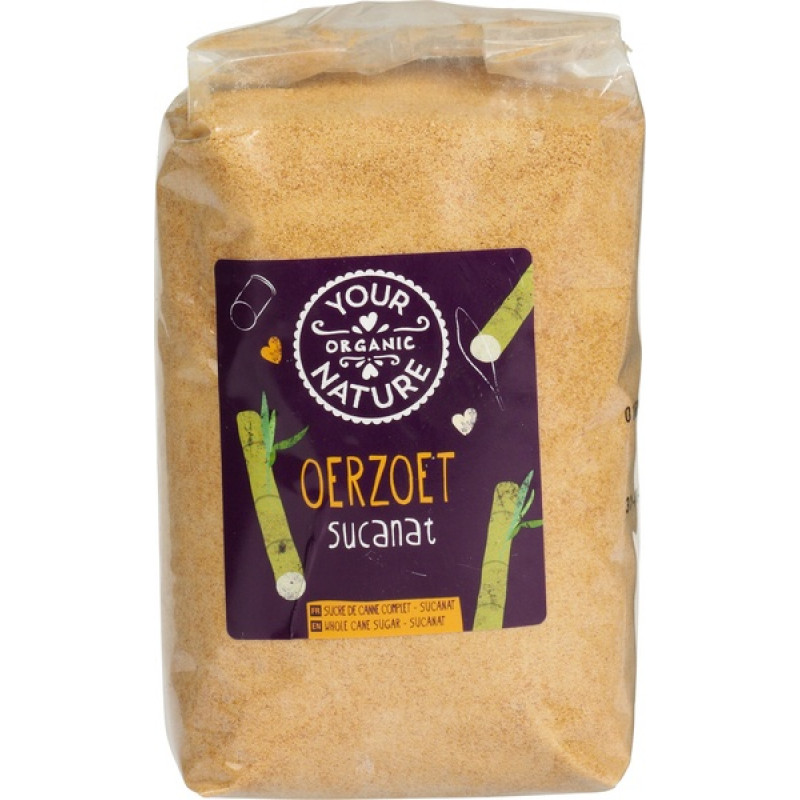
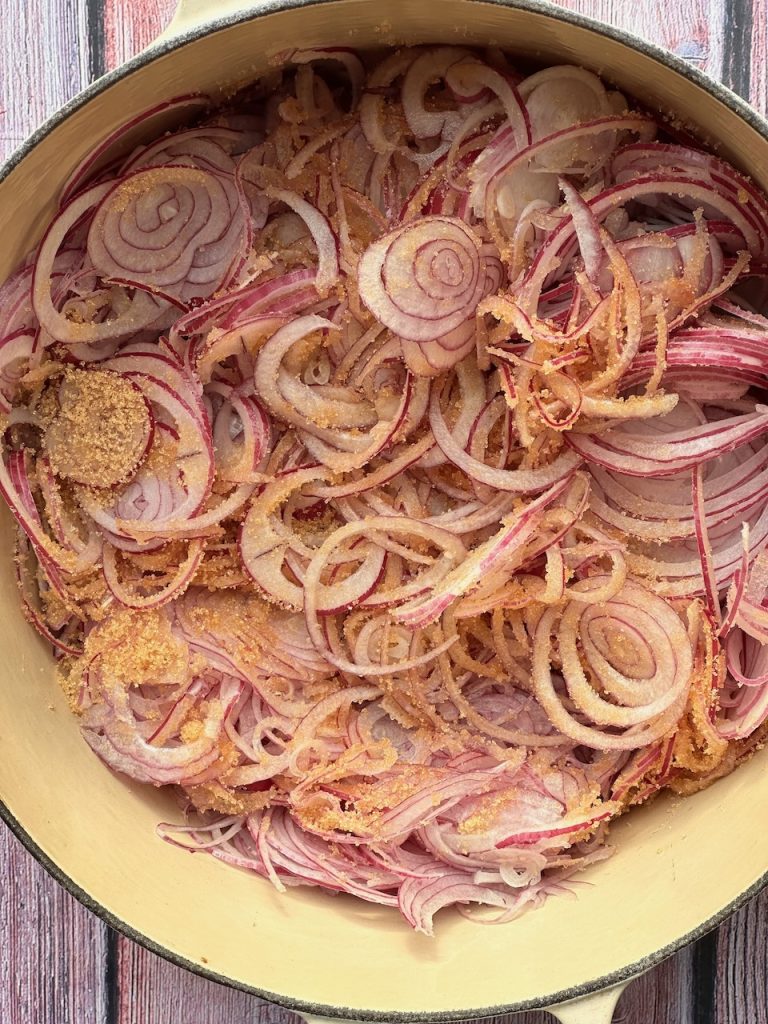
Step 2: Put the sliced onions into a wide pot along with the sugar. Stir together and put the lid on the pot and cook on a low heat for about 20 minutes until the onions are completely soft and the sugar has dissolved. Check it half way through.
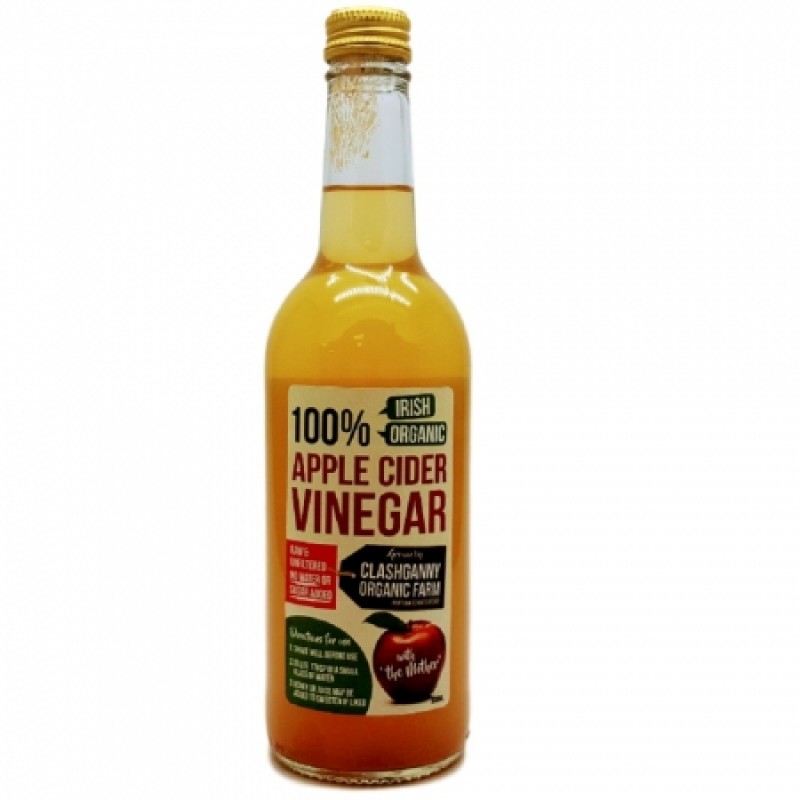
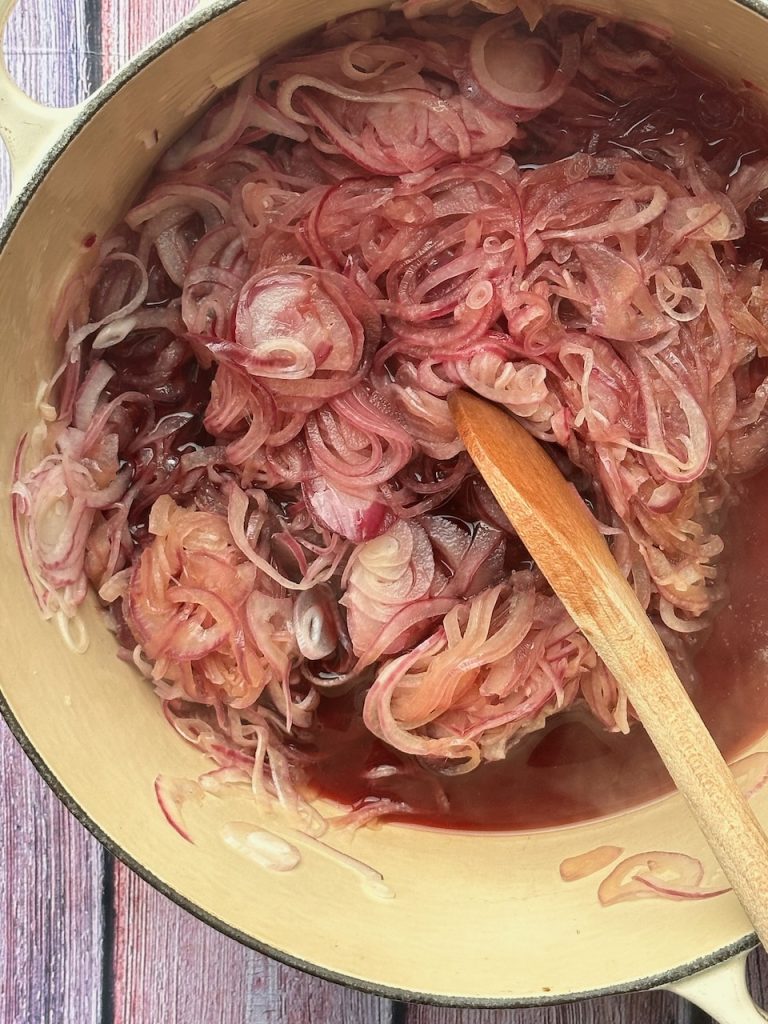
Step 3: Pour in the wine and the vinegar and cook with the lid off on low for a further 20-30 minutes. When the onions are ready the liquid will have evaporated and the onions will be sweet and soft.
Cool completely then transfer to a clean jar. This will keep in the fridge for 1 month.
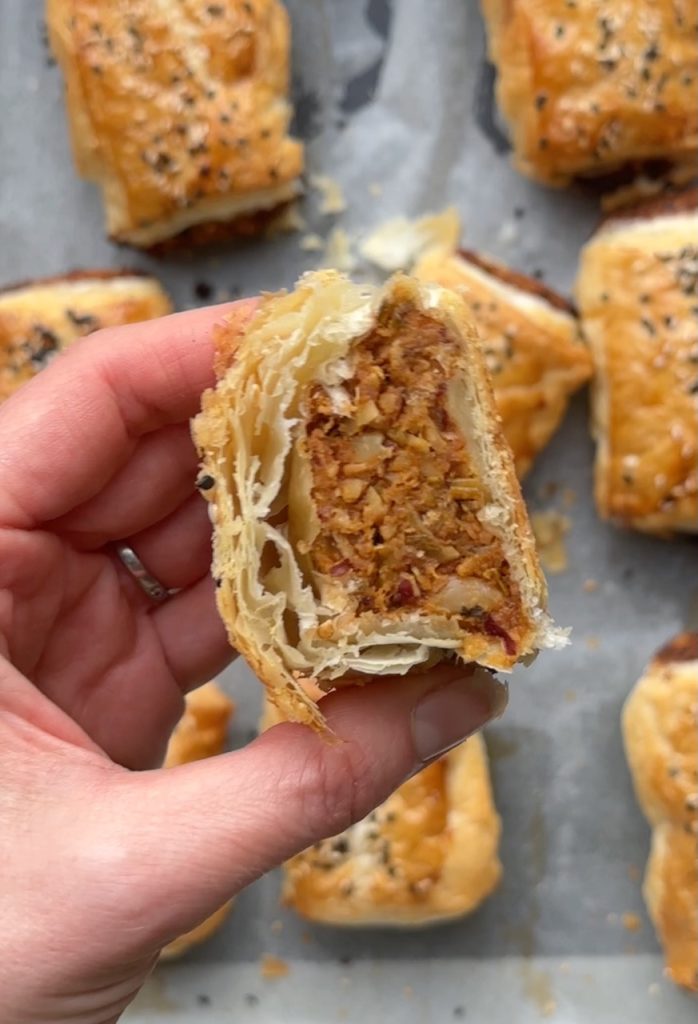
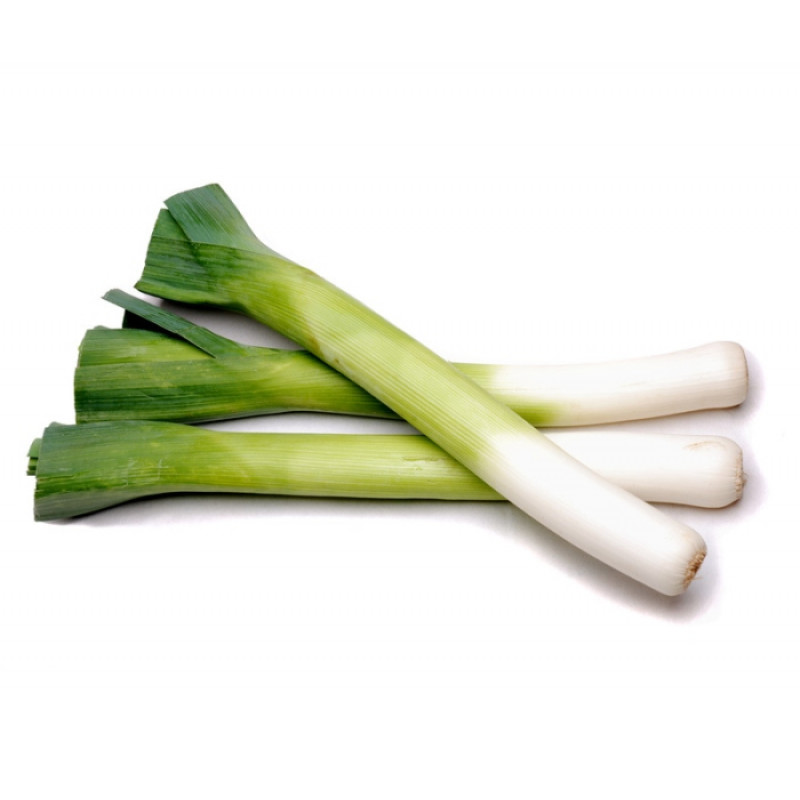
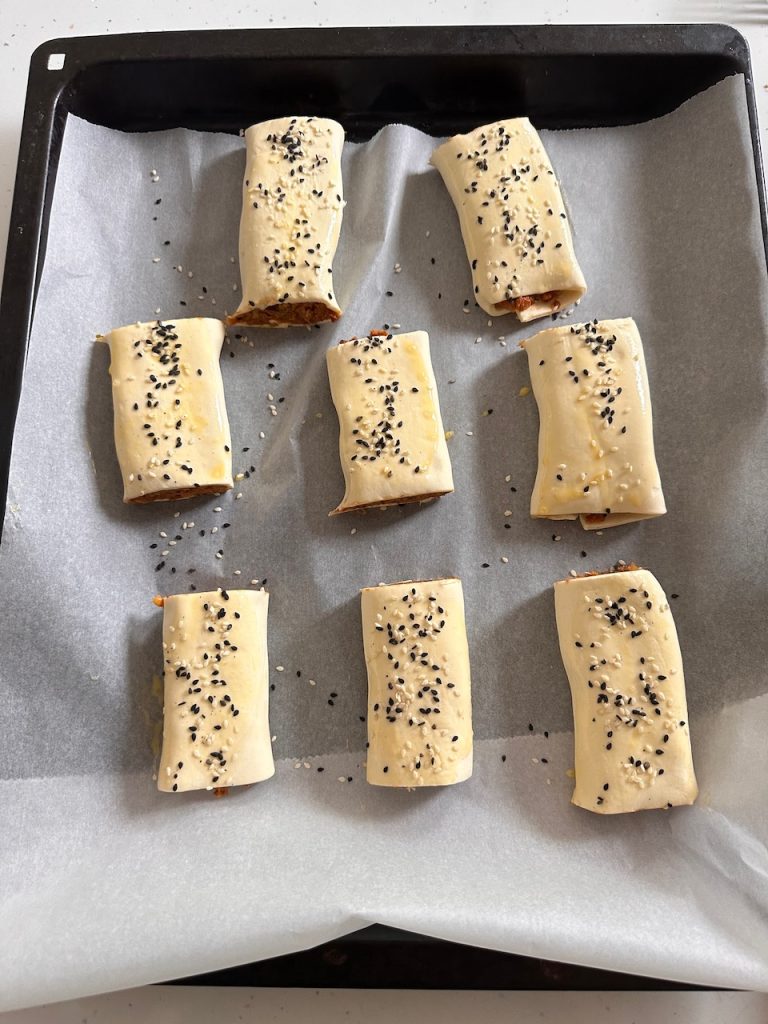
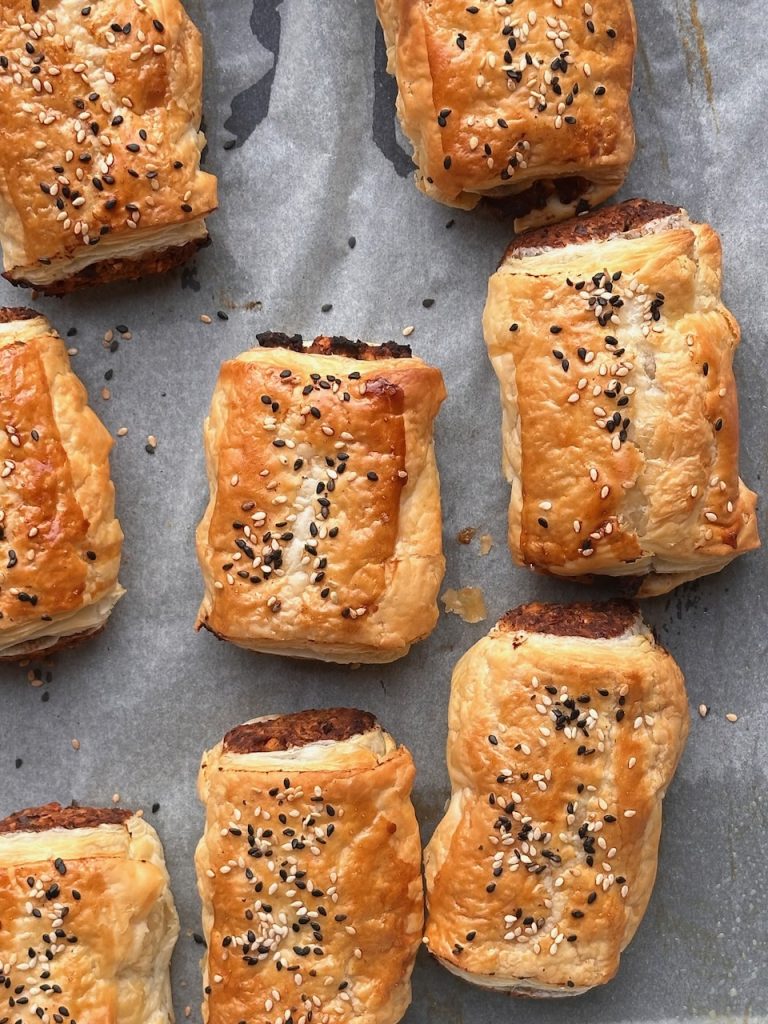
Breakfast, lunch or dinner!! These leek and bean rolls are delicious any time of the day and would make amazing party food too! Leeks are one of my favourite vegetables cooked slowly they become so soft and sweet. The kidney beans bring the protein and bind really well with the spiced leeks. We’ve added flaked almonds for crunch and subtle flavour.
If you want to go full vegan brush with milk of your choice.
Let us know if you try them.
Lou 🙂
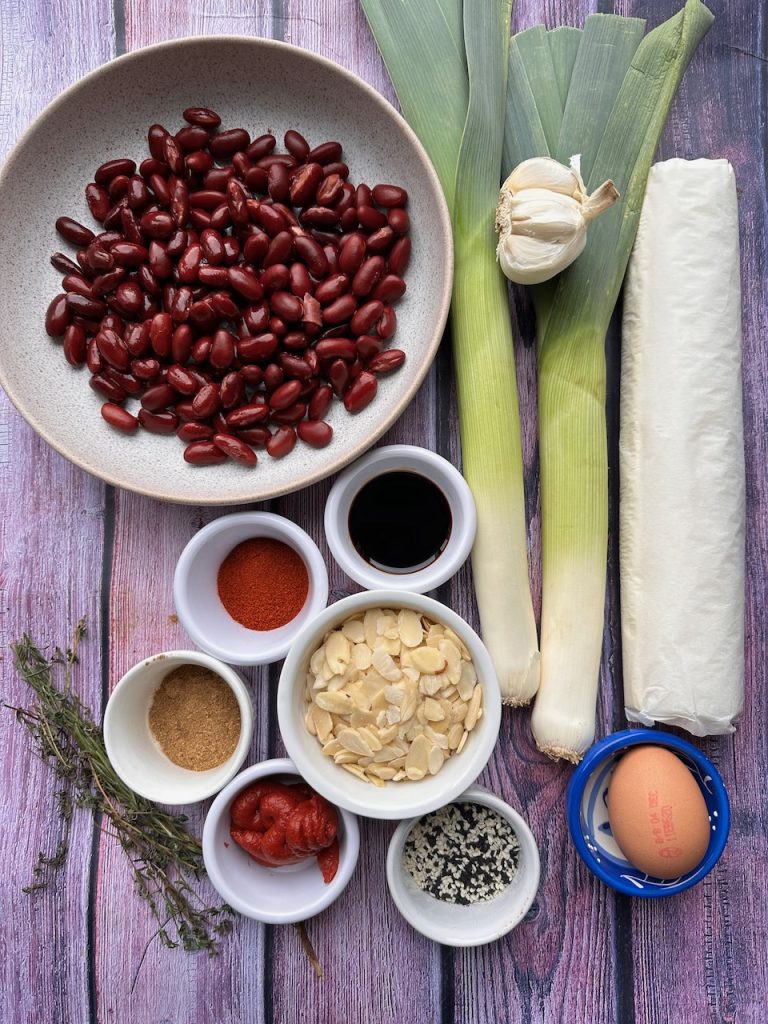
Ingredients: makes 8 rolls
I pack of ready rolled puff pastry(375g) – most are suitable for vegans
1 tbsp oil 2 small leeks, cleaned and diced finely
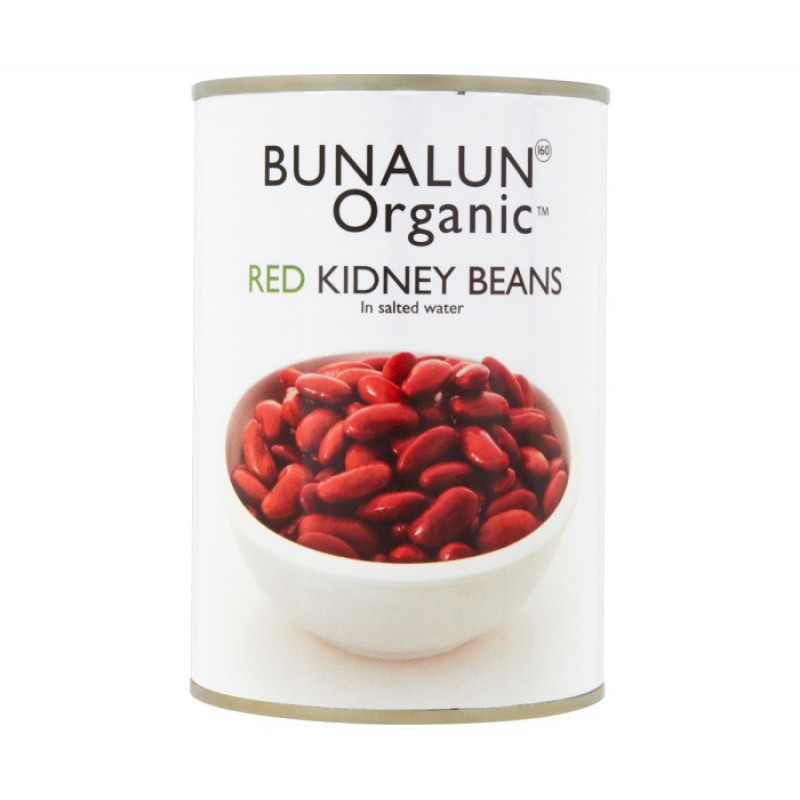
1 tin kidney beans rinsed and drained 100g flaked almonds
Salt and pepper to taste
1 egg whisked or milk of choice to glaze
1-2 tablespoons sesame seeds to decorate
Method:
Step 1: Preheat the oven 180ºC. Line a large baking tray with parchment paper. Leave the puff pastry out of fridge to come to room temperature. Clean the leeks by splitting in two and rinsing out any dirt, dry with clean cloth then finely dice them.
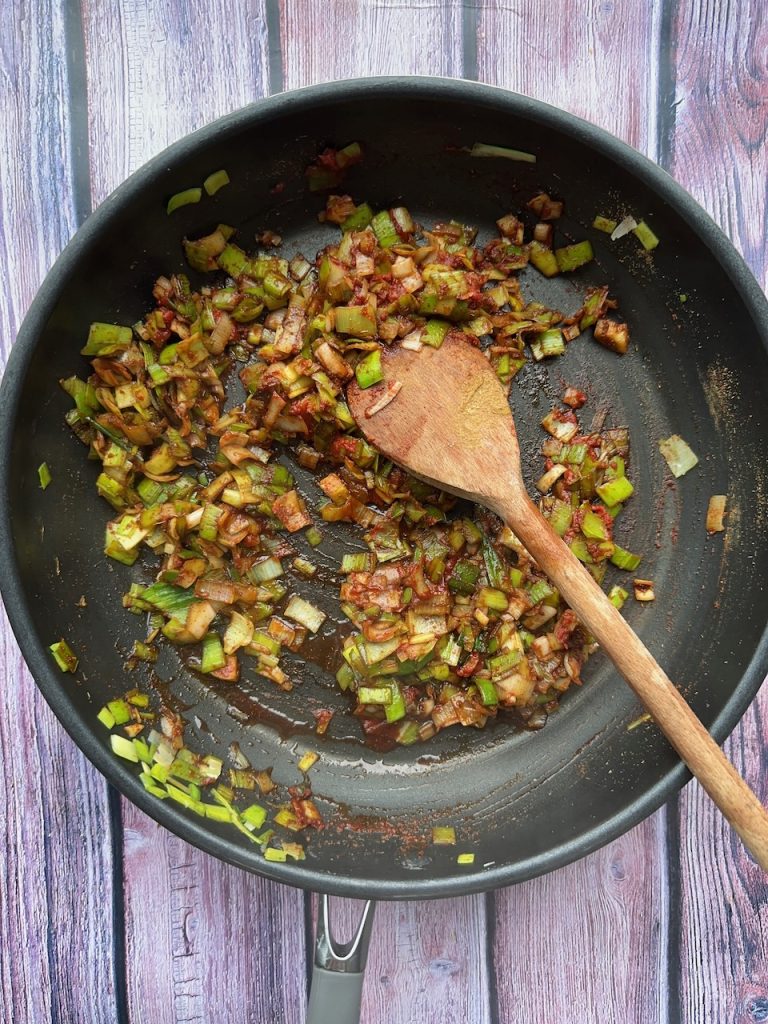
Step 2: Start by warming a frying pan on a medium heat, add the oil and chopped leeks. Cook for five or so minutes to soften. Add the chopped garlic and cook for a few minutes. Spoon in the tomato puree, maple syrup, soy sauce, cumin, paprika and chopped herbs or dried herbs. Stir to coat the leeks and cook for a further few minutes. Set aside to cool for a minute or two.
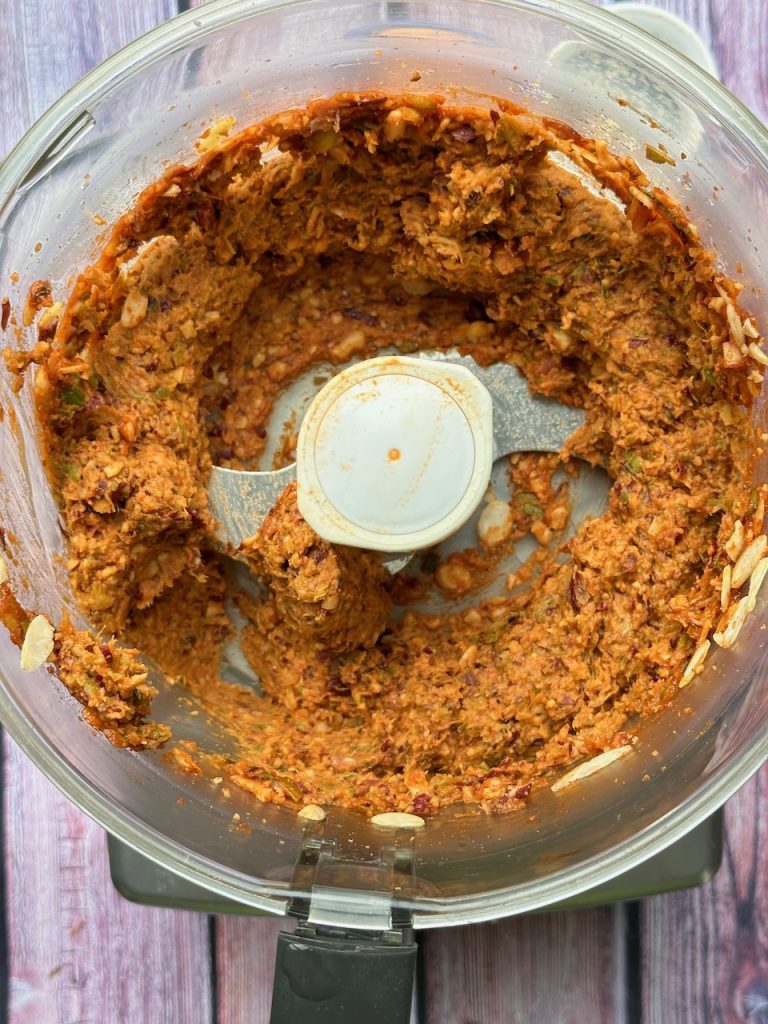
Step 3: To a food processor add the spiced leeks, drained kidney beans and flaked almonds. Blend to combine but keep the mix a bit chunky for texture. Taste the mix add salt or pepper if needed.
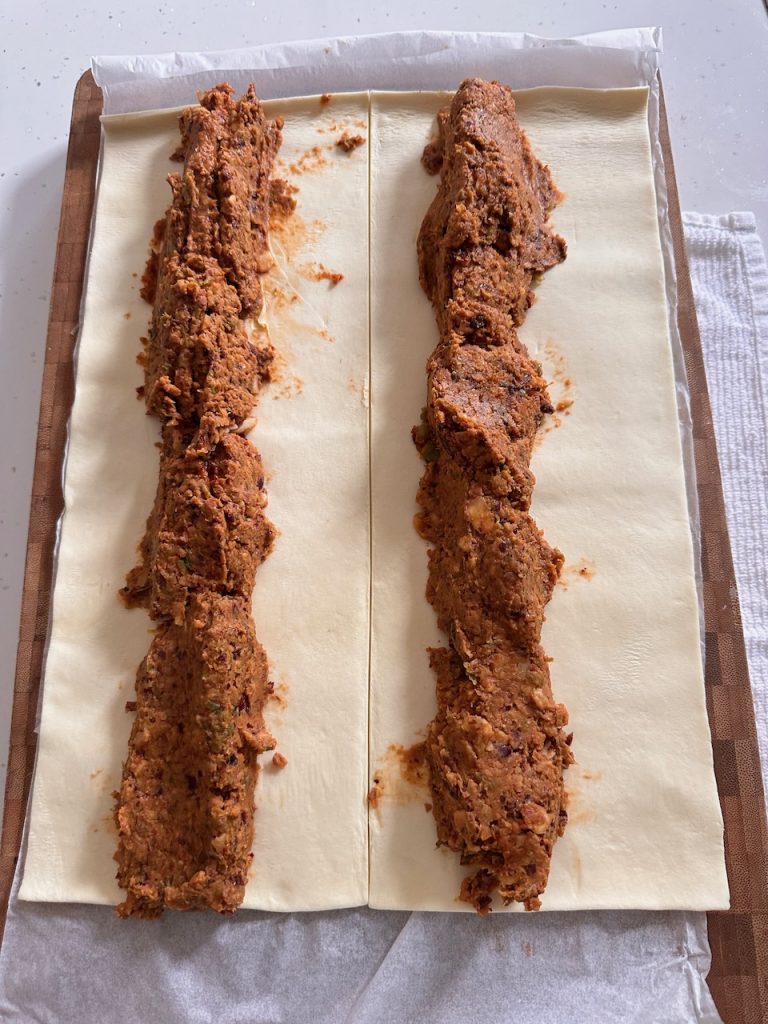
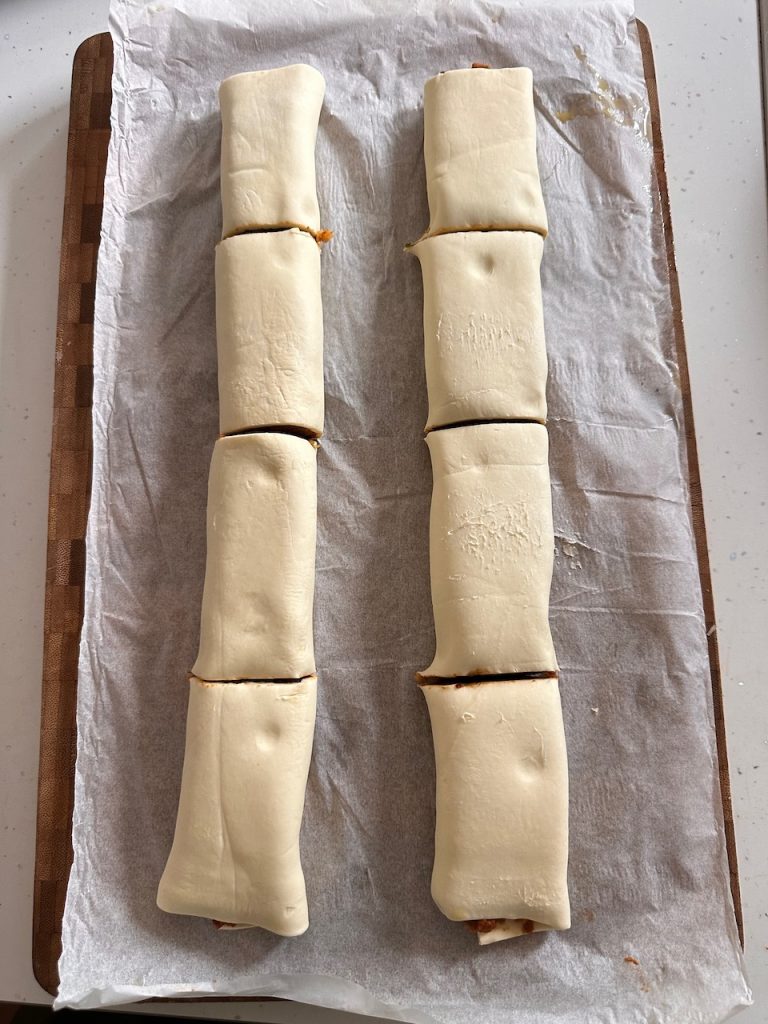
Step 4: Unroll the pastry, divide in 2 lengthways giving 2 even strips. Spoon the bean mix down the middle of the pastry in a sausage shape. Brush one side of the pastry strip with egg or milk. Gently fold the pastry over, use a fork to seal it. Cut the strip into 4 and put them on the baking tray. Brush with egg or milk, sprinkle sesame seeds on top. Repeat with the other strip of pastry.
Bake for 30-40 minutes until nice and golden brown.
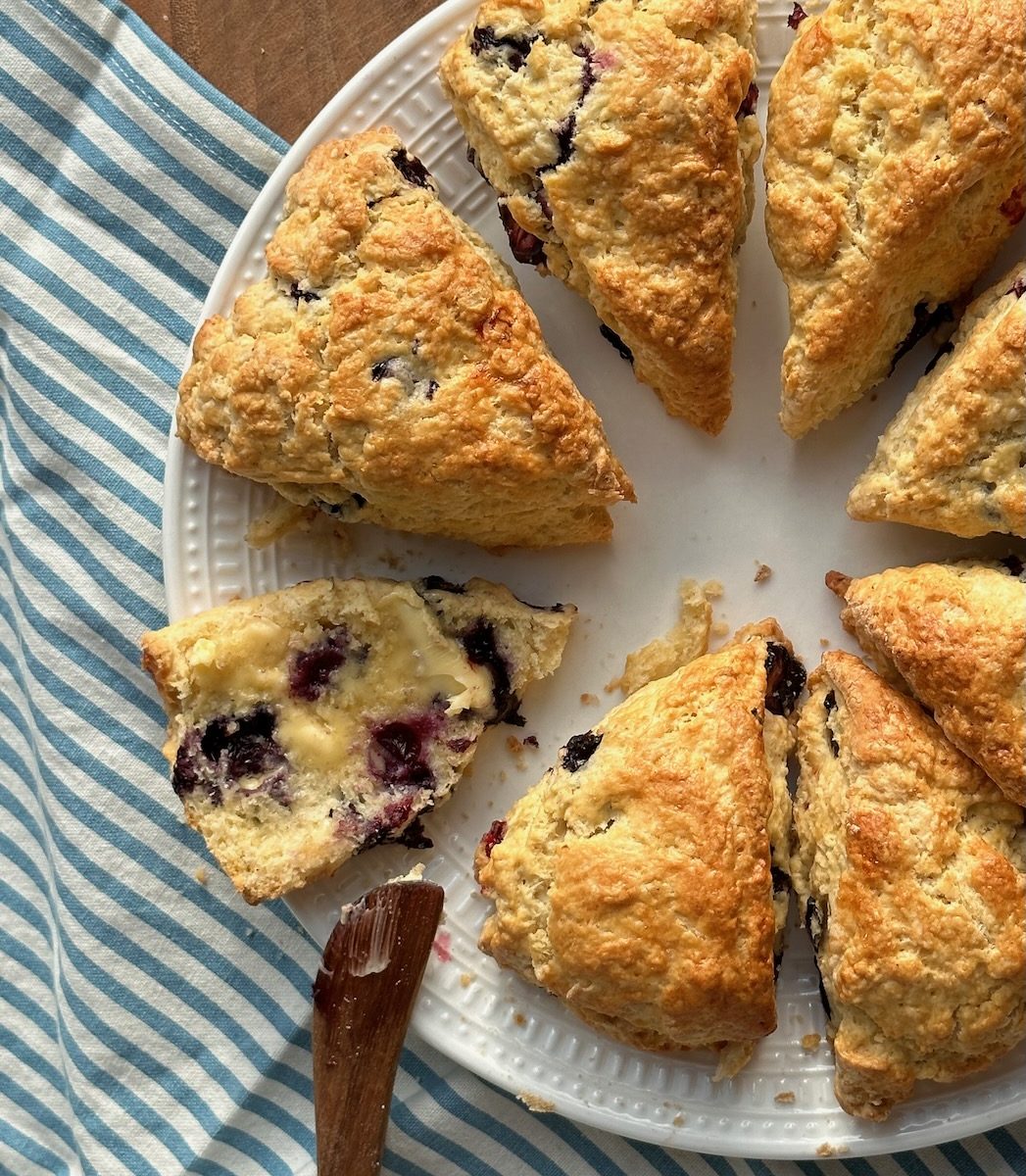
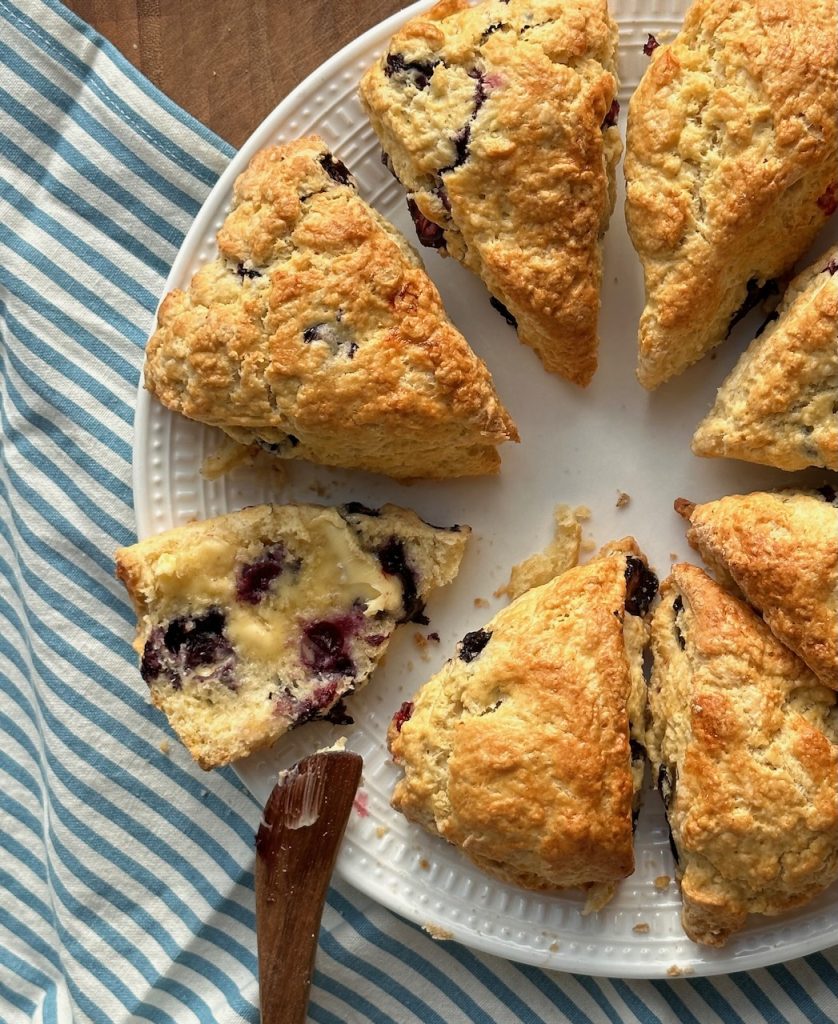
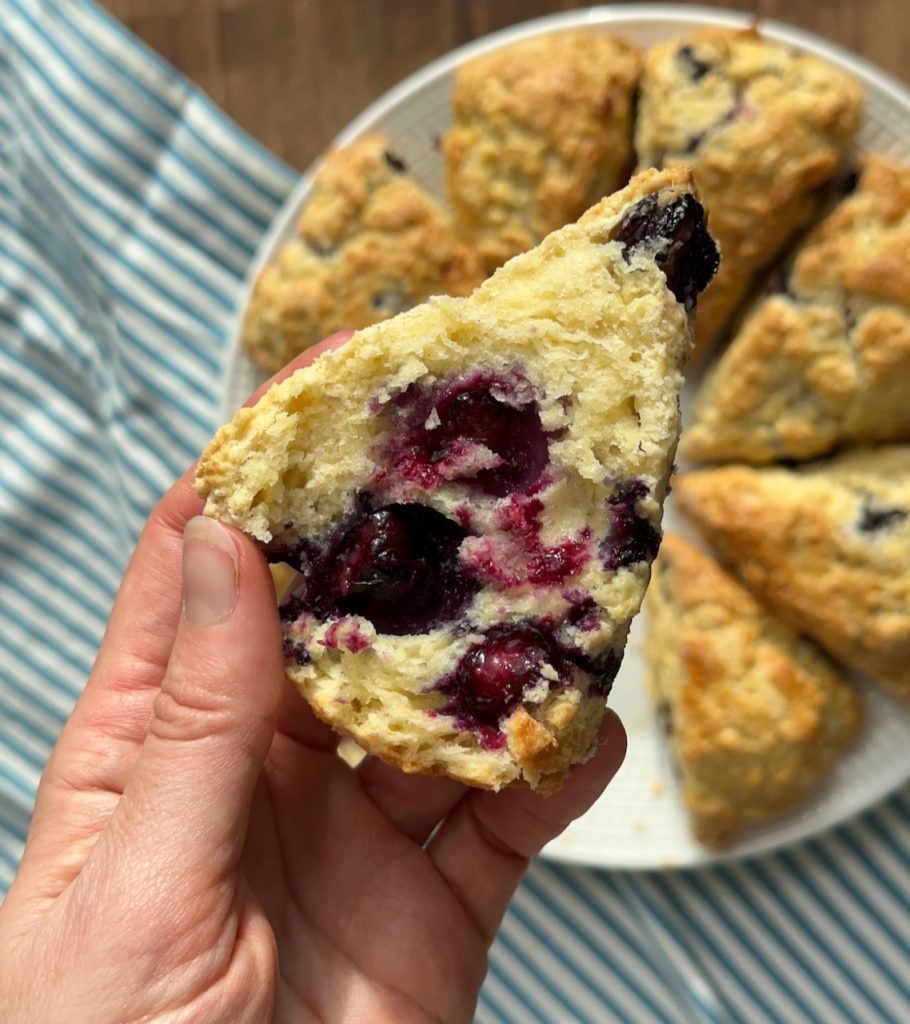
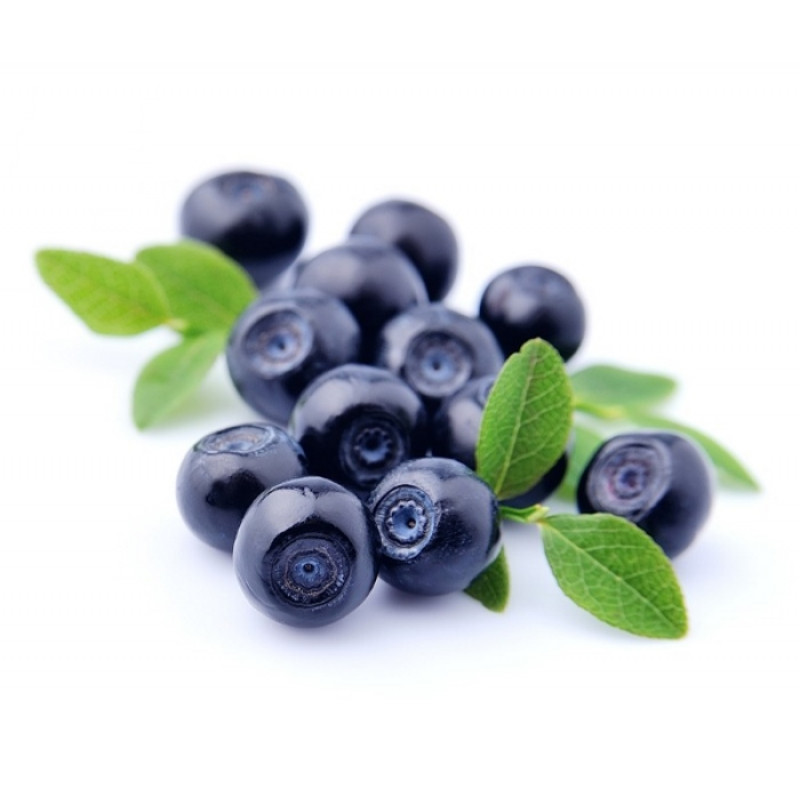
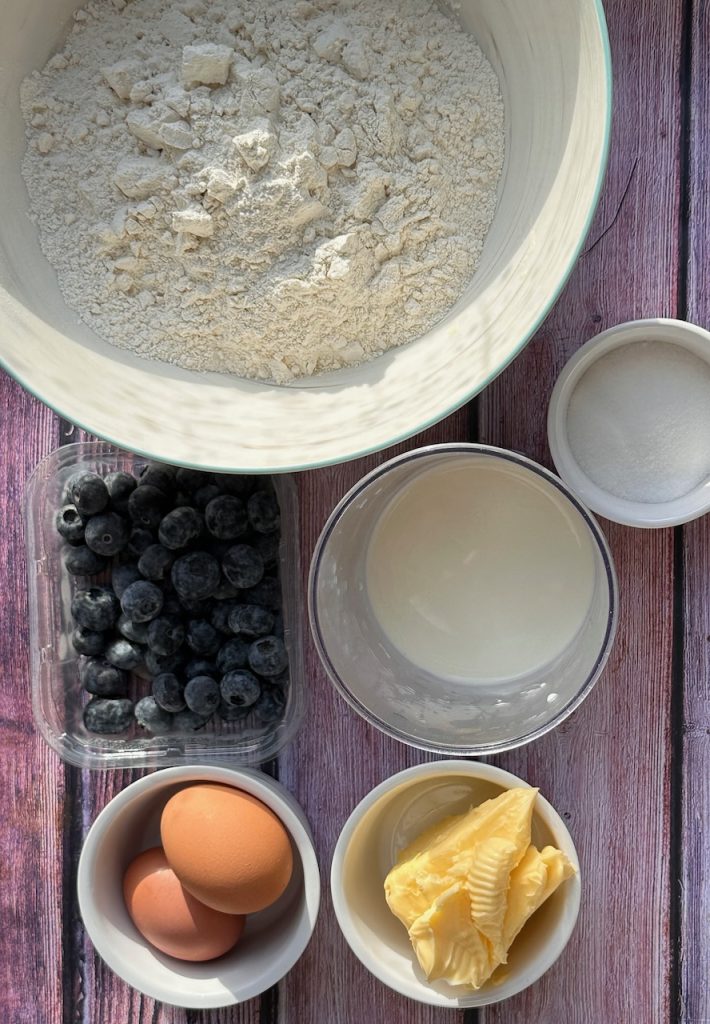
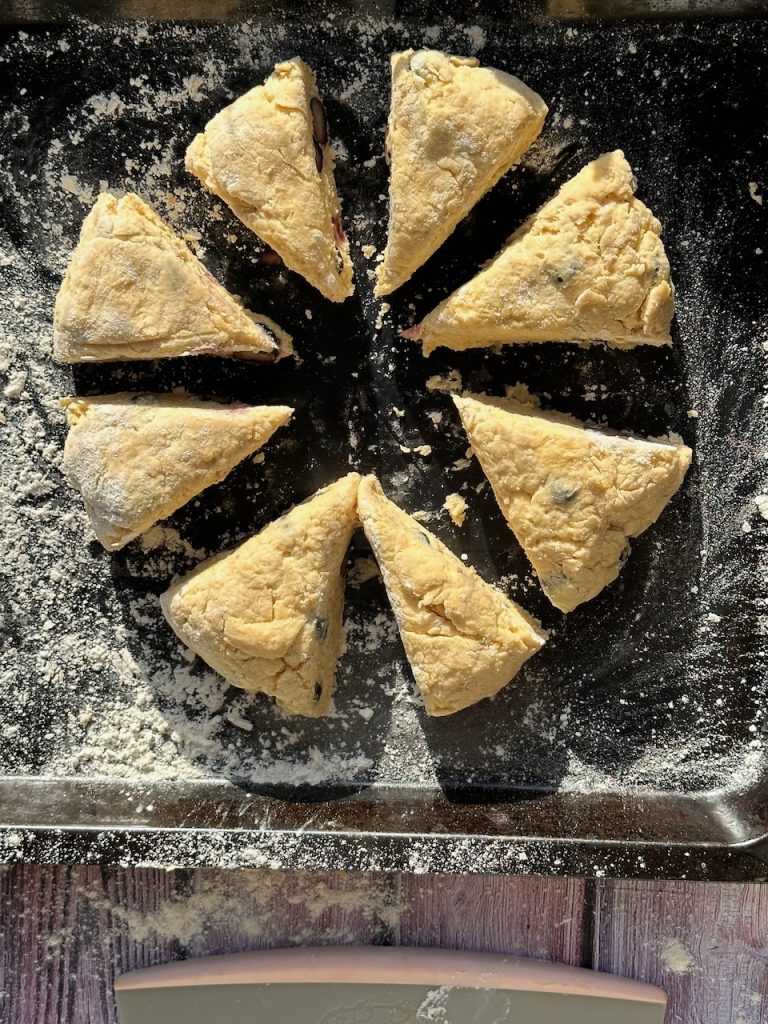
November is a great time to pull out traditional baking recipes. Homemade scones are delicious baked fresh and with the addition of organic fruit they are taken to the next level. Mix antioxidant rich organic blueberries gently into the dough, when baked they become oozy and almost self jamming in the scone.
Scones are one of those bakes that are made to be shared over steamy cups of tea. We hope you find a friend to share these with some time soon.
Lou x
PS – add a grating of orange or lemon zest to the dough if you fancy.
Step 1: Preheat the oven 180ºC fan. Line a baking tray with parchment paper. Measure the flour and sugar into a mixing bowl, stir. Add the butter and rub it into the flour with our fingertips until it resembles sand. Stir in the blueberries.
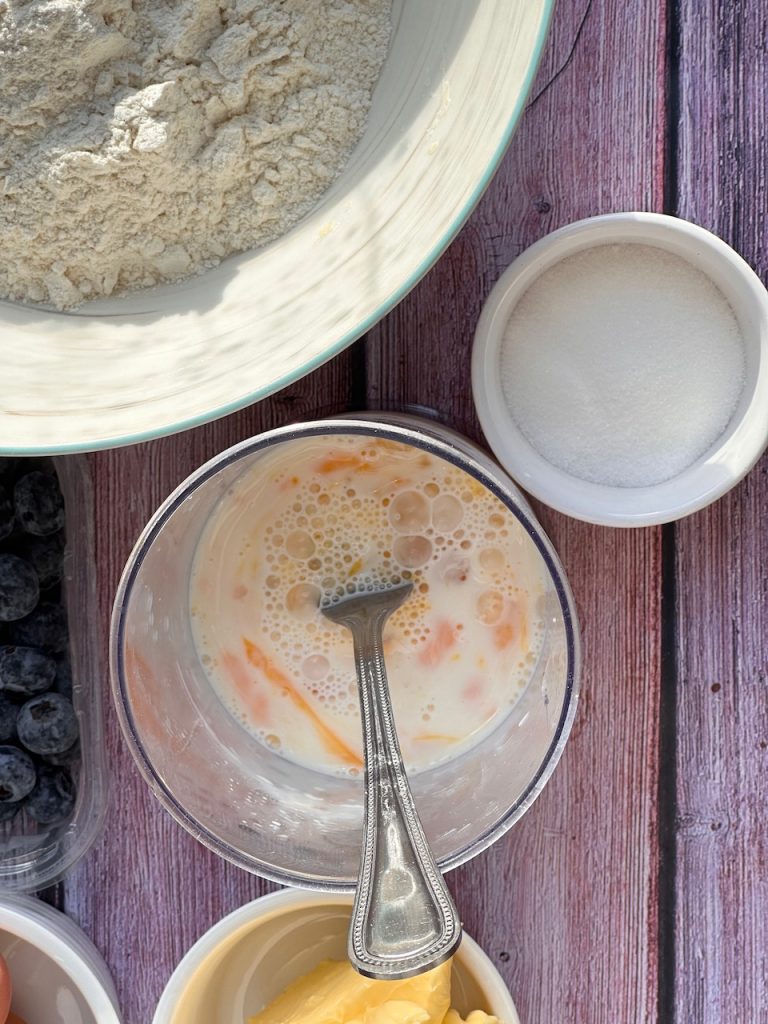
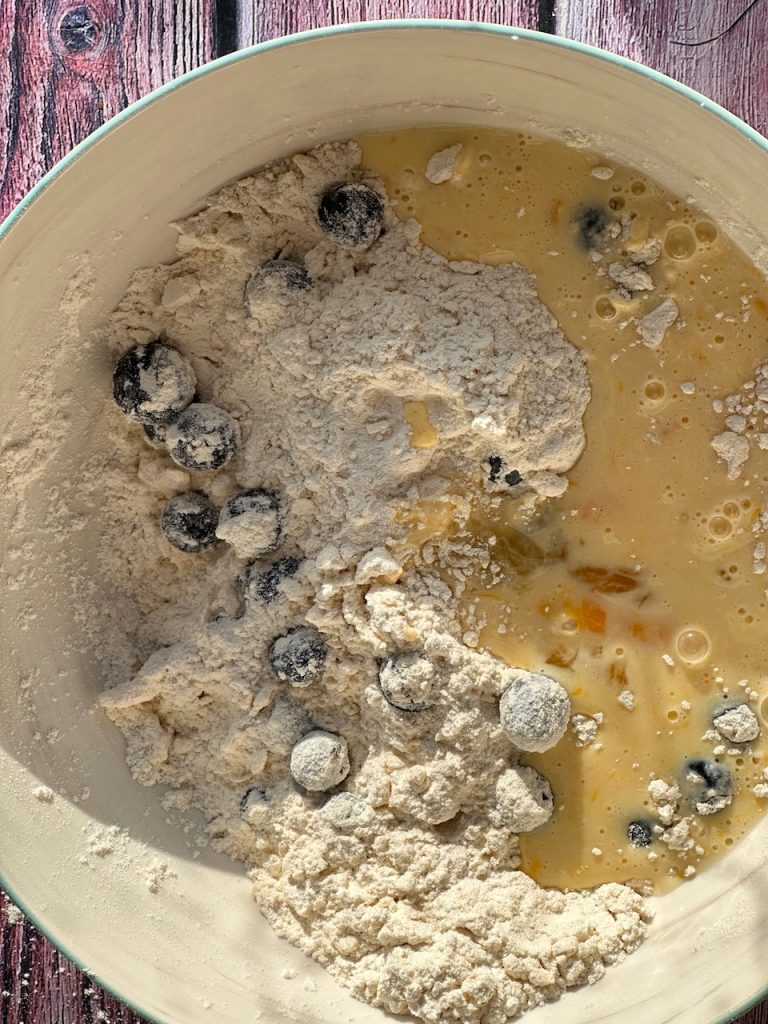
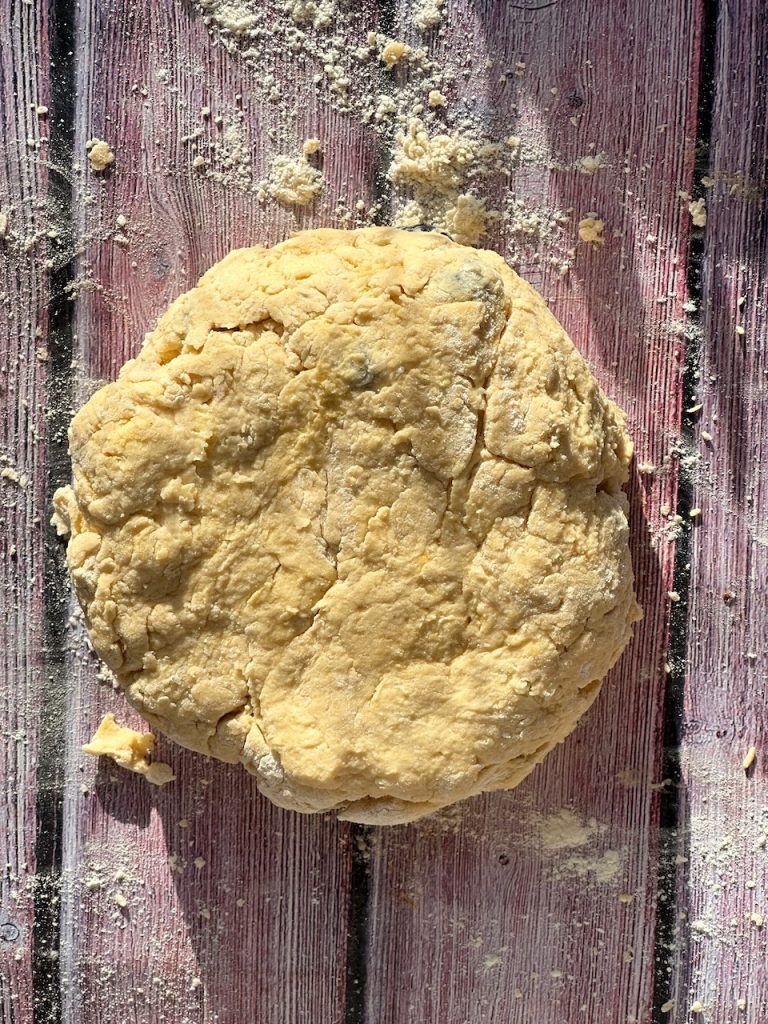
Step 2: Crack the eggs into a measuring jug and pour in the milk. Whisk well. Pour enough of the milk and egg liquid into the flour and stir with a fork until the dough starts to come together, you may not need all the liquid. Flour your hands lightly and work the dough into a round shape, being careful not to burst the blueberries. Turn it out onto the baking tray, and gently push down.
Step 3: Using a large knife dipped in flour, cut the dough round in half, then quarters and then eights. Pull the scones apart and spread them out on the baking tray. Tip: dipping the knife in flour will stop the dough from sticking. Brush with the beaten egg.
Step 4: Bake for 20-25 minutes until cooked through.
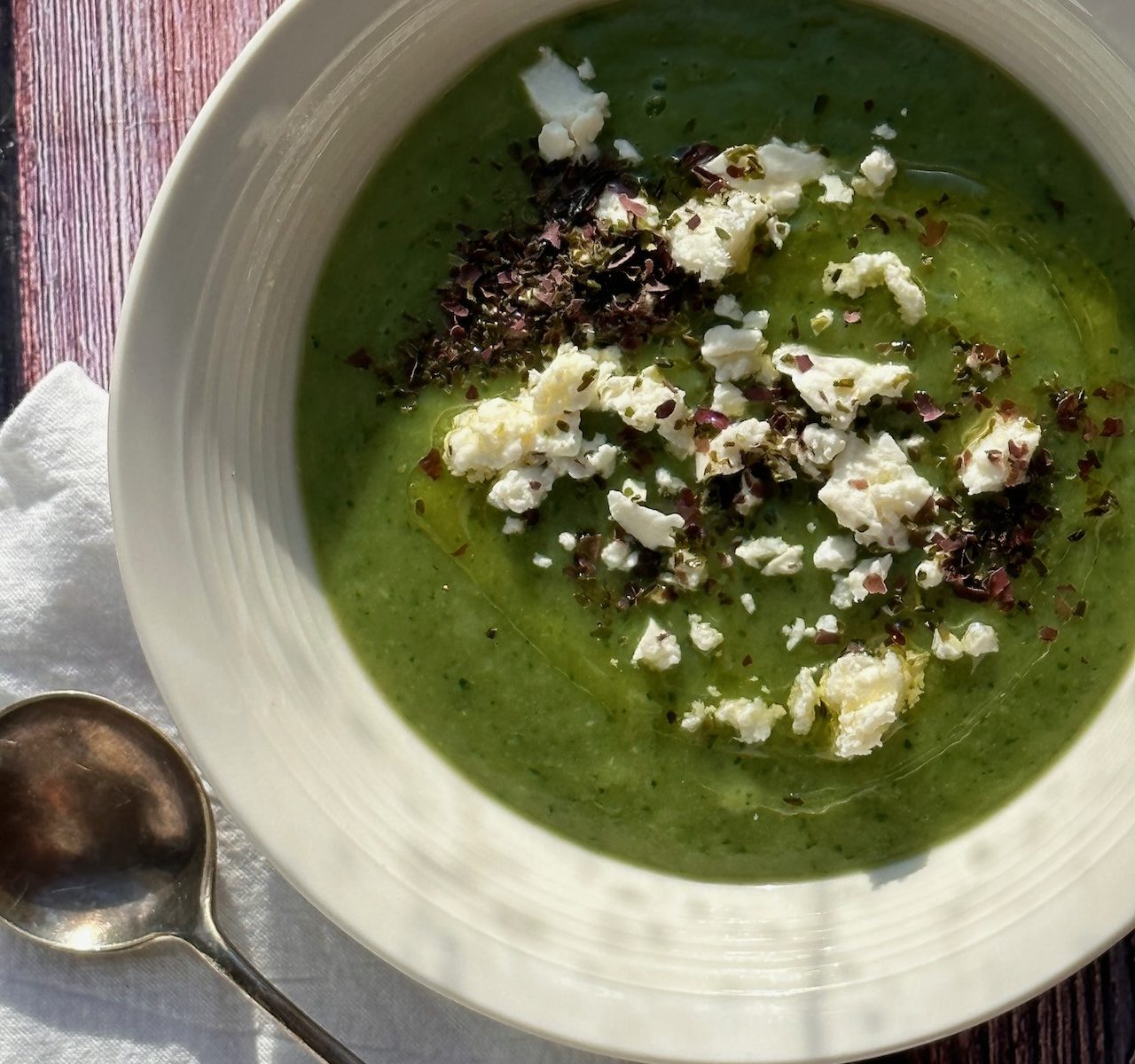
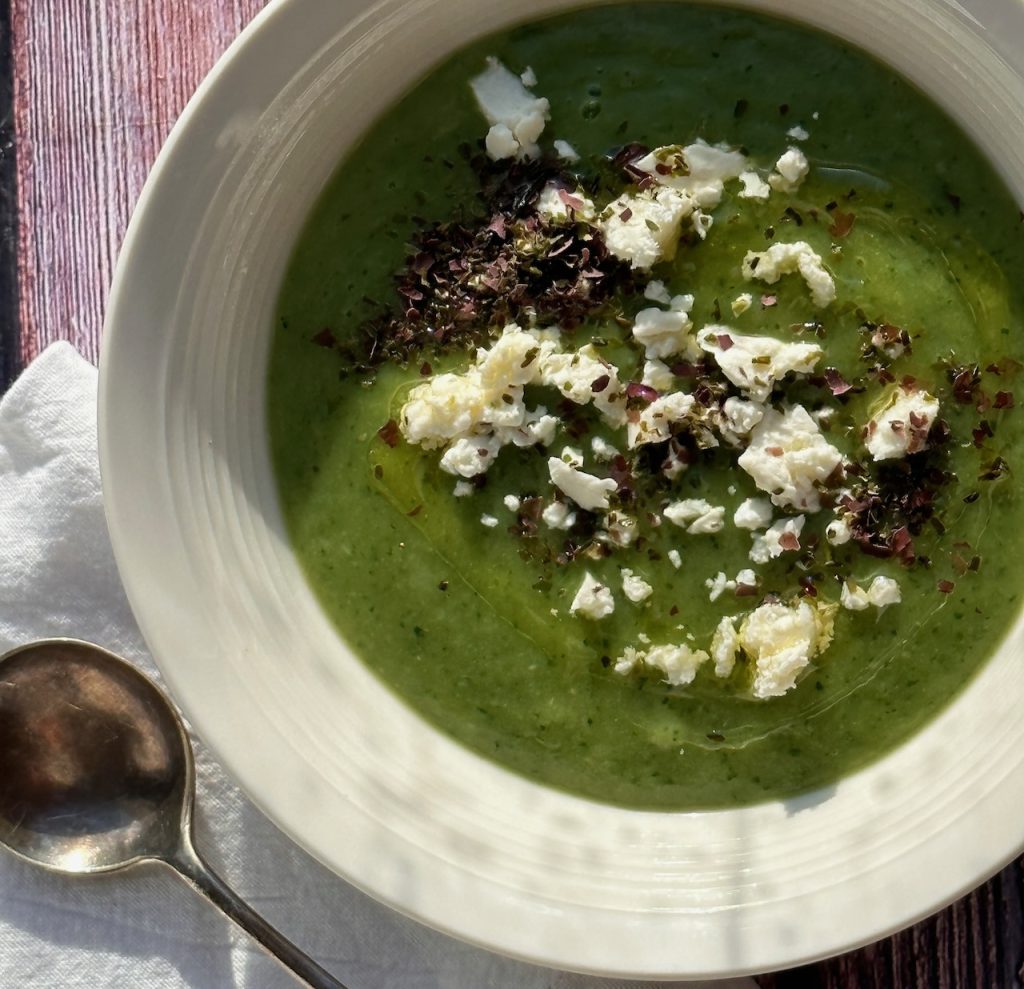
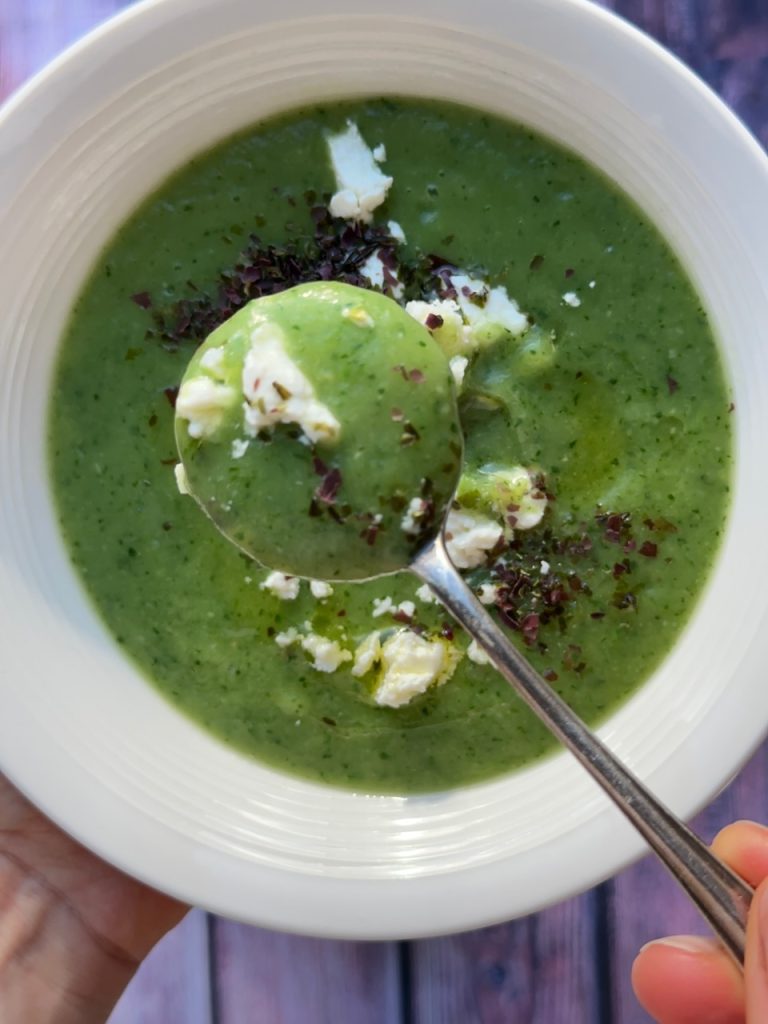
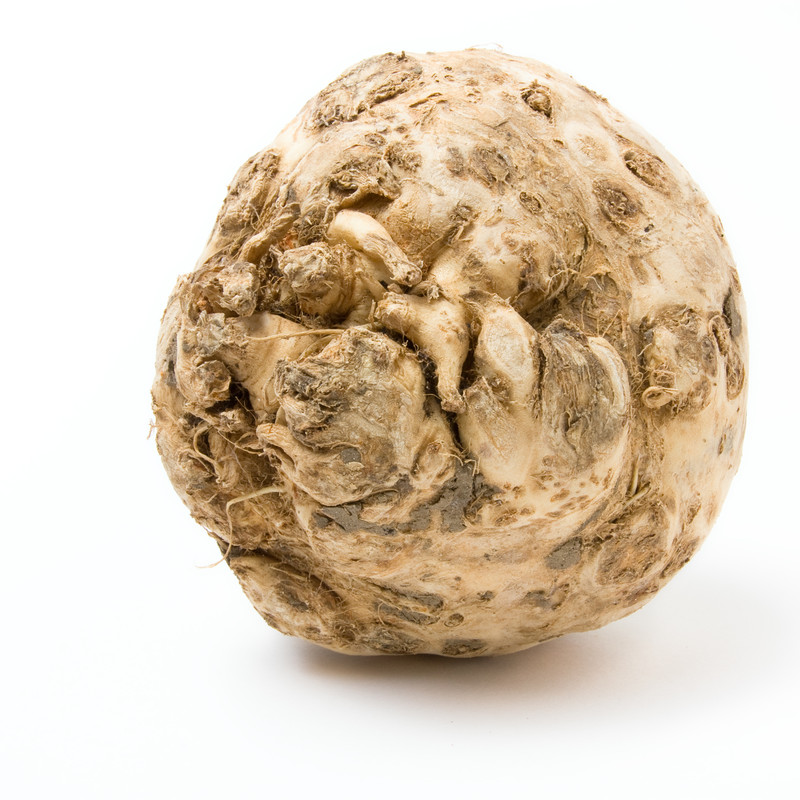
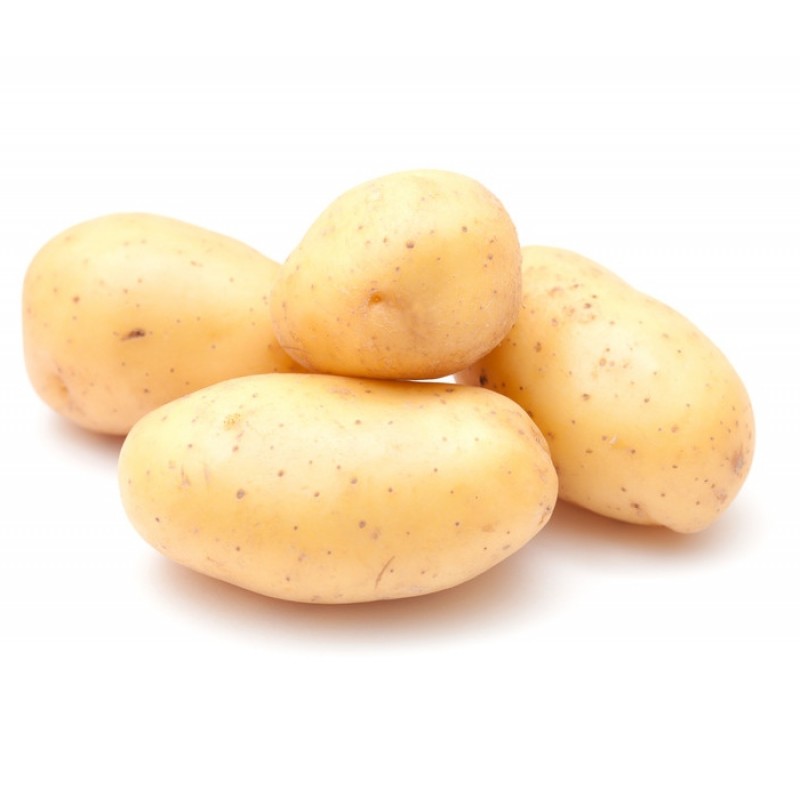
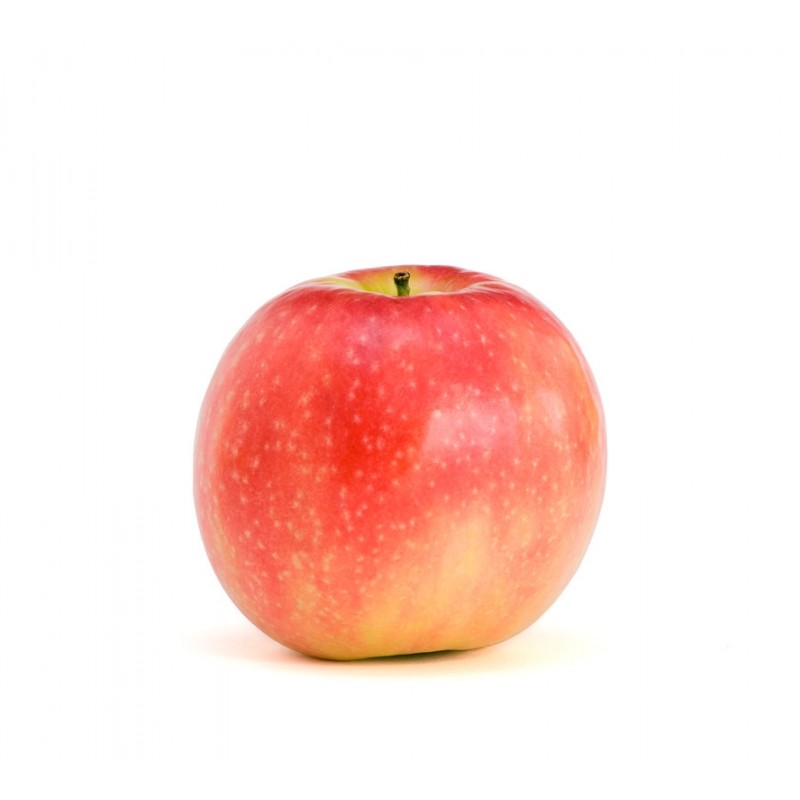
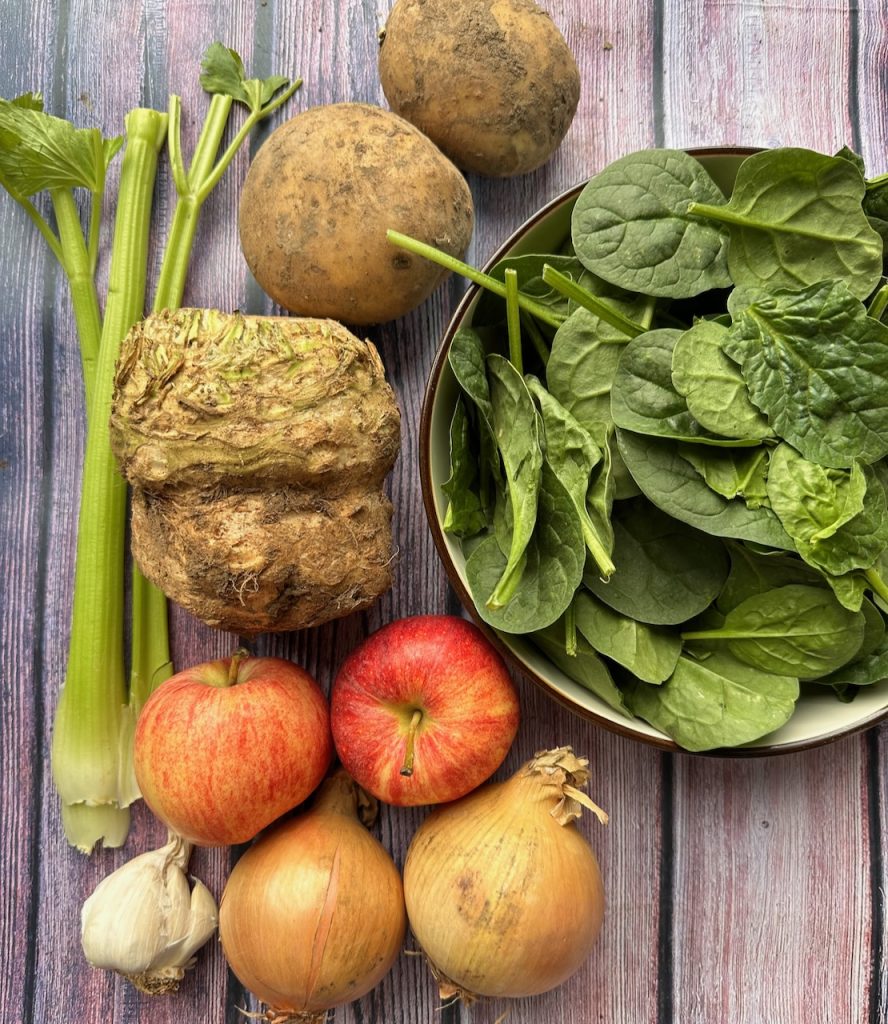
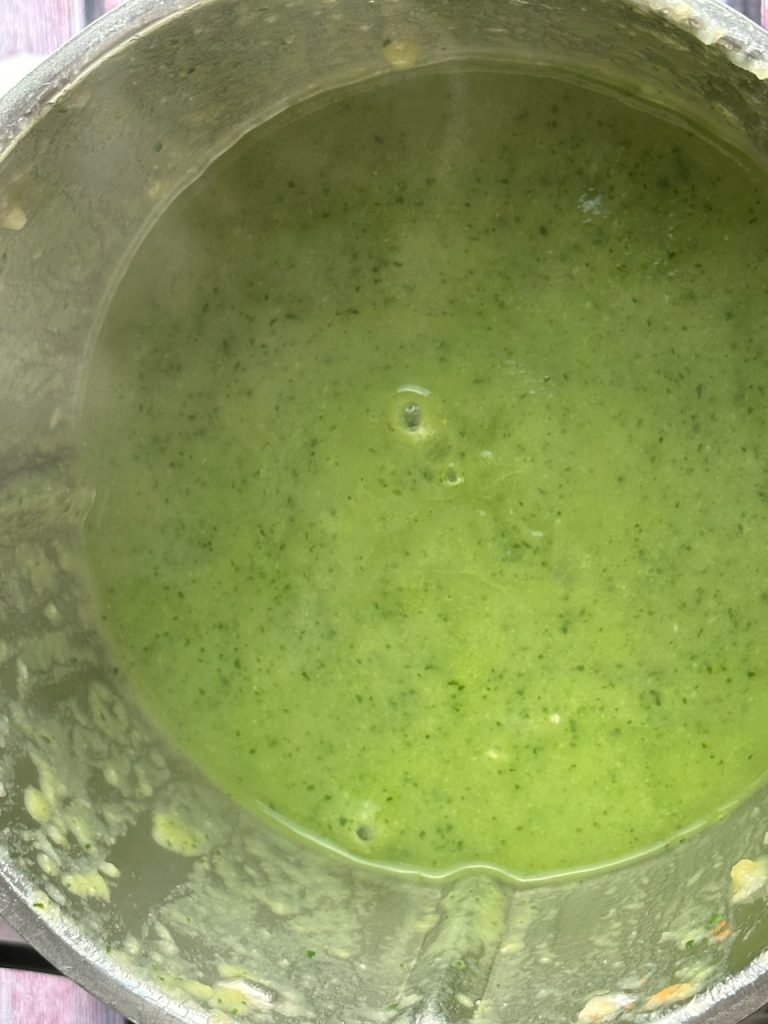
This soup really celebrates the crops that are being harvested at this time of the year. Knobbly celeriac, earthy potatoes from the farm, crisp Irish apples and lovely iron rich spinach. Theres great comfort in a big bowl of flavourful nourishing soup.
This is sure to boost your immune system and keep winter bugs at bay.
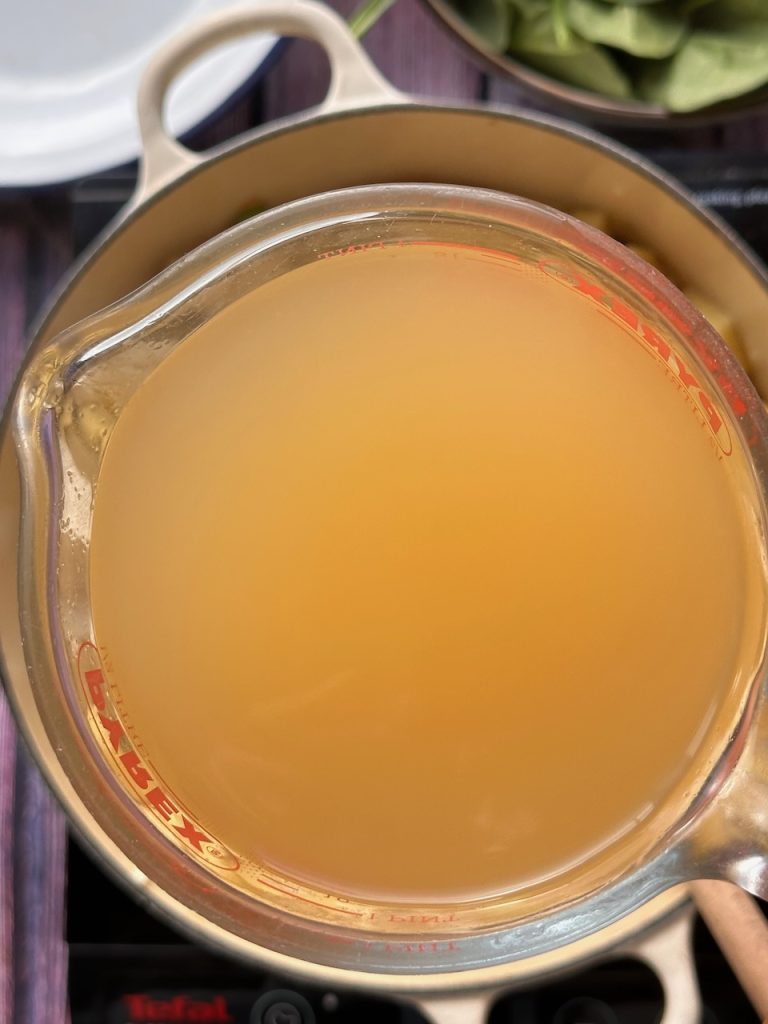
1 – 1.2 litre vegetable stock – add more if needed
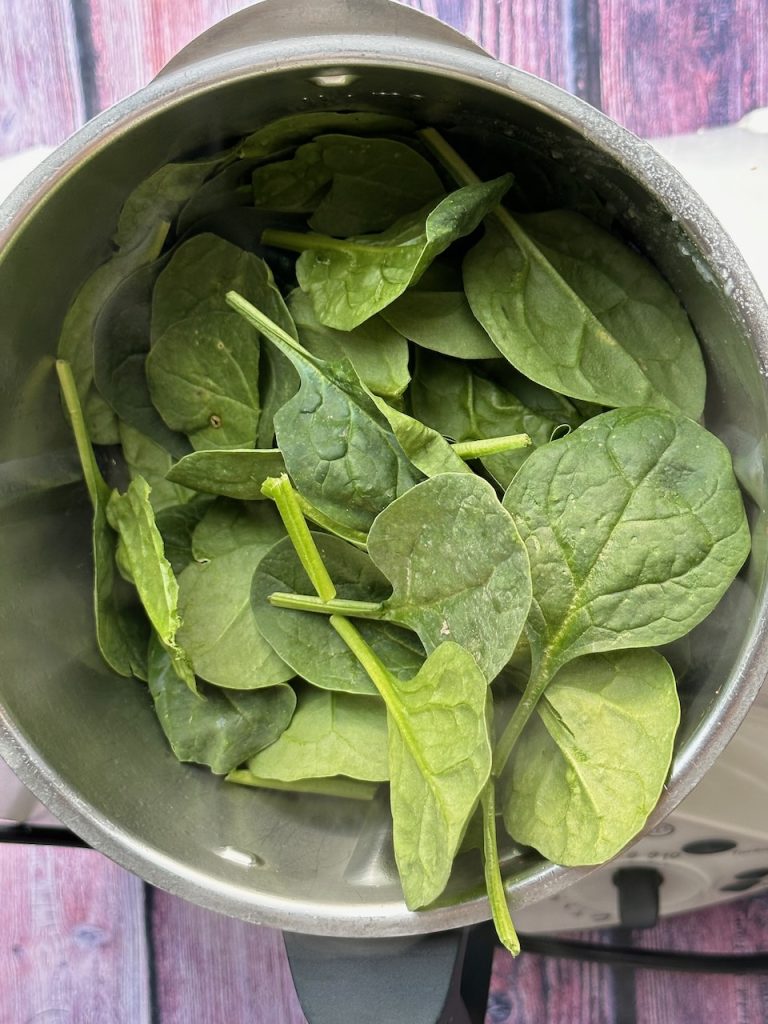
50g baby spinach
salt and pepper
Serve with crumbled feta, seaweed flakes, extra virgin olive oil
Method:
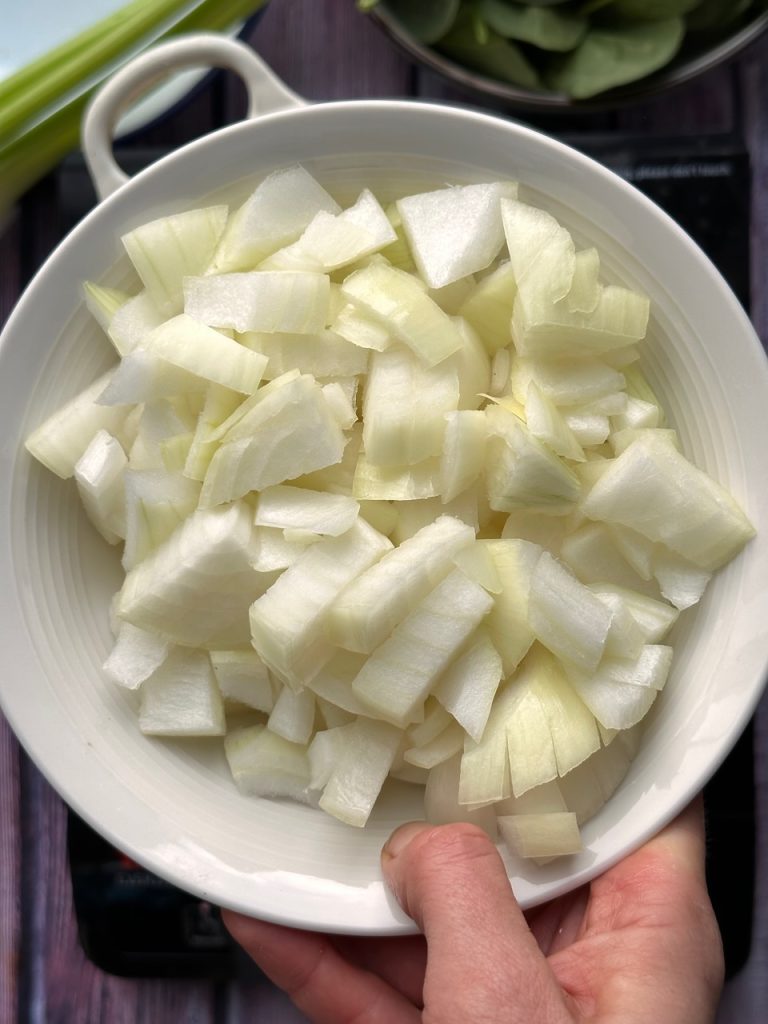
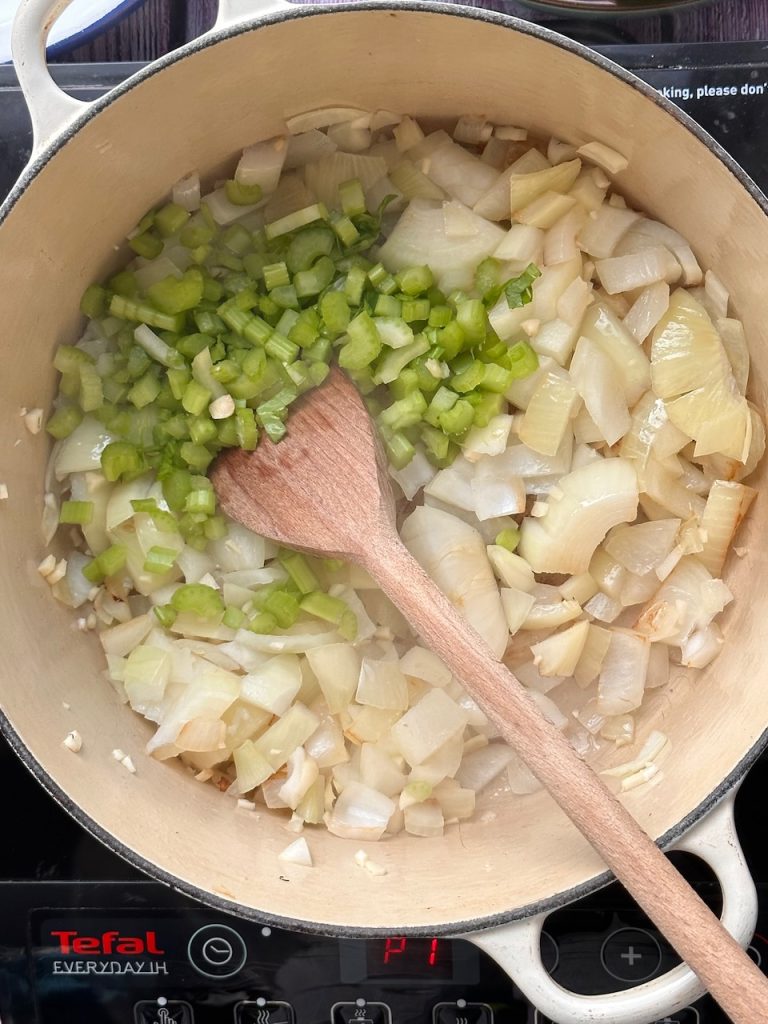
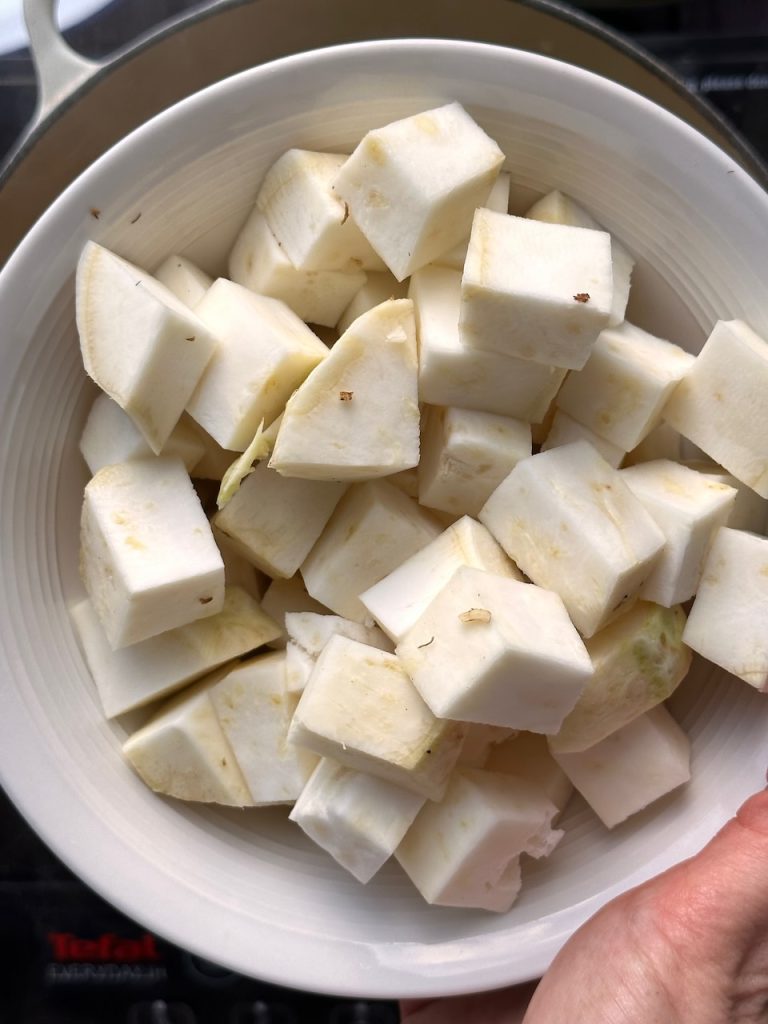
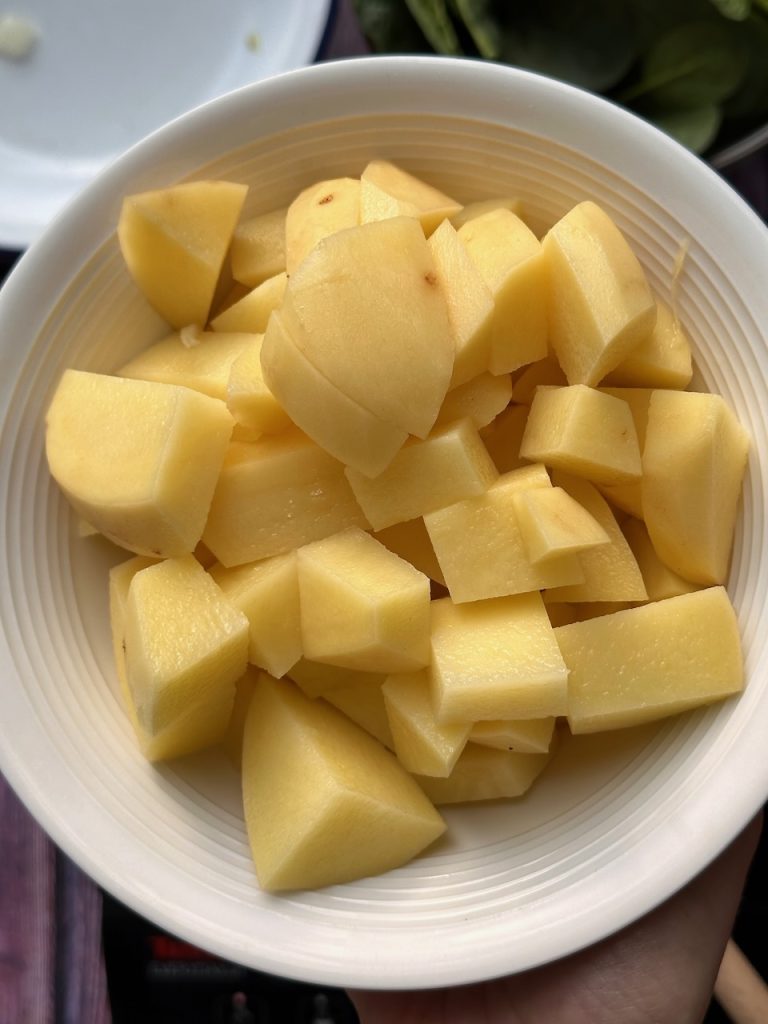
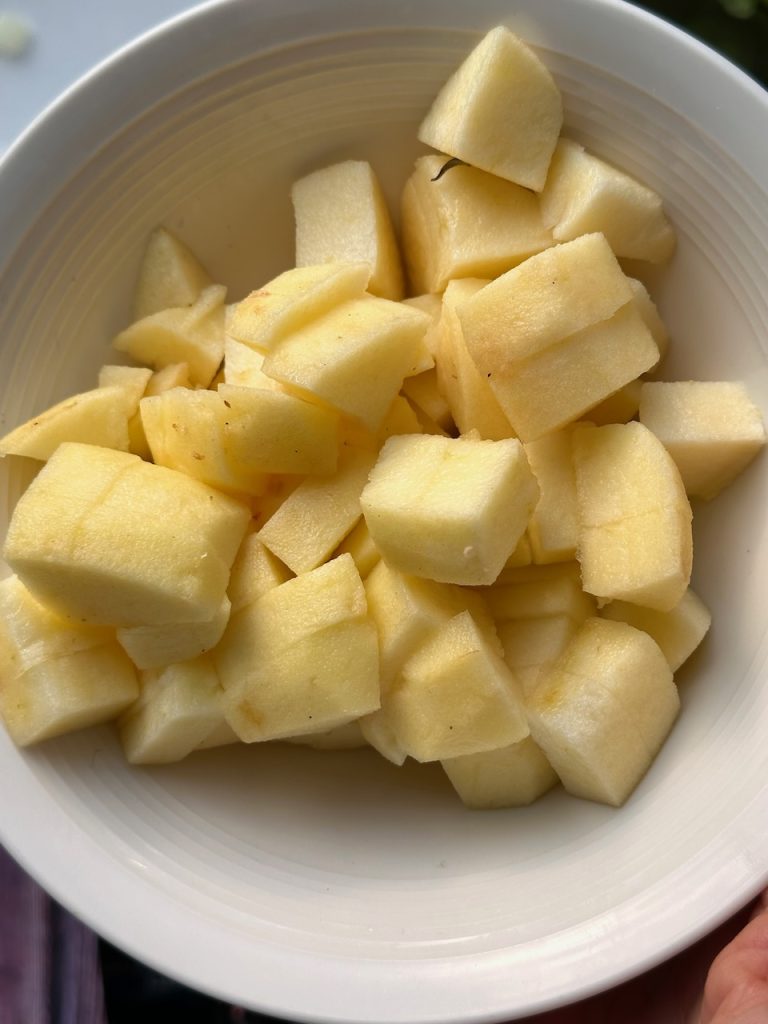
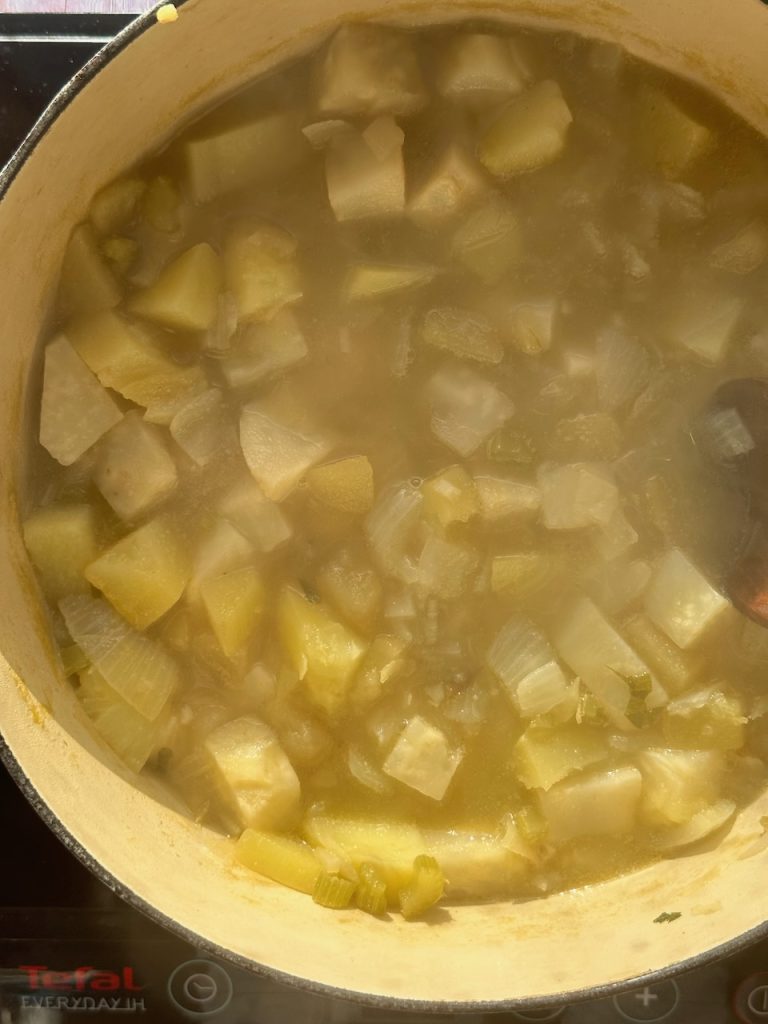
Step 1: Warm a wide pot on the hob and add the oil, onions and celery. Sweat down for 5-10 minutes. Add the garlic, cook for a further minute add a good pinch of salt and pepper. Then add in the celeriac, apple, potatoes, stock and stir. Simmer on the hob for 30 minutes until all the vegetable are soft.
Step 2: Next add the baby spinach and blend the soup to your desired consistency.
To serve crumble on some feta, sprinkle seaweed flakes and finish with a drizzle of extra virgin olive oil.
Kenneth ran a webinar for Green Schools Ireland on Our Food, Our Health, Our Planet this week, you can watch it below!
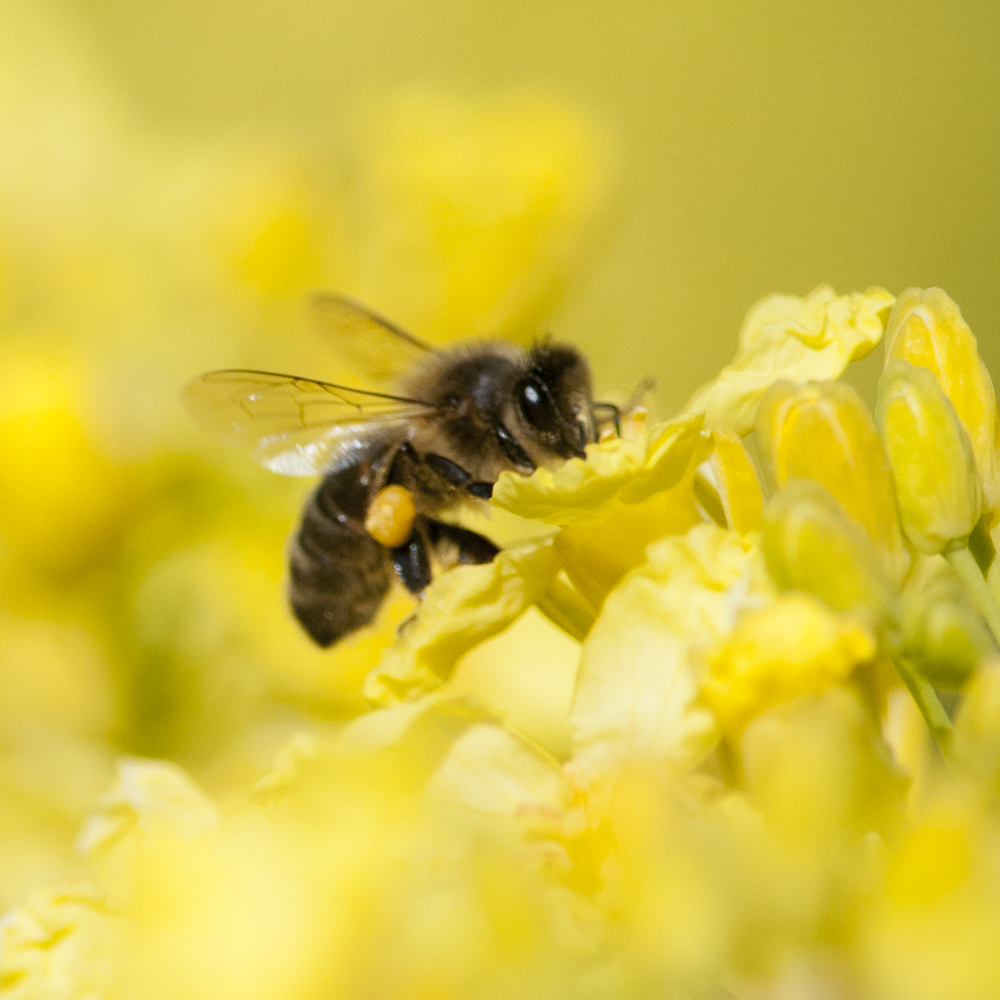
One in every three species of bee in Ireland is threatened with extinction and 75% of insect biomass has disappeared in the last 30 years.
I remember as a child driving on the very few motorways that were present in Ireland back then and the windscreen of our car being covered in insect splatters. Sometimes it was so prevalent you could hardly see out, contrast that with a motorway journey by car today, you will hardly notice a splatter.
The decline in insect biomass is well documented and these small insects described by E.O Wilson, 1987 as “the little things that run the world”, (E.O. Wilson, 1987) seems to be as result of a myriad of reasons, from climate change to intensification of agriculture and the use of insecticides.
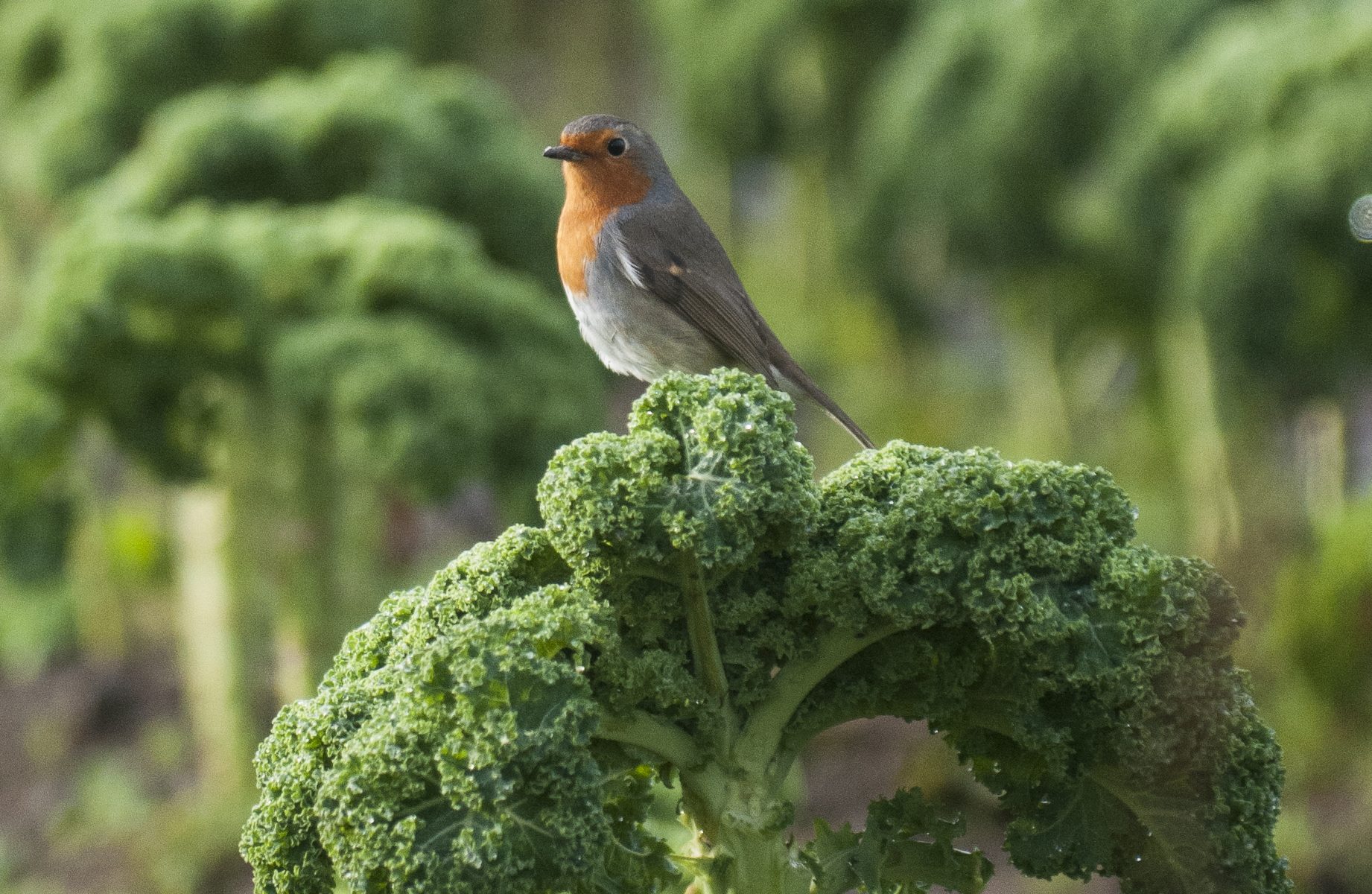
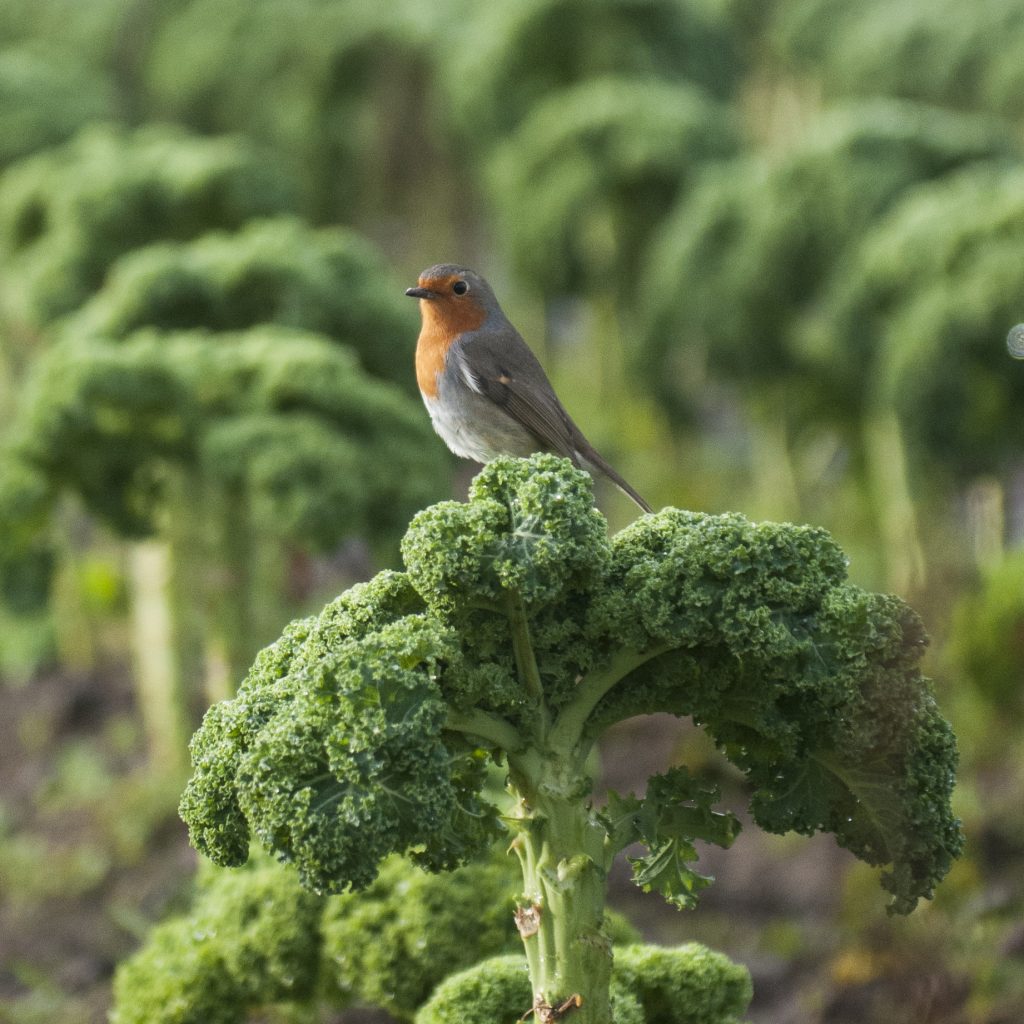
Last week I highlighted the 870 chemicals that were tested for in a sample of our organic kale, again to reiterate our kale came back completely clean and safe as you would expect on an organic farm (Again I wonder at the requirement of us an organic producer to have our food tested for chemicals….) , but the fact that they test for 870 chemicals suggests that it is possible that this number of chemicals is in circulation in conventional agriculture.
Bees are the poster child of the pollinator insects, and they are beautiful and amazing, and a conversation the other day with Gerry, who is the beekeeper looking after the bees on our farm just shows how special and fantastic, they are, he clearly loves and respects his bees.
Standing in one of our fields during a summer’s evening when our three acres of clover and wildflowers were in full bloom the buzz of the bees was mesmerizing, they were busy and active, and it was amazing. But many of these bees were the solitary bumble bee and they come in all shapes and sizes. The Irish Bumblebee Monitoring Scheme shows population index declines of 14% over six years.
Early in the season all bees benefit from the amazing dandelion and also from the little flowers on sycamore and willow which provide so much food. Native pollinator-friendly trees include Hawthorn, Blackthorn, Willow, Rowan, Wild Cherry and Crab Apple, which also support other native Irish flora and fauna throughout the year.
Another great reason to plant native trees and to protect the trees we have.
Biodiversity, this mix of plant and insect and animal live is a critical and interwoven system which we need to survive, anything we can do to create and protect habitats for all these living creatures will enhance our local biodiversity.
The groundbreaking All-Ireland Pollinator Plan has had such a positive impact on our perception and protection of biodiversity. It just goes to show you what can be accomplished when people come together for a common cause, or in the famous words of Margret Meade,
“Never doubt that a small group of thoughtful, committed, citizens can change the world. Indeed, it is the only thing that ever has.”
Our farm has forestry, and wild Irish native hedgerows, and wild flowers strips, and natural areas left to rewilding, and no chemicals, and of course we safe, clean organic produce food too.
Maybe just maybe we will get back to the days in the not-too-distant future when once again our car windscreens are covered in insects and the bees are thriving and happy.
Your support for our farm and business and farms like ours is a thumbs up for biodiversity, thank you.
Kenneth
PS Don’t forget our farm shop is open every Saturday 10am-5pm, H91F9C5 and of course that you can now book in your Christmas delivery for delivery on Christmas week!