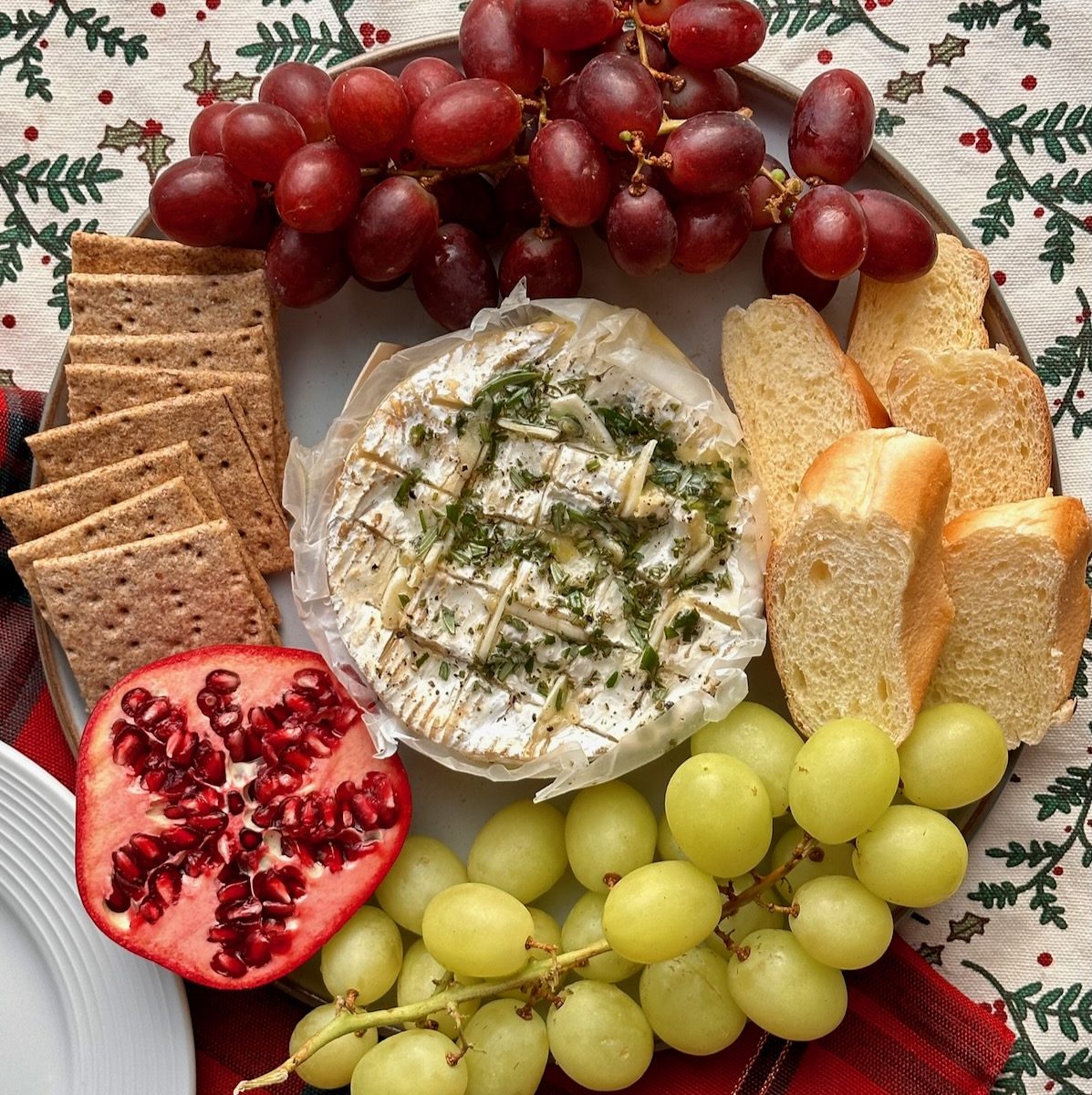
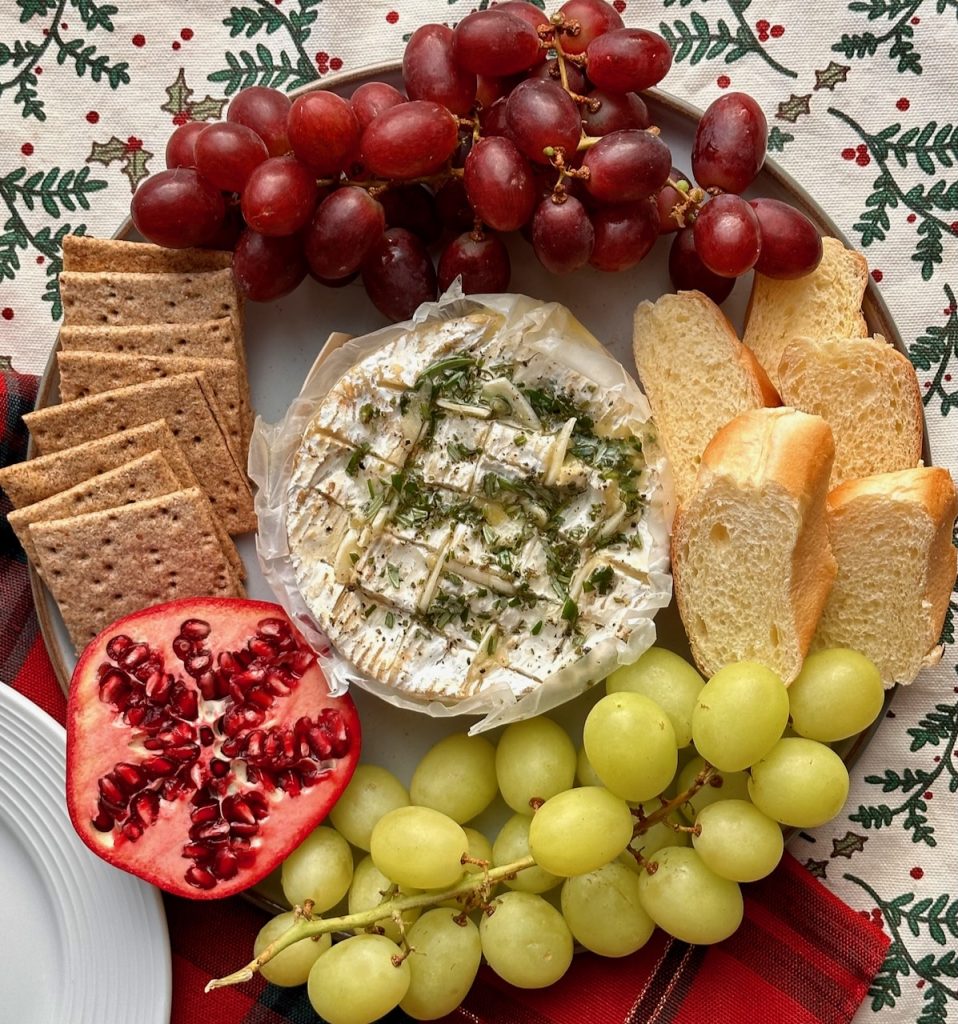
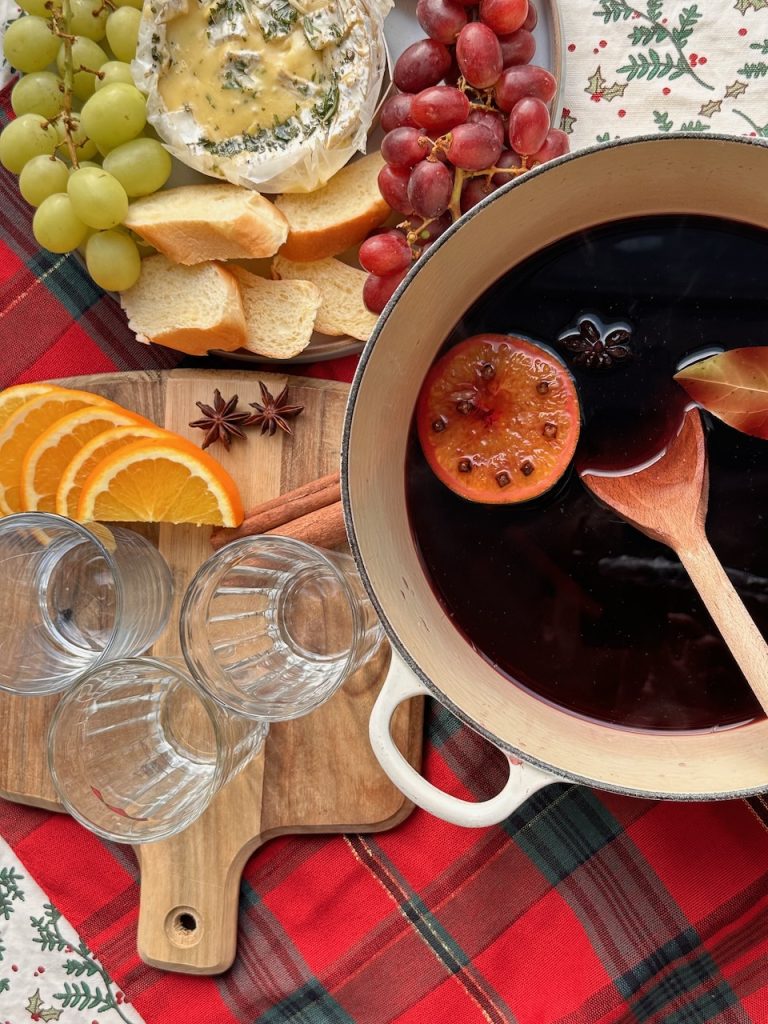
Cheese and fruit platters are gorgeous ways to graze over the festive season. They are great for sharing and require minimum effort. We like ours when we have friends over or when we watch a family movie.
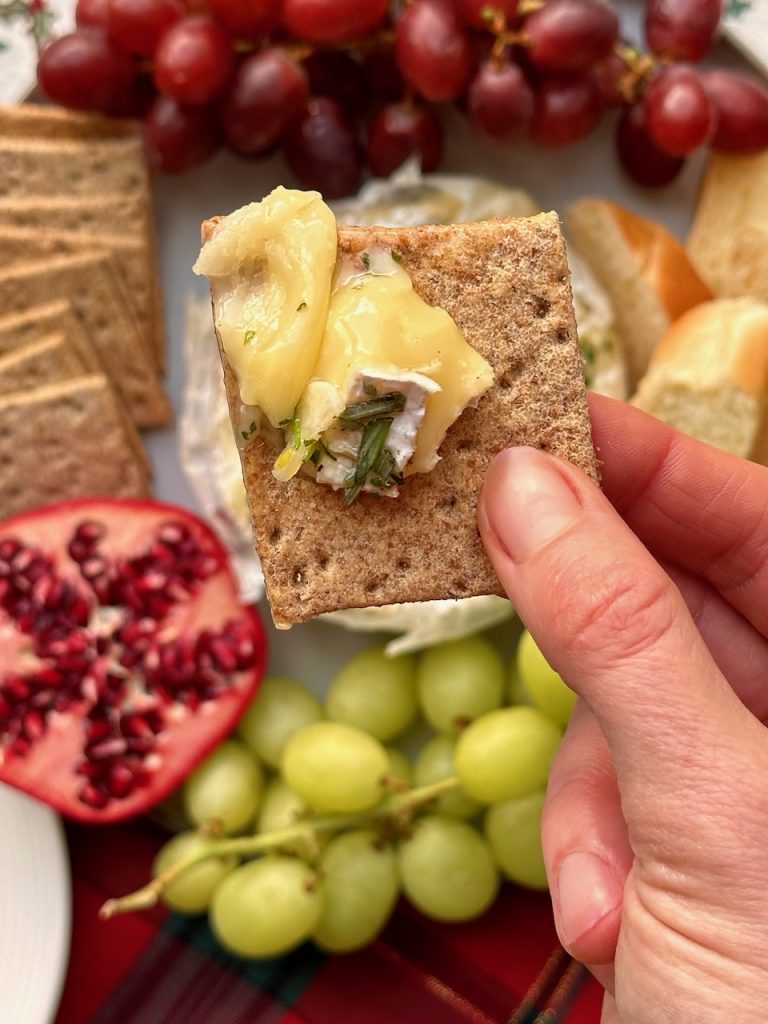
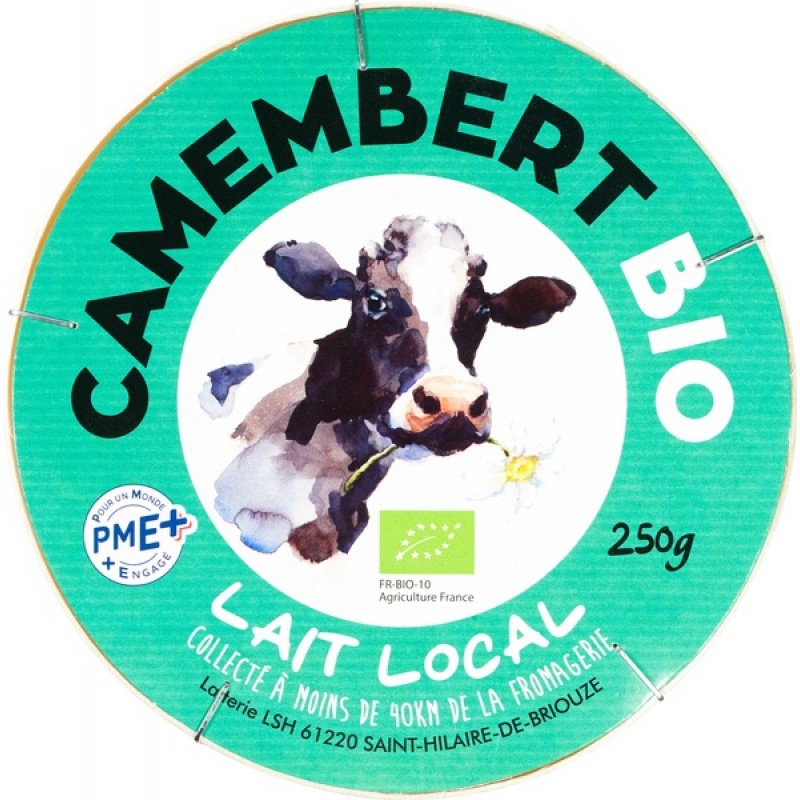
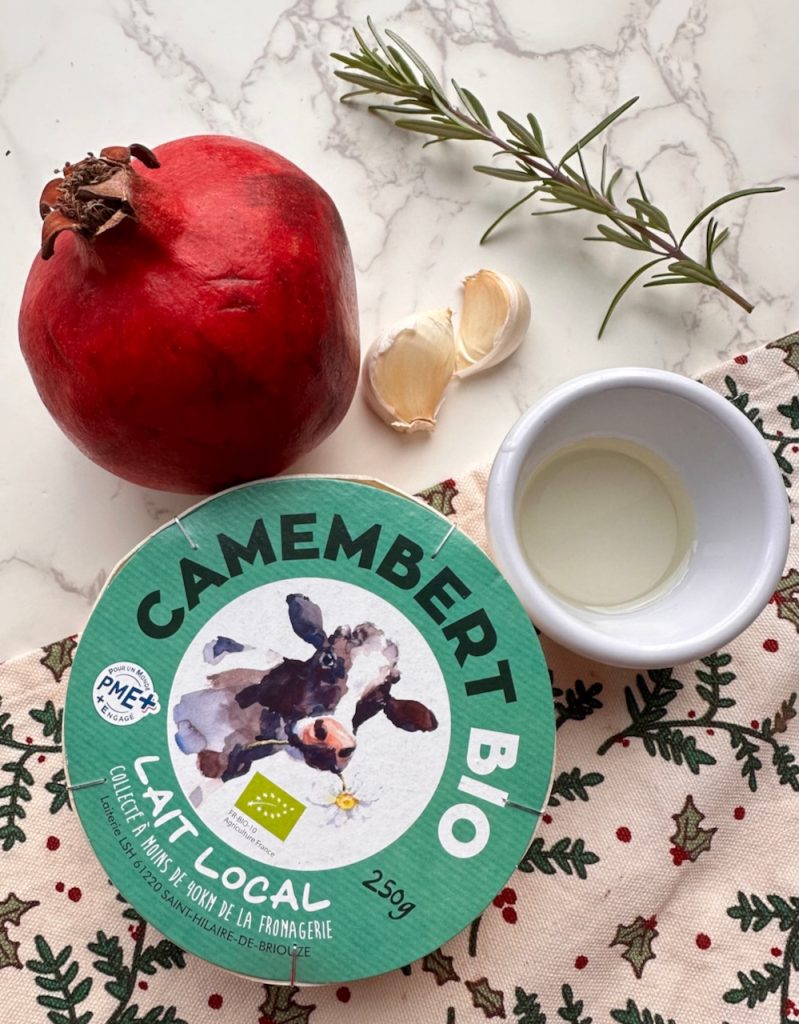
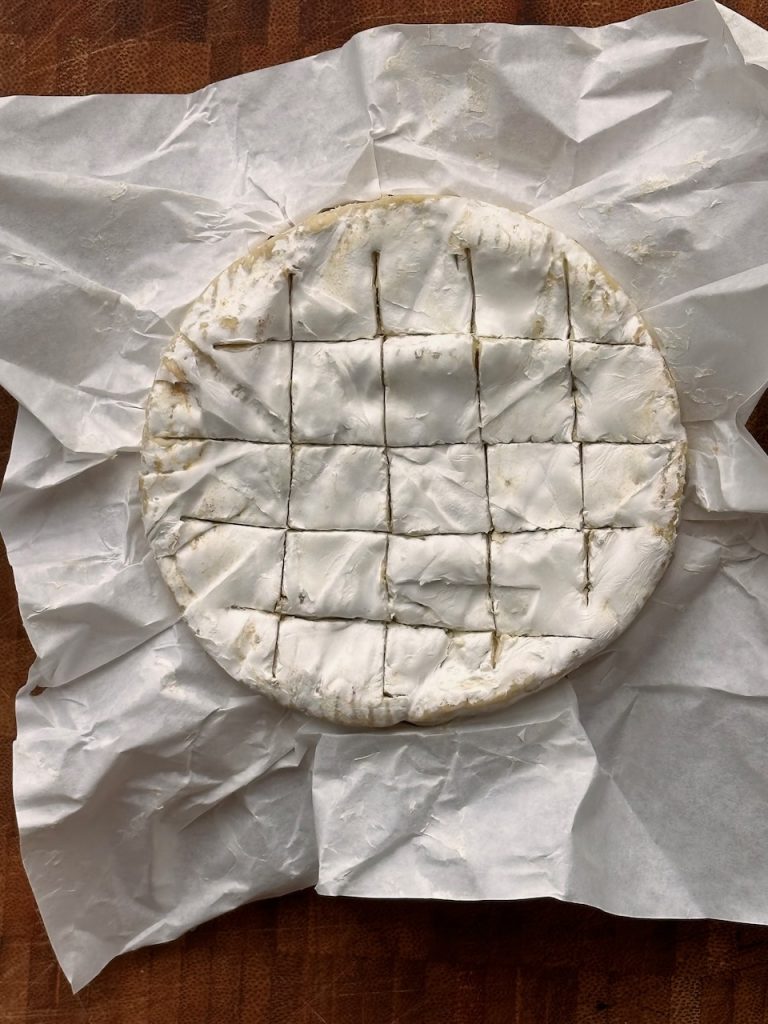
We stock some gorgeous organic bio cheeses like this wheel of camembert and with a little effort it is delicious baked for your cheese board. Baked with garlic and herbs bring it to the next level, your guests will love it. Serve along side our delicious mulled wine.
Step 2: Most Camembert comes in a little wooden crate. Open the cheese and place in parchment paper and put it back into the crate. If there is no crate, place it on a baking tray.
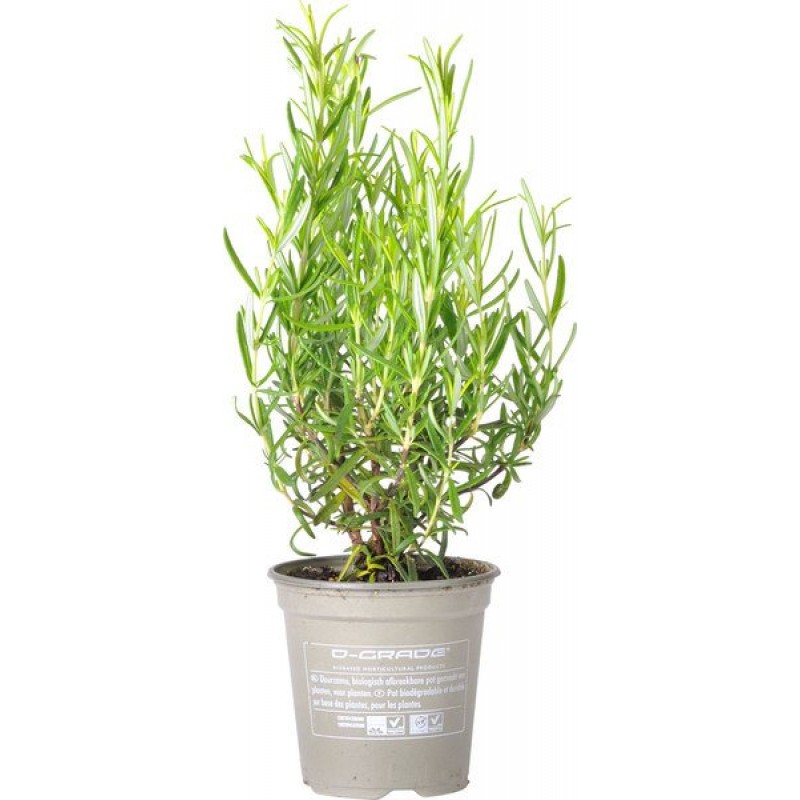
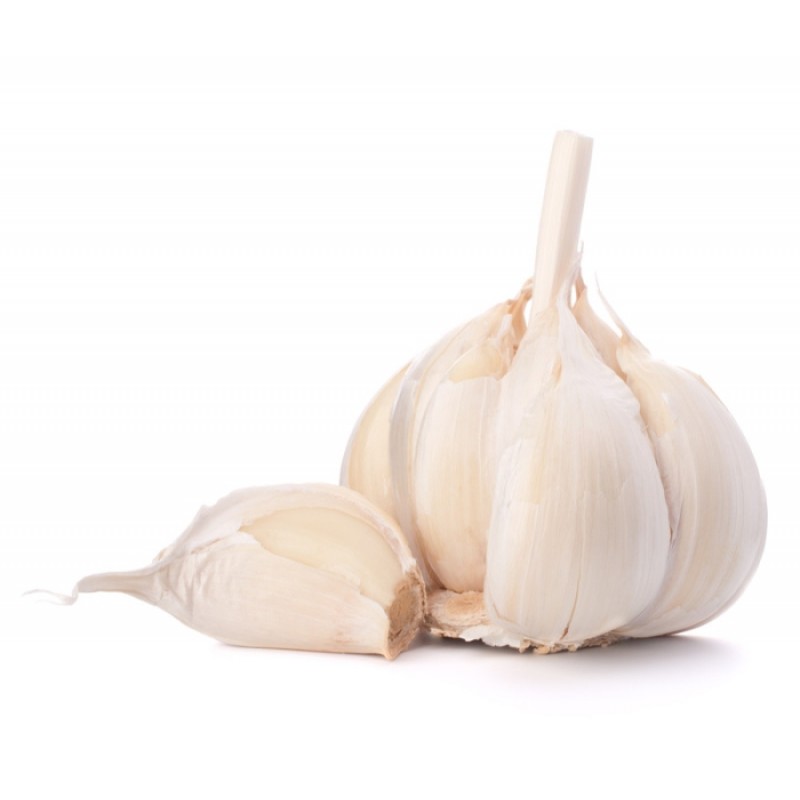
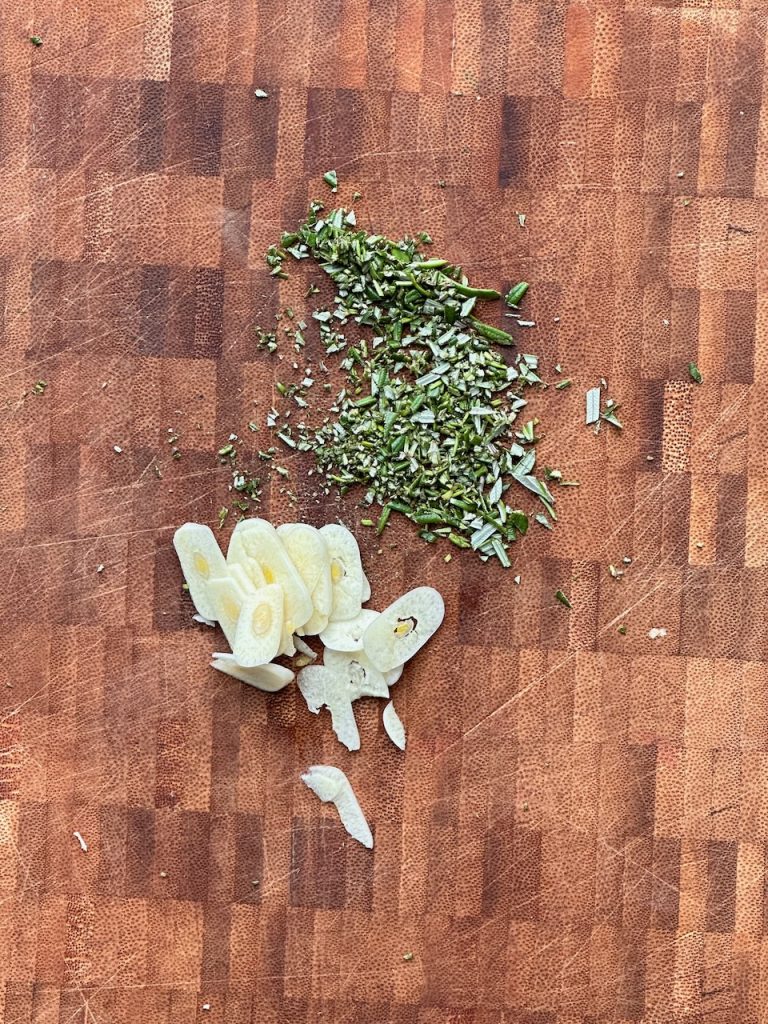
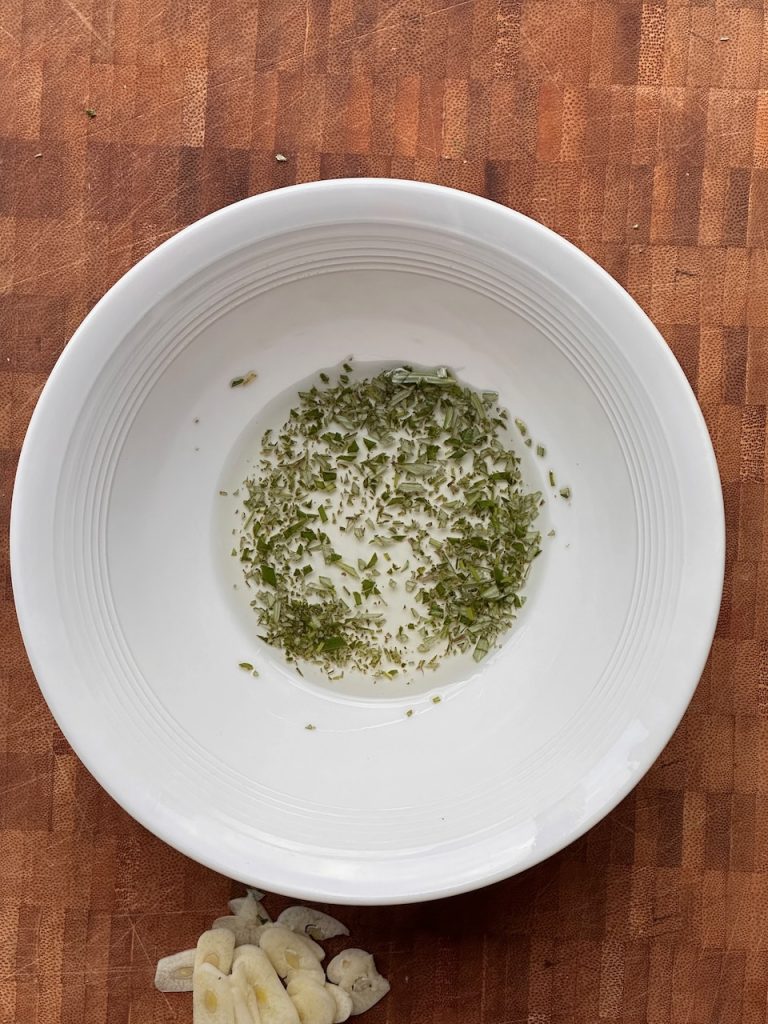
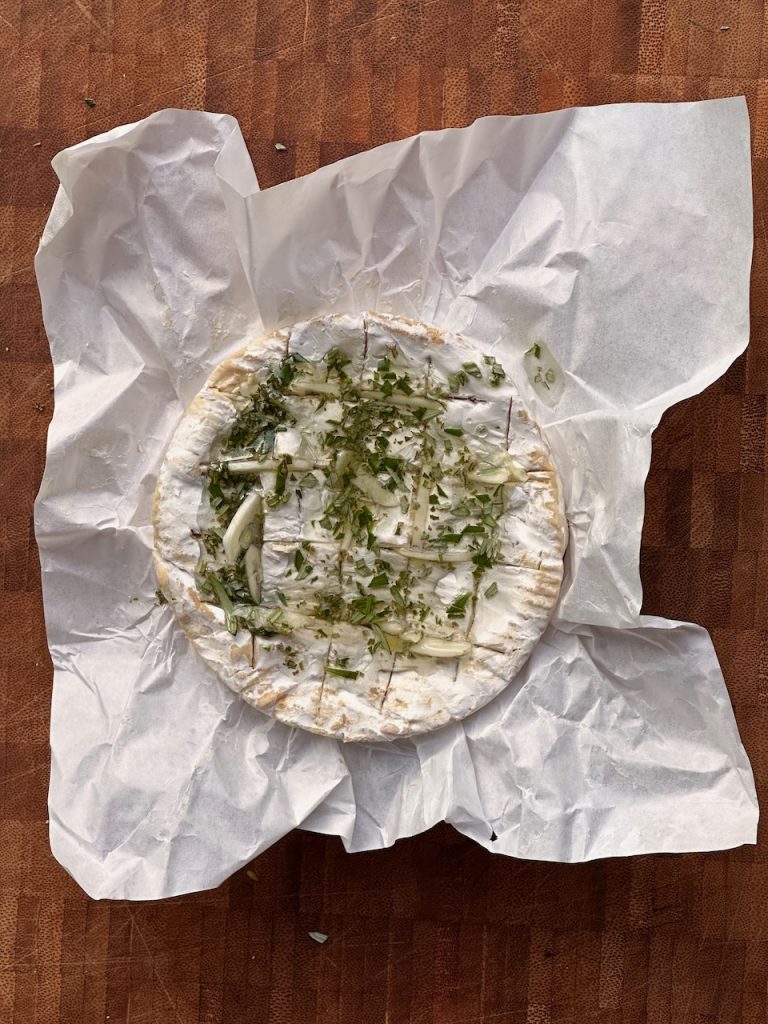
Step 3: With a thin sharp knife, make grid like cuts in the cheese, 3 or 4 in each direction, about 1 inch apart and going about 1 inch deep into the cheese but without cutting through the bottom rind. Use your knife tip to “open” each cut and your fingers to press a little sliver of garlic into each cut. Combine the olive oil with the rosemary, salt, and pepper in a small dish. Spread thickly on top of the cheese.
Step 4: Bake for 15 to 20 minutes, until the cheese is loose inside the rind. Serve immediately with crackers, grapes and bread.
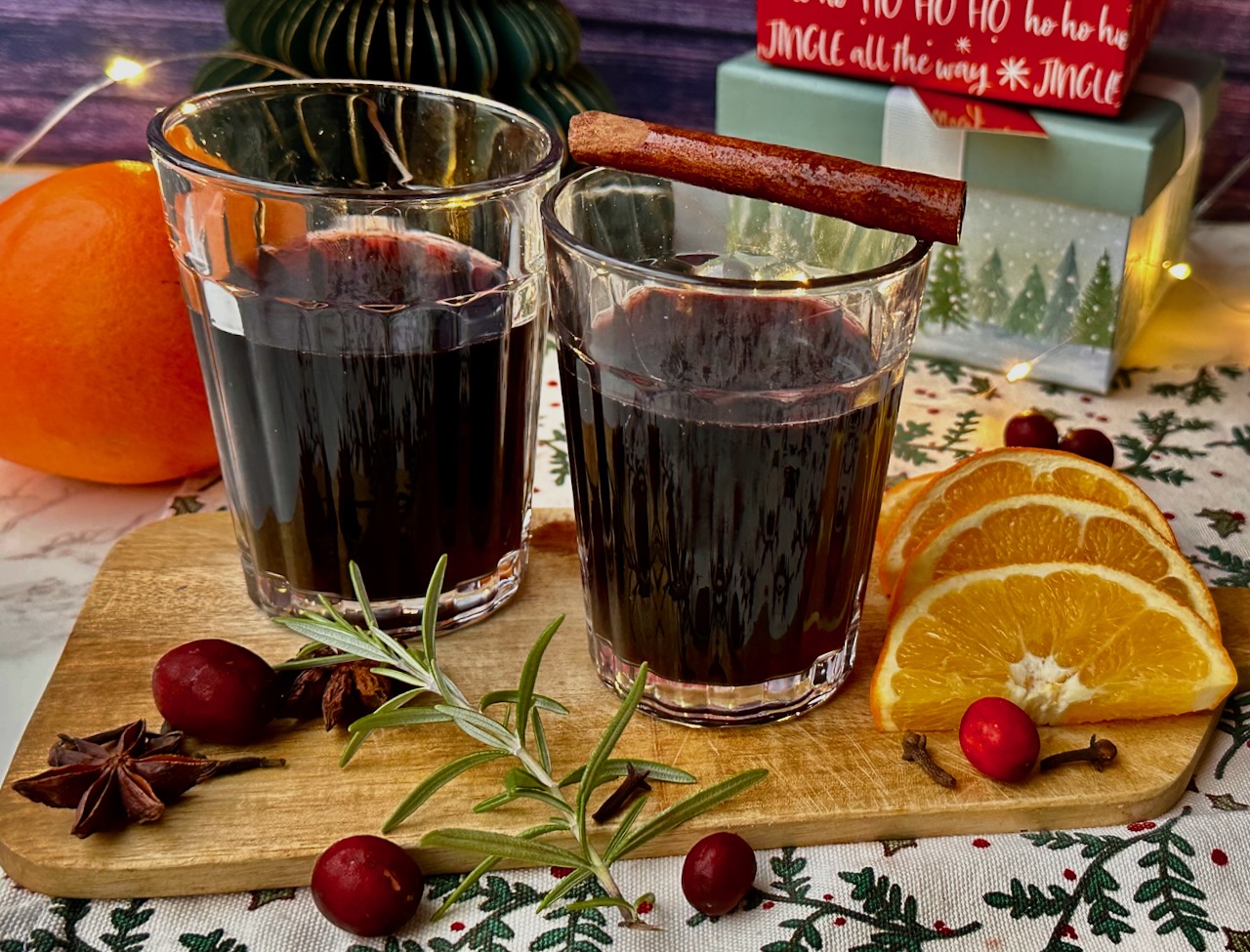
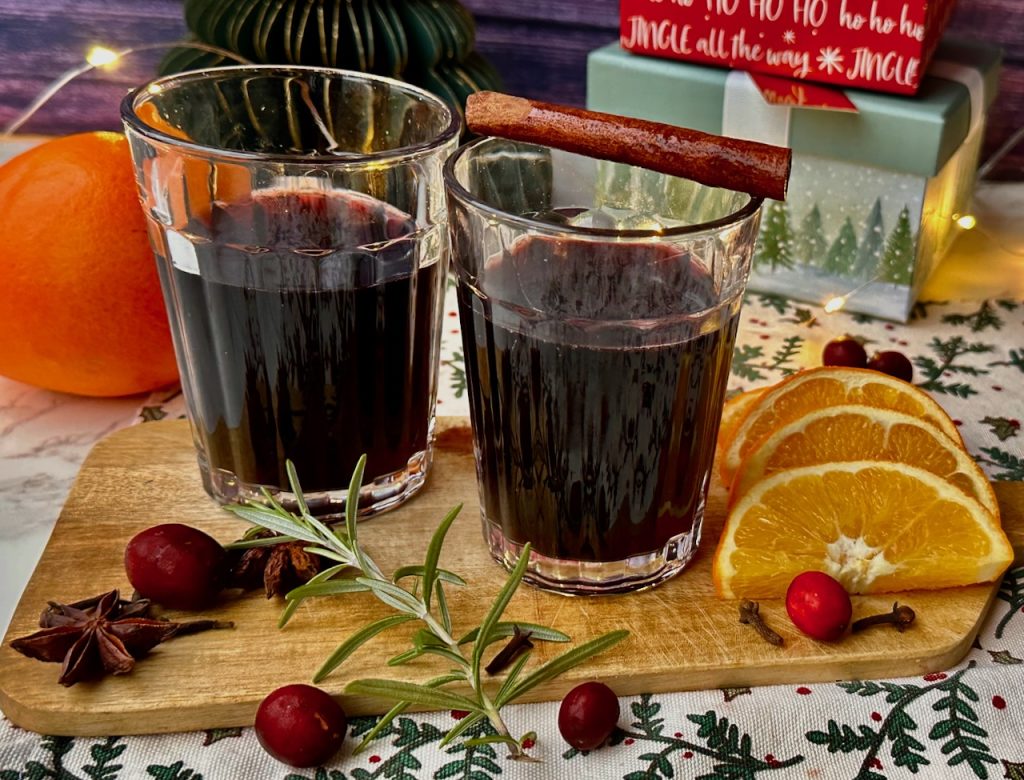
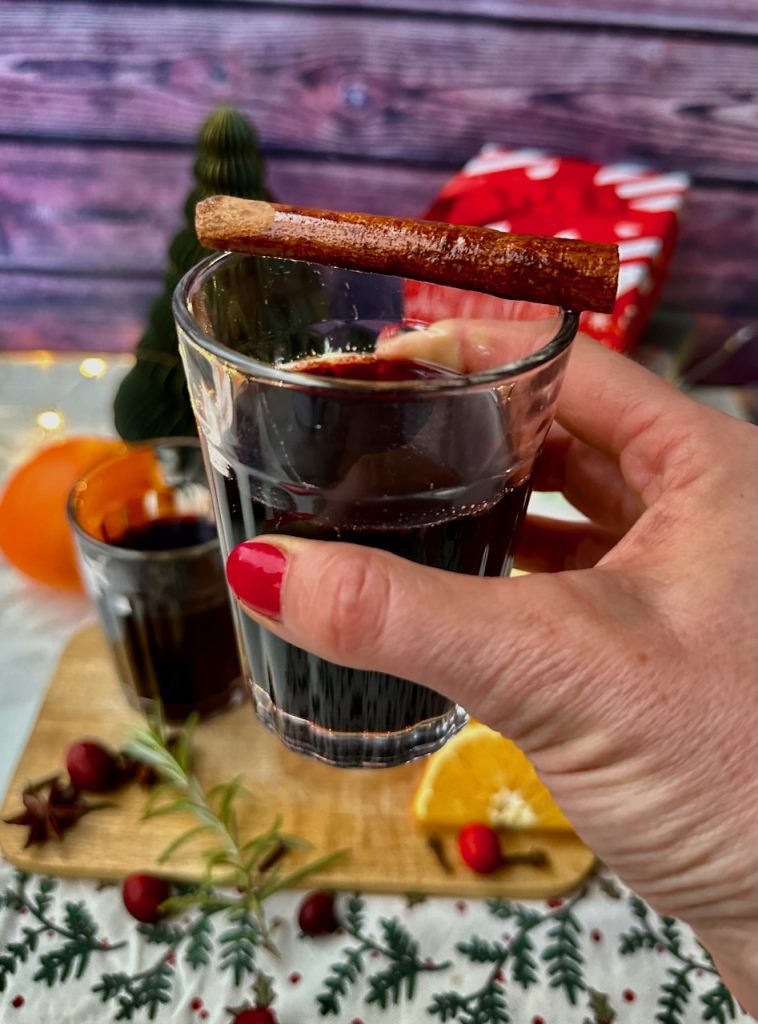
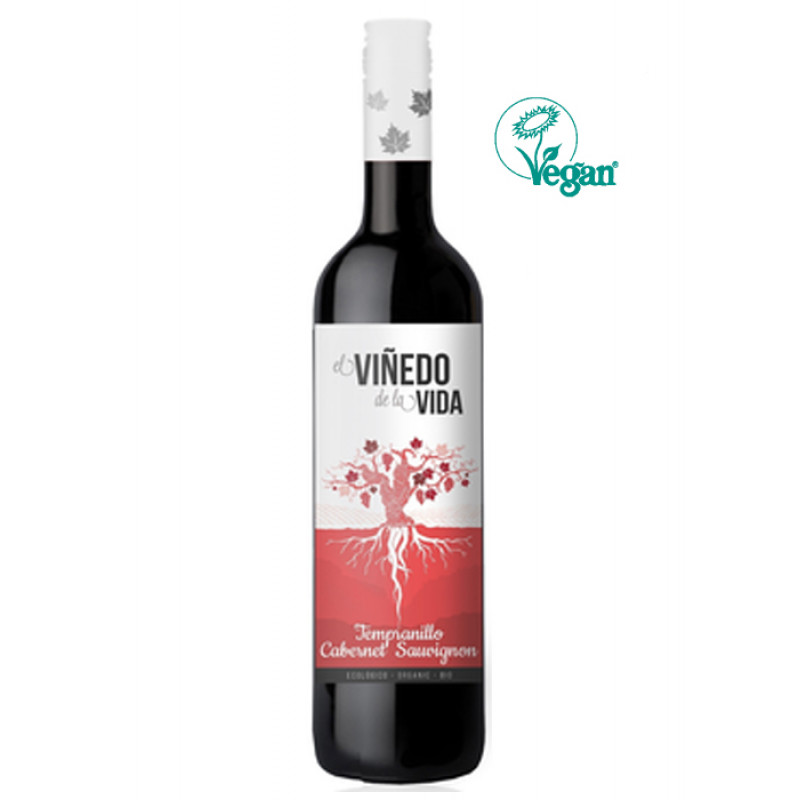
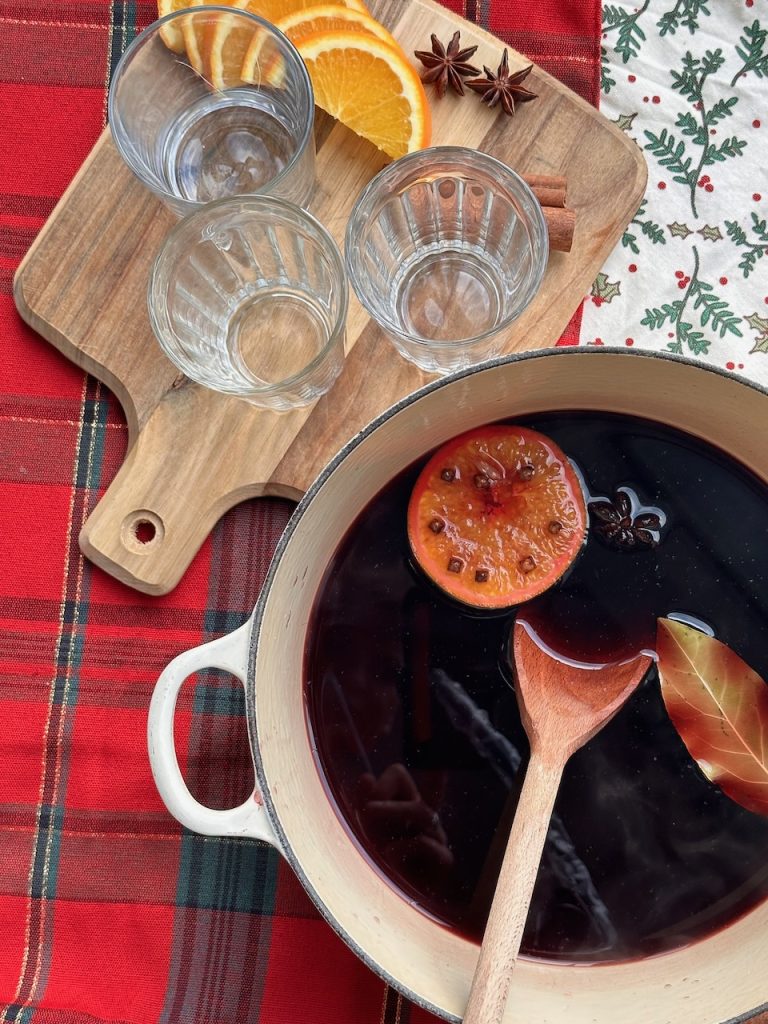
Warm mulled wine is a great way to kick start Christmas. We have gorgeous Organic/Vegan wines that are perfect to warm and add some Christmas spice. You can make this ahead of time and reheat it when your guests arrive.
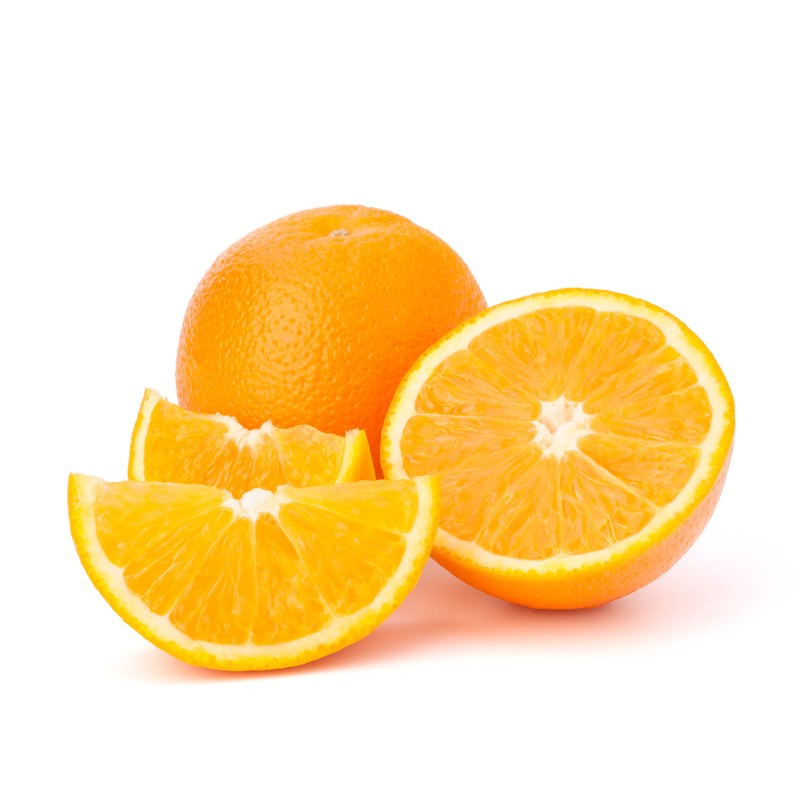
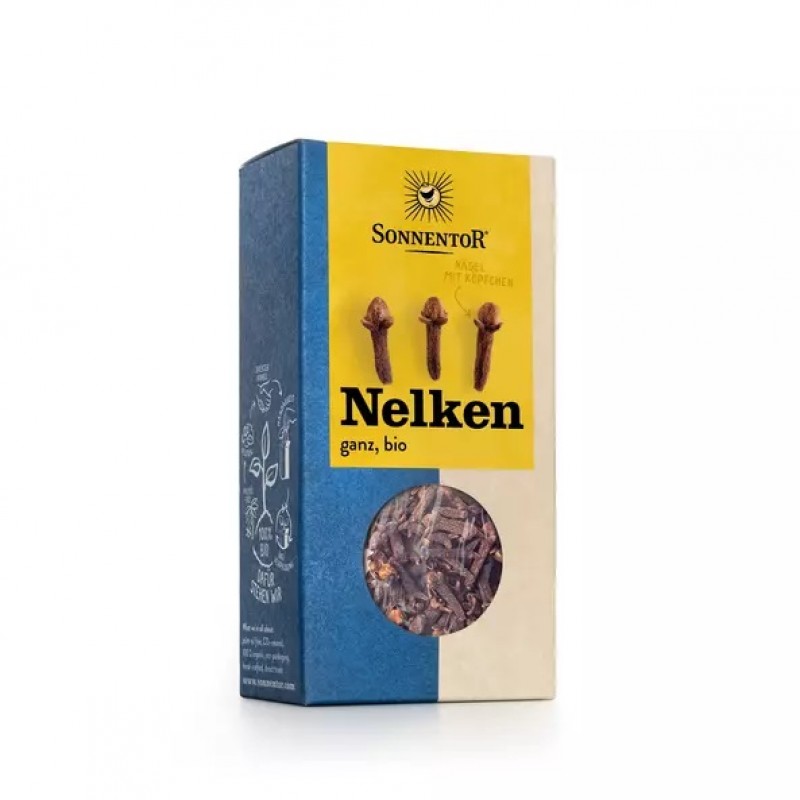
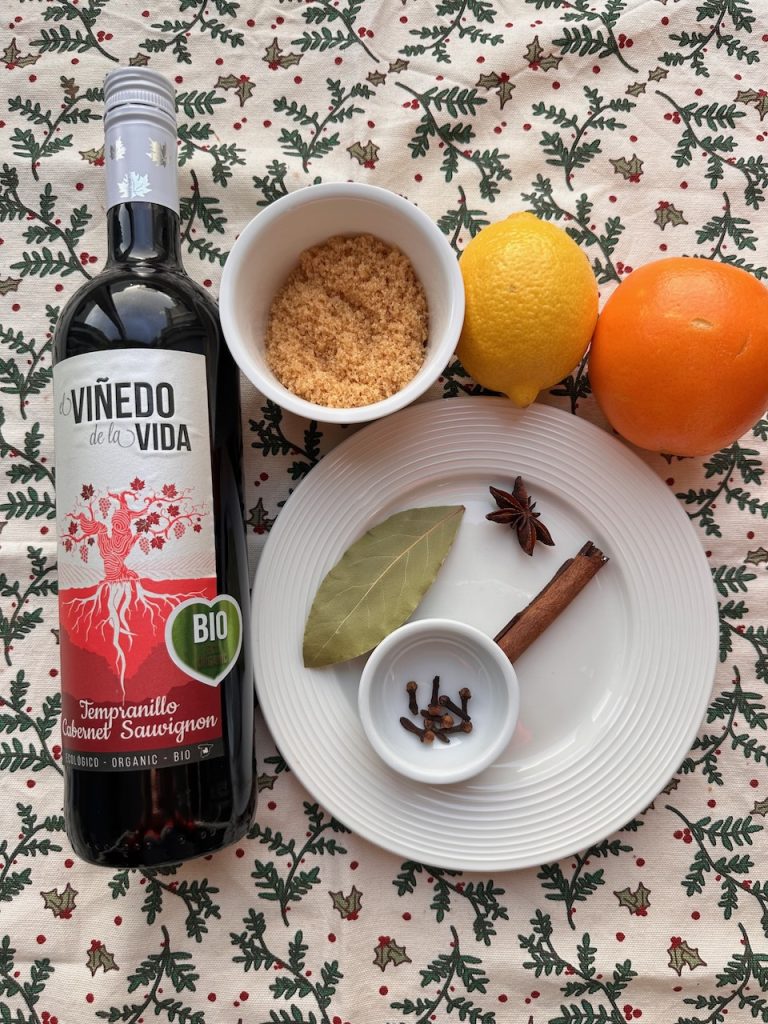
Cinnamon, orange, star anise, bay and cloves make for the most delicious mulled wine, a perfect drink for Christmas Eve.
2 strips lemon zest, pared using a vegetable peeler
4 tbsp brown sugar- 60g
Method:
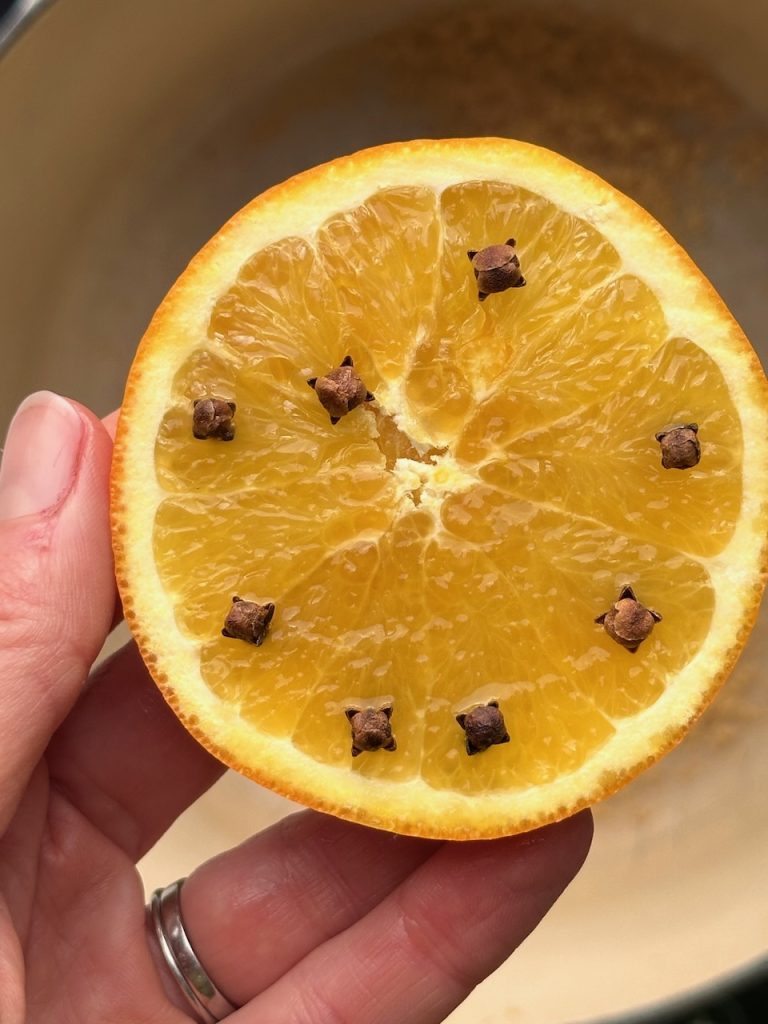
Step 1: Cut the orange and stud with the cloves.
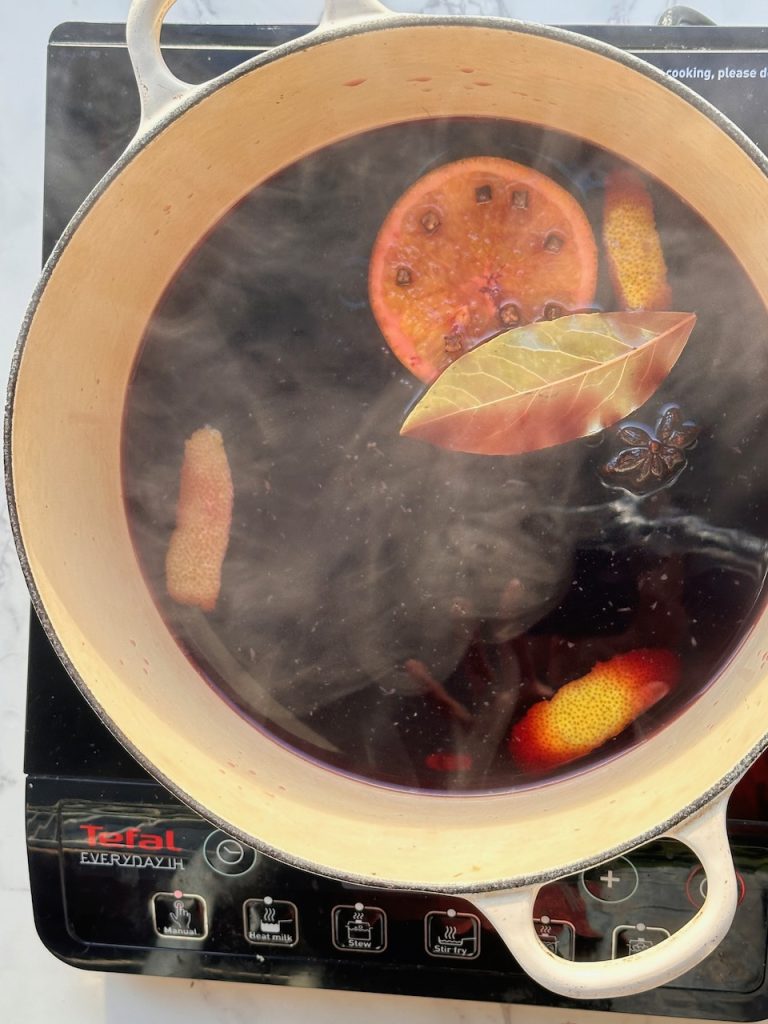
Step 2: Add the sugar, bay, star anise, cinnamon stick, studded orange, lemon zest and wine to a wide pot. Warm gently for 10 minutes, do not boil or all the alcohol will evaporate. Taste it is it sweet enough, if not add a bit more sugar. Then turn off the heat to infuse for 30 minutes.
Many years ago, I had the good fortune to come across the book “Small is beautiful: A study of economics as if people mattered” by E.F. Schumacher.
A key quote from the book: “Modern man does not experience himself as a part of nature but as an outside force destined to dominate and conquer it” epitomises the reason we are facing the challenges we currently face on planet earth.
There is no greater urgency, or greater need than reversing the damage we have inflicted on our beautiful planet. The time for deliberation has come and gone, now we need action.
Schumacher goes onto say that we are rapidly consuming the capital our lives are built on whilst all the time focusing on the income. The idea that our planet is finite is a law that most self-respecting scientists accept and yet the business of retail and production is based on ever expanding consumption seemingly assuming the law does not apply to them.
Protection of our capital in this case our home planet earth must be given as much weighing as the income we derive from it, otherwise we may find sooner than we would like that the goose who lays the golden eggs is gone.
This is heavy going for the final letter before Christmas, but I think it may be justified.
I know that it is difficult to make the choice to spend more on food, so thank you.
I know that you have chosen to do just that. You have made a conscious choice and invested effort to source your produce from us. We may not always get it right and there is always more to be done, but we have never wavered in our commitment to protect our planet no matter what else comes our way.
So, thank you for your continued support, for your good will, for you cheer and encouragement, for spending your hard-earned euros with us.
We have had the busiest Christmas in our history as a farm and business, and for that we are eternally grateful. There have and continue to be plenty of challenges but at least for now for another while we can keep going. We have planned our planting season for the year ahead we look forward as we always do to a new growing season, and we hope that we can get more things right that we get wrong.
Thank you so much, you may not really feel it, or realise it, but you truly are making a positive difference to our world.
We hope you have a lovely, happy, peaceful and healthy Christmas
Kenneth and all the team at Green Earth Organics
PS:Our Farm shop is open tomorrow Saturday the 23rd from 10am-5pm, H91 F9C5, and there is still time to get all your Christmas produce.
We are closed all next week, there will be no deliveries and our office will be closed. Our new box contents are already live on our website and you can place your orders at any time over the next week for delivery week commencing Tues the 2nd of January
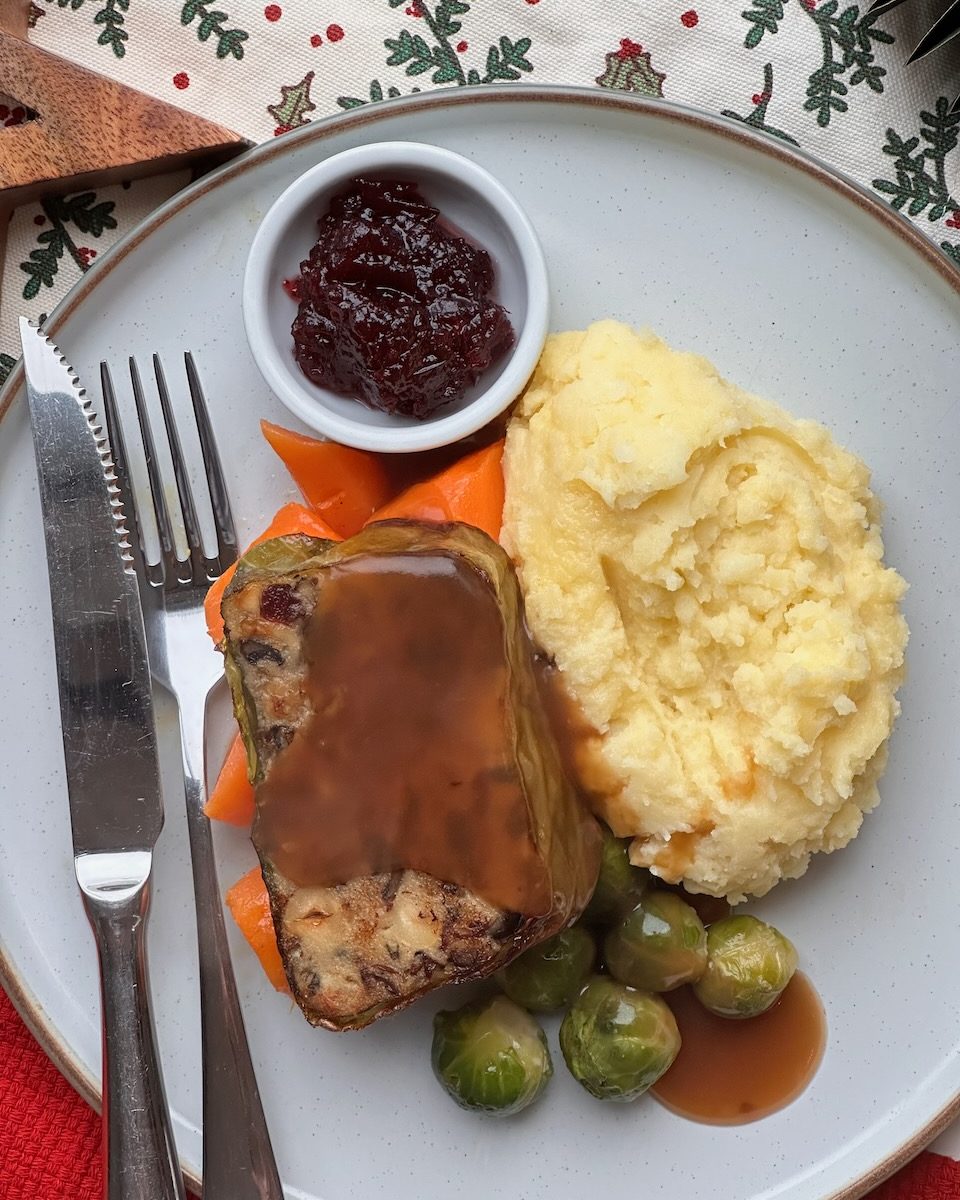
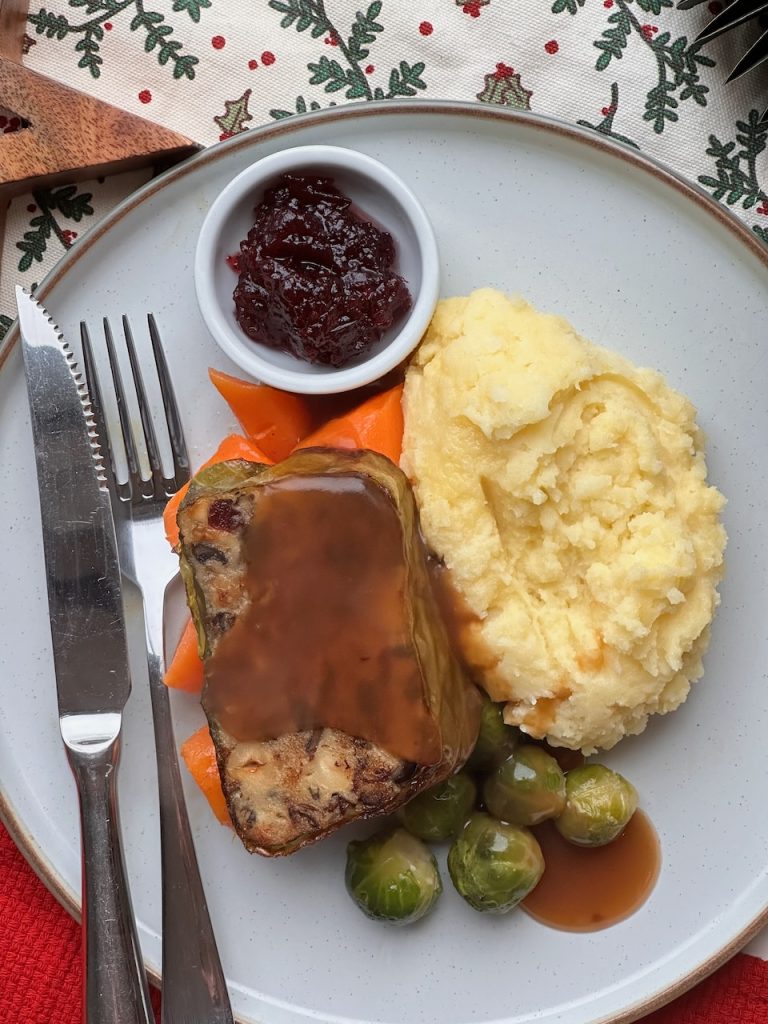
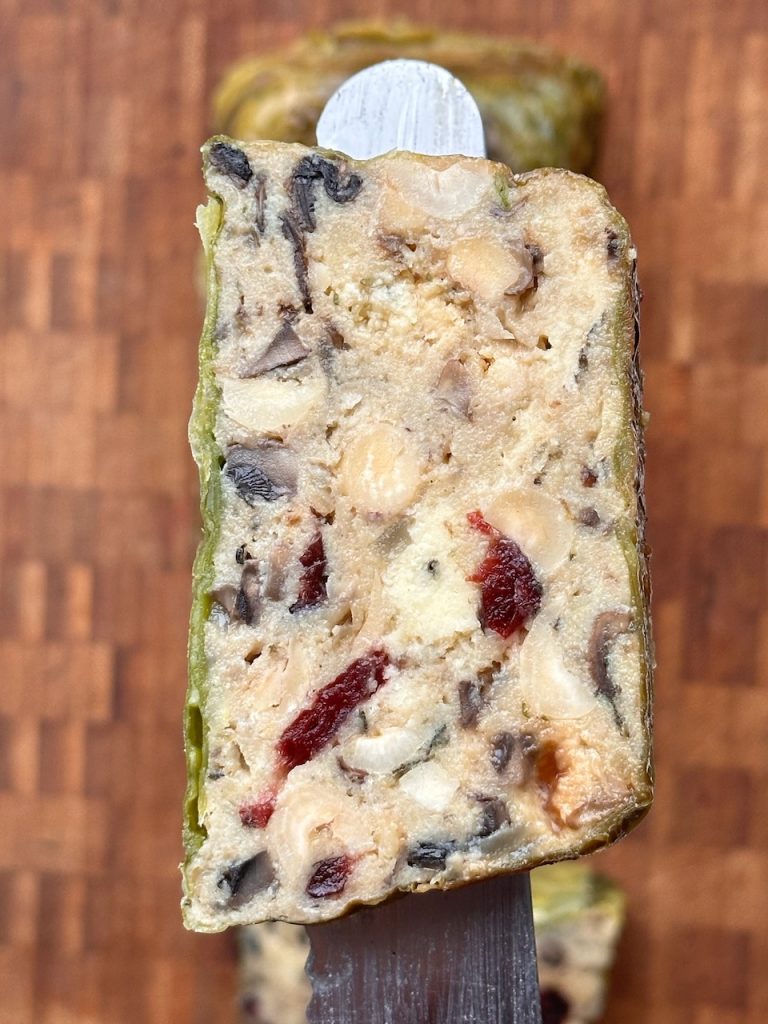
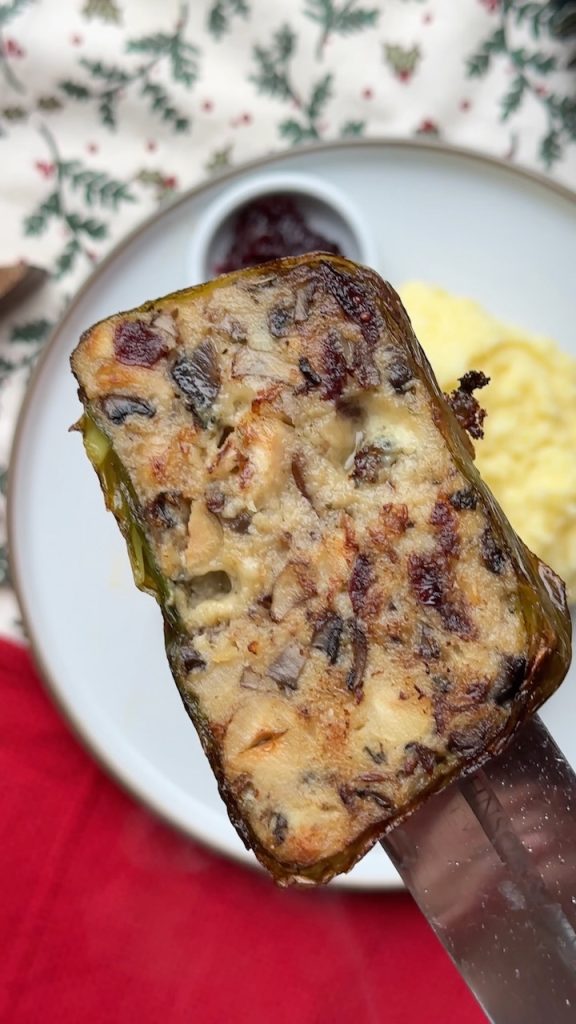
This is a wonderful nut roast bursting with flavour. This is a recipe I came across in the Guardian newspaper many years ago and I’ve made it many times since. It’s a great one to make ahead of the big day. After cooking it will keep in the fridge for 3 days. Cut slices when its cold fry on a frying pan to sear and then heat through in the oven.
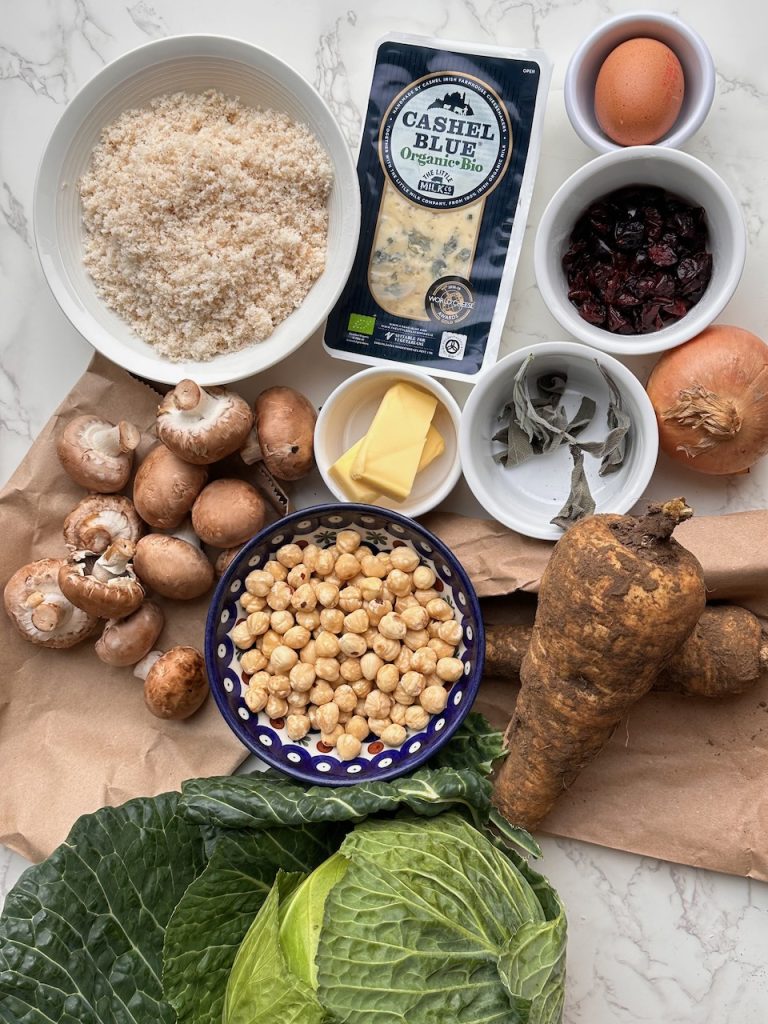
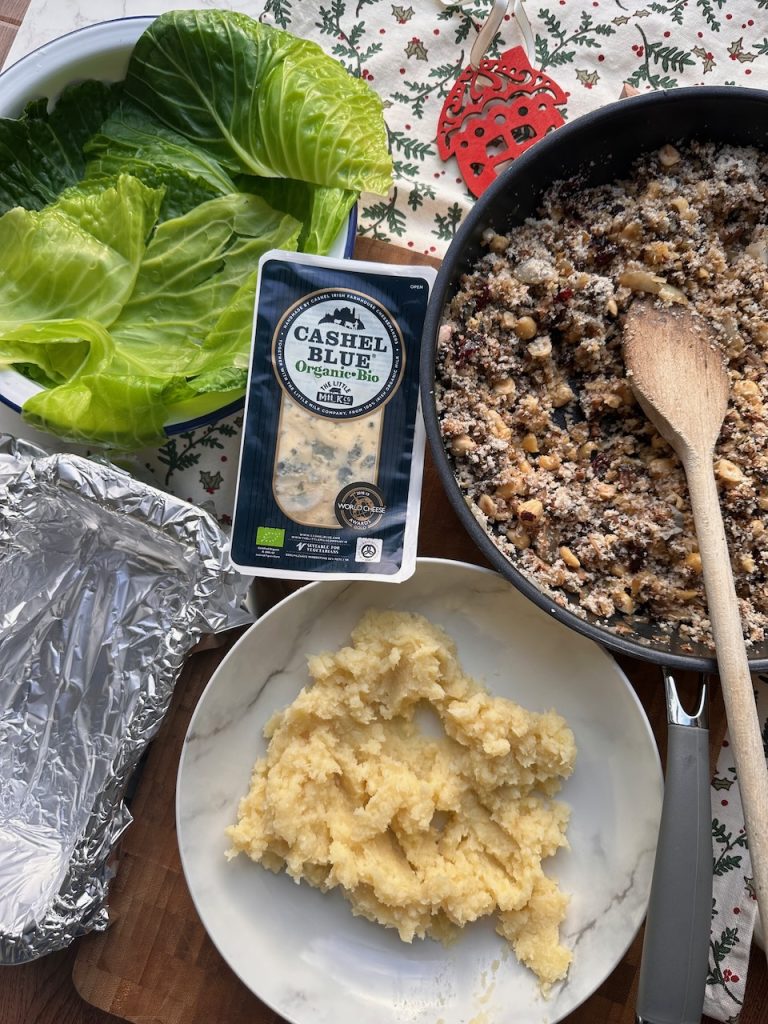
Someone recently said a nut roast is like a posh stuffing and I guess it really is. This one is a celebration of some of the gorgeous organic vegetables available at this time of year, cabbage, mushrooms and earthy parsnips with kicks of sweet and sour cranberry and salty Cashel blue from Co. Tipperary.
1 egg, or 1 flax egg (to make 1 flax egg mix 1 tablespoon ground flaxseed with 3 tablespoons water, leave for 15 minutes then use like an egg)
Method:
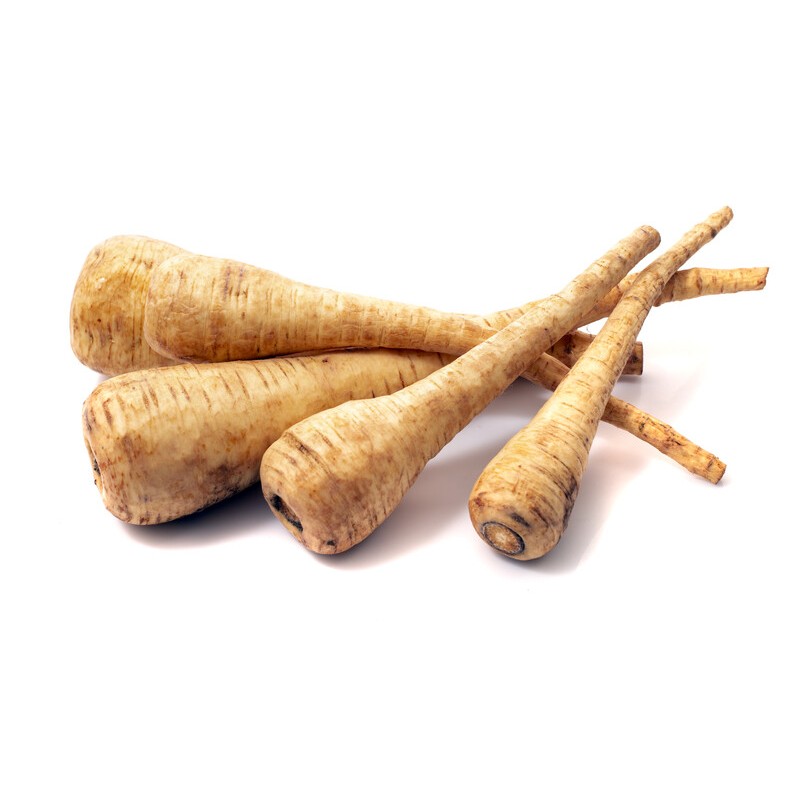
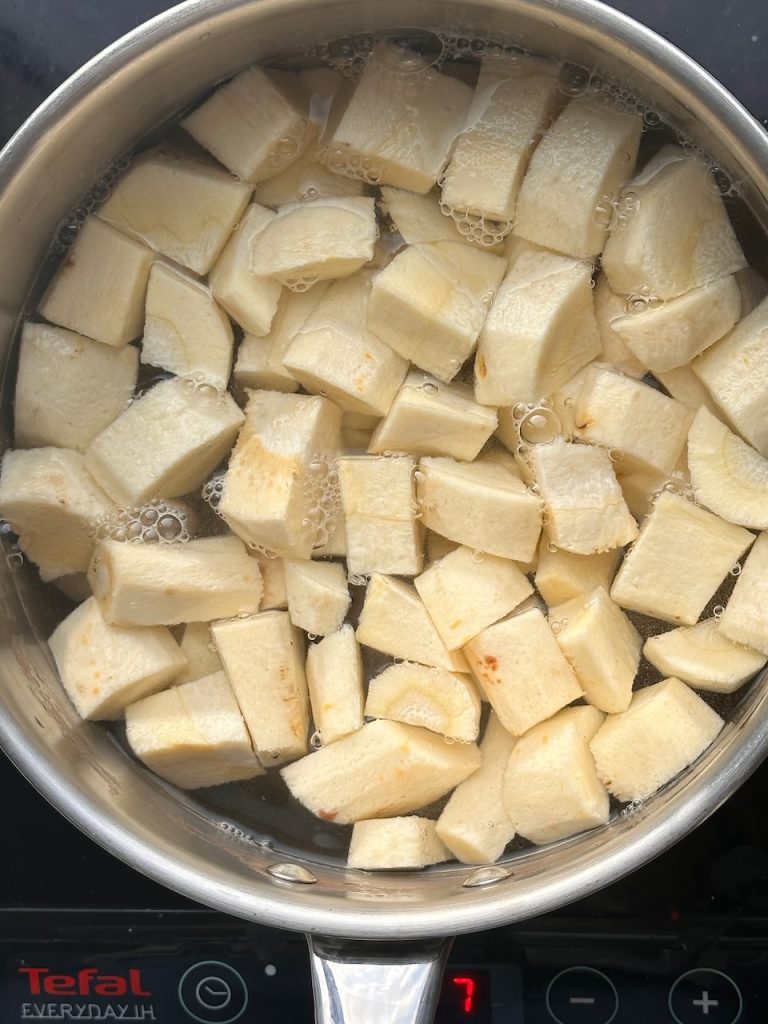
Step 1: Boil or steam the parsnips and mash them when they are soft, set aside to cool.
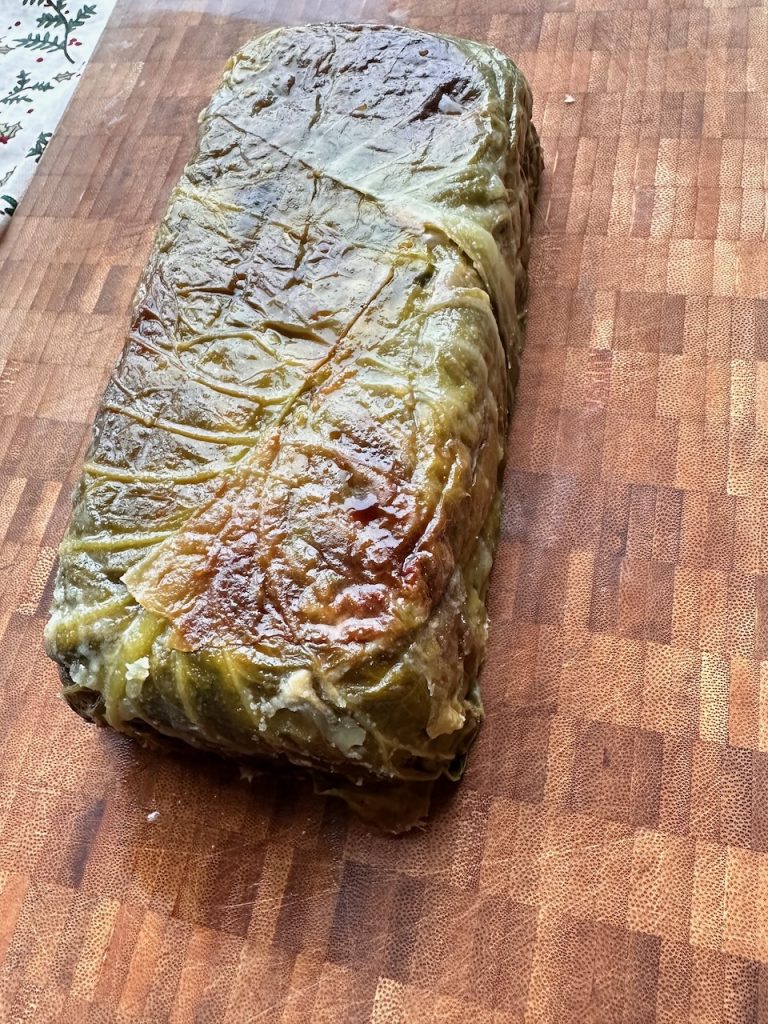
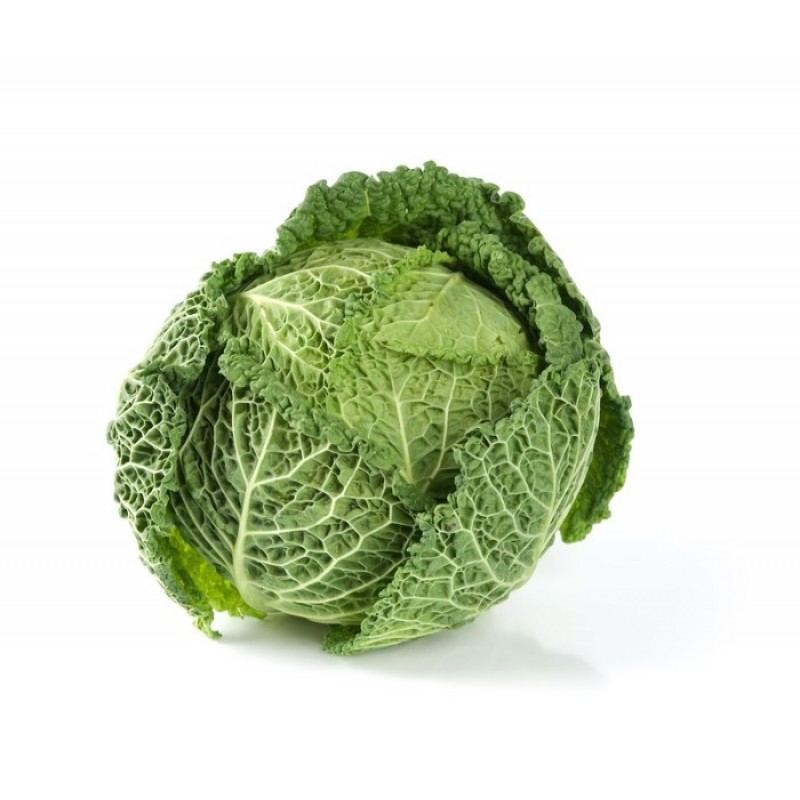
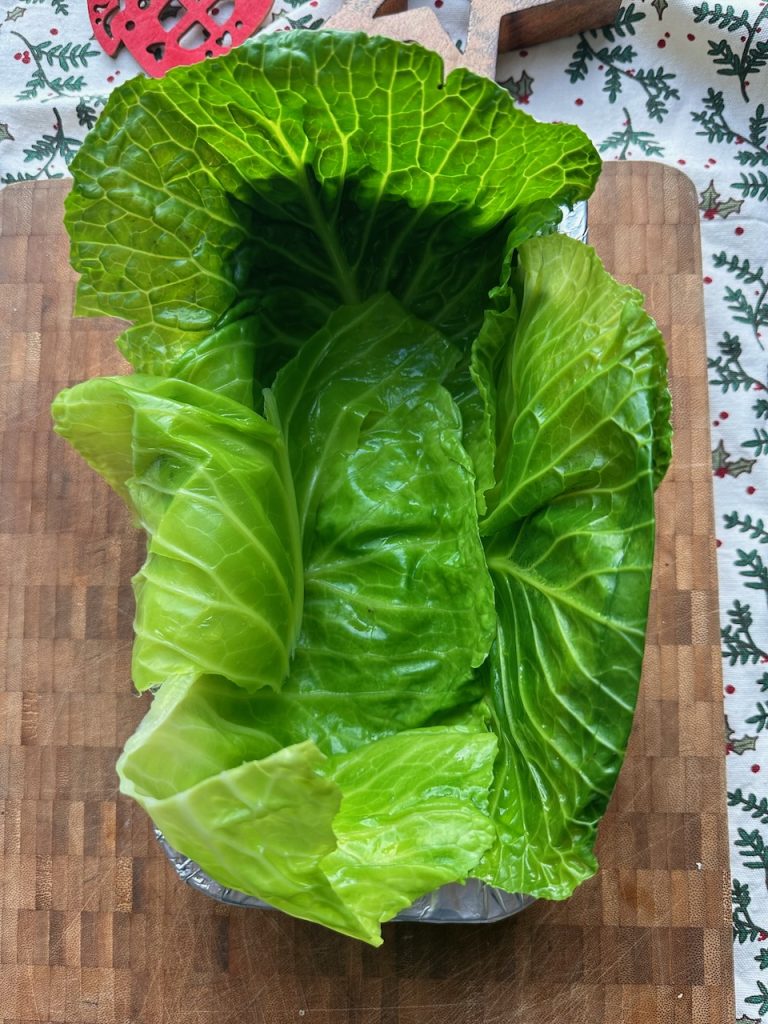
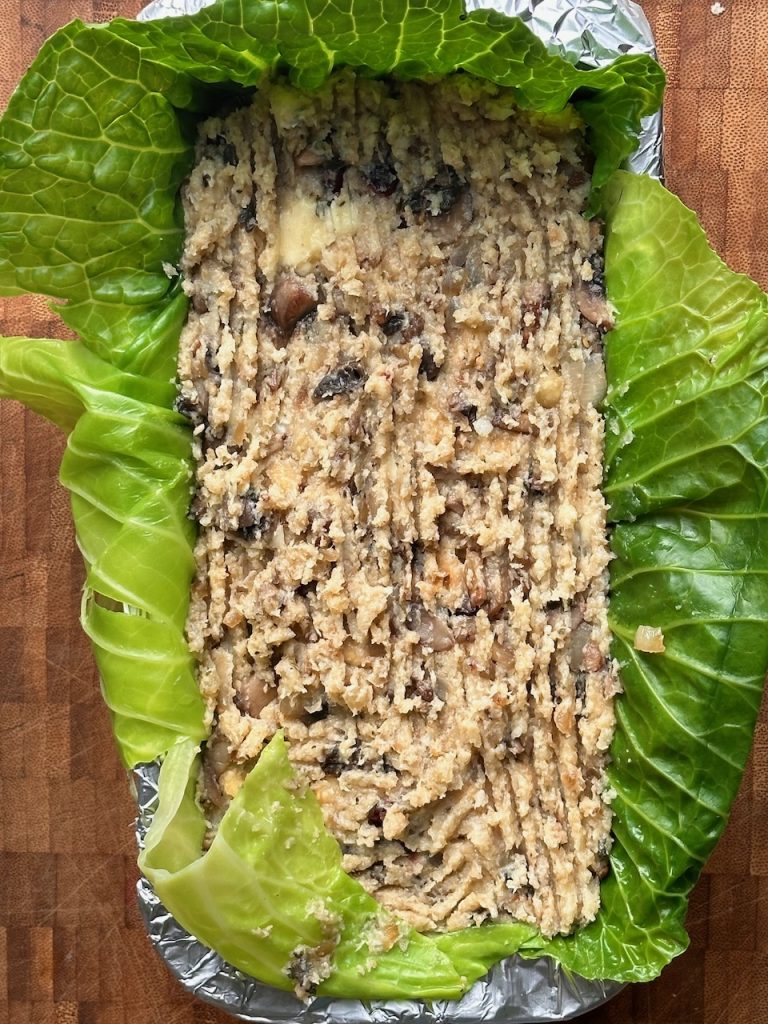
Step 2: The cabbage leaves will line the loaf tin. Prepare the leaves by cutting off the stems and blanch them in boiling water, remove from the pot and run under cold water. Dry thoroughly. Oil a loaf tin, line with tin foil, oil the foil, then line the tin with the cabbage leaves, leaving no gaps.
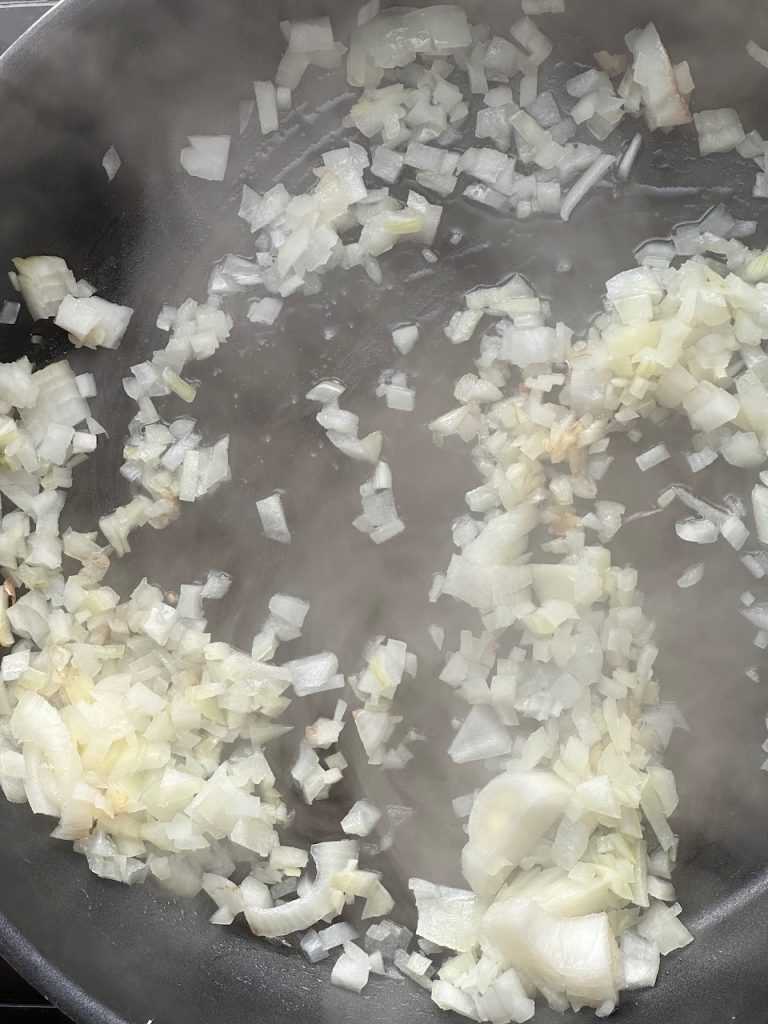
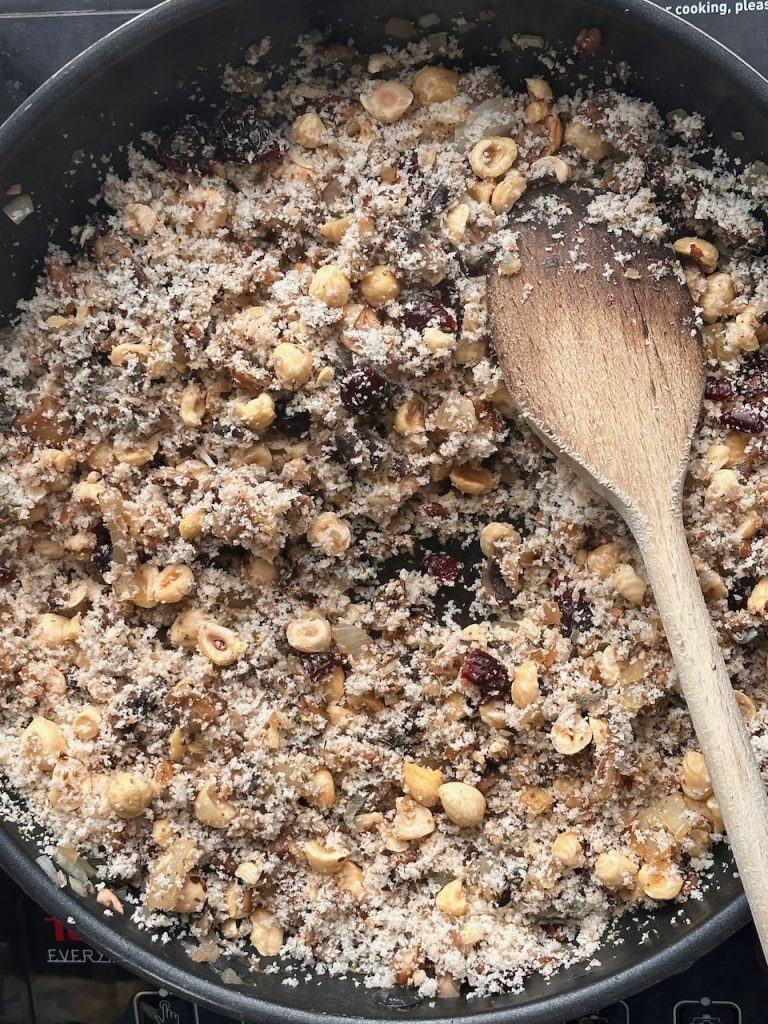
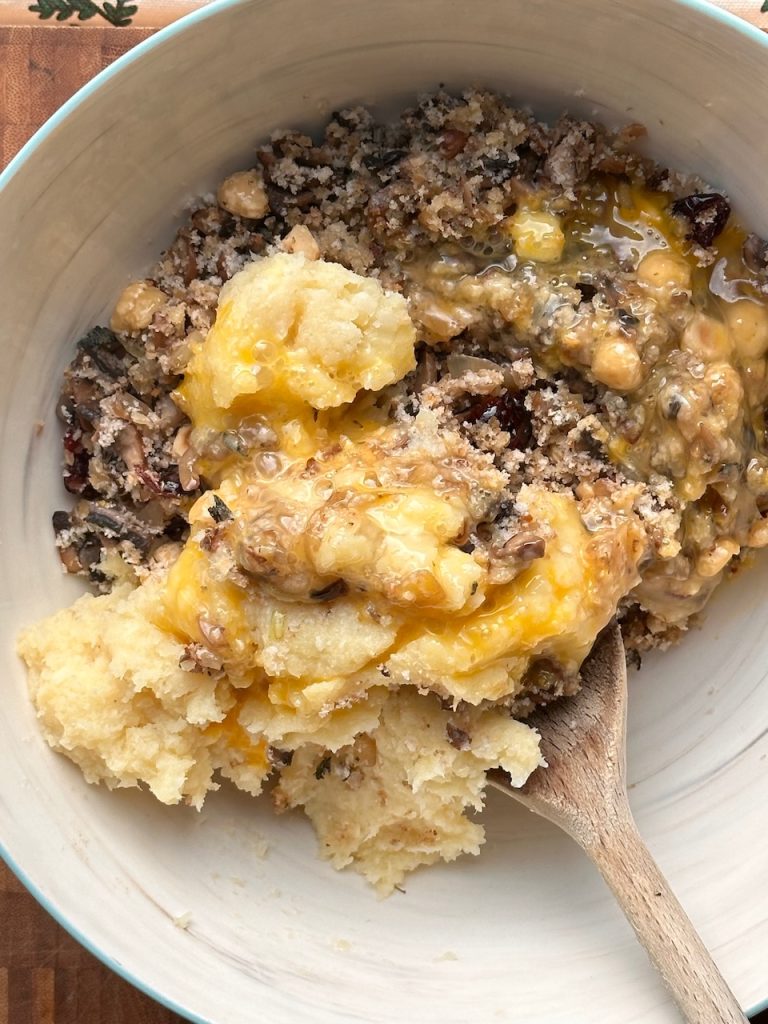
Step 3: Meanwhile, sauté the onion in the butter until soft, then add the mushrooms, a pinch of salt and pepper and cook until they become dry. Stir in the chopped hazelnuts, cranberries, breadcrumbs, chopped sage and mixed spice. Stir in the cooled mashed parsnips, the beaten egg and break in the blue cheese if using. Season and then carefully fold the mixture together but keep the lumps of cheese intact. To check the seasoning fry off a small piece and taste, adjust if needed.
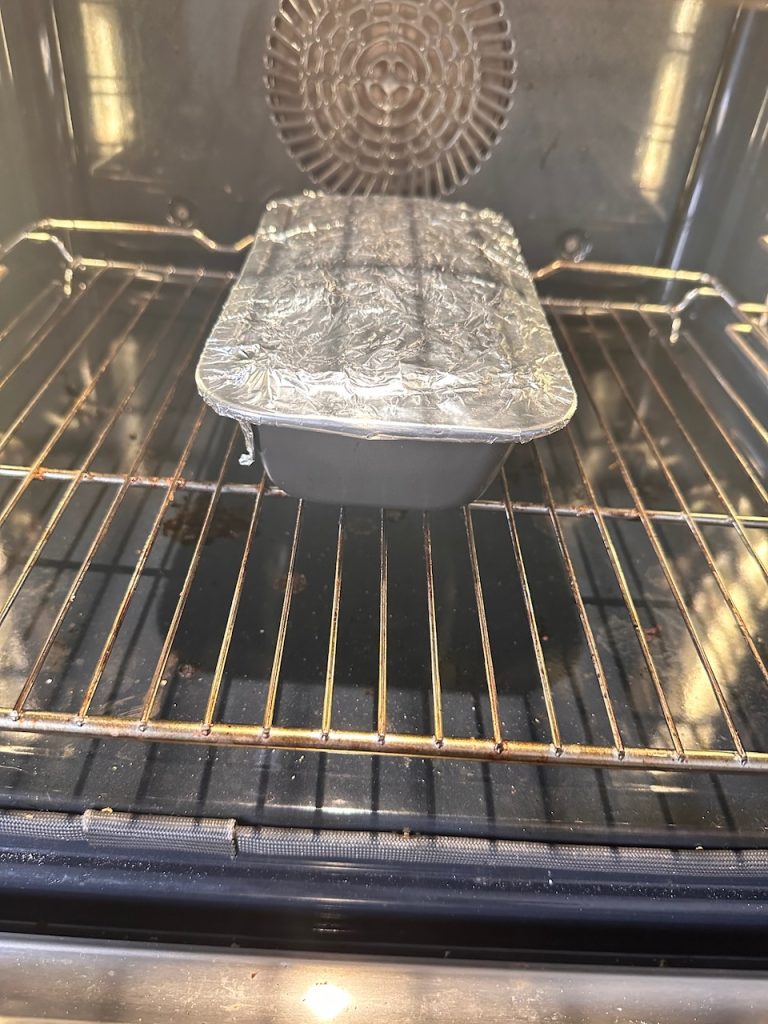
Step 4: Spoon the filling into the lined loaf tin, push down with a fork. Cover with the cabbage leaves, and finish with tin foil.
Step 5: Bake in the oven for 45 minutes. leave to set in the loaf tin for 20 minutes then slice. Or cool completely in the loaf tin, store in the fridge overnight and slice the next day. If serving the next day fry on a pan and warm through in a hot oven. Serve with Christmas veg and gravy.
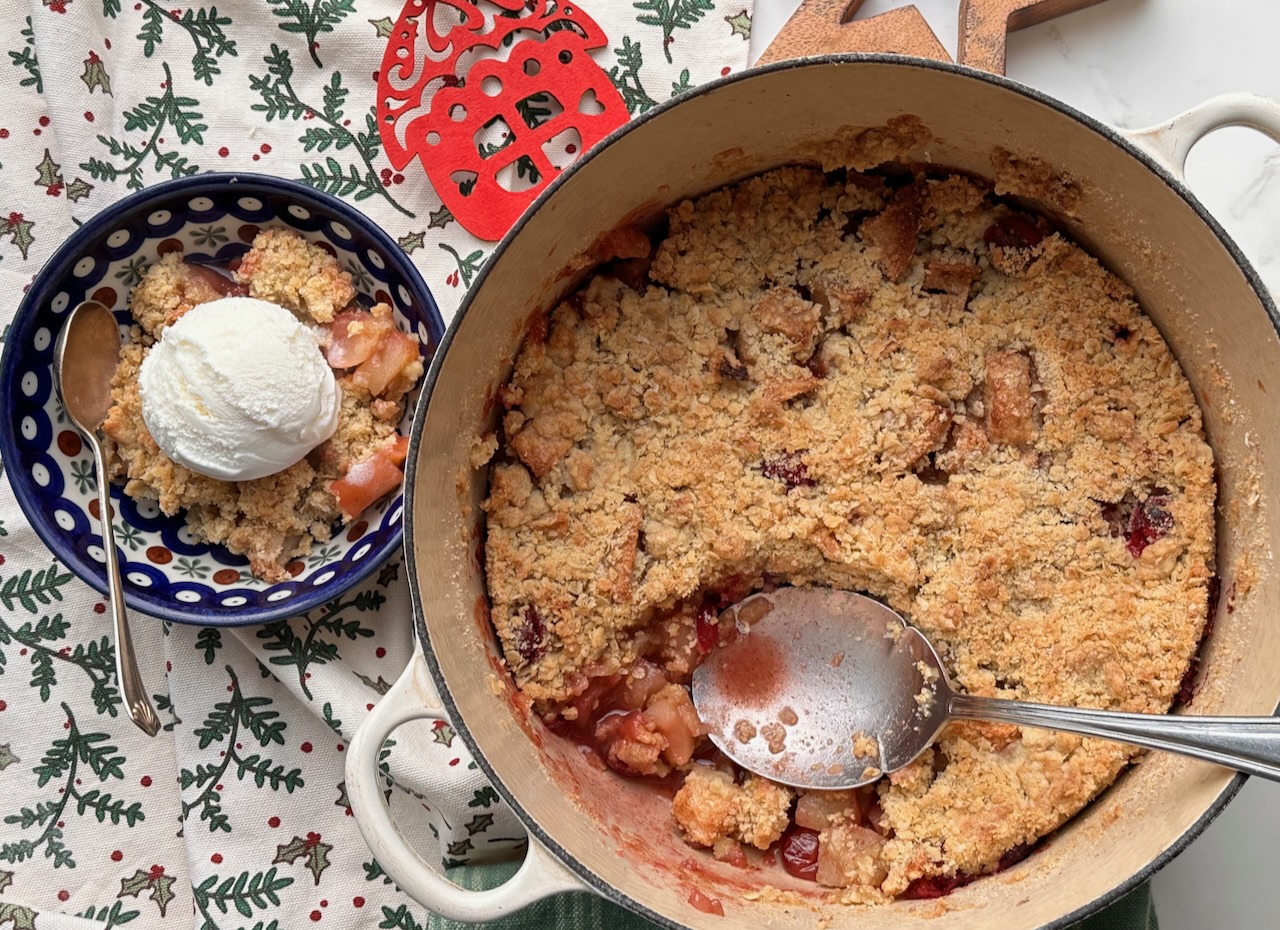
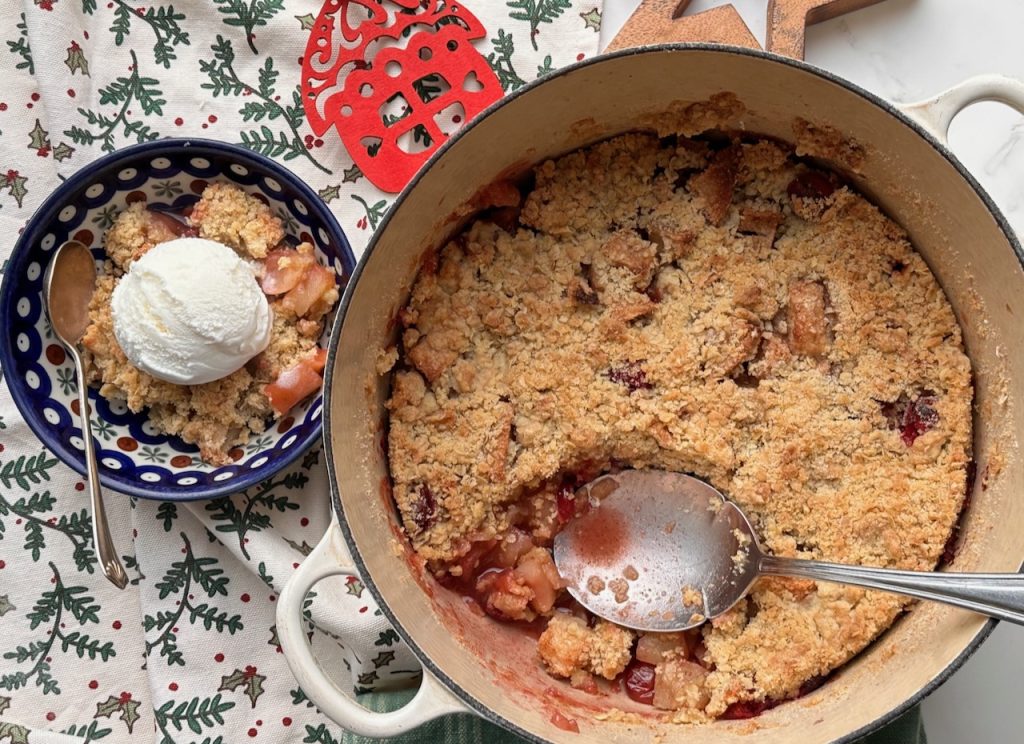
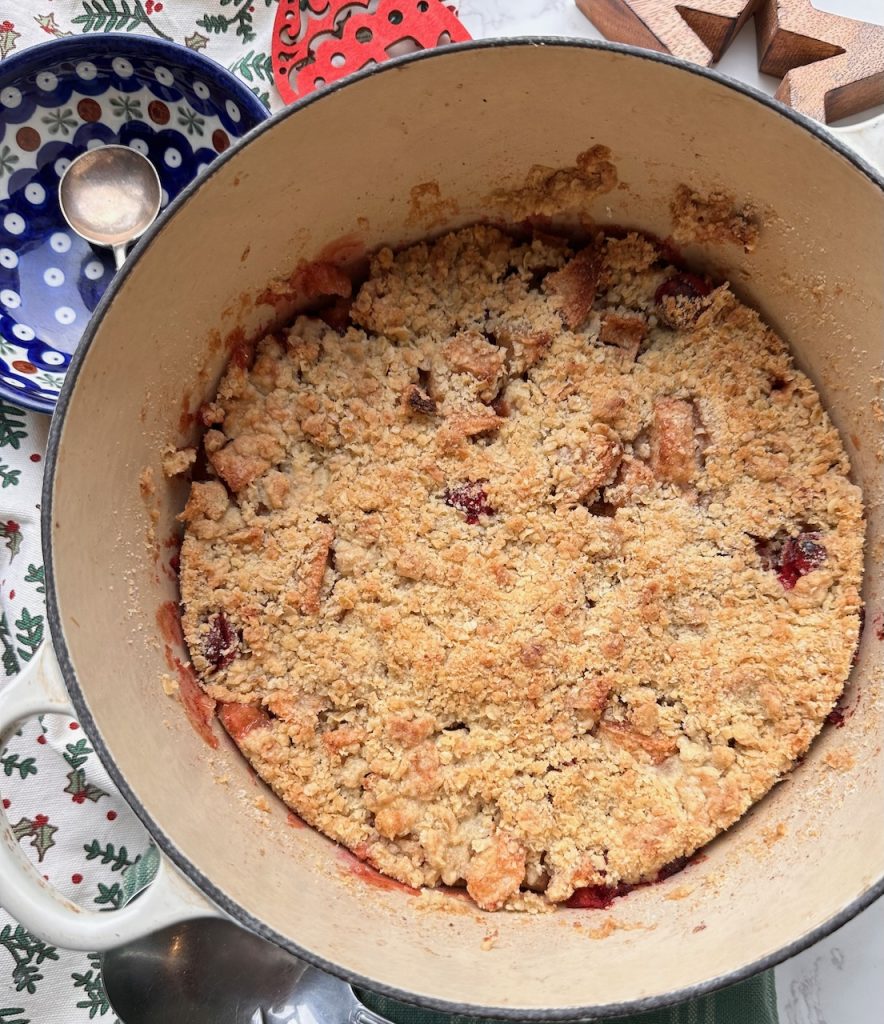
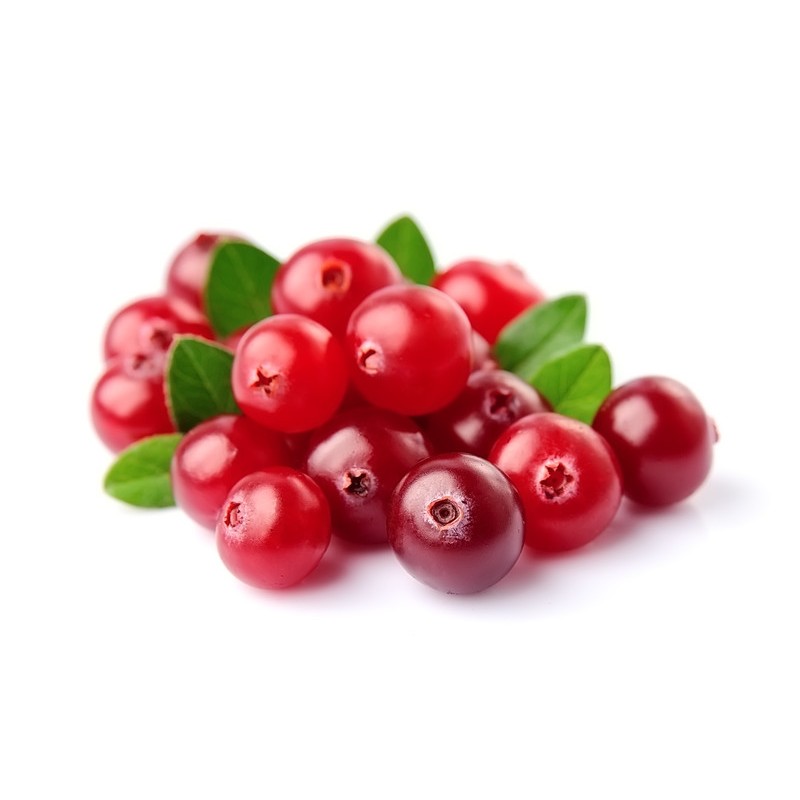
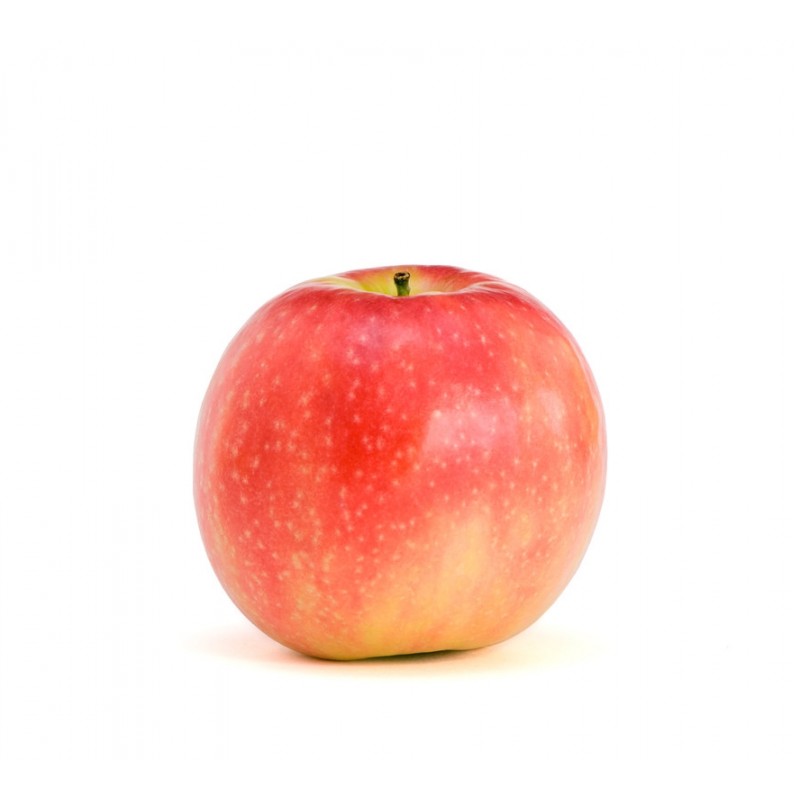
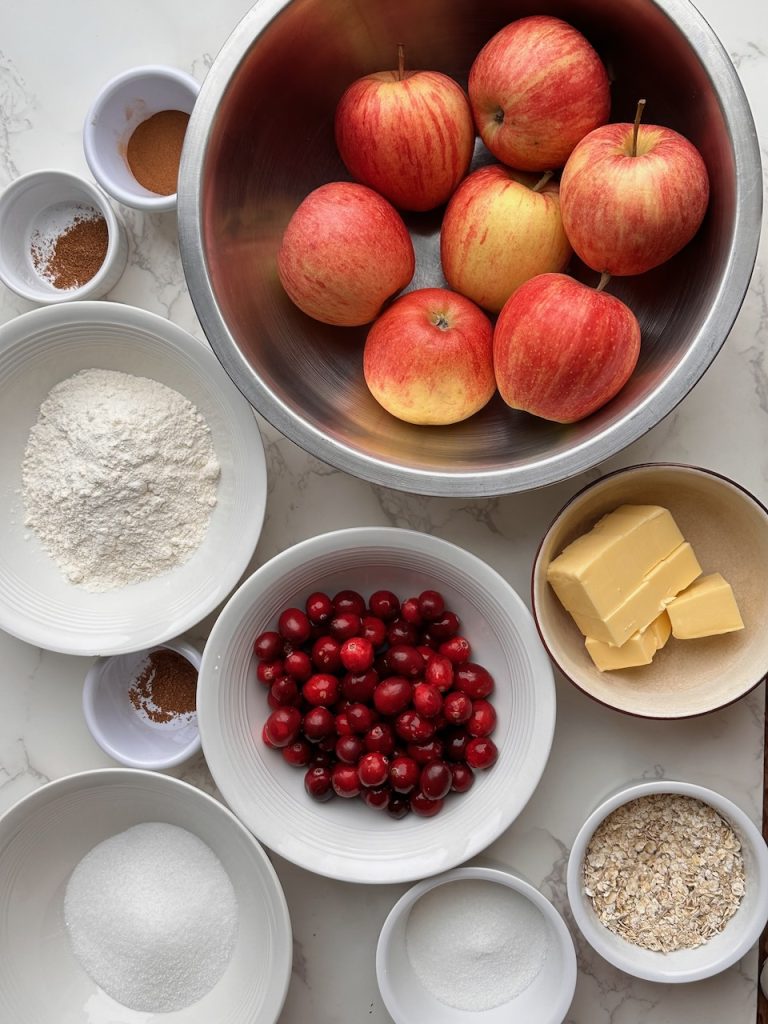
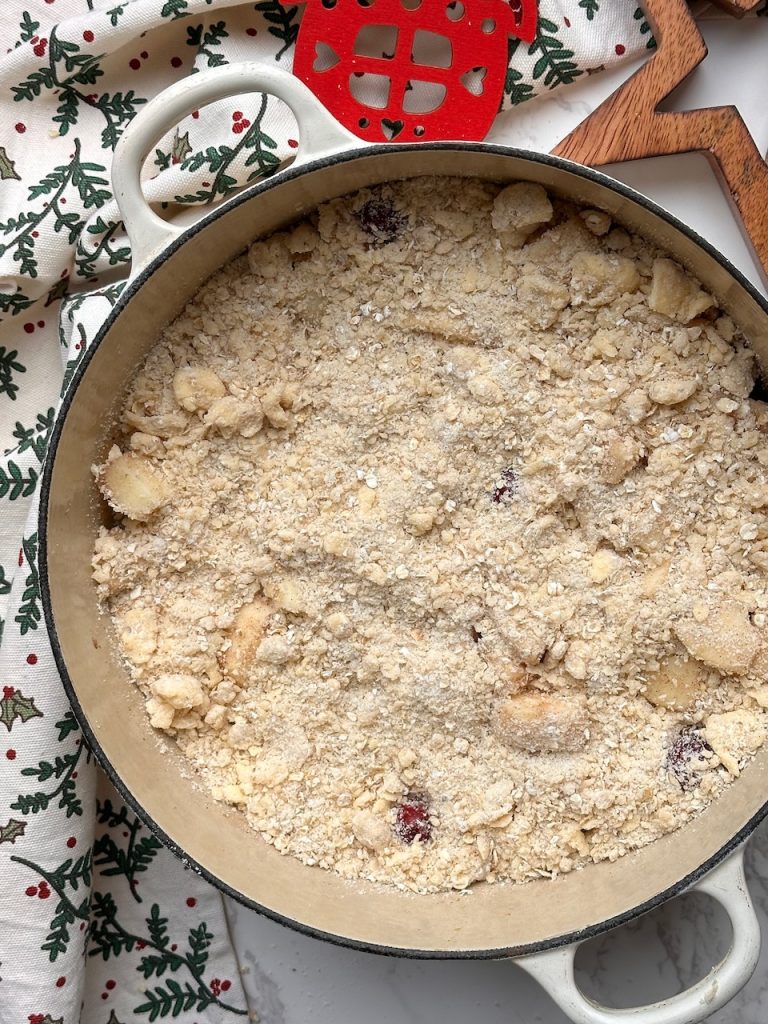
It’s so lovely to combine Christmas flavours at this time of year. Cranberries are delicious served with savoury food but equally delicious bakes in a sweet pudding. The tart crimson fruit works really well with our delicious sweet organic Irish apples.
This crumble can be made and stored for 3 days in the fridge ready to bake on the big day. It also makes a gorgeous dish to take to a festive dinner party.
100g butter, cut into cubes (vegan butter will work too)
Method:
Step 1: Preheat the oven 190ºC and use a square or round deep dish 22cm approx.
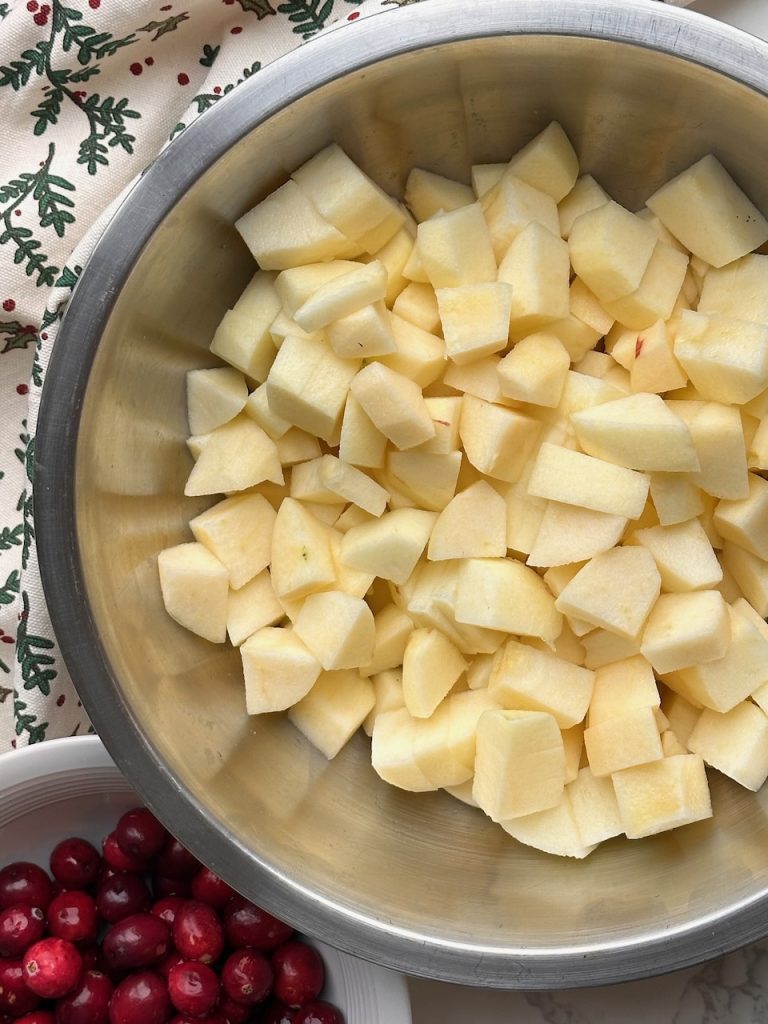
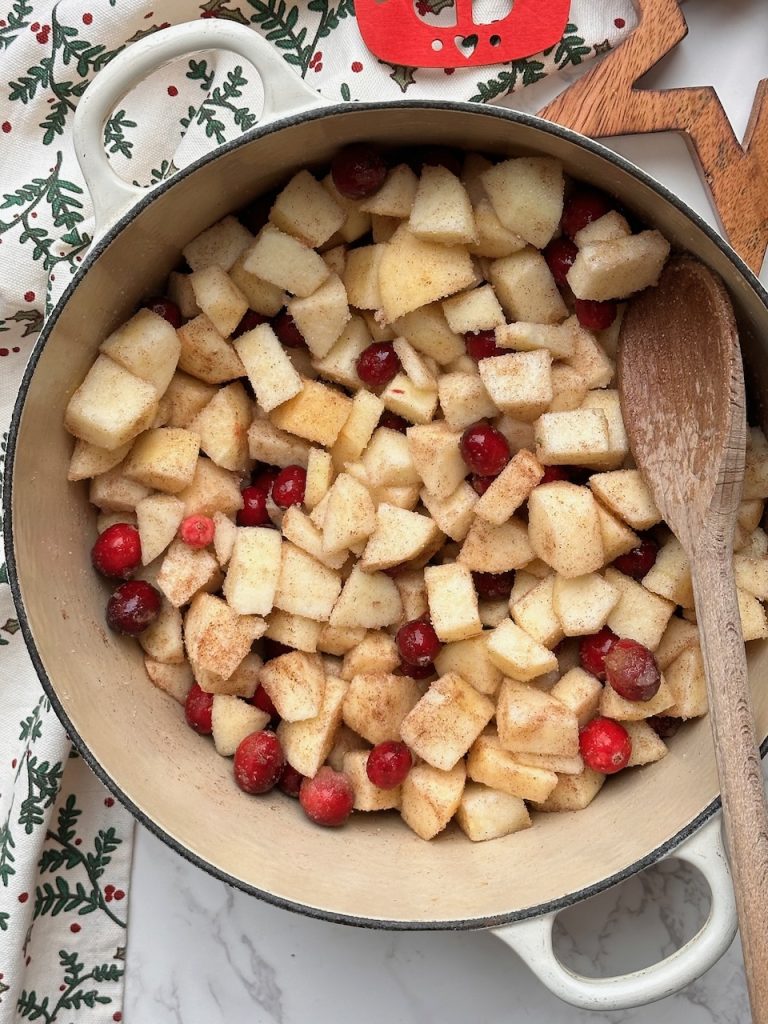
Step 2: Pour the peeled and chopped apples into the dish along with the fresh cranberries, mixed spice, cinnamon and sugar, mix with a wooden spoon.
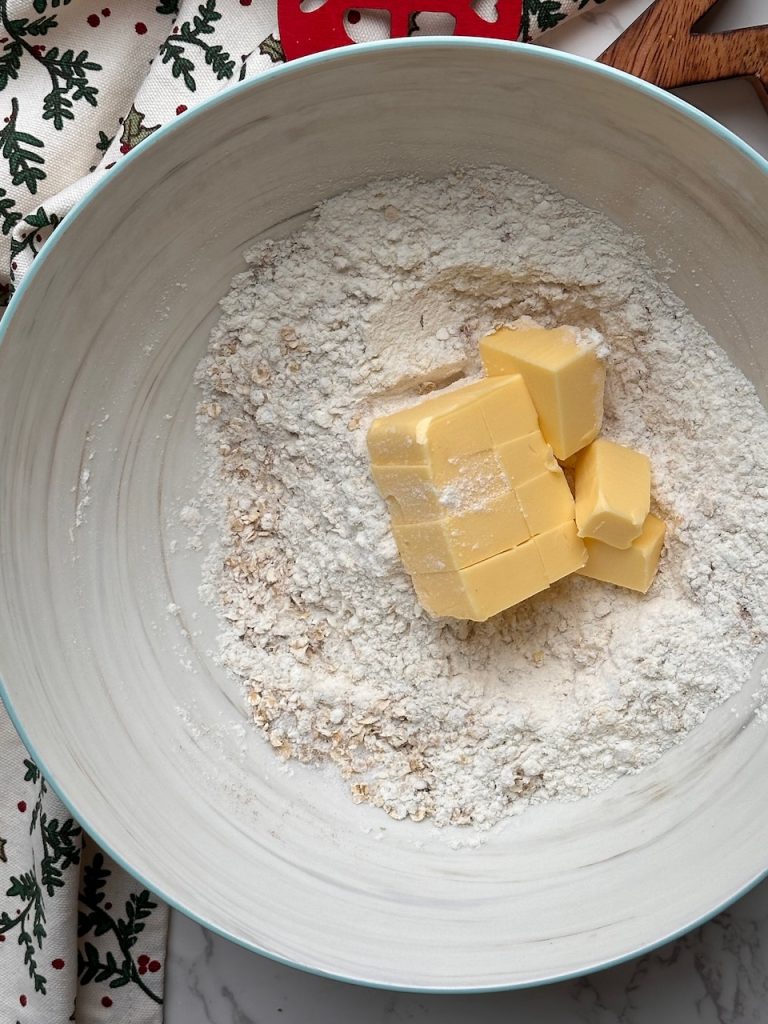
Step 3: In a separate mixing bowl measure in the plain flour, oats, sugar and mixed spice, stir to combine. Add the cubed butter and work into the dry ingredients with your fingers. When it looks coarse and crumbly its ready.
Step 4: Sprinkle the crumble topping over the apple mix. Bake in the oven for 30 to 40 minutes or until golden and bubbly.
“Just because we can do something, doesn’t mean we should”.
We all have a right to know how our food is grown, what is in and on it, and more fundamentally whether the genetics of the plants and food we are eating have been messed with in a lab.
The idea of modifying food for the betterment of society is a good one and in principle it seems straight forward. But the promised results from genetically modified crops have not been realised, such as crops resistant to drought or pests.
The long-term impact of eating genetically modified plants is not well understood, nor is the impact on the environment. But setting that aside, it is the greed and the desire to patent and control our food system that tells us all we need to know to make the right decision when it comes to GMOs. In my view the right decision is to keep genetically modified crops out of our food system.
It is clear that the driving force for genetically modifying our food is driven by the desire of a handful of giant agri-corporations to control our food chain. Manipulation of the genetic makeup of crops allows these corporation to patent “their” crops and hence own a piece of our food system whilst making billions of dollars in the process. (as has already happened around the world with “Roundup Ready Soya”)
To think that we can replicate the careful complex modification of plants, through thousands of years of evolution by nature, in a lab, in the space of months, by splicing pieces of foreign DNA or modifying the plants own DNA is ambitious and/or insanely arrogant.
Apart from conferring increased resistance to a toxic weedkiller, the promised benefits have not yet been demonstrated and there are large safety concerns about releasing untested genetically modified crops into nature.
The release of these plants into nature then becomes an uncontrolled experiment and one that may be difficult to roll back if the outcome is not as we would like.
Up to this point genetic engineering has in the main, been used to confer herbicide resistance to a few key commodity crops, hence allowing larger amounts of Roundup to be applied, adding to the toxic load in our food and on our planet.
There is no argument that can justify owning the rights to our food system, end of story.
There are currently strict EU rules on the authorisation and labelling of genetically modified organisms (GMOs). They allow farmers, food producers and consumers to choose and to opt for GMO-free food.
However, the European Commission wants to scrap this legislation and allow a new generation of GMOs, to enter our food system, without any labelling or safety checks. Essentially, they will be treating these “New genomic technique” modified crops the same as conventional crops.
I for one like to know what is in and on my food, I like to know its origin and I want to know that the food I am eating has not been genetically modified, if you are of a similar opinion then please sign this petition to help the EU politicians to take the right decision in this case and continue the ban of GMOs in our foodchain.
Thank you for supporting a sustainable food system.
Kenneth
PS It’s been a busy week, and we are ramping up for a manic packing and delivery week, next week. Thank you to all who have placed an order, and if you still have not there is plenty of time.
Please get your orders in over the weekend, but you will have up to your normal delivery deadline to get you orders in, if you are unsure of when that is you can click here to find out.
ALL DELIVERY DAYS AND DEADLINES REMAIN THE SAME FOR THE WEEK AHEAD! THANK YOU ALL FOR YOUR SUPPORT, IT KEEPS US IN OUR JOBS AND KEEPS OUR FARM AND OTHER IRISH ORGANIC FARM’S FUTURE SAFE.
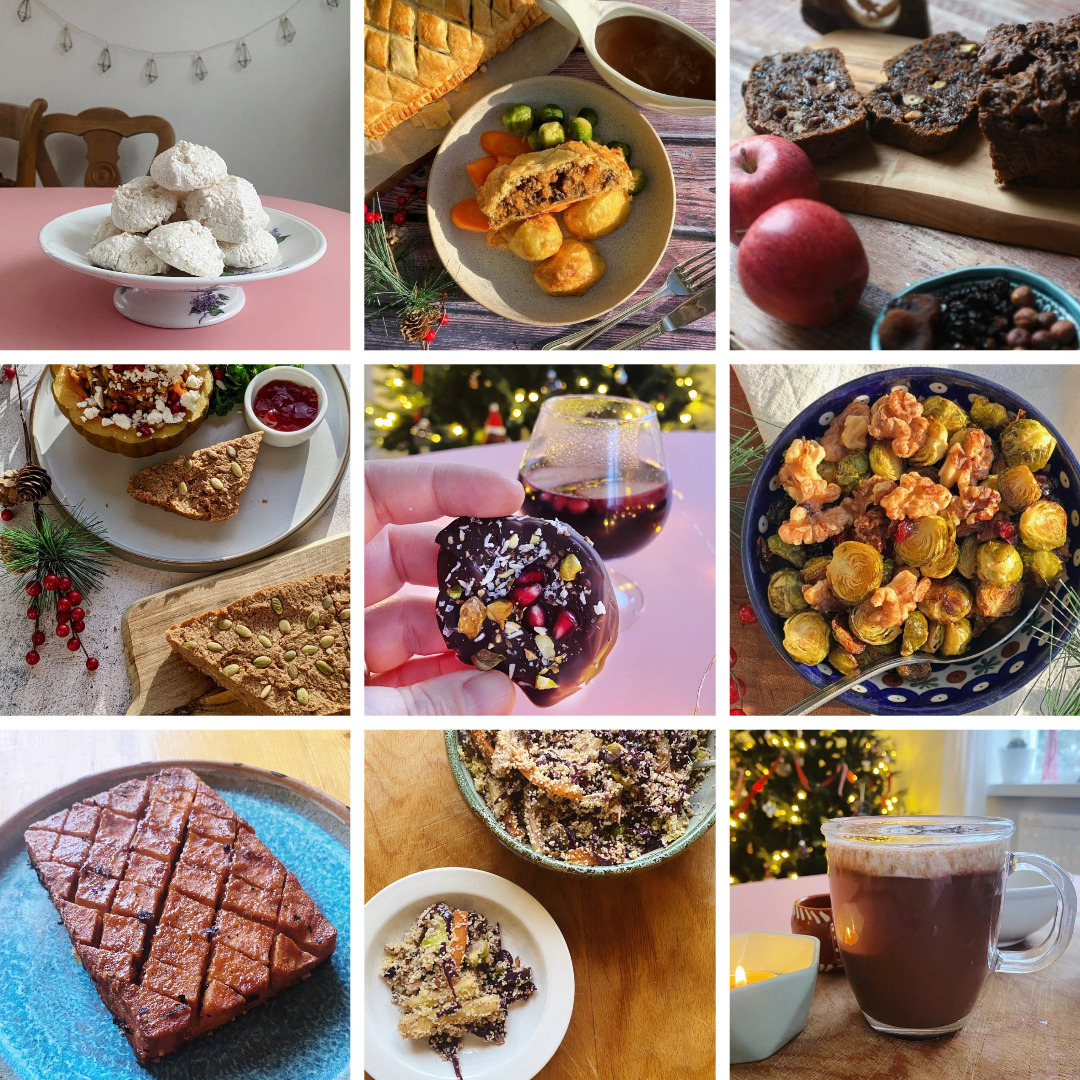
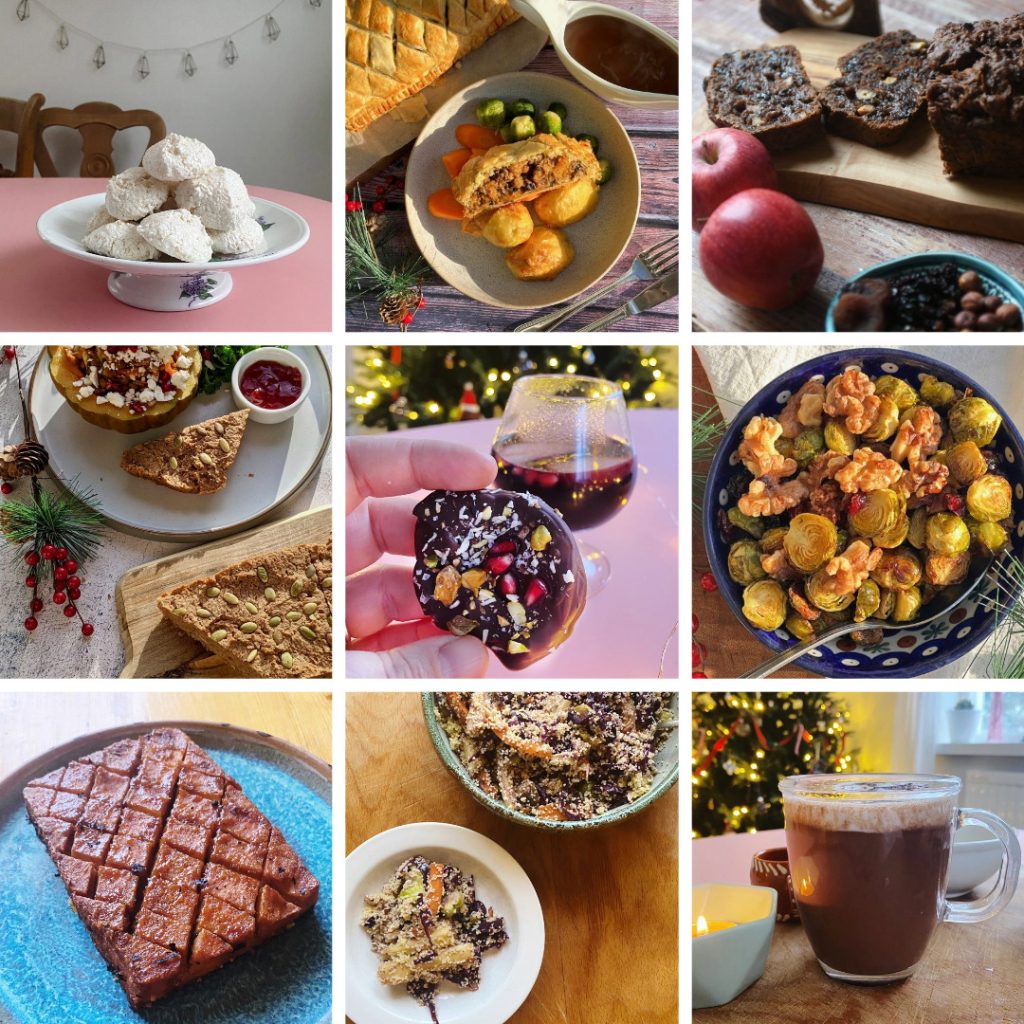
It’s almost Christmas, so let’s get all the lovely christmassy recipes into one place! Here’s some inspiration for a meat free christmas dinner and so much more.
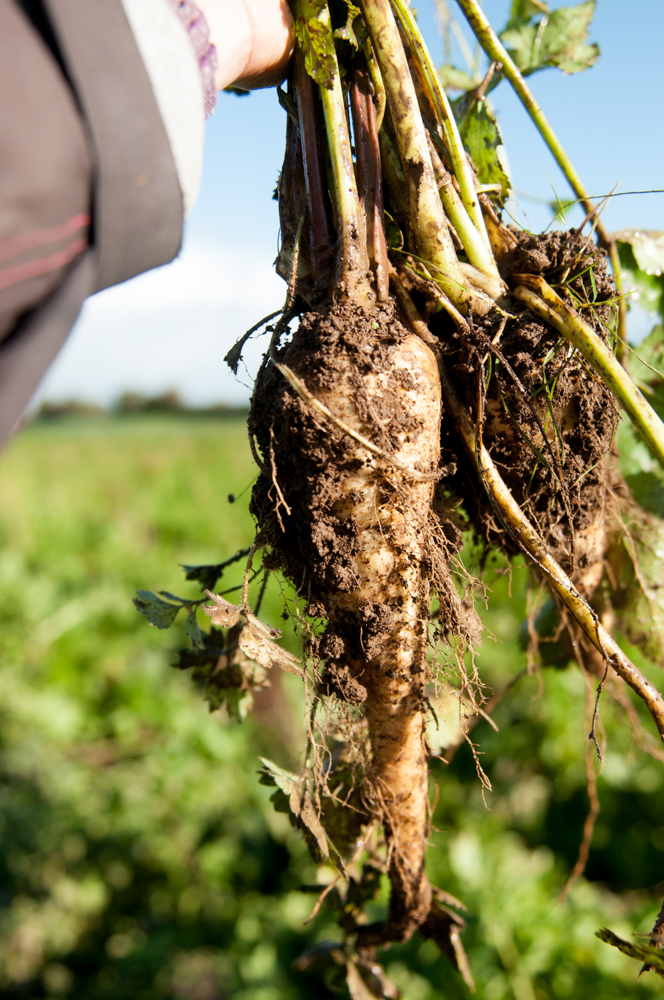
We like our veg dirty, we harvest them fresh from the ground and we leave the dirt on.
This dirt, good clean dirt we think is amazing, it is a natural preservative, none of those artificial waxes or fungicides required here. But there is other dirt hidden in/on conventional food that we don’t think is that amazing.
The dirty dozen is a list which is compiled both in the UK and the US each year based on measured chemical residues in and on conventional crops. It is a resource to allow us as consumers to make informed decisions about foods to potentially avoid or buy organically if possible.
It is a no brainer that removing synthetic pesticides and herbicides from our diet can only be a positive.
There are certain crops that seem to make the list each year, you may be surprised to learn that apples regularly feature on the list. In 2020 according to the PAN (pesticide action network report) 67% of samples had pesticide residue and one sample had 13 different types of residues!) This is I guess a little disturbing as apples are one of the most consumed fruits in the world.
Right here in Ireland based on a report by the dept of ag in 2014 (the most recent data I could get), the chemical Captan, which is a fungicide and classified as a probable human carcinogen was applied to 252 Hectares of land, and over 1.2 tonnes of the stuff was sprayed on apple trees.
For the life of me I can’t understand how kale makes it onto this list (in the US). Kale of all the crops is hardy and tough and at least in our experience on our organic farm performs amazingly well. In fact, if we leave our brassica crops uncovered (we cover our crops with netting to prevent birds eating them) then the pigeons will eat everything else before they have a go at the kale!
Maybe it’s the healthy organic matter rich soil, maybe it’s the lack of forced nitrogen nutrition that pushes growth of crops on and can cause them to be soft and disease prone, maybe we are just lucky. Whatever it is we are grateful and happy that we have amazing crops that rarely suffer from pest or disease affliction.
Spinach another relatively hardy green features regularly in the UK and the US list.
When all is said and done, the production of food is hard, and the pressure to produce food at rock bottom prices, controlled and forced on farmers by the supermarkets will always lead to compromises, such as intensification and the use of chemicals.
It is a pity that the supermarkets are so concerned with how our food looks, rather than with how it is produced and what goodness is on the inside. Take a look at just how shiny some of the conventional apples are next time you are in a supermarket; many are coated in a shellac and/or carnauba wax to prevent them drying out or rotting.
We are lucky that we have a fantastic supply of organic apples from Richard Galvin, from Waterford, grown right here in Ireland without the use of chemicals, again proving the point that indeed it can be done, the apples are amazing, fresh with no coatings and no chemicals!
Thank you for supporting a food system without chemicals.
Kenneth
PS We are in full Christmas mode now. Please get your order in next week to guarantee delivery the week after.
We are excited for all the lovely Irish produce that is jammed into our Christmas boxes, such as Battlemount organic farm potatoes (Kildare), Philip Dreaper’s organic carrots and Beetroot (Offaly), Beechlawn organic farm’s brussel sprouts, red cabbage and savoy cabbage (Galway), Mcardles amazing chestnut and portobello, mushrooms (Antrim), Leeks, parsnips, Celeriac, swede and Kale (right here on our own farm); apples from Richard Galvin (Waterford) and finally our very own handmade organic Cranberry sauce (with fresh organic cranberries) made by Rachel in Dunmore! PLACE YOUR CHRISTMAS ORDER NOW
The Christmas is meal is the ultimate seasonal meal and we have definitely got you covered on this one, so please get your orders in soon!
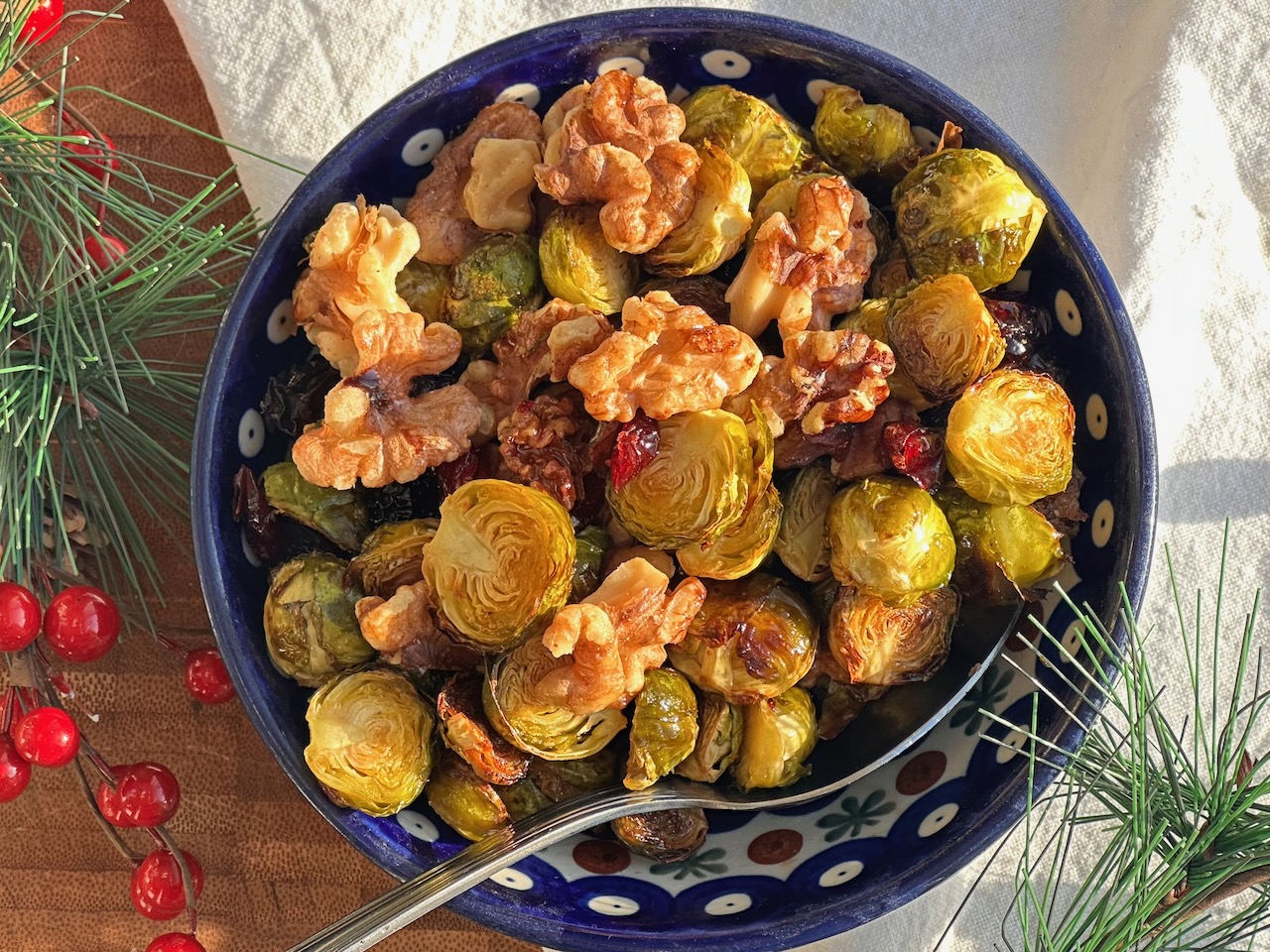
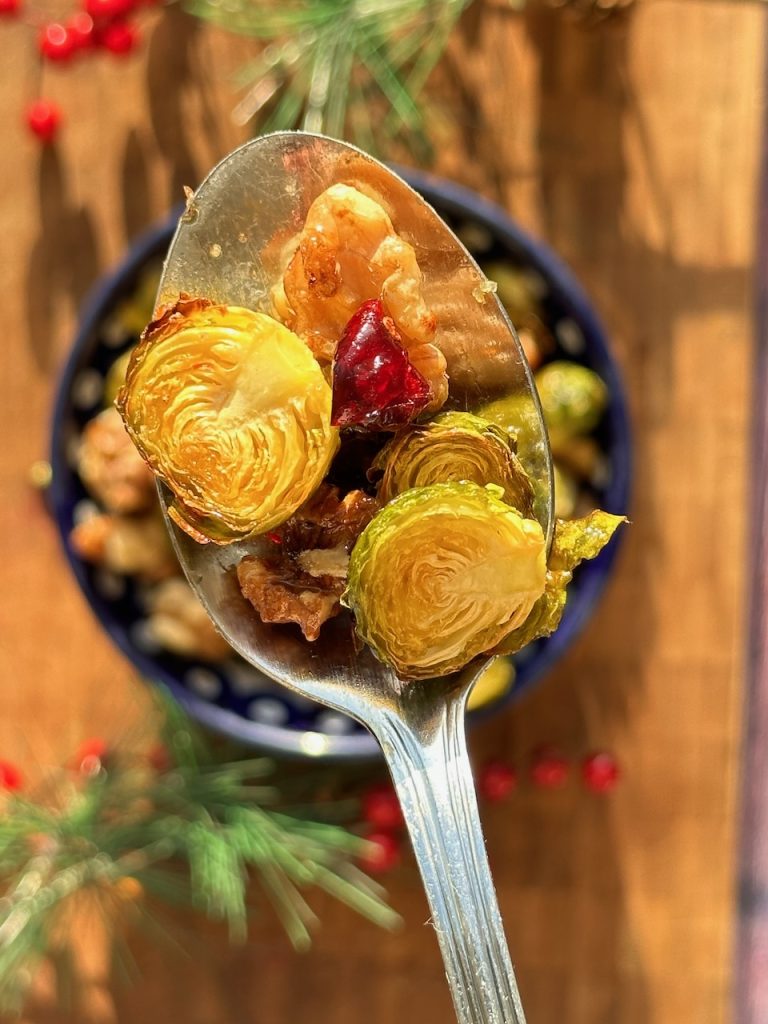
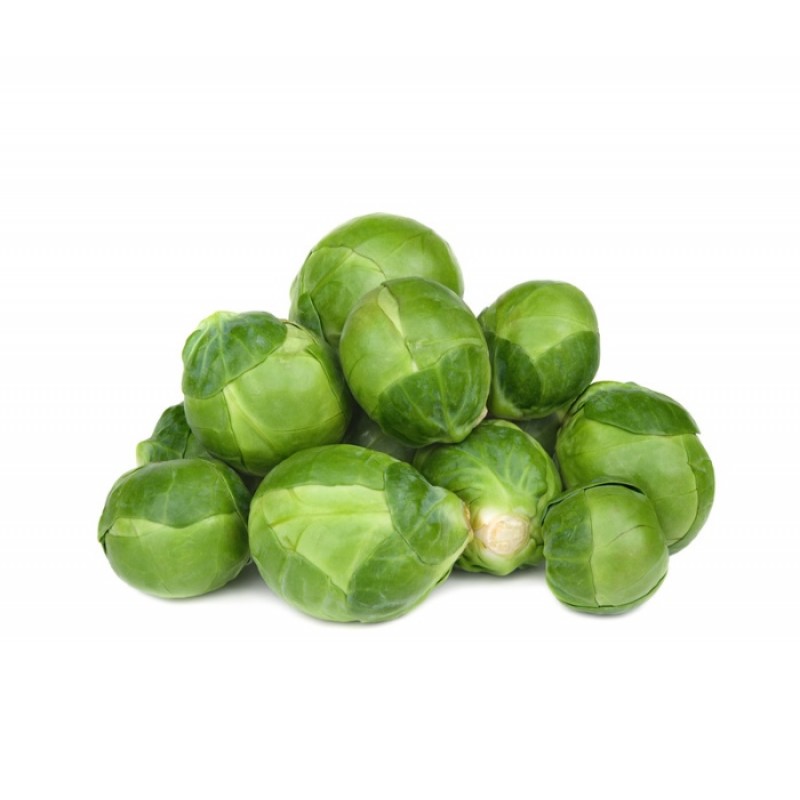
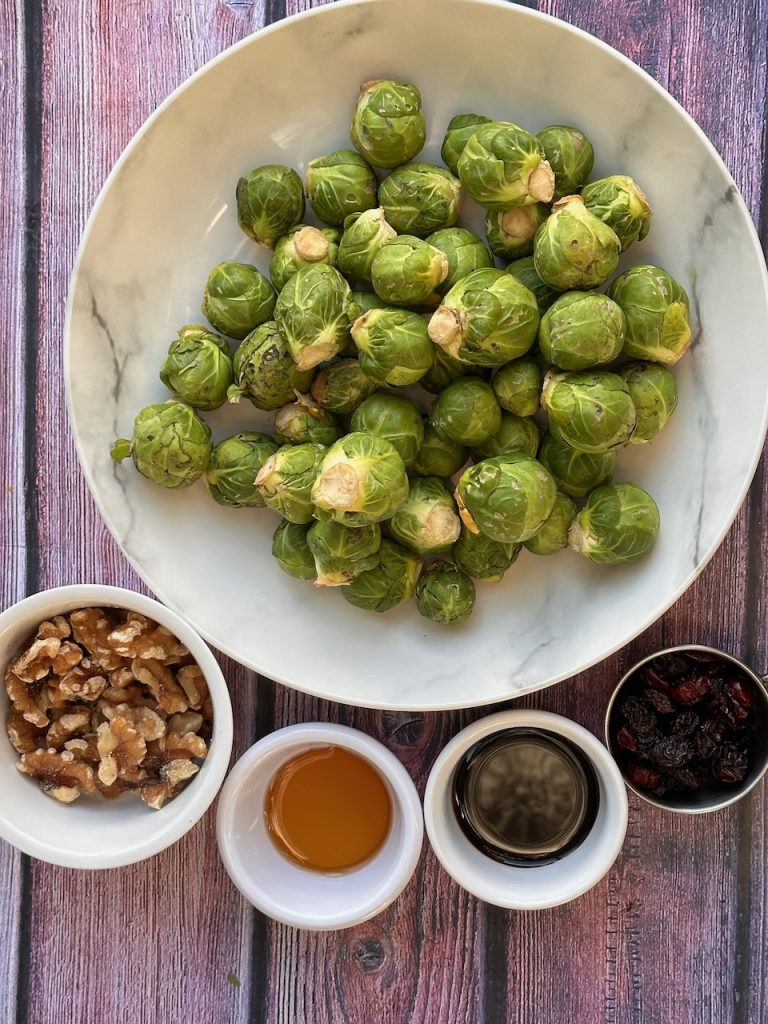
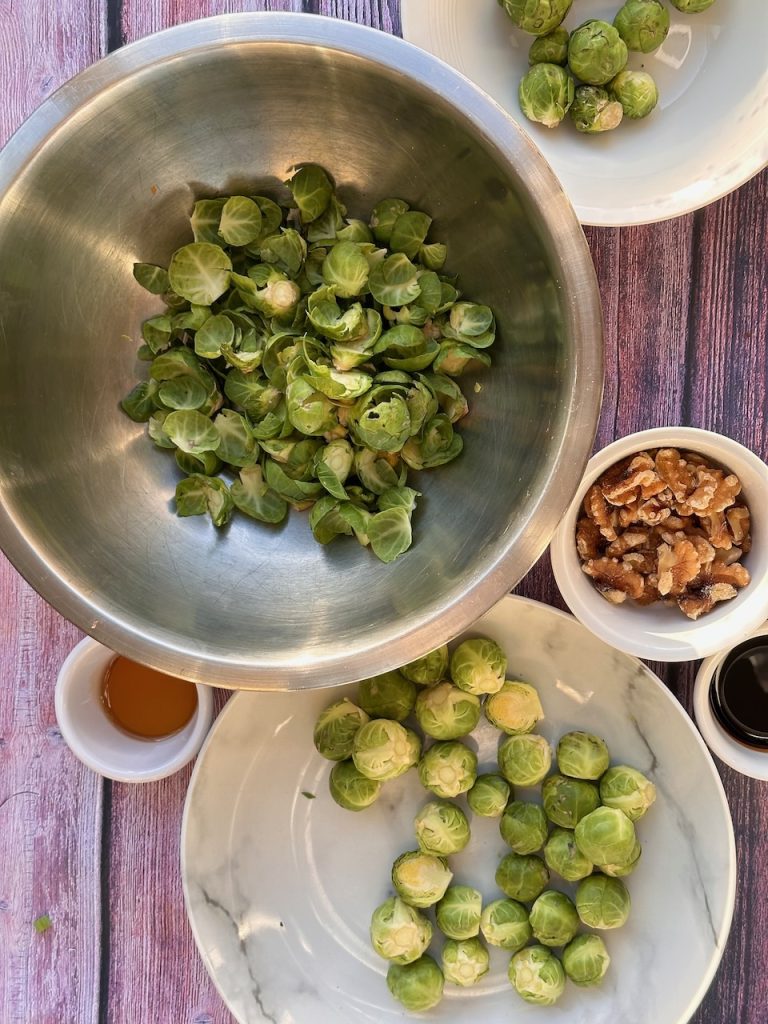
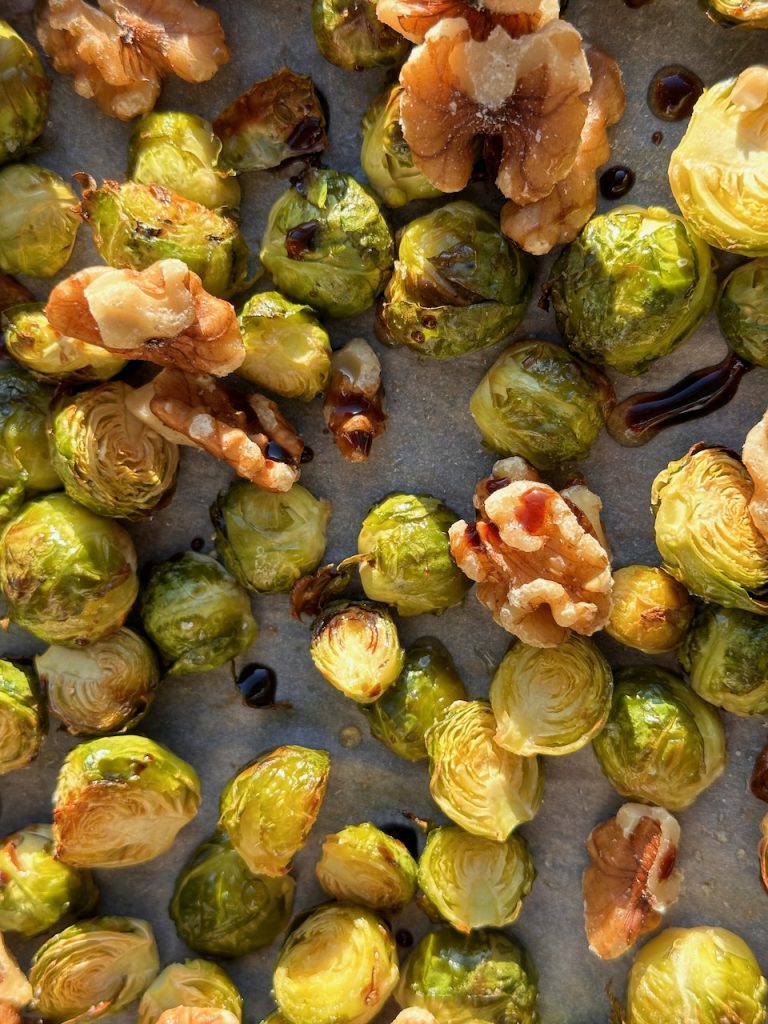
How do you eat yours? This might be the tastiest sprout dish I’ve ever had! The combination of flavours is just perfect, in fact I could eat a whole bowl..and I never liked sprouts as a child! This is delicious as a solo dish or serve with your Christmas main or as a starter with crumbled feta cheese and sourdough.
We have the nicest Irish brussel sprouts for you this Christmas, make sure to try them this way you wont be disappointed.
Step 1: Preheat the oven 180ºC and line a baking tray with parchment paper.
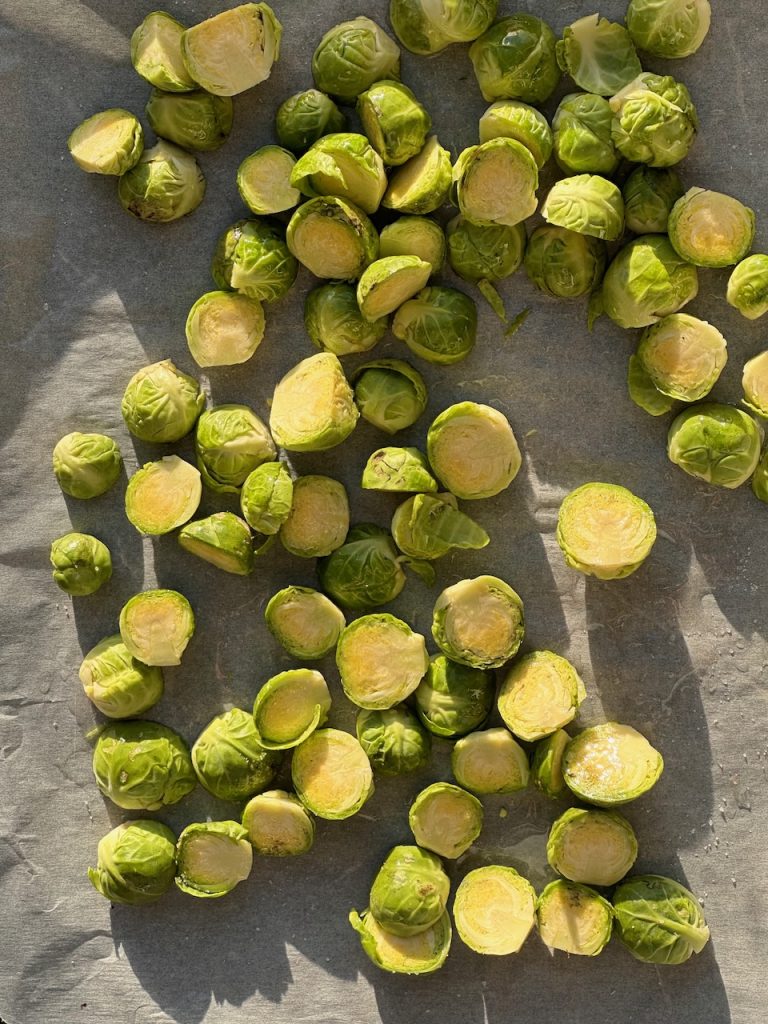
Step 2: Prepare the sprouts, cut off the end and take away the outer leaves. Then cut in half.
Step 3: Put the brussel sprout halves on the tray, drizzle with oil and salt and give them a rub with your hands to coat.
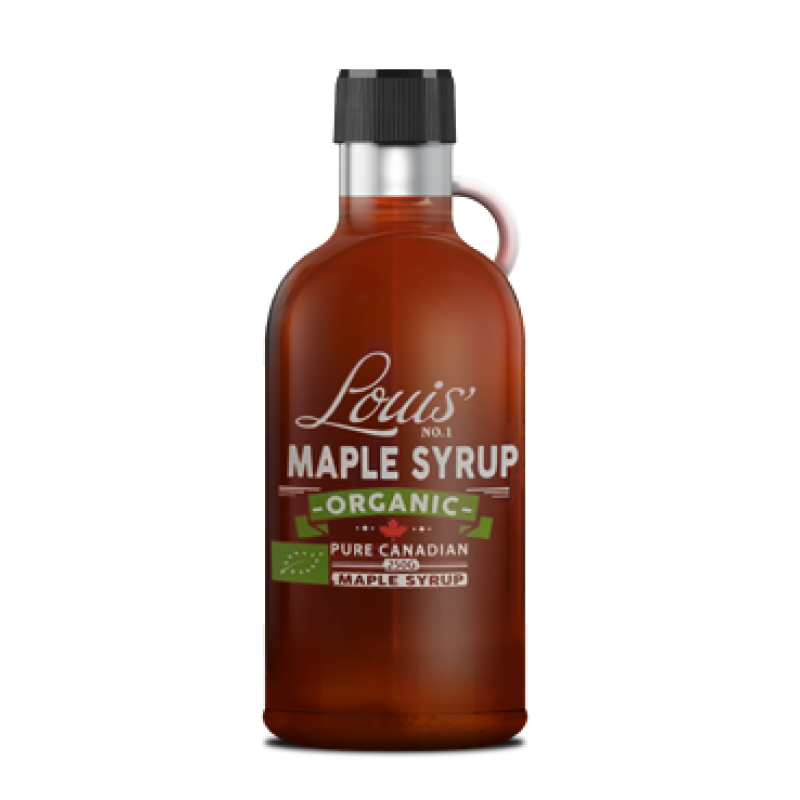
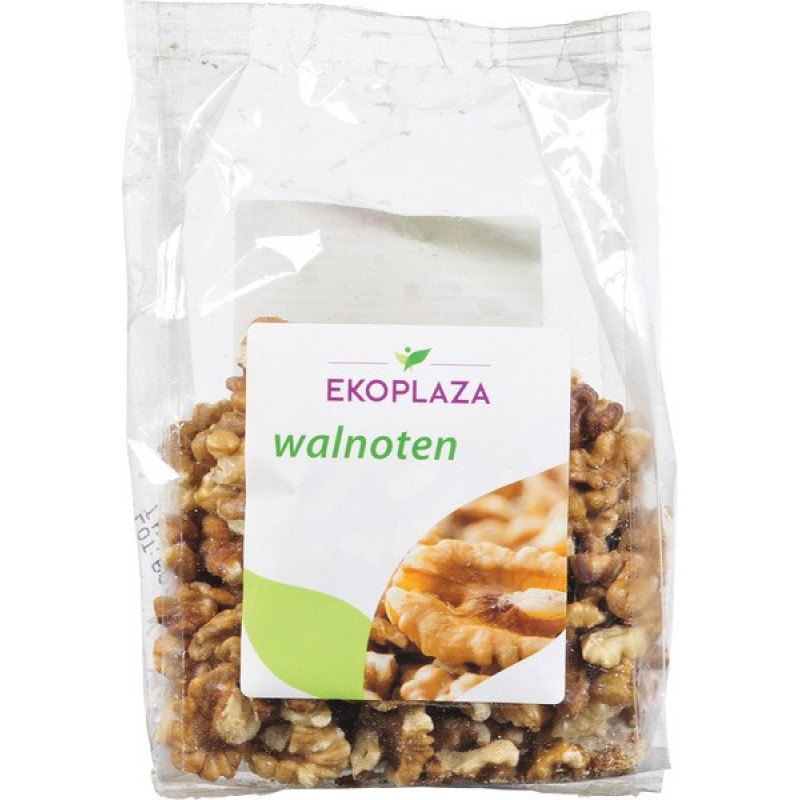
Step 4: Roast for 10-15 minutes. Then add chopped walnuts, the balsamic, maple syrup, stir to coat and put the tray back in the oven for a further 10 minutes.
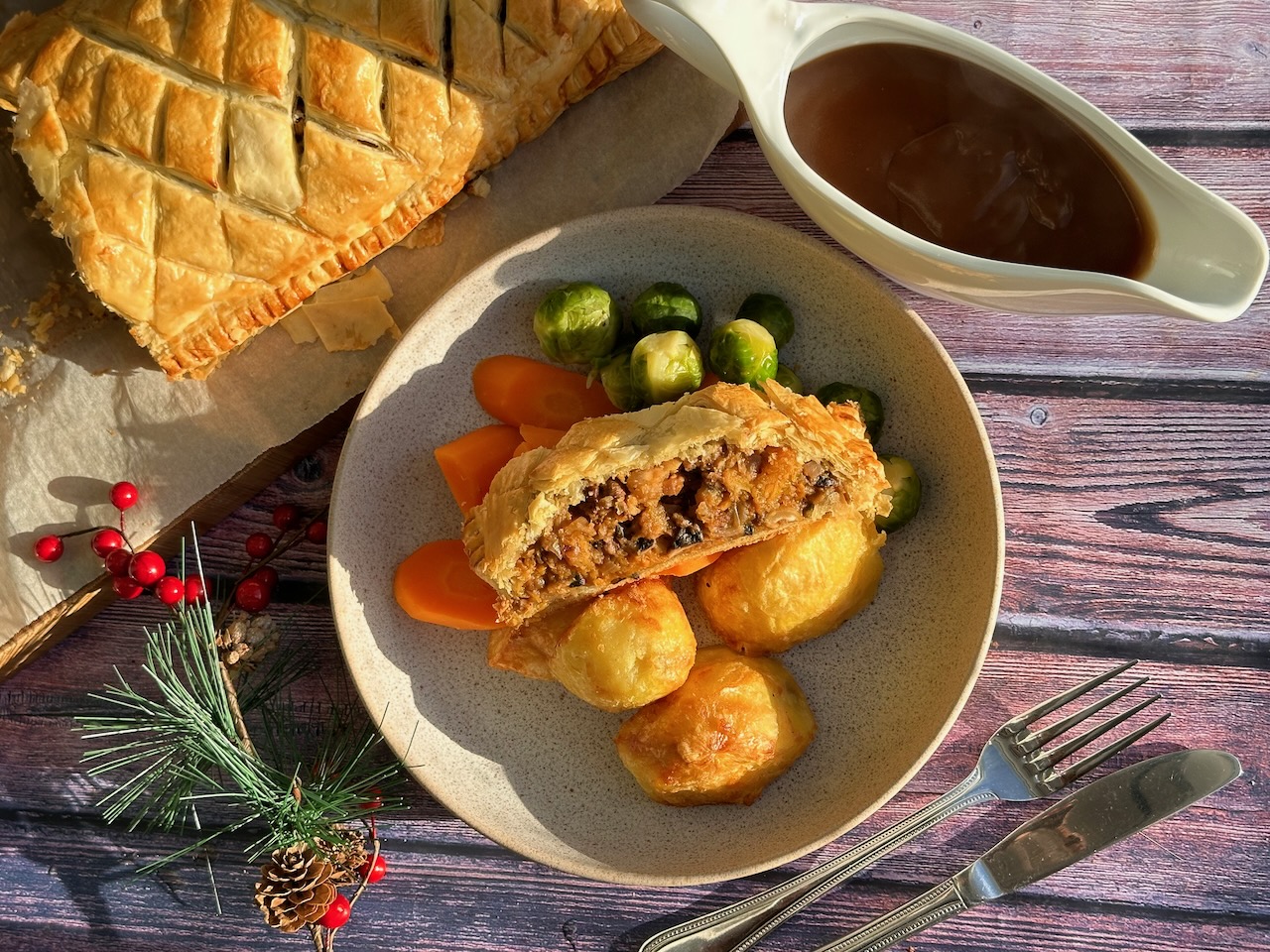
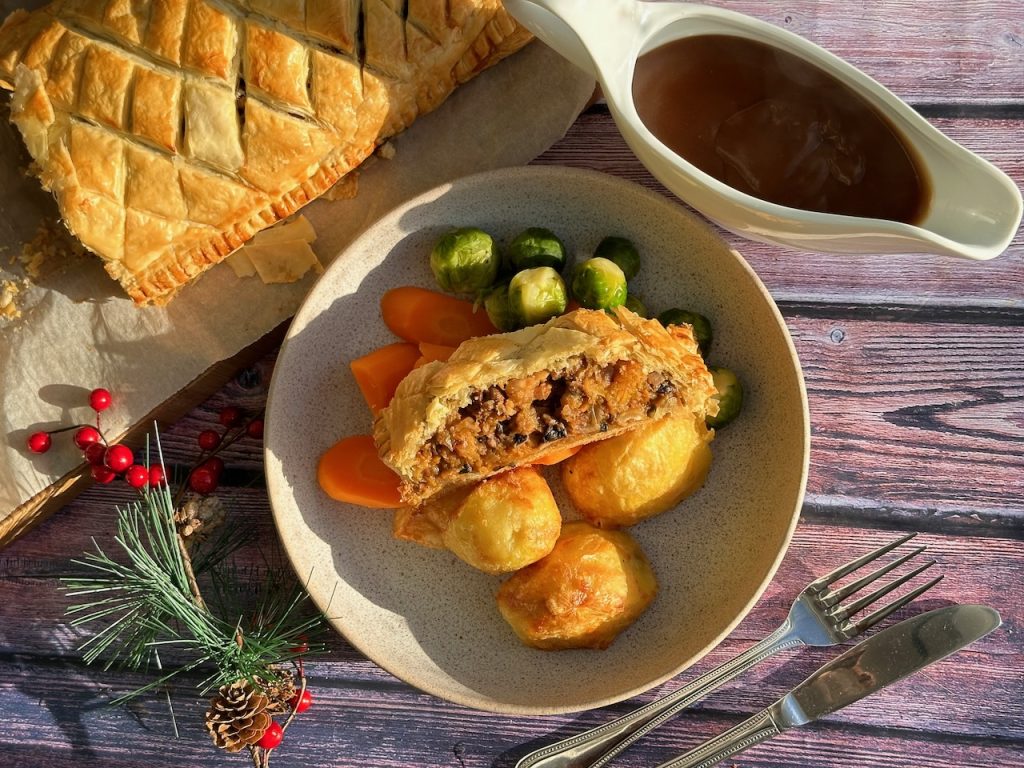
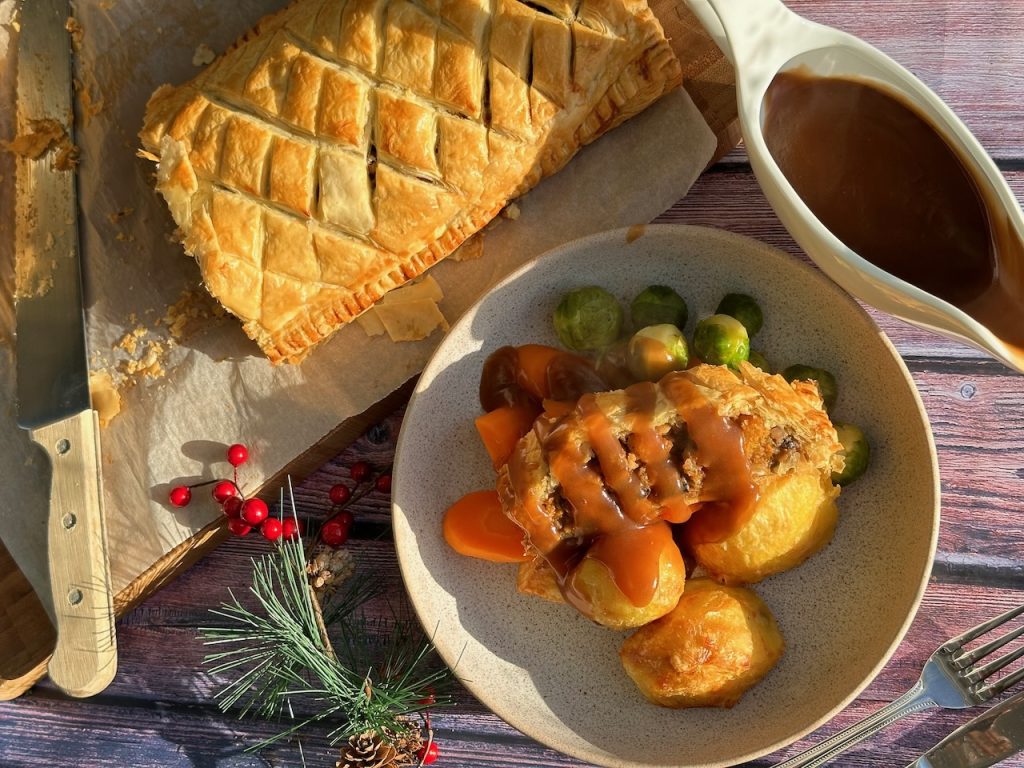
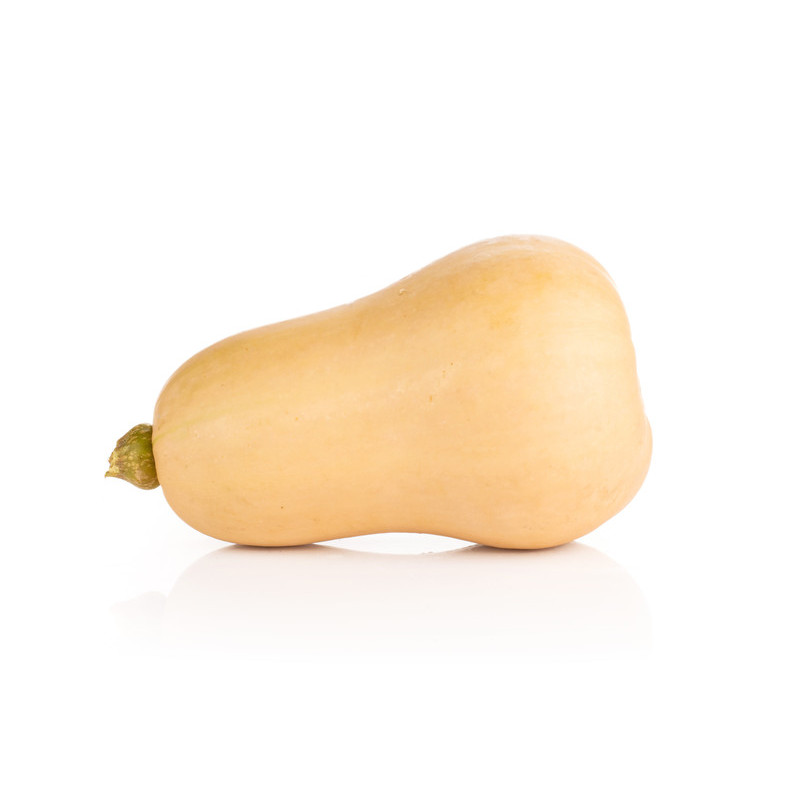
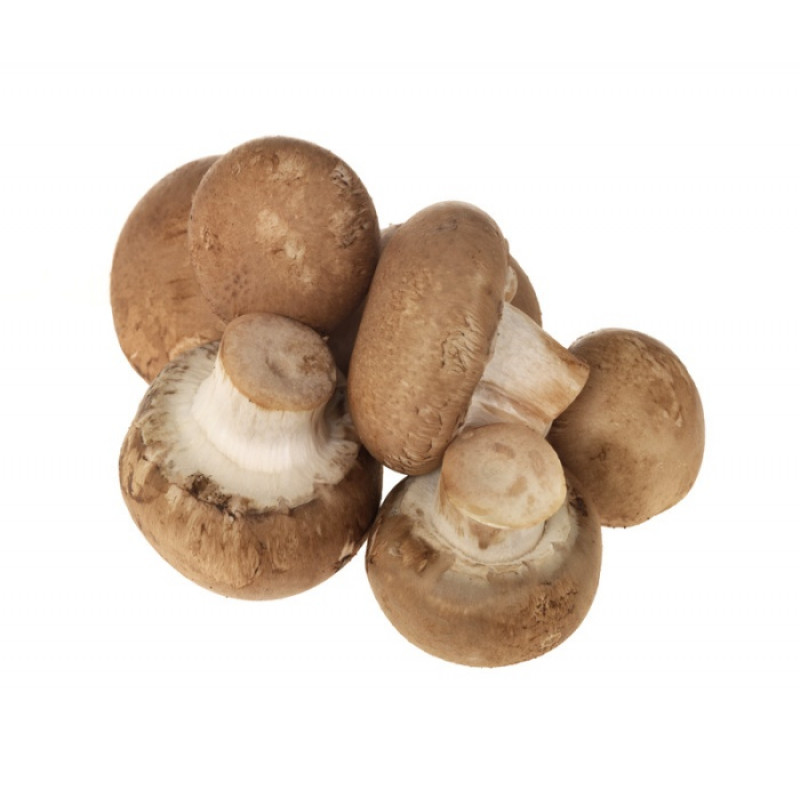
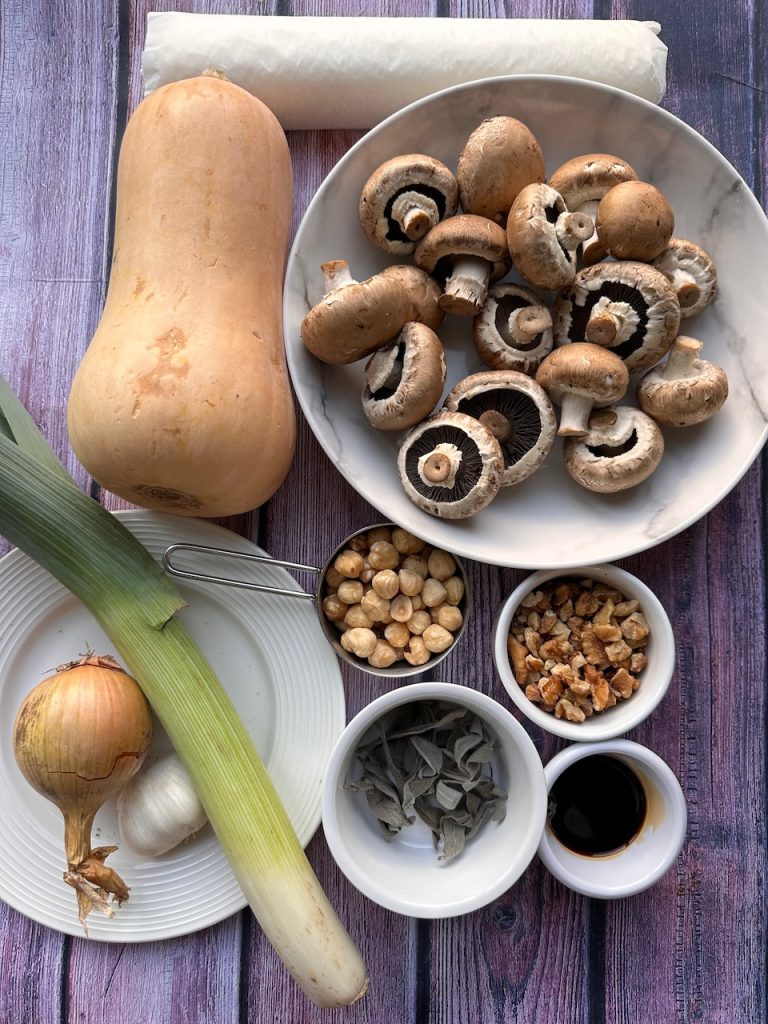
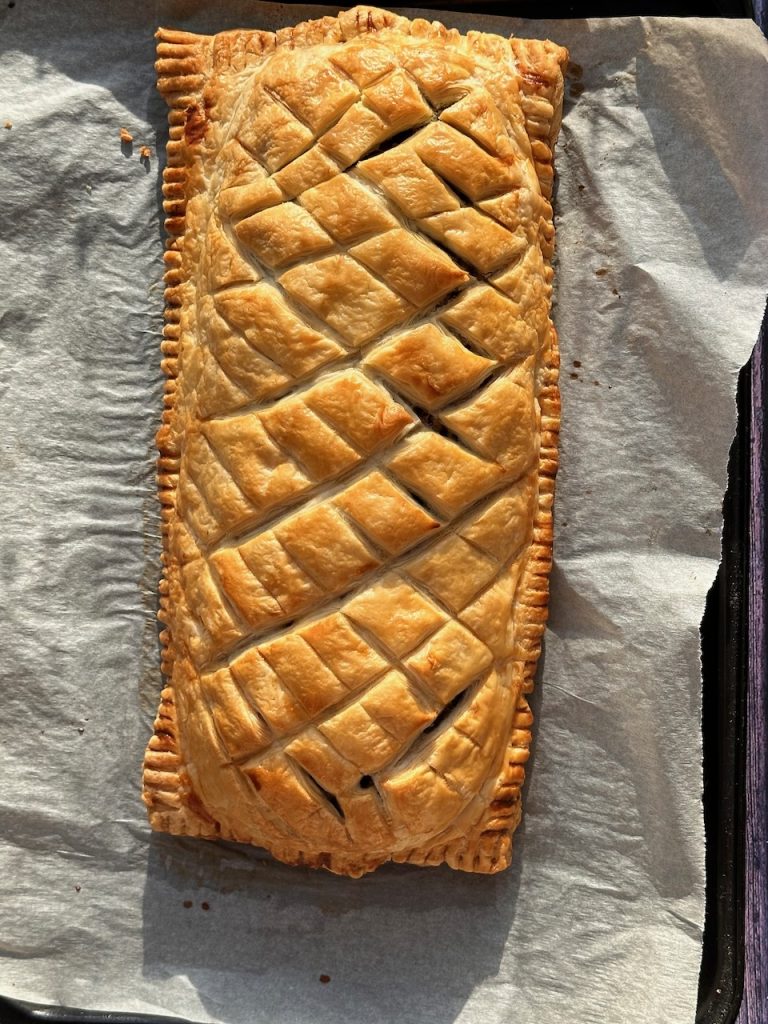
Every Christmas dinner needs a centrepiece and this is a delicious one. Organic butternut squash with mushrooms, herbs and nuts tastes delicious wrapped in crispy puff pastry with all the usual side vegetables.
You can make this ahead of time and keep it wrapped on a tray in the fridge for 3 days. If you fancy making your own gravy check out our recipe Groovy Gravy.
Save the recipe to try this Christmas.
Lou 🙂
Ingredients
2 pack of ready rolled puff pastry – most are vegan (375g per pack)
1 cup chopped nuts – walnuts/hazelnuts/almonds/cashews/pecans
salt and pepper to taste
80g breadcrumbs
Method:
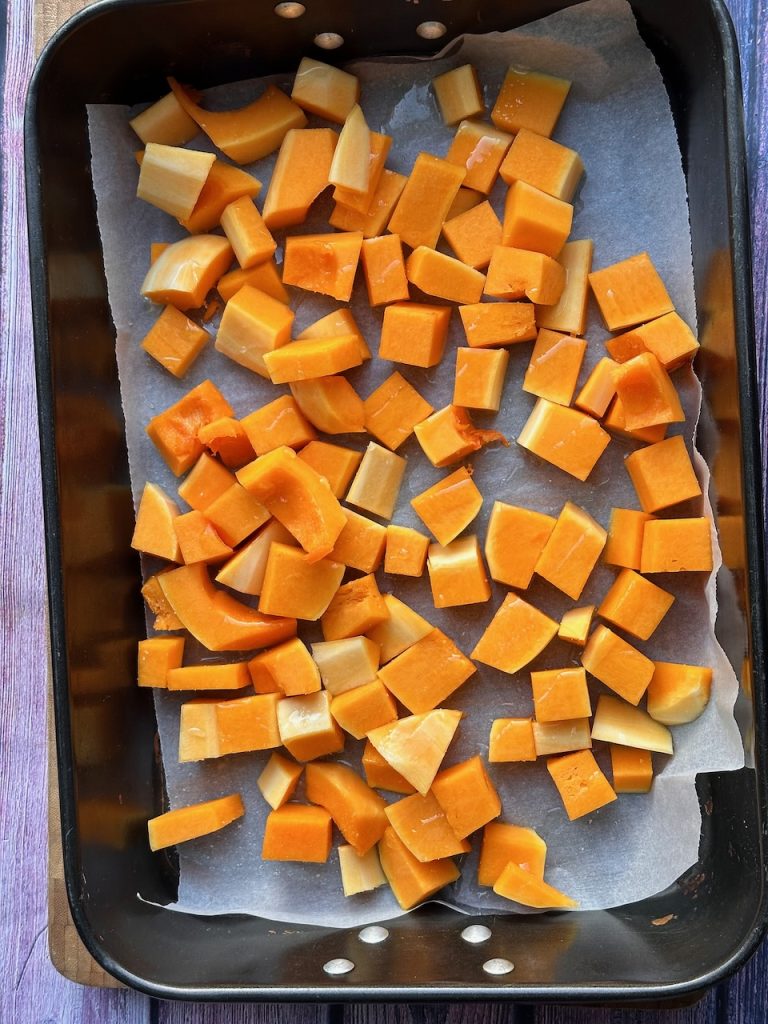
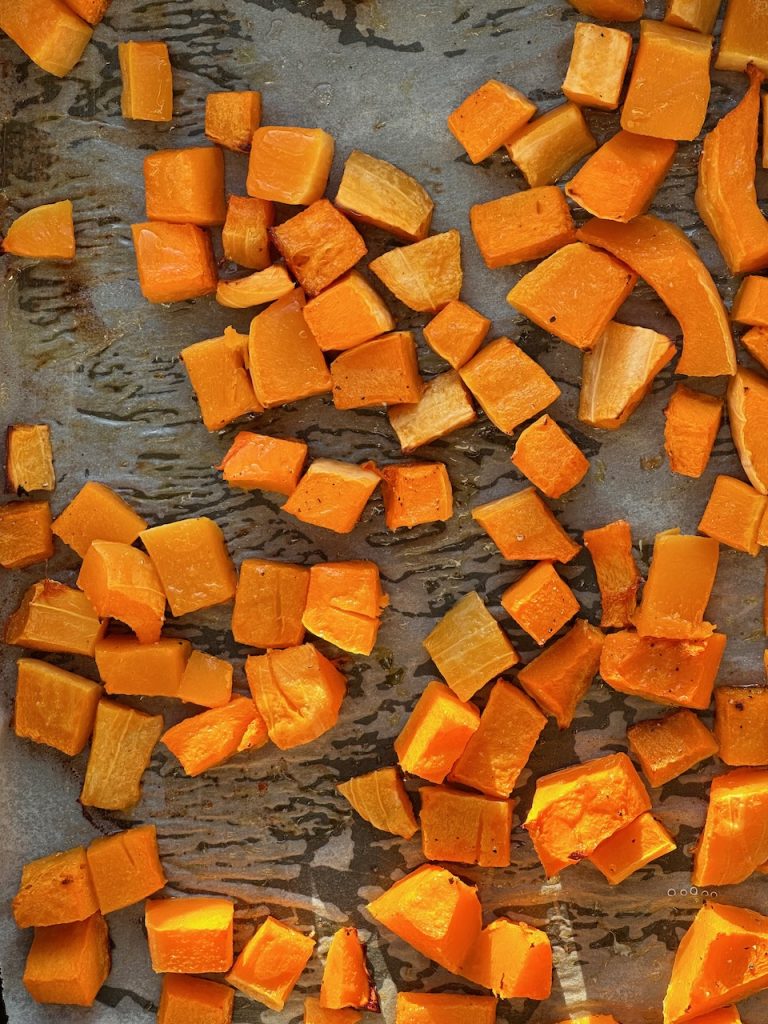
Step 1: Preheat the oven 180ºC, line 2 trays with parchment paper. Take the puff pastry out of the fridge and let it come to room temperature. Put the diced squash on one tray, drizzle with oil, salt and pepper and roast until soft, 30-40 minutes.
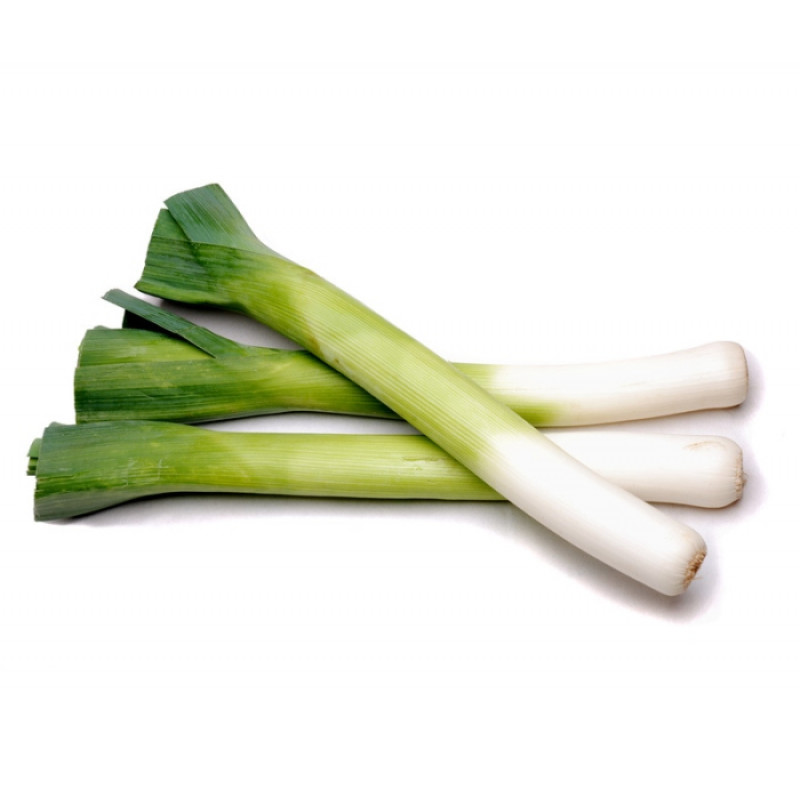
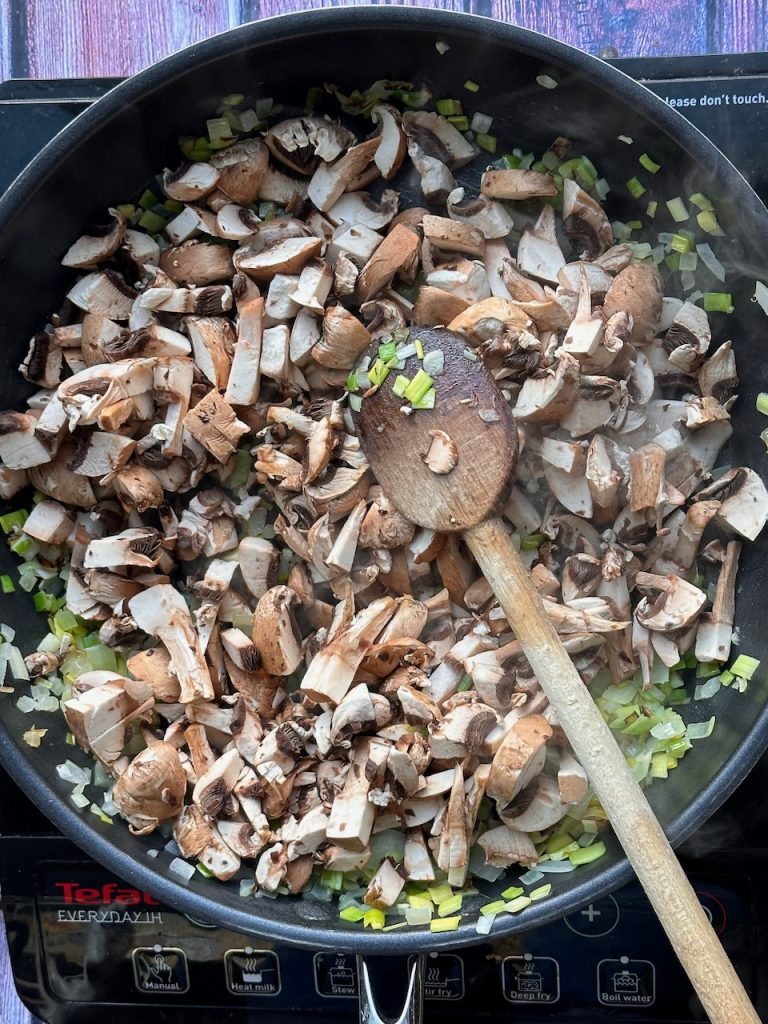
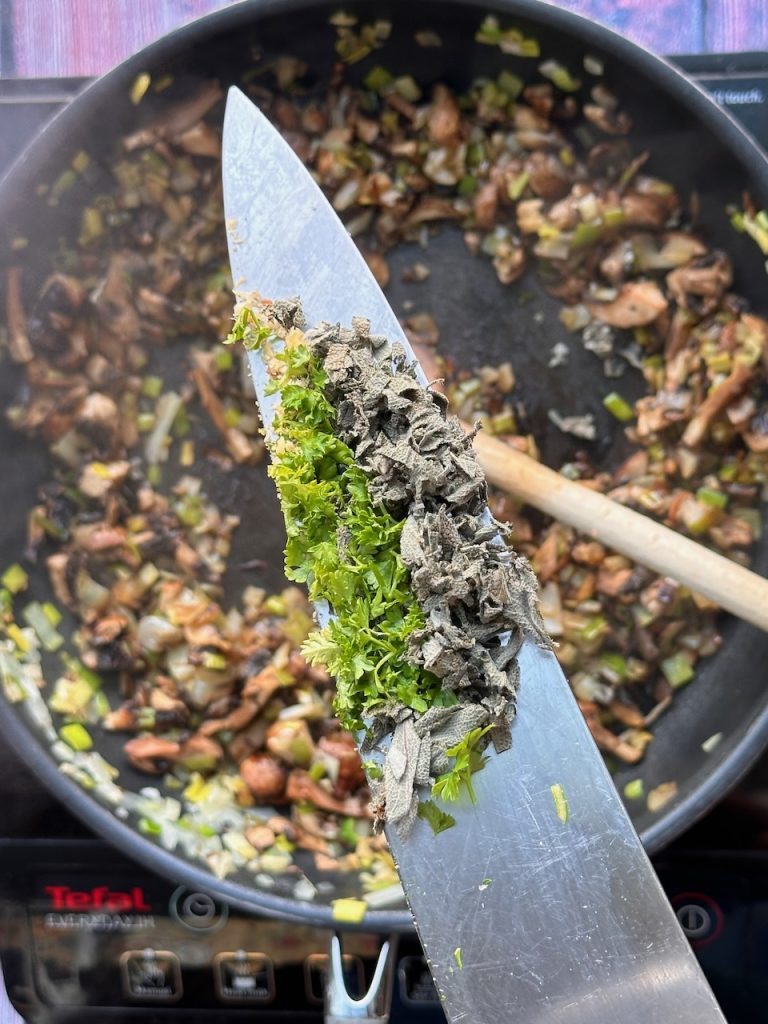
Step 2: Warm a frying pan on a medium heat, add a tablespoon of oil and the chopped onion, cook to soften for 5-10 minutes. Next add the garlic, leeks, some salt and pepper cook for a further 5 minutes. Add the mushrooms and cook them fully for 15 minutes. Once cooked add in the sage, parsley, chopped nuts, soy sauce, maple syrup, stir to coat.
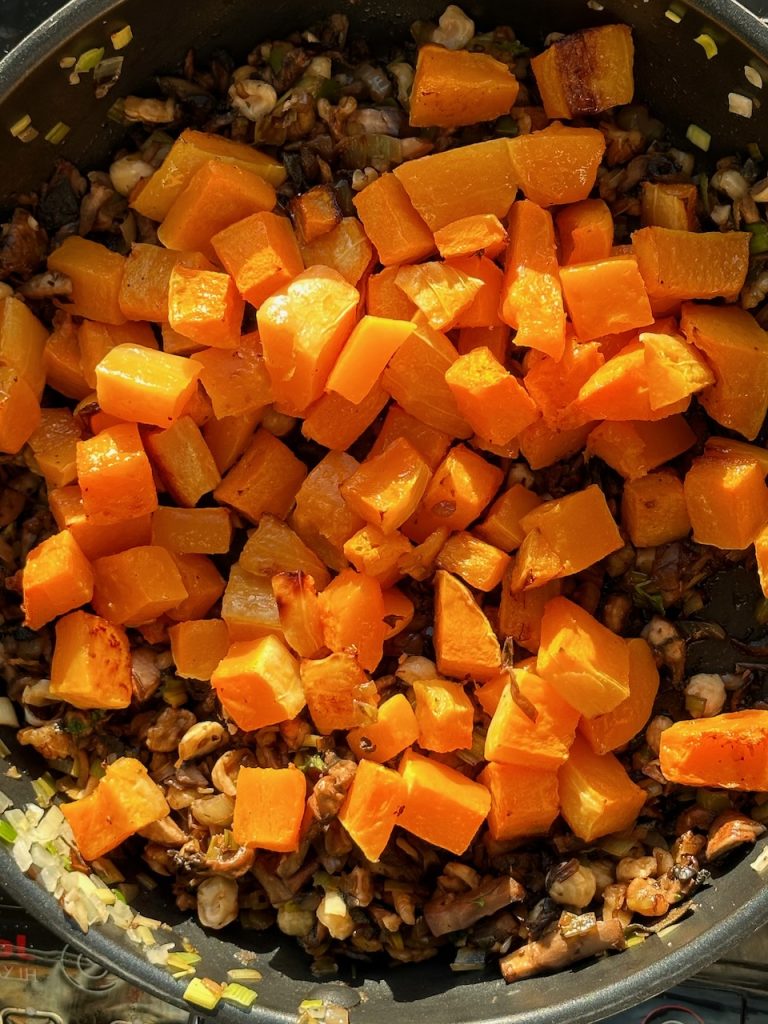
Step 3: When the squash is cooked add it to the pot with the cooked mushroom and mash with a fork or potato masher. Pour in the breadcrumbs and stir well. Set aside to cool.
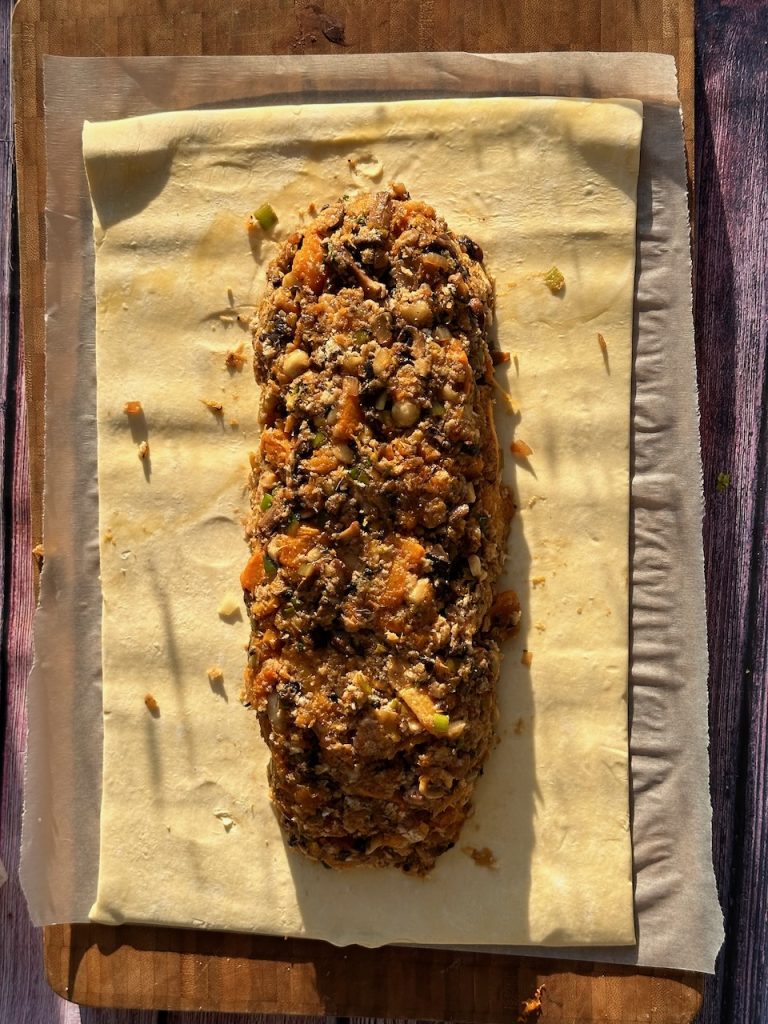
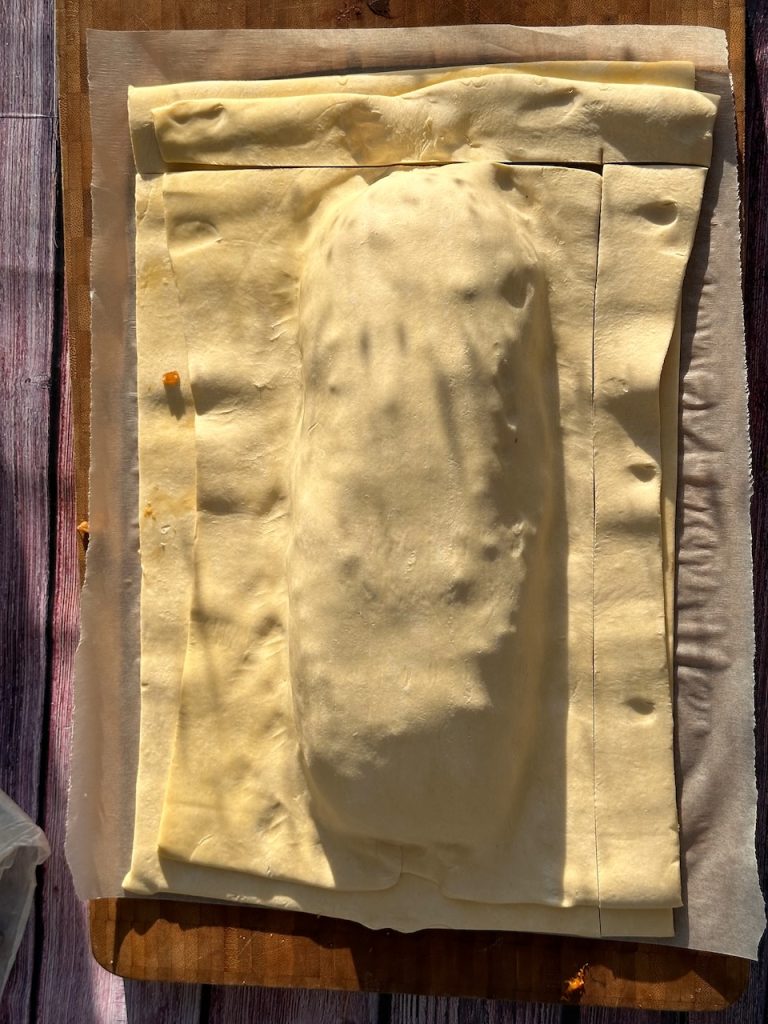
Step 4: Unroll both packets of pastry lay one on the second baking tray. Spoon the squash and mushroom filling into the middle of the pastry and make a long sausage shape mound. Mould it with your hands so its compact. Lay the second piece of pastry on top. Cut away the extra pastry (use it for something else) seal the edges with a fork, score a diamond shape on the top. Brush with milk or egg-wash.
Step 5: Bake in the oven 180ºC for 1 hour 20, until golden brown and cooked through.