The Hungry Gap

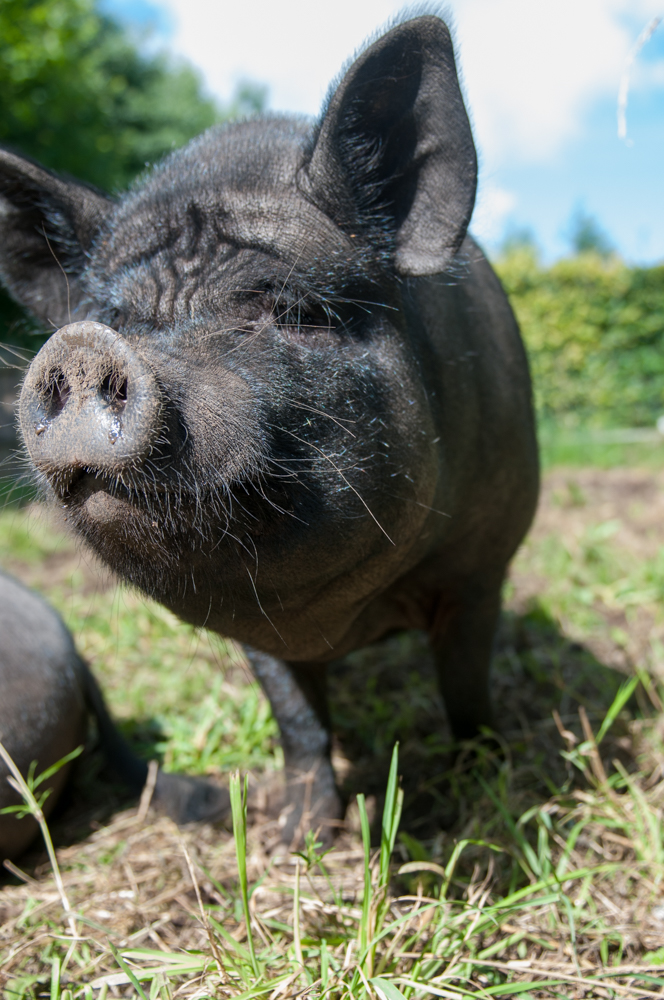
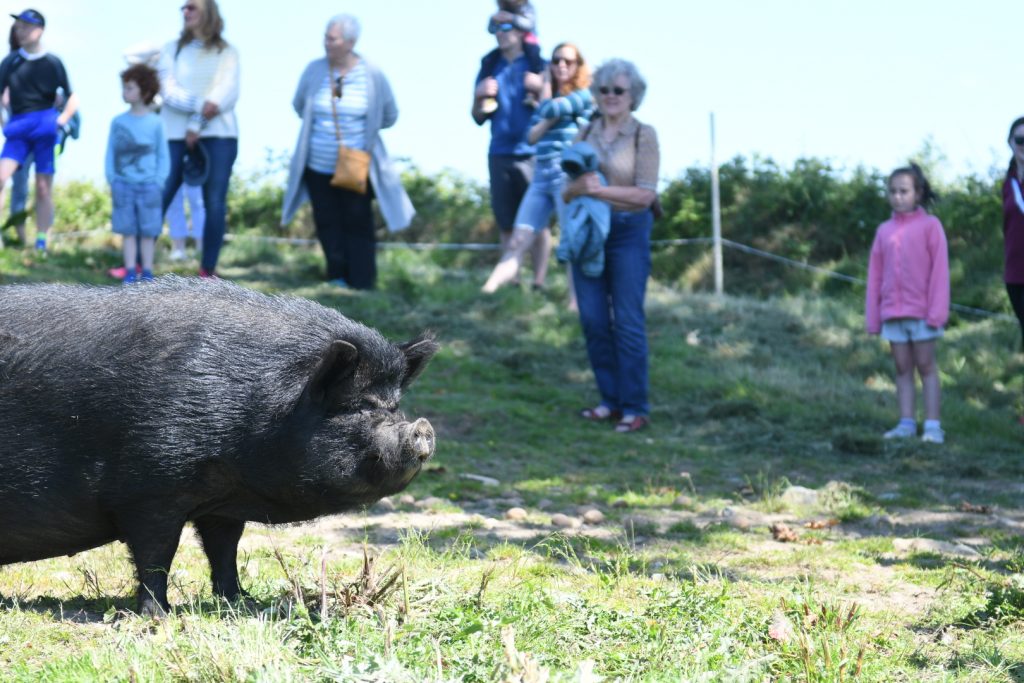
Florence (one of our pet rescue pigs) decided to have a day of breakouts today, she gets a little restless sometimes, even with the 1.5 acres of forestry she calls home. Personally, I don’t think she has it that bad and George her compatriot rarely goes on these adventurous little trips.

But true to her nature Florence arrived up into our packing shed today demanding more food (she gets fed quite a bit) and again I think she was being a little unreasonable and has little to grumble about. But anyway, that is life sometimes I suppose.

It’s funny how the unexpected can make you take things a little more lightly, force you to stop your routine ruminations, force you to stop what you are doing and deal with the occurrence at hand.

Well today in the midst of pressure to get carrots and parsnips sown and the onions planted with the threat of rain on the horizon, we were forced to stop our work and go and bring Florence back to her forest home. 

There are I guess two ways to look at this, an unwelcome interruption that meant more pressure to get the sowing done on time, or a welcome break that could be enjoyed. My innate sense of grumpiness was edging towards the former, but thankfully Florence is just too funny, and I went with the latter. 

It made us stop and smell the newly cultivated soil, see the flowers and bees and all the other good stuff that was happening and the experience as a result was completely different. 

Not all interruptions can be dealt with in such a philosophical manner, some you just need to throw out a few choice expletives have a bit of a tantrum and move on, this was the case with our planter this week. 

It is temperamental old and cranky and every year there is a requirement to find mutual common ground between farmer and machine, this year that ground has been hard to find and has led to moments of promising our faithful machine that its days are truly numbered. (Of course, I didn’t really mean it, all was said in the heat of the moment!)

Nevertheless, if farming has thought me anything and it teaches a lot, is that perseverance is an absolute requirement to succeed no matter what happens. 

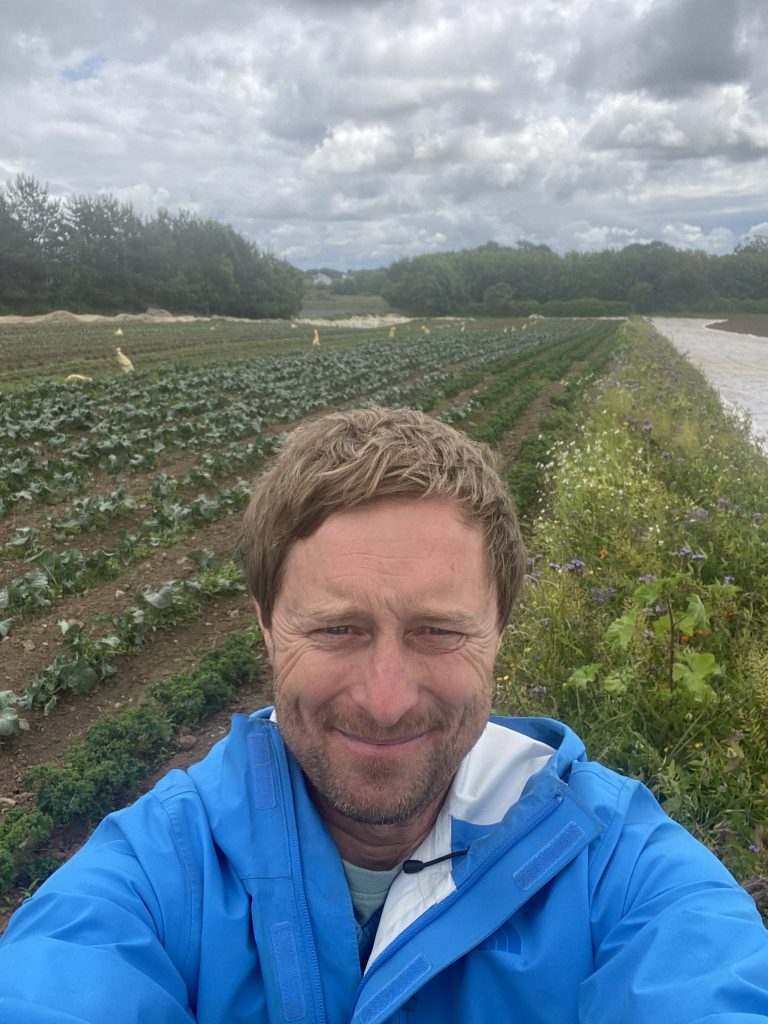
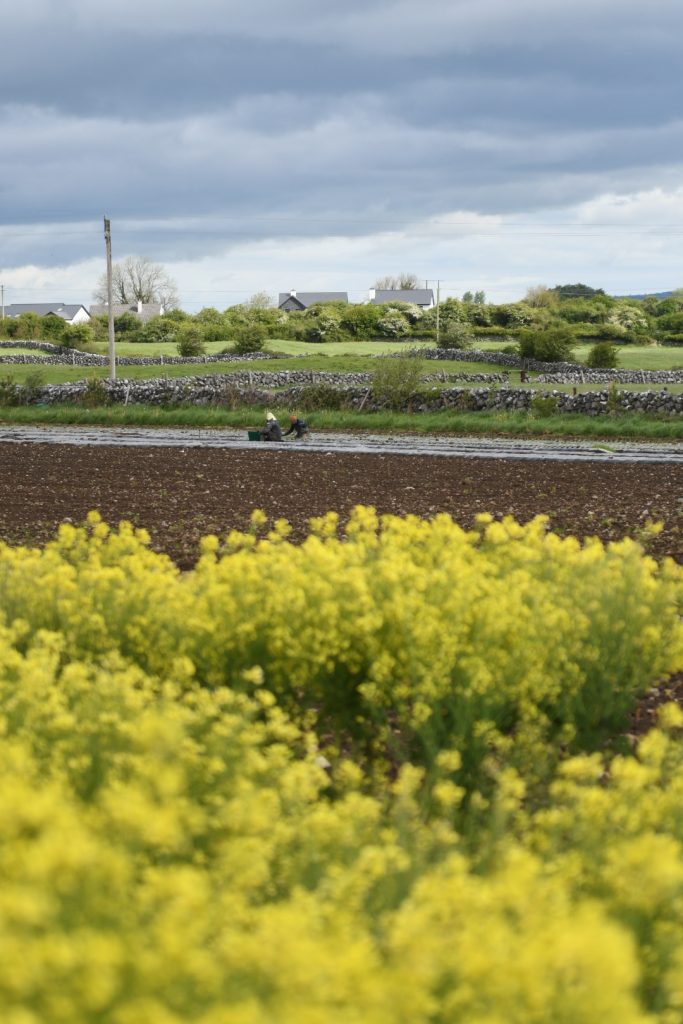
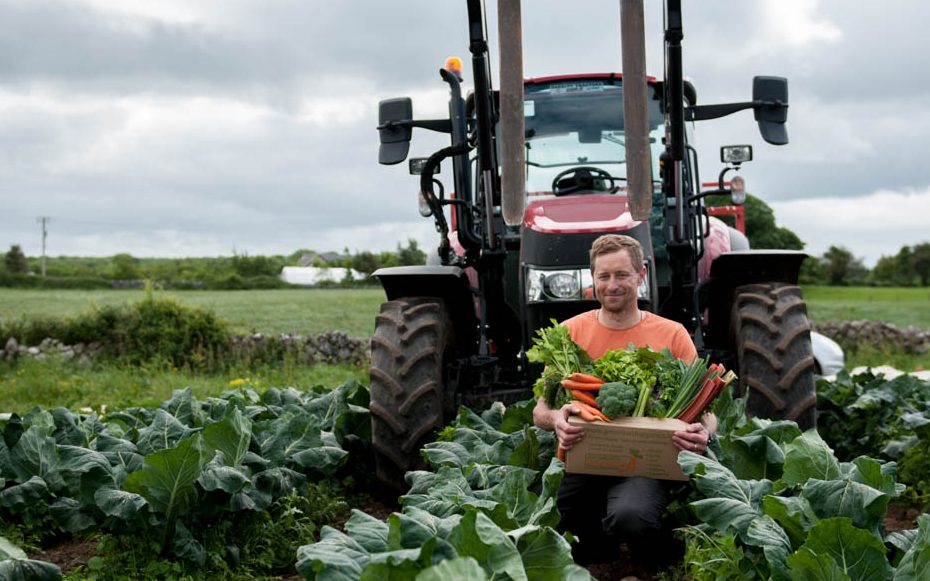
We have been very busy planting and sowing, for the last number of weeks we have been planting kale, cabbage, Romanesco, broccoli, lettuce, and celery.  We have been sowing, salad, beetroot, spinach, chard, carrots, and parsnips, not to mention the 1400 tomato plants that are soaking up so much time at present. 

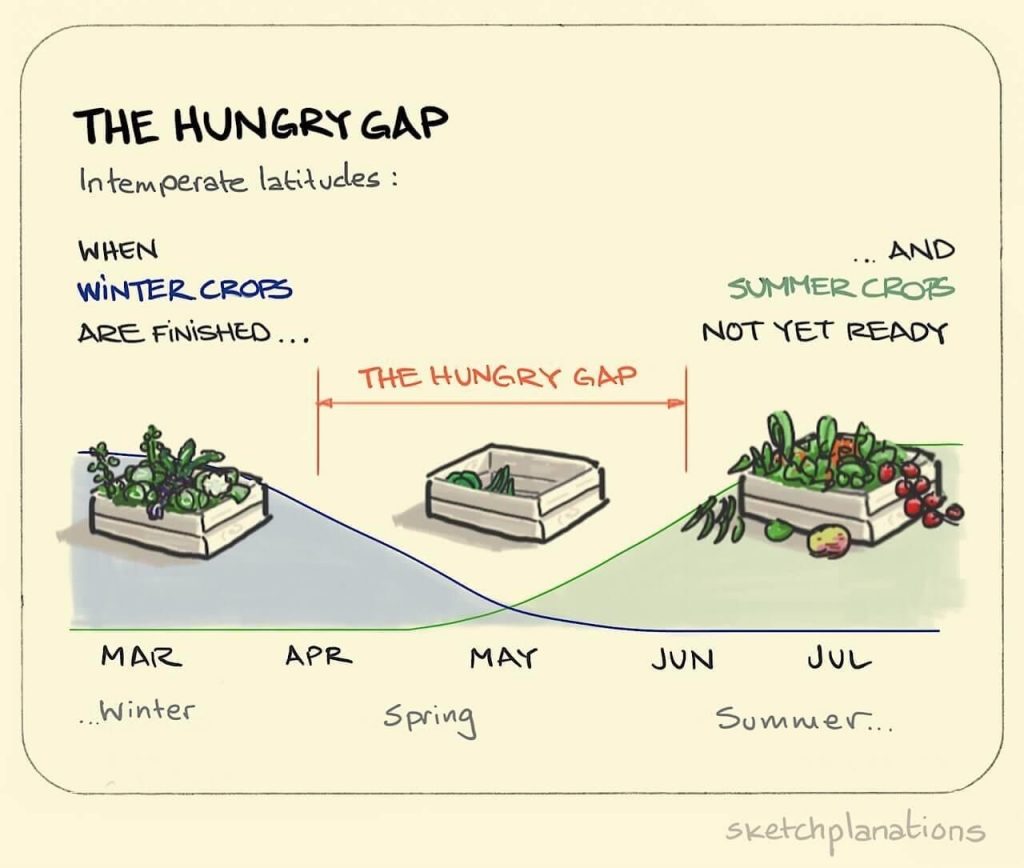
We are harvesting too, but the old crops are finishing, and the new crops are coming from the tunnels, all the field veg is in the early stages, and as a result there is a lack of certain Irish crops, this period is called ‘the hungry gap’.  

There is no way to rush nature, you need to have patience and get your timings right, take good care of your crops and the nature around as the crops grow, and the harvest will come.

So, we work, we wait, and we harvest.

Kenneth
Thanks to the guys at sketchplanations for the schematic

The First Swallows

The first swallows arrived today on our farm, I don’t know if everybody feels it, but it lifted my spirits. These little creatures traverse half that world, arrive here on our shores against all the odds for the summer, to nest and reproduce. They symbolise hope, they are beautiful and graceful, and we are honoured to have them. 

That moment yesterday was a great one, the week I have to say has not been filled with swallows! But yesterday for at least a moment everything felt just right, it was fleeting but that’s life I suppose. 

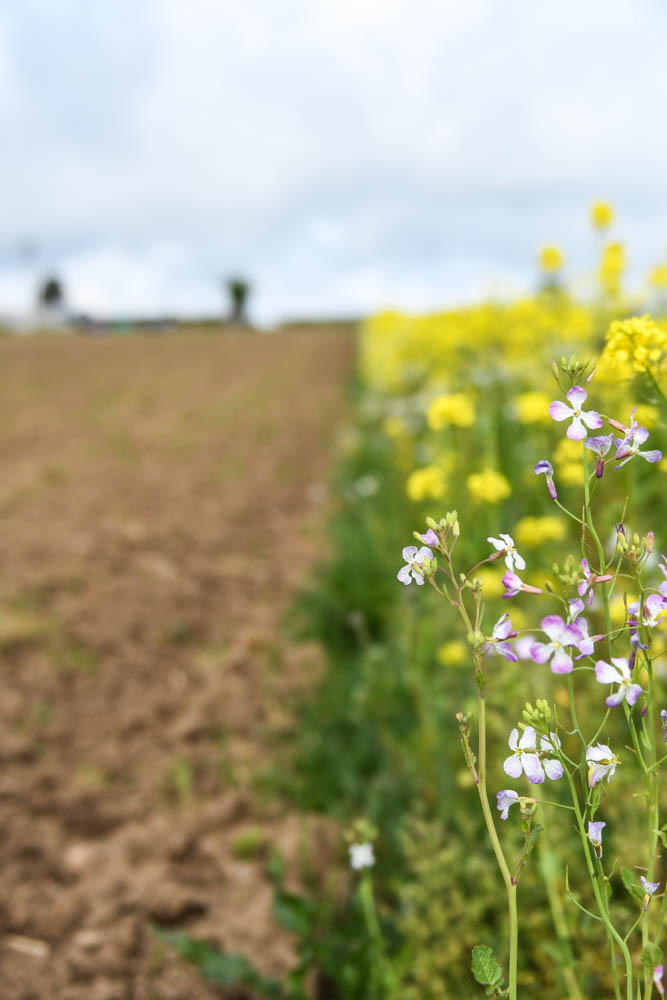
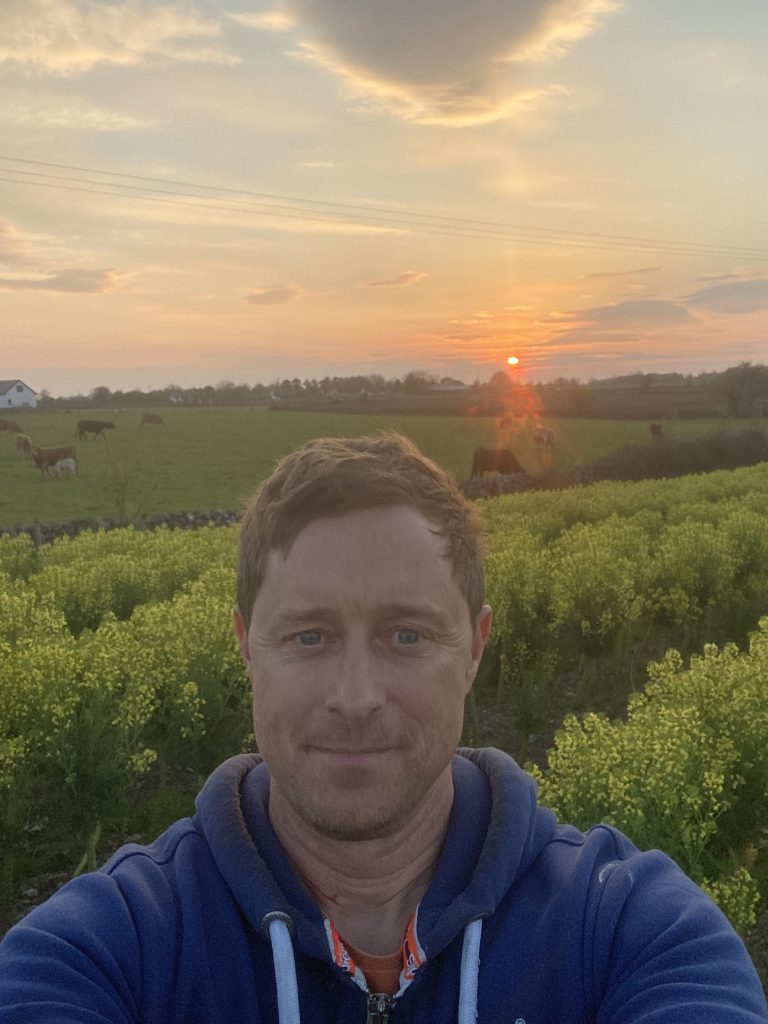
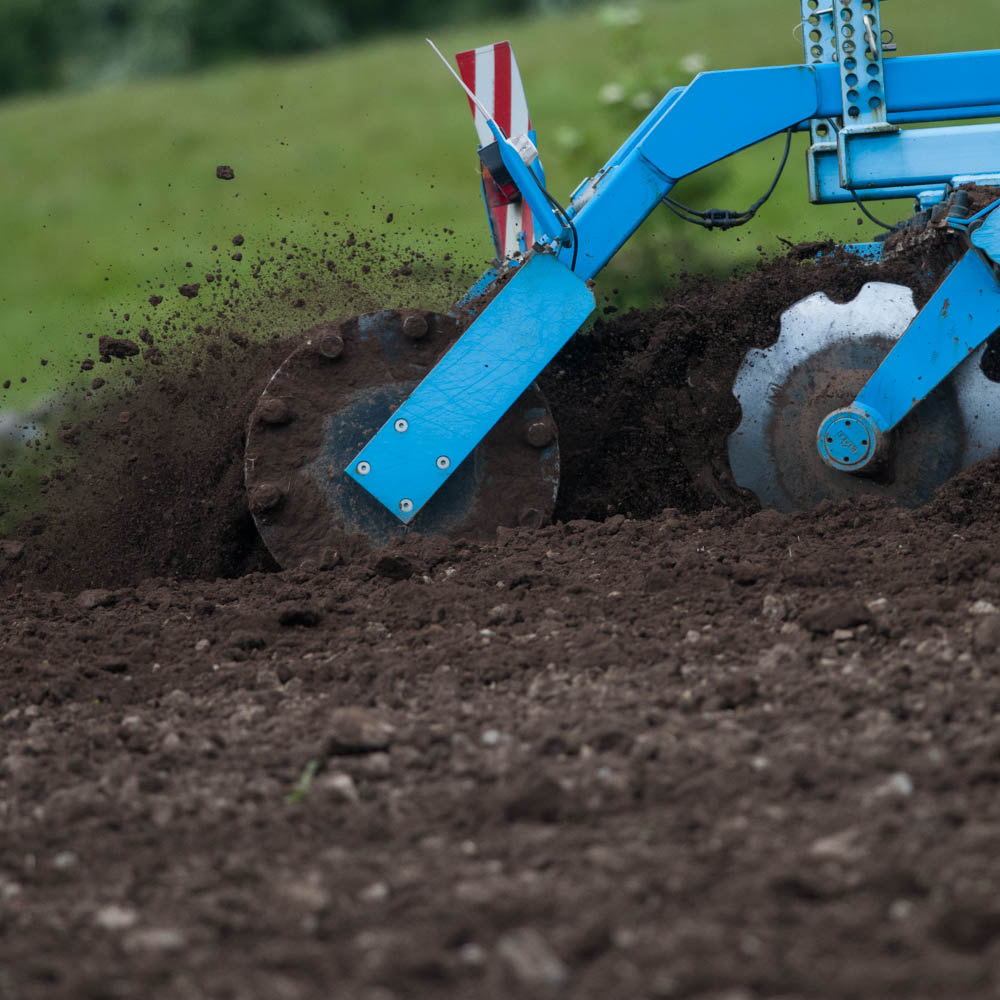
I was out in the tractor tilling and preparing the land for the first plants. The hedgerows were bursting with life, the trees were unfurling their leaves, the birds were singing, and the kale and the wild flowers were blooming and swaying the in the warm wind, the bees were everywhere. For a moment all was right, it seemed to me that the universe was reminding me that we are on the right track.

All around on our farm was an abundance of happy healthy life, sustained on this patch of land, free from chemicals and covered in trees and flowers, and in this little area surrounded by all this life we grow your food. 

The moment was fleeting and life as it does closed in again. How to hang on to these moments of clarity has been the study of ages, and I guess I have quite a bit to learn yet. Nevertheless, it shows that unity is close and sometimes unexpectedly it enters and fills our souls with joy. If life on the land has taught me anything, it is to expect the unexpected and this moment was truly unexpected and thoroughly appreciated. 

These last two years have been that too. The business of growing food is challenging but very rewarding, it is the selling of the food that can provide the greatest challenges. It is in this arena that you have to go out and interact and compete in the real world and that can be tough. 

We certainly have learned our fair share of lessons over the years and continue to learn. Nothing it seems stands still. Life and business are very similar in that regard, they require continuously evolution and change to grow and survive, but maybe we need to aim a little higher than just surviving, have we not had this opportunity to thrive and do the rights things in the right way.

So, it begins, the start of the season is upon us once again, and philosophical musing aside, it is our 17th growing season, and this fills me with hope. We have the first tomato plants planted in the tunnels, we have the ground ready to plant the first broccoli and Romanesco. The first outdoor lettuce, salad, spinach, and beetroot will be sown very soon. 

We do the right things in the right way here, we definitely don’t always get it right, and we certainly have plenty to learn, but maybe little by little bit by bit, and with your support and help we can improve and grow and maybe the little swallows will continue year in year out to grace us with their presence.

Thank you, little swallows, for the moments of joy. 

Kenneth 
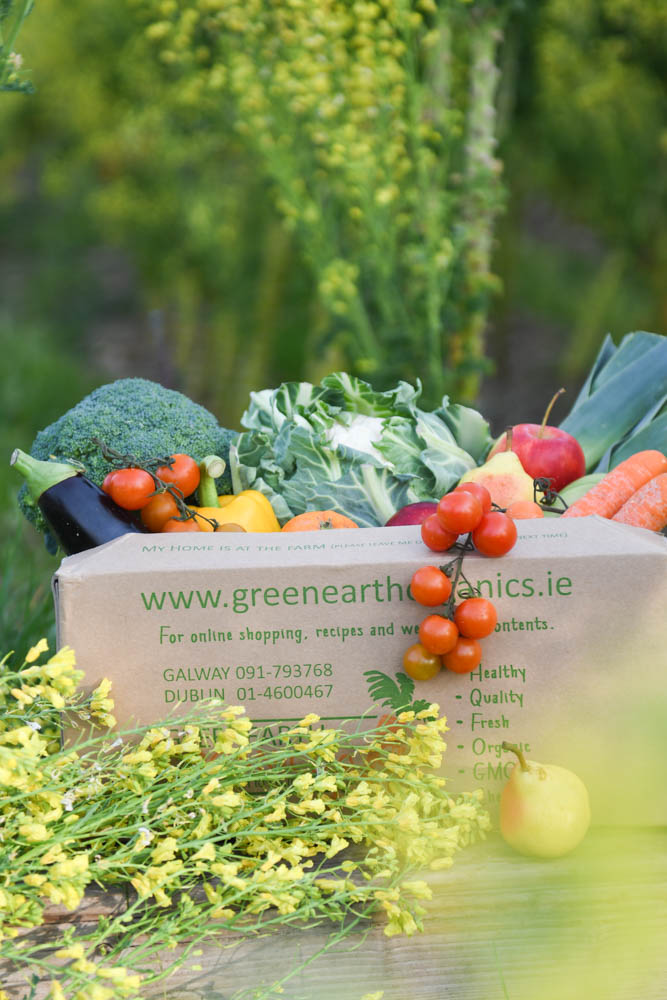
Order a box of organic fruit, vegetables and groceries to be delivered to your door, anywhere in Ireland.

Corporate Rewards

Reward your Staff, Customers & Clients

Start a corporate rewards program with us – a simple way to show clients, customers, and employees your appreciation while supporting sustainable, organic, Irish vegetable farmers.

Give the Gift of Health & Sustainability

Are you part of an organisation who rewards their employees regularly? Would you like a healthy and sustainable option? We can help. We can provide vouchers and coupon codes specific to your organisation. Contact us to see how we can deliver organic, plastic free fruit, vegetables and groceries to your employees and clients all over Ireland. Email info@greenearthorganics.ie to discuss what we can do for you.

We can also organise tours of our farm as part of the package. Kenneth gives a two hour walking tour of the farm here in Galway with an interactive talk on food, sustainability, our health and the health of the planet. Get in touch to see how we can enhance your green credentials and your employee happiness.
Who We Are

We are an organic vegetable farm in Galway with a nationwide delivery scheme. What we don’t grow ourselves, we source firstly from other organic, Irish farms, then fill the gaps with organic produce from as close to home as possible. We never use airfreight. Sustainability is at the heart of our business, here are our 5 pledges for the planet:

1. Always Organic

We promise to only grow and supply organic, sustainable ingredients and products. This means we will produce food in a way that works with the environment and wildlife, not against it.

2. Plastic Free

Wherever possible, we promise to use plastic free packaging. We pack produce loose or use paper, card or compostable bags. We also have a growing plastic free grocery section.

3. Locally Sourced

We promise to bring you Irish produce wherever possible. To keep your kitchens well stocked we will also source organic produce from as close to home as possible. We promise to never use air-freight.

4. Speak Up

We promise to never stay silent about important environmental issues because the damage we are doing to our only home is real. We will create helpful, informative content to discuss what we can all do to change and we promise to pull no punches when it comes to saying it how it really is.

5. Carbon Neutral

We promise to use renewable energy on the farm and in other areas of our business wherever possible. We have solar electricity on our packing shed and have planted over 7000 trees on our farm to offset other energy uses. 

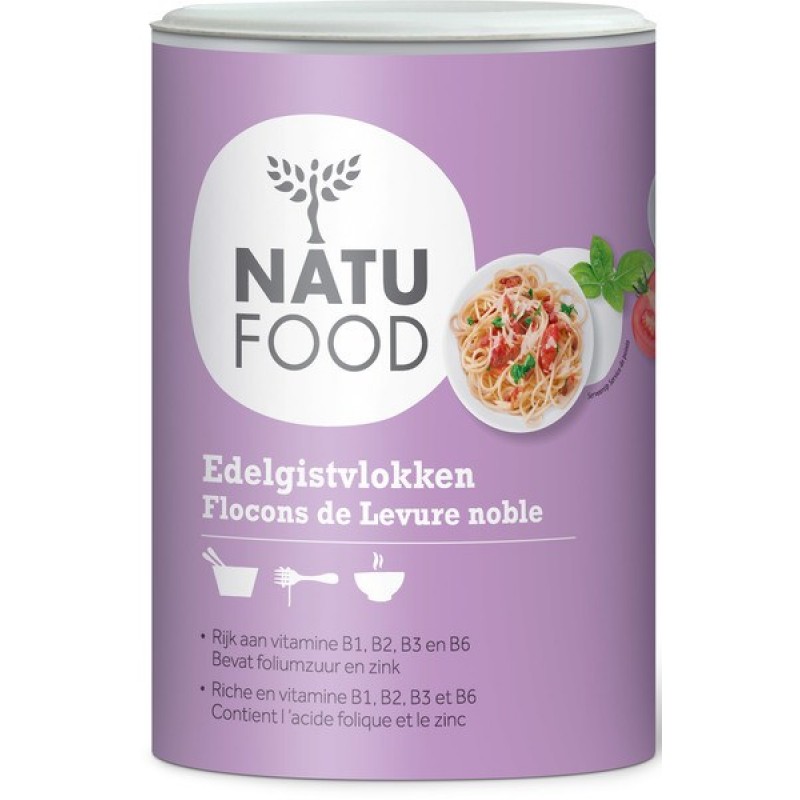
Instant Vegan Cheese Sauce Powder

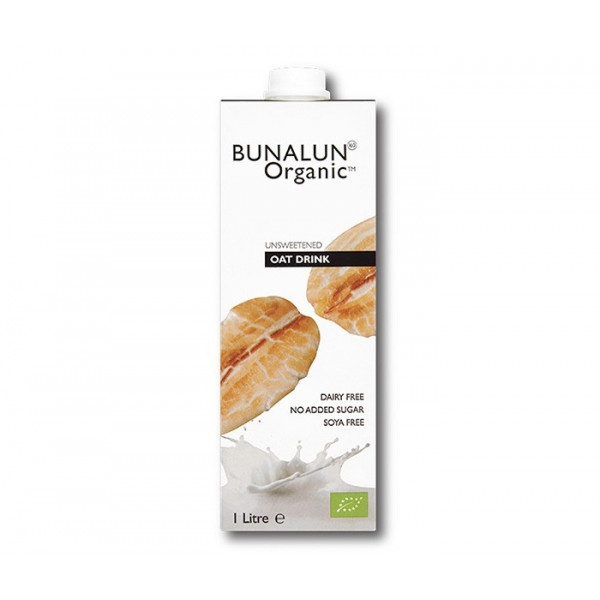
For mac’n’cheese, cauliflower/broccoli cheese, layers in lasagnes or moussakas, cheesy mushroom and leek pies and more… This instant powder is so useful to store in your pantry to whip up a quick mid-week meal. Just add oat milk and a little olive oil or melted vegan butter.

Liz x

Ingredients

Method

  1. Measure all the ingredients into a jar and give it a good shake to evenly mix into a powder. If you don’t have mustard powder then leave it out and add dijon mustard or whatever mustard you like in the wet stage described in the next step.
  2. In a measuring jug, pour 100ml of oat milk per person. Then whisk in 1 tbsp of the powder and 1 tbsp of good olive oil (or melted vegan butter) per person. If you mix doesn’t have mustard powder, add a tsp of Dijon mustard per person too.
  3. Pour the mixture into a pot over a medium/low heat and whisk continuously until it is cooked through. It should be creamy, silky smooth and nice and thick. Taste and adjust the seasoning if you need to, then use the sauce however you like. Fold through cooked pasta, layer up in a lasagne or moussaka, pour over cooked mushrooms, leeks and butterbeans then top with pastry and bake… I always use this sauce for a cauliflower and broccoli cheese as part of our Sunday roast.

Easter Inspiration

Go green this Easter with some veggie meals and treats from our archives. Just click on the photos or the words in bold to be taken to the recipes. Happy cooking! Liz x

To Start

Try this steamed asparagus and artichoke dish with wild garlic butter. Asparagus, artichokes and wild garlic are all really special perennial vegetables, perfect at this time of year and such a treat.

Or how about a soothing bowl of wild nettle soup? Use our organic vegetables as a base and add some locally foraged wild nettle tips from near you.

Or a platter of these vegan devilled eggs? A lightly pickled mushroom replaces the traditional egg white and the yolk is made from beautifully seasoned chickpea puree.

The Main Course

This easy, one-tray dish packs a lot of flavour. Try our portobello mushrooms steaks with roasted potatoes and asparagus, drizzle over some vibrant chimichurri to make the dish sing SPRING!

Try your hand at making a homemade pasta dish? Ravioli is easier to make than it looks and this beautiful beetroot ricotta is just what a spring lunch is calling for.

Rainbow chard parcels are so versatile and you can really make them your own with your favourite fillings. Here’s one way to enjoy this colourful leafy green.

Something Sweet?

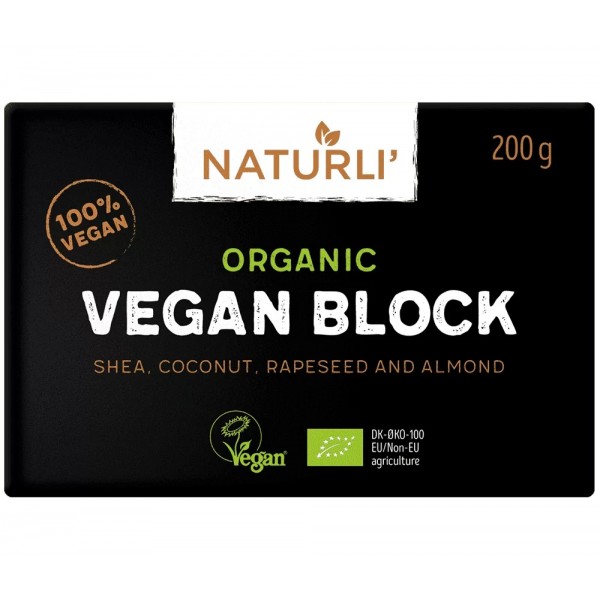
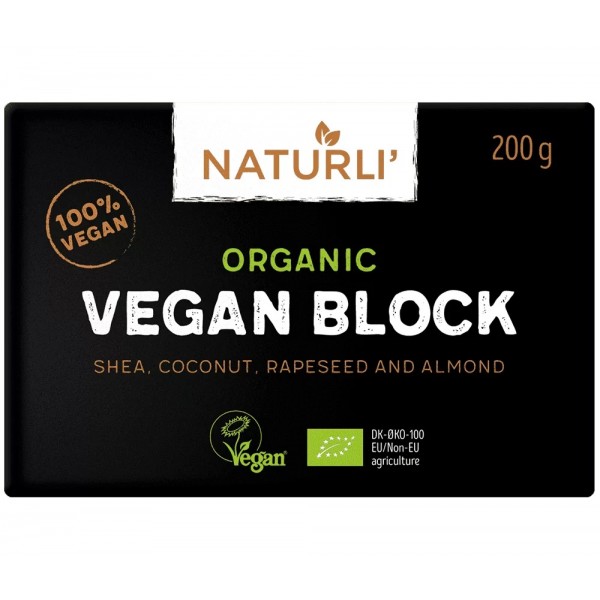
Easter isn’t Easter without hot cross buns. Try this easy vegan version. Keep it dairy free by toasting and slathering with our new vegan butter.

Make your own little Easter eggs with these dates stuffed with nut butter and coated in chocolate.

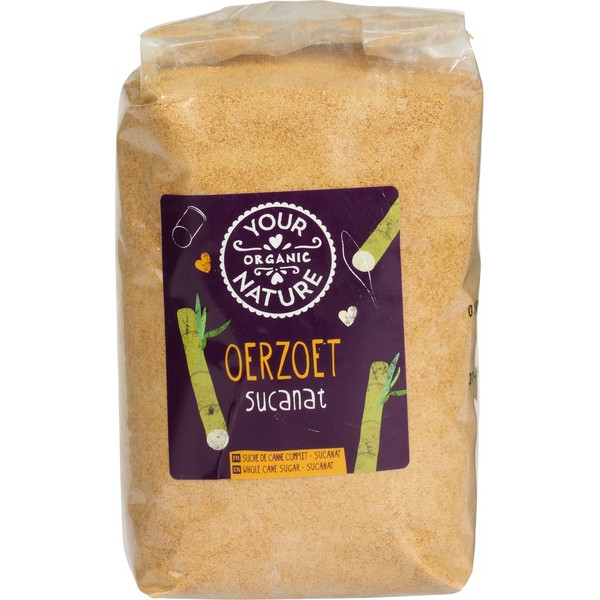
With a nod to the Easter bunny, make this very carroty raw carrot cake. It’s naturally vegan and gluten free, refined sugar free too, but tastes so so good.

Leek & Lemon Orzotto with Hazelnuts

Leeks are one of our favourite vegetables. They are so delicious, I like to make them the star of the show when I cook with them. This simple, one-pot, spring dish is all about those luscious, soft and sweet leeks offset by toasty, crunchy hazelnuts (we stock organic hazelnuts in compostable bags here) and tangy caramelised lemon. Orzo is just rice shaped pasta which I love to cook like risotto rice, we stock an organic bag from Irish company, Bunalun. We love their store cupboard staples so much. Top quality, organic and affordable. Add some Bunalun groceries to your next fruit and veg order with us here. We deliver nationwide.

Liz x

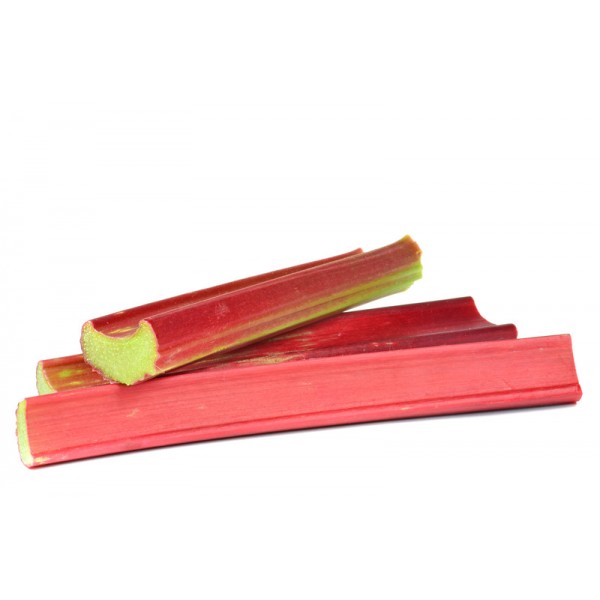
Ingredients (serves 4 hungry people)

Method

  1. Find a large, deep, frying pan or pot. Start by toasting the hazelnuts in the dry pan. Just turn the heat to medium-high, tumble the hazelnuts into the pan and keep them moving around until they smell amazing and are deliciously toasty. Tip them into a bowl to cool a little then chop or crush into smaller pieces and save for finishing your dish at the end.
  2. Then, in the same pan, add the butter and oil. Place the lemons, cut side down, into the melted fat and let them cook until caramelised. Remove them to a bowl to finish your dish with later too. Caramelised lemon is so delicious. It makes the lemon softer, juicier and sweeter…and it looks pretty too.
  3. Tip the chopped leeks and garlic into the pan and season with salt and pepper. Stir fry until the leeks are starting to soften.
  4. Add the orzo and stock to the pan and simmer and stir until the pasta has absorbed the liquid and is cooked through. Taste and tweak the seasoning if needed with more salt and pepper.
  5. Stir the chopped parsley through, then serve in four bowls, each topped with a caramelised lemon half and a handful of chopped, toasted hazelnuts. Enjoy!

Is Cheap Food Undermining Our Food Security?

This was a piece I was asked to write for the Sunday Times last weekend:

The start of a new growing season is upon us, and it always fills me with a sense of hope for the future. The plants will grow, and in a few short months we will be harvesting some of Ireland’s finest bounty. As with many growers, and food producers up and down the country this is a key time, but this year it feels different; the costs of producing food are skyrocketing, there is a sense of nervousness, the price of inputs are up and at the same time there is a squeeze on prices to meet the demands of the big retailers. And sometimes the sums just do not add up.

What does all this mean for a little country that is intensely reliant on food imports for its survival? As a food producing nation it seems we actually produce relatively little of what we eat, importing a staggering 77% of our food. We have been concentrating and focusing for many years now on developing an intensive and export driven meat and dairy industry, and as the intensification of the industry has accelerated, it has become more reliant on imported grain to sustain the national herd, with 60% of said grain imported. That equates to 3.47 million tonnes of grain feed imported into Ireland every year to feed our animals.

Our food security as a nation has been brought into the limelight as Charlie Mc Conalogue the minister for agriculture stated during the week.“Food security is really important over the next number of weeks and months and it is something we have to work together on.” Well Charlie, I think it is pretty important just about all the time, and it is unfortunate that the tragic events of the last month are required to bring what food we produce and how we produce it onto centre stage.

Irish farmers were asked last week to consider the idea of growing grain and fodder crops to help feed our population and our burgeoning dairy and beef herd. But the necessary skills cannot be magicked up over-night, it takes time, specialised machinery and experience to learn to grow crops on a reasonable scale.

It’s a pity then that Charlie does not turn his focus on the below cost selling practice by supermarkets which has weakened our non-export focused food industry and is causing more primary food producers to struggle to sustain their enterprises. The Jim Powers economics report published this week, states that retail prices compression threatens the viability of Irish horticulture which could lead to even more reliance on imports to feed our nation. The most recent national field vegetable census showed that the number of field vegetable growers fell from 377 in 1999 to 165 in 2014. That is a contraction of 56%

These skills are lost for ever, and once they are gone are difficult to replace.

If we don’t want to end up being a nation even more reliant on imports maybe we should shift our focus from an export dominated beef and dairy industry, to an industry that produces more crops destined for consumption at home and pay the farmer a fair price for the food. Surely that would allow us to invest and build a more secure and resilient food system.

Kenneth
Food Resilience

A resilient food system is one with the ability to prepare for, withstand and recover from a crisis or disruption. This is important at any scale. If you are an allotment holder or have a veg patch in your garden, you want it to be resilient. You want to ensure your efforts can’t be completely destroyed by unexpected pests or weather so you plant a variety of crops in case some fail, you prepare for and prevent damage from pests and weather. The same goes if you have a large farm – it’s wise to plan with resilience in mind too. Planting huge mono-crops, or factory farming animals, although less work and more profitable in the short term, is terrible for the soil and the environment, and you need to use a lot of pesticides and antibiotics to ward off large scale pests and disease. It is a shortsighted, damaging way of farming.

Organic farms on the other hand, have resilience built into their roots. Organic agriculture doesn’t rely on external, artificial or chemical inputs, or genetic engineering to grow sufficient food. Organic vegetable farmers grow trees and hedges alongside a diverse range of crops and cover crops which mimics nature and prevents flooding, drought, pests, soil degradation, water pollution and more. All these protective and nourishing measures combat climate change and future-proof our agricultural land. We dream of a future where organic farming practises are the norm.

We like to think, if you run a country, food resilience and the ability to feed the nation when things go wrong should be one of your top priorities. Resilience-testing events like climate change and wars are no longer just on the horizon. So apart from voting for leaders who prioritise climate action, peace and fair trade with our neighbours, what can we do to ensure Ireland is a food resilient nation? We say, also vote with your money – buy local whenever it’s available and alway choose organic. What are your thoughts?

Below Cost Selling

How many more horticultural enterprises organic or otherwise need to go to the wall before we realise it is too late?

A very significant report has been commissioned by the IFA and published this week: the Jim Power Economics’ report states ‘Retail Price Compression Threatens the Viability of Irish Horticulture’. In other words loss leading and below cost selling of fresh produce is putting Irish farmers out of business. 

The report’s findings are far from surprising and many primary producers up and down the country will tell you, the power that large retailers hold is enormous. They have hollowed out the horticulture industry here in Ireland and it is in real danger of closing it’s doors for good unless there is meaningful change. 

It states that farmers are the weakest link in the supply chain, they have the least say in what they get for the food they grow.

Imagine the food we eat, put into our bodies, the very stuff that makes us tick and to a large extent will dictate how long we will live, our fresh food as far as supermarkets are concerned should cost as close to zero as possible.  Are we all complicit in this race to the bottom though?

It is why in part that we ditched supply to the supermarkets all those years ago, in the famous words of Frank Sinatra we decided “to do it our own way”.  It isn’t all roses either here as we are constantly competing with the very idea that food should be cheap, and we cannot compete with the supermarkets. 

But it really is only through your support, by reading this, by supporting our business and farm week in week out that we are still here and have expanded our farm and continue to grow healthy happy food, whilst nurturing the land for 16 years.

The report goes on to say:

“A cheap food policy is not a sensible food policy”

It singles out the discounters as the main driver that have severely undercut the price given to Irish farmers, and as a result all other major retailer have had to follow suit to stay competitive. The end result is less for the farmer. This year the second biggest Brussel sprout farmer in Ireland closed his doors for good as the price he was getting for his food meant his business was unsustainable.

I really wonder how many of those farmers that adorn the walls of the supermarket aisles have forced smiles on their faces for fear of losing their contracts? 

As real costs increase and as the price the farmer gets paid for the produce decreases how does that equation end up? Yesterday we paid over €2000 for agri diesel for our tractors, last year it was less than half that.  It clearly is not sustainable.

Where will all this end, I wonder? Well maybe, just maybe, it will end with change, and with more and more people making the choice to support local food where possible, even if it costs more (and yes in these times that is a big ask). 

But the benefits are immense: Local food means better food, healthier food, local jobs, local enterprise in rural areas, higher nutritional content, better flavour.  If it is organic too then the health benefits and the benefits to the planet are surely worth something too?

Kenneth
Unsustainable Supermarkets

The word ‘sustainable’ doesn’t just refer to environmental issues, it can refer to anything and means ‘something that is able to be maintained at a certain level’, like matters of economy and food security. So when we say ‘supermarkets are unsustainable’ we are not just talking about their over-use of plastic or their mountains of food waste, we are also talking about the way they source their products and pay their suppliers.

It has recently come to light here in Ireland, (read this article for the facts and figures) that local vegetable growers are being squeezed from all sides, so much so that many vegetable farmers in Ireland are forced to quit. Supermarkets demand lower and lower prices and present vegetables as ‘low value’ with ridiculous discounted prices (which, understandably, customers then begin to see as the norm which perpetuates the problem), and yet farming costs go up and up. It is unsustainable. Where will this leave us in the long term? Will there be no more Irish vegetables soon?
You know something is not right when it is cheaper to put potatoes, cabbages, onions, tomatoes, lettuce etc, all things that grow very well here, on a ship or an aeroplane and bring it over to Ireland than to just grow it here and pay Irish farmers enough to cover their costs. Now, just 1% of all farms in Ireland grow vegetables.

This is not to say importing is wrong. We love to trade with the world, who doesn’t love exotic fruit, tea, coffee, chocolate, olive oil, wine…? In fact, even here in Galway, our small business imports plenty of products and fresh produce ourselves to fill the gaps in your boxes (by the way, we never use airfreight). But when there is an Irish, organic option, even if it is more expensive, we always choose that. We grow as much as we possibly can ourselves, then source from other Irish organic farms, then import the rest. We would love to see more organic vegetable growers here in Ireland.

So what’s the solution? Do we just give up trying to produce vegetables here in Ireland? Do we rely solely on imports? Well, with food security issues being what they are at the moment, we believe that would be a very unwise decision. Not to mention missing out on the many benefits of buying local. One way to help is to buy Irish as much as possible. If you must go to a supermarket, spend a few extra cents getting the Irish option, otherwise we urge you to skip unsustainable supermarkets altogether and buy directly from farmers, farmers markets and veg box delivery schemes like ours. The future of food here in Ireland depends on it.

Have a look at our all-Irish selection here.