The Hungry Gap

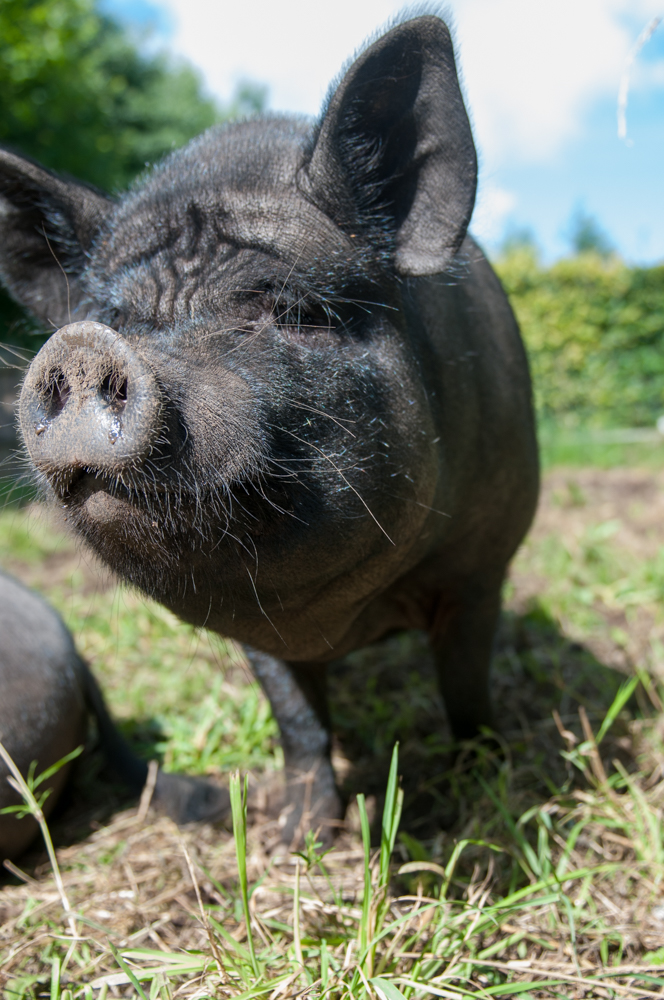
Florence (one of our pet rescue pigs) decided to have a day of breakouts today, she gets a little restless sometimes, even with the 1.5 acres of forestry she calls home. Personally, I don’t think she has it that bad and George her compatriot rarely goes on these adventurous little trips.

But true to her nature Florence arrived up into our packing shed today demanding more food (she gets fed quite a bit) and again I think she was being a little unreasonable and has little to grumble about. But anyway, that is life sometimes I suppose.

It’s funny how the unexpected can make you take things a little more lightly, force you to stop your routine ruminations, force you to stop what you are doing and deal with the occurrence at hand.

Well today in the midst of pressure to get carrots and parsnips sown and the onions planted with the threat of rain on the horizon, we were forced to stop our work and go and bring Florence back to her forest home. 

There are I guess two ways to look at this, an unwelcome interruption that meant more pressure to get the sowing done on time, or a welcome break that could be enjoyed. My innate sense of grumpiness was edging towards the former, but thankfully Florence is just too funny, and I went with the latter. 

It made us stop and smell the newly cultivated soil, see the flowers and bees and all the other good stuff that was happening and the experience as a result was completely different. 

Not all interruptions can be dealt with in such a philosophical manner, some you just need to throw out a few choice expletives have a bit of a tantrum and move on, this was the case with our planter this week. 

It is temperamental old and cranky and every year there is a requirement to find mutual common ground between farmer and machine, this year that ground has been hard to find and has led to moments of promising our faithful machine that its days are truly numbered. (Of course, I didn’t really mean it, all was said in the heat of the moment!)

Nevertheless, if farming has thought me anything and it teaches a lot, is that perseverance is an absolute requirement to succeed no matter what happens. 

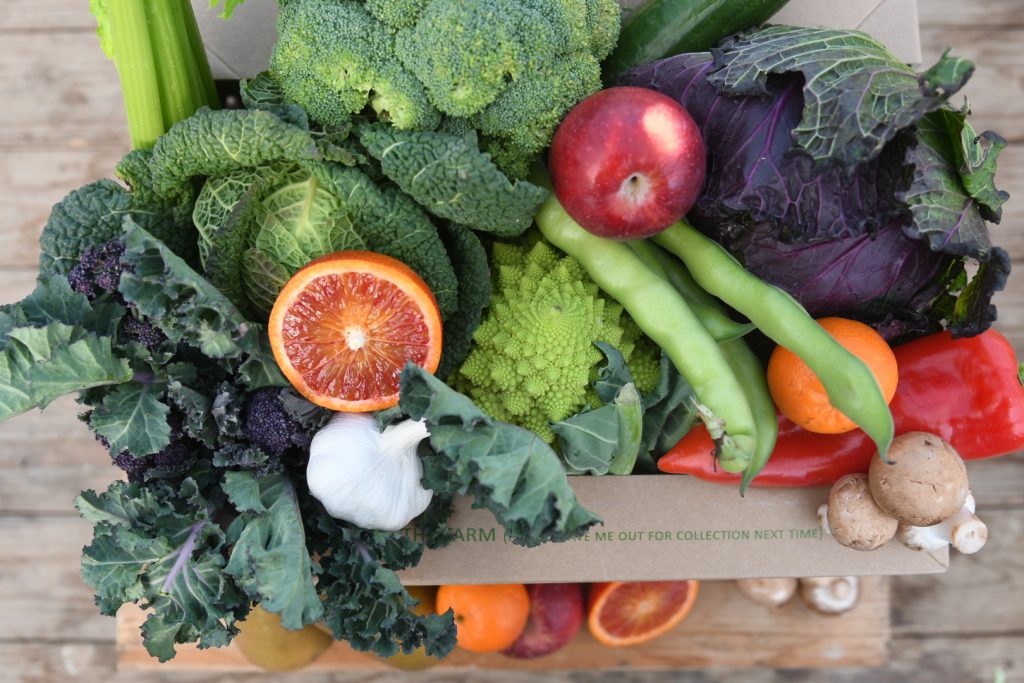
We have been very busy planting and sowing, for the last number of weeks we have been planting kale, cabbage, Romanesco, broccoli, lettuce, and celery.  We have been sowing, salad, beetroot, spinach, chard, carrots, and parsnips, not to mention the 1400 tomato plants that are soaking up so much time at present. 

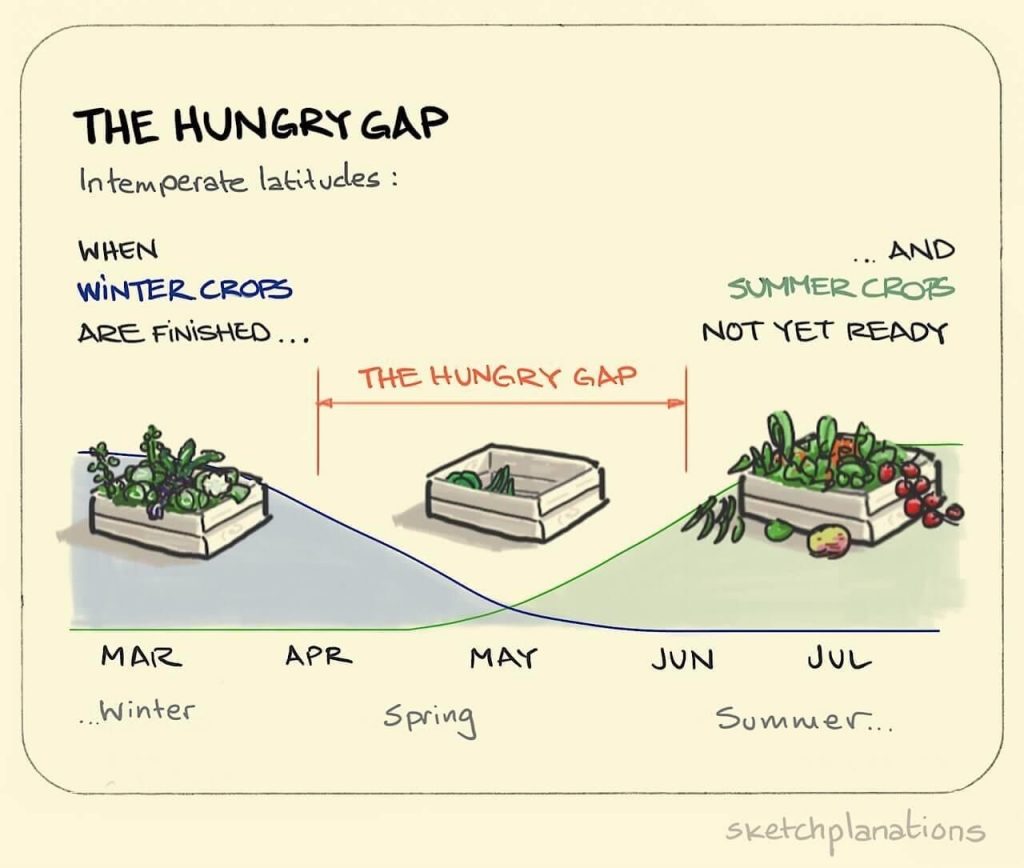
We are harvesting too, but the old crops are finishing, and the new crops are coming from the tunnels, all the field veg is in the early stages, and as a result there is a lack of certain Irish crops, this period is called ‘the hungry gap’.  

There is no way to rush nature, you need to have patience and get your timings right, take good care of your crops and the nature around as the crops grow, and the harvest will come.

So, we work, we wait, and we harvest.

Kenneth

Thanks to the guys at sketchplanations for the schematic

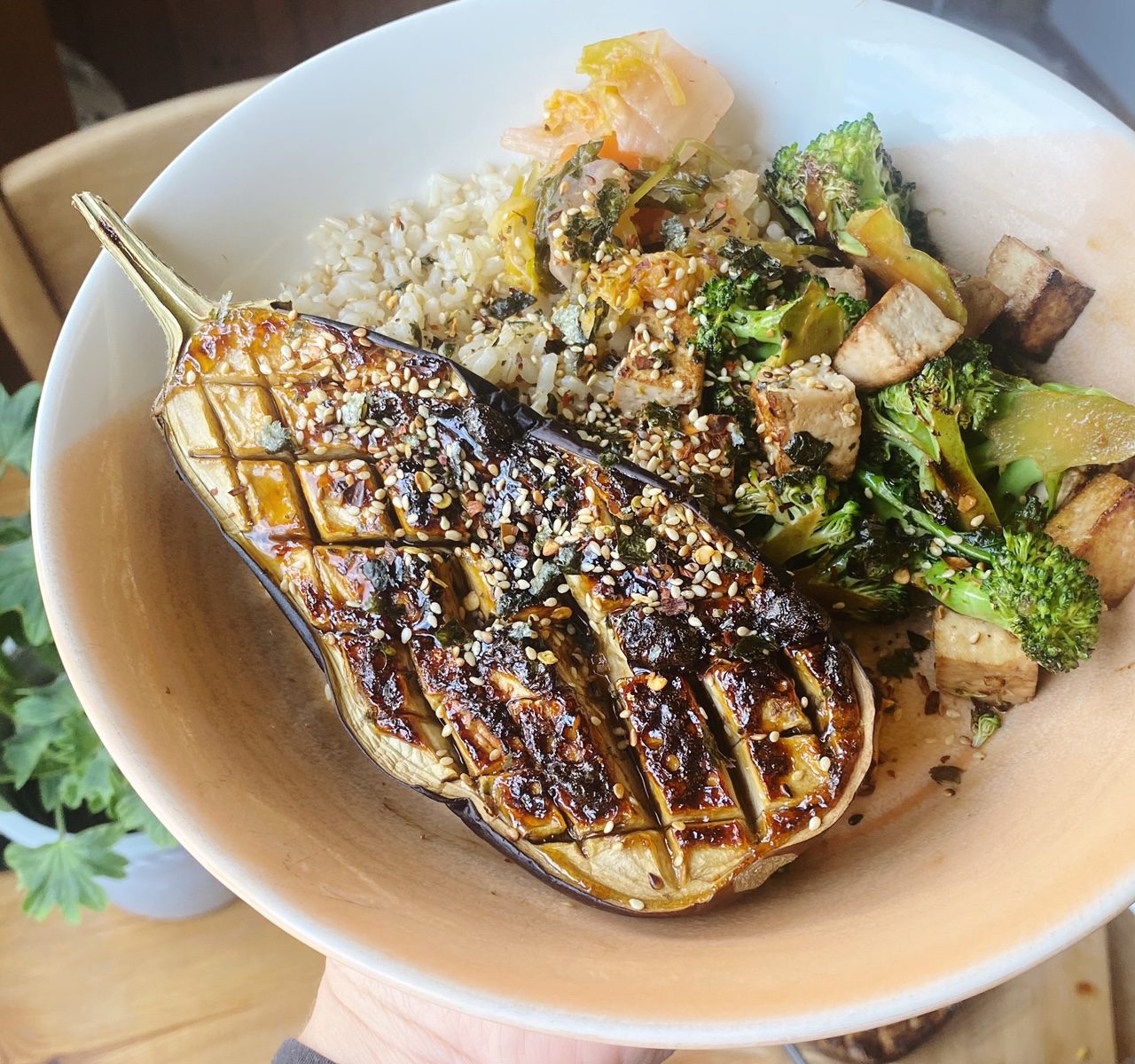
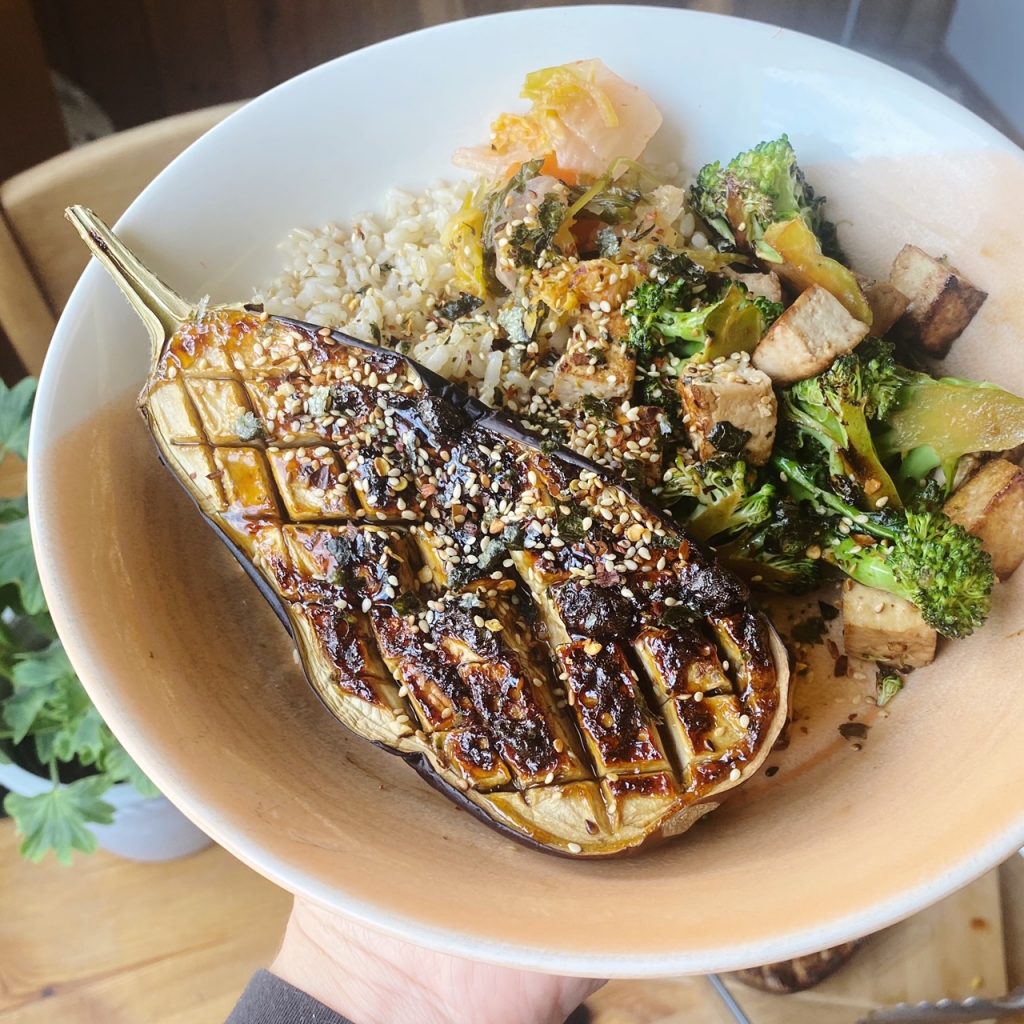
Teriyaki Aubergine Rice bowl

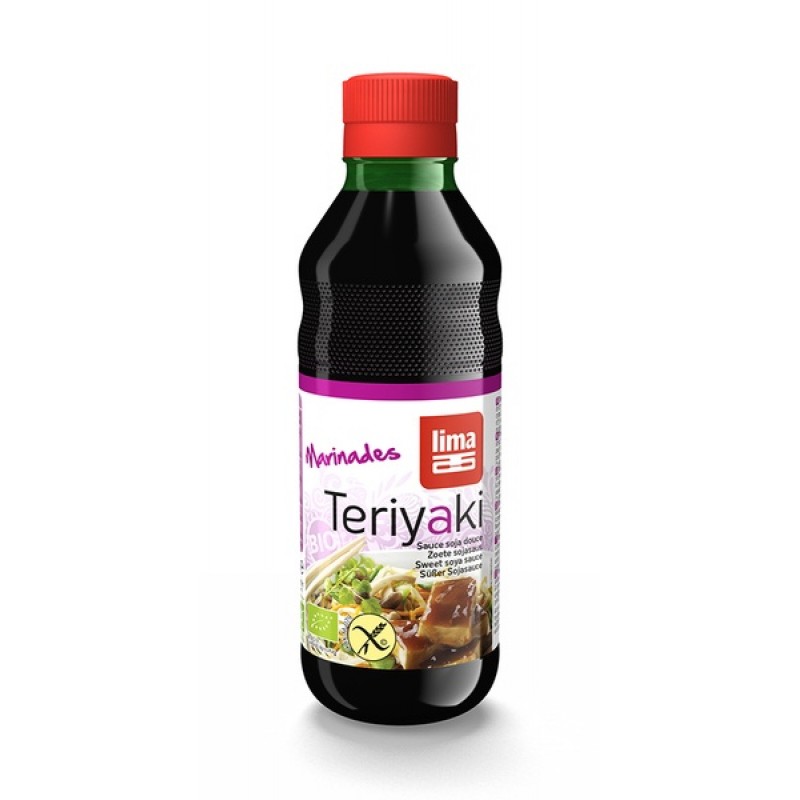
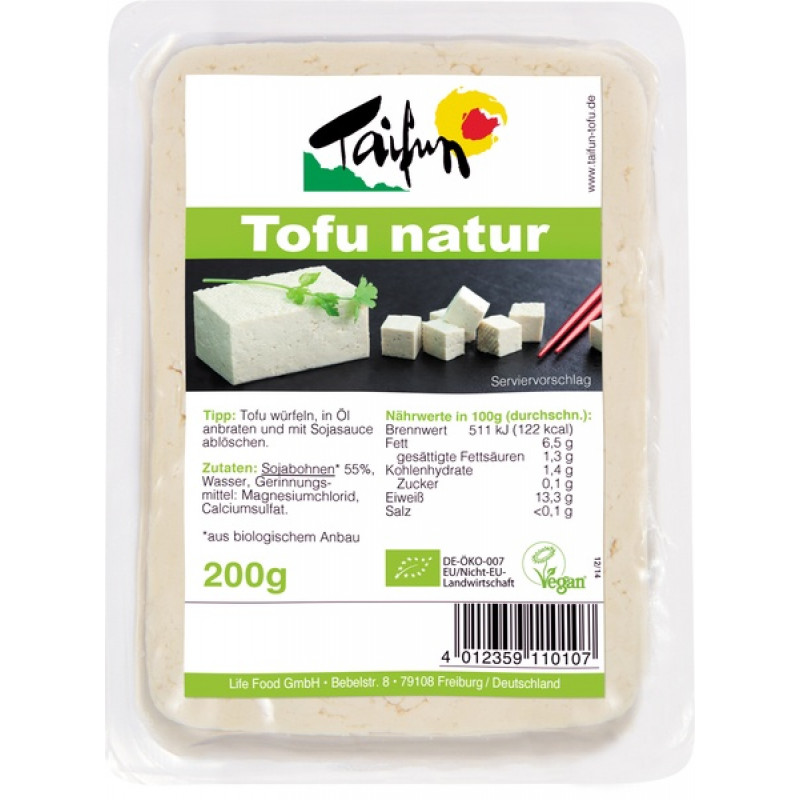
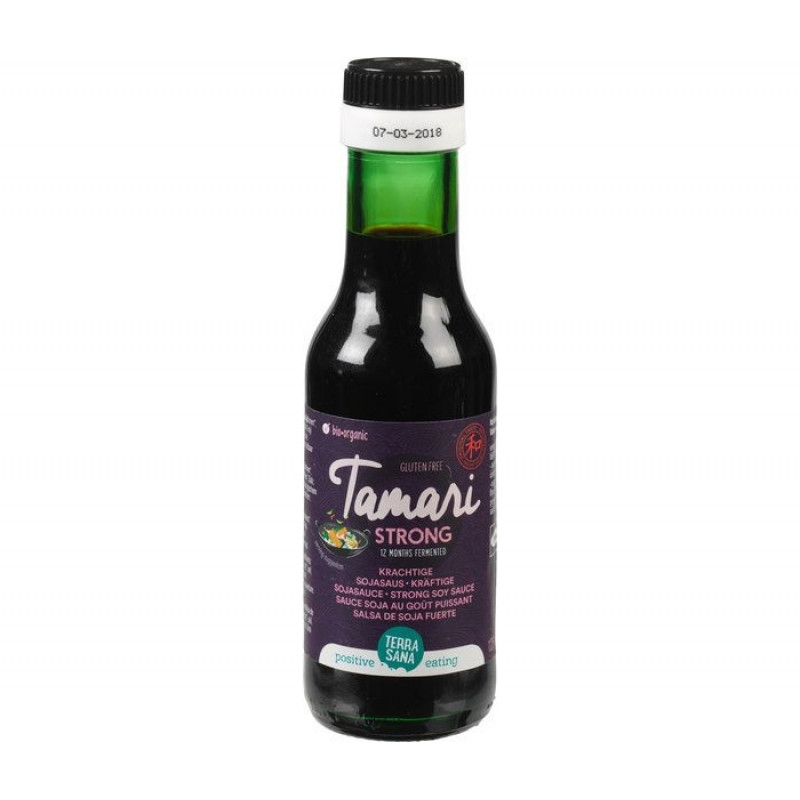
We have some new organic, Asian sauces on our list now to make your meals even easier (and more delicious!) We are currently obsessed with teriyaki. It is sweet and salty and so full of flavour. Use it to marinade veggies or tofu and bake or stir fry. Here’s how I made this delicious week-night supper.

Liz x

Ingredients (serves 2)

Method

  1. Turn your oven to 200C and find a small baking dish.
  2. Get your brown rice on to cook (brown rice takes longer than white so if you are using white rice, start it after the aubergine is in the oven). Rinse the cup of rice through a fine sieve then add it to a small pot. Add 2 small cups of water, put the lid on the pot and turn it onto the highest setting. As soon as it comes to a boil, turn it to the lowest setting and leave the lid on. Let the rice simmer, it should absorb all the water in around 30 minutes or so and be perfectly cooked through. Keep an eye on it.
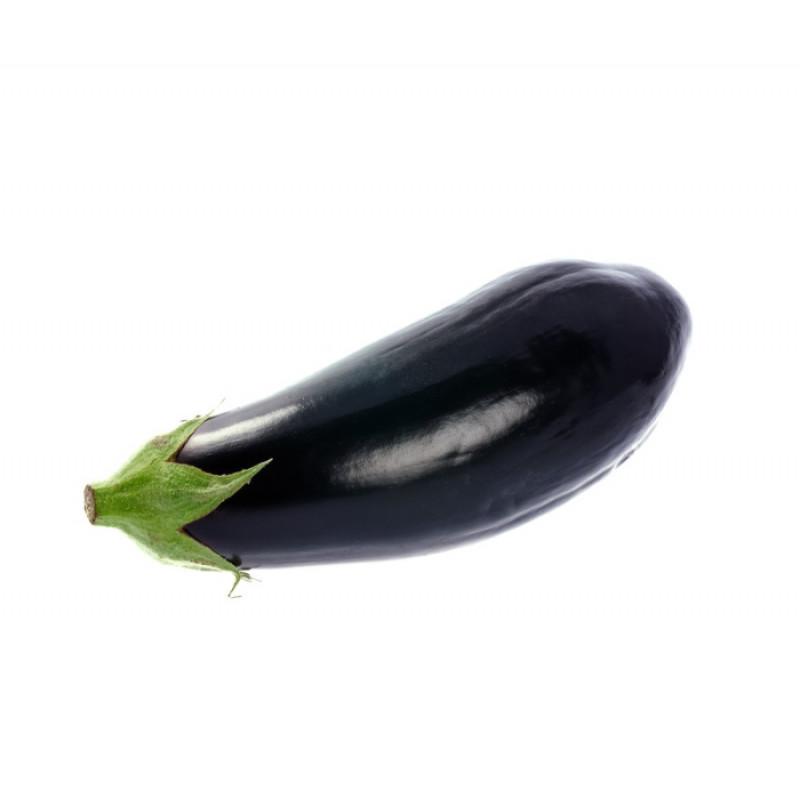
  3. Cut the aubergine in half, lengthways, then score the flat surface deeply with a small, sharp knife. Cut diagonal lines into the white, spongey flesh and then criss-cross the other direction. Careful not to cut too deeply.
  4. Spoon over the teriyaki sauce and, using the back of the spoon, rub it into the cuts to effectively marinade the aubergine. Place the aubergine, cut sides up, into the baking dish then bake until soft – this usually takes around 20-30 minutes depending on the size of your aubergine.
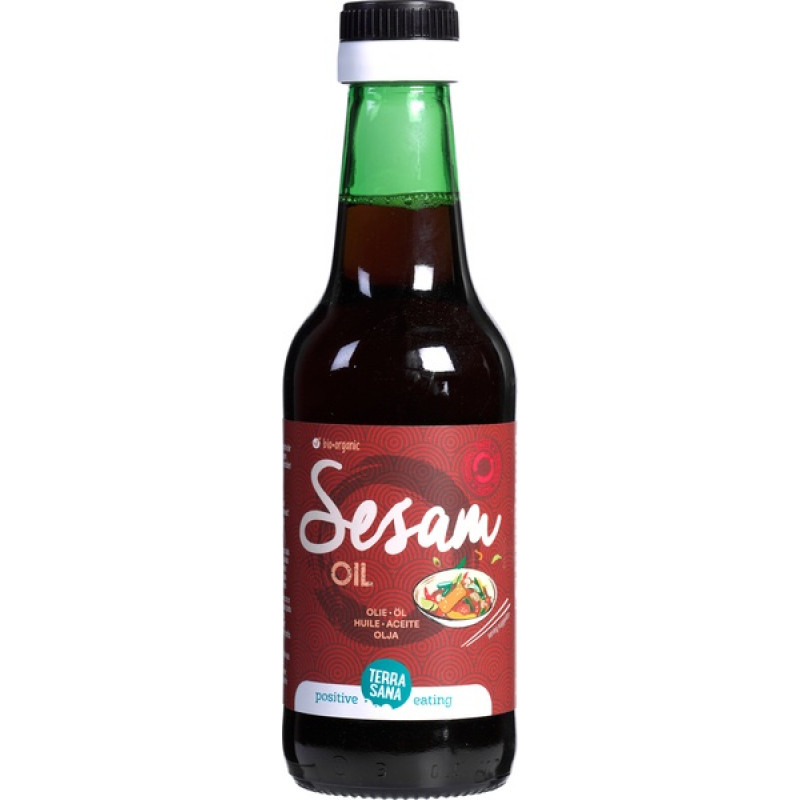
  5. Meanwhile stir-fry the broccoli and tofu together with the sesame oil and soy sauce/tamari.
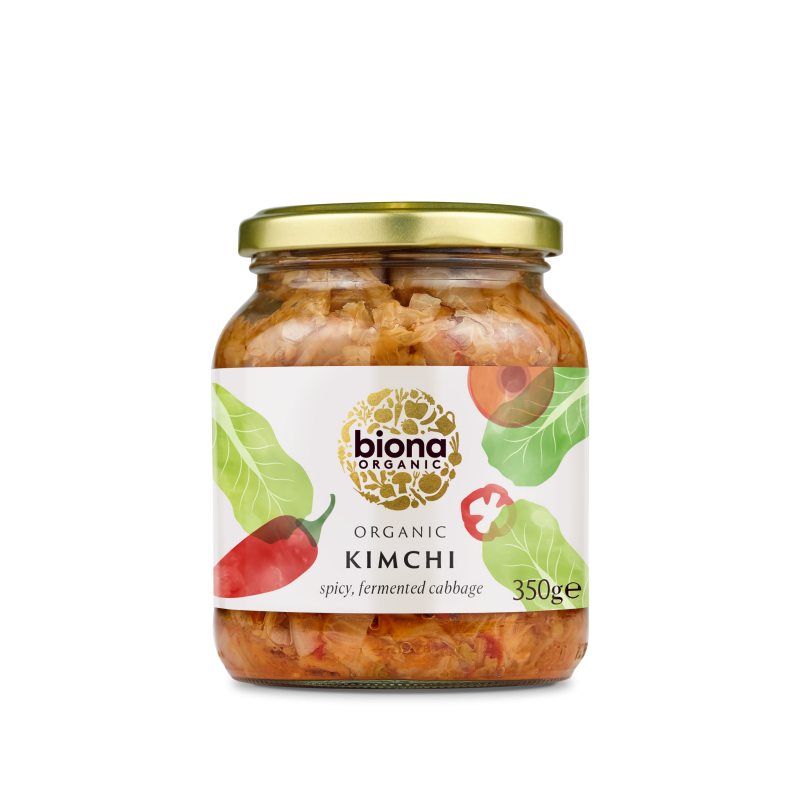
  6. Then plate up, divide the rice, stir fry and baked aubergine between two bowls. Top with sesame seeds, chilli flakes and kimchi as you like. I also added shredded nori seaweed and an extra drizzle of soy sauce to my bowl. Enjoy!
Greek Potato Bake

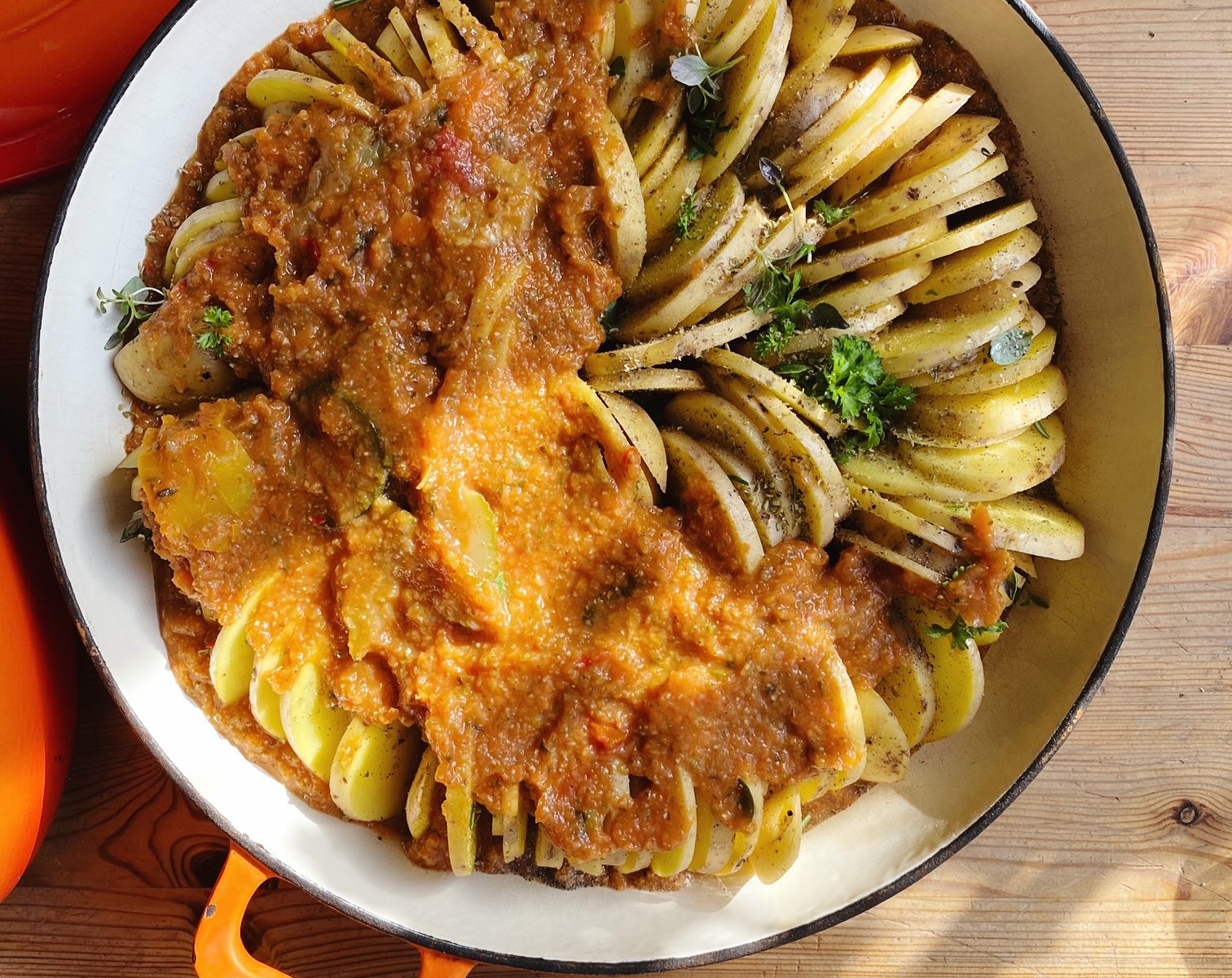
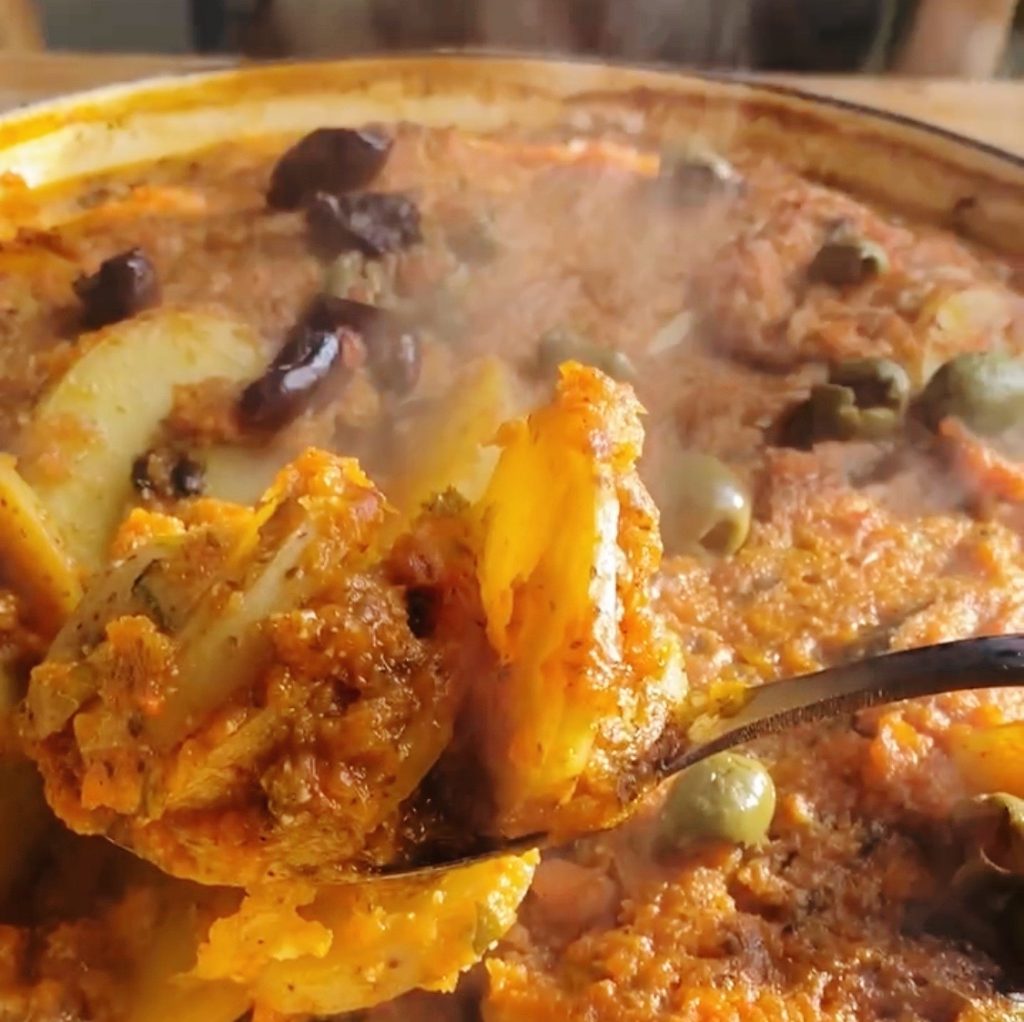
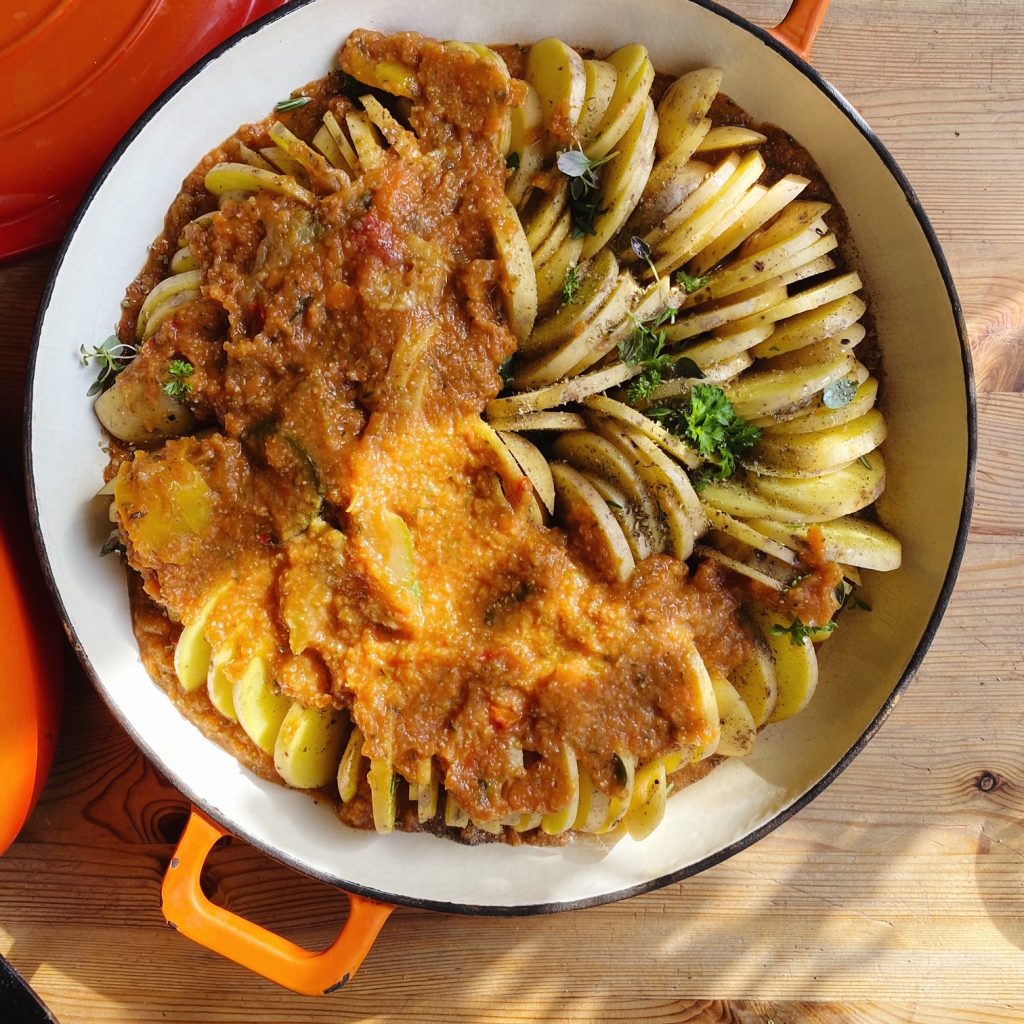
There are so many ways to cook potatoes – boiled, chips, mash, roasties, soups, stews, gratin, jacket potatoes… but this Mediterranean-style way is one of my favourites. The rich tomato sauce and fragrant herbs make the humble, comforting potato into a summery dish which sings with flavour. I usually top it with some of my vegan tofu-feta or just some salty olives and bake it with the lid off for a little extra colour and flavour. Serve with a simple greek salad and a glass of wine – that’s dinner sorted.

Liz x

Ingredients (serves 6)

  • 4 tbsp olive oil
  • 1 large white onion, diced
  • 6 cloves of garlic, crushed
  • 2 tins chopped tomatoes
  • optional extra Med-veg eg courgette, peppers, carrots, aubergine
  • 10 medium potatoes
  • salt and pepper to taste
  • 1 tbsp each oregano, thyme, rosemary
  • olives/feta/capers
  • salad to serve

Method

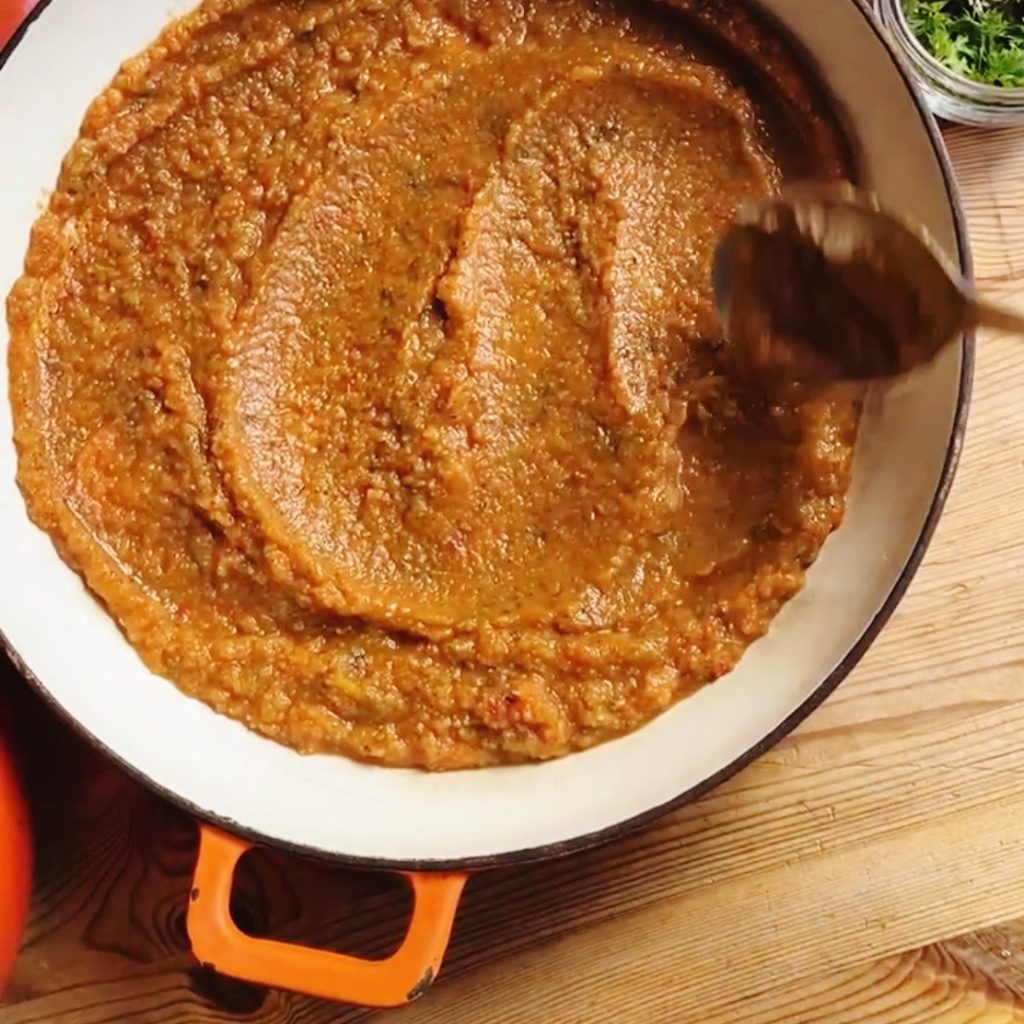
  1. Start by making a rich tomato sauce. This can be however you like it but I usually sauté the diced onion in 2 tbsp olive oil until soft and starting to colour, then add crushed garlic and if I want to bulk it out, some chopped veg like an aubergine, pepper or courgette, maybe a carrot or two? Add the tinned tomatoes and swirl out any juices left in the tins into the pot with a bit of water. Season well with salt, pepper and a pinch of oregano and simmer until the sauce is rich – around 15-20 minutes. Blend with a stick blender, taste and adjust the seasoning if needed with more salt or pepper.
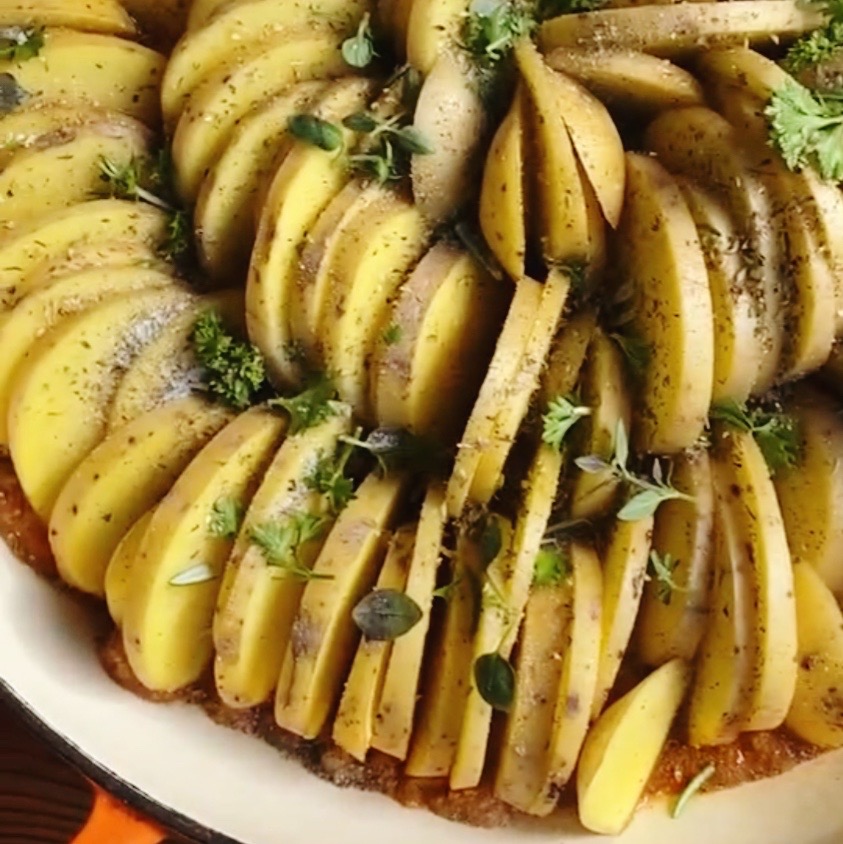
  2. Put the oven on to 200C and find an oven proof dish with a lid. Wash and thinly slice your potatoes into 3mm or so rounds.
  3. Place 1/2 the tomato sauce into the dish then arrange the potato slices on top. Then season the potato layer with salt, pepper and the herbs. Drizzle over the remaining olive oil and then spoon over the remaining tomato sauce.
  4. Put the lid on and bake until the potatoes are soft. This usually takes at least an hour but check on it as ovens and potatoes vary.
  5. Once the potatoes are cooked through, remove the lid and scatter over your topping of choice. Feta, olives, capers… Return the dish to the oven with the lid off to caramelise and get a little colour – just 5-10 minutes, keep an eye on it.
  6. Enjoy with salads or as a side to your choice of protein and greens.

The Freedom to be Still

Every summer during my teenage years and most Saturdays I worked on a farm. We were always outside doing something. I loved bringing in the hay and the memories of the sun and the sunburn, the white bread sandwiches eaten outside, and the cups of tea are still vivid. I remember the great hunger you would have for those sandwiches after a day in the bog, nothing to this day compared to the taste of those sandwiches. 

There were many lessons to be learned and many were not at all welcome for a young teenage lad. Tying plastic bags around our knees with bailing twine whilst spending hour after monotonous hour thinning mangles in grey cold drizzly west of Ireland summer was high on the list of something I never ever wanted to do again. 

Then there was the absolute dedication to stop and take a moment at 12pm and frequently at 6pm too when the local bells tolled. In my mind now the idea of stopping and appreciating the present moment and our surroundings is a true blessing. These days in our frantic lives, there is so little time simply to be and to notice all that is wonderful with the world. 

How will we notice when the first swallows arrive on our shores, or the humble bee going about his trade, or the little flowers in the grass or the deep deep blue of the sky? All can go by, and we can be oblivious.   

We miss the inter-connectivity of all things and their sheer beauty and energy. Will we notice the touch of the wind on our skin or the first raindrops on our face? Mostly and I speak for myself, we don’t, and who could blame us, there is no external reason to stop and stand still, we have to fight for that freedom to be still, away from our phones and the endless stream of social media and all the noise. 

This week for us on the farm we have been trying very hard to get a tonne of work done and taking the time to appreciate the beauty of nature around us has been challenging.

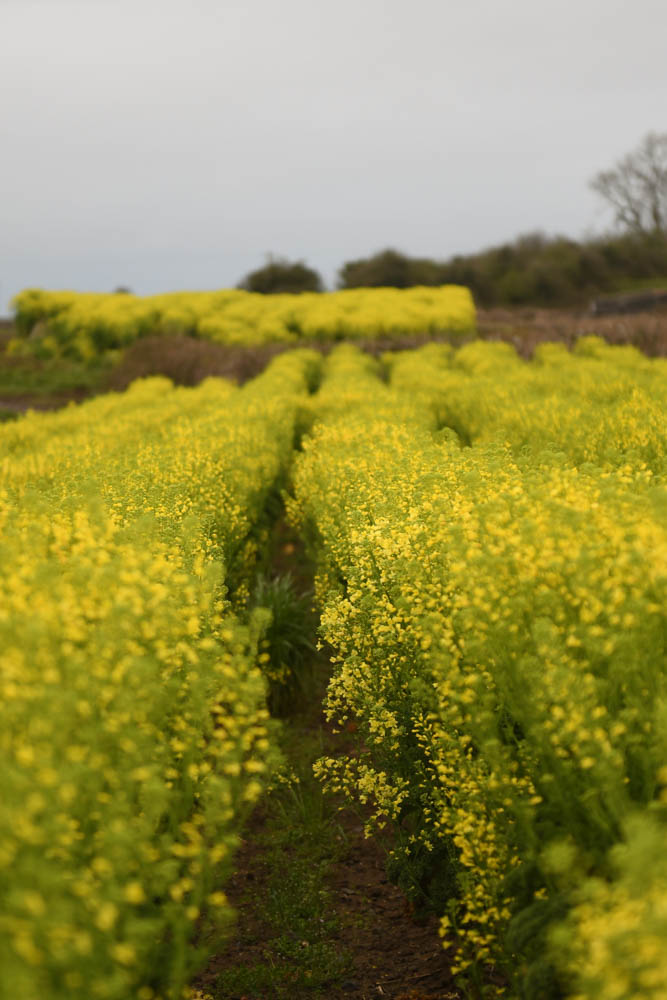
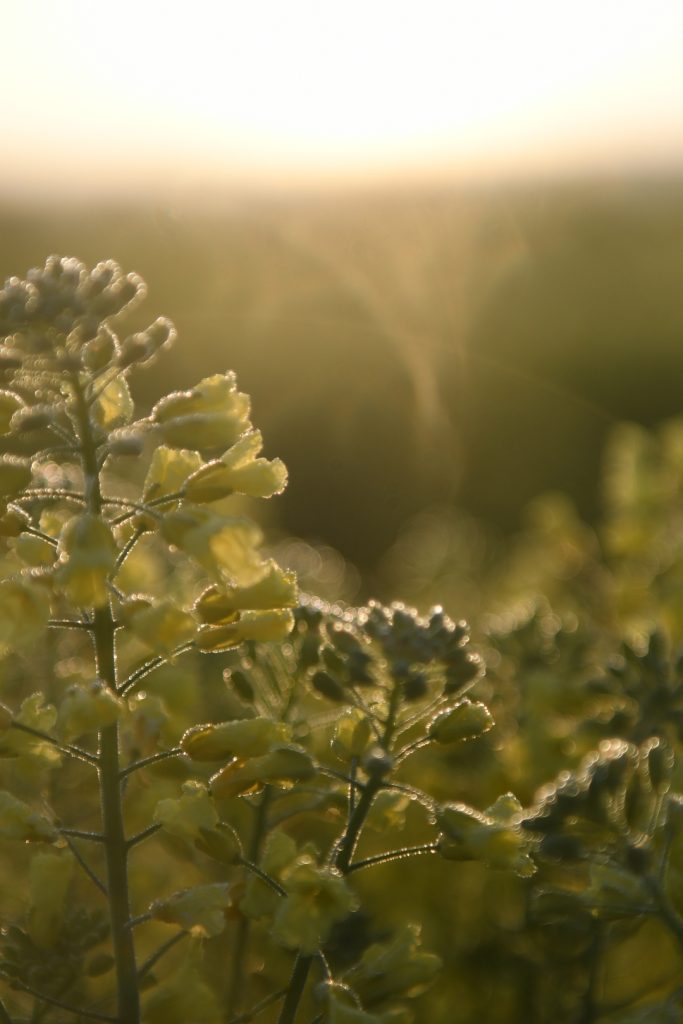
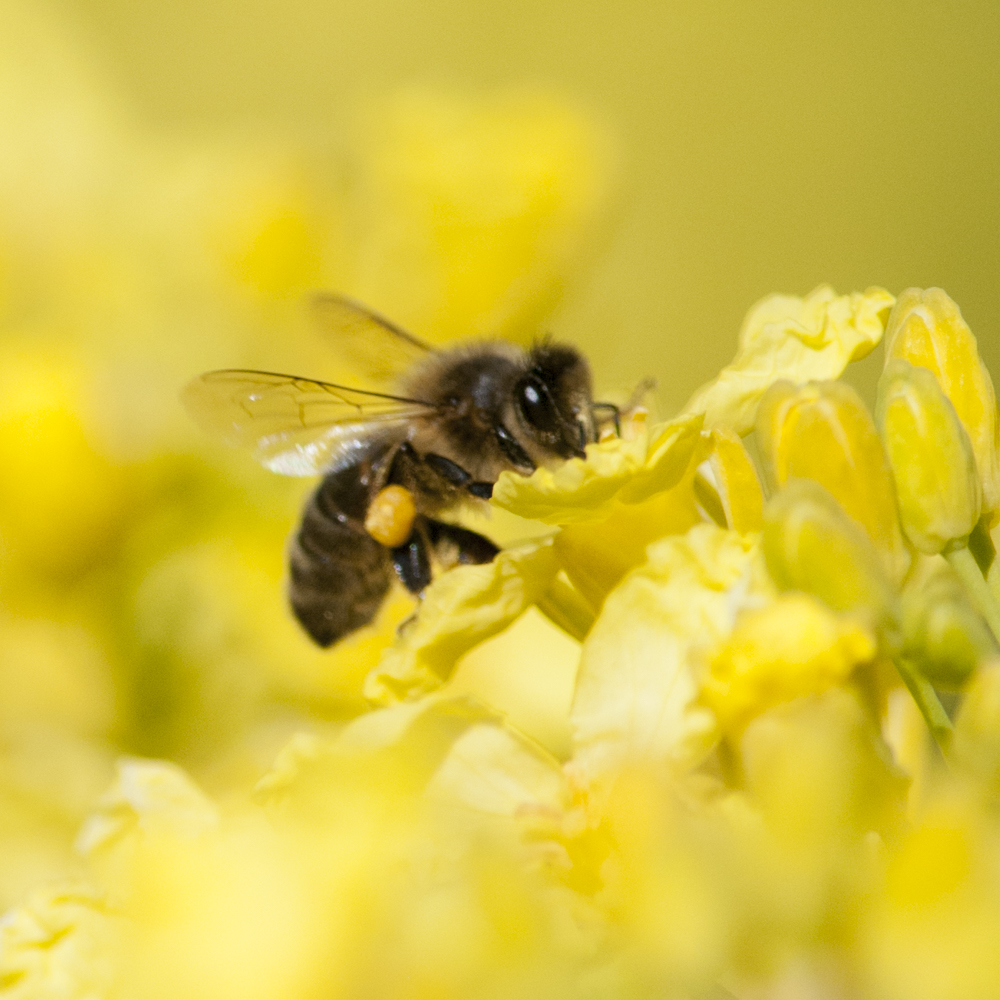
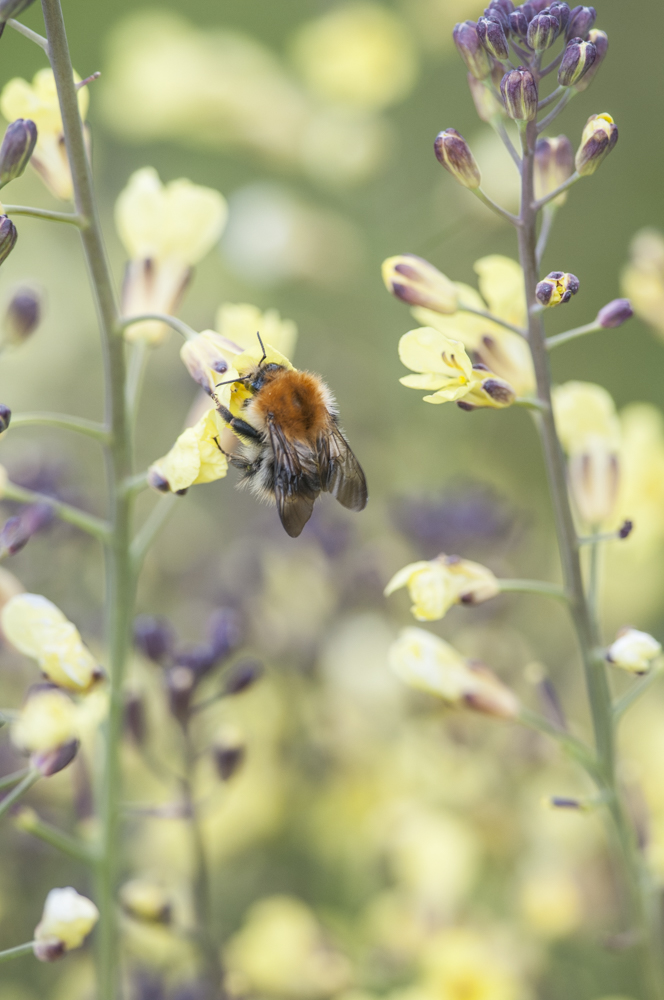
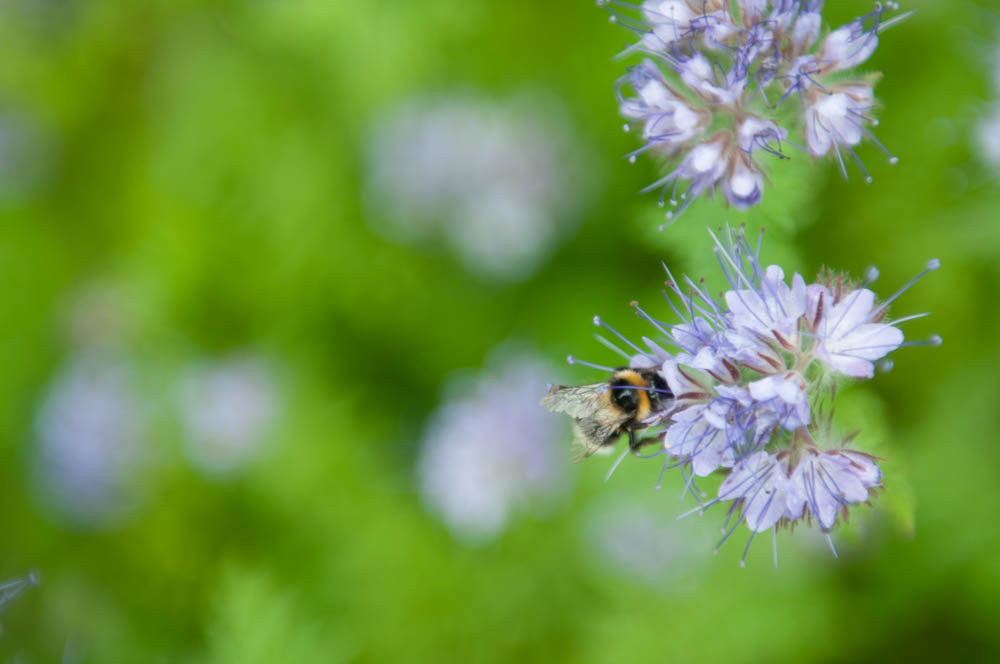
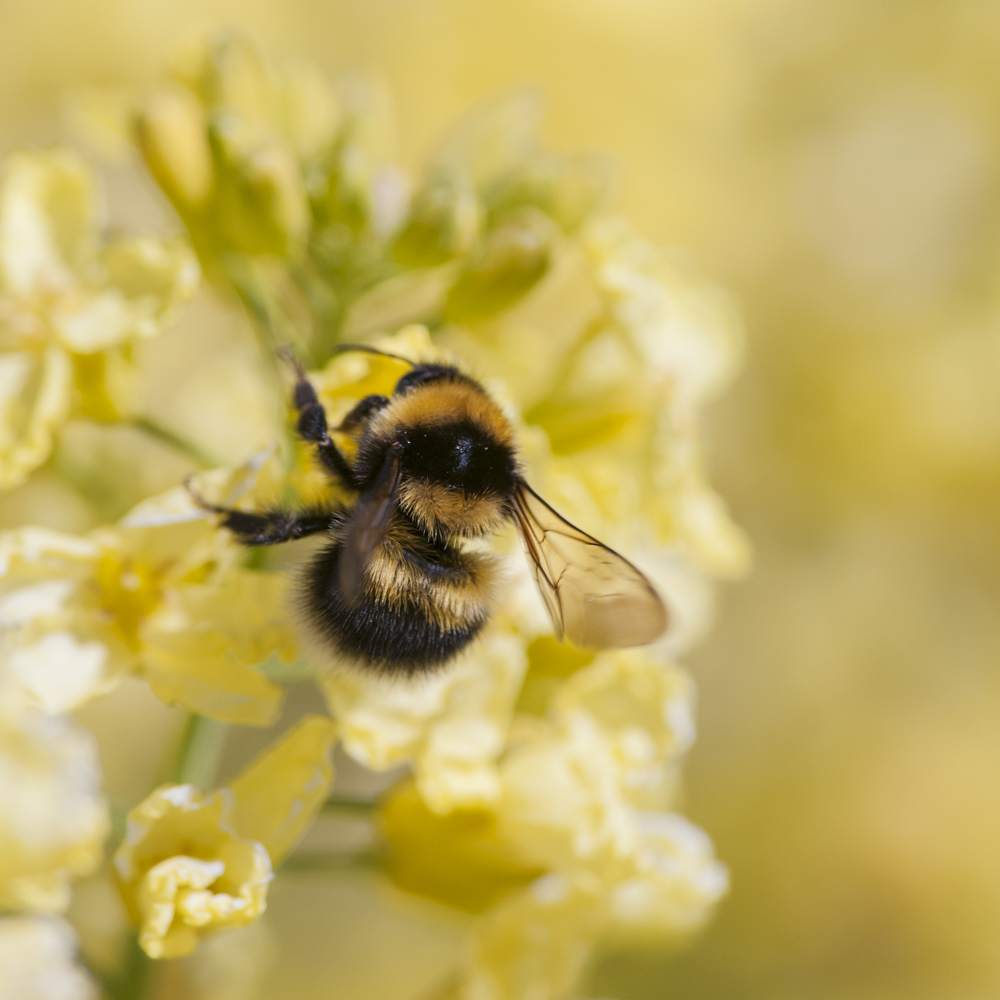
The bees have been breath-taking and we feel truly honoured to have hives managed by beekeeper Gerry on our farm. We leave the kale flowers, we grow wildflowers, and crucially we use no chemicals, all these things mean their population is healthy and growing, and at least on our little farm they are safe. 

If you go and stand in the middle of our kale and be still with the bees flying all around you can feel truly connected. But even on a farm and being outside, feeling the pressure of the weather (that it might break at any minute) and the endless list of equally high priority tasks, it is difficult to find the discipline to stop and be still, there is a craving to keep moving and doing.

Maybe it wouldn’t be such a bad thing if the bells started to ring again at 12pm every day as a reminder to stop, I think I for one would appreciate it.

Kenneth

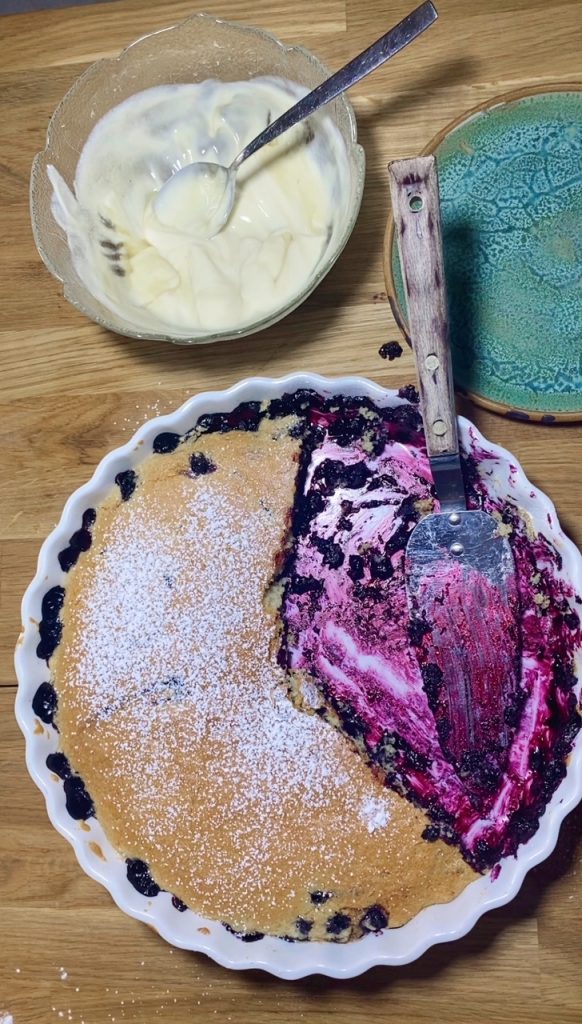
Blueberry Clafoutis

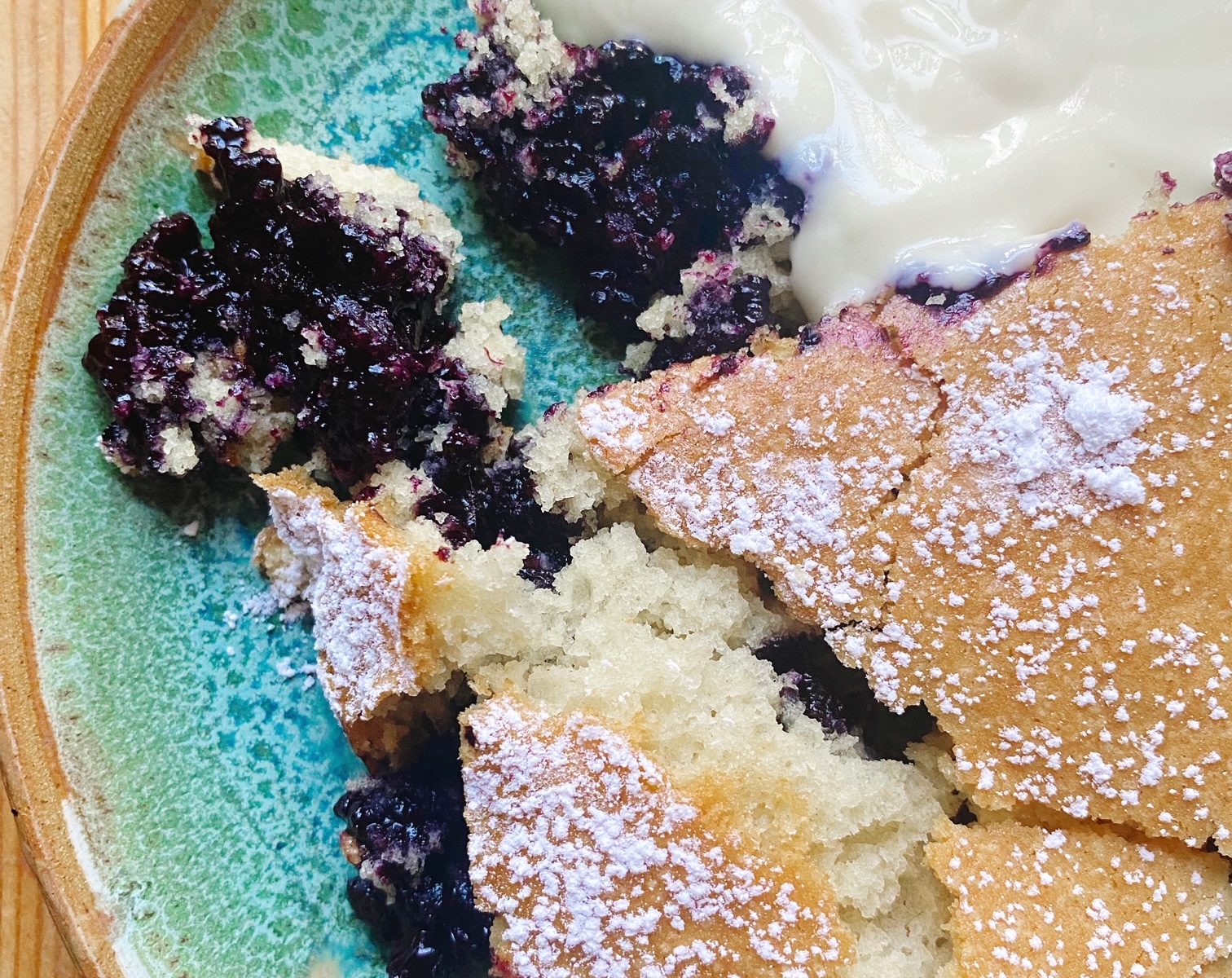
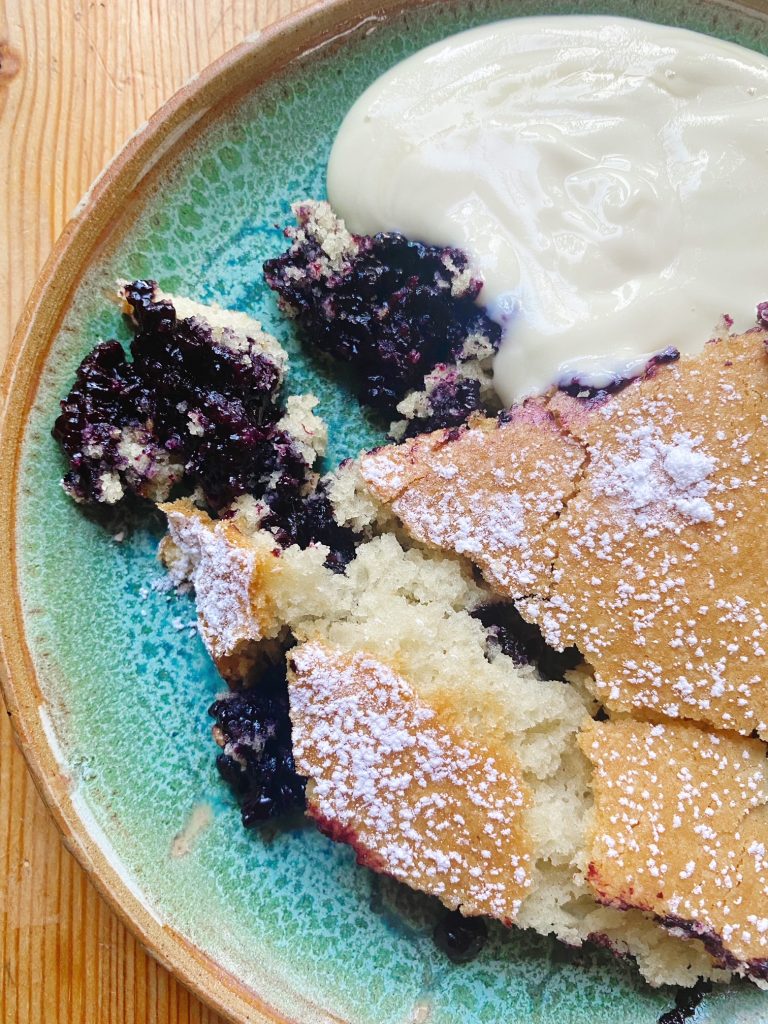
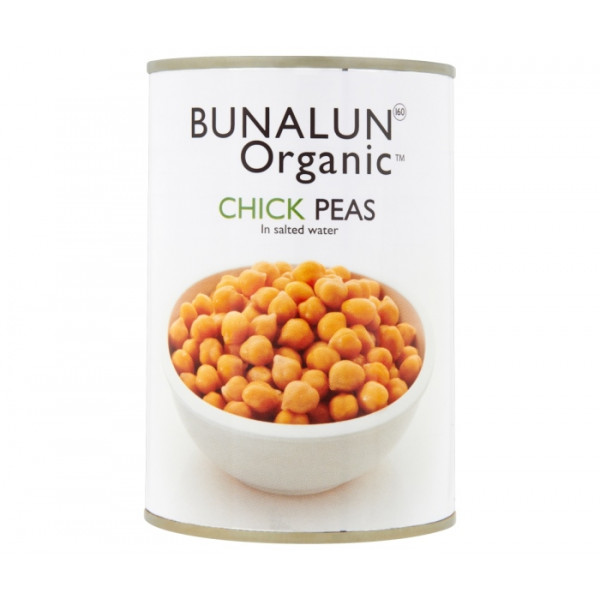
We make versions of this clafoutis as a quick pudding so often, I have this recipe down by heart now. A clafoutis is a classic French dessert, traditionally made with cherries. This is my vegan version which the whole family adores. It uses up the aquafaba from a tin of chickpeas, such a useful, free ingredient. Next time you make a chickpea curry or a batch of hummus, save the aquafaba and make this quick pud. You won’t be disappointed!

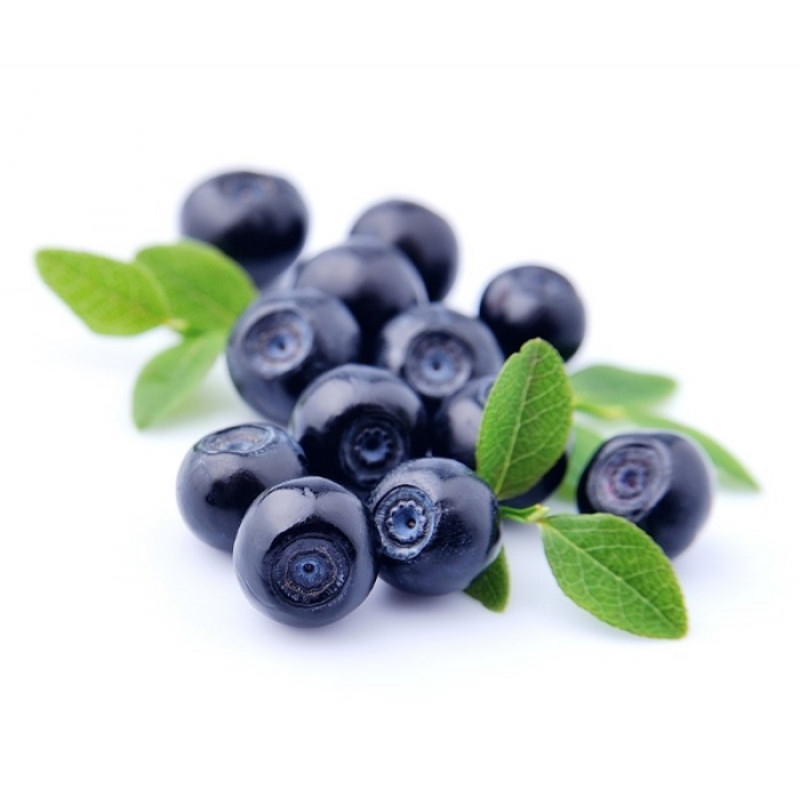
We try to always have organic blueberries on our list as we strongly believe including anthocyanin-rich purple foods in your diet regularly is important. We have some great ones in from Spain at the moment which come in clever compostable packaging! Eat them fresh or pop them in the freezer to use daily in your smoothies, porridge or desserts.

Liz x

Ingredients

  • aquafaba from one can of chickpeas (around 150ml)
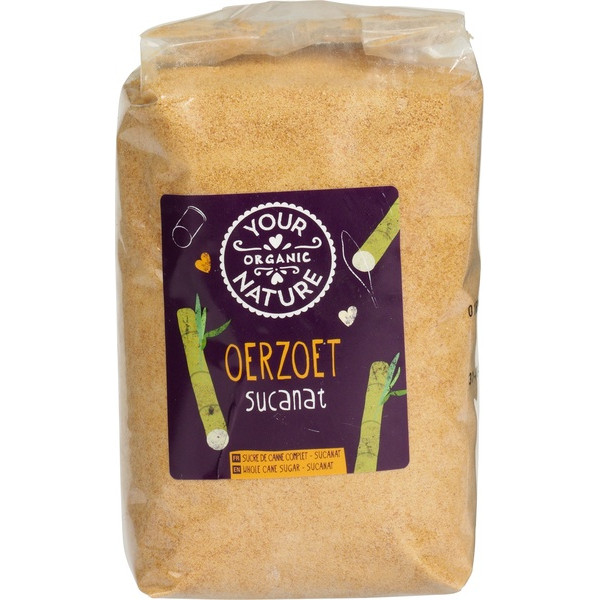
  • 1/2 mug sugar (around 100g)
  • 2 tsp baking powder
  • a pinch of salt
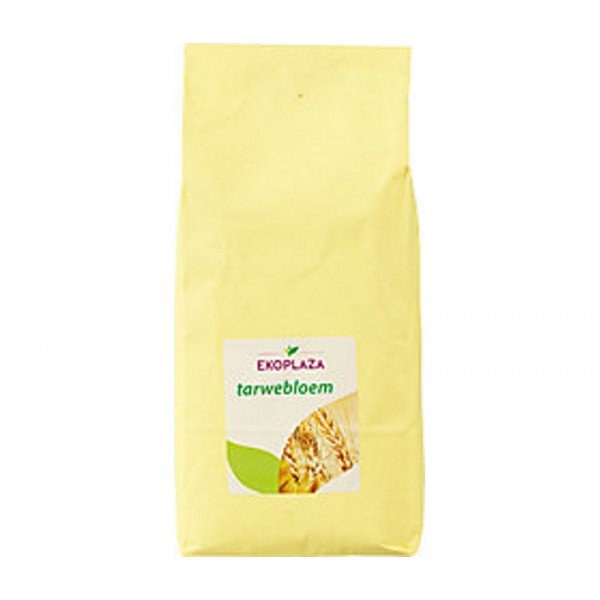
  • 1 mug of flour (around 200g)
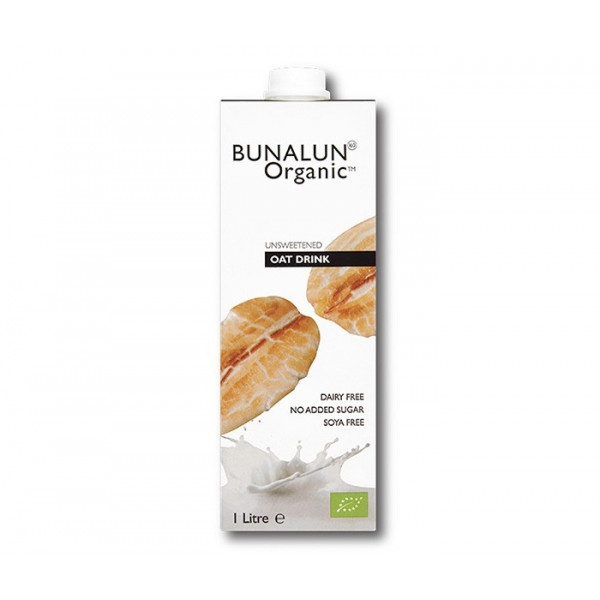
  • 3 tbsp oat milk
  • 4 tbsp olive oil
  • 2 mugs of blueberries (fresh or frozen)
  • a tsp of icing sugar to dust
  • plain yoghurt sweetened with maple syrup to serve

Method

  1. Turn your oven to 175C and find a flan dish, bowl, whisk and small mug for easy measuring.
  2. Pour the liquid from a can of chickpeas into the mixing bowl. It should be around 150ml but there’s no need to be too exact with this recipe. Whisk it until it froths. Then add 1/2 a mug of sugar and whisk again until you have a glossy, creamy mixture.
  3. Add the baking powder and salt and whisk for a minute to evenly distribute it before adding a mug of flour. Stir the flour in so you have a crumbly texture.
  4. Now add the milk and oil and stir until just combined into a smooth, thick batter. You can add a splash more oat milk if your batter is too dry. Careful not to over-mix to ensure a soft, tender crumb.
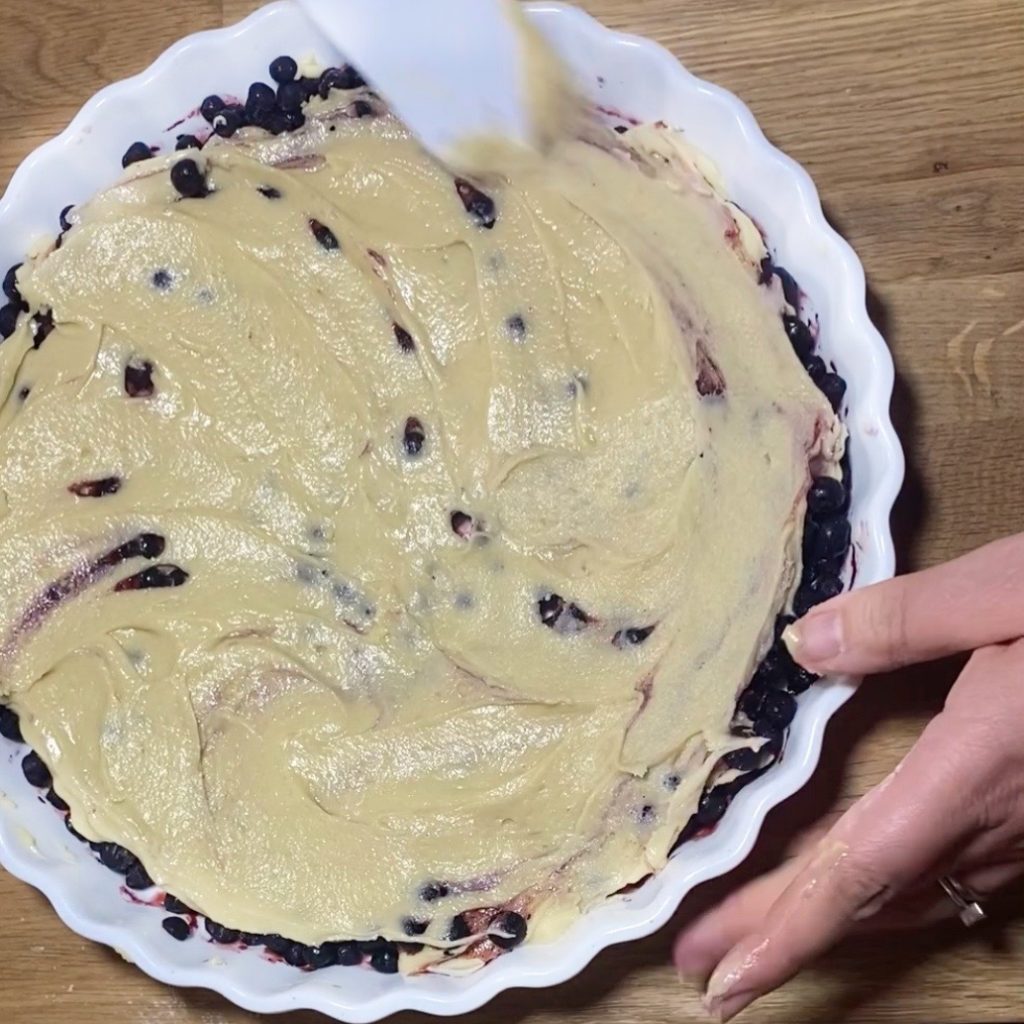
  5. Tumble the blueberries into the bottom of your flan dish and spread them out evenly. Then dot the batter on top and smooth it over. You may find it doesn’t reach the sides and looks a bit thin – don’t panic, it will grow and spread quite a lot in the oven.
  6. Bake until risen and golden – around 30 minutes but start checking after 20 in case you have a very efficient oven.
  7. Serve warm in scoops or messy slices with a dusting of icing sugar and a big dollop of yoghurt sweetened with maple syrup. Any leftovers are also delicious cold with a mug of tea or coffee. Enjoy!

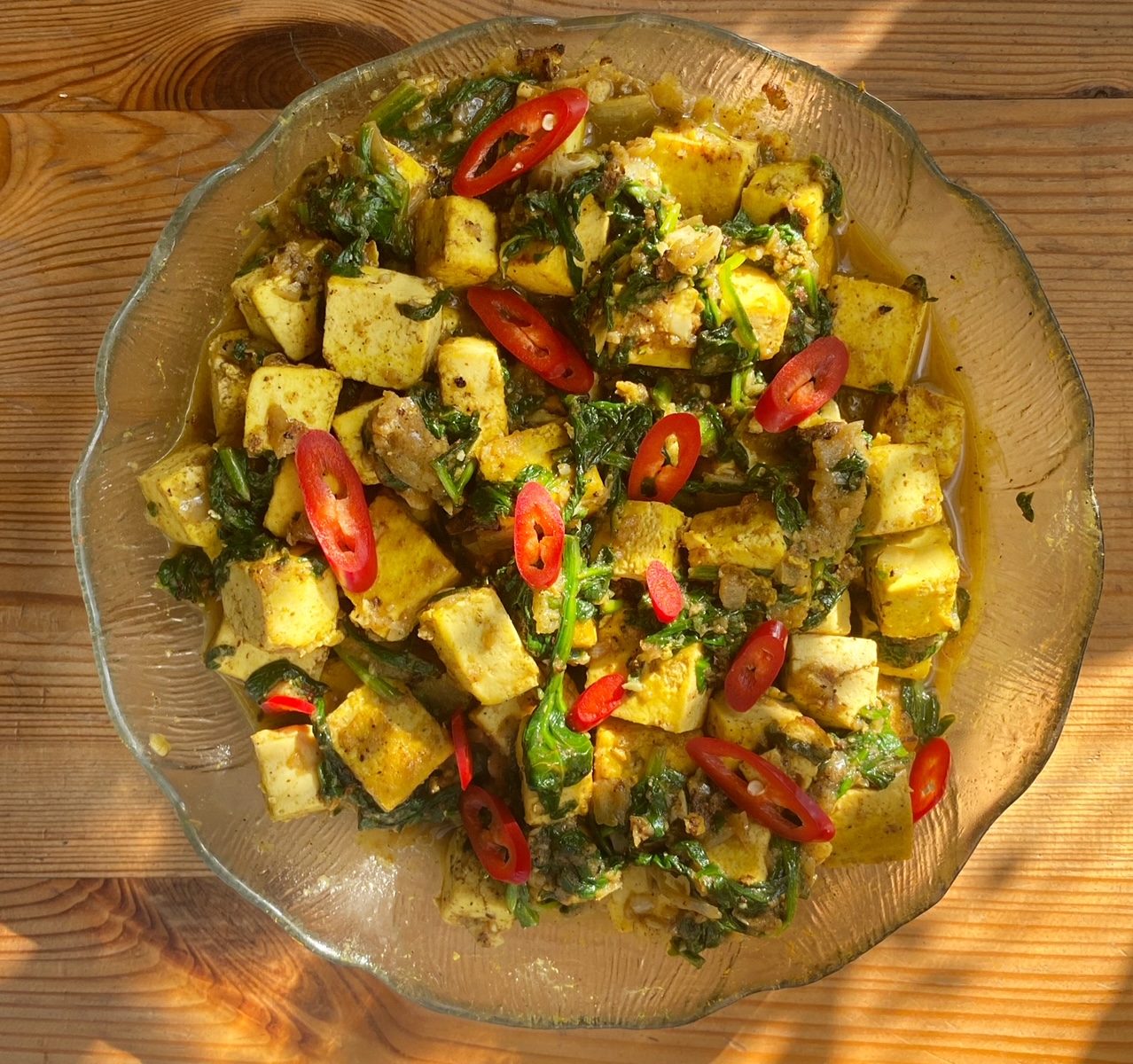
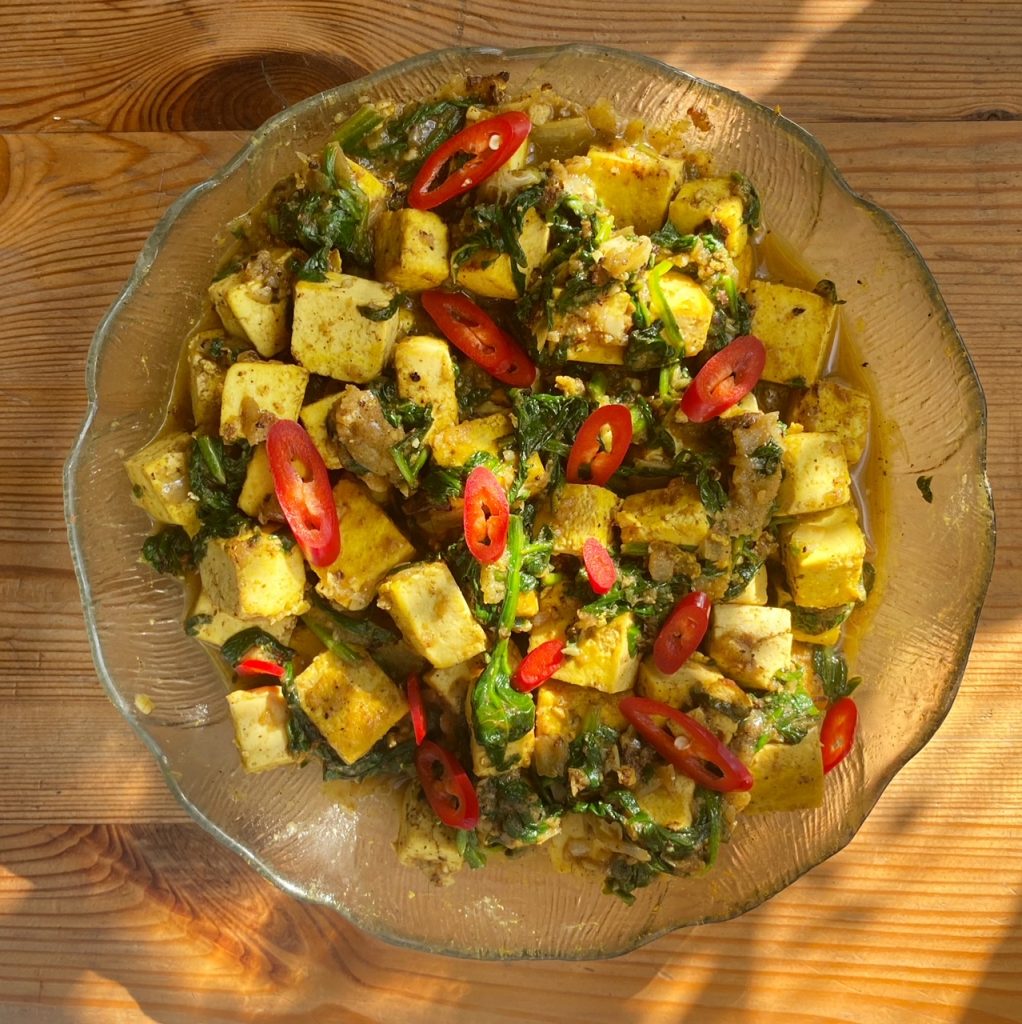
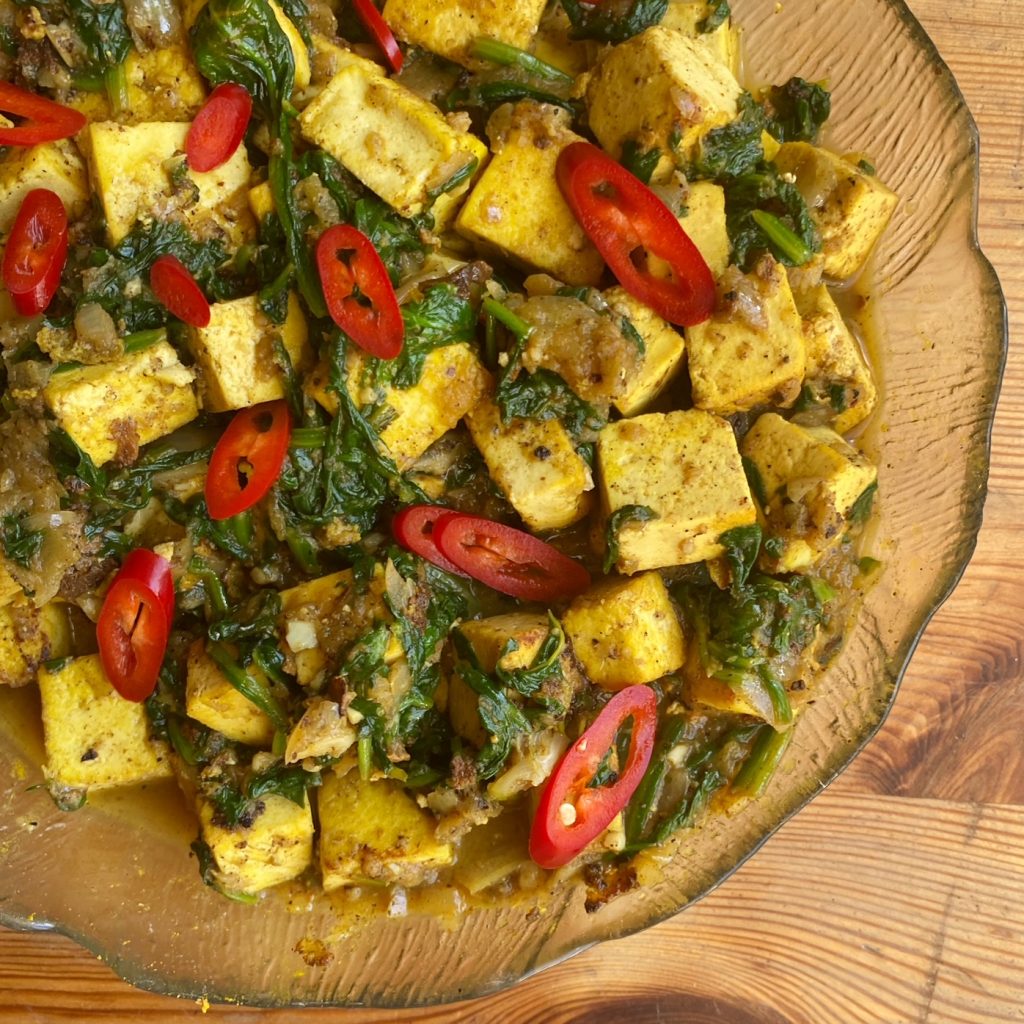
Spinach & Tofu Curry

This plant based take on a saag paneer is so quick and easy, not to mention delicious and nutritious! Serve with rice and chutney for a midweek curry in a hurry or as a side with other curries. You can switch the spinach for our rainbow chard, just remove the stems, finely chop them and cook them along with the onion paste.

Liz x

Ingredients (serves 4 – or 8 as a side)

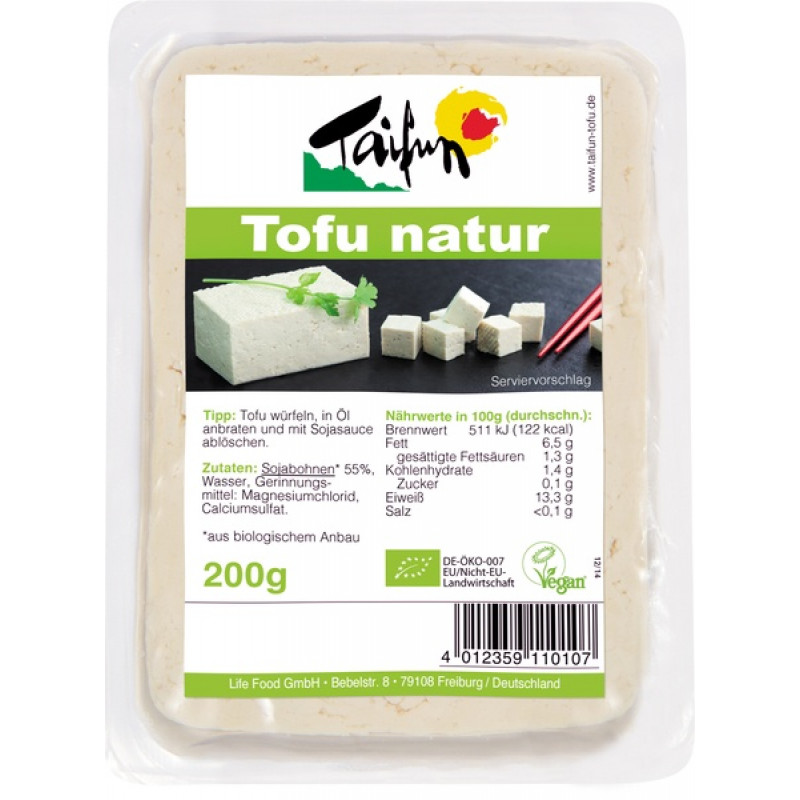
  • 2 blocks extra firm tofu (400g)
  • 1/2 tsp ground turmeric
  • 1 tsp salt (+ more if needed)
  • 1 tsp black pepper
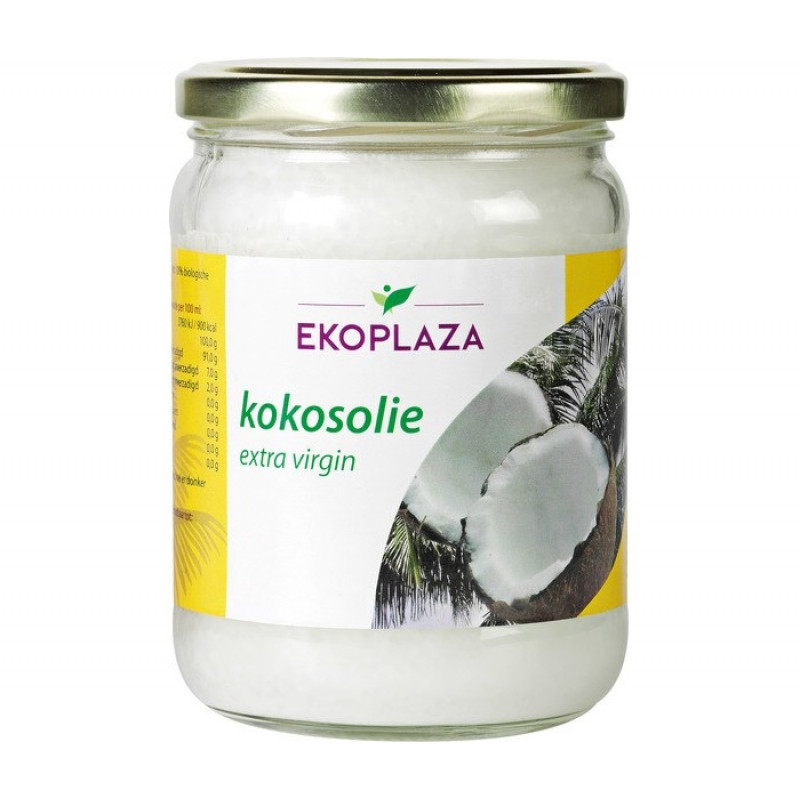
  • 2 tbsp coconut oil (heaped)
  • 1 onion
  • 4 cloves of garlic
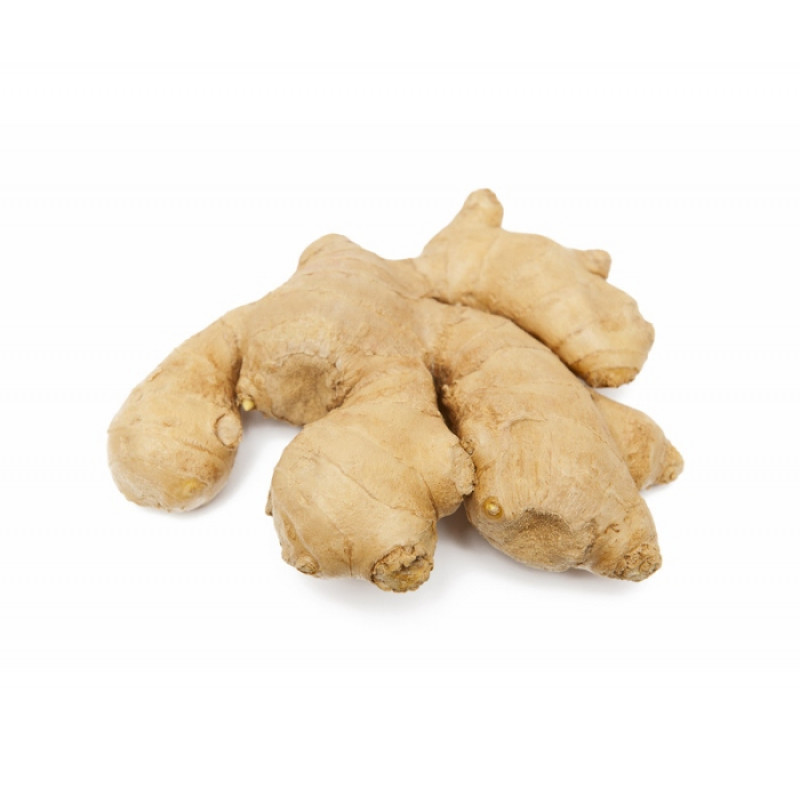
  • 1 thumb ginger
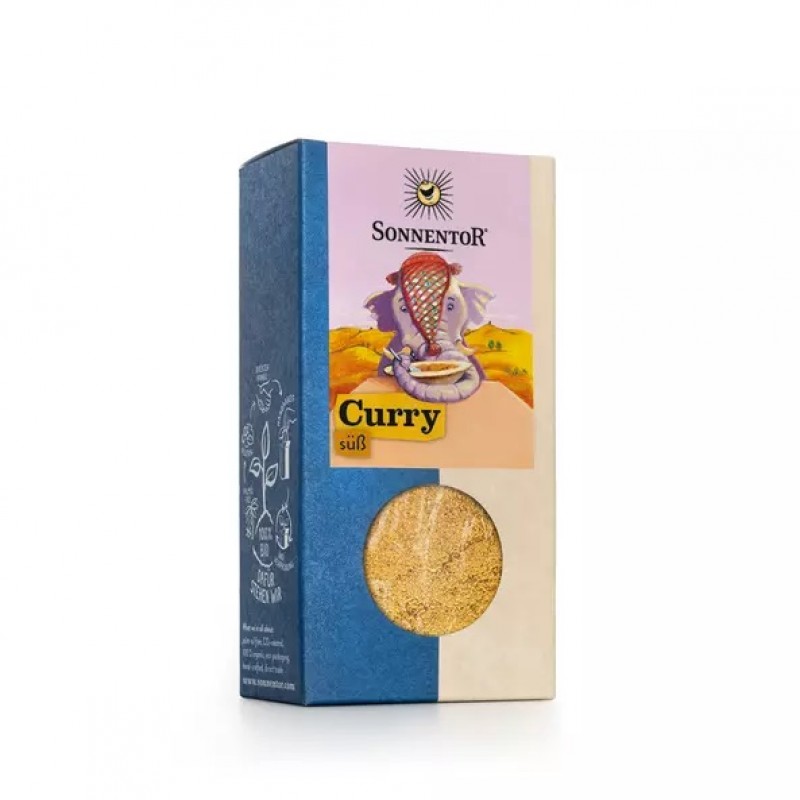
  • 2 tsp garam masala (or your favourite curry powder)
  • 200g spinach
  • the juice of 1/2 a lemon
  • fresh chilli to taste

Method

  1. Cut your tofu into cubes and season it with the salt, pepper & ground turmeric. Then fry it in 1 tbsp coconut oil until golden. Remove from the pan and keep to one side.
  2. Blend the garlic, onion and ginger into a paste, then fry until browned in the other tbsp of coconut oil. Add an extra pinch of salt during frying. Then add the garam masala (or whichever curry spice blend you prefer) and stir to toast and wake up the spices.
  3. Pour just-boiled water over the spinach in a colander to wilt it. Cool it with cold water then squeeze into a ball. Chop the wilted spinach and add it to the pan with a splash of water. Scrape the bottom of the pan to release all the flavourful spices and fried onion/garlic/ginger into the sauce.
  4. Return the tofu to the pan and warm through with the lemon juice. Perhaps add another splash of water if the pan is drying out too much. Taste and adjust the seasoning if needed with more salt or pepper.
  5. Serve with fresh chilli slices as a side to other curries or as a meal in it’s own right with just rice and chutney.

The First Swallows

The first swallows arrived today on our farm, I don’t know if everybody feels it, but it lifted my spirits. These little creatures traverse half that world, arrive here on our shores against all the odds for the summer, to nest and reproduce. They symbolise hope, they are beautiful and graceful, and we are honoured to have them. 

That moment yesterday was a great one, the week I have to say has not been filled with swallows! But yesterday for at least a moment everything felt just right, it was fleeting but that’s life I suppose. 

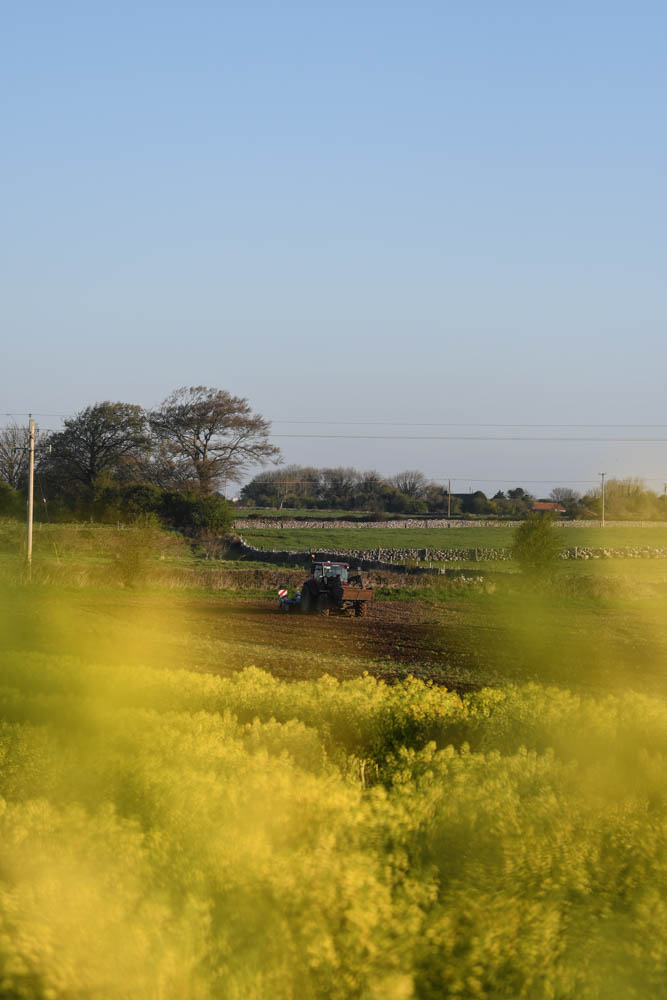
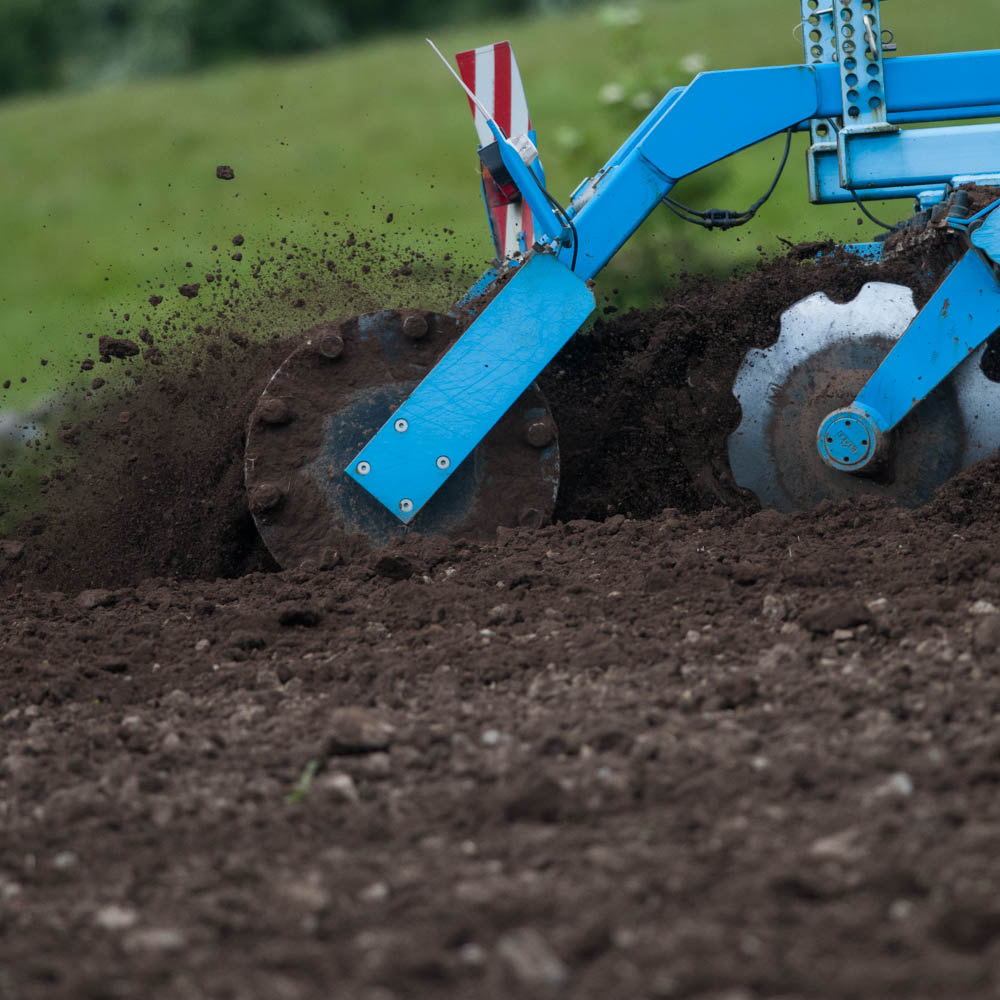
I was out in the tractor tilling and preparing the land for the first plants. The hedgerows were bursting with life, the trees were unfurling their leaves, the birds were singing, and the kale and the wild flowers were blooming and swaying the in the warm wind, the bees were everywhere. For a moment all was right, it seemed to me that the universe was reminding me that we are on the right track.

All around on our farm was an abundance of happy healthy life, sustained on this patch of land, free from chemicals and covered in trees and flowers, and in this little area surrounded by all this life we grow your food. 

The moment was fleeting and life as it does closed in again. How to hang on to these moments of clarity has been the study of ages, and I guess I have quite a bit to learn yet. Nevertheless, it shows that unity is close and sometimes unexpectedly it enters and fills our souls with joy. If life on the land has taught me anything, it is to expect the unexpected and this moment was truly unexpected and thoroughly appreciated. 

These last two years have been that too. The business of growing food is challenging but very rewarding, it is the selling of the food that can provide the greatest challenges. It is in this arena that you have to go out and interact and compete in the real world and that can be tough. 

We certainly have learned our fair share of lessons over the years and continue to learn. Nothing it seems stands still. Life and business are very similar in that regard, they require continuously evolution and change to grow and survive, but maybe we need to aim a little higher than just surviving, have we not had this opportunity to thrive and do the rights things in the right way.

So, it begins, the start of the season is upon us once again, and philosophical musing aside, it is our 17th growing season, and this fills me with hope. We have the first tomato plants planted in the tunnels, we have the ground ready to plant the first broccoli and Romanesco. The first outdoor lettuce, salad, spinach, and beetroot will be sown very soon. 

We do the right things in the right way here, we definitely don’t always get it right, and we certainly have plenty to learn, but maybe little by little bit by bit, and with your support and help we can improve and grow and maybe the little swallows will continue year in year out to grace us with their presence.

Thank you, little swallows, for the moments of joy. 

Kenneth 

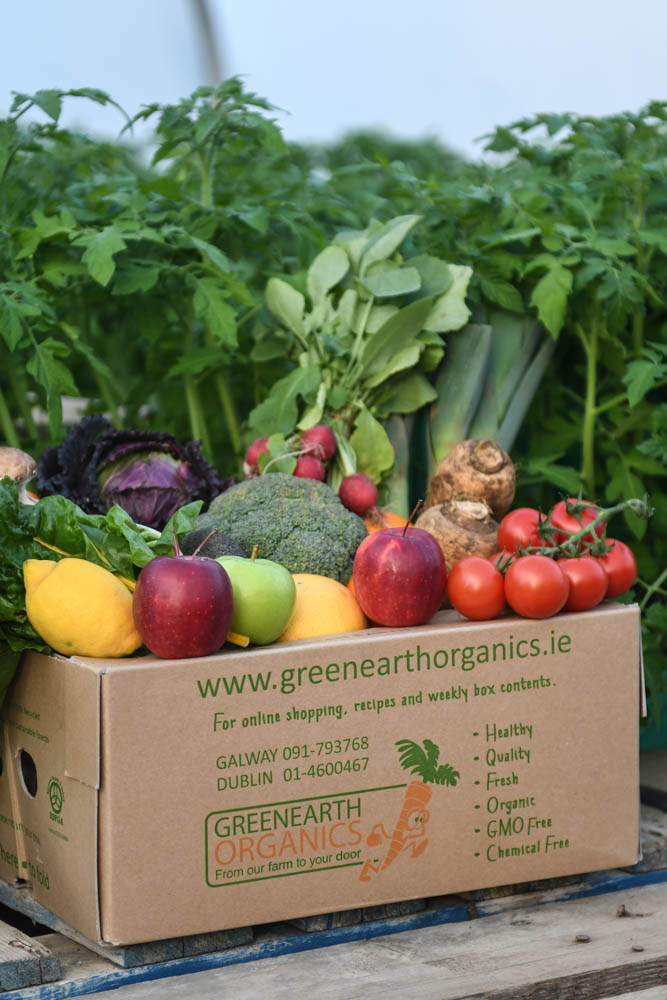
Order a box of organic fruit, vegetables and groceries to be delivered to your door, anywhere in Ireland.

3 Ways to Save the Bees (& other pollinators)

There are so many reasons to choose organic – the clean, agri-chemical free, tasty food, the sustainable farming methods which prevent water and air pollution…but perhaps the most important reason is to protect bees and other pollinators. Without pollinators, we would have much smaller fruit and vegetable harvests, and seeds wouldn’t set which would mean even smaller harvests the following year. While some of our crops are pollinated by wind, if we lost bees and other pollinators the diversity and health of our diet would drastically change for the worse and have a huge knock-on effect on our entire ecosystem.

Bees and other pollinators are essential for life as we know it. Unfortunately habitat loss, pesticides, mono-cropping, pest/disease, air pollution, drought and climate change are all leading to a massive decline in pollinators. So how can we help? Here are our 3 top tips for helping out our buzzing buddies.

1. Choose Organic

Organic agriculture avoids the use of pesticides, most of which not only knock out unwanted critters but the good guys like bees and other pollinators too. Organic farming methods work with nature to prevent pests naturally. Providing wildlife habitats (like hedgerows, wildflower corridors, ponds and native tree areas), rotating crops and planting a diverse mix of crops in fields provides a natural balance so pests can be taken care of by their natural predators. The lack of nasty chemicals in organic farms means nearby water sources and air are not polluted. Bees and other pollinators are very sensitive to pollution so organic is the way to go. Make it easy for yourself by ordering online, we deliver nationwide – check out what we can do here.

2. Plant Native Trees and Wildflowers

Many pollinators have evolved to survive off very specific, native plants. Planting native wildflowers, trees and bushes in hedgerows provide lots of food for all the important pollinators, not just honey bees. Find out which plants are the most wildlife friendly in your area and consider planting them in your garden or window box. If you have no space to plant, consider donating to a local tree planting charity instead.

3. Take part in ‘No Mow May’

No Mow May is exactly what it sounds like. Are you up for the challenge? Many of the earliest food sources for pollinators can be found in your lawn. So let it go wild for the month of May, after that there’ll be loads of other flowers around. You could even do a compromise by just mowing a path and seating area in your lawn and leaving the rest to the bees. We would love to see your wild patches – please share photos in the comments. You may be pleasantly surprised at how beautiful ‘weeds’ can be. Worried about what the neighbours will say? Pop a sign in your garden to explain your mission to save the bees.

Corporate Rewards

Reward your Staff, Customers & Clients

Start a corporate rewards program with us – a simple way to show clients, customers, and employees your appreciation while supporting sustainable, organic, Irish vegetable farmers.

Give the Gift of Health & Sustainability

Are you part of an organisation who rewards their employees regularly? Would you like a healthy and sustainable option? We can help. We can provide vouchers and coupon codes specific to your organisation. Contact us to see how we can deliver organic, plastic free fruit, vegetables and groceries to your employees and clients all over Ireland. Email info@greenearthorganics.ie to discuss what we can do for you.

We can also organise tours of our farm as part of the package. Kenneth gives a two hour walking tour of the farm here in Galway with an interactive talk on food, sustainability, our health and the health of the planet. Get in touch to see how we can enhance your green credentials and your employee happiness.

Who We Are

We are an organic vegetable farm in Galway with a nationwide delivery scheme. What we don’t grow ourselves, we source firstly from other organic, Irish farms, then fill the gaps with organic produce from as close to home as possible. We never use airfreight. Sustainability is at the heart of our business, here are our 5 pledges for the planet:

1. Always Organic

We promise to only grow and supply organic, sustainable ingredients and products. This means we will produce food in a way that works with the environment and wildlife, not against it.

2. Plastic Free

Wherever possible, we promise to use plastic free packaging. We pack produce loose or use paper, card or compostable bags. We also have a growing plastic free grocery section.

3. Locally Sourced

We promise to bring you Irish produce wherever possible. To keep your kitchens well stocked we will also source organic produce from as close to home as possible. We promise to never use air-freight.

4. Speak Up

We promise to never stay silent about important environmental issues because the damage we are doing to our only home is real. We will create helpful, informative content to discuss what we can all do to change and we promise to pull no punches when it comes to saying it how it really is.

5. Carbon Neutral

We promise to use renewable energy on the farm and in other areas of our business wherever possible. We have solar electricity on our packing shed and have planted over 7000 trees on our farm to offset other energy uses. 

Instant Vegan Cheese Sauce Powder

For mac’n’cheese, cauliflower/broccoli cheese, layers in lasagnes or moussakas, cheesy mushroom and leek pies and more… This instant powder is so useful to store in your pantry to whip up a quick mid-week meal. Just add oat milk and a little olive oil or melted vegan butter.

Liz x

Ingredients

Method

  1. Measure all the ingredients into a jar and give it a good shake to evenly mix into a powder. If you don’t have mustard powder then leave it out and add dijon mustard or whatever mustard you like in the wet stage described in the next step.
  2. In a measuring jug, pour 100ml of oat milk per person. Then whisk in 1 tbsp of the powder and 1 tbsp of good olive oil (or melted vegan butter) per person. If you mix doesn’t have mustard powder, add a tsp of Dijon mustard per person too.
  3. Pour the mixture into a pot over a medium/low heat and whisk continuously until it is cooked through. It should be creamy, silky smooth and nice and thick. Taste and adjust the seasoning if you need to, then use the sauce however you like. Fold through cooked pasta, layer up in a lasagne or moussaka, pour over cooked mushrooms, leeks and butterbeans then top with pastry and bake… I always use this sauce for a cauliflower and broccoli cheese as part of our Sunday roast.