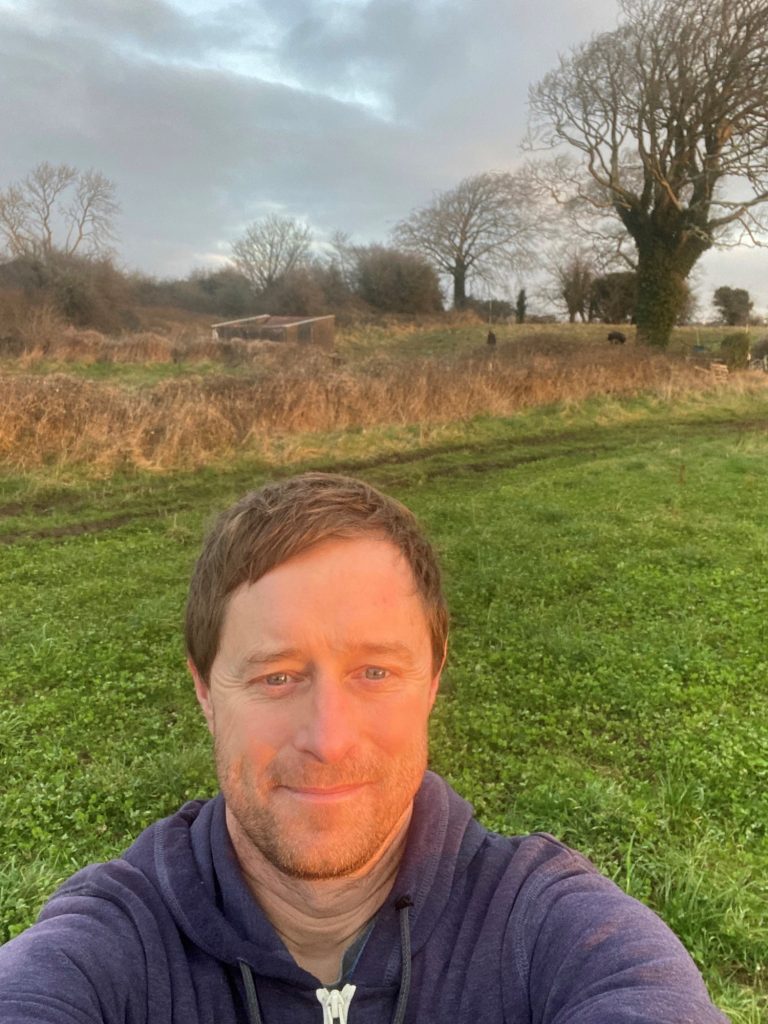
After many weeks of planning, we are finally ready to start

Rumi said, “As you start to walk on the way, the way appears” Clarity doesn’t come before action, it comes from action. After many weeks of planning, we are finally ready to start.

This business that we find ourselves in, seems to always be grinding away at one’s soul, it is hard.

Growing vegetables commercially is hard, growing vegetables without chemicals is harder, and selling produce as a small business might even be harder still. But at other times like the week just gone when the sun shines and the birds sing and the bees finally wake up from their winter slumber, it gives back.

Sometimes it is hard to get perspective especially when you are in the thick of things and we all make mistakes. Anyway, amidst the usual weekly turmoil something stuck me, you can’t do it on your own, life, business, relationships, you need help and support.

I am grateful for the team of individuals (and this includes you our customers) that have chosen to pitch in with us, without them it would be a very different affair, but because of them and their dedication we have an amazing, vibrant, sustainable business.

Collaboration is key, it has always been something we have stuck by, and I am not saying I or we are perfect, far from it, and there is plenty of times when stress or general goings on means we miss the boat, we say or do things which would have been better not said or not done. But fair collaboration is what in an ideal world we strive for, whether that be with our customers or suppliers or anybody who touches on our business, collaboration I’d go so far as to say it is the only way.

During the past number of months, I have had the fortunate experience to begin a conversation with Liam Gavin from Drumanilra farm, he also runs Carraig Rua bakery. The aim of our conversations was to get the best most amazing, sustainable, organic, slow fermented over 48 hours bread to you, our customers. There has been much back and forth and trials and finally we have arrived at a place where we are happy and are ready to start.

It is something I have wanted to do for years, but getting fresh bread to you our customers in our business is difficult, but we think we have cracked the art of getting bakery fresh bread delivered to your home. The bread is par-baked and 15 minutes in your oven will finish the bread and give you the most amazing experience of fresh bread right in your own home.

There are all the other amazing bits, it is baked by an expert baker Michael, in Carrick on Shannon, by Liam’s ethical organic business, and it uses only certified organic flour. It has, as bread should have only 4 ingredients and critically the wheat has obviously been grown without pesticides or herbicides and especially without glyphosate.

Our aim has always been to partner and support other small amazing Irish organic farms and businesses, and I think with Carraig Rua we have definitely done that.

As always thanks for your support and joining us in creating a new better sustainable food system.

Kenneth

A note from Kenneth

Supermarkets won’t miss you, but we will! Our orders always drop off over Easter and school holidays, but we still have the same costs to bear for running the farm and the business. Your order means a lot to us and makes all the difference. It allows us to keep doing what we are doing and developing a more sustainable food network and farming approach to food in Ireland.

Please if you can at all support us over the next three weeks through the Easter break. To help you on this journey we have some very special and gorgeous hand-made organic chocolate to give away for free when you purchase and spend over €80. You will receive an email this Sunday 6th April with details of the offer.

Easter is without a doubt the biggest and most consistent downturn we see in the business each year and we need to do whatever we can to ensure we do try to mitigate it.

Thank you from all of us here at Green Earth Organics.

The hidden cost of our food

We are lucky living in Europe we have some of the best laws protecting our lands and our food from pesticide contamination. But it’s worth bearing in mind a couple of things, even though these laws are stronger than in many parts of the planet, chemicals and pesticides are still used regularly on our fresh food and veg. A report by the dept of Agriculture right here in Ireland showed that over 64% of 500 fruit samples tested in 2021 had pesticide residues in them.

But the thing that really gets me is the hidden contribution our food choices here in Ireland make to pesticide use all around the world. Just this March the environmental protection agency in Brazil banned the use of thiamethoxam, this is a pesticide of the class of neonicotinoid, and 1 teaspoon of this insidious chemical can kill over 1 billion bees. The bees are the sentinels, and if the bees are dying so are all the other insects. The companies that manufacture this, denied for years, that it was dangerous to pollinators, but they knew.

This chemical continues to be manufactured right here in the EU and shipped to other countries, making billions, knowing that these chemicals are wrecking destruction on our natural environment. Making profit is the only driver when it comes to large food companies and large Agri companies. Our health and the health of the planet are always secondary to the bottom line.

But an often-overlooked fact, the feed fed to Chickens, cows, and pigs that are processed for meat right here in this country will be partly fed on soya grown in Brazil. 100,000s of tonnes of GMO (Genetically modified) soya-based feed is imported into Ireland every year. (Read more here) Our massive agricultural industry is fed on a diet of Roundup drenched, neonicotinoid-soaked soya pellets that feed the animals.

If you would like to know more, please have a look at this video

This feed of course is also coming from massive monocultural food deserts that have been created by the relentless destruction of the most diverse and amazing part of our planet: the Amazon rainforest. This also contributes to the most defining catastrophe of our age: the climate crisis.

It’s estimated that over 20 million hectares of Brazil’s forest cover as a whole have been lost to soy production in the last three decades.  Irish supermarkets have not ruled out using controversially sourced soy that is linked to activity driving forest loss in South America, including the Amazon.

But when it comes to our food we as consumers have power, real power and our decisions and choices can have a massive impact, and can send a real message and can effect real change.

Choosing organic will prohibit the use of these bee harming chemicals and it will also ensure we are not consuming GMOs.

As always thank you for your support.

Kenneth

Simplicity is the ultimate sophistication

Recently on a well-known Radio Talk show a nutritionist claimed that “it is a myth that organic produce does not have pesticides on them….. and some studies show that organic produce has higher levels of pesticides.” in addition she claimed that there was no benefit to eating organic produce. I have to say having dedicated 20 years to growing organically and having come out of a career in chemistry I would like to dispute both facts and there are clear scientific studies that demonstrate that both statements are false.

It was Leondardo Da Vinci who said: “Simplicity is the ultimate sophistication” and farming organically is simplicity in action, and a key principle is working with nature without the use of “pesticides” to treat weeds, or the little critters that eat our vegetables every now and then.

That being said, there is a list of approved substances that can be used in organic farming if an issue persists. But on this list, you will find things like neem oil, beeswax, mineral oils, paraffin, soap, mint oil, clove oil, and an insecticide, pyrethrum (which is extracted from the chrysanthemum flower) and such natural elements as sulphur and copper, the latter both used as traditional methods to control fungus. It is important to highlight that generally a derogation must be requested to use any of the last three on the list, and they will only be used where there is little other choice.

In 2021 the Department of agriculture tested 1,039 fruit and vegetable samples for a staggering 474 chemicals (synthetic chemicals manufactured in a chemical plant, with labels such as toxic, irritant, carcinogen and more)

For fruit, of the 528 tested, 63.8% had pesticide residues detected, 5.5% had residues detected above the MRL (the maximum residue limit, this is the limit that is deemed safe for human consumption, personally and this is my opinion I would prefer to avoid these chemicals in my food entirely if possible).

3 fruits contained a cocktail of 9 different pesticides in them.

For veg, of the 511 tested, 43.6% had residues detected, 5.1% had residues detected above the MRL. A cocktail of 15 pesticides were found in one sample.

And if you were still unsure about whether non-organic produce is no different to conventional go and visit Tesco’s website and check out fresh oranges with the following details:

NOT SUITABLE FOR VEGANS Post Harvest Treatments & wax by Country of Origin: Spain: Imazalil/Thiabendazole/Pyrimethanil & Wax E914, E904 Israel: Imazalil/Thiabendazole/Orthophenylphenol & Wax E914, E904 Morocco: Propiconazole/Pyrimethanil/Imazalil & Wax E914, E904 Egypt: Imazalil/Thiabendazole & Wax E904, E914 Peru: Imazalil/Orthophenylphenol/Thiabendazole & Wax E903, E904 RSA: 2,4 D/Imazalil/Thiabendazole & Wax E914, E904 Chile: Imazalil/Fludioxonil/Pirimethanyl & Wax E903, E904

I get it though and the fact remains that it is certainly better to be eating fresh fruit and vegetables that much of the Ultra processed food that line supermarket shelves.

But if you wish to limit your exposure to pesticides in your fresh food which were found in over 50% of veg and over 60% of fruit then organic is the clear choice.

And finally in 2015 one of the most comprehensively undertaken studies showed

“……that the evidence from this study is overwhelming – that organic food is higher in antioxidants and lower in toxic metals and pesticides.

So please if you are going to make general sweeping comments such as “there is more pesticides found in organic produce, and it is no better for you” on national radio please get your facts straight.

As always thank you for your support.

Kenneth

I was never going to be a Franciscan monk…

I must have been 13 years old when I started working as a helper gardener with the Franciscan monastery in Corrandulla, and no this was not to be my path! It was purely a means to an end for a young lad and to be fair I had an interest in working outdoors and with plants.

The monastery had glass houses and a walled garden, it was amazing and unheard of back then in the mid 80’s. There were tomato plants in those glass houses. I cannot tell you how unbelievable it was to see tomatoes growing in Galway back then. One job I remember in particular was using a knapsack sprayer for the first time. This is a sprayer that you put on your back. The head Gardener filled up the sprayer and I was given the job of spraying the tomatoes, I was told the spray was for the plants and that was it, and off I went to do my job.

The tomatoes were doing really well, so I sprayed the plants thinking I was doing some good. The day finished and I remember it was a Friday, and I went home. On my return to work on Monday I was greeted with a less than happy monk, the plants were all dying, I guess he added the wrong chemical to the mix, it was quite probable it was Roundup. Since Roundup’s introduction in 1974, weeds have out paced the ability of chemicals to control their presence. Superweeds are now well documented such as Palmer amaranth. The chemical company’s response has been to increase the application rate of the said chemical or/and merge two herbicides such as Glyphosate and Dicamba, the second of which is now banned again.

These increased toxic cocktails are not a step in the right direction.

The entomologist Robert van den Bosch coined the term “pesticide treadmill,” a concept referring to the slow escalation in the potency of the chemicals needed to control pests and maintain crop yield. The challenge of course though is in a world now reliant more and more on GMO seeds and heavy doses of one single herbicide, how do farmers in this system produce food when it fails as it is now.

There are different possibilities, but there is little doubt that the years of cheap commodity crops being raised to feed animals may be coming to an end.

The number one reason that organic food is more expensive than conventional food is the labour required to manage weeds. Spraying a field with a chemical is easy and cheap. Having said all of that the potential benefits of moving away from chemical agriculture towards a more holistic approach to food, can be financially viable. The costs associated with less sickness, increased biodiversity, less pollution, clean water, clean soil and healthier food; these hidden costs of the impact of our current approach to agriculture could then be redistributed fairly to farmers to protect our amazing planet. Like the tomatoes in the green house, it was as I know today completely possible to grow these phenomenal plants without any synthetic chemicals whatsoever.

As always thanks for your support.

Kenneth

Why are all the Irish vegetable farmers disappearing?

I remember distinctly our first year of growing, which was 20 years ago, it was before we officially started our business, it was my first year back in Ireland after spending 11 years in the UK, it was on a small vegetable patch in my grandads back garden, it was amazingly rewarding and to get food at the end of it was a bonus.

We have been growing organic vegetables here on our farm in Galway for nearly 20 years.

We have seen many changes over that time, but something that has never changed has been our commitment to sustainable local food. We are Irish and grow Irish and support Irish and always have since we started delivering our first boxes in 2004.

Something that has changed since then is the price that the supermarket pays for and charges for fresh produce in the supermarket, which has decreased. Since 2007 the average price paid for 1kg of fresh vegetables has decreased from €1.87/kg in December 2007 to €1.46 in August 2020. This represents a 21% decrease in price paid for fresh produce over 13 years when everything else has been going up.

Back in 2007 the minimum wage was €8.65, that has since risen to €13.50 in 2025, representing a 56% increase in the cost of labour alone. This is one cost of many that has increased, fertiliser, energy, packaging, general farm inputs have all increased dramatically over that time, and yet the retailers have consistently and unrelentingly driven down the price paid for produce.

It is also a fallacy to state that the retailer takes the hit on the price promotions in stores, there and it is the added impact of driving down the price a farmer can get for his or her produce elsewhere.

There is a glimmer of change driven by consumer demand for Irish produce, where Irish producers can now demand a little more for what they are producing. The reality when you walk into any of these large supermarket stores is that they are promoting supporting Irish when mostly the produce is imported, have a look at our video or check it out for yourself when you are next in a supermarket.

The pressure and race to the bottom have driven a lot of good growers out of business, and now as the supermarkets feel the pressure from the consumer and sense the marketing opportunities to show themselves as the saviour of the industry, they are promoting with all their vigour the support for the Irish vegetable farmer.

It’s the sad reality that after 20 years of hollowing out the industry they now want to turn the other cheek, but only ever so slightly, not too much, and not enough in many cases. Any increase in price paid must still be fought for tooth and nail, and after years of devaluing the produce it looks like a very poor effort indeed.

But any change in mindset is being driven by one thing and that is completely down to you,

you the consumer demanding more local Irish produce.

We have growers all over the country of Ireland, from Joe Kelly in Mayo, To Padraigh Fahy and Una Ni Bhroin in Beechlawn in Galway, to Enda Hoban and Orla Burke in Galway, Audrey and Mick in Millhouse organic farm, Cameron in Battlemountain organic farm, Philip in Coolnagrower organic farm in Offally, Richard Galvin with his Irish organic apples in Waterford. Banner berries with their amazing blueberries in Clare, Donnelly with his organic cherries in Dublin, then there is Garynahinch mushrooms, McArdles mushrooms, and leeks from Roy Lyttle in Antrim, plus Joachim and Jeanette in Galway also. And of course, our own amazing organic farm where Emmanuel and his team grow a whole range of fresh Irish organic produce. All of these growers are Irish, all are organic, and all are committed to growing sustainable produce. With your support we get to bypass the juggernaut of the supermarket buying machine, and all the damage it leaves in its wake, and we get to support ourselves and all these amazing other growers, but only and very much because of your support.

Thank you.

Kenneth

No Chemicals. Ever.

‘No chemicals ever in our food chain’  It was a pretty simple idea, and before the thought of having to get certified or go down that regulation route (which you must do if you are to use the word “organic”)  that was the cornerstone of our belief. No chemicals because chemicals, (and as somebody once said on Instagram all things are chemicals, and that is true enough), so let me clarify no synthetic manmade, toxic chemicals that kill living beings, kill plants, kills insects and bees, and damage our health, none of those chemicals will ever be used on our farm because they hurt us and they hurt the environment, they hurt the living things we share this planet with and it turns out they even damage our microbiome.

During the last few weeks as we were waiting patiently for our field of wild clovers and phacelia (For the bees) to come into its own there was a distinct absence of insect life. But in one particular part of our farm where we have our brassicas planted there was an abundance of bees and flies and butterflies. In this particular patch of ground (about 3 acres) the previous year we had sown the same mix of wildflowers we were waiting for in another field this year. These flowers had reseeded themselves and came up with the crops of broccoli, and cabbage and kale. They were earlier to mature and to flower as the seed was already in the ground and now, they were providing food and homes to 1000s of insects and bees.

If we had started our year as many conventional farmers do, then the first step would have been to treat this field with Roundup to kill all the plant life that resided there. There then would have been applications of more herbicides to supress any plants that survived the Roundup, followed by multiple rounds of pesticides and fungicides applications. You certainly would have had broccoli and cabbage and kale, but nothing else, no bees no flies, no wildflowers, no weeds here and there that provide homes to all these amazing pieces of our biodiverse puzzle.

So, it is with chemicals they remove parts of our ecosystem, and they are exceptionally good at being nonselective. From my days studying pharmaceuticals, the silver bullet was the holy grail, a highly selective therapeutic that would only target the disease and not healthy cells. An impossible panacea with traditional chemistry, and here farmers are being Advised to go out into fields with bucket loads of toxic chemicals and unload them on our food and nature indiscriminately. And I don’t care one bit for MRLs (maximum residue limits, which are generally set in conjunction with the manufacturer) they don’t protect us. Current predictions estimate the market for these crop chemicals to be nearly $330 billion by 2030! When there is that much money involved lets me clear it is not the planet that these companies want to take care of, it is the same as the petrochemical industry or the tobacco industry.   

So here is to food and a food system minus all these toxic destructive chemicals.

Kenneth

Where have all the insects gone?

It was on a very rare occasion that we used to make a trip to Dublin from Galway. Back in the 80s it was a long journey, there were no motorways back then and the all too familiar bottle neck in Athlone could often cause long delays, but it was always exciting. Stopping along the side of the road to eat homemade sandwiches also gave us a chance to clean the windscreen of the mass of insect debris, that would at times stop my dad from seeing ahead. Cleaning of the windscreen was expected and was an inconvenience, how things have changed in 30 years.


If the level of insect splatters is a measure of the health of this very important ecosystem, then by all accounts today it is only one step from total annihilation. Test it for yourself, next time you drive down the motorway, how many insects splatter on your windscreen? Virtually none you will find. So, what has happened and where have they gone?


This year on our farm up until relatively recently there has been a noticeable absence of butterflies and bees. The decline in butterfly populations and diversity is well documented.  Not only that but Experts estimate that flying insects across Europe have declined 80 percent on average, causing bird populations to drop by more than 400 million in three decades, these are astounding figures. Insects are also the world’s top pollinators — 75 percent of 115 top global food crops depend on animal pollination, including cocoa, coffee, almonds and cherries.


In his 2022 book titled ‘The Insect Crisis’, journalist Oliver Milman set out the grim scenario of how our actions as humans are causing catastrophic destruction of this critical world.  Milman describes the insect kingdom as “the tiny empires that run the world”, they are the starting point for all other higher life forms, without whose existence entire ecosystems would collapse.


Did you know that it is now relatively standard practice to eliminate all competing plants from grasslands for dairy production, leaving vast monocultures. The use of herbicides to clear plant diversity followed by pesticides to destroy insect diversity leaves very little for these amazing small creatures to flourish on. If the insects disappear what do the birds eat? What about all our pollinators? What happens to the food crops that rely on these? This typical short-term approach to intensification of global food production will hurt us all in the long run.


The good news is that reestablishing these insect populations before it is too late is easy, it requires some effort, but it is easy. Leave diversity in our fields, don’t spray everything in sight to within an inch of its life. Let’s be clear we don’t need to anyway, all this chemical spraying is quite frankly ridiculous and unnecessary.  Plant hedgerows, plant an acre of phacelia and clovers to enrich the fertility of the ground but also the fertility of the local ecosystems and biodiversity. 


It was when we started planting wildflower strips that we noticed an astounding level of bee life return to our farm. There were honeybees and several different types of bumble bee, and all sorts of other flying insects. We had created a floral reef for insects! On a sunny evening there are hundreds of thousands of bees and insects humming away, and if you stop and listen, it is then that you truly appreciate the magnificent of these little flying creatures and the amount of life a relatively small piece of land can sustain if it is given a chance.


As always thanks for your support
Kenneth

Gardening, smoking a pipe, a penknife and our food……….

I doubt my grandad spent any great deal of time thinking about food provenance. But eating fresh healthy food was part of his life. It was excruciatingly hard work producing food back in the 50s, backbreaking, without the aid of machines or modern technology, but the food they grew was healthy and free from chemicals.

If you would like to listen to my little story this week from one of our fields CLICK HERE!

He worked as the head gardener in Cregg castle, and he most definitely as did my dad had a flare for growing vegetables. Now although I am sure food wasn’t something for the after mass discussion on a Sunday it would have been on their minds. Certainly, though there was no need to discuss what was sprayed on the food, was it wrapped in plastic or not, where it came from, was it sustainable, was it healthy, was it ultra processed, as none of that was relevant back then.

I do remember his garden as a child, I distinctly remember certain things such as the little seat he had, where he used to smoke his pipe, and the penknife he always had with him (incidentally an indispensable tool to even the modern organic farmer). He used to make raised beds behind the hayshed and sow all sorts of things, from potatoes to carrots, but he also sowed sweet peas on a trellis and had apples.

Another memory and not altogether a pleasant one I have is of having jam jars from the trees in the summer with water and residual jam to trap the hoards of wasps, and stop them from eating the gorgeous sweet apples.

My other grandad used to come out from town for a bucket or two of potatoes and this was part of the sometimes-weekly trip to the country side. Either that or he would visit the farmers market on Saturday in Galway, back then it truly was a farmers’ market, rough and ready though it was.

Food too was celebrated such as the first new potatoes, this we still do today and we have just started with our own amazing organic new season potatoes from Cameron in Battlemountain organic farm. A point to note here is that the prices we are paying for these potatoes is up 50% on last year.

But what has happened over the last 70 years, how has such a large chasm opened up between the person eating the food and the food itself. Giant retail businesses have grown and made it their business to create this great divide it serves a purpose of control and it drives enormous profits into the hands of investors. The shiny plastic wrappers deflect from the reality, the faces of the smiling farmers, the special offers, it all hides secrets of our food system that we are never privy to. The big mechanics behind the scenes that move vast quantities of food around the world, the hidden corners that are cut, the environmental atrocities that are committed, this is all brushed under the shiny carpet.

It does seem strange to think that the food we put into our bodies, probably one of the most important things we buy, we probably know least about and is frequently relegated to the bottom of the priority list. The connection between what we eat, our health and the health of the planet is clear, and rekindling the connection with our food could be one of the most important steps we take to improve our own health and protect our world from further environmental devastation. It is also the one thing we absolutely have control over and can change.

Thank YOU for making that change.


Kenneth

PS We are right in the middle of full harvest season and having your support during the summer is more important than ever as we always see a marked drop in orders, leaving us with a surplus of our own and other Irish organic farmers produce, please support us for the month of August if you can, click to see our IRISH SECTION HERE.

An Apple a Day Keeps the Doctor Away

I was delighted to welcome Sean Owens and Callum Patrick Swift to our farm yesterday, two amazing and inspiring individuals, who had driven from Dublin to have a podcast chat about the planet, food and all sorts of other things. I believe our little interview will be on their podcast “climate conversations”  soon, give them a listen, I will keep you posted when it is available. 

They are both environmentalists, but with a twist.

They are doctors and both are members of “IRISH Doctors for the Environment” and “Plant Based Doctors”. Their focus is on caring for patients and people but weaving in care of the environment into their practice also. This is forward thinking, the kind of thinking our planet desperately needs, and gives me hope for the future.

I was, I have to say awe struck as Callum asked if he could use our electric charge point for his electric van which was identical to our electric van that we use to delivery some of our veggies in, how cool was that!

Both are advocates for eating more plant-based foods, the old idiom I used the other day is really true I guess: “no doctor will ever tell you to eat less vegetables”, and as Callum pointed out the 5 a day advice has pretty much been relegated to the back seat now; the current thinking is: eat as much vegetables as you possibly can.

We had an interesting and fun chat; it is I guess easy to speak to the converted, but it was also liberating to be able to talk freely about things that are clearly really important to the two lads and to all of us here on the farm too.

Sean spoke about eating the rainbow and how incorporating an array of different coloured vegetables into our daily eating regime is so good for our health. I think we all agreed that the best way to improve our health is to take small changes and make them a habit. 

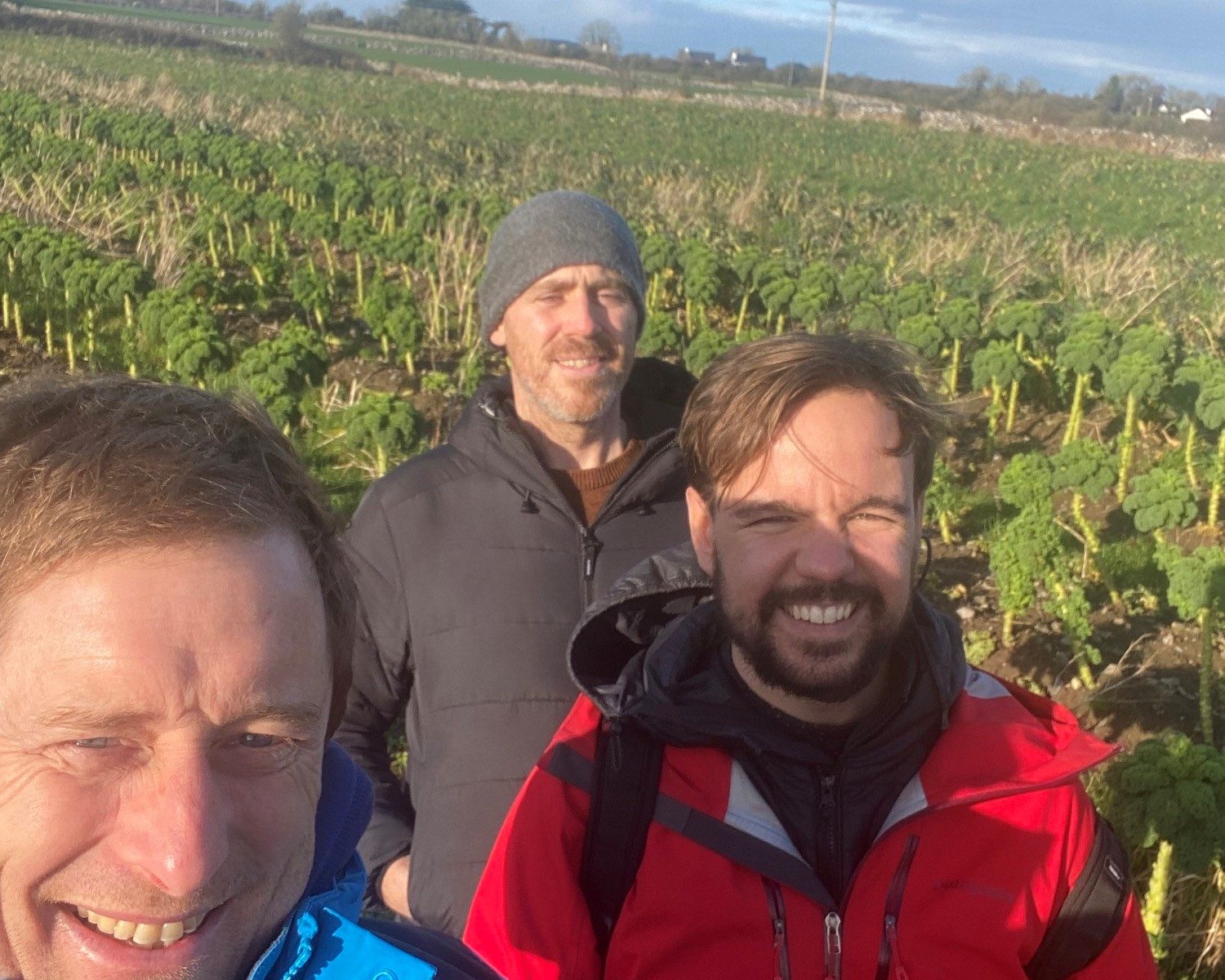
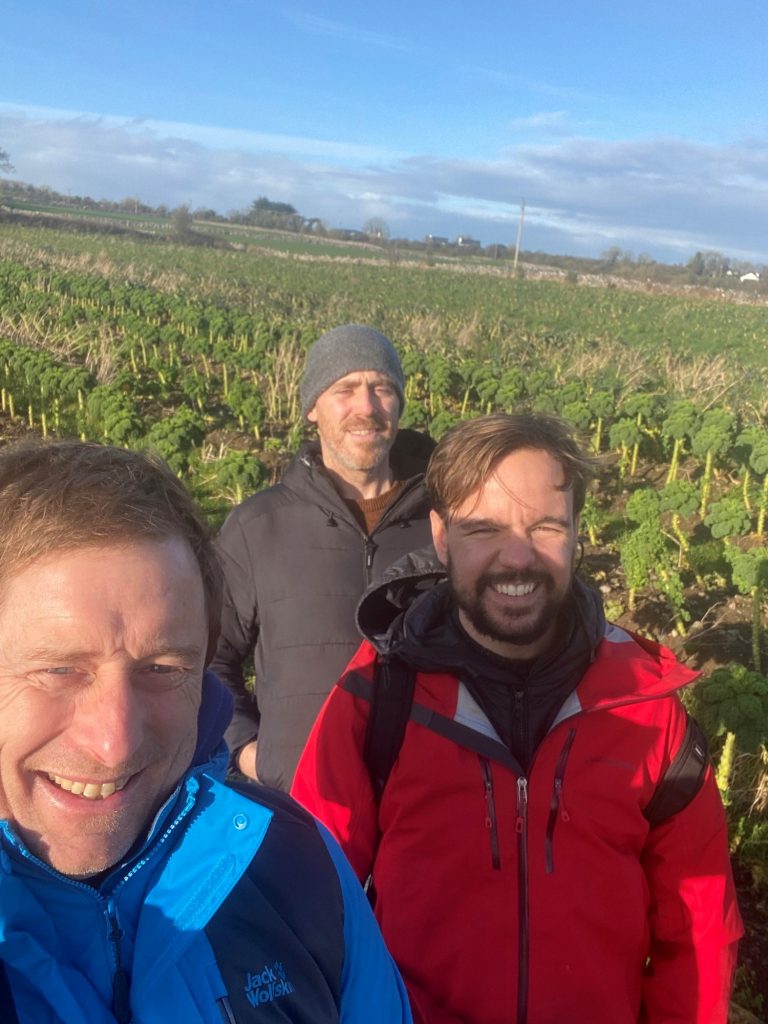
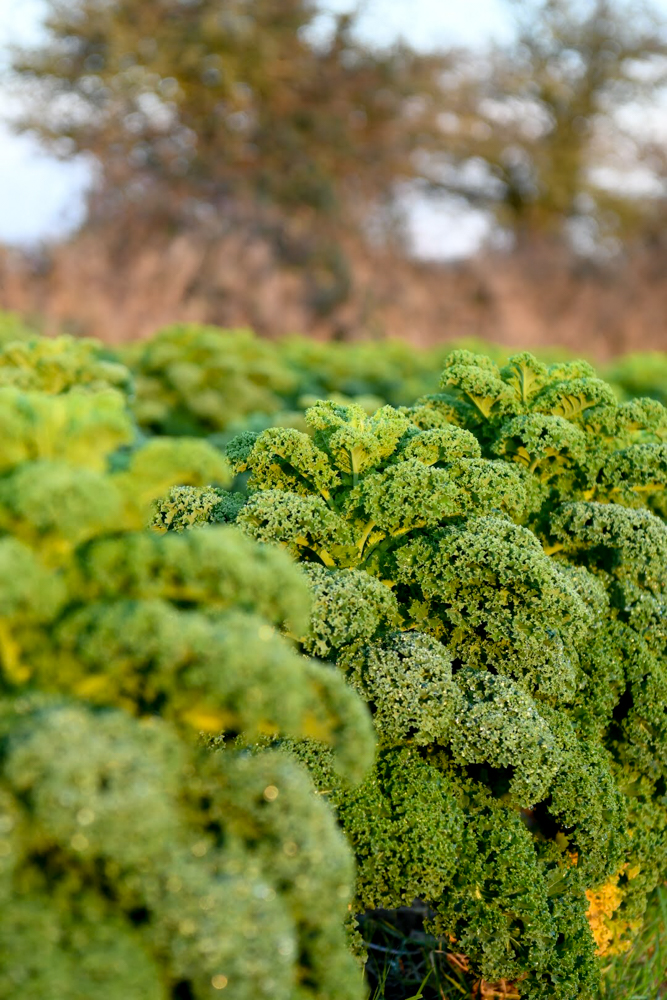
We had a wander around the farm, sampled a sea of green kale, and of course went to scratch George and Florence’s belly’s. Funny how our two rescue pigs never object to having their backs scratched.

I took away from our conversation that our mission to grow the most amazing local organic plants here in Galway and deliver them (along with all the other very best healthy food around) to homes all over the country is indeed the right thing to be doing.

So, lads thanks for a decent shot in the arm of much appreciated encouragement.

I think neither of the two fellas would have a problem with the saying. “An apple a day keeps the doctor away”. In fact, as they said themselves, current thinking is moving towards preventing people going to hospitals and for that to happen, we all need to focus more on what we eat and on our health way before there is a problem. 

Thanks

Kenneth

Every Year it Happens

Every year it happens, we are waiting and waiting and then bang out of the blue it all starts again. I guess life is like that sometimes, we push and we shove and want to change things, and then when we finally just accept the ways things are (often because what we were doing was making no difference anyway) and least expect it things fall into place.

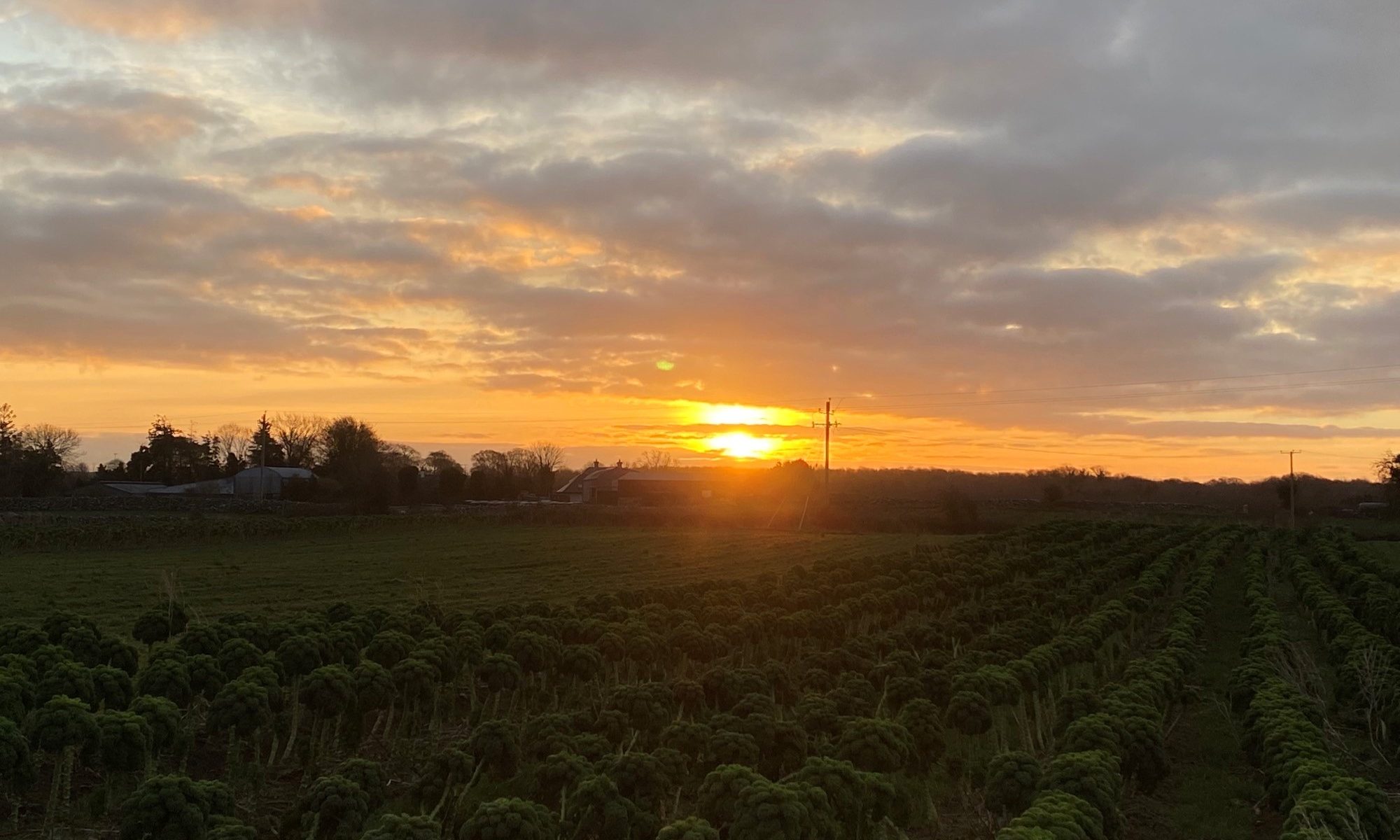
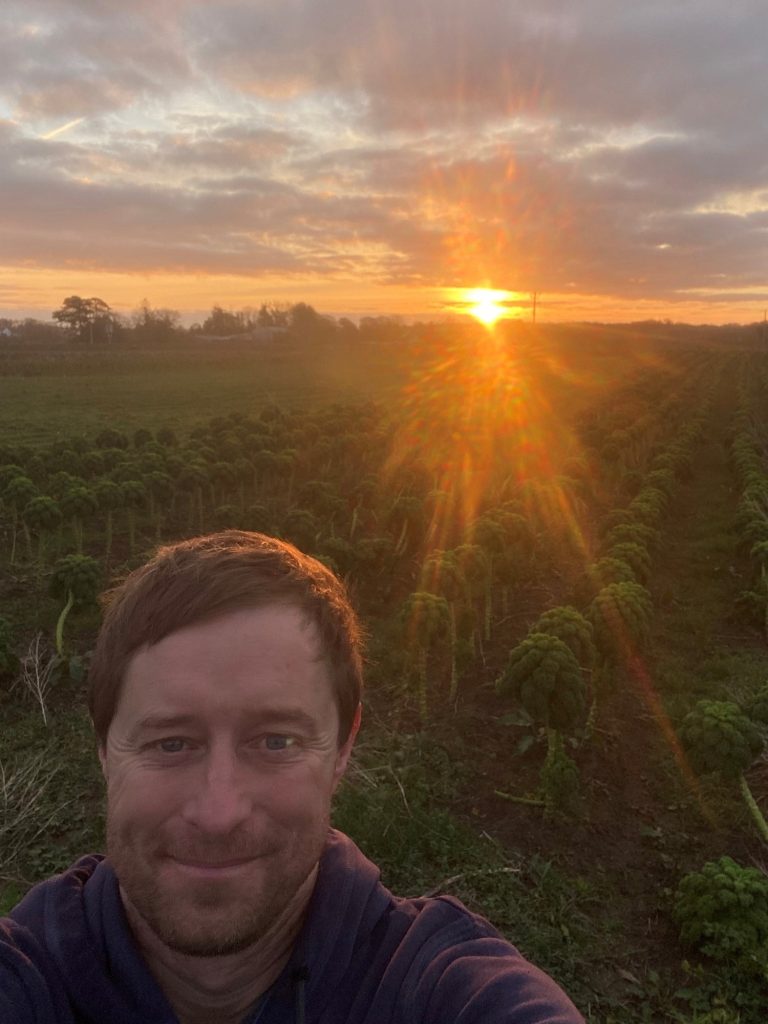
So it was this morning with my first farm walk in two weeks. We have been struggling with the dark closed in feeling of winter, and then this morning bright sunshine, singing birds, and life were evident all around.

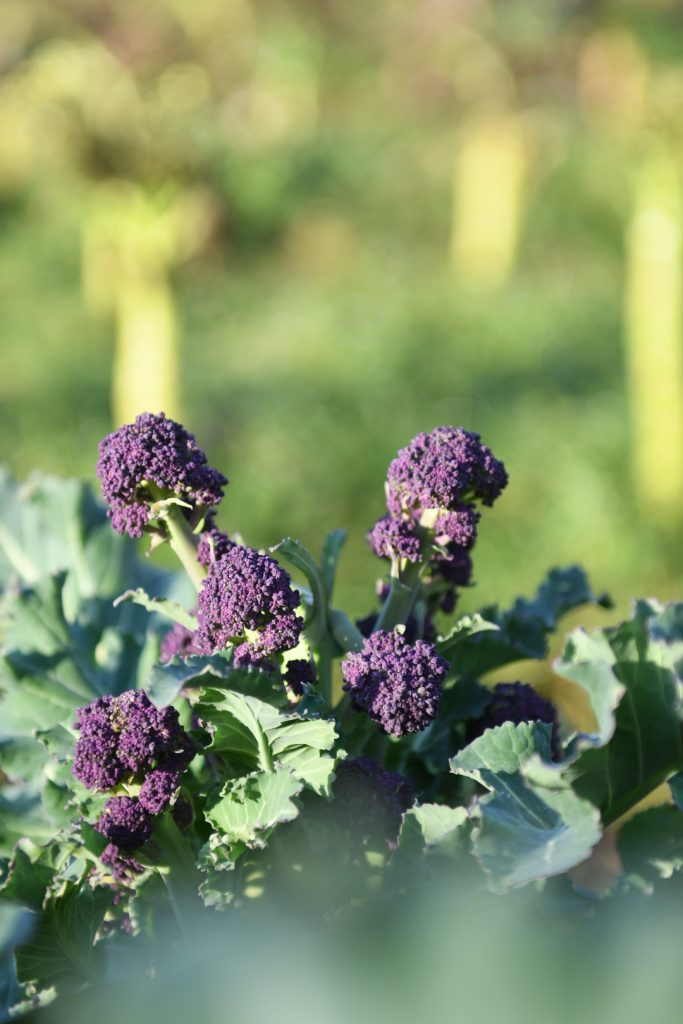
The crops need to have our focus again, they are flying. We have the best kale harvest in years, our leeks are amazing as is the purple sprouting broccoli.

We are out in the fields everyday but today we start in earnest after we have finally shrugged off winters cloak.

Nature is very subtle, we are always on the watch for change, and somehow just suddenly it changes without you noticing. Like a seed germinating, one day it is a seed and the next it is a plant is has germinated, just like that, this is the miracle and power of nature. It is the same with the kale regrowing, it just happens when the time is right. Or the birds singing a spring morning chorus they just begin, and wow were they out in force this morning. 

I get excited at this time of the year, the start of a new growing season and the challenges and opportunities it brings fill me with hope for the year. 

It is a natural cycle and as we emerge from the dark winter months there is a sense at least on the farm of a new slate, a fresh start, a chance to begin the journey anew.

Nature is wonderful like that, and up until this period in man’s history it has been stable and consistent. I read this morning that the Gulf Stream which here in Northern Europe we rely on for our stable weather patterns is not in good shape. 

These complex global climate regulation mechanisms are hard to understand I would imagine, but there are clear signs that climate stability all over our one and only beautiful home is being compromised.

I do admit to getting frustrated with the slow pace of change, it doesn’t make sense to me. There is a phenomenal opportunity now to take the risk and invest in Green Energy, to cut consumption and do so much more. We as a small farm have done it, and we as a small country can do it.

But maybe it is like the kale regrowing or the seed germinating, you can’t force the seed to grow faster or the kale to appear faster, but all of a sudden without even noticing it has changed.

Maybe that is happening now too with movement to cut consumption, power our lives with green energy, moving to more plant-based diets, all these things are happening.

The most amazing thing is you are causing this change by supporting us.

Thank you.

Kenneth