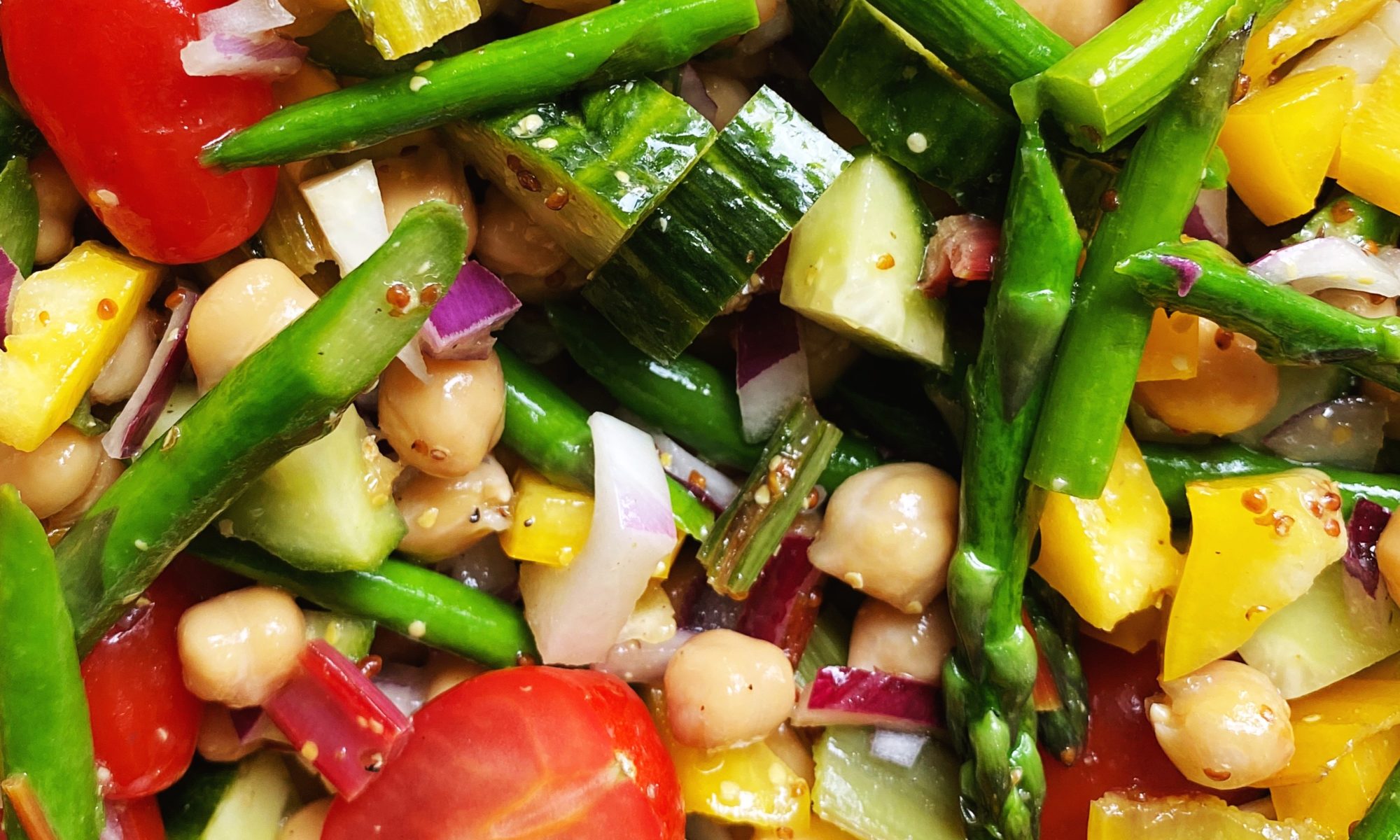
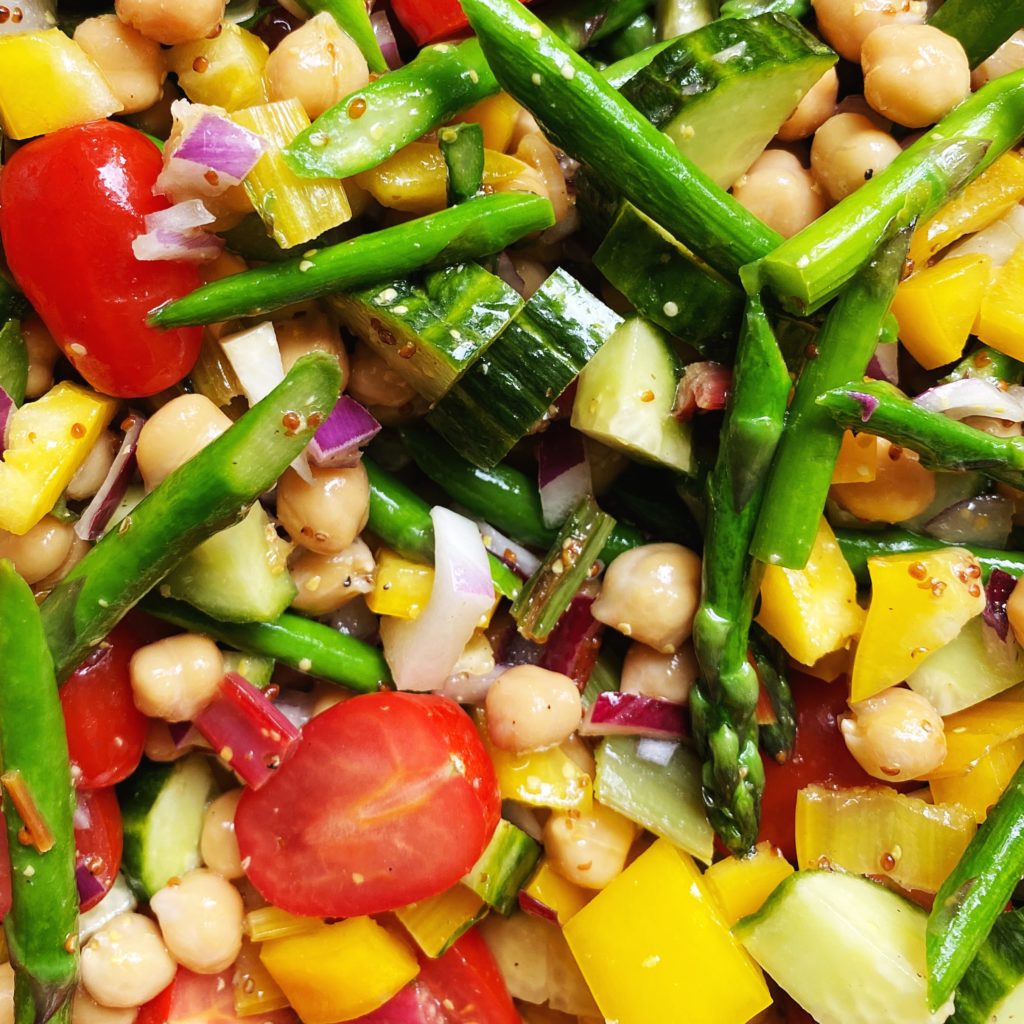
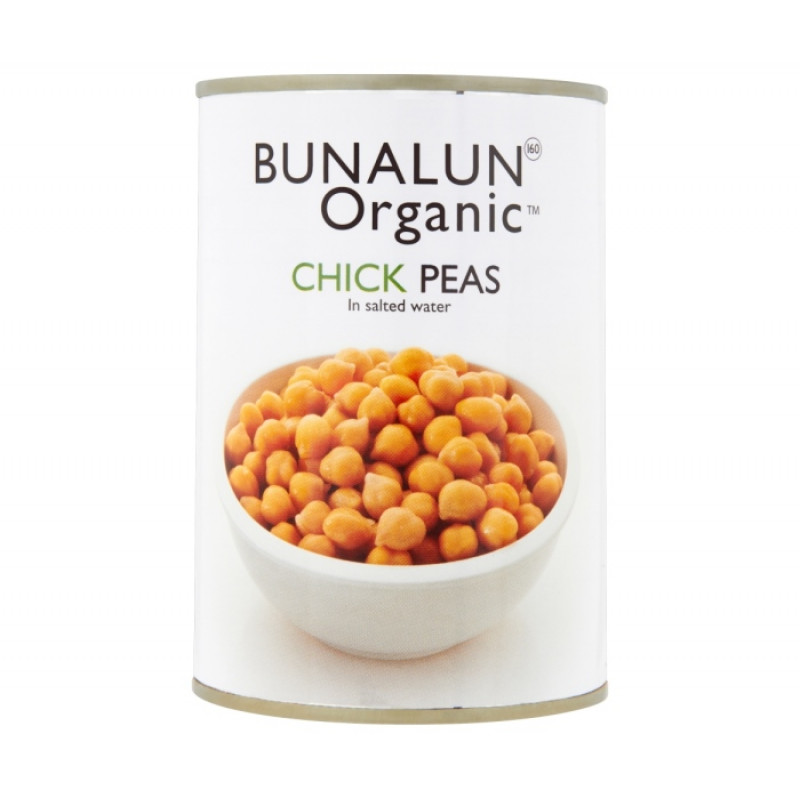
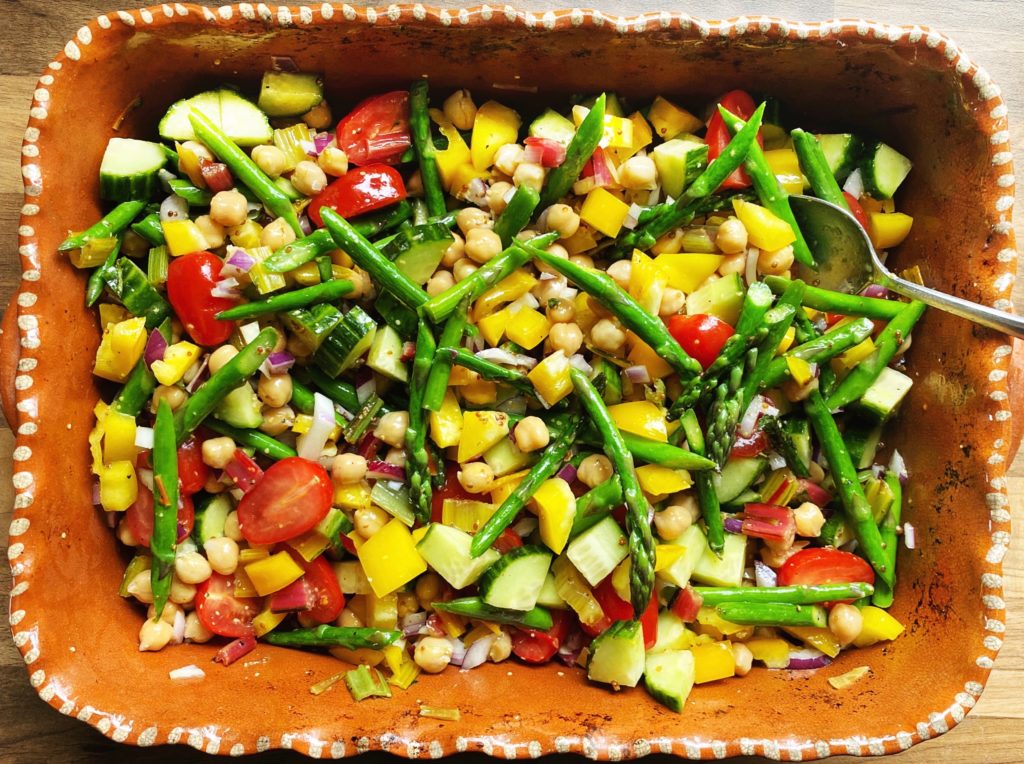
A few tins of organic chickpeas in the kitchen cupboard are always so useful! One of our kitchen staples for sure! Whizz them into hummus, smash them and mix with mayo for a stunning sandwich filler, simmer them in curries and stews, use the aquafaba for making vegan mayo or cakes, blend up with herbs and spices and make veggie burgers or falafels, or simply mix them with a dressing and seasonal veg for a satisfying salad. Here’s the one we’re having on repeat at the moment. A gorgeous combination of colourful, fresh veg with a simple vinaigrette. Goes perfectly alongside a BBQ!
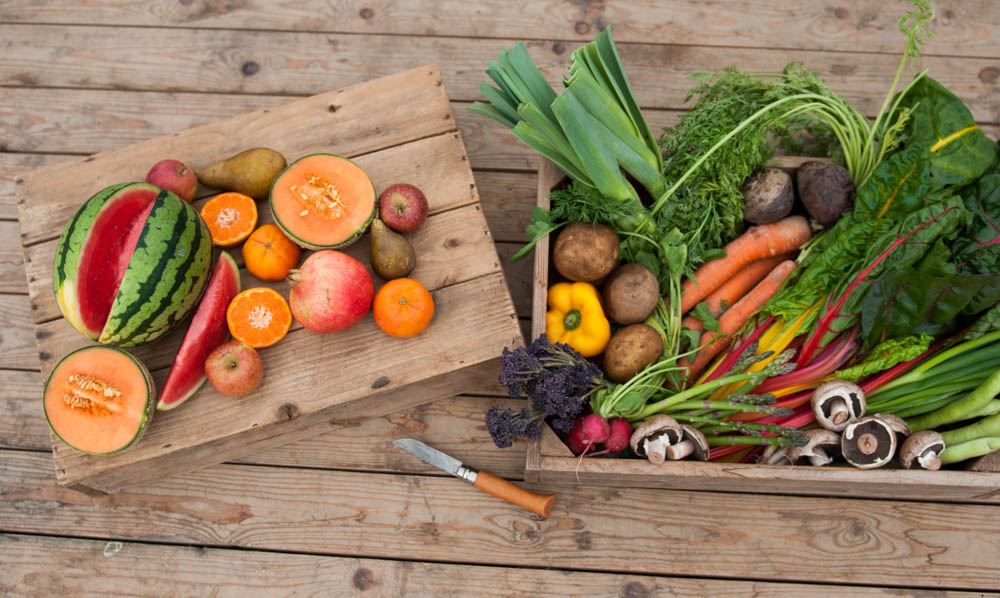
‘Eating the rainbow’ at every opportunity is also a fantastic (and delicious) way to ensure you are getting a diverse range of the essential vitamins and minerals you need from your food. Liz
Ingredients
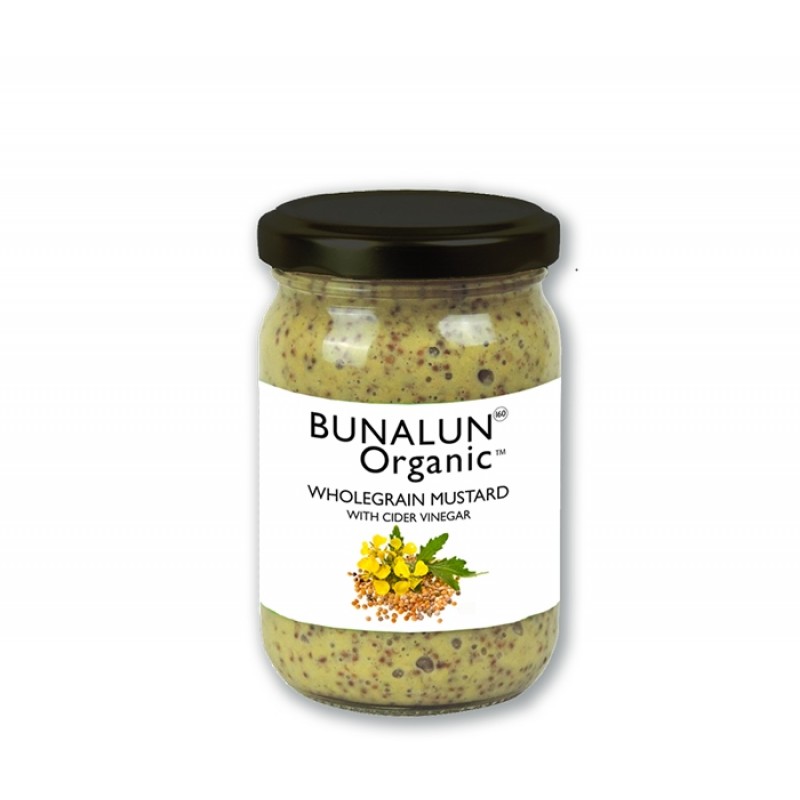
1 heaped tsp wholegrain mustard
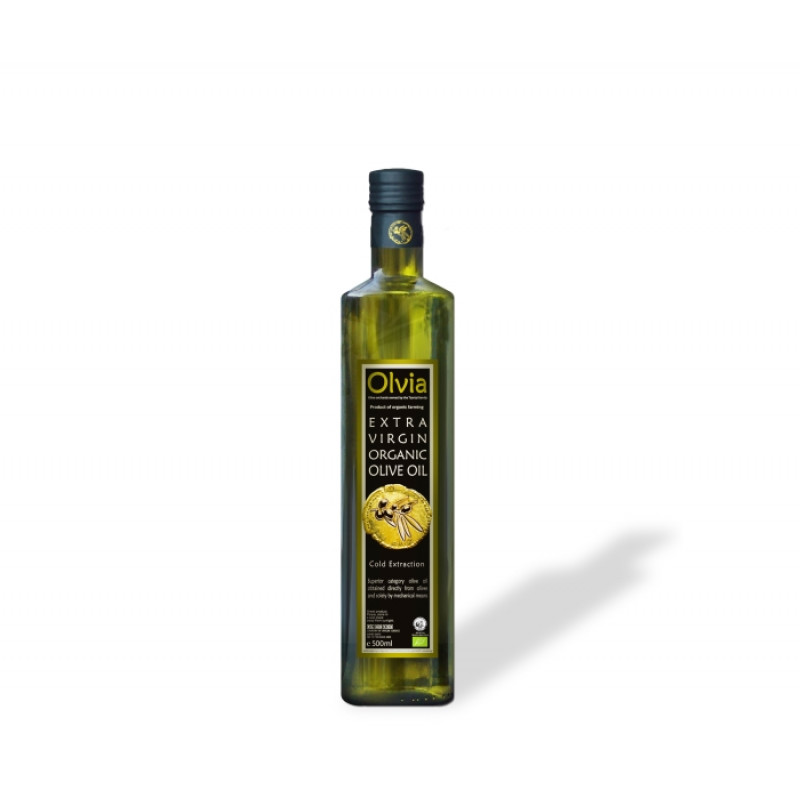
4 tbsp extra virgin olive oil
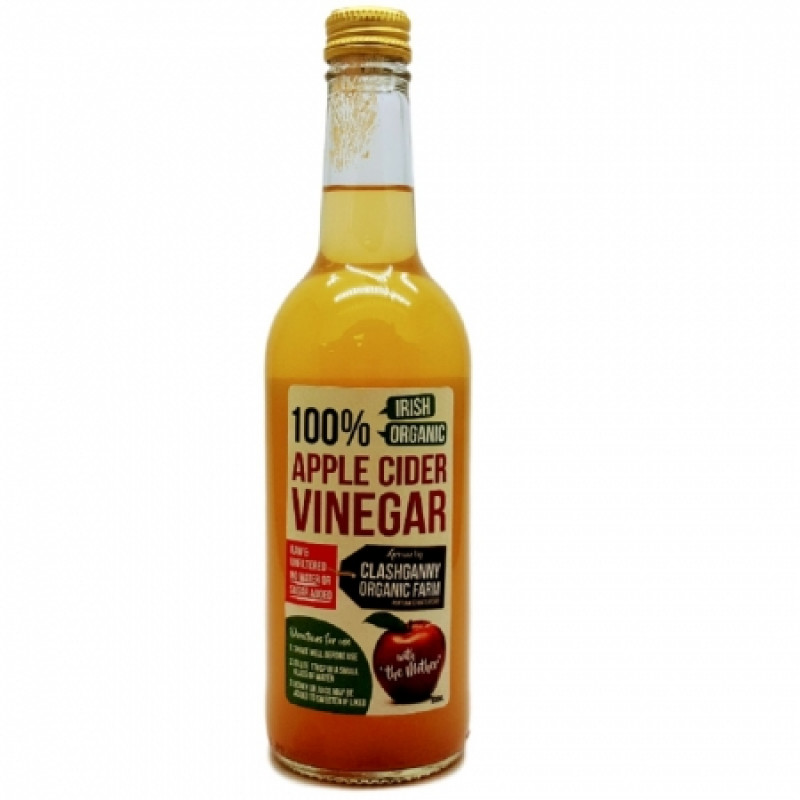
2 tbsp apple cider vinegar
1 drained tin of chickpeas (keep the liquid in a tub/jar in the fridge to use for something else)
a large handful each of chopped red onion, cherry tomatoes, cucumber, yellow pepper
the stems from a bunch of rainbow chard, chopped
1 bunch of asparagus, woody ends snapped off and composted, the rest chopped at an angle
4 cloves of garlic, peeled and chopped
a little extra olive oil for sautéing
salt and pepper to taste
optional extra fresh herbs
Method
Mix the mustard, olive oil and vinegar in the base of a large platter or salad bowl.
Add the chickpeas, red onion, tomato, cucumber and pepper.
Sauté the asparagus and rainbow chard stems with a little olive oil, salt and pepper until just tender. Then add them to the salad.
Mix well, taste and adjust the seasoning if necessary.
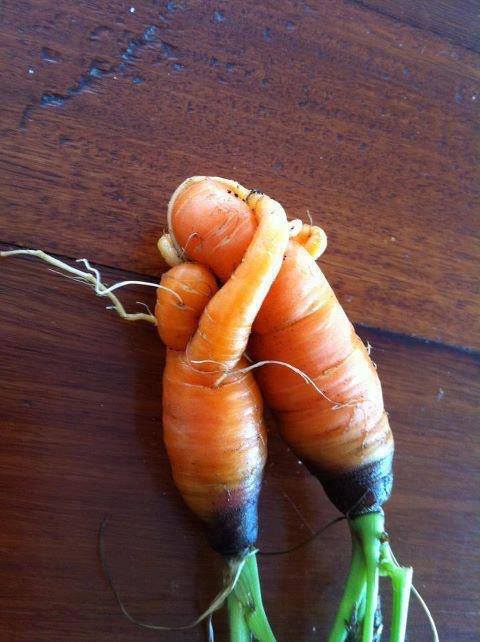
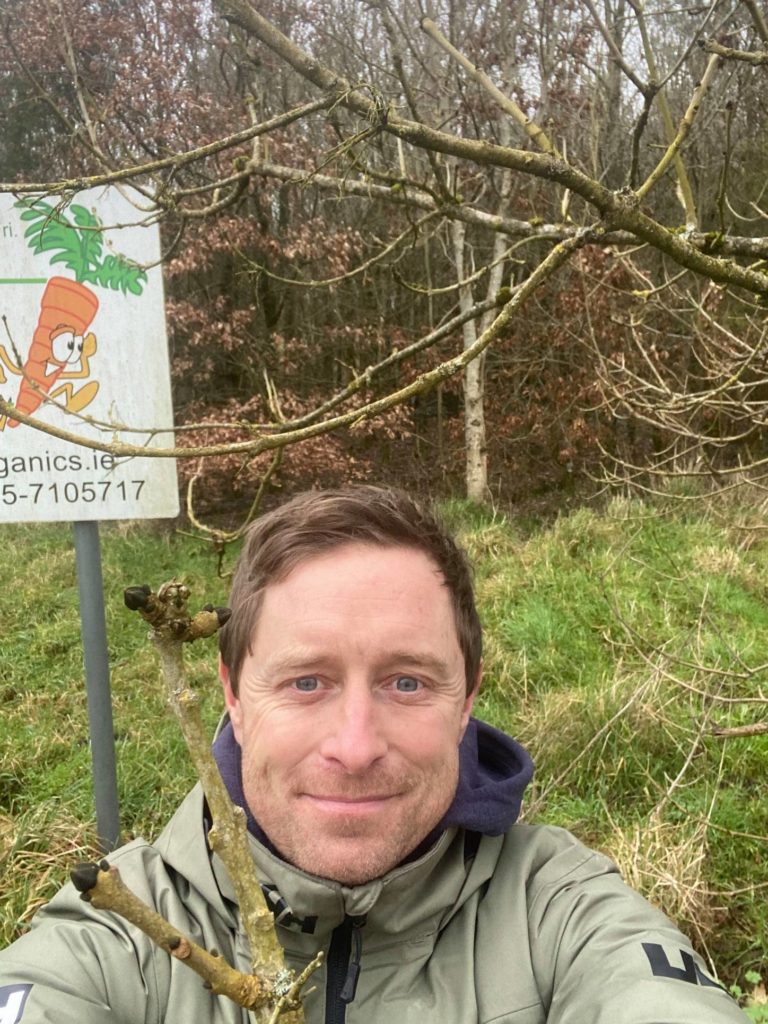
Hopefully we will all be doing what the carrots in this photo are doing soon!
Over the last 15 years we have seen a fair bit, and although generally things are never black and white, one thing stands out for me as being just that: food waste. Whatever way you look at it, it is wrong.
We work really hard here to reduce food waste, it is not always possible, but it is one of our core values. There are times when the quality just is not good enough and we will never ever compromise on the quality of what we send out in our boxes.
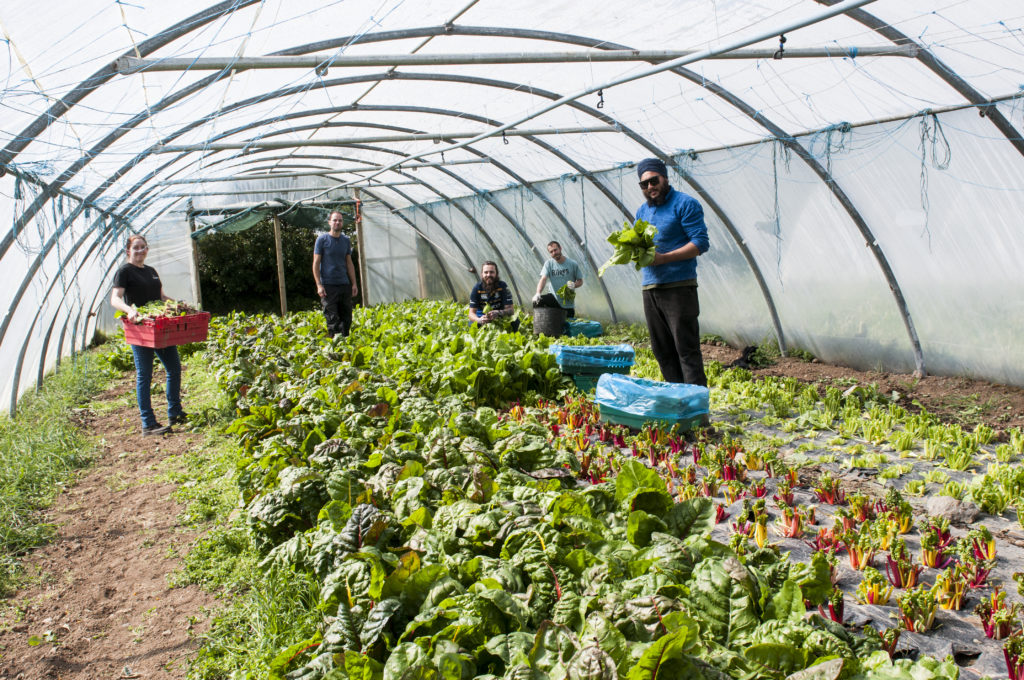
We grow our own food so we have a very good understanding of what is ok and what is not. We make sure we harvest as close to packing the boxes as possible, we work with other growers to ensure we have the freshest best produce.
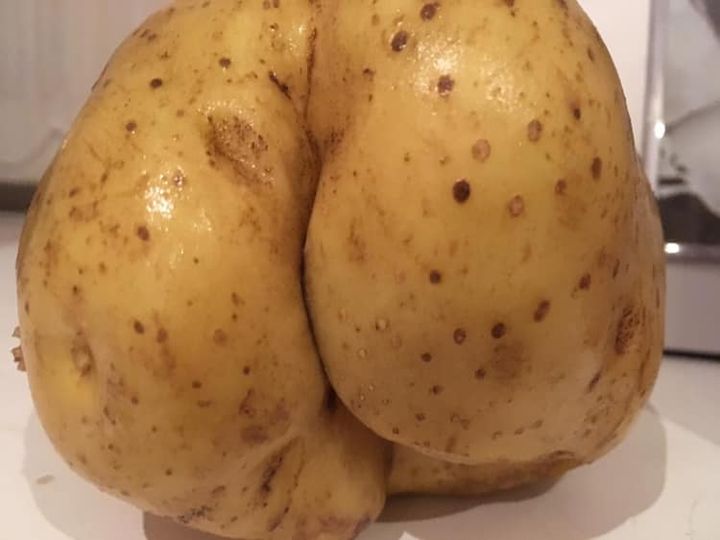
But there is one thing we never do, we never discriminate based on looks, on wonkiness. If a carrot is wrapped around another carrot will we grade it out? Absolutely not, we will CELEBRATE it, If a potato is showing a little cheekiness, well that is absolutely ok with us. In fact, we want vegetables like that.
This ‘WONKY’ food tastes the same, it has the same nutritional value, it looks the same on our plates it has been grown sustainably on organic land. It makes a lot of sense to us to NOT grade out vegetables like that. I guess we are pretty lucky that we do not have to conform to supermarket standards, that we set out own standards and we can do this because we know you our customers are ok with getting cheeky potatoes every now and again.
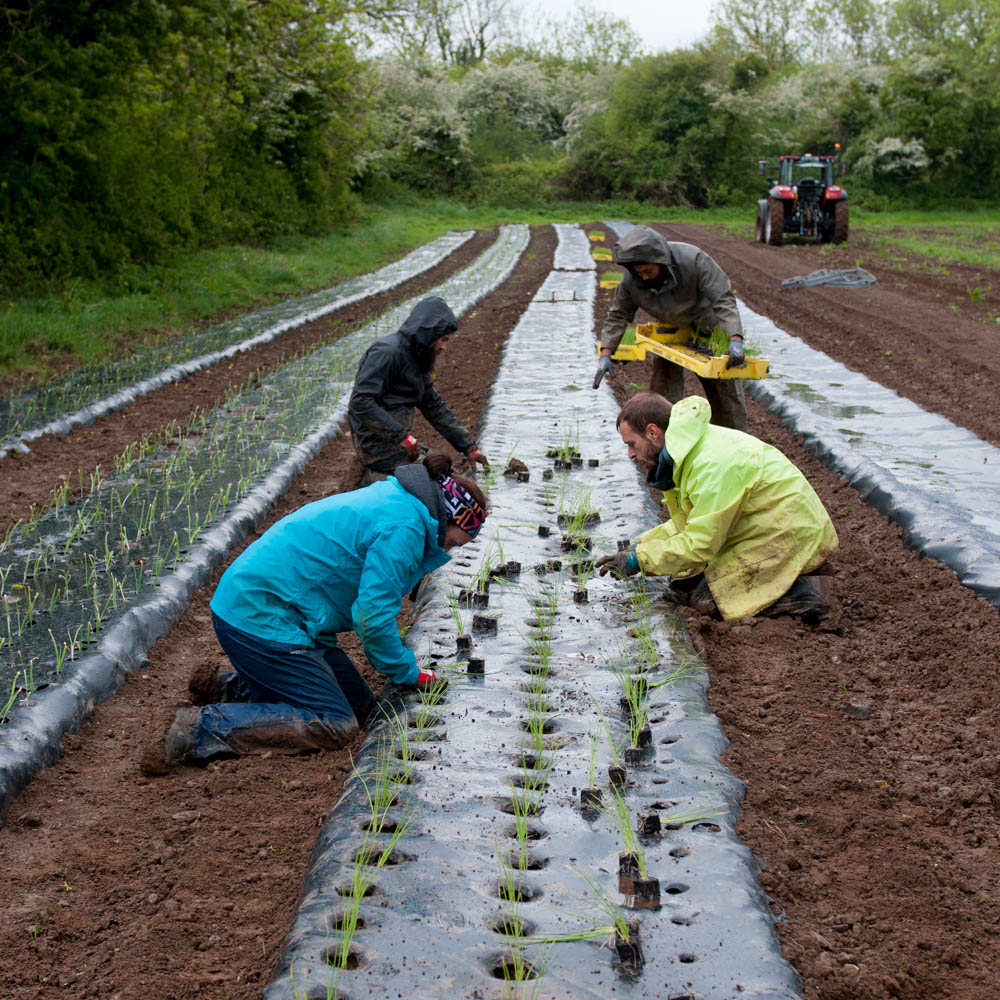
Ultimately, we appreciate this because we know how hard it is to grow food. Right now, as I write, this we are behind with our planting, the weather is not being very seasonal, it is to reach 2C tonight and the temperatures have been very disappointing for May and heading into June it is still wet and cold.
I hope we get a break soon, as we have plants backing up waiting to go into the wet fields, and the plants that are already in the fields are behind where they should be. It is hard not to feel a little anxious, will the weather ever give us a break? Every year it is has, and this year I hope will be no different, so, we wait and be patient, there really is very little else we can do.
So, as a farmer when you consider all the effort required to produce the food it would be extremely disheartening to think the end result might be your produce being dumped in a bin. We have designed a food storage fridge magnet flyer to help you in the first step to avoid food waste – correct storage and using your delicate fruit and veg first is key. It’ll be packed in all the boxes next week. We hope you find it useful! Read our blog about food waste here for more ideas on how to cut your food waste.
Many growers of course have these rules imposed on them by the people that hold the keys to the kingdom: the supermarkets. Food does get rejected based on appearance and this is something that gets under my skin, it is wrong for so many reasons.
Many growers of course have these rules imposed on them by the people that hold the keys to the kingdom: the supermarkets. Food does get rejected based on appearance and this is something that gets under my skin, it is wrong for so many reasons.
I believe we are promised warmth and full sun tomorrow and that is good, it means we can get on with the work of growing food, and that makes me happy. Our carrots when they come later in the season may not be perfectly perfect in shape, but they are prefect in every other way.
Thank you for supporting our farm and know that in doing so, not only are you contributing to reducing your carbon footprint, and reducing your waste burden on our planet, you are also contributing to reducing food waste and supporting these cheeky potatoes and loving carrots!
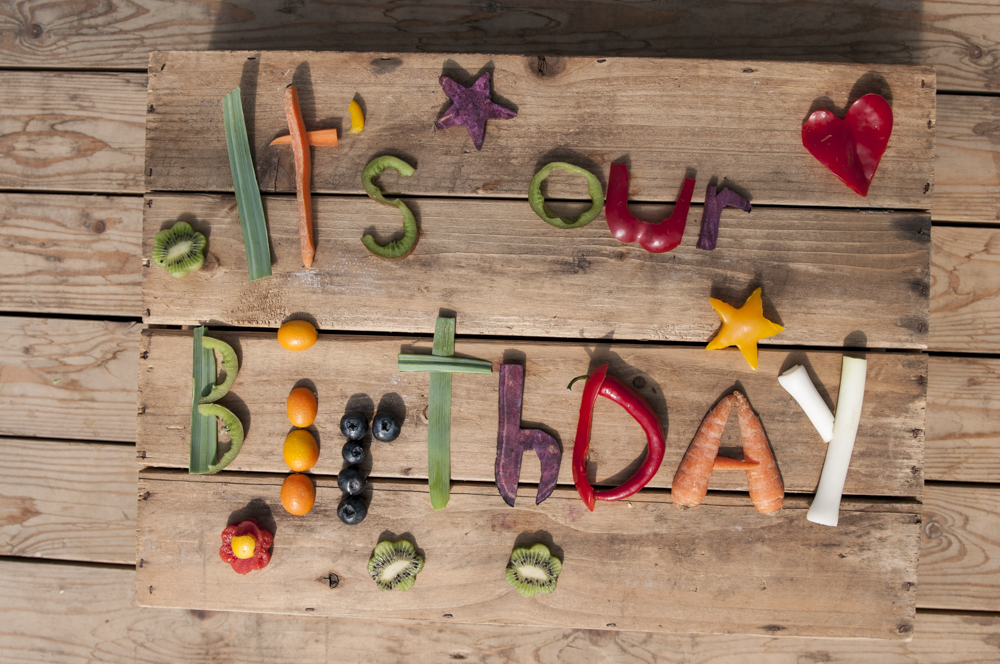
15 years ago, on the 26th of May 2006 we delivered our first thirty boxes. In truth the journey began long before that in the endless summers working with my dad in our vegetable garden.
It has been an epic journey one that has pushed us right to the edge on many occasions, but it was our founding vision for the business which never changed, and never will that got us through.
“To protect the environment and improve people’s health by inspiring people to reconnect with their food and how it is produced.”
If not for our vision we would have quit, I have little doubt of that, it was just too hard, we didn’t have the know how to grow food, we didn’t know how to run a business, we didn’t know how to deal with customers, in essence we didn’t really know what we were doing at all, but we knew WHY we were doing it!
In our first year we had a visit from the local Garda to check that we were growing ‘only’ vegetables in our new ‘fancy’ polytunnel, if you know what I mean. We were told by several people that we were crazy (we were), it couldn’t be done (it could), that you had to use Roundup (you didn’t), that it would be so hard (it was, still is) that we would be better off going back to our jobs (we never considered it and we had very good jobs!).
At the same time, it was the encouragement of our friends and family and our early team members that pulled us through on the dark days, and made the bright days seems all the brighter. My Dad helped us so much, he never said no, was always there, he entrusted us with his dad’s farm.
In the early days Jenny and I and my dad did it all, we packed, we farmed, we harvested, we delivered, we raised a family, we build a house we went through some pretty intense and harrowing times. We seem to have survived a major recession and year on year growth and here we are today 15 years later, who would have thought?
Now our team has grown there are nearly 40 individuals supported by our business.
In the early days many decisions were taken without due consideration or analysis, there simply wasn’t the time or the resource for it, it was a go with your gut feeling, take a chance, plant a new crop, take on a failed business, build a new packing shed, invest in solar panels and rain-watering harvesting, expand our farm, add new employees, just do it.
But always there was the idea that we were doing this for a bigger cause, something that was so much bigger than any of us, something that was worth going through the pain for.
Now it is you, our customers, you are our supporters now. You supported us when we needed it most, you support us now, you are contributing to our continued success, you are contributing to so much more, because in the end you are supporting our vision. Which I guess is also your vision and we need you, and the planet needs you more than ever before.
The reality is you can make a difference, your decisions do make a difference, your voice can change the world, your support allows us to continue doing all the things we do, so THANK YOU SO, SO MUCH, we couldn’t have done it without you, and we look forward to another fantastic 15 years!
Kenneth
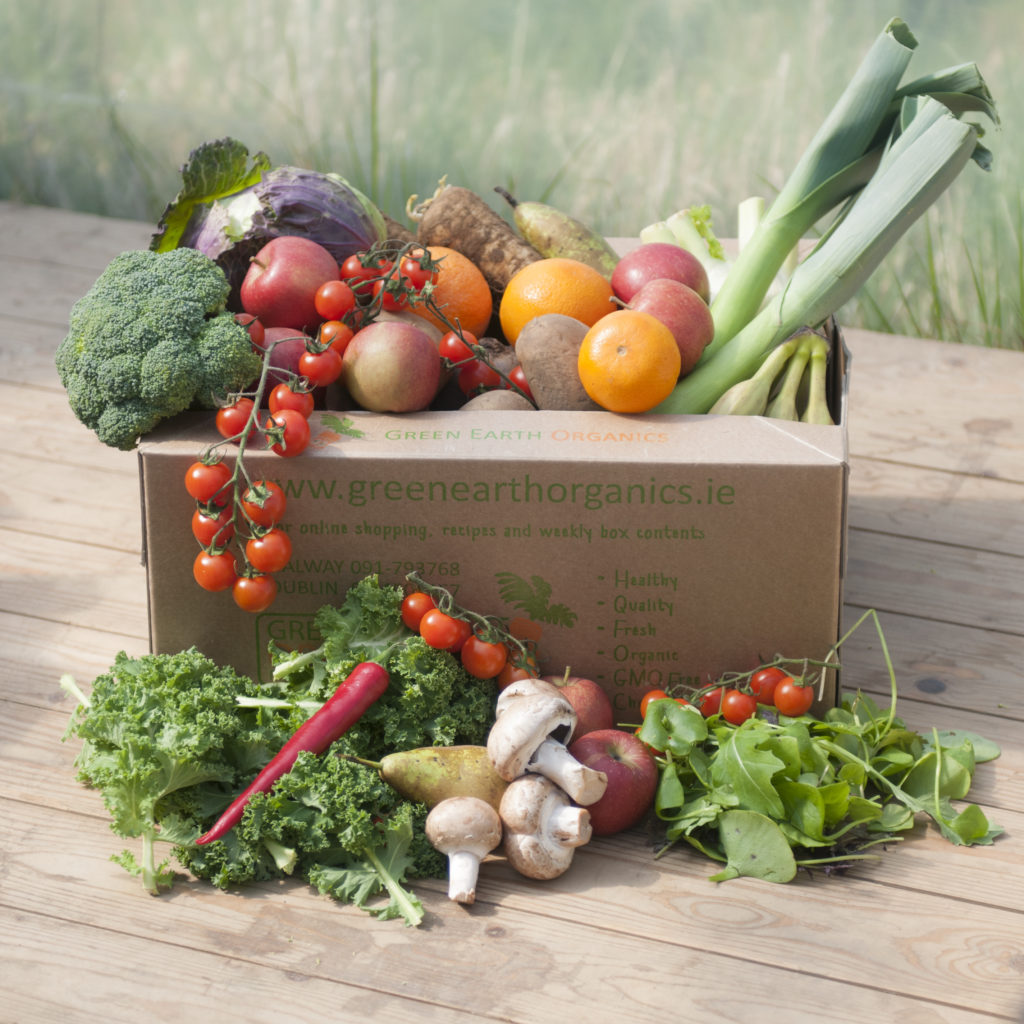
Support our small, sustainable business by setting up a repeat order here of the tastiest organic fruit and veg we can grow and source. We source locally when in season, then from our organic farm contacts from further afield. We never airfreight! Add organic groceries to your order for convenience, we deliver to every address in Ireland!
These lyrics from ‘Tears for Fears’ may not have been talking about plants, but they do describe activities on the farm this week.
The last seven days have been a stretch on the farm for all sorts of reasons. We are very lucky to have, in every area of our business, strong teams and the farm is no exception.
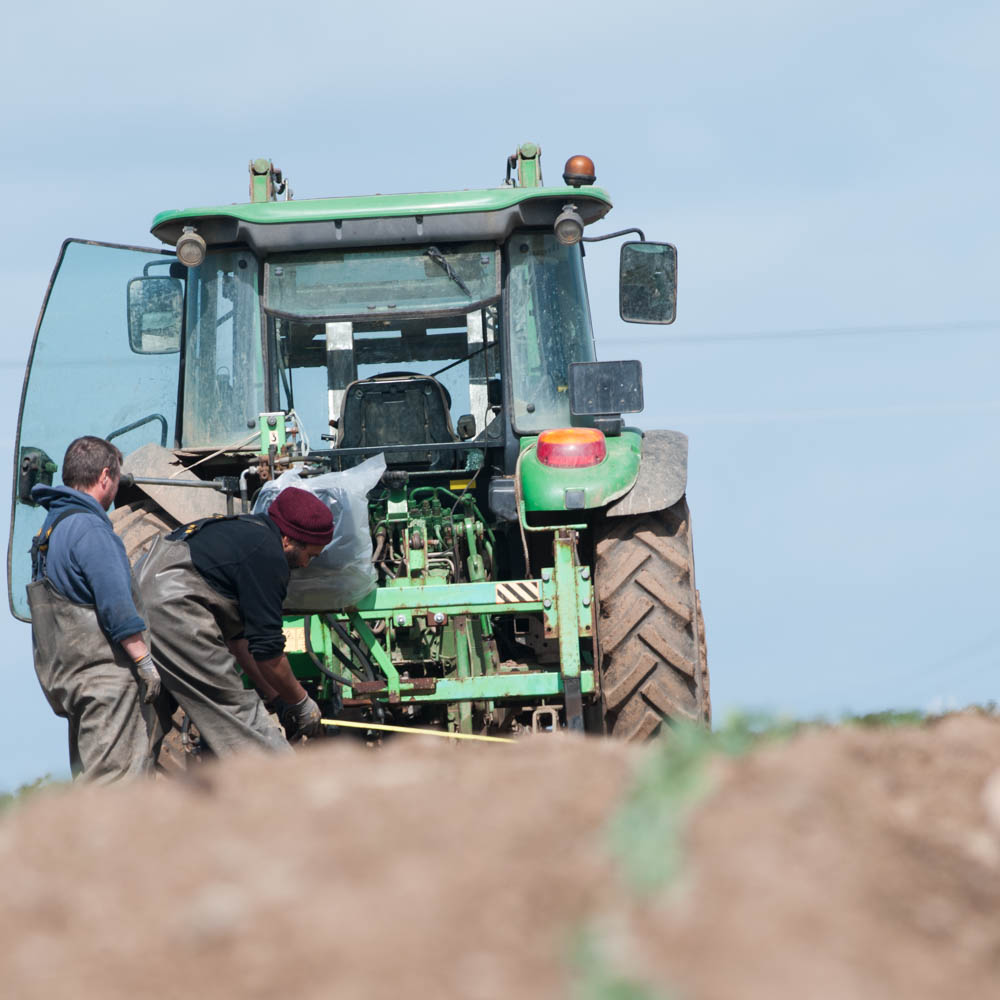
When you don’t need to ask and yet the lads put in 12-hour days to get the sowing done before the rain you know you have special people.
In vegetable farming it is about a great many things but right at the top of the list is timing.
Getting the timing right is powerful stuff and the race against the rain in the West of Ireland is always a close call and fraught with uncertainty.
I am relieved that the carrots, parsnips, beetroot, and spinach are all now in the ground. There is more to sow, but the first batches are sown and that has for now stilled the vague buzz of concern at the back of my mind that we will not win the race against the weather.
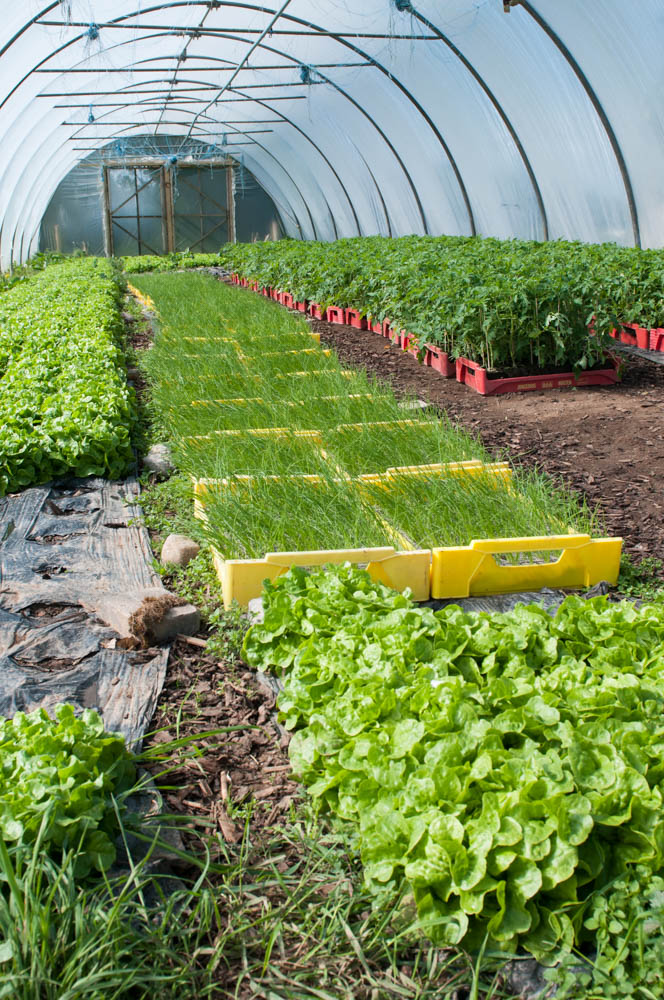
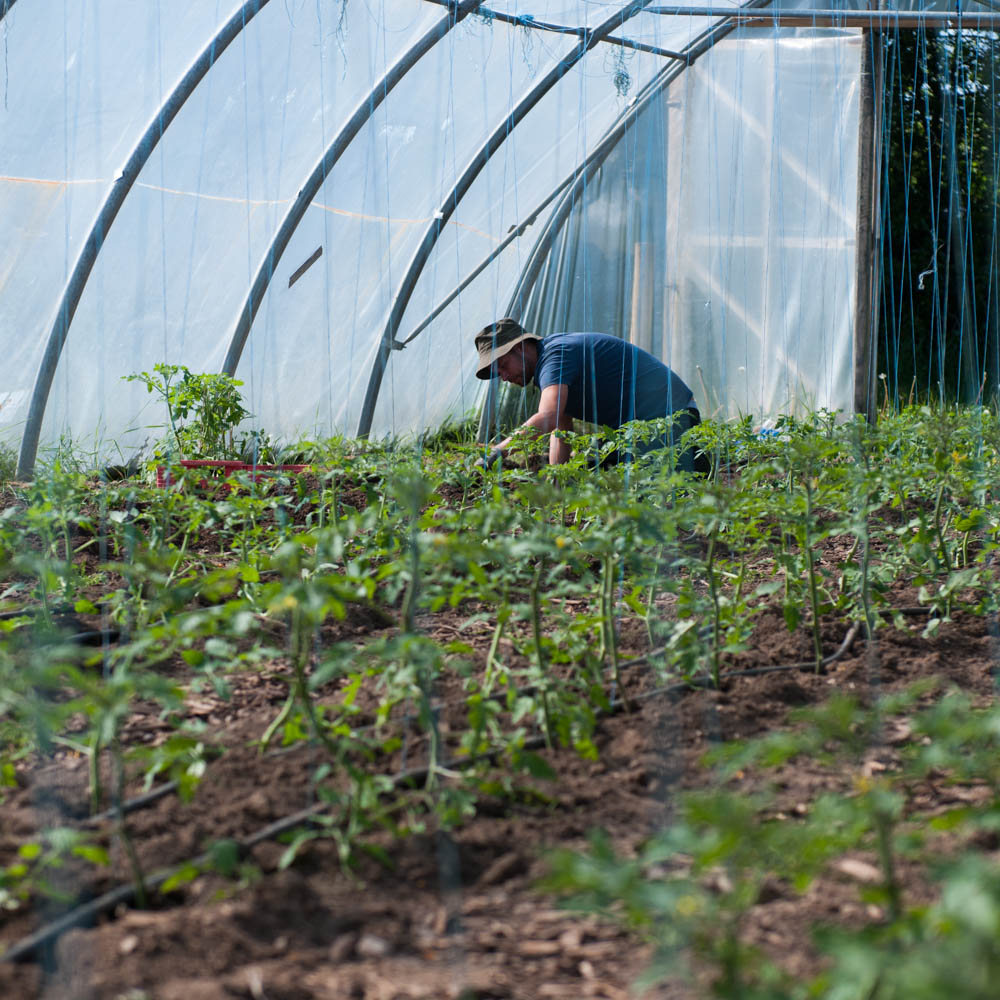
The first tomatoes, cucumbers and a host of broccolis, cabbages, kales, romanescos and more are all planted and making good progress.
So, we march on, the first weeding is happening the first harvest of new season crops too, our own gorgeous lettuce and spinach, chard, radish parsley and more.
‘Feel the pain, talk about it’ another lyric from the same great song. There has been hard work certainly, pain a little, satisfaction at a job well done for sure. But there is pain in the modern world of food production and we in our own little way we are attempting to set that right.
Although we have been very busy with the work of growing food our care for the land has certainly not been forgotten, the wildflowers, the hedges and wildlife, the trees, the birds and beehives, the pigs and the foxes, the work on those long term valuable investments has already been done in quieter days.
The fruits and benefits of which now we can see.
Every day I am so grateful to be able to do this, I am grateful to you for giving us and our farm the opportunity to thrive.
Your choice to get a box from us is an amazingly positive thing and you should know it is making a difference for you and your families health, and for the health of the planet.
Thank you.
Kenneth
PS: Have you tried our new repeat order system yet? You can set up an order for delivery every week and you can pause it or change it at any time. So if you need certain things each week why not add them to your regular fruit and veg order and never miss your order deadline again?
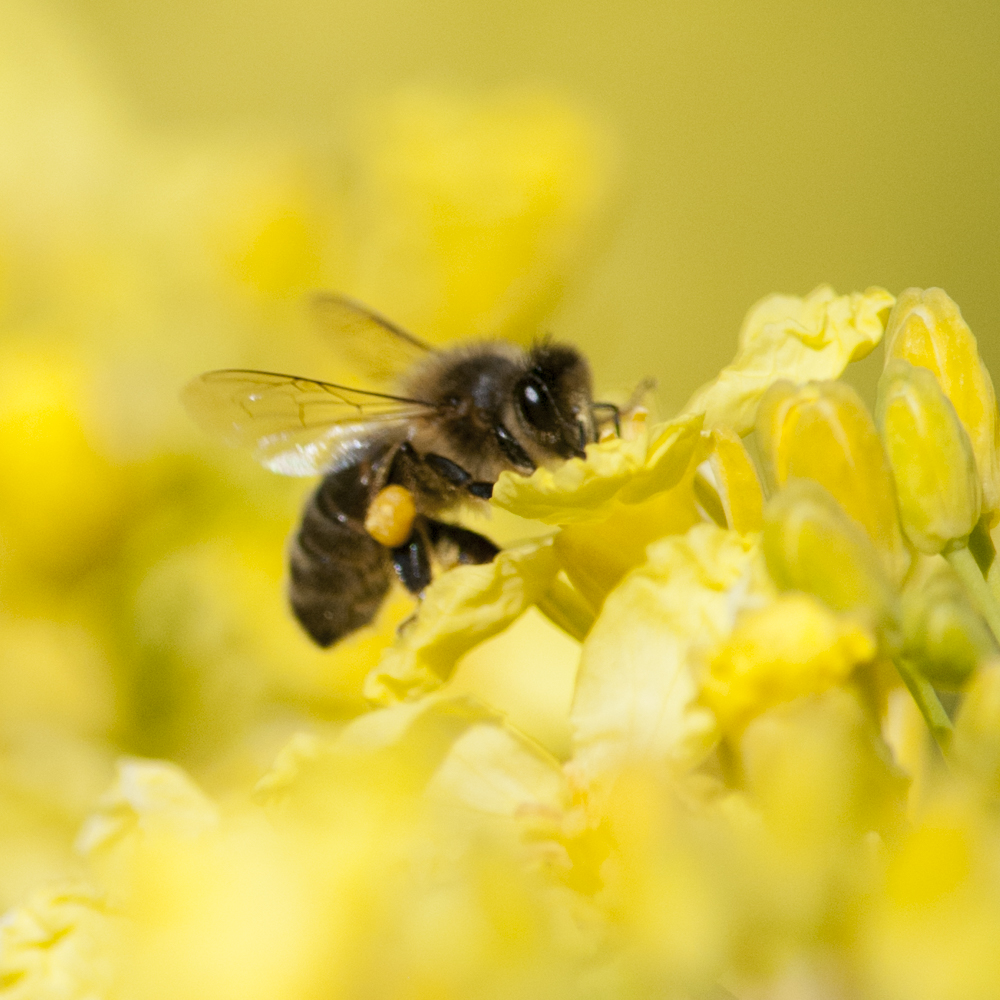
Bees and other pollinators enjoying the kale we leave to flower each year
The art of producing food is marvellous and tough, and on sunny days it is a privilege.
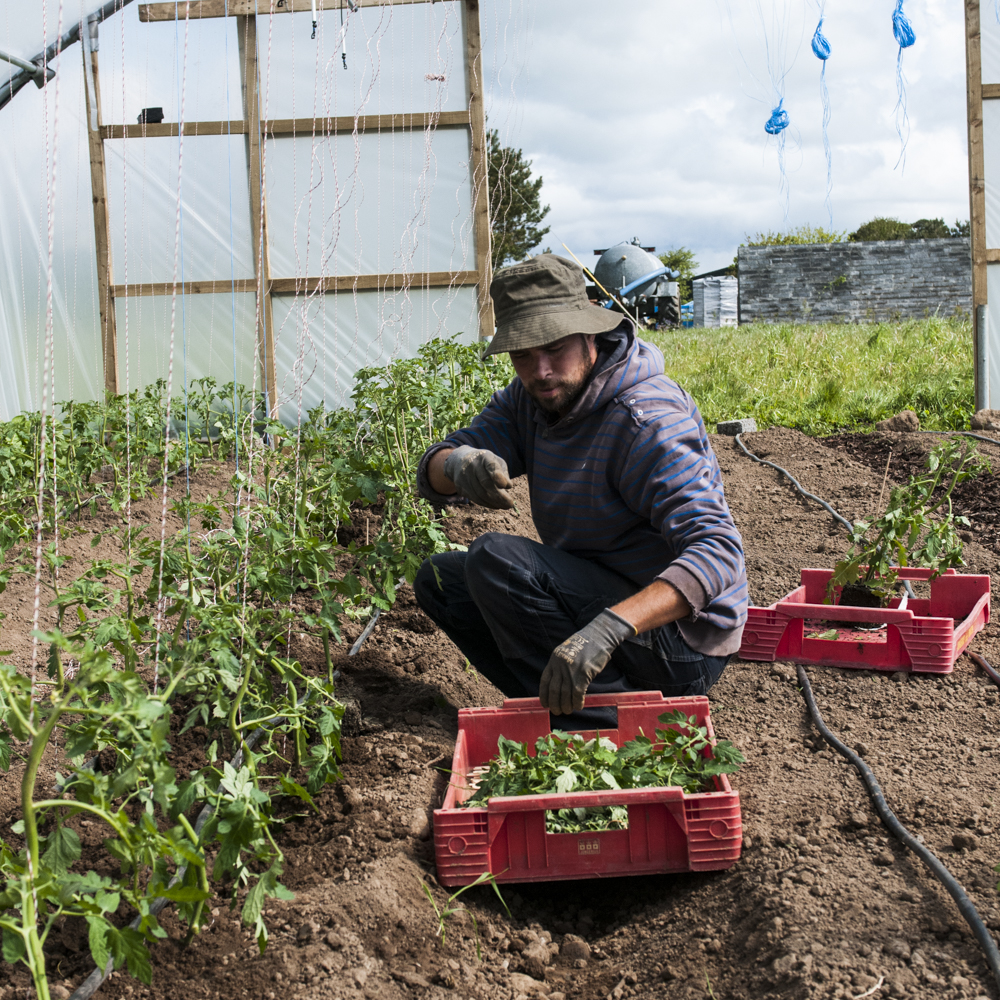
We talk about food all the time here, we grow it, we sow the seeds, we watch the plants grow, we fertilise the soil, we control the weeds and hope we have the right mix to ensure the plants grow healthy and pest free.
We spend the time in between managing the crops, maintaining the land, planting trees, growing hedging, sowing wildflowers for the bees, harnessing the power of the sun, these are all things we do.
We see first-hand the connection between the fresh produce and the cooked food on our plate. We can see how the process of growing healthy food from healthy soil creates local employment and impacts on our locality positively. Sustainable agriculture is good for all and it benefits the environment immeasurably.
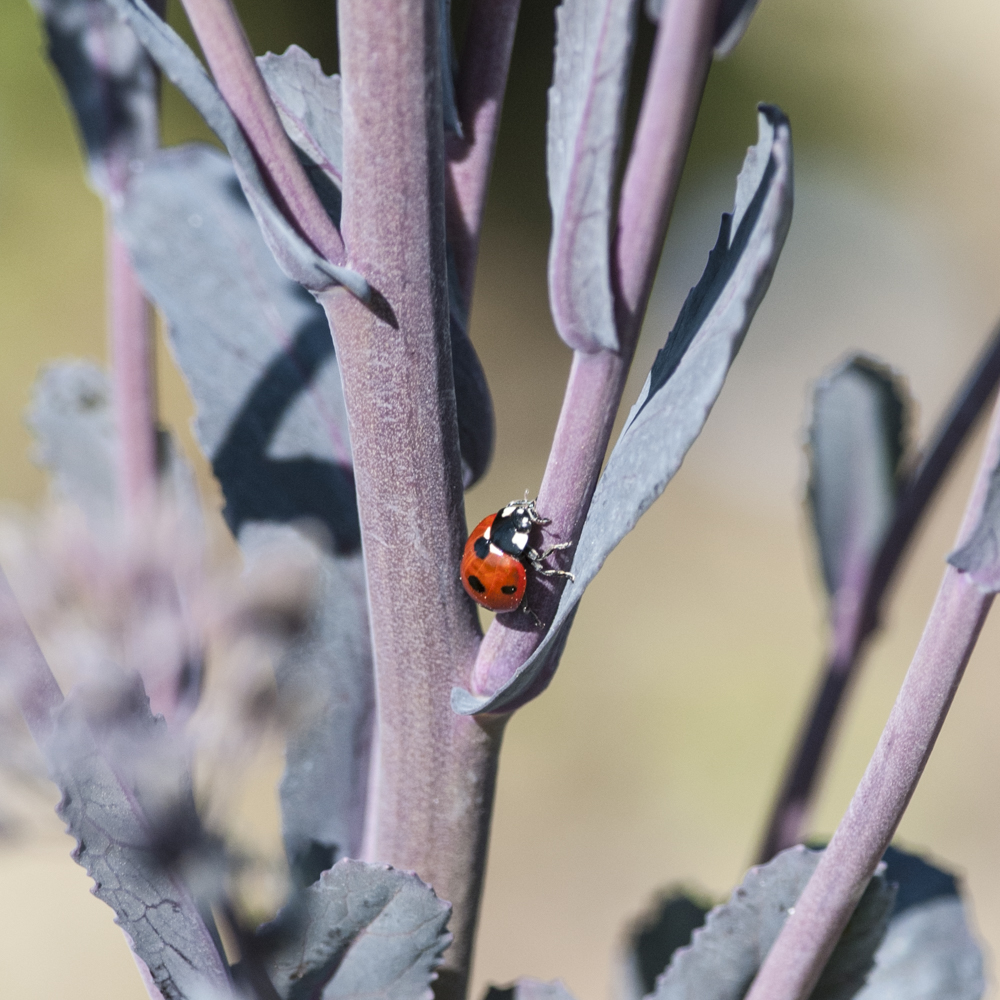
Natures’ pest control – a healthy balance on predators and prey naturally occurs on organic farms
We see more bees, and flies, and insects on our farm and we feel there is a balance as we rarely see an out-of-control pest issue. We see more birds, and wild life, we see the land thrive, just this week I saw a giant hare saunter past one of our polytunnels.
Not only that, but organic food is so much better for us, of course it hasn’t been sprayed and so is free of harmful chemicals, but it is also just better nutritionally.
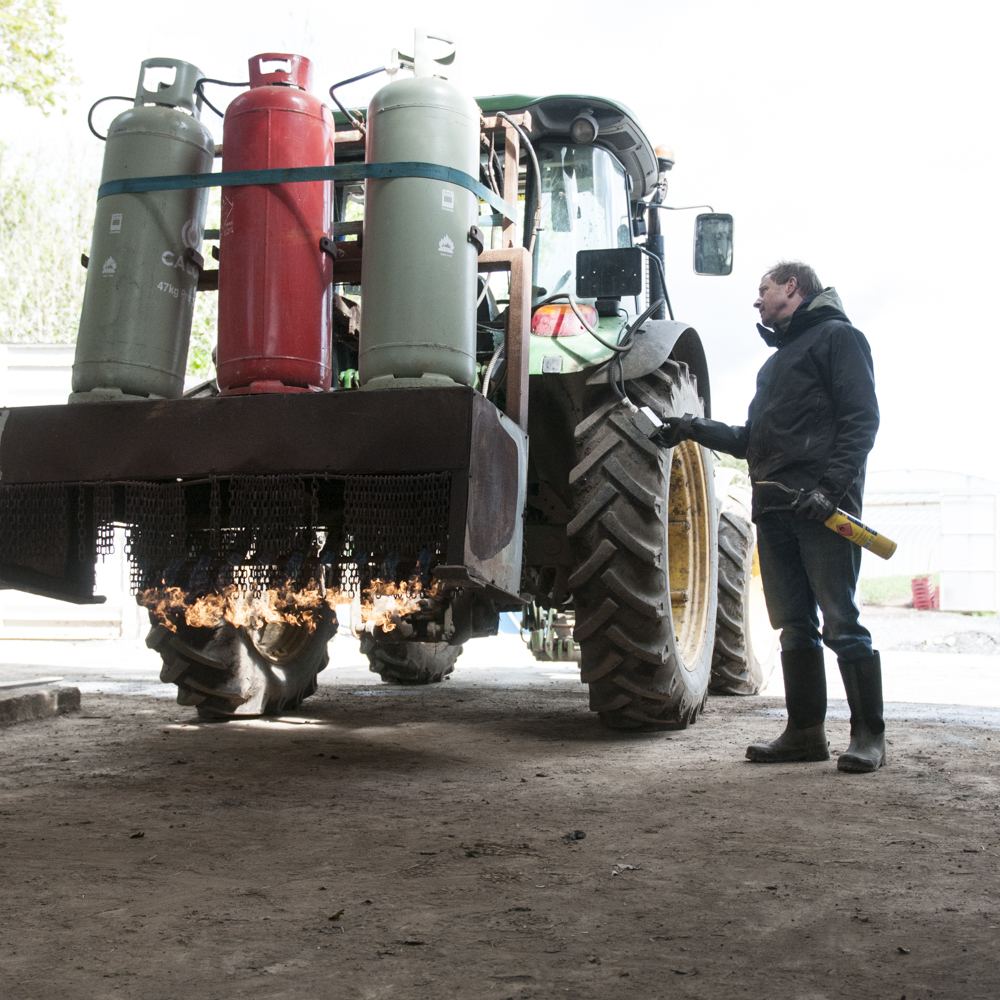
Weed burning rather than spraying chemicals before we plant out this years’ crops
A comprehensive study carried out by David Thomas has demonstrated a remarkable decrease in mineral content in fresh produce over 50 years, comparing food grown in 1941 to food grown in 1991. To the extent that today you would need to eat 6 apples to get the same nutritional value you got in 1941 from eating 5 apples. In some cases mineral levels have dropped by as much as 70%.
The use of highly soluble fertilisers, pesticides and herbicides and the intensive production of food has led to land that is lifeless and food that is less healthy and less nutritionally dense, this reflects the remarkable connection between our food and the health of our soil.
There is no way we could know this, as a population we are in danger of losing our connection with the land and our food. This is not our fault, the food system that is championed by supermarkets and giant food producers has made it this way.
Imagine though if we could see the impact of our positive choices, if we could somehow rekindle that connection with our food? Over the past year it seems we have been remaking that connection.
We are reconnecting with our food by cooking and touching and smelling and seeing how our food is grown. We are redeveloping that connection with nature and this is something we can pass onto our children, we can show them that there is a great, fun and fantastically positive way to live and eat. Although from what I have seen recently it is the children who are teaching us!
If you ever get a chance to watch ‘The Silver Branch’, an inspiring and beautiful story shot in county Clare, take it. It is a story of hope, the miracles of nature and honesty.
There are moments and occurrences in our lives when we need to be reminded of what’s important , all too often these wake-up-calls pass us by in the busyness of life. This was one such moment for me.
It is the story of a man, a farmer, a poet and his connection with the land and nature. It was moving and beautiful and full of hope for the future. Hope is what keeps us going during the tough times.
After seeing the film, I had an urge to grab my children and bring them out into the fields to show them the beauty of nature.
Nature is precious, and we are all called on to protect it. We share this planet with a vast diversity of living beings, and it is our obligation to tread softly and nurture the land.
“We have forgotten how to be good guests, how to walk lightly on the earth as other creatures do.” – Barbara Ward
‘The Silver Branch’ is a true and authentic story about life, nature and hope. Stories like these are the real stories that need to be told. Uplifting, inspiring, honest and true. Our planet is in trouble and there is much work to be done and there are many good, small, ethical companies and producers doing their bit and playing their part to set things right.
But to use the environmental problems that we are facing as a marketing tool to sell more, to increase sales and profits, to generate a false picture of doing right; using the greatest man-made crisis of our time to stamp green credentials on corporations and retailers with dubious intentions… there can be no greater travesty of truth and abuse of trust possible.
It is greenwashing and it is wrong.
Abuse of the truth, however small, needs to be called out, because transparency and trust have never been more important. There is no greater challenge facing humanity than our ability right now to come together and to move to a present of less consumption, renewable energy and a food production system that protects nature.
As Patrick McCormack’s plight in ‘The Silver Branch’ of saving the Burren from a visitor centre that would have destroyed the landscape seemed helpless, so it seems with climate change. He and a small group of committed individuals defied the powers of church, government and consensus to turn the tide and save the Burren and triumphed against the odds, driven by honest belief.
“Never doubt that a small group of thoughtful, committed citizens can change the world; indeed, it’s the only thing that ever has.” – Margaret Meade
Thank you for being a part our our small group of committed citizens!
Kenneth
Order a one off or start a repeat order for a steady supply of sustainable, delicious fruit, vegetables and groceries here.
The best current gut health science advises that we should be including as much plant diversity in our diets as possible. According to Dr Megan Rossi, one of the worlds leading gut health scientists and researchers, we should aim for 30 diverse ‘plant points’ every week. Do you eat 30 different plants a week? We certainly hope our veg boxes help you along the way to hitting that target.
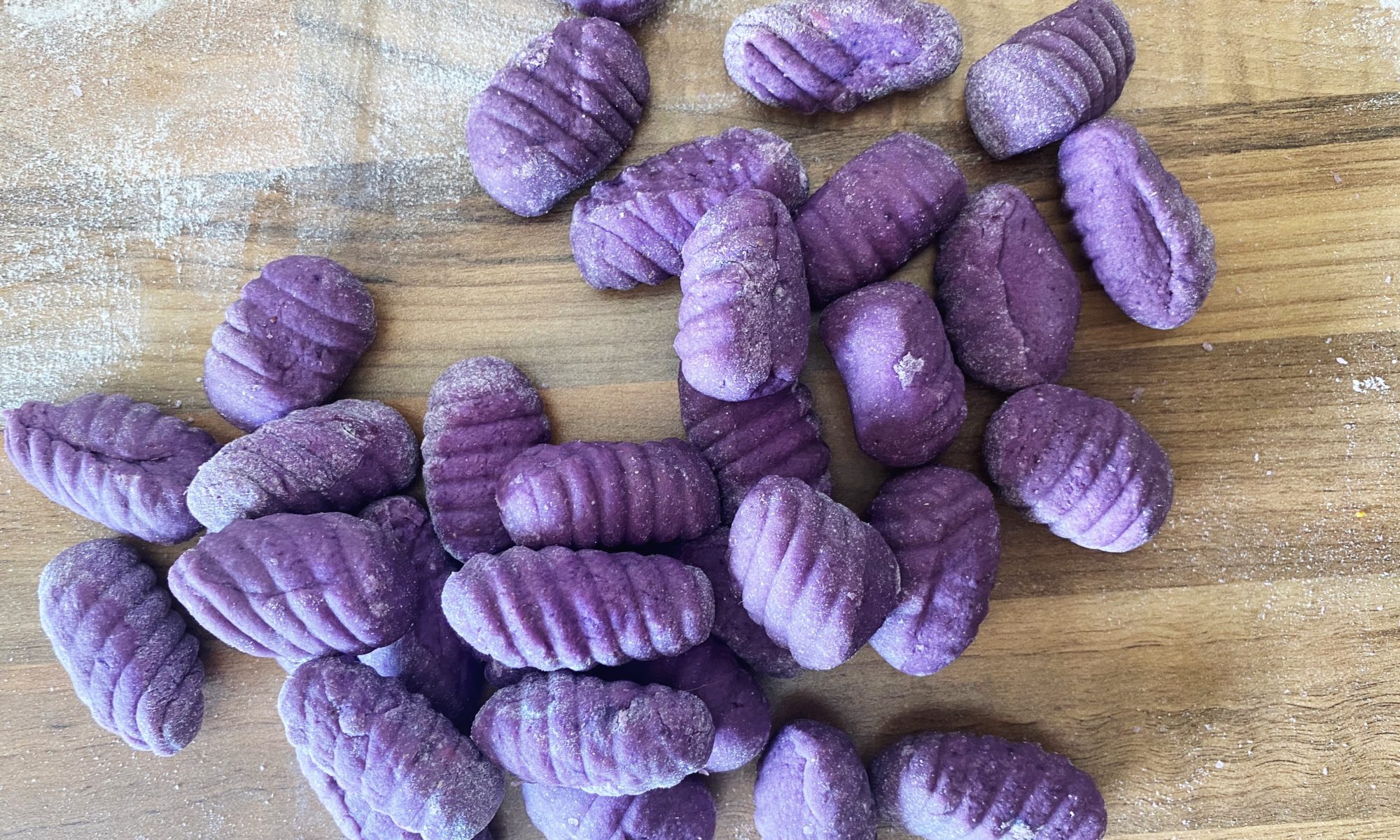
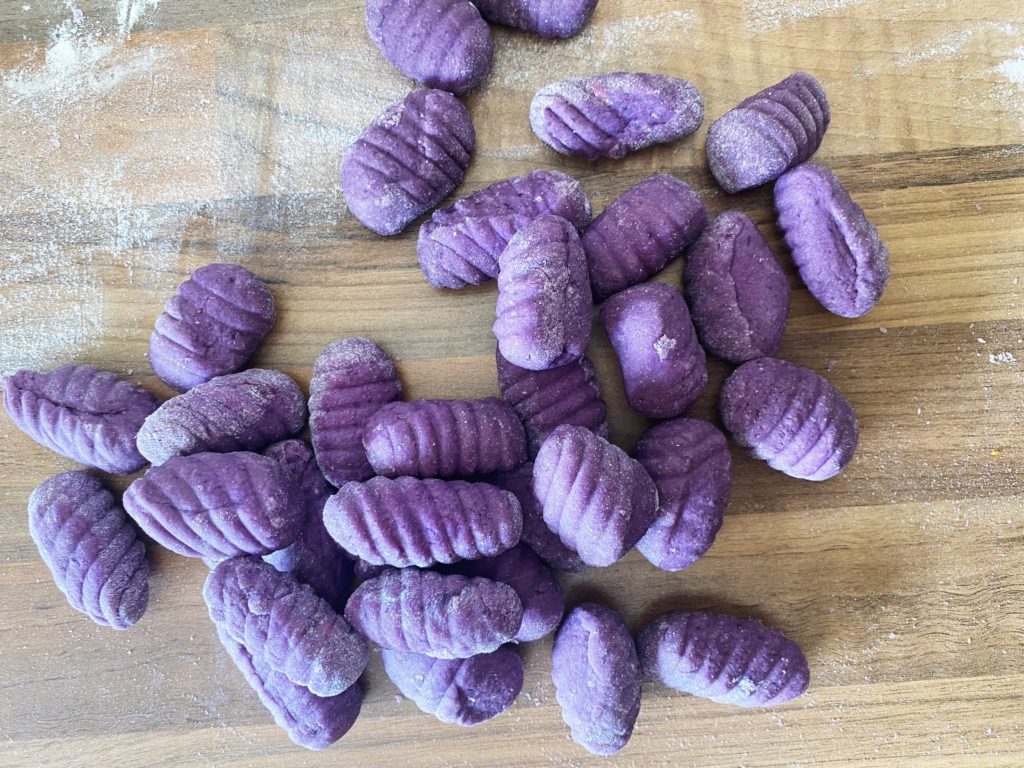
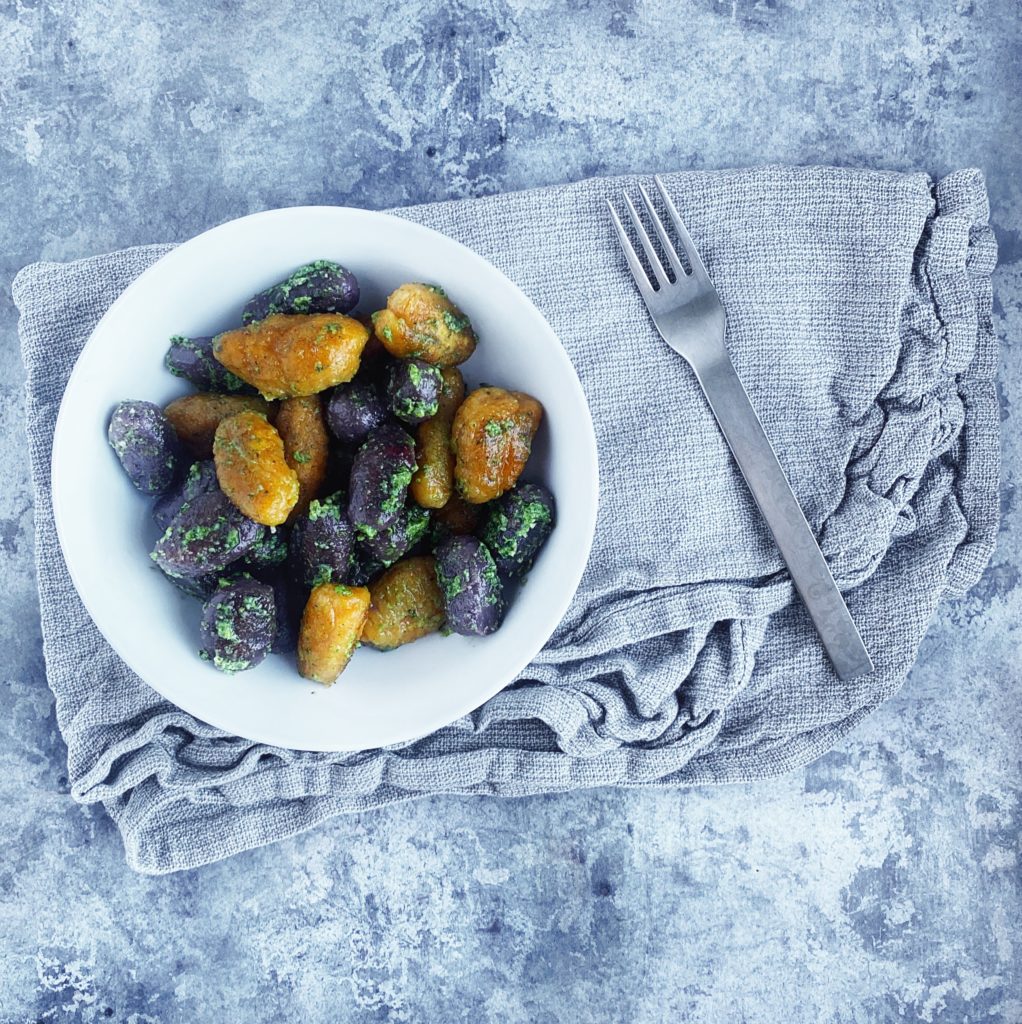
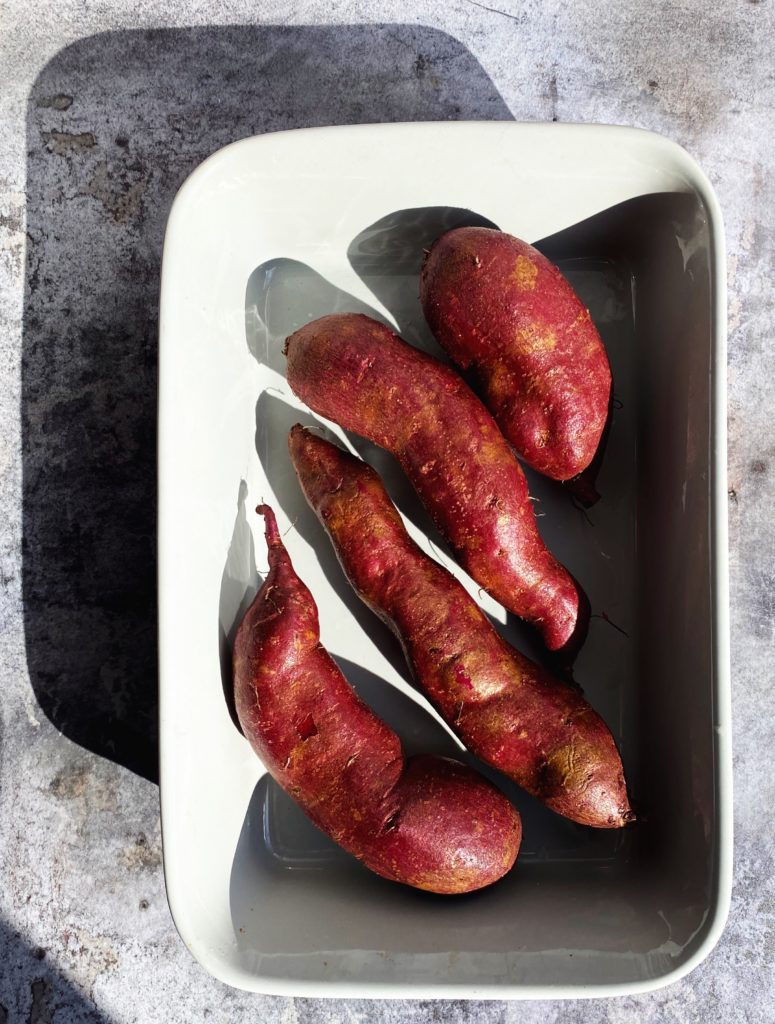
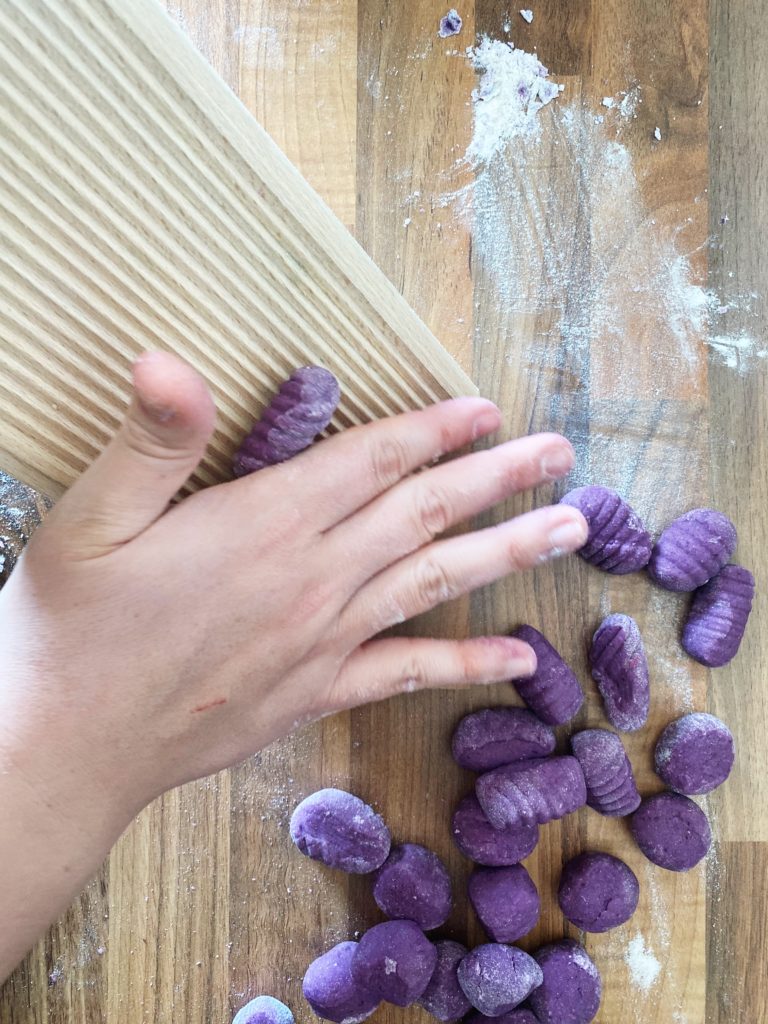
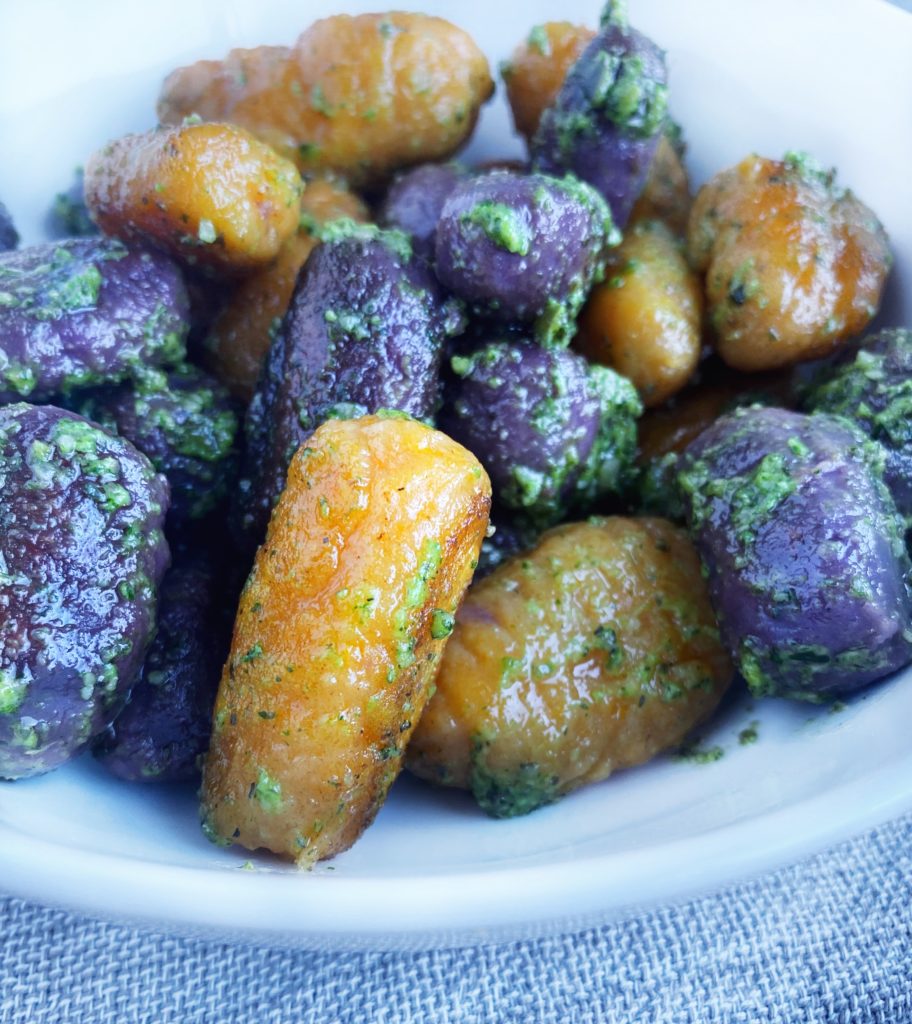
We all know about the importance of eating our greens, but did you know that purple foods are really important to include in our diets too? Purple fruits and vegetables contain antioxidants called anthocyanins? All brightly coloured fruits and vegetables contain antioxidants which help prevent or delay cell damage. It’s best to get a full range of all the different types of antioxidants out there, so in the spirit of eating the rainbow, I’ve been trying out one of the new vegetables we have in, the vibrant, purple sweet potato! I’ve already made an irresistible classic – baked purple sweet potatoes with a bean chilli – and I couldn’t not make some gnocchi. Here’s the surprisingly simple recipe. I made a batch of butternut gnocchi at the same time for even more plant diversity on our plates. How will you eat purple sweet potatoes?
pesto to serve (make your own or we deliver a choice of organic pestos, add them to your fruit and veg order here)
Method
Pre-heat your oven to 200C. Scrub one sweet potato per person. Prick the potatoes with a fork and bake them in a tray in the oven until soft all the way through. Sweet potatoes cook faster than regular potatoes, so test them after 20 minutes.
Allow the potatoes to cool to a temperature you can handle. Then peel them or slice them in half and scoop out the soft flesh.
Mash or puree the baked sweet potato flesh in a large mixing bowl until smooth. Season the mash really well with salt (bearing in mind you will be adding flour).
Then start adding flour, a little at a time, and mixing it into the puree until you reach a soft dough consistency*. I generally use plain flour or strong white bread flour but most flours work. You can easily make these gluten free by using a plain flavoured gluten free flour like rice flour or a plain gluten free flour blend.
Tip the dough onto a floured work surface and gently knead into a smooth, soft ball. Do not overwork the dough, you want to keep it tender.
Bring a large pot of water to boil. Get a frying pan and some butter or oil ready too.
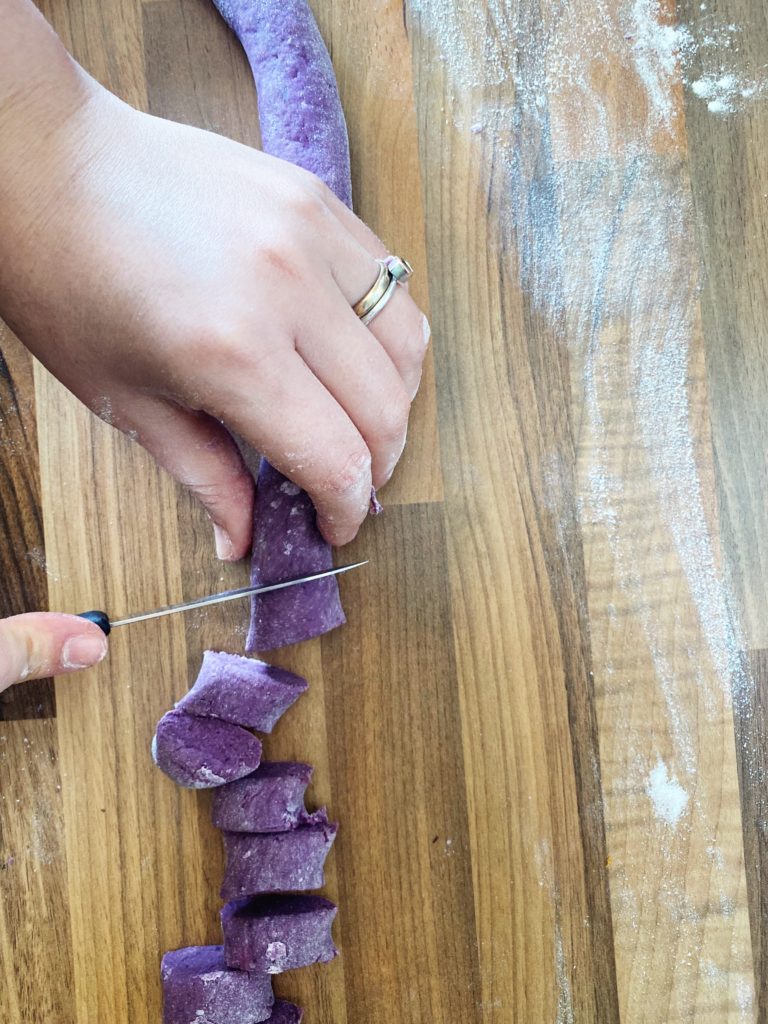
Roll the ball of dough into a long snake about 2 cm thick. You may wish to divide the dough into manageable pieces, depending on how big a batch you are making.
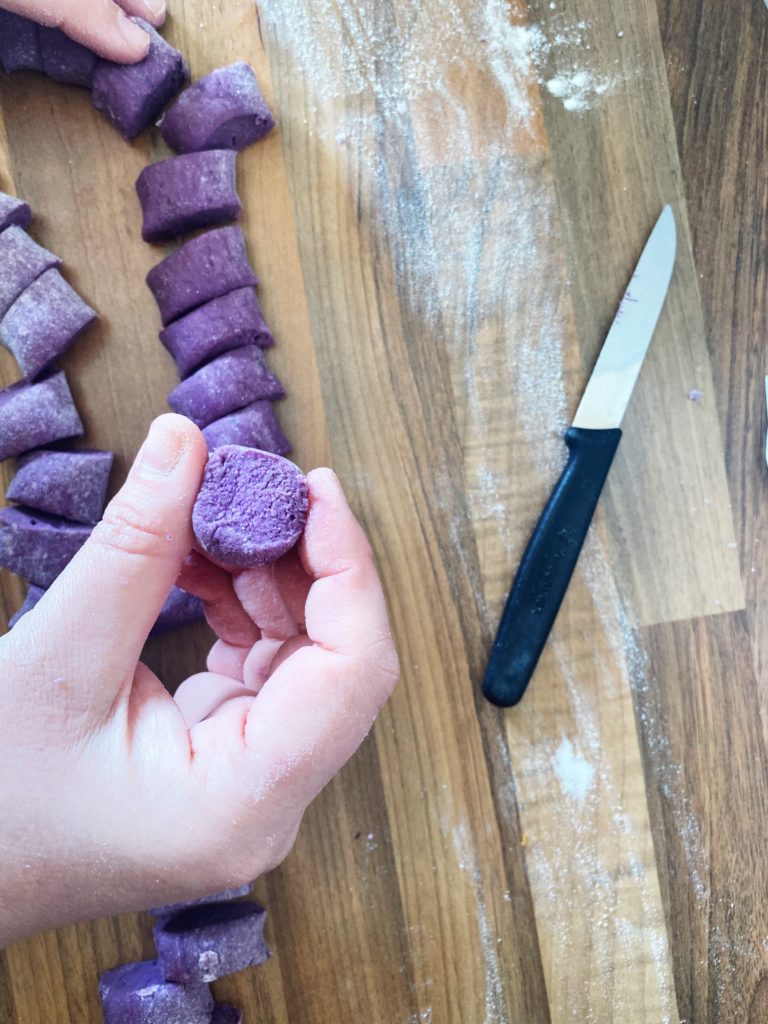
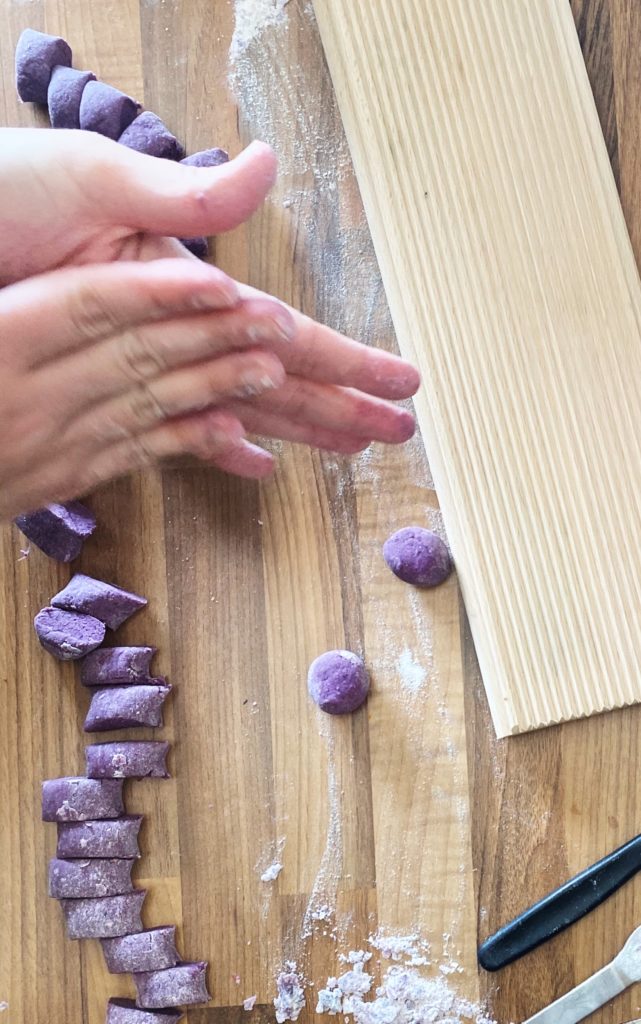
Cut the snake into bite sized pieces. You can leave the pieces in the pillow shapes they are, or roll them into balls then over a gnocchi board to make little grooves. Alternatively you can roll the pieces over the back of a fork.
Boil the gnocchi in the pot of boiling water in small batches. Once they start to float to the top of the pot, scoop them out with a slotted spoon and fry them in the frying pan with a little oil or butter until they are hot and crispy and take on some colour.
Toss the hot gnocchi with some pesto (you can loosen the pesto with a little of the pasta water if needed) and enjoy with some peppery salad leaves.
*I made a batch of butternut squash gnocchi at the same time. The method is the same. But as butternut squashes generally contain more water than sweet potatoes, they need a fair bit more flour to turn into dough.
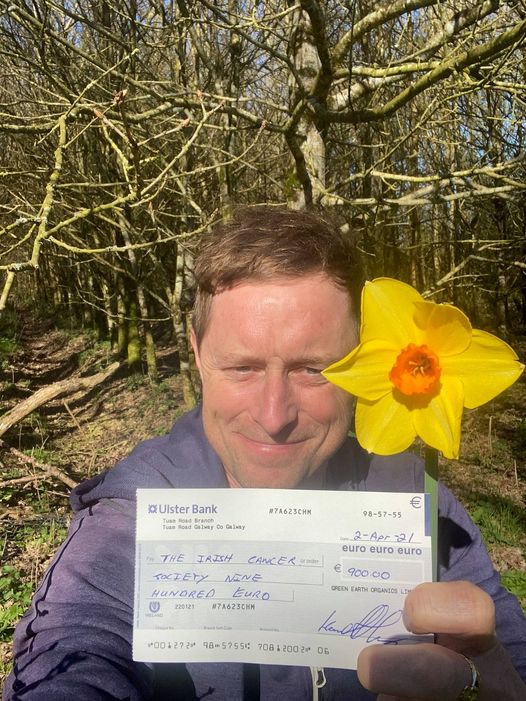
Thanks to your generosity last week, we will be donating €900 to The Irish Cancer society.
A sense of possibility and new beginnings is naturally in the air in Spring. On the farm, maybe it is the start of the new plant and seed arrivals that kindles this feeling, but there is a sense that we can do things better this year, that we will try a little harder to get things right, that all will be well in the end.
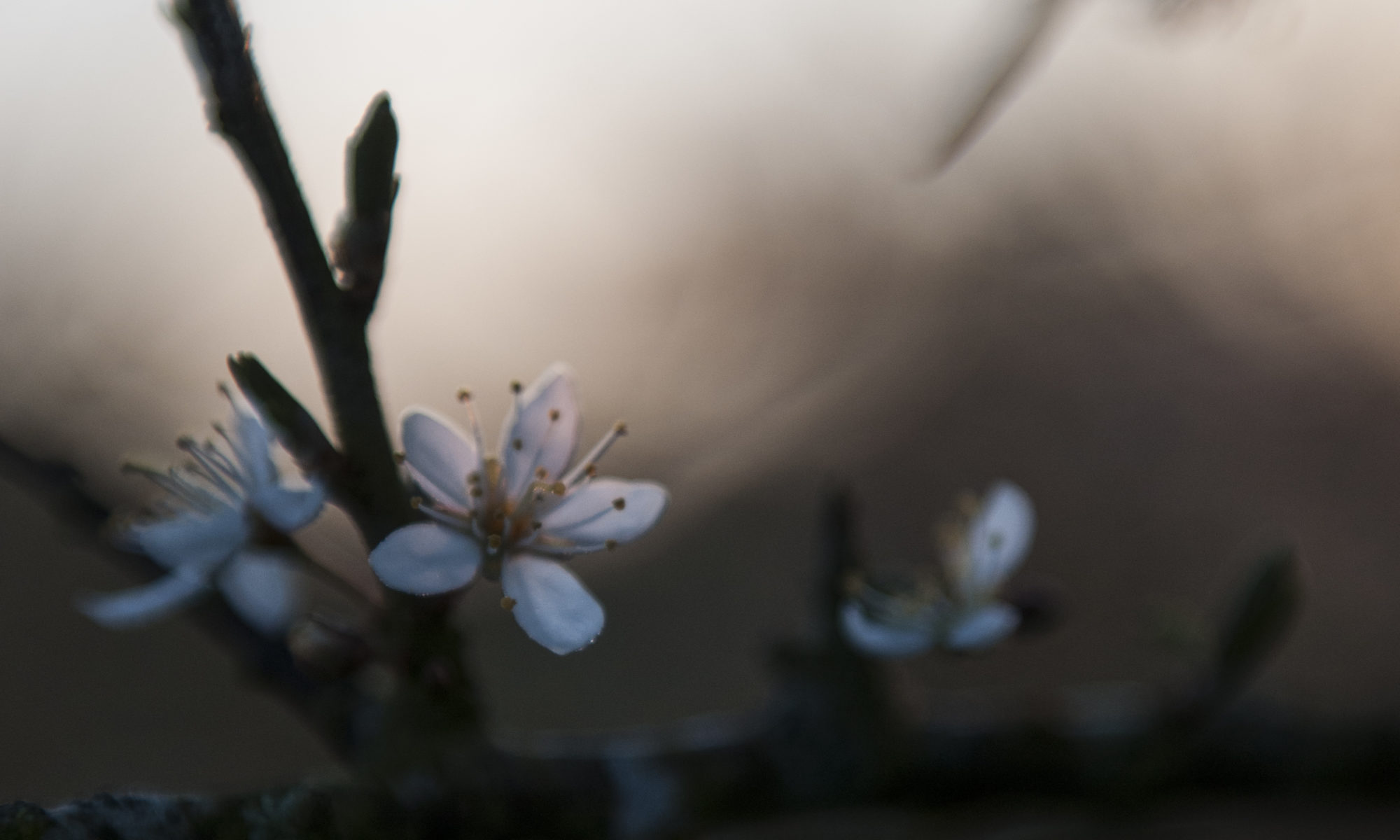
Nature is waking up, the birds are singing, the daffodils are blooming, the new leaves are beginning to unfurl on the trees. The extra daylight means that life cycles are changing and growth increasing, it is a natural rhythm, and it resonates on a subconscious level, if you let it.
Even our lovely new season salad is responding well to the extra light, and we will be harvesting ours and also Mick and Audrey from Millhouse farm will be delivering their gorgeous salad to us for all the boxes next week.
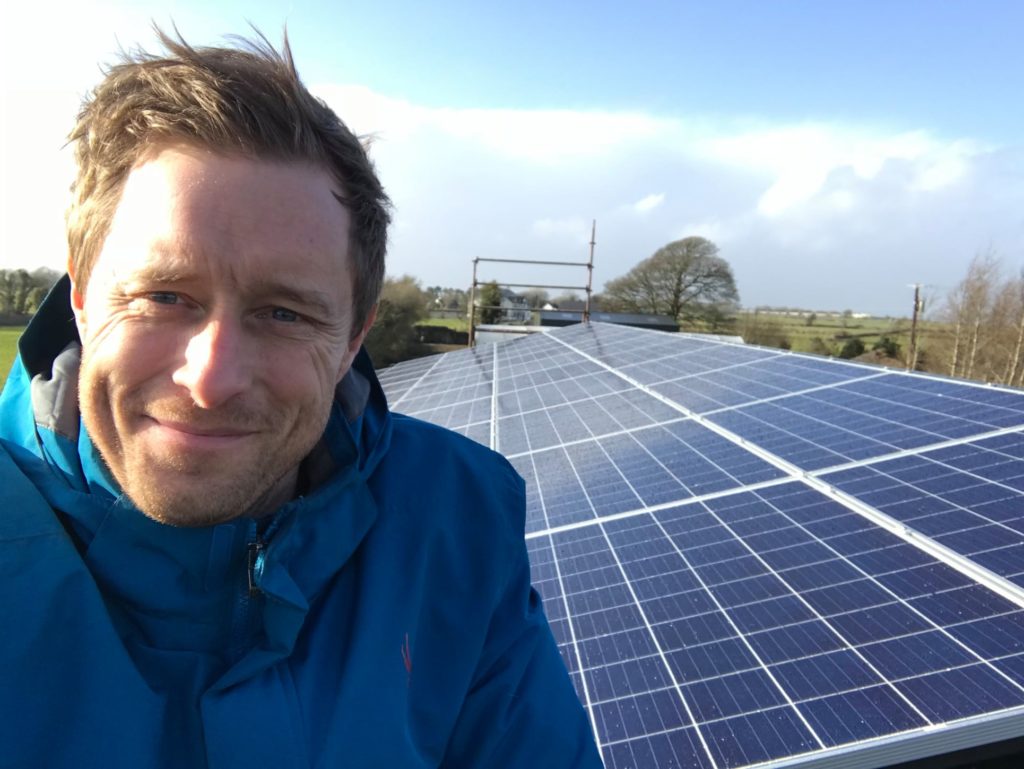
The sun is higher in the sky and on clear days you can feel the first tendrils of warmth, there is more power too in its rays and from now on the capture of this power to make electricity works well. (We installed a large solar panel array two years ago and it sits on the roof of one of our sheds generating clean renewable energy.)
Frequently now we can see plants growing, hear the birds singing and the insects buzzing well before it is time. This can be symbolic of a world out of sync and it has ramifications for all living systems. Planning a season of vegetable growing on the farm becomes more of a gamble as the natural order we rely on can change unpredictably and dramatically.
Luckily to date here in Ireland we have been spared the worst of the effects of the climate emergency. The climate crisis is a complex global problem but maybe the solutions are also simpler than we think? Down at the level of you and I there is much that can be done. Planting trees is one of the simplest ways to help redress the balance, as farmers we have an obligation to plant trees, and as gardeners there is always space for a tree. Again, thanks to your support, we just recently planted another 1500 trees here on our farm. By supporting local food growers like us and Mick and Audrey you too are doing your bit to tackle the climate crisis.
The prediction of the weather for the year ahead was often associated with a saying closely tied to trees, “ash before oak you are in for a soak, oak before ash you are in for a splash”. It seems this year at least here in Galway that the ash has won the race. Nevertheless, if living and farming in the west of Ireland has taught me one thing it is that the weather is unpredictable. It changes fast and sometimes when you least expect it, it surprises you.
Here is hoping for a lovely, sunny Summer surprise this year.
Kenneth
PS – DON’T FORGET IT IS DELIVERIES AS NORMAL FOR US NEXT WEEK, AND MONDAY IS A BANK HOLIDAY BUT NORMAL ORDERING AND DELVIERES APPLIES!!
We are maintaining the FREE Delivery over €100 next week also!
PPS – You have until Monday evening to grab your place on the Green Fingers course part 1 as we will be sending out seeds and resource packs next week by post!
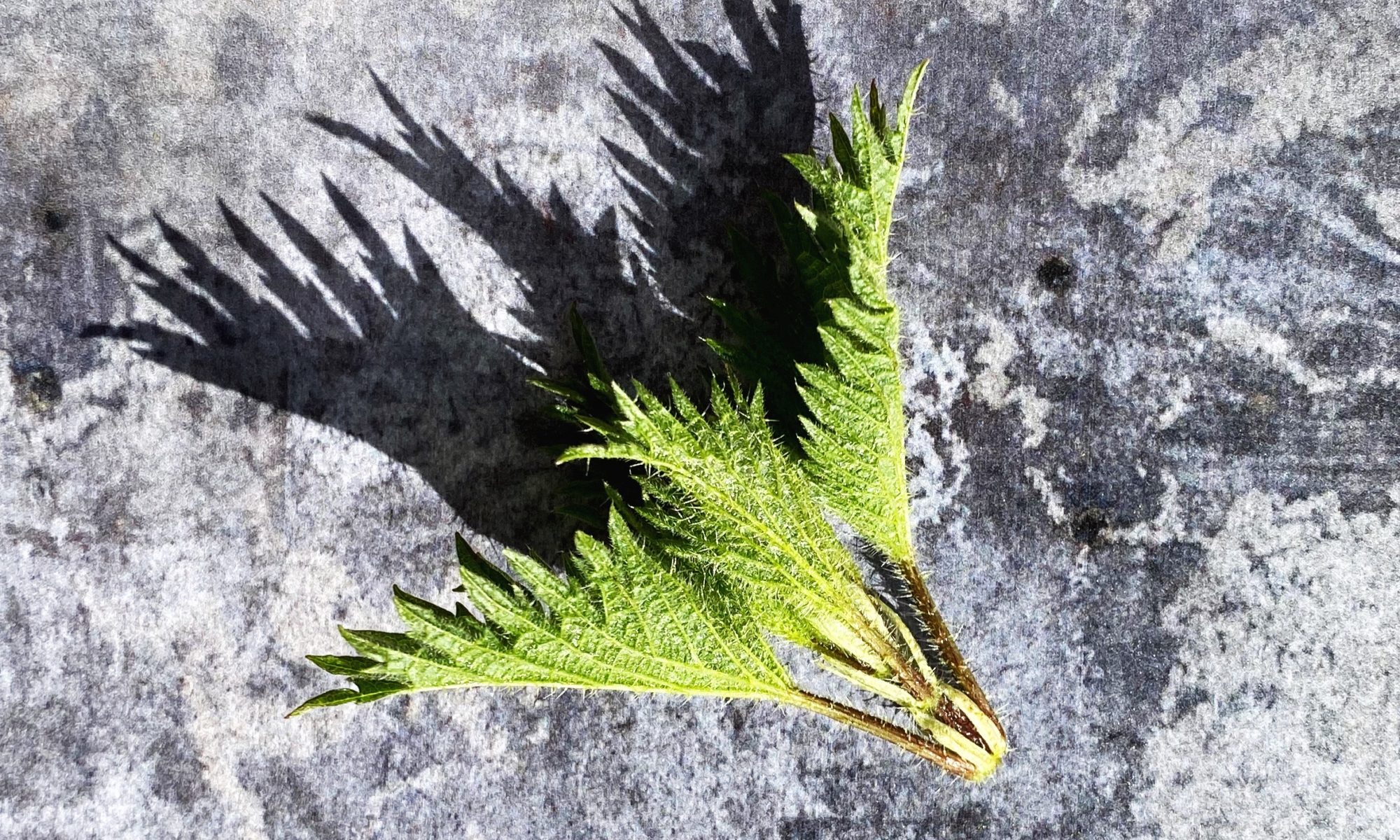
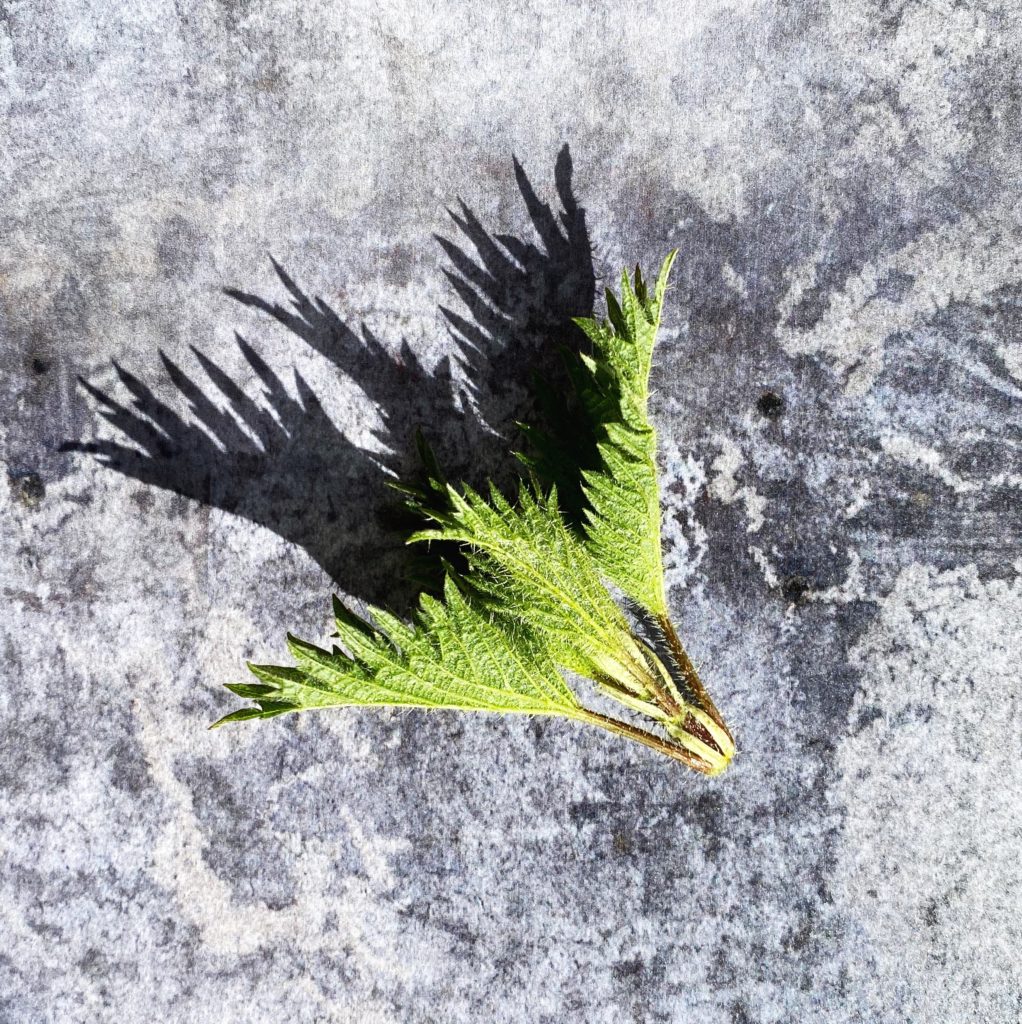
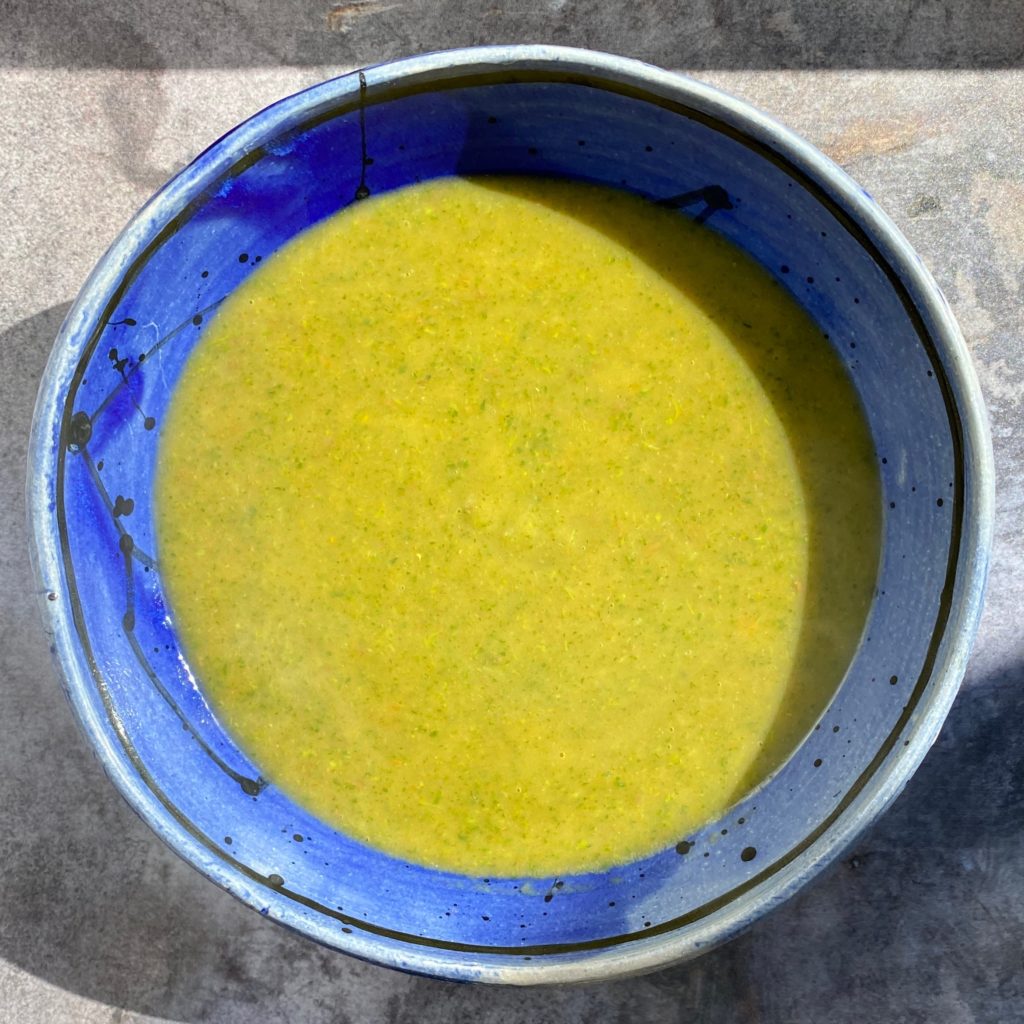
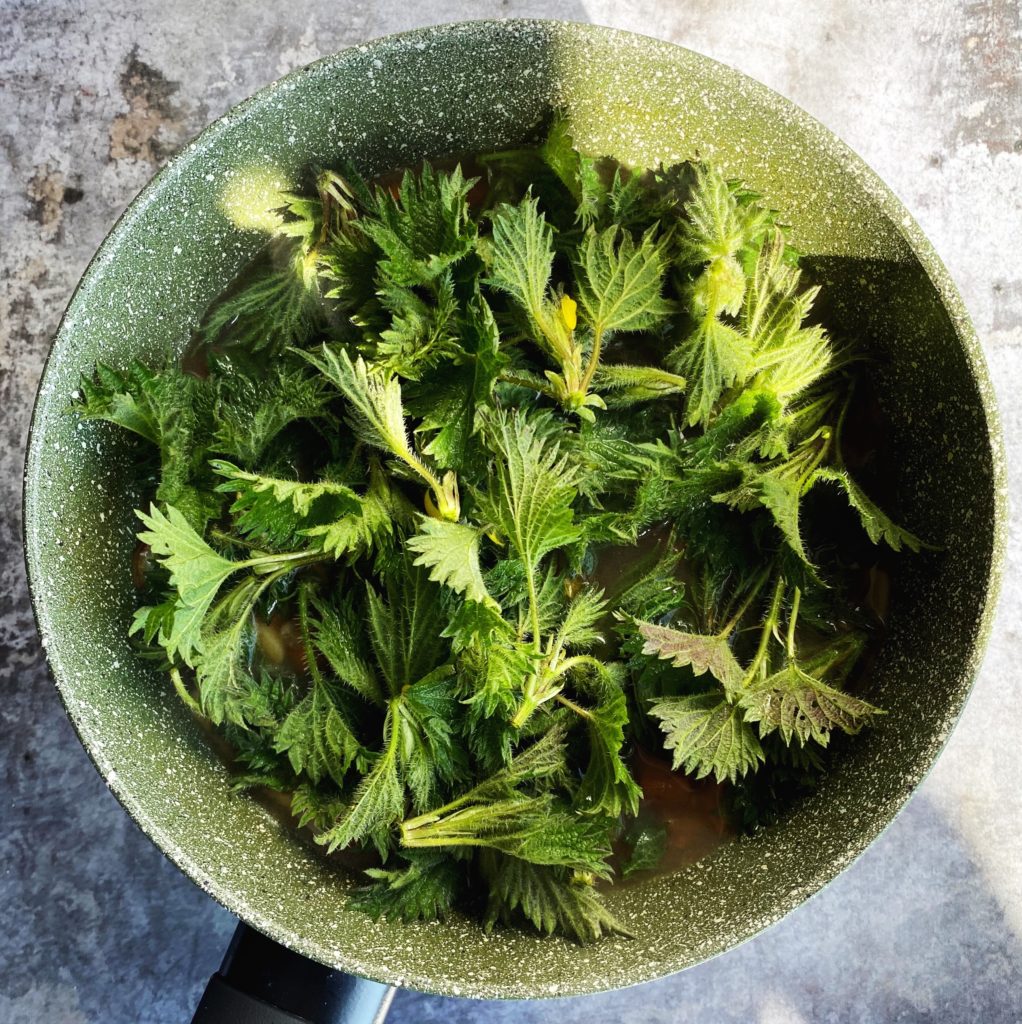
Stinging nettles are easy to identify and one of the most nutritious wild foods out there. Spring is the perfect time to forage for these tender and tasty greens. Studies suggest that eating nettles may reduce inflammation, hay fever symptoms, blood pressure and blood sugar levels — among other benefits. And they are so delicious! Why not grab some gloves and a colander and head out to gather some free food for your lunch? Just pick lots of the tender top 4-6 leaves, the tips of the nettles, like in the photo above. Then when you’ve filled your colander, take it home and give the nettle tips a good rinse. Always pick nettles away from polluted roads sides and avoid places that may have been sprayed.
Here’s my simple nettle soup recipe but you can do so much more with nettles. Pesto, salsa verde, add them to quiches, pies, stews… use it like spinach basically. I love nettles in a spanakopita type filo pastry pie. Share your favourite nettle recipe with use below in the comments? Liz x
Ingredients (serves 4)
1 tbsp oil
1 onion
2 or 3 carrots
4 cloves of garlic
2 potatoes
1 stock cube
4 large handfuls of nettle tips
the juice of half a lemon
salt and pepper to taste
Method
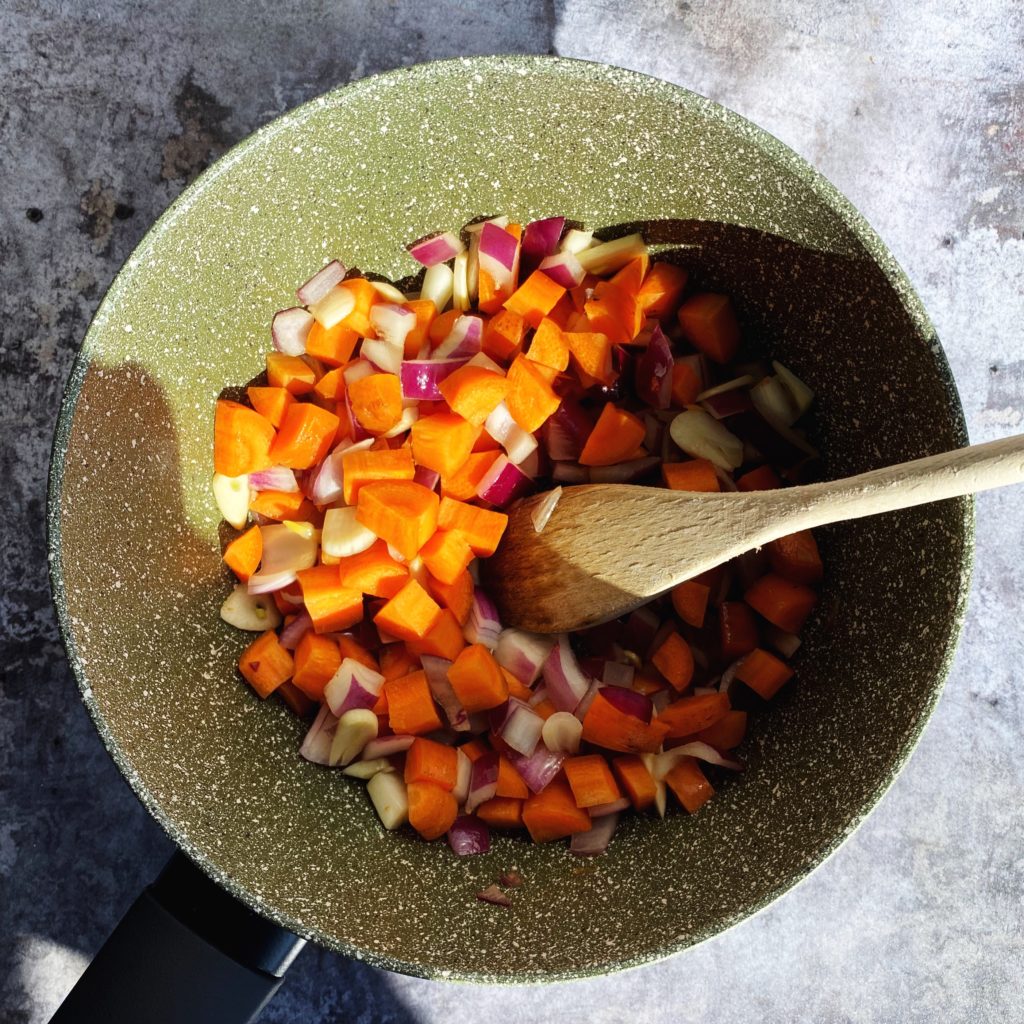
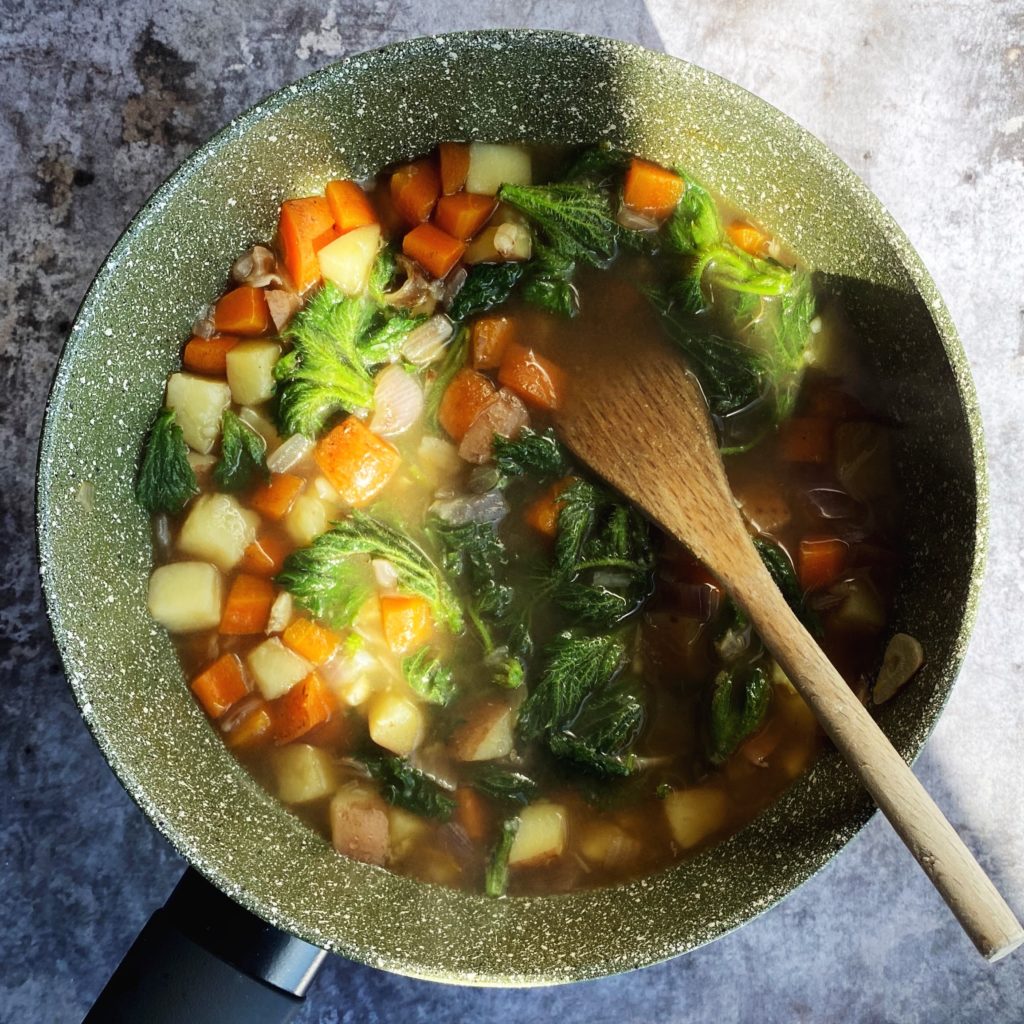
Dice and sauté the onions, garlic and carrots in the oil until just softening and starting to take on some colour.
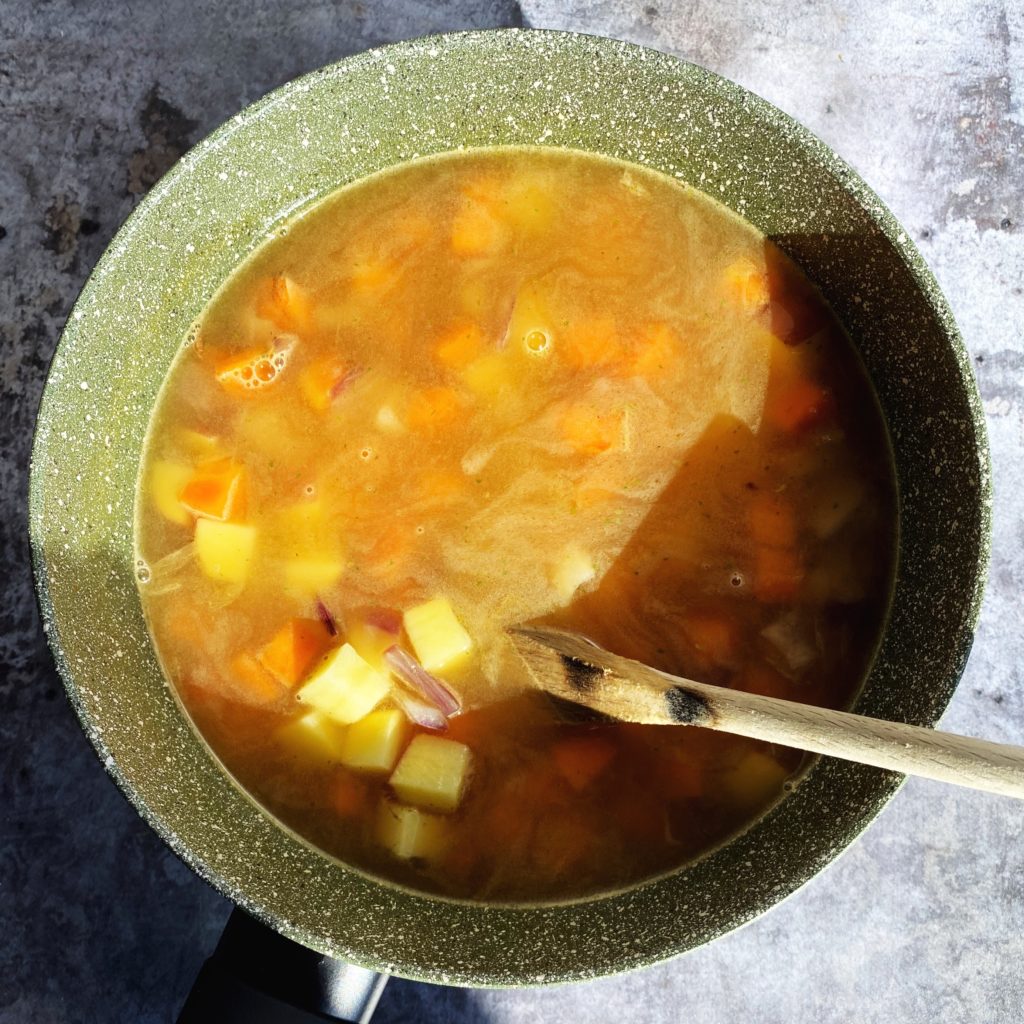
Then dice and add the potatoes to the pot and generously cover the vegetables with water. Crumble in a stock cube and simmer with the lid on until the potatoes are soft.
Add the rinsed nettle tips to the pot.
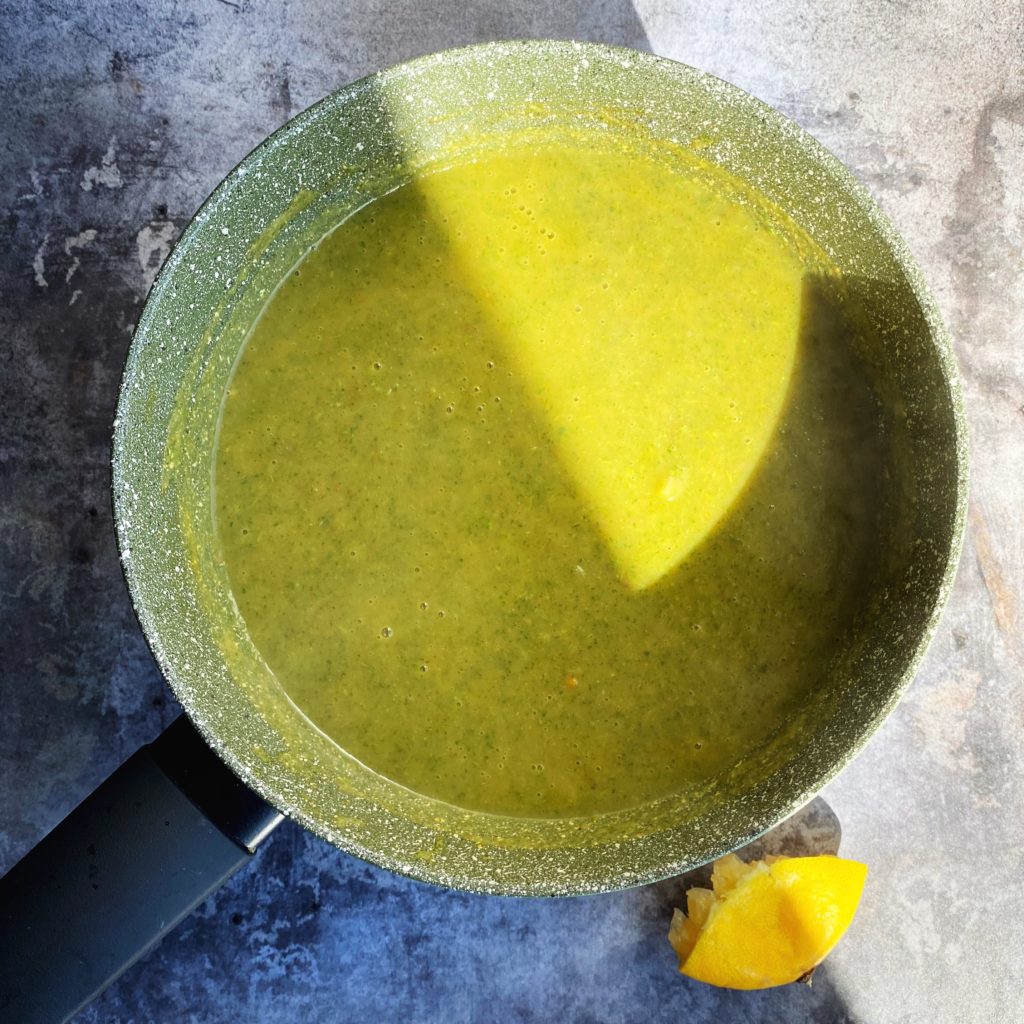
Stir the nettle tip into the soup and simmer for just 2 or 3 minutes. Then add the lemon juice and blend the soup with an immersion blender. Taste and adjust the seasoning as needed with salt and pepper.
Clear your plate, finish your dinner, eat your carrots, stop playing with your food. Ever heard any of those phrases? Even more worrying, have you turned into the person who uses those phrases? I have to catch myself, I know I nearly have!
It is a tricky one though, never mind trying to tackle food waste but trying to do it with kids in the family is a double challenge.
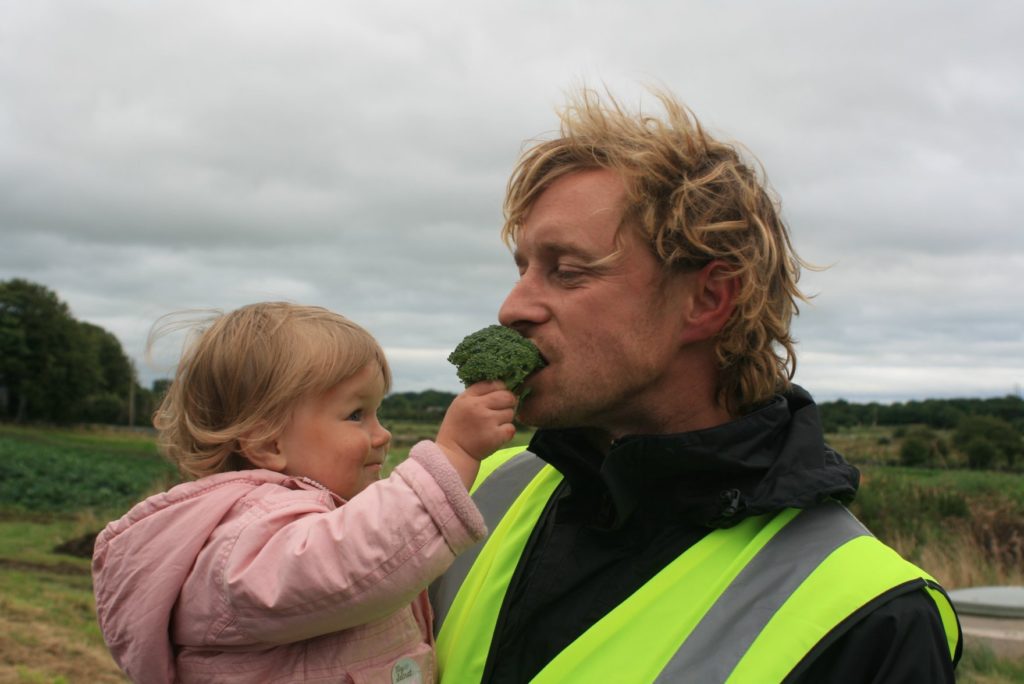
The days of Hannah (our oldest daughter) eating raw broccoli are gone, although my sister Liz can get Joe my youngest to eat things at her house he point blank refuses at ours! Short of sending him there for dinner every evening we will need to come up with a better plan.
As a child I used to go picking mushrooms, there was nothing so magical as finding these beautiful white orbs in the fields that literally appeared overnight. The taste was amazing and it still stays with me. I was also fortunate as a kid to watch my grandad and dad grow vegetables in the garden; pulling fresh carrots, picking apples and eating peas from the pods are etched in my memory.
I think these experiences as a young child must have had a bearing on my taste for vegetables, my eating habits, and my appreciation of nature today. I realise not all are so fortunate and times have changed. Even with an organic farm at our disposal it’s difficult to get our kids excited about veggies. But what if we could make vegetables and growing a little bit more accessible and fun? What if we could get kids excited about nature through touching the soil, through art, and through their innate love of living things? Then maybe we could get them amongst other things to eat more vegetables.
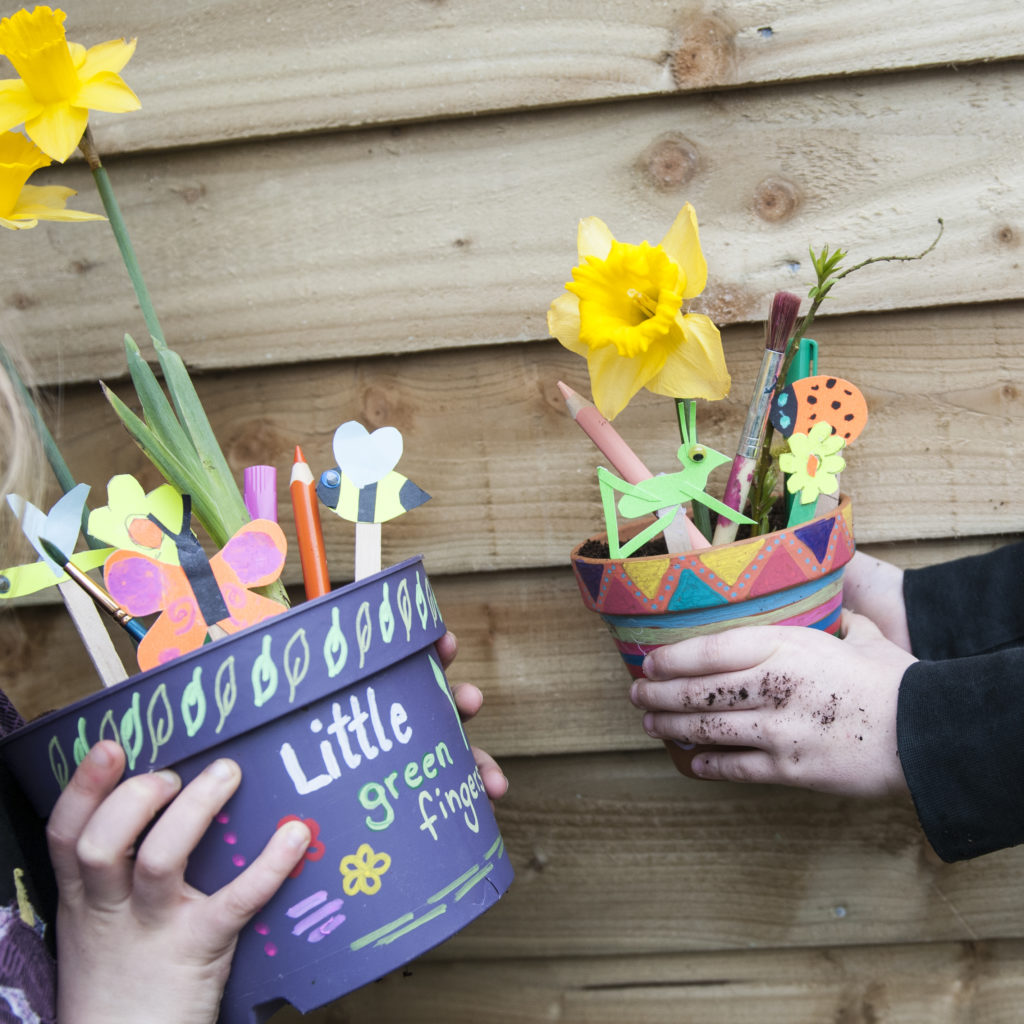
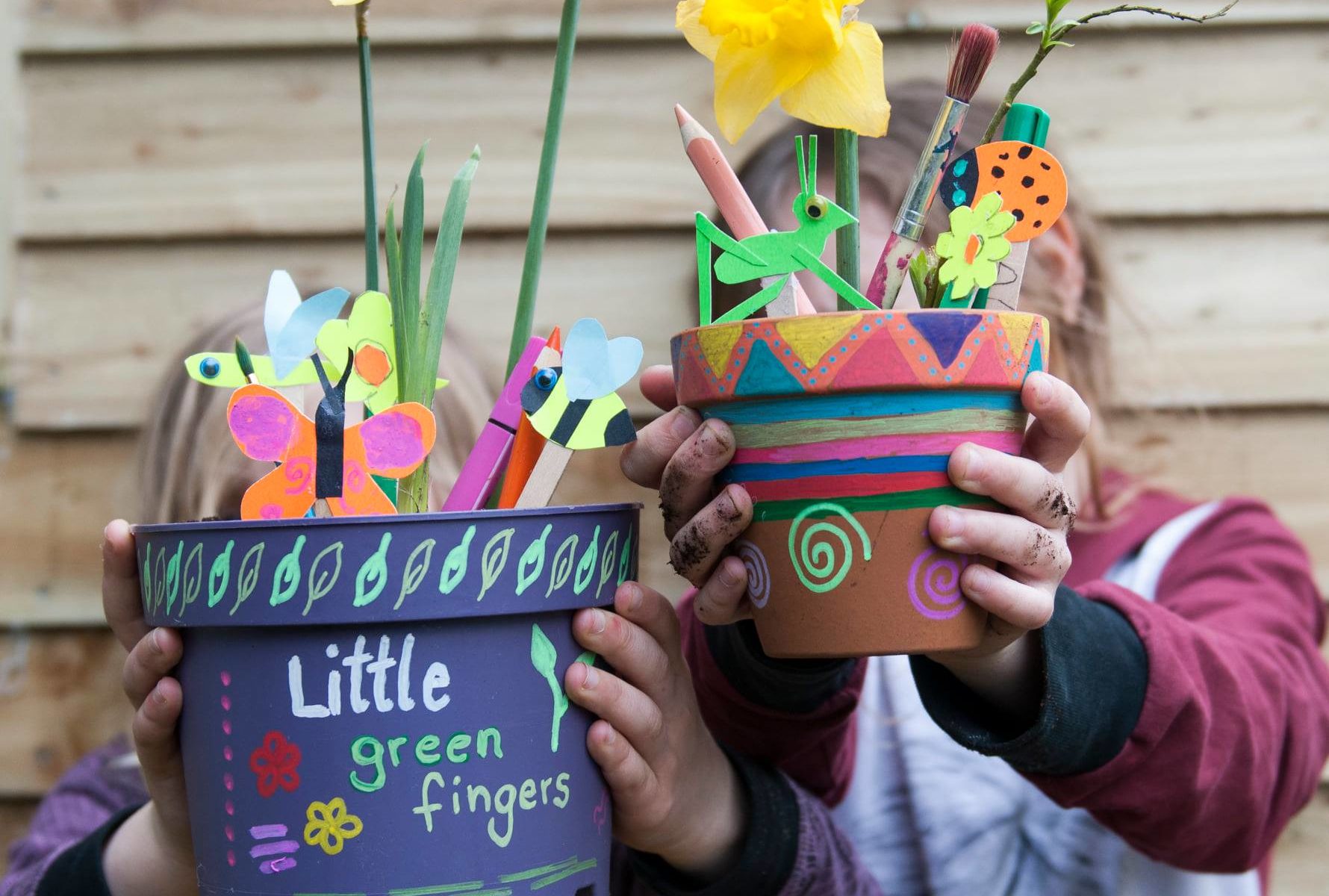
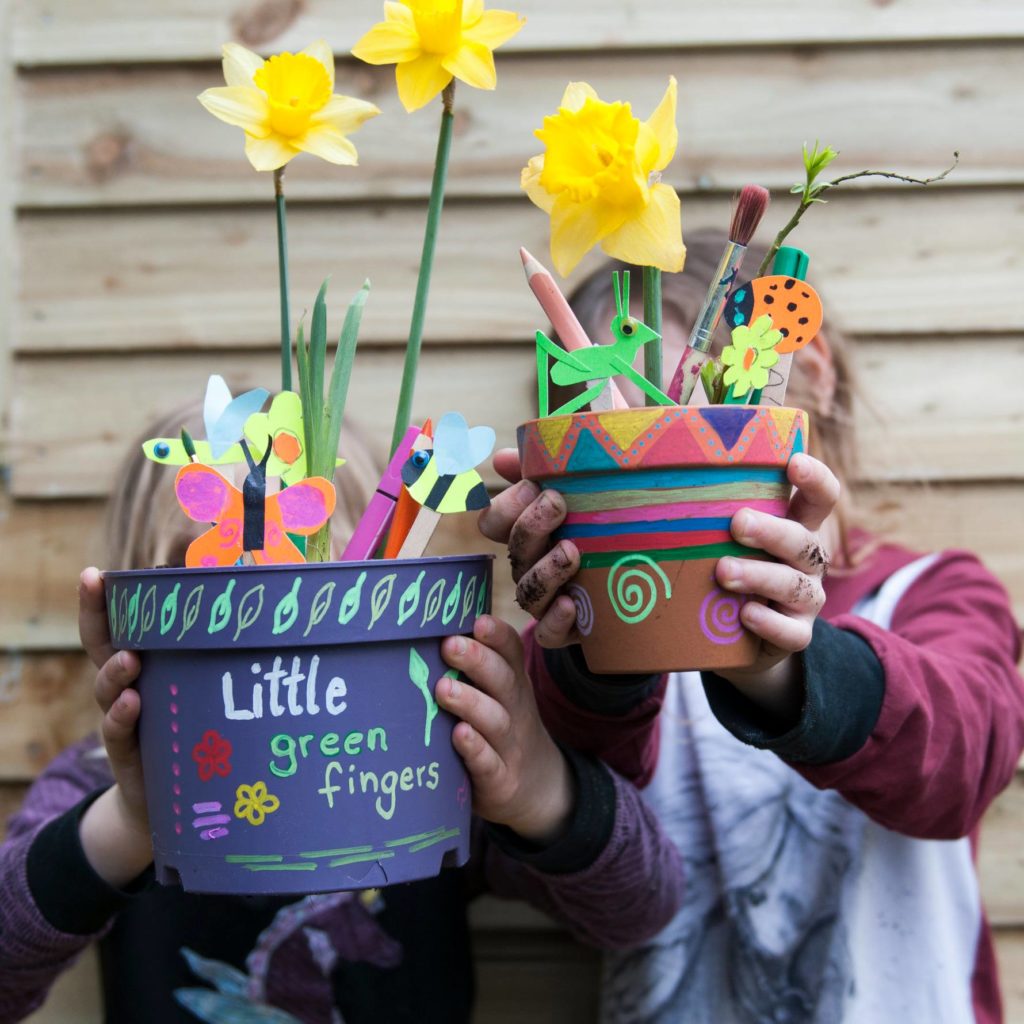
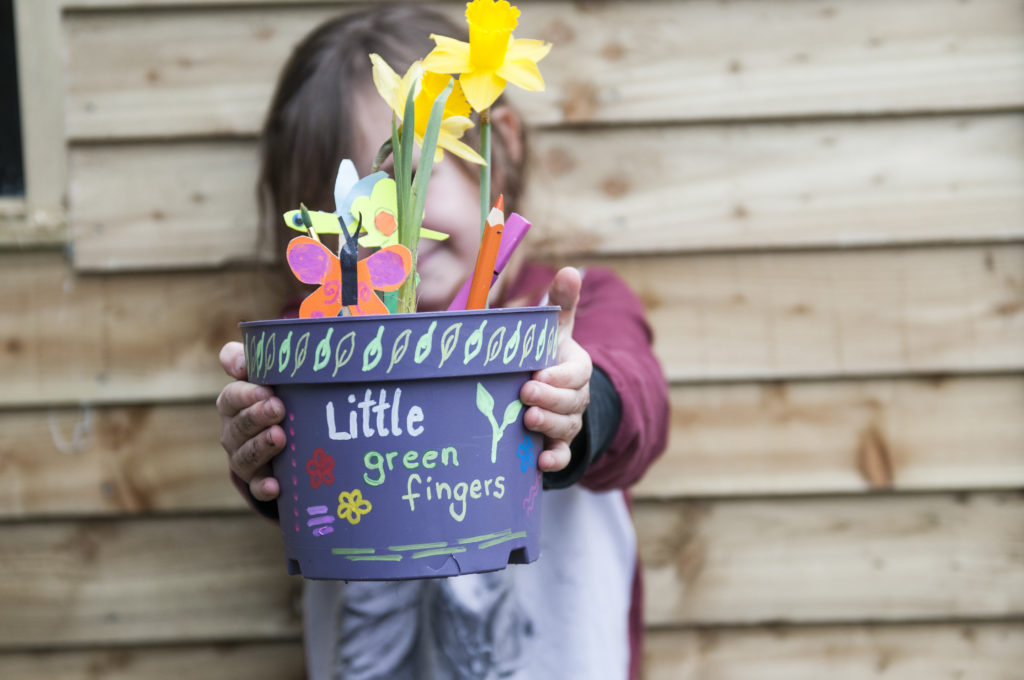
While this was not at all the primary reason that Jenny created ‘Little Green Fingers’, a new online practical course, it may well be a side effect! ‘Little Green Fingers’ is an interactive, get your hands dirty course. You and your children will plant seeds under my guidance from our polytunnels, and you will get to do fun and creative art, all with the theme of appreciating nature, with Jenny.
There are limited numbers so if you are interested in learning more click here to chose from three options:
Part 1 is the first four weeks of the course
Part 2 is the second four weeks of the course
and Part 1&2 is the whole course
The first session starts on Saturday 17th April. We are looking forward to seeing many of you there!
As always, thank you so much for your support and as we kick off a new growing season, we hope you will stay with us, and keep going with the healthy habits you have developed over the last few months.
Kenneth
PS: All deliveries next week over €100 will have FREE delivery! We have a full range of organic groceries, it has never been a better time to stock up.
PPS: We will be donating 1% of all sales next week to the IRISH Cancer Society.