I know I bang on about this a lot but…

I know I bang on about Glyphosate a lot, in fact I get a bit tired of talking about it. But it just keeps raising its ugly head everywhere I look, and I mean that quite literally.

Thankfully after a year of not being out cycling I am back cycling again, and I see a lot of the local countryside. I don’t know if it is in the budget or something, like the local councils using up their financial budgets before the end of the year, so it is not cut for the next year, of if there are just loads of half empty Roundup cans lying around the place and people feel they need to use them, but there seems to be a proliferation in the use of Roundup on the side of the roads here in Galway. Is it the same where you are? Is this an Irish tradition (one we need to drop may I add) or does it happen in your country too?

Anyway, recently on a relatively long cycle I came across a patch of roadway, up until this point I was really enjoying the countryside, the boreen I was on was beautiful, wild green and just all round lovely, but then all of a sudden, bang, everything was dead, everything. Iridescent horrible yellow, dead grass, trees, bushes, flowers all dead or dying and this wasn’t just a patch in a gate this was I would reckon a good kilometre of roadway maybe more on both sides. It was nothing short of devastating.

So, I ask you why in the name of God, would you do this? I could maybe half understand the logic of trying to increase visibility around a dangerous bend (but surely strimming would be a much more effective method, certainly would be much more environmentally sustainable, and you are much less likely to get cancer) but why on a straight road? Why?

There is no reason on the planet that I can think of to do this, it is just something I cannot get my head round. This is public property so what right does anybody have to go out and spread a probable carcinogenic chemical on our land?

Glyphosate is toxic to land, it is still being pushed by its manufacturers (it is worth billions), it is still being used as standard in tillage and non-organic horticulture, it clears the land prior to planting. This is not ok.

Did you know up until 2023 this systemic (this means it gets absorbed into the plant and stays in the plant) probable carcinogen was sprayed on wheat prior to harvest, prior to milling wheat into flour, prior to using flour in our bread. Thankfully this desiccation of wheat crops has been banned by the EU, thank the EU for that one. This practice is still commonplace in the UK, thank Brexit for that one.

Roundup or Glyphosate is sprayed on Soya, in fact 82% of the worlds soya crop is GMO, and get this, and this is mind blowing, it is genetically engineered to be more resistant to roundup, so more and more glyphosate is sprayed on soya, and guess where all this soya ends up, and no the answer is not vegans!

No, it ends up as animal feed mainly to feed cows, and Irish cows are not immune to munching on GMO, glyphosate drenched soya pellets either. Unbelievably all the packs of nuts for cow’s state if the product is GMO or not, as they say it pays to always read the label, it’s a pity the cows can’t read I guess.

Anyway, on that note if it wasn’t getting too dark (the evening not the blog that is) I would be off for another cycle, but maybe it would be better in the dark, and I wouldn’t see any of those Roundup destroyed verges, and my mind could find peace! 😊

As always thank you supporting our organic family farm and others like us.

Kenneth
Squash & Leek Pie

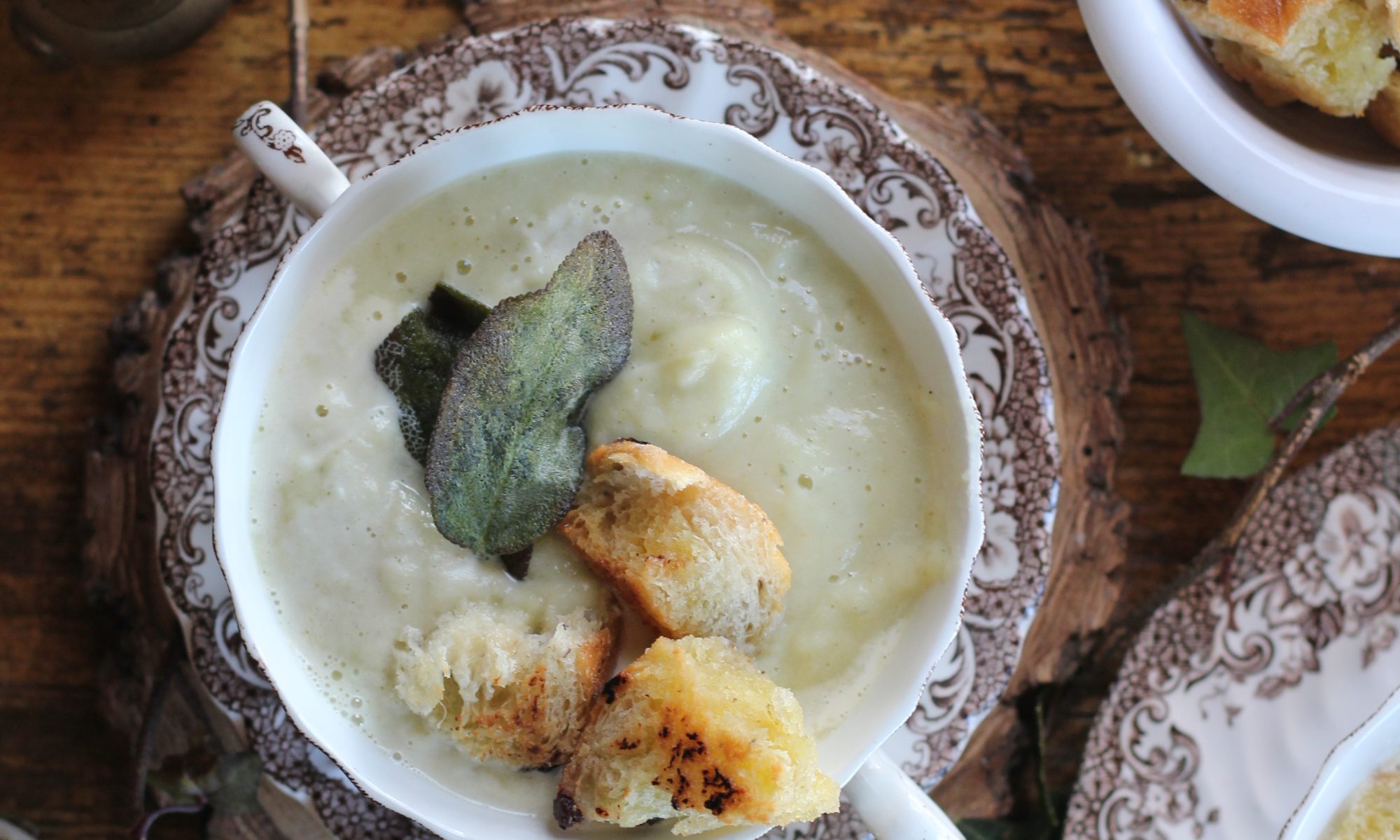
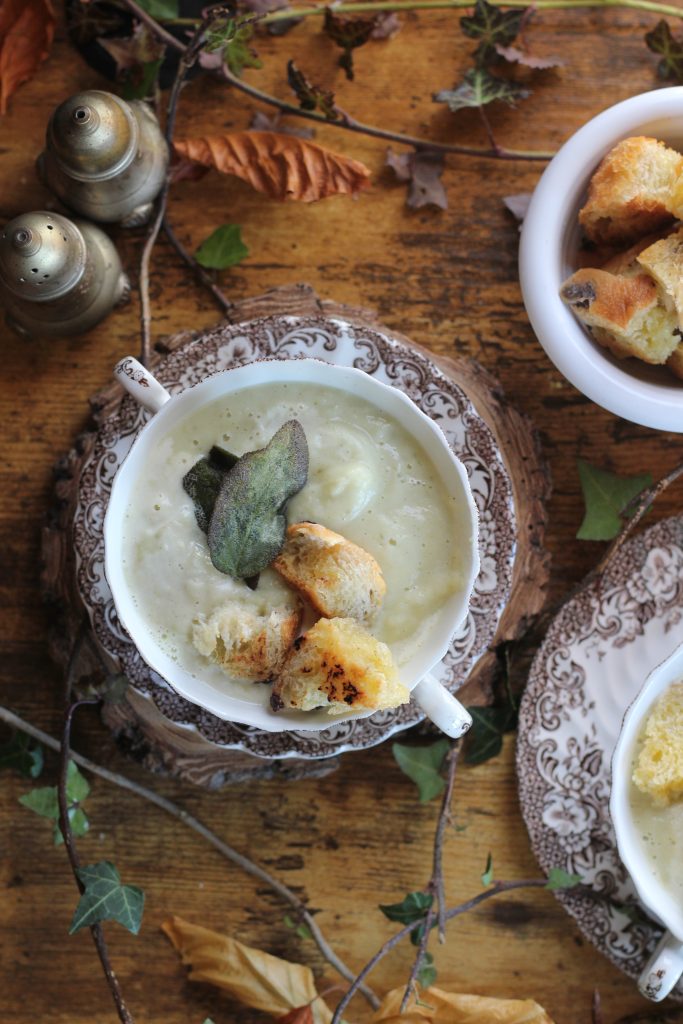
This squash and leek pie, packed with in-season Irish vegetables, would make for an indulgent yet wholesome midweek meal. I’ve used butternut squash in this recipe, but any squash of choice can be used, even a little pumpkin, if you have one intact from your Halloween celebrations. The pie is topped with a pastry cap, but creamy mash would work equally well in its place. Serve with steamed greens, this is a delicious meal to try this week.

Enjoy!

Nessa x

Squash & Leek Pie

Serves 2

Ingredients

  • ½ roll puff pastry
  • 1 small or ½ large butternut squash, peeled & diced
  • 1tbsp olive oil
  • 25g butter
  • 1 leek, thinly sliced
  • Salt and freshly ground pepper
  • 5/6 sage leaves, finely chopped
  • 2 cloves garlic, crushed
  • 250ml vegetable stock, hot
  • 75ml cream
  • Egg wash/water

Method

  1. Take the puff pastry from the fridge about 30 minutes before using.
  2. Preheat the oven to 200°C/fan 180°C /Gas Mark 6.
  3. Place the diced squash on a large baking tray. Drizzle over the olive oil. Toss to combine. Place in the preheated oven for 25 minutes.
  4. While the squash is cooking, add the butter to a large frying pan over a medium heat. Once melted add the leek. Season with salt and pepper. Stir to combine and turn down the heat to low. Cook for about 10 minutes, stirring regularly.
  5. Stir through the sage and garlic and add the cooked squash to the pan. Add the stock and simmer for 5 minutes.
  6. Stir through the cream, simmer for a couple of minutes, before adding the mixture to a small-medium sized casserole dish.
  7. Cut the puff pastry to match the top of the casserole dish. Pinch the sides to press the pastry into place and make a small hole in the centre of the pie to allow steam to escape while cooking. Brush with either a little egg wash or water. 
  8. Place in the preheated oven for 25 minutes. 
  9. Serve hot with some steamed broccoli.

farm washing … Not again!

I was at Food on the Edge here in Galway this week. This is a food festival that champions transparency of our food system, and the fight to put good food on people’s plates, from fine restaurants to farms across the country. There was such positivity and a genuine feeling of solidarity.

It was clear that there are many people doing great work to put real food right at the heart of our small country. But the backdrop was less rosy, working in the food industry is tough, plain and simple, whether you are producing, growing or cooking food there are many challenges.

Why is this the case? Why is it that when it comes to food, good local sustainable food that we mostly look for the very cheapest option. There are many reasons for this I guess, but the cheapest is best, a food culture that the supermarkets have carefully curated is a race to the bottom where nobody is a winner. We recognise the need to provide value, but how do you define value, is good wholesome fresh organic food, grown without chemicals where people are paid fairly and nobody is exploited, does that represent value?

There is no denying that value is embedded in the price we pay, and we are no exception and are not exempt from the unrelenting pressure of supermarkets. To give you our customers more value we have reduced prices on some of our fresh lines. But it is impossible to compete with the large supermarkets, they are the gatekeepers and control our food system. In the race to the bottom here are two examples that highlight what is happening: Supervalu just this week are selling organic leeks all the way from Poland.

This is shocking, I know for sure that there is at least one large organic leek grower that they are not stocking, why is that do you think? We know it is more expensive to buy Irish apples, or to grow Irish leeks, we could easily stop growing leeks and just import, or buy imported apples over Irish, but we don’t! Surely it is a great thing to support locally grown sustainable food, it is our business model.

What do you think of supermarkets who create FAKE or PHANTOM farms as a marketing tactic to make us believe they are doing the right thing, greenwashing, or farmwashing spring to mind. Next time you are in Aldi, have a look at the “Egans” brand, what does it suggest, well very clearly it suggests a family farm called “Egans” but “Egans” as a farm does not exist, it is a misleading brand. What are your thoughts on this?

This supermarket culture, and price wars have brought us to a place where fresh food is continuously discounted and used as loss leading fodder. We could certainly be forgiven for thinking that fresh food is worthless, this is extremely disheartening as any grower will tell you.

Of course, this is a race to the bottom which has put the very future of the Irish horticultural industry in jeopardy. Our farm and business model is built on sourcing and growing chemical free sustainable food, we will always support other Irish organic farms and continue to grow local Irish food on our own farm.

Only through your support is this possible,

Thank you.

Kenneth
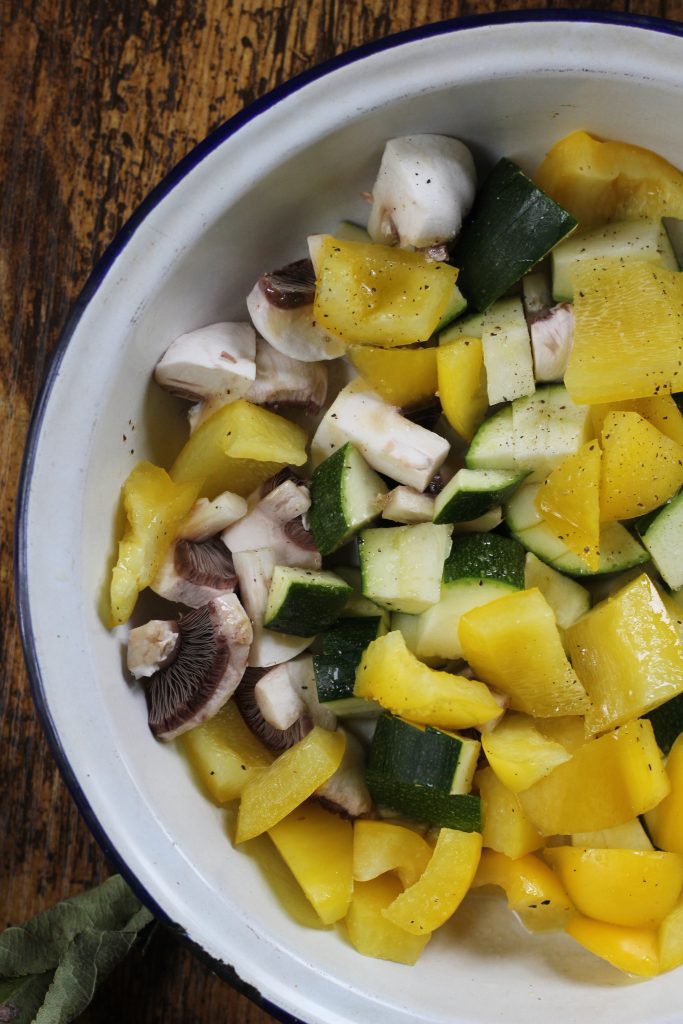
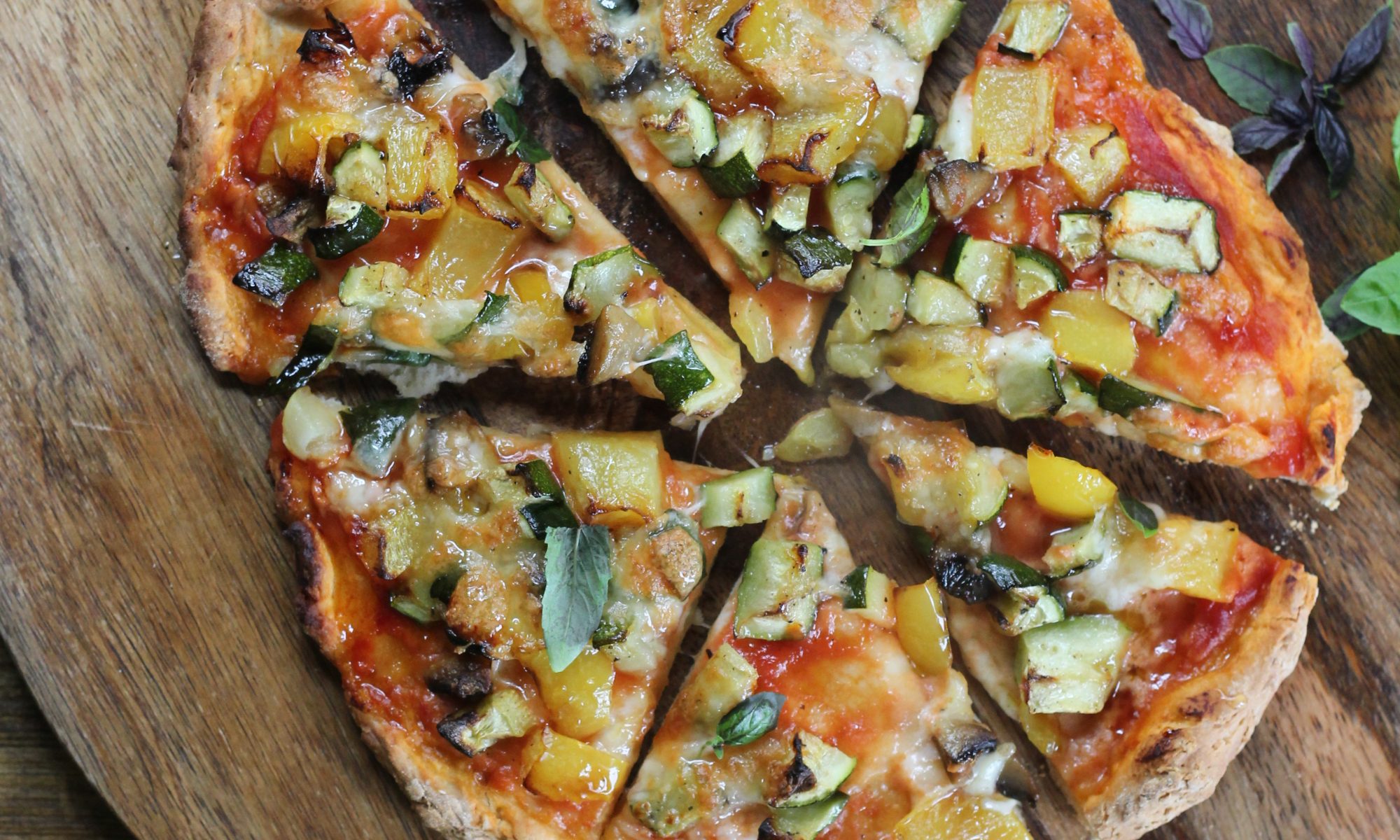
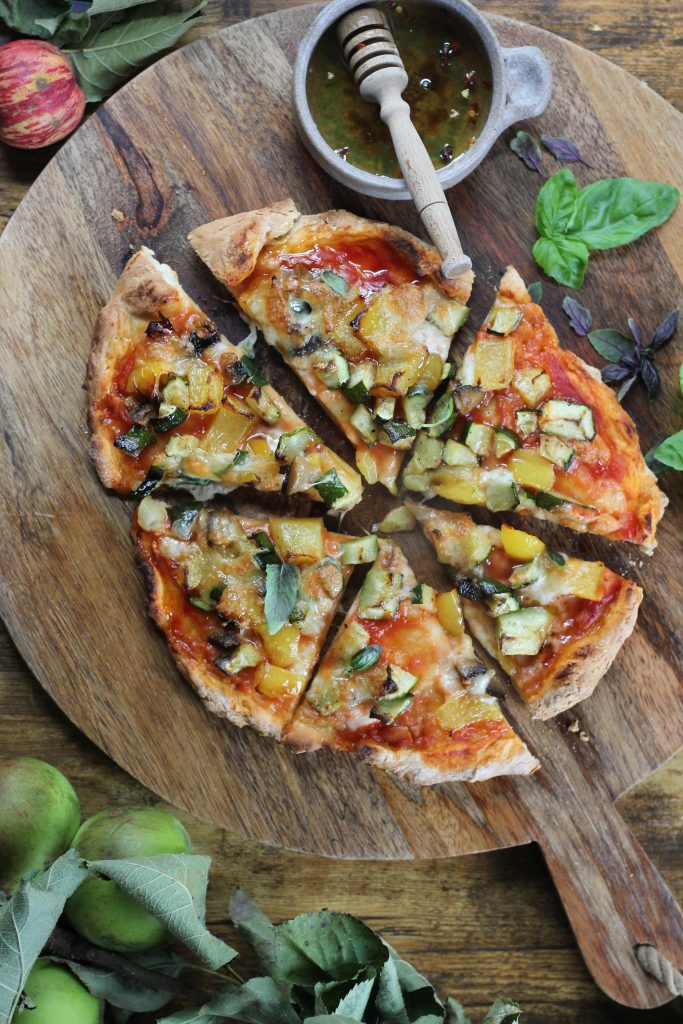
Protein-Rich Veggie-Loaded Pizza

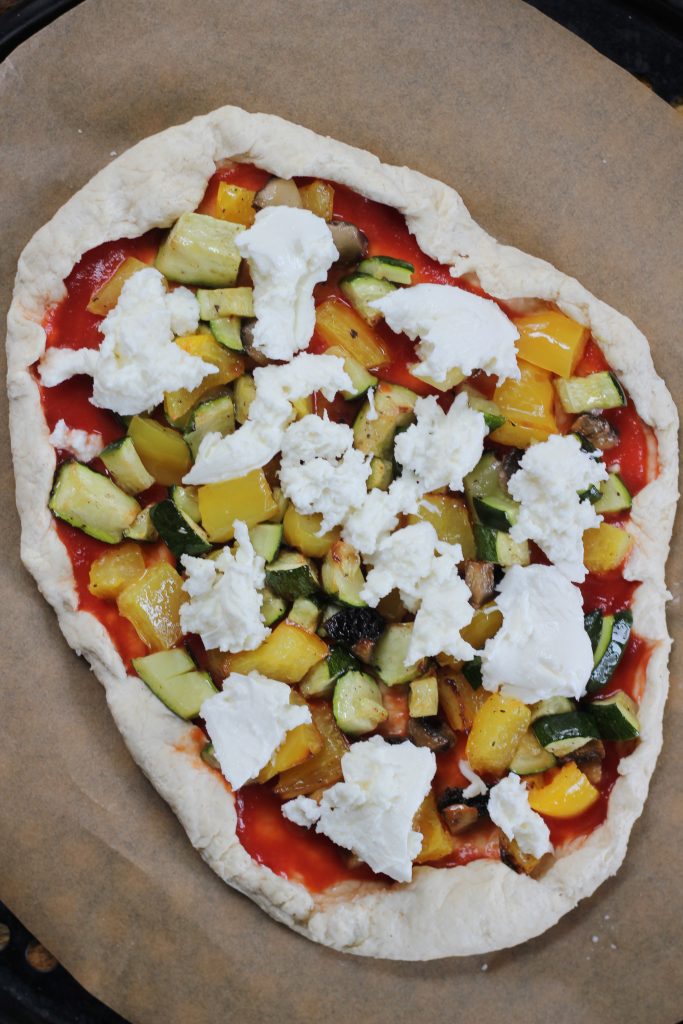
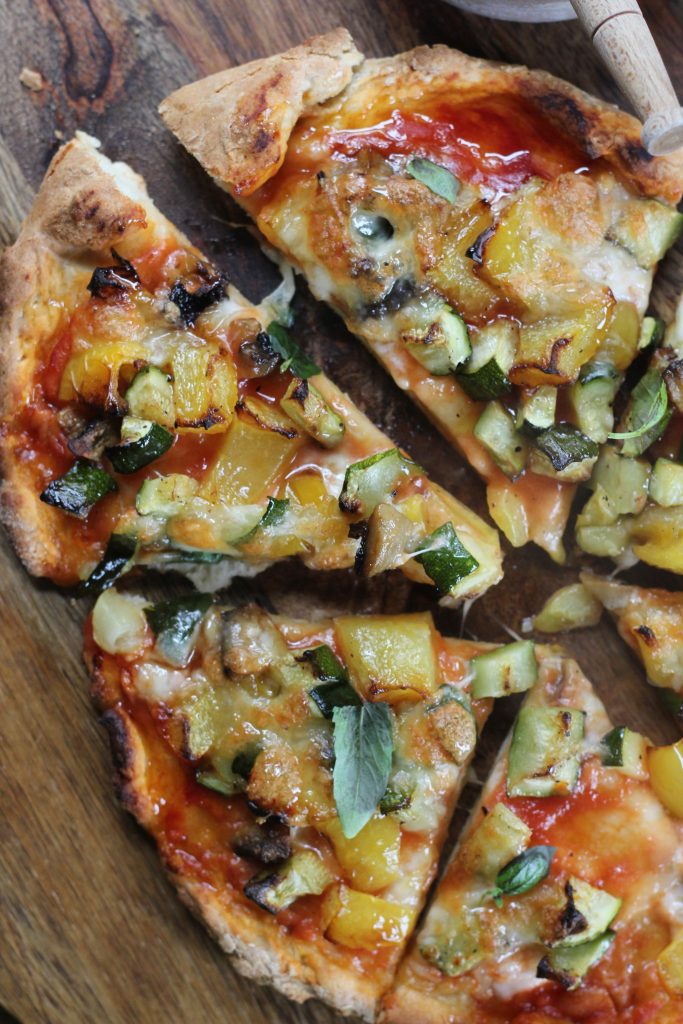
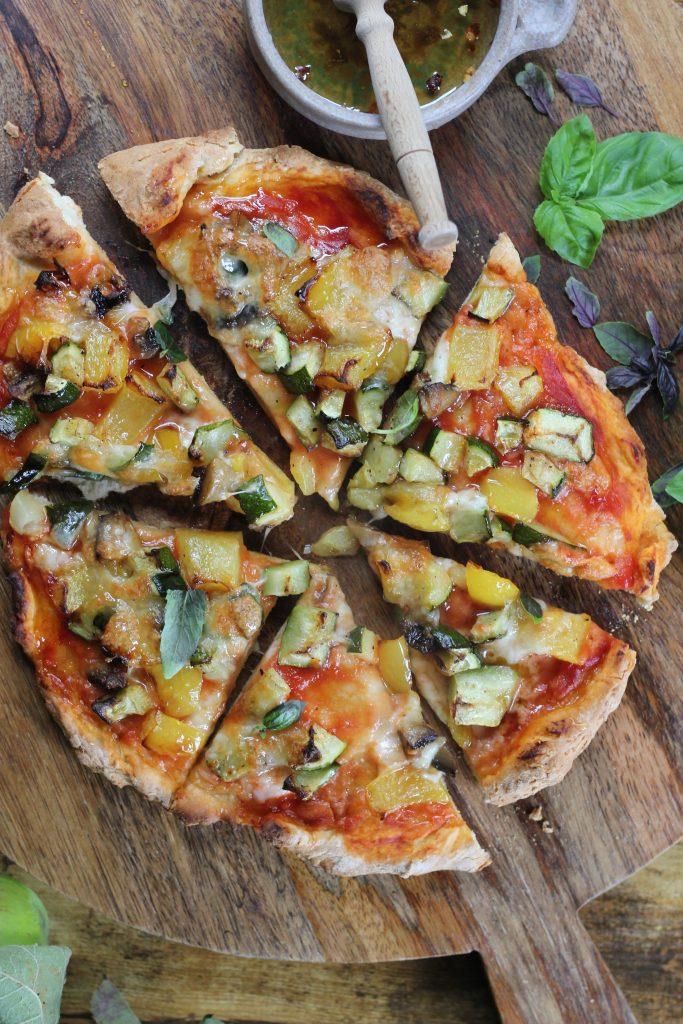
This delicious pizza is packed full of flavour and nutrients. The base is simply some self raising flour with yogurt and a little salt, which comes together with ease, and pairs so perfectly with the veggie-loaded topping. I’m using mushrooms, pepper, and courgette, but any soft vegetables could be used in their place. 

These pizzas are best enjoyed straight from the oven but can be saved in an airtight container in the fridge to enjoy the next day, either cold or heated through.

Enjoy!

Nessa x 

Protein-Rich Veggie-Loaded Pizza

Serves 2

Ingredients

  • 150g mushrooms, roughly chopped
  • 1 pepper, deseeded and diced
  • 1 courgette, diced
  • 1tbsp olive oil
  • Salt & freshly ground pepper
  • 350g self raising flour, sieved
  • ½ tsp salt 
  • 350ml full fat Greek yogurt
  • 4tbsp pizza sauce or passata
  • 1 ball Mozzarella

To serve

  • Hot honey
  • Basil leaves 

Method

  1. Preheat the oven to to 220°C/fan 200°C/gas 7.
  2. To a medium-sized ovenproof dish, add the mushrooms, pepper and courgette. Drizzle over the olive oil and season with salt and pepper. Toss to combine. Bake in the preheated oven for 15 minutes.
  3. In a large bowl, combine the flour with the salt and add the yogurt. With your hand or a fork, bring the mixture together to form a ball of dough. Cut into two halves.
  4. Transfer to a floured board and roll each ball out to make the pizza bases.
  5. Gently make a border for each pizza by gently folding the edges over. Divide the pizza sauce between the two pizzas. Top with the roasted vegetables and dot over the mozzarella. 
  6. Place in the preheated oven for 25-30 minutes, until it is cooked through, golden and bubbling. 
  7. Serve straightaway with a drizzle of honey and a scattering of basil leaves. 

Fake Farms, what do you think…

What do “Egan’s” and “Farrell’s” have in common?

They are all brand names used on supermarket packed own label fruit and veg. They give you the impression that they are family farms, BUT THEY ARE NOT.  They are marketing mechanisms, to make us feel warm and happy that we are supporting these assumed lovely family farms.

We are working hard on our Real farm to get the autumn harvest out and the conditions are favourable; this is the same in the remaining Irish vegetable farms up and down the country the likes of Beechlawn Organic farm, or McCormacks Family farm, or Philip Dreaper’s farm in Offaly where we get our Irish carrots, or Richard Galvin in Clashganny organic farm who supplies our organic Irish apples, and many, many more.

These family names used in some supermarkets give the impression there is a real farm with a family name behind the carrots, or tomatoes on their shelf. I recently went to check this out in a large Retailer.

In their fruit and veg section I was convinced that “Farrell’s” which was labelled on much of their Irish produce was a family farm and this family were producing a wealth of produce. At least at first glance that was my impression. I’m in the veg growing business I am a grower and understand a little of how these things work and I was taken in by the misleading advertising.

As I looked a little closer it seemed that my original assumption was not at all correct. “Farrell’s” is not a real farm; it is a marketing tool created by the supermarket to give the consumer that warm homely glow of things being done right.

Does it matter?

Well, I think it does, firstly, this is misleading, you are led to believe the produce is coming from “Farrell’s”, and it is not.  

The second interesting point that is worth considering is that this brand allows supermarkets or more frequently large pack houses and distribution centres, to take in produce from multiple farms and blend it into packs, so the carrots may be coming from multiple suppliers and you or I will never know.  This practice is now frequently called “blending”.

This is very helpful for large retailers as it gives it them the balance of power when it comes to price negotiation, and the ultimate flexibility to choose whose carrots or apples to put into their bag.

When the grower is hidden, he has less power to negotiate a fair price and as with all own branded products on supermarket shelves they are cheaper. It is this pricing structure that has done the damage to growers all over Ireland over the last twenty years.

As always with your support our real Farm continues to grow and our support for other REAL growers can be fair and transparent.

Thank you.

Kenneth
PS Thank you to everybody who donated to our Gaza appeal during the week, I am waiting on final confirmation but the total donated is looking like it was €2380, so thank you so much to everybody, we will be topping this up with the 50% of €1190 making the total donation we will make to the UNICEF Gaza appeal €3570. We will confirm this early next week and be making the donation straight away.

Caramel Apple Galette 

If you are looking to treat yourself or loved ones to a delicious, autumnal, easy-to-make bake, this Caramel Apple Galette is the dessert for you. The star ingredient is our in-season Irish apple, and few other ingredients are needed to make this impressive dish. 

This galette is best served straight from the oven with a good dollop of ice cream and an extra drizzle of caramel.

Enjoy!

Nessa 

Caramel Apple Galette 

Serves 6

Ingredients 

  • 1 roll puff pastry
  • 2 large or 4 small eating apples, thinly sliced 
  • 2 tbsp caster sugar
  • 1tsp cinnamon 
  • Squeeze lemon
  • 75g butter
  • 50g caster sugar
  • 1tsp cinnamon

To serve

  • Icing sugar
  • 2tbsp caramel sauce
  • Ice cream

Method

  1. Take the puff pastry from the fridge 30 minutes before using.
  2. Preheat the oven to 200°C/fan 180°C/Gas mark 6. Line a large baking tray with greaseproof paper.
  3. To a large bowl, add the apple slices, caster sugar and cinnamon. Mix to combine.
  4. In a small bowl, mix together the butter, sugar and cinnamon.
  5. Unroll the pastry onto the tray. Spread an even layer of the butter mixture, leaving a border around the butter mixture. Top with an even layer of the apple slices. Bring the edges of the dough up and overlap a little over the filling to create a border. 
  6. Bake in the preheated oven for 30 minutes. 
  7. When hot from the oven, dust with icing sugar and drizzle over the caramel sauce. 

I have had enough, have you?

The model of loss leading on fresh produce needs to stop, how is it that the cheap ultra processed rubbish food is not cheap, this is food that isn’t even food, why is it that our most valuable food, the real food actually grown in fields is sold at prices that are unsustainable?

During the week I had the honour of talking on a panel at the Climate Carnival on the future of food in Ireland. One of the speakers was the largest broccoli grower in Ireland, and he was very clear in conveying his opinions on supermarkets, and it was a damning verdict. The behaviour of supermarkets over the last 20 years has decimated the horticultural industry in Ireland. There are maybe only 60 growers left in Ireland growing field scale vegetables.

When the skills and infrastructure that provide us with local food are gone they are gone for good (just looked at what happened to the sugar beet industry in Ireland). There are very few people interested in getting into commercial veg growing and why would you? For low returns? For the hard work? For the unpredictability of the climate and then to be pressurised and squeezed by supermarket buyers that hold all the power. That is some thanks for providing our critical nourishment.

The truth of the fact is the supermarkets use fresh produce loss leaders to get shoppers in the door, and there is no escaping the fact that this squeezes the primary producer it always does, always.

Fresh veg for 49c, it is an illusion to think that food can be grown for this. The reality is that whilst these prices may be perceived as good by the consumer the long-term viability of these offerings is absolutely unsustainable, and we will pay in the long run. Not only does this desperate pricing model embed the idea that fresh produce is virtually worthless, but it also reduces the bargaining power farmers have when they come to renegotiate growing contracts in the following year.

If we lose anymore veg growers in Ireland there will be no horticultural industry left. We simply cannot afford to, if you consider food security, it is so important and with the climate in free fall, being able to grow as much food as we can here in Ireland is critical.

Not only do the supermarkets not play fair they also impose quite frankly ridiculous ultra-tight specifications, meaning vegetables must look a certain way and be of a certain size or they are rejected. For the sake of all that is sane, this needs to be stopped immediately. The model of loss leading on fresh produce needs to stop, that is the bottom line. Our most valued commodity, the stuff that sustains our life force, that can be a force for good needs to be protected and celebrated, not beaten down until it is no more.

As always thank you for your support for our farm and the farmers we support

Kenneth
Irish organic apples….. There are only 35 commercial apple growers left in Ireland

Some 95 per cent of apples eaten in Ireland were grown elsewhere. Today there are only 35 full-time commercial apple growers in Ireland, down from 50 in 2017. And 40 per cent of all the apples grown here are Bramley cooking apples. (link to Irish Times article https://www.irishtimes.com/food/2025/09/06/the-secret-world-of-irish-apples-why-are-they-so-juicy-and-why-do-we-import-most-of-those-we-buy).

There were over 400 Irish commercial veg growers in the 90s, today that number is just 60, and we are one of those. We have just had the first delivery of Organic Irish Elstar apples from Richard Galvin in Waterford, and I have to say they are some of the finest apples we have ever received, they are amazing, well-done Richard.

We are serious about supporting Irish suppliers, as you may know we grow loads of our own organic veg, but we also support a wide range of other Irish organic growers. We I believe have the distinct advantage of being both a grower and a retailer, we get to see both sides of the field (no pun intended, oh dear..) so to speak. In fact, it can seem quite weird some days sitting in a meeting with our main fresh buyer Anna and our farm manager Emmanuel, and discovering that nobody will end up happy, not enough for the farm and not enough to run the retail business, and not enough to compete with the crazy discounted prices of supermarkets.

But the key difference between us and the general run of the mill supermarkets is that we actually do what we say. So instead of putting smiling Irish farmers all over their lovely supermarket walls maybe they should back that up by actually properly supporting Irish producers and paying fair prices and buying more Irish produce when it is available at a fair price.

We will always buy Irish first and foremost, always, and we always do. To be honest even when it is more of a pain than a gain and that sometimes too can have an impact on perceived value, because it is always, always more expensive to buy. One thing I know for sure is this, we have tonnes and tonnes of Irish organic produce right now, quite literally and we certainly have Irish apples and not only from one Irish organic farmer but two. I could list out all the other Irish farmers that we partner with or buy from, but that might be boring, but do you know what? I think I will anyway, because it annoys and upsets me that we work so hard, and supermarkets get to do whatever they want and present this idea of being the biggest Irish supporters when it just is not true, and they get away with it because they have all the power, (I think we have seen enough of what people with power do in the world today and how much havoc that can wreck on our people and planet, you know who I am talking about here)

So here goes in no particular order: (So these growers are not only Irish, but also all organic too) in total 18 Irish organic farmers.

Joe Kelly, Mayo – cucumbers, yellow courgettes, radishes, lettuce, coriander, parsley, French beans

Philip Dreaper, Offaly – carrots, beetroot

Cameron – Battlemount organic farm, Kildare, potatoes and apples juice.

Richard Galvin, Waterford – apples, apple juice, apple cider vinegar

Audrey and Mick, Galway – parsley, chard, salad mix, rocket, spinach

Padraigh and Una, Beechlawn, Galway – fennel, spinach, onions, cabbages, celery, leeks, beetroot, scallions.

Darragh Donnelly, Dublin – cherries, apples

Banner Berries, Clare – blueberries

Culinary Microherbs, Dublin – MicrogreensGarryhinch, Offaly – exotic mushrooms

McArdle, Antrim – chestnut, portobello mushrooms

Roy Little – leeks

Alison, Slieve Bloom organics, scallions, radish.

Oranmore Farm, Raman – occasionally, French beans, salad mix

Sloe hill Farm – occasionally, herbs (basil, parsley)

Paul Brophy, Kildare, Broccoli

Emmett Dunne, Carrots

Green Earth Organics farm, Kale, broccoli, bunched carrots, parsnips, swede, leeks, spinach, lettuce, salad, onions, celeriac, celery, beetroot, courgettes, cucumbers, tomatoes and more.

So, you see, your support makes a very real difference to us, to Richard (our apple grower) to Emmanuel (our farm manager), to the planet and to all the other farmers that depend on your orders to keep the produce rolling in off organic Irish fields.

As always thank you for continuing to support us.

Kenneth.

Just a ‘Touch of Roundup” and you will be grand…

20 years ago, myself and my dad were out with two hoes dealing with the weeds on the vegetable ridges. It is worth being mindful this this was probably the height of the ‘Celtic Tiger’ boom and for two people to be out in a field weeding was as far from the reality of the ‘Celtic Tiger’ as you could get.

So it was, that an interested party came up to see what we were doing out there in the middle of the field, such an unusual sight at the time. A funny conversation ensued; it went something along the lines of:

Him: “What are you at there?”

Us: “We are weeding”

Him: “Why in the name of God are you doing that? It is an awful waste of time”

Us: “Well, if we don’t weed the crops, we won’t have any produce”

Him: “But Surely all you need is a TOUCH OF ROUNDUP”

All I can say that after this brief interchange, there was little in the way of mutual understanding shared on that particular day, in the end, in the nicest possible way we had to agree to disagree on our approach to weed control and I asked the man if he was not going to help us, to let us be as we had quite a bit of work to do.

There were many funny incidents in those first early days. We actually had the local Garda visit to investigate what mischievous plants we might be growing in our polytunnel one evening. To be fair to both protagonists above it is worth noting that a polytunnel in the west of Ireland would have been a thing of rare occurrence back in those days. Not so much anymore.

In fact, in the space of 20 years there has been a vigorous interest in growing our own food again, at least in the small-scale regenerative way. It seems sad to me that the opposite has happened to many of the larger conventional vegetable producers. 20 years ago, was just about when supermarkets started to take a very mercenary approach to dealing with many of the larger conventional growers in the country, and supermarkets have been instrumental in bringing the horticultural industry over the last two decades to its knees.

It is even sadder to think that the price of this destruction could be for as little as 5c on a head of celery.

It is funny too how supermarkets will fight for that 5c and squeeze the primary producer and at the same time post billions of euros in annual profit. But maybe we are all a little guilty of seeing food as a commodity that needs to be as cheap as possible?

Either way quite a bit has changed in the last 20 years, there are now only 60 commercial growers of field scale vegetables left in the country down from around 400 in 1998. But it is not all doom and gloom and there have been many new smaller scale organic and regenerative startups which shows that there is still an appetite for growing vegetables and doing it without chemicals.

As always thank you for your support, without which we would not be here today.

Kenneth
PS Thank you to everybody who has supported us through the summer. As we head into September and back to school, this is a time that is just as important for us as we have so many great crops from our farm and from our other farmers, and we need your support, what better time to get back into a routine with the very best Irish organic produce.

PPS We have opening currently for full time packing staff, if you would like to join our team please click here for more details.

Do chemical cocktails give you a health hangover?

Now I am going to go out on a limb here, but if you have ever consumed alcohol, you may know that mixing your drinks does not produce a great feeling the next day, the hangover that can ensue can be quite horrendous, (so I have been told….). Truthfully, having experienced a few in my day, it has often been said if you forgot you were drinking the night before and work up feeling like you can feel after mixing your drinks, you might actually think you were dying!

So it is with chemicals, and this is something that cannot be measured and is not very well understood, but picture consuming small amounts of pesticides regularly in our food, nobody actually knows what impact this may have. Some research suggests overtime the results may be quite detrimental to our health.

Certainly, over the last 20 years, the application of chemicals on our food here in the EU has reduced, with many of the more toxic chemicals being banned. This is a great thing, and we can be thankful to the EU for this control, despite chemical company lobbyists issuing misleading information that we could not produce enough food without these chemicals.

The spraying of our food with synthetic chemicals is just not good for us. All the studies in the world, even if they demonstrate that the chemicals are safe, are not going to convince me that it is ok. Filling a giant tractor sprayer and going out into a field on a scale that has never been seen before and spraying everything in sight, is like taking a sledge hammer to put in a pin in a wall. This is what is happening, there is no selective application, it is blanket application of chemicals and everything gets a  coating, plants and biodiversity alike.

Now maybe these chemicals are safe in certain doses under certain lab tests, and that may well be the case, and I am not disputing that, I have spent long enough working in a lab to understand that. I also know I wore gloves, and used extraction hoods, and took great care when handling any of these lab-based chemicals.  But a field and our food is not a lab.

There have been some studies done on the cocktail effect of chemicals in our food. A 2012 EU-funded project called ACROPOLIS studied cumulative pesticide exposure and concluded that current risk assessment systems may underestimate real-life risks.

A 2021 review in Environmental Research noted that low-dose pesticide mixtures may contribute to hormonal disruption, cancer, and neurodevelopmental issues — particularly in children.

It is hard to know for sure, and probably close to impossible to prove, but if you wish to minimise your exposure the best way is to know your ingredients, to cook from scratch, know who produces your food and know that they are not using chemicals, organic produce is the best way to keep chemicals out of our food chain.

As always thank you for your support.

Kenneth

PS Your support over the summer has meant so much, we have so much great produce and your help makes all the difference to our farm, so if you can continue to support us, it makes a real difference, thank you.