Our Broken Food System

Do you like carrots? Have you ever caught the aroma of a fresh carrot as you wash the dirt from it’s skin? How about crunching into a fresh sweet carrot, the taste grabs you, it is enlivening. Our grandparents took the taste of food for granted, it was what they expected. Funny that the opposite is true today. 

Those carrots of our grandparent’s generation are a long way from the plastic clad, washed supermarket carrots imported from foreign lands. What do they taste of? Very little indeed.

Not only have carrots lost their taste, but they have lost their goodness. A carrot today will have 75% less copper and magnesium and nearly 50% less calcium and iron that’s its relative 50 years earlier. These are sad facts, published by the British Medical Research Council. Our food system now produces food that is depleted in vitamins and minerals, how can this be?
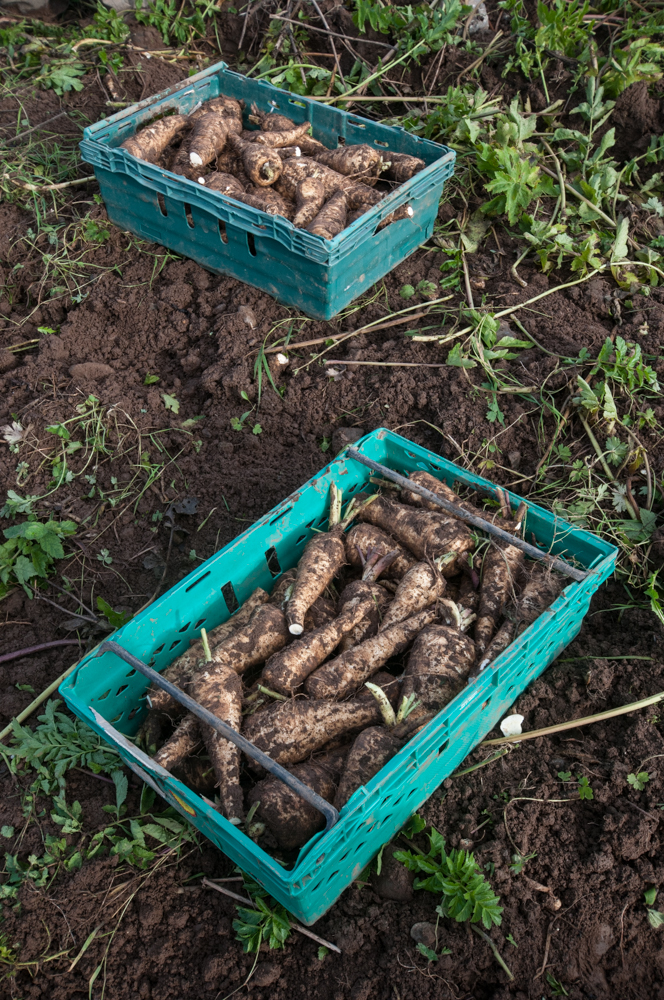
The answer it seems lies in how we treat one of our most precious resources, our soil. Our one-time rich soils have been depleted by the constant barrage of chemical fertilisers, and the life in them as been destroyed by the persistent use of a cocktail of chemicals. The result: food that is as lifeless as the soil it was grown in. If this is mankind’s ingenuity, I want no part of it.

Have we become too smart for our own good? We all want to believe that modern technology will lift us out of the hole we are in, a hole of our own making, but will it? Look at what we have done to our soil. We don’t need modern technology to fix our soil, we need a thoughtful skilful approach to growing our food. A balanced approach that does not extract every last drop of vitality the land has to offer but leaves something for other life to flourish. 

Mother nature doesn’t particularly care about our degree of cleverness, she is hurting, and the question is are we smart enough to recognise our own absurdity and to take action to rectify the damage we are doing? 

“It is the degree to which a species is suited to its environment, not its cleverness, that ensures it’s survival” Charles Darwin.
For many generations now we have lived more or less in harmony with nature but in the last 50 years the havoc we have wrought on our home has become more and more obvious, when will enough be enough?

I can only talk to what we are doing, I know we can grow food that tastes like food. There is magic in that taste. That taste tells you something very important, it tells you a story, a story of a soil that was cared for, it tells you that the birds and bees and all the other little fellas running around were respected, it tells you that what you are eating is real food with no free hidden chemical extras. 

That taste tells you; you are eating the very best food you can buy and you are taking one very important step to protecting our land and your health.   

That the taste reflects a deep respect for the land. 

As always thank you for your support

Kenneth

Less is More

Fuelled by the supermarket model of loss leaders and fresh produce devaluation, cheap food has a lot to answer for. When food is cheap those who deserve respect do not get it, from the farmers to the planet to you the consumer. 

We produce high quality food, food that is safe, that tastes like our grandparents remember food tasting, and is a big part of the solution to the appalling state of our planet. 

When it comes to agriculture we can do so much more, there are so many simple opportunities to make a difference. Food can be a large part of the solution rather than a big part of the problem. Because solutions are necessary and urgently so.

A few years back on my way to the ploughing championships a strange creature running in a field caught my attention. I stopped the van to catch a better glimpse and right there amidst a herd of cows was an ostrich! Ostrich farming was once a viable enterprise here in Ireland, and if that is possible then surely anything is. 

This was September 2018 and a day later the event was cancelled because of storm damage. Just 12 months earlier hurricane Ophelia hit Ireland and 6 months later the “beast from the East” caused widespread disruption and empty supermarket shelves. Three months after the snow we had an intense drought that caused us to lose crops.  Three intense major climate related events in less than a year, this is a taster of what may be to come if action is not taken right now on man made greenhouse gas emissions.

Are we waking up?  Are leaders and businesses wide awake to what is happening because they need to be. The days of acting like ostriches are over. We need change now. We need to reduce our material consumption immediately. We need to decarbonise our whole energy system.  We need to eat less meat; our whole agriculture ecosystem needs to change.

I get frustrated by the slow progress on reducing emissions, I know frustration will not help. I get angry with the seeming lack of urgent concern of those in power. I also understand that even though reducing emissions seems simple it is not, it is a complex global problem. 

It is a sad fact we as a civilisation are still intensely reliant on fossil fuels, but there has never been a better time for transitioning to a clean zero carbon future. It will not be easy, but it is infinitely doable and well within our grasp.

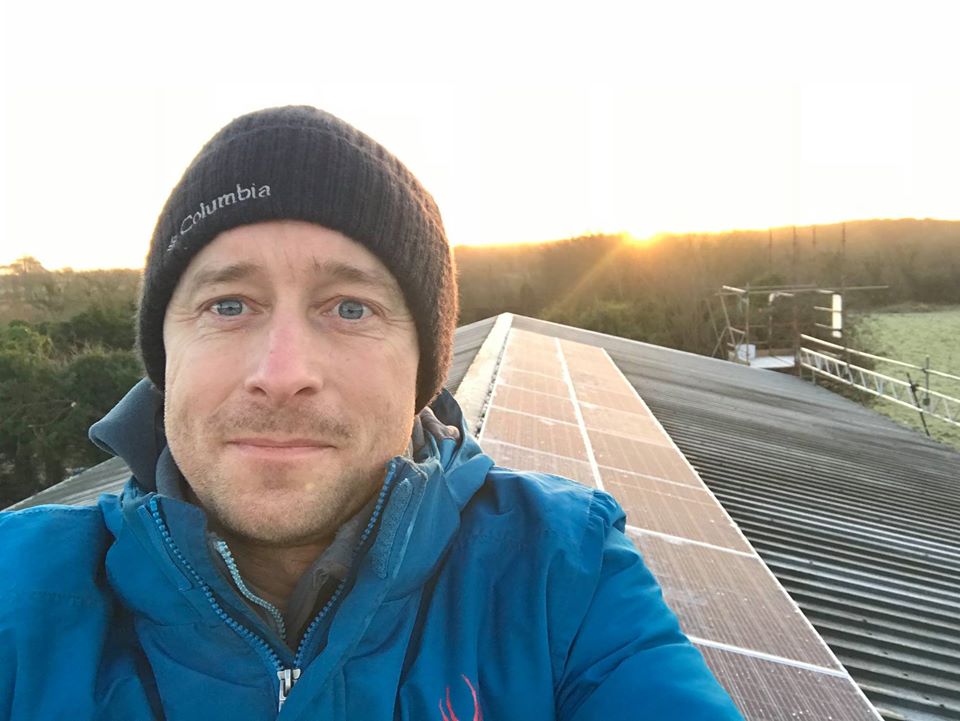
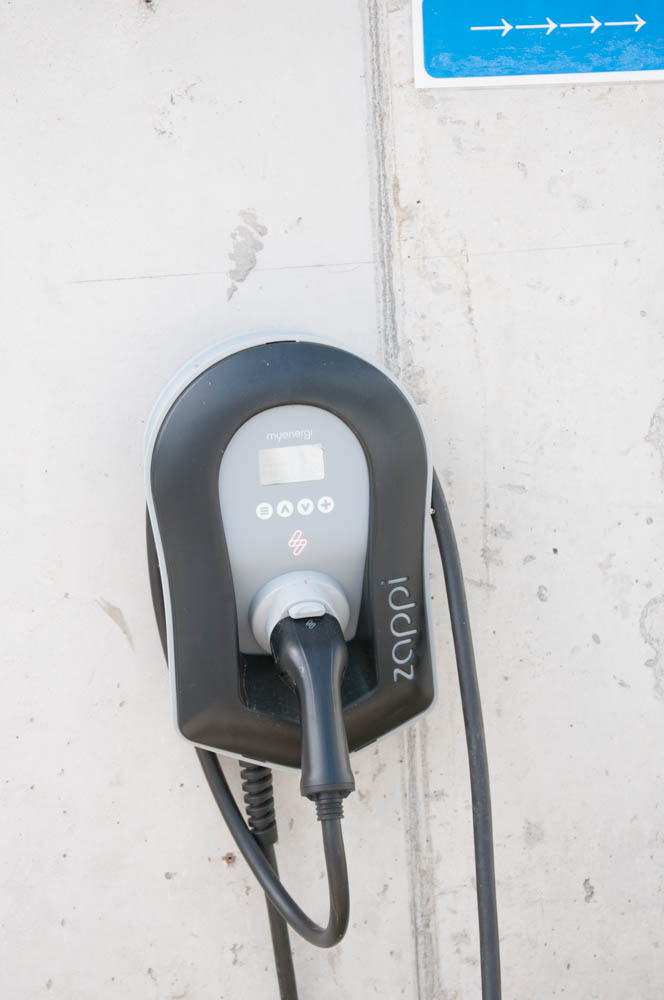
Our new electric van is partly powered by solar panels on our packing shed roof, pure clean energy and we use it for delivery, it is possible.

I would like to say that I have a deep stirring of positivity as we head into winter, both for the farm and for the planet. I want to believe that we may be turning a corner and for the first-time people everywhere are rising to the challenge but are our leaders? Are our businesses doing what is necessary? Of this I am not so sure.

Will ours be the generation that will see an end to climate change? I want to believe it will be.

Thank you for your continued support!

Kenneth
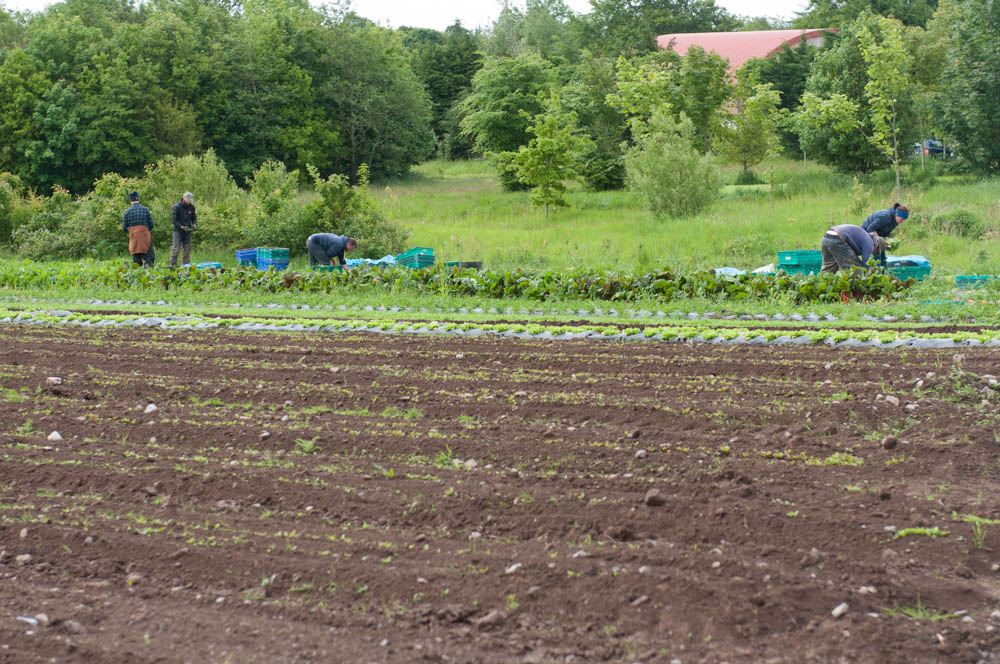
Get sustainable shopping delivered to your door here.

Don’t Look the Other Way

How often do we look the other way? How often do businesses and governments look the other way? Which is worse? Not knowing, or knowing and doing nothing?  As they say ignorance is bliss.

But what about re-framing that idea? What if we know something is good for our health our soul and the planet and we choose that path? What if that means we do the right thing because of the knowledge we have, then we are travelling down a very bright road indeed.

Ella went foraging for blackberries yesterday evening. She felt great for being outside in nature, she felt great for the satisfaction and the pure pleasure of finding and harvesting them and her health will certainly thank her for eating them. She did the right thing, she may not have thought about it much, but she felt it.

On our organic farm we have left the brambles, they provide wonderful homes for all sorts of life and their blossom is an early source of food for the bees, the best advice given to many conventional farmers is to spray burn and clear them! Why I say?!

We as farmers can do the right thing too, mostly we have the knowledge (although the food system and many professional advisers lead farmers down a factory farming and chemical laden approach to food which is unnecessary and inhumane) so hiding in ignorance will not wash.

At the other end of the scale, we have the conscious deception by multinational agribusinesses and large food corporations with billions at stake. They certainly have the knowledge and the resources to do the right thing, and yet they actively engage in measures to create a food system that involves not only looking the other way but one that damages our planet and our health while intentionally misleading consumers about their food choices.

Martin Luther King’s famous quote was most probably not targeting these corporations, but it is fitting in this context.

Never, never be afraid to do what’s right, especially if the week-being of a person or animal is at stake. Society’s punishments are small compared to the wounds we inflict on our soul when we look the other way.

Martin Luther King Jr.

There is so much we can do to reengage with a positive food culture. Building a positive healthy eating routine is the first step.  Taking a closer look at what we eat and where we source our food can transform our diet and collectively help transform our world.

There is little doubt that eating more organic vegetables and fruits sourced locally is the very best thing we can do for our planet and our health.

So, step out into nature, and if you do get the chance, blackberry season is upon us, it is short, so grab a bowl or two and get picking. They freeze amazingly well and are a fantastic addition to smoothies.

Kenneth
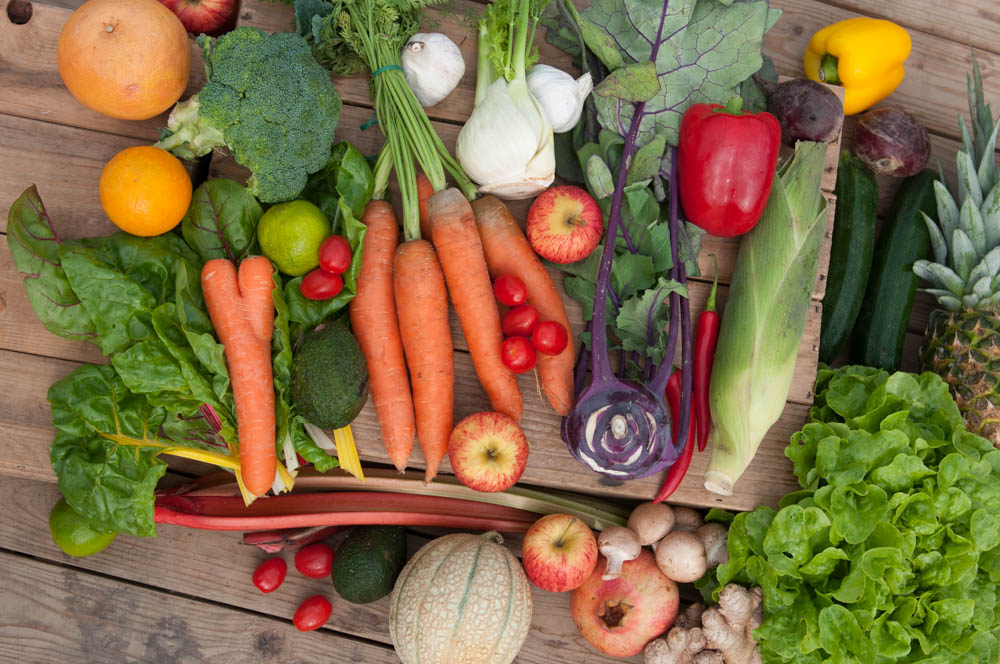
Explore our range of sustainably grown and sourced fruit, vegetables and groceries here. We deliver to every address in Ireland and Northern Ireland.

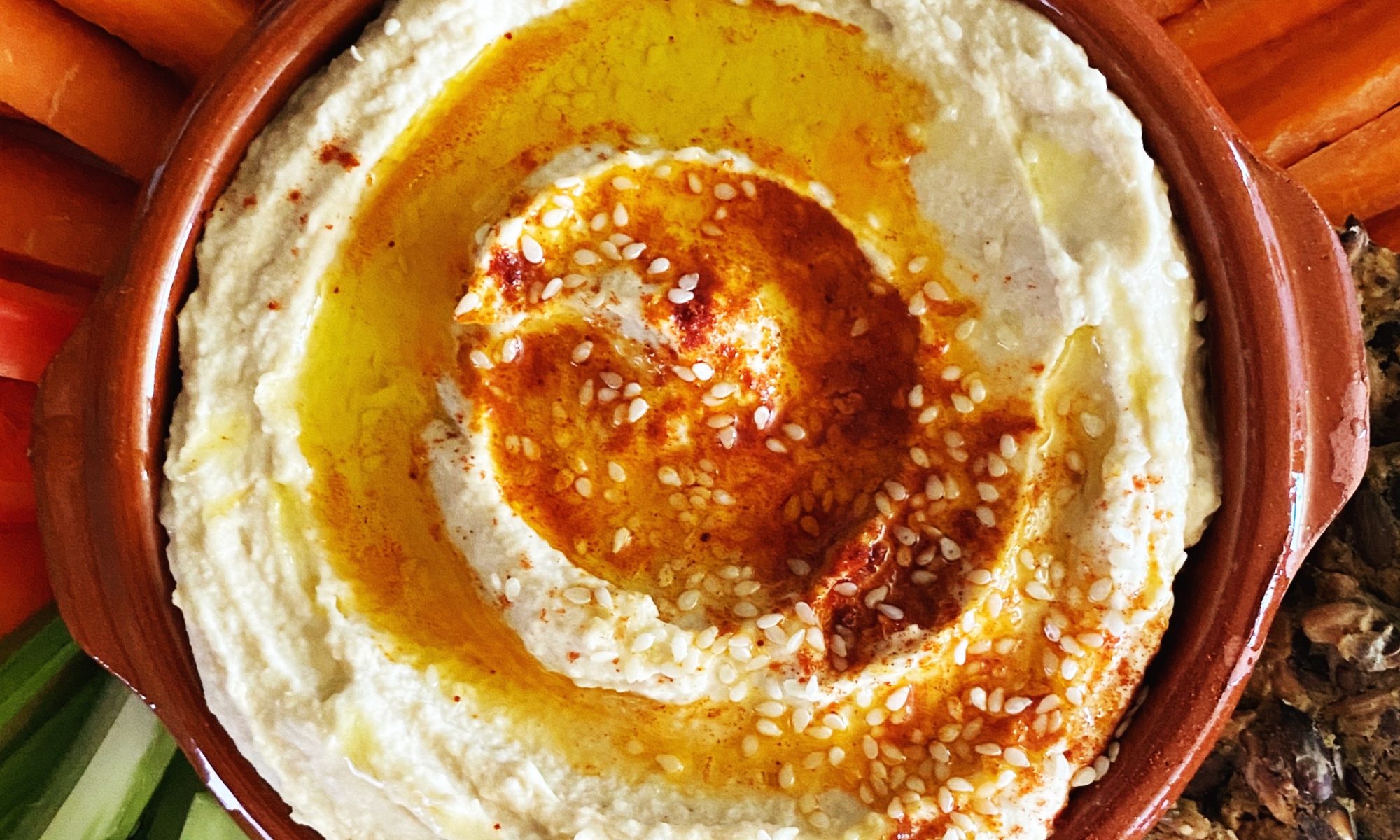
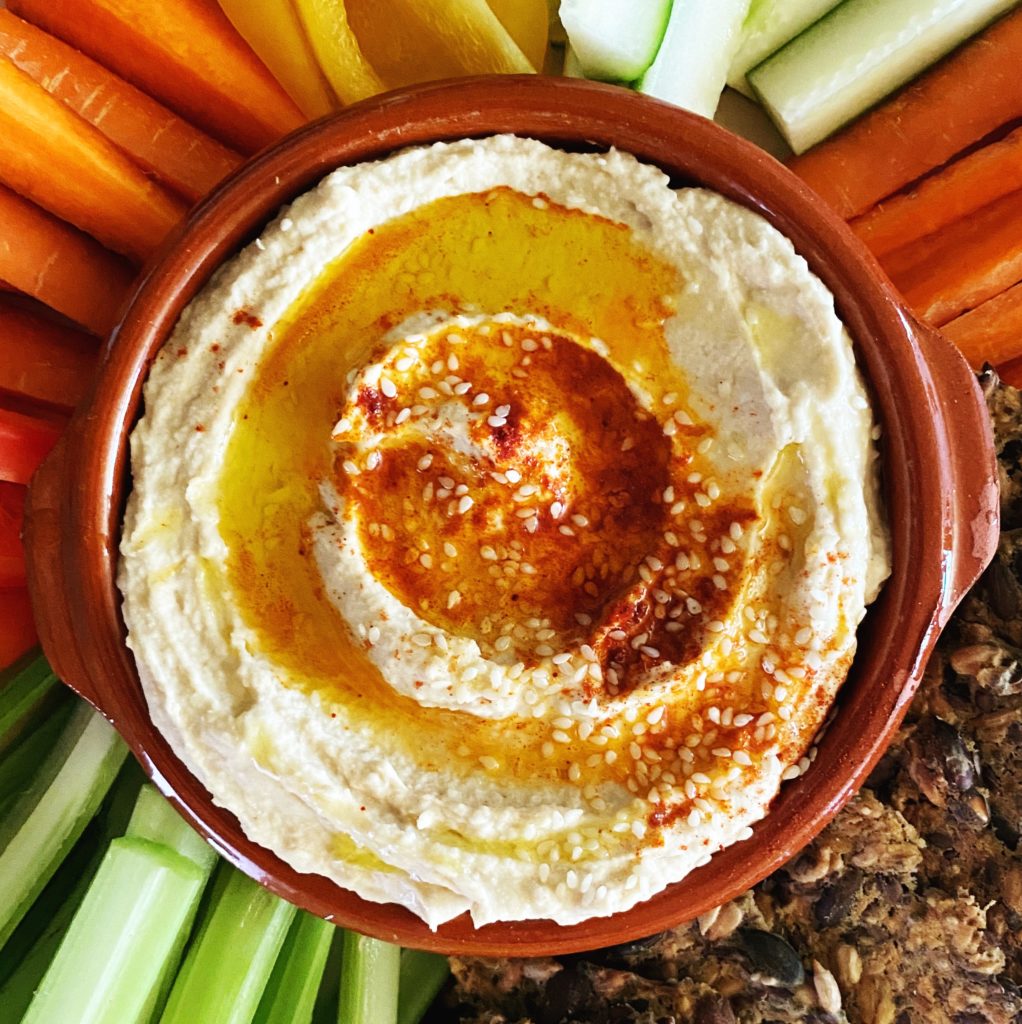
Hummus

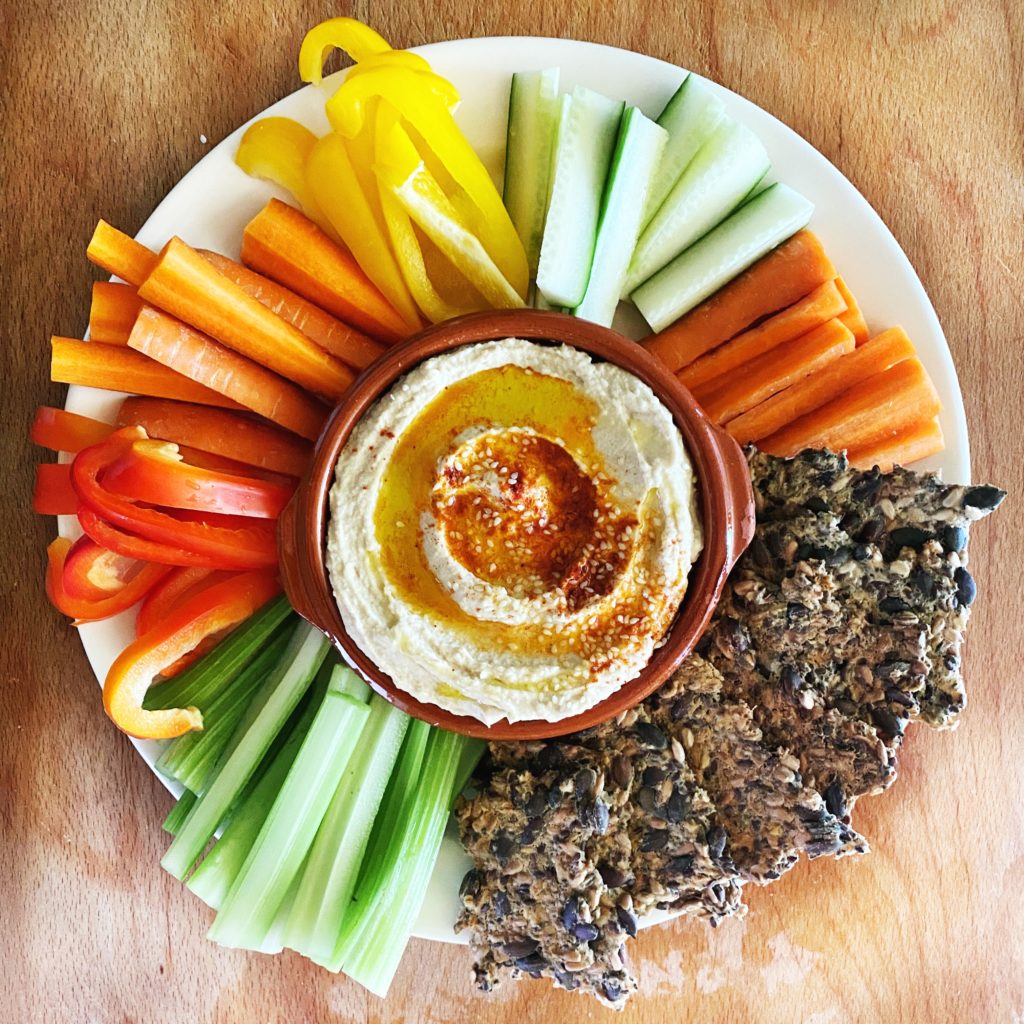
A lunchbox essential! Spread into a wrap or a sandwich, or packed in a little tub with some sweet, crunchy carrot sticks, everyone loves hummus! Hummus is not only delicious but incredibly nutritious too! Who knew this humble spread contains all of the following:

👉Chickpeas provide fibre, protein and essential, energy-giving carbohydrates.
👉Tahini is rich in healthy fats and minerals including copper, selenium, calcium, iron, zinc and phosphorus.
👉Raw garlic retains more beneficial compounds (like allicin) than cooked garlic.
👉Olive oil is a healthy fat and contains vitamins E and K and is rich in antioxidants.
👉Lemon is a great source of vitamin C.

It’s so easy to make your own hummus from scratch. Especially using our organic tins of cooked chickpeas. We also sell organic tahini, garlic, lemons and olive oil! Add some of our organic pantry essentials to your next veg order here.

Liz x

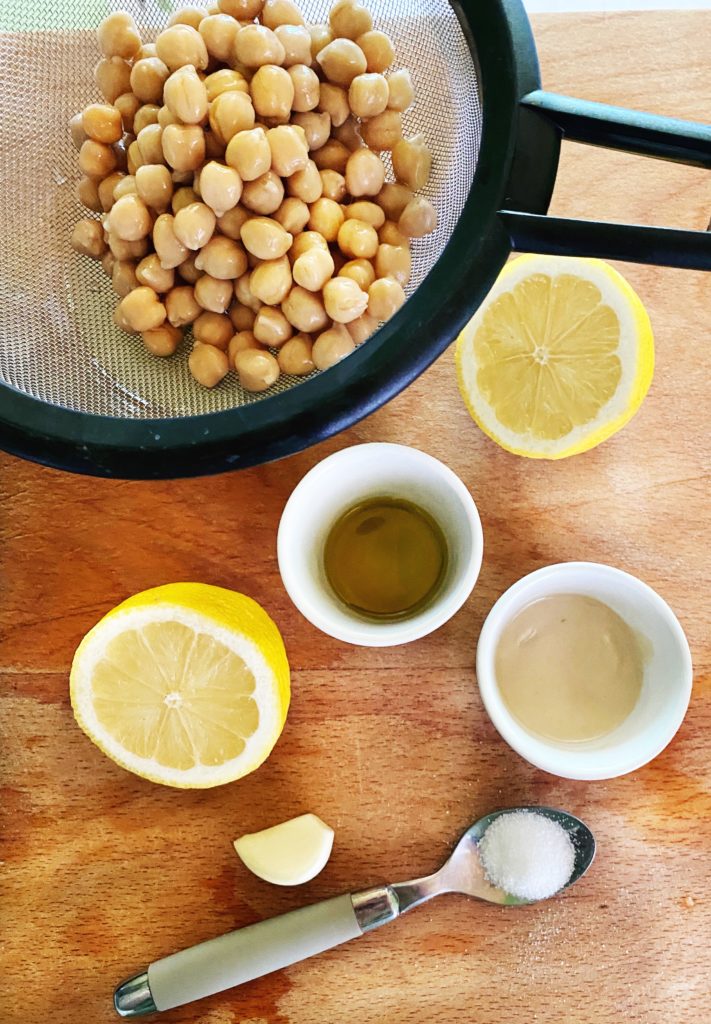
Ingredients

  • 1 tin of chickpeas
  • 1 clove of garlic, peeled
  • the juice from 1/2 a lemon
  • 2 tbsp tahini
  • 1 tbsp extra virgin olive oil
  • 1/2 tsp salt
  • optional extras like more olive oil, smoked paprika and sesame seeds to top the hummus

Method

  1. Drain your tin of chickpeas over a bowl to reserve the aquafaba. (You can use some of it in this recipe and the rest to make vegan meringues, mayonnaise or cakes. Use the search bar above to find our aquafaba recipes.)
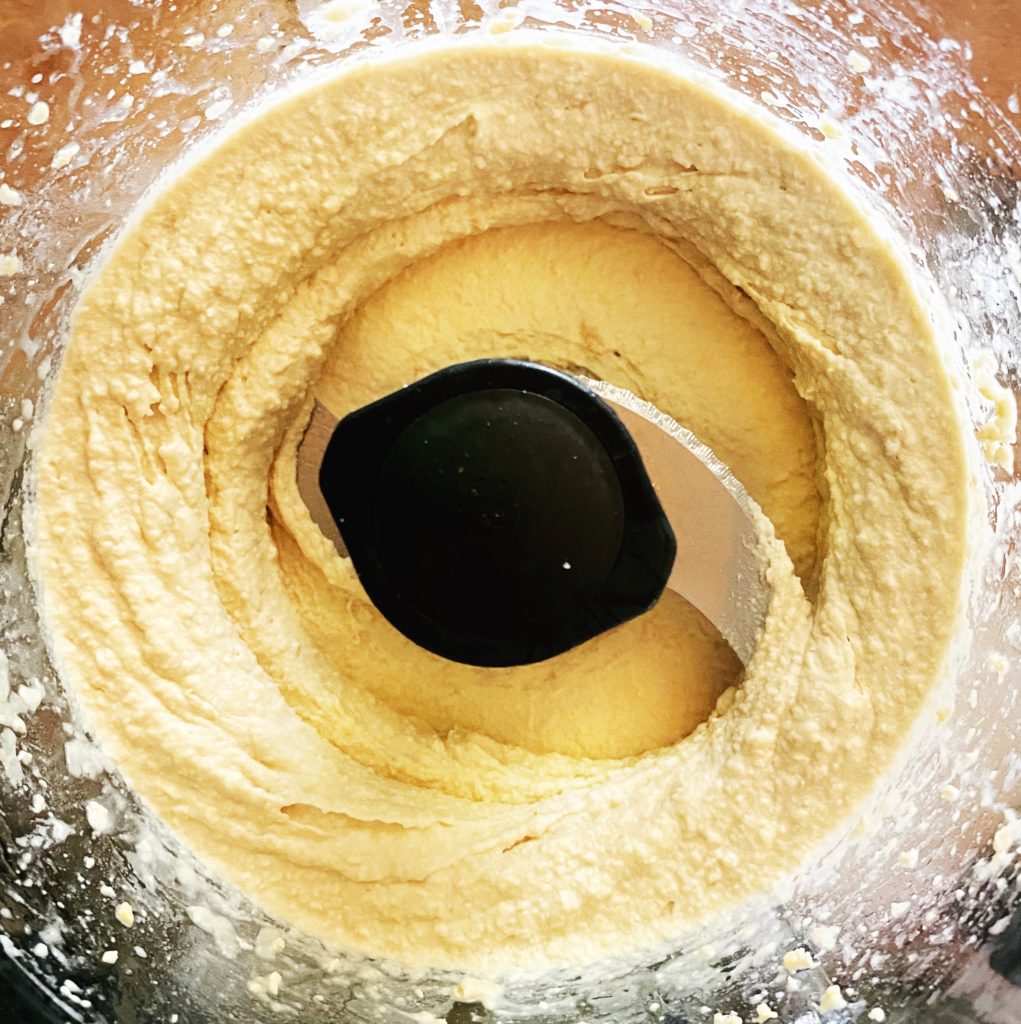
  2. Put the drained chickpeas into a food processor with the S blade attachment. Add the garlic, salt, tahini, lemon juice and olive oil then pulse into a thick, rough paste.
  3. Taste the paste and decide if you’d like to adjust the seasoning. Perhaps more lemon juice or salt?
  4. Then loosen the paste into a creamy hummus by blending again with a couple of spoons of the reserved aquafaba or a couple of ice cubes. Ice cubes make a really fluffy, creamy hummus.
  5. Spoon into a jar, tub or bowl and either enjoy immediately or refrigerate and eat later. Homemade hummus should be eaten within 3 days.

Careful What You Wish For

It is ironic, I sometimes think, that the time of the greatest local bounty coincides with the least number of customers.  So, if you can at all do not forget about us, take us with you if you are going on a staycation or better still, let us deliver to you there. Please tell your friends, neighbours and families about us as every extra box helps us survive the summer.

During the height of the stress of the pandemic there was no time, and we were busy to the point of breaking, but now with a little space to think the realisation that we have run a marathon without the training is hitting home.

I have harvested a sum total of about two cucumbers so far this season. Thankfully, the farm team have been doing epic work and that has allowed me to be jumping around between so many different things.

Now we are trying to catch up with the growth. Thinking and putting the structures in place that will allow us to stabilise and grow is more important than ever.  Conscious change is harder than change that is forced upon you, this is thought lead, painstaking change, it requires a great deal of energy and like all change it is hard and takes time. Ultimately though, it is a good thing.

We as a sustainable food producer now have an opportunity to make a big difference in our corner of the world. This opportunity to have a real positive impact on the environment has been handed to us by you. To that end we have an obligation to make it work. 

There is absolutely no question that the easiest route is to leave things as they are and keep doing things the way we always have. But this approach means we are not innovating in how we grow food or in how we get the food to you. Without constant forward motion we cannot hope to compete or survive against the supermarkets and their consistent devaluation of fresh food.

Often the price of growth is having to do things you do not necessarily like or want to do
(at least initially), it can pull you away from what you love and that is a big sacrifice.

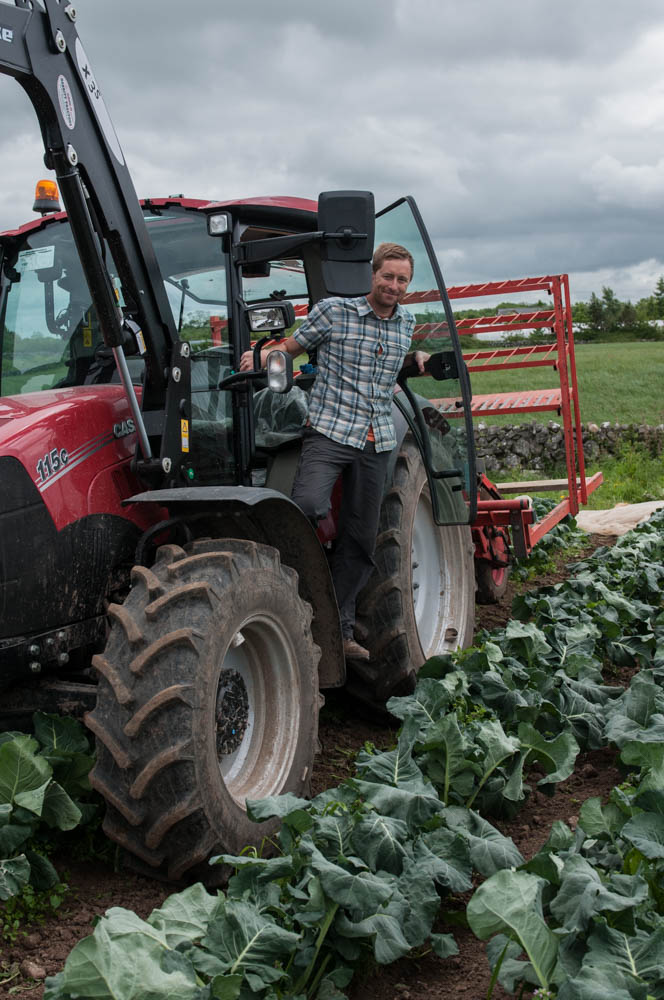
I love being out in the fields watching the crops, understanding what is going on and if I am honest, I love driving the tractors (who would not I guess) but recently there has been little time for that. So, is the price of progress worth it?

On the farm it is clear. The price is worth it, and it is seen in better crops, improved biodiversity, more trees and hedgerows and strangely more people.  Because of the innovation we have a better farm and this year we have even more to harvest and some of the best crops ever. Now the time of full harvest is upon us, and we are so busy in the fields.

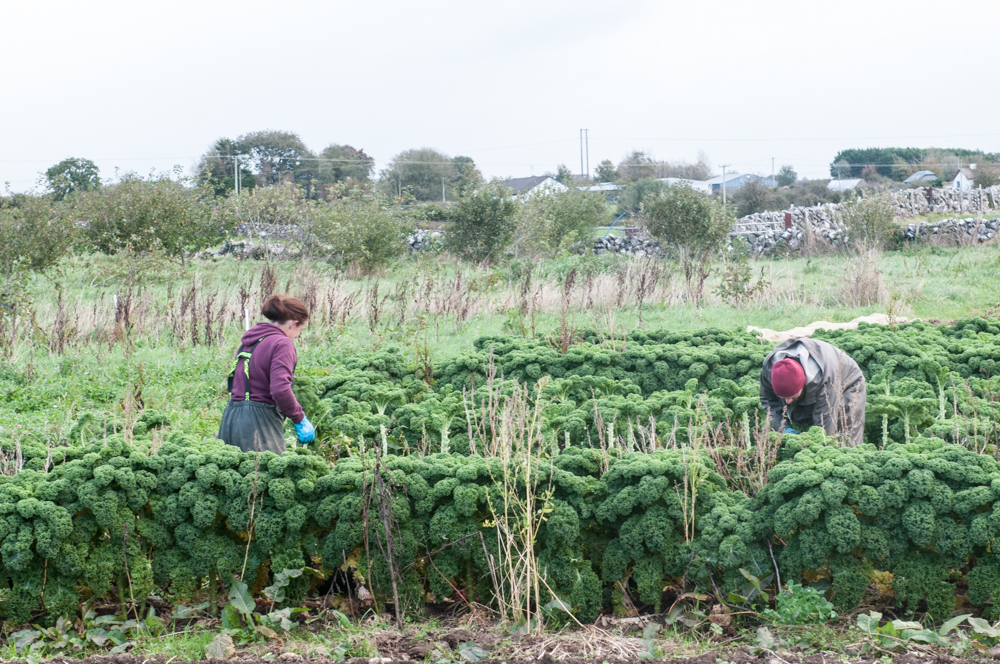
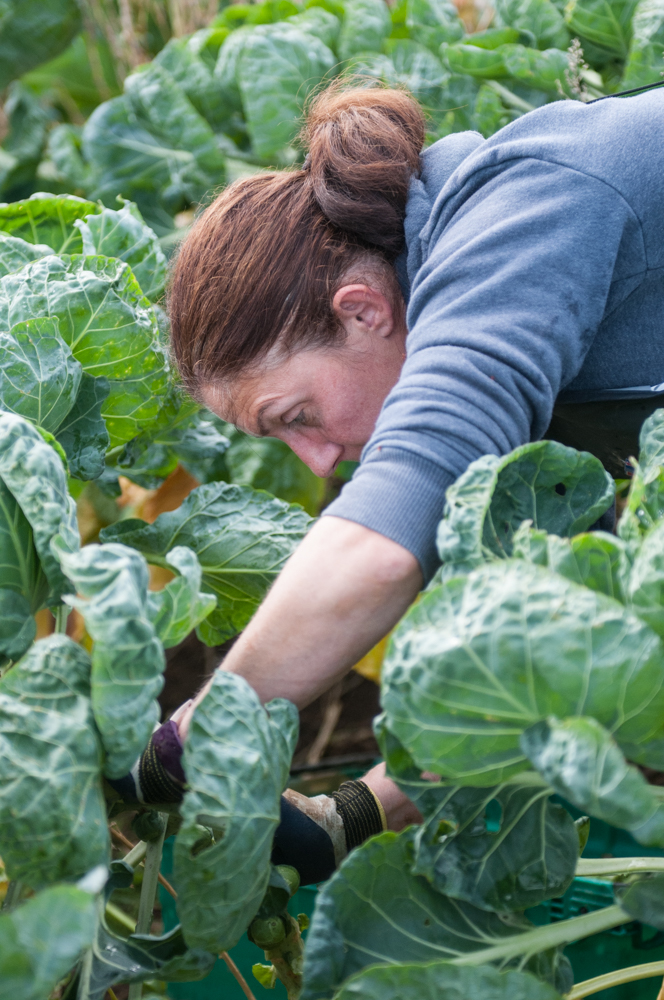
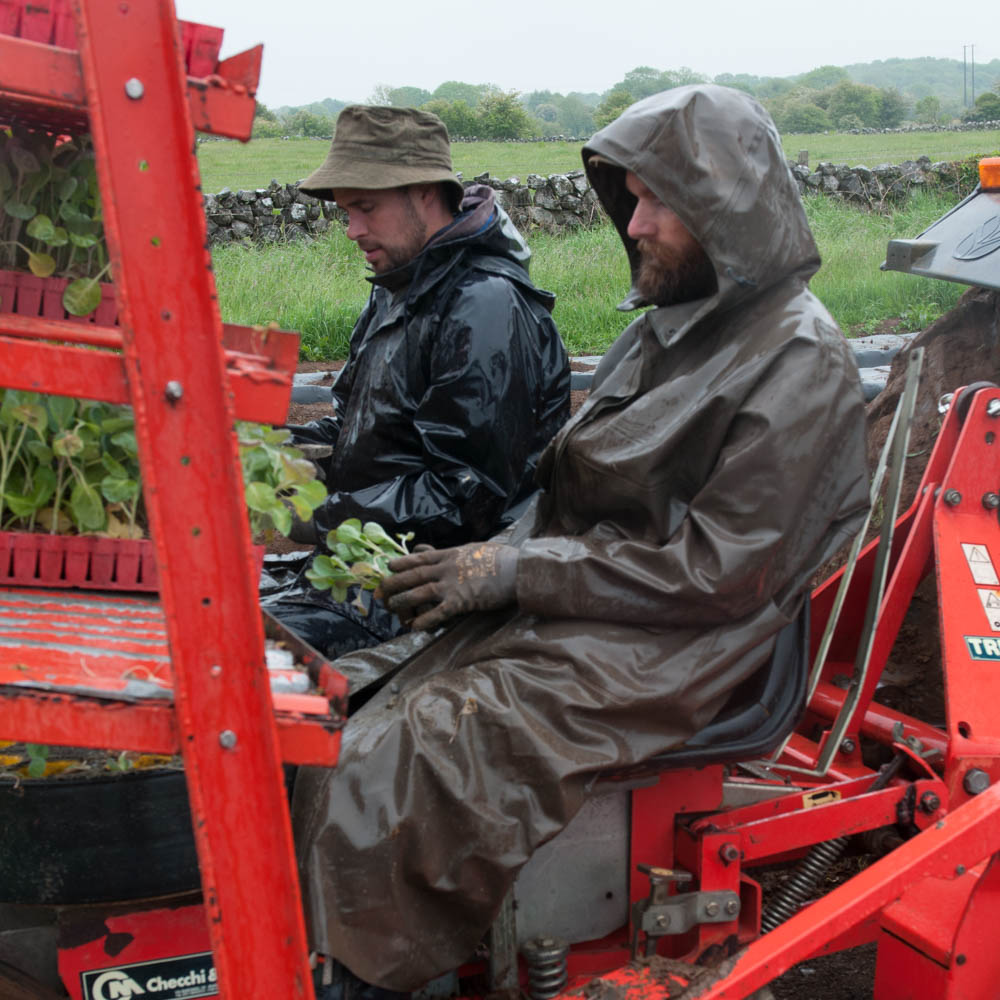
This week we have had 10 people in the fields. We have been weeding, planting, preparing ground, tying up cucumbers and tomatoes and of course harvesting. It is local people (this year we have loads of local teenagers join the team) harvesting local food. 

As always thank you for your support.

Kenneth
Scramble, Kale Pesto & Miso Mushroom Toast

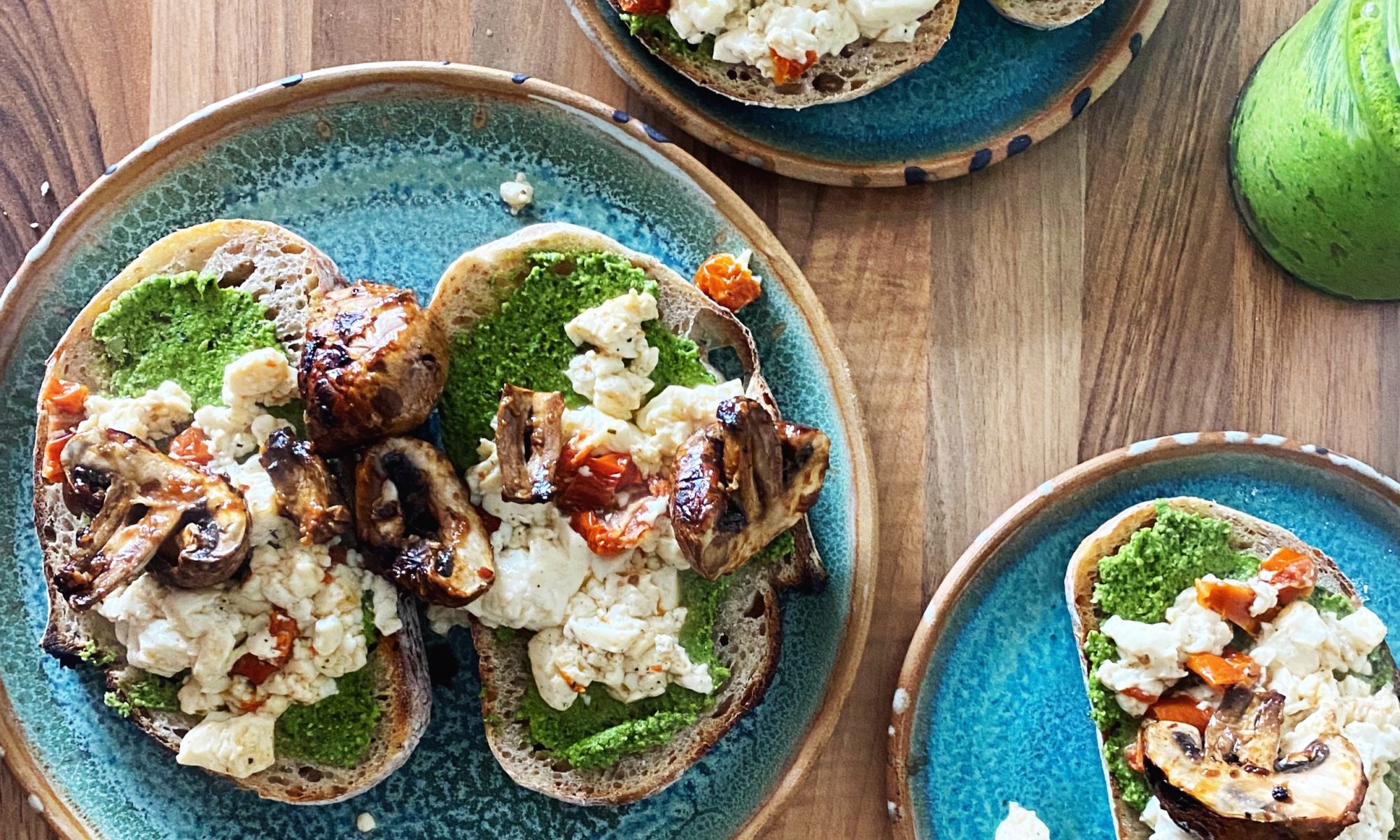
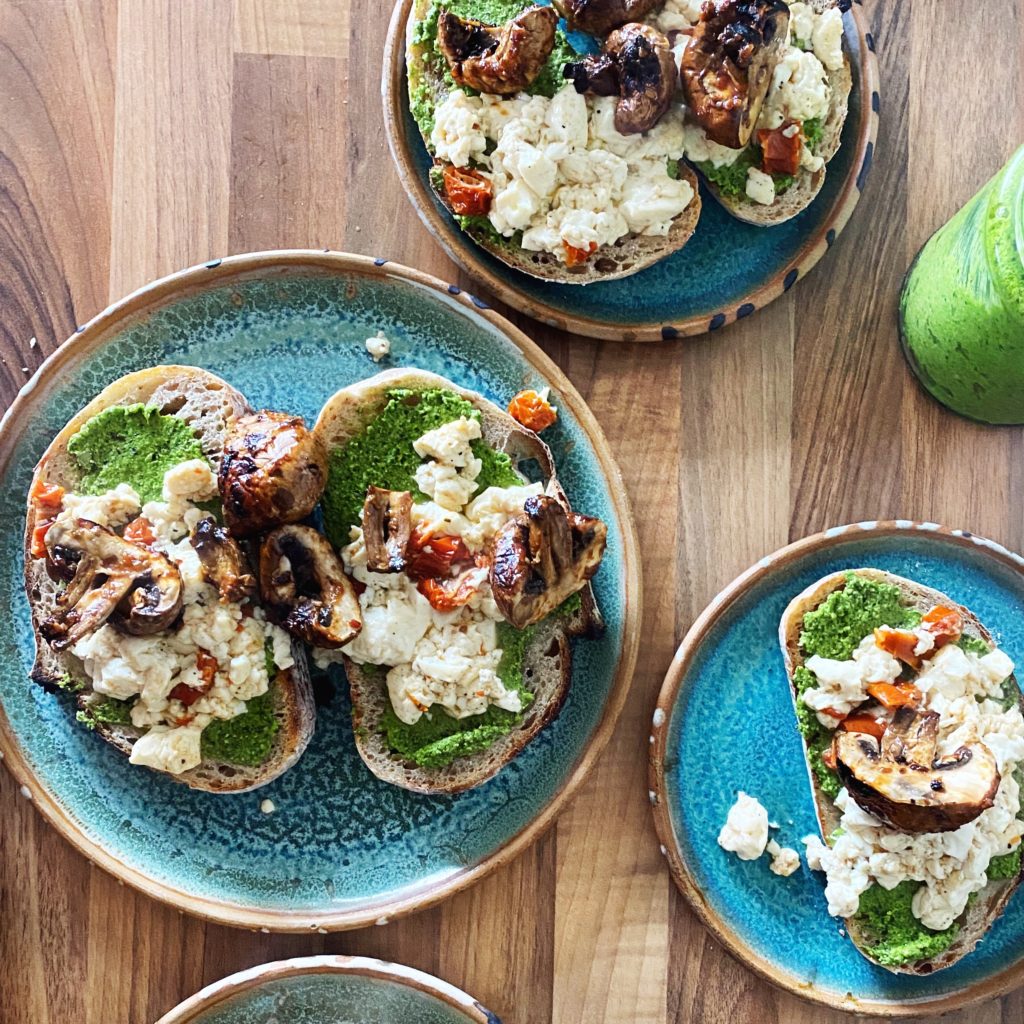
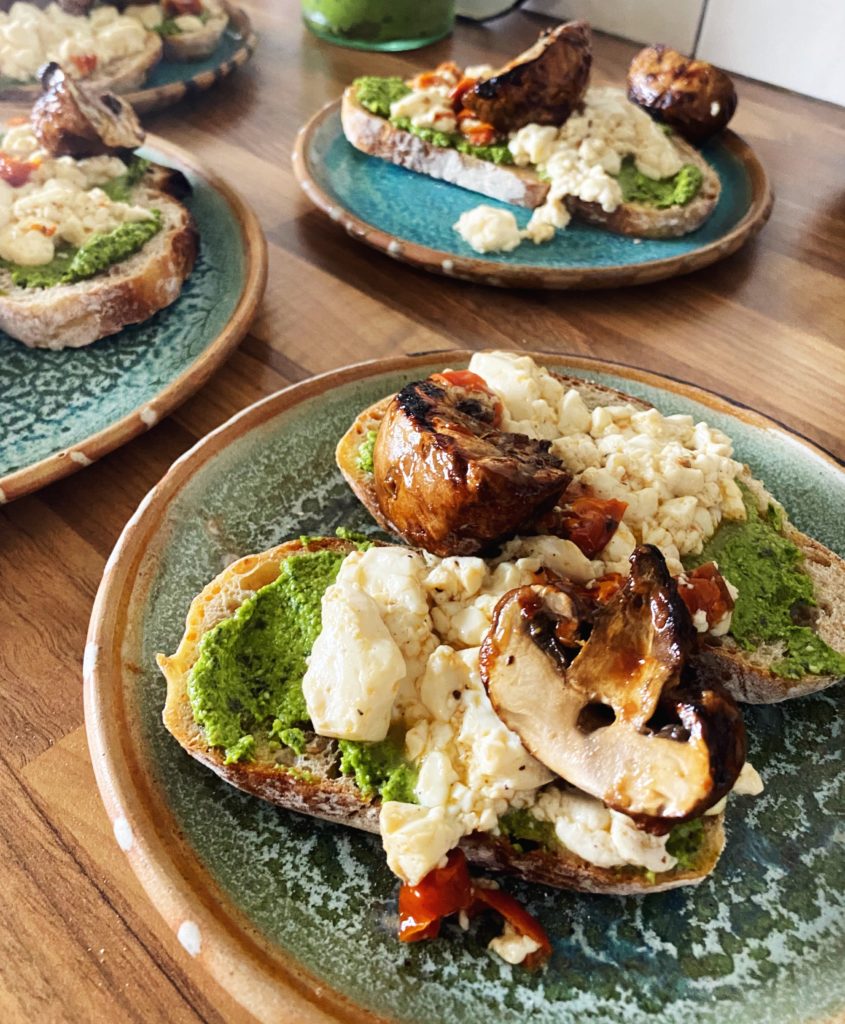
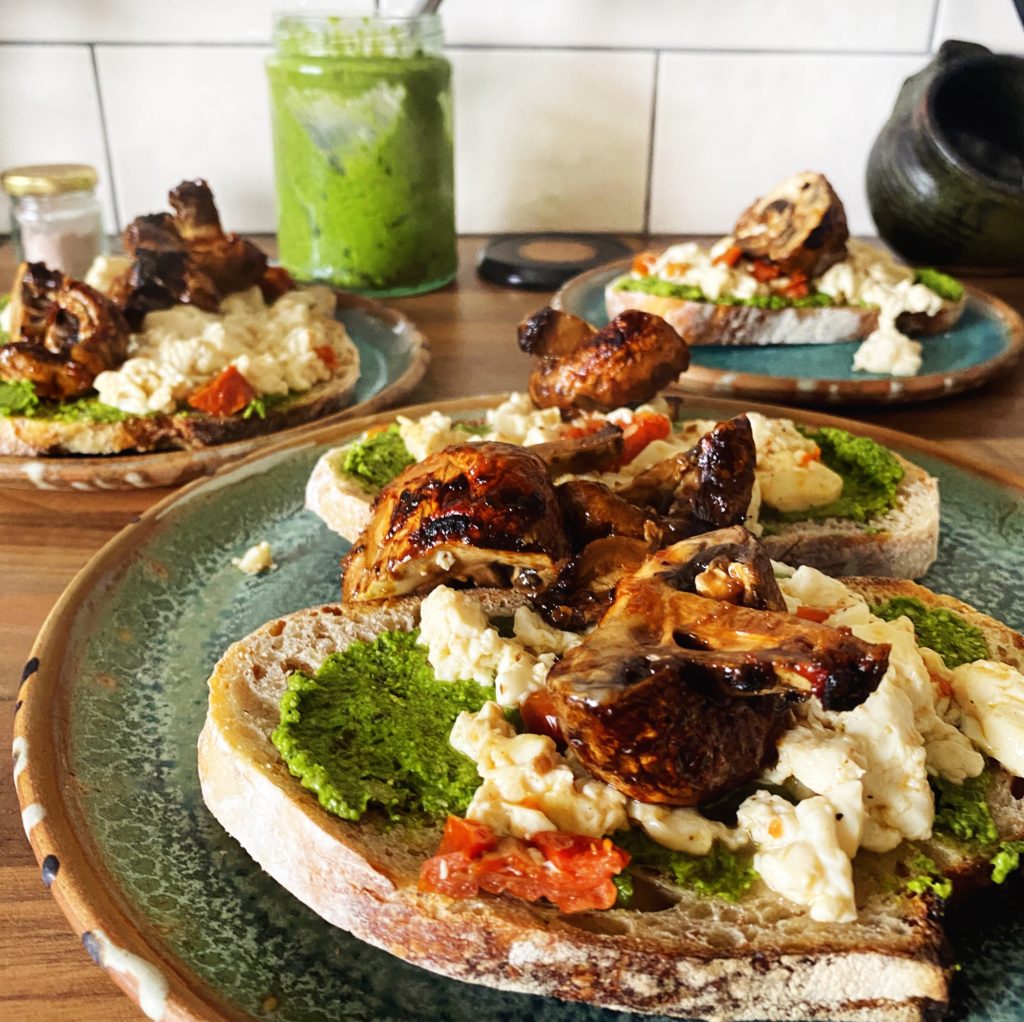
Weekends are for brunching and here is one of our favourites. The combination of fresh, vibrant green pesto, soft, wobbly scrambled tofu and juicy, umami mushrooms is just perfect!

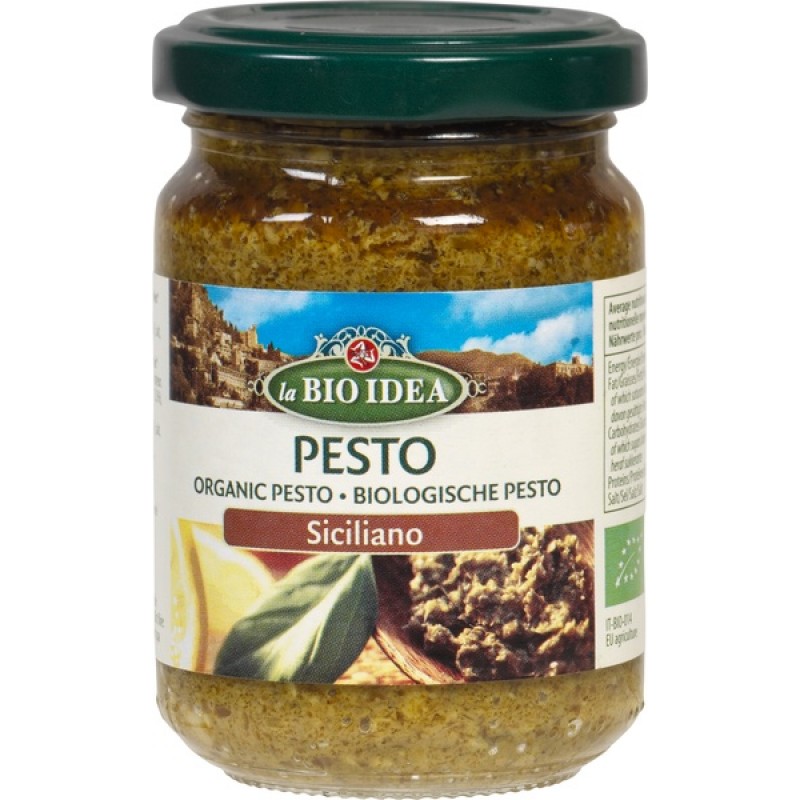
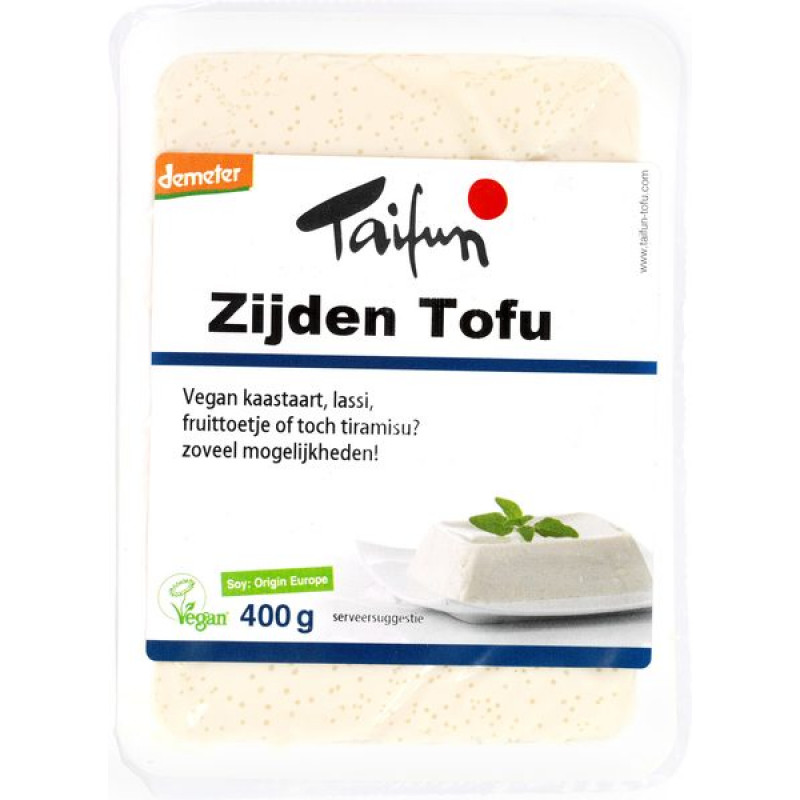
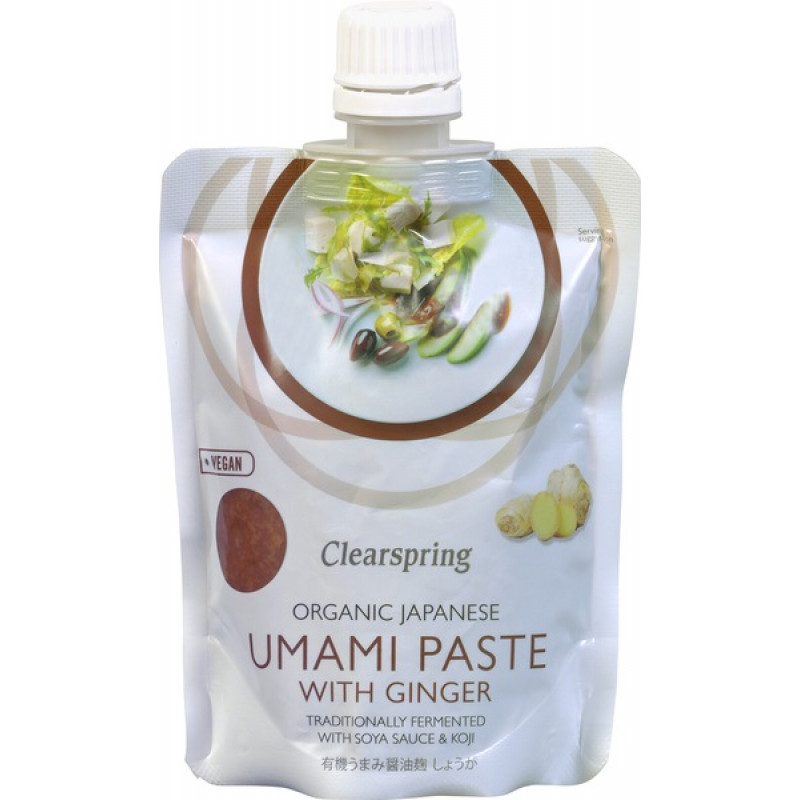
You can make your own pesto very easily if you have a food processor or blender – I used my kale and pumpkin seed pesto that I’m making on repeat this time – or you can of course use a ready made one for ease. We sell a few organic jars of pesto in the grocery section of our shop. The scramble is simply a gently sautéed pack of organic silken tofu seasoned with salt, pepper and some chopped sun-dried tomatoes. And those gorgeous, meaty mushrooms are marinated with our new packs of umami paste then grilled.

What’s your favourite brunch? Are you a sweet or savoury person? Let us know in the comments.

Liz x

Ingredients (serves 4)

Method

  1. Cut bread and pop it in the toaster ready to go. Heat up a griddle pan (or fire up the grill in your oven).
  2. Slice the mushrooms in half and mix them with the umami paste and a drizzle of olive oil in a bowl. Then push them onto skewers and place them in a hot griddle pan (or on a tray under your grill) to cook whilst you get on with the scramble.
  3. Heat up a knob of butter (or tbsp of olive oil) in a medium-high heated frying pan. Open your pack of silken tofu, drain off any excess liquid and then pop it in the pan. Break it up gently with a wooden spoon or a spatular.
  4. Season the scrambling tofu with salt and pepper and then add the chopped sun-dried tomatoes. Keep the scramble moving and cook it for 5 minutes or so until it’s warmed through, but don’t break it up too much. It’s nice when there are still some larger pieces.
  5. Meanwhile turn the mushrooms in the grill to cook the other side and then toast the bread.
  6. Spread the toast with a thick layer of pesto, then divide the scramble and mushrooms between the plates.
  7. Enjoy whilst hot!

Harvest Begins

As I write, it is a beautiful evening, the sun has just emerged from behind a cloud and there is a golden bright sunset. It seems we are finally seeing light at the end of the tunnel.  It is not before time too as we fast approach the summer solstice.                                           

Food has always brought people together. Two generations ago the act of bringing in the hay was a sociable event, square bales were loaded onto trailers, picnics or sandwiches were often had in the fields followed by a cold drink at the end of the day, chat and talk and craic was had by all.

In our continued march towards bigger more intensive agricultural systems the people have all but disappeared from the fields having been replaced by machines.  This it seems is the price of progress and maybe to a certain extent it is necessary, but it makes me a little sad. Maybe it is nostalgia?  As a kid having brought in that hay, I remember the sun and the sandwiches and the people. But when I think a little more, I also remember the blisters and the terrible heat and scratchiness of having to heave those bales to the very top of a galvanised hay shed, those bit’s I do not miss.

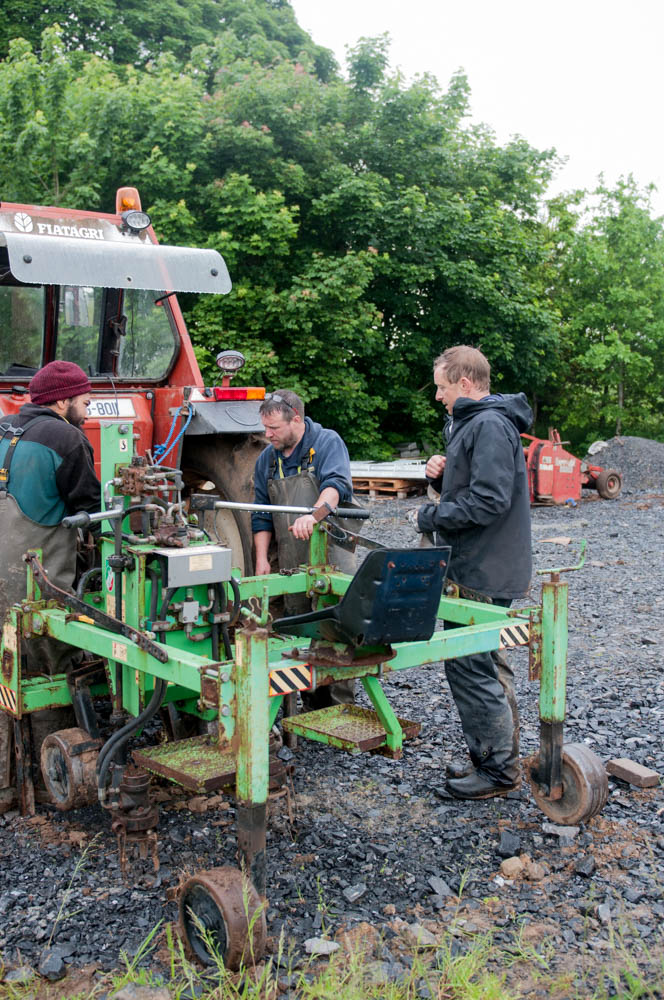
The machines on our farm facilitate the work and we do everything we can to avoid having to hand weed vegetables rows that are nearly half a kilometre in length.  That job is no fun and where there is a smarter way to do something, we take it.

Finding solutions to repetitive work is a must on small-scale mixed organic vegetable farms and we do, but we still have people in the fields every day and our farm is active and alive with people, vegetables, and biodiversity. 

We have been working very hard over the last six months to get the farm to the point it is at now.

Even so it seems that there are not enough hours in the day to keep up with the work. Everything has reached a crescendo and the list has been growing, what to prioritise during those rare dry days has become a source of pressure behind the eyes, we can only just keep doing the first things first.

The work always gets done the question is can we get it done in time? If we miss a sowing date, we don’t get second shot, we never regain those lost days, and the plants may struggle to reach maturity.

It’s a relatively small window and for the farm to reach it’s breakeven point and that’s all we ever hope for, we can afford to miss very few of those planting dates.

Here we are on the cusp on July and the list of produce harvested from the farm is steadily growing week on week. The first fresh bunches of beetroot, our own kale, salad, lettuce red and green, spinach and chard are ready. The cucumbers are a week away and the new potatoes 2-3 weeks away, the first of our own tomatoes are nearly there too, all we need is the sun.

Then there is the irony that as we come into our own produce as the farm finally starts to crank up a gear and we start to harvest the freshest produce we face a downturn in orders due to summer holidays and this year the impact is even greater as the country opens.

I would ask if you can at all, continue to support our farm, help get us through the summer months, we rely on your support to keep doing what we do.

So as the sun sets, there is no hay to bring in, but I look forward to a dry bright day tomorrow as we have big day of harvest before us.

Thank you for your continued support!

Kenneth
Seeing the Wood for the Trees

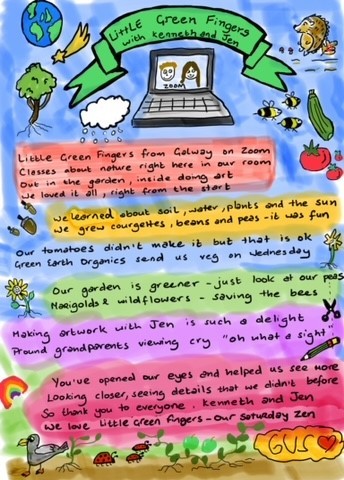
This week we got a little card, and the timing could not have been better. 

The weeks when you are at your most desperate, when life seems to be throwing all sorts of everything at you, when it is relentless, those are the days when a little smile or a nod of appreciation can make all the difference. 

It is funny, you push, and you shove, and you try to make things the way you want them, but in the end, life goes its own way anyhow, there is nothing like farming to shatter theillusion that we have some modicum of control over externalevents.

We want things to be a certain way, to go a certain way, to meet our expectations, and it can be a struggle to let go and accept that we have very little control, it is so ingrained in us. We want to be in control.

As the farm has grown, every year springtime seems to bring an increased powerful pressure to get things done, our resilience is tested, the window is short, the weather is always looming in the background, the rain is never far away.

I am impatient to have more done, to have the ground ready, to have the plants in, to the have the seeds sown to have the tunnels full, but this year nature and events is just not accepting of my impatience. Mother nature has given me a rap on the knuckles, ‘all your rushing will achieve very little’ she whispers!

There has been broken machines, endless rain, cold, frost, delayed plants amongst some of the challenges. The more pressure you feel the harder it can be to see the wood for the trees and appreciate what you have, and it is exactly at times like this when you need to take stock the most.

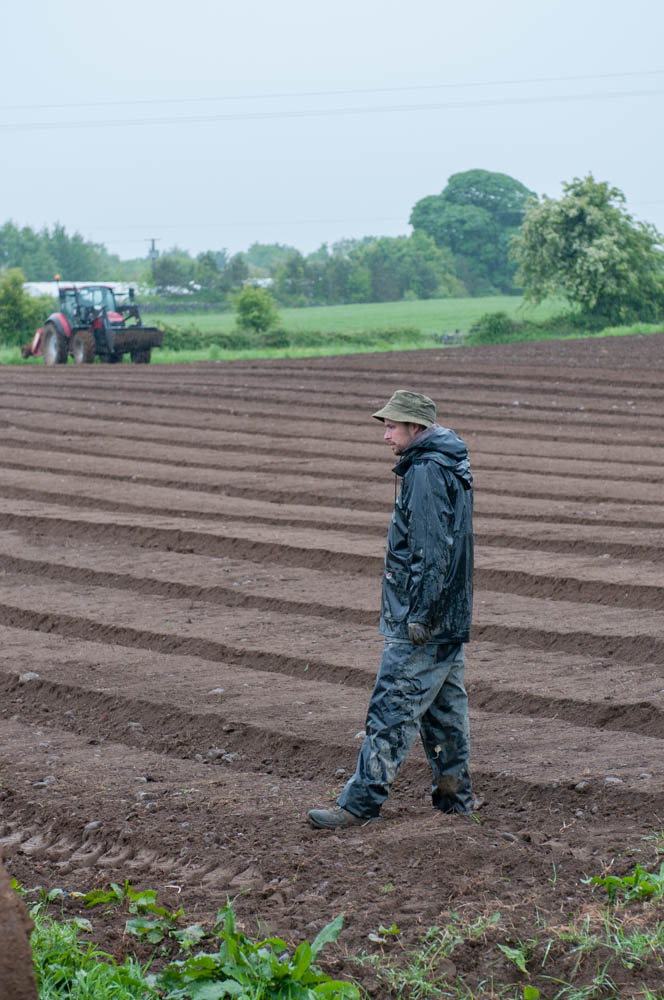
The fields are saturated, the plants are slow, the slugs are abundant, the machines don’t like the wet soil and the soil does not like them. It does more damage that it is worth to bring a tractor onto a wet field. But sometimes you have no choice.

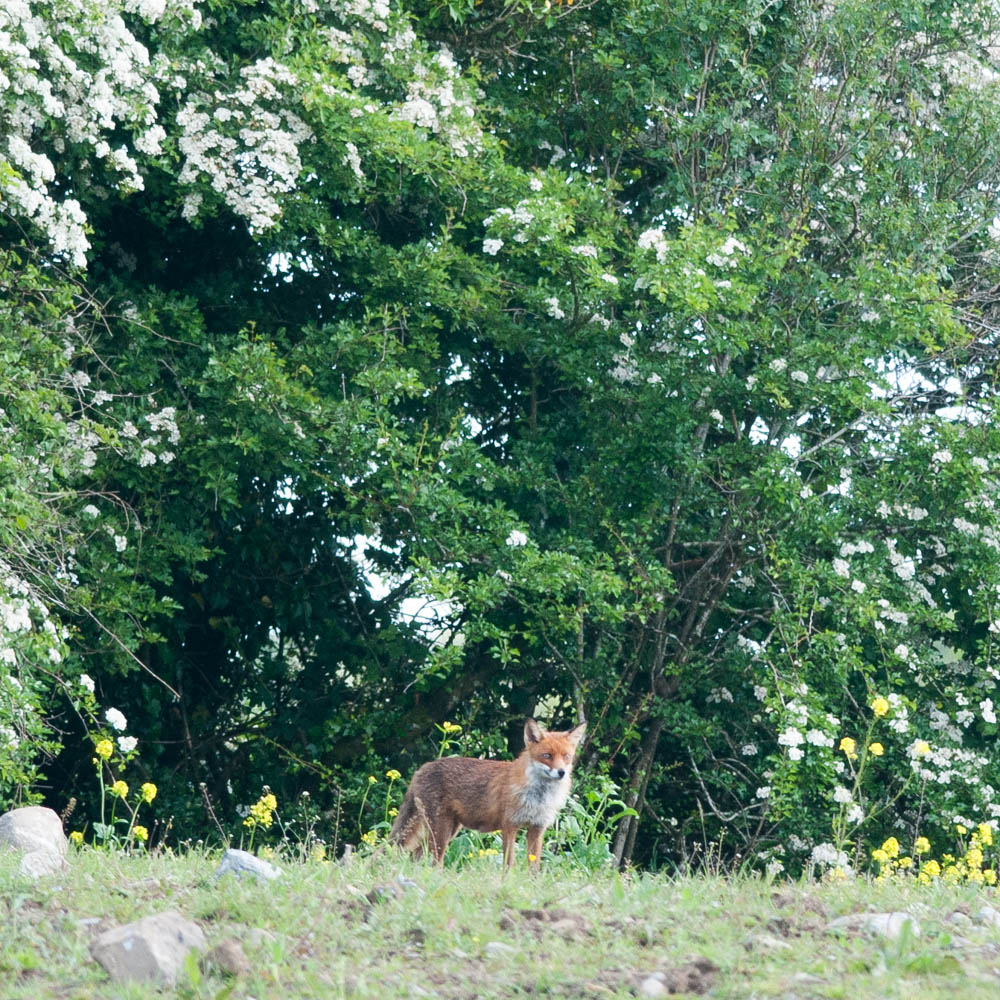
At the very same time, the hawthorn is in full flower and smells amazing, our local fox struts around the farm as if she owns the place. I am nearly sure this morning I had a full conversation with a starling, and maybe this wasn’t the first sign that I am finally losing the plot! What patches of blue sky we see highlight the beauty of the colds and make us appreciate the sun all the more when it finally does come out, and come it will!

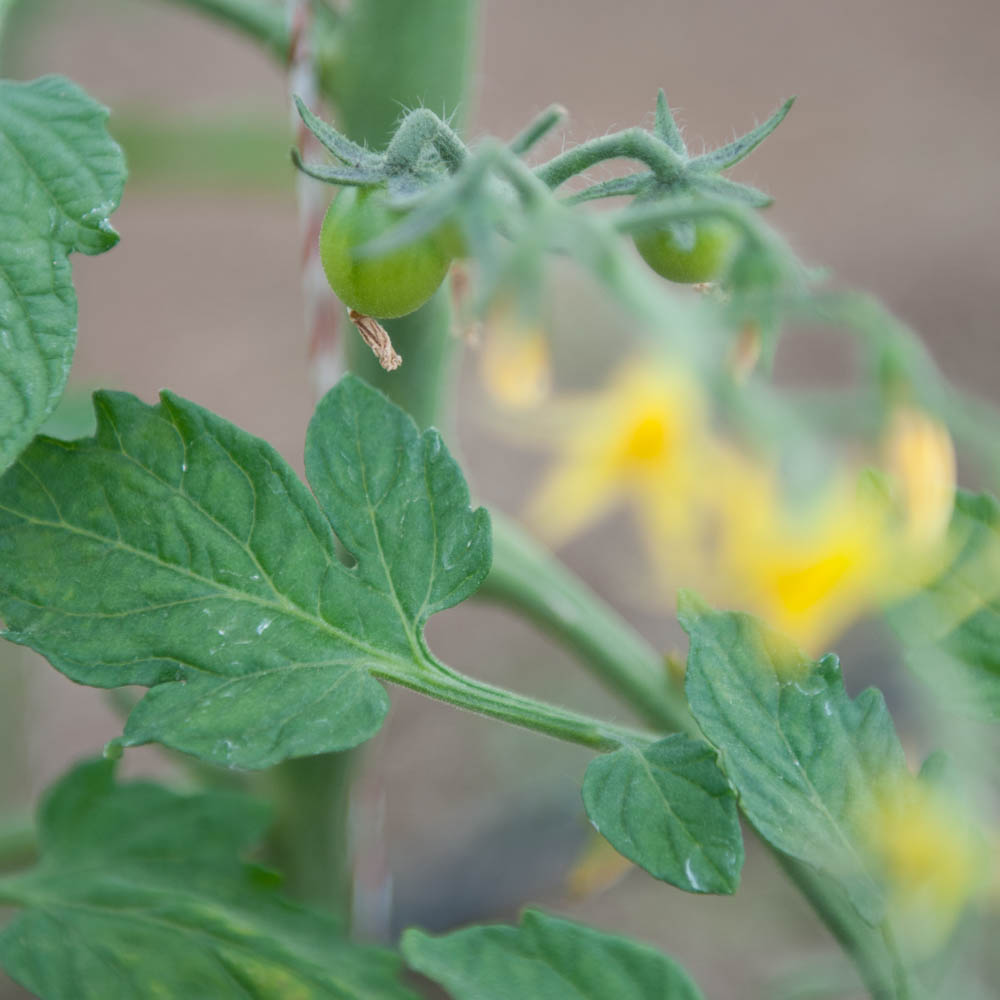
Then there is a contented feeling of seeing the first tomatoes on the plants, of seeing the first baby cucumbers of harvesting our first outdoor crops of lettuce and chard and spinach. I guess we can also see more of what we look for. 

The very best moment though this week was receiving this lovely card/poem that was sent through from a family that are doing the Little Green Fingers course. 

This helped make everything worthwhile again, completely unlooked for and yet at the perfect time 😊

So, thank you Orlaith and Gus and thank you universe and thank you our customers.

Kenneth
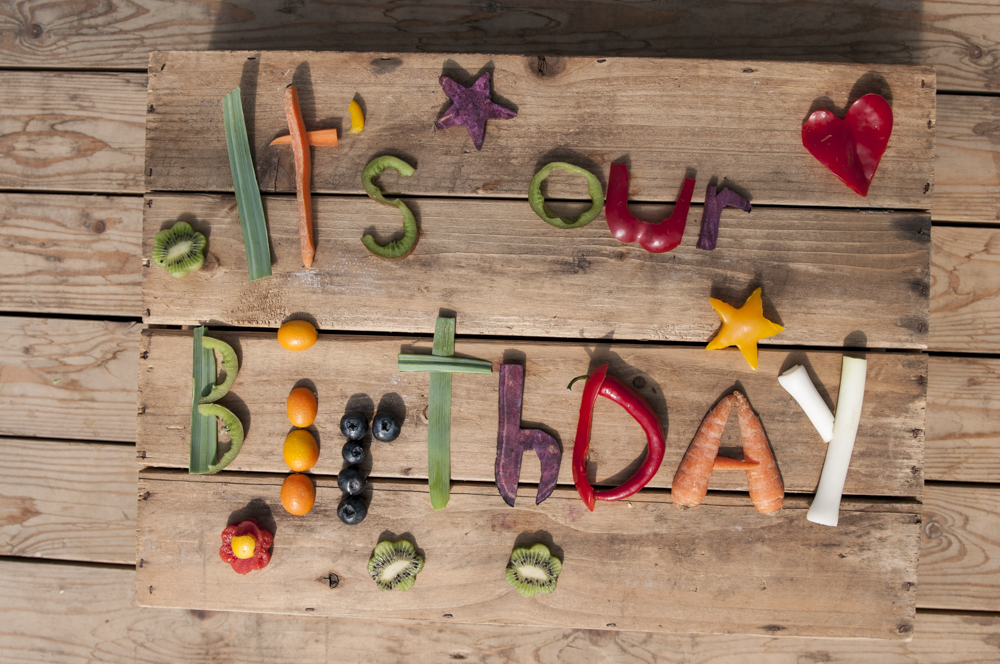
It’s Our Birthday!

15 years ago, on the 26th of May 2006 we delivered our first thirty boxes. In truth the journey began long before that in the endless summers working with my dad in our vegetable garden. 

It has been an epic journey one that has pushed us right to the edge on many occasions, but it was our founding vision for the business which never changed, and never will that got us through. 

“To protect the environment and improve people’s health by inspiring people to reconnect with their food and how it is produced.”

If not for our vision we would have quit, I have little doubt of that, it was just too hard, we didn’t have the know how to grow food, we didn’t know how to run a business, we didn’t know how to deal with customers, in essence we didn’t really know what we were doing at all, but we knew WHY we were doing it!

In our first year we had a visit from the local Garda to check that we were growing ‘only’ vegetables in our new ‘fancy’ polytunnel, if you know what I mean. We were told by several people that we were crazy (we were), it couldn’t be done (it could), that you had to use Roundup (you didn’t), that it would be so hard (it was, still is) that we would be better off going back to our jobs (we never considered it and we had very good jobs!). 

At the same time, it was the encouragement of our friends and family and our early team members that pulled us through on the dark days, and made the bright days seems all the brighter.  My Dad helped us so much, he never said no, was always there, he entrusted us with his dad’s farm.

In the early days Jenny and I and my dad did it all, we packed, we farmed, we harvested, we delivered, we raised a family, we build a house we went through some pretty intense and harrowing times. We seem to have survived a major recession and year on year growth and here we are today 15 years later, who would have thought?

Now our team has grown there are nearly 40 individuals supported by our business.

In the early days many decisions were taken without due consideration or analysis, there simply wasn’t the time or the resource for it, it was a go with your gut feeling, take a chance, plant a new crop, take on a failed business, build a new packing shed, invest in solar panels and rain-watering harvesting, expand our farm, add new employees, just do it. 

But always there was the idea that we were doing this for a bigger cause, something that was so much bigger than any of us, something that was worth going through the pain for.

Now it is you, our customers, you are our supporters now. You supported us when we needed it most, you support us now, you are contributing to our continued success, you are contributing to so much more, because in the end you are supporting our vision. Which I guess is also your vision and we need you, and the planet needs you more than ever before. 

The reality is you can make a difference, your decisions do make a difference, your voice can change the world, your support allows us to continue doing all the things we do, so THANK YOU SO, SO MUCH, we couldn’t have done it without you, and we look forward to another fantastic 15 years!

Kenneth
Support our small, sustainable business by setting up a repeat order here of the tastiest organic fruit and veg we can grow and source. We source locally when in season, then from our organic farm contacts from further afield. We never airfreight! Add organic groceries to your order for convenience, we deliver to every address in Ireland!

Rekindling our Connection with Food
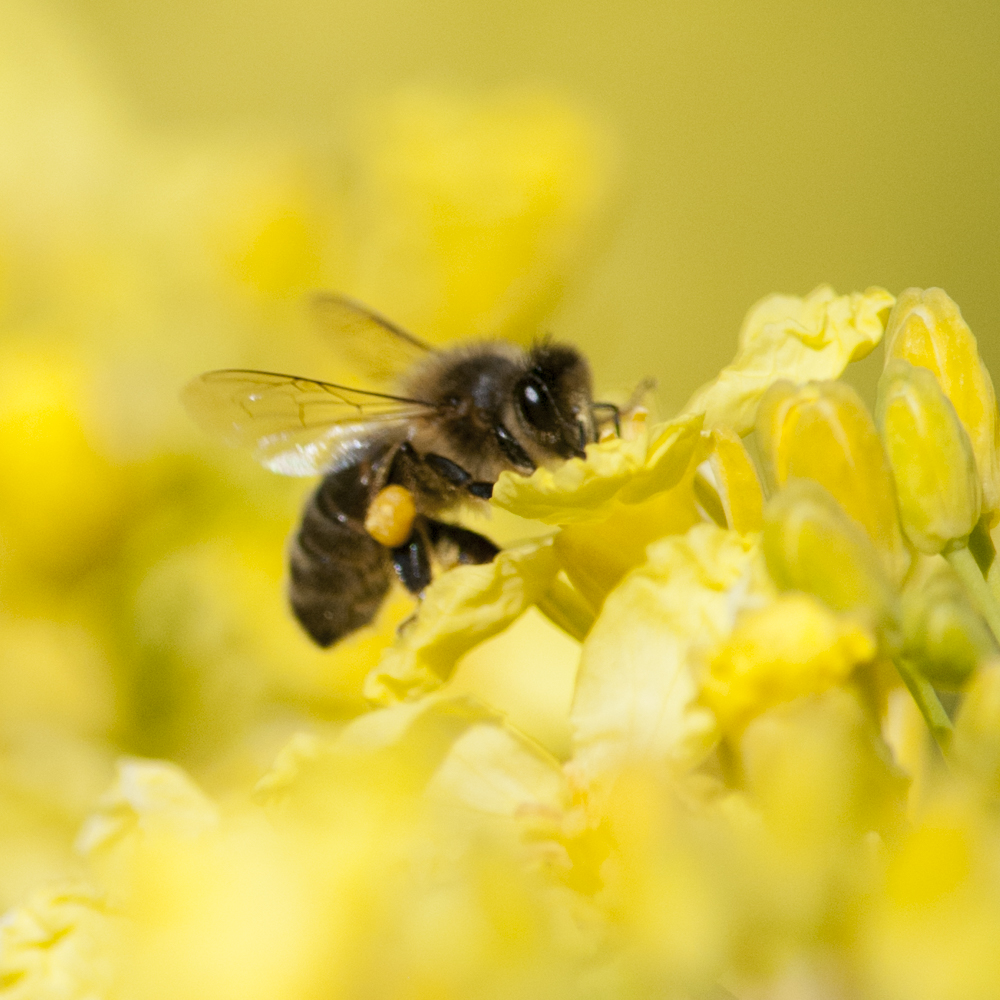
Bees and other pollinators enjoying the kale we leave to flower each year
The art of producing food is marvellous and tough, and on sunny days it is a privilege.

We talk about food all the time here, we grow it, we sow the seeds, we watch the plants grow, we fertilise the soil, we control the weeds and hope we have the right mix to ensure the plants grow healthy and pest free.

We spend the time in between managing the crops, maintaining the land, planting trees, growing hedging, sowing wildflowers for the bees, harnessing the power of the sun, these are all things we do.

We see first-hand the connection between the fresh produce and the cooked food on our plate. We can see how the process of growing healthy food from healthy soil creates local employment and impacts on our locality positively. Sustainable agriculture is good for all and it benefits the environment immeasurably.

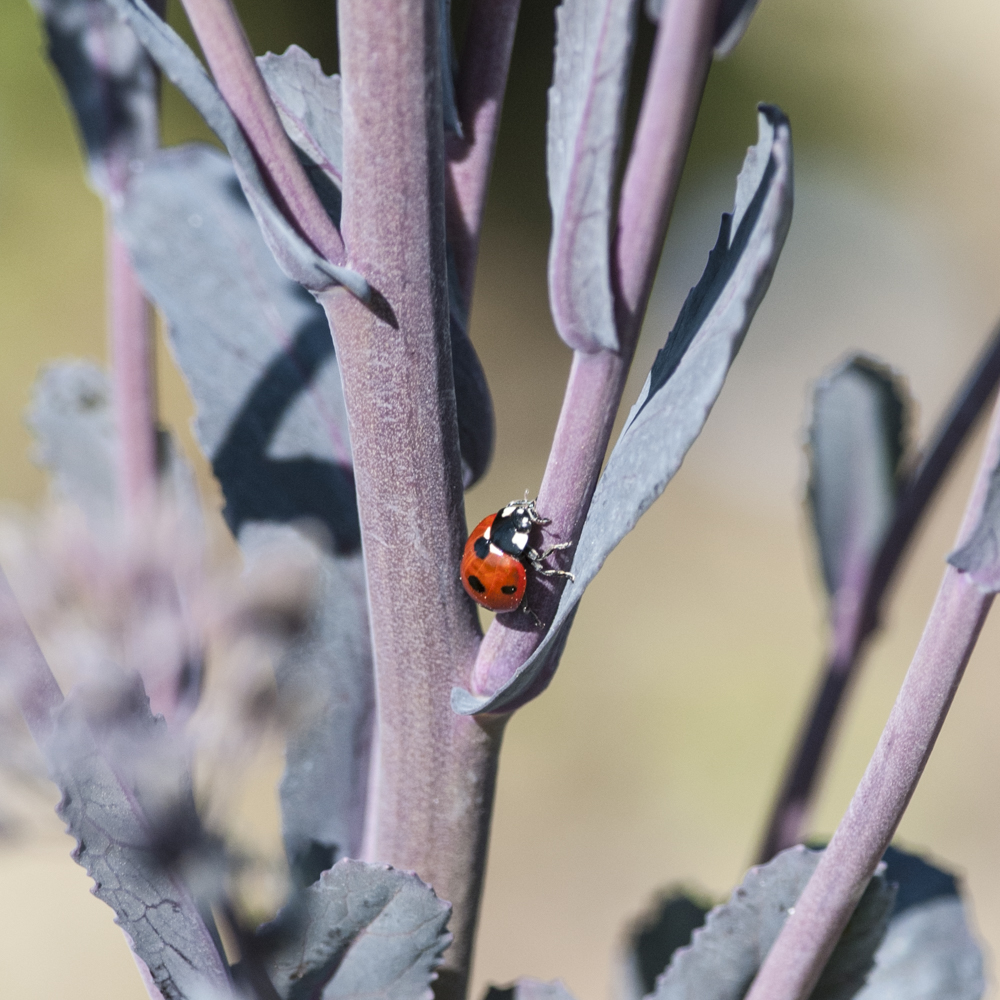
Natures’ pest control – a healthy balance on predators and prey naturally occurs on organic farms

We see more bees, and flies, and insects on our farm and we feel there is a balance as we rarely see an out-of-control pest issue. We see more birds, and wild life, we see the land thrive, just this week I saw a giant hare saunter past one of our polytunnels.

Not only that, but organic food is so much better for us, of course it hasn’t been sprayed and so is free of harmful chemicals, but it is also just better nutritionally.

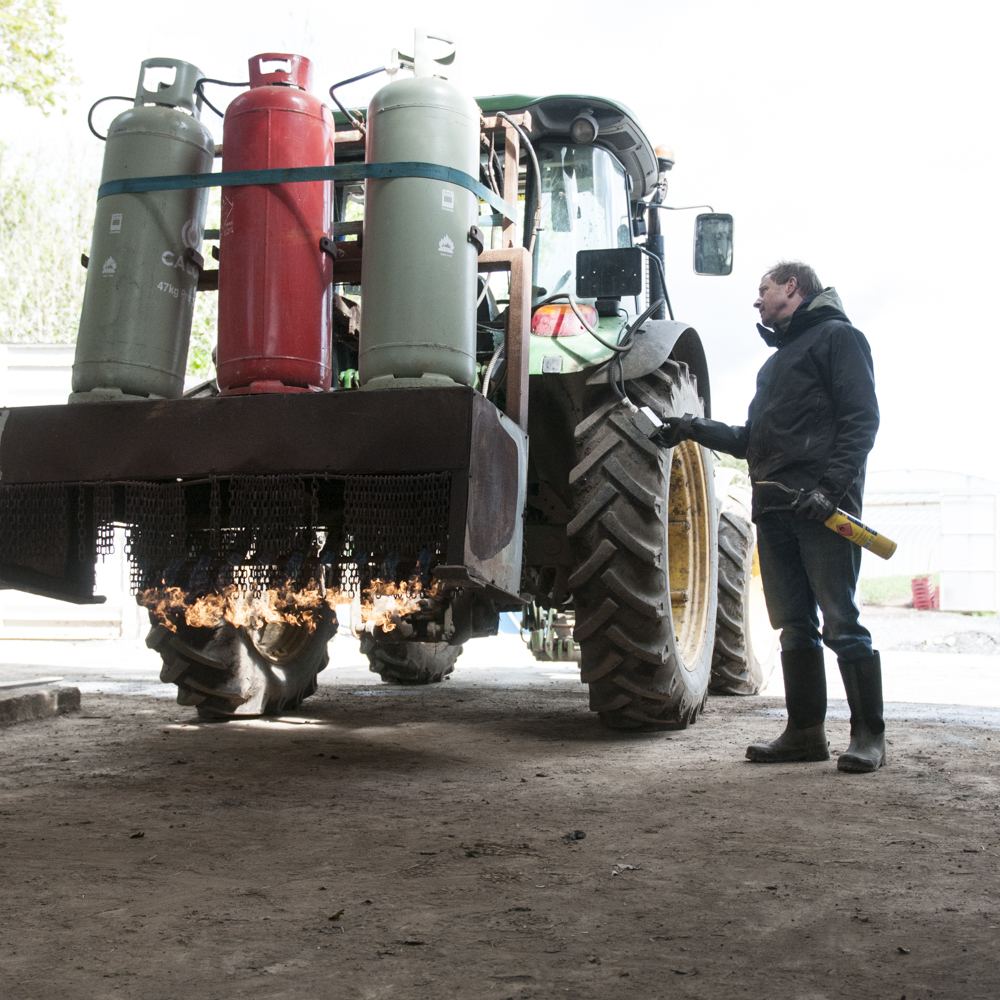
Weed burning rather than spraying chemicals before we plant out this years’ crops

A comprehensive study carried out by David Thomas has demonstrated a remarkable decrease in mineral content in fresh produce over 50 years, comparing food grown in 1941 to food grown in 1991. To the extent that today you would need to eat 6 apples to get the same nutritional value you got in 1941 from eating 5 apples. In some cases mineral levels have dropped by as much as 70%.  

The use of highly soluble fertilisers, pesticides and herbicides and the intensive production of food has led to land that is lifeless and food that is less healthy and less nutritionally dense, this reflects the remarkable connection between our food and the health of our soil. 

There is no way we could know this, as a population we are in danger of losing our connection with the land and our food. This is not our fault, the food system that is championed by supermarkets and giant food producers has made it this way. 

Imagine though if we could see the impact of our positive choices, if we could somehow rekindle that connection with our food? Over the past year it seems we have been remaking that connection.

We are reconnecting with our food by cooking and touching and smelling and seeing how our food is grown. We are redeveloping that connection with nature and this is something we can pass onto our children, we can show them that there is a great, fun and fantastically positive way to live and eat. Although from what I have seen recently it is the children who are teaching us!

Kenneth