Unsustainable Supermarkets

The word ‘sustainable’ doesn’t just refer to environmental issues, it can refer to anything and means ‘something that is able to be maintained at a certain level’, like matters of economy and food security. So when we say ‘supermarkets are unsustainable’ we are not just talking about their over-use of plastic or their mountains of food waste, we are also talking about the way they source their products and pay their suppliers.

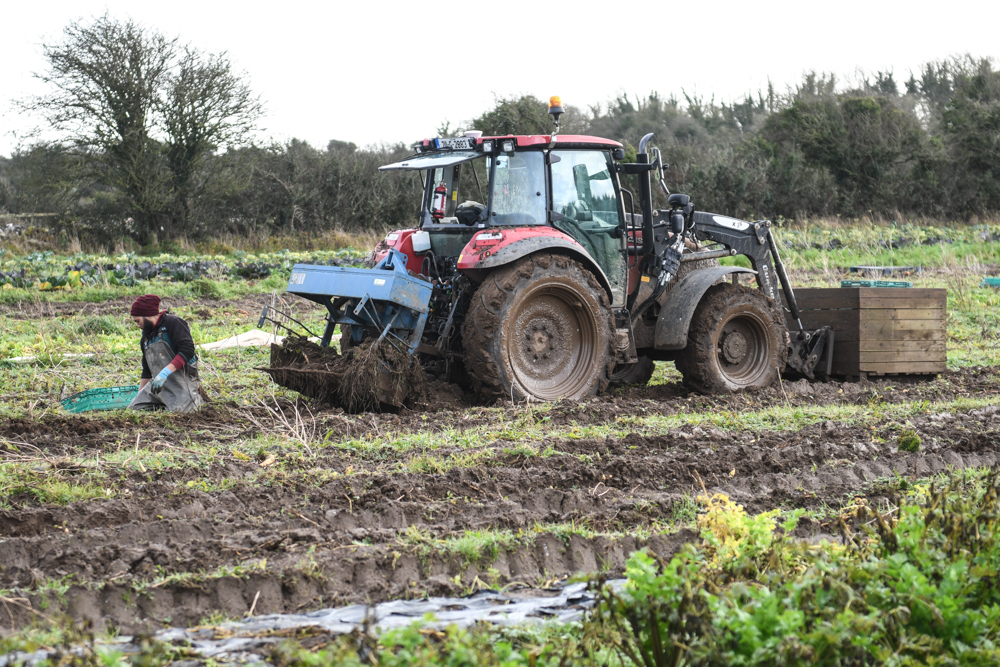
It has recently come to light here in Ireland, (read this article for the facts and figures) that local vegetable growers are being squeezed from all sides, so much so that many vegetable farmers in Ireland are forced to quit. Supermarkets demand lower and lower prices and present vegetables as ‘low value’ with ridiculous discounted prices (which, understandably, customers then begin to see as the norm which perpetuates the problem), and yet farming costs go up and up. It is unsustainable. Where will this leave us in the long term? Will there be no more Irish vegetables soon?
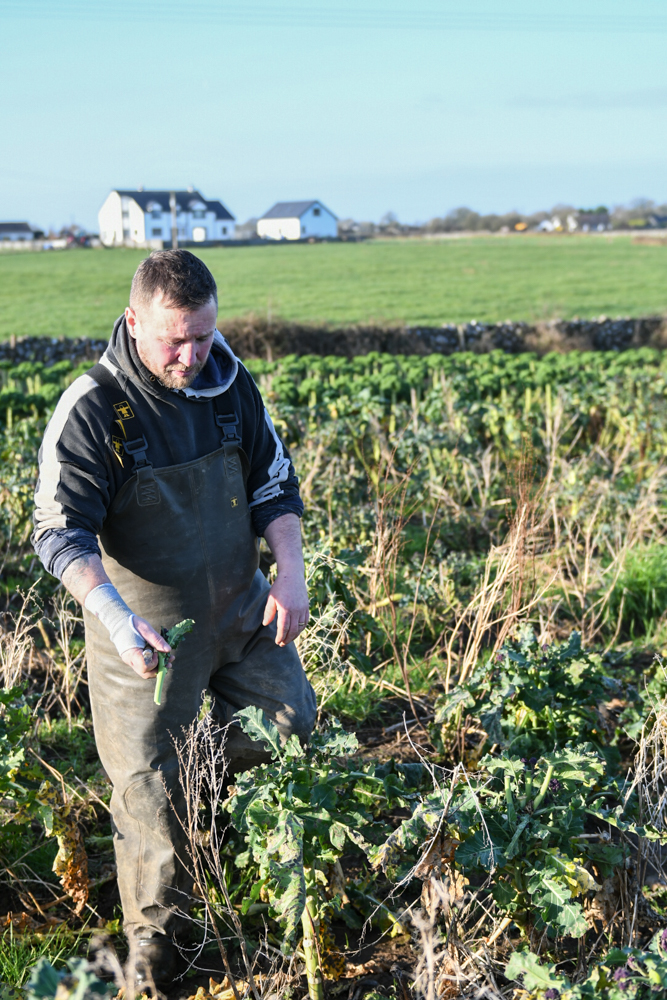
You know something is not right when it is cheaper to put potatoes, cabbages, onions, tomatoes, lettuce etc, all things that grow very well here, on a ship or an aeroplane and bring it over to Ireland than to just grow it here and pay Irish farmers enough to cover their costs. Now, just 1% of all farms in Ireland grow vegetables.

This is not to say importing is wrong. We love to trade with the world, who doesn’t love exotic fruit, tea, coffee, chocolate, olive oil, wine…? In fact, even here in Galway, our small business imports plenty of products and fresh produce ourselves to fill the gaps in your boxes (by the way, we never use airfreight). But when there is an Irish, organic option, even if it is more expensive, we always choose that. We grow as much as we possibly can ourselves, then source from other Irish organic farms, then import the rest. We would love to see more organic vegetable growers here in Ireland.
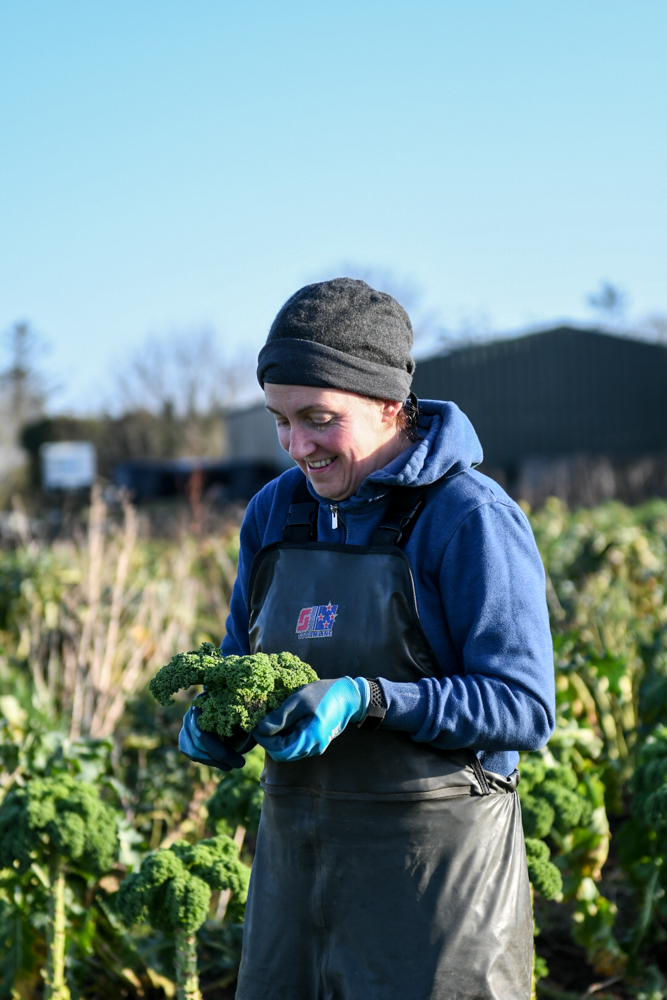
So what’s the solution? Do we just give up trying to produce vegetables here in Ireland? Do we rely solely on imports? Well, with food security issues being what they are at the moment, we believe that would be a very unwise decision. Not to mention missing out on the many benefits of buying local. One way to help is to buy Irish as much as possible. If you must go to a supermarket, spend a few extra cents getting the Irish option, otherwise we urge you to skip unsustainable supermarkets altogether and buy directly from farmers, farmers markets and veg box delivery schemes like ours. The future of food here in Ireland depends on it.
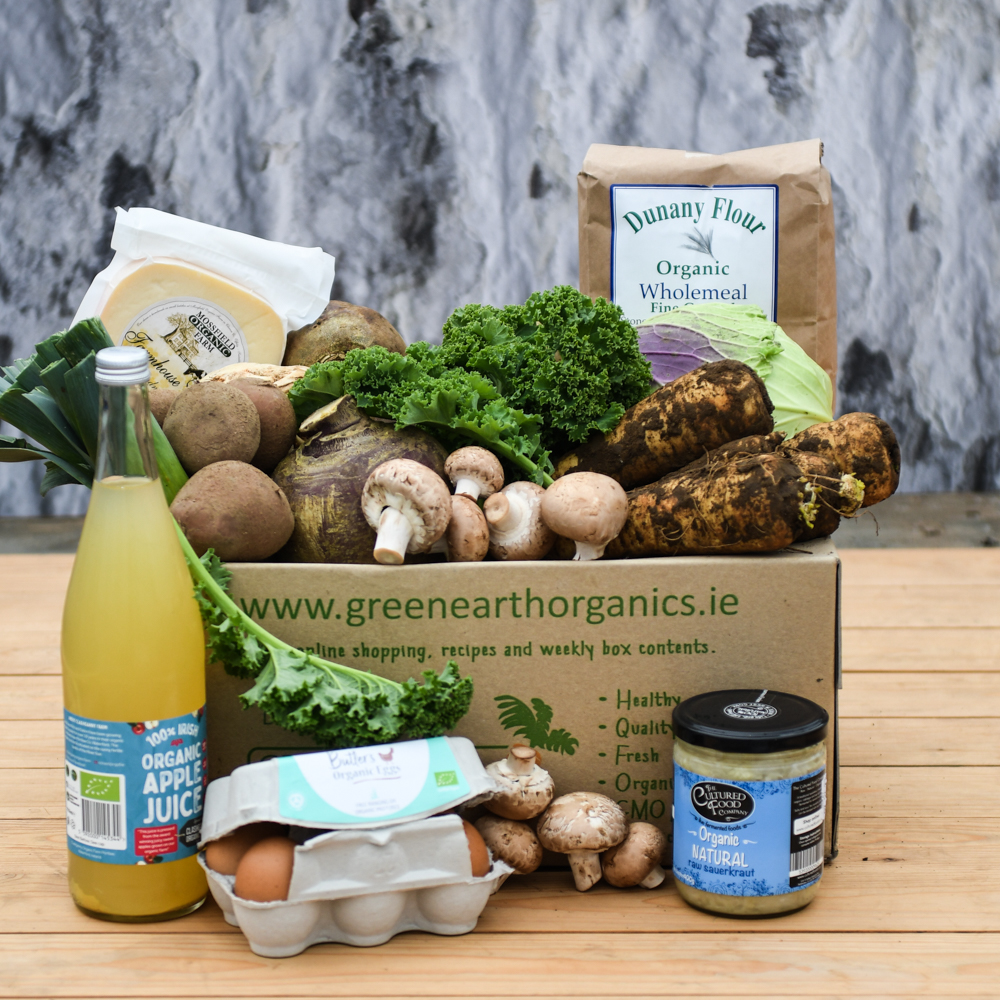
Have a look at our all-Irish selection here.

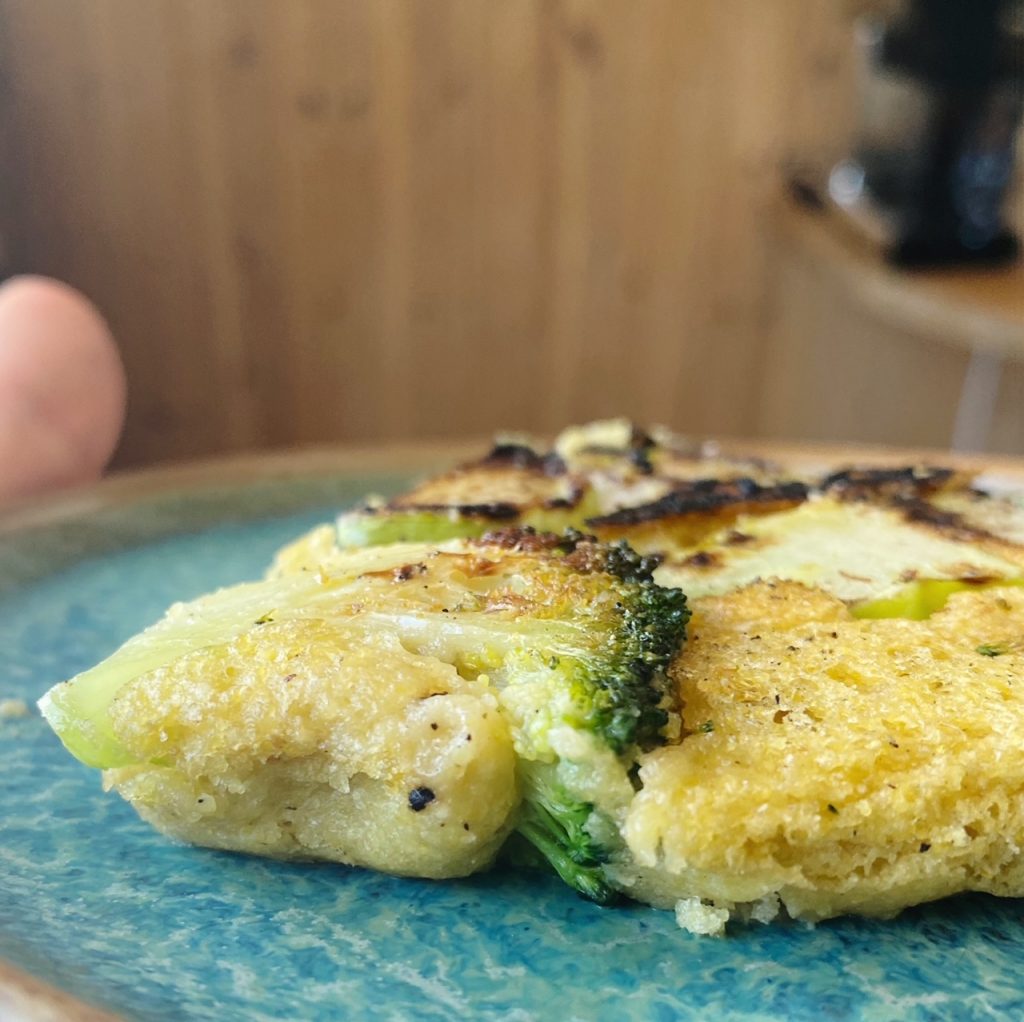
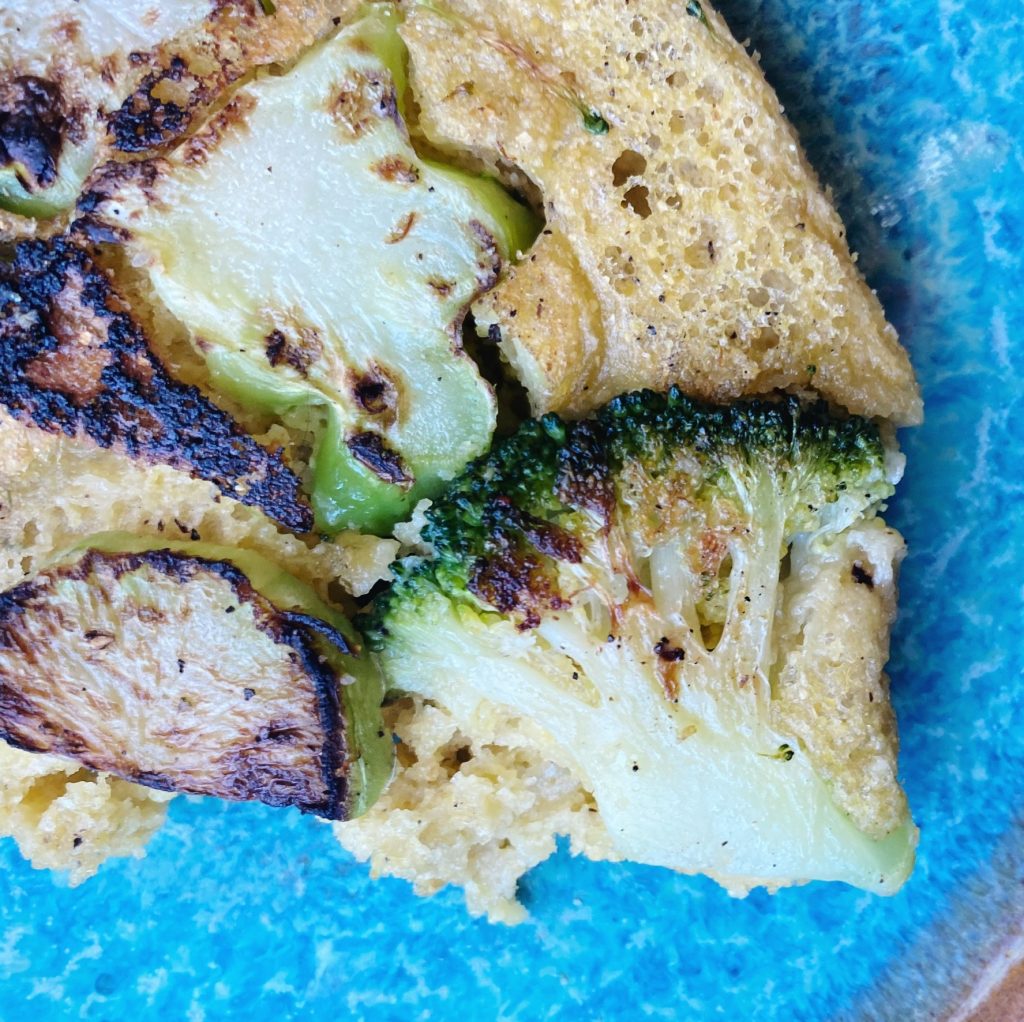
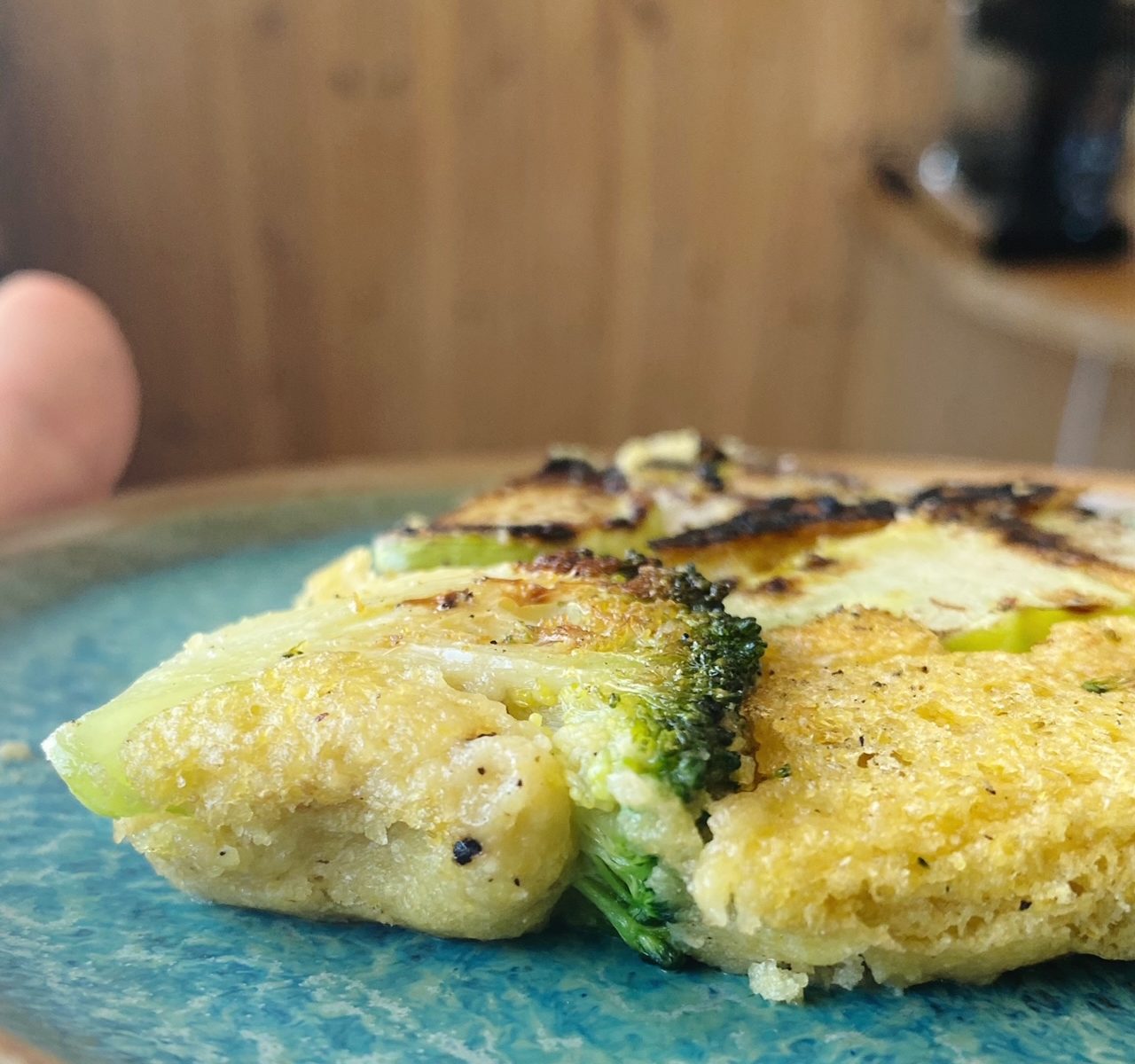
Fluffy Broccoli ‘Omelette’

Another recipe inspired by Ukrainian chef Olia Hercules, is this delicious, veg-forward breakfast. I LOVE having lots of vegetables for breakfast. Sautéed mushrooms, kale, and tomatoes on toast is probably my favourite. So when I re-visited ‘Summer Kitchens’, one of Olia’s brilliant books, and saw this puffed broccoli omelette I knew I had to make a plant based twist.

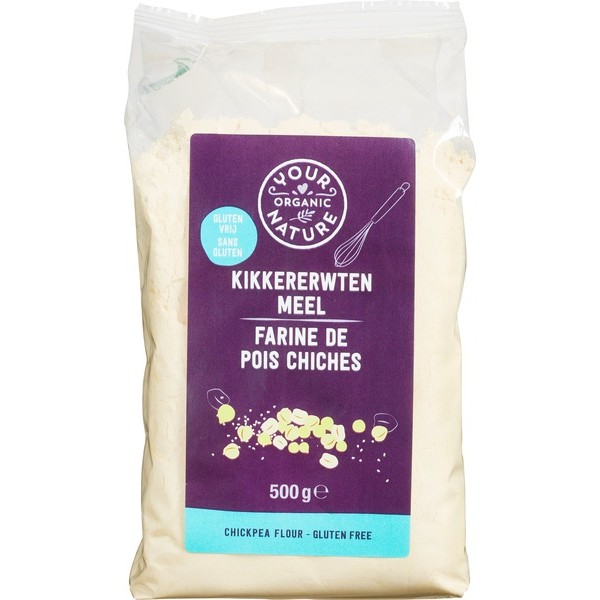
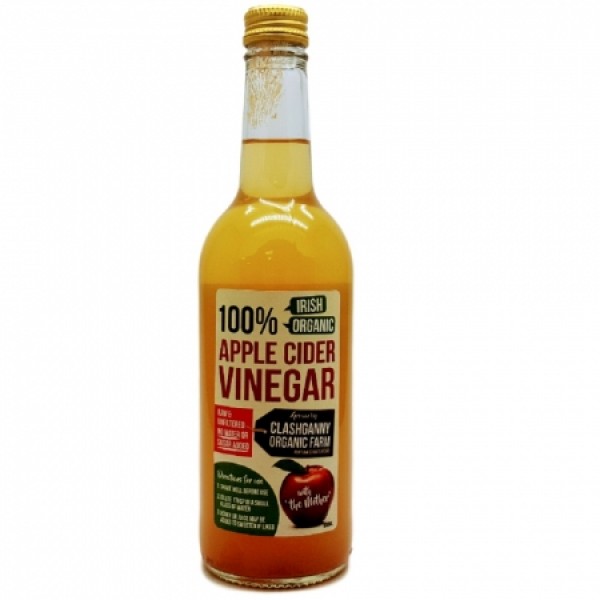
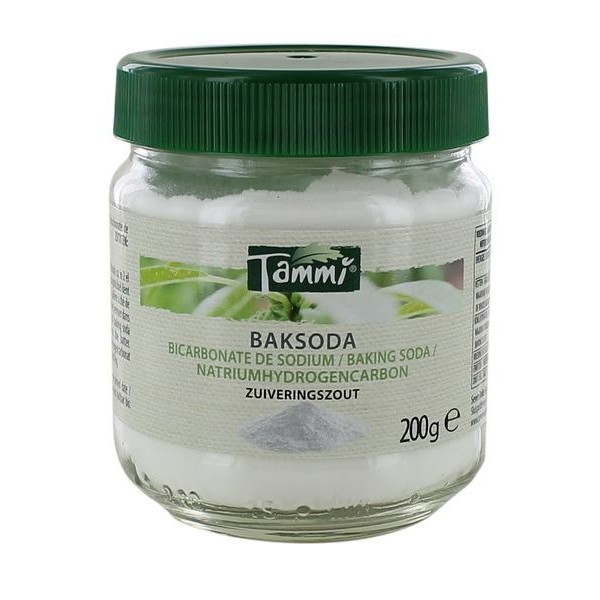
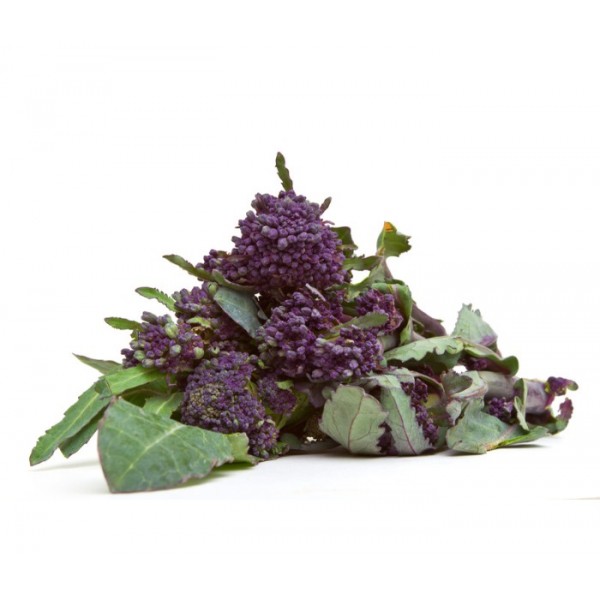
We have just added chickpea flour to our grocery section. It’s one of my favourite pantry ingredients, so useful for making fritters, socca bread, bhajis, vegan tortillas or quiches and egg free omelettes. To make it puffy, I just used bread soda activated with some apple cider vinegar. The results were delicious and I’ll be recreating this veggie breakfast over and over again using different seasonal vegetables. Of course it would be wonderful with our purple sprouting broccoli and I’m going to use leeks next time for sure! Don’t forget to tag us in your re-creations, we love to see the spin you put on our recipes.

Liz x

Ingredients (serves 2)

  • 1/2 mug of gram flour
  • 1/2 mug of water
  • 1 tsp vinegar
  • 1 tbsp olive oil
  • black pepper to taste
  • 1/2 tsp salt
  • 1/2 tsp baking soda
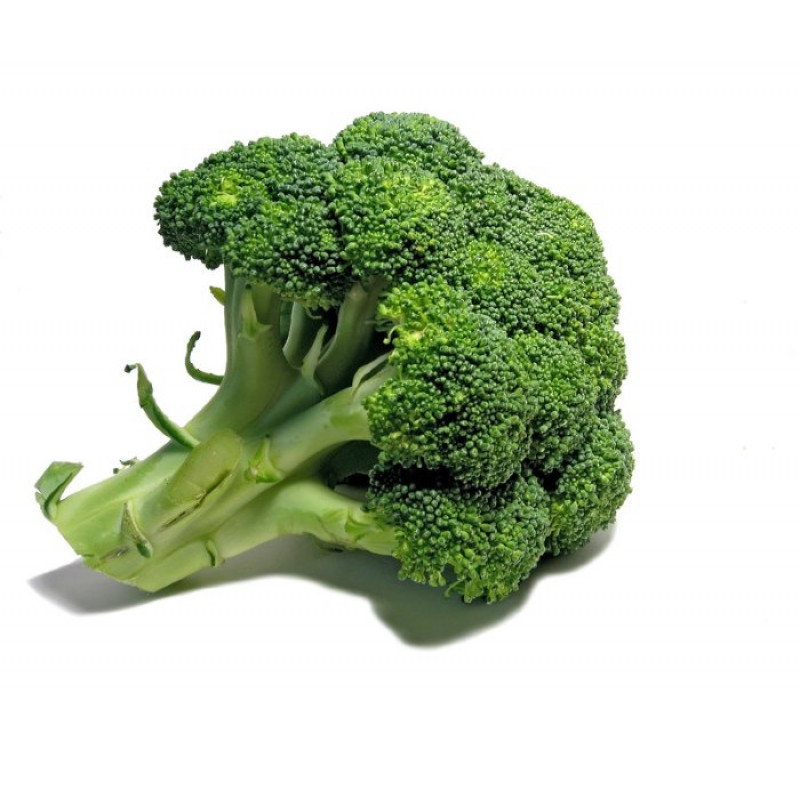
  • sliced broccoli to cover frying pan
  • 1 tbsp olive oil
  • salt and pepper to taste

Method

  1. Start with the batter. The longer the chickpea flour has to re-hydrate, the better texture – you could even make the batter the night before and leave it covered overnight at room temperature to lightly ferment. Whisk together the flour, water, vinegar, salt and pepper. Wait to add the baking soda just before frying.
  2. In a frying pan which has a lid, fry the broccoli with the olive oil, salt and pepper until just starting to take on some colour. Then spread the broccoli evenly over the base of the pan and turn the heat down to medium.
  3. Add the baking soda to the chickpea flour batter and whisk it in – the batter should immediately start to fluff up. Quickly pour it over the broccoli and put the lid on the frying pan. This will ensure a crispy bottom and a fluffy, steamed top to your omelette.
  4. After 3-5 minutes or so, the batter should be cooked through. You can test it by touching the top of the omelette, your finger should come off dry without batter.
  5. Slice it into wedges and serve warm. It’s delicious with some juicy sliced tomatoes alongside too.

New Beginnings

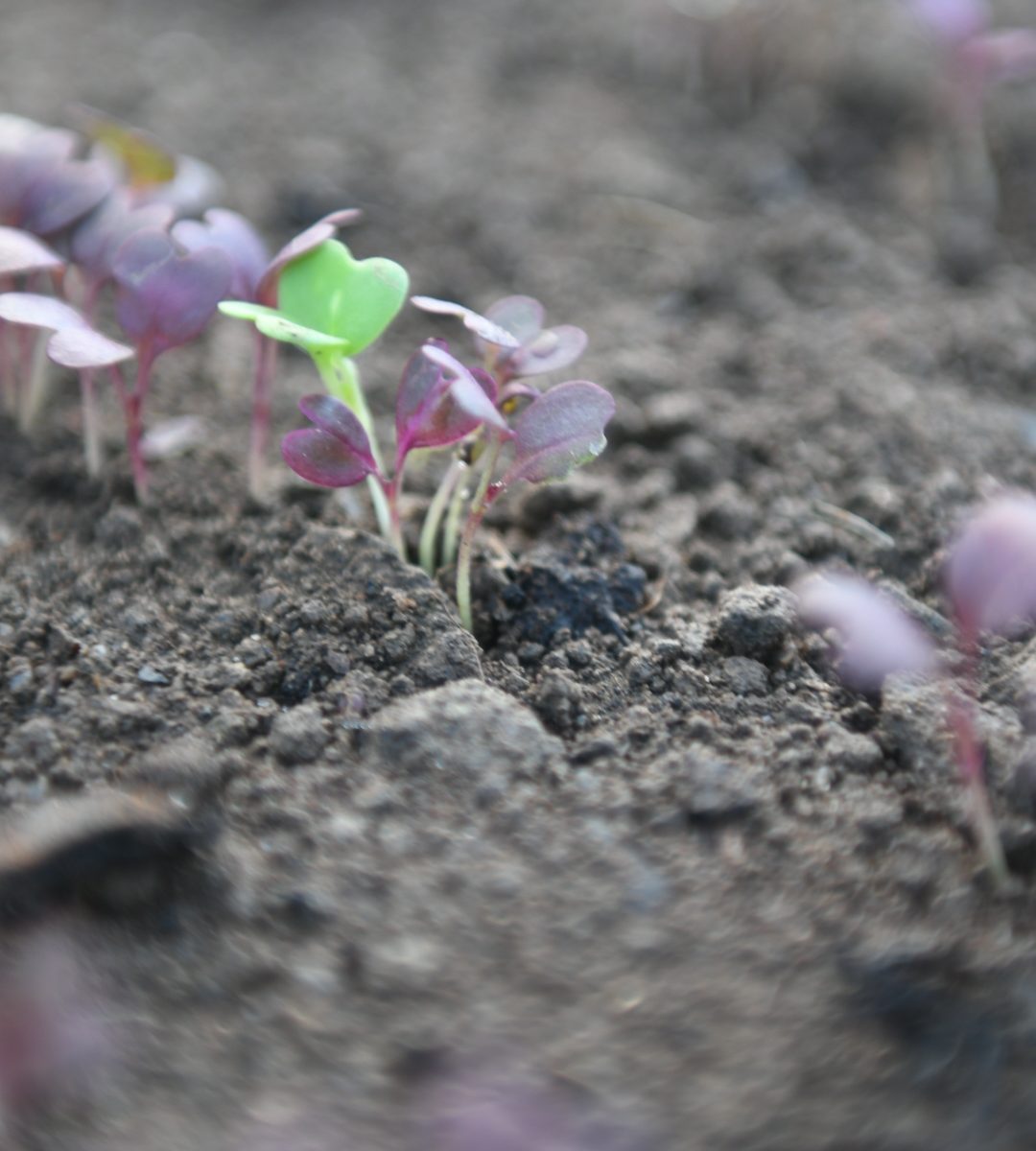
A sense of possibility and new beginnings is naturally in the air in Spring. On the farm, maybe it is the start of the new plant and seed arrivals that kindles this feeling, there is a sense that we can do things better this year, that we will try a little harder to get things right, that all will be well in the end.

Nature is waking up, the birds are singing, the daffodils are blooming, the new leaves are beginning to unfurl on the trees. The extra daylight means that life cycles are changing and growth increasing, it is a natural rhythm, and it resonates on a subconscious level if you let it.

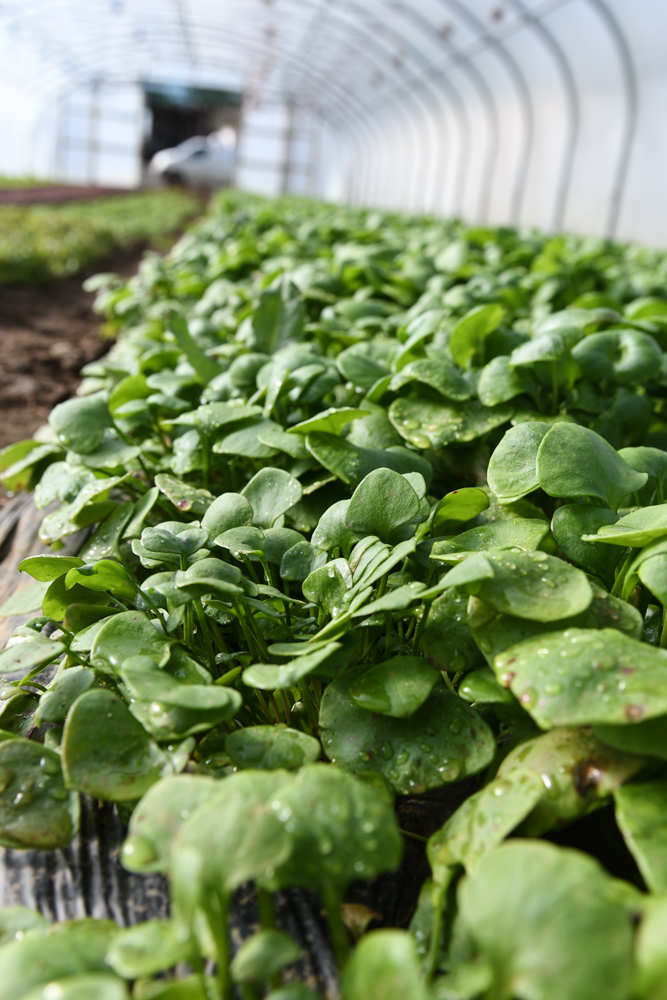
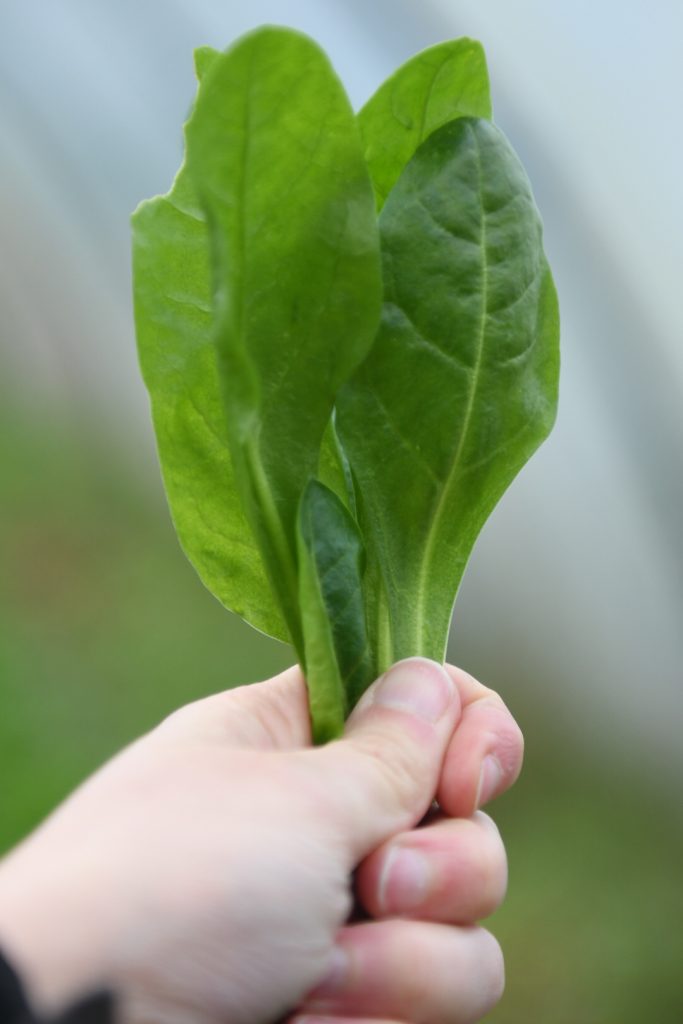
Even our lovely new season salad is responding well to the extra light, and we will be harvesting our first crop of the new season next week.

The sun is higher in the sky and on clear days you can feel the first tendrils of warmth, there is more power too in its rays, the plants respond to it, we respond to it and the solar panels on our shed respond to it!

Frequently now we can see plants growing, hear the birds singing and the insects buzzing well before it is time. This can be symbolic of a world out of sync and it has ramifications for all living systems.

Planning a season of vegetable growing on the farm becomes more of a gamble as the natural order we rely on can change unpredictably and dramatically.

The change in our weather is a complex global problem, and the solutions too will necessitate change on a global level. But maybe the solutions are also simpler that we think, down at the level of you and I there is much that can be done.

Sometimes it seems to me that simple, traditional solutions can be overlooked. Planting trees is one of the simplest ways to help redress the balance, something we have done quite a bit of over the last number of years.

By supporting local food growers like us and the range of other growers we source from, you too are doing your bit to tackle the climate crisis.

The prediction of the weather for the year ahead was often associated with a saying closely tied to trees:

“Ash before oak you are in for a soak, oak before ash you are in for a splash”.

We are watching this closely, as yet there is no news… Nevertheless, if living and farming in the west of Ireland has taught me one thing it is that the weather is unpredictable it changes fast and sometimes when you least expect it, it surprises you.

Kenneth

PS Thanks, to your generosity over the last two weeks in donating to the Ukraine crisis. We will announce the final figure next week, but currently we have raised with your help just over €4500 for the Ukraine appeal. Thank you so much.

Colcannon

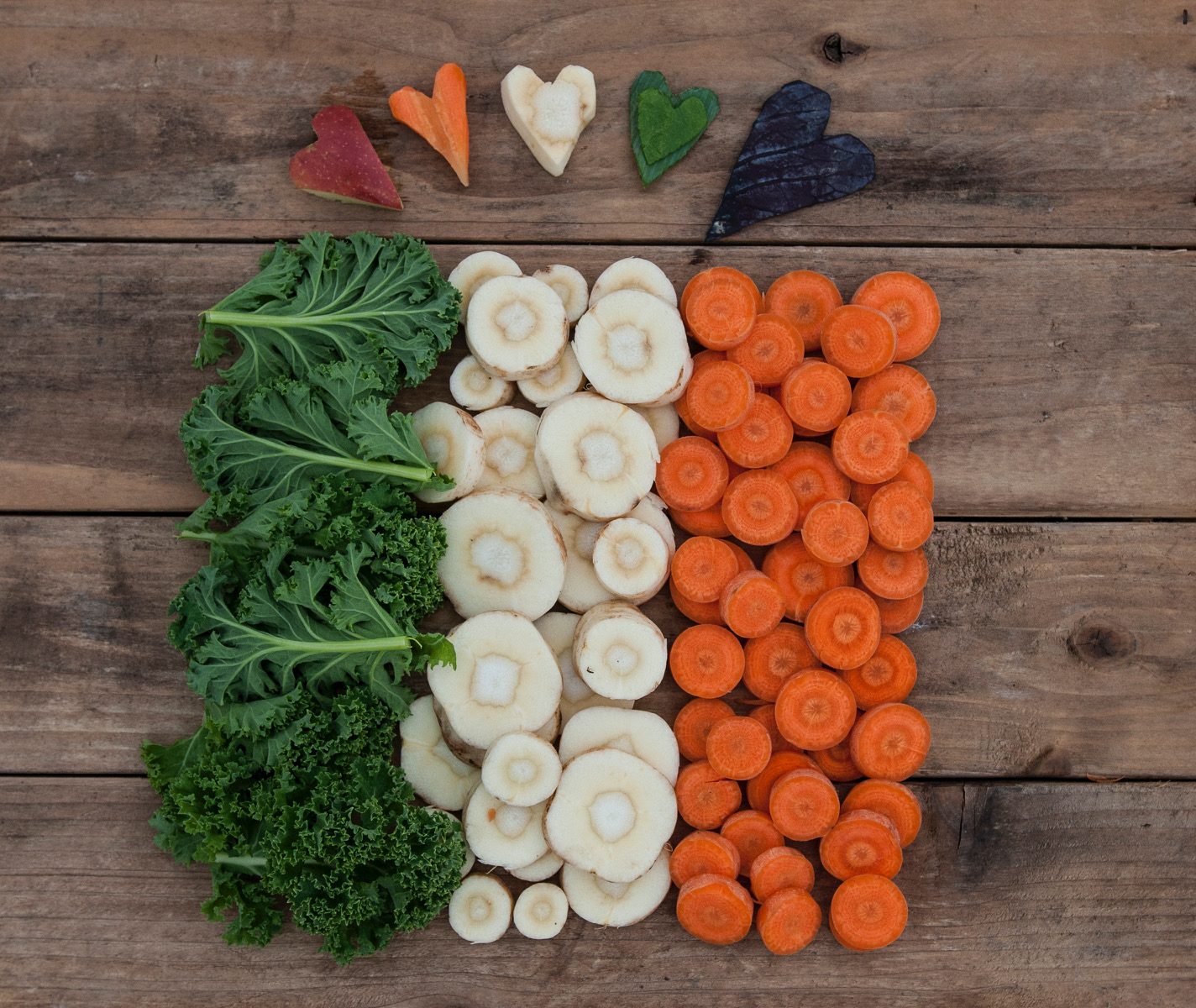
This St Patrick’s Day favourite combines the two best vegetables of all time – potatoes and kale. Don’t let anyone tell you these humble vegetables are nothing less than extraordinary!

Potatoes (especially when you leave the skin on) are a delicious source of fibre, energy giving carbohydrates, antioxidants, potassium (more than a banana!) and magnesium. They also contain vitamin C, calcium, folate and vitamin B6.

Kale is well known for being a superfood. The humble kale, grown right here on our farm in Galway, is one of the most nutrient dense foods on the planet and contains well over 100% of your daily needs for Vitamins A, C and K as well as a whole host of other vitamins, minerals, antioxidants, fibre and even an omega 3 fatty acid!

So we say this dish is not just for St Patrick’s Day, make colcannon regularly as a side dish or as a topping for your pies.

Liz x

Ingredients (per person)

  • 1 large or a couple of smaller potatoes, scrubbed and chopped into even chunks
  • 3 kale leaves, rinsed, tough stems removed (save the stems, they are delicious finely chopped and added to stir fries, stews, soups etc)
  • 1 scallion, sliced
  • 1 tbsp butter
  • salt and pepper to taste

Method

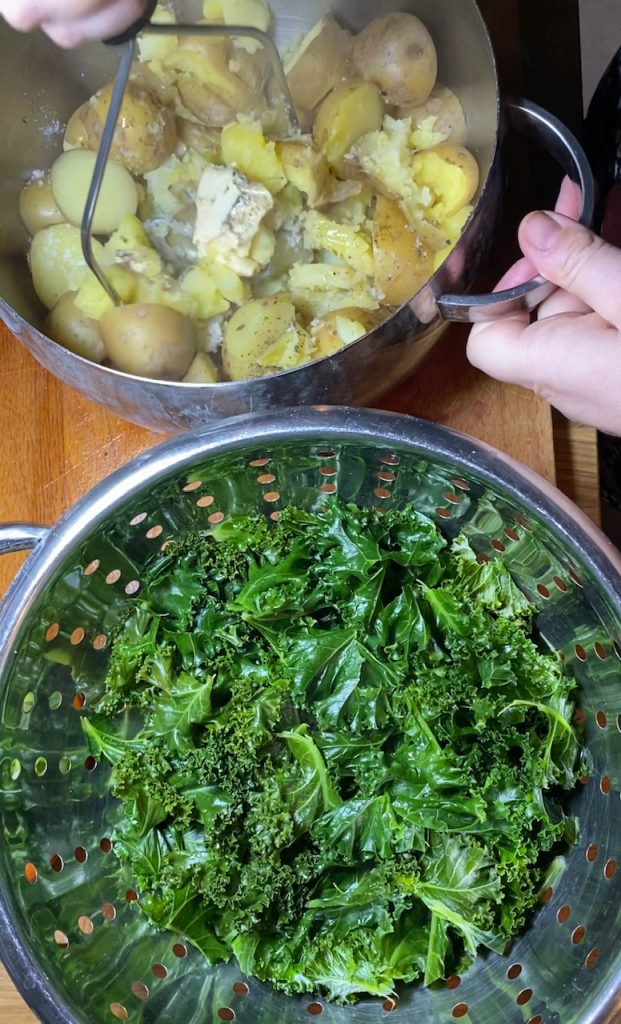
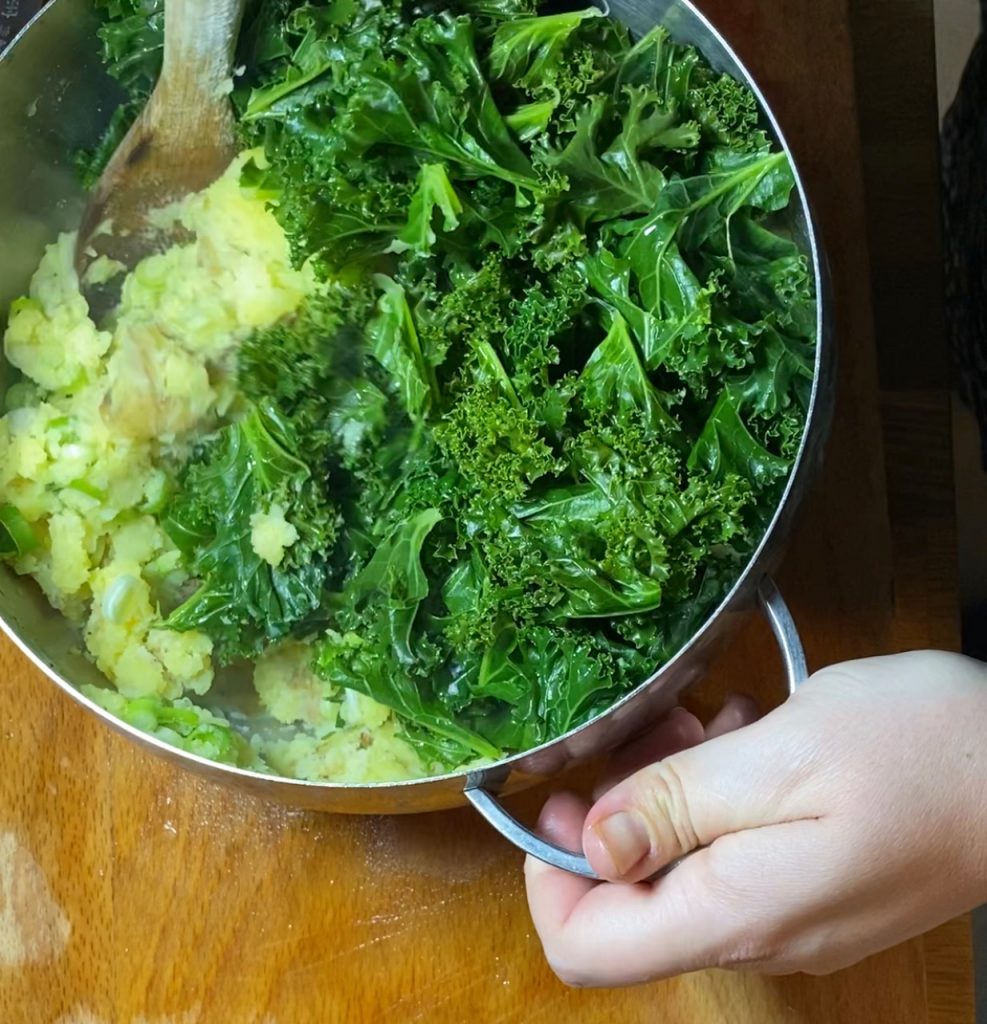
  1. Get your potatoes boiling in a large pot of water. Meanwhile tear up your kale leaves into small pieces and place them in a steaming basket or metal colander.
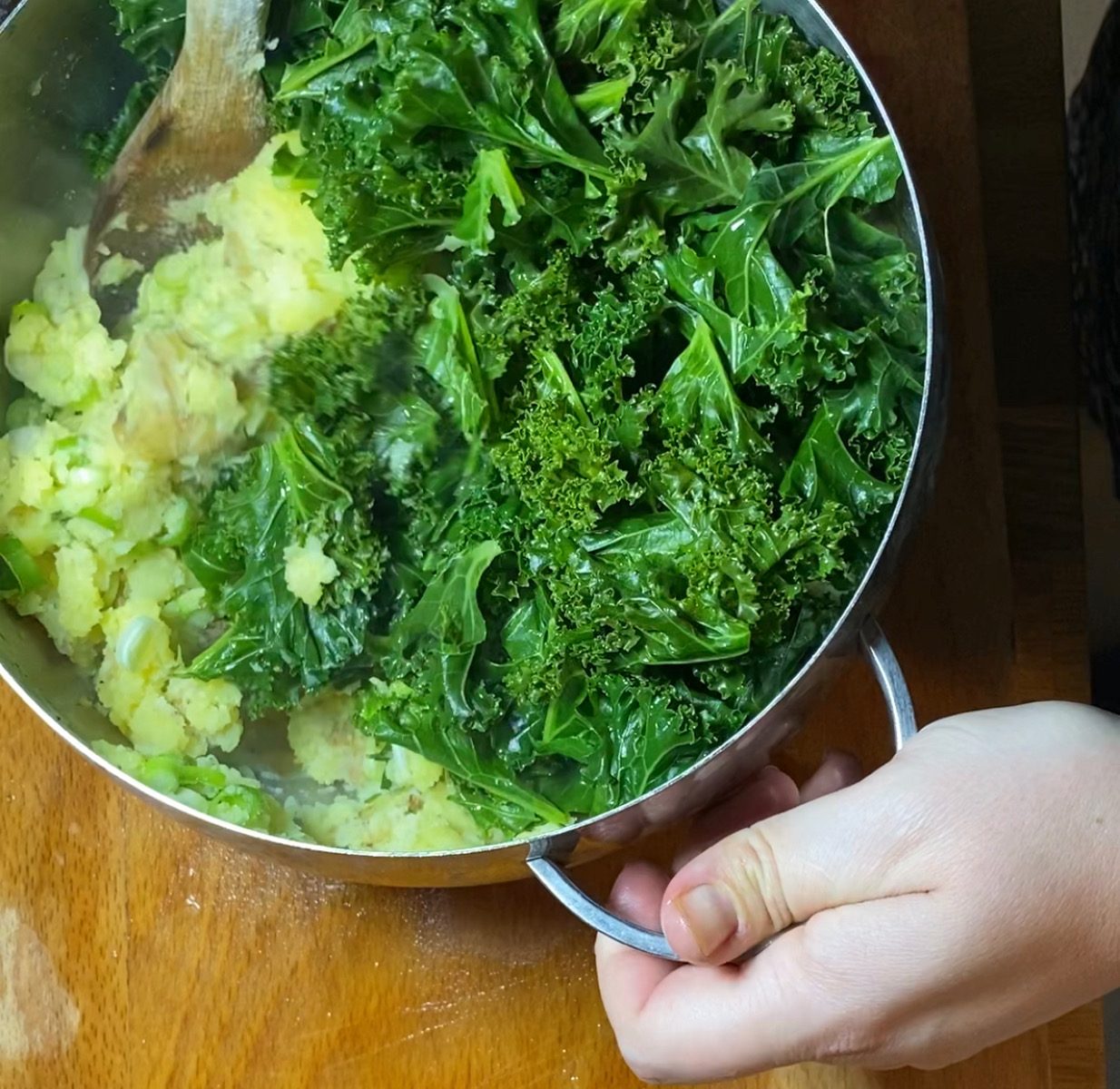
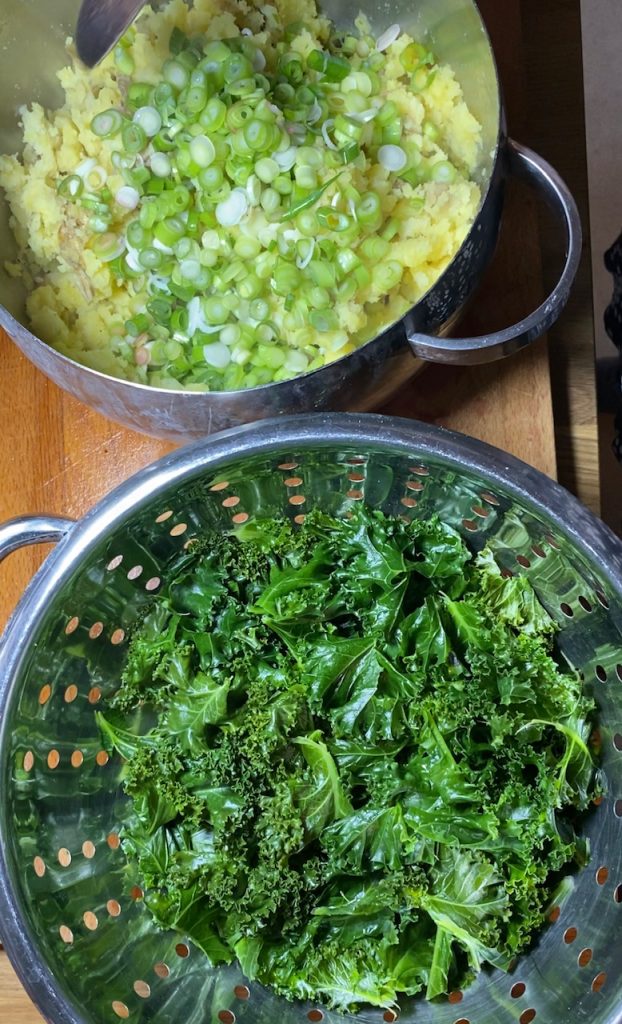
  2. When the potatoes are nearly cooked through, place the steaming basket/colander of kale over the pot and put the lid on. Let the kale steam until wilted and soft – this only takes around 3 minutes so keep an eye on it.
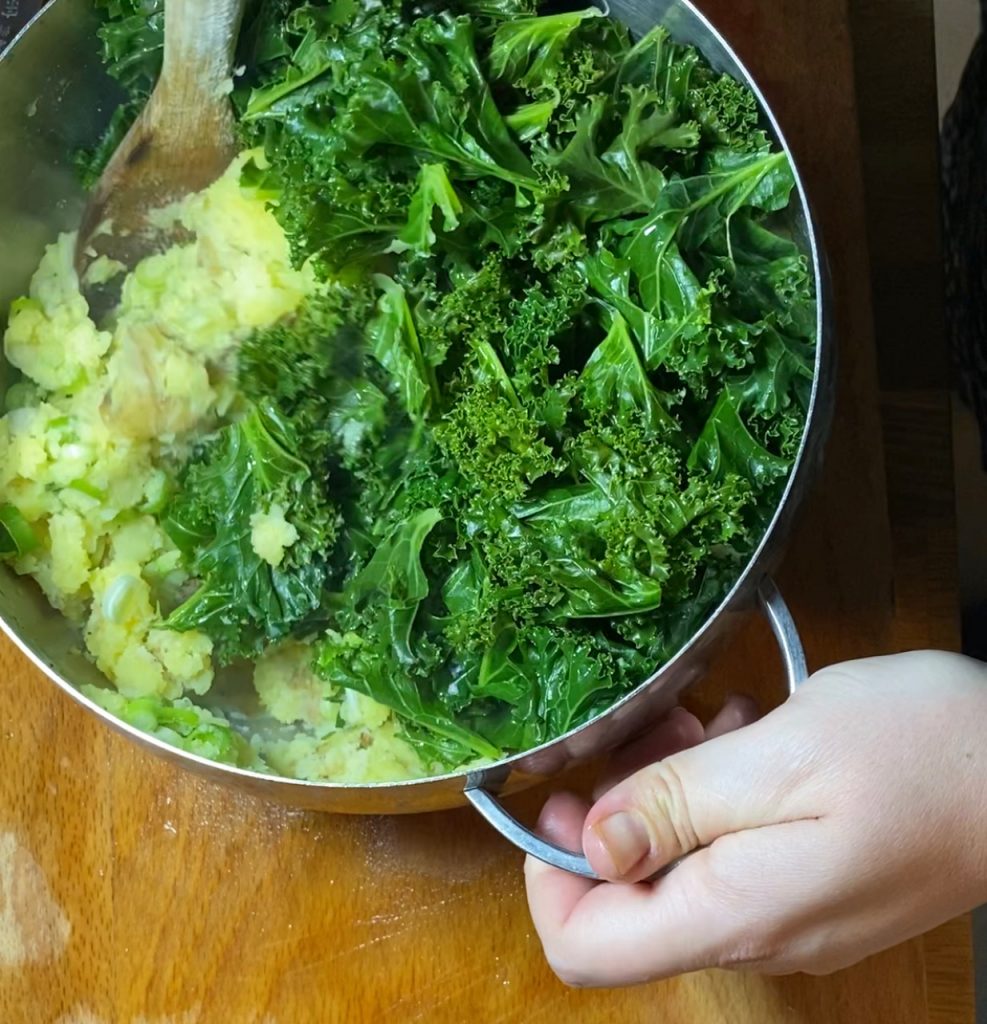
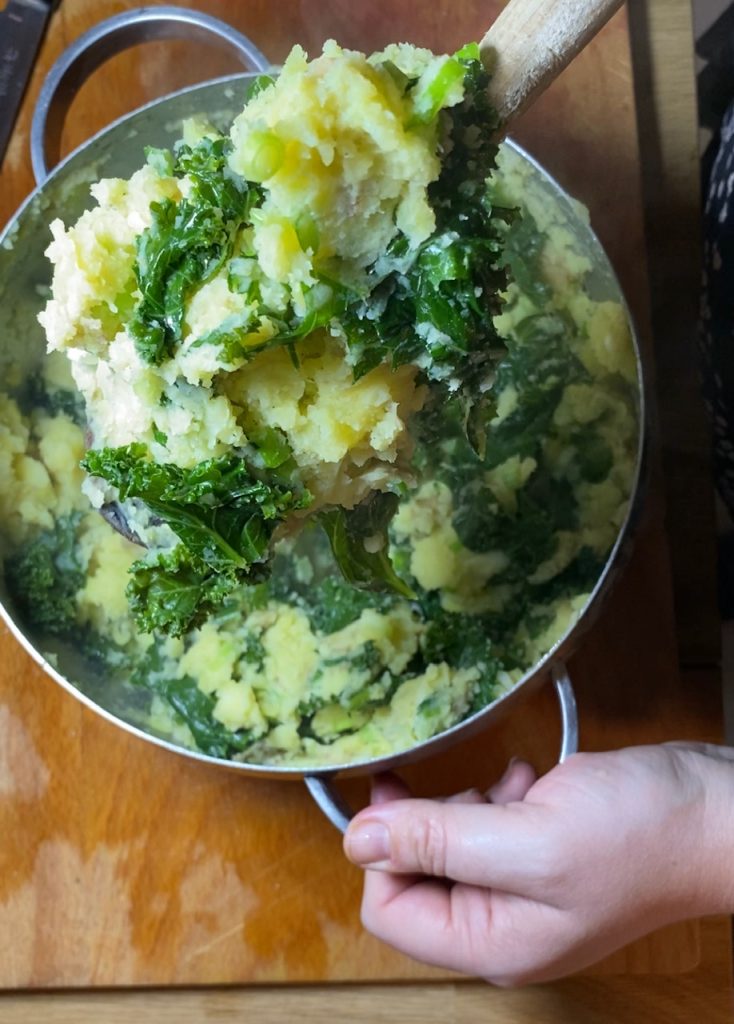
  3. Remove the kale and drain the soft potatoes, then tumble them back into the warm pot. Mash the potatoes with the butter and season with salt and pepper to your taste. Then stir through the wilted kale and chopped scallions.
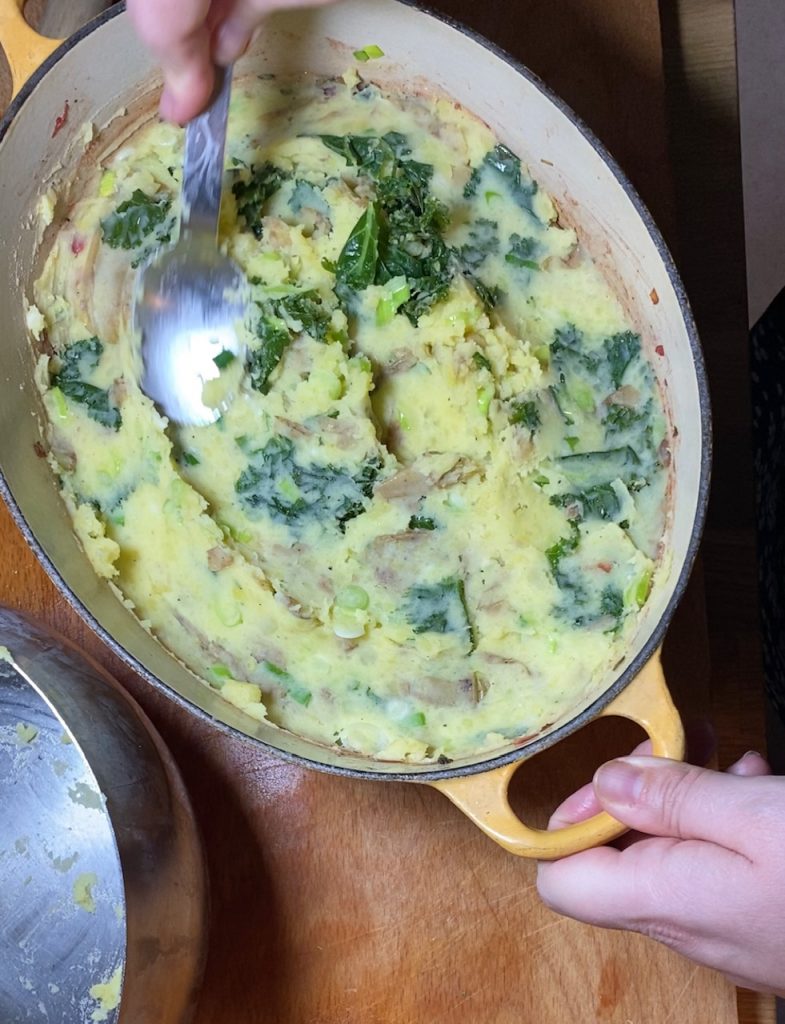
  4. Serve with an extra dollop of butter as a side dish. It’s also delicious as a shepherd’s pie topping, baked in the oven to crisp up – see pic below.

Hope for the Future

What a week it’s been. It seems wrong to feel you are struggling with everyday issues when there are such terrible things going on in the world, and yet life goes on. We still need to get up and do our jobs and get on with all the other things that life brings to our door.

As we push on into 2022 it is hard to know which way to look to understand what kind of a year it will be. A few weeks back there was plenty of reasons to be optimistic, finally we were emerging from a dark period and there was a sense of relief and hope for the future, much of that now seems to have changed.

Our heart here on the farm has gone out to the people of Ukraine, and there have been some emotional discussions, and discussion too about what we can do as a small business to help. We decided there certainly were things we could do, easily and quickly, so we did them. We have changed our donation box to the “Ukraine donation box” it is €30 and we are topping up the value by an extra €10 for each box. We are also donating €1 for each delivery we make this week (and next). All of the money raised will be given to UNICEF Ireland. We have decided to keep the appeal going for another week and we have already raised close to €3000! So, thank you so much to all who have bought a donation box or received a delivery this week.

I have found at times this week as the real pressures of business bear down and the cost of living and the inflationary pressures increase that there is no where to turn to. We seem to be caught in a perfect storm, we are in the food production and delivery business, the cost of everything has gone up so much, it is eye watering as I am sure most of you are feeling these cost of living pressures too.

We have been looking at this issue every which way you can imagine and have been trying to keep things on an even keel. We are doing what we can, if you look in the special section of our website you will see discounts on some of the staple products, it may not be much but it is a start and hopefully a help. Remember too we deliver to your door and if that means you save a trip in car not only are you helping the planet now you will also be saving money.

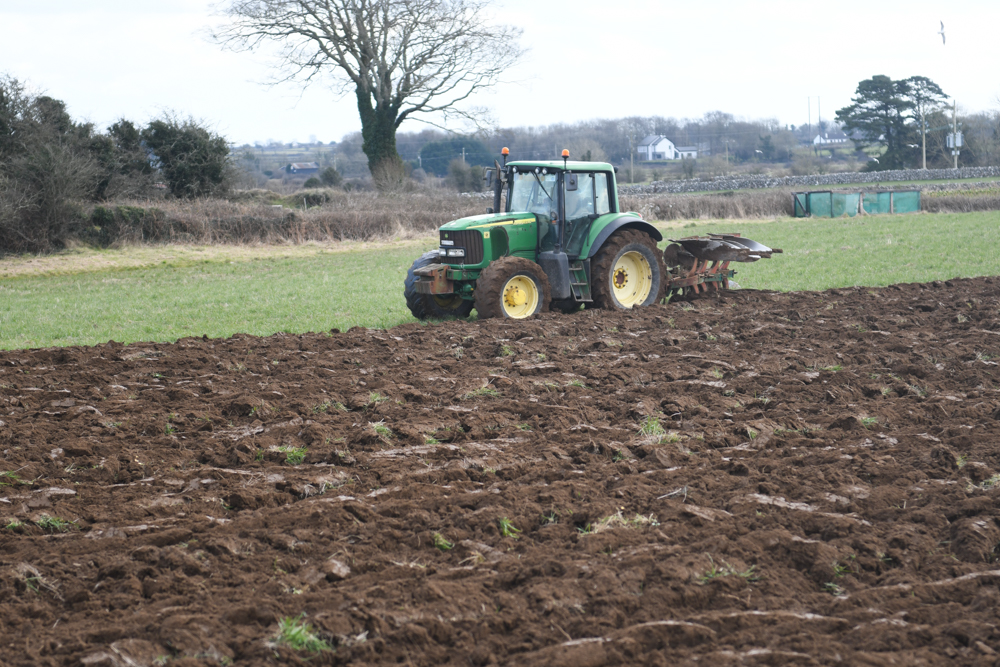
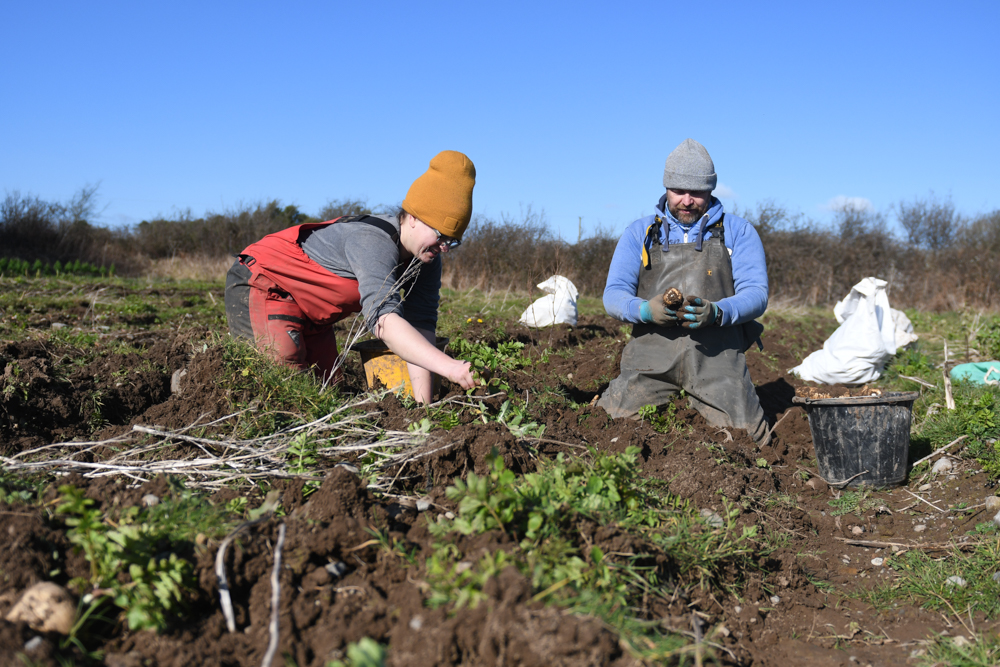
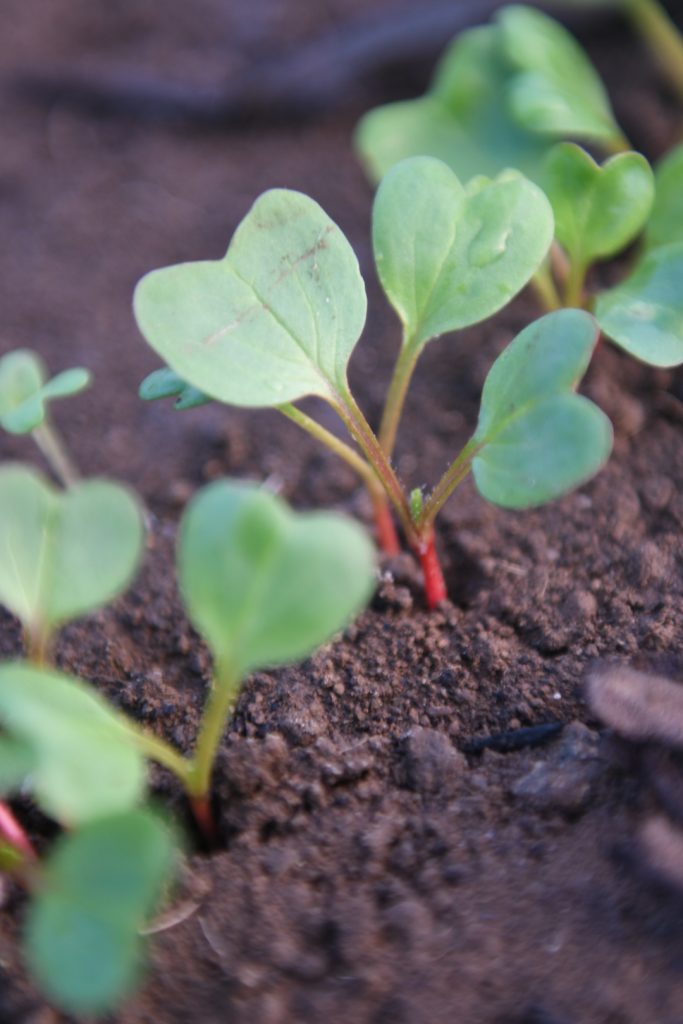
While all of these things are flying around in my head I find that there is always one thing that gives me an unequivocal feeling of progress, hope and optimism for the future and that is the farm. The season is starting again we have ploughed our first fields, we have sown our first crops, we are planting our first plants the week after St. Patricks week. The earth smells wonderful, the birdsong is amazing and the break in the clouds to give us the most amazing blue skies with a frosty farmscape have been intoxicating.

So, whenever things are getting that little bit too much, remember you have been one of the people that have contributed to nearly €3000 for people who need it much more that we do, and the fresh air, the blue sky and the earth beneath our feet are always there we just need to stop and look.

Here’s to a great St Patrick’s week ahead.

Kenneth

PS There is also a 15% off all of our orders for next week just use the code “STPADDYS” when you order.

From the farm or IRISH this week: Potatoes, leeks, spinach, kale, mushrooms, parsnips, cabbage (3 types), purple sprouting broccoli, celeriac, swede and chard.

Also Remember we are not delivering by courier next week as DPD are not operating on Thursday or Friday.

The Benefits of Buying Local

With recent world events, it has become startlingly clear how important being self sufficient as a country can be. Don’t get us wrong, we love to trade with the world, we all love oranges, olives, wine, tea, coffee, chocolate etc. Keeping our fridges full with a healthy variety of fresh fruits and vegetables year round means importing from our organic farming connections around the world (by the way, we never use airfreight). Trading with the world is a positive thing, being friendly with our neighbours and part of unions benefits us all – nutritionally and to promote peace and prosperity. But, it’s also important to us to support local and buy local food as much as possible. Food security is a real issue and supporting local farmers and paying them fair prices (we’re looking at you supermarkets!) is always going to be an important topic that we will talk about regularly. So this week, with St Patrick’s Day on the calendar, we are celebrating all things local and Irish.

Good for You

Local food is fresh, more flavoursome and even more nutritious than food that has travelled! When there has been less time between harvest and your home, there are more nutrients. Did you know that as soon as a fruit or vegetable is picked it starts to loose nutrients? So the quicker it gets to your plate, the better. Locally grown food intended for local consumers will be picked when it is ripe too, so you’ll be getting the best flavour as well as avoiding waxes and preservatives found on food that has travelled a long way.

Good for the Planet

Buying locally produced food, of course means less food miles. ‘Food miles’ is the term for the distance food is transported from the time of its making until it reaches the consumer. Choosing local food requires less transport, therefore less fuel/energy is used to get the food to your plate – so local food has a smaller carbon footprint because it produces less transport related emissions. Less transport usually means less need for packaging too. We use as little packaging as possible to get our food to you, and where we do use packaging we choose paper or compostable bags over plastic.

Good for your Community

Supporting local food producers means more work and more money in your community. Spending money with Irish business will mean more Irish jobs, more Irish tax and therefore better services for everyone. Shopping locally strengthens the local economy too. Local businesses are more likely to recirculate the money locally – not just on wages and taxes, but also on local suppliers and services. This leads to a stronger financial foundation for our neighbours and communities and a more recession-resilient local economy.

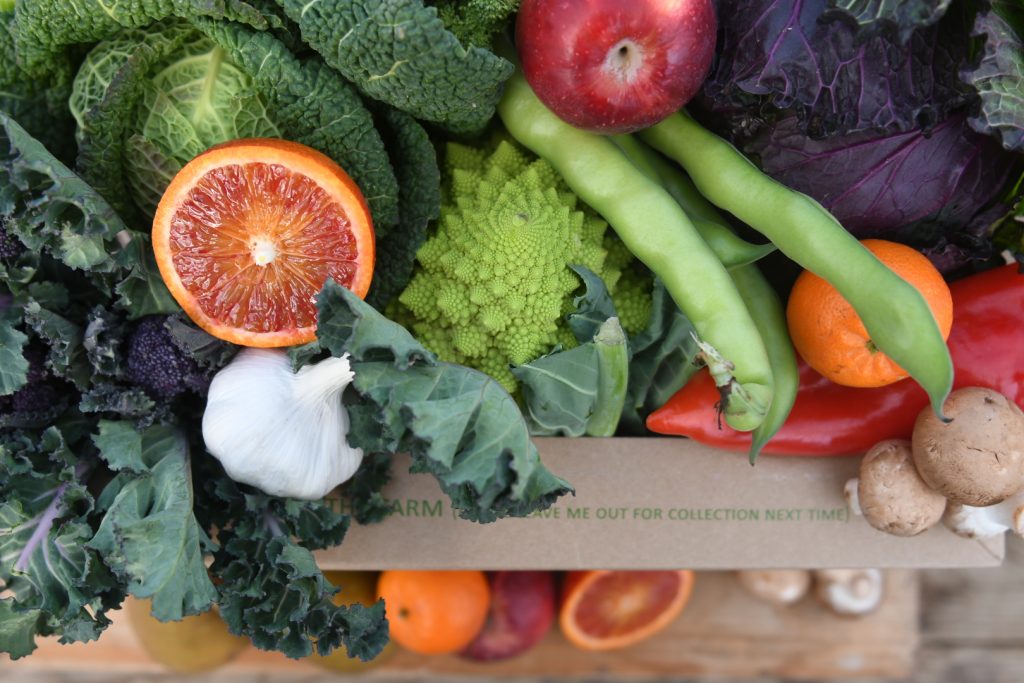
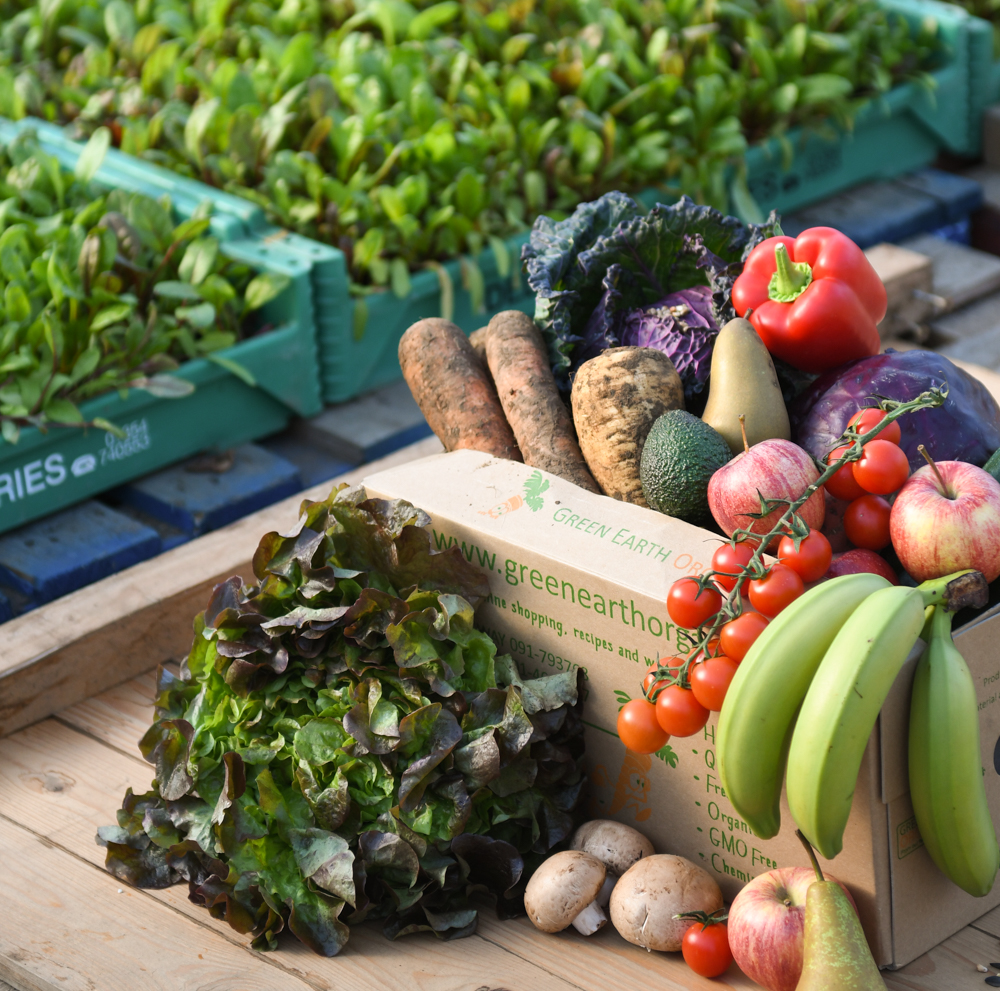
Will you support the local economy and help Ireland build better food security by buying a box of organic fruit, vegetables and groceries from us today? We deliver nationwide. Have a look at all we can deliver to your door here.

Clean Dirt

What is hiding in our food? 

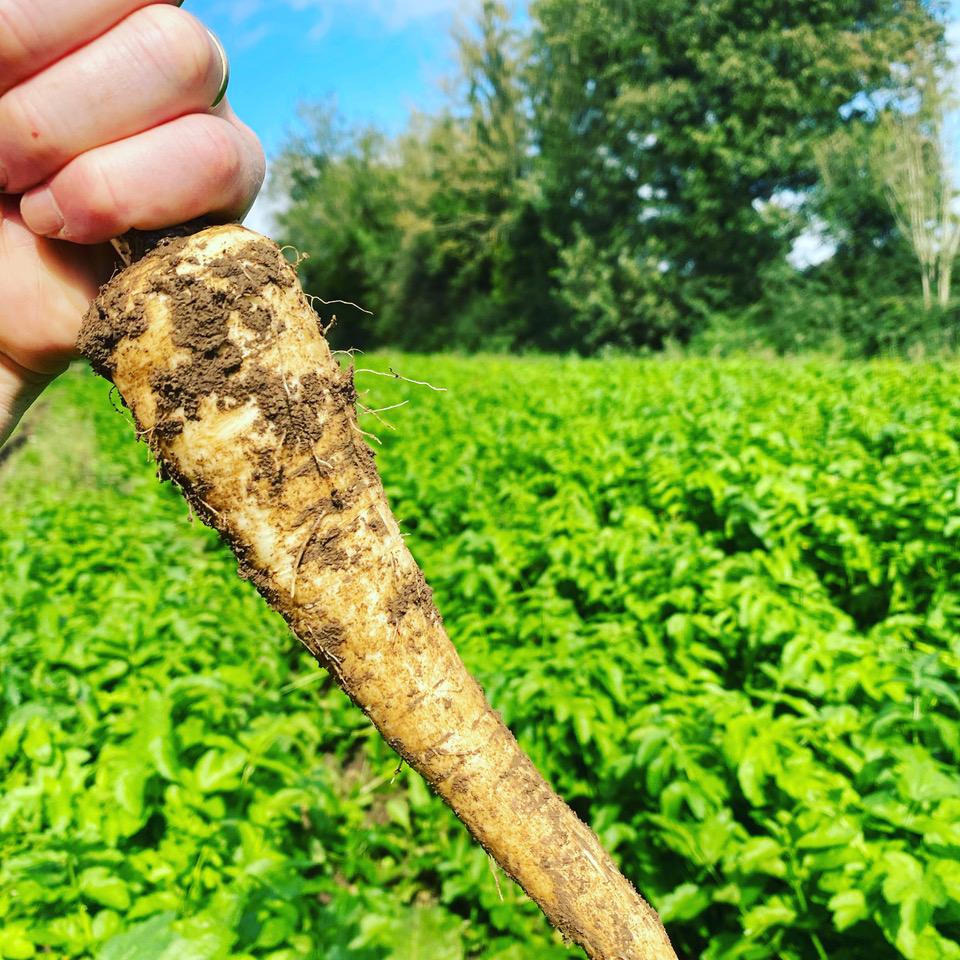
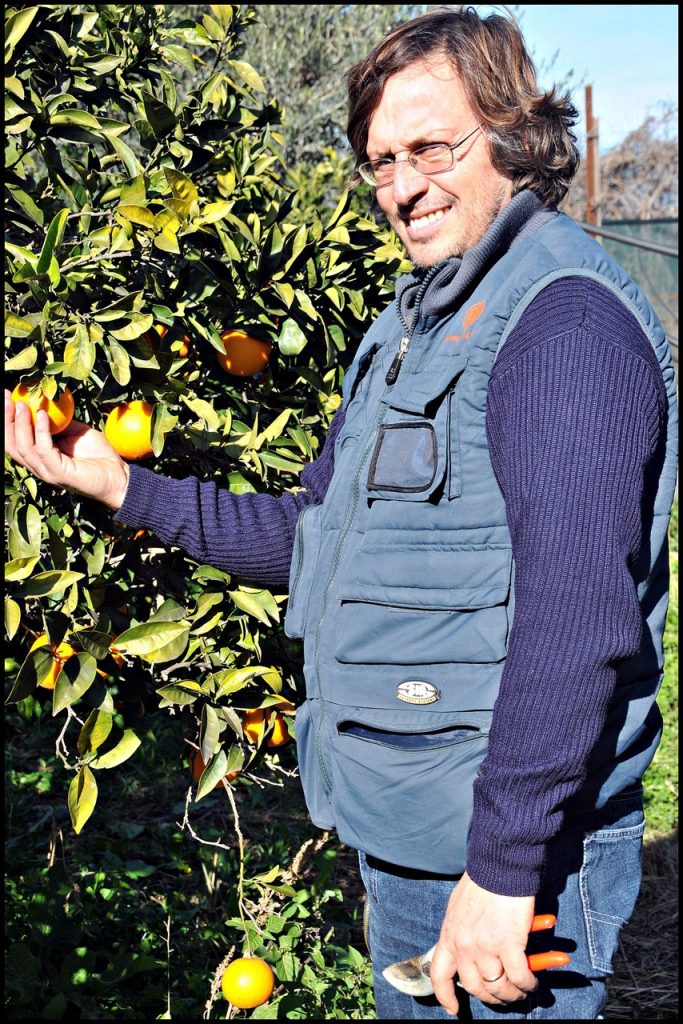
Simone’s oranges picked in Italy contain nothing but a good helping of Italian sunshine and healthy nutrients from his soil. Our parsnips contain nothing but a good helping of Irish rain and the healthy nutrients from our soil. What then about their conventional cousins? Hmm well as it turns out, the story there is very different.

Dirt, clay soil the stuff that gets stuck under your fingernail is good for us. It is actually pretty healthy to get it on your hands, in fact research has shown that getting your hands stuck in clay may actually ease depression. (Mycobacterium vaccae the bacterium is found in soil and may stimulate serotonin production is currently under study)

Some of our produce comes with dirt on it and we are pretty proud of that, we know it takes a little more effort in the kitchen and time can be in short supply, we know when you have a busy household the last thing you want to do is to wash dirty carrots or parsnips. We get that, I know the feeling and sometimes I reach for that bag of washed carrots and am just thankful they are washed!

But here’s the thing we are not hiding anything, you can see the dirt and it has a very important function. It is a natural preservative, it keeps the veg fresh, it keeps the flavour in. You can smell the freshness when you wash one of our dirty parsnips. Crucially leaving dirt on your veg actually helps reduce food waste!

The great thing of course about soil is it can be washed off.

This unfortunately is not the case with chemicals. Many are systemic in nature, (simply put they get inside the plant or food and stay there). 

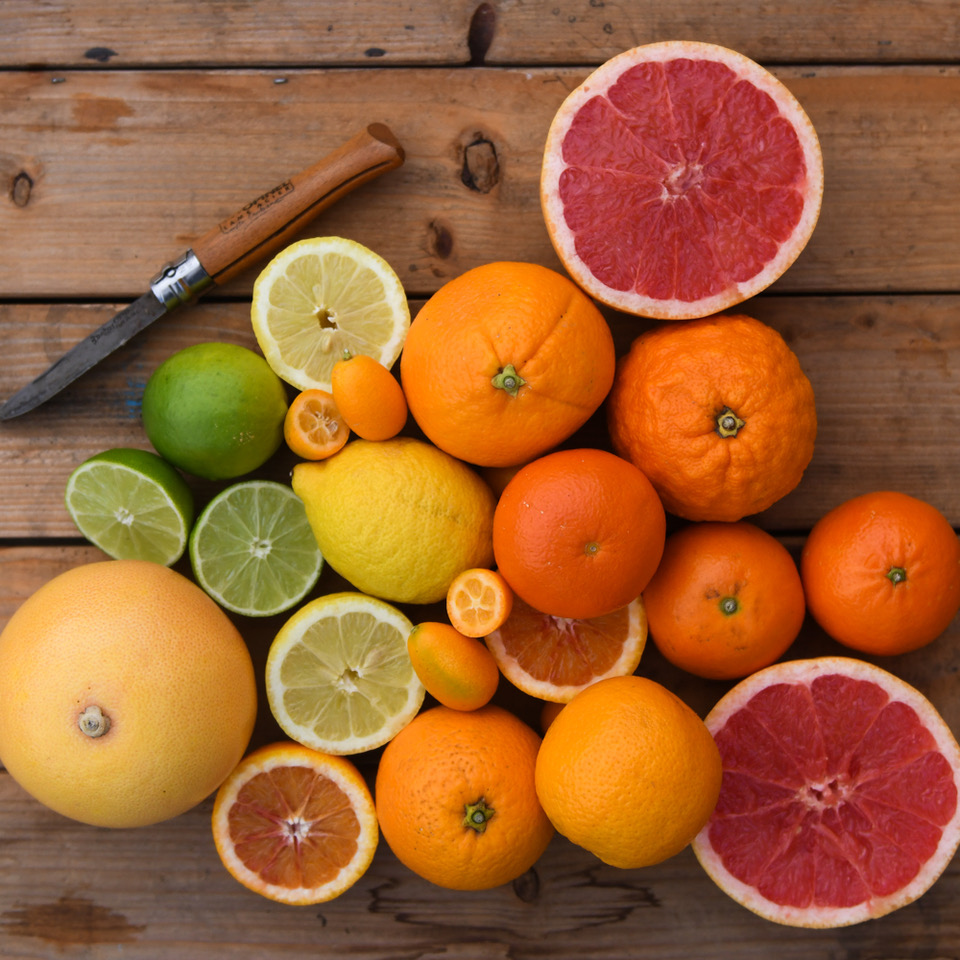
Some chemicals are applied to the skins of fruits and vegetables to preserve them. The most commonly known ones are the fungicides mixed into the waxes and applied to citrus fruit. 

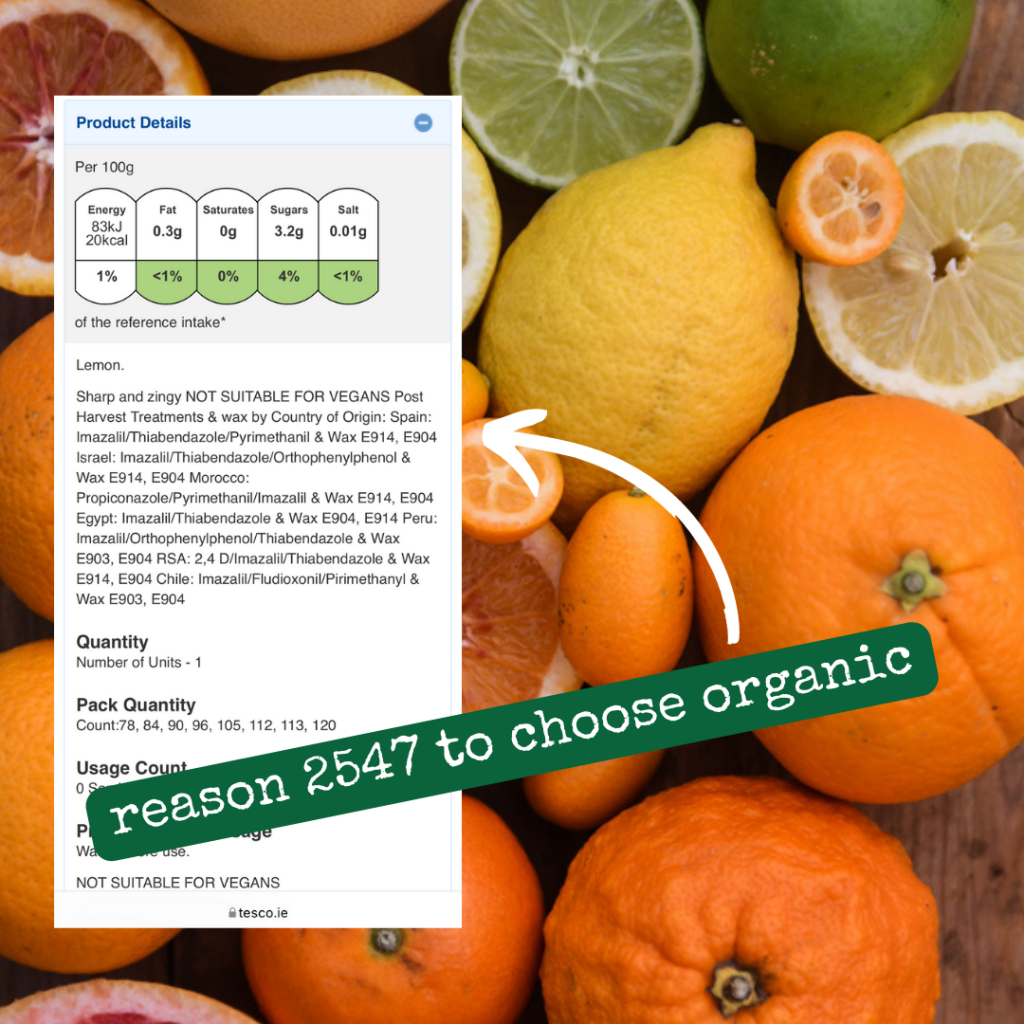
We stumbled upon some pretty eye-watering facts during the week. It turns out that one of the big supermarkets are now kindly putting the names of the chemicals mixed in with the waxes on their loose citrus fruit on their website. Have a look see for yourself. (Check out the description on loose lemons on this retailer’s website. I’ll give you a hint the name of the multinational supermarket begins with T.)

This is what is found on your conventional (Non organic) LEMONS:

Here is the list we found (Depending on country of origin, the treatment varies)

Spain: Imazalil/Thiabendazole/Pyrimethanil & Wax E914, E904 

Morocco:  Propiconazole/Pyrimethanil/Imazalil & Wax E914, E904 

Egypt: Imazalil/Thiabendazole & Wax E904, E914 

RSA: 2,4 D/Imazalil/Thiabendazole & Wax E914, E904 

And if you were wondering what these wonderful preserving chemicals may do to us unsuspecting humans here are some fun facts:

Imazalil is a suspected carcinogen and a probable endocrine disrupter (compounds that mimic or inhibit the body’s hormones, generally not good for us)

Thiabendazole is a probable endocrine disrupter 

2,4-D falls into a class of compounds called endocrine-disrupting chemicals. 

Here is another fun fact, the amount allowed in a piece of fruit is set by something called the MRL (Maximum residue limit) and this is generally set by what works to kill a pest and not what is safe for human consumption. (Recently The EU proposed reducing the MRL for Imazalil to 0.01mg/kg  for citrus from 4mg/kg, but this was overturned by growers, so what is the safe limit?)

So, unlike the dirt on our parsnips which is harmless, and could be argued is actually improving our health, extending shelf life, locking in flavour and can be seen, these hidden compounds reside on much of the conventional fruit that is purchased in supermarkets and is bad for our health. It is refreshing to see at last that there is some transparency creeping into our food supply chain. 

Kenneth

https://www.ewg.org/foodnews/citrus.php

Food Waste & Fussy Pigs

Food waste has always upset me and I think I get that from my mum.  Pre-covid my mum was a regular in our packing shed, salvaging any waste produce for a variety of charities, she was the ultimate food waste champion. 

Her generation was not one to waste anything. 

It wasn’t until the plastic clad, sell more, always on, supermarket culture took over did we as a generation decide it was ok to dump food. Or was it really our decision? I think not. It was the supermarkets that decided for us and made it ok to waste food and to grade out perfectly good produce based on how something looks.

In our business we try really hard to keep food waste to a minimum. It can be challenging as we are dealing with so many different fresh items, and we have harvests and deliveries arriving everyday. We run 5 different cold rooms, and we run some at different temperatures to ensure the optimum temperature is maintained to keep produce fresh.  We have also committed to not using plastic.  

(Incidentally, just this week it has been shown that despite the Supermarkets railing on about it, plastic does not actually reduce food waste, it can actually increase it!)

But back to our story, we need to make sure you our customer gets the most amazing quality.  Everything piece of produce gets inspected, and while sometimes the odd one gets through,  we work really hard to deliver on our promise of only delivering amazing quality produce to your door.

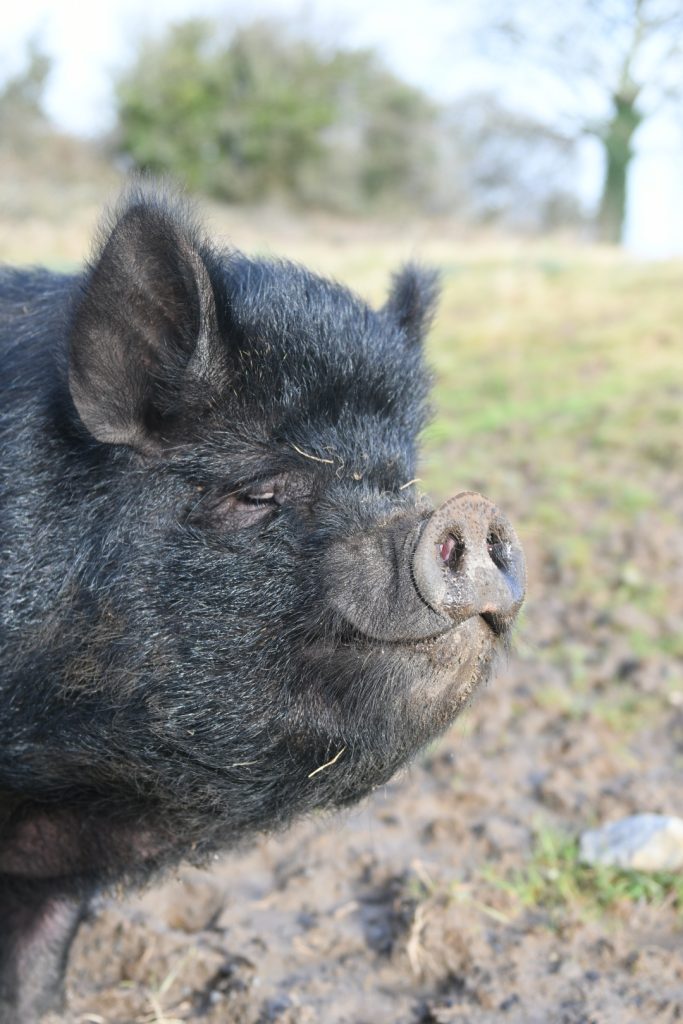
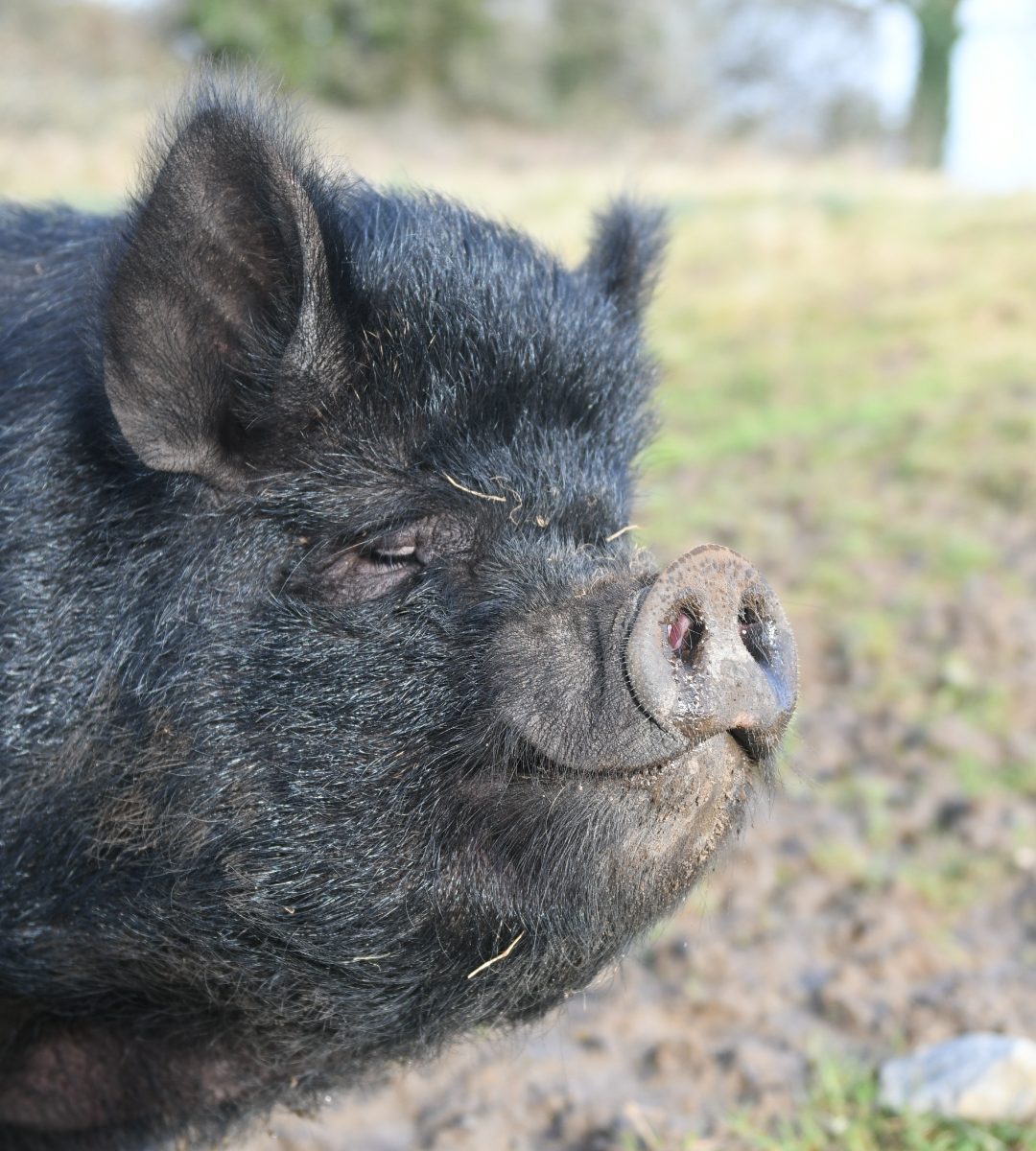
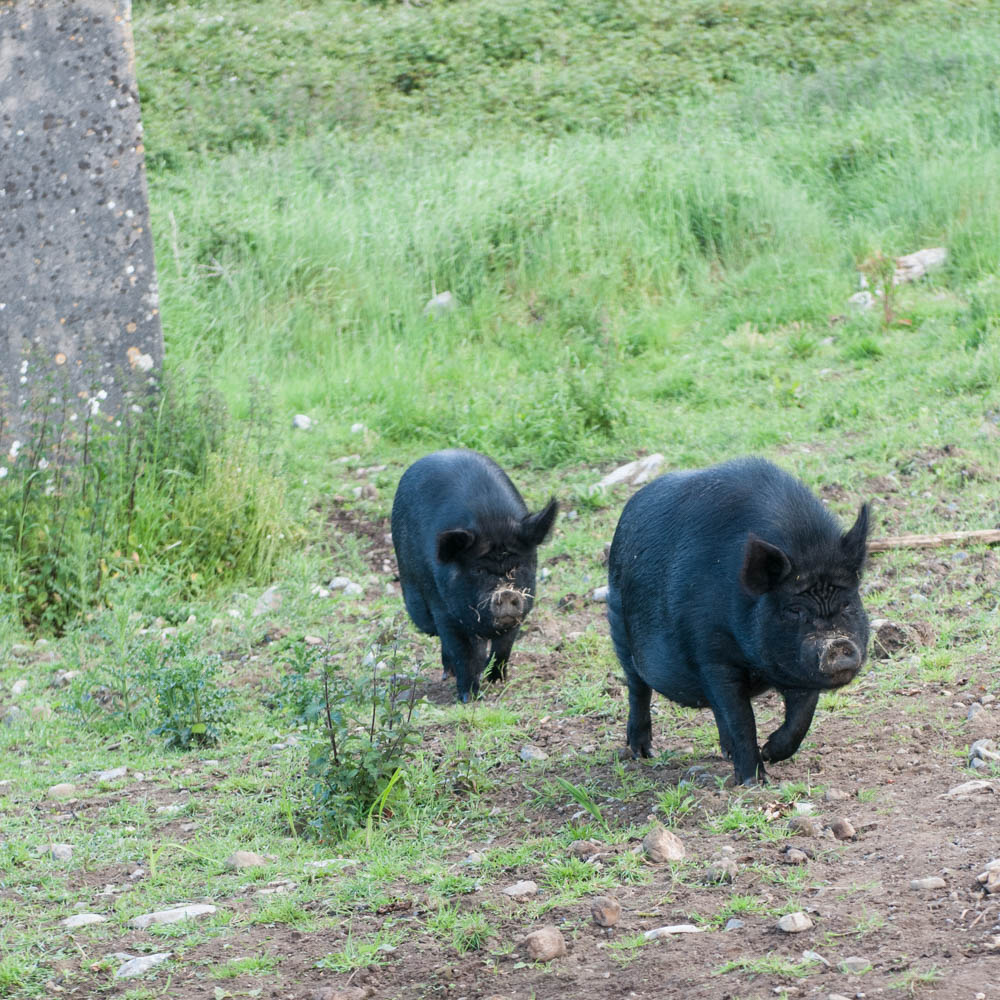
“Grade outs” : produce that we know will not make it to you our customers in first class condition, are left on a shelf in our packing shed and are generally used to make staff boxes and our team can help themselves. Finally, what is left, the stuff that we don’t eat ourselves usually ends up in Florence and George’s bellies (our rescue pigs!)

I always thought pigs would eat anything. As it turns out I was wrong. Pigs do indeed have some serious food preferences. I know because just over a year ago we took charge of two rescue pigs George and Florence. They have the run of an acre of mostly forested land and will live out their long and leisurely lives here on our organic farm. (Incidentally pigs can live until they are 20!).

Who would have known that pigs are fussy eaters? Well, I can tell you that they will not eat broccoli or kale, they are not partial to courgettes and apparently mushrooms do not tickle their palettes either.

It would seem then that they know what they like and what they don’t like. But when it comes to wonky shapes, and blemished skin they see only food. 

I don’t know that supermarkets take food waste seriously.  A couple of years ago, a person who would know told me about 12 pallets of pineapples that were dumped as a result of a supermarket quality inspection failing them because of some blemishes. This happens.

Maybe being that little bit more mindful of our food can go along way in reducing our food waste, and the funny thing is it can actually end up saving us quite a bit of money too.

Here’s to less food waste!

Kenneth

Who We Are

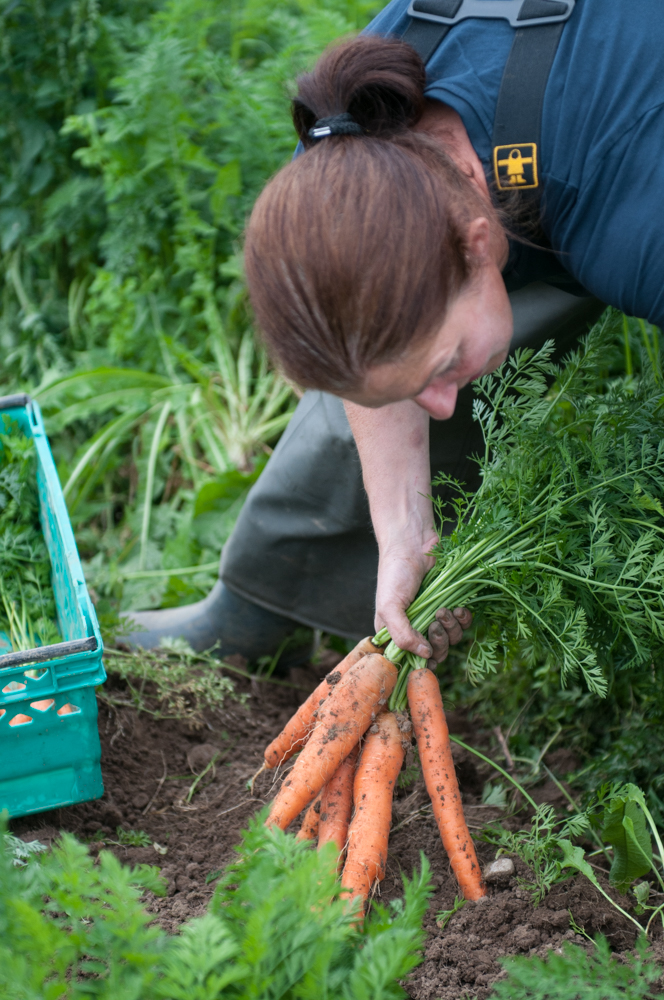
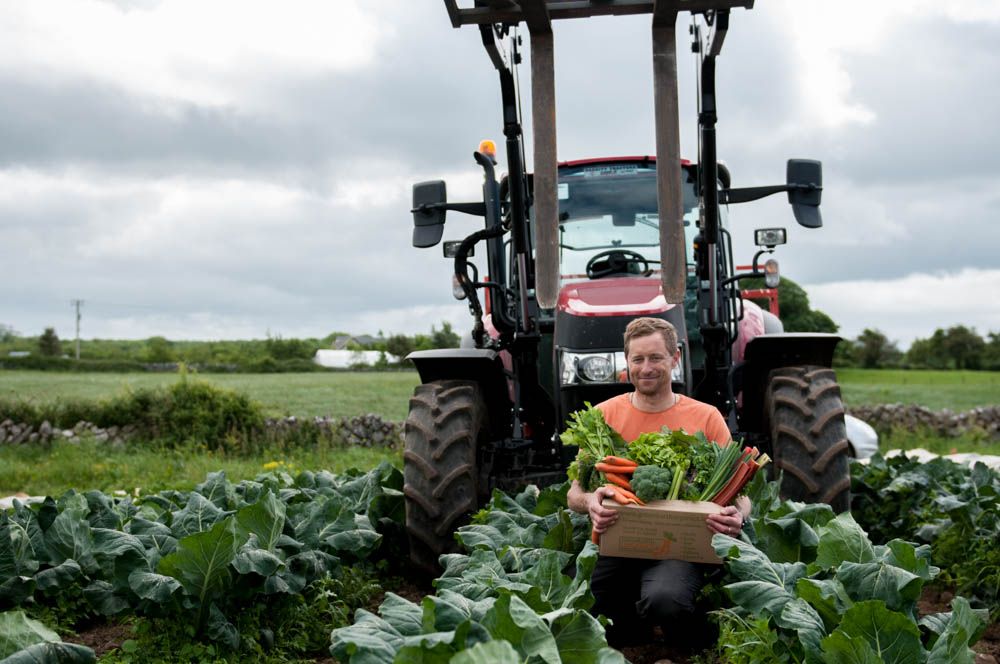
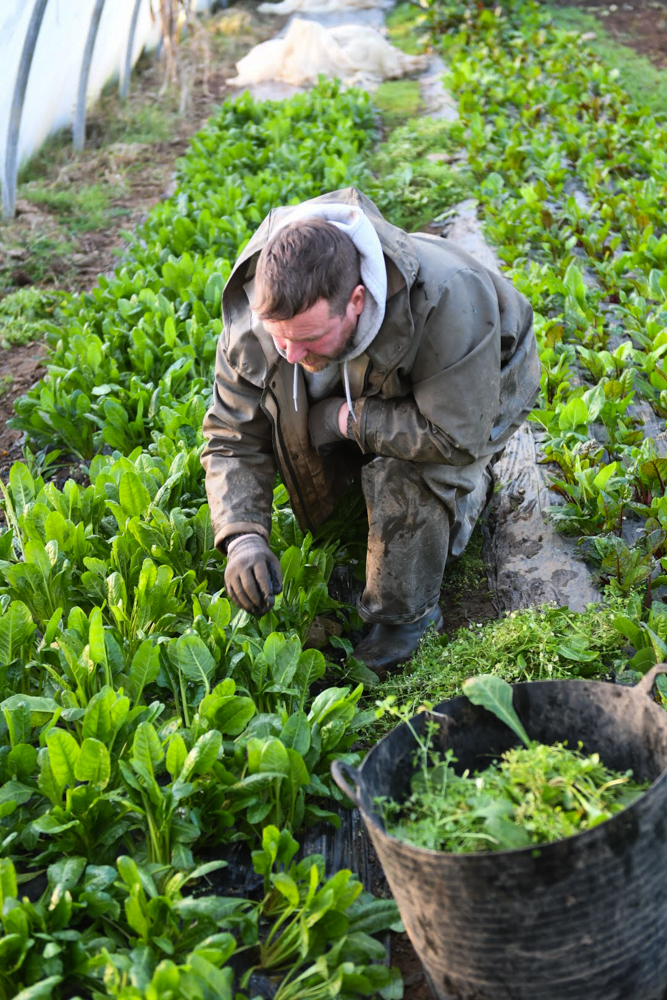
We (Jenny & Kenneth Keavey) started Green Earth Organics in 2006. Our organic farm is situated 8 miles from Galway City. Originally the land was Kenneth’s grand-father’s and then his father’s and finally we took over the farm 14 years ago. We put the farm into conversion for organic status in 2004.

Currently we are farming on 40 acres of organically certified land. Another 10 acres is split between a wild life biodiversity area, native woodland forestry (7000 trees) and red clover/grassland. We are certified organic by the IOA (Irish Organic Association) – please note that EVERYTHING we sell is organic.


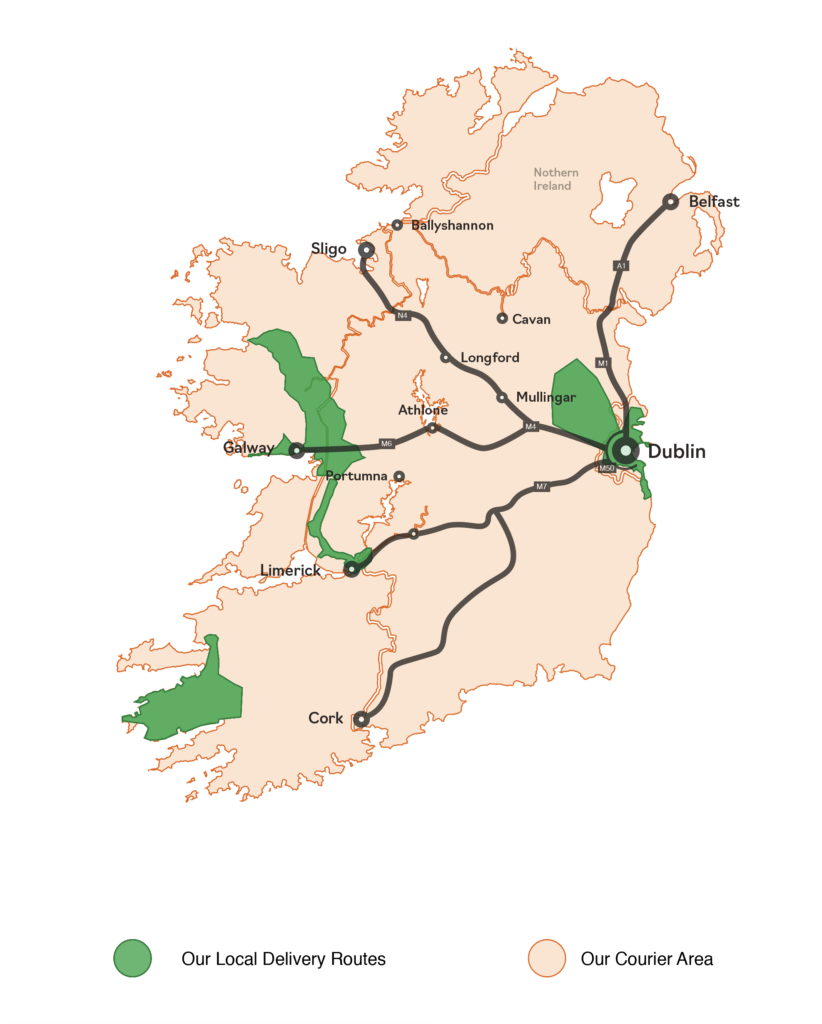
You can order online direct from us. We deliver to every county in Ireland – click here for more details about the ordering deadline and delivery days. 

Our Commitment to Sustainability 

Our aim at Green Earth Organics is to minimize the impact of our farm on the environment. We do this by growing our produce in an organic and sustainable way, by generating our own electricity using solar panels, and by harvesting the West of Ireland rainwater to wash the freshly picked veg and to water the plants in our tunnels.

As a business, we are striving to be carbon neutral and we’re actively looking for ways to reduce and eliminate the small amount of plastic packaging remaining in some of our boxes (this is mostly from grocery items – we are always looking to expand our plastic free grocery options so keep checking back on those).

All our set boxes are PLASTIC FREE, we use compostable bags for salads and greens.
All of our other fresh produce is packed either loose or in brown paper bags which we take back and re-use every week. 

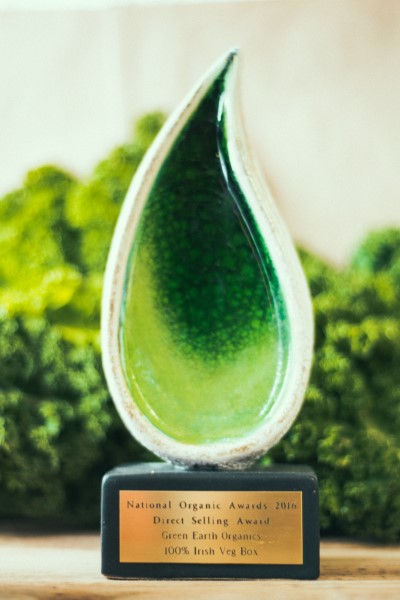
We also have a box that contains 100% Irish Veg which you can order here. Thank you for your support – we really appreciate it. 
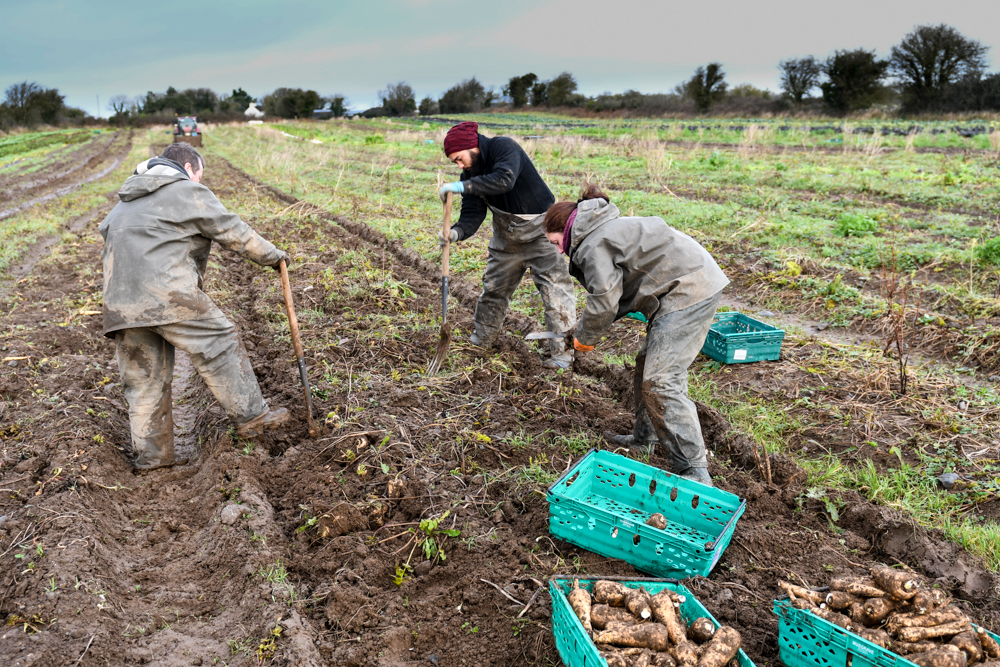
Currently there are 45 employees in total across the farm, packing team and administration team. We also take on students and interns and employ seasonal workers at certain times of the year. You can check out our vacancies here.


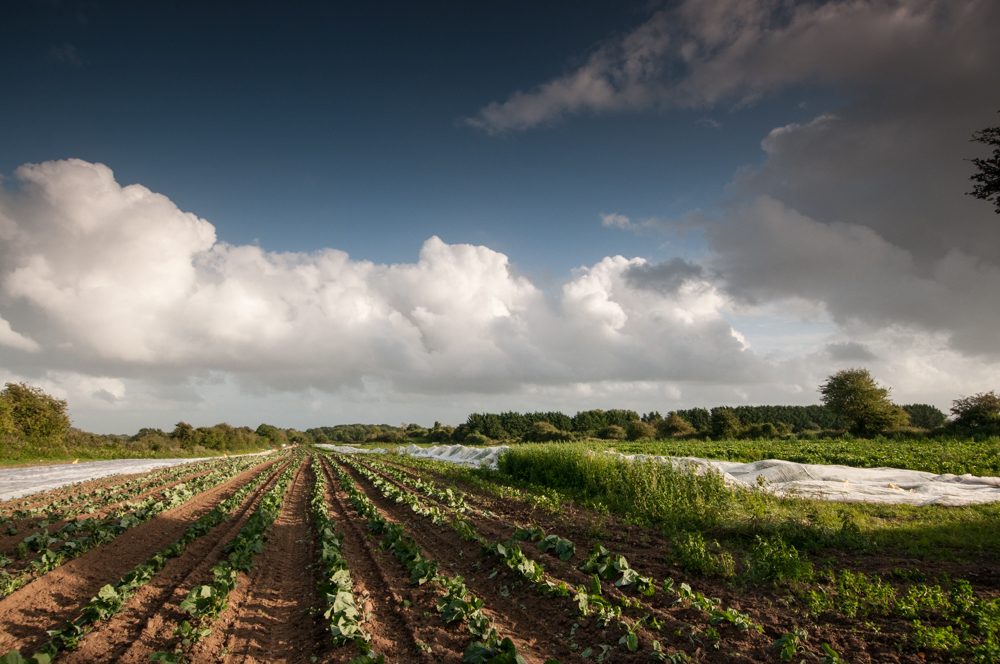
We have 6 polytunnels and grow a wide range of crops both indoors and in the field. Over the course of a year, a typical seasonal box will contain 80% local, organic produce.
We buy produce from other Irish suppliers and we also import organically certified veg and fruit in order to be able to offer a full selection of produce year round. We never use airfreight!

At Green Earth Organics, we care deeply about the environment and believe that people should be able to choose foods that are grown as nature intended, taste fantastic and add to their wellbeing.

Sustainability and health is at the centre of all business decisions we take.

A Very Irish Christmas

Against all my best inclinations I have decided I am not going to launch into a rant about the damage the supermarket food culture has wrought on our land. I have decided to instead embrace the positive this week, to celebrate the little wins and the amazing things our people, suppliers, and you our customers are doing.

We have the most amazing suppliers, the best in the world, and they are local, Irish and sustainable. Just today I met Titta from Lilly’s eco clean, she exudes positivity and is dedicated to the sustainable cause. Yesterday I had reason to speak to Franck, our local native Galwegian French man who supplies us with his amazing organic wine, he is always in good form.

We have had to give the harvest of our own leeks a little break until after Christmas and therefore I was on the phone to Roy Lyttle one of our amazing potato and leek suppliers. Cameron from Battlemount organic farm supplied us just a couple of weeks ago with his own freshly pressed organic apple juice from apples in his own orchard and the most amazing potatoes on this island.

Ralph Haslam and I go back along way and he supplies the gorgeous organic cheese, yogurt and if milk (I believe the best milk in Ireland) you may know his products better as “Mossfield Organic farm”. There is of course the cultured food company and Synerchi kombucha, and the Little Milk Company and Bunalun Organic, all great IRISH companies. Yorg from Solaris teas makes his tea right here in Galway and Blakes Organic roast their coffee in Leitrim, the fantastic McCabes coffee roast their organic coffee beans in county Wicklow.

Then there is all the other Irish organic growers that supply us at times during the year such as Audrey and Mick from Millhouse organic farm. Joe Kelly in Westport, Padraigh Fahy in Beechlawn organic farm. Philip Dreaper in Coolnagrower organic farm and many more.

But the best supplier of all is our own farm and the amazing hard-working team of individuals that work tirelessly on our farm. They grow the best tasting, healthiest food you can buy anywhere. Our farm is the centre of our business, it is the heart, it is our cornerstone, it keeps us grounded and it keeps us deeply connected with our food, it never lets us stray from the right path.

That is not to say that we do not have the most amazing teams of packers and drivers and customer service people because we do, the very, very best. So we really understand and appreciate the hardwork and effort of all our other suppliers, they are all amazing, struggling with the ups and downs of running and owning a small business and working extremely hard to produce great IRISH products and make their business work especially during the last two years.
This brings me to our last stars, the real hero’s of our story and I guess you may know who that is? That is, you. Your support, your purchases, your positive (and constructive negative feedback) keeps us going, it puts money in our bank account to pay for all of the above. But and this is the big one, it keeps a strong growing sustainable system of food production going. So aside from the very best healthy and (we have no shame in saying) the most amazing tasting produce you are supporting an idea for a better food future.

Thank you and have a very merry, Irish Christmas!

Kenneth