Cooking without Chemicals with Tom Hunt – Biodiversity-boosting Kale Kimchi

Tom Hunt is an award-winning chef, food educator, writer, climate change activist and author. This recipe was first published in his book Eating for Pleasure, People & Planethttps://www.tomsfeast.com

We all know how good fermented foods are for us. Bursting with beneficial bacteria and so so good for our gut microbiome. But did you know that by making this stunning farm fresh vegan kale kimchi you’re not only supporting your health, but also supporting biodiversity? Organic farms boast up to 50% more biodiversity compared to conventional farming setups. And by supporting small farmers who do their part in protecting our environment such as not using pesticides, growing hedgerows and leaving the kale to flower in the spring, your gut-healing kimchi is much more than the sum of it’s parts.

Ingredients
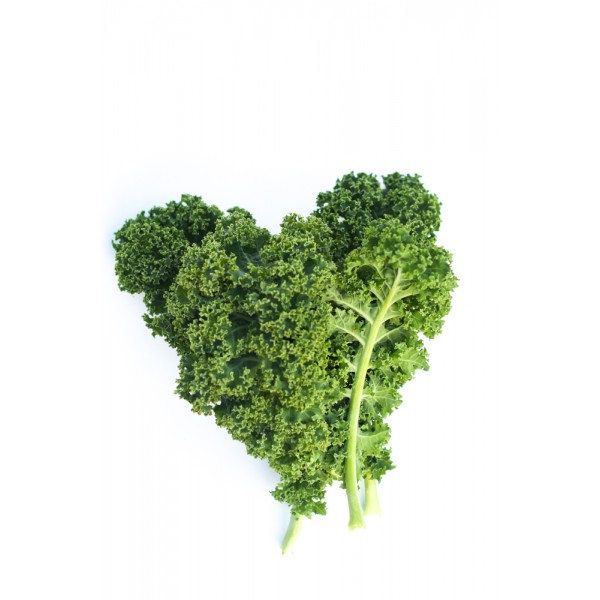
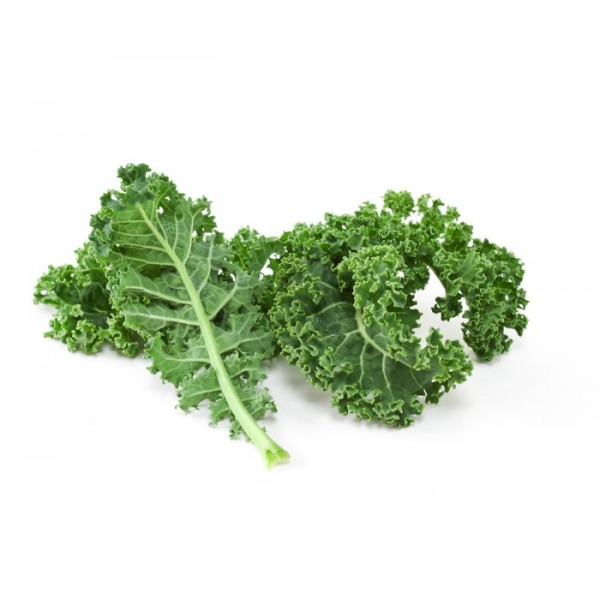
300g mixed colourful kale and greens
65g carrot, cut into thin batons
50g spring onions, cut into thin batons
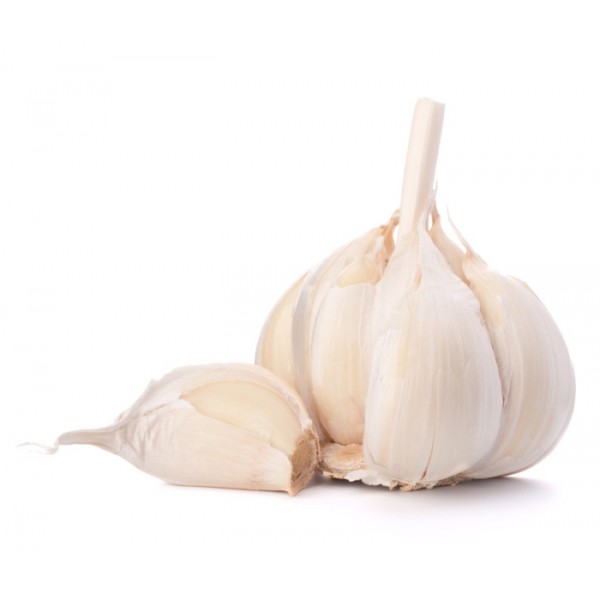
30g cloves garlic, peeled
50g onion, peeled, roughly chopped
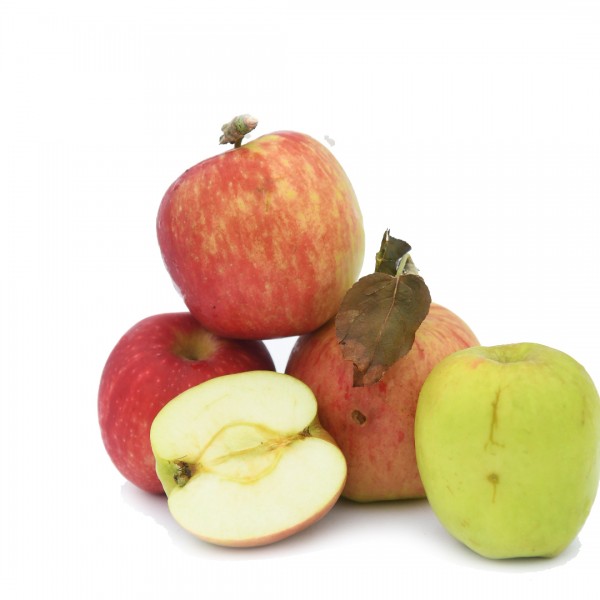
150g apple
6 tablespoons Korean chilli powder or other to taste
Pinch hijiki seaweed

Method
Gather 250g of raw vegetables, the majority of which should be leafy greens.
Cut hard vegetables, leafy green stalks and brassica stalks into matchsticks, cut brassica florets into bite sized pieces and rip leafy greens into large pieces.
Wash everything well and drain in a colander.
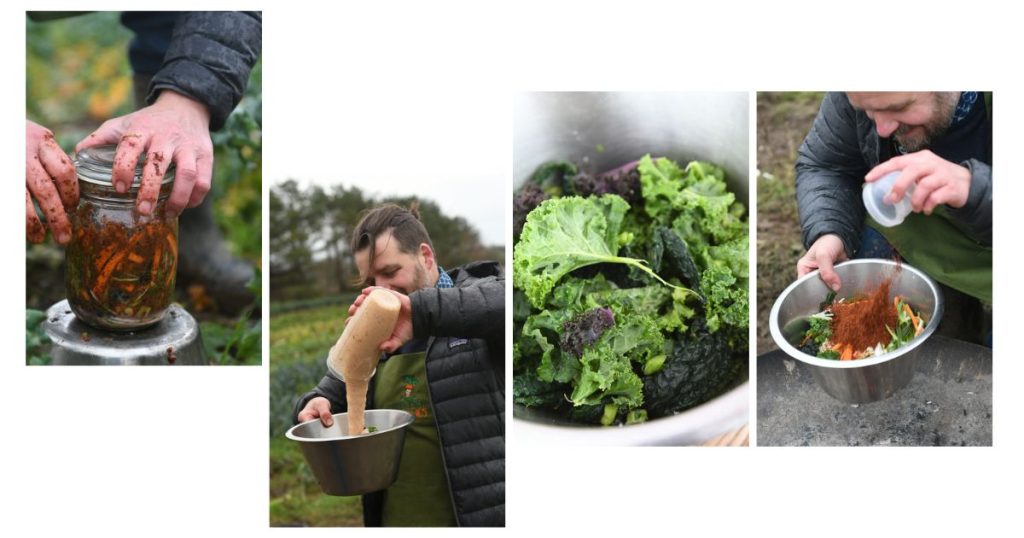
Massage one teaspoon of sea salt into the mixture.
Leave for 30 minutes then pour off any excess liquid.
Blend the garlic, onion, apple, pear and chilli powder to a puree with 120ml of water.
Pour the garlic mixture over the greens, add the hijiki seaweed and mix thoroughly.
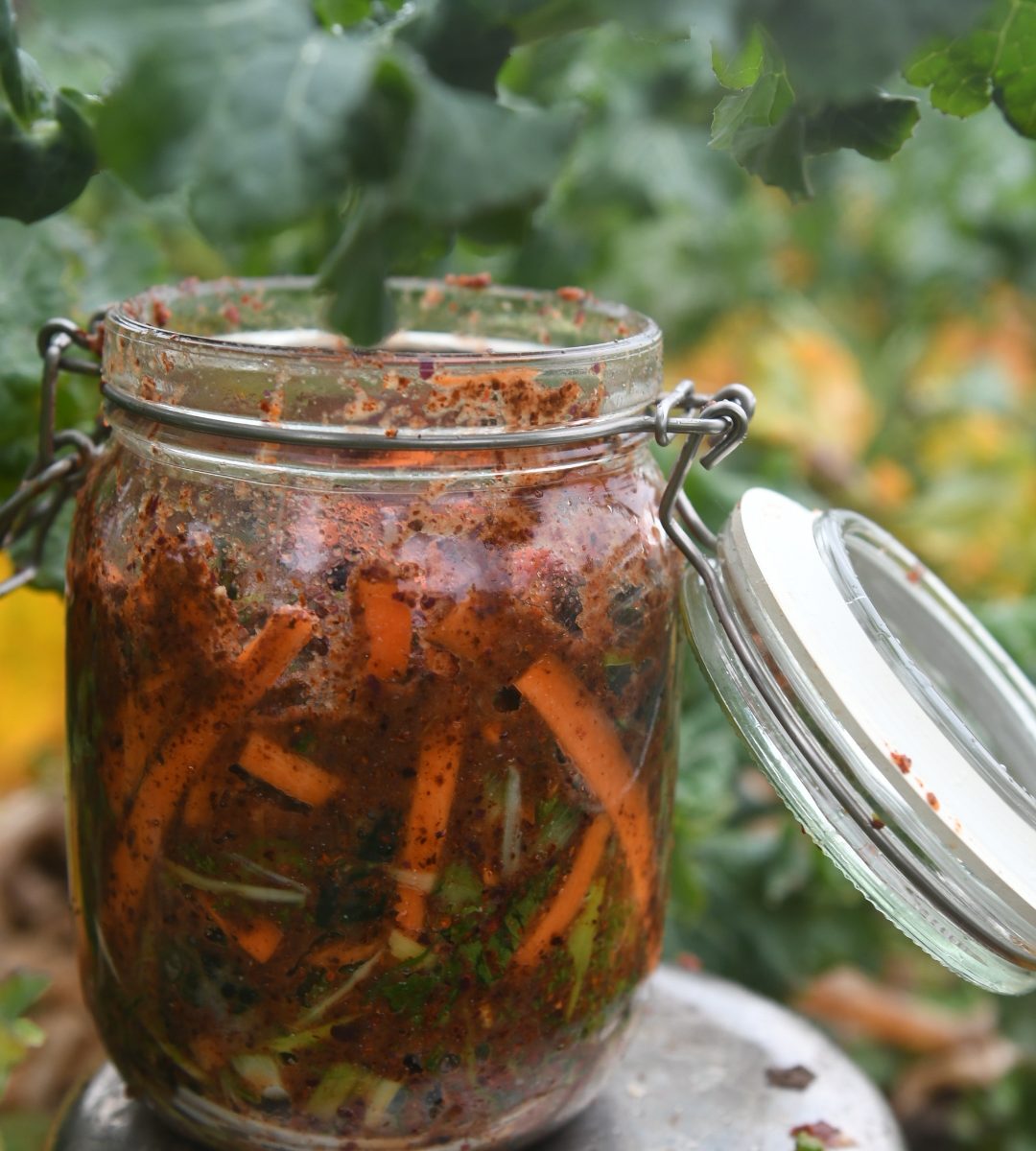
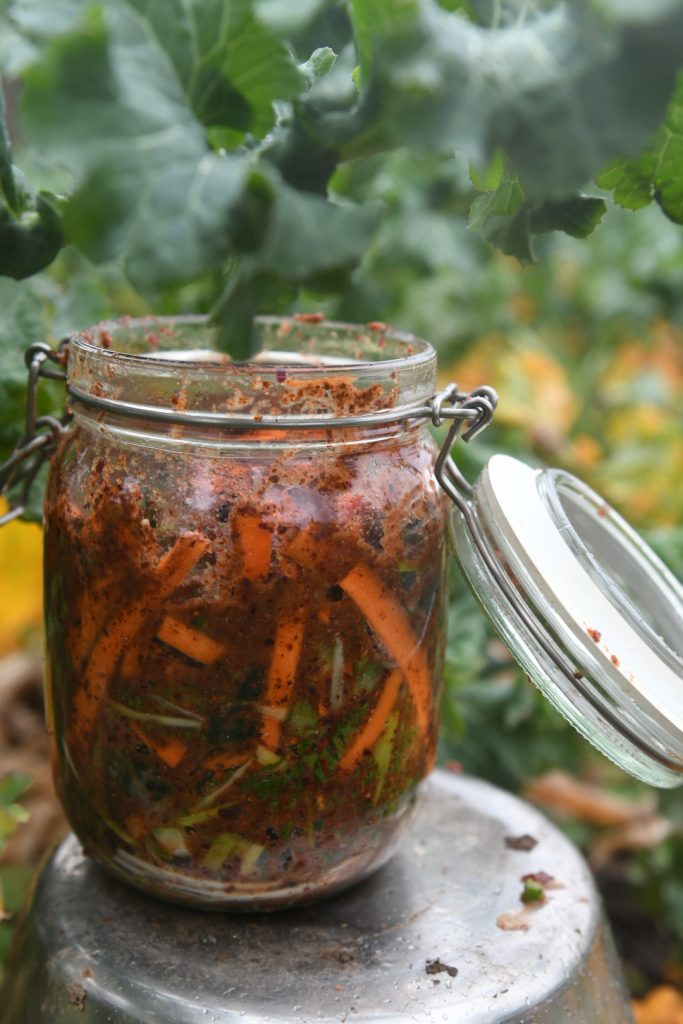
Pour into a clean jar and press down, packing it in tightly.

Cooking without Chemicals with Tom Hunt – Beer-battered Kale

Tom Hunt is an award-winning chef, food educator, writer, climate change activist and author. This recipe was first published in his book Eating for Pleasure, People & Planet. https://www.tomsfeast.com

Beer-Battered Kale

Beer is a nifty ingredient for making any number of dishes. Just a drop will transform a slow braise, stew or hotpot, adding notes of bitter caramel, yeast and hops that elevate the recipe while lessening the need for stock. Beer batter is quick to make and deeply satisfying to eat. The bubbles help it puff up when fried, turning wonderfully crisp and flavourful. Here I’ve battered a variety of whole kale leaves, which are magically moreish served with a squeeze of lemon and a dollop of curried mayonnaise. Any leftover beer can be stored in a sealed container in the fridge for up to a month, or frozen indefinitely until needed.

Serves 2

100g wholemeal spelt flour, plus extra for dusting

1 tsp baking powder

A pinch of salt and pepper

130ml beer and/or water

Light olive oil, for frying

200g Kale (green, purple, or black or a mix of all three), whole leaves (but you can also try nettles, halved mushrooms, batons of squash, fennel or turnip, chicory leaves, etc.)

To serve: lemon wedges, curried mayonnaise, or tamari

In a bowl, mix the flour, baking powder, salt, pepper, beer and/or water, and beat out any lumps. Add a little more beer, water or flour if necessary to reach the consistency of double cream.

Fill a saucepan less than one-third full with oil and place on a medium heat. When hot (test by dropping in a little batter – if it bubbles and rises to the surface, it’s ready) dust the kale leaves lightly in flour, shake off the excess, then dip into the batter.

Shake again to remove any excess batter and carefully lower into the hot oil. Fry for about five minutes, or until golden brown.

Remove with a slotted spoon and place on kitchen towel to drain. Serve hot with lemon wedges and your favourite condiment.

Why is kale on the dirty dozen every single time?

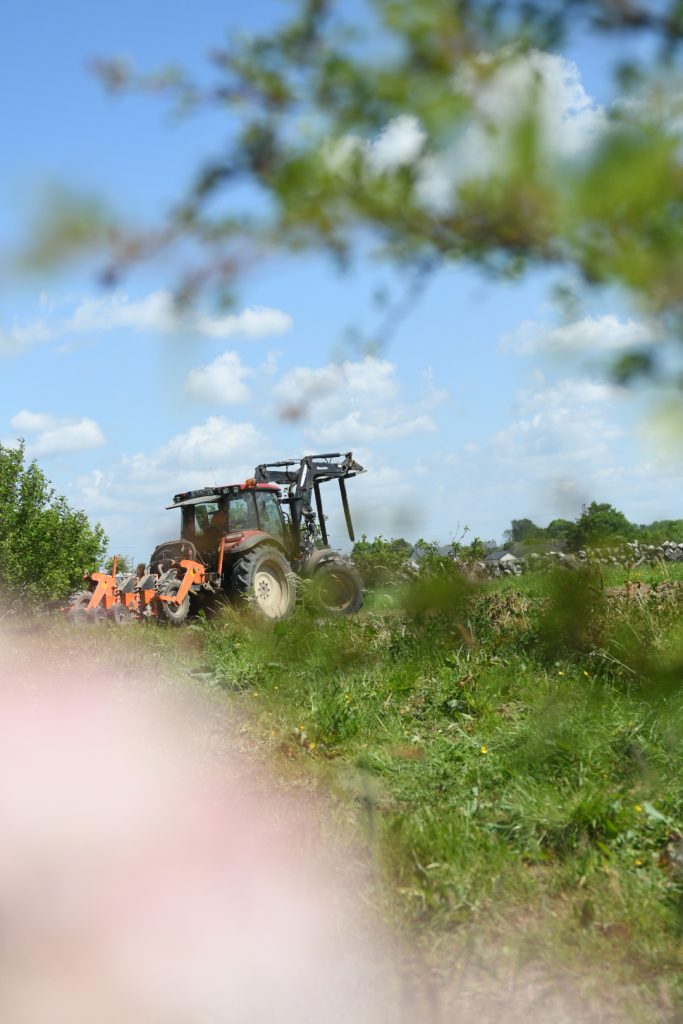
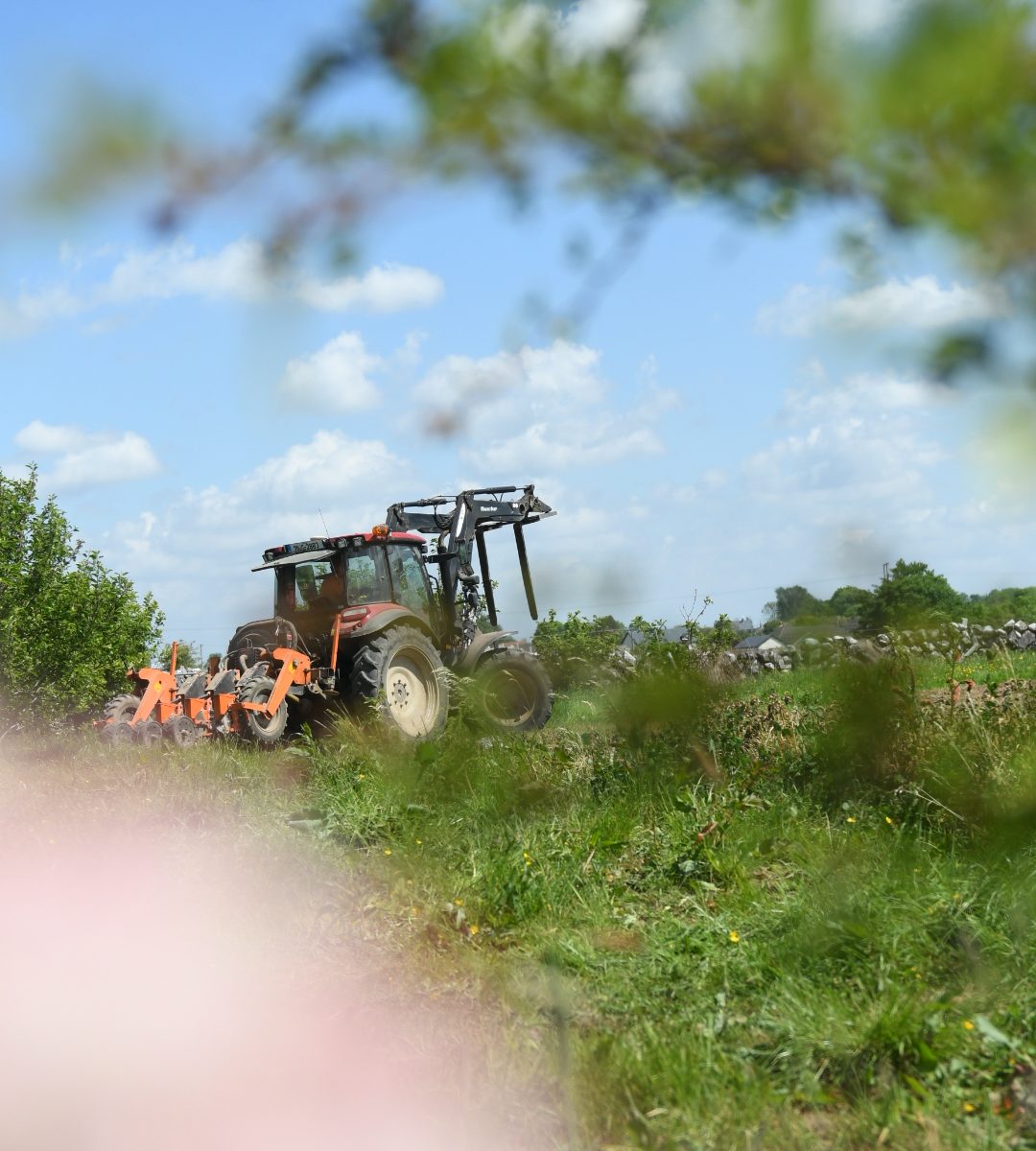
We were out spraying our crops this week, we were having problems with our sprayer, so I was out there with Brenda fixing the machine and ensuring it was working well. It struck me as I was down near the crops checking to ensure we were getting good leaf coverage with our spray that this is exactly what happens with toxic chemical sprays, they are applied, and they are sprayed directly onto the crops and are in some cases absorbed into the plants.

It was visually striking and although I have known this for years, it really hit me there in the field. We sprayed all our brassica plants that day with a mix of seaweed, boron, Epsoms salts and an herbal tonic.

At the time we were spraying black kale, funny thing is kale is a regular feature on the dirty dozen list, mindful that this is an American compiled list and there are so many more chemicals applied there compared to here in the EU, that doesn’t give us Europeans a free pass though.

Even so, for the life of me, why? Why spray kale? It used to be grown for cattle and is as hardy as vegetables come. We have been growing kale for 20 years and never had a disease problem. The only time we have an issue is with aphids, and that is after we leave the plants to go to flower, and they are exhausted at the end of a long season.

Chemicals that are absorbed into the food are called systemic, that means they penetrate the skin of the plant and get into its circulatory system, washing or rinsing does nothing to remove these chemicals.

You may note from the video that there are plenty of weeds in our fields, one of the most notable differences between organic and conventional agriculture is the absence of weeds. Weeds in conventional systems are managed generally starting with the ubiquitous spray of roundup followed by herbicides applied once the plants are in the ground. Then there is the fungicide and insecticide applications. All in all, whilst it is better in Ireland, the best way to avoid ingesting synthetic chemicals is to choose organic.

If you would like to know the chemical concoction you might find on your kale read on. Fungicides like, Difenoconazole, Boscalid, and Fludioxonil, insecticides such as Lamda-cyhalothrin, herbicides such as metazahlor, pendimethalin may be used, if you are in the US I am sure you can add a whole batch of more toxic chemicals to that list.

As the day went on, we got all our brassicas sprayed, I can only imagine the good the mix we applied is doing the plants, and I hope you can taste it in the flavour, freshness and richness of the produce coming off our fields and the fields of the other farmers that supply us.

Not only that, but I Saw a few bees fly though the spray and of course they flew on, no issue there, maybe it even did them some good, don’t think you could say the same for any synthetic chemical that might be sprayed.

As always thank you for your support.

Kenneth
PS Don’t forget to support our organic farm at this time of the year it makes all the difference to us and all the other organic farms and farmers that supply into us. Thank you. Kenneth
Chemical kale, and some amazing news….

Our food is probably one of the most valuable investments we can make, and our decisions affect us deeply, and over time they take their toll. Look at the rise of obesity, diabetes, and other chronic inflammatory disease.

The long-term impact of consuming too much sugar, or ultra processed foods is clear, but what is less clear is the cumulative impact of the pesticides and herbicides that are endemic in our food, the hidden extras that we never see.

What is the impact of the small amounts of pesticides we consume in our food daily, the cocktail effect of these chemicals over a period of years can be profound.

What if our organic kale was just kale, and the conventional chemical sprayed kale had to be called “chemical kale” ? Our impression of food would change our realisation that our food is grown with chemicals would be clear.  We may then consider their impact on our health, or how our food choices impact biodiversity.

At the moment our kale fields are bursting with flowers, and bees and biodiversity.  They are also covered in aphids, as the kale is at the end of the season they are doing little harm. These aphids in conventional systems only a few years ago would have been treated with neonicotinoid chemicals, these systemic chemicals were shown to kill bees.  The chemical industry denied and lobbied against groups that wanted them banned, knowing full well they were killing the bees. Thankfully these chemicals are now banned.

We have just been designated as a conservation area for the native Irish honey bee, the bee hives that Gerry manages on our farm are native Irish honey bees and these bees are, as all bees are under threat from habitat destruction, the relentless intensification of agriculture, the loss of biodiversity and the overuse of chemicals in our food chain. The Irish honey bee is unique to Ireland and it needs to be protected. Our food choices directly impact Gerry’s honey bees, in this case in a very positive way, and they are thriving on our farm.

Not only do our food choices, impact our food, but it seems they also impact the quality of our drinking water. Irish water this week announced that they have found 66 exceedances of what they deem is the safe limit of pesticides in our water. I would argue that the only safe limit is a zero-tolerance limit. A senior manager said:

“We want to remind users to be mindful of water sources when using pesticides, as one drop of pesticide can be detected in a stream up to 30km away.”

Chemicals found included MCPA (used to kill rushes),   2,4-D (this was a chemical found in the notorious agent orange concoction sprayed to defoliate forests during the Vietnam war).  And of course glyphosate, the main ingredient in all-purpose Roundup makes a star appearance, which is no surprise.

But as with Gerry’s bees, our food choices really do matter, they drive a different type of food production, they change the laws of the land, they get chemicals banned. So, the next time you are choosing food, if there is an organic option, maybe if you can choose that, it really matters.

As always thank you for your support,

Kenneth
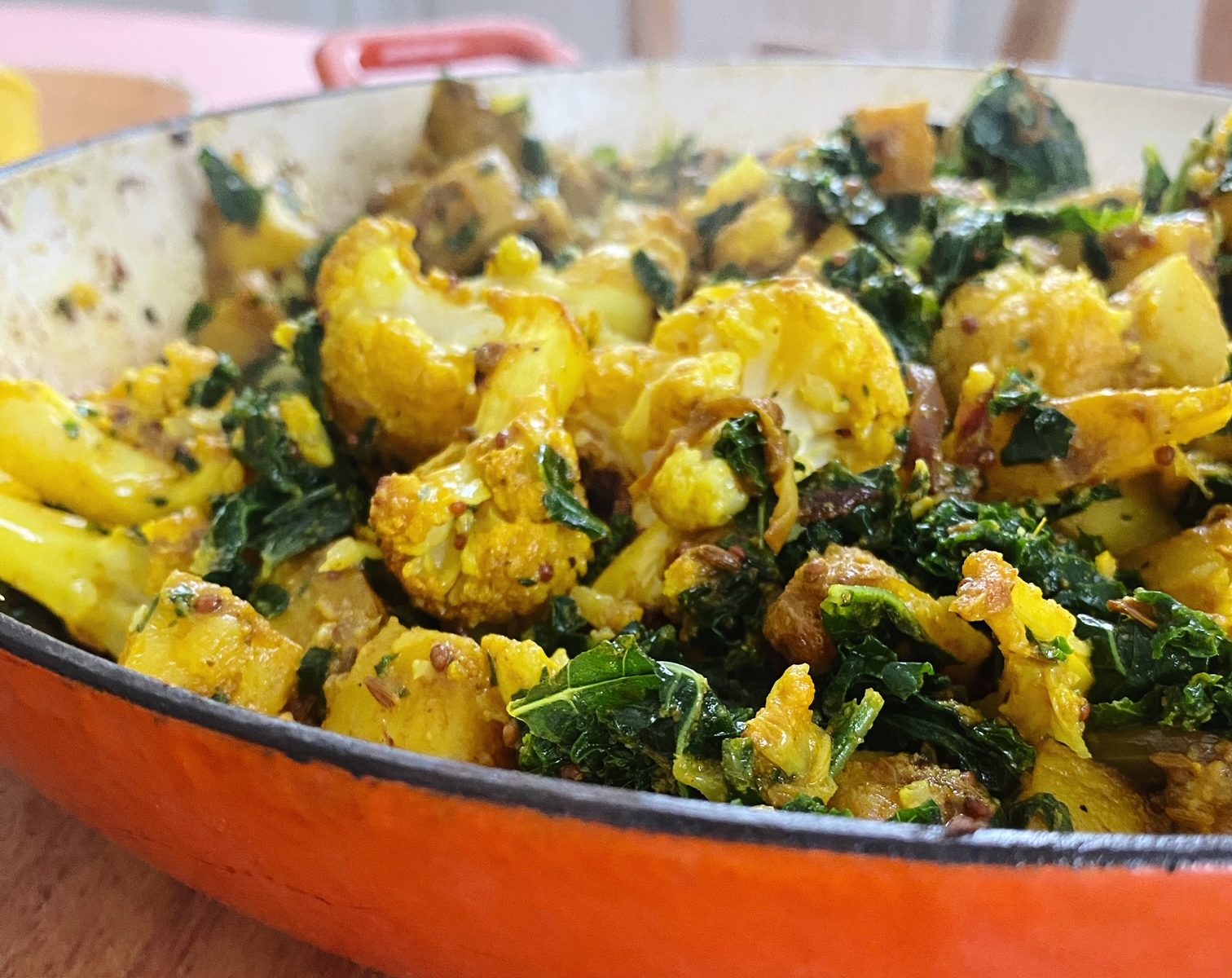
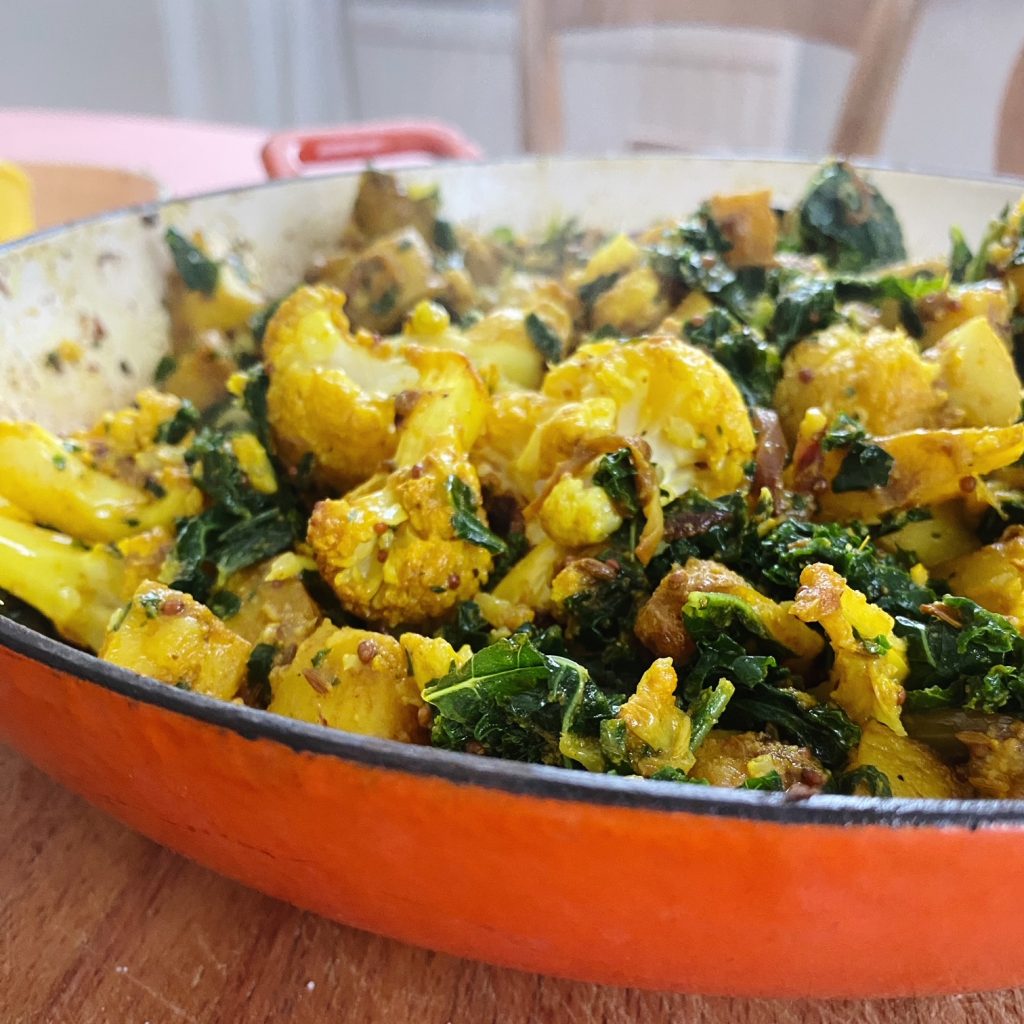
Saag Aloo Gobi

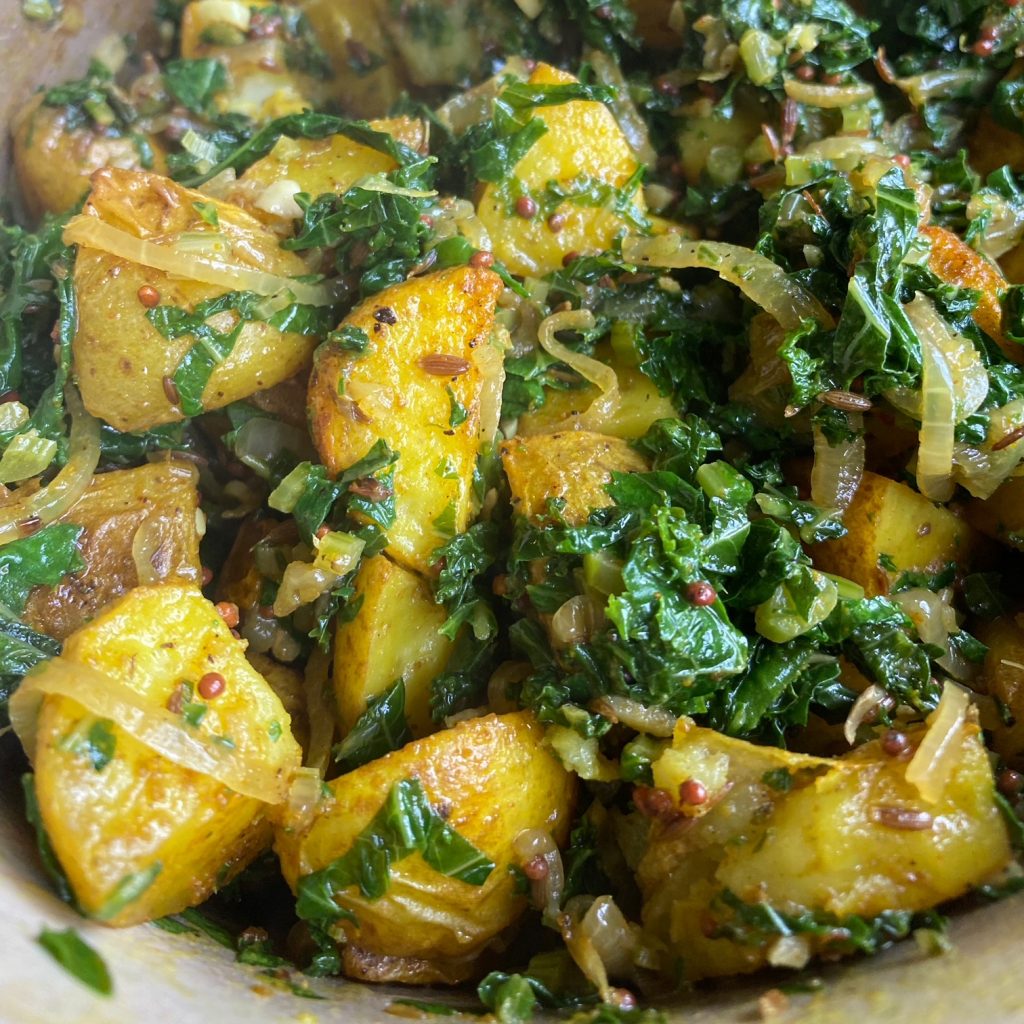
Saag aloo gobi = greens potatoes cauliflower. It’s a classic Indian side dish, a drier curry, delicately spiced and absolutely delicious! We find it easier to mostly make it in the oven and then quickly finish it off on the hob with the spinach/kale and lemon juice. It is honestly gorgeous, we make it so often to go with our weekly bowl of dal or chickpea masala. Or to make it a meal in it’s own right, add a drained tin of chickpeas or some chopped extra firm tofu to the pan for some protein. Don’t stress if you don’t have the brown mustard seeds or cumin seeds, just leave them out. Top with sliced chilli for an extra kick. I hope you really enjoy it.
Liz x

Ingredients

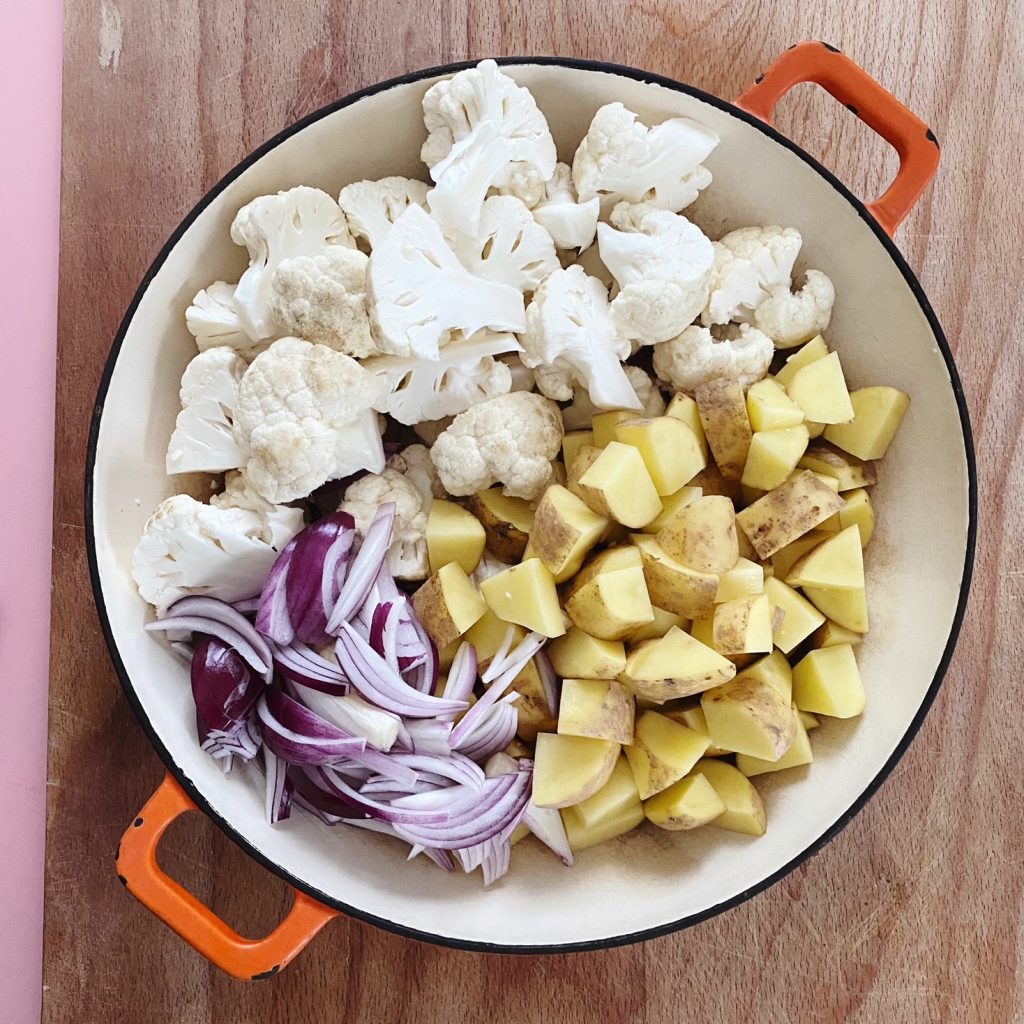
  • 1 large red onion, peeled and sliced
  • 1 cauliflower, cut into florets
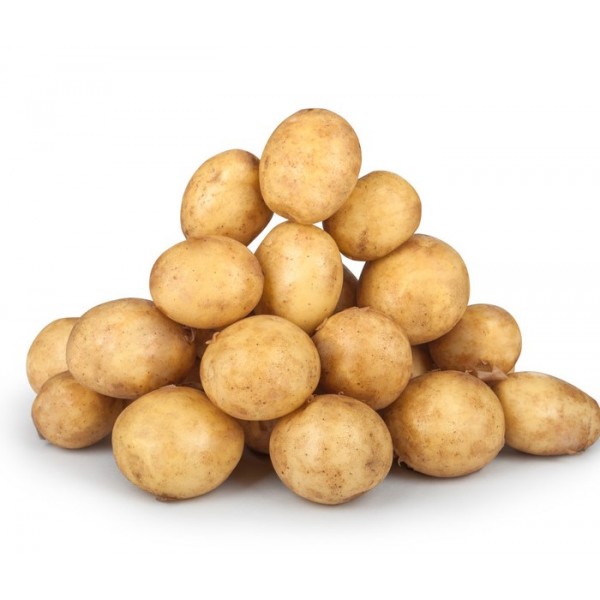
  • around 6 medium potatoes, cut into bites
  • 2 tbsp oil
  • 1 tsp brown mustard seeds
  • 1 tsp cumin seeds
  • 1 tsp garlic powder
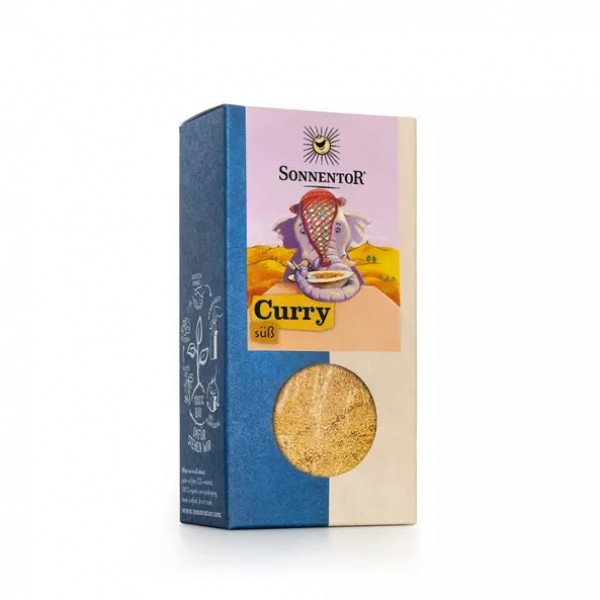
  • 1 tbsp curry powder
  • 1 tsp salt
  • black pepper to taste
  • the juice of 1/2 a lemon
  • 200g chopped kale/spinach

Method

  1. Pre-heat your oven to 200C and find a large oven and hob safe dish (or you can just use a deep oven dish). Tumble in the chopped onion, cauliflower and potatoes then drizzle with the oil.
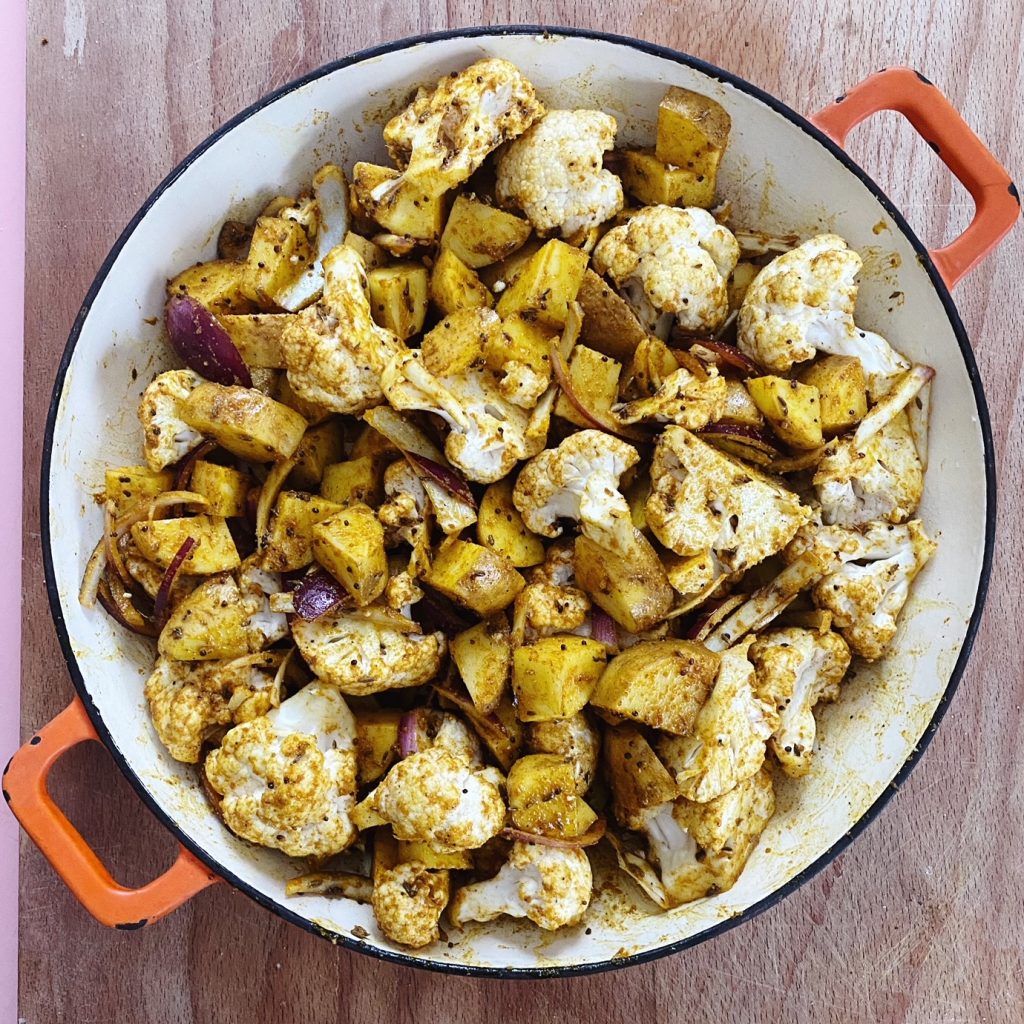
  2. Add the whole spices, curry powder, garlic powder, salt and pepper then mix well with your hands to evenly coat each bite with the seasoning.
  3. Roast in the oven for around 30 minutes or until the potatoes are cooked through. Check and stir the dish every 10 minutes to ensure an even bake.
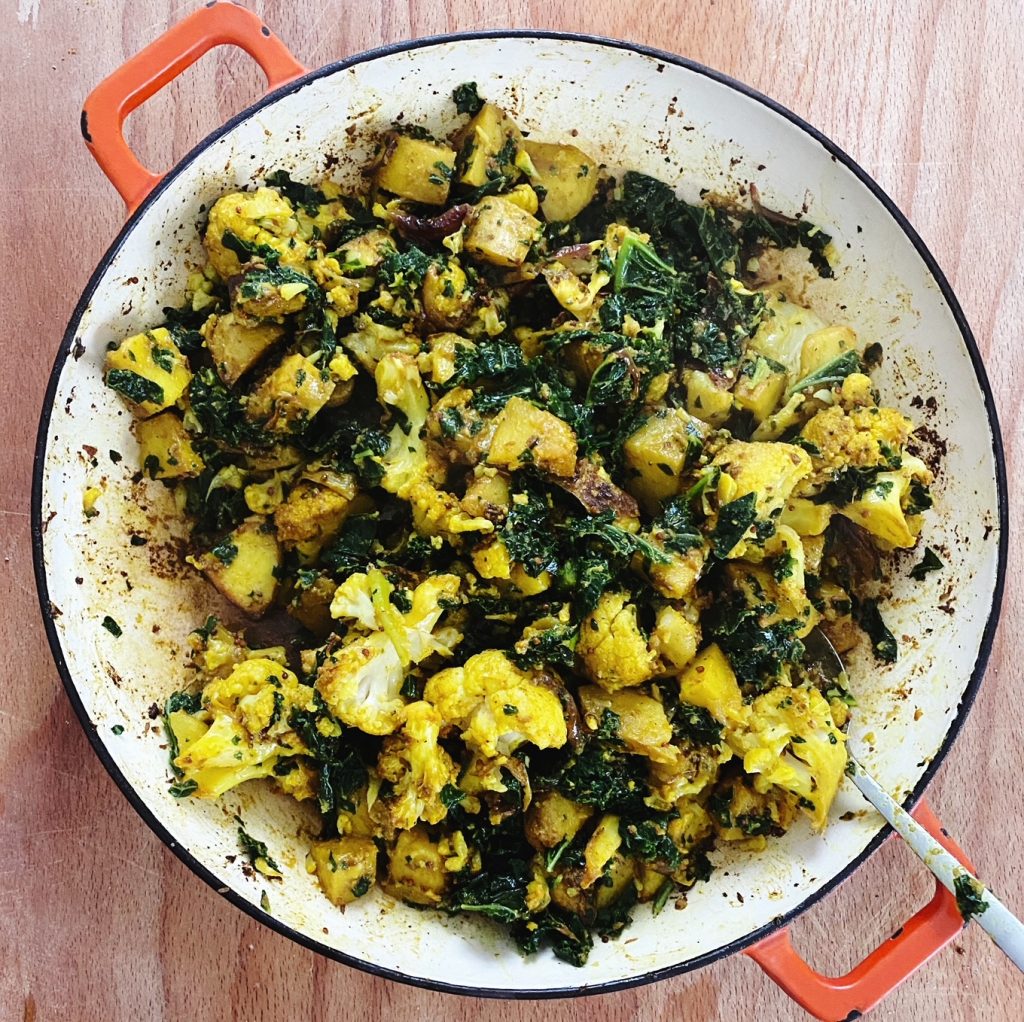
  4. Now place the pan on a hot hob and stir through the lemon juice and kale/spinach. Cook until the greens are wilted. Alternatively, if you are using a baking dish that is not safe on the hob, wilt the greens separately then stir through with the lemon juice.
  5. Serve hot with rice and dal or chickpea masala. Enjoy!

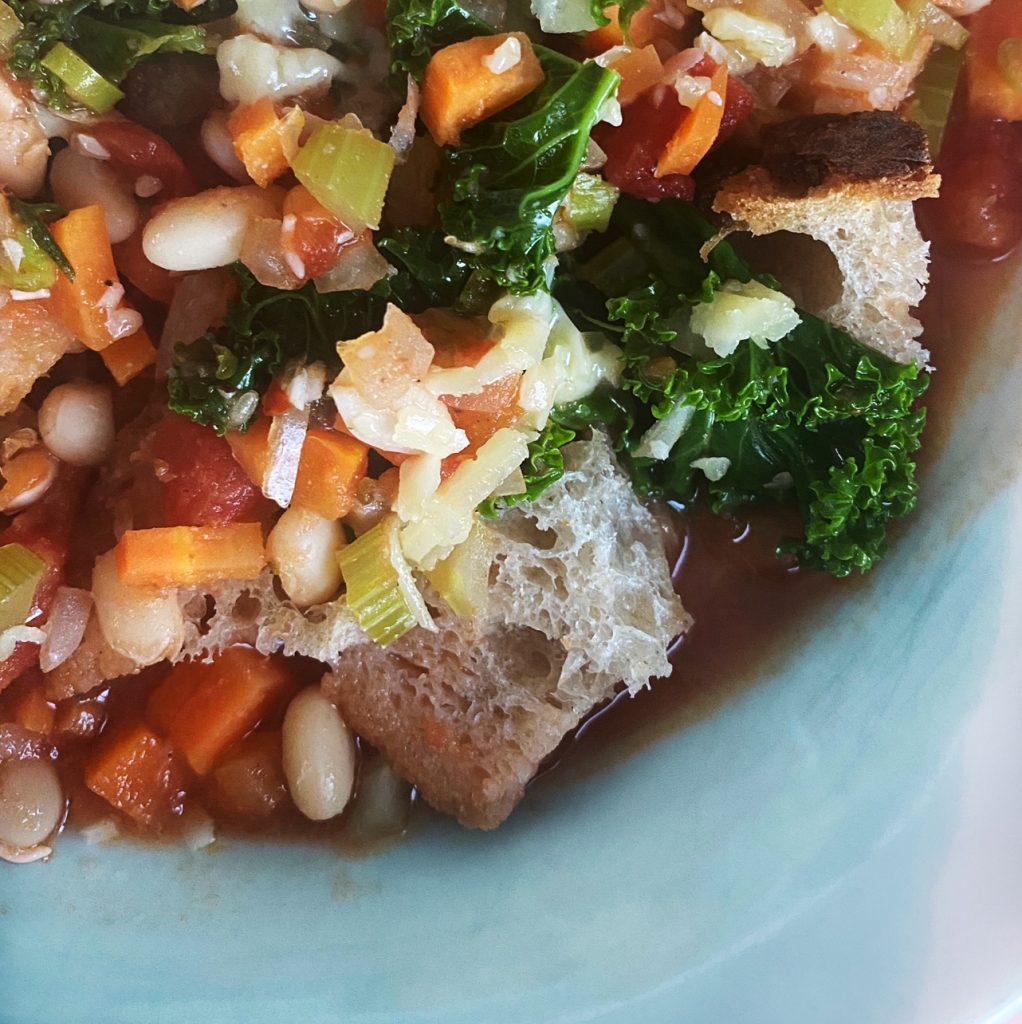
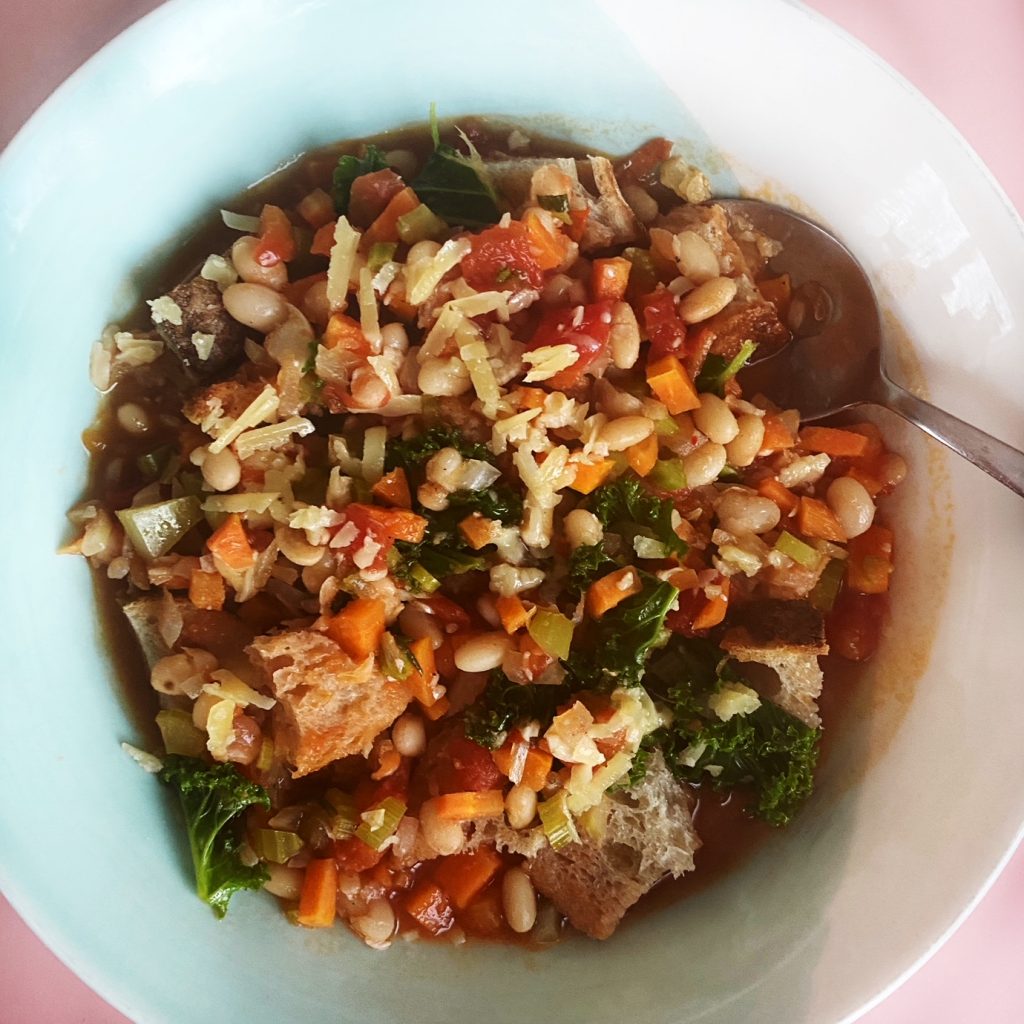
Ribollita (Tuscan Soup)

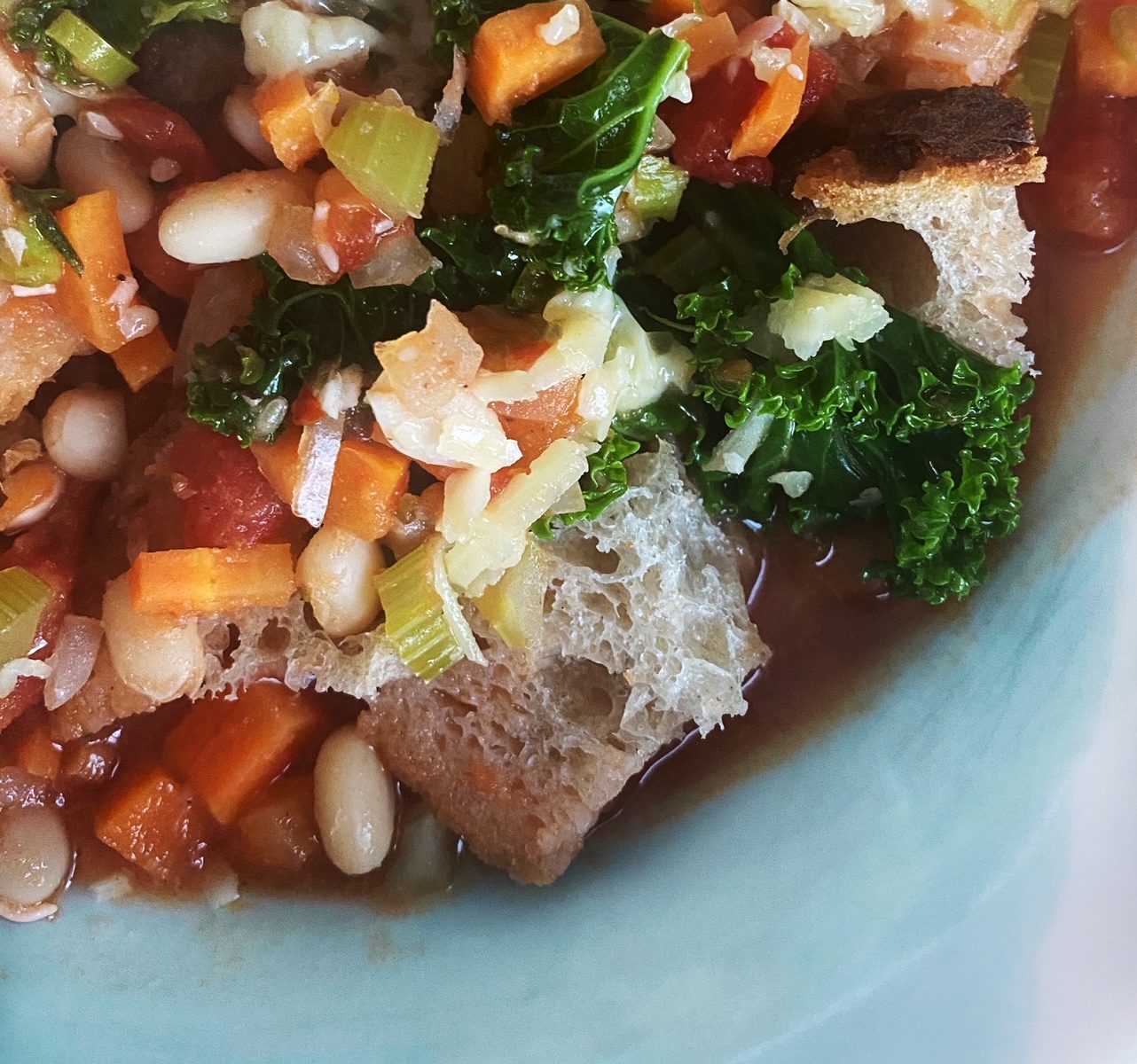
Happy New Year! How are you? We are keeping cosy and filling up on loads of veggies with regular servings of delicious ribollita. This Tuscan soup/stew is full of flavour and is so nourishing. Highly recommend getting this into your rotation, it’s a hit with the whole family. And it is the most delicious way to use up stale bread and avoid food waste! The bread really must be stale so that it keeps the right texture and doesn’t get all gummy, so next time you find that half of your loaf has gone stale, make this. Serve with or without cheese as you like. An extra drizzle of extra virgin olive oil doesn’t go amiss either. Enjoy!

Liz x

Ingredients (serves 4)

  • 2 tbsp olive oil, plus more to serve
  • 1 onion, diced
  • 3 sticks of celery, diced
  • 3 medium carrots, diced
  • 3 cloves of garlic, chopped
  • 1 tbsp fresh rosemary, chopped
  • 6 large kale leaves, leaves torn and stalks finely chopped
  • 1 vegetable stock cube
  • 1 tin chopped tomatoes
  • 1 tin white beans, drained
  • 1 tbsp red wine vinegar
  • salt and pepper to taste
  • stale bread, torn or cut into chunks
  • grated cheese to serve, optional

Method

  1. Sauté the onion, carrot and celery with the oil and a pinch of salt for around 5 minutes until they start to soften.
  2. Add the garlic, rosemary and kale stalks and sauté for another 2 minutes.
  3. Then add the red wine vinegar, tomatoes, stock cube, beans and around 500ml of water. Season to taste with salt and pepper.
  4. Simmer for around 10 minutes then add the kale and turn off the heat. Stir to wilt the kale into the hot soup.
  5. Serve over stale bread chunks in large bowls and top with optional grated cheese and a drizzle of extra virgin olive oil.

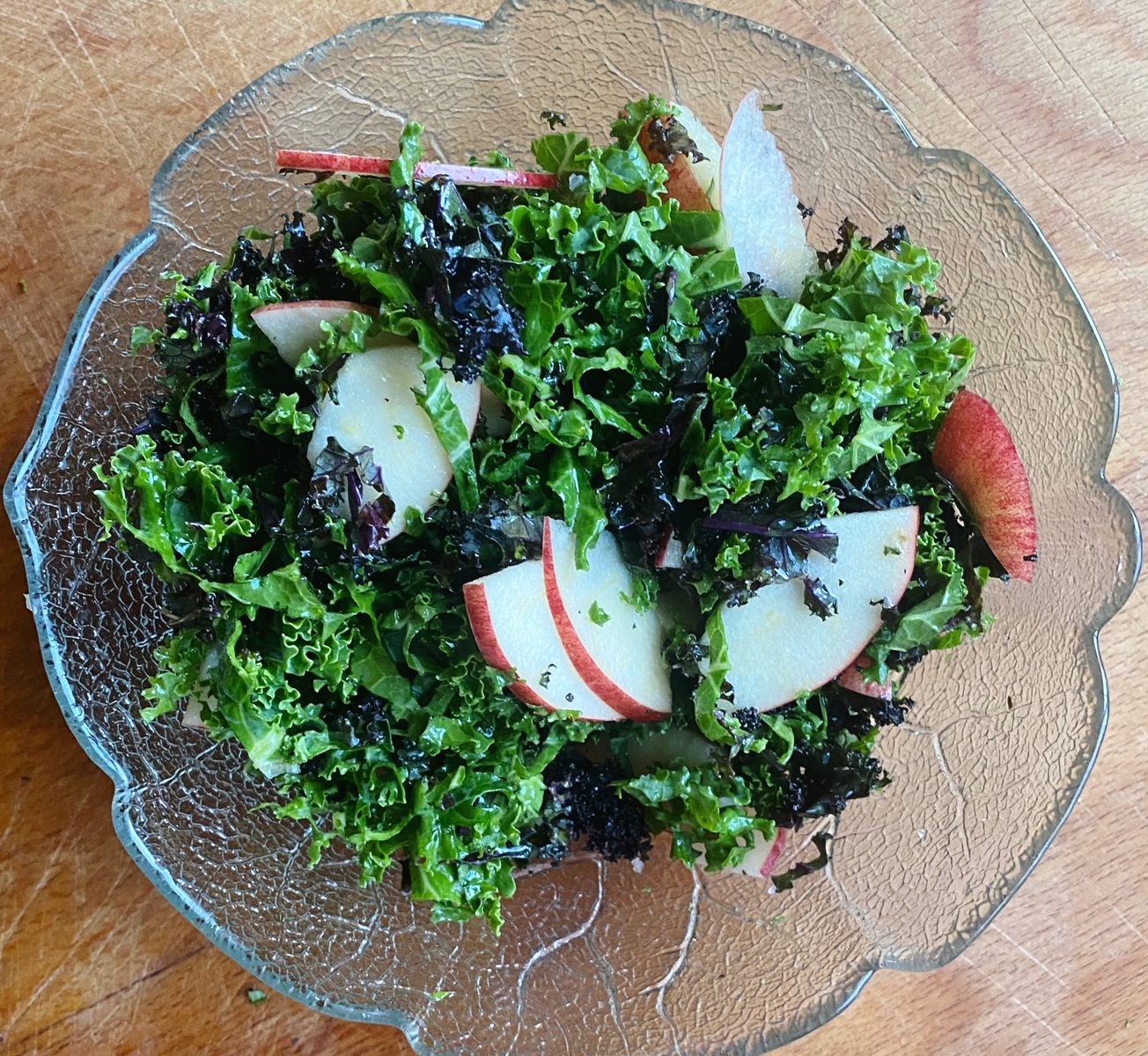
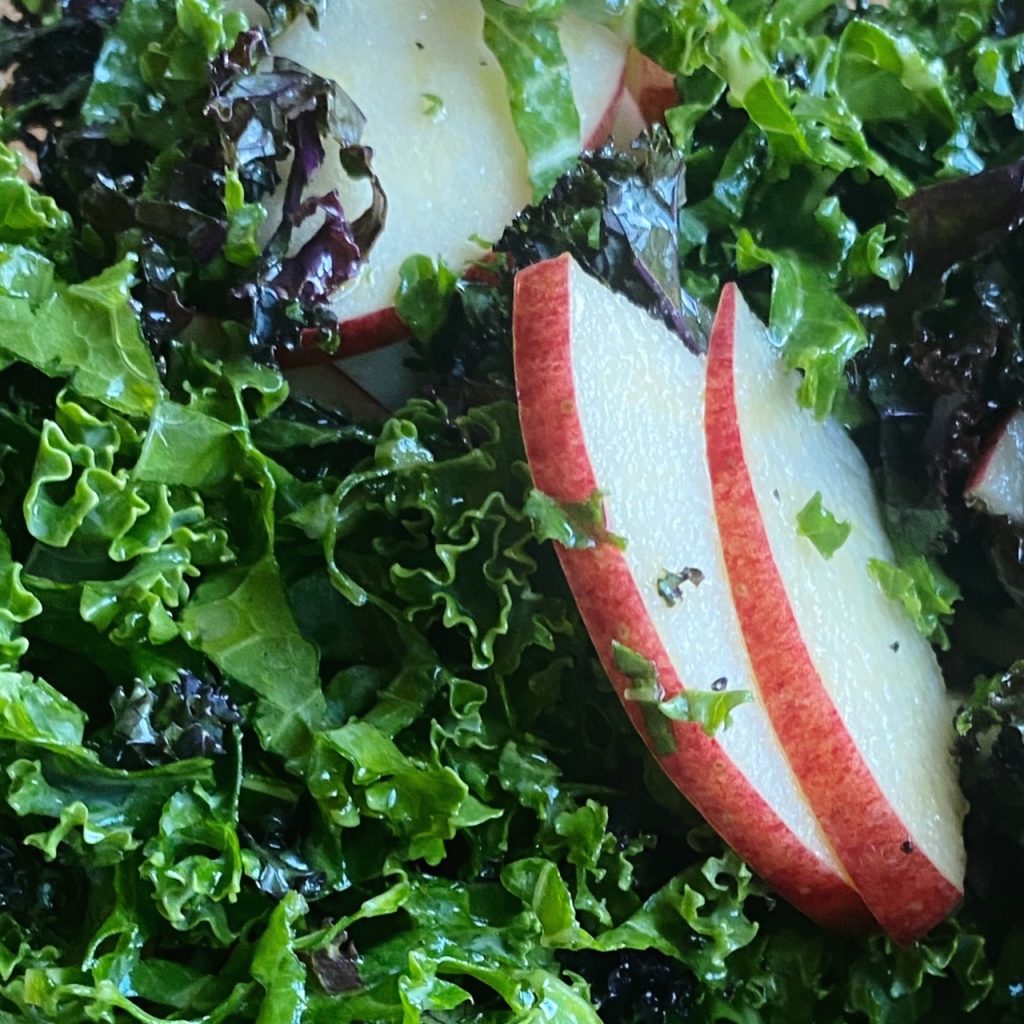
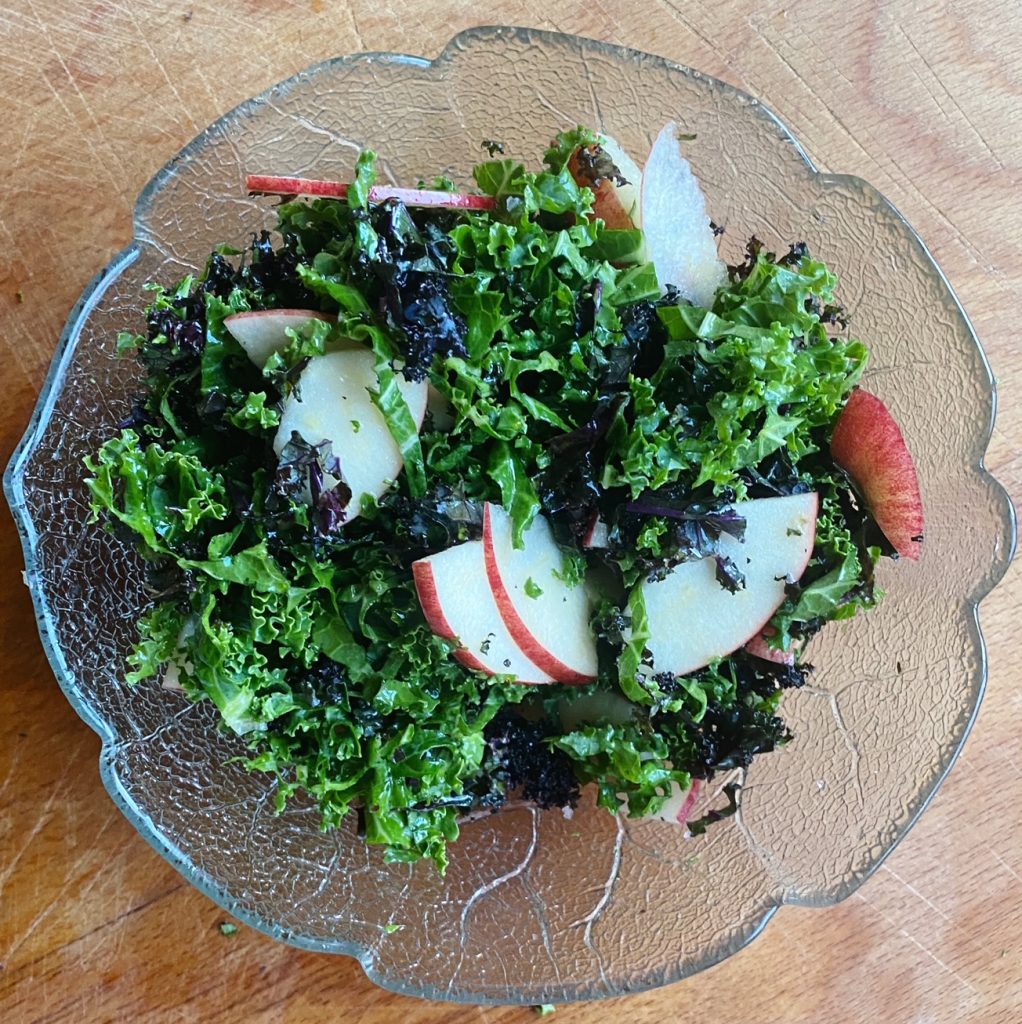
Kale & Apple Salad

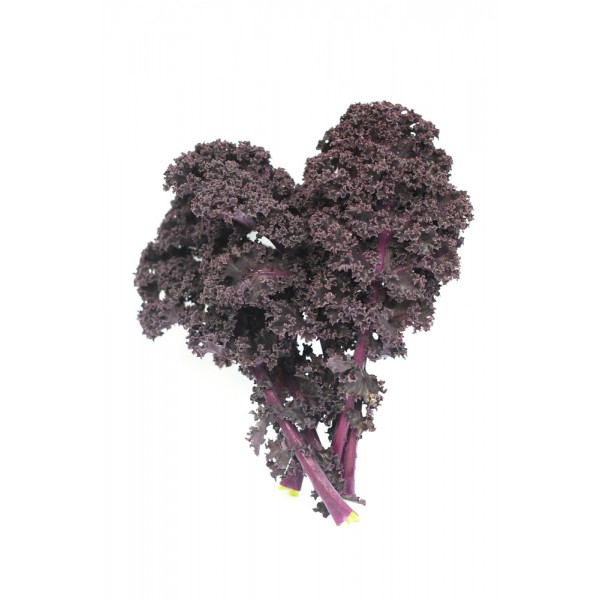
This simple winter salad is so so delicious. We have it as a side to pretty much every meal at the moment. Sometimes topped with toasted seeds too. Don’t throw out the kale stalks! You can finely slice them and pop in a box in the freezer to take out in handfuls whenever you need some greens (or purples!) in your next stir fry, smoothie or stew. We have lots of delicious purple and green kale coming out of the fields so add some extras to your next order and try this quick salad.

Liz x

Ingredients

  • 1 apple
  • 6 kale leaves (3 green, 3 purple)
  • the juice of 1/2 a lemon
  • a pinch of flaky sea salt
  • 1 tbsp cold pressed rapeseed oil or extra virgin olive oil

Method

  1. Core and finely slice the apple. Place in a salad bowl and mix with 1/2 the lemon juice to stop it from going brown.
  2. Rinse the kale leaves and shake dry. Then remove the leaves from their tougher central stalk. (Finely chop the stalks and pop into a freezer box to use in a different recipe.) Gather the leaves and finely slice with a large, sharp knife.
  3. Mix the leaves into the salad bowl with the salt, oil, apples and lemon juice. Taste and add the remaining lemon juice if needed. Enjoy right away or store the fridge for up to a day.

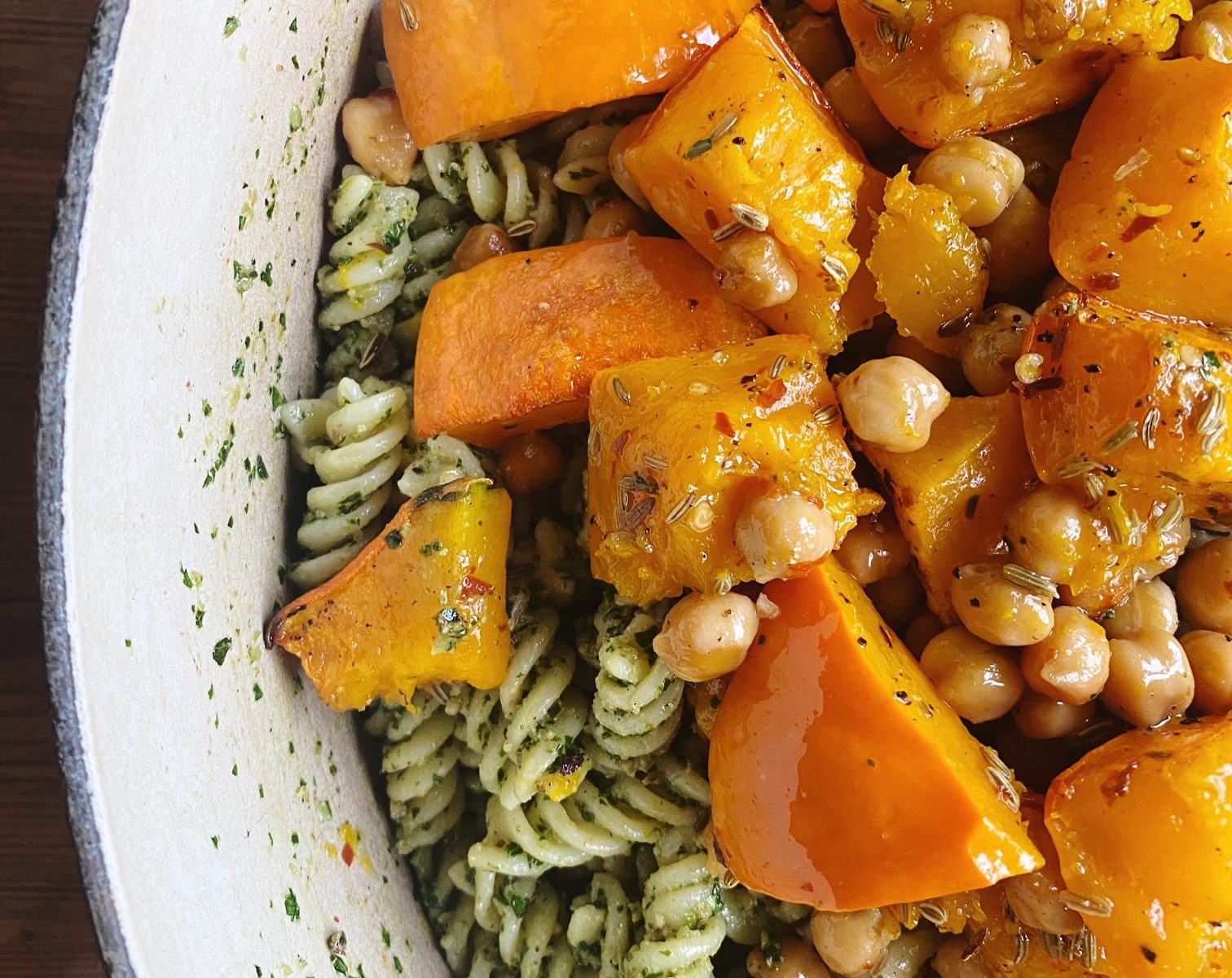
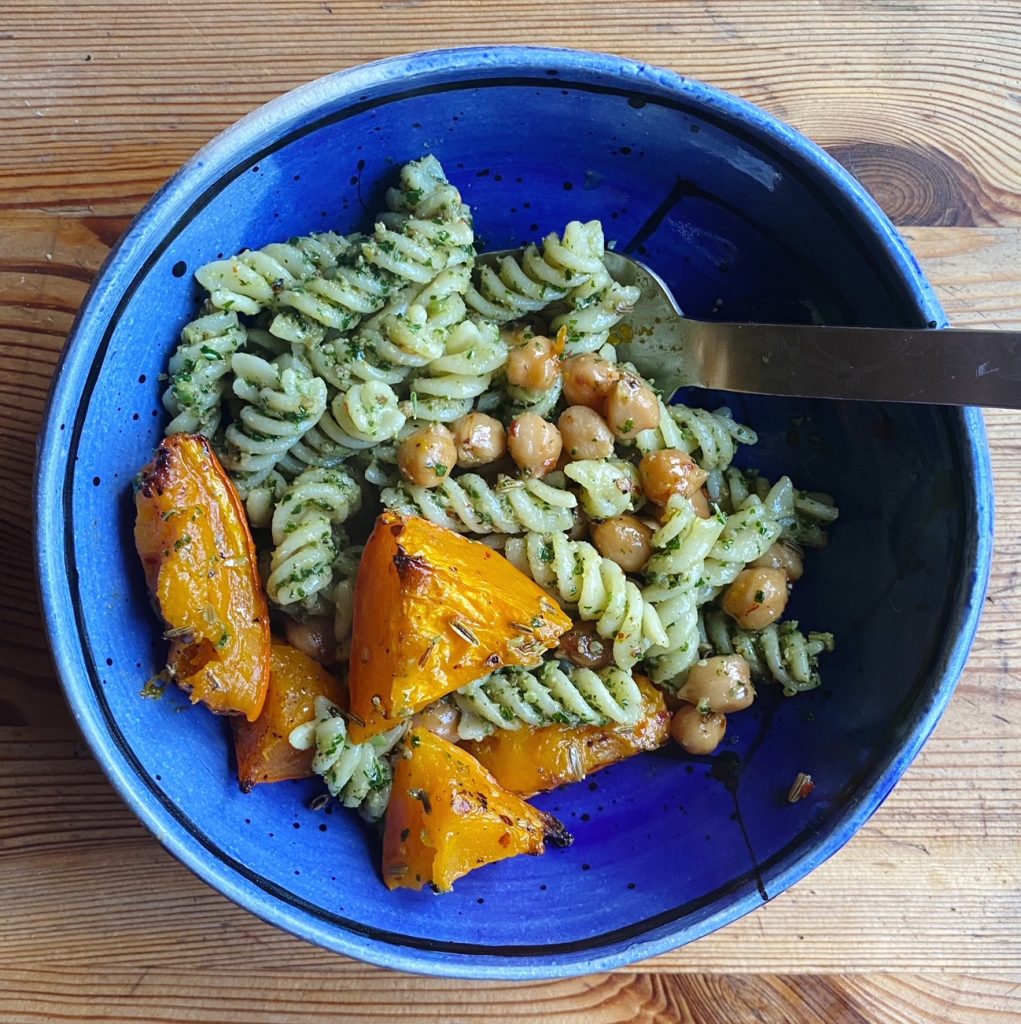
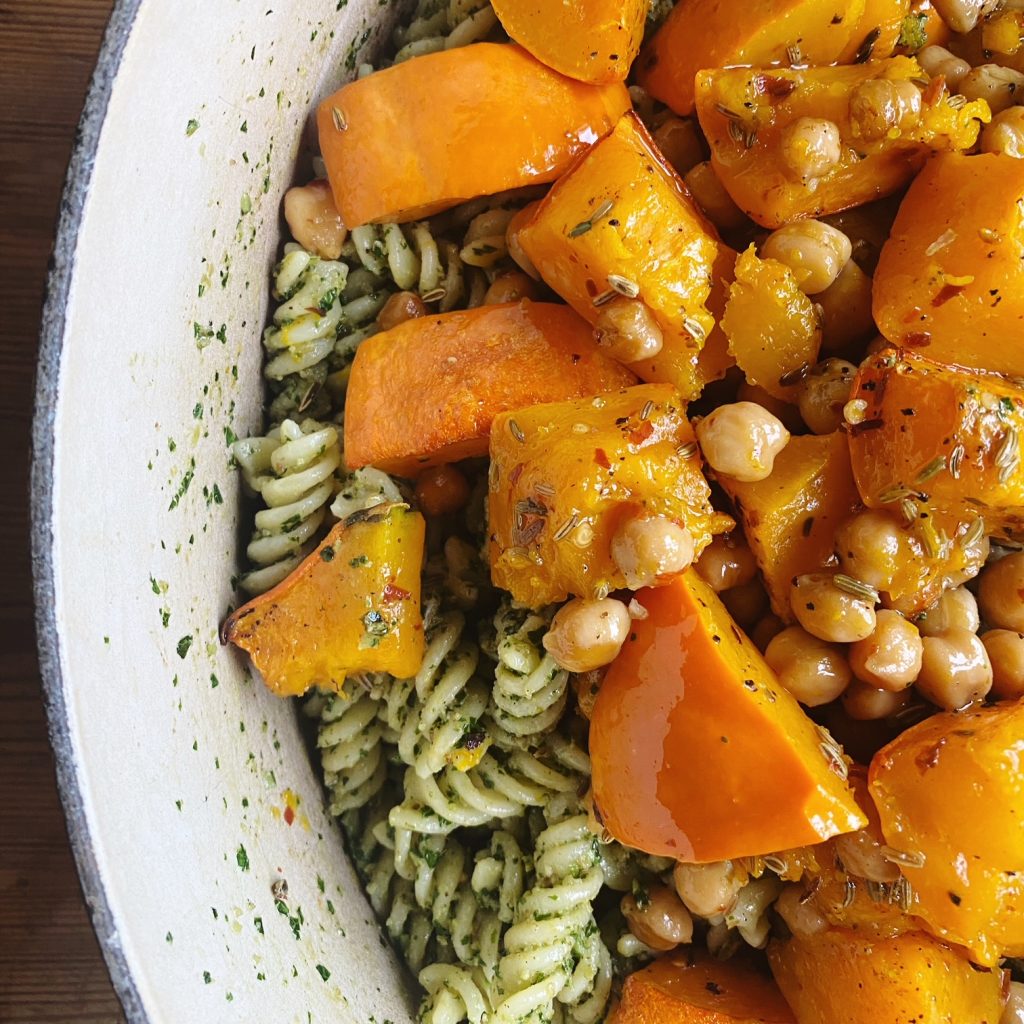
Kale Pesto Pasta – with spicy roasted pumpkin & chickpeas

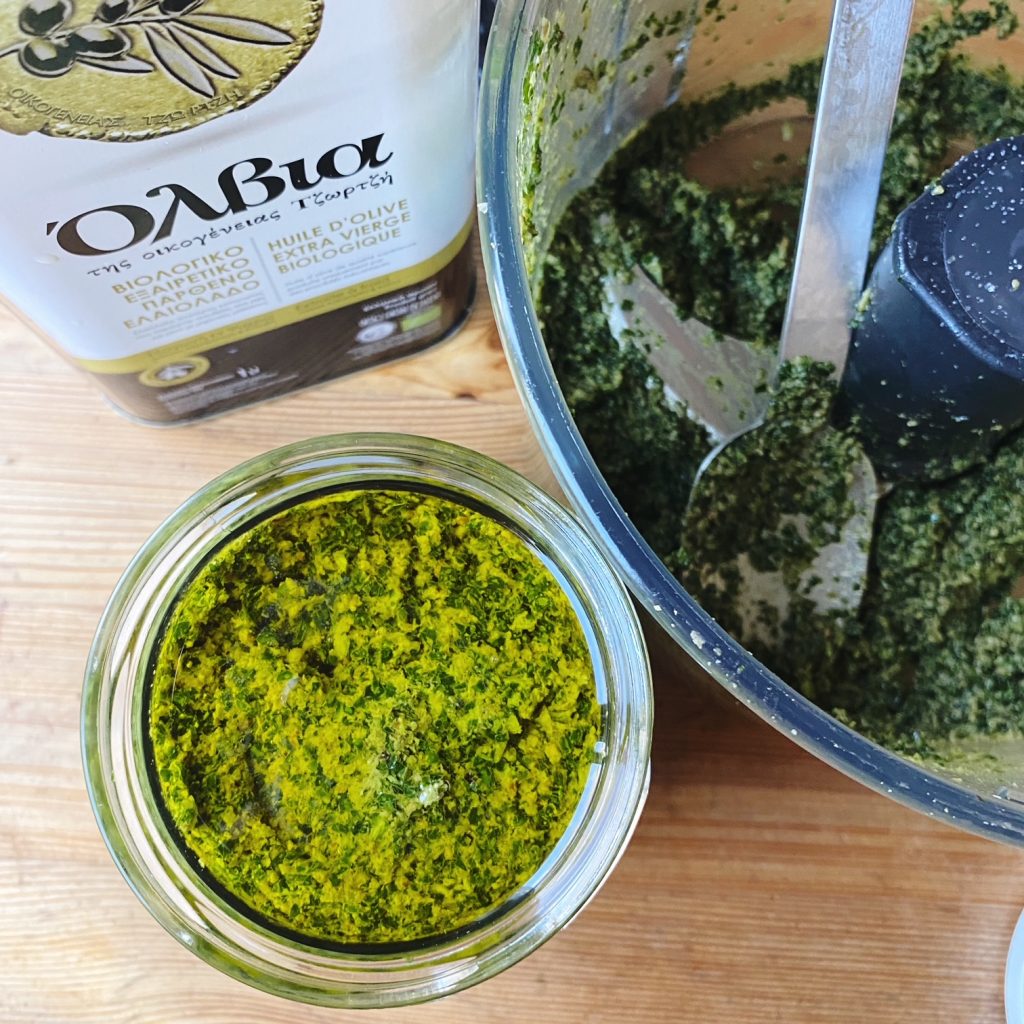
Lots of you have told us that you don’t like kale but wish you did so you could enjoy the many health benefits of this mighty, Irish green. Here’s how we get our kids to eat loads of it, in pesto! If we have fresh herbs in the house we mix those in too for extra flavour. Doesn’t have to be basil either, you could make kale/parsley pesto or kale/dill pesto etc to go with whatever you are making for dinner. Here’s our basic pesto recipe which you can tweak to your liking. Pesto pasta is a quick, mid-week staple in our house and we love to top it with seasonal vegetables and chickpeas – this week’s pumpkin with chilli and fennel seeds was particularly delicious, find the recipe below.

Liz x

Ingredients (serves 4)

For the pesto:

  • 100g nuts/seeds (toasted for extra flavour)
  • 1 clove of garlic
  • a big pinch of salt
  • 2 tbsp nutritional yeast (for cheesy flavour – you could sub with hard cheese or leave it out if you like)
  • 100g greens (kale/spinach/fresh herbs) – washed and shaken dry
  • 100ml olive oil (plus extra for topping off the jar)
  • the zest & juice of 1/2 a lemon

Pumpkin & Chickpea topping:

  • 1/2 a kuri squash or butternut squash (seeds scooped out and flesh cut into bite sized chunks – you can leave the skin on)
  • 1 tin of chickpeas, drained
  • 2 tbsp olive oil
  • salt and pepper to taste
  • 1 tsp chilli flakes
  • 2 tsp fennel seeds
  • cooked pasta and an extra drizzle of olive oil to serve

Method

  1. Pre-heat your oven to 200C. Toss the chickpeas and pumpkin in a baking dish with the olive oil, salt, pepper, chilli flakes and fennel seeds, mix well. Place the dish in the oven to roast while you boil pasta and make the pesto – around 20 minutes or until the pumpkin is soft.
  2. In a food processor, pulse the nuts/seeds (we used toasted sunflower seeds here) with the garlic, salt and nutritional yeast until crumbly.
  3. Tear in half of the kale (stalks and all) and pulse again to roughly chop. Repeat with the other half of the kale.
  4. Then add the oil and lemon and blend into a pesto consistency. Taste and add more salt or lemon if needed.
  5. Drain your pasta and while it’s still hot, stir through a generous amount of the pesto, we usually go for a couple of heaped tbsp per person. Drizzle with extra olive oil if you like for more healthy fats and flavour. Serve the pasta in bowls topped with the spicy roasted pumpkin and chickpeas and enjoy!
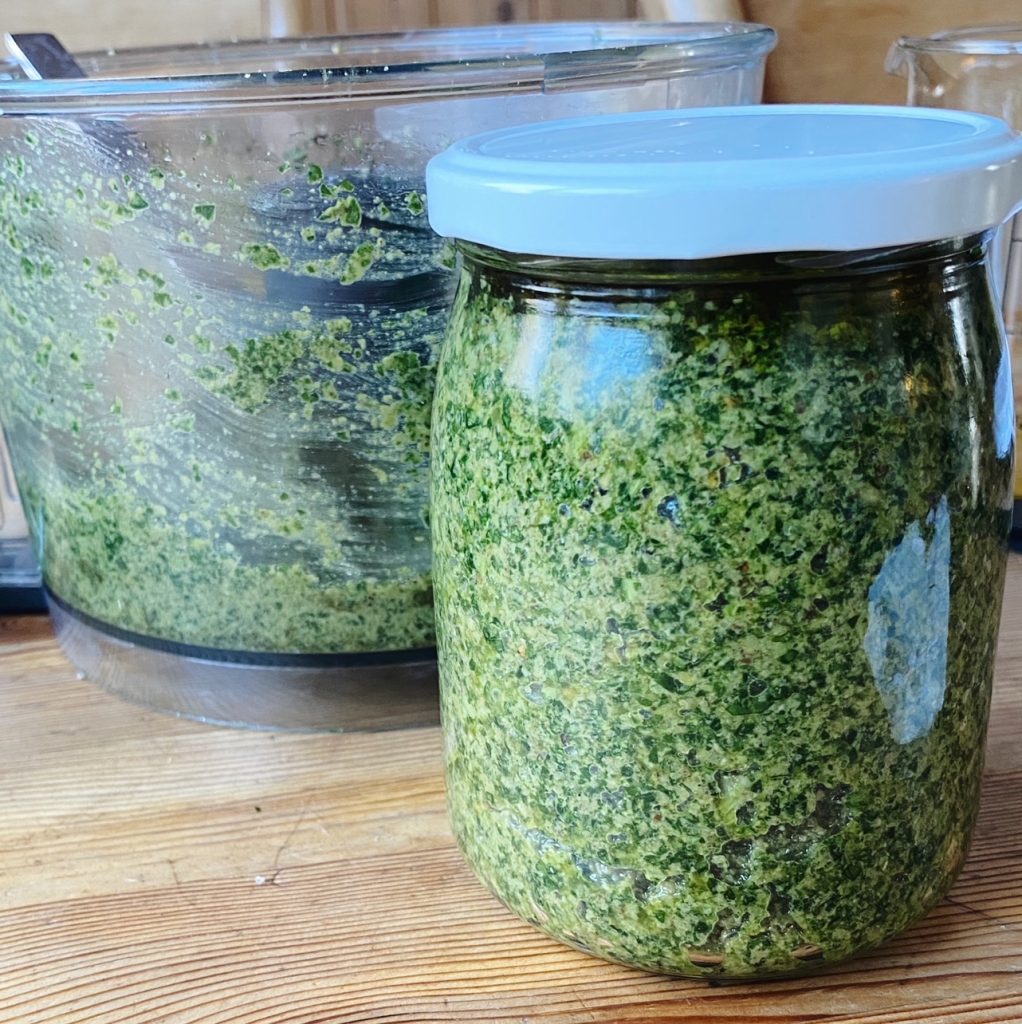
  6. If you are not using all the pesto right away, spoon it into a clean jar and protect the top from air with a little layer of olive oil. Lid on and store in the fridge. Enjoy within a week – stirred through pasta, spread into sandwiches, tossed through boiled potatoes or steamed greens…

New Potato, Chard & Kale Saag Aloo

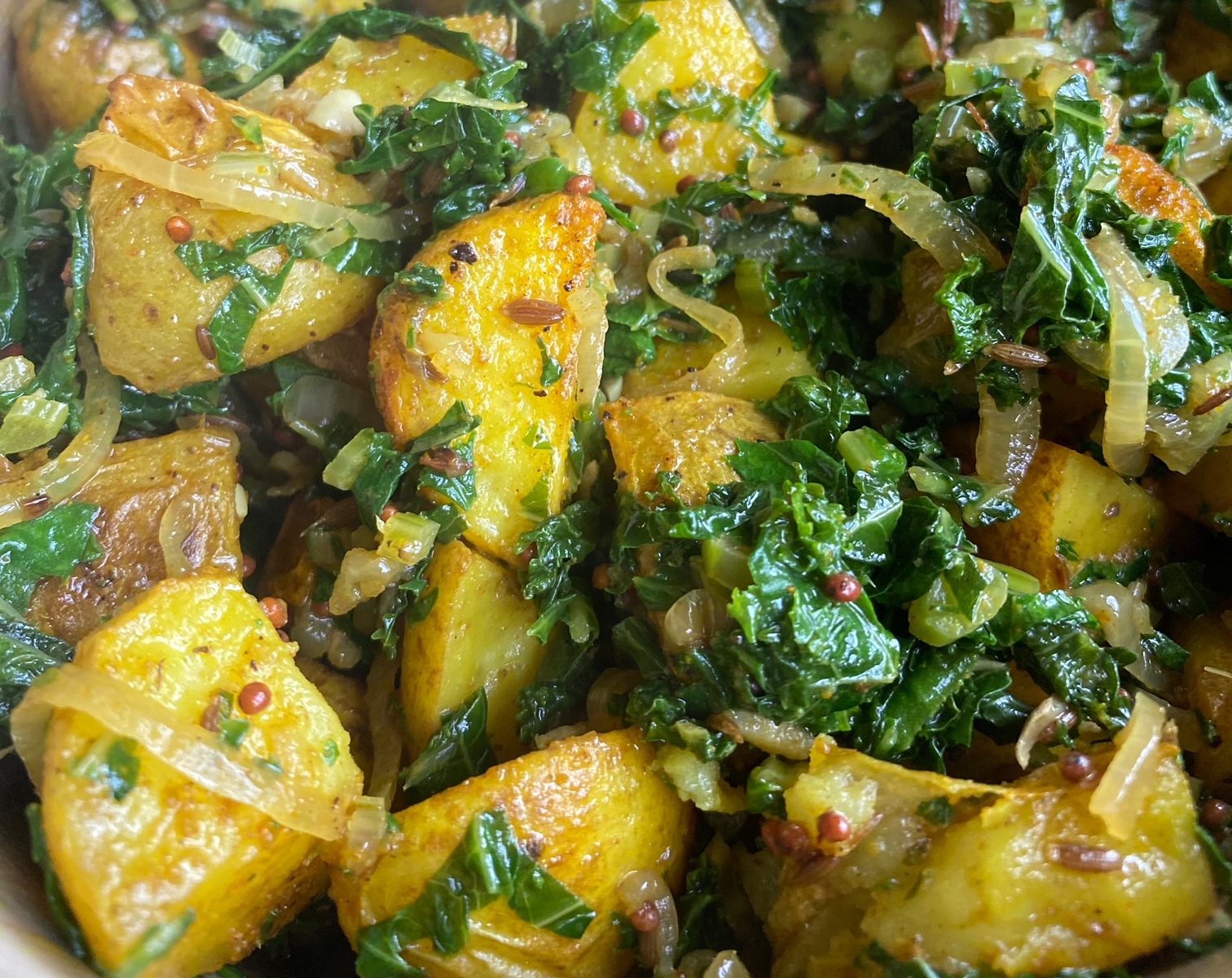
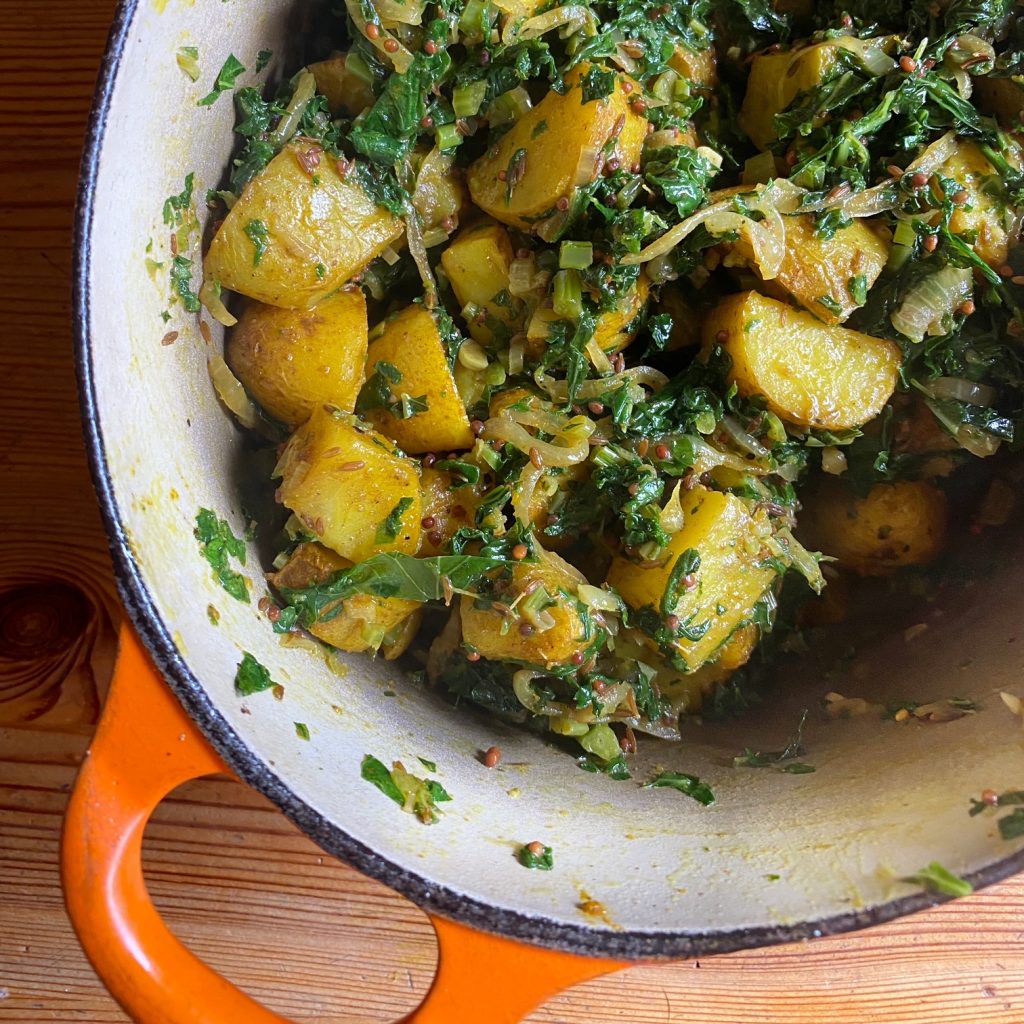
Saag aloo is one of our favourite Indian side dishes. Make it a meal and serve it with rice, dal and a chickpea curry. Maybe a raita too using our Galway grown cucumbers and some natural yoghurt? Irish new potatoes are the best and in season now. Combined with our farm chard and/or kale in place of the traditional spinach, this recipe is a great way to make the most of our local, seasonal produce. The method is simple and the results are so delicious!

Liz x

Ingredients (serves 4)

  • 500g new potatoes, cut into bite sized pieces
  • 1 tbsp curry powder
  • 3 tbsp vegetable oil
  • 1 onion, finely sliced
  • 4 cloves of garlic, diced
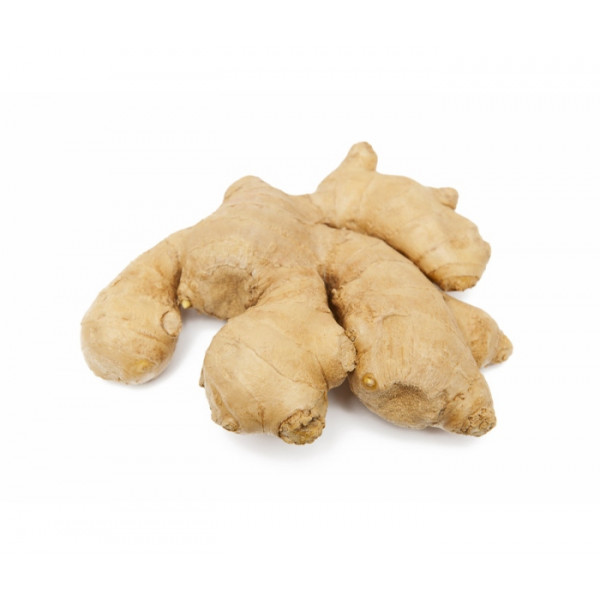
  • 1 thumb of fresh ginger, diced
  • 1 tbsp brown mustard seeds
  • 1 tbsp cumin seeds
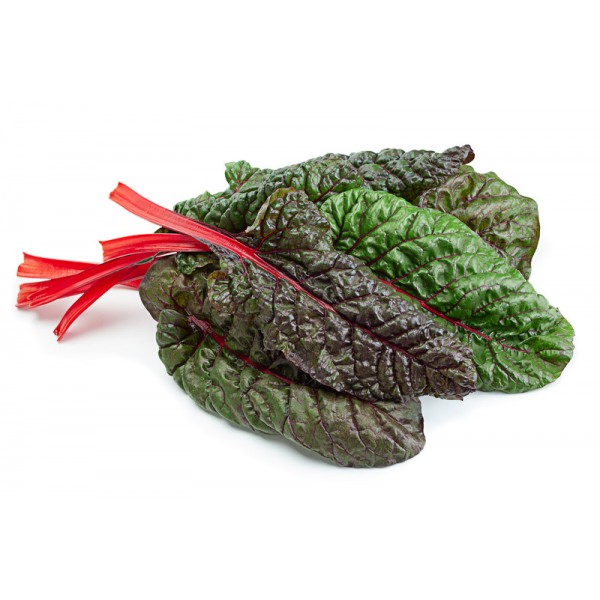
  • a large bunch of kale or chard (or a combination), stalks separated and finely chopped, leaves finely chopped
  • salt and pepper to taste

Method

  1. Turn the oven on to 200C. Place the potatoes in a roasting dish and drizzle with 2 tbsp oil, season with salt and pepper and sprinkle over the curry powder. Stir to evenly coat the potatoes in the oil and seasoning and roast until the potatoes are soft.
  2. Meanwhile wash and prepare the greens. Separate the tougher (but perfectly edible) stalks from your chard/kale. Finely slice the stalks and put in a bowl. Finely slice the tender greens and put in another bowl.
  3. Slice the onion and sauté with the remaining tbsp of oil in a large pot with the whole spices, salt and pepper. Cook until the onion is golden and soft and the whole spices are fragrant and toasted.
  4. Then add the sliced stalks, garlic and ginger and sauté for 3 minutes or until softened. Then add the tender greens and wilt down stirring constantly until dark green and soft. You may need to add a small splash of water to help wilt the greens.
  5. When the potatoes are cooked through, stir through the wilted greens and serve.

Cherry Tomato & Bean Salad w/ Green Cashew Dressing – Serves 4 as a side

Simple summer salads dressed in a punchy dressing tick all the boxes! These Galway grown sweet cherry tomatoes are just delicious and bursting with flavour. The kale is coarse and crunchy and the dressing is fresh, punchy (from the garlic), vibrant and invigorating! #feelthegoodnesss

This is a gorgeous salad to eat solo or add a warm savoury pastry or some sourdough bread and cheese to make it a main meal.

Enjoy!

Lou 🙂

For the dressing

  • 15g fresh kale leaves – finely chopped
  • 12g fresh basil leaves – finely chopped 
  • 80g raw cashews
  • ½ lemon – juice
  • 130ml water
  • 1.5 tablespoons light oil (vegetable or olive)
  • 3 cloves garlic, finely chopped (less if you wish)
  • Pinch salt and pepper 

For the salad

  1. To make the dressing measure the cashews into a bowl and cover with boiling water, set aside to soften for 15 minutes. 
  2. To a blender add the finely chopped kale, basil, chopped garlic, lemon juice, water, oil, salt, pepper. 
  3. Drain the cashews and add them to the blender too. 
  4. Blend until you have a vivid green dressing. 
  5. Taste the dressing, it will be punchy and zingy from the garlic. Add more salt, pepper or lemon juice if it needs it. 
  6. When you’re happy with it, add it to a bowl or jug. 
  7. To make the salad begin by rehydrating the raisins. Add them to a small bowl and cover with boiling water, set aside to soften.
  8. Next, chop the kale into small pieces and add to a mixing bowl. Drizzle over a small amount of oil, add salt and pepper and massage (give it a good squeeze) to soften the leaves, this makes it easier to eat. 
  9. Quarter the tomatoes and add them to a bowl, drizzle a small bit of oil over them, add a small pinch of salt and pepper and toss to coat. 
  10. Drain the can of cannellini beans and the raisins. 
  11. To assemble, add the kale to a large serving plate, scatter over the tomatoes, beans, raisins and dollop the dressing on top.