Bounty of the Land

For the bounty of the land, we need to be thankful. My mam used to insist on us all saying a thank you for the food before we ate any meals, especially the special meals at Christmas and Easter. She had the right idea; to stop and think and appreciate our food is something that we rarely do in these busy times but taking stock can be a very good thing to do. 

Our food decisions have such massive implications for our health and our planet, there probably isn’t anything more fundamental we can do that is within our control than make good food choices. I guess you could argue that “good food choices” are subjective. I would argue that maybe they arenot, we all know the difference between eating processed junkfood and a healthy apple, that is not subjective, but it goes so much further.
The questions around food choices are many. Do we reduce our meat intake, or do we choose not to eat meat at all? Will we choose local or imported? Organic or conventional?Fairtrade or not? I guess at this stage we know a thing or two about food, we have been growing it for 15 years commercially, and this is my grandad’s farm and he also used to grow his vegetables organically.

We choose, plants, organic, sustainable, Fairtrade and local (where possible), we choose life (To paraphrase a very famous film!) 

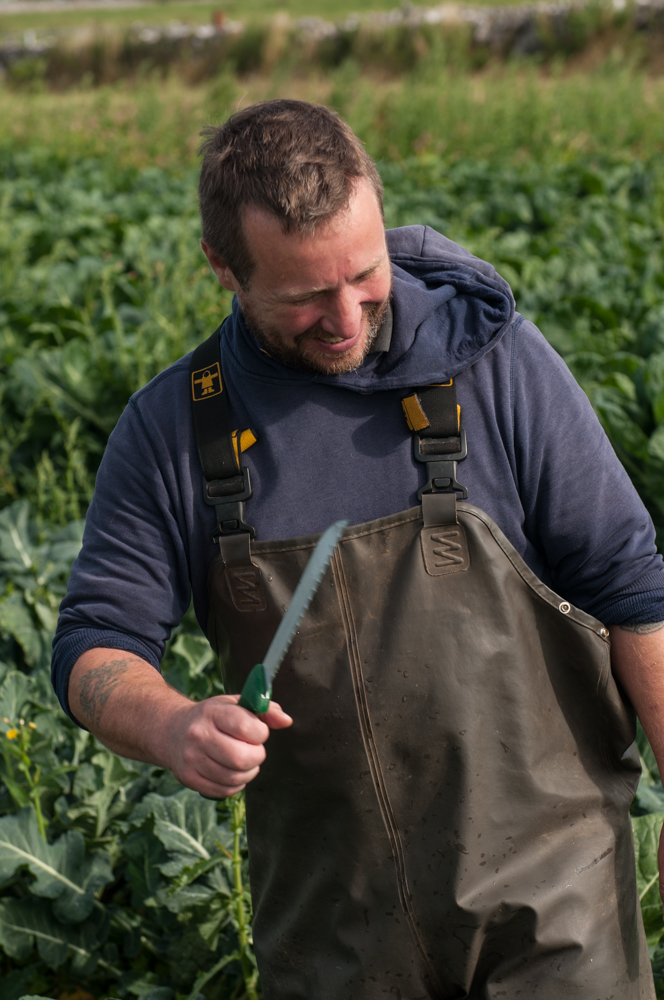
My take is simple, and it is the cornerstone of our farm and business: do what is right, don’t use chemicals, work with nature, plant trees, keep bees, grow only vegetables, use natural fertiliser and green manures, rest the land and grow and harvest healthy sustainable food.

It is ultimately a no brainer, fresh organic food, is more nutrient dense, is tastier and you only get what you see, no hidden chemicals. People often ask why some conventional vegetables keep for so long? Well, if you take citrus fruit for example, they are coated in a chemical wax to preserve them they can last for ages, you will not find any hidden unseen chemicals in or on our food. 

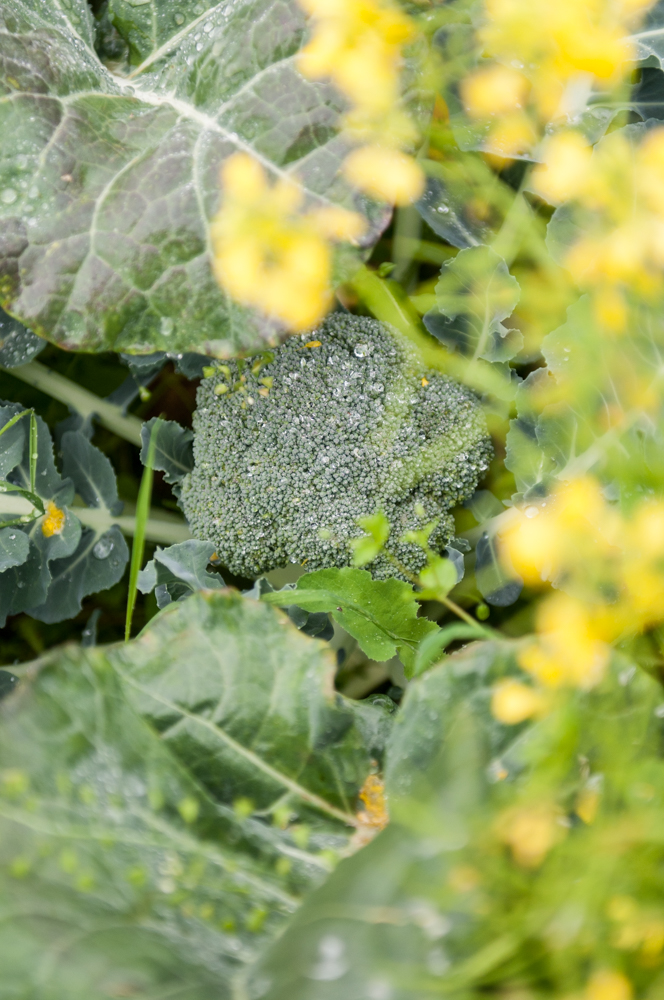
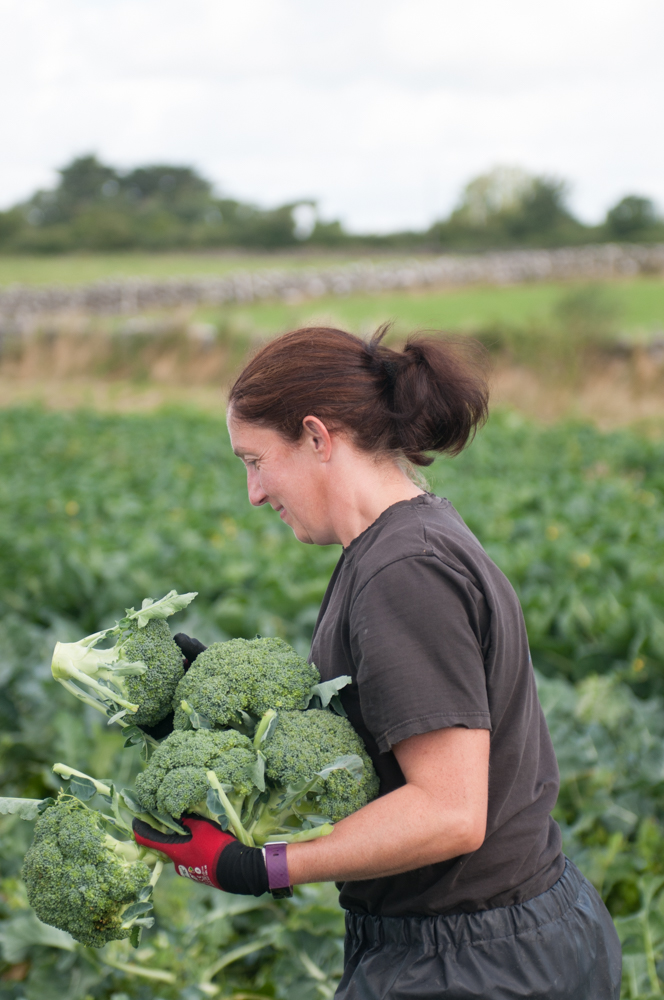
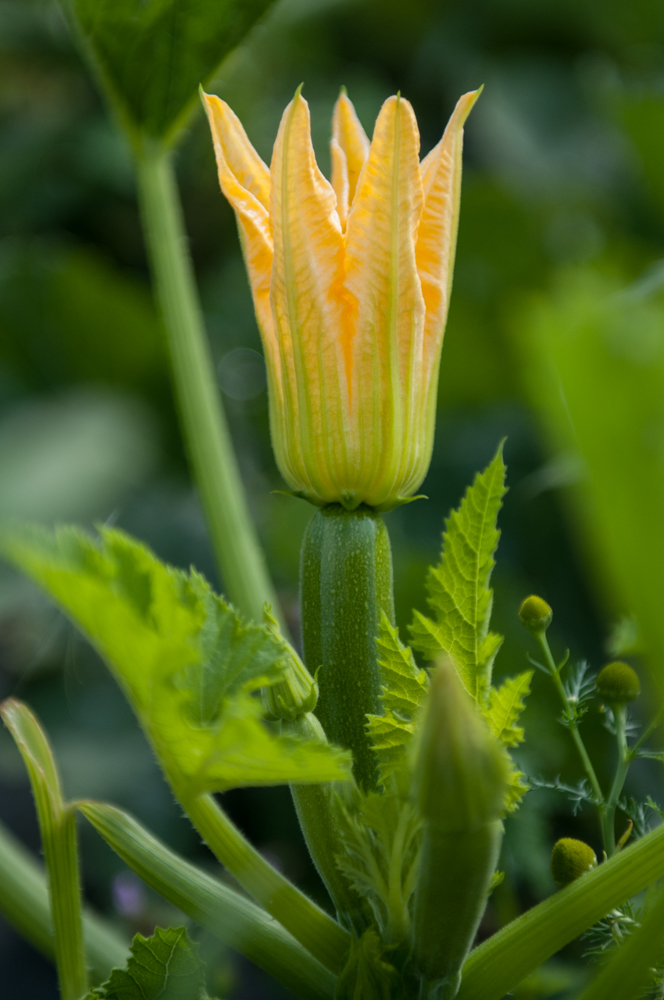
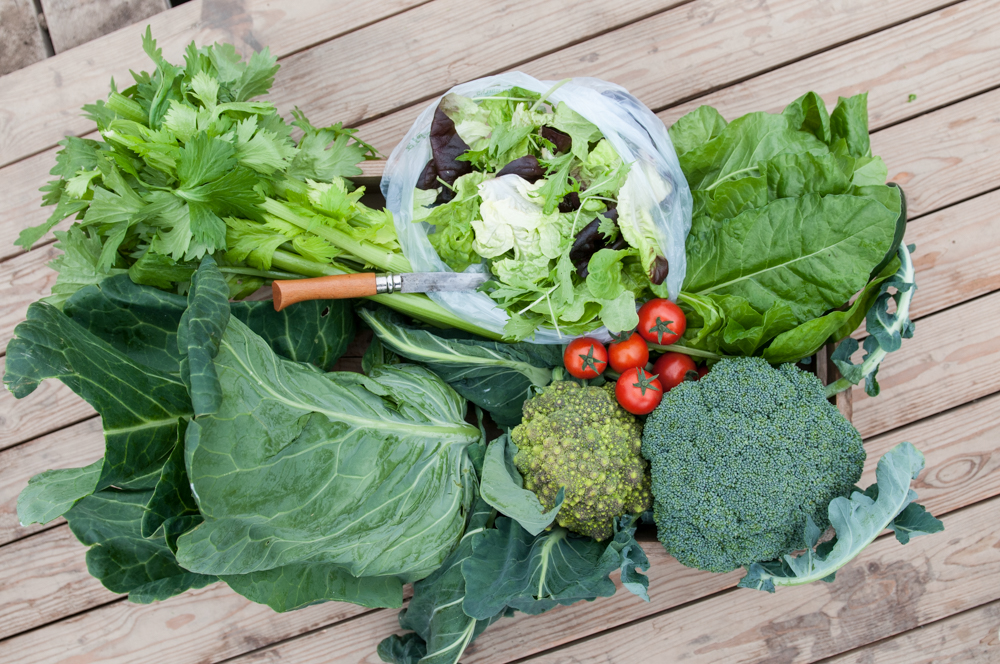
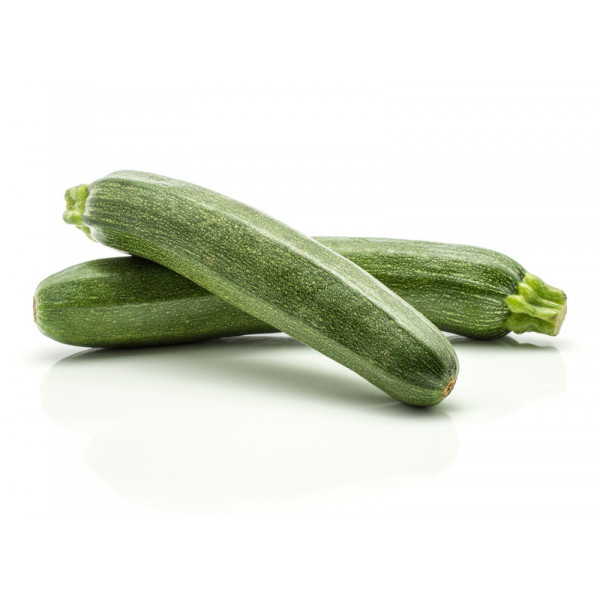
Right now, we are slap bang in the middle of the best local IRISH harvest season, it is the time of local vegetable plenty.This is the culmination of our year’s work, and we are rolling in produce so much so that we don’t have enough homes for all our broccoli and courgettes. But we have come up with some great ways to move it on and to say thank you too for supporting us, next week all set boxes will get a free extra portion of courgettes, so enjoy!

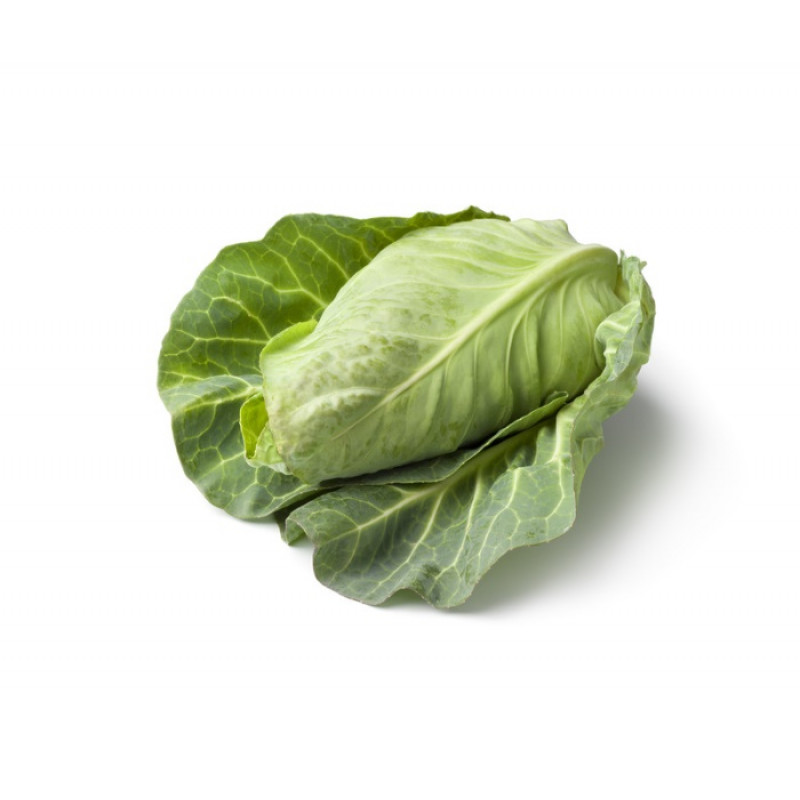
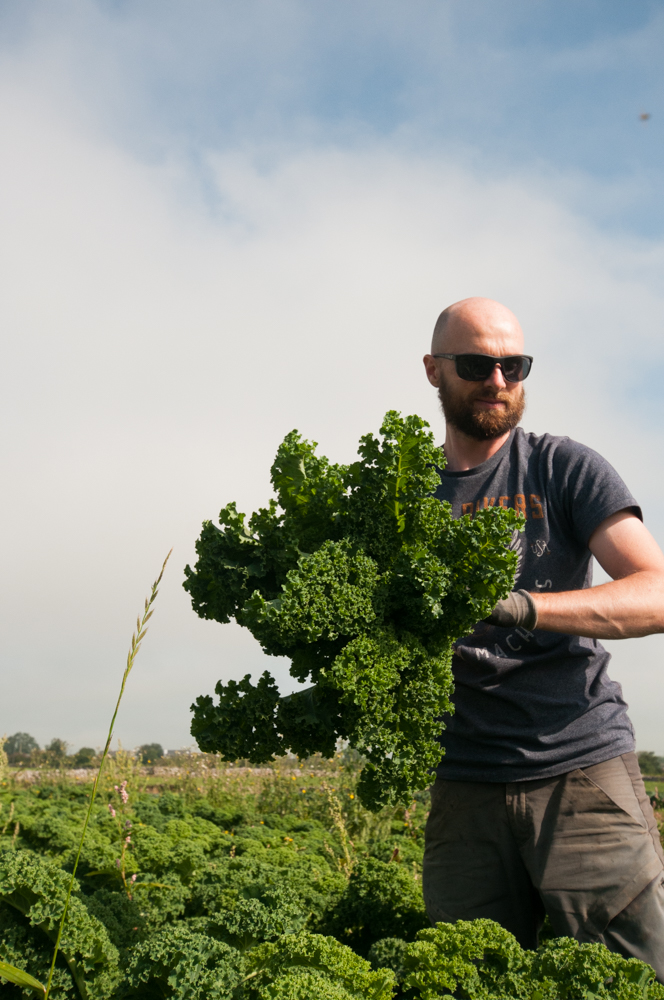
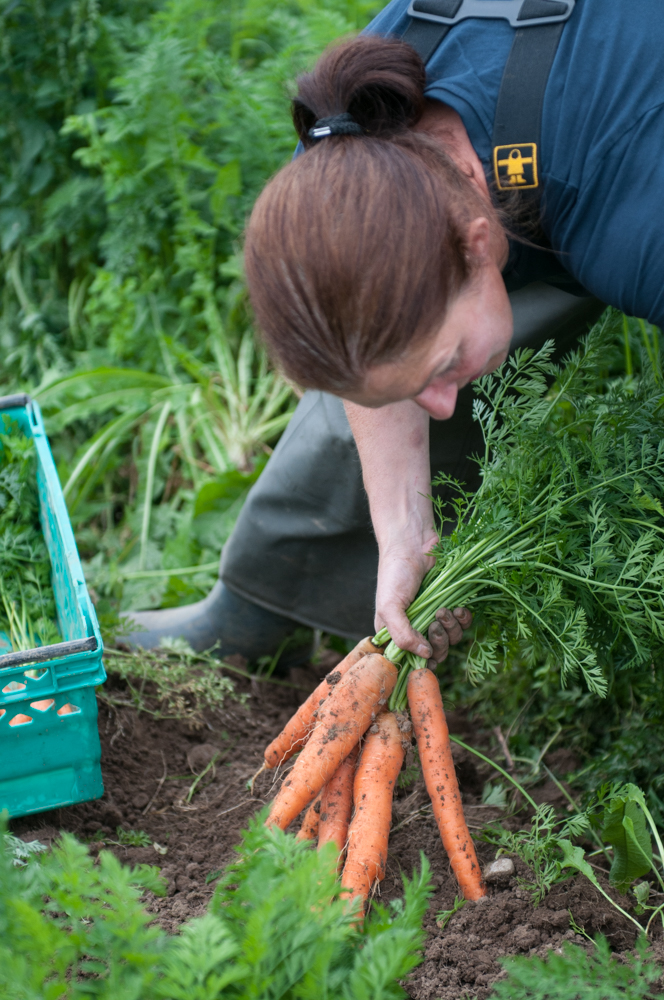
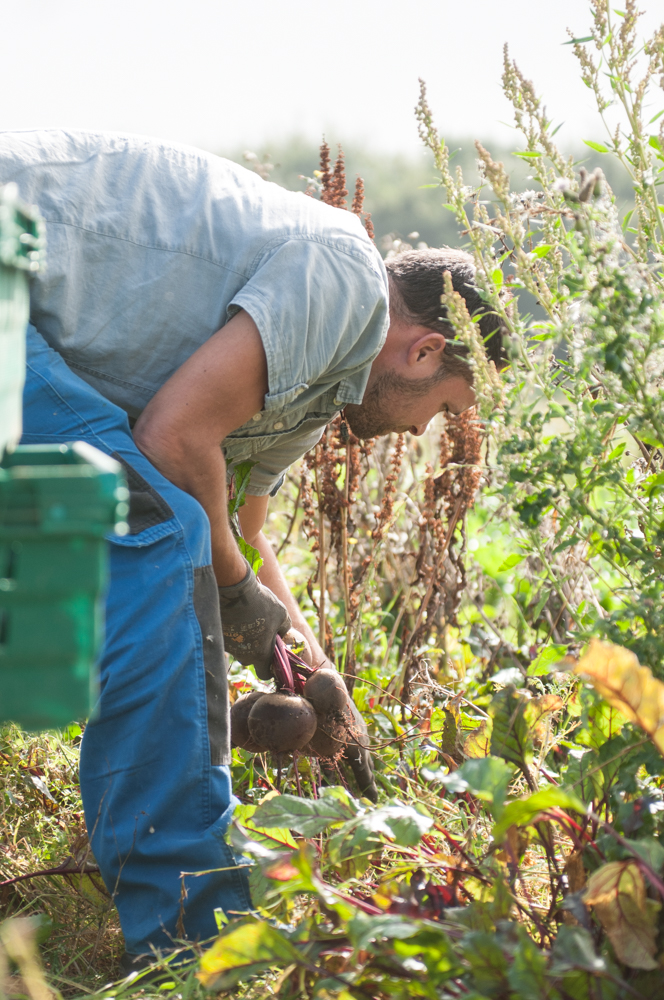
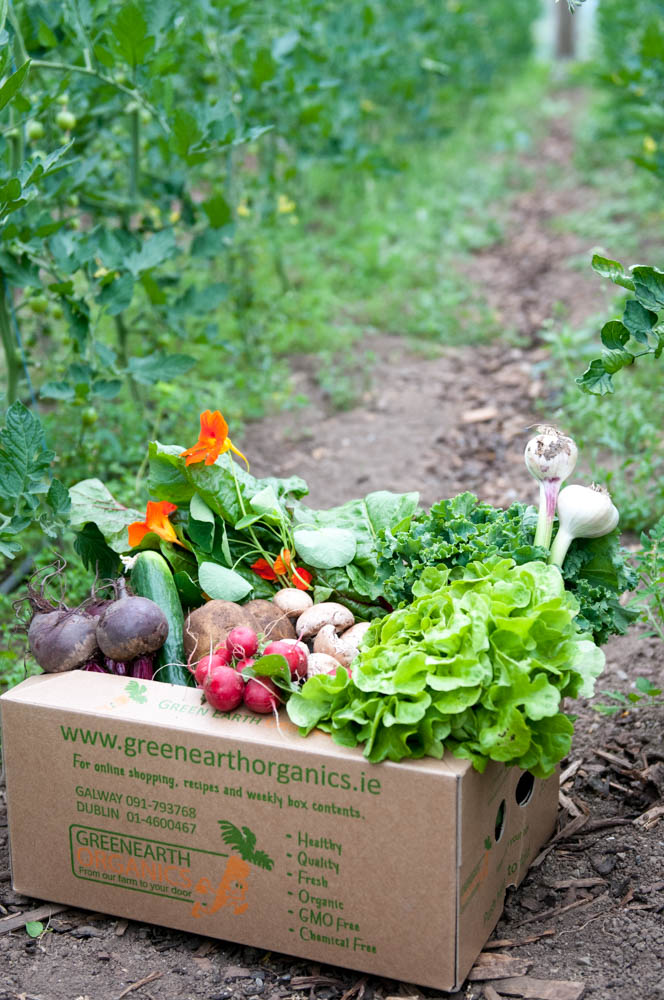
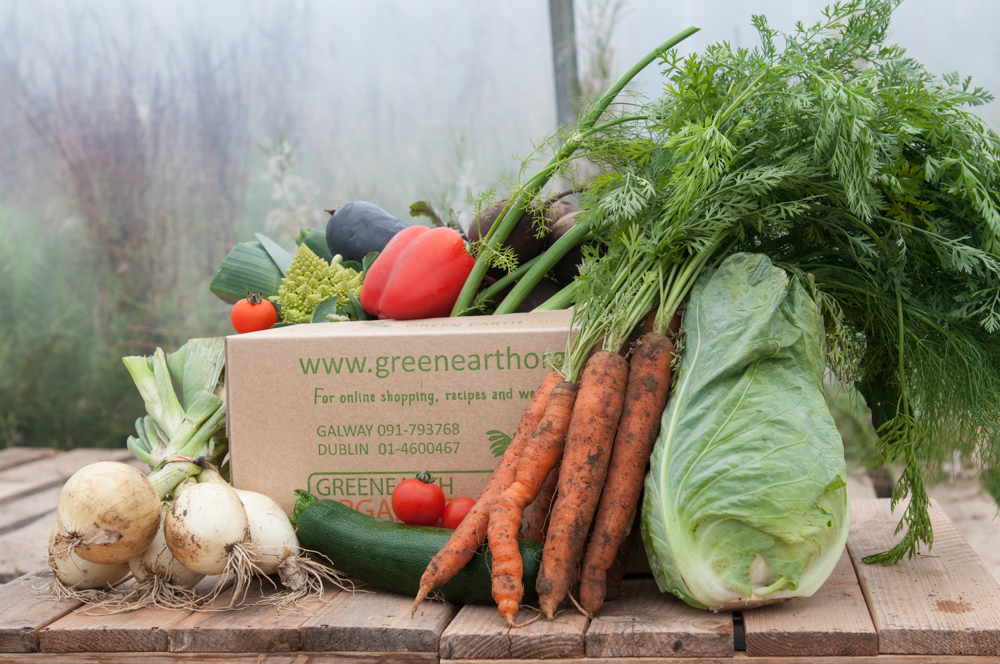
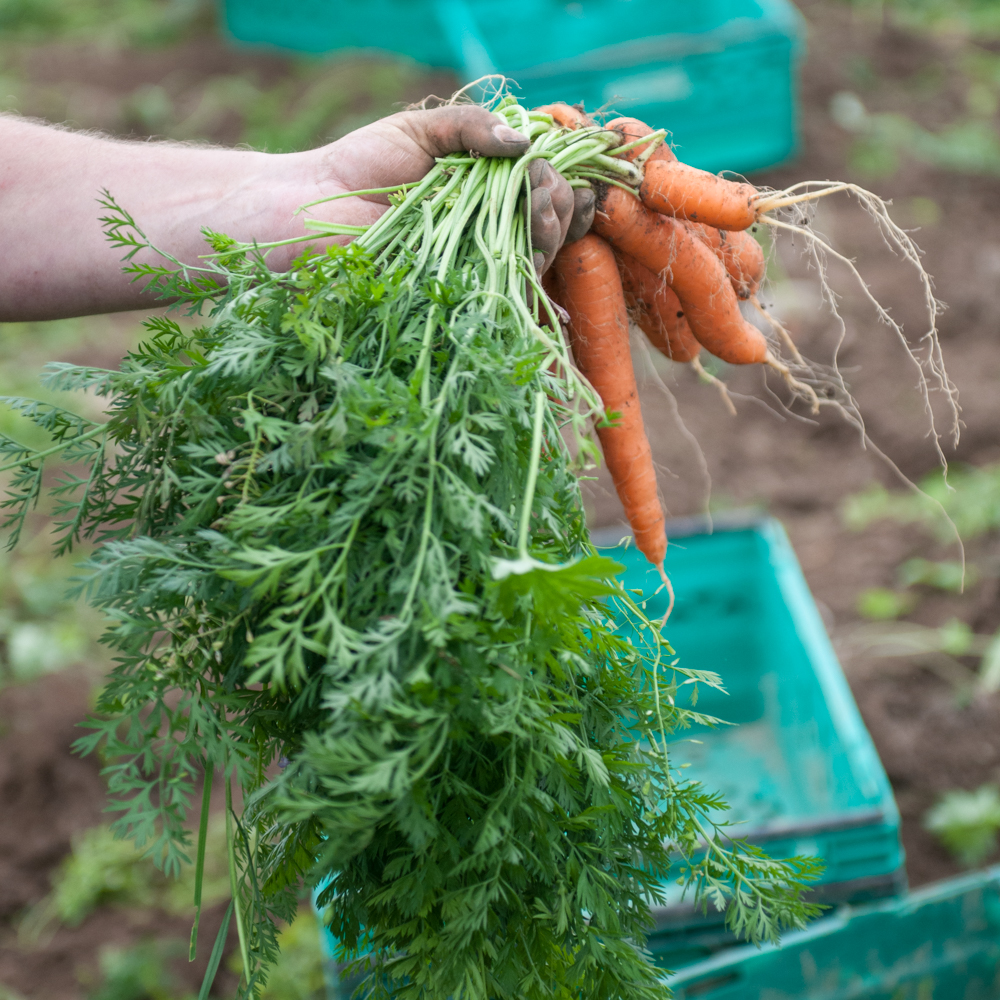
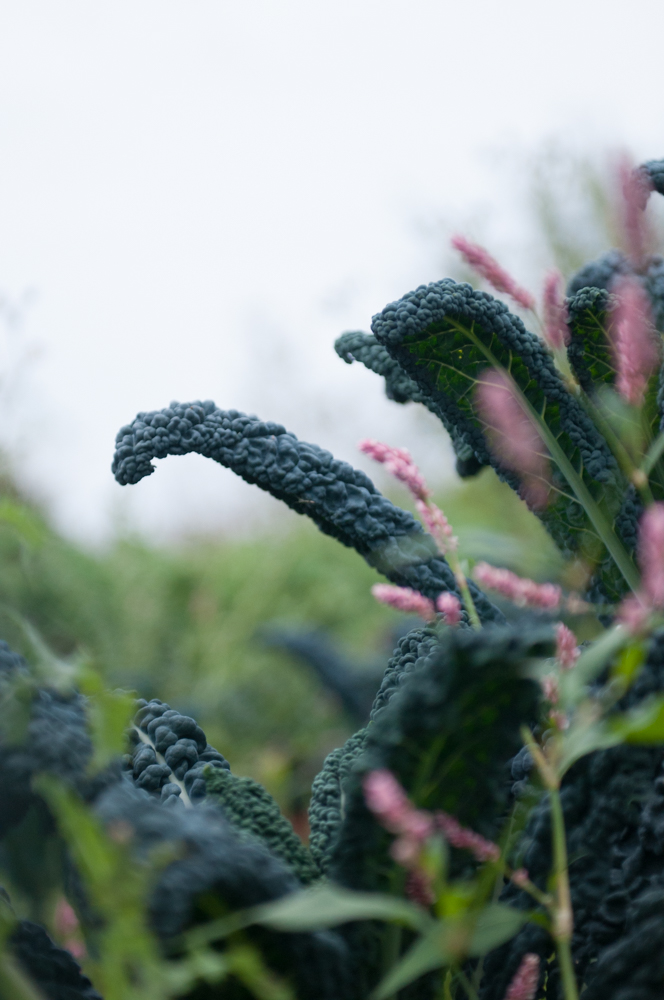
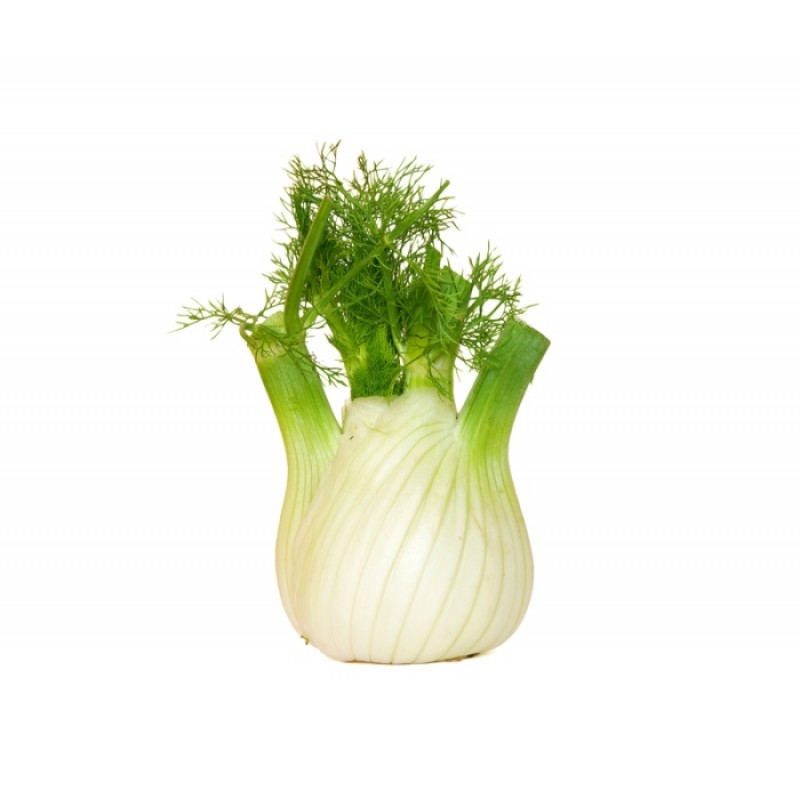
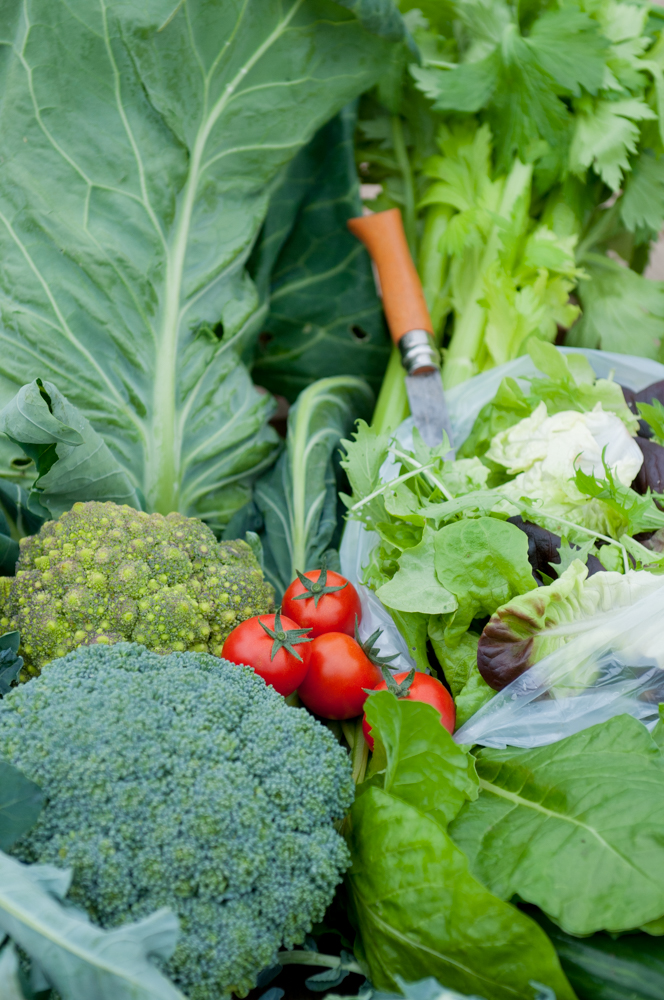
Right now, we are harvesting: Kale green, Cavelo nero,cabbage, broccoli, Romanesco, tomatoes, cucumbers, courgettes, lettuce, salad, carrots, fennel, beetroot, spinach, radish. We also have IRISH scallions, onions, new potatoes, mushrooms, garlic, leeks, yellow courgettes, it’s a long list. 

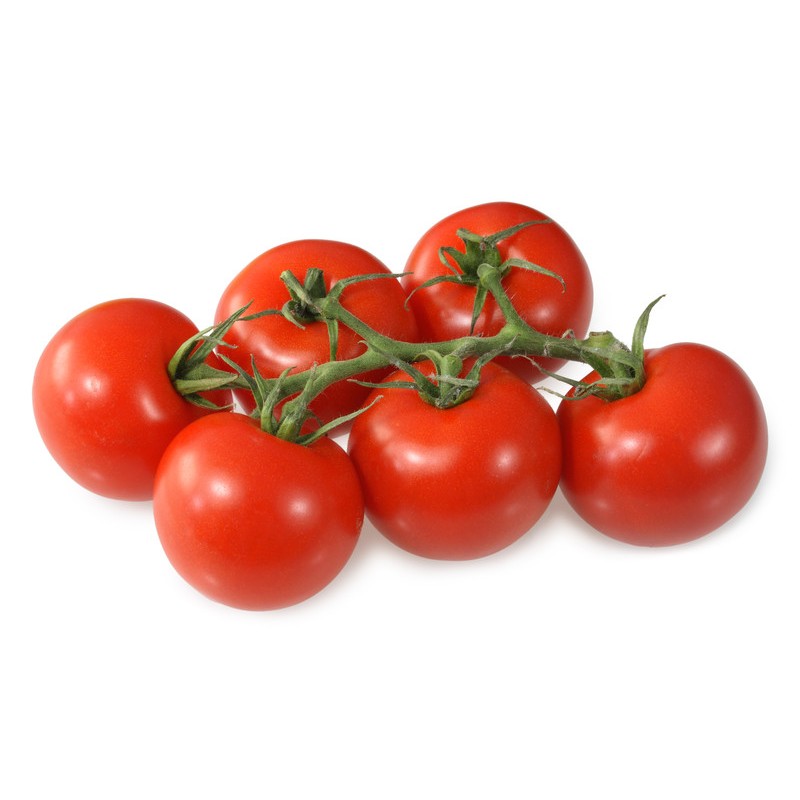
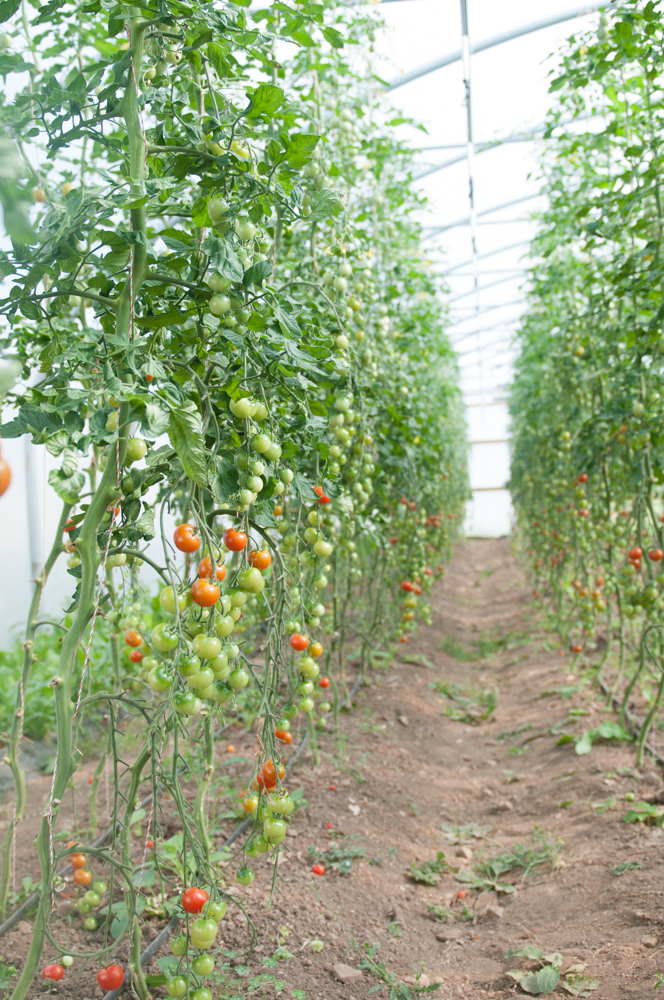
My absolute favourite thing to do right now is to go to our polytunnels and pick my own tomatoes for lunch, they taste amazing, they are grown right here in Galway, and you will not get better. They are in all the boxes next week, and a little trick to bring out the flavour is to eat them at room temperature not straight from the fridge.
So yes, we are thankful for the bounty, and we are also thankful for your support to make a real sustainable commercial organic vegetable growing enterprise a reality right here in Sunny Galway.
Kenneth

Have a look at our range here.

Quick Pickled Courgettes

Got a glut of courgettes? We’ve got the recipes. As well as this classic quick pickle, a delicious solution for many excess veg, I’ve shared a fair few other courgette recipes. Just pop ‘courgette’ in the search bar and they’ll come up.

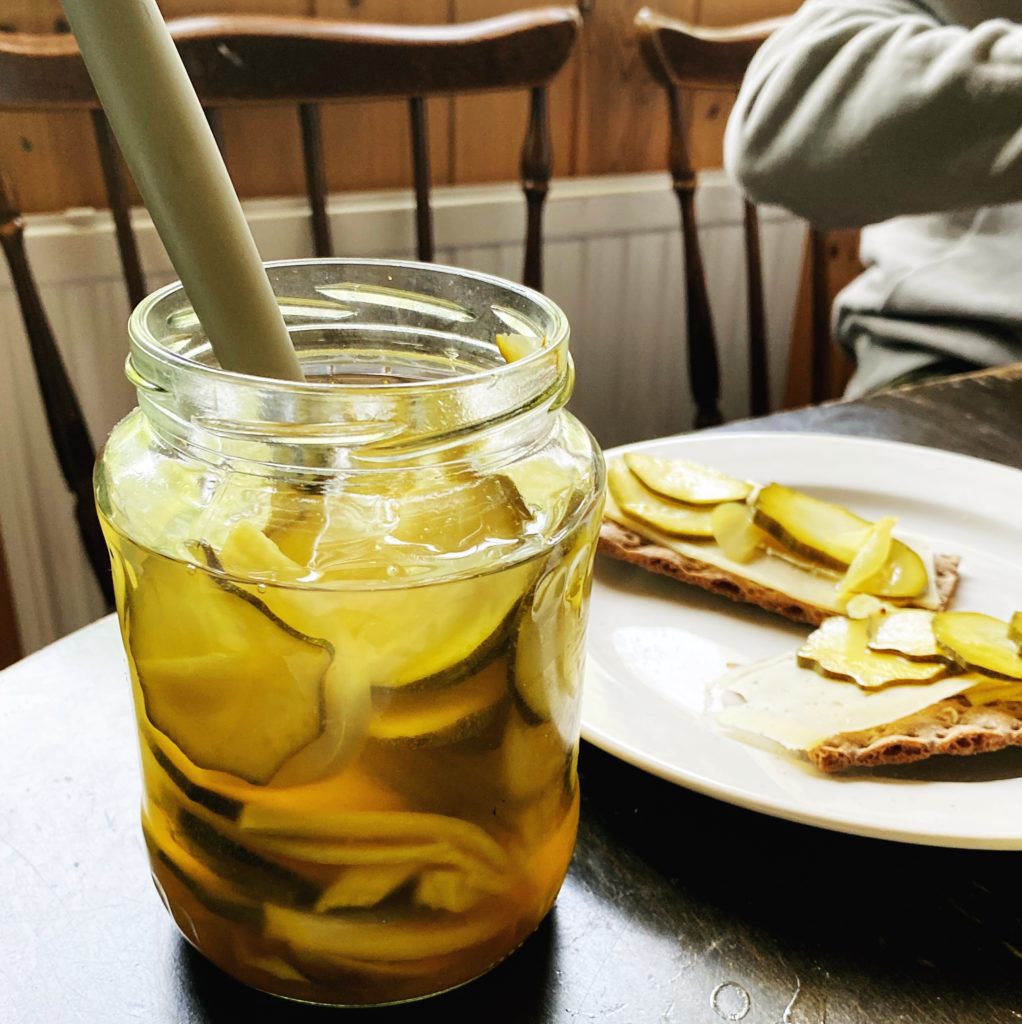
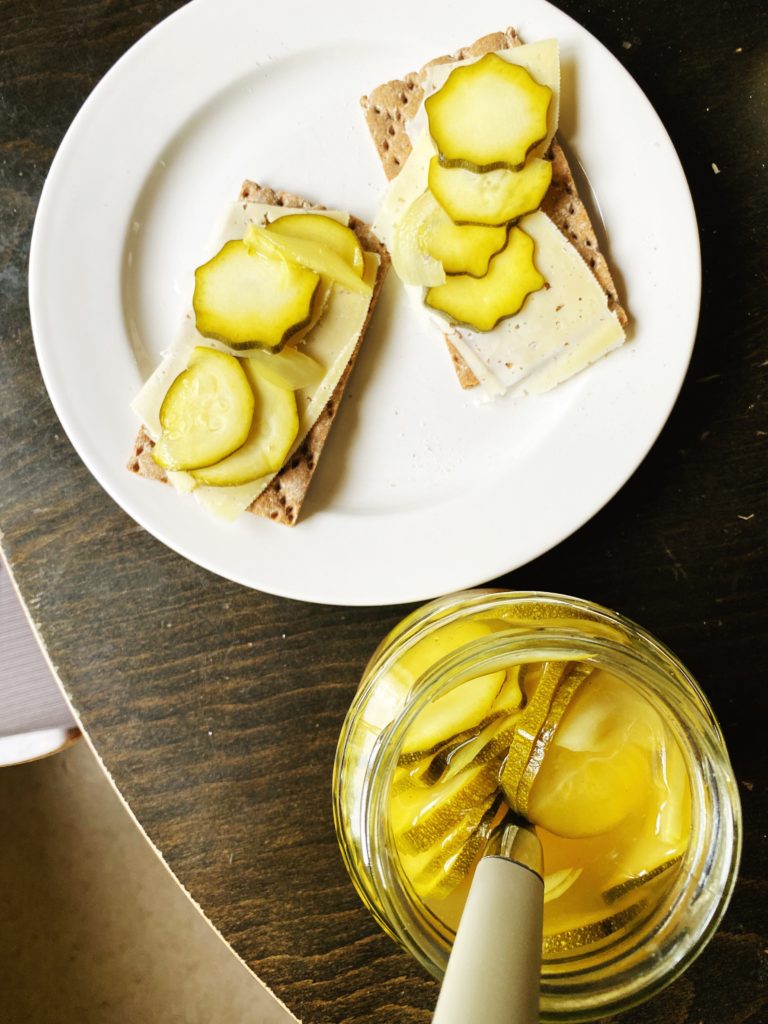
Quick pickles do what they say on the tin. They are quick and simple to put together and they are ready to eat in just a couple of days. You can definitely eat them earlier too, I just think the flavours develop better after a couple of days in the fridge. They last a long time too, especially if you sterilise the jar and close it while the vinegar solution is still hot. Keep the pickles in the fridge and don’t double dip and they should last for 2 months, if you don’t eat them up in that time… don’t store these pickles at room temperature unless you can them, which is a whole other process.

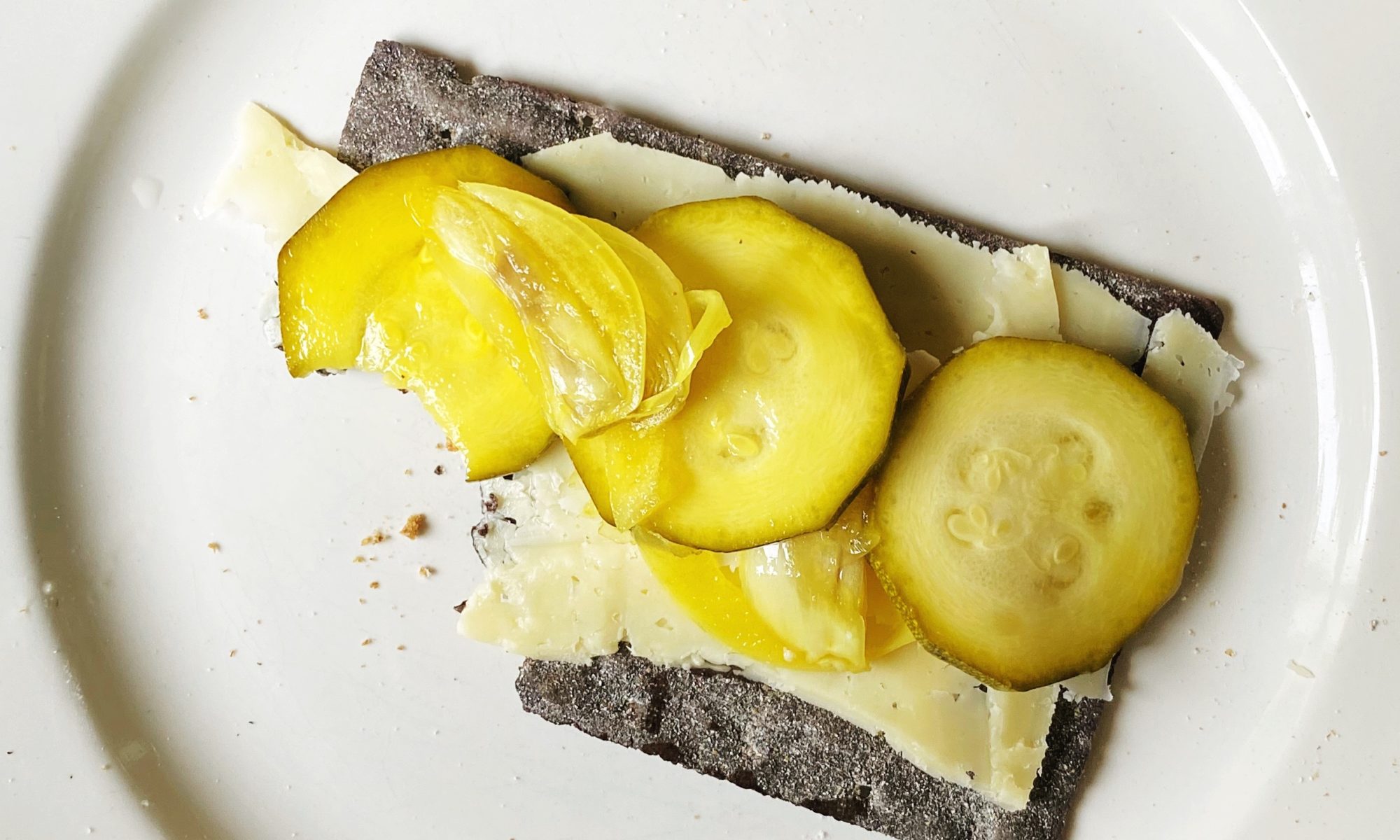
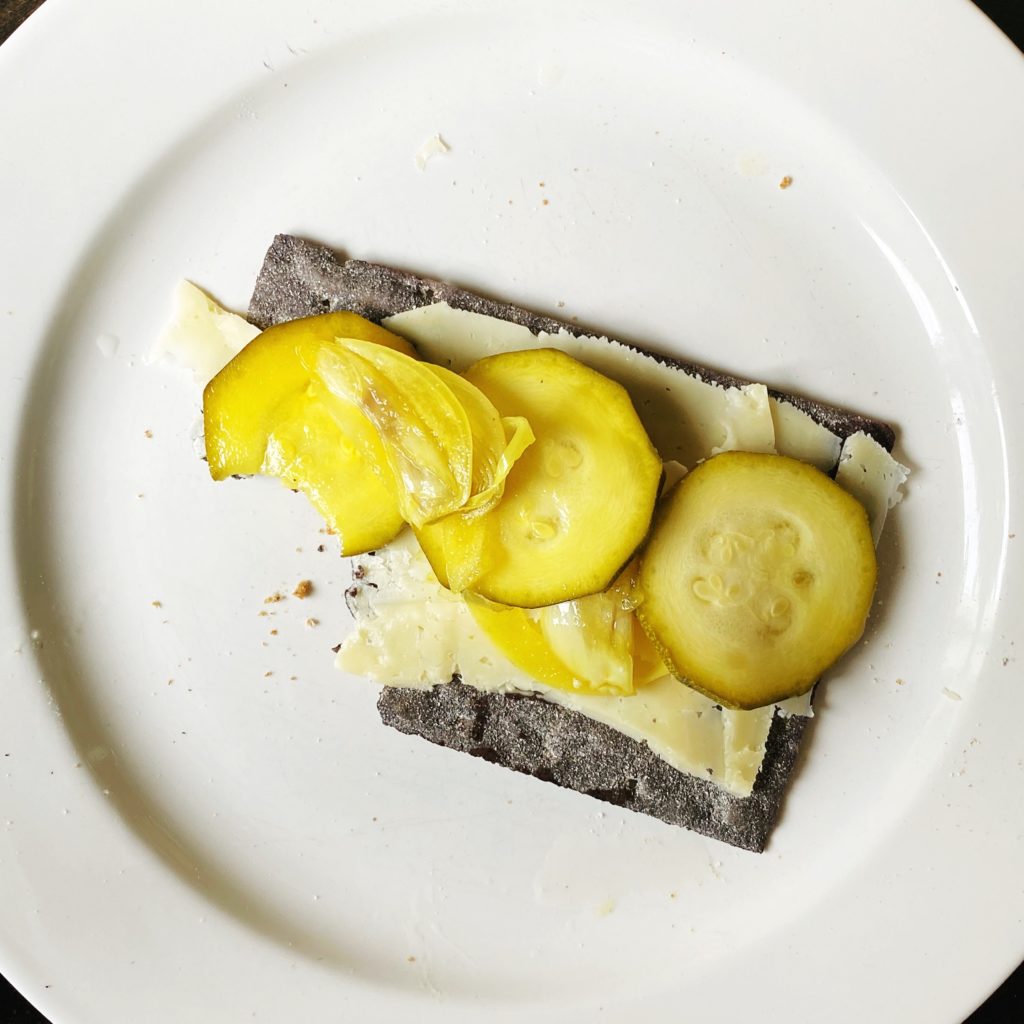
Pickled courgettes are so delicious in a sandwich or burger, with cheese and crackers or as a tangy, crunchy part of a salad. You can also flavour them however you like. Go herby with dill, spicy with chilli, use classic pickling spices, bay leaves, garlic, ginger…whatever you like! Enjoy! Liz x

Ingredients (makes 2 medium jars, around a litre volume)

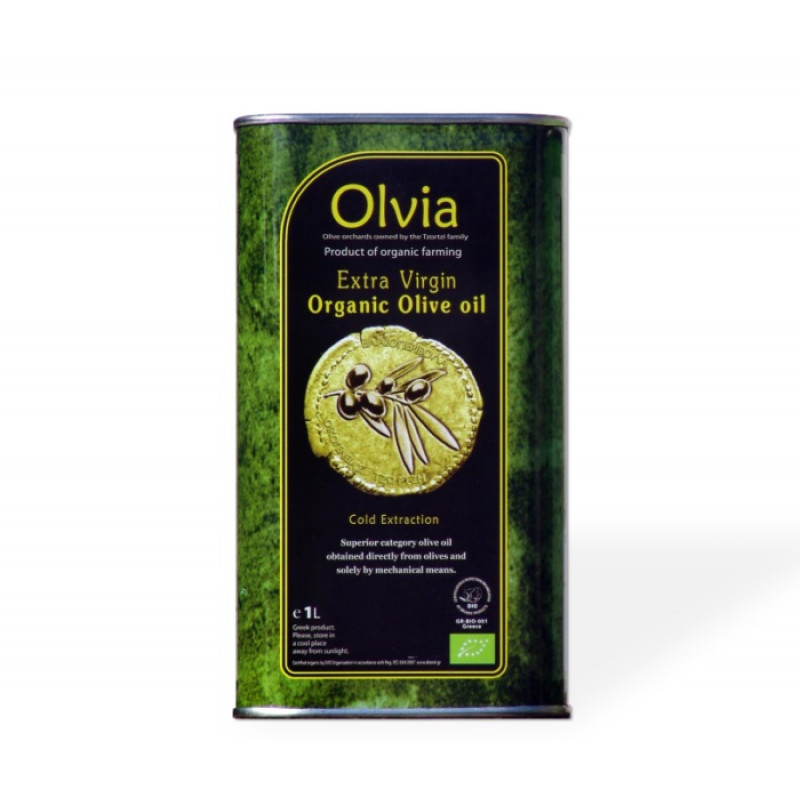
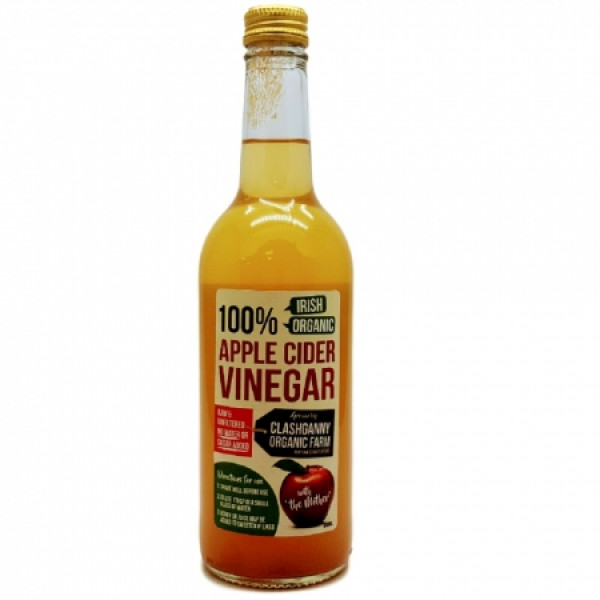
  • 300ml apple cider vinegar (we LOVE Clashganny Farm’s organic ACV)
  • 300ml water
  • 2 tbsp salt
  • 2 tbsp sugar (optional but really nice)
  • flavourings of your choice – I used: 3 sliced cloves of garlic, 1 tsp ground turmeric, 1 tsp mustard seeds, 1/2 tsp black pepper
  • 1 courgette
  • 1/2 a white onion

Method

  1. Start by finding 2 small jars (or 1 big one? – it all depends on how much pickle you’re making or the size of your courgettes) and giving them a really good clean and hot rinse. Or you can sterilise them to be extra safe. Put the washed and rinsed jars in a clean sink then fill them with freshly boiled water from the kettle. Wait a minute then carefully empty the jars (use oven gloves or a folded tea towel so you don’t burn your hands). Let them air dry while you get on with chopping and heating up your vinegar solution.
  2. Measure the vinegar, water, salt and sugar into a small pan and heat it up while you quickly add the flavourings to the jars and chop the vegetables.
  3. Divide your flavourings between your jars. Then thinly slice the courgette and onion and divide them between the jars too. Lightly press the vegetables down into the jars to pack them in neatly, but don’t crush them. You should leave a couple of cm of room in the jar.
  4. As the vinegar solution comes to the boil, take it off the heat and pour it into the jars over the vegetables and flavourings. The solution should cover the vegetables. Give the jars a light tap on the work surface to remove any air bubbles that may be trapped between the layers of vegetables. Then screw on the lids whilst the jars are still hot. You may not use all the vinegar solution, or you may need to make a bit more.
  5. Allow them to cool then refrigerate. The pickles will be ready to eat in two days and will last in the fridge for 2 months.

Carbon Neutral

Carbon neutral diesel, I came across this last week while filling up our car, I didn’t know there was such a thing.

We have a diesel car and for now we need diesel so I opted for the ‘carbon neutral’ option. 

3 things struck me. 

1. Initially the idea of offsetting carbon emissions by a multi billion dollar company that makes its money from selling  hydrocarbons struck me as false and green washing. 

2. At the same time,  if there is a way to help reduce the damage being done by burning oil then we absolutely need to have that option right now, but this should not give the oil companies an ‘get out of jail card free’.

3. It was more expensive, did I think twice about paying the extra? No, but that is one of my core principles and by extension one of the cornerstones of our business. 

As we are lucky and privileged to live in the first world are we not obligated to pay our share of the damage done to the climate  inherent in our lifestyle? Can we afford not to? 

Yes of course big business has a long way to go and needs to take action now. We all know we need to stop burning hydrocarbons but that will take a little time. But if these companies know that consumer behaviour is changing it will drive them in a greener direction faster and that is a good thing.

Right now we are using our first electric delivery vehicle for all our deliveries to Limerick and Clare and it is working tremendously well, our plan is to make all our delivery vehicles electric by 2025. 

Growing and selling sustainable  food is our business and it is an expensive business to be in and to do it right. 

We have always been at the forefront of sustainable change and we are taking the next step in that journey by being one of the first food delivery businesses in Ireland making deliveries in electric vans.

I am excited to think that by 2025 all our deliveries will be in 100% electric, zero emission vehicles. The ones in Galway will be powered from the solar panels on our packing shed.

Here’s to a greener delivery system. 

Kenneth

Get your organic, plastic free fruit, veg & groceries delivered to your door www.greenearthorganics.ie

Courgette, Feta & Dill Fritters

Fritters are a fab summer lunch with salads and a great way to use up a glut of vegetables. Courgettes are having their ‘glut moment’ on the farm right now, so here’s a delicious courgette fritter recipe for you to try if you get a lot of courgettes in your box and you’re stuck for ideas.

I usually make a gram flour (chickpea flour) batter of just gram flour, water and seasoning, and then stir in shredded/finely chopped veg to make fritters, but I didn’t have any gram flour so here’s a wheat and corn flour variety which works well too! Fritters are fairly forgiving, just use whatever flour you have in. Courgettes are quite watery vegetables, so I like to grate and salt them, then after the salt has drawn the liquid out, mix in enough flour to make a fairly thick batter. No need to add any other liquid or you’ll end up with soggy rather than crisp fritters!

Liz x

Ingredients (makes 6-8 fritters)

  • 1 large or 2 small courgettes
  • a large pinch of salt (about 1/2 a tsp or to taste)
  • black pepper to taste
  • a big handful of chopped dill or fennel fronds (or any herbs you like – mint or parsley work well)
  • a block of feta, crumbled (or make my tofu feta recipe here)
  • 4 tbsp plain flour (or more/less – see method)
  • 4 tbsp cornflour/cornstarch (or more/less – see method)
  • olive oil for frying
  • lemon wedges, salad & tzatziki to serve

Method

  1. Start by grating your courgettes into a large mixing bowl. Use the course side of the grater.
  2. Sprinkle over the pinch of salt and pepper and mix well. Then taste and decide if you’d like to add more. The courgettes should just taste pleasantly seasoned.
  3. Give the salt time to draw the liquid out of the courgettes and use this time to prepare some salads and make a tzatziki (simply mix grated cucumber through thick yoghurt, season with salt, pepper and a little crushed garlic, stir well and add a drizzle of extra virgin olive oil and fresh dill or mint).
  4. Once the courgettes are wet, this only takes 10 minutes or less, you can start adding the flour. I like to use an even mix of cornflour and plain flour. The corn flour makes the fritters a little crispier.
  5. Add one heaped tbsp of each flour to the wet courgettes then stir the mixture. Keep adding more of both flours and stirring until you have a thick fritter batter. If your courgette is very watery you’ll need more flour, if it’s drier you’ll need less.
  6. Then stir through the herbs and crumbled feta and warm up a frying pan to medium with a generous slick of olive oil in the bottom of the pan.
  7. Fry spoons of the mixture in small batches in the pan. Turn over after 3-5 minutes, once golden brown and crispy underneath and fry the other side for a further 3-5 minutes.
  8. Keep the heat at medium, don’t be tempted to turn it to high or you may get fritters which are burned on the outside and raw and doughy in the middle.
  9. Serve with salads and tzatziki for a lovely lunch. The fritters are delicious eaten hot with a squeeze of lemon. Or pop the fritters into a burger bun or sandwich as a summery veggie burger or sandwich filler alternative.

Plastic Free July

As plastic free July draws to a close I find myself thinking a good deal about the plastic packaging that the supermarket system of food retailing demands. 

There were some pretty serious promises made by large retailers to appease consumer demand after David Attenborough’s blue planet documentary in 2017. Big business has become tremendously adept at hijacking good causes to improve the bottom line. This green wash, jumping on the band wagon and making promises that all too frequently are not kept is not good enough. It is dishonest and large retailers need to be held accountable.

Single use plastic in our food system,  chemicals in our food chain, animal welfare, and of course the biggest issue of our time, climate change, are not marketing devices to be used to improve profitability. These issues need to be tackled, they need to be taken very seriously and big business could be part of the solution, why would they not be? Ultimately being part of the solution will pay large dividends in the end both for the businesses and the planet. But those involved in green washing need to be taken to task for broken promises. 

I am well aware of the argument that plastic is necessary to reduce food waste and there is some merit in this.  But it is not a statement to hide behind. The statement too that ‘we have tried loose fruit and veg but consumers choose the plastic packs’ is not good enough either. Look at France, the majority of fruit and veg is sold loose or in compostable packs.

Any system takes time to change and rather than making empty promises, these large multiples could be investing in their farmers to help them change and switch to different packaging, paying a fairer price for the produce would obviously help too. Ultimately of course that may mean a little more for your cucumber or pack of carrots but is that really a bad thing? Our compostable bags are four times more expensive than their plastic counterparts. 

Ultimately the plastic clad supermarket aisles are a product of a food system that maximises profit for the end seller: the supermarket and nothing more. 

As far as I can see nothing has changed in the last 5 years. if anything there is more plastic on the shelves now than there was 5 years ago when many of these pledges were made.

I remember looking at compostable bags back in 2006 but back then the materials could not be had. In 2018 we were the first company in Ireland to make all our fixed boxes plastic free and over 95% of all the fresh produce we sell is plastic free and will remain that way. Our plastic free grocery aisle continues to grow. But more than any of that our whole farming model is based around our reusable boxes that we collect and reuse each week. 

Your support has enabled this, thank you!

Kenneth

Here are all our links if you’d like to place an order or enter our competition to win an Irish plastic free box 👉 linktr.ee/greenearthorganics

Raw Courgette & Hazelnut Salad

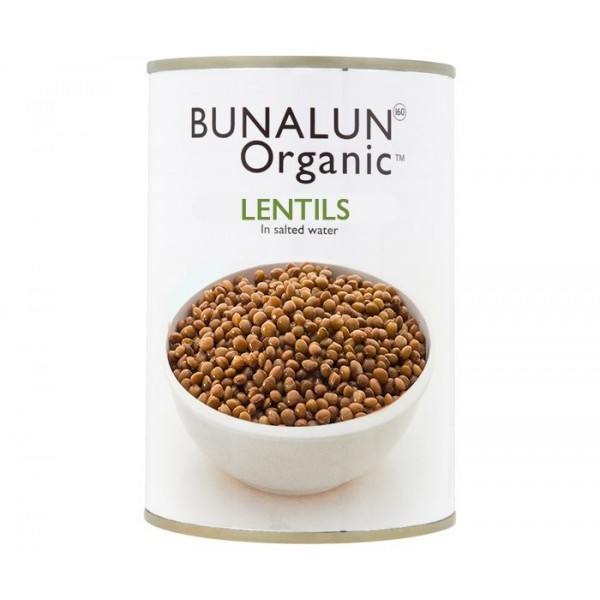
We are in the midst of a classic courgette glut on the farm. Next week we’ll add some free courgettes to all the boxes, we hope you enjoy them. Expect lots of courgette recipes to come your way. We’d love to know your favourite courgette recipes too please! Let us know in the comments or over on our community Facebook group. I’ll start us off with this super simple salad. It’s so easy to make (just a matter of combining raw courgettes with a lemony dressing, then scattering over some toasted hazelnuts) and oh SO delicious! I have this salad often this time of year as a side to pretty much any meal, or it’s brilliant stirred through freshly boiled pasta or bulked out with a drained tin of lentils.

Liz x

Ingredients

  • Courgettes (2 small or 1 large)
  • 2-3 tbsp extra virgin olive oil
  • the juice of half a small lemon (have you tried our new season verdelli lemons?)
  • 1 small garlic clove, crushed
  • salt and pepper to taste
  • a handful or two of hazelnuts, toasted in a dry pan then roughly chopped

Method

  1. Using a potato peeler, slice the courgettes into delicate, thin ribbons. For ease, slice them directly over a serving platter or large salad bowl.
  2. Make the dressing by stirring together the olive oil, lemon juice and crushed garlic with a pinch of salt and pepper.
  3. Drizzle the dressing over the courgette ribbons. You could toss the salad now to evenly coat the ribbons with the dressing, or just leave it drizzly.
  4. Then toast the hazelnuts in a dry frying pan until nicely coloured. Tip them onto a board and carefully chop them up a bit to make them go further through the salad.
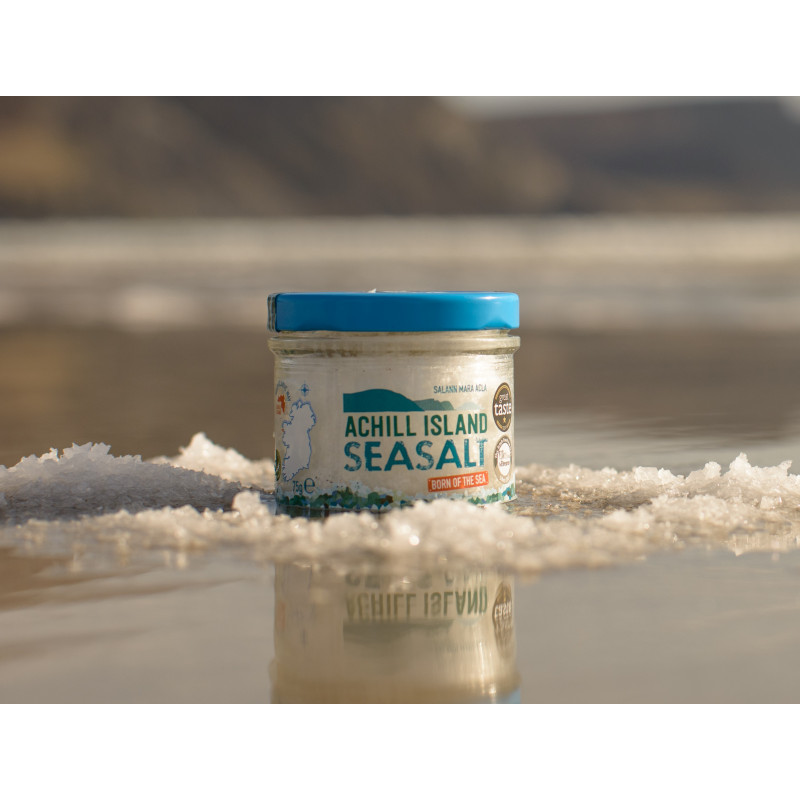
  5. Scatter them over the dressed ribbons and finish the salad with a little sprinkle of flakey sea salt. We LOVE Achill Island sea salt for exactly this type of dish.
  6. Enjoy as is as part of a salad buffet or alongside a BBQ. Or make it a light, refreshing meal by tossing through some freshly boiled pasta or a drained tin of cooked green lentils.

Our Children & The Planet

I will never forget when myself Jenny and my dad put up our first polytunnel back in 2005. It was a milestone and like a dream come though, I will never forget it. 

We were so proud of ourselves, that was our first season growing food and we tried it all. We were so enthusiastic, we wanted all the plants in that little tunnel, aubergines, tomatoes, peppers, cucumbers. If truth be known there was very little harvest from that tunnel in the first year. We had plants but little enough of the fruits of our labour! Nevertheless, this did not discourage us in any way.

We were on a journey we had closed the door on a different chapter of our lives, lives lived far from the land and with little connection with our food. Certainly, there was always a burning deep desire to do the right thing by the environmentand this our mad chance to embrace that vision. 

It was two years later in 2007 that our first child was born and that was a momentous occasion. I do remember many things from that day, but one that I am sure most people do not experience on the birth of their first child was the doorbellringing (We had a home birth) and a guy that was fixing a fridge on our van wondering if he could talk to me about a problem he was having. I think the noise in the back round ended that conversation swiftly.

Then we watched Hannah grow and at the age of two she was able to go and pick her own tomatoes and cucumbers from the polytunnel. When Ella came along it was clear she was going to be our earth child and she spent more time in those polytunnels than anybody else, I am surprised we had any tomatoes left to harvest for you, our customers. 

In hindsight remembering those moments and appreciating them seems like it was a perfect and ideal life. There was of course plenty of smiles but there was all the other stuff too. We were guilty of having no time, no money, and no energy, it was truly exhausting, starting a farm, a business and a familyat the same time. I would recommend that if you are embarking on this journey that you spread those events out a little!

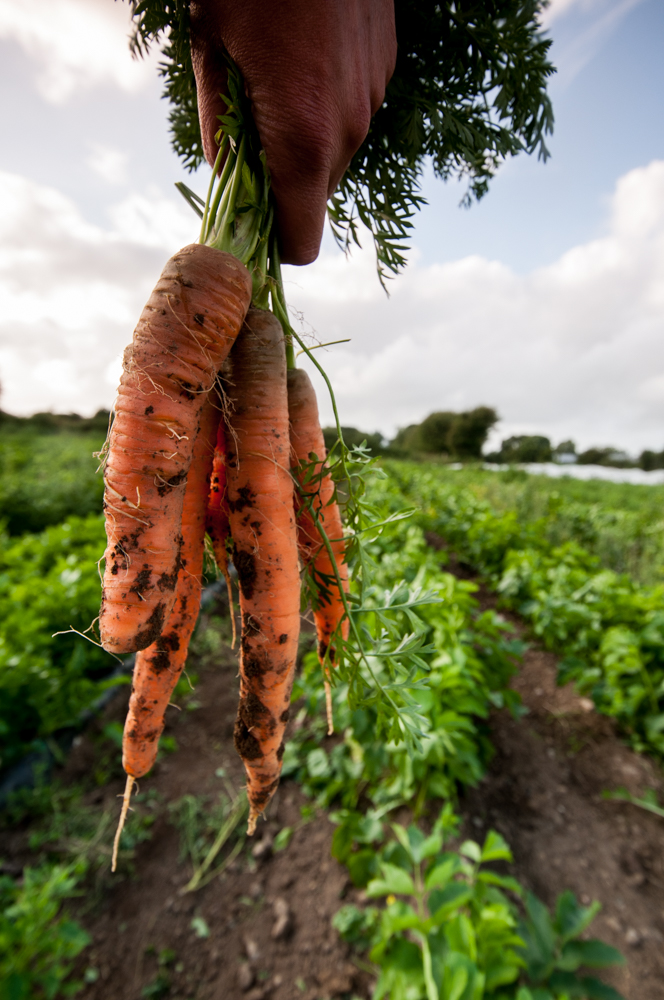
But we got through. The days when we have had schools on our farm, and you see the amazed face of a child when they pull a carrot from the ground it makes you remember what is important

The journey has certainly left its scars, but it has also allowed a deeper appreciation of what we have, how lucky we are. If nothing else seeing the respect Ella, Joe and Hannah have for the environment is something that I am proud of. If we achieve nothing else on this journey, we will have achieved something positive.

Our job here is to spread a message that nature and our land are beautiful and precious, and all living things are to be respected. We as a business, a farm and individuals really do have an obligation to take care with our actions. It is on us all, of course we can all point the finger but what good does that do? We need to take responsibility for our actions and do the right thing, is that easy? Absolutely not. Is it necessary?Completely. Therein I believe lies our greatest hope for our children and all that we share this land with.

Have a fantastic week and thank you for sharing our vision and for your continued support.

Kenneth

PS. Have you signed up to our new repeat order system yet? It’s the best way to never forget your order deadline. Head to the website and give it a try, any problems use the Chat button or send us an email and we’ll get back to you in normal office hours. www.greenearthorganics.ie

We Need Your Help

We need your help. We need to survive the summer we have so much local organic harvest from our farm and other small organic farms here in Ireland and we have seen our customer base disappear over the last 5 weeks.

It has been a never-ending rollercoaster and so difficult one week to the next to predict what is around the corner. It is in times like these that we especially need to know why we are doing what we are doing. The irony of course is at these very moments we lose focus and just holding it together is all we can do. At the same time, it can be this singular dedication to a cause greater than ourselves that keeps us going. 

The little idea that a small farm here in the West coast of Ireland could help fix this planet, help fix our food system is our “WHY”. 

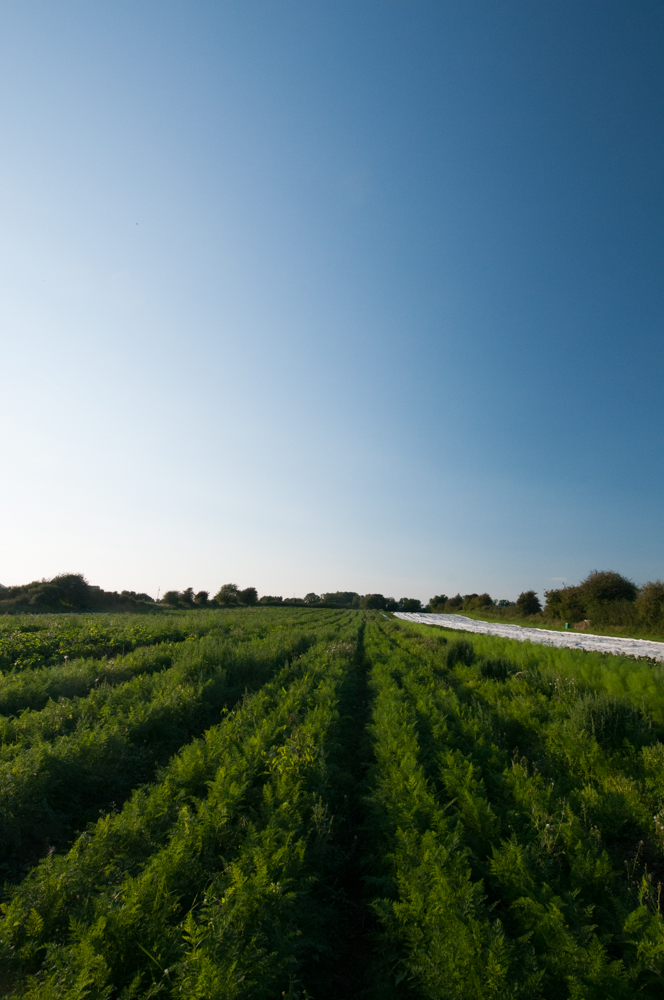
It has been a tremendously busy week on our farm. We have planted 70,000 leeks, our final planting of winter brassicas isgoing into the ground today. As I write some 50,000 plants are being transplanted ,that brings to a total brassica count of nearly 150,000 plants. That is a lot of locally grown food, all done of course without chemicals.

Kornel and Patrick have done amazing work in our polytunnels where our 1000+ tomato plants and several hundred cucumber plants are finally bearing fruit. This is one of my favourite moments looking on the well organised tunnels and tasting the amazing tomatoes.

Emmanuel our farm manager and his team of field workers have been working so hard. At this time of the year, it always feels like we are teetering on the edge of losing control, but thankfully that hasn’t happened yet.

Over the last couple of weeks finally we have had the ideal growing conditions and that has meant harvest season has burst upon us.  It also means we have had the perfect mix of too much work, an abundant harvest, planting deadlines slipping away and weeds in hyperdrive, it is frantic and will be for another week or two.

Then there is the backdrop of the week just gone where we have the lowest orders in 18 months right slap bang in the middle of our best harvest season and our highest cost base (covering holiday time, a team of 10 people on the farm from 2 in February, an investment of 6 months and nearly €100k to get to the harvest season)

What we are harvesting right now:

  • Lettuce green and red
  • Rainbow chard and Spinach
  • Courgettes and cucumbers
  • Some tomatoes
  • Cabbage, Broccoli and Romanesco
  • Kale green and black
  • Radish and Salad
  • Beetroot

What we are sourcing from other small organic farms week

  • New season IRISH potatoes
  • Scallions, fennel courgettes and cucumbers
  • Mushrooms
  • Fennel and French beans

It is worth mentioning I think and especially as it is plastic free July that we were the first company in Ireland to make all our boxes plastic free, reuse being the essence of our delivery service.

We need your help, we need to survive the summer we need you if you can at all to place an order, to tell your friends, your family, or your neighbours, tell everybody, bring us with you on holidays or donate a box to charity.

Thank you so much for your support.

Kenneth

Energy Bites

Energy bites do what they say on the tin. They are jam packed full of good ingredients – oats, nuts (or seeds) and dates – which give you a boost of energy and get you through the afternoon slump, power you up that hill on your hike or keep hunger at bay in the car on your way to your staycation. This base recipe is really handy to have in your repertoire. Make it your own by using your favourite nuts or seeds, replace the dates with apricots or raisins, add cacao powder or dried spices like cinnamon or ginger for different flavours, coat them in melted chocolate or roll them in sesame seeds or desiccated coconut. It’s fun to play around with flavours here.

Did you know, many of our grocery products like oats, nuts and dates are packed plastic free? We are always working on adding more plastic free products to the list too so keep checking back. Please share your favourite energy ball combinations with us on our facebook community group

Liz x

Ingredients (makes 20)

  • 1 &1/2 mugs of porridge oats
  • 1 mug of nuts (or seeds, or a mix)
  • 1/2 mug of pitted dates
  • a pinch of salt
  • a drizzle of maple syrup or honey
  • optional extra ingredients to taste (like melted chocolate, desiccated coconut, sesame seeds, cacao powder, cinnamon, ginger…)

Method

  1. Measure the oats, nuts, dates and salt into a food processor with the ’S’ blade attachment. (If you are making this in a blender, then divide it into smaller batches).
  2. Pulse the ingredients together, stopping frequently to stir and scrape down the sides. You are aiming for an even, sticky, crumbly mixture.
  3. Scrape the mixture into a large bowl. This is where you can stir in some extra flavours or textures if you like. Some cinnamon or ginger? Make it chocolate flavoured by adding some cacao powder? 
  4. Now test the stickiness of the mixture by picking up a small handful and squeezing. If it sticks together easily you don’t need the syrup – this depends on the freshness and variety of the dates. Otherwise add a small drizzle of maple syrup and stir. Test again and add more syrup until you get the right consistency.
  5. Then squeeze and roll the mixture into little balls. If they are sticky enough you can roll them in seeds or desiccated coconut for extra flavour and fun. 
  6. Another fun option is to dunk them in melted chocolate and sit them on a tray in the fridge to set. While the chocolate is wet, you can sprinkle the bites with seeds or some flakey sea salt or anything you like to make them even more special.
  7. Otherwise they are fabulous naked, just the way they are! 
  8. Pack in an airtight container in the fridge and eat them within the week.

A Plea

Last year at the end of June I asked for your help, and I was humbled by the level of support we received. It is always with a great sense of irony that we head into July. It is the official end of the hungry gap. We are catapulted from a frenzy of farming activity and a dearth of harvest in early June to a level of activity bordering on the insane and an overflowing harvest basket. July is the time when we have a plentiful harvest, and it is the very same time that many of you break your routine with cooking. The last year has been difficult for all, and we all need a break, a break from the routine and lockdowns. 

This summer is proving to be the biggest challenge yet. We have increased our planting rates; we have developed relationships with other local organic farms and now when the time of Irish plenty arrives we find that you our customers are leaving us for all the usual reasons, holidays, not cooking, routines out the window and we understand completely. But the downturn this summer for us has been sharp and severe over the space of three weeks we have seen the level of ordering drop off dramatically, this is leaving us with so much surplus harvest with nowhere to go but back into the ground. 

This time of every year we also see a large increase in labour costs as we are now up to 11 people on the farm (all local lads this year which is amazing) and we have also hired many new packing staff to cover the extra work over the last few months and to cover holidays. It is a double downturn for us, as our costs go up dramatically and our sales go down dramatically. Anybody will tell you this is not a good way to run a business. The initial start of this growing season on our organic farm, seeds, plants, fertiliser (organic), compost, contractors and labour are very high, before you harvest even one bean. All of this is necessary to make the food in the fields happen.

Growing food at the best of times is not a money-making enterprise, far from it, we only ever expect the farm to break even and most years this is a stretch to achieve. We grow the food, because we love to do it, because sustainable agriculture is something we strongly believe in. We have PV cells generating our electricity, we have just invested in our first zero emission electric van, we collect our rainwater, we plant trees, and hedgerows, we use only plastic free packaging. We educate people on how important biodiversity is, and to get everybody involved in thinking about the planet and the environment, where our food comes and how it is produced is our critical philosophy.

All of this takes time and energy, it all costs money and at the end of the day although everybody wants to enjoy their job and although nearly everybody that works with us believes in our values and our mission, they still need to get paid.

So this is a plea, a plea to ask you to order next week, to find a way (if you can at all) to continue supporting us over the summer, to tell your friends and family to order from us, or if you can’t to pay your box forward to our Charity (Foodshare Kerry), just order a charity box online that we top-up with extra produce from the farm.

The boxes this week are loaded with the most amazing fresh local Irish organic produce, including, spinach, salad, lettuce, romanesco, cucumbers, kale, scallions, some even have new IRISH organic potatoes. The weather is meant to be hot so we figured a good helping of salad would be very much appreciated. So please if you can at all do order. Your support as always is very much appreciated.

Thank you!

Kenneth

PLACE YOUR ORDER HERE