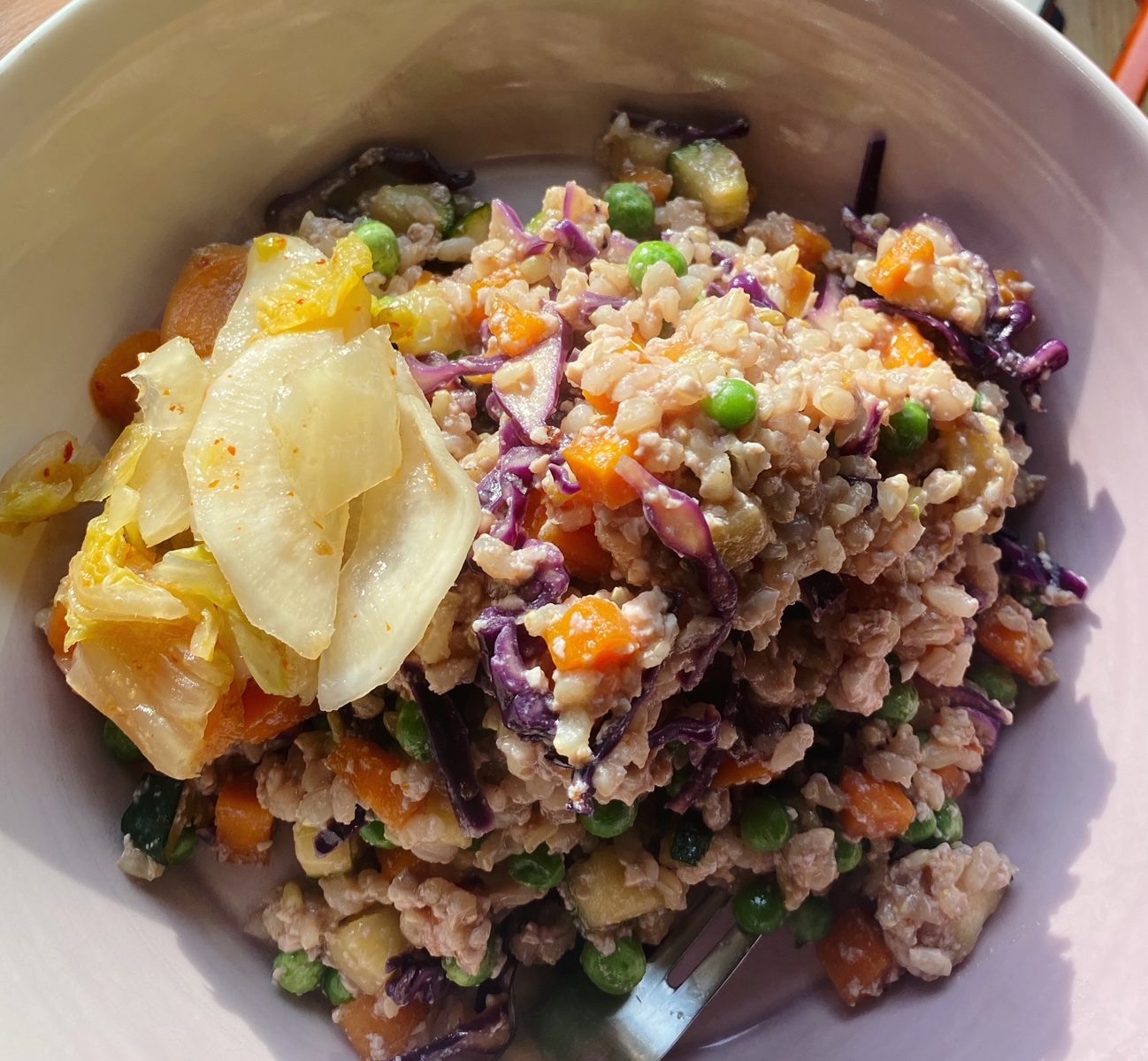
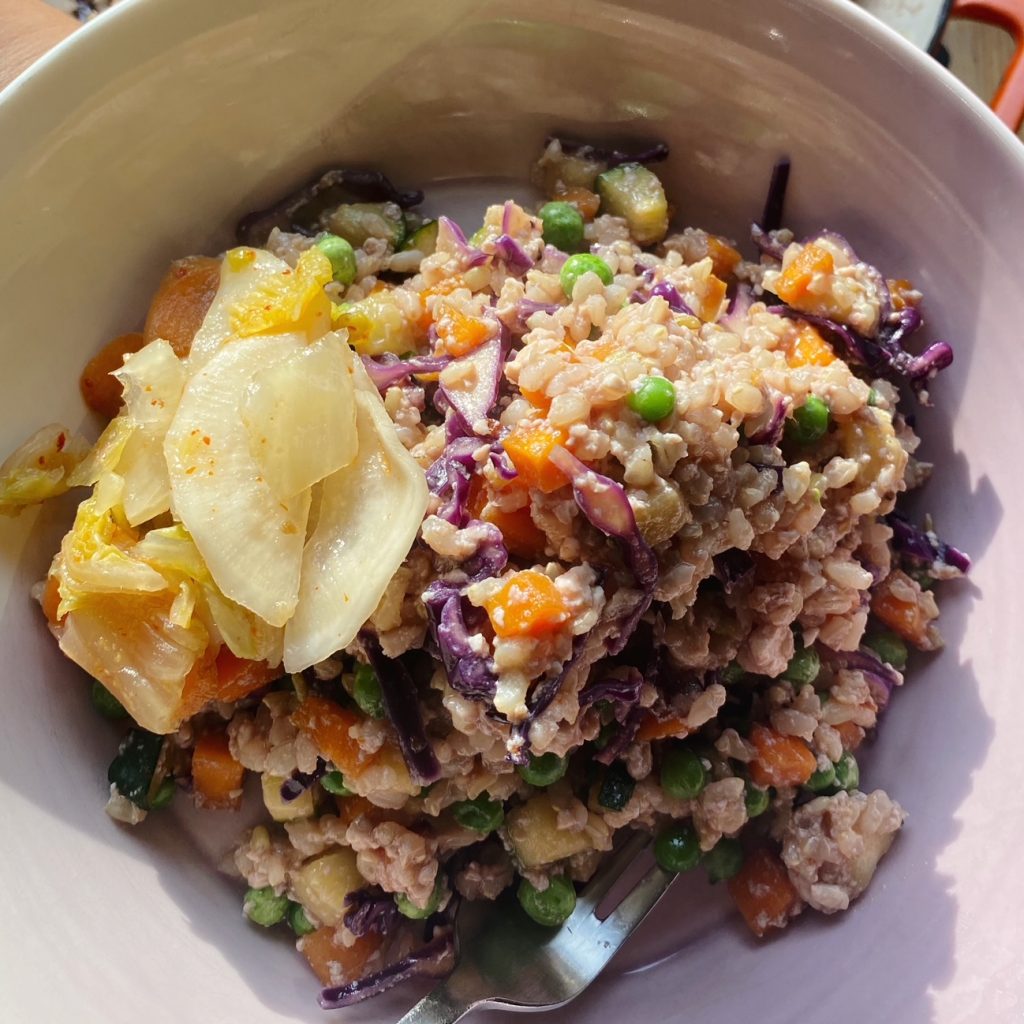
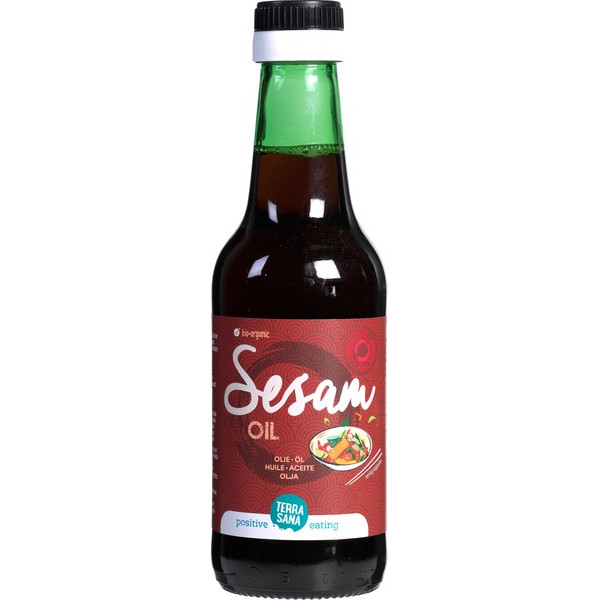
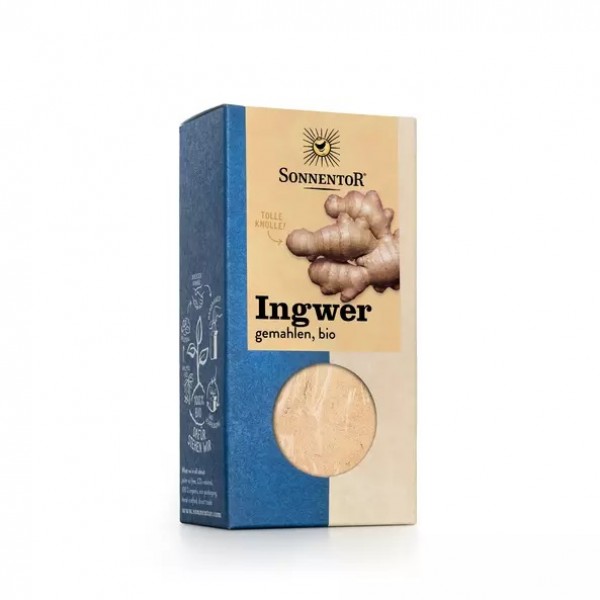
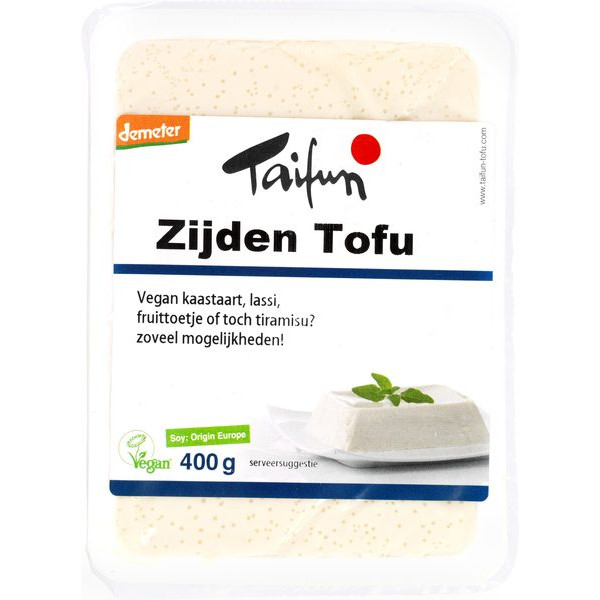
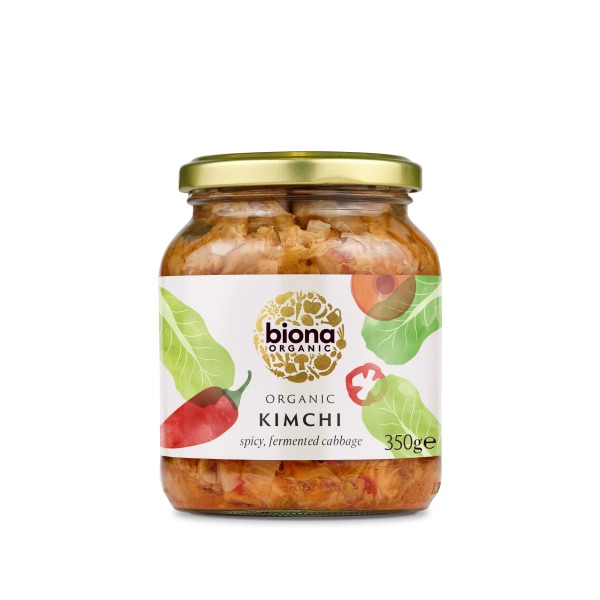
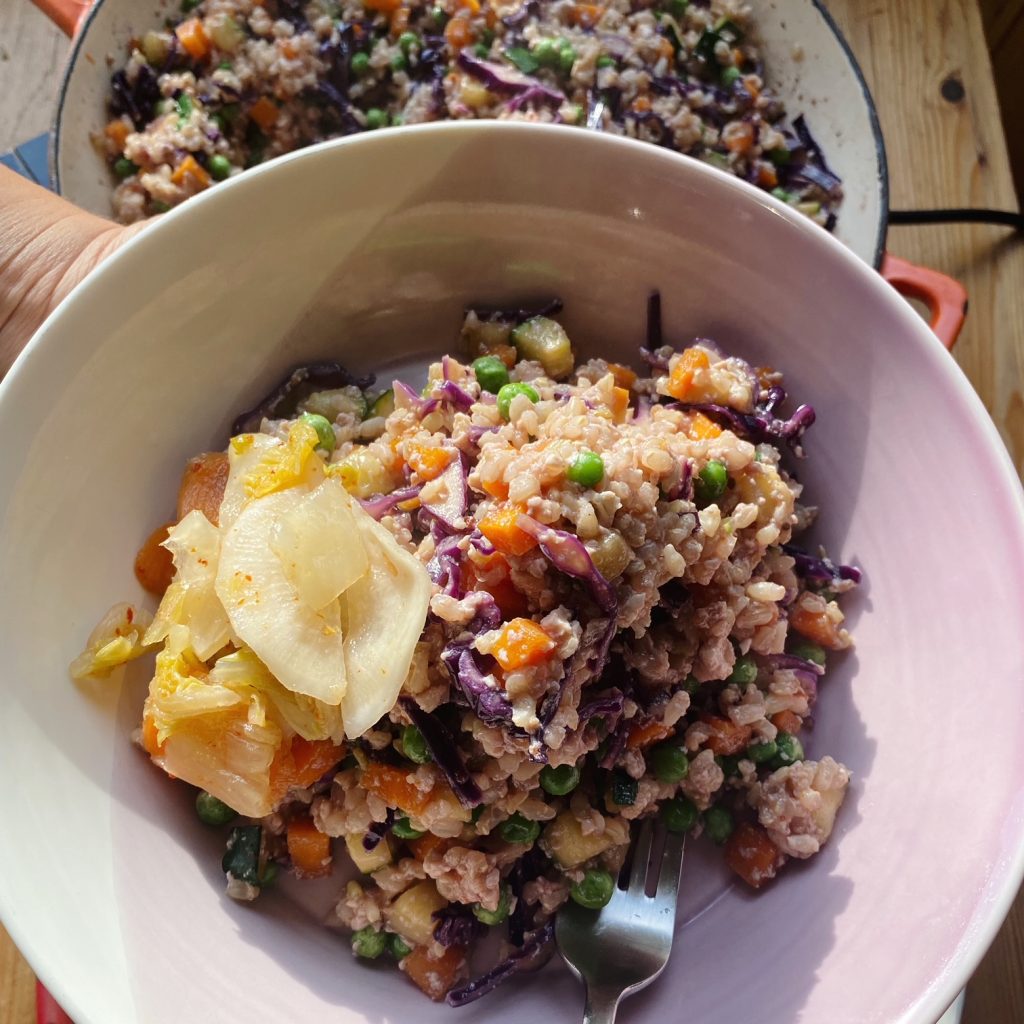
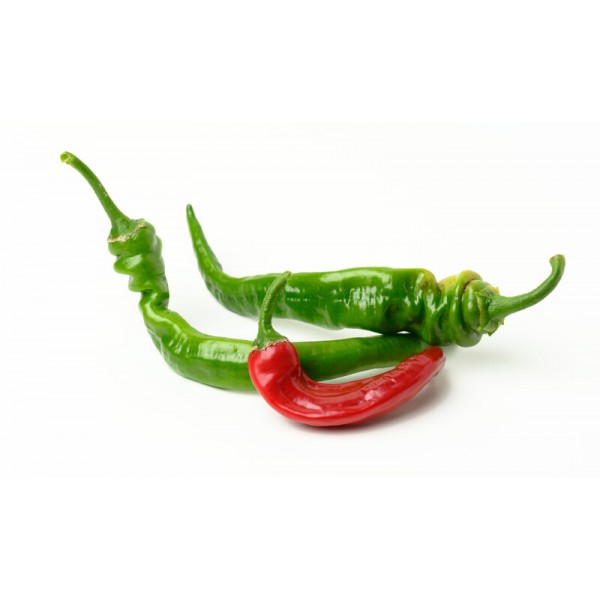
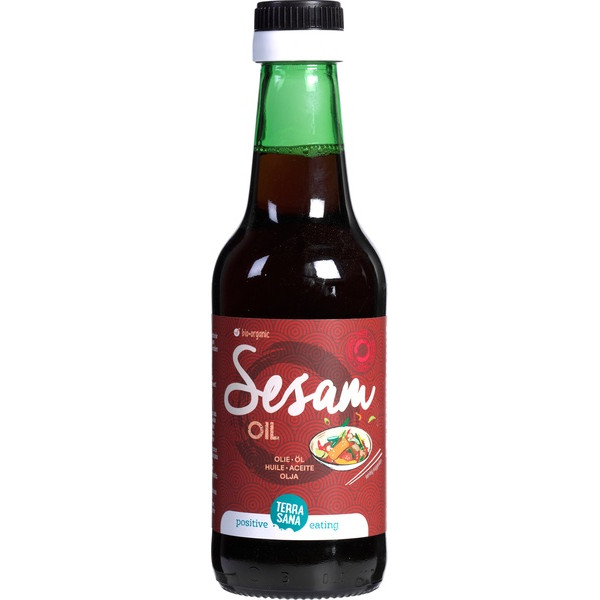
Egg fried rice but using wobbly silken tofu in place of the egg. This is such a delicious mid week, one pan, quick meal. If you ever find yourself with leftover rice, this is the solution! Its a great way to clear out the odds and ends from the veg drawer too. We love it served with kimchi or a squeeze of hot sauce, some scallions and sesame seeds. How do you eat yours?
Liz x
Ingredients (serves 4)
2 tbsp neutral vegetable oil
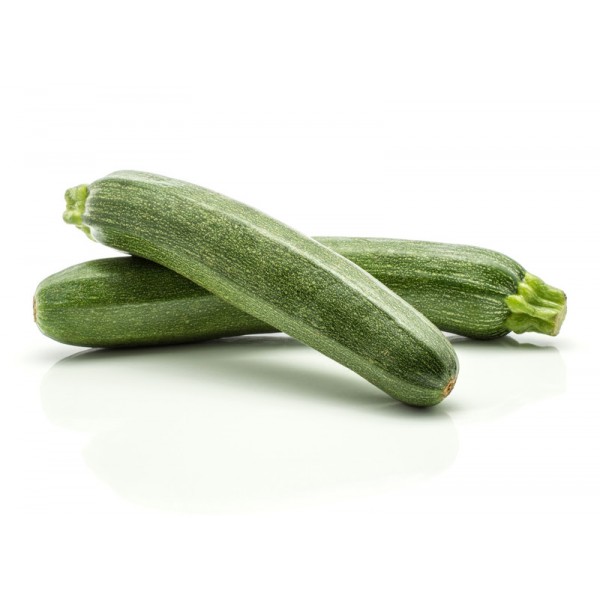
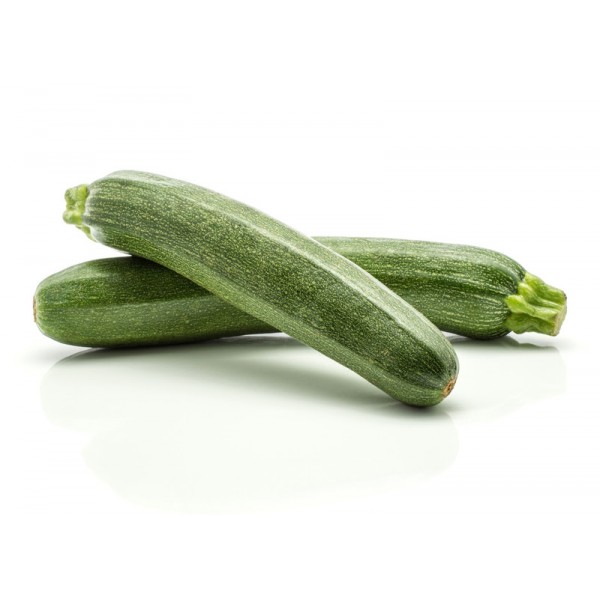
1 courgette, diced
2 carrots, diced
1/4 red cabbage, thinly sliced (or any combination of veg you prefer)
a pinch of salt
1 tsp garlic granules
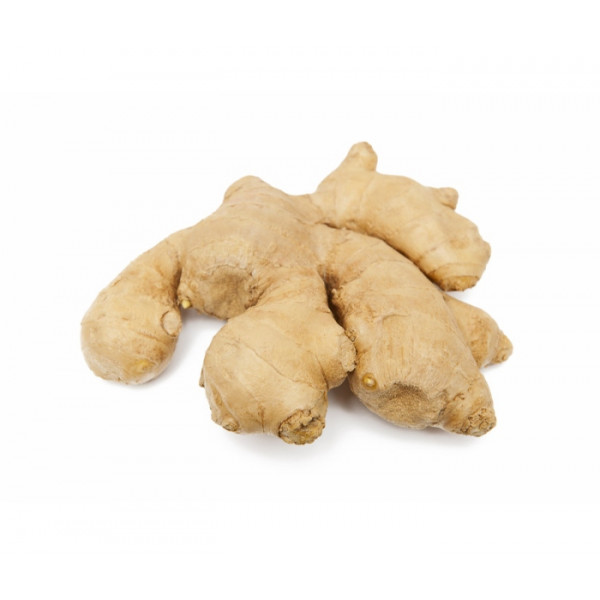
1 tsp ground ginger
1/2 tsp chilli flakes
4 tbsp soy sauce
1 block silken tofu
4 portions of cooked rice
a big mug of frozen peas (or any tender greens you like)
4 tbsp toasted sesame oil
kimchi to serve (or any toppings you prefer eg chopped scallions, hot sauce, toasted sesame seeds)
Method
Stir fry the courgette, carrots and cabbage (or any chopped veg you prefer) with the vegetable oil and a pinch of salt until just starting to soften (around 5 minutes).
Add the block of silken tofu and break it up with the wooden spoon. Drizzle in the soy sauce and sprinkle in the garlic, ginger and chilli and stir fry for another minute or so.
Add the rice and frozen peas (or other tender greens) and stir fry to warm through. Taste and add more soy sauce if needed. Then finish with nutty, delicious, toasted sesame oil and serve however you like. We love ours topped with tangy, spicy kimchi.
Courgettes are such a versatile vegetable. They work in their raw state or taste delicious in sweet cakes and muffins or savoury when roasted or baked. Char grilled courgettes are sublime! It brings out the natural sweetness and adds that charred bitterness that works so great here.
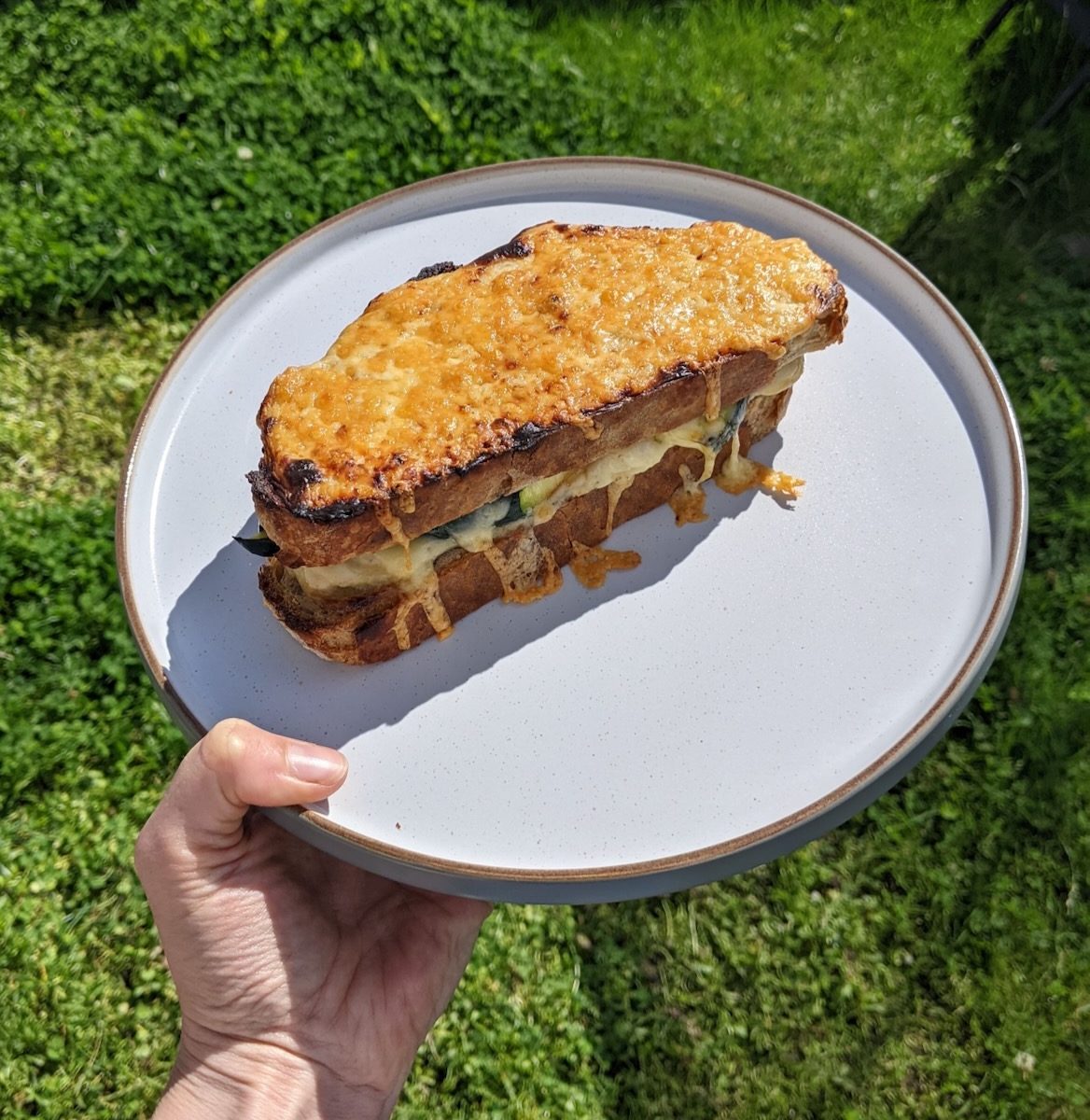
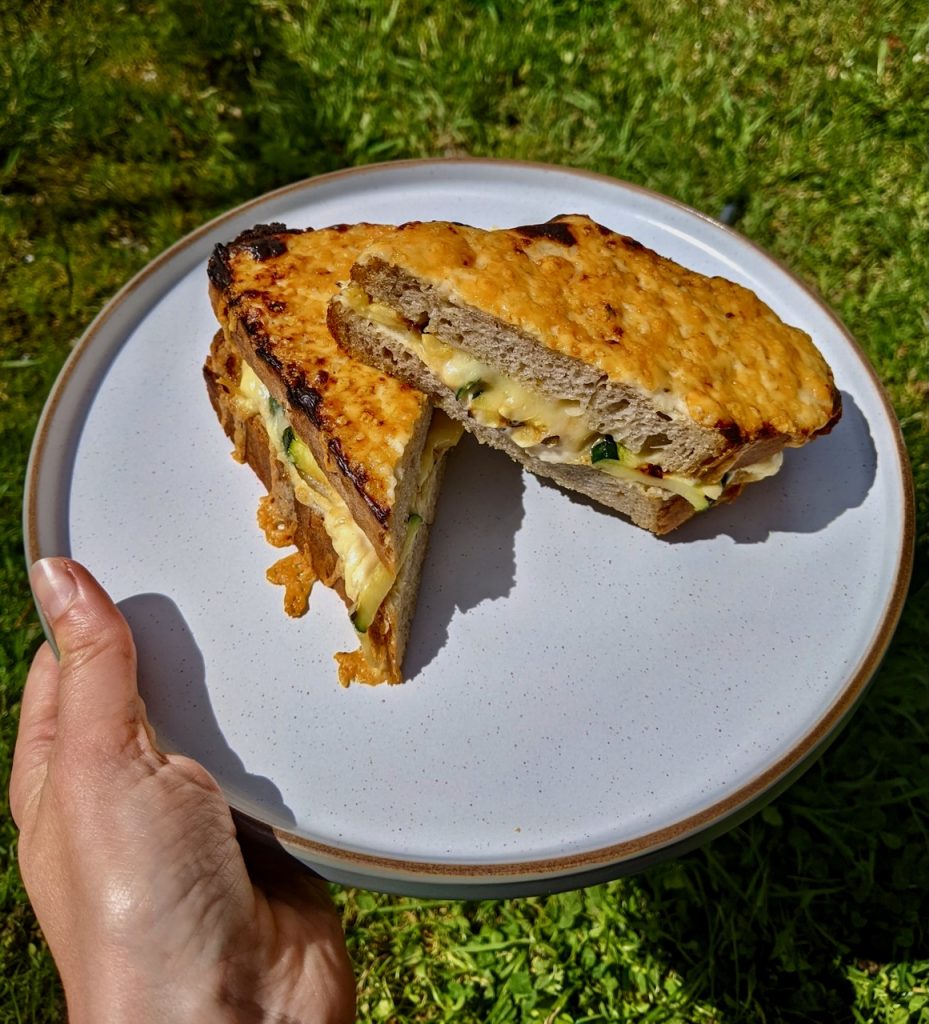
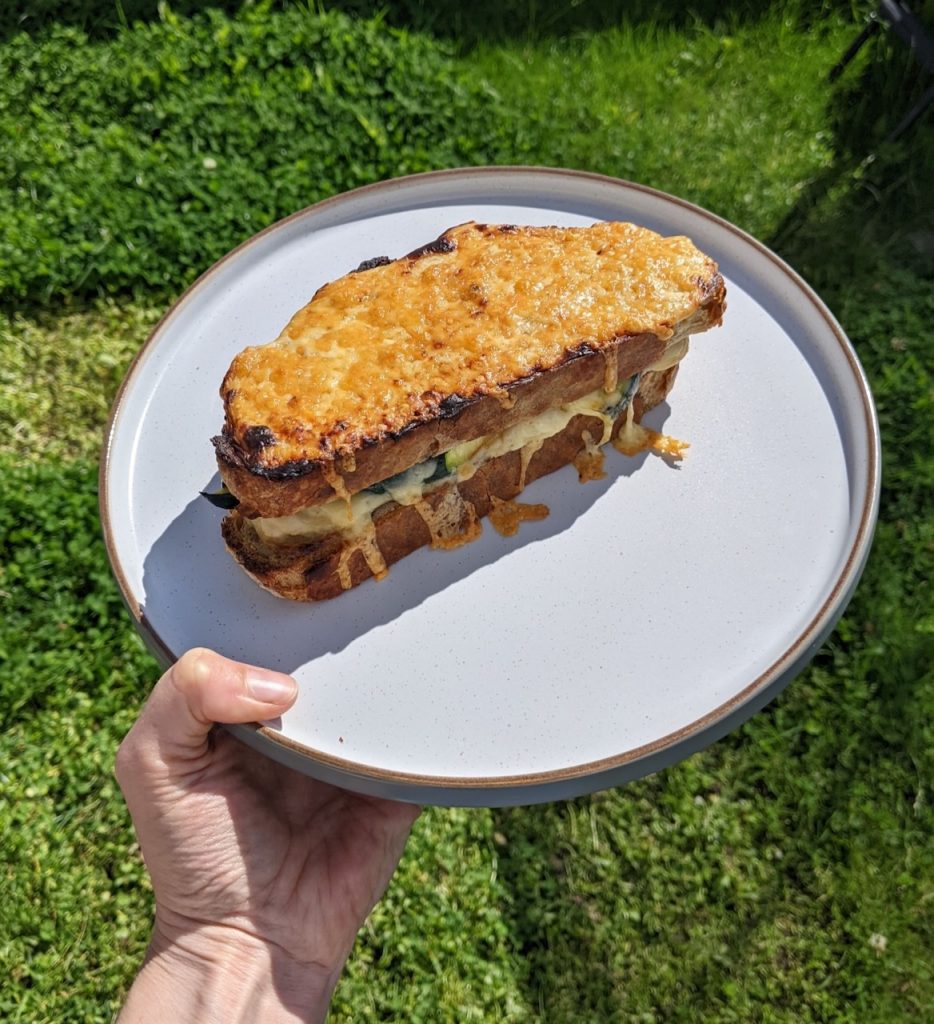
Charred veg of any sort is delicious in a sandwich. There is no ham needed in this grilled cheese interpretation of the French classic Croque Monsieur – meaning Bite Mister or maybe its Mister Bite!
This glorious sandwich is worth all the effort.
Charred Courgette, spicy mustard, crunchy bread, creamy bechamel, grilled cheese = The ultimate indulgence at lunch time.
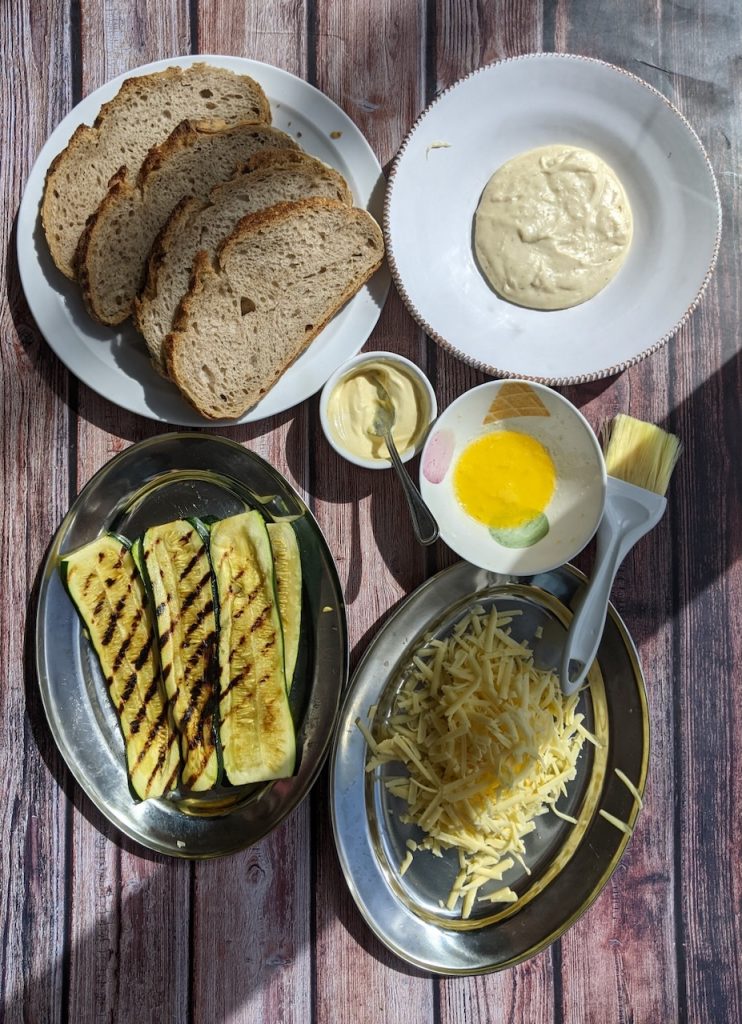
Get a griddle pan on the hob nice and hot- you can use a frying pan instead if you wish.
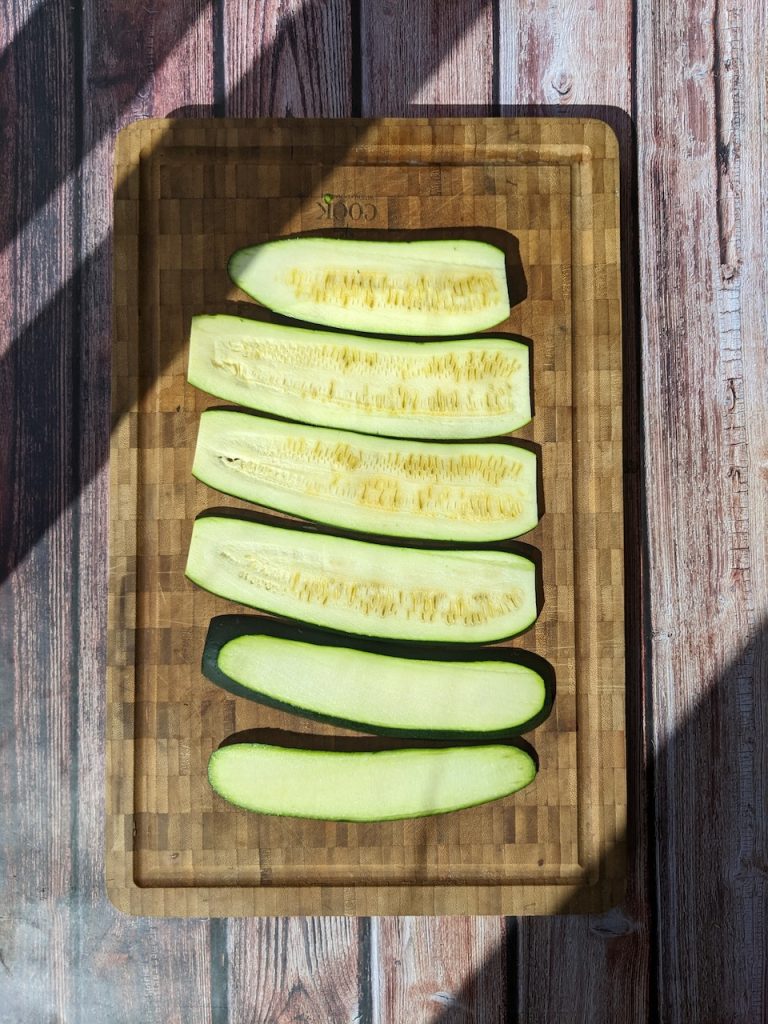
Wash and dry the courgette then slice it long ways keeping the slices about 5mm thick.
Spray or drizzle oil on the courgettes and when the griddle pan is smoking hot add the courgettes to get those nice charred bar marks.
Don’t move the courgettes for a couple of minutes. Then using a thongs lift and turn to do the other side.
Add to a plate to cool, repeat with the rest of the courgette slices.
To make the bechamel:
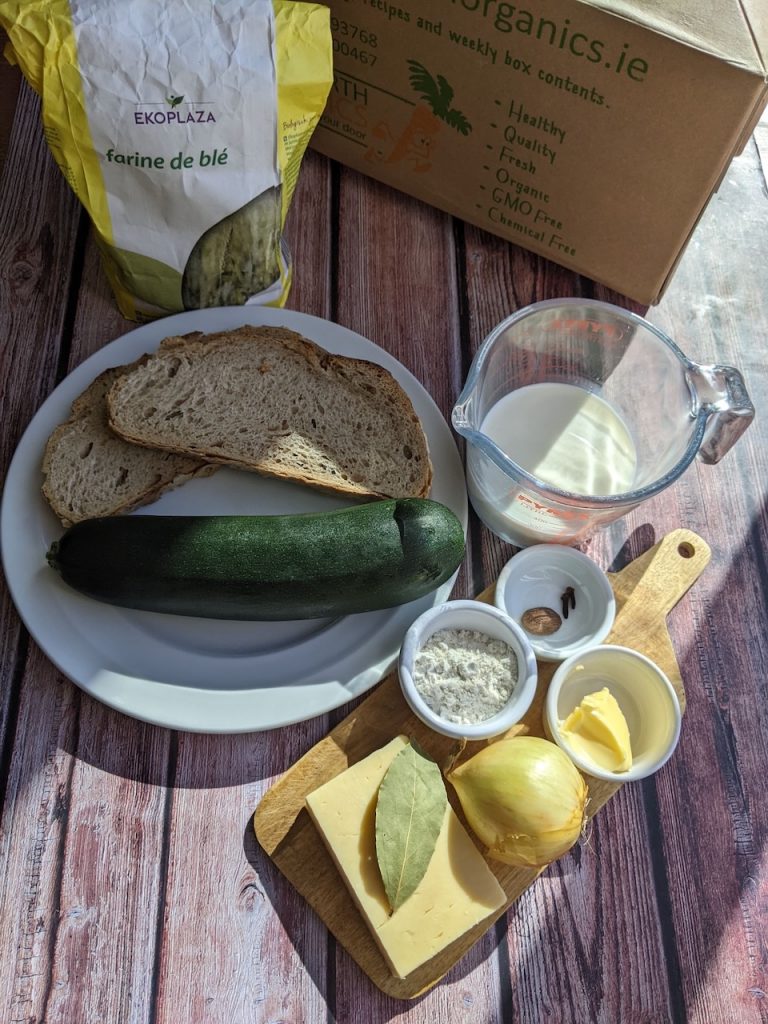
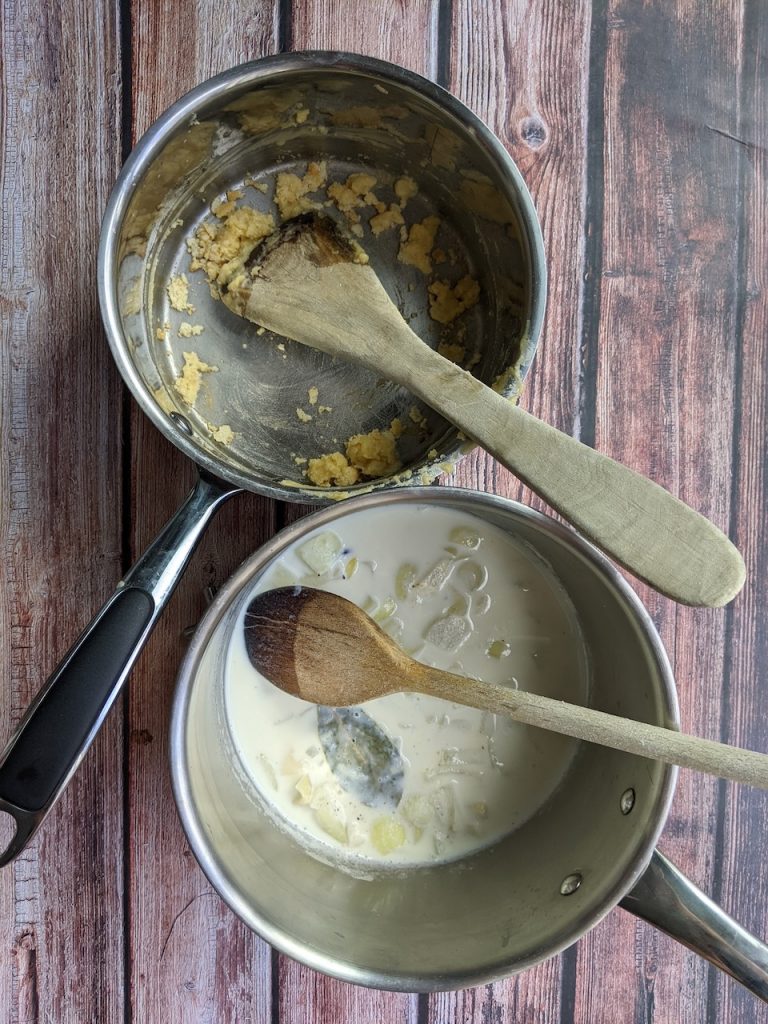
Add the milk, chopped onion, garlic, bay leaf, cloves and grated nutmeg to a pot and slowly bring the milk to the boil. Take off the heat immediately and leave to infuse for 10-20 minutes.
In another pot add the butter and flour and cook until it turns a golden brown colour, use a wooden spoon to stir it.
Strain the milk and whisk in gradually until you have a thickened sauce, check the seasoning and adjust if it needs something. Whisk and cook on a low heat for a further few minutes.
Add the sauce to a bowl and set to one side.
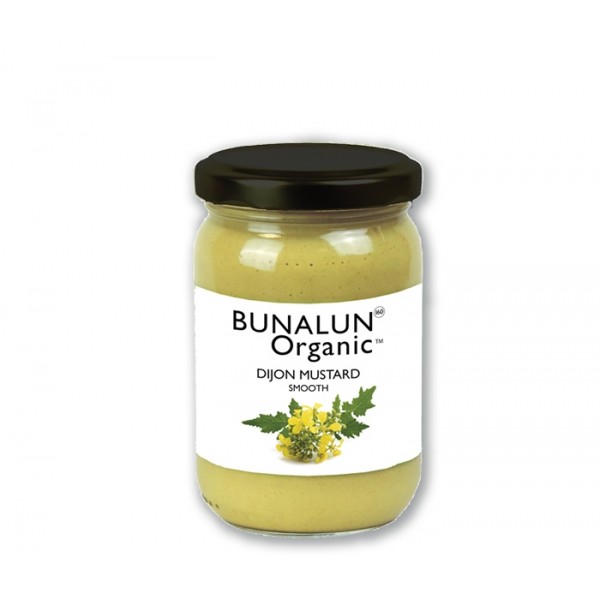
To make the mustard mayo. Simply mix the mayonnaise and mustard together in a small bowl.
To make the sandwich.
Heat the grill area of the oven.
To make one sandwich: Take 2 slices of sourdough and brush one side of each with melted butter. (If making for 2 people brush all 4 slices with butter now)
Grill the buttered sides until toasted.
In the meantime chop the grilled courgettes into thick pieces.
Take the sourdough from the grill and turn over the slices.
On one piece add a layer of mustard mayo, top with a spoon of bechamel sauce, then add a layer of grilled courgettes, top that with a handful of grated cheese. Put the second slice of sourdough on top. Add another layer of bechamel sauce and top that with grated cheddar cheese.
Return the generous sandwich to the grill – let it bubble and char and toast. Keep a watchful eye on it!
Take from the grill and cut in half with a bread knife!
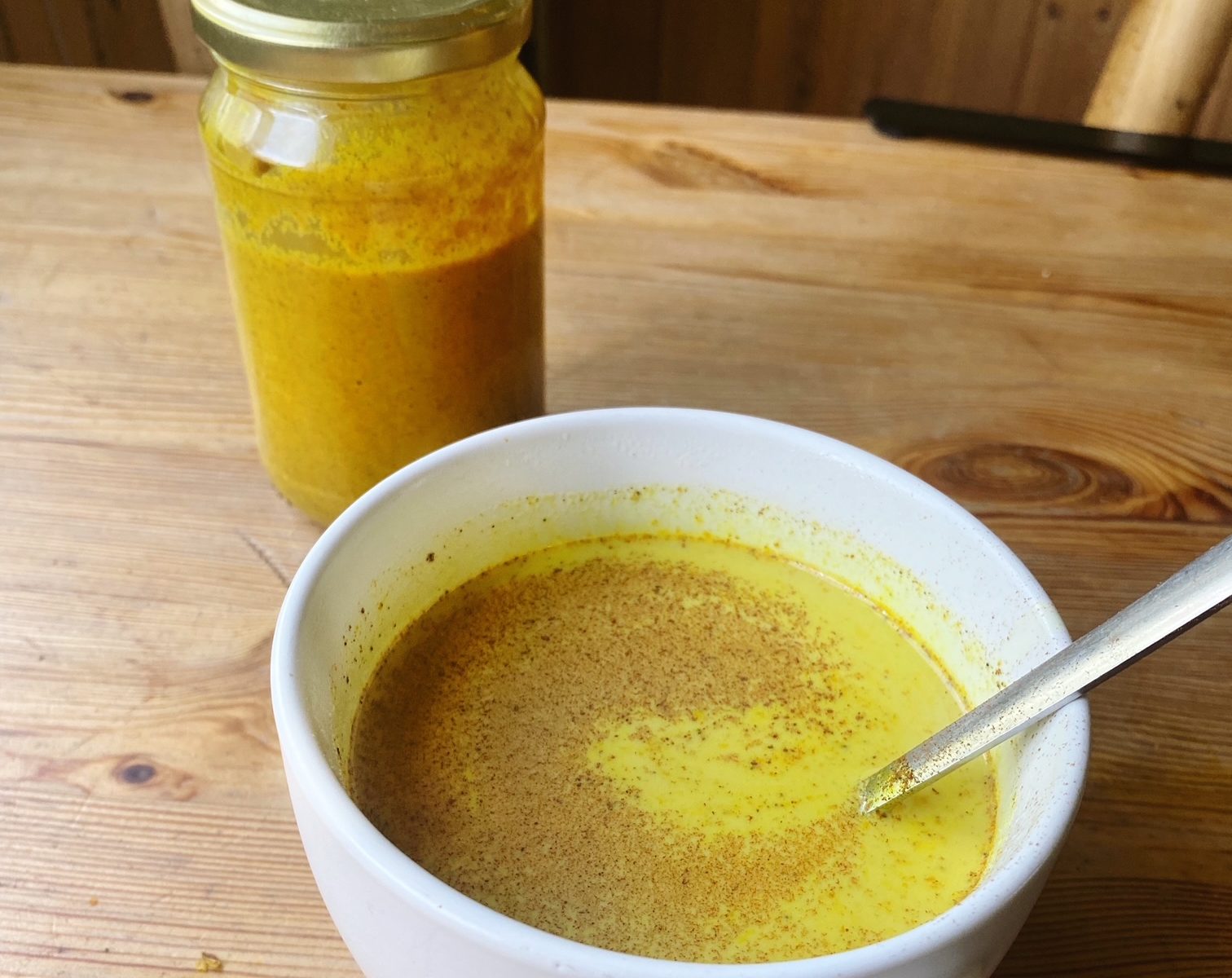
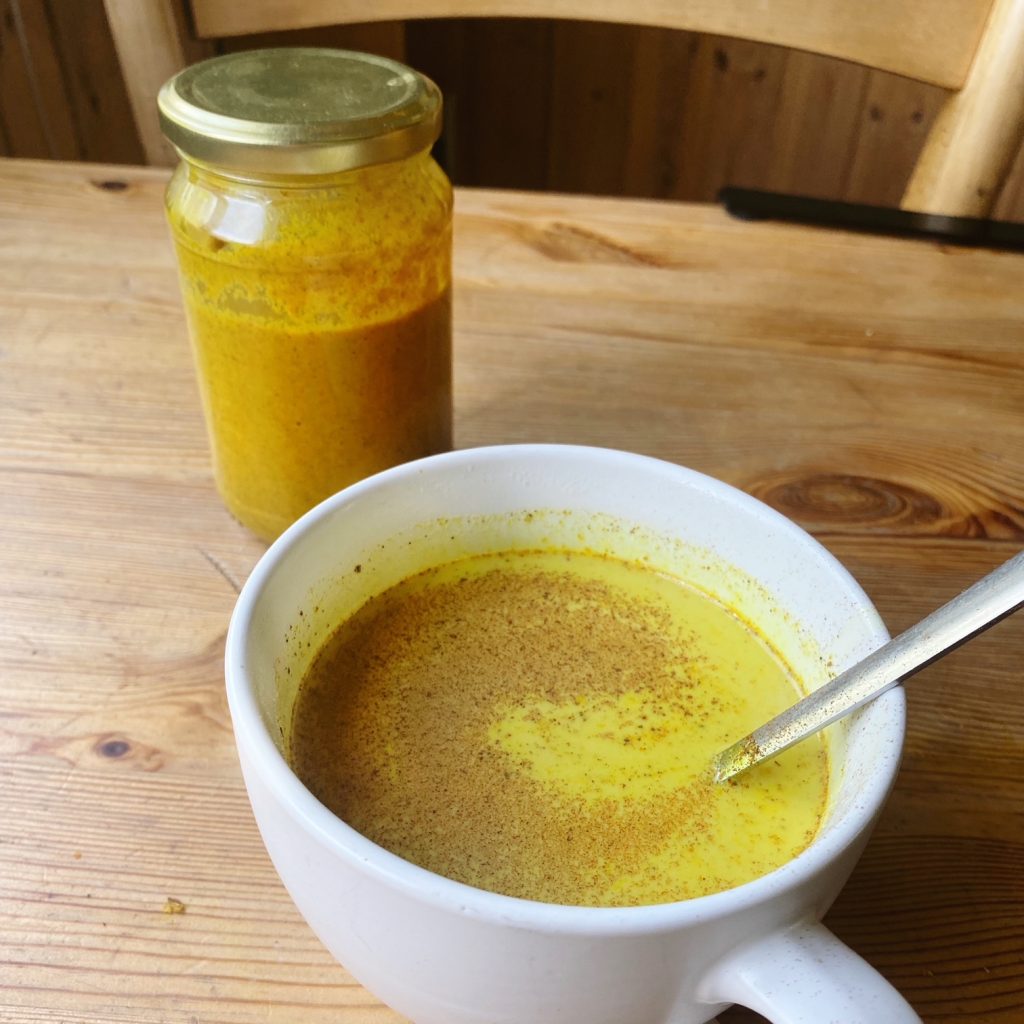
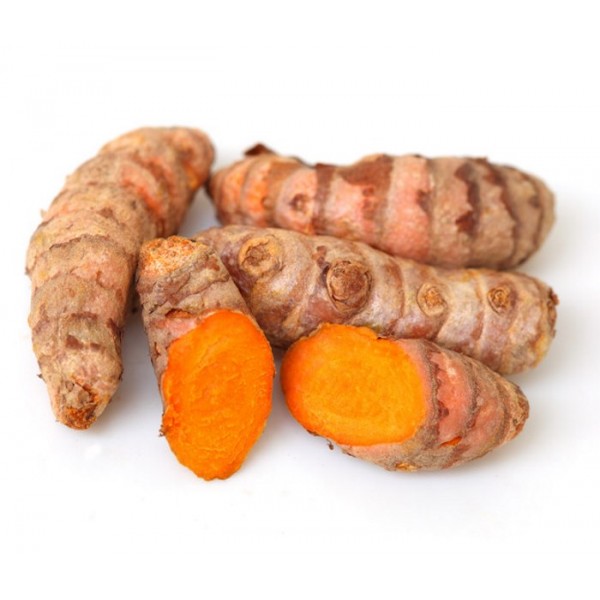
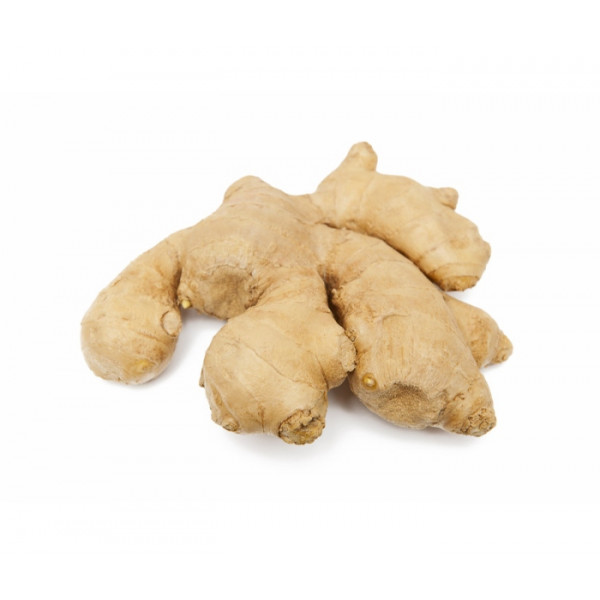
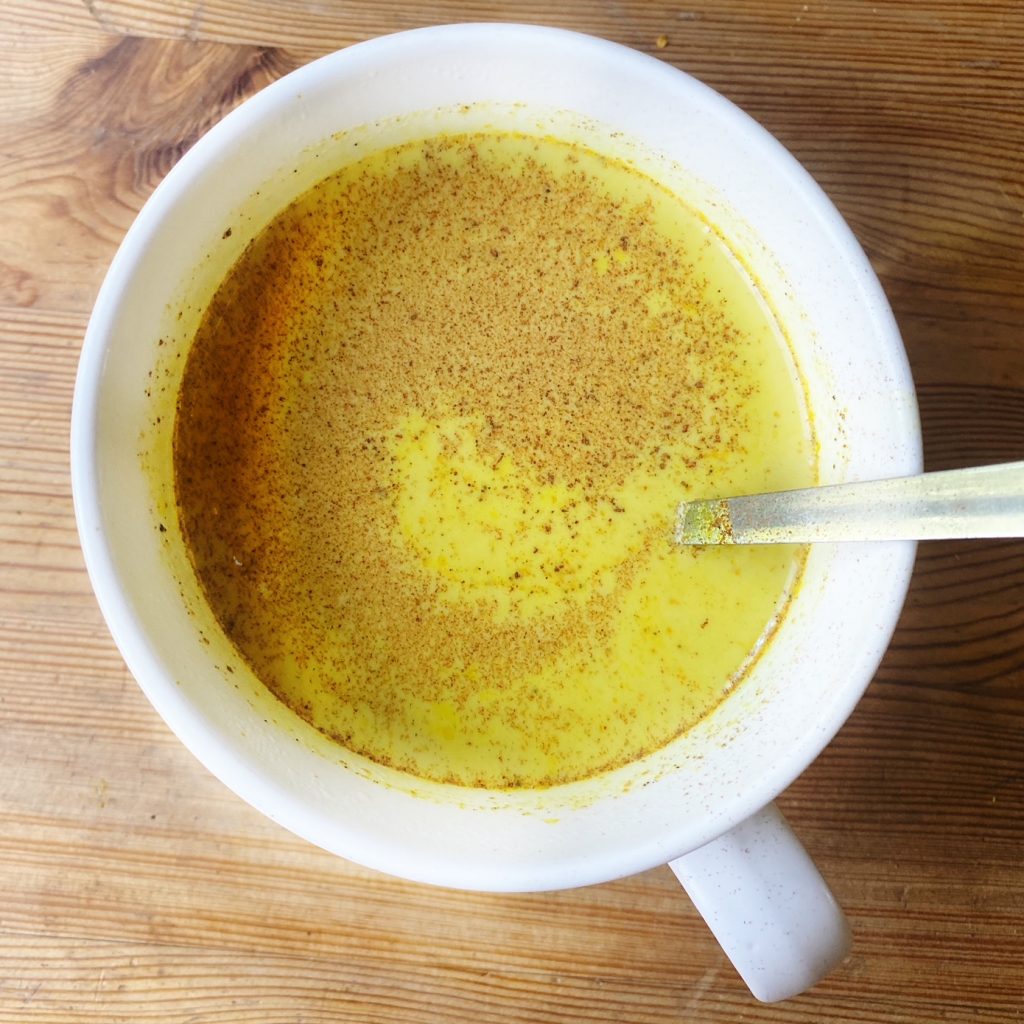
I always try to keep a jar of this fresh paste in the fridge. It is so handy for making golden milk in the evenings and I love stirring a spoon through my morning porridge. Turmeric and ginger have many amazing health benefits, I started eating this to help manage my knee pain, but I stuck with this paste because it’s actually very delicious! We stock fresh, organic turmeric and ginger roots in the shop so you can easily add some to your next order.
Liz x
Ingredients (don’t need to be exact)
a large thumb of fresh ginger
a similar amount of fresh turmeric
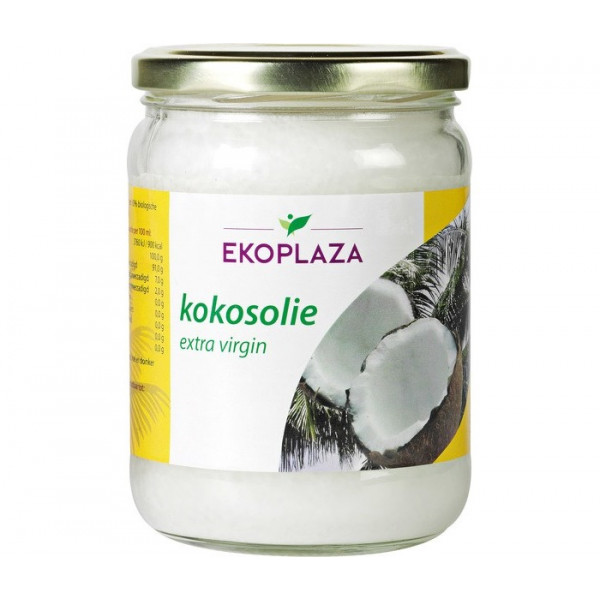
1 heaped tbsp coconut oil (this helps your body absorb the turmeric and ginger)
4 or 5 tbsp maple syrup (or your choice of sweetener)
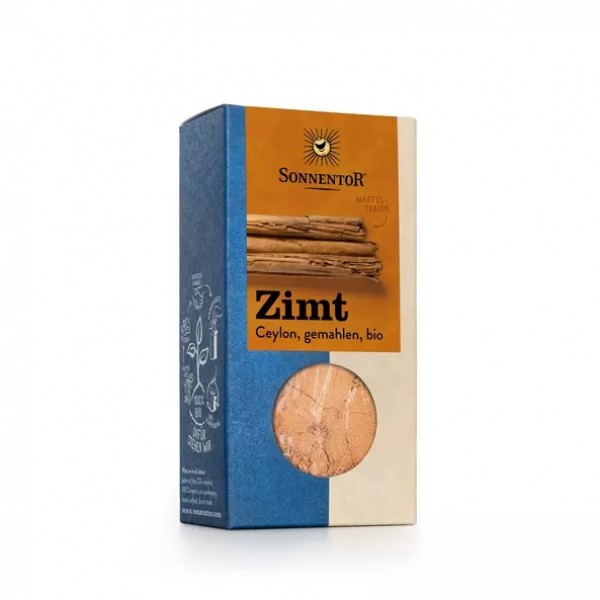
1 tsp ground cinnamon
1/2 a tsp black pepper
1/4 tsp ground cloves
a splash of water
Method
As you are using organic turmeric and ginger, you don’t really need to peel them, but if you would like to, use a teaspoon to scrape off the skin and get into the awkward nooks and crannies without wasting too much flesh. Roughly chop and add to a small, strong food processor.
Add the rest of the ingredients and blend into a smooth, thick paste.
Pour the paste into a very clean jar and keep in the fridge. Use within 3 weeks. You can also freeze the paste in ice cube trays to keep it fresher for longer.
How to use:
Add a spoon or two to a mug of hot milk and drink in the evening after a long day, especially if you are feeling achey. I like mine topped with a sprinkle of cinnamon.
Blend a spoon with banana, ice and milk to make a golden smoothie. Kids love these!
Simmer a spoon into your morning pot of porridge. Top with coconut flakes and cinnamon or your favourite fruit and nuts.
Do not consume high amounts of turmeric if you are pregnant. Consult a doctor if you are concerned that turmeric will interact with other medication or health problems.
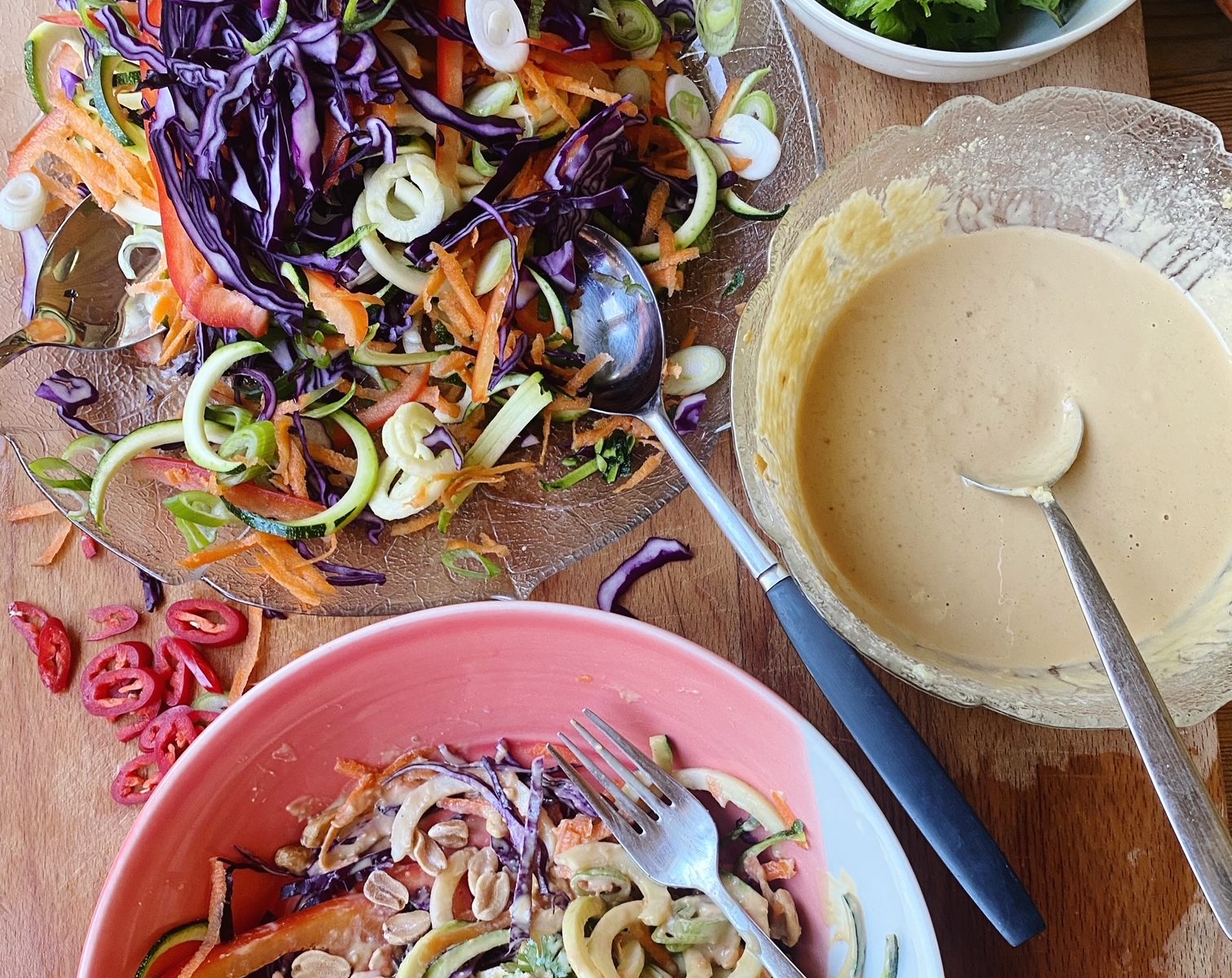
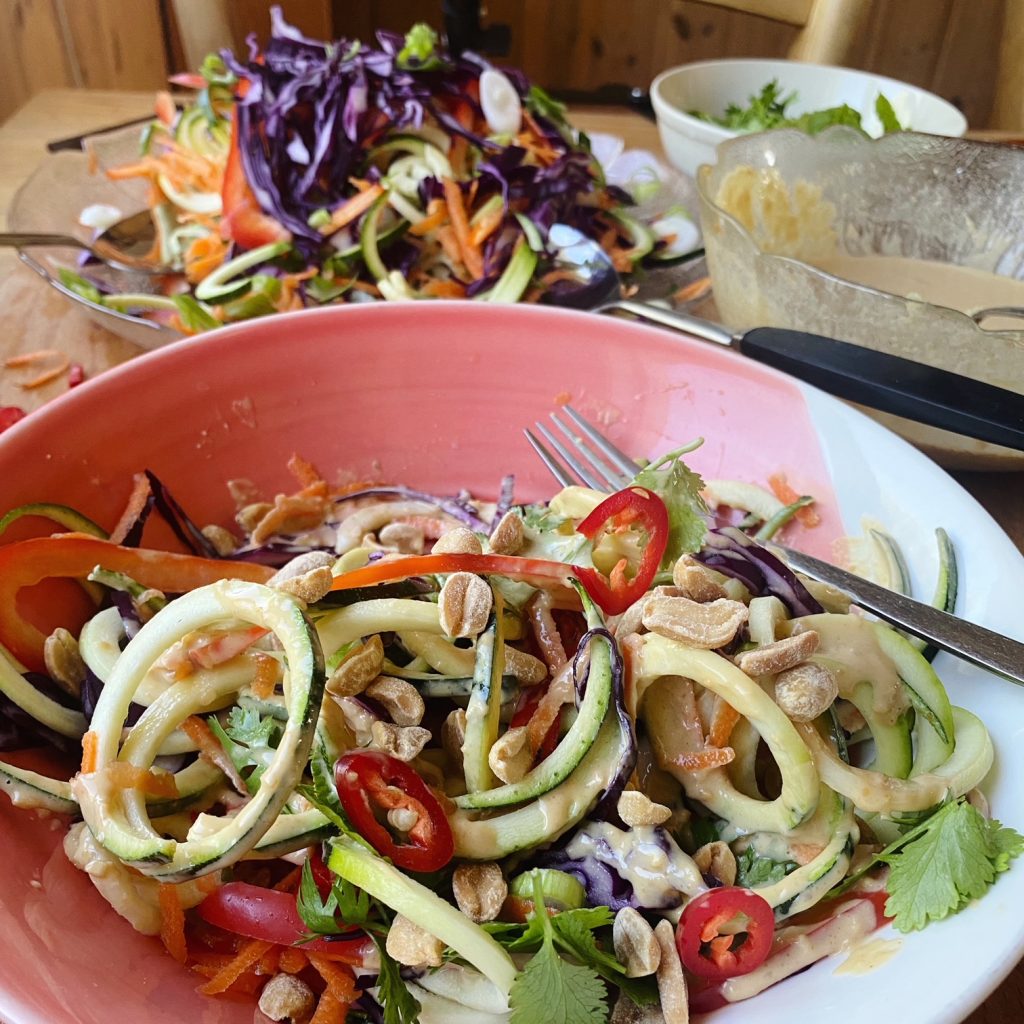
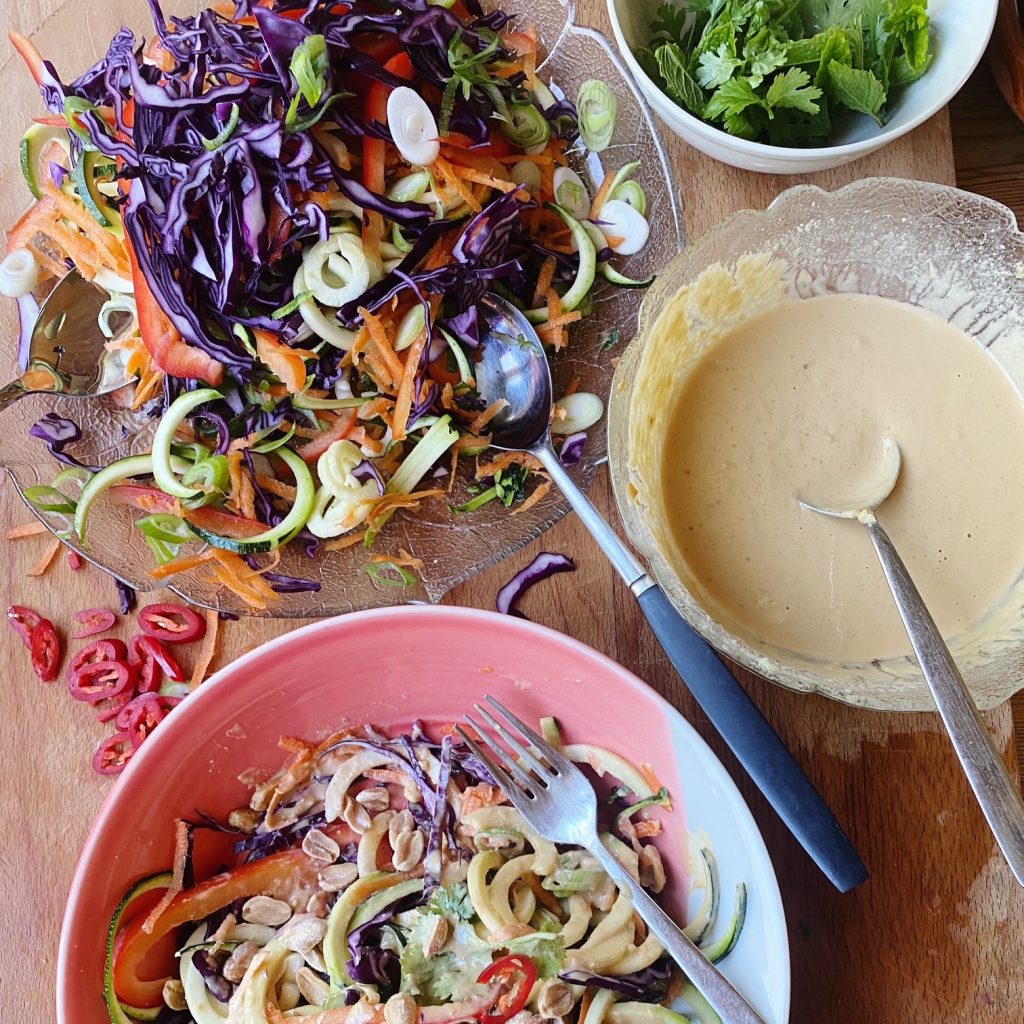
This salad is SO delicious and a brilliant way to make the most of seasonal courgettes. It’s fresh and crunchy, with different colours, textures and flavours all drenched in the most moreish nutty sauce. Eat it as it is topped with salted peanuts, herbs and chillies for the best summer lunch. It makes a great packed lunch too.
Liz x
Ingredients (serves 2)
1 courgette, spiralised
1 carrot, grated
1/2 a red pepper, thinly sliced
1/8 of a red cabbage, thinly sliced
1 scallion, thinly sliced
1 red chilli, thinly sliced
a handful of fresh herbs (coriander and mint go well here)
a couple of handfuls of salted peanuts
For the dressing:
3 heaped tbsp of peanut butter
1 lime, juiced
1 thumb of fresh ginger, finely grated
1 clove of garlic, crushed
2 tbsp soy sauce
2 tbsp toasted sesame oil
a few splashes of cold water
Method
Start by preparing the vegetables and pilling them up in a large salad bowl or in serving bowls or lunch boxes.
Make the dressing by mixing the ingredients together in a bowl or jug, loosen the dressing with small splashes of cold water and keep mixing until you get a smooth, pourable sauce.
Drizzle the sauce over the vegetables and top with chilli slices, fresh herb and salted peanuts. Enjoy right away. If you want to serve it later, keep the vegetables and dressing separate in the fridge until you are ready to serve.
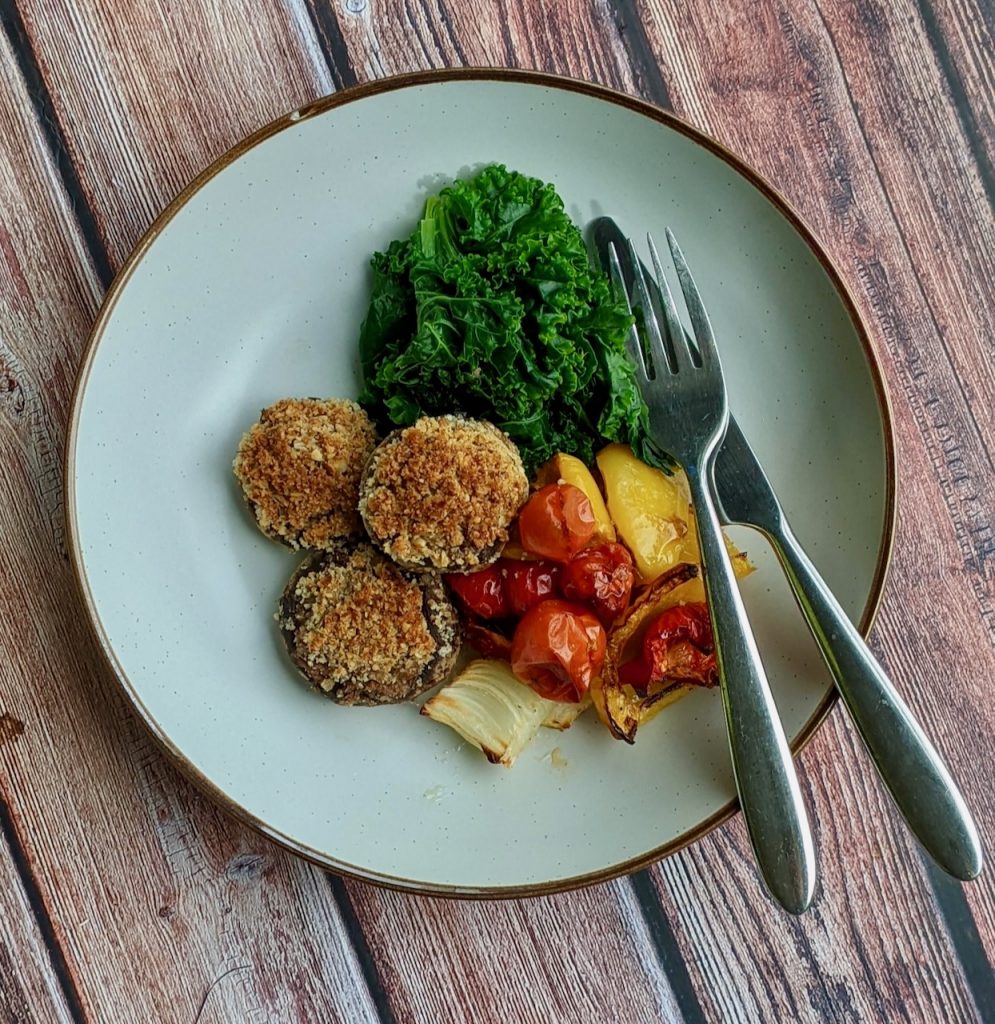
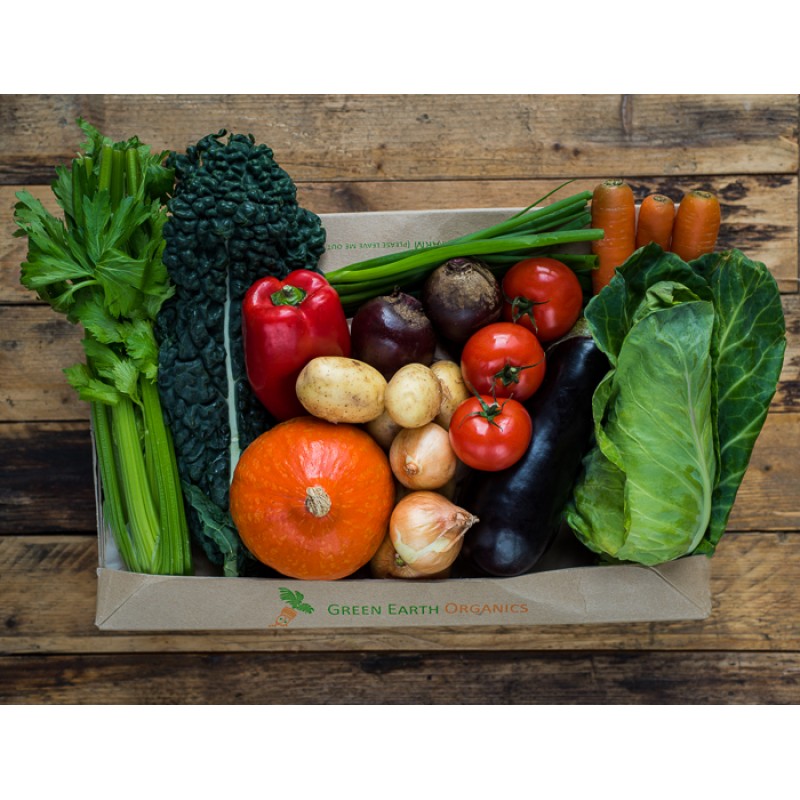
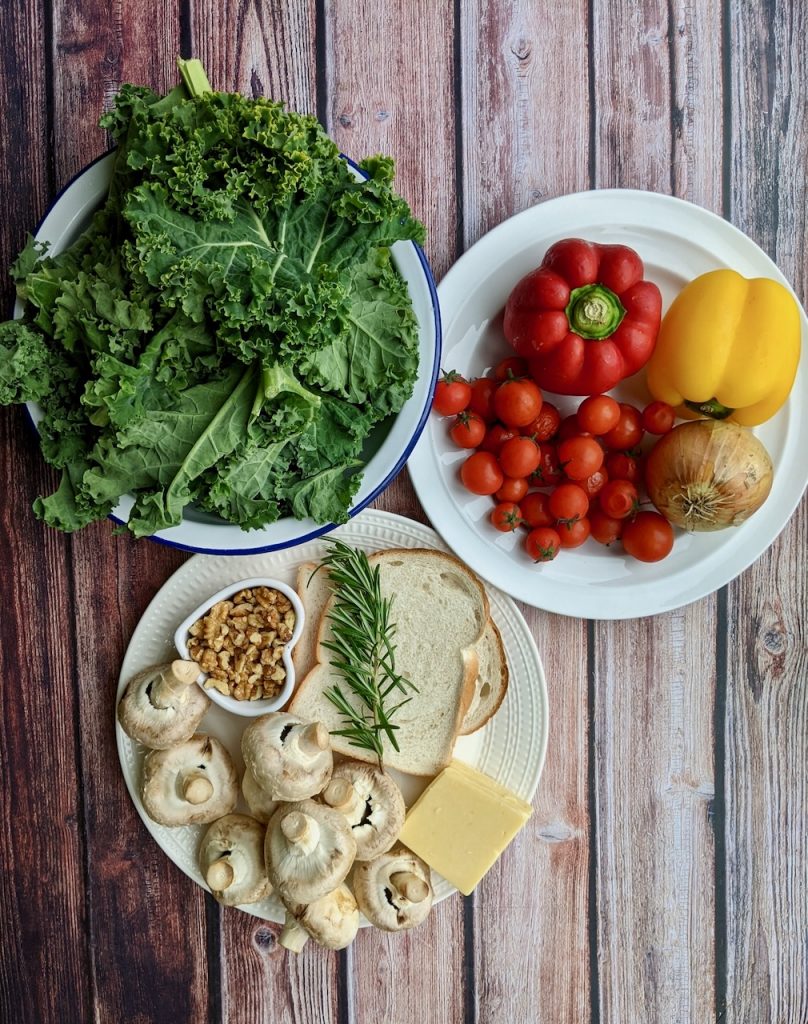
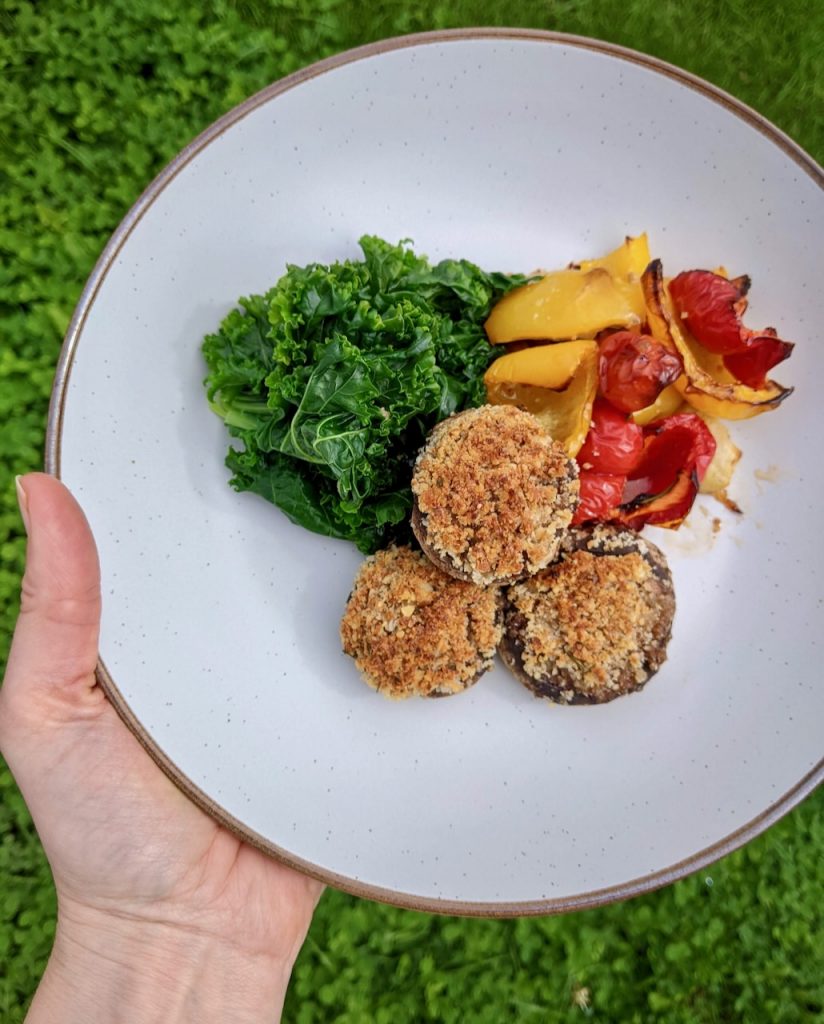
When the Zero Waste Veg Box was delivered to my door I was so excited to think what I could make with all the fabulous ingredients. The chestnut mushrooms grabbed my attention first and I thought how could I make them the star of the show!! My recipe thought path went something like this: mushrooms and walnuts, walnuts and cheese, cheese and bread… stuffed mushrooms it had to be!!
When you open your veg box and take a vegetable out and touch it and smell it and imagine what works well with it, the ideas will come flooding in.
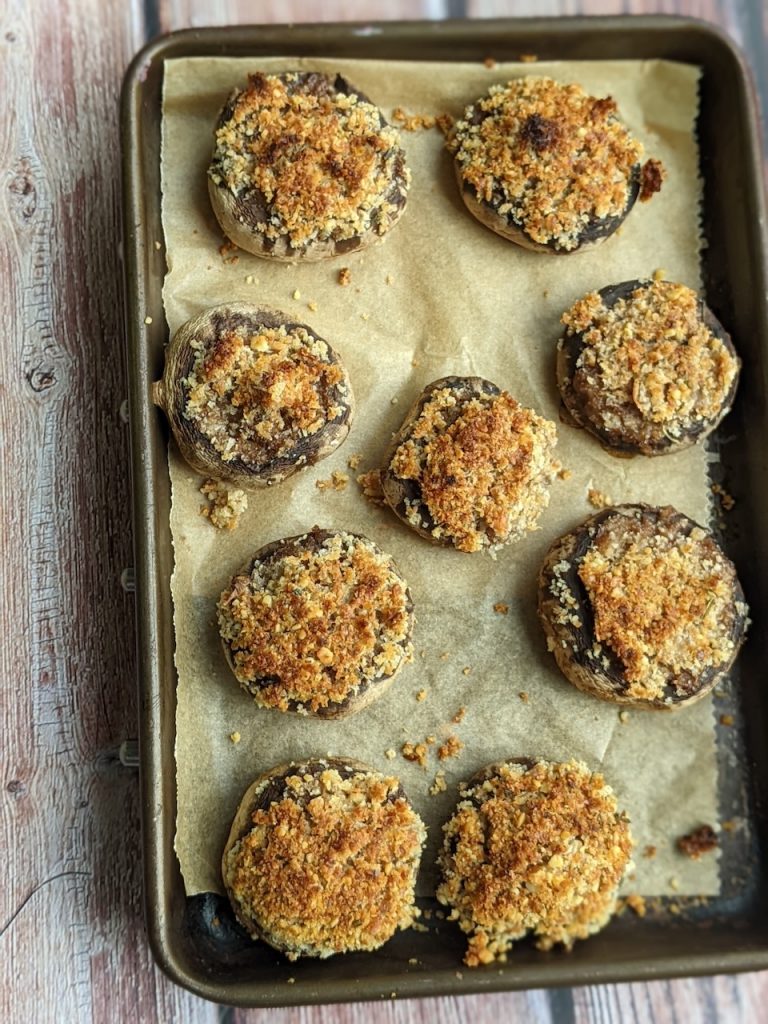
These are gorgeous chestnut mushrooms, when they roast slowly they release the juice into the bread stuffing, making them extra tasty.
While you’re roasting the stuffed mushrooms in the oven, roast the veg at the same time, its more efficient to use your oven this way.
Enjoy,
Lou 🙂
Most ingredients are from the seasonal Zero Waste Box
Preheat the oven to 180℃. Line a small baking tray with parchment paper.
Clean the mushrooms by wiping them with a piece of kitchen paper.
Remove the stalks and keep them to roast with the veggies.
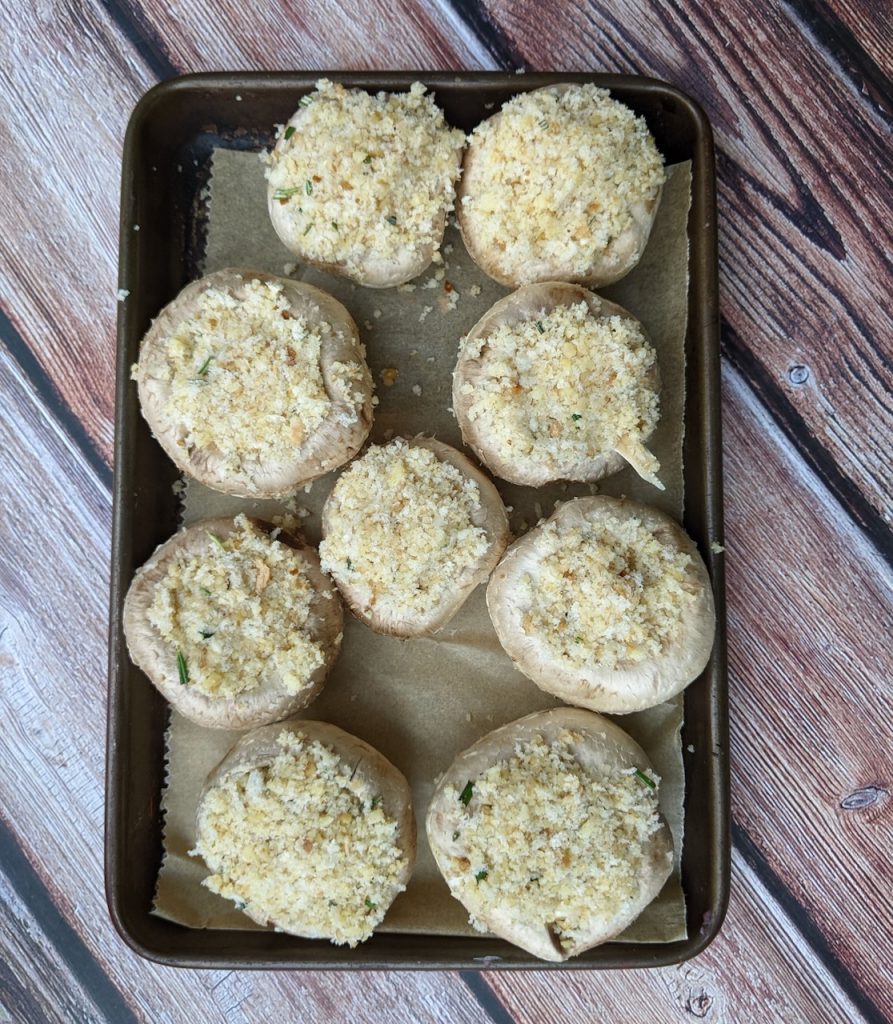
Make the stuffing by adding the bread, grated garlic, grated cheddar, walnuts, chopped rosemary and salt and pepper to a blender. Blend briefly until you have breadcrumbs.
Spoon the breadcrumb mix into the mushrooms.
(Tip: If there are extra breadcrumbs you can toasted it in the oven for 10 minutes and use it to sprinkle over the roast veggies.)
Add all the stuffed mushrooms to the tray.
Cover in tinfoil and bake in the oven for 30 minutes, or until fully cooked.
After 30 minutes take the foil off and bake for a further 10-20 minutes to crisp up the top of the mushrooms. Alternatively put them under the grill for a few minutes.
To make the roast veggies:
Line a large baking tray with parchment paper.
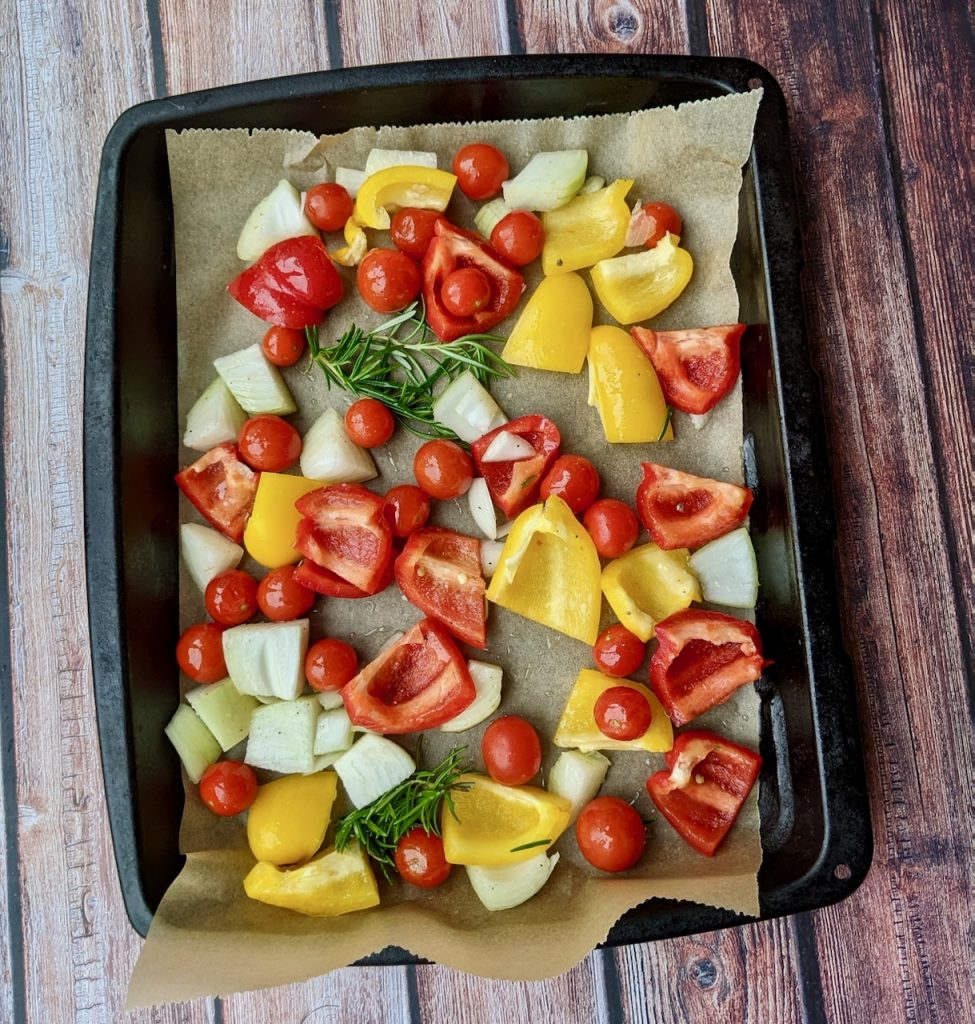
While the mushrooms are roasting- chop the red pepper, yellow pepper and onion into chunks add the cherry tomatoes whole.
Add all to a mixing bowl along with a pinch of salt and pepper, a couple of sprigs of rosemary (or a pinch of dried herbs) and a drizzle of oil.
Pour the chopped veg onto the baking tray and roast in the oven for 30-40 minutes at 180℃.
To make the saute Kale:
Put a large pot of water on to boil.
Pick the kale from its stalks, and chop into bite sized pieces, add to a bowl.
Finely slice the stalks too and add to the bowl with the kale leaves.
When the water is boiling add all the kale and stalks, if it doesn’t all fit do it in batches.
Blanche for 2-3 minutes to soften.
Drain through a colander and keep in a bowl until needed. This will keep in the fridge in a closed container for a couple of days.
When ready to sauté, warm a frying pan on a medium heat.
Add a knob of butter and a handful of kale, add a small pinch of salt and pepper and heat through.
To serve:
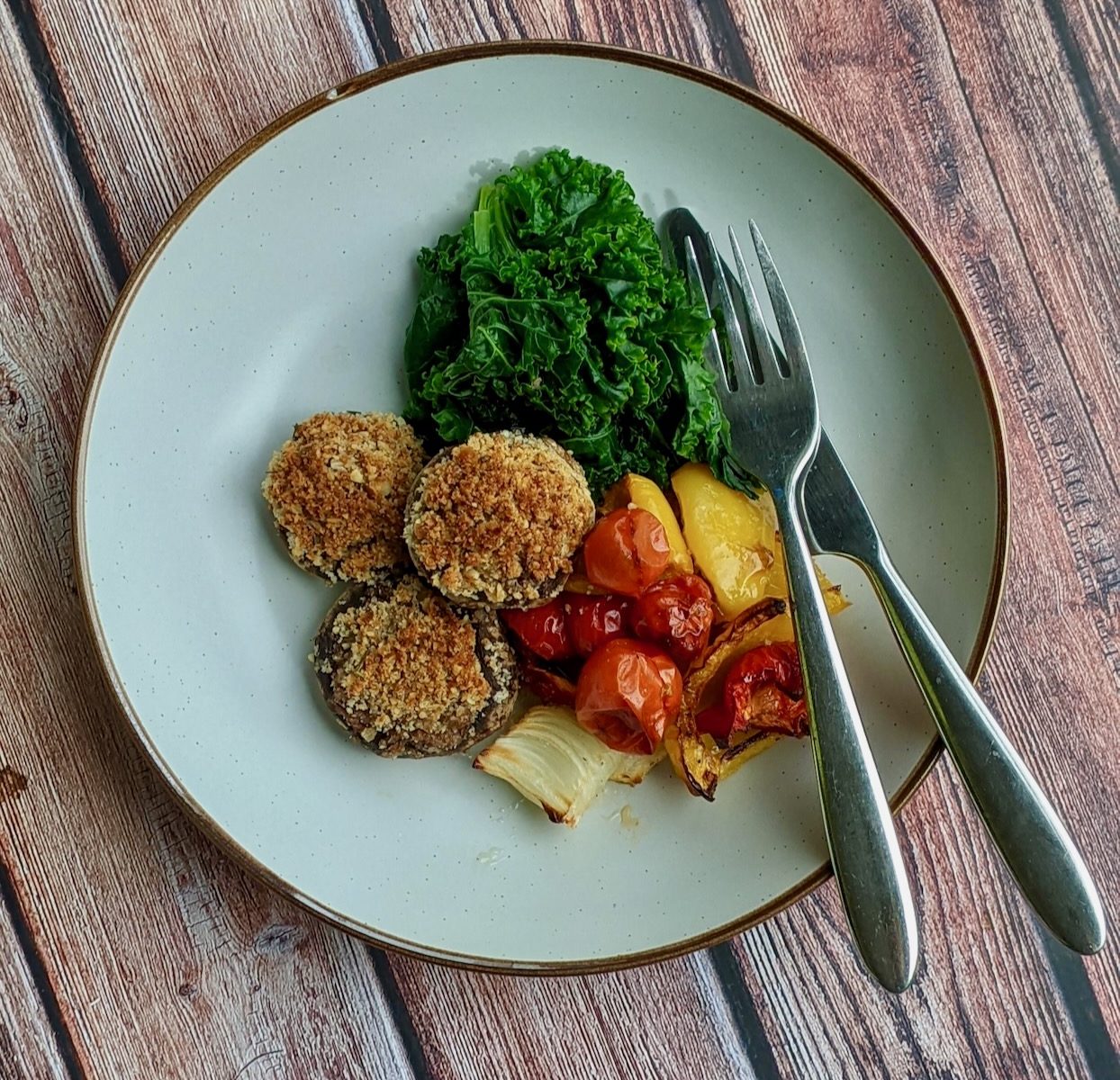
Add the warm stuffed mushrooms, roasted veg and sauté kale to a plate. And enjoy!!!
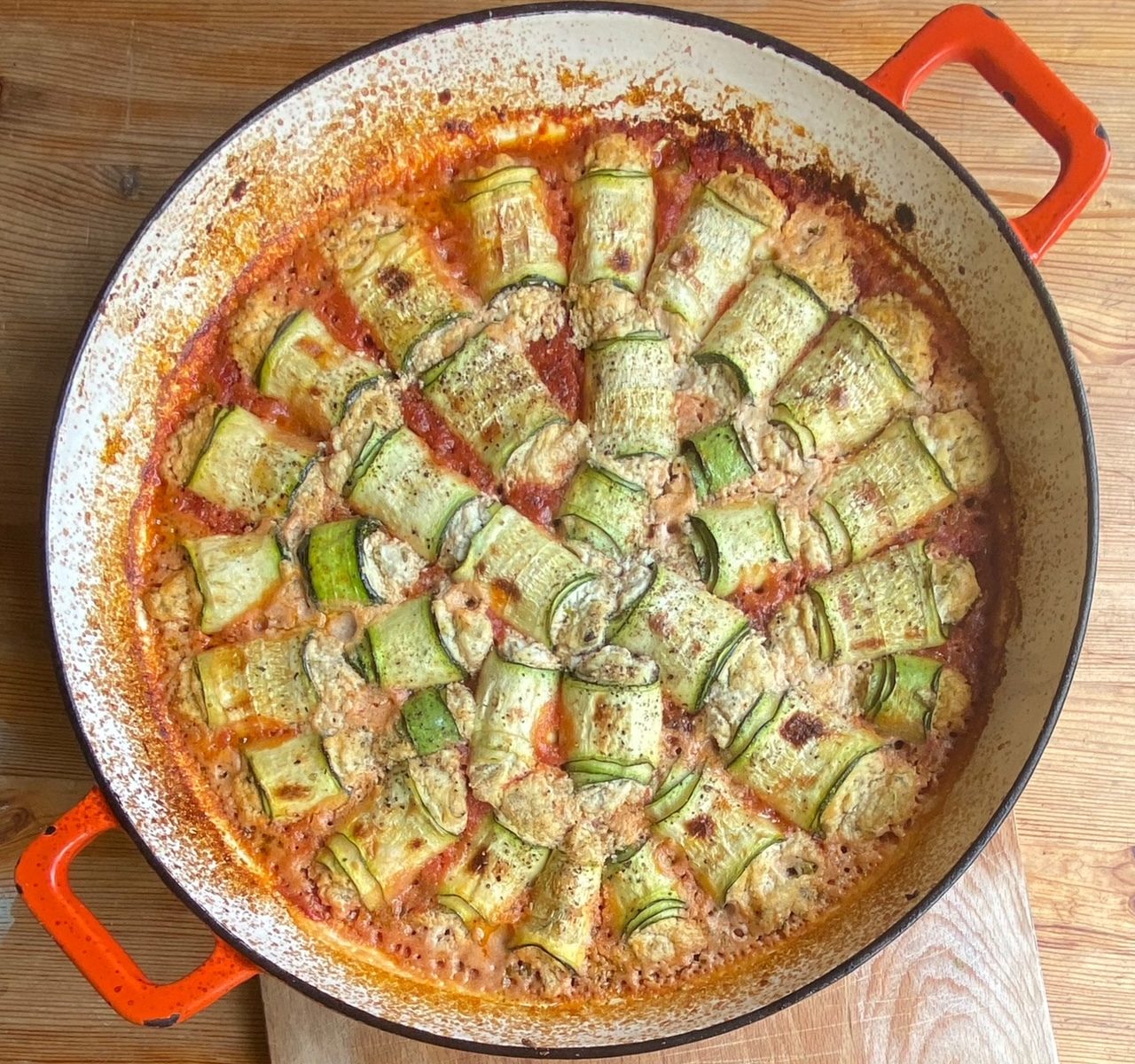
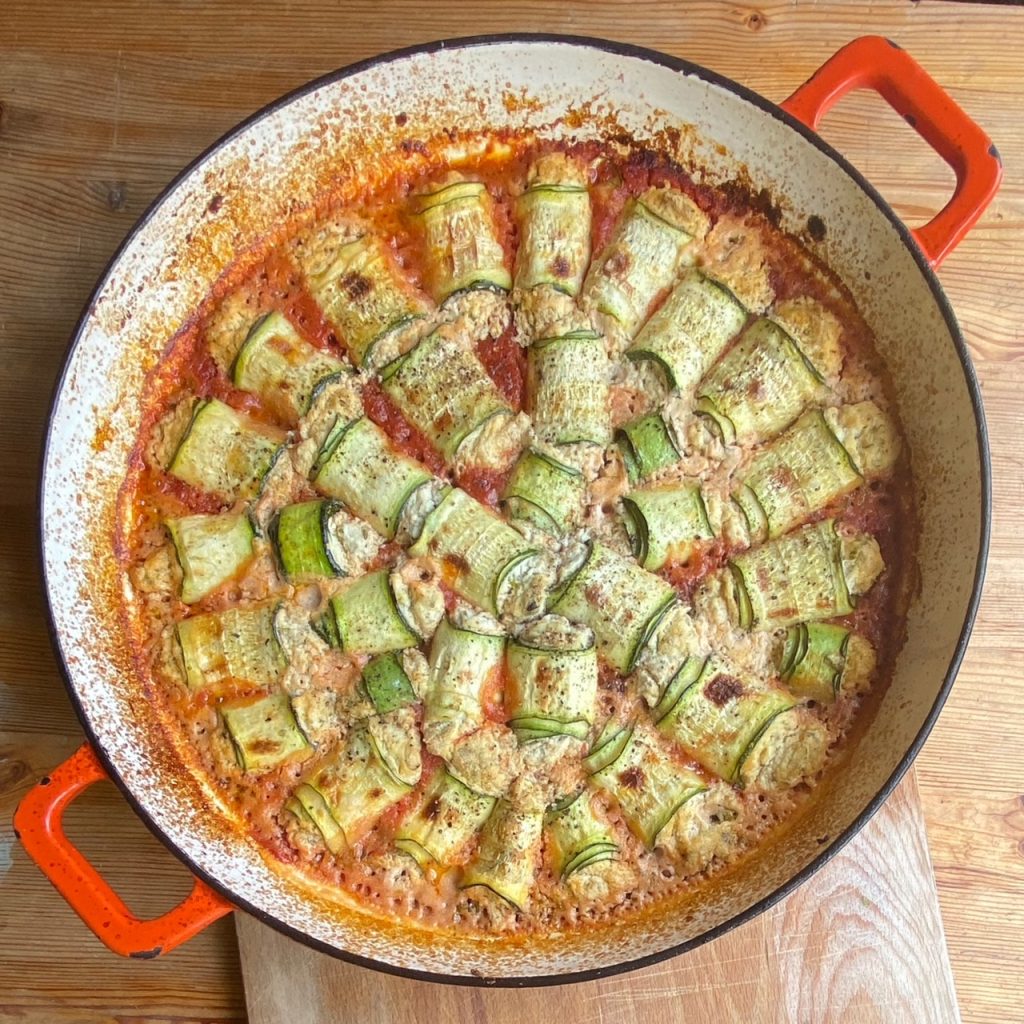
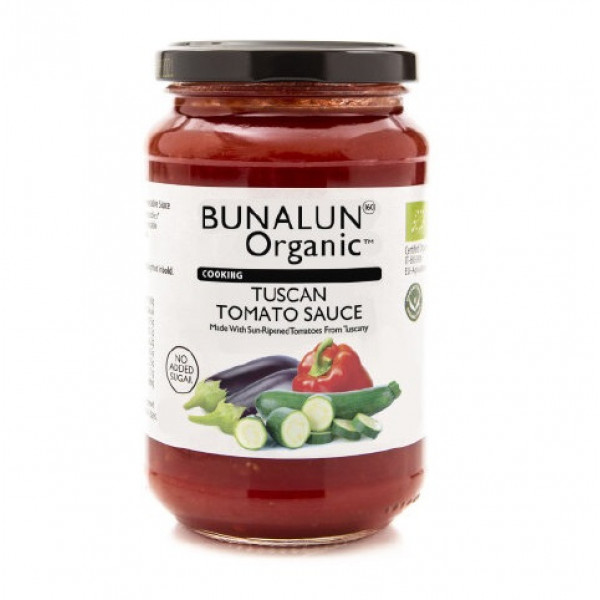
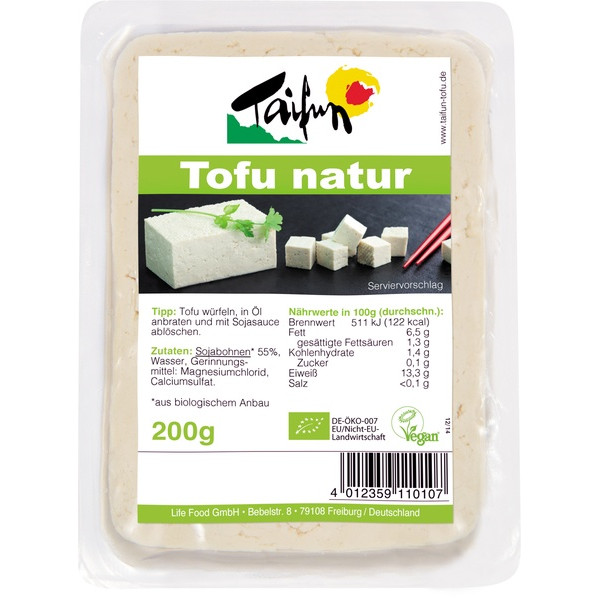
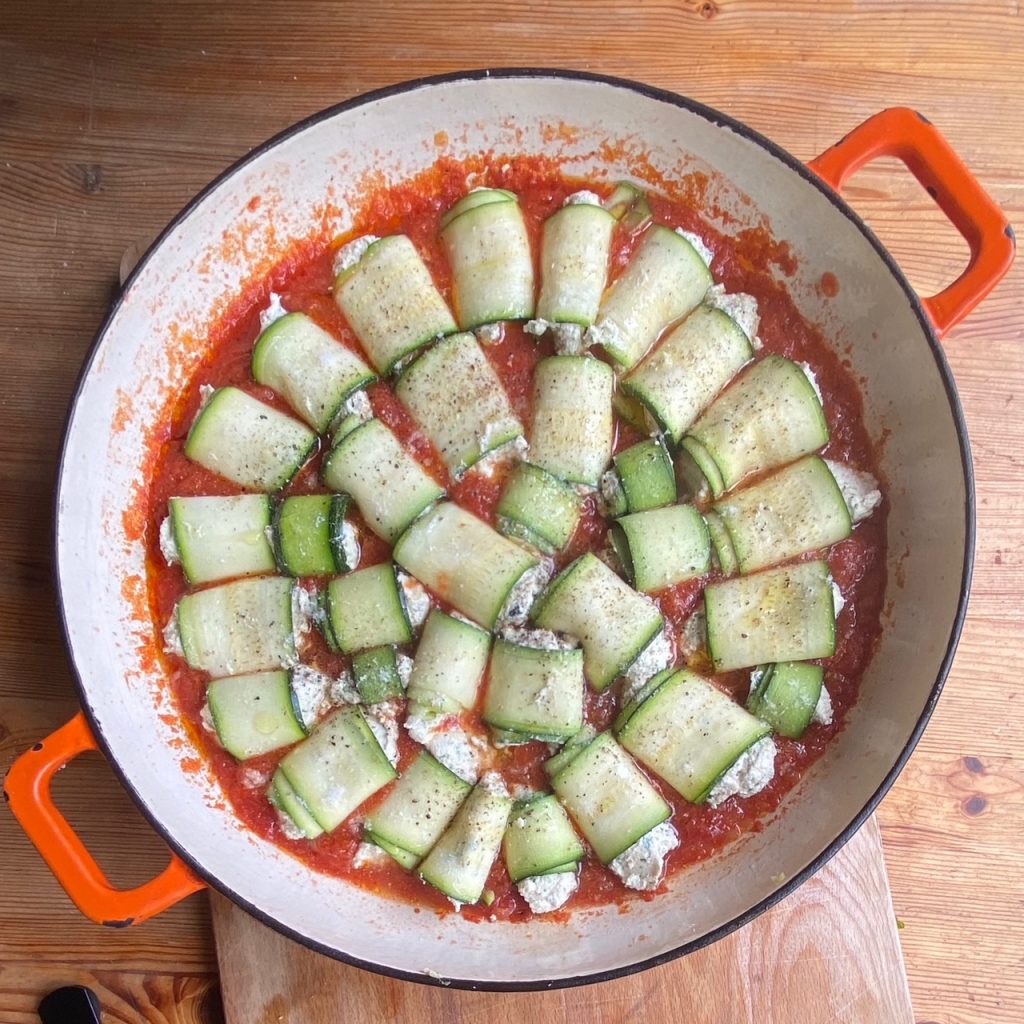
One of our favourite summer dishes, we love this with pasta or bread and a big bowl of salad. For the filling, use any soft cheese you prefer, mixed with fresh herbs or a big scoop of pesto. We usually use our homemade tofu ricotta (here’s the recipe) but a mix of cream cheese and feta is delicious too. Make your own tomato sauce or use a jar of ready made.
Liz x
Ingredients (serves 4-6)
1 courgette
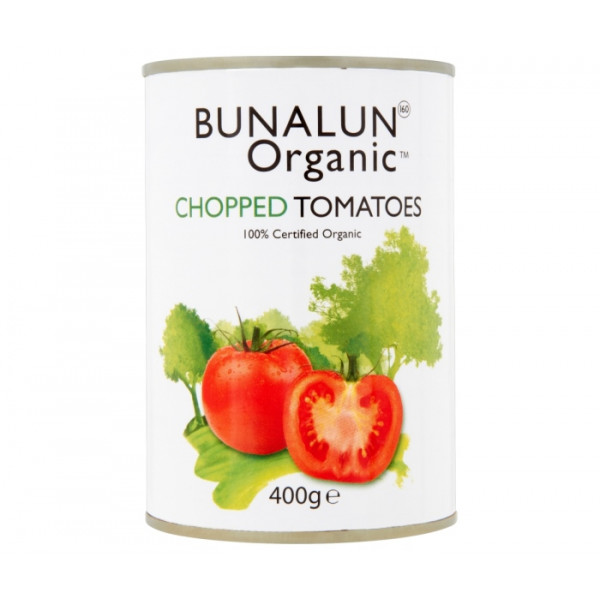
1 batch of tomato sauce (from a jar or sauté a diced onion and 4 crushed garlic cloves in 3 tbsp olive oil until soft, add a tin of chopped tomatoes and half a tin of water, season with salt and pepper and simmer for 10 minutes)
400g soft cheese (use any you prefer, a mix of feta and cream cheese or vegan versions, we like to use our homemade garlic and herb ricotta)
a large handful of chopped herbs or a couple of tbsp of pesto
olive oil, salt & pepper to taste
Method
Make the tomato sauce and pour it into an oven proof dish. Pre-heat the oven to 180C.
Make a batch of garlic and herb tofu ricotta or mix any soft cheese you prefer with chopped herbs or pesto.
Use a potato peeler or a cheese slicer to cut the courgette into long, thin strips.
Place a heaped tsp of the herby cheese mixture on the end of a courgette slice. Then roll it up and place it, seam down, into the tomato sauce. Repeat until you have filled the dish or used up all the courgette slices.
Drizzle the rolls with olive oil and season with salt and pepper. Bake in the oven until bubbling and golden – around 15 to 20 minutes.
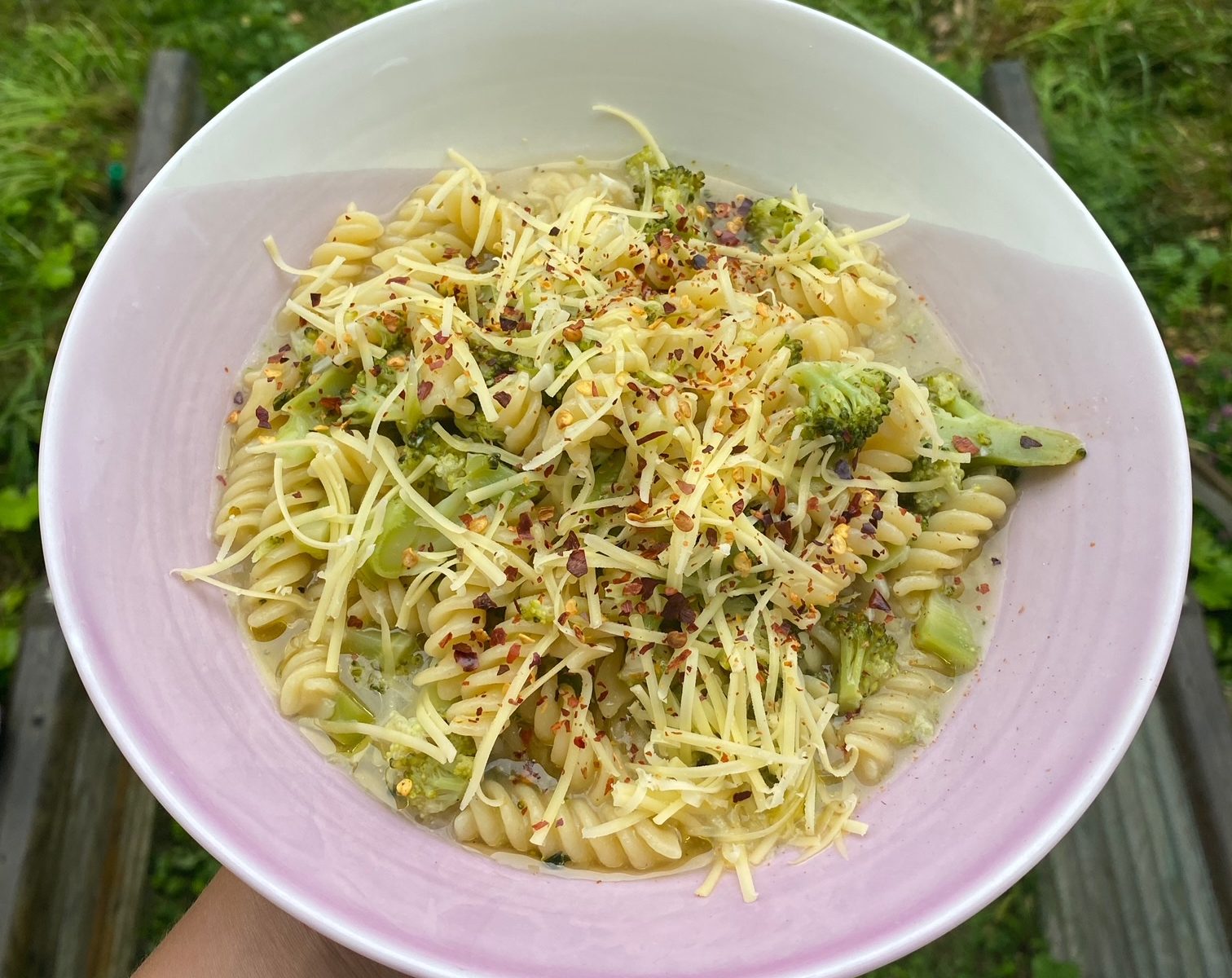
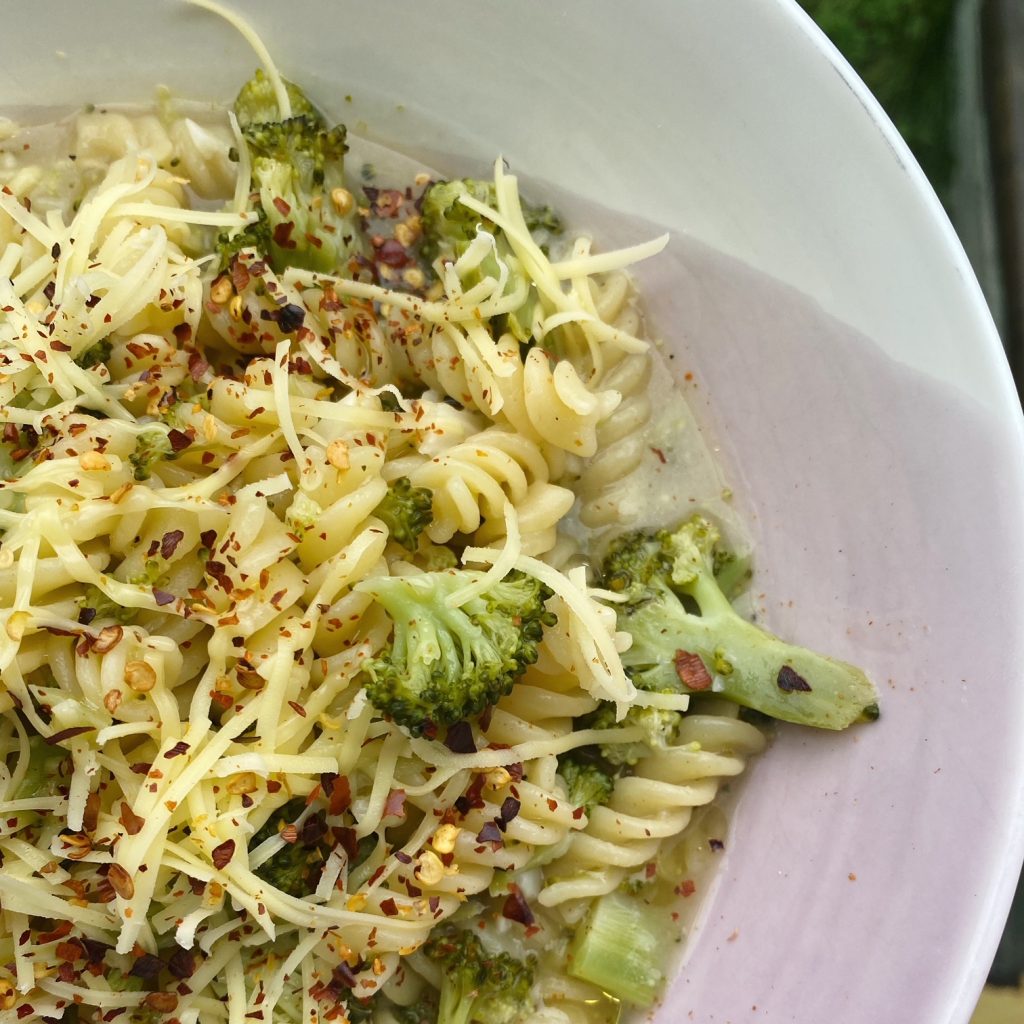
One pot pasta dishes are our favourites! Not just because of less washing up, but also because when you create a sauce in the pasta’s starchy cooking water, it is so luscious, silky and rich.
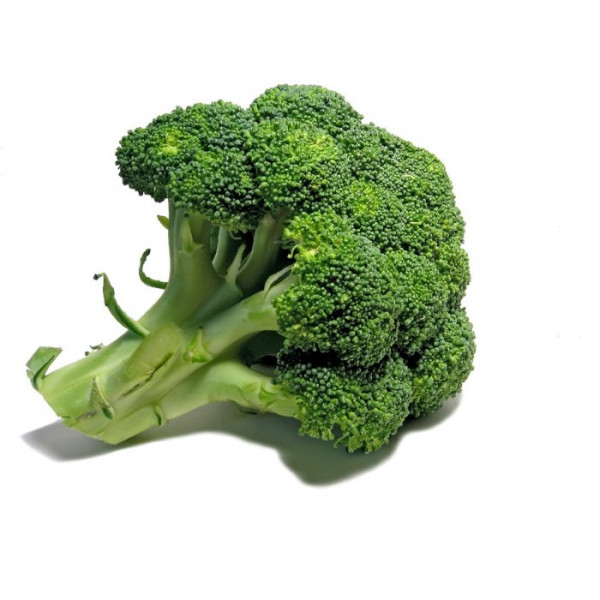
We have loads of amazing broccoli here on the farm now, we love it so much that we use half a head per person in this recipe (based on the traditional Italian broccoli orecchiette). The broccoli is deliberately cooked for longer than we would usually cook it, until it collapses into the sauce. We use a big dollop of miso (in place of anchovies) for complex depth of flavour and loads of gorgeous garlic and lemon to make this simple dish sing. Give this recipe a try for your next pasta night.
Liz x
Ingredients (serves 4)
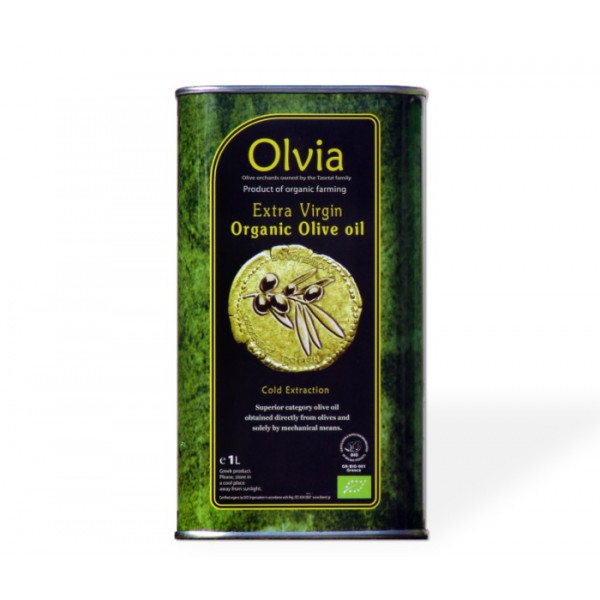
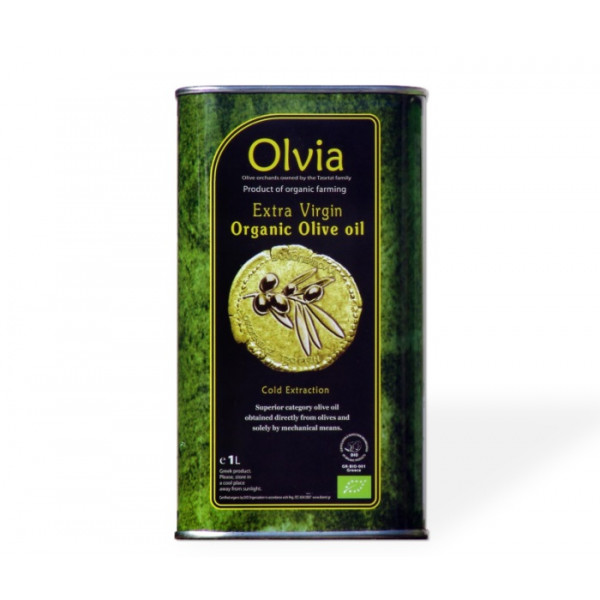
4 tbsp extra virgin olive oil (plus extra for drizzling on the bowls)
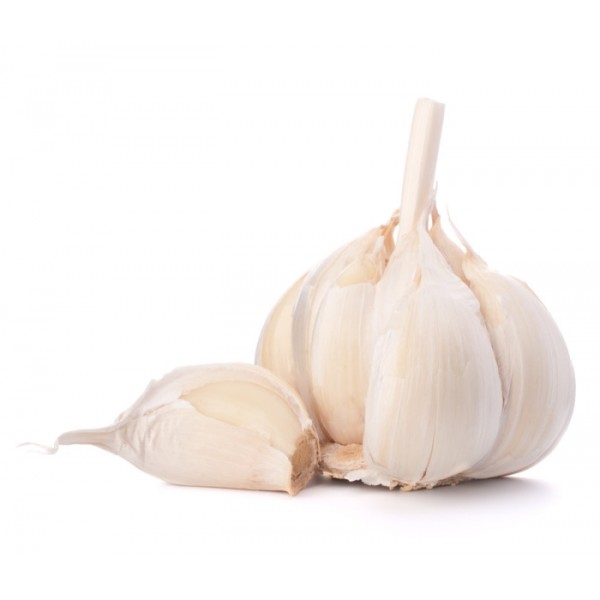
6 fat garlic cloves, peeled & finely chopped
2 heads of broccoli, finely chopped – stalks included
1 tbsp miso paste
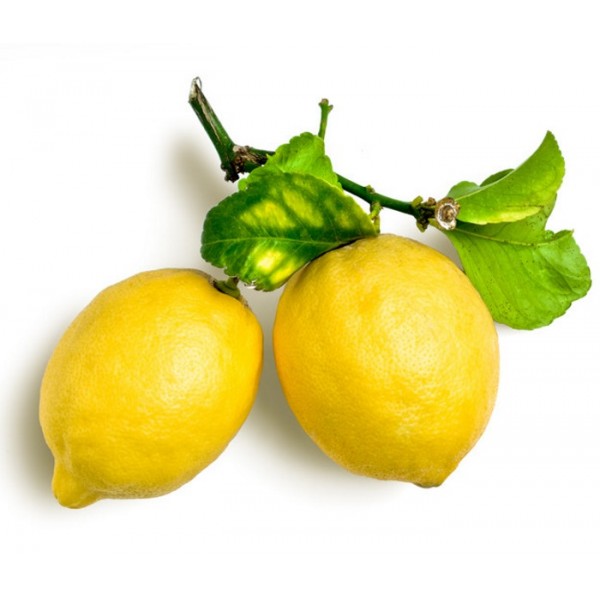
the zest and 1/2 the juice of a lemon
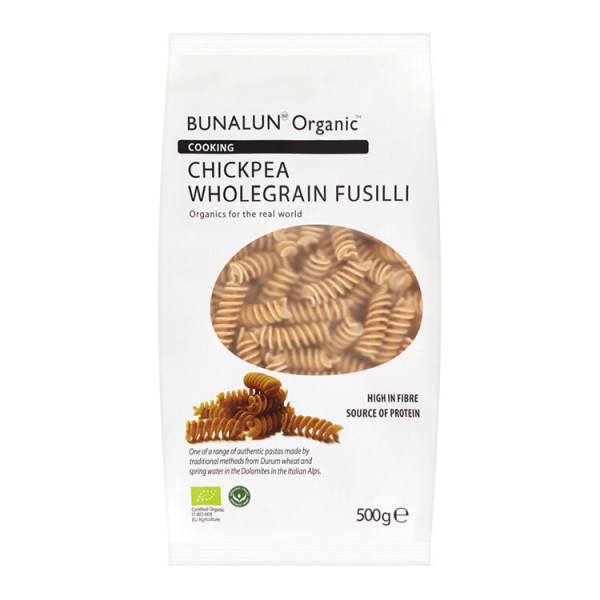
400g pasta (any small shape you prefer)
salt and pepper to taste
chilli flakes and grated cheese to serve
Method
In a large, heavy bottomed pot, sauté the garlic and finely chopped broccoli stalks in the oil until very fragrant and starting to soften – about 5 minutes or so.
Season with salt, pepper, miso and lemon zest and then add the dried pasta and broccoli florets.
Just cover with water, give the pasta a stir and put the lid on the pot to help the water come quickly to a boil.
Once boiling, remove the lid and stir to ensure no pasta is sticking to the bottom. Cook until the pasta is soft. Taste and adjust the seasoning as needed with more salt and pepper and the lemon juice.
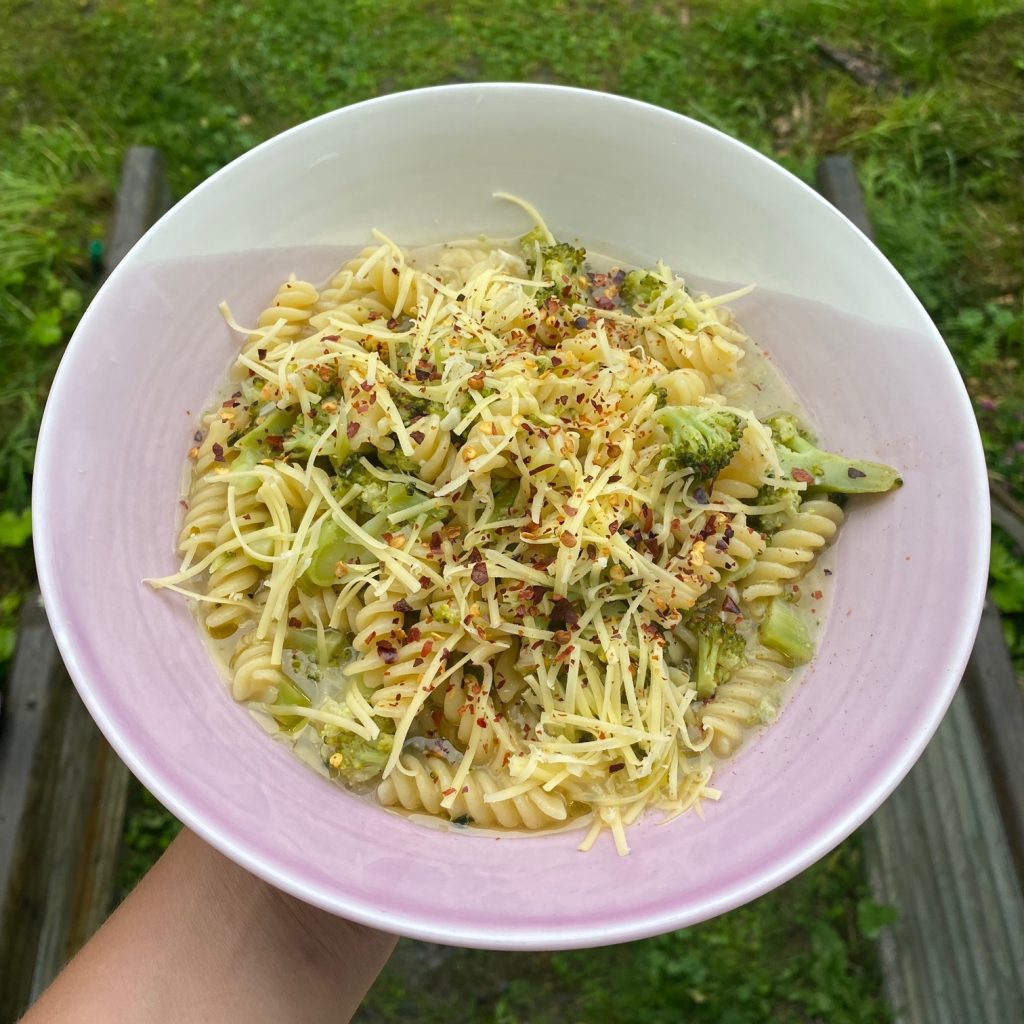
Let the pasta sit off the heat and rest a few minutes before serving. This will allow the sauce to thicken into the perfect texture. Serve with a drizzle of extra virgin olive oil, a sprinkle of cheese and chilli flakes. Enjoy!
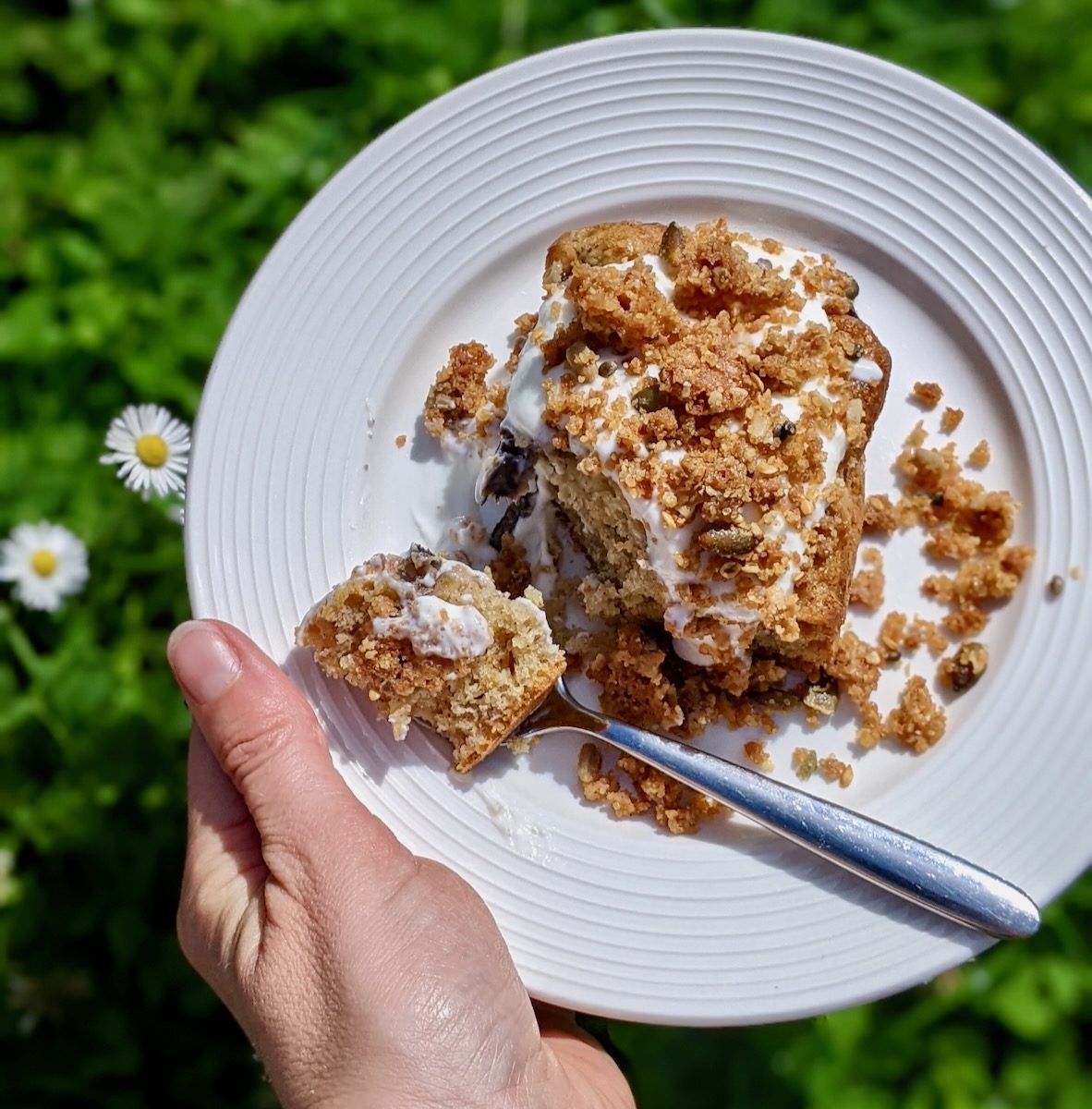
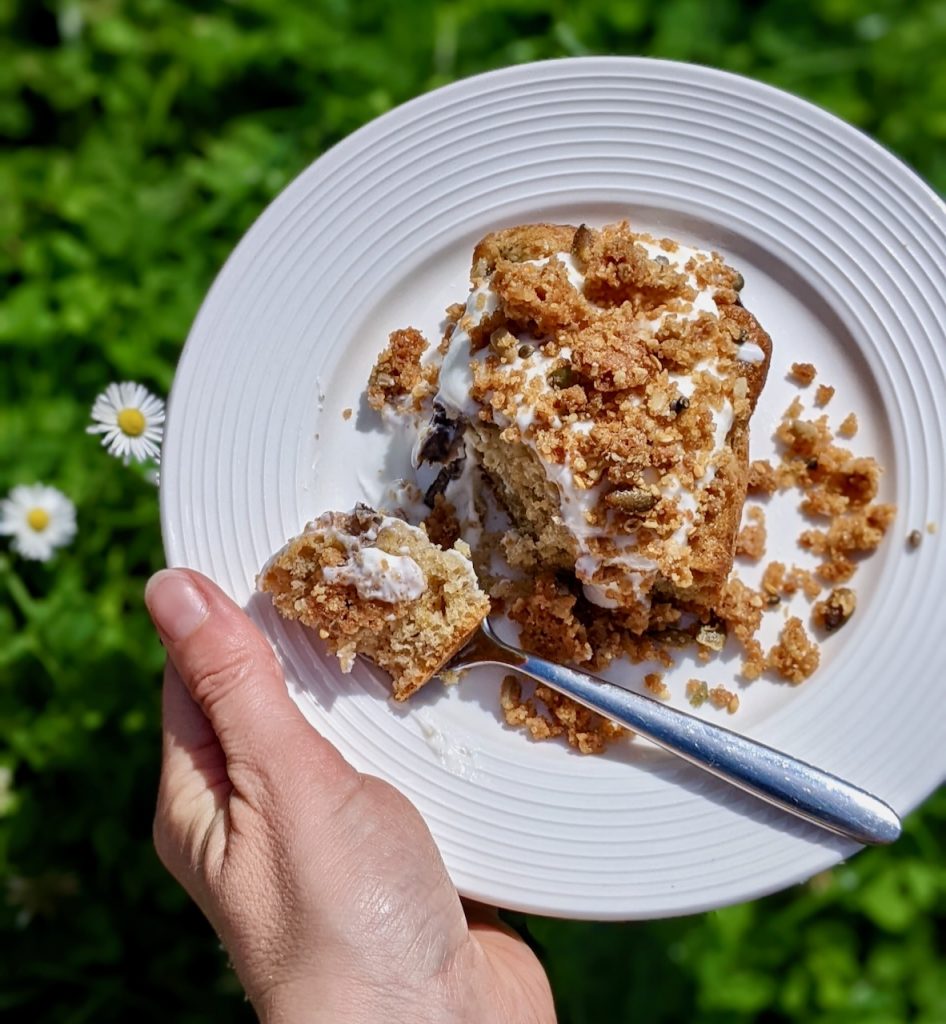
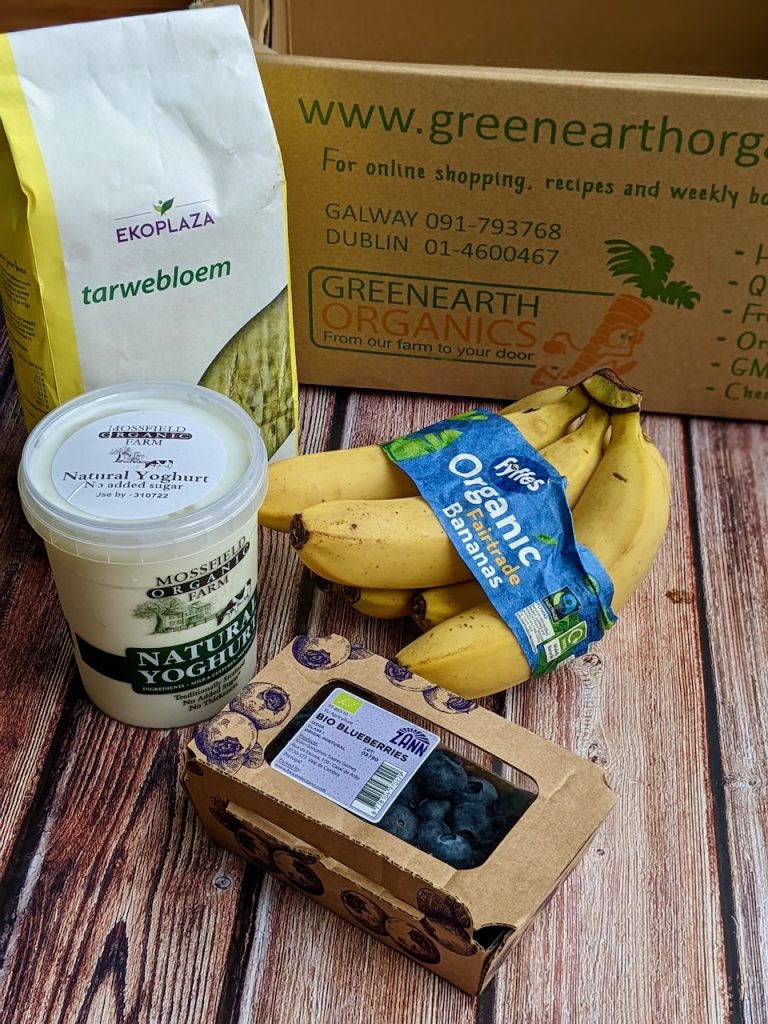
This cake has wholesome organic oats, eggs, fruit, yoghurt topped with more oats, seeds and coconut – there’s a bit of sugar for good measure but perfect for a breakfast treat!
Its an easy one to put together, no fancy equipment needed just a mixing bowl, a jug and a couple of baking trays. You could bake the streusel on top of the cake but we prefer it separate and sprinkled on top of the yoghurt.
You can pick up most of the gorgeous organic ingredients in eco packaging in our online shop, see links below.
It makes 9 generous portions, make cake for breakfast.
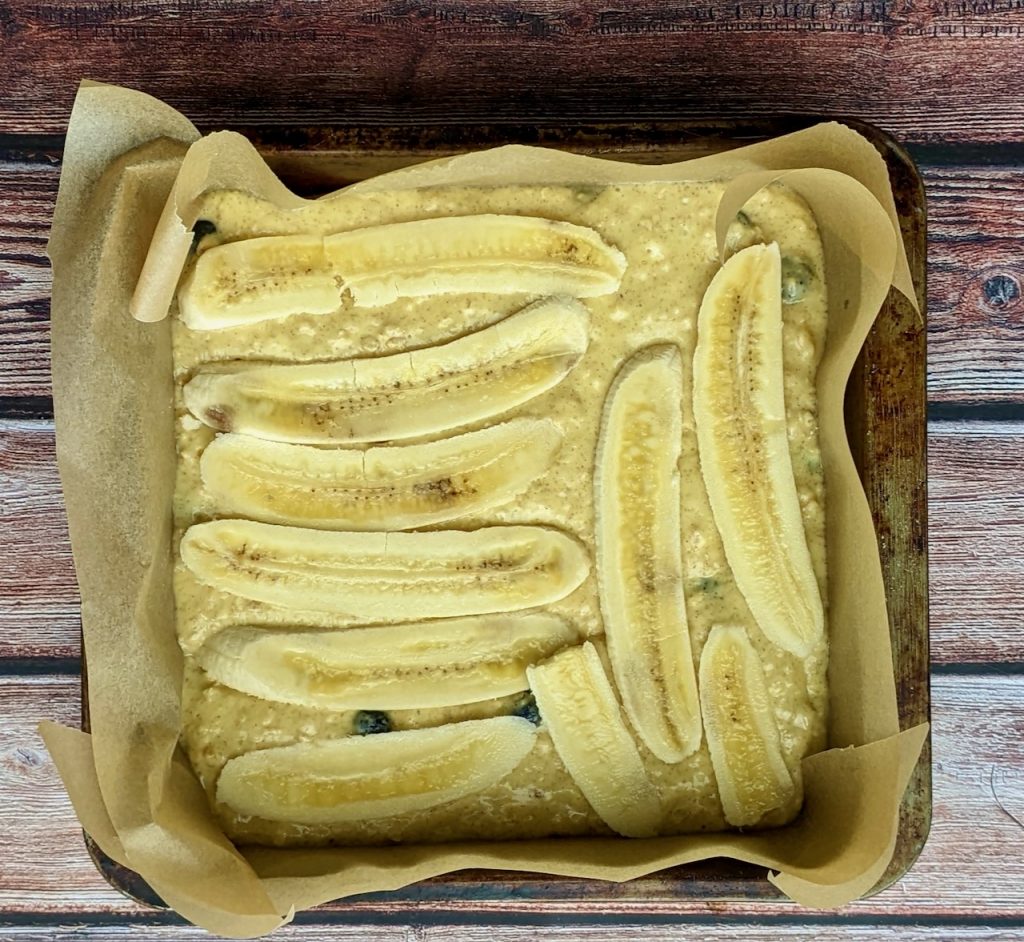
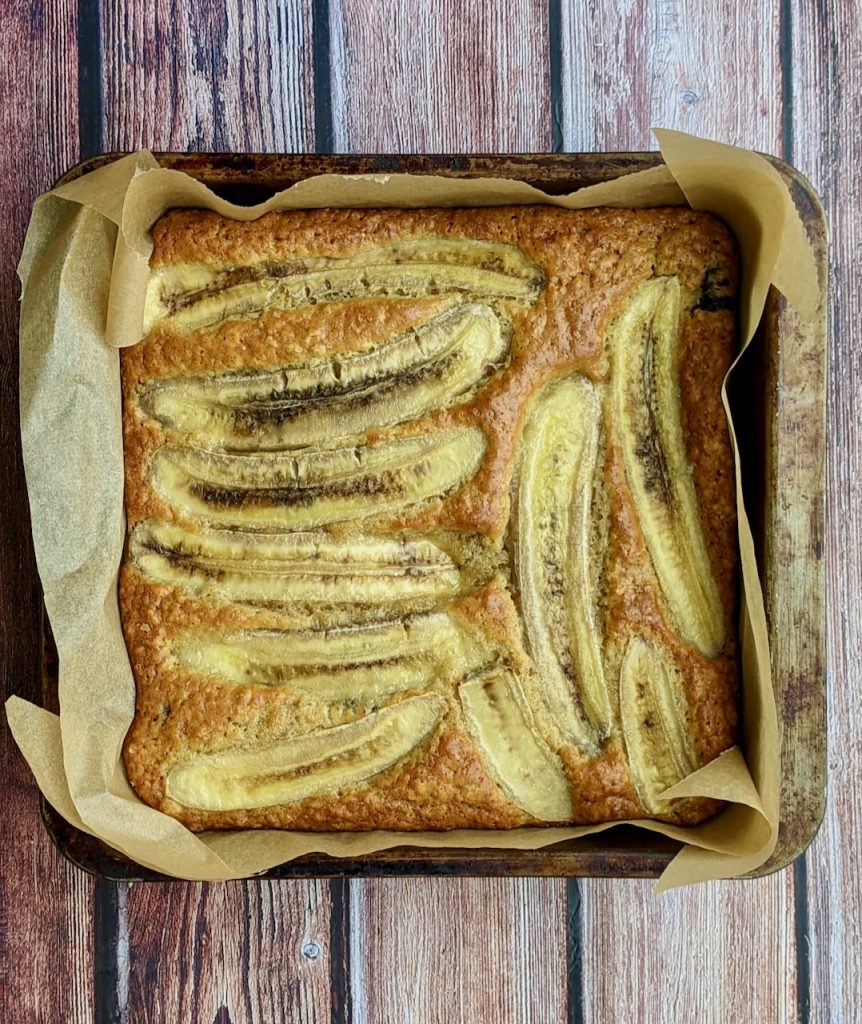
Optional – topping 2 medium bananas sliced lengthways (Warning they will go brown in time, if you’re not keen on brown bananas leave them off.)
Method:
-Preheat your oven to 180°C.
For the granola streusel:
Line a large baking tray with parchment paper.
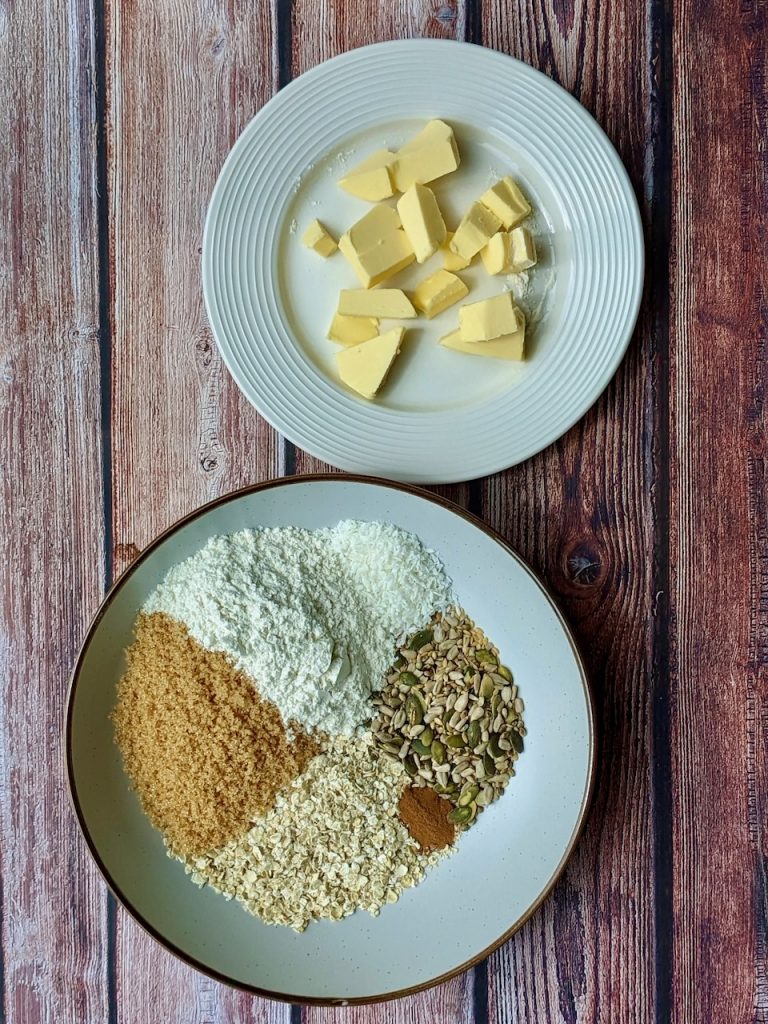
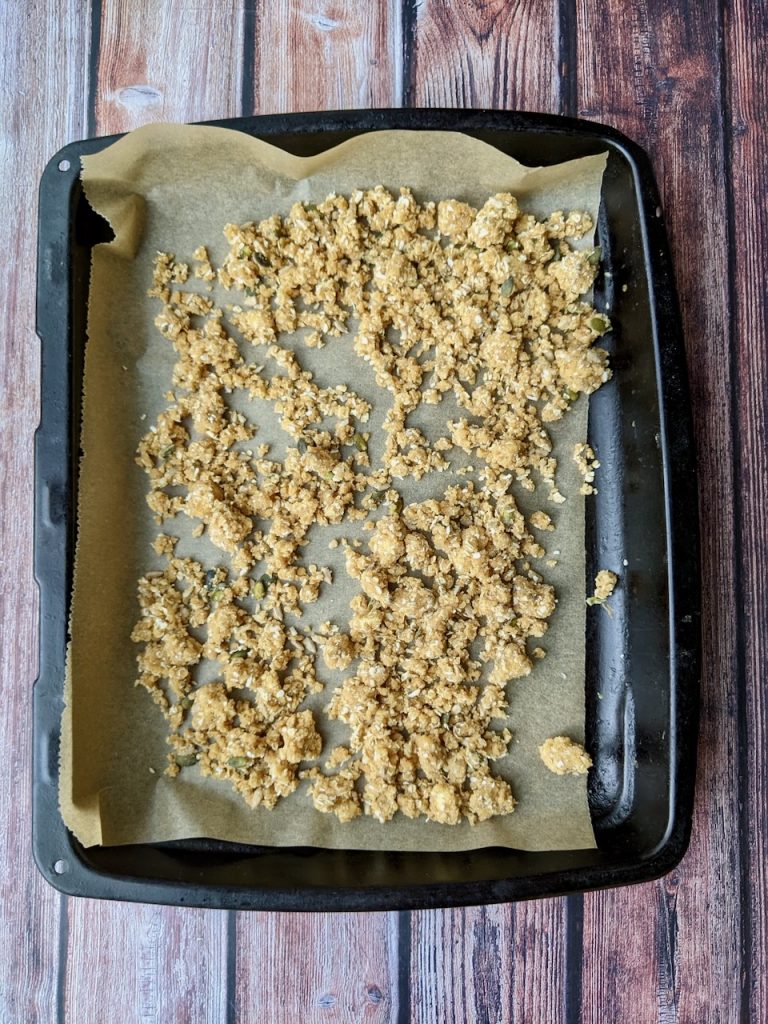
Add all the ingredients to a mixing bowl and work the butter into the dry ingredients with your fingers. Make sure there are no big lumps of butter.
Layer onto the baking tray and bake for 15 minutes. The streusel will look like a giant cookie, let it cool and then break up into pieces and put it into a bowl for later.
For the cake:
Line a 9×9 inch square tin with parchment paper.
Measure all the dry ingredients.
Sieve the flour, baking powder, bicarb of soda, cinnamon and sugar into a large mixing bowl.
Add in the oats and give everything a good mix.
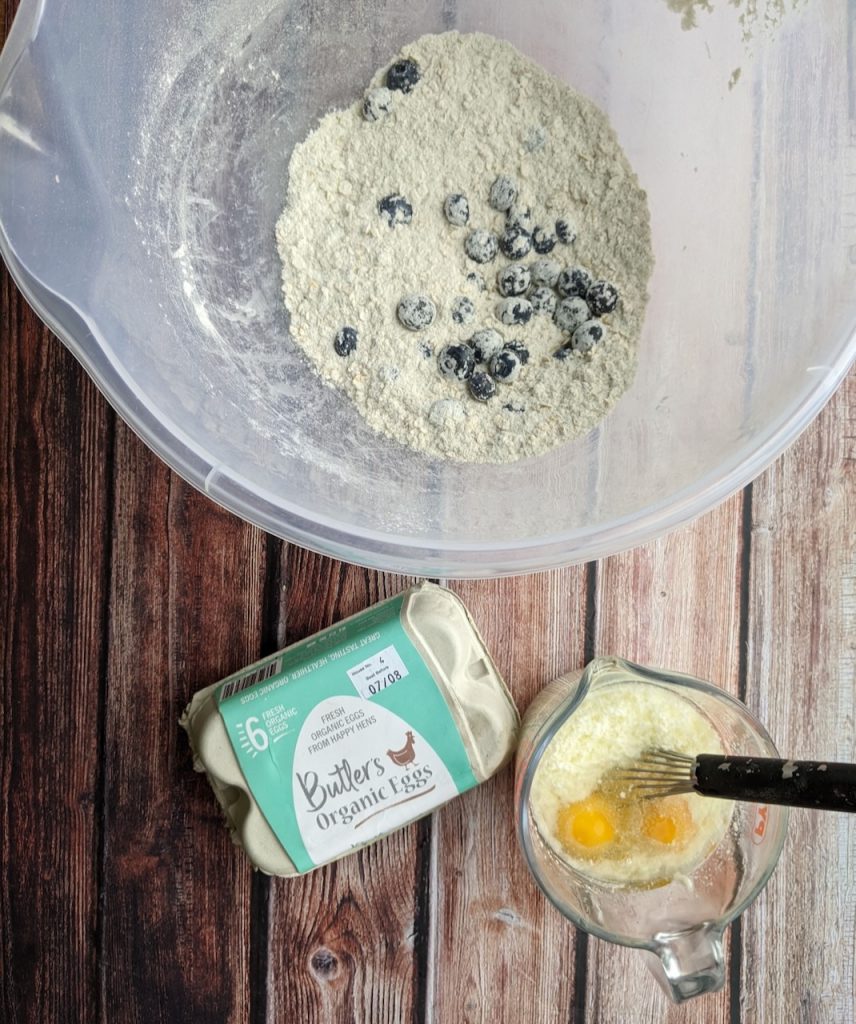
Add a small bit of flour to the blueberries and toss to coat.
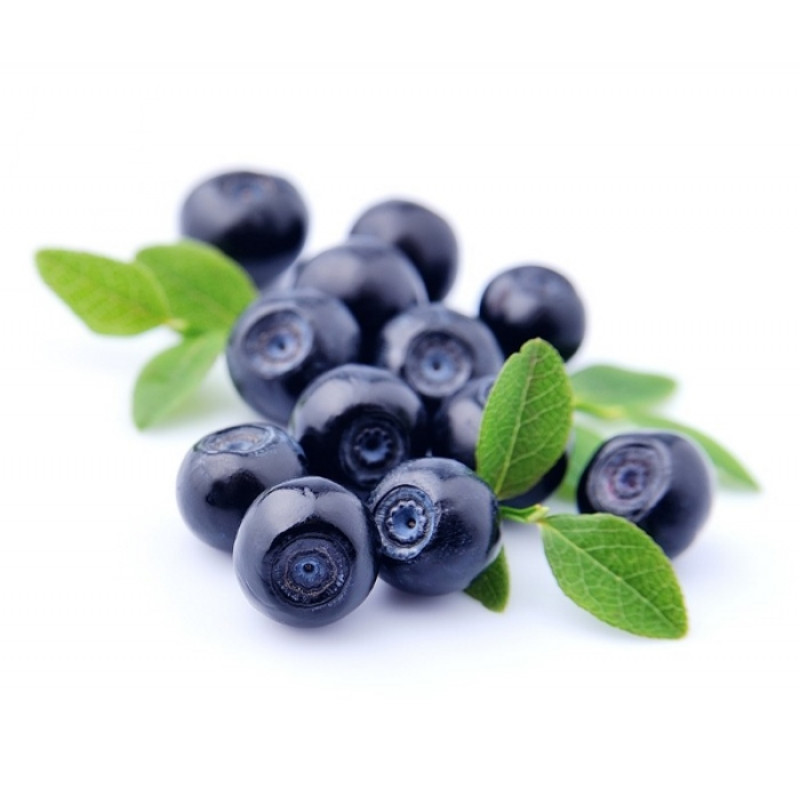
Add the blueberries to the mixing bowl and gently fold in.
Add all the wet ingredients to a jug, the oil, yoghurt and eggs, mix well with a fork.
Pour the wet ingredients into the mixing bowl and mix until the flour is worked in, don’t over mix, some lumps are ok.
Pour into the square baking tray, top with sliced banana if using.
Bake for 25-30 mins. Check it’s cooked with a cocktail stick, if it comes out clean it’s done.
Allow to cool completely, then slice into 9 squares.
To seve:
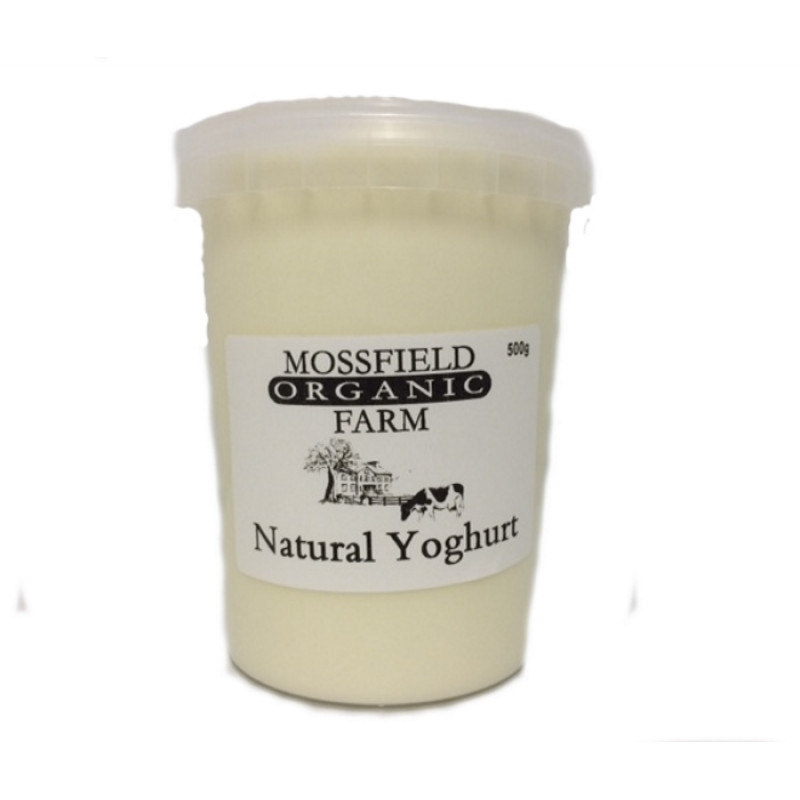
Top a nice square slice of cake with organic yoghurt and top with a generous sprinkle of granola streusel.
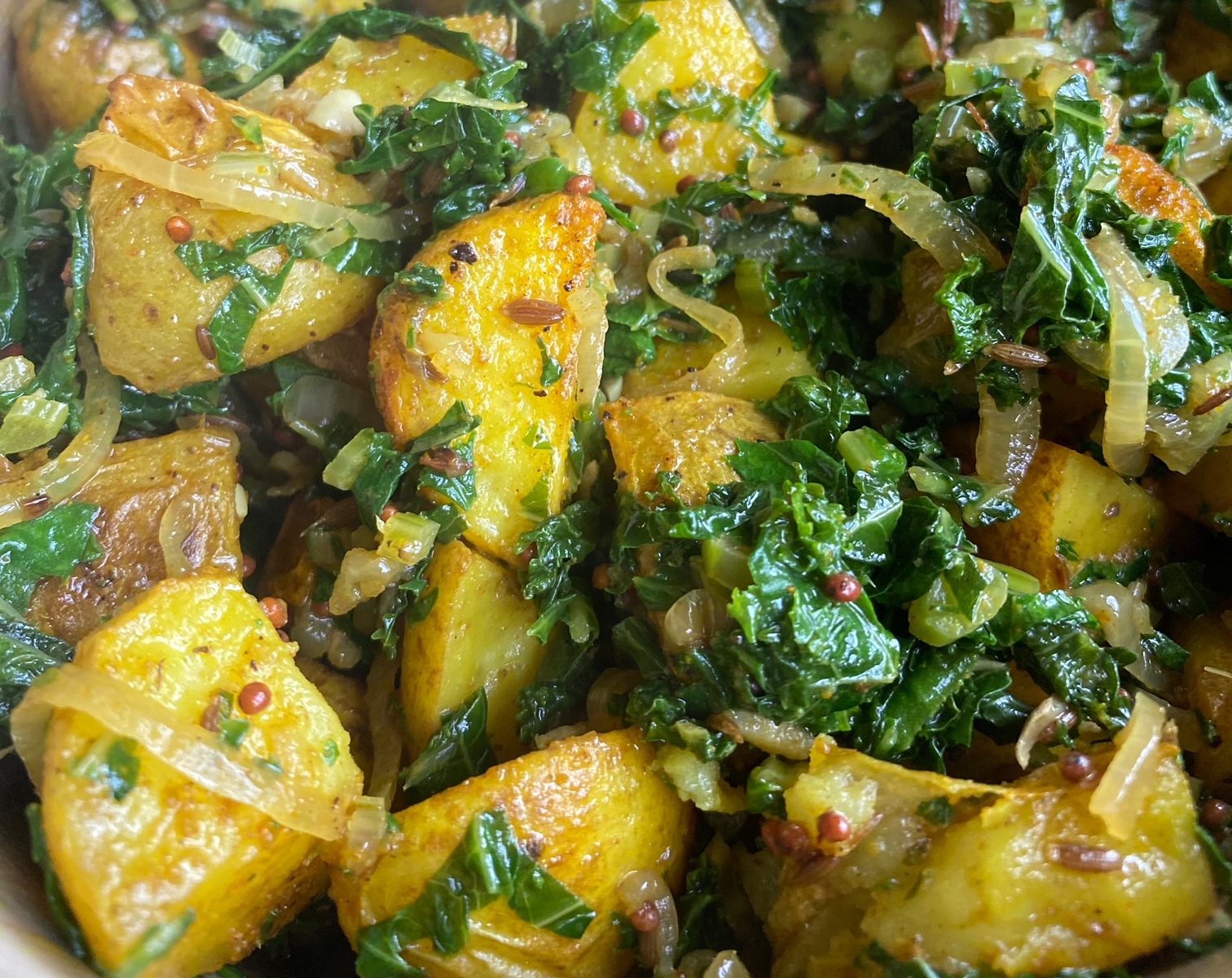
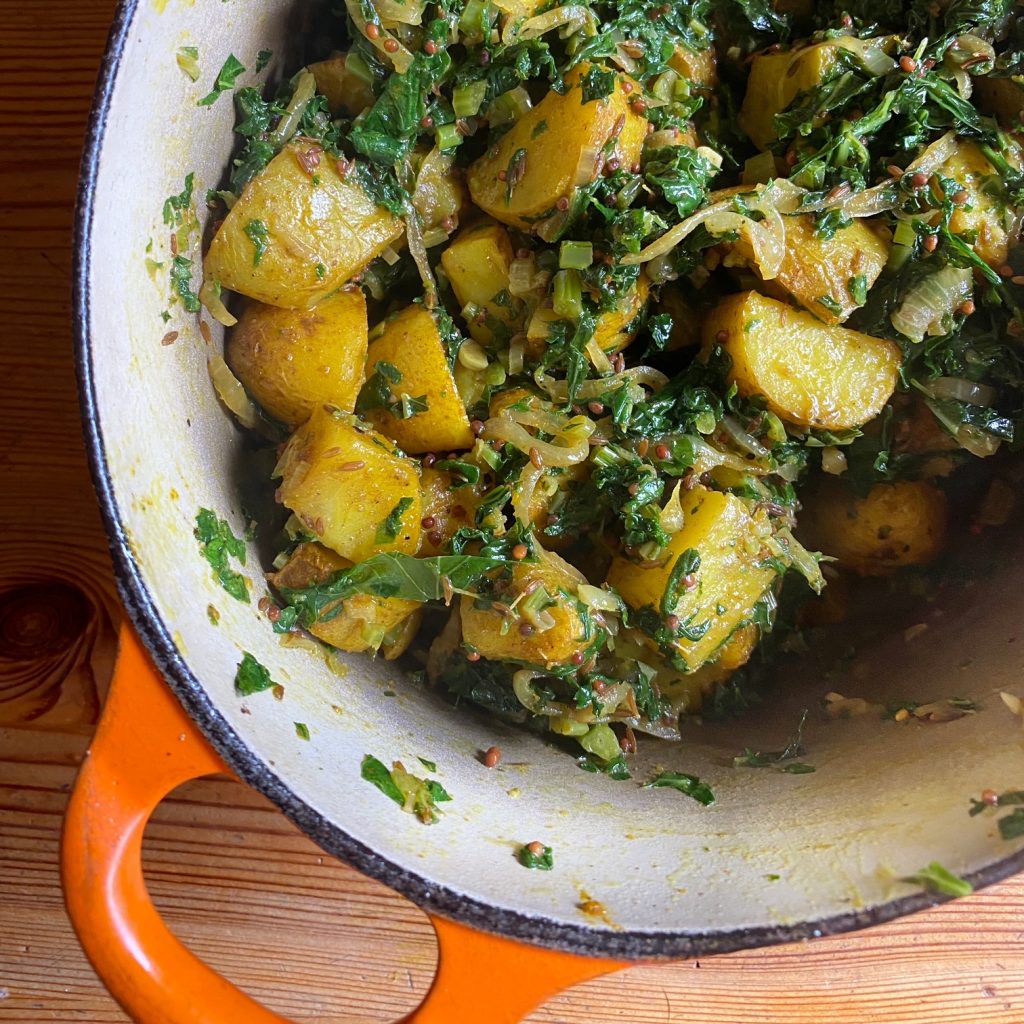
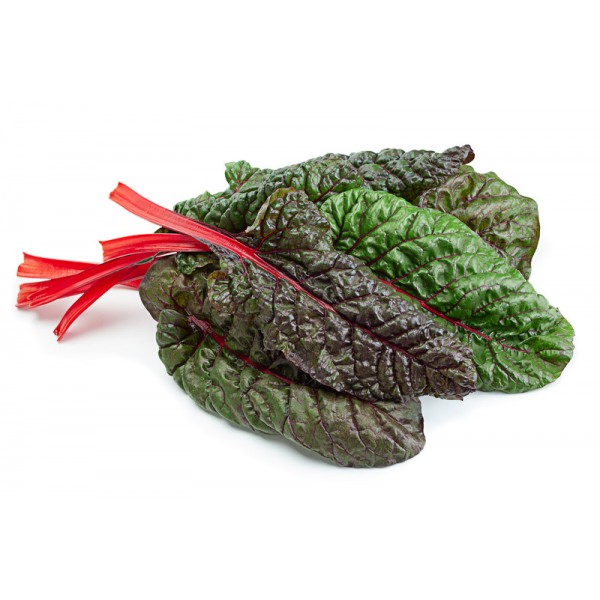
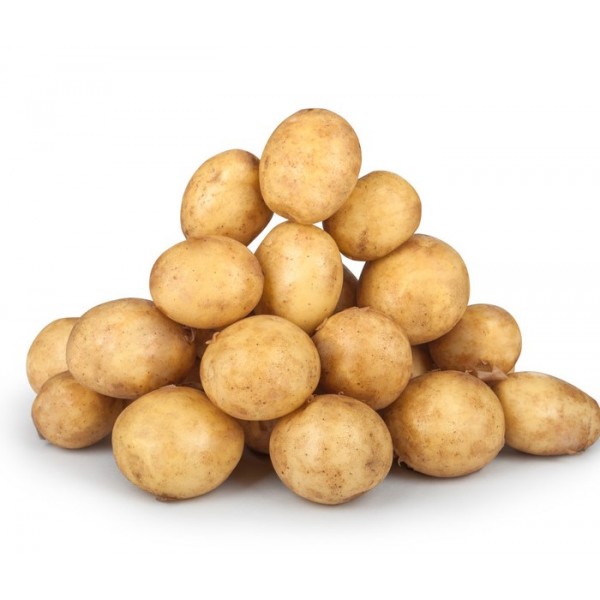
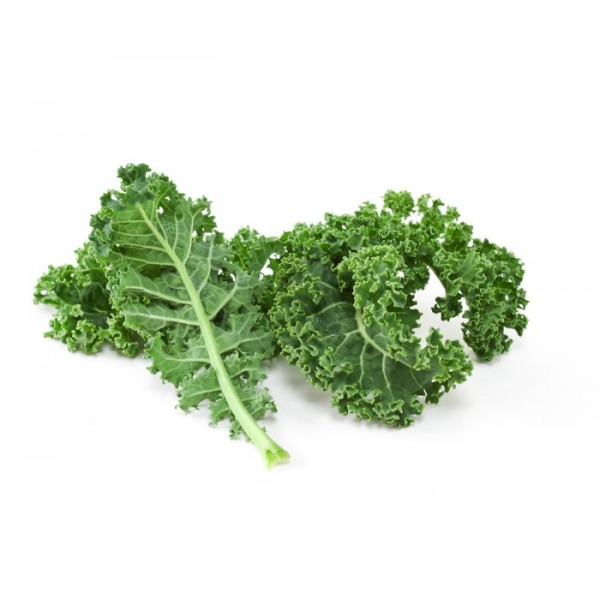
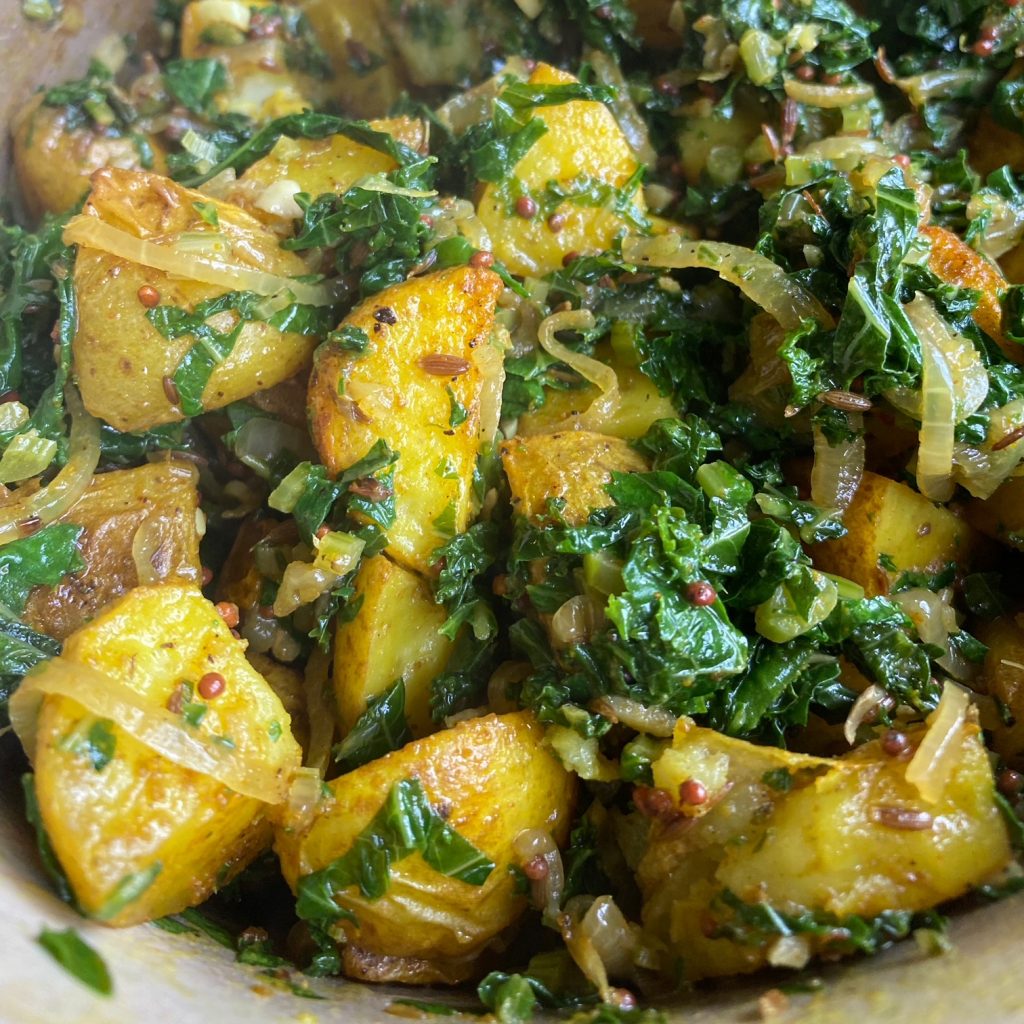
Saag aloo is one of our favourite Indian side dishes. Make it a meal and serve it with rice, dal and a chickpea curry. Maybe a raita too using our Galway grown cucumbers and some natural yoghurt? Irish new potatoes are the best and in season now. Combined with our farm chard and/or kale in place of the traditional spinach, this recipe is a great way to make the most of our local, seasonal produce. The method is simple and the results are so delicious!
Liz x
Ingredients (serves 4)
500g new potatoes, cut into bite sized pieces
1 tbsp curry powder
3 tbsp vegetable oil
1 onion, finely sliced
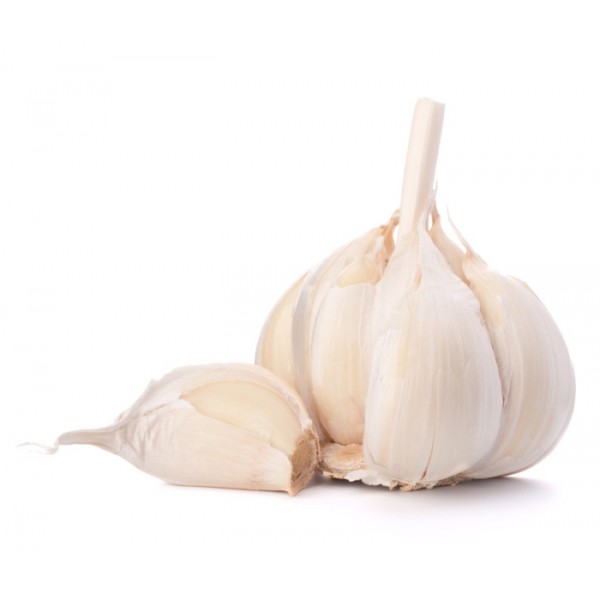
4 cloves of garlic, diced
1 thumb of fresh ginger, diced
1 tbsp brown mustard seeds
1 tbsp cumin seeds
a large bunch of kale or chard (or a combination), stalks separated and finely chopped, leaves finely chopped
salt and pepper to taste
Method
Turn the oven on to 200C. Place the potatoes in a roasting dish and drizzle with 2 tbsp oil, season with salt and pepper and sprinkle over the curry powder. Stir to evenly coat the potatoes in the oil and seasoning and roast until the potatoes are soft.
Meanwhile wash and prepare the greens. Separate the tougher (but perfectly edible) stalks from your chard/kale. Finely slice the stalks and put in a bowl. Finely slice the tender greens and put in another bowl.
Slice the onion and sauté with the remaining tbsp of oil in a large pot with the whole spices, salt and pepper. Cook until the onion is golden and soft and the whole spices are fragrant and toasted.
Then add the sliced stalks, garlic and ginger and sauté for 3 minutes or until softened. Then add the tender greens and wilt down stirring constantly until dark green and soft. You may need to add a small splash of water to help wilt the greens.
When the potatoes are cooked through, stir through the wilted greens and serve.
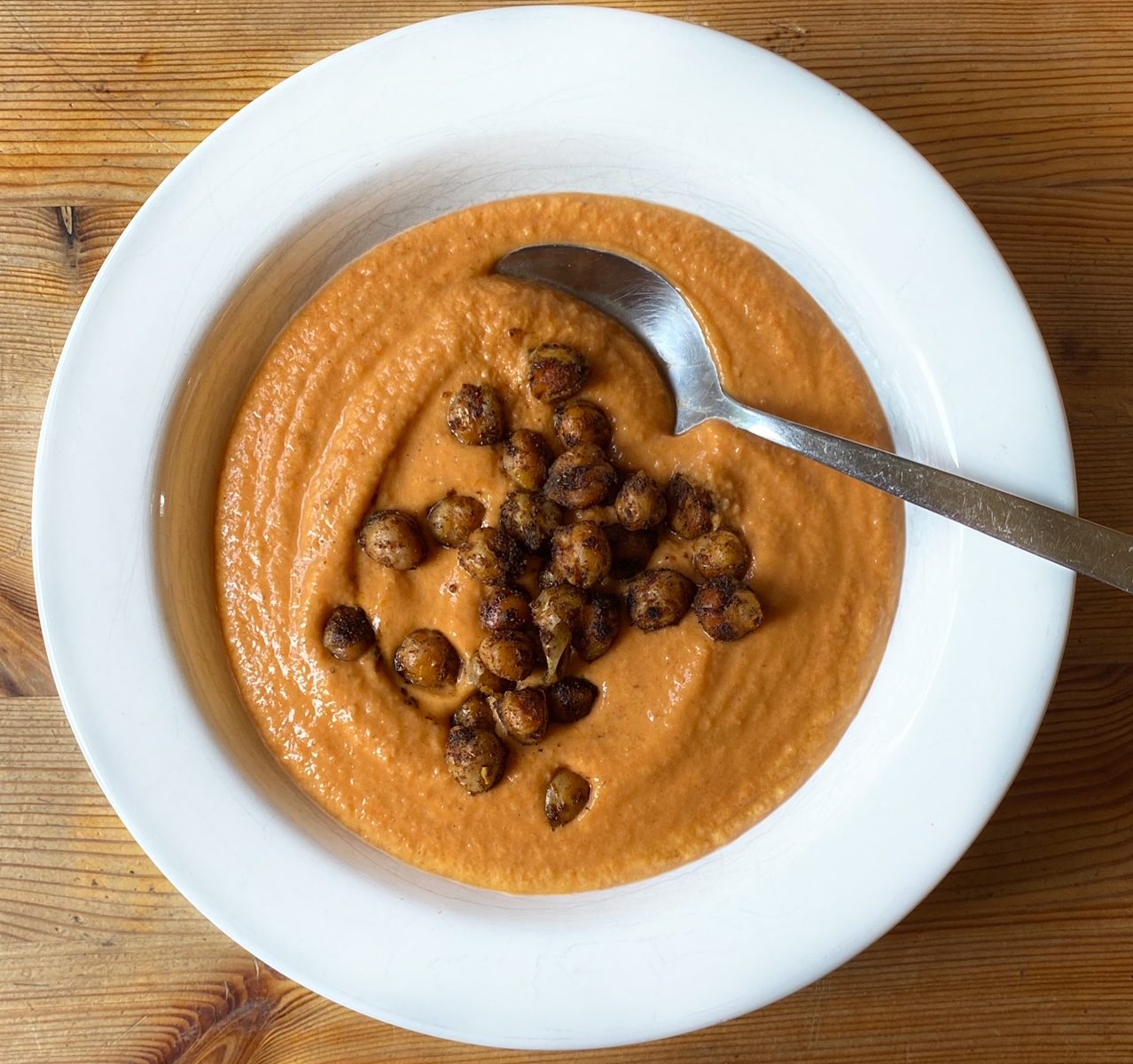
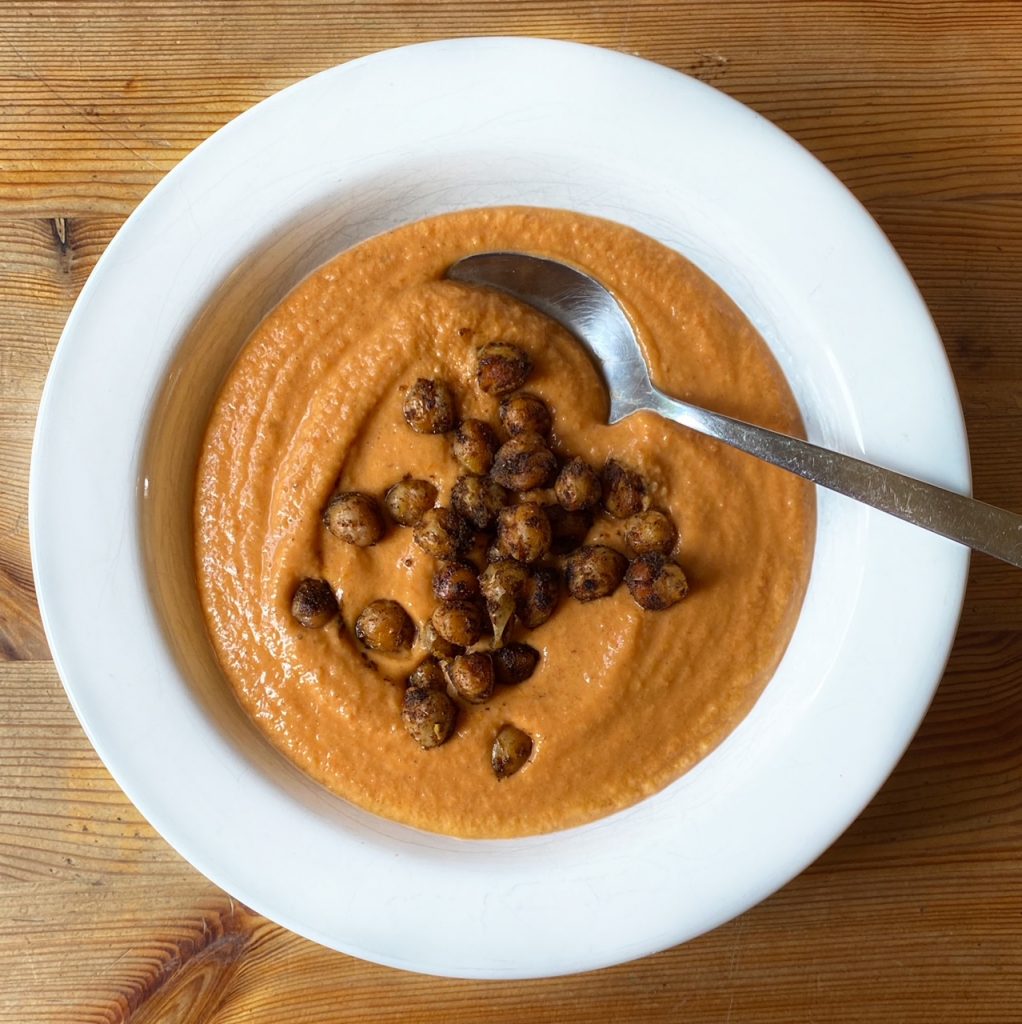
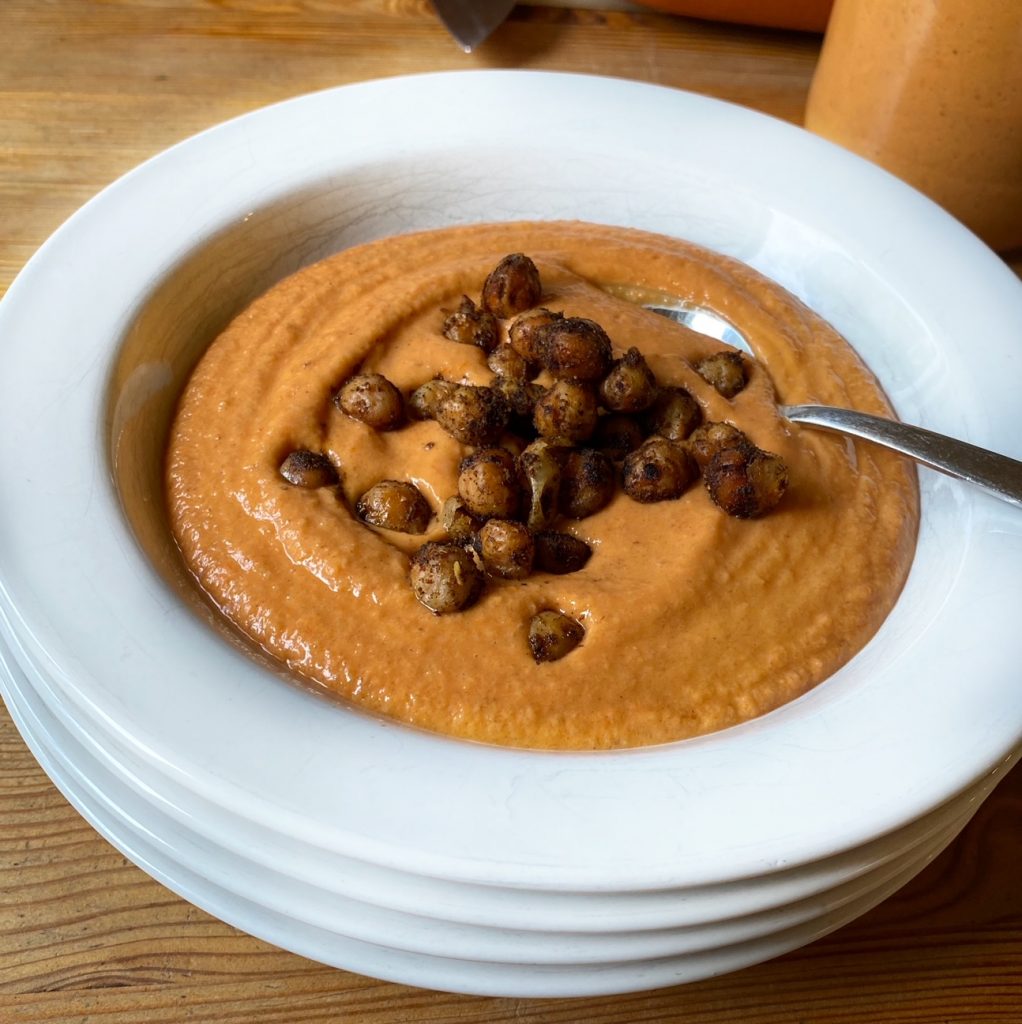
If you like gazpacho, you’ll love this simpler version of chilled tomato soup. It is so quick and easy to make and perfectly balanced with a creamy texture and refreshing sweet and tangy tomato flavour. Traditionally it is served topped with chopped boiled egg and jamón slices but we love it with cumin and smoked paprika chickpeas. This soup is only as good as the quality of the ingredients, so use ripe tomatoes, really good olive oil and for the best flavour, sourdough bread.
Liz x
Ingredients (serves 4)
For the soup:
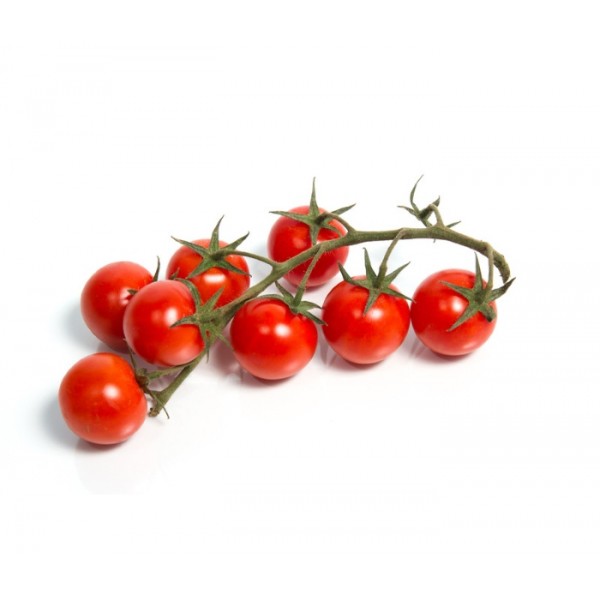
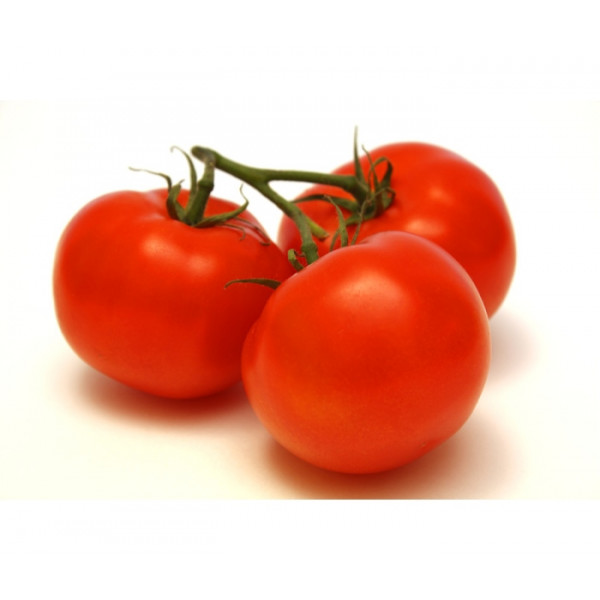
500g tomatoes (any fresh, ripe tomatoes)
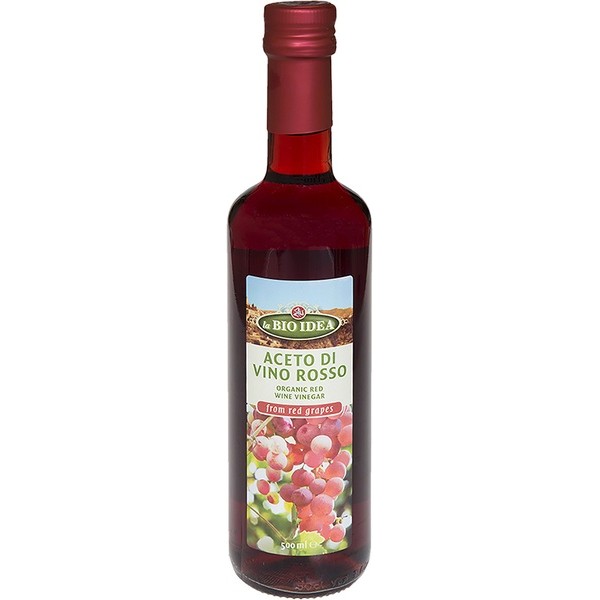
1 tbsp red wine or sherry vinegar
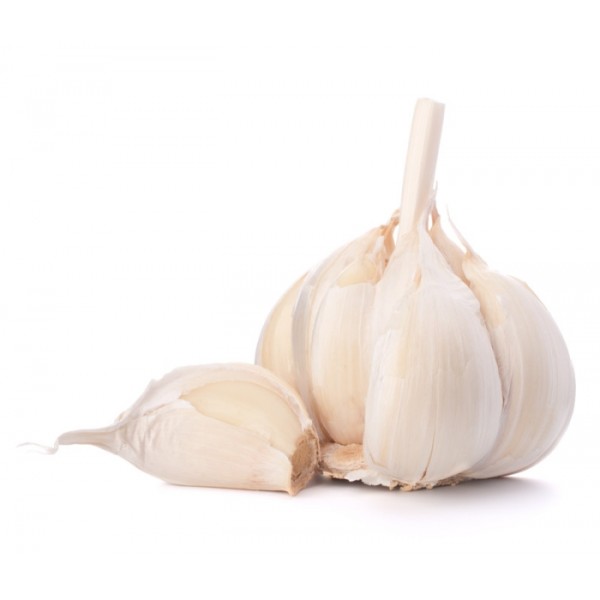
1 clove of garlic
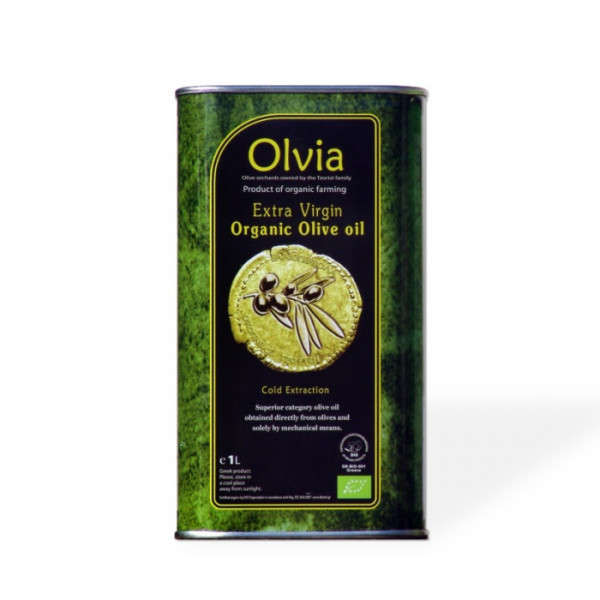
4 tbsp extra virgin olive oil
2 slices of stale sourdough bread
salt and pepper to taste
For the chickpeas:
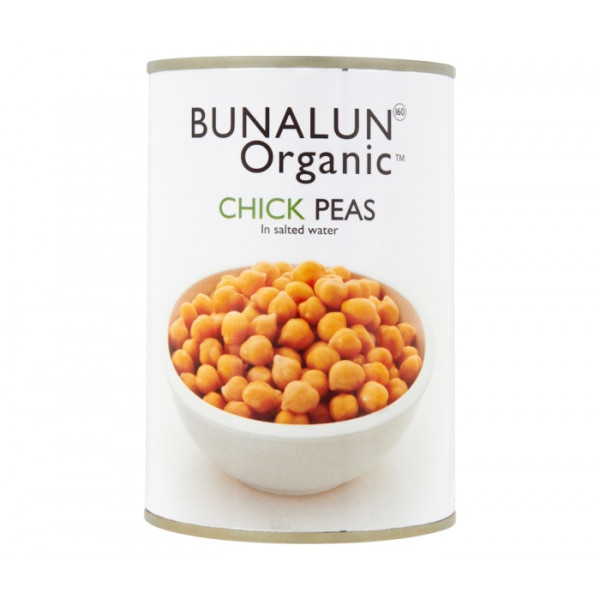
1/2 a tin of chickpeas, drained & rinsed
1 tsp olive oil
1 tsp ground cumin
1 tsp smoked paprika
salt & pepper to taste
Method
Put the soup ingredients into a strong blender and blend until smooth.
Taste and adjust the seasoning if needed with more salt, pepper or vinegar.
Pour into a jar or jug and chill in the fridge for at least 3 hours.
Meanwhile fry the chickpeas in a hot frying pan with the oil and spices until they start to pop. Tumble into a bowl and keep in the fridge to serve with the soup later.
Divide into 4 bowls and top with the spiced chickpeas. The soup will keep fresh in the fridge for 3 days.