Bounty of the Land

For the bounty of the land, we need to be thankful. My mam used to insist on us all saying a thank you for the food before we ate any meals, especially the special meals at Christmas and Easter. She had the right idea; to stop and think and appreciate our food is something that we rarely do in these busy times but taking stock can be a very good thing to do. 

Our food decisions have such massive implications for our health and our planet, there probably isn’t anything more fundamental we can do that is within our control than make good food choices. I guess you could argue that “good food choices” are subjective. I would argue that maybe they arenot, we all know the difference between eating processed junkfood and a healthy apple, that is not subjective, but it goes so much further.
The questions around food choices are many. Do we reduce our meat intake, or do we choose not to eat meat at all? Will we choose local or imported? Organic or conventional?Fairtrade or not? I guess at this stage we know a thing or two about food, we have been growing it for 15 years commercially, and this is my grandad’s farm and he also used to grow his vegetables organically.

We choose, plants, organic, sustainable, Fairtrade and local (where possible), we choose life (To paraphrase a very famous film!) 

My take is simple, and it is the cornerstone of our farm and business: do what is right, don’t use chemicals, work with nature, plant trees, keep bees, grow only vegetables, use natural fertiliser and green manures, rest the land and grow and harvest healthy sustainable food.

It is ultimately a no brainer, fresh organic food, is more nutrient dense, is tastier and you only get what you see, no hidden chemicals. People often ask why some conventional vegetables keep for so long? Well, if you take citrus fruit for example, they are coated in a chemical wax to preserve them they can last for ages, you will not find any hidden unseen chemicals in or on our food. 

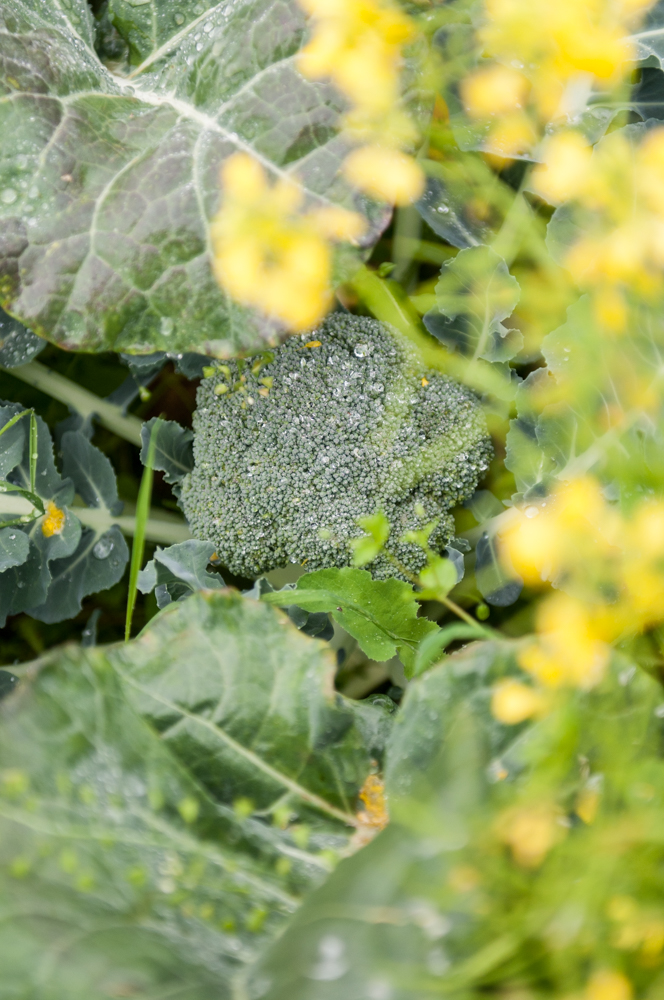
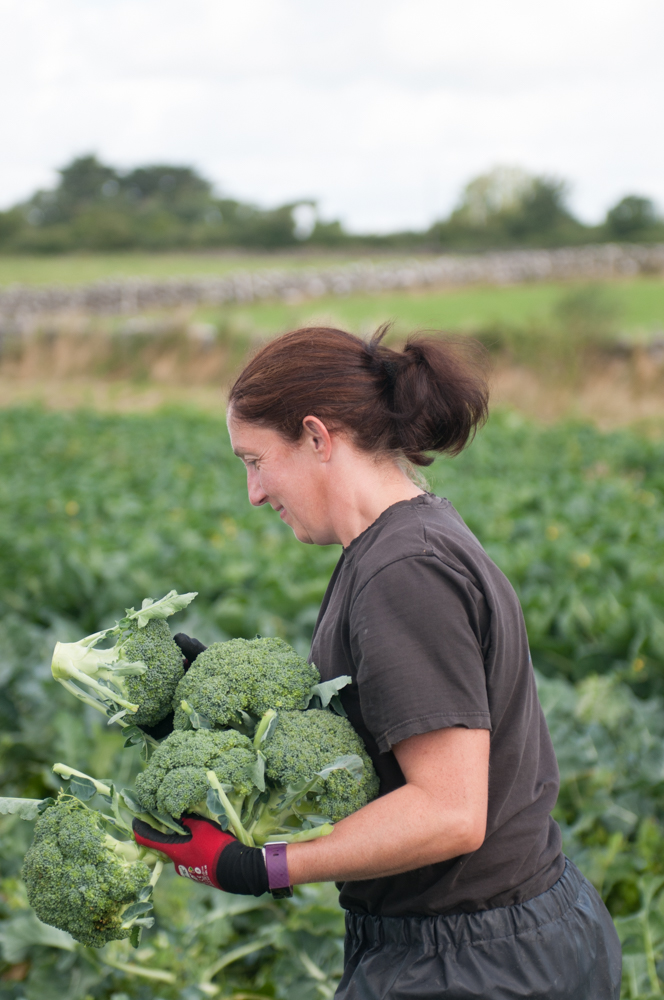
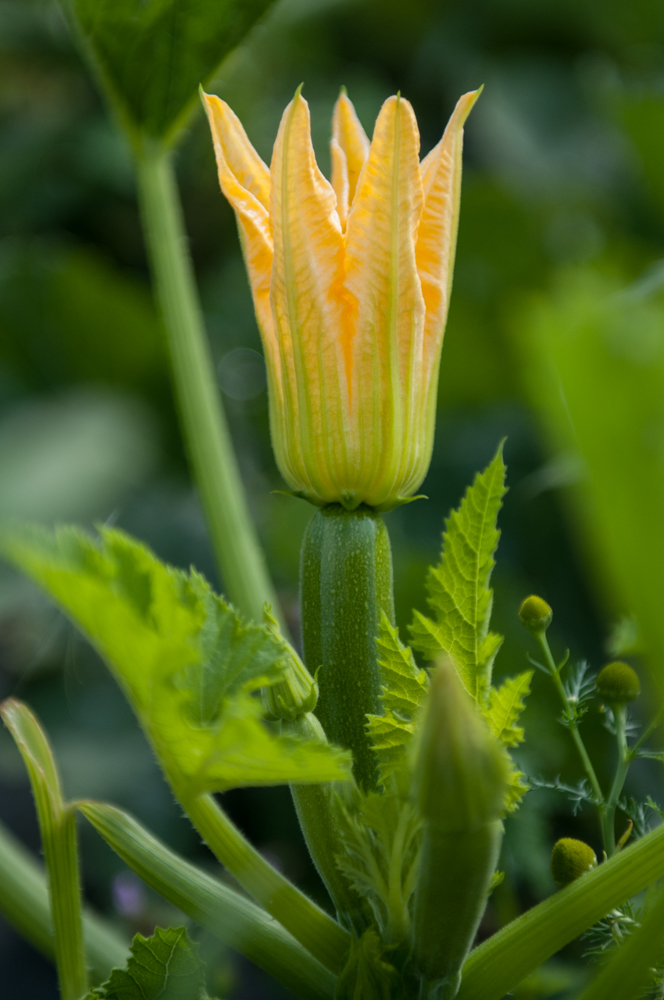
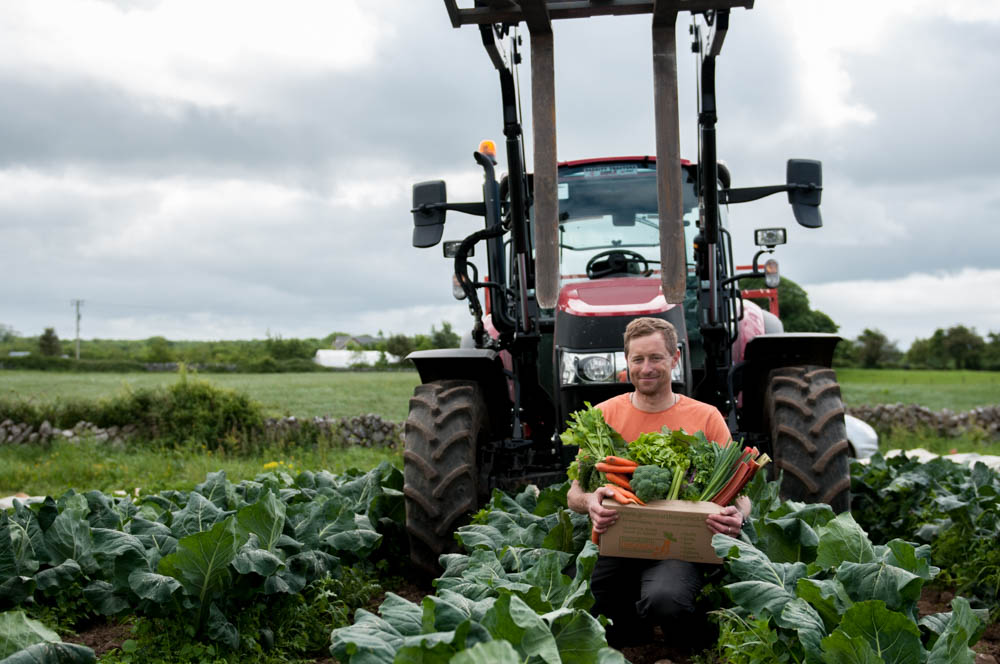
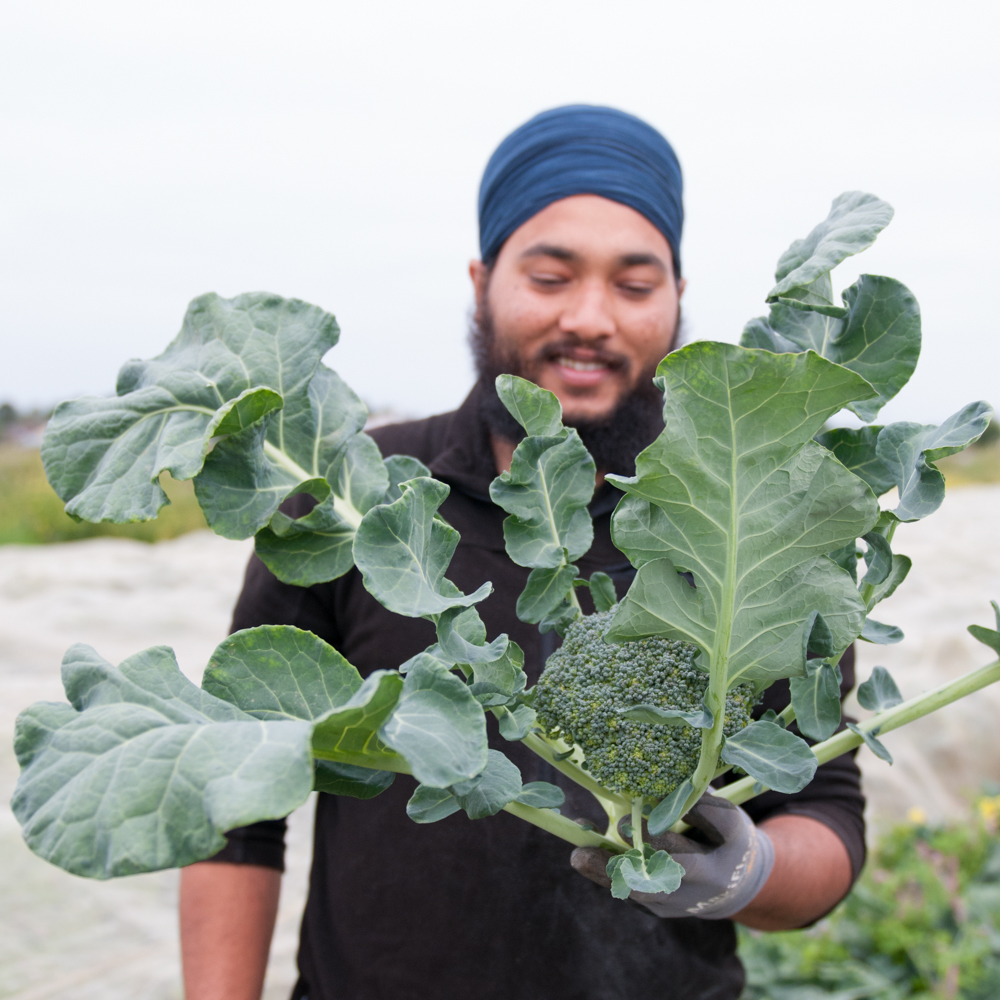
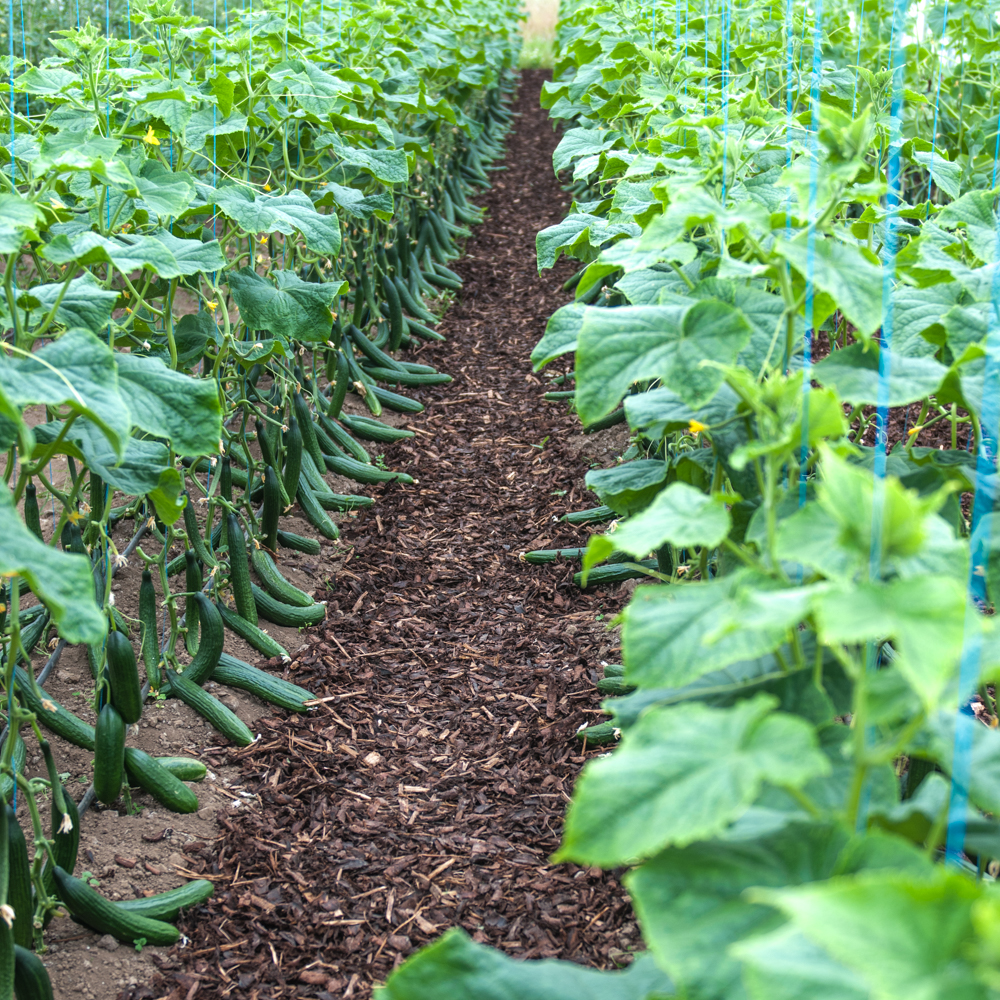
Right now, we are slap bang in the middle of the best local IRISH harvest season, it is the time of local vegetable plenty.This is the culmination of our year’s work, and we are rolling in produce so much so that we don’t have enough homes for all our broccoli and courgettes. But we have come up with some great ways to move it on and to say thank you too for supporting us, next week all set boxes will get a free extra portion of courgettes, so enjoy!

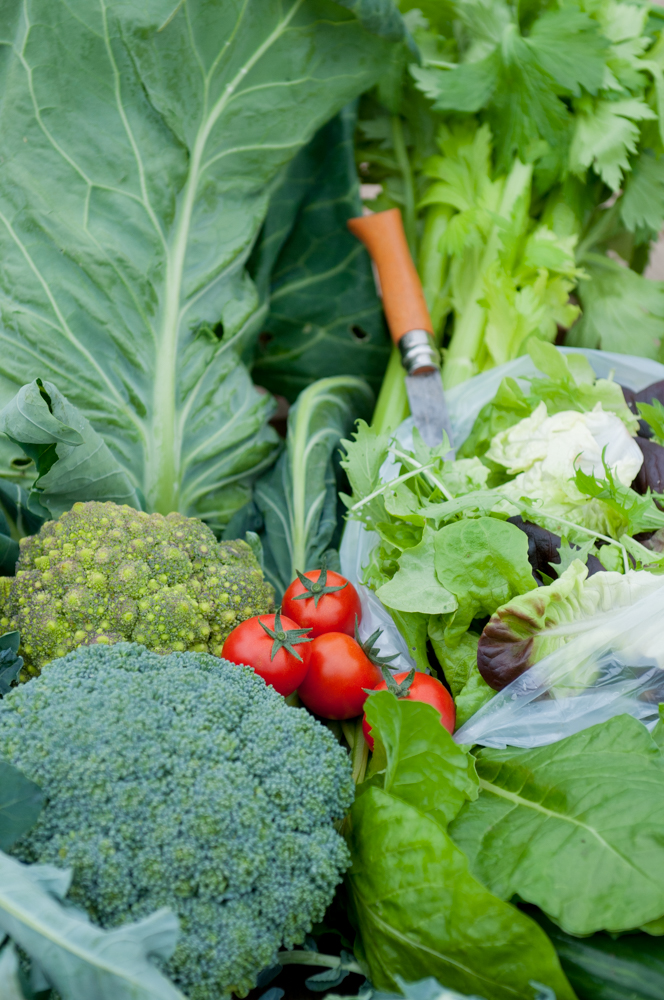
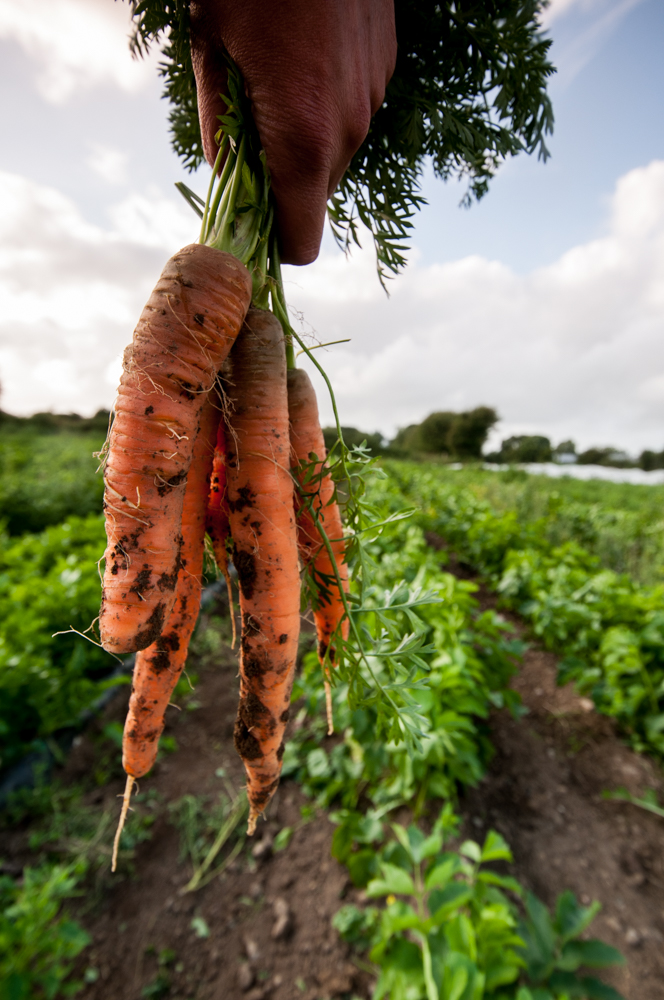
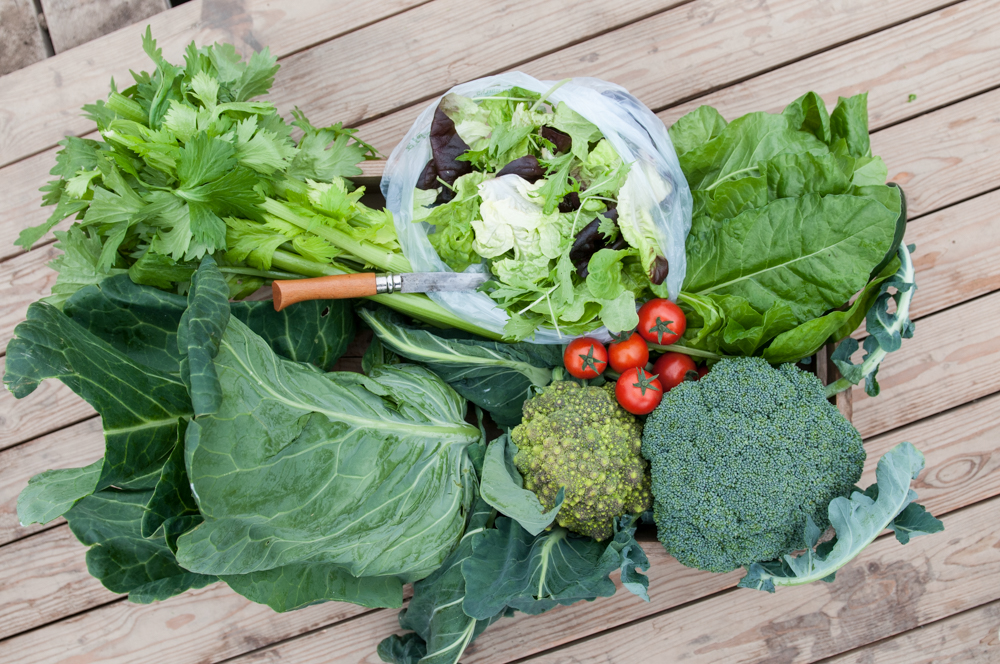
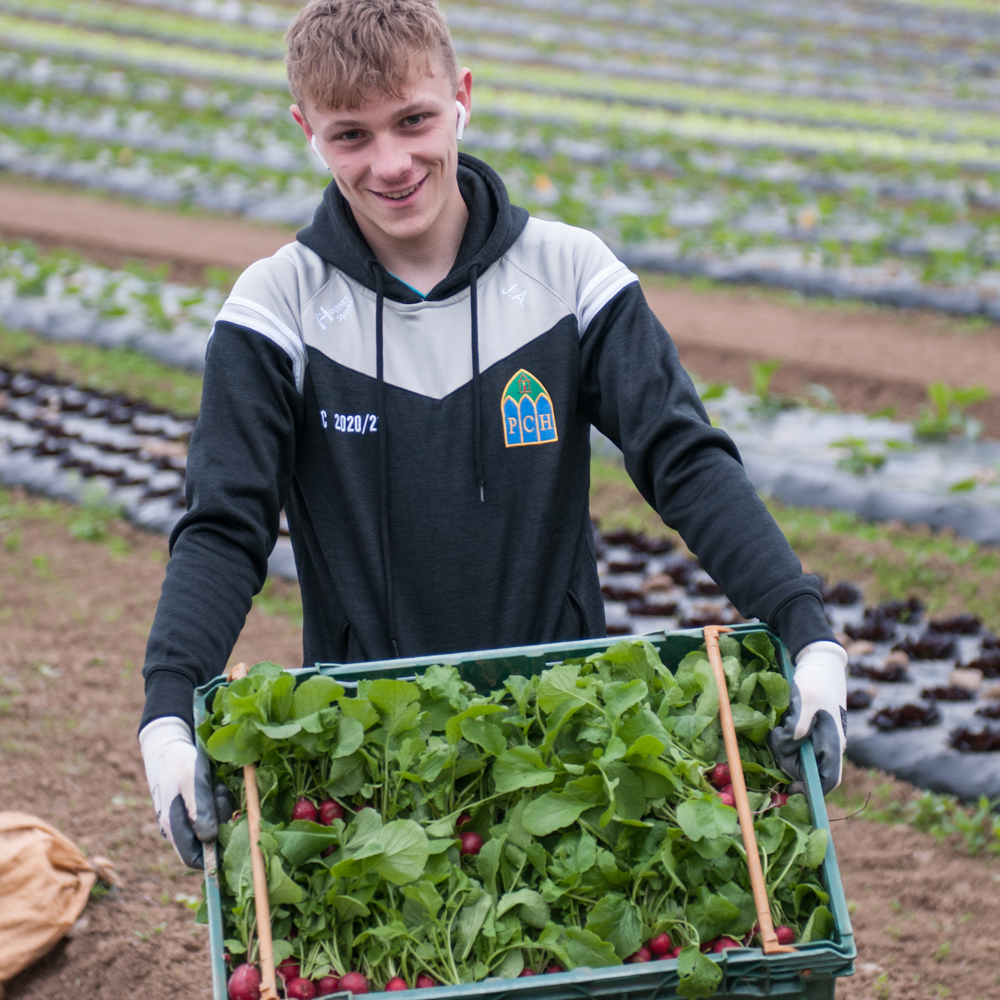
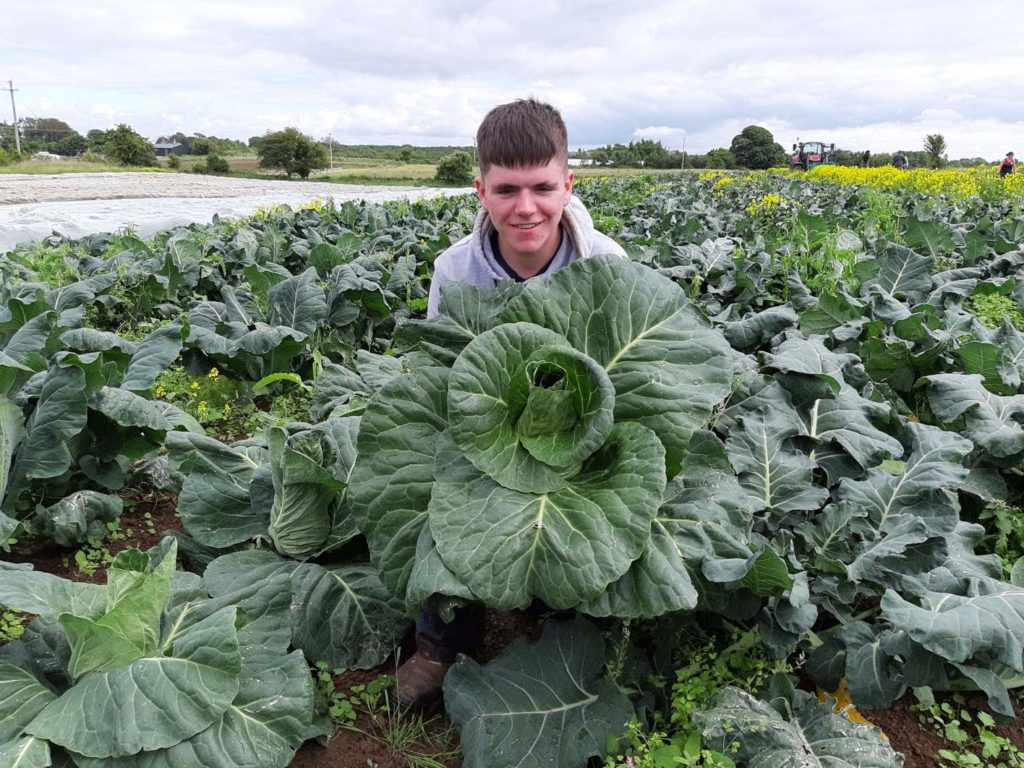
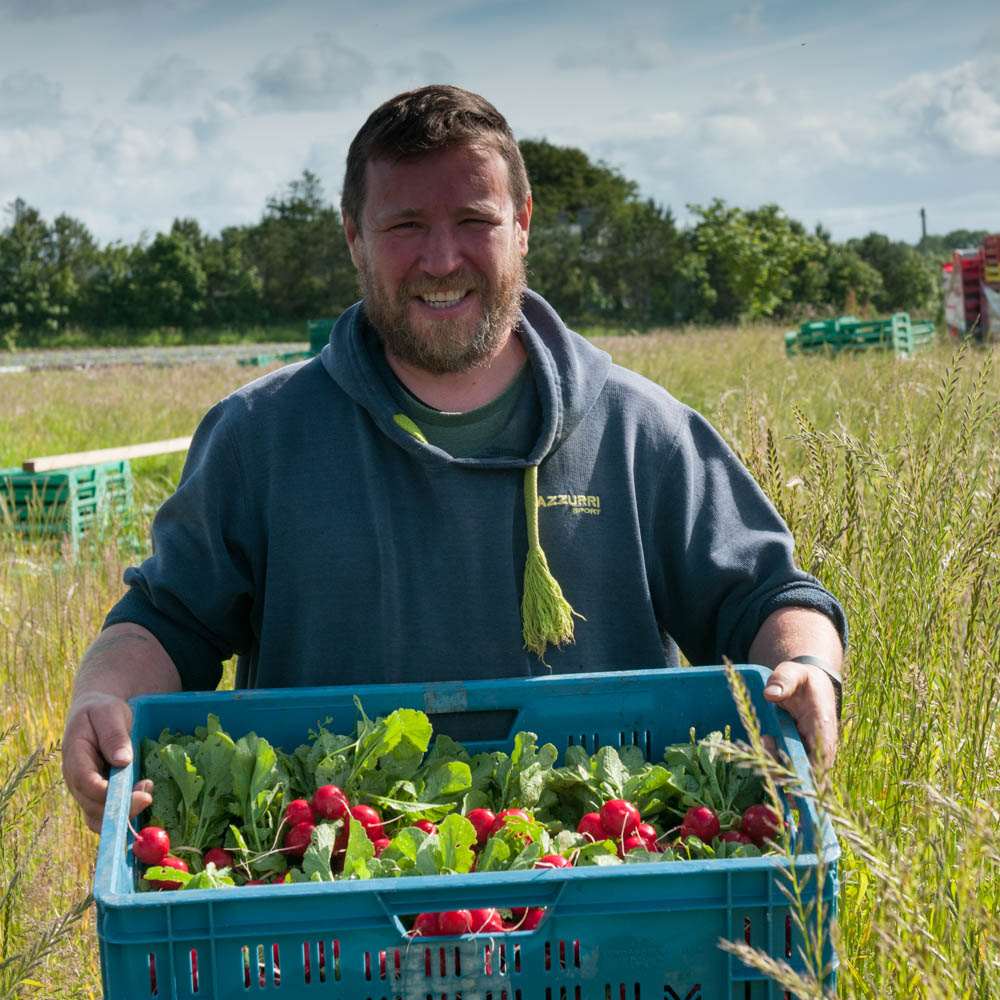
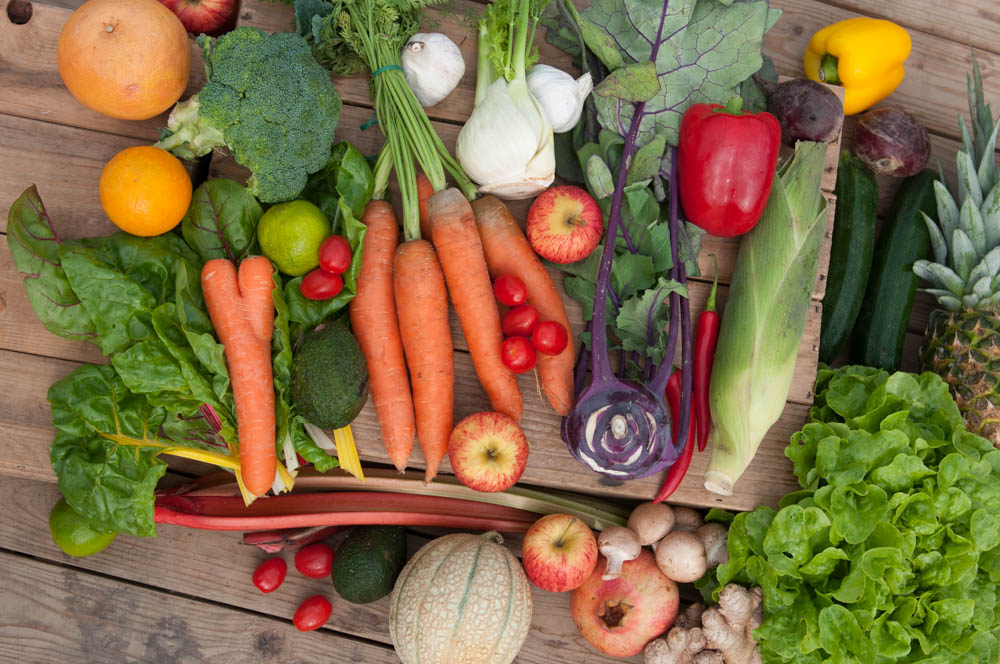
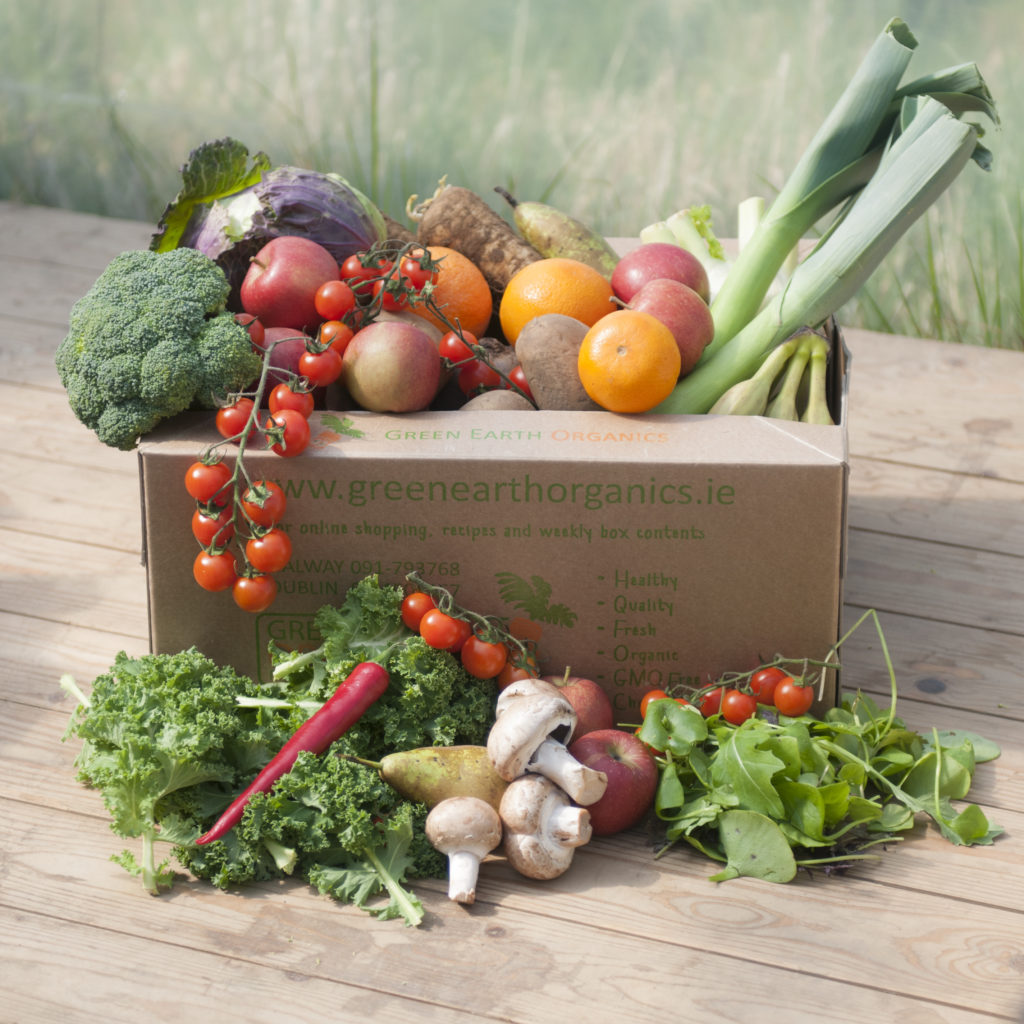
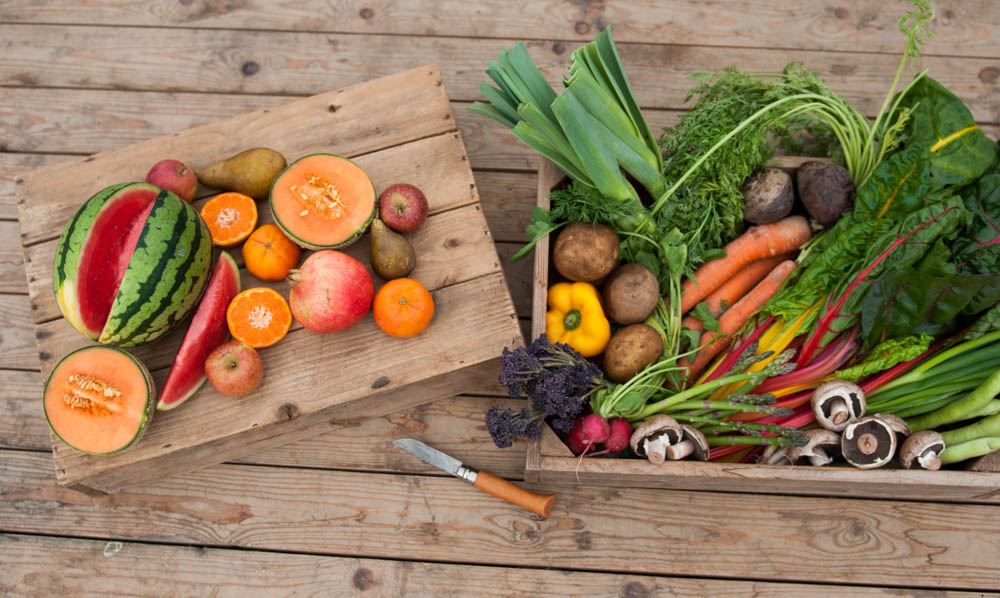
Right now, we are harvesting: Kale green, Cavelo nero,cabbage, broccoli, Romanesco, tomatoes, cucumbers, courgettes, lettuce, salad, carrots, fennel, beetroot, spinach, radish. We also have IRISH scallions, onions, new potatoes, mushrooms, garlic, leeks, yellow courgettes, it’s a long list. 

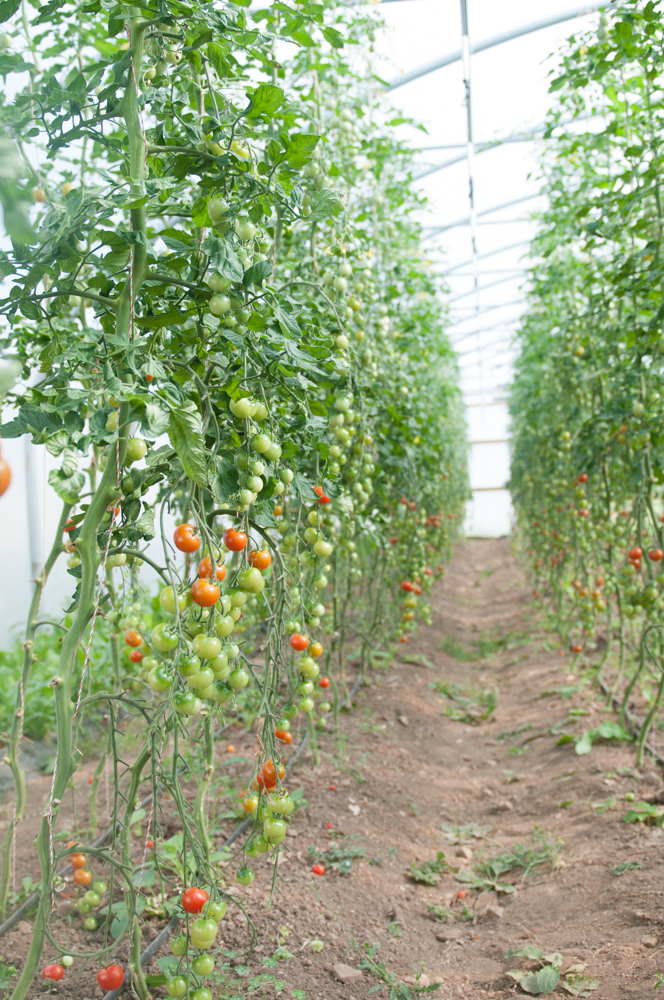
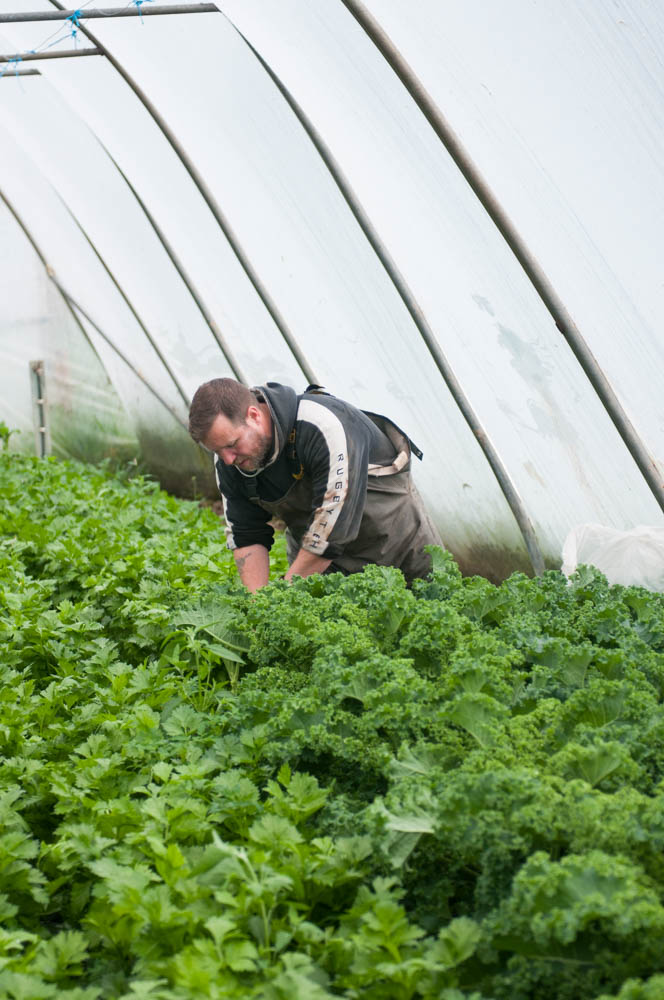
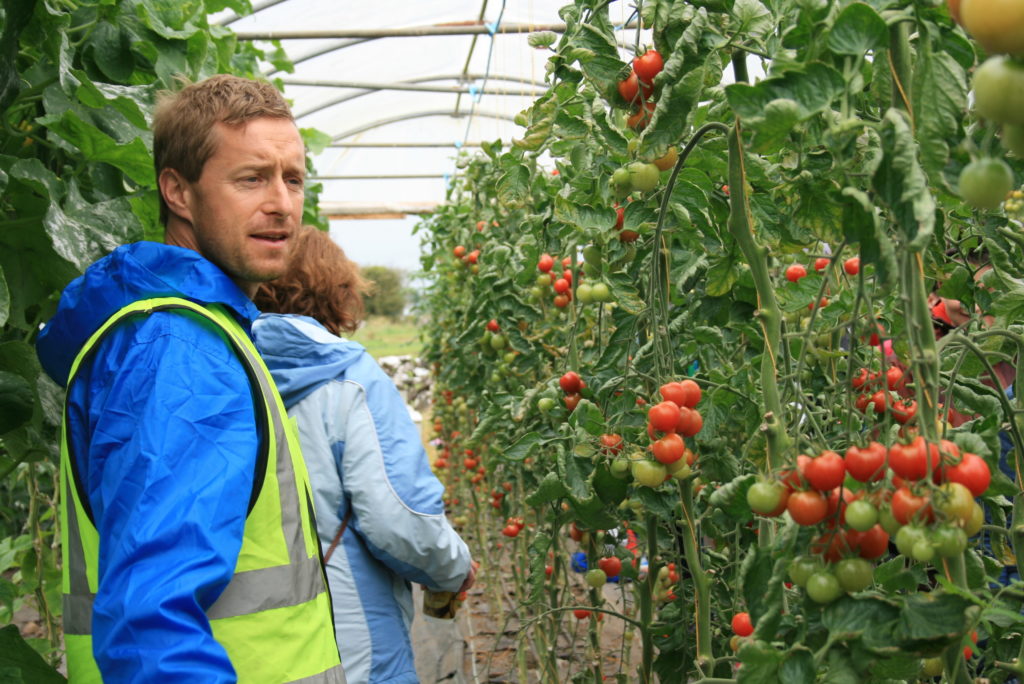
My absolute favourite thing to do right now is to go to our polytunnels and pick my own tomatoes for lunch, they taste amazing, they are grown right here in Galway, and you will not get better. They are in all the boxes next week, and a little trick to bring out the flavour is to eat them at room temperature not straight from the fridge.

So yes, we are thankful for the bounty, and we are also thankful for your support to make a real sustainable commercial organic vegetable growing enterprise a reality right here in Sunny Galway.

Kenneth

Have a look at our range here.

Carbon Neutral

Carbon neutral diesel, I came across this last week while filling up our car, I didn’t know there was such a thing.

We have a diesel car and for now we need diesel so I opted for the ‘carbon neutral’ option. 

3 things struck me. 

1. Initially the idea of offsetting carbon emissions by a multi billion dollar company that makes its money from selling  hydrocarbons struck me as false and green washing. 

2. At the same time,  if there is a way to help reduce the damage being done by burning oil then we absolutely need to have that option right now, but this should not give the oil companies an ‘get out of jail card free’.

3. It was more expensive, did I think twice about paying the extra? No, but that is one of my core principles and by extension one of the cornerstones of our business. 

As we are lucky and privileged to live in the first world are we not obligated to pay our share of the damage done to the climate  inherent in our lifestyle? Can we afford not to? 

Yes of course big business has a long way to go and needs to take action now. We all know we need to stop burning hydrocarbons but that will take a little time. But if these companies know that consumer behaviour is changing it will drive them in a greener direction faster and that is a good thing.

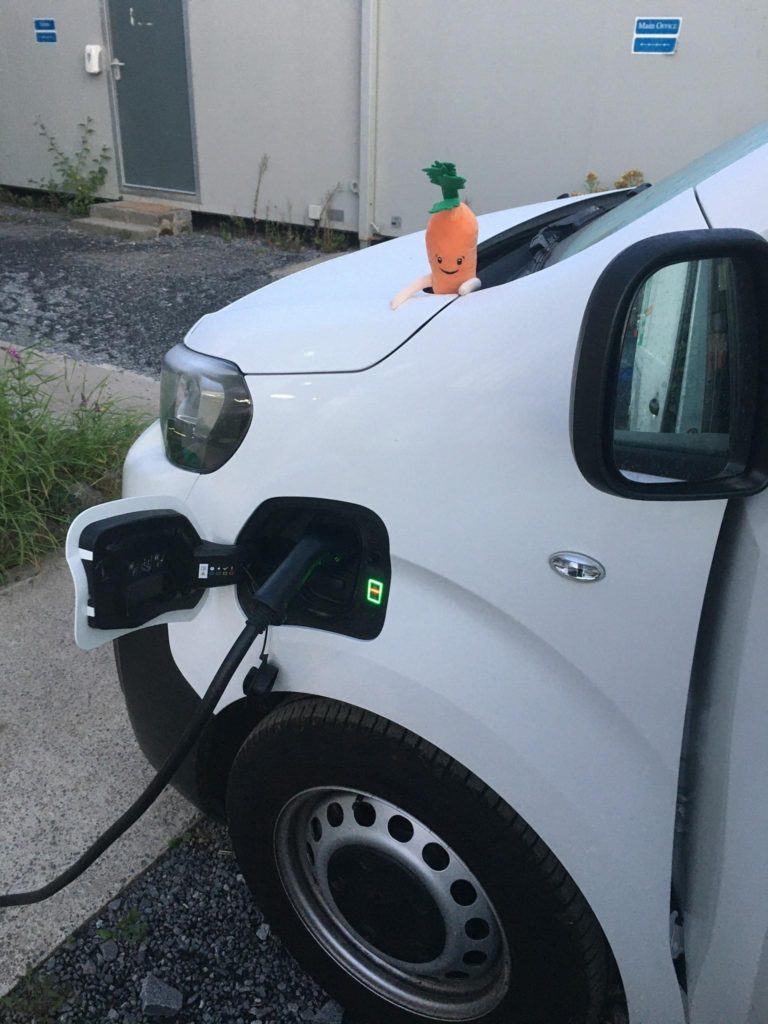
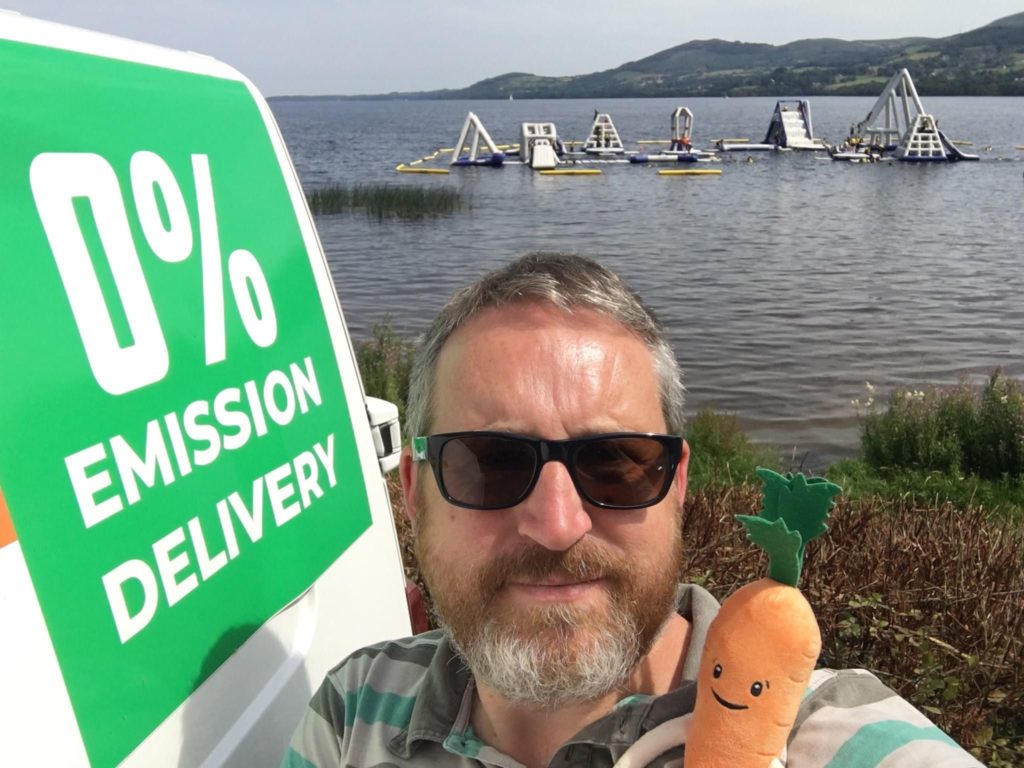
Right now we are using our first electric delivery vehicle for all our deliveries to Limerick and Clare and it is working tremendously well, our plan is to make all our delivery vehicles electric by 2025. 

Growing and selling sustainable  food is our business and it is an expensive business to be in and to do it right. 

We have always been at the forefront of sustainable change and we are taking the next step in that journey by being one of the first food delivery businesses in Ireland making deliveries in electric vans.

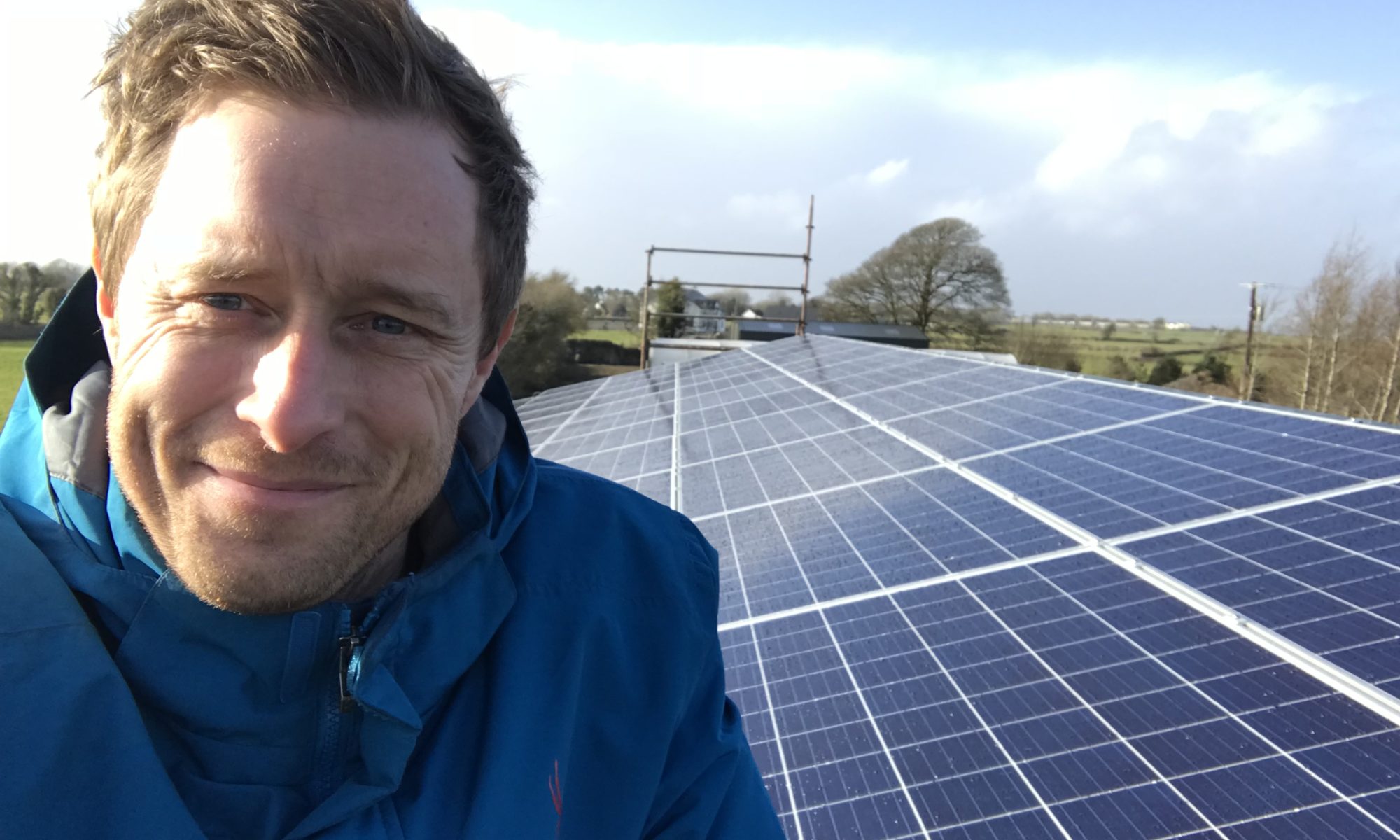
I am excited to think that by 2025 all our deliveries will be in 100% electric, zero emission vehicles. The ones in Galway will be powered from the solar panels on our packing shed.

Here’s to a greener delivery system. 

Kenneth

Get your organic, plastic free fruit, veg & groceries delivered to your door www.greenearthorganics.ie

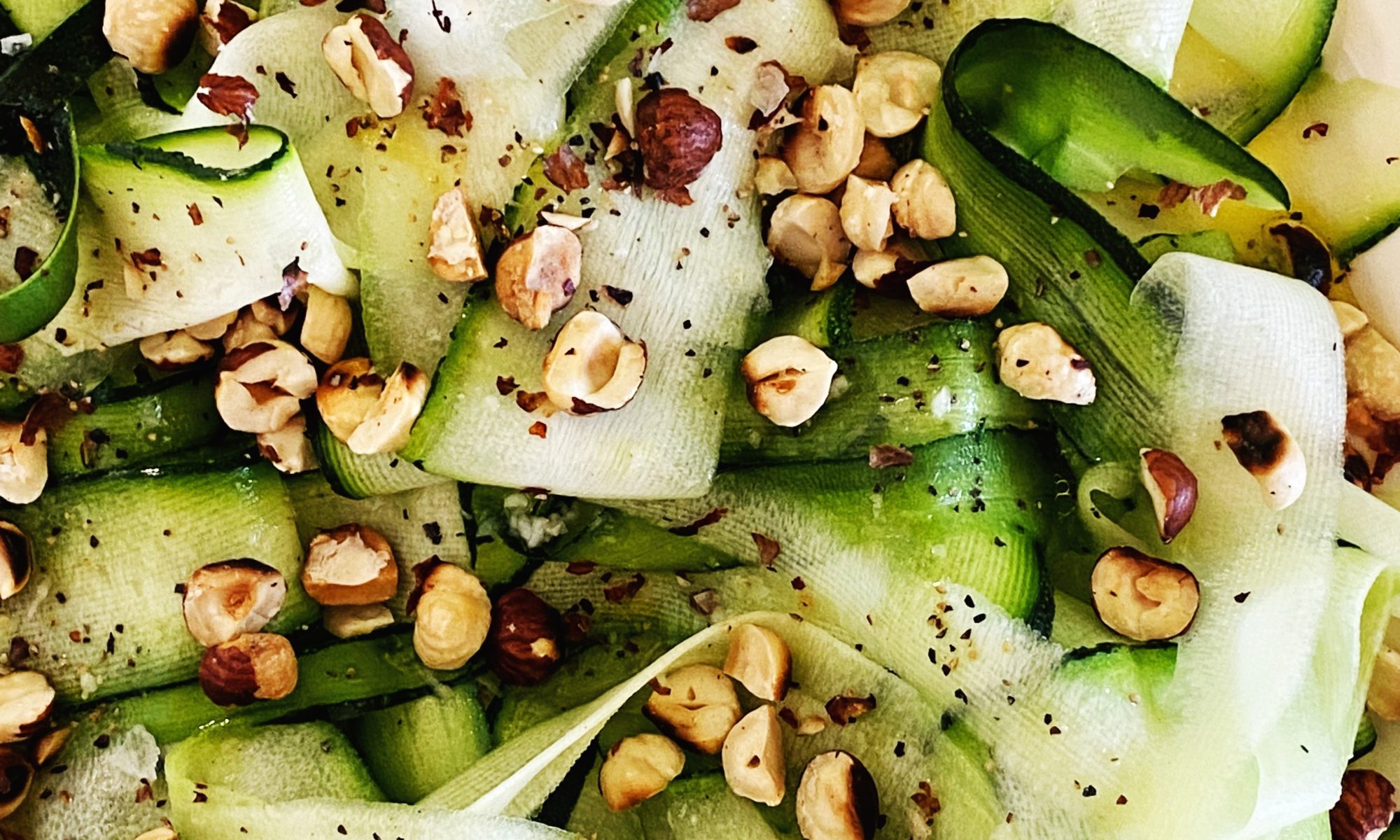
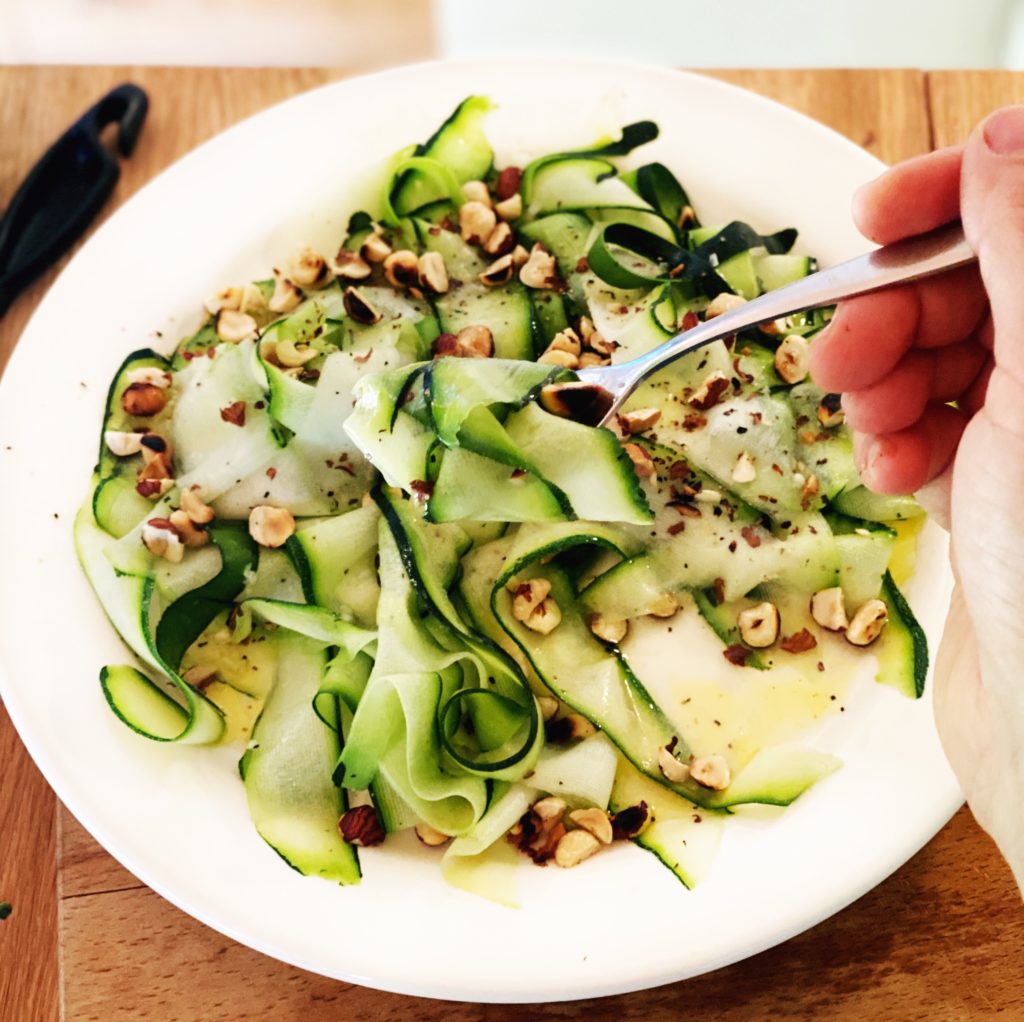
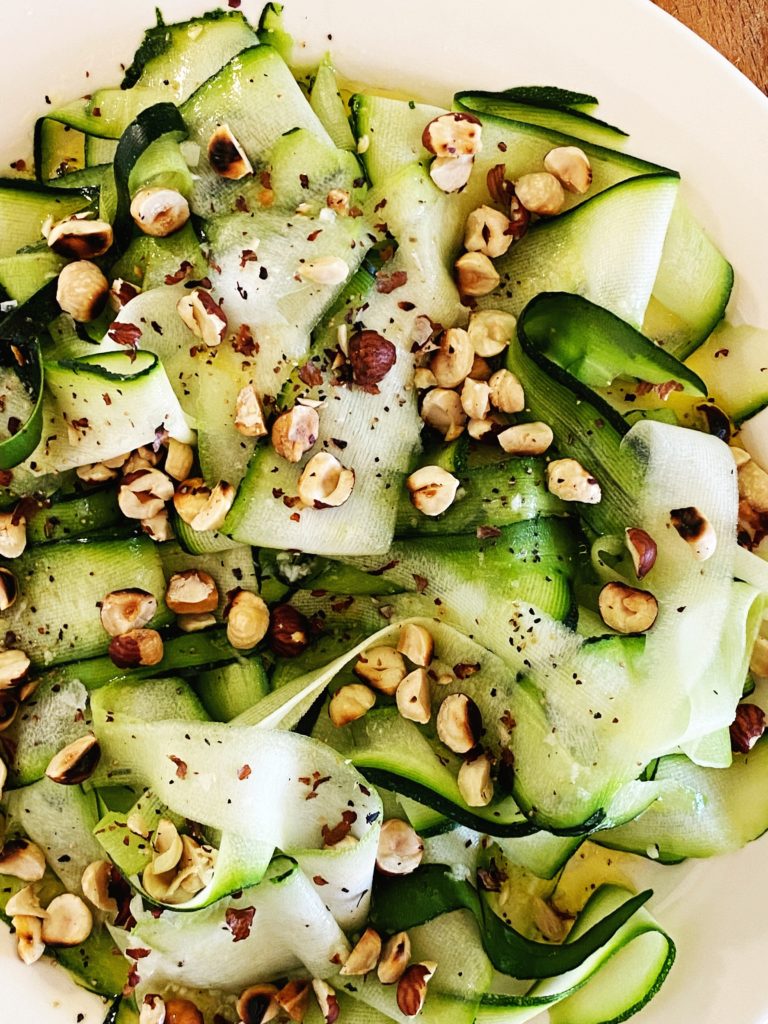
Raw Courgette & Hazelnut Salad

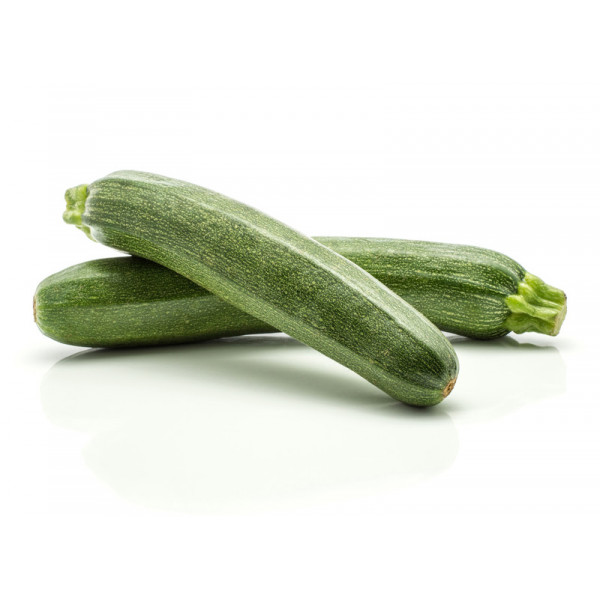
We are in the midst of a classic courgette glut on the farm. Next week we’ll add some free courgettes to all the boxes, we hope you enjoy them. Expect lots of courgette recipes to come your way. We’d love to know your favourite courgette recipes too please! Let us know in the comments or over on our community Facebook group. I’ll start us off with this super simple salad. It’s so easy to make (just a matter of combining raw courgettes with a lemony dressing, then scattering over some toasted hazelnuts) and oh SO delicious! I have this salad often this time of year as a side to pretty much any meal, or it’s brilliant stirred through freshly boiled pasta or bulked out with a drained tin of lentils.

Liz x

Ingredients

  • Courgettes (2 small or 1 large)
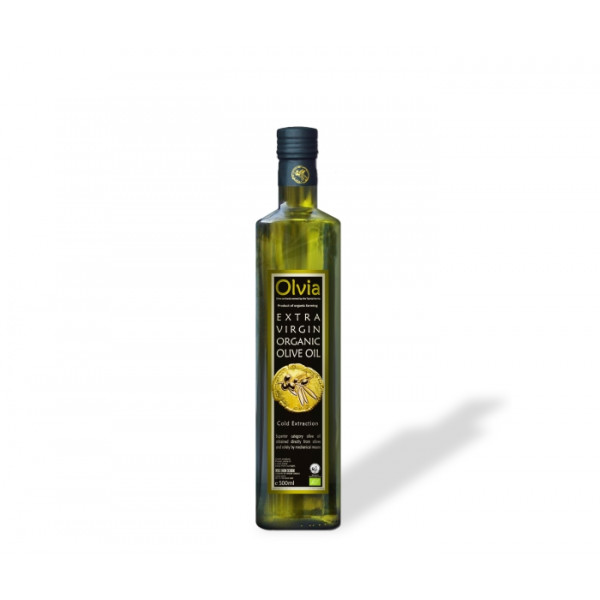
  • 2-3 tbsp extra virgin olive oil
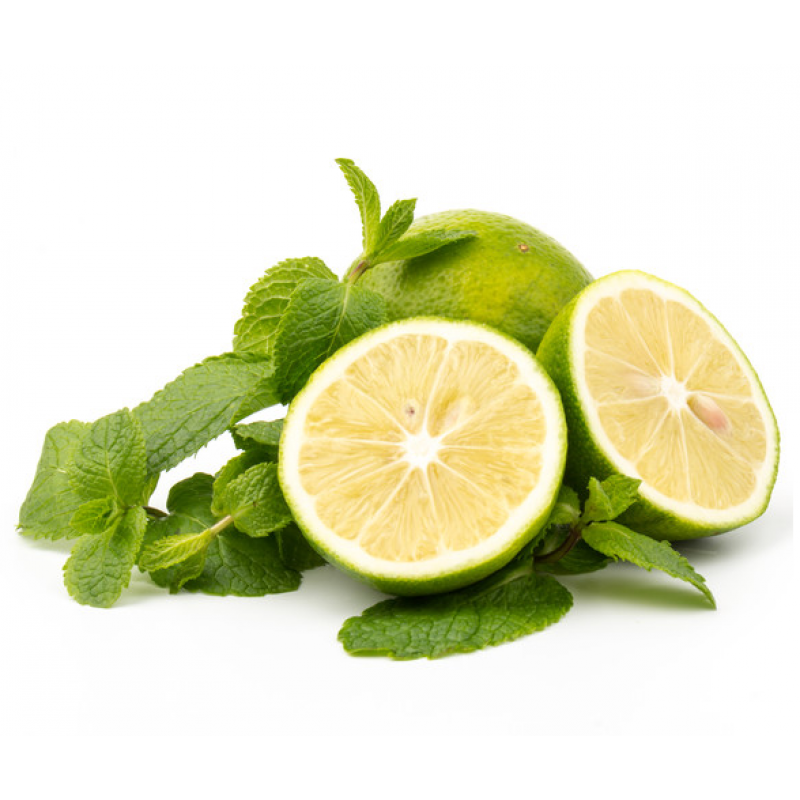
  • the juice of half a small lemon (have you tried our new season verdelli lemons?)
  • 1 small garlic clove, crushed
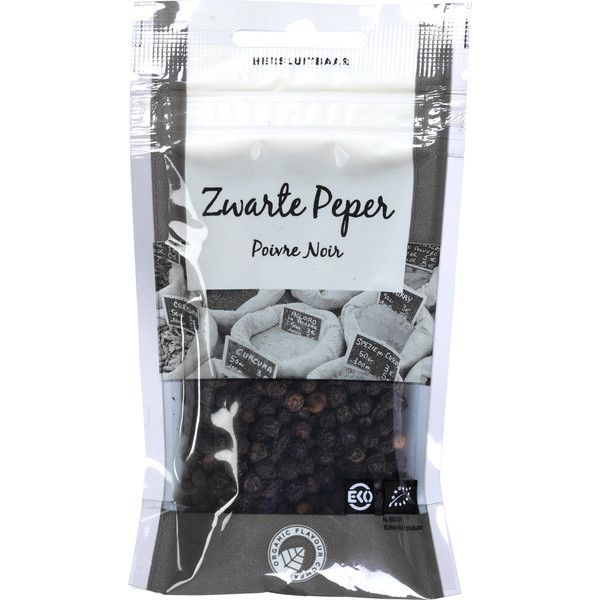
  • salt and pepper to taste
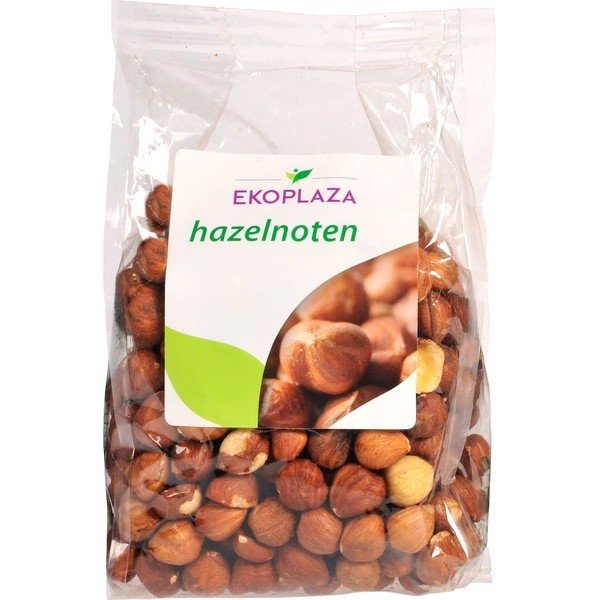
  • a handful or two of hazelnuts, toasted in a dry pan then roughly chopped

Method

  1. Using a potato peeler, slice the courgettes into delicate, thin ribbons. For ease, slice them directly over a serving platter or large salad bowl.
  2. Make the dressing by stirring together the olive oil, lemon juice and crushed garlic with a pinch of salt and pepper.
  3. Drizzle the dressing over the courgette ribbons. You could toss the salad now to evenly coat the ribbons with the dressing, or just leave it drizzly.
  4. Then toast the hazelnuts in a dry frying pan until nicely coloured. Tip them onto a board and carefully chop them up a bit to make them go further through the salad.
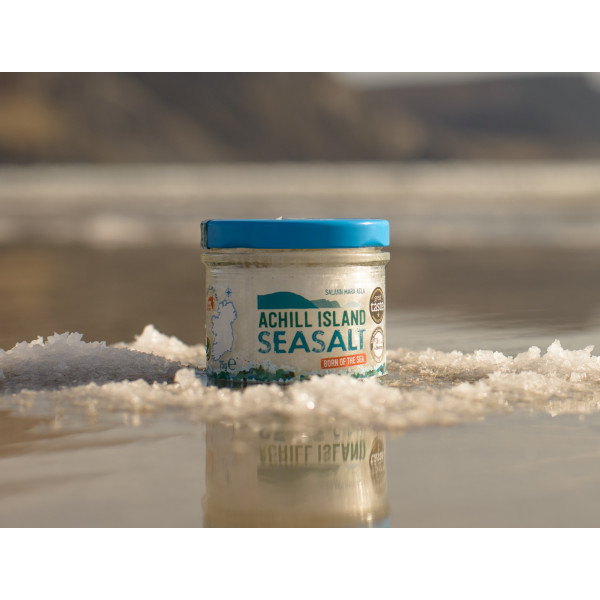
  5. Scatter them over the dressed ribbons and finish the salad with a little sprinkle of flakey sea salt. We LOVE Achill Island sea salt for exactly this type of dish.
  6. Enjoy as is as part of a salad buffet or alongside a BBQ. Or make it a light, refreshing meal by tossing through some freshly boiled pasta or a drained tin of cooked green lentils.

Thank You!

Thank you to so many who have responded to our plea last week.

The level of generosity from all of you has blown us away.  Our farm is in full harvest mode now and we are bringing in so much produce daily that our stores are full.

Not only that, but we are supporting several other local organic farms to fill your boxes. Your support has meant everything to us and to them.

Every year we see a large drop in orders when we are at our most productive on the farm and this year has been the biggest drop off ever. This is quite understandable, as we all need a break and a holiday. 

July is the month of local IRISH plenty and your support every week keeps our business afloat, we rely on it, the supermarkets won’t miss you, but we will!

If you can at all continue to support us through the summer, it makes all the difference and it helps us ensure all our harvest we have been working towards for the last six months gets a home.

The last 16 months here on the farm have been a never-endingrollercoaster and so difficult one week to the next to predict what is around the corner. I know many small businesses up and down the country have gone through a very rough time and we are grateful to still be here and open and have thesupport of you our customers. 

But it is in times like these that we especially need to know why we are doing what we are doing. The irony of course is at these very moments we lose focus and just holding it together is all we can do. At the same time, it can be this singular dedication to a cause greater than ourselves that keeps us going. Whether that is putting food on the table for our families, or beating an illness, or keeping a farm and business together when at times it seems close to unravelling.

The little idea that a small farm here in the West coast of Ireland could help fix this planet, help fix our food system was our “WHY”. This of course is a huge ask, an insurmountable mountain it would seem. But there is change everywhere, more and more organic growers, more and more people eating mostly plant-based foods, more and more sustainable locally focused consumers. In my view this is one solution to the greater climate crisis.

The ethos of our business: Zero waste/plastic free, carbon neutrality (solar panels cover our packing shed and our first 100% electric van is now on the road),our sustainable farming practices, the support and commitment to other organic local growers (And not just greenwash as with the supermarkets) and supplying fresh healthy organic food remains the core of our business .  

Our founding principles will never change, and I think more than ever this is the path we as society need to thread.

Thank you for your support

Kenneth.

Harvest Begins

As I write, it is a beautiful evening, the sun has just emerged from behind a cloud and there is a golden bright sunset. It seems we are finally seeing light at the end of the tunnel.  It is not before time too as we fast approach the summer solstice.                                           

Food has always brought people together. Two generations ago the act of bringing in the hay was a sociable event, square bales were loaded onto trailers, picnics or sandwiches were often had in the fields followed by a cold drink at the end of the day, chat and talk and craic was had by all.

In our continued march towards bigger more intensive agricultural systems the people have all but disappeared from the fields having been replaced by machines.  This it seems is the price of progress and maybe to a certain extent it is necessary, but it makes me a little sad. Maybe it is nostalgia?  As a kid having brought in that hay, I remember the sun and the sandwiches and the people. But when I think a little more, I also remember the blisters and the terrible heat and scratchiness of having to heave those bales to the very top of a galvanised hay shed, those bit’s I do not miss.

The machines on our farm facilitate the work and we do everything we can to avoid having to hand weed vegetables rows that are nearly half a kilometre in length.  That job is no fun and where there is a smarter way to do something, we take it.

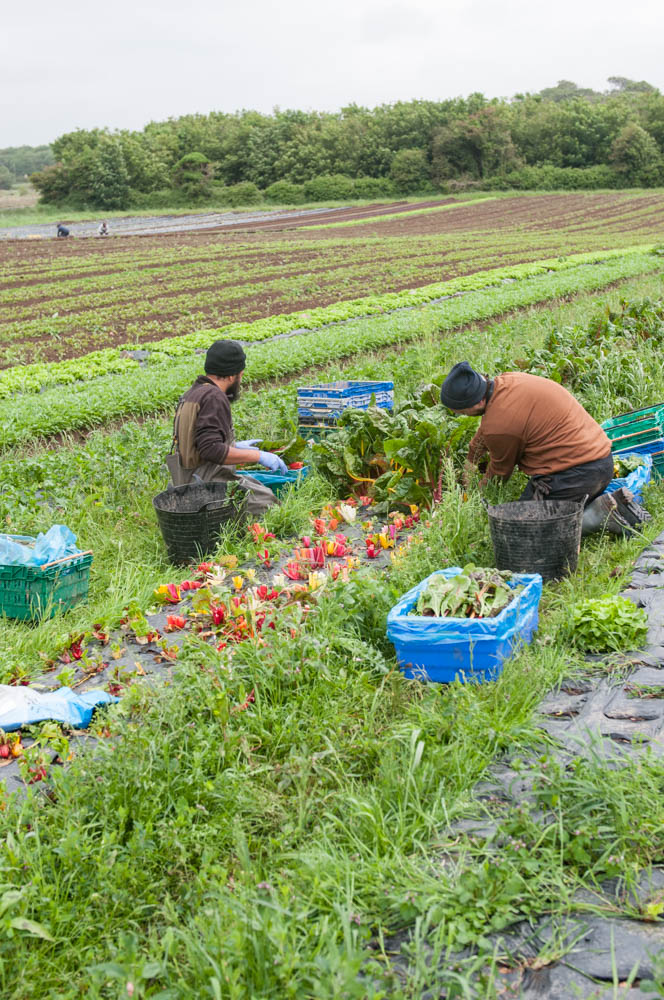
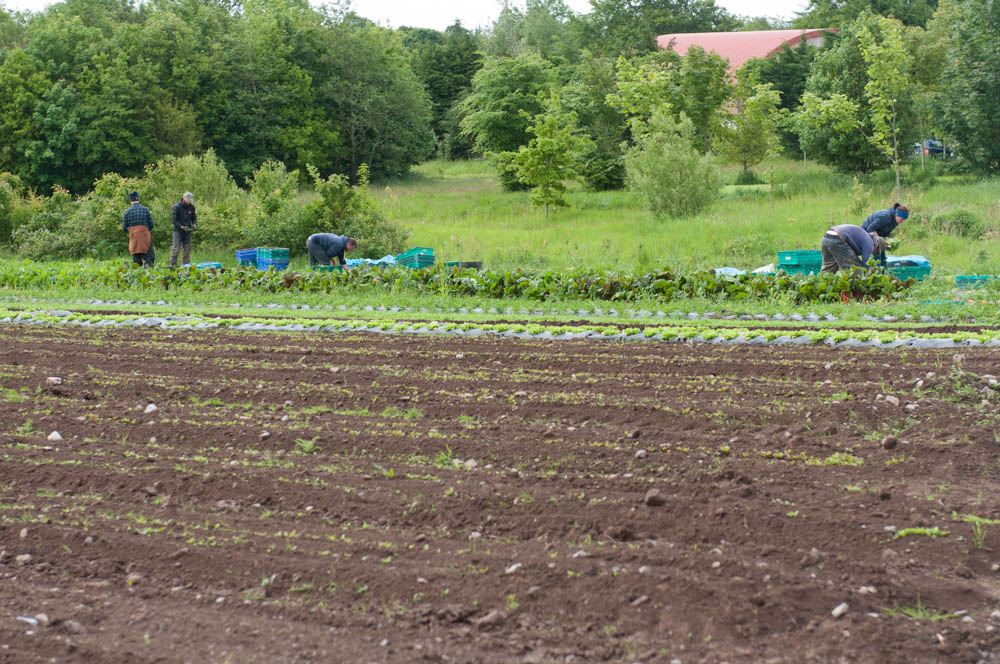
Finding solutions to repetitive work is a must on small-scale mixed organic vegetable farms and we do, but we still have people in the fields every day and our farm is active and alive with people, vegetables, and biodiversity. 

We have been working very hard over the last six months to get the farm to the point it is at now.

Even so it seems that there are not enough hours in the day to keep up with the work. Everything has reached a crescendo and the list has been growing, what to prioritise during those rare dry days has become a source of pressure behind the eyes, we can only just keep doing the first things first.

The work always gets done the question is can we get it done in time? If we miss a sowing date, we don’t get second shot, we never regain those lost days, and the plants may struggle to reach maturity.

It’s a relatively small window and for the farm to reach it’s breakeven point and that’s all we ever hope for, we can afford to miss very few of those planting dates.

Here we are on the cusp on July and the list of produce harvested from the farm is steadily growing week on week. The first fresh bunches of beetroot, our own kale, salad, lettuce red and green, spinach and chard are ready. The cucumbers are a week away and the new potatoes 2-3 weeks away, the first of our own tomatoes are nearly there too, all we need is the sun.

Then there is the irony that as we come into our own produce as the farm finally starts to crank up a gear and we start to harvest the freshest produce we face a downturn in orders due to summer holidays and this year the impact is even greater as the country opens.

I would ask if you can at all, continue to support our farm, help get us through the summer months, we rely on your support to keep doing what we do.

So as the sun sets, there is no hay to bring in, but I look forward to a dry bright day tomorrow as we have big day of harvest before us.

Thank you for your continued support!

Kenneth

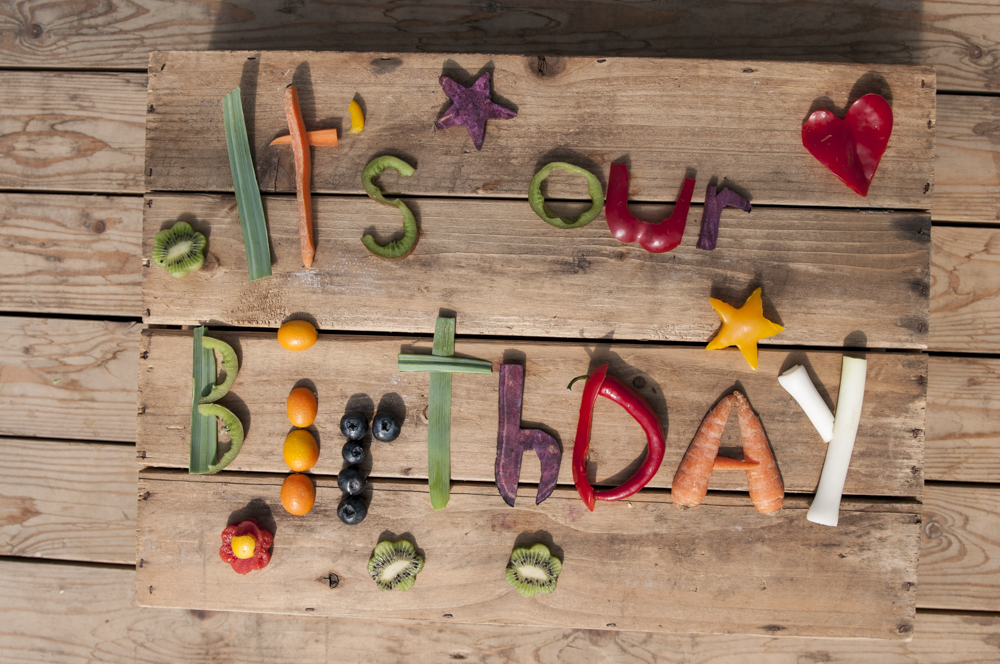
It’s Our Birthday!

15 years ago, on the 26th of May 2006 we delivered our first thirty boxes. In truth the journey began long before that in the endless summers working with my dad in our vegetable garden. 

It has been an epic journey one that has pushed us right to the edge on many occasions, but it was our founding vision for the business which never changed, and never will that got us through. 

“To protect the environment and improve people’s health by inspiring people to reconnect with their food and how it is produced.”

If not for our vision we would have quit, I have little doubt of that, it was just too hard, we didn’t have the know how to grow food, we didn’t know how to run a business, we didn’t know how to deal with customers, in essence we didn’t really know what we were doing at all, but we knew WHY we were doing it!

In our first year we had a visit from the local Garda to check that we were growing ‘only’ vegetables in our new ‘fancy’ polytunnel, if you know what I mean. We were told by several people that we were crazy (we were), it couldn’t be done (it could), that you had to use Roundup (you didn’t), that it would be so hard (it was, still is) that we would be better off going back to our jobs (we never considered it and we had very good jobs!). 

At the same time, it was the encouragement of our friends and family and our early team members that pulled us through on the dark days, and made the bright days seems all the brighter.  My Dad helped us so much, he never said no, was always there, he entrusted us with his dad’s farm.

In the early days Jenny and I and my dad did it all, we packed, we farmed, we harvested, we delivered, we raised a family, we build a house we went through some pretty intense and harrowing times. We seem to have survived a major recession and year on year growth and here we are today 15 years later, who would have thought?

Now our team has grown there are nearly 40 individuals supported by our business.

In the early days many decisions were taken without due consideration or analysis, there simply wasn’t the time or the resource for it, it was a go with your gut feeling, take a chance, plant a new crop, take on a failed business, build a new packing shed, invest in solar panels and rain-watering harvesting, expand our farm, add new employees, just do it. 

But always there was the idea that we were doing this for a bigger cause, something that was so much bigger than any of us, something that was worth going through the pain for.

Now it is you, our customers, you are our supporters now. You supported us when we needed it most, you support us now, you are contributing to our continued success, you are contributing to so much more, because in the end you are supporting our vision. Which I guess is also your vision and we need you, and the planet needs you more than ever before. 

The reality is you can make a difference, your decisions do make a difference, your voice can change the world, your support allows us to continue doing all the things we do, so THANK YOU SO, SO MUCH, we couldn’t have done it without you, and we look forward to another fantastic 15 years!

Kenneth

Support our small, sustainable business by setting up a repeat order here of the tastiest organic fruit and veg we can grow and source. We source locally when in season, then from our organic farm contacts from further afield. We never airfreight! Add organic groceries to your order for convenience, we deliver to every address in Ireland!

Kimcheese

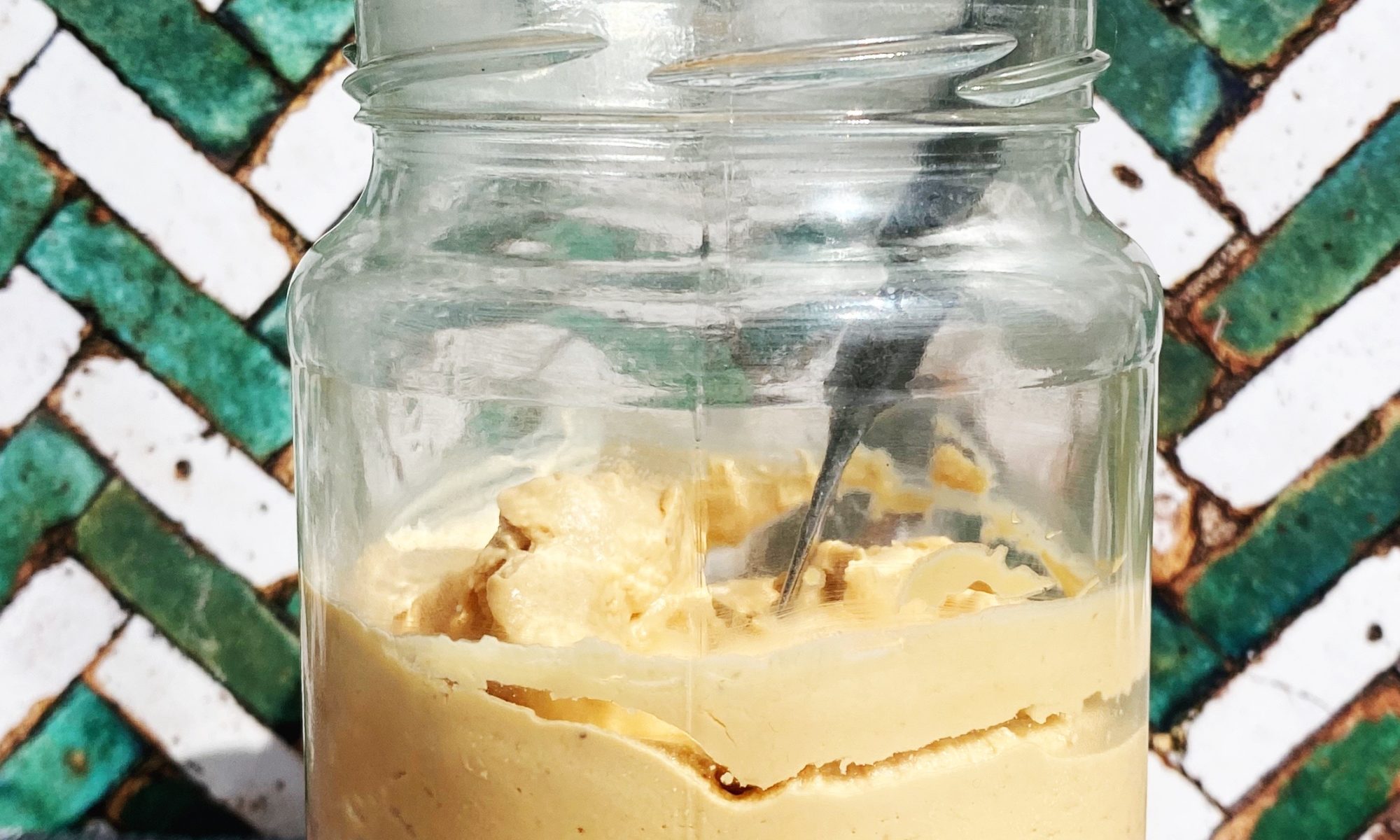
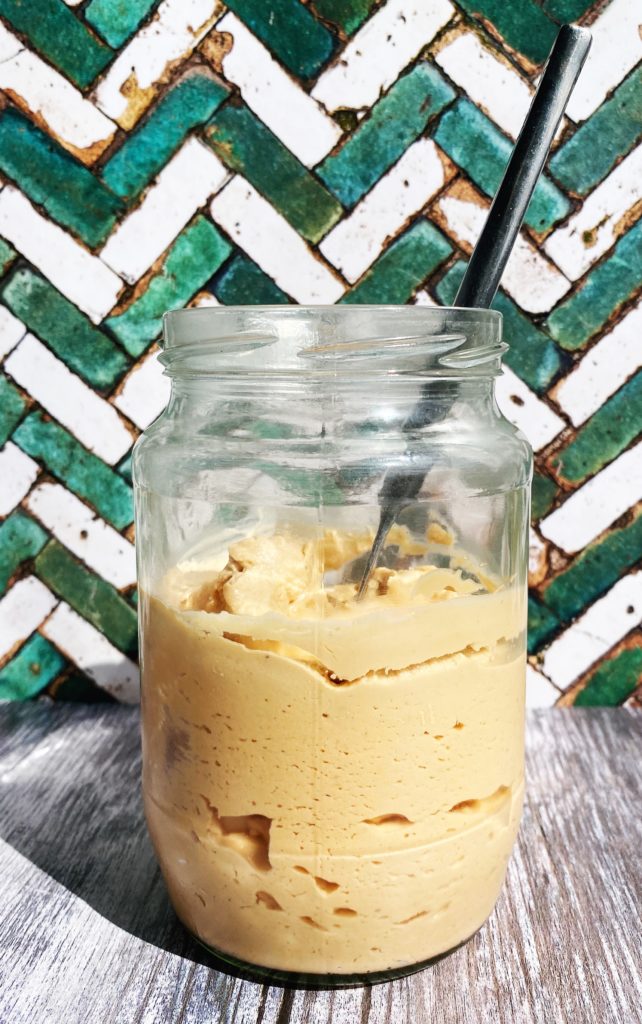
So you’ve made my kimchi and you’ve got a lot of brine left over in the jar after eating it up. Here’s one delicious way to use up that potent, beneficial bacteria infused liquid. Whatever you do, don’t throw it away! If you don’t fancy making this fermented cashew nut cheese with it, drizzle it over rice or noodles or add it to your Bloody Mary in place of tabasco!

Here’s the simple method. If you don’t have your own homemade ferments to inoculate the nuts, then we sell raw, unpasteurised, organic, Irish ferments here which you can add to your next fruit and veg order. You don’t have to use kimchi brine, any left over brine from a fermented product will work.

Liz x

Ingredients

watch the easy method here or read on below

Method

No need for exact measurements. Just put a volume of cashews nuts that you want in your strongest blender.

Add brine from a ferment. It doesn’t really matter how much you add, as long as it is raw and unpasteurised it should have enough bacteria to kick start the fermenting process. Adding more brine will create a stronger flavour of the ferment and a looser, creamier cheese. Less brine will create a thicker cheese.

Blend the nuts and brine until completely smooth and creamy. Taste and add salt to your liking.

Then scrape the cashew cream into a very clean jar. Try to keep it tidy, use a flexible spatular to scrape down the sides and a piece of kitchen paper to wipe around the sides.

Put the lid on the jar and leave it at room temperature in a shady part of your kitchen to ferment to your liking. This could take anywhere between 12 hours and a week depending on how active your starter brine is and how warm your kitchen its. Just keep an eye on it. You’ll notice air bubbles forming as it ferments.

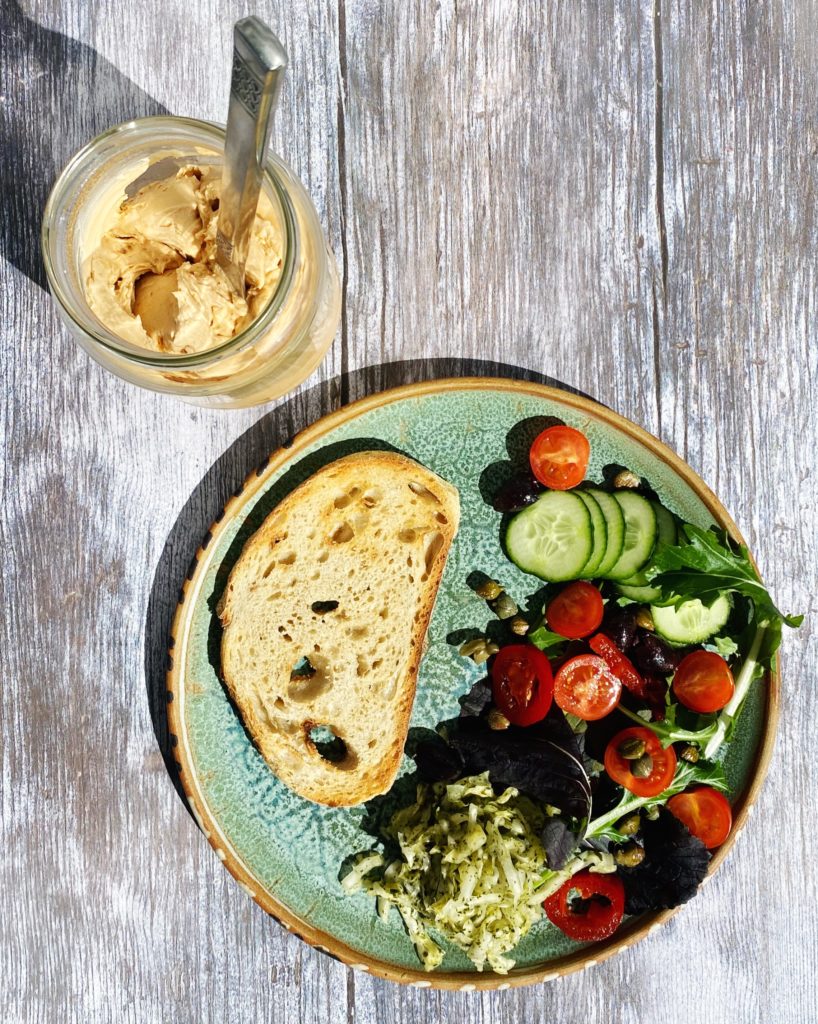
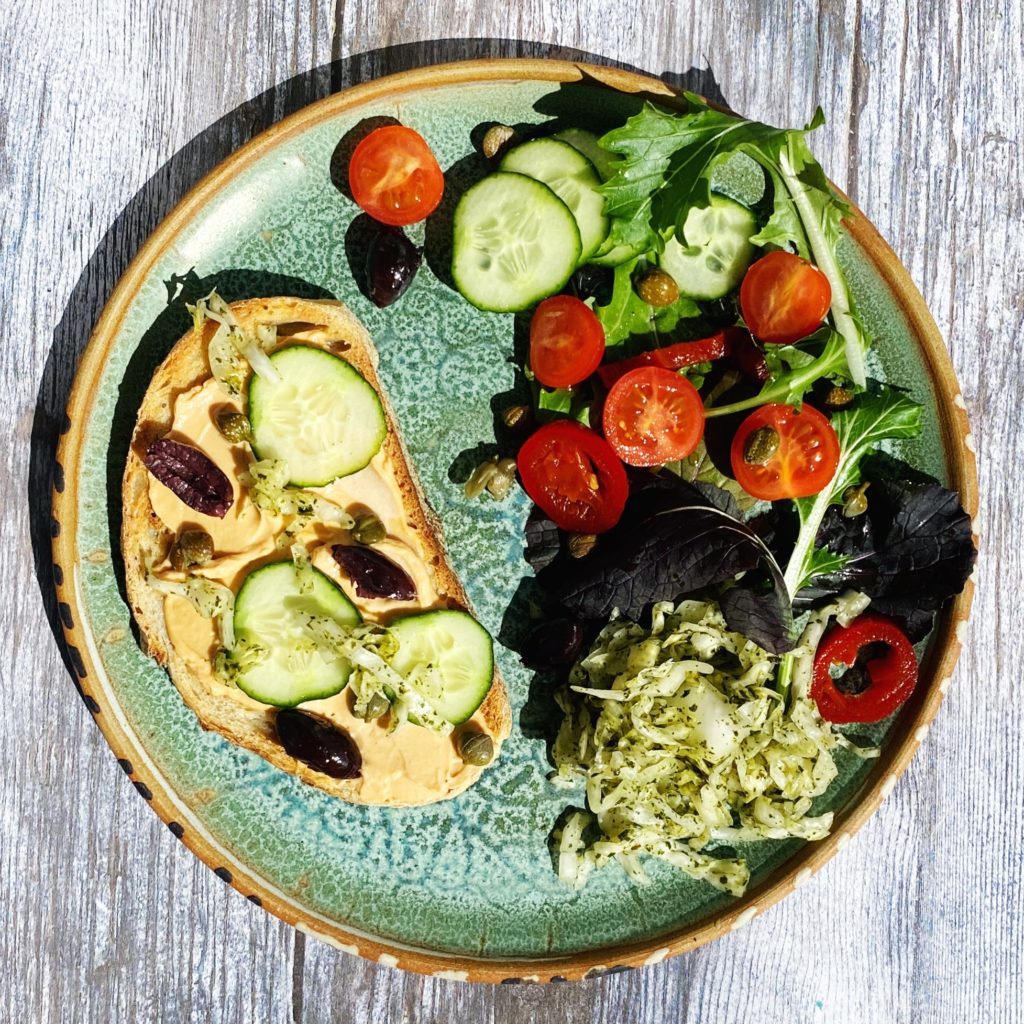
Give it a taste and if it’s sufficiently tangy then it’s ready to be stored in the fridge for about 2 weeks. Use it on crackers, toast or bagels, wraps and sandwiches, as a dip with salad and crudités… anywhere you like soft, creamy, tangy cheese. Enjoy!

Jambalaya

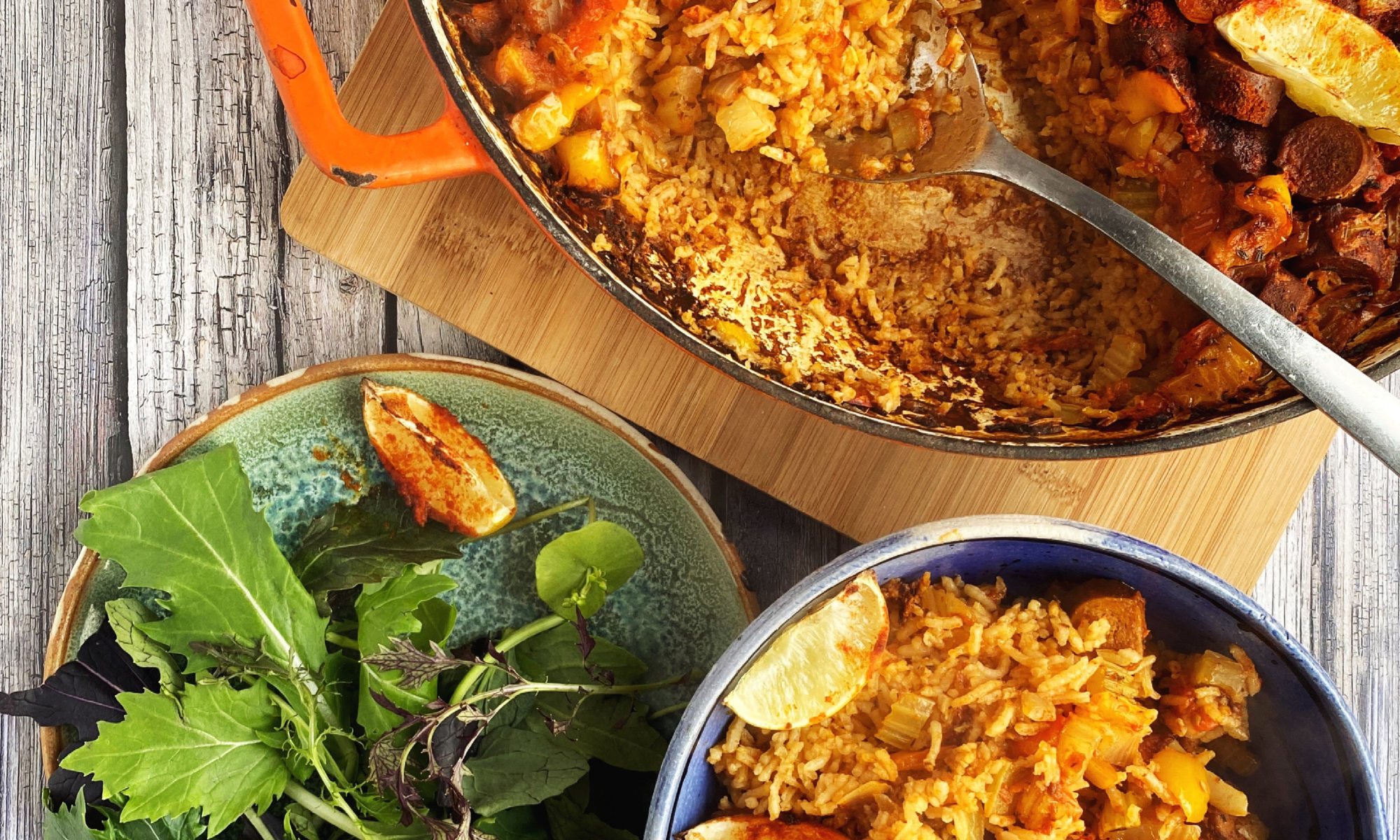
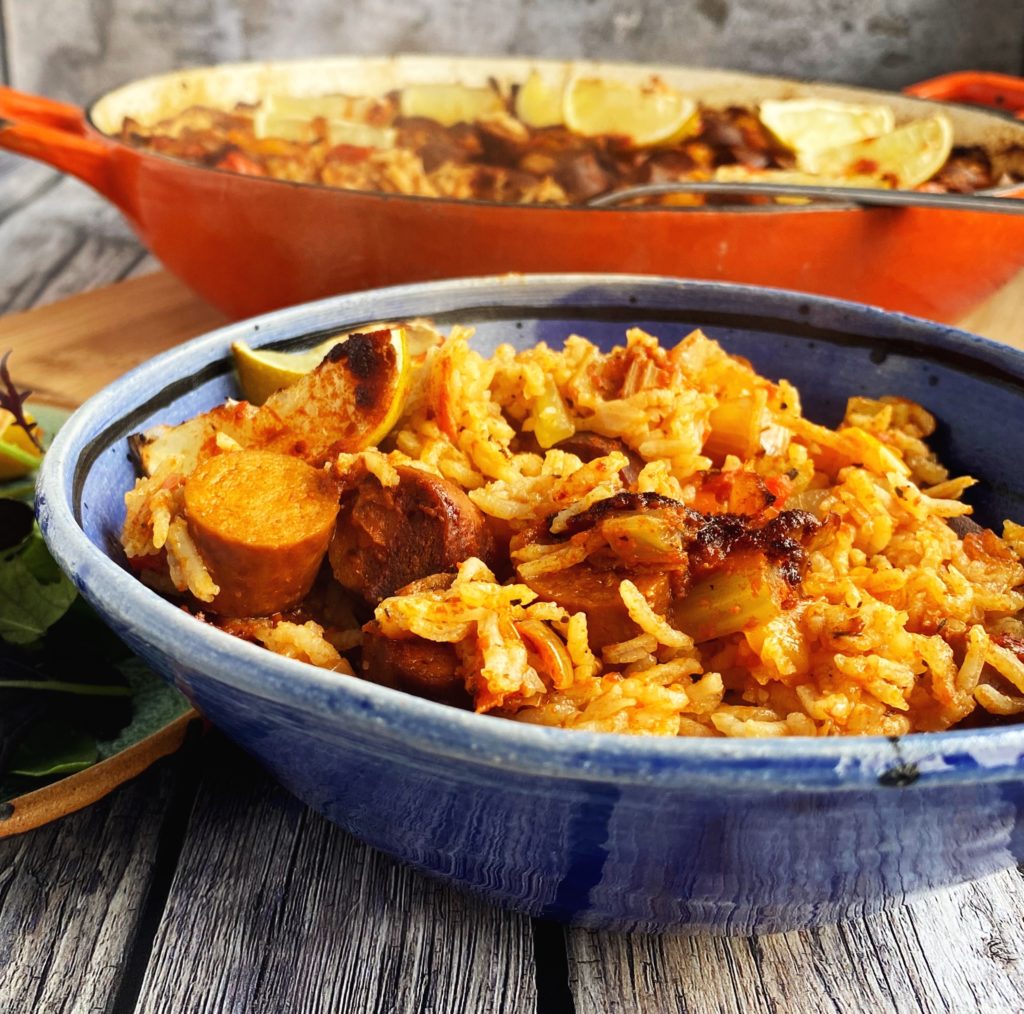
Jambalaya is a delicious one-pot rice dish from Louisiana, a cultural melting pot with French, Caribbean and African influences. It’s a little like a paella but some of the ingredients and seasonings are different. Rather than saffron, the main flavours are cayenne pepper and thyme with smokiness from the sausages and smoked paprika.

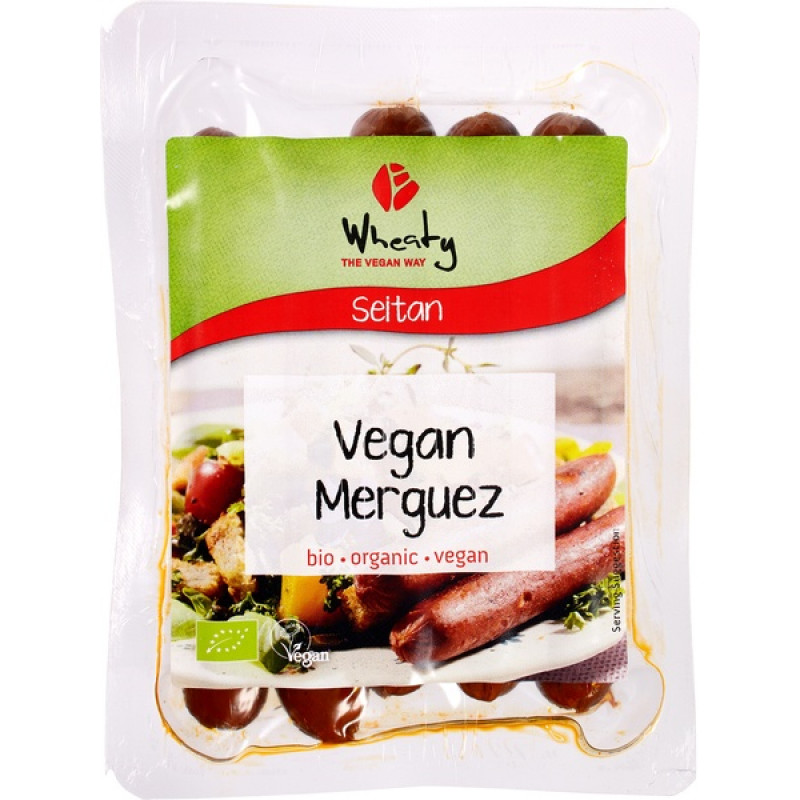
We just added these new vegan smoked sausages to our shop so I just had to try them in a jambalaya and they work perfectly! Head to our shop and add them to your next fruit and veg order to give them a try. Liz x

Ingredients (serves 4)

  • 2 tbsp olive oil (plus extra for drizzling)
  • 1 onion
  • 3 sticks of celery
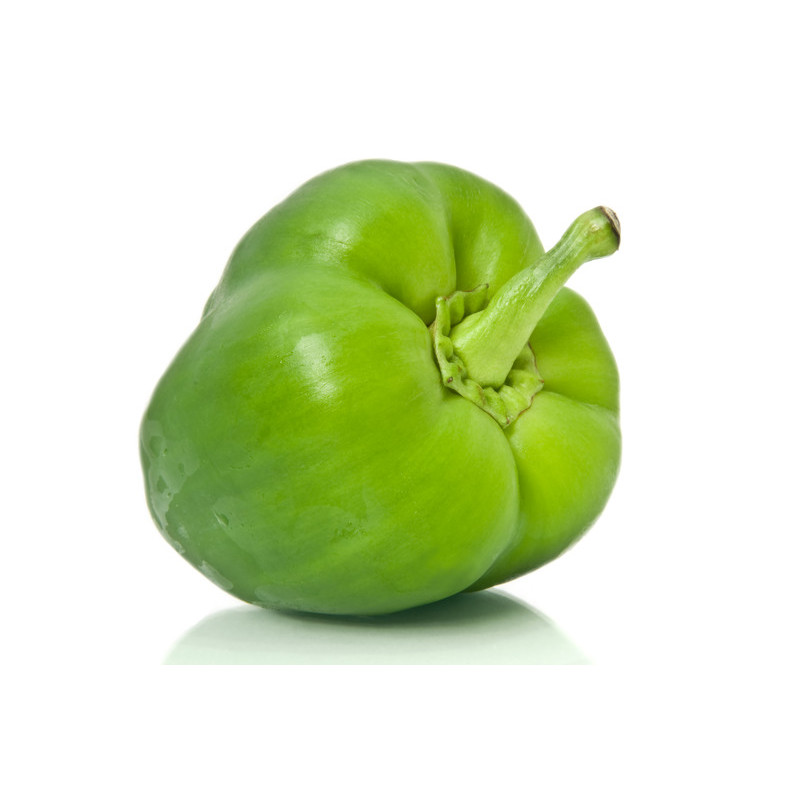
  • 2 peppers (any colour of a mix)
  • 4 cloves of garlic
  • 2 packs of smoked sausages (or substitute with mushrooms and red beans plus some extra smoked paprika)
  • salt and pepper to taste
  • 2 heaped tsp smoked paprika (plus extra)
  • 1 tsp cayenne pepper (or to taste)
  • 3 tsp dried thyme (or fresh is even better)
  • 1 tsp dried oregano
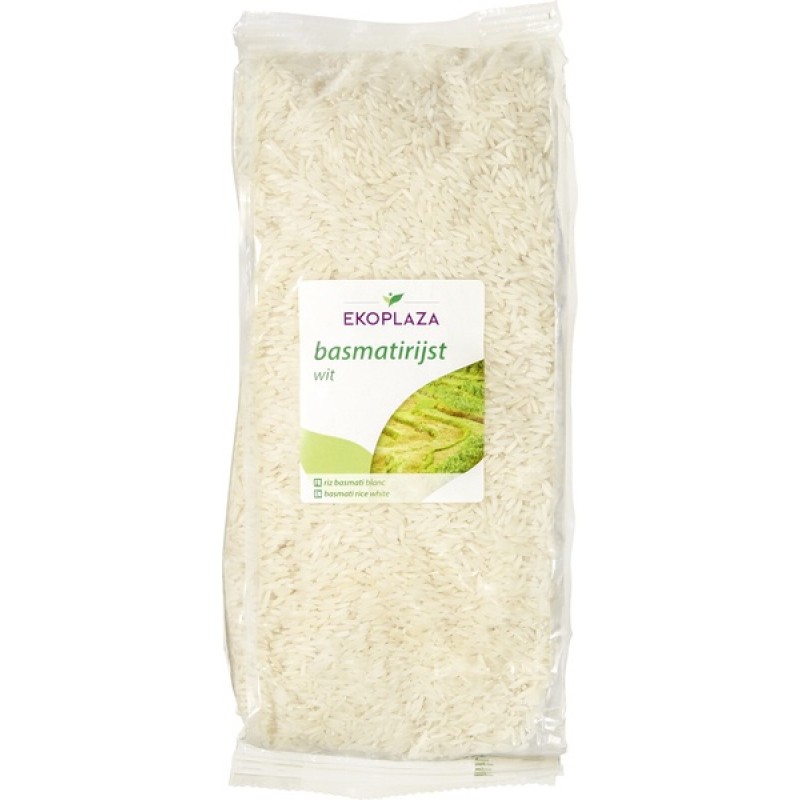
  • 1 mug basmati rice
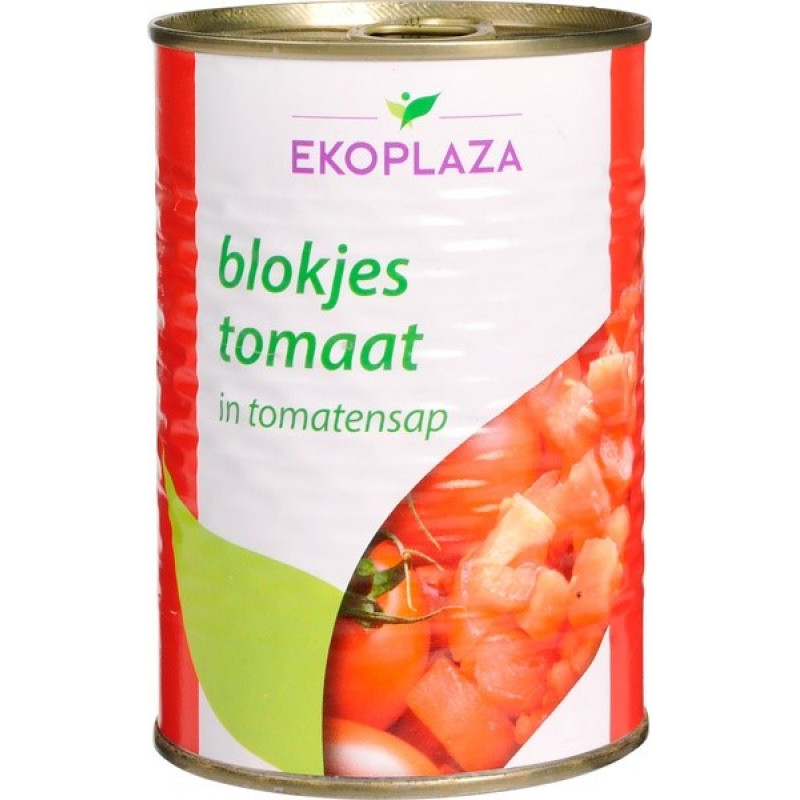
  • 1 tin chopped tomatoes (or 4 chopped fresh tomatoes)
  • 2 limes
watch how it’s made here or read on below

Method

Pre-heat your oven to 200C and find an oven and hob safe pan with a lid. Alternatively you could use a baking dish and some tin foil or a baking sheet. Instead of sautéing on the hob, the base ingredients can be roasted in the oven.

Start by dicing your onion, celery and peppers and sautéing them with the olive oil until just starting to soften.

Then chop the garlic and add it to the pan.

Cut the smoked sausages into bite size pieces and add them to the pan too. Then sauté everything together, stirring often, to seal the ingredients and so they start to caramelise and take on some colour. This takes about 10 minutes.

Add the herbs and spices to the pan and season with salt and pepper – stir to combine.

Rinse the mug of basmati rice and add it to the pan along with the tin of chopped tomatoes. Add two tins of water then stir to evenly disperse all the ingredients. Taste the broth and adjust the seasoning if needed with more salt or spices.

Put the lid on the pot and let it come up to a gentle boil. As soon as it is hot and bubbling, move the pan into the oven, lid on, so that the rice can bake and absorb all the liquid. This should take about 20 minutes for white rice.

Once the rice has absorbed all the liquid, remove the lid and you can serve it as it is or return it to the oven for a further 5 minutes with wedges of lime, a drizzle of olive oil and a sprinkle of smoked paprika. This creates a delicious crust on the rice and lightly charrs the lime wedges, making them sweet and extra juicy.

Serve with the roasted lime wedges to squeeze over the rice and a simple green salad. Enjoy!

Rekindling our Connection with Food

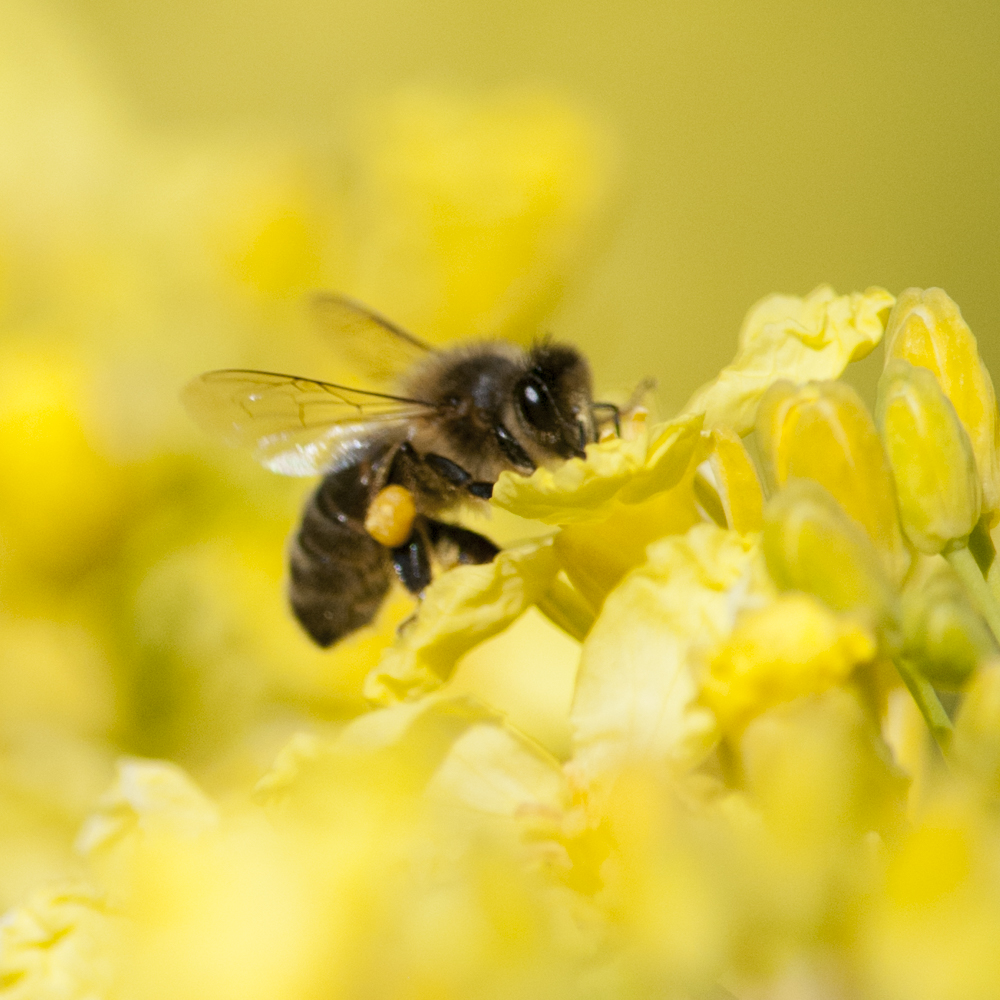
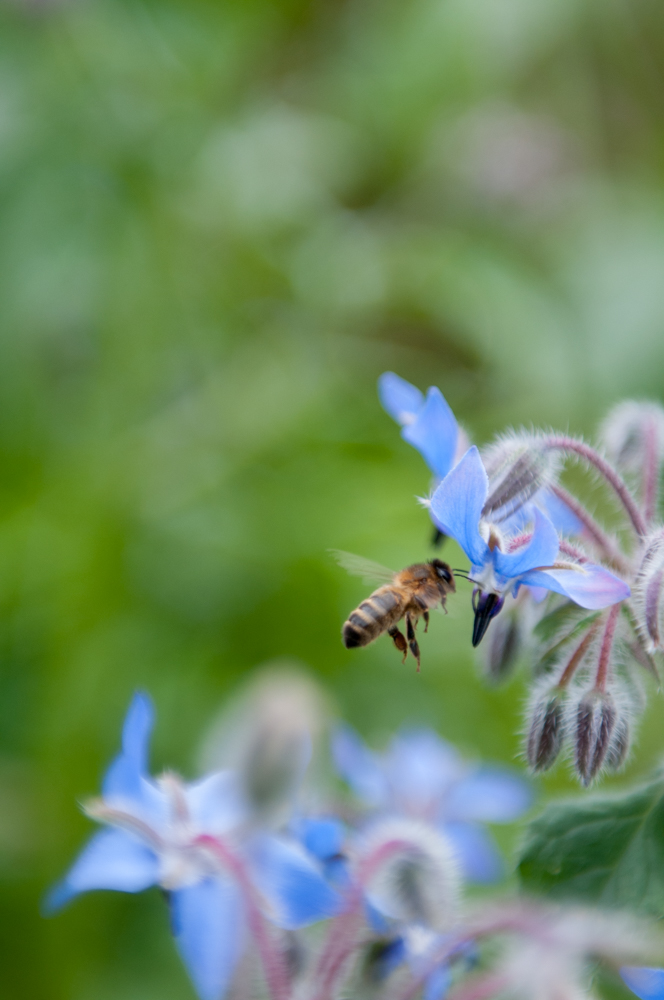
Bees and other pollinators enjoying the kale we leave to flower each year

The art of producing food is marvellous and tough, and on sunny days it is a privilege.

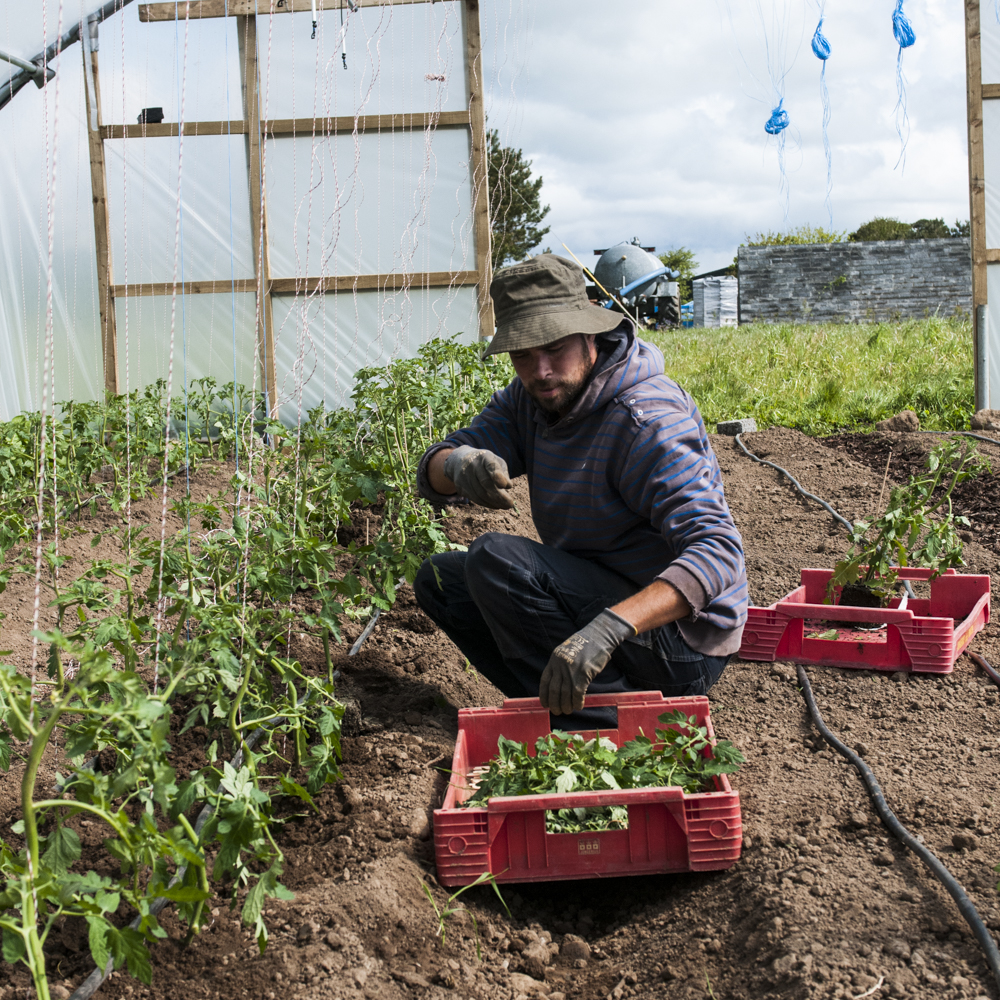
We talk about food all the time here, we grow it, we sow the seeds, we watch the plants grow, we fertilise the soil, we control the weeds and hope we have the right mix to ensure the plants grow healthy and pest free.

We spend the time in between managing the crops, maintaining the land, planting trees, growing hedging, sowing wildflowers for the bees, harnessing the power of the sun, these are all things we do.

We see first-hand the connection between the fresh produce and the cooked food on our plate. We can see how the process of growing healthy food from healthy soil creates local employment and impacts on our locality positively. Sustainable agriculture is good for all and it benefits the environment immeasurably.

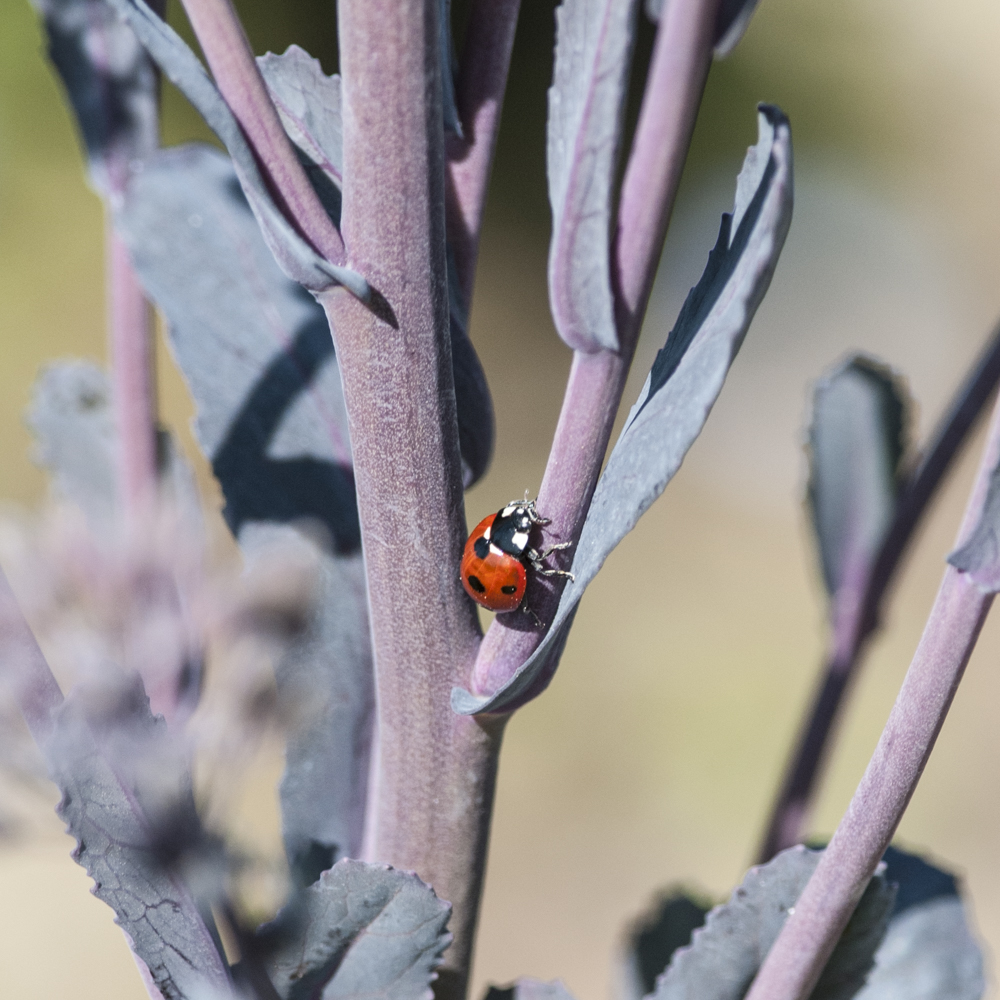
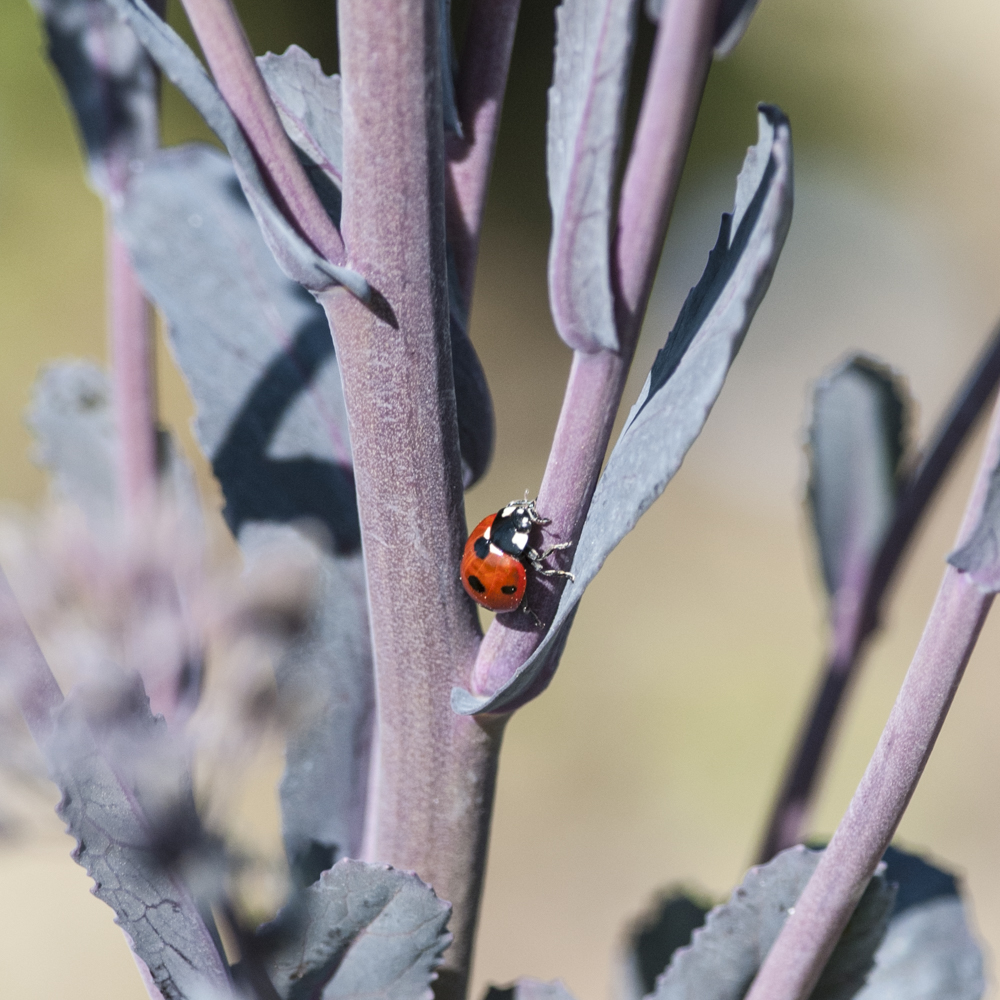
Natures’ pest control – a healthy balance on predators and prey naturally occurs on organic farms

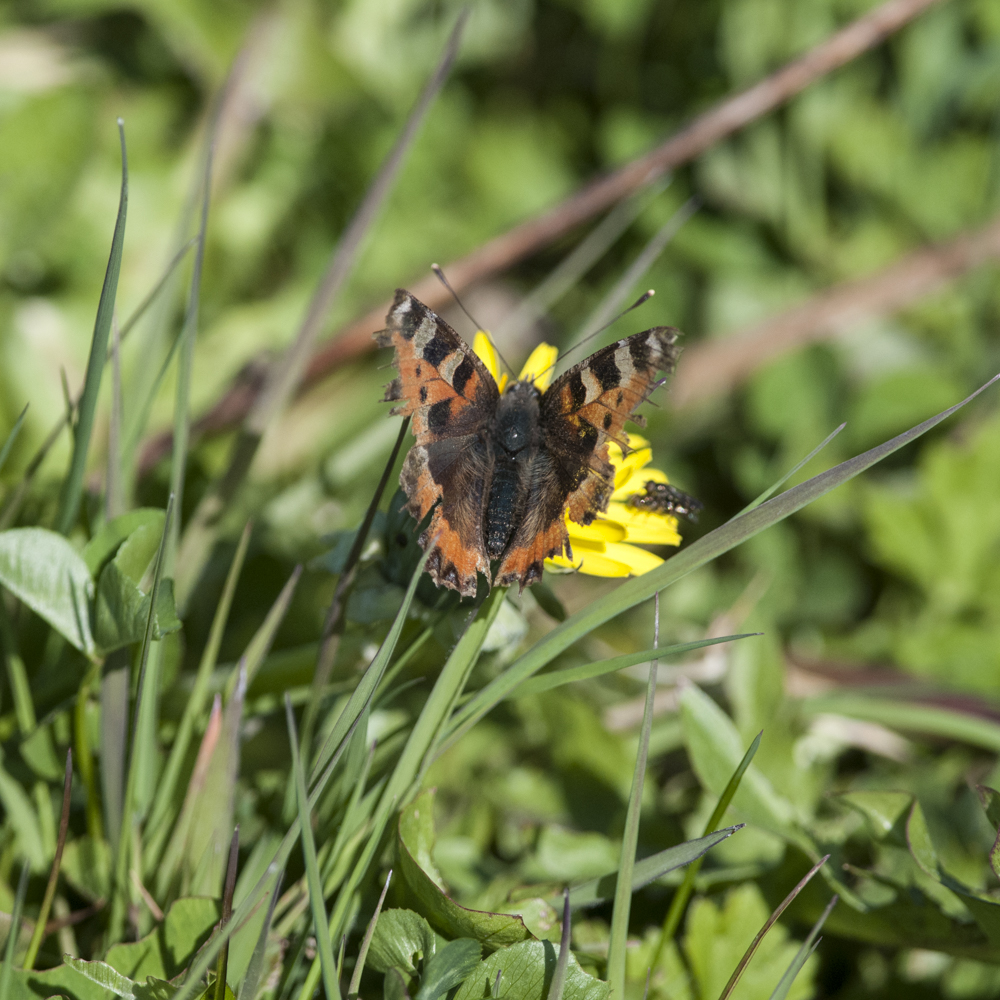
We see more bees, and flies, and insects on our farm and we feel there is a balance as we rarely see an out-of-control pest issue. We see more birds, and wild life, we see the land thrive, just this week I saw a giant hare saunter past one of our polytunnels.

Not only that, but organic food is so much better for us, of course it hasn’t been sprayed and so is free of harmful chemicals, but it is also just better nutritionally.

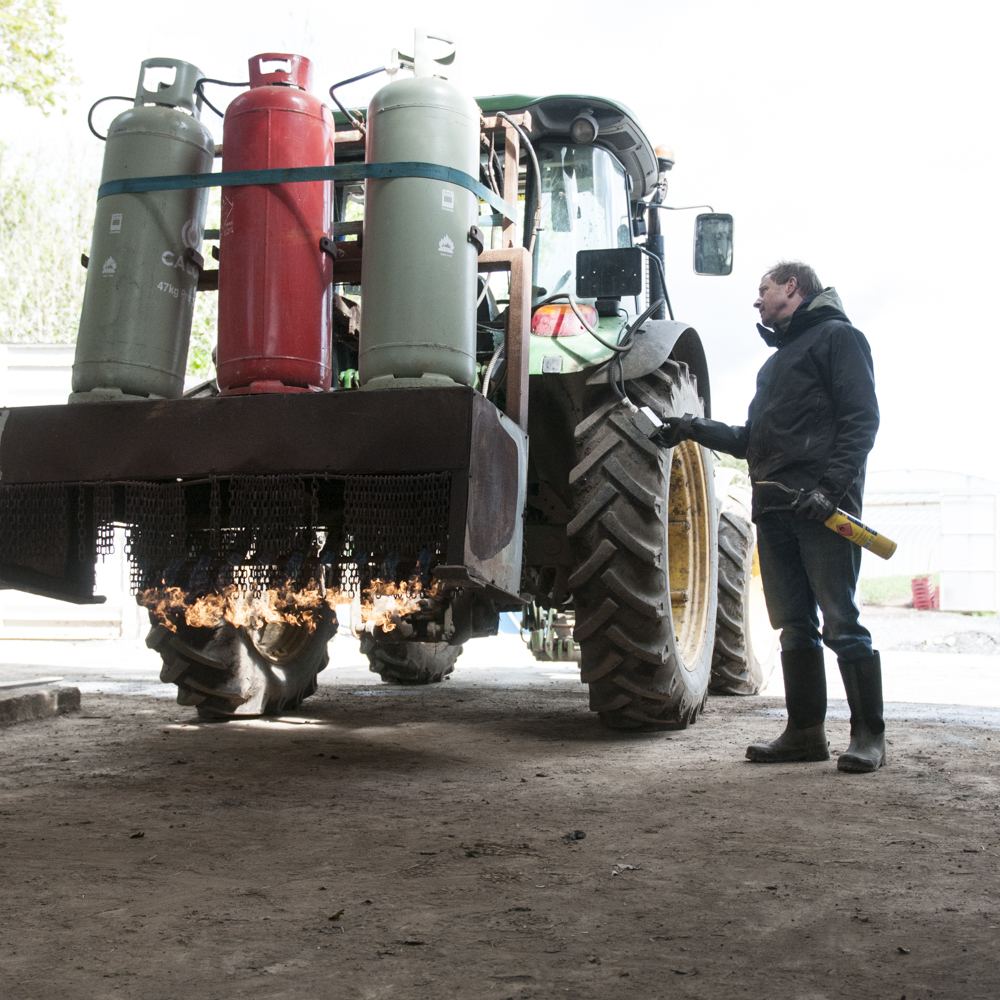
Weed burning rather than spraying chemicals before we plant out this years’ crops

A comprehensive study carried out by David Thomas has demonstrated a remarkable decrease in mineral content in fresh produce over 50 years, comparing food grown in 1941 to food grown in 1991. To the extent that today you would need to eat 6 apples to get the same nutritional value you got in 1941 from eating 5 apples. In some cases mineral levels have dropped by as much as 70%.  

The use of highly soluble fertilisers, pesticides and herbicides and the intensive production of food has led to land that is lifeless and food that is less healthy and less nutritionally dense, this reflects the remarkable connection between our food and the health of our soil. 

There is no way we could know this, as a population we are in danger of losing our connection with the land and our food. This is not our fault, the food system that is championed by supermarkets and giant food producers has made it this way. 

Imagine though if we could see the impact of our positive choices, if we could somehow rekindle that connection with our food? Over the past year it seems we have been remaking that connection.

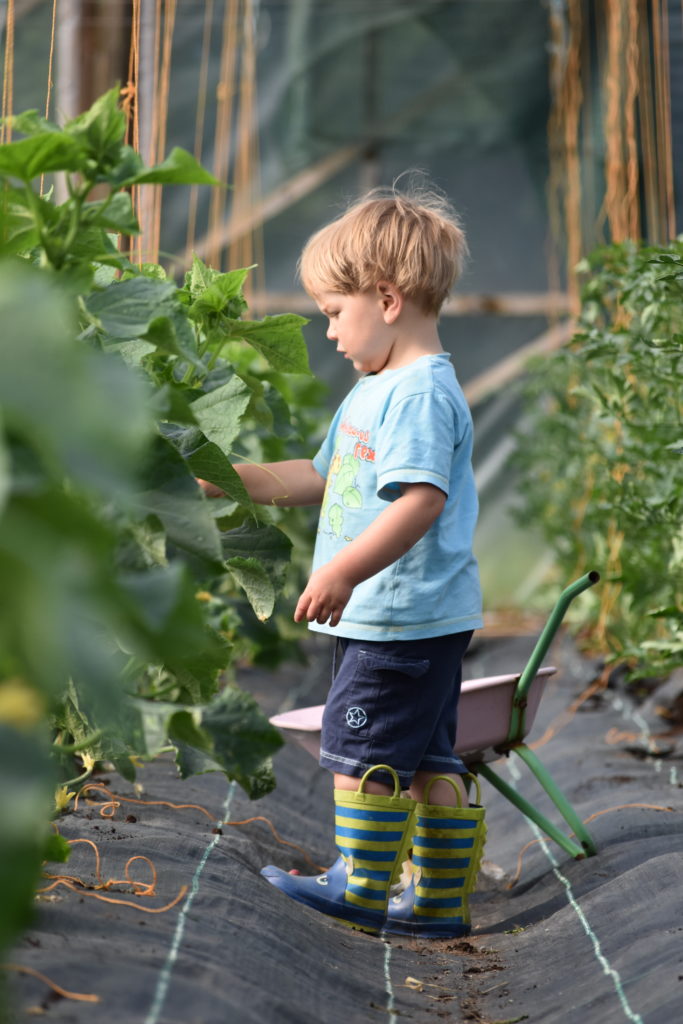
We are reconnecting with our food by cooking and touching and smelling and seeing how our food is grown. We are redeveloping that connection with nature and this is something we can pass onto our children, we can show them that there is a great, fun and fantastically positive way to live and eat. Although from what I have seen recently it is the children who are teaching us!

Kenneth

Raw Coffee & Walnut Cake

This gorgeous raw cake is rich and fudgy and packed full of great ingredients. My simple, wholesome recipe uses just nuts, dates, coffee and a little coconut oil and maple syrup. You need quite a lot of nuts so I recommend buying them in our compostable bulk bags. Have a look at the organic bulk range here.

You need a food processor or blender to make this recipe and a deep baking dish. I use a 19 x 24cm dish but any medium baking dish will do. Let’s get started! Liz x

Ingredients (makes 16 or more slices)

  • 1 mug walnuts (plus extra for decorating)
  • 2 mugs pitted dates (chopped into smaller pieces with scissors)
  • 4 mugs almonds
  • 2 mugs cashews
  • 1 mug espresso strength coffee
  • 2/3 mug maple syrup
  • 1/2 mug melted coconut oil
  • 1 tbsp cacao powder for dusting
  • 1 pinch salt
Watch the method. The cookbook can be added to your Green Earth Organics order here.

Method

Line a baking dish with baking parchment leaving a little overhang to make it easier to extract the cake once it is set.

Like many of my recipes, I use mug measurements for this. Just a regular, smallish coffee/tea mug, not a massive one. It doesn’t really matter what size you use though as it’s all about the ratios here. Just use the same mug for all the measurements and it’ll be fine.

Start by soaking the two mugs of cashews in water. This will make them softer and easier to blend into a smooth cream for the topping later. Then get on with making the base.

Measure the walnuts, dates and almonds into a food processor with a pinch of salt. Pulse them together into a crumbly, sticky mixture. If you only have a small food processor or a blender you may find it easier to measure the walnuts, dates and almonds into a large bowl, mix it up and then pulse the ingredients in smaller batches.

Once you have a nice sticky, crumbly mixture, pour in about 2/3 of a mug of espresso strength coffee and give the mixture a stir. Then pack it into your lined baking dish, spreading it firmly and evenly into a neat layer.

Then make the creamy topping. Drain the cashews and pop them in the blender with 1/3 mug of espresso strength coffee, 1/2 mug of melted coconut oil (you could sub this with melted cacao butter or a flavourless coconut oil if you don’t like coconut) and 2/3 mug maple syrup (or maple syrup to taste). Blend the mixture until perfectly smooth and creamy.

Pour the coffee cream over the base and level it out with a spatular. Then pop the dish in the fridge to set overnight, or in the freezer for an hour or two to set faster.

Once it’s set, pull the cake out onto a chopping board and dust it with cocoa/cacao powder. Slice it into bars or squares – it’s quite a rich cake so smaller slices are better. Decorate each slice with walnut halves or pieces and enjoy!

Store the cake in the fridge (like cheesecakes, it can get a little melty at room temperature) and enjoy within a week. Or store it in the freezer for much longer and take pieces out to defrost as and when you need them.