The Benefits of Buying Local

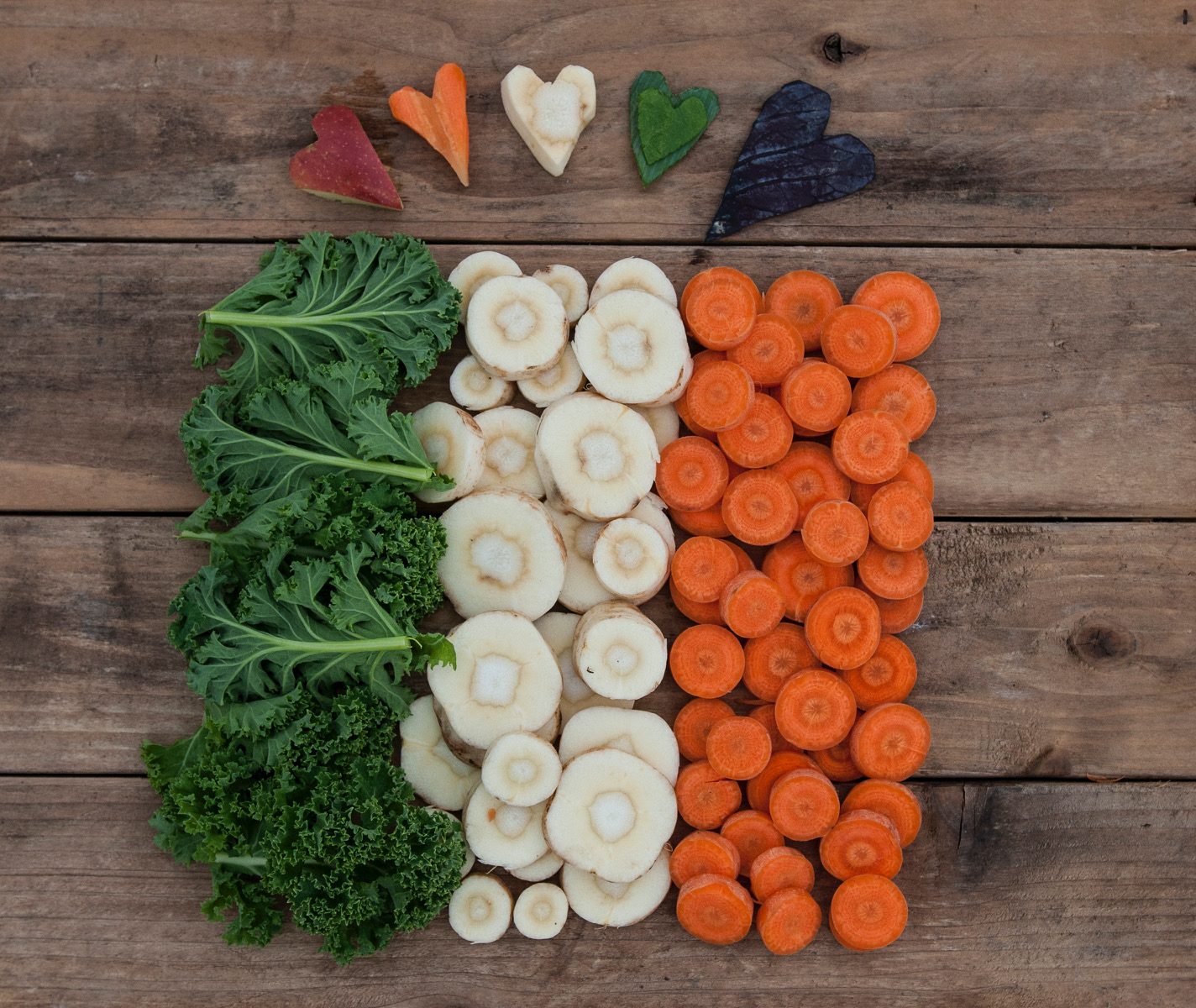
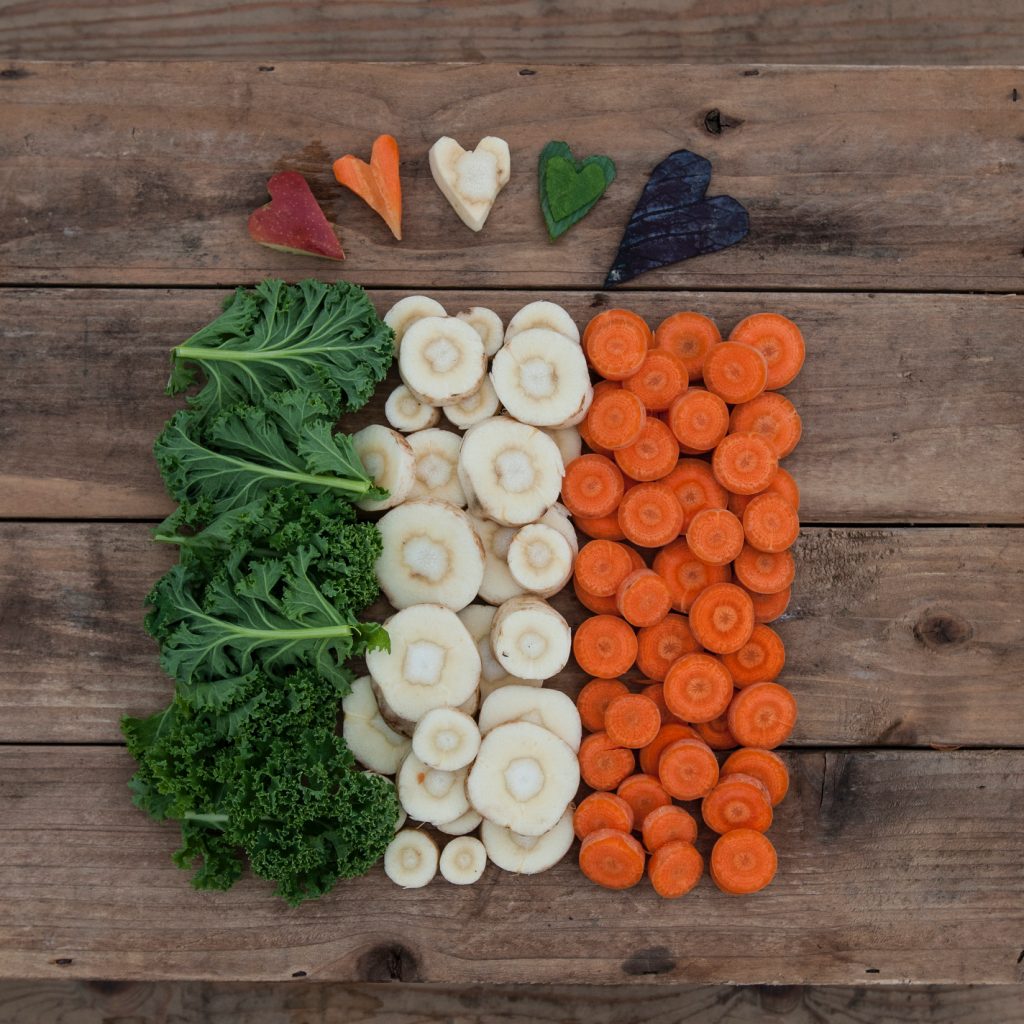
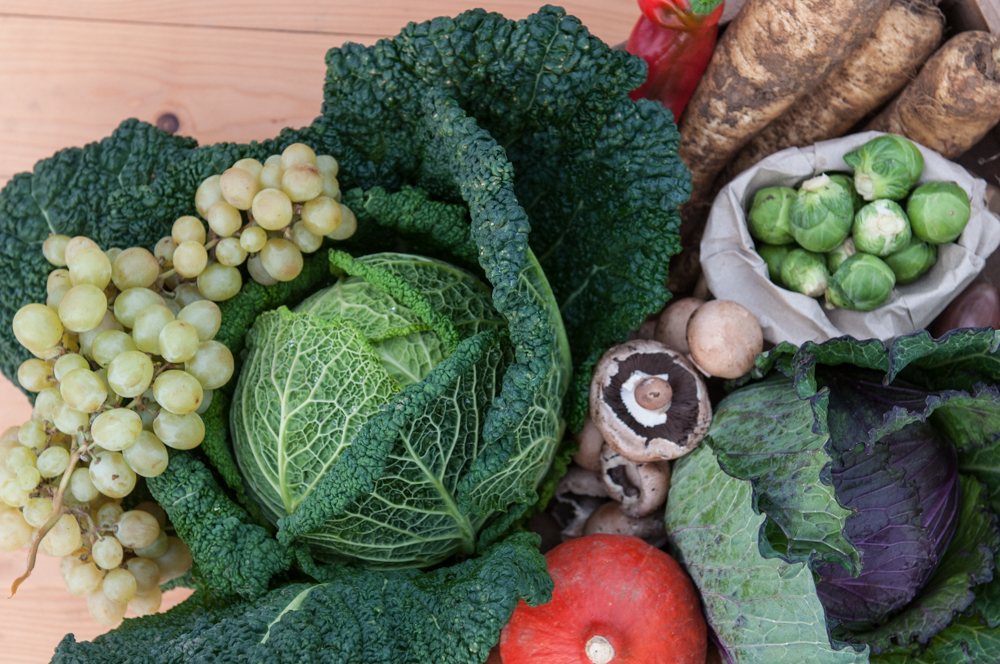
With recent world events, it has become startlingly clear how important being self sufficient as a country can be. Don’t get us wrong, we love to trade with the world, we all love oranges, olives, wine, tea, coffee, chocolate etc. Keeping our fridges full with a healthy variety of fresh fruits and vegetables year round means importing from our organic farming connections around the world (by the way, we never use airfreight). Trading with the world is a positive thing, being friendly with our neighbours and part of unions benefits us all – nutritionally and to promote peace and prosperity. But, it’s also important to us to support local and buy local food as much as possible. Food security is a real issue and supporting local farmers and paying them fair prices (we’re looking at you supermarkets!) is always going to be an important topic that we will talk about regularly. So this week, with St Patrick’s Day on the calendar, we are celebrating all things local and Irish.

Good for You

Local food is fresh, more flavoursome and even more nutritious than food that has travelled! When there has been less time between harvest and your home, there are more nutrients. Did you know that as soon as a fruit or vegetable is picked it starts to loose nutrients? So the quicker it gets to your plate, the better. Locally grown food intended for local consumers will be picked when it is ripe too, so you’ll be getting the best flavour as well as avoiding waxes and preservatives found on food that has travelled a long way.
Good for the Planet

Buying locally produced food, of course means less food miles. ‘Food miles’ is the term for the distance food is transported from the time of its making until it reaches the consumer. Choosing local food requires less transport, therefore less fuel/energy is used to get the food to your plate – so local food has a smaller carbon footprint because it produces less transport related emissions. Less transport usually means less need for packaging too. We use as little packaging as possible to get our food to you, and where we do use packaging we choose paper or compostable bags over plastic.

Good for your Community

Supporting local food producers means more work and more money in your community. Spending money with Irish business will mean more Irish jobs, more Irish tax and therefore better services for everyone. Shopping locally strengthens the local economy too. Local businesses are more likely to recirculate the money locally – not just on wages and taxes, but also on local suppliers and services. This leads to a stronger financial foundation for our neighbours and communities and a more recession-resilient local economy.
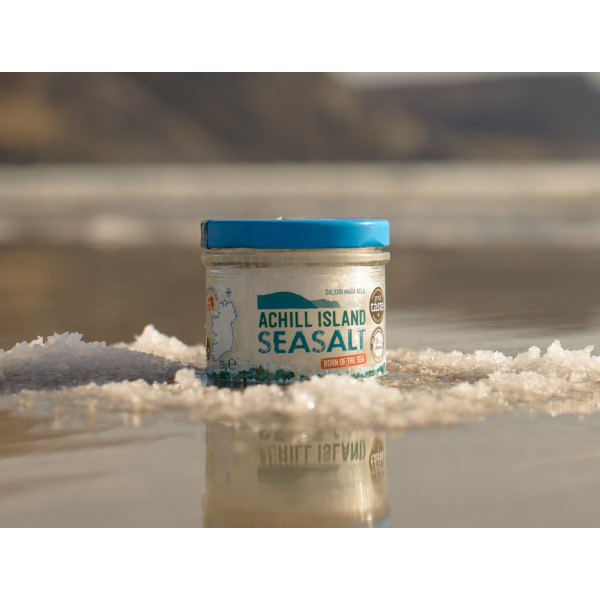
Will you support the local economy and help Ireland build better food security by buying a box of organic fruit, vegetables and groceries from us today? We deliver nationwide. Have a look at all we can deliver to your door here.

Clean Dirt

What is hiding in our food? 

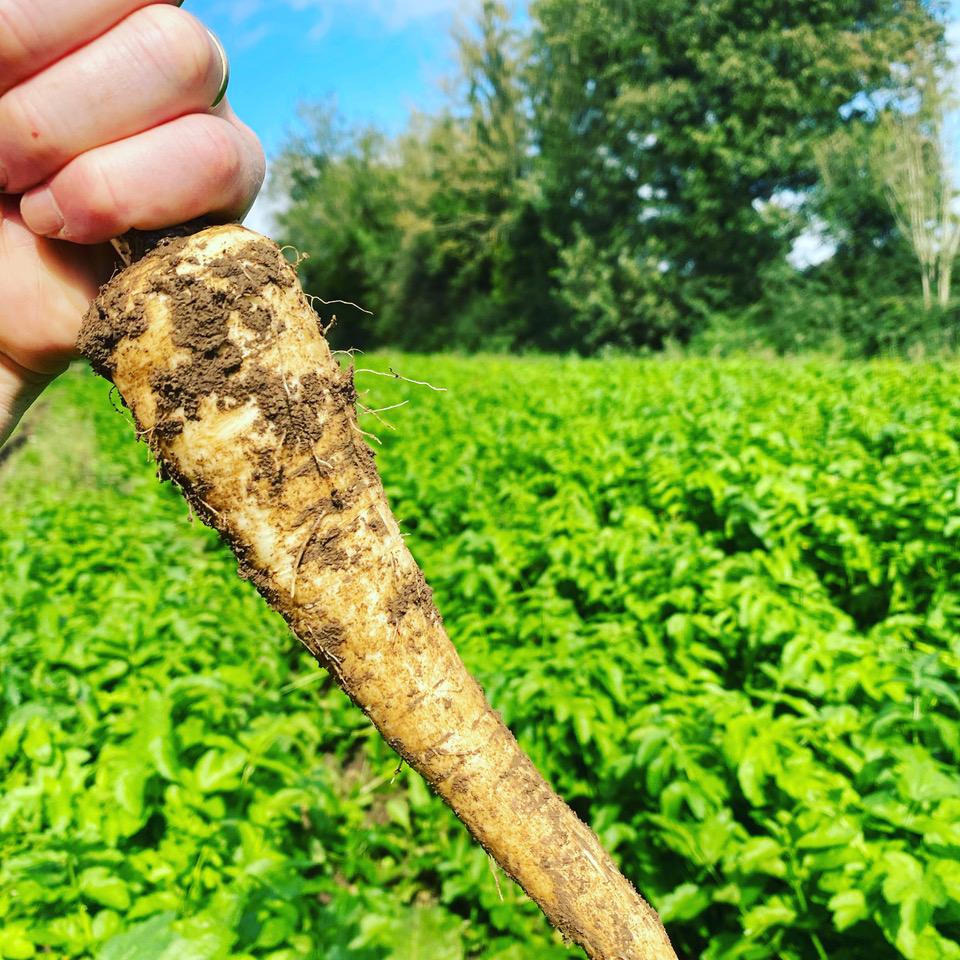
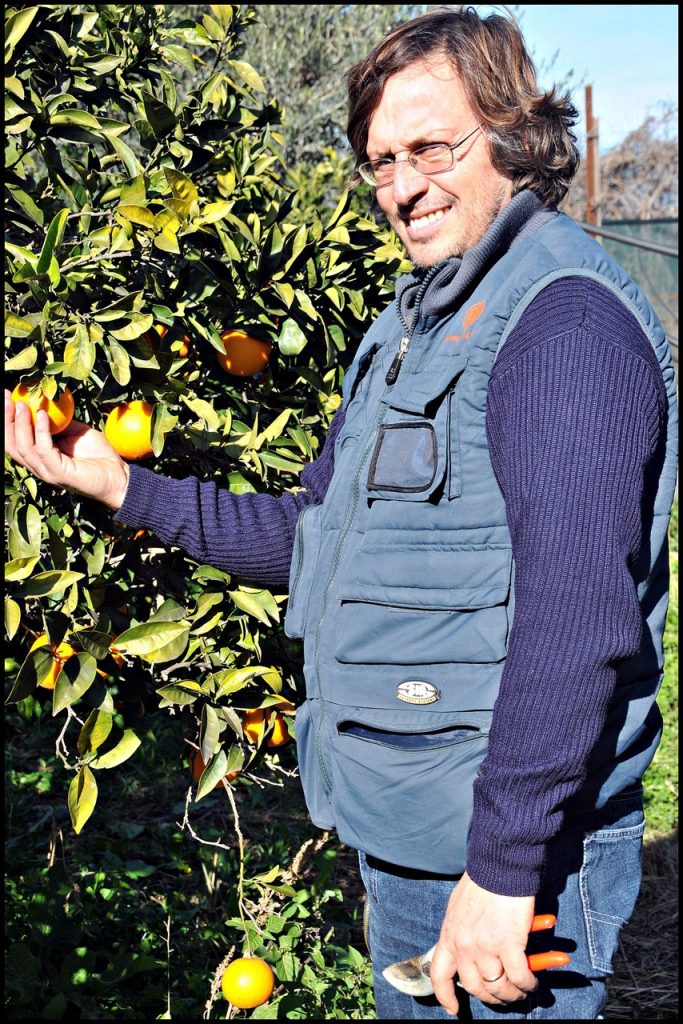
Simone’s oranges picked in Italy contain nothing but a good helping of Italian sunshine and healthy nutrients from his soil. Our parsnips contain nothing but a good helping of Irish rain and the healthy nutrients from our soil. What then about their conventional cousins? Hmm well as it turns out, the story there is very different.

Dirt, clay soil the stuff that gets stuck under your fingernail is good for us. It is actually pretty healthy to get it on your hands, in fact research has shown that getting your hands stuck in clay may actually ease depression. (Mycobacterium vaccae the bacterium is found in soil and may stimulate serotonin production is currently under study)

Some of our produce comes with dirt on it and we are pretty proud of that, we know it takes a little more effort in the kitchen and time can be in short supply, we know when you have a busy household the last thing you want to do is to wash dirty carrots or parsnips. We get that, I know the feeling and sometimes I reach for that bag of washed carrots and am just thankful they are washed!

But here’s the thing we are not hiding anything, you can see the dirt and it has a very important function. It is a natural preservative, it keeps the veg fresh, it keeps the flavour in. You can smell the freshness when you wash one of our dirty parsnips. Crucially leaving dirt on your veg actually helps reduce food waste!

The great thing of course about soil is it can be washed off.

This unfortunately is not the case with chemicals. Many are systemic in nature, (simply put they get inside the plant or food and stay there). 

Some chemicals are applied to the skins of fruits and vegetables to preserve them. The most commonly known ones are the fungicides mixed into the waxes and applied to citrus fruit. 

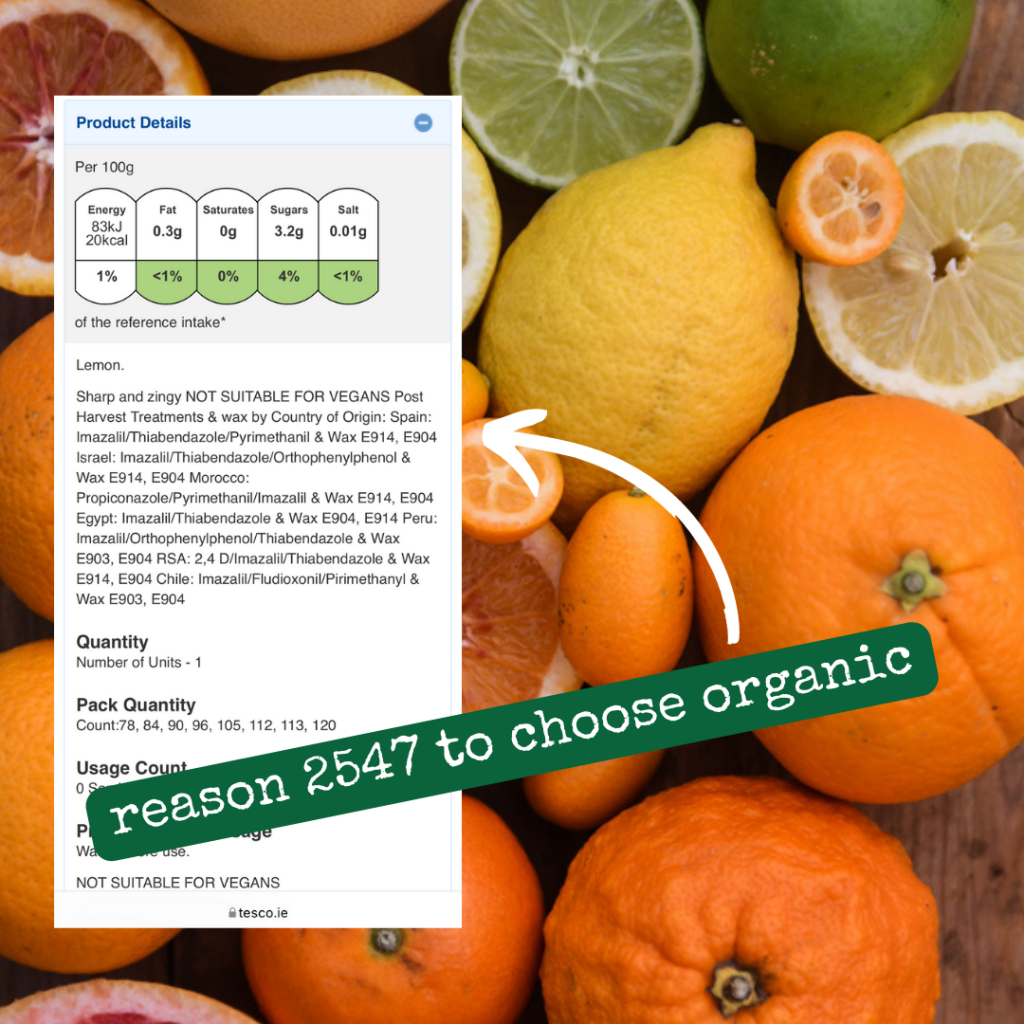
We stumbled upon some pretty eye-watering facts during the week. It turns out that one of the big supermarkets are now kindly putting the names of the chemicals mixed in with the waxes on their loose citrus fruit on their website. Have a look see for yourself. (Check out the description on loose lemons on this retailer’s website. I’ll give you a hint the name of the multinational supermarket begins with T.)

This is what is found on your conventional (Non organic) LEMONS:

Here is the list we found (Depending on country of origin, the treatment varies)

Spain: Imazalil/Thiabendazole/Pyrimethanil & Wax E914, E904 

Morocco:  Propiconazole/Pyrimethanil/Imazalil & Wax E914, E904 

Egypt: Imazalil/Thiabendazole & Wax E904, E914 

RSA: 2,4 D/Imazalil/Thiabendazole & Wax E914, E904 

And if you were wondering what these wonderful preserving chemicals may do to us unsuspecting humans here are some fun facts:

Imazalil is a suspected carcinogen and a probable endocrine disrupter (compounds that mimic or inhibit the body’s hormones, generally not good for us)

Thiabendazole is a probable endocrine disrupter 

2,4-D falls into a class of compounds called endocrine-disrupting chemicals. 

Here is another fun fact, the amount allowed in a piece of fruit is set by something called the MRL (Maximum residue limit) and this is generally set by what works to kill a pest and not what is safe for human consumption. (Recently The EU proposed reducing the MRL for Imazalil to 0.01mg/kg  for citrus from 4mg/kg, but this was overturned by growers, so what is the safe limit?)

So, unlike the dirt on our parsnips which is harmless, and could be argued is actually improving our health, extending shelf life, locking in flavour and can be seen, these hidden compounds reside on much of the conventional fruit that is purchased in supermarkets and is bad for our health. It is refreshing to see at last that there is some transparency creeping into our food supply chain. 

Kenneth

https://www.ewg.org/foodnews/citrus.php

Who We Are

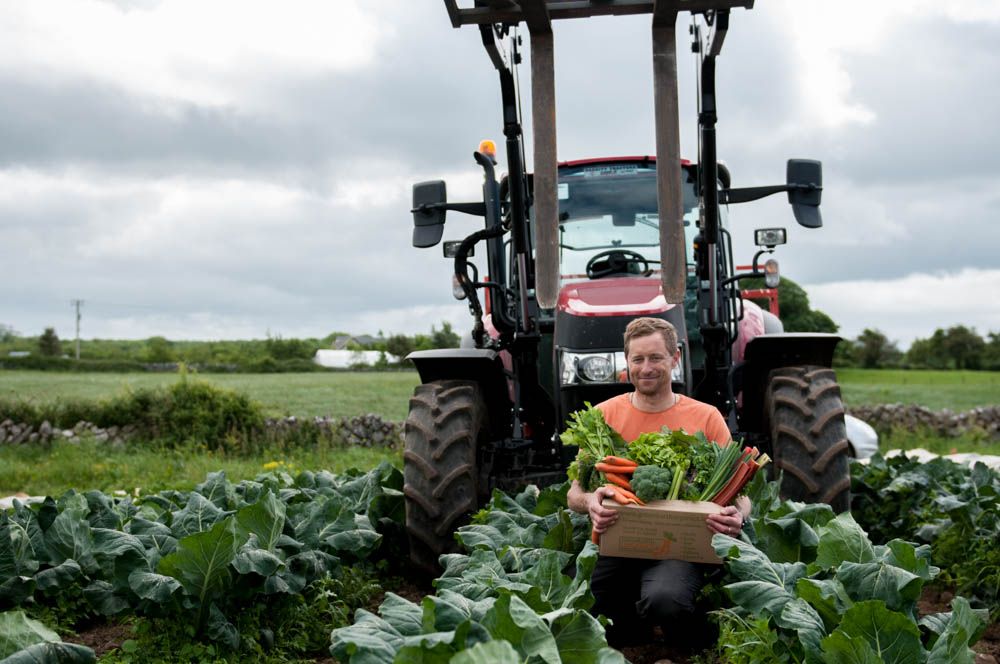
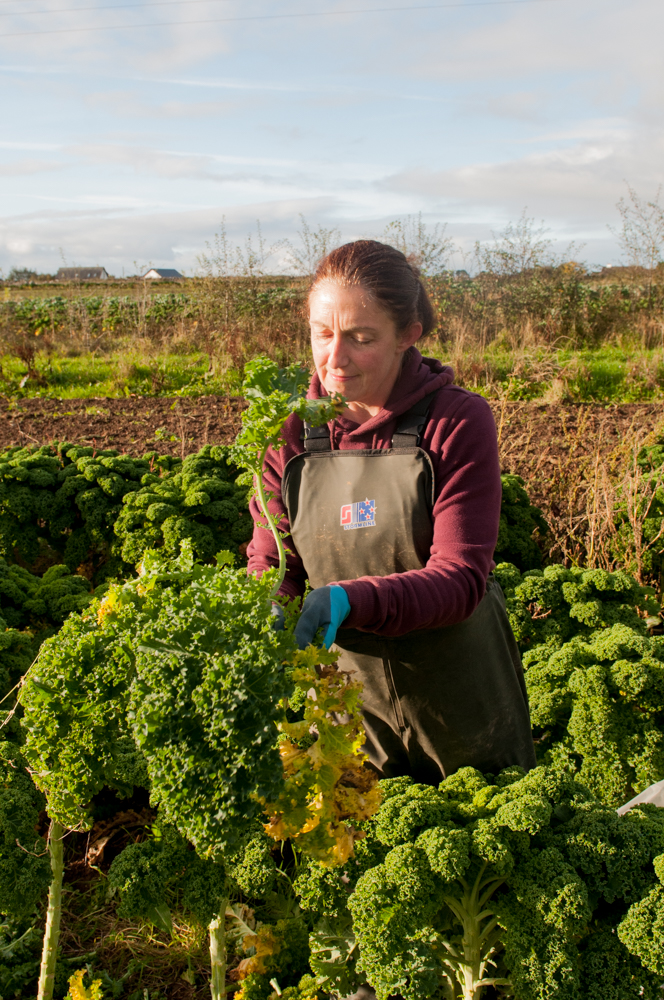
We (Jenny & Kenneth Keavey) started Green Earth Organics in 2006. Our organic farm is situated 8 miles from Galway City. Originally the land was Kenneth’s grand-father’s and then his father’s and finally we took over the farm 14 years ago. We put the farm into conversion for organic status in 2004.

Currently we are farming on 40 acres of organically certified land. Another 10 acres is split between a wild life biodiversity area, native woodland forestry (7000 trees) and red clover/grassland. We are certified organic by the IOA (Irish Organic Association) – please note that EVERYTHING we sell is organic.


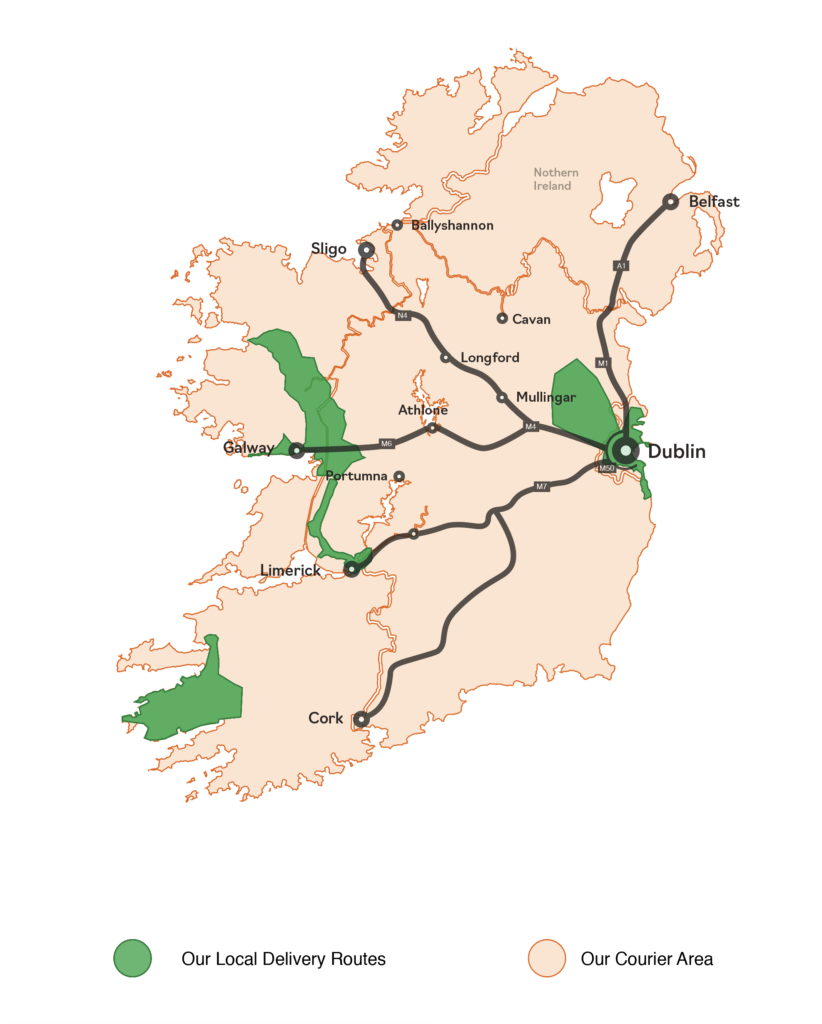
You can order online direct from us. We deliver to every county in Ireland – click here for more details about the ordering deadline and delivery days. 

Our Commitment to Sustainability 

Our aim at Green Earth Organics is to minimize the impact of our farm on the environment. We do this by growing our produce in an organic and sustainable way, by generating our own electricity using solar panels, and by harvesting the West of Ireland rainwater to wash the freshly picked veg and to water the plants in our tunnels.

As a business, we are striving to be carbon neutral and we’re actively looking for ways to reduce and eliminate the small amount of plastic packaging remaining in some of our boxes (this is mostly from grocery items – we are always looking to expand our plastic free grocery options so keep checking back on those).

All our set boxes are PLASTIC FREE, we use compostable bags for salads and greens.
All of our other fresh produce is packed either loose or in brown paper bags which we take back and re-use every week. 

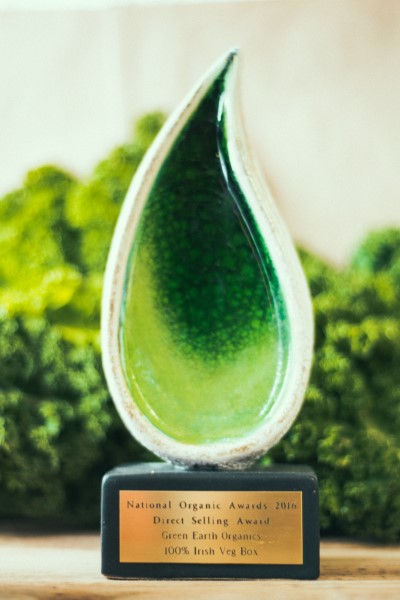
We also have a box that contains 100% Irish Veg which you can order here. Thank you for your support – we really appreciate it. 

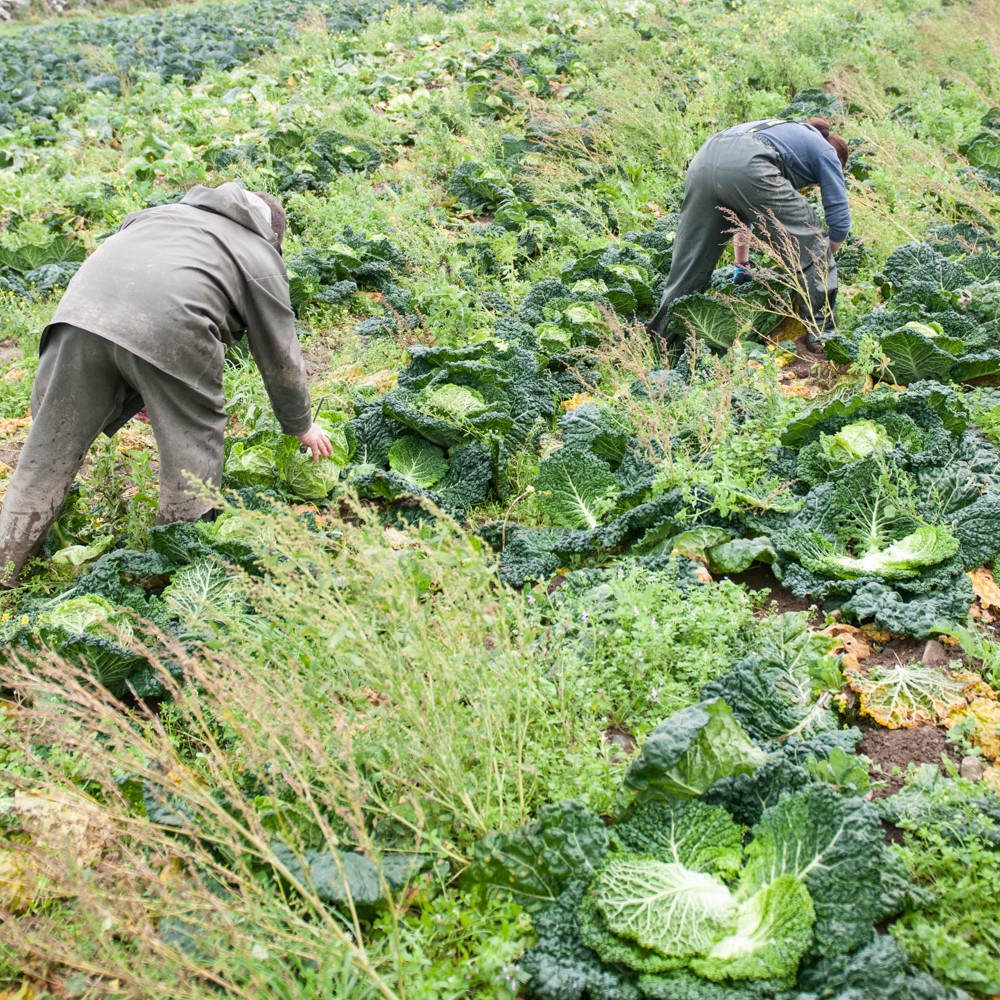
Currently there are 45 employees in total across the farm, packing team and administration team. We also take on students and interns and employ seasonal workers at certain times of the year. You can check out our vacancies here.


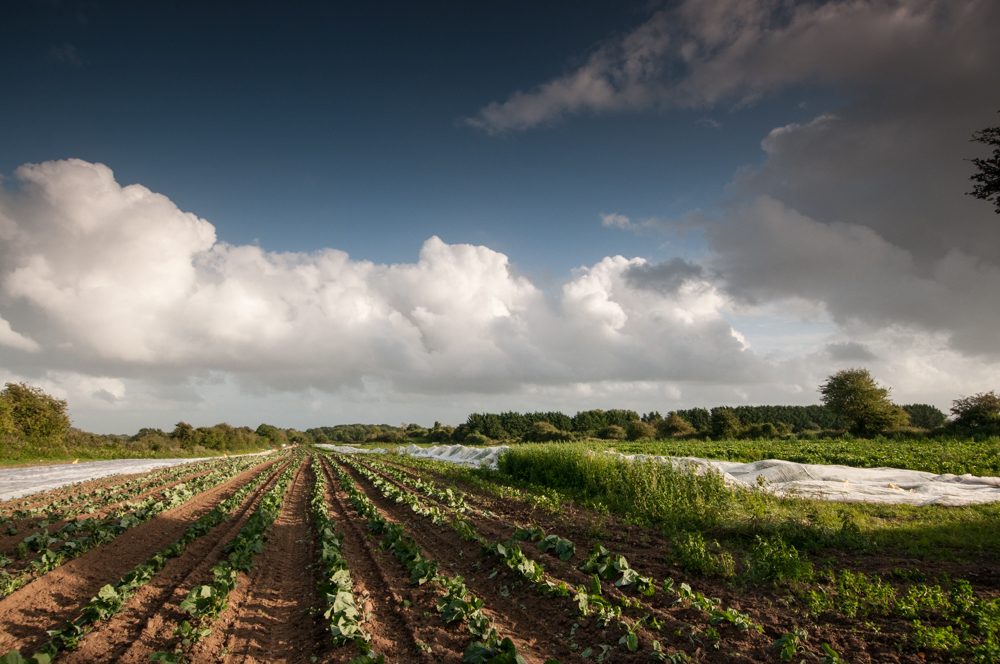
We have 6 polytunnels and grow a wide range of crops both indoors and in the field. Over the course of a year, a typical seasonal box will contain 80% local, organic produce.
We buy produce from other Irish suppliers and we also import organically certified veg and fruit in order to be able to offer a full selection of produce year round. We never use airfreight!

At Green Earth Organics, we care deeply about the environment and believe that people should be able to choose foods that are grown as nature intended, taste fantastic and add to their wellbeing.

Sustainability and health is at the centre of all business decisions we take.

Doing the Right Thing

It was 2006 and I was working on our little vegetable patch where many of our polytunnels now stand. Our next-door neighbour, a curious, sauntering type of person, one that clearly knows better and one that really wanted our family farm came over the joining wall to inspect my work. “What are you doing?” he asked. “weeding” I said. His response: “that’s ridiculous that won’t work, you need Roundup”. I can’t remember what I said, but as we are still “weeding” and growing vegetables today, we neither used Roundup nor sold the farm.

But that is the thing, what is the right thing to do? That weeding was hard, and seemed futile, I was getting nowhere, no sooner had I finished one part of the field than I had to start again at the beginning. Was it a good decision? Well, I believe it was and overtime I learned to grow better crops and the weeds became less of a problem.

What constitutes good decisions? We are all everyday caught in the cross winds of life, it is so difficult to figure out what is right and then it requires a whole other pile of energy to do the right thing.

By the very virtue of the fact that you are reading this, and you have gotten this far you are amongst the very few who are doing the right thing. If you came on this message in one of our printed sheets you are an active customer, that probably puts you in the top 20% of people taking positive action for the planet and for your health, that is amazing, think about it.

Unfortunately, most people still want to do as the Ostrich does. It is easy to think that the processed food we eat today does not affect us and that factory farmed meat is fine, but in time we find that it is not. That’s the problem with food, doing the right thing can be difficult and doing the “wrong” thing is easy and the consequences of our poor choices are hidden from us by time and shiny packaging.

But you it seems are not that person. You have spent the energy and made the decision that food is worth taking seriously or maybe more importantly you have decided that your health and the health of our planet is worth taking seriously. You probably know that like all good habits (they require discipline, there are no short cuts) the impact is seen in time, no instant gratification here. So, you too are like us, and this is very important to us.

It was close to 20 years ago when myself and my wife Jenny started thinking about taking over my dad’s farm to create a sustainable business. This was a major milestone in our lives, when like you we decided we had to do something to right the wrongs. We were young naïve and didn’t consider in any shape the risks or the pitfalls. But there was one thing that kept us going, and as I look back now it was that unwavering belief that what we were doing was worthwhile.

What you are doing is worthwhile.

You have chosen us to bring decent wholesome sustainable food into your home, we will not let you down, that trust means everything to us. We will never abuse it and we will always honour our founding principles which is to put your health and our planet first in all the decisions we make.

Thank you for being one of us.

Kenneth

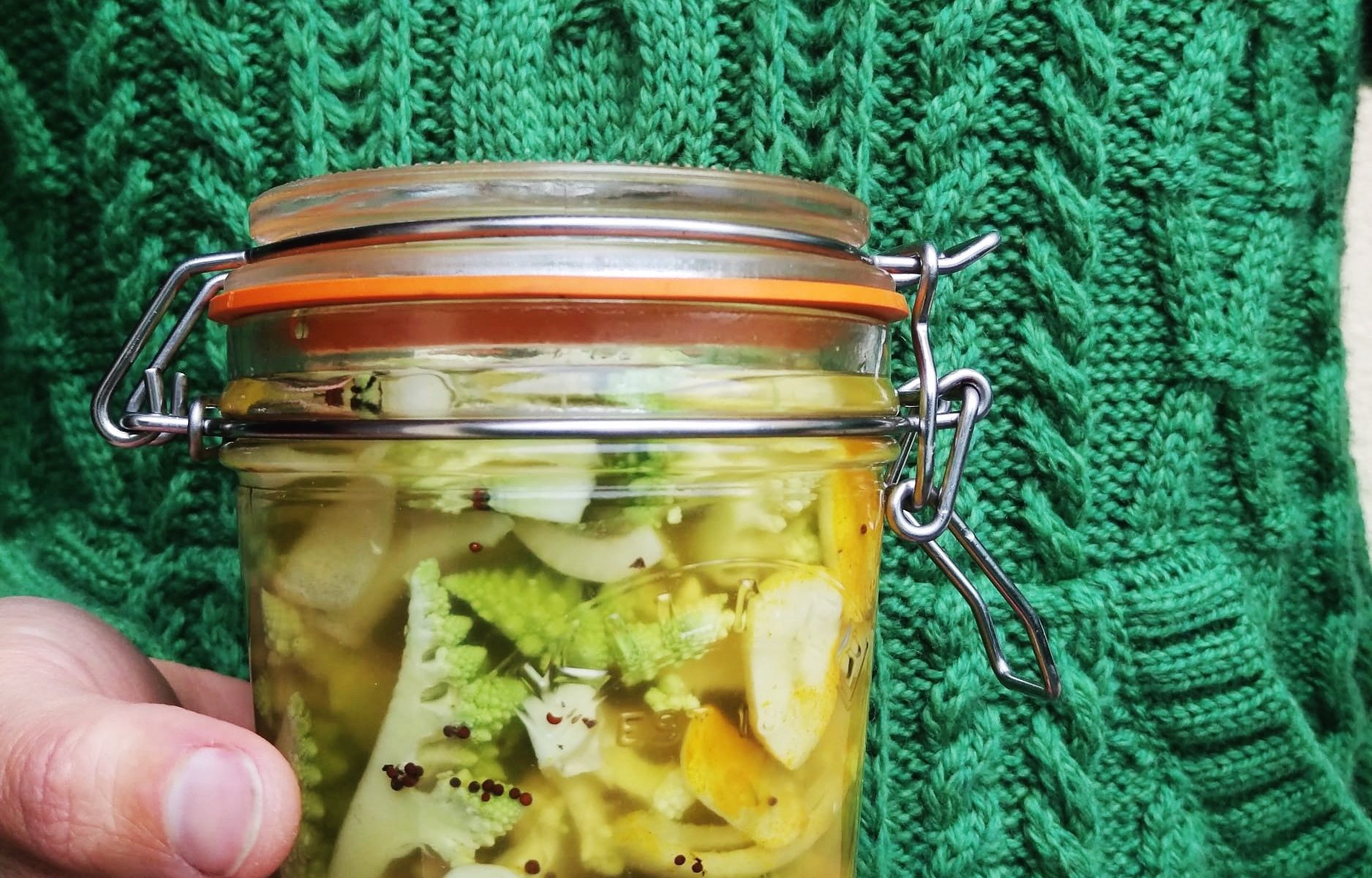
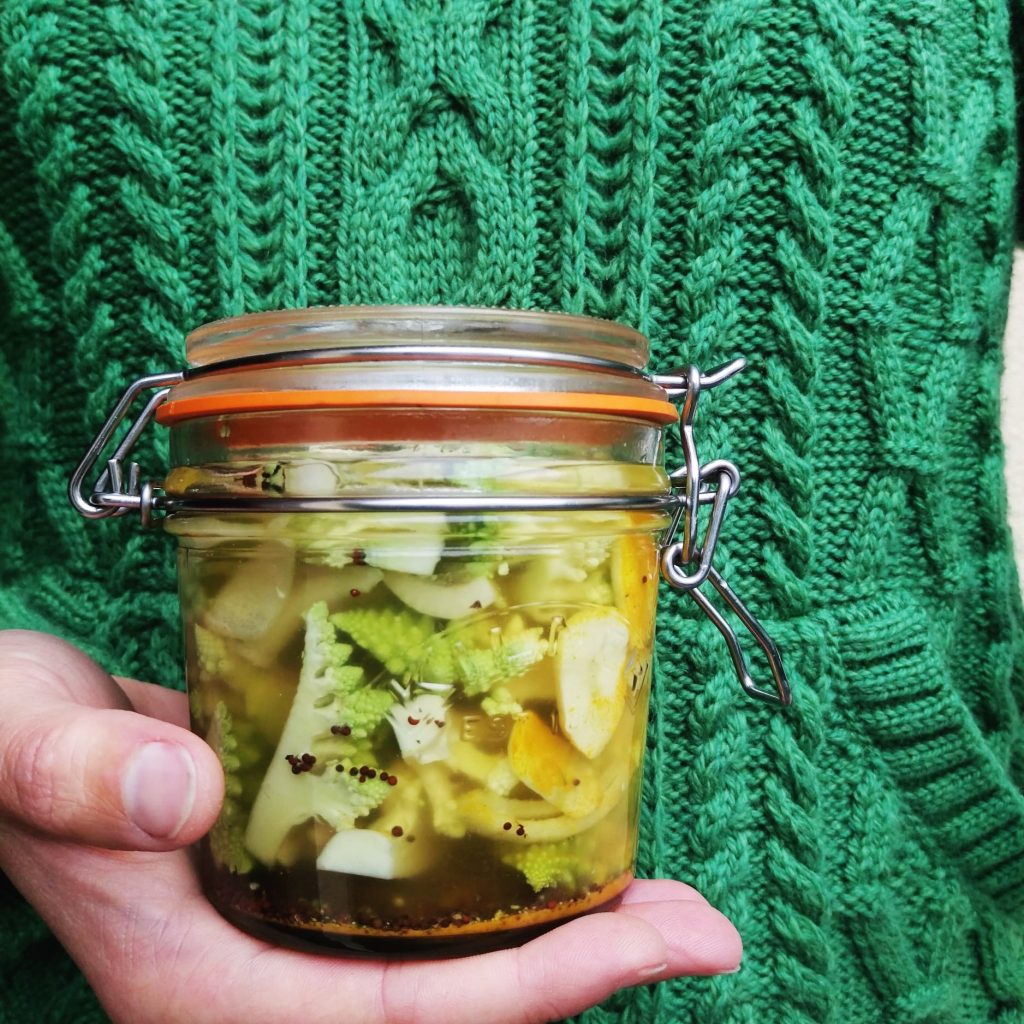
Quick Pickled Romanesco

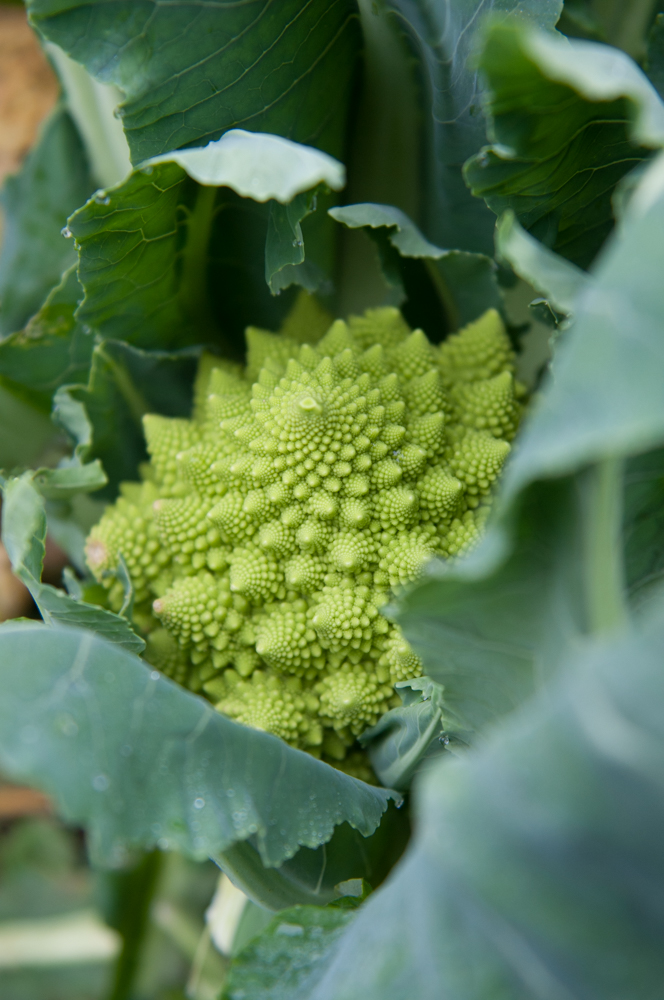
Romanesco are the most stunning vegetables. Closely related to cauliflower and broccoli they can be used interchangeably in place of them in recipes. We have an incredible crop of them right now, in fact we have too many! The unseasonably warm autumn has meant our brassicas, which we hoped to harvest in the winter, are ready early! Will you help us prevent food waste by ordering an extra Romanesco or two with your next order? Why not steam and freeze some for a rainy day? Did you know that ensuring your freezer is always full makes it run more efficiently and use less electricity? Or another easy way to preserve the harvest is to make this delicious quick pickle.

This beautiful, pine-tree-like vegetable would be perfect on the Christmas table, and although ‘quick pickles’ don’t last as long as the canned variety, it should be fine for Christmas if you make some in the next few weeks. Just keep your jars in the back of the fridge. Delicious with crackers and cheese or on salads or stew, pickles are often that missing tangy ingredient.

Liz x

Ingredients

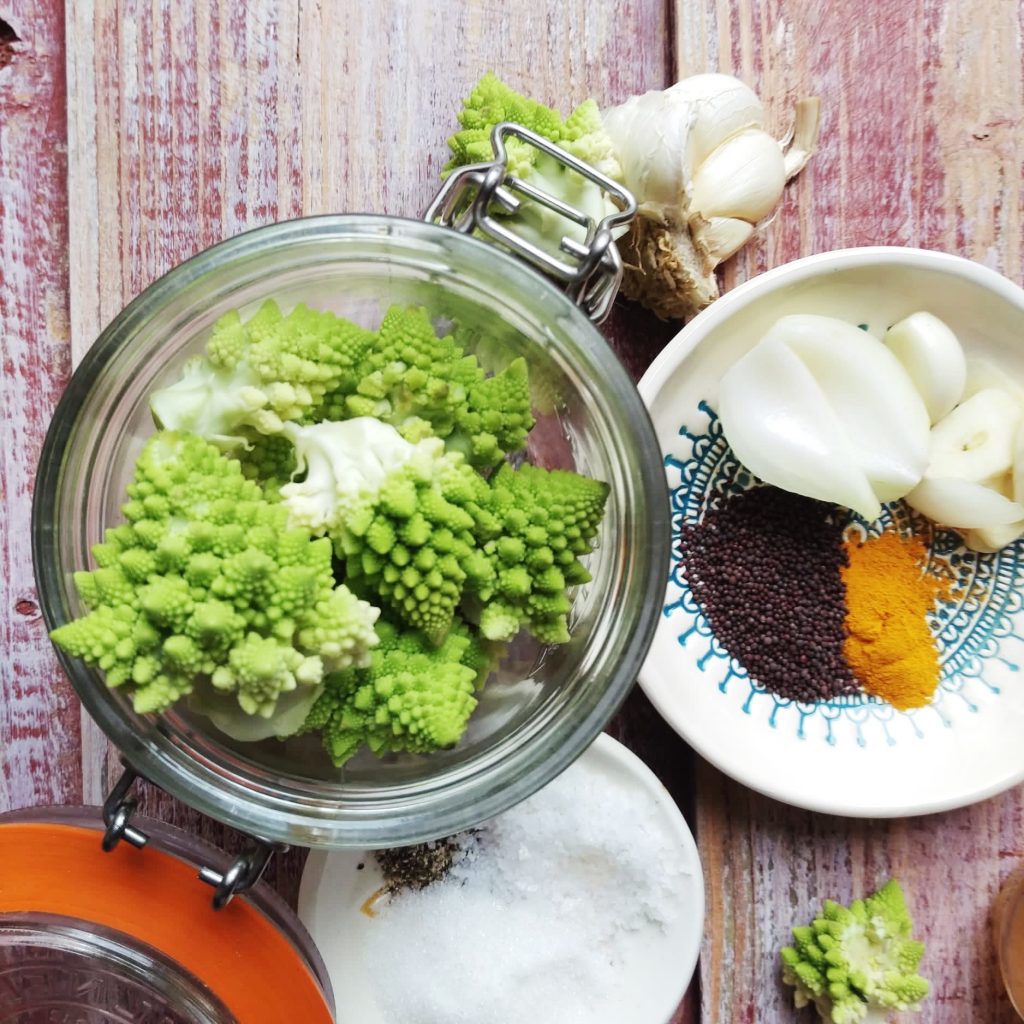
  • 1 romanesco, cut into small florets & the stem/core thinly sliced
  • 1 white onion, peeled & sliced
  • 4 garlic cloves, peeled & sliced
  • 1 tbsp each: black pepper, mustard seeds, ground turmeric (or your choice of pickle spices)
  • 600ml apple cider vinegar
  • 600ml water
  • 4 tbsp sugar
  • 4 tbsp salt

Method

  1. Sterilise enough jars to fit your vegetables. You can do this in a number of ways. I simply wash and rinse them then place them in a clean sink and fill up the jars and lids with freshly boiled water from a kettle. Leave to sit for a minute then carefully tip out the water (use oven gloves or a folded tea towel so you don’t burn your hands) and let the jars air dry.
  2. Divide the garlic and spices between the jars then fill up with the Romanesco and onion slices.
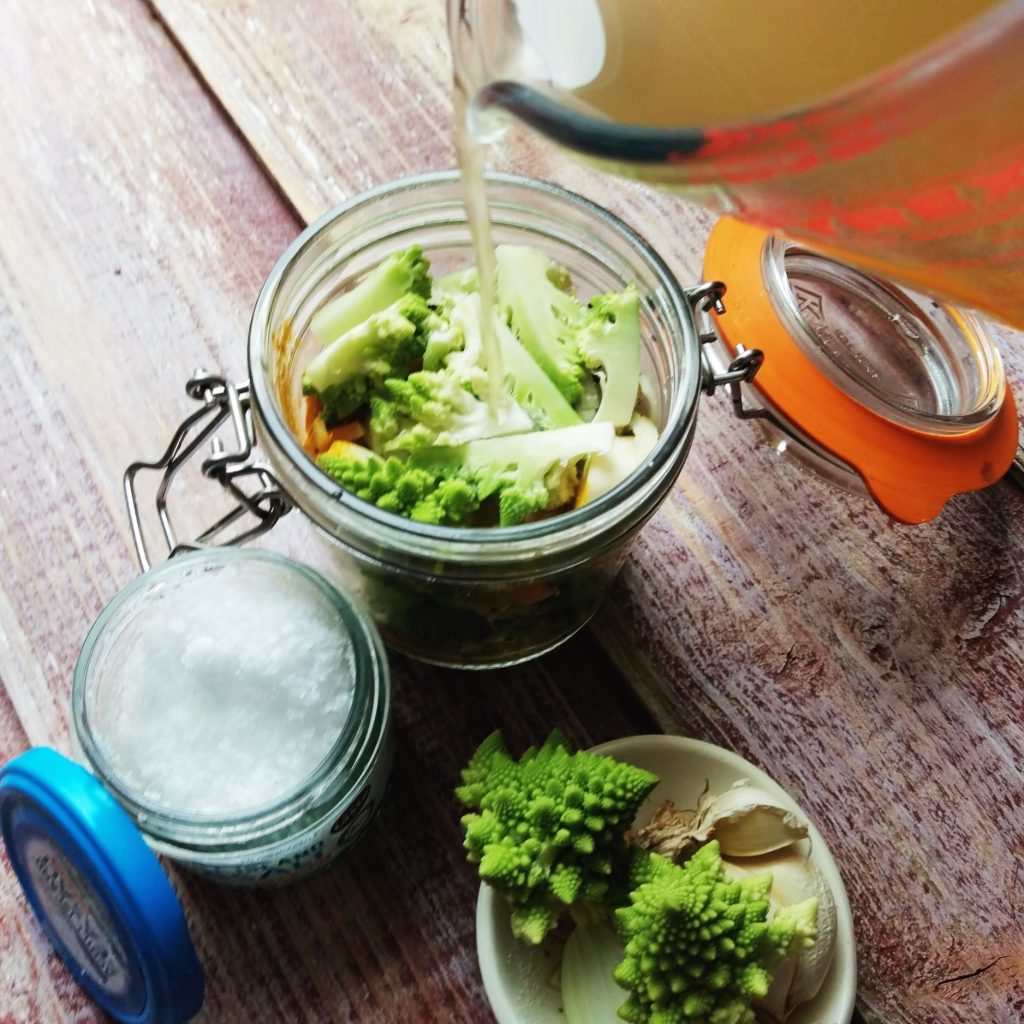
  3. Heat the vinegar, water, sugar and salt in a pan until just boiling. Then pour the solution over the vegetables so that they are completely submerged. Make more of the vinegar solution if needed. It all depends on the size of your Romanesco!
  4. Immediately secure the lids on the jars whilst they are still piping hot. Allow to cool on the counter and then place in the fridge. They should be ready to eat in 3 days and will last well for 2 or 3 months.
Add some extra Romanesco to your next order.

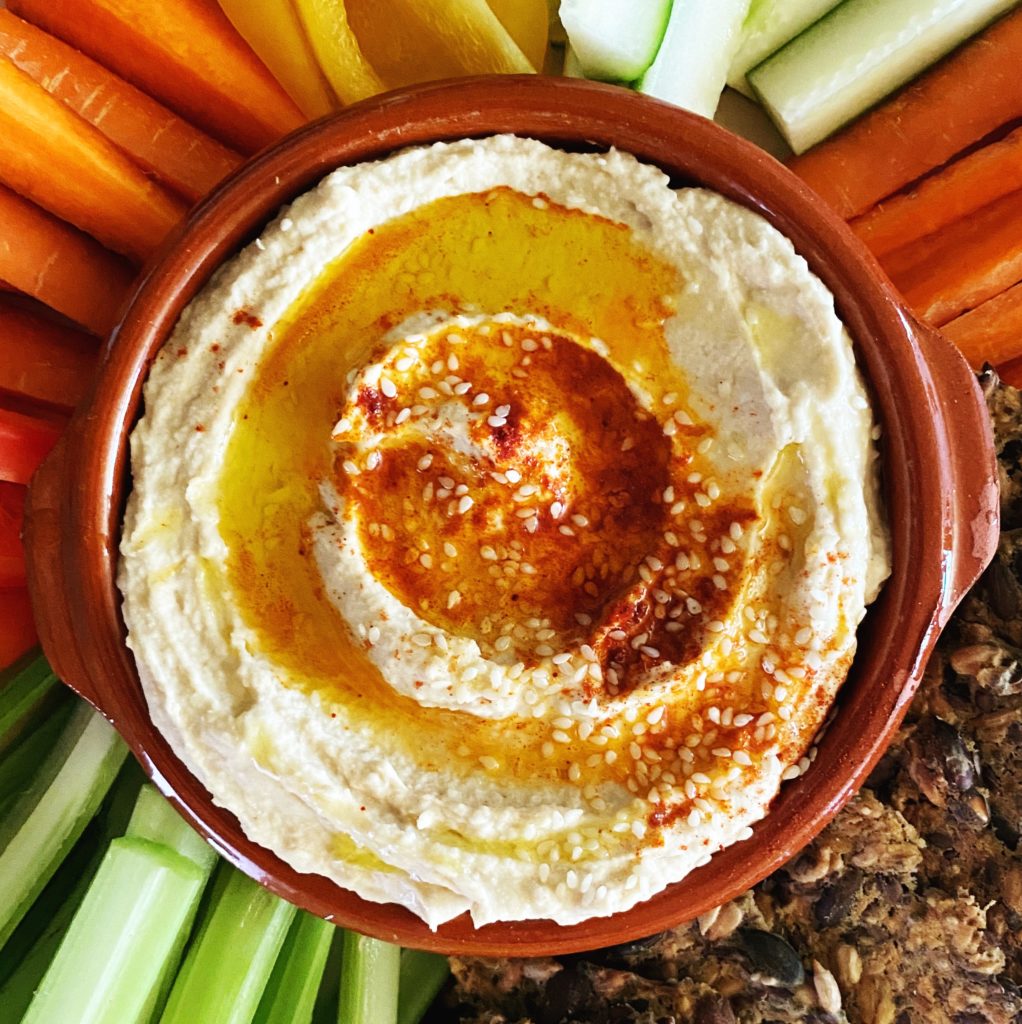
Hummus

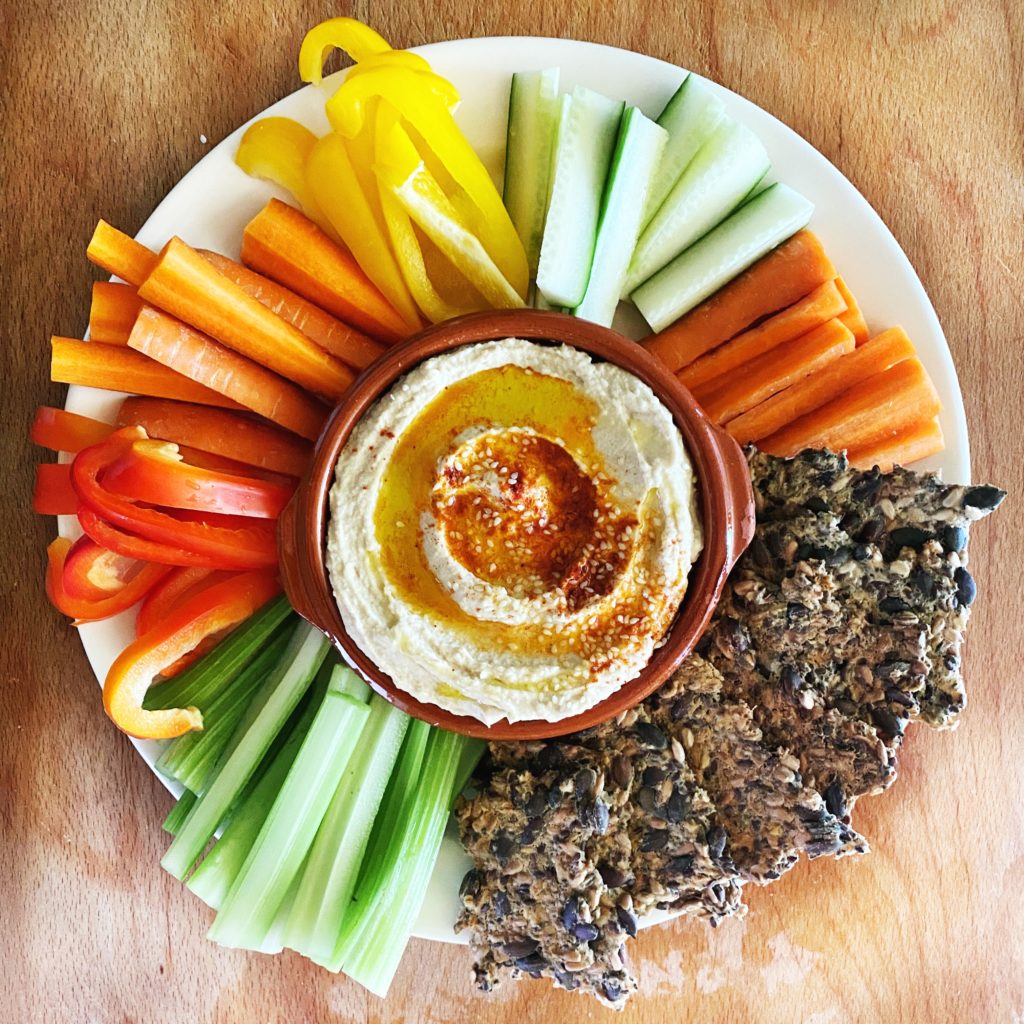
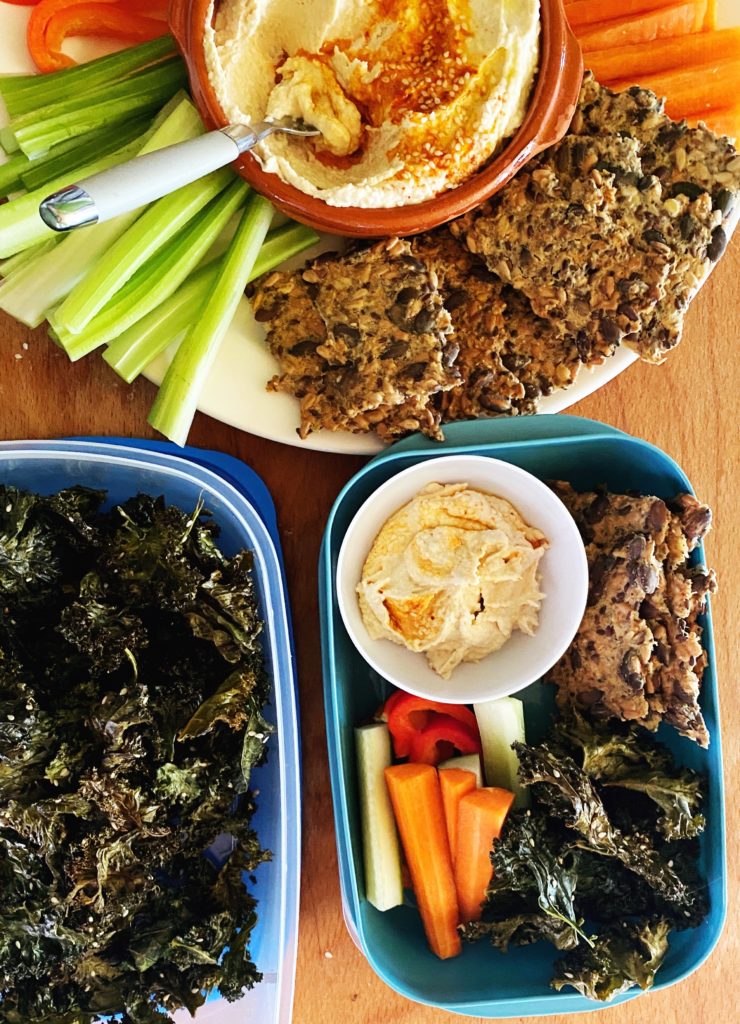
A lunchbox essential! Spread into a wrap or a sandwich, or packed in a little tub with some sweet, crunchy carrot sticks, everyone loves hummus! Hummus is not only delicious but incredibly nutritious too! Who knew this humble spread contains all of the following:

👉Chickpeas provide fibre, protein and essential, energy-giving carbohydrates.
👉Tahini is rich in healthy fats and minerals including copper, selenium, calcium, iron, zinc and phosphorus.
👉Raw garlic retains more beneficial compounds (like allicin) than cooked garlic.
👉Olive oil is a healthy fat and contains vitamins E and K and is rich in antioxidants.
👉Lemon is a great source of vitamin C.

It’s so easy to make your own hummus from scratch. Especially using our organic tins of cooked chickpeas. We also sell organic tahini, garlic, lemons and olive oil! Add some of our organic pantry essentials to your next veg order here.

Liz x

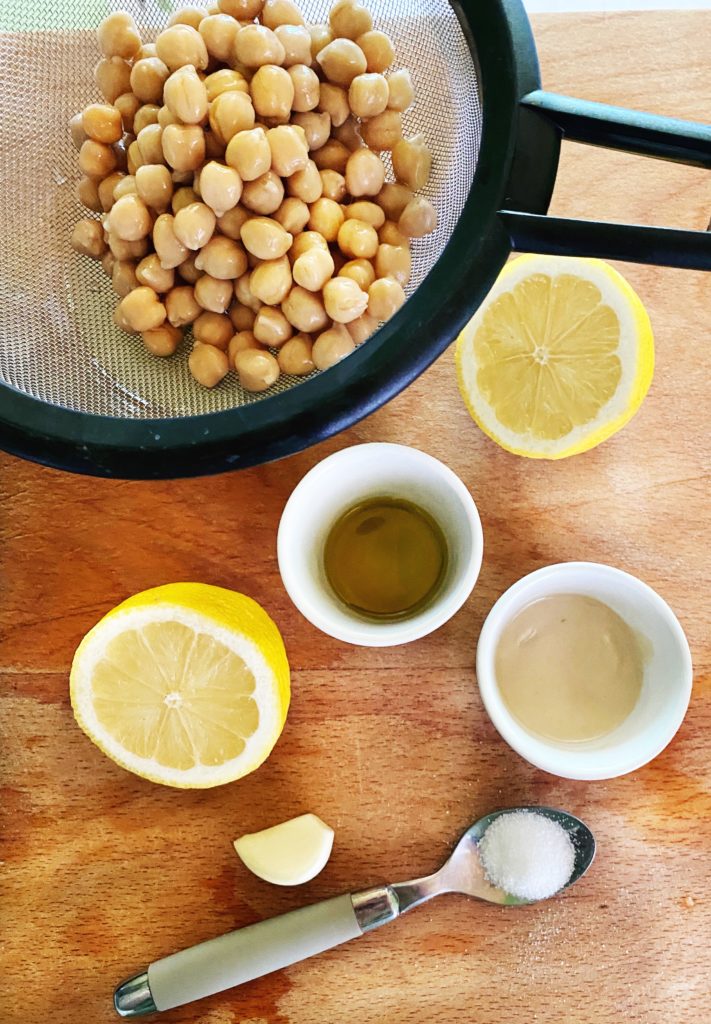
Ingredients

  • 1 tin of chickpeas
  • 1 clove of garlic, peeled
  • the juice from 1/2 a lemon
  • 2 tbsp tahini
  • 1 tbsp extra virgin olive oil
  • 1/2 tsp salt
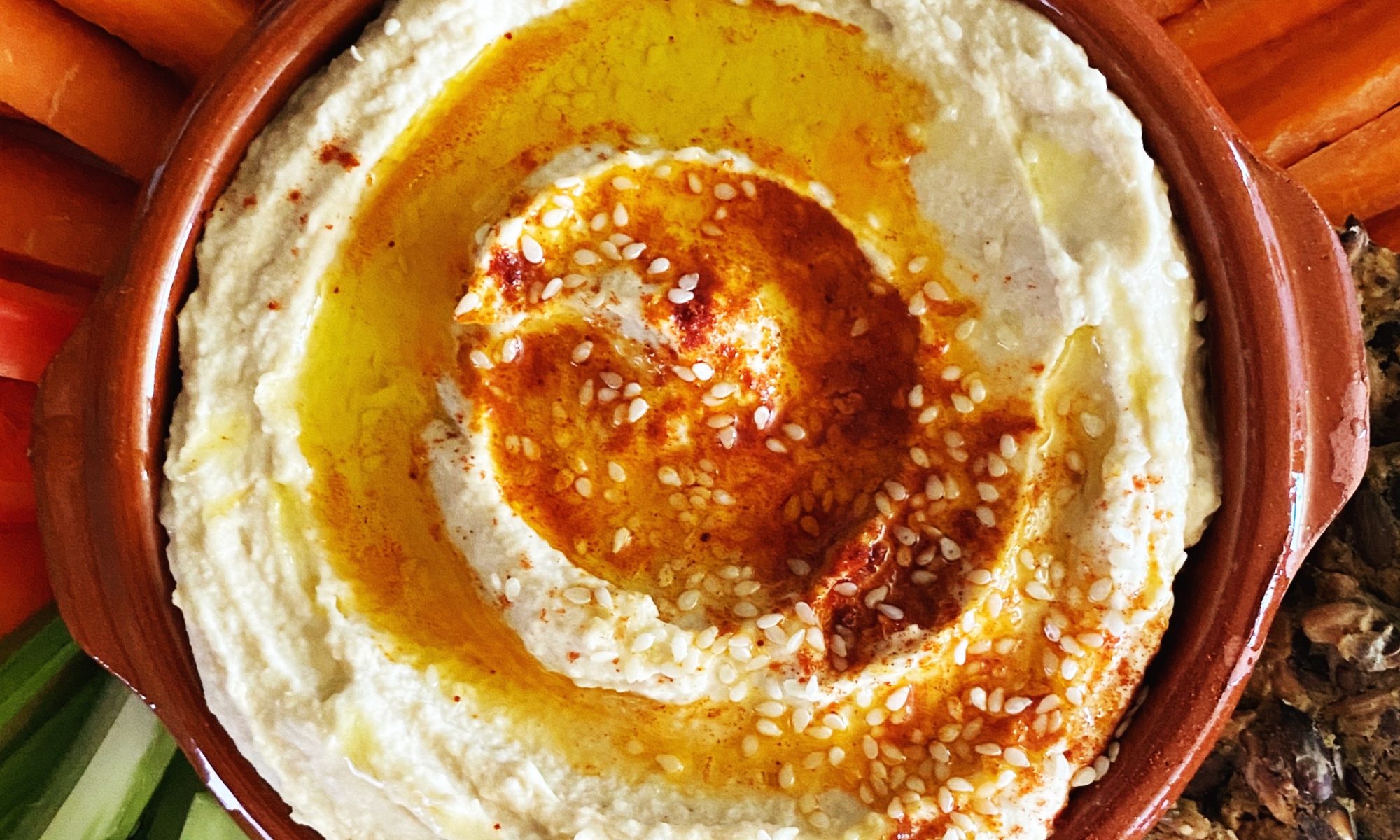
  • optional extras like more olive oil, smoked paprika and sesame seeds to top the hummus

Method

  1. Drain your tin of chickpeas over a bowl to reserve the aquafaba. (You can use some of it in this recipe and the rest to make vegan meringues, mayonnaise or cakes. Use the search bar above to find our aquafaba recipes.)
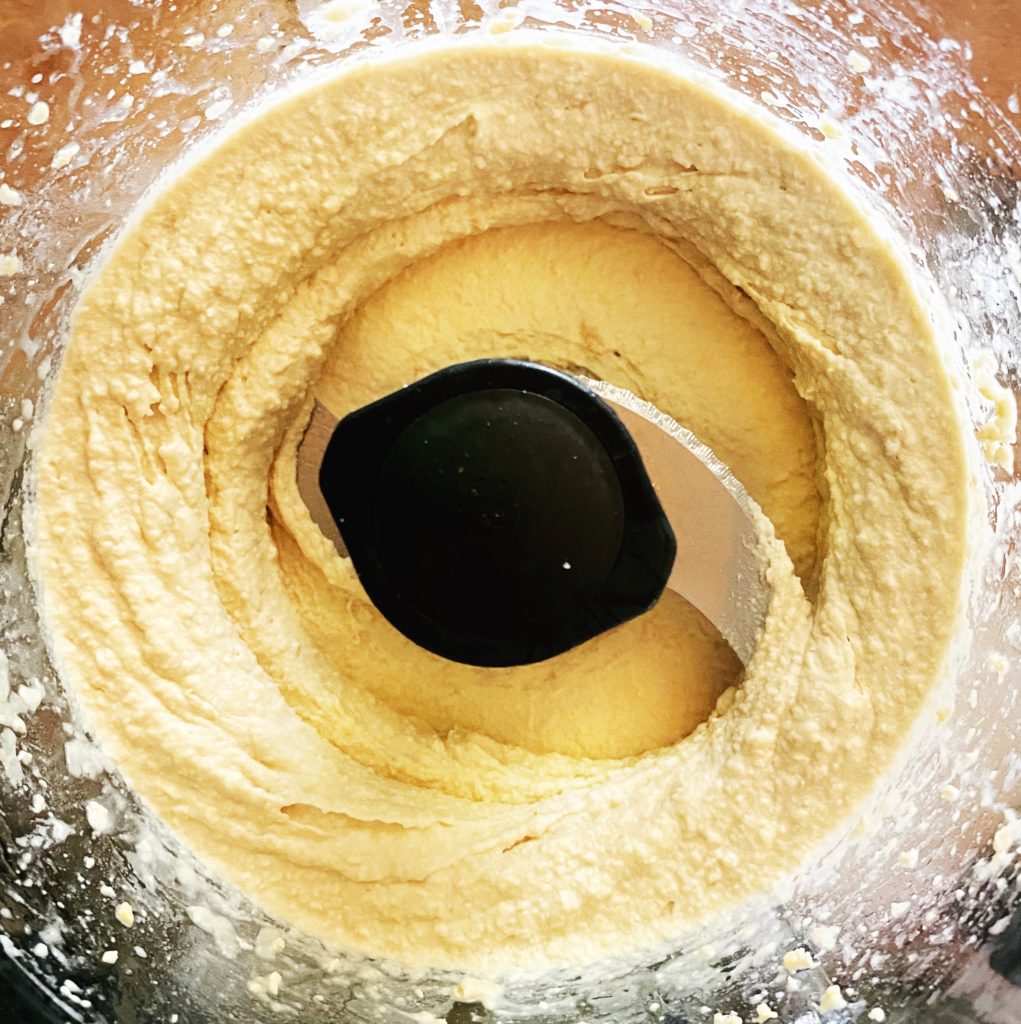
  2. Put the drained chickpeas into a food processor with the S blade attachment. Add the garlic, salt, tahini, lemon juice and olive oil then pulse into a thick, rough paste.
  3. Taste the paste and decide if you’d like to adjust the seasoning. Perhaps more lemon juice or salt?
  4. Then loosen the paste into a creamy hummus by blending again with a couple of spoons of the reserved aquafaba or a couple of ice cubes. Ice cubes make a really fluffy, creamy hummus.
  5. Spoon into a jar, tub or bowl and either enjoy immediately or refrigerate and eat later. Homemade hummus should be eaten within 3 days.

Kale Crisps

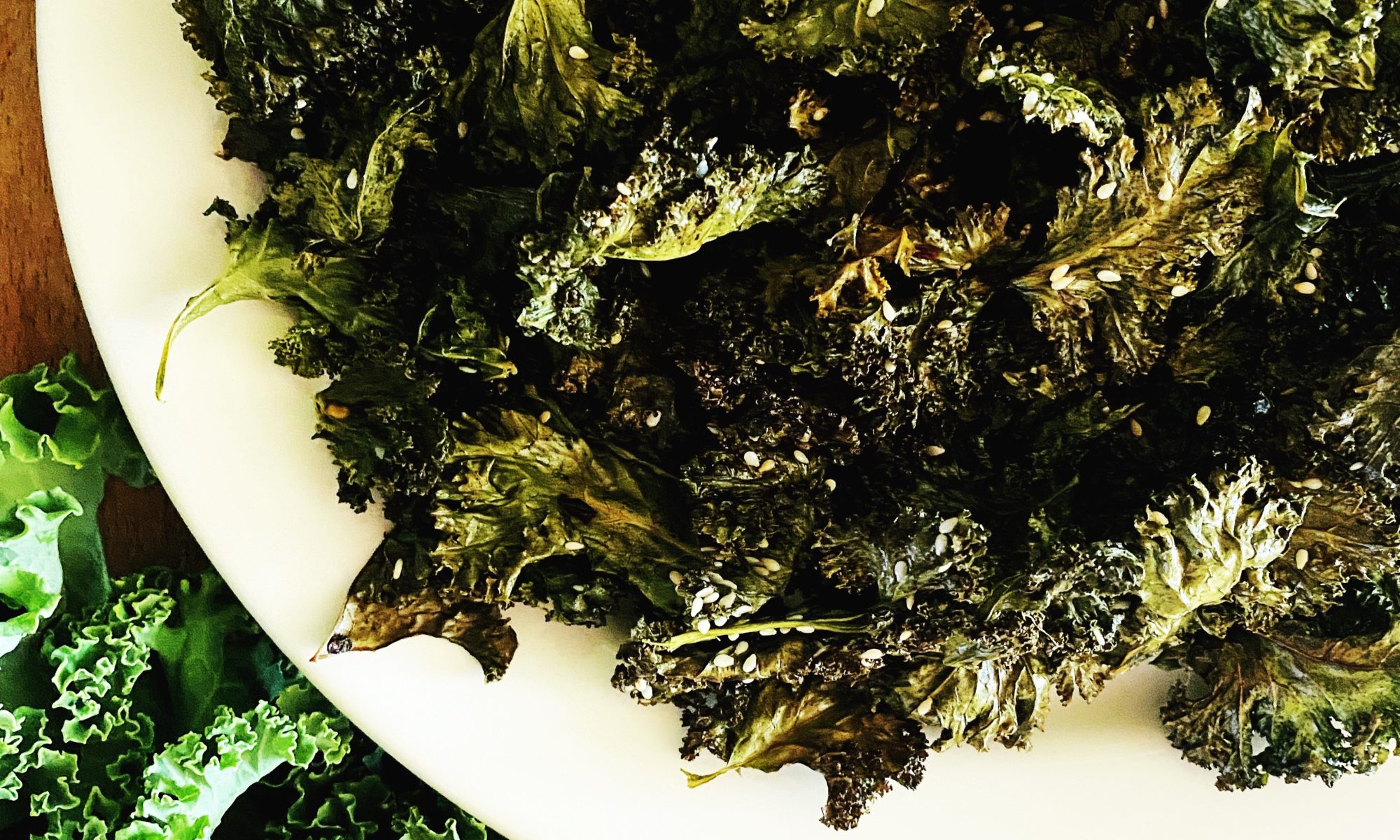
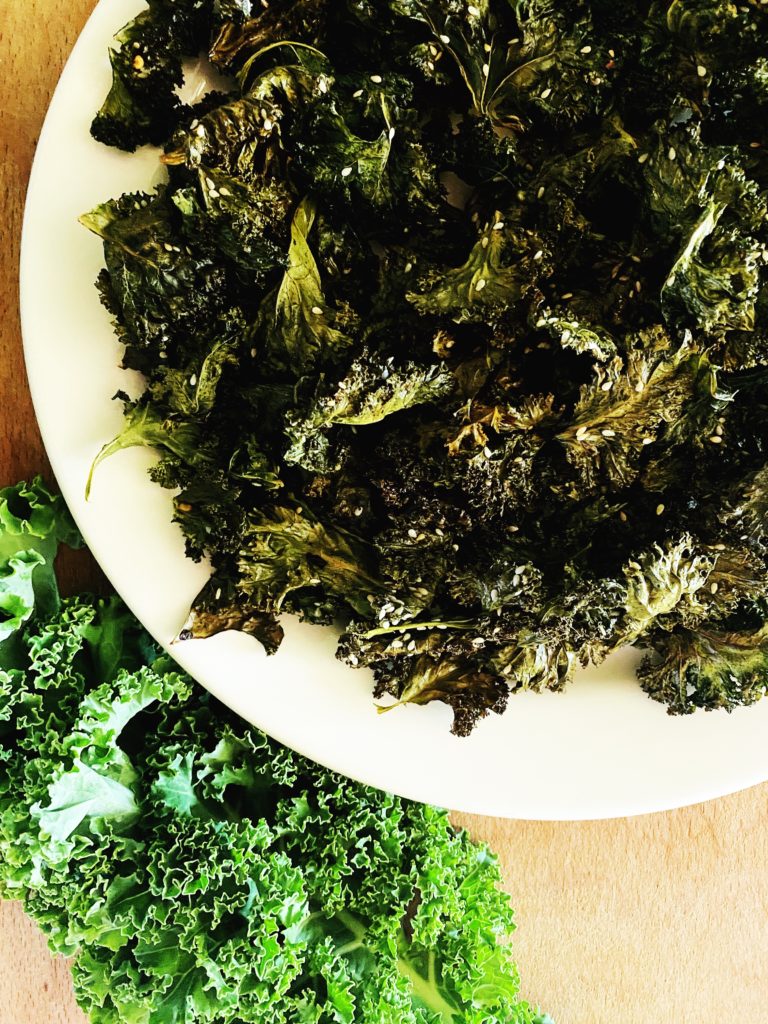
Kale crisps are easy to make and surprisingly delicious. If you’re looking for a healthy, savoury snack, you’ve come to the right place. Kale crisps remind me of crispy seaweed so as well as snacking on them whilst watching a film, I also crumble them over rice or noodle bowls. I’ve seasoned this batch with toasted sesame oil and chilli flakes to enhance that Asian, seaweedy flavour, but you can flavour your crisps exactly how you like them. Some other family favourites: nutritional yeast and garlic/onion powder (cheese & onion), smoked paprika and maple syrup (smokey bacon), or just plain old salt and pepper! Share your favourite flavour combos in the comments.

Kale is a real Irish superfood, full of fibre and vitamins, most notably vitamin C, calcium, magnesium and vitamin B-6. Kale crisps are a fun way to get all that goodness in.

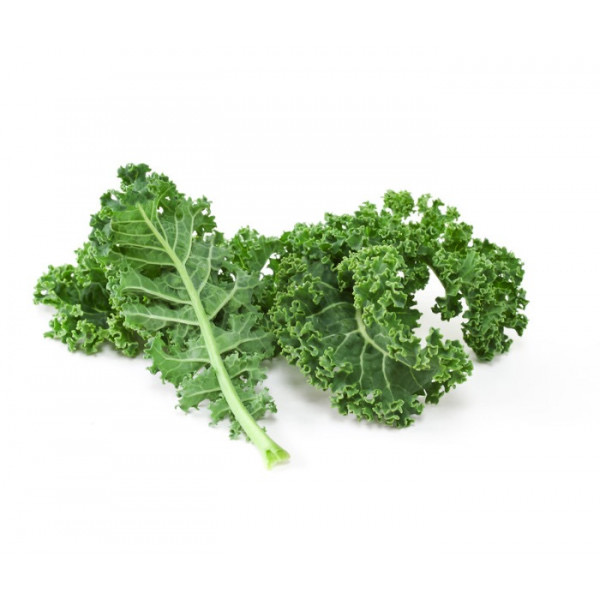
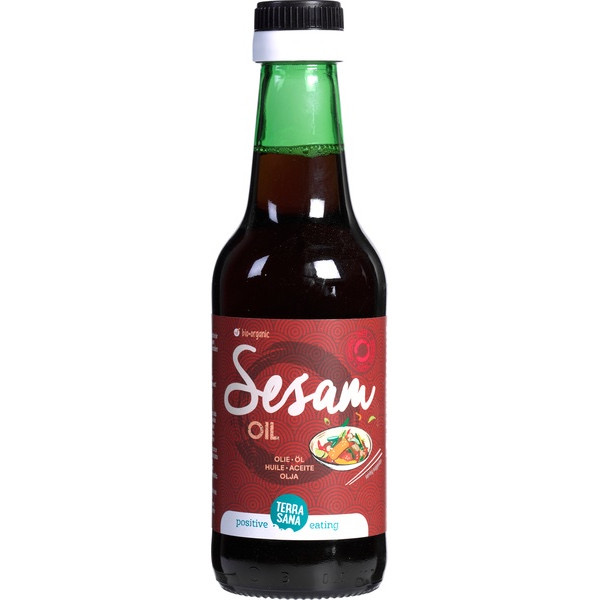
*All the ingredients pictured below can be added to your organic veg order and delivered to your door. We deliver to every address in Ireland and Northern Ireland.

Liz x

Ingredients

  • approx 14 curly kale leaves (any type of kale works)
  • 1 tbsp toasted sesame oil (or any oil you like)
  • chilli flakes to taste (or other flavours you like, see above for ideas)
  • 1/2 tsp salt (or to taste)
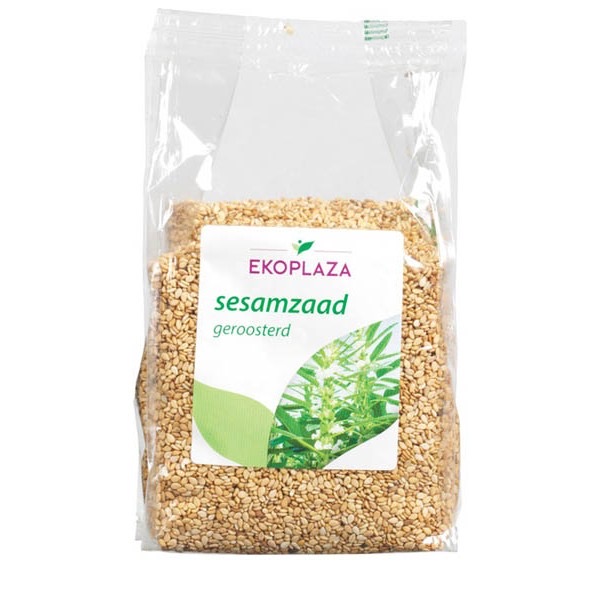
  • 1 tbsp sesame seeds (optional)

Method

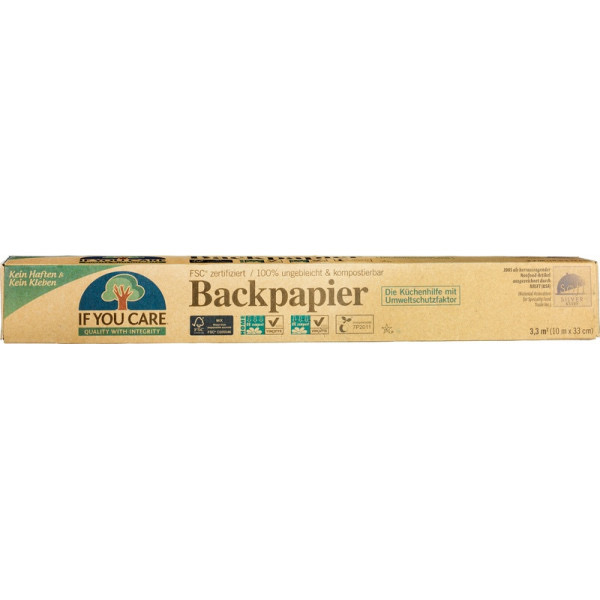
  1. Turn the oven on to 150C (130C fan) and find your largest baking trays. Line the trays with baking parchment – we sell a 100% compostable one.
  2. Rinse the kale and dry it thoroughly. I place the rinsed leaves onto a clean tea towel then use a second tea towel to blot the leaves dry.
  3. Tear the kale leaves from their stems and place in a large mixing bowl. Do not throw the stems away, they are delicious finely sliced and sautéed. Use in stir fries or add to risottos or stews…
  4. Add the oil, salt, chilli flakes and sesame seeds to the bowl and mix and massage the seasoning into the leaves. Break up any large pieces as you go.
  5. Spread the leaves out onto the lined baking trays, it’s best if they are in an even layer and not overlapping.
  6. Bake in the oven for 20-30 minutes or until completely dried out and crispy. You will need to stir them half way through.
  7. Allow them to cool completely before storing in an airtight container. They are prone to loose their crispness so eat the same day or you can try adding a few grains of rice to the bottom of the container to act like silica gel packs in bought kale crisp packets. Just be careful not to eat them accidentally.

Carrot Top Chimichurri

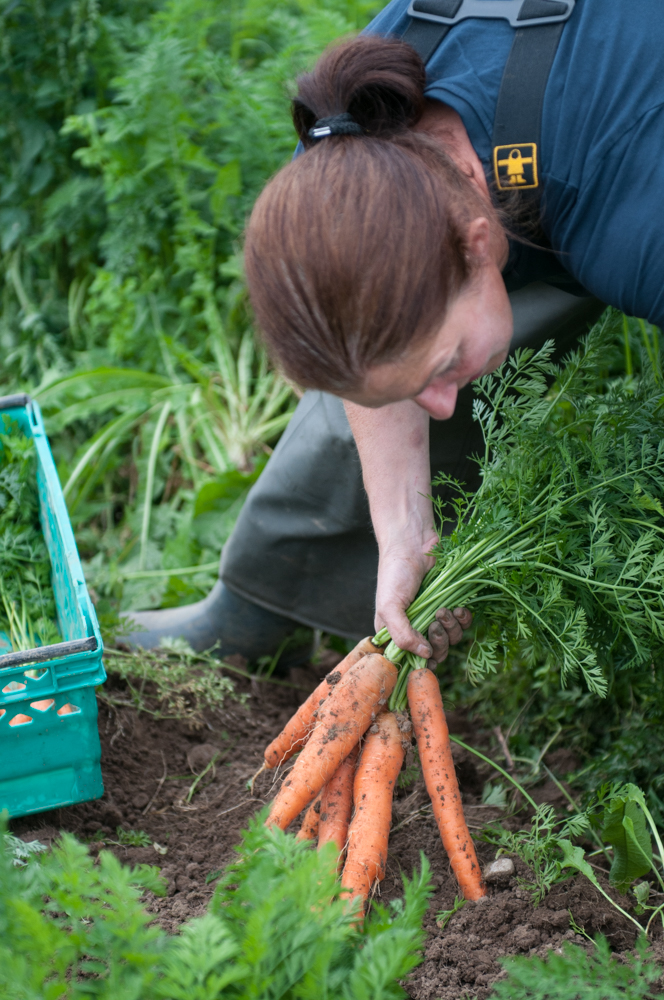
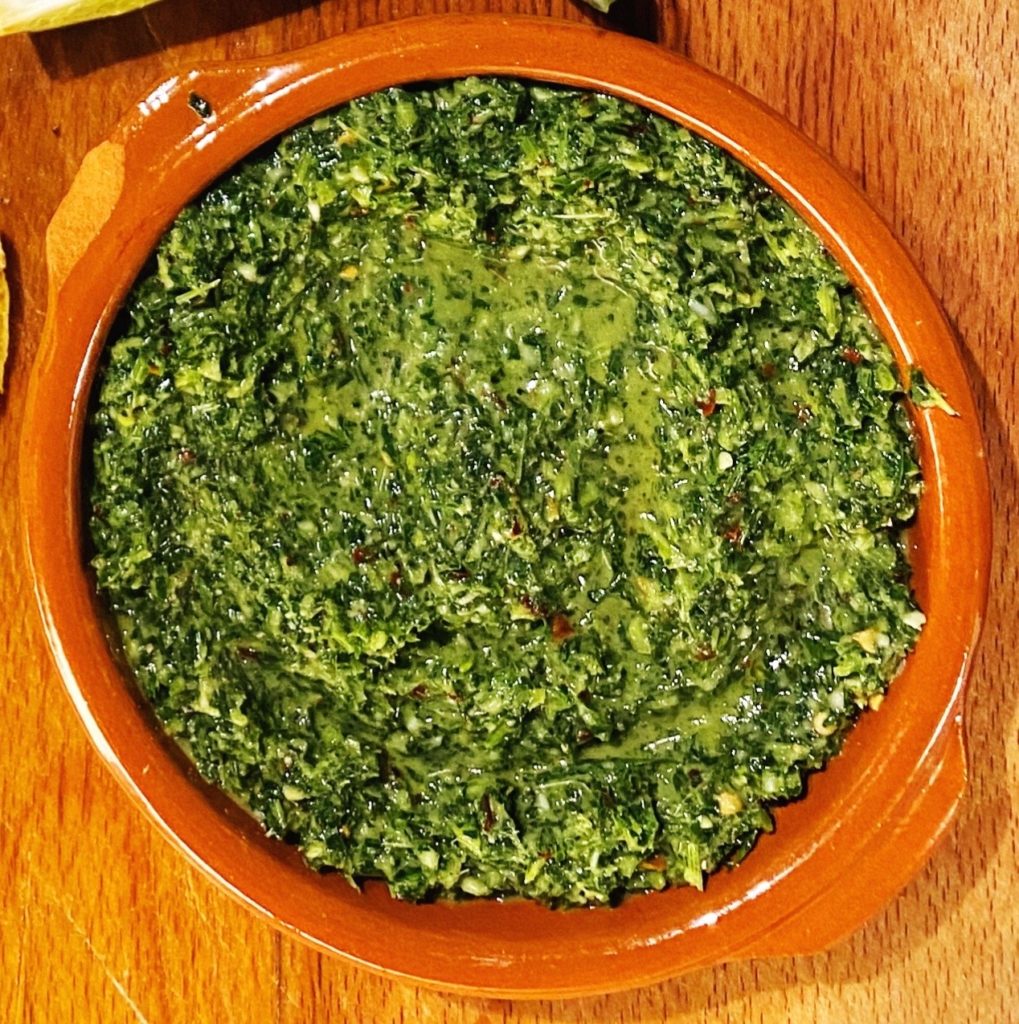
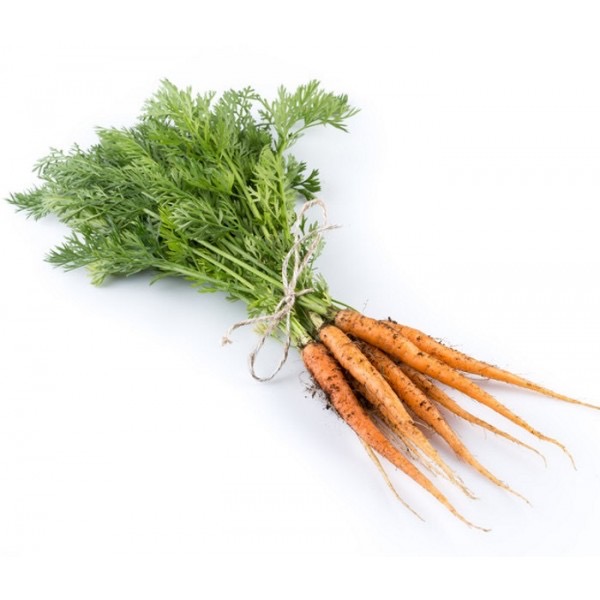
It’s new carrot season and we are really pleased with our crop again this year. They are the sweetest, most fragrant carrots ever! While they are being harvested fresh for the boxes (before we do a big harvest and store them for winter) we hope you really enjoy the greens too! They are perfectly edible and incredibly delicious and nutritious. Think of them like a fibrous herb. They have a strong parsley/carrot flavour and are best whizzed up into a pesto or other green sauce like this chimichurri. Or you can slice them finely and add them to soups or stews. Whatever you do, don’t throw the greens away, you’ll be missing out on some amazing dietary fibre, vitamins and minerals.

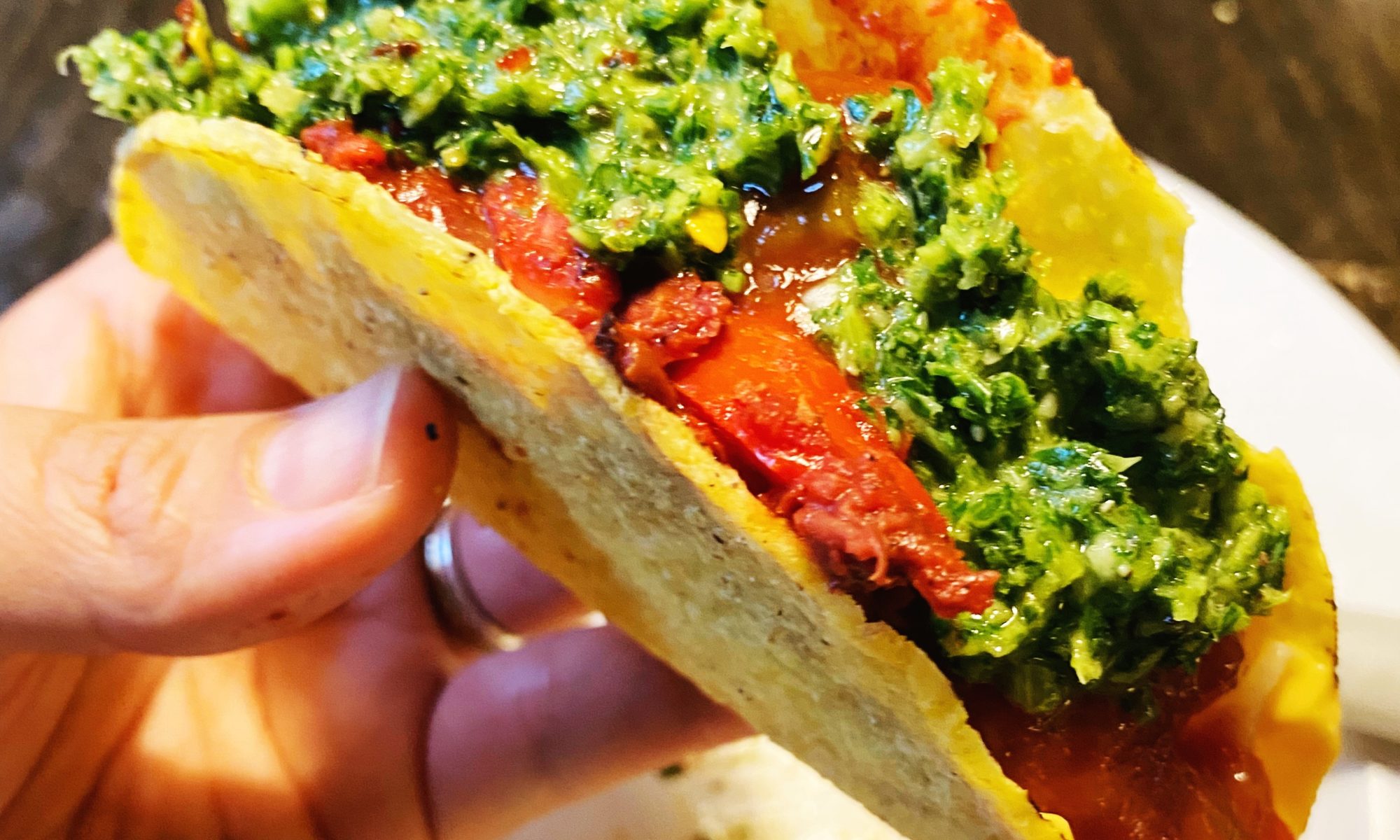
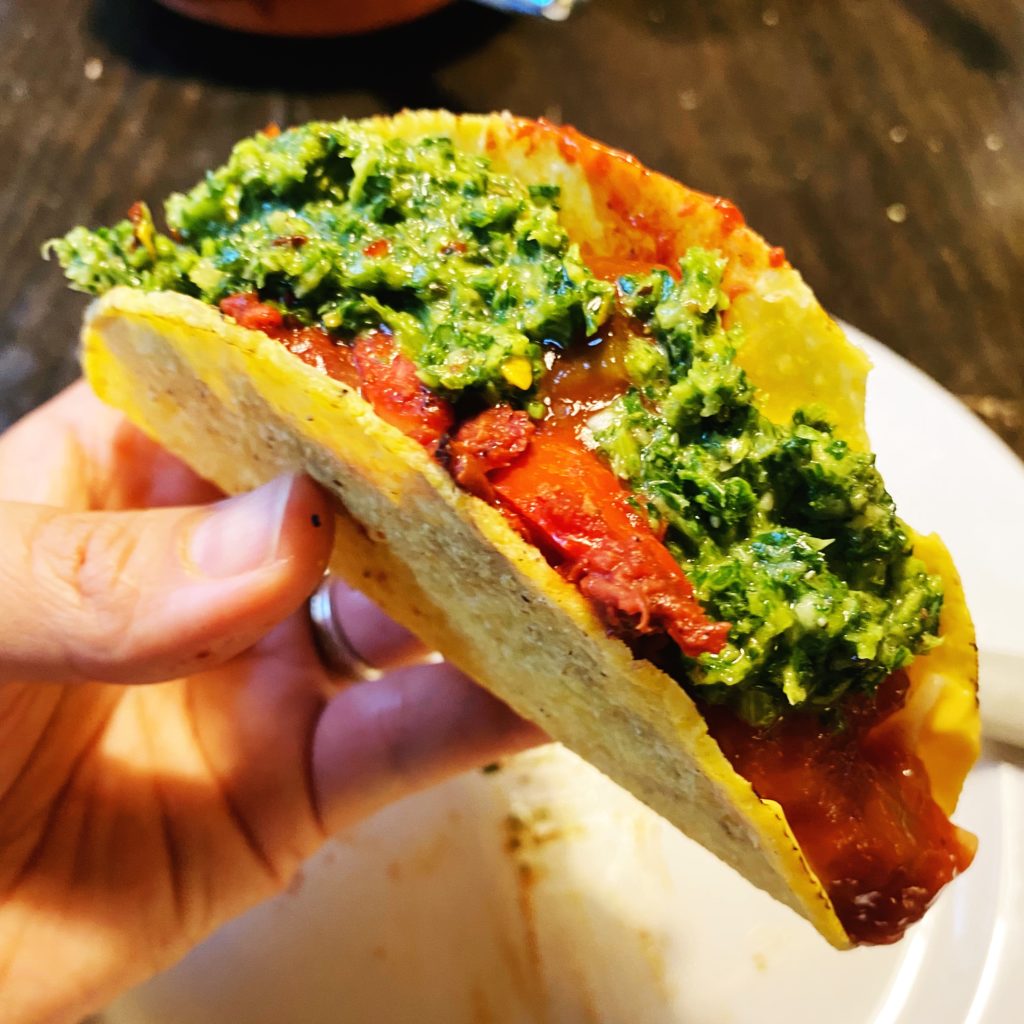
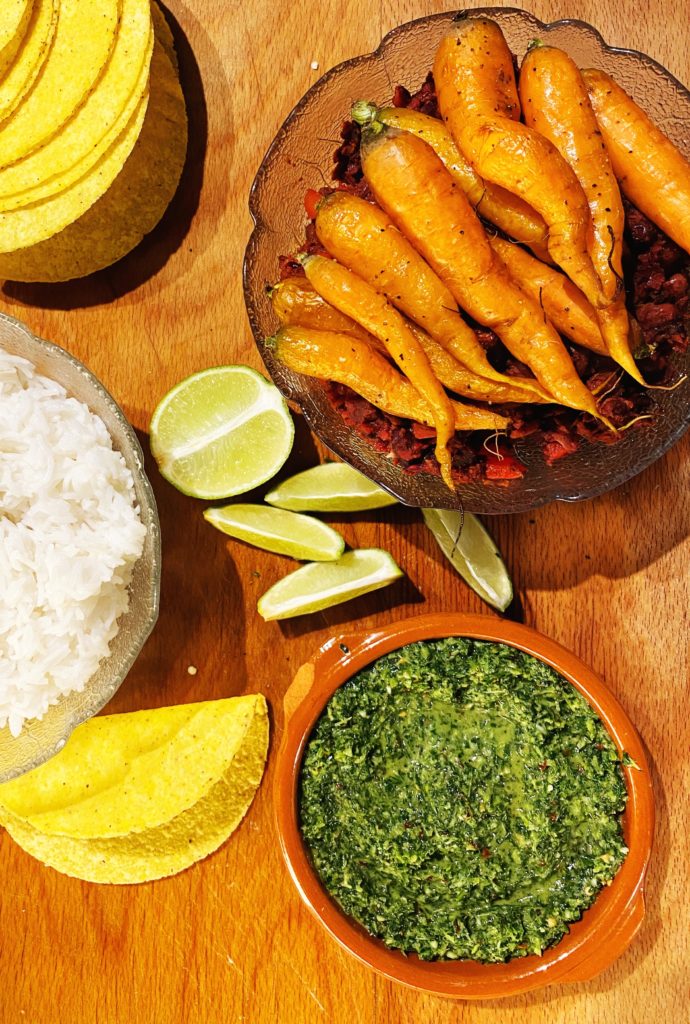
The main ingredient for a traditional chimichurri is parsley so carrot tops work really well as a replacement here. Simply whizz the ingredients up together in a food processor, allow the flavours to sit and mingle for a little while and you have a delicious herby drizzle to make your tacos (or barbecue, burritos, roast veg…) pop!

How do you use carrot tops? Liz x


Ingredients

  • Carrot tops (I used tops from 8 carrots)
  • 1 tsp chilli flakes (or use fresh red chilli to taste)
  • 1 tsp dried oregano
  • salt and pepper to taste (I use about a tsp of each)
  • 8 tbsp extra virgin olive oil (or more!)
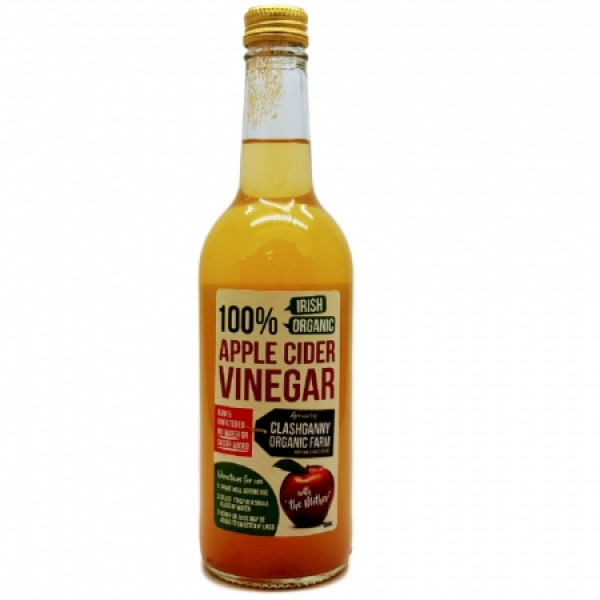
  • 4 tbsp vinegar (red wine vinegar is traditional but local apple cider vinegar works well for this recipe too)
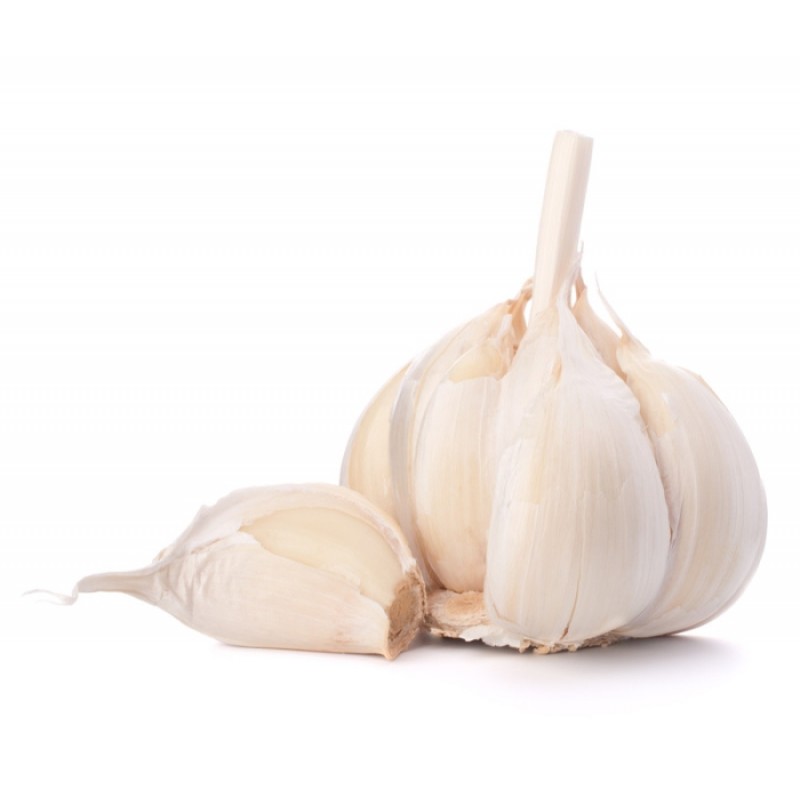
  • 3 cloves of garlic

Method

  1. Rinse your carrot tops well, then roughly chop them and add them to a food processor.
  2. Add the rest of the ingredients and pulse until they come together into a rough, loose sauce. You may need to stop the machine a few times and scrape down the sides.
  3. Taste and adjust the seasoning if needed. You may also need to add more oil or vinegar to loosen the sauce. Blend again briefly to combine.
  4. Spoon the sauce into a small bowl, cover and allow the flavours to mingle and marinade while you prepare the meal you’ll be eating the chimichurri with. We drizzled ours over hard shell tacos this time and they were absolutely delicious! Enjoy.
Carrot top chimichurri, roasted carrots and bean chilli about to be stuffed into tacos!

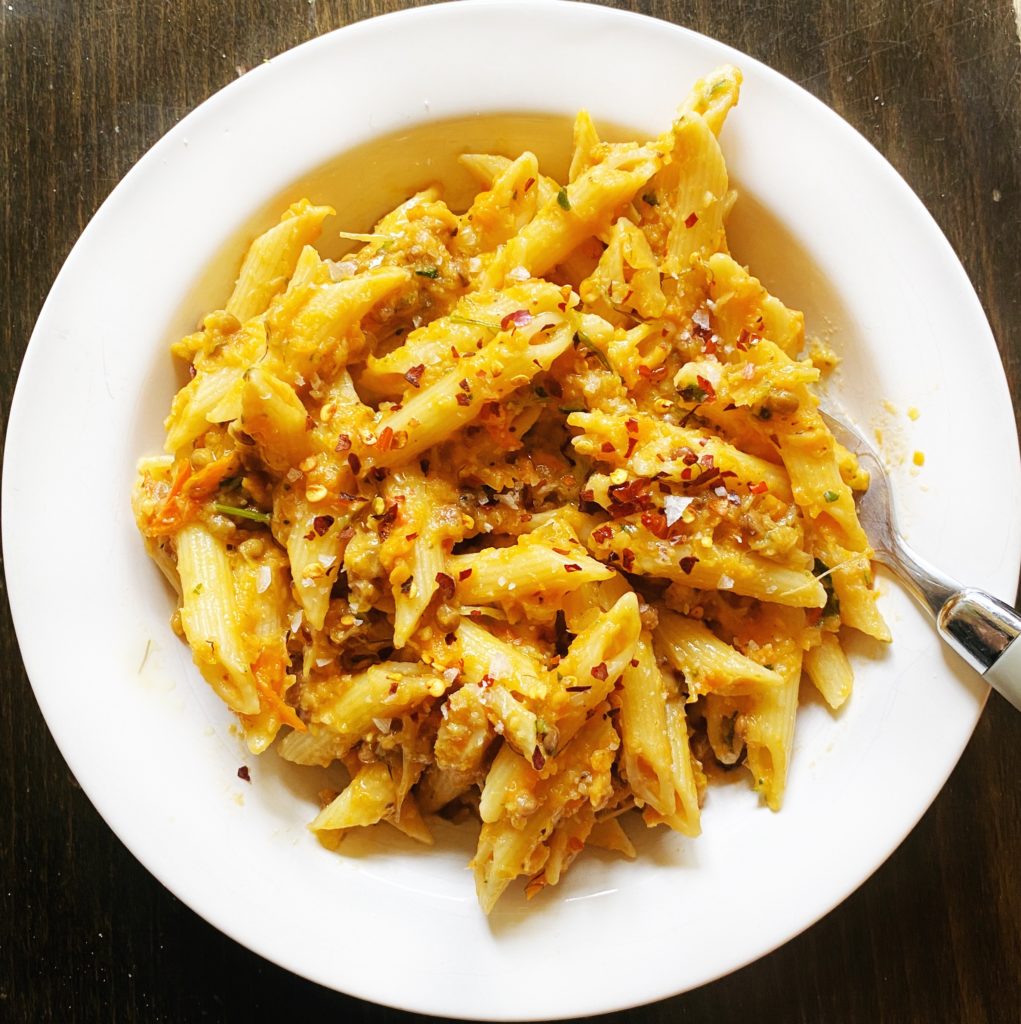
Roasted Fennel & Tomato Pasta Sauce

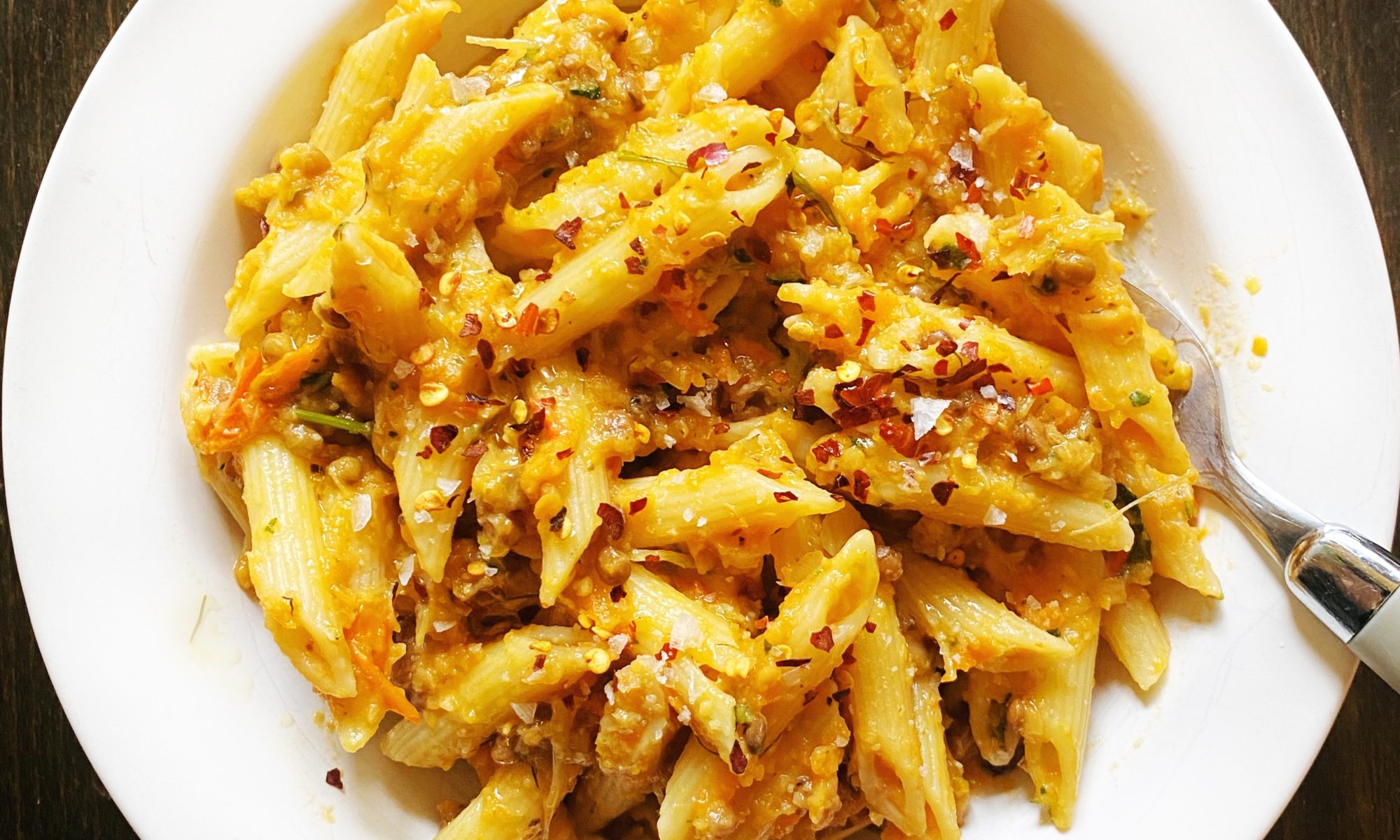
One of my go-to weekday dinner solutions, for those hectic days when the juggle between work-life and family-life has left you reeling, is to roast a big tray of vegetables and then while that’s cooking decide what to do with it. I usually turn it into pasta sauce or soup with the help of my handy stick blender and add some extra protein with a drained tin of beans or lentils. There is always the option to stir the roasted veggies through rice or add them to tacos or a make a warm salad by tossing them through a drained tin of cooked pulses (our organic range from Bunalun is so handy). Roasting vegetables makes them sweeter and more delicious and our farm grown fennel and tomatoes are just *made* for pasta.

Like most of my recipes, this is a flexible affair. Make it smooth or chunky, don’t worry too much about the ratios of the different vegetables. Make do with what you have and if in doubt, add a tin of chopped tomatoes. Liz x

Ingredients (serves 4 generously)

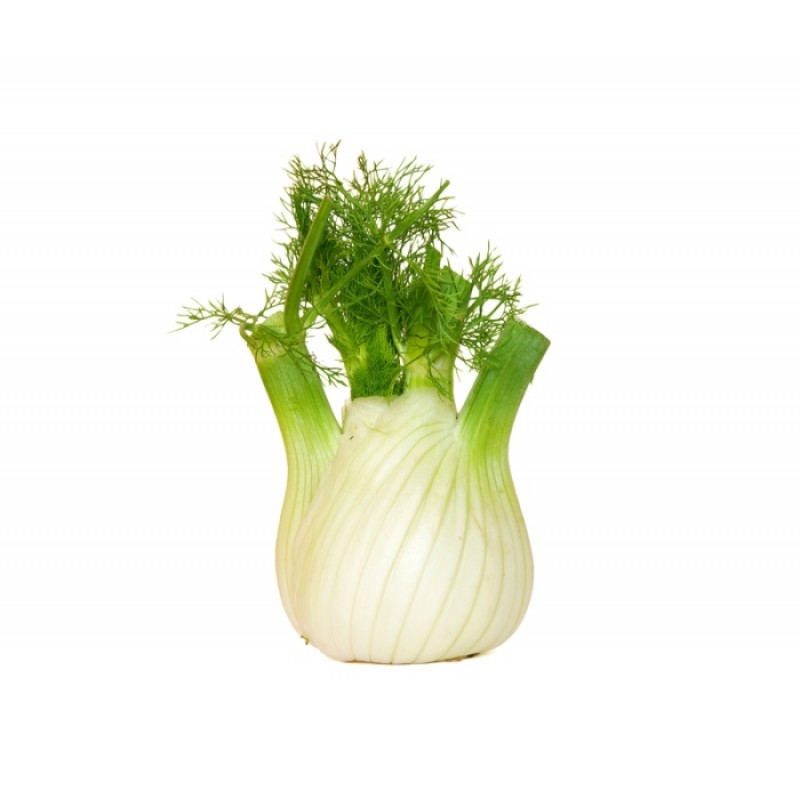
  • 2 fennel bulbs (roughly chopped, fronds kept to one side to use fresh as a herb)
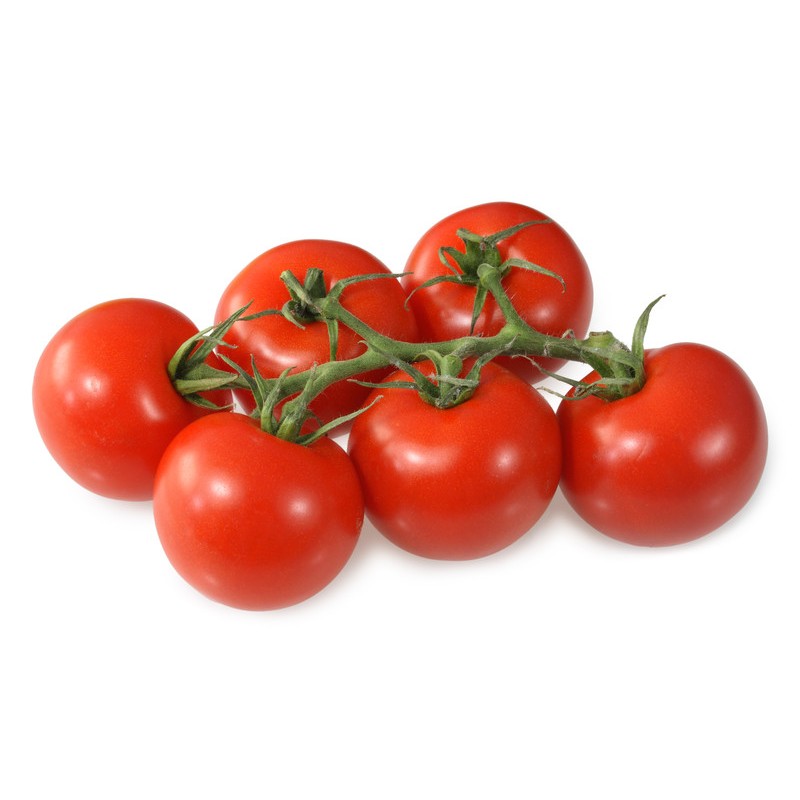
  • 250g tomatoes (roughly chopped)
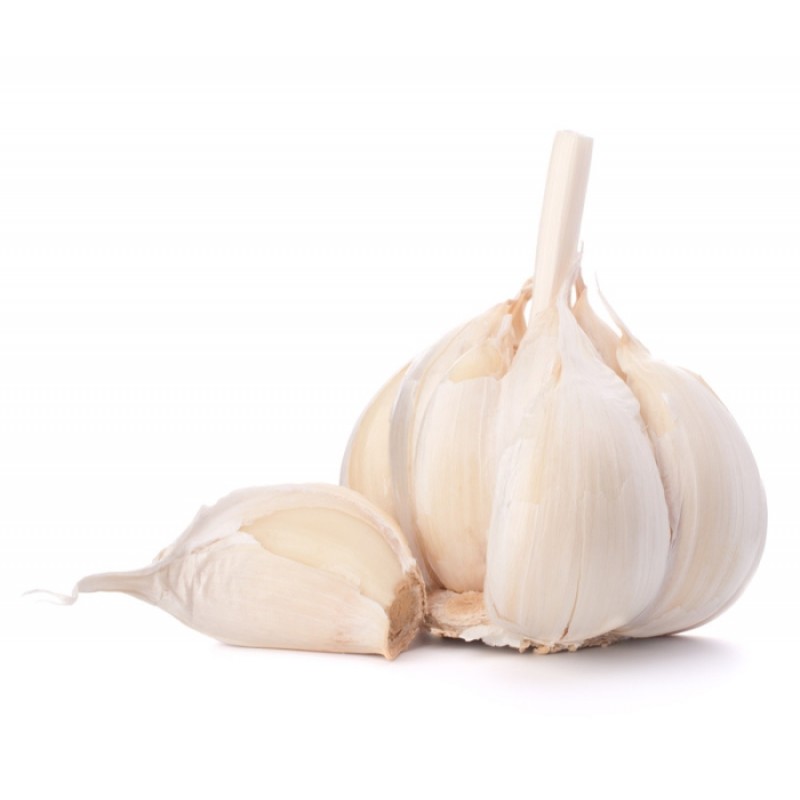
  • 1/2 a bulb of garlic (peeled and chopped)
  • 1 onion (peeled and chopped)
  • optional extra vegetables like courgette, peppers, carrots…(roughly chopped)
  • olive oil for roasting – about 4 tbsp
  • salt and pepper to taste
  • 1 tbsp fennel seeds
  • optional drained tin of green lentils
  • pasta to serve
  • optional chilli flakes and extra virgin olive oil to serve

Method

  1. Turn your oven on to 200C and find your largest oven tray.
  2. Roughly chop all the vegetables and scatter them onto the tray.
  3. Drizzle generously with good olive oil and season with salt, pepper and fennel seeds.
  4. Use your hands to mix the vegetables, oil and seasoning well, then pop the tray into the oven to roast the vegetables while you cook some pasta (we stock a range of brilliant organic pastas, including gluten free varieties, which you can add to your veg order).
  5. After 20 minutes, the vegetables should be soft and starting to caramelise. If you used a smaller tray then it will take longer and you should stir them occasionally to ensure they all catch some direct heat.
  6. Carefully tip and scrape the roasted vegetables into a deep container. I like to use a sauce pot so that I can easily re-heat the sauce if needed. Then using a stick blender, blend the vegetables into a sauce. You can make it perfectly smooth or leave some texture and chunks, however you prefer it is fine! Or add some vegetable stock to loosen the sauce into a soup?
  7. Add the chopped reserved fennel fronds if you like that fresh, aniseed flavour. For extra protein and fibre, add a drained tin of lentils or white beans to the sauce.
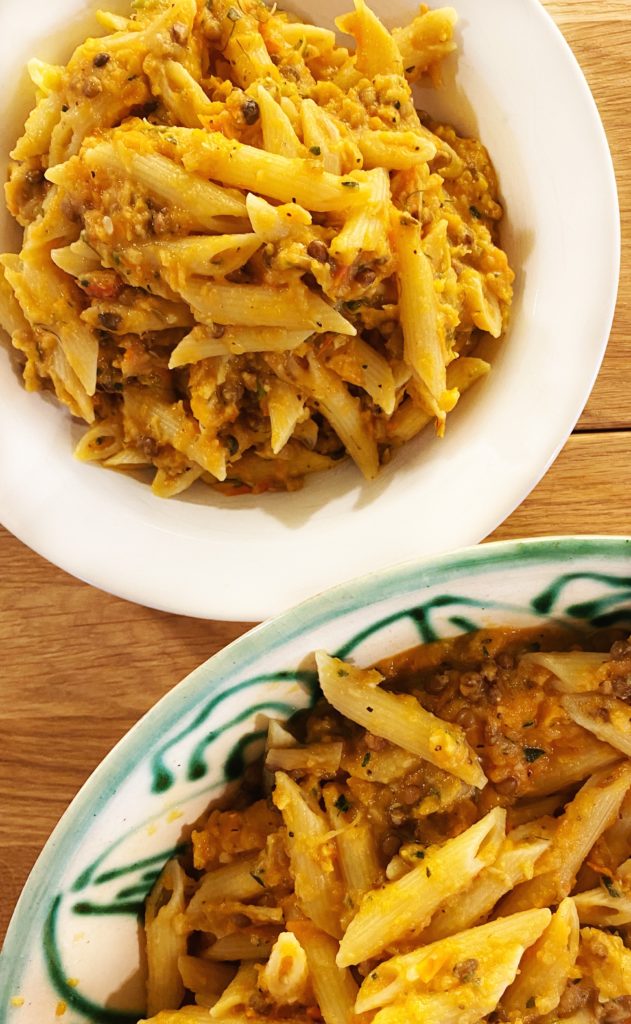
  8. Stir through freshly cooked pasta and serve. I always put extra virgin olive oil, flakey salt and chilli flakes on the table too with this dish. Enjoy!

Weed Control & Roundup

Over the last couple of months, I had forgotten how grounding growing food is. On a sunny day or sometimes even better on a wet and windy day walking through the crops, or sampling the fresh harvest, leaves you feelingconnected to the land and alive.  It is easy to forget all of this.  
 
These days it’s very difficult to know how the food we eat is actually produced. How could we be expected to know?  Life is so busy, and supermarkets give us a shiny happy reality that is often disconnected from the real food production processeshidden behind the scenes. 

The end of the growing season is a mad rush it always is and just when you think you are finished you discover you are not. We have finished planting, but the weeds have marched on relentlessly. This warm humid weather is ideal for cropgrowth but also for weed growth. 

This year our work apart from one or two mishaps has kept pace with the weeds. But our approach to weed control is notone of total dominance, quite frequently once you get the crops to a certain size the weeds are no longer a problem. 

In fact, they can provide a basis for a wide variety of life: flowering weeds that bees come to, the lush green undergrowth, a haven for a myriad of tiny creatures that would not be there otherwise. 

Thus, in turn providing food for the birds, and at times, the necessary predators such as ladybirds and hoverflies that feed on aphids. A natural ecosystem living below the giant shading leaves of the broccoli plants or cabbages develop. Each plant brings something different to the fray and generally none are unwelcome.

Now please do not misunderstand me, if we did not take a pragmatic approach to weed control and utilise all the tools at our disposal there would be no crops, no food, and no farm. We have worked extremely hard to ensure the crops are healthy and weed control is part of the process. No, our approach is just different, less harsh and embraces the idea that yes, we can work with these other plants, and they too have a place on our farm. 

Conversely conventional farming relies on the iron fist of chemicals to control weeds, there is no room for negotiation here, the chemicals are designed to disrupt metabolic pathways in plants, they are generally systemic in nature (get absorbed into the plant and reside there after application, all the way up the food chain onto our plates), the weeds are removed, and the residues of the chemicals remain in and on the food. Just look at the side of any road sprayed with roundup, it is ugly and yellow and dead. 
 
Using chemicals to fight nature will never work. In the short term it may give a temporary reprieve from a certain disease or pest, but that pest will come back stronger and more resistant next time. It is in a way a self-perpetuating industry.It is not the way and IT IS CERTAINLY NOT OUR WAY.

Organic agriculture is much more than saying no to the use of chemicals, it represents a holistic approach to working with nature, to our land and to our food. It means no chemicals, but it also means no artificial fertiliser, it means tree planting, it means hedge planting, it means allowing nature its place to thrive while also producing food. It means taking care of the soil and it means producing food that tastes fresh and good and crucially is good for us and for the environment.

Here’s to fresh organic food!

Kenneth

PS: It is a strange time, normality is creeping back into our lives, kids are going back to school as are ours, routines if there are ones will be re-established. It has been a strange year, some things are certainly outside of our control, but we can control what we eat. Keeping good healthy fresh food in our fridge, means we are more likely to use it, and this means we will eat healthier and feel better, as we head into autumnaldays this is one sure positive step we can take.