A serious question, and a great bunch of people…


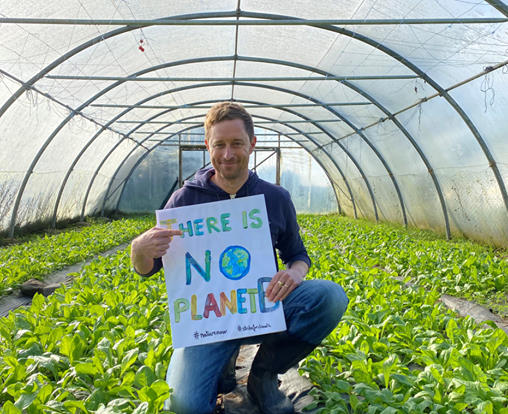
It’s been an interesting week. On Sunday I went with a group of Irish organic farmers to the UK to see a bunch of British organic farmers, it was a great trip some truly lovely people so open and willing to share. The highlight was a visit to Riverford farm and packing facility, an inspiring operation centred on sustainable food and fairness.

The reality of this fair equitable and sustainable approach to business, one we also have embedded in our own farm and operation here in Galway is the struggle to be profitable. Profitability is an essential facet of any business that wants to survive and reinvest.


I spoke to one farmer who farms over 100 acres of potatoes and carrots, he is lucky he is a Riverford supplier and so has protection from the outside forces of supermarket buyers, but even in this relatively protected environment he struggles.


So how if a farmer like that or like our own farm which gets preferential treatment and pricing and is using all the latest equipment and mechanisation but is trying to farm sustainably cannot make ends meet, what chance does a supermarket farmer supplier have?


This is a serious question, and as long as I have been banging on about it here, there is little real progress being made. The fundamental problem is that fresh food is classed as valueless, it is used as loss leader fodder, something that is used as a ploy to get consumers in the door, and once in, the supermarket machine gets us to spend on ultra processed rubbish that has higher margins. It is wrong.
If we want a fair world, a world where we can eat well, a world where veg producers can continue in business, a world where farmers are rewarded for protecting the environment, paying fairly, and growing chemical free food, then we need to vote with our wallets, it is plain and simple I am afraid.


We have been doing all of the above for 20 years, and this may be the first year where we will not have ended the year further in debt. Ironically it looks very much like our farm again this year will not be profitable, or at the very best at a stretch we may break even. This after the very best growing season we have ever had.
The reality is wages have gone up and up, costs of production have gone up and up, delivery, packaging, all the other stuff Whilst veg prices have not. Sure food inflation is absolutely real and yes the supermarket shop has gone up, but not fresh food, no this has remained relatively static, it’s all the other processed products that have increased in price, hence the decimation of the Irish horticultural industry over the last 20 years.


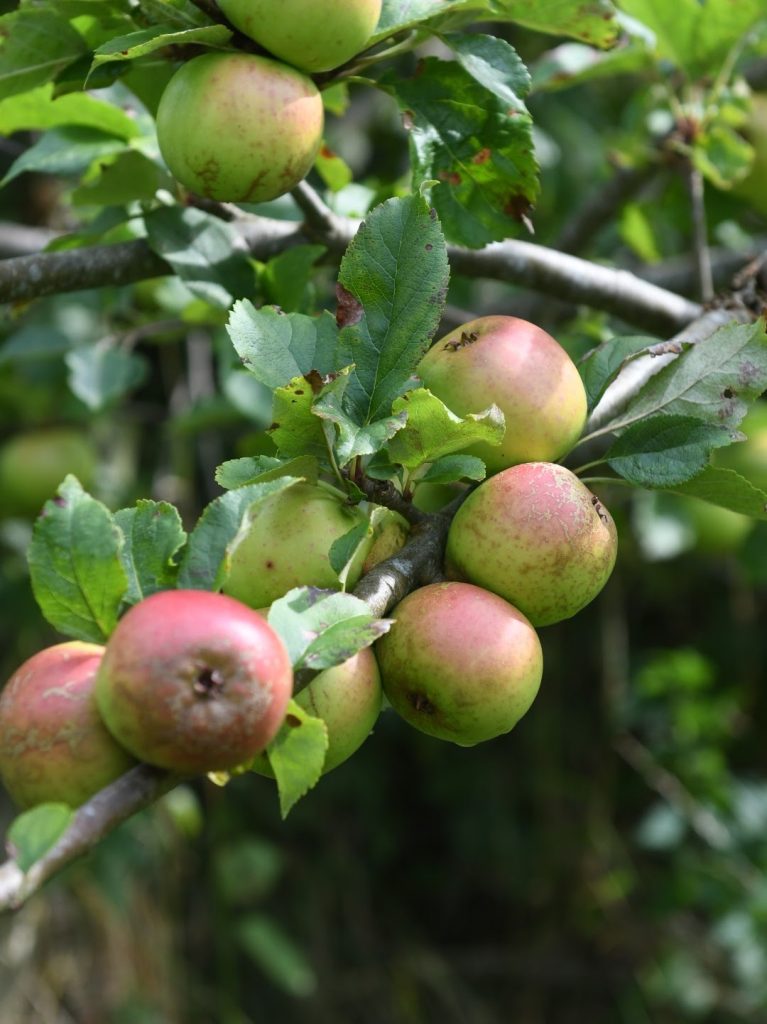
And here is the other bugbear of mine, we from next week will only have Irish apples on sale, from Richard Galvin in County Waterford, we pay much more than imported for these but will support him over imported, the same as we do for Irish onions from Beechlawn organic farm. (See how many Irish onions and apples you see on supermarket shelves).

I went into a supermarket yesterday and all I saw was imported apples on the shelf. The reason: they are cheaper to buy, we know as we import produce also, we know the pricing and how it works. (We will always grow/buy or support Irish over imported when Irish is available)
So, I would like to say the outlook is hopeful, the future is bright, and God knows we need hope and a positive outlook now more than ever with all the issues in the world.


There was a definite sense of positivity on our trip to the UK earlier this week, hopefully the positive energy will keep flowing.


As always thank you for your support, without it we would definitely have gone by the wayside a long time ago.
Kenneth

Why is kale on the dirty dozen every single time?

We were out spraying our crops this week, we were having problems with our sprayer, so I was out there with Brenda fixing the machine and ensuring it was working well. It struck me as I was down near the crops checking to ensure we were getting good leaf coverage with our spray that this is exactly what happens with toxic chemical sprays, they are applied, and they are sprayed directly onto the crops and are in some cases absorbed into the plants.

It was visually striking and although I have known this for years, it really hit me there in the field. We sprayed all our brassica plants that day with a mix of seaweed, boron, Epsoms salts and an herbal tonic.

At the time we were spraying black kale, funny thing is kale is a regular feature on the dirty dozen list, mindful that this is an American compiled list and there are so many more chemicals applied there compared to here in the EU, that doesn’t give us Europeans a free pass though.

Even so, for the life of me, why? Why spray kale? It used to be grown for cattle and is as hardy as vegetables come. We have been growing kale for 20 years and never had a disease problem. The only time we have an issue is with aphids, and that is after we leave the plants to go to flower, and they are exhausted at the end of a long season.

Chemicals that are absorbed into the food are called systemic, that means they penetrate the skin of the plant and get into its circulatory system, washing or rinsing does nothing to remove these chemicals.

You may note from the video that there are plenty of weeds in our fields, one of the most notable differences between organic and conventional agriculture is the absence of weeds. Weeds in conventional systems are managed generally starting with the ubiquitous spray of roundup followed by herbicides applied once the plants are in the ground. Then there is the fungicide and insecticide applications. All in all, whilst it is better in Ireland, the best way to avoid ingesting synthetic chemicals is to choose organic.

If you would like to know the chemical concoction you might find on your kale read on. Fungicides like, Difenoconazole, Boscalid, and Fludioxonil, insecticides such as Lamda-cyhalothrin, herbicides such as metazahlor, pendimethalin may be used, if you are in the US I am sure you can add a whole batch of more toxic chemicals to that list.

As the day went on, we got all our brassicas sprayed, I can only imagine the good the mix we applied is doing the plants, and I hope you can taste it in the flavour, freshness and richness of the produce coming off our fields and the fields of the other farmers that supply us.

Not only that, but I Saw a few bees fly though the spray and of course they flew on, no issue there, maybe it even did them some good, don’t think you could say the same for any synthetic chemical that might be sprayed.

As always thank you for your support.

Kenneth

PS Don’t forget to support our organic farm at this time of the year it makes all the difference to us and all the other organic farms and farmers that supply into us. Thank you. Kenneth

Many Lessons Learned

I remember growing potatoes, and funnily enough onions, with my dad when I was a young lad of nine or ten or so. Back then it was what you did, we used to have a big timber box in the shed, we would harvest the potatoes after the skin had “set” and fill the box for the winter.

If we knew there was a few days of sun coming, it was my job to climb up on to the top of the shed and lay out the onions to dry, I liked that. I guess I must have learned something back then.  

When we moved back to Ireland 17 years ago, I started growing vegetables again. The first carrots I grew were amazing, and I was proud of producing our food right there in our garden. It seemed the most sensible thing in the world to produce food locally and naturally without chemicals. My time working in the chemical industry had taught me chemicals belong in a lab and not on our food.

There were many lessons learned (and many we continue to learn) going from a few beds in the garden to a 40 acre farm, but the over-riding principle of producing food sustainably has never changed.

It seems to me that it is increasingly difficult, and downright irresponsible to justify taking decisions that do not put not the welfare of the planet at their core. We can no longer justify growing 80% of our crops to feed animals and growing them with excessive use of chemicals and artificial fertiliser.

For some it is easier to pretend that nothing is happening, and everything is going to be ok, that the people in charge know what they are doing and that they will make the right decisions. Thankfully some do, some businesses are embracing change, some leaders are showing that there is a different way, but there is still so much to be done.

Time is running out. Sugar coating the inevitable is not going to make climate breakdown go away, but how easy it would be to change our behaviour. We are on the precipice of rapid change. A new era of sustainable agriculture, renewable energy, a reduction in consumption and a new outlook is upon us, business as usual will be relegated to the back of the closet where it belongs.

We (you and I) have such an opportunity to lead the way, to be at the heart of a food and carbon revolution and it can start with the simple step of changing what we put on our plates. The most amazing thing about sustainable food of course, is that not only is it better for you and I and the planet, but it tastes so much better too.

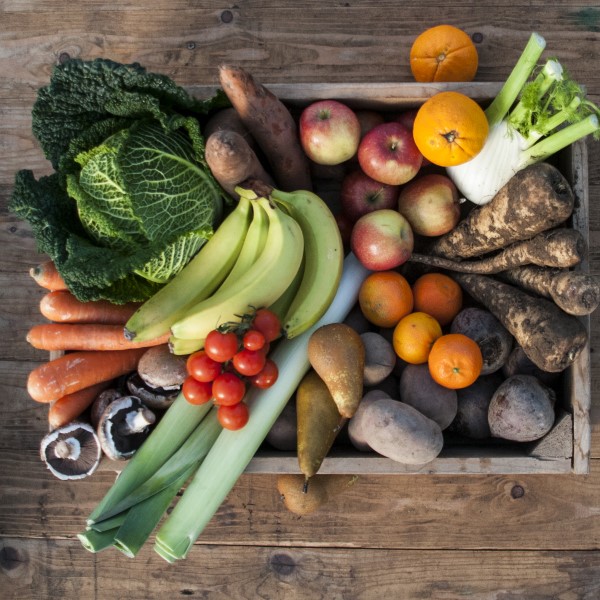
As always thanks for your support. You can sign up to a veg box subscription by emailing us or order direct from our website here. Not only do we delivery the best organic fruit and veg, but a wide range of organic groceries too!

Kenneth

Learning from the Past

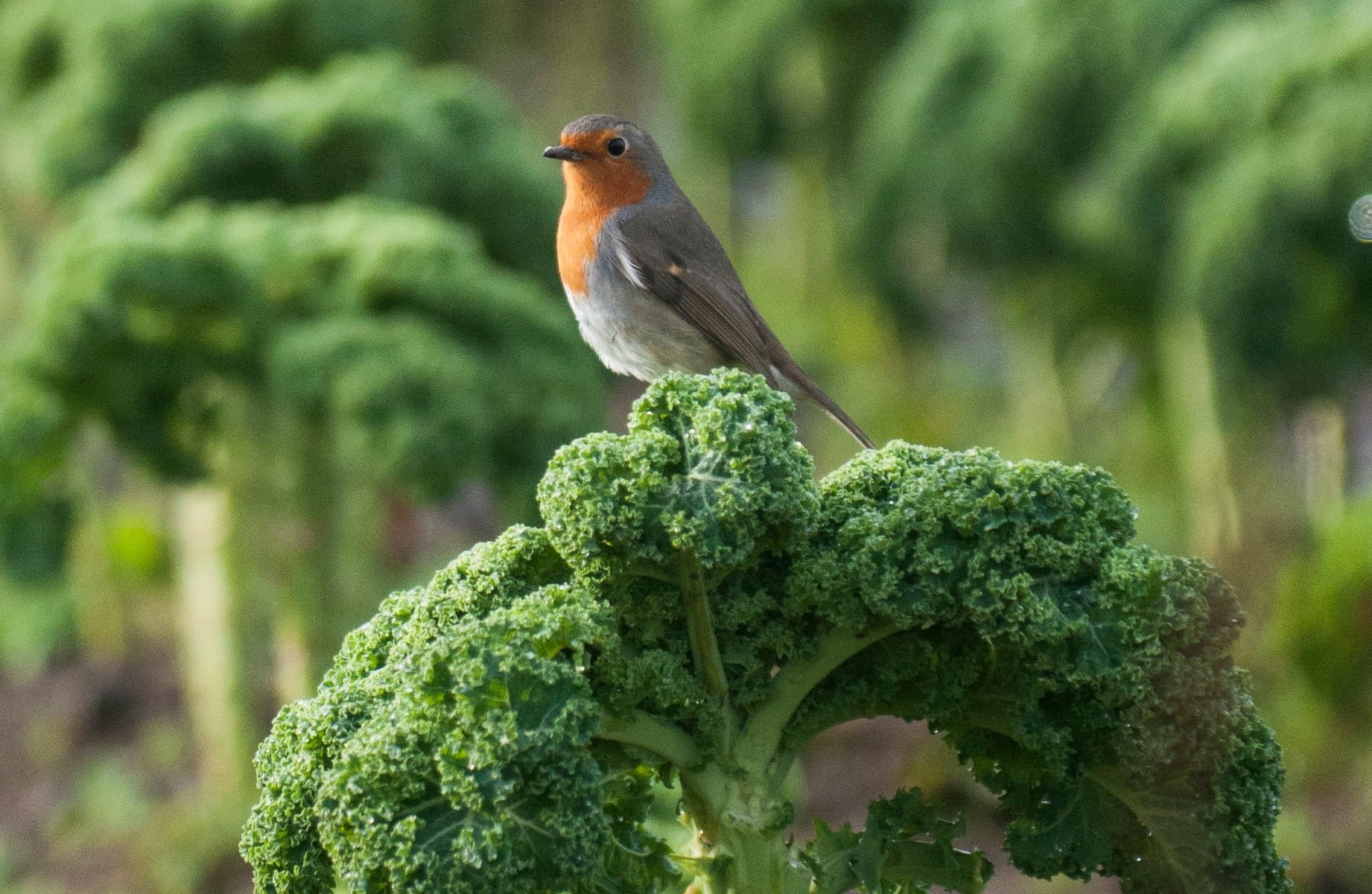
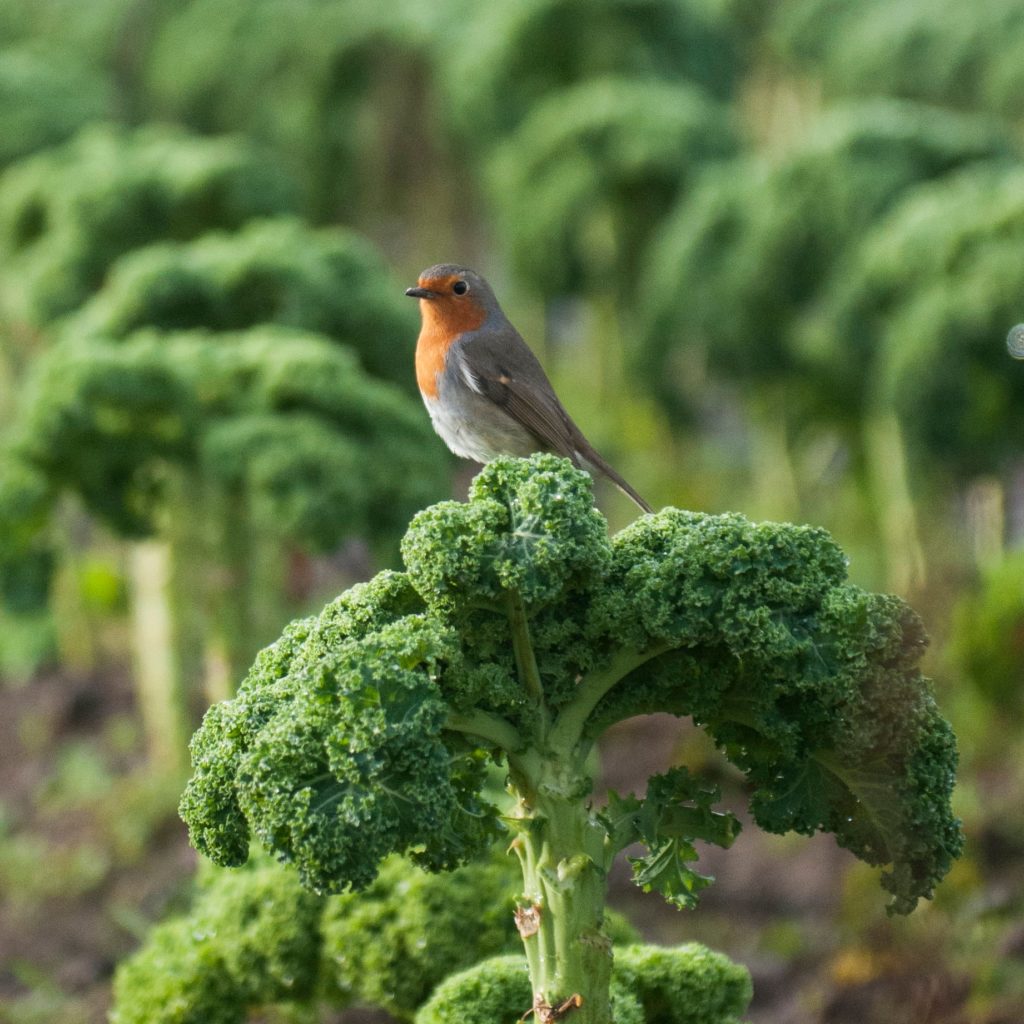
Simone, our fantastic photographer, doing daily rounds on the farm snapped this lovely robin on our kale this week.

So much has changed in one generation.

I had the good fortune during the week to be brought on a trip back in time, back 80 years! A while back a very kind customer took the time to send me a paper clipping from 1939 featuring an article on seasonal vegetables.

Imagine food produced without artificial fertilisers, without toxic chemicals, not wrapped in plastic, produced locally. Our ancestors did not contribute to the mass of plastic pollution choking our planet. Plastic didn’t exist. My grand dad would have grown his own veggies, and if he didn’t grow it, he would have bought them in the local market or in a green grocer. Supermarkets didn’t exist back then. There was no such thing as Roundup the food was clean. Fresh produce was highly valued, it was not discounted, loss leading was not a thing.

Today we live in a world of, ‘everything and anything all the time’. It is amazing to have such choice, but there is a cost, a cost hidden behind the plastic: the chemicals, the exploitation of workers, the clearing of rainforests, the destruction of habitats, the pollution of our oceans. The list goes on. Supermarkets have played a massive part in this, but they are serving a need driven by us their customers.

Life seemed much simpler in my grandad’s day, life was certainly tougher, food was scarce at times, but the food was clean, healthy and did not leave a trail of pollution and destruction behind. We don’t need to return to a land of scarcity, but maybe a mindset change to see value in fresh food is required it is after all the building blocks that we put into our bodies every single day.

A particularly good quote that I enjoyed :

“The majority of people, unfortunately, are much too disinterested in their need for vegetables and salads to take serious steps to obtain the best value for money” “Fresh green or root vegetables….should be the staple part of every family dinner”

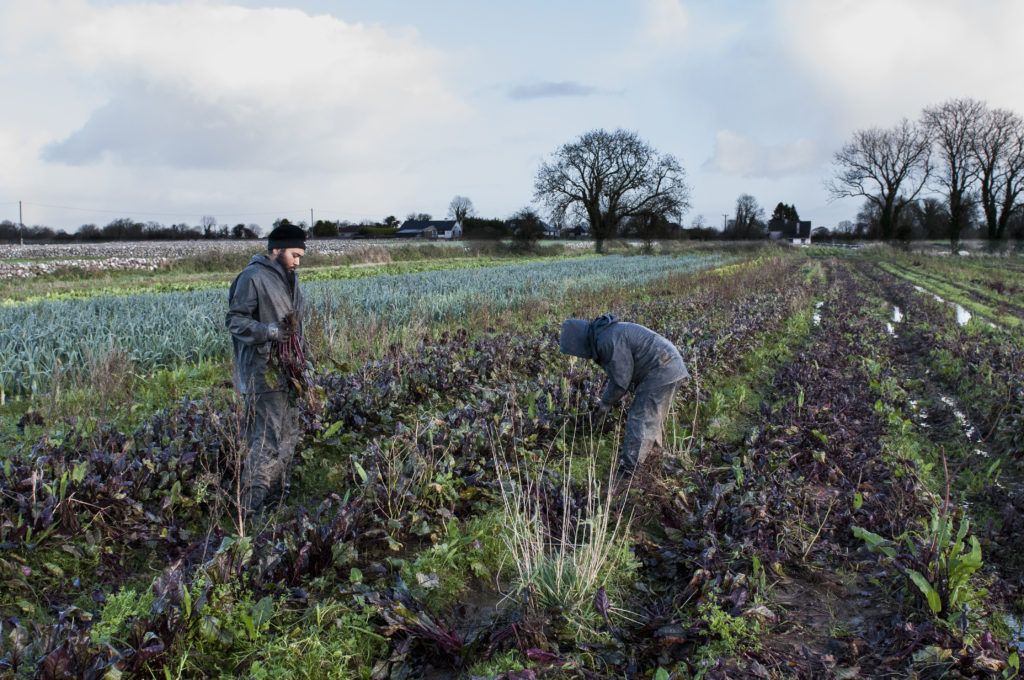
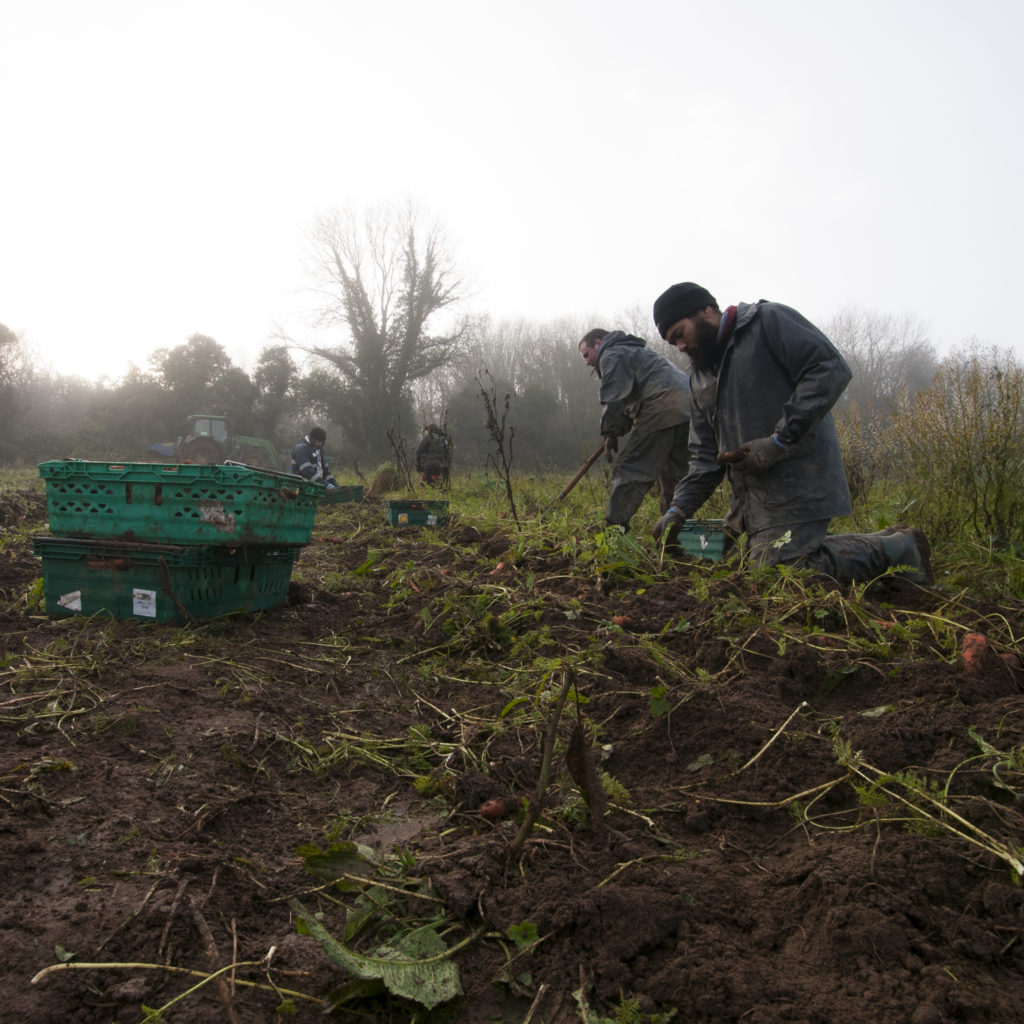
Being out in the rain and wind, harvesting leeks and pulling parsnips, is no fun, and it takes a certain calibre of person to persist with this work well into the winter. But this is seasonal food, this is the reality of local food production. The smell of freshly harvested parsnips, is quite frankly amazing, covered in muck they feel alive and real and you get the feeling that just by holding them in your hand you are doing something positive for the planet!

Producing good clean food, while respecting the ground beneath our feet that gives us so much deserves to be valued. Because if we don’t value and respect the earth, then there will not be much left for the next generation to enjoy. I think food production has such potential to change our lives, to change the way we eat, to change how we work, to change our world.

Here’s to learning from the past!

Kenneth

PS All our fixed boxes are plastic free and that includes our Christmas boxes * and have been since 2018!

*The Mossfield IRISH organic cheese in the bumper box is wrapped in a plastic film.

Waterlogged but Never Wavering

When it rains look for rainbows, when it’s dark look for stars.

Oscar Wilde

I came out of my office last week, I had no inspiration, I didn’t have anything to write about, I definitely wasn’t in the right space and I was getting frustrated.

I decided to see what was going on out on the farm and I bumped into Emmanuel and shared my woes. Write about “Muck and rain, and mud, and clay and rain, and water because that about sums up the week just past” he said.

That was it, he had hit the nail on the head, it was wet.

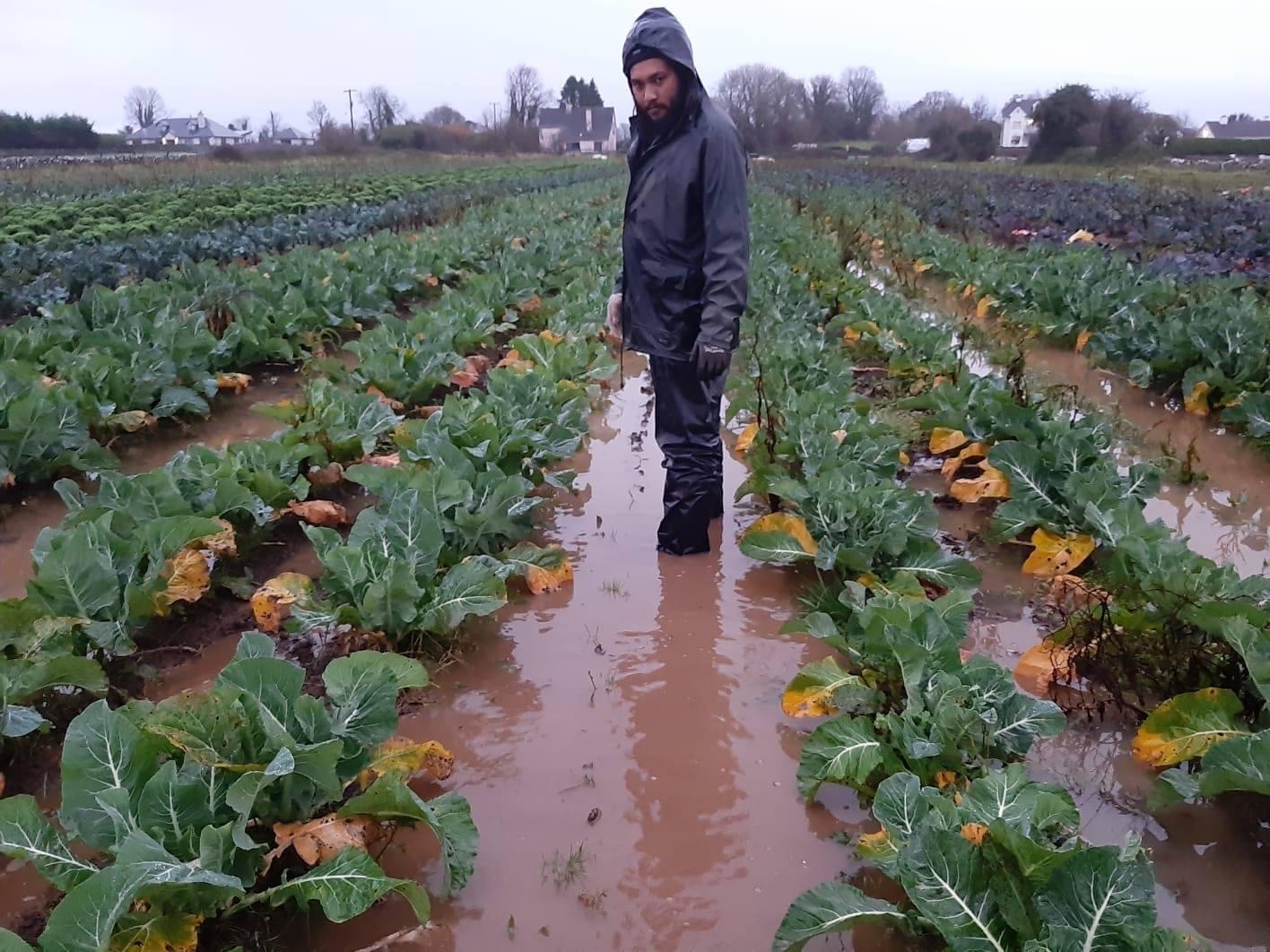
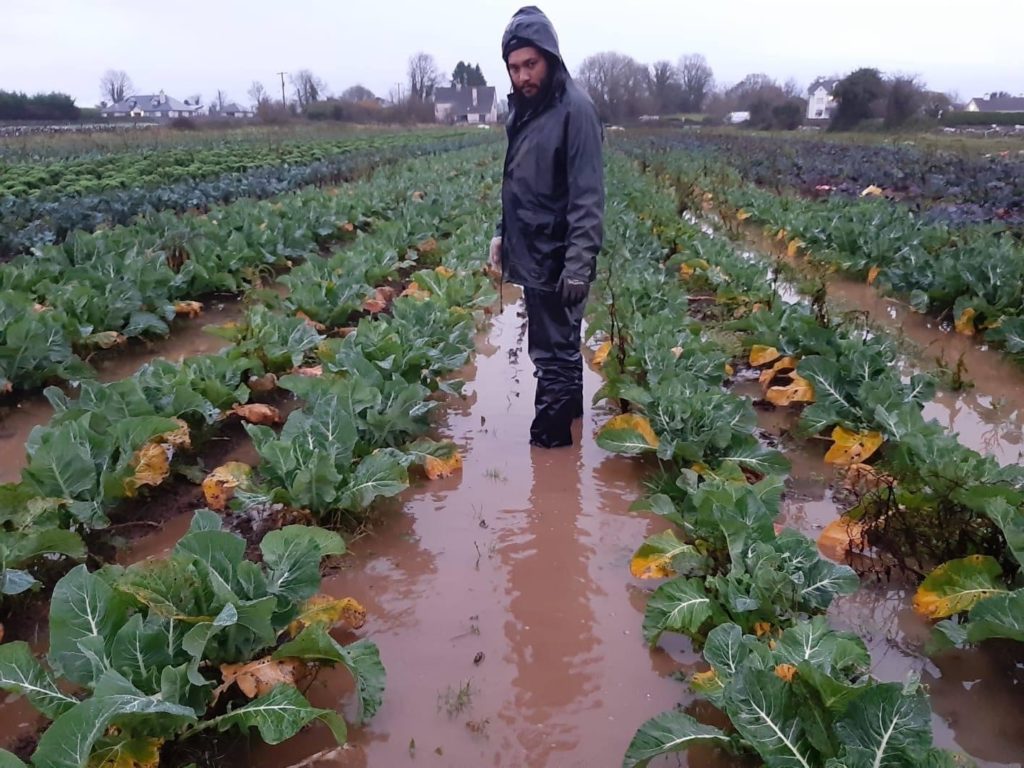
Some places in the fields the water is a foot deep. The beds we planted on in the summer are submerged, the plants with waterlogged roots struggle to breath. It is ok for a few days but if there is prolonged water, then they die.

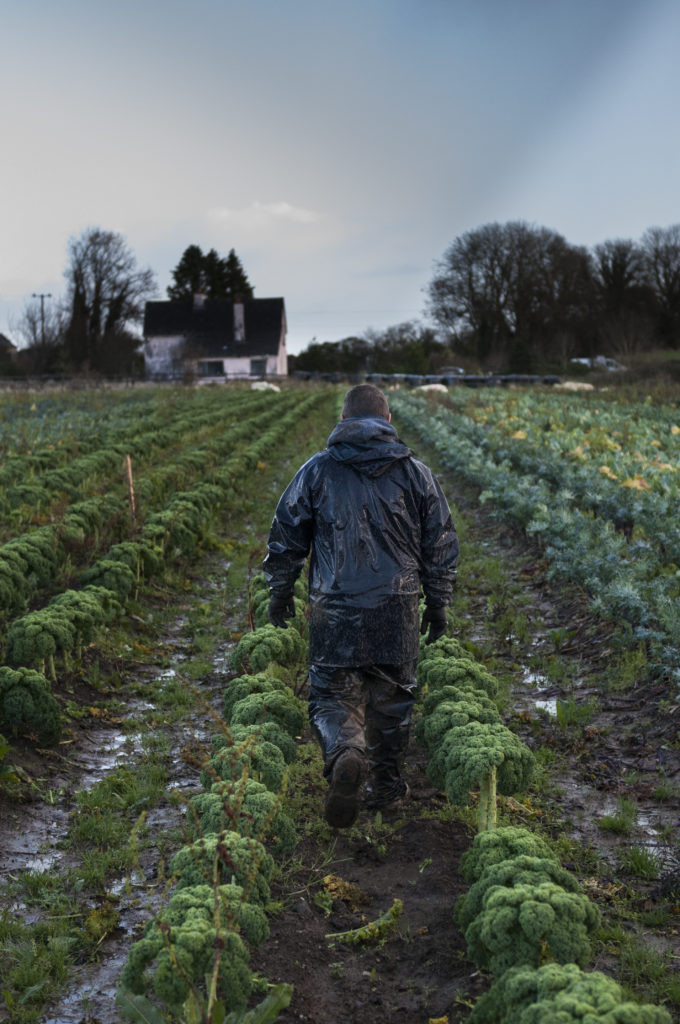
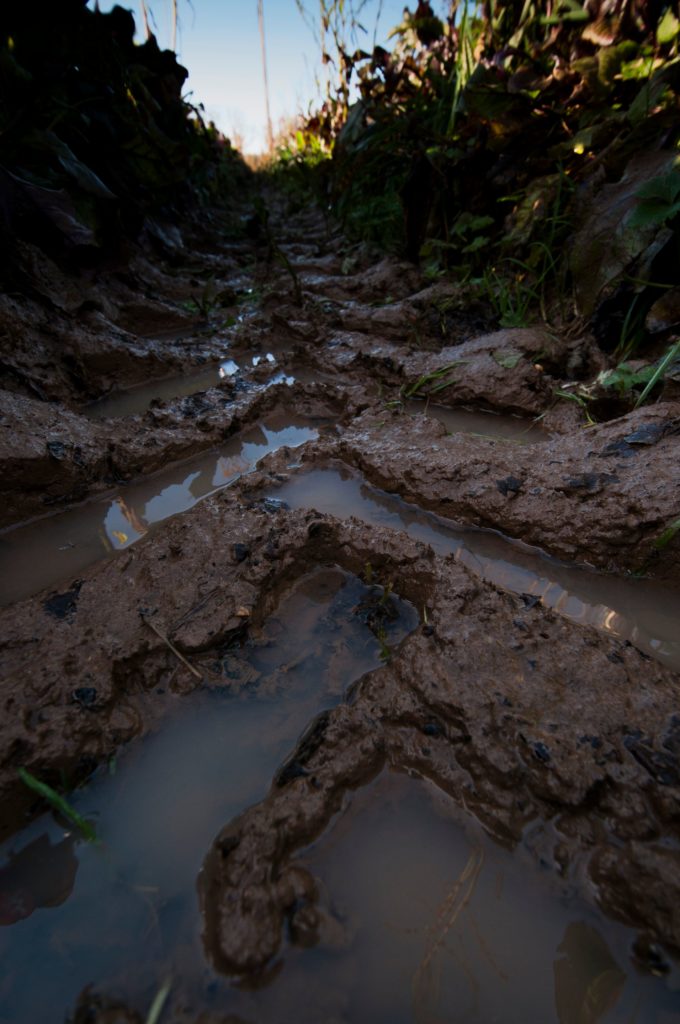
Walking up a sticky, muddy field with a bag of kale on your back must be one of the very best work outs you can get. If you have ever had a young child wrap themselves around your foot and not let you go, well that is what the field does.

I got the impression last week that even our poor tractor was not happy.

The ruts from the tractor wheeling’s are deep and although Joe (My seven year old son loves them, in fact he would actually disappear into some of them) it does not make for easy navigation when it comes to driving with a tonne of parsnips on the front of the tractor.

In the cold wet weather, you often find yourself with three or four layers of clothes on and waterproofs and wellies and sweating even though it is freezing and wet. This I think is one of my least favourite ways to pass the time.

But the sun is always there, we may not always be able to see it, but it is always up there over the clouds. It is only because of the clouds and the rain that you see the most beautiful skylines, the most stunning sunrises, and the most fantastic evening sunsets. These skyscapes are more striking at this time of the year that in high summer by a long way.

Then of course there is the food.

We are doing, I think, our bit for the planet. We are growing sustainable food on a scale that supports thousands of people each week. When I first wrote this, I thought it could not be true, but then I did the maths. If we do an average of 1500 deliveries per week and each household has an average of 3 people then that is 4500 people, that is a lot of mouths to feed, that is a large responsibility to do things right. That is a lot of trust put in us by you.

I shocked myself with that revelation, a far cry from the first 26 deliveries we did in May 2006.

So, we will get stuck in again on Monday, harvest more food, deal with the mud and the rain, do our bit for sustainable food, do our bit for climate change, because we have to.

Can you sustain a path such as this without being either clinically insane (and that could be the case) or having a belief in something bigger? For us I like to think it is the latter (but who is to say really). Our big “WHY” is the planet, nature, biodiversity, and every living creature we share this earth with deserving a chance. This is what drives us on. Have a look at our 5 Pledges for the Planet to see our promises as a business.

As always thanks for your support, it’s what keeps us going.

Kenneth

PS Don’t forget to place your order for next week here.