Our Broken Food System

Do you like carrots? Have you ever caught the aroma of a fresh carrot as you wash the dirt from it’s skin? How about crunching into a fresh sweet carrot, the taste grabs you, it is enlivening. Our grandparents took the taste of food for granted, it was what they expected. Funny that the opposite is true today. 

Those carrots of our grandparent’s generation are a long way from the plastic clad, washed supermarket carrots imported from foreign lands. What do they taste of? Very little indeed.

Not only have carrots lost their taste, but they have lost their goodness. A carrot today will have 75% less copper and magnesium and nearly 50% less calcium and iron that’s its relative 50 years earlier. These are sad facts, published by the British Medical Research Council. Our food system now produces food that is depleted in vitamins and minerals, how can this be?

The answer it seems lies in how we treat one of our most precious resources, our soil. Our one-time rich soils have been depleted by the constant barrage of chemical fertilisers, and the life in them as been destroyed by the persistent use of a cocktail of chemicals. The result: food that is as lifeless as the soil it was grown in. If this is mankind’s ingenuity, I want no part of it.

Have we become too smart for our own good? We all want to believe that modern technology will lift us out of the hole we are in, a hole of our own making, but will it? Look at what we have done to our soil. We don’t need modern technology to fix our soil, we need a thoughtful skilful approach to growing our food. A balanced approach that does not extract every last drop of vitality the land has to offer but leaves something for other life to flourish. 

Mother nature doesn’t particularly care about our degree of cleverness, she is hurting, and the question is are we smart enough to recognise our own absurdity and to take action to rectify the damage we are doing? 

“It is the degree to which a species is suited to its environment, not its cleverness, that ensures it’s survival” Charles Darwin.

For many generations now we have lived more or less in harmony with nature but in the last 50 years the havoc we have wrought on our home has become more and more obvious, when will enough be enough?

I can only talk to what we are doing, I know we can grow food that tastes like food. There is magic in that taste. That taste tells you something very important, it tells you a story, a story of a soil that was cared for, it tells you that the birds and bees and all the other little fellas running around were respected, it tells you that what you are eating is real food with no free hidden chemical extras. 

That taste tells you; you are eating the very best food you can buy and you are taking one very important step to protecting our land and your health.   

That the taste reflects a deep respect for the land. 

As always thank you for your support

Kenneth

Celeriac Steaks

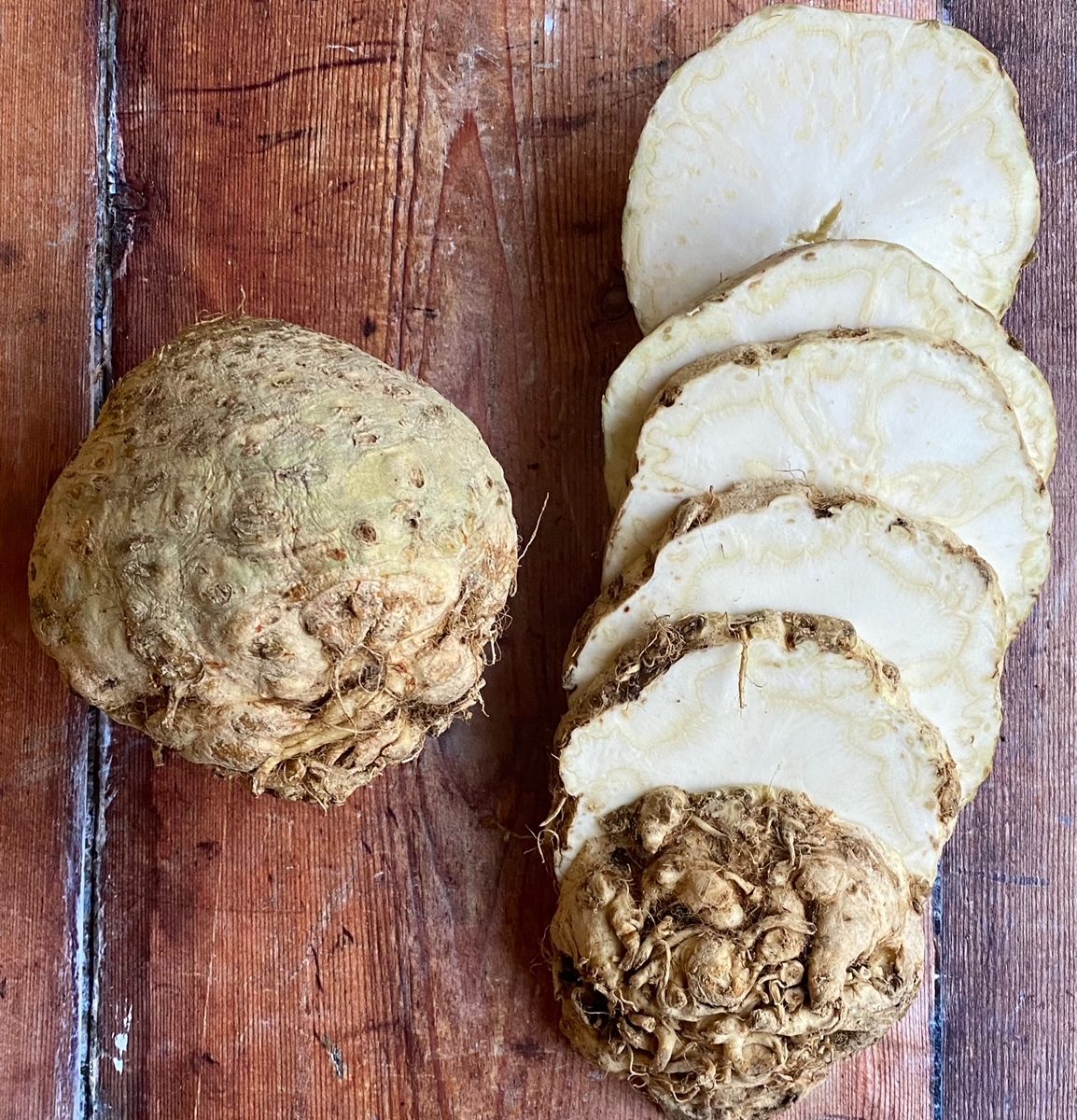
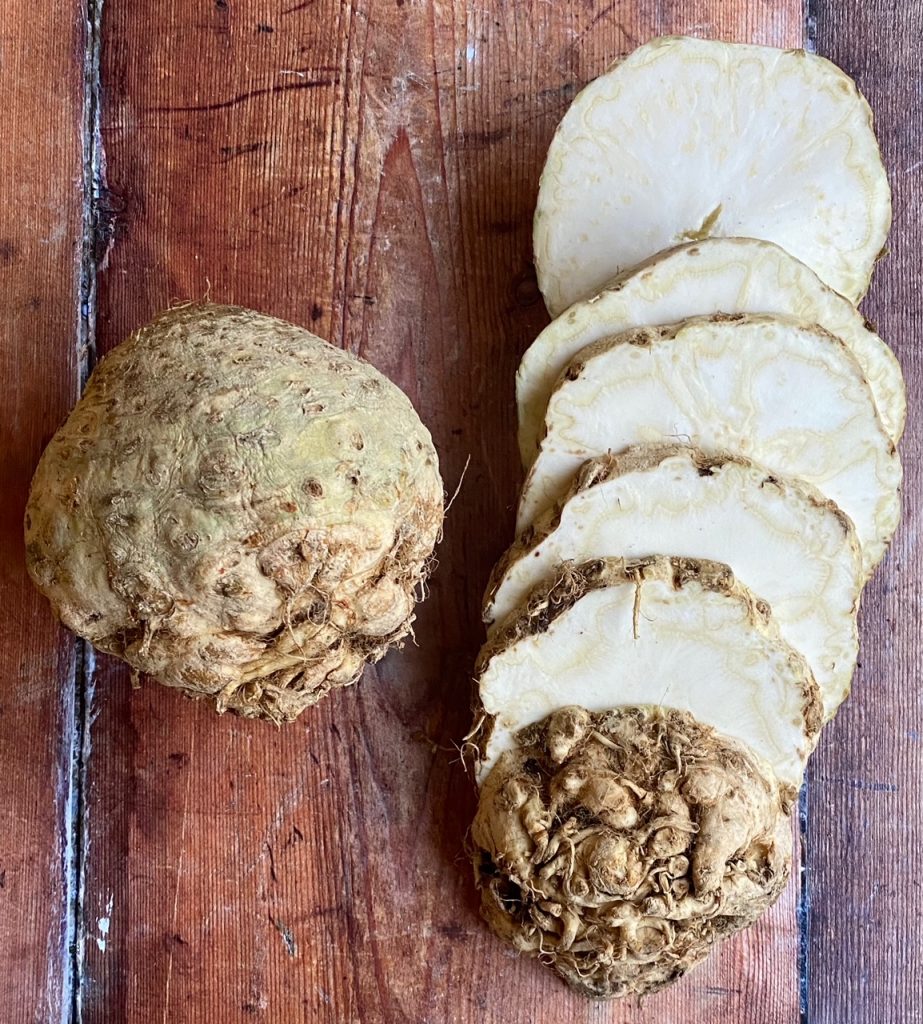
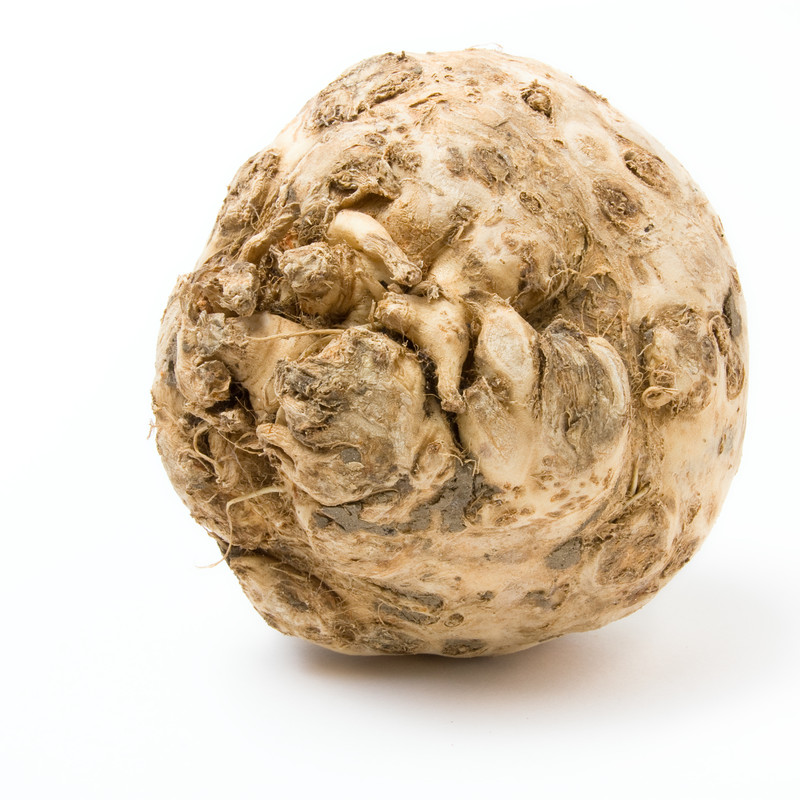
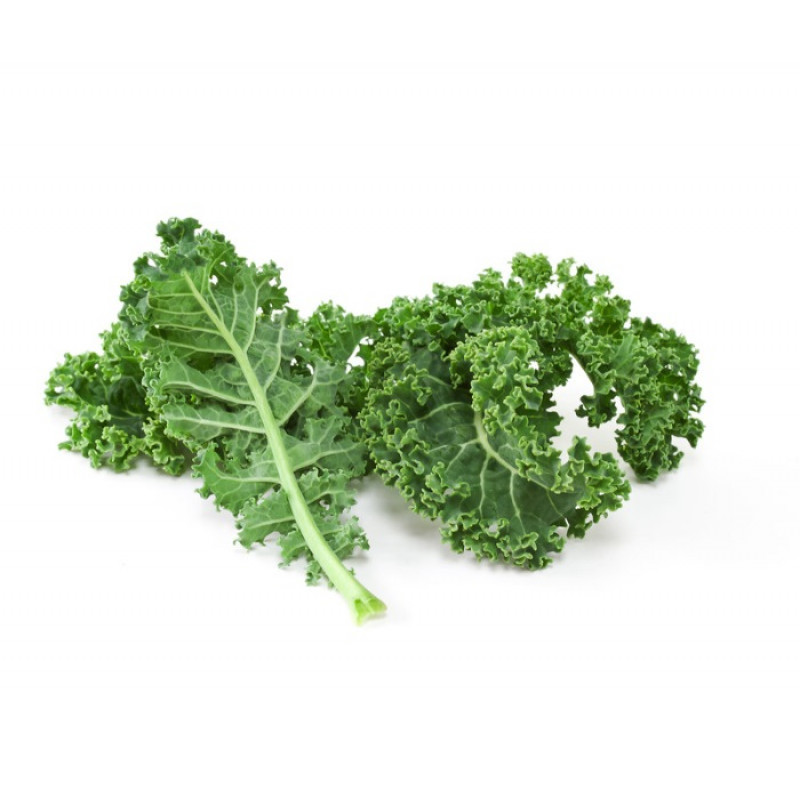
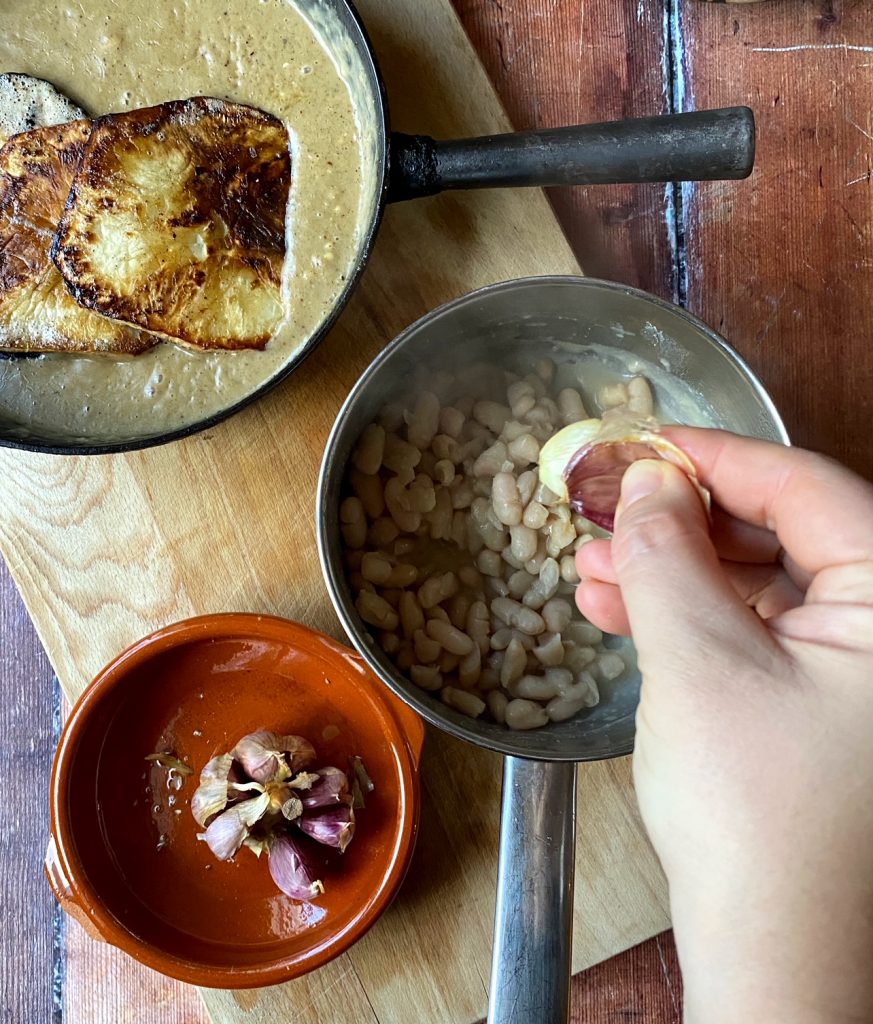
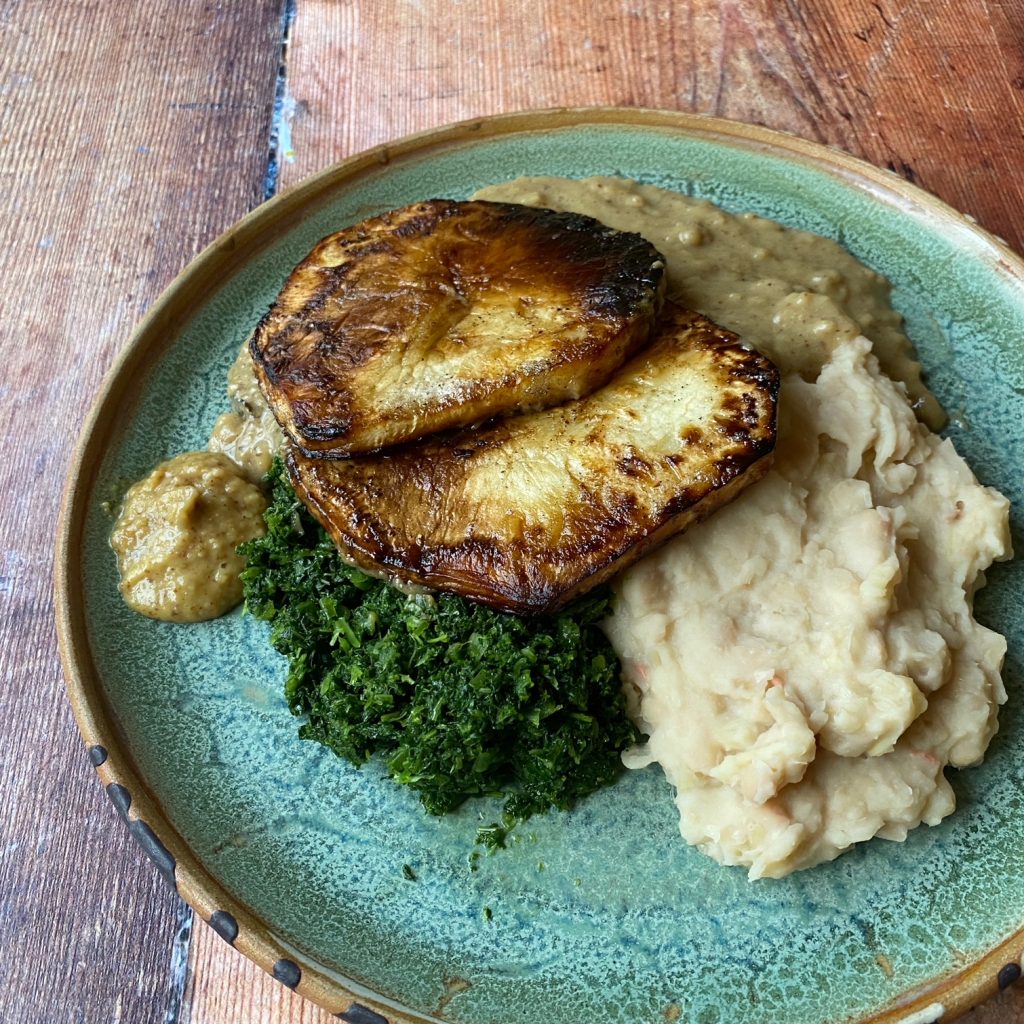
We haven’t grown them for quite a few years so we are delighted to let you know that our celeriac are back! Have you tried one? They’re a gorgeous winter root vegetable. Big and bulbous and full of flavour. Think a hybrid between a potato and a parsnip with a delicate celery flavour. These beasts are stunning in soups and stews, but they also lend themselves nicely to coleslaw, in fact raw, grated celeriac is really gorgeous tossed with a mustardy mayonnaise. I’ll tell you about that another day. But today I am eating celeriac in thick slices, fried like a steak in lots of butter. I LOVE a vegetable steak (cauliflower, portobello, butternut…), it’s a great way to really highlight a vegetable and focus on the flavour. Serve with mashed beans and roasted garlic for lip-smackingly delicious, filling, protein, some wintery greens like kale or cabbage and a creamy wholegrain mustard sauce. Quite a special dish, fit for a date night, but really not very complex to make as you’ll see below. Enjoy!

Liz x

Ingredients (serves 2)

  • 1 celeriac – peel with a small, sharp knife, then cut 4 thick slices out of the middle and save the ends for a soup
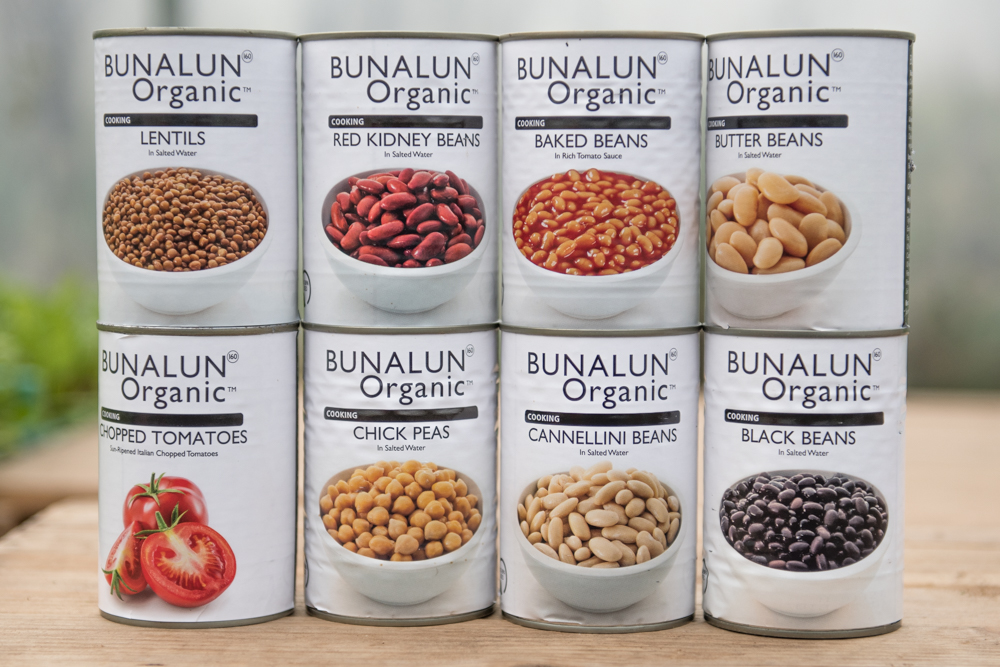
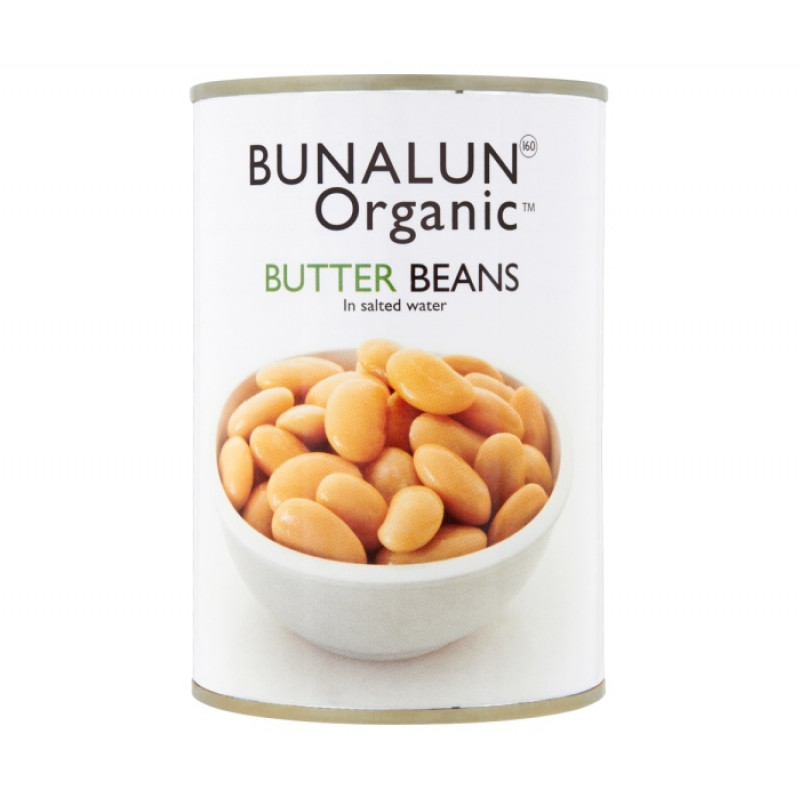
  • 1 tin of butterbeans or cannellini beans, any white beans will work
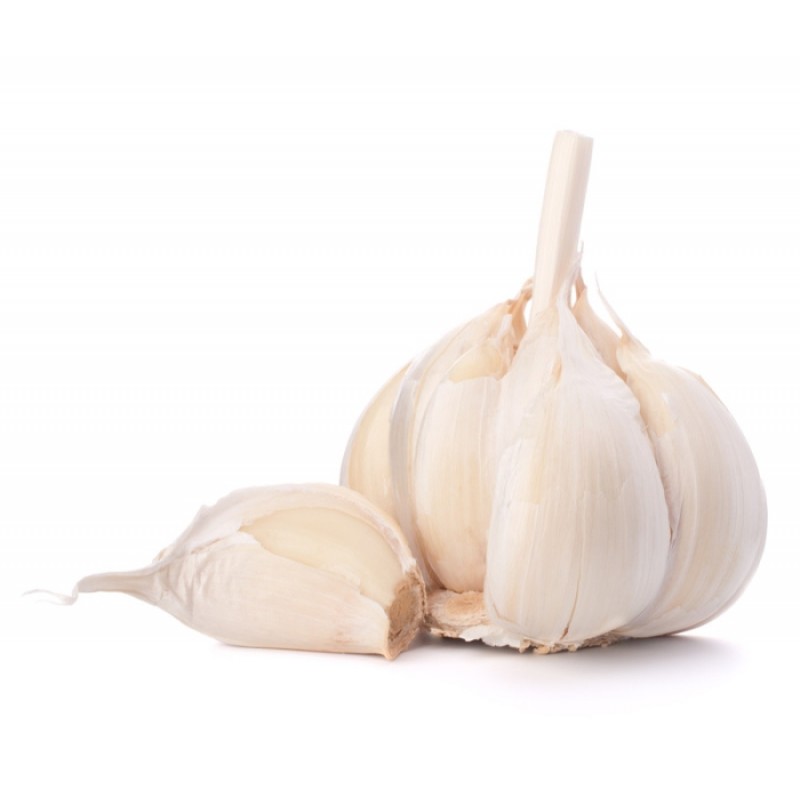
  • 1 whole bulb of garlic
  • kale or cabbage, as much as you like
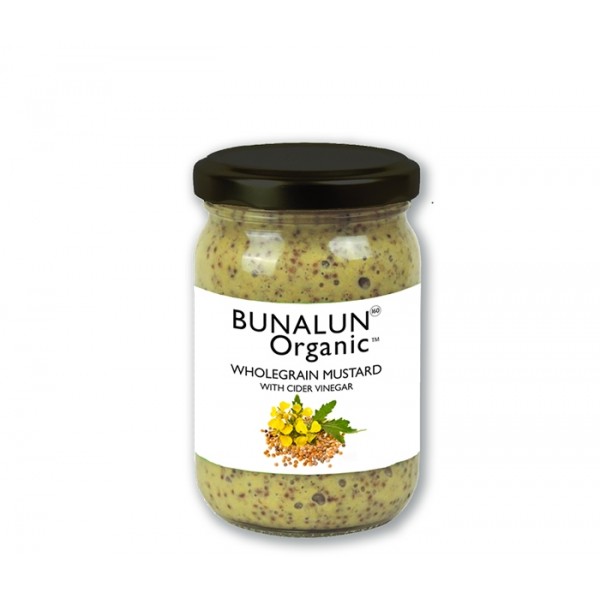
  • 1 heaped tbsp wholegrain mustard
  • 1 tbsp corn starch or plain flour
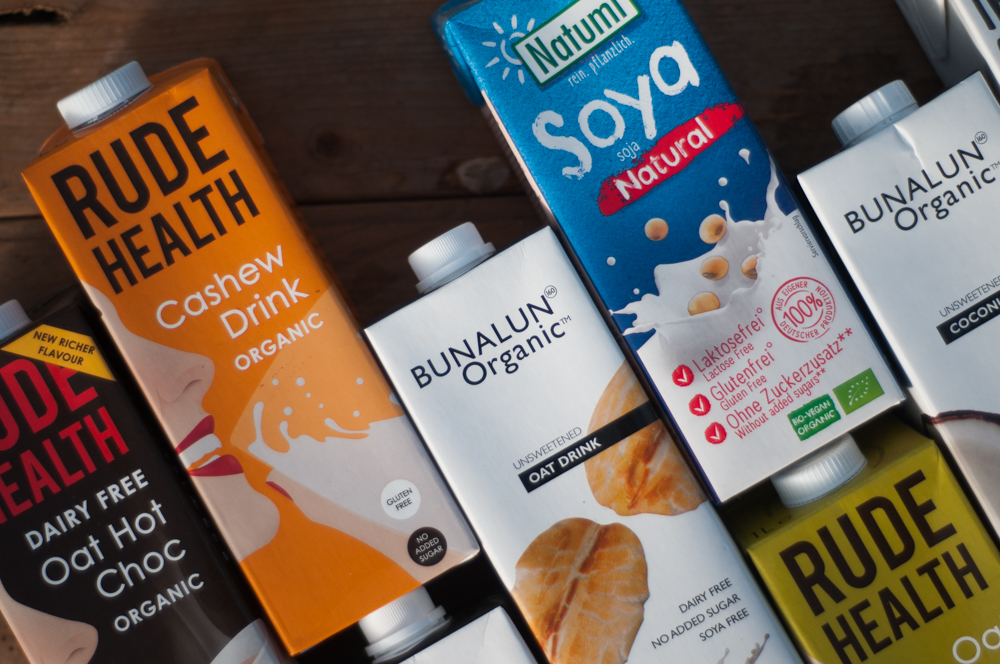
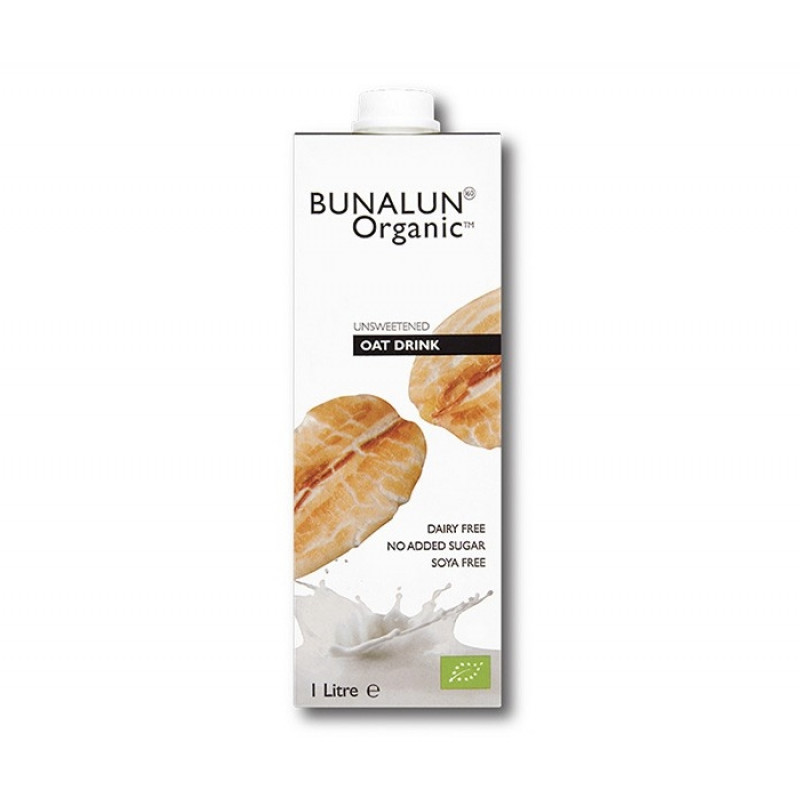
  • oat milk – enough to loosen the pan juices into a thick sauce
  • butter, olive oil, salt and pepper to taste

Method

  1. Pre-heat your oven to 200C. Pop a whole bulb of garlic (that’s right, the whole bulb, not just a clove) into a small, oven-proof dish with a drizzle of olive oil. Put it in the oven to bake until soft – around 15-20 minutes.
  2. Meanwhile prepare the celeriac as above, chop and rinse some greens (kale or cabbage go well here) and put them in a pot with a lid, some seasoning and some butter/oil on the hob. Drain some of the liquid from your tin of butterbeans and pop them into another small pan.
  3. Get your widest frying pan (or use two) on to a medium heat and melt a generous knob of butter with a couple of tbsp of olive oil. Add the celeriac steaks and season well with salt and pepper. Cook, turning occasionally until they are softening and turning a gorgeous caramel colour. They should smell amazing!
  4. When the celeriac are nearly cooked through, take the garlic out of the oven to cool slightly, turn the heat on under the pot of beans and the pot of greens. Cook both, stirring often, until piping hot. Then turn off the heat.
  5. Put the celeriac steaks in a small dish in the oven to keep warm (turn the oven down to 150C so they don’t burn) whilst you make the mash and the sauce.
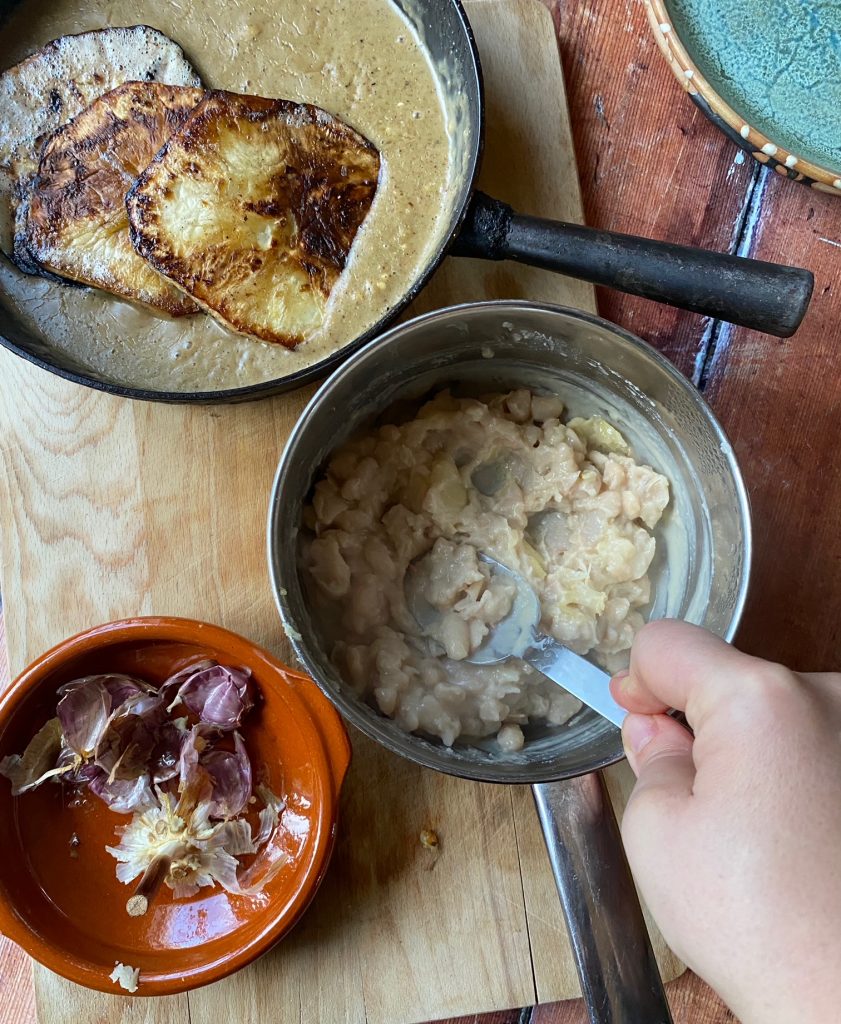
  6. Pull apart the roasted garlic and squeeze the soft, fragrant flesh into the pan with the beans. Season well with salt and pepper, add a drizzle of olive oil or a knob of butter and mash the beans and garlic into a puree. Or use a stick blender if you’d like your mash extra smooth. Taste and adjust the seasoning if needed.
  7. To the frying pan in which the celeriac steaks were cooked, add a tbsp of flour and a tbsp of wholegrain mustard. Whisk into the buttery, caramelised, celeriac juices that are left in the pan and add a splash of oat milk. Turn the heat up and keep whisking and adding milk until you have a silky, creamy sauce. Taste and season with salt and pepper and now you are ready to serve.
  8. Divide the greens and garlicky mash between two plates, add on the steaks then drizzle with the sauce. Have extra wholegrain mustard on the table and enjoy with a glass of wine or a cold beer.

Our Food Choices Matter

“Never doubt that a small group of thoughtful, committed citizens can change the world; indeed, it’s the only thing that ever has.” Margaret Meade.

I remember as a child picking peas in my grandad’s garden. He had apple trees, he grew his own veg. I remember sitting on his lap drinking a mug of turnip juice, (I can’t imagine trying to get my kids to do that today!) most of the food was grown on his farm. He was without knowing it, growing, and providing healthy sustainable food for his family. Our food system has changed so much in a generation and our job has always been to turn the clock back and bring us back to the days when food tasted like food.

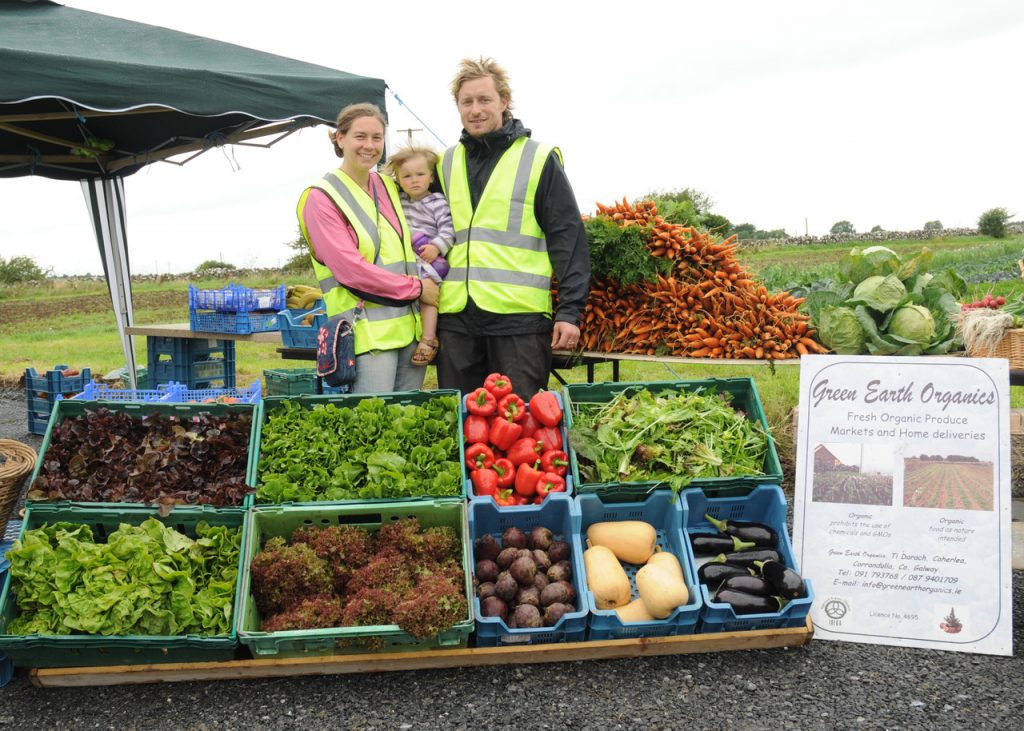
When was the last time you tasted a freshly harvested carrot, can you remember what it should taste like? There can be such pleasure in the simple foods and eating well. Healthy and sustainable food is what we have been delivering from our farm to people’s doors all over Ireland for the last 15 years.

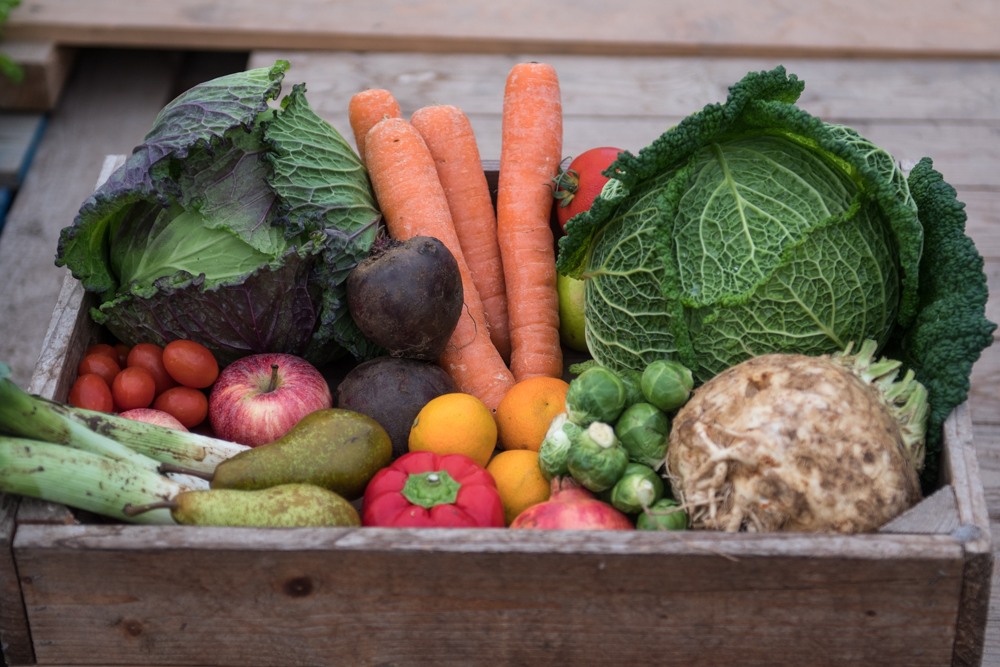
November is still a month of local seasonal plenty. It is now that the real Irish vegetables come into their own, leeks, parsnips, swedes, kales, winter cabbage and carrots to name but a few.

On our farm the arrival of November allows a sigh of relief. The relentless pressure of the summer is finally winding down and we are settling into a routine of harvest. The trees are turning, the wild-flowers have gone to seed, the hedgerows are full of berries, the bees are getting ready to hibernate, even the birds are relaxing a little, everything seems to slow down. Something we could all do a little bit more of.

November too can be a time for reflection. As a farmer the simple things like tree planting, growing hedgerows and leaving wild patches can give enormous pleasure and there is an immensely powerful added benefit, they lead to better, healthier more sustainable food.

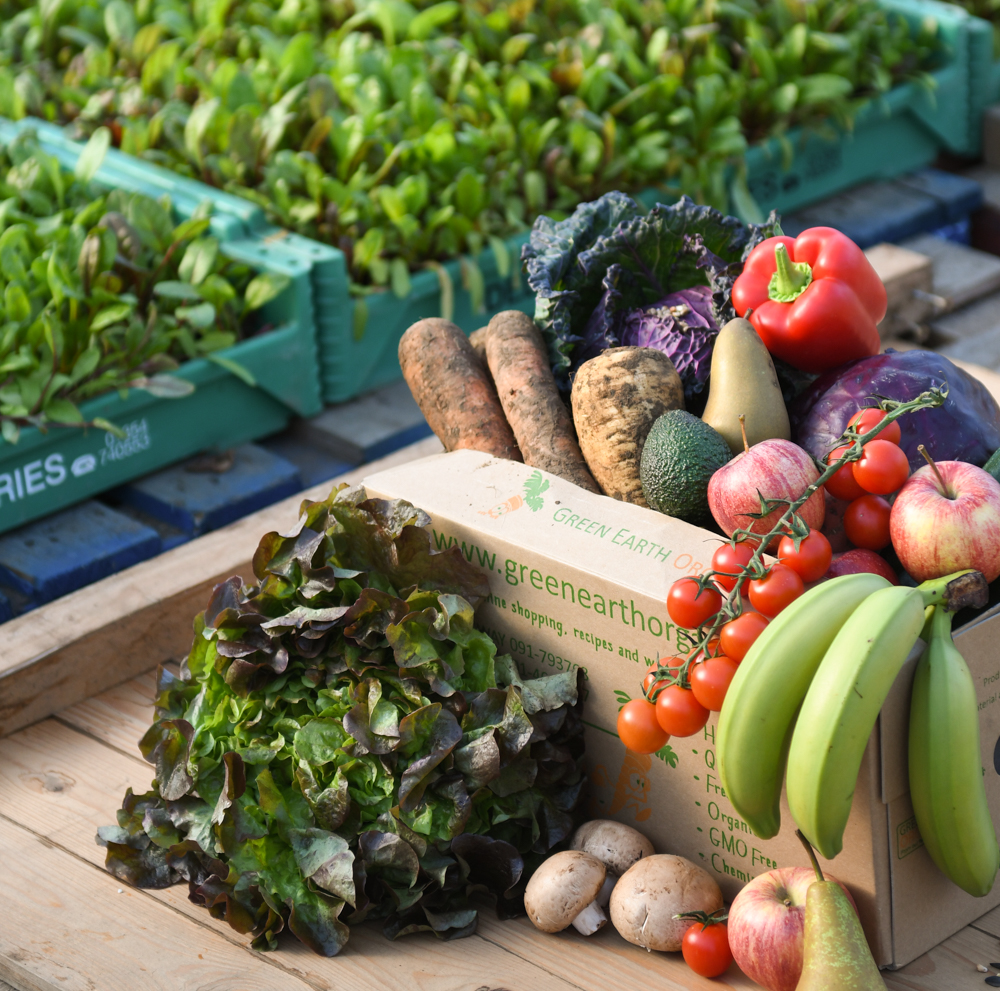
Our organic food and groceries are used to make lunches and dinners, fill larders and hopefully bring health and happiness to 1000’s of homes every week. Your choice to be part of our tribe, not only means that you are making the best choice for your health, you are also choosing to protect our planet and the environment; the absence of chemicals in our food mean a healthier planet and increased biodiversity on farms.

Our parents and grandparents chose well, they ate seasonally and locally, they ate less meat. Who doesn’t remember cabbage and turnip and the endless ways to cook potatoes! Maybe what we eat deserves a little more consideration (and you clearly think so)? Our food choices matter so much more than we will ever know.

So as the saying goes, choose wisely! We have more power than we realise.

Kenneth
Pumpkin Risotto

Halloween is long gone but pumpkins are still very much in season. Want some extra-flavoursome pumpkins? Add a few of our kuri squashes to your next order. But, if you’ve got some decorative pumpkins with tough skins that still need eating, cut them in half, scoop out the seeds and roast until soft. Then scoop out the flesh and make this tasty risotto. Risotto is the perfect one-pot, soothing, feed-a-crowd, mid-week-meal don’t you think?

Liz x

Ingredients (serves 6)

  • 3 tbsp olive oil
  • 2 tbsp butter
  • 2 onions, peeled and diced
  • 6 cloves of garlic, peeled and diced
  • 3 bay leaves
  • 1 tbsp thyme
  • 400g risotto rice
  • the juice of a lemon or a large glass of white wine
  • 700g roasted pumpkin
  • 2 stock cubes dissolved in 1 lite of just-boiled water
  • salt and pepper to taste
  • nutritional yeast, pumpkin seeds and more olive oil to serve

Method

  1. Heat the oil and butter in a wide, heavy bottomed pan/pot.
  2. Add the diced onion and cook, stirring often with a wooden spoon until soft and starting to turn golden brown.
  3. Then add the garlic, bay leaves and thyme and stir until fragrant.
  4. Pour the rice into the pan and stir to coat it in the flavours and fat. Then add the lemon juice or white wine. Stir for a minute or so until the pan is nearly dry again.
  5. Start adding the vegetable stock, a ladle at a time, stirring pretty constantly until the stock is nearly all absorbed before adding the next ladle.
  6. Once half the stock is used up, add the roasted pumpkin and stir it in with another ladle of stock. Use the back of the wooden spoon to smoosh the pumpkin into a rough purée as you go. Keep adding stock until the rice is cooked through and creamy. You may run out and need to add water.
  7. Taste the risotto and adjust the seasoning if needed with salt and pepper. Then serve with a sprinkle of nutritional yeast and pumpkin seeds and a drizzle of good, peppery olive oil.

Doing the Right Thing

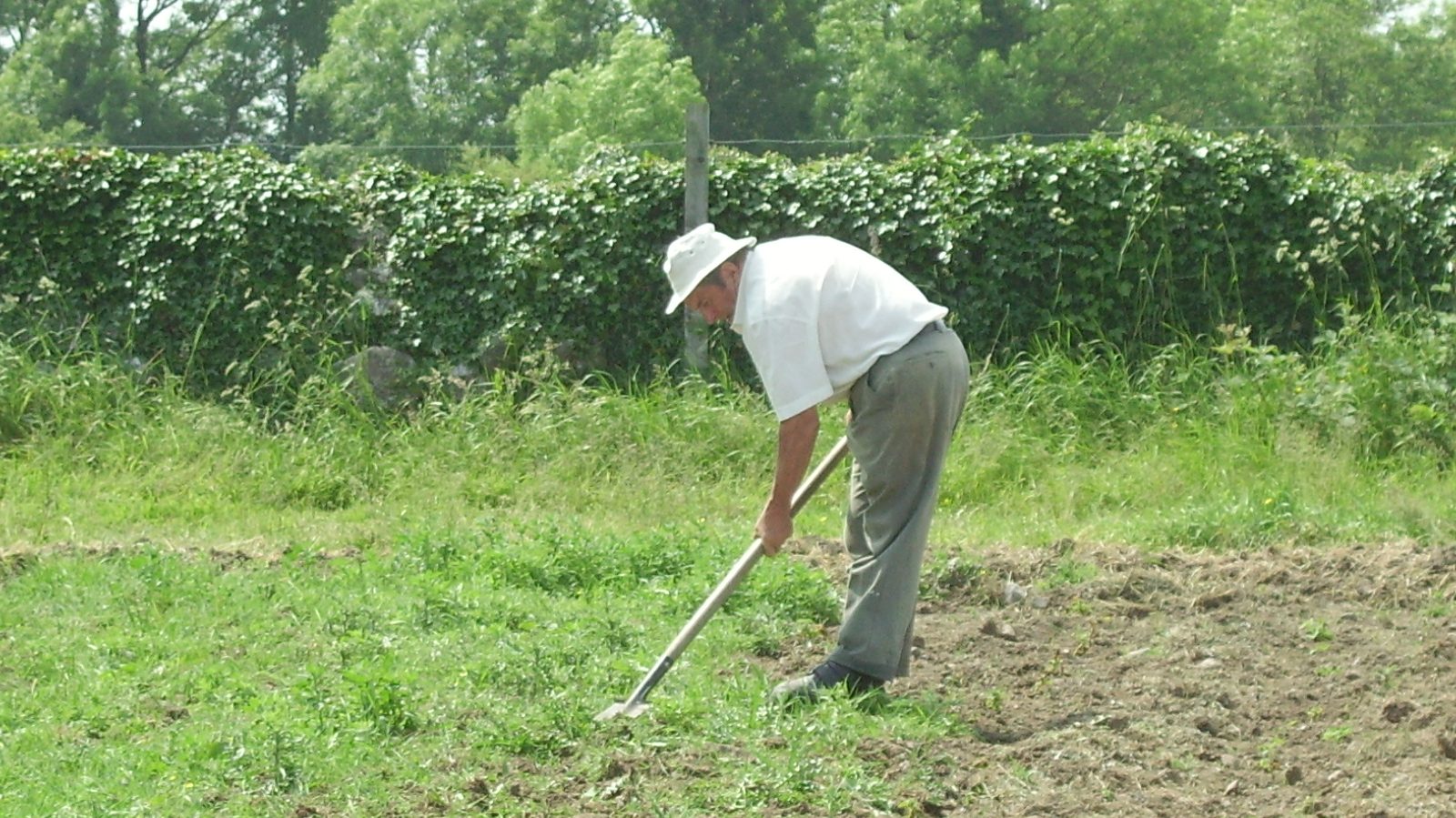
It was 2006 and I was working on our little vegetable patch where many of our polytunnels now stand. Our next-door neighbour, a curious, sauntering type of person, one that clearly knows better and one that really wanted our family farm came over the joining wall to inspect my work. “What are you doing?” he asked. “weeding” I said. His response: “that’s ridiculous that won’t work, you need Roundup”. I can’t remember what I said, but as we are still “weeding” and growing vegetables today, we neither used Roundup nor sold the farm.

But that is the thing, what is the right thing to do? That weeding was hard, and seemed futile, I was getting nowhere, no sooner had I finished one part of the field than I had to start again at the beginning. Was it a good decision? Well, I believe it was and overtime I learned to grow better crops and the weeds became less of a problem.

What constitutes good decisions? We are all everyday caught in the cross winds of life, it is so difficult to figure out what is right and then it requires a whole other pile of energy to do the right thing.

By the very virtue of the fact that you are reading this, and you have gotten this far you are amongst the very few who are doing the right thing. If you came on this message in one of our printed sheets you are an active customer, that probably puts you in the top 20% of people taking positive action for the planet and for your health, that is amazing, think about it.

Unfortunately, most people still want to do as the Ostrich does. It is easy to think that the processed food we eat today does not affect us and that factory farmed meat is fine, but in time we find that it is not. That’s the problem with food, doing the right thing can be difficult and doing the “wrong” thing is easy and the consequences of our poor choices are hidden from us by time and shiny packaging.

But you it seems are not that person. You have spent the energy and made the decision that food is worth taking seriously or maybe more importantly you have decided that your health and the health of our planet is worth taking seriously. You probably know that like all good habits (they require discipline, there are no short cuts) the impact is seen in time, no instant gratification here. So, you too are like us, and this is very important to us.

It was close to 20 years ago when myself and my wife Jenny started thinking about taking over my dad’s farm to create a sustainable business. This was a major milestone in our lives, when like you we decided we had to do something to right the wrongs. We were young naïve and didn’t consider in any shape the risks or the pitfalls. But there was one thing that kept us going, and as I look back now it was that unwavering belief that what we were doing was worthwhile.

What you are doing is worthwhile.

You have chosen us to bring decent wholesome sustainable food into your home, we will not let you down, that trust means everything to us. We will never abuse it and we will always honour our founding principles which is to put your health and our planet first in all the decisions we make.

Thank you for being one of us.

Kenneth
Sunshine Soup

Sometimes in November a bowl of sunshine is just what is needed! Put our stunning root veg to use with this simple soup (or use up your Halloween pumpkins instead). We stock organic red lentils (in a compostable bag🙌) which gives this soup the most beautiful texture and provides protein, iron, potassium, folate, vitamin B1 and prebiotic fibre. Turmeric and black pepper are a delicious anti-inflammatory addition, and we have tins of organic coconut milk for a rich, creamy finish to the soup.

Liz x

Ingredients (serves 6)

  • 2 tbsp oil
  • 1 diced onion
  • 4 chopped garlic cloves
  • 750g diced veg (I used carrot and swede this time but any root veg or pumpkins work well here)
  • 1 tbsp ground turmeric
  • 1 tsp ground black pepper
  • 2 tsp salt
  • 300g rinsed red lentils
  • 1500ml water (approx)
  • 1 tin coconut milk

Method

  1. In a large pot, sauté the onion with the oil until it softens and starts to turn golden brown.
  2. Add the garlic and diced vegetables, season well with salt, pepper and turmeric.
  3. Tip in the rinsed red lentils and cover generously with water. Stir then put the lid on the pot. Bring to a boil then immediately turn the heat down and simmer until the lentils and vegetables are soft (around 15-20 minutes). You should take the lid off and stir every 5 minutes to ensure there is no sticking or burning on the bottom of the pot. You may wish to add more water if the soup is looking a bit thick.
  4. Scrape in the coconut milk then blend until smooth with a hand held stick blender. Taste and adjust the seasoning if necessary. Then enjoy!

Pumpkin Srirawcha

Sriracha is an absolutely addictive hot sauce which originated in Thailand. It’s so good that it has broken in to pretty much all food shops worldwide. If you’ve not squirted it over your noodles or rice or mixed it with mayo to dunk chips in, you are missing out. There are countless recipes online to recreate your own version, but being the ferment-obsessed chef I am, I make it raw and lacto-fermented. Sounds complicated, but it’s actually easier than cooking the sauce and it lasts better too! This seasonal pumpkin version is really really good. A fab way to use up your carved pumpkins shortly after halloween? Or for even more flavour just use any winter squash like butternut or our own grown Kuri Squash.

Liz x

Ingredients

  • pumpkin or winter squash – roughly 300g
  • natural salt – 3% of the pumpkin weight so 3g for every 100g pumpkin
  • chilli – to taste, I used 6 red chillies
  • garlic – to taste, I used a whole bulb
  • ginger – optional and to taste, I used a thumbs worth

Method

  1. Ensure you have a clean work surface, large mixing bowl and glass jar. You will also need a clean chopping board, knife, grater and small blender.
  2. Grate the squash into a large bowl. Weigh how much you have grated then work out what 3% of that weight is.
  3. Add the 3% weight of natural salt and mix it well into the grated squash.
  4. Remove the chilli stalks and peel the garlic. Then blend the chilli, garlic and ginger into a paste in a small blender or smoothie maker. You may need to add a splash of water to help it blend.
  5. Using a utensil or gloved hands, mix the chilli paste into the grated, salted pumpkin.
  6. Then tightly pack the mixture into a large jar. You want to avoid creating air pocked in the mix so use a spoon or a rolling pin to ensure everything is squished in nice and tight.
  7. Add a ‘follower’ and a weight to hold the mixture below the brine and prevent exposure to air. A good example of a follower is a cabbage leaf and you can use a glass ramekin or a small water glass to weigh it down.
  8. Put the lid on the jar (or if it doesn’t fir over the weight then cover with a tea towel and secure with an elastic band or piece of string) and allow the mixture to ferment at room temperature for at least 1 week.
  9. If your lid is secure, you will need to ‘burp’ your jar once or twice a day to allow gases to escape. Simply loosen and re-close the jar. If you are using a clip top jar it will self-burp. Remove the rubber ring to help it breath easier.
  10. After a week your sriracha will be tangy and facto-fermented. Scrape it out into a clean blender or a jug and blend into a smooth sauce.
  11. Pour into a squeeze bottle or any vessel you prefer and refrigerate. The sauce should last well in the fridge, at least 3 months.
  12. Enjoy on everything that needs a spicy kick!

Less is More

Fuelled by the supermarket model of loss leaders and fresh produce devaluation, cheap food has a lot to answer for. When food is cheap those who deserve respect do not get it, from the farmers to the planet to you the consumer. 

We produce high quality food, food that is safe, that tastes like our grandparents remember food tasting, and is a big part of the solution to the appalling state of our planet. 

When it comes to agriculture we can do so much more, there are so many simple opportunities to make a difference. Food can be a large part of the solution rather than a big part of the problem. Because solutions are necessary and urgently so.

A few years back on my way to the ploughing championships a strange creature running in a field caught my attention. I stopped the van to catch a better glimpse and right there amidst a herd of cows was an ostrich! Ostrich farming was once a viable enterprise here in Ireland, and if that is possible then surely anything is. 

This was September 2018 and a day later the event was cancelled because of storm damage. Just 12 months earlier hurricane Ophelia hit Ireland and 6 months later the “beast from the East” caused widespread disruption and empty supermarket shelves. Three months after the snow we had an intense drought that caused us to lose crops.  Three intense major climate related events in less than a year, this is a taster of what may be to come if action is not taken right now on man made greenhouse gas emissions.

Are we waking up?  Are leaders and businesses wide awake to what is happening because they need to be. The days of acting like ostriches are over. We need change now. We need to reduce our material consumption immediately. We need to decarbonise our whole energy system.  We need to eat less meat; our whole agriculture ecosystem needs to change.

I get frustrated by the slow progress on reducing emissions, I know frustration will not help. I get angry with the seeming lack of urgent concern of those in power. I also understand that even though reducing emissions seems simple it is not, it is a complex global problem. 

It is a sad fact we as a civilisation are still intensely reliant on fossil fuels, but there has never been a better time for transitioning to a clean zero carbon future. It will not be easy, but it is infinitely doable and well within our grasp.

Our new electric van is partly powered by solar panels on our packing shed roof, pure clean energy and we use it for delivery, it is possible.

I would like to say that I have a deep stirring of positivity as we head into winter, both for the farm and for the planet. I want to believe that we may be turning a corner and for the first-time people everywhere are rising to the challenge but are our leaders? Are our businesses doing what is necessary? Of this I am not so sure.

Will ours be the generation that will see an end to climate change? I want to believe it will be.

Thank you for your continued support!

Kenneth
Get sustainable shopping delivered to your door here.

Our Food Shouldn’t be Scary!

Our organic farm is situated is in rural Ireland and it is beautiful in its own way. It’s vibrancy is defined by a myriad of greens, that supports an amazing array of biodiversity.
 
Over the last couple of months have you noticed fields with the now all too familiar bright iridescent yellow of dead vegetation?
 
These fields are yellow because multinational global corporations have forced their tendrils into every aspect of our food system and they do not have the good of you or I or nature at the heart of their operations.
 
These companies make it their business to ensure their profits grow whatever the expense even if the cost is our health and the health of our planet. These yellow fields represent what we are told is best practice by advisers. This is complete rubbish, it is anything but best practice.

Over the last couple of months, I had forgotten how grounding growing food is. On a sunny day walking through the crops, you feel alive.  It’s the vibrancy of nature that recharge us, don’t we have a duty to protect this fragile system of life?
 
Using chemicals to fight nature will never work. In the short term it may give a temporary reprieve from a certain disease or pest, but that pest will come back stronger and more resistant next time. It is in a way a self-perpetuating industry.

I spent a good percentage of my early life studying and working with chemistry and I am thankful for the many benefits modern science makes possible, but synthetic toxic chemicals have no place in our food chain, end of story.
 
The active ingredient in Roundup: glyphosate is the most widely used herbicide in human history, nearly 10 billion kg have been used globally.  It is a probable-carcinogen and it now contaminates most non-organic food stuffs. It has caused the dead yellow fields that you may have seen.  The pinnacle of this madness is the application of this chemical to wheat crops right before they are harvested to be ground to make flour. It stays in the flour that is used to make our bread.
 
This invisible cocktail of chemicals in and on conventional food is not good for our health.  It damages our health and does untold damage to nature and biodiversity.

Organic agriculture is much more than saying no to the use of chemicals, it represents a holistic approach to working with nature, to our land and to our food. It means taking care of the soil and the land and it means producing food that tastes fresh and good and crucially is safe and good for our health and for the environment.
 
If we want to have a resilient agricultural landscape for future generations to enjoy, that can withstand the pressures of climate change, then conventional chemical wisdom is not the way.
 
Here’s to fresh organic food.
Kenneth
Look after yourself and your loved ones with organic food. We deliver to every address in Ireland and Northern Ireland. Place your order here.

There’s No Planet B

Our story this year has many parts to it. The planning and advice, the hard work and organisation of the farm team. The fertility and soil management, the weather and the birds and the bees have all played their part.

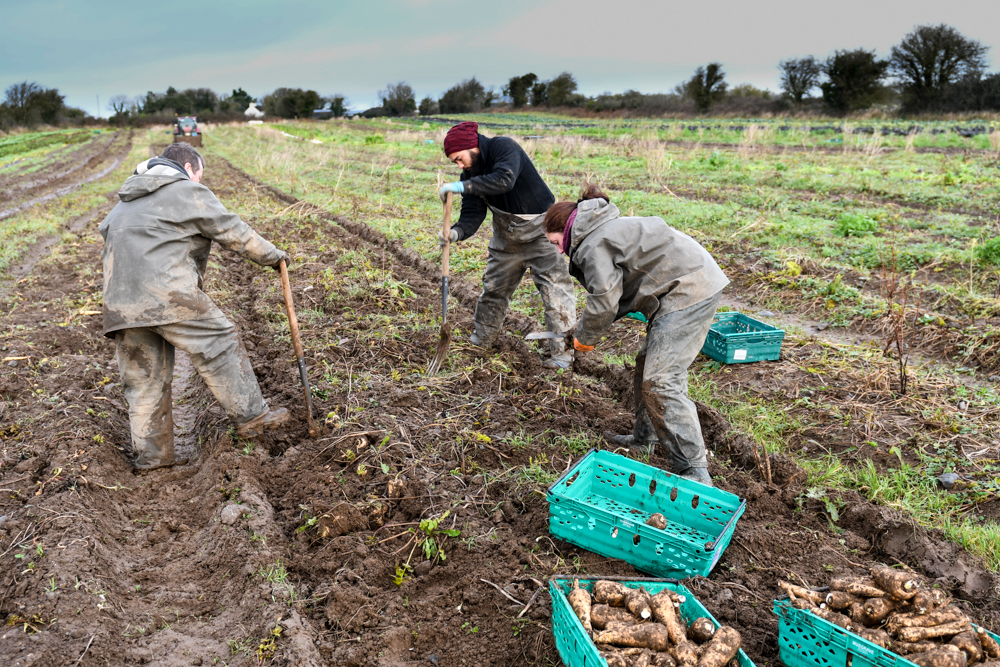
Our amazing team of packers, rising each morning sometimes at 4am to get to work at 5am to start packing your orders. Finally, having you our customers willing to supporting our farm and a whole bunch of good luck has got us through to another autumn, my 17th year growing vegetables and our 15th year in business.
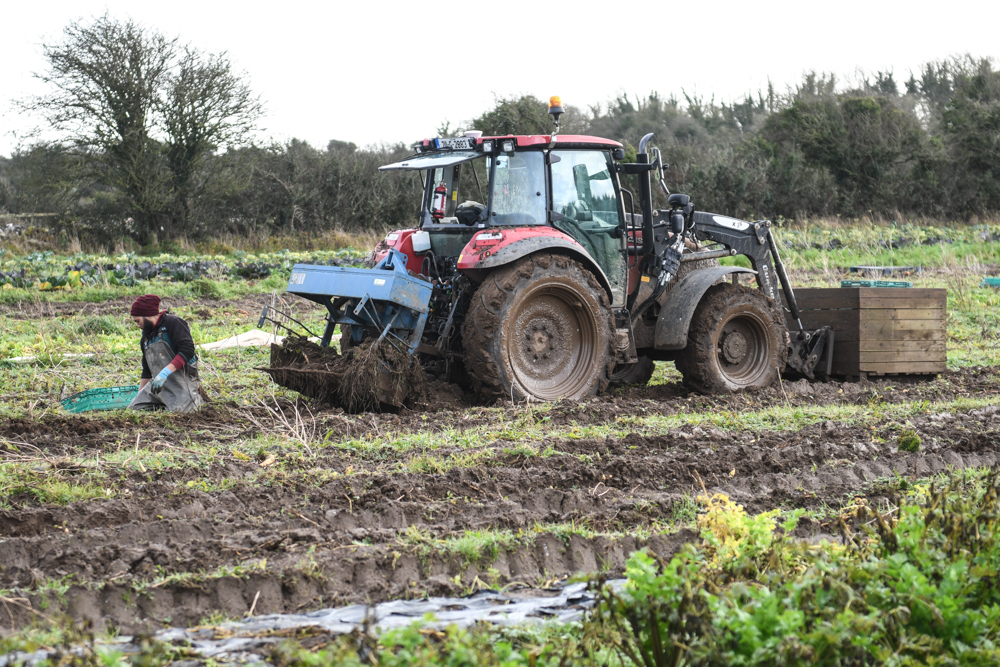
Growing vegetables commercially is a tough endeavour and in the stony wet land of the West of Ireland it is particularly challenging.  

The skill and art of growing our food is so important and we need to preserve this knowledge. It is invigorating to see so many small-scale growers embrace sustainable growing.

Yet, many commercial growers are struggling, the work is too hard, the price for their produce is too low, the seasons (due to climate change) are unpredictable, and planning for a market that is ever changing and is sometimes 12 months in the future makes it a precarious undertaking indeed.

As with everything and it is no different in our food system, decisions based purely on financial gain with no regard for our environment are causing devastation to our planet.  

It is much easier for a large supermarket buyer to import cheap produce, grown abroad where labour is inexpensive and where very often the working conditions are poor, and the attention paid to biodiversity is scant than buy more expensive IRISH grown crops.  

I am glad we have you our customers and that we do not need to knock on supermarket doors to sell our produce.

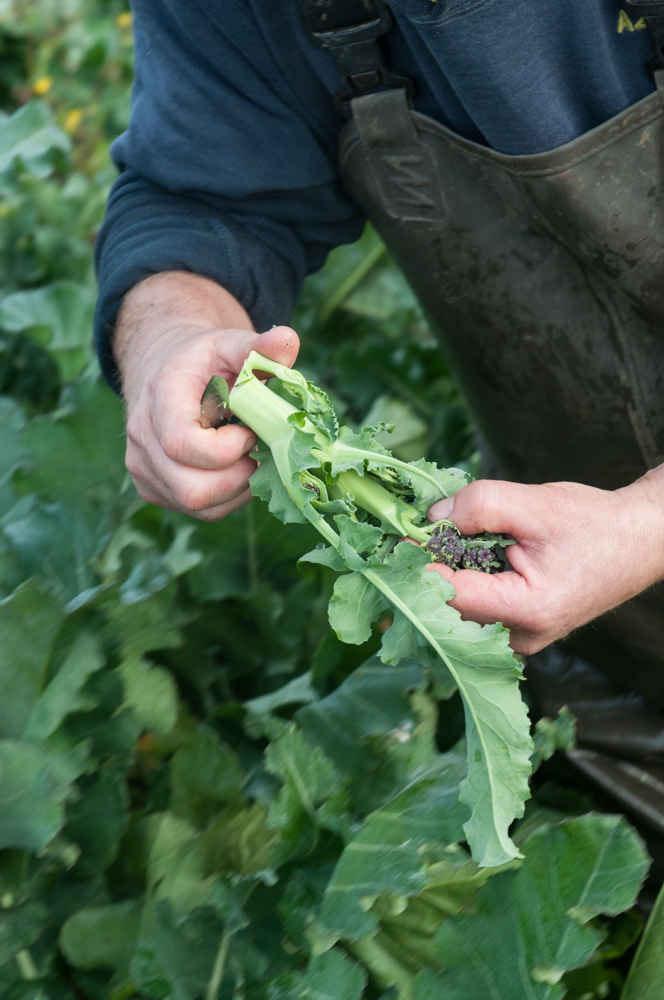
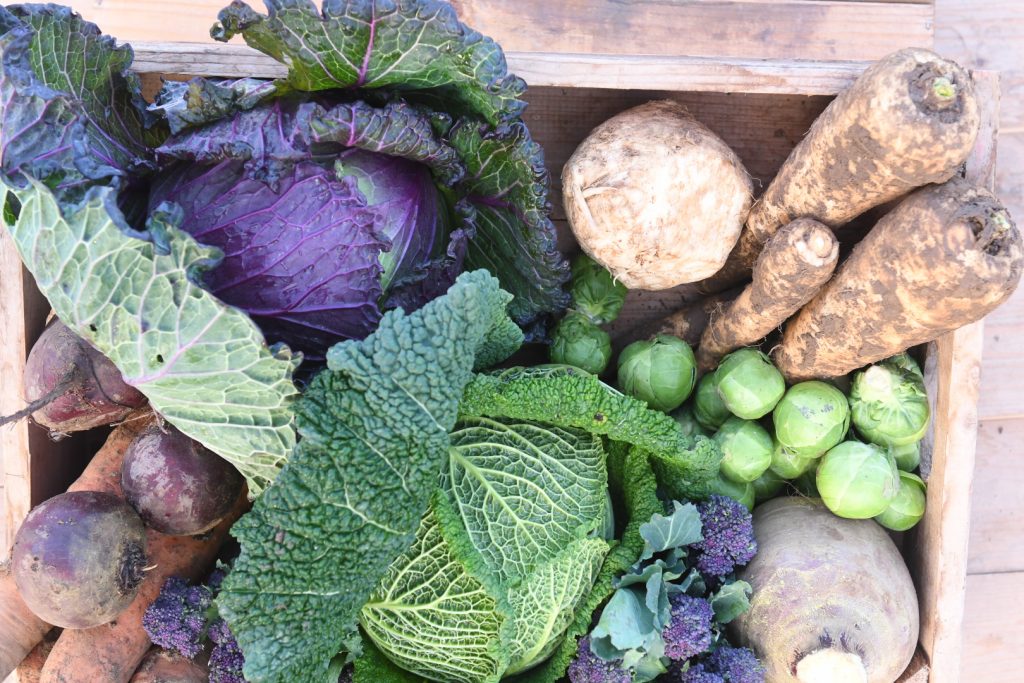
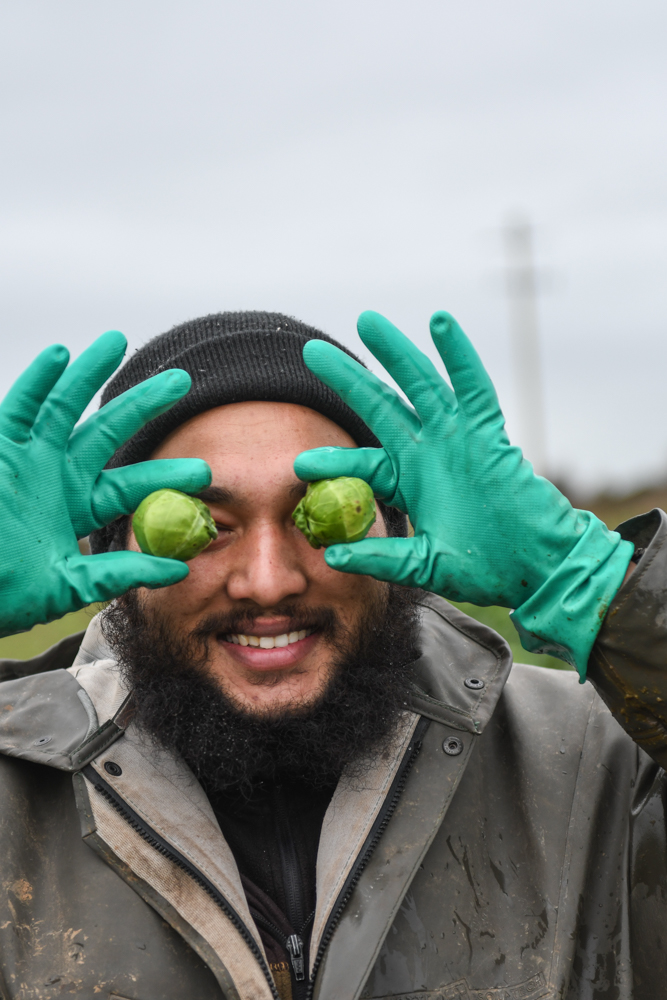
Our harvest is overflowing, now we have parsnips, carrots, swedes, cabbage, leeks, celery, pumpkin, kale and Brussels sprouts, the last of the broccoli and the soon to start purple sprouting broccoli and the first time in 10 years we will have celeriac.

I think you might taste the flavour in your in your boxes, tell us if you do! You will also notice the size of all our crops, the warm September and a soil temperature that is 5C above normal means growth has continued well past when it should have slowed leading to bigger produce. 

The days are closing in now and the weather is wet and it should be cool, but as I write this, we have temperatures here in Galway of 17C and it is 8pm, is this climate change in action right here on our doorstep? 

Our promise is simple, “When you get a box from us you do not need to think about whether you are choosing sustainably, we promise you are”. 

Your support for us means our farm survives and thrives, our people stay in jobs, and we get to mind our little patch of land here in the West of Ireland sustainably.

Thank you

Kenneth