People are the Essence of all Activity

On our farm and in our business without the people there would be nothing, just quiet empty buildings, offices, and fields. Community is a gathering of people, and it is only when people come together that things happen for good or for ill. My favourite quote of all time involves people:
“Never doubt that a small group of thoughtful, committed, citizens can change the world, indeed it is the only thing that ever has” Margaret Mead. 

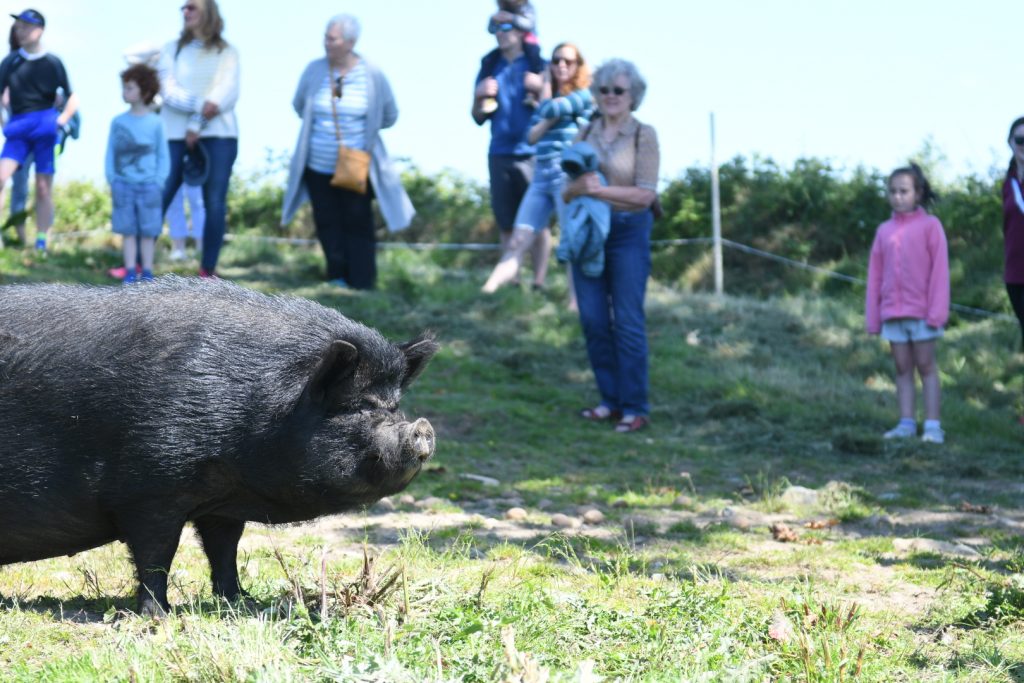
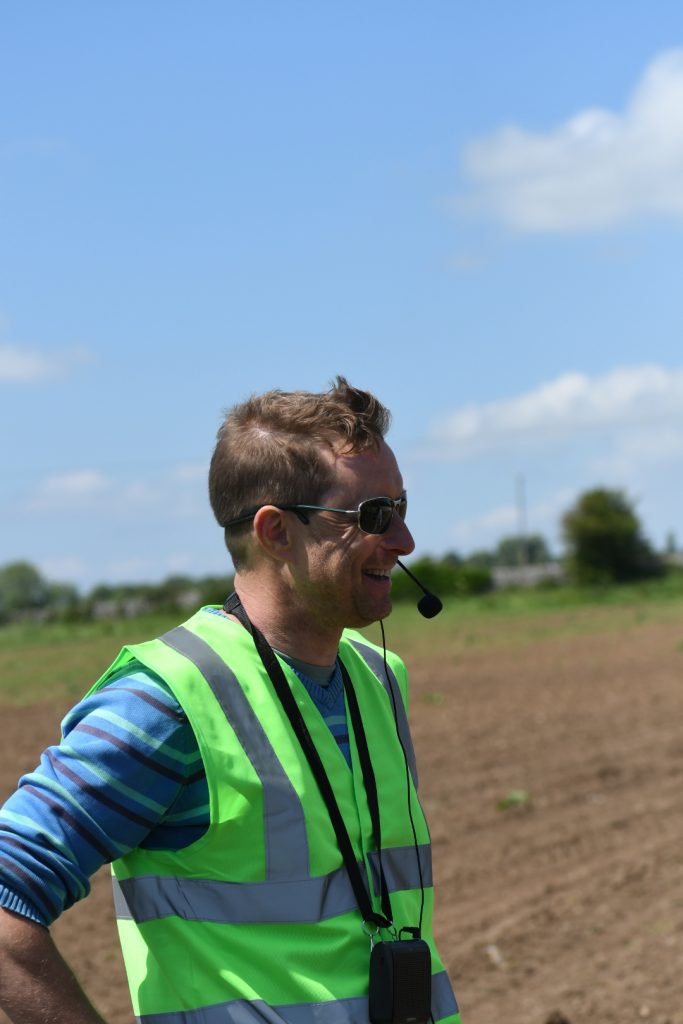
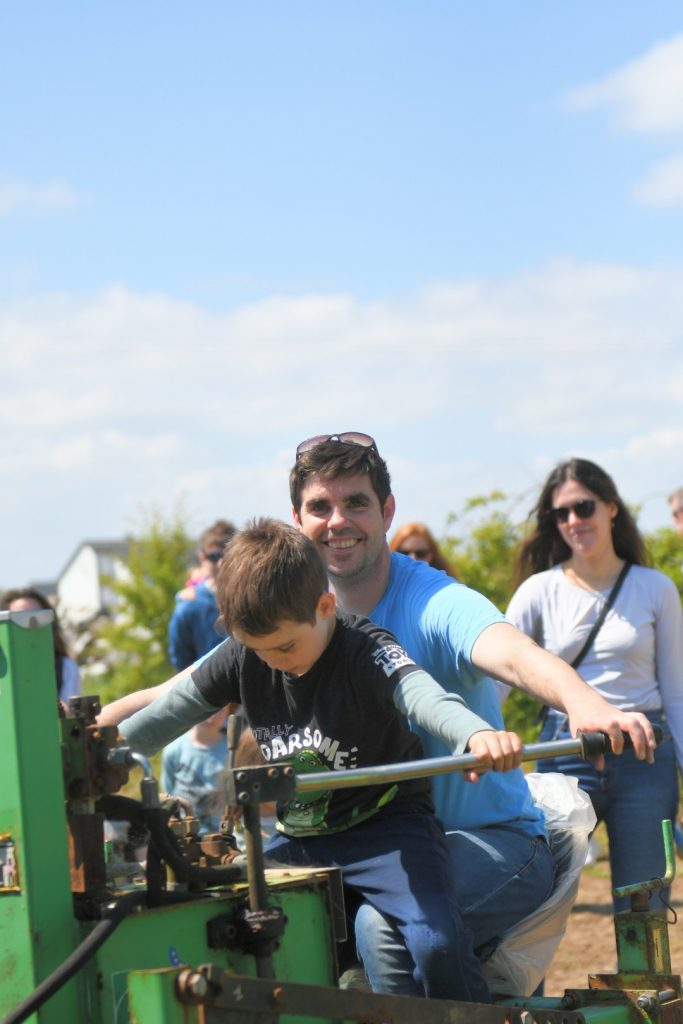
Last week we had the opening of our farm shop and the first public farm tour in well over two years, and we had people, many people. Thank you to all who came. 

It was truly amazing to see so many interested in sustainability and local food. The sun shone and there was music and laughter. There was interesting questions and conversations, there were young children and those somewhat older in years.

There was a question from a young child about snails, there were questions about vertical farming, and soil pH and fertility and trees and biodiversity and the climate crisis and so much more. 

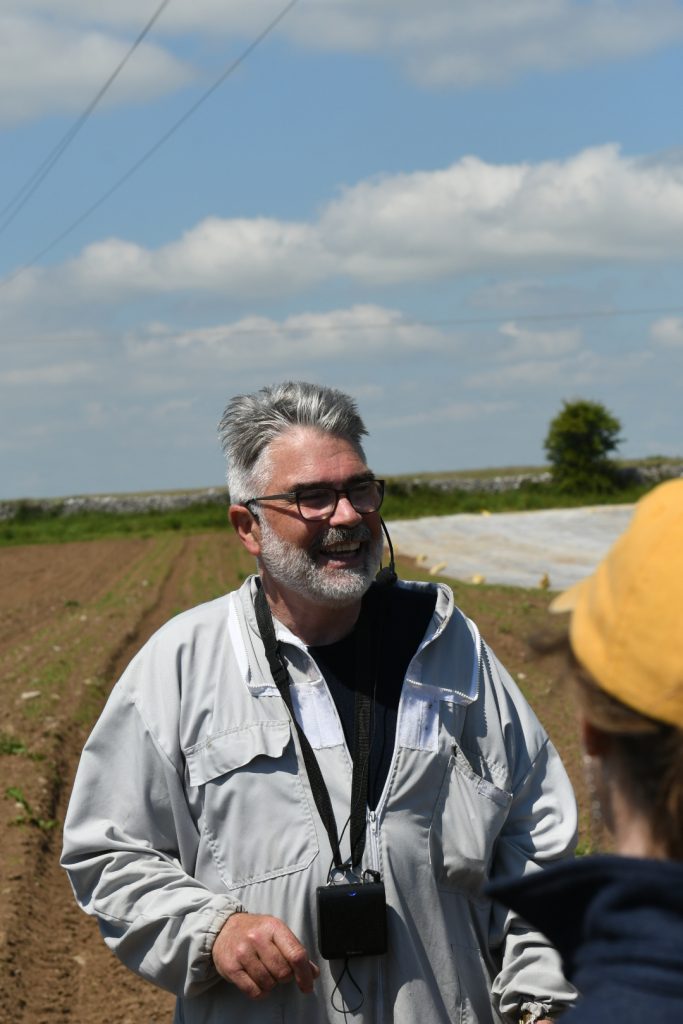
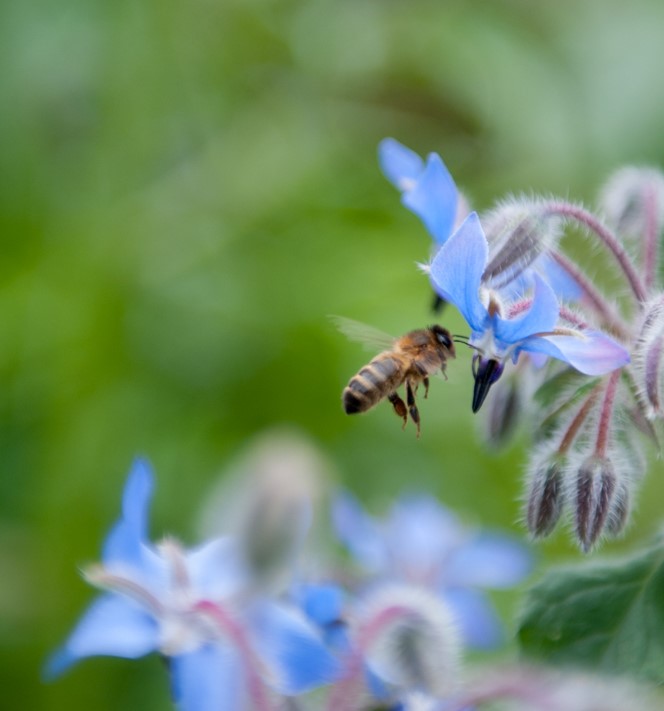
We had an amazing talk from Gerry the beekeeper (whose passion for bees was unmistakable), the bees on our farm are native Irish black bees and they can fly at just over 9C which makes them a hardier Irish bee. It seems as I listened that I knew very little about bees.  They have a harsh life, the poor drone bee has his wings eaten off and he is thrown out of the hive to die at the end of the season!   

But through it all there was a common thread, an idea that united everybody there: that there is a better way to produce our food, a way that helps our planet instead of destroying it, a way that enhances the land instead of laying it to waste. A way that gives nature a fair chance.

We all have the ability three times a day to vote for the future we want.  Ultimately the food we choose to eat and how it is grown contribute greatly to how our planet will fare. 

If you are reading this on a screen or at home after receiving your order, know that you are making a difference. Your purchase and support of our farm does make a difference to the planet and the environment and what you put into your body will impact your health for years to come. 

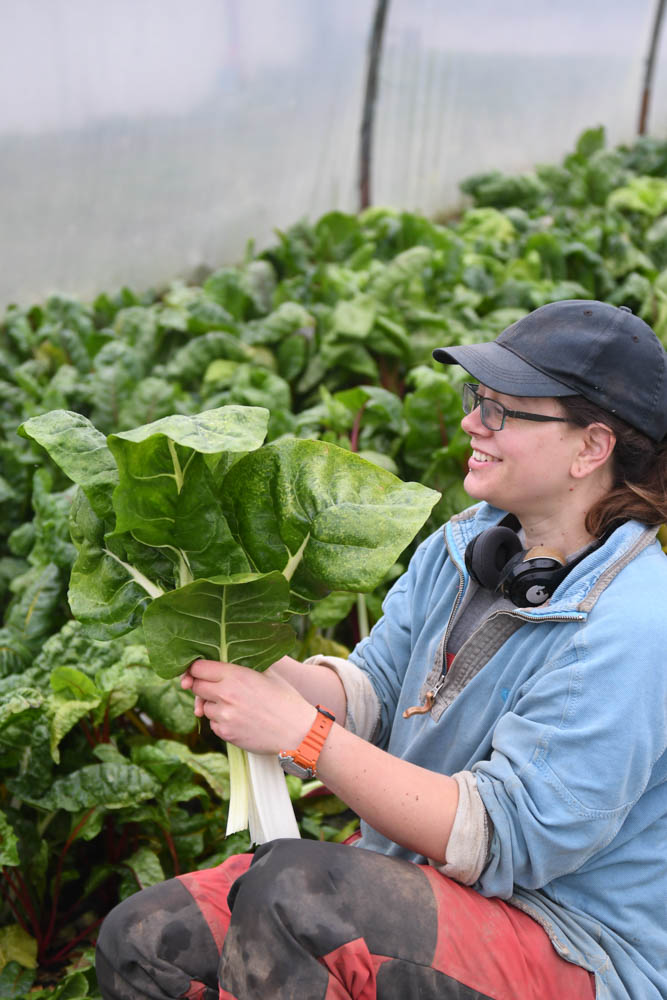
If you visited the farm, then you would have seen our first kale crop. That kale was transplanted by Emmanuel and his team 6 weeks ago, it will be harvested by hand by the same farm team this week.  It will then be packed into compostable bags by Barry and the packing team. Every part of its journey right up to its delivery onto your doorstep wherever you maybe, we have overseen.

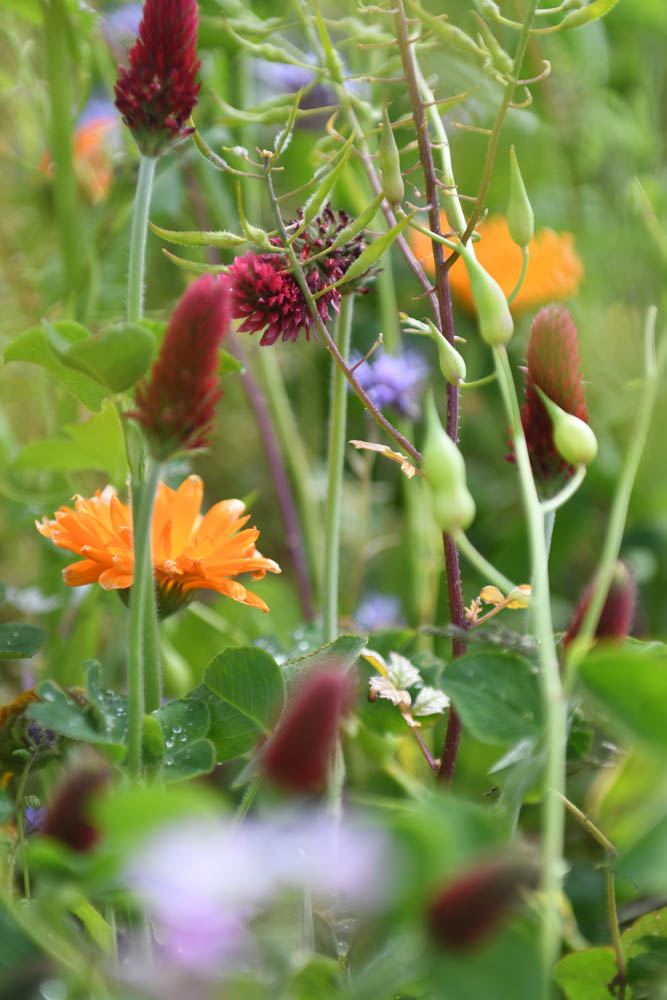
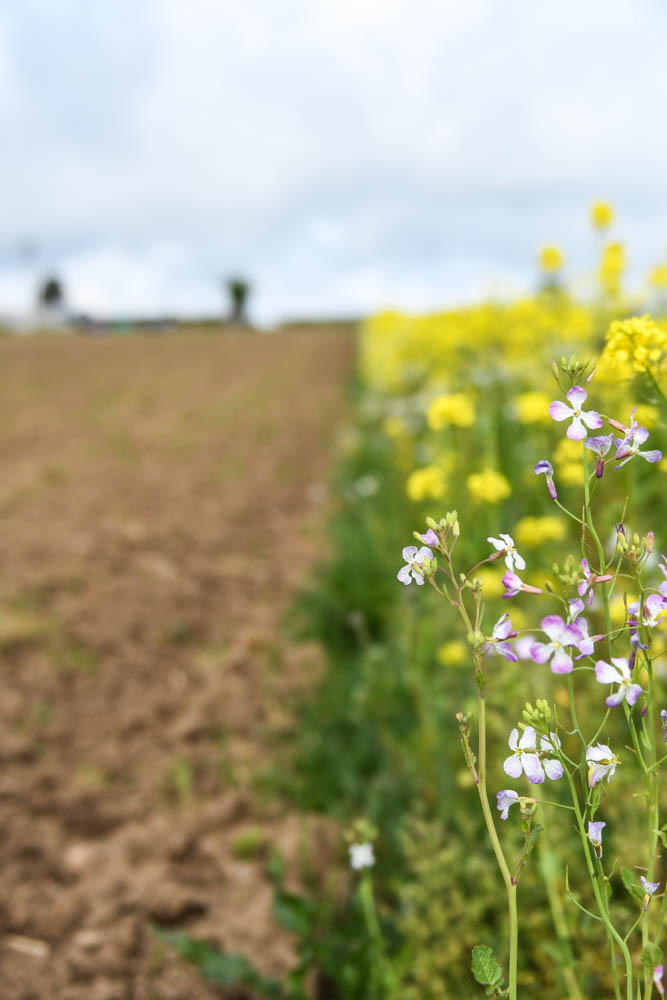
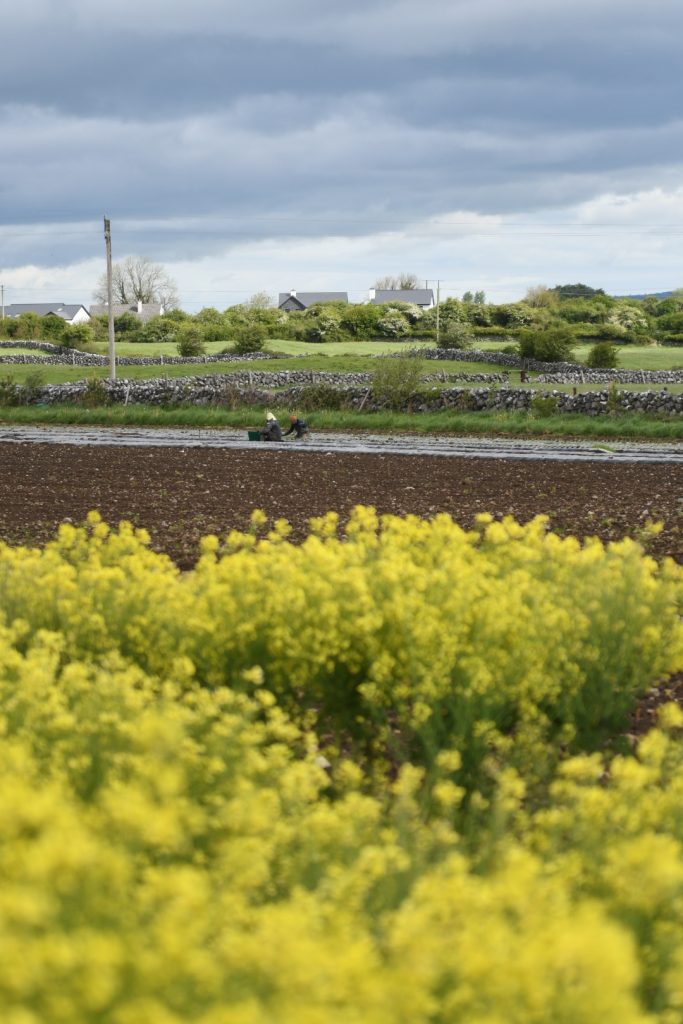
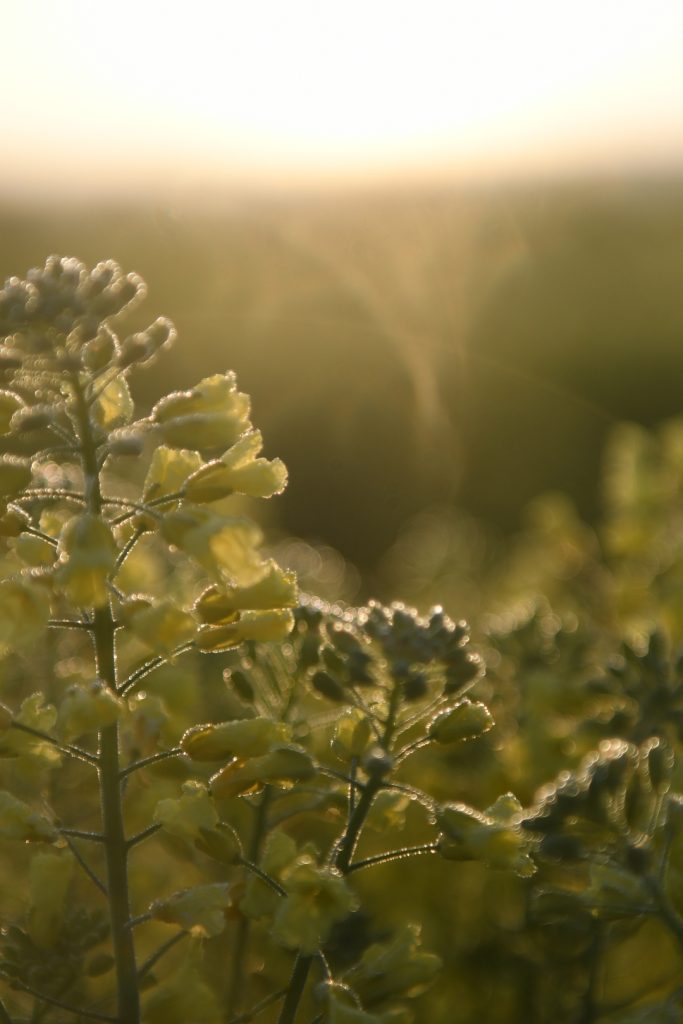
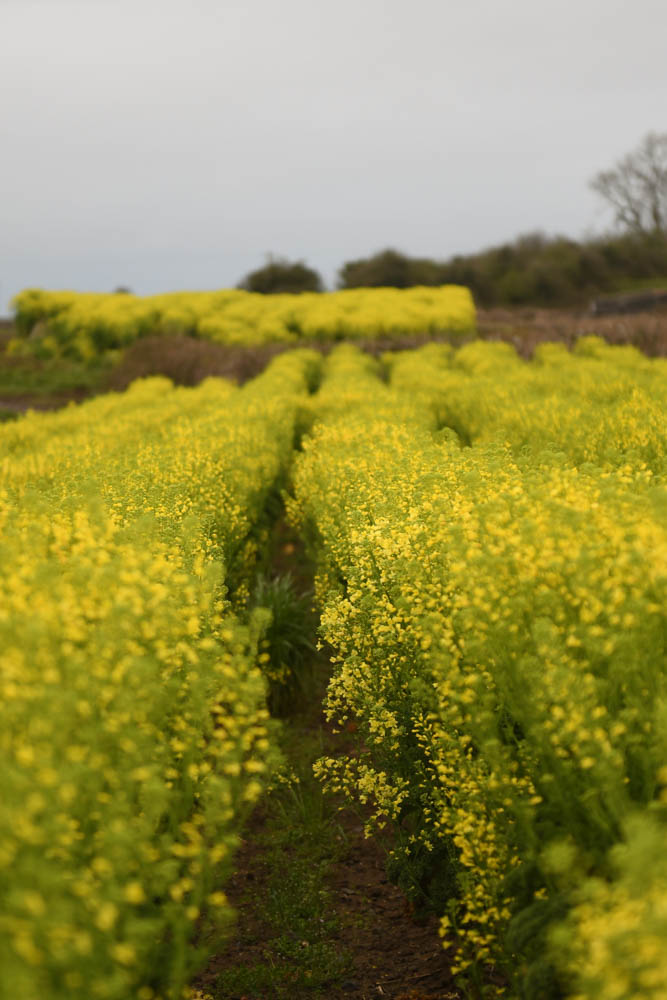
Right beside that kale crop is a 120metre strip of wildflowers. Last night our resident fox sauntered by that kale, the pigeons in the forest at the bottom of the field eye that kale hungrily (they will be getting very little!).

That kale is the essence of vitality it is harvested for you and could only be fresher if you picked it yourself from your own garden.

But that kale and our packing team and our farm team would not be here if it were not for you. So, thank you. Thank you for your support.

Kenneth

Wonky Veg, Food Waste & Great Crops

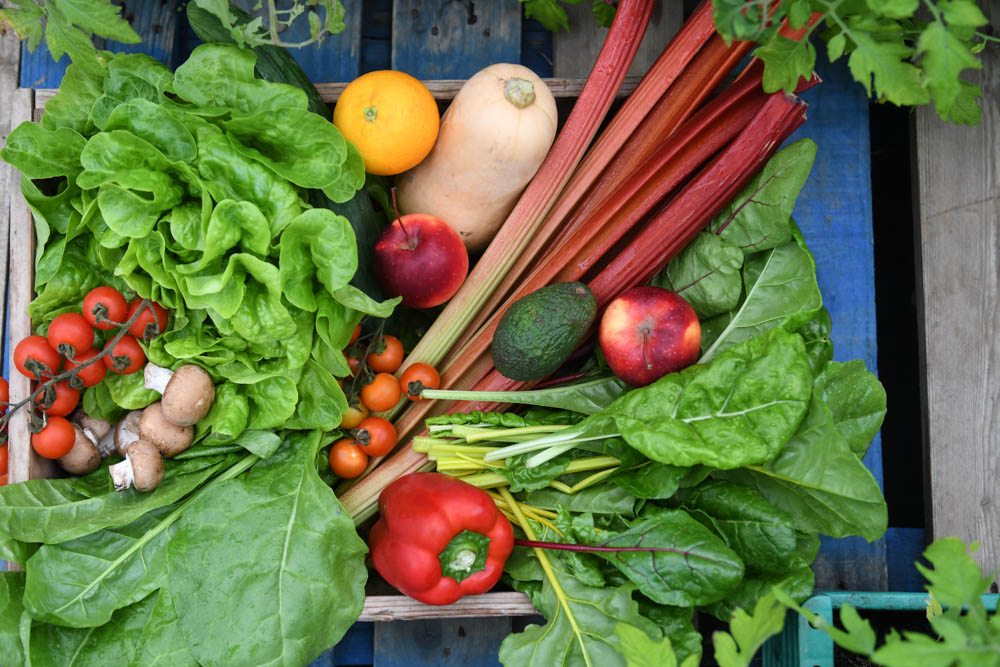
Over the last 16 years we have seen a fair bit and although generally things are never black and white, one thing stands out for us as being just that: food waste. Whatever way you look at it wasting food based on aesthetics is immoral. We work really hard to reduce food waste, it is one of our core values. There are times when the quality just is not good enough and we will never ever compromise on the quality of what we send out. We will give food we cannot sell to our team members, or you may get a freebie or two in your boxes sometimes.

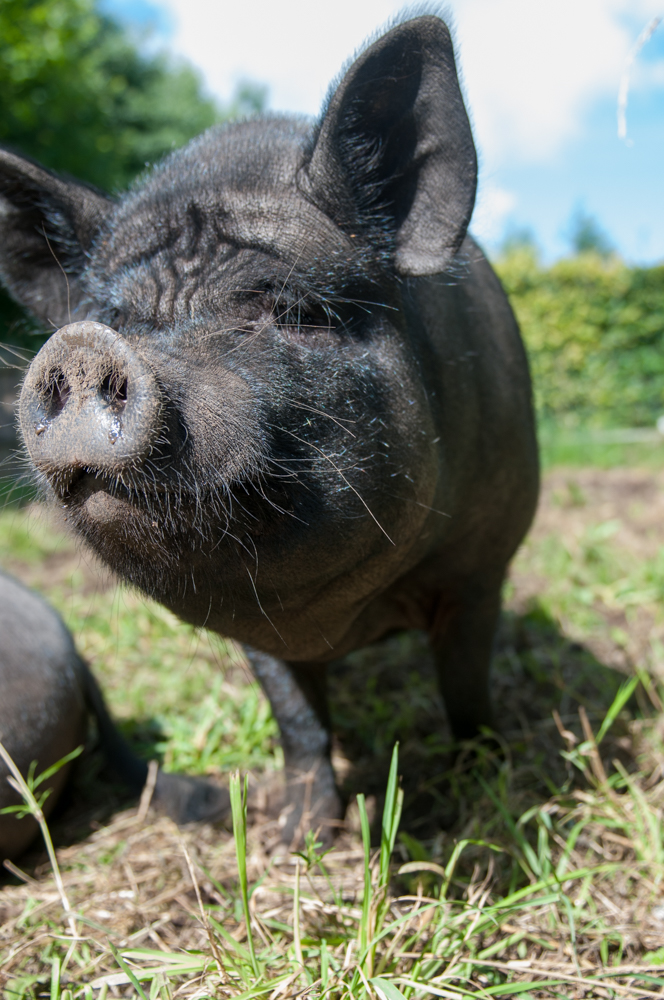
Stuff that really is not good for eating, either goes to our compost heaps to make fertiliser for our new food, or goes to Florence and George’s bellies (our two pet rescue pigs in case you didn’t know). But we grow our own food and so we have a very good understanding of what is ok and what is not. We make sure we harvest as close to packing the boxes as possible, we work with other growers to ensure we have the freshest best produce.

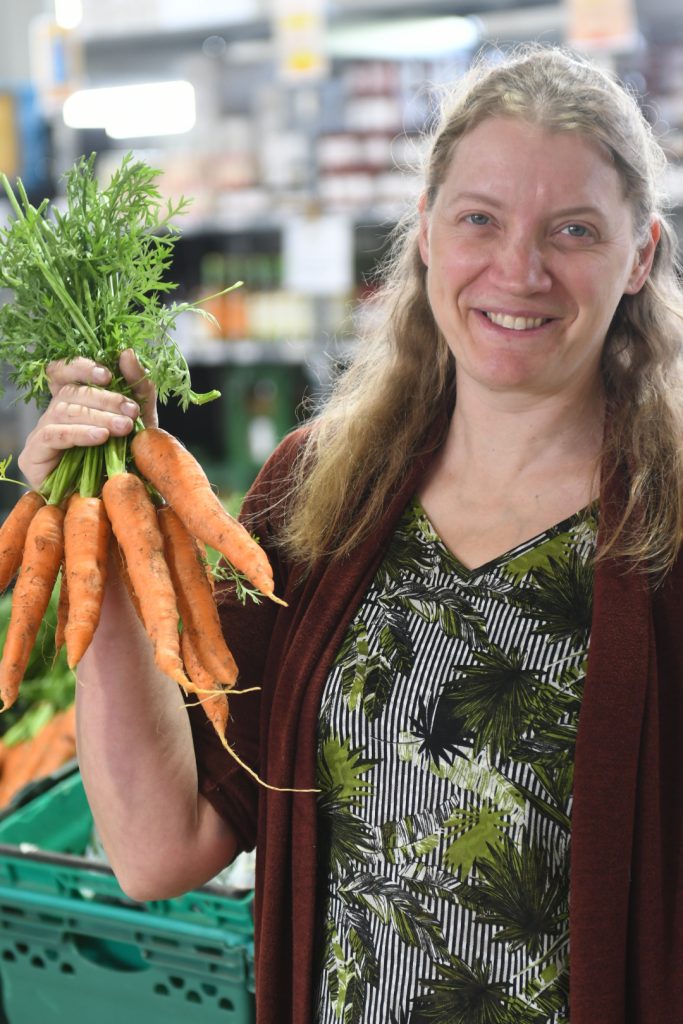
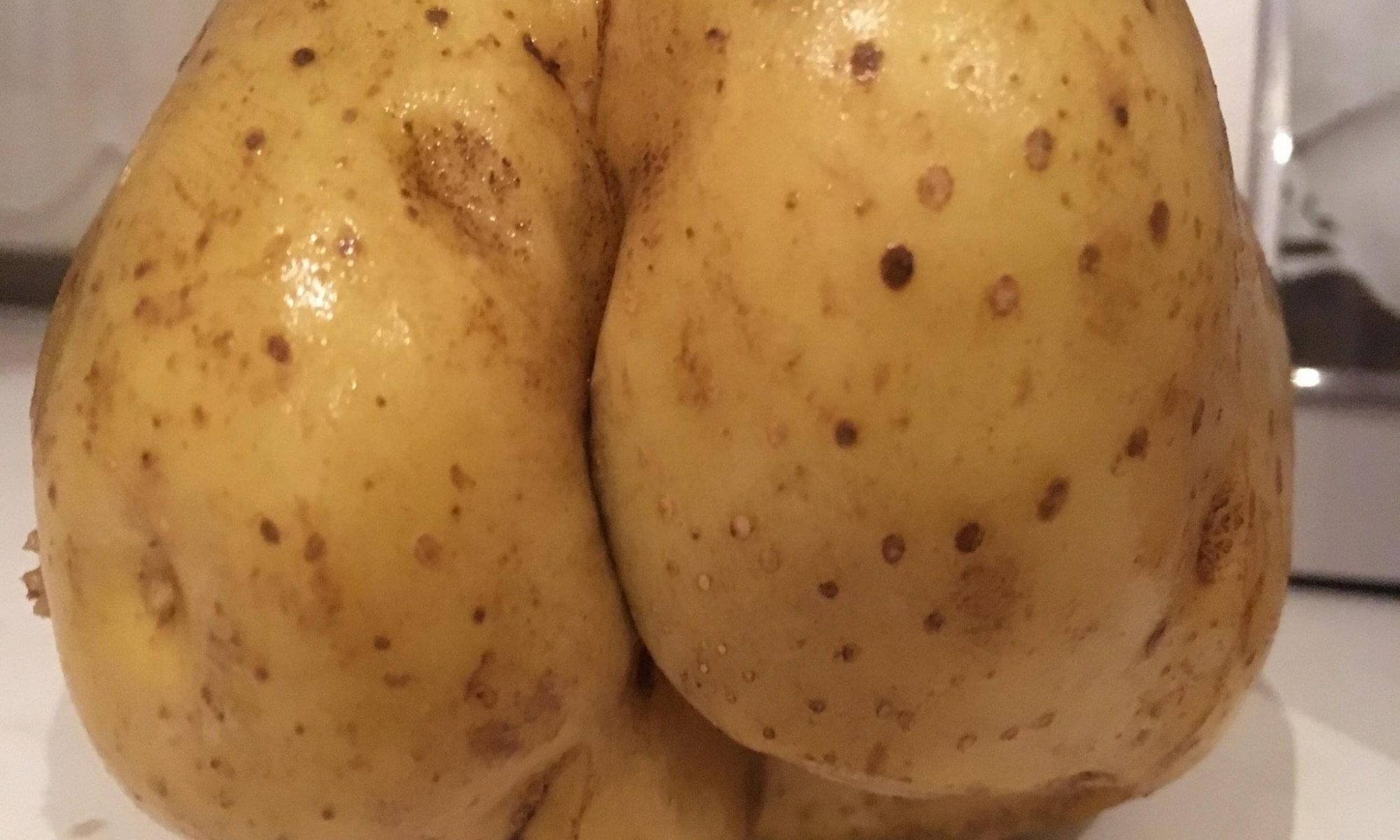
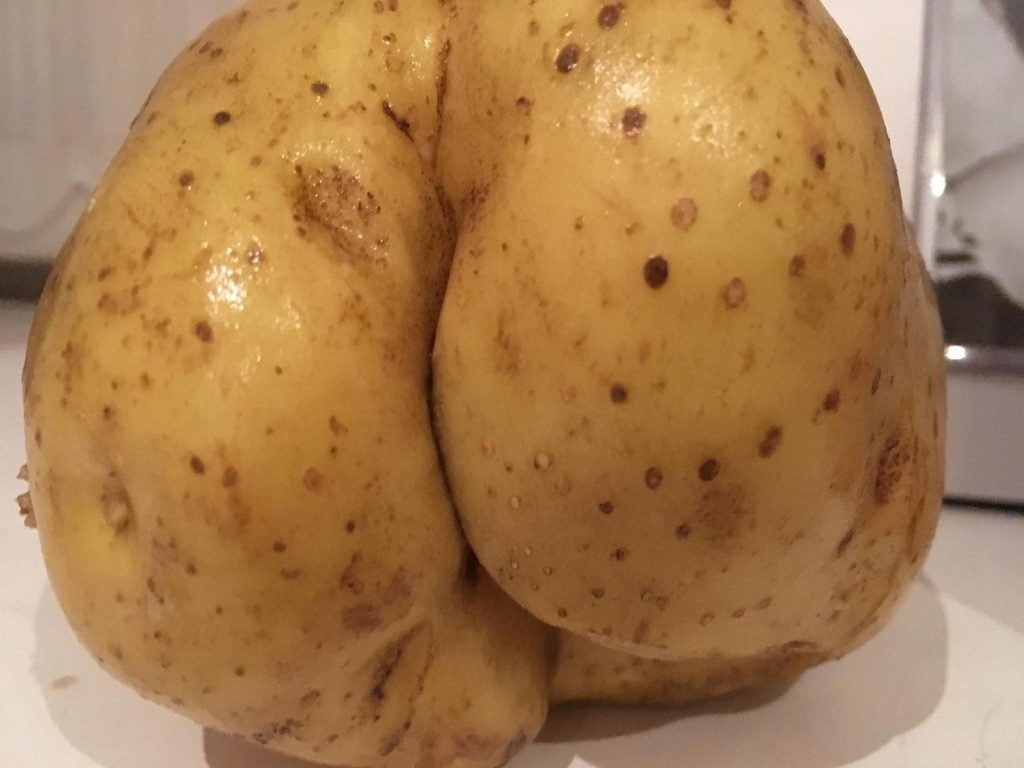
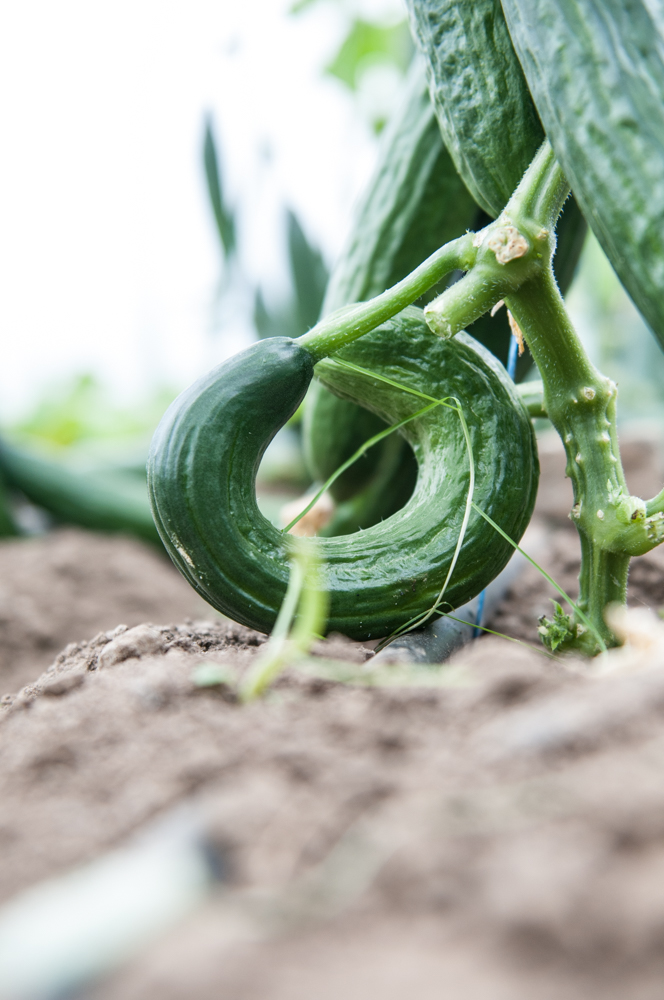
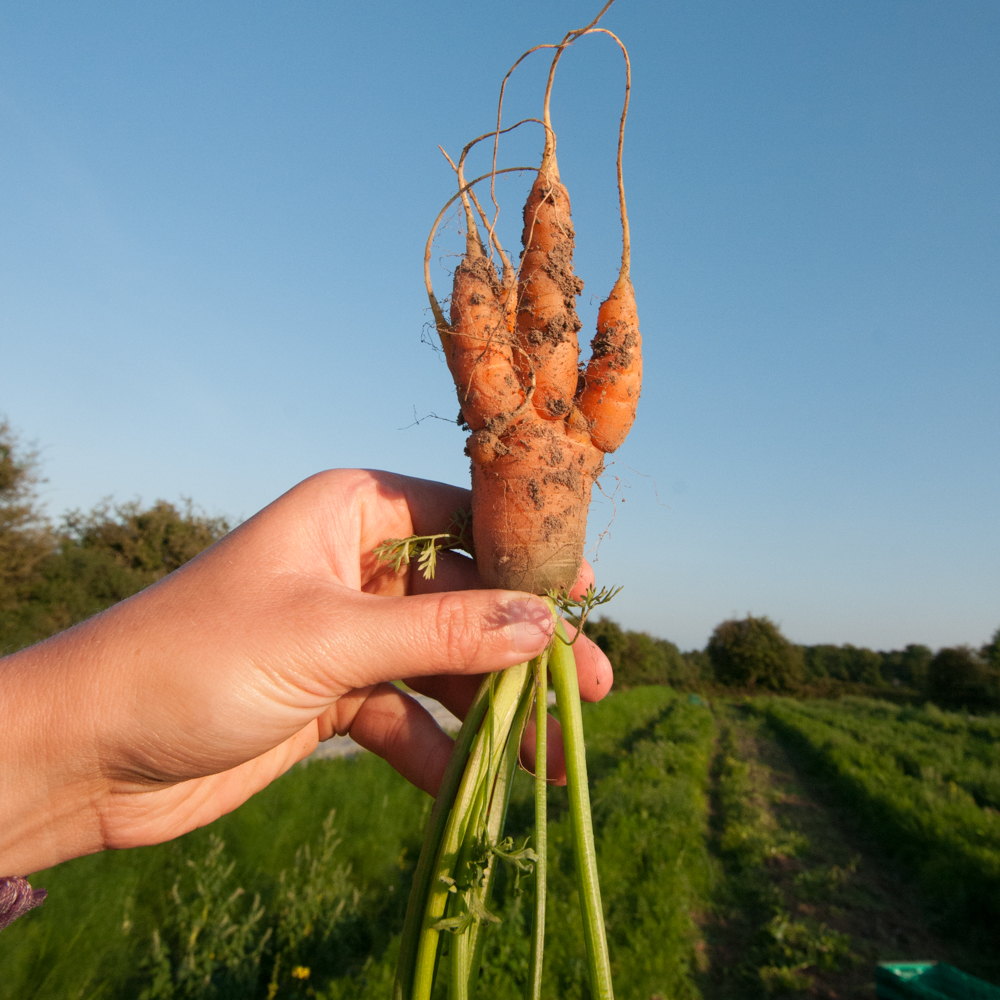
But there is one thing we never do, we never discriminate based on looks, on wonkiness. If a carrot is wrapped around another carrot, will we grade it out? Absolutely not, we will CELEBRATE it, If a potato is showing a little cheekiness well that is absolutely ok with us. In fact, we want vegetables like that. This ‘WONKY’ food tastes the same, it has the same nutritional value, it looks the same on our plates it has been grown sustainably on organic land.

It makes a lot of sense to us NOT to grade out vegetables like that. I guess we are pretty lucky that we do not have to conform to supermarket standards, that we set our own standards and we can do this because we know you our customers are ok with getting cheeky potatoes every now and again.

We know how hard it is to grow food and it is crucial to our planet to make the best use of the land available to us, and not throwing away food based on looks is a good start, at least we think so.

Last year we got our planting plan wrong, it is difficult to guage the market a year in advance, and ended up having to turn crops back into the ground. This year we have been a little more cautious and we hope a bit smarter with our time and energy.

This evening as I write, the sun is shining I have just finished my farm walk of checking the crops. The crops are progressing so well, the tomatoes look amazing as do the cucumber plants and the first lettuce, salad, celery, courgette, broccoli, kale, Romanesco and cabbage are well on their way, even the first parsnips, carrots, beetroot and outdoor spinach are poking their little heads above the soil.

Thank you for supporting our farm and know in doing so, not only are you contributing to reducing your carbon footprint, and reducing your waste burden on our planet, you are also contributing to reducing food waste and giving these cheeky potatoes a good home!

Thank you

Kenneth

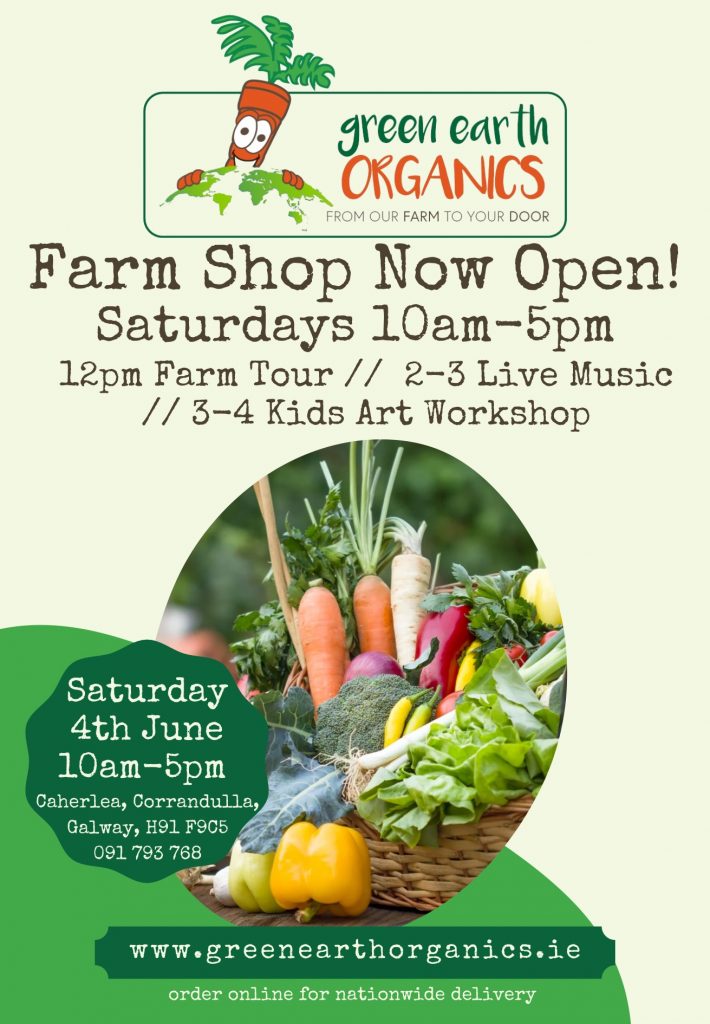
PS we have some very exciting news! Our farm shop is finally opening next Saturday the 4th of June at 10am, we will have a farm tour at 12pm, and music, and children’s art, so come along!

Bees, Wild Flowers & Chemicals

Do you remember all the insects you used to see on the car windscreens when you were younger? Where have they all gone? 

I came back from Dublin on Wednesday evening and my windscreen was clean, once upon a time that same windscreen would have been covered in poor little deceased insects, where are they now?

Flying insect numbers have plunged by 60% since 2014 a new British survey has shown, by measuring insect splats on cars. 

By 2015 each hectare of land in the UK received 3.9 kg of pesticides in 17.4 applications and eighty-seven percent of the total toxicity being applied to fields in 2015 was due to neonicotinoids.

A damning indictment of the way we manage our countryside is the fact that it is now safer to keep bees in cities than in the countryside.

A six-fold increase in potential toxicity to insects in the period 1990–2015 corresponds closely with the timing of the 76% decline in flying insect biomass recorded in Germany in the period 1989–2014.

This very large increase in toxicity was mainly due to the introduction and widespread adoption of neonicotinoid insecticides from 1994 onwards.

On the 27th of April 2018, this class of pesticides was banned from all outdoor use in the EU and will give our bees and insects a fighting chance at survival, at least you would think. However in the years since, “emergency authorisations” for the use of these chemicals has been granted,  many cases these authorisations were granted repeatedly, or without any apparent evidence of an unusual or ‘emergency’ situation as justification. 

Banning the use of these chemicals was a fantastic and positive step. 

There are so many other positive steps that we as farmers and gardeners can take now to improve biodiversity and help the bees and insects.

We have beehives on our farm and they give us so much, bumper crops of courgettes for one. It is only right that we sow wildflowers and leave our kale to flower to feed them.

We purposely leave brambles along all our walls, their flowers are an early food source for the bees (as are dandelion flowers), we leave wild areas where plants can go to flower. Obviously, we are not spraying any bee killing chemicals. This has meant that the bees and so many other insects have a better chance of surviving and thriving.

But it was when we started planting wild flower strips that we noticed an astounding level of bee life. There were honey bees and several different types of bumble bee, and all sorts of other flying insects. We had created a farm reef for bees! On a sunny evening there are thousands of bees and insects humming away, and it is not until you look closely that you notice. 

These steps have meant that we have an abundance of insect life on our farm and I think it may be working in our favour. 

It seems that if we look after biodiversity, it will look after us and a more integrated approach to food production does work very well indeed.

Here’s to sustainable food and to the bees and to hopefully a return to the insects on our windscreens.

Kenneth

PS We are really excited, we have launched a new website please take a look here, and if you haven’t spotted it already to celebrate there is 10% off the build your own box this week.

Wild Flowers, Leased Land & Glyphosate

It was one of those rare occasions, you know the ones, where you get a chance to take a break from your life for a day, to get away and do something that wakes you up again.  Sometimes it is from these breaks that you catch moments of clarity, that can be elusive during the busyness of life.  

Yesterday, myself and Jenny took a day and went exploring in the beautiful landscape of the Burren, which is only 40 minutes from our farm.

It had been some time since I had been up in the hills of the Burren. We got away from everything and it was truly amazing. It may be my maturing years, (last time I was up there I was on a mountain bike) but this time I was walking, and I noticed the abundance of flora. The Burren is renowned worldwide for the diversity of plant species that grow there, and on this particular day it was resplendent in its natural beauty.

Field after stony field were full of flowers, most of which I didn’t know or recognise. But suddenly as we rounded one corner a field of cowslips came into sight. It was a sight that transported me back in time, to a time when the fields next to our family home were full of these beautiful flowers. 

Sadly, today, these flowers are not to be found in most farm grasslands, they have all but disappeared (as have the button mushrooms that also used to be commonly found in meadows). The Burren is a haven for these flowers and one of the key reasons is the absence of chemicals. Those mountains are never sprayed, the land just gets to be.

Enroute to Clare we passed some land which up until last year we farmed. The sight of the fields was shocking, it had taken on a bright iridescent chemical hue.  

Earlier this year we finished the lease on that land.  We had been the custodians for the previous 5 years. Over those five years we treated that land very well, we increased the organic matter content, we brought up its fertility levels, we sowed red clover and left it under clover for two years, we picked truckloads of stones, but crucially we kept it alive, it was always alive while we were the guardians. 

This time last year, the last of the kale plants were flowering and those fields were alive with millions of insects and bees. Contrast that with what we saw yesterday. 

The land is only out of our care less then a month. The whole 9 acres is dead. It has been sprayed with glyphosate and it has a sickly bright yellow/orange tinge of chemical intoxication, all life is gone, all the plants are dead, all the bees are gone, all the insects are gone, and all the birds are gone.

As I reflected on the natural beauty of the Burren and what had happened to that land it was like an epiphany, it was a blinding shock at the glaring difference between the path of food production we follow and the chemical laden path of conventional food production. They couldn’t be more different. 

We came back to our normal lives and passed those fields again on the way home. I was sad that all our good work of five years had been undone in an afternoon. But anger and determination followed, and it made me even more committed to ensuring that we continue to do things right on our home farm, that we never ever use chemicals, and we protect nature at every turn.

Your support supports that mission. 

Kenneth

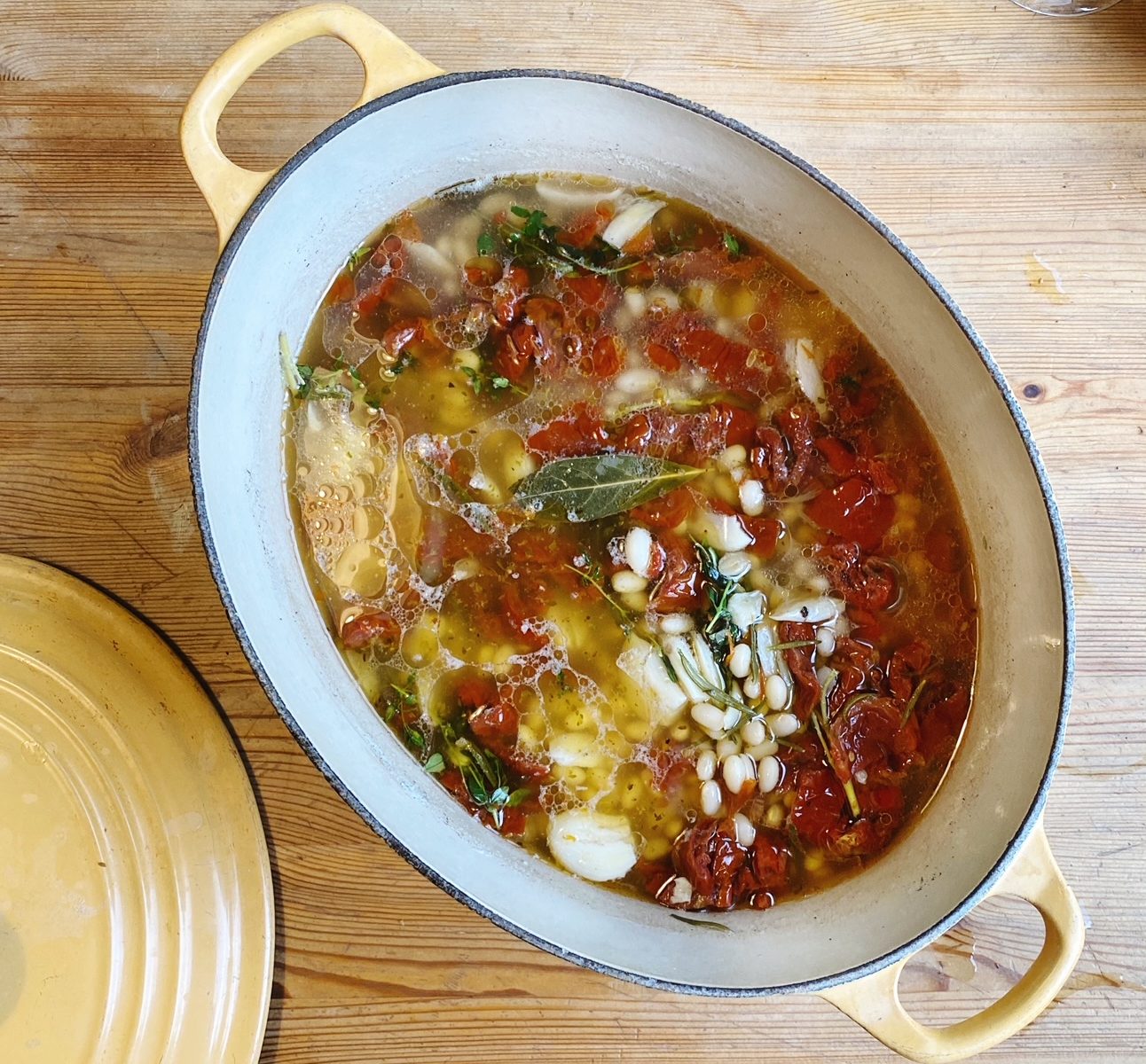
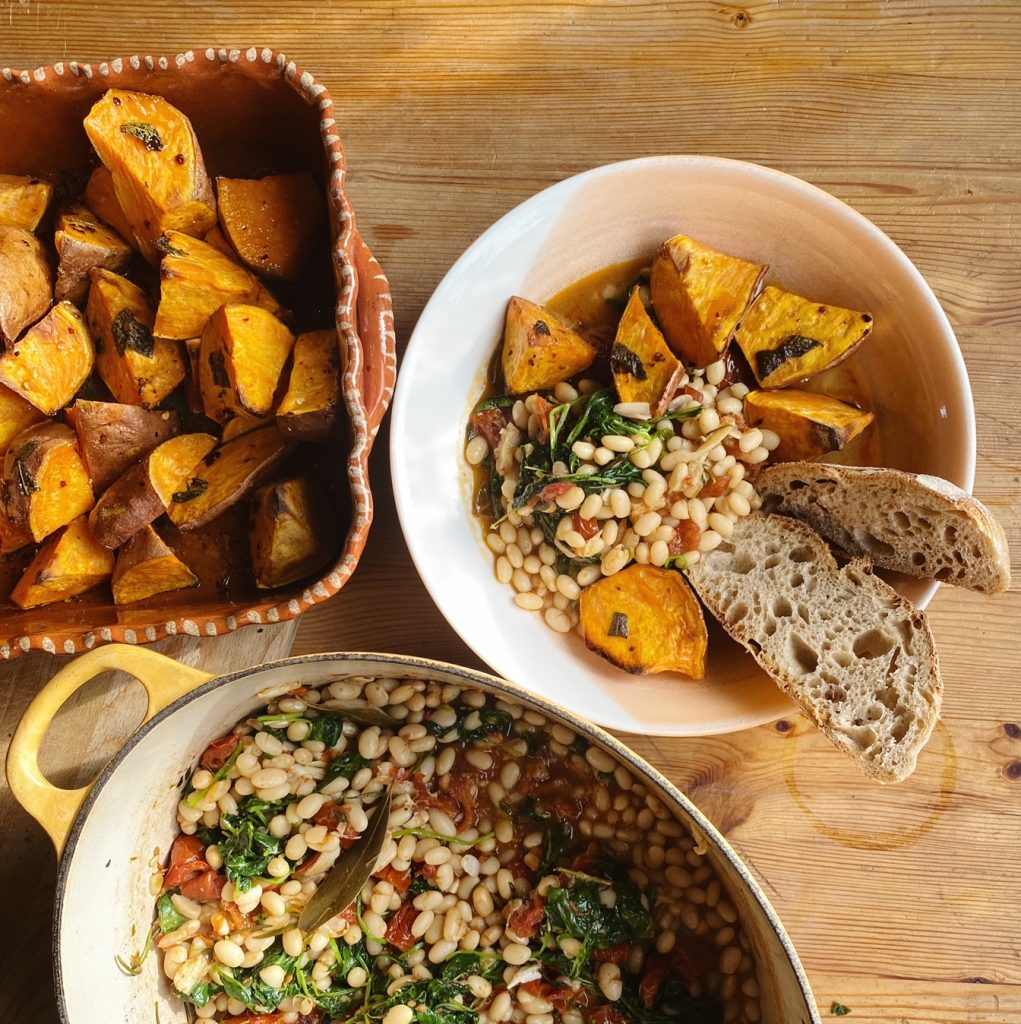
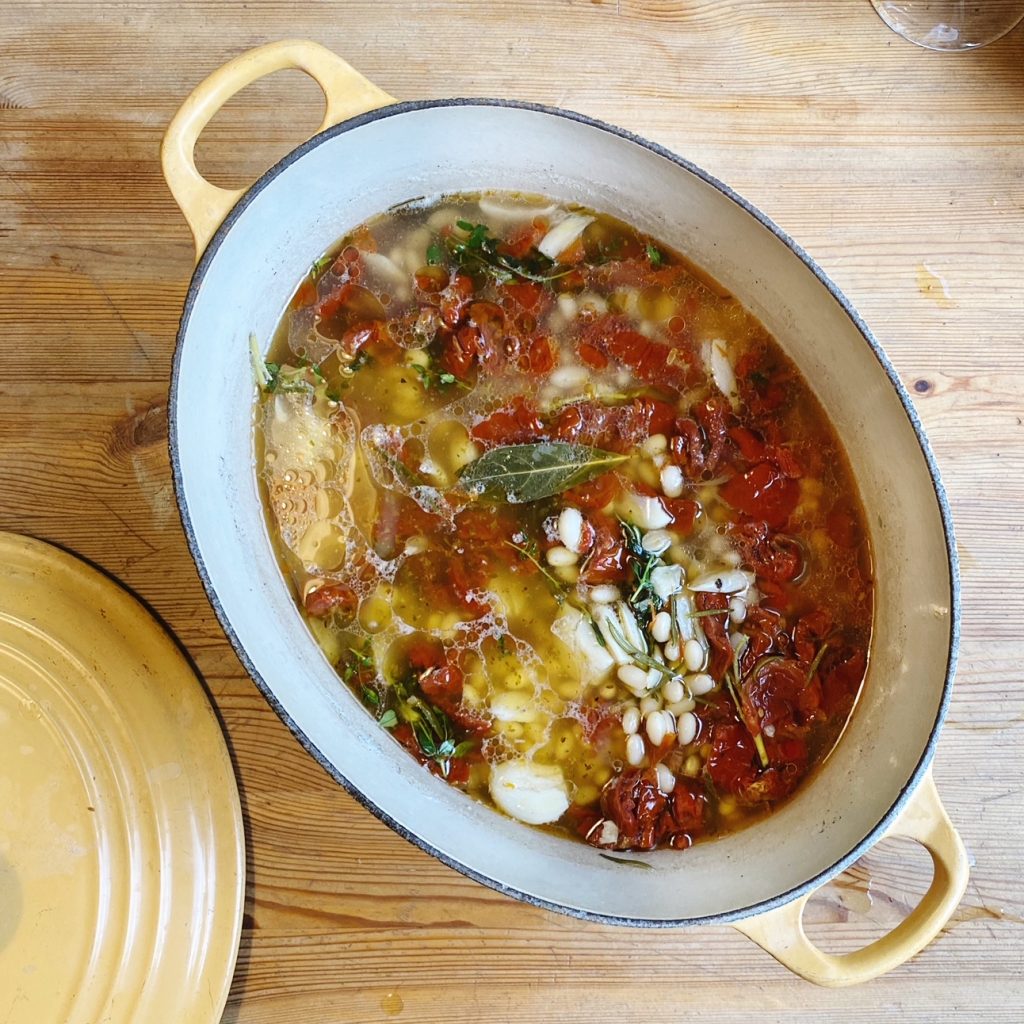
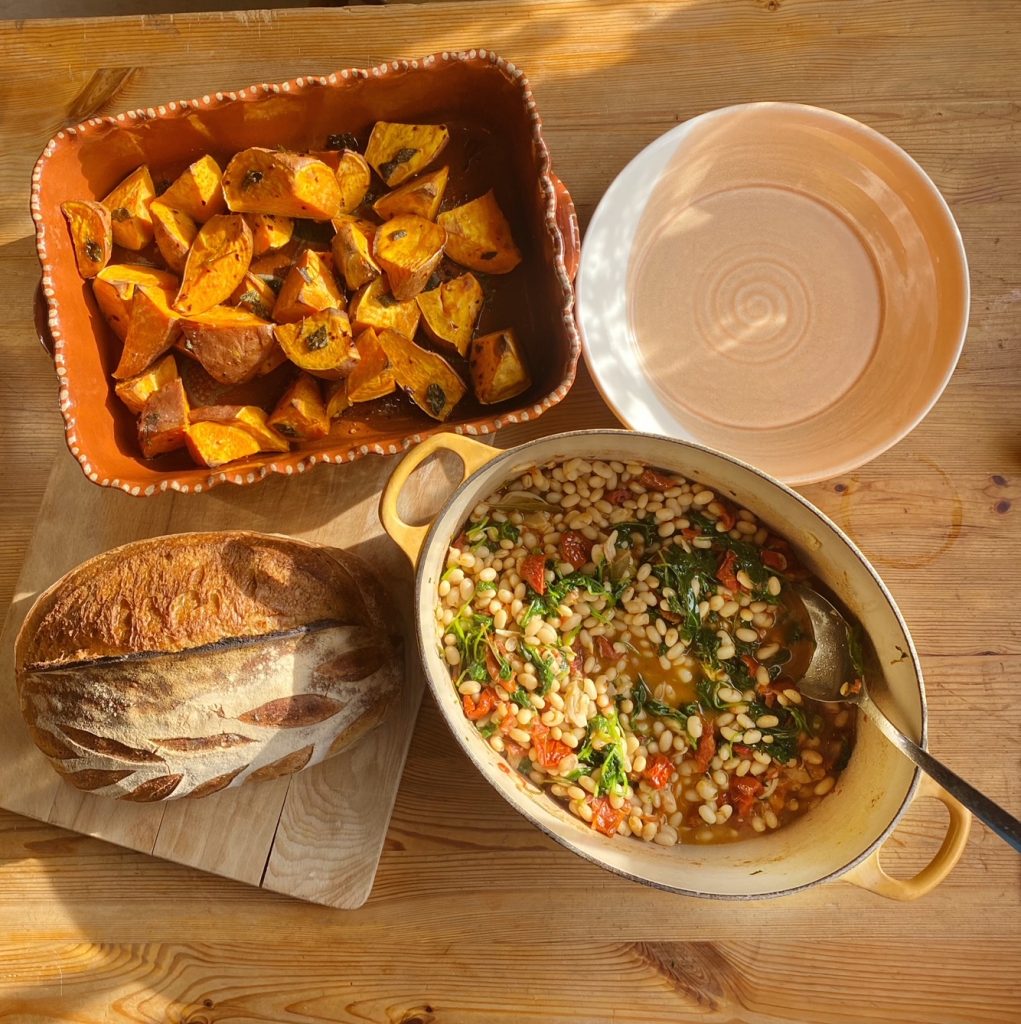
Sun-Dried Tomato & Herb Braised Beans

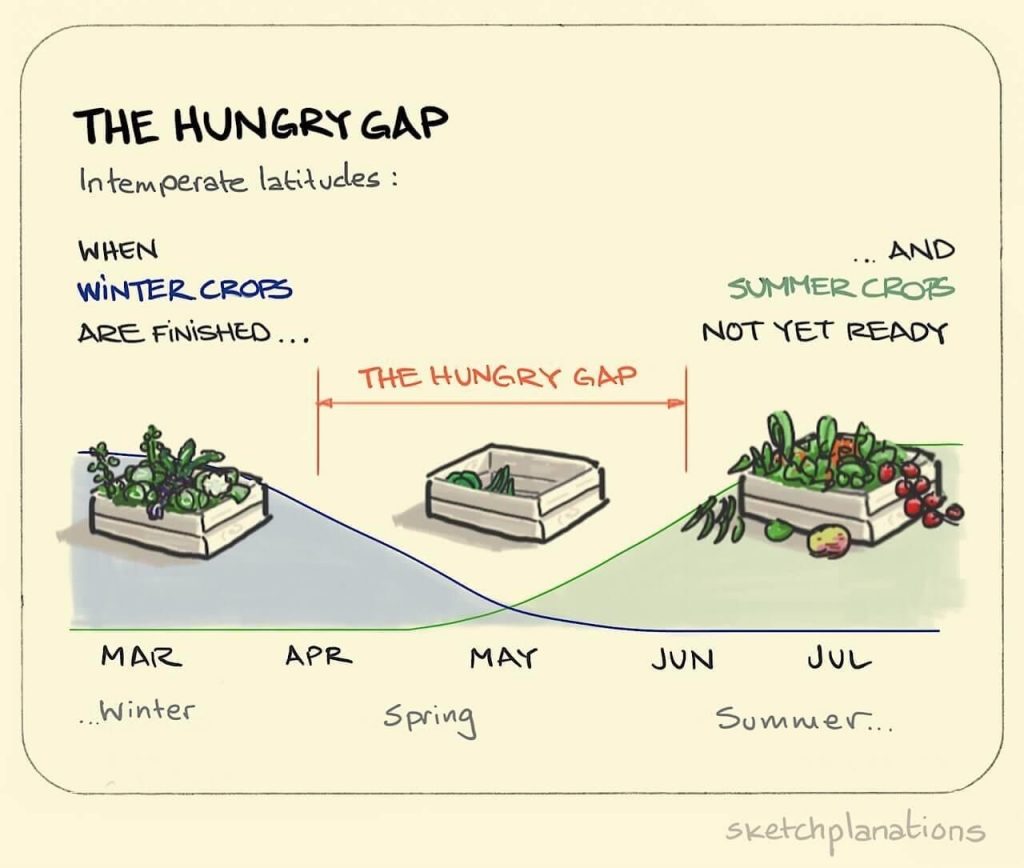
We lean heavily on our pantry this time of year during the hungry gap (that time when Irish winter veg are finished and the summer harvests are still a little way away). Beans and lentils are so nourishing, cheap and filling – and they are climate friendly crops too. This is our favourite way to make a pot of white beans. We sometimes make it with dried beans when we have the time, but here is a quicker version with tinned beans for you. You can customise it as you like with greens wilted in at the last minute, top with roasted vegetables or just scoop it up with some good bread. So so delicious!

Liz x

Ingredients (serves 4)

  • 2 sweet potatoes – scrubbed & chopped into chunks
  • 2 tbsp olive oil
  • 1/2 tsp chilli flakes
  • 6 fresh sage leaves, sliced
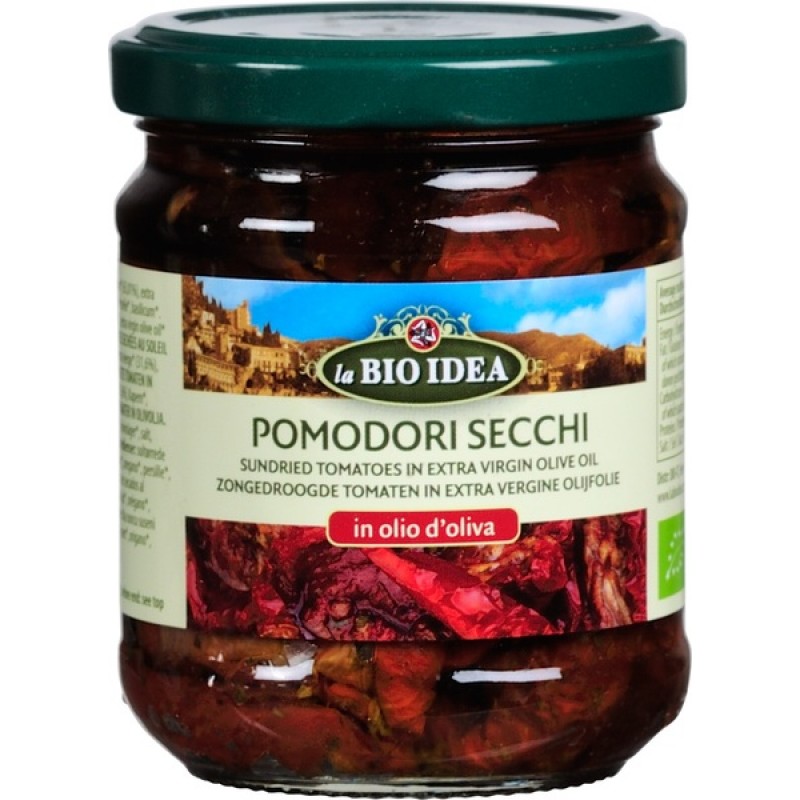
  • 1 jar of sun-dried tomatoes in oil
  • a whole bulb of garlic – cloves separated, peeled & sliced
  • 3 bay leaves
  • a large handful of rosemary
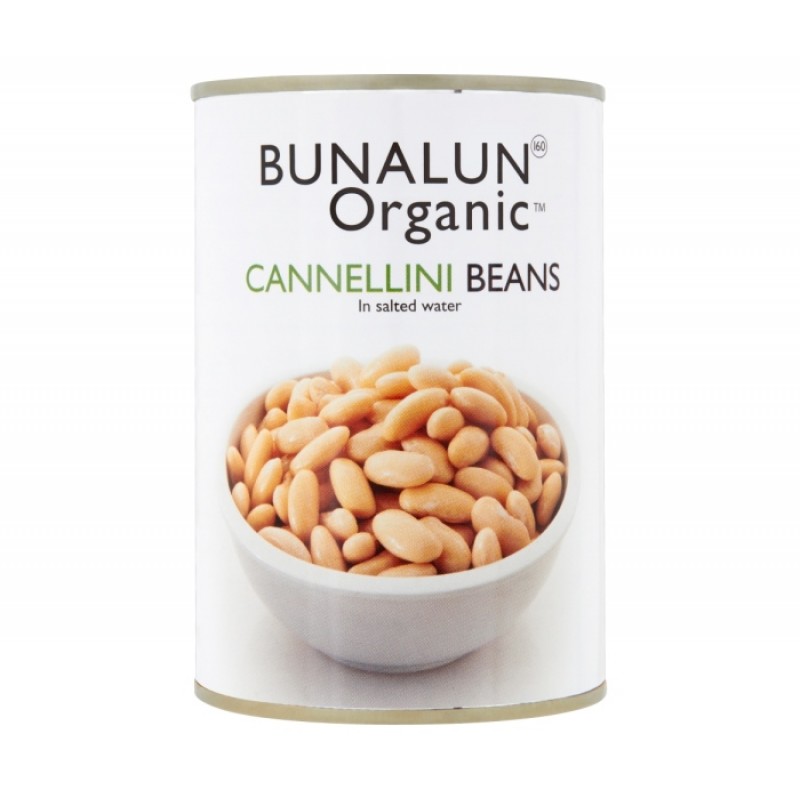
  • 2 tins butterbeans or cannellini beans
  • a large handful of fresh thyme
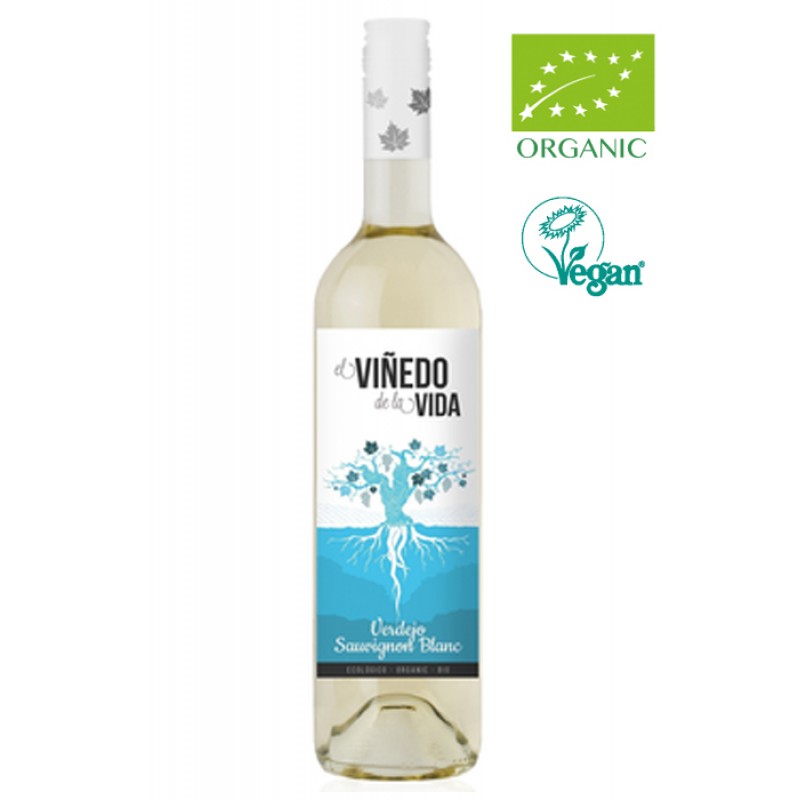
  • a large glass of white wine
  • salt & pepper to taste
  • chopped spinach or kale or another leafy green you like

Method

  1. Turn the oven to 200C and tumble your sweet potatoes into a roasting dish. Drizzle with the olive oil, season with salt and sprinkle over the chilli flakes and chopped sage. Shake the dish to evenly coat the potatoes in the seasoning then pop it in the oven to bake while you make the beans. Depending on your oven and the size of your chunks, they should take around 20-30 minutes to cook through.
  2. Drain the oil from the sun-dried tomatoes into a pot. Then, using kitchen scissors, chop the sun-dried tomatoes up into strips. Then turn the heat under the pot to medium-high and add the sliced garlic, bay leaves and rosemary. Cook until the garlic is softening and starting to colour.
  3. Then tip in the 2 tins of beans and their liquid too. Add the white wine, thyme and chopped sun-dried tomatoes. Season with a little salt and pepper then simmer gently for 15 minutes or so until the flavours have developed. Careful not to overcook the beans as they will turn to mush. Turn the heat off and let the beans rest while you wait for the sweet potatoes to cook through.
  4. Once the sweet potatoes are cooked through and you are ready to serve, add the greens to the beans and warm them through. Serve in wide bowls topped with the roasted sweet potatoes and scoop up with bread if you like.

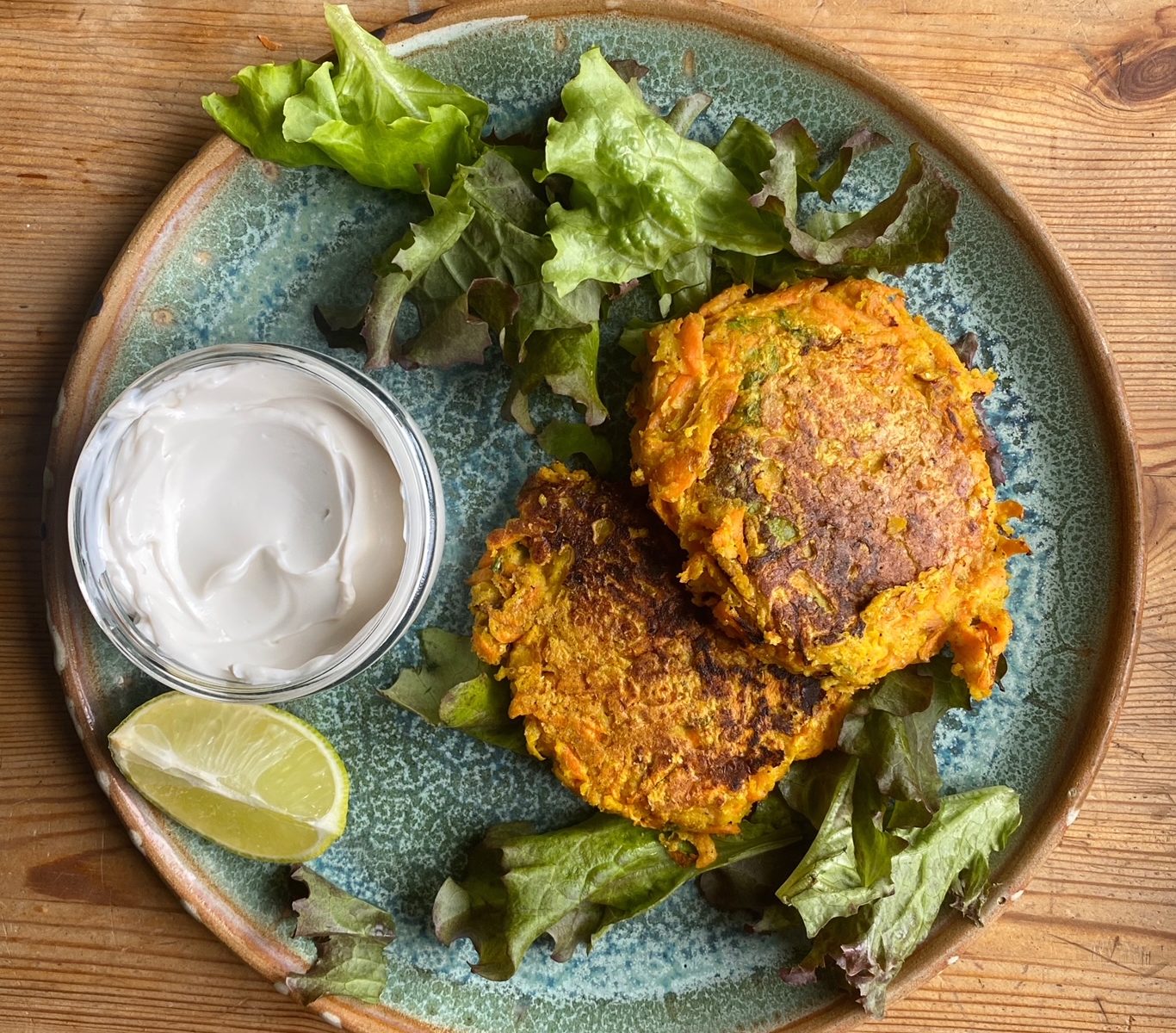
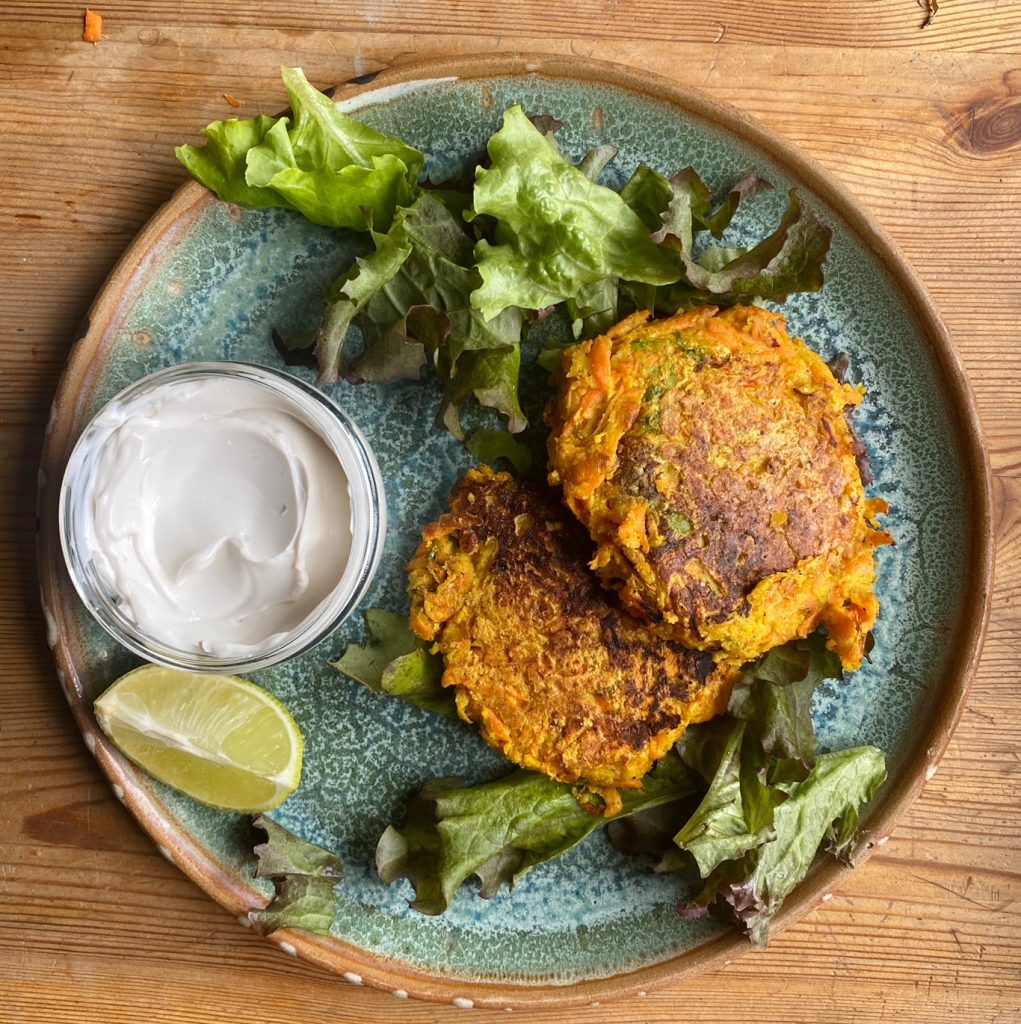
Carrot & Coriander Fritters

Chickpea flour (aka gram flour) is such a useful store-cupboard ingredient. Have you tried it yet? In Indian cuisine it is used to make savoury pancakes called dosas and to the make the batter for deep fried onion bhajis. At home we love to use it to make nutritious, delicious, protein-rich fritters all year round. Fritters are a great lunch option with a simple salad and a dip, or you can use them as sandwich fillers or burger alternatives. You can really make them your own with different vegetables and herbs/spices. Here’s one of our favourites, carrot and coriander.

Liz x

Ingredients (serves 2)

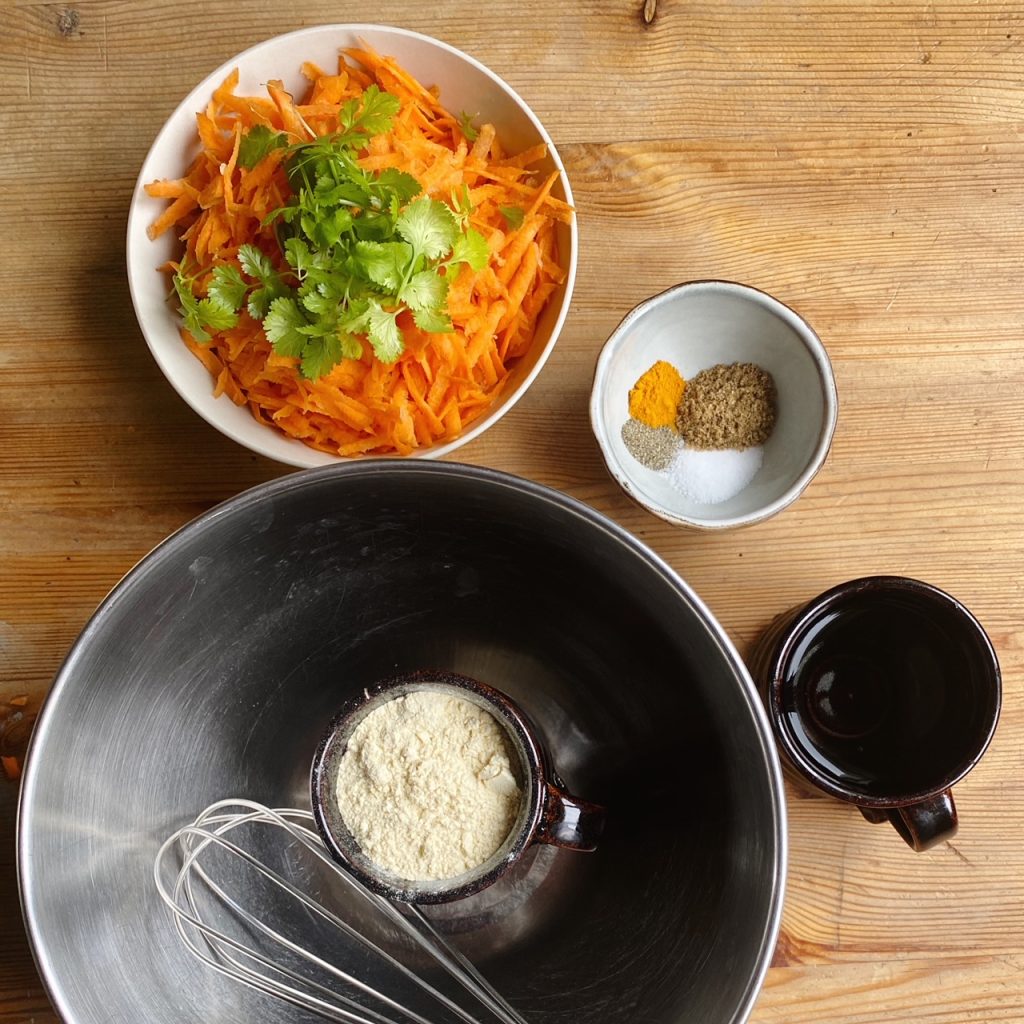
  • 1 espresso mug of chickpea flour (around 8 tbsp)
  • 1 espresso mug of water
  • 1/2 tsp salt
  • 1/2 tsp pepper
  • 1/4 tsp turmeric
  • 1 tsp ground coriander
  • 2 grated carrots
  • a handful of fresh coriander
  • around 2 tbsp vegetable oil for frying
  • natural yogurt, lime wedges and salad leaves to serve

Method

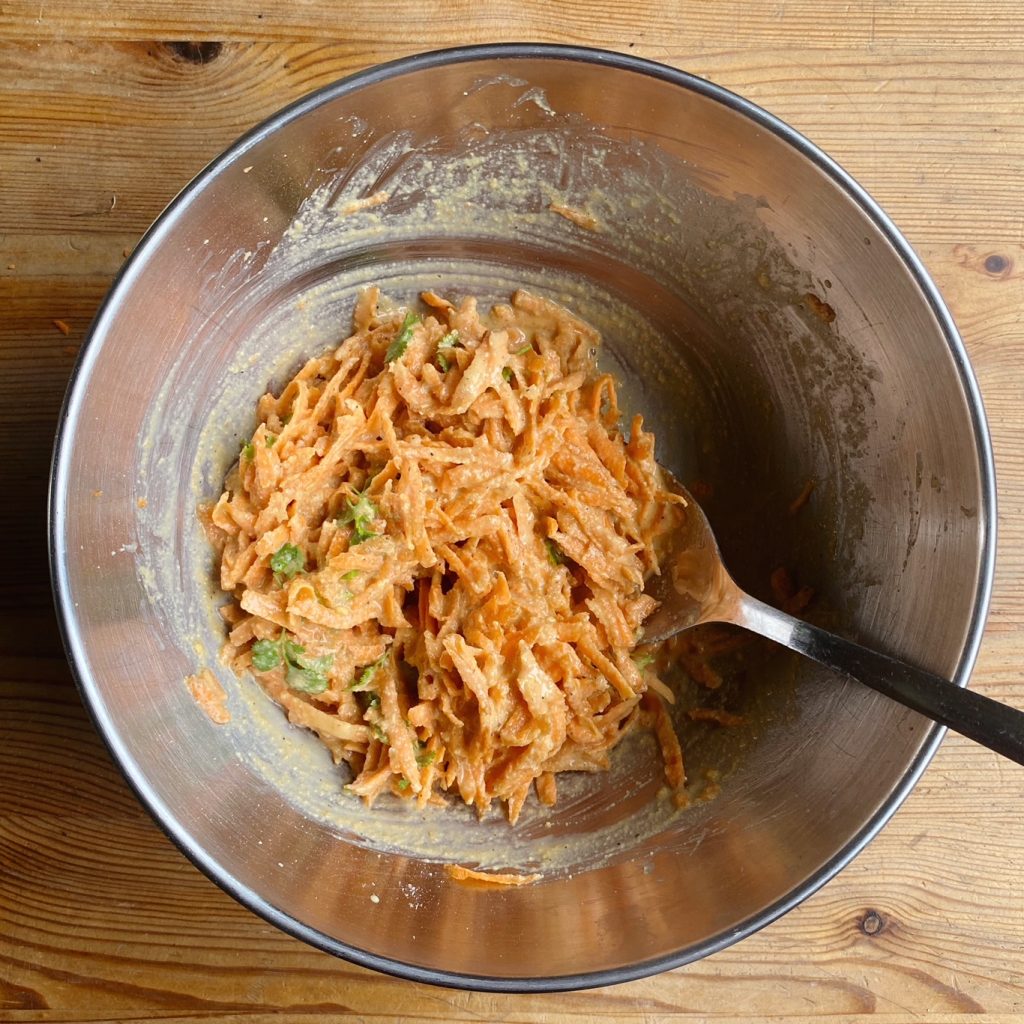
  1. Start with the batter. In a mixing bowl, whisk together the chickpea flour, seasoning and water into a smooth batter.
  2. Grate the carrots and add them to the batter along with the coriander leaves. Stir well to coat the veggies in the batter.
  3. Heat a frying pan to medium with the vegetable oil. Make sure your pan is not too hot, chickpea flour batter can taste a little bitter if it is not cooked through so you want to cook it slowly so it’s not burned on the outside and raw in the middle.
  4. Dollop the batter into the pan in four even scoops. Fry the fritters for 5 minutes or so on each side or until they are golden brown on the outside and firmed up and hot inside.
  5. Then serve with salad, natural yoghurt and a good squeeze of lime.

The Hungry Gap

Florence (one of our pet rescue pigs) decided to have a day of breakouts today, she gets a little restless sometimes, even with the 1.5 acres of forestry she calls home. Personally, I don’t think she has it that bad and George her compatriot rarely goes on these adventurous little trips.

But true to her nature Florence arrived up into our packing shed today demanding more food (she gets fed quite a bit) and again I think she was being a little unreasonable and has little to grumble about. But anyway, that is life sometimes I suppose.

It’s funny how the unexpected can make you take things a little more lightly, force you to stop your routine ruminations, force you to stop what you are doing and deal with the occurrence at hand.

Well today in the midst of pressure to get carrots and parsnips sown and the onions planted with the threat of rain on the horizon, we were forced to stop our work and go and bring Florence back to her forest home. 

There are I guess two ways to look at this, an unwelcome interruption that meant more pressure to get the sowing done on time, or a welcome break that could be enjoyed. My innate sense of grumpiness was edging towards the former, but thankfully Florence is just too funny, and I went with the latter. 

It made us stop and smell the newly cultivated soil, see the flowers and bees and all the other good stuff that was happening and the experience as a result was completely different. 

Not all interruptions can be dealt with in such a philosophical manner, some you just need to throw out a few choice expletives have a bit of a tantrum and move on, this was the case with our planter this week. 

It is temperamental old and cranky and every year there is a requirement to find mutual common ground between farmer and machine, this year that ground has been hard to find and has led to moments of promising our faithful machine that its days are truly numbered. (Of course, I didn’t really mean it, all was said in the heat of the moment!)

Nevertheless, if farming has thought me anything and it teaches a lot, is that perseverance is an absolute requirement to succeed no matter what happens. 

We have been very busy planting and sowing, for the last number of weeks we have been planting kale, cabbage, Romanesco, broccoli, lettuce, and celery.  We have been sowing, salad, beetroot, spinach, chard, carrots, and parsnips, not to mention the 1400 tomato plants that are soaking up so much time at present. 

We are harvesting too, but the old crops are finishing, and the new crops are coming from the tunnels, all the field veg is in the early stages, and as a result there is a lack of certain Irish crops, this period is called ‘the hungry gap’.  

There is no way to rush nature, you need to have patience and get your timings right, take good care of your crops and the nature around as the crops grow, and the harvest will come.

So, we work, we wait, and we harvest.

Kenneth

Thanks to the guys at sketchplanations for the schematic

The Freedom to be Still

Every summer during my teenage years and most Saturdays I worked on a farm. We were always outside doing something. I loved bringing in the hay and the memories of the sun and the sunburn, the white bread sandwiches eaten outside, and the cups of tea are still vivid. I remember the great hunger you would have for those sandwiches after a day in the bog, nothing to this day compared to the taste of those sandwiches. 

There were many lessons to be learned and many were not at all welcome for a young teenage lad. Tying plastic bags around our knees with bailing twine whilst spending hour after monotonous hour thinning mangles in grey cold drizzly west of Ireland summer was high on the list of something I never ever wanted to do again. 

Then there was the absolute dedication to stop and take a moment at 12pm and frequently at 6pm too when the local bells tolled. In my mind now the idea of stopping and appreciating the present moment and our surroundings is a true blessing. These days in our frantic lives, there is so little time simply to be and to notice all that is wonderful with the world. 

How will we notice when the first swallows arrive on our shores, or the humble bee going about his trade, or the little flowers in the grass or the deep deep blue of the sky? All can go by, and we can be oblivious.   

We miss the inter-connectivity of all things and their sheer beauty and energy. Will we notice the touch of the wind on our skin or the first raindrops on our face? Mostly and I speak for myself, we don’t, and who could blame us, there is no external reason to stop and stand still, we have to fight for that freedom to be still, away from our phones and the endless stream of social media and all the noise. 

This week for us on the farm we have been trying very hard to get a tonne of work done and taking the time to appreciate the beauty of nature around us has been challenging.

The bees have been breath-taking and we feel truly honoured to have hives managed by beekeeper Gerry on our farm. We leave the kale flowers, we grow wildflowers, and crucially we use no chemicals, all these things mean their population is healthy and growing, and at least on our little farm they are safe. 

If you go and stand in the middle of our kale and be still with the bees flying all around you can feel truly connected. But even on a farm and being outside, feeling the pressure of the weather (that it might break at any minute) and the endless list of equally high priority tasks, it is difficult to find the discipline to stop and be still, there is a craving to keep moving and doing.

Maybe it wouldn’t be such a bad thing if the bells started to ring again at 12pm every day as a reminder to stop, I think I for one would appreciate it.

Kenneth

The First Swallows

The first swallows arrived today on our farm, I don’t know if everybody feels it, but it lifted my spirits. These little creatures traverse half that world, arrive here on our shores against all the odds for the summer, to nest and reproduce. They symbolise hope, they are beautiful and graceful, and we are honoured to have them. 

That moment yesterday was a great one, the week I have to say has not been filled with swallows! But yesterday for at least a moment everything felt just right, it was fleeting but that’s life I suppose. 

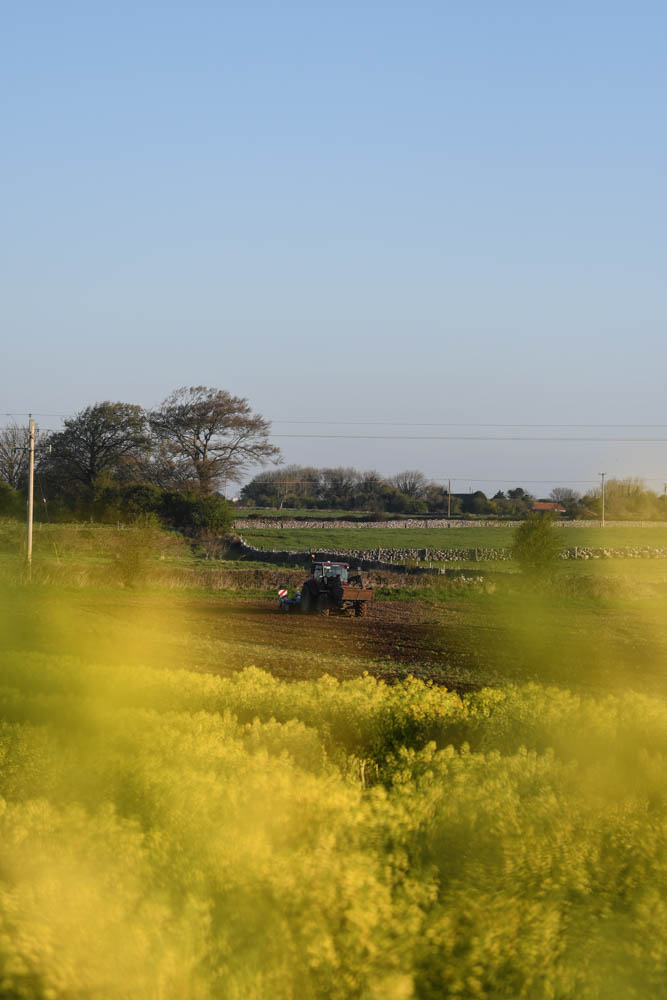
I was out in the tractor tilling and preparing the land for the first plants. The hedgerows were bursting with life, the trees were unfurling their leaves, the birds were singing, and the kale and the wild flowers were blooming and swaying the in the warm wind, the bees were everywhere. For a moment all was right, it seemed to me that the universe was reminding me that we are on the right track.

All around on our farm was an abundance of happy healthy life, sustained on this patch of land, free from chemicals and covered in trees and flowers, and in this little area surrounded by all this life we grow your food. 

The moment was fleeting and life as it does closed in again. How to hang on to these moments of clarity has been the study of ages, and I guess I have quite a bit to learn yet. Nevertheless, it shows that unity is close and sometimes unexpectedly it enters and fills our souls with joy. If life on the land has taught me anything, it is to expect the unexpected and this moment was truly unexpected and thoroughly appreciated. 

These last two years have been that too. The business of growing food is challenging but very rewarding, it is the selling of the food that can provide the greatest challenges. It is in this arena that you have to go out and interact and compete in the real world and that can be tough. 

We certainly have learned our fair share of lessons over the years and continue to learn. Nothing it seems stands still. Life and business are very similar in that regard, they require continuously evolution and change to grow and survive, but maybe we need to aim a little higher than just surviving, have we not had this opportunity to thrive and do the rights things in the right way.

So, it begins, the start of the season is upon us once again, and philosophical musing aside, it is our 17th growing season, and this fills me with hope. We have the first tomato plants planted in the tunnels, we have the ground ready to plant the first broccoli and Romanesco. The first outdoor lettuce, salad, spinach, and beetroot will be sown very soon. 

We do the right things in the right way here, we definitely don’t always get it right, and we certainly have plenty to learn, but maybe little by little bit by bit, and with your support and help we can improve and grow and maybe the little swallows will continue year in year out to grace us with their presence.

Thank you, little swallows, for the moments of joy. 

Kenneth 

Order a box of organic fruit, vegetables and groceries to be delivered to your door, anywhere in Ireland.

3 Ways to Save the Bees (& other pollinators)

There are so many reasons to choose organic – the clean, agri-chemical free, tasty food, the sustainable farming methods which prevent water and air pollution…but perhaps the most important reason is to protect bees and other pollinators. Without pollinators, we would have much smaller fruit and vegetable harvests, and seeds wouldn’t set which would mean even smaller harvests the following year. While some of our crops are pollinated by wind, if we lost bees and other pollinators the diversity and health of our diet would drastically change for the worse and have a huge knock-on effect on our entire ecosystem.

Bees and other pollinators are essential for life as we know it. Unfortunately habitat loss, pesticides, mono-cropping, pest/disease, air pollution, drought and climate change are all leading to a massive decline in pollinators. So how can we help? Here are our 3 top tips for helping out our buzzing buddies.

1. Choose Organic

Organic agriculture avoids the use of pesticides, most of which not only knock out unwanted critters but the good guys like bees and other pollinators too. Organic farming methods work with nature to prevent pests naturally. Providing wildlife habitats (like hedgerows, wildflower corridors, ponds and native tree areas), rotating crops and planting a diverse mix of crops in fields provides a natural balance so pests can be taken care of by their natural predators. The lack of nasty chemicals in organic farms means nearby water sources and air are not polluted. Bees and other pollinators are very sensitive to pollution so organic is the way to go. Make it easy for yourself by ordering online, we deliver nationwide – check out what we can do here.

2. Plant Native Trees and Wildflowers

Many pollinators have evolved to survive off very specific, native plants. Planting native wildflowers, trees and bushes in hedgerows provide lots of food for all the important pollinators, not just honey bees. Find out which plants are the most wildlife friendly in your area and consider planting them in your garden or window box. If you have no space to plant, consider donating to a local tree planting charity instead.

3. Take part in ‘No Mow May’

No Mow May is exactly what it sounds like. Are you up for the challenge? Many of the earliest food sources for pollinators can be found in your lawn. So let it go wild for the month of May, after that there’ll be loads of other flowers around. You could even do a compromise by just mowing a path and seating area in your lawn and leaving the rest to the bees. We would love to see your wild patches – please share photos in the comments. You may be pleasantly surprised at how beautiful ‘weeds’ can be. Worried about what the neighbours will say? Pop a sign in your garden to explain your mission to save the bees.