Christmas shop and 870 chemicals..

870 possible chemicals. This is the number of potential, pesticides, herbicides, insecticides, fungicides and bactericides a recent sample of our kale was tested for.

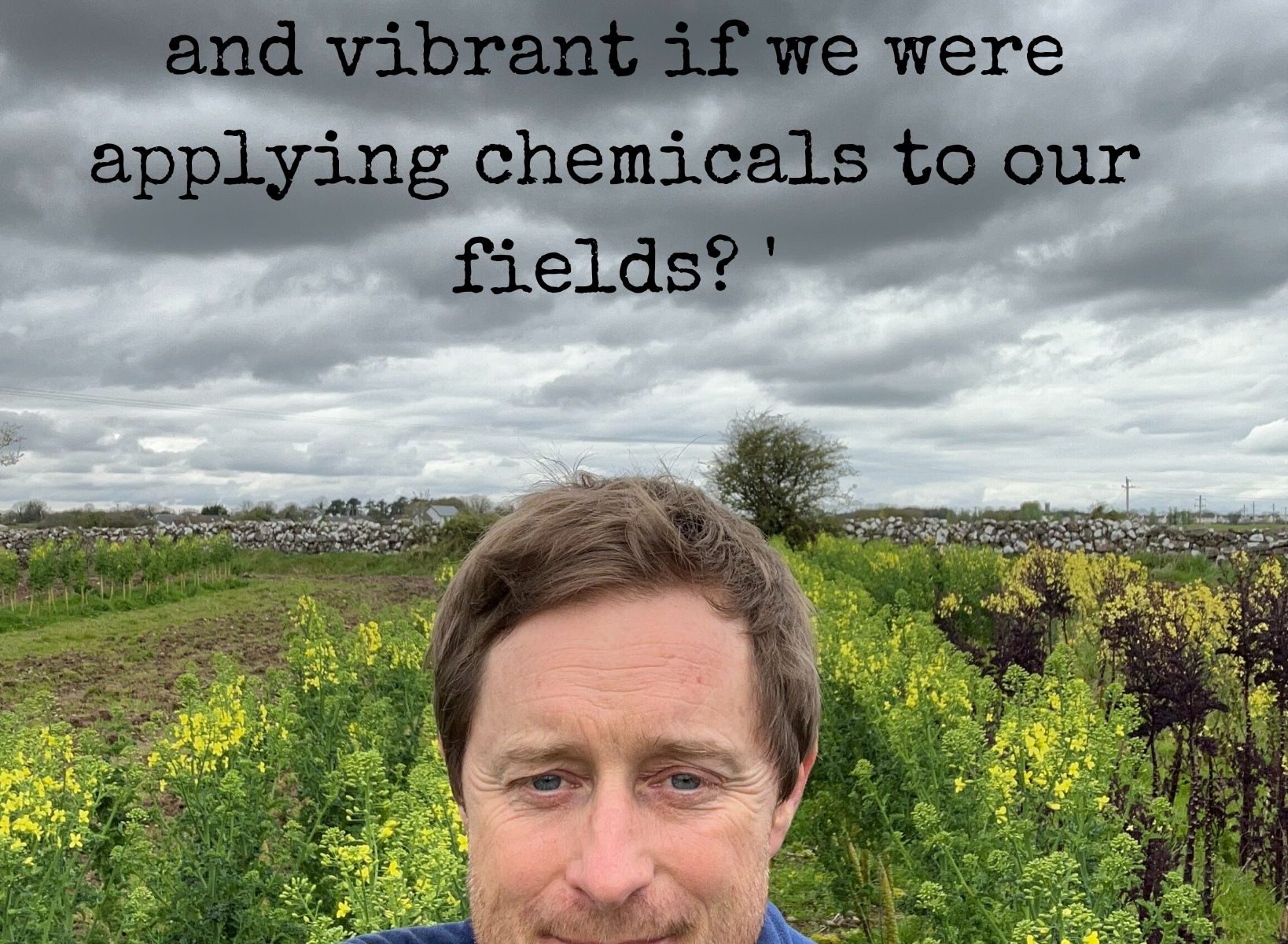
We had our organic inspection a few weeks back and this is a routine test that is carried out on a random crop grown on our farm by our organic certifying body every year. The kale came back perfect, no chemicals present as expected. But I can only surmise that they test for 870 different types of chemical products because these are the chemicals that could be used at varying points in the conventional food system.

Many moons ago I use to listen to a song by a band called “Alice in Chains” called “Junkhead”, (not a song for the faint hearted!). It popped into my head again when we got these test results back, there are some striking similarities between the song’s lyrics “What’s your drug of choice?” when it comes to the repertoire of chemicals a conventional producer can choose from: “what’s your chemical of choice?”. There is a chemical for every problem and even for problems that have not yet occurred.

Here in Ireland, there is relatively high accountability for our conventional food producers. There has over the last 10 years been some good news as the overall pesticide usage has declined by 16% which is heading in the right direction. But a word of caution here this still equates to over 3 million kg of chemicals applied to our food and land.

But with much of our food in this country being imported and as we don’t have the same visibility on what controls are implements in foreign parts, (over 85% of all fruit and vegetables are imported) then choosing organic becomes even more important.  

Organic systems are not perfect, but they do offer an alternative, one that keeps chemicals off our food, and in doing so also helps protect biodiversity.  It does sometimes feel ironic that it is the organic producer that must prove their credentials, go through the extra paperwork, and submit samples to prove that we are not doing anything underhand.

The authorities set limits on the levels of chemicals allowed on our food, they are supposedly designed to help protect you and I as consumers. These limits are referred to as MRLs or maximum residue limits. But as I have talked about before and particularly in relation to Glyphosate; sometimes these limits can vary erratically from one crop to another or from country to country. The MRL for glyphosate increased 300-fold between 1993 and 2015 in the US (Is it safer to consume more of this chemical  today than it was 20 years ago? I don’t think so!) to allow it would seem for the increased application of this herbicide on GMO soya and corn. This not strike me as having the best interests of the consumer at heart.

Chemicals are critical to our very survival on this planet, and when I talk about “chemicals” here I mean synthetic or man-made chemicals. They help us treat disease; they make possible all the amazing technologies we rely on for our modern-day way of life. But, and this is a big one, I do not believe they belong in or on our food.

Maybe “our drug of choice” should be fresh healthy clean food!

You are the lifeblood of our organic farm and business.

Thank you.

Kenneth 

PS last week we opened our Christmas shop, we will be delivering as normal in the week before Christmas and now you can book your delivery and place your order for delivery for Christmas week. Check it out now here.
Where Would the World be Without Bees?

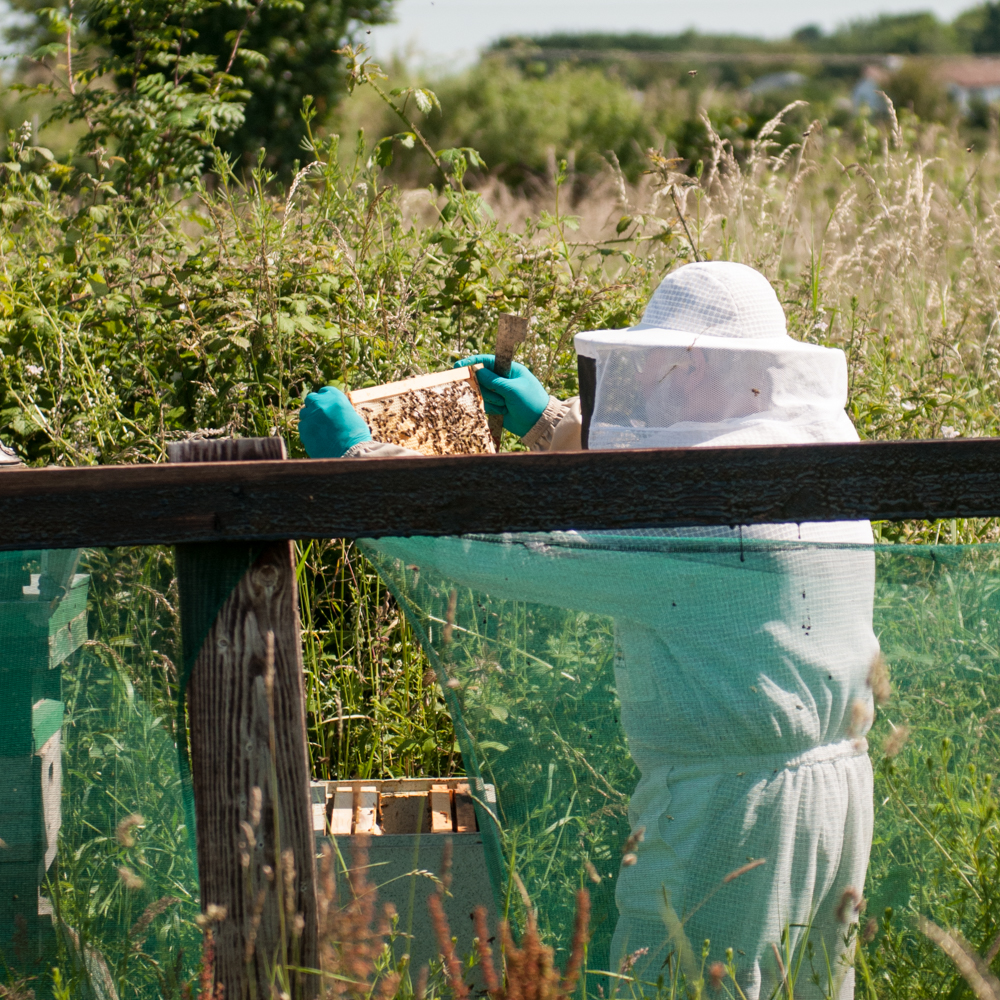
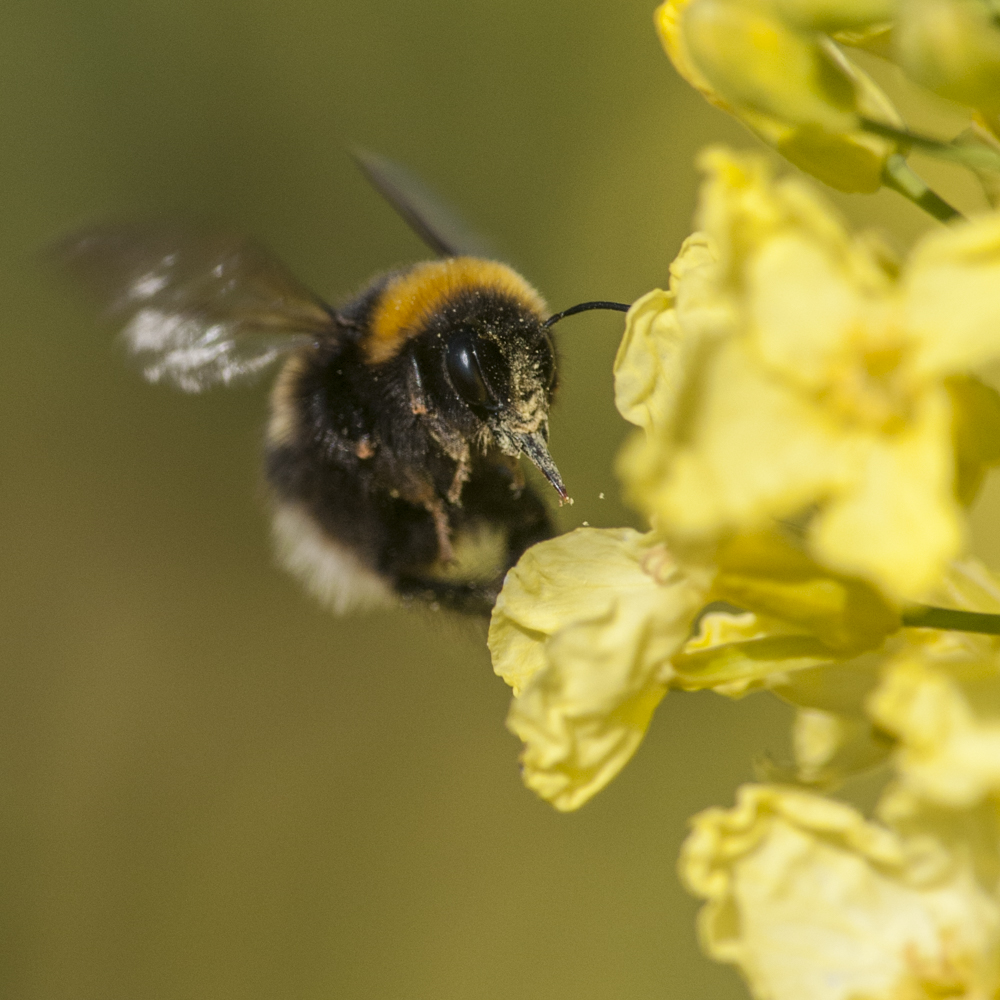
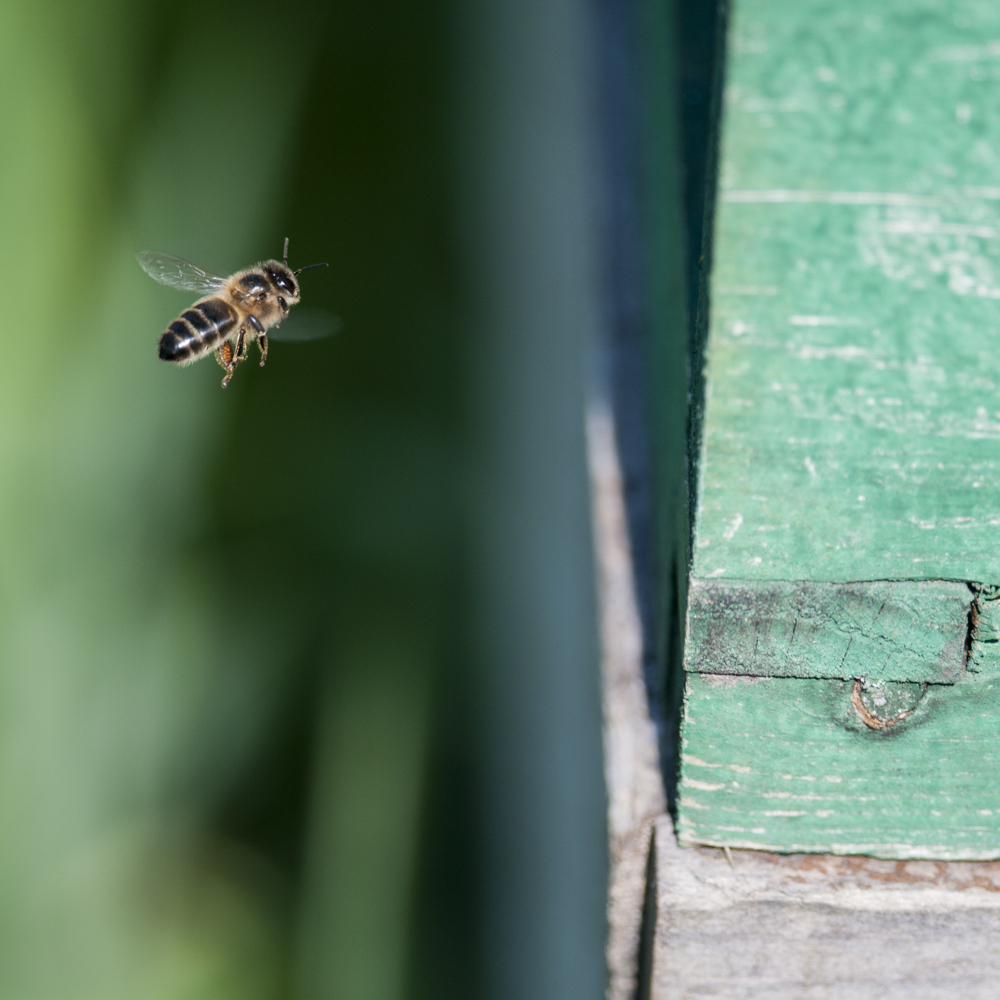
We love our bees here on the farm, to the extent that we grow wildflowers for them and we leave nearly an acre of kale to go to flower just to feed them and we have beehives on our farm too, oh and of course we don’t use any chemicals on the food we produce.

It was many moons ago in a life that was never quite meant to be that I finally realised what it was we needed to do with my grandad’s farm.

You see 20 years ago I was very comfortable working away for the biotech industry in the UK, working in a laboratory researching different chemicals for this and that.

I am a research chemical scientist turned organic farmer and I have a very healthy respect for science. But there is one thing I do not agree with, it just does not make any sense to me, and that is the whole scale blanket application of chemicals on our food.

Chemicals that are meant for a laboratory should stay there, and if they are toxic to some life then generally speaking, they will be toxic to other life, it isn’t even that chemicals are ‘bad’ it is the prevalence and ubiquity of them in our food chain and our environment that is harmful.

They are in our food, and they are not good for us, but they are not good for life in the countryside either, they really aren’t. Take a family of chemicals called the neonicotinoids deemed safe for years but then it was found that they do irreparable damage to bees and other insects. How on any level can using a chemical like that as a blanket spray across our countryside be justified? 

Many of these chemicals too do not just sit on the outside of the plant they are systemic by nature. That simply means they are absorbed into the plant and do their damage from the inside out, washing veg and fruit doesn’t remove them.

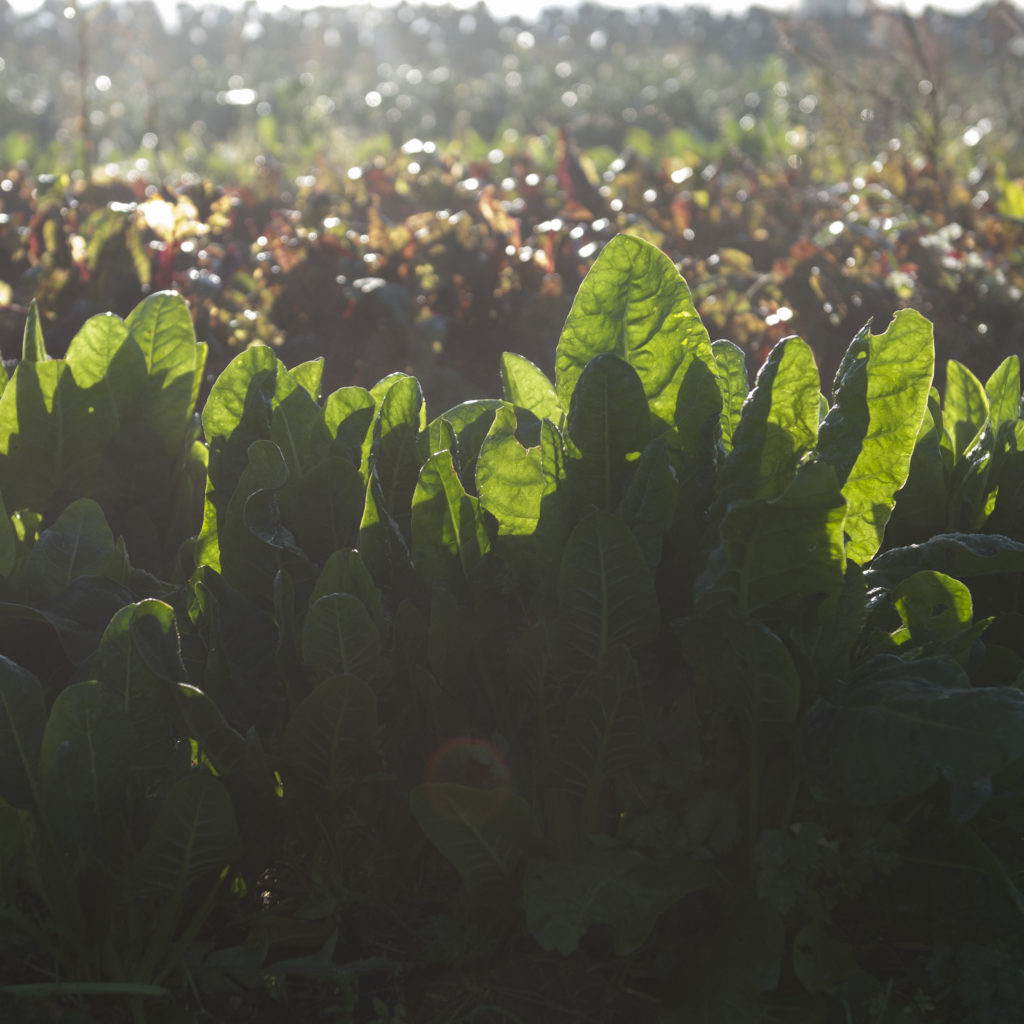
Some produce are more heavily sprayed that others and two that regularly feature in the ‘dirty dozen’ are kale and spinach which is ironic as both grow very well in organic systems. Eating organic of course is one of the easiest and best ways to avoid this unhealthy exposure.

You see it is possible to grow great food without the use of chemicals, it is a little harder, it takes a little more attention and planning, it requires more labour but isn’t it worth it in the end?

Surely the production of food in a way that contributes to our health and the health of the planet, a way that enhances and protects biodiversity, a way that encourages working with nature rather than against it, a way that gives the bees on our planet a lifeline, surely this must be the best, no scratch that, the only, way to grow food? 

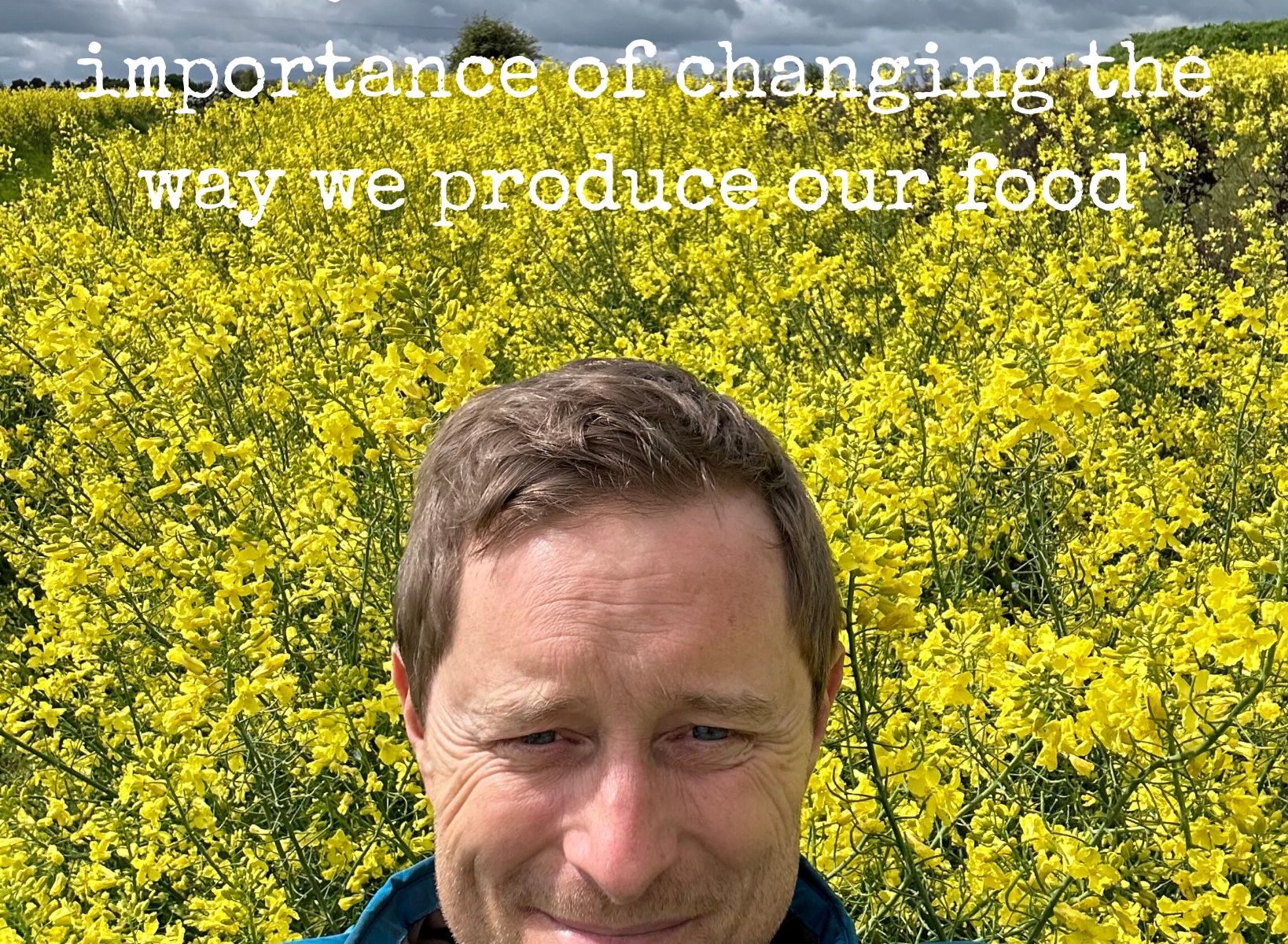
So maybe it is time to take good hard look at how we produce our food and embrace a better more positive way, because in the end we are what we eat.

Kenneth

Why Organic?

It was many moons ago, in a life that was never quite meant to be, that I finally realised what it was we needed to do with my grandad’s farm.

You see 20 years ago I was very comfortable working away for the biotech industry in the UK, working in a laboratory researching different chemicals for this and that.

I am a scientist turned organic farmer and I have a very healthy respect for science. But there is one thing I do not agree with, it just does not make any sense to me, and that is the whole scale blanket application of chemicals on our food.

Chemicals that are meant for a laboratory should stay there, and if they are toxic to some life then generally speaking, they will be toxic to other life, it isn’t even that chemicals are ‘bad’ it is the prevalence and ubiquity of them in our food chain and our environment that is harmful.

They are in our food and they are not good for us, and they are not good for life in the  countryside either, they really aren’t. Take a family of chemicals called the neonicotinoids, deemed safe for years, but then it was found that they do irreparable damage to bees and other insects. How, on any level, can using a chemical like that as a blanket spray across our countryside be justified? 

Many of these chemicals do not just sit on the outside of the plant, they are systemic by nature. That means they are absorbed into the plant and do their damage from the inside out, so unfortunately simply washing veg and fruit doesn’t remove them.

Some produce are more heavily sprayed than others and two that regularly feature in the ‘dirty dozen’ are kale and spinach – which is ironic as both grow very well in organic systems. Eating organic of course is one of the easiest and best ways to avoid this unhealthy exposure.

It is possible to grow great food without the use of chemicals, it is a little harder, it takes a little more attention and planning, it requires more labour but isn’t it worth it in the end?

Surely the production of food in a way that contributes to our health and the health of the planet, a way that enhances and protects biodiversity, a way that encourages working with nature rather than against it must be the best way to grow food?

Thank you for taking a good hard look at how your food is produced and choosing to       embrace and support organic – a healthier way of farming for us and our planet.

Kenneth

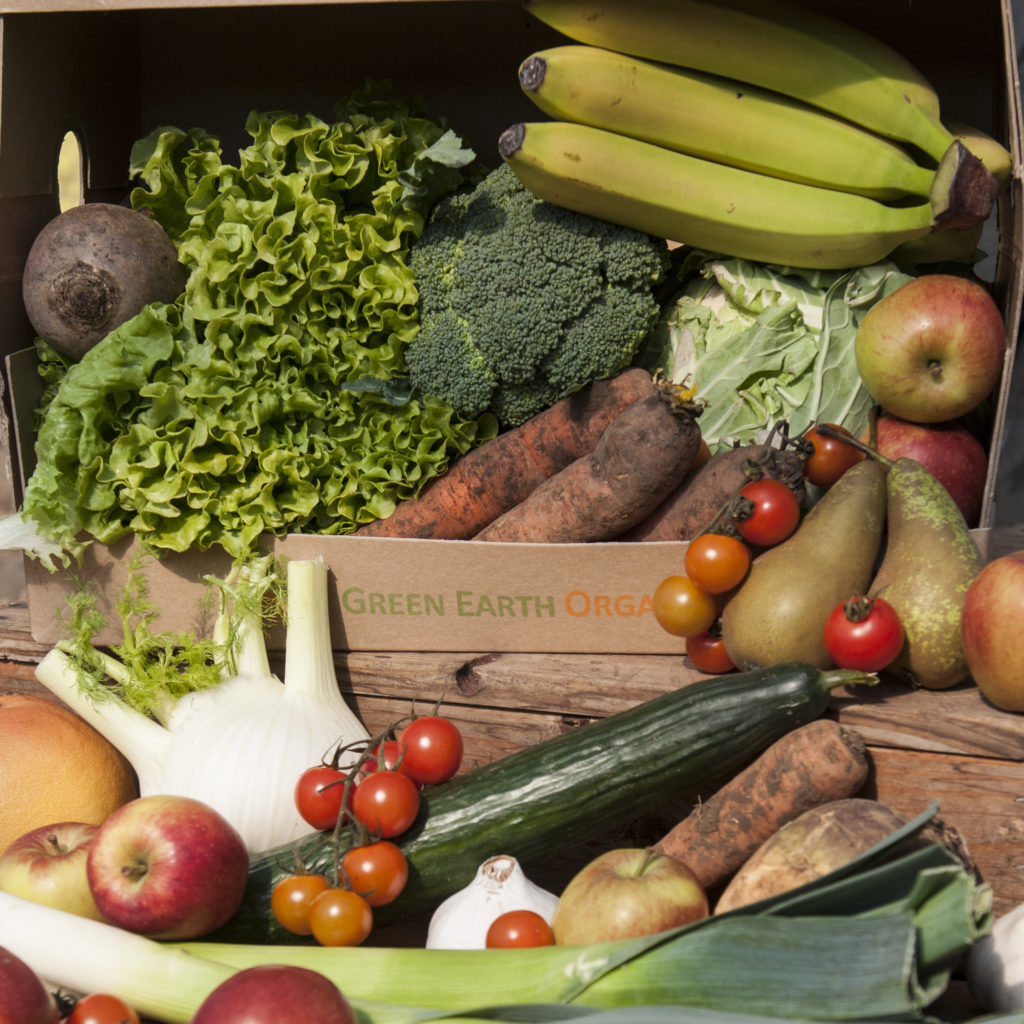
Have a look at our full range of organic fruit, veg and groceries here and why not consider making your life easy with a weekly fruit and veg box from us?