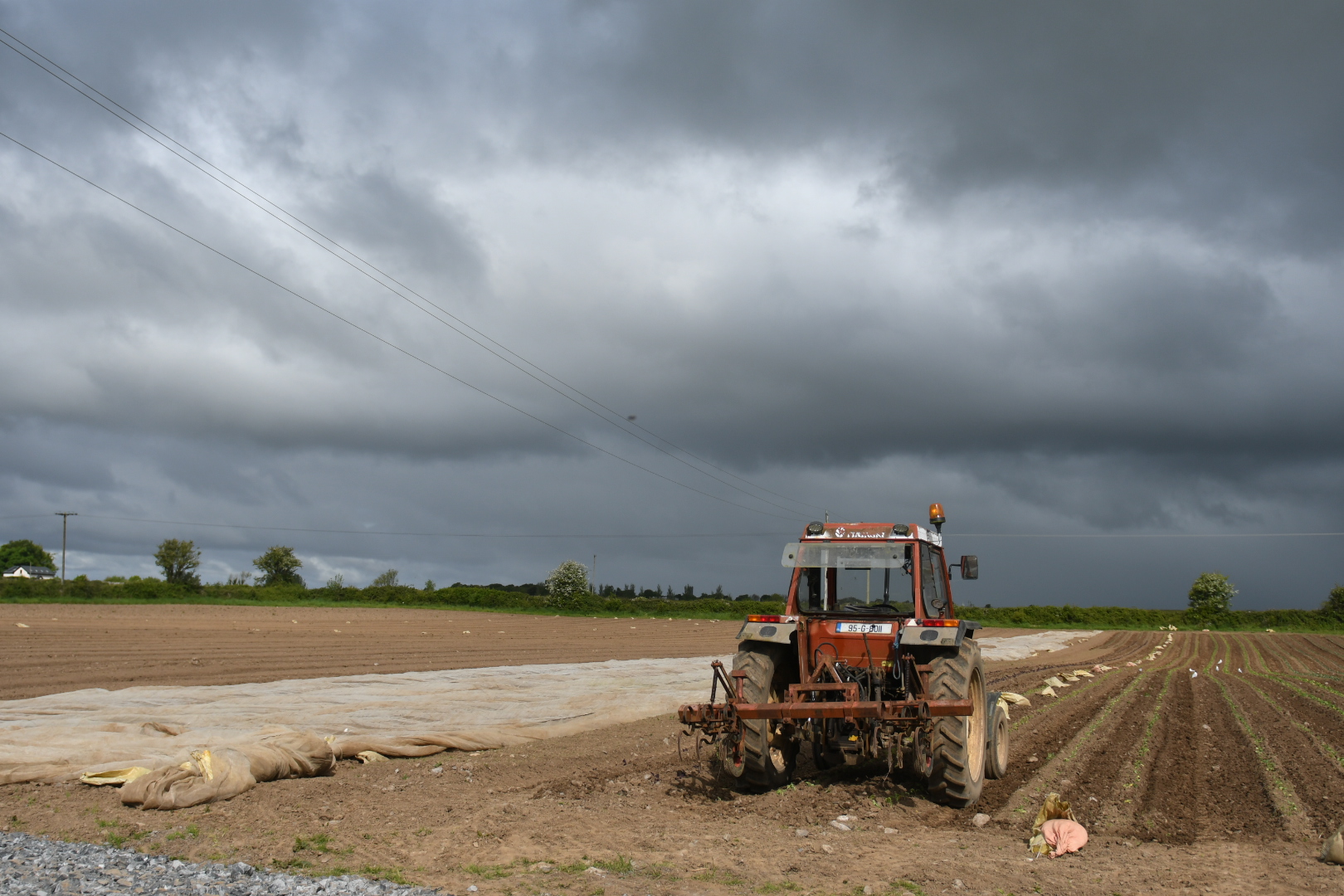
Chemical Carrots, you might be surprised…

We have been harvesting our own lovely bunched fresh organic carrots for a few weeks now and this week we received the first delivery of beautiful organic carrots from Philip Dreaper in Coolnagrower in Offaly just outside Birr.

In the next couple of weeks, we are due our farm organic inspection. This is an inspection we pay for to prove that we are carrying out our farming and business in accordance with organic principles. One key law of course is that we must never use synthetic chemicals. We must be certified organic by law to call our produce ‘organic’.

We would never use toxic pesticides or herbicides anyway, as farming without chemicals is why I started the farm.

But the question is why do we need to prove we are organic? Why isn’t the responsibility on conventional food producer to label the pesticides used in growing certain crops? (don’t get me wrong organic certification is definitely necessary in the world we live in today)

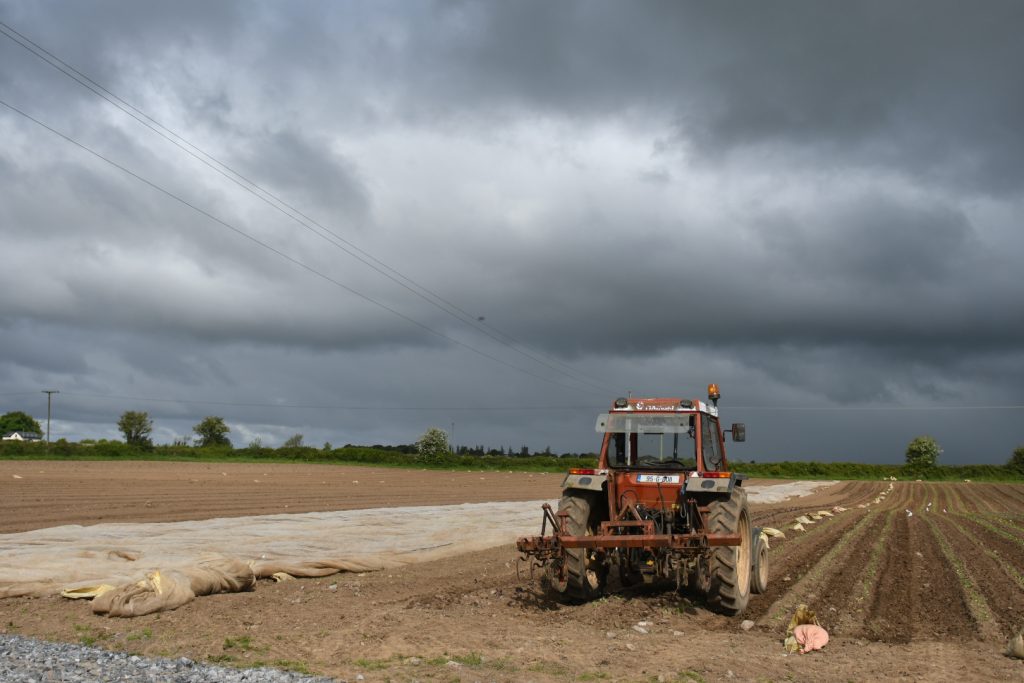
Back in my grandad’s day, there were only ‘carrots’ and all carrots were organic. They just were, because no synthetic chemicals or fertiliser was used in growing them.There were no sprays, no synthetic pesticides, herbicides or fungicides, nothing. That is exactly how we grow them today, we sow seed, and we cover the crop with netting and then we harvest end of story, no spraying at all.

These synthetic pesticides are labelled… “plant protection products” sounds so much better than “pesticide” don’t you think? Making these toxic chemicals sound more benign, even good for the planet and our health. It sounds like spraying these chemicals is doing us all a favour including all the bees and biodiversity the application of these “PPPs” is doing something good for the world in using them. This couldn’t of course be further from the truth, they are hurting our health and destroying biodiversity. In addition did you know it is mostly the manufacturers that produce the safety related data for the chemicals they sell, a conflict of interest there? I would say so. So if your supermarket label listed the following on your conventional carrots, would you still buy them?

Ingredients: may contain,“Carrots, Glyphosate, aclonifen, prosulfocarb, clomazone, prosulfocarb/stomp, fluazifop-P-butyl, propaquizafop, quizalofop-P-ethyl, fluazifop-P-butyl, azoxystrobin, fluazinam, cyprodinil+fludioxonil, boscalid+pyraclostrobin, tebuconazole/trifloxystrobin mixes”

Or would you choose organic carrots where the label would say:Ingredients: contains “Organic Carrots”

I know which one I would choose.

As we supply directly to you our customers, it is only through your continued support that we can continue to produce healthy food and spread the message that our food choices can literally change the world.

Thank you

Kenneth

Woes and Wonders…

Do you ever feel like you are wading through thick treacle? And it seems like everywhere you look there is a problem waiting to be discovered? Welcome to this week on the farm, up and down we go with the waves of life, this week has been one giant wave, and I am wondering if we have reached the crest yet, I think we may have.

By all accounts we should be delighted, and to an extent I know that delight is there, I just can’t seem to access it right at the moment of writing this (we all know the blue sky is always there but mostly at least in this country we can’t see it!), as all those newly discovered problems seem to be overshadowing the good stuff and there actually is plenty of good stuff.

But before that the challenges. So let me start by saying I consistently make the mistake of reading comments by different people that organic farmers use chemicals, I think if I hear that “misinformation” again I will go out of my mind.

Of course we use chemicals. We use soil and water and air, all of which are made up of atoms and molecules that constitute chemicals, and there are natural elements in the soil, my Ph.D. in chemistry seems to be coming in useful at last. I think the insinuation is though we also use synthetic pesticides and insecticides and fungicides.

So how can I be any clearer, we don’t use synthetic man-made toxic chemicals, we simply don’t. Copper Sulphate may be used at times as a preventative for potato blight, but even if this was used, it is not systemic it is not absorbed into the plant, it is not on the potato.

Whereas Roundup is systemic, it gets absorbed into the plants when it is sprayed on them, like it is on cereals in certain countries, it stays in them, and it is toxic. Brand new research has shown that even at levels previously deemed safe it has been shown to cause cancer in animals. (link here https://ehjournal.biomedcentral.com/articles/10.1186/s12940-025-01187-2)

Then there have been the practical challenges, with system malfunctions, and breakdowns of cold-rooms, and poor plants that we can’t transplant, and having fewer orders due to holidays and loads of harvest and not being able to sell it to support the farm, and general this and that issues.  When all these challenges come all together, they can on some days be too much.

On the other hand, we have in fact got amazing crops this year, the best cucumbers I have ever seen on our farm, and so much more besides. So much so that we are giving away 500 free portions of something next week, a surprise to 500 people chosen at random, so keep an eye out it will say “free from our farm”.

We get to work on the land doing something that is truly worthwhile, producing and selling good quality healthy organic food that is improving our planet and hopefully helping humankind be just a little bit better.  We cannot do that without you, your support keeps us in business, keeps the tractors rolling and the bees buzzing, so as always, a heartfelt thank you.

I hope this pouring forth of my woes for the week was not too much.

As always thank you for your ongoing help and support.

Kenneth

PS Every week you order with us over the summer makes a big difference as many people are taking a well-deserved holiday and this makes keeping all the plates spinning that bit harder here.

Chemical carrots, that doesn’t sound right or does it?

Why do we have to call our carrots “organic carrots”, whilst carrots grown with chemicals get to be called “carrots”. We have two organic certification inspections every year to prove that we are doing what we say we are doing.

We must pay for the privilege to demonstrate we are doing the right thing. When you think about it, it doesn’t seem right. And yet as aside it is the world we live in. If you do not know your food producer, then to be sure that your food is chemical free, organic certification is the only way to get food you can trust.

But why is it that chemical usage on our food is the norm and we need to demonstrate we are different because we don’t use chemicals?

I want to call our carrots, just carrots. It changes the narrative, it makes you stop and think, we are farming without chemicals and yet we must prove that we are not using chemicals.How would our mindset change, if when we picked up a pack of carrots in a supermarket they were labelled “chemical carrots”. Well, I would hazard a guess that fewer packs of these carrots would be picked up and more organic carrots would.

Fresh produce did not used to be differentiated, there was just carrots. But the organic label was coined to give people a choice to opt for not consuming toxic chemicals with their food. This only really became an issue as the prevalence of synthetic chemicals in our food chain grew. I am taking here about the generation of pesticides that were developed from the 1960s on and created a whole new multibillion dollar industry built on agrichemical control of our food. Modern synthetic fungicides, pesticides and herbicides are in and on our food, some are systemic in nature, others damage the soil, biodiversity and of course our health.

Although recently things have improved in the conventional world of food production and IPM (integrated pest management) is being used. But chemicals are still the easiest solution, they are less work, and they are still used intensively both here in Ireland and abroad. In 2015, the last date there is reliable data for pesticide use in Ireland by crop, 660 Ha of carrots were grown and they received, 2,856 kilogrammes of pesticides, that is 1.73kg per acre, that is quite a lot of chemicals.

Common chemicals that are used in conventional carrot production are shown below and so if we were to list the chemicals on the produce label, it might look something like this:

Chemical Carrots (may contain/grown with: Lambda-cyhalothrin, Linuron, Metribuzin, Azoxystrobin, Difenoconazole, Pendimethalin, Prothioconazole, Boscalid, Pyraclostrobin, Tebuconazole)

Or you can choose organic carrots which would state:

Carrots (may contain: carrots)

I know which one I would choose.

As always thanks for your support. Kenneth

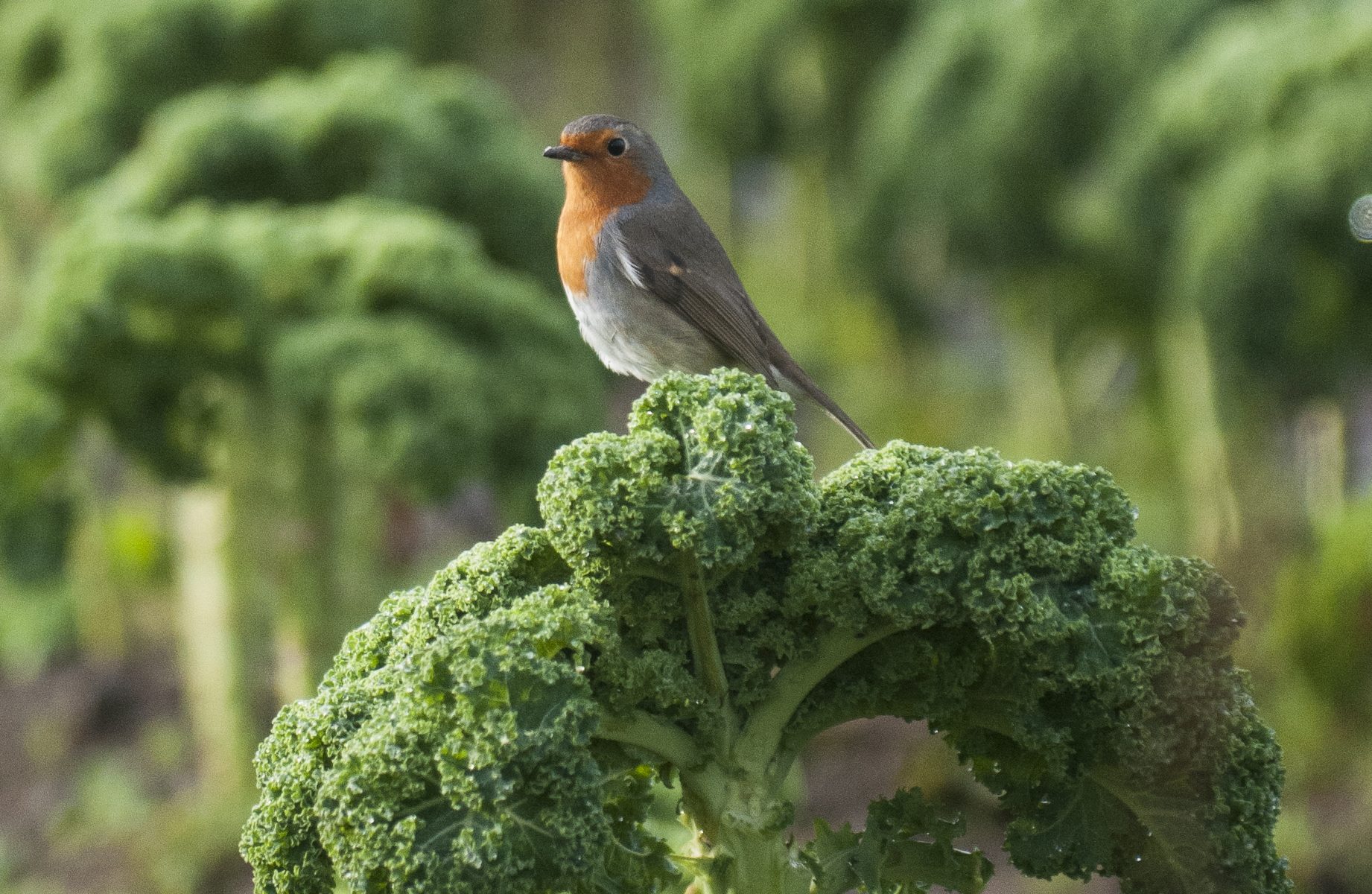
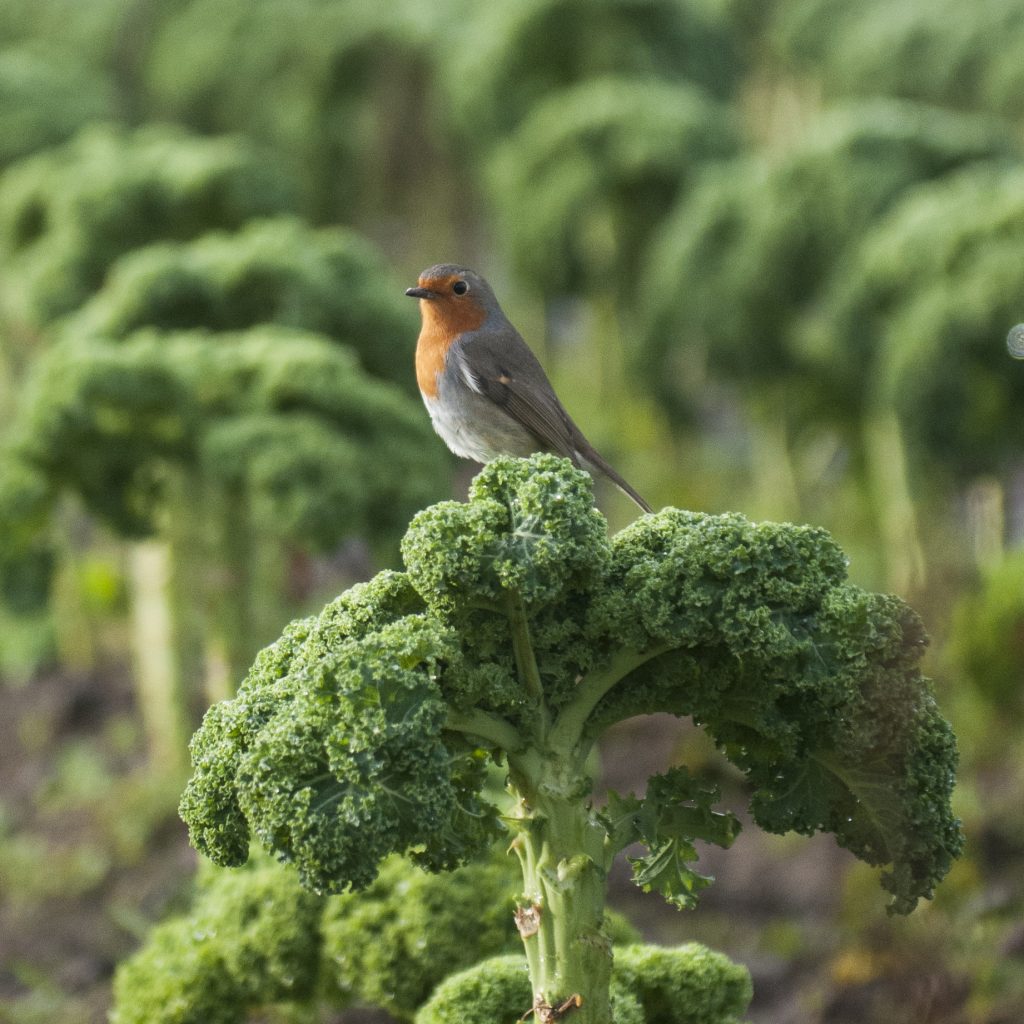
PS check out the little video I made out in our field of kale flowers that are buzzing with bees and insects, it is a haven for biodiversity, it is amazing and beautiful and reminds us that we may be doing something right. This is one of the reasons we do not use chemicals on our food and farm.

 Storm Éowyn, fallen trees and plastic bags

Storm Éowyn brought many things to our shores. One of those things it brought into our fields was plastic. One plastic bag caught my attention as I was gathering some out of our fields the other day. It was an empty bag of feed for cattle and sheep.

This bag listed its ingredients, the majority of which were genetically modified.

So here were some things I learned.

Fact No 1. This feed contained amongst other things, Maize and soya, both of which came from genetically modified crops.

Fact No 2. These crops have been genetically modified so that they can withstand the increased application of glyphosate.

Fact No 3. Glyphosate is the active ingredient in the branded Roundup weedkiller.

Fact No 4. This chemical has been labelled as a potential carcinogen by the WHO (World Health Organisation).

Fact no 5. This feed will have been grown in countries outside of the EU, mainly in the US and Brazil, where the application of Roundup is not controlled as well as it is in the EU. The MRL (maximum residue limit for glyphosate in the US is 5mg/kg for corn and for soya it is a whopping 20mg/kg.)

Fact no 6. Although cows, sheep and lambs in Ireland are fed mainly a grass diet, there is an increasing reliance on imported feed such as this to feed animals especially during winter.)

So, the key take away here is lots of roundup is sprayed on these genetically modified crops and the process of desiccation (using roundup prior to harvest meaning loads of the chemical gets sprayed on the crop just before harvest, this is banned in the EU although there are loopholes) is still a thing outside of the EU. These crops are primarily used for animal feed which makes its way around the world and right here to our shores in Ireland

Fact No 7. In Brazil, massive swaths of the Amazon rain forest are and have been cleared to plant these crops to feed animals mainly in the US and in Brazil.

It is poignant that the increasing ferocity of these powerful storms that we now must be ready for (that caused such chaos and damage here on our shores only two weeks ago), are in part created by the agricultural system we rely on. This very system is destroying the ecology which is essential to maintain biodiversity that we need to produce healthy food and clean air.

I cannot understand ever, how we can observe nature and at times be in awe of the beauty and the bounty that it provides and yet by our choices and systems destroy this very system we need to survive. (the stories hidden in our food by our modern retail/agricultural system facilitate this)

But we have power to make choices that will have an immediate positive impact on our planet and on our health. Maybe, we can be more aware of what we eat, we can eat organic where we can and if possible, reduce our consumption so much conventional meat and dairy.

We have been at this for 19 years now and our message has never changed, “our food choices matter, and they can help make our world a better place” and although it is hard I think in these recent times it is more important now than ever before.

We will with your support, fight on, thanks for being with us on this journey.

Kenneth

No Chemicals. Ever.

‘No chemicals ever in our food chain’  It was a pretty simple idea, and before the thought of having to get certified or go down that regulation route (which you must do if you are to use the word “organic”)  that was the cornerstone of our belief. No chemicals because chemicals, (and as somebody once said on Instagram all things are chemicals, and that is true enough), so let me clarify no synthetic manmade, toxic chemicals that kill living beings, kill plants, kills insects and bees, and damage our health, none of those chemicals will ever be used on our farm because they hurt us and they hurt the environment, they hurt the living things we share this planet with and it turns out they even damage our microbiome.

During the last few weeks as we were waiting patiently for our field of wild clovers and phacelia (For the bees) to come into its own there was a distinct absence of insect life. But in one particular part of our farm where we have our brassicas planted there was an abundance of bees and flies and butterflies. In this particular patch of ground (about 3 acres) the previous year we had sown the same mix of wildflowers we were waiting for in another field this year. These flowers had reseeded themselves and came up with the crops of broccoli, and cabbage and kale. They were earlier to mature and to flower as the seed was already in the ground and now, they were providing food and homes to 1000s of insects and bees.

If we had started our year as many conventional farmers do, then the first step would have been to treat this field with Roundup to kill all the plant life that resided there. There then would have been applications of more herbicides to supress any plants that survived the Roundup, followed by multiple rounds of pesticides and fungicides applications. You certainly would have had broccoli and cabbage and kale, but nothing else, no bees no flies, no wildflowers, no weeds here and there that provide homes to all these amazing pieces of our biodiverse puzzle.

So, it is with chemicals they remove parts of our ecosystem, and they are exceptionally good at being nonselective. From my days studying pharmaceuticals, the silver bullet was the holy grail, a highly selective therapeutic that would only target the disease and not healthy cells. An impossible panacea with traditional chemistry, and here farmers are being Advised to go out into fields with bucket loads of toxic chemicals and unload them on our food and nature indiscriminately. And I don’t care one bit for MRLs (maximum residue limits, which are generally set in conjunction with the manufacturer) they don’t protect us. Current predictions estimate the market for these crop chemicals to be nearly $330 billion by 2030! When there is that much money involved lets me clear it is not the planet that these companies want to take care of, it is the same as the petrochemical industry or the tobacco industry.   

So here is to food and a food system minus all these toxic destructive chemicals.

Kenneth

Wow, a lime not suitable for vegans, how can that be…?

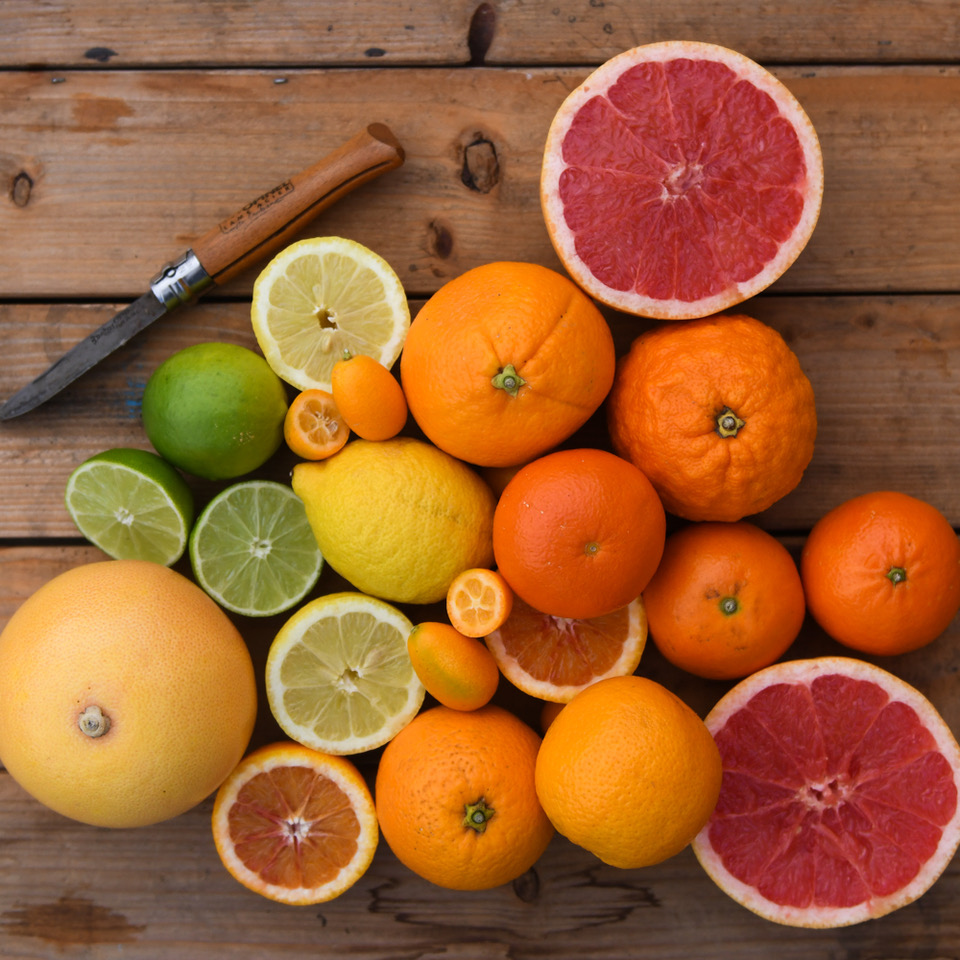
I wasn’t sure whether to laugh or cry when I discovered earlier this year, that one major supermarket is now, at least, at times, highlighting the chemicals on or in some of its citrus fruit.

I guess it is not a laughing matter, the issue of chemicals in our food chain is serious, it is important as it has a knock-on effect for our health and biodiversity.

It is my belief that agriculture can be a force for good in our world, an endeavour that can produce safe wholesome food whilst enhancing our locality and planet. But that will require a change of mindset and policy when it comes to the fair pricing of food.

All the things that are good about agriculture are slowly being sucked dry by the loss leading of fresh produce by supermarkets and the race for intensification and the lowest possible price. Like any business if there is not enough money in the pot you cannot invest for the future, you cannot survive, it is no different for farmers, getting a fair price for our crops is not too much to ask, and if we don’t then how can we invest back into the land.

Anyway, I digress, back to the case at hand, chemicals on our food. The last few weeks we have been talking here about the test for the 870 chemicals on our kale that came back clean (This test was part of our organic certification spot check) and how maybe conventional foods should be labelled with what they include, rather than the organic farmer having to prove that his/her food is clean and good.

I wonder though as this large supermarket chain has marked the inclusion of chemical products in two of its citrus fruit did it forget about all the other fruit and veg it sells? I can only assume that they too have offending chemicals present.

One of the products on sale, a conventional lime, is labelled “not suitable for vegans!” (Without, the exclamation mark obviously, I just added that in for effect) the offending lime in question contained a mixture or some of the following…… wait for it…

Imazalil/Thiabendazole/Pyrimethanil/Orthophenylphenol & wax E914, E904, E914

Another product and one that is in season right now: ‘Naturally Sweet Leafy Clementines’ Contained: E904, E914 and Imazalil.

(Incidentally E904 is shellac. Shellac is a resin secreted by female lac bugs, and this is what makes the limes non vegan. You may also be interested to know that imazalil and thiabendazole are two hormone-disrupting fungicides, one of which is also a likely carcinogen.)

Do your own research, check it out. Having mulled this over for some time I think it is a good thing that this information is displayed.  Do you think it should also be printed on the pack in the supermarket aisle? Then you and I could make an informed decision or at the very least we would know what we are getting for our money.

Of course, these chemicals are labelled as safe once used below the MRL (the maximum residue limit). These limits are set to protect you and I from ingesting too much of these chemicals. However, as I have spoken about in the past the setting of these limits can be questionable and, in some cases, seems to have been set in relation to the level of application required rather than in relation to whether the product is safe. I refer to the research on the increased MRLs for glyphosate that have been increased 300-fold between 1993 and 2015 in the US. Is it safer now to eat 300 times the dose? I think probably not. 

I will finish on this note: farmers are doing the best they can, we all are, we are working to survive in a system that is fundamentally flawed, but for all its issues, it is the system we have, and it provides our food, we cannot do without it, not when there are so many of us on this planet. But there is no question that step by step we must and can introduce more positive ways of producing food and we can support this transition by deciding with who and on what we spend our money.

Thanks as always for your support.

Kenneth

Christmas shop and 870 chemicals..

870 possible chemicals. This is the number of potential, pesticides, herbicides, insecticides, fungicides and bactericides a recent sample of our kale was tested for.

We had our organic inspection a few weeks back and this is a routine test that is carried out on a random crop grown on our farm by our organic certifying body every year. The kale came back perfect, no chemicals present as expected. But I can only surmise that they test for 870 different types of chemical products because these are the chemicals that could be used at varying points in the conventional food system.

Many moons ago I use to listen to a song by a band called “Alice in Chains” called “Junkhead”, (not a song for the faint hearted!). It popped into my head again when we got these test results back, there are some striking similarities between the song’s lyrics “What’s your drug of choice?” when it comes to the repertoire of chemicals a conventional producer can choose from: “what’s your chemical of choice?”. There is a chemical for every problem and even for problems that have not yet occurred.

Here in Ireland, there is relatively high accountability for our conventional food producers. There has over the last 10 years been some good news as the overall pesticide usage has declined by 16% which is heading in the right direction. But a word of caution here this still equates to over 3 million kg of chemicals applied to our food and land.

But with much of our food in this country being imported and as we don’t have the same visibility on what controls are implements in foreign parts, (over 85% of all fruit and vegetables are imported) then choosing organic becomes even more important.  

Organic systems are not perfect, but they do offer an alternative, one that keeps chemicals off our food, and in doing so also helps protect biodiversity.  It does sometimes feel ironic that it is the organic producer that must prove their credentials, go through the extra paperwork, and submit samples to prove that we are not doing anything underhand.

The authorities set limits on the levels of chemicals allowed on our food, they are supposedly designed to help protect you and I as consumers. These limits are referred to as MRLs or maximum residue limits. But as I have talked about before and particularly in relation to Glyphosate; sometimes these limits can vary erratically from one crop to another or from country to country. The MRL for glyphosate increased 300-fold between 1993 and 2015 in the US (Is it safer to consume more of this chemical  today than it was 20 years ago? I don’t think so!) to allow it would seem for the increased application of this herbicide on GMO soya and corn. This not strike me as having the best interests of the consumer at heart.

Chemicals are critical to our very survival on this planet, and when I talk about “chemicals” here I mean synthetic or man-made chemicals. They help us treat disease; they make possible all the amazing technologies we rely on for our modern-day way of life. But, and this is a big one, I do not believe they belong in or on our food.

Maybe “our drug of choice” should be fresh healthy clean food!

You are the lifeblood of our organic farm and business.

Thank you.

Kenneth 

PS last week we opened our Christmas shop, we will be delivering as normal in the week before Christmas and now you can book your delivery and place your order for delivery for Christmas week. Check it out now here.

Where Would the World be Without Bees?

We love our bees here on the farm, to the extent that we grow wildflowers for them and we leave nearly an acre of kale to go to flower just to feed them and we have beehives on our farm too, oh and of course we don’t use any chemicals on the food we produce.

It was many moons ago in a life that was never quite meant to be that I finally realised what it was we needed to do with my grandad’s farm.

You see 20 years ago I was very comfortable working away for the biotech industry in the UK, working in a laboratory researching different chemicals for this and that.

I am a research chemical scientist turned organic farmer and I have a very healthy respect for science. But there is one thing I do not agree with, it just does not make any sense to me, and that is the whole scale blanket application of chemicals on our food.

Chemicals that are meant for a laboratory should stay there, and if they are toxic to some life then generally speaking, they will be toxic to other life, it isn’t even that chemicals are ‘bad’ it is the prevalence and ubiquity of them in our food chain and our environment that is harmful.

They are in our food, and they are not good for us, but they are not good for life in the countryside either, they really aren’t. Take a family of chemicals called the neonicotinoids deemed safe for years but then it was found that they do irreparable damage to bees and other insects. How on any level can using a chemical like that as a blanket spray across our countryside be justified? 

Many of these chemicals too do not just sit on the outside of the plant they are systemic by nature. That simply means they are absorbed into the plant and do their damage from the inside out, washing veg and fruit doesn’t remove them.

Some produce are more heavily sprayed that others and two that regularly feature in the ‘dirty dozen’ are kale and spinach which is ironic as both grow very well in organic systems. Eating organic of course is one of the easiest and best ways to avoid this unhealthy exposure.

You see it is possible to grow great food without the use of chemicals, it is a little harder, it takes a little more attention and planning, it requires more labour but isn’t it worth it in the end?

Surely the production of food in a way that contributes to our health and the health of the planet, a way that enhances and protects biodiversity, a way that encourages working with nature rather than against it, a way that gives the bees on our planet a lifeline, surely this must be the best, no scratch that, the only, way to grow food? 

So maybe it is time to take good hard look at how we produce our food and embrace a better more positive way, because in the end we are what we eat.

Kenneth

Why Organic?

It was many moons ago, in a life that was never quite meant to be, that I finally realised what it was we needed to do with my grandad’s farm.

You see 20 years ago I was very comfortable working away for the biotech industry in the UK, working in a laboratory researching different chemicals for this and that.

I am a scientist turned organic farmer and I have a very healthy respect for science. But there is one thing I do not agree with, it just does not make any sense to me, and that is the whole scale blanket application of chemicals on our food.

Chemicals that are meant for a laboratory should stay there, and if they are toxic to some life then generally speaking, they will be toxic to other life, it isn’t even that chemicals are ‘bad’ it is the prevalence and ubiquity of them in our food chain and our environment that is harmful.

They are in our food and they are not good for us, and they are not good for life in the  countryside either, they really aren’t. Take a family of chemicals called the neonicotinoids, deemed safe for years, but then it was found that they do irreparable damage to bees and other insects. How, on any level, can using a chemical like that as a blanket spray across our countryside be justified? 

Many of these chemicals do not just sit on the outside of the plant, they are systemic by nature. That means they are absorbed into the plant and do their damage from the inside out, so unfortunately simply washing veg and fruit doesn’t remove them.

Some produce are more heavily sprayed than others and two that regularly feature in the ‘dirty dozen’ are kale and spinach – which is ironic as both grow very well in organic systems. Eating organic of course is one of the easiest and best ways to avoid this unhealthy exposure.

It is possible to grow great food without the use of chemicals, it is a little harder, it takes a little more attention and planning, it requires more labour but isn’t it worth it in the end?

Surely the production of food in a way that contributes to our health and the health of the planet, a way that enhances and protects biodiversity, a way that encourages working with nature rather than against it must be the best way to grow food?

Thank you for taking a good hard look at how your food is produced and choosing to       embrace and support organic – a healthier way of farming for us and our planet.

Kenneth

Have a look at our full range of organic fruit, veg and groceries here and why not consider making your life easy with a weekly fruit and veg box from us?