Learning from the Past

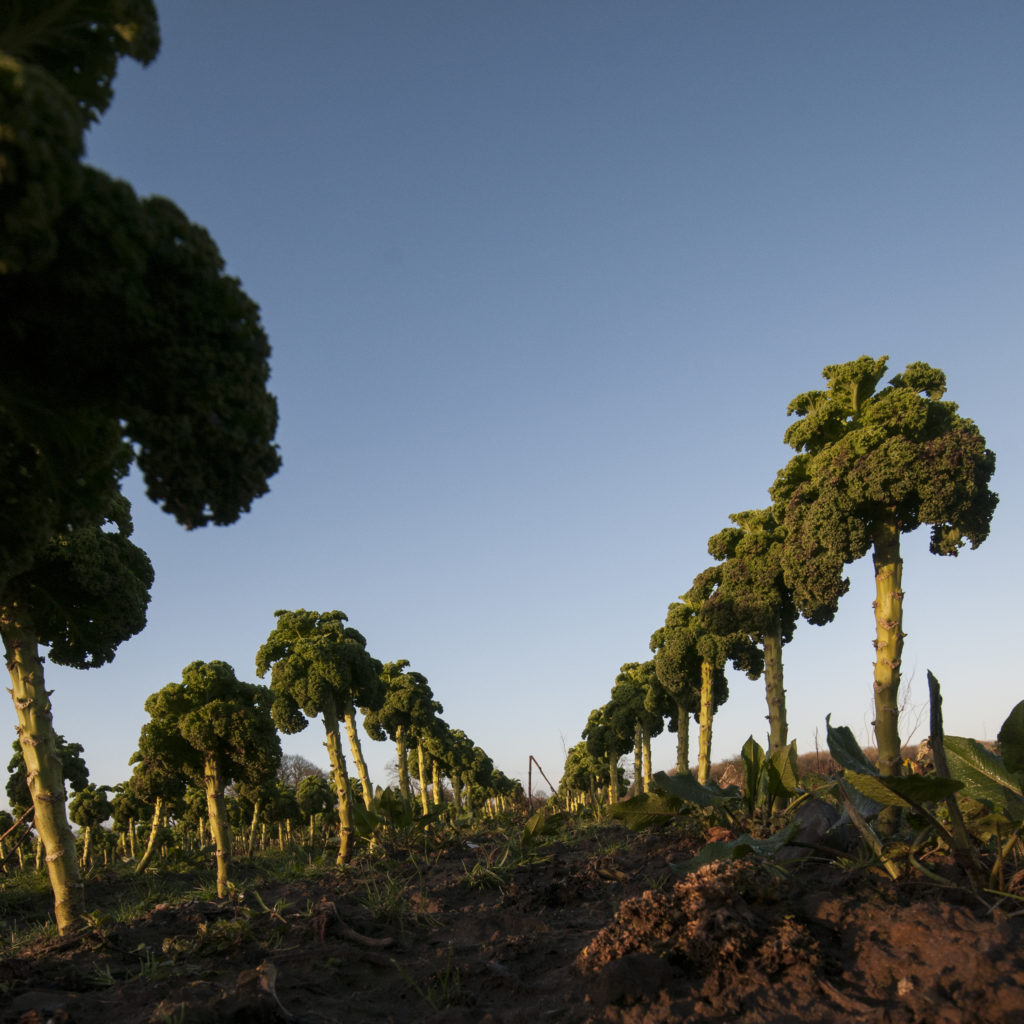
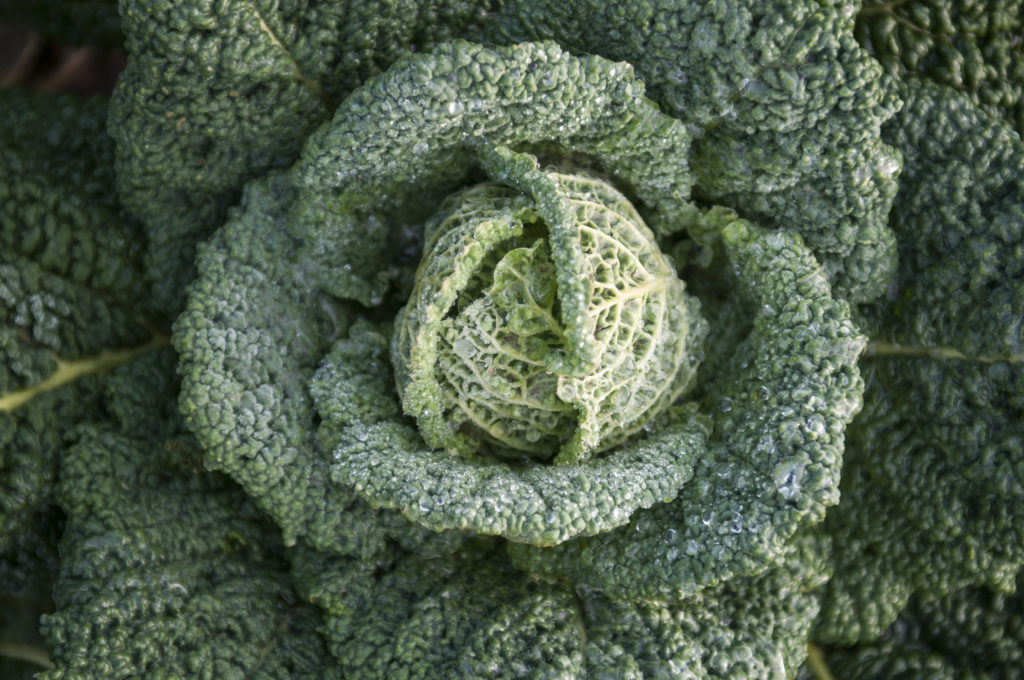
Simone, our fantastic photographer, doing daily rounds on the farm snapped this lovely robin on our kale this week.

So much has changed in one generation.

I had the good fortune during the week to be brought on a trip back in time, back 80 years! A while back a very kind customer took the time to send me a paper clipping from 1939 featuring an article on seasonal vegetables.

Imagine food produced without artificial fertilisers, without toxic chemicals, not wrapped in plastic, produced locally. Our ancestors did not contribute to the mass of plastic pollution choking our planet. Plastic didn’t exist. My grand dad would have grown his own veggies, and if he didn’t grow it, he would have bought them in the local market or in a green grocer. Supermarkets didn’t exist back then. There was no such thing as Roundup the food was clean. Fresh produce was highly valued, it was not discounted, loss leading was not a thing.

Today we live in a world of, ‘everything and anything all the time’. It is amazing to have such choice, but there is a cost, a cost hidden behind the plastic: the chemicals, the exploitation of workers, the clearing of rainforests, the destruction of habitats, the pollution of our oceans. The list goes on. Supermarkets have played a massive part in this, but they are serving a need driven by us their customers.

Life seemed much simpler in my grandad’s day, life was certainly tougher, food was scarce at times, but the food was clean, healthy and did not leave a trail of pollution and destruction behind. We don’t need to return to a land of scarcity, but maybe a mindset change to see value in fresh food is required it is after all the building blocks that we put into our bodies every single day.

A particularly good quote that I enjoyed :

“The majority of people, unfortunately, are much too disinterested in their need for vegetables and salads to take serious steps to obtain the best value for money” “Fresh green or root vegetables….should be the staple part of every family dinner”

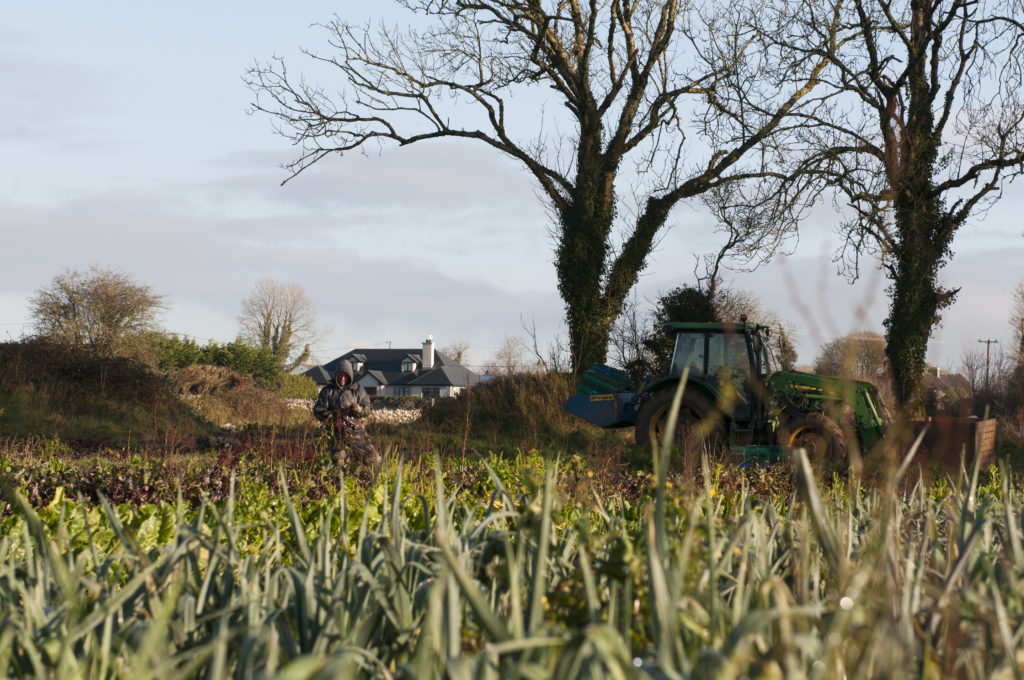
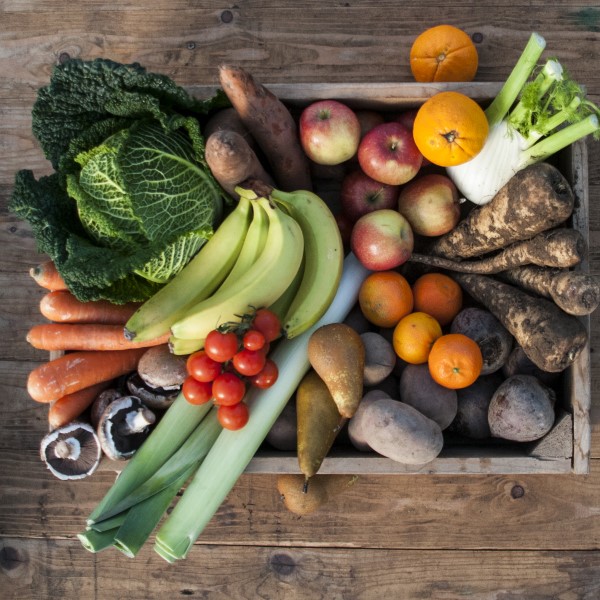
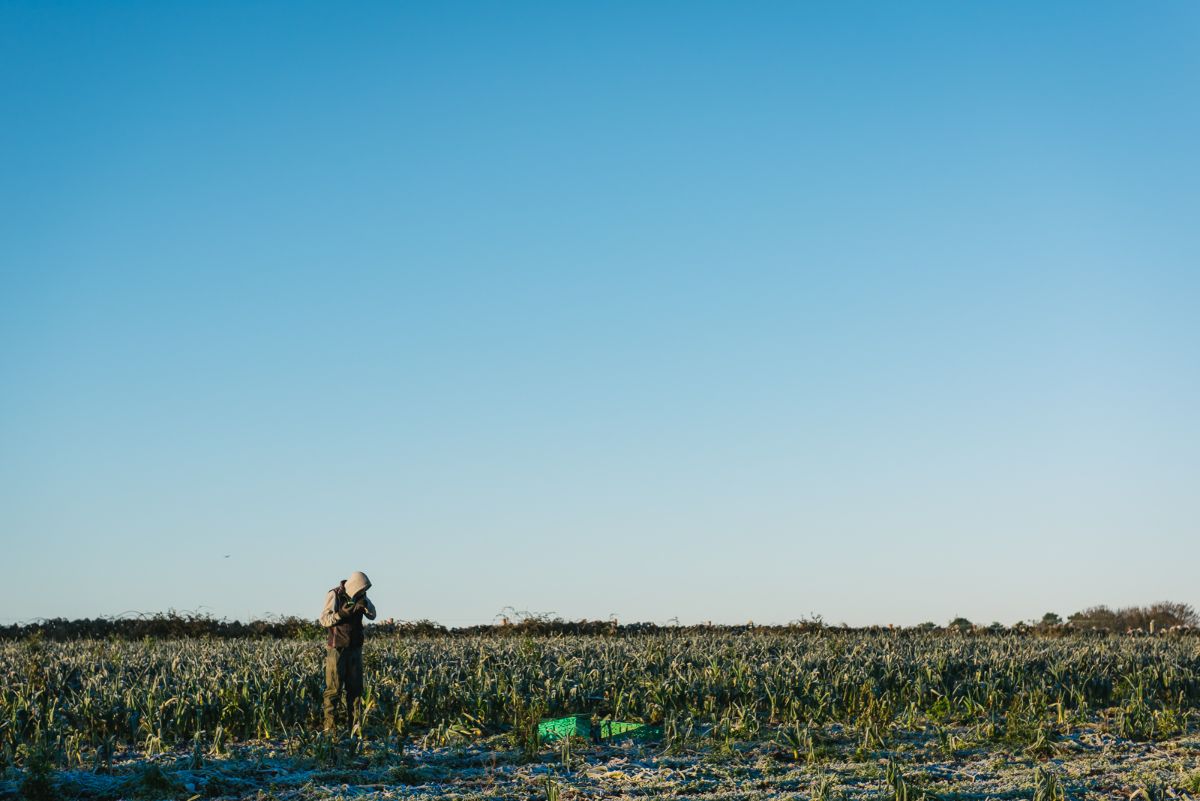
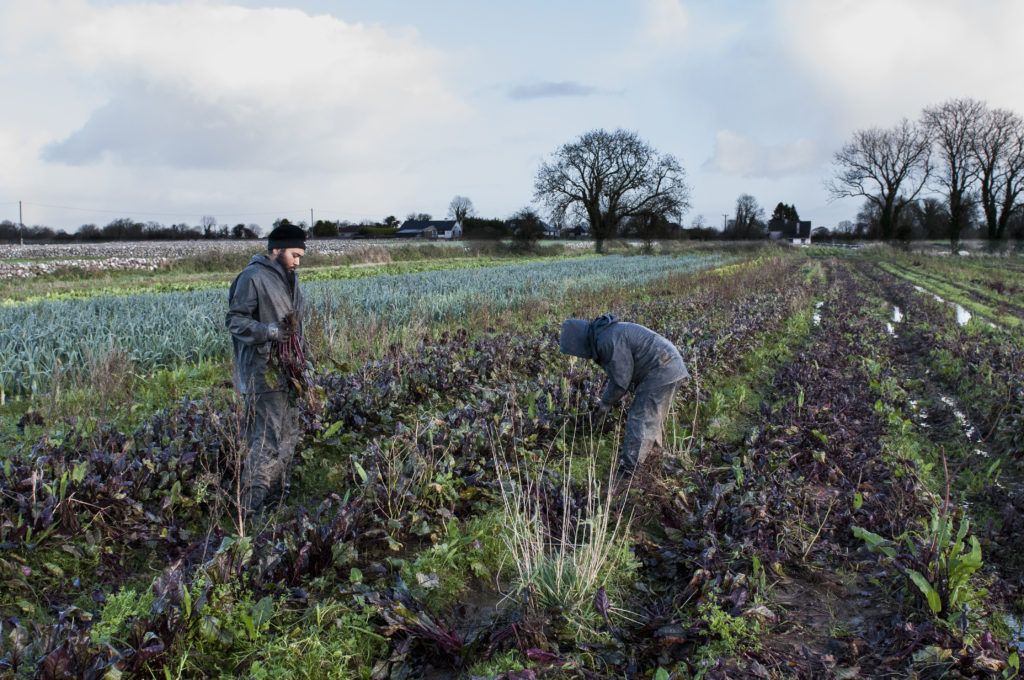
Being out in the rain and wind, harvesting leeks and pulling parsnips, is no fun, and it takes a certain calibre of person to persist with this work well into the winter. But this is seasonal food, this is the reality of local food production. The smell of freshly harvested parsnips, is quite frankly amazing, covered in muck they feel alive and real and you get the feeling that just by holding them in your hand you are doing something positive for the planet!

Producing good clean food, while respecting the ground beneath our feet that gives us so much deserves to be valued. Because if we don’t value and respect the earth, then there will not be much left for the next generation to enjoy. I think food production has such potential to change our lives, to change the way we eat, to change how we work, to change our world.

Here’s to learning from the past!

Kenneth

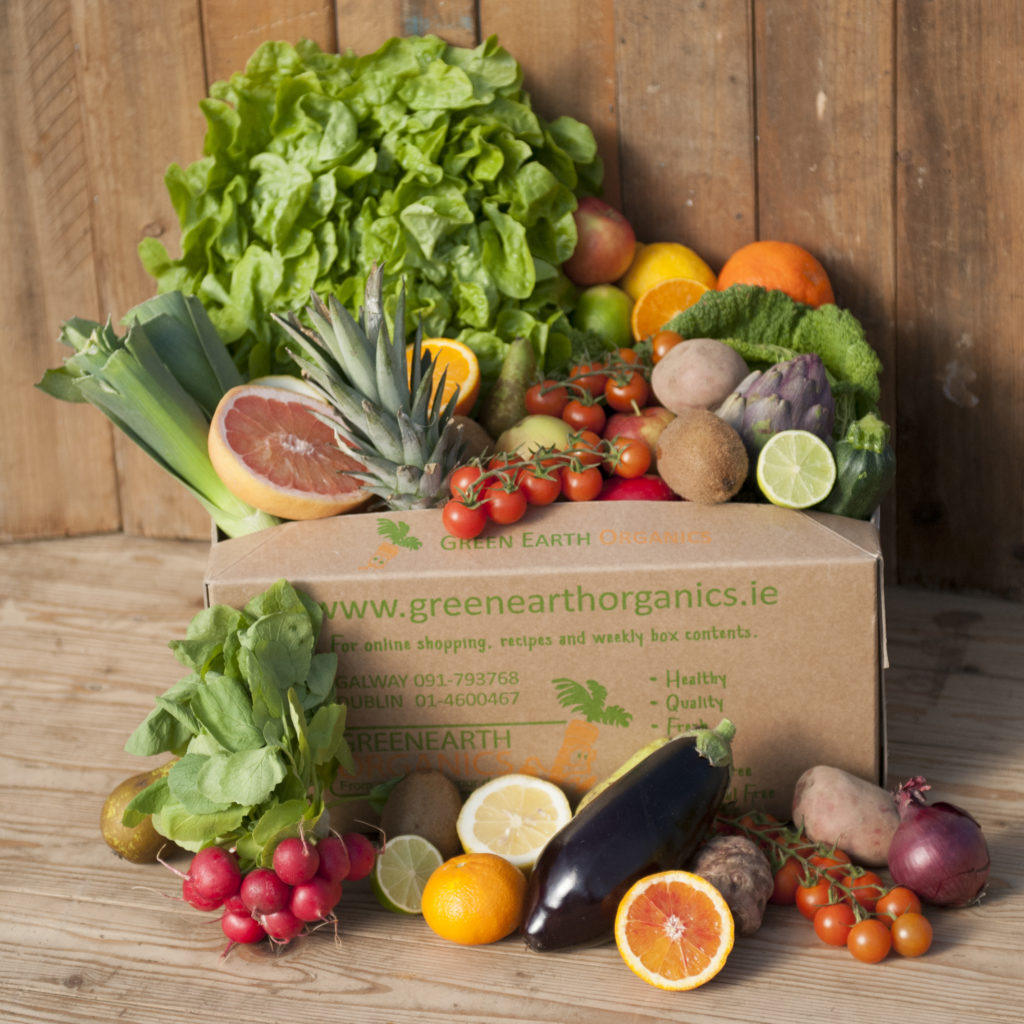
PS All our fixed boxes are plastic free and that includes our Christmas boxes * and have been since 2018!

*The Mossfield IRISH organic cheese in the bumper box is wrapped in a plastic film.

Thanks From a Little Robin

The money you spend in a local business generally goes back into the locality. It is often the unforeseen and indirect ways in which that support matters, take Green Earth Organics today.

Recently we have collaborated with two local small businesses. Rachel who now makes chutney and cranberry sauce for us and Liz who now writes our recipes on our blog. In the last week we have had dealings with our IT support company based here in Galway, our two web developers one based in Athlone and one in Cork, our electrician and plumber based in Galway. Our van company based in Dublin, our tractor mechanic and van mechanic in Galway. I am just out of a meeting with our accountant, he lives locally. A couple of local builders and steel workers help us out regularly, our agricultural contractors, and the purchases we make in the local hardware stores and shops all send the money back into the locality. Not to mention all the IRISH suppliers we buy from weekly and of course our employees. Here is an interview Liz did with Franck from the French market.

Your purchase today or tomorrow pays for all of this. It is also a well-known fact that a greater percentage of money spent in a small business stays in the locality, while money spent in big retailers disappears into investors pockets, and we know a little bit about dealing with supermarkets. A few years back we stopped supplying supermarkets, we had had enough. Despite what their marketing blurb might say their treatment of growers is the same. The price of produce on the supermarket shelves often does not reflect the real and true cost of food. The lower the price the more that has been extracted for less, from the land, the worker, the farmer and sometimes from all three.

To survive, the modern-day farm needs to expand, it needs to take on debt, it needs to push the efficiency of the animals and the land to the brink. Intensification it seems is the only route to viability. Disillusioned with the industry today, a career on the land is not generally what a young person aspires to, and who would blame them? The traditional model of the family farm is, we are told, “unsustainable”. Our government and the powers that be are insistent that the best way forward for food, is large scale intensification. Supermarkets are putting more and more distance between the farmer and the consumer, it is now impossible to understand where our food comes from our how it was produced.

While the conventional system ignores the true cost of food, and is driven by supermarket dictated prices, the sustainable food movement aims to value food fairly, create a connection between growers and consumers and reward those involved in the production fairly according to their input. Your decision to support us is supporting an idea, a sector, a farm, individual’s livelihoods, biodiversity, the soil, the environment, and other sustainable businesses. You are sending a message to the powers that be that you believe there is a better way and crucially you are taking positive action for a more sustainable future.

Thank you

Kenneth

PS our Christmas shop is now open! Treat your loved ones to some real, honest food this year with a box of organic fruit or veg and have a look at our lovely selection of hampers. Please get your Christmas week pre-orders in soon to avoid disappointment.

Plans, Progress and Polytunnels

Our very first polytunnel going up in 2005. Expertly erected by Jenny, my dad and myself! The little stone shed is where my grandad used to bring in the sheep when it was lambing season.

When we set out 15 years ago to create a farm and a home delivery business, we didn’t think further than the next week or two. We were convinced that what we were doing was necessary, driven by a deep desire to take care of the planet. Most business advisers would not buy into that, no plan, no detailed analysis of figures, no projections, it was effectively a week to week operation.

Looking back, although there wasn’t a detailed plan, there was a definite direction. I think anybody who starts a business, if they are honest, will tell you things don’t always turn out the way you expect. We did not know what to expect and really had no idea what we were doing. I was not trained in business or organic farming; I was a trained scientist! The road to present day has been tough, the goal posts kept changing and the challenges changed sometimes daily. But our ideology kept us going (just!) and kept us on the right track. Our vision was always strong and the core belief to protect our planet meant we kept on ‘keeping on’, kept on showing up even and especially on the days when we really didn’t want to get out of bed, to face the reality of the tough choices and hard work ahead.

Today we do have detailed plans, figures and projections. All the necessary evils to keep a busy business and farm afloat. If the last fifteen years have been challenging, this year has been exceptional. It has been tough for so many, the virus has changed everything and even the best laid plans have been thrown out the window, it almost feels like being back at the start again. We have not known, week to week, what to expect and we have been the lucky ones! We have been very busy and we are eternally grateful to you for that.

The ups and downs and the challenges and anxieties of this year have kept many people up at night. Businesses that don’t know if they will ever open again, the jobs that may be lost, the fear and anxiety in society, but there is so much hope also. Never in my years of sea swimming have I seen so many people embrace the sea, never have I seen so many people out on bicycles and walking and running and being out in nature. This brings a remarkable positive energy, because if more people are happier then that will rub off on others too.

Our shopping habits have changed too, we have all had to embrace the inevitable move to online shopping, but can we do that online shopping a little more wisely? Can we support local while online rather than funnelling the funds into the pockets of a very large and extremely powerful retailer(s)? Can we again bring our support back behind small local businesses that will need it now more than ever?

We too are asking you for your support. Can you get your fruit, veg and sustainable groceries from us? Can you give the gift of a Christmas veg box or hamper to a friend or family member? Can you support other local businesses too? We have a helpful guide here where you can find a few ethical and local businesses that we recommend.

This year has brought us back into the uncertainty of operating day to day and week to week, but one thing that has never changed is our commitment to growing safe, sustainable food. We wouldn’t be here today without your support, thank you so much.

Kenneth

PS Our Christmas shop is open, get your orders in now! 

Beneath our Feet

One teaspoon of soil contains more living organisms than there are people in the world!

They are the hardworking, unsung heroes of farming. I always knew these creatures were spectacular, but I had no idea they lived for so long or could do so much. I would go so far as to say that they are as important to our food production as the bees, we ignore their welfare at our peril. Charles Darwin thought they were important enough to spend 40 years studying them! You don’t hear so much about them, you don’t see them and I suppose they aren’t quite as photogenic as the honey bee, but they are extremely important and I love them. What am I talking about?

 If you haven’t guessed already, it is the humble earthworm. Earthworms live for about 7 years, and in their lifetime will compost about 7 tonnes of organic matter! These amazing little creatures take organic matter in the soil and convert it into food and nutrients for plants, by way of the worm castings they leave behind. They help aerate the soil, which allows for better water filtration and oxygenation of the soil for other microbes to thrive. This aeration prevents water logging and increases fertility. In a nutshell we would be in a pretty bad place without our underground friends. The soil beneath our feet is thriving with a beautiful complex interconnected myriad of life.  It is a shame, that many of the methods used to grow food in today’s large industrial agricultural system end up destroying the very biological organisms we rely on to sustain our environment.

It is hard not to bring the debate back to glyphosate. It is everywhere and in everything e.g. in non-organic food, wine, beer, in tap water, in urine and it has even been recorded in breastmilk. So much of the stuff is used and with such frequency that it is compromising our health and the health of our food chain and ultimately our planet. Glyphosate is toxic not only to the plants it kills, and the humans which consume the plants but also to earthworms. At least 6 studies have shown that glyphosate is damaging to earthworms, reducing their reproductive rates and reducing the rate at which they turn soil over. Earthworms have chemoreceptors and sensory turbercles on their skin giving them a high degree of sensitivity to chemicals and they avoid soil contaminated with glyphosate.

We can learn a lot from these little creatures. They quietly go about their work, improving our soil, helping us grow food and they know instinctively that glyphosate is something to be avoided. Maybe society should take a leaf out the earthworm’s book and avoid glyphosate too. The good news though is that organic farming does not use glyphosate (or any chemicals) so by buying our produce, you are not only helping the environment, but your own health too! 

Kenneth
PS Thank you for your continued support, we really appreciate it! All our boxes are organic and plastic free and we also have a great range of organic groceries that you can add to your fruit and vegetable order here.

Waterlogged but Never Wavering

When it rains look for rainbows, when it’s dark look for stars.

Oscar Wilde

I came out of my office last week, I had no inspiration, I didn’t have anything to write about, I definitely wasn’t in the right space and I was getting frustrated.

I decided to see what was going on out on the farm and I bumped into Emmanuel and shared my woes. Write about “Muck and rain, and mud, and clay and rain, and water because that about sums up the week just past” he said.

That was it, he had hit the nail on the head, it was wet.

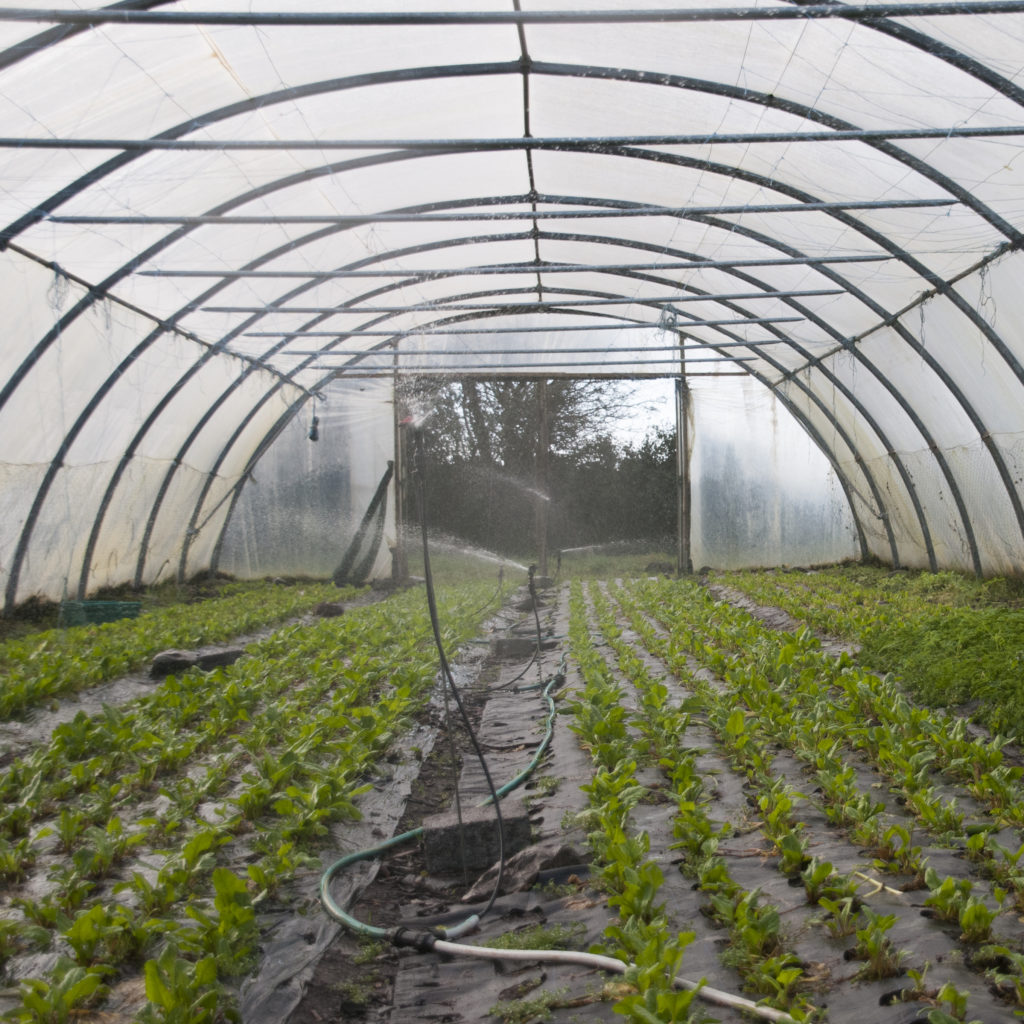
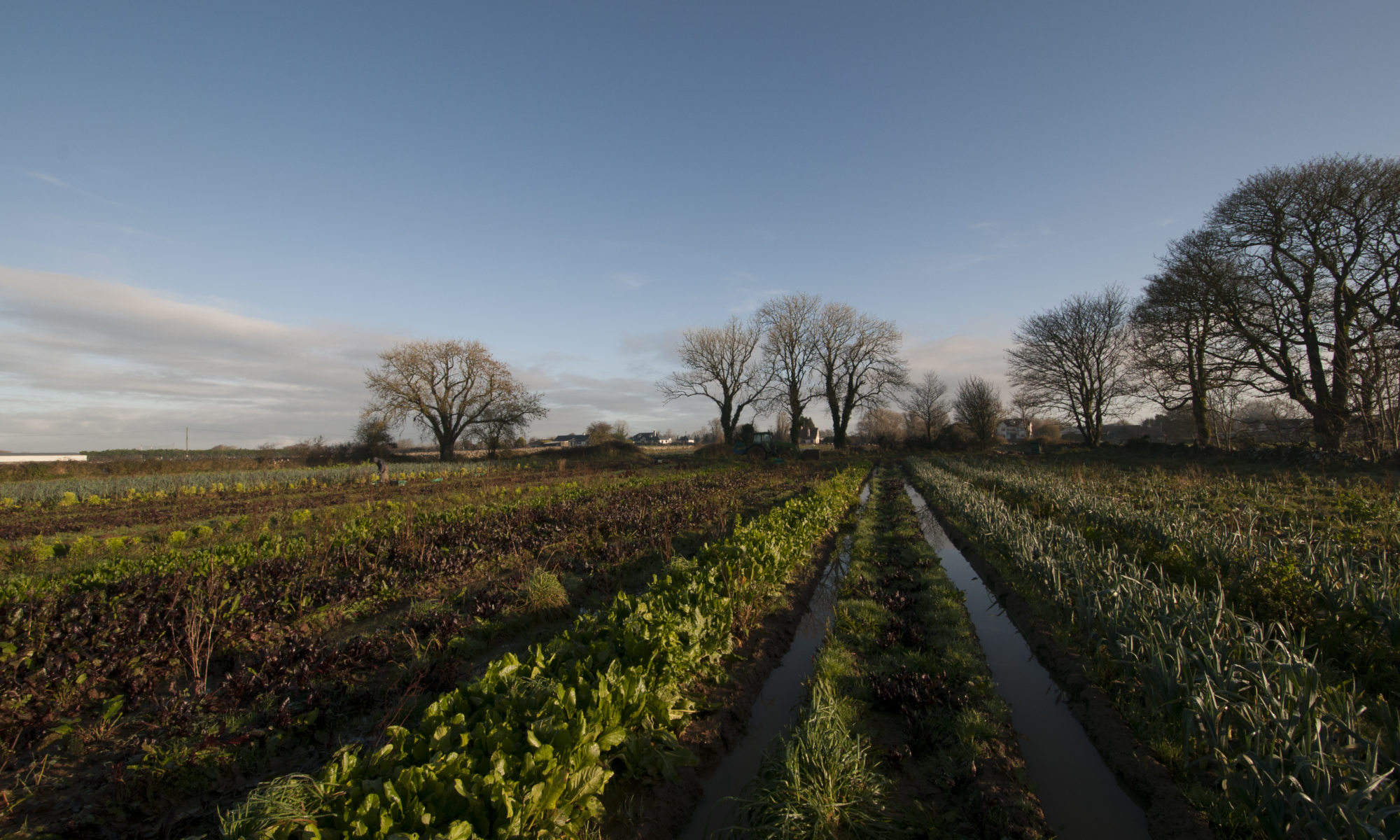
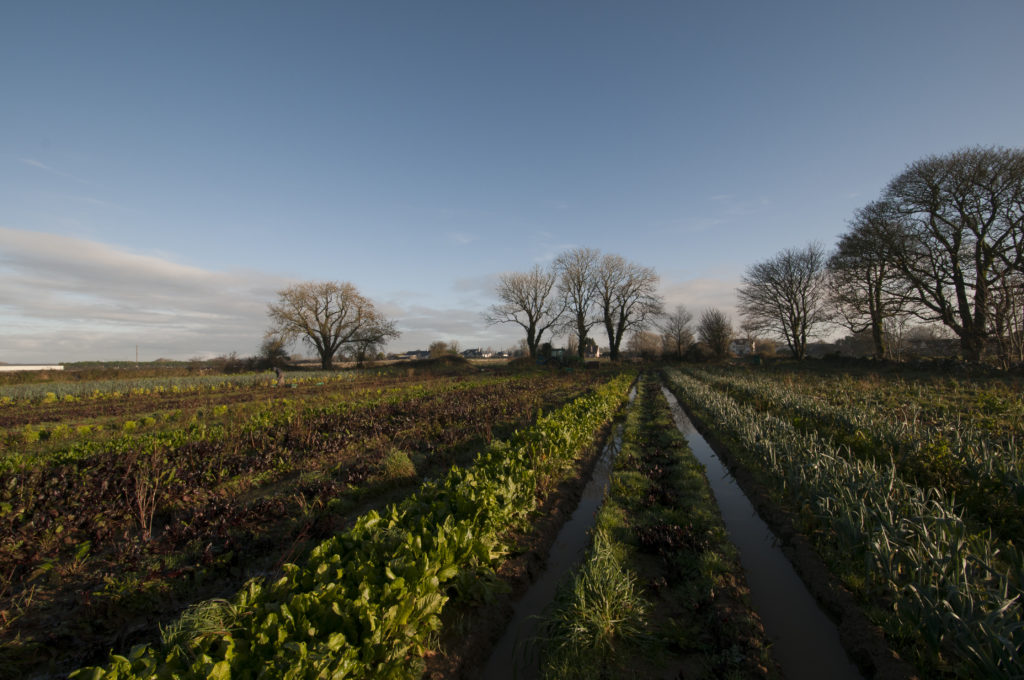
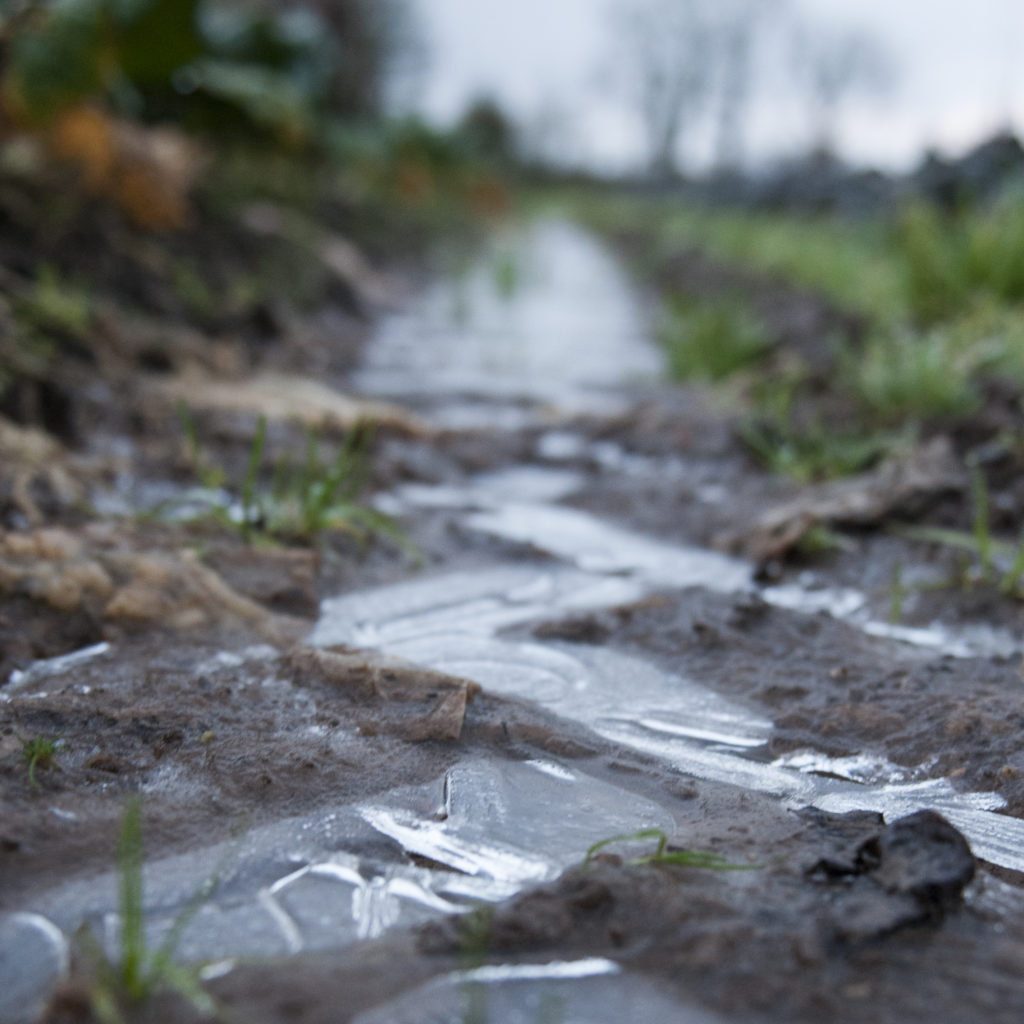
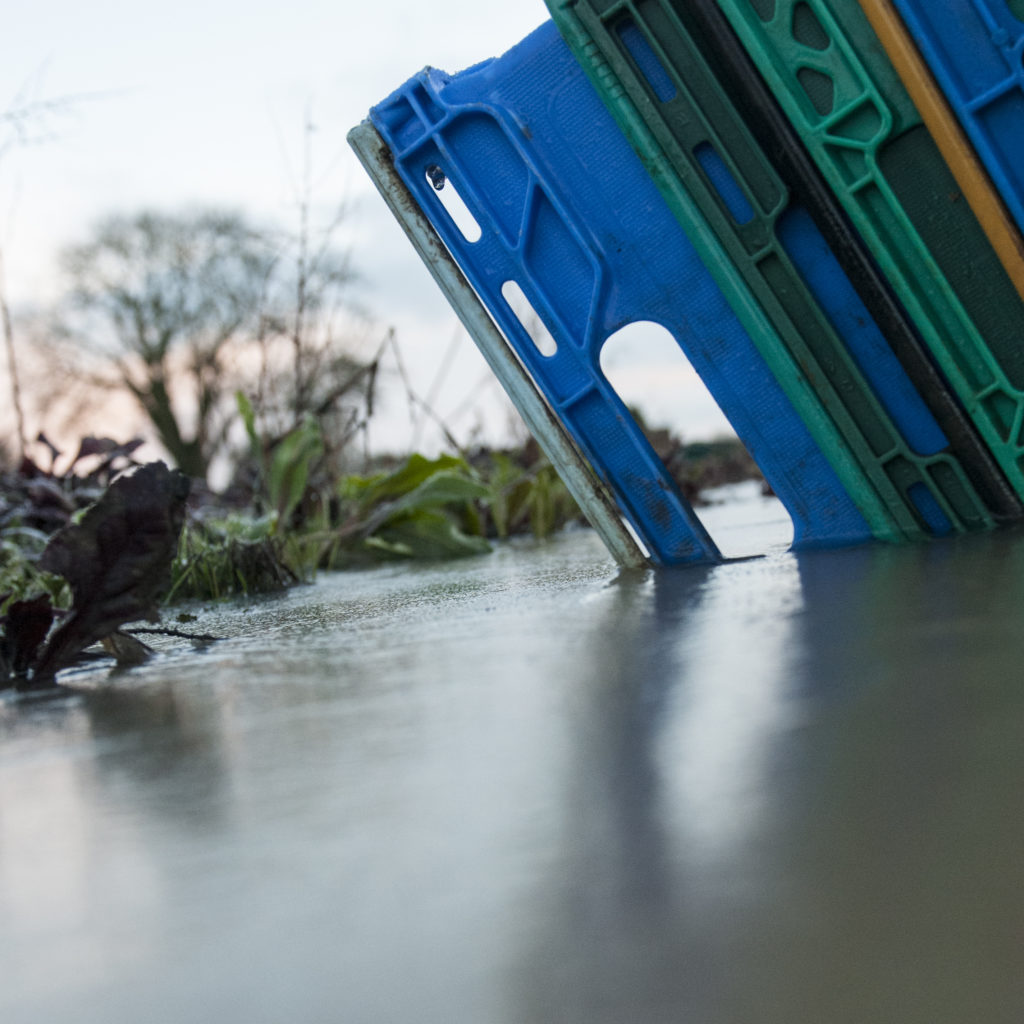
Some places in the fields the water is a foot deep. The beds we planted on in the summer are submerged, the plants with waterlogged roots struggle to breath. It is ok for a few days but if there is prolonged water, then they die.

Walking up a sticky, muddy field with a bag of kale on your back must be one of the very best work outs you can get. If you have ever had a young child wrap themselves around your foot and not let you go, well that is what the field does.

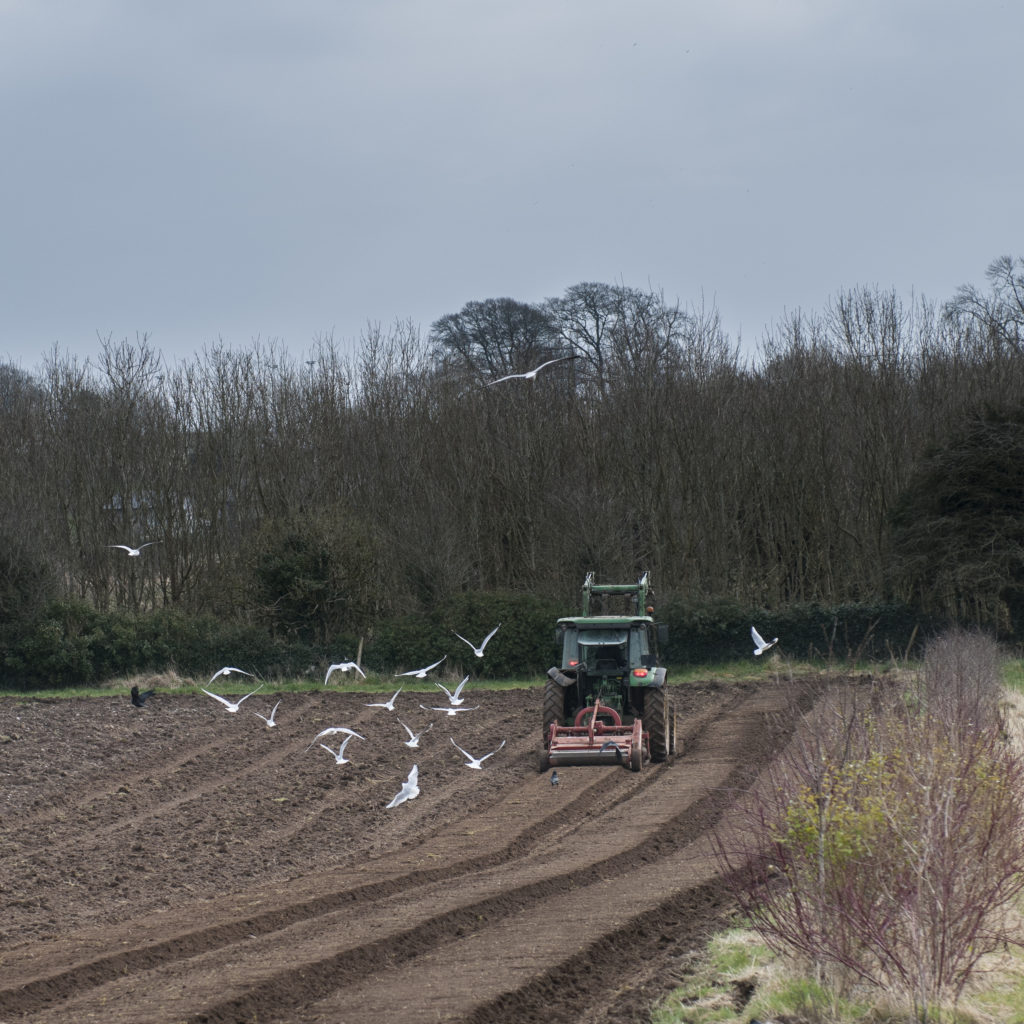
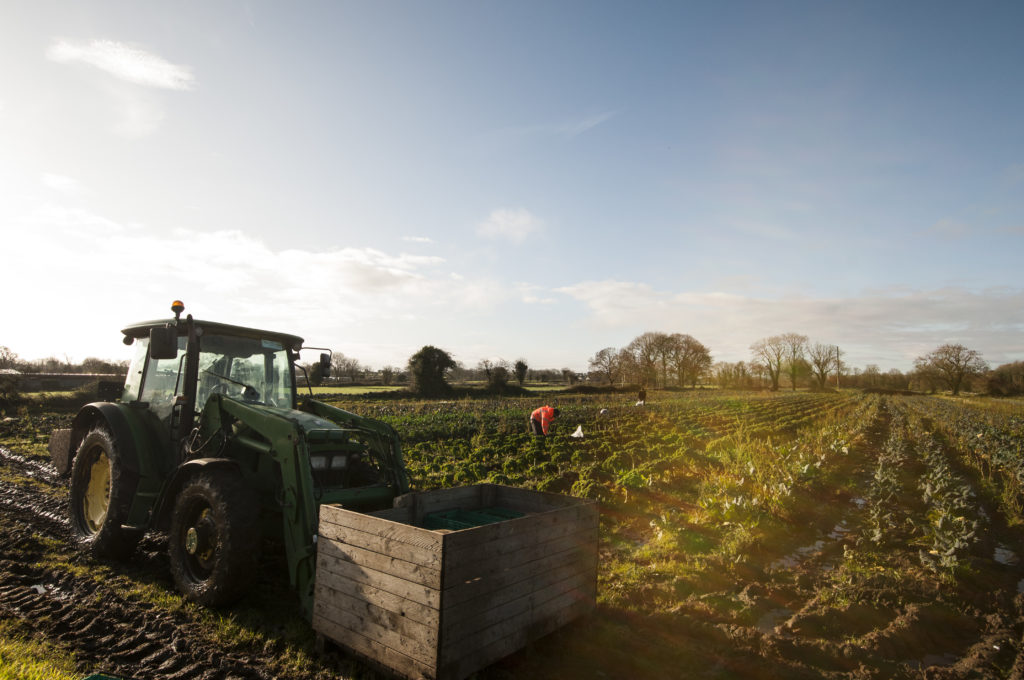
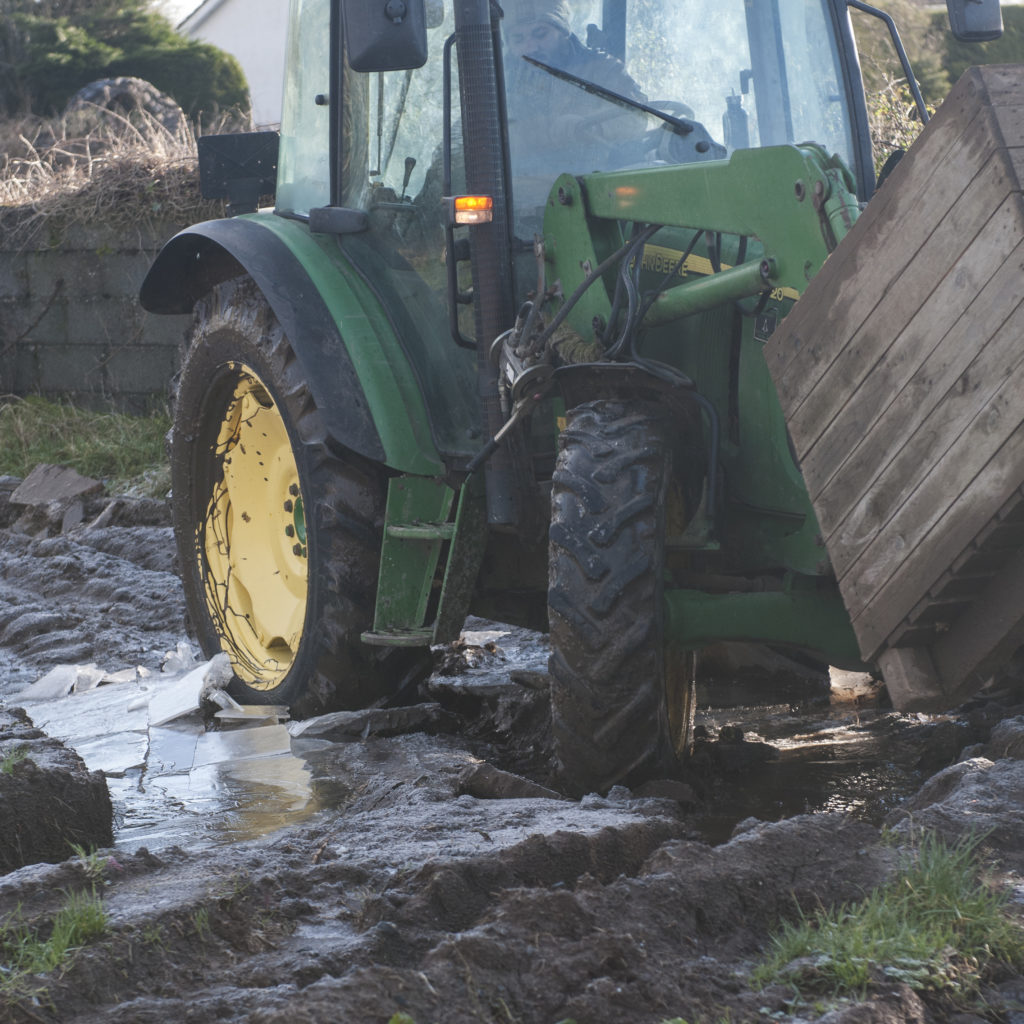
I got the impression last week that even our poor tractor was not happy.

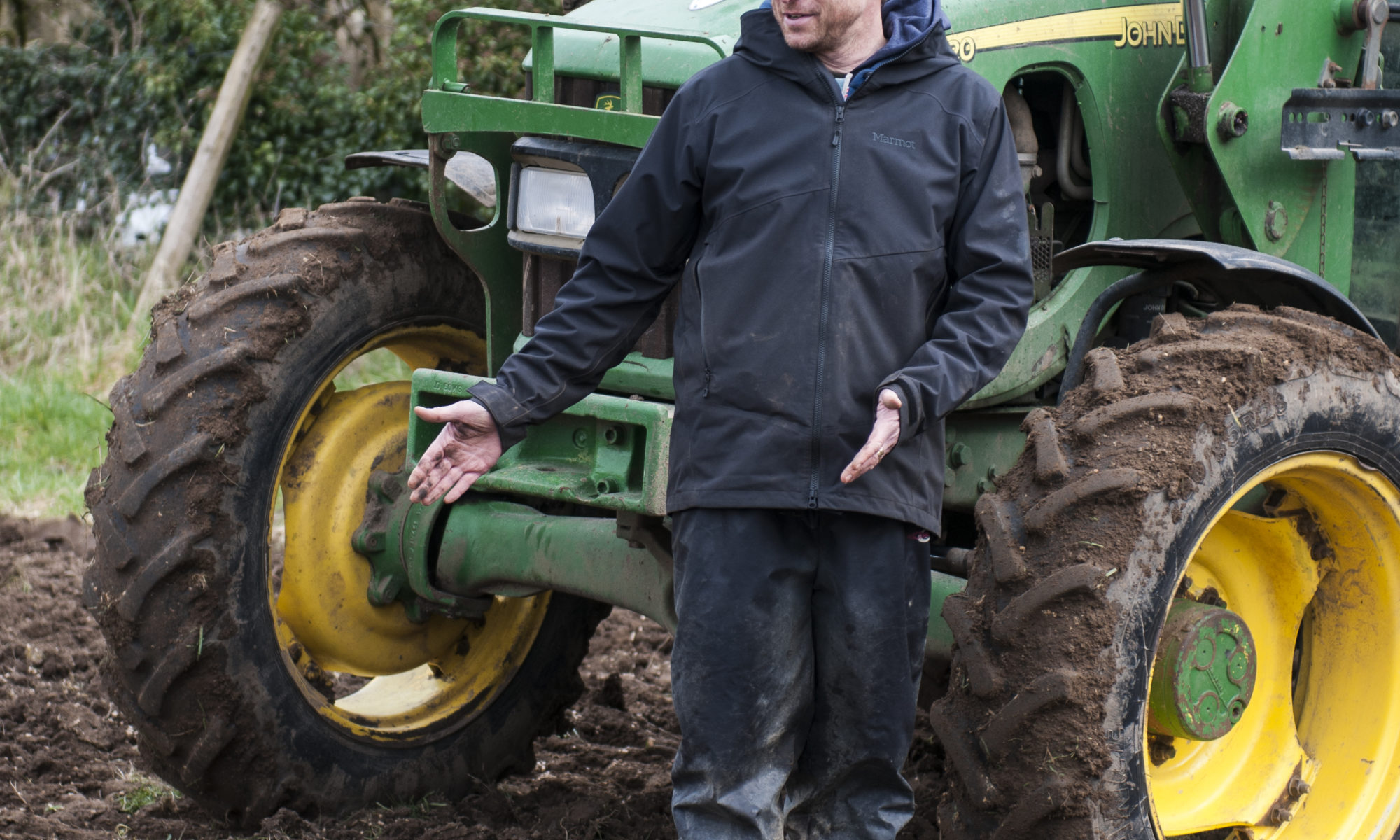
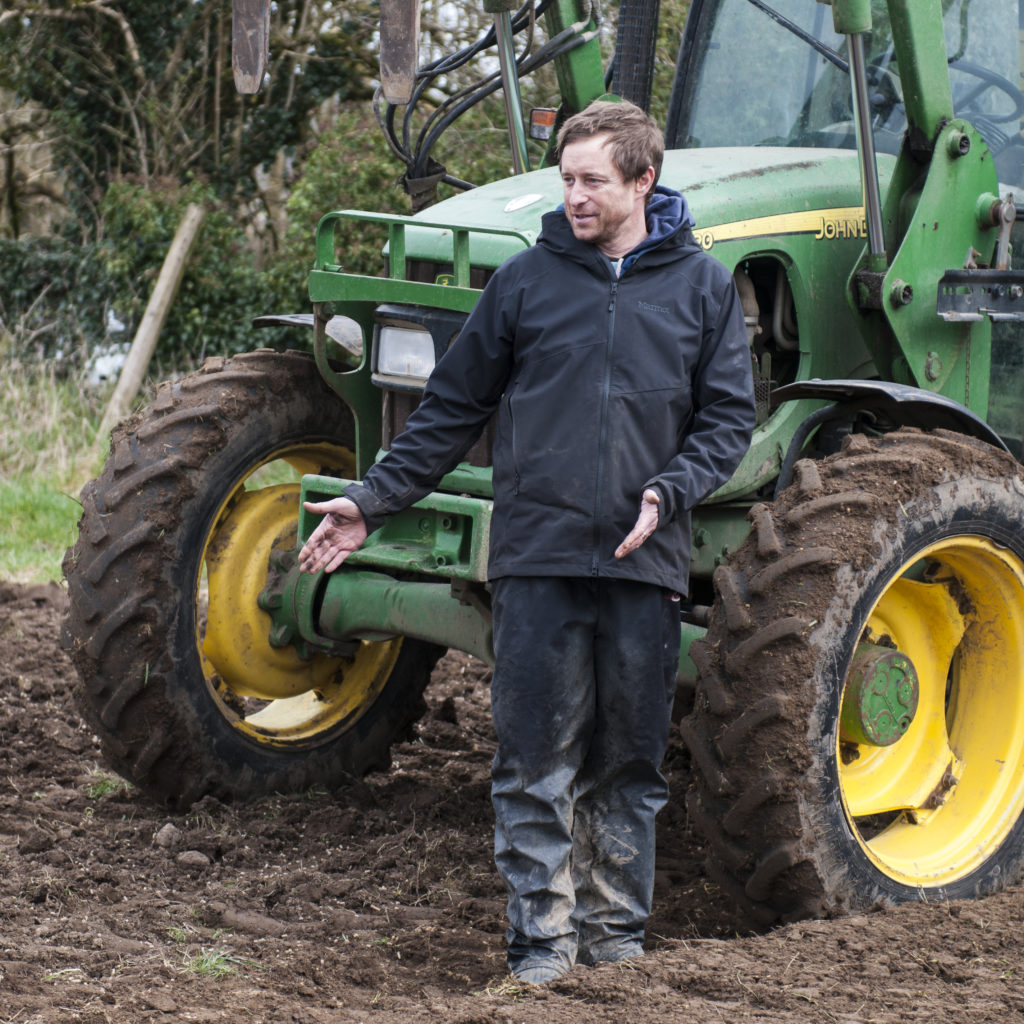
The ruts from the tractor wheeling’s are deep and although Joe (My seven year old son loves them, in fact he would actually disappear into some of them) it does not make for easy navigation when it comes to driving with a tonne of parsnips on the front of the tractor.

In the cold wet weather, you often find yourself with three or four layers of clothes on and waterproofs and wellies and sweating even though it is freezing and wet. This I think is one of my least favourite ways to pass the time.

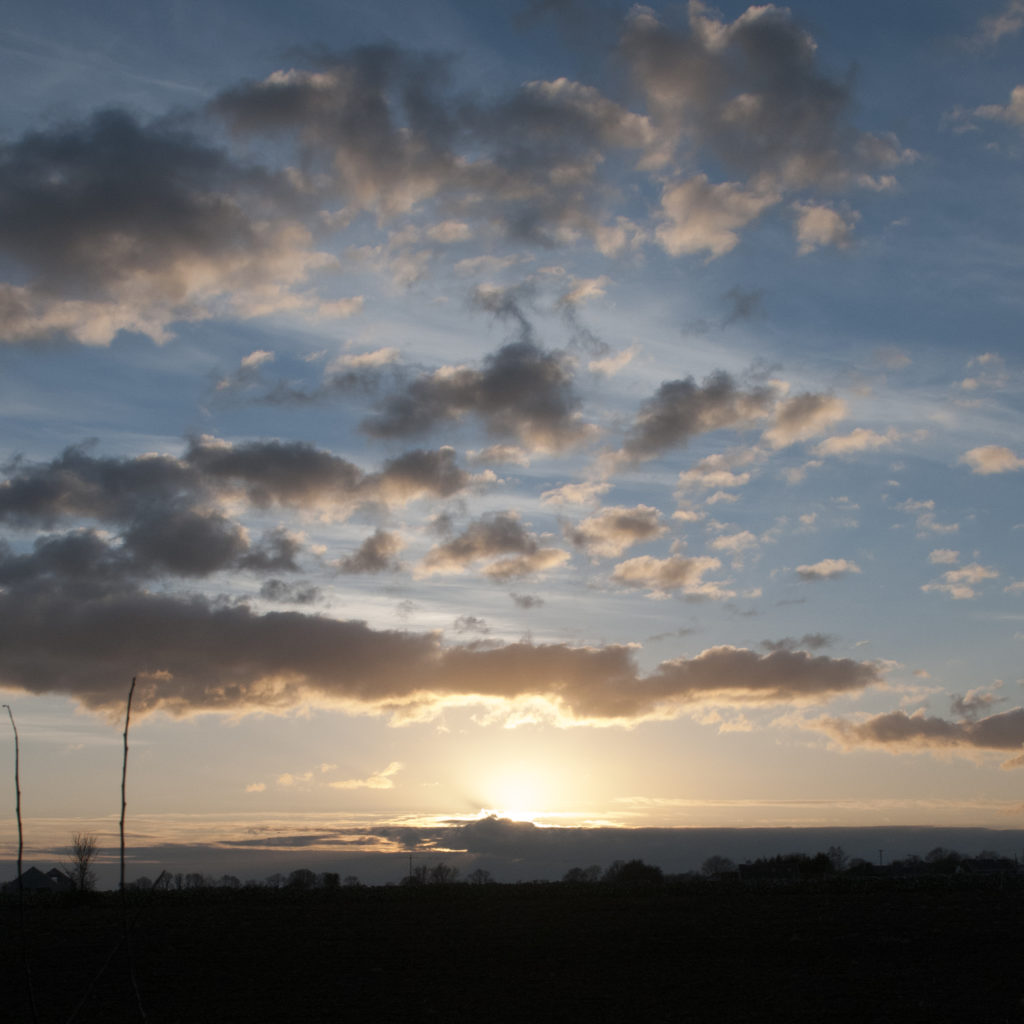
But the sun is always there, we may not always be able to see it, but it is always up there over the clouds. It is only because of the clouds and the rain that you see the most beautiful skylines, the most stunning sunrises, and the most fantastic evening sunsets. These skyscapes are more striking at this time of the year that in high summer by a long way.

Then of course there is the food.

We are doing, I think, our bit for the planet. We are growing sustainable food on a scale that supports thousands of people each week. When I first wrote this, I thought it could not be true, but then I did the maths. If we do an average of 1500 deliveries per week and each household has an average of 3 people then that is 4500 people, that is a lot of mouths to feed, that is a large responsibility to do things right. That is a lot of trust put in us by you.

I shocked myself with that revelation, a far cry from the first 26 deliveries we did in May 2006.

So, we will get stuck in again on Monday, harvest more food, deal with the mud and the rain, do our bit for sustainable food, do our bit for climate change, because we have to.

Can you sustain a path such as this without being either clinically insane (and that could be the case) or having a belief in something bigger? For us I like to think it is the latter (but who is to say really). Our big “WHY” is the planet, nature, biodiversity, and every living creature we share this earth with deserving a chance. This is what drives us on. Have a look at our 5 Pledges for the Planet to see our promises as a business.

As always thanks for your support, it’s what keeps us going.

Kenneth
PS Don’t forget to place your order for next week here.

Our Choices Matter

Never doubt that a small group of thoughtful, committed citizens can change the world. Indeed, it is the only thing that ever has.

– Margaret Mead

At the fork, which path will you take?

I remember as a child picking peas in my Grandad’s garden. He had apple trees, he grew his own veg. I remember sitting on his lap drinking a mug of turnip juice, (I cannot imagine trying to get my kids to do that today!) most of the food was grown on his farm. Things have changed so much in a generation…

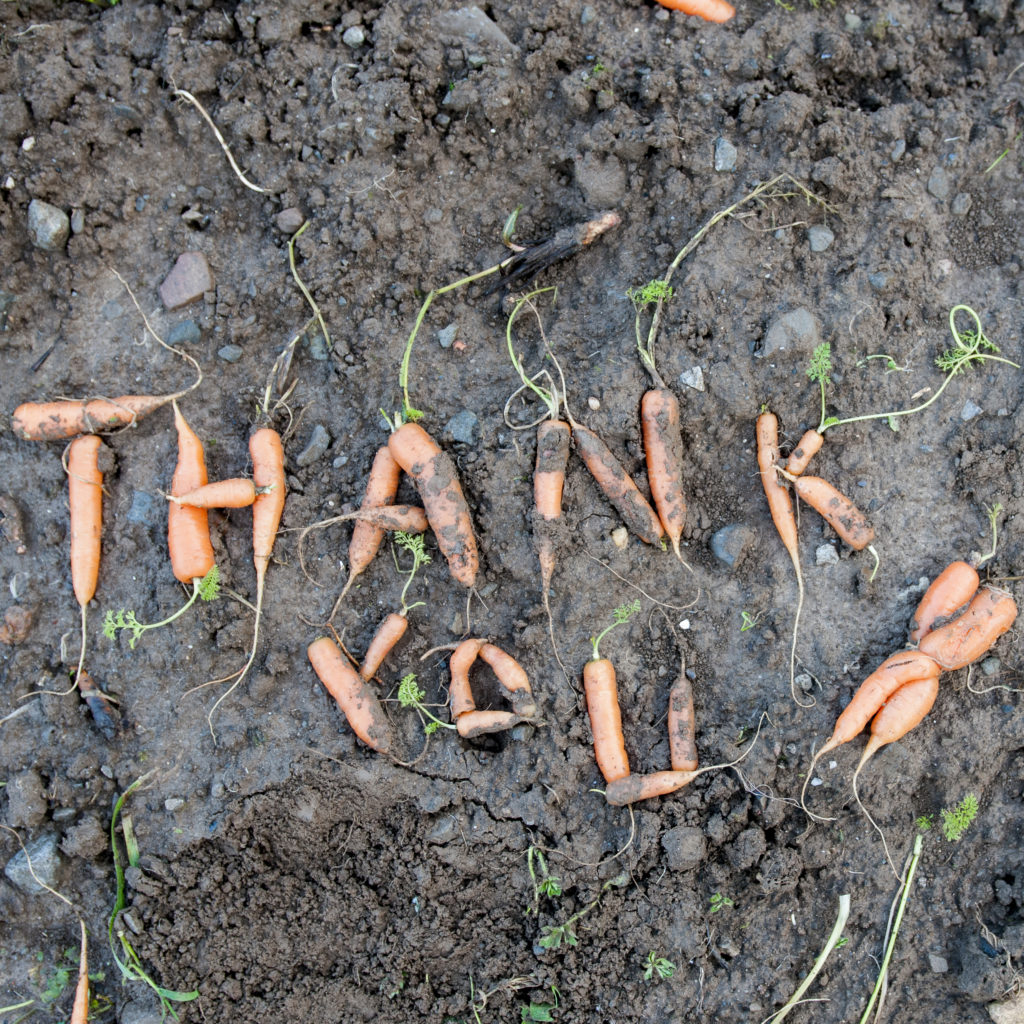
When was the last time you tasted a freshly harvested carrot, can you remember what it should taste like? There can be such pleasure in the simple foods, and there are of course remarkable ways to cook these amazing seasonal gems.

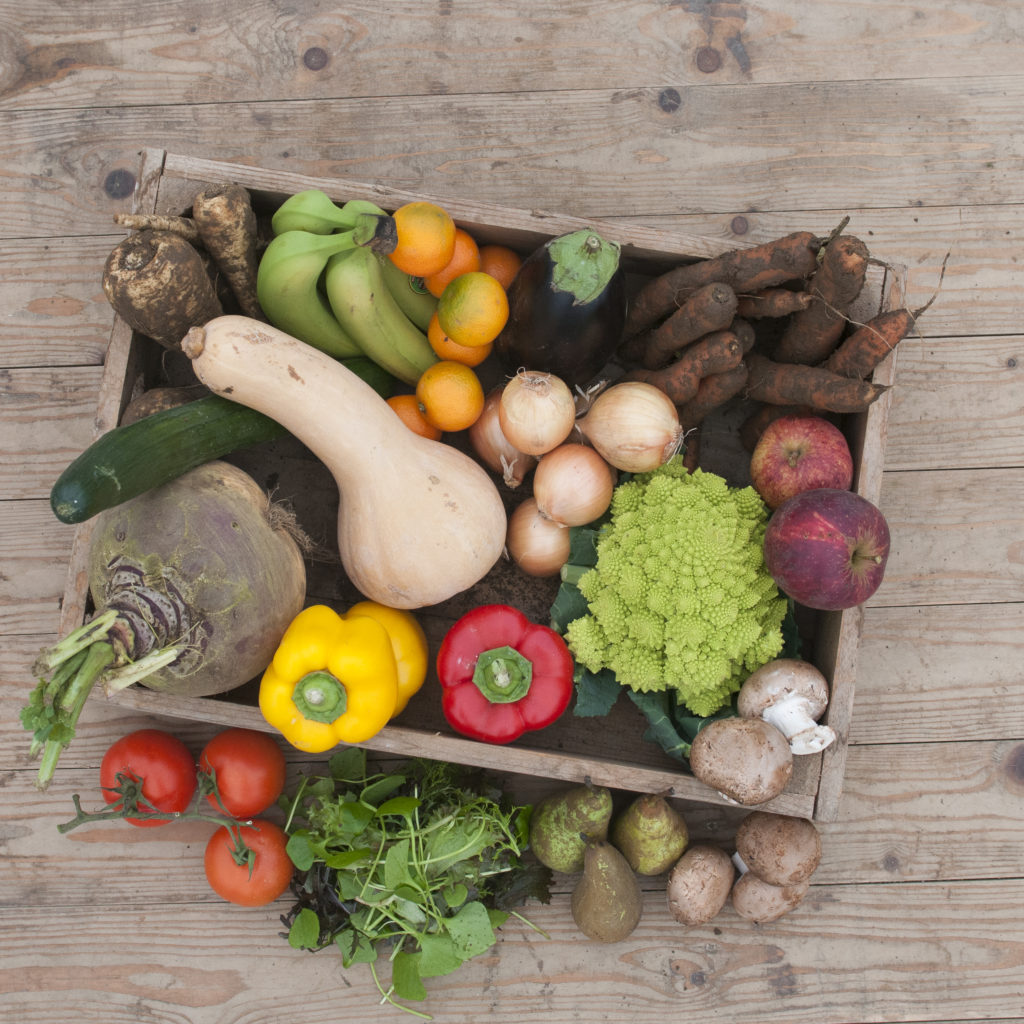
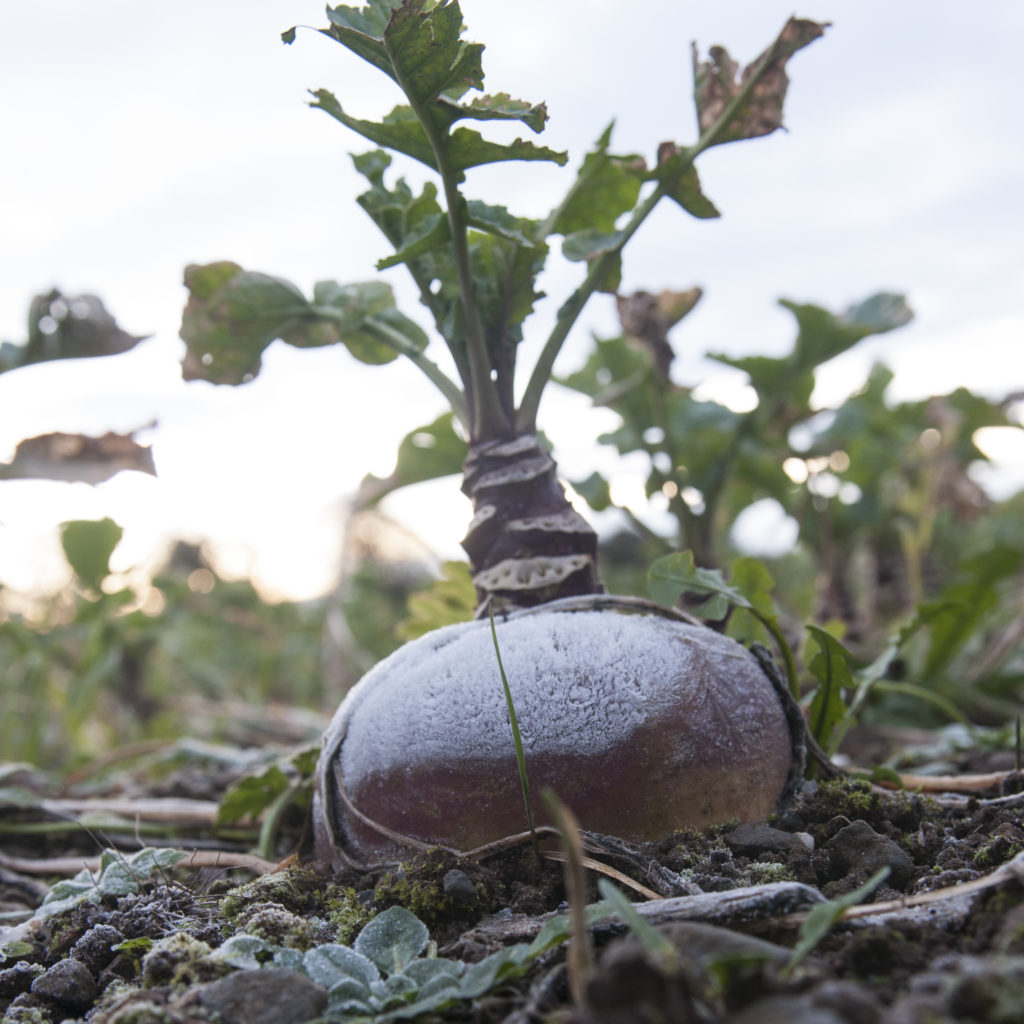
November is still a month of local seasonal plenty. It is now that the real Irish vegetables come into their own, leeks, parsnips, swedes, kales, winter cabbage, carrots, beetroot, broccoli, romanesco and cauliflower.

As an organic farmer, the arrival of November allows a sigh of relief. The relentless pressure of the summer is finally winding down and we are settling into a routine of harvest.

The trees are turning, the wild-flowers have gone to seed, the hedgerows are full of berries, the bees are getting ready to hibernate, even the birds are relaxing a little, everything seems to slow down. Something we could all do a little bit more of.

November too can be a time for reflection. As a farmer the simple things like tree planting, growing hedgerows and leaving wild patches can give immense pleasure. This is easy stuff that pays the most amazing dividends for the person and the planet, but in modern food systems it is often dismissed as nonsensical and left to one side in favour of production. The irony of course is that food production is facilitated and improved by all these positive things.

The impact of our food choices has far reaching and sometimes unimagined consequences.

Imagine clearance of pristine forests (by burning) to facilitate increased cropping land to produce GM (genetically modified) soya destined for the global animal feed supply chain that will end up on Irish consumers plates. This is a sad reflection of our times.

 Cheap food has a price and a story. The real stories are hidden behind the glitzy shiny wrappers, there is always a story and usually not a good one.

The truth ironically can be hard to swallow, but it doesn’t have to be like this.

There are amazing and positive alternatives. Our parents chose well, they ate seasonally and locally, they ate less meat. Who doesn’t remember cabbage and turnip and the endless ways to cook potatoes!

Maybe what we eat deserves a little more consideration because our food choices matter a lot and without the planet and the food none of the other stuff matters.

We have more power than we realise, which path will you choose?

As always thanks for your support, we really appreciate it. Stay safe and look after each other.  

Kenneth & Jenny 
PS We cannot wait to tell you all about our Christmas delivery schedule and our new gifting options – stay tuned!

Support us by signing up for a regular veg box delivery here.