The Freedom to be Still

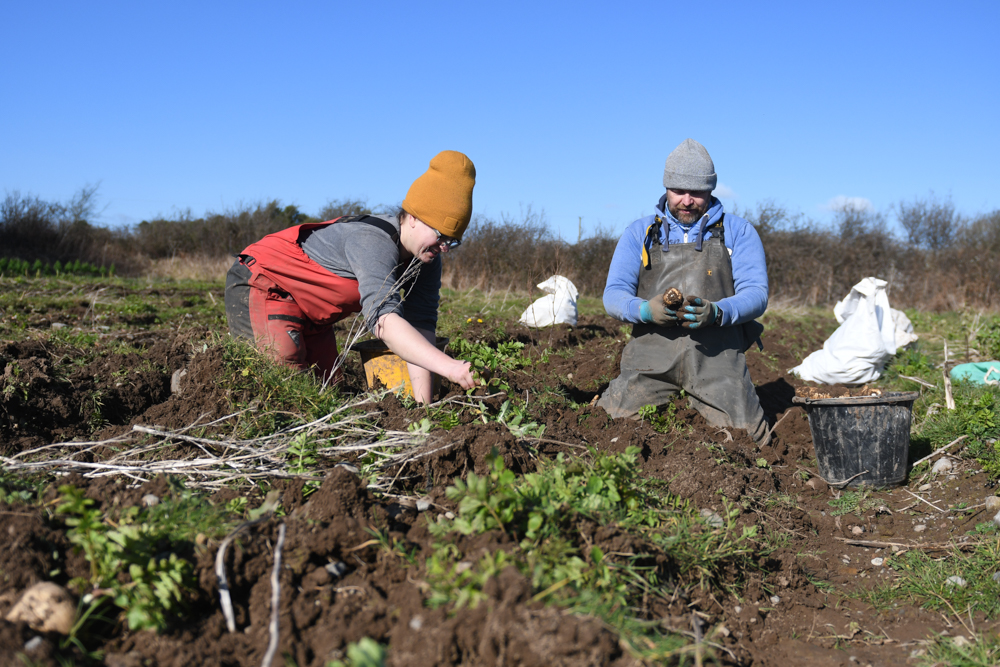
Every summer during my teenage years and most Saturdays I worked on a farm. We were always outside doing something. I loved bringing in the hay and the memories of the sun and the sunburn, the white bread sandwiches eaten outside, and the cups of tea are still vivid. I remember the great hunger you would have for those sandwiches after a day in the bog, nothing to this day compared to the taste of those sandwiches. 

There were many lessons to be learned and many were not at all welcome for a young teenage lad. Tying plastic bags around our knees with bailing twine whilst spending hour after monotonous hour thinning mangles in grey cold drizzly west of Ireland summer was high on the list of something I never ever wanted to do again. 

Then there was the absolute dedication to stop and take a moment at 12pm and frequently at 6pm too when the local bells tolled. In my mind now the idea of stopping and appreciating the present moment and our surroundings is a true blessing. These days in our frantic lives, there is so little time simply to be and to notice all that is wonderful with the world. 
How will we notice when the first swallows arrive on our shores, or the humble bee going about his trade, or the little flowers in the grass or the deep deep blue of the sky? All can go by, and we can be oblivious.   

We miss the inter-connectivity of all things and their sheer beauty and energy. Will we notice the touch of the wind on our skin or the first raindrops on our face? Mostly and I speak for myself, we don’t, and who could blame us, there is no external reason to stop and stand still, we have to fight for that freedom to be still, away from our phones and the endless stream of social media and all the noise. 

This week for us on the farm we have been trying very hard to get a tonne of work done and taking the time to appreciate the beauty of nature around us has been challenging.

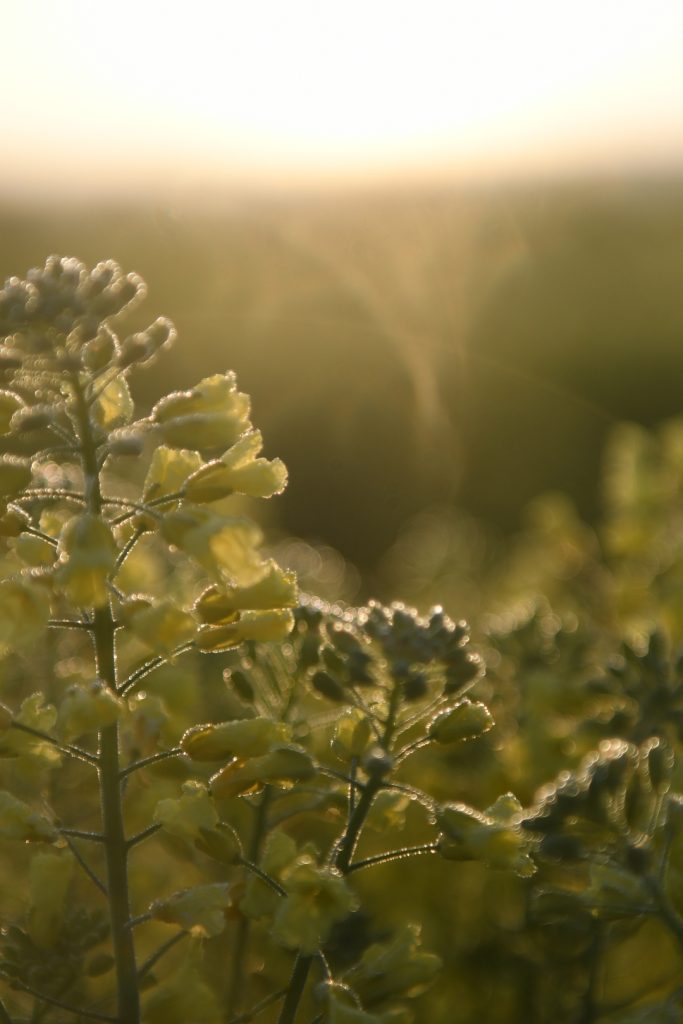
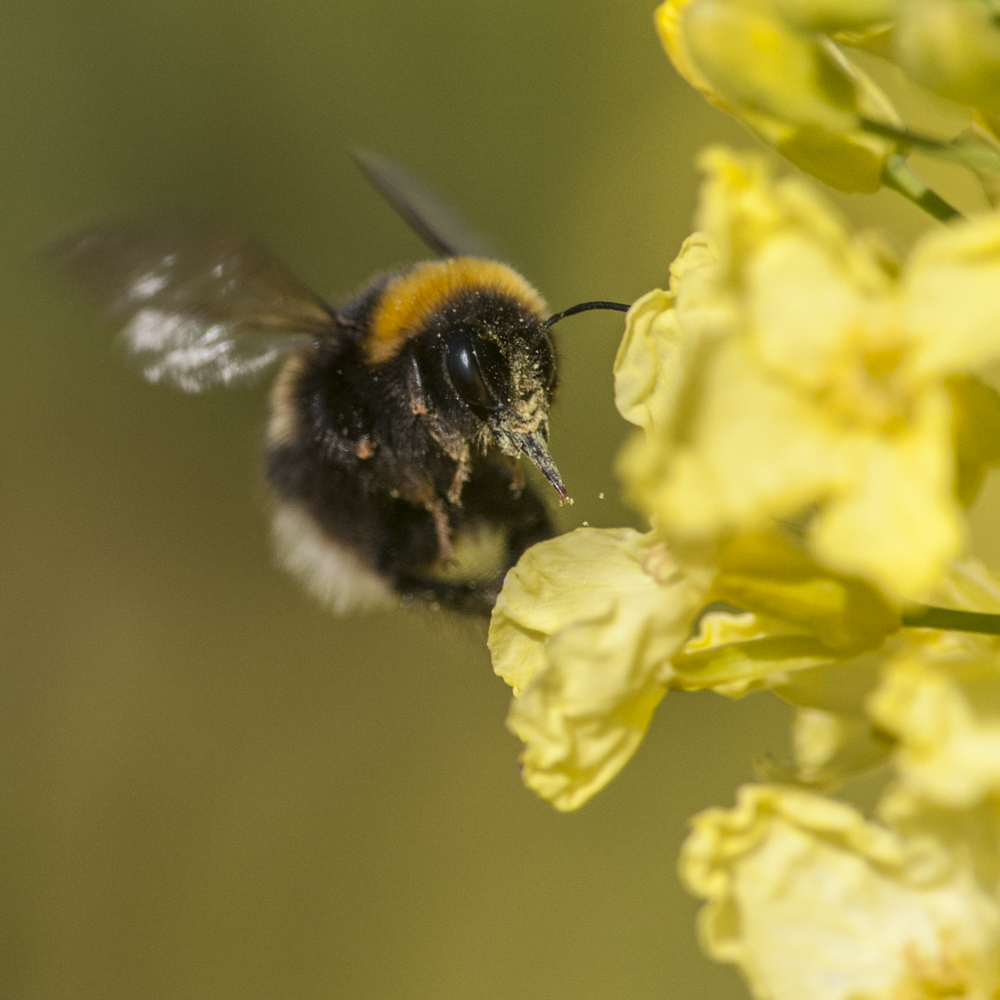
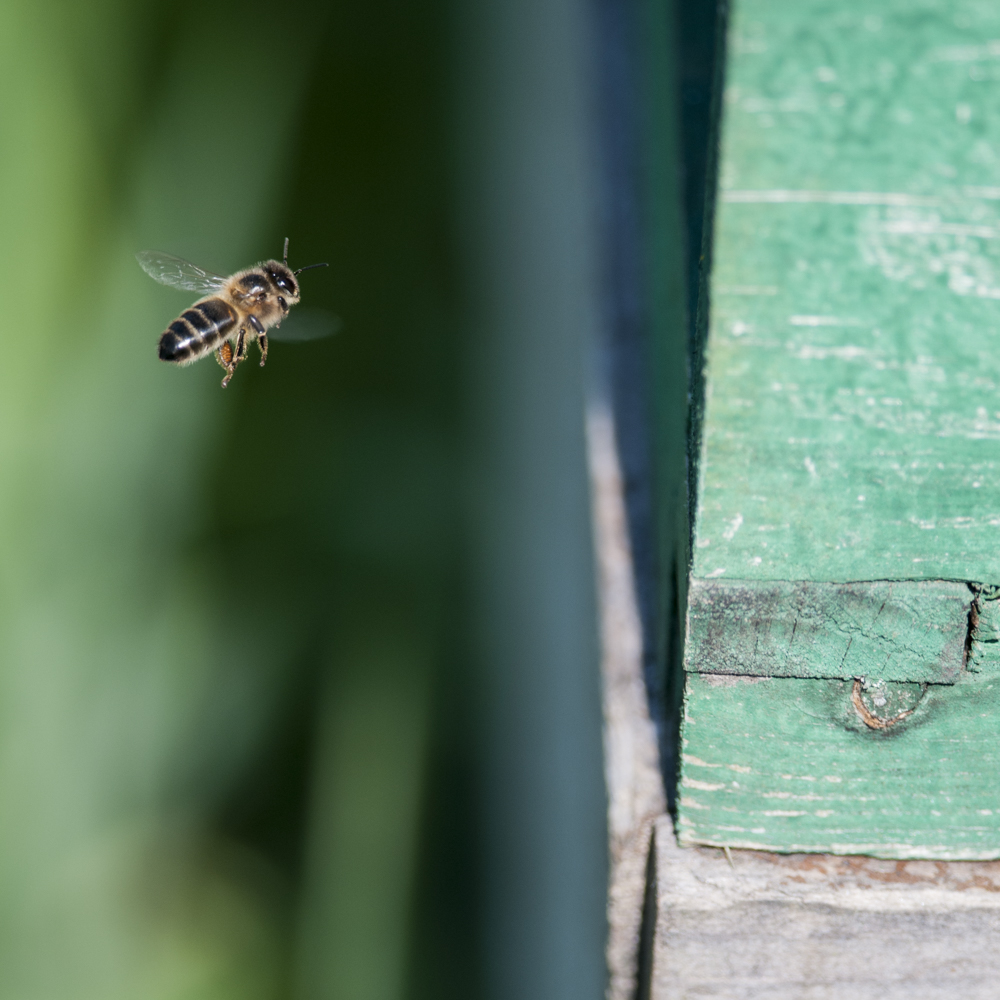
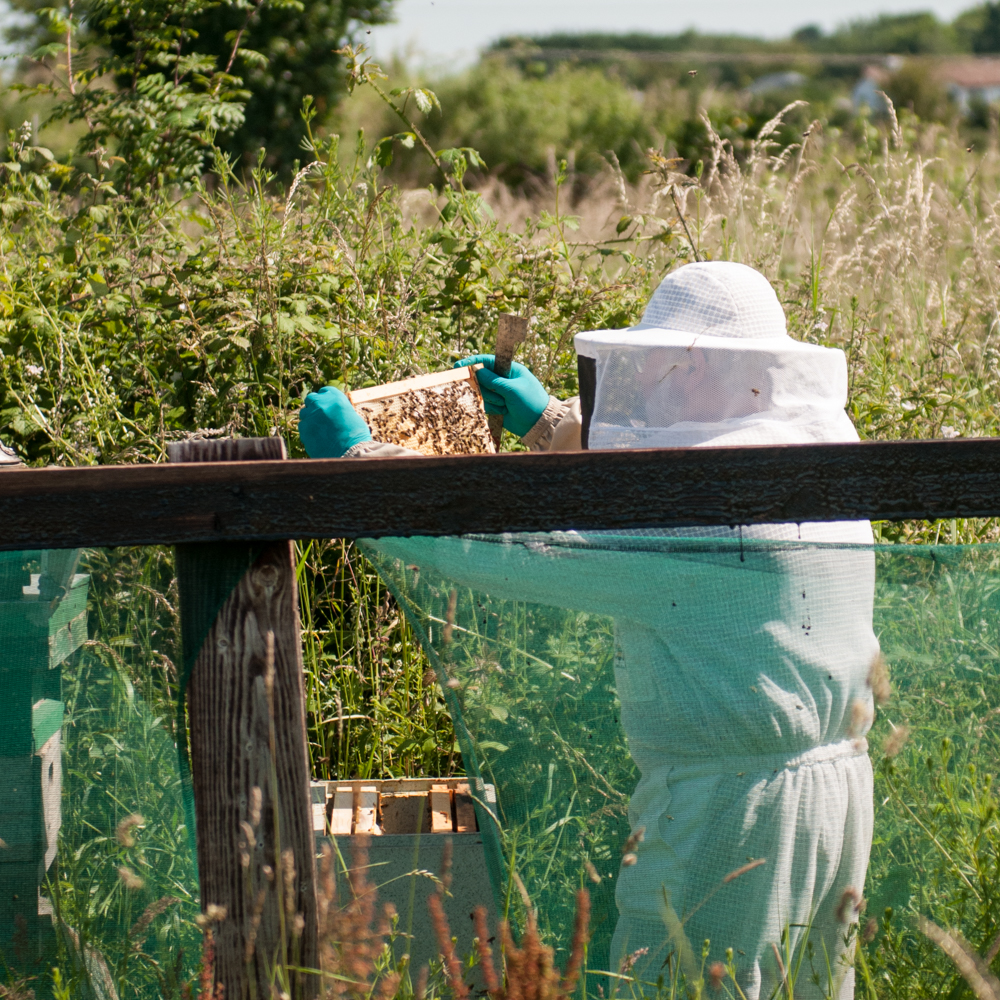
The bees have been breath-taking and we feel truly honoured to have hives managed by beekeeper Gerry on our farm. We leave the kale flowers, we grow wildflowers, and crucially we use no chemicals, all these things mean their population is healthy and growing, and at least on our little farm they are safe. 
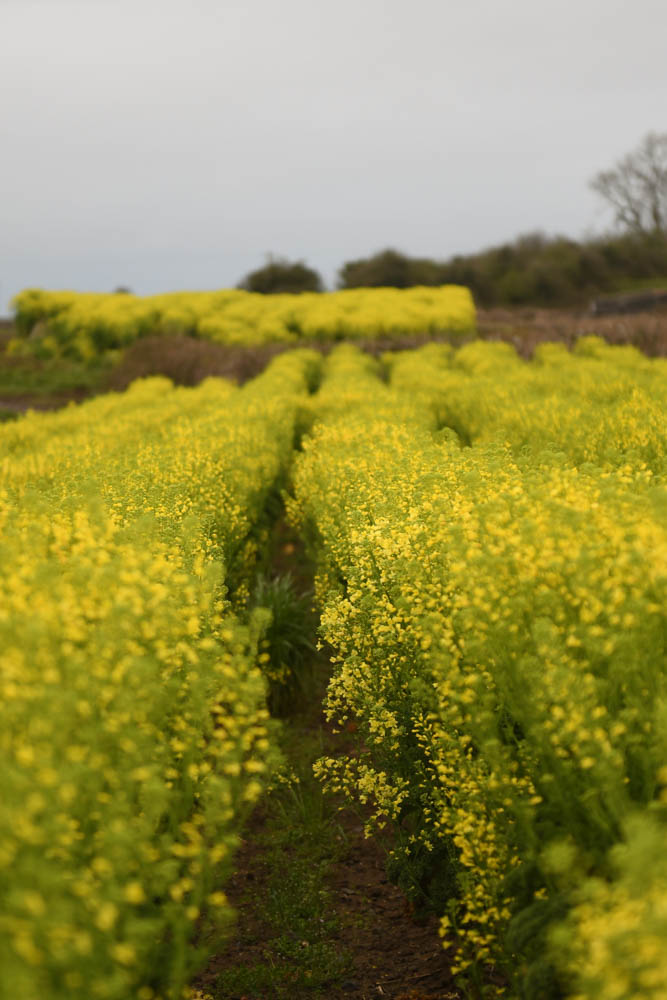
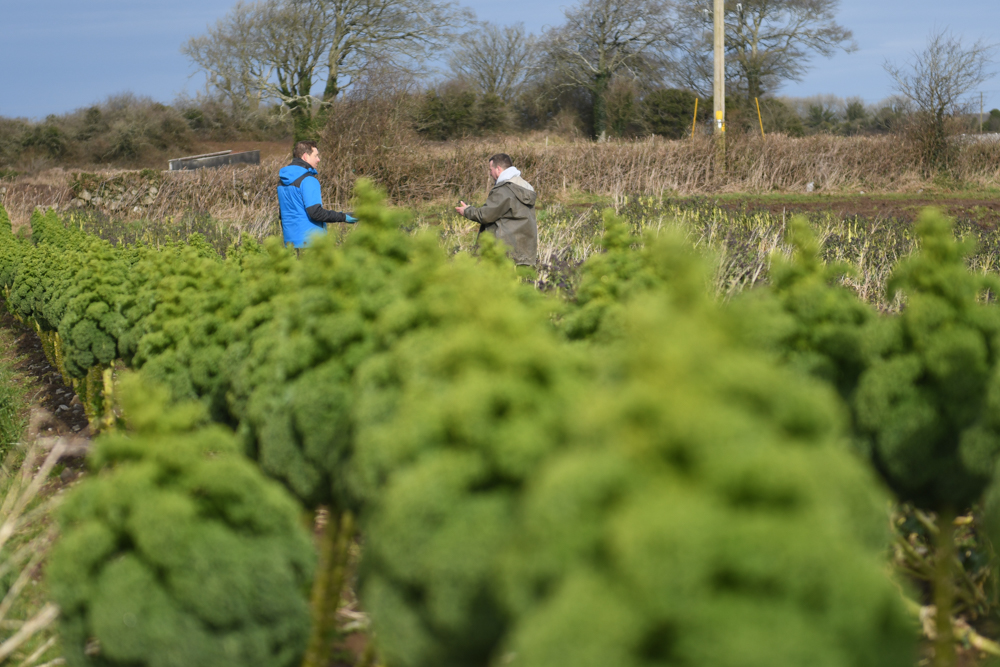
If you go and stand in the middle of our kale and be still with the bees flying all around you can feel truly connected. But even on a farm and being outside, feeling the pressure of the weather (that it might break at any minute) and the endless list of equally high priority tasks, it is difficult to find the discipline to stop and be still, there is a craving to keep moving and doing.

Maybe it wouldn’t be such a bad thing if the bells started to ring again at 12pm every day as a reminder to stop, I think I for one would appreciate it.

Kenneth
The First Swallows

The first swallows arrived today on our farm, I don’t know if everybody feels it, but it lifted my spirits. These little creatures traverse half that world, arrive here on our shores against all the odds for the summer, to nest and reproduce. They symbolise hope, they are beautiful and graceful, and we are honoured to have them. 

That moment yesterday was a great one, the week I have to say has not been filled with swallows! But yesterday for at least a moment everything felt just right, it was fleeting but that’s life I suppose. 

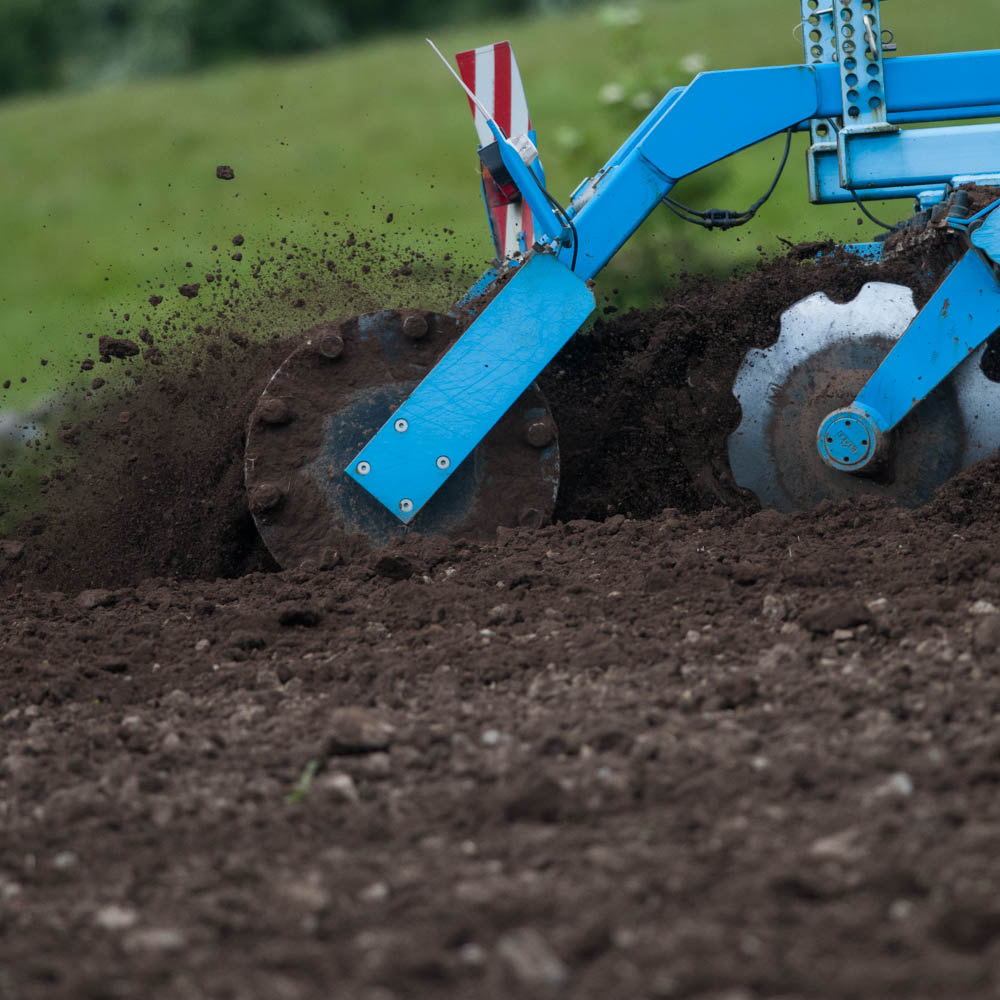
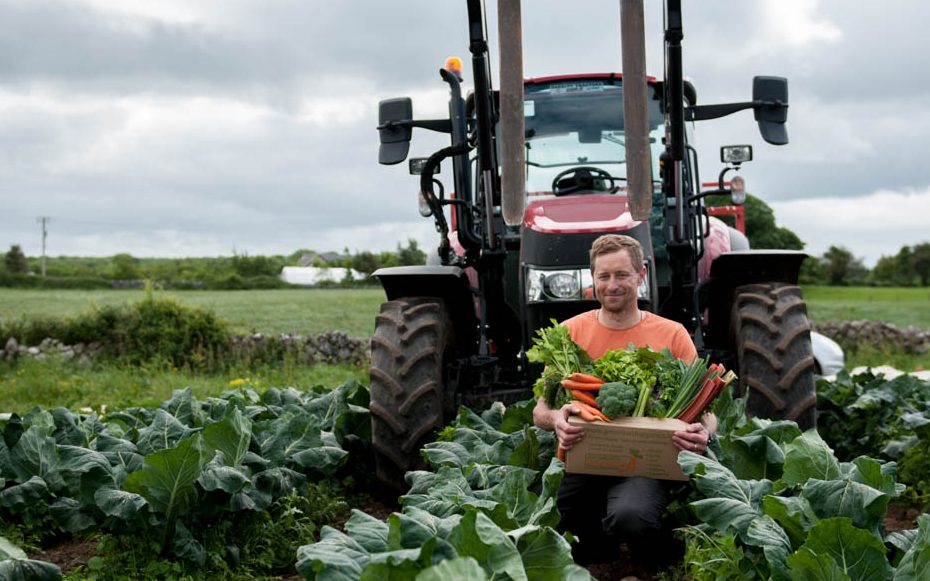
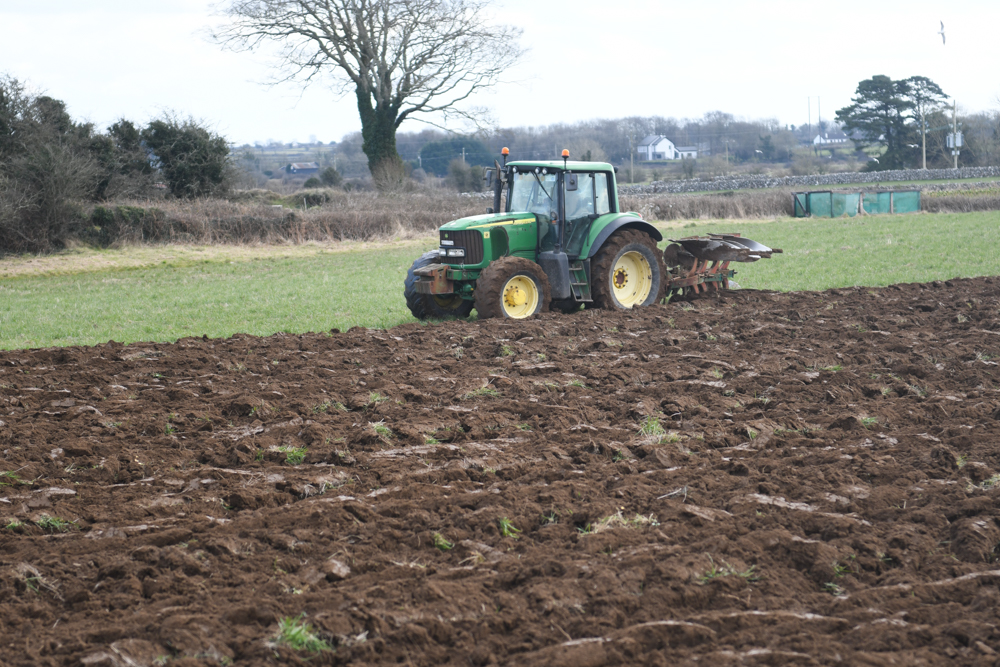
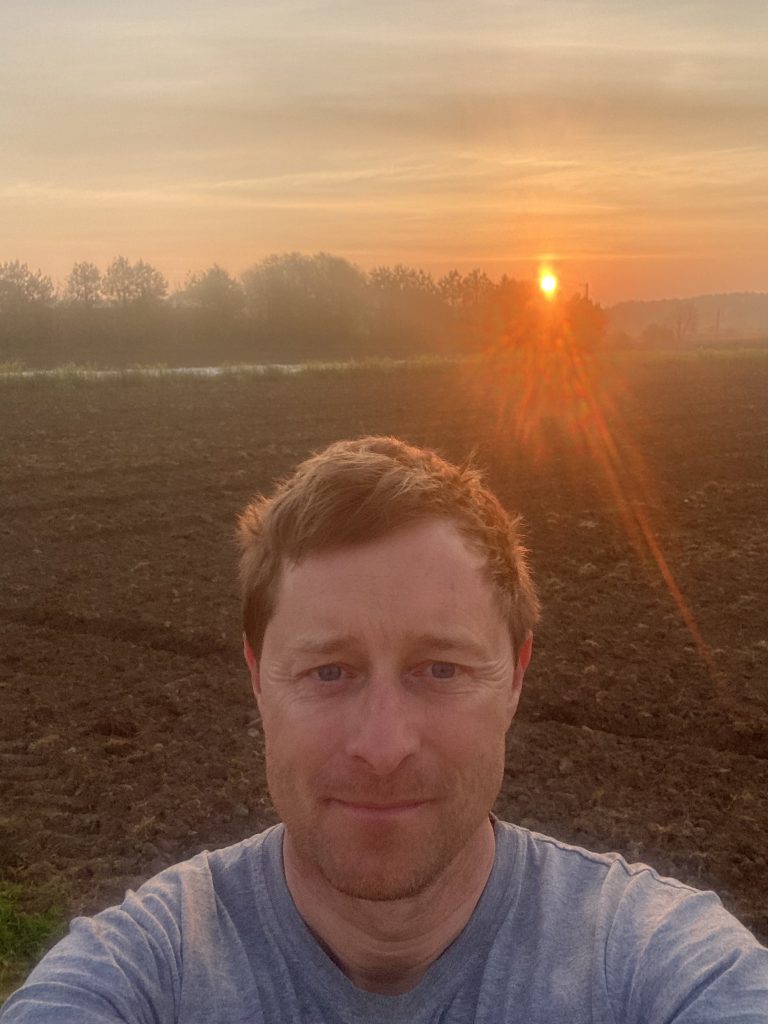
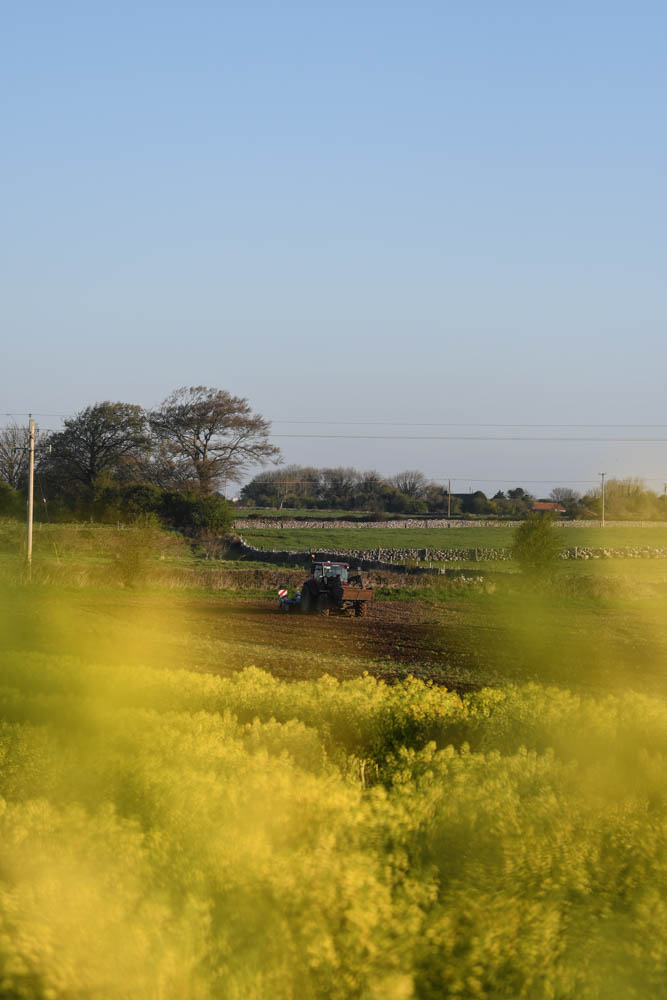
I was out in the tractor tilling and preparing the land for the first plants. The hedgerows were bursting with life, the trees were unfurling their leaves, the birds were singing, and the kale and the wild flowers were blooming and swaying the in the warm wind, the bees were everywhere. For a moment all was right, it seemed to me that the universe was reminding me that we are on the right track.

All around on our farm was an abundance of happy healthy life, sustained on this patch of land, free from chemicals and covered in trees and flowers, and in this little area surrounded by all this life we grow your food. 

The moment was fleeting and life as it does closed in again. How to hang on to these moments of clarity has been the study of ages, and I guess I have quite a bit to learn yet. Nevertheless, it shows that unity is close and sometimes unexpectedly it enters and fills our souls with joy. If life on the land has taught me anything, it is to expect the unexpected and this moment was truly unexpected and thoroughly appreciated. 

These last two years have been that too. The business of growing food is challenging but very rewarding, it is the selling of the food that can provide the greatest challenges. It is in this arena that you have to go out and interact and compete in the real world and that can be tough. 

We certainly have learned our fair share of lessons over the years and continue to learn. Nothing it seems stands still. Life and business are very similar in that regard, they require continuously evolution and change to grow and survive, but maybe we need to aim a little higher than just surviving, have we not had this opportunity to thrive and do the rights things in the right way.

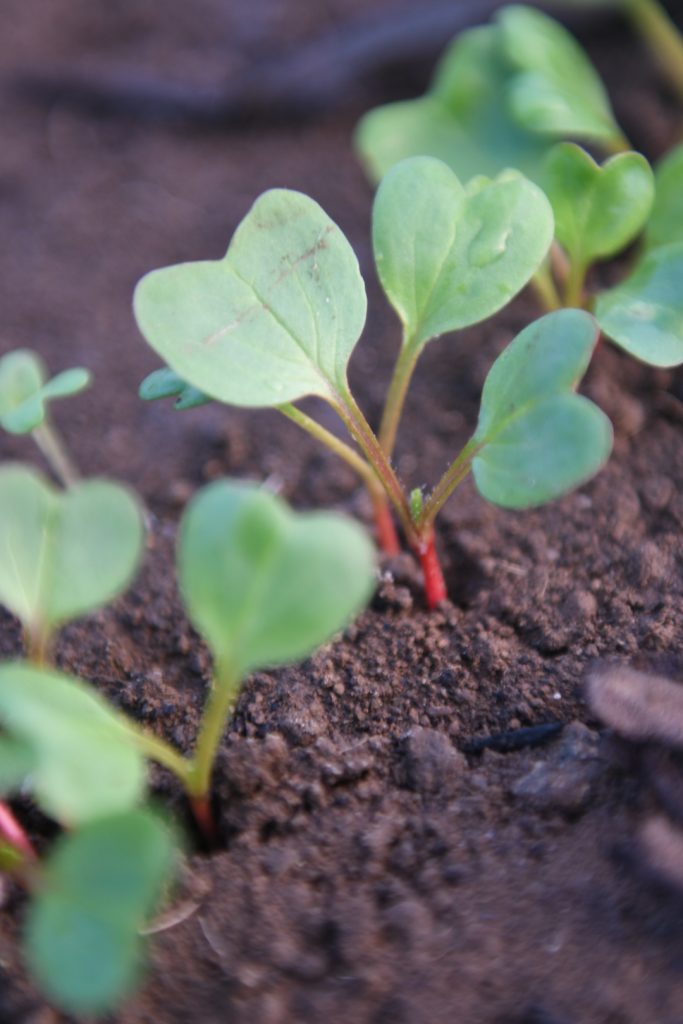
So, it begins, the start of the season is upon us once again, and philosophical musing aside, it is our 17th growing season, and this fills me with hope. We have the first tomato plants planted in the tunnels, we have the ground ready to plant the first broccoli and Romanesco. The first outdoor lettuce, salad, spinach, and beetroot will be sown very soon. 

We do the right things in the right way here, we definitely don’t always get it right, and we certainly have plenty to learn, but maybe little by little bit by bit, and with your support and help we can improve and grow and maybe the little swallows will continue year in year out to grace us with their presence.

Thank you, little swallows, for the moments of joy. 

Kenneth 

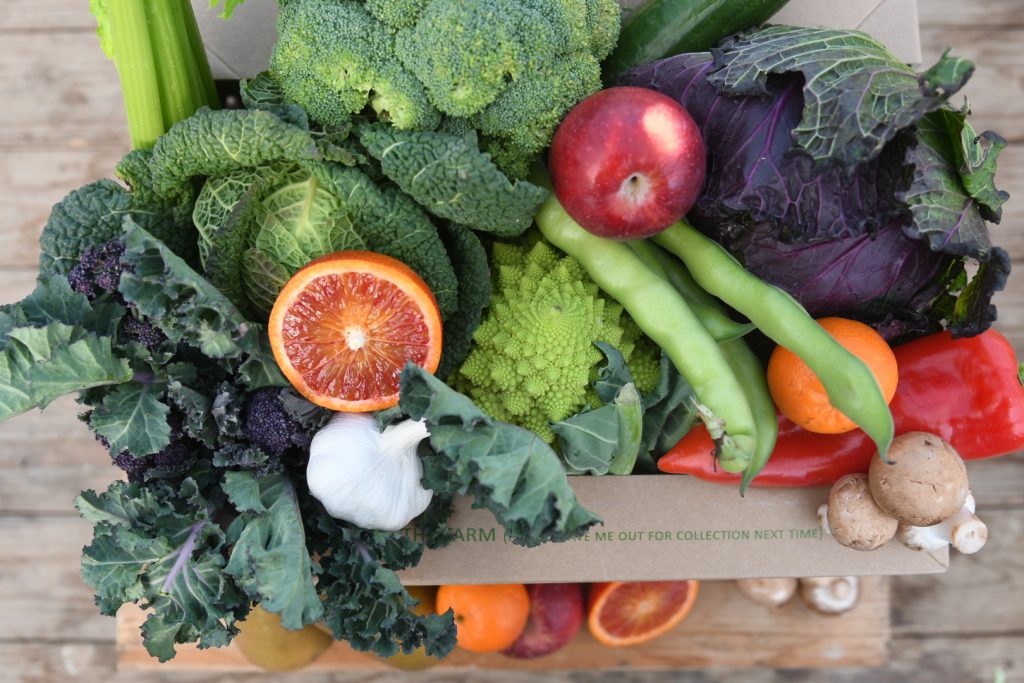
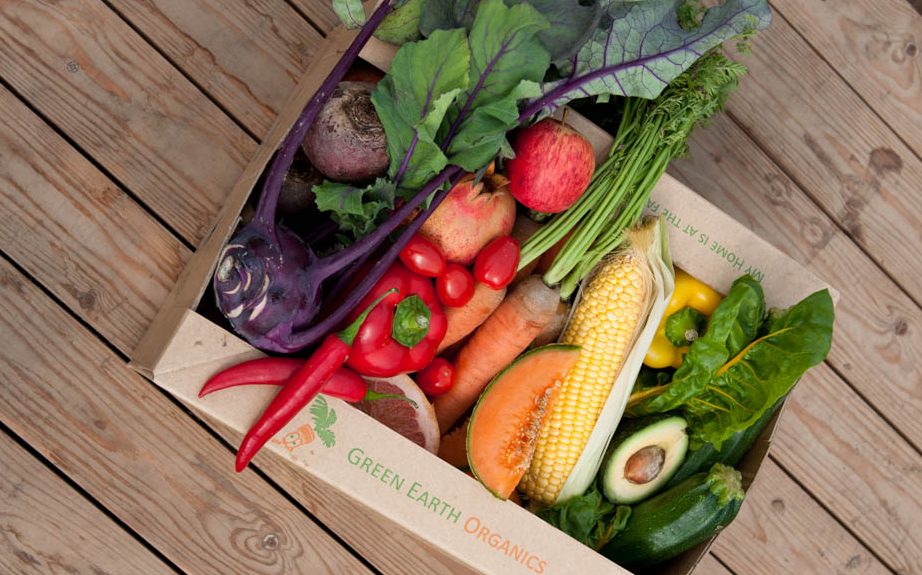
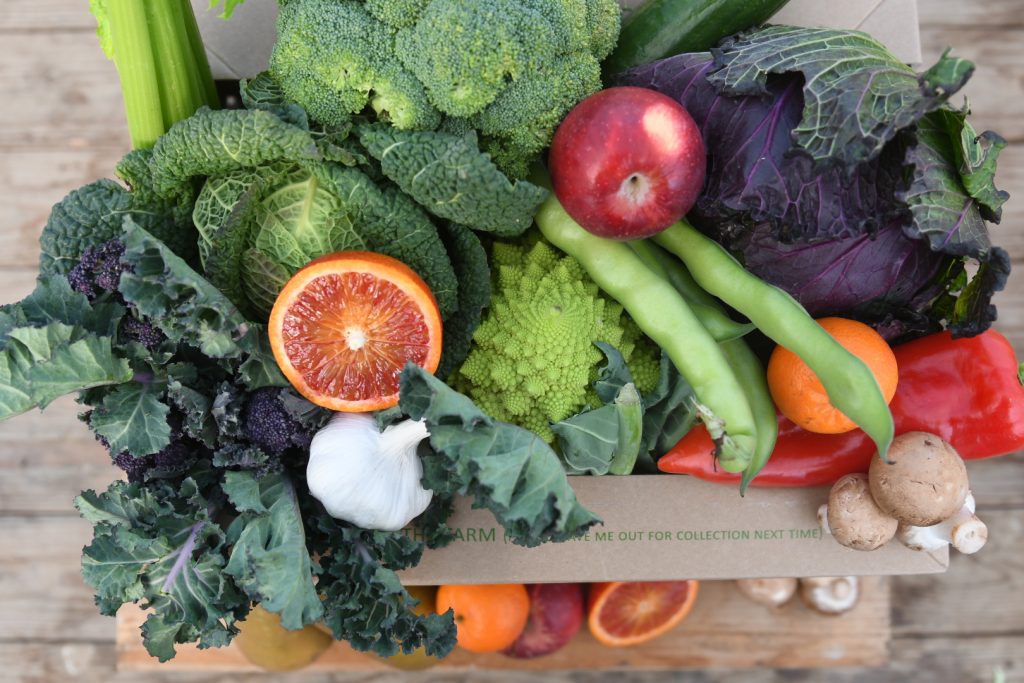
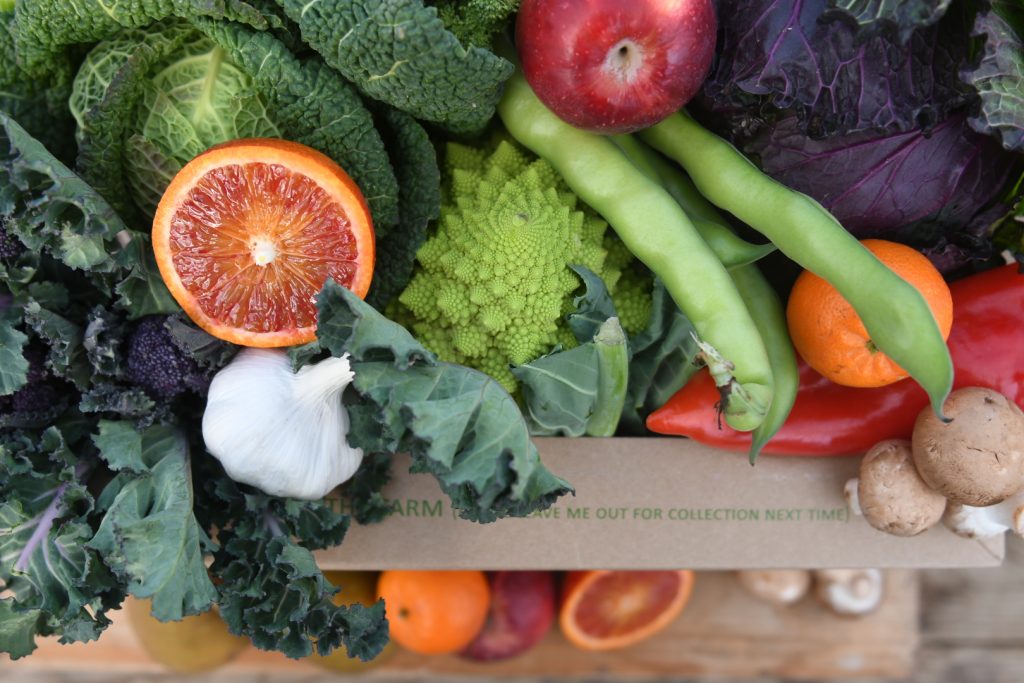
Order a box of organic fruit, vegetables and groceries to be delivered to your door, anywhere in Ireland.

Corporate Rewards

Reward your Staff, Customers & Clients

Start a corporate rewards program with us – a simple way to show clients, customers, and employees your appreciation while supporting sustainable, organic, Irish vegetable farmers.

Give the Gift of Health & Sustainability

Are you part of an organisation who rewards their employees regularly? Would you like a healthy and sustainable option? We can help. We can provide vouchers and coupon codes specific to your organisation. Contact us to see how we can deliver organic, plastic free fruit, vegetables and groceries to your employees and clients all over Ireland. Email info@greenearthorganics.ie to discuss what we can do for you.

We can also organise tours of our farm as part of the package. Kenneth gives a two hour walking tour of the farm here in Galway with an interactive talk on food, sustainability, our health and the health of the planet. Get in touch to see how we can enhance your green credentials and your employee happiness.

Who We Are

We are an organic vegetable farm in Galway with a nationwide delivery scheme. What we don’t grow ourselves, we source firstly from other organic, Irish farms, then fill the gaps with organic produce from as close to home as possible. We never use airfreight. Sustainability is at the heart of our business, here are our 5 pledges for the planet:

1. Always Organic

We promise to only grow and supply organic, sustainable ingredients and products. This means we will produce food in a way that works with the environment and wildlife, not against it.

2. Plastic Free

Wherever possible, we promise to use plastic free packaging. We pack produce loose or use paper, card or compostable bags. We also have a growing plastic free grocery section.

3. Locally Sourced

We promise to bring you Irish produce wherever possible. To keep your kitchens well stocked we will also source organic produce from as close to home as possible. We promise to never use air-freight.

4. Speak Up

We promise to never stay silent about important environmental issues because the damage we are doing to our only home is real. We will create helpful, informative content to discuss what we can all do to change and we promise to pull no punches when it comes to saying it how it really is.

5. Carbon Neutral

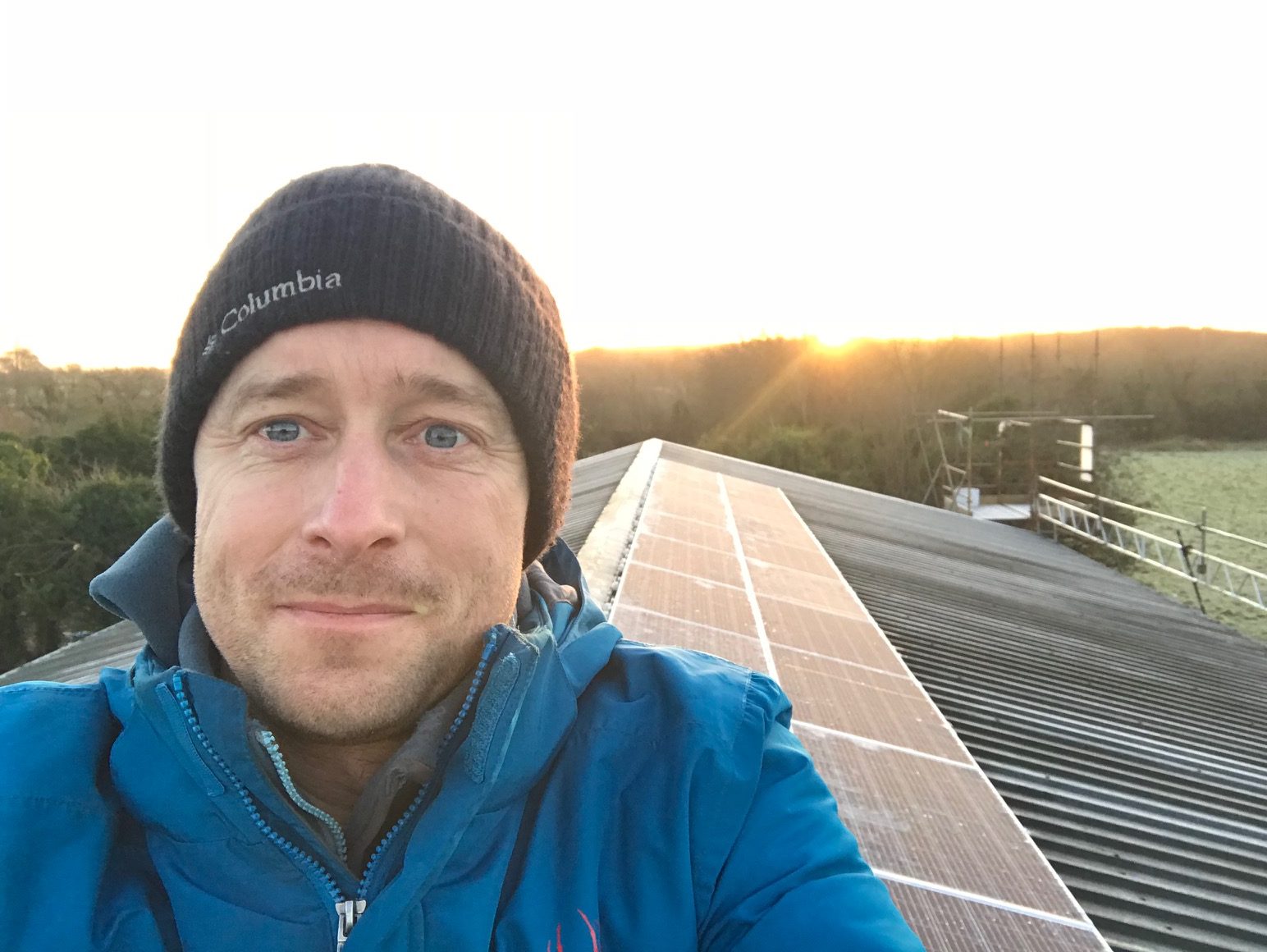
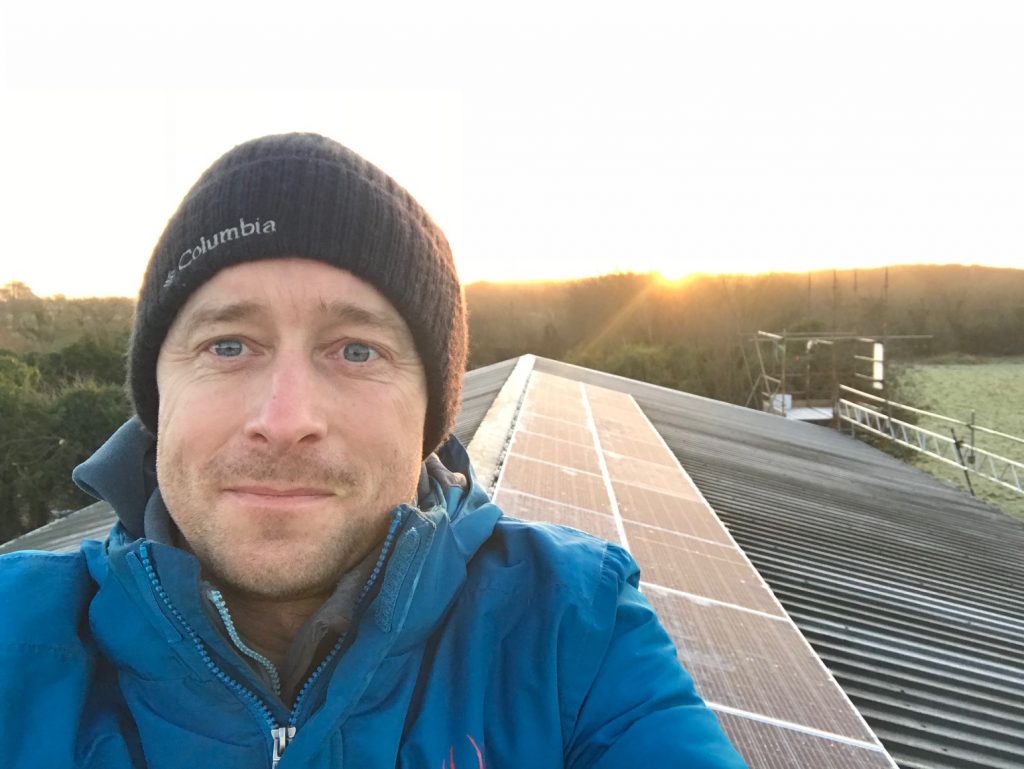
We promise to use renewable energy on the farm and in other areas of our business wherever possible. We have solar electricity on our packing shed and have planted over 7000 trees on our farm to offset other energy uses. 

Where Would the World be Without Bees?

We love our bees here on the farm, to the extent that we grow wildflowers for them and we leave nearly an acre of kale to go to flower just to feed them and we have beehives on our farm too, oh and of course we don’t use any chemicals on the food we produce.

It was many moons ago in a life that was never quite meant to be that I finally realised what it was we needed to do with my grandad’s farm.

You see 20 years ago I was very comfortable working away for the biotech industry in the UK, working in a laboratory researching different chemicals for this and that.

I am a research chemical scientist turned organic farmer and I have a very healthy respect for science. But there is one thing I do not agree with, it just does not make any sense to me, and that is the whole scale blanket application of chemicals on our food.

Chemicals that are meant for a laboratory should stay there, and if they are toxic to some life then generally speaking, they will be toxic to other life, it isn’t even that chemicals are ‘bad’ it is the prevalence and ubiquity of them in our food chain and our environment that is harmful.

They are in our food, and they are not good for us, but they are not good for life in the countryside either, they really aren’t. Take a family of chemicals called the neonicotinoids deemed safe for years but then it was found that they do irreparable damage to bees and other insects. How on any level can using a chemical like that as a blanket spray across our countryside be justified? 

Many of these chemicals too do not just sit on the outside of the plant they are systemic by nature. That simply means they are absorbed into the plant and do their damage from the inside out, washing veg and fruit doesn’t remove them.

Some produce are more heavily sprayed that others and two that regularly feature in the ‘dirty dozen’ are kale and spinach which is ironic as both grow very well in organic systems. Eating organic of course is one of the easiest and best ways to avoid this unhealthy exposure.

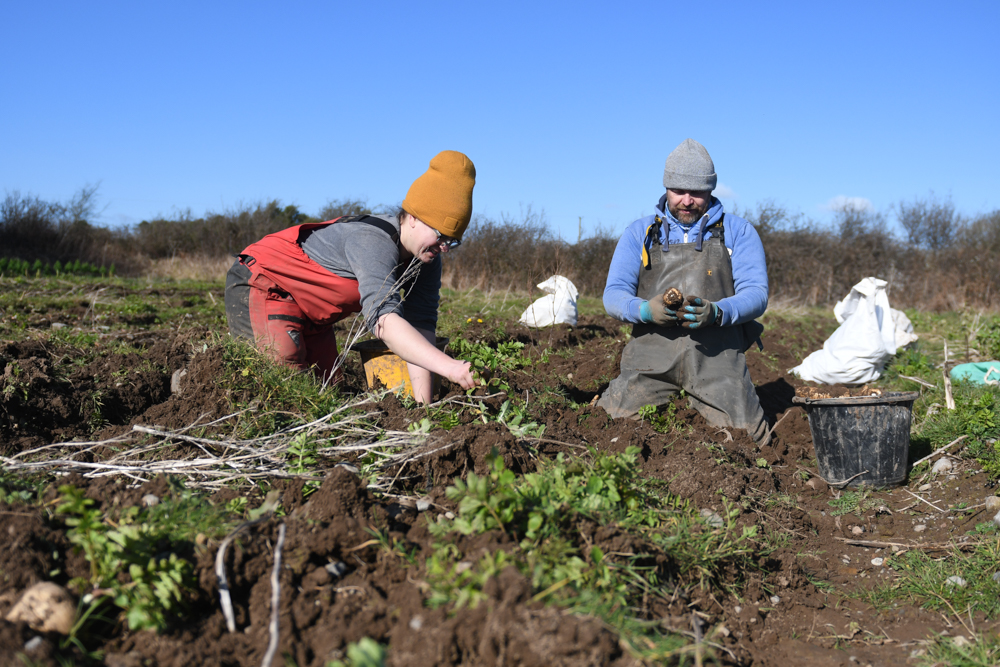
You see it is possible to grow great food without the use of chemicals, it is a little harder, it takes a little more attention and planning, it requires more labour but isn’t it worth it in the end?

Surely the production of food in a way that contributes to our health and the health of the planet, a way that enhances and protects biodiversity, a way that encourages working with nature rather than against it, a way that gives the bees on our planet a lifeline, surely this must be the best, no scratch that, the only, way to grow food? 

So maybe it is time to take good hard look at how we produce our food and embrace a better more positive way, because in the end we are what we eat.

Kenneth
Time For Action

We spoke at our dinner table last night about the recent IPCC report on climate change, our three children went away from the table feeling worried and upset, that was not my intention, I should have held my emotions in check and thought through how I was going to approach the subject, but I was agitated and upset and angry and I guess that came across. There is hope of course, but there has been too much talk and not enough action. 

The time for talking is over and the time for action is here.

“A litany of broken climate promises, a file of shame, cataloguing the empty pledges that put us firmly on track towards an unliveable world, we are on a fast track to climate disaster.” 

UN secretary general Antonio Guterres, stated this week. He does not mince his words and delivered a damning verdict on the actions of governments and businesses that are not only turning a blind eye, but are simply doing the opposite of what they promise. 

This is a climate emergency.

How many times have we heard this before as governments gather to discuss the climate emergency, the biggest single challenge facing us on this planet today. How many times have businesses and heads of state paid lip service to the actions required whilst heading off and doing the exact opposite of what they have promised.

This simply does not cut it, it is not good enough, it is as always, profit before all else, it is putting the interests of powerful lobbying groups and naysayers above the truth the urgency and the facts.

There is little doubt and no question that now is our last chance, and it is refreshing to see the increased news coverage of this most recent report and the fact that the language communicating the urgency has changed.

“It’s time to stop burning our planet and start investing in the abundant renewable energy all around us” 

There has never been a better time, with more pressing reasons and with more urgency to transition away from fossil fuels. 

“If we are to limit warming to 1.5C then net GHG (green house gases) emissions must peak by 2020 and at the latest by 2025” The latest IPCC report stated.

Rapid and deep CHG emission reductions must happen by 2030 to 2050. Currently we are on track to a median global warming of 3.2C, which will render much of our planet unliveable by 2100. 

There could not be greater urgency, or a better time to meet our commitments as a community, country and planet.

It was this Monday and hearing the results of this latest report that we have finally decided that the time for indecision is over, we have a 11KW supply of solar panels on our roof but we are going to add a further 17KW in the next 2 months, the loan has been approved to fund the system and we are ready to go. We have committed, we aim to produce as much of our electricity here on our farm from the sun as possible.  We are also in the next couple of weeks announce a partnership with a tree planting charity and donate a percentage of all our sales to planting more trees here in Ireland.

Kenneth
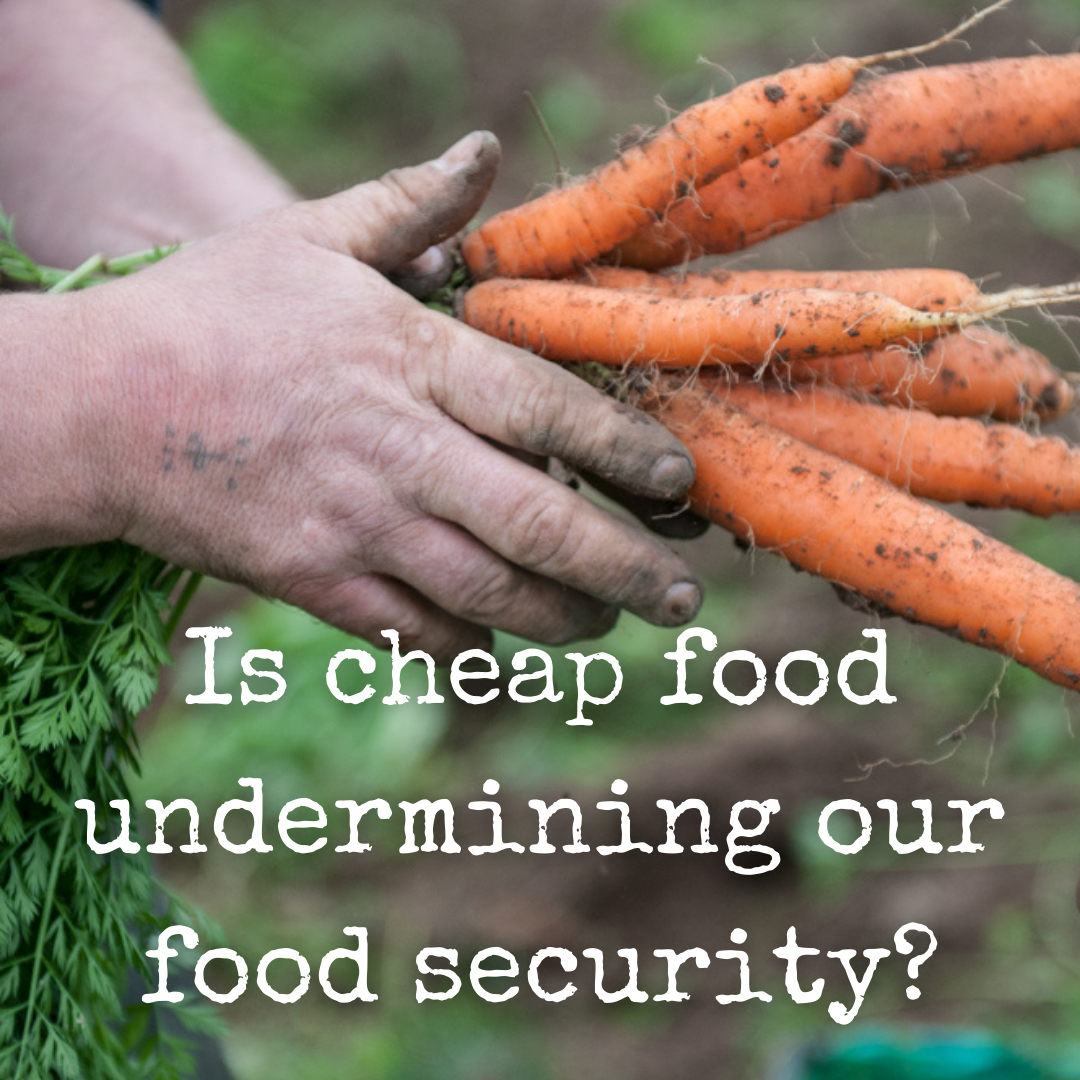
Is Cheap Food Undermining Our Food Security?

This was a piece I was asked to write for the Sunday Times last weekend:

The start of a new growing season is upon us, and it always fills me with a sense of hope for the future. The plants will grow, and in a few short months we will be harvesting some of Ireland’s finest bounty. As with many growers, and food producers up and down the country this is a key time, but this year it feels different; the costs of producing food are skyrocketing, there is a sense of nervousness, the price of inputs are up and at the same time there is a squeeze on prices to meet the demands of the big retailers. And sometimes the sums just do not add up.

What does all this mean for a little country that is intensely reliant on food imports for its survival? As a food producing nation it seems we actually produce relatively little of what we eat, importing a staggering 77% of our food. We have been concentrating and focusing for many years now on developing an intensive and export driven meat and dairy industry, and as the intensification of the industry has accelerated, it has become more reliant on imported grain to sustain the national herd, with 60% of said grain imported. That equates to 3.47 million tonnes of grain feed imported into Ireland every year to feed our animals.

Our food security as a nation has been brought into the limelight as Charlie Mc Conalogue the minister for agriculture stated during the week.“Food security is really important over the next number of weeks and months and it is something we have to work together on.” Well Charlie, I think it is pretty important just about all the time, and it is unfortunate that the tragic events of the last month are required to bring what food we produce and how we produce it onto centre stage.

Irish farmers were asked last week to consider the idea of growing grain and fodder crops to help feed our population and our burgeoning dairy and beef herd. But the necessary skills cannot be magicked up over-night, it takes time, specialised machinery and experience to learn to grow crops on a reasonable scale.

It’s a pity then that Charlie does not turn his focus on the below cost selling practice by supermarkets which has weakened our non-export focused food industry and is causing more primary food producers to struggle to sustain their enterprises. The Jim Powers economics report published this week, states that retail prices compression threatens the viability of Irish horticulture which could lead to even more reliance on imports to feed our nation. The most recent national field vegetable census showed that the number of field vegetable growers fell from 377 in 1999 to 165 in 2014. That is a contraction of 56%

These skills are lost for ever, and once they are gone are difficult to replace.

If we don’t want to end up being a nation even more reliant on imports maybe we should shift our focus from an export dominated beef and dairy industry, to an industry that produces more crops destined for consumption at home and pay the farmer a fair price for the food. Surely that would allow us to invest and build a more secure and resilient food system.

Kenneth
Below Cost Selling

How many more horticultural enterprises organic or otherwise need to go to the wall before we realise it is too late?

A very significant report has been commissioned by the IFA and published this week: the Jim Power Economics’ report states ‘Retail Price Compression Threatens the Viability of Irish Horticulture’. In other words loss leading and below cost selling of fresh produce is putting Irish farmers out of business. 

The report’s findings are far from surprising and many primary producers up and down the country will tell you, the power that large retailers hold is enormous. They have hollowed out the horticulture industry here in Ireland and it is in real danger of closing it’s doors for good unless there is meaningful change. 

It states that farmers are the weakest link in the supply chain, they have the least say in what they get for the food they grow.

Imagine the food we eat, put into our bodies, the very stuff that makes us tick and to a large extent will dictate how long we will live, our fresh food as far as supermarkets are concerned should cost as close to zero as possible.  Are we all complicit in this race to the bottom though?

It is why in part that we ditched supply to the supermarkets all those years ago, in the famous words of Frank Sinatra we decided “to do it our own way”.  It isn’t all roses either here as we are constantly competing with the very idea that food should be cheap, and we cannot compete with the supermarkets. 

But it really is only through your support, by reading this, by supporting our business and farm week in week out that we are still here and have expanded our farm and continue to grow healthy happy food, whilst nurturing the land for 16 years.

The report goes on to say:

“A cheap food policy is not a sensible food policy”

It singles out the discounters as the main driver that have severely undercut the price given to Irish farmers, and as a result all other major retailer have had to follow suit to stay competitive. The end result is less for the farmer. This year the second biggest Brussel sprout farmer in Ireland closed his doors for good as the price he was getting for his food meant his business was unsustainable.

I really wonder how many of those farmers that adorn the walls of the supermarket aisles have forced smiles on their faces for fear of losing their contracts? 

As real costs increase and as the price the farmer gets paid for the produce decreases how does that equation end up? Yesterday we paid over €2000 for agri diesel for our tractors, last year it was less than half that.  It clearly is not sustainable.

Where will all this end, I wonder? Well maybe, just maybe, it will end with change, and with more and more people making the choice to support local food where possible, even if it costs more (and yes in these times that is a big ask). 

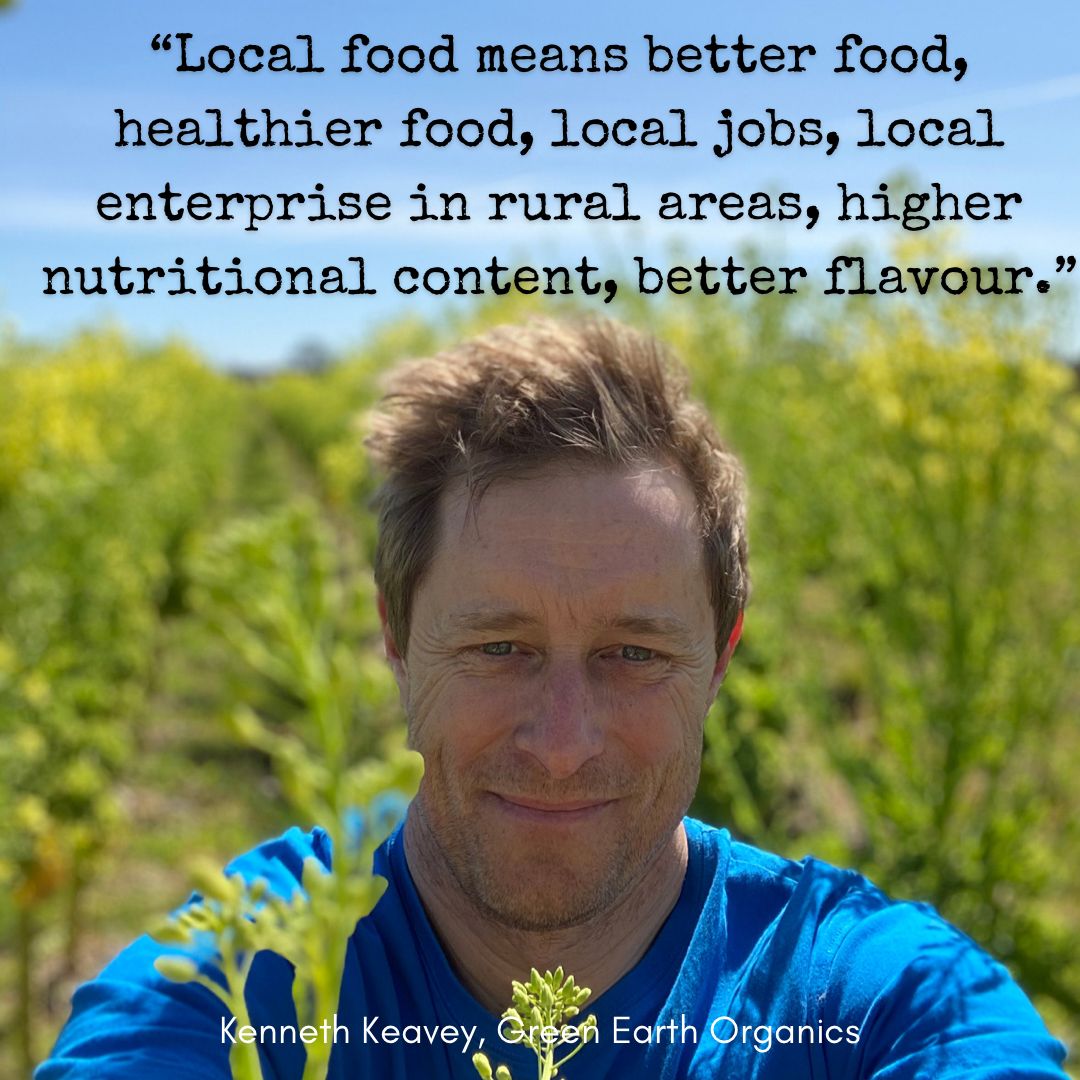
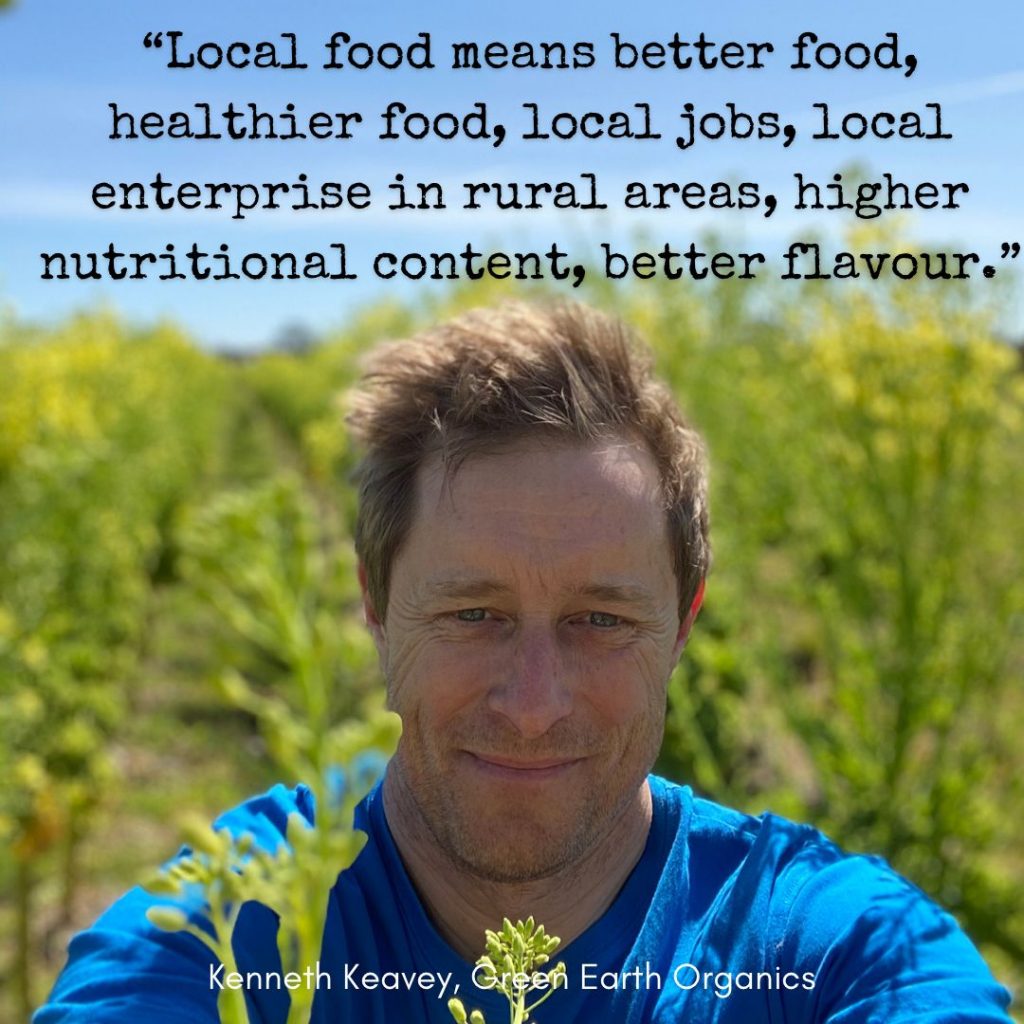
But the benefits are immense: Local food means better food, healthier food, local jobs, local enterprise in rural areas, higher nutritional content, better flavour.  If it is organic too then the health benefits and the benefits to the planet are surely worth something too?

Kenneth
New Beginnings

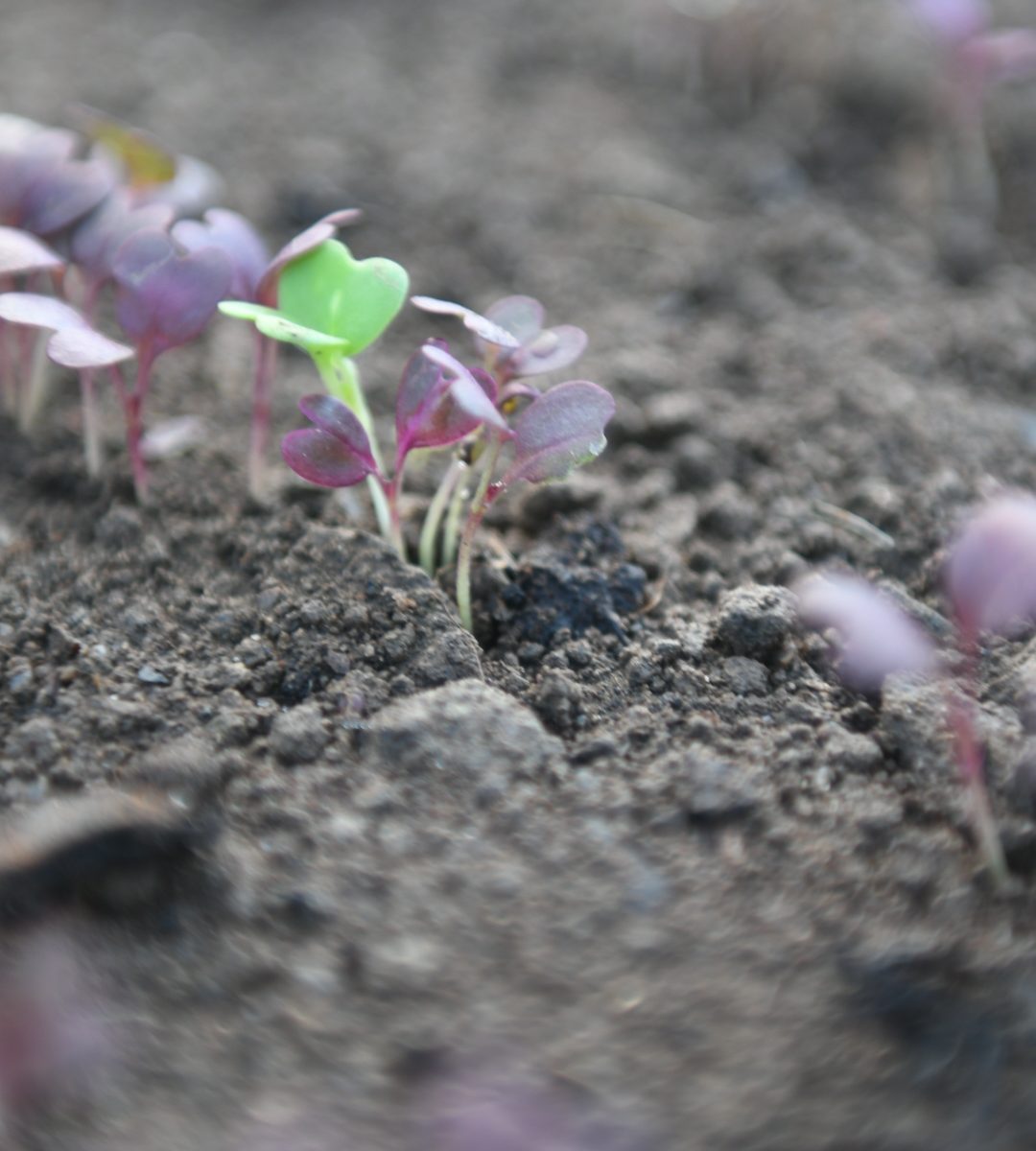
A sense of possibility and new beginnings is naturally in the air in Spring. On the farm, maybe it is the start of the new plant and seed arrivals that kindles this feeling, there is a sense that we can do things better this year, that we will try a little harder to get things right, that all will be well in the end.

Nature is waking up, the birds are singing, the daffodils are blooming, the new leaves are beginning to unfurl on the trees. The extra daylight means that life cycles are changing and growth increasing, it is a natural rhythm, and it resonates on a subconscious level if you let it.

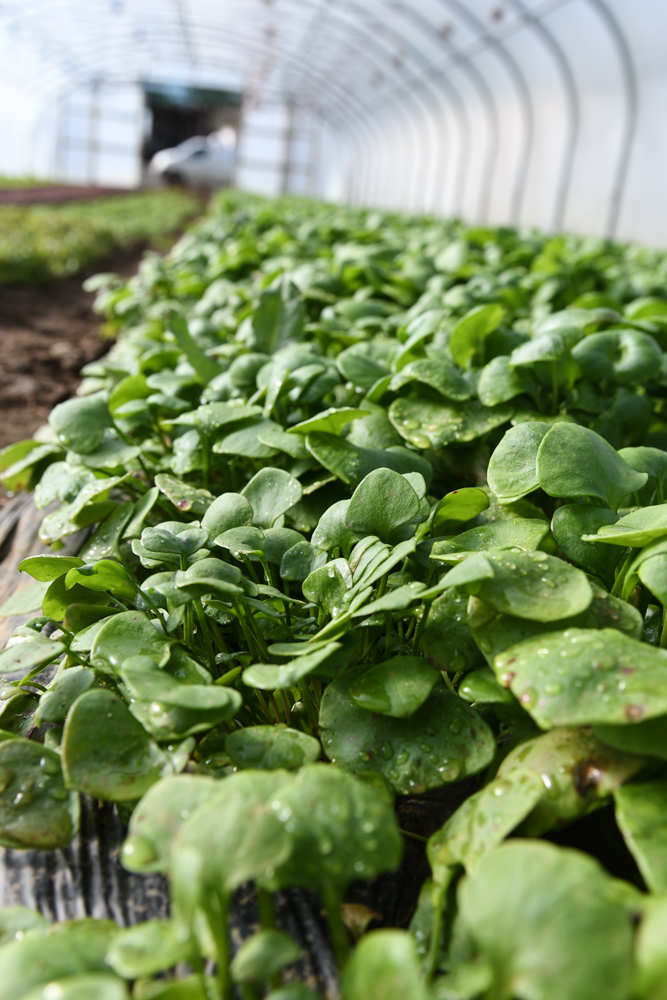
Even our lovely new season salad is responding well to the extra light, and we will be harvesting our first crop of the new season next week.

The sun is higher in the sky and on clear days you can feel the first tendrils of warmth, there is more power too in its rays, the plants respond to it, we respond to it and the solar panels on our shed respond to it!

Frequently now we can see plants growing, hear the birds singing and the insects buzzing well before it is time. This can be symbolic of a world out of sync and it has ramifications for all living systems.

Planning a season of vegetable growing on the farm becomes more of a gamble as the natural order we rely on can change unpredictably and dramatically.

The change in our weather is a complex global problem, and the solutions too will necessitate change on a global level. But maybe the solutions are also simpler that we think, down at the level of you and I there is much that can be done.

Sometimes it seems to me that simple, traditional solutions can be overlooked. Planting trees is one of the simplest ways to help redress the balance, something we have done quite a bit of over the last number of years.

By supporting local food growers like us and the range of other growers we source from, you too are doing your bit to tackle the climate crisis.

The prediction of the weather for the year ahead was often associated with a saying closely tied to trees:

“Ash before oak you are in for a soak, oak before ash you are in for a splash”.

We are watching this closely, as yet there is no news… Nevertheless, if living and farming in the west of Ireland has taught me one thing it is that the weather is unpredictable it changes fast and sometimes when you least expect it, it surprises you.

Kenneth
PS Thanks, to your generosity over the last two weeks in donating to the Ukraine crisis. We will announce the final figure next week, but currently we have raised with your help just over €4500 for the Ukraine appeal. Thank you so much.

Hope for the Future

What a week it’s been. It seems wrong to feel you are struggling with everyday issues when there are such terrible things going on in the world, and yet life goes on. We still need to get up and do our jobs and get on with all the other things that life brings to our door.

As we push on into 2022 it is hard to know which way to look to understand what kind of a year it will be. A few weeks back there was plenty of reasons to be optimistic, finally we were emerging from a dark period and there was a sense of relief and hope for the future, much of that now seems to have changed.

Our heart here on the farm has gone out to the people of Ukraine, and there have been some emotional discussions, and discussion too about what we can do as a small business to help. We decided there certainly were things we could do, easily and quickly, so we did them. We have changed our donation box to the “Ukraine donation box” it is €30 and we are topping up the value by an extra €10 for each box. We are also donating €1 for each delivery we make this week (and next). All of the money raised will be given to UNICEF Ireland. We have decided to keep the appeal going for another week and we have already raised close to €3000! So, thank you so much to all who have bought a donation box or received a delivery this week.

I have found at times this week as the real pressures of business bear down and the cost of living and the inflationary pressures increase that there is no where to turn to. We seem to be caught in a perfect storm, we are in the food production and delivery business, the cost of everything has gone up so much, it is eye watering as I am sure most of you are feeling these cost of living pressures too.

We have been looking at this issue every which way you can imagine and have been trying to keep things on an even keel. We are doing what we can, if you look in the special section of our website you will see discounts on some of the staple products, it may not be much but it is a start and hopefully a help. Remember too we deliver to your door and if that means you save a trip in car not only are you helping the planet now you will also be saving money.

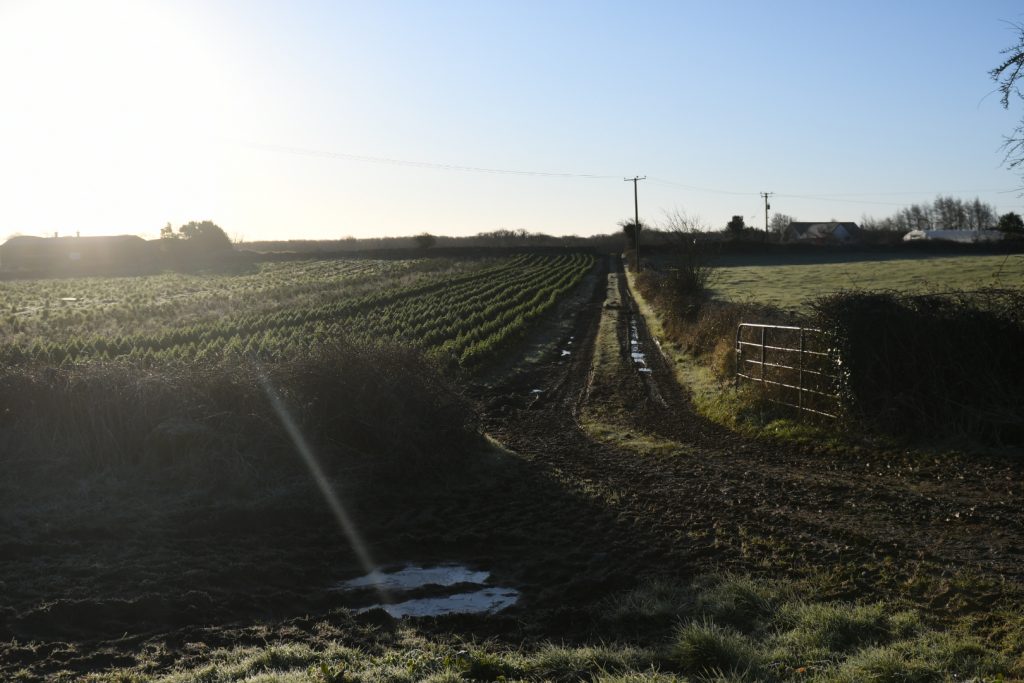
While all of these things are flying around in my head I find that there is always one thing that gives me an unequivocal feeling of progress, hope and optimism for the future and that is the farm. The season is starting again we have ploughed our first fields, we have sown our first crops, we are planting our first plants the week after St. Patricks week. The earth smells wonderful, the birdsong is amazing and the break in the clouds to give us the most amazing blue skies with a frosty farmscape have been intoxicating.

So, whenever things are getting that little bit too much, remember you have been one of the people that have contributed to nearly €3000 for people who need it much more that we do, and the fresh air, the blue sky and the earth beneath our feet are always there we just need to stop and look.

Here’s to a great St Patrick’s week ahead.

Kenneth
PS There is also a 15% off all of our orders for next week just use the code “STPADDYS” when you order.

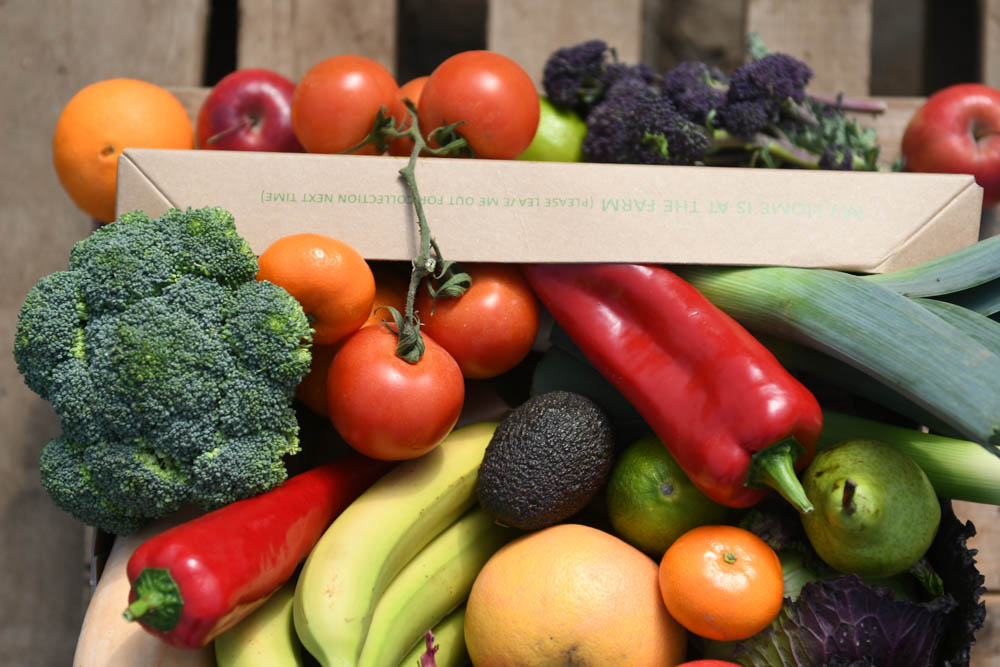
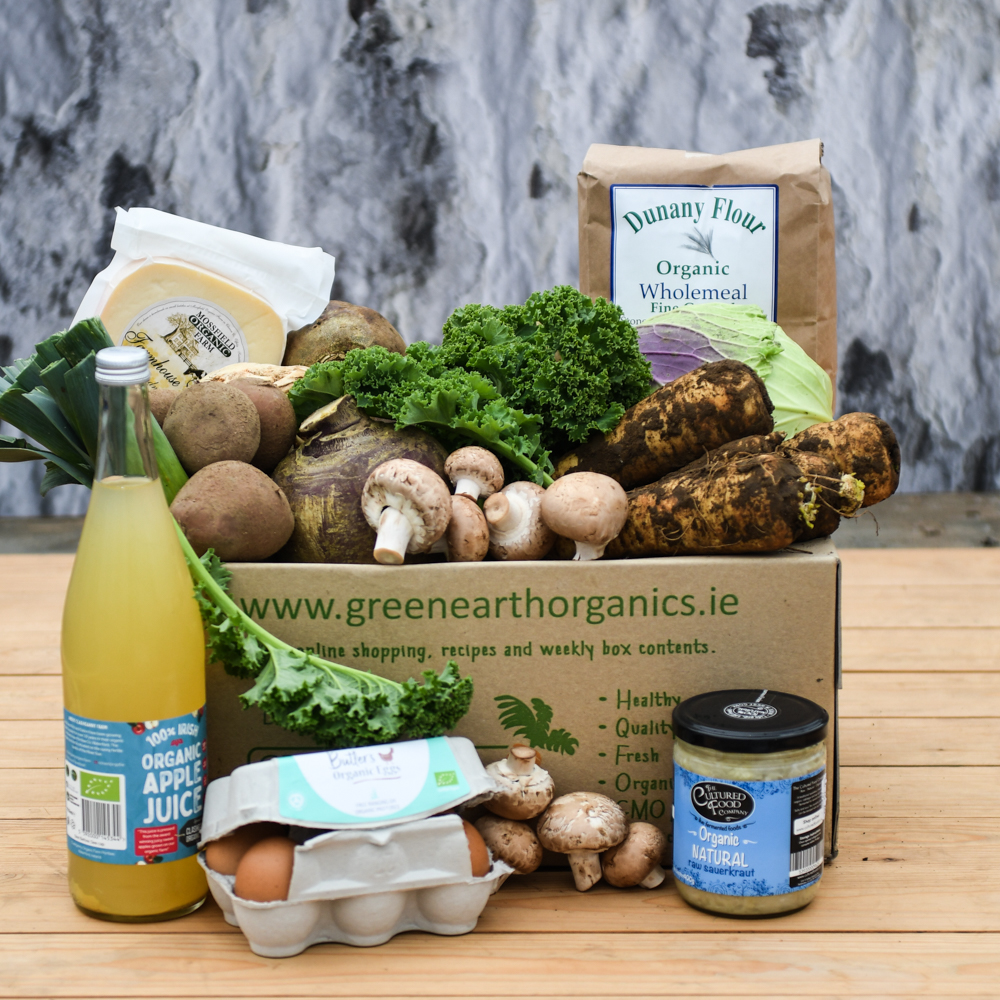
From the farm or IRISH this week: Potatoes, leeks, spinach, kale, mushrooms, parsnips, cabbage (3 types), purple sprouting broccoli, celeriac, swede and chard.

Also Remember we are not delivering by courier next week as DPD are not operating on Thursday or Friday.