farm washing … Not again!

I was at Food on the Edge here in Galway this week. This is a food festival that champions transparency of our food system, and the fight to put good food on people’s plates, from fine restaurants to farms across the country. There was such positivity and a genuine feeling of solidarity.

It was clear that there are many people doing great work to put real food right at the heart of our small country. But the backdrop was less rosy, working in the food industry is tough, plain and simple, whether you are producing, growing or cooking food there are many challenges.

Why is this the case? Why is it that when it comes to food, good local sustainable food that we mostly look for the very cheapest option. There are many reasons for this I guess, but the cheapest is best, a food culture that the supermarkets have carefully curated is a race to the bottom where nobody is a winner. We recognise the need to provide value, but how do you define value, is good wholesome fresh organic food, grown without chemicals where people are paid fairly and nobody is exploited, does that represent value?

There is no denying that value is embedded in the price we pay, and we are no exception and are not exempt from the unrelenting pressure of supermarkets. To give you our customers more value we have reduced prices on some of our fresh lines. But it is impossible to compete with the large supermarkets, they are the gatekeepers and control our food system. In the race to the bottom here are two examples that highlight what is happening: Supervalu just this week are selling organic leeks all the way from Poland.

This is shocking, I know for sure that there is at least one large organic leek grower that they are not stocking, why is that do you think? We know it is more expensive to buy Irish apples, or to grow Irish leeks, we could easily stop growing leeks and just import, or buy imported apples over Irish, but we don’t! Surely it is a great thing to support locally grown sustainable food, it is our business model.

What do you think of supermarkets who create FAKE or PHANTOM farms as a marketing tactic to make us believe they are doing the right thing, greenwashing, or farmwashing spring to mind. Next time you are in Aldi, have a look at the “Egans” brand, what does it suggest, well very clearly it suggests a family farm called “Egans” but “Egans” as a farm does not exist, it is a misleading brand. What are your thoughts on this?

This supermarket culture, and price wars have brought us to a place where fresh food is continuously discounted and used as loss leading fodder. We could certainly be forgiven for thinking that fresh food is worthless, this is extremely disheartening as any grower will tell you.

Of course, this is a race to the bottom which has put the very future of the Irish horticultural industry in jeopardy. Our farm and business model is built on sourcing and growing chemical free sustainable food, we will always support other Irish organic farms and continue to grow local Irish food on our own farm.

Only through your support is this possible,

Thank you.

Kenneth

Fake Farms, what do you think…

What do “Egan’s” and “Farrell’s” have in common?

They are all brand names used on supermarket packed own label fruit and veg. They give you the impression that they are family farms, BUT THEY ARE NOT.  They are marketing mechanisms, to make us feel warm and happy that we are supporting these assumed lovely family farms.

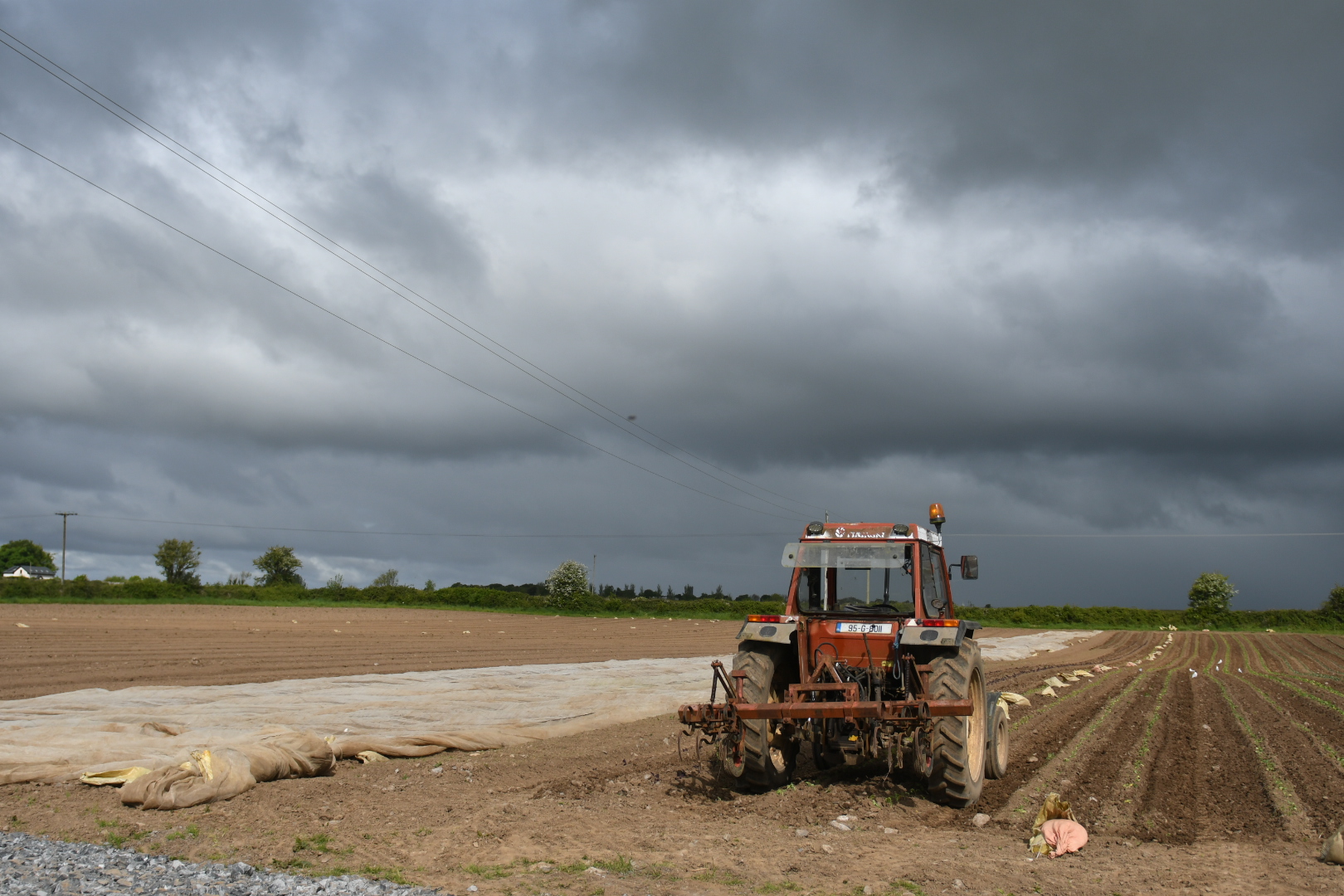
We are working hard on our Real farm to get the autumn harvest out and the conditions are favourable; this is the same in the remaining Irish vegetable farms up and down the country the likes of Beechlawn Organic farm, or McCormacks Family farm, or Philip Dreaper’s farm in Offaly where we get our Irish carrots, or Richard Galvin in Clashganny organic farm who supplies our organic Irish apples, and many, many more.

These family names used in some supermarkets give the impression there is a real farm with a family name behind the carrots, or tomatoes on their shelf. I recently went to check this out in a large Retailer.

In their fruit and veg section I was convinced that “Farrell’s” which was labelled on much of their Irish produce was a family farm and this family were producing a wealth of produce. At least at first glance that was my impression. I’m in the veg growing business I am a grower and understand a little of how these things work and I was taken in by the misleading advertising.

As I looked a little closer it seemed that my original assumption was not at all correct. “Farrell’s” is not a real farm; it is a marketing tool created by the supermarket to give the consumer that warm homely glow of things being done right.

Does it matter?

Well, I think it does, firstly, this is misleading, you are led to believe the produce is coming from “Farrell’s”, and it is not.  

The second interesting point that is worth considering is that this brand allows supermarkets or more frequently large pack houses and distribution centres, to take in produce from multiple farms and blend it into packs, so the carrots may be coming from multiple suppliers and you or I will never know.  This practice is now frequently called “blending”.

This is very helpful for large retailers as it gives it them the balance of power when it comes to price negotiation, and the ultimate flexibility to choose whose carrots or apples to put into their bag.

When the grower is hidden, he has less power to negotiate a fair price and as with all own branded products on supermarket shelves they are cheaper. It is this pricing structure that has done the damage to growers all over Ireland over the last twenty years.

As always with your support our real Farm continues to grow and our support for other REAL growers can be fair and transparent.

Thank you.

Kenneth

PS Thank you to everybody who donated to our Gaza appeal during the week, I am waiting on final confirmation but the total donated is looking like it was €2380, so thank you so much to everybody, we will be topping this up with the 50% of €1190 making the total donation we will make to the UNICEF Gaza appeal €3570. We will confirm this early next week and be making the donation straight away.

Something that really annoys me…

Something that really upsets me is the fact that supermarkets not only sell fresh produce for next to nothing, but they also reject perfectly good produce, leading to increased food waste.

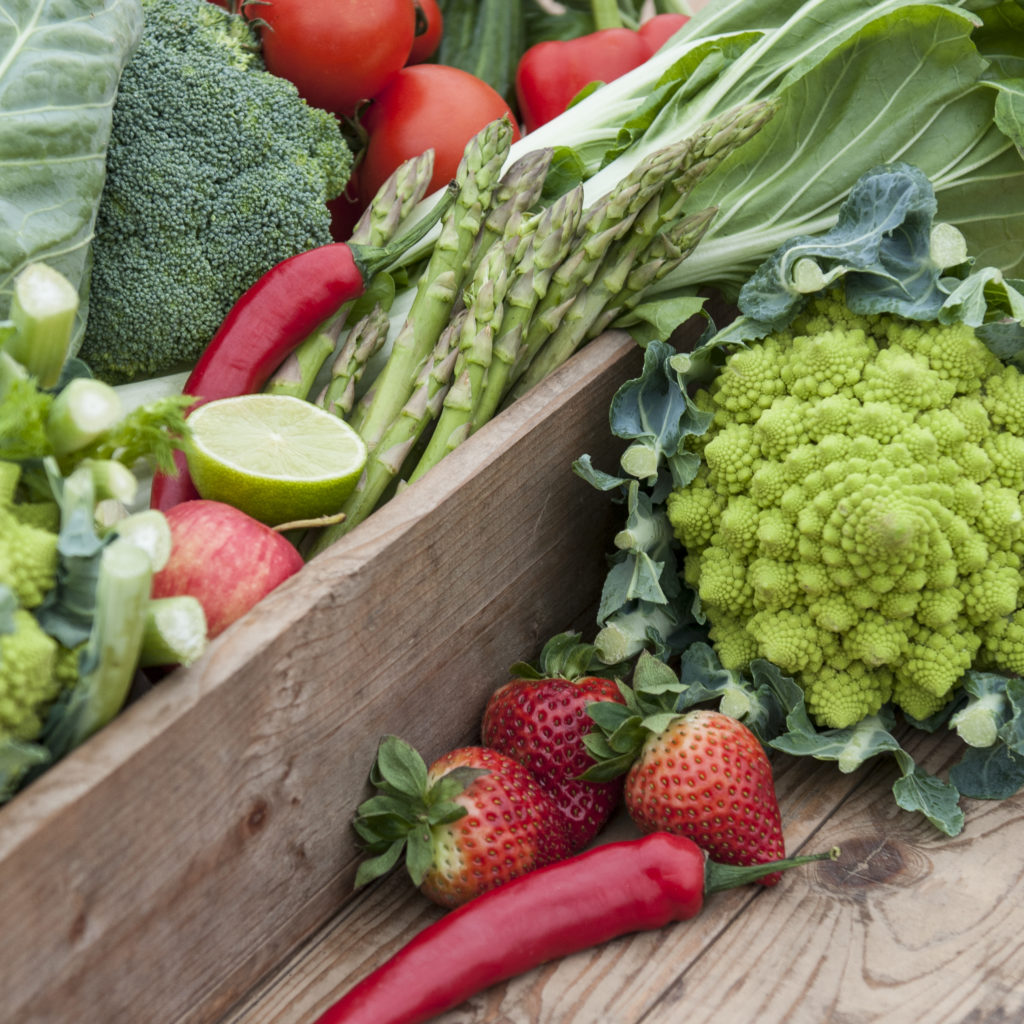
Have you ever seen a head of broccoli like the one in this video that weighs close to a kilogram and looks a bit wonky on a supermarket shelf? You will not, I think. They will never allow something like that for sale. More than likely the broccoli you get in supermarkets will be imported, will always be 400g, probably won’t be that fresh and will be wrapped in plastic and will usually be sprayed with chemicals and be very cheap. Did you know that a broccoli plant is quite big and will produce just one head in its lifespan? It takes quite a bit to bring a broccoli plant to harvest.  

During the week I had a conversation with our potato grower, Cameron from Battlemountain Organic Farm. We needed to discuss potato pricing, we had a frank discussion and came to a fair agreement for him and for us, one we were both happy with. 

If that conversation had went differently and it could have, then that would have been the end of our relationship and would have caused hardship for his farm.  It would not have been fair, and it is certainly not our way. We are growers and we know a little about the costs and the challenges involved in producing and selling fresh organic produce and believe in paying fairly.

Supermarket buyers take a different approach to paying for their produce and this has led to the decimation of the Irish horticultural industry. Only 2% of farms in Ireland now grow vegetables.

The most recent national field vegetable census showed that the number of field vegetable growers fell from 377 in 1999 to 165 in 2014. That is a contraction of 56%.

But supermarkets want it all their own way, there is few countries where fresh produce is as devalued as it is here in Ireland. It really bothers me, obviously it bothers me because it makes it so difficult to stay in business with this backdrop, but it also bothers me because it undermines our food security and has caused untold damage to our indigenous vegetable industry.

Supermarkets demand the cheapest possible price and the most rigorous specifications leading to hardship for growers. 

It is a broken food system. The funny thing is it would take very little to fix it, what if for example the specification on broccoli was relaxed to be above a certain weight, and if there was a slight increase in the price of the product and that went back to the grower and not to the supermarket, then that would fix a lot.  

Your support keeps us in business and supports not only our own organic farm but many other Irish organic producers too.

Kenneth

Pigs and Plastic

In 2018, we said goodbye to plastic for good in our boxes – we were the first company to do that in Ireland. We sourced compostable plant based bags, we launched our ‘Plastic Free’ shopping aisle and we made a commitment to never include any plastic wrapped produce in any of our set boxes ever again. Over the past three years, we have expanded this range, adding lots more sustainable ‘plastic free’ groceries and we introduced a new BULK section of plastic free groceries – even better value.

Supermarkets can’t have it both ways. They maintain their single use plastic packaging; they argue that it prolongs shelf life and therefore it is necessary to reduce food waste, and at the same time they reject perfectly good food on aesthetics leading directly to large amounts of food waste!

The pressure that below cost selling and rejecting produce based on how food looks places on growers can mean that farmers struggle to sustain their livelihoods. There is always a price to pay.

Ironically, the argument for food waste reduction has been used for the continued use of plastic in our food chain, at the very same time that produce not looking the part is dumped! Maybe It is the food system and how we produce and sell food that needs to change?

We used to supply supermarkets and we were told that we had to pay for any produce on their shelves that they did not sell. They also demanded that we lower our prices and stopped ordering until we complied. We pulled the plug ourselves and focused 100% on our home delivery business.

The plastic problem and food waste are issues of our time and as with climate change, they can only be solved by changing our behaviour and by making these issues the very centre of all decisions taken. Our pledge is to do just that.

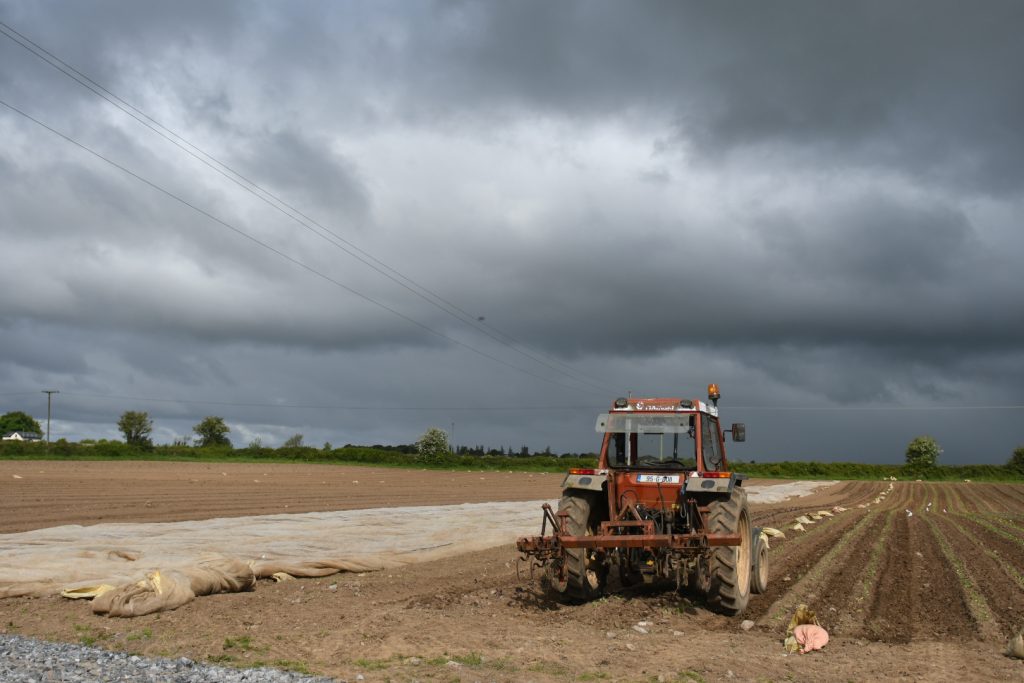
I will never forget our very first season of growing veg here in the West of Ireland on my grand-dad’s farm. We were told we were mad it could not be done. Others told us that the only way to grow veg was to use a “touch of Roundup” our neighbour wanted to buy the family farm and pretty much laughed at our attempts to learn to grow veg. The local garda called up to see if we were growing strange things! That was 15 years ago.

We have shown it is possible and viable to rekindle a sustainable food production industry in the West of Ireland, to relearn the lost skills of generations and apply them to growing food, but also to innovate and to do it in a truly sustainable way.

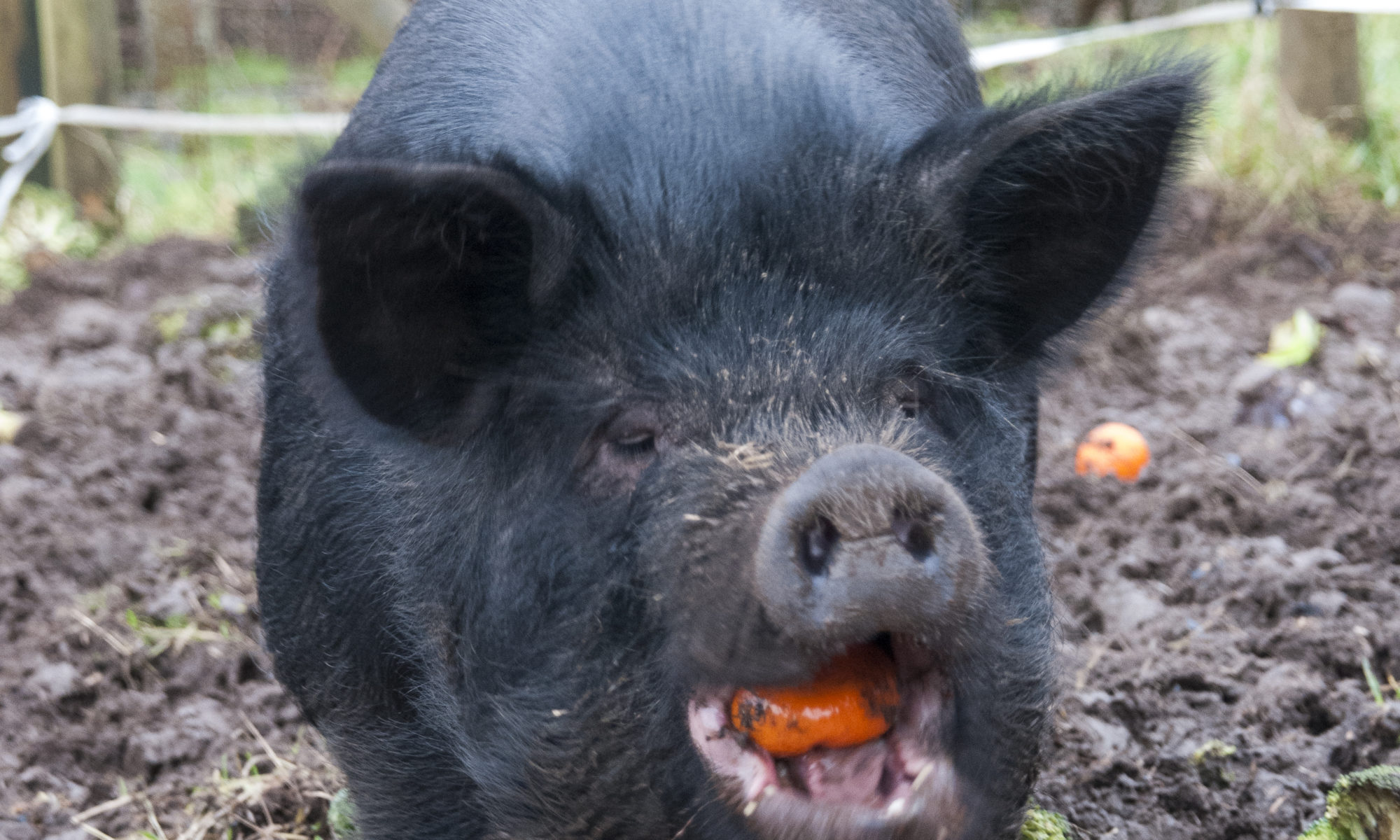
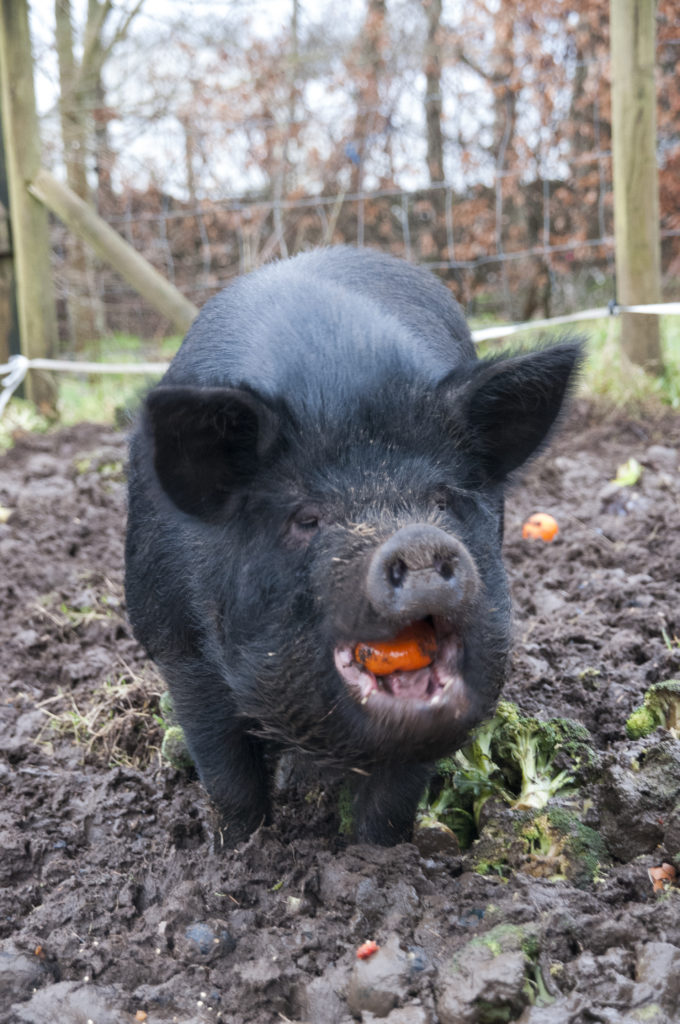
Maybe there is hope after all that the bigger issues will be addressed and we can live a cleaner greener future.On food waste there is one thing is for sure: our two pet rescue pigs never complain when they see us coming, they get the truly unusable food and recycle it back into nutrients for the land!

Thanks as always for your support.

Kenneth

PS Reuse is so much better than anything else and we have always championed this, our boxes are the ultimate reusable container. We collect them and reuse them every week.