Squash & Leek Pie

This squash and leek pie, packed with in-season Irish vegetables, would make for an indulgent yet wholesome midweek meal. I’ve used butternut squash in this recipe, but any squash of choice can be used, even a little pumpkin, if you have one intact from your Halloween celebrations. The pie is topped with a pastry cap, but creamy mash would work equally well in its place. Serve with steamed greens, this is a delicious meal to try this week.

Enjoy!

Nessa x

Squash & Leek Pie

Serves 2

Ingredients

  • ½ roll puff pastry
  • 1 small or ½ large butternut squash, peeled & diced
  • 1tbsp olive oil
  • 25g butter
  • 1 leek, thinly sliced
  • Salt and freshly ground pepper
  • 5/6 sage leaves, finely chopped
  • 2 cloves garlic, crushed
  • 250ml vegetable stock, hot
  • 75ml cream
  • Egg wash/water

Method

  1. Take the puff pastry from the fridge about 30 minutes before using.
  2. Preheat the oven to 200°C/fan 180°C /Gas Mark 6.
  3. Place the diced squash on a large baking tray. Drizzle over the olive oil. Toss to combine. Place in the preheated oven for 25 minutes.
  4. While the squash is cooking, add the butter to a large frying pan over a medium heat. Once melted add the leek. Season with salt and pepper. Stir to combine and turn down the heat to low. Cook for about 10 minutes, stirring regularly.
  5. Stir through the sage and garlic and add the cooked squash to the pan. Add the stock and simmer for 5 minutes.
  6. Stir through the cream, simmer for a couple of minutes, before adding the mixture to a small-medium sized casserole dish.
  7. Cut the puff pastry to match the top of the casserole dish. Pinch the sides to press the pastry into place and make a small hole in the centre of the pie to allow steam to escape while cooking. Brush with either a little egg wash or water. 
  8. Place in the preheated oven for 25 minutes. 
  9. Serve hot with some steamed broccoli.

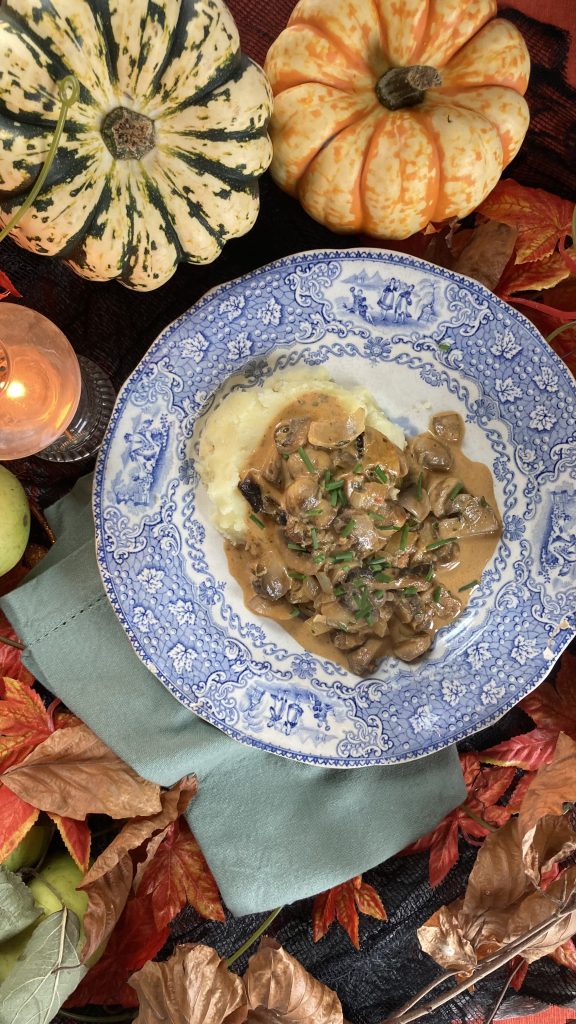
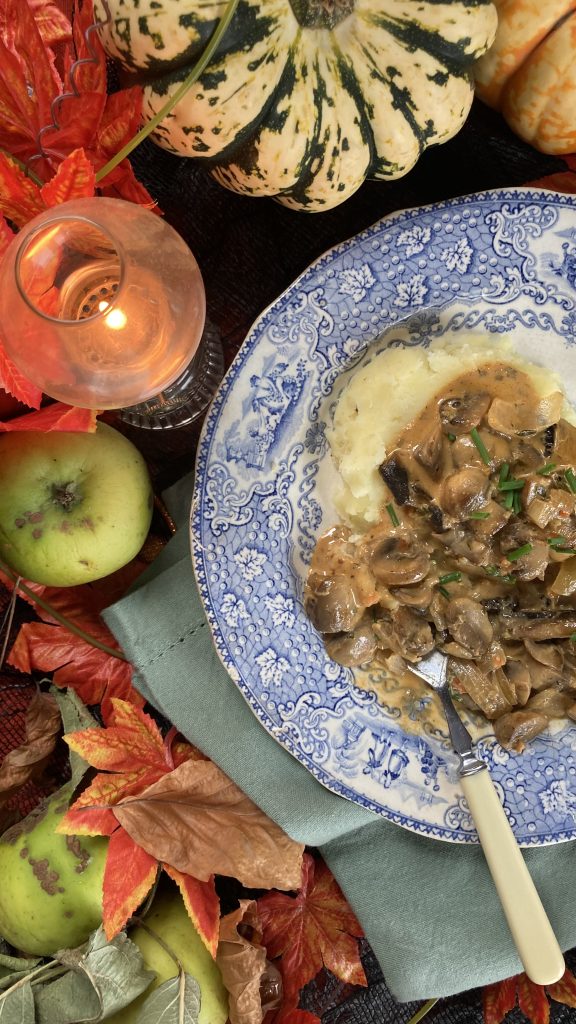
Mushroom Stroganoff

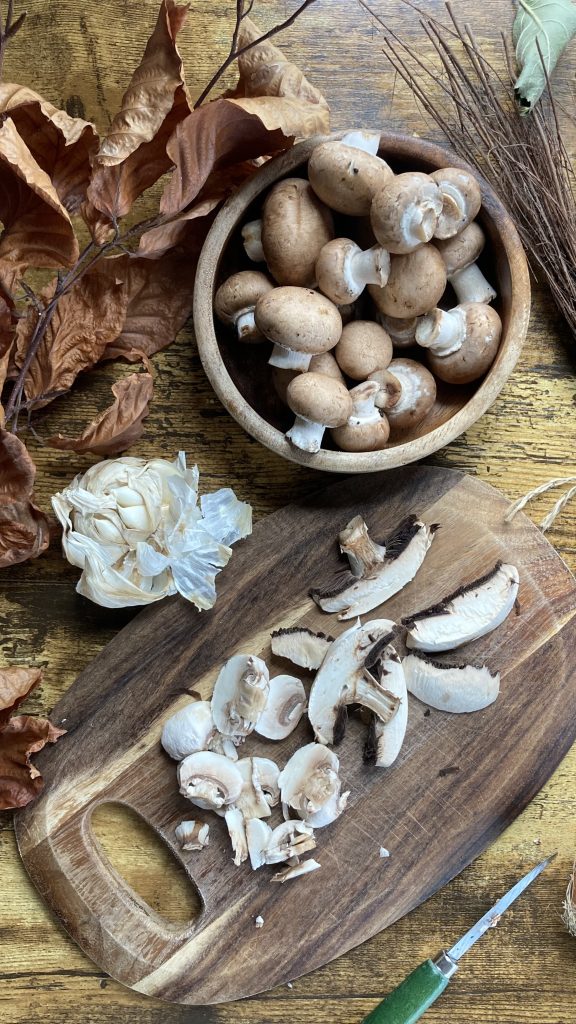
This is such a versatile recipe, as this creamy Mushroom dish serves well with potatoes, rice, pasta, and it’s even delicious served alongside some toast. Cooked mushrooms are a great source of B vitamins and antioxidants. When preparing mushrooms for cooking, avoid washing them with water, as their porous nature causes them to absorb moisture, which can negatively affect their texture and flavour during cooking.

Enjoy!

Nessa x

Mushroom Stroganoff

Serves 2

Ingredients

  • 25g butter
  • 450g mixed mushrooms, sliced
  • 1 onion, finely diced
  • 2 cloves garlic, crushed
  • 1tsp sweet paprika
  • 1tsp Dijon mustard
  • Squeeze lemon
  • 2 sprigs thyme, leaves only
  • Salt and freshly ground pepper
  • 500ml hot vegetable stock
  • 150ml cream

To serve

  • Chives, finely chopped
  • Mashed potato/rice/pasta/toast

Method

  1. Place a large frying pan over a medium heat. Add the butter. Once it starts to melt, add the mushrooms and onion. Stir to combine. Turn up the heat and cook for 5 minutes, stirring regularly.
  2. Add the garlic, paprika, mustard, lemon, and thyme to the pan. Season with a little salt and pepper. Stir to combine and add the stock. Simmer gently for 15 minutes.
  3. Stir though the cream and simmer for a further minute or two.
  4. Serve straightaway with a scattering of freshly chopped chives.  

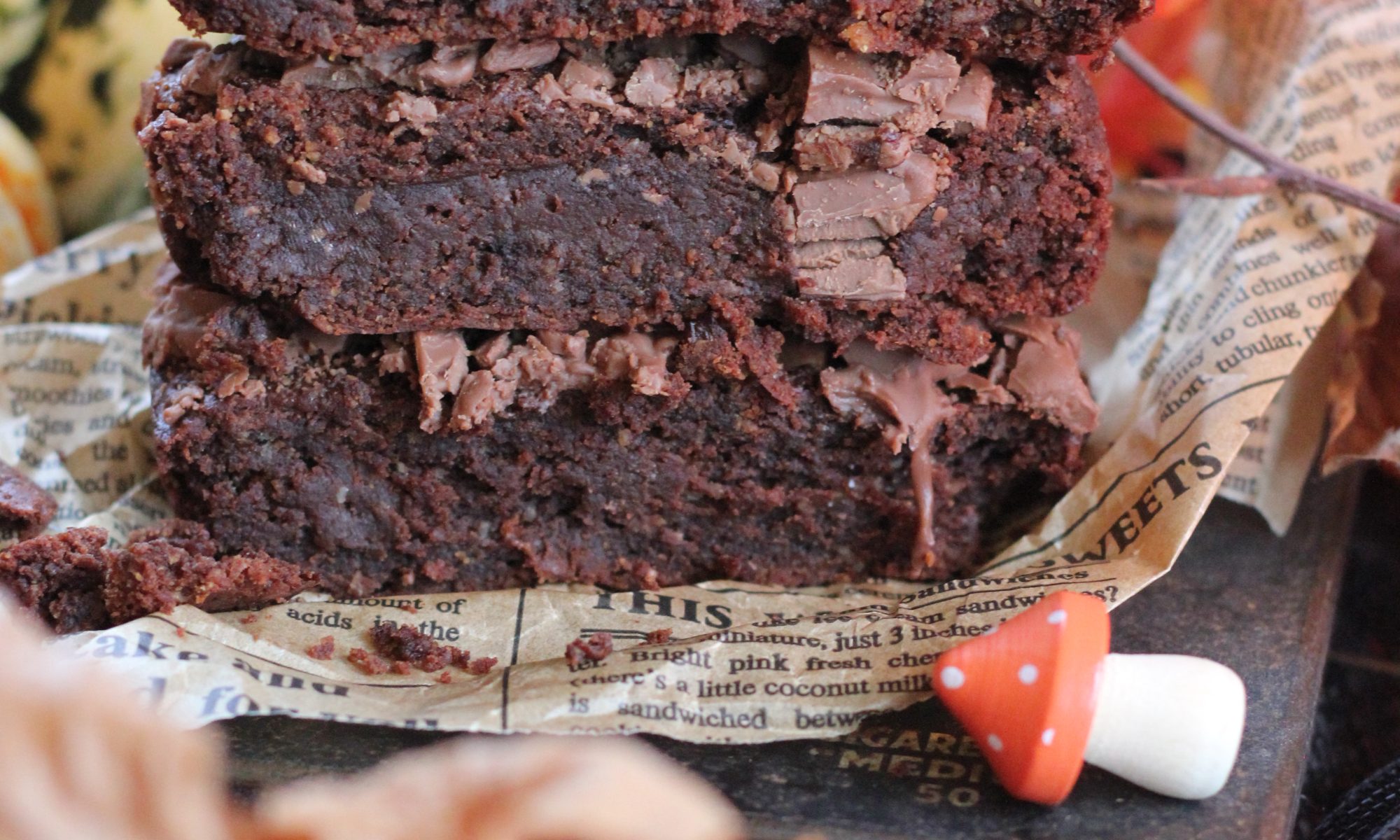
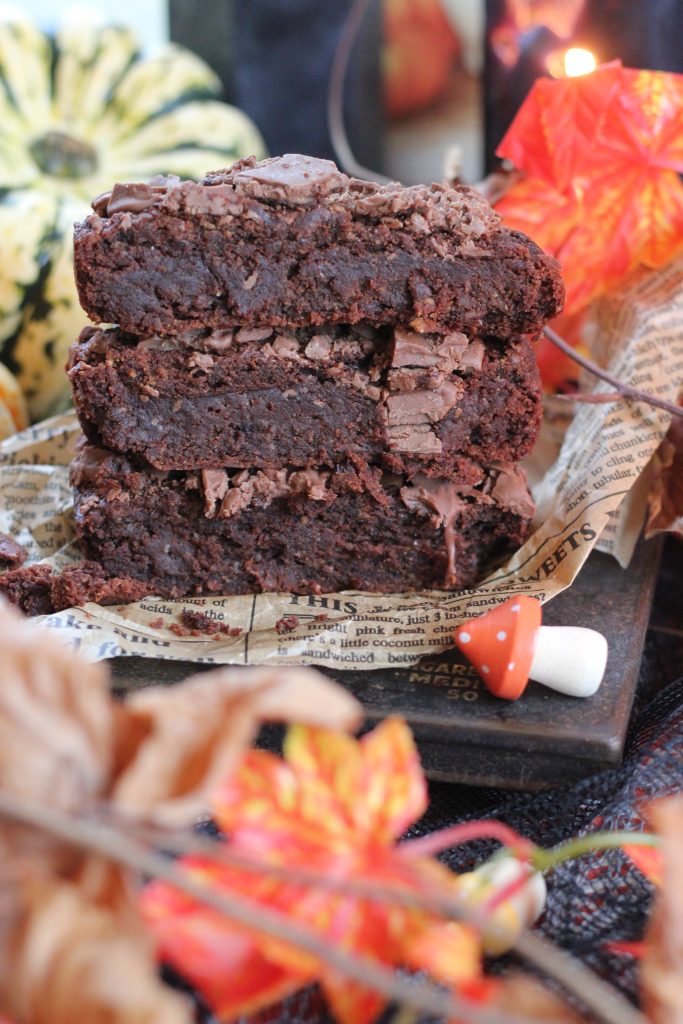
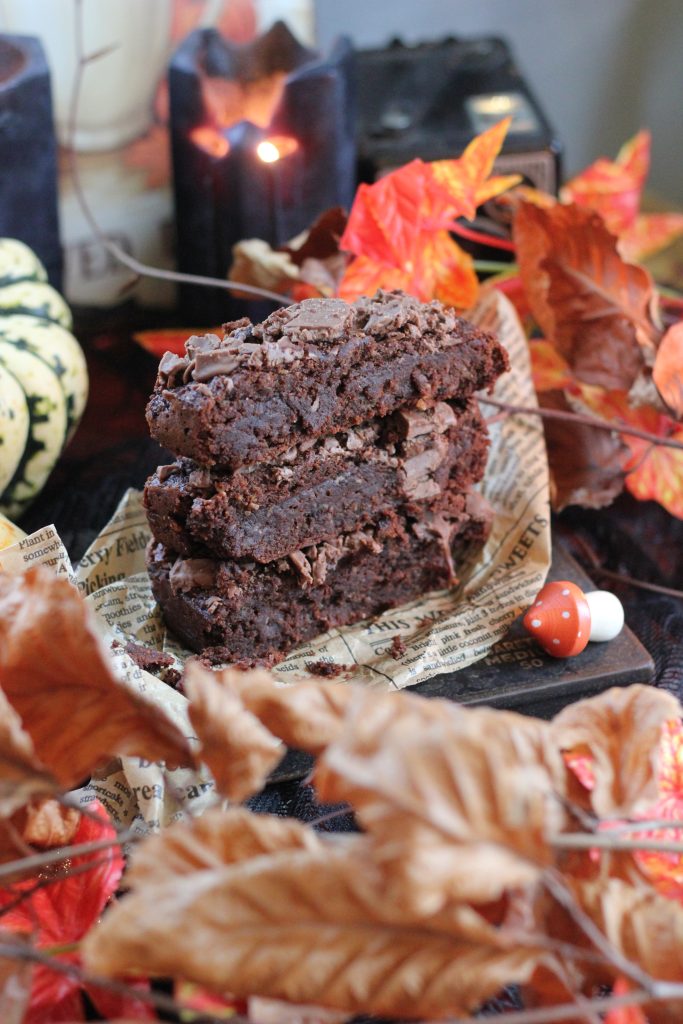
Chocolate Orange Pumpkin Brownie

These Chocolate Orange Pumpkin Brownies make for the ultimate autumn treat. They are rich, fudgy, and bursting with flavour. Made with wholesome ingredients, they’re gluten-free, vegan, and come together in minutes. This seasonal snack is packed with flavours of deep chocolate, zesty orange, and velvety pumpkin in every bite. 

Enjoy!

Nessa x

Chocolate Orange Pumpkin Brownie

Ingredients

  • 175g peanut butter
  • 100g pumpkin purée (see below)
  • 100ml maple syrup
  • 50g ground almonds
  • Zest of 1 orange 
  • Juice of ½ orange
  • 25g cacao powder
  • 1tsp baking powder

Topping

  • 50g chocolate, of choice, roughly chopped

Method

  1. Preheat the oven to 200°C/fan 180°C /Gas Mark 6. Line a 2lb loaf tin with greaseproof paper.
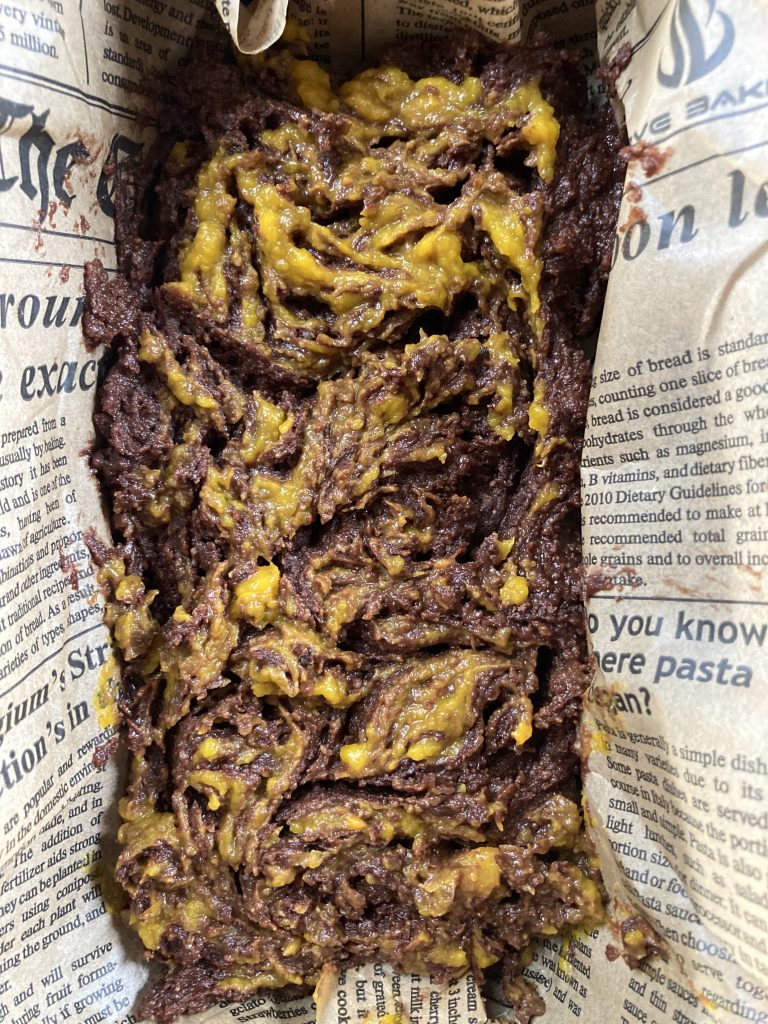
  2. Add all the ingredients, apart from approx. 1 tablespoon of the pumpkin purée to a large bowl. Mix to combine. Add to the lined tin. Dot the saved purée on top and using a skewer combine with the chocolate mixture.
  3. Place in the preheated oven for 25 minutes.
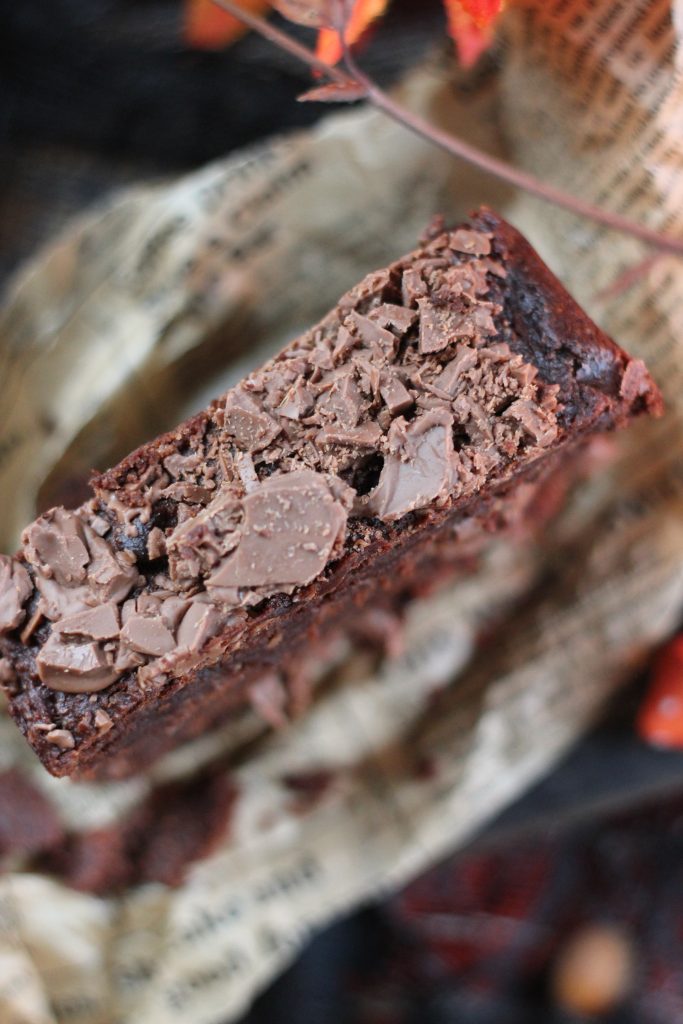
  4. When hot from the oven, scatter over the chopped chocolate. Leave to cool fully before cutting. Store in an airtight container for up to 3 days. 

Pumpkin Purée

Method

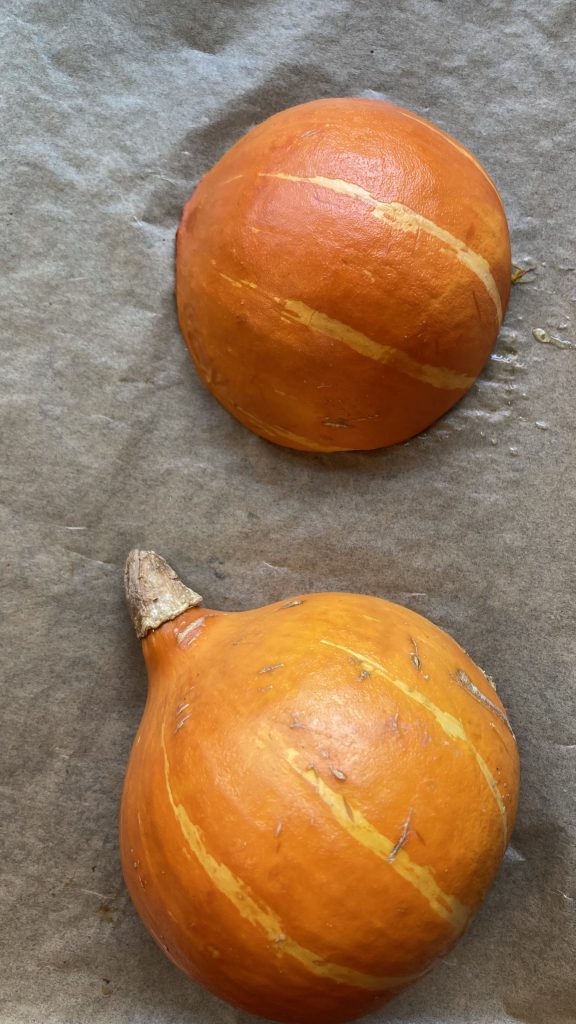
Preheat the oven to 200°C/fan 180°C/Gas 6. Cut one small pumpkin into half. Place the pumpkin pieces on a large baking tray, skin side up, and place in the hot oven for about 40 minutes. Take from the oven and once it has cooled a little, scoop out the seeds, peel away all the skin, and any bits that may have charred, and pop the pumpkin pieces in a food processor. Blend until smooth. Transfer to a bowl and allow to cool before using. The pumpkin purée will keep well for 3 days when covered in the fridge. 

When you go down to the supermarket today, read these labels..

I had a remarkable revelation in the supermarket the other day. As I was browsing the fresh produce aisle as I always do when in a supermarket, I noticed something that really caught my eye.

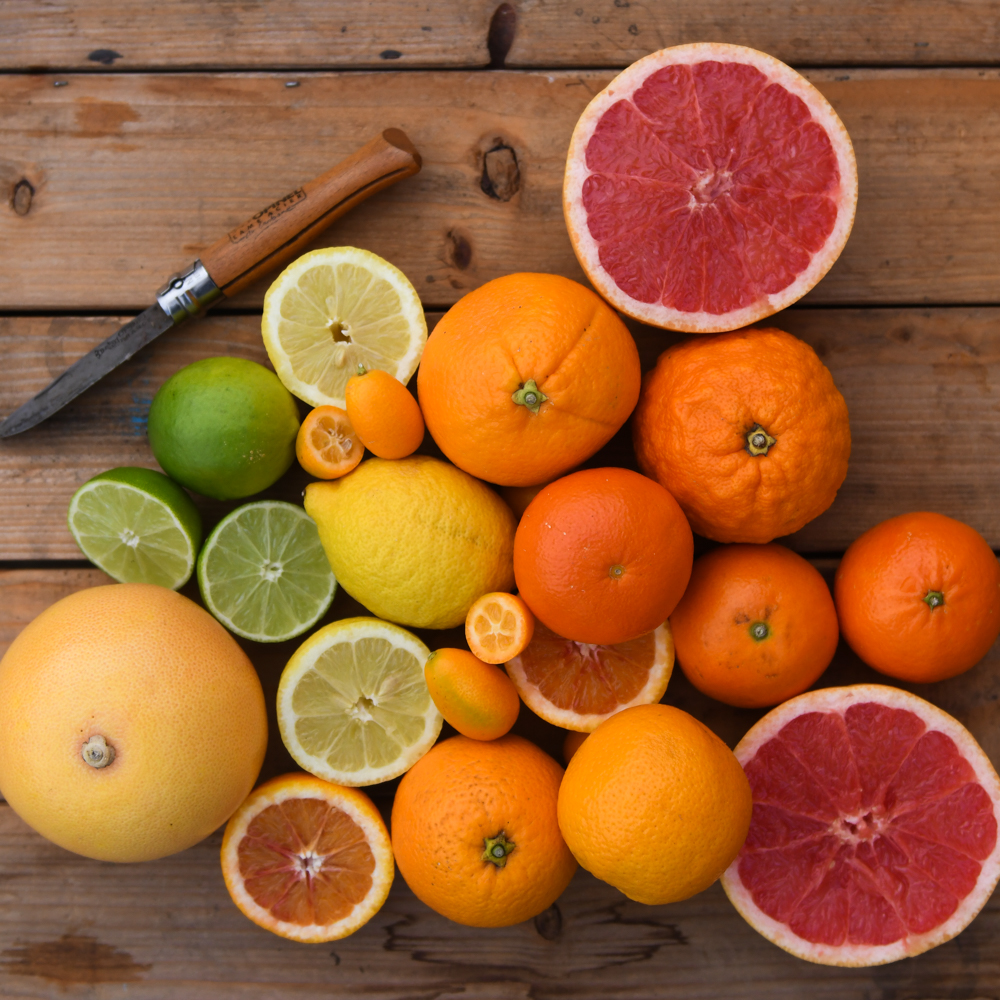
It was actually quiet refreshing for a change. Reviewing each of the labels on the citrus products, they were clearly marked with the chemicals/fungicides that had been applied to the skin of the oranges, lemons, limes and mandarins. A few weeks back I was wondering if the pesticides that were used in growing carrots were highlighted on the pack would we change our behaviour?

And how is it that it comes down to the organic farmer to prove his/her produce is chemical free, why doesn’t the conventional produce list all the chemicals used in the growing of the crop? Well at least with citrus fruit we have the post-harvest treatments clearly outlined, this is the law in the EU.

It was quite a timely consideration as during the week we had one of our annual organic inspections and we were informed a sample of our produce will be sent away for screening for a mind-blowing list of chemicals (870 last time), more on that at a later date.

Anyway, back to the oranges. I am not sure that many people notice the chemicals though as it is hidden away in small print, nevertheless showing all these postharvest fungicides and wax treatments is a very good thing, as we can make more informed choices about our food. It is also worth noting that it is stated on all the labels that the skin is not suitable for eating!!

Here are some of the chemicals I found on the labels and their scientifically linked safety considerations. Also this is for an individual chemical most of the fruit I examined at up to 4 different treatments per piece of fruit.

1) Imazalil: Possible endocrine effects. The EFSA (European food safety authority) has evaluated imazalil repeatedly; the substance has raised endocrine/ecotoxicity questions in the past. Carcinogenicity concerns: possible/likely carcinogen based on animal data.

2) Thiabendazole EFSA peer-review concluded thiabendazole can affect thyroid hormone systems in animals. That is an important regulatory finding. Carcinogenicity/reprotoxicity: animal studies have shown some reproductive/developmental effects at high doses.

3) Pyrimethanil: Some experimental studies show reproductive or developmental effects in animals at high doses.

4) Fludioxonil: EFSA identified fludioxonil for endocrine-related effects.

5) Boscalid: It can be persistent in the environment

6) Azoxystrobin: Some studies indicate potential for oxidative stress and endocrine-related effects in experimental systems.

I am sure there are more, and this excludes the waxes that are also used to coat most conventional citrus fruit.

Not an entirely benign concoction, and not a cocktail of chemicals that I would particularly like to have on my food, thank you very much. I am sure you are wondering how an orange is not suitable for vegans. Well, one of the waxes that can sometimes be used, in particular E904 or Shellac (this is a resin secreted by a bug!), make the fruit unsuitable for vegans!

So, if you do buy conventional citrus fruit, please note again that it is advised that the skin is basically inedible or unsafe due to these chemicals (read the labels it actually states it there) so please don’t use the zest for cooking, much better to choose organic, and if you want to steer clear of these and other chemicals better where you can to choose organic entirely.

As always thank you for your support

Kenneth

Protein-Rich Veggie-Loaded Pizza

This delicious pizza is packed full of flavour and nutrients. The base is simply some self raising flour with yogurt and a little salt, which comes together with ease, and pairs so perfectly with the veggie-loaded topping. I’m using mushrooms, pepper, and courgette, but any soft vegetables could be used in their place. 

These pizzas are best enjoyed straight from the oven but can be saved in an airtight container in the fridge to enjoy the next day, either cold or heated through.

Enjoy!

Nessa x 

Protein-Rich Veggie-Loaded Pizza

Serves 2

Ingredients

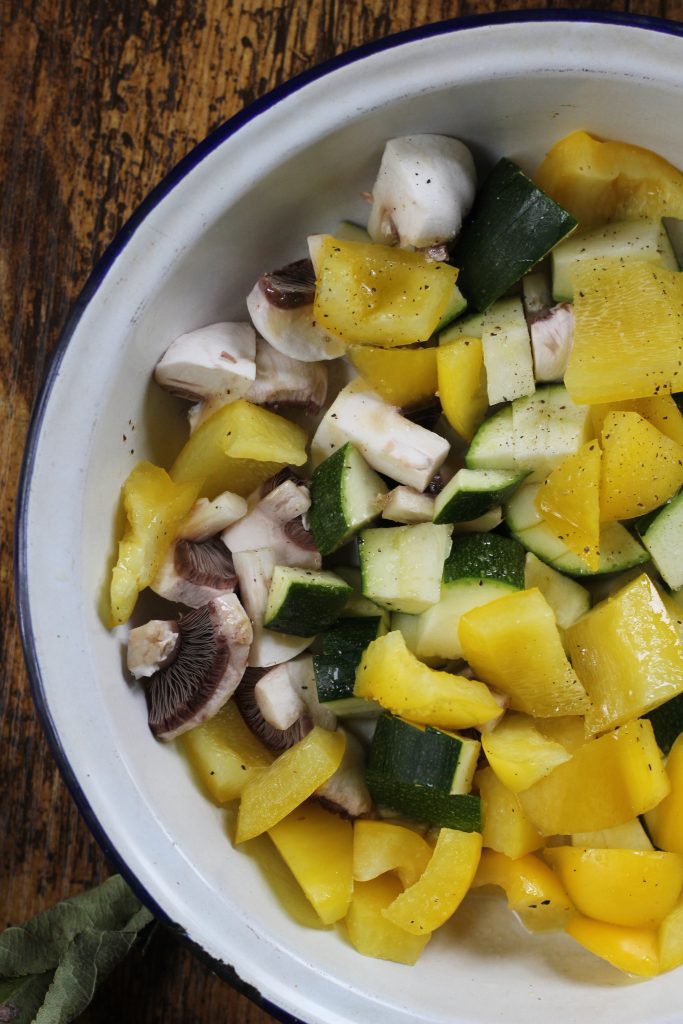
  • 150g mushrooms, roughly chopped
  • 1 pepper, deseeded and diced
  • 1 courgette, diced
  • 1tbsp olive oil
  • Salt & freshly ground pepper
  • 350g self raising flour, sieved
  • ½ tsp salt 
  • 350ml full fat Greek yogurt
  • 4tbsp pizza sauce or passata
  • 1 ball Mozzarella

To serve

  • Hot honey
  • Basil leaves 

Method

  1. Preheat the oven to to 220°C/fan 200°C/gas 7.
  2. To a medium-sized ovenproof dish, add the mushrooms, pepper and courgette. Drizzle over the olive oil and season with salt and pepper. Toss to combine. Bake in the preheated oven for 15 minutes.
  3. In a large bowl, combine the flour with the salt and add the yogurt. With your hand or a fork, bring the mixture together to form a ball of dough. Cut into two halves.
  4. Transfer to a floured board and roll each ball out to make the pizza bases.
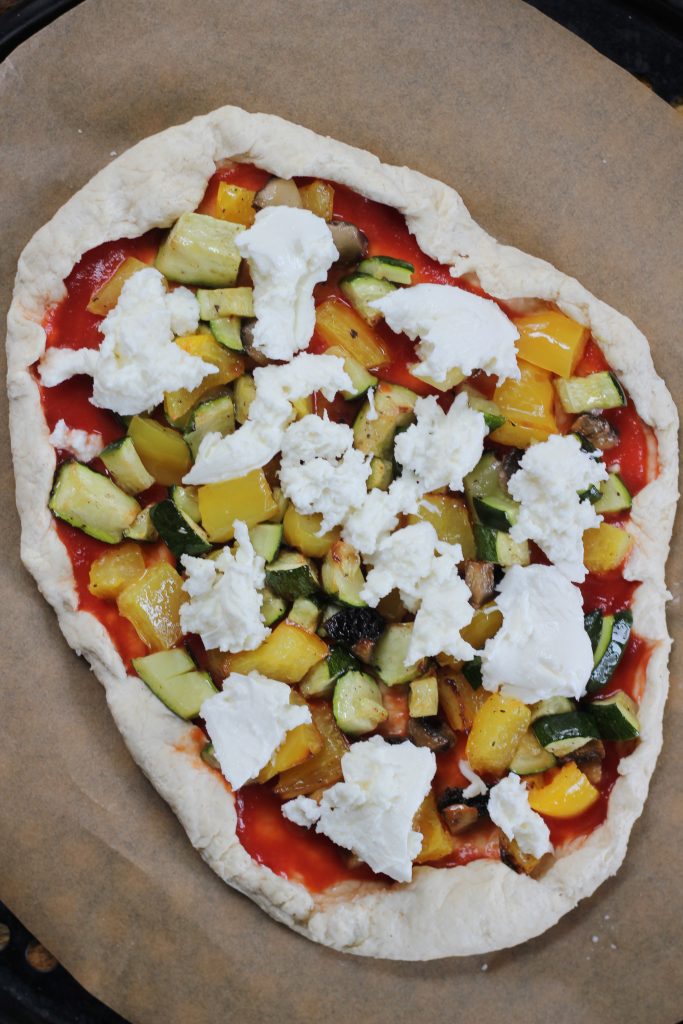
  5. Gently make a border for each pizza by gently folding the edges over. Divide the pizza sauce between the two pizzas. Top with the roasted vegetables and dot over the mozzarella. 
  6. Place in the preheated oven for 25-30 minutes, until it is cooked through, golden and bubbling. 
  7. Serve straightaway with a drizzle of honey and a scattering of basil leaves. 
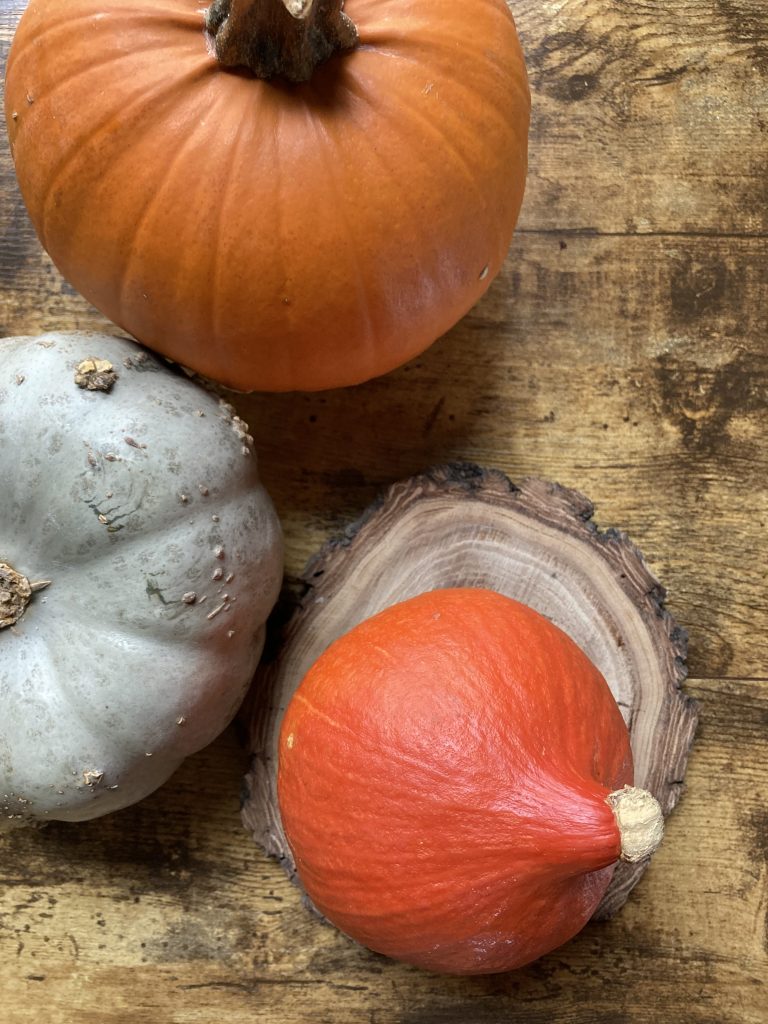
Caramel Apple Galette 

If you are looking to treat yourself or loved ones to a delicious, autumnal, easy-to-make bake, this Caramel Apple Galette is the dessert for you. The star ingredient is our in-season Irish apple, and few other ingredients are needed to make this impressive dish. 
This galette is best served straight from the oven with a good dollop of ice cream and an extra drizzle of caramel.

Enjoy!

Nessa 

Caramel Apple Galette 

Serves 6

Ingredients 

  • 1 roll puff pastry
  • 2 large or 4 small eating apples, thinly sliced 
  • 2 tbsp caster sugar
  • 1tsp cinnamon 
  • Squeeze lemon
  • 75g butter
  • 50g caster sugar
  • 1tsp cinnamon

To serve

  • Icing sugar
  • 2tbsp caramel sauce
  • Ice cream

Method

  1. Take the puff pastry from the fridge 30 minutes before using.
  2. Preheat the oven to 200°C/fan 180°C/Gas mark 6. Line a large baking tray with greaseproof paper.
  3. To a large bowl, add the apple slices, caster sugar and cinnamon. Mix to combine.
  4. In a small bowl, mix together the butter, sugar and cinnamon.
  5. Unroll the pastry onto the tray. Spread an even layer of the butter mixture, leaving a border around the butter mixture. Top with an even layer of the apple slices. Bring the edges of the dough up and overlap a little over the filling to create a border. 
  6. Bake in the preheated oven for 30 minutes. 
  7. When hot from the oven, dust with icing sugar and drizzle over the caramel sauce. 

Noodle Soup

This vibrant noodle soup is packed with fresh, nutrient-rich, seasonal vegetables such as mushrooms, courgette, and purple sprouting broccoli, all simmered in a light, flavourful stock. Once all the vegetables are prepared, this dish comes together in minutes, making it the perfect meal for busy weeknights or cosy weekends. 

Enjoy!

Nessa x

Noodle Soup

Ingredients (serves 3-4)

  • 1tbsp sesame oil
  • 200g mixed mushrooms, cleaned and sliced
  • 1 onion, diced
  • ½ courgette, diced
  • Pinch chilli flakes
  • Sea salt & freshly ground black pepper
  • 2 cloves garlic, crushed
  • 1lt hot vegetable stock
  • 1tbsp ketjap manis or soy sauce
  • 150g fine egg noodles
  • 150g purple sprouting broccoli
  • 2 scallions, finely chopped

To Serve

  • ½ red chilli, finely diced
  • 1 scallion, finely diced
  • 1 tbsp sesame seeds

Method

  1. Heat the oil in a large saucepan, over a medium heat. Add the mushrooms, onion and courgette. Add the chilli flakes and season with a little salt and pepper. Stir to combine and cook for 3-4 minutes, until the vegetables are beginning to soften.  
  2. Stir through the garlic. Add the stock, ketjap manis, noodles and broccoli. Cover with a lid and simmer gently for 10 minutes.
  3. Take from the heat and stir through the scallions. Serve straight away, topped with fresh chilli, scallion, and some sesame seeds. 

Curried Parsnip & Apple Soup

With the weather turning colder and the evenings drawing in, there’s nothing more comforting than a bowl of hot, homemade soup. I’m using freshly harvested parsnips from the farm which are sweet, earthy, and at their peak right now. Both parsnips and apples are in season here in Ireland, making this the perfect time to bring them together in a warming, autumnal dish. The gentle heat of curry spices pairs perfectly with the natural sweetness of the parsnips and apples, creating a soup that’s both nourishing and full of flavour.

Enjoy!

Nessa x

Curried Parsnip & Apple Soup

Serves 4

Ingredients

  • 50g butter, dairy or plant-based
  • 275g parsnips, scrubbed and diced
  • 150g onion, diced
  • 1 cooking apple, peeled and diced
  • 1 clove garlic, crushed
  • Salt and freshly ground pepper
  • 1tbsp curry powder
  • 1lt hot vegetable stock
  • 50ml cream or milk, dairy or plant-based 

To serve

  • Drizzle of cream
  • Fresh chives, finely chopped

Method

  1. Melt the butter in a large saucepan over a low heat. When it begins to foam add the parsnip, onion, apple, and garlic. Season with a little salt and a few grinds of pepper. Stir to combine with the butter.
  2. Place a butter wrapper or a piece of greaseproof paper over the vegetables, to help them sweat. Cover with the lid of the saucepan. Sweat over a low heat for about 10 minutes, making sure the vegetables don’t stick to the bottom of the saucepan.
  3. When the vegetables are soft but not coloured, stir through the curry powder, and add the stock. Turn up the heat a little and continue to cook for another 15 minutes or until the vegetables are soft.
  4. Add the cream and using a hand blender or a food processor purée the soup until it is smooth. Taste and season, if necessary. 
  5. Pour the soup into serving bowls and garnish with a little drizzle of cream and some finely chopped chives.

Sun-Dried Tomato Pesto

At last week’s farm walk, I set-up a beautiful display in the middle of the farm shop, using the best of fresh produce. Tucked in-between the prepared fruit and vegetables, I included a tray of mini energy balls, and some scrumptious dips. This sun-dried tomato pesto was by far the most requested recipe, and for good reason. It’s rich and flavoursome, and makes for the perfect accompaniment to crudites, but it can also be served with pasta, roasted vegetables, or as a delicious sandwich filler. 

To ensure this dish is as tasty as possible, use a good quality jar of sun-dried tomatoes. Some tend to be quite salty and will ruin the overall taste of the pesto. Also, organic garlic will always taste superior too, so seek it out when you can.

Enjoy!

Nessa x

Sun-Dried Tomato Pesto

Ingredients

Method

  1. Whizz the tomatoes, pine nuts, garlic, and basil for a few seconds in a food processor. 
  2. Add the oil and blitz again.
  3. Add the parmesan, and pulse for a few seconds.
  4. Store in a covered sterilised jar in the fridge for up to 5 days.

Chemical Carrots, you might be surprised…

We have been harvesting our own lovely bunched fresh organic carrots for a few weeks now and this week we received the first delivery of beautiful organic carrots from Philip Dreaper in Coolnagrower in Offaly just outside Birr.

In the next couple of weeks, we are due our farm organic inspection. This is an inspection we pay for to prove that we are carrying out our farming and business in accordance with organic principles. One key law of course is that we must never use synthetic chemicals. We must be certified organic by law to call our produce ‘organic’.

We would never use toxic pesticides or herbicides anyway, as farming without chemicals is why I started the farm.

But the question is why do we need to prove we are organic? Why isn’t the responsibility on conventional food producer to label the pesticides used in growing certain crops? (don’t get me wrong organic certification is definitely necessary in the world we live in today)

Back in my grandad’s day, there were only ‘carrots’ and all carrots were organic. They just were, because no synthetic chemicals or fertiliser was used in growing them.There were no sprays, no synthetic pesticides, herbicides or fungicides, nothing. That is exactly how we grow them today, we sow seed, and we cover the crop with netting and then we harvest end of story, no spraying at all.

These synthetic pesticides are labelled… “plant protection products” sounds so much better than “pesticide” don’t you think? Making these toxic chemicals sound more benign, even good for the planet and our health. It sounds like spraying these chemicals is doing us all a favour including all the bees and biodiversity the application of these “PPPs” is doing something good for the world in using them. This couldn’t of course be further from the truth, they are hurting our health and destroying biodiversity. In addition did you know it is mostly the manufacturers that produce the safety related data for the chemicals they sell, a conflict of interest there? I would say so. So if your supermarket label listed the following on your conventional carrots, would you still buy them?

Ingredients: may contain,“Carrots, Glyphosate, aclonifen, prosulfocarb, clomazone, prosulfocarb/stomp, fluazifop-P-butyl, propaquizafop, quizalofop-P-ethyl, fluazifop-P-butyl, azoxystrobin, fluazinam, cyprodinil+fludioxonil, boscalid+pyraclostrobin, tebuconazole/trifloxystrobin mixes”

Or would you choose organic carrots where the label would say:Ingredients: contains “Organic Carrots”

I know which one I would choose.

As we supply directly to you our customers, it is only through your continued support that we can continue to produce healthy food and spread the message that our food choices can literally change the world.

Thank you

Kenneth