
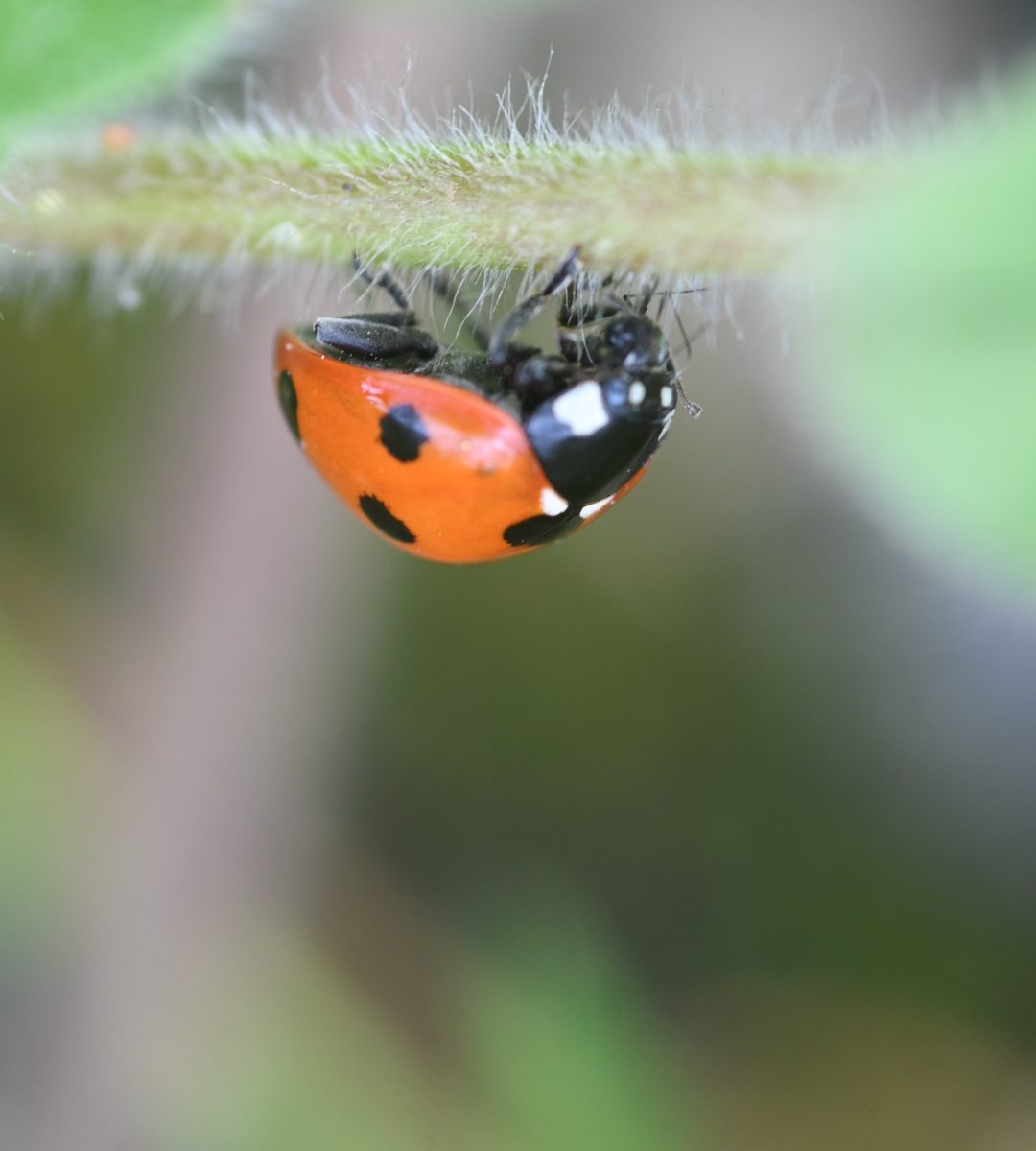
Where have all our insects gone?

Next time you drive down the motorway check your windscreen, is it covered in splattered insects? This used to be the case, but now sadly there are so few insects left that in fact our windscreens are mostly clear.
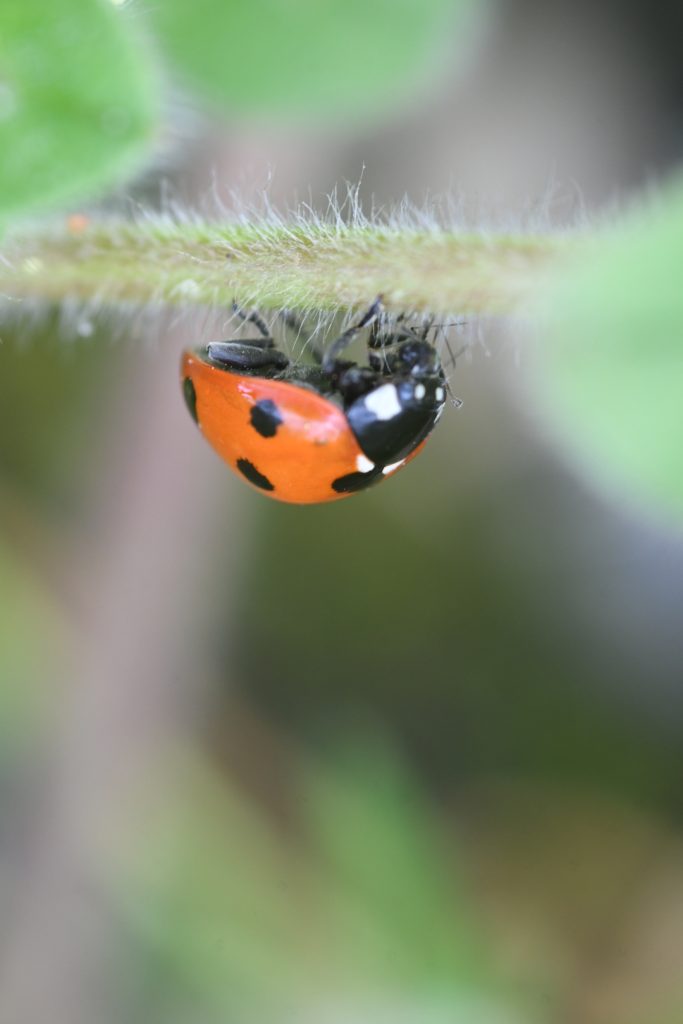
In 2019 a study published by Danish researcher Anders Møller showed that insect numbers splattered on cars declined by more than 80% between 1997 and 2017. An earlier landmark study by Hallman et al in 2017 stated that “There has been more than a 75% decline over 27 years in total flying insect biomass in protected areas”. This study was breathtaking in its scope and involved nearly three decades of continuous, data collection across 63 sites.

This German study tracked insect biomass in nature reserves— protected land. The insects were gone because the fields around them were sprayed with herbicides and pesticides. Have you ever heard of tramlines? The tramlines I am talking about here are tractor tracks through in particular cereal fields (and vegetable fields).

Next time you drive past a field of wheat or barley, look for these tramlines — those tracks running through the crop. They’re permanent spray lanes, put there at sowing so a tractor can enter the field over and over to apply chemicals. A typical Irish cereal crop gets sprayed four to six times between October and June.

Cereal fields (and increasing grass monocultures where all diverse plants are removed by selective herbicides) are essentially a chemical monoculture from October through June — no flowering weeds (removed by herbicide), no insects able to complete life cycles in or around the crop, nothing for birds to eat. The tram lines are the visible manifestation of the chemical applications. The crop looks green and healthy. What isn’t visible is the biological silence inside it. They’re the signature of an industrial spray programme, written in bare soil across every tillage field in Ireland.

There is more evidence of the devastation wrought by chemical agriculture, populations of European grassland butterflies are estimated to have declined by 50% in abundance between 1990 and 2011. In England, the total abundance of butterfly species declined by 58% on farmed land between 2000 and 2009, despite a doubling of conservation spending.

And finally in the USA in the last three decades, monarch butterfly populations have declined by 80–95%. Researchers studying monarchs found on average traces of seven pesticides in each individual butterfly studied. But the application of glyphosate and the destruction of milkweed a key plant that Monarchs feed on is a critical part of the population collapse.

So, the next time you drive down a motorway and you notice those tram lines, have a look at the insect splatter on your windscreen and remember the application of herbicides and pesticides and fungicides do not only impact our health but also the health of our little living friends that we share this earth with and whom we rely on for pollination and our food. (Over 75% of human-cultivated crops worldwide depend directly on insect pollination. About 88% of all flowering plants are pollinated by insects.)

As always thank you for your support, it means a great deal.

Kenneth

PS It is definitely holiday season and we are seeing harvest rolling in from the fields and also a marked increase in the absence of orders. If you are considering ordering please do, it will help us enormously especially at this time. Thank you.

Where have all the insects gone?

It was on a very rare occasion that we used to make a trip to Dublin from Galway. Back in the 80s it was a long journey, there were no motorways back then and the all too familiar bottle neck in Athlone could often cause long delays, but it was always exciting. Stopping along the side of the road to eat homemade sandwiches also gave us a chance to clean the windscreen of the mass of insect debris, that would at times stop my dad from seeing ahead. Cleaning of the windscreen was expected and was an inconvenience, how things have changed in 30 years.


If the level of insect splatters is a measure of the health of this very important ecosystem, then by all accounts today it is only one step from total annihilation. Test it for yourself, next time you drive down the motorway, how many insects splatter on your windscreen? Virtually none you will find. So, what has happened and where have they gone?


This year on our farm up until relatively recently there has been a noticeable absence of butterflies and bees. The decline in butterfly populations and diversity is well documented.  Not only that but Experts estimate that flying insects across Europe have declined 80 percent on average, causing bird populations to drop by more than 400 million in three decades, these are astounding figures. Insects are also the world’s top pollinators — 75 percent of 115 top global food crops depend on animal pollination, including cocoa, coffee, almonds and cherries.


In his 2022 book titled ‘The Insect Crisis’, journalist Oliver Milman set out the grim scenario of how our actions as humans are causing catastrophic destruction of this critical world.  Milman describes the insect kingdom as “the tiny empires that run the world”, they are the starting point for all other higher life forms, without whose existence entire ecosystems would collapse.


Did you know that it is now relatively standard practice to eliminate all competing plants from grasslands for dairy production, leaving vast monocultures. The use of herbicides to clear plant diversity followed by pesticides to destroy insect diversity leaves very little for these amazing small creatures to flourish on. If the insects disappear what do the birds eat? What about all our pollinators? What happens to the food crops that rely on these? This typical short-term approach to intensification of global food production will hurt us all in the long run.


The good news is that reestablishing these insect populations before it is too late is easy, it requires some effort, but it is easy. Leave diversity in our fields, don’t spray everything in sight to within an inch of its life. Let’s be clear we don’t need to anyway, all this chemical spraying is quite frankly ridiculous and unnecessary.  Plant hedgerows, plant an acre of phacelia and clovers to enrich the fertility of the ground but also the fertility of the local ecosystems and biodiversity. 


It was when we started planting wildflower strips that we noticed an astounding level of bee life return to our farm. There were honeybees and several different types of bumble bee, and all sorts of other flying insects. We had created a floral reef for insects! On a sunny evening there are hundreds of thousands of bees and insects humming away, and if you stop and listen, it is then that you truly appreciate the magnificent of these little flying creatures and the amount of life a relatively small piece of land can sustain if it is given a chance.


As always thanks for your support
Kenneth