The smashed falafel wraps are a big viral hit at the moment! They are very quick and easy to make and taste delicious. The purists use dried chickpeas but I think tinned chickpeas work just fine. Add lots of green fresh herbs like parsley and mint.
This makes a great filling lunch loaded with green lettuce from our tunnels, tomato, pickles and red onions. The tahini dressing is the perfect dressing.
Enjoy,
Lou x
Ingredients: makes 3 wraps approx
For the falafel mix:
1 can chickpeas, drained
1 clove garlic, finely chopped
1/4 red onion, diced
1 teaspoon ground cumin
1 teaspoon ground coriander
1/2 teaspoon salt
1 tablespoon olive oil
handful parsley, chopped
6 x mint leaves, chopped
1-2 tablespoons hot water
For the tahini dressing:
1/4 cup tahini
1 small clove garlic, chopped
1 tablespoon lemon juice
pinch salt
1 tablespoon maple syrup or honey
1 tablespoon olive oil
To serve:
3 wraps or flat breads
1 tomato, sliced
1/2 red onion, finely sliced
4 pickles, sliced
1/2 head lettuce, leaves washed
Method:
Step 1: To a food processor add all the falafel ingredients except the water, blend. Then drizzle in the water until the mix comes together to form a paste. Taste it, and adjust the seasoning if needed.
Step 2: make the tahini dressing, whisk all the ingredients together until smooth.
Step 3: Warm a griddle pan or frying pan on a medium to high heat. Spread the falafel paste onto a wrap evenly, use a spatula or the back of a spoon. Oil the pan, carefully place the warp falafel side down on the grill. cook for a couple of minutes to form a crust. Carefully flip over and toast the other side of the wrap.
Step 4: Slide the wrap onto a plate or board, add lettuce, tomato, onion, pickles, spoon over the tahini dressing, roll, cut in half and serve!
Thank you so much to everybody who ordered from us last week, we were blown away by the level of support, it made a massive difference. When you buy with us, we notice, supermarkets don’t, but we do. So, thank you so much from everybody here.
We had three little remarkable surprises this week (not counting all your amazing orders), we received Irish organic cherries (Can you believe that!) from Darragh Donnelly in Dublin. Emmanuel our farm manager found a small robin’s nest in our farm shed and finally after 18 years of picking stones we found a solution to our stone problem! The cherries are amazing, and I guarantee that you will not find their like in any supermarket shelf, so thank you Darragh.
As to the robin, he or she, I certainly can’t tell, (can you tell?) chose a very inconvenient location to build (I will go with a she) her nest: right in the middle of where we are coming and going all the time. But we are going to be careful and the three little eggs that are in the nest will not be disturbed.
The stones have been, and I have to go a little further here than calling them an inconvenience, they have been a devastation for so, so long. But completely by chance this week I got the number of a contractor that has a stone crushing machine for farms, yes there is such a thing, and it is quite remarkable. So, in the space of 12 hours, this very nice fella and his tractor crushed all our stones, releasing vital nutrients back into the soil.
Afterwards we tried making some vegetable beds, this usually can be quite a fraught process, shaking the machine, destroying tines, and frequently lifting the whole machine out of the ground when you hit a big stone leaving the bed in less than an ideal shape. But the bed forming in our “new, stoneless” farm was quiet and smooth, and just nothing short of amazing.
Watch a little video from our fields here.
So, stones and robins making nests in odd places, two inconveniences, can we live with them? The robin yes, but the stones, they just had to go! This is the issue with our approach to agriculture these days, we aim to eliminate anything that is inconvenient, and there is a long list of these inconveniences. Weeds, eliminate them with a quick spray of roundup, aphids reach for the next can of spray and so on and so forth, it doesn’t stop; hedgerows, take them out if they are taking up valuable space, trees cut them down make way for production. What is this madness? The shortsightedness, the relentless focus on extracting the last cent from the land to the detriment of all the other aspects of our living world that we need. WE NEED BIODIVERSITY it is not and optional extra!
Maybe there is no other way, while the cost of produce continues to be so devalued, maybe that is the true price that must be paid. The price you or I pay at the till for the plastic clad supermarket produce absolutely does not reflect these sacrifices the natural world makes for our convenience.
So, the question is: can we afford these inconvenient truths? Is it worth it to get the very cheapest price possible? Well, I will leave you to decide, and judging by your support for us last week and hopefully in the week and weeks ahead again you have already made your decision.
These are so quick and easy to make and bake. Once baked and sliced you can make up a snack plate with the fruit from your weekly box! If you make these as often as I do you’ll soon memorise the recipe like me.
We love snacks like this because they have few nutritious ingredients, taste great, they are a quick bake, they are cheaper than shop bought snacks, we can make them with organic ingredients and they can be fully plant based if thats what you like.
I served mine up with apple and orange slices. It makes a super nutritious snack, great for kids too.
Step 1: Preheat the oven 180ºc. Line an 8in square tin with parchment paper.
Step 2: Mash the bananas and add them to a mixing bowl along with the peanut butter and oats. Mix well and transfer into the baking tray. Scatter the chocolate chips evenly on top.
Step 3: Bake for about 20 minutes, until golden brown. leave to cool then slice into 12 squares.
This is a fabulous way to celebrate bread and Irish organic beets! I made this a few times last summer to share with visitors to the Green Earth Organics farm walks and it was a huge hit.
The focaccia is a super simple no knead recipe – the dough develops and slowly proves in the fridge overnight. The next day, smear it in beetroot puree and bake. It looks amazing and has heaps of sweet and savoury flavour.
Make sure you save the recipe and serve it alongside our gorgeous green lettuce this summer.
Lou x
Tips:
Tips for getting this right: ✨This bread needs time in the fridge to prove. ✨Use strong/bread flour. ✨Make sure the dried yeast is in date. ✨Use a neutral olive oil, or rapeseed oil not extra virgin ✨Try not to knock too much air out of the dough when you add the beetroot puree and make the dimples.
Ingredients:
Makes one focaccia -500g strong flour/bread flour -2 teaspoon salt -1 (7g) sachet dried yeast -430ml lukewarm water – made up by mixing 130ml boiling water with 300ml cold water (it should be body temperature, 36ºC) butter for greasing -4 tablespoons olive oil
*Steam or boil and peel the beetroots. Cool and keep in the fridge ready to make this bread.
Step 1: Pour the dried yeast into the lukewarm water and let it sit for 15 minutes then stir. Measure the flour and salt into a large mixing bowl and stir to combine. Pour in the yeast and water and mix with a wooden spoon to form a sticky ball. Oil a second mixing bowl and transfer the dough into it. Using your hand lightly oil the top of the dough – the oil is important to stop it drying out. Cover the bowl to make it airtight with a lid, cling film or a damp tea towel and put the bowl in the FRIDGE for at least 12 hours (ideally overnight).
Step 2: Prepare the baking tin 9inc x 13inc. Line with parchment paper or grease really well with butter, this is really important to stop the focaccia from sticking to the tin. I recommend using parchment paper. Now oil the baking tin with 2 tablespoons of olive oil. Oil your hands and scoop the dough out of the bowl and put the dough straight onto the baking tray. Rub the oil over the dough and smooth and push it into the corners of the baking tray. Cover the tray with a clean plastic bag, or cling film and let the dough rest for 3 to 4 hours to warm up and double in size
Step 3: Make the beetroot puree, add the beetroot, chopped garlic, salt and oil in a small powerful blender. Blend until smooth.
Step 4: Preheat the oven 220ºc. Pour the beetroot puree over the dough and rub lightly with your hands, using your fingers press straight down to create deep dimples. Bake for 25-30 minutes, until cooked through and the bottom is golden brown. Transfer to a cooling rack. Brush with some olive oil. Cool for 10 minutes before cutting and serving.
Storage: This will keep in an airtight box for 3 days or in the freezer for 3 months.
Such a simple but delicious summer pudding. Perfect for a family gathering or to finish a delicious meal. I made the only apple version last summer and this year I’ve added tasty organic blueberries. Our Irish eating apples are crisp and delicious and are great to bake with too.
We’re looking forward to all the seasonal Irish summer fruit. We like to keep it simple and effortless to make the most of its natural goodness and flavour.
Step1: Preheat the oven 180ºc. Line a large baking tray with parchment paper – you may need two baking trays.
Step 2: Peel the 3 apples in half and scoop out the core, fill the hole with blueberries.
Step 3: Mix the sugar and the cinnamon in a bowl.
Step 4: Divide the pastry into 6 equal squares.
Step 5: Spoon the cinnamon sugar onto the tray, you want 6 mounds of sugar. Carefully place the apple, with the blueberries, flat side down on each of the sugar mounds. Put the pastry over each apple half and use your hands to cup the pastry around the apple half.
Step 6: Place in the oven and bake for 35 minutes. Let the pastries cool for 15 minutes, use a wide spatula to slide under the caramelised apple and lift it off carefully. Serve warm with toasted almonds, fresh whipped cream and fresh blueberries.
This is such a great way to make and serve salad this summer. Your choice of roast veggies, chickpeas, halloumi and seeds on a tray then on the same tray toss through green leaves and dressing and serve into a big salad bowl! I think these roast and serve salads will be very popular this summer.
You can roast up any root veg you have in your veg box, parsnip, carrot, beets, even potatoes, cauliflower or broccoli, add some cheese if you wish and a delicious dressing to finish.
Step 1: Preheat the oven 180ºC fan. Line a large baking tray with parchment paper. Put the sweet potato, chickpeas, red onion and diced pepper on the tray. Drizzle with salt, pepper and oil, shake or rub to coat everything. Roast in the oven for 20 minutes, checking half way through. After this time add the diced halloumi and roast for a further 15-20 minutes.
Step 2: Put the pumpkin seeds on a separate tray and toast in the oven, along with the veg, for about 10 minutes, check half way through- they may need more or less time.
Step 3:Make the dressing, add all the ingredients except the oil to a bowl, whisk well, then slowly pour the oil in while whisking to emulsify the dressing. Taste it and adjust if needed.
Step 4: Let the veg cool for 20 minutes then top with the green leaves, pour over the dressing, gently toss together. Lift the parchment paper and tip into a serving dish.
I was asked to give my opinion the other day on why organic food is better for us and our planet and why it is a little more expensive.
And here’s a question for you: if you have a garden at home do you or would you spray your food with chemicals, then harvest and eat it?
Much of our food system today manages and survives because of the ‘out of sight is out of mind’ principle. The giant ultra processed food factories, where vats of sludge are transformed into irresistible snacks, the giant inhumane animal factory farms, the massive intensive conventional vegetable farms that spray and coat our food in chemicals, we see none of this and if we were to, I think it would leave an implacable lasting impression that could change our food habits forever.
Supermarkets want to make the highest possible margin on as many products as possible, but they also want to entice the greatest number of people to shop with them. To do this they often loss lead with fresh produce. Now from the point of view of the consumer this may seem like a win-win, but it may not always be as good as it seems, and as they say there is no such thing as a free lunch.
Inevitably the supermarket will have put pressure on the farmer to supply at lower costs, and whilst again you may say that’s the rules of the marketplace, it can have more serious consequences for us the consumers. Setting aside the fact that for local producers it means many will go out of business and this will have an impact on our ability to source local produce in the future, leading to more imports, and less food security, it has other serious financial implications that we pay for indirectly. These costs are externalised as they say.
Low prices, always have a cost, and this cost will be factored in somewhere along the food chain. Look at the kick back of farmers against the green deal that the European parliament is trying to get over the line at the moment. Farmers do not want to bear the pressure for the environmental costs, as they will make it more difficult for them to compete against cheap imports. But, if they were paid a fair price for their food then they would be more likely to accept a deal.So right here we see the cost that is borne by the planet, by the land, by the environment, by biodiversity. We end up with polluted water ways due to high intensity pesticide and fertiliser application, leading to algal blooms that kill the fish, look at lough Neagh last year.
Conversely if there is money in the pot, to plant trees, and hedgerows, and tend to bees and plant tracts of wildflowers and leave areas to go back to nature, and not use single use plastic, as we do, on our farm then that is what can happen. It has been estimated that over half a trillion dollars of food production relies on pollinators annually, without them we would be in real trouble.
Then there is the application of chemicals in our food system, remember our kale was tested for 870 chemicals, that means a possible 870 toxic chemicals could be used on conventional food.
I cannot overstate the impact not using chemicals has in the production of our food and I know a thing or two about chemicals. Without chemicals there are weeds, and biodiversity depends on weeds for survival, just look at the decimation of the Monarch butterfly in the Americas, a major contributing factor is the use of Roundup. When chemicals are used, they get into the food and they destroy all diversity, leaving vast monocultures, that require more and more chemicals to control, weeds, bugs and fungi. The more chemicals in our food system, the less life in our food system it is as simple as that. There are now 44,000 species on the IUCN red list.
We need biodiversity. As farmers we are given the responsibility of producing food but also of protecting the land we were given, my dad and granddad believed that. What has happened to modern agriculture that we have strayed so far from this path?
As always with help from people like you we are creating a better fairer food system, thank you.
Kenneth
PS Since we have introduced our new website we have suffered a substantial loss of customers, if you are one of those customers that is grappling with resetting your password or are not familiar with the way the new system works, please, please give it a try, we the 38 people who work here rely on those orders each week, as does our farm and our network of Irish suppliers. So please if you can have another look. Once you get set up it is actually much much better and we have some exciting offers to help out with the cost too. Keep an eye on your inbox this weekend for some fantastic offers.
CLICK HERE www.greenearthorganics.ie TO PLACE YOUR ORDER FOR DELIVERY NEXT WEEK 🙂 We really need and value each order.
Jam packed full of goodness and flavour! These chickpea patties are delicious and so easy to put together.. we know you’ll love them. This week I got some organic pointed cabbage, cucumber and onions fresh from the farm in my veg box. I ordered tinned chickpeas and some spices and whipped these up for our mid week dinner and the whole family tucked in.
Summer eating should be fresh and tasty with added goodness. We really hope you give these a go!
Lou x
Ingredients: makes 10 approx
For the Chickpea Patties:
1 x 400 g tin of chickpeas – drained and the liquid (aquafaba) reserved
Step 1: Begin by adding the chickpeas, red onion, coriander, spices, carrot and salt to a food processor. Process until the mixture is combined, but still has some texture. Transfer into a bowl and mix through the oats, chia seeds, aquafaba and lemon zest. Take a small amount of mixture in your hand to check that it will form a patty.
Step 2: Line a baking tray with parchment paper. Use an ice cream scoop to evenly measure the patties. Add the scoops of the mixture to the tray, if you have a cookie cutter use it to shape the patties into rounds about 2 inches wide, push the mix down with the back of a spoon, this will make the patties compact. Place the patties into the freezer or fridge to chill for 20 minutes.
Step 3: In a frying pan, heat the olive oil over medium heat until it is hot but not smoking.Add the patties and fry for 2-3 minutes until golden brown, then carefully turn and cook the other side for 2-3 minutes.The patties are fragile, so it is best not to move them too much – let them firm up from cooking before turning them. Ideally, turn them once only.
If cooking in batches, drain on a plate lined with paper towel. To keep the patties warm while cooking the remainder, place the plate in a 100ºc oven.Repeat with the remaining patties, adding extra oil if needed.
For the Herbed Garlic Yoghurt Sauce and cabbage slaw:
Step 4: In a small bowl, combine all of the ingredients and mix well. Check that the seasoning is to your liking. Stir through the finely chopped cabbage. Chill until you are ready to serve.
Plate up: on a small tortilla wrap add a spoon of the cabbage slaw, top with a chickpea pattie, some cucumber ribbons, shaved red onion.
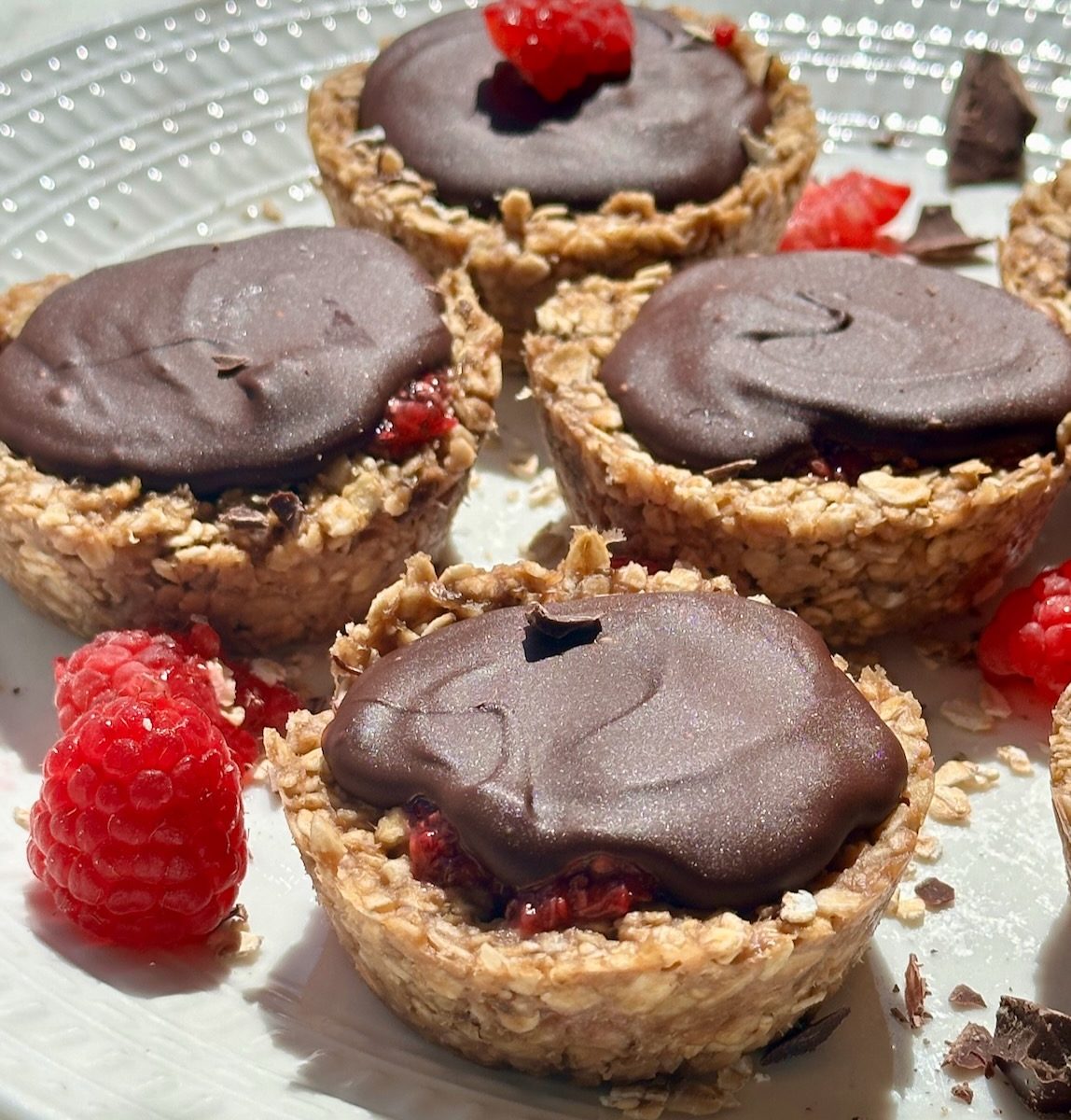
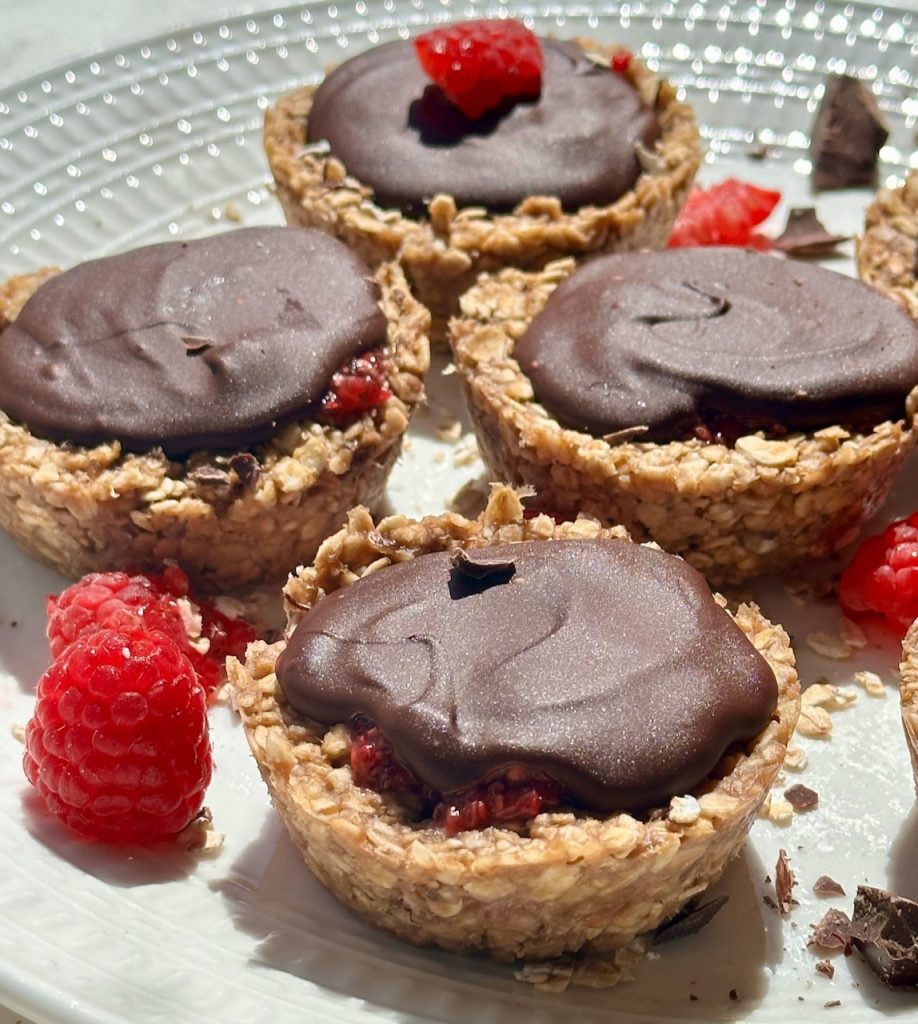
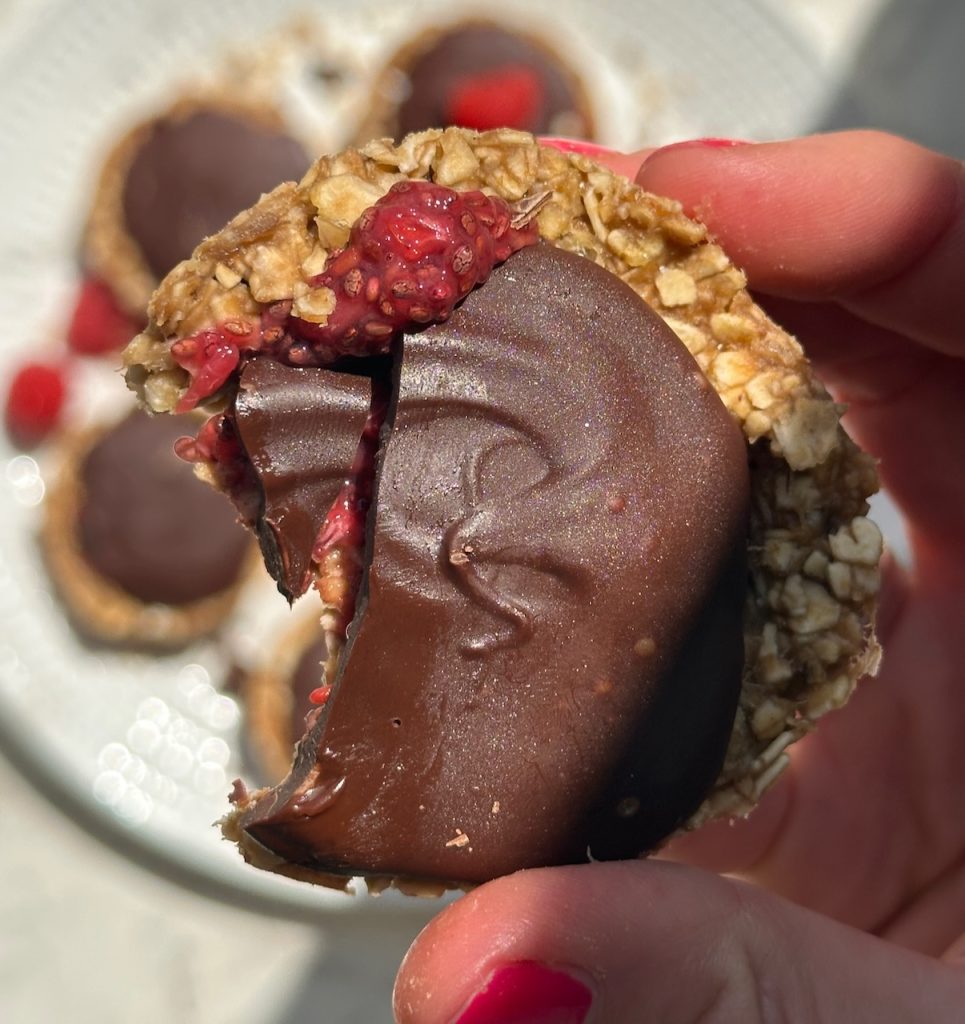
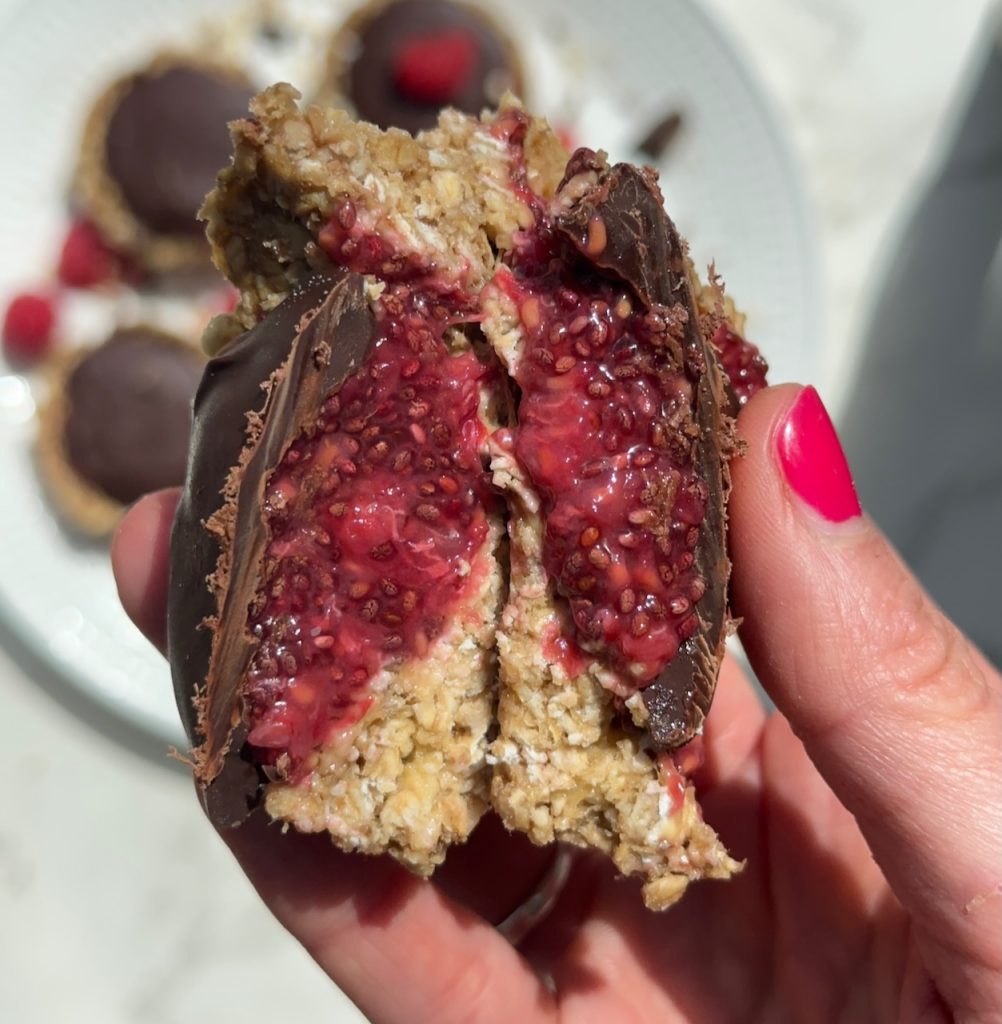
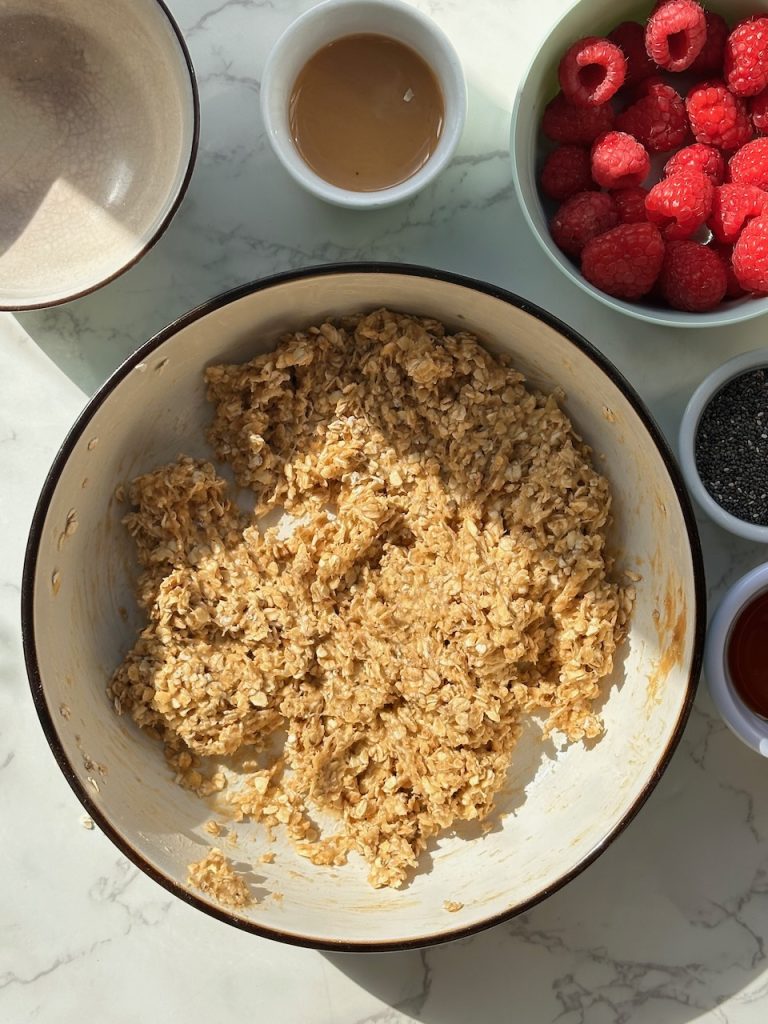
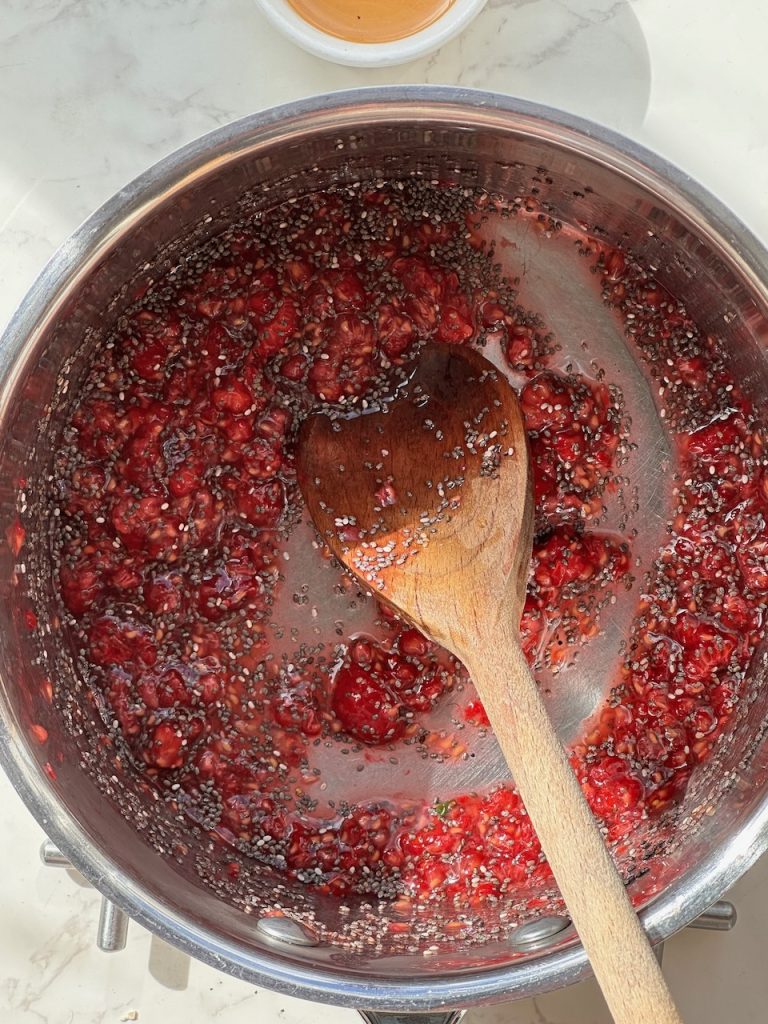
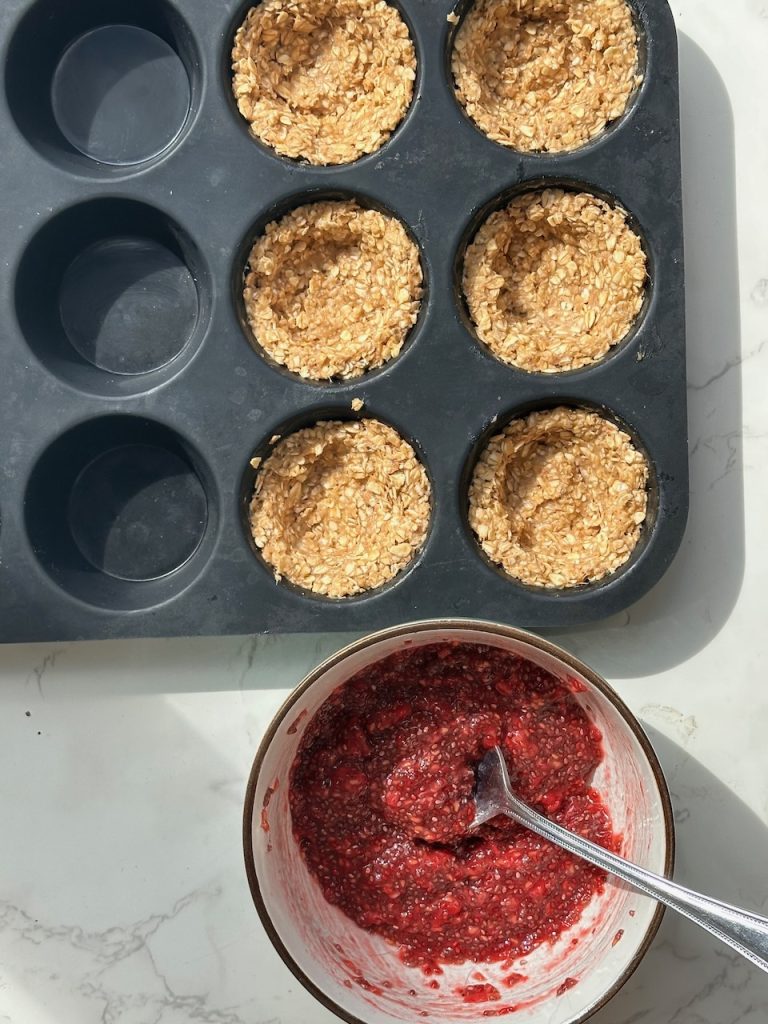
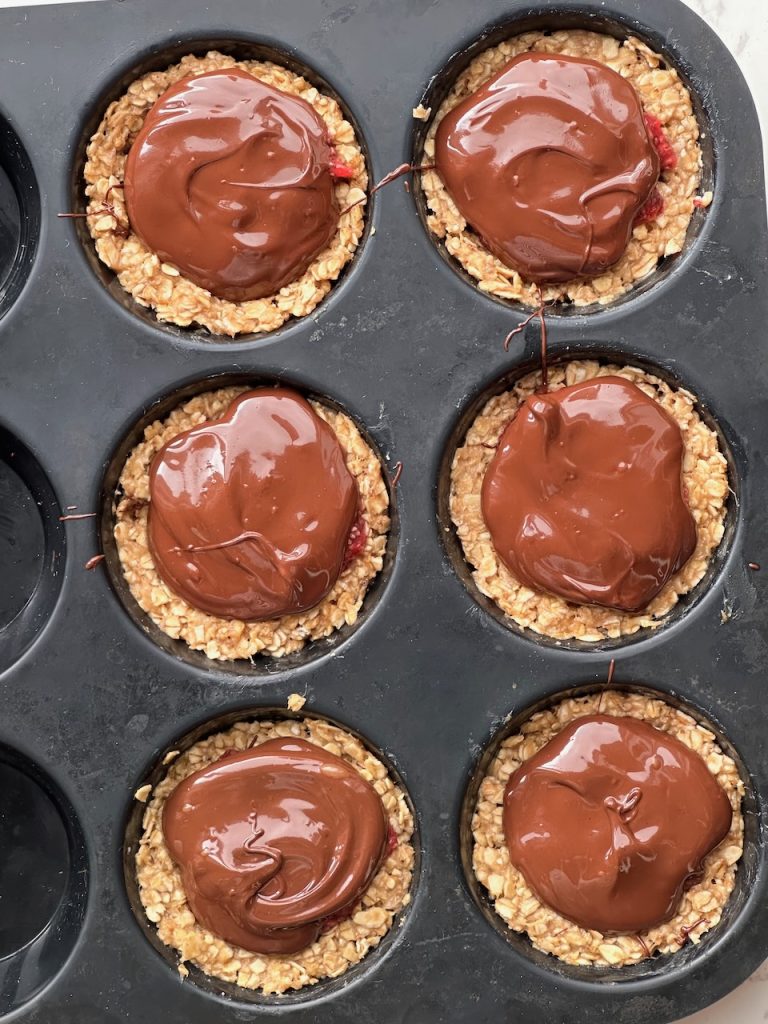
I’ve been on a mission to get my fussy eater (he’s 5) to eat more peanut butter and these have that perfect balance, disguised slightly by the banana. I make raspberry and chia jam all the time for extra protein so its the perfect filler for these too.
The chocolate is optional but delicious. Lots of yummy organic ingredients in these sweet cups! We love a no bake snack thats tasty and nutritious. Just perfect for that mid morning or late afternoon slump and super for kids after school too!
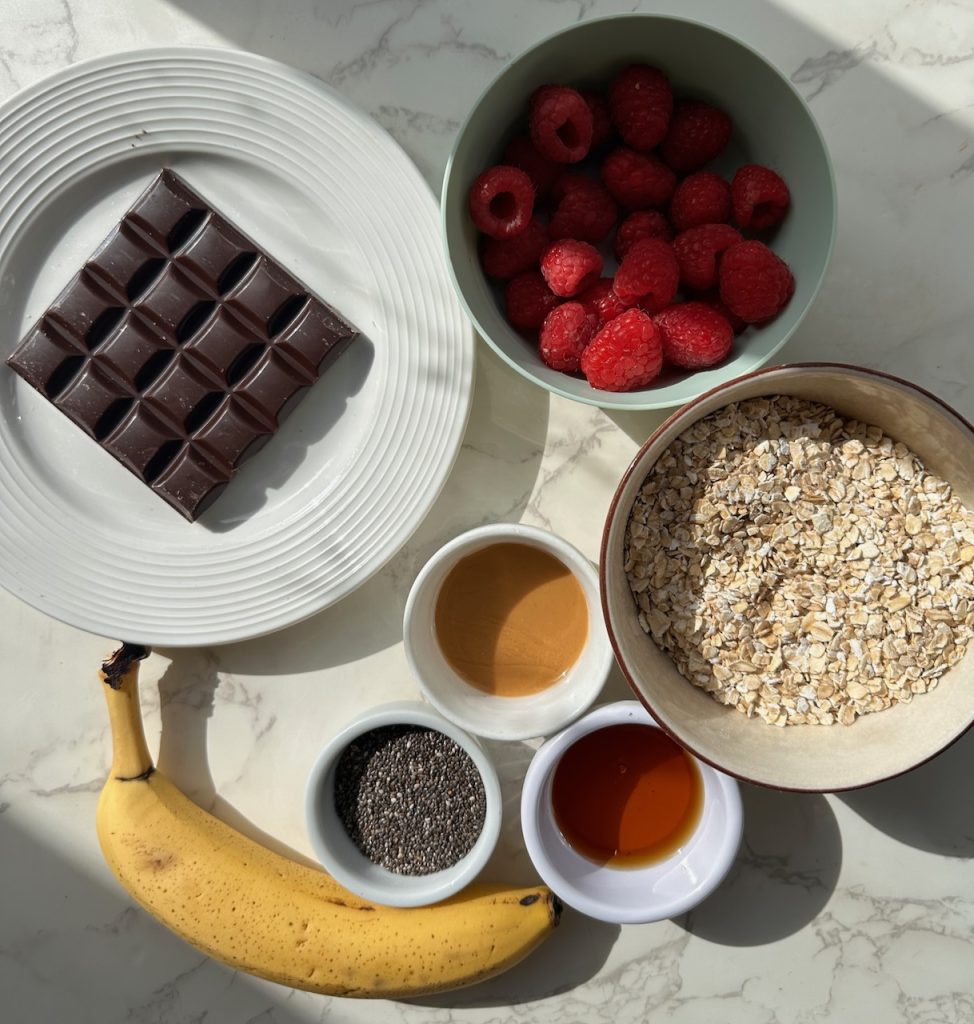
Find almost all the lovely organic ingredients you need to make these in our groceries.
100g (1 cup) raspberries (fresh or frozen) 2 tbsp chia seeds 2 tbsp maple syrup 100g melted dark chocolate chopped
Method:
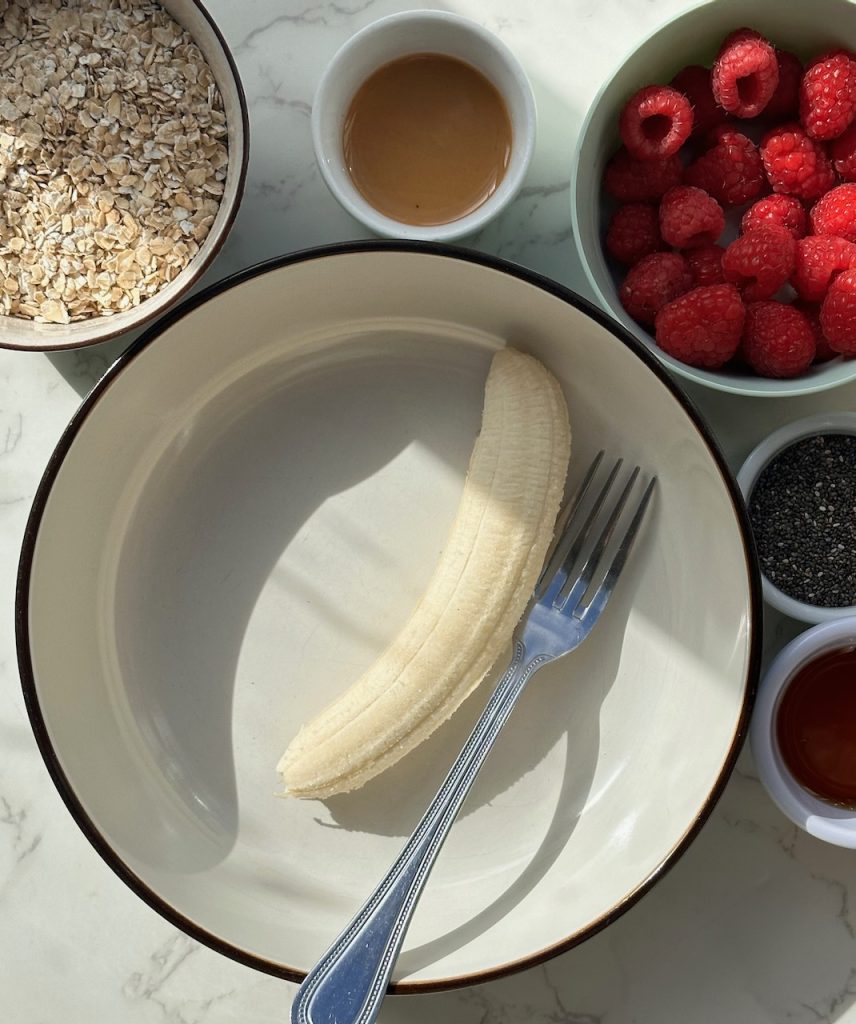
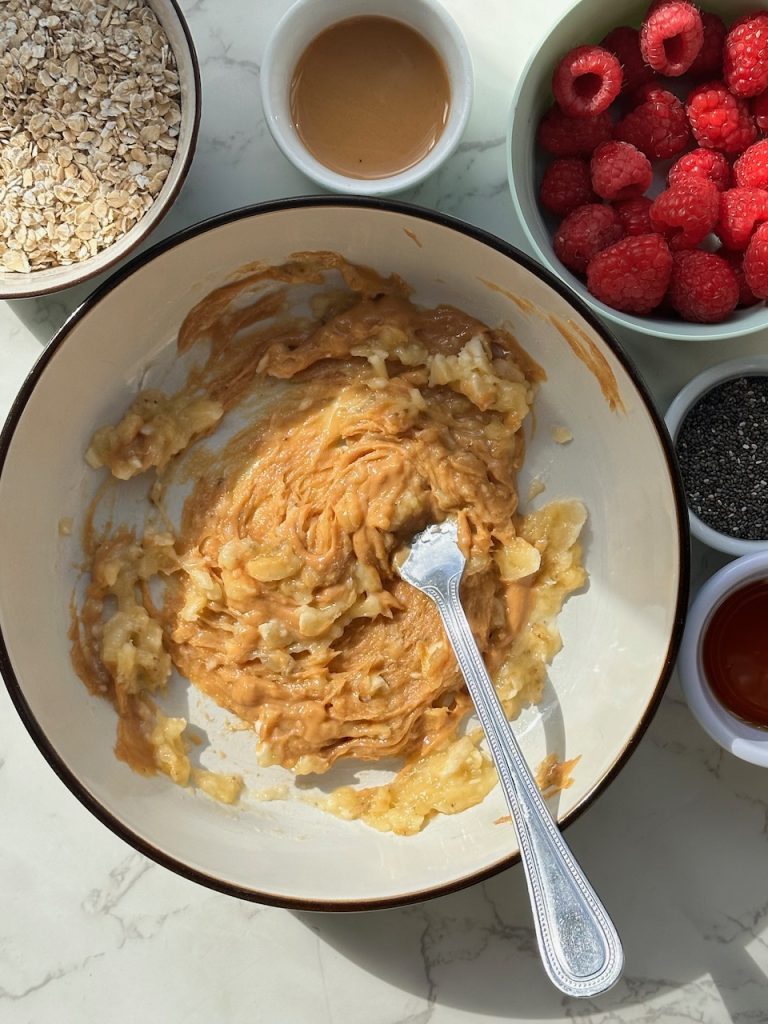
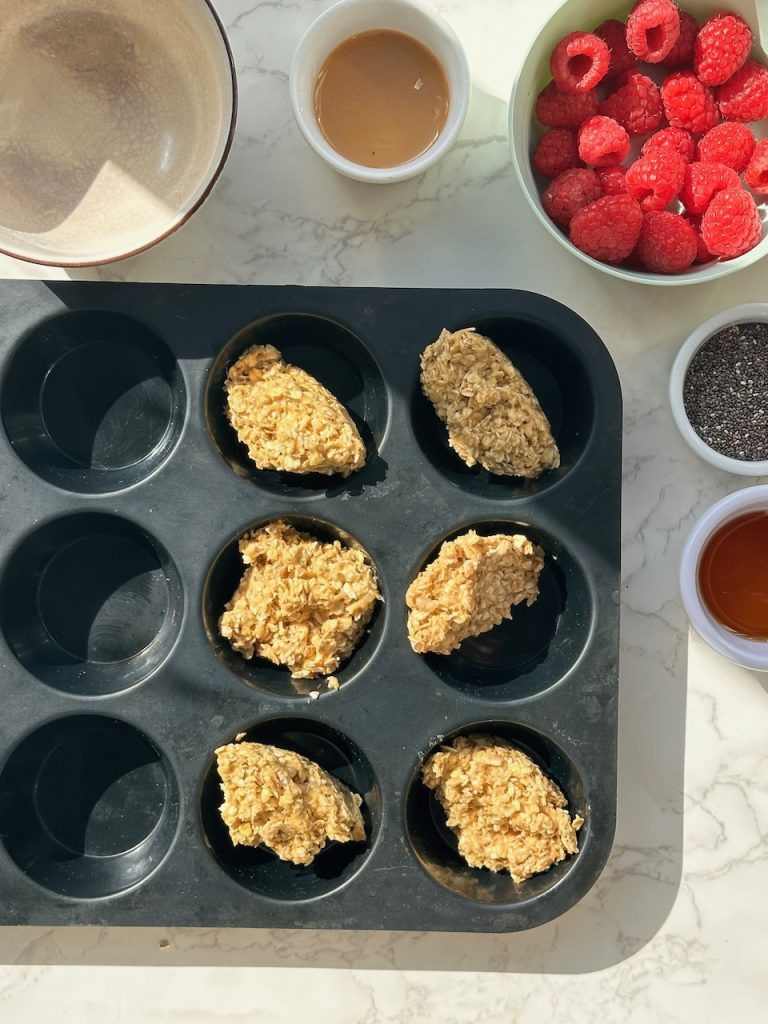
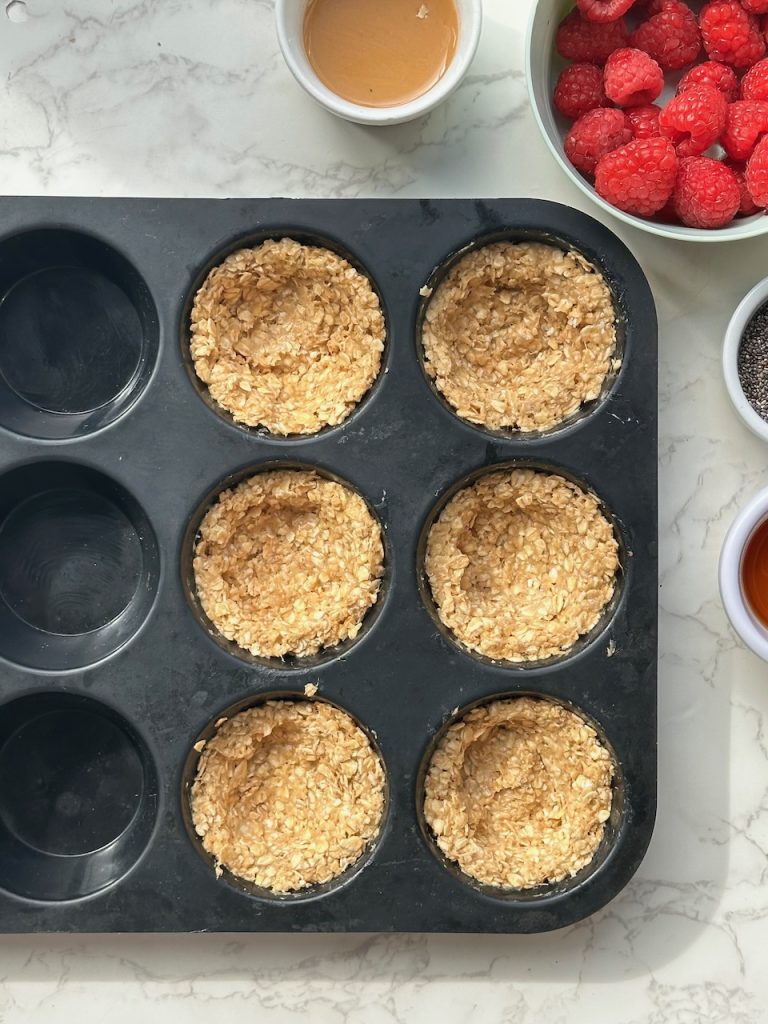
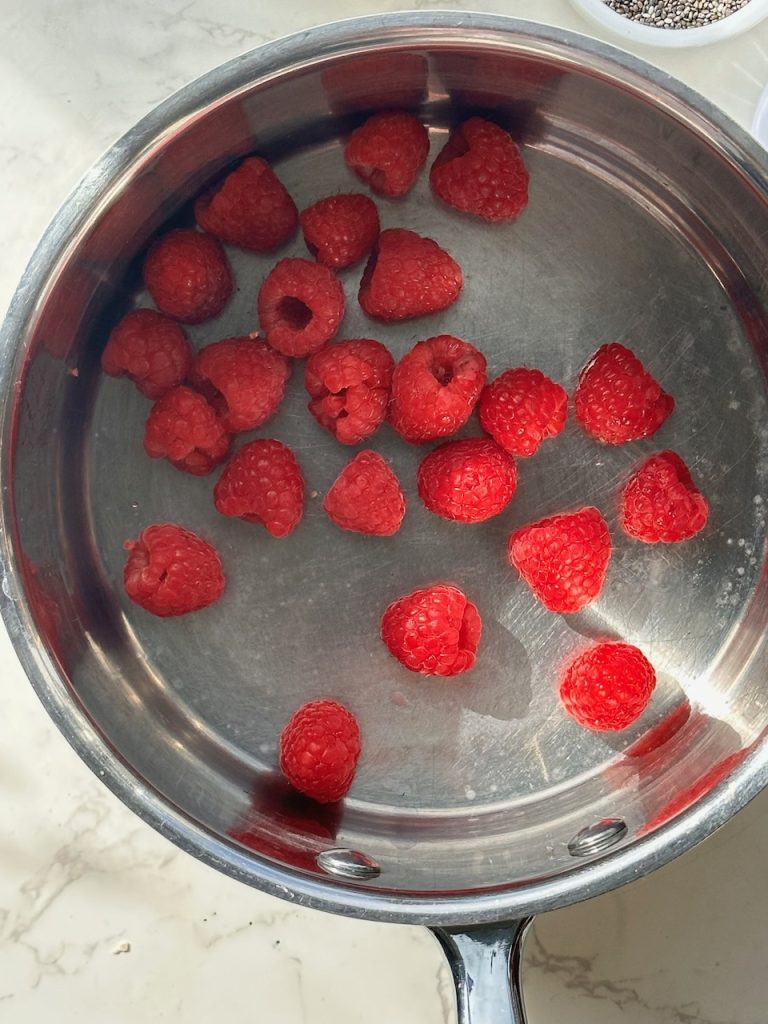
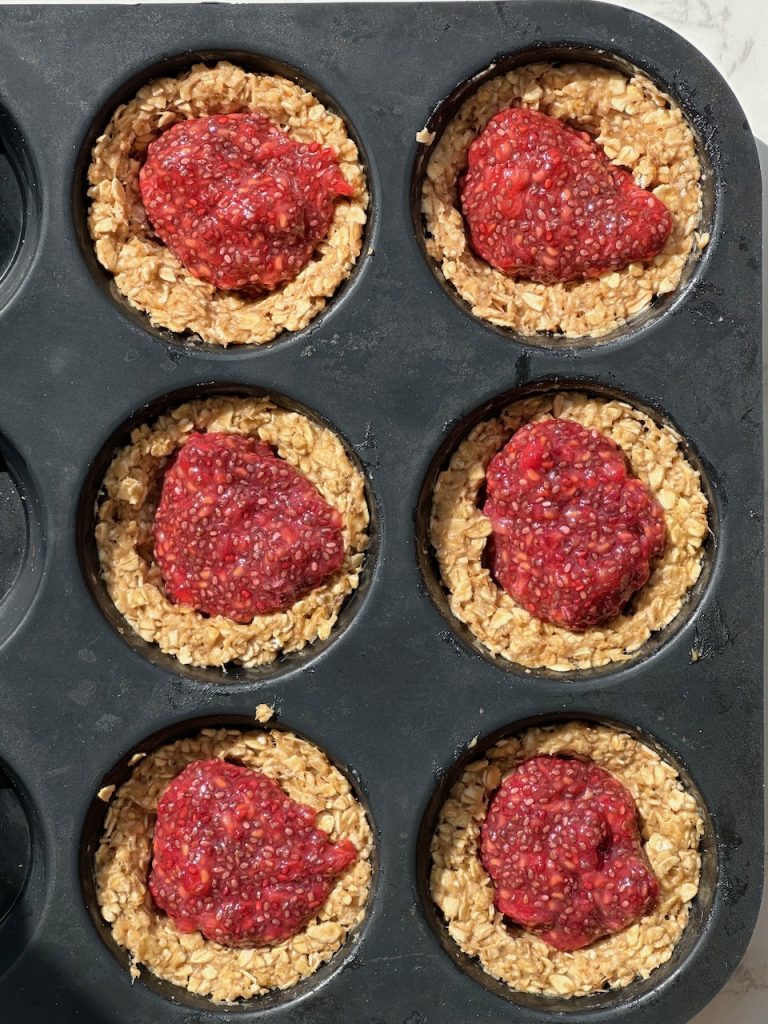
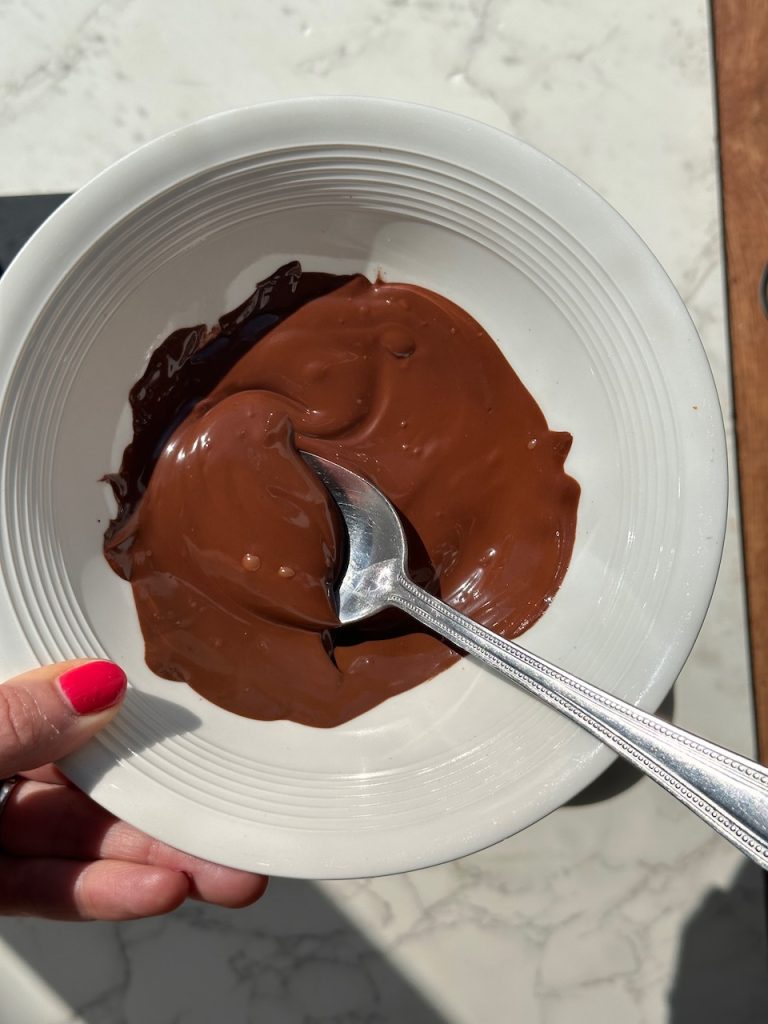
1. Begin by mixing the oats, mashed banana and peanut butter. Spoon into silicone muffin moulds or a muffin tin lined with 6 muffin cases. Use a spoon to shape them into muffin cups. 2. In a pan heat the raspberries, chia seeds and maple syrup and let it cool for 10 mins. Pop 1 tbsp of your jam into each cup. 3. Melt the chocolate in the microwave or in a bowl over simmering water. Spoon on top of the cups and place in the fridge to let the chocolate set.
Summer is on the way and so is salad season! We are always on the look out for new trends and couldn’t wait to make this viral crispy potato salad. It is so easy to make and tastes amazing. Our Irish organic spuds are just the best to use, keep the skins on for extra fibre, nutrition, zero food waste and extra crispiness!
Keep it plant based with vegan mayo and yoghurt – find most of what you need in our groceries.
We hope you enjoy making this one,
Lou x
Ingredients: feeds 4
1kg potatoes, washed and diced 1inch cubes 1/2 cucumber, finely diced 1 small bunch parsley, finely chopped 1 small bunch dill, finely chopped 1/2 cup (120g) vegan yogurt 1/2 cup (120g)vegan mayo 1/2 red onion, finely diced zest and juice of 1/2 lemon 1 teaspoon dijon mustard
Salt and pepper to taste
Method:
Step 1: To speed up the cooking time its best to steam the potato cubes first until soft this will take about 30 minutes.
Step 2: Preheat the oven 220ºC fan. Transfer the cooked potatoes onto a baking tray lined with parchment paper, drizzle with oil, salt and pepper toss to coat and roast in the oven for about 30 minutes or until golden- they may need more or less time, keep a close eye on them. They are ready when they are golden and crispy around the edges.
Step 3: Grab a large serving bowl, measure in the yoghurt, mayonnaise, mustard, lemon juice, salt and pepper and stir. Next add the chopped herbs, cucumber, red onion and stir once more. Taste and adjust the seasoning if needed.
Step 4: Tumble in the cooked crispy potatoes while warm, stir to coat in the dressing and serve up.