Maybe we are not as smart as we think we are…

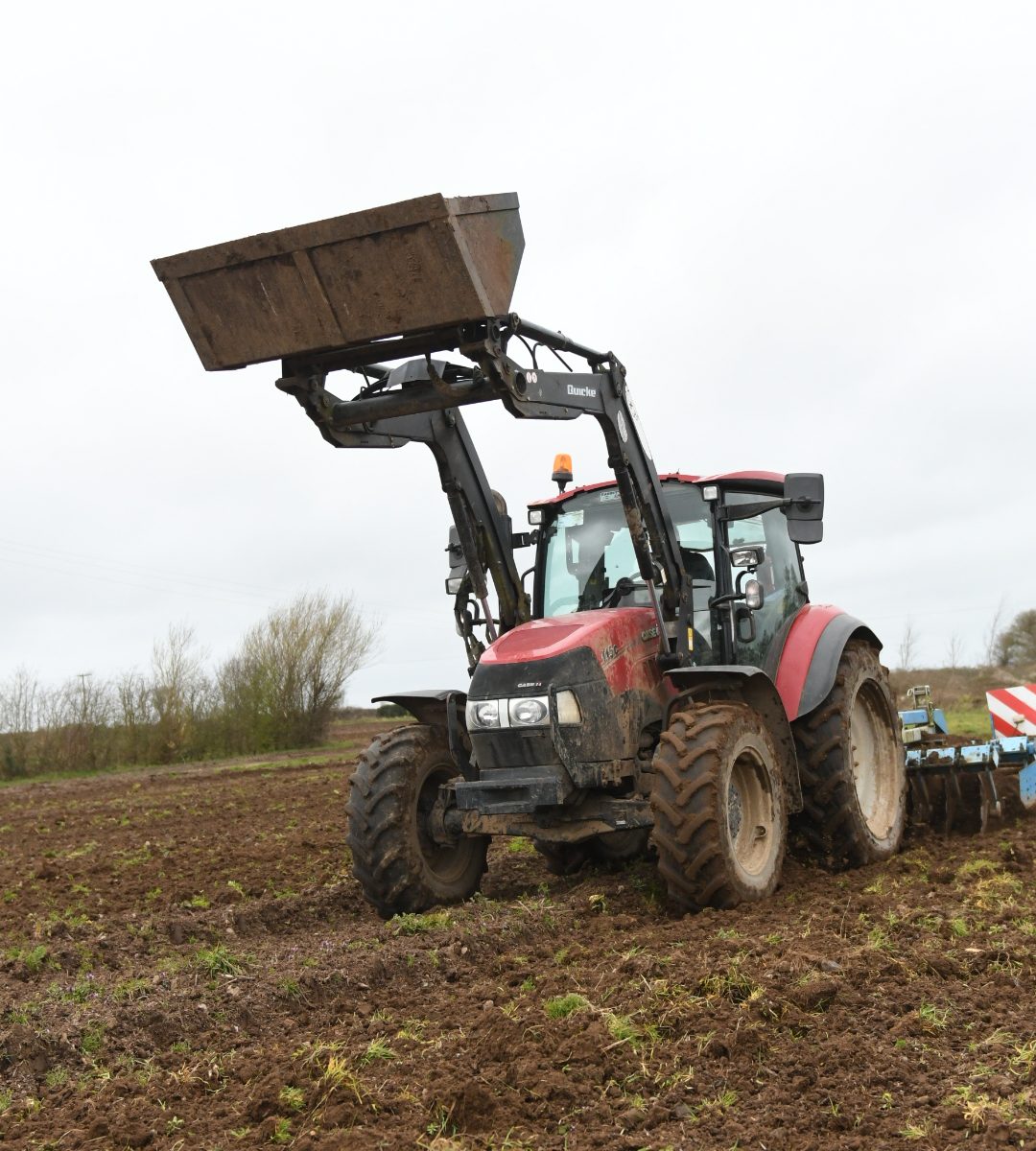
Honestly my grandad walked these fields, he farmed here with two farm horses one called Snowball, and he did not use chemicals. The idea struck me just before Christmas that we are the only species on the planet that will actively go out and cover our food with toxic chemicals to stop other living creatures from eating it and then eat it ourselves. That is an amazing forward jump for civilisation, don’t you think?

Using chemicals to ward off disease is as old as organised agriculture, and up until recently bluestone and washing soda, that is Cupper Sulphate and washing soda was used to help prevent blight on potatoes here in Ireland. This is now restricted under organic rules. My Grandad may have used it in the 1950s, and had it been available in the mid-1800s it may have saved millions of people from starvation during the great potato famine, using it would have been the right thing to do.

The key difference today is the scale, the toxicity and the ubiquity of pesticide use. Yes, the EU have been restricting the use of certain pesticides, but it very much looks like their ambition to clean up chemicals in our food will be put on hold for now.

There is also the argument that the dose makes the poison and for something like copper of course if you consume too much of it is toxic, in fact it is more toxic than Glyphosate, this may seem surprising.

But here are two key differences.

1. The use of Glyphosate worldwide is estimated to be 800,000 tonnes annually. For Copper sulphate reliable date does not exist but use is probably around the 10,000-50,000 tonnes mark. (note it is now severely restricted under EU organic standards). Glyphosate is everywhere.

2. Glyphosate is systemic, Cupper is not. Glyphosate gets into the plant and stays there; Copper sits as a barrier on the outside and is easily washed off.

Things are never as black and white as we may want them to be, the famine and the use of copper to protect the potato crop is a good example, if the option was there at the time it would have been the right thing to do to use it.

But today there are clear alternatives to chemical use in vegetable production. For weeding, mechanical and flame weeding are clear chemical free ways to control weeds. Using crops that are more disease resistant is a no brainer, and new varieties are constantly being bred (not GMO, but using natural techniques), take the potato “Connect” which has exceptional blight resistance and tastes great (the earlier Sarpo varieties had great blight resistance, but nobody wanted to eat them!).

For pests, well some crops will succumb that is the nature of nature!

We are often asked how we deal with slugs on our farm, and whilst at times we do use an organic approved slug pellet it is rare and we have virtually no problems. The ecosystem on our farm may be in balance and provides natural protection, as with any balanced system it just works.

So as always without your support we would not be able to continue to fight the good fight, so thank you for standing by us, and Happy New Year.

Kenneth

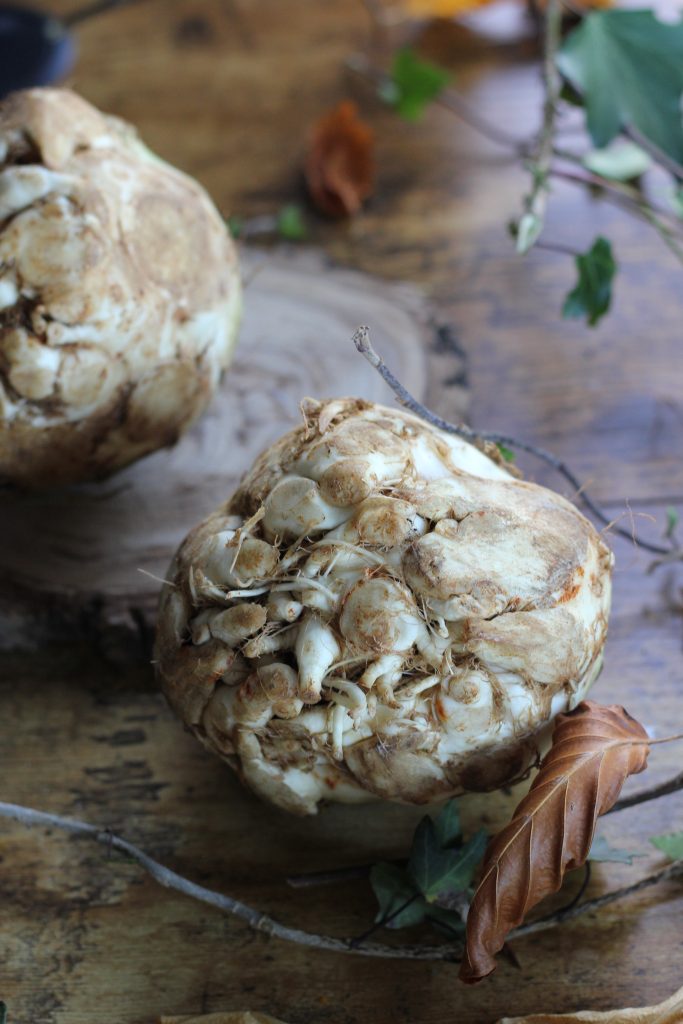
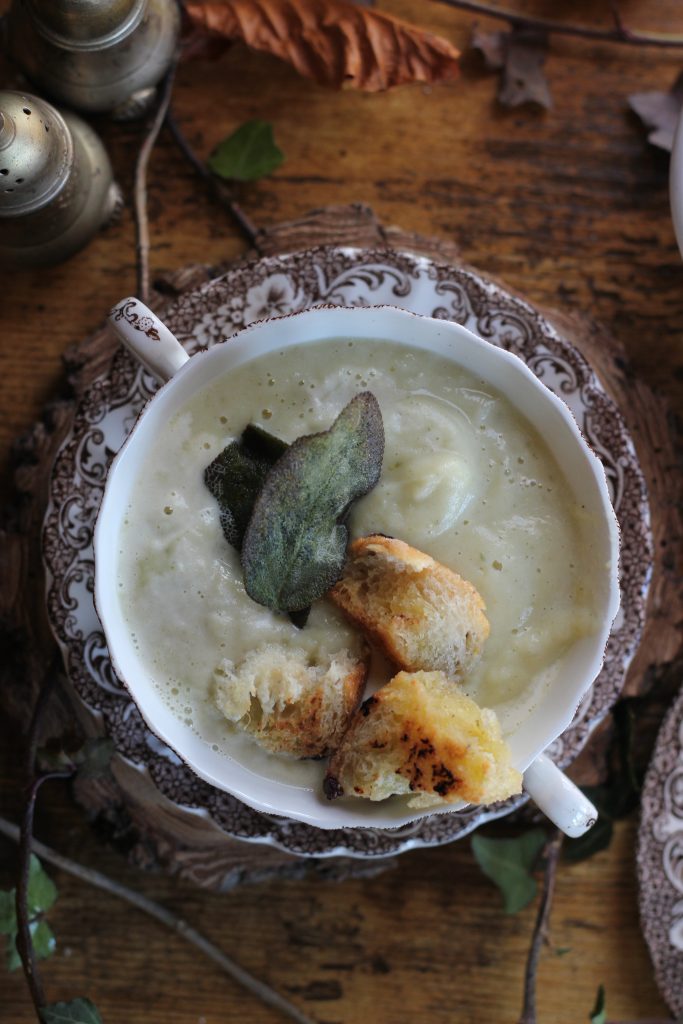
Celeriac & Sage Soup with Ciabatta Croutons

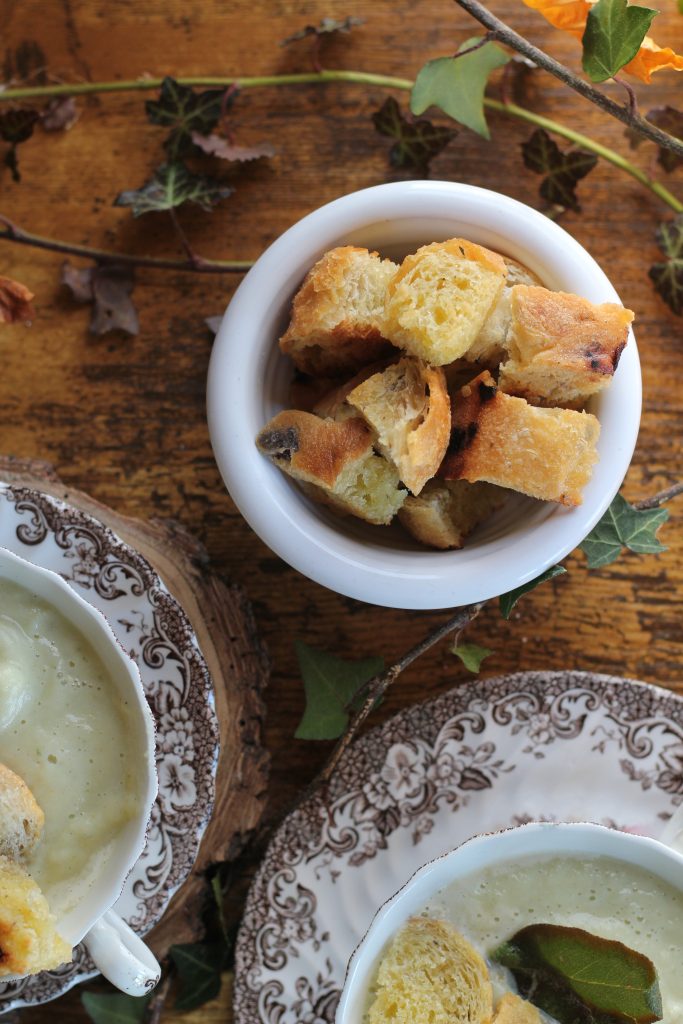
Delicious and comforting, this celeriac soup with golden ciabatta croutons is the perfect way to warm up on a chilly day. The subtle sweetness of the celeriac pairs perfectly with the crunchy croutons. The soup can be stored in an airtight container in the fridge for up to three days, but the croutons are best enjoyed soon after cooking.

Enjoy!

Nessa x

Celeriac & Sage Soup with Ciabatta Croutons

Serves 6

Ingredients

  • 50g butter
  • 600g celeriac, peeled and diced
  • 1 onion, roughly chopped
  • Salt and freshly ground pepper
  • Handful of sage, about 10 leaves, chopped
  • 750ml vegetable stock
  • 75ml milk
  • 75ml cream, plus 50ml extra for serving

Croutons

To serve

  • 1tsp olive oil
  • 10 sage leaves

Method

  1. Melt the butter in a large saucepan over a low heat. When it begins to foam add the celeriac and onion stir to combine with the butter.
  2. Sprinkle with a little salt, a few grinds of pepper. Place a butter wrapper or a piece of greaseproof paper over the vegetables, to help them sweat. Cover with the lid of the saucepan. Sweat over a low heat for about 10 minutes, making sure the vegetables don’t stick to the bottom of the saucepan.
  3. When the vegetables are soft but not coloured, and the chopped sage and stock, and continue to cook for another 15 minutes or until the vegetables are soft.
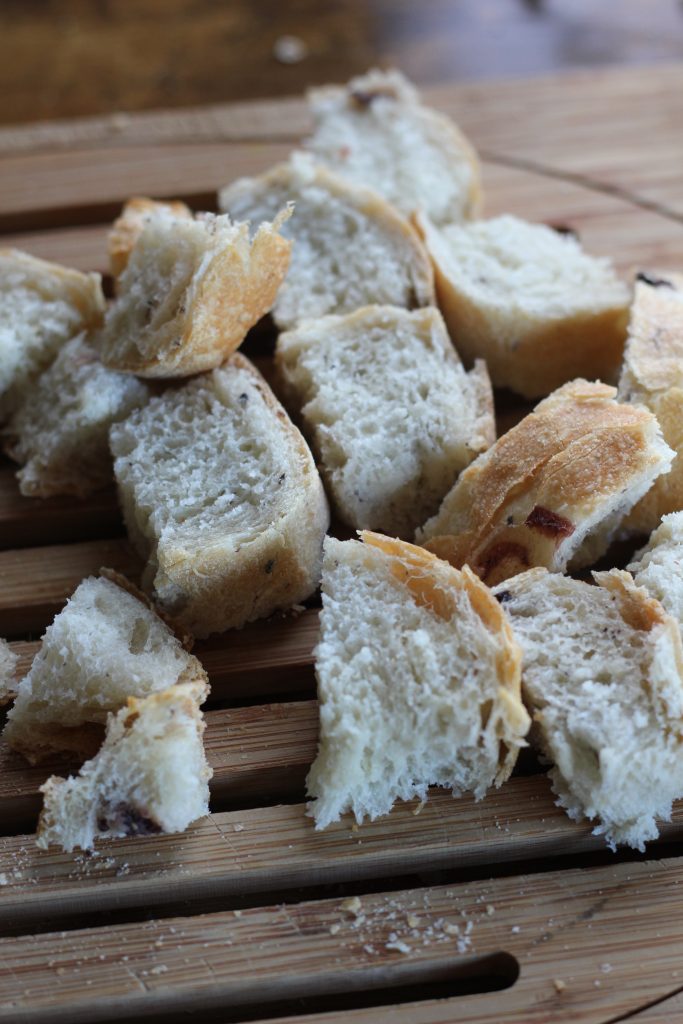
  4. While the soup is simmering, make the croutons by heating the olive oil on a large pan, when hot add the diced ciabatta and fry each side until golden. Remove and leave to cool.
  5. Using a hand blender or a food processor purée the soup until it is smooth. Taste and season, if necessary. Pour in the milk and cream and stir well to combine.
  6. Add a teaspoon of oil to a small frying pan. Once hot, add the sage leaves and fry gently on each side for a few seconds. Place the leaves on some kitchen paper, to drain off the excess oil.
  7. Pour the soup into serving bowls and garnish each with two sage leaves, a little drizzle of cream, and a few golden croutons. 

Oaty Apple Crumble

A crumble is by far one of the easiest desserts to make, and this recipe is incredibly versatile too, as any fruit of choice can be used as the base. I’m using a wholemeal fine ground flour, but plain flour can be used in its place. While I’m also adding oats to the topping, but finely chopped nuts can be easily substituted. I find a crumble is best enjoyed warm from the oven, with a good serving of hot custard, but ice-cream or softly whipped cream also make for delicious accompaniments. 

Enjoy!

Nessa x

Oaty Apple Crumble

Ingredients

Crumble

Base

Method

  1. Preheat the oven to 200°C/fan 180°C/Gas 6.
  2. To prepare the crumble, place the flour in a bowl. Add the butter and rub it into the mixture, followed by the oats, almonds, and sugar. Rub the mixture together until it resembles fine breadcrumbs. 
  3. Place the apple pieces in a large ovenproof dish. Add the orange zest and juice, sugar, and cinnamon. Stir to combine.
  4. Sprinkle over the crumble mixture and place the dish on a baking tray. Bake in the pre-heated oven for about 30 minutes, until the crumble topping is golden brown. Take from the oven, cover with some foil and bake for another 10 minutes. Serve with ice cream, softly whipped cream or custard.

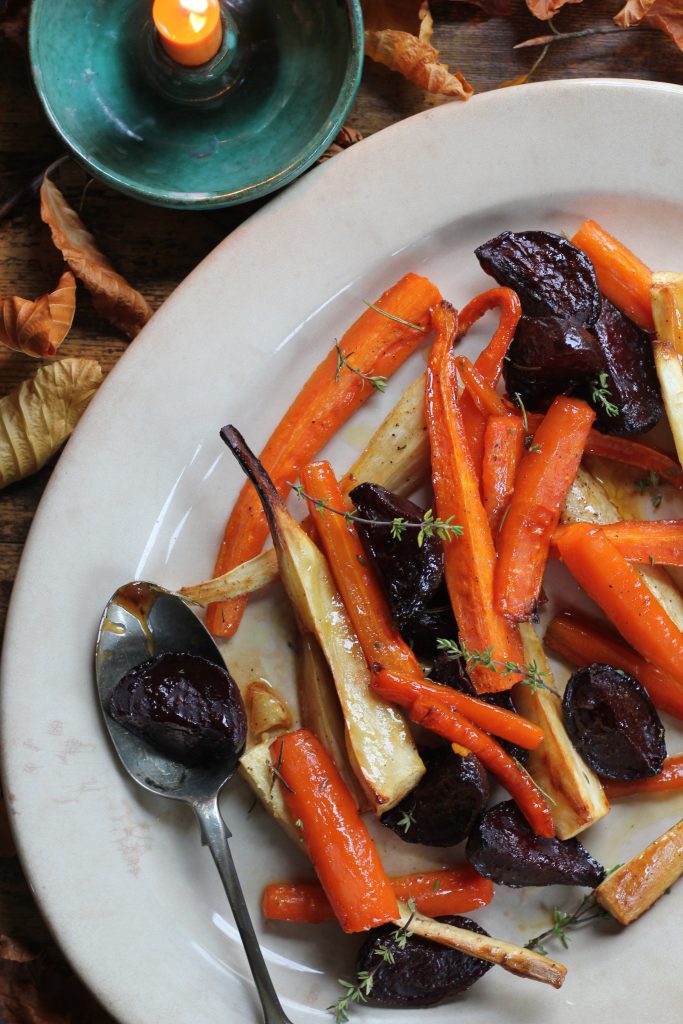
Maple Glazed Root Veg

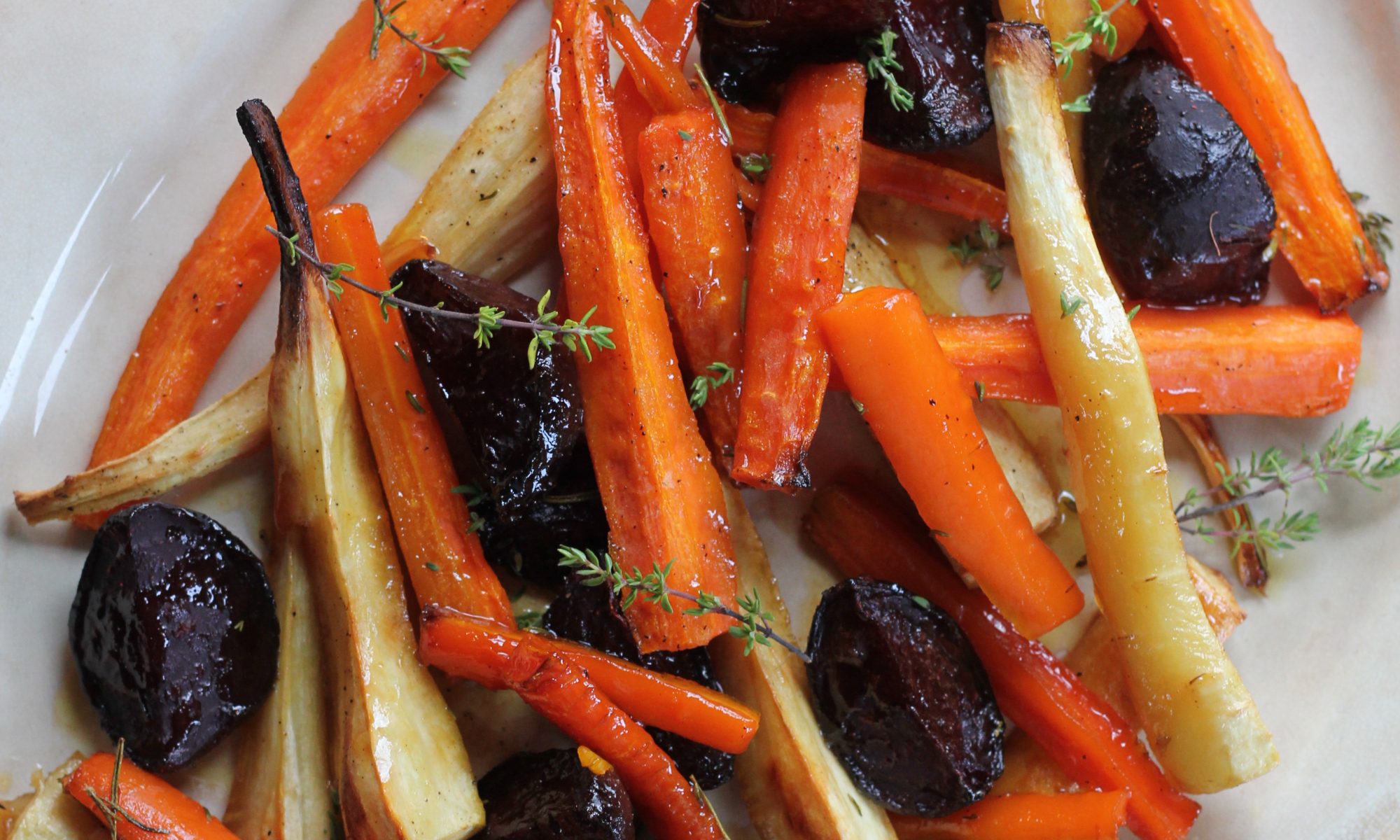
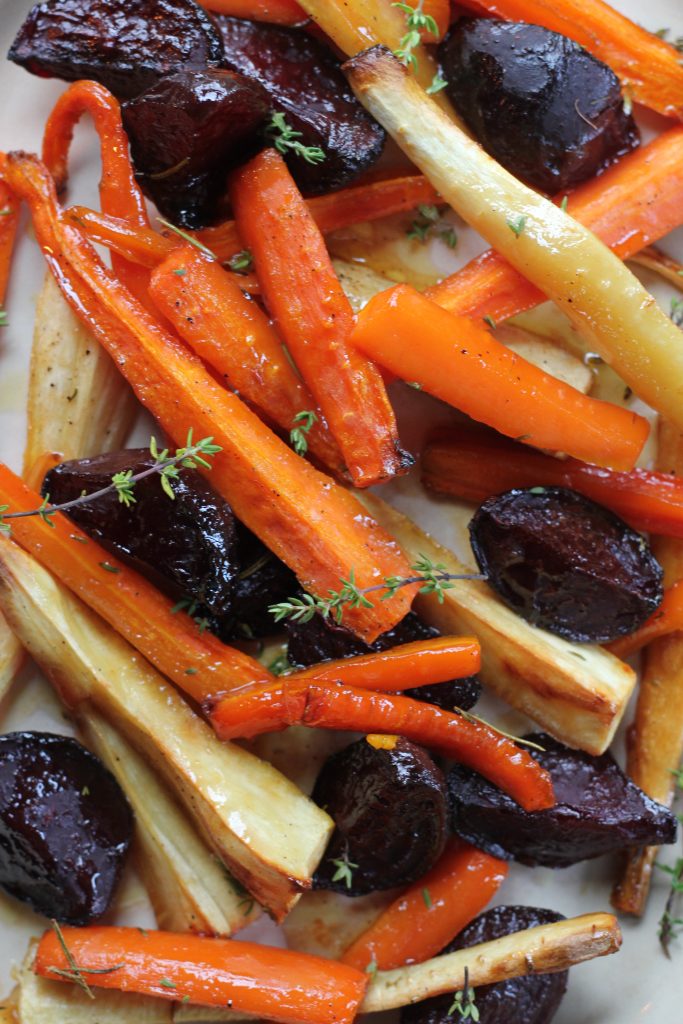
Irish root vegetables are now in an abundance and there are so many ways to cook and enjoy these nutrient-rich vegetables. Carrots, parsnips, and beetroot bring a unique texture and depth of flavour when roasted. This Maple Glazed Root Vegetable recipe brings out their natural goodness with a touch of maple syrup and butter, making them caramelized and golden. They pair perfectly alongside any meal from a midweek dinner to a Sunday roast.

Enjoy!

Nessa x 

Maple Glazed Root Veg

Serves 4

Ingredients

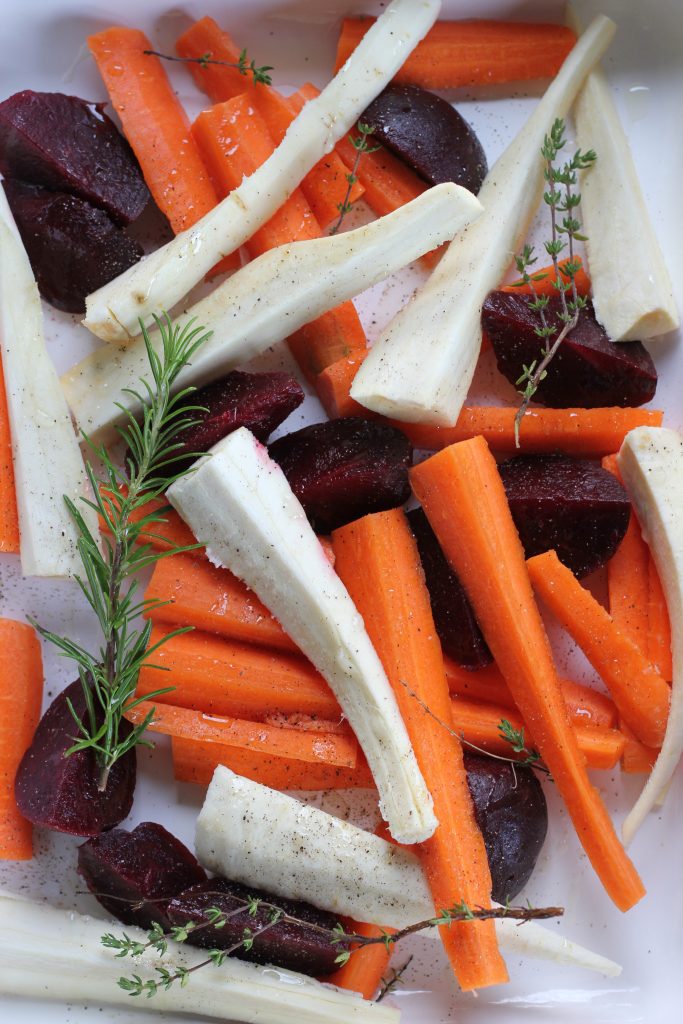
  • 3-4 raw beetroots, peeled and quartered
  • 3 carrots, peeled and quarters lengthways
  • 2 parsnips, peeled and quarters lengthways
  • 4 sprigs fresh thyme
  • 1 sprig rosemary
  • 2tbsp olive oil
  • Salt and freshly ground pepper
  • 4tbsp maple syrup
  • 50g butter
  • To serve – fresh thyme

Method

  1. Pre-heat the oven to 180°C/ fan 160°C/gas mark 4.
  2. Place the prepared vegetable on a large baking tray. Add the thyme and rosemary. Drizzle over the oil. Season with salt and pepper. Toss to combine.
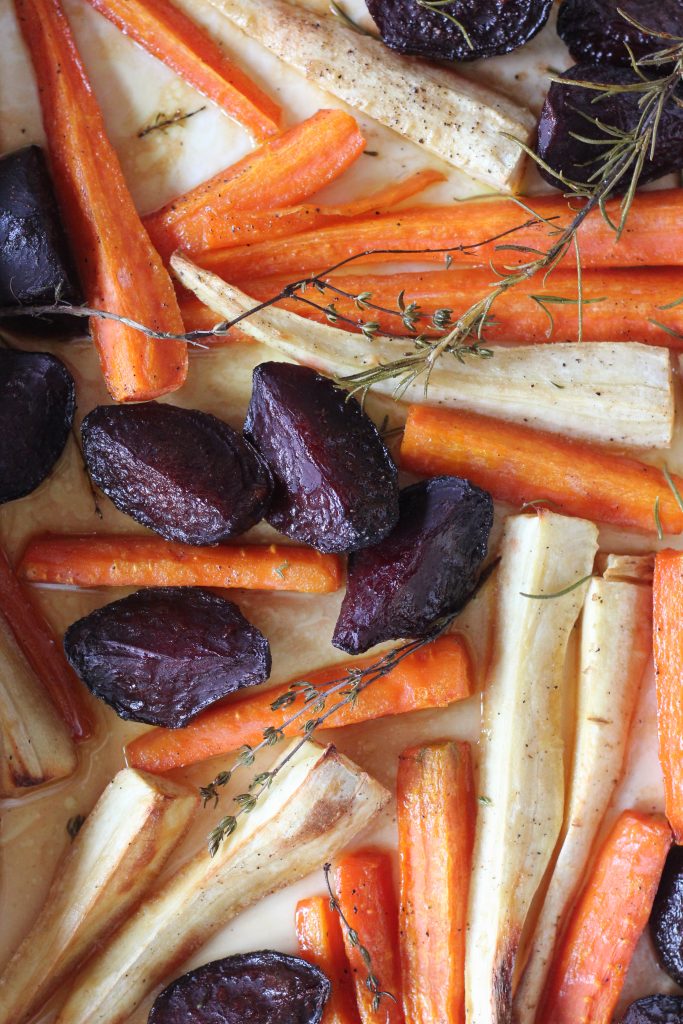
  3. Roast for 30 minutes, taking from the oven a couple of times during cooking to give everything a stir.
  4. Add the maple syrup and butter, and stir well to coat all the vegetables. Return to the oven for another 20-25 minutes. Serve hot from the oven with a sprinkling of fresh thyme. 

Squash & Leek Pie

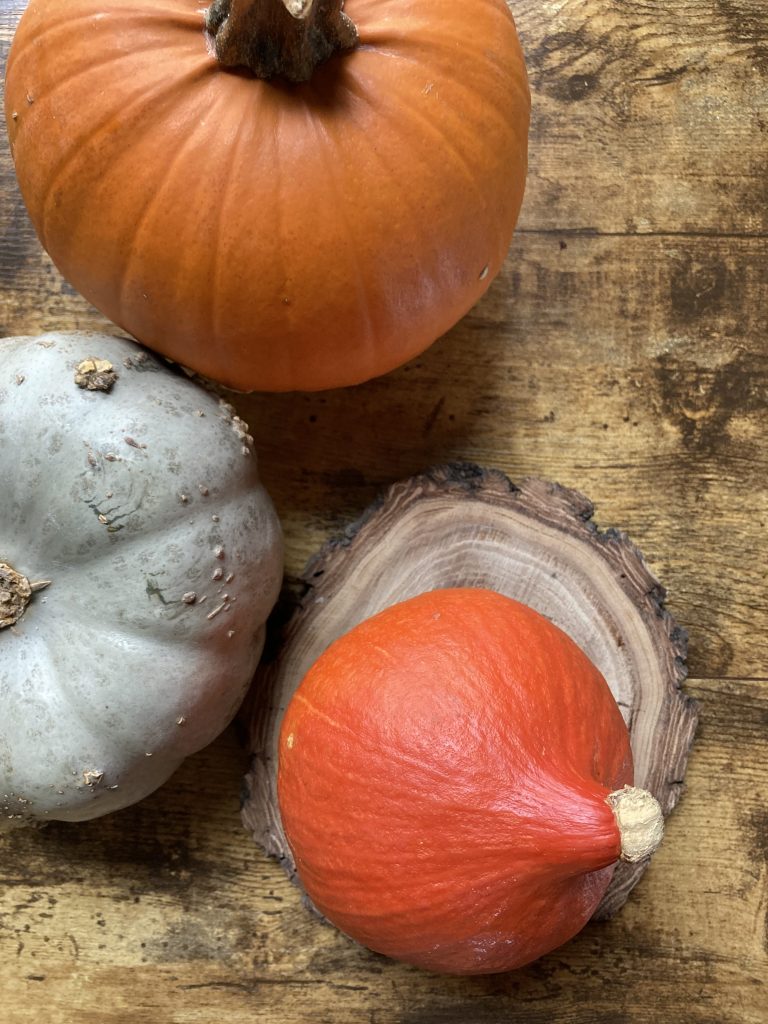
This squash and leek pie, packed with in-season Irish vegetables, would make for an indulgent yet wholesome midweek meal. I’ve used butternut squash in this recipe, but any squash of choice can be used, even a little pumpkin, if you have one intact from your Halloween celebrations. The pie is topped with a pastry cap, but creamy mash would work equally well in its place. Serve with steamed greens, this is a delicious meal to try this week.

Enjoy!

Nessa x

Squash & Leek Pie

Serves 2

Ingredients

  • ½ roll puff pastry
  • 1 small or ½ large butternut squash, peeled & diced
  • 1tbsp olive oil
  • 25g butter
  • 1 leek, thinly sliced
  • Salt and freshly ground pepper
  • 5/6 sage leaves, finely chopped
  • 2 cloves garlic, crushed
  • 250ml vegetable stock, hot
  • 75ml cream
  • Egg wash/water

Method

  1. Take the puff pastry from the fridge about 30 minutes before using.
  2. Preheat the oven to 200°C/fan 180°C /Gas Mark 6.
  3. Place the diced squash on a large baking tray. Drizzle over the olive oil. Toss to combine. Place in the preheated oven for 25 minutes.
  4. While the squash is cooking, add the butter to a large frying pan over a medium heat. Once melted add the leek. Season with salt and pepper. Stir to combine and turn down the heat to low. Cook for about 10 minutes, stirring regularly.
  5. Stir through the sage and garlic and add the cooked squash to the pan. Add the stock and simmer for 5 minutes.
  6. Stir through the cream, simmer for a couple of minutes, before adding the mixture to a small-medium sized casserole dish.
  7. Cut the puff pastry to match the top of the casserole dish. Pinch the sides to press the pastry into place and make a small hole in the centre of the pie to allow steam to escape while cooking. Brush with either a little egg wash or water. 
  8. Place in the preheated oven for 25 minutes. 
  9. Serve hot with some steamed broccoli.

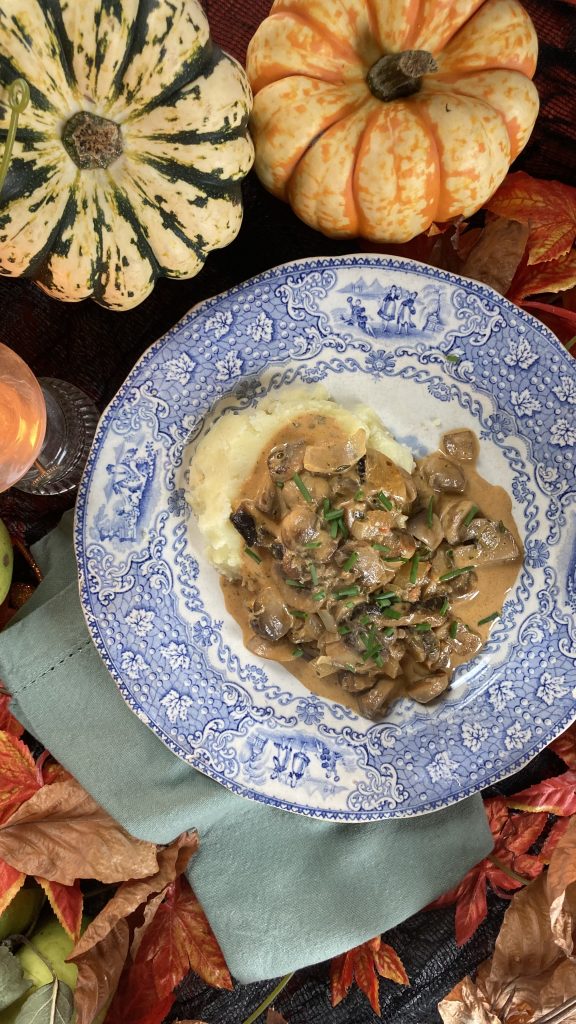
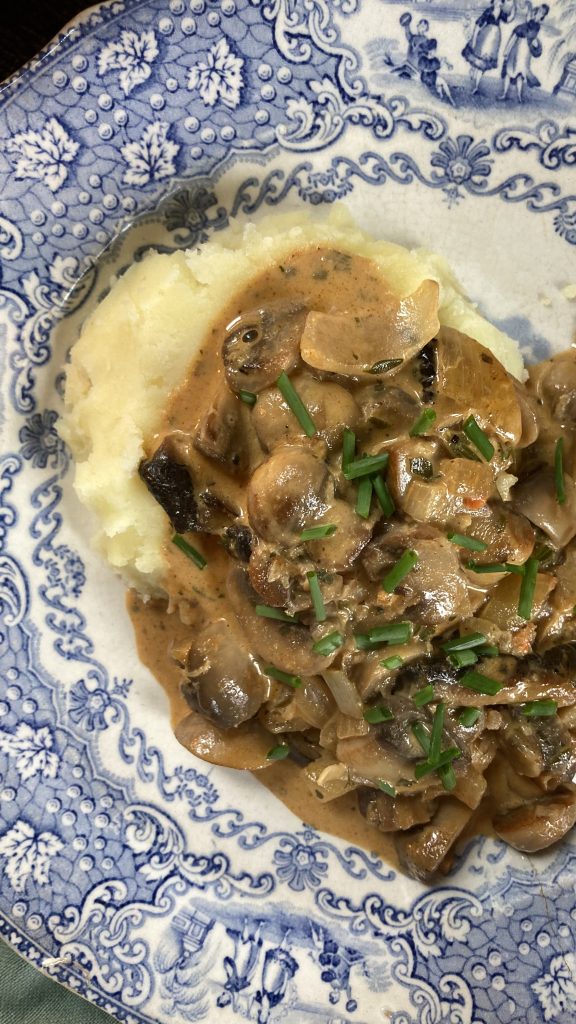
Mushroom Stroganoff

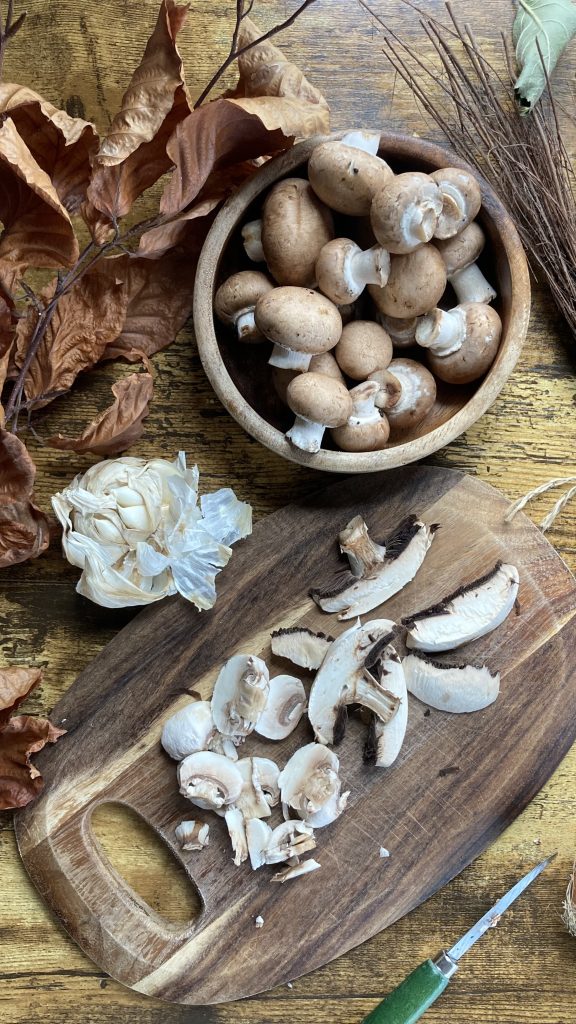
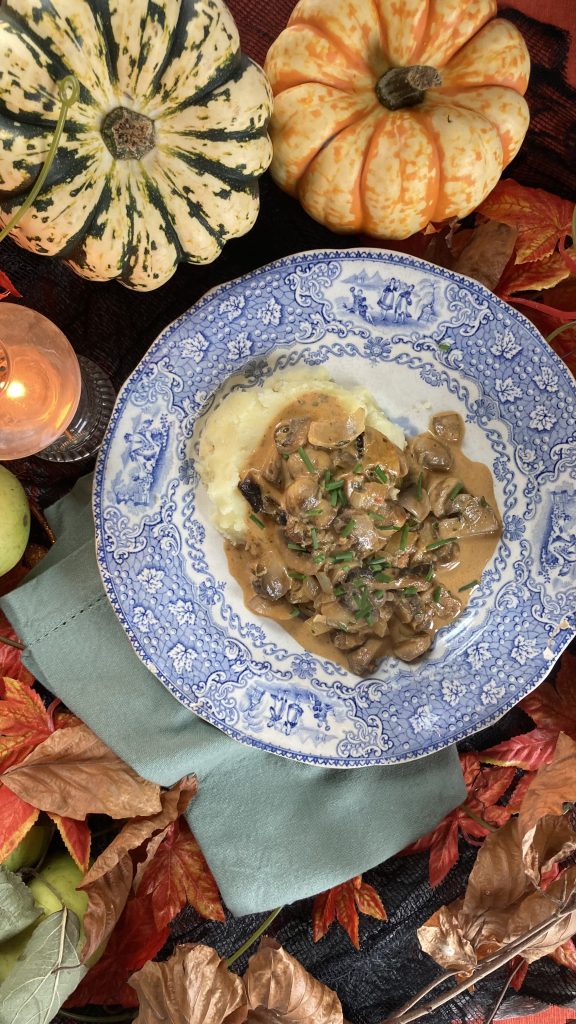
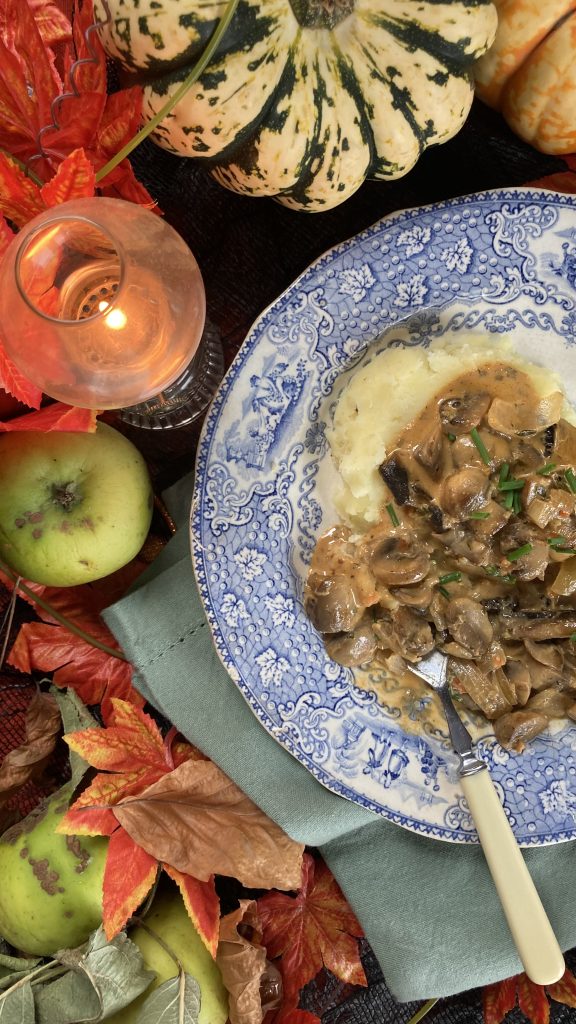
This is such a versatile recipe, as this creamy Mushroom dish serves well with potatoes, rice, pasta, and it’s even delicious served alongside some toast. Cooked mushrooms are a great source of B vitamins and antioxidants. When preparing mushrooms for cooking, avoid washing them with water, as their porous nature causes them to absorb moisture, which can negatively affect their texture and flavour during cooking.

Enjoy!

Nessa x

Mushroom Stroganoff

Serves 2

Ingredients

  • 25g butter
  • 450g mixed mushrooms, sliced
  • 1 onion, finely diced
  • 2 cloves garlic, crushed
  • 1tsp sweet paprika
  • 1tsp Dijon mustard
  • Squeeze lemon
  • 2 sprigs thyme, leaves only
  • Salt and freshly ground pepper
  • 500ml hot vegetable stock
  • 150ml cream

To serve

  • Chives, finely chopped
  • Mashed potato/rice/pasta/toast

Method

  1. Place a large frying pan over a medium heat. Add the butter. Once it starts to melt, add the mushrooms and onion. Stir to combine. Turn up the heat and cook for 5 minutes, stirring regularly.
  2. Add the garlic, paprika, mustard, lemon, and thyme to the pan. Season with a little salt and pepper. Stir to combine and add the stock. Simmer gently for 15 minutes.
  3. Stir though the cream and simmer for a further minute or two.
  4. Serve straightaway with a scattering of freshly chopped chives.  

Chocolate Orange Pumpkin Brownie

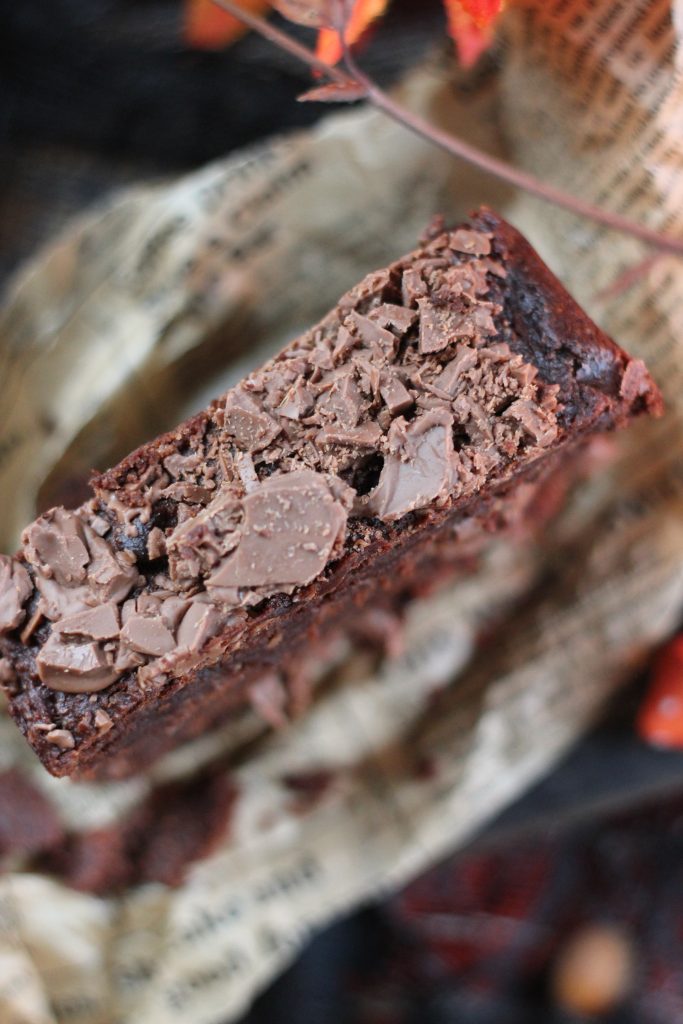
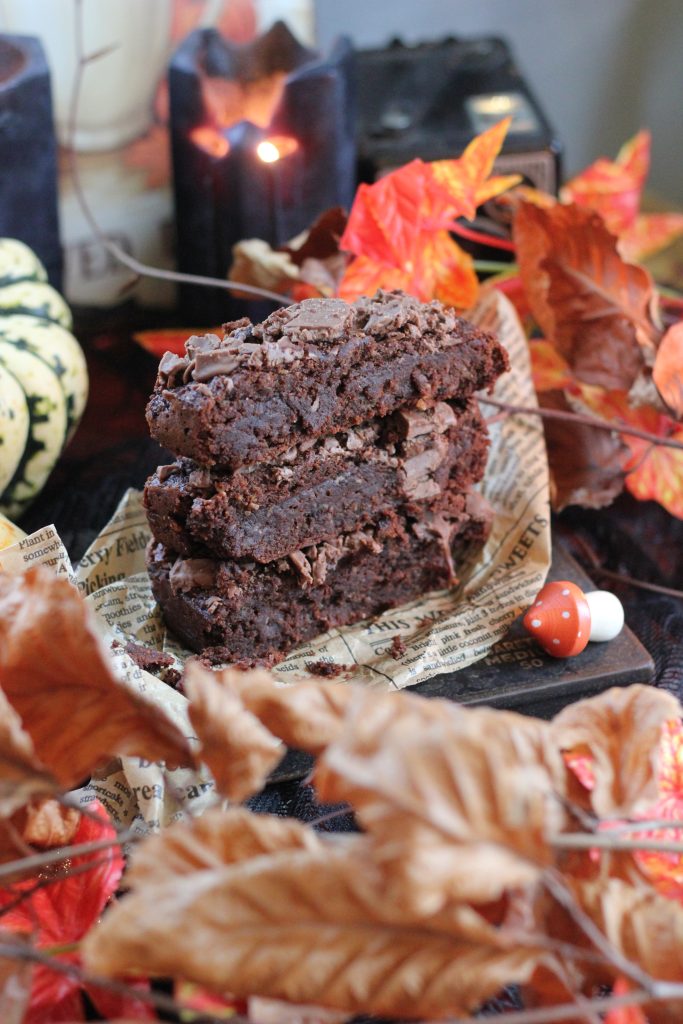
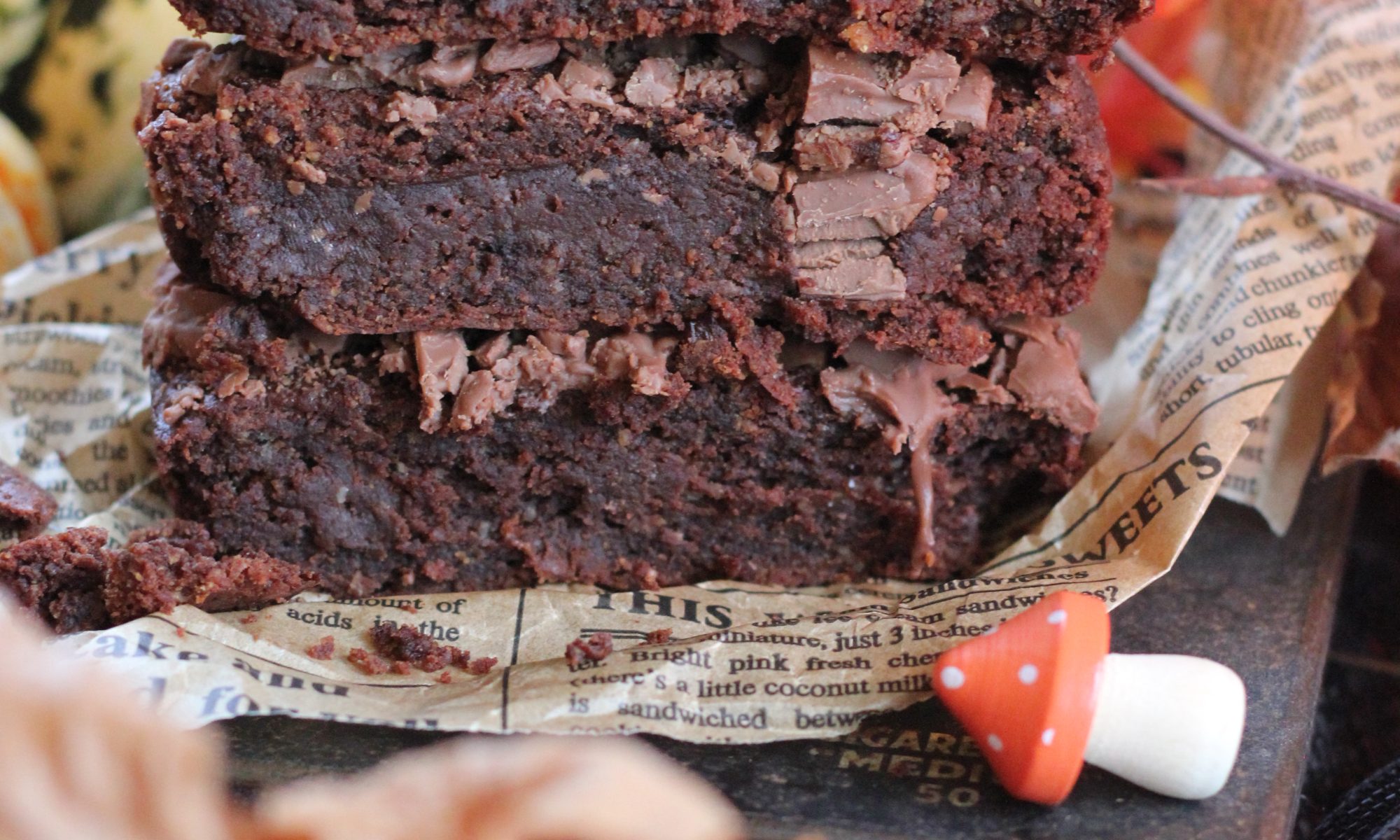
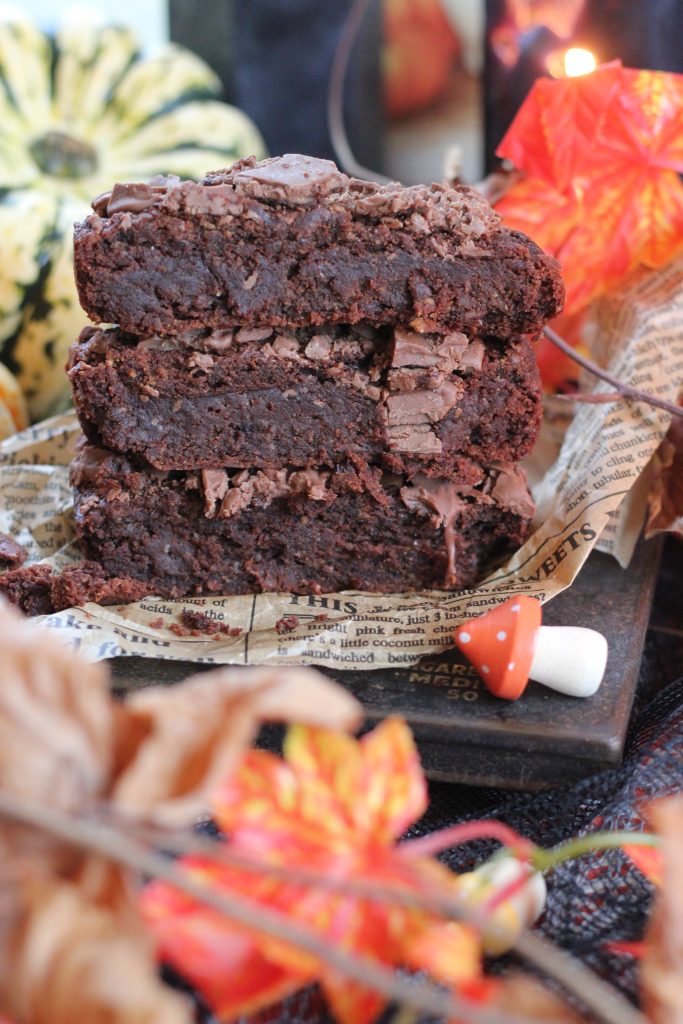
These Chocolate Orange Pumpkin Brownies make for the ultimate autumn treat. They are rich, fudgy, and bursting with flavour. Made with wholesome ingredients, they’re gluten-free, vegan, and come together in minutes. This seasonal snack is packed with flavours of deep chocolate, zesty orange, and velvety pumpkin in every bite. 

Enjoy!

Nessa x

Chocolate Orange Pumpkin Brownie

Ingredients

  • 175g peanut butter
  • 100g pumpkin purée (see below)
  • 100ml maple syrup
  • 50g ground almonds
  • Zest of 1 orange 
  • Juice of ½ orange
  • 25g cacao powder
  • 1tsp baking powder

Topping

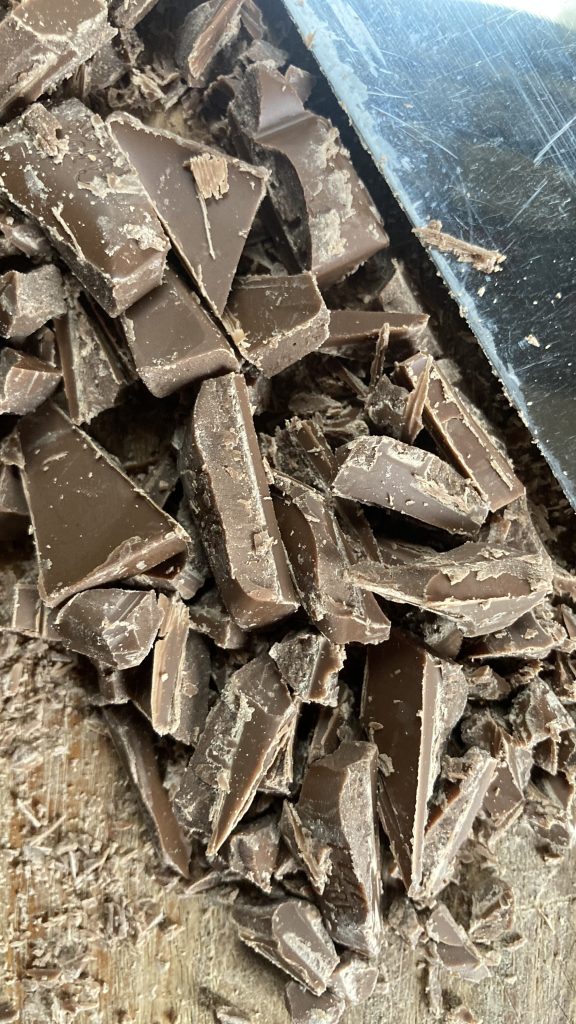
  • 50g chocolate, of choice, roughly chopped

Method

  1. Preheat the oven to 200°C/fan 180°C /Gas Mark 6. Line a 2lb loaf tin with greaseproof paper.
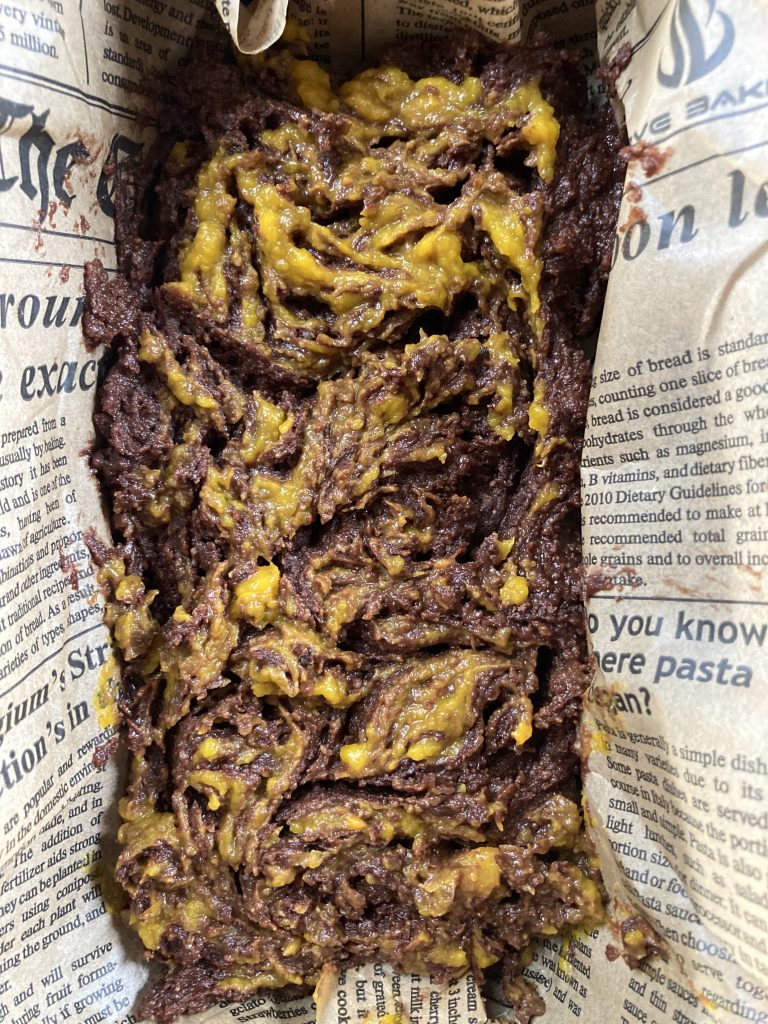
  2. Add all the ingredients, apart from approx. 1 tablespoon of the pumpkin purée to a large bowl. Mix to combine. Add to the lined tin. Dot the saved purée on top and using a skewer combine with the chocolate mixture.
  3. Place in the preheated oven for 25 minutes.
  4. When hot from the oven, scatter over the chopped chocolate. Leave to cool fully before cutting. Store in an airtight container for up to 3 days. 

Pumpkin Purée

Method

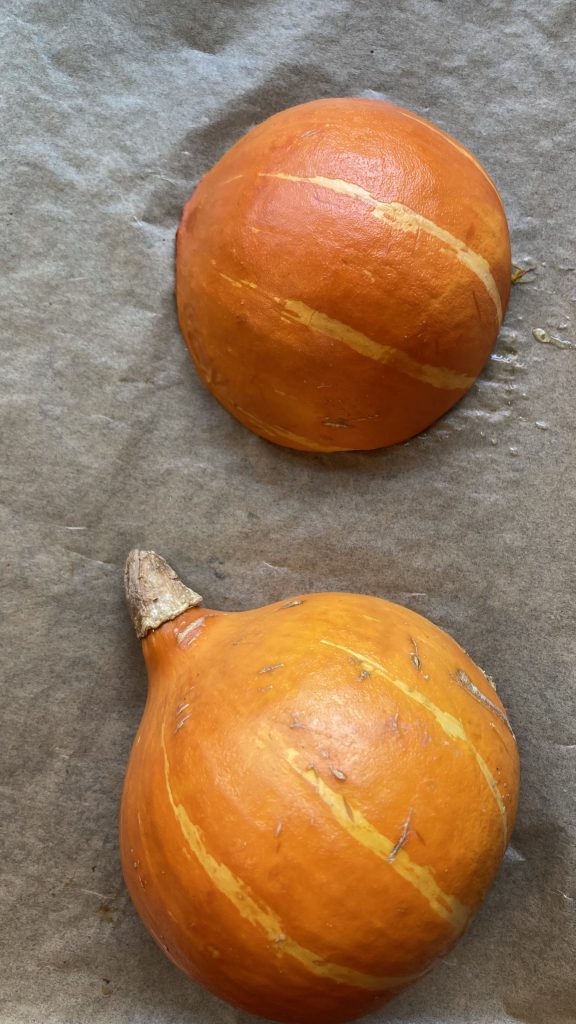
Preheat the oven to 200°C/fan 180°C/Gas 6. Cut one small pumpkin into half. Place the pumpkin pieces on a large baking tray, skin side up, and place in the hot oven for about 40 minutes. Take from the oven and once it has cooled a little, scoop out the seeds, peel away all the skin, and any bits that may have charred, and pop the pumpkin pieces in a food processor. Blend until smooth. Transfer to a bowl and allow to cool before using. The pumpkin purée will keep well for 3 days when covered in the fridge. 

When you go down to the supermarket today, read these labels..

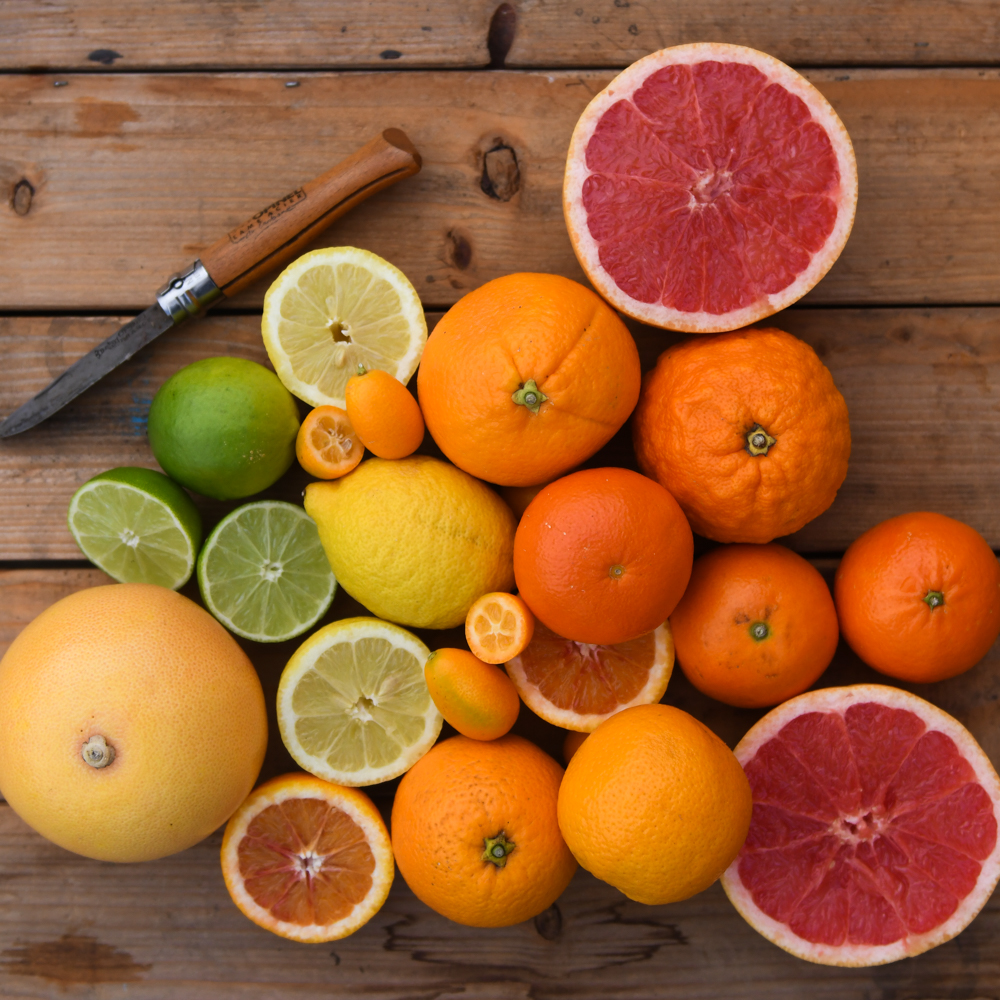
I had a remarkable revelation in the supermarket the other day. As I was browsing the fresh produce aisle as I always do when in a supermarket, I noticed something that really caught my eye.

It was actually quiet refreshing for a change. Reviewing each of the labels on the citrus products, they were clearly marked with the chemicals/fungicides that had been applied to the skin of the oranges, lemons, limes and mandarins. A few weeks back I was wondering if the pesticides that were used in growing carrots were highlighted on the pack would we change our behaviour?

And how is it that it comes down to the organic farmer to prove his/her produce is chemical free, why doesn’t the conventional produce list all the chemicals used in the growing of the crop? Well at least with citrus fruit we have the post-harvest treatments clearly outlined, this is the law in the EU.

It was quite a timely consideration as during the week we had one of our annual organic inspections and we were informed a sample of our produce will be sent away for screening for a mind-blowing list of chemicals (870 last time), more on that at a later date.

Anyway, back to the oranges. I am not sure that many people notice the chemicals though as it is hidden away in small print, nevertheless showing all these postharvest fungicides and wax treatments is a very good thing, as we can make more informed choices about our food. It is also worth noting that it is stated on all the labels that the skin is not suitable for eating!!

Here are some of the chemicals I found on the labels and their scientifically linked safety considerations. Also this is for an individual chemical most of the fruit I examined at up to 4 different treatments per piece of fruit.

1) Imazalil: Possible endocrine effects. The EFSA (European food safety authority) has evaluated imazalil repeatedly; the substance has raised endocrine/ecotoxicity questions in the past. Carcinogenicity concerns: possible/likely carcinogen based on animal data.

2) Thiabendazole EFSA peer-review concluded thiabendazole can affect thyroid hormone systems in animals. That is an important regulatory finding. Carcinogenicity/reprotoxicity: animal studies have shown some reproductive/developmental effects at high doses.

3) Pyrimethanil: Some experimental studies show reproductive or developmental effects in animals at high doses.

4) Fludioxonil: EFSA identified fludioxonil for endocrine-related effects.

5) Boscalid: It can be persistent in the environment

6) Azoxystrobin: Some studies indicate potential for oxidative stress and endocrine-related effects in experimental systems.

I am sure there are more, and this excludes the waxes that are also used to coat most conventional citrus fruit.

Not an entirely benign concoction, and not a cocktail of chemicals that I would particularly like to have on my food, thank you very much. I am sure you are wondering how an orange is not suitable for vegans. Well, one of the waxes that can sometimes be used, in particular E904 or Shellac (this is a resin secreted by a bug!), make the fruit unsuitable for vegans!

So, if you do buy conventional citrus fruit, please note again that it is advised that the skin is basically inedible or unsafe due to these chemicals (read the labels it actually states it there) so please don’t use the zest for cooking, much better to choose organic, and if you want to steer clear of these and other chemicals better where you can to choose organic entirely.

As always thank you for your support

Kenneth

Protein-Rich Veggie-Loaded Pizza

This delicious pizza is packed full of flavour and nutrients. The base is simply some self raising flour with yogurt and a little salt, which comes together with ease, and pairs so perfectly with the veggie-loaded topping. I’m using mushrooms, pepper, and courgette, but any soft vegetables could be used in their place. 
These pizzas are best enjoyed straight from the oven but can be saved in an airtight container in the fridge to enjoy the next day, either cold or heated through.

Enjoy!

Nessa x 

Protein-Rich Veggie-Loaded Pizza

Serves 2

Ingredients

  • 150g mushrooms, roughly chopped
  • 1 pepper, deseeded and diced
  • 1 courgette, diced
  • 1tbsp olive oil
  • Salt & freshly ground pepper
  • 350g self raising flour, sieved
  • ½ tsp salt 
  • 350ml full fat Greek yogurt
  • 4tbsp pizza sauce or passata
  • 1 ball Mozzarella

To serve

  • Hot honey
  • Basil leaves 

Method

  1. Preheat the oven to to 220°C/fan 200°C/gas 7.
  2. To a medium-sized ovenproof dish, add the mushrooms, pepper and courgette. Drizzle over the olive oil and season with salt and pepper. Toss to combine. Bake in the preheated oven for 15 minutes.
  3. In a large bowl, combine the flour with the salt and add the yogurt. With your hand or a fork, bring the mixture together to form a ball of dough. Cut into two halves.
  4. Transfer to a floured board and roll each ball out to make the pizza bases.
  5. Gently make a border for each pizza by gently folding the edges over. Divide the pizza sauce between the two pizzas. Top with the roasted vegetables and dot over the mozzarella. 
  6. Place in the preheated oven for 25-30 minutes, until it is cooked through, golden and bubbling. 
  7. Serve straightaway with a drizzle of honey and a scattering of basil leaves. 

Caramel Apple Galette 

If you are looking to treat yourself or loved ones to a delicious, autumnal, easy-to-make bake, this Caramel Apple Galette is the dessert for you. The star ingredient is our in-season Irish apple, and few other ingredients are needed to make this impressive dish. 

This galette is best served straight from the oven with a good dollop of ice cream and an extra drizzle of caramel.

Enjoy!

Nessa 

Caramel Apple Galette 

Serves 6

Ingredients 

  • 1 roll puff pastry
  • 2 large or 4 small eating apples, thinly sliced 
  • 2 tbsp caster sugar
  • 1tsp cinnamon 
  • Squeeze lemon
  • 75g butter
  • 50g caster sugar
  • 1tsp cinnamon

To serve

  • Icing sugar
  • 2tbsp caramel sauce
  • Ice cream

Method

  1. Take the puff pastry from the fridge 30 minutes before using.
  2. Preheat the oven to 200°C/fan 180°C/Gas mark 6. Line a large baking tray with greaseproof paper.
  3. To a large bowl, add the apple slices, caster sugar and cinnamon. Mix to combine.
  4. In a small bowl, mix together the butter, sugar and cinnamon.
  5. Unroll the pastry onto the tray. Spread an even layer of the butter mixture, leaving a border around the butter mixture. Top with an even layer of the apple slices. Bring the edges of the dough up and overlap a little over the filling to create a border. 
  6. Bake in the preheated oven for 30 minutes. 
  7. When hot from the oven, dust with icing sugar and drizzle over the caramel sauce.