From my very earliest years, I have memories of growing food. It didn’t seem like or at least I didn’t know, or maybe people didn’t talk about the impact of our food on our planet back then. Back in the late 70s and early 80s, Ireland was a very different country, and I imagine that the fully fledged industrial factory farming and globalised food culture hadn’t taken the world fully in its grip yet.
There definitely was less choice on our supermarket shelves, and in fact I remember distinctly the day Pringles were launched in Ireland. They arrived amid much fan fare and curiosity. We spent nearly 30% of our annual income on food back in the 80s today it is closer to 15%.
Our dinners back in the 80s were always, always cooked from scratch, there was no such thing as a ready meal, and certainly no or very little processed food graced our plates.
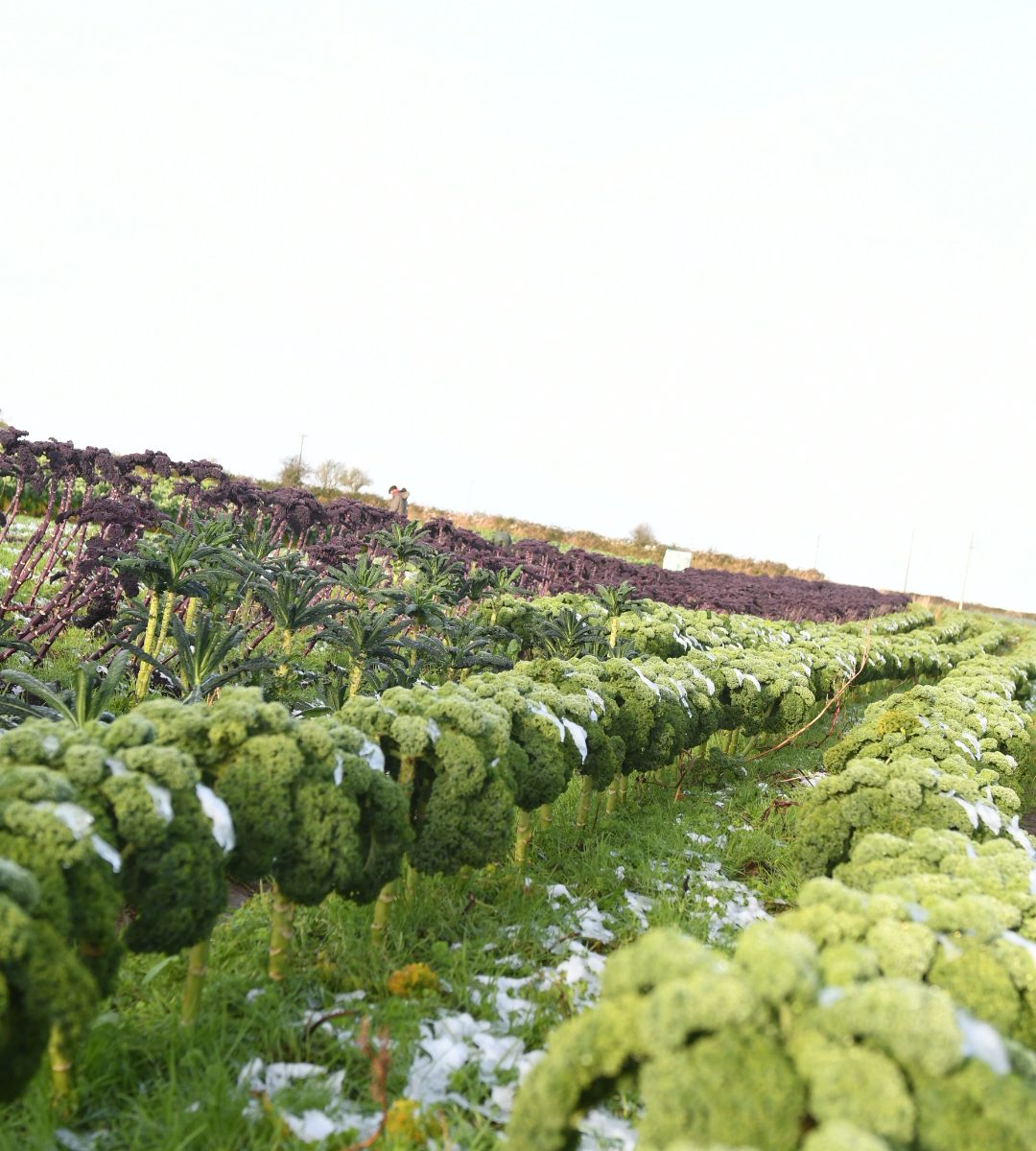
My dad and my grandad both grew their own vegetables, and stored apples and potatoes in the sheds for months. Onions too were stored as were carrots and parsnips. Ironically, we didn’t grow many parsnips. Parsnips today are one of our main farm crops, or at least one of the very few crops we can grow profitably. They are suitable to the soil and climate of the west of Ireland, and personally I like growing at least one crop that you can rely on despite the climatic challenges.
That may be the problem we have here as a small farm, we have tried and try to grow everything, to an extent treating our 25 acres like a garden. But field scale growing is very different from market gardening, and this is where we consistently meet a challenge. Yes, we can grow many different crops, but we just cannot do it profitably, our farm is loss making.
Back in the 80s with the availability of cheap labour, and in fact free labour. I was a free labour unit for 5 summers on a local farm, payment sometimes in choc ices! But today it is challenging to turn a profit on a vegetable farm, (the average farm wage has increased by 60% in 5 years) and to encourage others to come and do the back breaking work necessary to get the crops out of the ground is difficult.
This is why farmers specialise and use chemicals and partly why much of our food comes from places where labour is cheaper and if the truth be known labour is exploited to get cheap food onto our dinner plate.
We are late coming to the farm planning this year and we need to make some hard decisions about the crops for the year ahead, our farm is very important to us, but at the same time we cannot be consistently running at a loss every year. But when you can’t put your prices up and it seems difficult to cut your costs, I am now sure what options we have? My feeling is we need to specialise and reduce the crops that are not pulling their weight here in the west of Ireland climate. Every year I put the bean counting
(pardon the pun) to one side as I am passionate about growing food and I always think this year will be different but is this not the essence of madness? Doing the same thing and expecting a different result? This year though I don’t think we have any choice; changes need to be made.
As always without your support the farm and other small Irish organic farms would not exist, it certainly would not survive if we were supplying directly to supermarkets.
Happy new year.
Kenneth