Is there a link between gluten intolerance and glyphosate?

It has been a bright few days and we are thankful for that.  We have ploughed the land and done our first pass tilling. We have our tunnels ready and, in a week, or so we will be filling them with the first amazing crops of spring, the season is in full flow now.

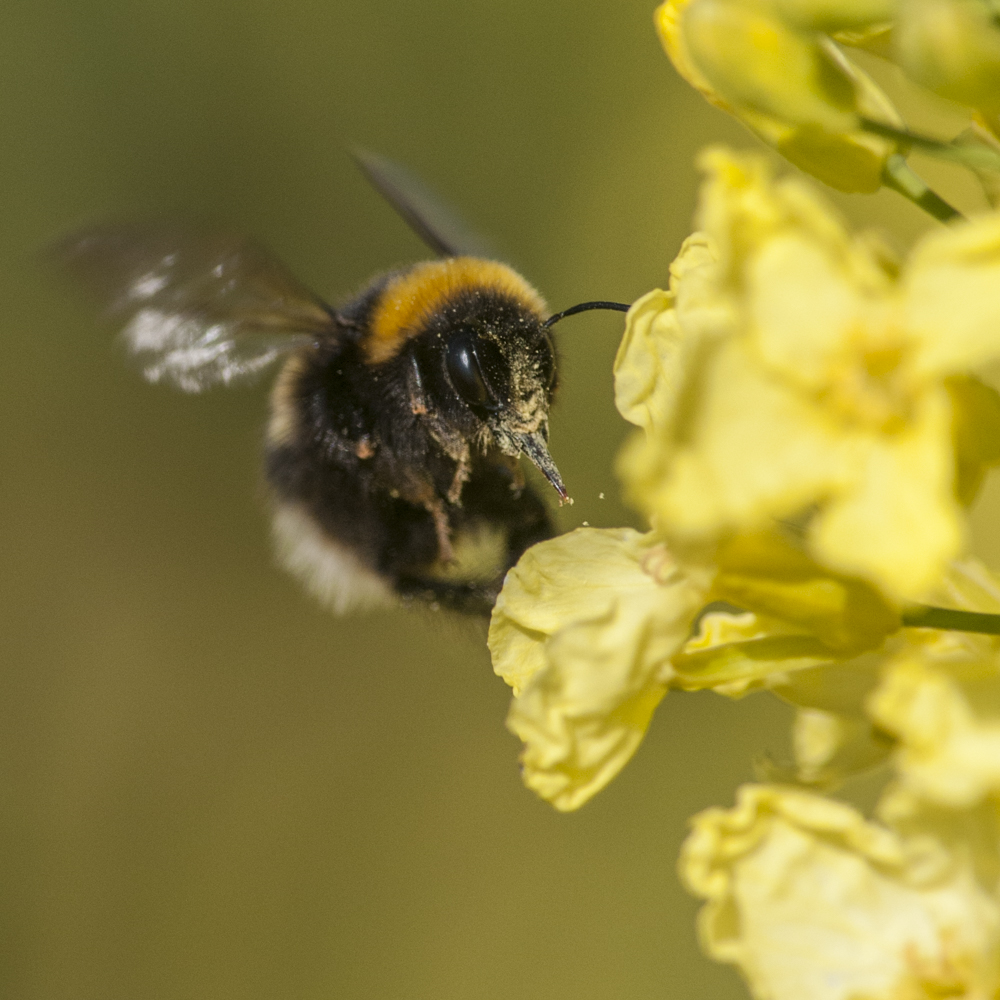
I saw my first bumble bee, or bee of any kind today, and this morning the buzzards that live in the local forest were being chased away from our fresh ploughing by some agitated seagulls.

The first buds on the hawthorn are opening up and are soon to be bursting into life. The first dandelions and daisies have miraculously appeared, and it is hard to know from one day to the next where they came from, they just suddenly appear.

This is nature, and it has its own ebb and flow and intelligence.

Then we come along with our harsh chemicals and try to exert control and power over these natural processes. Chemistry has its place but in the fields with our food and biodiversity is certainly not the place.

I certainly could not fill a tractor sprayer and go out into the fields and unleash these harsh chemicals. Roundup or glyphosate is still the first step for clearing fields, the extension of it’s licence in 2023 by the EU for a further 10 years was a lost opportunity, the reality is if that licence had been rescinded, by now farmers would have adapted to this new landscape and found alternative methods.

In the UK they have seen the first weed resistant to glyphosate and it is only a matter of time before nature adjusts and changes as it always does to render this chemical useless.

It may be a little more than a coincidence, but there have been some correlations drawn between the increased Glyphosate application: it has gone up by 1400% since the early 1990s, and last year alone $10.5 billion was sold and sprayed on our planet and the incidence of chronic disease.   

The above graph shows the correlation between increased glyphosate application and increased incidence of coeliac disease. I am sure there is other factors at play here too, but at the same time this patented antibiotic is in our food and does disrupt our intestinal microbiome, so for sure it certainly is not doing us any good and should be avoided if possible.

The best way to avoid this probably carcinogen chemical, is to choose organic where possible.

There certainly will never be synthetic chemicals like this used on our farm or on any of the organic food we grow or supply. It’s back to the fields now, and the ploughing, tilling and planting!

as always thank you for your support.

Kenneth

How to remove pesticides from non-organic food

We assume our food is safe and government regulators set limits on how much pesticides are allowed in our food. These limits are called MRLs, but here are two interesting points. 1 We as a society accept that there are pesticides in our food and 2. These limits for the same chemical on different crops can vary, for instance it is deemed safer to eat more glyphosate in your oats then in your wheat, how is that?

In 2021 there was 3 million kg of pesticides sprayed in Ireland. The department of agriculture in that same year tested just over 1000 fresh fruit and veg samples for a staggering 474 chemicals.

And here is what they found.

For fruit, of the 528 tested, 63.8% had pesticide residues detected, 5.5% had residues detected above the MRL.

3 fruits contained a cocktail of 9 different pesticides in them.

For veg, of the 511 tested, 43.6% had residues detected, 5.1% had residues detected above the MRL. A cocktail of 15 pesticides were found in one sample.

So, the reality is that most conventional vegetables have pesticide residues on/in them, that is just the world we live in unfortunately. It shouldn’t be that way and obviously we are strong advocates to have pesticides completely removed from our food chain.

But not everybody is lucky enough to have access to organic food, and the majority of fresh produce in supermarkets is conventional and therefore will contain pesticide residues.

We have this strange situation where we don’t really know and don’t have time to think about the reality of chemicals in our food, but they are there.

So here is a way that has been shown scientifically (published in the Journal of Agricultural and Food Chemistry in 2017) to work to remove some of these pesticides.

Take 1 teaspoon (about 5g) of baking soda in about 500ml of water, dissolve. Soak the produce for about 12–15 minutes After soaking, rinse thoroughly under running water.

The alkaline nature of the baking soda reacts with the pesticides and breaks them down and removes at least some of them. This method is especially effective for removing surface pesticides from fruits and vegetables with smooth skins (like apples and cucumbers). For more porous produce (like berries), a quick rinse is better to avoid absorption of the solution.

Systemic pesticides will not be removed by this means as they are absorbed into the plant. The EU are doing a good job at monitoring and reducing the limits of pesticides allowed in our food.

But why do we accept any pesticides in our food?

It would certainly be better if they were not there in the first place, better for our health, better for our planet and better for biodiversity. So, where you can, choose organic and of course please support our farm and business, we need your support to continue to practice sustainable farming and to support other farmers who also share our values. You get the very best pesticide free produce, and we get to continue championing the cause and protecting biodiversity.

As always thank you for your support.

Kenneth

It’s time to stop treating soil as if it was dirt…

We have just finished ploughing our fields. This act truly symbolises the start of the season, the soil, freshly turned over, the lengthening days, the increased light, the presence of hope as a new season unfurls.

We have been busy clearing tunnels too and we are getting ready to transplant our first plants soon. The tunnels for the tomatoes are already getting prepared so that when our plants are ready for transplant, we can get them into the ground quickly and get the season off to a great start.

We have assembled an amazing team this year on the farm, with the most recent recruit being confirmed this week as part of an OGI (organic growers of Ireland) internship, we also have two other amazing individuals that are very experienced growers working under the guidance of our farm manager Emmanuel. Of course, we will be taking on several students over the summer holidays and we are taking applications now. (e-mail: farm@greenearthorganics.ie)

A couple of the fields we have ploughed had cover crops of clover and phacelia last year and it is clear without any doubt the difference these cover crops make to the soil. Of course, these cover crops provide an amazing biodiversity haven for pollinators (Gerry who keeps bees here tells us he has never seen the volume or the quality of the honey as he sees here on our farm) but the often overlooked benefit: they allow the soil microbiome to flourish.

They are a tonic; you can see it in the soil. The soil is fluffy and gorgeous, it is alive with earthworms and the millions of microbes you cannot see, who are instrumental in growing our food and cycling nutrients. This is where great food starts; you simply must start with healthy soil.

In our globalised extended food system, it is time to stop treating soil as if it was dirt. If you have ever put your hands in healthy soil, you will know it, it is soft, fluffy and malleable, a living soil. This is in stark contrast to the dead overworked medium, supplemented with chemistry that is used to produce most conventional food.

Did you know that Roundup, or its constituent glyphosate has been patented as an antimicrobial, i.e. a chemical that kills bacteria. That is very unfortunate since there are more microbes in a teaspoon of soil than there are people on the planet, and roundup is sprayed everywhere. We are spraying out most valuable natural resource with a chemical that damages the underlying life we need for healthy food.

Glyphosate disrupts microbial diversity: Long-term glyphosate use can lead to reduced microbial diversity, affecting soil health and fertility.

It has been shown to reduce beneficial bacteria: Studies suggest that glyphosate can suppress beneficial soil bacteria such as Pseudomonas and Bacillus, which play essential roles in nutrient cycling and disease suppression.

It also promotes harmful microbes: Some research indicates that glyphosate can create an imbalance by favouring pathogenic fungi (e.g., Fusarium) and harmful bacteria that are more resistant to its effects.

But not only does it disrupt the bacterial microbiome it also has been shown to upset our human microbiome unsurprisingly,

1. Studies suggest that glyphosate can reduce beneficial gut bacteria such as Lactobacillus and Bifidobacterium, which are essential for digestion, immunity, and mental health.

2. Allows Opportunistic Pathogens to Thrive: Glyphosate exposure has been linked to an increase in harmful bacteria like Clostridium and Salmonella, which may contribute to digestive issues and inflammatory conditions such as dysbiosis and inflammatory bowel disease (IBD).

Isn’t it time we stopped treating our soil like it was dirt and start treating it like the crucial beautiful resource that it is, without which we will have no food.

As always thank you for your support.

Kenneth

PS I have been asked to do a Ted talk which has stopped me in my tracks. I am delighted, humbled and honoured, excited and nervous, all rolled into one. We in the Irish language have a great word to describe this feeling: “sceitimíní” I will be talking with seven other excellent speakers for about 15 minutes on our broken food system and what we can do to fix it on the 21st of March at Trinity University auditorium my talk is at 4.30pm, if you can come you can get tickets here. GET TICKETS

I will also be doing a practice run through of the talk at our farm shop on Saturday the 15th and if you can come and help put a little pressure on me that would be appreciated………so please come along at 11am on Saturday 15th if you would like to help me out and hear the talk too!

https://www.frontiersin.org/journals/environmental-science/articles/10.3389/fenvs.2017.00034/full?utm_source=chatgpt.com https://pmc.ncbi.nlm.nih.gov/articles/PMC7602795/?utm_source=chatgpt.com https://www.soilassociation.org/media/7229/glyphosate-and-soil-health-a-summary1docx.pdf?utm_source=chatgpt.com

1 of 60 growers

As organic vegetable growers we are lucky in some respects, after 19 years we are still growing. So many stop or have no choice but to get out of the industry. I was advised once that you can’t make any money from growing vegetables commercially, and it is certainly challenging and has been more so over the last ten years than ever before.

But this seems wrong to me. We never started for the money, nut any business needs to be profitable to survive, to reinvest in the business in the people in the land and more Over the last number of years, we find ourselves subsidising our farm from our business. We are lucky we sell directly to you our customers that allows us some reprieve and a bit of flexibility. Something you would never get with supermarkets.

But there may be change afoot. And two amazing things struck me this week.

1. Finally, I think, supermarkets are starting to realise at least in a small way that they need growers. You would have thought that this realisation would not be a new Eureka moment! When was it ever otherwise? Where do you think the food will comes from when/if we all stop growing? After 3 decades of playing one grower against another and effectively dismantling any resilience in the vegetable growing sector in Ireland, the penny is starting to drop that the situation is perilous.

But all of the talk in the world is pointless without supporting the talk with clear action and fair prices. Farmers don’t want to have to rely on grant aid to survive, who wants that? Imagine a food system where farmers don’t have to rely on grant aid, where fresh food is celebrated for the amazing nutrition it supplies, and as a fulcrum for protecting and enhancing biodiversity. Isn’t that the way it should be? What could be more important that having a vibrant resilient food system? Or to put it another way, what happens when our food system collapses, and we have empty supermarket shelves? What then?

Cheap imports that are becoming less cheap and scarcer, are reliant on a labour system that is not transparent and is less than fair. Exploitation of vulnerable workers is rife and underpins much of the cheap produce on supermarket shelves. That and a reliance on pesticide applications which damage our health and biodiversity.

2. The other amazing thing that is happening is young people are really fired up about growing food and in particular growing vegetables sustainably. These are the next generation of growers who want to protect biodiversity and stop using chemicals and grow food locally. Isn’t that amazing and wonderful and don’t people who want to do this deserve to get paid fairly for their efforts? They only can if the price of food increase.Just recently we have had several applications for the amazing OGI internship on our farm we hope to decide on a candidate next week.

So maybe there is a chance to reverse erosion of our vegetable growing industry and the fact that there are only 60 commercial vegetable growers left in the country, and we are one of them.

All of this has left me feeling hopeful for this season ahead, more than I have been in a while. So now we need to get muck on our boots and get on with the growing season and that we will do with your support, as always, thank you.

Kenneth

Simplicity is the ultimate sophistication

Recently on a well-known Radio Talk show a nutritionist claimed that “it is a myth that organic produce does not have pesticides on them….. and some studies show that organic produce has higher levels of pesticides.” in addition she claimed that there was no benefit to eating organic produce. I have to say having dedicated 20 years to growing organically and having come out of a career in chemistry I would like to dispute both facts and there are clear scientific studies that demonstrate that both statements are false.

It was Leondardo Da Vinci who said: “Simplicity is the ultimate sophistication” and farming organically is simplicity in action, and a key principle is working with nature without the use of “pesticides” to treat weeds, or the little critters that eat our vegetables every now and then.

That being said, there is a list of approved substances that can be used in organic farming if an issue persists. But on this list, you will find things like neem oil, beeswax, mineral oils, paraffin, soap, mint oil, clove oil, and an insecticide, pyrethrum (which is extracted from the chrysanthemum flower) and such natural elements as sulphur and copper, the latter both used as traditional methods to control fungus. It is important to highlight that generally a derogation must be requested to use any of the last three on the list, and they will only be used where there is little other choice.

In 2021 the Department of agriculture tested 1,039 fruit and vegetable samples for a staggering 474 chemicals (synthetic chemicals manufactured in a chemical plant, with labels such as toxic, irritant, carcinogen and more)

For fruit, of the 528 tested, 63.8% had pesticide residues detected, 5.5% had residues detected above the MRL (the maximum residue limit, this is the limit that is deemed safe for human consumption, personally and this is my opinion I would prefer to avoid these chemicals in my food entirely if possible).

3 fruits contained a cocktail of 9 different pesticides in them.

For veg, of the 511 tested, 43.6% had residues detected, 5.1% had residues detected above the MRL. A cocktail of 15 pesticides were found in one sample.

And if you were still unsure about whether non-organic produce is no different to conventional go and visit Tesco’s website and check out fresh oranges with the following details:

NOT SUITABLE FOR VEGANS Post Harvest Treatments & wax by Country of Origin: Spain: Imazalil/Thiabendazole/Pyrimethanil & Wax E914, E904 Israel: Imazalil/Thiabendazole/Orthophenylphenol & Wax E914, E904 Morocco: Propiconazole/Pyrimethanil/Imazalil & Wax E914, E904 Egypt: Imazalil/Thiabendazole & Wax E904, E914 Peru: Imazalil/Orthophenylphenol/Thiabendazole & Wax E903, E904 RSA: 2,4 D/Imazalil/Thiabendazole & Wax E914, E904 Chile: Imazalil/Fludioxonil/Pirimethanyl & Wax E903, E904

I get it though and the fact remains that it is certainly better to be eating fresh fruit and vegetables that much of the Ultra processed food that line supermarket shelves.

But if you wish to limit your exposure to pesticides in your fresh food which were found in over 50% of veg and over 60% of fruit then organic is the clear choice.

And finally in 2015 one of the most comprehensively undertaken studies showed

“……that the evidence from this study is overwhelming – that organic food is higher in antioxidants and lower in toxic metals and pesticides.

So please if you are going to make general sweeping comments such as “there is more pesticides found in organic produce, and it is no better for you” on national radio please get your facts straight.

As always thank you for your support.

Kenneth

 Storm Éowyn, fallen trees and plastic bags

Storm Éowyn brought many things to our shores. One of those things it brought into our fields was plastic. One plastic bag caught my attention as I was gathering some out of our fields the other day. It was an empty bag of feed for cattle and sheep.

This bag listed its ingredients, the majority of which were genetically modified.

So here were some things I learned.

Fact No 1. This feed contained amongst other things, Maize and soya, both of which came from genetically modified crops.

Fact No 2. These crops have been genetically modified so that they can withstand the increased application of glyphosate.

Fact No 3. Glyphosate is the active ingredient in the branded Roundup weedkiller.

Fact No 4. This chemical has been labelled as a potential carcinogen by the WHO (World Health Organisation).

Fact no 5. This feed will have been grown in countries outside of the EU, mainly in the US and Brazil, where the application of Roundup is not controlled as well as it is in the EU. The MRL (maximum residue limit for glyphosate in the US is 5mg/kg for corn and for soya it is a whopping 20mg/kg.)

Fact no 6. Although cows, sheep and lambs in Ireland are fed mainly a grass diet, there is an increasing reliance on imported feed such as this to feed animals especially during winter.)

So, the key take away here is lots of roundup is sprayed on these genetically modified crops and the process of desiccation (using roundup prior to harvest meaning loads of the chemical gets sprayed on the crop just before harvest, this is banned in the EU although there are loopholes) is still a thing outside of the EU. These crops are primarily used for animal feed which makes its way around the world and right here to our shores in Ireland

Fact No 7. In Brazil, massive swaths of the Amazon rain forest are and have been cleared to plant these crops to feed animals mainly in the US and in Brazil.

It is poignant that the increasing ferocity of these powerful storms that we now must be ready for (that caused such chaos and damage here on our shores only two weeks ago), are in part created by the agricultural system we rely on. This very system is destroying the ecology which is essential to maintain biodiversity that we need to produce healthy food and clean air.

I cannot understand ever, how we can observe nature and at times be in awe of the beauty and the bounty that it provides and yet by our choices and systems destroy this very system we need to survive. (the stories hidden in our food by our modern retail/agricultural system facilitate this)

But we have power to make choices that will have an immediate positive impact on our planet and on our health. Maybe, we can be more aware of what we eat, we can eat organic where we can and if possible, reduce our consumption so much conventional meat and dairy.

We have been at this for 19 years now and our message has never changed, “our food choices matter, and they can help make our world a better place” and although it is hard I think in these recent times it is more important now than ever before.

We will with your support, fight on, thanks for being with us on this journey.

Kenneth

1 teaspoon is enough to …

One teaspoon of this pesticide is enough to kill 1 billion bees. The chemical in question is thiamethoxam a member of a class of pesticides called neonicotinoids.

Back in 2018 the EU banned the use of neonicotinoids for control of pests such as aphids in crops. This family of pesticides had conclusively been shown to contribute to colony collapse disorder in Bees. With Bee populations and insect populations in free fall around the world this was a positive and bold step against the large multinational producers of these toxic chemicals.

However, these pesticides are still prevalent in nature, right here in Ireland, our soils are till contaminated with residues of this class of pesticide even though some fields were never sprayed with this chemical and considering its overall ban in 2018 this seems remarkable, researchers from Dublin city University discovered.

Having said all that the key point here is that back in 2013 you had the giant manufacturers blatantly claiming that the pesticides were safe for bees, and blaming other factors for bee population decline. Farmers, scientists and these companies were all foretelling the end of agriculture crop devastation if these chemicals were banned.

A very similar argument used today when it comes to Glyphosate interestingly. Roll on over 10 years, and with the ban we still have food, we still have crops, and it seems that the removal of these chemicals has not caused the devastation the propaganda from the multinational pesticide manufacturers would have had us all believe.

Here is the funny thing though, but it isn’t actually funny at all, the manufacture of these chemicals still progresses right here in Europe and these chemicals in dizzying amounts are exported to countries where there are no such bans. For instance:

Unearthed and Public Eye found that Syngenta notified exports of more than 10,400 tonnes of thiamethoxam-based insecticides from the EU in 2021, to 61 different countries.

Of the 10,400 tonnes more than half of that weight came from a single planned export to Brazil of 5.9 million litres of the company’s blockbuster pesticide Engeo Pleno S – enough to spray the entire surface area of New Zealand.

In the UK which in its wisdom decided to depart the EU in 2021 has been granting emergency use of this class of pesticide right up until last year on sugar beet of all crops. Thankfully it looks like the light has finally been seen and a Pesticide emergency authorisation has been denied for 2025 to protect bees.

So, it seems we can make the changes necessary to protect biodiversity when we band together and fight. There will always be a fight it seems to do the right thing, but sometimes just sometimes good prevails and the right thing is done.

We certainly will never stop fighting and never stop sourcing and producing food in the right way as we have been doing for nearly 20 years.

And As always without your support this would not be possible so thank you.

Kenneth

Storm Eowyn, and please read to the end for important info

Wow, it’s hard to know what way is up at the moment. The last two months have been crazy. We have been bouncing around from one calamity to another and last week was off the scales, storm Éowyn left us reeling as it did most people across the country, a once in a lifetime climate event (They seem to be happening an awful lot recently…). I hope wherever you are that you are safe and that you have the power back on and a bit of heat.

In the aftermath on Friday morning last week I went to have a look around at about 10am as I tried to survey the landscape. I found myself wandering around not really sure what to do (as a friend recently said) “it was like being in the zombie apocalypse”, nobody was really sure what just happened or what to do and everything seemed to have changed. The road into our farm was blocked, a massive tree had come down and there was a huge crater in another part, caused by an equally massive tree falling. There were trees down everywhere. Old trees that were majestic and beautiful around Galway there were thousands gone over night.

We had lost one of our tunnels, and several doors. Power was gone but through some sheer miracle we still had broadband. I know this may not be the top of the priority list, but for us it meant we wouldn’t have to close the farm and the business for the week which was a giant worry lifted.

But as we came to grips with the carnage, a funny thing happened. People happened. On Friday several of us pitched in together and spent several hours clearing trees and filling holes, neighbours you may only ever say hello to, you were now working side by side with. Strangely or maybe not strangely at all, it felt good.

Apart from Ophelia in 2017 followed by the beast from the East followed by one of the most intense droughts ever in the summer of 2018, the last 2 months have given the climate related disaster calendar a good run for its money. Storm Darragh was powerful and caused carnage including the closure of one our main trading routes with the UK and Europe, with the damage and closure of Holyhead. Then there was the ice and snow warning in early January, followed by the most powerful storm to hit our coasts ever, all in less than 2 month.

We now have more extreme weather events climate change is afoot and at a pace never seen before here are some very recent facts just released by the Irish CSO (central statistics office)

2023 was the wettest year ever recorded here in Ireland.

2023 was the warmest year ever recorded here in Ireland, ever.

Globally 9 of the 10 warmest years since 1850 occurred in the decade since 2014.

Many small organic producers had their whole operation wiped out in a few short hours last week, tunnels blown, down, sheds destroyed, so many. The extreme weather is now something we must adapt to, and it is only going to get worse.

With this backdrop, we have been busy with the farm planning and I am wondering what lies ahead for us in the season to come. I would like to think we are due a reasonable summer that is not a replica of the last two. For the sake of our farm, our food and many other farmers and food producers we are hoping for a break. Time will tell I guess.

As always thank you for your support.

Kenneth

PS It seems small businesses are contending with a lot of increased costs, and we are certainly feeling that pain in an industry that is highly labour intensive, and low margin. We have had a substantial increase in our wage bill over the last few weeks, and there are many extra financial pressures being put on businesses and farms. I am sure the bigger companies can take these cost increases on the chin, but for us, we just cannot. Unfortunately, we must put up our prices a little, it will only be on our boxes and fruit bags that will increase a little. We hope you can understand why we need to do this, we would rather not, but at the same time we find ourselves with very little choice.

What is the world coming to?

Did you know that Glyphosate was actually patented as an antimicrobial by Monsanto in 2010? The active ingredient in Roundup kills bacteria amongst many other things. Here is another interesting fact: whilst it mainly acts on plants it also interferes with a key family of enzymes found in our body called the Cytochrome P450’s, and these enzymes are really important for clearing toxins out of our bodies.

In 2023 when the EU extended the licence for Roundup, they stopped its use as a desiccant in certain crops. A desiccant is a chemical that is sprayed onto crops before harvest to remove moisture from them. Roundup is used as a desiccant on many crops, from wheat and oats to chickpeas and beans.  Incidentally if you are a sugar addict, it may be interesting to know that Glyphosate is used to help ripen sugar cane also, and as some of our sugar now comes from imported sugar cane, there is a high probability we are getting an unhealthy does of glyphosate in our sweet treats as well.

This practice of desiccation with Roundup has been outlawed in Europe, which is a really good thing.  So, you would be forgiven for thinking we have been saved from exposure to this toxic chemical. But here’s the thing we import a lot of food from America and there, Roundup is still commonly used on crops as a desiccant.  If current appointments of ex Chemical industry executives to the EPA in America are anything to go by, the use of chemicals in the food chain across the water is only going to increase.

Europe imported approximately 12.4 million tonnes of wheat in 2023. We also imported 150,000 tonnes of chickpeas. Both of these crops are commonly sprayed with roundup pre harvest, meaning this systemic chemical will remain in the plant after harvest and correspondingly will remain in the bread or the hummus that we consume.  

EWG tests (Environmental working group, A US based environmental organisation) conducted in 2020 found glyphosate in 60 percent of conventional bean and lentil samples and more than 80 percent of conventional hummus and chickpea samples. 3

So, with Glyphosate in our food, the question that needs to be asked is what impact might it be having on our health? There has been some detailed research done that has demonstrated that Glyphosate is responsible for upsetting our microbiome even at very low doses.1 Good Bacteria found in our intestine have the same biochemical pathway that is found in plants which Glyphosate interferes with. It has now been shown that relatively small amounts of this chemical does in fact cause our good bacteria to diminish and pathogens to proliferate.

As our microbiome is crucial for our overall health, it is now beginning to become apparent that this chemical may be contributing in other ways to ill health. 2

Aside from the damage to biodiversity that the indiscriminate spraying of Roundup does, it’s direct application to food is impacting our health in ways that initially were not considered, and it is now clear that it is damaging not only the bacteria in the soil4 but also the good bacteria in our microbiome.

The only sure way to avoid consuming this chemical is to choose organic food where possible.

As always thank you for your support

Kenneth

1

https://pmc.ncbi.nlm.nih.gov/articles/PMC3945755/

2 https://www.sciencedirect.com/science/article/abs/pii/S1382668923000911#:~:text=As%20bacteria%20utilize%20the%20shikimate,are%20sensitive%20to%20glyphosate%20exposure.

3

https://www.ewg.org/foodnews/five-lesser-known-foods-high-in-pesticides.php

4 https://pmc.ncbi.nlm.nih.gov/articles/PMC7602795/#:~:text=A%20study%20reveals%20that%20glyphosate,environment%20and%20humans%20%5B10%5D

We never took this advice, thankfully…

We had a good couple of days in the fields this week, we have cleared most of our parsnips and the quality is excellent, they will be extra sweet too as they have had several hard frosts now, this turns the starch to sugar. This beautiful crop of parsnips has been produced without synthetic chemicals, zero chemicals were used in fact.

We were given this advice when we embarked on our organic journey in 2006, ‘Use just a touch of Roundup for your veg growing’ as if it were a harmless thing. Needless to say, we never took this advice.

There is a misconception that washing your conventional fruit and vegetables will remove traces of pesticides, some it will, others it most definitely will not.

Glyphosate, or Roundup the most applied agrichemical in human history is not one of those you can wash off, it is systemic in nature. This simply means the active ingredient that kills the plant, gets absorbed into the plant and is transported to all parts of the plant and resides there. It cannot be removed by washing. This potential carcinogen stays in the plants it is sprayed on.

2.3 billion kg of glyphosate were applied in 2023, that is an awful lot of chemicals to be spraying on our food. And in the same year the EU approved glyphosate use for a further 10 years.

It is everywhere, in much of conventional foods and soils. Over 59% of people tested at the university of Galway had traces of a chemical found in Roundup and 25% had glyphosate itself in their urine. (Source: https://www.universityofgalway.ie/about-us/news-and-events/news-archive/2023/january/university-of-galway-investigates-glyphosate-exposure-among-families.html)

Many of us are consuming this chemical at some stage in our day, because the crops that are heavily sprayed with glyphosate are constituents of ultra processed foods.

Crops, such as corn, soya, wheat and oats, are all sprayed heavily with Glyphosate, many are bioengineered to be roundup ready. It is a fact that much of the core ingredients in many of the processed products will have been derived from these key crops above or their derivatives.

The panacea of genetic engineering was to make plants resistant to a toxic weedkiller so more of this same toxic chemical could be applied, how wonderful to use science in such a way.

But there is one overwhelmingly positive thing here. When it comes to food, we have all the power, we can choose. We can choose to eat healthier fresh, non-processed foods, such as fresh fruit and vegetables thus reducing our reliance on contaminated processed products. We can take this a step further by choosing only organic products.

As I finished harvesting a line of parsnips the other morning on one of those magical bright January days, I felt blessed to have the opportunity to be in the field, and grateful

to the earth for giving us this amazing food. Don’t we have the responsibility, now more than ever to do what we can to protect this planet and our health?

As always thanks for your support.

Kenneth