Just a ‘Touch of Roundup” and you will be grand…

20 years ago, myself and my dad were out with two hoes dealing with the weeds on the vegetable ridges. It is worth being mindful this this was probably the height of the ‘Celtic Tiger’ boom and for two people to be out in a field weeding was as far from the reality of the ‘Celtic Tiger’ as you could get.

So it was, that an interested party came up to see what we were doing out there in the middle of the field, such an unusual sight at the time. A funny conversation ensued; it went something along the lines of:

Him: “What are you at there?”

Us: “We are weeding”

Him: “Why in the name of God are you doing that? It is an awful waste of time”

Us: “Well, if we don’t weed the crops, we won’t have any produce”

Him: “But Surely all you need is a TOUCH OF ROUNDUP”

All I can say that after this brief interchange, there was little in the way of mutual understanding shared on that particular day, in the end, in the nicest possible way we had to agree to disagree on our approach to weed control and I asked the man if he was not going to help us, to let us be as we had quite a bit of work to do.

There were many funny incidents in those first early days. We actually had the local Garda visit to investigate what mischievous plants we might be growing in our polytunnel one evening. To be fair to both protagonists above it is worth noting that a polytunnel in the west of Ireland would have been a thing of rare occurrence back in those days. Not so much anymore.

In fact, in the space of 20 years there has been a vigorous interest in growing our own food again, at least in the small-scale regenerative way. It seems sad to me that the opposite has happened to many of the larger conventional vegetable producers. 20 years ago, was just about when supermarkets started to take a very mercenary approach to dealing with many of the larger conventional growers in the country, and supermarkets have been instrumental in bringing the horticultural industry over the last two decades to its knees.

It is even sadder to think that the price of this destruction could be for as little as 5c on a head of celery.

It is funny too how supermarkets will fight for that 5c and squeeze the primary producer and at the same time post billions of euros in annual profit. But maybe we are all a little guilty of seeing food as a commodity that needs to be as cheap as possible?

Either way quite a bit has changed in the last 20 years, there are now only 60 commercial growers of field scale vegetables left in the country down from around 400 in 1998. But it is not all doom and gloom and there have been many new smaller scale organic and regenerative startups which shows that there is still an appetite for growing vegetables and doing it without chemicals.

As always thank you for your support, without which we would not be here today.

Kenneth

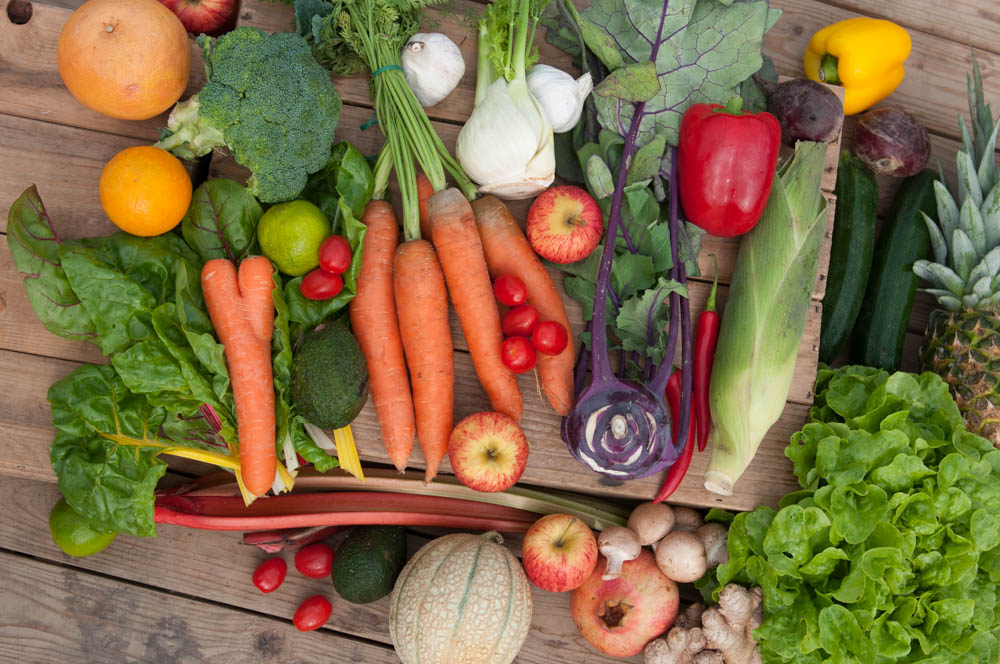
PS Thank you to everybody who has supported us through the summer. As we head into September and back to school, this is a time that is just as important for us as we have so many great crops from our farm and from our other farmers, and we need your support, what better time to get back into a routine with the very best Irish organic produce.

PPS We have opening currently for full time packing staff, if you would like to join our team please click here for more details.
Harvest Begins

As I write, it is a beautiful evening, the sun has just emerged from behind a cloud and there is a golden bright sunset. It seems we are finally seeing light at the end of the tunnel.  It is not before time too as we fast approach the summer solstice.                                           

Food has always brought people together. Two generations ago the act of bringing in the hay was a sociable event, square bales were loaded onto trailers, picnics or sandwiches were often had in the fields followed by a cold drink at the end of the day, chat and talk and craic was had by all.

In our continued march towards bigger more intensive agricultural systems the people have all but disappeared from the fields having been replaced by machines.  This it seems is the price of progress and maybe to a certain extent it is necessary, but it makes me a little sad. Maybe it is nostalgia?  As a kid having brought in that hay, I remember the sun and the sandwiches and the people. But when I think a little more, I also remember the blisters and the terrible heat and scratchiness of having to heave those bales to the very top of a galvanised hay shed, those bit’s I do not miss.

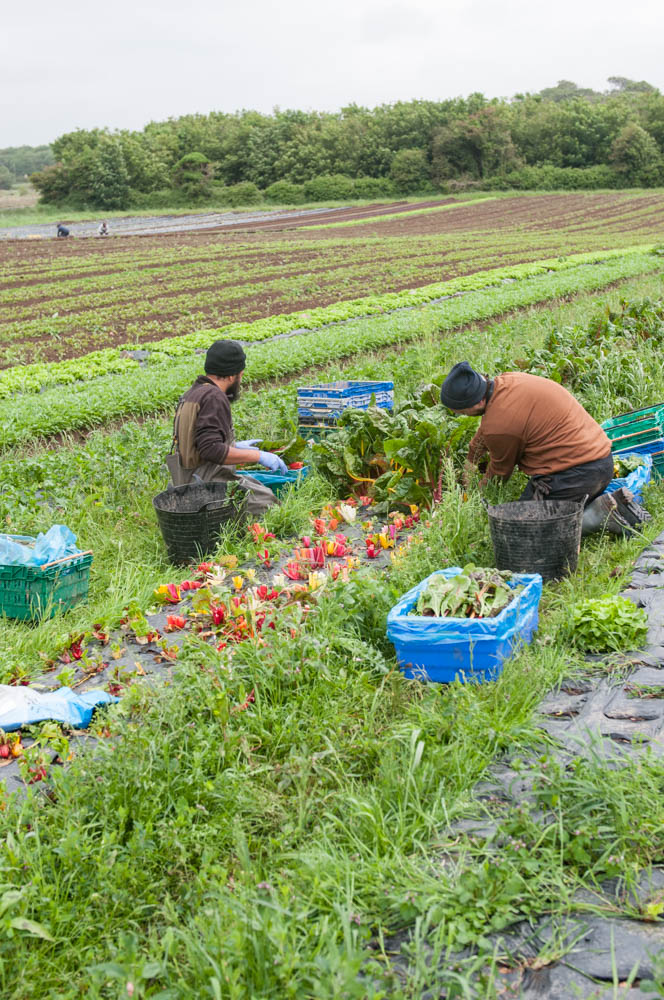
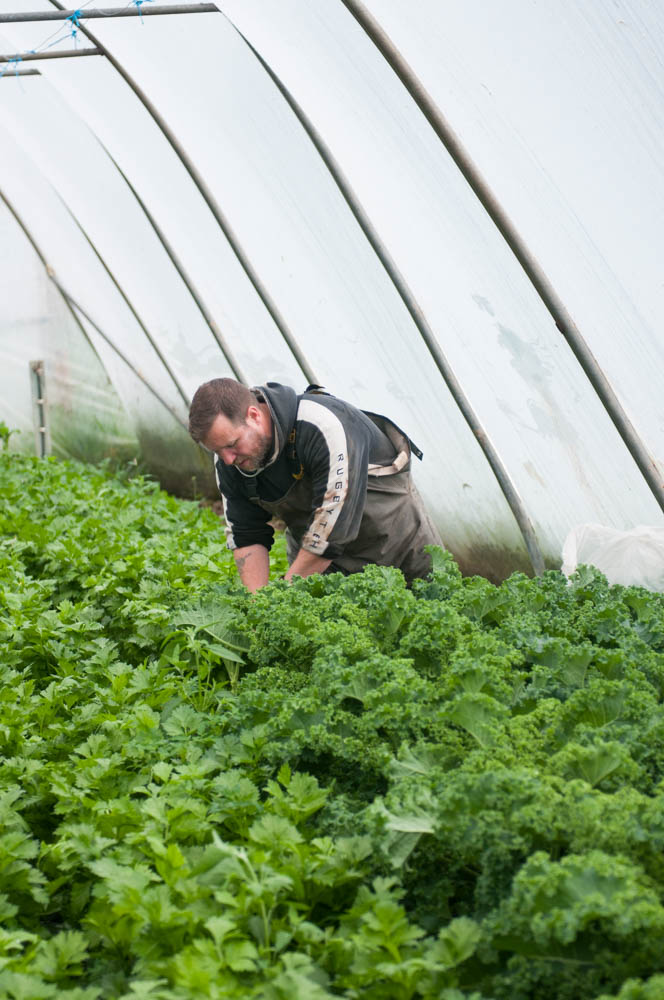
The machines on our farm facilitate the work and we do everything we can to avoid having to hand weed vegetables rows that are nearly half a kilometre in length.  That job is no fun and where there is a smarter way to do something, we take it.

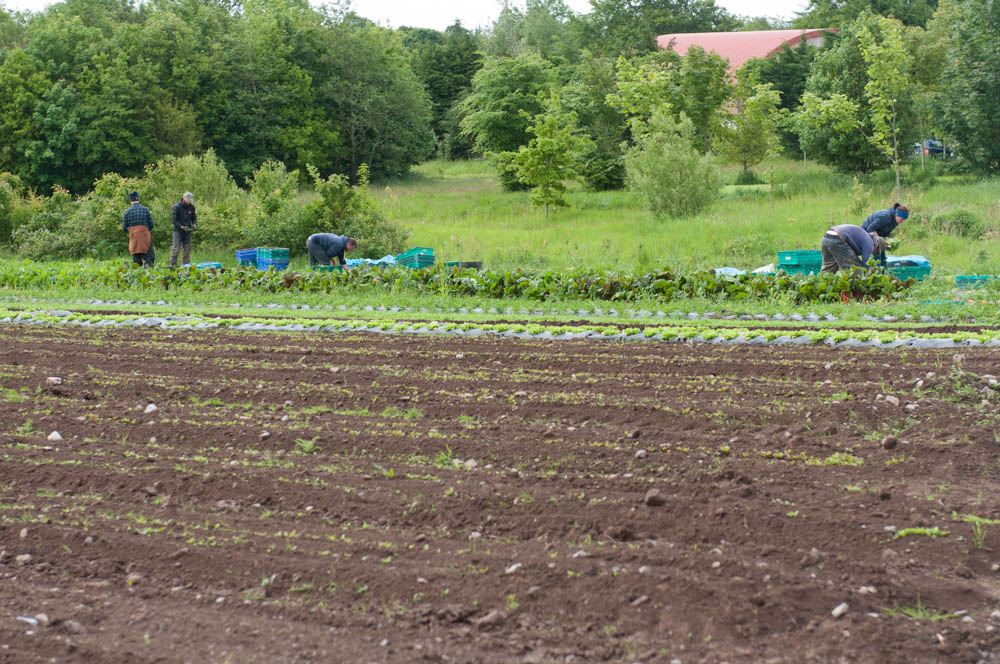
Finding solutions to repetitive work is a must on small-scale mixed organic vegetable farms and we do, but we still have people in the fields every day and our farm is active and alive with people, vegetables, and biodiversity. 

We have been working very hard over the last six months to get the farm to the point it is at now.

Even so it seems that there are not enough hours in the day to keep up with the work. Everything has reached a crescendo and the list has been growing, what to prioritise during those rare dry days has become a source of pressure behind the eyes, we can only just keep doing the first things first.

The work always gets done the question is can we get it done in time? If we miss a sowing date, we don’t get second shot, we never regain those lost days, and the plants may struggle to reach maturity.

It’s a relatively small window and for the farm to reach it’s breakeven point and that’s all we ever hope for, we can afford to miss very few of those planting dates.

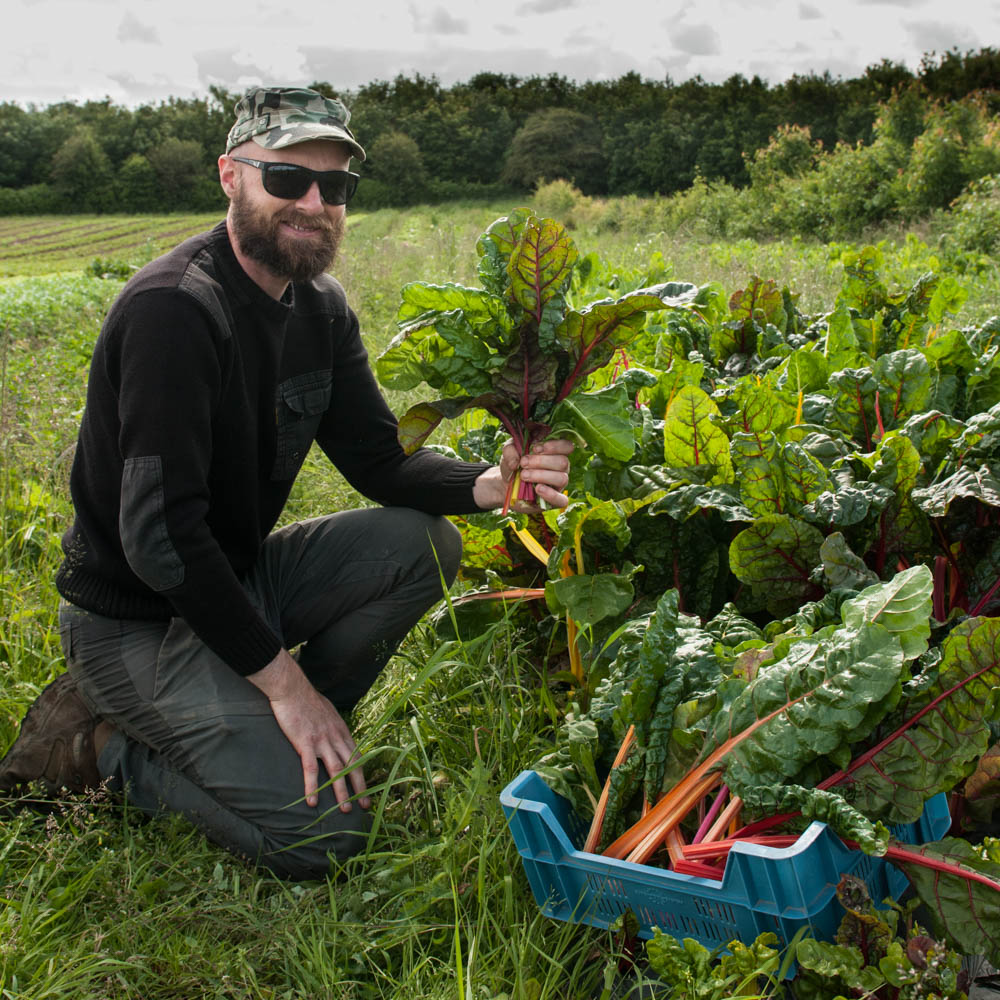
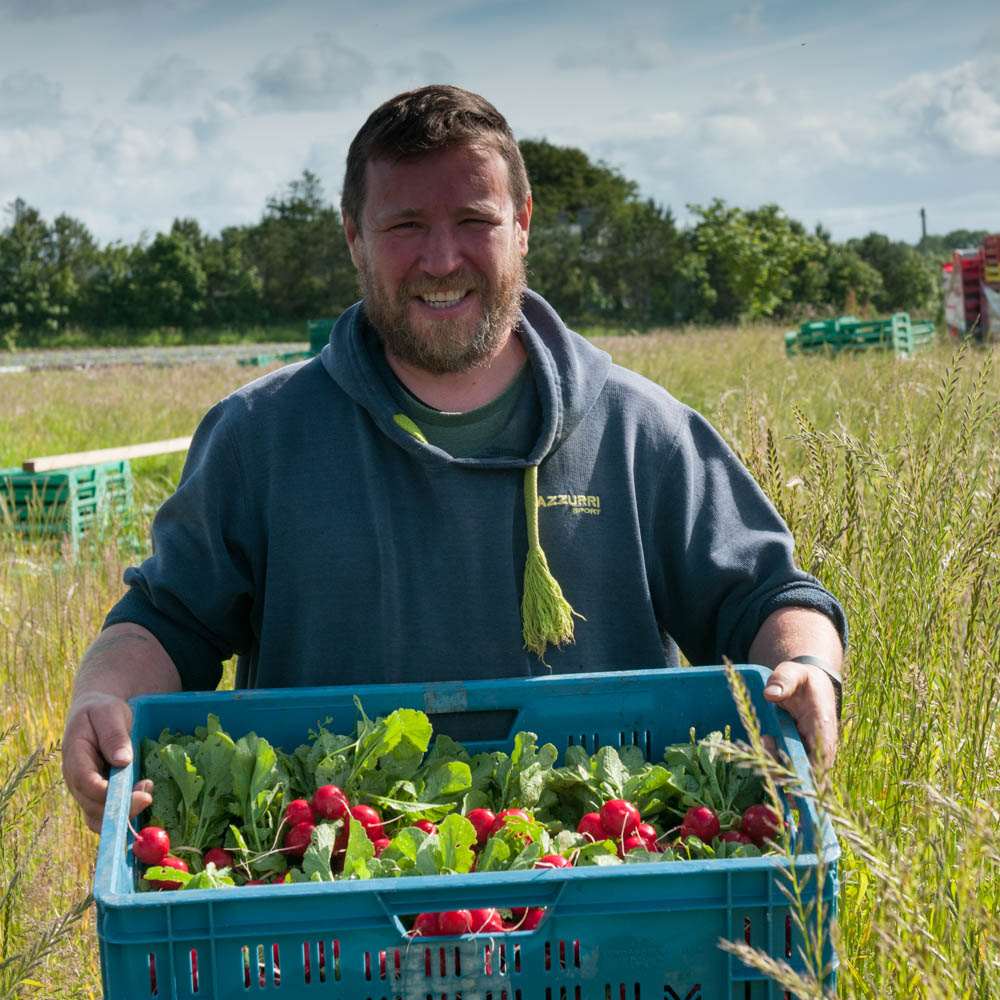
Here we are on the cusp on July and the list of produce harvested from the farm is steadily growing week on week. The first fresh bunches of beetroot, our own kale, salad, lettuce red and green, spinach and chard are ready. The cucumbers are a week away and the new potatoes 2-3 weeks away, the first of our own tomatoes are nearly there too, all we need is the sun.

Then there is the irony that as we come into our own produce as the farm finally starts to crank up a gear and we start to harvest the freshest produce we face a downturn in orders due to summer holidays and this year the impact is even greater as the country opens.

I would ask if you can at all, continue to support our farm, help get us through the summer months, we rely on your support to keep doing what we do.

So as the sun sets, there is no hay to bring in, but I look forward to a dry bright day tomorrow as we have big day of harvest before us.

Thank you for your continued support!

Kenneth