Hope springs eternal

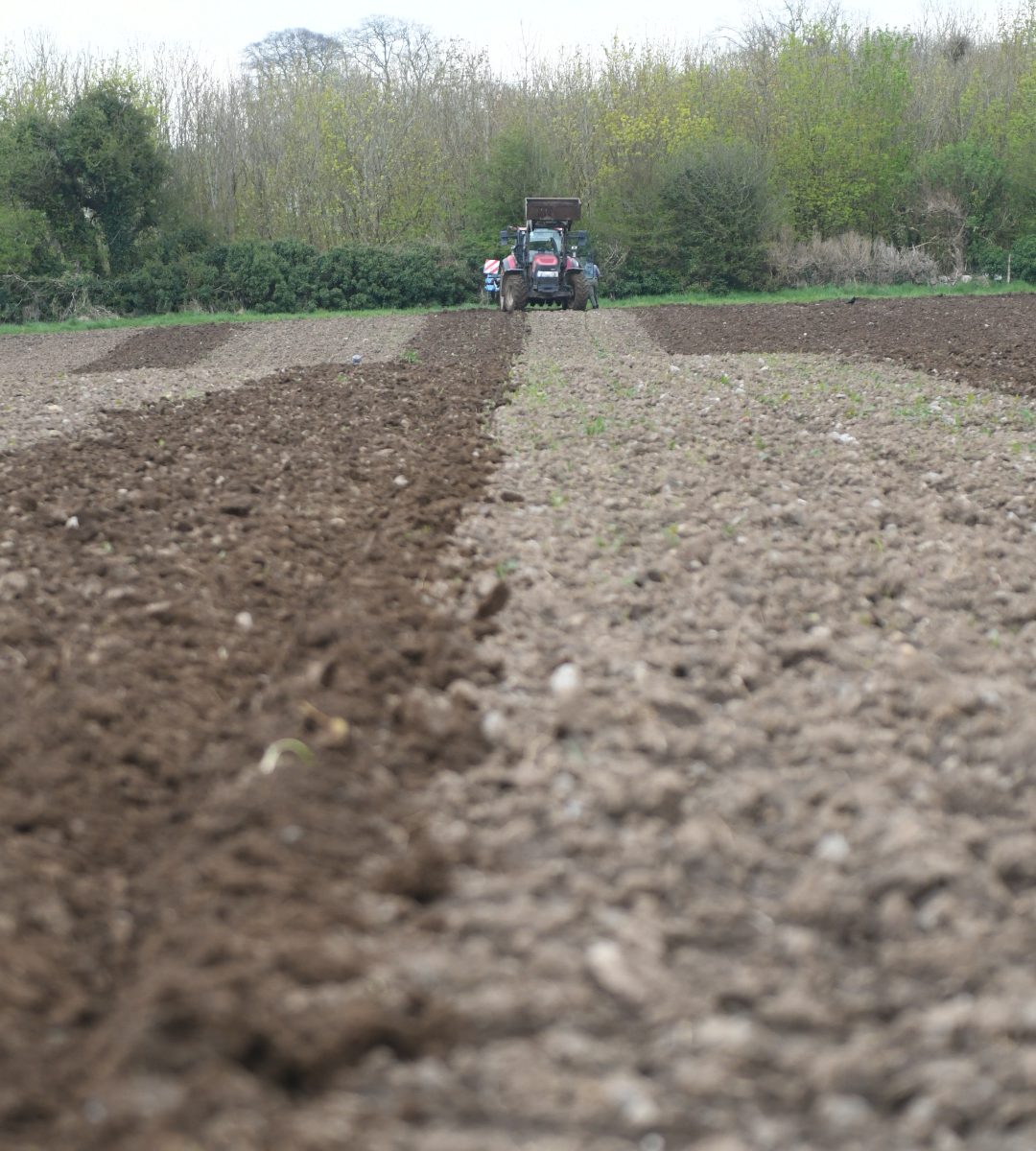
I was hopeful this week that we would get our first vegetable beds made, but the soil is saturated, and more rain has arrived and more is forecast, it does not bode well for spring planting, this year crops will be delayed. Field conditions at least in the West of Ireland are poor and the soil is still cold and there is a distinct absence of life, I guess the earthworms and little bugs feel the same as we do about cold, wet damp weather. 
The excitement of a couple of weeks ago has waned a little, when we were making some good progress with our field work, it looks like for now patience is the order of the day. At least we have the tunnels to work in, and we will be planting our first new season crops (fingers crossed) at the end of next week, exciting! 

Tomatoes should follow the week after that and tomato planting usually symbolises the first proper start of the season with some brighter sunnier and dare I say it, warmer weather, we will wait and see.

In a rare absence from the farm a couple of weeks ago I had the pleasure of giving a talk to a growers’ network in Louth, a lovely bunch of people growing some of their own food and it was an uplifting and enjoyable experience. 

On the road up from Galway though we passed several bright yellow fields. If you are out and about this bank holiday weekend, keep an eye out for these fields, they will have an iridescent yellow tinge. 

They shine so brightly because they have been sprayed with an herbicide that has destroyed all plant life. The chemical, glyphosate, more commonly known under the brand name Roundup will have been applied to the land prior to ploughing. 

The EU had an opportunity in 2023 to ban glyphosate for good, instead it was licensed for use for a further ten years. Here’s a couple of interesting observations: prior to 1990 there were genuinely more toxic herbicides in use, there is no doubt about that, and nobody would advocate for going back there (these highly toxic chemicals are still in use in some countries) but we have traded a smaller use of genuinely horrible chemicals for an enormous use of a probable carcinogen and glyphosate is now everywhere. 

Are we any better off? No. 

Should the use of glyphosate be curtailed? Definitely. 

Is this happening? Partially. 

The ban on using it has a preharvest desiccant (it was and still is used in some countries to dry out crops prior to harvest, a genuinely terrible idea) was a positive step in the EU.

BUT there is a loophole, the use of glyphosate can still be used to treat weeds in the crop if it is 2 weeks prior to harvest. So essentially it still can be used as a desiccant, (even it this is not the stated reason). The impact will be the same, and this chemical which is systemic, will still end up in our flour, and in our bread and in our oats. 

I for one will take my porridge glyphosate free, thank you very much.

As always thank you for your support, and happy easter.

Kenneth

Has the sun gone to my head? Possibly…

With the sun beating down and the tractor leaving plumes of dust in its wake, you would be forgiven for thinking we are in Spain, or some other such hot country. But no, this is the west of Ireland, the weather is better in the last few weeks than cumulatively over the last two years, or maybe I have just been traumatised by all the rain and cannot remember the rare glimpses of sunshine we must have had.

We are for the first time in our near 20 years of veg production ahead of schedule, the amazing farm team and the fantastic weather and thankfully for once the machines obeying the rule of man are all working nicely together. I am not naive enough to think this synergy will last, but maybe it will.  I will embrace the poor me a little here, we are due a break. I think this could finally be our year, or maybe it takes 20 years to learn how to do it, how to grow 20 different types of vegetables on a commercial scale and do it organically.

2 weeks ago, I spoke with Nina Carberry an MEP and Darina Allen, and we had a conversation about food and our future. Here is one of the fundamental facts in relation to our global food system, of which we are but a tiny piece, (In terms of general agricultural exports we are definitely punching above our weight, but this is a terminal, short term outlook. When it comes to sustainability, we are sacrificing the good of our land for agricultural intensification and beef and dairy exports)

But here is the thing, the way we farm must change, global agriculture is the leading driver of biodiversity loss on our planet, it contributes 30% of all global greenhouse gas emissions. The science is clear, burning fossil fuels and cutting down rainforests to grow more soya to feed cows is going to burn our planet, it also consumes 70% of all our fresh water supplies.

This needs to change, but here is the thing, global government agricultural subsidies are now standing a staggering $540 billion, and are on track to soar to $1.8 trillion by 2030. Not only that but the majority of these subsidies fund agricultural practices and therefore food products that are laying our land bare. Think also of the intensive use of pesticides in GMO crops to grow the feed that ultimately funds this huge factory farmed animal industry.

So effectively our taxes go toward subsidising a food system, that keeps unhealthy food cheap (think ultraprocessed products) and therefore fresh food more expensive. If more of these subsidises were funnelled toward fresh local organic production, then this would certainly even the playing field when it comes to price.

You might think that all the sun has gone to my head, well that may well be the case, and madness was probably creeping in many years ago for who in their right mind would have embarked on this endeavour otherwise, but things are moving in the right direction.

So, the question remains what can we do about it? Well as it turns out we can do a lot, we really can, and this is the best part about all of this, when it comes to our food, we as consumers have power, real power, the power to choose wisely, the power to decide what food to purchase and where to purchase it.  Our decisions and choices really do matter, and they send a powerful message and can effect real change.

We can take definite action for change today; Visit a farmer’s market, support us, grow a little yourself, look at the country of origin in the supermarket, choose fresh local organic produce where you can, add more vegetables and less meat to your plate. It is all within our power.

As always thank you for your support

Kenneth