1 teaspoon of the neonicotinoid Thiamethoxam can kill 1.25 billion bees, if you are unsure how much that is have a look at the video.

In 2018 The EU banned the use of neonicotinoid chemicals as the data was irrefutable, these systemic chemicals were destroying bee populations and causing insect numbers to plummet.
Enter the giant agribusiness pesticide manufactures, who lobbied for years and right up to the end to keep these chemical cocktails in the conventional farming repertoire. They knew they were killing bees and yet they persisted, no different to the fossil fuel lobbyists today, (who with full knowledge of the damage being wrought by man made climate change persist in pushing their wares as harmless.
These neonicotinoid chemicals are still manufactured in Europe and shipped to countries that currently have no ban on them including the US. Not only do these chemicals impact the insect and the bee populations, they have also impacted bird populations, as the birds eat the insects, and this has meant that in the US alone the population of insect eating birds has dropped by over 3 billion.
These chemicals persist in the soil and a recent study showed that they are still prevalent in Irish soils even though they have not been used here since 2018.
New studies in France have shown that the bird populations are recovering but at a slow pace, but there is hope as there have been recorded relevant increases of 3-4% per year. This new research demonstrates when nature is given a chance it can recover, but we need to give it space.
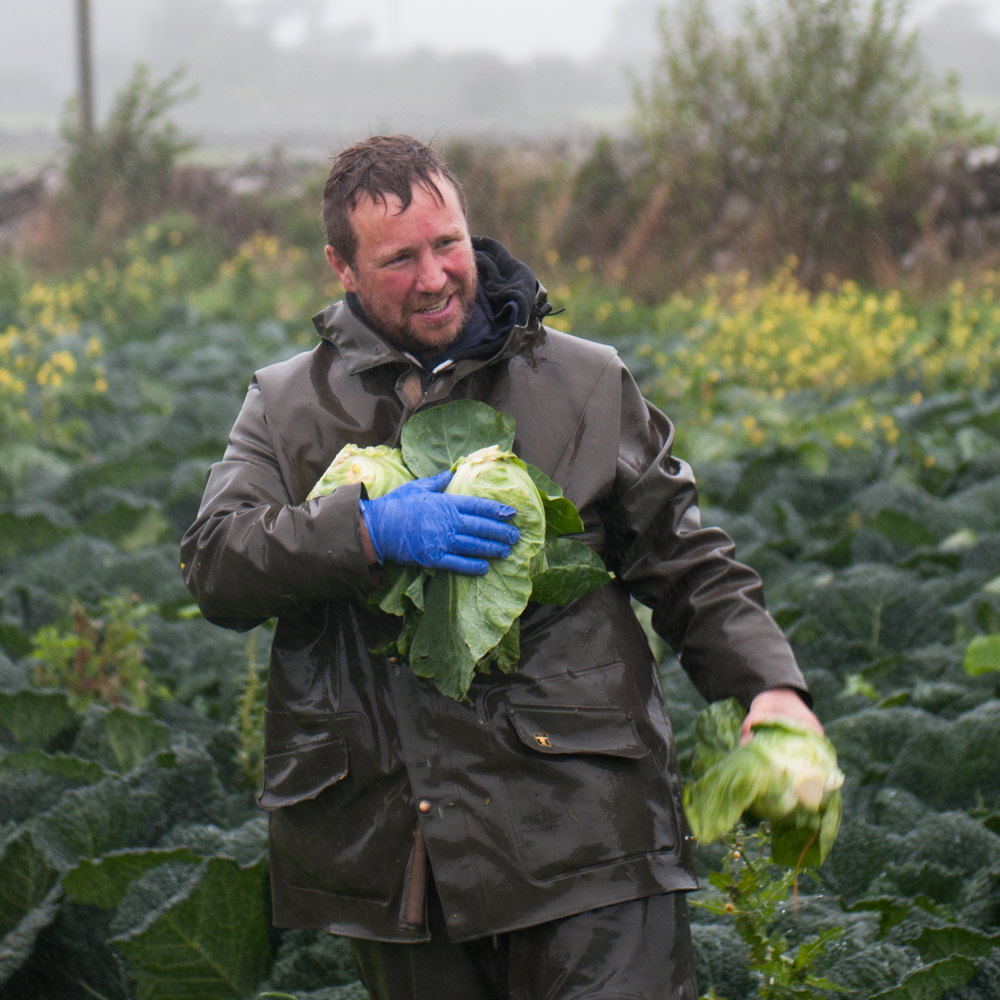
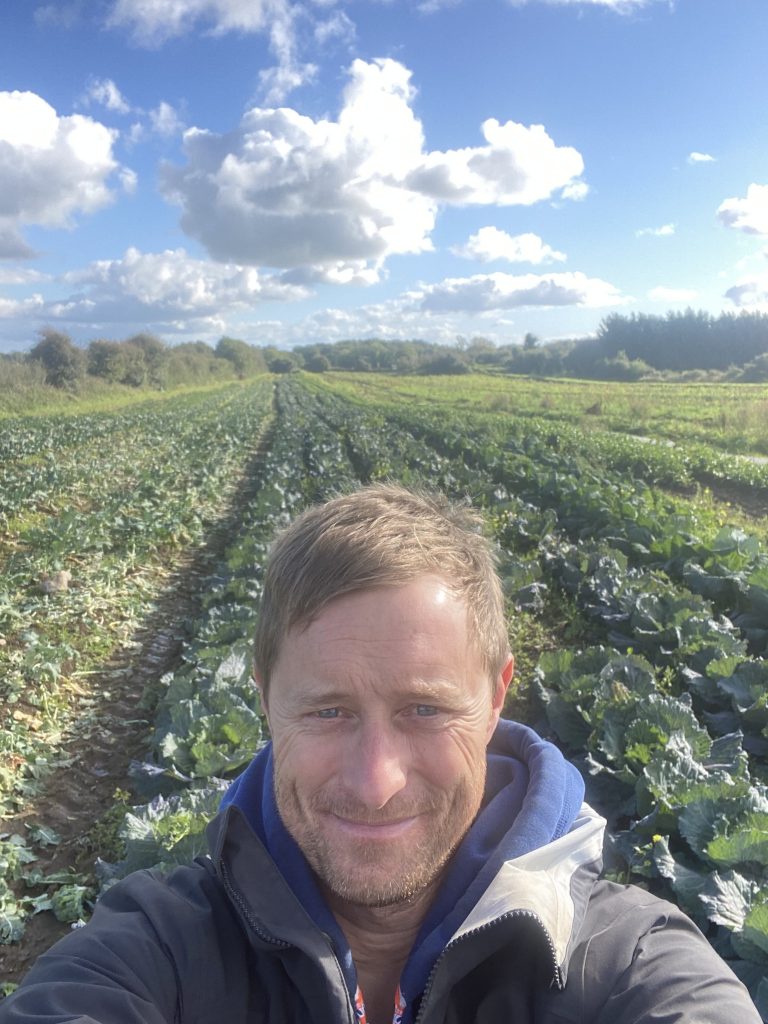
It is certainly clear to me, even though we produce so much food right here on our small farm, that biodiversity flourishes when given a chance. The native Irish honeybees that we have on our farm are some of the most productive Gerry the beekeeper has seen.
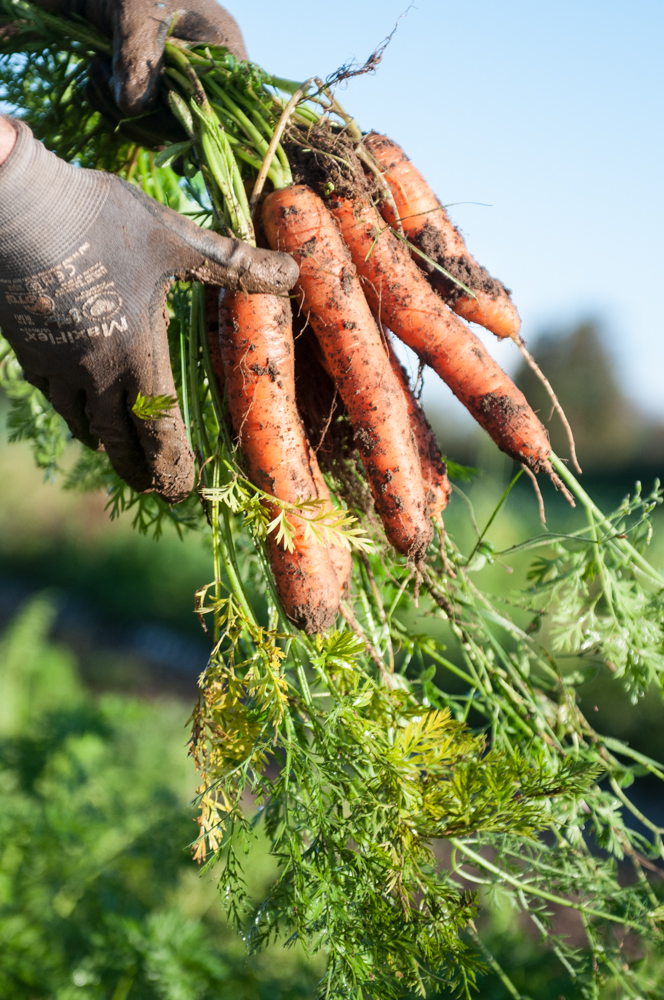
For the size of our farm then number of birds and butterflies and bees can be positively breathtaking, and we are not doing anything spectacular, we are just growing hedgerows, growing wildflower, not using chemicals, leaving wild areas, and we are producing literally tonnes of food. It is a model that works, yes of course the food may be a little more expensive, but do you think those extra few cents are worth the investment in nature, and the investment in our own health?
For all the talk of supporting sustainability supermarkets are still driving the price of fresh vegetable to rock bottom, and with this comes a real price, how can a farmer support a sustainable food system, if he is barely surviving? Supermarkets need to do better.
With your support we our farm has nearly made it through another year, without your support we would not. So thank you for supporting us it makes all the difference.
Kenneth
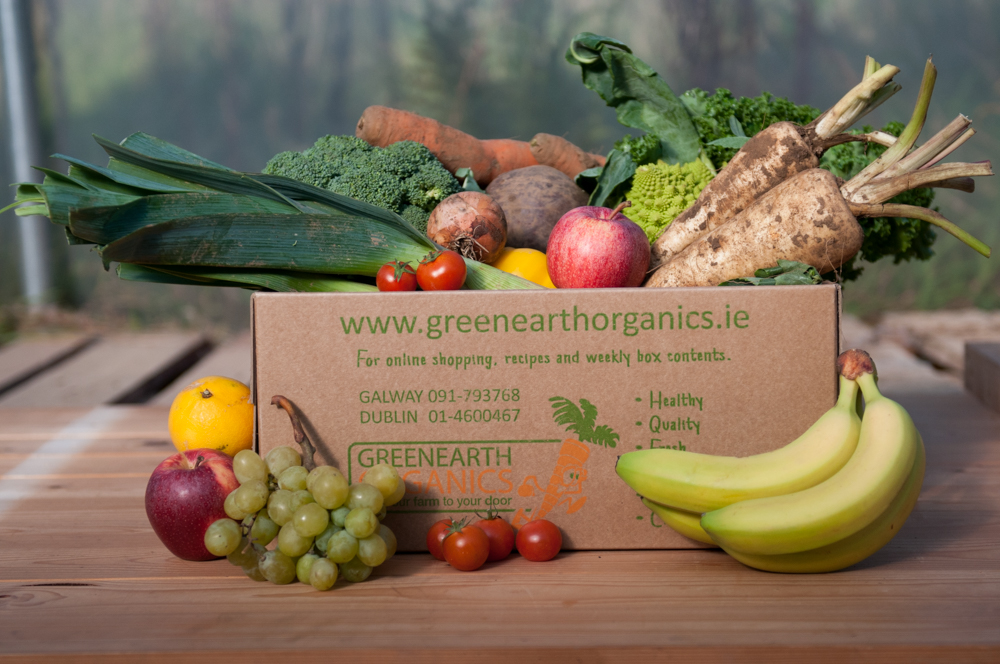
PS As our Christmas shop is now open, please if you can support us this Christmas, the supermarkets profit margins are already bulging and they will certainly not miss you, but we will.
Order here https://greenearthorganics.ie/christmas-delivered-to-your-door