Why is kale on the dirty dozen every single time?

We were out spraying our crops this week, we were having problems with our sprayer, so I was out there with Brenda fixing the machine and ensuring it was working well. It struck me as I was down near the crops checking to ensure we were getting good leaf coverage with our spray that this is exactly what happens with toxic chemical sprays, they are applied, and they are sprayed directly onto the crops and are in some cases absorbed into the plants.

It was visually striking and although I have known this for years, it really hit me there in the field. We sprayed all our brassica plants that day with a mix of seaweed, boron, Epsoms salts and an herbal tonic.

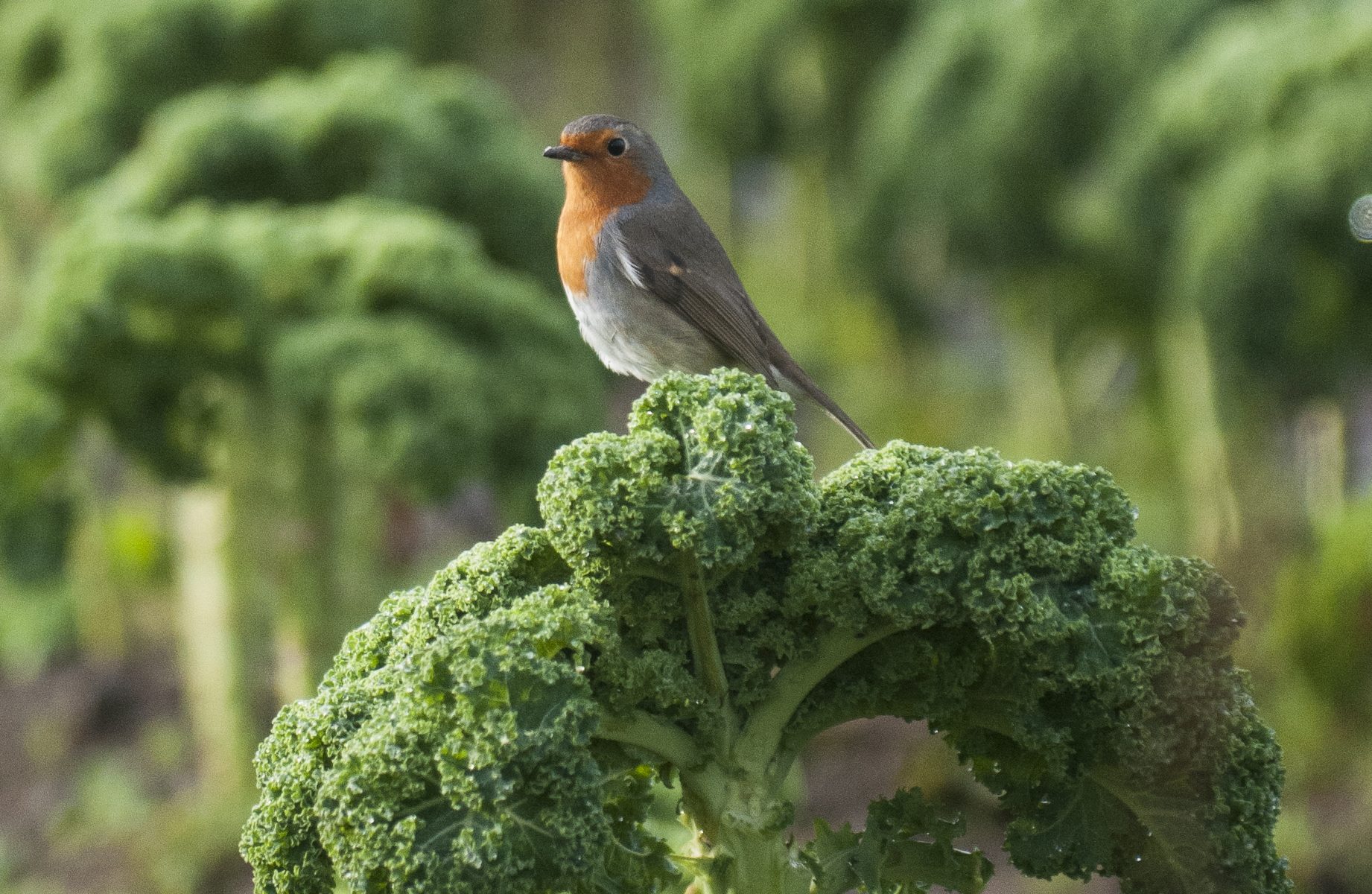
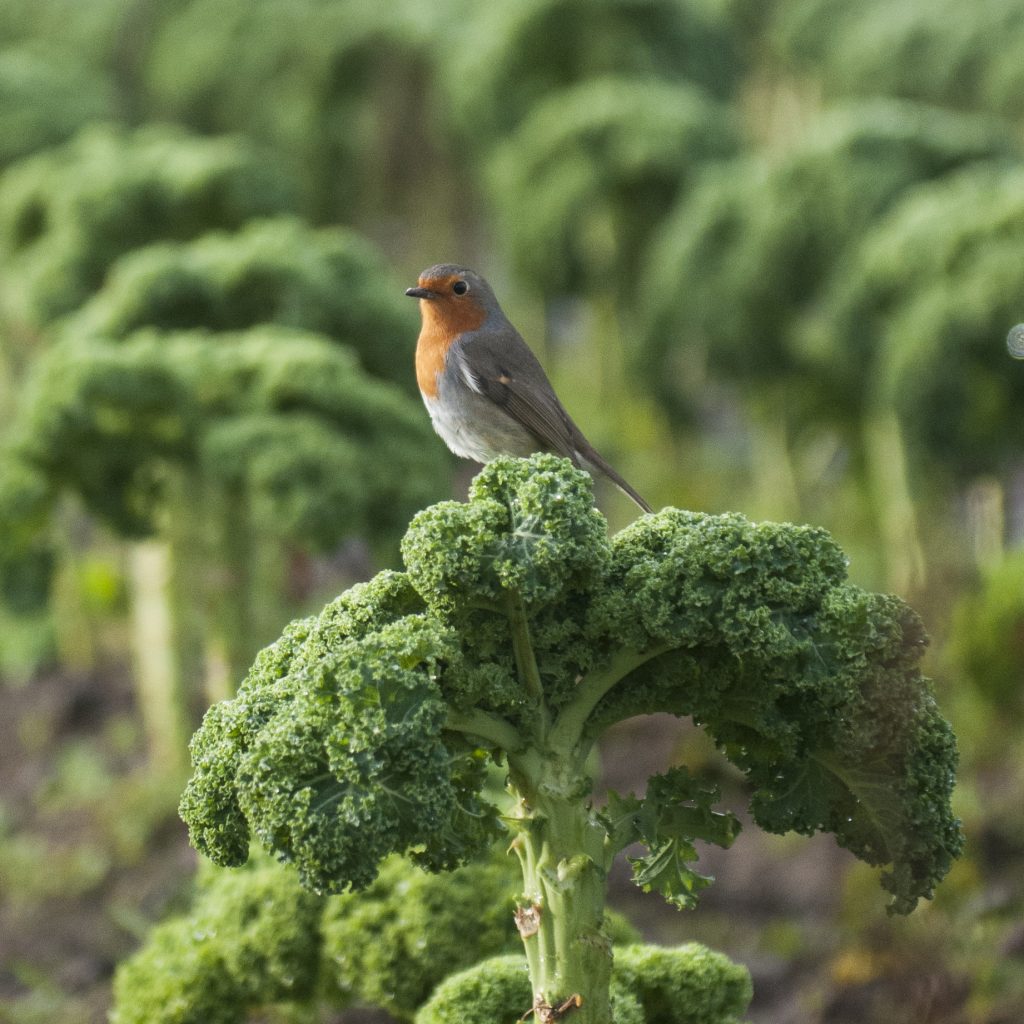
At the time we were spraying black kale, funny thing is kale is a regular feature on the dirty dozen list, mindful that this is an American compiled list and there are so many more chemicals applied there compared to here in the EU, that doesn’t give us Europeans a free pass though.

Even so, for the life of me, why? Why spray kale? It used to be grown for cattle and is as hardy as vegetables come. We have been growing kale for 20 years and never had a disease problem. The only time we have an issue is with aphids, and that is after we leave the plants to go to flower, and they are exhausted at the end of a long season.

Chemicals that are absorbed into the food are called systemic, that means they penetrate the skin of the plant and get into its circulatory system, washing or rinsing does nothing to remove these chemicals.

You may note from the video that there are plenty of weeds in our fields, one of the most notable differences between organic and conventional agriculture is the absence of weeds. Weeds in conventional systems are managed generally starting with the ubiquitous spray of roundup followed by herbicides applied once the plants are in the ground. Then there is the fungicide and insecticide applications. All in all, whilst it is better in Ireland, the best way to avoid ingesting synthetic chemicals is to choose organic.

If you would like to know the chemical concoction you might find on your kale read on. Fungicides like, Difenoconazole, Boscalid, and Fludioxonil, insecticides such as Lamda-cyhalothrin, herbicides such as metazahlor, pendimethalin may be used, if you are in the US I am sure you can add a whole batch of more toxic chemicals to that list.

As the day went on, we got all our brassicas sprayed, I can only imagine the good the mix we applied is doing the plants, and I hope you can taste it in the flavour, freshness and richness of the produce coming off our fields and the fields of the other farmers that supply us.

Not only that, but I Saw a few bees fly though the spray and of course they flew on, no issue there, maybe it even did them some good, don’t think you could say the same for any synthetic chemical that might be sprayed.

As always thank you for your support.

Kenneth

PS Don’t forget to support our organic farm at this time of the year it makes all the difference to us and all the other organic farms and farmers that supply into us. Thank you. Kenneth
The EU has granted a further 10 years to Glyphosate…

On Thursday 16th of November, The EU commission decided to extend the licence for the use of Glyphosate for a further 10 years.

Using chemicals to fight nature will never work. In the short term it may give a temporary reprieve from a certain disease or pest, but that pest will come back stronger and more resistant next time. It is in a way a self-perpetuating industry. It is not the way to produce food and IT IS CERTAINLY NOT OUR WAY.

I imagine that lobbying bodies and Bayer will be rubbing their hands together in glee at the thought of another ten years of sales.

In the meantime, you and I must be content with ingesting glyphosate in the food we eat.   A recent study showed that more than 80% of urine samples drawn from children and adults in a US contained glyphosate, a finding scientists have called “disturbing” and “concerning”.

Right here in Galway another analysis showed glyphosate was detectable in 26% of samples, AMPA the byproduct when glyphosate is broken down was detectable in 59% of samples. 

The Agri industry will stipulate that the chemical is safe and provide evidence to corroborate this, of course they design and pay for these studies, so the results generally will cast their products in a favourable light.

Aside from the obvious health related issues of continuously consuming a chemical we do not want in our food and the destruction of habitats and all the associated biodiversity, there is the key question of why, why use this stuff, we didn’t always need it so why now? There is the argument by the agroindustry that banning glyphosate would introduce a whole host of food production problems, including further increases in prices of food.

There is no denying that as with any major change a transition period would be necessary but as organic farmers have demonstrated the world over there are alternatives to the use of chemicals in our food system and these alternatives are better for our health and for biodiversity.

This year our work apart from one or two mishaps has kept pace with the weeds. But our approach to weed control is not one of total dominance, quite frequently once you get the crops to a certain size the weeds are no longer a problem.

In fact, they can provide a basis for a wide variety of life: flowering weeds that bees come to, the lush green undergrowth, a haven for a myriad of tiny creatures that would not be there otherwise.

Thus, in turn providing food for the birds, and at times, the necessary predators such as ladybirds and hoverflies that feed on aphids. A natural ecosystem living below the giant shading leaves of the broccoli plants or cabbages develop. Each plant brings something different to the fray and generally none are unwelcome.

Now please do not misunderstand me, if we did not take a pragmatic approach to weed control and utilise all the tools at our disposal there would be no crops, no food, and no farm. We have worked extremely hard to ensure the crops are healthy and weed control is part of the process. No, our approach is just different, less harsh and embraces the idea that yes, we can work with these other plants, and they too have a place on our farm.  

Organic agriculture is much more than saying no to the use of chemicals, it represents a holistic approach to working with nature, to our land and to our food. It means no chemicals, but it also means no artificial fertiliser, it means tree planting, it means hedge planting, it means allowing nature its place to thrive while also producing food. It means taking care of the soil and it means producing food that tastes fresh and good and crucially is good for us and for the environment.

Here’s to fresh organic chemical and glyphosate free food.

Kenneth