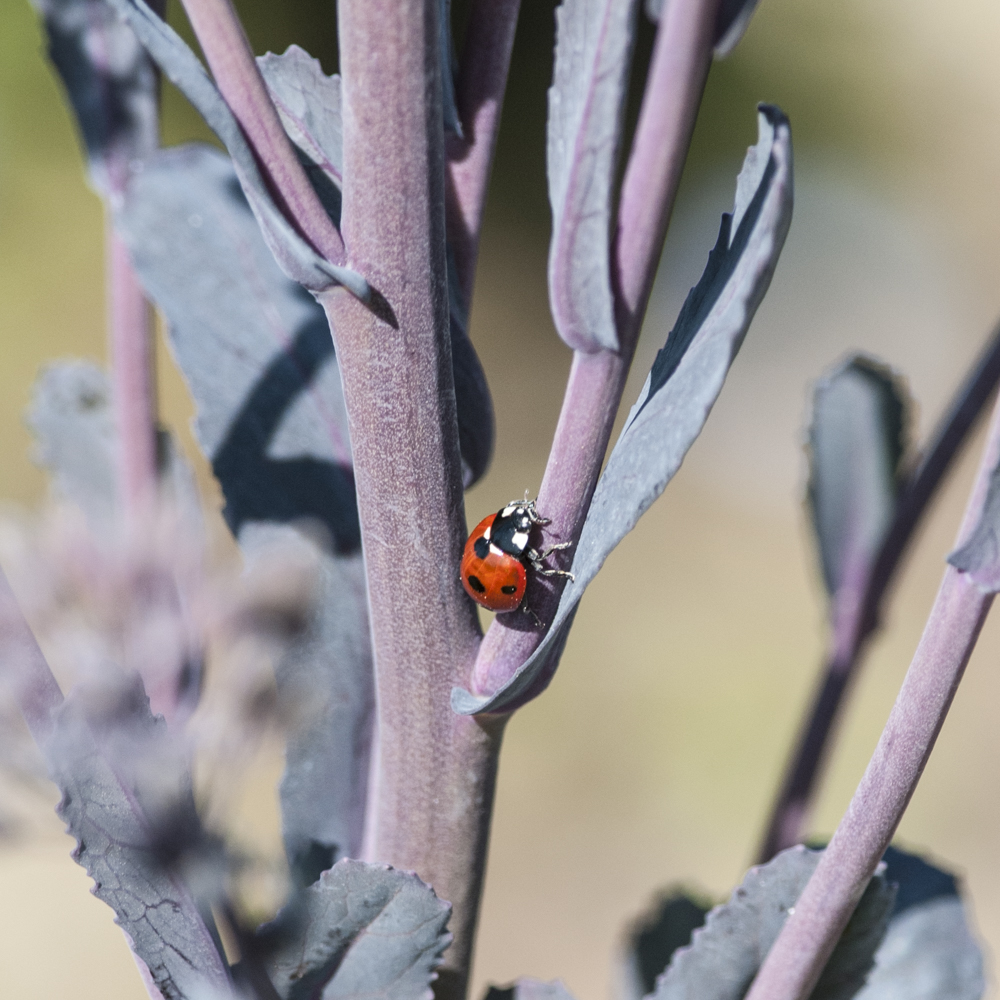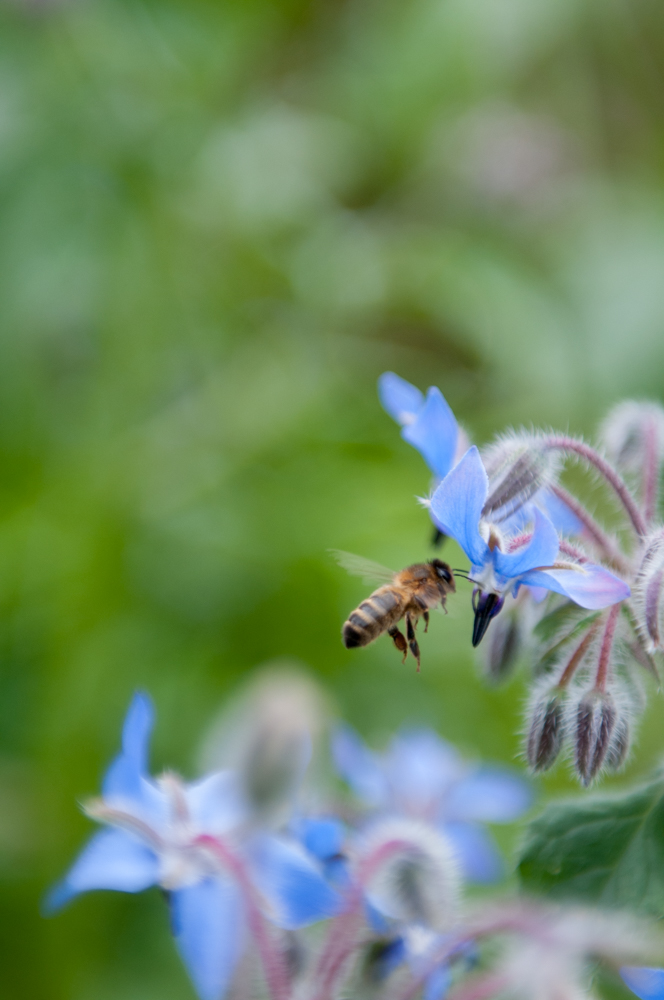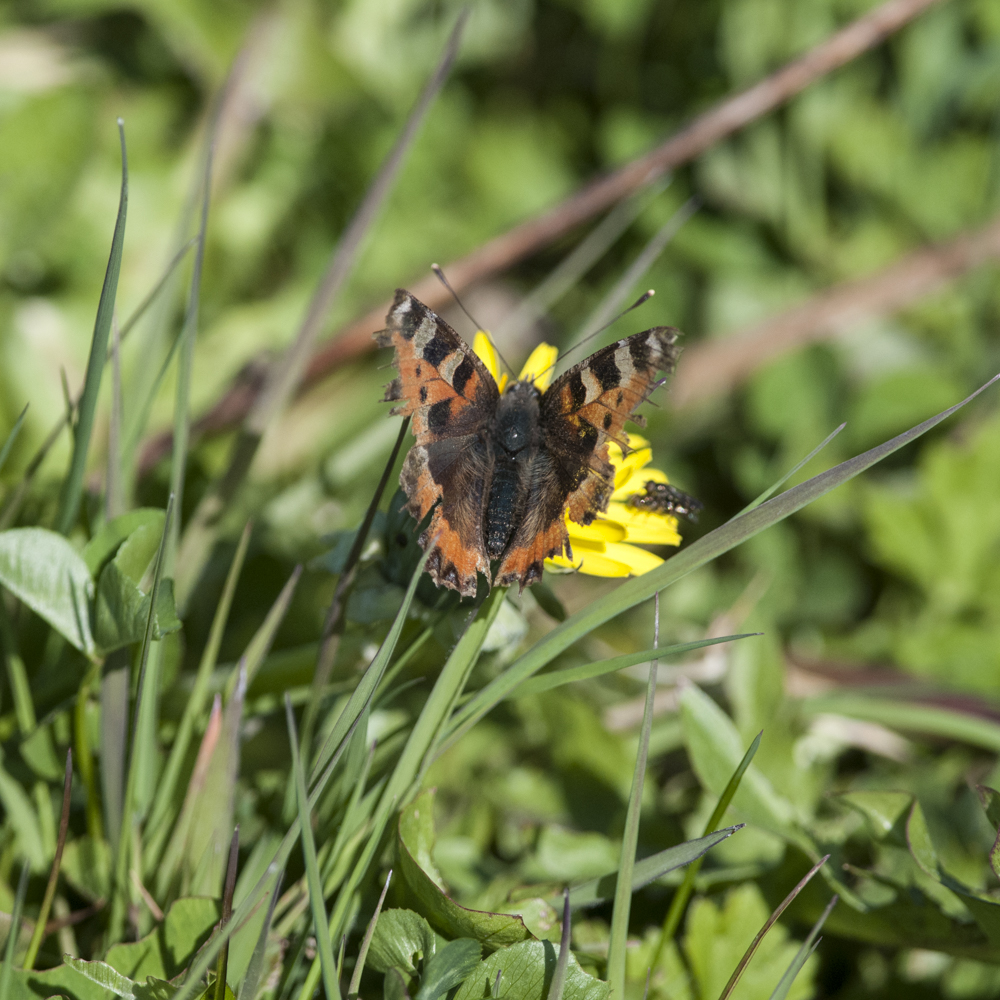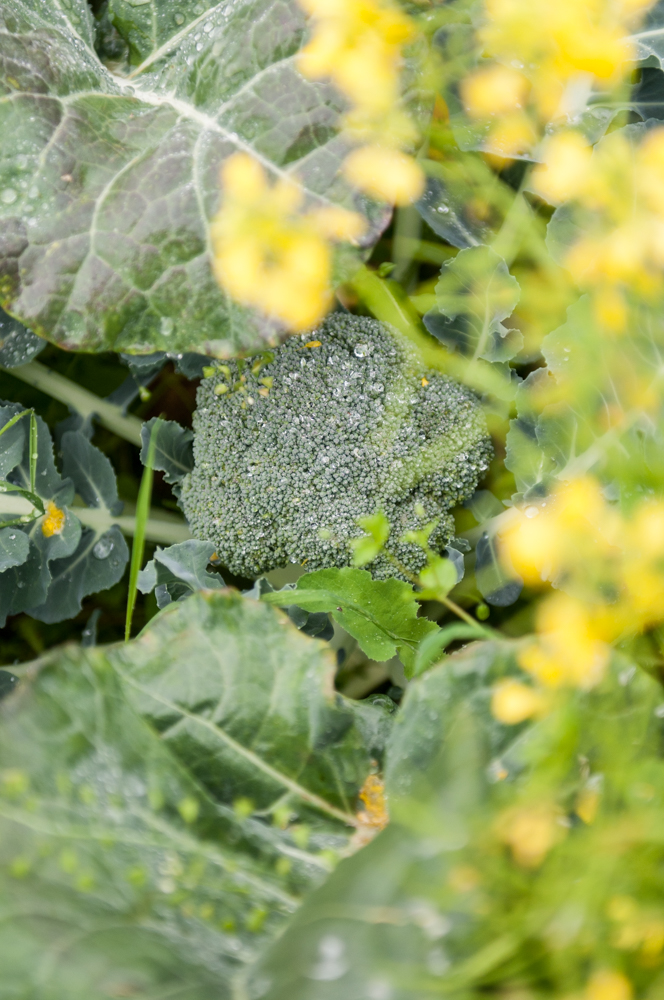
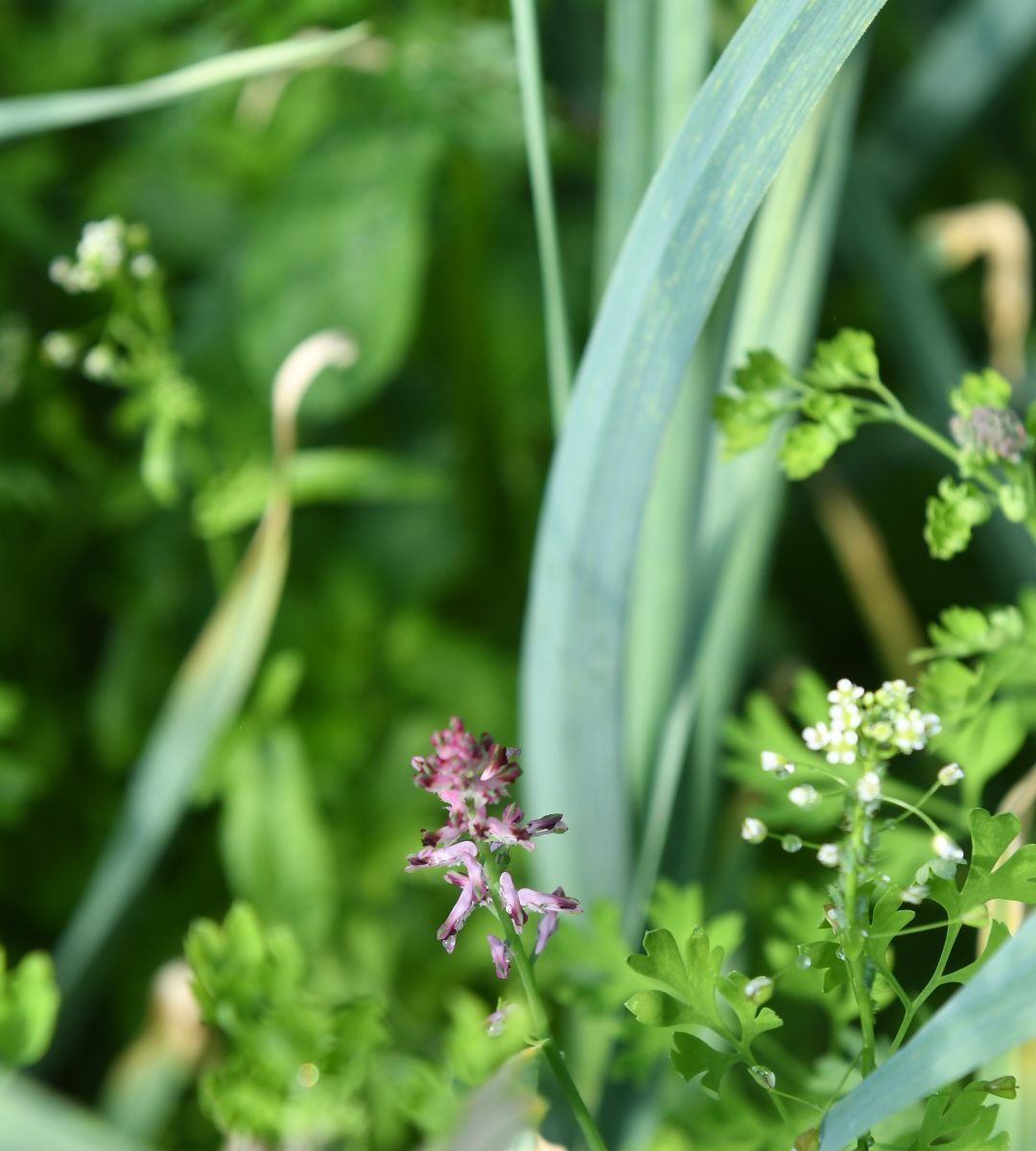
When we started out 20 years ago, as we struggled to contain the weeds on our 0.25 acre plot, we had two pieces of wisdom imparted to us. Never let a weed see Sunday, a fair statement, meaning if a plant doesn’t go to seed you won’t have a million more minions to deal with in short order. The other was “Why not use a touch of Roundup?”, I love this one, because it frames the chemical as benign, but far from benign Roundup is!
A company that makes €2.9 billion a year from a product with 67,000 pending cancer lawsuits against it, while simultaneously targeting €10 billion in cancer drug sales by 2030, has structural incentives that are deeply misaligned with public health.
No conspiracy here, but there are two outrageously conflicting business units in operation under one corporation here. Bayer the giant Agri pharmaceutical company does just that. The question I often wonder about is why with all the litigation against it doesn’t Bayer withdraw Roundup from the market.
Well, there is the €2.9 billion in sales for one thing, but there is another massive revenue stream that is often overlooked where the discussion of Roundup is concerned, Roundup ready crops.
The US government’s own agricultural statistics tell the story starkly. In 2025, 96% of all US soybean acres were planted with herbicide-tolerant seeds — the highest adoption rate ever recorded. Around 92% of domestic US corn acres are produced with herbicide-tolerant seeds, and 93% of cotton acres are genetically engineered herbicide tolerant. So, the real Bayer agrochemical empire looks like this:
Glyphosate herbicide: ~€2.9 billion/year
Full Crop Science division (mainly Roundup ready crops): €21.6 billion/year
Cancer drug ambition by 2030: €10 billion target
It’s an interesting summary, Bayer OWN nearly the whole Soybean, Corn and Cotton production in the US, not to mention lentils and chickpeas too. They own the plants; they own the rights. They own the food system. They make a colossal sum from the crop sciences division, which is nearly entirely based on the patented Glyphosate resistant plants.
You couldn’t make this up, and now because the American food system is dependent on Roundup it looks like they are going to be protected by the US government from the fact that their product probably causes cancer.
Bayer’s strategy is explicit: a favourable ruling by the US Supreme Court could largely end the Roundup litigation — the argument being that since the EPA approved the label without a cancer warning, no state-based lawsuit for failure to warn should be allowed to proceed. If they win that case, which is currently before the Supreme Court in the US, the entire litigation mountain largely disappears — and they keep the revenue.
They are winning and make no mistake this will give them a green light to continue here in Europe also.
Now I may be wrong, and maybe it is just coincidence, but to me there seems to be a resurgence in the use of glyphosate right here on our home turf. Literally on our turf. Everywhere now there are fields sprayed, road verges sprayed.
I was at Bloom last weekend and had a several discussions about the addiction to this product and the damage it does to biodiversity and how unnecessary it is.
One thing for sure, Roundup has no place on our farm or food, so thank you for your support, it means we can keep biodiversity healthy and keep this toxic chemical out of our food supply.
Kenneth
PS To celebrate our 20 years in business, we are very excited to announce our very first Sustainability festival on the 12th of September, this promises to be an amazing day of celebrating all that is right and proper in the Irish food system, nearly half the tickets are already sold, so why not grab yours now.
Also, we will be running our usual farm walk but this year we have planned it for the 18th of July, there is a nominal charge for this, and again numbers are strictly limited, please find all the info here.