Has the sun gone to my head? Possibly…

With the sun beating down and the tractor leaving plumes of dust in its wake, you would be forgiven for thinking we are in Spain, or some other such hot country. But no, this is the west of Ireland, the weather is better in the last few weeks than cumulatively over the last two years, or maybe I have just been traumatised by all the rain and cannot remember the rare glimpses of sunshine we must have had.

We are for the first time in our near 20 years of veg production ahead of schedule, the amazing farm team and the fantastic weather and thankfully for once the machines obeying the rule of man are all working nicely together. I am not naive enough to think this synergy will last, but maybe it will.  I will embrace the poor me a little here, we are due a break. I think this could finally be our year, or maybe it takes 20 years to learn how to do it, how to grow 20 different types of vegetables on a commercial scale and do it organically.

2 weeks ago, I spoke with Nina Carberry an MEP and Darina Allen, and we had a conversation about food and our future. Here is one of the fundamental facts in relation to our global food system, of which we are but a tiny piece, (In terms of general agricultural exports we are definitely punching above our weight, but this is a terminal, short term outlook. When it comes to sustainability, we are sacrificing the good of our land for agricultural intensification and beef and dairy exports)

But here is the thing, the way we farm must change, global agriculture is the leading driver of biodiversity loss on our planet, it contributes 30% of all global greenhouse gas emissions. The science is clear, burning fossil fuels and cutting down rainforests to grow more soya to feed cows is going to burn our planet, it also consumes 70% of all our fresh water supplies.

This needs to change, but here is the thing, global government agricultural subsidies are now standing a staggering $540 billion, and are on track to soar to $1.8 trillion by 2030. Not only that but the majority of these subsidies fund agricultural practices and therefore food products that are laying our land bare. Think also of the intensive use of pesticides in GMO crops to grow the feed that ultimately funds this huge factory farmed animal industry.

So effectively our taxes go toward subsidising a food system, that keeps unhealthy food cheap (think ultraprocessed products) and therefore fresh food more expensive. If more of these subsidises were funnelled toward fresh local organic production, then this would certainly even the playing field when it comes to price.

You might think that all the sun has gone to my head, well that may well be the case, and madness was probably creeping in many years ago for who in their right mind would have embarked on this endeavour otherwise, but things are moving in the right direction.

So, the question remains what can we do about it? Well as it turns out we can do a lot, we really can, and this is the best part about all of this, when it comes to our food, we as consumers have power, real power, the power to choose wisely, the power to decide what food to purchase and where to purchase it.  Our decisions and choices really do matter, and they send a powerful message and can effect real change.

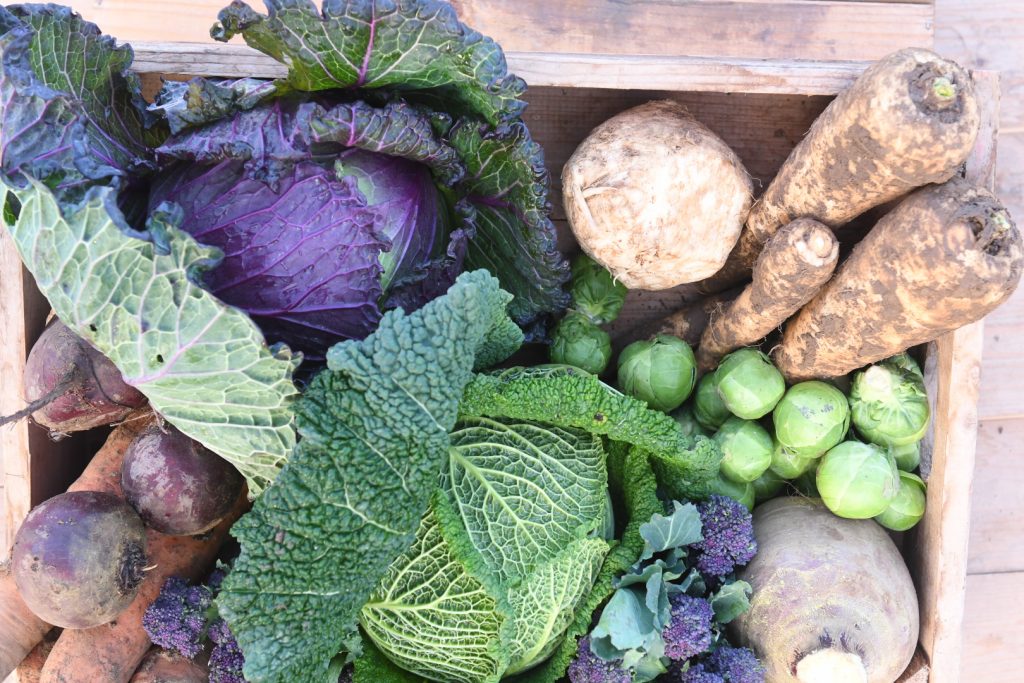
We can take definite action for change today; Visit a farmer’s market, support us, grow a little yourself, look at the country of origin in the supermarket, choose fresh local organic produce where you can, add more vegetables and less meat to your plate. It is all within our power.

As always thank you for your support

Kenneth
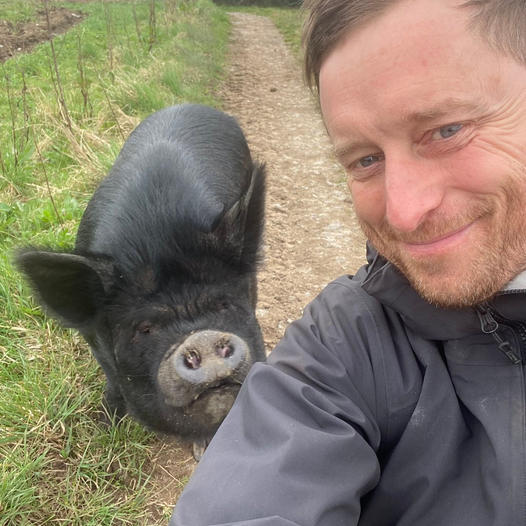
George, Florence & Veganuary

It’s been a wet, windy and cold start to the year, the water levels in the fields are high. We have been lucky enough to have harvested enough of our key root crops like parsnips before Christmas so we do not have to go out into the muck for them in the last couple of days. It would have proved difficult.

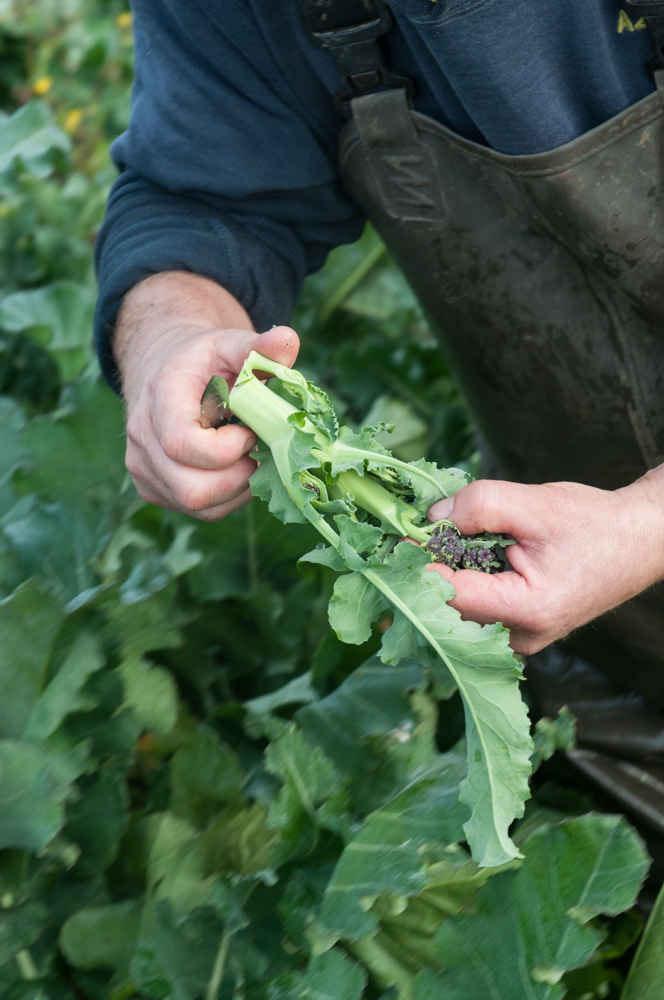
The crops are looking pretty good all things considered, we have some amazing new produce coming in from the fields next week. The purple sprouting broccoli has been flourishing over Christmas and we intend to harvest quite a bit of that for next week. We also have the first new mixed salad, it seems crazy to think it is ready but it is. We will harvest this from our own tunnels starting next week too.

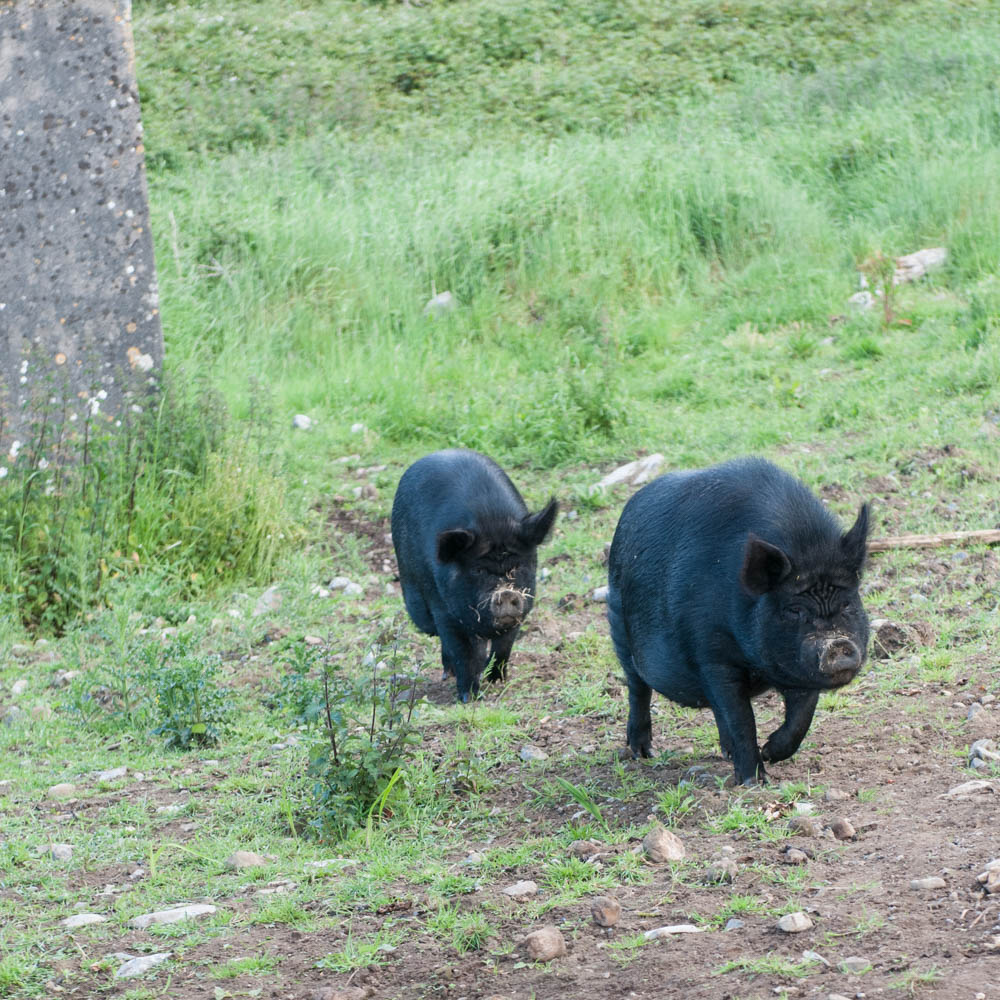
It is difficult to manage all the produce around this time of year especially as we shut down for a week and everybody gets a well-deserved break and we do end up with some waste veggies despite our best efforts. Today it was my job to traverse the muddy fields with a bucket of waste veggies to feed our two rescue pigs, they were waiting and snorting and they always seem very excited about the prospect of food. George and Florence seem content, they don’t like the cold, but they do like their bellies to be scratched, they like roaming in the trees and rolling in their straw bed that they keep meticulously clean, they do not like the rain. Florence is very adventurous and constantly breaks out in search of what, I am not so sure. But I think conversation with George seems not to be up to scratch and she goes in search of more stimulating company!

Pigs are the ultimate food recyclers, but the myth that they will eat anything is far from true. I have learned that like our children, they tend to keep away from broccoli and kale! This I guess is fortuitous as whenever Florence breaks out, she wanders through fields of kale and never touches a bit! They definitely have their own little personalities, and they like to have the freedom to roam and to have access to decent straw bedding. As regards Florence and George they will grow old together on our farm provided of course George’s level of conversation improves!

But whether you eat meat or not, I think there seems to be some consensus that the factory farming of animals is wrong, it does produce cheap meat, but I wonder at what real cost to us as a society and to our health? I have found it interesting that my dad who has been a staunch meat eater all his life, has now changed his diet to mainly vegetables, not on ethical grounds but because he felt it was better in general for his health. He still eats meat, that is his decision and I certainly respect that.

Veganuary can cause all sorts of heated discussion, but I guess it is a personal choice, it is up to each individual whether we choose to eat meat or not, or choose to reduce the amount of meat we eat or not. But one thing that we all know for sure is that eating more fruit and vegetables can only do us good. With that in mind I look forward to next week to our own freshly harvested mixed salad and some gently stir fried purple sprouting broccoli with a dash of sesame oil.

Thank you for choosing the very best food and letting us deliver it to your door.

Kenneth

Simple, Real Food

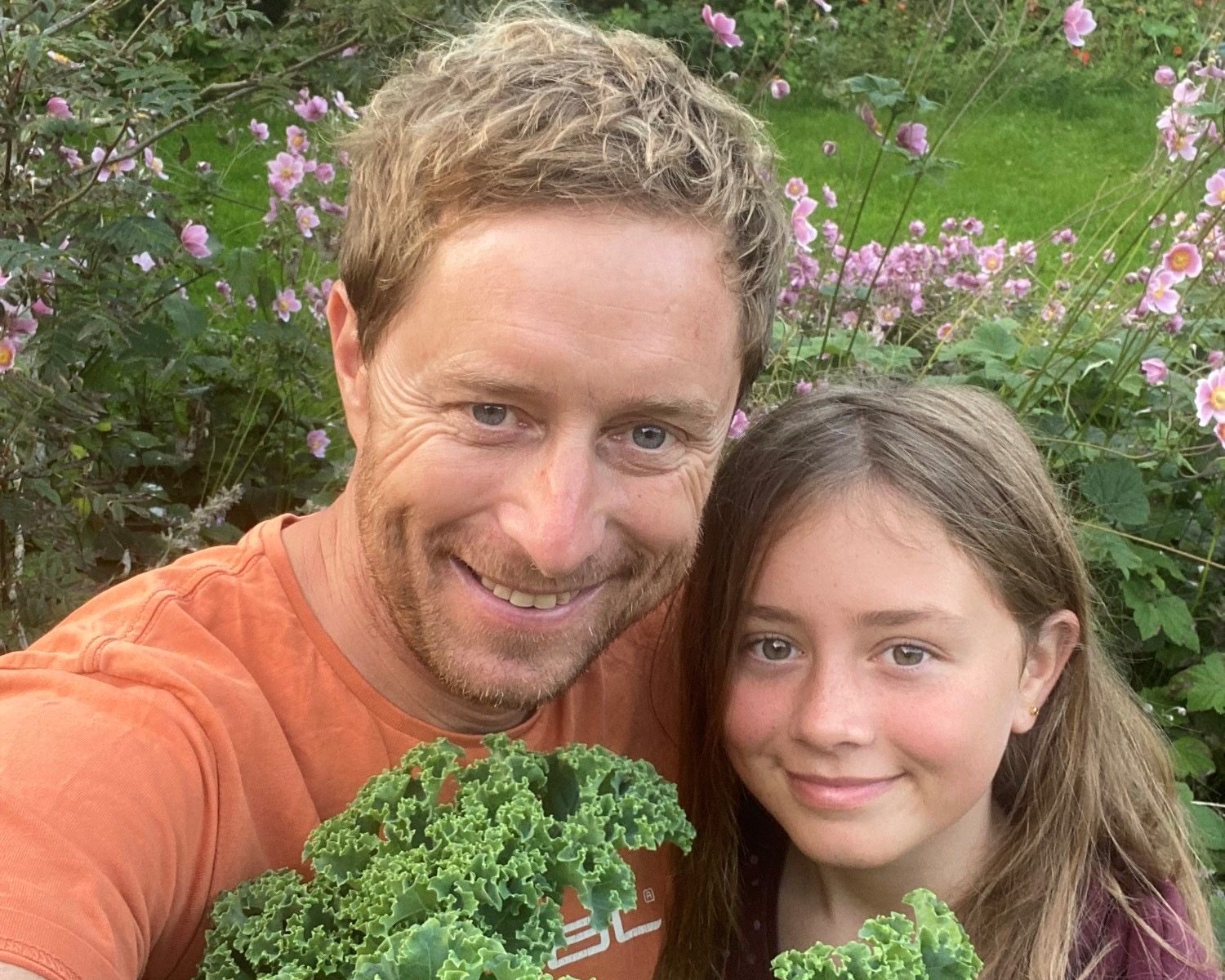
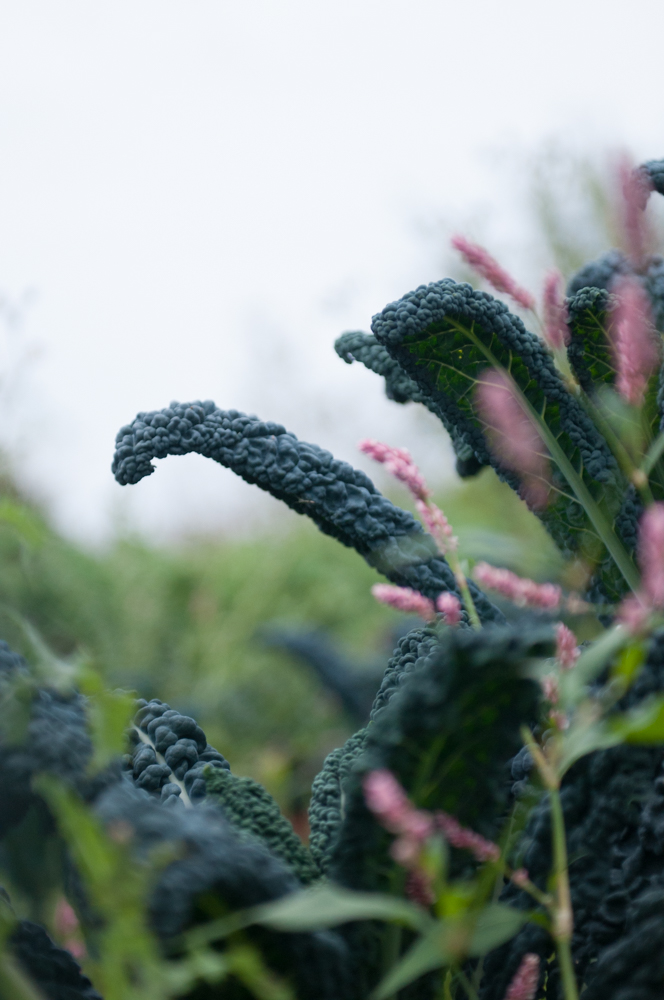
Yesterday my daughter Ella went down the fields and harvested a big bunch of kale she wanted to make kale crisps. I was impressed, who am I to stand in the way of a child who wants to voluntarily eat kale, I thought to myself!

Mostly though it is the other way around, often getting our kids to eat more vegetables can be a struggle, why is this? Why isn’t eating an apple, (or indeed kale crisps) instead of a chocolate bar easier? Why is doing the right thing sometimes so difficult? 

Why is our food system not better, healthier, kinder to us and our planet. How did we get ourselves into this crazy retail race to the bottom and how come it is so hard to value and want to eat real food? 

Both questions are linked. I did a stent in a major pharmaceutical company in the US as a research scientist. A friend of mine at the time worked in the food division, occasionally she would bring cookies to lunch for us to try that had been engineered in her lab to within an inch of their lives. Texture, flavour, taste, and crumbliness had all been optimised in the lab to allow just the right amount of sugar fat and salt to hit our taste buds in the right way at the right time to make them irresistible.  

Many of the processed foods including health bars and vitamin drinks that line supermarket shelves are about as healthy as eating spoonful’s of sugar, generally they contain high amounts of processed apple juice or conventional cereal and sugar substitutes. They rely on wonderfully creative science and marketing to make us believe how good for us they are, and of course they taste amazing.

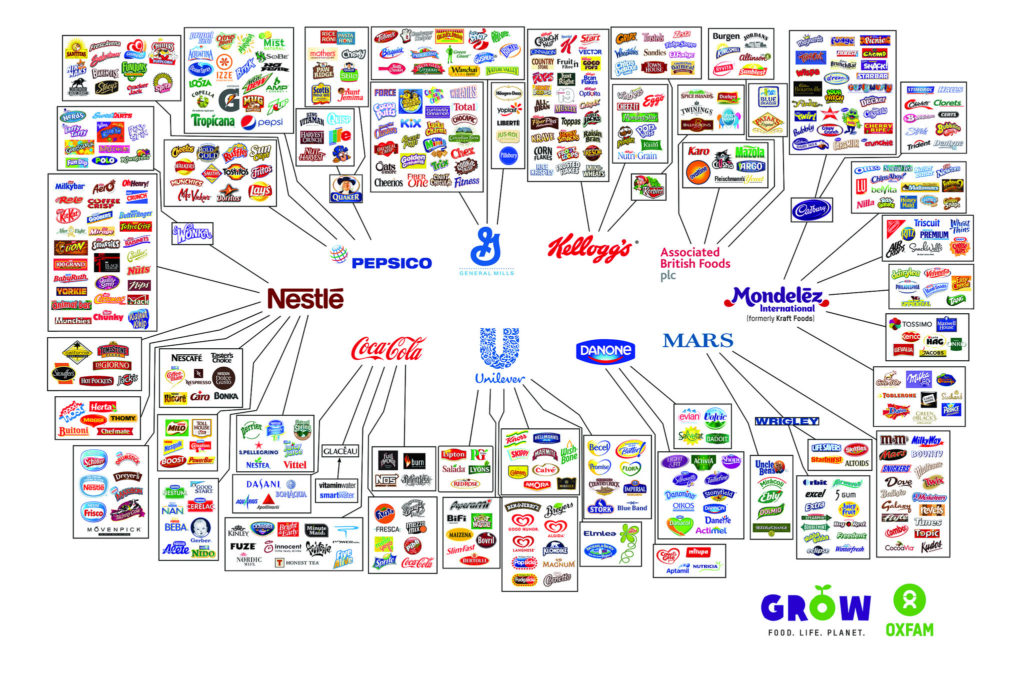
We are sold the idea of free choice, but the reality is that nearly all of the big brands on our shelves are made by 10 giant multinational conglomerates. An industry built on cheap commodity products wrapped and packaged and sold as healthy, driven by profit, derived from a complex unsustainable food chain produces most of our food and it is damaging our health and destroying the planet.

So how is this system fair? How is it that these processed products have taken centre stage and are often seen by us the consumer as a prized food that can be sold for maximum profit? This is the carefully constructed reality we have been fed, it is not our fault it is just the way it.

It is simple, cheap commodity ingredients are processed and packaged to be sold as healthy alternatives to real food, that achieve maximum profit for manufactures and retailers. 

Deciphering what is good for our health and the planet is next to impossible these days. But it doesn’t have to be so complicated. 

There is one extremely straightforward step any one of us can take right now to revolutionise our food choices, the principle is simple: 

“EAT MORE FRESH ORGANIC PRODUCE”

We cannot eat too many vegetables and vegetables in all their guises are good for us. That’s pretty simple right?

So, choosing fresh organic locally grown food and working more fruit and veg into our daily routine is a magnificent way to improve how we feel and our long-term health, not to mention the benefits for the planet. 

So, Ella, go for it, all the kale in the world is yours!

Kenneth

Get a box of real, simple organic food delivered to your door anywhere in Ireland or Northern Ireland here.